

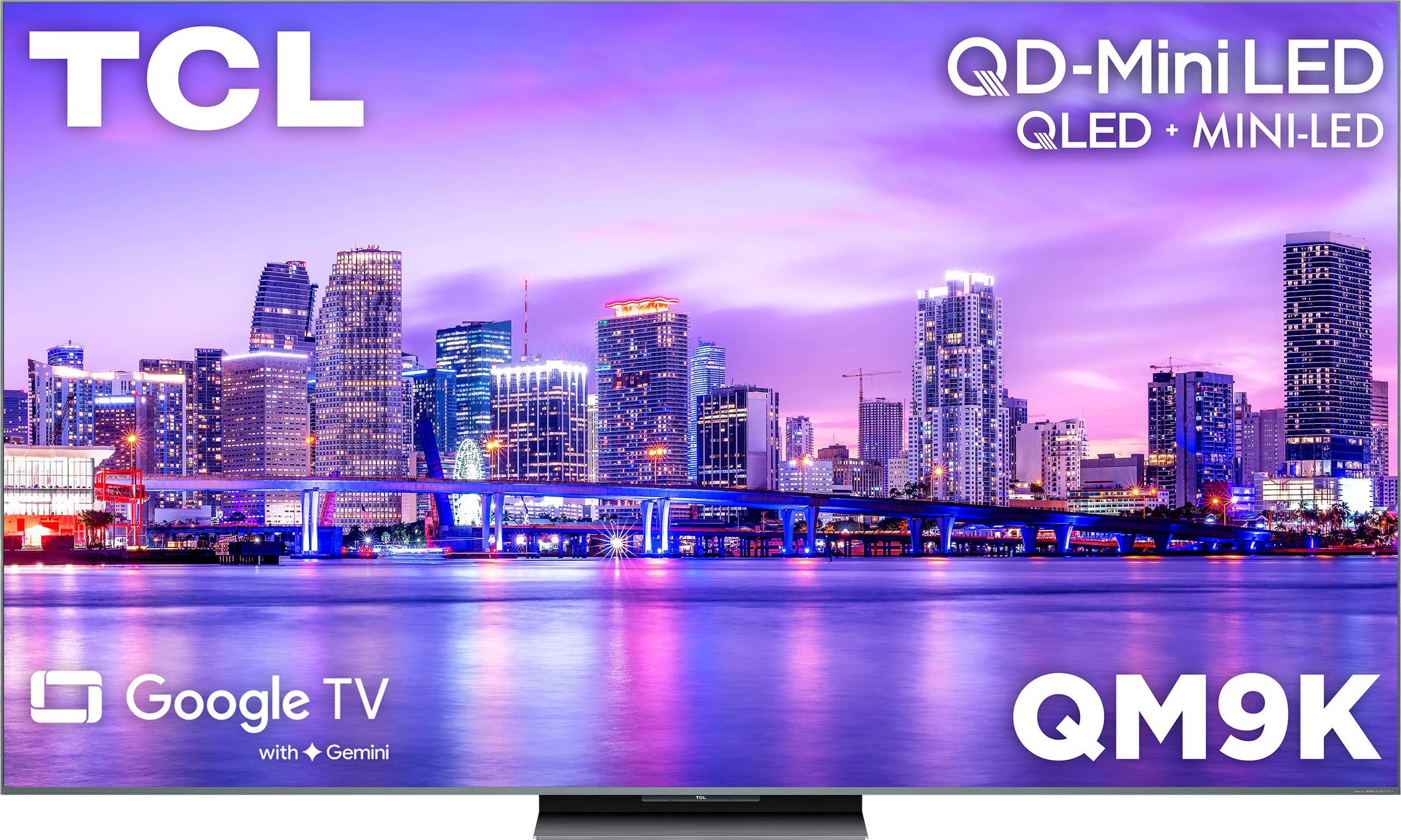
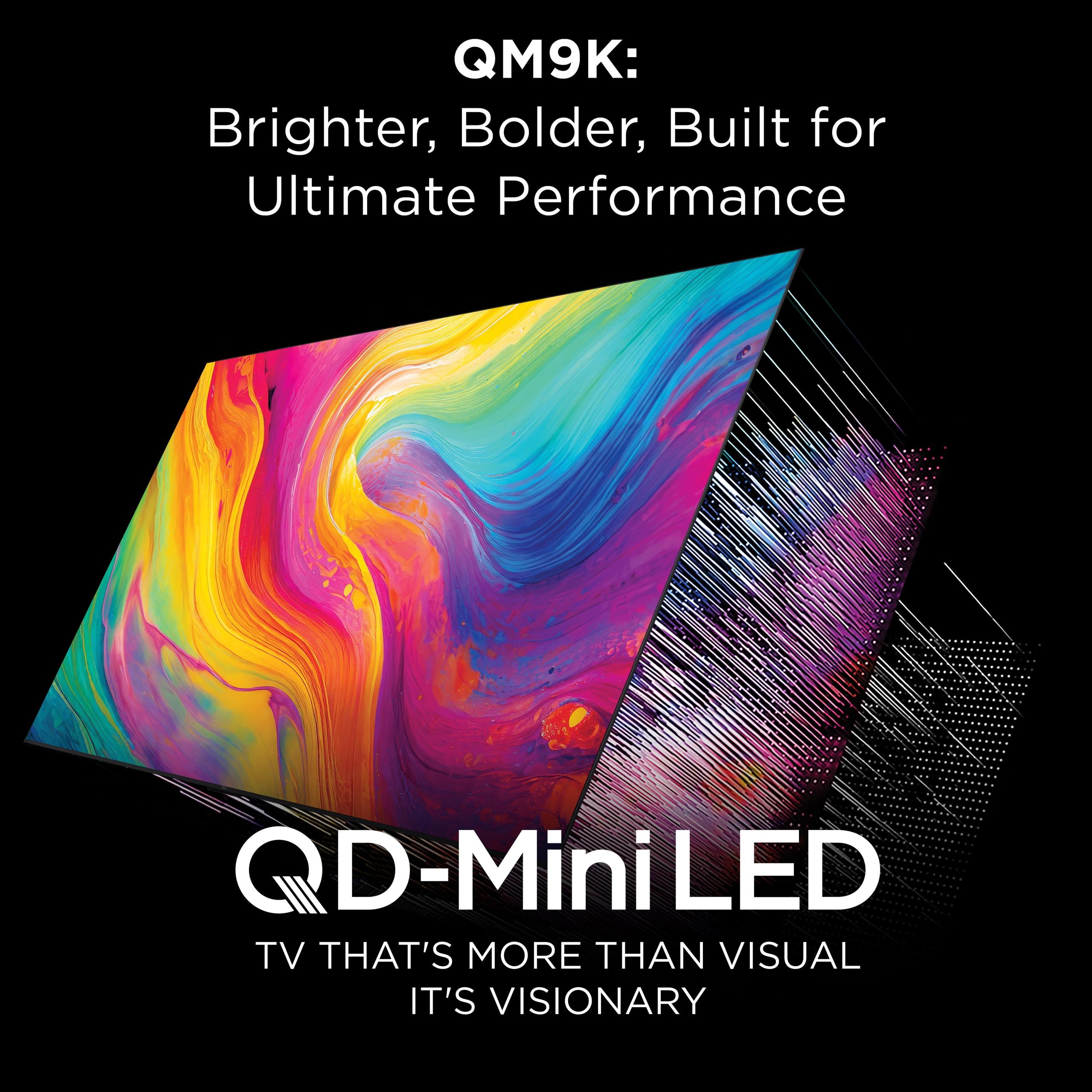
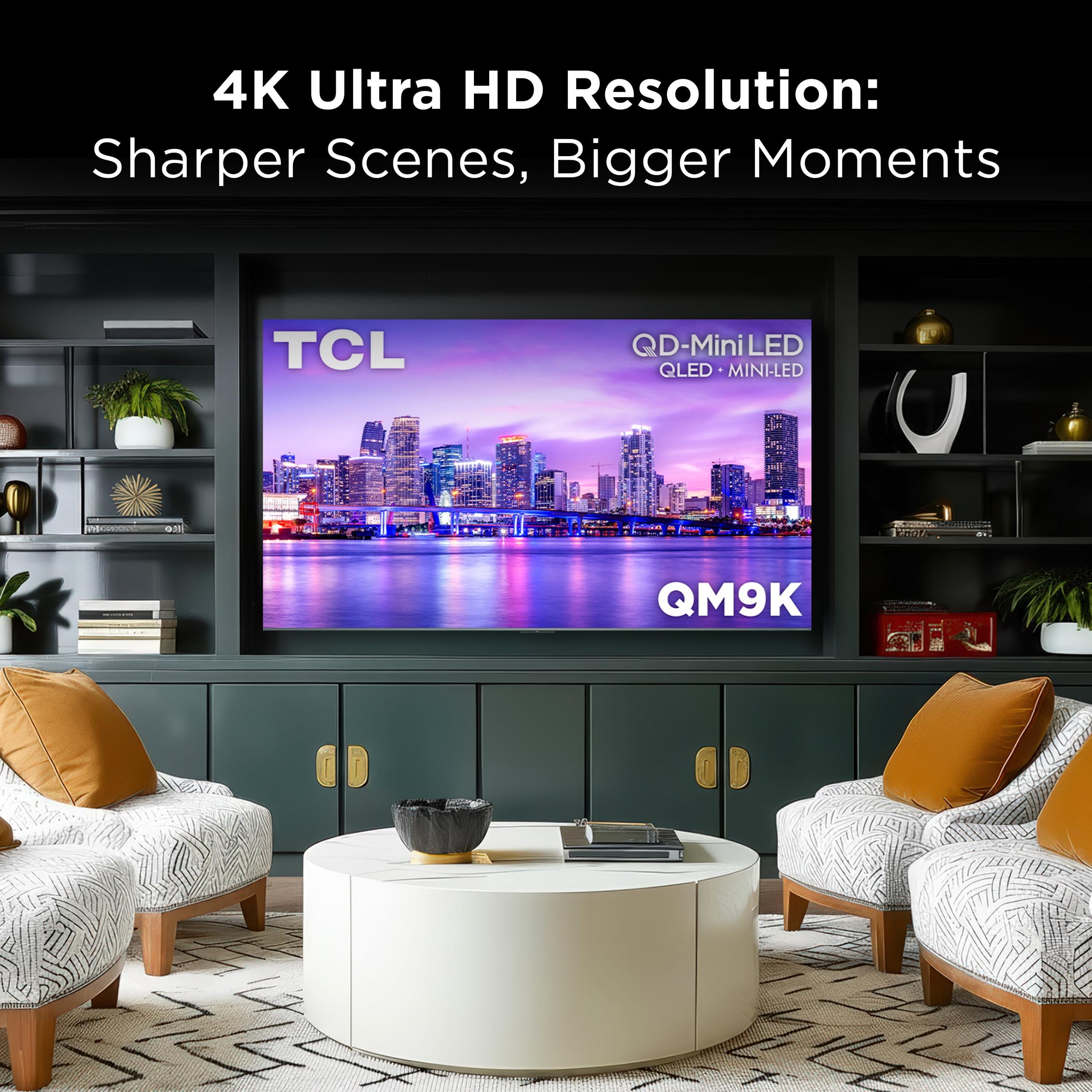
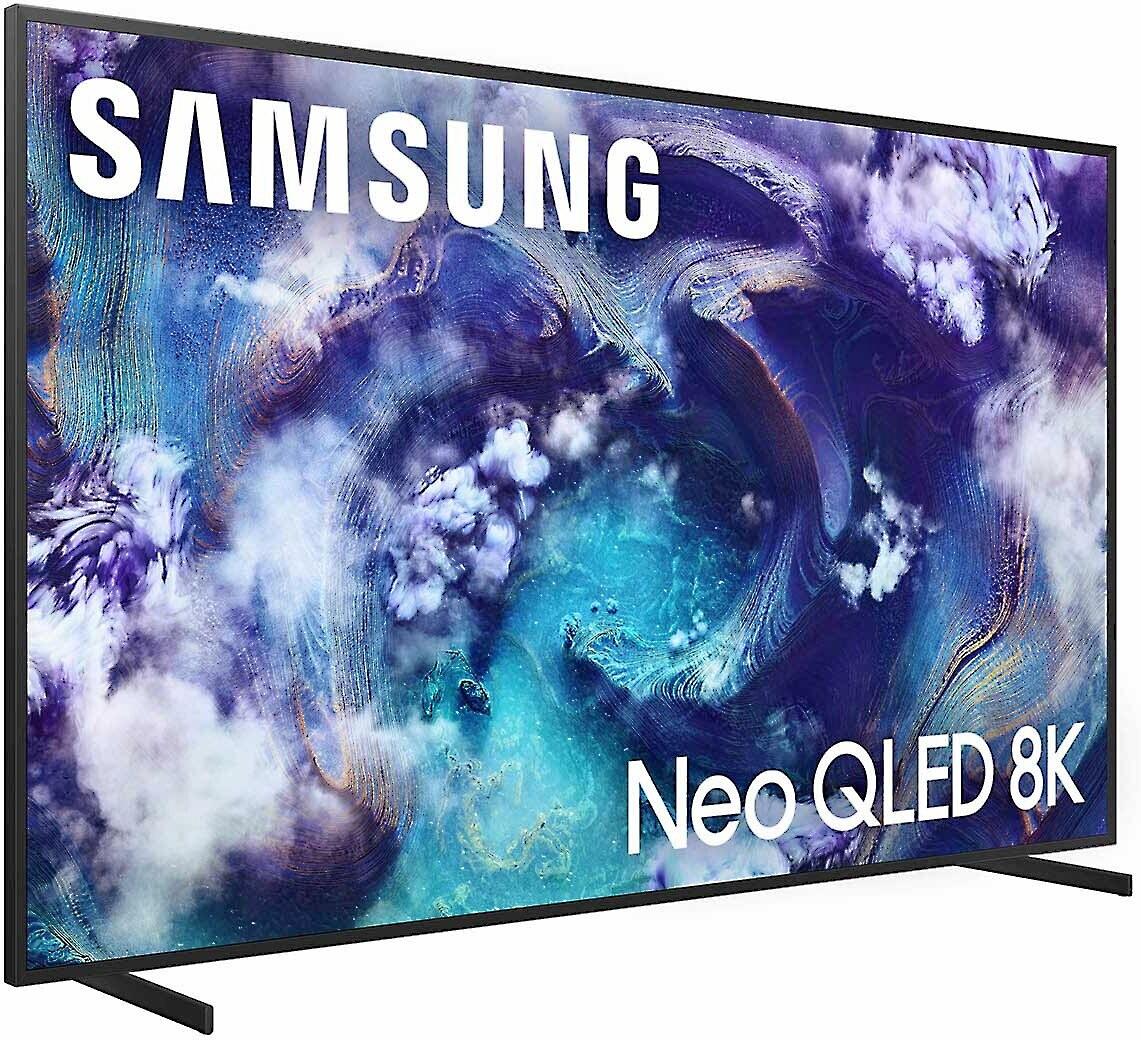
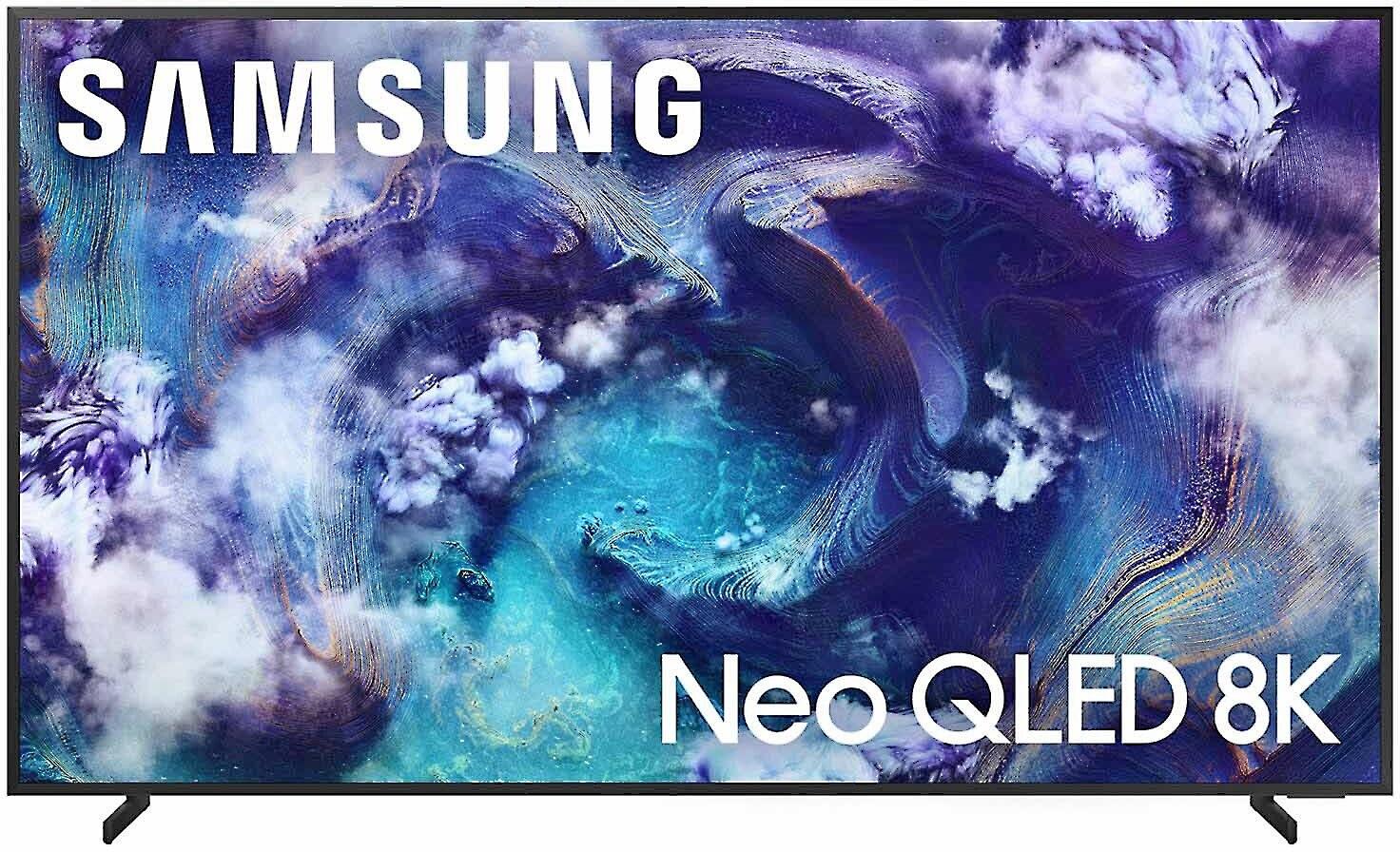
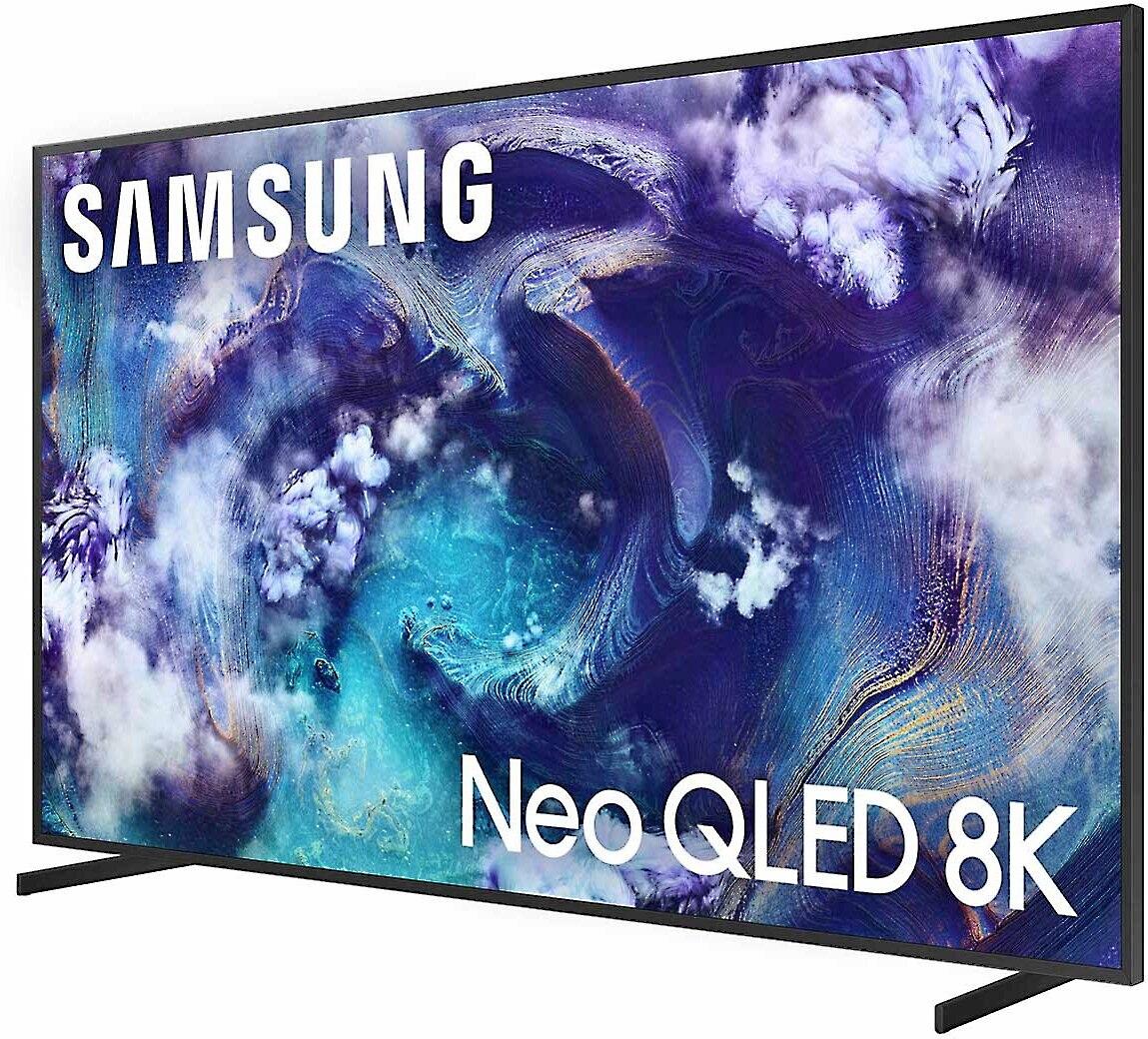

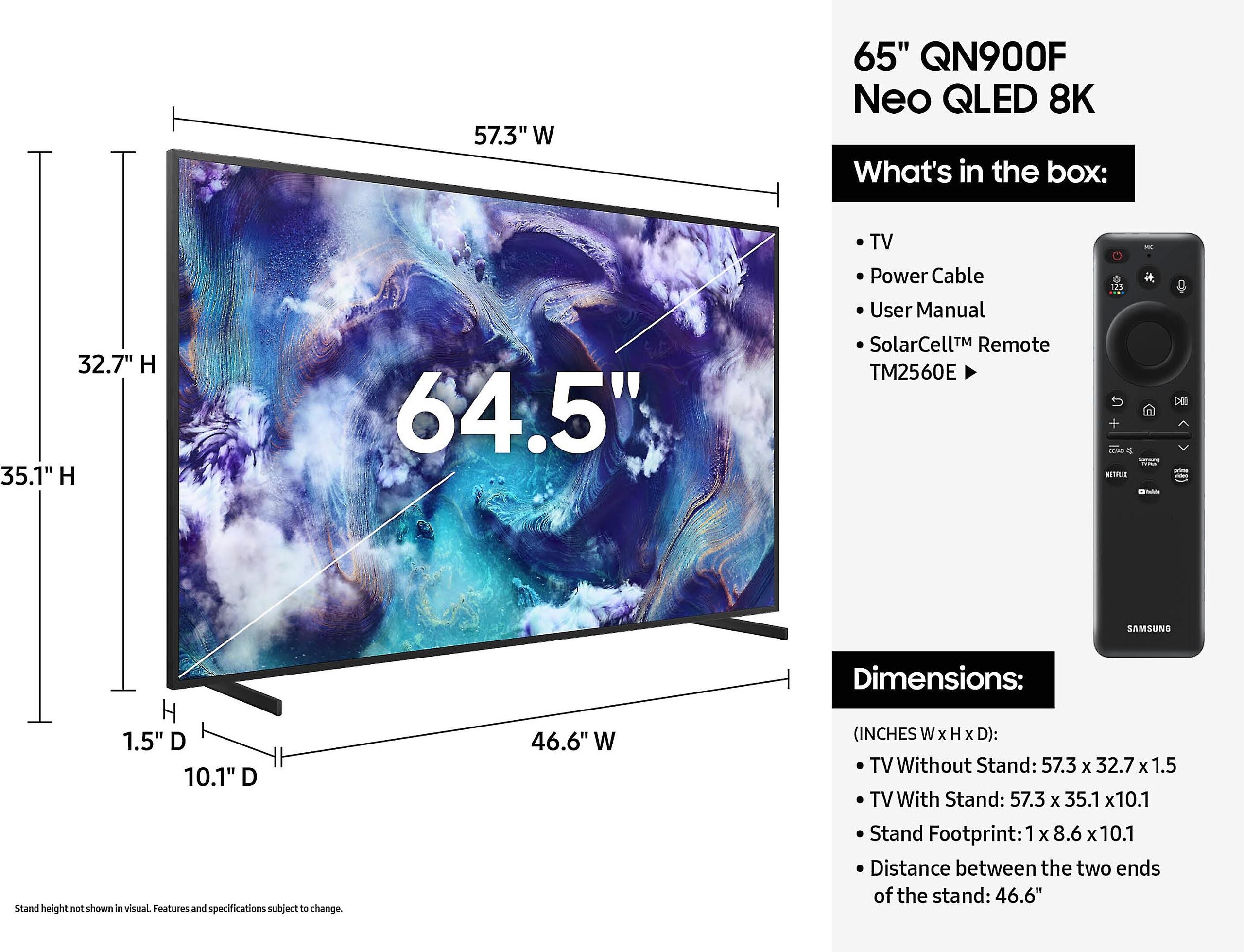
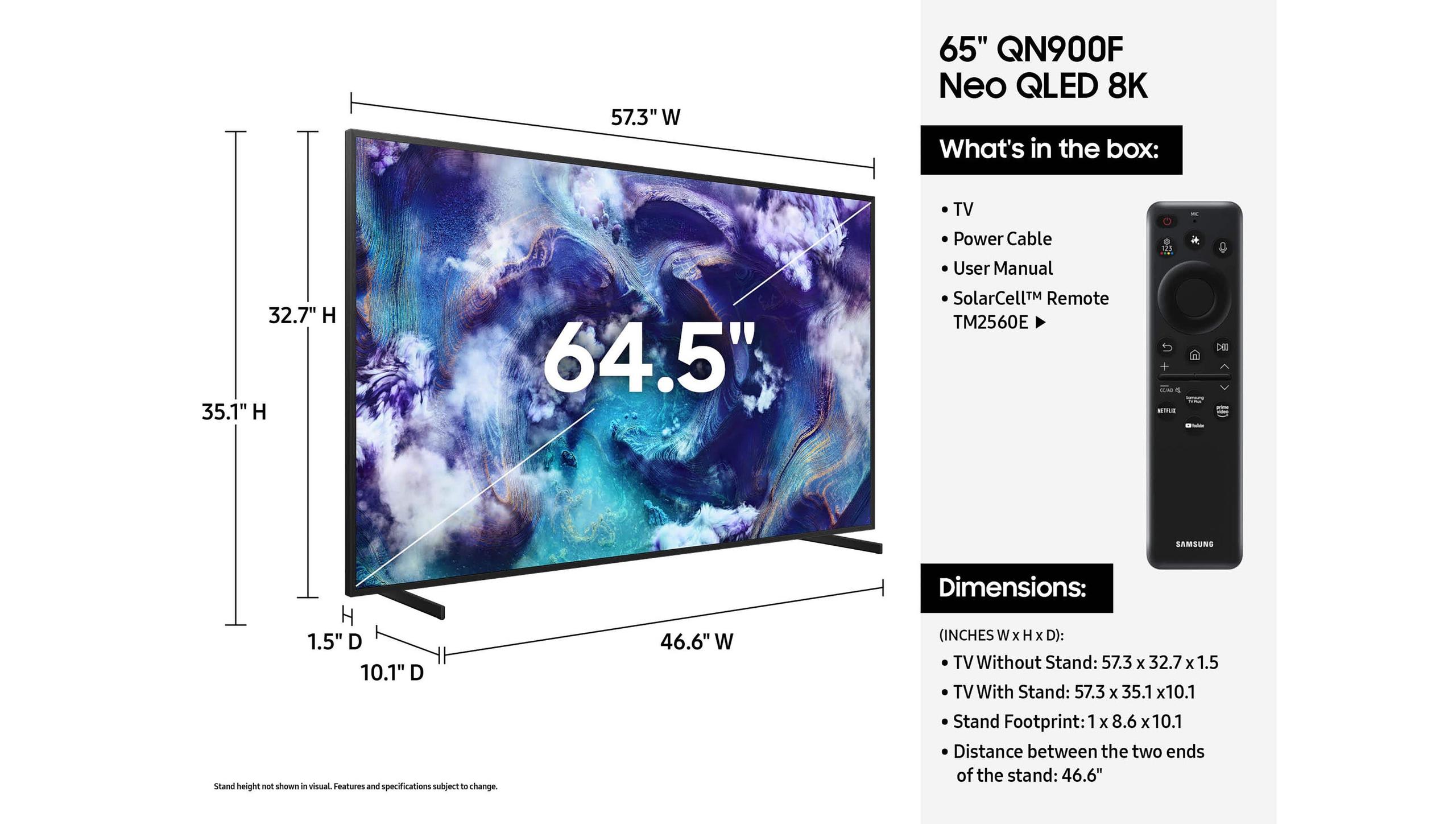
Shopping for a premium TV in 2025 feels overwhelming with so many impressive options. Two standout models caught my attention: the TCL 65" QM9K QD-Mini LED Smart TV and the Samsung 65" Neo QLED 8K QN900F Vision AI Smart TV. Both represent the cutting edge of Mini LED technology, but they take dramatically different approaches to delivering an exceptional viewing experience.
Before diving into specifics, it's worth understanding what makes Mini LED TVs special. Traditional LED TVs use larger LEDs behind the screen that create uneven lighting and poor contrast. Mini LED technology uses thousands of tiny LEDs (some as small as 0.2mm) arranged behind the screen for incredibly precise backlight control. This creates contrast that rivals OLED TVs while delivering much brighter images—perfect for HDR content and bright rooms.
The main considerations when choosing a premium Mini LED TV include local dimming performance (how well it controls individual zones of light), HDR brightness capability, gaming features, smart platform quality, and overall value. Both the TCL QM9K and Samsung QN900F excel in these areas but with different strengths.
The most fundamental difference between these TVs is their resolution approach. The TCL QM9K focuses on delivering exceptional 4K performance, while the Samsung QN900F pushes into 8K territory.
The Samsung QN900F, released in 2025, represents Samsung's latest flagship with true 8K resolution (7,680 × 4,320 pixels)—four times more detailed than 4K. Samsung's NQ8 AI Gen2 processor uses 256 neural networks to upscale lower-resolution content to near-8K quality. In practice, this means your Netflix shows, cable TV, and gaming content gets enhanced with sharper details and cleaner edges.
However, here's the reality check: native 8K content remains extremely limited. You'll find some YouTube videos and a handful of streaming titles, but most of what you watch will be upscaled 4K or lower. The Samsung's AI processing is genuinely impressive at this task, but the question becomes whether you're paying a significant premium for theoretical benefits.
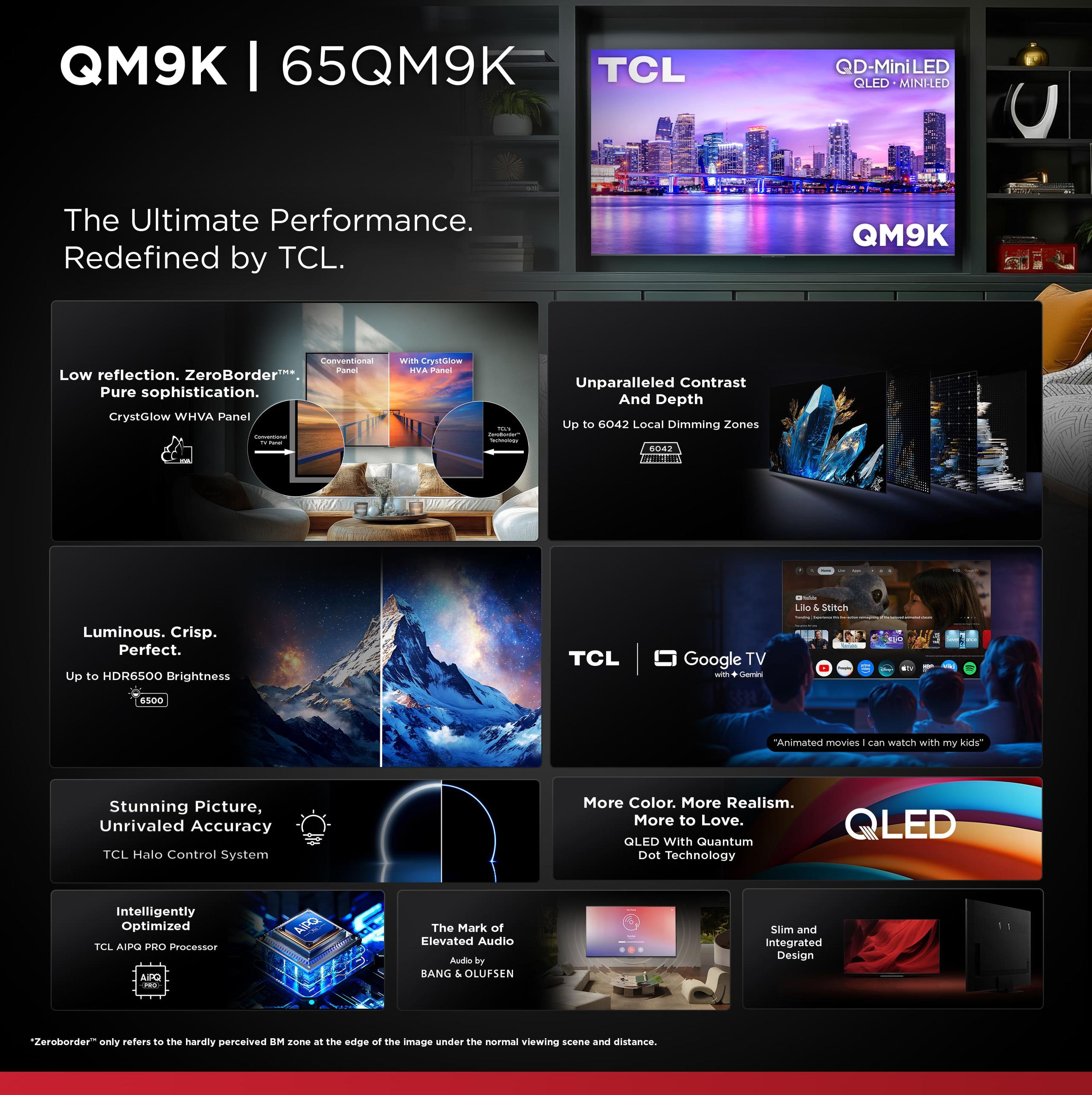
The TCL QM9K, released in 2024, takes a different approach. Instead of chasing 8K, it focuses on delivering the best possible 4K experience with superior brightness, local dimming, and gaming performance. The AIPQ PRO processor optimizes each scene for contrast, color, and clarity while maintaining the sharpness and detail that matters for actual viewing.
HDR (High Dynamic Range) represents the biggest leap in TV picture quality since the transition to HD. It allows TVs to display much brighter highlights and deeper shadows, creating more realistic images. Peak brightness capability directly impacts how impressive HDR content looks.
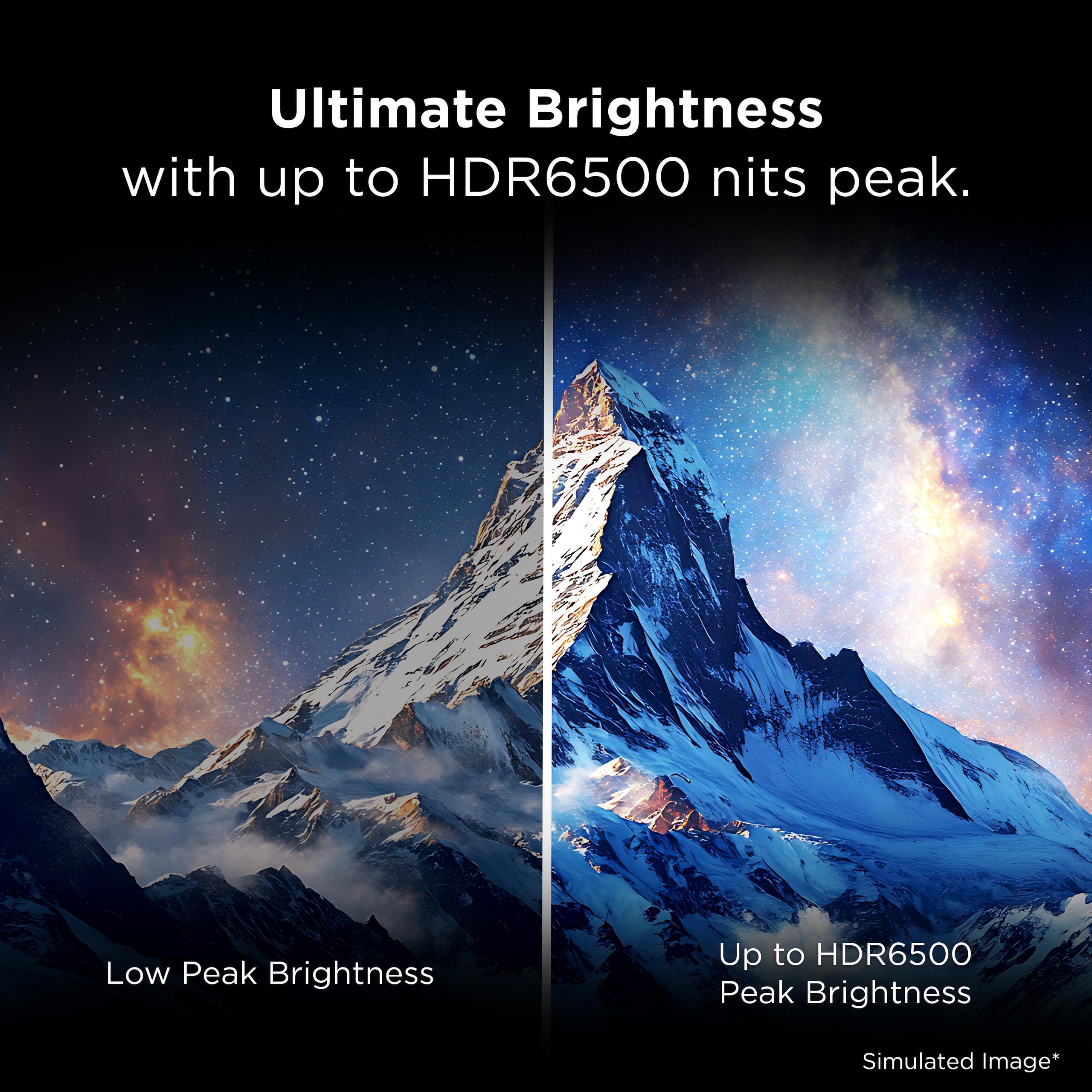
The TCL QM9K absolutely dominates in this area with peak brightness reaching 6,500 nits—among the brightest consumer TVs available. To put this in perspective, a bright sunny day measures about 100,000 nits, while indoor lighting ranges from 100-1,000 nits. Most premium TVs peak around 1,000-4,000 nits. This extreme brightness means HDR highlights like sunlight reflecting off water, explosions, or bright car headlights pop with startling realism.
The Samsung QN900F takes a more refined approach, focusing less on raw brightness and more on control. While it doesn't match the TCL's peak output, Samsung's Quantum Matrix Pro technology delivers excellent HDR with better highlight roll-off and more natural-looking bright scenes. The key advantage here is Samsung's Glare-Free anti-reflection coating, which uses a matte finish to eliminate reflections. In extremely bright rooms with windows or lights directly facing the screen, this technology works almost like magic.
For home theater use, the TCL QM9K's superior brightness creates more dramatic HDR impact, especially in darkened rooms where those bright highlights can truly shine. The Samsung QN900F excels in living rooms with lots of ambient light where reflection control matters more than peak brightness.
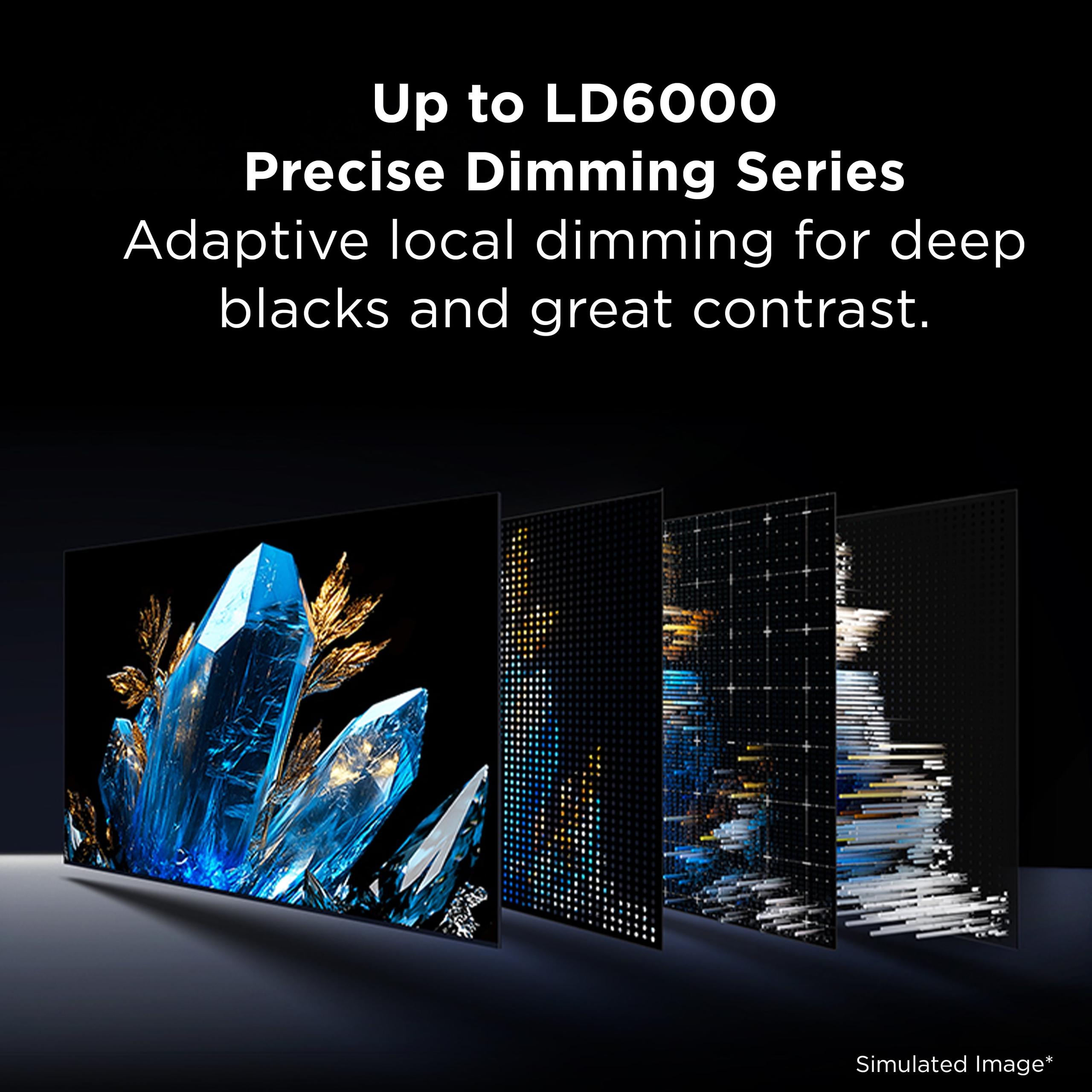
Local dimming divides the backlight into zones that can be independently controlled. More zones mean better control of light and shadow, reducing the "blooming" effect where bright objects create halos in dark areas.
The TCL QM9K features up to 6,000 precise dimming zones with TCL's Halo Control System—a sophisticated approach that includes micro-distance optical design, advanced algorithms, and specialized lens technology. Based on professional reviews, this creates exceptionally deep blacks with minimal haloing around bright objects. The system also handles zone transitions smoothly as bright objects move across the screen.
Samsung's approach with the QN900F uses fewer zones but with more sophisticated control algorithms. The Quantum Matrix Pro technology focuses on smooth transitions and intelligent zone management rather than sheer zone count. While this can produce cleaner motion and fewer zone-switching artifacts, it may not achieve quite the same level of contrast in challenging scenes.
For movie enthusiasts who prioritize that cinematic contrast—think starfield scenes or dimly lit interiors with bright windows—the TCL QM9K delivers superior performance. The Samsung QN900F provides more polished overall presentation with fewer distracting artifacts.
Color reproduction involves two main factors: color gamut (how many colors the TV can display) and color volume (how vibrant those colors remain at different brightness levels).
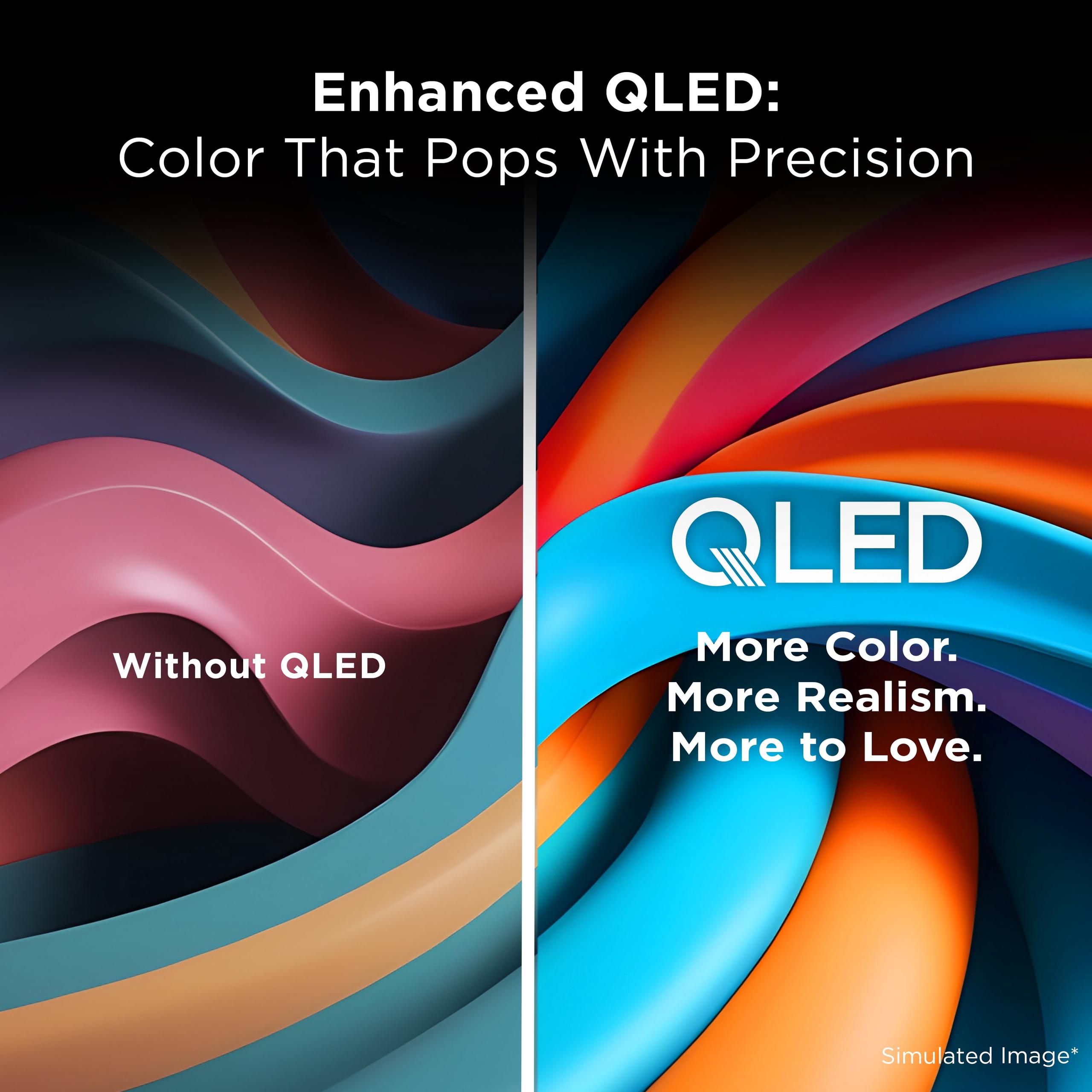
The TCL QM9K uses Enhanced QLED technology with quantum dots—microscopic crystals that emit precise colors when hit by light. This achieves 97% DCI-P3 coverage (the color standard for digital cinema) with excellent color volume even at extreme brightness levels. The AIPQ PRO processor analyzes each scene to optimize color saturation, contrast, and clarity automatically.
Samsung's approach with the QN900F emphasizes AI-driven color enhancement. The NQ8 AI processor doesn't just upscale resolution—it analyzes content to boost color expression, enhance depth perception, and improve overall image quality. Features like Color Booster Pro and Real Depth Enhancer create more three-dimensional, lifelike images.
Both deliver excellent color, but the TCL focuses on accuracy and vibrancy, while the Samsung prioritizes intelligent enhancement and refinement.
Modern gaming demands high refresh rates, low input lag, and smooth motion. Both TVs support HDMI 2.1 features like Variable Refresh Rate (VRR) and Auto Low Latency Mode (ALLM), but their implementations differ significantly.
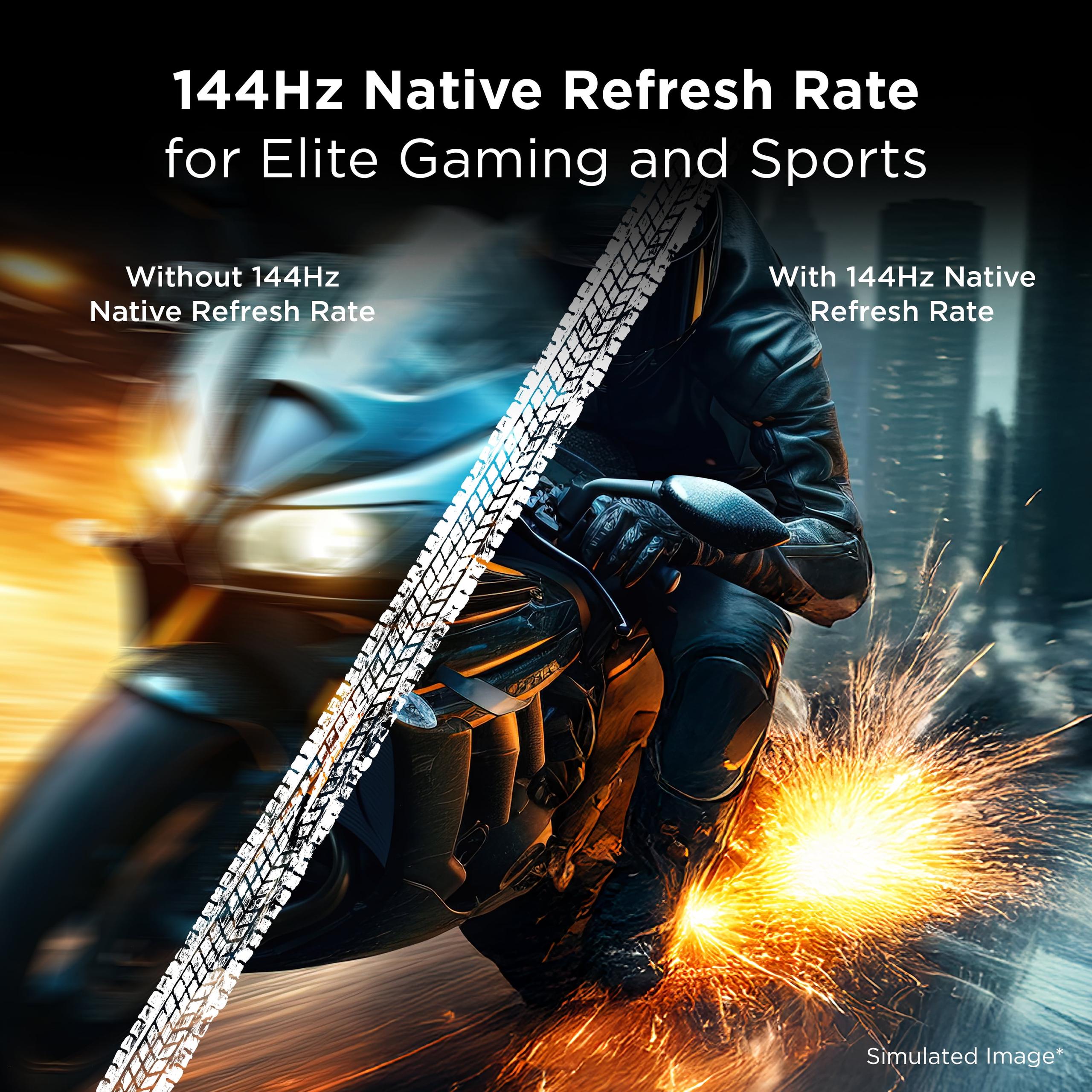
The TCL QM9K excels for serious gamers with its native 144Hz panel supporting up to 4K @ 144Hz on two HDMI 2.1 ports. The Game Accelerator 288 feature pushes refresh rates up to 288Hz at 1080p resolution—ideal for competitive esports titles. Input lag measures just 5.3ms, meaning your controller inputs appear on screen almost instantly.
The Samsung QN900F offers 120Hz native refresh with support for up to 4K @ 165Hz through specific HDMI inputs. While impressive, the lower native refresh rate means slightly less smooth motion in fast-paced games. Samsung's AI Auto Game Mode and Game Bar provide useful gaming overlays and optimization, but pure performance metrics favor the TCL.
For PlayStation 5, Xbox Series X, or PC gaming, the TCL QM9K delivers superior performance with more consistent high refresh rates and lower latency. The Samsung QN900F provides excellent gaming but prioritizes features over raw performance.
Your TV's smart platform determines daily usability, content recommendations, and integration with other devices.
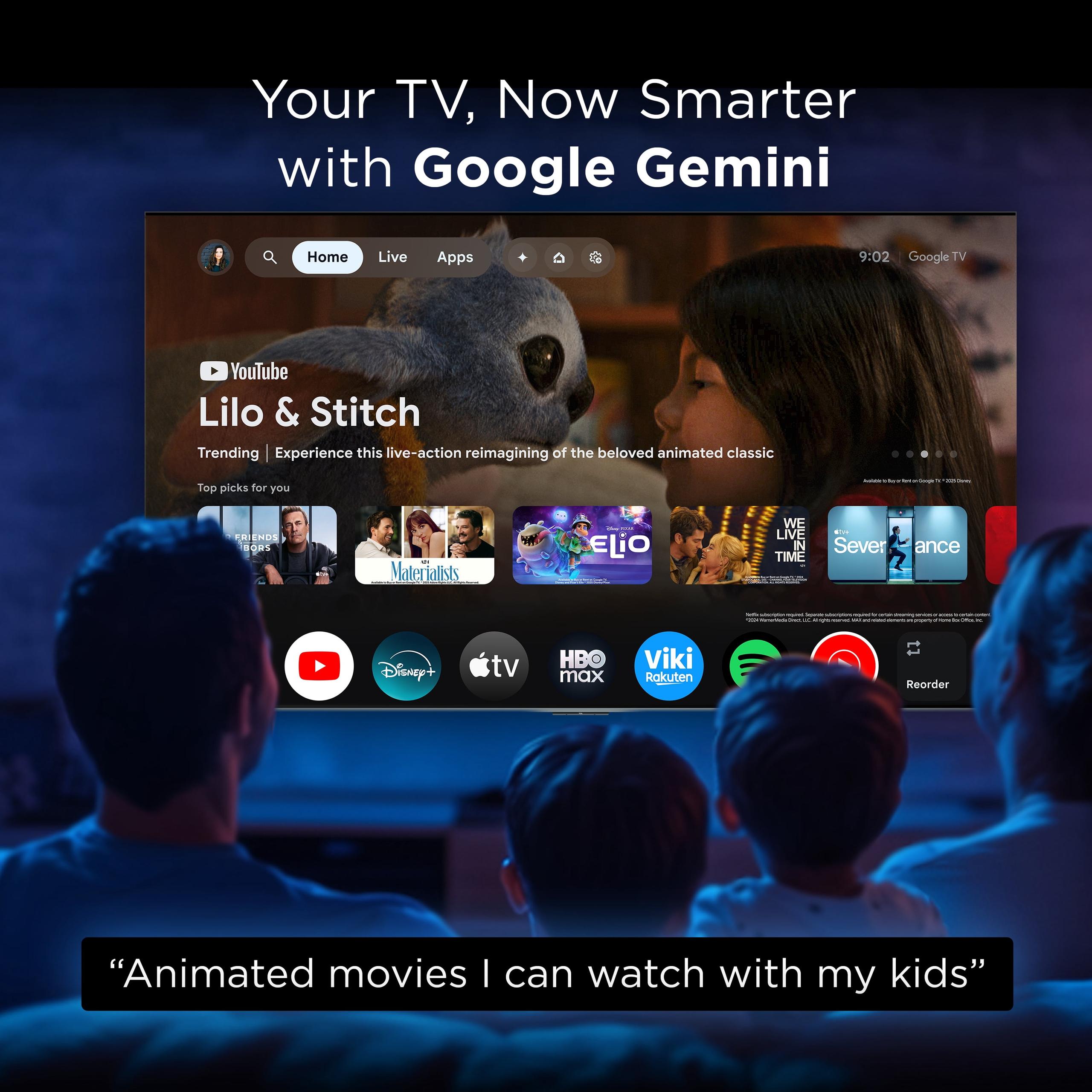
The TCL QM9K runs Google TV with Google Gemini AI integration. This provides excellent content aggregation across streaming services, personalized recommendations, and seamless integration with Google services. The Presence Sensor automatically detects when you're nearby, turning the TV on or displaying relevant information. Chromecast built-in and Apple AirPlay 2 support make content sharing effortless.
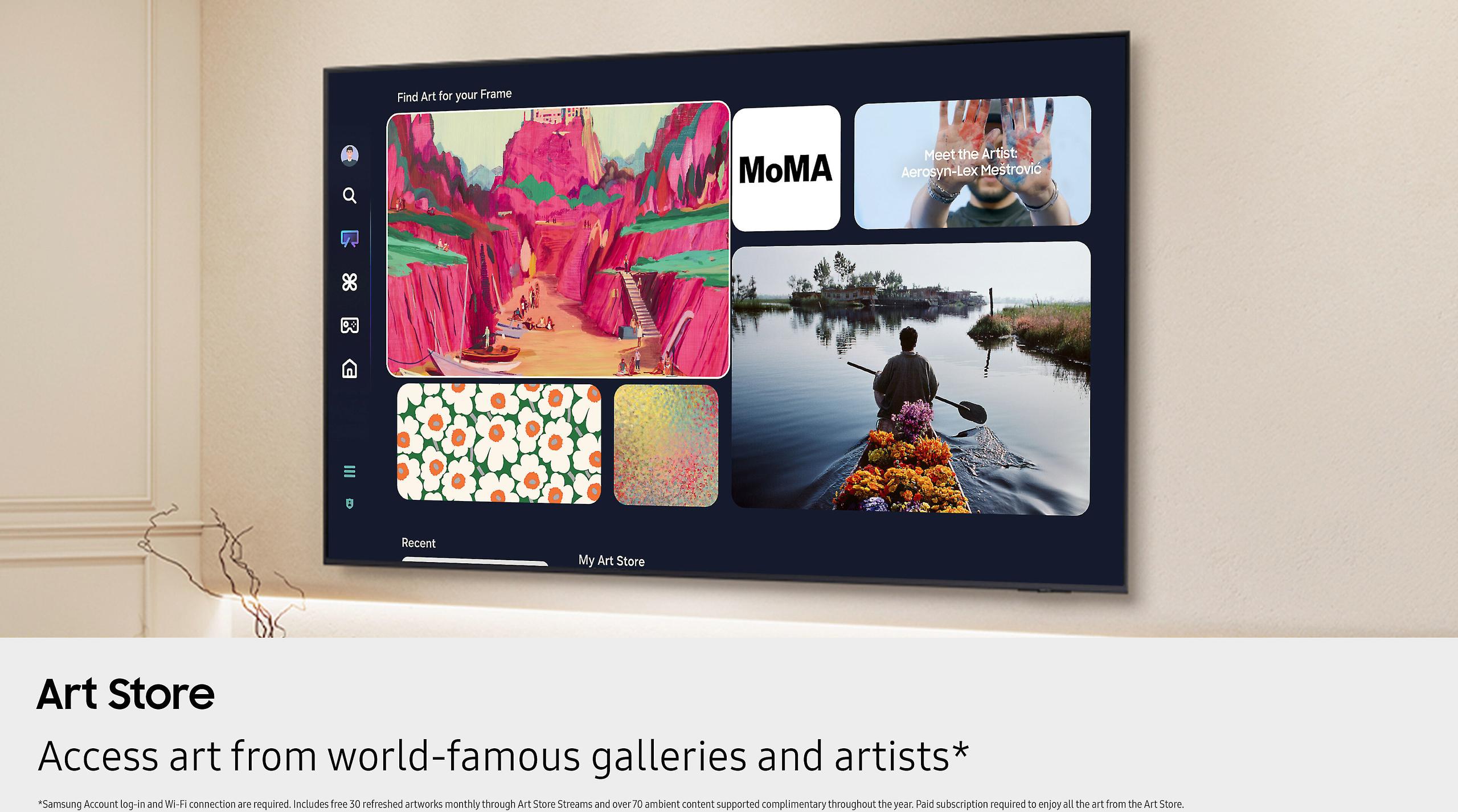
Samsung's Tizen OS on the QN900F offers a more premium experience with deeper AI integration. Vision AI features include real-time translation for foreign content, intelligent content enhancement, and adaptive sound optimization. The interface feels more polished and responsive, though some prefer Google TV's content discovery.
For smart home integration, the TCL works better with Google ecosystem devices, while the Samsung excels with Samsung appliances and services.
Premium TVs increasingly focus on built-in audio quality to reduce the need for external sound systems.
The TCL QM9K features audio tuning by Bang & Olufsen with a 2.1.1 channel system including a dedicated subwoofer on the 65" model. Dolby Atmos support creates virtual 3D sound that appears to come from above and around you. The sound is clear and dynamic with solid bass response for a flat-panel TV.
The Samsung QN900F takes audio more seriously with a 4.2.2 channel system delivering 70W total power. Object Tracking Sound+ technology moves audio effects across the screen to match visual action—when a car drives from left to right, the sound follows convincingly. Adaptive Sound Pro analyzes content in real-time to optimize dialogue clarity and effects balance.
For home theater use without a dedicated sound system, the Samsung QN900F provides superior audio with better spatial effects and overall power. The TCL QM9K delivers solid sound but may benefit from a soundbar for the best experience.
Premium TVs serve as room centerpieces, making design crucial.
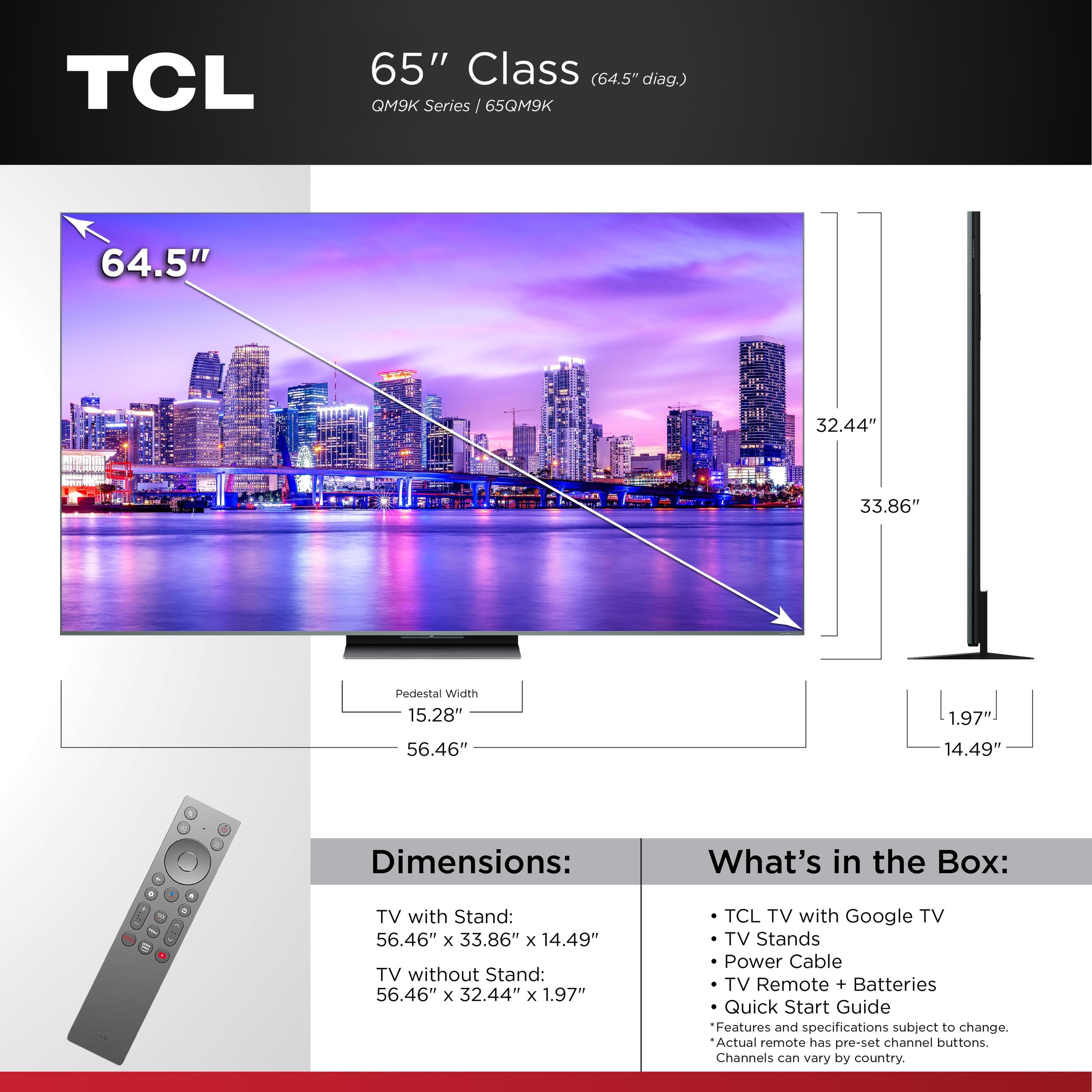
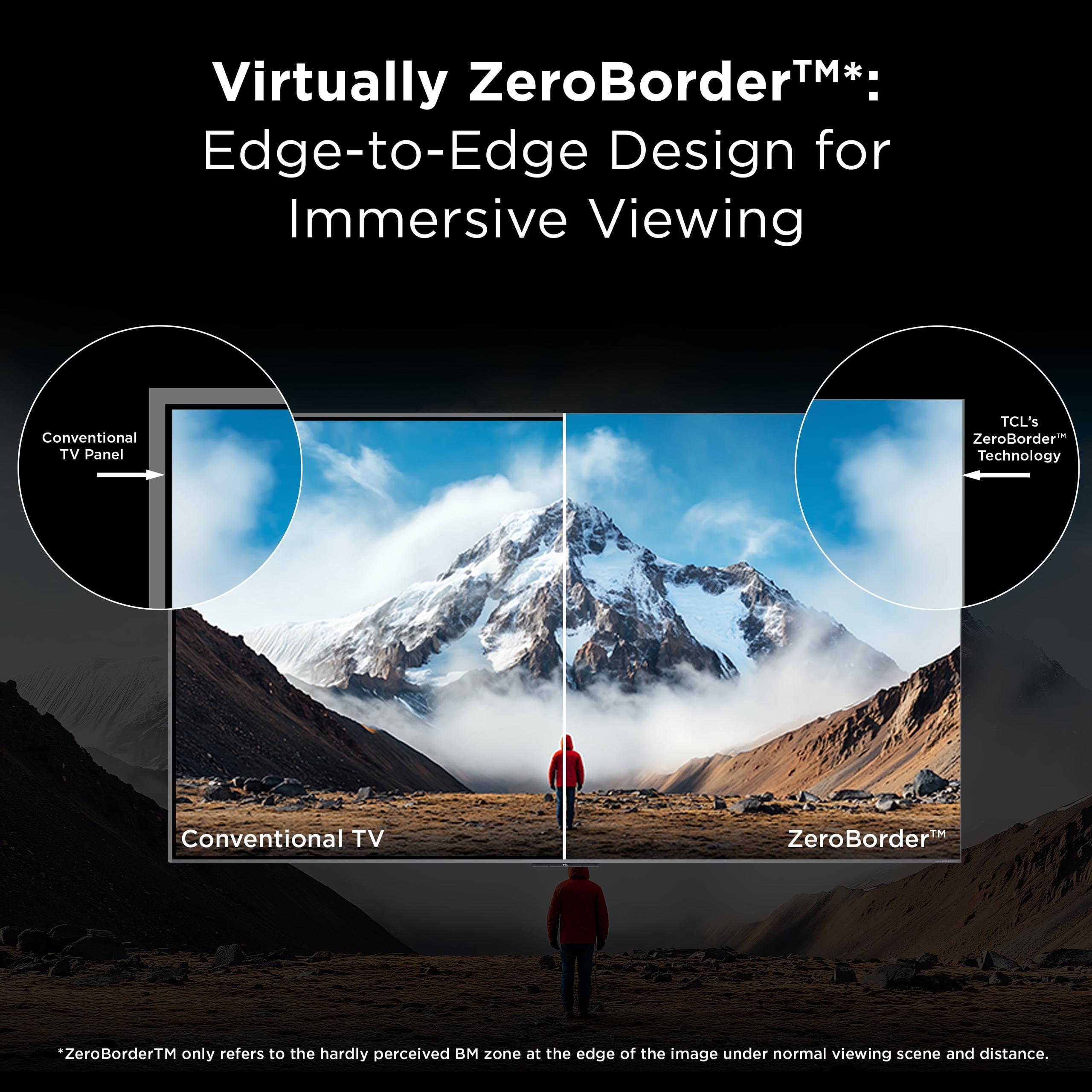
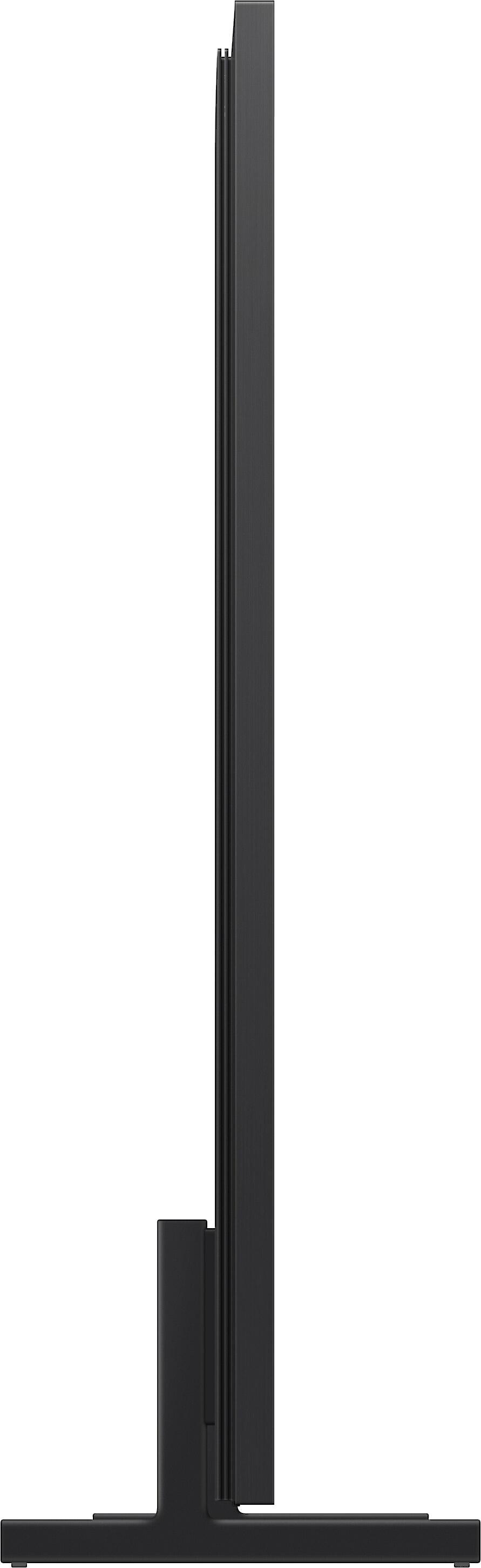
The TCL QM9K features an ultra-slim 1.9-inch depth profile with integrated cable management and minimal bezels. The design prioritizes functionality with easy port access and clean wall-mounting capability.
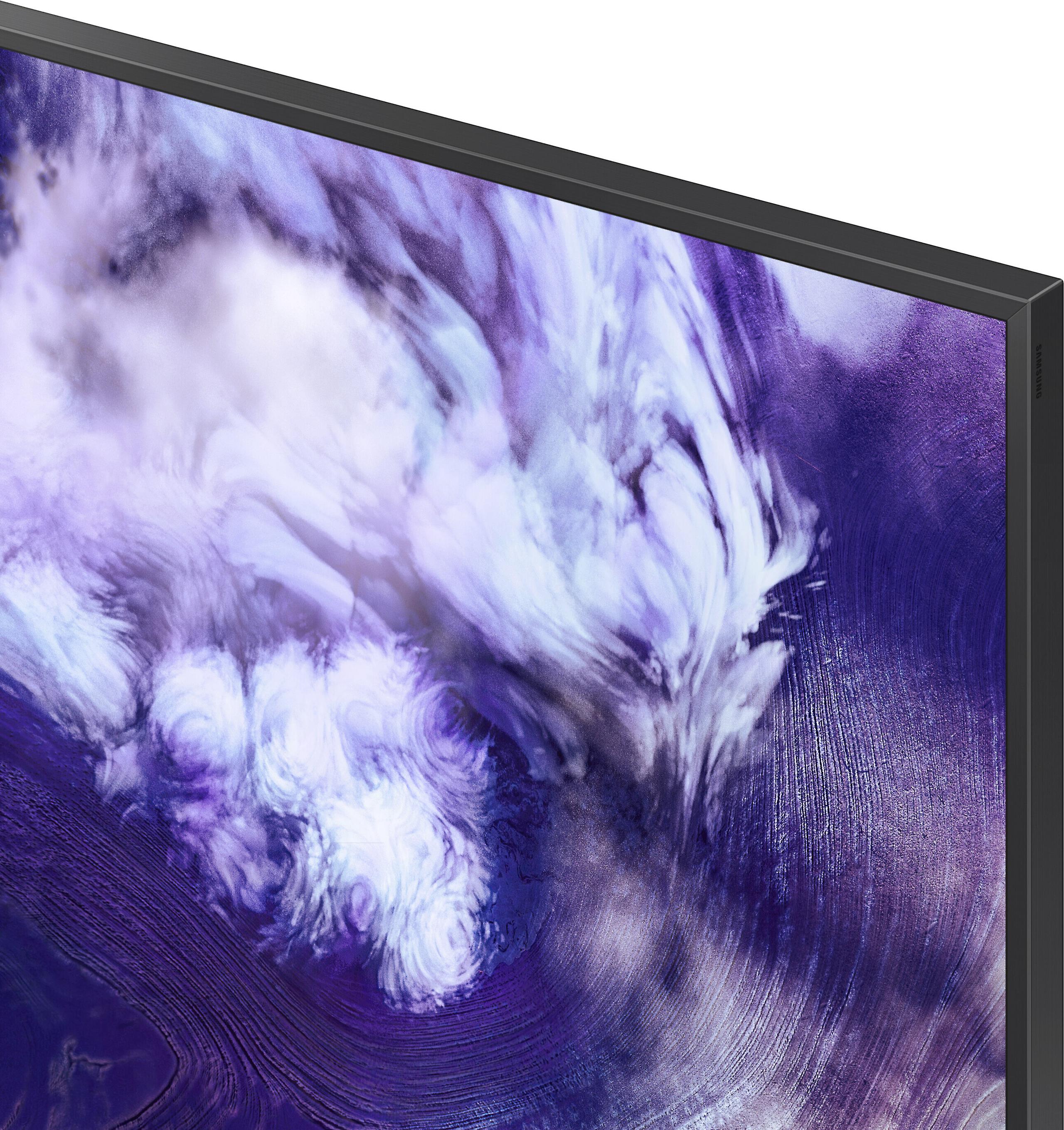
The Samsung QN900F emphasizes premium aesthetics with its Metal Frame Design creating an almost edgeless appearance. The build quality feels more substantial, and the anti-reflection screen coating gives it a sophisticated matte appearance rather than the TCL's glossy finish.
Both look excellent wall-mounted, but the Samsung commands more presence as a design object.
At the time of writing, these TVs occupy different price tiers with the Samsung QN900F commanding a significant premium over the TCL QM9K—roughly 50-60% more expensive.
The TCL QM9K delivers exceptional performance per dollar with superior HDR brightness, gaming capabilities, and local dimming at a more accessible price point. You're getting flagship-level picture quality without paying flagship prices.
The Samsung QN900F justifies its premium through 8K capability, superior AI processing, premium build quality, and advanced anti-glare technology. However, the practical benefits may not justify the cost difference for most users.
Choose the TCL QM9K if you:
Choose the Samsung QN900F if you:
For most viewers, the TCL QM9K represents the better choice, delivering superior practical performance in brightness, contrast, and gaming at significantly better value. Its combination of 6,500-nit HDR, 144Hz gaming, and excellent local dimming creates an impressive viewing experience that matches or exceeds much more expensive options.
The Samsung QN900F earns its premium through genuine innovations in 8K processing, anti-glare technology, and premium design. However, these advantages primarily benefit specific use cases—bright room viewing, 8K future-proofing, or users who prioritize cutting-edge technology over practical performance.
In home theater environments where picture quality reigns supreme, the TCL QM9K delivers more dramatic HDR impact and superior contrast. For living room use with lots of ambient light, the Samsung QN900F's glare-free screen provides clear advantages.
Both represent excellent TVs that will satisfy demanding viewers. The choice ultimately depends on your priorities: exceptional performance value with the TCL QM9K, or premium features and future-proofing with the Samsung QN900F.
| TCL 65" QM9K QD-Mini LED Smart TV | Samsung 65" Neo QLED 8K QN900F Vision AI Smart TV 2025 |
|---|---|
| Resolution - 8K offers future-proofing but limited current content | |
| 4K (3840 x 2160) with excellent upscaling | 8K (7680 x 4320) with AI upscaling |
| Peak HDR Brightness - Critical for HDR impact and bright room viewing | |
| 6,500 nits (exceptional HDR highlights) | ~4,000 nits (excellent but less dramatic) |
| Local Dimming Zones - More zones mean better contrast control | |
| Up to 6,000 zones with Halo Control System | Quantum Matrix Pro (fewer zones, better algorithms) |
| Gaming Refresh Rate - Higher rates provide smoother motion | |
| 144Hz native (up to 288Hz at 1080p) | 120Hz native (up to 165Hz at 4K) |
| Input Lag - Lower is better for responsive gaming | |
| 5.3ms (excellent for competitive gaming) | ~10ms (good for most gaming) |
| Screen Coating - Affects viewing in bright environments | |
| Glossy (maximum brightness, some reflections) | Matte Glare-Free (eliminates reflections) |
| Smart Platform - Determines daily usability and app ecosystem | |
| Google TV with Gemini AI | Tizen OS with Vision AI |
| Audio System - Built-in sound quality without external speakers | |
| Bang & Olufsen 2.1.1 system | 4.2.2 system (70W) with Object Tracking Sound+ |
| HDMI 2.1 Ports - Needed for high refresh gaming | |
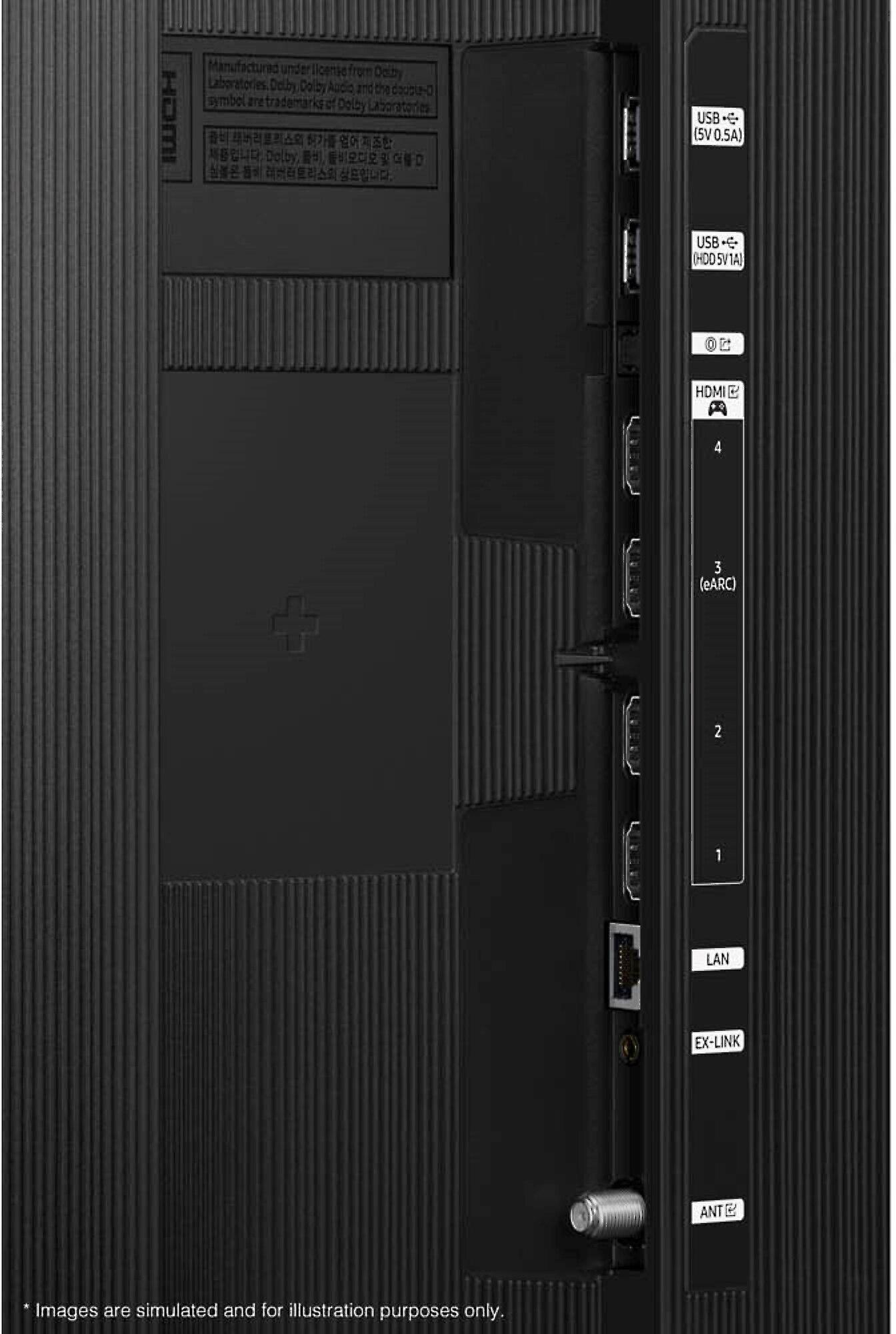
| 4 ports (2 support 4K@144Hz) | 4 ports (specific gaming optimization) |
| HDR Formats - Dolby Vision offers superior tone mapping | |
| HDR10, HDR10+, Dolby Vision IQ | HDR10+ (no Dolby Vision support) |
| Design Profile - Affects wall mounting and aesthetics | |
| Ultra-slim 1.9" depth | Premium Metal Frame Design |
| VRR Support - Eliminates screen tearing in games | |
| AMD FreeSync Premium Pro | AMD FreeSync Premium Pro |
| Voice Control - Hands-free operation convenience | |
| Google Gemini with presence sensor | Bixby with far-field microphone |
| Value Proposition - Performance per dollar at time of writing | |
| Superior brightness and gaming at competitive price | Premium 8K and AI features at flagship pricing |
The TCL 65" QM9K QD-Mini LED Smart TV is significantly better for gaming with its native 144Hz refresh rate supporting up to 4K@144Hz and Game Accelerator 288 for 288Hz at 1080p. It also has lower input lag at 5.3ms compared to the Samsung QN900F's 120Hz native refresh rate. Both support HDMI 2.1 and VRR, but the TCL QM9K delivers superior gaming performance overall.
Currently, 8K content is extremely limited with mostly YouTube videos and minimal streaming options. The Samsung QN900F excels at upscaling 4K and lower resolution content to 8K using AI processing, but you're paying a premium for future-proofing rather than immediate benefits. The TCL QM9K delivers exceptional 4K performance that looks stunning with today's content at better value.
The TCL 65" QM9K QD-Mini LED Smart TV gets significantly brighter with peak HDR brightness of 6,500 nits compared to the Samsung QN900F's approximately 4,000 nits. This means more dramatic HDR highlights like sunlight, explosions, and reflections. However, the Samsung QN900F has better glare-free technology for bright rooms with lots of ambient light.
The TCL QM9K runs Google TV with Google Gemini AI, offering excellent content discovery and integration with Google services. The Samsung QN900F uses Samsung's Tizen OS with Vision AI features including real-time translation and adaptive optimization. Both are excellent, but Google TV typically offers better streaming service integration while Tizen provides more premium AI features.
The Samsung 65" Neo QLED 8K QN900F has superior built-in audio with a 4.2.2 channel system delivering 70W and Object Tracking Sound+ that moves audio across the screen. The TCL QM9K features Bang & Olufsen tuning with a 2.1.1 system that sounds good but isn't as powerful or immersive as the Samsung's audio system.
The TCL 65" QM9K QD-Mini LED Smart TV features up to 6,000 precise dimming zones with TCL's Halo Control System, providing exceptional contrast with minimal blooming around bright objects. The Samsung QN900F uses Quantum Matrix Pro with fewer zones but more sophisticated algorithms for smoother transitions. The TCL generally delivers deeper blacks and better contrast performance.
The Samsung QN900F excels in bright rooms thanks to its Glare-Free anti-reflection coating that virtually eliminates reflections from windows and lights. While the TCL QM9K gets much brighter to fight ambient light, its glossy screen can show reflections. For rooms with direct sunlight or bright overhead lighting, the Samsung provides a more comfortable viewing experience.
Both the TCL QM9K and Samsung QN900F support HDMI 2.1, Variable Refresh Rate (VRR), Auto Low Latency Mode (ALLM), and AMD FreeSync Premium Pro. However, the TCL QM9K offers superior gaming with higher native refresh rates, lower input lag, and Game Accelerator 288 for competitive esports gaming at up to 288Hz.
The TCL 65" QM9K QD-Mini LED Smart TV features an ultra-slim 1.9-inch profile with clean cable management and minimal bezels. The Samsung QN900F uses a premium Metal Frame Design with an almost edgeless appearance and more substantial build quality. Both look excellent wall-mounted, but the Samsung has a more premium aesthetic presence.
The TCL QM9K delivers exceptional value with flagship-level picture quality including superior HDR brightness, excellent local dimming, and outstanding gaming performance at a more accessible price point. The Samsung QN900F commands a significant premium for 8K capability, premium design, and advanced AI features that may not provide practical benefits for most users.
The TCL 65" QM9K QD-Mini LED Smart TV supports Dolby Vision IQ along with HDR10+ and other HDR formats. The Samsung QN900F notably does not support Dolby Vision, only HDR10+ and standard HDR formats. This could be important if you have a large collection of Dolby Vision content from streaming services or 4K Blu-rays.
For dedicated home theater rooms, the TCL QM9K excels with superior HDR brightness creating more dramatic highlights, deeper blacks from better local dimming, and support for Dolby Vision content. The Samsung QN900F offers more refined processing and better built-in audio, but the TCL's superior contrast and brightness deliver more cinematic impact in darkened viewing environments.
We've done our best to create useful and informative comparisons to help you decide what product to buy. Our research uses advanced automated methods to create this comparison and perfection is not possible - please contact us for corrections or questions. These are the sites we've researched in the creation of this article: rtings.com - bestbuy.com - youtube.com - youtube.com - youtube.com - techaeris.com - displayspecifications.com - pcrichard.com - residentialsystems.com - us.tcl.com - displayspecifications.com - valueelectronics.com - woodruffappliance.com - tcl.com - pcrichard.com - tcl.com - techradar.com - tcl.com - us.tcl.com - youtube.com - youtube.com - bestbuy.com - youtube.com - rtings.com - samsung.com - techradar.com - dolby.com - youtube.com - samsung.com - youtube.com - samsung.com - samsung.com - samsung.com - samsung.com - displayspecifications.com - samsung.com - rtings.com - bestbuy.com - merlinstv.com - news.samsung.com - bestbuy.com

Privacy Policy
Terms and Conditions - Affiliate Policy
Home Security
© Copyright 2008-2026.
11816 Inwood Rd #1211, Dallas, TX 75244