

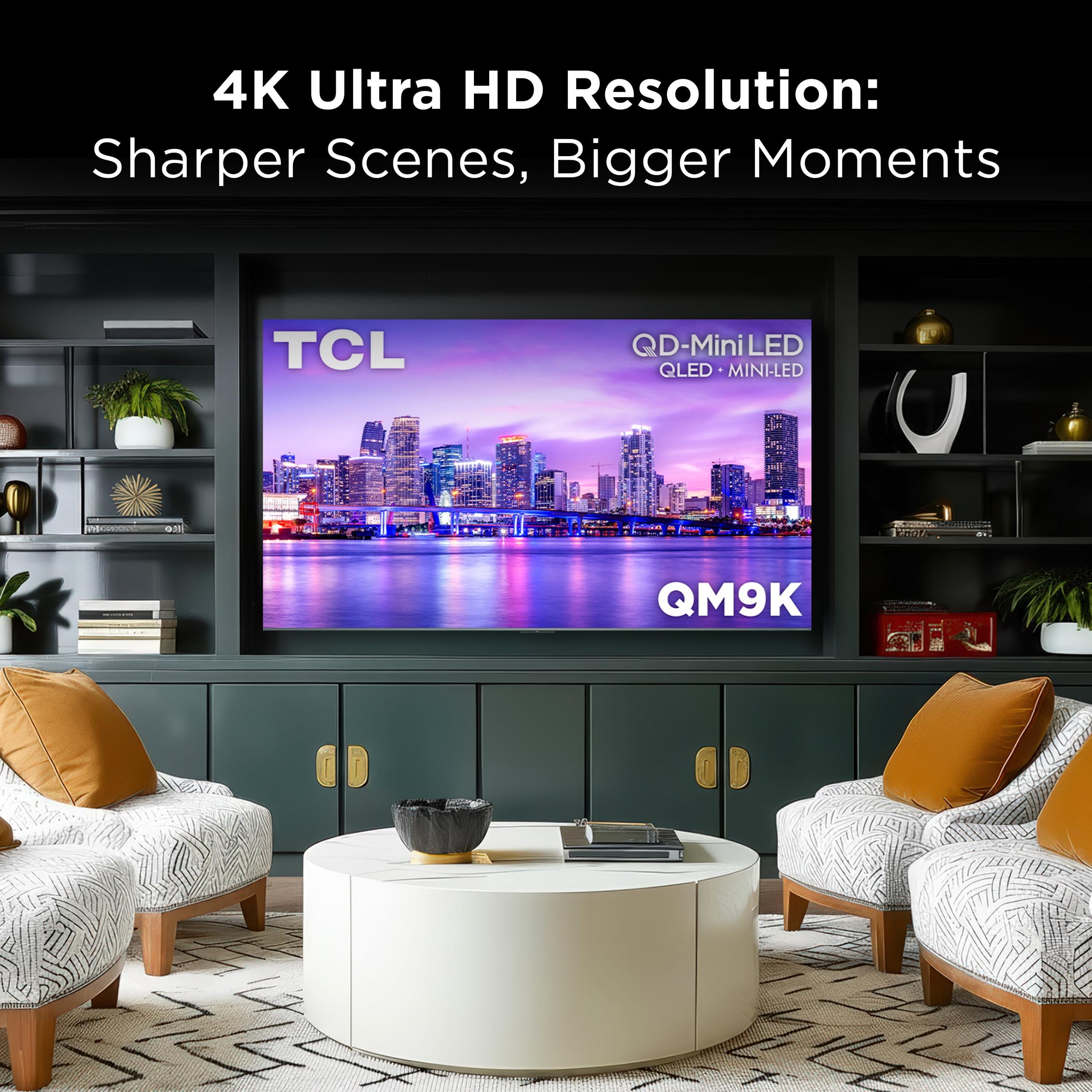
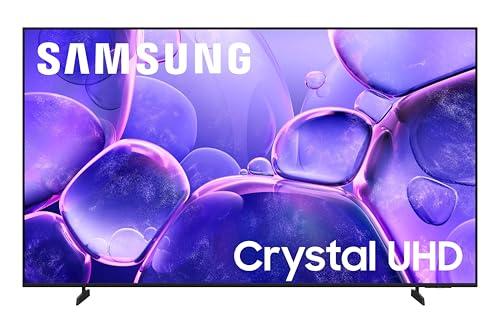
When you're shopping for a new 65-inch TV, you'll quickly discover that not all 4K displays are created equal. The technology gap between premium and budget models has actually grown wider in recent years, creating some tough decisions about how much to spend. Today we're comparing two TVs that perfectly illustrate this divide: the TCL QM9K, a flagship Mini-LED display, and the Samsung U8000F, an entry-level 4K smart TV.
Released in 2024, the TCL QM9K represents TCL's push into premium territory, while Samsung's U8000F launched in 2025 as part of their budget-friendly Crystal UHD lineup. At the time of writing, these TVs sit at dramatically different price points—the TCL costs roughly four times more than the Samsung. But is that premium justified? Let's dig into what you're actually getting for your money.
Before we dive into specifics, it's worth understanding what separates premium TVs from budget models. The biggest factor is backlighting technology—essentially, how the TV lights up its screen to create the image you see.
The Samsung U8000F uses traditional edge-lit LED backlighting, where LED lights positioned around the edges of the screen illuminate the entire panel as one unit. Think of it like trying to light a room with flashlights placed only along the walls—you get decent overall brightness, but you can't control which specific areas are bright or dark.
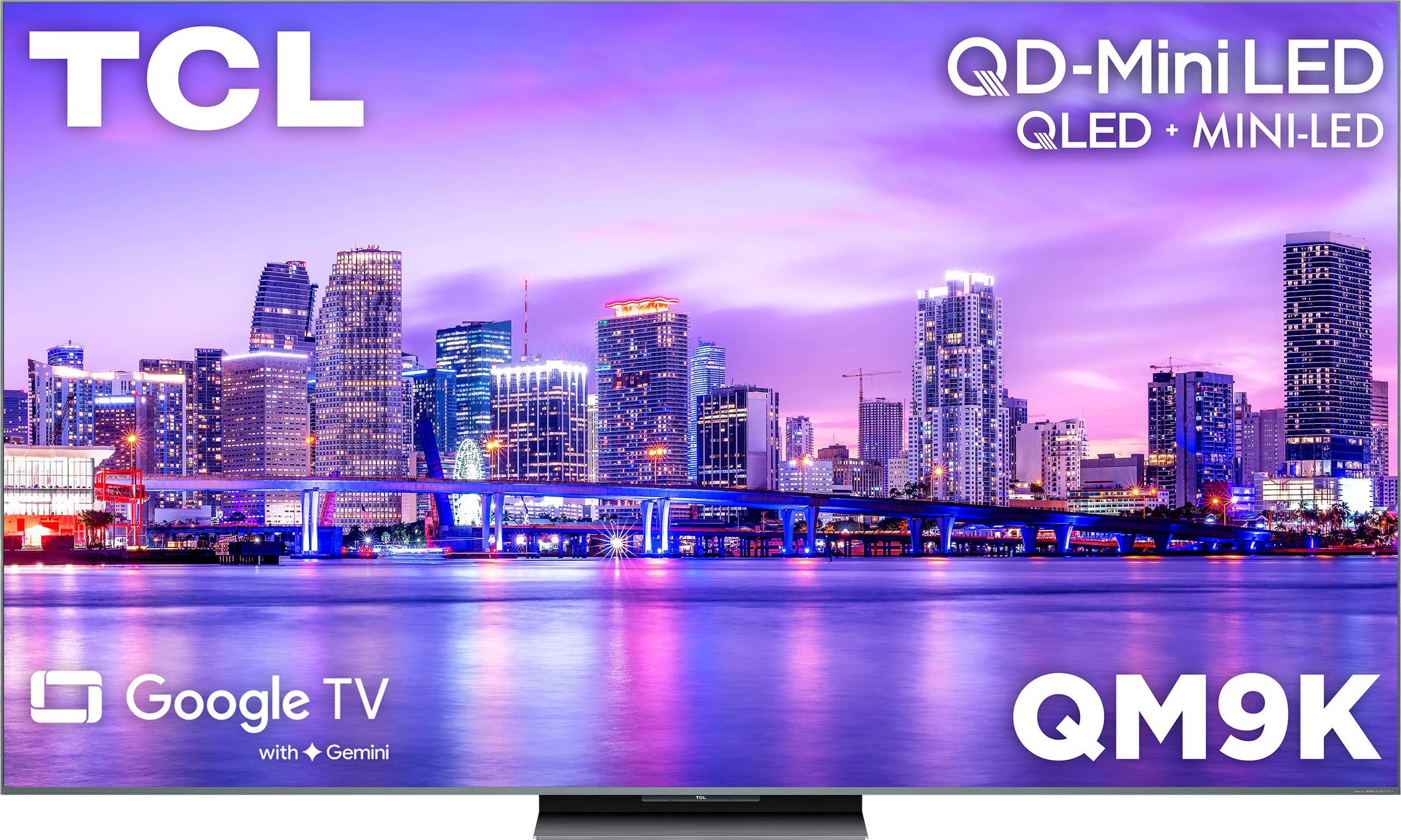
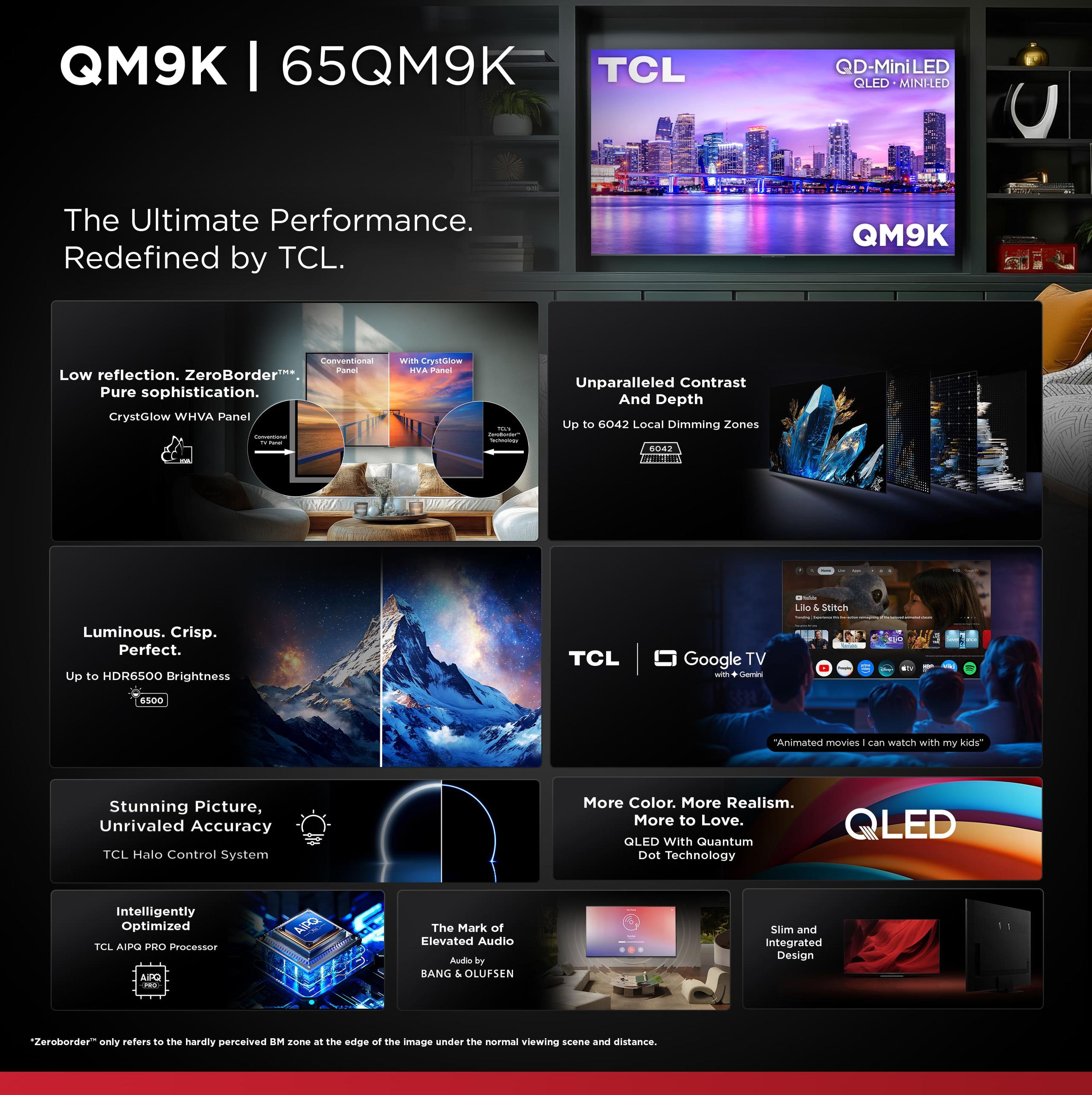
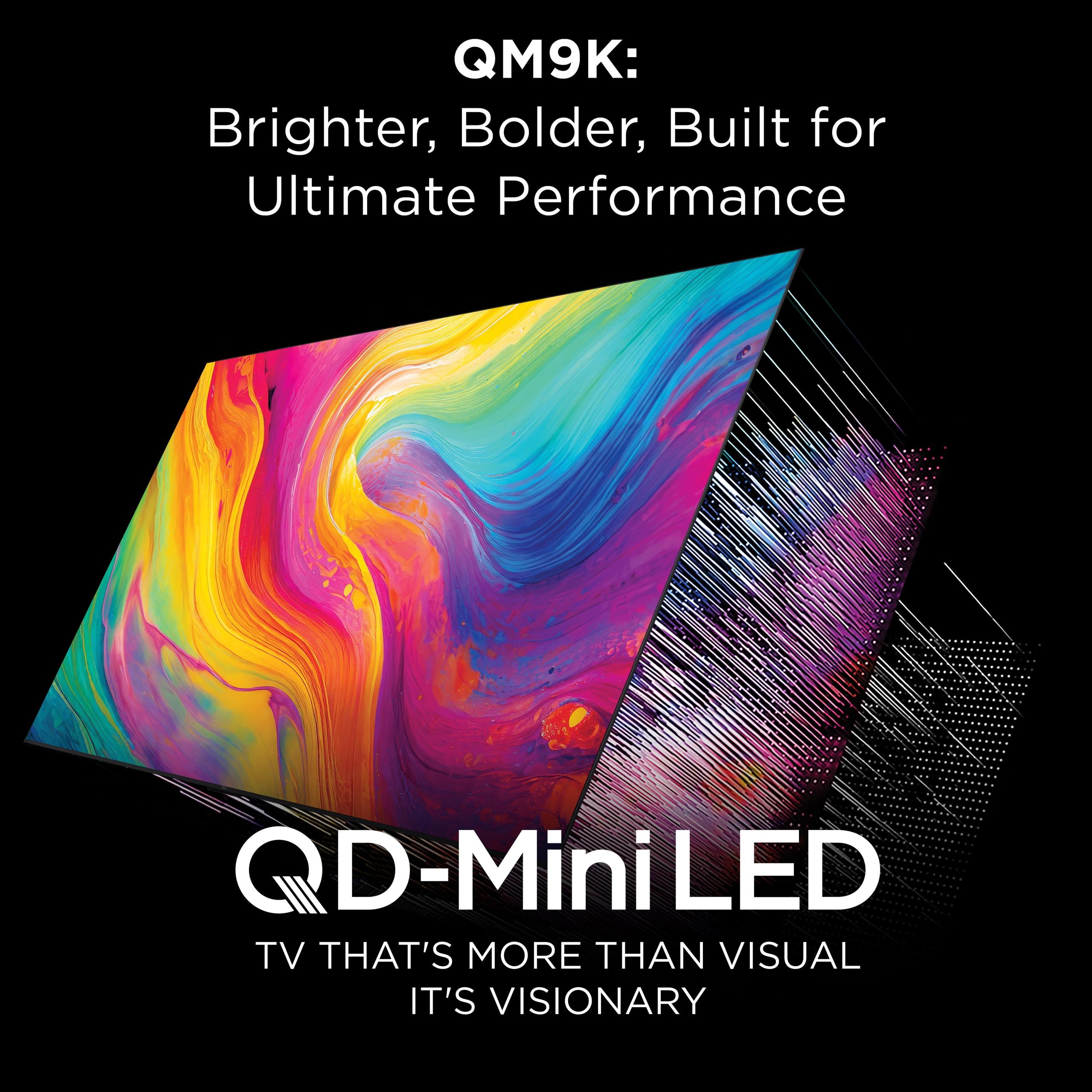
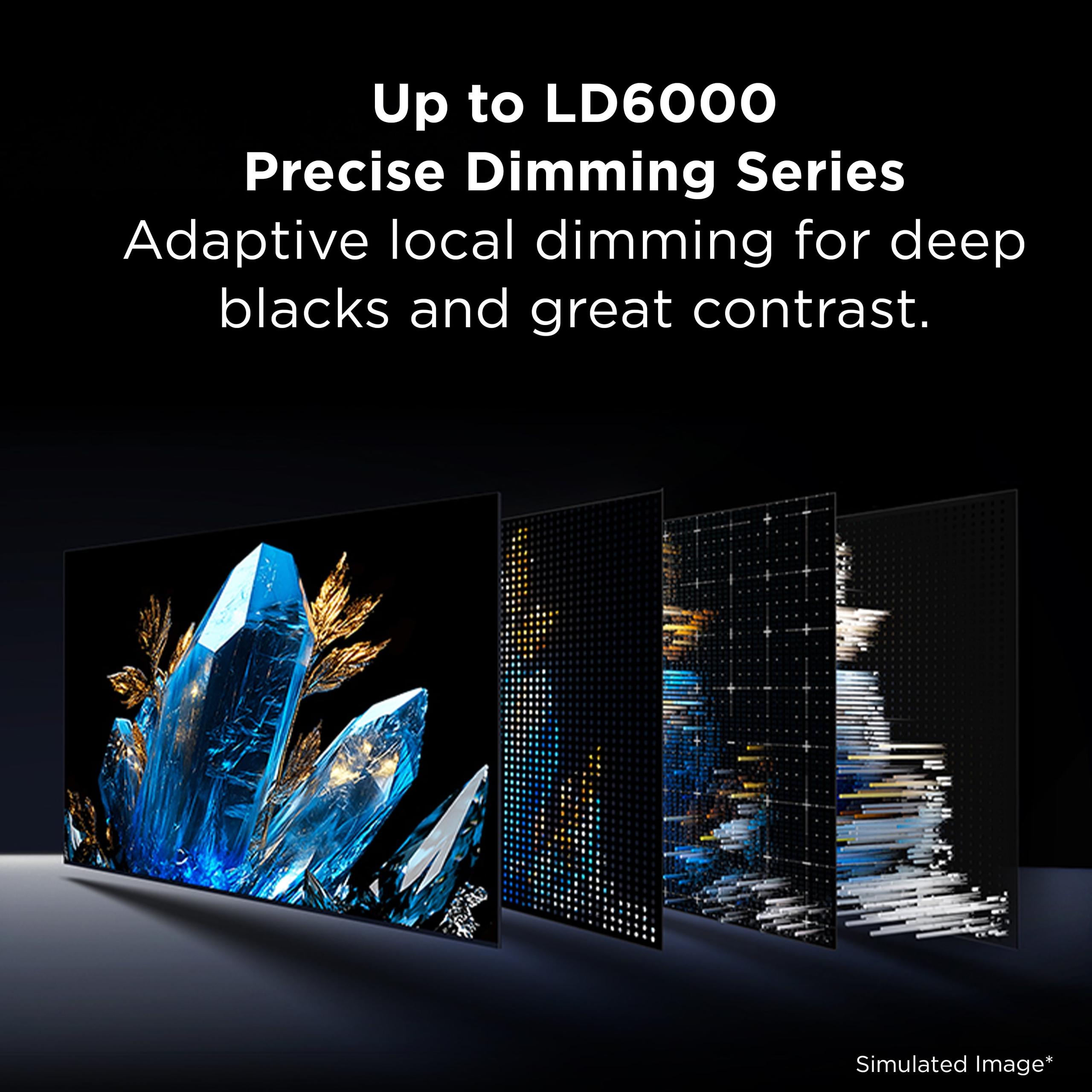
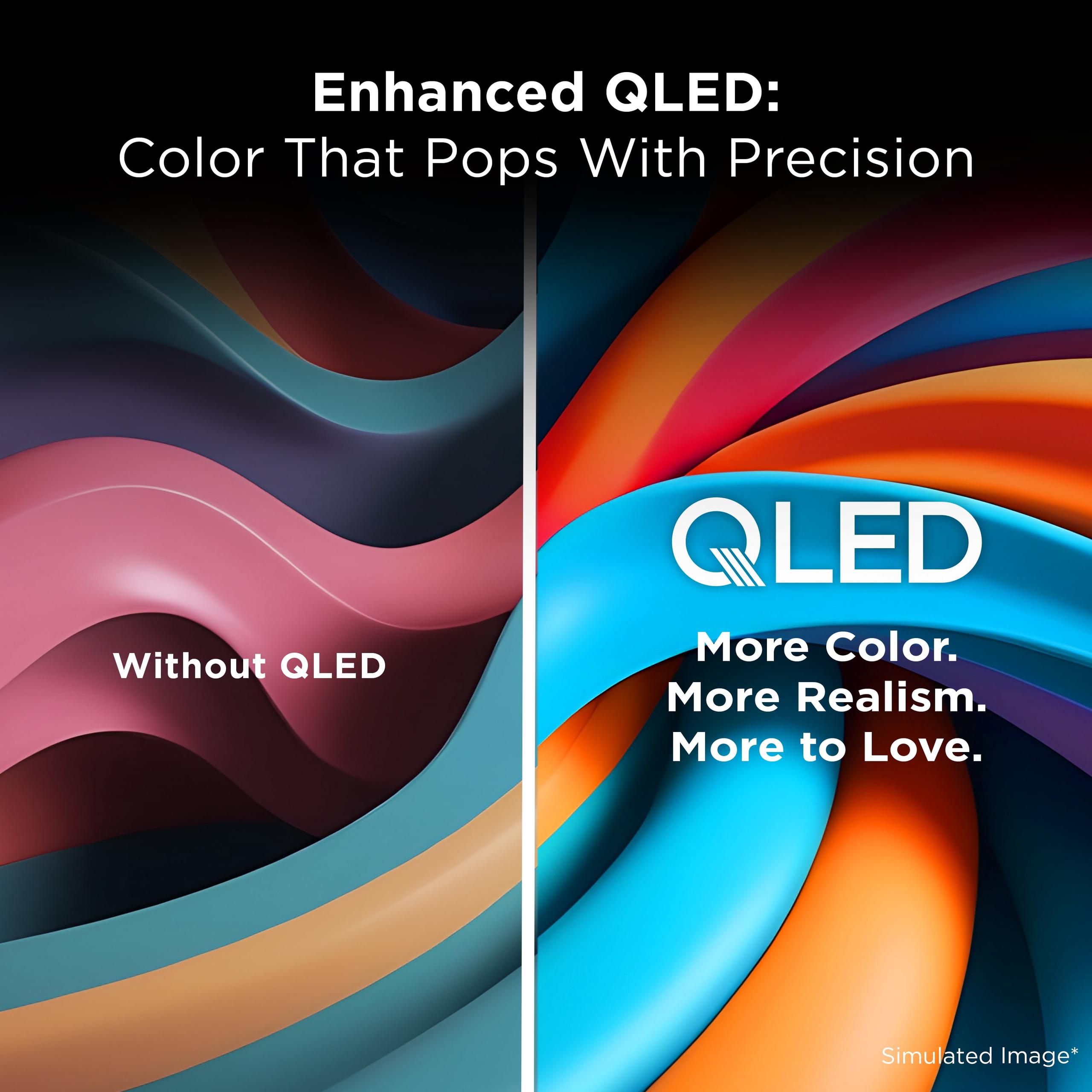
The TCL QM9K, meanwhile, uses something called QD-Mini LED backlighting with thousands of local dimming zones. This is more like having individual light switches for hundreds of small sections across the screen. When a movie scene has bright stars against a dark sky, the TV can make just the star areas bright while keeping the sky areas truly black. This technology, combined with Quantum Dots (tiny crystals that enhance color accuracy), creates dramatically better contrast and more vivid colors.
The picture quality difference between these TVs is honestly staggering. Our research into professional reviews and user feedback consistently shows the TCL QM9K delivering what many describe as "cinema-quality" visuals, while the Samsung U8000F provides adequate but unremarkable picture quality.
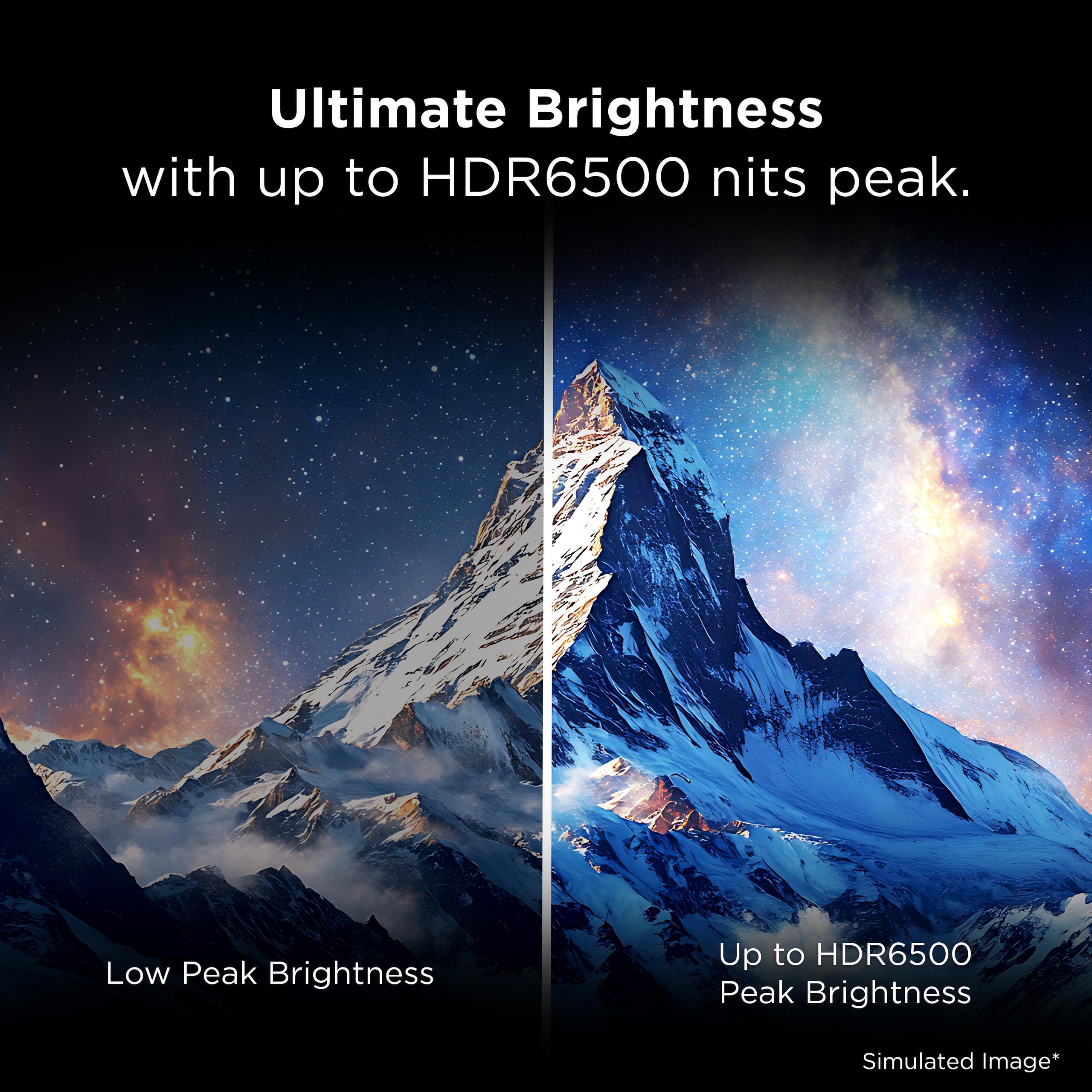
The TCL QM9K can reach peak brightness levels of 6,500 nits in HDR content—that's bright enough to make you squint at white text or sun reflections in movies. For context, a typical bright room might measure around 100-200 nits, so this TV can reproduce highlights that are literally dozens of times brighter than your room lighting. This matters enormously for HDR (High Dynamic Range) content, which is designed to show both very bright and very dark elements in the same scene.
The Samsung U8000F peaks at roughly 300 nits, which is adequate for darker rooms but struggles in bright spaces. When watching HDR content on Netflix or Disney+, you simply won't see the dramatic "pop" that HDR is supposed to provide. It's like comparing a flashlight to a car headlight—both produce light, but the intensity difference is obvious.
This brightness difference becomes crucial if you watch TV during the day or have windows in your viewing room. The TCL QM9K can overcome ambient light that would wash out the Samsung completely. I've found that brightness capability is one of those features you don't appreciate until you experience it—suddenly, watching TV with the blinds open becomes enjoyable rather than frustrating.
Here's where the TCL QM9K really shines. Its local dimming system can achieve what reviewers consistently describe as "true blacks"—areas of the screen can be completely turned off while adjacent bright areas remain fully lit. This creates a contrast ratio that Samsung claims reaches 50,000,000:1.
The Samsung U8000F, lacking local dimming, can't achieve true blacks. Dark scenes in movies appear grayish rather than black, and you lose detail in shadow areas. Professional reviews regularly note that the Samsung's picture looks "washed out" compared to TVs with proper local dimming.
This difference is most noticeable when watching movies with dark scenes—think space movies, horror films, or dramatic scenes lit by candlelight. The TCL QM9K preserves the filmmaker's intent, while the Samsung U8000F makes everything look flat and lifeless.
The TCL QM9K incorporates Quantum Dot technology, which uses microscopic crystals to produce purer, more saturated colors. It covers 97% of the DCI-P3 color space, which is the standard used in movie theaters. This means colors appear more natural and vibrant, particularly in nature documentaries or animated content.
The Samsung U8000F lacks this enhancement, resulting in colors that appear adequate but not exceptional. Professional calibration data shows the Samsung actually has decent color accuracy out of the box, but it simply can't produce the wide range of colors that the TCL manages.
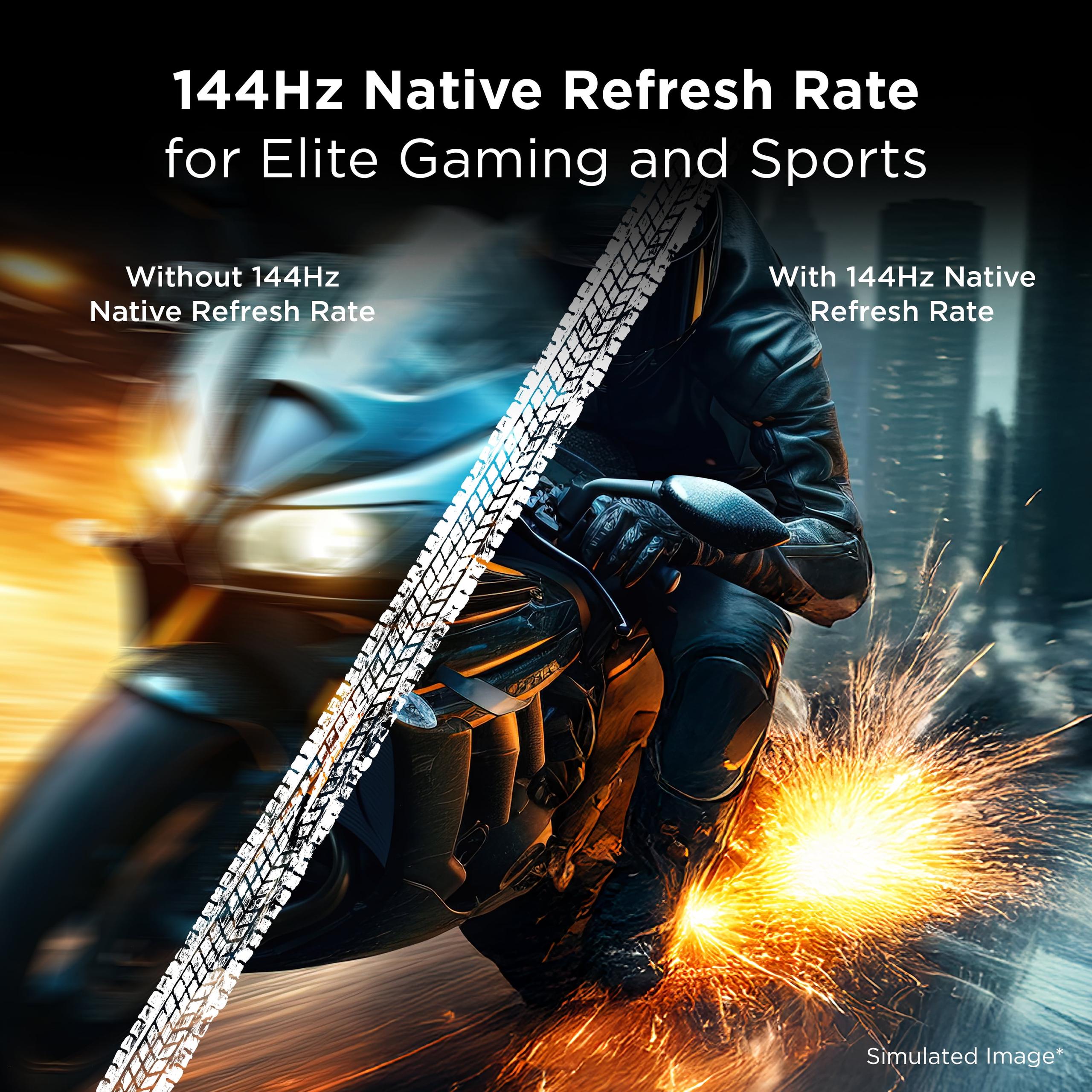
For gamers, the difference between these TVs is night and day. The TCL QM9K supports 144Hz refresh rates with HDMI 2.1 connections, meaning it can display up to 144 frames per second from compatible sources. It even includes a "Game Accelerator 288" mode that can push certain PC games to 288Hz at lower resolutions.
The Samsung U8000F is limited to 60Hz with HDMI 2.0 ports. While it does support Variable Refresh Rate (VRR) to reduce screen tearing, the practical benefit is minimal at only 60Hz.
For PlayStation 5 or Xbox Series X owners, this difference is significant. Many newer games run at 120fps when connected to capable displays, and the smoother motion is immediately noticeable in fast-paced titles. The TCL QM9K also includes AMD FreeSync Premium Pro support, which synchronizes the display refresh with your graphics card to eliminate stuttering and tearing.
Input lag—the delay between pressing a button and seeing the action on screen—is excellent on both TVs in game mode, but the TCL QM9K's higher refresh rates provide an additional competitive advantage in online gaming.
The 144Hz capability of the TCL QM9K translates to superior motion handling across all content types. Sports broadcasts, which often contain rapid camera movements and fast-moving objects, appear noticeably smoother and clearer. The TV's Motion Rate 480 processing (which combines multiple motion enhancement technologies) further reduces blur and judder.
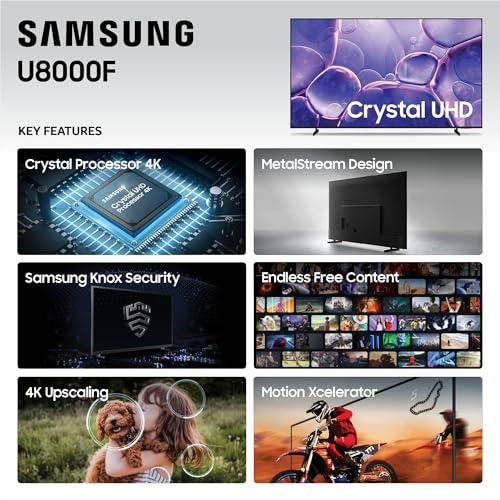
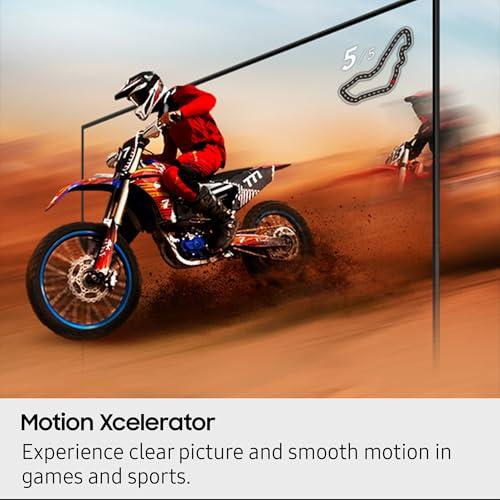
The Samsung U8000F includes Motion Xcelerator processing, but professional reviews consistently note poor motion handling due to the 60Hz panel limitation. Fast-paced sports or action movies show noticeable blur, and some reviewers report seeing double images during rapid motion.
If you're a sports fan or watch a lot of action movies, this difference alone might justify the premium for the TCL QM9K.
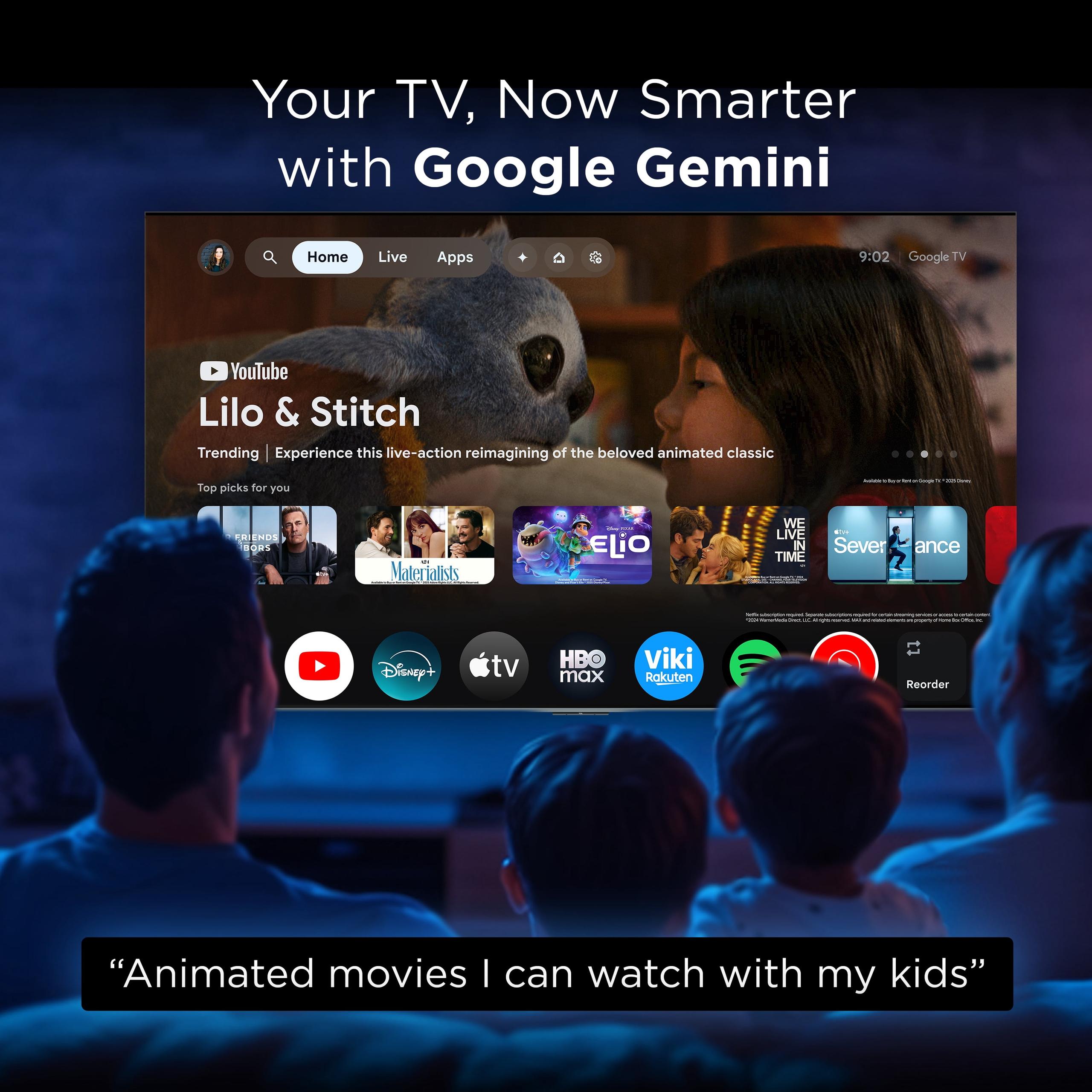
Both TVs offer solid smart TV experiences, but with different strengths. The TCL QM9K runs Google TV, which provides access to the full Google Play Store and includes built-in Chromecast functionality. The interface is clean and intuitive, with good content discovery features.
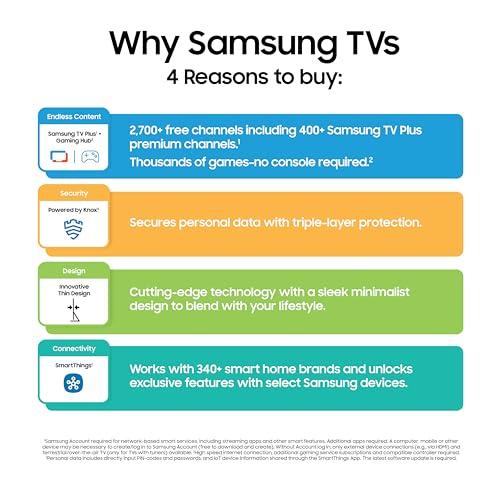
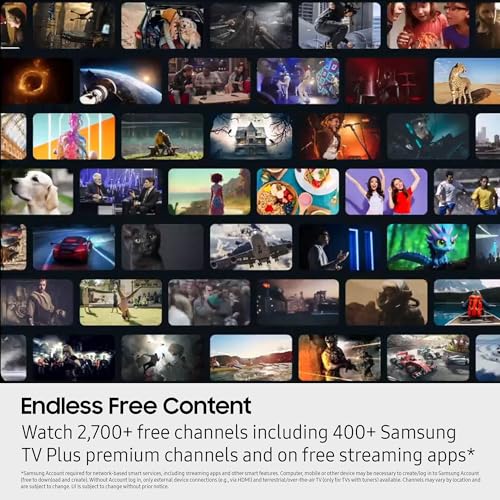
The Samsung U8000F uses Samsung's Tizen operating system with their One UI interface. While the app selection is slightly more limited than Google TV, Samsung includes Samsung TV Plus—a service offering over 2,700 free streaming channels. For cord-cutters on a budget, this adds real value.
Both platforms support all major streaming services (Netflix, Disney+, Amazon Prime Video, etc.), so your choice here comes down to preference for interface design and whether you value Samsung's free content or Google's broader app ecosystem.
The TCL QM9K includes audio tuned by Bang & Olufsen with Dolby Atmos support and a 2.1.1 channel configuration that includes a dedicated subwoofer. While TV speakers rarely match a good soundbar, the TCL's audio is genuinely impressive for built-in speakers.
The Samsung U8000F provides basic 2.0 channel audio with 20 watts total power output. It's clear but lacks depth and bass response. More problematically, Samsung removed the optical audio output from this model, which can complicate connecting older soundbars or home theater systems.
If you're building a dedicated home theater, the TCL QM9K is the clear choice. Its high brightness and local dimming work beautifully in light-controlled environments, delivering the kind of contrast and color accuracy that makes movies feel cinematic. The Dolby Vision support (which the Samsung lacks) provides scene-by-scene optimization for the best possible HDR experience.
The wide color gamut and accurate color reproduction mean you're seeing movies closer to how directors intended. The IMAX Enhanced certification indicates the TV meets strict standards for premium large-format content.
For casual viewing in family rooms with ambient light, the Samsung U8000F can be adequate, but you'll miss much of the visual impact that modern content creators spend enormous effort to achieve.
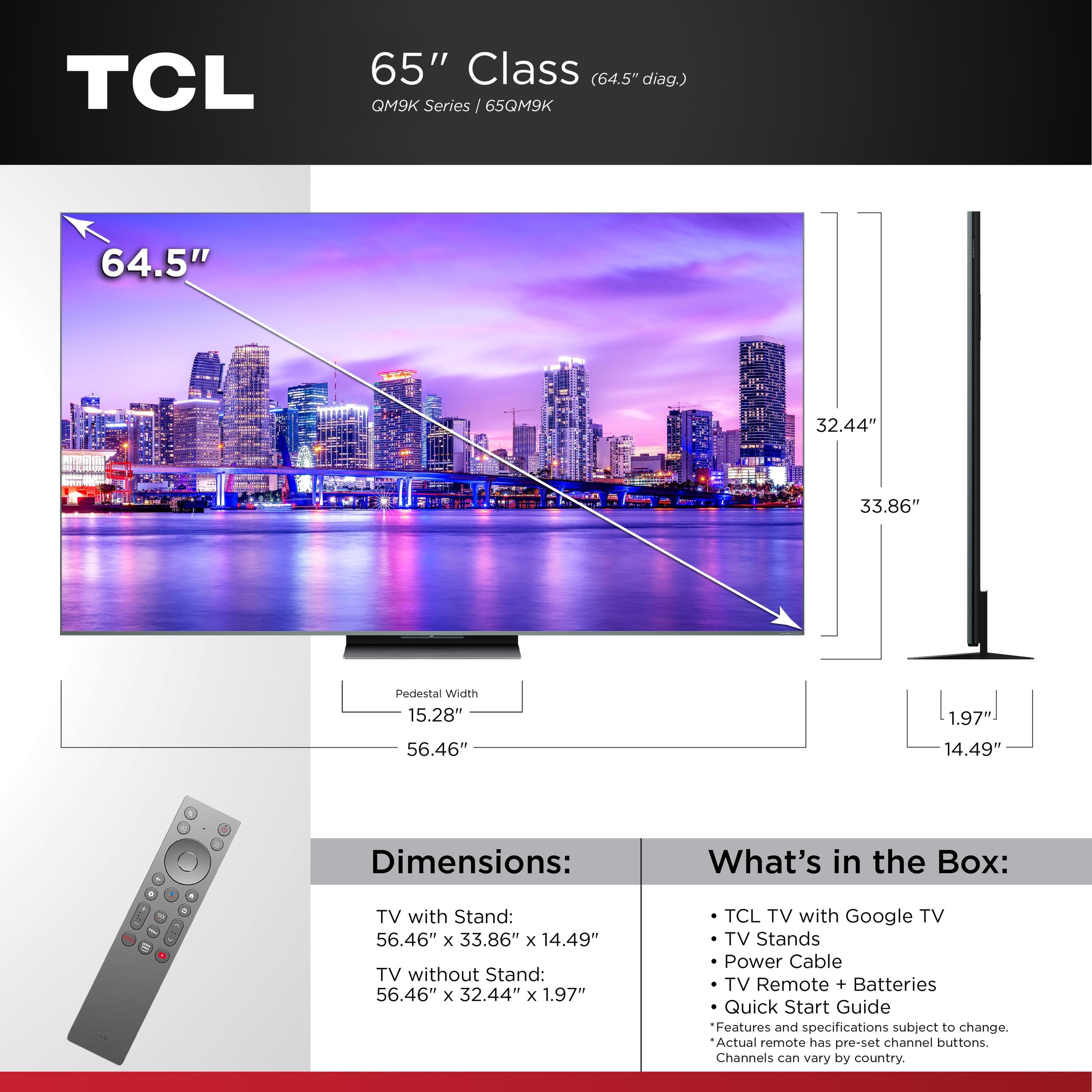
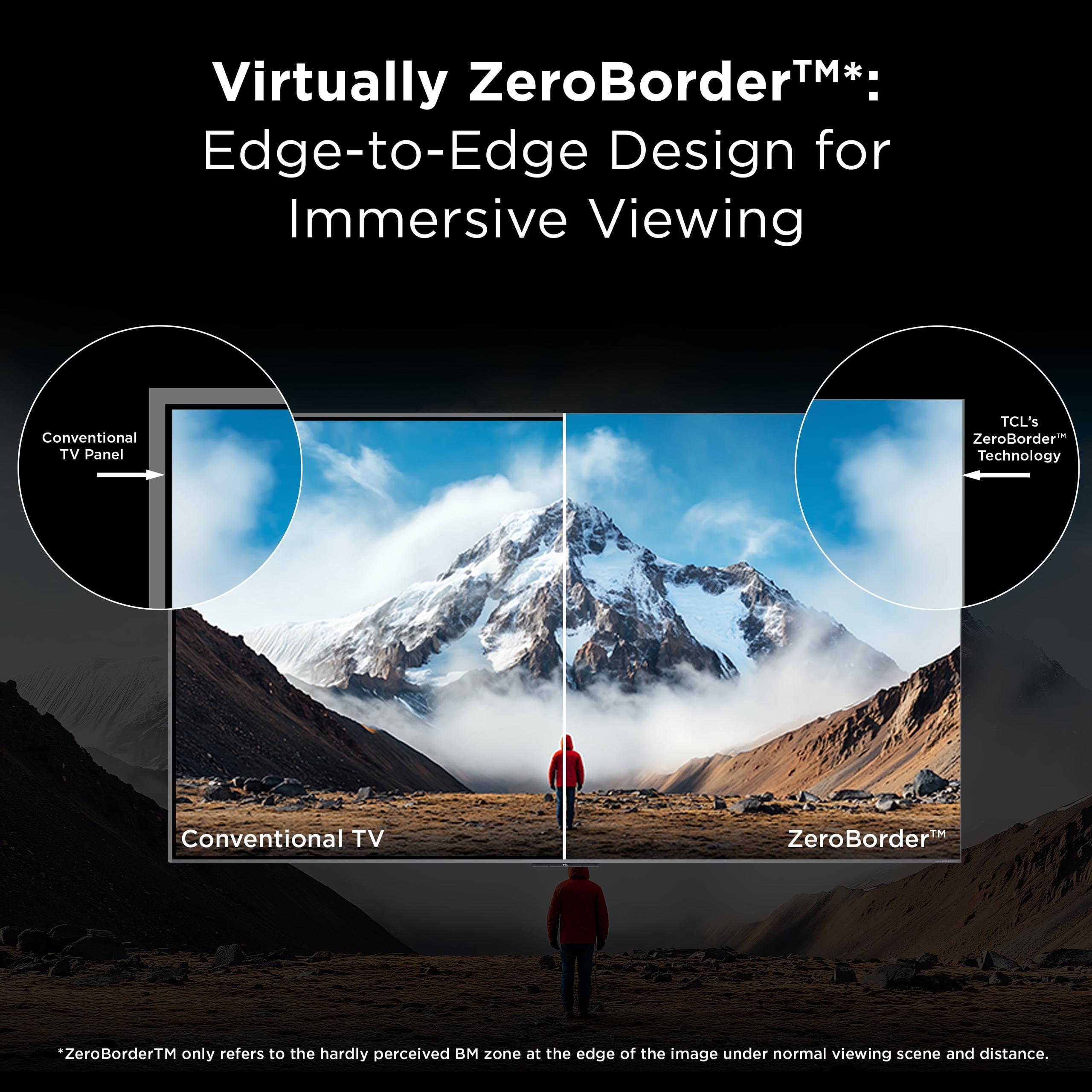
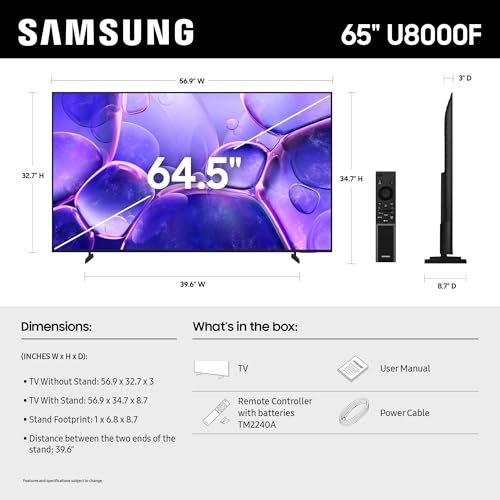
Both TVs feature modern slim-bezel designs that look good in contemporary spaces. The TCL QM9K uses premium materials and feels substantially built—it weighs nearly twice as much as the Samsung, reflecting the dense Mini-LED array inside. The anti-reflection coating helps with bright room viewing.
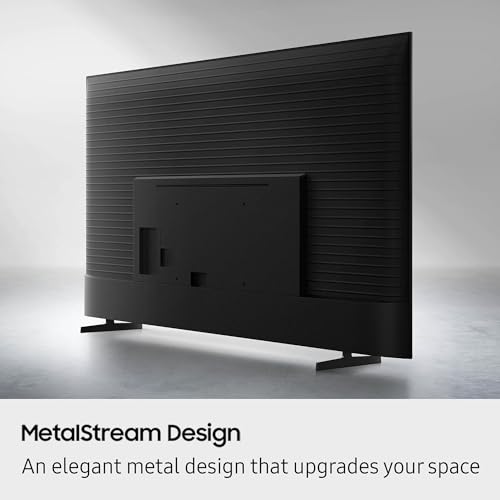
The Samsung U8000F uses Samsung's MetalStream design language, which looks sleek but relies more on plastic construction. Build quality seems adequate for the price point, though not exceptional.
The decision ultimately comes down to your priorities, budget, and viewing habits.
Choose the TCL QM9K if you:
Choose the Samsung U8000F if you:
At the time of writing, the price difference between these TVs reflects genuinely different product categories rather than simple feature variations. The TCL QM9K delivers flagship performance that rivals TVs costing significantly more, while the Samsung U8000F provides acceptable baseline functionality at a budget price.
The performance gap is substantial—particularly in brightness, contrast, gaming capability, and motion handling. If you watch TV casually and budget is your primary concern, the Samsung offers decent value. But if you care about picture quality, game regularly, or want your TV to handle whatever content you throw at it, the TCL's premium is justified.
Technology continues advancing rapidly, with Mini-LED becoming more affordable and new features like 8K and advanced gaming modes becoming standard. The TCL QM9K positions you well for these developments, while the Samsung U8000F represents current budget-friendly capabilities that may feel outdated sooner.
Consider your long-term viewing habits, room conditions, and performance expectations when making this decision. The right choice depends entirely on what you value most in your TV experience.
| TCL 65" QM9K QD-Mini LED Smart TV | Samsung 65-Inch Crystal UHD U8000F 4K Smart TV |
|---|---|
| Display Technology - The most important factor determining picture quality | |
| QD-Mini LED with up to 6,000 local dimming zones for true blacks and precise contrast | Edge-lit LED with no local dimming, resulting in washed-out blacks |
| Peak Brightness - Critical for HDR impact and bright room viewing | |
| 6,500 nits HDR peak brightness (excellent for any lighting condition) | ~300 nits peak brightness (only suitable for darker rooms) |
| Refresh Rate - Essential for gaming and smooth motion | |
| 144Hz native with Game Accelerator 288 (up to 288Hz at lower resolutions) | 60Hz maximum (basic gaming and motion handling) |
| HDR Format Support - Determines compatibility with premium streaming content | |
| HDR10, HDR10+, Dolby Vision, HLG, IMAX Enhanced | HDR10, HDR10+, HLG (missing Dolby Vision) |
| Gaming Features - Important for console and PC gaming performance | |
| HDMI 2.1, 4K@144Hz, AMD FreeSync Premium Pro, 5.3ms input lag | HDMI 2.0, 4K@60Hz, basic VRR, Auto Game Mode |
| Color Technology - Affects color accuracy and vibrancy | |
| Quantum Dot technology with 97% DCI-P3 color coverage | Standard LED without quantum dot enhancement |
| Audio System - Determines whether you need external speakers | |
| Audio by Bang & Olufsen with Dolby Atmos and 2.1.1 channels | Basic 2.0 channel, 20W output, no optical audio output |
| Smart TV Platform - Affects app selection and user experience | |
| Google TV with Google Play Store and built-in Chromecast | Tizen OS with Samsung One UI and Samsung TV Plus (2,700+ free channels) |
| Motion Processing - Important for sports and action content clarity | |
| Motion Rate 480 with MEMC for superior motion clarity | Motion Xcelerator with noticeable blur in fast content |
| Connectivity - Future-proofing and device compatibility | |
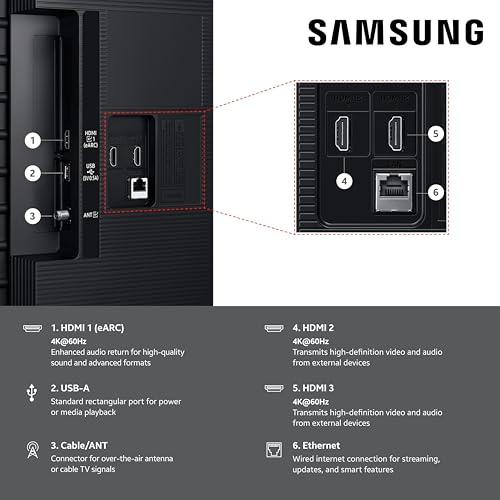
| 4 HDMI ports, Wi-Fi 6, Bluetooth 5.4, optical audio output | 3 HDMI ports, Wi-Fi 5, Bluetooth 5.3, no optical output |
| Build Quality - Affects durability and premium feel | |
| Premium metal construction, anti-reflection coating, weighs 46.5 lbs | MetalStream design with plastic elements, weighs 31.9 lbs |
| Target Audience - Who should consider each TV | |
| Serious gamers, movie enthusiasts, bright room viewing, future-proofing | Budget-conscious buyers, casual viewing, darker rooms, basic needs |
The TCL 65" QM9K QD-Mini LED Smart TV delivers significantly better picture quality with its QD-Mini LED technology and up to 6,000 local dimming zones. This creates true blacks and exceptional contrast that makes movies look more cinematic. The Samsung 65-Inch Crystal UHD U8000F uses basic edge-lit LED without local dimming, resulting in washed-out blacks and less impressive contrast for movie viewing.
The TCL 65" QM9K is far superior for gaming with its 144Hz refresh rate, HDMI 2.1 ports supporting 4K@144Hz, and AMD FreeSync Premium Pro. The Samsung U8000F is limited to 60Hz with HDMI 2.0, making it adequate only for casual gaming. Serious gamers will notice smoother motion and reduced input lag with the TCL model.
The TCL QM9K reaches peak brightness of 6,500 nits, making it excellent for bright rooms and delivering impactful HDR content. The Samsung U8000F peaks at approximately 300 nits, which is only suitable for darker viewing environments. This brightness difference is crucial if you watch TV during the day or have windows in your room.
The TCL 65" QM9K supports HDR10, HDR10+, Dolby Vision, HLG, and IMAX Enhanced formats. The Samsung 65-Inch Crystal UHD U8000F only supports HDR10, HDR10+, and HLG, notably missing Dolby Vision support. This means the TCL will provide better compatibility with Netflix and Disney+ premium content.
The TCL QM9K runs Google TV with full Google Play Store access and built-in Chromecast functionality. The Samsung U8000F uses Tizen OS with Samsung's One UI interface and includes Samsung TV Plus with over 2,700 free streaming channels. Both support major apps like Netflix and Disney+, but Samsung offers more free content while Google provides broader app compatibility.
The TCL 65" QM9K features audio tuned by Bang & Olufsen with Dolby Atmos support and a 2.1.1 channel system including a subwoofer. The Samsung 65-Inch Crystal UHD U8000F has basic 2.0 channel audio with 20W output and lacks optical audio output. The TCL provides significantly better built-in sound quality.
The TCL QM9K excels at sports viewing with its 144Hz refresh rate and Motion Rate 480 processing, providing smooth motion and clear action during fast-paced games. The Samsung U8000F struggles with motion blur due to its 60Hz limitation and slower response time, making sports appear less sharp and fluid.
The TCL 65" QM9K QD-Mini LED Smart TV is ideal for home theater use with its cinema-quality contrast, Dolby Vision support, wide color gamut, and IMAX Enhanced certification. The Samsung 65-Inch Crystal UHD U8000F provides adequate performance for casual viewing but lacks the brightness, contrast, and color accuracy needed for a premium home theater experience.
The TCL QM9K offers 4 HDMI ports (including HDMI 2.1), Wi-Fi 6, Bluetooth 5.4, and optical audio output for comprehensive connectivity. The Samsung U8000F provides 3 HDMI ports (HDMI 2.0 only), Wi-Fi 5, Bluetooth 5.3, but notably lacks optical audio output, which can limit soundbar compatibility.
Value depends on your needs and budget. The TCL 65" QM9K offers exceptional value for enthusiasts wanting flagship picture quality, gaming performance, and future-proofing features. The Samsung 65-Inch Crystal UHD U8000F provides good value for budget-conscious buyers who need basic 4K functionality and aren't concerned with premium performance.
The TCL QM9K handles bright rooms excellently with its 6,500-nit peak brightness and anti-reflection coating, maintaining picture quality even with windows open. The Samsung U8000F struggles in bright environments due to its limited 300-nit brightness and glossy finish that reflects ambient light, making it better suited for darker rooms.
The TCL 65" QM9K QD-Mini LED Smart TV is better positioned for long-term use with its HDMI 2.1 ports, 144Hz capability, and premium display technology that can handle future content standards. The Samsung 65-Inch Crystal UHD U8000F may feel outdated sooner due to its 60Hz limitation and basic HDMI 2.0 connectivity as technology continues advancing.
We've done our best to create useful and informative comparisons to help you decide what product to buy. Our research uses advanced automated methods to create this comparison and perfection is not possible - please contact us for corrections or questions. These are the sites we've researched in the creation of this article: rtings.com - bestbuy.com - youtube.com - youtube.com - youtube.com - techaeris.com - displayspecifications.com - pcrichard.com - residentialsystems.com - us.tcl.com - displayspecifications.com - valueelectronics.com - woodruffappliance.com - tcl.com - pcrichard.com - tcl.com - techradar.com - tcl.com - us.tcl.com - youtube.com - youtube.com - bestbuy.com - youtube.com - bestbuy.com - youtube.com - youtube.com - rtings.com - youtube.com - samsung.com - hometechnologyreview.com - rtings.com - samsung.com - displayspecifications.com - samsung.com - displayspecifications.com - walmart.com - billsmith.com - dentonstv.com - samsung.com - samsung.com - samsung.com - youtube.com - bestbuy.com - bestbuy.com - youtube.com - samsung.com - donstv.com

Privacy Policy
Terms and Conditions - Affiliate Policy
Home Security
© Copyright 2008-2026.
11816 Inwood Rd #1211, Dallas, TX 75244