

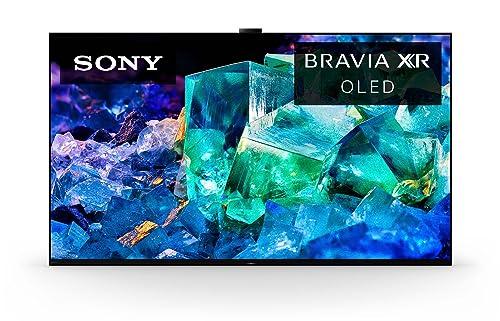


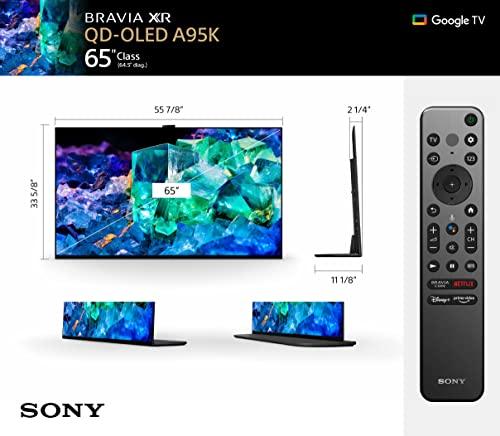




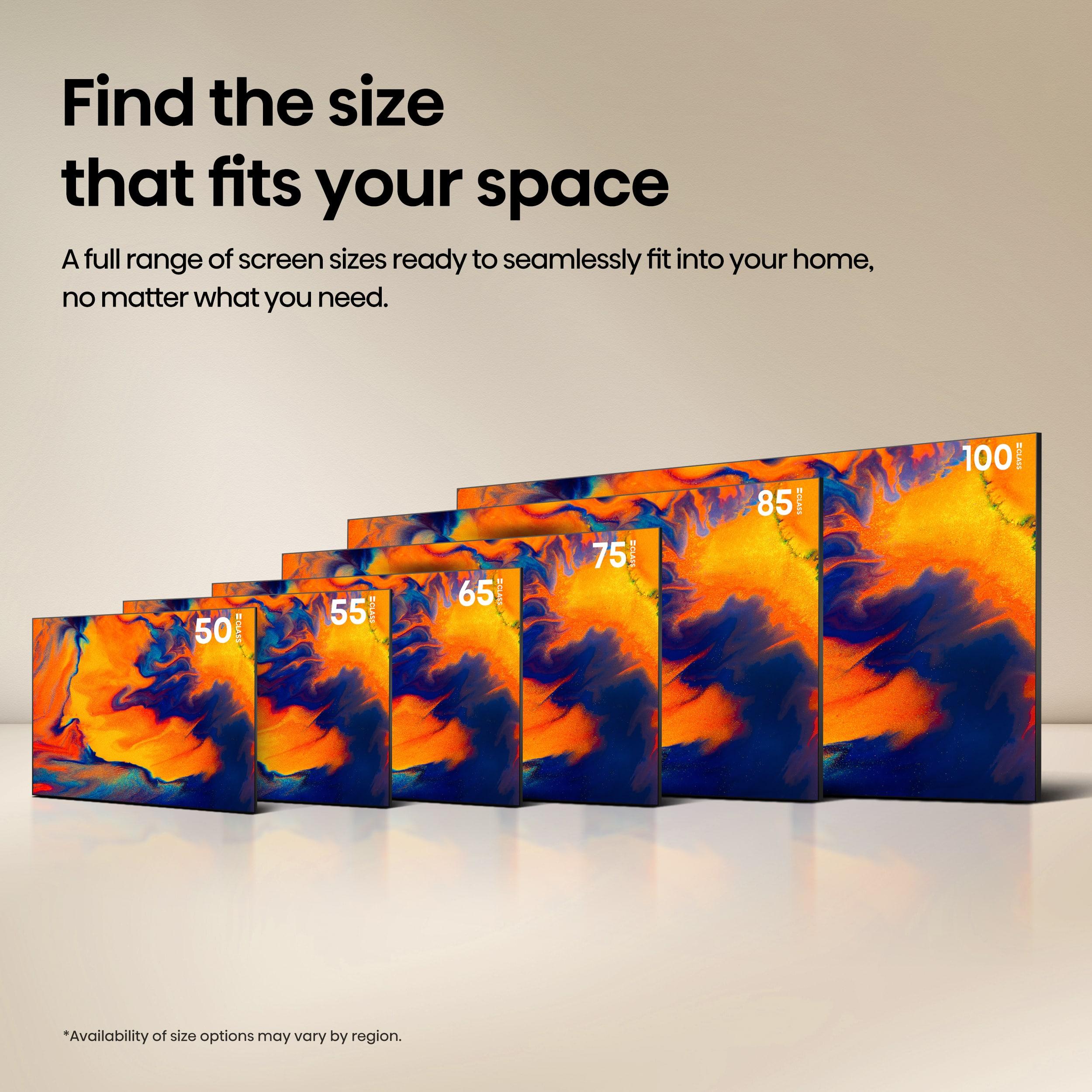
Shopping for a 65-inch TV today means choosing between fundamentally different approaches to displaying images. The Sony Bravia XR A95K represents premium OLED technology from 2022, while the Hisense 65" QD7 Series brings current Mini-LED innovation at a budget-friendly price. These aren't just different brands—they use completely different technologies to create the pictures you see.
At the time of writing, you can find the Sony A95K for roughly three times the price of the Hisense QD7, but that price gap tells only part of the story. Understanding which TV makes sense for your home requires diving into how these technologies actually work and what that means for your viewing experience.
The heart of any TV is how it creates light and color. The Sony A95K uses something called QD-OLED (Quantum Dot Organic Light-Emitting Diode), which was genuinely revolutionary when Sony introduced it in 2022. Think of it like having 8.2 million tiny light bulbs behind your screen, each one capable of turning completely on, dimming to any brightness level, or shutting off entirely. The "quantum dot" part refers to microscopic particles that filter the light to produce incredibly pure colors.
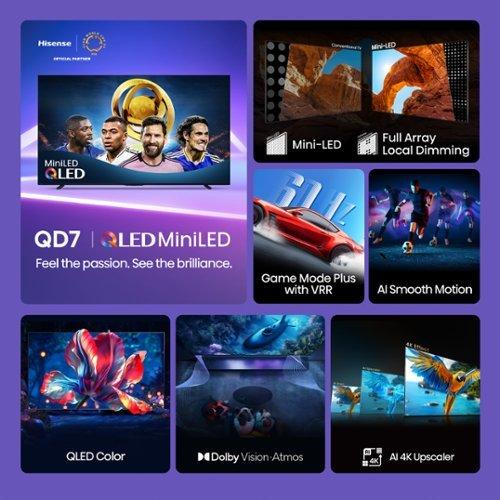
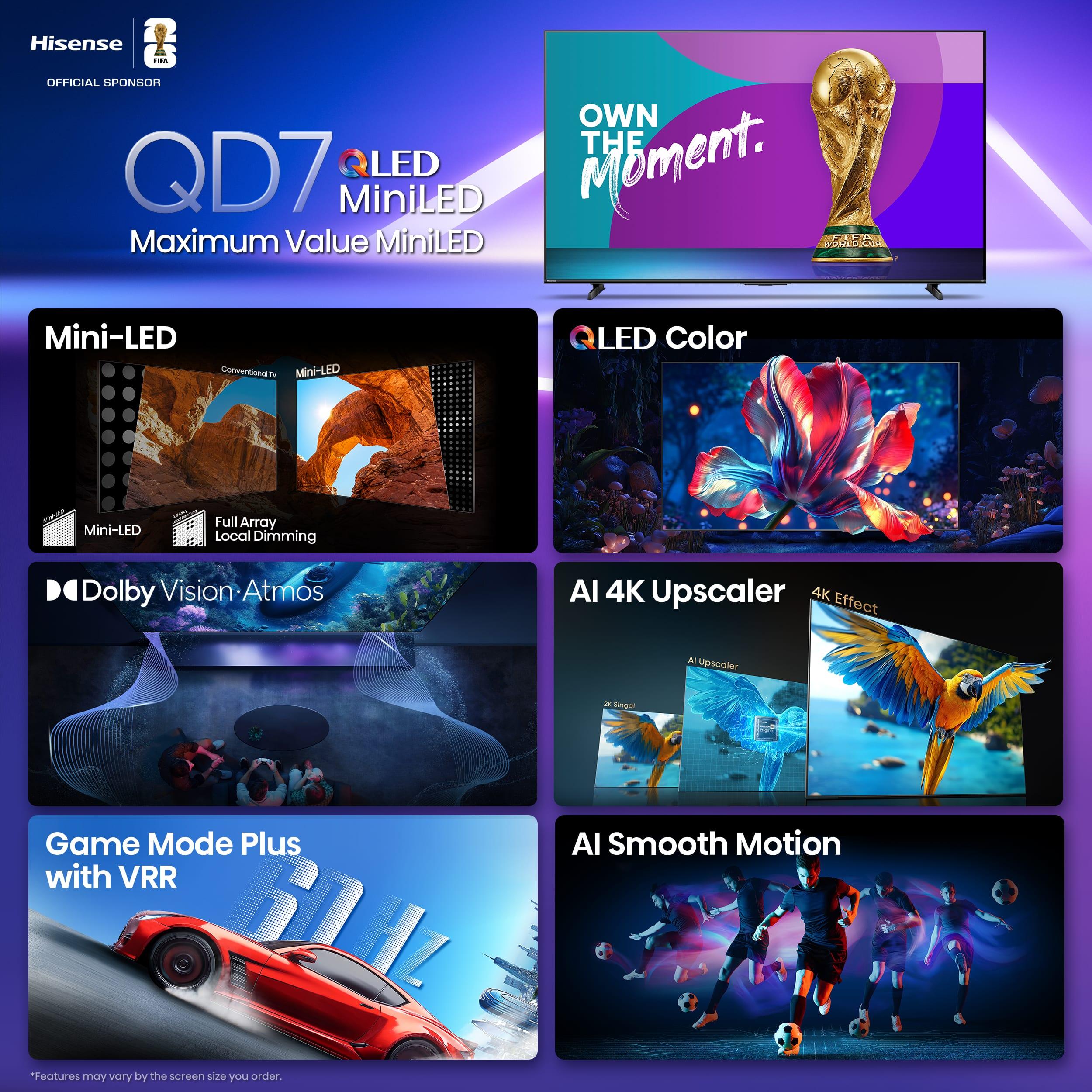
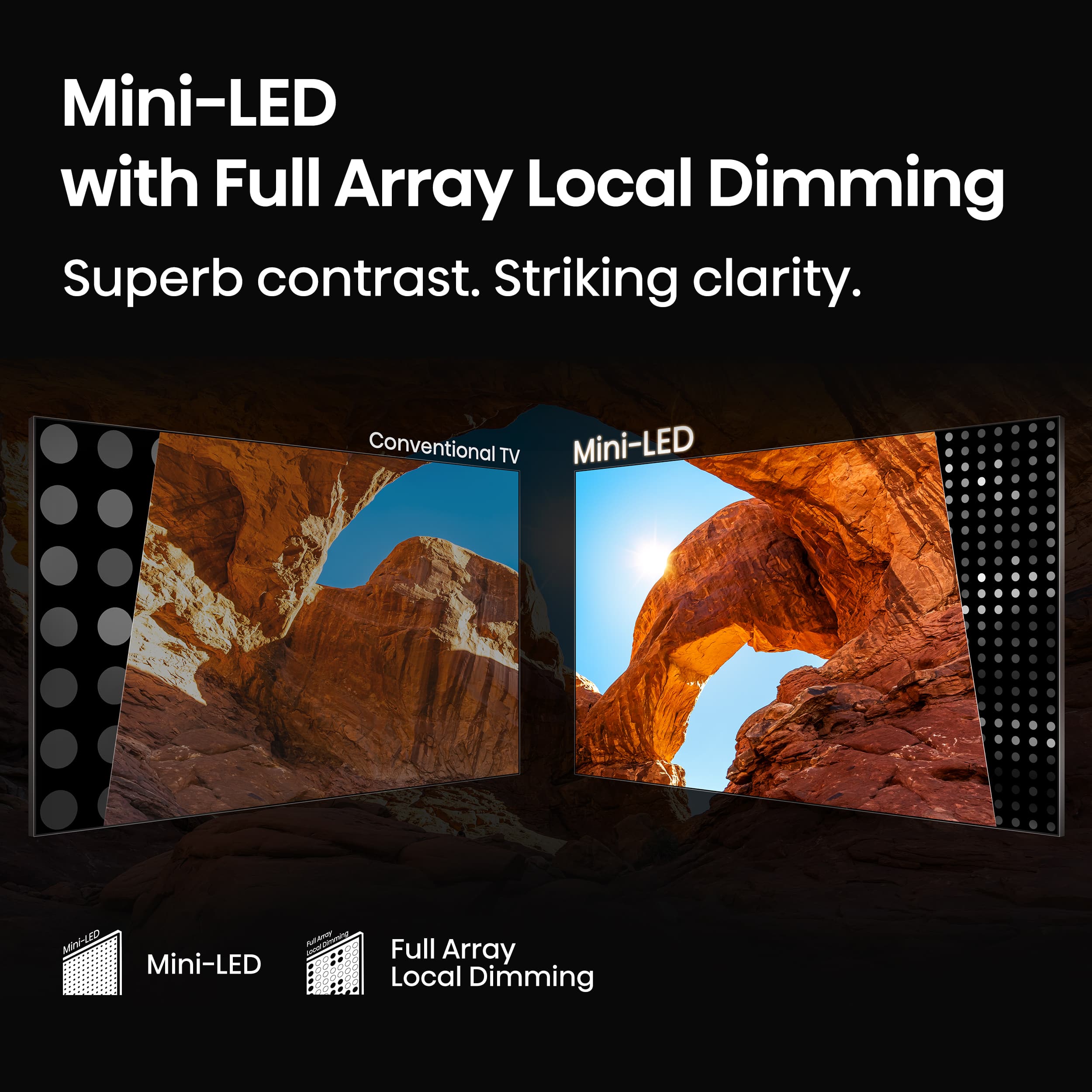
The Hisense QD7 takes a different approach with Mini-LED technology. Instead of millions of individual pixels creating their own light, it uses thousands of tiny LED bulbs arranged behind the screen in hundreds of zones. These zones can brighten and dim independently, creating what's called Full Array Local Dimming (FALD). It's like having a sophisticated spotlight system that can illuminate different parts of the screen separately.
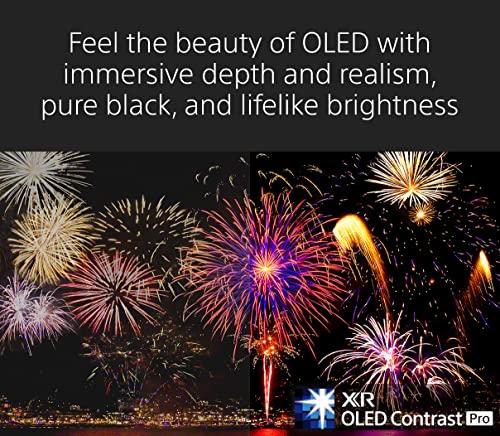
Here's where it gets interesting: QD-OLED can create perfect blacks because individual pixels can turn completely off. When you're watching a space scene, the black areas are truly black—no light escapes. Mini-LED comes close by dimming entire zones, but since multiple pixels share each zone, you might notice a subtle glow around bright objects in dark scenes, called "blooming."
However, Mini-LED has one major advantage: raw brightness. The Hisense QD7 can pump out significantly more light than the Sony A95K, making it better suited for bright living rooms with large windows.
The Sony A95K achieves what engineers call an "infinite contrast ratio." This technical term simply means the difference between the brightest whites and darkest blacks is as dramatic as physically possible. When watching movies like "Dune" or "Blade Runner 2049," those inky black shadows and brilliant highlights create an almost three-dimensional depth that draws you into the scene.
There's one catch with OLED technology that's worth understanding: ambient light affects black levels. If you have bright lamps or sunlight hitting the screen, those perfect blacks start looking more like dark gray. It's a trade-off that becomes noticeable in brightly lit rooms.
The Hisense QD7 handles this differently. Its Mini-LED zones create impressive contrast—not perfect like OLED, but strong enough that most people won't notice the difference in typical viewing conditions. More importantly, it maintains that contrast even in bright rooms, making it more versatile for different lighting situations.
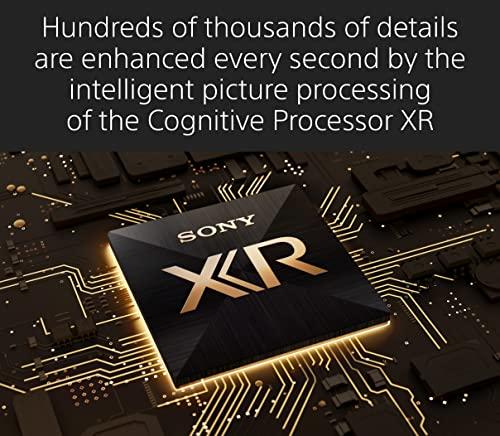
This is where the Sony A95K really flexes its premium muscles. Sony's Cognitive Processor XR doesn't just process the image—it analyzes what you're looking at and decides where your eyes will focus, then enhances those areas specifically. It's like having a director of photography inside your TV, constantly adjusting the image for maximum impact.
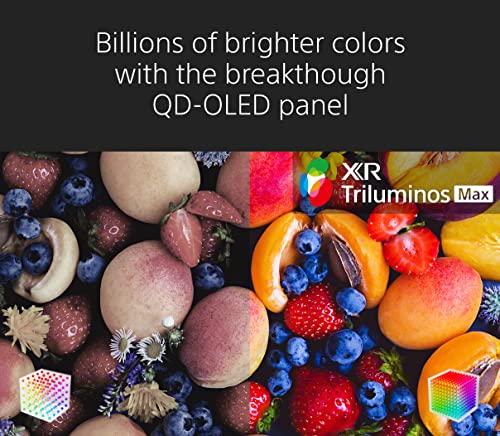
The XR Triluminos Max technology deserves special mention. Traditional OLED TVs struggle to maintain color accuracy at high brightness levels, but the Sony A95K delivers up to 200% more color brightness than conventional OLEDs. This means vibrant reds stay vibrant even in bright scenes, and skin tones look natural across all lighting conditions.
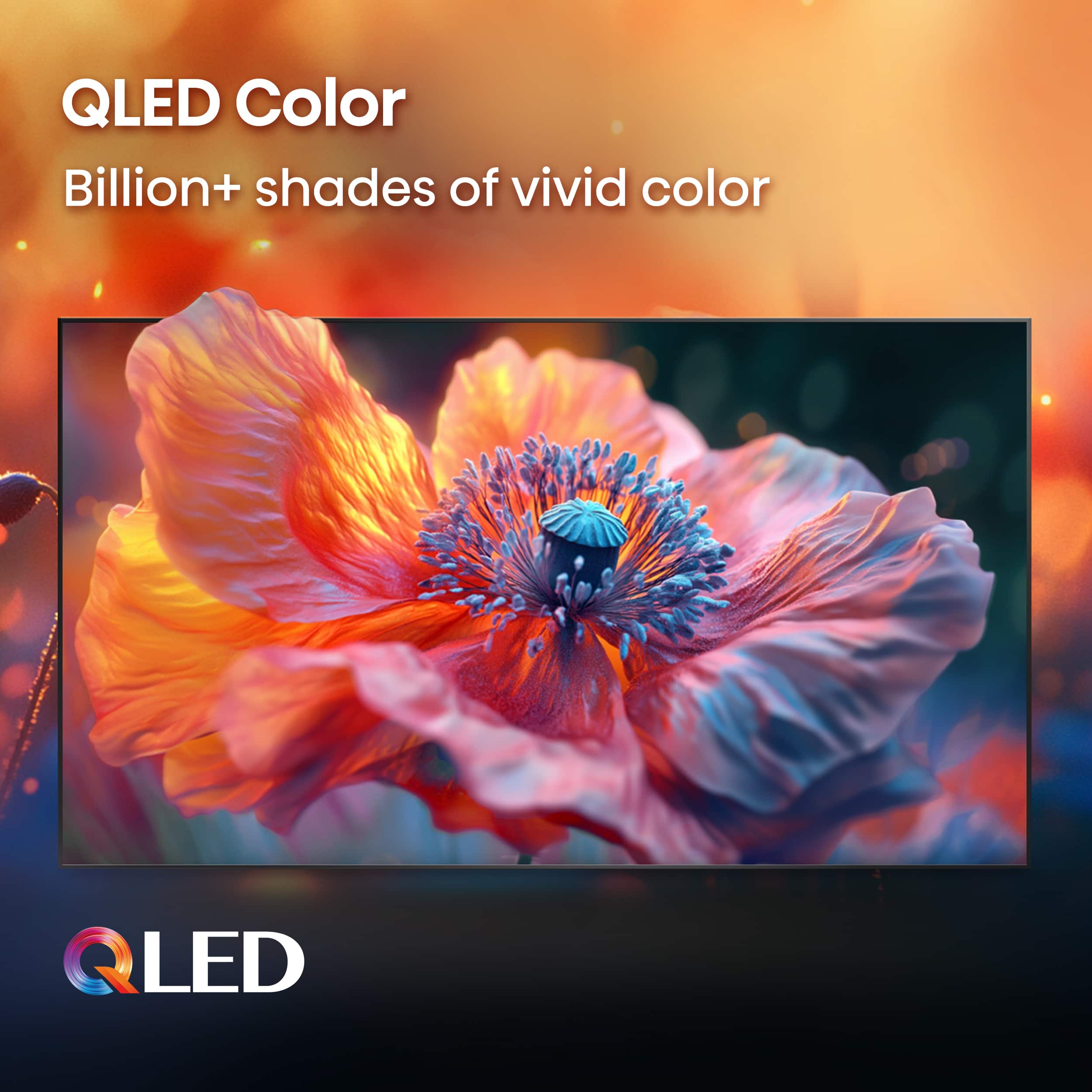
The Hisense QD7 uses its own H Engine for processing, and while it's competent, it's clearly targeting a different audience. The colors pop and look impressive—great for sports and animated content—but they're not as scientifically accurate as Sony's implementation. If you're watching Marvel movies or playing video games, this actually works in Hisense's favor, creating a more dynamic, exciting image.
High Dynamic Range (HDR) is where modern TVs really show their capabilities. HDR content contains information about how bright and dark different parts of the image should be, creating more realistic lighting that matches what your eyes would see in real life.
Both TVs support the major HDR formats, but they handle them differently. The Sony A95K excels at tone mapping—the process of translating HDR information into what the TV can actually display. Its approach prioritizes accuracy, showing HDR content closer to how content creators intended.
The Hisense QD7 takes a more aggressive approach, pushing brightness and contrast to create impressive visuals that grab your attention. For casual viewing, many people actually prefer this approach because it makes everything look more dramatic and engaging.
Gaming has become a crucial consideration for modern TVs, especially with PlayStation 5 and Xbox Series X pushing 4K resolution at high frame rates. Here's where things get really interesting between these two models.
The Hisense QD7 offers a genuine competitive advantage with its 144Hz refresh rate. For context, most TVs top out at 120Hz, and many gaming monitors don't even reach 144Hz at 4K resolution. This higher refresh rate means smoother motion in fast-paced games and potentially lower input lag—the delay between pressing a button and seeing the action on screen.
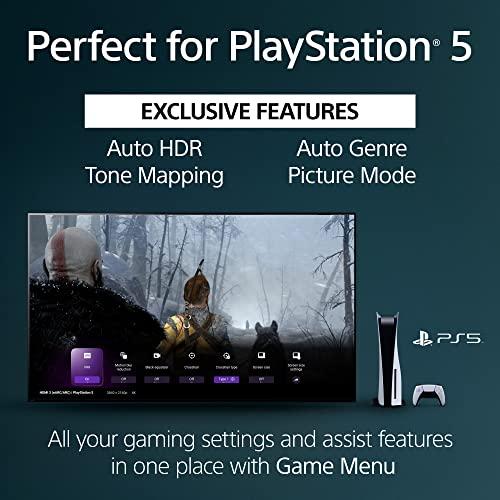
The Sony A95K counters with superior motion handling and processing. Its 120Hz refresh rate is still excellent for console gaming, and Sony has specifically optimized the TV for PlayStation 5, automatically adjusting HDR settings and picture modes when you connect Sony's console.
Both TVs support Variable Refresh Rate (VRR) and Auto Low Latency Mode (ALLM), technical features that ensure smooth gameplay without screen tearing or unnecessary processing delays. For most console gamers, either TV will provide an excellent experience. PC gamers seeking the absolute highest refresh rates will lean toward the Hisense QD7, while those prioritizing image quality during gameplay will prefer the Sony A95K.
There's one important limitation with the Sony A95K: you can't use Dolby Vision (a premium HDR format) at 120Hz simultaneously. You'll need to choose between the highest refresh rate or the best HDR experience for gaming.
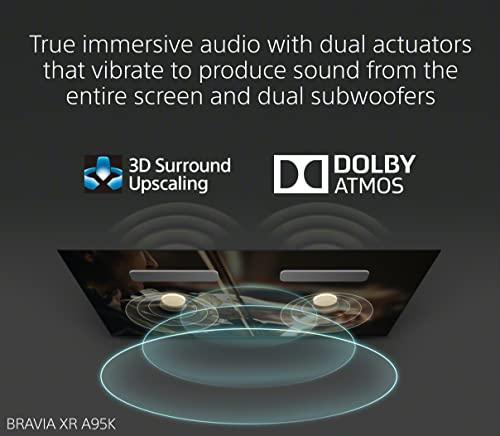
Most people underestimate how much audio affects their TV viewing experience. The Sony A95K includes Acoustic Surface Audio+ technology, which turns the entire screen into a speaker using actuators (tiny motors) that vibrate the display panel. This creates an interesting effect where dialogue seems to come directly from actors' mouths rather than from speakers below the screen.
This isn't just a gimmick—it's genuinely immersive. When watching dialogue-heavy shows or movies, the sound feels more natural and spatially accurate. The system also supports Dolby Atmos, creating a three-dimensional soundscape that enhances the overall experience.
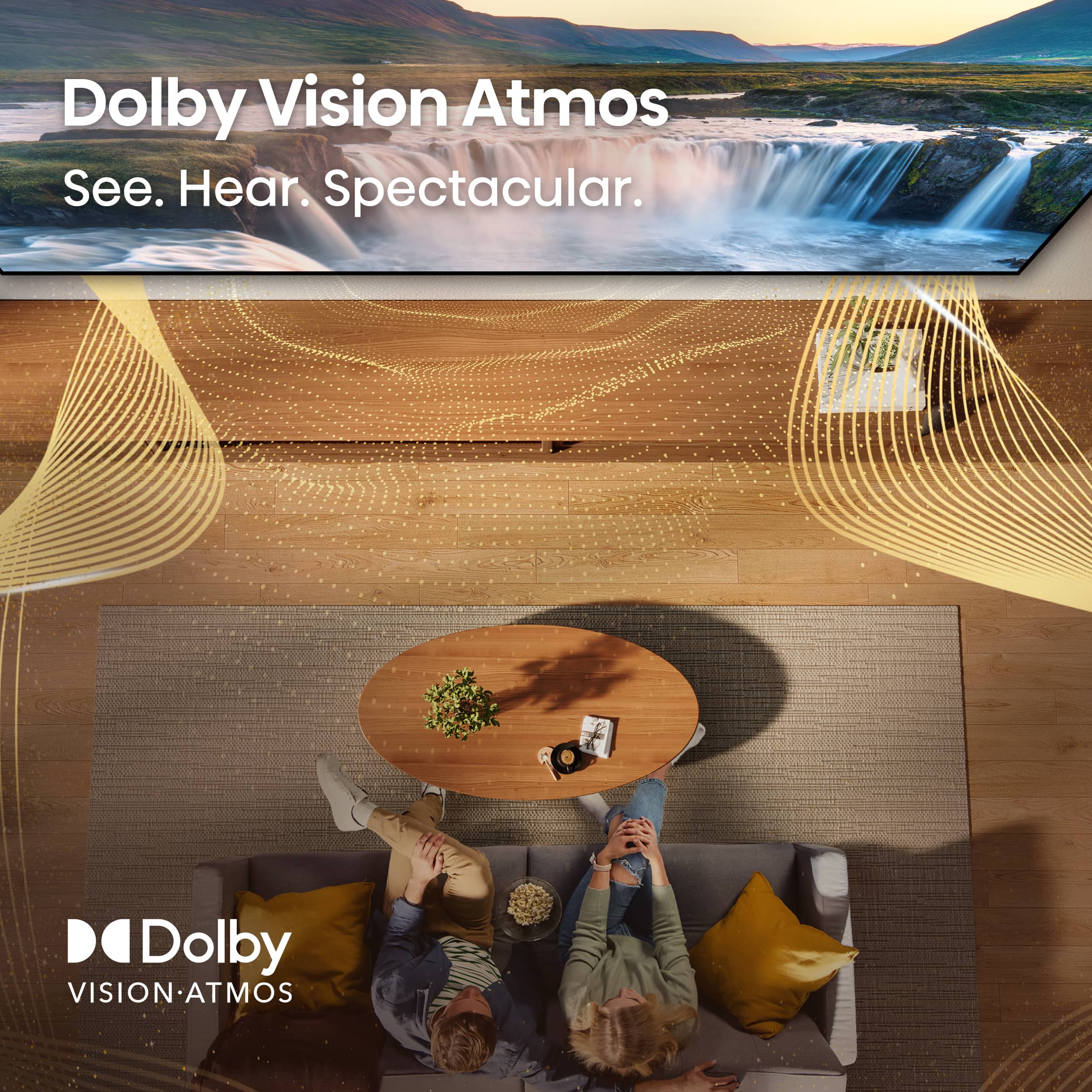
The Hisense QD7 takes a more traditional approach with built-in speakers that support Dolby Atmos. The audio is perfectly adequate for casual viewing, but it lacks the sophistication and spatial accuracy of Sony's implementation. Most users will eventually want to add a soundbar or external speakers, which isn't necessarily bad—it just means the initial TV purchase is only part of your audio investment.
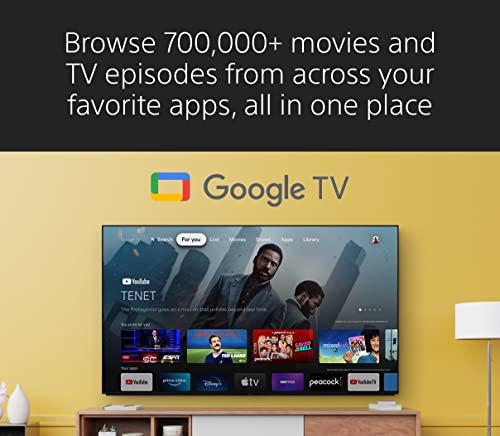
The software experience shapes how you interact with your TV daily, and these two models offer different ecosystems. The Sony A95K runs Google TV, which excels at content discovery and recommendation. It learns your viewing habits and surfaces relevant content across different streaming services, making it easier to find something to watch.
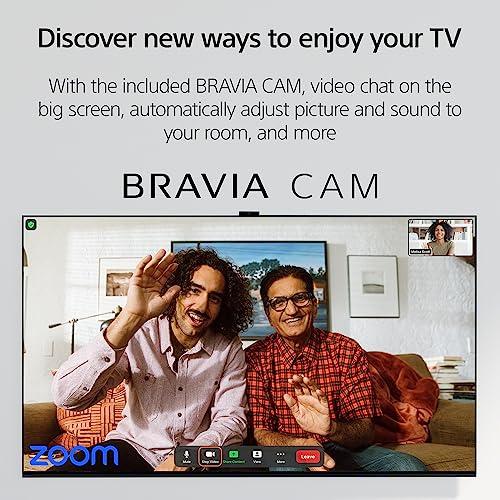
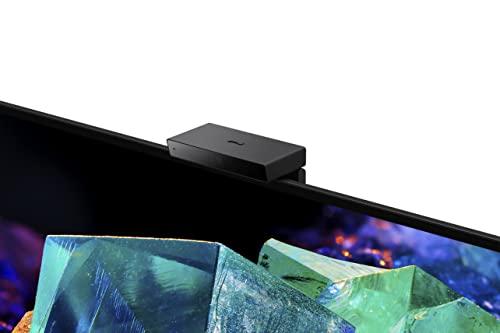
Google TV also integrates well with other Google services and smart home devices. The Sony A95K includes a BRAVIA webcam that enables gesture controls—you can navigate menus by waving your hand, though this feature feels more experimental than essential.
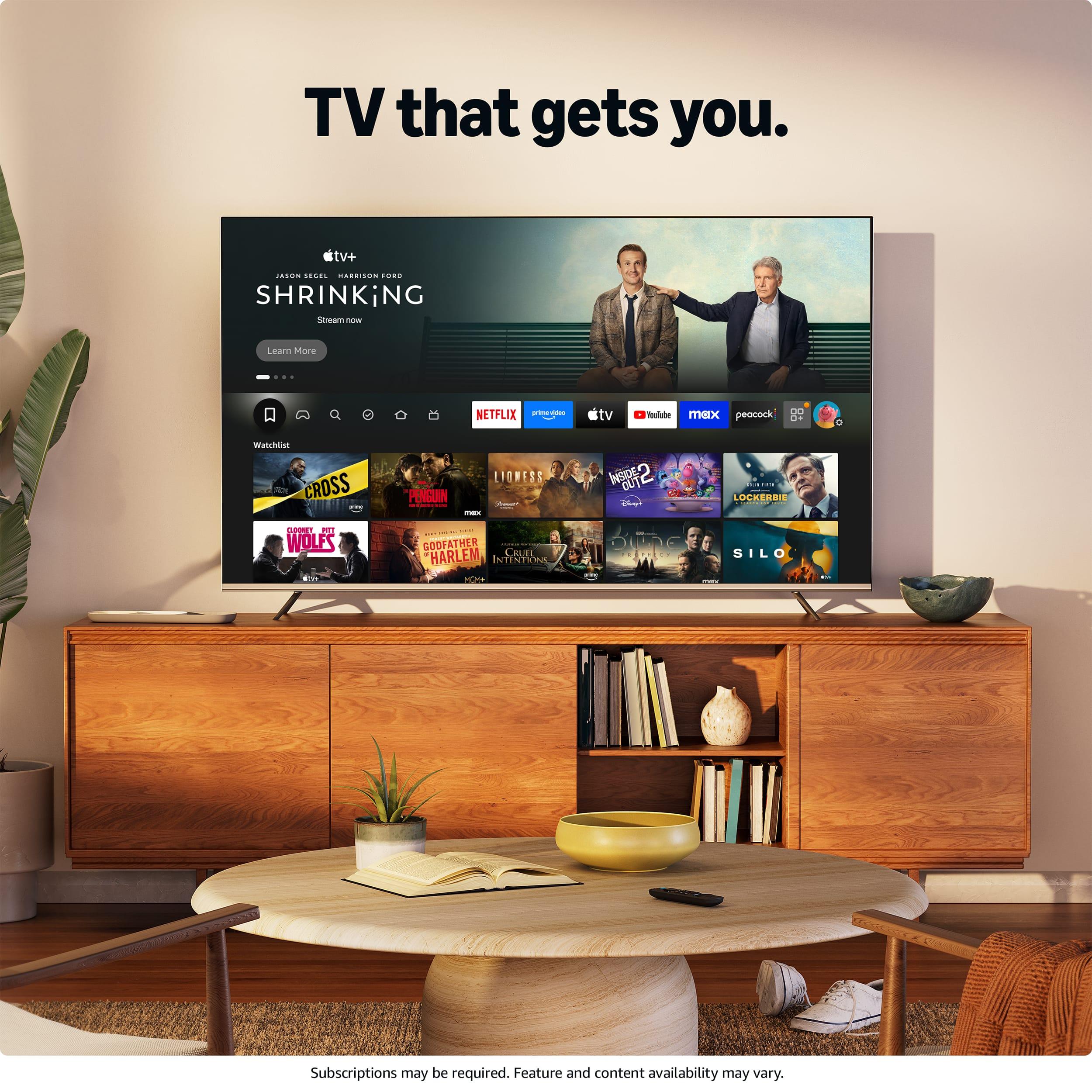
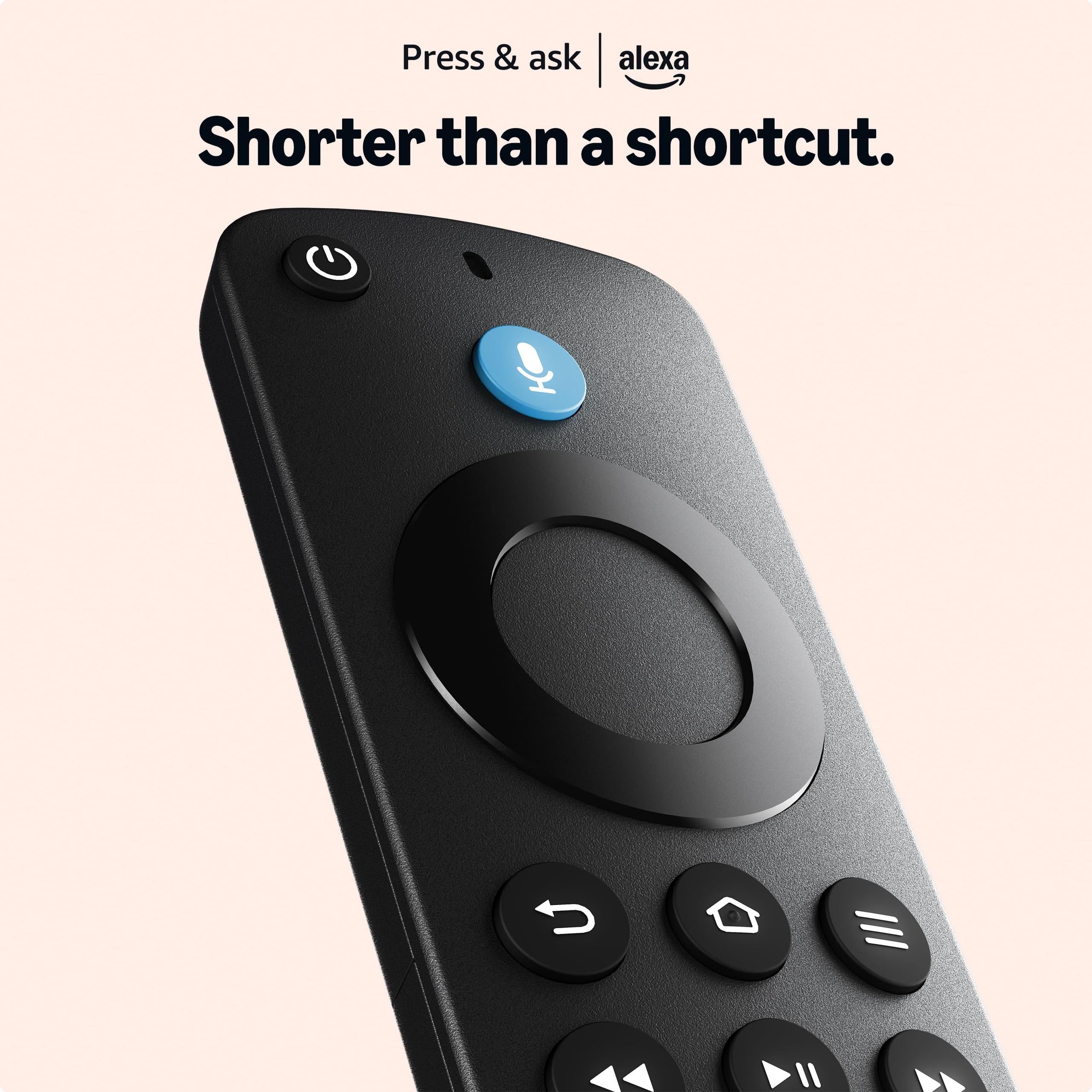
The Hisense QD7 uses Fire TV, Amazon's smart platform. If you're already invested in the Amazon ecosystem with Alexa devices throughout your home, Fire TV creates seamless integration. Voice control feels more natural, and shopping for content through Amazon's services is streamlined.
Both platforms support all major streaming apps, so your choice often comes down to which voice assistant you prefer and how each interface feels to navigate.
Premium TVs aren't just about immediate performance—they're investments you'll use for years. The Sony A95K demonstrates Sony's reputation for build quality through its materials, construction, and attention to detail. The remote control is backlit with a finder function (press a button on the TV to make the remote beep), and the overall design feels substantial and well-engineered.
Sony's track record for software updates and long-term support is also strong. TVs from 2022 are still receiving regular updates, ensuring your smart features remain current and secure.
The Hisense QD7 represents solid construction for its price point, but it doesn't match Sony's premium feel. The remote is functional rather than elegant, and while the TV should provide years of reliable service, Hisense's long-term software support track record is still developing.
Your viewing environment significantly influences which TV makes more sense. The Sony A95K performs best in controlled lighting conditions. If you have a dedicated home theater room or tend to watch TV with dimmed lights, OLED technology creates an almost cinematic experience that's hard to match.
However, if your TV sits in a bright family room with large windows, the Sony A95K's black levels will suffer. Ambient light causes the perfect blacks to look gray, diminishing one of OLED's primary advantages.
The Hisense QD7 handles bright rooms much better. Its higher peak brightness cuts through ambient light, maintaining contrast and color saturation even during daytime viewing. This makes it more versatile for typical family use where the TV might be on during various lighting conditions.
For dedicated movie watching, especially films with artistic cinematography, the Sony A95K provides superior accuracy and processing. For sports, gaming, and casual entertainment, the Hisense QD7's vibrant image processing and gaming features often feel more engaging.
At the time of writing, the price difference between these TVs is substantial—the Sony A95K costs roughly three times more than the Hisense QD7. This price gap reflects different market positions and target audiences.
The Sony A95K represents premium 2022 technology now available at significant discounts from its original launch price. You're getting groundbreaking QD-OLED technology, professional-grade processing, and Sony's reputation for reliability. However, it's worth noting that Sony has released newer OLED models since 2022, making the A95K a previous-generation flagship.
The Hisense QD7 delivers current 2025 technology at an entry-level price point. The feature density per dollar is genuinely impressive—144Hz gaming, Mini-LED backlighting, and comprehensive smart features at a fraction of premium TV costs. The money you save could fund a quality soundbar, improving your overall entertainment experience.
Choose the Sony A95K if you prioritize image quality above all else. This TV excels for movie enthusiasts, anyone with a dedicated home theater setup, and viewers who appreciate color accuracy and professional-grade processing. The premium build quality and integrated audio features justify the higher cost for those seeking the ultimate viewing experience.
The Sony A95K also makes sense for PlayStation 5 owners who want the most optimized gaming experience, even though the refresh rate maxes out at 120Hz.
Choose the Hisense QD7 if you want maximum value and versatility. This TV performs exceptionally well in bright rooms, offers superior gaming performance for PC users, and provides 90% of the premium TV experience at a fraction of the cost. The money saved can improve other aspects of your home theater setup.
The Hisense QD7 is particularly appealing for families, casual viewers, and anyone who watches TV in various lighting conditions throughout the day.
Both TVs represent excellent choices within their respective market segments. The Sony A95K offers refinement and accuracy that appeals to videophiles, while the Hisense QD7 delivers exceptional value with features that exceed its price point. Your choice ultimately depends on whether you prioritize the absolute best image quality or the best overall value for your entertainment dollar.
The TV market continues evolving rapidly, but understanding these fundamental technology differences will help you make informed decisions regardless of which specific models you're considering. Whether you choose premium OLED refinement or practical Mini-LED value, both approaches have merit depending on your viewing habits and priorities.
| Sony Bravia XR A95K 65" QD-OLED TV | Hisense 65" QD7 Series Mini-LED 4K Fire TV 2025 |
|---|---|
| Display Technology - Fundamental difference affecting picture quality | |
| QD-OLED with 8.2 million self-lit pixels | Mini-LED with Full Array Local Dimming zones |
| Black Levels - Critical for dark room movie watching | |
| Perfect blacks (pixels turn completely off) | Excellent blacks for Mini-LED (some minor blooming possible) |
| Peak Brightness - Essential for bright room viewing | |
| Moderate SDR brightness, good HDR highlights | High peak brightness, excellent for daytime viewing |
| Refresh Rate - Important for gaming and sports | |
| 120Hz (excellent for console gaming) | 144Hz (advantage for PC gaming and competitive titles) |
| HDR Support - Enhanced color and contrast for compatible content | |
| HDR10, Dolby Vision, HLG with superior tone mapping | HDR10, HDR10+, Dolby Vision with vibrant processing |
| Smart TV Platform - Daily interface and app ecosystem | |
| Google TV with BRAVIA webcam included | Fire TV with Alexa integration |
| Audio Technology - Built-in sound quality | |
| Acoustic Surface Audio+ (screen acts as speaker) | Standard speakers with Dolby Atmos support |
| Gaming Features - Console and PC gaming optimization | |
| HDMI 2.1, VRR, ALLM, PlayStation 5 optimizations | HDMI 2.1, VRR, ALLM, FreeSync Premium Pro, Game Mode Pro |
| Build Quality - Long-term durability and premium feel | |
| Premium materials, Sony's reliability reputation | Solid construction for price point, improving brand quality |
| Color Processing - Accuracy vs. vibrancy trade-off | |
| Cognitive Processor XR with studio-calibrated accuracy | H Engine with vibrant, eye-catching color enhancement |
| Release Year - Technology generation and software support | |
| 2022 flagship (previous-gen QD-OLED at discount) | 2025 current model with latest Mini-LED features |
| Viewing Angle - Picture quality when not sitting centered | |
| Excellent (OLED advantage maintains quality off-axis) | Good but limited compared to OLED technology |
| Best Use Case - Ideal viewing scenarios | |
| Dark room cinematic viewing, movie enthusiasts | Bright room versatility, gaming, family entertainment |
The Sony Bravia XR A95K delivers superior picture quality for movies with its QD-OLED technology providing perfect blacks and accurate colors. Its Cognitive Processor XR and studio-calibrated modes show films exactly as directors intended. The Hisense QD7 offers excellent picture quality for its price but prioritizes vibrant, eye-catching visuals over cinematic accuracy.
The Sony A95K uses QD-OLED technology where each pixel creates its own light and can turn completely off for perfect blacks. The Hisense QD7 uses Mini-LED with hundreds of dimming zones behind the screen. QD-OLED provides better contrast and viewing angles, while Mini-LED offers higher brightness for bright rooms.
The Hisense QD7 has a gaming advantage with its 144Hz refresh rate compared to the Sony A95K's 120Hz. Both support HDMI 2.1, VRR, and low input lag, but the Hisense offers better PC gaming performance while the Sony provides PlayStation 5 optimizations and superior motion handling.
The Hisense QD7 performs significantly better in bright rooms due to its higher peak brightness and Mini-LED technology. The Sony A95K struggles with ambient light affecting its black levels, making it better suited for controlled lighting environments or dedicated home theaters.
The Hisense QD7 offers exceptional value with Mini-LED technology, 144Hz gaming, and comprehensive smart features at a budget-friendly price. The Sony A95K provides premium QD-OLED technology and superior processing but costs significantly more, making it better value for those prioritizing ultimate picture quality.
The Sony A95K runs Google TV with excellent content discovery and integration with Google services, plus includes a BRAVIA webcam. The Hisense QD7 uses Fire TV with seamless Amazon Alexa integration. Both support major streaming apps, so choose based on your preferred ecosystem.
The Sony A95K features superior audio with Acoustic Surface Audio+ technology that turns the screen into a speaker for immersive sound placement. The Hisense QD7 has standard built-in speakers with Dolby Atmos support that are adequate but not as sophisticated as Sony's implementation.
The Sony A95K offers excellent viewing angles thanks to OLED technology, maintaining picture quality when viewed from the side. The Hisense QD7 has more limited viewing angles typical of Mini-LED displays, with some color and contrast degradation when not sitting directly in front.
The Sony A95K excels in home theater environments with perfect blacks, accurate colors, superior processing, and integrated premium audio. Its QD-OLED technology shines in dark rooms where you can fully appreciate the infinite contrast ratio and cinematic picture quality that the Hisense QD7 cannot match.
Both TVs support major HDR formats, but differently. The Sony A95K supports HDR10, Dolby Vision, and HLG with superior tone mapping for accuracy. The Hisense QD7 supports HDR10, HDR10+, and Dolby Vision with more aggressive processing that creates dramatic, eye-catching visuals.
The Sony A95K benefits from Sony's established reputation for build quality, long-term reliability, and consistent software updates. The Hisense QD7 offers solid construction for its price point, but Hisense's long-term support track record is still developing compared to Sony's proven reliability.
The Sony A95K from 2022 offers premium QD-OLED technology at a discounted price as a previous-generation flagship. The Hisense QD7 from 2025 provides current Mini-LED technology with modern gaming features. Choose the Sony for ultimate picture quality or the Hisense for better value and bright room performance.
We've done our best to create useful and informative comparisons to help you decide what product to buy. Our research uses advanced automated methods to create this comparison and perfection is not possible - please contact us for corrections or questions. These are the sites we've researched in the creation of this article: tomsguide.com - audioadvice.com - wepc.com - bestbuy.com - tvsbook.com - rtings.com - youtube.com - flatpanelshd.com - rtings.com - youtube.com - reviewed.com - avsforum.com - youtube.com - youtube.com - rtings.com - youtube.com - electronics.sony.com - sonypremiumhome.com - valueelectronics.com - sony.com - displayspecifications.com - flatpanelshd.com - donstv.com - youtube.com - businessinsider.com - youtube.com - displayspecifications.com - bestbuy.com - bestbuy.com - custrevs.com - youtube.com - bestbuy.com - rtings.com - youtube.com - rtings.com - pcrichard.com - bestbuy.com - pcrichard.com - camelcamelcamel.com - amazonfiretv.blog - hisense-usa.com - hisense-usa.com - hisense-usa.com - bestbuy.com - leaseville.com - youtube.com - bestbuy.com - flatpanelshd.com

Privacy Policy
Terms and Conditions - Affiliate Policy
Home Security
© Copyright 2008-2026.
11816 Inwood Rd #1211, Dallas, TX 75244