

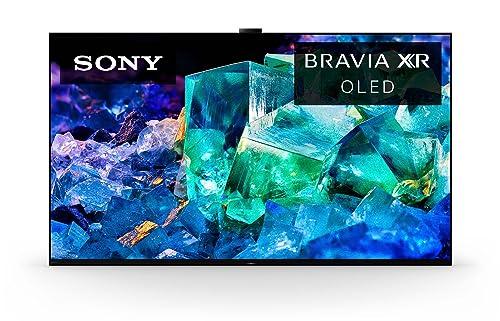




When you're shopping for a premium OLED TV, you're looking at the absolute pinnacle of display technology. These aren't just bigger screens—they're entirely different beasts that can transform how you experience movies, games, and shows. But with flagship models like the Sony Bravia XR A95K and LG OLED evo G5, the differences can be subtle yet significant enough to make or break your viewing experience.
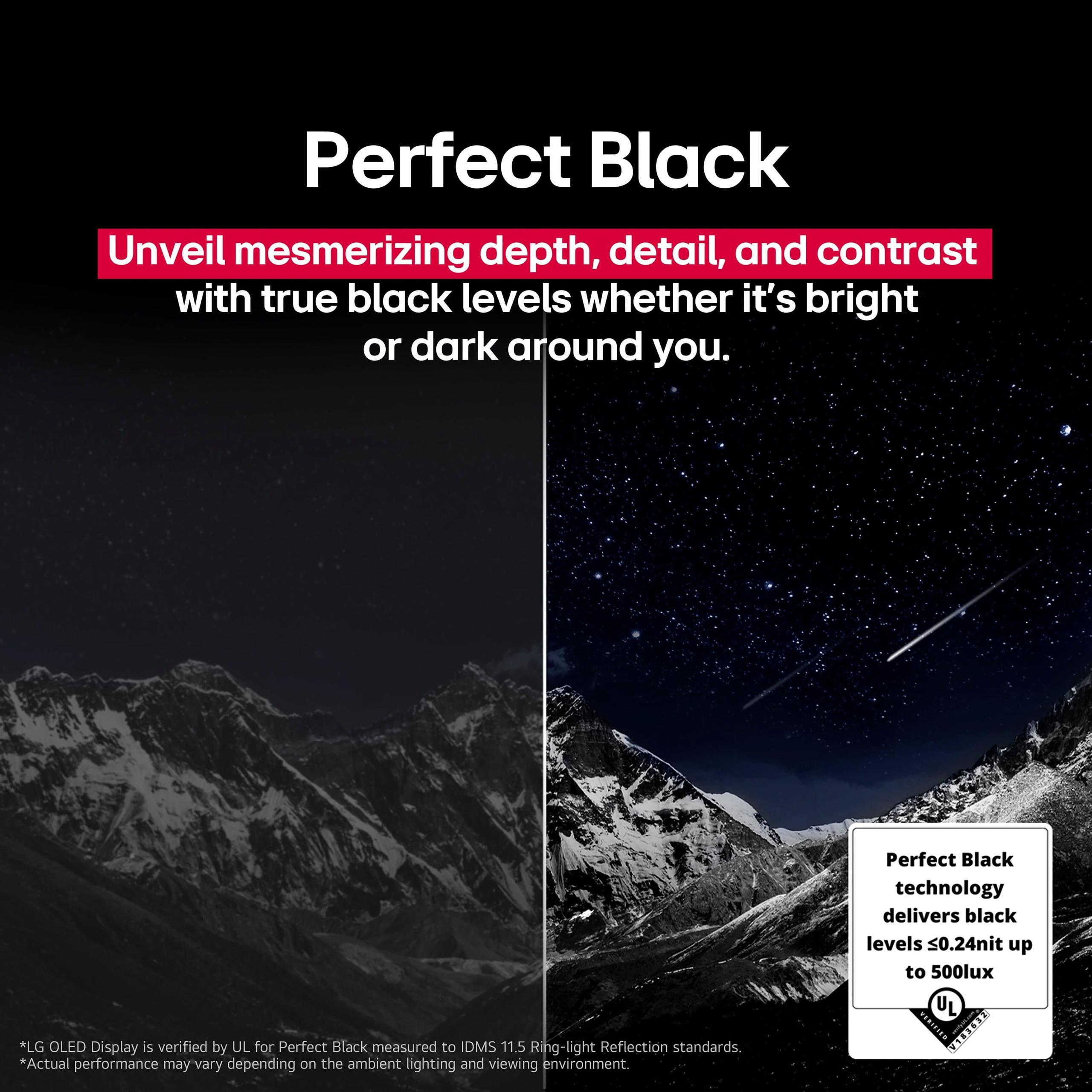
OLED technology works fundamentally differently from traditional LED TVs. Instead of a backlight shining through layers of filters, each pixel generates its own light and can turn completely off to create perfect black levels. This means infinite contrast ratios—something that sounds like marketing speak but actually translates to images that pop off the screen in ways you'll notice immediately.
The main considerations when choosing between premium OLEDs boil down to a few key areas: how bright they can get (crucial for HDR content and bright rooms), how accurately they reproduce colors, how well they handle motion in fast scenes, their smart TV capabilities, and increasingly important for many buyers, their gaming performance. The Sony A95K and LG G5 represent two very different approaches to solving these challenges.
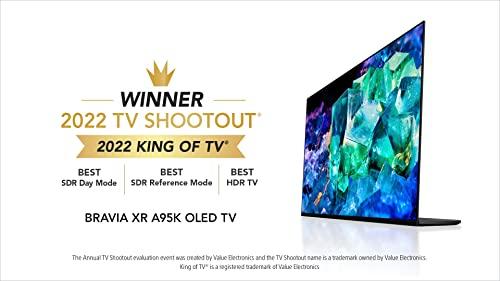
What's particularly interesting about comparing these two models is that they're from different generations—the Sony A95K launched in 2022 as Sony's groundbreaking first QD-OLED TV, while the LG G5 represents LG's 2025 flagship with entirely new panel technology. This generational gap actually makes the comparison more relevant, as it highlights how quickly OLED technology is advancing and what improvements you get for waiting.
The most fundamental difference between these TVs lies in their panel technology, and it's worth understanding because it affects everything else about their performance.
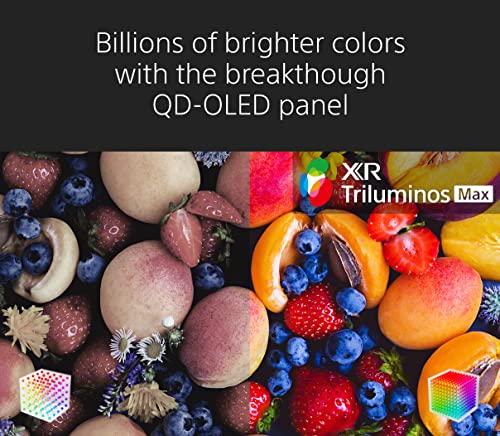
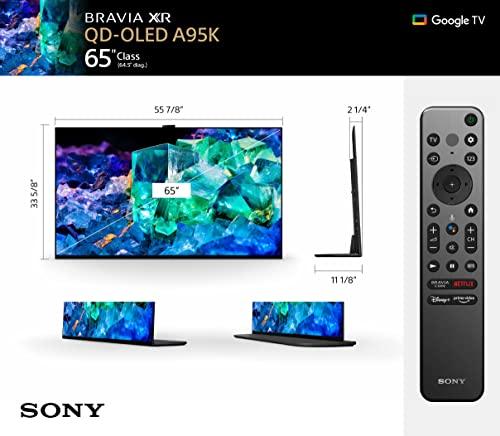
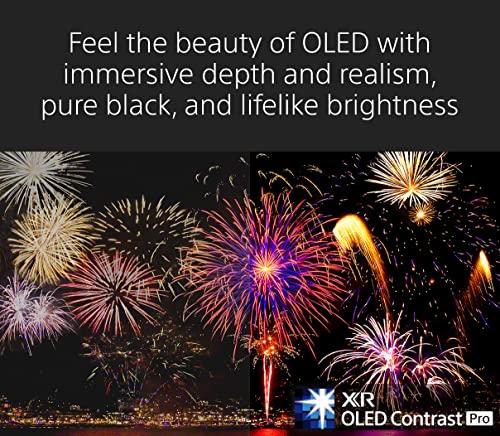
The Sony A95K uses QD-OLED (Quantum Dot OLED) technology, which was revolutionary when it launched in 2022. Traditional OLED panels create white light and then filter it through red, green, and blue filters, which can limit color brightness. QD-OLED instead uses blue OLED emitters combined with quantum dot converters to create red and green light directly. This eliminates the need for a white subpixel and dramatically increases color brightness—Sony claims up to 200% brighter colors compared to traditional OLEDs.
The result is immediately noticeable when you watch HDR content. Colors don't just look more accurate; they look more intense and realistic, especially in bright scenes where traditional OLEDs might wash out. Reds are deeper, greens more vivid, and the overall image has a richness that's hard to describe until you see it.

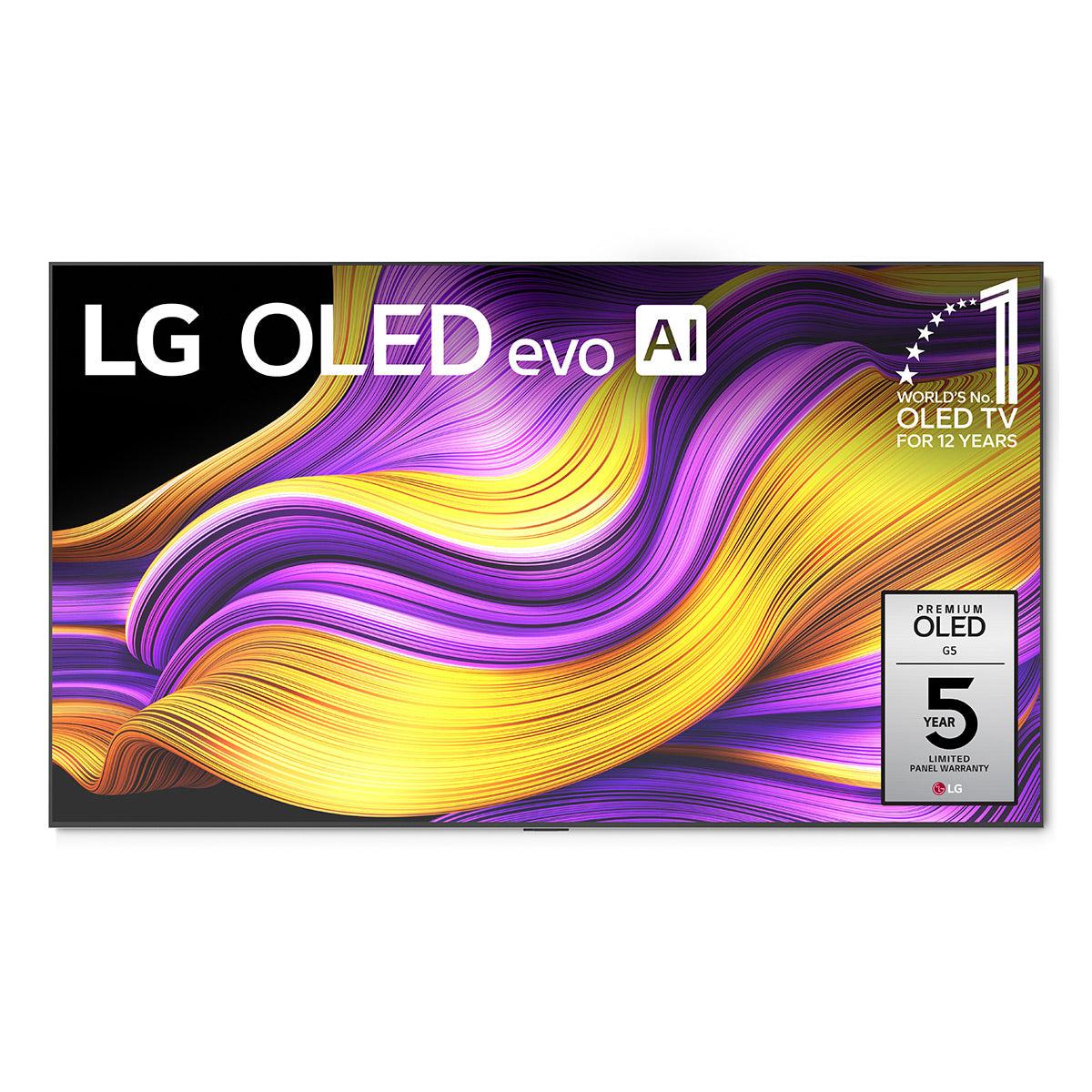
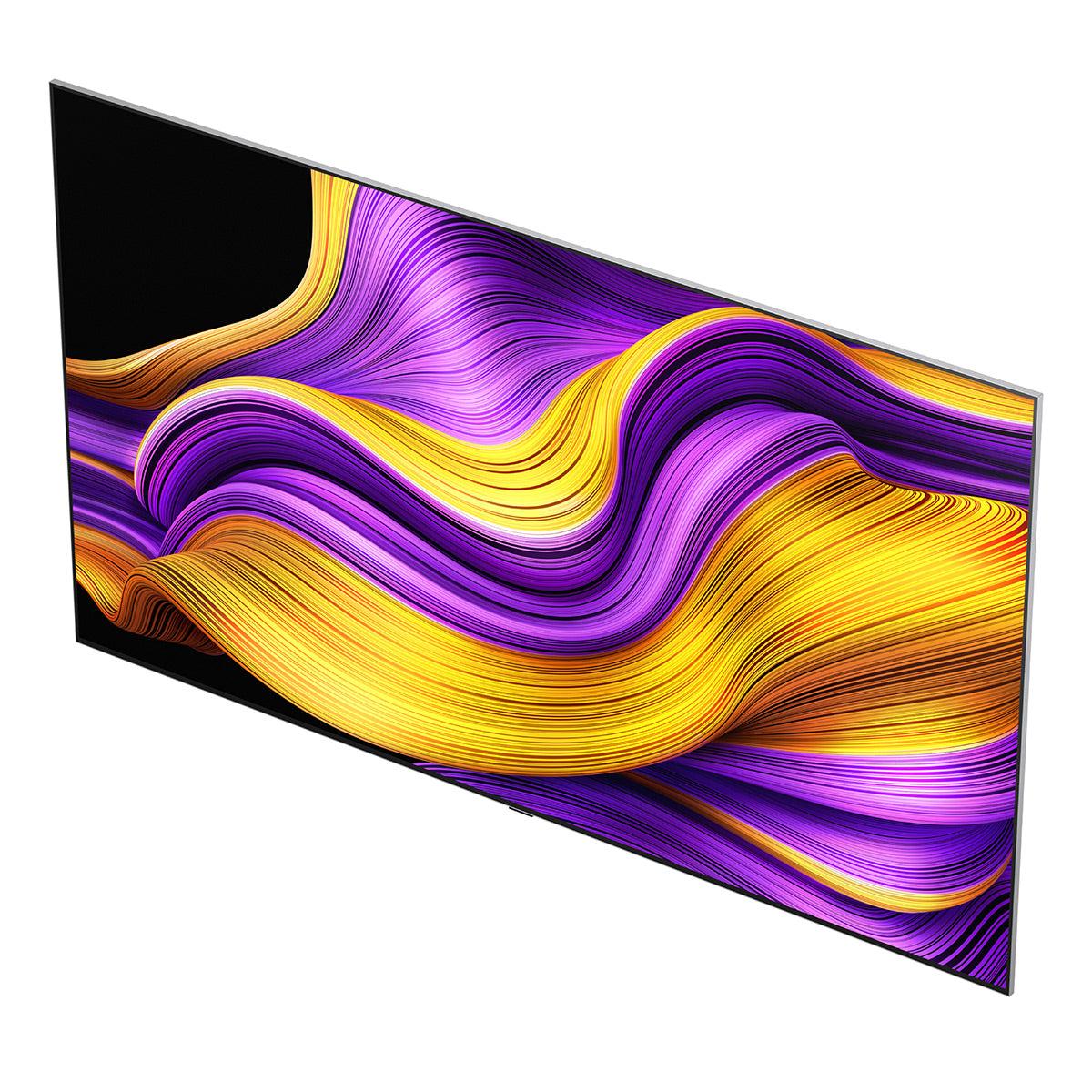
The LG G5, released three years later, takes a completely different approach with its 4-Stack Tandem RGB OLED panel. This is LG's answer to the brightness limitations that have historically held back OLED technology in bright rooms. The "tandem" design essentially stacks multiple OLED layers on top of each other, allowing much higher light output without the burn-in risks that would come from simply driving traditional OLED pixels harder.
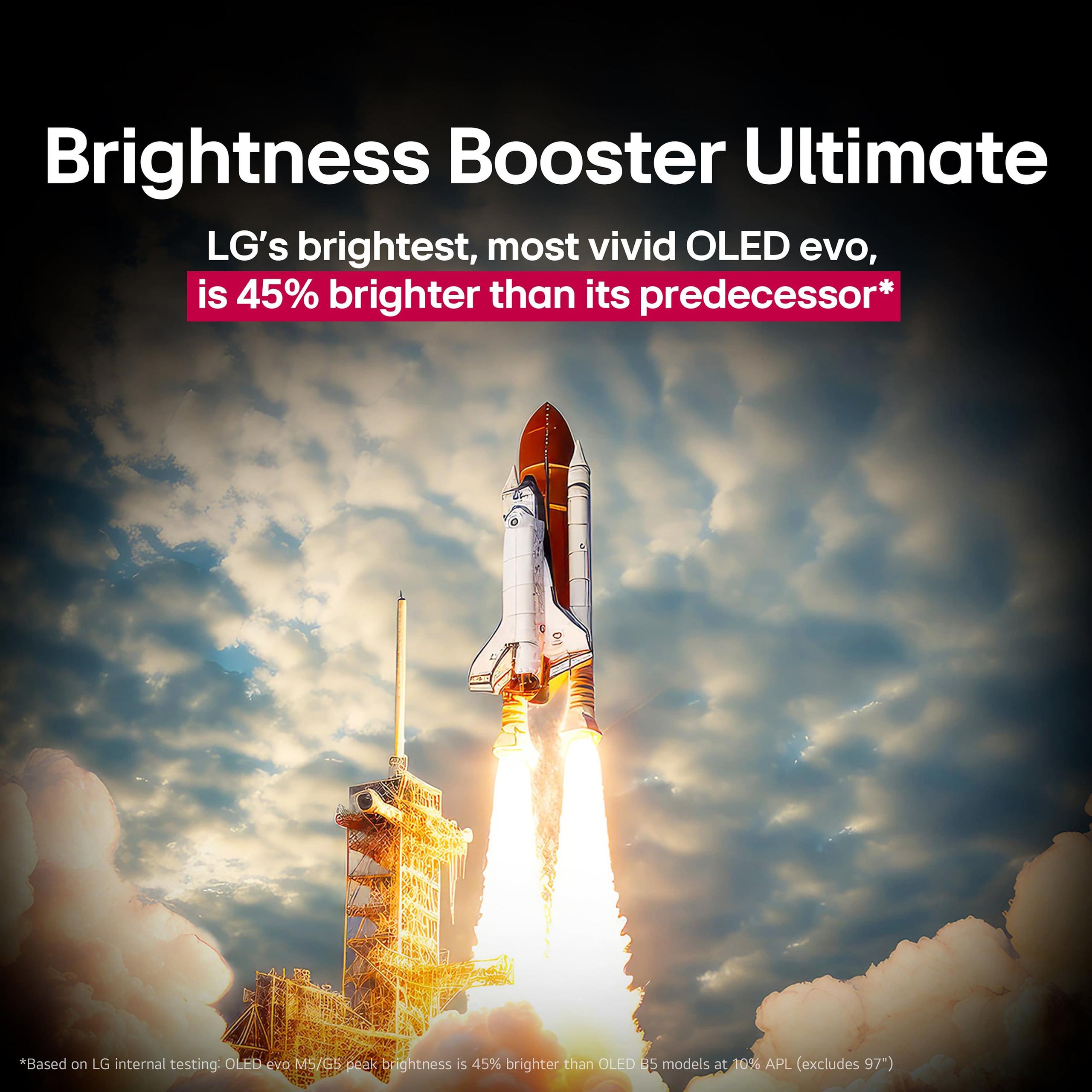
Early reports suggest the LG G5 can hit peak brightness levels of over 2,200 nits in small areas—that's approaching mini-LED territory while maintaining perfect OLED blacks. For context, the Sony A95K typically peaks around 1,000 nits, which is still excellent but noticeably dimmer in direct comparisons.
Based on expert consensus and user feedback, both TVs deliver exceptional picture quality, but with different strengths that become apparent depending on what you're watching and where.
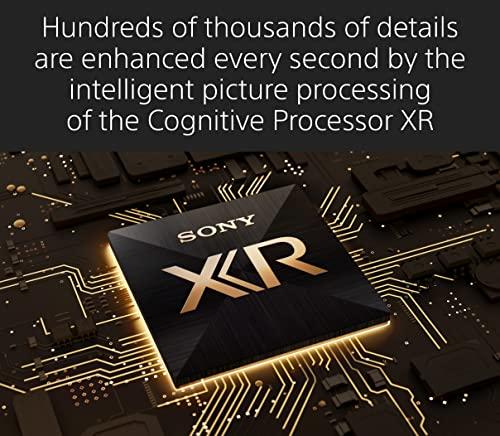
The Sony A95K consistently gets praise for its color processing and upscaling capabilities. Sony's Cognitive Processor XR doesn't just enhance the image—it analyzes content the way human vision works, focusing on areas where your eyes naturally go first. This translates to more natural-looking skin tones, better texture detail in clothing and faces, and upscaling that can make 1080p content look surprisingly close to native 4K.
The XR Triluminos Max color technology works particularly well with the QD-OLED panel to deliver what many reviewers describe as the most accurate colors they've seen from a consumer TV. This isn't just about making colors more vivid—it's about making them more realistic and true to the content creator's intent.
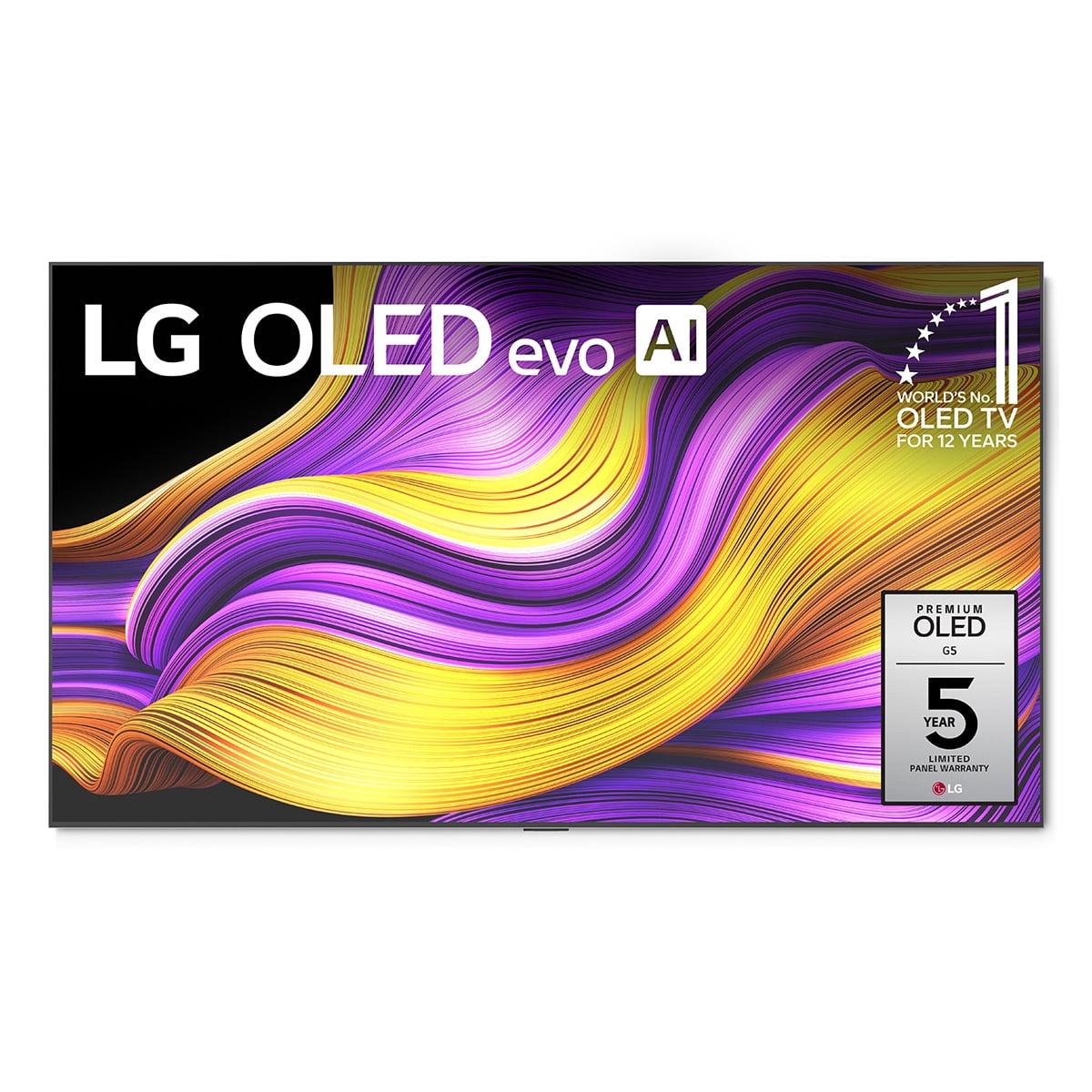
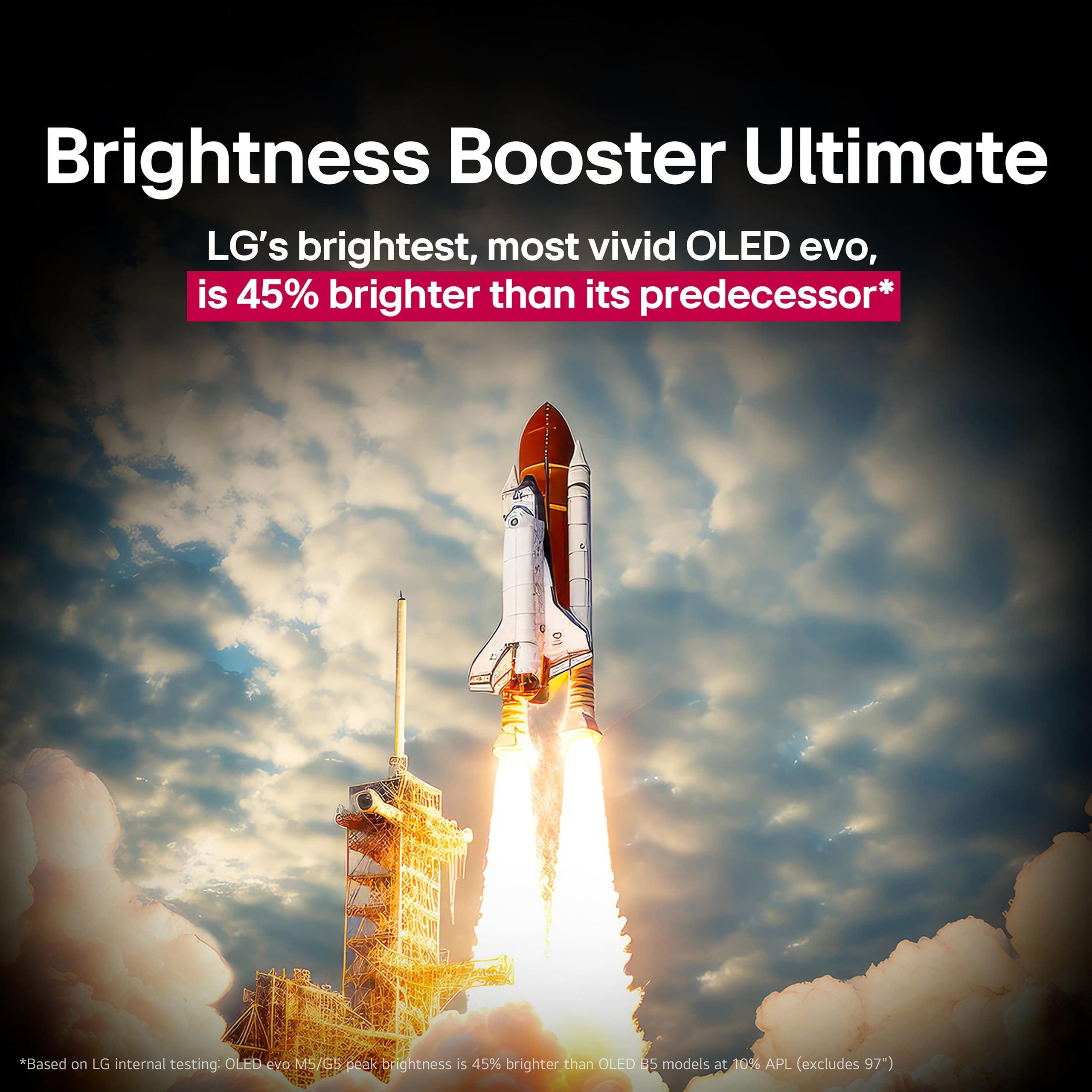
The LG G5, meanwhile, excels in brightness and dynamic range. That 4-stack panel technology delivers up to 45% brighter images than previous LG OLEDs, and the difference is immediately apparent in HDR content. Highlights sparkle with intensity that makes the Sony A95K look dim by comparison, while still maintaining perfect blacks in the same frame.
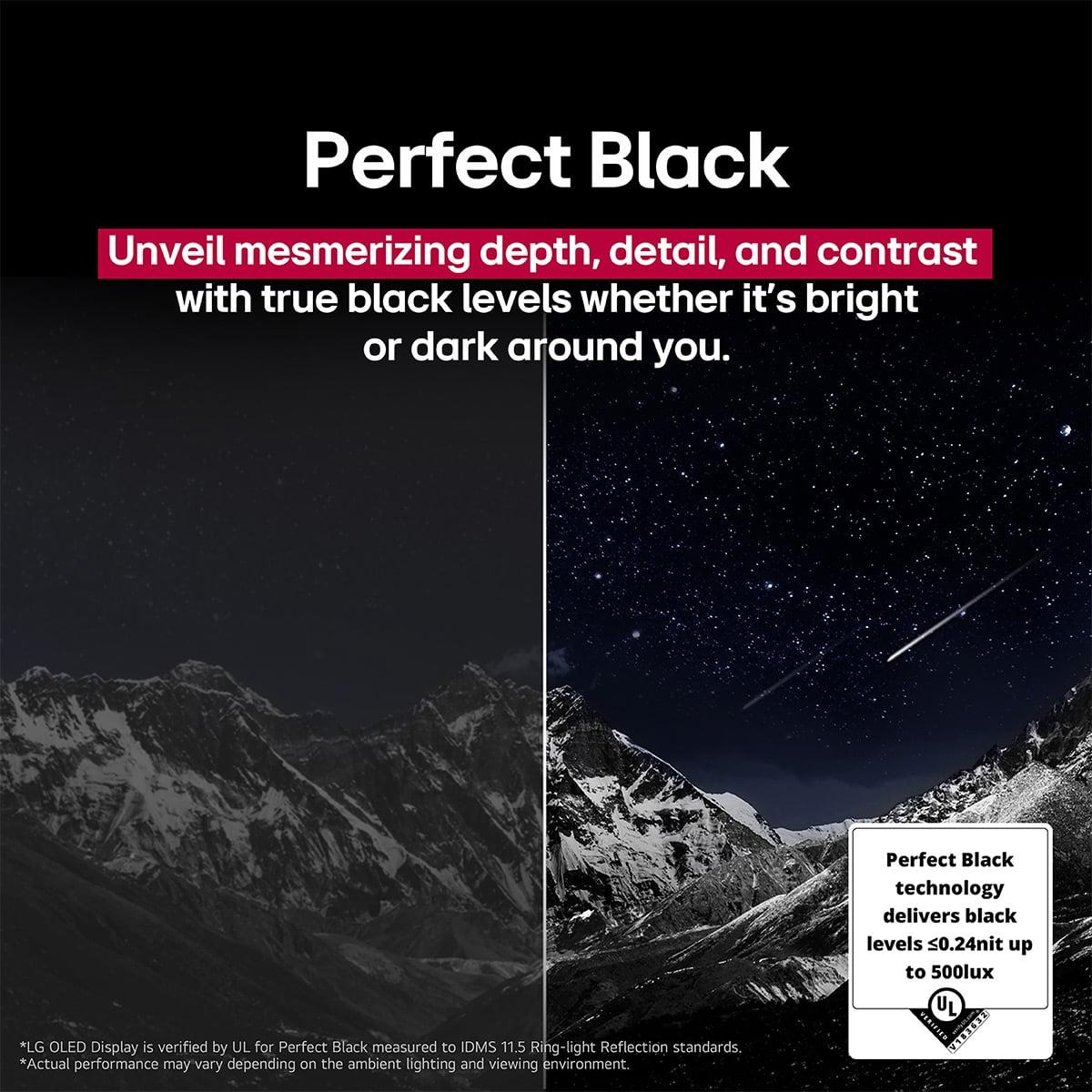
This brightness advantage makes the LG G5 much more versatile for different viewing environments. While OLED TVs have traditionally been best in dark rooms, the G5 can hold its own even with significant ambient light—something that's been a weakness of OLED technology since its inception.
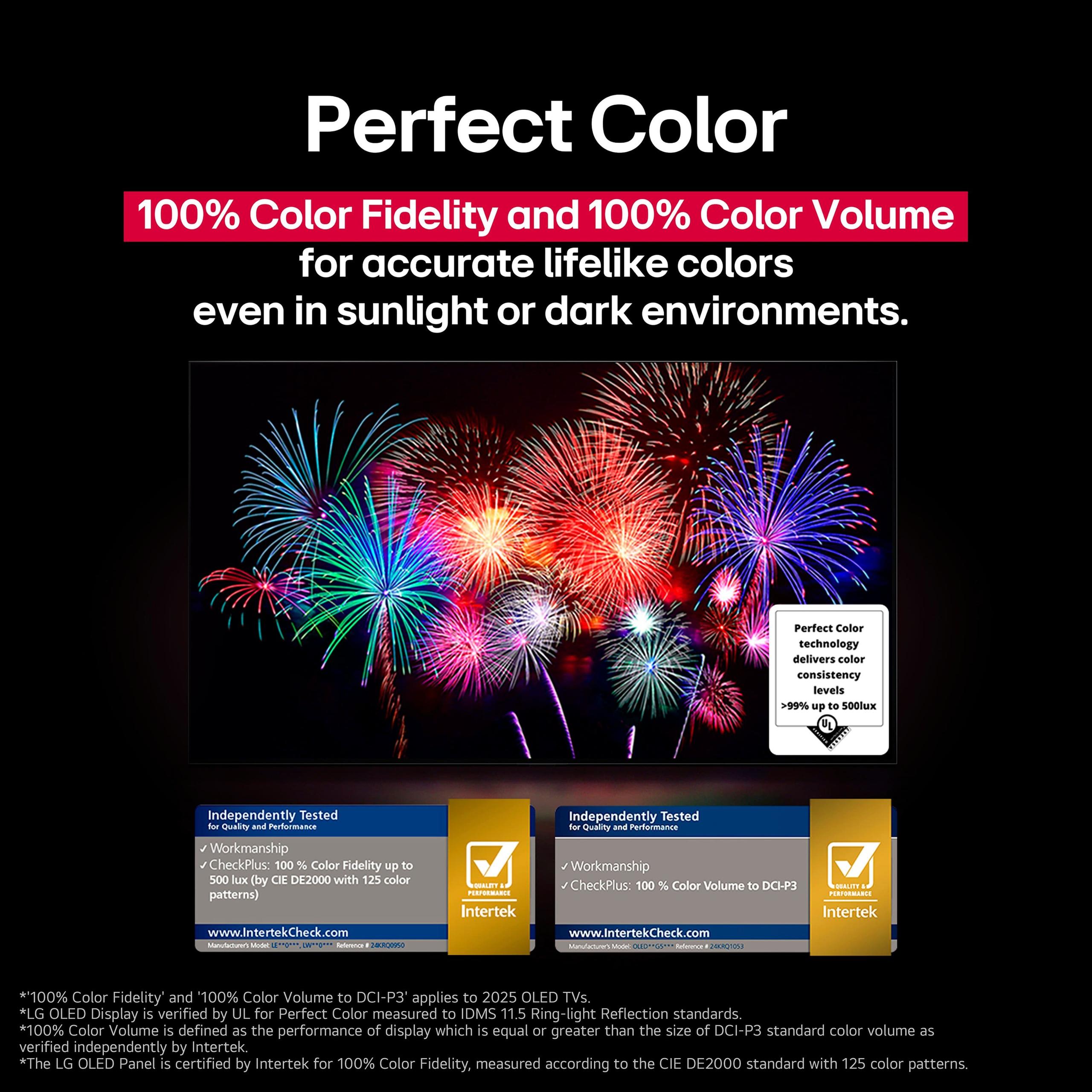
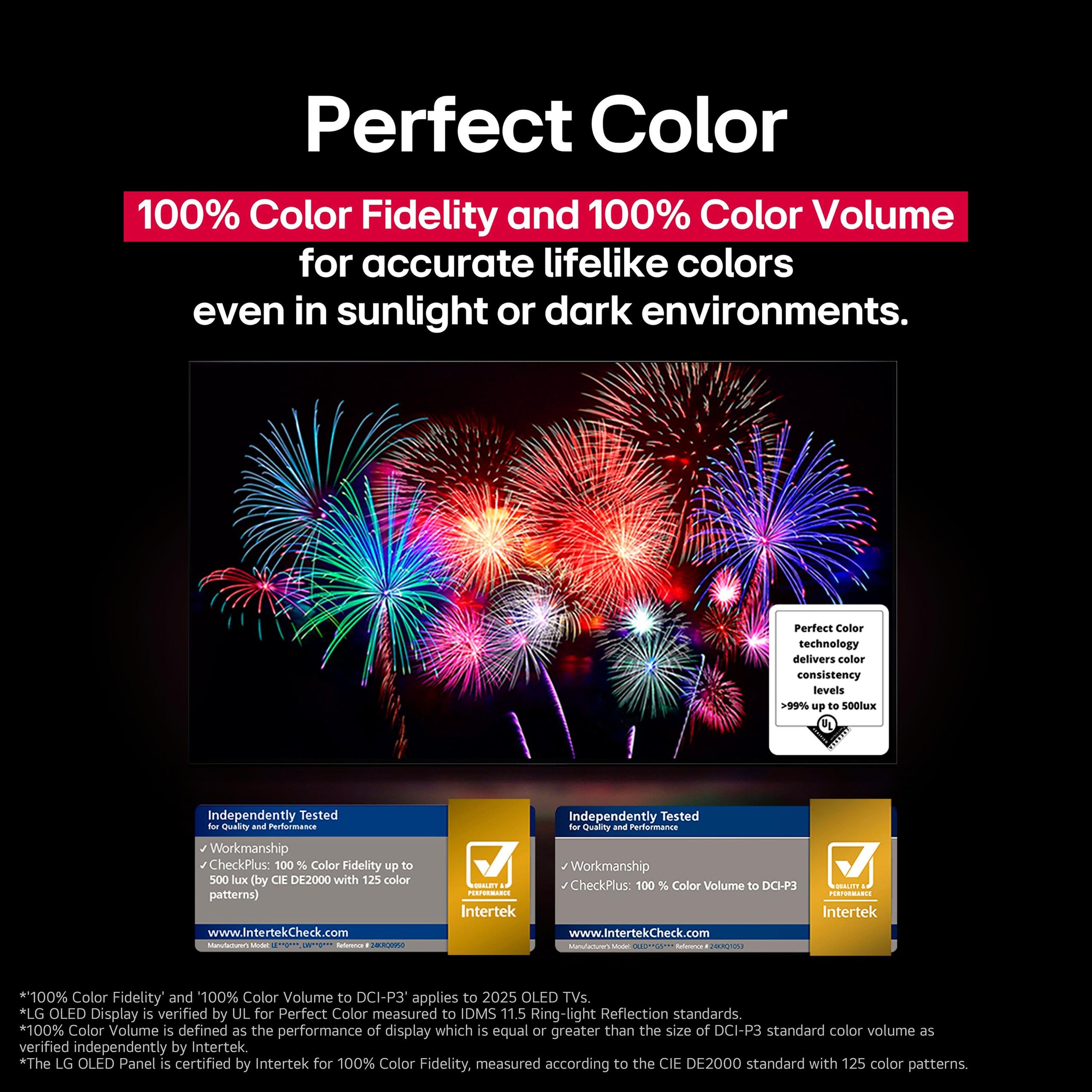
The color performance on the LG G5 is also excellent, with LG claiming greater than 99% color consistency even in rooms with up to 500 lux of ambient light. That's bright enough that you wouldn't hesitate to watch during the day with curtains open.
For gaming, there's a substantial difference between these two TVs, and it largely comes down to connectivity and features rather than fundamental display performance.
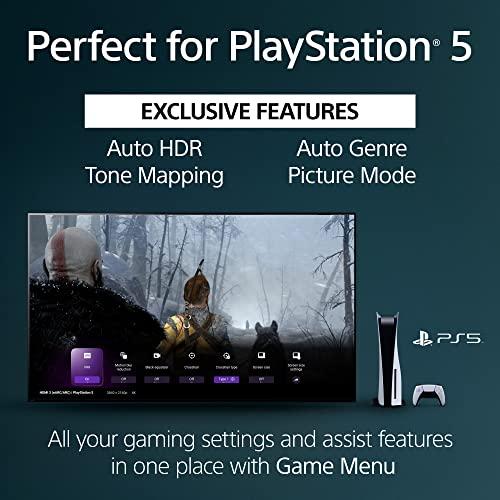
The Sony A95K offers solid gaming performance with two HDMI 2.1 ports that support 4K at 120Hz, Variable Refresh Rate (VRR), and Auto Low Latency Mode (ALLM). The response times are excellent, and motion handling is crisp enough for competitive gaming. However, having only two HDMI 2.1 ports becomes a limitation quickly—one typically gets used for eARC (Enhanced Audio Return Channel) to connect your soundbar or receiver, leaving just one for gaming devices.

There's also the inconvenience of having to manually switch between Dolby Vision and VRR modes, since they can't run simultaneously. This means if you want the best picture quality for single-player games, you'll need to dive into settings menus regularly.
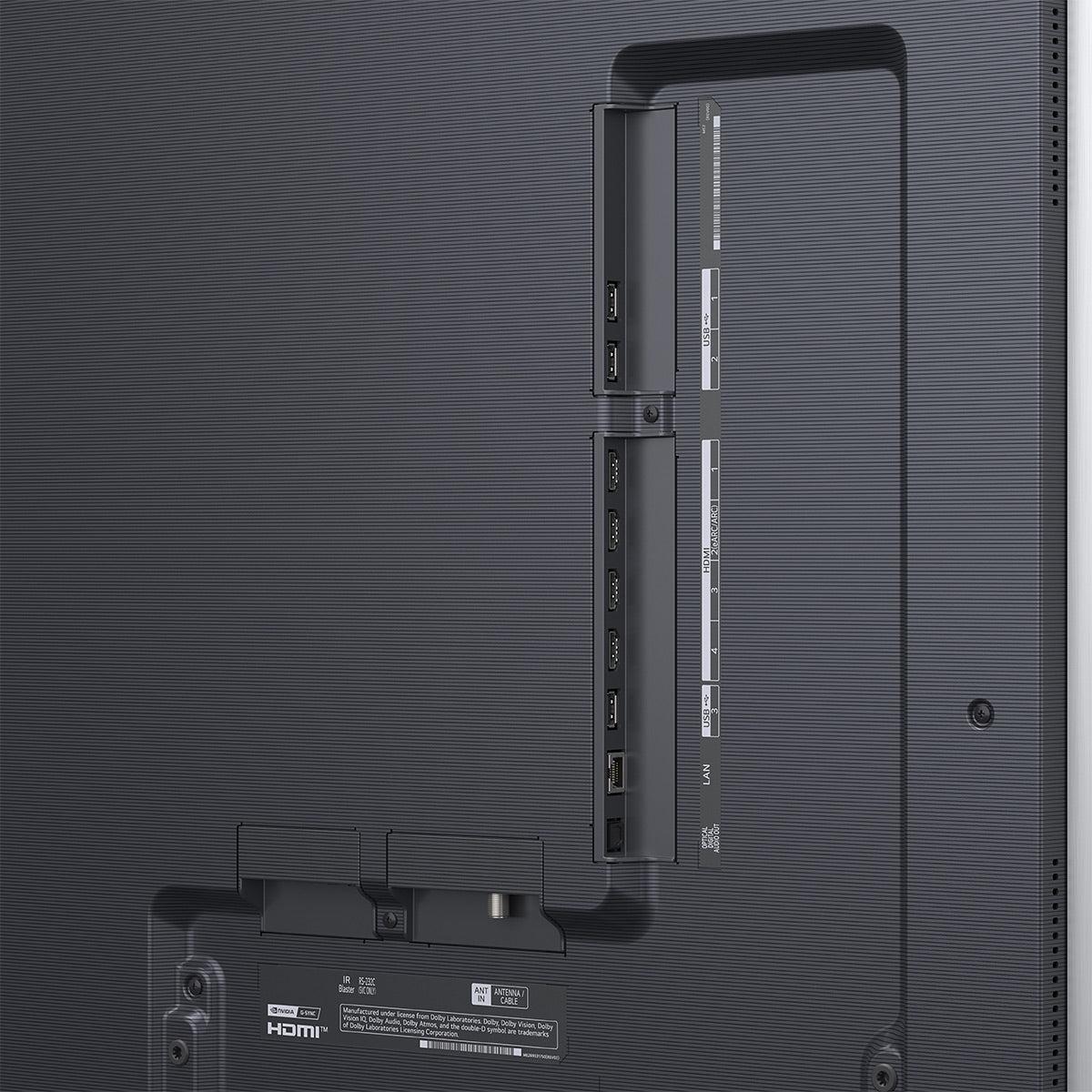
The LG G5 addresses these limitations comprehensively. All four HDMI ports support full HDMI 2.1 bandwidth, and LG has pushed the refresh rate support even higher—up to 165Hz at 4K resolution. This makes it particularly appealing for PC gamers with high-end graphics cards who can actually utilize those frame rates.
The G5 also includes both G-SYNC and FreeSync compatibility, plus Quick Media Switching (QMS) that eliminates those annoying black screens when your console or PC switches between different refresh rates. These might seem like small details, but they add up to a much more seamless gaming experience.
Input lag on both TVs is excellent—low enough that even competitive gamers won't notice any delay. But the LG G5's additional ports and higher refresh rate support make it the clear choice for gaming enthusiasts.
The smart TV experience on these models reflects their manufacturers' different approaches to user interface design.
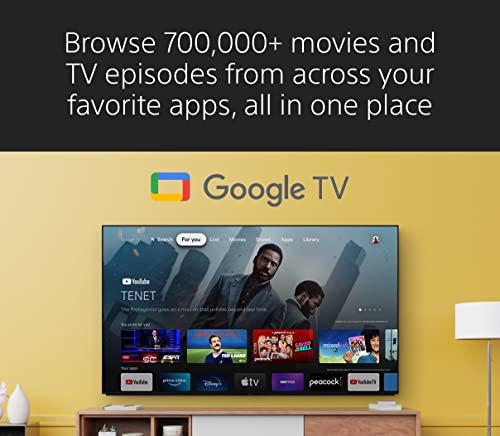
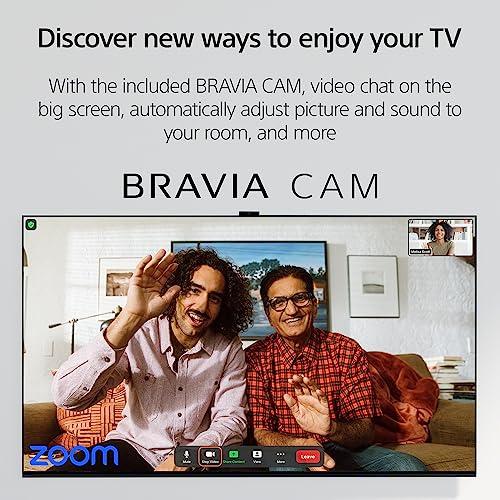
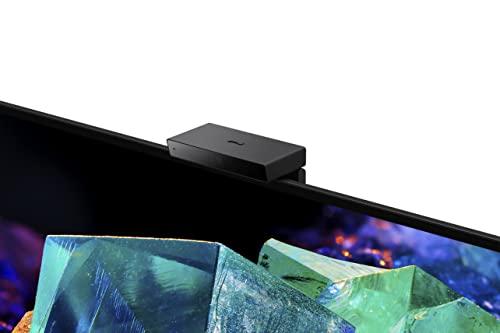
The Sony A95K runs Google TV, which integrates well with the broader Google ecosystem. The interface is clean and content-focused, with good recommendation algorithms and support for pretty much every major streaming service. The included BRAVIA CAM adds some unique features like gesture controls and video calling, though these feel more like novelties than essential features.
What's particularly nice about the Sony system is how well it handles different types of content. The TV automatically switches to appropriate picture modes for Netflix, and BRAVIA CORE provides access to Sony's library of movies in high quality. The Cognitive Processor XR also enables some smart upscaling features that can improve lower-quality streaming content noticeably.
The LG G5 uses webOS 25, which has evolved significantly over the years into one of the more polished smart TV platforms. The Quick Cards feature lets you group favorite apps and content, and the interface feels responsive and intuitive. LG's commitment to providing five years of webOS updates is particularly appealing—you won't be stuck with an obsolete smart TV platform in a few years.
The Magic Remote with its AI button provides good voice control, and the platform includes access to over 300 free LG Channels, which can be genuinely useful for background viewing or discovering new content.
Both platforms work well, but webOS feels slightly more polished and future-proof, while Google TV offers better integration if you're already deep in Google's ecosystem.
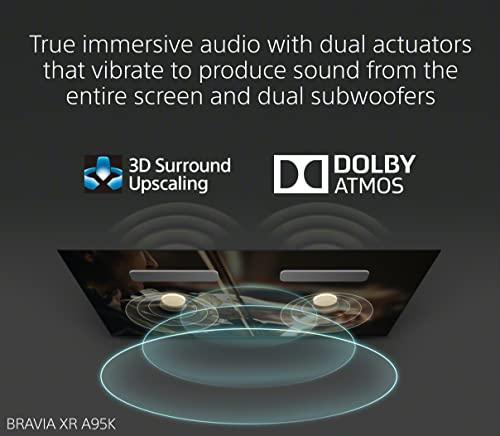
This is where the Sony A95K really shows its innovation. The Acoustic Surface Audio+ technology turns the entire screen into a speaker by using actuators that vibrate the OLED panel itself. This isn't just a gimmick—it creates a genuinely immersive audio experience where dialogue and effects seem to come from their exact location on screen.
The system also supports a center speaker mode, allowing the TV to function as the center channel in a surround sound setup. For many people, this could eliminate the need for a separate center speaker entirely, which is both convenient and cost-effective.
The LG G5 uses a more traditional speaker setup with Dolby Atmos processing. While it sounds good for a TV—dialogue is clear and there's some sense of spatial audio—it can't match the immersive quality of Sony's screen-as-speaker approach. The WOW Orchestra feature that pairs with LG soundbars is nice, but it requires additional hardware to really shine.
For home theater enthusiasts, this audio difference could be significant. The Sony A95K provides a more complete out-of-the-box experience, while the LG G5 will likely benefit more from a dedicated sound system.
Both TVs reflect premium design sensibilities but with different philosophies.
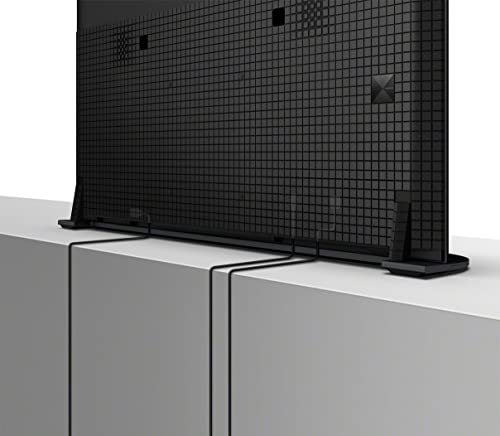
The Sony A95K has a minimalist aesthetic with a sleek stand that can be positioned behind the TV for a clean look. The build quality feels substantial without being overly heavy, and the anti-reflection coating helps with ambient light management.
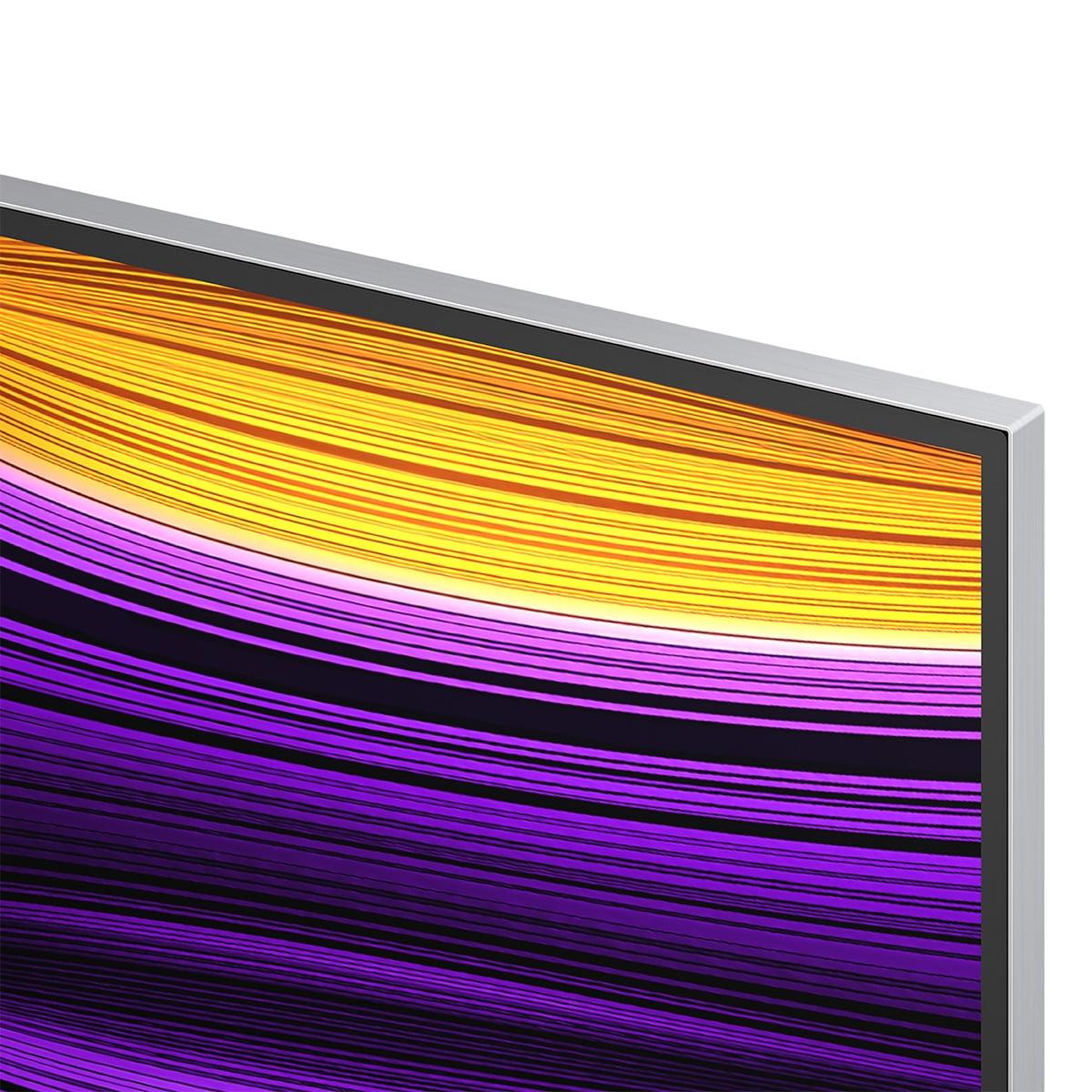
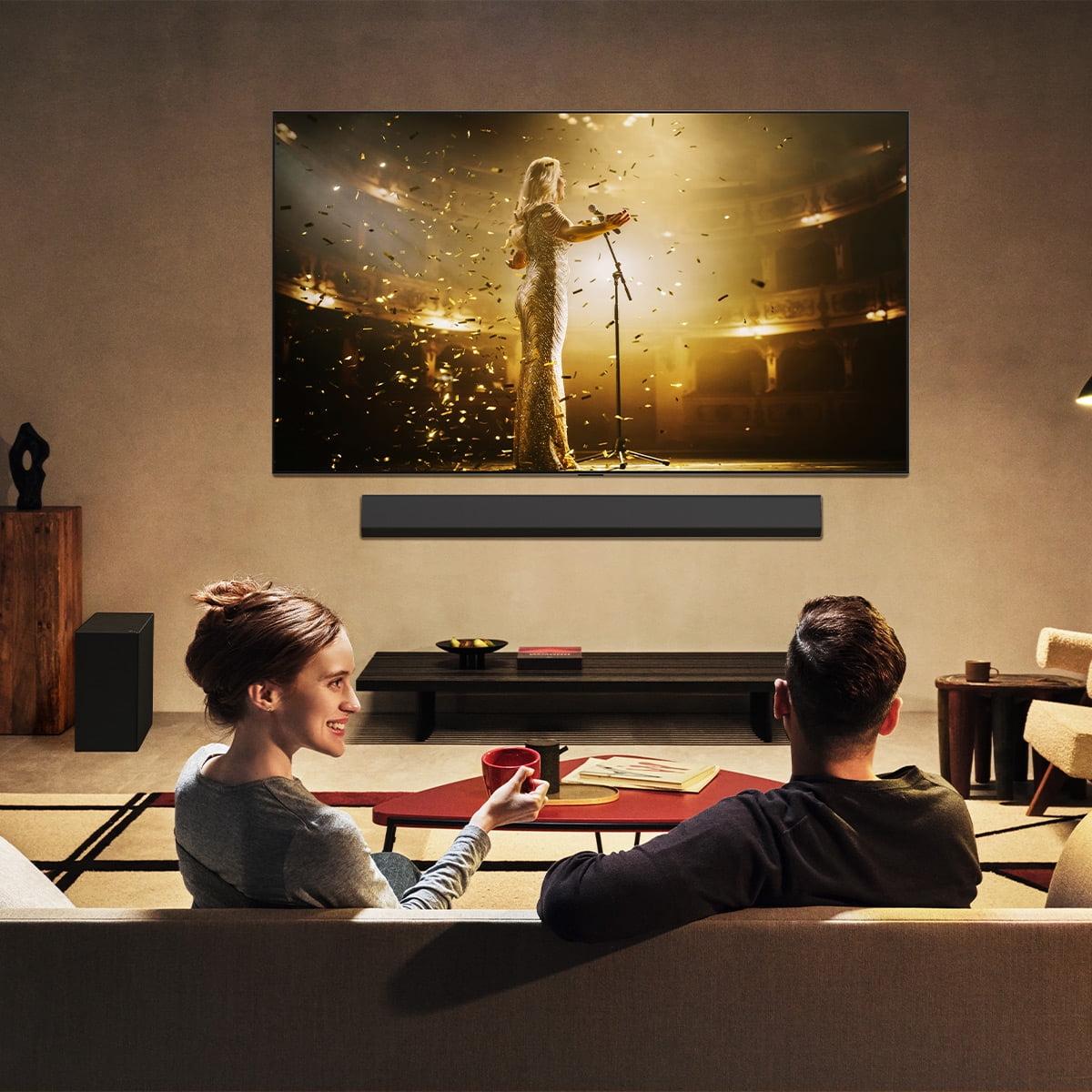
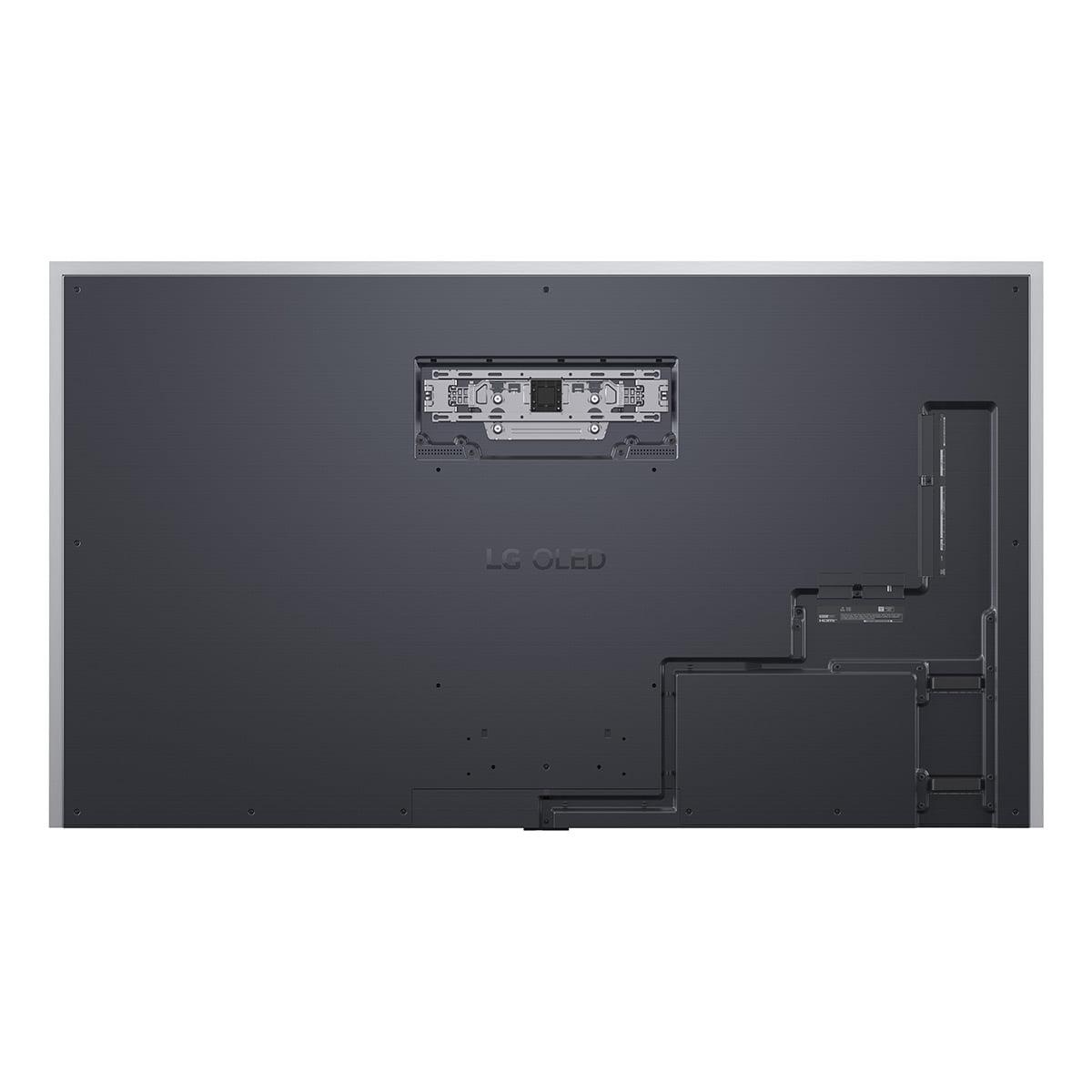
The LG G5 embraces the "gallery" concept with its One Wall Design that mounts completely flush to the wall. When wall-mounted, it looks like a piece of art, and the TV can actually display artwork when not in use. This makes it particularly appealing for modern living spaces where the TV needs to blend into the decor.
Both approaches work well, but the LG's wall-mounting design is more elegant if you're planning to mount the TV, while the Sony offers more flexibility in placement options.
At the time of writing, the Sony A95K represents potentially better value as a previous-generation flagship that has likely seen price reductions since its 2022 launch. QD-OLED technology is now proven and mature, and the picture quality remains excellent by any standard.
The LG G5, being a 2025 model, commands premium pricing for the latest technology. However, that 4-stack tandem OLED panel represents a genuine technological leap, and the five-year warranty and software update commitment provide better long-term value protection.
For home theater use specifically, both TVs excel, but in different scenarios. The Sony A95K is better suited to dedicated theater rooms where you can control lighting and appreciate its superior color accuracy and immersive audio. The LG G5 works better in multi-purpose living spaces where ambient light is a factor and gaming performance matters.
Choose the Sony A95K if you prioritize color accuracy and immersive audio over absolute brightness. It's particularly appealing for cinephiles who watch primarily in dark environments and value Sony's superior processing and upscaling. The screen-as-speaker audio system is genuinely innovative and could eliminate the need for additional audio equipment.
Go with the LG G5 if you need a TV that performs well in bright rooms, do serious gaming, or want the latest technology with long-term software support. The dramatically higher brightness makes HDR content more impactful, and the gaming features are simply more comprehensive.
Both are exceptional TVs that represent the pinnacle of their respective technologies. Your choice ultimately depends on your viewing environment, usage patterns, and whether you prioritize mature, proven technology or cutting-edge innovations. Either way, you'll be getting one of the best OLED experiences available.
| Sony Bravia XR A95K 65" QD-OLED TV | LG OLED evo G5 65" 4K Smart TV 2025 |
|---|---|
| Panel Technology - Fundamentally different approaches to OLED brightness and color | |
| QD-OLED with quantum dot converters for 200% brighter colors | 4-Stack Tandem RGB OLED for 45% overall brightness increase |
| Peak Brightness - Critical for HDR impact and bright room viewing | |
| ~1,000 nits peak (excellent for dark rooms) | 2,268 nits peak (rivals mini-LED, works in bright rooms) |
| Release Year - Affects pricing and technology maturity | |
| 2022 (mature QD-OLED technology, likely lower pricing) | 2025 (cutting-edge tandem OLED, premium pricing) |
| Gaming Performance - Refresh rates and HDMI connectivity | |
| 4K@120Hz, 2 HDMI 2.1 ports, VRR support | 4K@165Hz, 4 HDMI 2.1 ports, G-SYNC/FreeSync, QMS |
| Audio System - Built-in sound quality and innovation | |
| Acoustic Surface Audio+ (screen vibrates as speaker) | Traditional speakers with Dolby Atmos processing |
| Smart Platform - User interface and long-term support | |
| Google TV with BRAVIA CAM included | webOS 25 with 5-year update guarantee |
| Color Processing - How accurately colors are reproduced | |
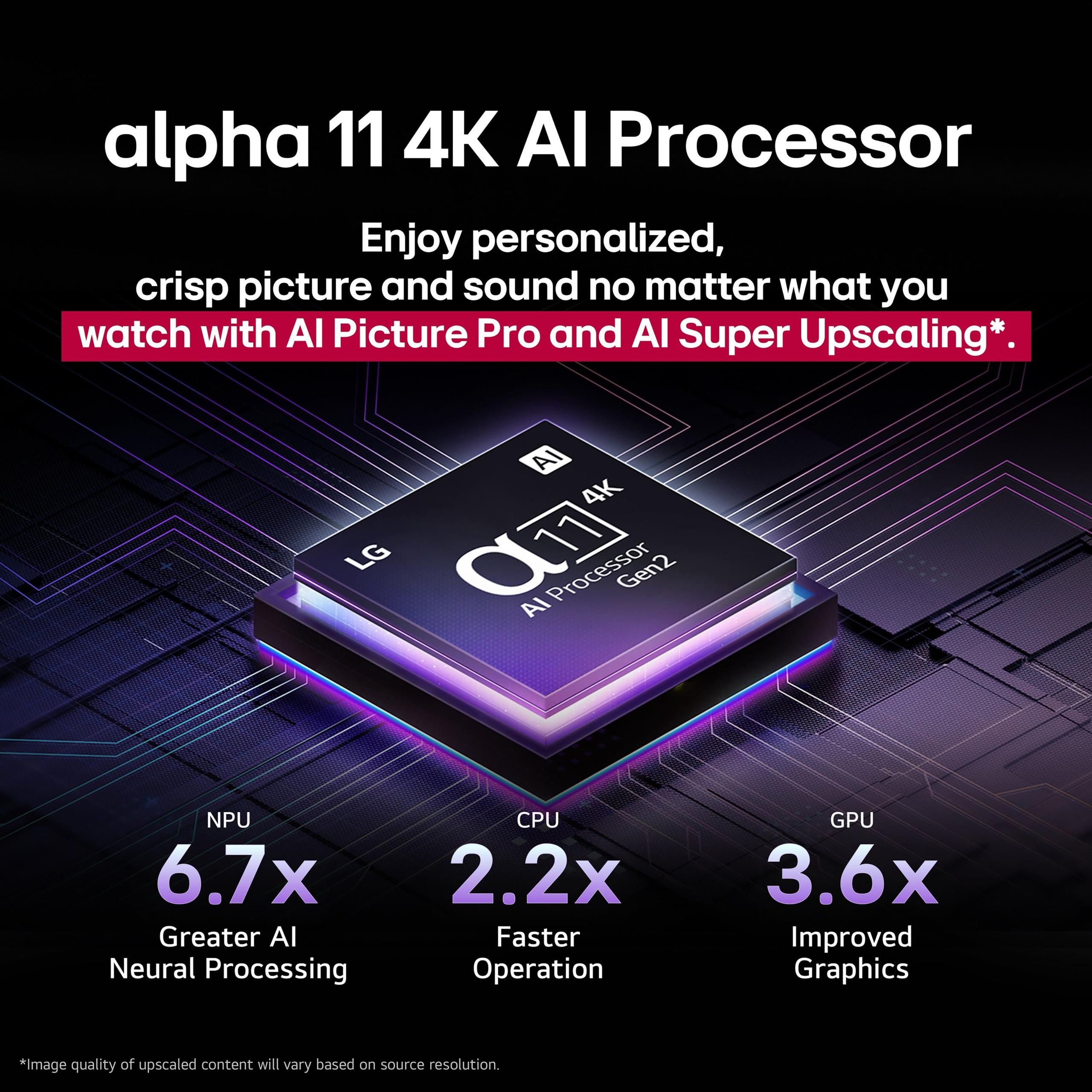
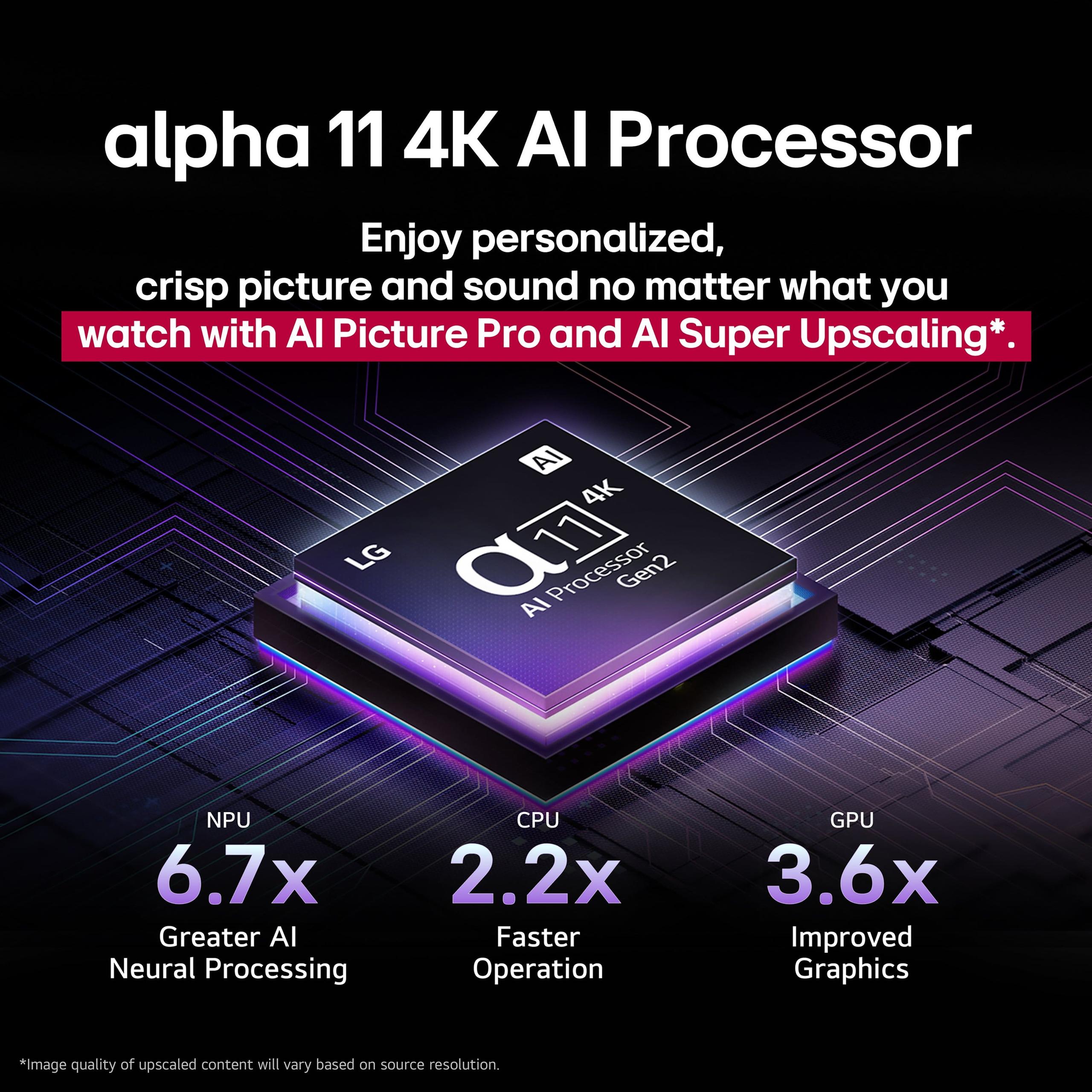
| Cognitive Processor XR with XR Triluminos Max | Alpha 11 AI Processor Gen 2 with AI optimization |
| Design Approach - Mounting and aesthetic integration | |
| Minimalist stand design, flexible placement | One Wall Design, flush wall-mount, art mode |
| Warranty Coverage - Long-term reliability protection | |
| Standard 1-year warranty | 5-year panel warranty plus extended support |
| Best Use Case - Who should choose each TV | |
| Dark room cinema viewing, audio enthusiasts | Bright room versatility, gaming, future-proofing |
The LG OLED evo G5 is significantly better for gaming. It offers 4K@165Hz support on all four HDMI 2.1 ports, compared to the Sony Bravia XR A95K's 4K@120Hz on just two HDMI 2.1 ports. The LG G5 also includes G-SYNC and FreeSync compatibility, plus Quick Media Switching that eliminates black screens when changing refresh rates. For serious gamers, the LG G5 provides more connectivity options and higher performance.
The LG OLED evo G5 is dramatically brighter, achieving peak brightness levels over 2,200 nits compared to the Sony A95K's approximately 1,000 nits. This 45% brightness increase makes the LG G5 much better for bright room viewing and more impactful HDR content. The Sony A95K is still excellent in dark rooms, but the LG G5 works well in any lighting condition.
The Sony Bravia XR A95K uses QD-OLED technology, which combines blue OLED emitters with quantum dot converters for 200% brighter colors and more saturated reds and greens. The LG G5 uses 4-Stack Tandem OLED, which layers multiple OLED panels to achieve higher overall brightness without sacrificing black levels. Both are advanced OLED technologies, but the LG G5's approach prioritizes brightness while the Sony A95K focuses on color accuracy.
The Sony Bravia XR A95K has superior built-in audio with its Acoustic Surface Audio+ technology that turns the entire screen into a speaker. This creates more immersive sound where dialogue appears to come from actors' mouths on screen. The LG G5 uses traditional speakers with good Dolby Atmos processing, but it can't match the Sony A95K's innovative screen-as-speaker experience for built-in audio quality.
Both TVs excel for home theater, but in different ways. The Sony A95K is ideal for dedicated dark theater rooms with its superior color accuracy, immersive audio system, and excellent upscaling. The LG OLED evo G5 works better in multi-purpose spaces due to its higher brightness and better ambient light performance. For pure cinematic experience in controlled lighting, choose the Sony A95K. For versatile home theater use, the LG G5 is more adaptable.
The LG OLED evo G5 offers better long-term support with a 5-year panel warranty and guaranteed webOS updates for five years. The Sony A95K has standard warranty coverage but represents mature 2022 technology. The LG G5's newer 2025 technology and extended support commitment make it more future-proof, while the Sony A95K offers proven reliability with established QD-OLED technology.
The Sony Bravia XR A95K runs Google TV with excellent content recommendations and includes the BRAVIA CAM for gesture controls. The LG OLED evo G5 uses webOS 25 with Quick Cards interface and access to 300+ free channels. Both platforms are excellent, but the LG G5 offers longer software support (5 years guaranteed), while the Sony A95K integrates better with Google services and smart home devices.
For pure movie watching, the Sony Bravia XR A95K has an edge with its Cognitive Processor XR that provides more natural color processing and superior upscaling of lower-resolution content. The Netflix Calibrated Mode and FILMMAKER MODE ensure accurate color reproduction. However, the LG G5's higher brightness makes HDR movies more impactful. Choose the Sony A95K for color accuracy and processing, or the LG G5 for brighter, more dynamic HDR content.
The LG OLED evo G5 is much better for bright rooms thanks to its 4-Stack Tandem OLED panel that maintains deep blacks even with ambient light and delivers over 99% color consistency up to 500 lux. The Sony A95K performs well in moderate lighting but can struggle in very bright environments where its black levels may appear grayish. For daytime viewing or well-lit living rooms, the LG G5 is the clear winner.
The Sony Bravia XR A95K has 4 HDMI ports total, but only 2 support HDMI 2.1 features like 4K@120Hz and VRR. The LG OLED evo G5 has 4 HDMI ports with all 4 supporting full HDMI 2.1 bandwidth and features. This makes the LG G5 much better for connecting multiple gaming consoles, PCs, and other high-bandwidth devices simultaneously without compromising performance.
The Sony A95K likely offers better immediate value as a 2022 model with mature QD-OLED technology at potentially lower pricing. The LG OLED evo G5 commands premium pricing for cutting-edge 2025 technology but provides better long-term value with its 5-year warranty and software support. Choose the Sony A95K for proven performance at a better price, or the LG G5 for future-proofing and the latest technology.
If you need a TV immediately and primarily watch in dark rooms, the Sony Bravia XR A95K delivers excellent performance with mature technology. If you can wait and want the latest brightness improvements, gaming features, and long-term support, the LG OLED evo G5 represents a significant technological advancement. The LG G5 is worth waiting for if bright room performance and cutting-edge features matter to you, while the Sony A95K remains an excellent choice for immediate purchase.
We've done our best to create useful and informative comparisons to help you decide what product to buy. Our research uses advanced automated methods to create this comparison and perfection is not possible - please contact us for corrections or questions. These are the sites we've researched in the creation of this article: tomsguide.com - audioadvice.com - wepc.com - bestbuy.com - tvsbook.com - rtings.com - youtube.com - flatpanelshd.com - rtings.com - youtube.com - reviewed.com - avsforum.com - youtube.com - youtube.com - rtings.com - youtube.com - electronics.sony.com - sonypremiumhome.com - valueelectronics.com - sony.com - displayspecifications.com - flatpanelshd.com - donstv.com - youtube.com - businessinsider.com - youtube.com - displayspecifications.com - bestbuy.com - bestbuy.com - techradar.com - rtings.com - youtube.com - youtube.com - rtings.com - bestbuy.com - youtube.com - valueelectronics.com - lg.com - audio-videoplus.com - lg.com - lg.com - lg.com

Privacy Policy
Terms and Conditions - Affiliate Policy
Home Security
© Copyright 2008-2026.
11816 Inwood Rd #1211, Dallas, TX 75244