

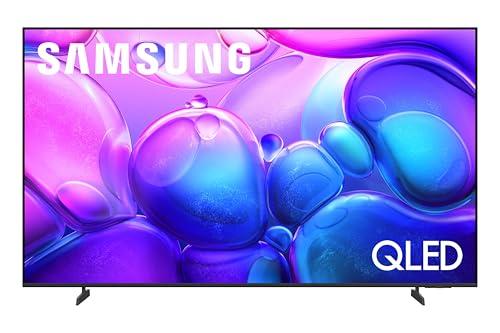






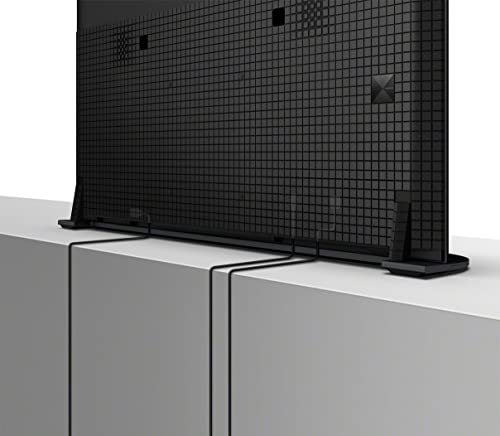
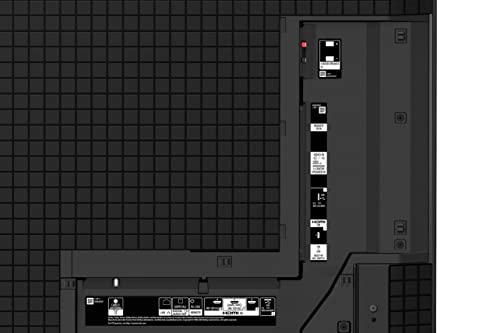
Choosing between the Samsung 75" QLED Q6F and Sony 65" XR A95K feels like comparing a spacious family SUV to a luxury sports car—both will get you where you want to go, but they take completely different approaches. At the time of writing, these TVs represent vastly different price points and philosophies, with Samsung focusing on delivering maximum screen real estate at an accessible price, while Sony pushes the boundaries of display technology regardless of cost.
The TV landscape has evolved dramatically since Sony released the A95K in 2022, introducing the world to QD-OLED technology. Samsung's Q6F arrived in 2025 as part of their strategy to bring quantum dot technology to more affordable price brackets. Understanding these different approaches—and when each makes sense—can save you from buyer's remorse and help you get exactly what you need for your viewing setup.
Before diving into specifics, let's clarify what these display technologies actually do. The Samsung Q6F uses QLED technology, which stands for Quantum Dot Light Emitting Diode. This isn't just marketing speak—quantum dots are microscopic crystals that convert blue LED backlight into precise red and green colors, creating more accurate and vibrant colors than traditional LCD TVs. Think of quantum dots as incredibly precise color filters that can produce exactly the right shade every time.
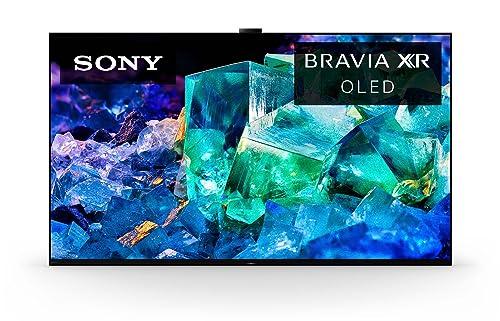
The Sony A95K takes a revolutionary approach with QD-OLED, combining OLED's perfect black levels with quantum dot color enhancement. Traditional OLED panels use organic compounds that emit light when electricity passes through them, allowing individual pixels to turn completely off for true black. Sony's innovation adds quantum dots to this mix, resulting in colors that are both perfectly accurate and dramatically brighter than previous OLED generations.
This technical foundation explains why these TVs perform so differently in various situations. The Samsung relies on a backlight shining through layers of technology, while the Sony's pixels generate their own light with quantum dot enhancement.
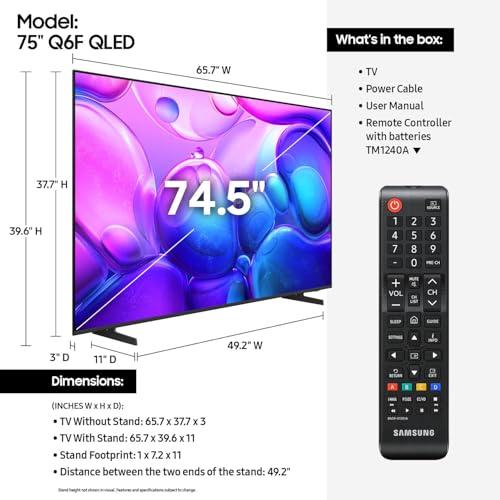
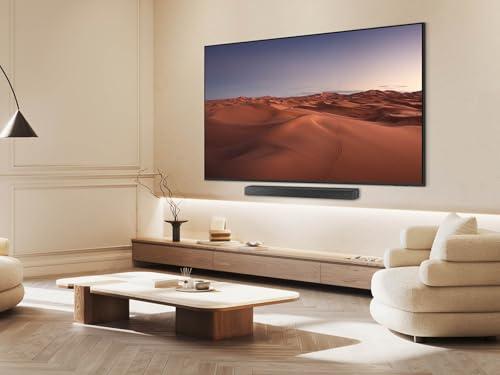
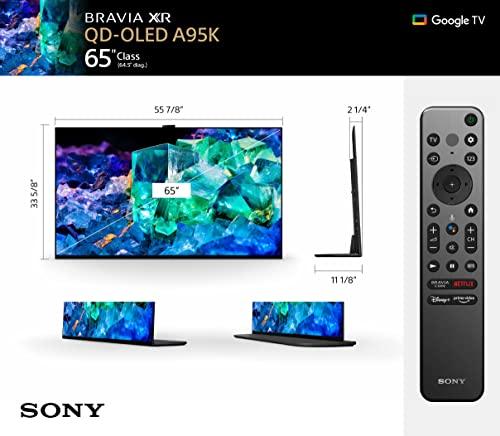
The most immediately apparent difference between these TVs is screen size—75 inches versus 65 inches. That 10-inch difference translates to roughly 30% more viewing area, which fundamentally changes how you experience content. Based on our research into viewing distance recommendations, a 75-inch TV like the Samsung Q6F works well from 9-12 feet away, while the 65-inch Sony A95K is ideal from 8-10 feet.
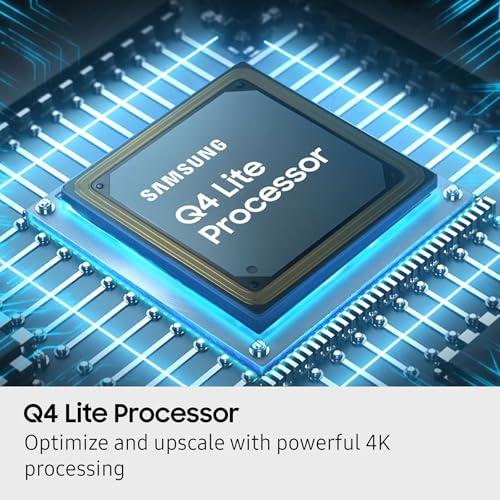
This size difference affects more than just immersion. Larger screens make imperfections more noticeable, which is where the engineering choices become crucial. Samsung has optimized the Q6F specifically for this challenge, using their Q4 Lite processor to upscale lower-resolution content effectively across that larger canvas. The processing power required to make 1080p content look good on 75 inches shouldn't be underestimated—it's one area where Samsung has invested heavily in their 2025 models.
The Sony A95K, being smaller but more pixel-dense in terms of processing power per square inch, can dedicate more computational resources to each area of the screen. This is partly why professional reviewers consistently praise its upscaling performance as being virtually flawless.
Here's where these TVs reveal their true personalities. The Samsung Q6F approaches picture quality like a versatile performer—it needs to look good in bright living rooms during daytime TV watching, handle movie night with the lights dimmed, and manage everything in between. Samsung's Quantum HDR with HDR10+ support provides solid contrast enhancement, while their Motion Xcelerator technology smooths out action scenes reasonably well at 60Hz.
However, our analysis of expert reviews reveals that the Q6F's HDR performance, while competent, lacks the punch that makes HDR content truly spectacular. Peak brightness levels are adequate but not exceptional, meaning those brilliant sunsets and explosive action sequences won't have the impact you'd get from higher-end models.
The Sony A95K takes a no-compromise approach to picture quality that's immediately apparent in dark scenes. When we examined professional calibration reports and user experiences, the consensus was clear: this TV's black levels are simply perfect. When a pixel needs to display black, it turns off completely—no light leakage, no subtle glow, just pure black. This creates an infinite contrast ratio that makes every other element on screen pop with startling realism.
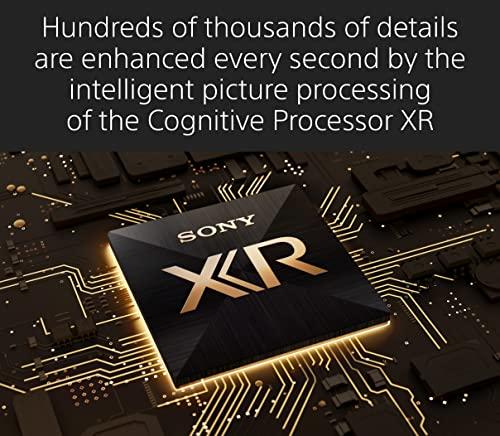
Sony's Cognitive Processor XR deserves special attention here. Unlike traditional TV processors that enhance elements like color and sharpness independently, the XR processor analyzes how these elements work together, similar to how human vision processes scenes. This means skin tones look natural, shadows retain detail without appearing crushed, and bright highlights don't blow out surrounding details.
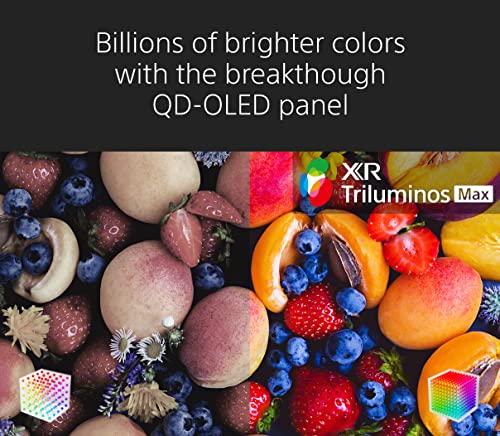
The color performance difference is particularly striking. While the Samsung Q6F delivers the 100% Color Volume that Samsung promises, achieving vibrant and reasonably accurate colors, the Sony A95K pushes color brightness up to 200% higher than traditional OLEDs. In practical terms, this means reds look genuinely red even in bright scenes, and greens maintain their saturation without looking artificial.
Gaming reveals the clearest performance gap between these TVs. The Samsung Q6F maxes out at 60Hz refresh rate, which means it can display up to 60 frames per second. For casual gaming and older consoles, this works fine. Samsung's Gaming Hub does provide a nice centralized interface for cloud gaming services like Xbox Game Pass Ultimate and NVIDIA GeForce Now, making it easy to jump between different gaming platforms.
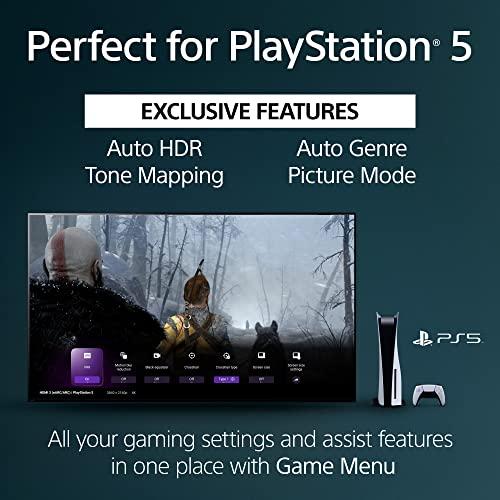
The Sony A95K operates in a different league entirely with full 120Hz capability. This means PlayStation 5 and Xbox Series X games that support 120fps will display every single frame, creating noticeably smoother motion during fast-paced action. Variable Refresh Rate (VRR) eliminates screen tearing, while Auto Low Latency Mode (ALLM) automatically switches to the TV's fastest response mode when gaming.
Based on input lag measurements from professional reviews, the Sony consistently delivers response times under 10 milliseconds in game mode, making it suitable for competitive gaming where every millisecond matters. The Samsung's input lag, while acceptable for casual gaming, doesn't reach this level of responsiveness.
However, the Sony A95K has one notable limitation: it only provides two HDMI 2.1 ports capable of 4K@120Hz, and one doubles as the eARC port for audio equipment. This means serious gamers with multiple next-gen consoles might need an HDMI switcher.
Both TVs excel in different aspects of the smart TV experience. The Samsung Q6F runs Samsung's Tizen operating system, which has matured significantly over recent years. The interface feels snappy and intuitive, with Samsung's Vision AI helping personalize content recommendations. The integration with SmartThings makes it genuinely useful for smart home control—you can adjust lights, check security cameras, and control other connected devices directly from the TV.
Samsung's voice assistant integration deserves mention here. Built-in Alexa works surprisingly well, responding to voice commands even with the TV muted. This makes the Q6F feel more like a smart home hub that happens to display content than just a traditional TV.
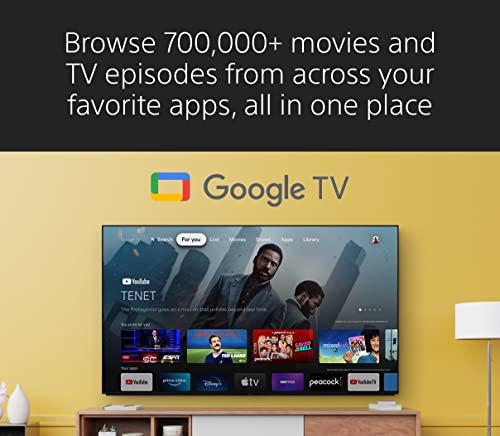
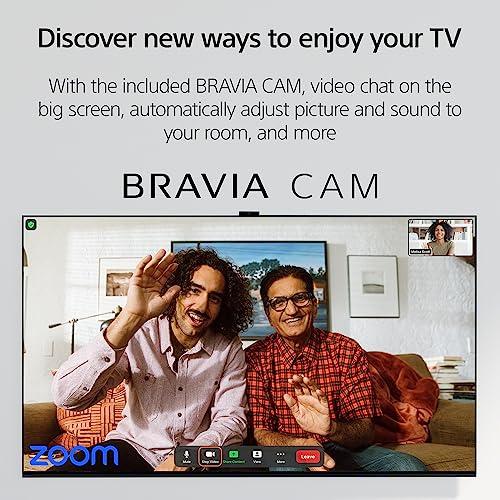
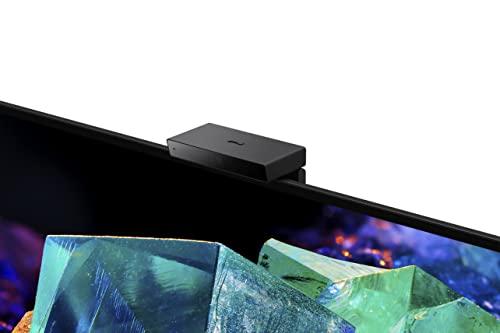
The Sony A95K uses Google TV, which offers arguably the most comprehensive app selection and best content discovery system available. The interface learns your viewing habits across different streaming services and presents unified recommendations. The included BRAVIA CAM adds gesture control capabilities, though this feels more like a novelty than a essential feature.
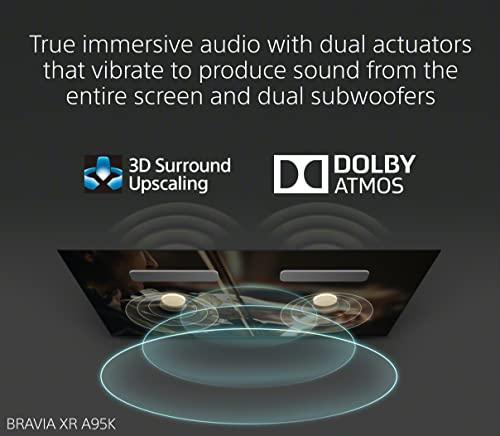
Where Sony truly distinguishes itself is audio integration. The Acoustic Surface Audio+ technology vibrates the screen itself to produce sound, creating an effect where dialogue seems to come directly from actors' mouths rather than from speakers below the screen. This isn't just a gimmick—it genuinely enhances the viewing experience, especially for dialogue-heavy content.
Your viewing room largely determines which TV will perform better. The Samsung Q6F maintains consistent performance regardless of ambient lighting. During bright afternoon viewing sessions, colors remain vibrant and the picture stays clearly visible. The quantum dot technology doesn't rely on perfect darkness to showcase its strengths.
The Sony A95K reveals its dual personality here. In dark or dimmed rooms, it's simply spectacular—perfect blacks make every bright element appear to float in space, creating a three-dimensional depth that's almost unsettling the first time you experience it. However, in bright rooms with lots of ambient light, those perfect blacks start to appear slightly purple or gray, reducing the contrast advantage that makes OLED technology special.
This environmental sensitivity means the Sony A95K works best in dedicated home theater setups where you can control lighting conditions. The Samsung Q6F adapts better to multipurpose living spaces where the TV needs to perform well during various times of day and lighting conditions.
At the time of writing, these TVs occupy completely different price brackets, with the Sony A95K costing roughly three times more than the Samsung Q6F. This price gap reflects fundamental differences in manufacturing complexity and target markets.
The Samsung Q6F represents exceptional value engineering. You're getting a 75-inch quantum dot display with modern smart features, decent HDR support, and solid build quality at a price that makes premium TV technology accessible to most households. The cost per square inch of viewing area is outstanding, especially when compared to smaller premium models.
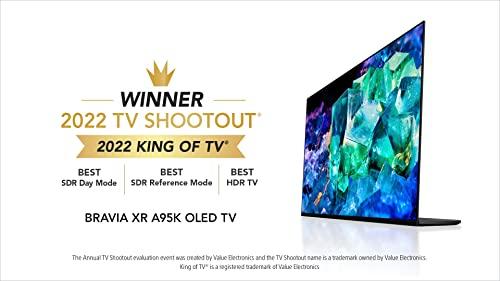
The Sony A95K commands premium pricing for cutting-edge display technology. That QD-OLED panel represents years of research and development, with manufacturing processes that are inherently more complex and expensive than traditional LCD or even regular OLED production. Professional reviewers consistently rank it among the best TVs ever made, which helps justify the investment for those who prioritize absolute picture quality.
For dedicated home theater setups, the choice becomes clearer based on your priorities and room design. The Sony A95K excels in properly designed theater rooms with controlled lighting. Its perfect black levels mean you won't need to paint walls black or invest in light-blocking curtains to achieve that "floating in space" effect during movie watching.
The Samsung Q6F works better for multipurpose basement or family room theaters where ambient light control isn't perfect. Its larger screen size also means you can achieve an immersive theater experience from greater seating distances, which might be necessary in larger rooms.
Both TVs handle 24fps movie content well, though the Sony A95K provides superior motion handling for cinema content. Its 120Hz panel allows for proper 5:5 pulldown of 24fps content, eliminating the slight judder that can make camera pans appear stuttery.
The decision ultimately comes down to matching TV capabilities with your specific viewing habits and room setup. Choose the Samsung Q6F if you want the largest possible screen at an accessible price point, especially if your TV will be used in a bright room for mixed content including daytime TV, sports, and casual entertainment. It's ideal for families who prioritize size and value over absolute picture perfection.
The Sony A95K makes sense if you're building a serious home theater setup, have a room where you can control lighting, and regularly watch premium content that showcases advanced display technology. It's also the clear choice for serious gamers who want to experience next-generation console gaming at its full potential.
Consider your upgrade timeline as well. The Samsung Q6F provides excellent performance today with features that will remain relevant for years, making it a solid long-term value. The Sony A95K, despite being from 2022, represents display technology that's still cutting-edge and will likely remain impressive for the foreseeable future.
Both TVs succeed brilliantly within their intended markets. The Samsung proves that you don't need to spend premium prices to get genuinely impressive picture quality and modern features, while the Sony demonstrates what's possible when engineering teams pursue perfection regardless of cost constraints. Your choice should align with your viewing environment, content preferences, and budget priorities—there's no wrong answer, just different paths to TV enjoyment.
| Samsung 75-Inch QLED Q6F Series 2025 | Sony Bravia XR A95K 65" QD-OLED |
|---|---|
| Screen Size - Bigger screen provides more immersive viewing but takes up more space | |
| 75 inches (30% more viewing area) | 65 inches (premium size for most rooms) |
| Display Technology - Core difference affecting picture quality and room performance | |
| QLED with Quantum Dots (bright rooms, good value) | QD-OLED (perfect blacks, premium performance) |
| Refresh Rate - Critical for gaming and smooth motion | |
| 60Hz (adequate for casual gaming) | 120Hz (essential for next-gen console gaming) |
| Black Levels - Makes the biggest visual difference in dark scenes | |
| Good contrast with backlighting limitations | Perfect blacks with infinite contrast ratio |
| Peak Brightness - Determines HDR impact and daytime viewing | |
| Moderate brightness (good for mixed lighting) | High brightness with perfect contrast control |
| Color Performance - Affects how vibrant and accurate content appears | |
| 100% Color Volume with Quantum Dots | 200% higher color brightness than traditional OLED |
| Gaming Features - Important for PlayStation 5 and Xbox Series X owners | |
| Gaming Hub, basic ALLM (casual gaming) | Full HDMI 2.1, VRR, 4K@120Hz (serious gaming) |
| Smart Platform - Affects app selection and daily usability | |
| Samsung Tizen with Vision AI | Google TV with superior app ecosystem |
| Audio System - Built-in sound quality | |
| 20W speakers with Q-Symphony soundbar sync | Acoustic Surface Audio+ (screen vibrates as speaker) |
| Room Suitability - Where each TV performs best | |
| Excellent in bright rooms, good everywhere | Outstanding in dark rooms, struggles in bright spaces |
| HDMI Connectivity - Important for multiple gaming consoles | |
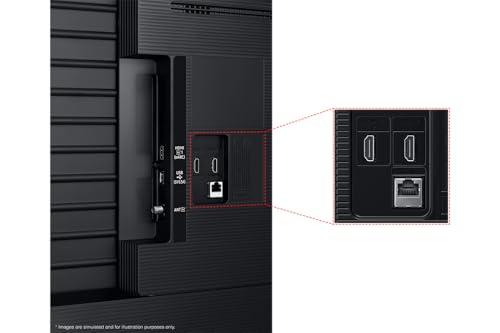
| 3 HDMI ports (4K 60Hz capable) | 4 HDMI ports (2 support 4K@120Hz) |
| Value Proposition - What you get for the investment | |
| Maximum screen size at entry-level QLED pricing | Premium display technology at flagship pricing |
The Sony Bravia XR A95K delivers superior picture quality for movies with its QD-OLED technology providing perfect black levels and infinite contrast. Dark scenes appear truly black while bright highlights pop with exceptional detail. The Samsung 75-Inch QLED Q6F offers good picture quality with vibrant colors from quantum dot technology, but cannot match the Sony's contrast performance in dedicated home theater setups.
QLED in the Samsung Q6F uses quantum dots with LED backlighting to enhance colors, providing bright, vibrant images that work well in any lighting condition. QD-OLED in the Sony A95K combines OLED's perfect blacks with quantum dot color enhancement, delivering both infinite contrast and exceptionally bright, accurate colors—representing the latest advancement in display technology.
The Sony Bravia XR A95K is significantly better for next-gen gaming with full 120Hz support, 4K@120Hz capability, Variable Refresh Rate (VRR), and ultra-low input lag. The Samsung Q6F is limited to 60Hz refresh rate, making it suitable only for casual gaming and older consoles that don't require high refresh rates.
The Samsung 75-Inch QLED Q6F maintains consistent picture quality in bright rooms thanks to its LED backlighting and anti-glare design. The Sony A95K struggles in very bright environments where ambient light causes black levels to rise, reducing its contrast advantage—it performs best in dark or dimmed viewing environments.
The Samsung Q6F provides exceptional value with a large 75-inch quantum dot display, modern smart features, and solid performance at an entry-level price point. The Sony A95K costs significantly more but delivers cutting-edge display technology and reference-quality picture performance—the value depends on whether you prioritize screen size or premium picture quality.
The Samsung 75-Inch QLED Q6F offers a 75-inch screen compared to the Sony A95K's 65-inch display—that's roughly 30% more viewing area. The larger Samsung provides more immersive viewing from greater distances, while the smaller Sony concentrates its premium display technology in a more manageable size for most rooms.
The Sony Bravia XR A95K runs Google TV with superior app selection, content discovery, and voice control capabilities. The Samsung Q6F uses Samsung's Tizen platform with excellent smart home integration through SmartThings and built-in voice assistants, making it ideal for connected home setups.
The Sony A95K features innovative Acoustic Surface Audio+ technology that vibrates the screen to produce sound, creating audio that appears to come directly from on-screen action. The Samsung Q6F has traditional 20W speakers with Object Tracking Sound Lite and Q-Symphony integration for seamless pairing with Samsung soundbars.
The Sony Bravia XR A95K excels in dedicated home theaters with controlled lighting, where its perfect black levels and exceptional contrast create a cinematic experience that rivals commercial theaters. The Samsung Q6F works better for multipurpose rooms where you need consistent performance across various lighting conditions throughout the day.
The Sony A95K supports full HDMI 2.1 features including 4K@120Hz, VRR, and ALLM for next-gen console gaming. The Samsung 75-Inch QLED Q6F includes a Gaming Hub for cloud gaming services and basic ALLM support, but lacks advanced gaming features like high refresh rates and VRR.
The Sony Bravia XR A95K provides superior motion handling with its 120Hz panel and advanced processing, delivering smooth action scenes and sports with minimal blur. The Samsung Q6F uses Motion Xcelerator technology at 60Hz, which handles motion adequately for most content but cannot match the Sony's performance for fast-moving scenes.
Choose the Samsung 75-Inch QLED Q6F if you want maximum screen size at an affordable price, have a bright viewing room, and prioritize value over absolute picture quality. Select the Sony Bravia XR A95K if you have a dedicated home theater setup, want the best possible picture quality, are a serious gamer, or don't mind paying premium prices for cutting-edge display technology.
We've done our best to create useful and informative comparisons to help you decide what product to buy. Our research uses advanced automated methods to create this comparison and perfection is not possible - please contact us for corrections or questions. These are the sites we've researched in the creation of this article: youtube.com - rtings.com - cnet.com - youtube.com - rtings.com - samsung.com - bestbuy.com - samsung.com - samsung.com - bestbuy.com - manuals.plus - arrowassociatedstores.com - samsung.com - samsung.com - samsung.com - flatpanelshd.com - device.report - tomsguide.com - audioadvice.com - wepc.com - bestbuy.com - tvsbook.com - rtings.com - youtube.com - flatpanelshd.com - rtings.com - youtube.com - reviewed.com - avsforum.com - youtube.com - youtube.com - rtings.com - youtube.com - electronics.sony.com - sonypremiumhome.com - valueelectronics.com - sony.com - displayspecifications.com - flatpanelshd.com - donstv.com - youtube.com - businessinsider.com - youtube.com - displayspecifications.com - bestbuy.com

Privacy Policy
Terms and Conditions - Affiliate Policy
Home Security
© Copyright 2008-2026.
11816 Inwood Rd #1211, Dallas, TX 75244