

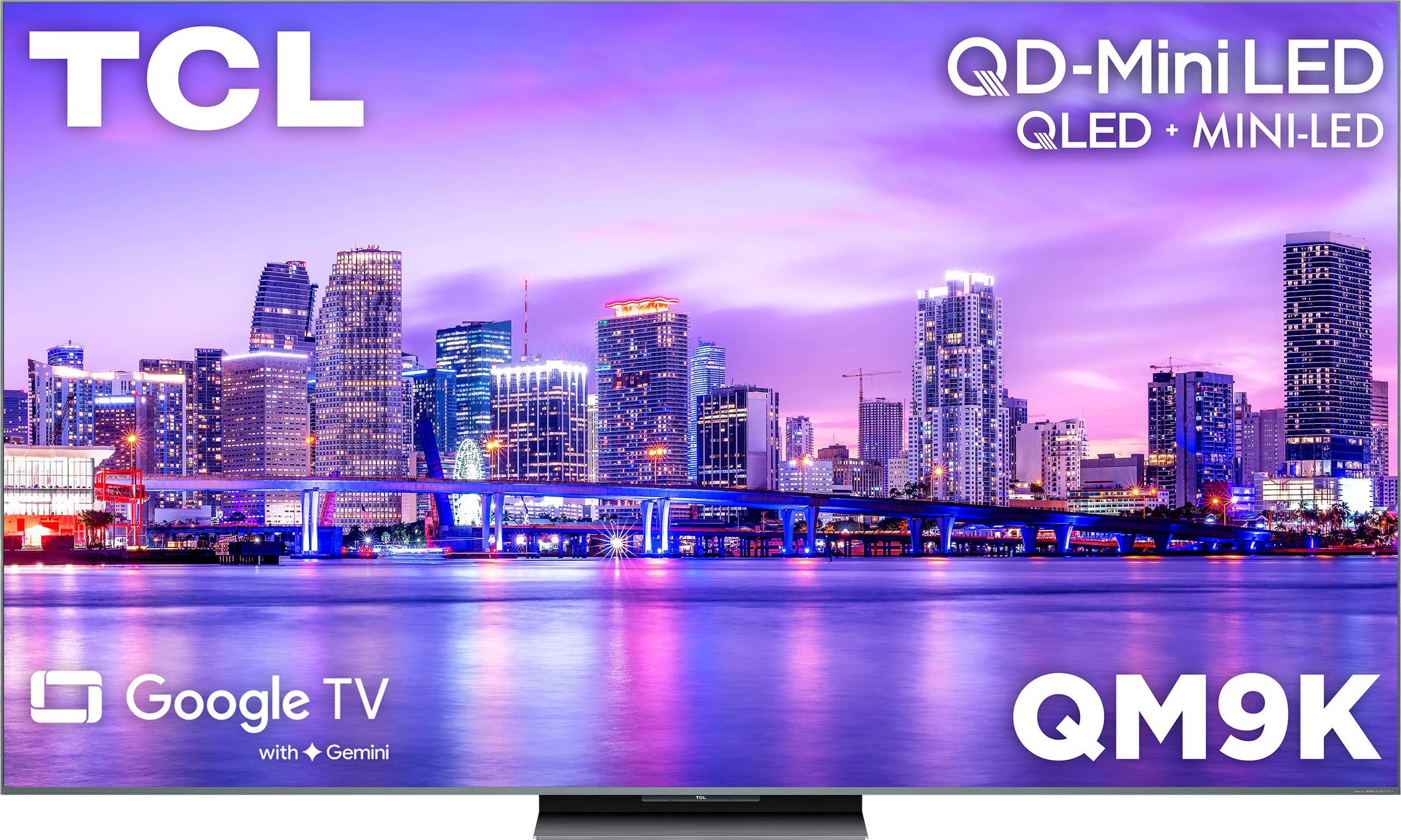
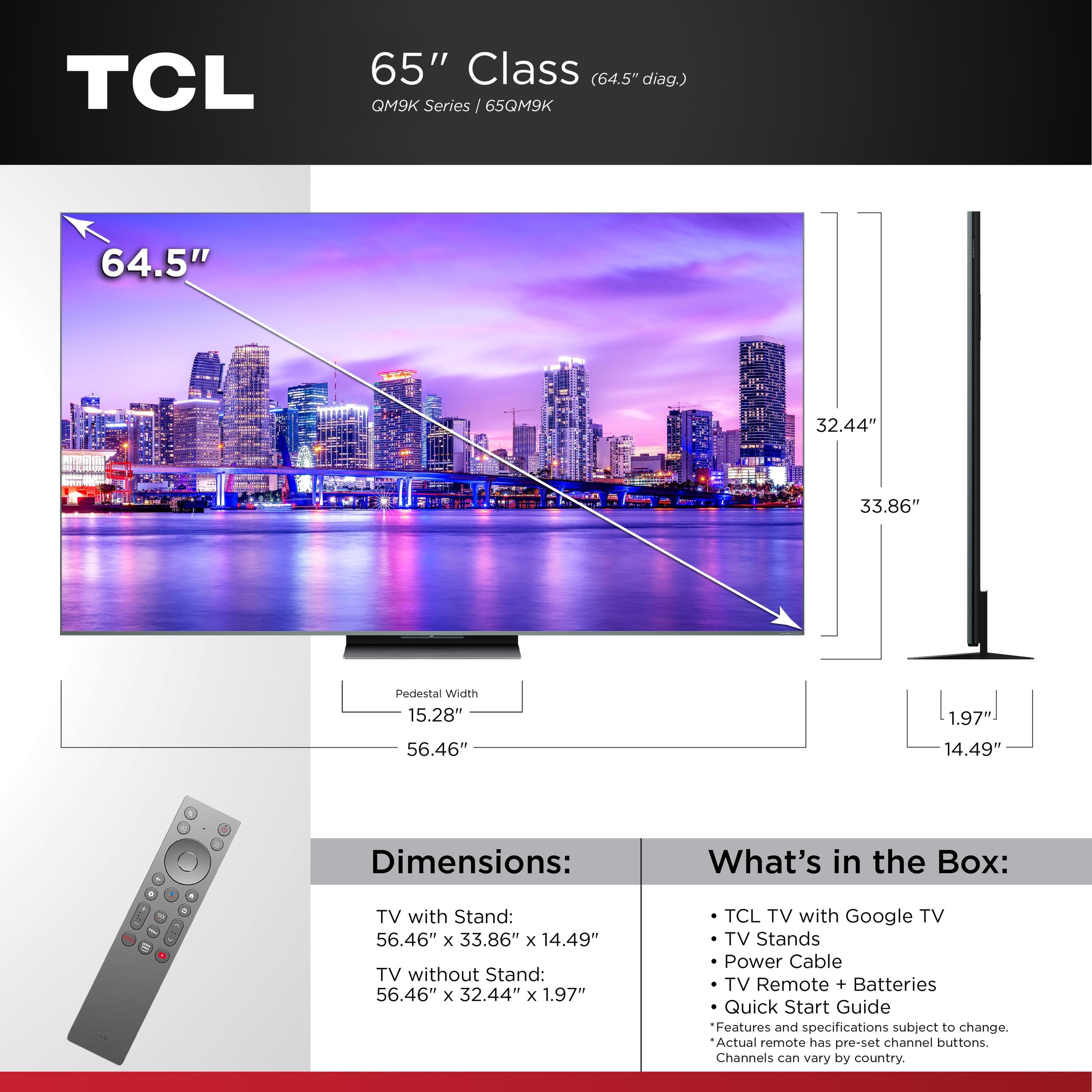

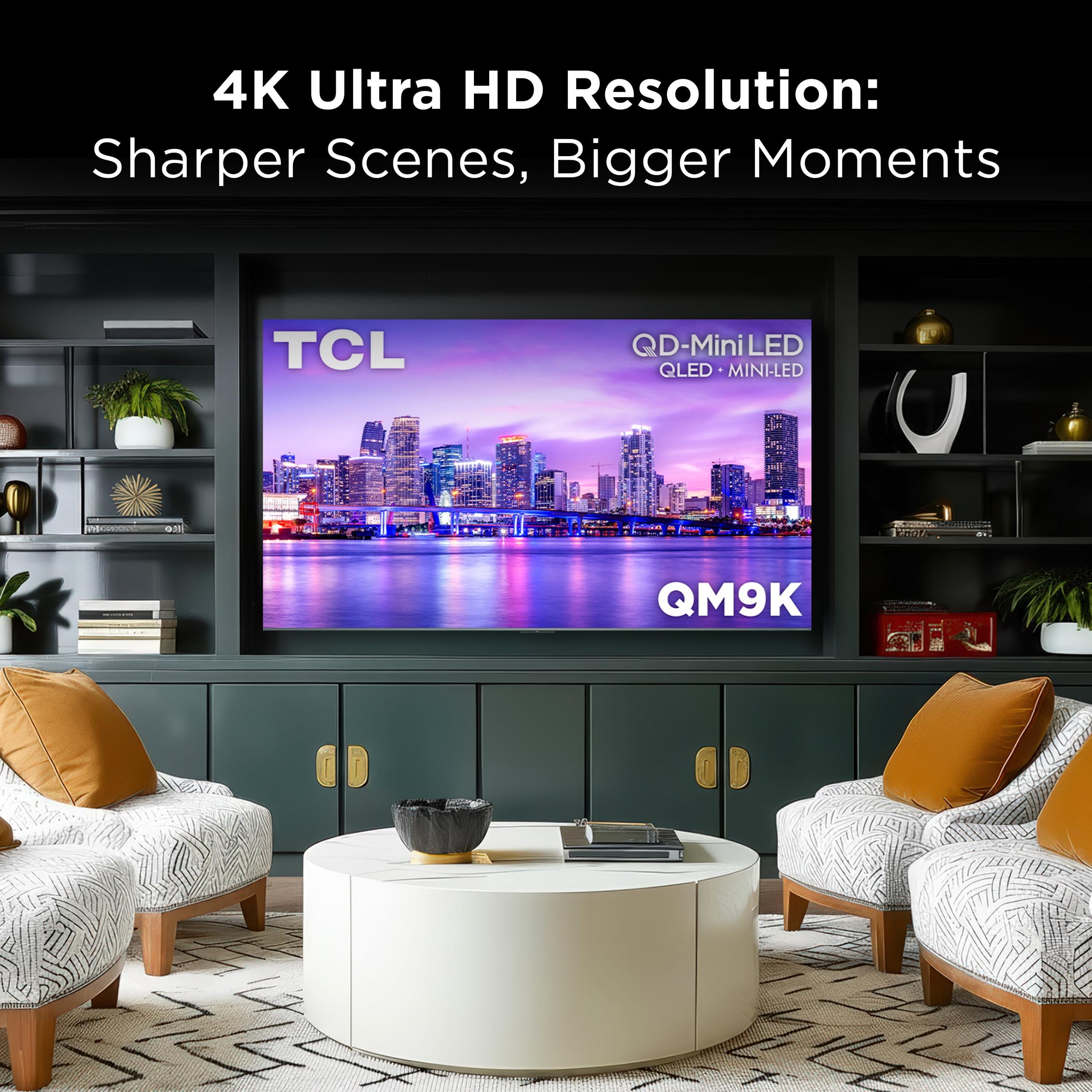
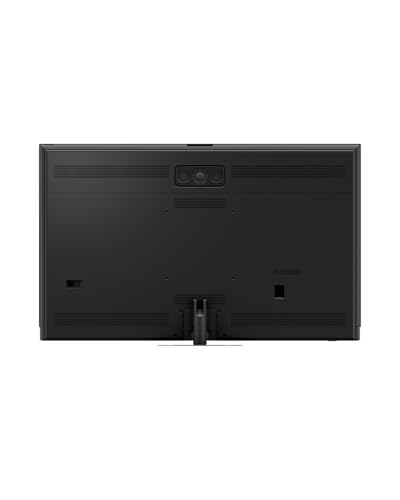

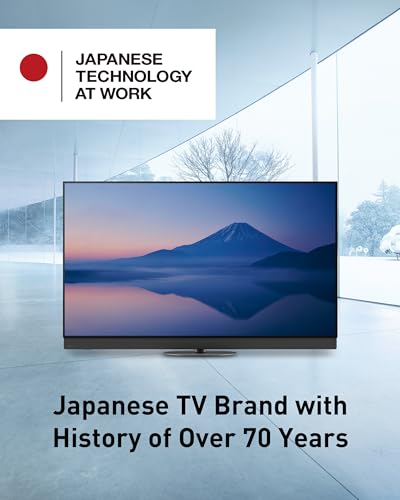
When shopping for a premium 65-inch TV in 2024, you'll face a fundamental choice between two competing display technologies that take completely different approaches to creating stunning pictures. The TCL QM9K QD-Mini LED represents the cutting edge of LED backlighting technology, while the Panasonic Z95B OLED showcases the latest evolution in self-emitting pixel displays. Both launched in 2024 as flagship models, but they solve the picture quality equation in remarkably different ways.
The core difference comes down to how each TV creates light and darkness. The TCL QM9K uses thousands of tiny LED lights behind a traditional LCD panel, with quantum dots (microscopic crystals that enhance color purity) to create incredibly bright images. The Panasonic Z95B, meanwhile, uses organic compounds that emit their own light when electricity passes through them - meaning each pixel can turn completely on or completely off independently.
This fundamental distinction affects everything from how movies look in your living room to how games respond to your controller inputs. Understanding these differences will help you choose the right TV for your specific needs and viewing environment.
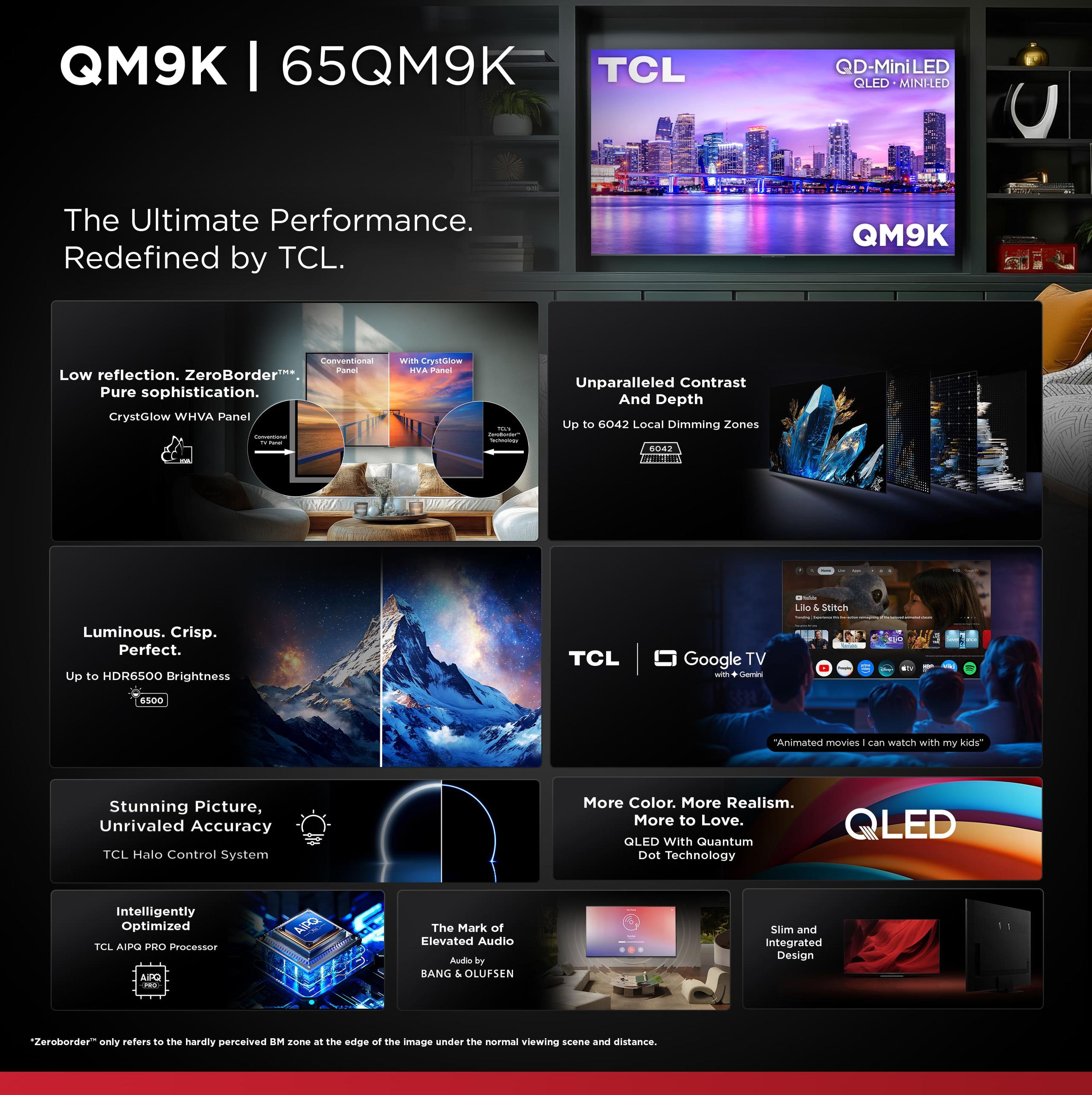
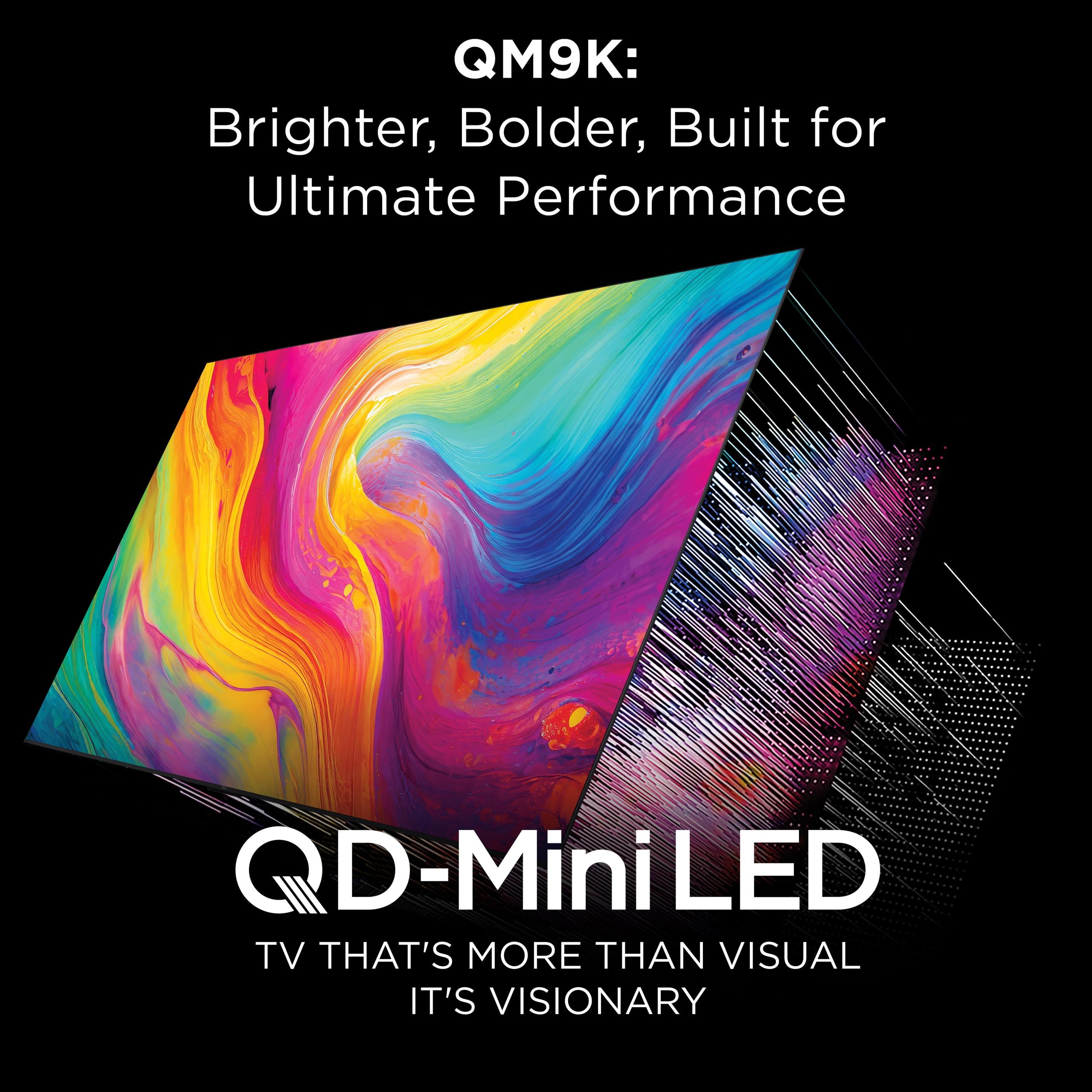
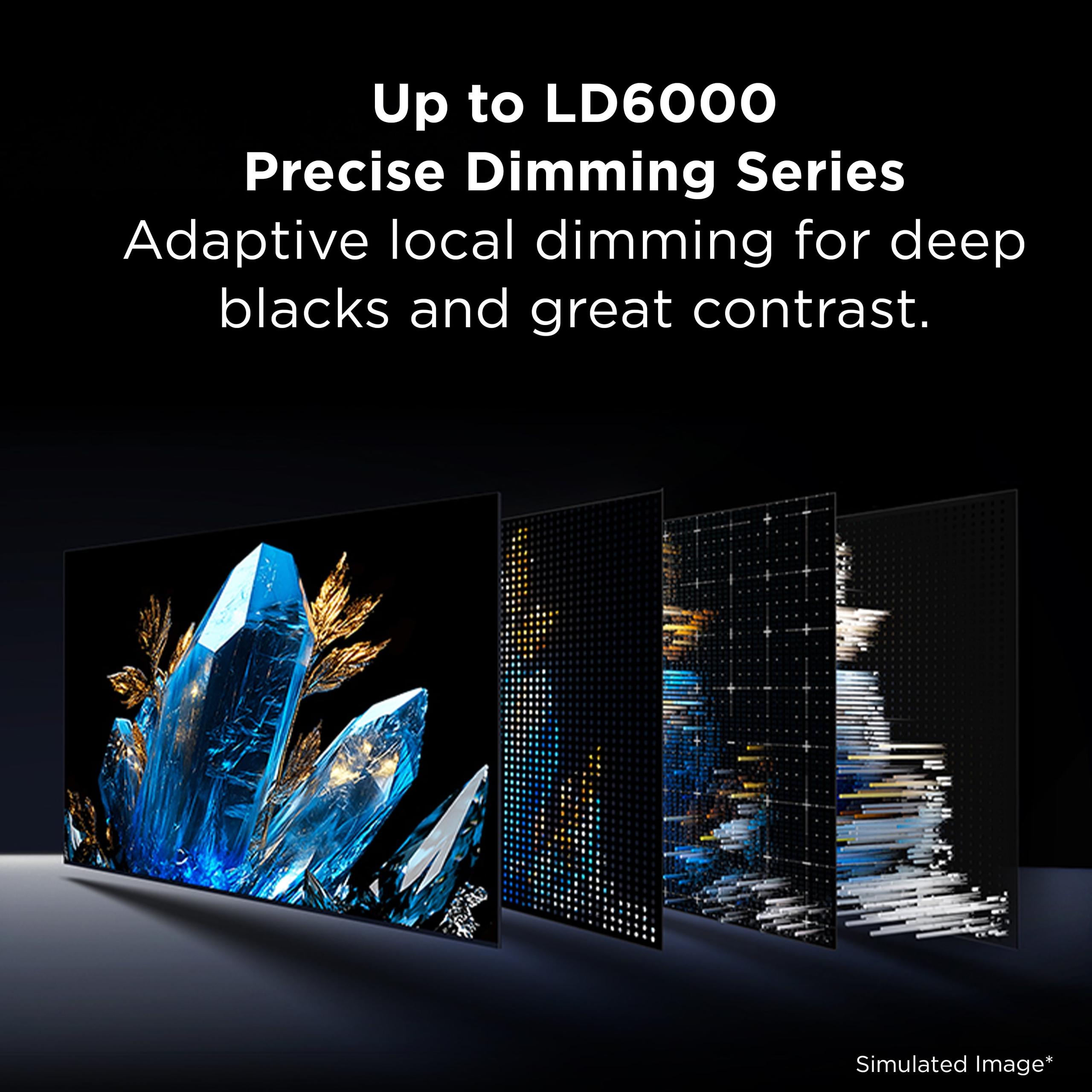
The TCL QM9K's QD-Mini LED technology represents a massive leap forward from traditional LED TVs. Instead of using large LED lights that illuminate broad sections of the screen, it employs thousands of Mini LEDs - each about the size of a pinhead - arranged in up to 6,000 precise dimming zones. Think of it like having 6,000 individual flashlights that can brighten or dim independently behind your TV screen.
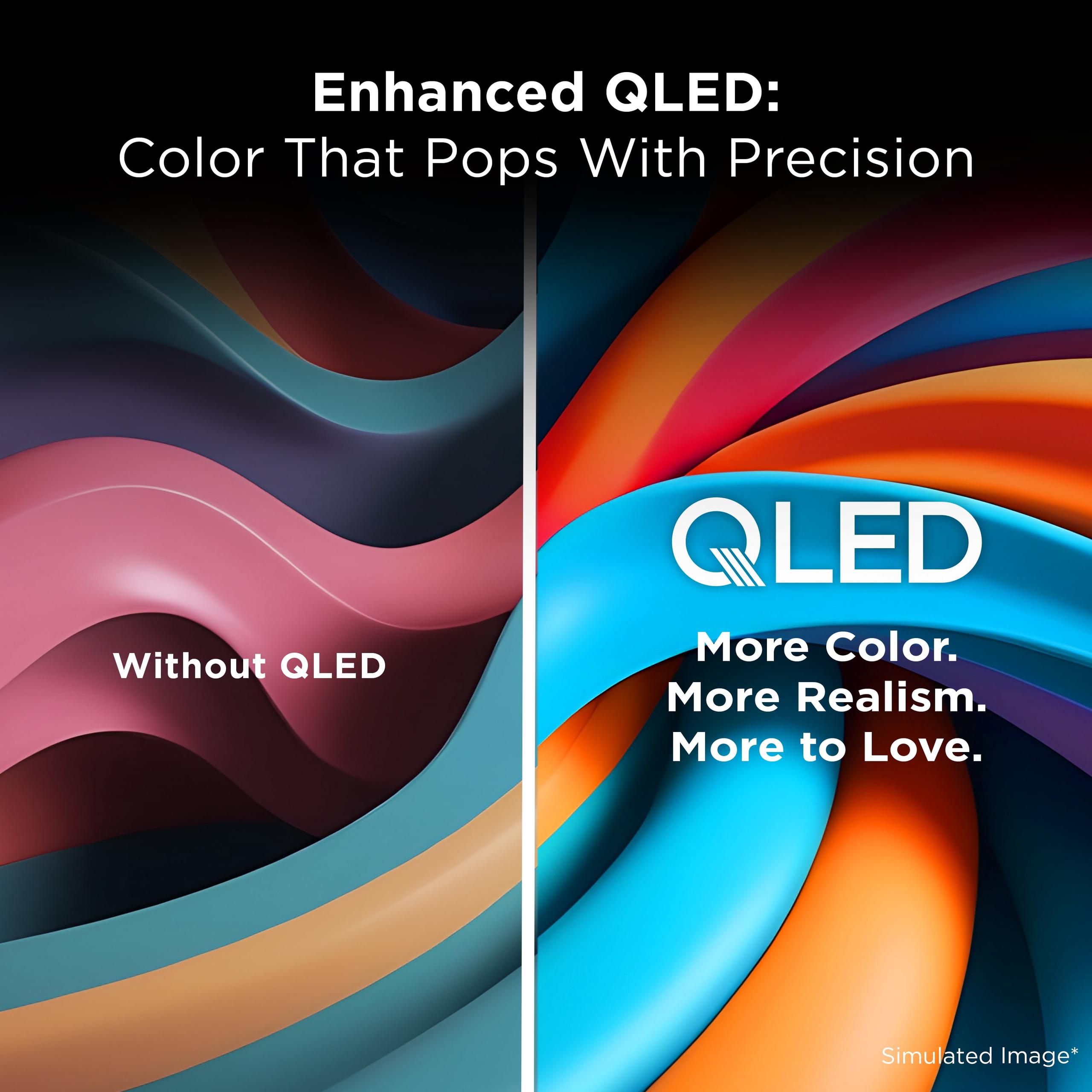
What makes this particularly impressive is the quantum dot enhancement layer. These quantum dots act like microscopic color filters, taking the blue light from the Mini LEDs and converting it to incredibly pure reds and greens. The result is a color gamut (the range of colors the TV can display) that covers 97% of the DCI-P3 color space - the same standard used in movie theaters.
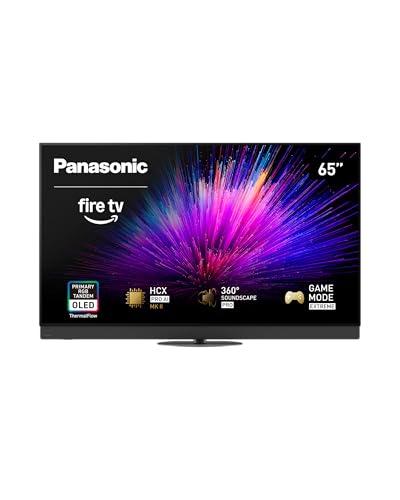
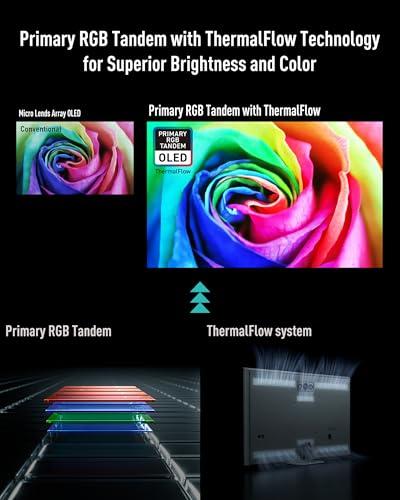
The Panasonic Z95B takes a completely different approach with its Primary RGB Tandem OLED panel. This is Panasonic's implementation of the latest OLED technology, featuring four emission layers instead of the traditional single layer. Each pixel contains organic compounds that glow when electricity passes through them, but the four-layer design makes them significantly brighter than previous OLED generations while maintaining perfect black levels.
The "Primary RGB" designation is crucial here. Unlike some OLED panels that use white subpixels with color filters, this design creates pure red, green, and blue light directly from the organic compounds. This approach delivers more accurate colors and better light efficiency - about 40% more efficient than previous OLED designs, according to our research.
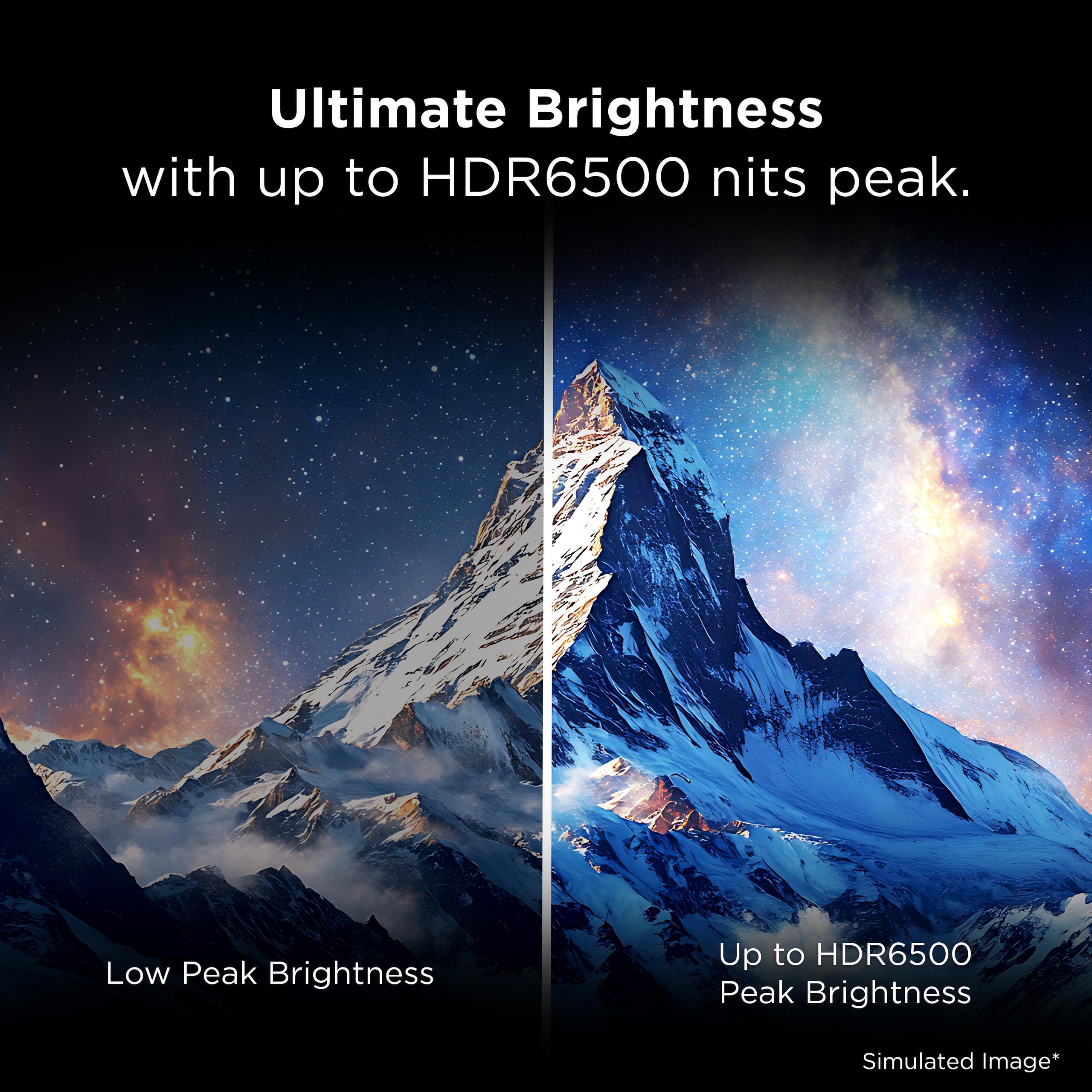
Here's where the TCL QM9K absolutely crushes the competition. With peak brightness reaching 6,500 nits in small highlights, it can make HDR (High Dynamic Range) content look genuinely spectacular. To put this in perspective, a typical sunny day measures about 10,000 nits, while most TVs struggle to exceed 1,000 nits. This extreme brightness capability means that when you're watching a scene with explosions, car headlights, or sunlight reflecting off water, those highlights will genuinely make you squint.
This brightness advantage becomes critical in bright viewing environments. If your TV room has large windows or you watch during the day with lights on, the TCL QM9K maintains its picture quality where dimmer displays would wash out. The quantum dot layer also helps maintain color saturation even at extreme brightness levels - a challenge that traditional LED TVs struggle with.
The Panasonic Z95B, while significantly brighter than previous OLED generations, typically peaks around 1,000-1,500 nits. In absolute terms, this is still quite bright - brighter than most movie theaters, in fact. But in direct comparison, HDR highlights won't pop with the same intensity. However, this brightness limitation comes with a crucial trade-off that many picture quality enthusiasts prefer.
Perfect black levels remain OLED's secret weapon, and the Panasonic Z95B delivers them flawlessly. When a pixel needs to display black, it simply turns off completely - no light emission whatsoever. This creates an infinite contrast ratio, meaning the difference between the darkest and brightest parts of the image is mathematically perfect.
In practical terms, this means watching "The Dark Knight" or "Blade Runner 2049" in a dark room becomes a transcendent experience. Dark scenes reveal subtle details in shadows while maintaining the artistic intent of cinematographers who expect true blacks in their work.
The TCL QM9K, despite its impressive local dimming system, can't achieve true blacks. Even with 6,000 dimming zones, there's still some light leakage around bright objects - what we call "blooming" or "haloing." TCL has worked hard to minimize this with their Halo Control System, which includes sophisticated algorithms and precise optical design, but physics dictates that some light will always spill over.
That said, the TCL QM9K's black levels are still excellent for LED technology. In most content, you'll barely notice the difference unless you're doing direct side-by-side comparisons in a completely dark room. The TV's dynamic contrast ratio of 65,000,000:1 isn't just marketing fluff - it represents genuine improvement in dark scene performance.
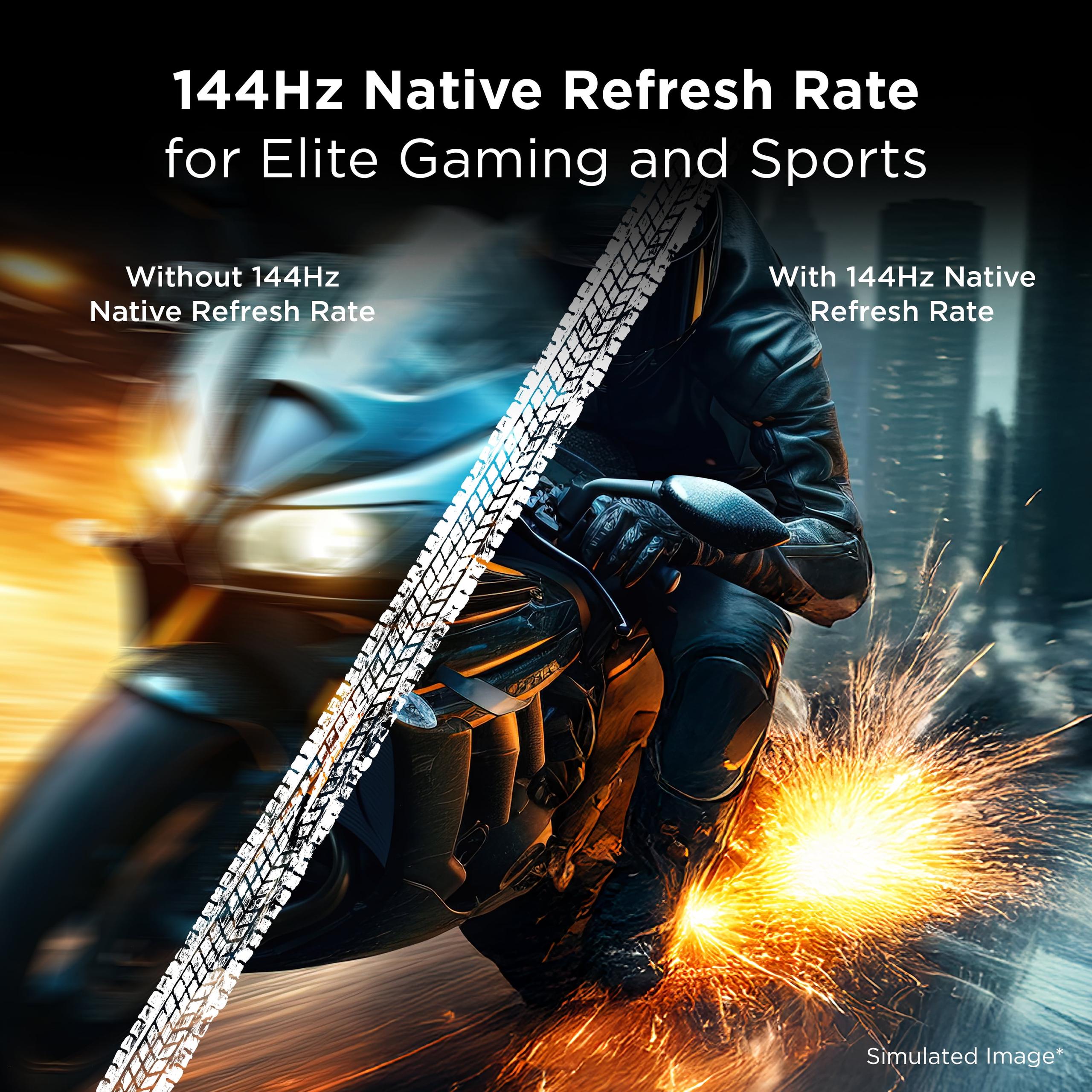
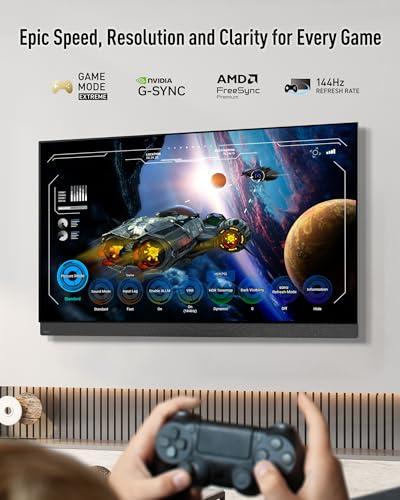
Both TVs excel at gaming but in different ways that matter to different types of players. The TCL QM9K pushes the envelope with its Game Accelerator 288 feature, supporting up to 288Hz at 1080p and 1440p resolutions, plus 4K at 144Hz. This extreme refresh rate capability, combined with 5.3ms input lag, makes it incredibly responsive for competitive gaming.
Variable Refresh Rate (VRR) support through AMD FreeSync Premium Pro ensures that your graphics card and TV stay perfectly synchronized, eliminating screen tearing and stuttering. When playing fast-paced shooters or racing games, these features create an undeniably smooth and responsive experience.
The Panasonic Z95B approaches gaming performance differently. While it "only" supports 4K at 144Hz (still excellent for gaming), its OLED technology delivers near-instantaneous pixel response times. This means motion blur - the ghosting effect you see around moving objects - is virtually eliminated. For action games or sports titles, this clarity advantage can be more noticeable than raw refresh rate numbers.
The Panasonic Z95B also supports multiple VRR formats including HDMI Forum VRR, AMD FreeSync Premium, and NVIDIA G-SYNC Compatible, making it more universally compatible with different gaming systems.
From our research into gaming performance reviews, competitive players often prefer the TCL QM9K's extreme refresh rates and ultra-low input lag, while single-player and story-driven game enthusiasts appreciate the Panasonic Z95B's motion clarity and perfect blacks during dramatic scenes.
The smart TV experience differs significantly between these models. The TCL QM9K runs Google TV with Google Gemini AI integration, providing what many consider the most intuitive and comprehensive smart TV platform currently available. The hands-free voice control works reliably, and the content recommendation system effectively aggregates shows and movies from multiple streaming services.
The presence sensor feature is particularly clever - the TV can detect when you approach and automatically wake up or display ambient information like weather and calendar events. Chromecast built-in and Apple AirPlay 2 support make it easy to cast content from phones and laptops.
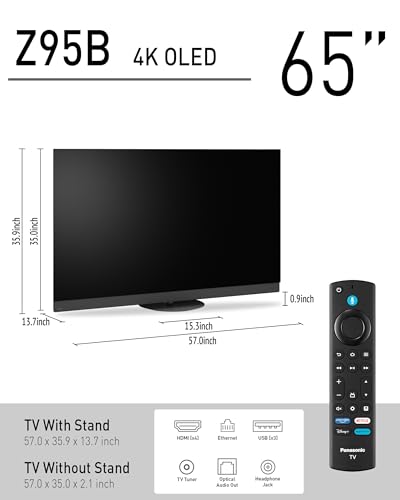
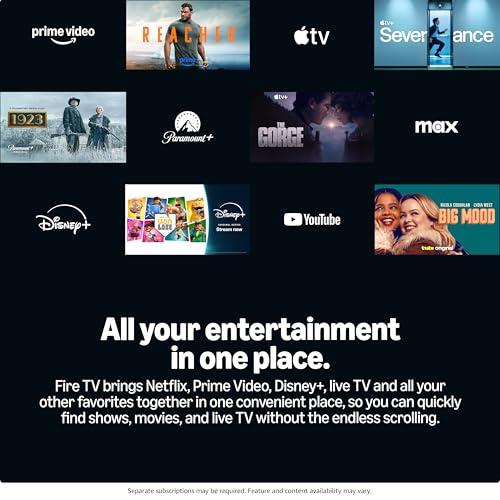
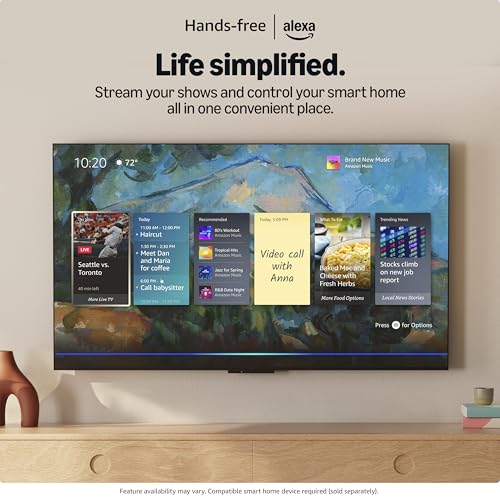
The Panasonic Z95B uses Amazon's Fire TV OS, which offers deep integration with Alexa and the Amazon ecosystem. While functional and regularly updated, Fire TV can feel less refined than Google TV, with occasional lag in navigation and a more cluttered interface. However, if you're already invested in Amazon's ecosystem with Prime Video, Echo devices, and Alexa routines, the integration benefits are substantial.
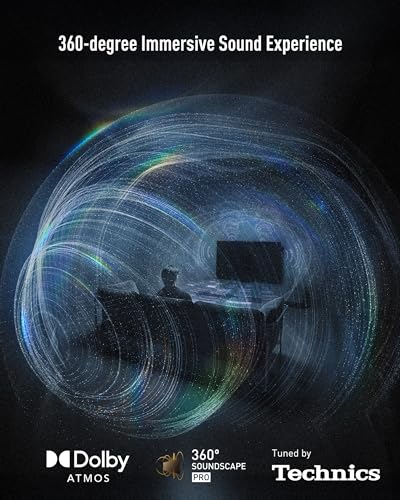
Here's where the Panasonic Z95B delivers an unexpected knockout punch. Its 360° Soundscape Pro system, tuned by Technics (Panasonic's premium audio brand), represents one of the best built-in TV audio systems we've encountered. The 5.1.2 Dolby Atmos configuration with 170 watts of total power creates genuinely immersive surround sound that can eliminate the need for a separate soundbar in many rooms.
The speaker layout includes dedicated upfiring drivers for height effects, side-firing speakers for width, and a substantial array of forward-facing drivers. This comprehensive approach creates convincing spatial audio that enhances both movies and music.
The TCL QM9K's Audio by Bang & Olufsen system is competent but not exceptional. While it supports Dolby Atmos and DTS Virtual:X, the 2.1.1 channel configuration can't match the Panasonic Z95B's physical speaker array. Most users will want to add a soundbar to fully realize the TCL QM9K's picture quality potential.
For dedicated home theater use, both TVs offer compelling but different advantages. The Panasonic Z95B shines in dark, controlled environments where its perfect blacks and accurate colors create a cinema-like experience. Its support for Filmmaker Mode, Prime Video Calibrated Mode, and professional calibration standards (Calman and ISFccc) ensures content appears exactly as directors intended.
The TCL QM9K excels when you can't completely control ambient light. Its extreme brightness capability means HDR content maintains its impact even with some room lighting, making it more versatile for family rooms that serve multiple purposes.
From a technical standpoint, both TVs support all major HDR formats. The Panasonic Z95B handles HDR10+ and Dolby Vision with particular finesse, while the TCL QM9K's extreme brightness makes HDR content more impactful, even if color accuracy requires some calibration work.
At the time of writing, both TVs command premium pricing befitting their flagship status, with costs generally falling in the $2,500-3,000 range depending on sales and availability. The value equation depends heavily on your priorities and viewing environment.
The TCL QM9K offers exceptional brightness-per-dollar and eliminates concerns about burn-in (permanent image retention) that can affect OLED displays with heavy gaming or news channel viewing. Its Mini LED backlights should maintain their brightness for many years without degradation.
The Panasonic Z95B commands a slight premium but delivers reference-quality picture accuracy and superior built-in audio that could save money on external sound systems. However, OLED panels can experience burn-in with static content, though modern implementations include extensive protection mechanisms.
Choose the TCL QM9K QD-Mini LED if you watch TV in bright rooms, prioritize gaming performance, want spectacular HDR brightness, or need long-term durability without burn-in concerns. It's also the better choice if you prefer Google's smart TV ecosystem and don't mind adding a soundbar later.
The Panasonic Z95B OLED is ideal for dark room viewing, cinephiles who value color accuracy, anyone wanting superior built-in audio, and viewers who prioritize motion clarity for sports and action content. It's also the better choice if you're already invested in Amazon's ecosystem.
For most buyers, your viewing environment should drive the decision. If your TV room has windows and gets natural light during viewing times, the TCL QM9K's brightness advantage is genuinely useful. If you can control lighting and want the most cinematic experience possible, the Panasonic Z95B's perfect blacks and accurate colors are hard to beat.
Both represent excellent value in the premium TV segment, delivering technology that was unimaginable just a few years ago. Your choice ultimately comes down to whether you prioritize the spectacular brightness of Mini LED or the perfect contrast of OLED - and either choice will deliver years of exceptional viewing experiences.
| TCL 65" QM9K QD-Mini LED | Panasonic Z95B Series 65" OLED |
|---|---|
| Display Technology - Fundamental difference affecting brightness and contrast | |
| QD-Mini LED with up to 6,000 local dimming zones | Primary RGB Tandem OLED with 4-layer emission structure |
| Peak Brightness - Critical for HDR impact and bright room viewing | |
| Up to 6,500 nits (exceptional for daytime viewing) | ~1,000-1,500 nits (good but limited in bright rooms) |
| Black Levels - Essential for dark scene detail and contrast | |
| Excellent with minimal blooming (not true black) | Perfect blacks with infinite contrast ratio |
| Gaming Refresh Rate - Important for competitive and high-frame gaming | |
| 4K @ 144Hz, up to 288Hz at 1080p/1440p | 4K @ 144Hz (still excellent for most gaming) |
| Input Lag - Critical for responsive gaming | |
| 5.3ms (ultra-low for competitive play) | Very low (exact specs vary by mode) |
| VRR Support - Prevents screen tearing in games | |
| AMD FreeSync Premium Pro | HDMI Forum VRR, FreeSync Premium, G-SYNC Compatible |
| Motion Handling - Important for sports and fast action | |
| Motion Rate 480 with MEMC (good but some blur) | Near-instantaneous pixel response (superior clarity) |
| Color Accuracy - Matters for cinematic viewing | |
| Requires calibration for best results | Excellent out-of-box with professional calibration support |
| Built-in Audio - Can save money on external speakers | |
| Audio by Bang & Olufsen 2.1.1 system (decent) | 360° Soundscape Pro 5.1.2 Dolby Atmos (exceptional) |
| Smart TV Platform - Affects daily usability | |
| Google TV with Gemini AI (intuitive interface) | Fire TV OS with Alexa (good but less refined) |
| HDMI 2.1 Ports - Important for next-gen gaming | |
| 2 HDMI 2.1 ports with full bandwidth | 2 HDMI 2.1 ports with full bandwidth |
| Burn-in Risk - Long-term durability concern | |
| No burn-in risk (Mini LED technology) | Potential burn-in with static content (modern protections included) |
| HDR Format Support - Ensures compatibility with content | |
| HDR10, HDR10+, Dolby Vision, HLG | HDR10, HDR10+, Dolby Vision IQ, HLG |
| Viewing Angles - Important for off-center seating | |
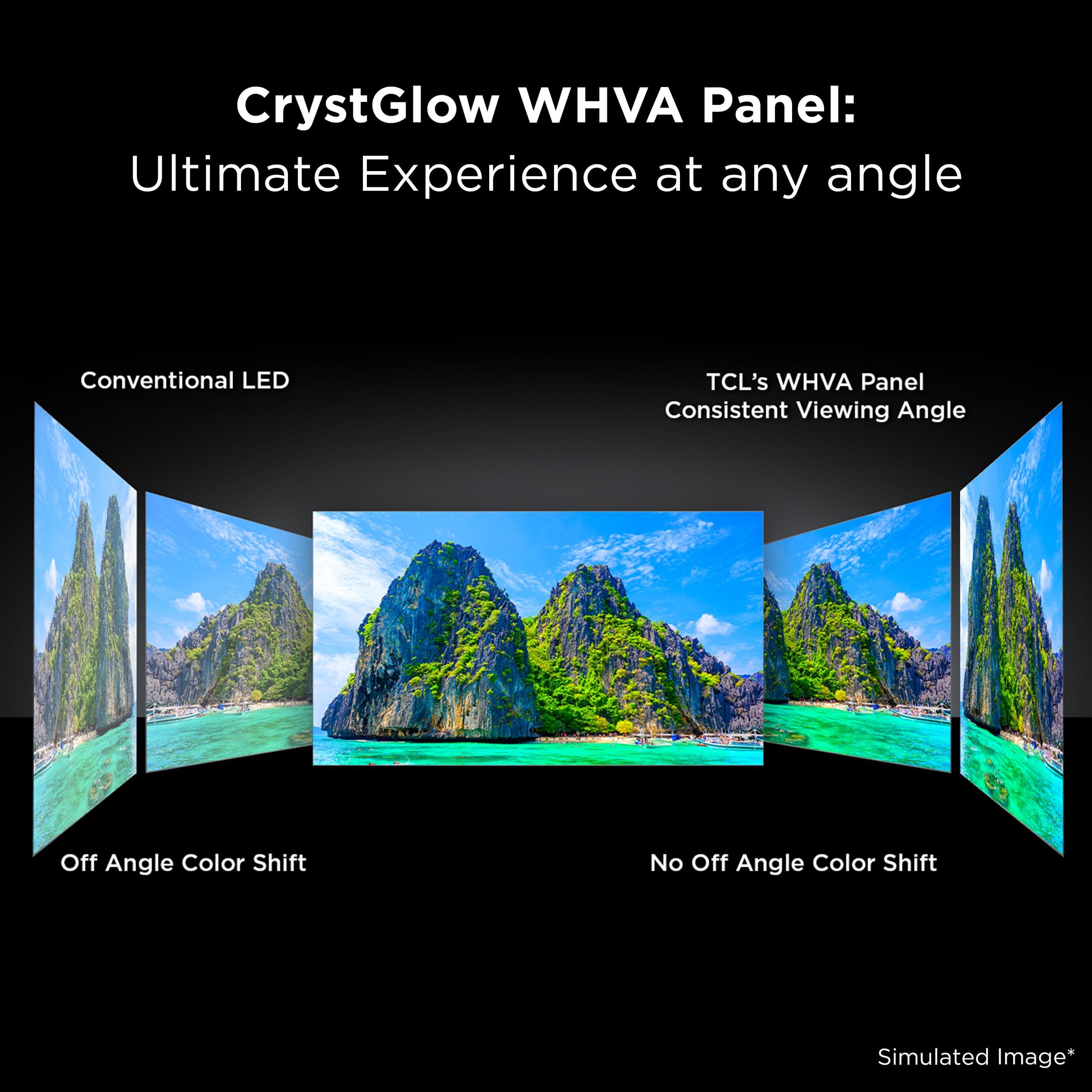
| Good but image washes out from sides | Excellent color/contrast from wide angles |
| Local Dimming Zones - Affects contrast precision | |
| Up to 6,000 zones (exceptional for LED) | Per-pixel control (perfect dimming) |
The TCL 65" QM9K QD-Mini LED is significantly better for bright rooms due to its exceptional peak brightness of up to 6,500 nits. This extreme brightness helps overcome glare from windows and room lighting, maintaining picture quality during daytime viewing. The Panasonic Z95B Series 65" OLED peaks around 1,000-1,500 nits, which can appear washed out in bright environments despite its superior contrast.
The Panasonic Z95B Series 65" OLED delivers perfect black levels since each pixel can turn completely off, creating infinite contrast. The TCL 65" QM9K QD-Mini LED offers excellent blacks for LED technology with up to 6,000 local dimming zones, but cannot achieve true blacks due to some light leakage around bright objects.
Both TVs excel at gaming but in different ways. The TCL 65" QM9K QD-Mini LED offers higher refresh rates (up to 288Hz at 1080p) and ultra-low 5.3ms input lag, making it ideal for competitive gaming. The Panasonic Z95B Series 65" OLED provides near-instantaneous pixel response times that eliminate motion blur, better for single-player games and story-driven experiences.
The Panasonic Z95B Series 65" OLED has superior built-in audio with its 360° Soundscape Pro system featuring 5.1.2 Dolby Atmos speakers tuned by Technics. This comprehensive audio setup can eliminate the need for a soundbar in many rooms. The TCL 65" QM9K QD-Mini LED has decent Audio by Bang & Olufsen speakers but most users will want to add external audio.
For dedicated home theater rooms with controlled lighting, the Panasonic Z95B Series 65" OLED is superior due to its perfect blacks, accurate colors, and professional calibration support. For multipurpose family rooms where you can't completely control ambient light, the TCL 65" QM9K QD-Mini LED maintains better picture quality with room lighting present.
Both TVs support all major HDR formats including HDR10, HDR10+, Dolby Vision, and HLG. The Panasonic Z95B Series 65" OLED includes Dolby Vision IQ for room-aware adjustments, while the TCL 65" QM9K QD-Mini LED supports HDR ULTRA processing. The difference in HDR support is minimal between these flagship models.
The TCL 65" QM9K QD-Mini LED runs Google TV with Gemini AI, offering a more intuitive interface, better content recommendations, and seamless integration with Google services and Chromecast. The Panasonic Z95B Series 65" OLED uses Fire TV OS with Alexa, which provides good functionality but can feel less refined and occasionally laggy.
The Panasonic Z95B Series 65" OLED has superior motion handling due to its near-instantaneous pixel response times, eliminating motion blur in fast sports action. The TCL 65" QM9K QD-Mini LED offers Motion Rate 480 with MEMC processing, which is good but still shows some blur in rapid movement compared to OLED technology.
The TCL 65" QM9K QD-Mini LED offers better long-term durability with no risk of burn-in and Mini LED backlights that maintain brightness over many years. The Panasonic Z95B Series 65" OLED has potential burn-in concerns with static content, though modern OLED panels include extensive protection mechanisms to minimize this risk.
The Panasonic Z95B Series 65" OLED delivers superior color accuracy out-of-the-box with its Primary RGB OLED technology and support for professional calibration standards. The TCL 65" QM9K QD-Mini LED covers 97% of DCI-P3 color space but requires calibration adjustments to achieve optimal color accuracy.
Both the TCL 65" QM9K QD-Mini LED and Panasonic Z95B Series 65" OLED feature 2 HDMI 2.1 ports with full bandwidth support for 4K@144Hz gaming. This is sufficient for most users with modern gaming consoles and high-end PCs, though some users might prefer more HDMI 2.1 connectivity options.
The value depends on your priorities and viewing environment. The TCL 65" QM9K QD-Mini LED offers exceptional brightness performance and gaming features with no burn-in concerns. The Panasonic Z95B Series 65" OLED provides reference-quality picture accuracy and superior built-in audio that could save money on external speakers, making both competitive in their respective strengths.
We've done our best to create useful and informative comparisons to help you decide what product to buy. Our research uses advanced automated methods to create this comparison and perfection is not possible - please contact us for corrections or questions. These are the sites we've researched in the creation of this article: rtings.com - bestbuy.com - youtube.com - youtube.com - youtube.com - techaeris.com - displayspecifications.com - pcrichard.com - residentialsystems.com - us.tcl.com - displayspecifications.com - valueelectronics.com - woodruffappliance.com - tcl.com - pcrichard.com - tcl.com - techradar.com - tcl.com - us.tcl.com - youtube.com - youtube.com - bestbuy.com - youtube.com - rtings.com - whathifi.com - techradar.com - tomsguide.com - youtube.com - youtube.com - youtube.com - avsforum.com - bestbuy.com - manuals.plus - na.panasonic.com - panasonic.com - displayspecifications.com - valueelectronics.com - flatpanelshd.com - valueelectronics.com - displayspecifications.com - flatpanelshd.com

Privacy Policy
Terms and Conditions - Affiliate Policy
Home Security
© Copyright 2008-2026.
11816 Inwood Rd #1211, Dallas, TX 75244