

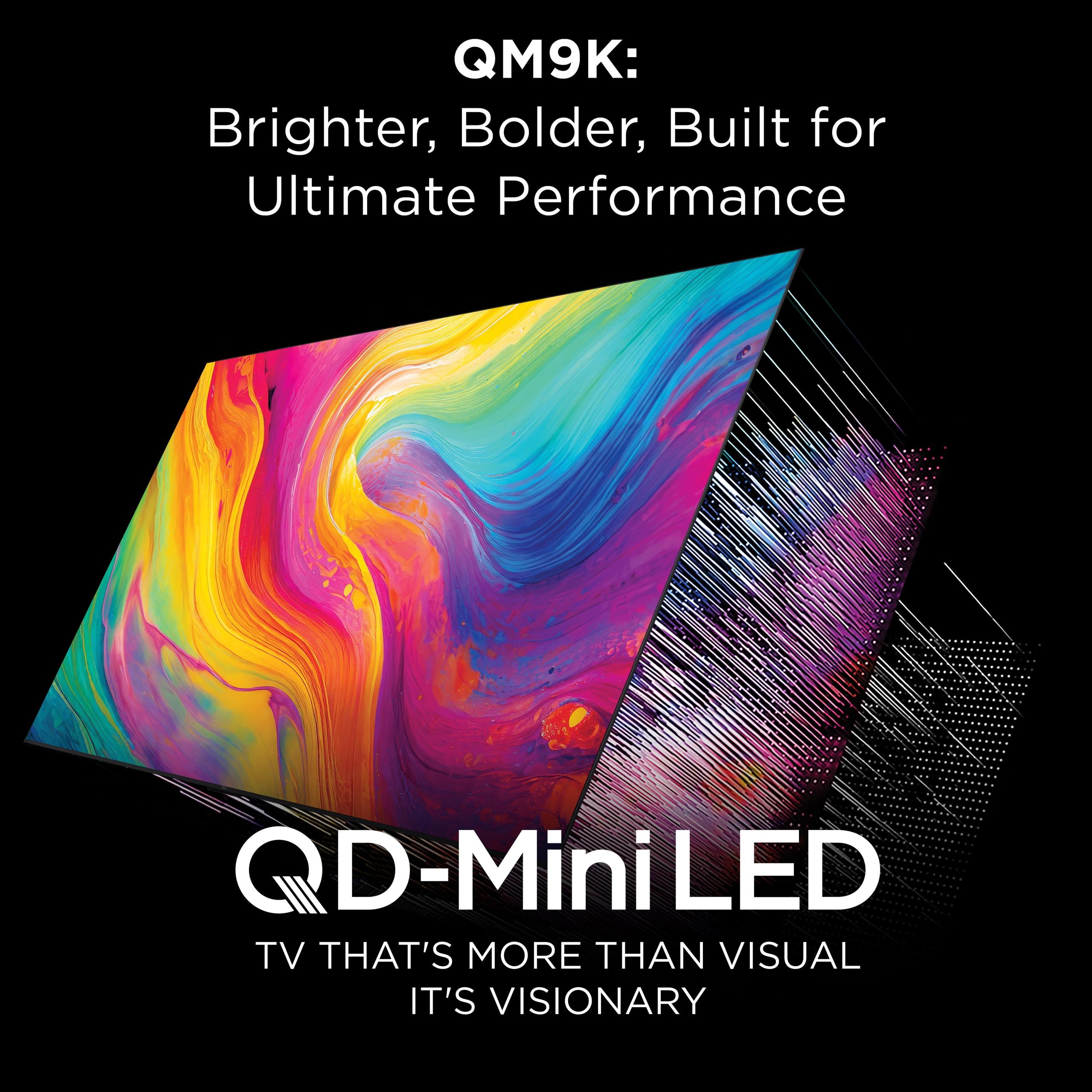
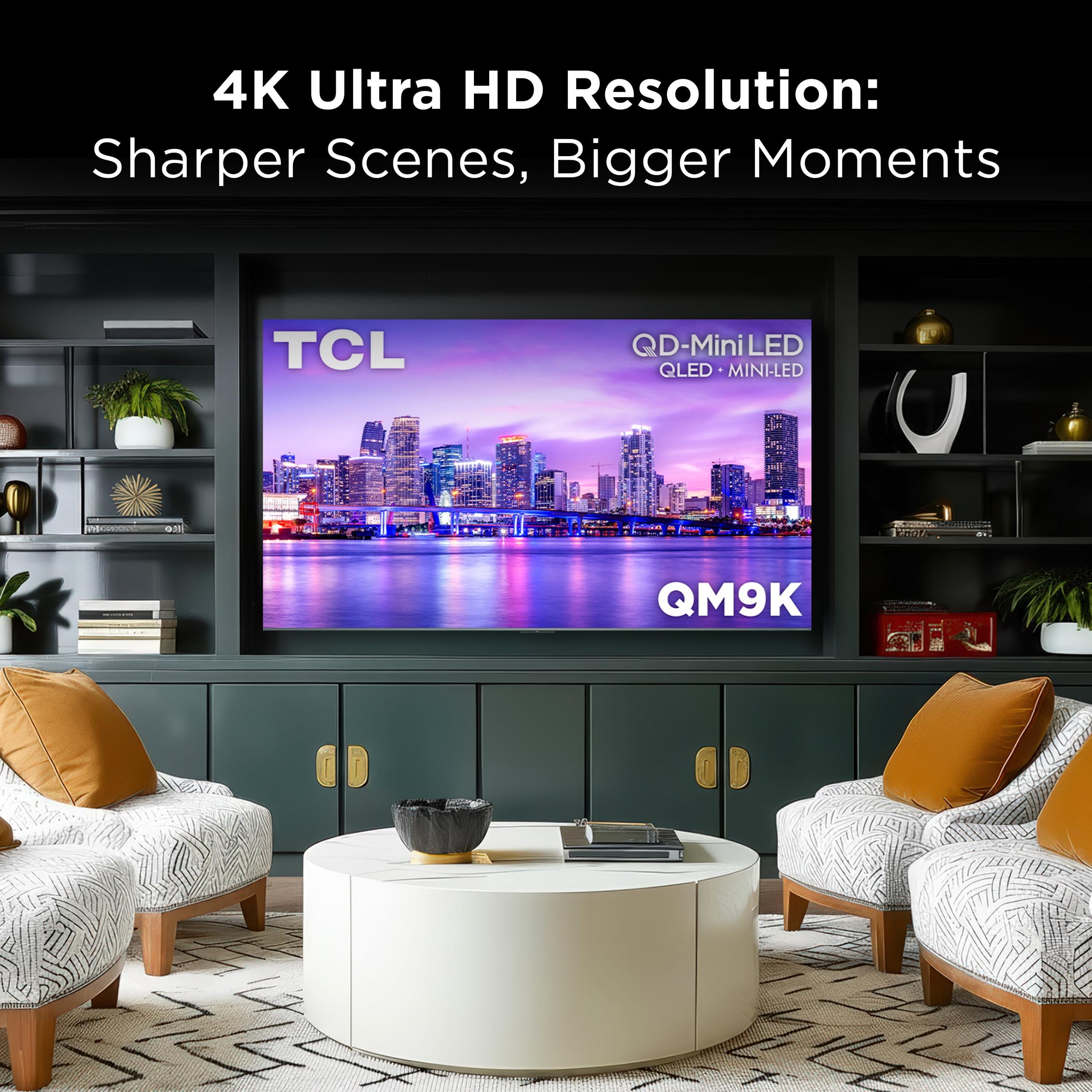
Shopping for a premium 65-inch TV can feel overwhelming with all the marketing jargon and technical specifications floating around. Two standouts in the premium segment are the Roku 65" Pro Series 2025 and the TCL 65" QM9K, both offering Mini-LED technology with quantum dot color enhancement. While they share some core technologies, they take very different approaches to achieving high-end performance.
The big question isn't whether these are good TVs—they both are—but which one makes more sense for your specific needs and budget. After diving deep into both models' specifications, user feedback, and expert reviews, the choice comes down to whether you want flagship-level performance or exceptional value with solid all-around capabilities.
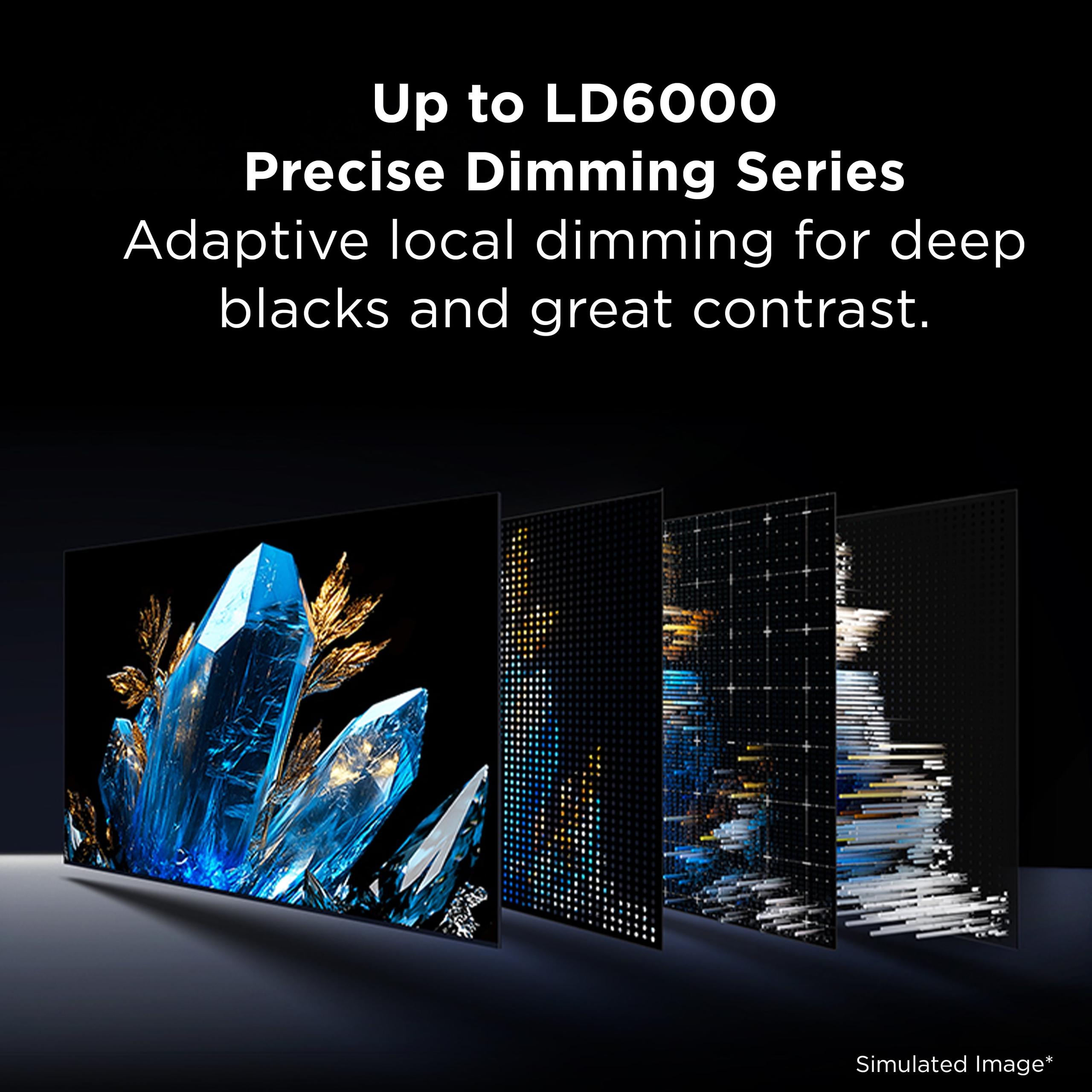
Before we jump into the comparison, let's establish what makes these TVs special. Both the Roku Pro Series 2025 and TCL QM9K use Mini-LED backlighting, which is essentially thousands of tiny LEDs behind the screen that can dim independently. Think of it like having thousands of little flashlights that can turn on and off to create perfect contrast—bright whites next to deep blacks without the grayish blooming you see on cheaper TVs.
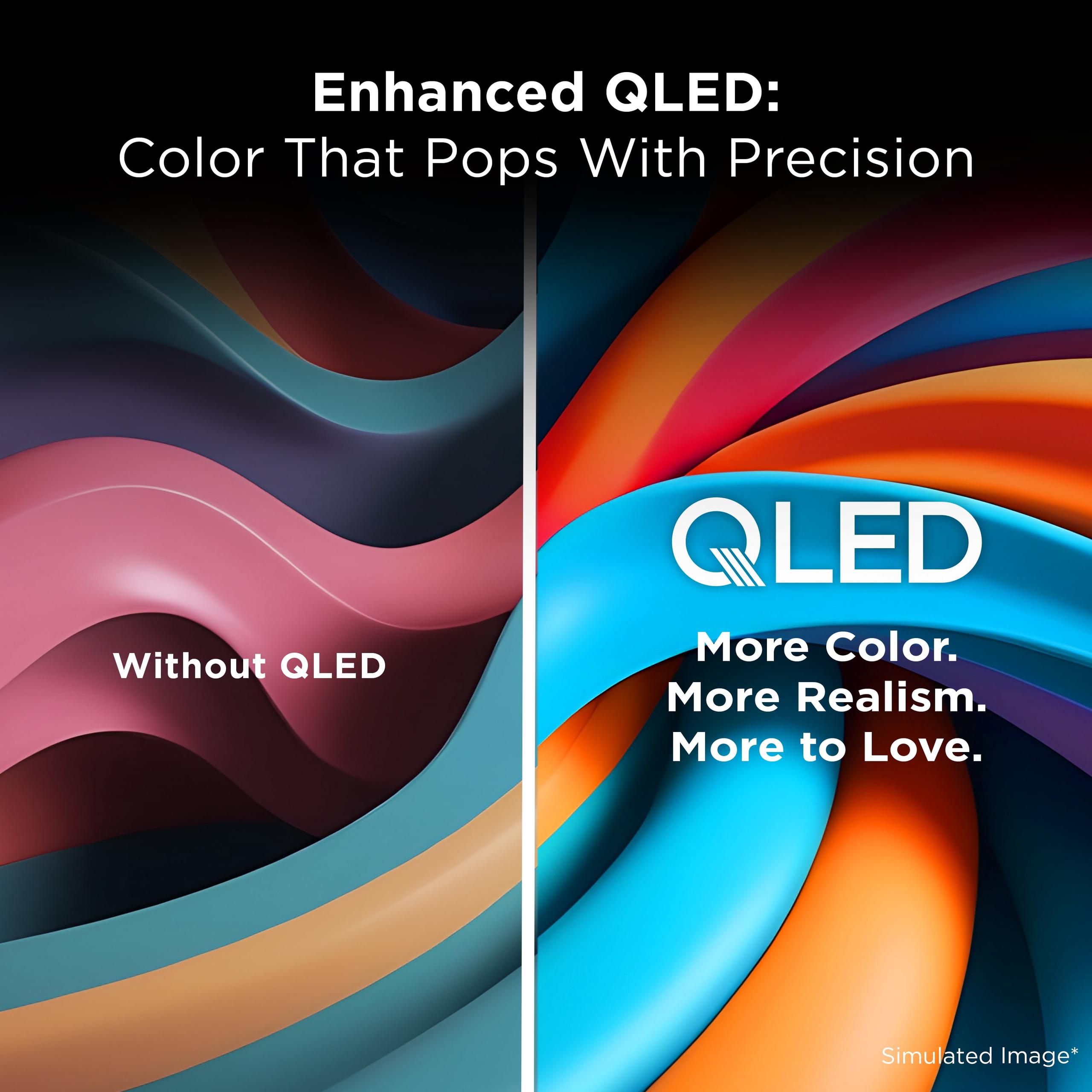
The quantum dot layer (that's the "Q" in QLED and QD-Mini LED) acts like a color filter that makes reds redder, blues bluer, and greens more vibrant. It's particularly noticeable when watching HDR content like Netflix shows or 4K movies where colors need to pop off the screen.
When evaluating premium TVs, the most important factors are peak brightness (how bright whites can get), local dimming zones (how precisely the TV controls light and dark areas), color accuracy (how true-to-life colors appear), and gaming performance (refresh rates and input lag). Audio quality and the smart TV platform also matter significantly since you'll interact with them daily.
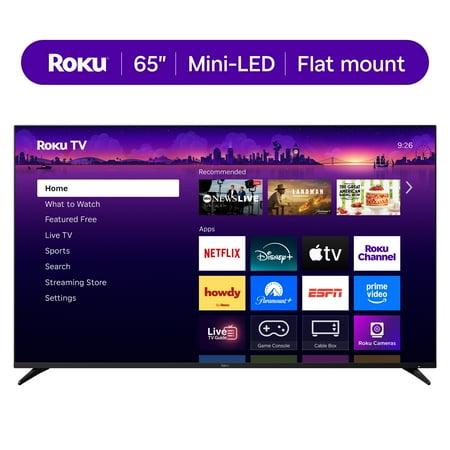
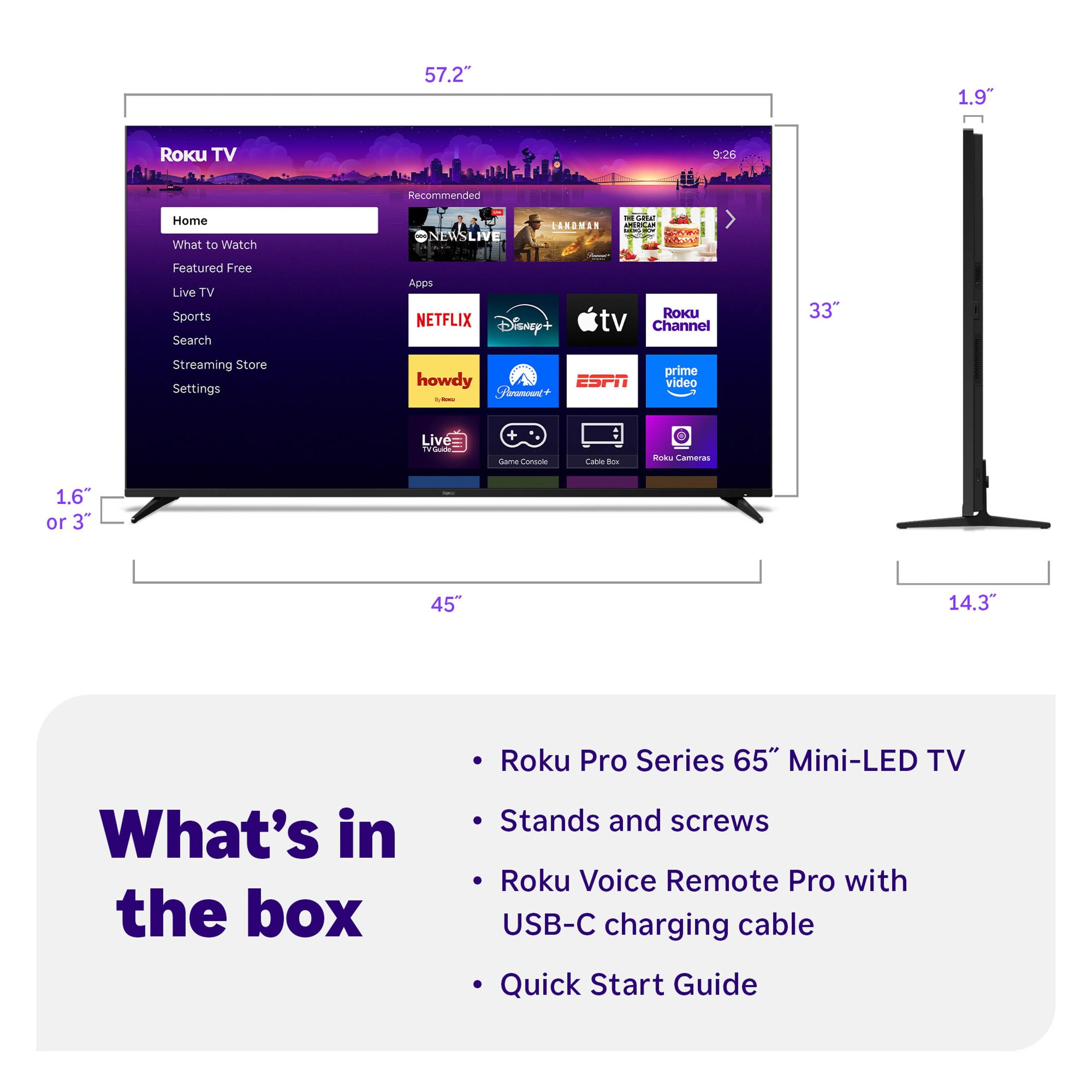
The Roku Pro Series 2025, released in 2025, represents Roku's refined approach to premium TV manufacturing. It builds on their established smart TV platform with meaningful improvements in brightness and processing power. At the time of writing, it's positioned as a premium-value option that delivers flagship features at a more accessible price point.
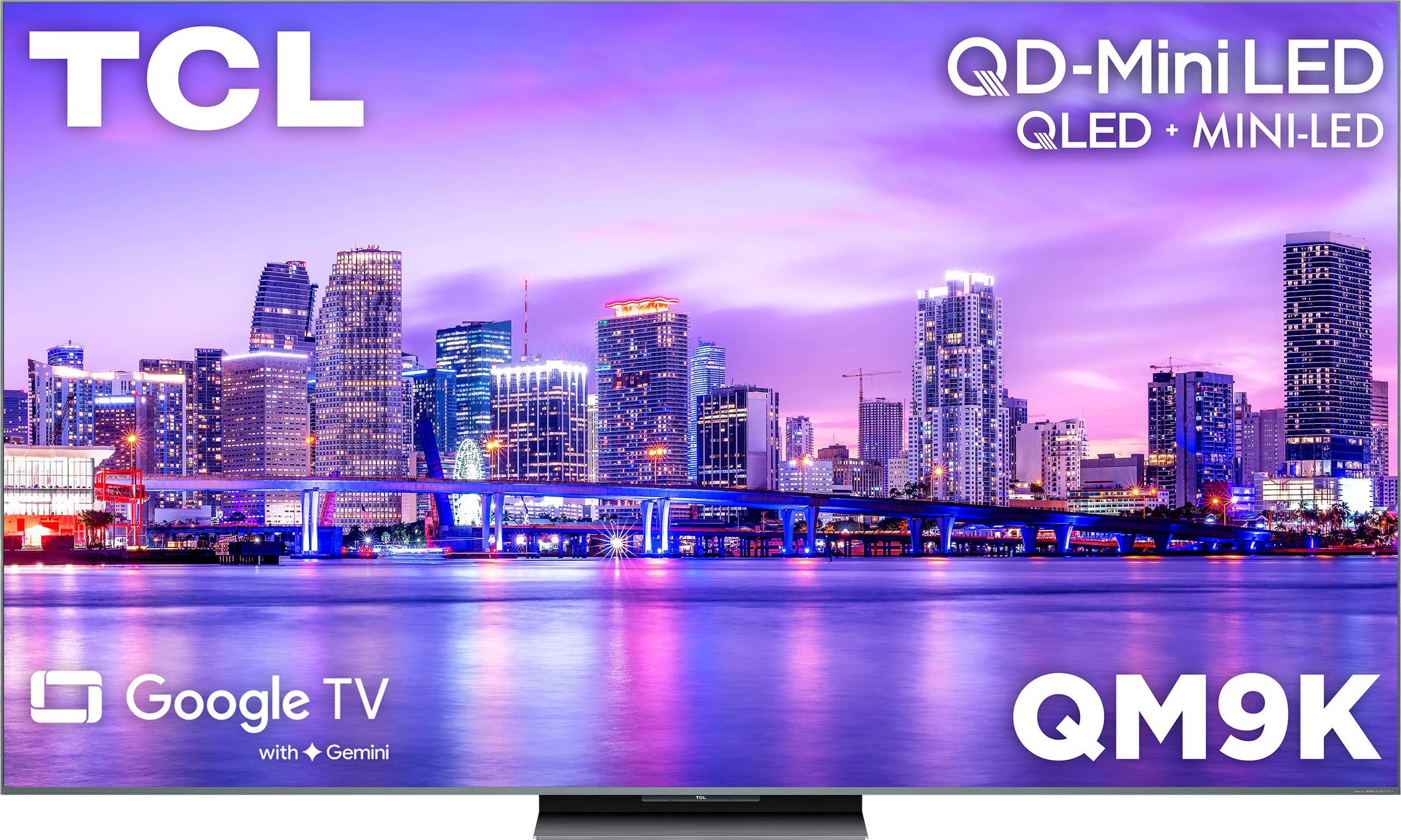
The TCL QM9K, also from 2025, showcases TCL's push into true flagship territory. It's their answer to premium brands like Sony and Samsung, packing cutting-edge specifications that would have been unimaginable in TVs just a few years ago. TCL has been aggressive about bringing high-end features to competitive price points, though the QM9K sits at the top of their lineup.
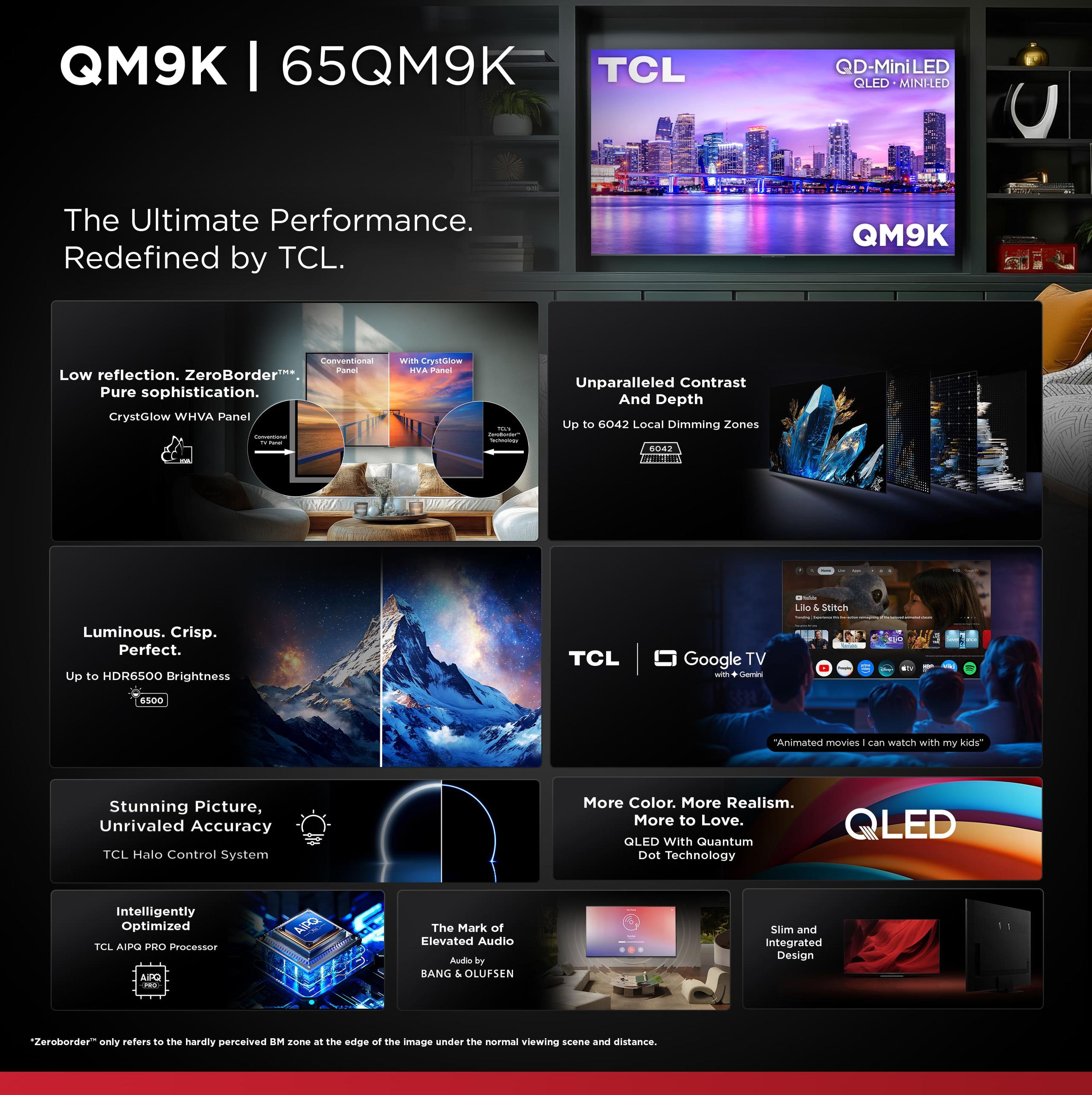
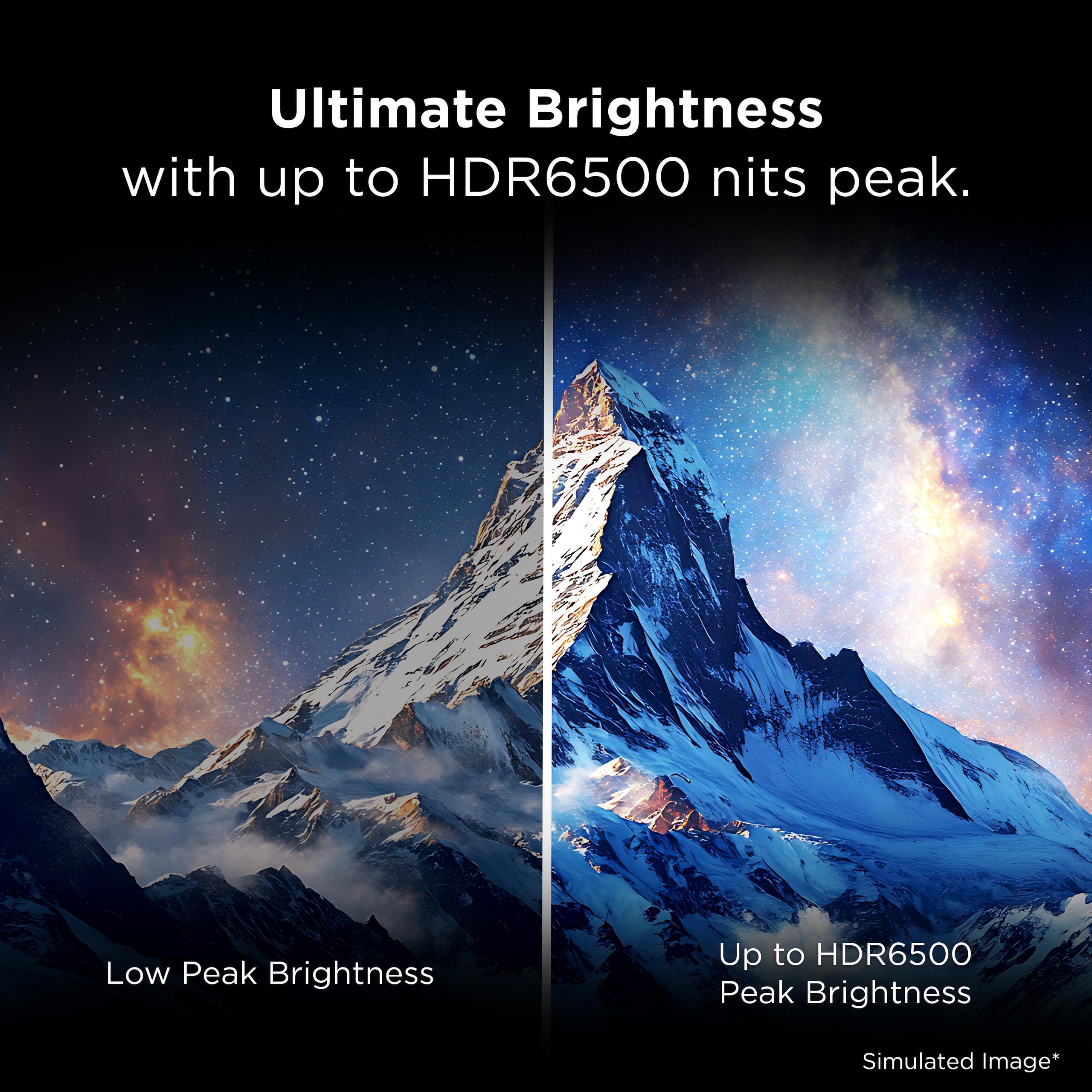
This is where the TCL QM9K absolutely dominates. With peak HDR brightness reaching 6,500 nits, it's genuinely one of the brightest consumer TVs available. To put that in perspective, most TVs max out around 1,000-4,000 nits. This extreme brightness isn't just for bragging rights—it means HDR content looks spectacular even in bright rooms with windows and lights on.
The Roku Pro Series 2025 offers respectable peak brightness that handles most viewing situations well, but it can't match the TCL's raw output. However, Roku has focused on making their brightness more useful through better processing. Their Smart Picture Max feature uses AI to optimize brightness scene-by-scene, which can make content look more natural even if the peak numbers aren't as impressive.
In practical terms, if you have a bright living room with lots of windows, the TCL QM9K will maintain vibrant colors and deep blacks even during daytime viewing. The Roku Pro Series performs well in moderately lit rooms but might struggle in extremely bright environments.
The TCL QM9K features up to 6,000 local dimming zones, which is frankly ridiculous in the best way possible. More zones mean the TV can control light with incredible precision—imagine trying to draw a detailed picture with 6,000 colored pencils versus 1,000. The result is virtually no blooming (unwanted light spilling around bright objects) and contrast that rivals OLED TVs.
The Roku Pro Series 2025 doesn't specify exact zone counts, but based on performance reviews, it appears to have significantly fewer zones. However, Roku has improved their zone control algorithm, so blooming is still well-controlled for most content. The 75% improvement in dynamic contrast over their previous generation shows meaningful progress.
For home theater enthusiasts watching movies in dark rooms, the TCL QM9K delivers an almost OLED-like experience with perfect blacks and precise highlights. The Roku Pro Series provides very good contrast that satisfies most viewers but doesn't quite reach that reference-level performance.
Here's where things get interesting. Despite the TCL QM9K having superior hardware specifications, the Roku Pro Series 2025 actually achieves better color accuracy out of the box. Roku has improved their color calibration significantly, with professional reviews noting more natural-looking skin tones and better color balance.
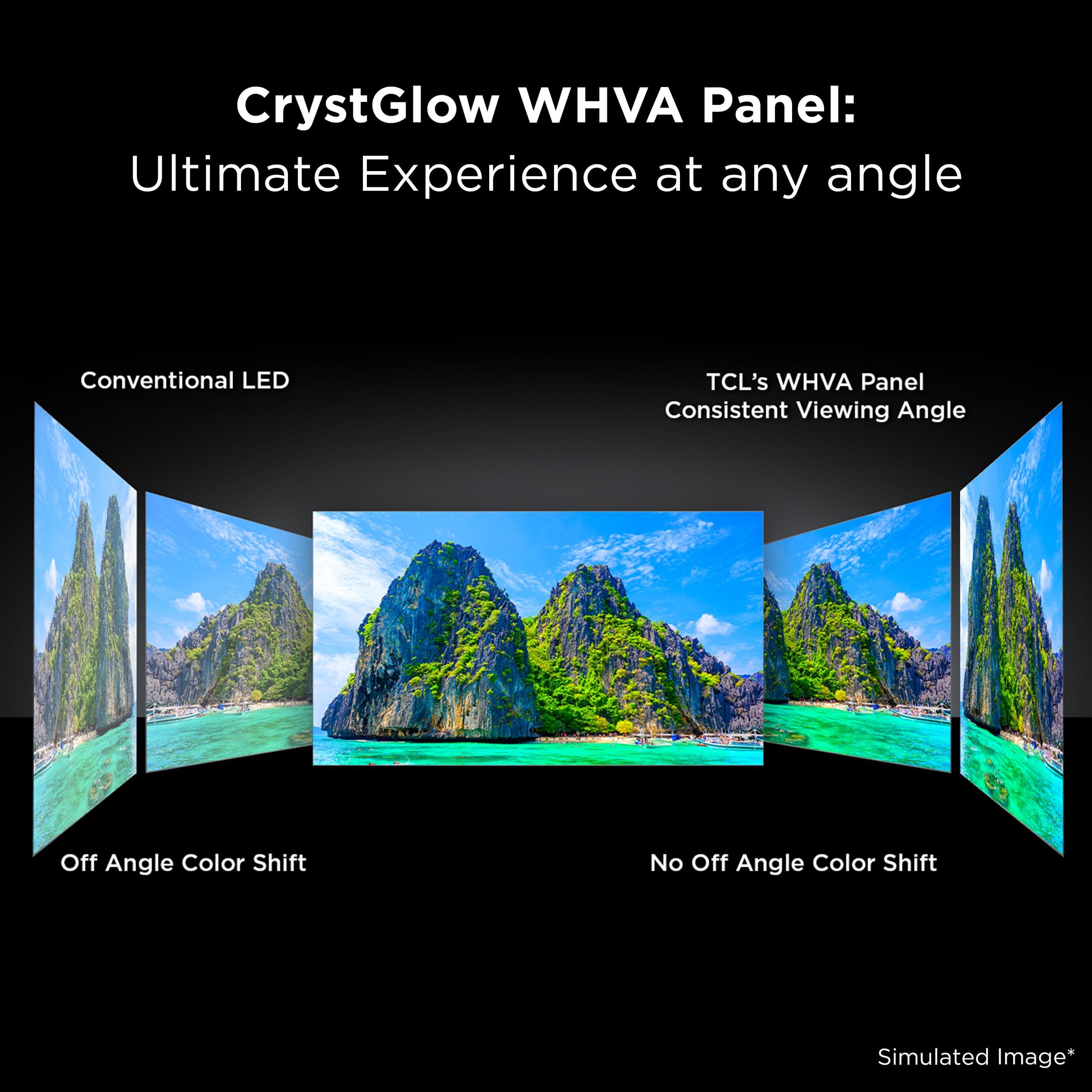
The TCL QM9K suffers from what reviewers call "color mapping issues" in HDR content, where some colors appear oversaturated or slightly off. This is fixable through calibration, but most people won't bother with professional setup. The TV's CrystGlow WHVA panel technology and quantum dot implementation produce incredibly vibrant colors, but sometimes sacrifices accuracy for impact.
Roku's Smart Picture Max AI processing gives the Roku Pro Series an advantage in real-world viewing. It automatically adjusts color, contrast, and sharpness based on the content, similar to how Dolby Vision works. This means less time fiddling with settings and more consistent performance across different shows and movies.
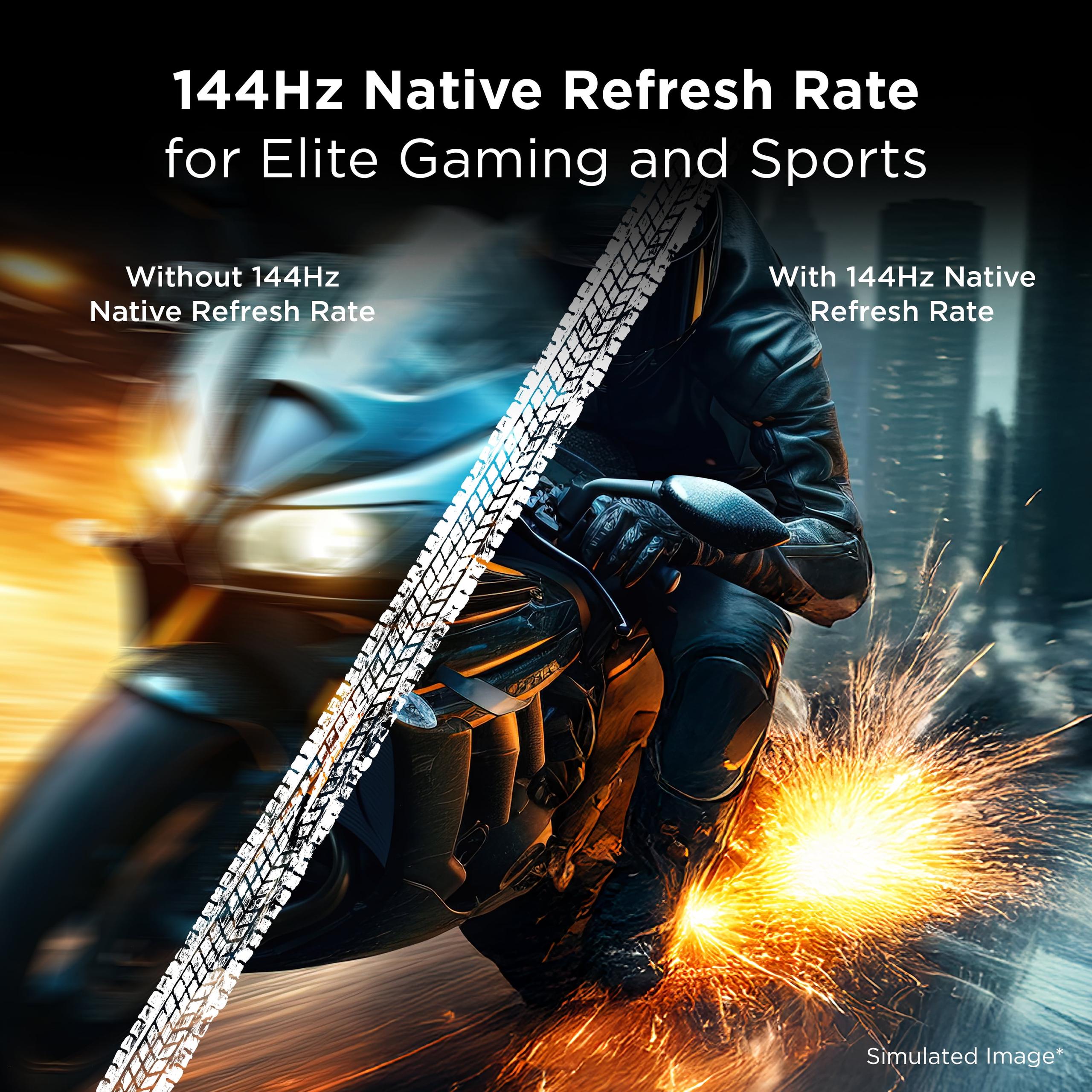
For gamers, the TCL QM9K is clearly the superior choice. Its 144Hz native refresh rate and Game Accelerator 288 technology support refresh rates up to 288Hz at 1080p and 1440p resolutions. The 5.3ms input lag is exceptionally low, meaning your controller inputs register almost instantaneously on screen.
The TV's two HDMI 2.1 ports can handle 4K gaming at 144Hz, which future-proofs you for next-generation consoles and high-end PC gaming. Variable refresh rate (VRR) and Auto Low Latency Mode (ALLM) ensure smooth, responsive gameplay without screen tearing or stuttering.
The Roku Pro Series 2025 offers solid gaming performance with 120Hz refresh rate, low input lag, and full HDMI 2.1 support for current-generation consoles. It handles PlayStation 5 and Xbox Series X games beautifully, with FreeSync Premium Pro reducing screen tearing. However, competitive gamers who want every possible advantage will notice the difference in response time and refresh rate capabilities.
Both TVs support the essential gaming features that matter for console gaming, but PC gamers with high-end graphics cards will appreciate the TCL QM9K's higher refresh rate capabilities.
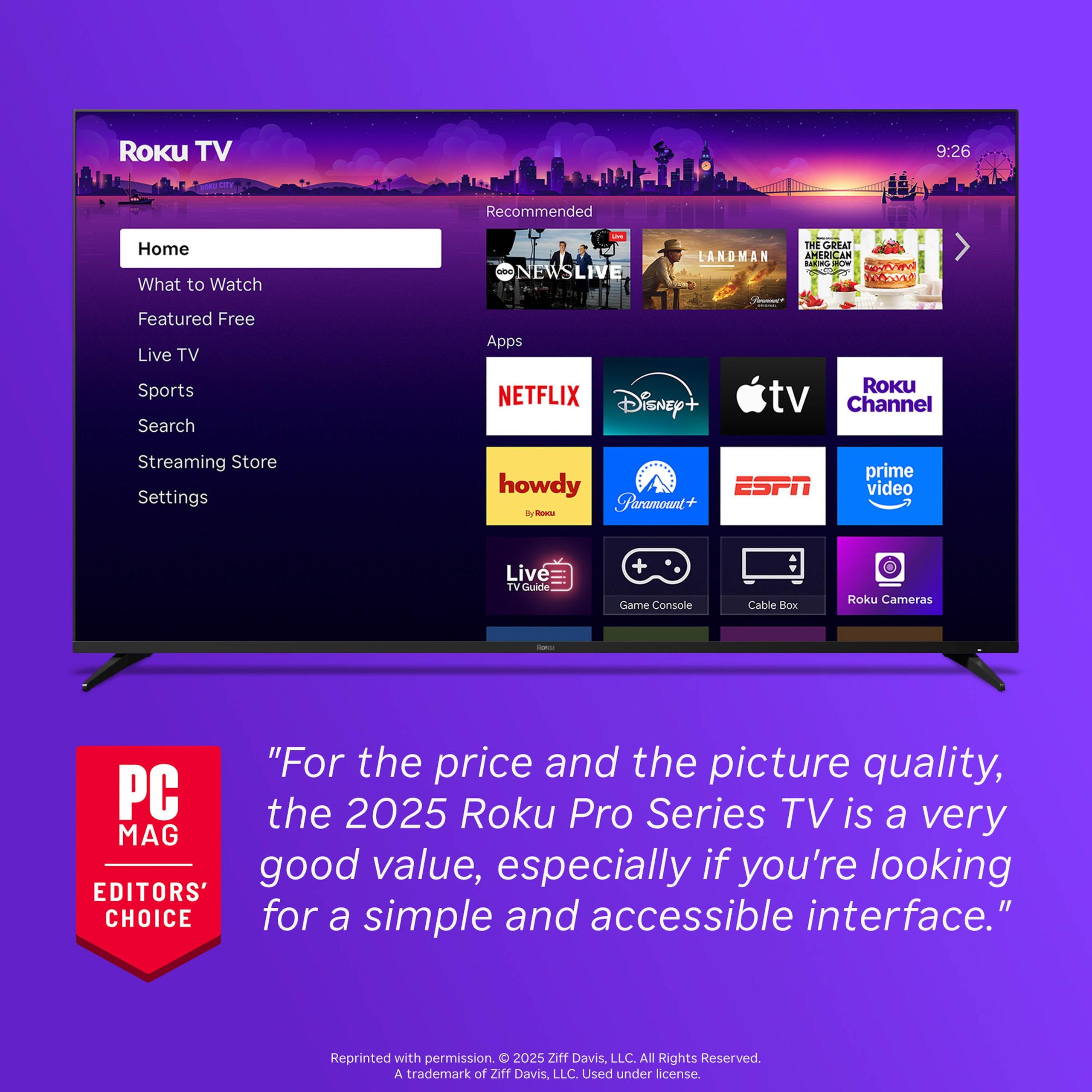
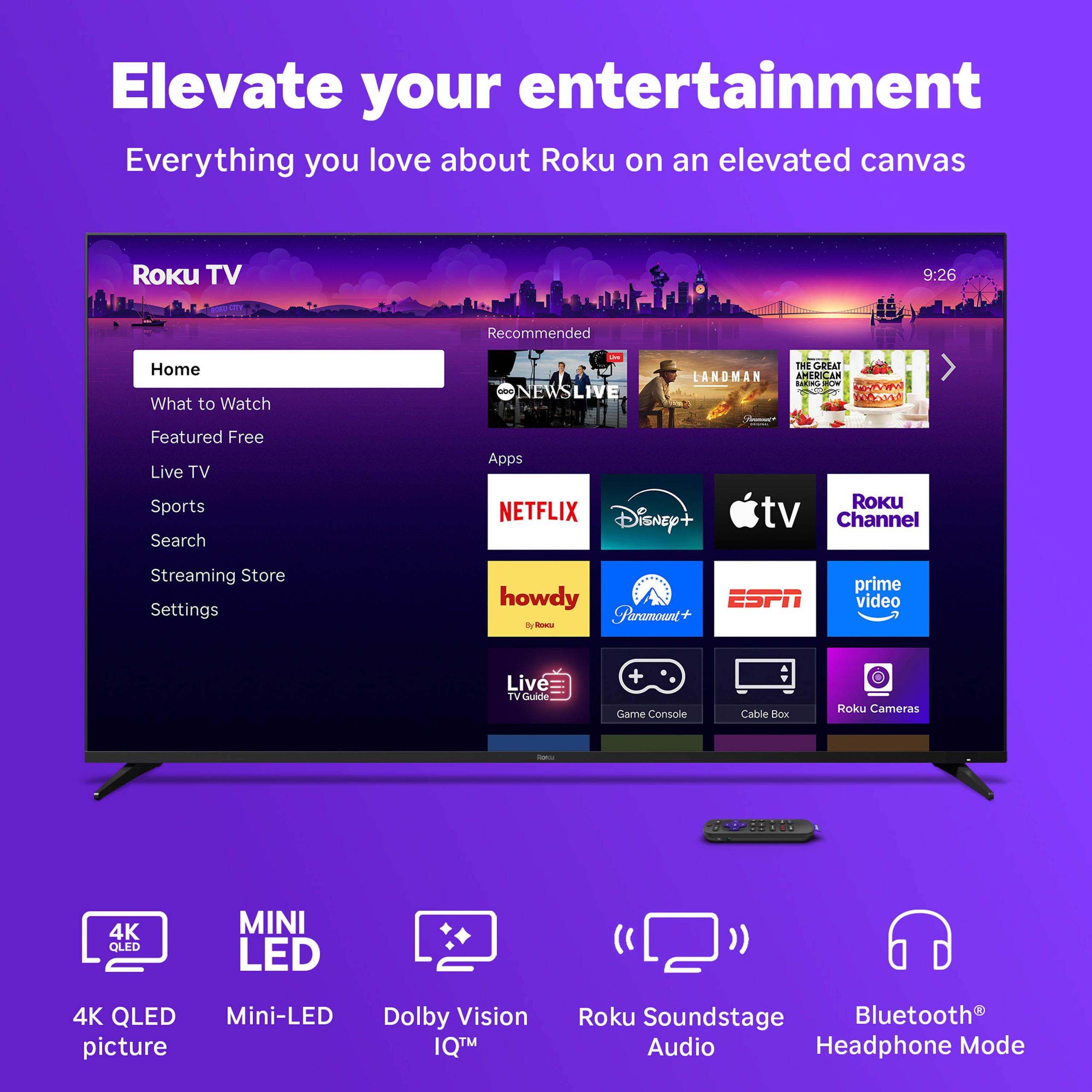
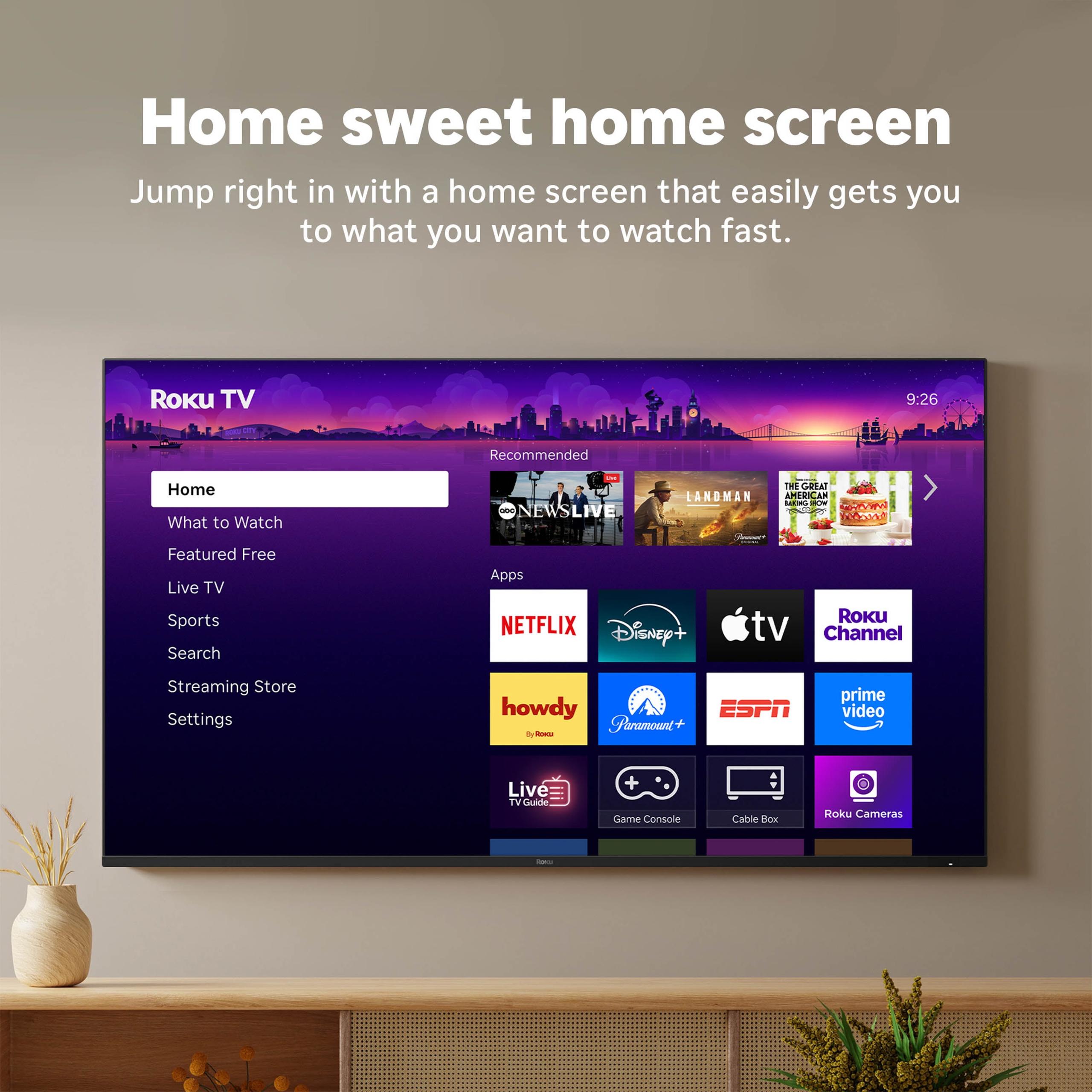
This might be the most important daily-use difference between these TVs. The Roku Pro Series 2025 runs Roku TV OS, which has evolved into one of the most user-friendly smart TV platforms available. The interface is clean, intuitive, and fast, especially with the Wi-Fi 6 upgrade that speeds up app launches and navigation.
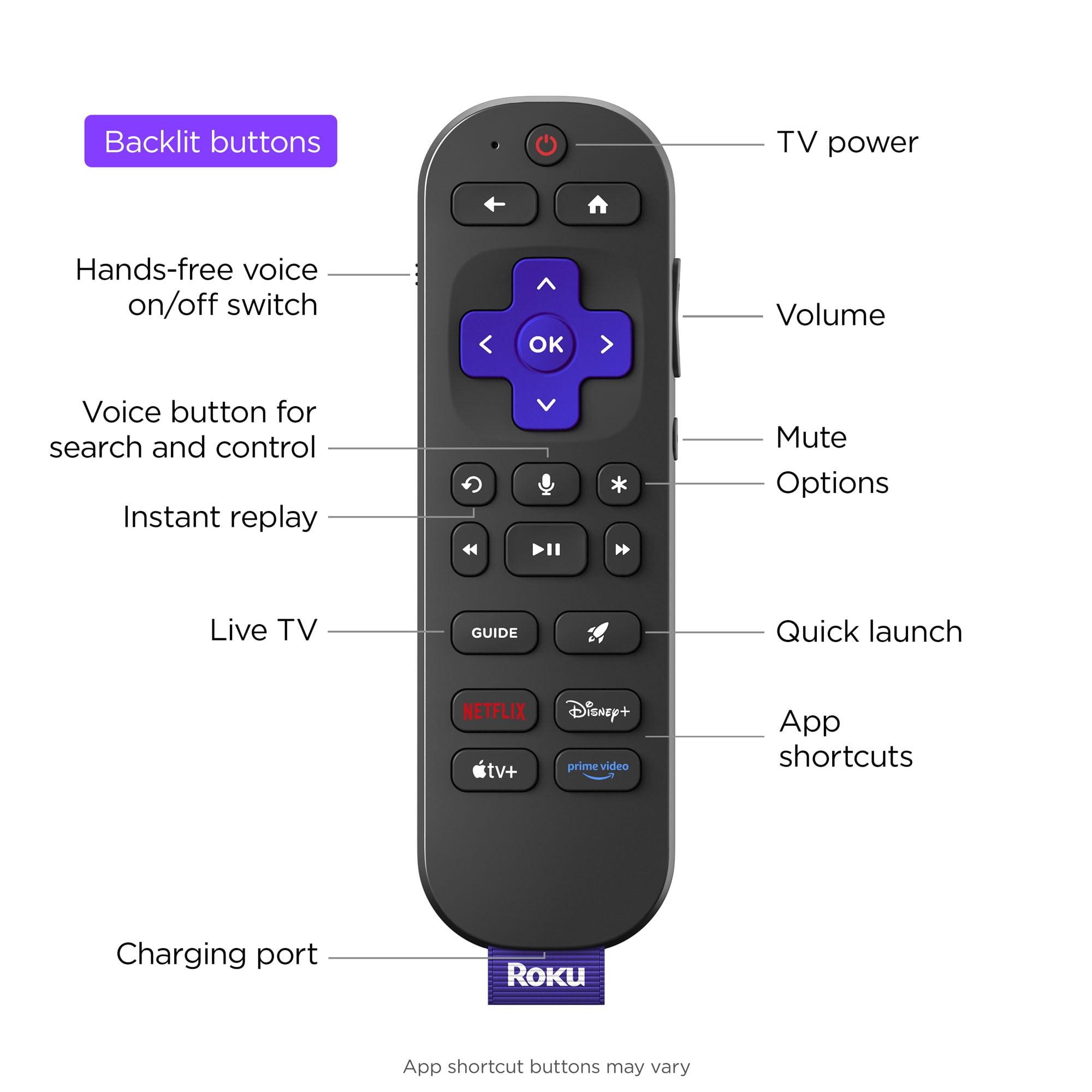
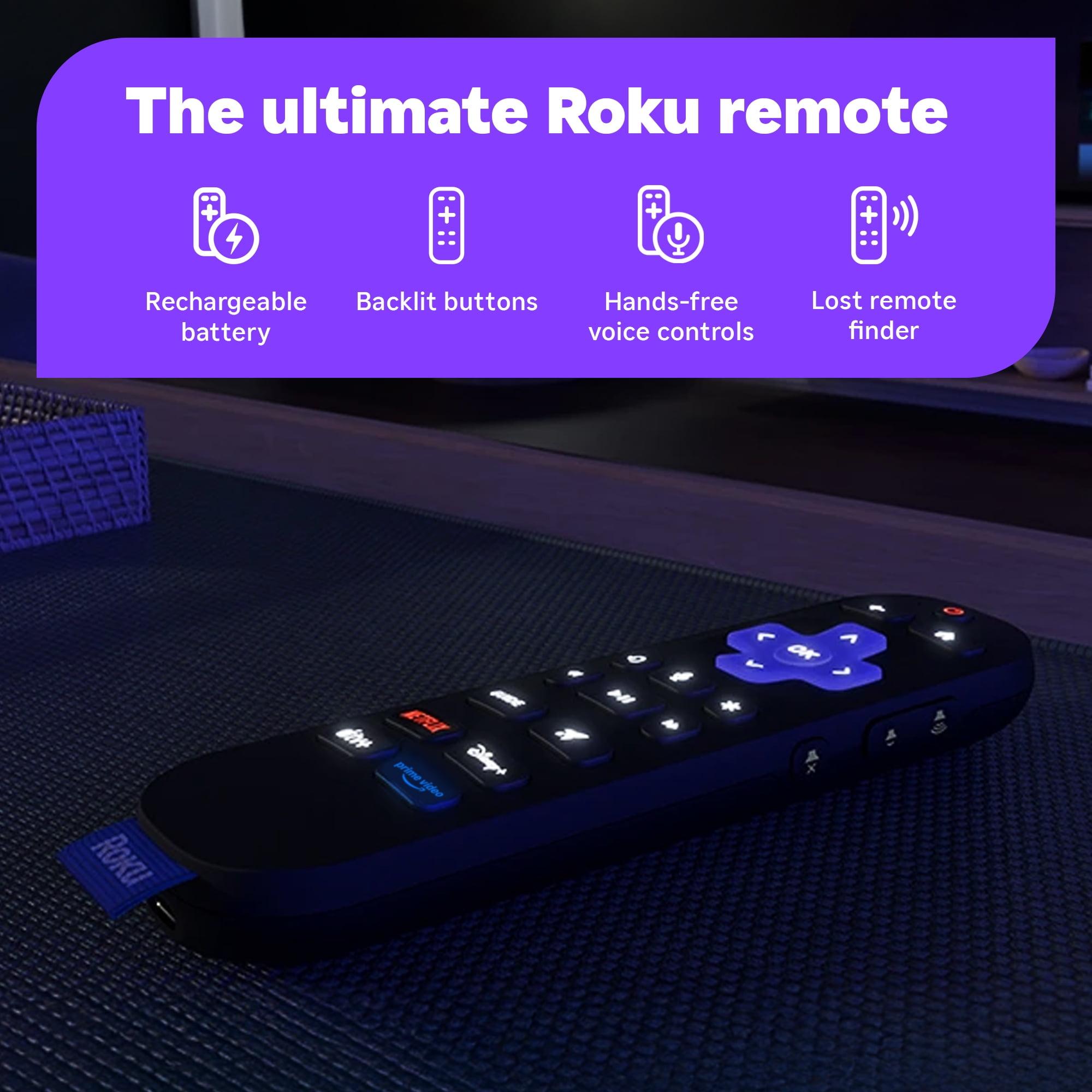
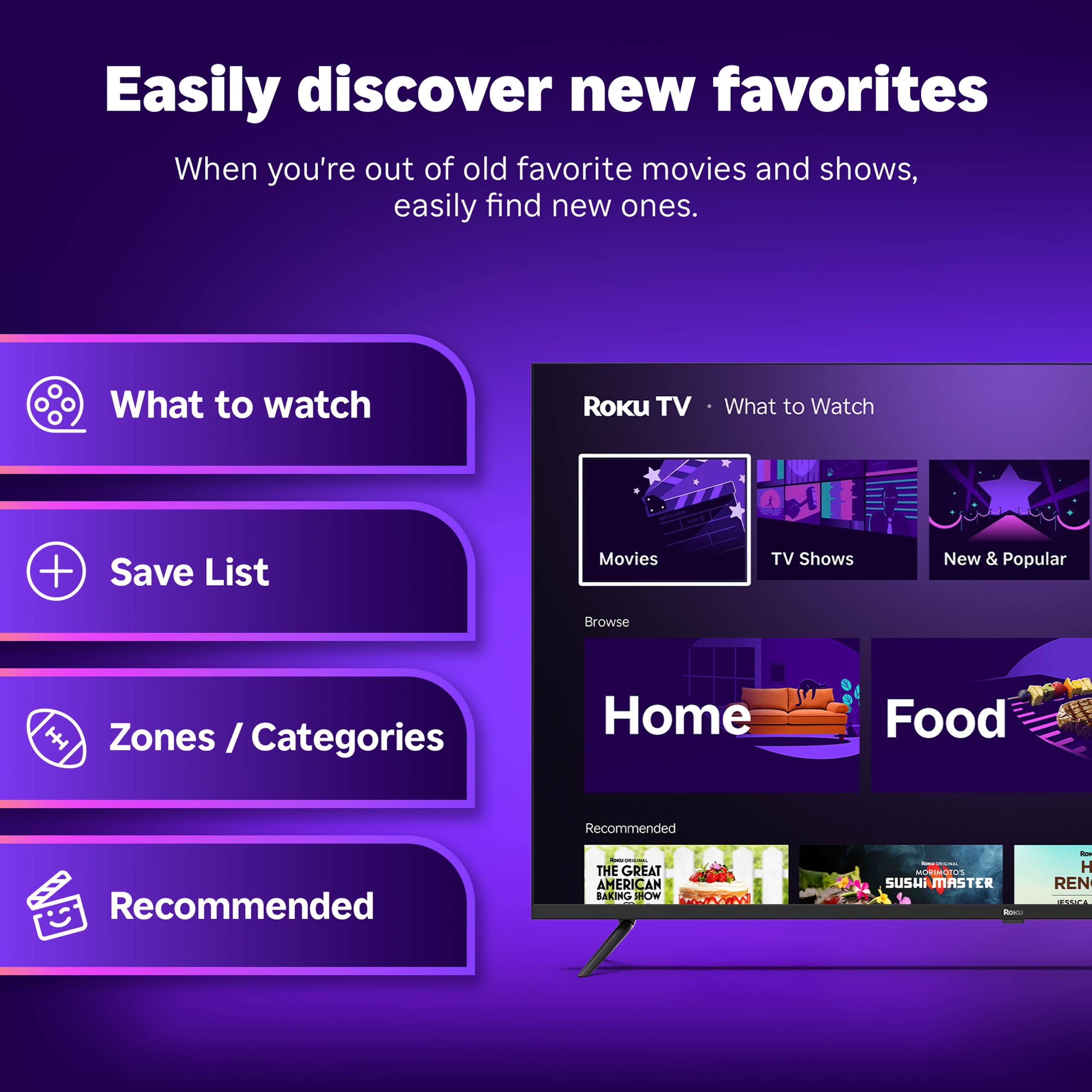
Roku's strength lies in its simplicity and reliability. The universal search works across all streaming services, the remote finder feature (a button on the TV helps locate your misplaced remote) is genuinely useful, and the platform rarely experiences the slowdowns or crashes that plague some smart TV systems.
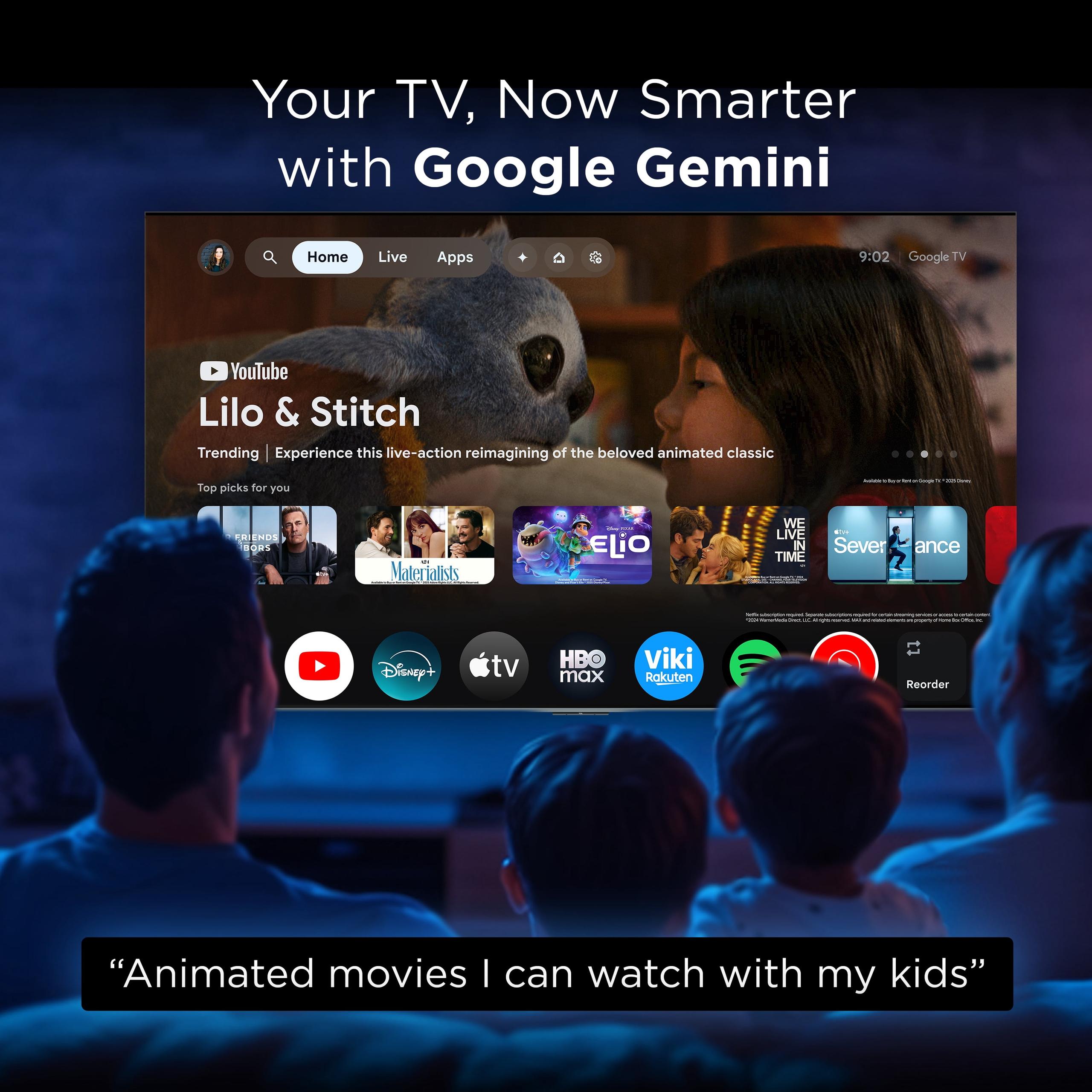
The TCL QM9K uses Google TV with integrated Gemini AI, which offers more sophisticated features but potentially more complexity. The AI can provide contextual search results, control smart home devices, and even detect your presence to automatically turn the TV on or off. The interface is more visually rich than Roku's, with personalized content recommendations based on your viewing habits.
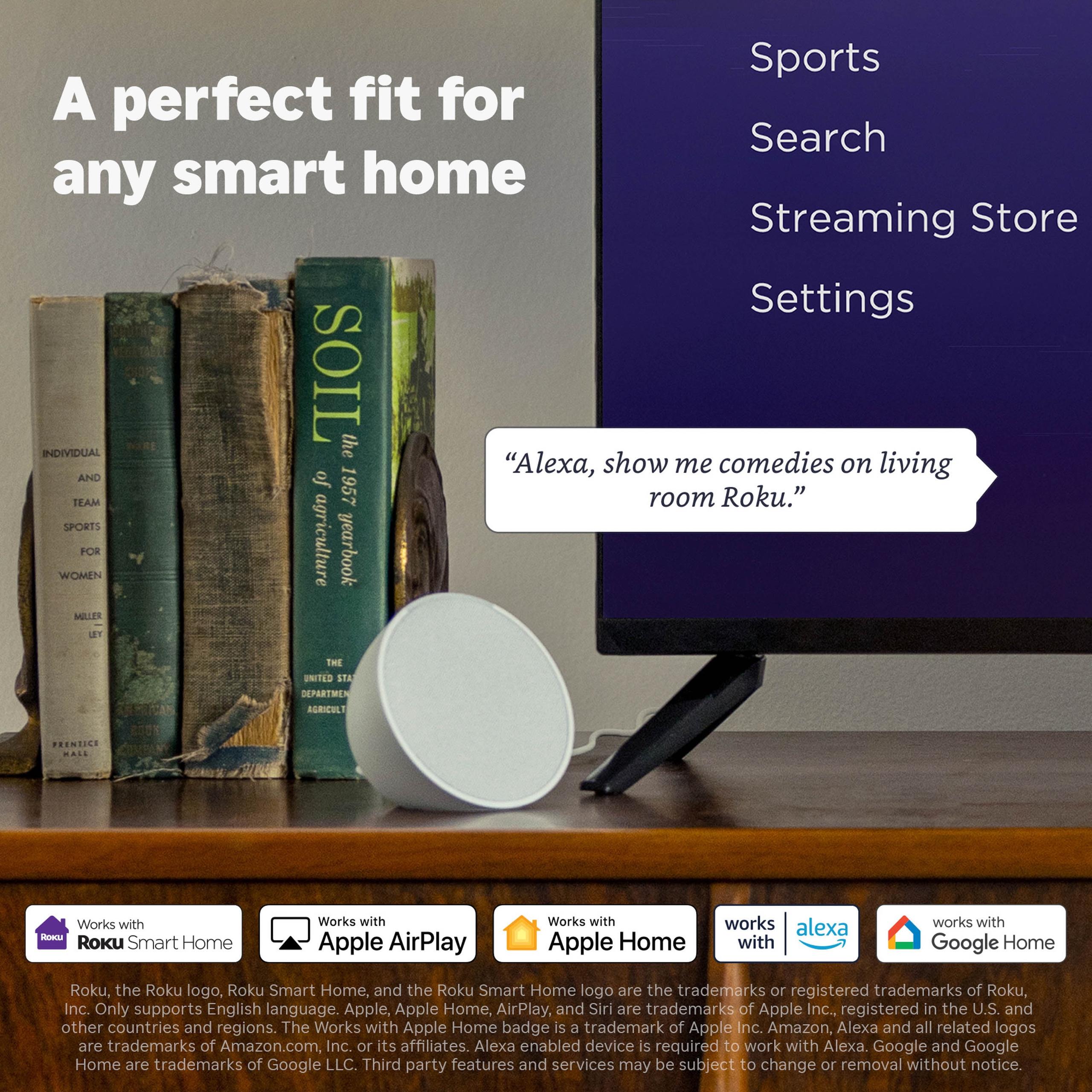
If you're already invested in Google's ecosystem with Android phones and Google Home devices, the TCL QM9K integrates seamlessly. However, if you prefer straightforward, reliable operation without learning curves, the Roku Pro Series wins on user experience.
Premium TVs have made significant strides in built-in audio, and both models reflect this trend. The TCL QM9K features audio tuned by Bang & Olufsen with a 2.1.1 channel system including a dedicated subwoofer (on the 65" model). The Dolby Atmos implementation with DTS Virtual:X creates convincing surround sound effects that seem to come from above and around you.
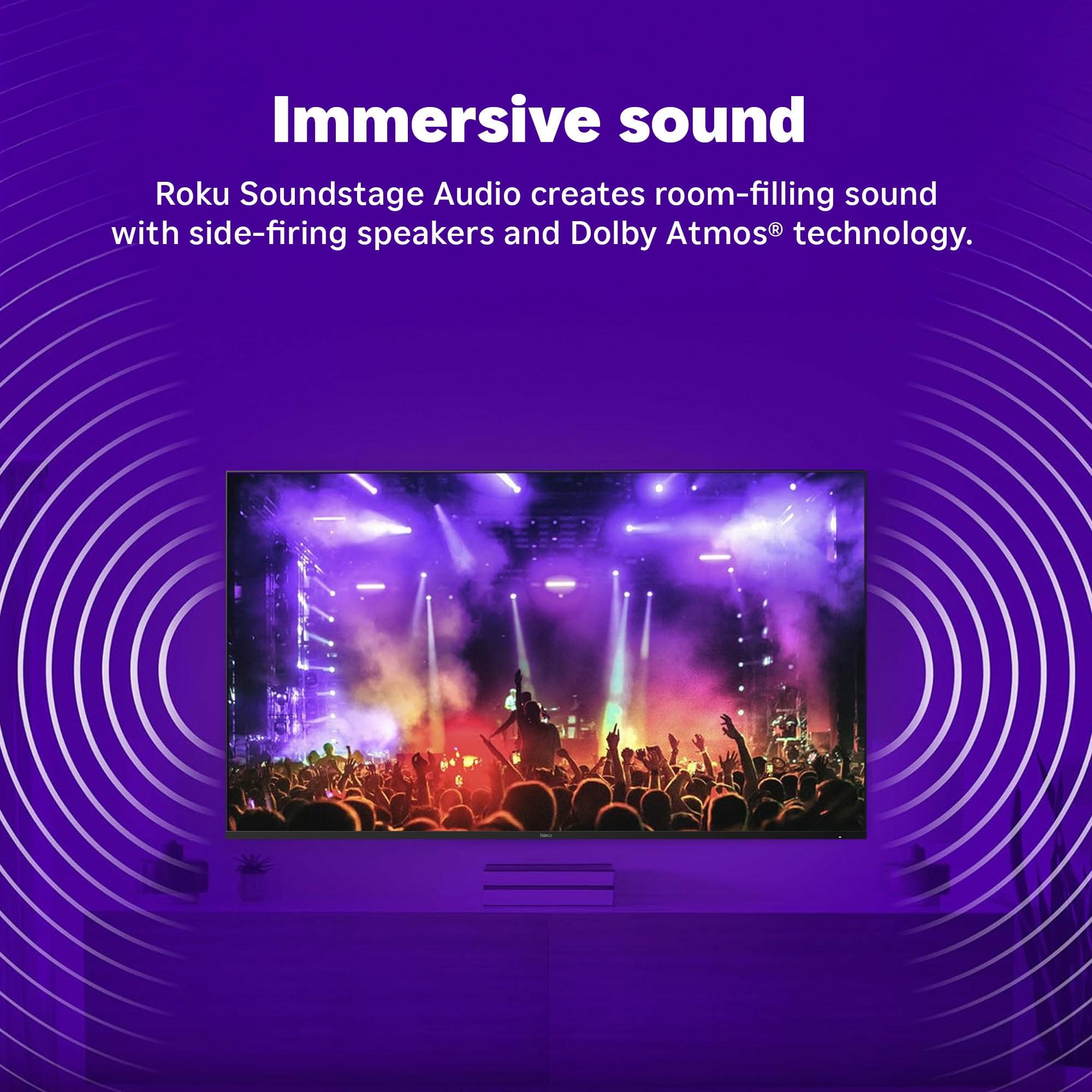
The Roku Pro Series 2025 also supports Dolby Atmos but with a different approach using side-firing speakers. User reviews consistently praise its audio quality as surprisingly good for a flat-panel TV, with dialogue clarity and bass response that eliminate the need for a soundbar in many setups.
Both TVs offer Bluetooth connectivity for private listening through headphones, which is particularly useful for late-night viewing. However, serious home theater enthusiasts will likely add a dedicated sound system regardless of the TV's built-in capabilities.
At the time of writing, these TVs occupy different value propositions in the premium segment. The Roku Pro Series 2025 positions itself as premium-value, offering many flagship features at a more accessible price point. It's the TV that gives you 80-90% of high-end performance without the full flagship price tag.
The TCL QM9K competes directly with premium brands' flagship models, offering specifications that match or exceed much more expensive options. While it commands a higher price than the Roku, it's still typically less expensive than equivalent Sony or Samsung models with similar capabilities.
The value calculation depends on your priorities. If you want the absolute best picture quality and gaming performance, the TCL QM9K delivers flagship specifications at a competitive price. If you prioritize overall user experience, reliability, and solid performance across all categories, the Roku Pro Series 2025 provides exceptional value.
The TCL QM9K makes sense for several specific audiences. Home theater enthusiasts who watch movies in dedicated dark rooms will appreciate its exceptional contrast and brightness capabilities. Serious gamers, particularly those with high-end PCs or who want future-proofing for next-generation consoles, benefit from the superior refresh rates and ultra-low input lag. If you have a bright living room with lots of windows and ambient light, the TCL's extreme brightness ensures great picture quality even during daytime viewing.
The Roku Pro Series 2025 appeals to a broader audience looking for premium performance without complexity or extreme pricing. It's ideal for families who want a reliable, easy-to-use TV that handles everything well. The superior color accuracy and Smart Picture Max processing make it excellent for mixed content viewing—everything from Netflix shows to sports to gaming looks consistently good without manual adjustments.
For most buyers, the Roku Pro Series 2025 provides the better overall experience. Its combination of solid performance, excellent user interface, and competitive pricing makes it hard to beat for general use. However, if you have specific needs like extreme gaming performance or challenging viewing environments, the TCL QM9K's flagship capabilities justify the additional investment.
The reality is that both TVs represent the current state-of-the-art in premium Mini-LED technology, just with different philosophies. Your choice should align with your priorities: maximum performance and features with the TCL QM9K, or optimized value and user experience with the Roku Pro Series 2025. Either way, you're getting a TV that would have been considered impossibly advanced just a few years ago.
| Roku 65" Pro Series 2025 4K QLED TV | TCL 65" QM9K QD-Mini LED Smart TV |
|---|---|
| Peak HDR Brightness - Critical for bright room viewing and HDR impact | |
| High brightness with 75% improvement over previous generation | Up to 6,500 nits (exceptional for any lighting condition) |
| Local Dimming Zones - Controls blooming and contrast precision | |
| Undisclosed count with improved zone control algorithms | Up to 6,000 precise dimming zones (flagship-level control) |
| Gaming Refresh Rate - Higher rates mean smoother motion and competitive advantage | |
| 120Hz native (excellent for console gaming) | 144Hz native, up to 288Hz at 1080p/1440p (future-proof for PC gaming) |
| Input Lag - Lower numbers mean more responsive controls | |
| Low input lag with gaming optimizations | 5.3ms (ultra-responsive for competitive gaming) |
| Color Accuracy - Better accuracy means more natural-looking content | |
| Improved calibration with 2.6 rating (very good out-of-box) | Vibrant but less accurate due to color mapping issues |
| Smart TV Platform - Your daily interaction experience | |
| Roku TV OS with Wi-Fi 6 (simple, fast, reliable) | Google TV with Gemini AI (feature-rich but more complex) |
| AI Picture Processing - Automatically optimizes content quality | |
| Smart Picture Max with scene-by-scene optimization | AIPQ PRO with advanced image enhancement |
| Audio System - Built-in sound quality and features | |
| Dolby Atmos with side-firing speakers | Bang & Olufsen tuned 2.1.1 system with subwoofer |
| HDMI 2.1 Ports - Essential for next-gen gaming and high bandwidth | |
| 2 ports supporting 4K@120Hz | 2 ports supporting 4K@144Hz |
| Voice Control and AI Features - Convenience and smart home integration | |
| Basic voice remote with finder function | Advanced Gemini AI with presence sensor |
| Value Positioning - Performance vs cost considerations | |
| Premium-value option with excellent all-around performance | Flagship-tier specifications competing with premium brands |
The TCL QM9K is significantly better for gaming with its 144Hz native refresh rate, ultra-low 5.3ms input lag, and Game Accelerator 288 supporting up to 288Hz at 1080p/1440p. While the Roku Pro Series 2025 offers solid 120Hz gaming performance that works well with PS5 and Xbox Series X, serious gamers and PC users will benefit from the TCL QM9K's superior specifications.
The TCL QM9K excels in bright rooms with its exceptional 6,500 nits peak brightness that overcomes any ambient light. The Roku Pro Series 2025 performs well in moderately lit rooms but cannot match the TCL's ability to maintain vibrant colors and deep blacks during daytime viewing with windows and lights on.
The Roku Pro Series 2025 uses Roku TV OS, which is simpler, more reliable, and faster to navigate with excellent universal search. The TCL QM9K runs Google TV with Gemini AI, offering more advanced features like contextual search, smart home integration, and presence detection, but with added complexity that some users may not need.
For dedicated home theater use, the TCL QM9K provides superior performance with up to 6,000 local dimming zones, exceptional contrast, and Bang & Olufsen audio tuning. However, the Roku Pro Series 2025 offers better color accuracy out of the box and Smart Picture Max processing, making it excellent for mixed content viewing without manual adjustments.
Both TVs support major HDR formats including Dolby Vision, HDR10+, and HDR10. The Roku Pro Series 2025 includes Dolby Vision IQ for automatic room-aware brightness adjustments, while the TCL QM9K supports HDR ULTRA and IMAX Enhanced for premium content experiences.
The TCL QM9K features superior audio with Bang & Olufsen tuned 2.1.1 channel system including a dedicated subwoofer and advanced Dolby Atmos implementation. The Roku Pro Series 2025 also offers good Dolby Atmos sound with side-firing speakers, but the TCL's professional audio tuning provides a more immersive experience.
Both TVs excel at streaming with their smart platforms. The Roku Pro Series 2025 offers excellent app performance with Wi-Fi 6 and universal search across all services. The TCL QM9K provides seamless streaming through Google TV with personalized recommendations, though both support all major streaming services equally well.
The Roku Pro Series 2025 typically offers exceptional value, delivering premium features and solid performance at a more accessible price point. The TCL QM9K provides flagship-tier specifications that compete with much more expensive premium brands, making it good value for those wanting cutting-edge performance.
The TCL QM9K dominates gaming with 144Hz native refresh rate, 288Hz VRR support, and 5.3ms input lag for competitive advantage. The Roku Pro Series 2025 offers excellent console gaming performance with 120Hz, FreeSync Premium Pro, and low input lag, but cannot match the TCL's PC gaming capabilities and future-proofing.
The Roku Pro Series 2025 is generally easier to set up and use with its intuitive interface, faster navigation, and reliable performance. The TCL QM9K offers more advanced features through Google TV but may require more initial setup and learning, especially for users unfamiliar with Google's ecosystem.
The TCL QM9K is specifically designed for bright environments with its extreme 6,500 nits brightness that maintains picture quality even with direct sunlight. The Roku Pro Series 2025 handles moderate ambient light well but may struggle in extremely bright rooms with lots of windows or overhead lighting.
For most buyers, the Roku Pro Series 2025 provides the best overall experience with its combination of solid performance, excellent user interface, superior color accuracy, and competitive value. Choose the TCL QM9K if you need maximum gaming performance, have challenging bright room conditions, or want flagship-level specifications regardless of complexity.
We've done our best to create useful and informative comparisons to help you decide what product to buy. Our research uses advanced automated methods to create this comparison and perfection is not possible - please contact us for corrections or questions. These are the sites we've researched in the creation of this article: bestbuy.com - rtings.com - techradar.com - youtube.com - roku.com - youtube.com - walmart.com - bestbuy.com - youtube.com - electronicexpress.com - roku.com - pcvarge.com - ecoustics.com - rtings.com - bestbuy.com - youtube.com - youtube.com - youtube.com - techaeris.com - displayspecifications.com - pcrichard.com - residentialsystems.com - us.tcl.com - displayspecifications.com - valueelectronics.com - woodruffappliance.com - tcl.com - pcrichard.com - tcl.com - techradar.com - tcl.com - us.tcl.com - youtube.com - youtube.com - bestbuy.com - youtube.com

Privacy Policy
Terms and Conditions - Affiliate Policy
Home Security
© Copyright 2008-2026.
11816 Inwood Rd #1211, Dallas, TX 75244