

![LG B5 Series OLED 65" 4K Smart TV 2025[1][7][9]](https://images.hometheaterreview.com/htr-stateless/2025/07/31238cd0-lg-b5-series-oled-65-4k-smart-tv-2025179.jpg)
![LG B5 Series OLED 65" 4K Smart TV 2025[1][7][9]](https://images.hometheaterreview.com/htr-stateless/2025/07/3368ce40-25ef-4d07-b442-bb0af89e3a29.jpg)
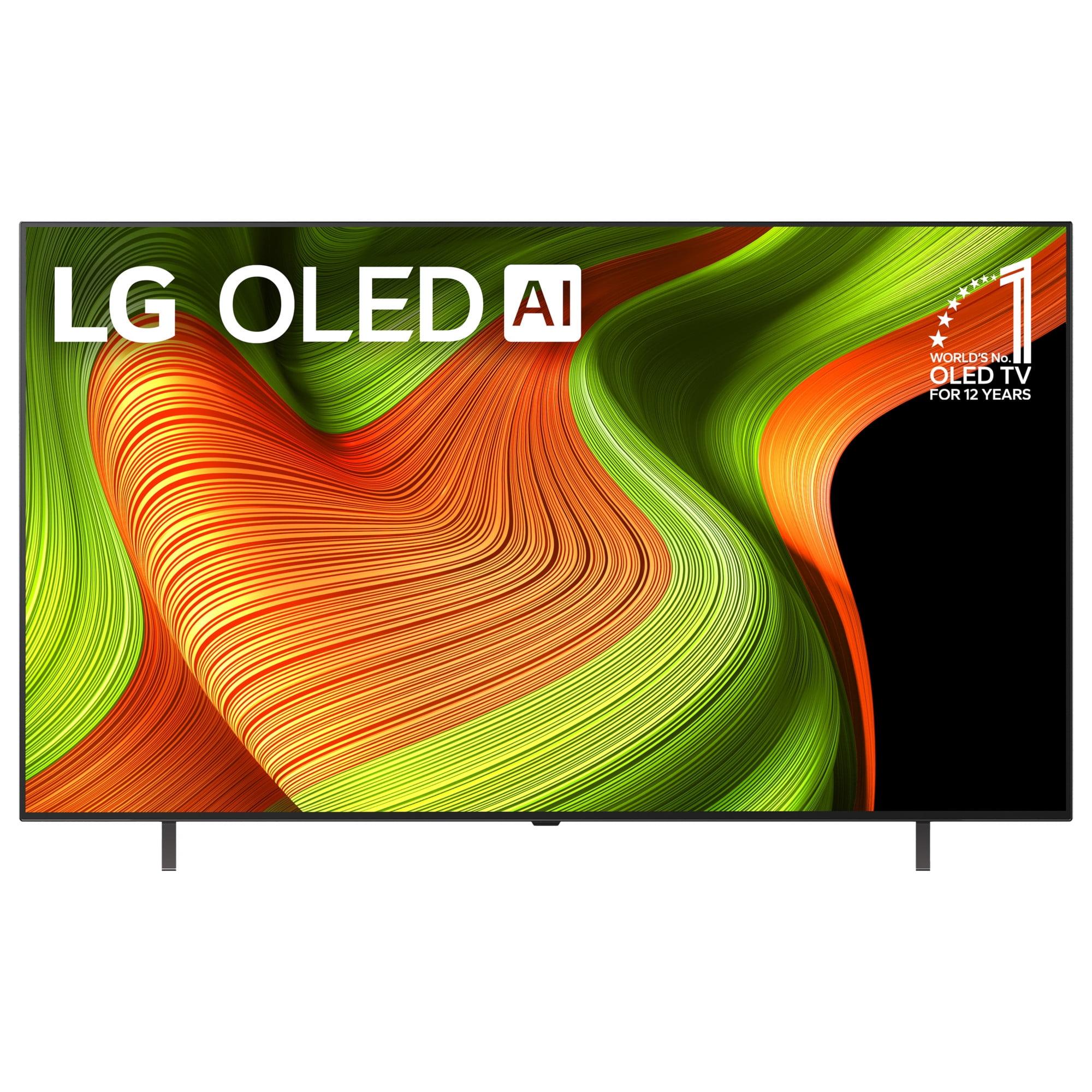
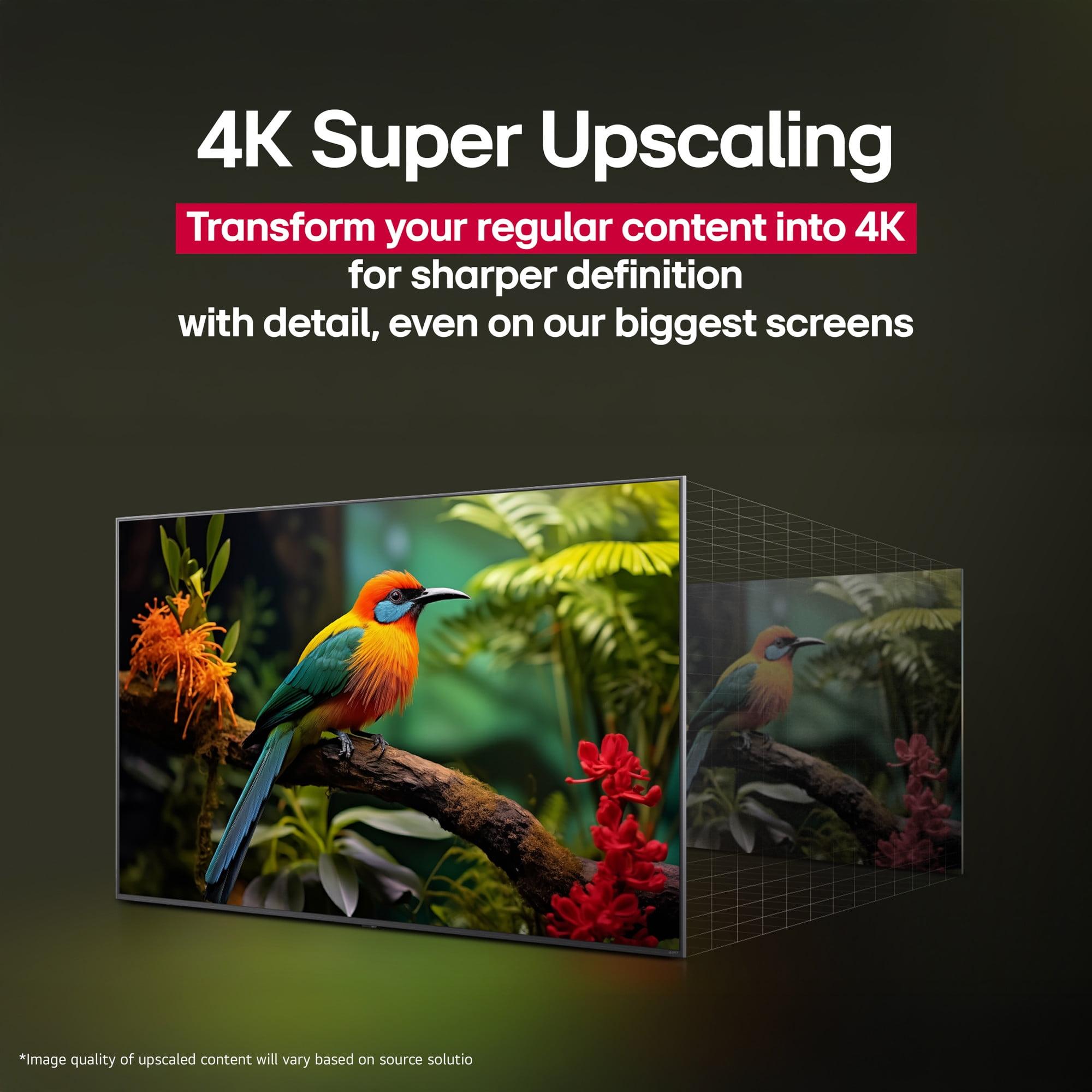
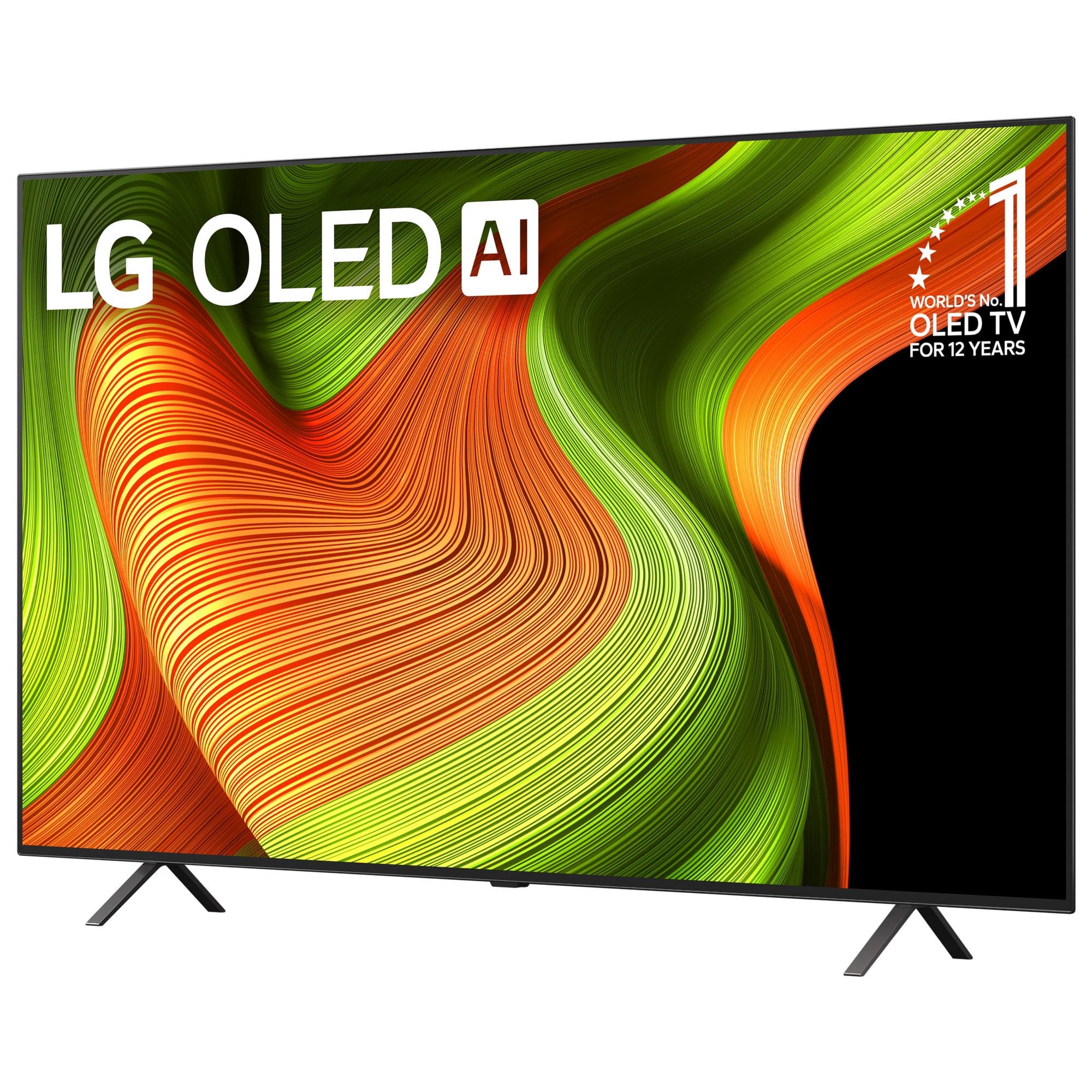
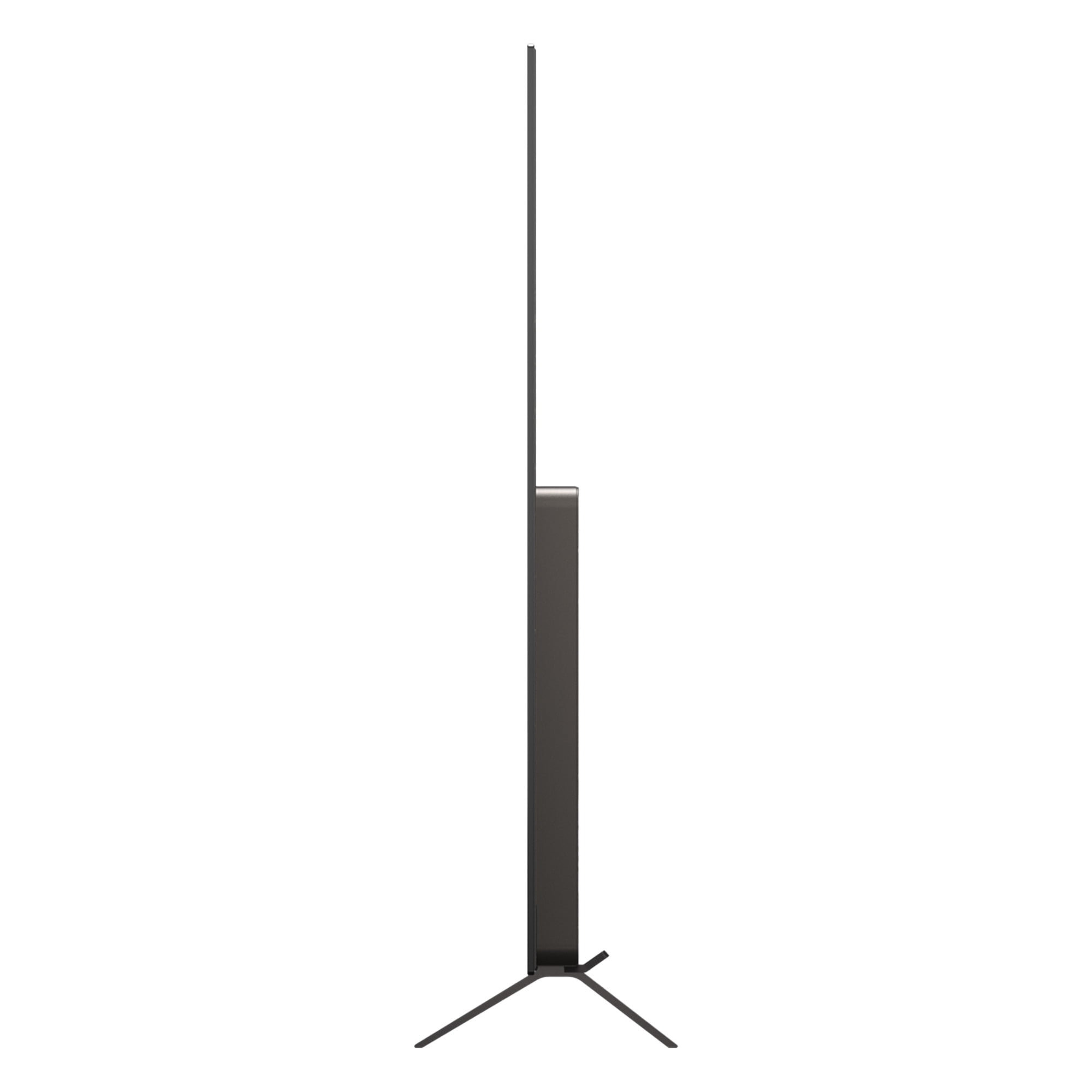
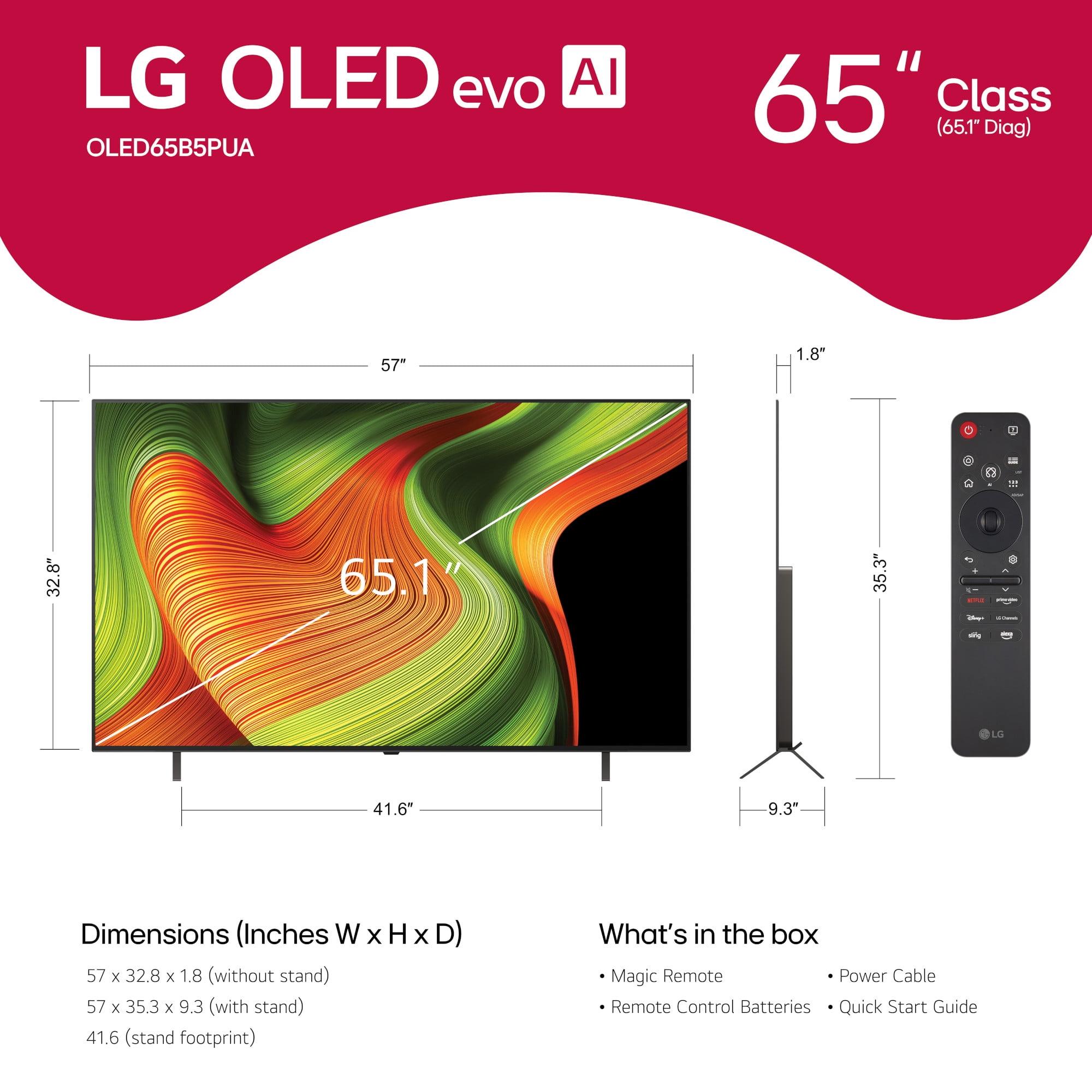
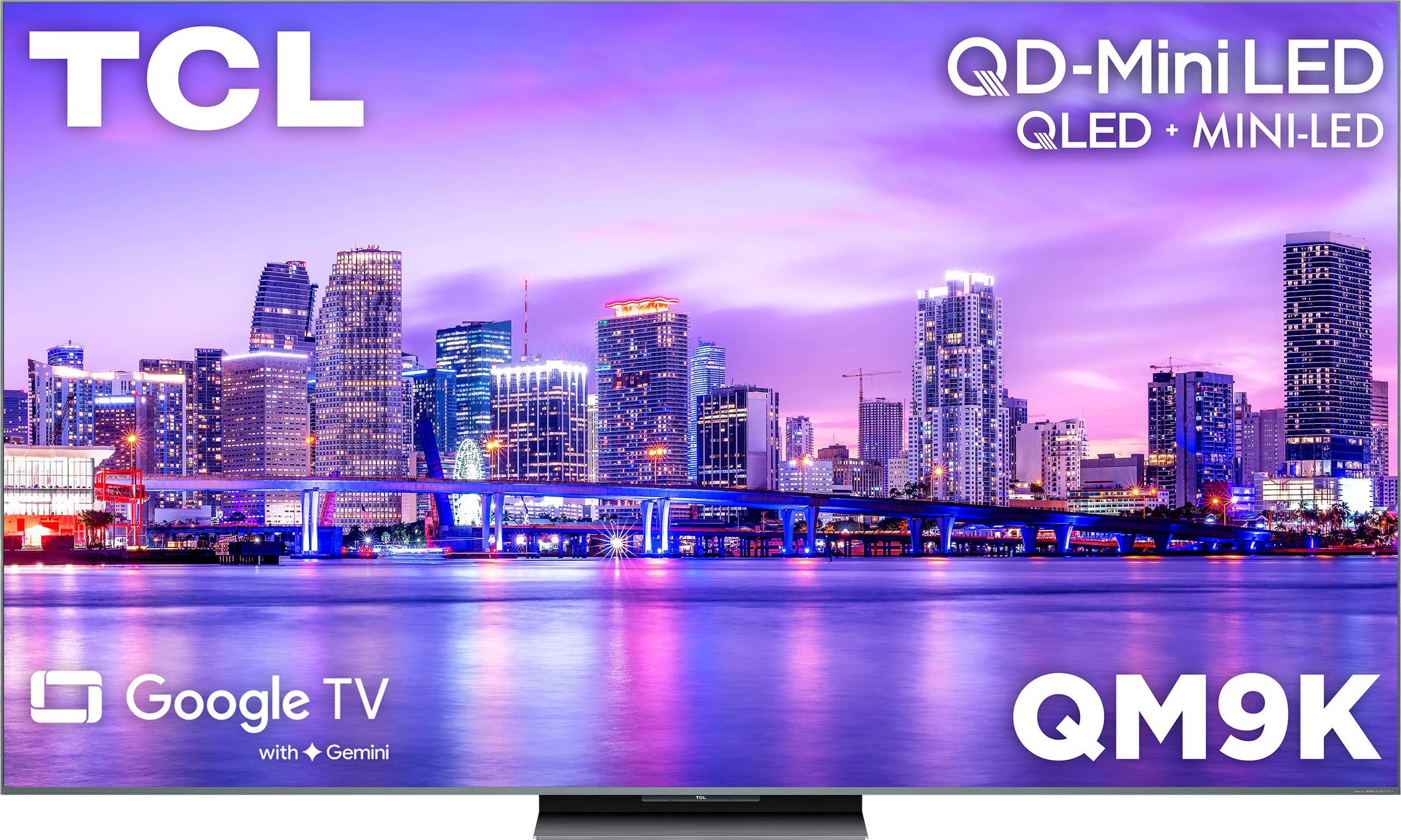
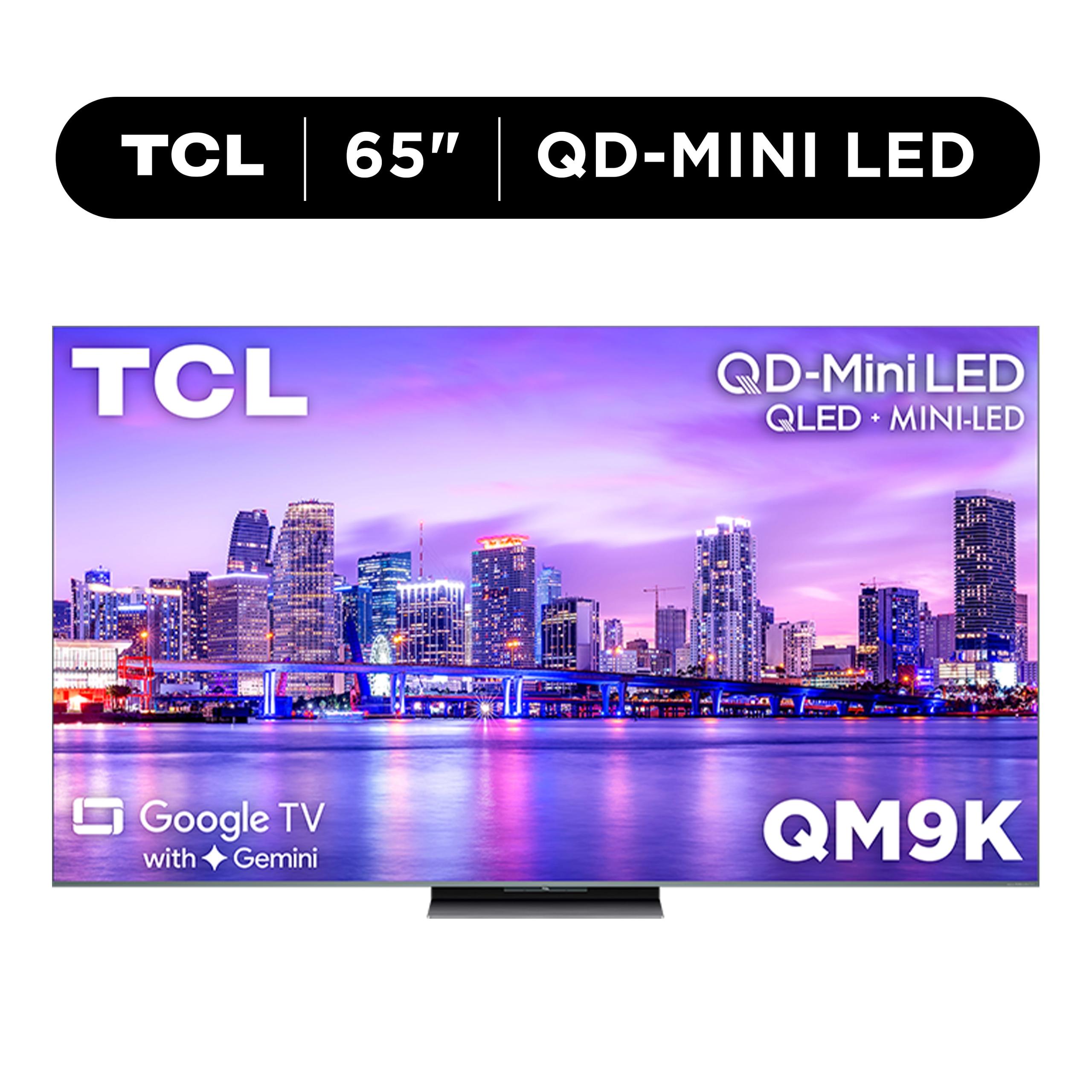
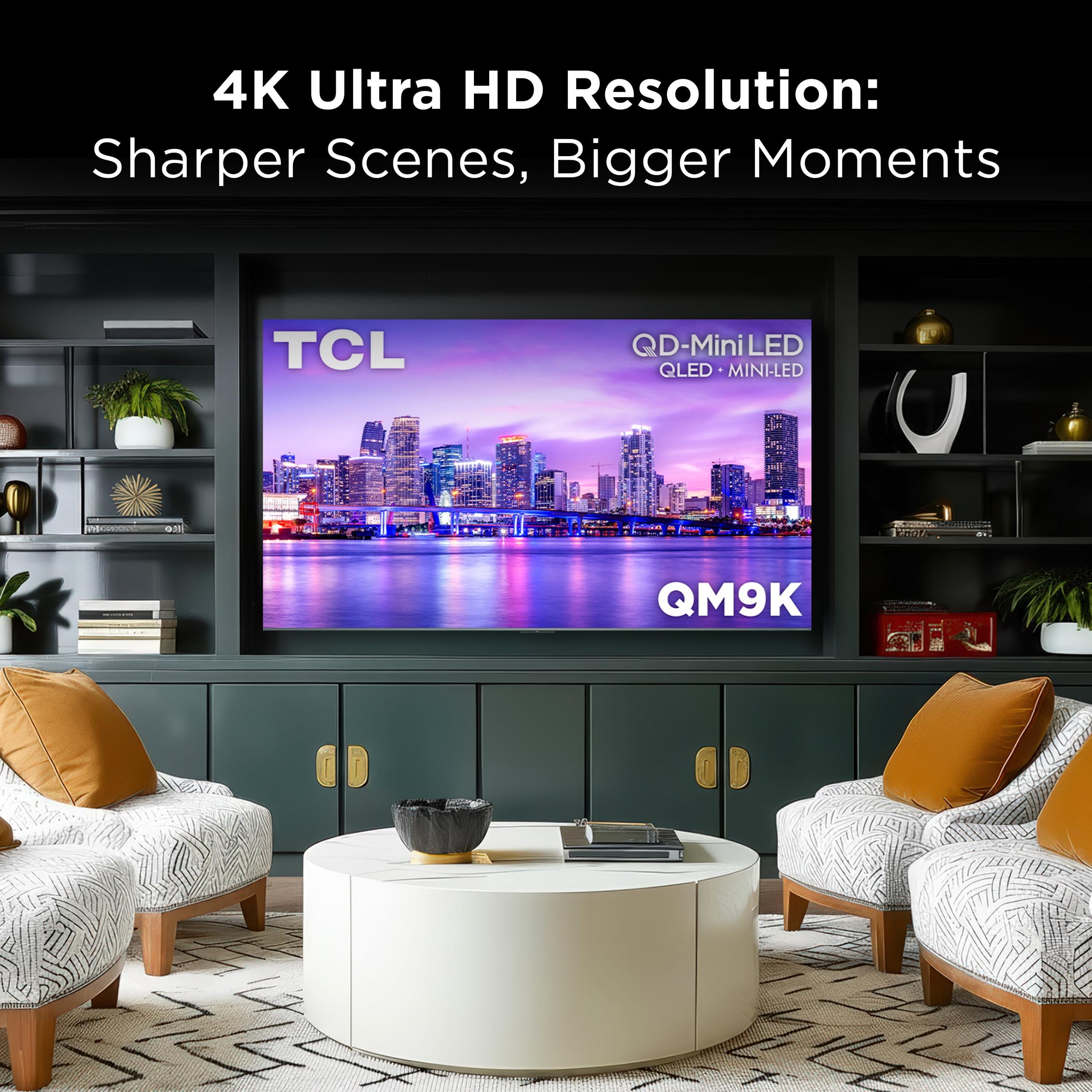
Shopping for a premium 65-inch TV in 2025 means choosing between two fundamentally different technologies that both promise exceptional picture quality. The TCL 65" QM9K QD-Mini LED Smart TV and LG B5 Series OLED 65" 4K Smart TV represent the latest evolution in display technology, but they take completely different approaches to delivering that cinema-quality experience you're craving.
At the time of writing, these TVs sit in different price brackets, with the LG B5 positioned as a more affordable entry into OLED territory while the TCL QM9K commands a premium for its flagship Mini LED technology. Both released in 2025, they showcase how display technology has advanced significantly over the past few years, particularly in areas like local dimming, AI processing, and gaming features.
The core difference between these TVs comes down to how they create light and darkness on screen. This isn't just a technical detail—it fundamentally changes how your movies, games, and shows will look in your living room.
The LG B5 uses OLED (Organic Light-Emitting Diode) technology, where each individual pixel produces its own light. Think of it like having 8.3 million tiny light bulbs that can turn completely on, completely off, or anywhere in between. When a pixel needs to be black, it simply turns off entirely, creating what's called "perfect black levels." This is why OLED TVs are famous for their incredible contrast—the difference between the darkest darks and brightest brights.
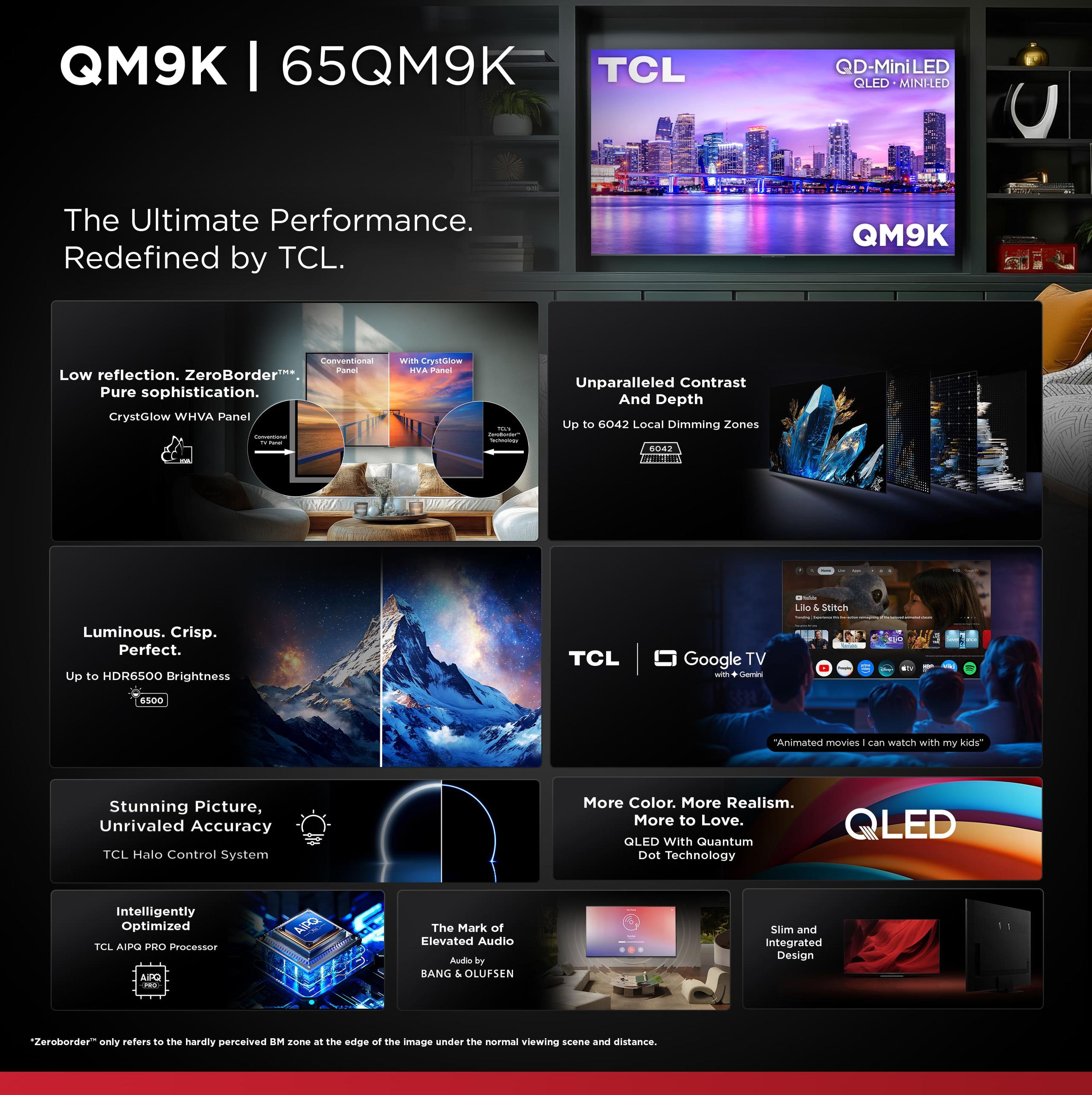
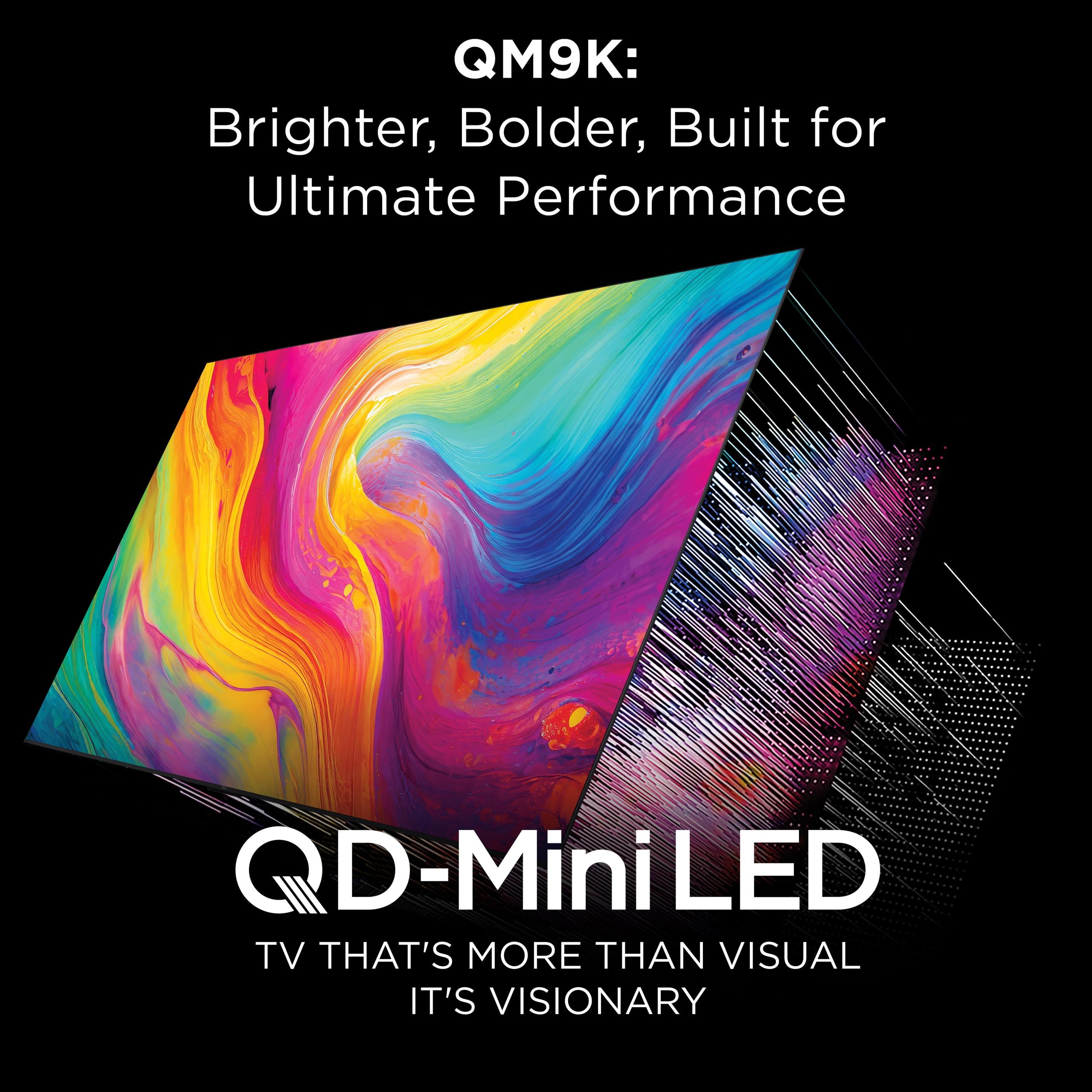
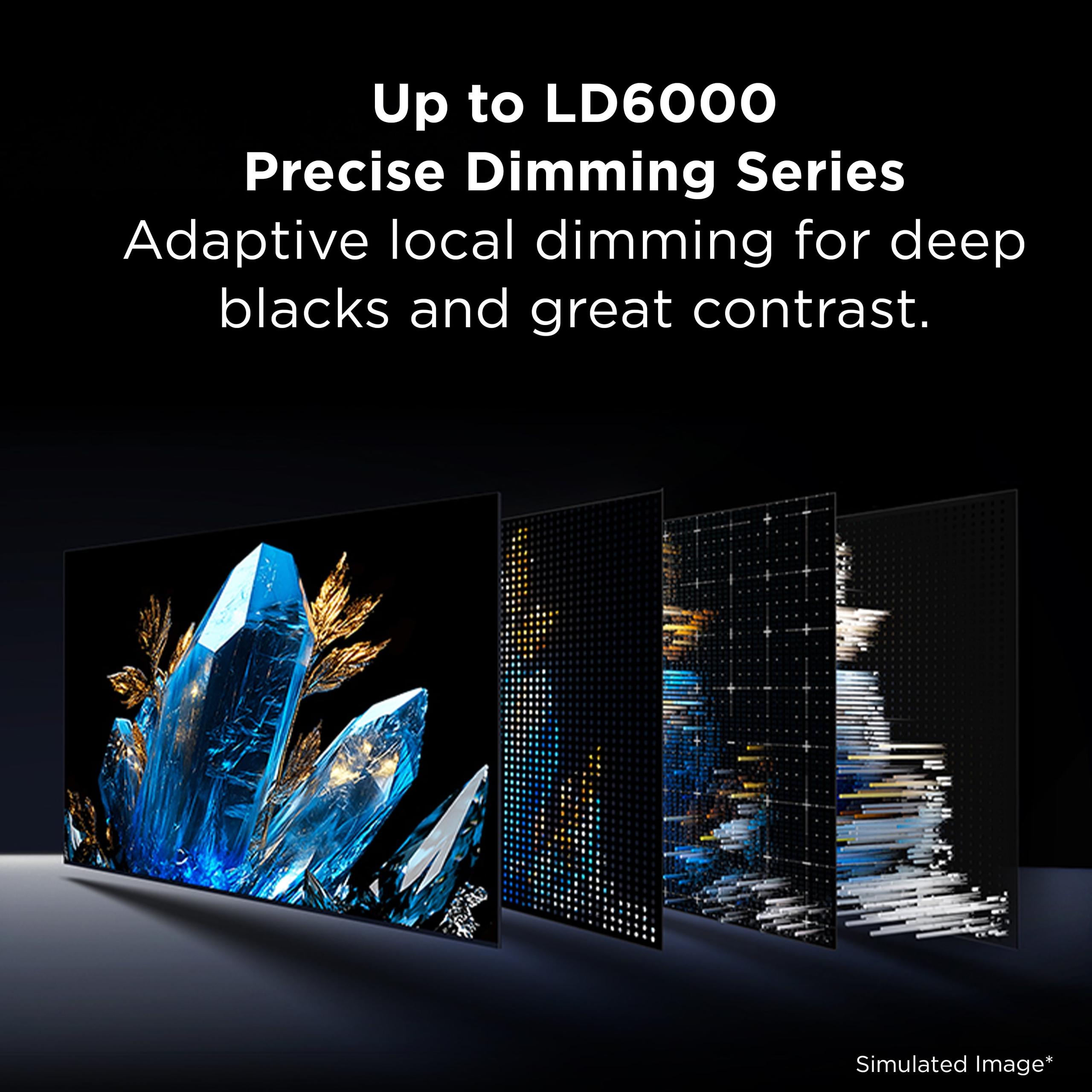
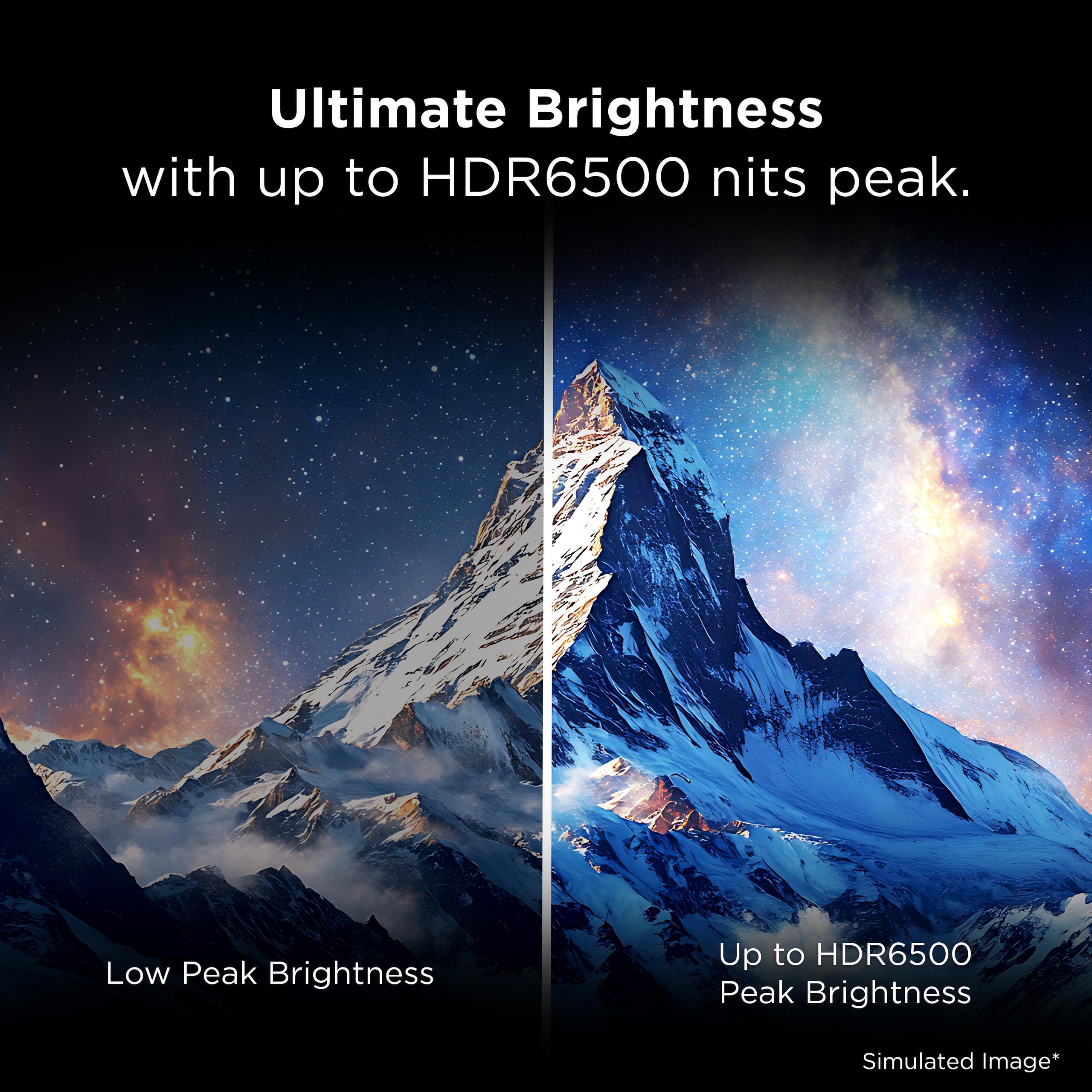
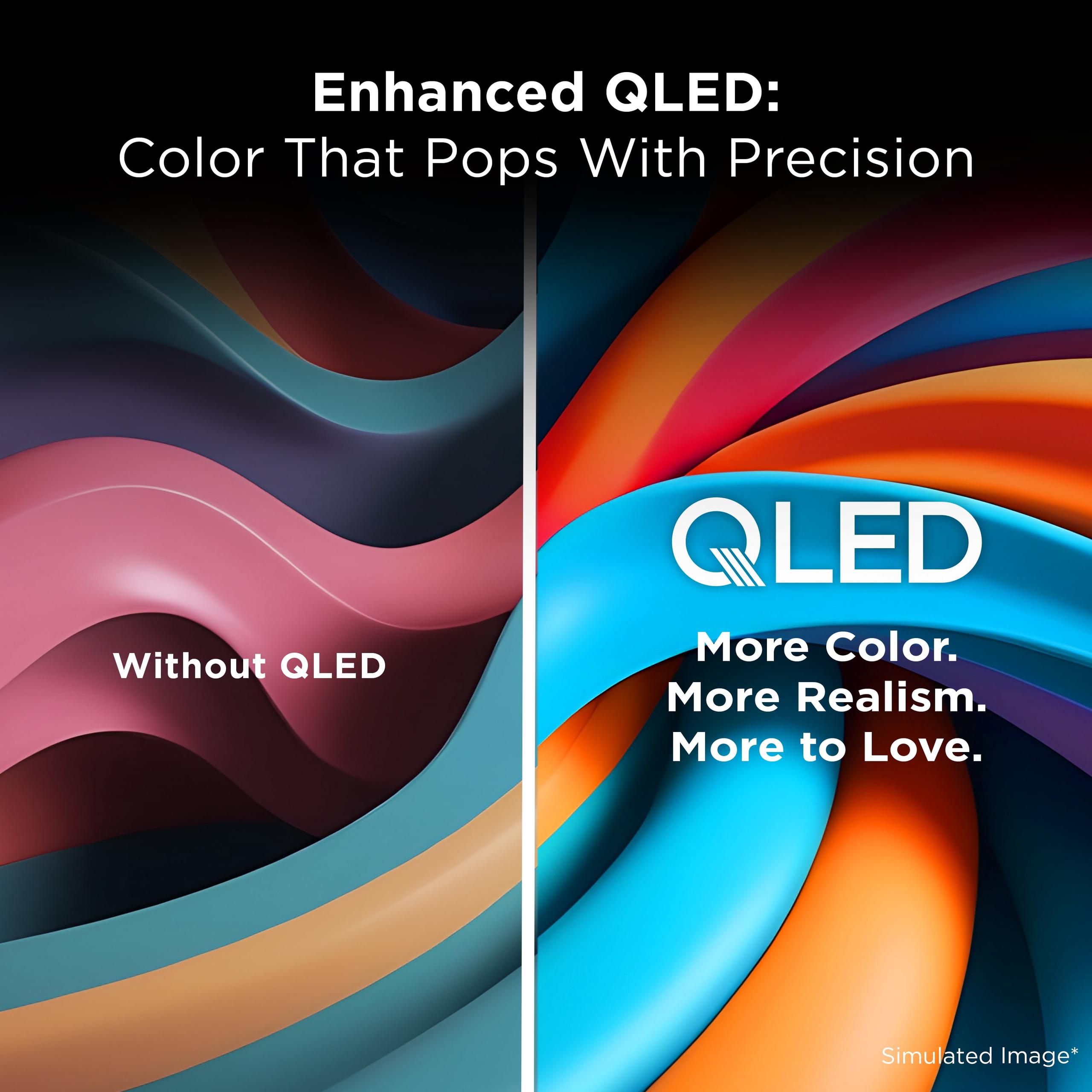
The TCL QM9K, on the other hand, uses QD-Mini LED technology. This combines a traditional LCD panel with thousands of tiny LED backlights (Mini LEDs) and quantum dots for color enhancement. The TCL QM9K packs up to 6,000 local dimming zones—essentially 6,000 sections of the backlight that can brighten or dim independently. While it can't achieve true black like OLED (there's always some light leaking through), it can get dramatically brighter, reaching up to 6,500 nits of peak brightness.
To put that brightness in perspective, a typical sunny day outdoors measures around 10,000 nits, while most older TVs maxed out around 400-500 nits. The TCL QM9K's extreme brightness means HDR (High Dynamic Range) content really pops, making fireworks, car headlights, and bright sky scenes look almost three-dimensional.
Here's where the technology difference becomes most apparent. The TCL QM9K absolutely crushes bright room viewing. If your TV sits in a living room with large windows or you watch a lot of daytime television, this Mini LED powerhouse fights off ambient light like nothing else in its class. That 6,500-nit peak brightness isn't just a number on a spec sheet—it means bright scenes in movies actually look bright, not washed out gray.
HDR content on the TCL QM9K delivers what I'd describe as "wow moments." When Thor's lightning crackles across the screen or sunlight streams through a forest canopy, the highlights genuinely make you squint. The TV supports HDR ULTRA, HDR10+, and Dolby Vision, automatically adjusting tone mapping to make the most of each format.
The LG B5 takes a different approach. While it can't match the raw brightness output, maxing out around 600-700 nits in typical scenes, it creates impact through perfect contrast. Every star in a night sky scene appears to float in true black space. Dark movie scenes that look murky and hard to follow on other TVs become crystal clear because there's no backlight bleed or grayish blacks washing out shadow details.
For HDR performance, the LG B5 actually handles the full brightness range more naturally. Its Dolby Vision IQ feature uses a built-in light sensor to adjust HDR brightness based on your room's lighting, preventing those moments where HDR content looks too dim or too bright for your environment.
This is where OLED technology shows its age-old advantage. The LG B5 delivers infinite contrast ratio because its pixels can turn completely off. When you're watching a space movie or any scene with dark areas, you're seeing true black—not dark gray pretending to be black.
The TCL QM9K fights back with its 6,000-zone local dimming system. This is a massive improvement over older LED TVs that might have had 100-200 zones. More zones mean more precise control over which parts of the screen should be bright or dark. However, even with advanced features like TCL's Halo Control System (which minimizes the light bleeding or "blooming" around bright objects), you'll still notice some light leak in very dark scenes if you're looking for it.
In practical terms, if you primarily watch TV in a dark room—think dedicated home theater setup—the LG B5's perfect blacks create a more immersive, cinematic experience. But if you're in a bright family room, the TCL QM9K's superior brightness often outweighs the black level advantage.
Both TVs excel at color reproduction but in different ways. The TCL QM9K uses quantum dots—microscopic particles that convert light into very pure colors—to achieve 97% coverage of the DCI-P3 color space (the standard used by movie studios). Colors appear vivid and saturated, sometimes almost neon-like in their intensity.
However, our research into professional reviews reveals the TCL QM9K ships with some color mapping issues out of the box. Reds might appear too orange, or skin tones might look slightly off. This isn't uncommon for high-end displays, and a professional calibration can resolve these issues, but it's an extra step some buyers won't want to take.
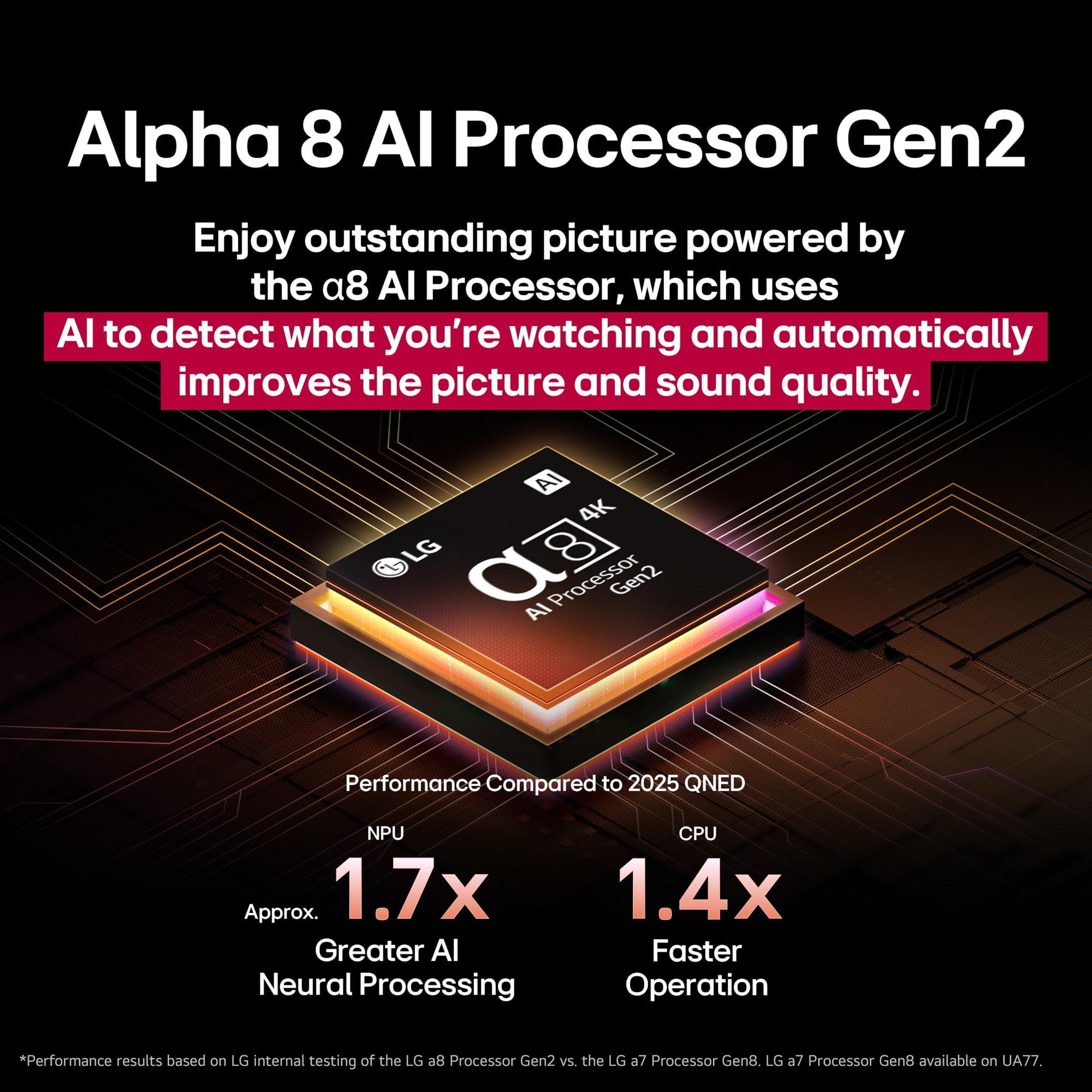
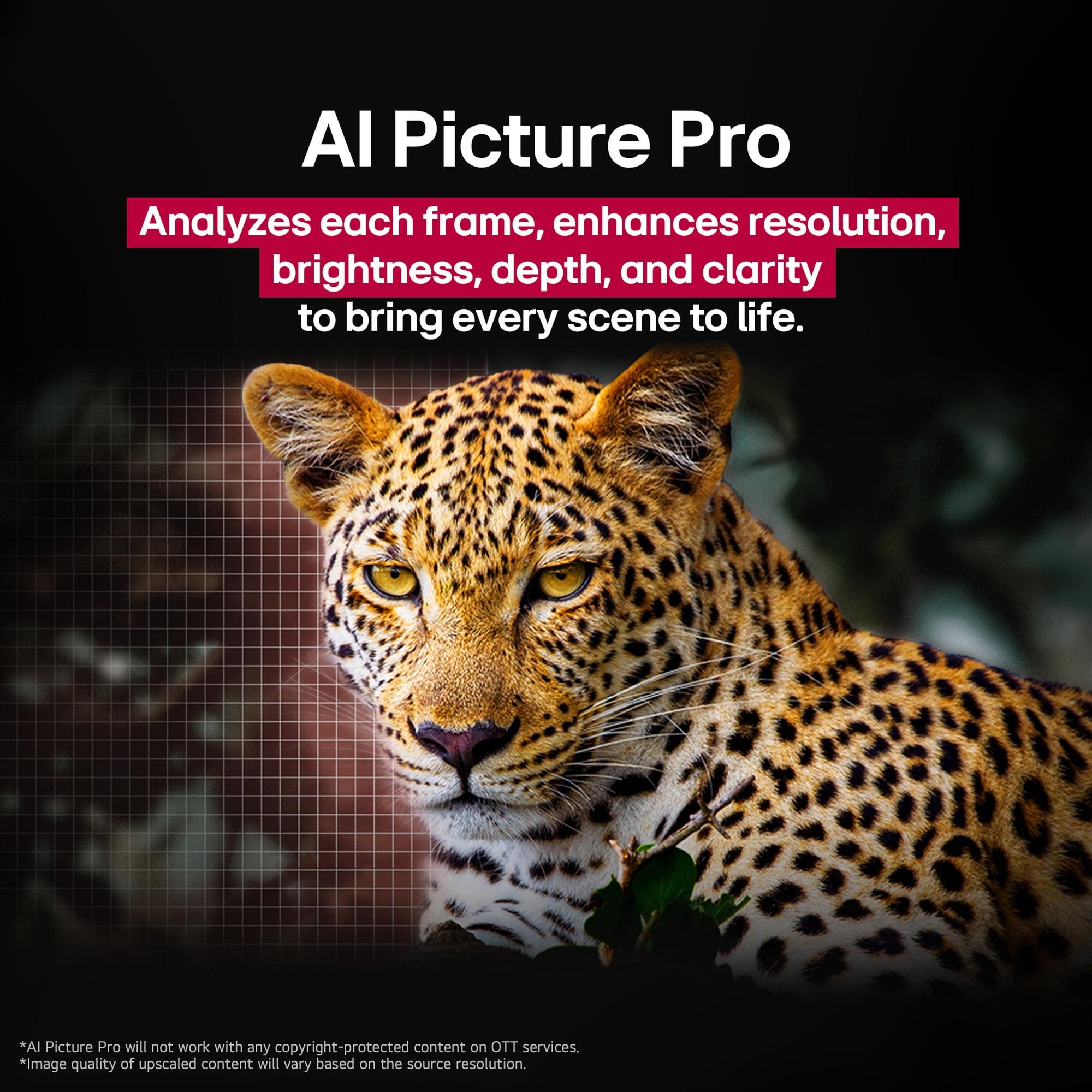
The LG B5 with its α8 AI Processor Gen2 takes a more sophisticated approach. This processor analyzes each scene in real-time, adjusting color temperature, saturation, and accuracy based on the content type. Movie scenes get cinema-accurate colors, while sports broadcasts get enhanced vibrancy for grass and jerseys. Most reviewers and users report excellent color accuracy right out of the box with minimal adjustment needed.
Gaming performance has become crucial for modern TVs, especially with PlayStation 5 and Xbox Series X pushing 4K gaming at high frame rates. Both TVs deliver excellent gaming experiences, but with different strengths.
The LG B5 dominates here with a virtually instantaneous 0.1ms response time. This means when you press a button on your controller, the action appears on screen almost immediately. OLED's ability to switch pixels from dark to bright instantly eliminates motion blur, making fast-paced games like Call of Duty or Rocket League incredibly smooth and responsive.
The TCL QM9K delivers respectable 5.3ms input lag, which is still excellent for gaming, but OLED's near-zero response time gives competitive gamers a slight edge. However, TCL's Game Accelerator 288 feature supports refresh rates up to 288Hz at 1080p resolution, which can benefit PC gamers with high-end graphics cards.
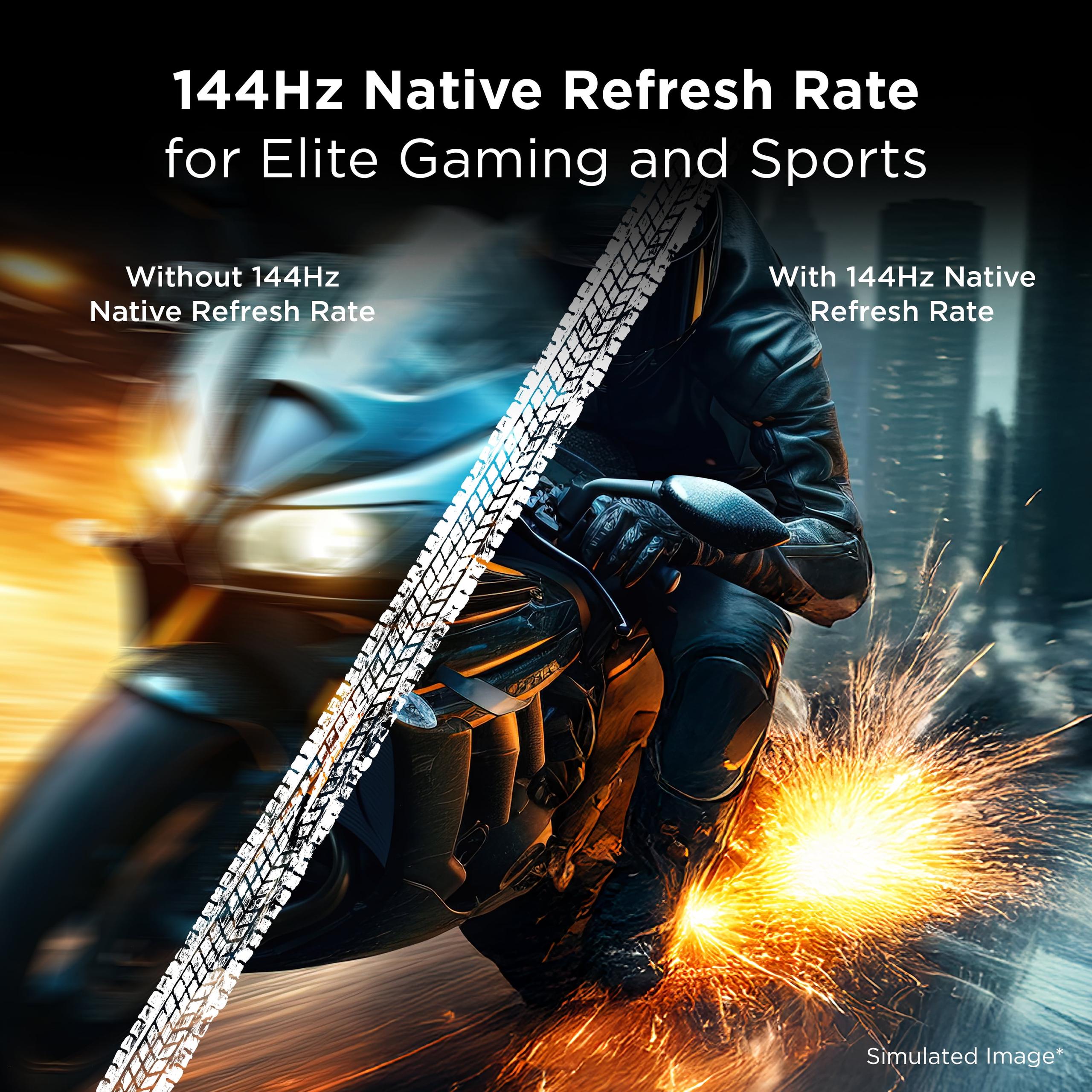
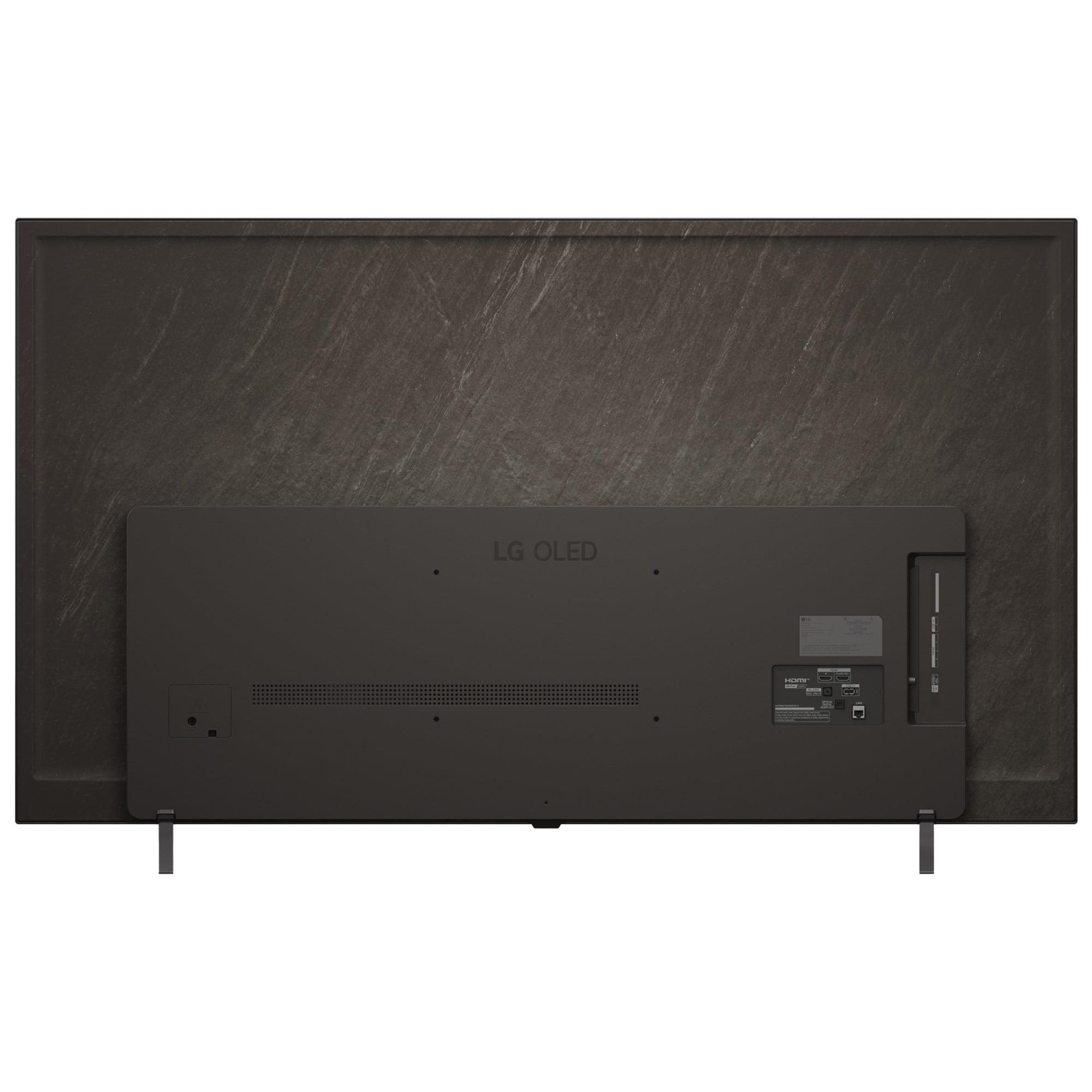
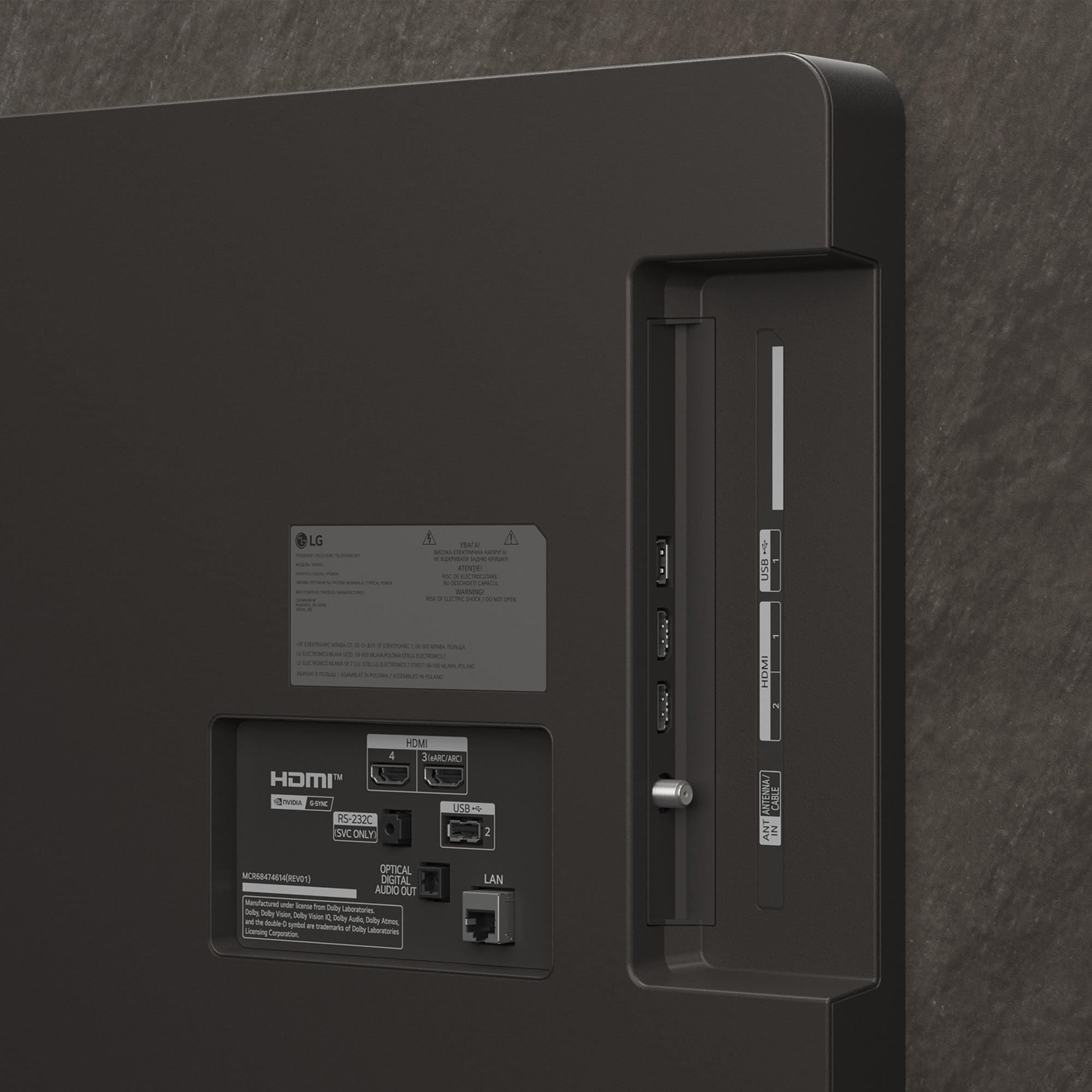
Here's where things get interesting. The TCL QM9K supports 4K gaming at 144Hz on two of its HDMI 2.1 ports, while the LG B5 maxes out at 4K/120Hz but provides this across all four HDMI 2.1 ports. For current console gamers, this difference is academic since PlayStation 5 and Xbox Series X are limited to 4K/120Hz anyway.
Both TVs support Variable Refresh Rate (VRR), which synchronizes the display's refresh rate with your gaming device to eliminate screen tearing. The LG B5 supports both NVIDIA G-SYNC and AMD FreeSync Premium, while the TCL QM9K focuses on AMD FreeSync Premium Pro.
The LG B5's advantage becomes clear when you consider practical gaming setups. Having four HDMI 2.1 ports means you can connect a PlayStation 5, Xbox Series X, Nintendo Switch dock, and a gaming PC without constantly swapping cables. The TV's Game Dashboard provides quick access to gaming settings without navigating through complex menus.
Motion clarity becomes crucial when watching sports or action movies. The TCL QM9K employs Motion Rate 480 with MEMC (Motion Estimation, Motion Compensation) frame insertion. This technology creates intermediate frames between the original frames to smooth out motion, particularly helpful for sports broadcasts that might be filmed at lower frame rates.
The 144Hz native refresh rate on the TCL QM9K also helps eliminate judder—that slightly stuttery look you sometimes see during camera pans in movies. However, the Mini LED backlight can sometimes struggle to keep up with fast-moving bright objects, creating brief dimming or zone flickering effects.
The LG B5's OLED pixels respond so quickly that motion blur is virtually eliminated without needing aggressive processing. This creates incredibly clean motion during sports, with players remaining sharp even during rapid movements. The 120Hz refresh rate handles most content smoothly, and OLED's instant pixel response means you won't see the trailing or ghosting effects that can plague LCD-based displays.
Both TVs run modern smart TV platforms that have evolved significantly since the basic smart TV interfaces of just a few years ago. The integration of AI and voice control has transformed how we interact with our televisions.
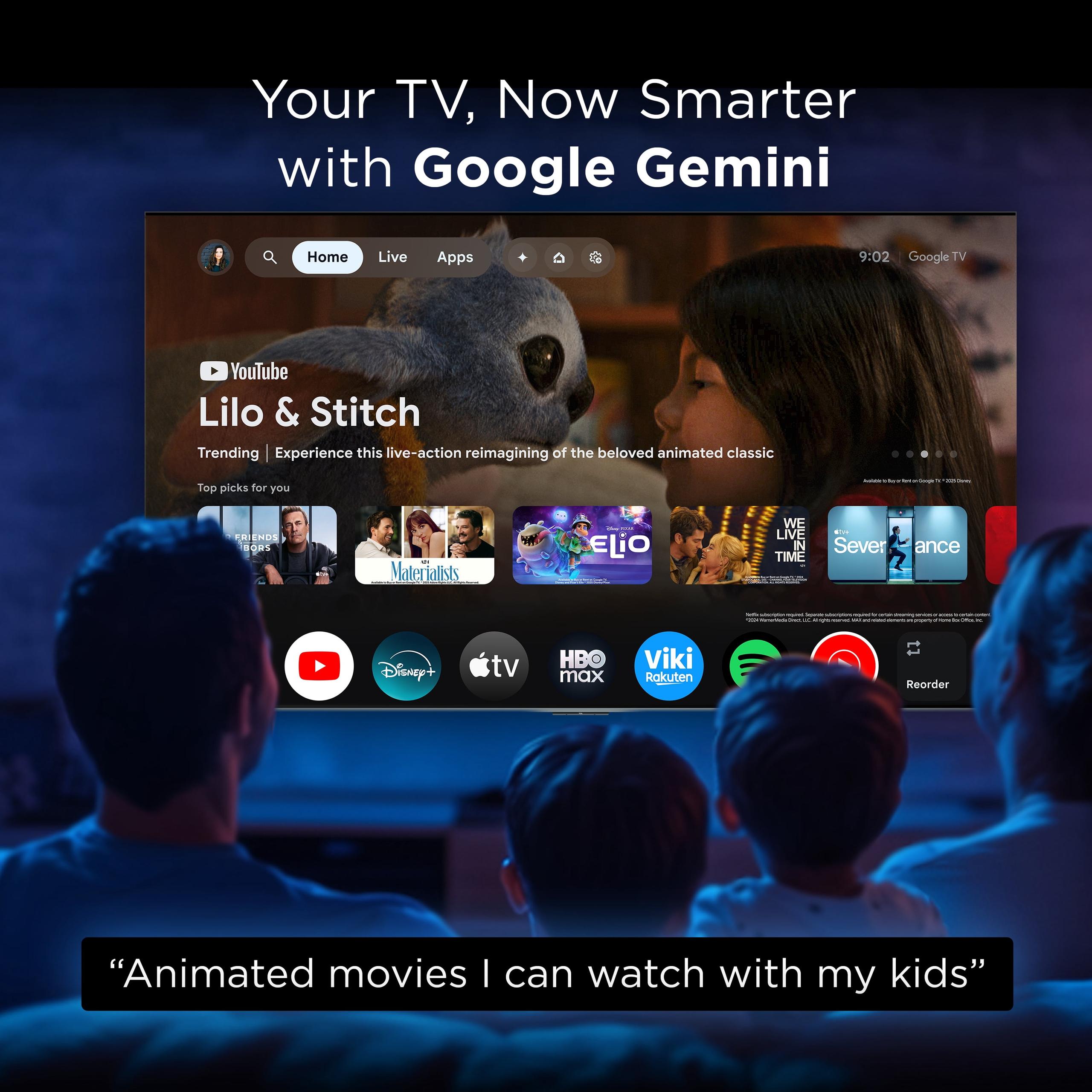
The TCL QM9K runs Google TV with Gemini AI integration. This isn't just basic voice control—Gemini can understand context and have conversations about what you want to watch. The presence sensor automatically turns the TV on when you approach and can display ambient information like weather or calendar events when you're not actively watching.
The LG B5 features webOS 25, which has matured into one of the most intuitive smart TV interfaces available. Quick Cards let you organize apps into categories, while LG Channels provides instant access to over 300 free streaming channels. The AI Voice ID feature can recognize different family members and provide personalized recommendations.
Both platforms support major streaming apps, voice assistants, and smart home integration. The choice often comes down to personal preference—Google TV users appreciate the deep integration with Google services, while webOS fans prefer its clean, card-based interface.
While most buyers focus on picture quality, audio performance can make or break the viewing experience. The TCL QM9K features audio tuned by Bang & Olufsen with a 2.1.1 channel system that includes a built-in subwoofer. This creates surprisingly robust sound for a flat-panel TV, with genuine bass response that helps action scenes feel more impactful.
The LG B5 supports Dolby Atmos, which creates three-dimensional soundscapes that complement OLED's visual impact. While it doesn't include a built-in subwoofer like the TCL QM9K, it's designed to pair seamlessly with LG soundbars for users who want to upgrade their audio setup later.
Both TVs support FILMMAKER MODE, which preserves the director's original creative intent by disabling motion smoothing and adjusting color settings to match cinema standards. This feature has become increasingly important as more filmmakers advocate for authentic home viewing experiences.
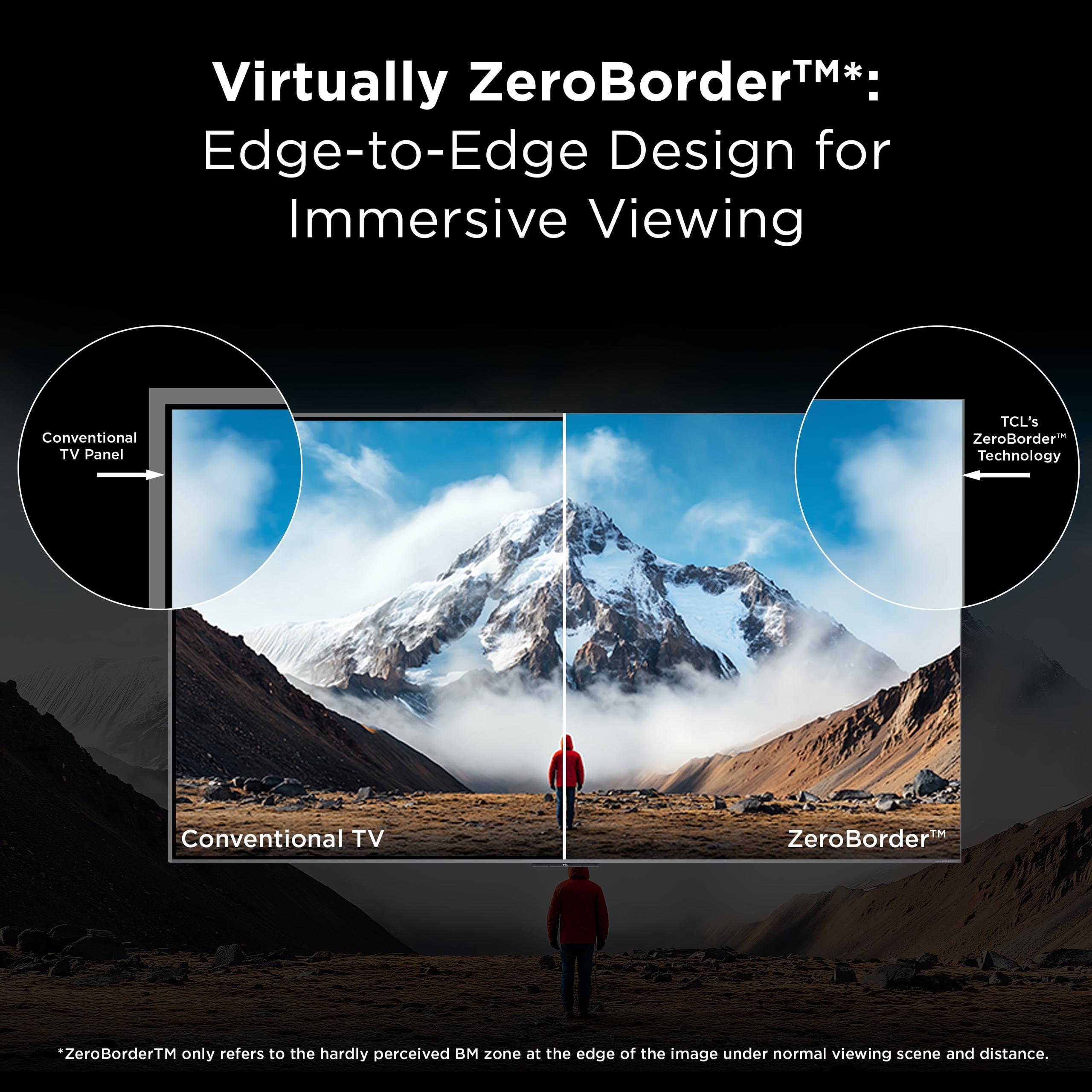
If you're setting up a dedicated home theater room, the LG B5 becomes the clear choice. Perfect black levels are crucial in dark viewing environments where you want complete immersion. The lack of backlight bleed means the edges of the screen disappear into darkness, creating that "floating image" effect that makes movies feel more cinematic.
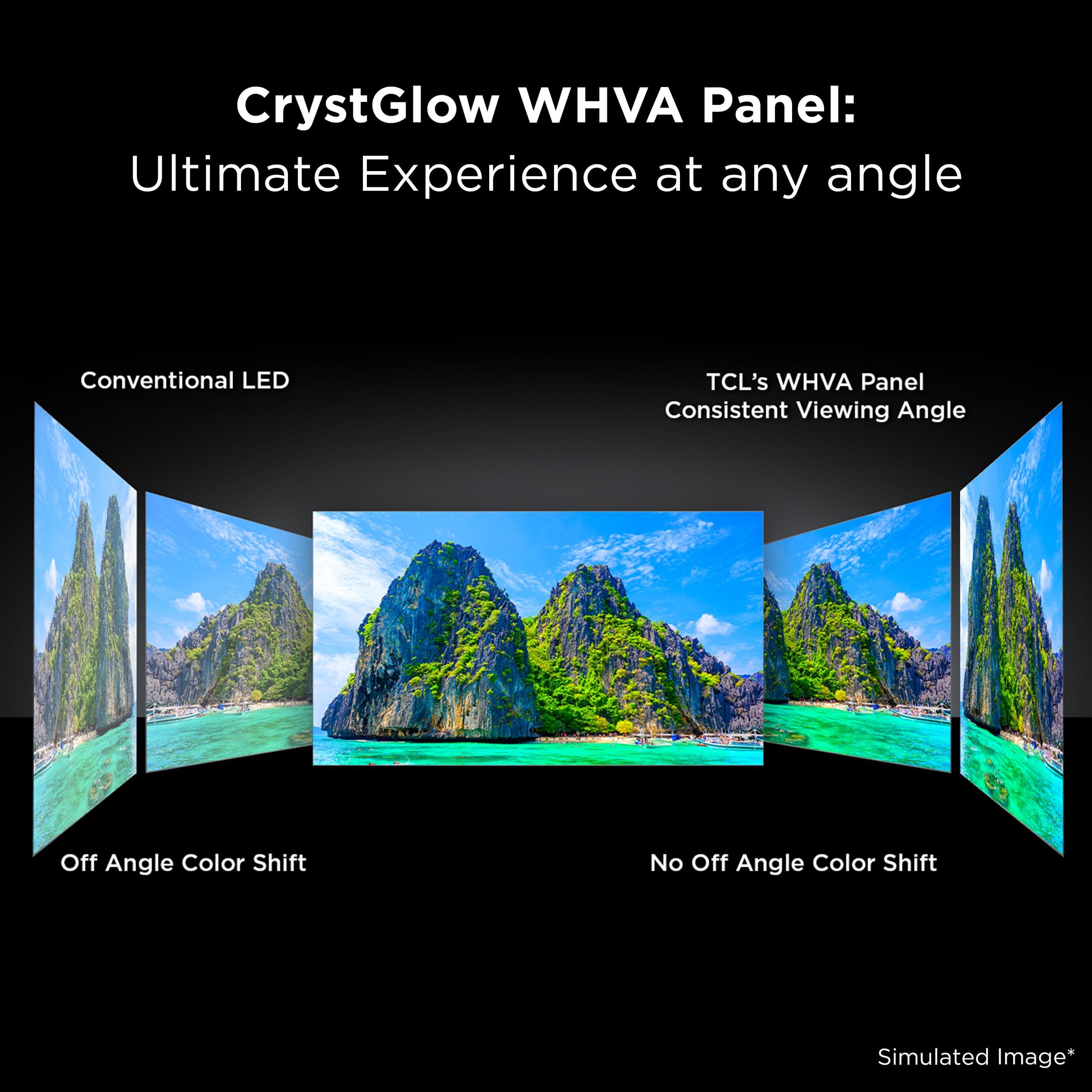
The LG B5's wider viewing angles also matter in home theater setups where multiple family members might not be sitting directly in front of the screen. OLED maintains color accuracy and contrast even when viewed from the side, while the TCL QM9K's LCD panel can show color shifting and contrast reduction at extreme angles.
However, if your "home theater" is actually a multi-purpose family room with ambient lighting, the TCL QM9K's superior brightness becomes valuable. It maintains picture quality even with lights on or curtains open, making it more practical for everyday use.
The choice between these TVs ultimately depends on your specific viewing environment and priorities. The LG B5 offers exceptional value at the time of writing, bringing OLED technology to a more accessible price point while delivering the core benefits that make OLED special: perfect blacks, accurate colors, and responsive gaming performance.
Choose the LG B5 if you primarily watch TV in darker environments, value plug-and-play picture accuracy, or want the most gaming-friendly feature set with four HDMI 2.1 ports and near-zero input lag. It's also the better choice if you're budget-conscious but still want premium picture quality.
The TCL QM9K justifies its premium pricing with extreme brightness capabilities that excel in bright rooms and deliver spectacular HDR impact. Its 144Hz gaming support and advanced Mini LED technology represent the cutting edge of LCD display development.
Choose the TCL QM9K if you have a bright living room, want maximum HDR impact, need high refresh rate gaming beyond 120Hz, or simply want the latest flagship display technology regardless of cost.
Both represent excellent choices in the premium TV market, but the LG B5's combination of proven OLED technology, comprehensive gaming features, and attractive pricing makes it the more universally appealing option for most buyers. The TCL QM9K serves specific needs exceptionally well, but its benefits are more situational.
The TV market has reached a point where both options will deliver experiences that seemed impossible just a few years ago. Your choice should focus on which technology better matches your room, viewing habits, and budget priorities.
| TCL 65" QM9K QD-Mini LED Smart TV | LG B5 Series OLED 65" 4K Smart TV 2025 |
|---|---|
| Display Technology - Fundamental difference affecting contrast and brightness | |
| QD-Mini LED with 6,000 local dimming zones | Self-lit OLED pixels with infinite contrast |
| Peak Brightness - Critical for HDR impact and bright room viewing | |
| 6,500 nits (exceptional for daytime viewing) | ~700 nits typical (better for dark rooms) |
| Black Levels - Determines contrast quality in dark scenes | |
| Deep blacks with minimal blooming | Perfect true blacks (pixels turn off completely) |
| Gaming Refresh Rate - Important for PC and next-gen console gaming | |
| 4K @ 144Hz on 2 ports, 288Hz at 1080p | 4K @ 120Hz on all 4 ports |
| Response Time - Critical for competitive gaming and motion clarity | |
| 7.4ms minimum response time | 0.1ms response time (virtually instant) |
| HDMI 2.1 Ports - Determines how many high-end devices you can connect | |
| 4 ports total (2 support 4K@144Hz) | 4 ports (all support 4K@120Hz) |
| Color Accuracy - Affects how natural content looks out of the box | |
| Requires calibration for best accuracy | Excellent accuracy with AI optimization |
| Smart TV Platform - Daily interface and app experience | |
| Google TV with Gemini AI integration | webOS 25 with Quick Cards organization |
| Audio System - Built-in sound quality without external speakers | |
| Bang & Olufsen tuned with 2.1.1 channels | Dolby Atmos support, pairs with LG soundbars |
| HDR Format Support - Compatibility with premium streaming content | |
| HDR ULTRA, HDR10+, Dolby Vision | Dolby Vision IQ, HDR10, HLG |
| Viewing Angles - Picture quality when not sitting directly in front | |
| Good center viewing, degrades at angles | Excellent from all angles (OLED advantage) |
| Local Dimming Zones - Controls backlight precision and blooming | |
| Up to 6,000 zones (excellent Mini LED control) | Per-pixel control (8.3 million "zones") |
| VRR Gaming Support - Eliminates screen tearing during gaming | |
| AMD FreeSync Premium Pro | NVIDIA G-SYNC + AMD FreeSync Premium |
| AI Processing - Picture and sound optimization intelligence | |
| AIPQ PRO with scene optimization | α8 AI Processor Gen2 with real-time enhancement |
The TCL 65" QM9K QD-Mini LED Smart TV is significantly better for bright rooms with its 6,500 nits peak brightness. This extreme brightness easily overcomes glare from windows and ambient lighting, maintaining vibrant picture quality during daytime viewing. The LG B5 Series OLED 65" 4K Smart TV 2025 maxes out around 700 nits, making it better suited for controlled lighting environments.
The TCL QM9K uses Mini LED technology with 6,000 local dimming zones and a traditional LCD panel, delivering exceptional brightness but with some light bleeding in dark scenes. The LG B5 OLED uses self-lit pixels that can turn completely off, creating perfect black levels and infinite contrast ratio, but with lower overall brightness capabilities.
The LG B5 OLED offers superior gaming performance with 0.1ms response time, four HDMI 2.1 ports supporting 4K@120Hz, and support for both NVIDIA G-SYNC and AMD FreeSync. While the TCL QM9K supports higher refresh rates (4K@144Hz), its 7.4ms response time and only two high-refresh HDMI ports make it less ideal for serious gamers.
The LG B5 OLED excels in dark rooms and home theaters due to its perfect black levels and infinite contrast ratio, creating an immersive cinematic experience. The TCL QM9K performs well in dark rooms but can't match OLED's true blacks, though its superior brightness helps HDR content pop more dramatically.
The LG B5 OLED delivers excellent color accuracy right out of the box thanks to its α8 AI Processor Gen2 that optimizes colors scene-by-scene. The TCL QM9K offers vibrant, saturated colors but may require professional calibration to achieve the most natural and accurate color reproduction.
The TCL QM9K runs Google TV with Gemini AI integration, offering deep Google services integration and conversational voice control. The LG B5 OLED features webOS 25 with Quick Cards for app organization and access to 300+ free channels, providing a clean and intuitive interface that many users find more streamlined.
Both TVs handle sports well, but the LG B5 OLED has an edge with its 0.1ms response time that eliminates motion blur, keeping fast-moving players sharp and clear. The TCL QM9K offers excellent brightness for daytime sports viewing and Motion Rate 480 with MEMC for smooth motion, making it ideal for bright living room viewing.
The LG B5 OLED achieves virtually instantaneous 0.1ms response time, making it excellent for competitive gaming where every millisecond matters. The TCL QM9K delivers respectable 5.3ms input lag, which is still very good for gaming but not quite as responsive as the OLED technology in the LG B5.
Both excel at HDR but differently - the TCL QM9K delivers spectacular highlight brightness with HDR content that can reach 6,500 nits, making bright scenes truly dazzling. The LG B5 OLED provides more balanced HDR with perfect shadow detail and Dolby Vision IQ that adjusts brightness based on room lighting for optimal viewing.
The LG B5 OLED provides four HDMI 2.1 ports that all support 4K@120Hz gaming, perfect for connecting multiple consoles and devices. The TCL QM9K has four HDMI ports total, but only two support the higher 4K@144Hz refresh rate, which may require more cable swapping for users with multiple gaming devices.
The LG B5 OLED typically offers exceptional value by bringing proven OLED technology with perfect blacks, excellent gaming features, and accurate colors at a competitive price point. The TCL QM9K commands a premium for its flagship Mini LED technology and extreme brightness capabilities, making it worthwhile primarily for bright room viewing or HDR enthusiasts.
The LG B5 OLED maintains excellent picture quality from wide viewing angles, making it ideal for family rooms where people sit at different positions. The TCL QM9K performs best when viewed directly from the front, with some color shifting and contrast reduction when viewed from extreme side angles, typical of LCD-based displays.
We've done our best to create useful and informative comparisons to help you decide what product to buy. Our research uses advanced automated methods to create this comparison and perfection is not possible - please contact us for corrections or questions. These are the sites we've researched in the creation of this article: rtings.com - bestbuy.com - youtube.com - youtube.com - youtube.com - techaeris.com - displayspecifications.com - pcrichard.com - residentialsystems.com - us.tcl.com - displayspecifications.com - valueelectronics.com - woodruffappliance.com - tcl.com - pcrichard.com - tcl.com - techradar.com - tcl.com - us.tcl.com - youtube.com - youtube.com - bestbuy.com - youtube.com - eftm.com - bestbuy.com - rtings.com - youtube.com - rtings.com - tomsguide.com - youtube.com - nationalproductreview.com.au - lg.com - manchesterbrothers.com - avsforum.com - lg.com - lg.com - lg.com - lg.com - retailspecs.com - american-homeappliance.com - perpichtv.com

Privacy Policy
Terms and Conditions - Affiliate Policy
Home Security
© Copyright 2008-2026.
11816 Inwood Rd #1211, Dallas, TX 75244