

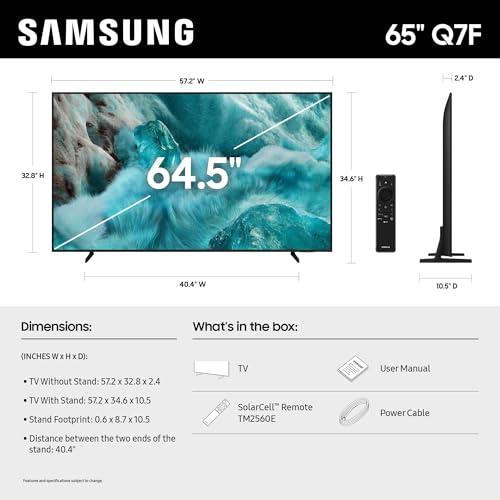




When you're shopping for a 65-inch TV, you'll quickly discover that not all displays are created equal. At the time of writing, two televisions that perfectly illustrate this point are the Samsung 65-Inch Q7F Series QLED 2025 and the Sony Bravia XR A95K 65" QD-OLED TV. While both offer the same screen size, they represent completely different approaches to television technology—and their price points reflect that difference by more than $1,000.
Understanding what separates budget-friendly from premium TVs helps you make a smarter buying decision. The key factors that really matter are picture quality (how good the image looks), gaming performance (especially if you have modern consoles), audio quality, and smart features. But perhaps most importantly, you need to consider the display technology itself, which determines everything from how dark the blacks appear to how vibrant colors look in your living room.
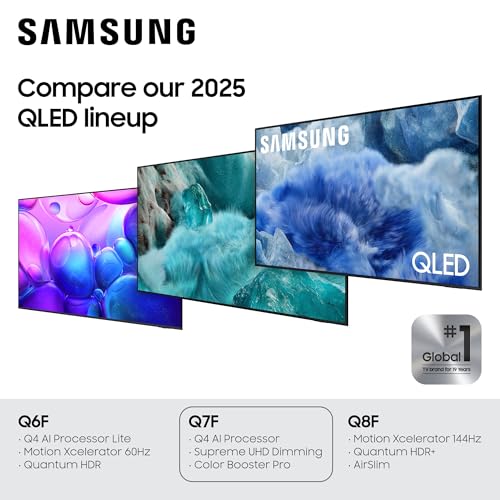
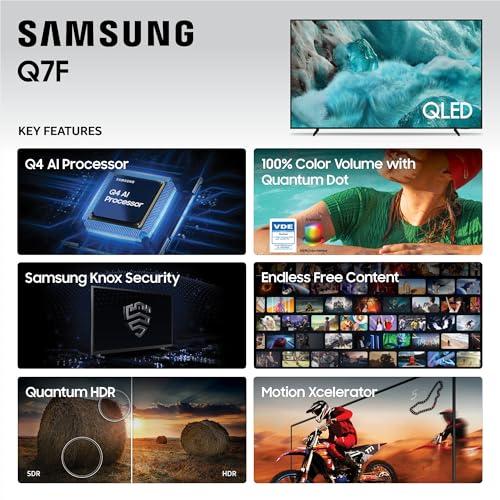
The Samsung Q7F uses traditional QLED technology, which is essentially an LCD (liquid crystal display) panel enhanced with quantum dots—tiny particles that improve color reproduction. Think of it like putting a filter over a regular LCD TV to make colors more vibrant. The backlight still comes from LED lights behind the screen, and liquid crystals block or allow light to pass through to create the image you see.
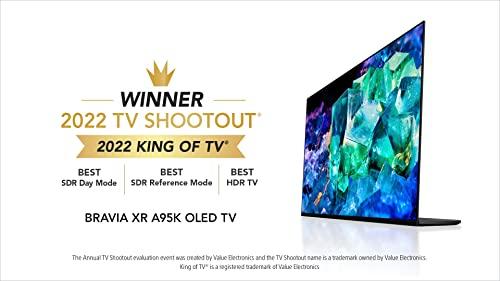
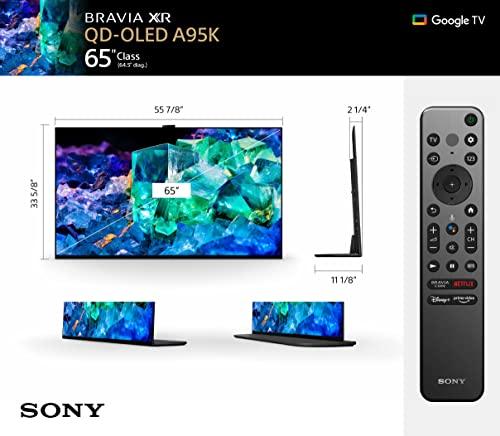
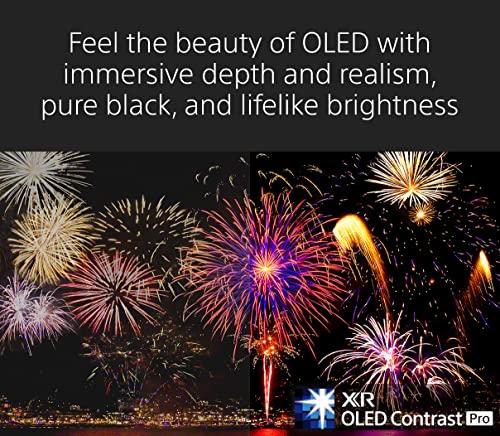
The Sony A95K, on the other hand, uses revolutionary QD-OLED technology that Samsung Display actually manufactures. Instead of needing a backlight, each pixel creates its own light using organic compounds that glow when electricity passes through them. The "QD" part adds quantum dots to enhance color even further. This means every single pixel can turn completely off to create perfect black, or shine brightly for pure white.
Since the Sony launched in 2022, QD-OLED technology has continued evolving, but this model still represents some of the best picture quality you can buy. The Samsung, being a 2025 model, benefits from the latest smart TV software and processing improvements, though its fundamental LCD technology hasn't changed dramatically in recent years.
Contrast—the difference between the darkest and brightest parts of an image—is arguably the most important factor for picture quality. Our research into professional reviews consistently shows that the Sony A95K delivers what many consider reference-quality contrast because each pixel can turn completely off. When you're watching a movie scene in a dark room, those black letterboxes actually disappear into your TV's bezel.
The Samsung Q7F, lacking local dimming (a feature that controls backlight zones independently), struggles with this fundamental aspect. Black areas appear more like dark gray, which reduces the overall impact of movies and shows. This becomes especially noticeable in dark scenes where you should see deep shadows and subtle details.
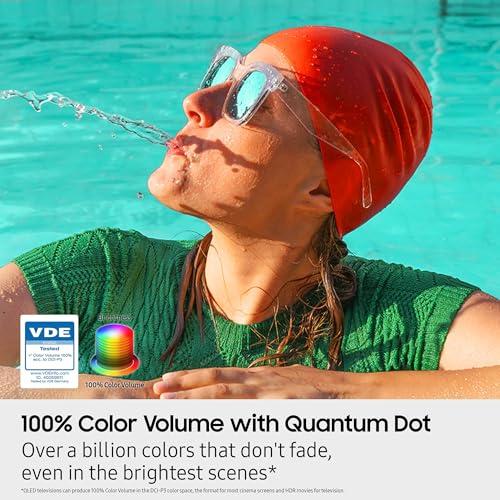
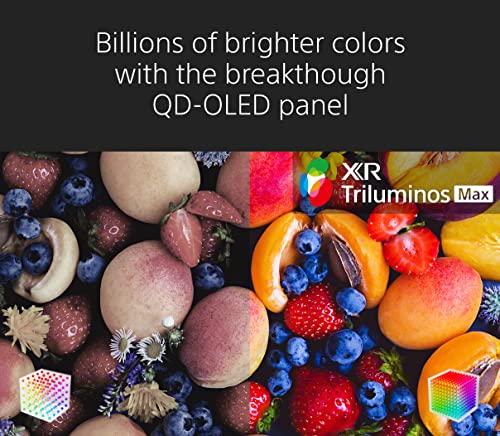
Both TVs use quantum dot technology, but they implement it very differently. The Samsung Q7F claims "100% Color Volume," which sounds impressive until you understand what that means. It can display a wide range of colors, but they often appear muted in HDR (high dynamic range) content because the LCD panel limits how bright colors can get.
The Sony A95K achieves something remarkable: 200% higher color brightness than conventional OLED TVs. This means when you're watching vibrant content like nature documentaries or animated movies, colors literally pop off the screen with an intensity that LCD technology simply cannot match. The quantum dots work directly with the OLED pixels instead of just filtering LED backlights, creating what many reviewers describe as the most accurate and vibrant colors they've ever seen on a television.
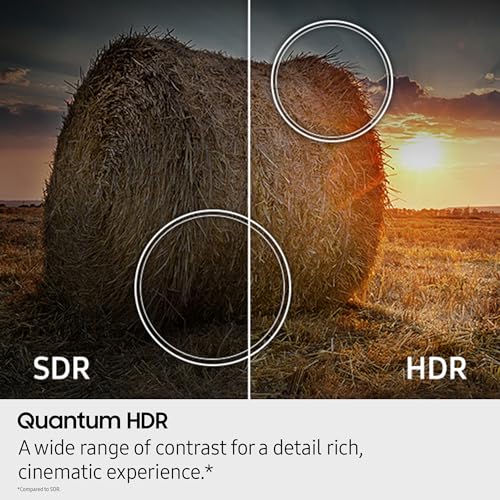
HDR content shows the biggest difference between these displays. The Samsung Q7F supports HDR10+, Samsung's preferred format, but completely lacks Dolby Vision support. This matters because many Netflix shows, Disney+ movies, and premium streaming content use Dolby Vision for better color and brightness information.
The Sony A95K supports Dolby Vision alongside HDR10 and HLG, giving you maximum compatibility with current and future content. More importantly, its QD-OLED panel can actually display the enhanced colors and contrast that HDR promises, while the Samsung often makes HDR content look dim and washed out compared to standard content.
Here's where things get interesting for real-world use. Traditional wisdom says OLED TVs aren't bright enough for well-lit rooms, but the Sony A95K challenges this assumption. Its QD-OLED panel achieves higher peak brightness than previous OLED generations while maintaining perfect blacks. Professional measurements show it handles most room lighting conditions effectively.
The Samsung Q7F, despite being LCD-based, actually struggles more in bright rooms. Without local dimming, its blacks rise to gray levels when ambient light hits the screen, reducing overall image quality. The irony is that the more expensive OLED often looks better in brighter rooms than this budget LCD option.
Gaming capability represents one of the starkest differences between these televisions. If you own a PlayStation 5, Xbox Series X, or plan to upgrade gaming consoles in the future, this section is crucial.
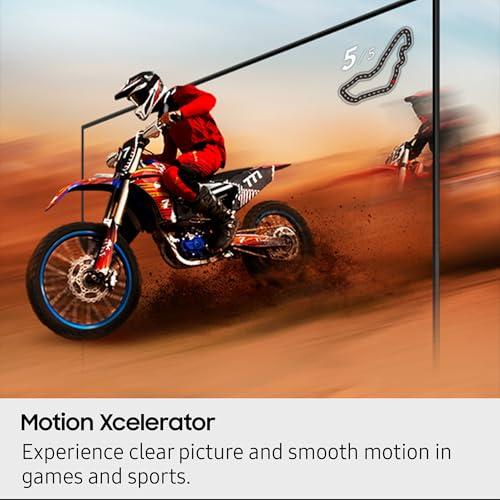
The Samsung Q7F maxes out at 60Hz, which was standard five years ago but feels limiting today. Modern games often run at 120 frames per second, offering smoother motion and more responsive controls. This TV simply cannot display those extra frames, so you're locked to older gaming experiences.
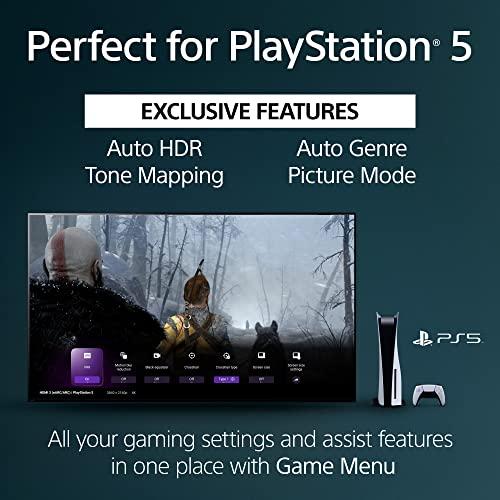
The Sony A95K supports 4K gaming at 120Hz with incredibly low input lag—the delay between pressing a button and seeing the action on screen. Professional gaming reviews consistently rank it among the best TVs for competitive gaming, with response times that rival dedicated gaming monitors.
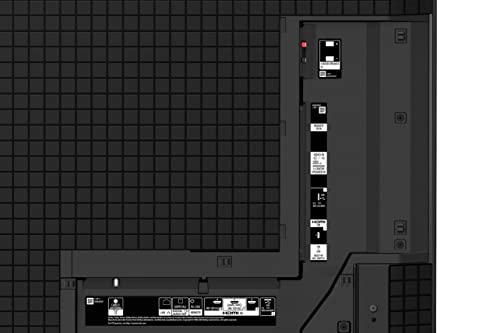
VRR (Variable Refresh Rate) eliminates screen tearing when games can't maintain consistent frame rates. The Sony A95K includes this feature along with HDMI 2.1 ports that provide the bandwidth needed for modern gaming features.
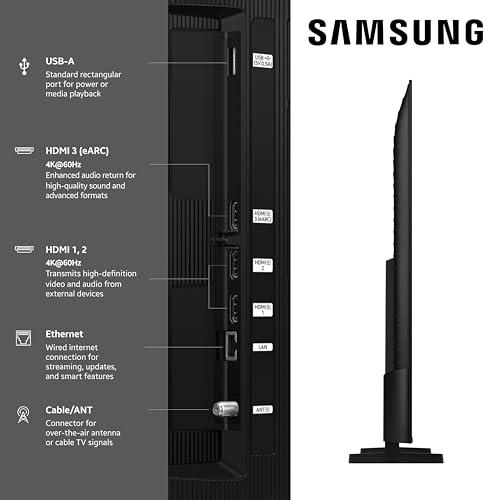
The Samsung Q7F lacks both VRR and HDMI 2.1, using older HDMI 2.0 connections across all three ports. This limitation becomes more problematic when you consider that recent firmware updates actually removed HGIG (HDR Gaming Interest Group) support, causing games to display at incorrect brightness levels.
Beyond technical specs, the actual gaming experience differs dramatically. OLED's instantaneous pixel response means fast-moving objects in games appear crystal clear on the Sony A95K, while LCD technology often creates motion blur that can affect competitive gaming performance.
Audio represents another area where these TVs take fundamentally different approaches. The Samsung Q7F uses conventional speakers mounted in the TV chassis, producing 20 watts of power through two channels. While it includes Object Tracking Sound Lite to create some spatial audio effects, it lacks Dolby Atmos support entirely.
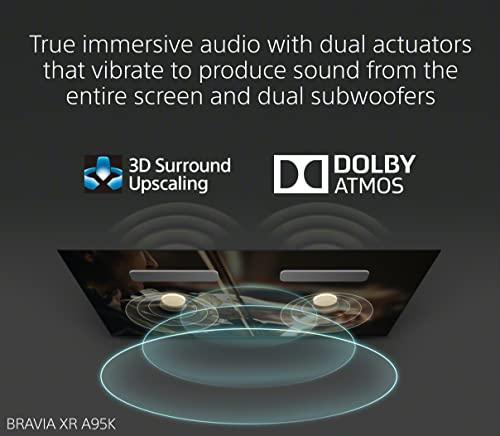
The Sony A95K implements Acoustic Surface Audio+, a technology that vibrates the entire screen to create sound. This isn't just a gimmick—dialogue literally comes from actors' mouths on screen, and explosions seem to emanate from their exact location. It supports Dolby Atmos and can even function as a center channel speaker in a full surround sound system.
Having experienced both approaches, the Sony's screen-vibrating audio creates a more immersive experience that reduces the immediate need for a soundbar, while the Samsung's conventional speakers feel adequate but uninspiring.
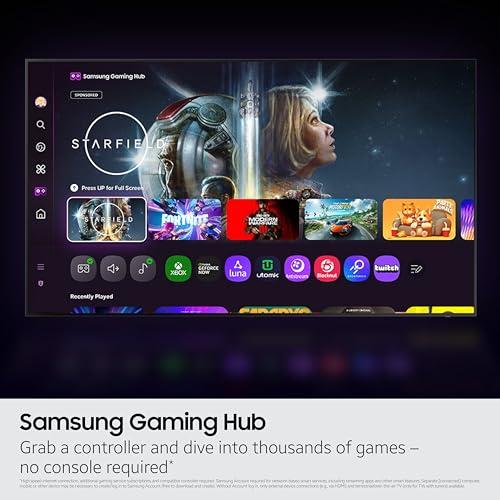
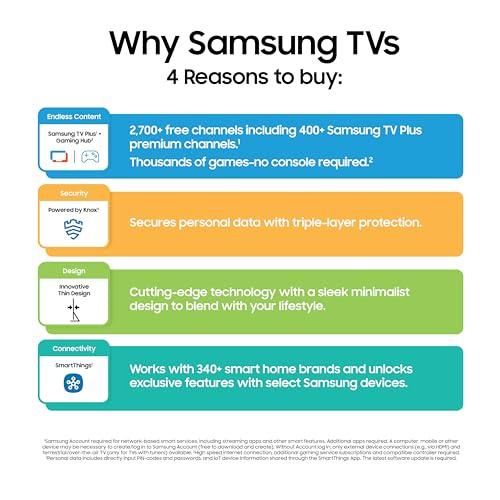
Both TVs offer robust smart platforms, but they cater to different preferences. The Samsung Q7F runs Samsung's latest 2025 Tizen operating system, which includes a redesigned interface that's noticeably faster than previous generations. It integrates deeply with Samsung's ecosystem, offering SmartThings control for smart home devices, Samsung Health for fitness content, and Game Hub for cloud gaming services.
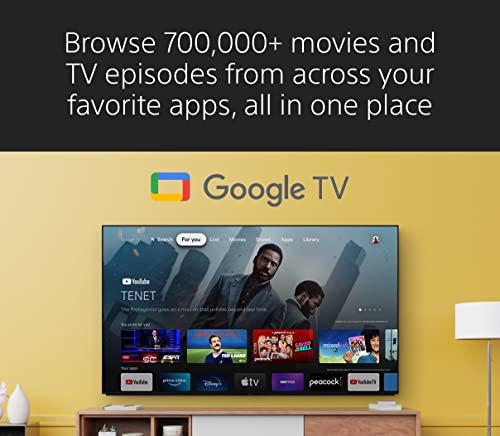
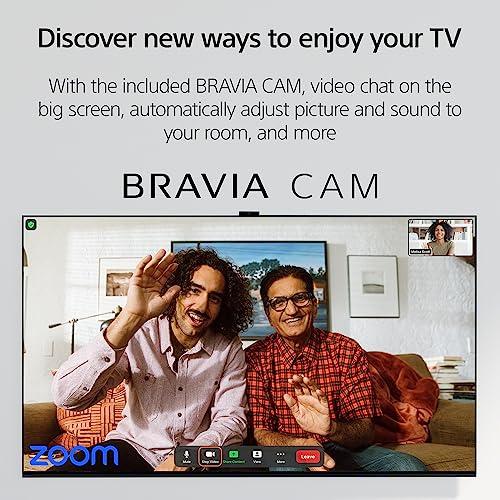
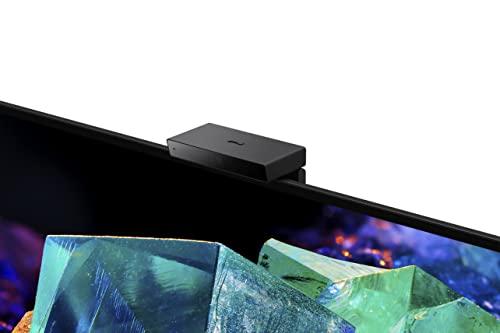
The Sony A95K uses Google TV, providing extensive app support and excellent voice control integration. It includes a unique BRAVIA CAM for gesture controls and video calls, though this feature feels more novelty than necessity for most users.
Both platforms handle streaming apps well, but Samsung's newer interface feels more responsive in day-to-day use, while Sony's Google TV offers broader app compatibility.
For serious home theater enthusiasts, these TVs serve very different purposes. The Sony A95K delivers reference-quality picture performance that many professional reviewers compare favorably to commercial cinema displays. Its color accuracy, perfect blacks, and HDR performance make it exceptional for movie watching in dedicated theater rooms.
The Samsung Q7F works fine for casual movie watching but lacks the contrast and color performance that make films truly cinematic. Its inability to display true blacks means you'll always see some gray where there should be pure darkness, breaking the immersive experience that serious movie enthusiasts seek.
For audio, the Sony's screen-vibrating technology creates dialog clarity that often eliminates the need for a center channel speaker, while the Samsung typically requires a soundbar to achieve satisfying movie audio.
At the time of writing, these TVs exist in completely different price tiers, with the Sony A95K commanding a significant premium over the Samsung Q7F. However, the Sony's current pricing represents a substantial discount from its original 2022 launch price, making flagship QD-OLED technology more accessible than ever before.
The value proposition depends entirely on your priorities and usage patterns. The Samsung Q7F offers excellent value for casual viewers who want a large 4K screen with modern smart features without breaking the budget. It provides access to Samsung's ecosystem and delivers acceptable picture quality for everyday content.
The Sony A95K justifies its premium through transformational improvements in every aspect of picture quality, gaming performance, and audio. Even as a 2022 model, its QD-OLED technology remains superior to current LCD displays at any price point.
The timing difference between these models affects their value proposition significantly. The Samsung Q7F launched in 2025 as Samsung's entry-level QLED offering, benefiting from the latest smart TV software and manufacturing cost reductions that make 65-inch screens more affordable.
The Sony A95K debuted in 2022 as Sony's flagship display, introducing consumer QD-OLED technology that was previously unavailable at any price. While newer QD-OLED models have since launched, this remains one of the best implementations of the technology, and its substantial price reduction makes it more competitive with mid-range options.
Need budget-friendly 4K viewing: This TV delivers acceptable 4K picture quality with modern smart features at an entry-level price point. It's perfect for families who want a large screen without premium pricing.
Prefer Samsung's ecosystem: If you already use Samsung phones, appliances, or smart home devices, the integration benefits make this TV more valuable within that ecosystem.
Watch mainly streaming content: For Netflix, Disney+, and YouTube viewing in moderately lit rooms, the Q7F provides a satisfying experience that doesn't require premium display technology.
Need size flexibility: Samsung offers this model in multiple sizes, making it easier to fit different rooms and budgets.
Prioritize picture quality above all: The QD-OLED technology delivers colors and contrast that transform movie and TV watching into a premium experience comparable to high-end cinema.
Game seriously on modern consoles: PS5 and Xbox Series X owners will appreciate 4K@120Hz gaming with VRR support and exceptional response times.
Want future-proof technology: QD-OLED represents the current pinnacle of consumer display technology, ensuring this TV remains impressive for years to come.
Appreciate premium audio: The screen-vibrating audio system creates immersive sound that often eliminates the need for additional speakers.
Value long-term investment: Despite being from 2022, this TV's technology remains superior to most current displays and justifies its premium pricing through performance that will age well.
These televisions represent two distinct philosophies in TV design. The Samsung Q7F prioritizes affordability and practical features, delivering solid 4K viewing with modern conveniences. The Sony A95K focuses on display excellence, offering revolutionary picture quality that redefines what's possible in home entertainment.
Your choice ultimately depends on whether the substantial improvements in contrast, color accuracy, gaming performance, and audio quality justify the significant price difference. For casual viewers, the Samsung provides excellent value. For enthusiasts who appreciate reference-quality displays and cutting-edge gaming features, the Sony's premium feels justified by its transformational performance improvements.
Consider your viewing habits, room lighting, gaming needs, and long-term expectations when making this decision. Both TVs serve their intended audiences well, but they're designed for fundamentally different use cases and expectations.
| Samsung 65-Inch Q7F Series QLED Smart TV 2025 | Sony Bravia XR A95K 65" QD-OLED TV |
|---|---|
| Display Technology - Fundamentally determines picture quality and price | |
| QLED (LCD with quantum dot enhancement) | QD-OLED (self-emissive pixels with quantum dots) |
| Contrast Ratio - Most important factor for cinematic image quality | |
| Limited by LCD panel, no local dimming (blacks appear gray) | Infinite contrast with perfect blacks (each pixel turns completely off) |
| Refresh Rate - Critical for gaming and sports viewing | |
| 60Hz only (no support for 120fps gaming) | 120Hz with VRR support (excellent for PS5/Xbox Series X) |
| HDR Format Support - Affects streaming content compatibility | |
| HDR10+ only (missing Dolby Vision used by Netflix/Disney+) | Dolby Vision, HDR10, HLG (maximum content compatibility) |
| HDMI Connectivity - Determines gaming and device compatibility | |
| 3x HDMI 2.0 ports (limited bandwidth for modern devices) | HDMI 2.1 with 4K@120Hz, VRR, eARC support |
| Color Performance - Affects vibrancy of movies and shows | |
| 100% Color Volume (good SDR, muted HDR colors) | 200% higher color brightness than conventional OLEDs |
| Audio Technology - Impacts need for additional speakers | |
| Conventional 20W 2.0 speakers, no Dolby Atmos | Acoustic Surface Audio+ (screen vibrates to create sound) |
| Gaming Input Lag - Response time for competitive gaming | |
| Low at 60Hz but limited features | 8.5ms at 4K/120Hz with full gaming feature support |
| Smart Platform - Interface speed and app availability | |
| 2025 Tizen OS with Samsung ecosystem integration | Google TV with comprehensive app support and voice control |
| Release Year - Affects software support and technology generation | |
| 2025 (latest smart features, entry-level display tech) | 2022 (flagship display tech, proven reliability) |
| Best Use Cases - Who should consider each option | |
| Budget-conscious buyers, casual viewing, Samsung ecosystem users | Picture quality enthusiasts, serious gamers, home theater setups |
The biggest difference is display technology. The Samsung Q7F QLED TV uses traditional LCD technology with quantum dot enhancement, while the Sony A95K features revolutionary QD-OLED technology where each pixel creates its own light. This means the Sony delivers perfect blacks and infinite contrast, while the Samsung relies on LED backlighting that can't achieve true black levels.
The Sony A95K QD-OLED is significantly better for gaming. It supports 4K gaming at 120Hz, has Variable Refresh Rate (VRR), and HDMI 2.1 ports for next-gen consoles like PS5 and Xbox Series X. The Samsung Q7F is limited to 60Hz gaming with basic HDMI 2.0 ports, making it suitable only for casual gaming.
No, only the Sony A95K supports Dolby Vision along with HDR10 and HLG formats. The Samsung Q7F QLED only supports HDR10+ and lacks Dolby Vision entirely, which limits compatibility with premium Netflix and Disney+ content that uses this format.
The Sony A95K QD-OLED has superior picture quality in almost every aspect. It delivers perfect blacks, 200% higher color brightness than conventional OLEDs, and exceptional contrast. The Samsung Q7F offers decent picture quality for its price range but cannot match the Sony's contrast and color performance due to its LCD technology limitations.
Both TVs offer excellent smart features but with different approaches. The Samsung Q7F runs the latest 2025 Tizen OS with deep Samsung ecosystem integration, SmartThings support, and Samsung TV Plus. The Sony A95K uses Google TV with comprehensive app support, built-in voice assistants, and includes a BRAVIA CAM for gesture controls.
Surprisingly, the Sony A95K QD-OLED often performs better in bright rooms despite being OLED technology. Its QD-OLED panel achieves higher brightness while maintaining perfect blacks. The Samsung Q7F struggles in bright rooms because its blacks turn gray when ambient light hits the screen, reducing overall image quality.
The Sony A95K has significantly better audio with its Acoustic Surface Audio+ technology that vibrates the screen to create sound, supporting Dolby Atmos. The Samsung Q7F QLED TV has conventional 20W speakers with Object Tracking Sound Lite but lacks Dolby Atmos support and generally requires a soundbar for satisfying movie audio.
Value depends on your priorities. The Samsung Q7F offers excellent value for budget-conscious buyers who want a large 4K screen with modern smart features. The Sony A95K QD-OLED provides exceptional value for picture quality enthusiasts, offering flagship display technology at a significantly reduced price from its original launch.
The Sony A95K is excellent for dedicated home theater rooms, delivering reference-quality picture performance with perfect blacks and accurate colors that many reviewers compare to commercial cinema displays. The Samsung Q7F QLED works fine for casual movie watching but lacks the contrast and color performance needed for a truly cinematic home theater experience.
The Samsung Q7F has three HDMI 2.0 ports, while the Sony A95K QD-OLED includes HDMI 2.1 ports with advanced gaming features. The Sony's HDMI 2.1 capability is crucial for 4K@120Hz gaming and future device compatibility.
The Sony A95K is more future-proof despite being from 2022, thanks to its advanced QD-OLED display technology, HDMI 2.1 support, and 120Hz capabilities that will remain relevant for years. The Samsung Q7F QLED TV offers current smart features but its 60Hz limitation and HDMI 2.0 ports may feel outdated sooner.
If you're upgrading from a basic TV and want premium features without a flagship price, the Samsung Q7F provides a solid introduction to 4K QLED viewing with Samsung's user-friendly interface. However, if you want to experience truly premium display technology and have room in your budget, the Sony A95K QD-OLED offers a transformational viewing experience that showcases what modern TV technology can achieve.
We've done our best to create useful and informative comparisons to help you decide what product to buy. Our research uses advanced automated methods to create this comparison and perfection is not possible - please contact us for corrections or questions. These are the sites we've researched in the creation of this article: bestbuy.com - rtings.com - bestbuy.com - youtube.com - youtube.com - youtube.com - samsung.com - samsung.com - samsung.com - billsmith.com - costco.com - samsung.com - hometechnologyreview.com - hometechnologyreview.com - bestbuy.com - samsung.com - bestbuy.com - samsung.com - hometechnologyreview.com - samsung.com - samsung.com - tomsguide.com - audioadvice.com - wepc.com - bestbuy.com - tvsbook.com - rtings.com - youtube.com - flatpanelshd.com - rtings.com - youtube.com - reviewed.com - avsforum.com - youtube.com - youtube.com - rtings.com - youtube.com - electronics.sony.com - sonypremiumhome.com - valueelectronics.com - sony.com - displayspecifications.com - flatpanelshd.com - donstv.com - youtube.com - businessinsider.com - youtube.com - displayspecifications.com - bestbuy.com

Privacy Policy
Terms and Conditions - Affiliate Policy
Home Security
© Copyright 2008-2026.
11816 Inwood Rd #1211, Dallas, TX 75244