

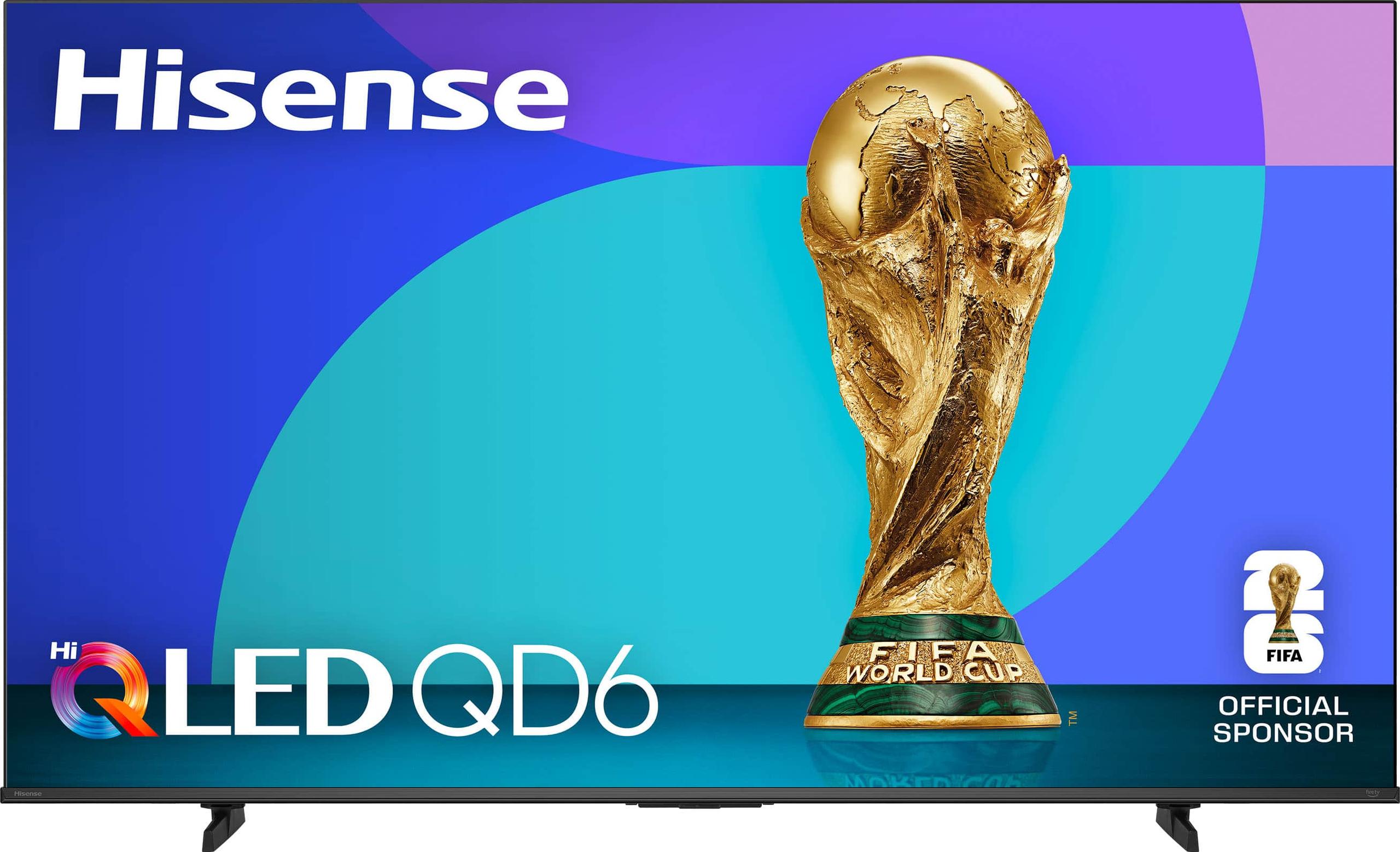
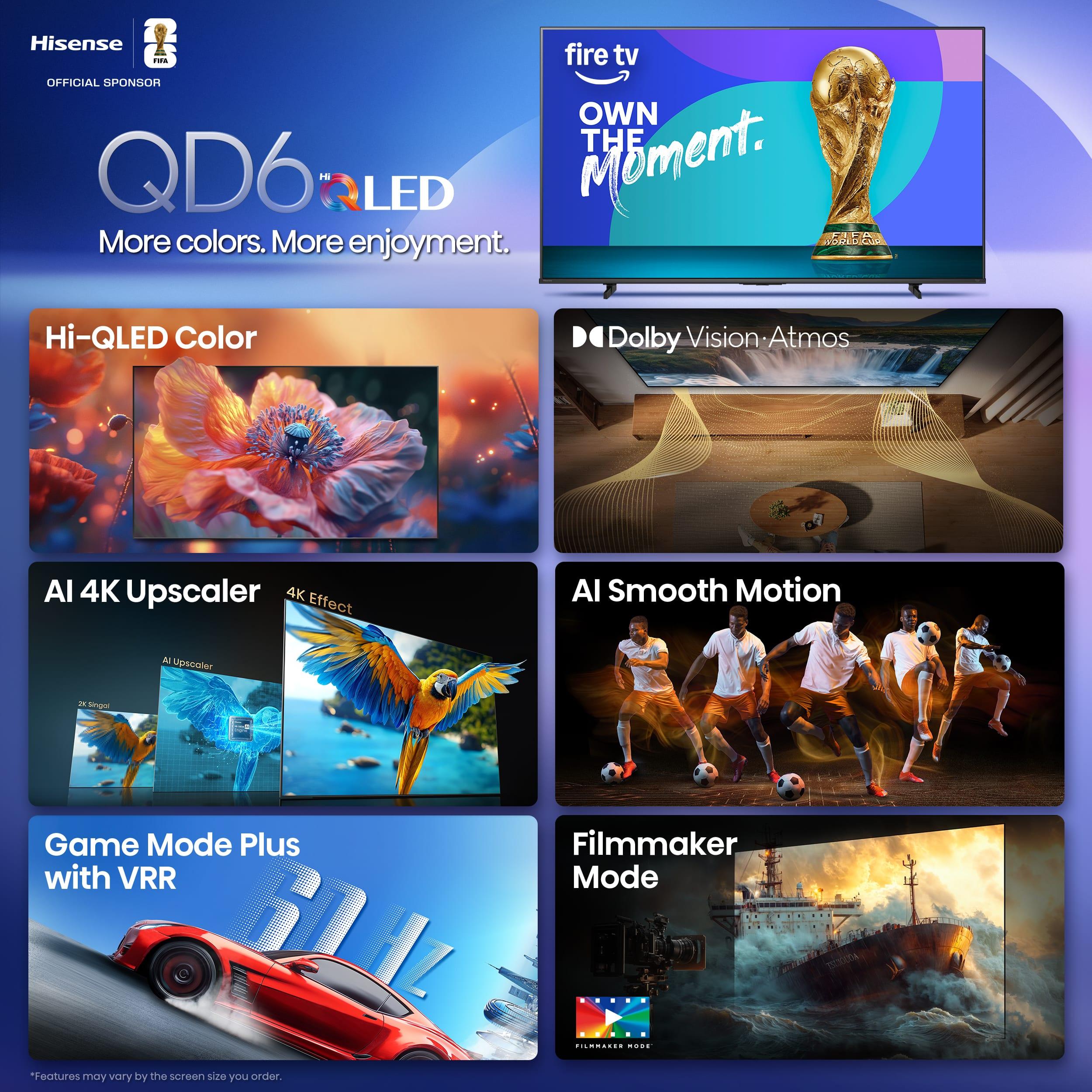
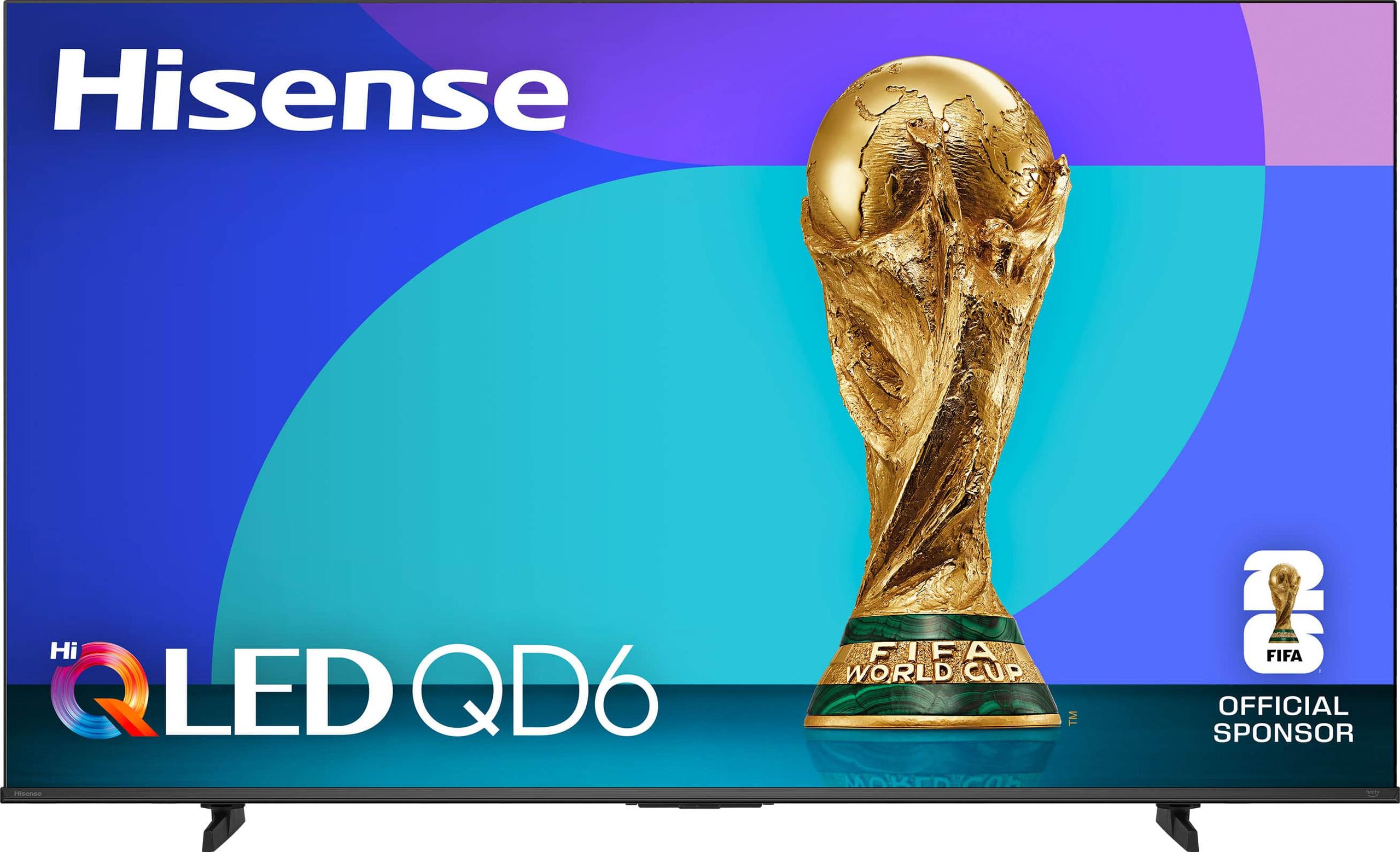
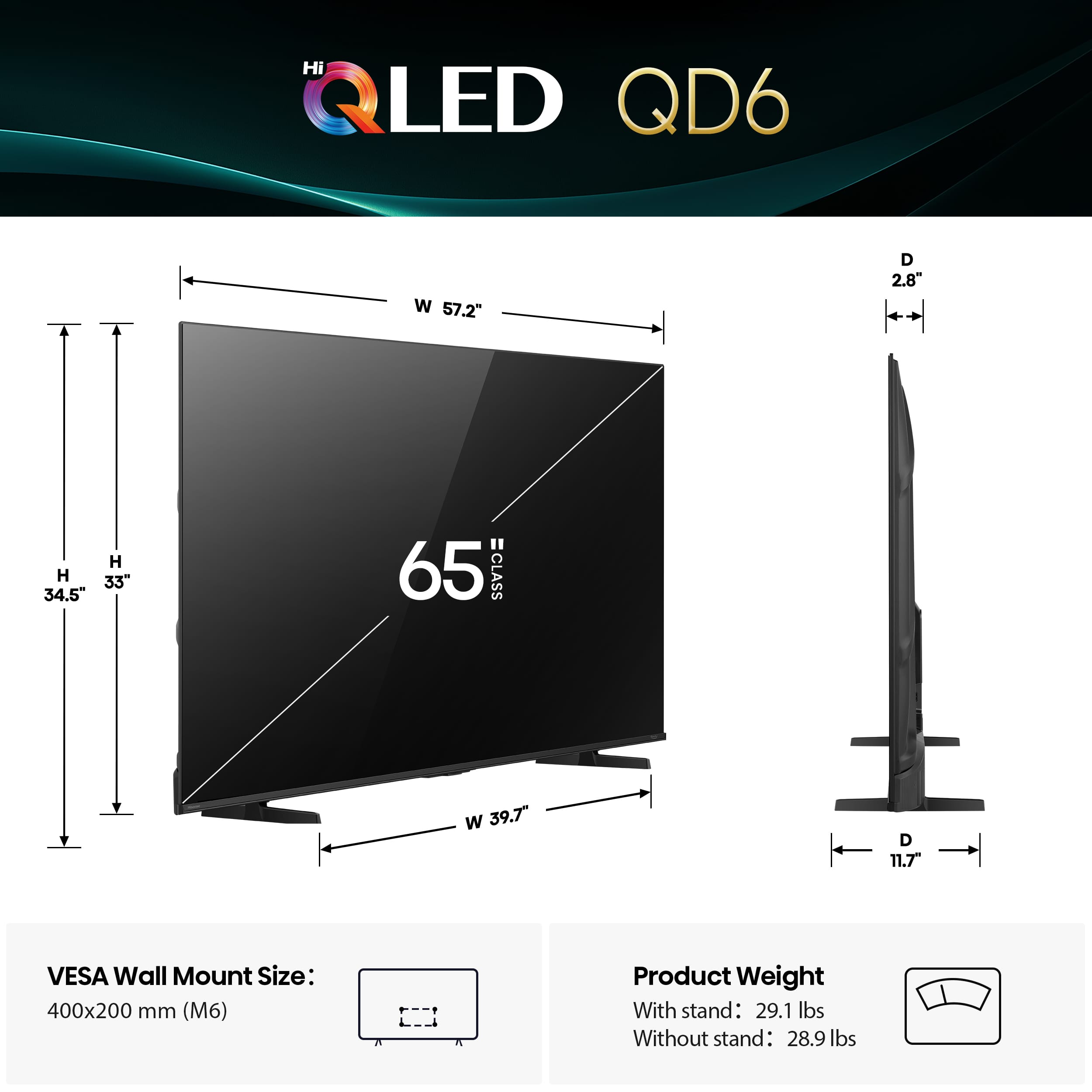
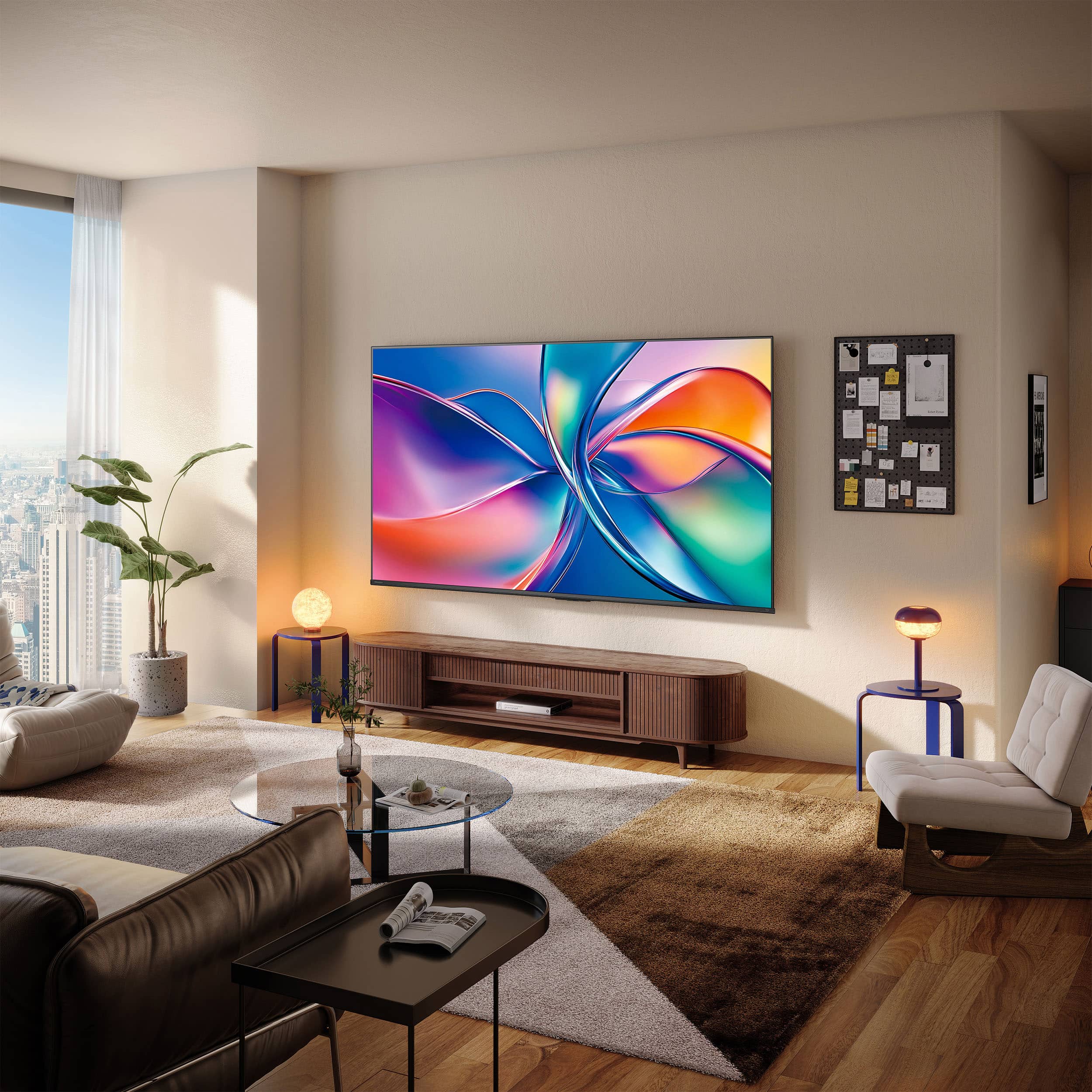
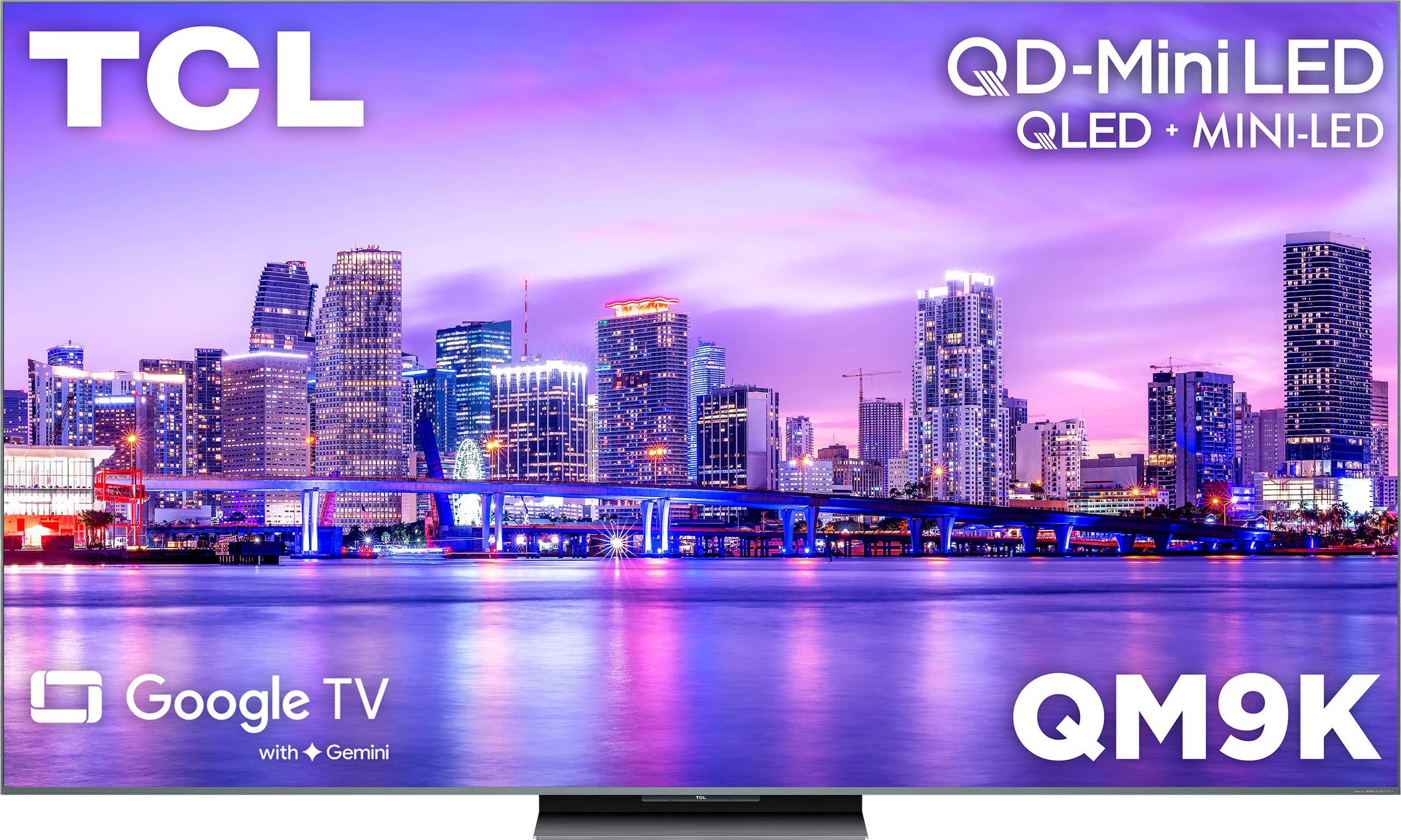
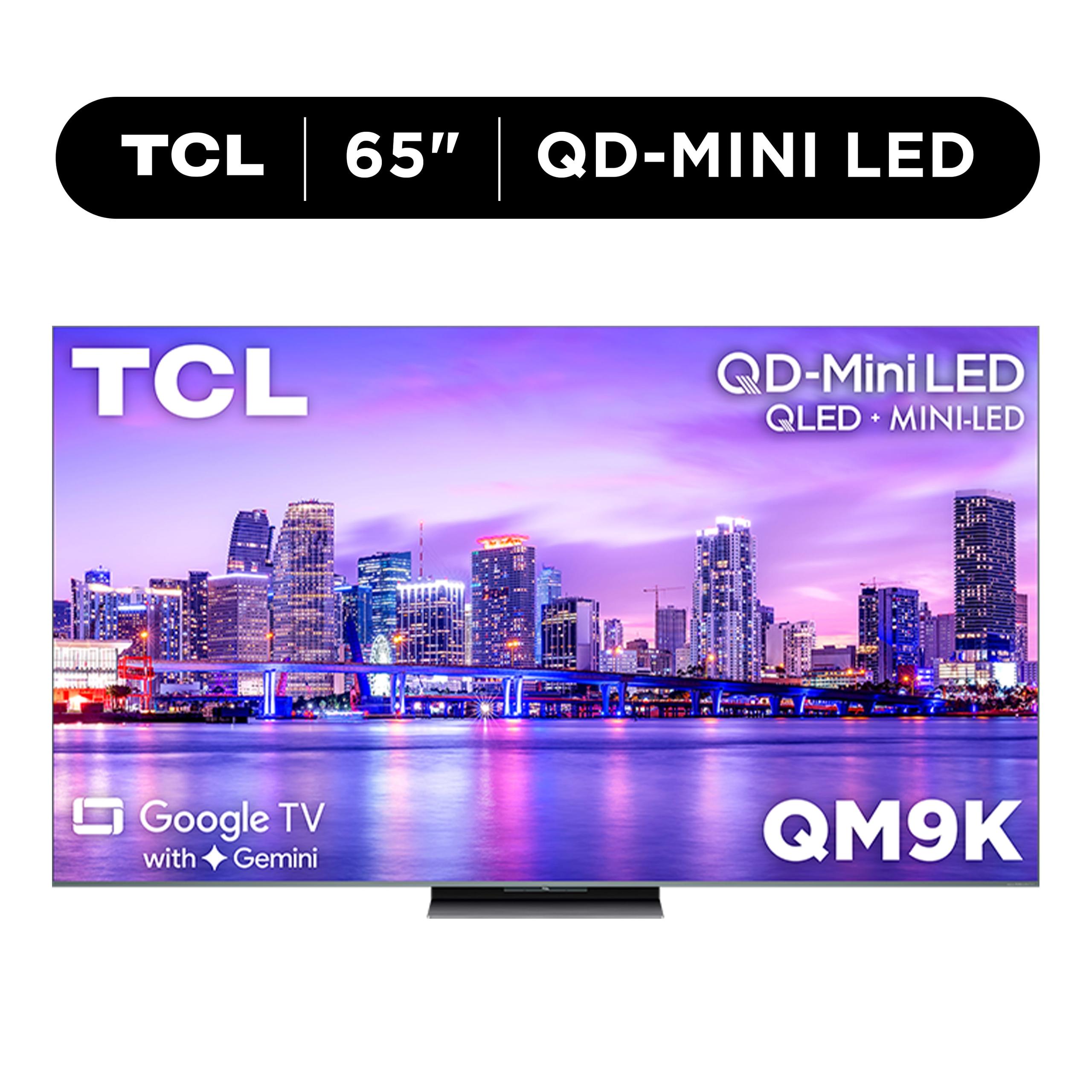
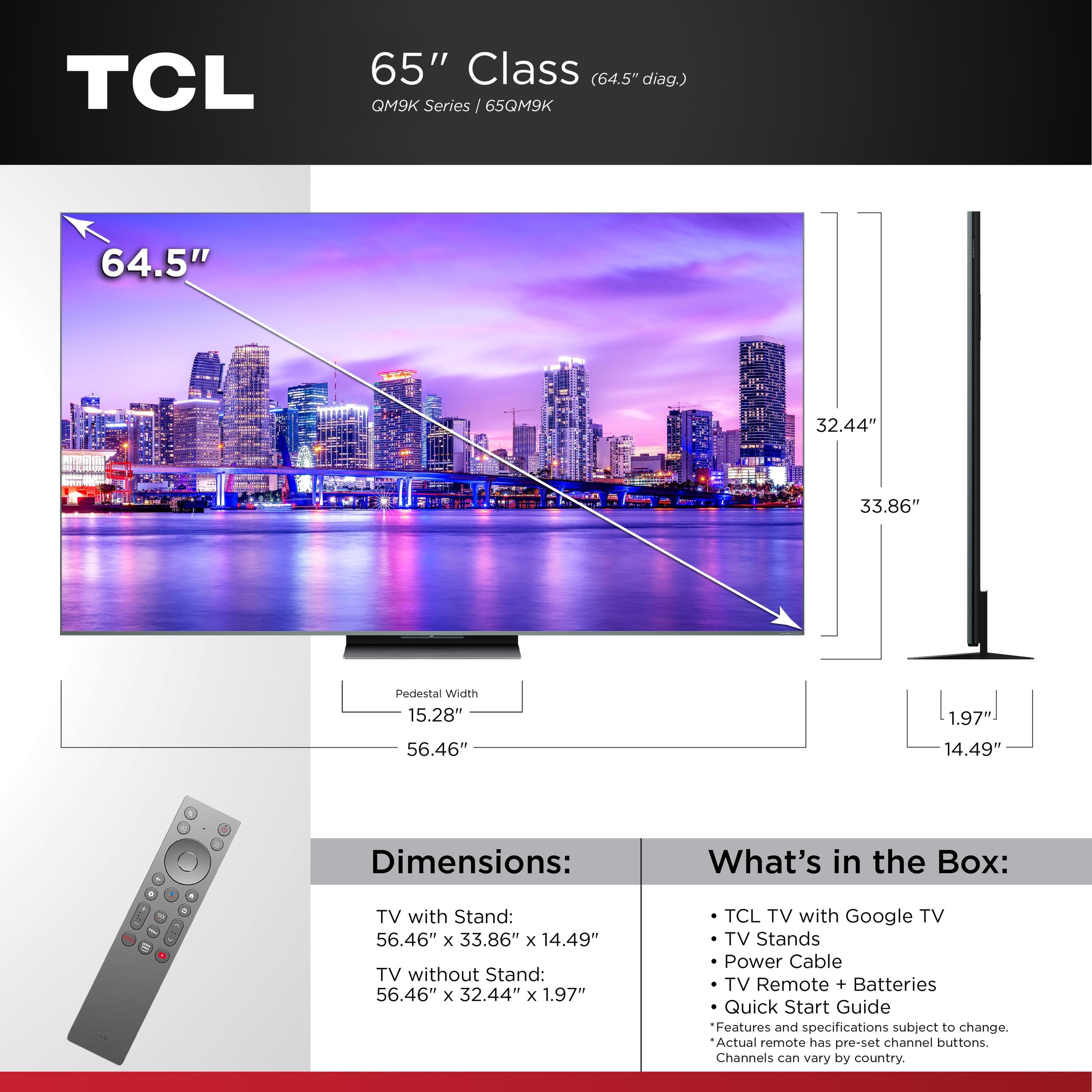
The TV market in 2025 offers more choices than ever, but sometimes that makes decisions harder, not easier. Two televisions that perfectly illustrate this dilemma are the Hisense 65" QD6 Series Hi-QLED Fire TV and the TCL 65" QM9K QD-Mini LED Smart TV. Both use quantum dot technology to enhance colors, but they represent completely different approaches to achieving great picture quality—and they're priced accordingly.
At the time of writing, the Hisense QD6 sits in the budget-friendly range while the TCL QM9K commands premium pricing. The question isn't just whether the TCL is better—it clearly is in most measurable ways—but whether those improvements justify the significant price difference for your specific needs.
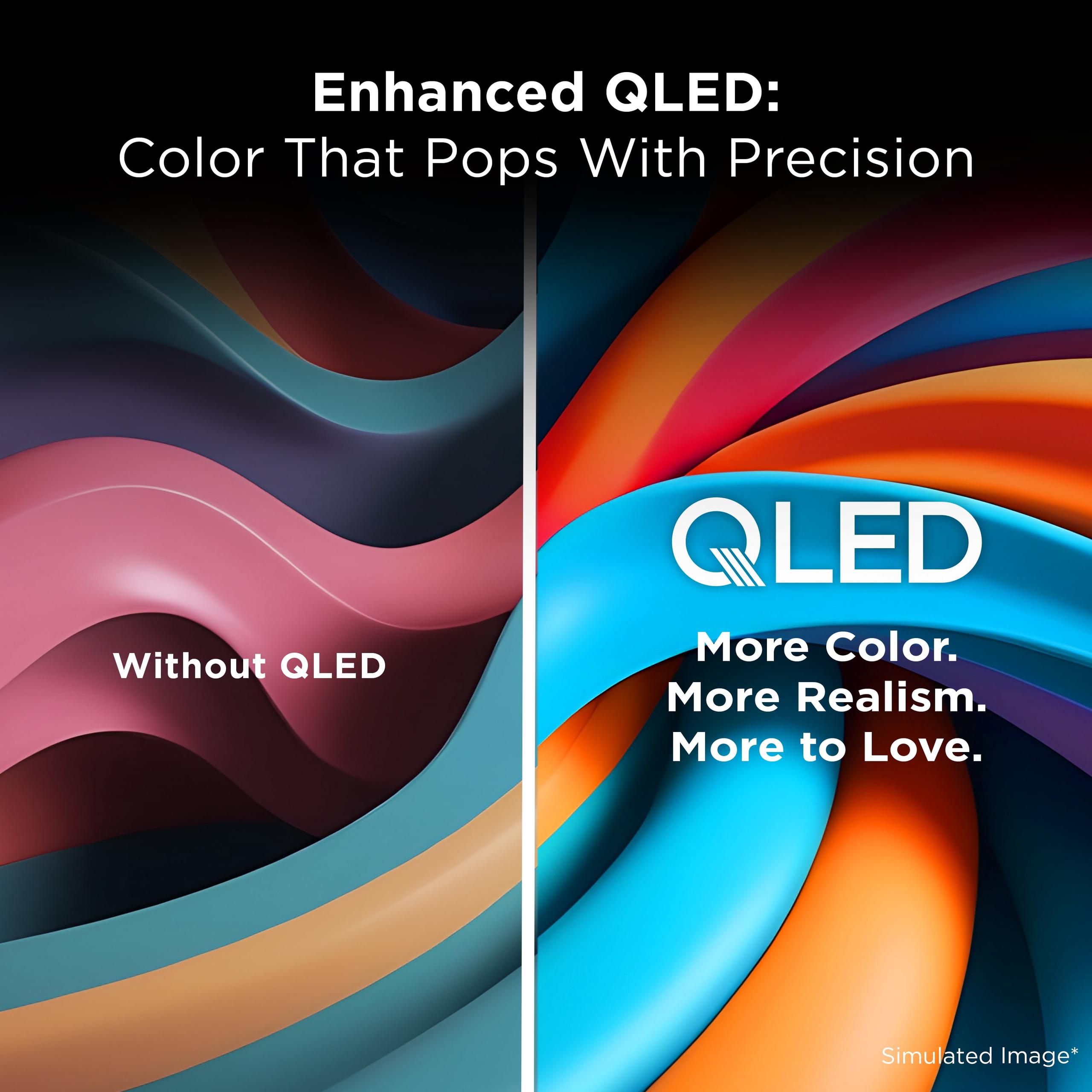
Before diving into the comparison, it's worth understanding what quantum dot technology actually does. Quantum dots are tiny nanocrystals that emit very specific colors when hit by light. Think of them as incredibly precise color filters that can produce more vivid, accurate colors than traditional LED TVs. Both the Hisense QD6 and TCL QM9K use this technology, but in vastly different implementations.
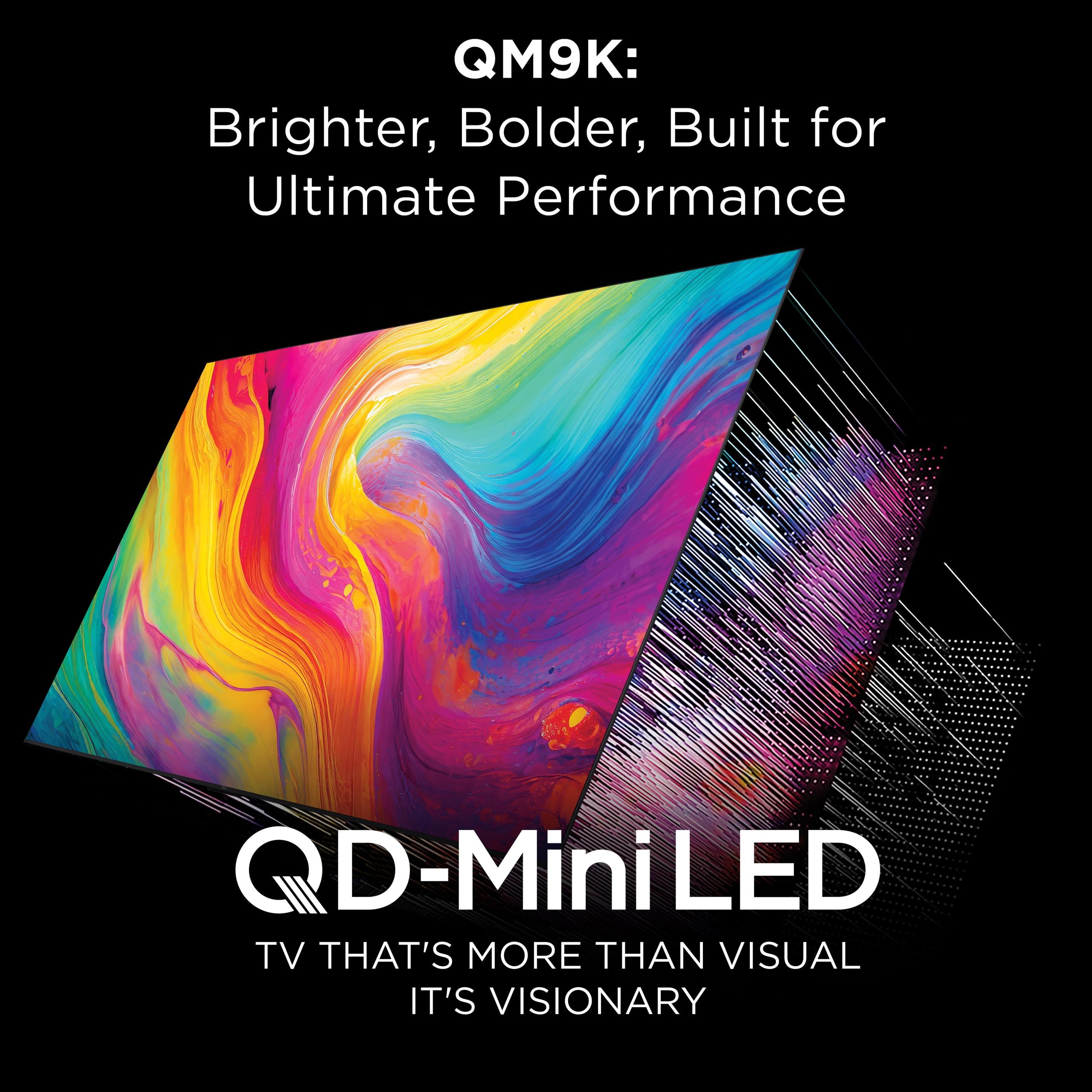
The Hisense QD6, released in 2025, represents Hisense's effort to bring quantum dot enhancement to budget-conscious buyers. It uses what the company calls Hi-QLED technology—essentially quantum dots applied to a traditional LED backlight system. The TCL QM9K, also from 2025, takes a completely different approach with QD-Mini LED technology, combining quantum dots with thousands of tiny Mini LEDs for precise backlight control.
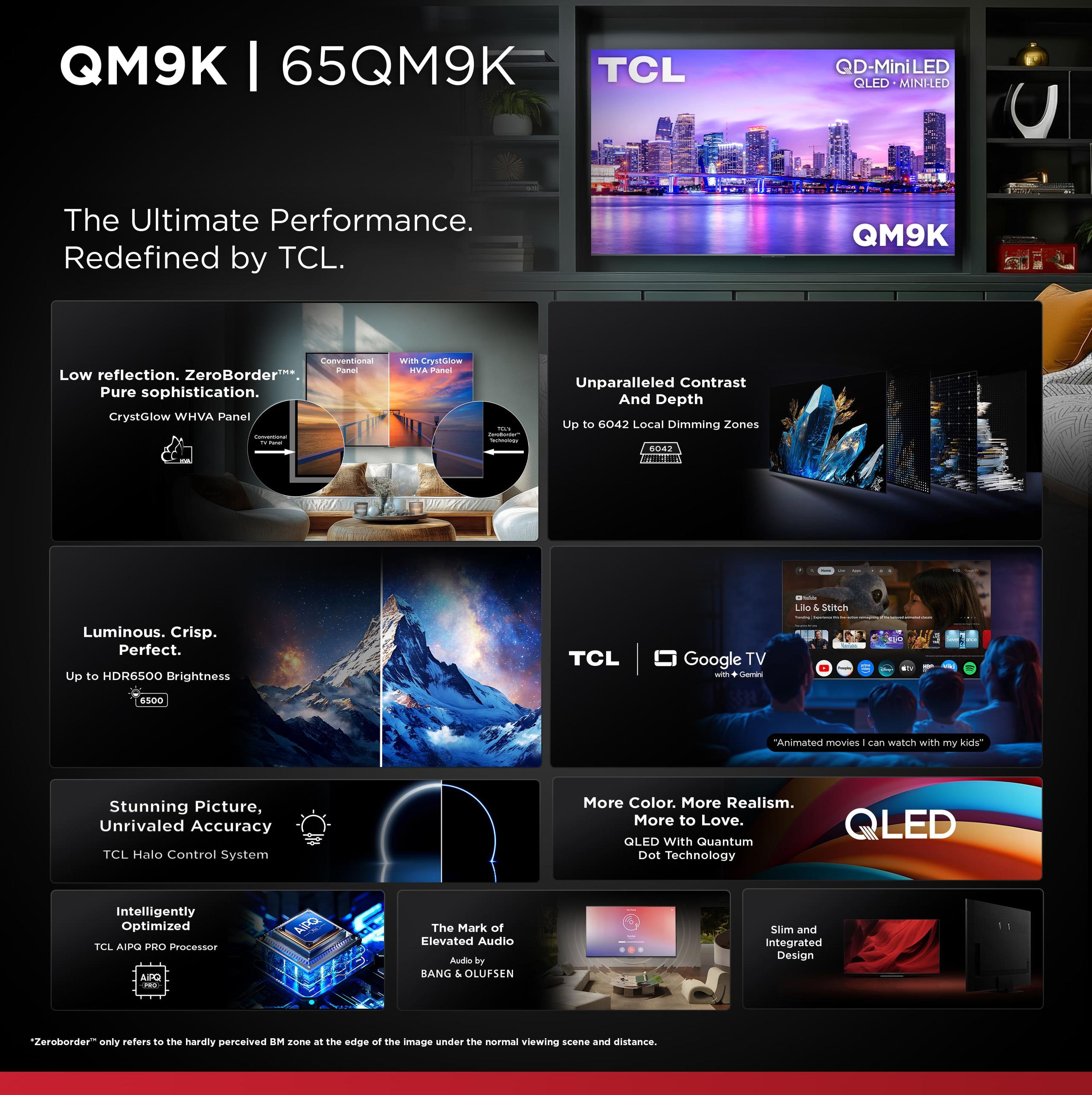
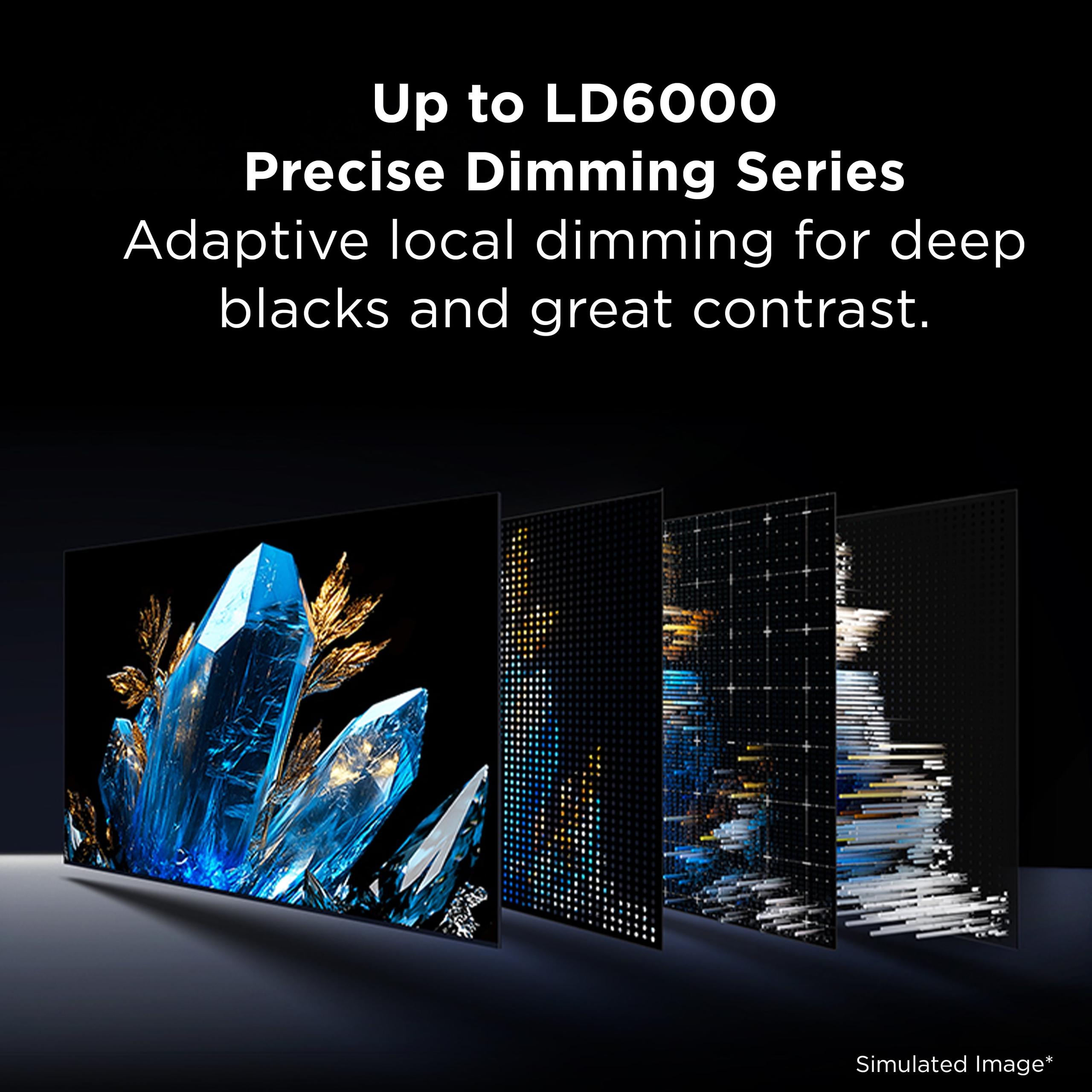
This difference in backlight technology is crucial because it affects almost every aspect of picture quality. Traditional LED backlights, like in the Hisense QD6, use larger LEDs spread across the back of the panel. Mini LED systems, like in the TCL QM9K, use thousands of much smaller LEDs that can be controlled independently in zones—up to 6,000 zones in the TCL's case.
The most dramatic difference between these TVs becomes apparent the moment you watch HDR (High Dynamic Range) content. HDR is designed to show a wider range of brightness levels, from the deepest blacks to the brightest highlights, more closely matching what our eyes see in real life.
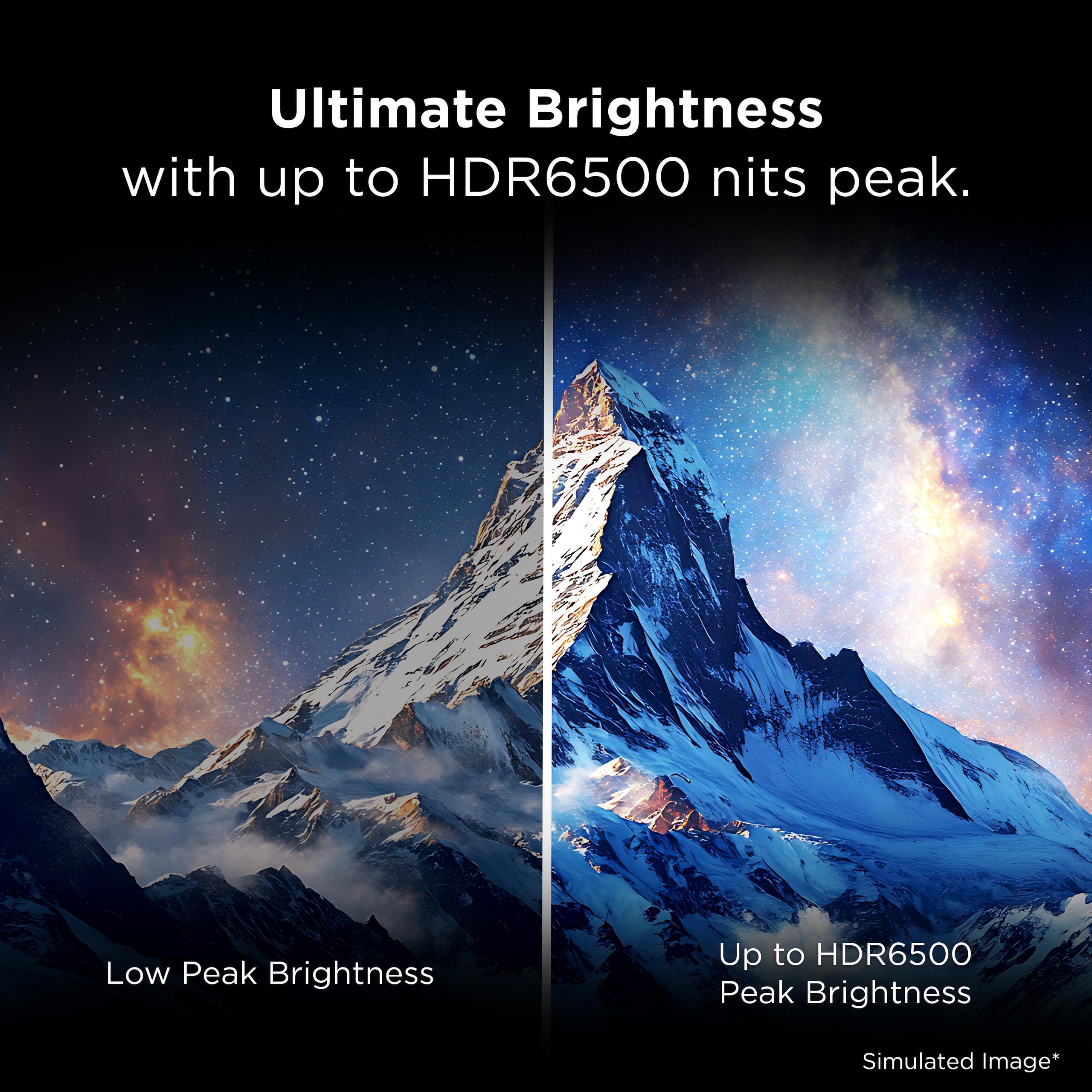
The TCL QM9K can reach an astounding 6,500 nits of peak brightness—that's about 17 times brighter than the Hisense QD6's 385 nits. In practical terms, this means the TCL can make highlights like sun reflections, explosions, or bright stadium lights truly pop off the screen, while the Hisense presents them as merely "brighter than the rest of the image."
I've found that this brightness difference matters most in two scenarios. First, if you watch TV in a bright room with lots of windows, the TCL QM9K can overpower ambient light in ways the Hisense QD6 simply cannot. Second, for HDR content—which increasingly includes everything from Netflix shows to PlayStation 5 games—the TCL delivers the "wow factor" that HDR was designed to provide.
The Hisense QD6 isn't terrible for HDR, but it's more like watching HDR content through sunglasses. You'll see some improvement over standard content, but not the dramatic difference that makes you understand why people get excited about HDR.
This is where the Mini LED technology in the TCL QM9K really shines. Traditional LED TVs like the Hisense QD6 have a single backlight behind the entire screen. When you want to show a bright star in a dark sky, the whole screen gets brighter, making the blacks look gray.
The TCL QM9K's 6,000 local dimming zones can keep the star bright while maintaining truly black sky around it. This creates a contrast ratio—the difference between the brightest and darkest parts of the image—that rivals OLED TVs while maintaining much higher overall brightness.
Based on professional reviews and user feedback, the TCL QM9K delivers deep, uniform blacks with minimal "blooming" (unwanted light spill around bright objects). The Hisense QD6, lacking local dimming entirely, shows the traditional LED weakness of grayish blacks whenever bright elements appear on screen.
Both TVs use quantum dots, but the TCL QM9K covers 97% of the DCI-P3 color space compared to the Hisense QD6's 90%. More importantly, the TCL maintains color saturation at high brightness levels—what's called "color volume"—while the Hisense's colors can wash out in bright scenes.
Out of the box, neither TV is perfectly calibrated, but the TCL QM9K offers more adjustment options and headroom for professional calibration. The Hisense QD6 provides decent color accuracy for casual viewing but may frustrate those who notice color inaccuracies in skin tones or familiar objects.
Gaming is where these TVs diverge most dramatically. The TCL QM9K is built for the current generation of gaming consoles and high-end PCs, while the Hisense QD6 covers the basics without future-proofing.
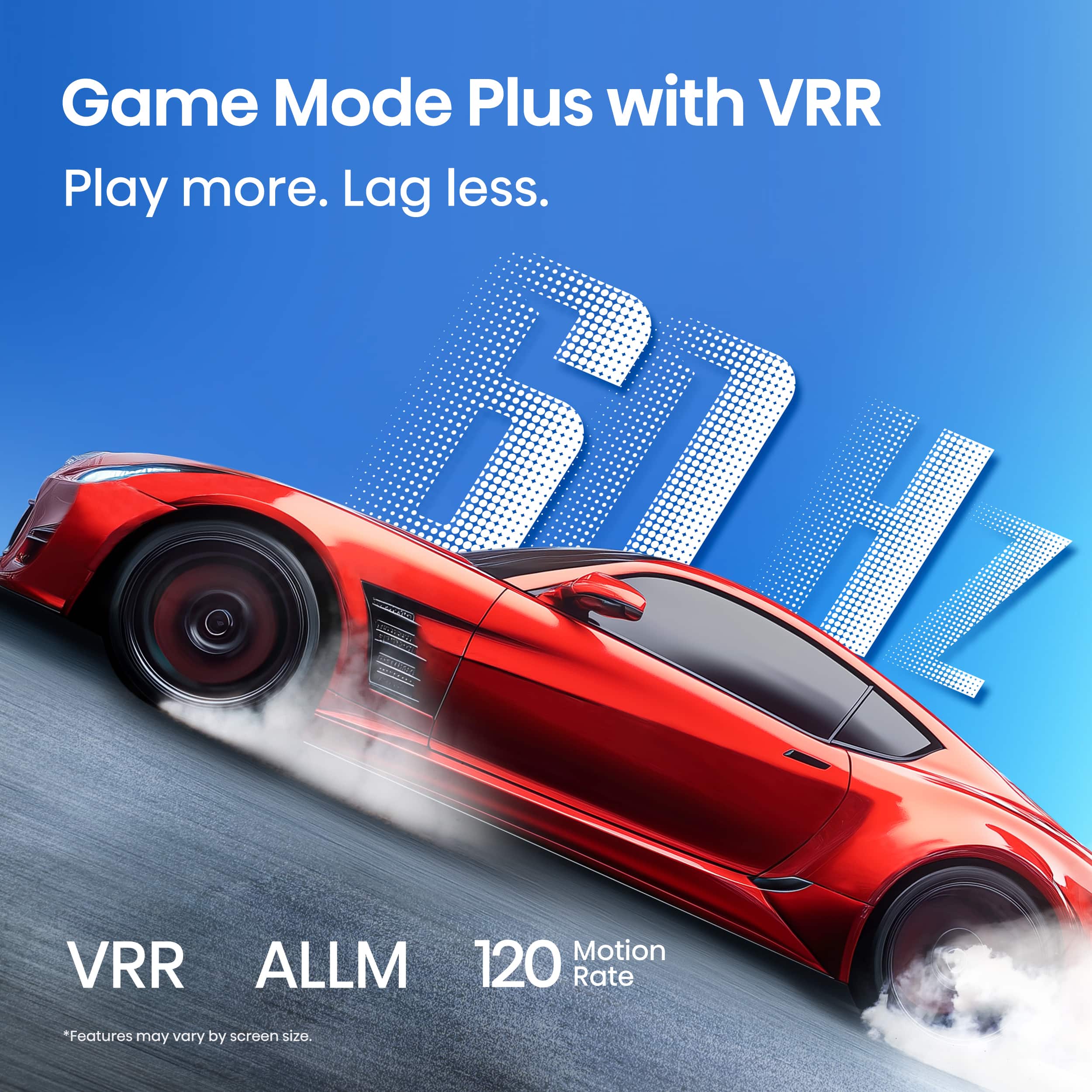
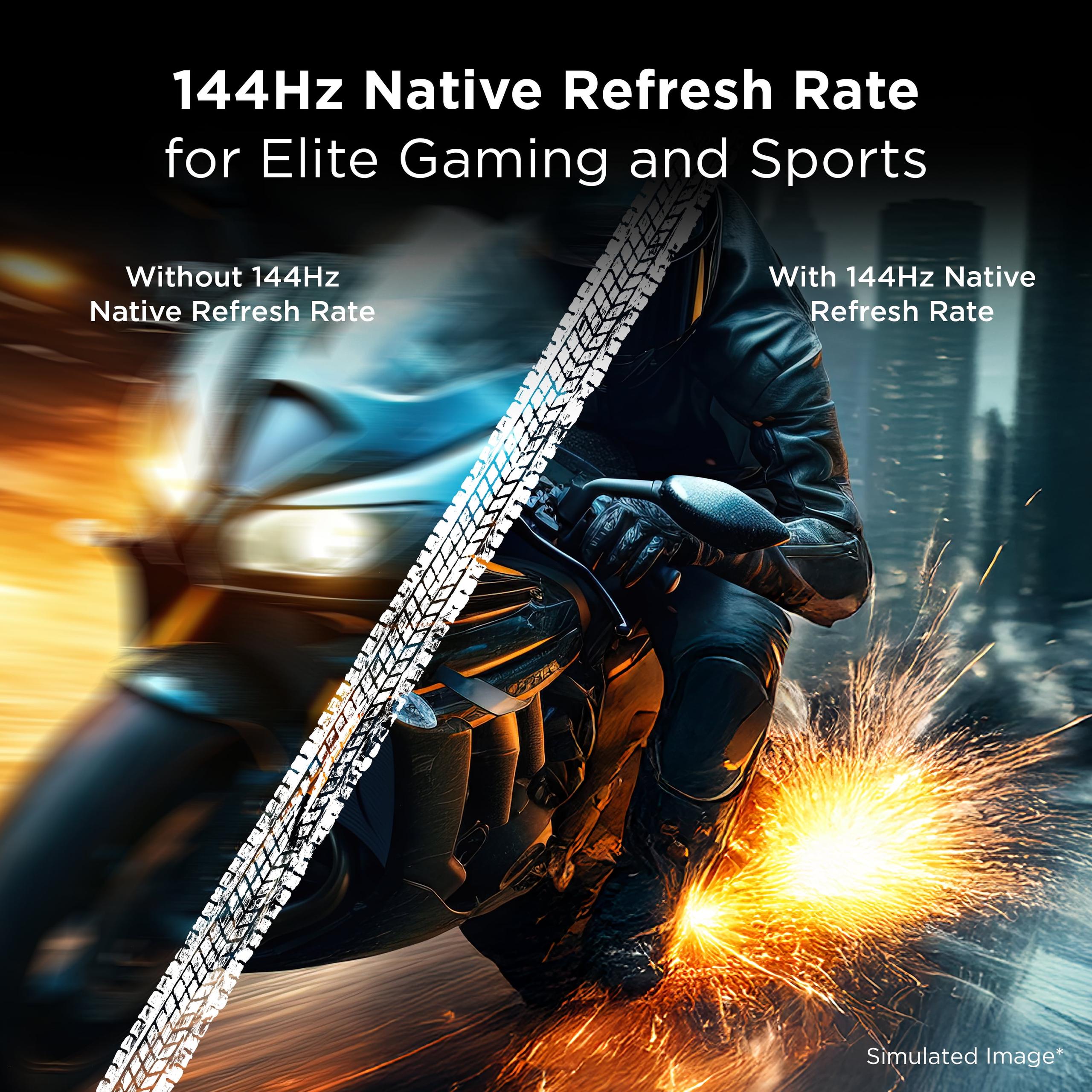
The TCL QM9K supports 4K gaming at 144Hz—meaning it can display 144 frames per second for incredibly smooth motion. It can even handle 288Hz at lower resolutions like 1080p or 1440p. The Hisense QD6 maxes out at 60Hz for 4K content, which is fine for most current games but limits future possibilities.
Input lag—the delay between pressing a button and seeing the action on screen—measures 5.3ms on the TCL QM9K versus 10.2ms on the Hisense QD6. Both are good enough for most gaming, but competitive players will notice the TCL's advantage.
Both TVs support Variable Refresh Rate (VRR) and Auto Low Latency Mode (ALLM), which eliminate screen tearing and reduce input lag automatically when gaming. However, the TCL QM9K's HDMI 2.1 ports can handle the full bandwidth of next-gen consoles, while the Hisense QD6's HDMI 2.0 ports create a bottleneck for high-refresh gaming.
If you're serious about gaming—especially competitive multiplayer games or want to future-proof for upcoming console updates—the TCL QM9K is essential. For casual gaming with current-gen consoles, the Hisense QD6 handles the basics well.
Motion handling reveals another significant difference between these approaches. The TCL QM9K combines a faster panel response time (7.4ms) with sophisticated processing to reduce blur in fast-moving scenes. Its Motion Rate 480 system uses multiple techniques to maintain clarity during action sequences.
The Hisense QD6 struggles more with motion blur, especially in dark-to-bright transitions. Sports viewing suffers from blurry player movement and artifacts around fast-moving objects. The TCL handles sports much better, though it's not perfect—fast panning shots can still show some stutter.
For sports fans or action movie enthusiasts, the TCL QM9K provides a noticeably cleaner experience. The Hisense QD6 works for casual viewing but may frustrate those who watch a lot of fast-paced content.
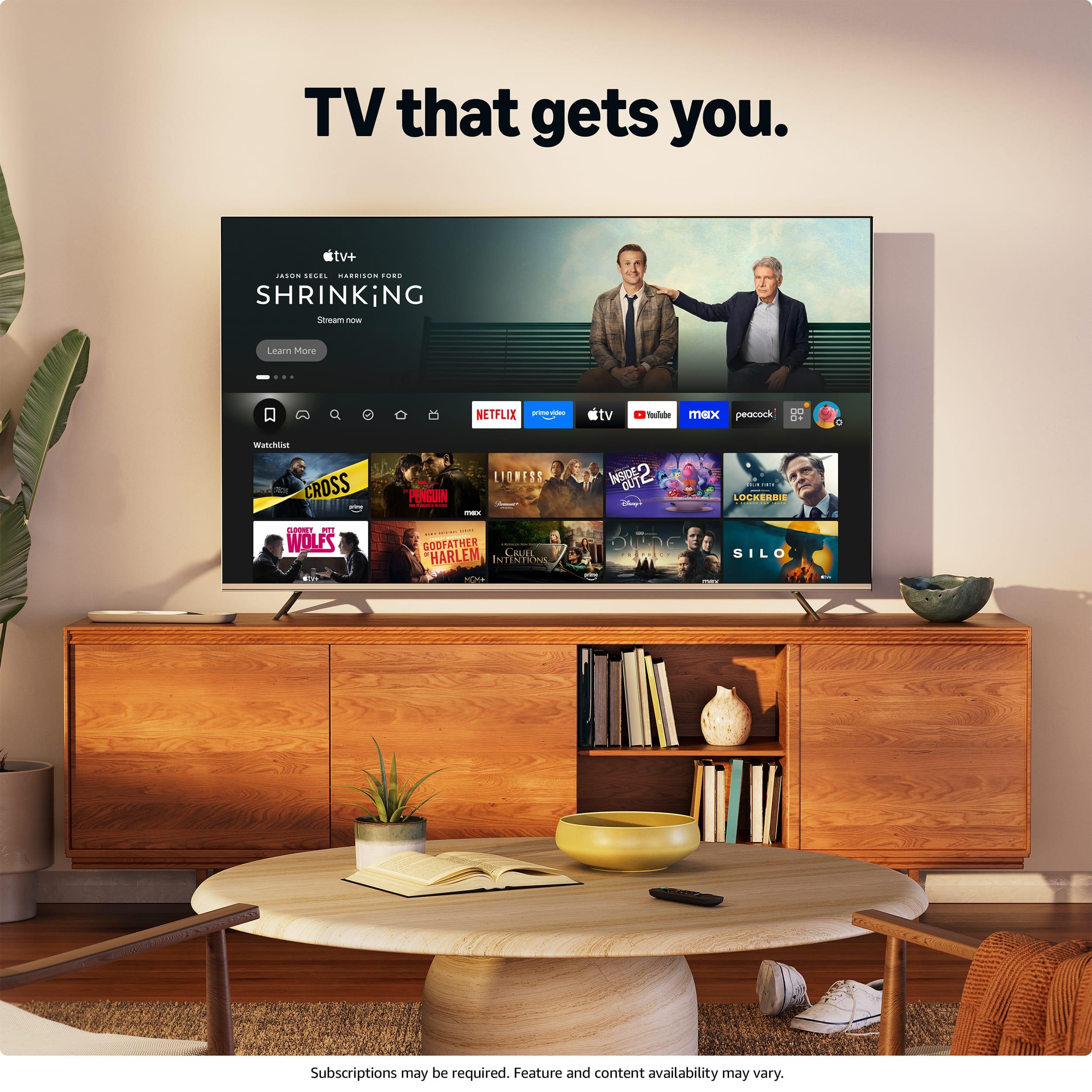
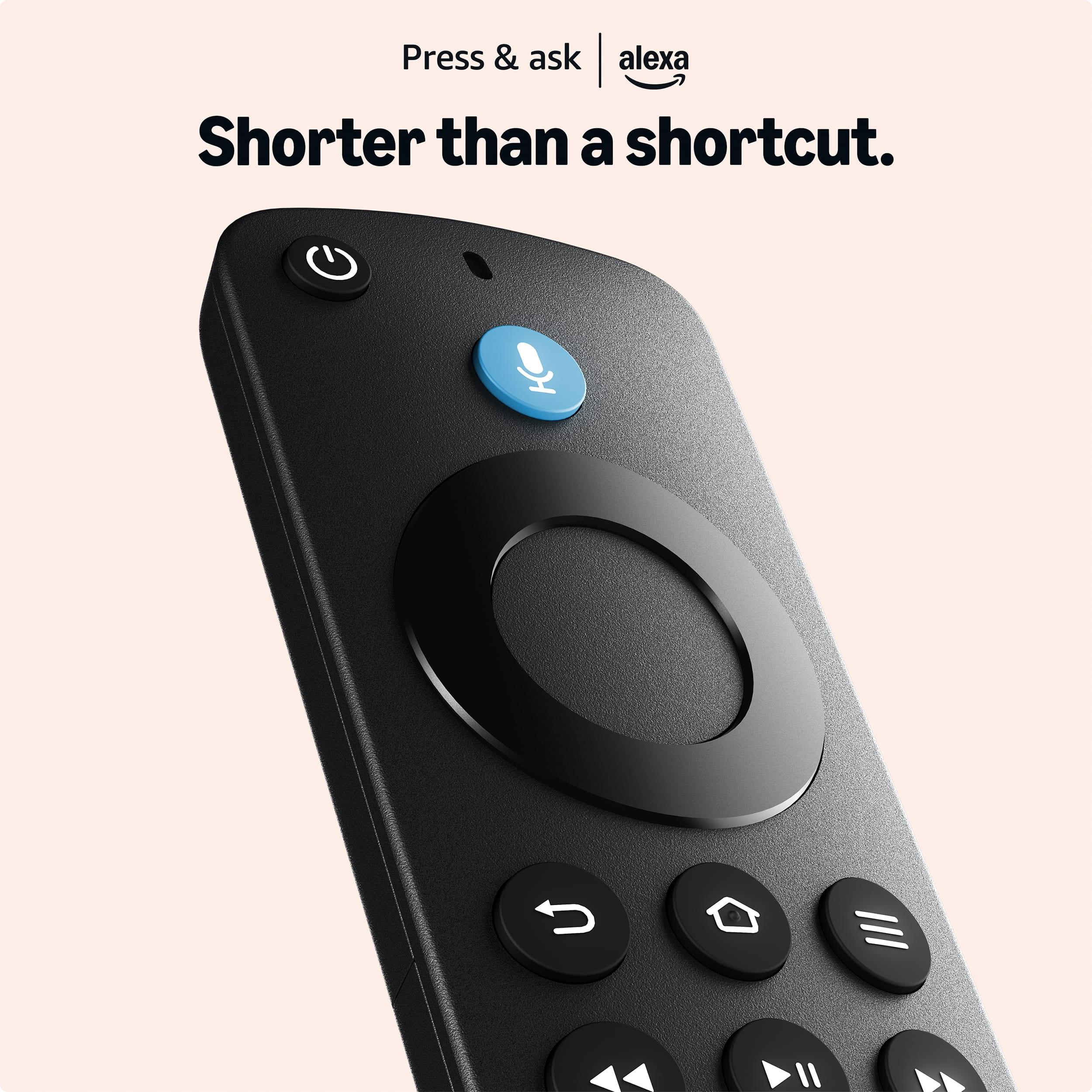
Both TVs offer capable smart platforms, but with different philosophies. The Hisense QD6 runs Fire TV, Amazon's streaming platform that integrates well with Alexa and Amazon services. It's clean, responsive, and familiar to Amazon ecosystem users.
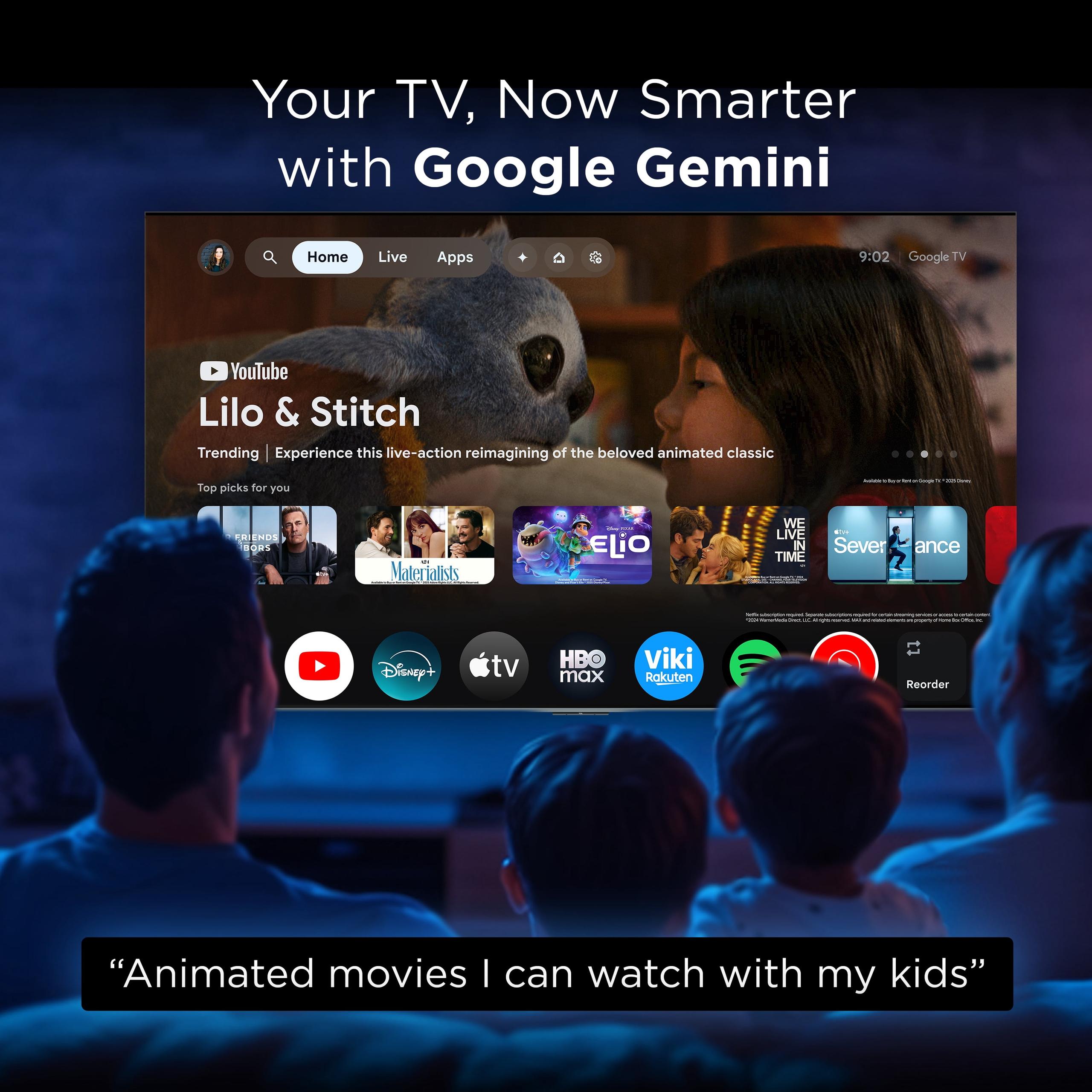
The TCL QM9K uses Google TV with the newer Google Gemini AI integration. This provides more sophisticated voice control, better content recommendations, and features like presence sensing that automatically adjusts the TV based on whether someone's in the room.
Both platforms support major streaming apps and voice assistants, but the TCL offers more flexibility with multiple assistant support (Google, Alexa, and Apple HomeKit). The choice often comes down to which ecosystem you prefer or are already invested in.
Audio represents one of the clearest advantages for the TCL QM9K. Its Bang & Olufsen-tuned system includes a dedicated subwoofer in a 2.1.1 channel configuration. This provides proper bass response and clearer dialogue than typical TV speakers.
The Hisense QD6 includes Dolby Atmos support but lacks the driver configuration to take full advantage. It's adequate for casual viewing but you'll want to add a soundbar sooner rather than later.
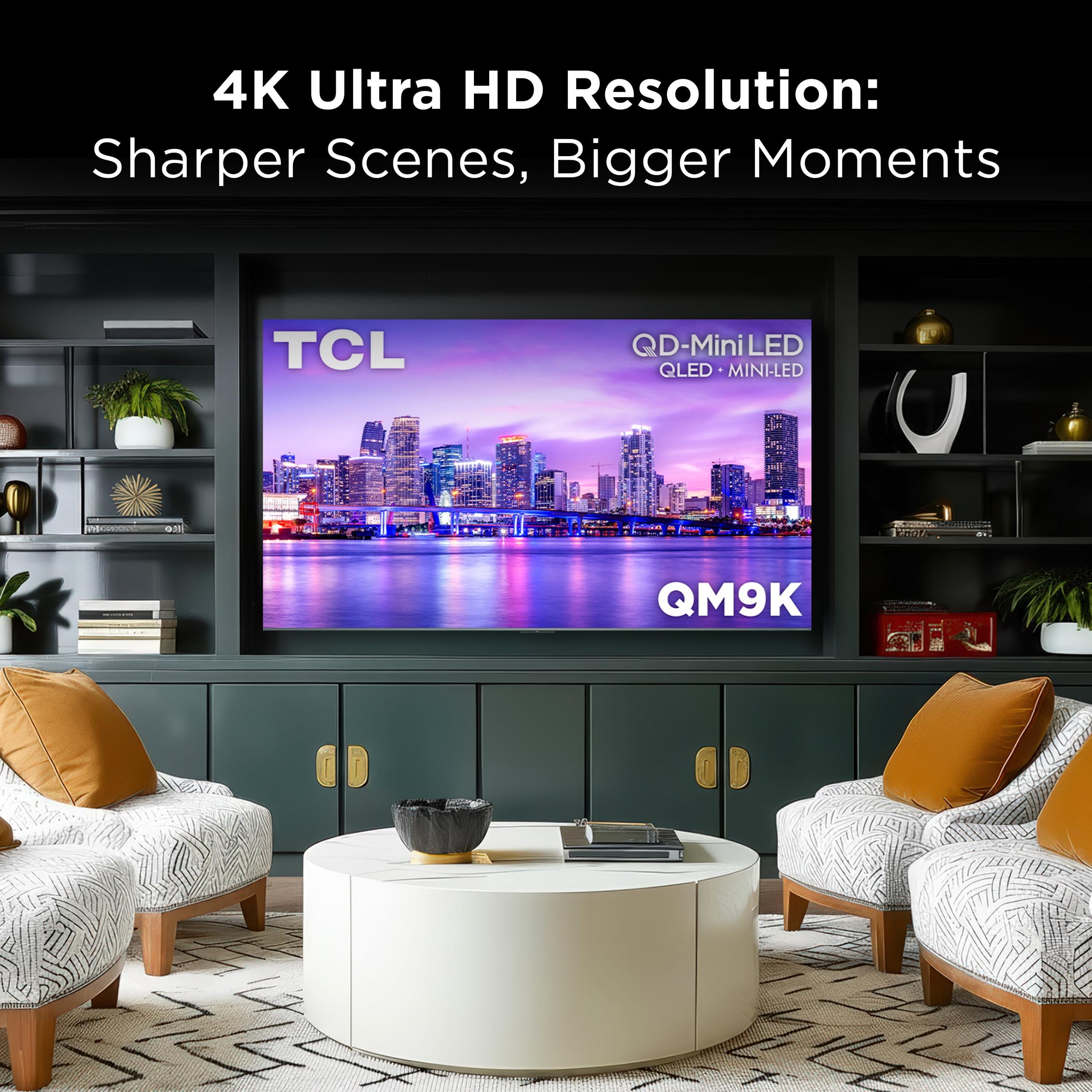
For dedicated home theater setups, the TCL QM9K is the clear choice. Its combination of high brightness, deep blacks, and accurate colors provides a cinematic experience that justifies its premium positioning. The Mini LED backlight eliminates the uniformity issues that plague budget TVs in dark rooms.
The Hisense QD6 can work in a home theater setting, but its limitations become more apparent in controlled lighting conditions. The lack of local dimming means dark scenes appear gray rather than black, reducing the immersive experience that home theater enthusiasts seek.
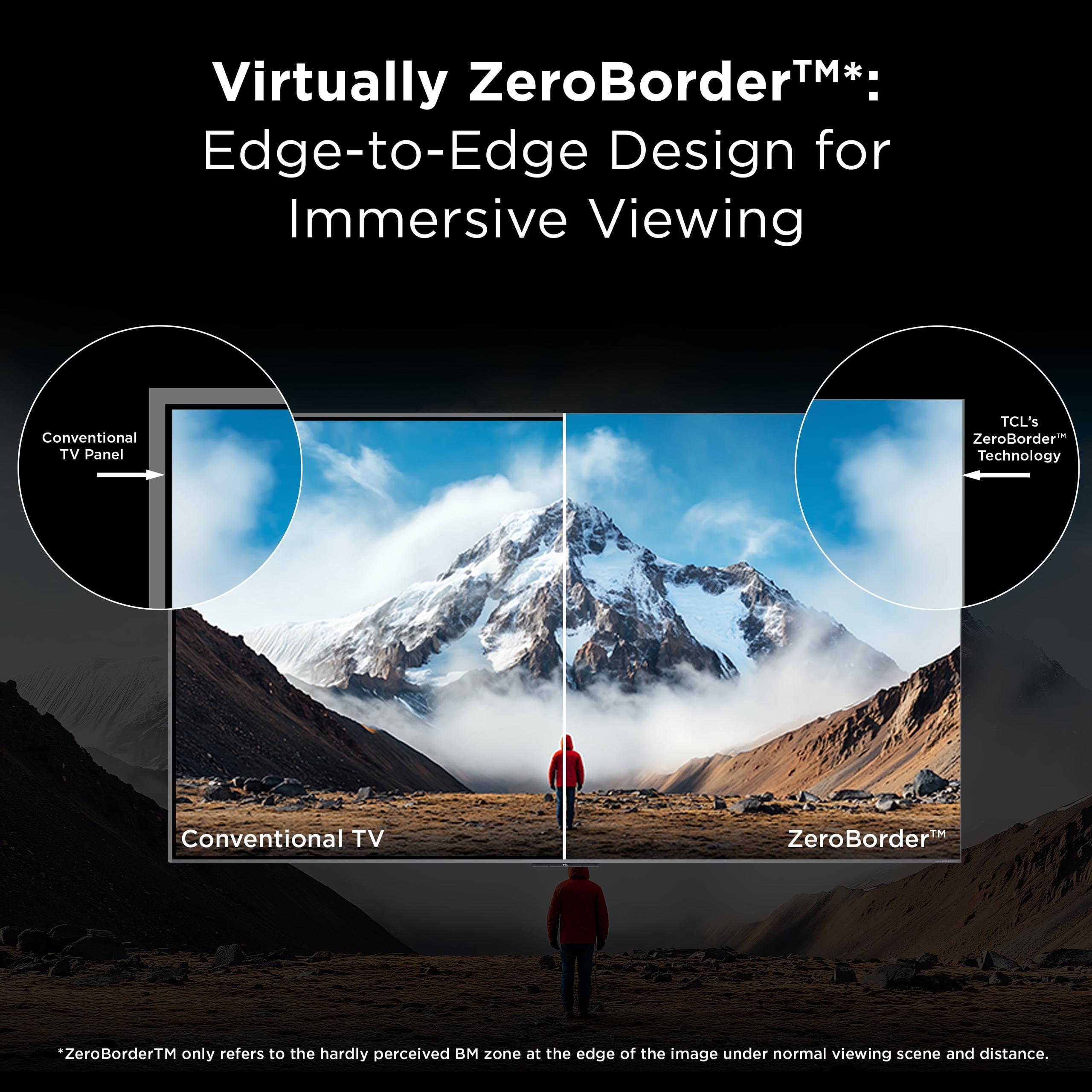
The physical construction reflects each TV's market positioning. The TCL QM9K features a premium ultra-slim design with quality materials and thoughtful cable management. The Hisense QD6 uses a more traditional thick LED-LCD construction that's functional but less elegant.
Both TVs include wall-mounting hardware and reasonable remote controls, but the TCL's attention to detail extends to smaller touches like the backlit remote and presence-sensing features.
Budget is your primary concern and you want quantum dot color enhancement without premium pricing. It's perfect for casual viewers who primarily stream content in moderately lit rooms. The Fire TV platform works well for Amazon ecosystem users, and it handles basic gaming adequately.
The Hisense QD6 represents excellent value for viewers who want a step up from basic LED TVs without the complexity or cost of flagship models. It's particularly suitable for bedrooms, guest rooms, or secondary viewing areas where absolute picture quality isn't critical.
Picture quality is paramount and your budget allows for premium features. It's essential for serious gamers who want high-refresh capabilities, sports fans who notice motion issues, or anyone who watches a lot of HDR content.
The TCL QM9K makes sense as a primary TV in the main living area or dedicated home theater room. Its Mini LED technology provides a viewing experience that remains impressive years after purchase, making it a better long-term investment despite the higher upfront cost.
At the time of writing, the price difference between these TVs is substantial—often more than double for the TCL. This isn't just about paying for features you might not use; it's about fundamentally different approaches to picture quality.
If you're upgrading from an older TV, even the Hisense QD6 will likely represent a significant improvement. However, if picture quality matters enough that you're researching premium TVs, the compromises inherent in budget models may frustrate you.
The TCL QM9K offers genuine flagship performance that competes with much more expensive OLED models while providing superior brightness for bright room viewing. For viewers who appreciate these differences, it's worth the premium.
The key is being honest about your priorities, viewing habits, and budget. Both TVs serve their intended markets well—the question is which market you belong to.
| Hisense 65" QD6 Series Hi-QLED Fire TV (2025) | TCL 65" QM9K QD-Mini LED Smart TV |
|---|---|
| Peak Brightness - Critical for HDR impact and bright room viewing | |
| 385 cd/m² (adequate for moderate lighting, limited HDR effect) | 6,500 nits (exceptional HDR highlights, overpowers any ambient light) |
| Local Dimming Zones - Essential for deep blacks and contrast | |
| None (entire screen dims together, causes gray blacks) | Up to 6,000 zones (precise control, OLED-like blacks with LED brightness) |
| Refresh Rate & Gaming - Future-proofing for high-performance gaming | |
| 60Hz max (good for current games, limits future capabilities) | 144Hz native (4K@144Hz, 1080p@288Hz for competitive gaming) |
| Color Gamut Coverage - Determines color vibrancy and accuracy | |
| 90% DCI-P3 (good quantum dot enhancement for the price) | 97% DCI-P3 (professional-grade color reproduction) |
| HDMI Connectivity - Affects gaming and future device compatibility | |
| 4x HDMI 2.0 (bottlenecks high-refresh gaming) | 4x HDMI 2.1 (full next-gen console support) |
| Input Lag - Response time for gaming and interactive content | |
| 10.2ms (responsive enough for casual gaming) | 5.3ms (competitive gaming ready) |
| Smart Platform - Daily interface and app ecosystem | |
| Fire TV with Alexa (Amazon-focused, clean interface) | Google TV with Gemini AI (multi-assistant, presence sensing) |
| Audio System - Built-in sound quality and theater readiness | |
| Basic Dolby Atmos (adequate, likely needs soundbar upgrade) | Bang & Olufsen 2.1.1 with subwoofer (genuine home theater audio) |
| Panel Technology - Core display approach and viewing experience | |
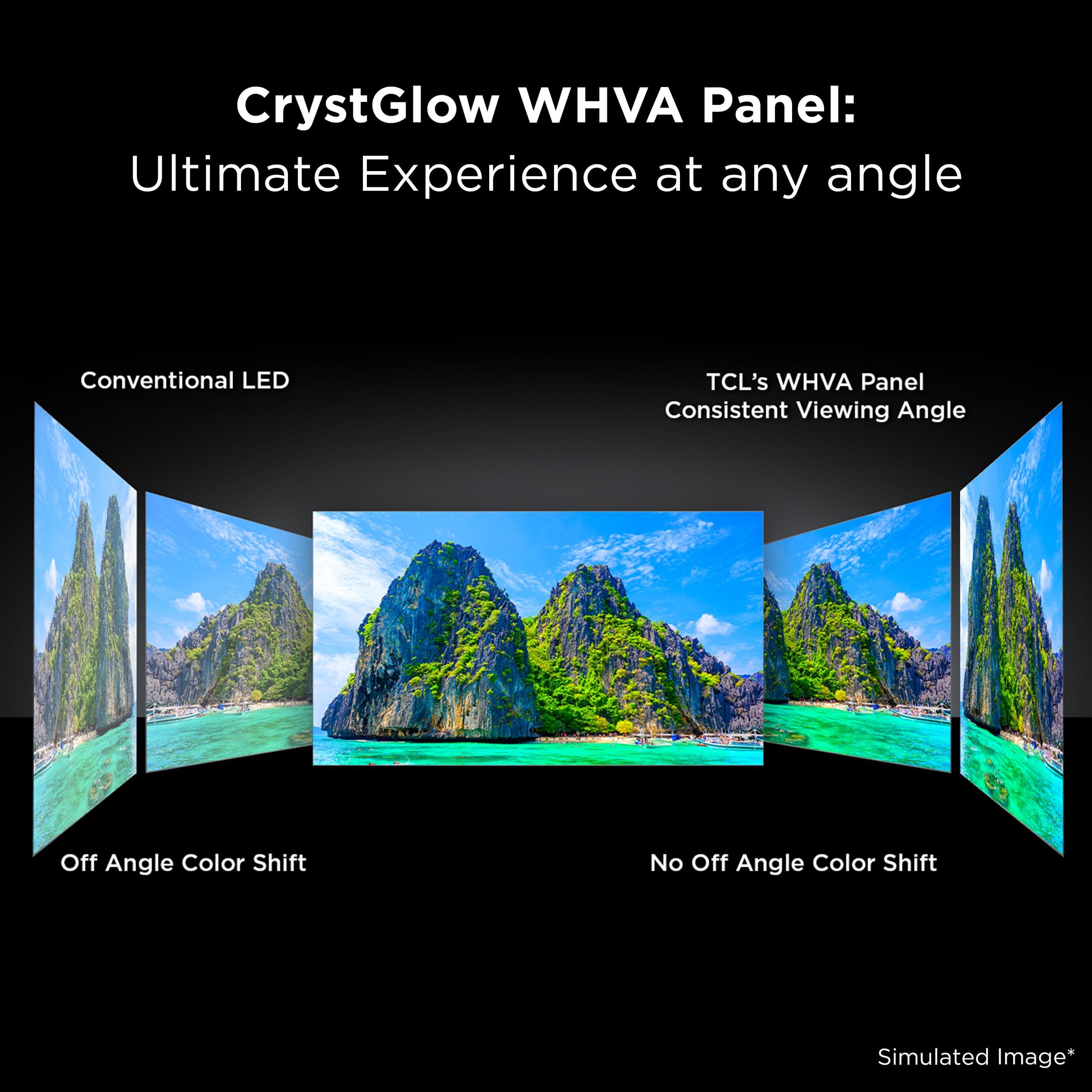
| Direct LED with quantum dots (budget implementation) | CrystGlow WHVA Mini LED with quantum dots (premium construction) |
| Motion Handling - Critical for sports and action content | |
| Motion Rate 120 with noticeable blur in fast scenes | Motion Rate 480 with advanced MEMC, minimal blur artifacts |
The Hisense QD6 offers exceptional value in the budget segment, providing quantum dot color enhancement and solid picture quality for casual viewing. However, the TCL QM9K delivers flagship performance with Mini LED technology, making it worth the premium for serious viewers who prioritize picture quality, gaming, and home theater experiences.
The primary difference is the backlight technology. The Hisense QD6 uses traditional LED backlighting without local dimming, while the TCL QM9K features Mini LED technology with up to 6,000 dimming zones. This gives the TCL QM9K dramatically better contrast, deeper blacks, and superior HDR performance.
The TCL QM9K is significantly better for gaming with 4K@144Hz support, 5.3ms input lag, and HDMI 2.1 ports for next-gen consoles. The Hisense QD6 handles casual gaming well with 60Hz refresh rate and 10.2ms input lag, but lacks the high-refresh capabilities serious gamers want.
For general viewing, both TVs deliver good picture quality, but the TCL QM9K provides a more cinematic experience with deeper blacks, brighter highlights, and better motion handling. The Hisense QD6 works well for streaming in moderate lighting but struggles with HDR content impact compared to the TCL QM9K.
The TCL QM9K excels in bright rooms with 6,500 nits peak brightness that easily overcomes ambient light and glare. The Hisense QD6 with 385 nits brightness is adequate for moderately lit rooms but struggles in very bright environments with lots of windows.
Yes, both support HDR formats including Dolby Vision and HDR10+. However, the TCL QM9K delivers true HDR impact with its high brightness and local dimming, while the Hisense QD6 provides limited HDR benefits due to lower peak brightness and lack of contrast control.
Both offer capable smart platforms: the Hisense QD6 runs Fire TV with Alexa integration, while the TCL QM9K uses Google TV with Gemini AI and presence sensing. The TCL QM9K offers more advanced features and multi-assistant support, but platform choice often depends on your preferred ecosystem.
The TCL QM9K features Bang & Olufsen tuning with a 2.1.1 channel system including a dedicated subwoofer, providing significantly better built-in audio. The Hisense QD6 has basic Dolby Atmos support but you'll likely want to add a soundbar for optimal audio quality.
The TCL QM9K handles sports better with faster response times, superior motion processing, and higher brightness for daytime viewing. The Hisense QD6 shows noticeable motion blur with fast-moving players and struggles with uniformity during sports broadcasts.
The TCL QM9K excels in home theater environments with its Mini LED contrast, deep blacks, and cinematic picture quality that rivals much more expensive displays. The Hisense QD6 can work in home theaters but lacks the contrast and uniformity that serious enthusiasts expect from their main display.
The TCL QM9K is more future-proof with HDMI 2.1 support, high refresh rates, and premium panel technology that will remain relevant longer. The Hisense QD6 covers current needs well but may feel outdated sooner as high-refresh content and gaming become more common.
Choose the Hisense QD6 if budget is your primary concern and you want quantum dot enhancement for casual viewing in moderate lighting. Pick the TCL QM9K if picture quality, gaming performance, or home theater use are priorities and your budget allows for the premium investment in Mini LED technology.
We've done our best to create useful and informative comparisons to help you decide what product to buy. Our research uses advanced automated methods to create this comparison and perfection is not possible - please contact us for corrections or questions. These are the sites we've researched in the creation of this article: pcvarge.com - bestbuy.com - rtings.com - youtube.com - rtings.com - youtube.com - consumerreports.org - leaseville.com - hisense-usa.com - device.report - hisense-usa.com - youtube.com - flatpanelshd.com - displayspecifications.com - retailspecs.com - rtings.com - bestbuy.com - youtube.com - youtube.com - youtube.com - techaeris.com - displayspecifications.com - pcrichard.com - residentialsystems.com - us.tcl.com - displayspecifications.com - valueelectronics.com - woodruffappliance.com - tcl.com - pcrichard.com - tcl.com - techradar.com - tcl.com - us.tcl.com - youtube.com - youtube.com - bestbuy.com - youtube.com

Privacy Policy
Terms and Conditions - Affiliate Policy
Home Security
© Copyright 2008-2026.
11816 Inwood Rd #1211, Dallas, TX 75244