

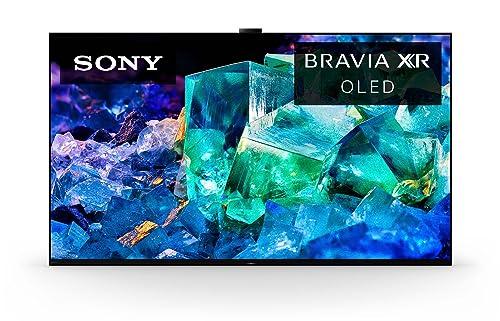


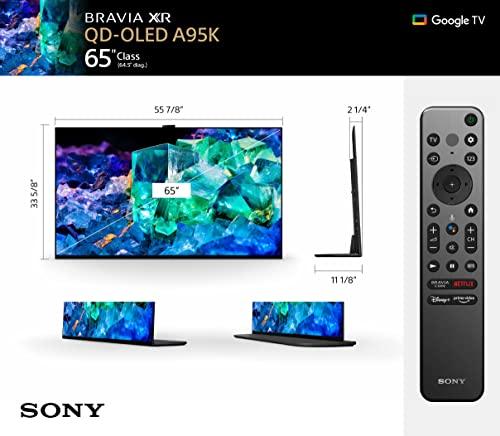




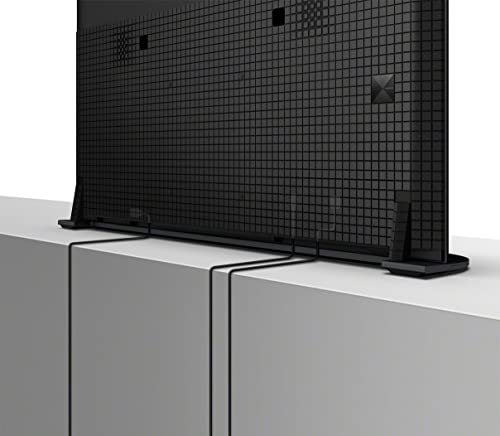
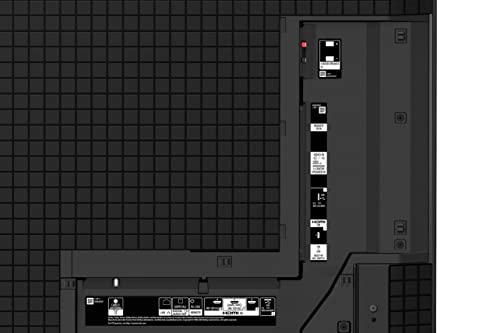
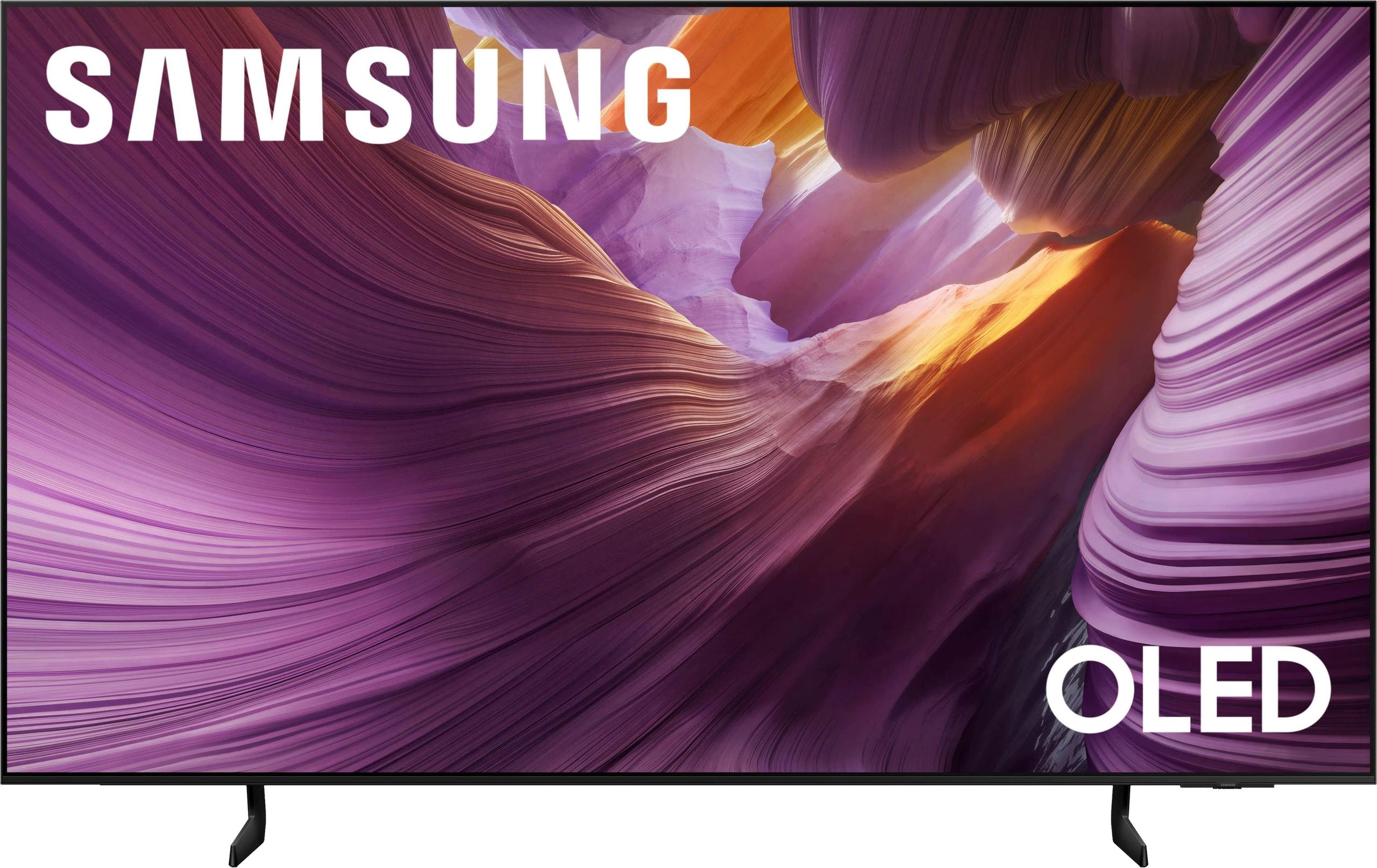
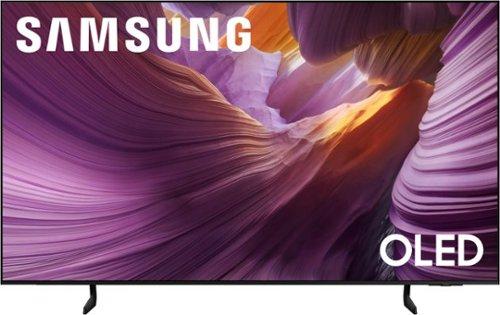
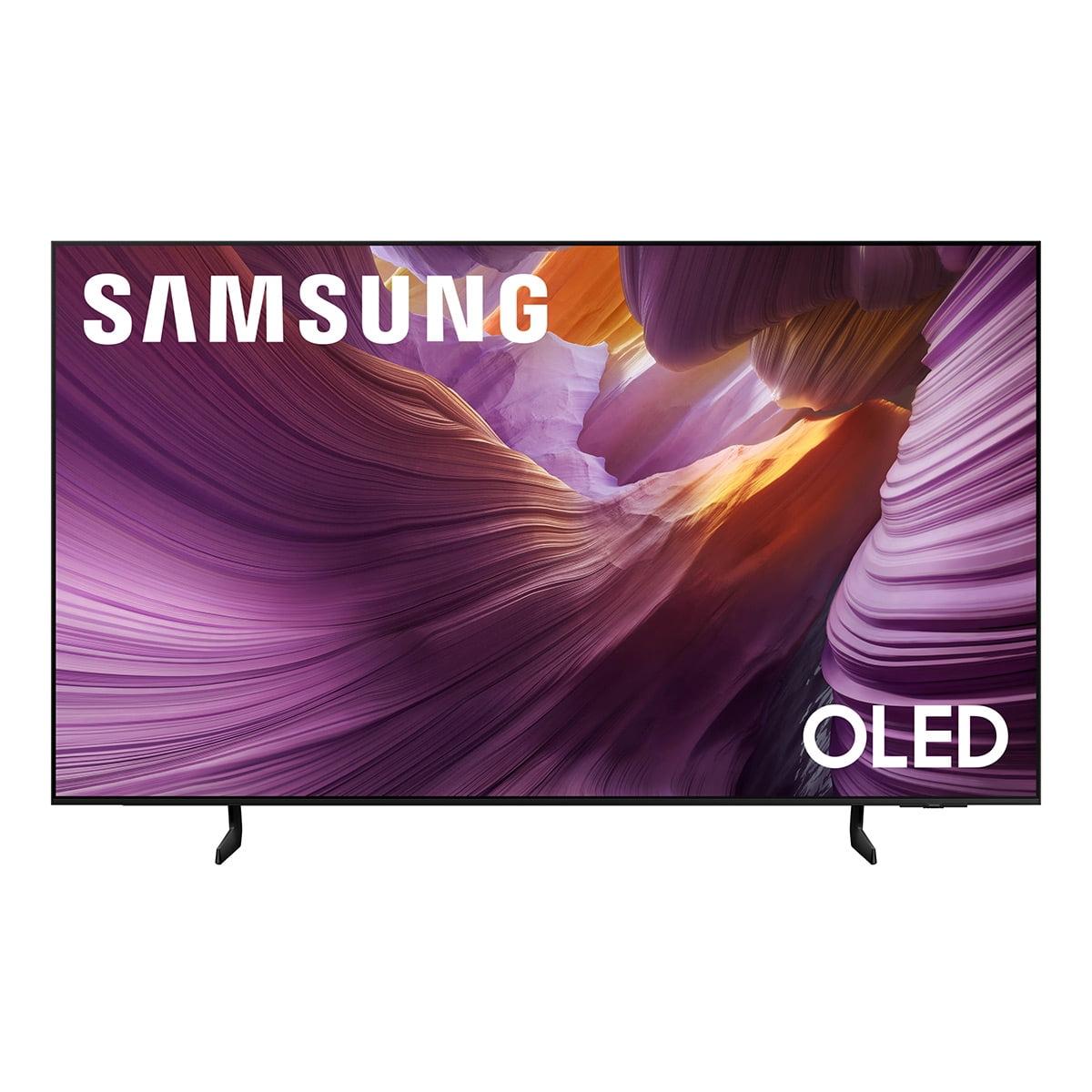
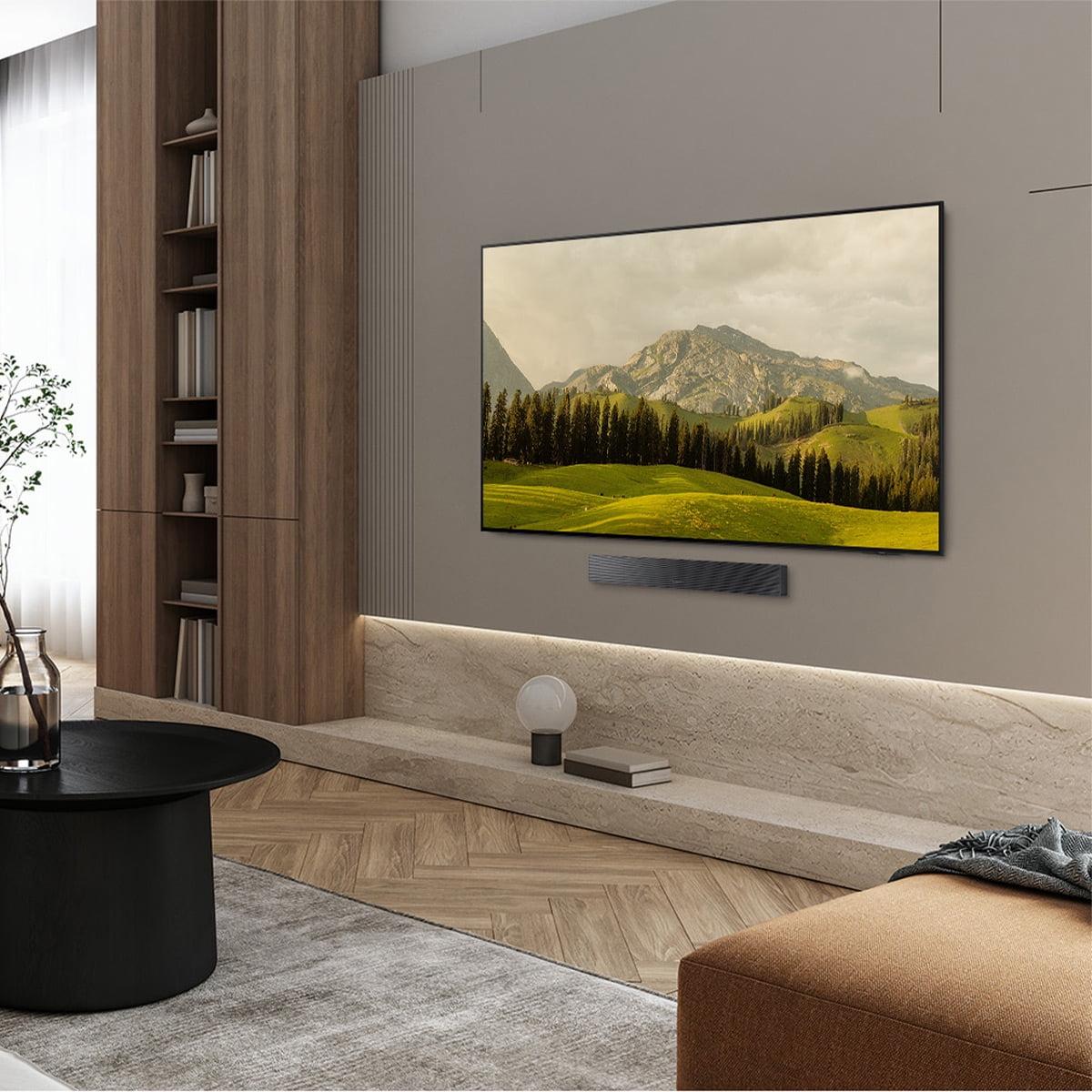

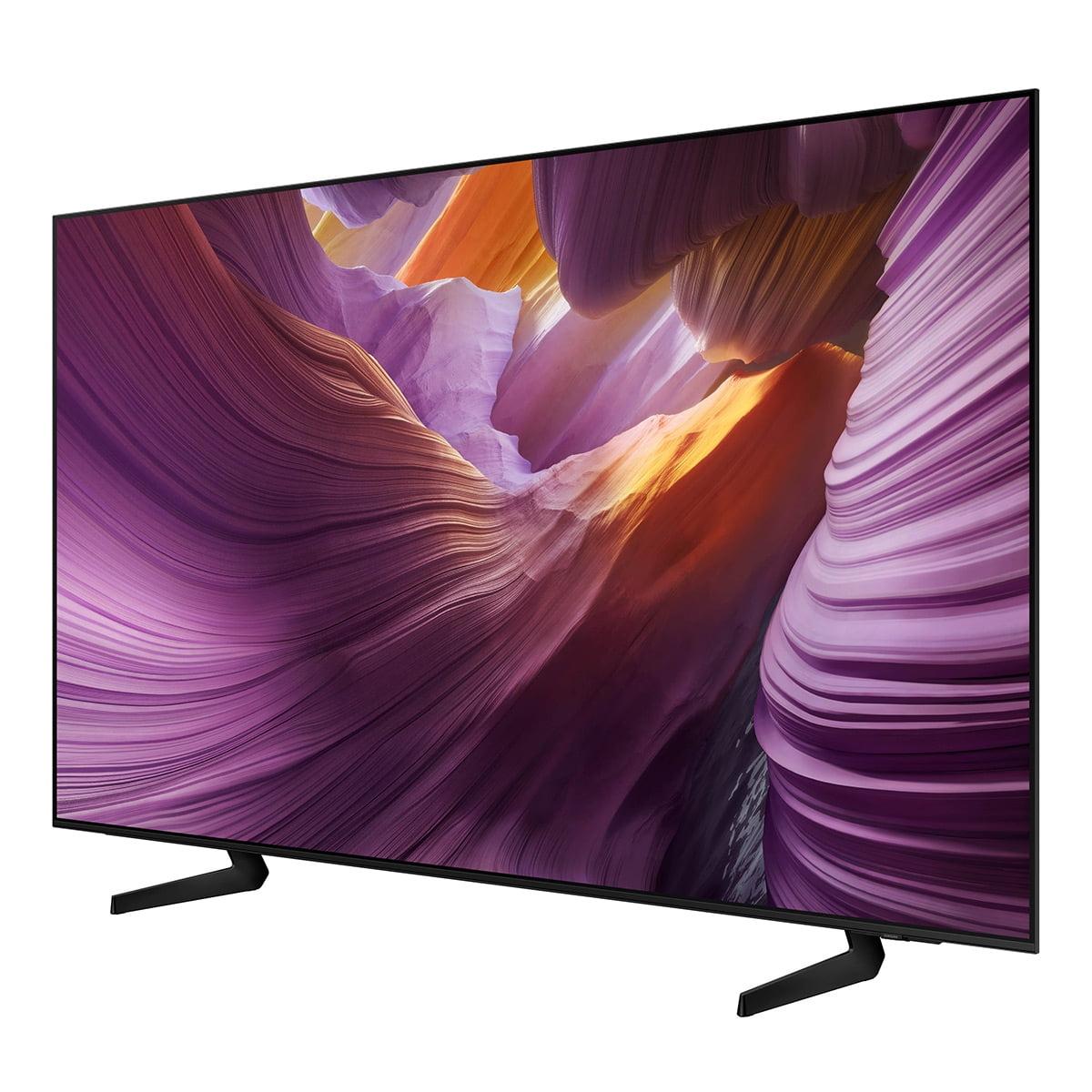
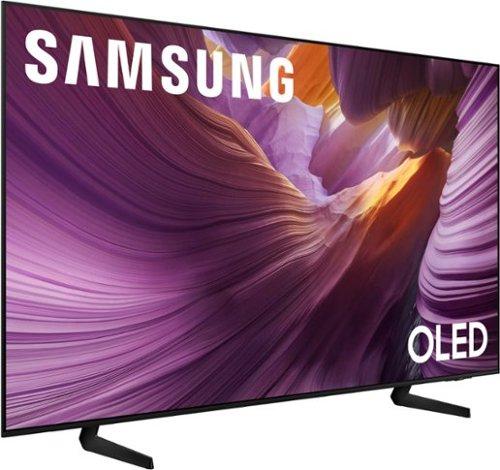
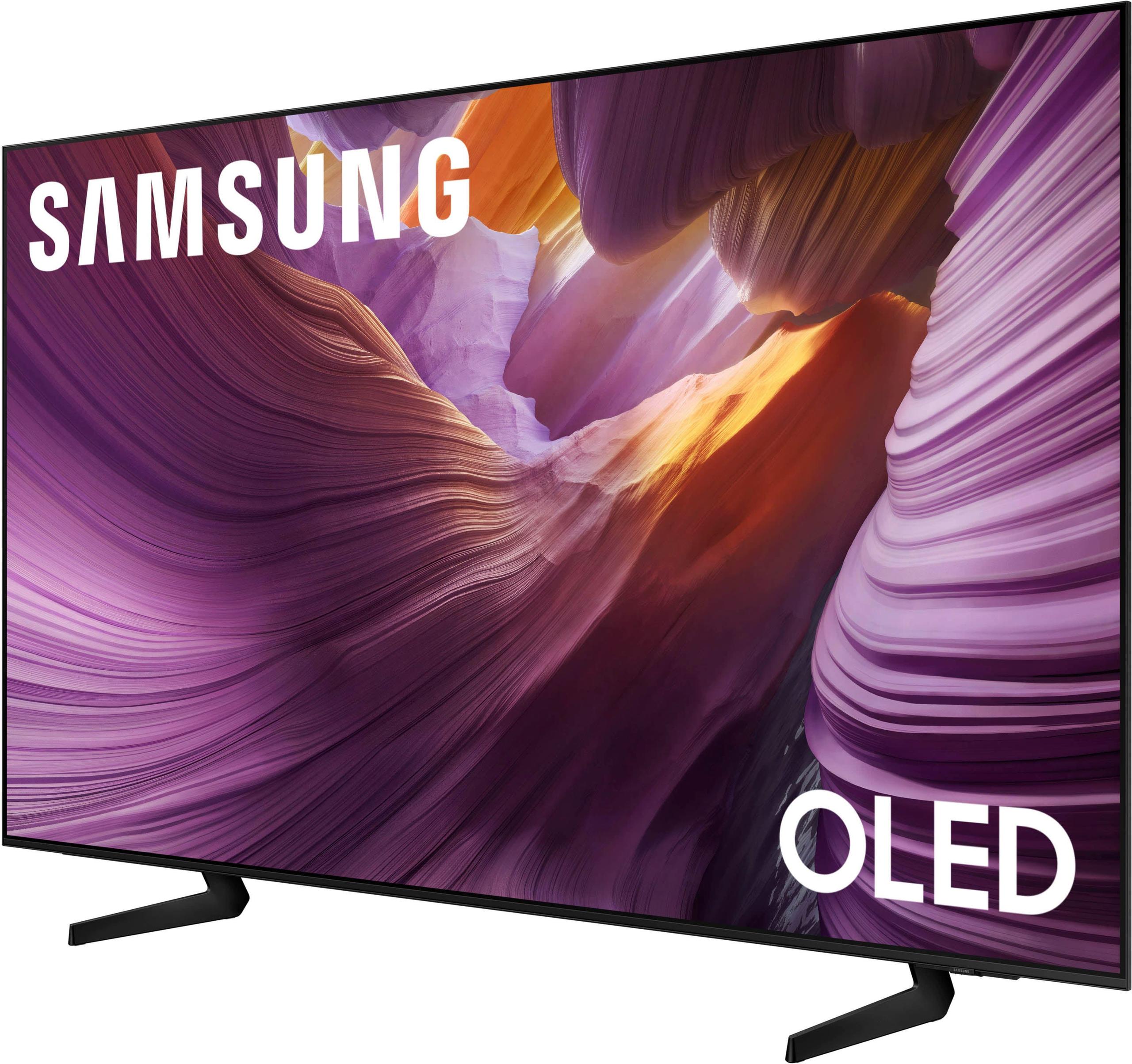
Shopping for a premium OLED TV today means navigating some fascinating technology choices. Two models that perfectly illustrate this are the Sony Bravia XR A95K and the Samsung S85F. While both deliver the perfect blacks and infinite contrast that make OLED technology so compelling, they represent completely different philosophies about what makes a great TV.
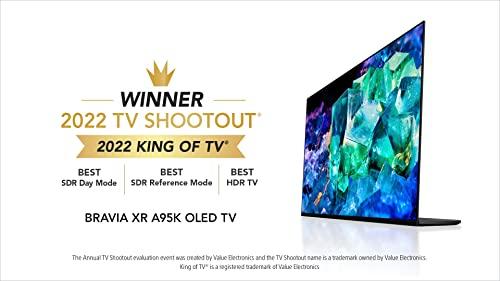
The Sony A95K launched in 2022 as Sony's flagship introduction to QD-OLED technology—a breakthrough that promised to solve OLED's traditional brightness limitations. Meanwhile, the Samsung S85F arrived in 2025 as Samsung's entry-level OLED, using proven WOLED technology but loaded with three years' worth of processing improvements and smart features.
This creates an intriguing comparison: cutting-edge display technology from 2022 versus modern convenience features with standard OLED panels from 2025. At the time of writing, both TVs compete in similar price ranges, but they take dramatically different approaches to delivering premium entertainment experiences.
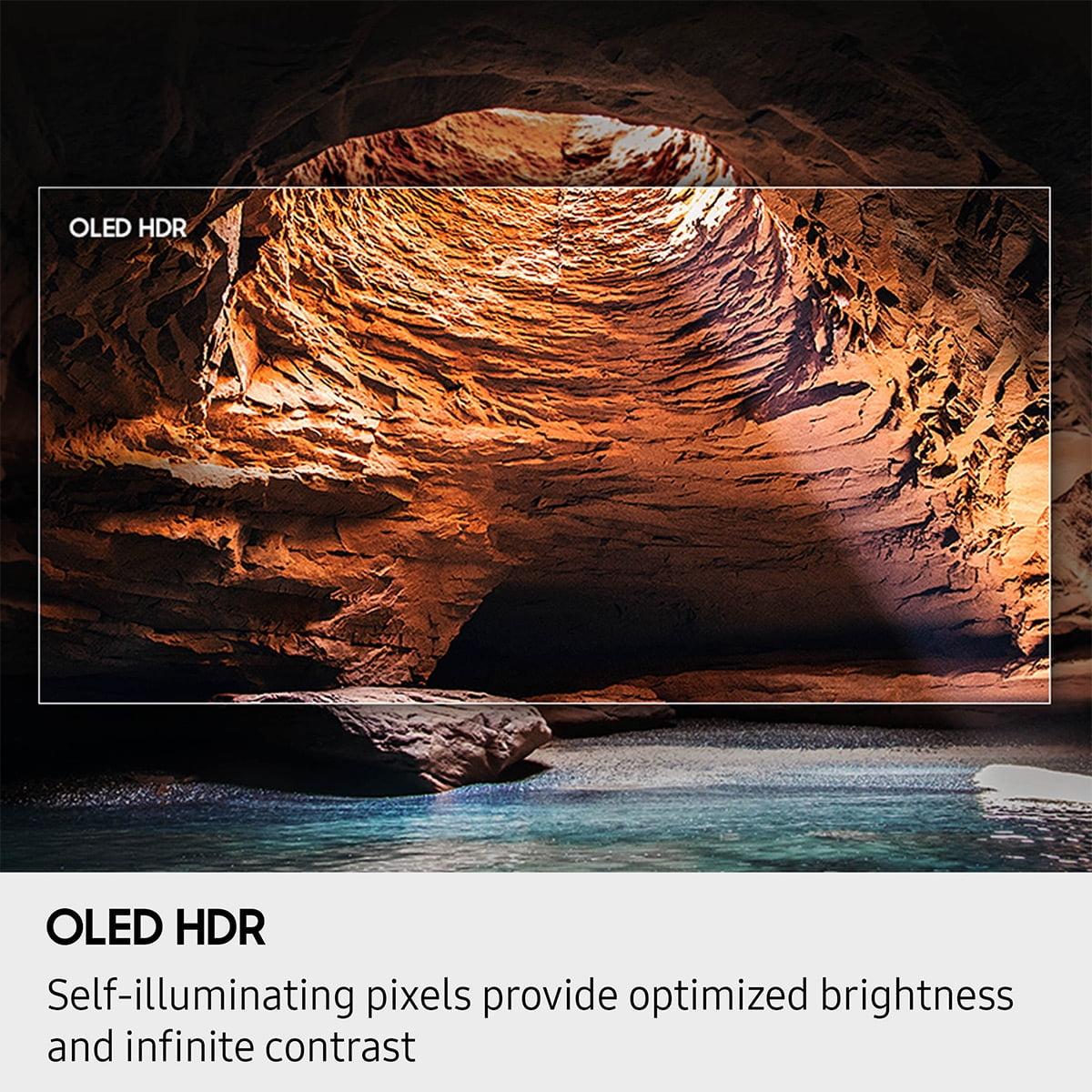
Before diving into the differences, it's worth understanding what makes OLED displays special. Unlike traditional LED TVs that need a backlight, OLED (Organic Light-Emitting Diode) panels have millions of individual pixels that create their own light. When a pixel needs to show pure black, it simply turns off completely. This creates the infinite contrast ratio that makes movies look cinematic and games feel immersive.
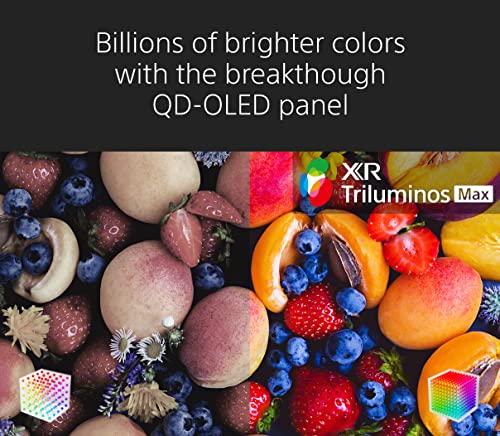
However, not all OLED panels are created equal. The Sony A95K uses QD-OLED (Quantum Dot OLED) technology, which combines traditional blue OLED pixels with quantum dot converters for red and green light. Think of quantum dots as tiny, precise color filters that can produce more saturated, brighter colors than traditional OLED panels. This technology delivers up to 200% higher color brightness compared to conventional OLEDs.
The Samsung S85F, on the other hand, uses WOLED (White OLED) technology—the same approach found in most OLED TVs. These panels create white light and use color filters to produce red, green, and blue. While WOLED technology is mature and reliable, it can't match QD-OLED's color volume or brightness capabilities.
The Sony A95K delivers picture quality that's hard to match, particularly for movie enthusiasts. The QD-OLED panel produces colors that are both more vibrant and more accurate than traditional OLEDs. This might sound contradictory, but it's the magic of quantum dot technology—you get the saturation that makes images pop without sacrificing the color accuracy that filmmakers intended.
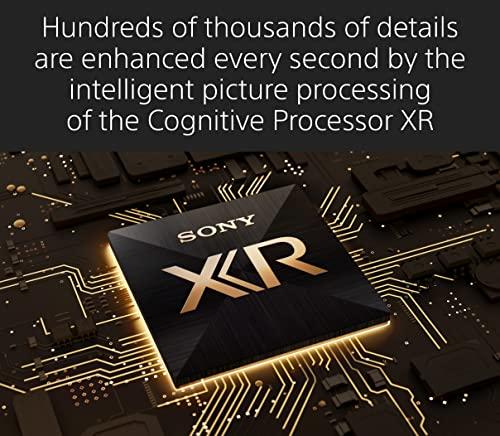
Sony's Cognitive Processor XR analyzes content similarly to how human vision works, focusing on what your eyes naturally notice first. This processing, combined with features like XR Triluminos Max, creates a color palette that rivals professional reference monitors used in film production. The Netflix Calibrated and BRAVIA CORE Calibrated modes ensure you're seeing content exactly as directors intended.
In dark rooms, the A95K truly shines. The combination of perfect blacks from OLED technology and the enhanced brightness from QD-OLED creates HDR (High Dynamic Range) performance that's genuinely impressive. HDR content shows dramatic differences between the darkest shadows and brightest highlights, making everything from space scenes to sunset landscapes look more realistic.
The Samsung S85F takes a different approach with its NQ4 AI Gen2 Processor, which uses 20 neural networks to analyze and enhance content in real-time. This processing is more aggressive than Sony's approach, creating images that many viewers find more immediately impressive, even if they're not technically more accurate.
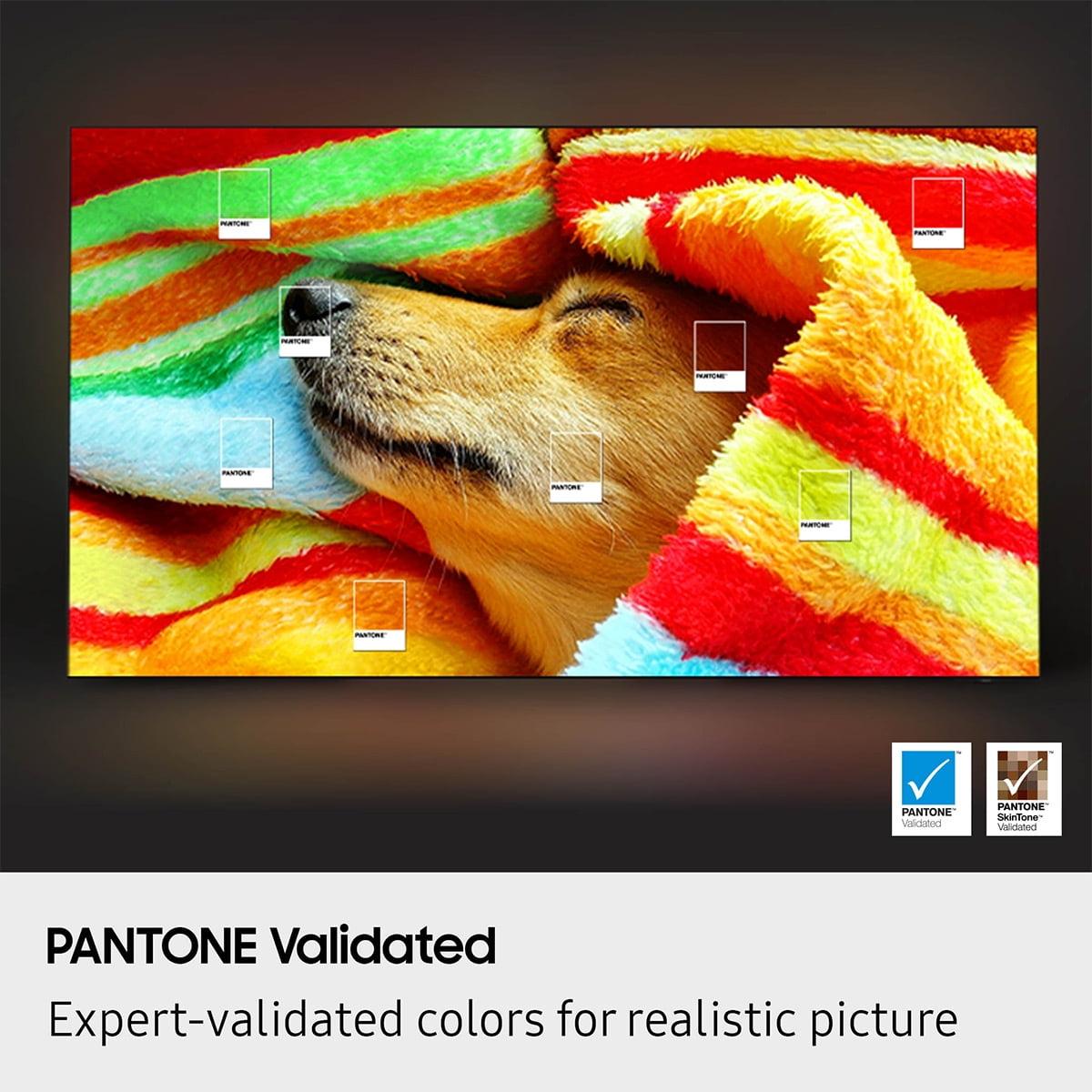
Samsung's AI Color Booster Pro recognizes different types of content and adjusts colors scene-by-scene. Sports become more vibrant, nature documentaries get enhanced greens, and skin tones are optimized across different ethnicities. The TV is Pantone Validated, meaning it can accurately reproduce over 2,140 colors and 110 different skin tones—impressive specifications that translate to consistently good-looking content.
However, the fundamental limitation remains: WOLED technology simply can't produce the same color volume as QD-OLED. While Samsung's processing is excellent, it's working with a less capable foundation.
Here's where the comparison gets interesting. Despite the Sony A95K having superior panel technology, the Samsung S85F might actually be better for many real-world viewing situations.
The Samsung S85F reaches approximately 750 nits of peak brightness and features Samsung's Glare Free anti-reflection technology. This coating significantly reduces reflections from windows and lamps while maintaining picture quality—something that's genuinely useful if your TV faces windows or sits in a bright living room.
Traditional OLED panels, including the Sony A95K, struggle in bright environments. Without modern anti-glare technology, reflections can wash out the picture and make dark scenes difficult to watch during daytime. This is one area where three years of technology advancement really shows.
The Sony A95K supports both HDR10 and Dolby Vision, with Dolby Vision being the more advanced format. Dolby Vision analyzes each scene individually and adjusts the brightness and color mapping accordingly. This creates more accurate HDR reproduction, especially for streaming content from Netflix, Disney+, and other major platforms.
The Samsung S85F supports HDR10+ Adaptive instead of Dolby Vision—a decision Samsung has stuck with across their entire lineup. While HDR10+ is technically capable, it has significantly less content support. Most streaming services prioritize Dolby Vision, making this a meaningful limitation for many viewers.
This format difference matters more than you might think. When watching HDR content, you're not just getting brighter images—you're seeing a wider range of colors and more detailed shadows and highlights. Missing Dolby Vision support means missing out on the full potential of your streaming subscriptions.
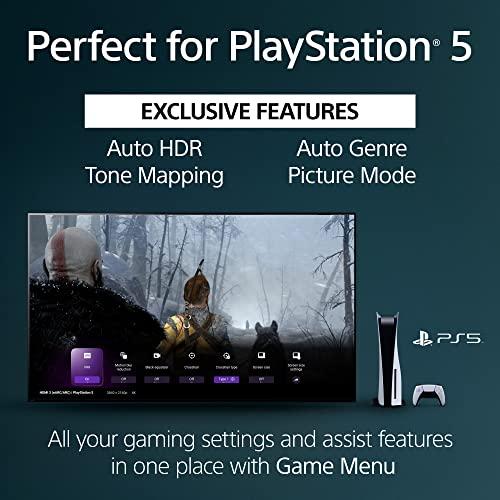
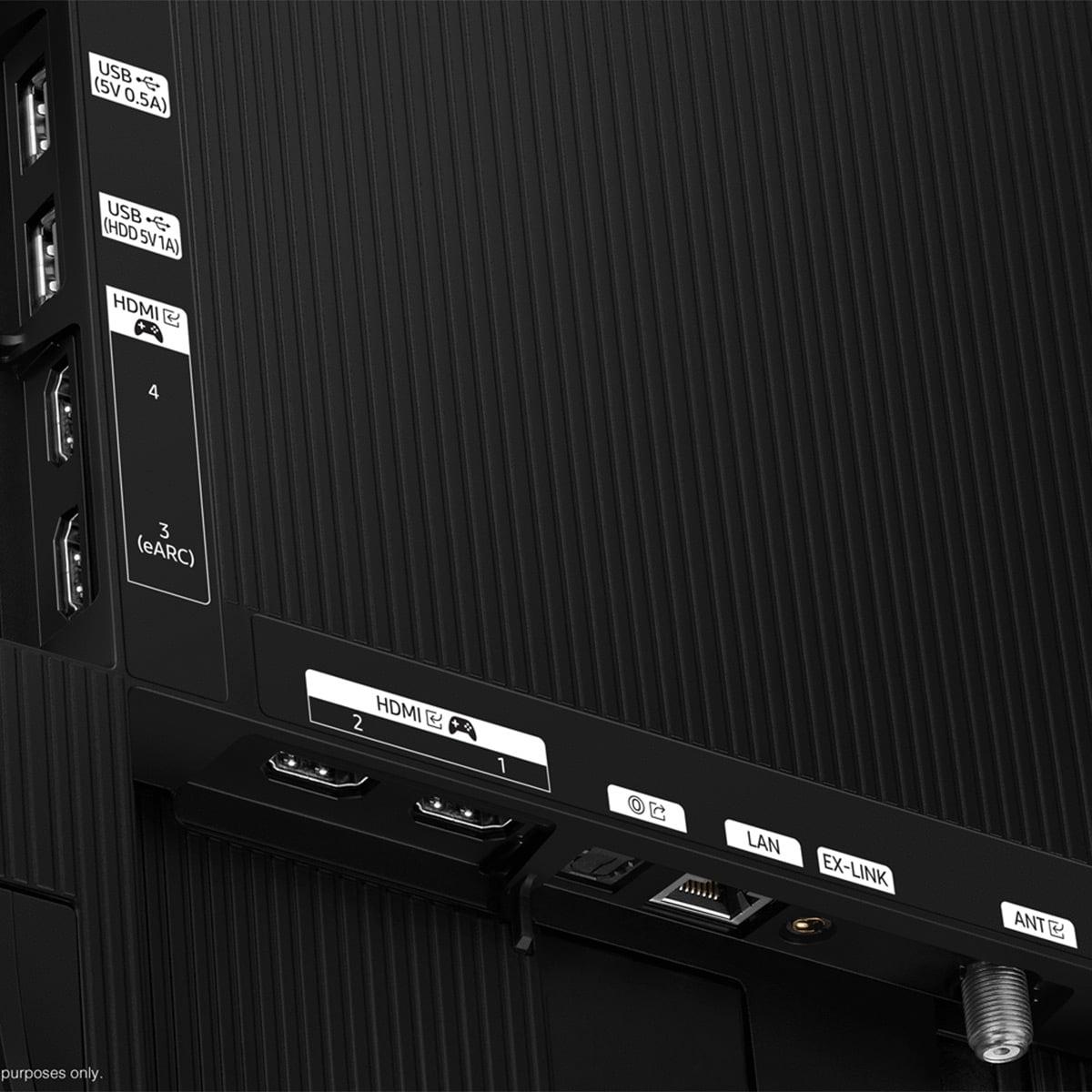
For gamers, the Samsung S85F offers significant advantages in connectivity and features. Four HDMI 2.1 ports support 4K gaming at 120Hz with Variable Refresh Rate (VRR), which eliminates screen tearing and creates smoother motion during fast-paced games. FreeSync Premium support optimizes performance with AMD graphics cards.
The gaming feature set is comprehensive: Auto Game Mode automatically switches to low-latency settings when it detects a console, Game Motion Plus reduces motion blur during action sequences, and Dynamic Black EQ brightens dark areas to spot enemies hiding in shadows. Ultra Wide Game View and MiniMap Zoom provide competitive advantages in supported games.
The Sony A95K typically includes only two HDMI 2.1 ports, which can be limiting if you have multiple gaming consoles, a PC, and a soundbar that requires eARC connectivity. While the picture quality during gaming is exceptional thanks to QD-OLED technology, the feature set is less comprehensive.
Both TVs deliver the near-instantaneous response times that make OLED technology ideal for gaming. Input lag—the delay between pressing a button and seeing the action on screen—is minimal on both displays, making them suitable for competitive gaming.
However, the Sony A95K has a unique advantage: the superior color volume of QD-OLED makes games look more vibrant and realistic. Racing games show more accurate car paint colors, RPGs display richer fantasy environments, and sports games deliver more lifelike grass and jersey colors.
The audio comparison reveals one of the most significant practical differences between these TVs. The Sony A95K features Acoustic Surface Audio+ technology, where actuators behind the screen vibrate the display itself to produce sound. This creates the illusion that dialogue comes directly from actors' mouths rather than from speakers below the screen.
This technology works surprisingly well for most content and can even function as a center channel when connected to a surround sound system. For many users, the built-in audio is good enough to delay or eliminate the need for a soundbar purchase.
The Samsung S85F uses a conventional 2.0 channel speaker system with 20 watts of power. While it includes features like Dolby Atmos processing and Object Tracking Sound Lite, the fundamental limitation of small speakers in a thin TV chassis means audio quality is merely adequate. Most users will want to add a soundbar relatively quickly.
The smart TV comparison highlights the three-year technology gap between these models. The Samsung S85F runs the latest version of Tizen OS with comprehensive smart home integration. It can function as a SmartThings/Matter Hub, controlling everything from lights to thermostats. Multiple voice assistants (Bixby, Alexa, Google Assistant) provide flexible control options.
The AI features extend beyond picture quality to include adaptive sound that adjusts based on room acoustics, content recognition that optimizes settings automatically, and even pet care features that can play calming content when pets are home alone.
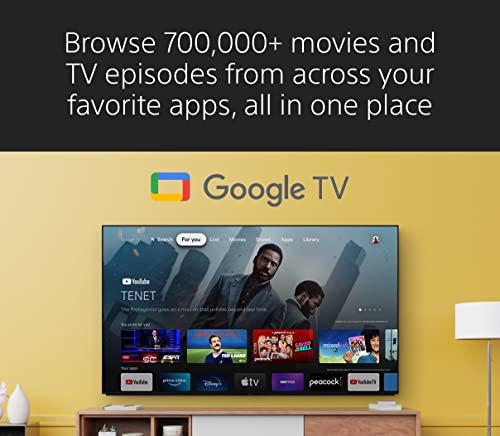
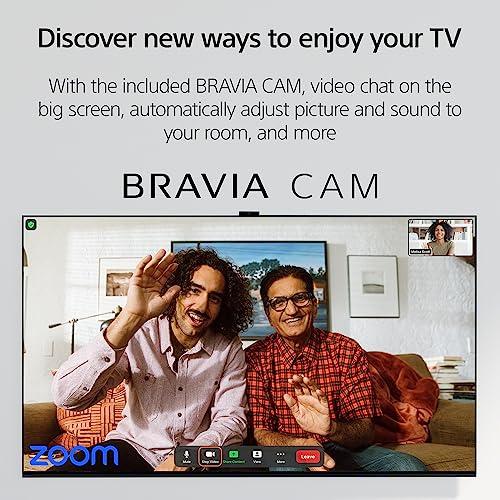
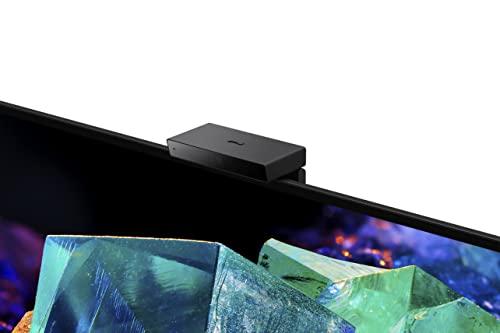
The Sony A95K runs Google TV with excellent content discovery and Google ecosystem integration. The included BRAVIA CAM enables gesture controls and video calling, though the smart home integration is more limited compared to Samsung's comprehensive approach.
At the time of writing, these TVs compete in similar price ranges, but they represent different value propositions. The Sony A95K offers premium display technology that was flagship-level in 2022, now available at more accessible pricing. You're getting QD-OLED panel technology that's genuinely superior to standard OLED displays.
The Samsung S85F provides 2025-level features and processing at entry-level OLED pricing. While the panel technology isn't as advanced, you get better bright room performance, more gaming features, and the latest smart TV capabilities.
For dedicated home theater setups, the Sony A95K has several advantages. Dolby Vision support ensures you're getting the full benefit of your streaming service subscriptions and UHD Blu-ray collection. The superior color accuracy makes it ideal for film enthusiasts who want to see movies as directors intended.
The Acoustic Surface Audio+ technology provides better dialogue clarity without additional equipment, and the TV can integrate with existing surround sound systems as a center channel. The color accuracy and HDR performance make it particularly well-suited for dark room viewing where its limitations in bright environments don't matter.
However, the Samsung S85F shouldn't be dismissed for theater use. The AI processing can make older content look surprisingly good, and the gaming features provide versatility for mixed-use entertainment spaces.
After extensive research into user and expert reviews, clear patterns emerge about who should choose each TV.
The Sony A95K is ideal for viewers who prioritize picture quality above all else. If you're a film enthusiast who watches mostly in dark or controlled lighting environments, the QD-OLED technology delivers an experience that's genuinely superior to standard OLED displays. The built-in audio quality means you can delay soundbar purchases, and Dolby Vision support ensures compatibility with premium streaming content.
The Samsung S85F makes more sense for typical living room use. If your TV faces windows, gets used during daytime, or needs to perform well in bright rooms, Samsung's anti-glare technology and higher brightness provide practical advantages that outweigh the Sony's panel technology benefits. The comprehensive gaming features and modern smart TV capabilities make it more versatile for mixed-use scenarios.
For gaming enthusiasts, the Samsung S85F offers better connectivity and features, while film purists will appreciate the Sony A95K's superior color accuracy and HDR performance.
Both TVs deliver the fundamental OLED advantages of perfect blacks and infinite contrast, but they excel in different areas. Your choice should depend on your viewing environment, content preferences, and whether you prioritize cutting-edge display technology or practical modern features. At the time of writing, both represent good value in their respective approaches to premium OLED performance.
| Sony Bravia XR A95K 65" QD-OLED TV | Samsung 65" S85F OLED 4K Smart TV (2025) |
|---|---|
| Panel Technology - The foundation that determines color quality and brightness | |
| QD-OLED (Quantum Dot OLED) with superior color volume | Traditional WOLED (White OLED) with color filters |
| Peak Brightness - Critical for HDR impact and bright room viewing | |
| Higher due to QD-OLED advantage (exact specs not specified) | ~750 nits with anti-glare coating for better daytime use |
| HDR Format Support - Determines compatibility with premium streaming content | |
| HDR10, Dolby Vision (wider content support) | HDR10, HDR10+ Adaptive (no Dolby Vision is a significant limitation) |
| Color Performance - Affects how vibrant and accurate images appear | |
| 200% higher color brightness than standard OLED, cinema-accurate | Pantone validated for 2,140 colors, AI-enhanced but less color volume |
| Gaming Connectivity - Important for console and PC gaming | |
| Typically 2 HDMI 2.1 ports (may limit multi-device setups) | 4 HDMI 2.1 ports with 4K@120Hz, VRR, FreeSync Premium |
| Gaming Features - Advanced capabilities for competitive gaming | |
| Basic VRR and ALLM support | Comprehensive suite: Auto Game Mode, Dynamic Black EQ, Ultra Wide Game View |
| Built-in Audio Quality - Determines if you need an immediate soundbar purchase | |
| Acoustic Surface Audio+ (screen produces sound, excellent quality) | Basic 2.0 channel 20W speakers (soundbar likely needed) |
| Smart TV Platform - Affects app selection and smart home integration | |
| Google TV with BRAVIA CAM for gestures | Latest Tizen OS with SmartThings/Matter Hub integration |
| Room Performance - How well it handles different lighting conditions | |
| Best in dark/controlled lighting (no anti-glare coating) | Better for bright rooms with Glare Free anti-reflection technology |
| Release Year & Technology Generation - Impacts feature set and future support | |
| 2022 flagship with premium QD-OLED panel technology | 2025 entry-level with latest processing and AI features |
| Processing Power - Affects upscaling and real-time enhancement | |
| Cognitive Processor XR (focuses on natural image processing) | NQ4 AI Gen2 with 20 neural networks (more aggressive enhancement) |
| Voice Control Options - Flexibility for hands-free operation | |
| Google Assistant integration | Multiple options: Bixby, Alexa, Google Assistant |
The Sony Bravia XR A95K delivers superior picture quality thanks to its QD-OLED panel technology, which produces 200% brighter colors and more accurate color reproduction than traditional OLED displays. The Samsung S85F uses standard WOLED technology with AI enhancement, which looks good but can't match the fundamental color volume advantages of the Sony A95K's quantum dot technology.
Yes, the Samsung S85F is significantly better for bright rooms. It features Glare Free anti-reflection technology and reaches about 750 nits peak brightness, making it much more usable during daytime viewing. The Sony A95K lacks modern anti-glare coating and performs best in controlled lighting environments or dedicated home theaters.
The Samsung S85F is better for gaming due to its four HDMI 2.1 ports, comprehensive gaming features like Auto Game Mode and Dynamic Black EQ, and support for 4K@120Hz with VRR. The Sony A95K typically has only two HDMI 2.1 ports and fewer gaming-specific features, though it offers superior color quality during gameplay.
No, only the Sony A95K supports Dolby Vision, which provides scene-by-scene HDR optimization for streaming content from Netflix, Disney+, and other major platforms. The Samsung S85F uses HDR10+ Adaptive instead, which has significantly less content support across streaming services.
The Sony A95K has substantially better built-in audio with its Acoustic Surface Audio+ technology, where the screen itself produces sound for more immersive dialogue placement. The Samsung S85F has basic 2.0 channel speakers that will likely require a soundbar upgrade for satisfactory audio quality.
It depends on your priorities. The Samsung S85F offers better bright room performance, more gaming features, and the latest smart TV capabilities at a competitive price point. However, the Sony A95K provides superior fundamental display technology with QD-OLED panels that deliver better color accuracy and volume, making it ideal for film enthusiasts and dark room viewing.
The Sony A95K is generally better for dedicated home theater use due to its superior color accuracy, Dolby Vision support, and excellent built-in audio that can serve as a center channel. The QD-OLED technology excels in dark rooms where its brightness limitations don't matter, delivering cinema-quality picture performance.
The Samsung S85F has more advanced smart features with the latest Tizen OS, SmartThings/Matter Hub integration, and multiple voice assistants. The Sony A95K runs Google TV with good content discovery and includes a BRAVIA CAM for gesture control, but offers more limited smart home integration compared to the Samsung S85F.
Both offer good value in different ways. The Sony A95K provides premium QD-OLED display technology at discounted flagship pricing, ideal if picture quality is your top priority. The Samsung S85F delivers modern features, better room versatility, and comprehensive gaming capabilities at entry-level OLED pricing, making it better for general-purpose use.
The Samsung S85F handles daytime viewing much better thanks to its anti-glare coating and higher brightness levels. The Sony A95K will struggle with reflections from windows and bright lights, making it less suitable for typical living room setups with natural light.
The Samsung S85F has four HDMI 2.1 ports, providing more connectivity options for gaming consoles, streaming devices, and soundbars. The Sony A95K typically has only two HDMI 2.1 ports, which may require an HDMI switch if you have multiple high-bandwidth devices.
For serious movie watching, the Sony A95K is the better choice due to its QD-OLED panel's superior color accuracy, Dolby Vision support, and cinema-calibrated picture modes. However, if you watch movies in bright rooms or want better general-purpose performance, the Samsung S85F offers more practical advantages despite slightly less accurate picture quality.
We've done our best to create useful and informative comparisons to help you decide what product to buy. Our research uses advanced automated methods to create this comparison and perfection is not possible - please contact us for corrections or questions. These are the sites we've researched in the creation of this article: tomsguide.com - audioadvice.com - wepc.com - bestbuy.com - tvsbook.com - rtings.com - youtube.com - flatpanelshd.com - rtings.com - youtube.com - reviewed.com - avsforum.com - youtube.com - youtube.com - rtings.com - youtube.com - electronics.sony.com - sonypremiumhome.com - valueelectronics.com - sony.com - displayspecifications.com - flatpanelshd.com - donstv.com - youtube.com - businessinsider.com - youtube.com - displayspecifications.com - bestbuy.com - rtings.com - samsung.com - youtube.com - rtings.com - youtube.com - samsung.com - bestbuy.com - avsforum.com - avsforum.com - samsung.com - displayspecifications.com - videoandaudiocenter.com - bestbuy.com - flatpanelshd.com - myallsouth.com - samsung.com - richstv.com - samsung.com - heartlandappliance.com

Privacy Policy
Terms and Conditions - Affiliate Policy
Home Security
© Copyright 2008-2026.
11816 Inwood Rd #1211, Dallas, TX 75244