

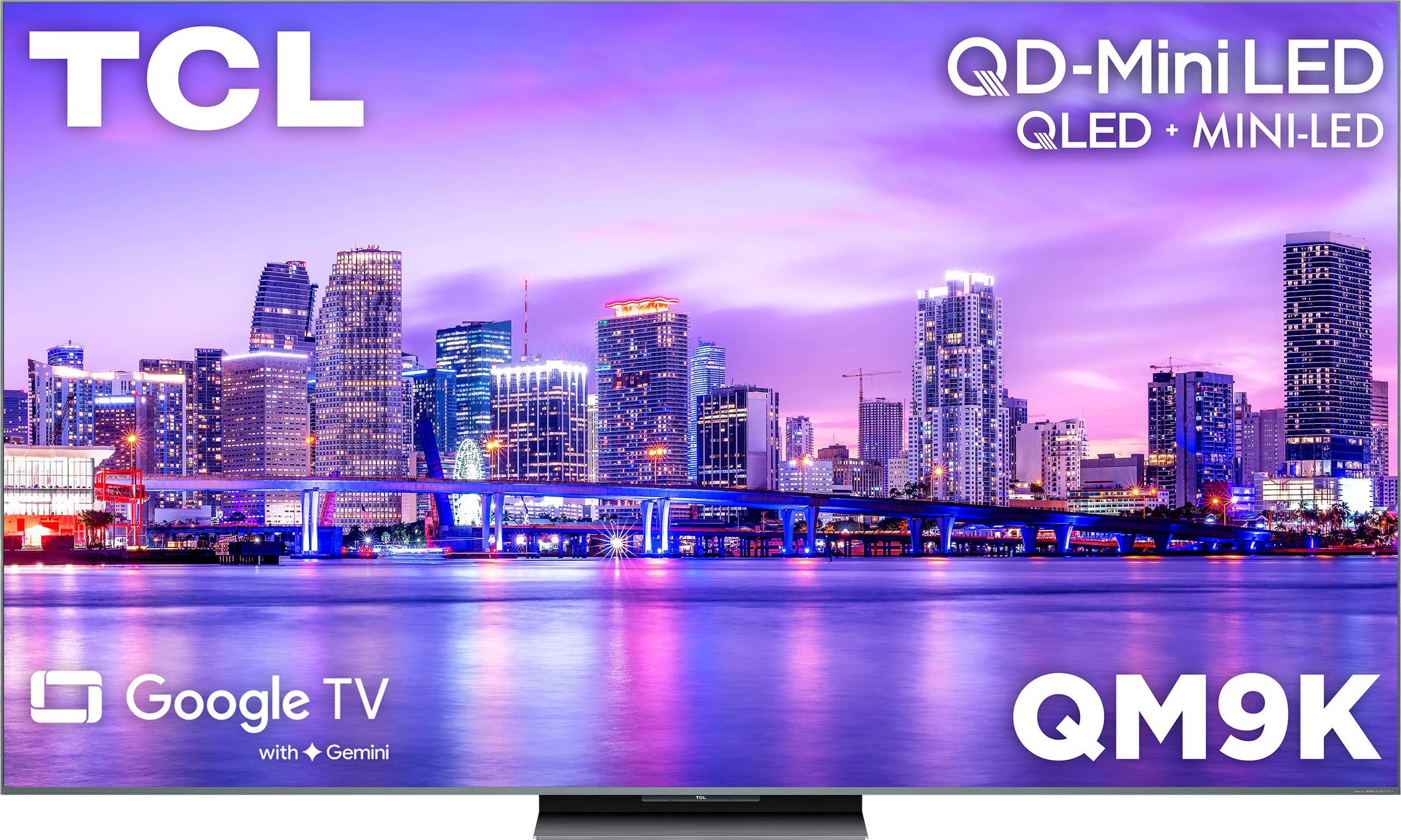
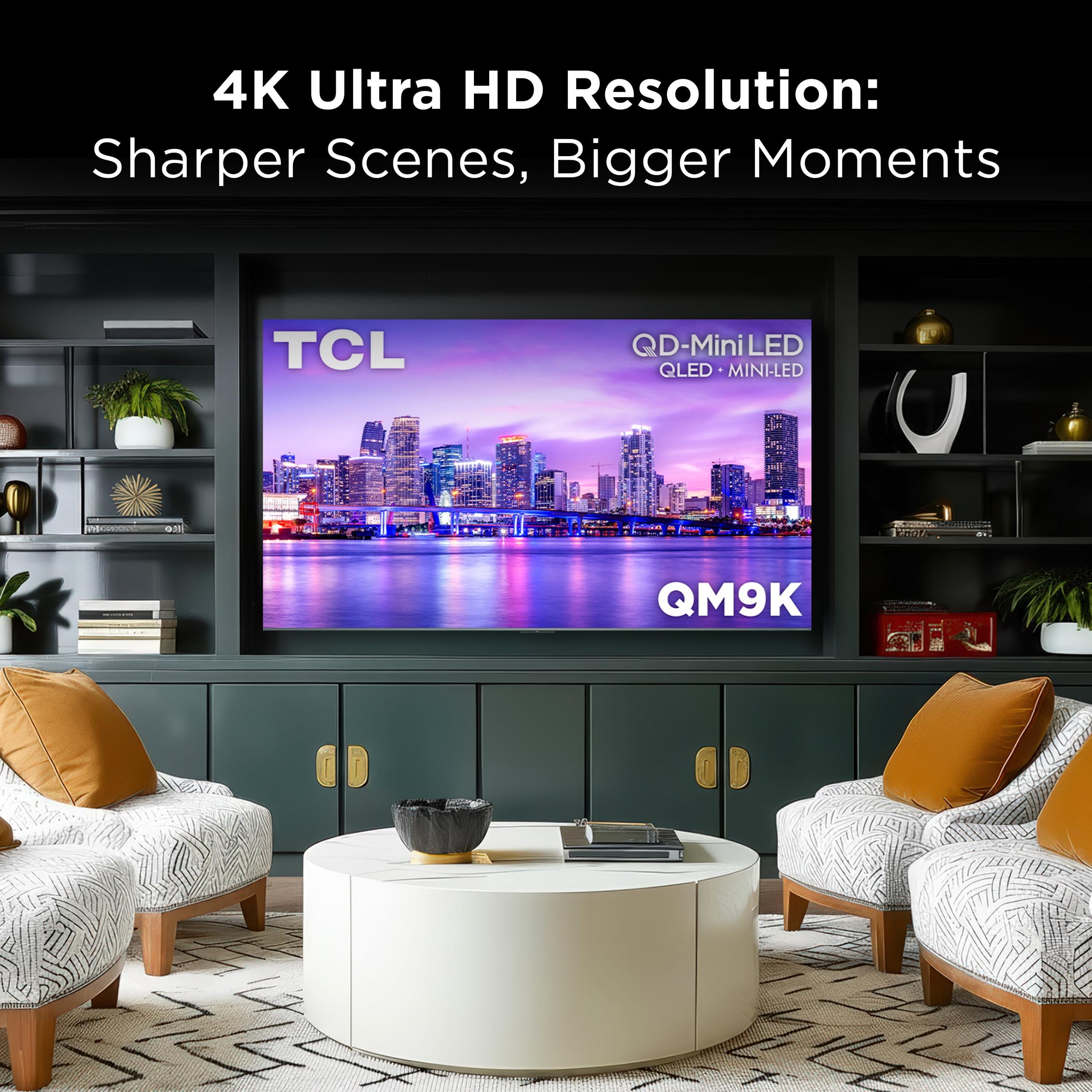

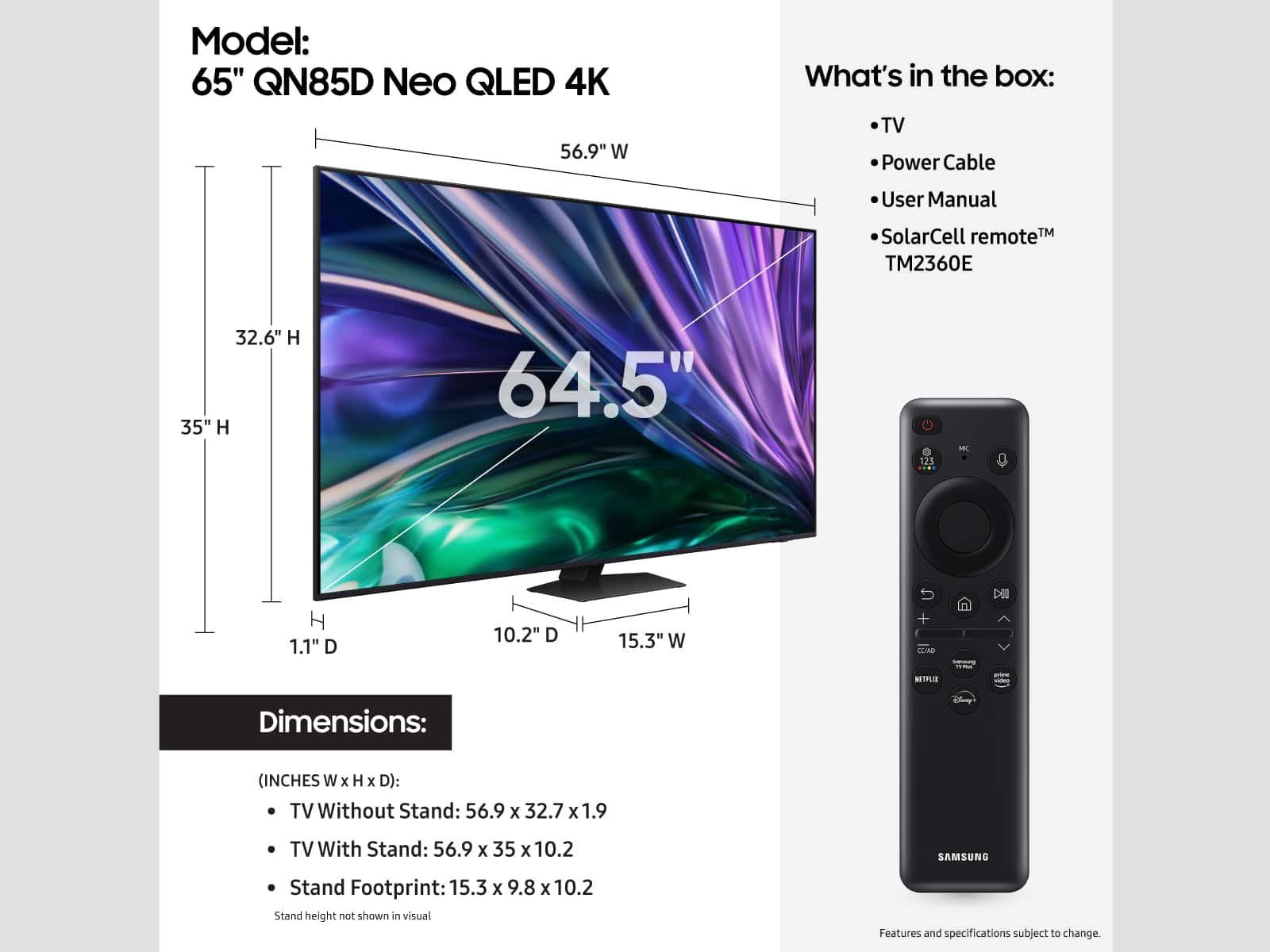
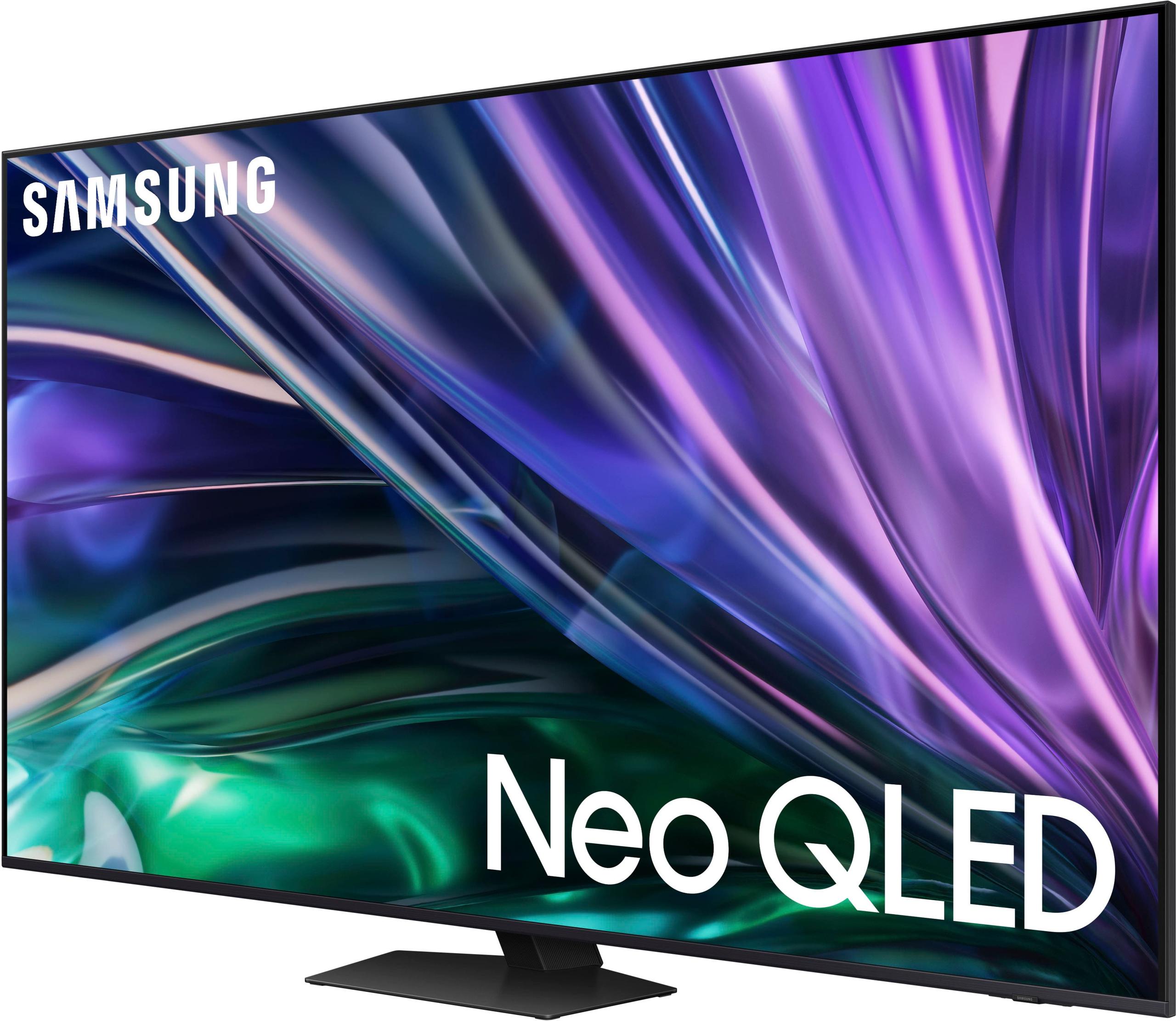
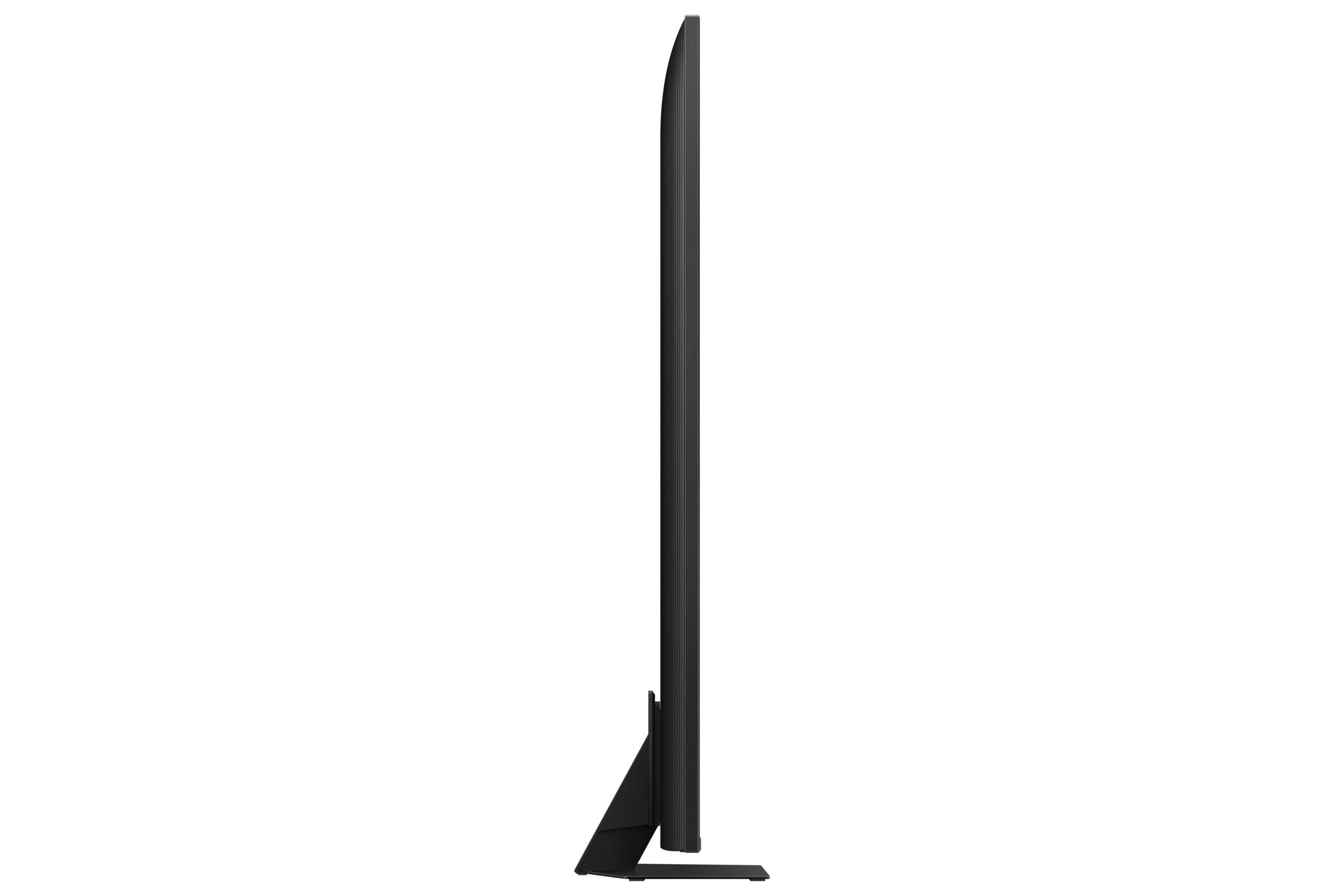
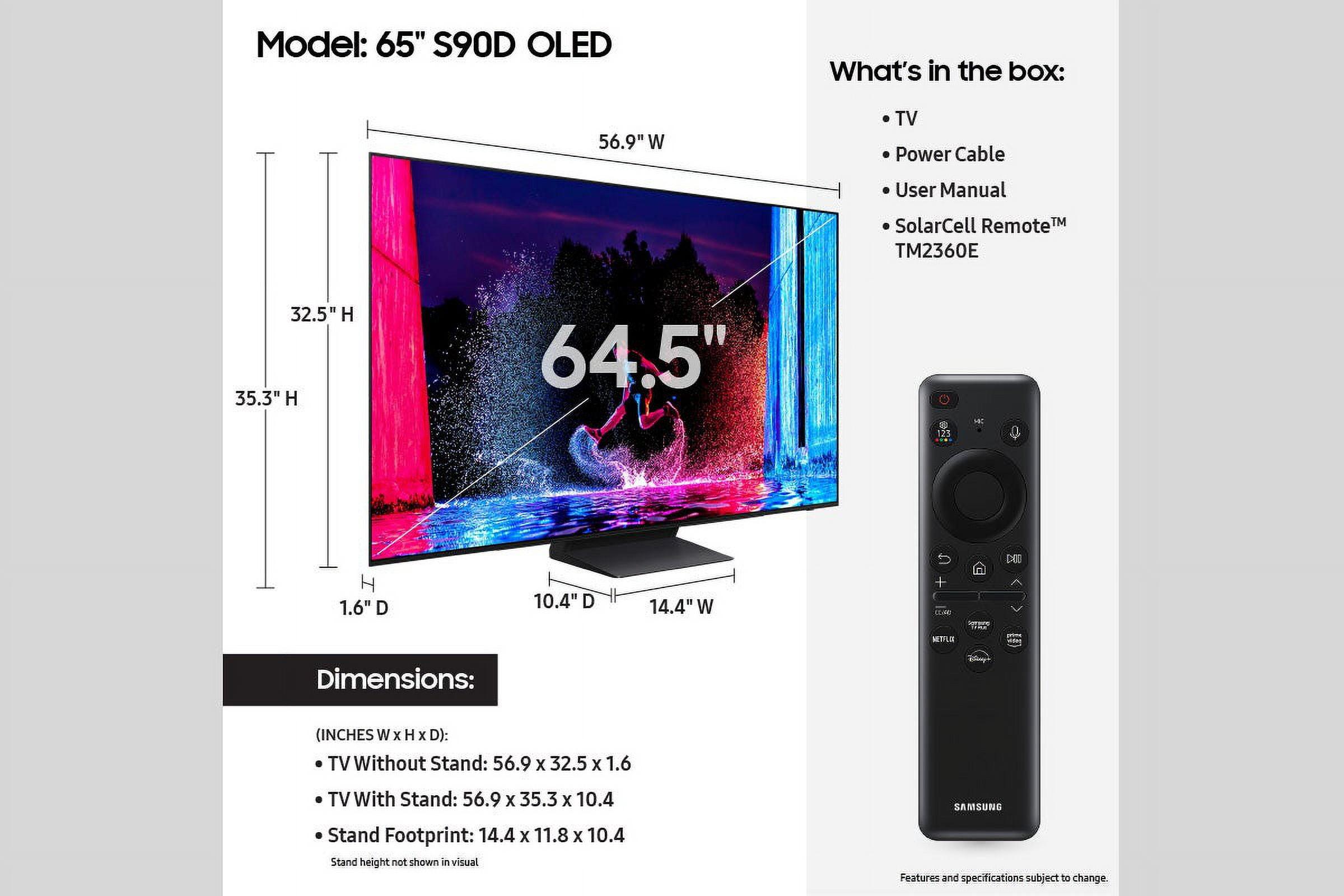
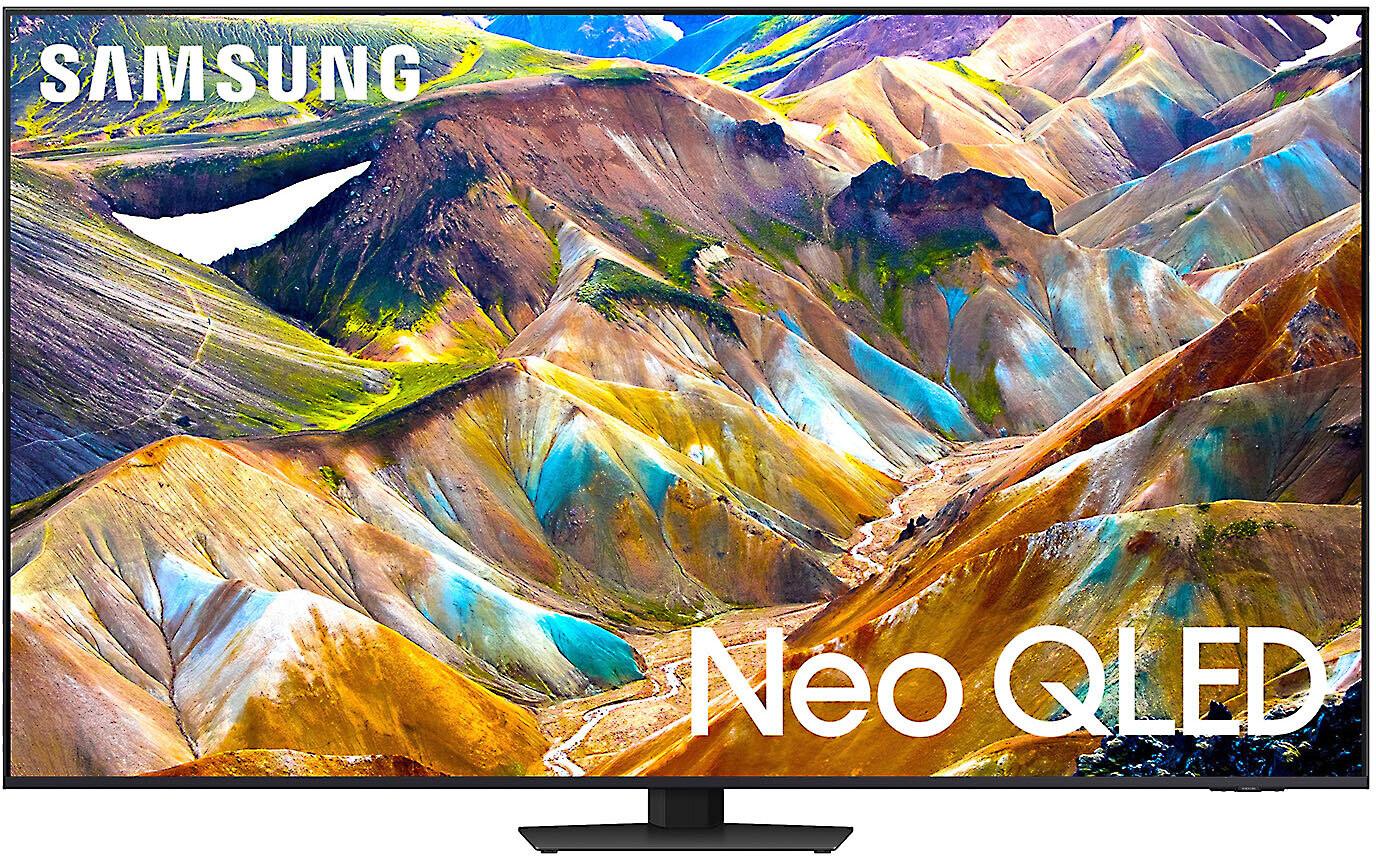
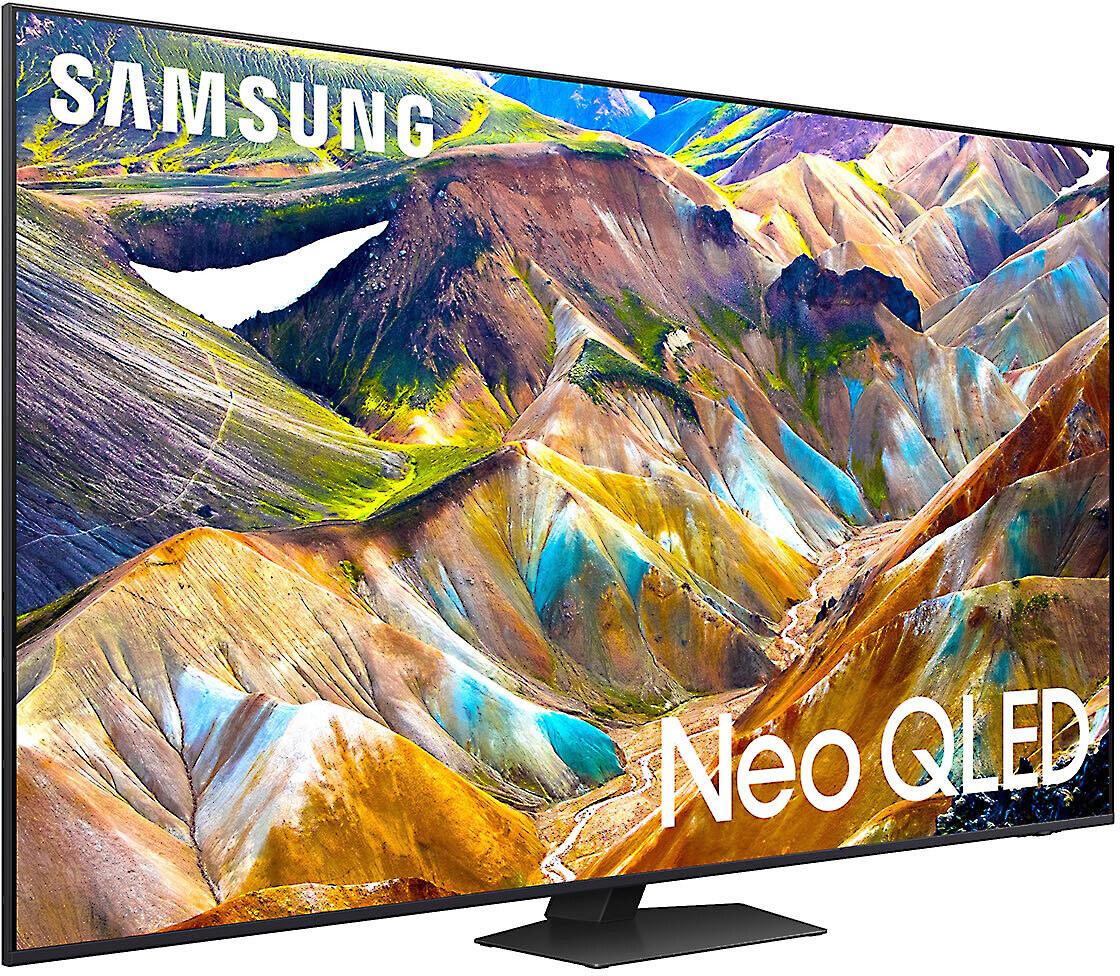
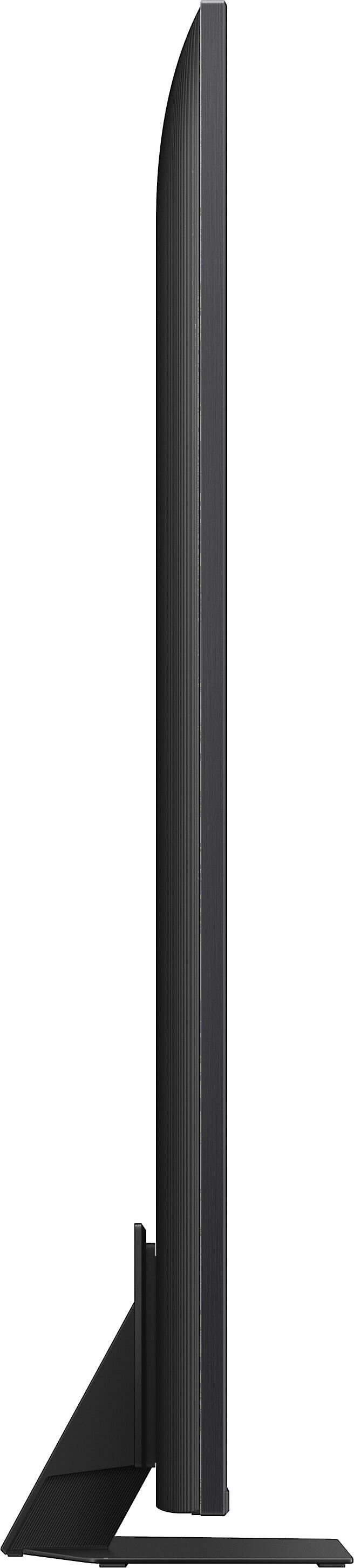
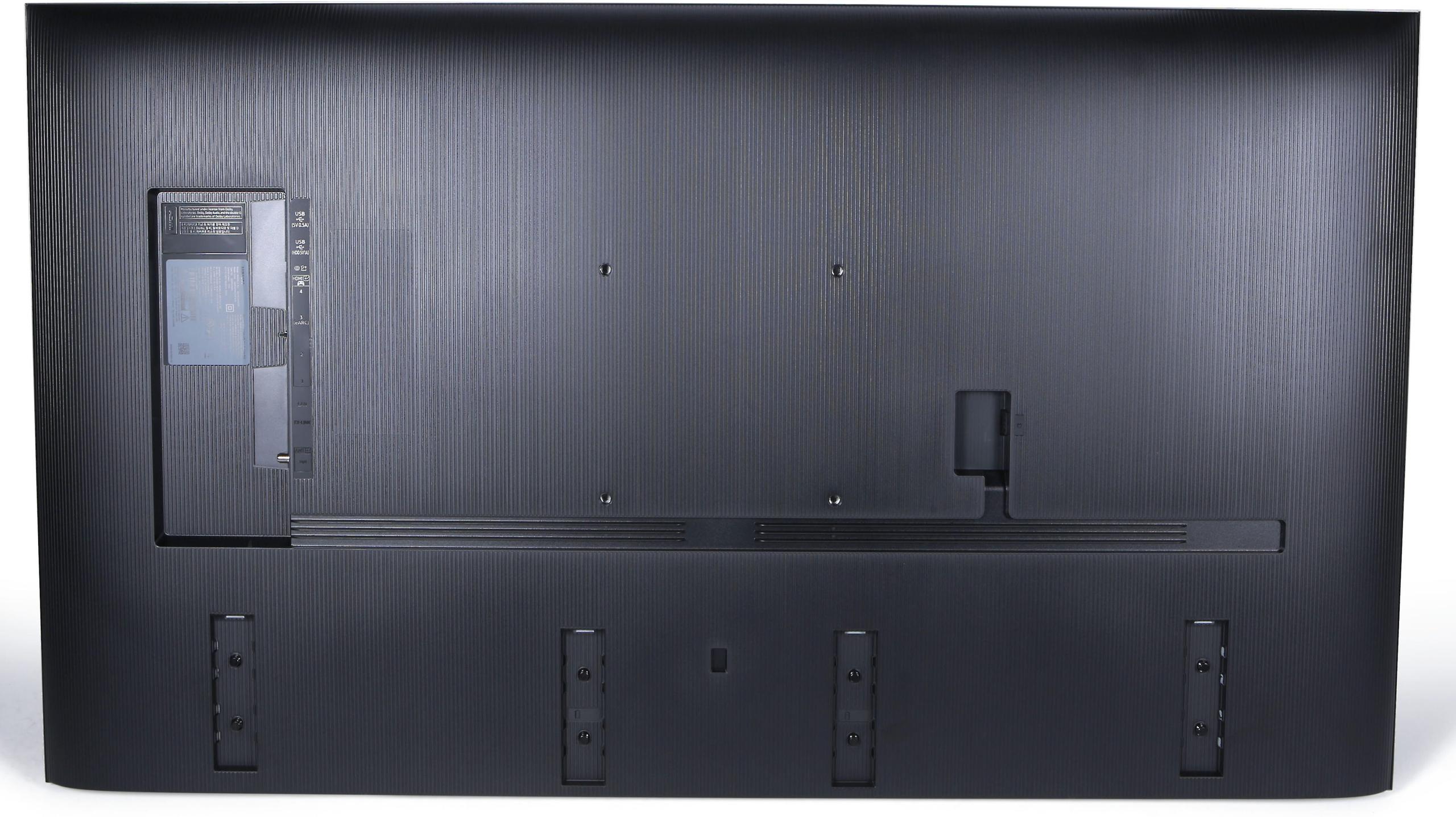
When you're shopping for a premium 65-inch TV, you're entering a fascinating battleground where two fundamentally different display technologies compete for your attention. On one side, we have the TCL 65" QM9K QD-Mini LED Smart TV, representing the cutting edge of LCD technology enhanced with quantum dots and thousands of tiny LED lights. On the other, there's the Samsung 65" OLED S90D TV, showcasing the mature elegance of organic light-emitting diode technology that's been refined over years of development.
Both TVs launched in 2024-2025, but they couldn't be more different in their approach to creating stunning visuals. The choice between them isn't just about which looks better—it's about understanding how these technologies work and which one fits your specific viewing environment and habits.
The fundamental difference between these TVs lies in how they create light and darkness on screen. Traditional LCD TVs struggle with contrast because they rely on a backlight that's always on, making it hard to achieve true blacks. OLED technology solved this by making each pixel its own light source—when a pixel needs to be black, it simply turns off completely, creating perfect darkness.
The Samsung S90D uses this OLED approach, where millions of organic compounds emit their own light when electricity passes through them. This creates what's called "infinite contrast"—the mathematical result of dividing any bright value by true zero (perfect black). It's why OLED TVs look so dramatic in dark rooms, with stars that seem to float in space against absolutely black backgrounds.
But OLED has limitations. Those organic compounds can only get so bright before they degrade, which is why most OLED TVs peak around 800-1000 nits of brightness. That's plenty for dark room viewing, but it can look washed out in bright living rooms with lots of windows.
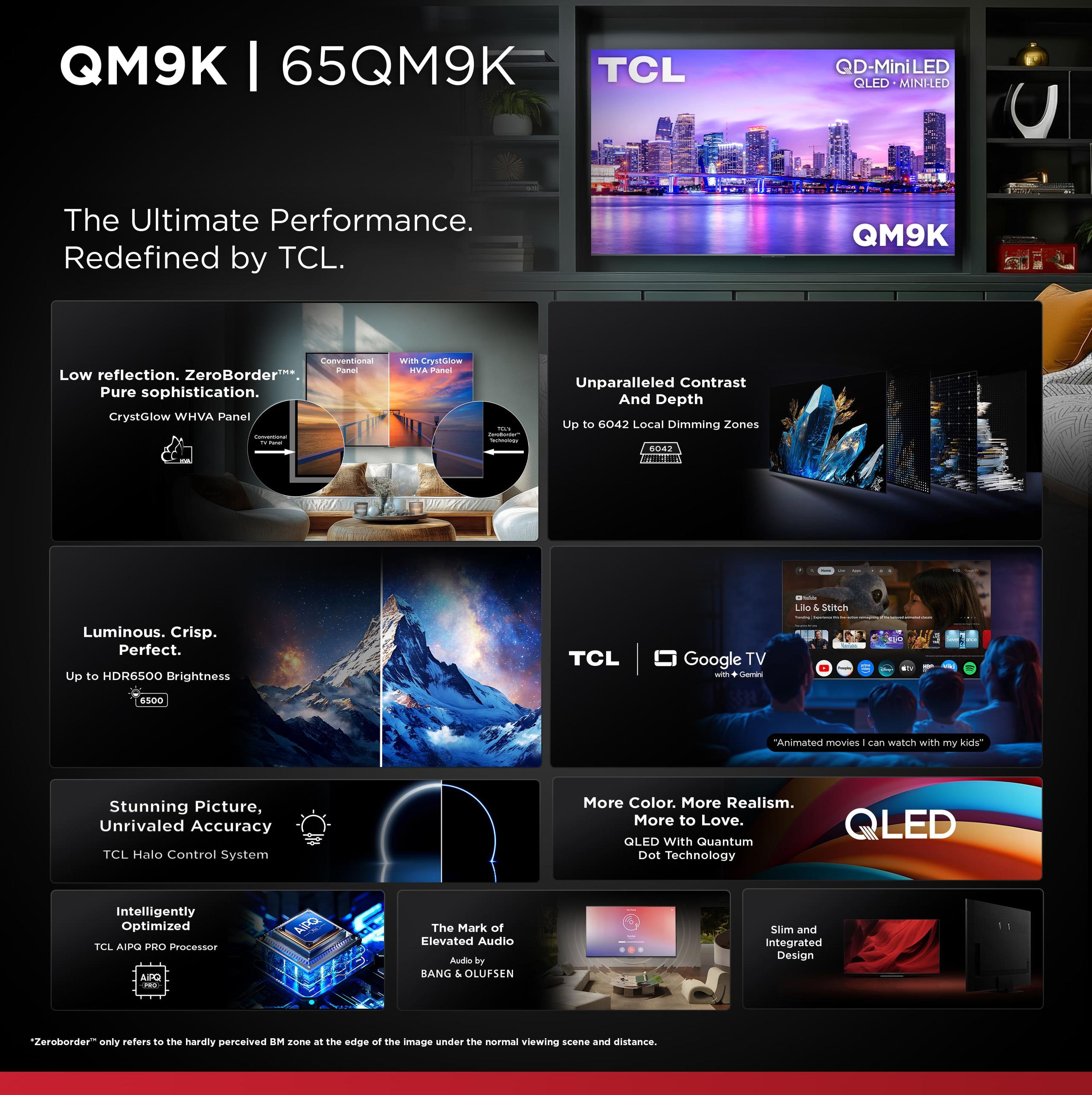
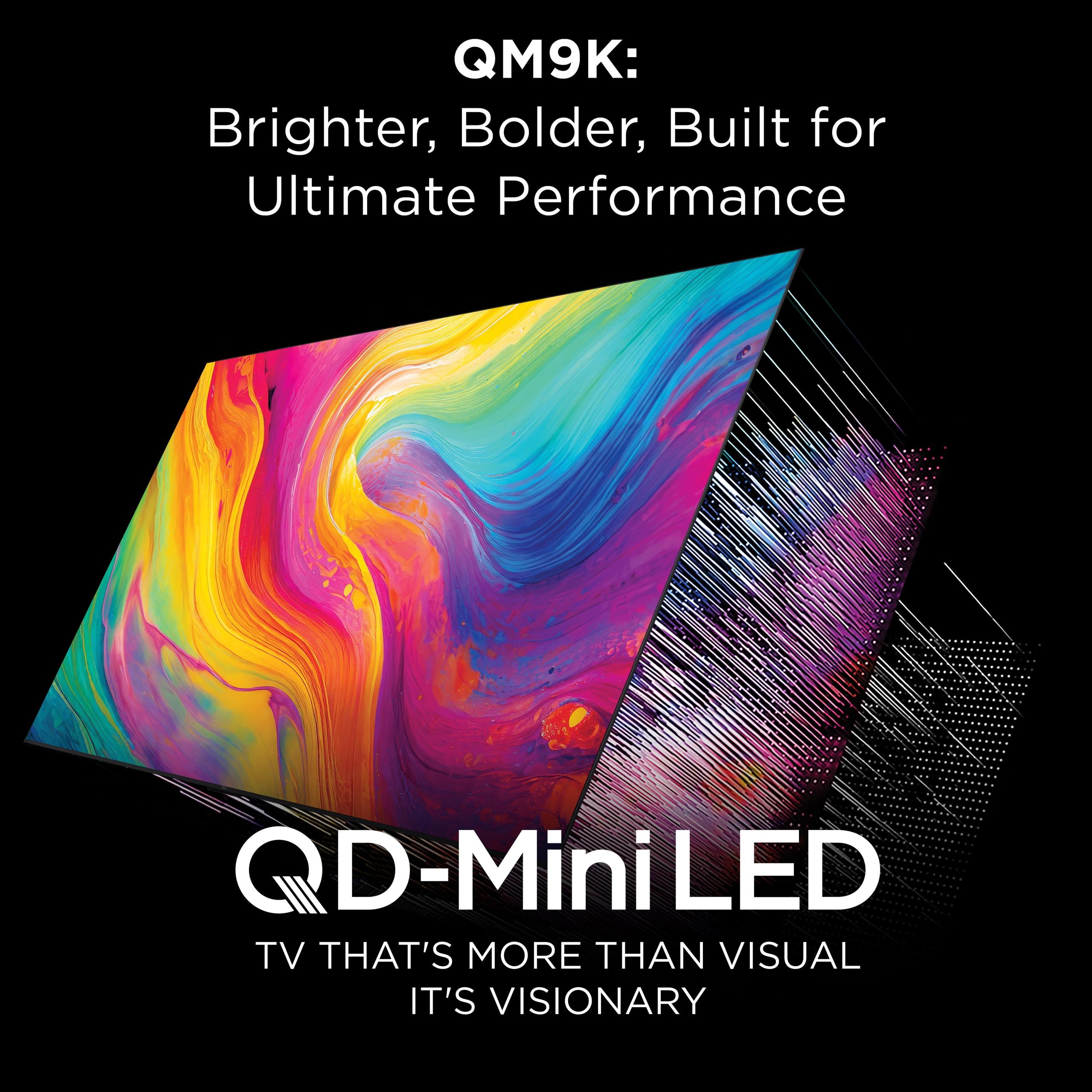
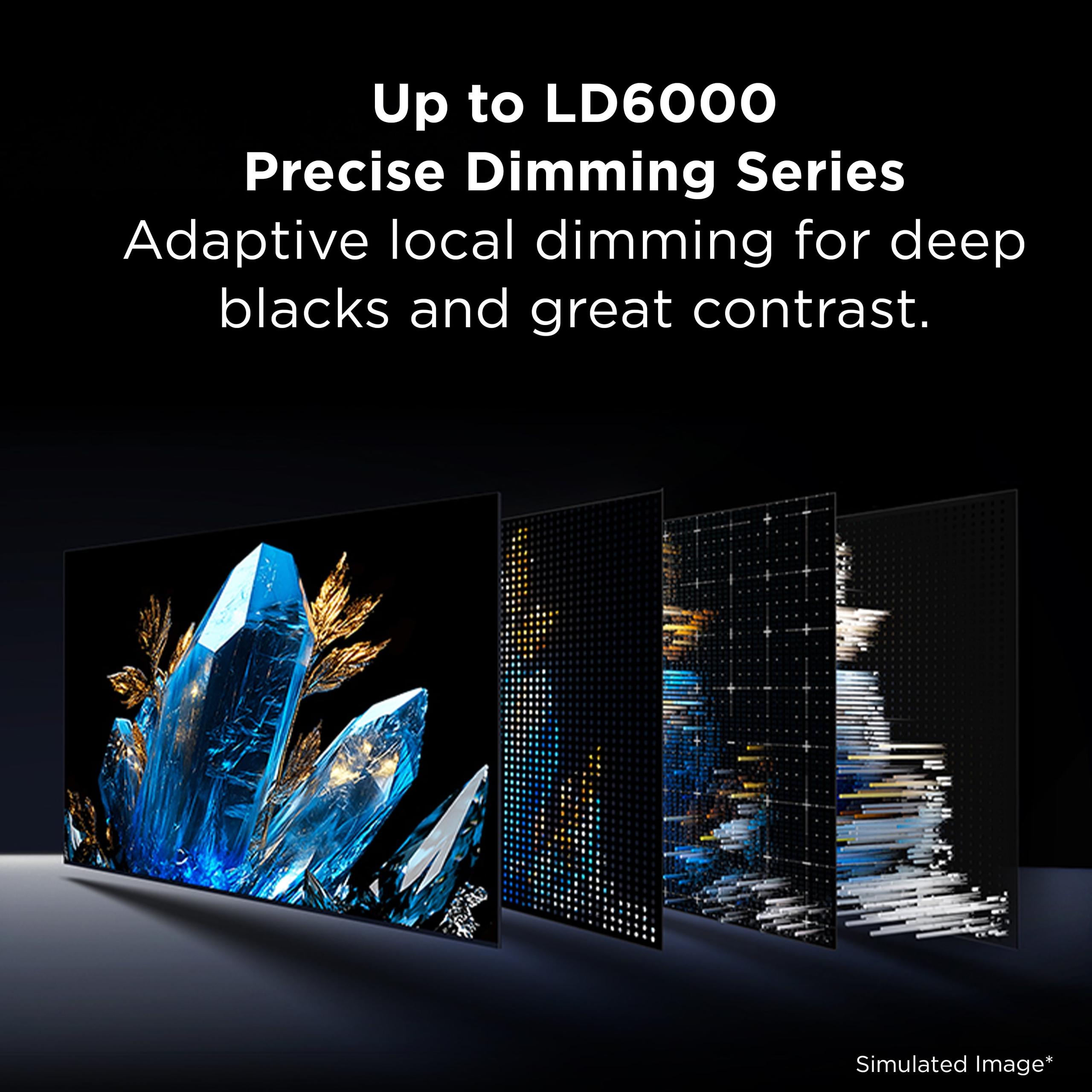
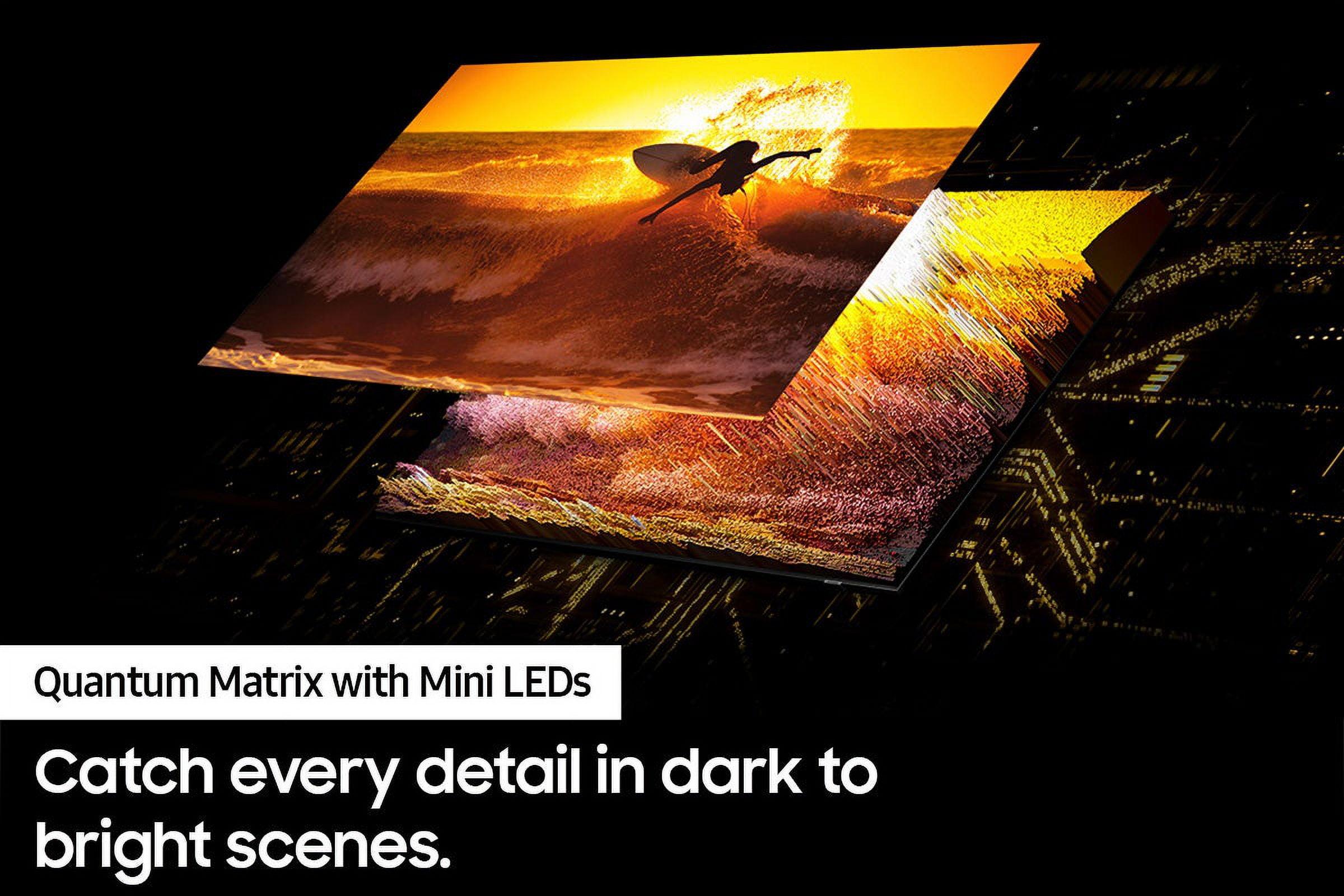
Enter Mini-LED technology, which the TCL QM9K uses to dramatic effect. Instead of one big backlight, Mini-LED uses thousands of tiny LED lights arranged behind the screen, each capable of dimming independently. The QM9K takes this to an extreme with up to 6,000 individual dimming zones—imagine having 6,000 tiny flashlights that can each adjust their brightness independently to match what's happening on screen.
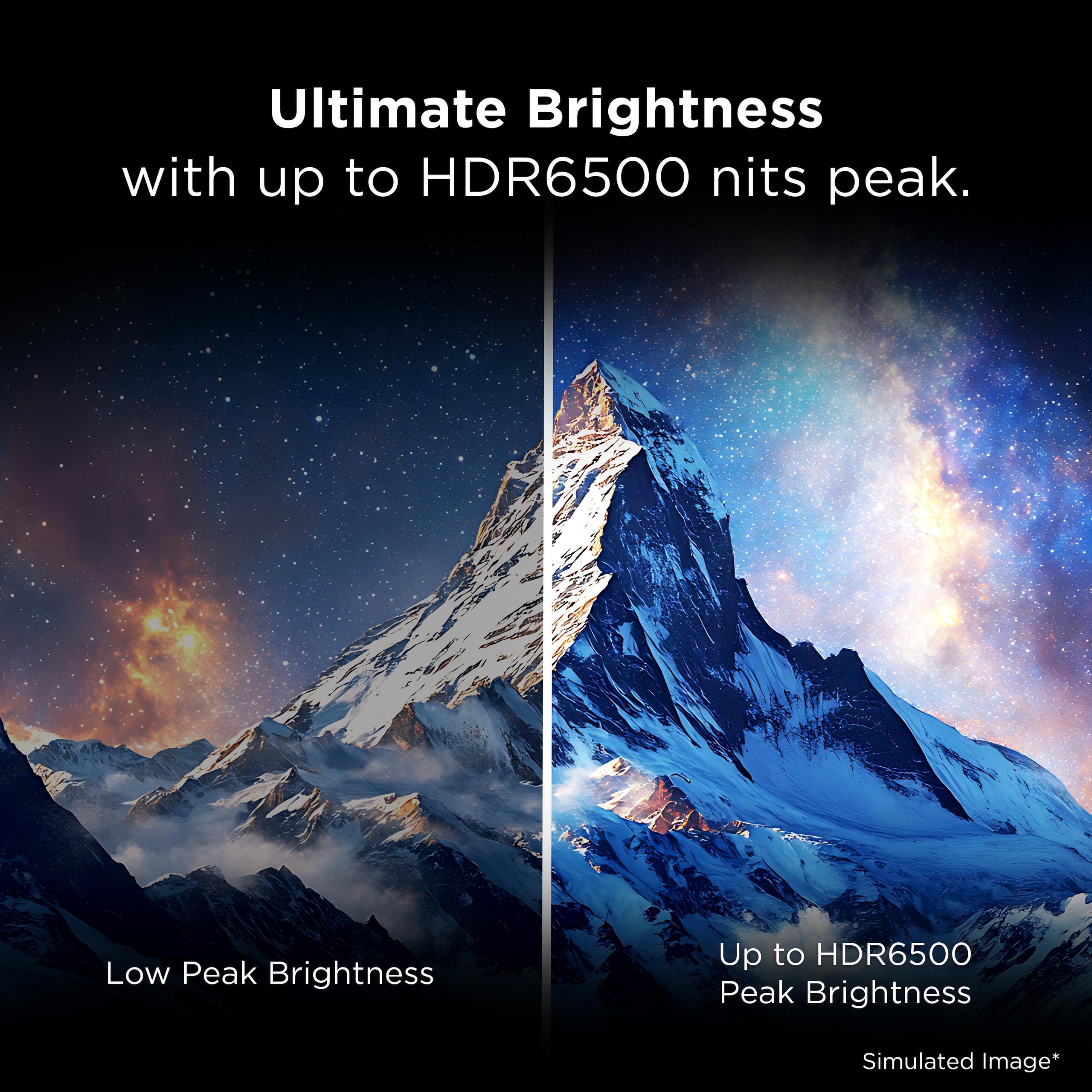
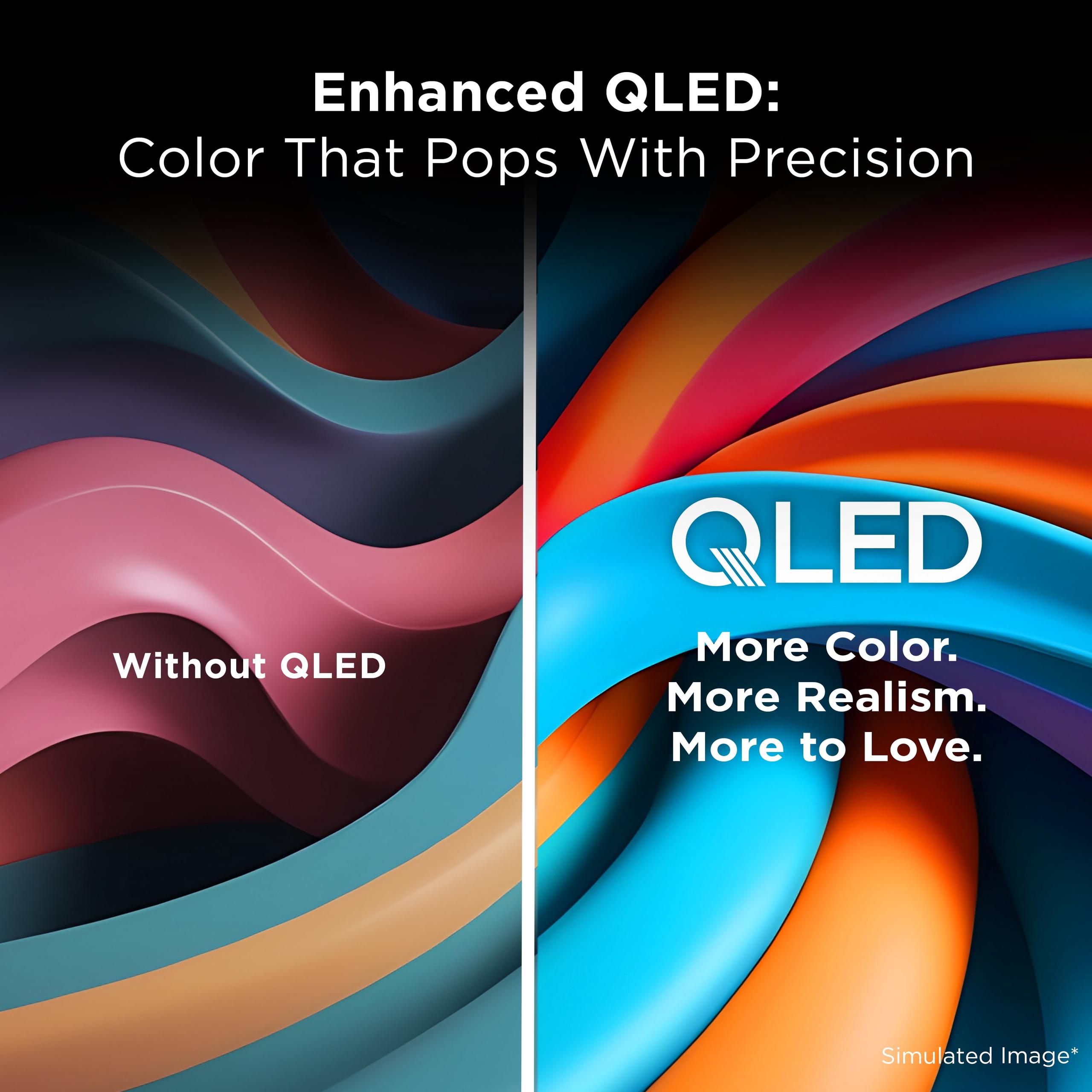
This zonal dimming approach lets Mini-LED TVs achieve much deeper blacks than traditional LCDs while also getting incredibly bright—the QM9K peaks at an eye-searing 6,500 nits, roughly six times brighter than most OLED displays. When you combine this with quantum dots (special nanocrystals that convert light into pure, saturated colors), you get a display that can show both perfect darkness and blazing brightness simultaneously.
Based on our evaluation of expert reviews and user feedback, these TVs excel in different scenarios. The Samsung S90D absolutely dominates in dark room viewing. When you dim the lights for movie night, OLED's perfect pixel-level control creates an almost three-dimensional depth to images. Dark scenes in movies like "Dune" or "Blade Runner 2049" reveal subtle details in shadows that would be lost on most displays, while bright elements like laser beams or explosions pop with incredible intensity against the perfectly black background.
The viewing experience is remarkably uniform too. Unlike LCD-based displays that can show "blooming" (where bright objects create a halo of light around them), OLED's pixel-perfect control eliminates these artifacts entirely. When a spaceship passes in front of a star field, each star remains a pinpoint of light without any unwanted glow.
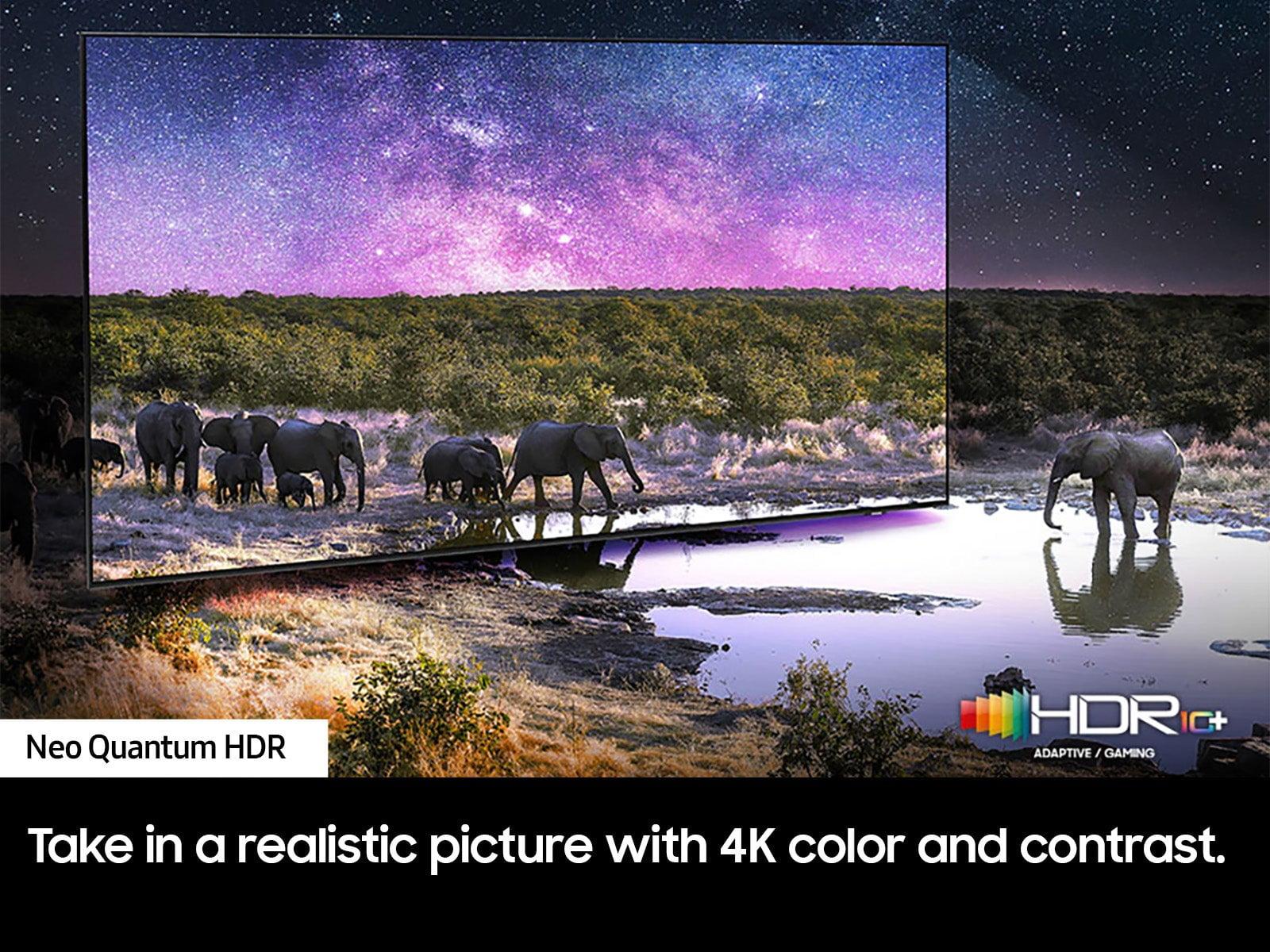
However, the TCL QM9K fights back with sheer brightness muscle. Its 6,500-nit peak capability means HDR (High Dynamic Range) content looks dramatically more realistic. When you're watching sports during the day or action movies with bright outdoor scenes, the difference is immediately apparent. Sunlight reflecting off water, stadium lighting, or explosion effects have an almost window-like quality that makes you forget you're looking at a display.
The QM9K's quantum dot technology also gives it an edge in color reproduction at high brightness levels. Where OLED displays might need to tone down their brightness to maintain color accuracy, quantum dots maintain their vibrant, saturated colors even when cranked up to maximum brightness. This creates what's called "color volume"—the ability to show bright, vivid colors simultaneously.
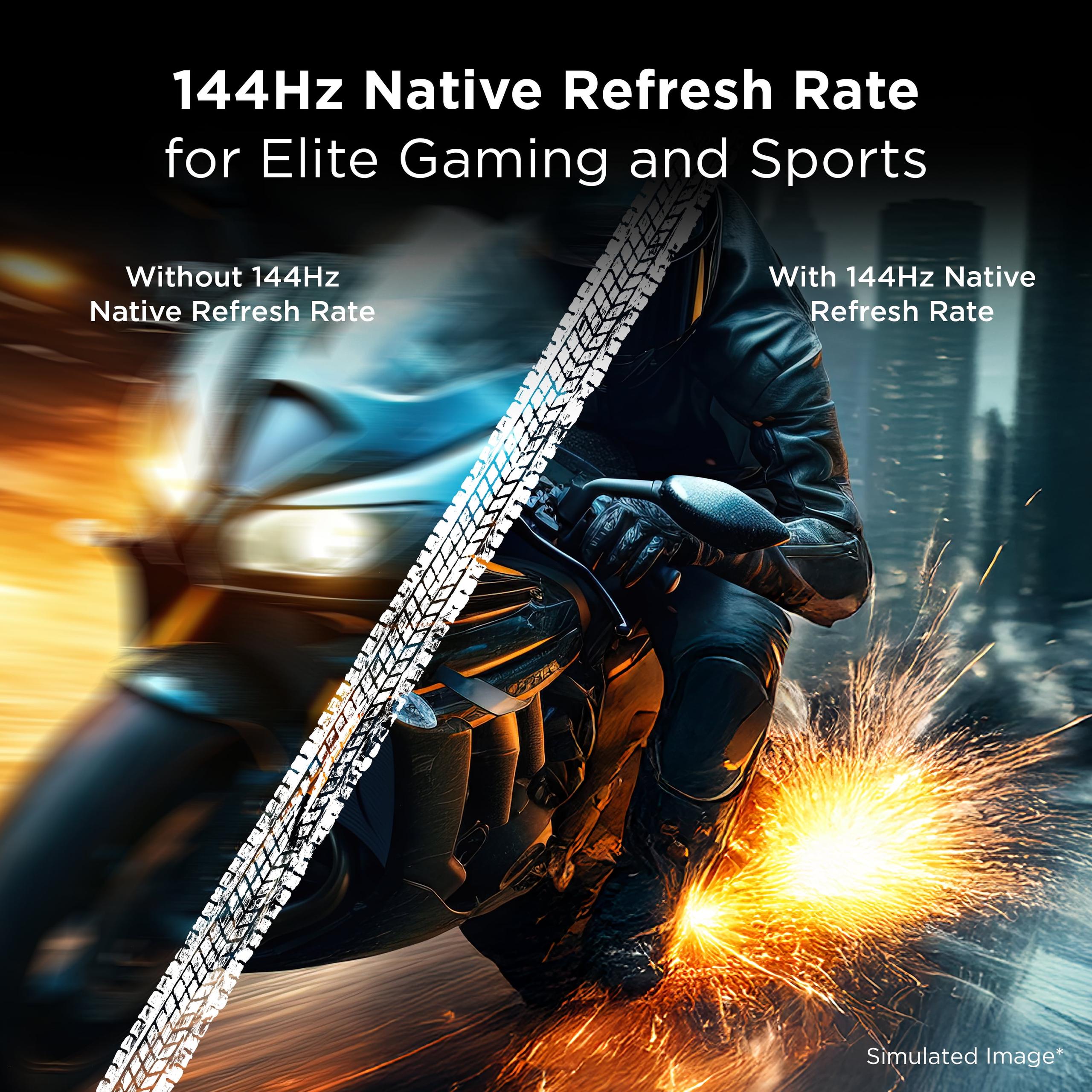
For gaming enthusiasts, both TVs bring impressive capabilities, but with different strengths. The TCL QM9K pulls ahead with its 144Hz native refresh rate and Game Accelerator 288 technology, which can push frame rates up to 288Hz for competitive gaming. This matters because higher refresh rates create smoother motion and can give competitive players a real advantage in fast-paced games.
Input lag—the delay between pressing a button and seeing the result on screen—measures just 5.3 milliseconds on the QM9K. That's incredibly responsive, faster than most gaming monitors. The TV also supports advanced variable refresh rate (VRR) technology through AMD FreeSync Premium Pro, which synchronizes the display's refresh rate with your gaming console or PC to eliminate screen tearing and stuttering.
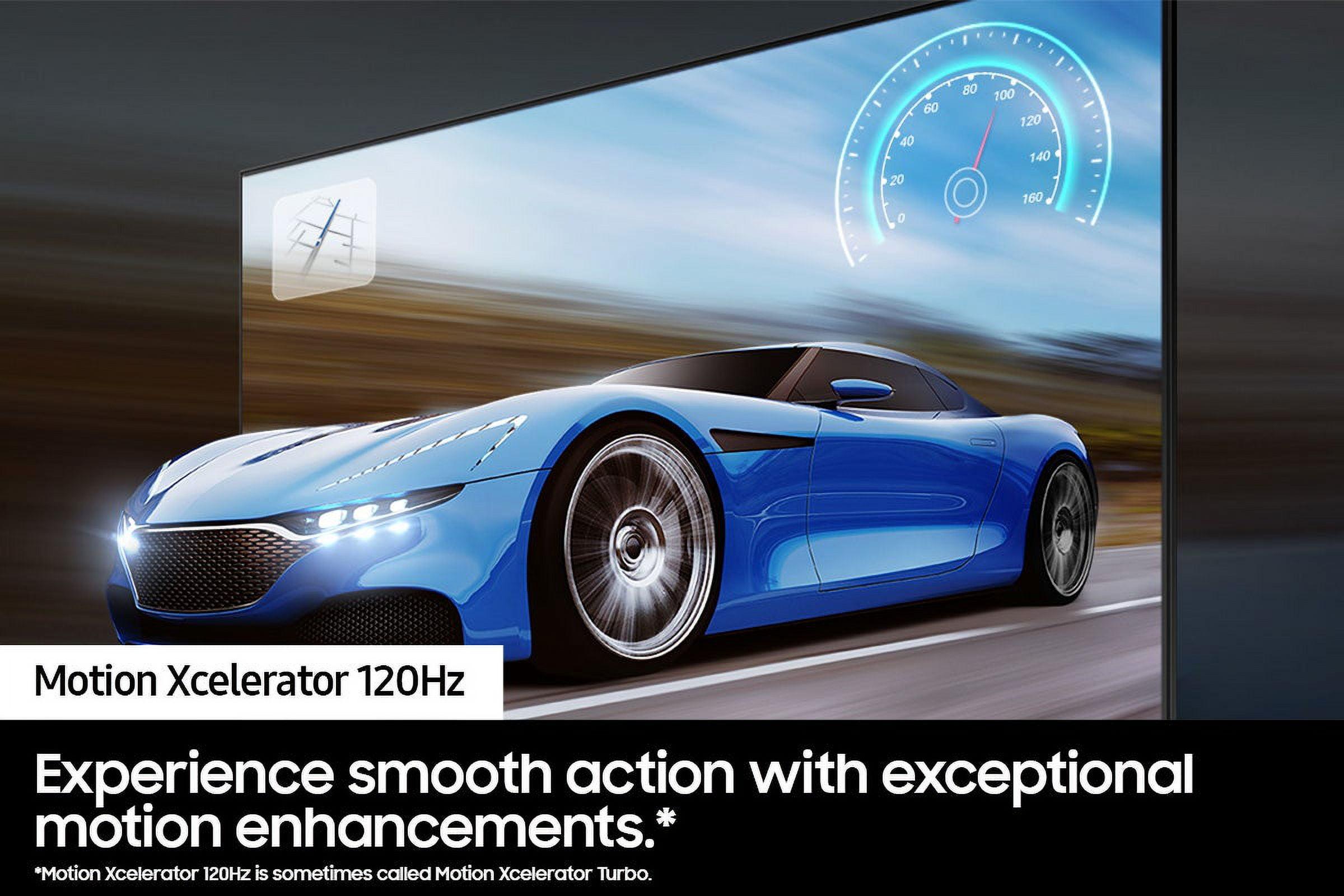
The Samsung S90D counters with its Motion Xcelerator 144Hz technology and the inherent advantages of OLED's instantaneous pixel response. While its maximum refresh rate caps at 120Hz, OLED pixels can change from black to white literally instantly—there's no physical backlight that needs time to adjust. This eliminates motion blur naturally, creating incredibly sharp images even during fast action sequences.
For most gamers, both TVs will provide excellent experiences. The TCL edges ahead for competitive esports players who can benefit from higher refresh rates, while the Samsung might appeal more to single-player adventure gamers who value the dramatic contrast and perfect blacks in games with darker, more atmospheric settings.
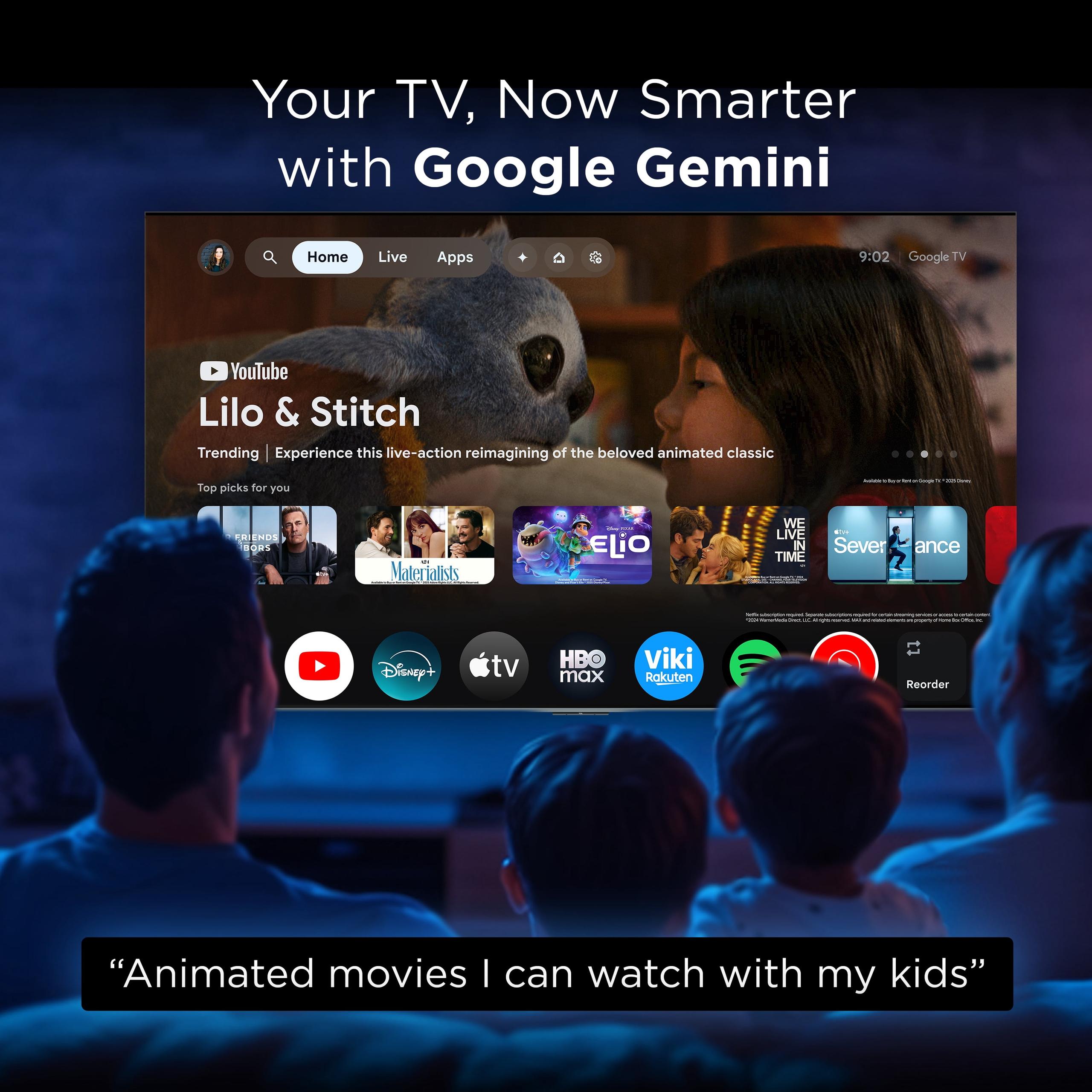
The smart TV experience represents another area where these displays diverge philosophically. The TCL QM9K embraces cutting-edge AI integration through Google Gemini, creating what feels like a glimpse into the future of TV interaction. The presence sensor automatically detects when you enter the room, turning on ambient displays or adjusting settings based on your proximity. Voice commands become more contextual and conversational—you can ask complex questions about content or request specific types of shows without rigid command structures.
Google TV's content discovery engine also excels at surfacing new shows and movies across different streaming platforms. Instead of jumping between Netflix, Disney+, and HBO Max separately, the interface presents unified recommendations that span services, making it easier to find something to watch.
The Samsung S90D takes a more traditional but polished approach with its Tizen operating system. Tizen has been refined over years of development, resulting in a fast, stable interface that rarely hiccups or slows down. The integration with Samsung's broader ecosystem means seamless connectivity with Galaxy phones, tablets, and other Samsung devices. You can easily cast content, use your phone as a remote, or even display your phone screen on the TV.
Both platforms support major streaming services and voice assistants, but they feel different in daily use. The TCL feels more innovative and future-forward, while the Samsung feels more mature and reliable.
Audio performance on both TVs aims for immersive experiences but through different approaches. The TCL QM9K partners with Bang & Olufsen for audio tuning, creating a 2.1.1 channel system with a dedicated subwoofer that provides genuine bass response. The Dolby Atmos implementation uses psychoacoustic processing to create the illusion of height and surround effects from the TV's built-in speakers.
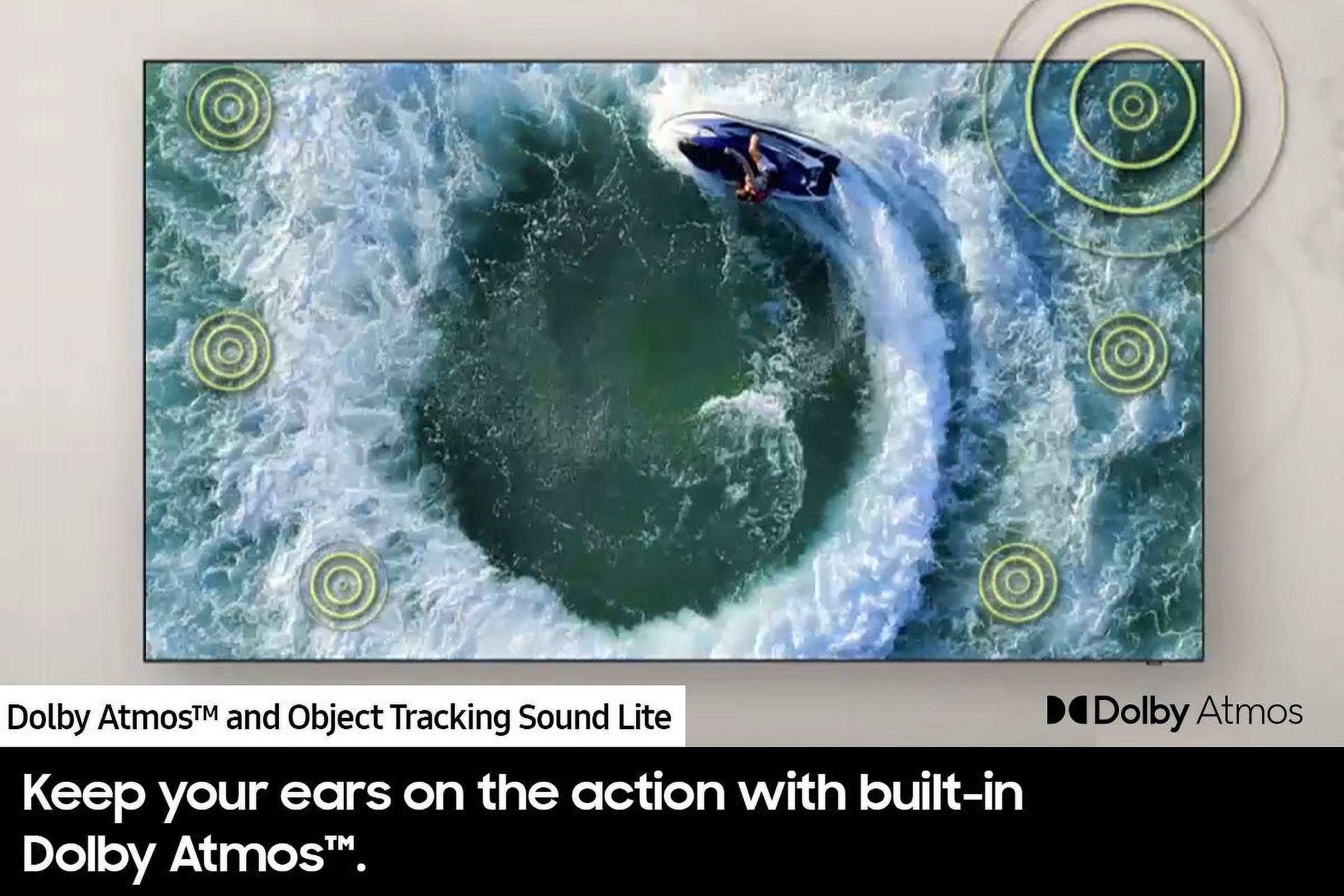
The Samsung S90D focuses on object tracking sound, where audio elements appear to come from their corresponding locations on screen. When a car drives across the screen, the engine noise follows its path. This creates a more realistic soundscape, especially for dialogue-heavy content where voices seem to come directly from the characters' mouths.
For serious home theater enthusiasts, both TVs will likely be paired with external sound systems anyway. However, for everyday viewing, the TCL's dedicated subwoofer gives it a slight edge in delivering room-filling sound without additional equipment.
Perhaps the most important consideration when choosing between these TVs is your room's lighting situation. The Samsung S90D thrives in controlled lighting environments. If you have a dedicated media room with blackout curtains, or if you primarily watch TV in the evening with dimmed lights, OLED's perfect blacks and excellent contrast create an almost cinema-like experience.
However, OLED struggles in bright rooms. The technology's organic compounds can only get so bright before they degrade, and ambient light reflecting off the screen can wash out the image, making colors look faded and blacks appear gray.
The TCL QM9K takes the opposite approach—it's built to fight ambient light. That 6,500-nit peak brightness isn't just a specification to brag about; it's a practical tool for overcoming bright room conditions. If your TV is in a living room with large windows, or if you frequently watch during daytime hours, the Mini-LED's brightness advantage becomes crucial for maintaining image quality.
At the time of writing, both TVs compete in similar price ranges, making the decision less about budget and more about priorities. The Samsung S90D represents proven technology refined over years of development. You're buying a display technology that's been thoroughly tested in real-world conditions, with predictable performance characteristics and extensive content optimization.
The TCL QM9K offers newer technology with potentially greater longevity. Its 2025-era features like advanced AI integration and cutting-edge gaming capabilities may remain relevant longer as content and gaming standards evolve. The lack of burn-in concerns also means worry-free operation—you can leave news channels, gaming interfaces, or other static content on screen without permanent damage.
Choose the Samsung S90D if you prioritize movie and TV show viewing in controlled lighting conditions. Its perfect blacks and excellent viewing angles make it ideal for family movie nights or binge-watching sessions. The mature Tizen platform and Samsung ecosystem integration add value if you already use Samsung devices.
Opt for the TCL QM9K if your TV will be used in a bright room, if you're a serious gamer who wants the latest features, or if you value cutting-edge AI capabilities. The superior brightness and advanced gaming features make it more versatile for different viewing conditions and use cases.
The choice ultimately comes down to your viewing environment and preferences. Both represent excellent value in the premium TV segment, but they excel in different scenarios. Consider your room's lighting, your primary content types, and whether you prioritize proven performance or cutting-edge features. Either way, you'll be getting a display that delivers exceptional quality for years to come.
| TCL 65" QM9K QD-Mini LED Smart TV | Samsung 65" OLED S90D TV |
|---|---|
| Display Technology - Fundamentally affects picture quality and longevity | |
| QD-Mini LED with up to 6,000 local dimming zones | Standard OLED with pixel-level control |
| Peak Brightness - Critical for HDR impact and bright room viewing | |
| 6,500 nits (exceptional for daytime viewing) | ~1,000 nits (optimized for dark rooms) |
| Contrast Ratio - Determines black level depth and image pop | |
| 7,000:1 native (excellent with local dimming) | Infinite contrast (perfect blacks when pixels turn off) |
| Refresh Rate - Important for gaming and smooth motion | |
| 144Hz native with 288Hz gaming mode | 120Hz with Motion Xcelerator 144Hz |
| Input Lag - Critical for competitive gaming responsiveness | |
| 5.3ms (exceptionally fast) | Not specified (typically good on Samsung OLEDs) |
| HDR Support - Affects compatibility with premium content | |
| HDR10, HDR10+, Dolby Vision, HLG | HDR10+, HLG (no Dolby Vision) |
| Smart Platform - Determines app selection and user experience | |
| Google TV with Gemini AI integration | Samsung Tizen OS with voice assistants |
| Gaming Features - Advanced capabilities for next-gen consoles | |
| Game Accelerator 288, AMD FreeSync Premium Pro, Auto Game Mode | Motion Xcelerator 144Hz, HDMI 2.1, Auto Game Mode |
| Audio System - Built-in sound quality without external speakers | |
| Bang & Olufsen tuning with 2.1.1 channels and subwoofer | Dolby Atmos with object tracking sound |
| Burn-in Risk - Long-term display durability concerns | |
| No burn-in risk (LCD-based technology) | Potential burn-in with static content over time |
| Viewing Angles - Picture quality when viewed from the side | |
| 178° horizontal/vertical (good but some color shift) | Excellent viewing angles with minimal degradation |
| Design & Weight - Physical characteristics and mounting considerations | |
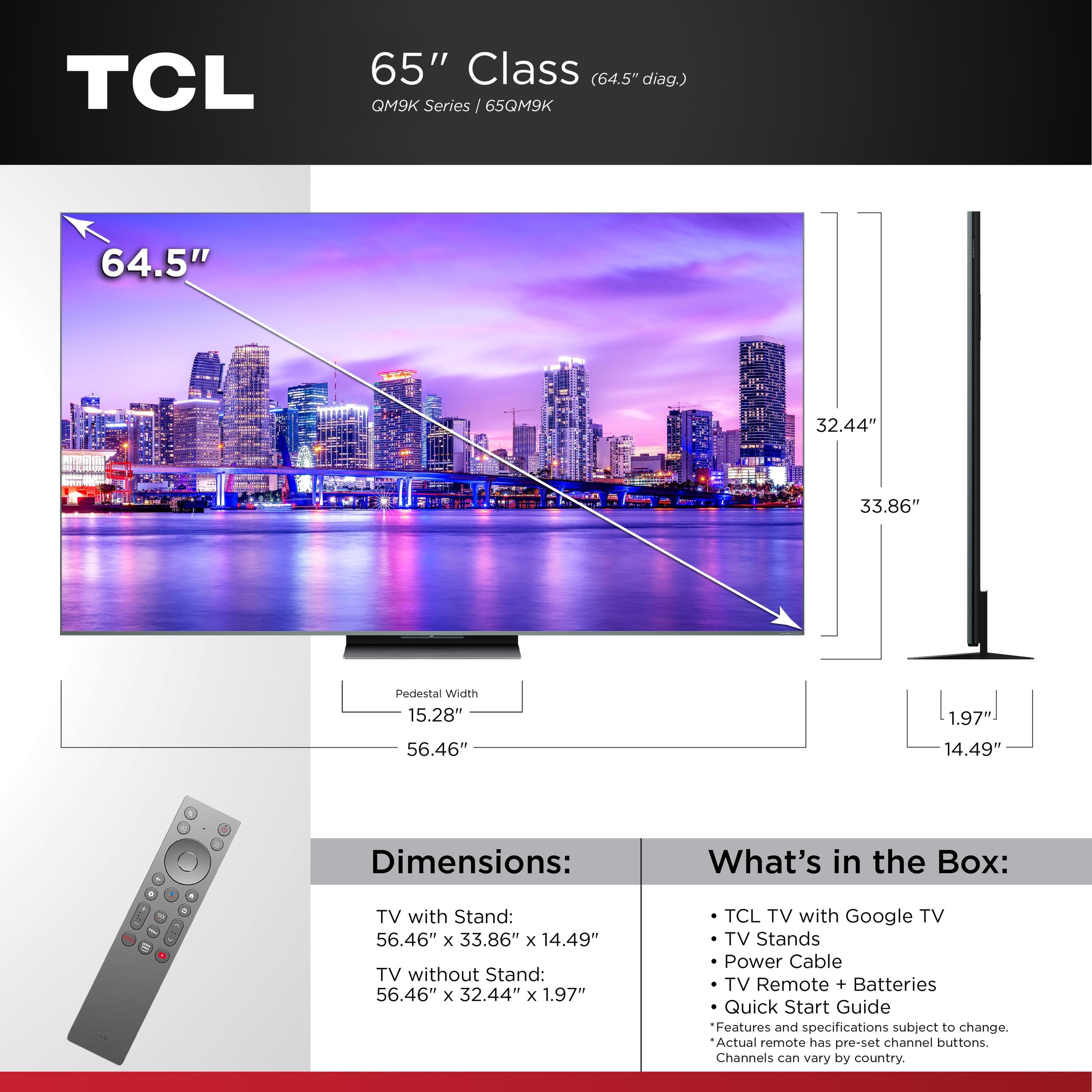
| 21.1 kg without stand, ultra-slim profile | 21.1 kg without stand, 1.6" depth |
| Special Features - Unique capabilities that set each TV apart | |
| Presence sensor, CrystGlow WHVA panel, Halo Control System | Real Depth Enhancer, NQ4 AI Gen2 processor, Pantone validation |
The TCL 65" QM9K QD-Mini LED Smart TV is significantly better for bright rooms due to its exceptional 6,500 nits peak brightness. This Mini-LED technology can overpower ambient light and glare, maintaining vivid colors and deep contrast even during daytime viewing. The Samsung 65" OLED S90D TV struggles in bright environments as its organic pixels can only reach about 1,000 nits, making the image appear washed out when competing with natural light.
The Samsung 65" OLED S90D TV excels in dark room viewing with its perfect pixel-level black control, creating infinite contrast that makes movies incredibly immersive. Each pixel can turn completely off, eliminating any light bleed or blooming effects. While the TCL 65" QM9K QD-Mini LED Smart TV offers excellent contrast with its local dimming zones, it cannot achieve the absolute blacks that OLED technology provides in dedicated home theater environments.
Both TVs offer excellent gaming features, but the TCL 65" QM9K QD-Mini LED Smart TV has a slight edge with its 144Hz native refresh rate, 288Hz gaming mode, and exceptionally low 5.3ms input lag. It also supports AMD FreeSync Premium Pro for tear-free gaming. The Samsung 65" OLED S90D TV provides 120Hz refresh rates with Motion Xcelerator technology and benefits from OLED's instant pixel response for blur-free motion.
The TCL 65" QM9K QD-Mini LED Smart TV has no burn-in risk since it uses LCD technology with LED backlighting. The Samsung 65" OLED S90D TV has potential burn-in concerns with static content displayed for extended periods, as OLED pixels can degrade over time. However, modern OLED TVs include protective features like pixel shifting and automatic brightness limiting to minimize this risk during normal viewing.
The TCL 65" QM9K QD-Mini LED Smart TV dramatically outperforms in brightness with its 6,500 nits peak output, making HDR highlights incredibly impactful and realistic. This superior brightness makes sun reflections, explosions, and bright scenes appear almost lifelike. The Samsung 65" OLED S90D TV peaks around 1,000 nits, which is adequate for HDR but cannot match the spectacular highlight performance of the TCL's Mini-LED technology.
The TCL 65" QM9K QD-Mini LED Smart TV runs Google TV with advanced Gemini AI integration, offering superior content discovery across streaming platforms and contextual voice control. It also features a presence sensor for automatic adjustments. The Samsung 65" OLED S90D TV uses the mature Tizen OS with fast performance and excellent Samsung device integration, though it lacks some of the cutting-edge AI features found in the TCL model.
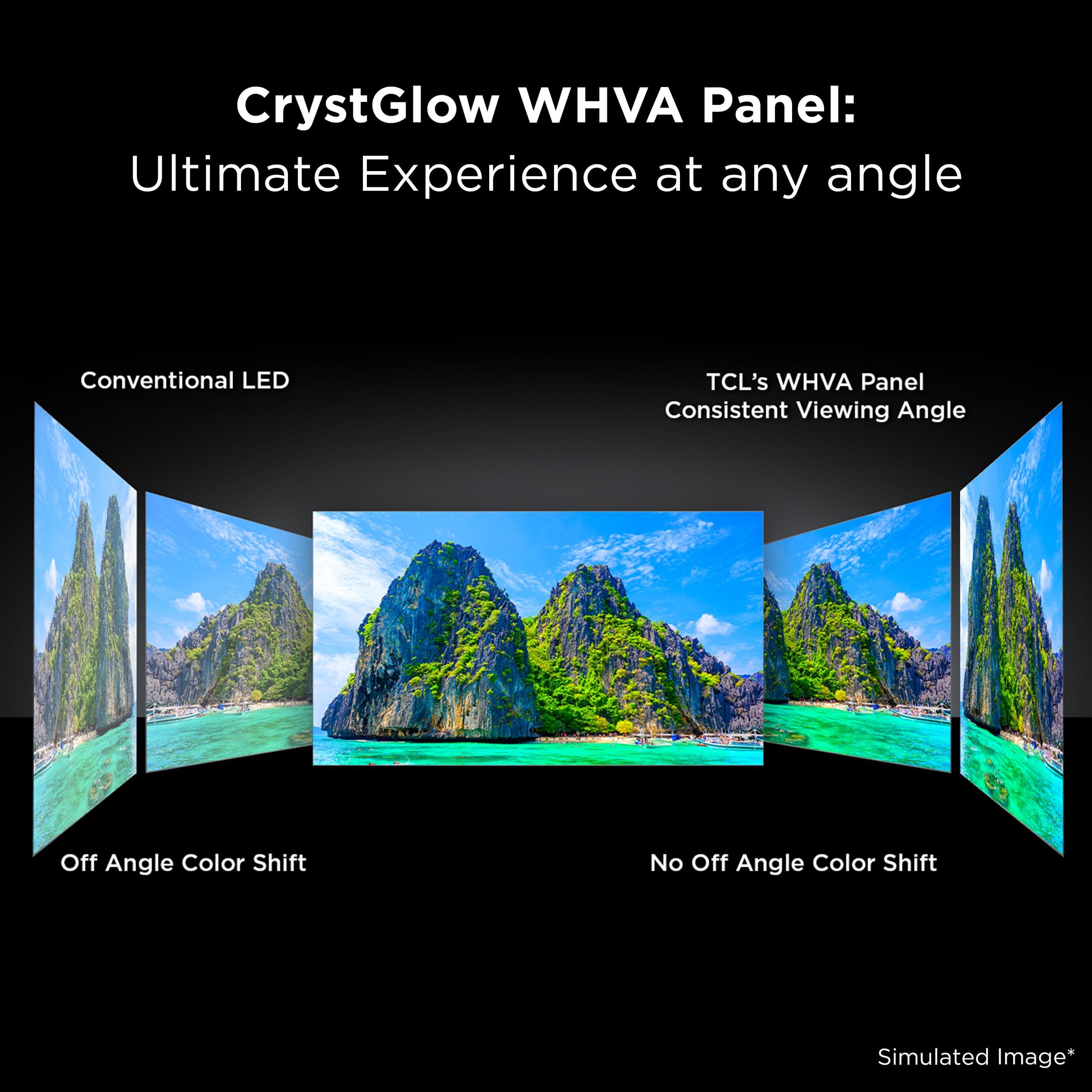
The Samsung 65" OLED S90D TV provides superior viewing angles with minimal color shifting or brightness loss when viewed from the sides, making it ideal for wide seating arrangements. The TCL 65" QM9K QD-Mini LED Smart TV offers 178-degree viewing angles but experiences some color and contrast degradation when viewed off-center, though it's still acceptable for most family viewing situations.
The TCL 65" QM9K QD-Mini LED Smart TV is excellent for daytime sports viewing due to its exceptional brightness that cuts through ambient light, making stadium lighting and outdoor games appear vibrant and clear. Its Motion Rate 480 technology also handles fast sports action well. The Samsung 65" OLED S90D TV provides smooth motion but may appear dim during bright daytime viewing conditions.
The TCL 65" QM9K QD-Mini LED Smart TV features Bang & Olufsen audio tuning with a 2.1.1 channel system including a dedicated subwoofer on the 65-inch model, providing fuller bass response. The Samsung 65" OLED S90D TV offers Dolby Atmos with object tracking sound that follows action across the screen. Both provide good built-in audio, though the TCL's subwoofer gives it an edge for deeper bass without external speakers.
The TCL 65" QM9K QD-Mini LED Smart TV supports a wider range of HDR formats including HDR10, HDR10+, Dolby Vision, and HLG, ensuring compatibility with virtually all HDR content sources. The Samsung 65" OLED S90D TV supports HDR10+, HLG, and other formats but notably lacks Dolby Vision support, which is used by Netflix, Disney+, and other major streaming services.
Both TVs compete closely in value, with the choice depending on your priorities. The TCL 65" QM9K QD-Mini LED Smart TV offers cutting-edge 2025 technology, superior brightness, advanced gaming features, and no burn-in concerns. The Samsung 65" OLED S90D TV provides proven OLED picture quality, excellent dark room performance, and mature smart TV features. The TCL offers better future-proofing, while the Samsung delivers refined, reliable performance.
Choose the TCL 65" QM9K QD-Mini LED Smart TV if you watch TV in bright rooms, prioritize gaming features, want worry-free operation without burn-in concerns, or value the latest AI and smart capabilities. Select the Samsung 65" OLED S90D TV if you primarily watch in dark environments, prioritize movie and streaming quality, need wide viewing angles for family viewing, or prefer Samsung's ecosystem integration. Consider your room lighting and primary usage to make the best choice.
We've done our best to create useful and informative comparisons to help you decide what product to buy. Our research uses advanced automated methods to create this comparison and perfection is not possible - please contact us for corrections or questions. These are the sites we've researched in the creation of this article: rtings.com - bestbuy.com - youtube.com - youtube.com - youtube.com - techaeris.com - displayspecifications.com - pcrichard.com - residentialsystems.com - us.tcl.com - displayspecifications.com - valueelectronics.com - woodruffappliance.com - tcl.com - pcrichard.com - tcl.com - techradar.com - tcl.com - us.tcl.com - youtube.com - youtube.com - bestbuy.com - youtube.com - bestbuy.com - valueelectronics.com - youtube.com - cnet.com - bestbuy.com - videoandaudiocenter.com - youtube.com - samsung.com - samsung.com - pcrichard.com - samsung.com

Privacy Policy
Terms and Conditions - Affiliate Policy
Home Security
© Copyright 2008-2026.
11816 Inwood Rd #1211, Dallas, TX 75244