

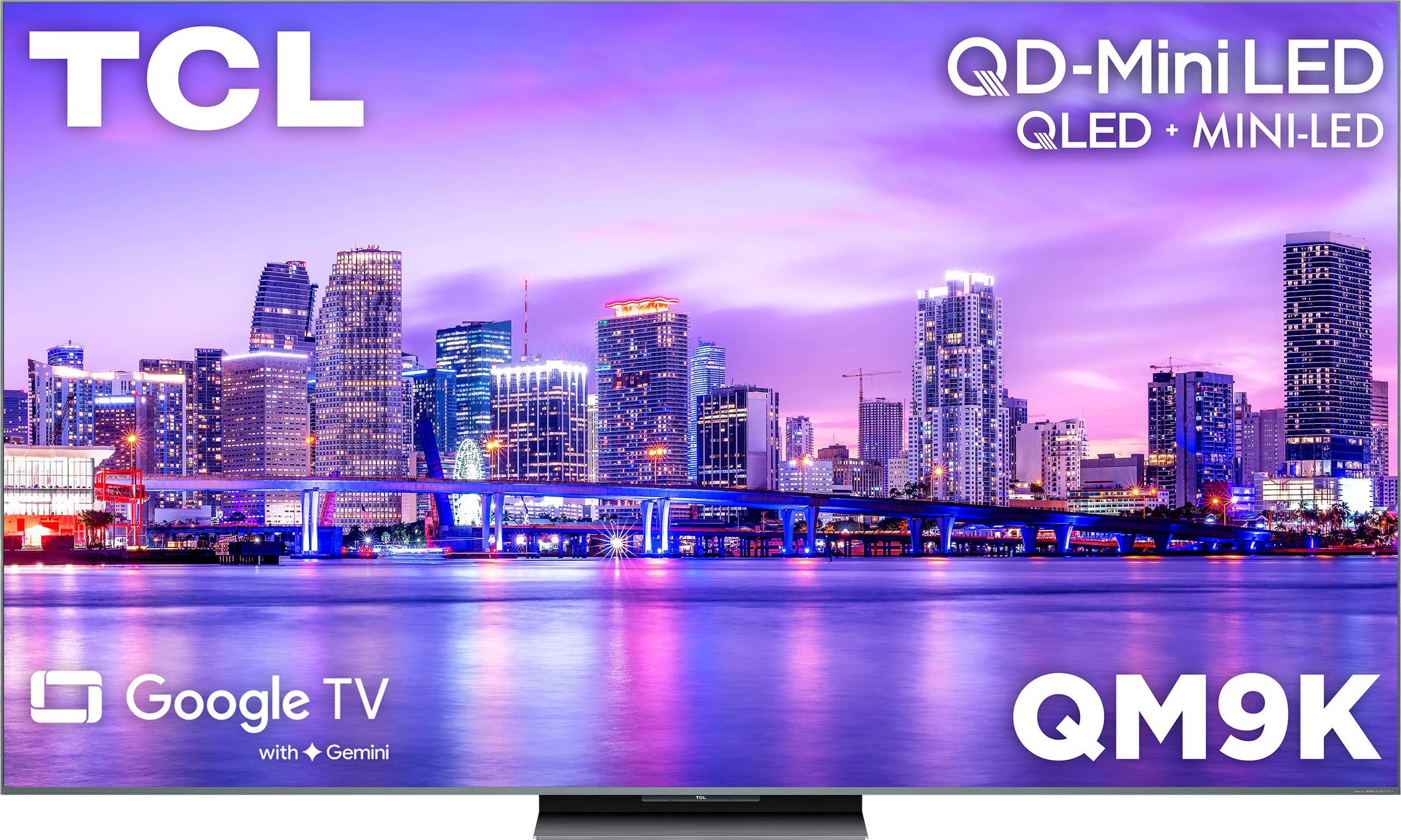
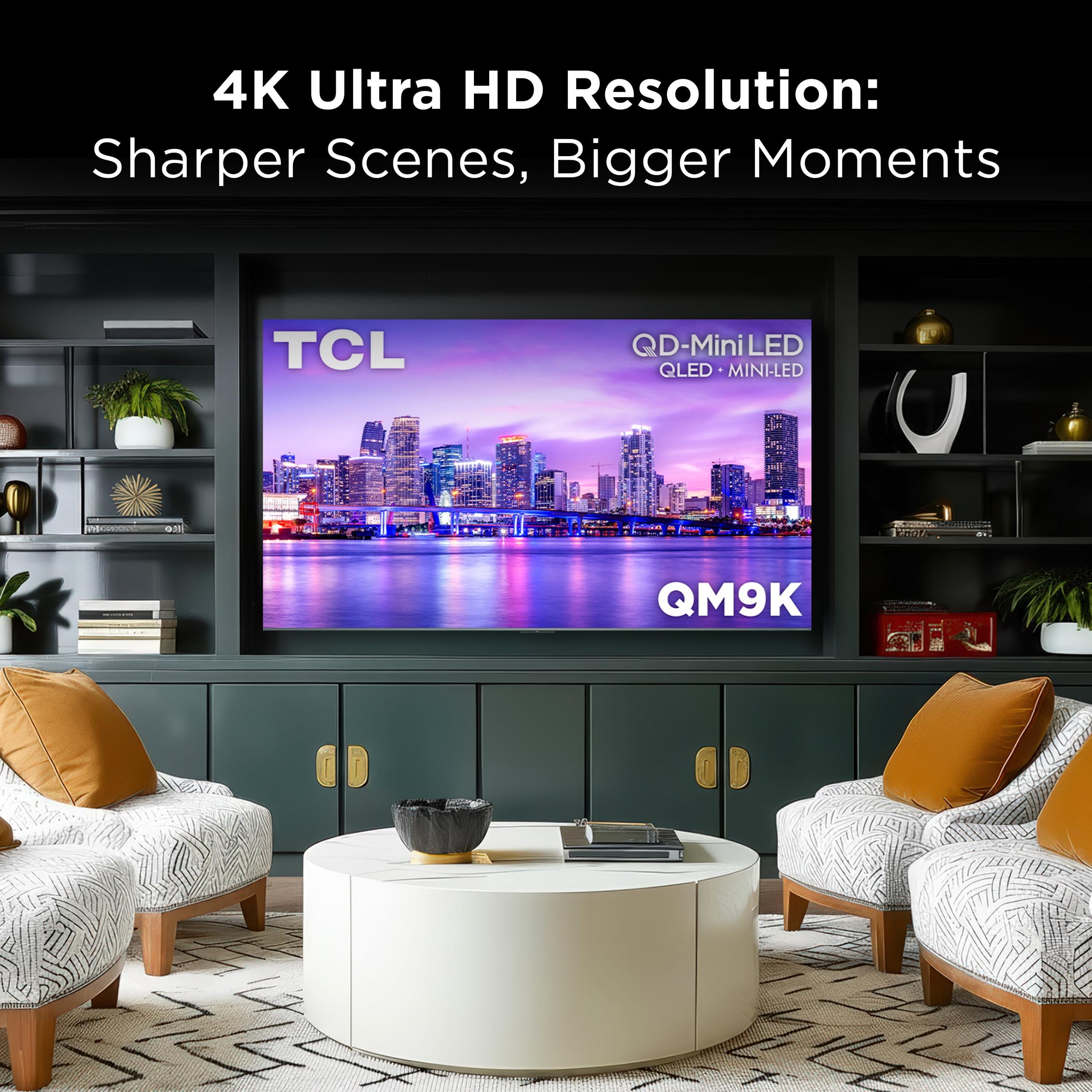
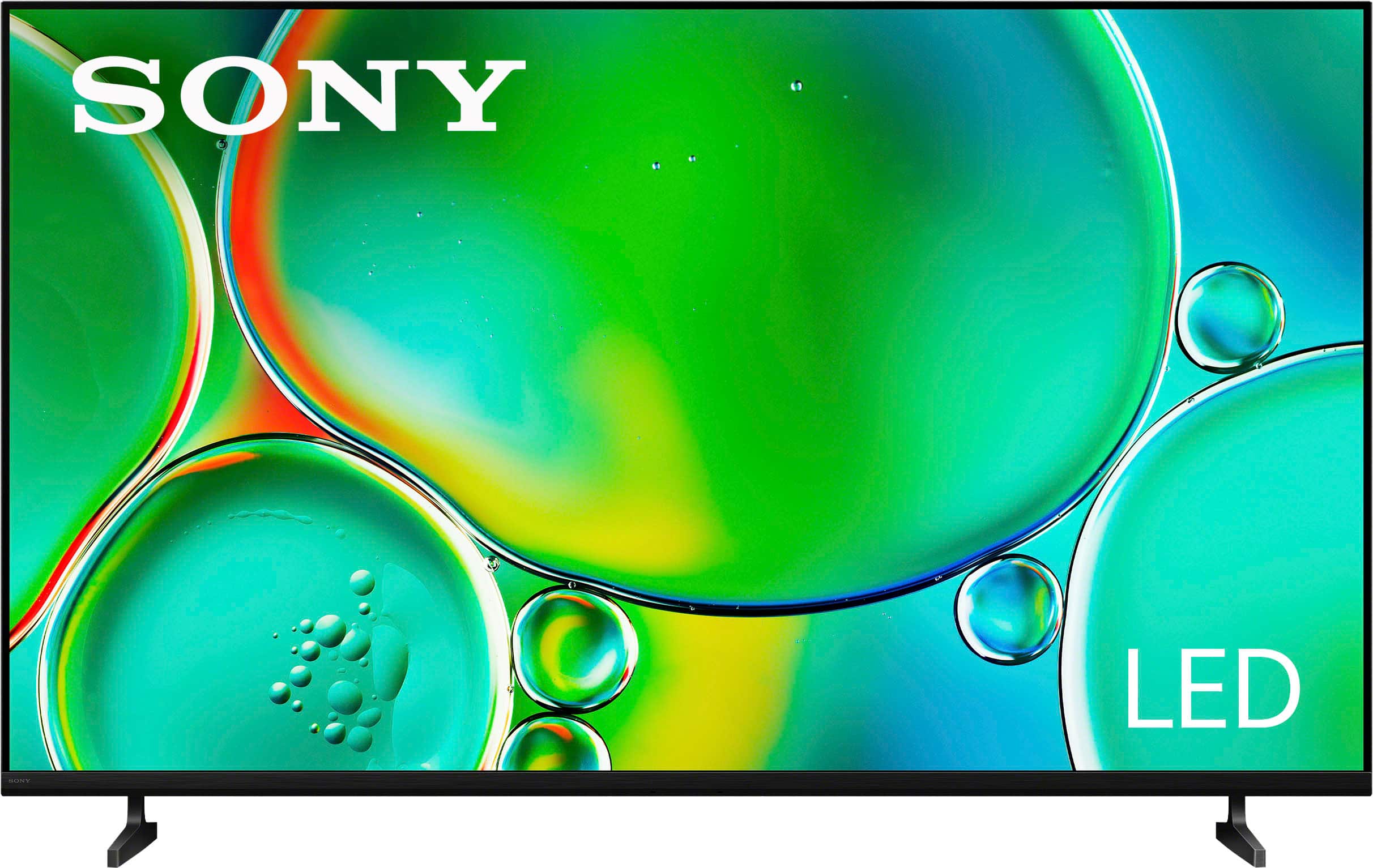
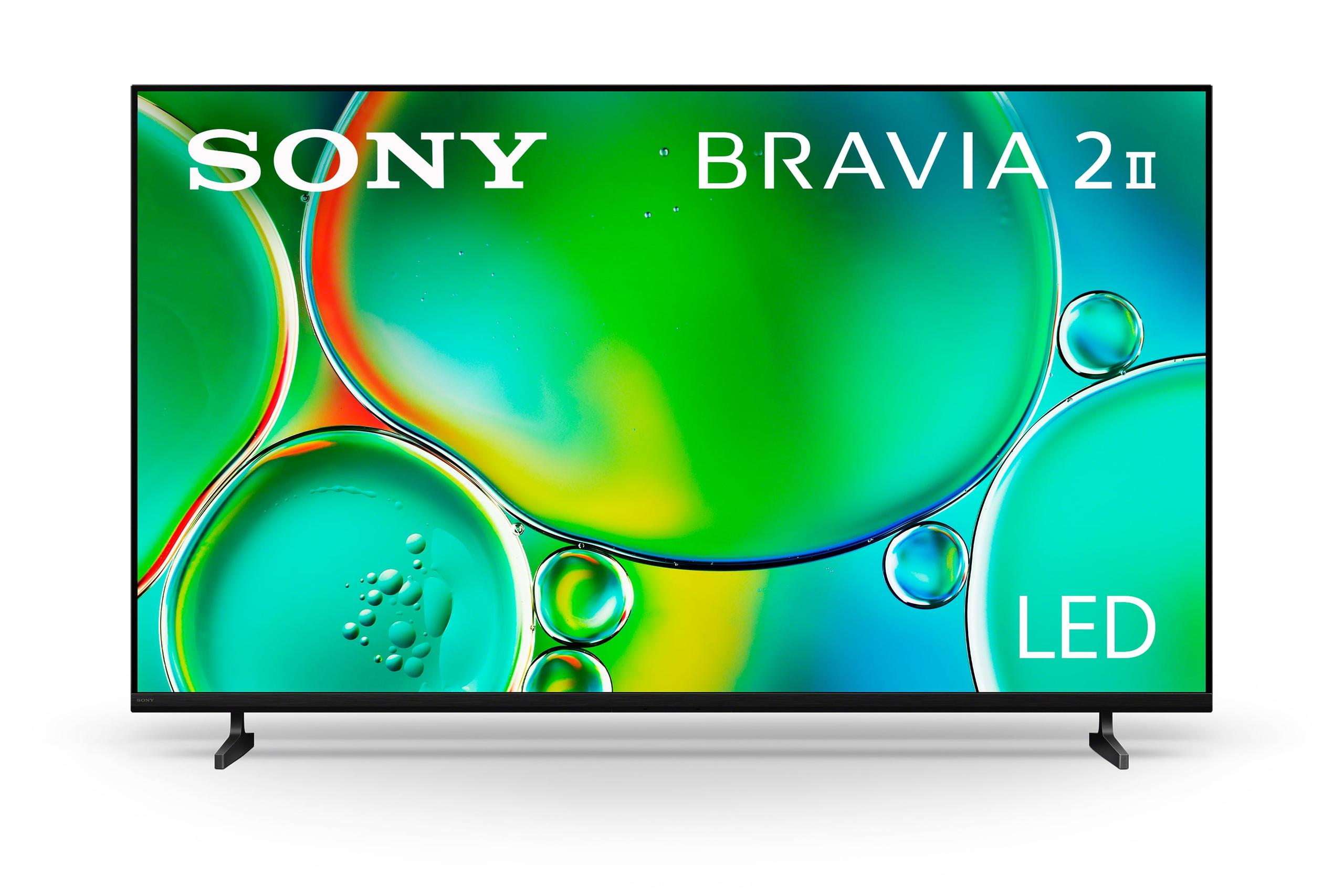

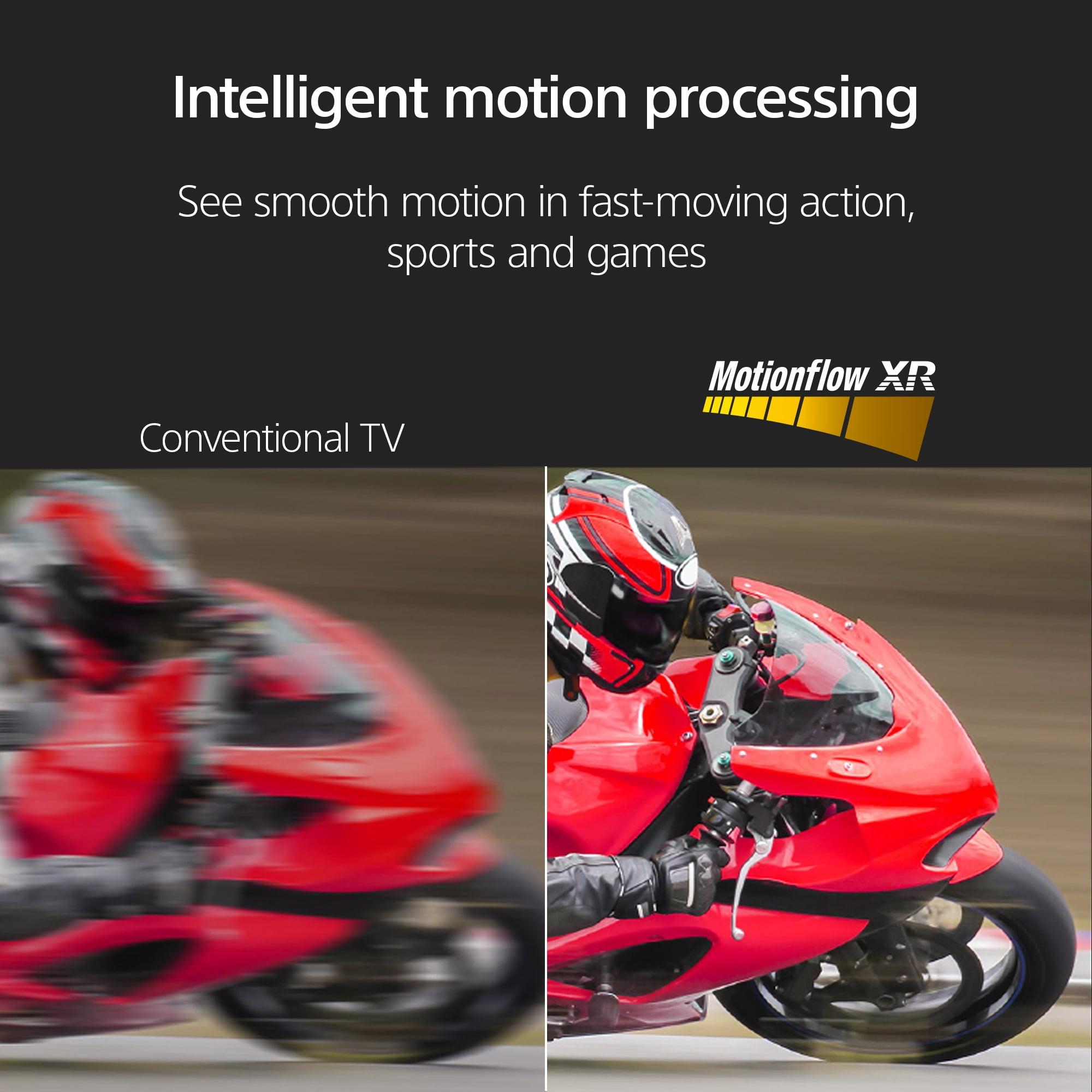
Shopping for a 65-inch TV in 2025 feels like standing in front of a wall of alphabet soup—QLED, OLED, Mini LED, HDR10+, VRR, ALLM. It's enough to make anyone's head spin. Today we're comparing two TVs that couldn't be more different: the TCL QM9K, a premium gaming powerhouse, and the Sony BRAVIA 2 II, Sony's entry-level offering that still packs solid 4K performance.
Both launched in 2025, but they're aimed at completely different audiences and budgets. At the time of writing, you're looking at roughly double the cost for the TCL QM9K compared to the Sony BRAVIA 2 II. The question isn't just which one is better—it's which one makes sense for your specific needs and wallet.
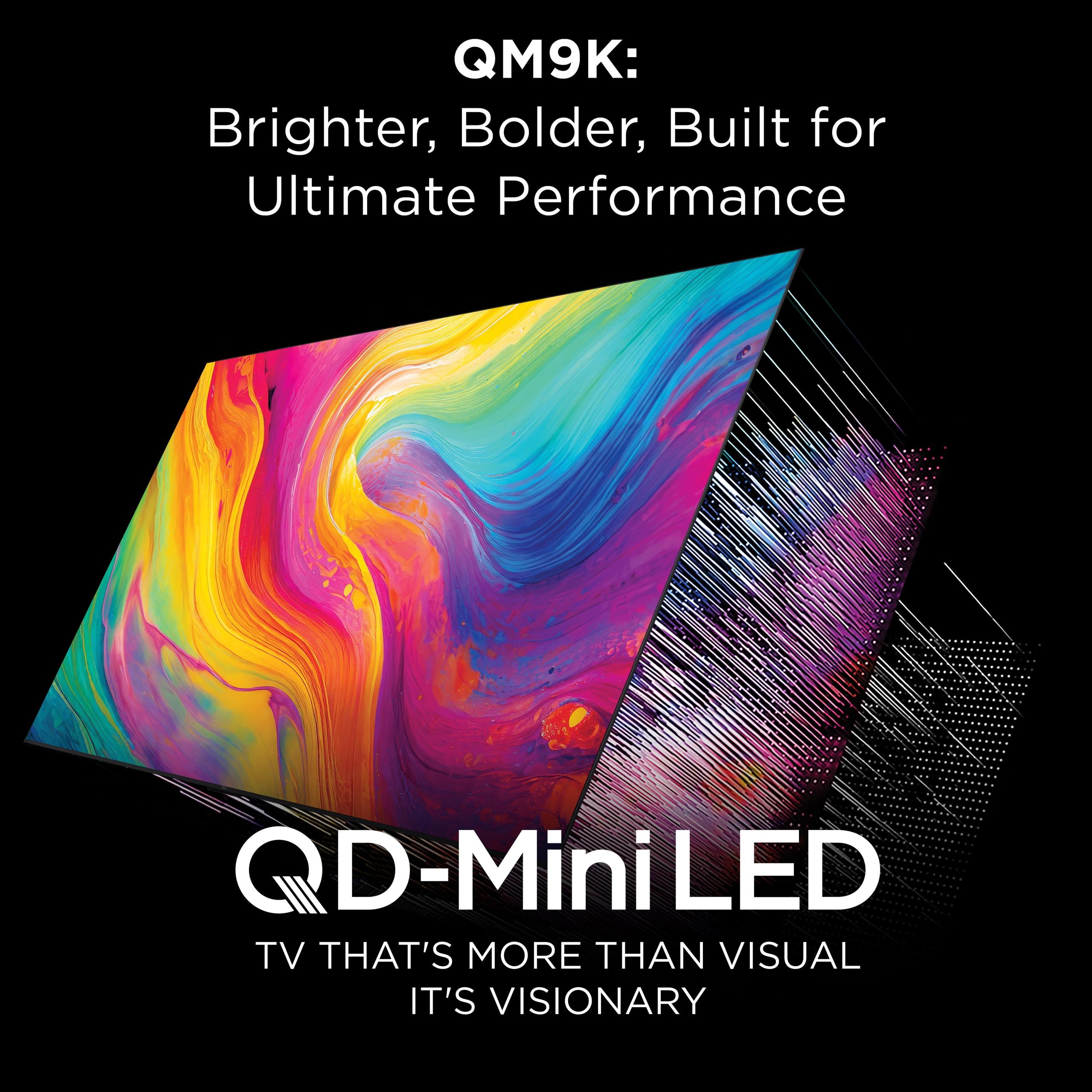
Before diving into the nitty-gritty, let's establish what we're dealing with. The TCL QM9K represents the current pinnacle of LED TV technology, using something called QD-Mini LED. Think of it as thousands of tiny, precise LED lights behind the screen that can turn on and off independently to create perfect blacks right next to brilliant whites. It's like having a spotlight that can illuminate a single pixel without affecting its neighbors.
The Sony BRAVIA 2 II, on the other hand, uses traditional direct-lit LED technology. Instead of thousands of individually controlled lights, it has fewer, larger LED zones that illuminate broader sections of the screen. It's the difference between painting with a fine brush versus a roller—both can create a picture, but one offers much more precision.
When evaluating any TV, the most critical factors are display technology, gaming performance, picture quality in different lighting conditions, and overall value proposition. These determine whether you'll be squinting at washed-out blacks, dealing with laggy gaming, or getting genuine cinematic experiences at home.
The heart of any TV is its display technology, and this is where the TCL QM9K and Sony BRAVIA 2 II diverge dramatically.
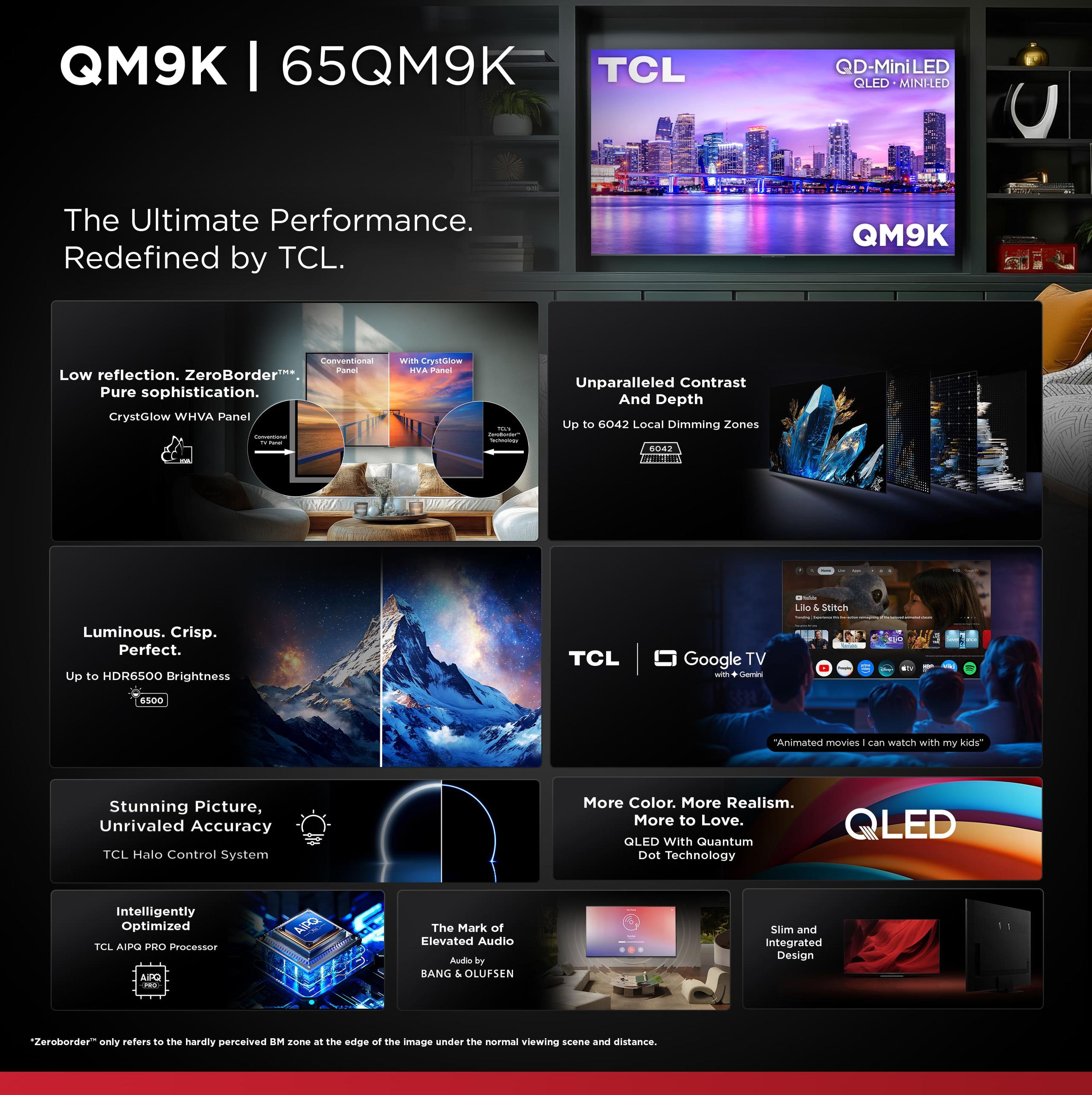
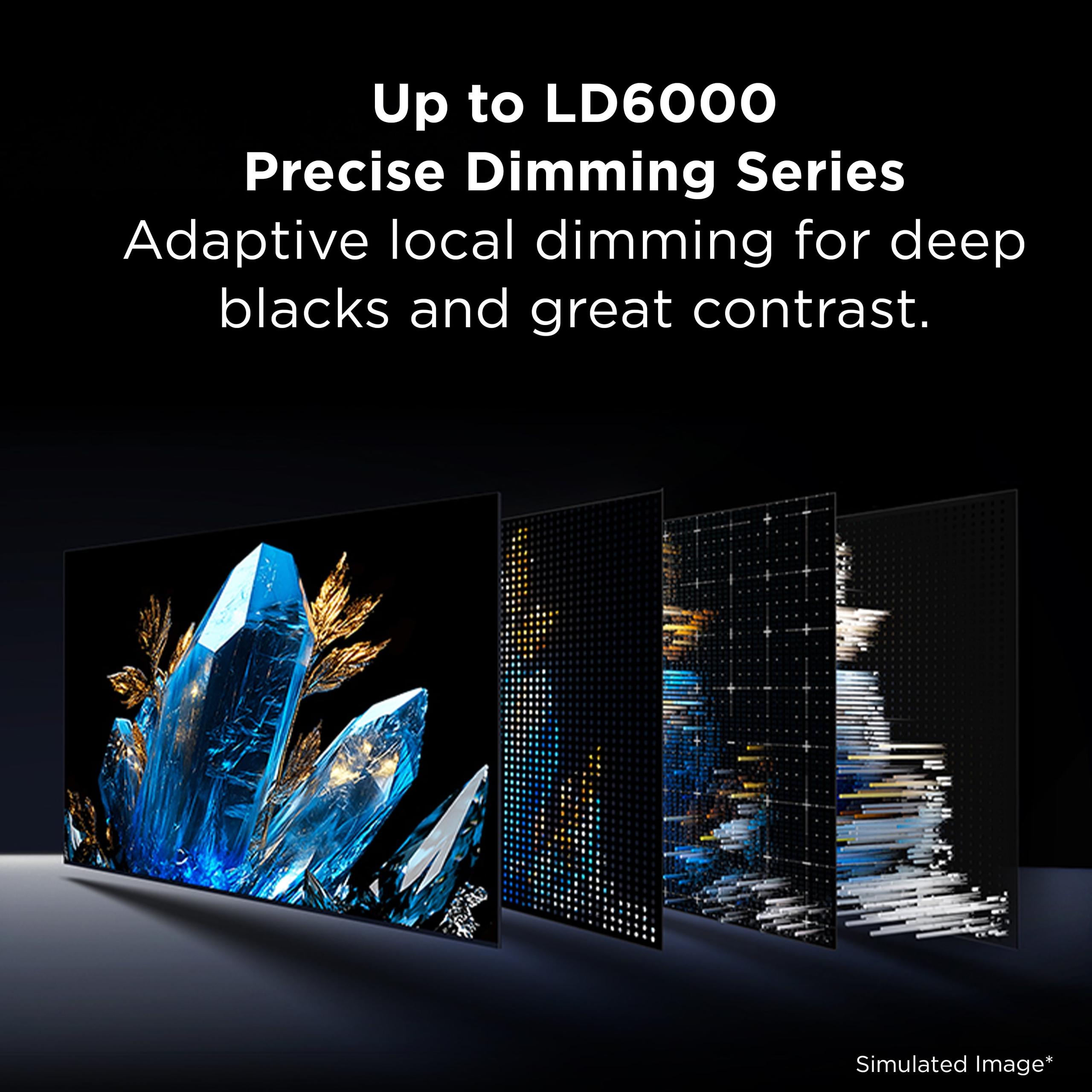
The TCL QM9K employs what TCL calls their Halo Control System, built around QD-Mini LED technology with up to 6,000 precise dimming zones. To put that in perspective, imagine your TV screen divided into 6,000 tiny sections, each capable of producing perfect black or blazing brightness independently. This creates what's called "local dimming"—the ability to make part of your screen completely dark while another part shines brilliantly.
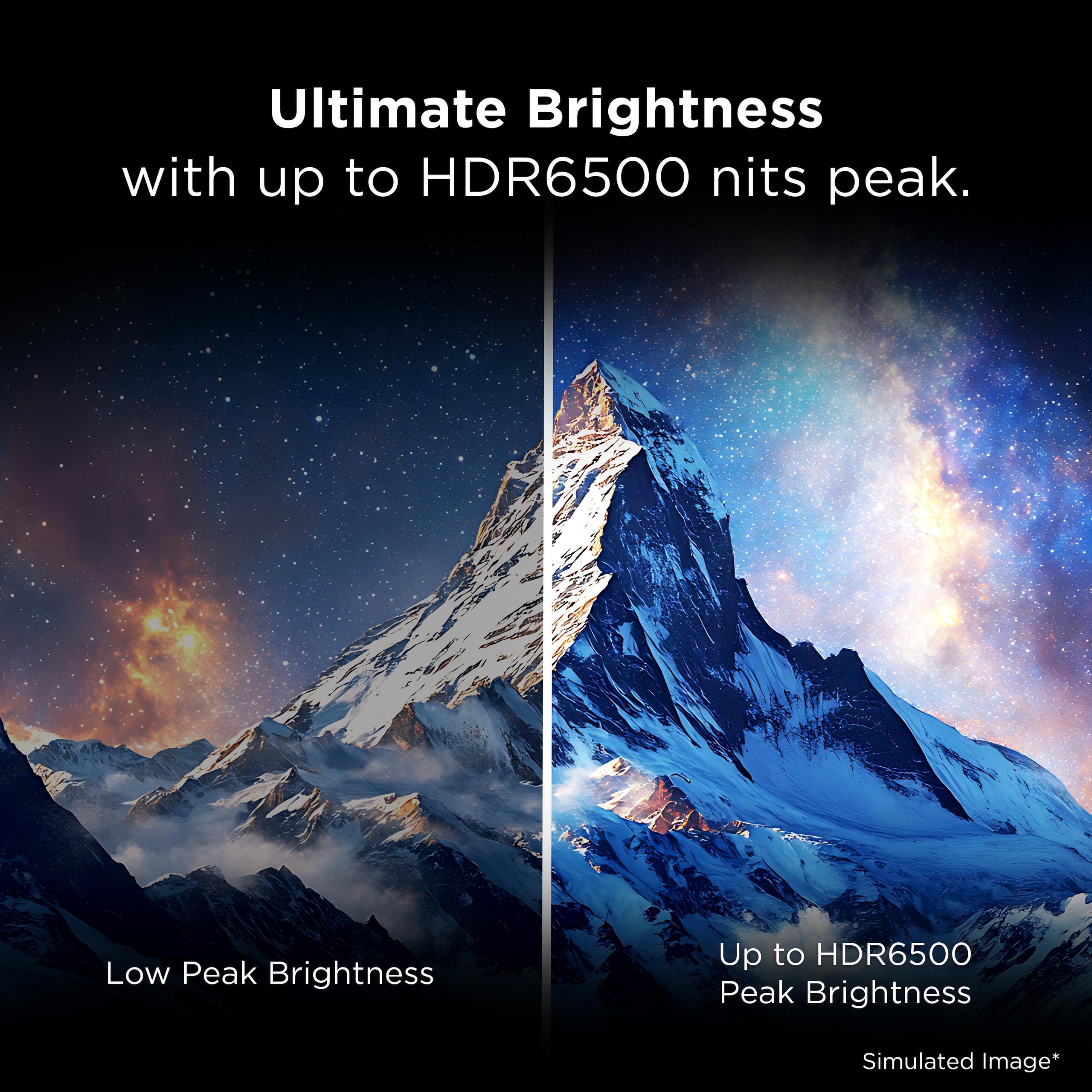
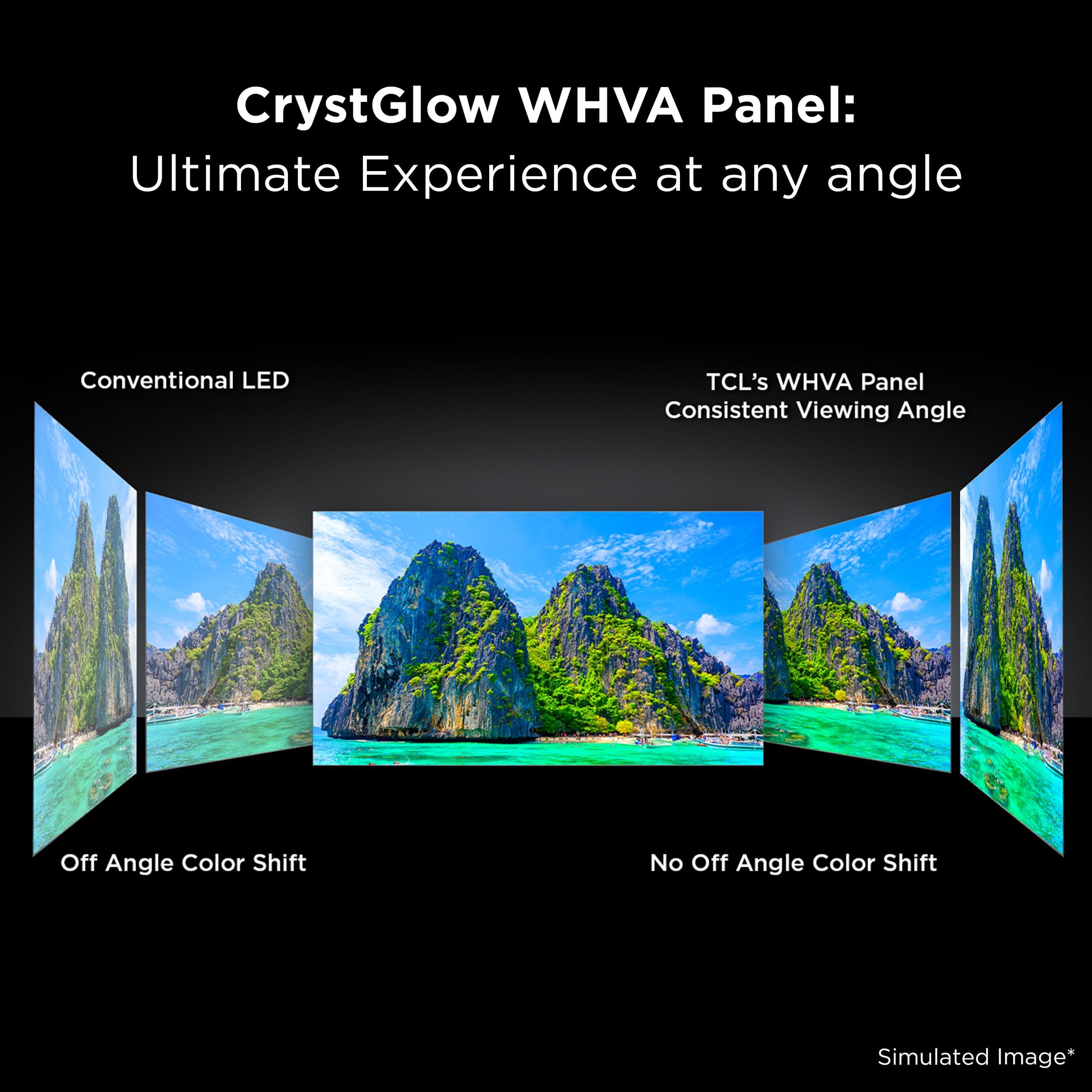
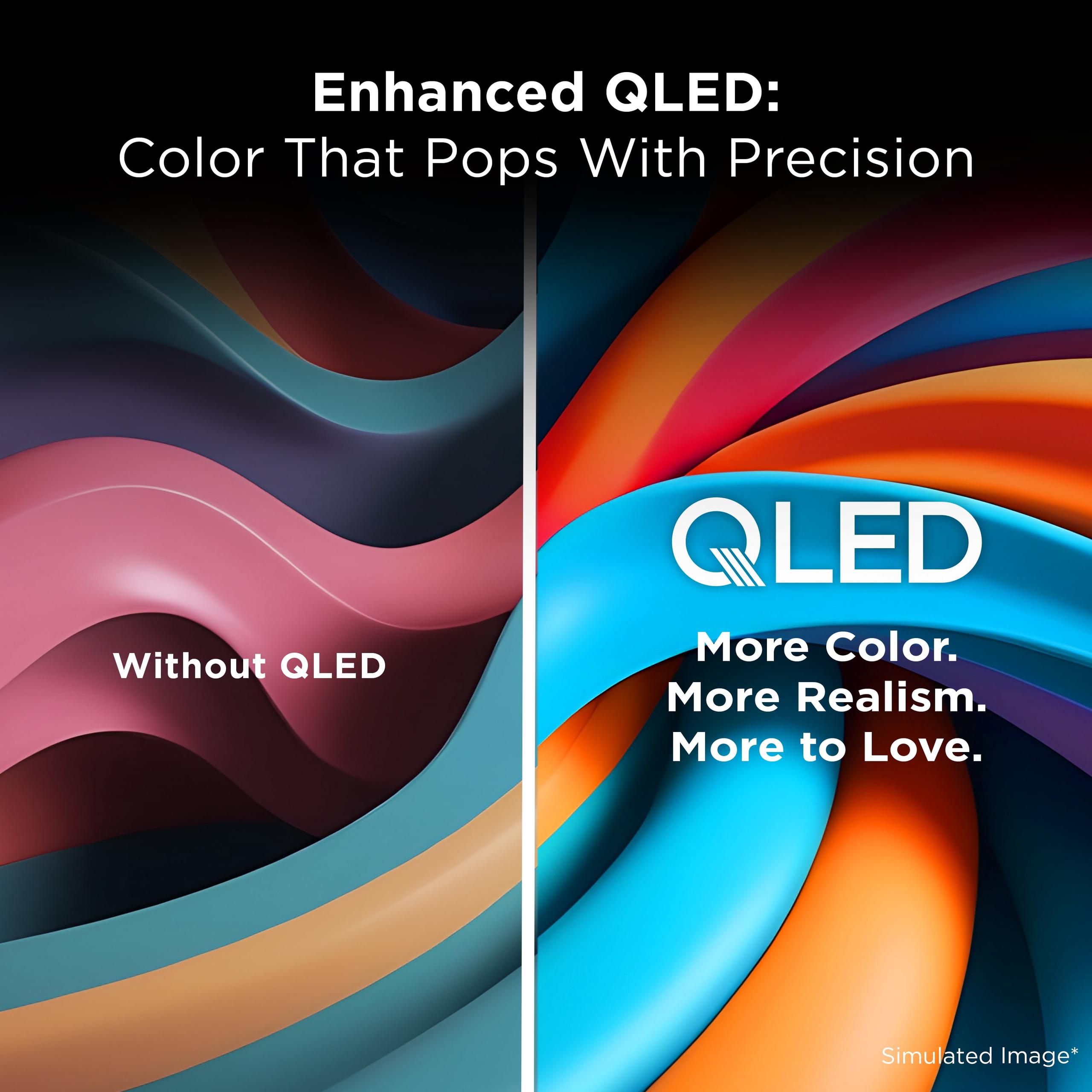
The "QD" stands for Quantum Dot, which are microscopic particles that produce incredibly pure colors when hit by light. Combined with Mini LEDs (which are about 1/40th the size of traditional LEDs), this creates the CrystGlow WHVA panel that can reach peak brightness levels of 6,500 nits. For context, a typical sunny day measures about 100,000 nits, while most TVs struggle to exceed 1,000 nits.
This technical wizardry translates into real-world benefits. When watching a movie with a campfire scene at night, the TCL QM9K can make the flames pop with realistic brightness while keeping the surrounding darkness truly black. Traditional TVs often suffer from "blooming"—unwanted light spillage that makes dark scenes look grayish.
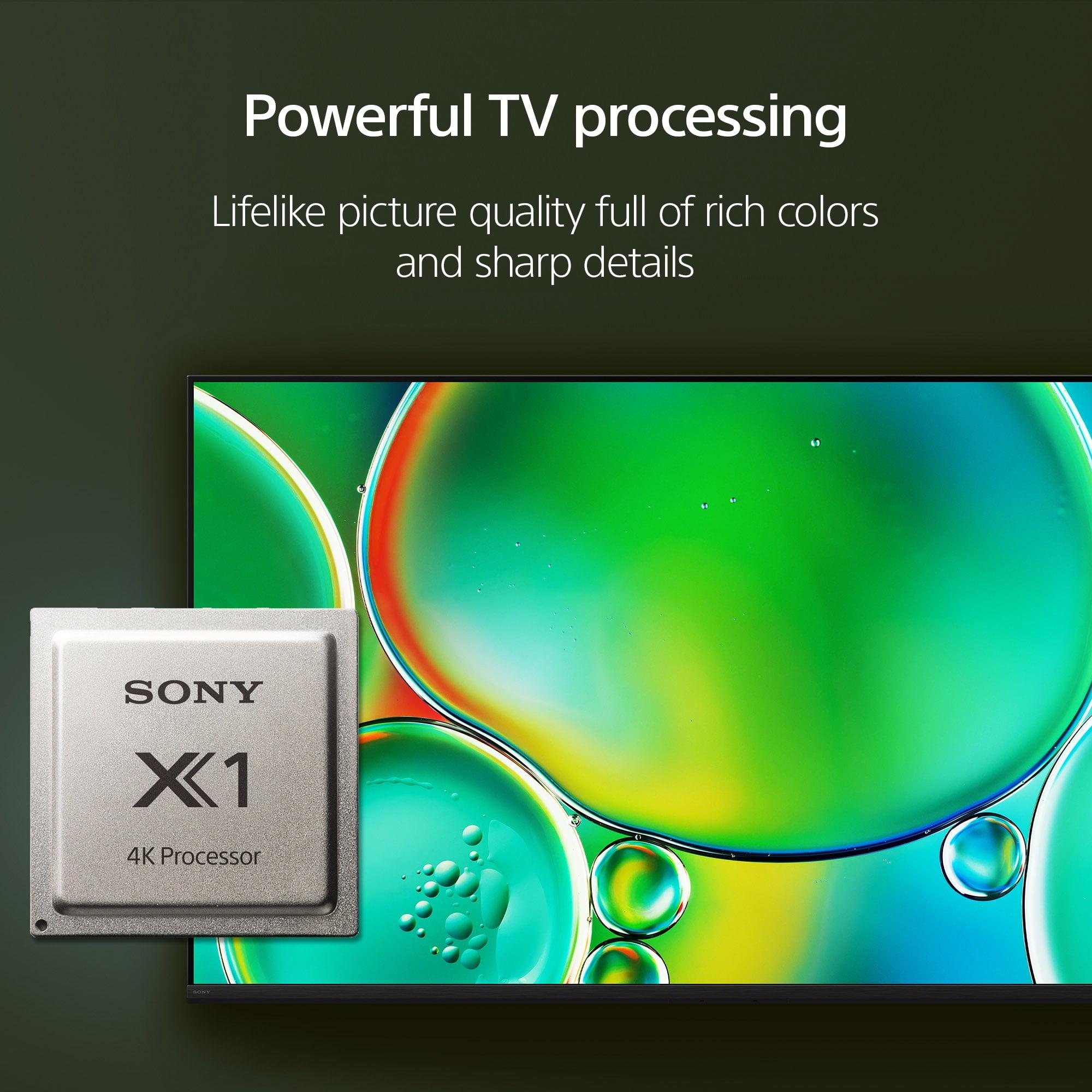
The Sony BRAVIA 2 II uses direct-lit LED with frame dimming, which is essentially the older, simpler approach. Instead of thousands of dimming zones, it has much broader control over screen brightness. Sony compensates with their 4K Processor X1 and technologies like Live Color enhancement, which digitally processes the image to make colors more vibrant.
Sony's approach here is about reliability and cost-effectiveness rather than cutting-edge performance. The 4K X-Reality PRO technology analyzes content using Sony's database of image characteristics, then upscales and enhances it. It's like having a smart photo editor working in real-time, though it can't overcome the fundamental limitations of the simpler backlight system.
Based on our research into professional reviews and user feedback, the TCL QM9K delivers vastly superior contrast and brightness handling. The difference is most noticeable in dark room viewing, where the TCL's perfect blacks make movie watching feel genuinely cinematic, while the Sony shows the grayish "lifted blacks" typical of budget TVs.
Gaming performance has become increasingly important as PlayStation 5, Xbox Series X, and high-end PCs demand more from displays. This is where the TCL QM9K absolutely dominates.
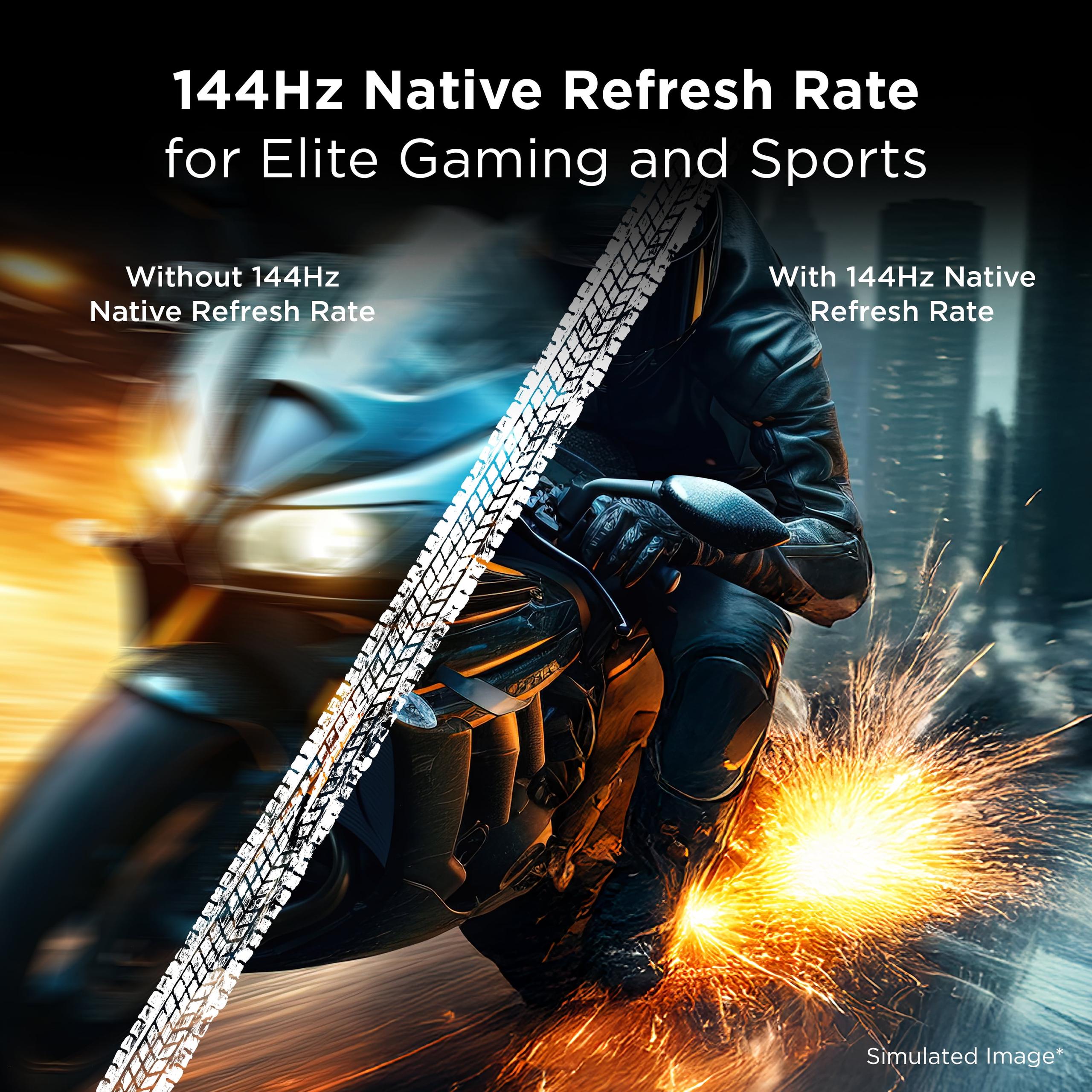
The TCL QM9K features a native 144Hz refresh rate, meaning it can display 144 unique images per second. Most content is filmed at 24, 30, or 60 frames per second, but modern gaming consoles and PCs can output much higher frame rates for smoother motion. The TV's Game Accelerator 288 can even handle up to 288Hz in certain scenarios.
More importantly, it includes AMD FreeSync Premium Pro, which synchronizes the TV's refresh rate with your gaming device's output. This eliminates "screen tearing"—that annoying visual glitch where the top and bottom halves of your screen show different moments in time. The 5.3ms input lag means there's virtually no delay between pressing a button and seeing the action on screen.
Two of the TV's HDMI ports support the latest HDMI 2.1 standard, providing enough bandwidth for 4K gaming at 144Hz. This matters because many games now offer "performance modes" that prioritize smooth motion over maximum visual detail.
The Sony BRAVIA 2 II manages only 60Hz refresh rate and uses HDMI 2.0 ports, which lack the bandwidth for high-refresh gaming. It does include Auto Low Latency Mode (ALLM), which automatically switches to a lower-lag picture mode when it detects a gaming signal, and some basic Variable Refresh Rate (VRR) support.
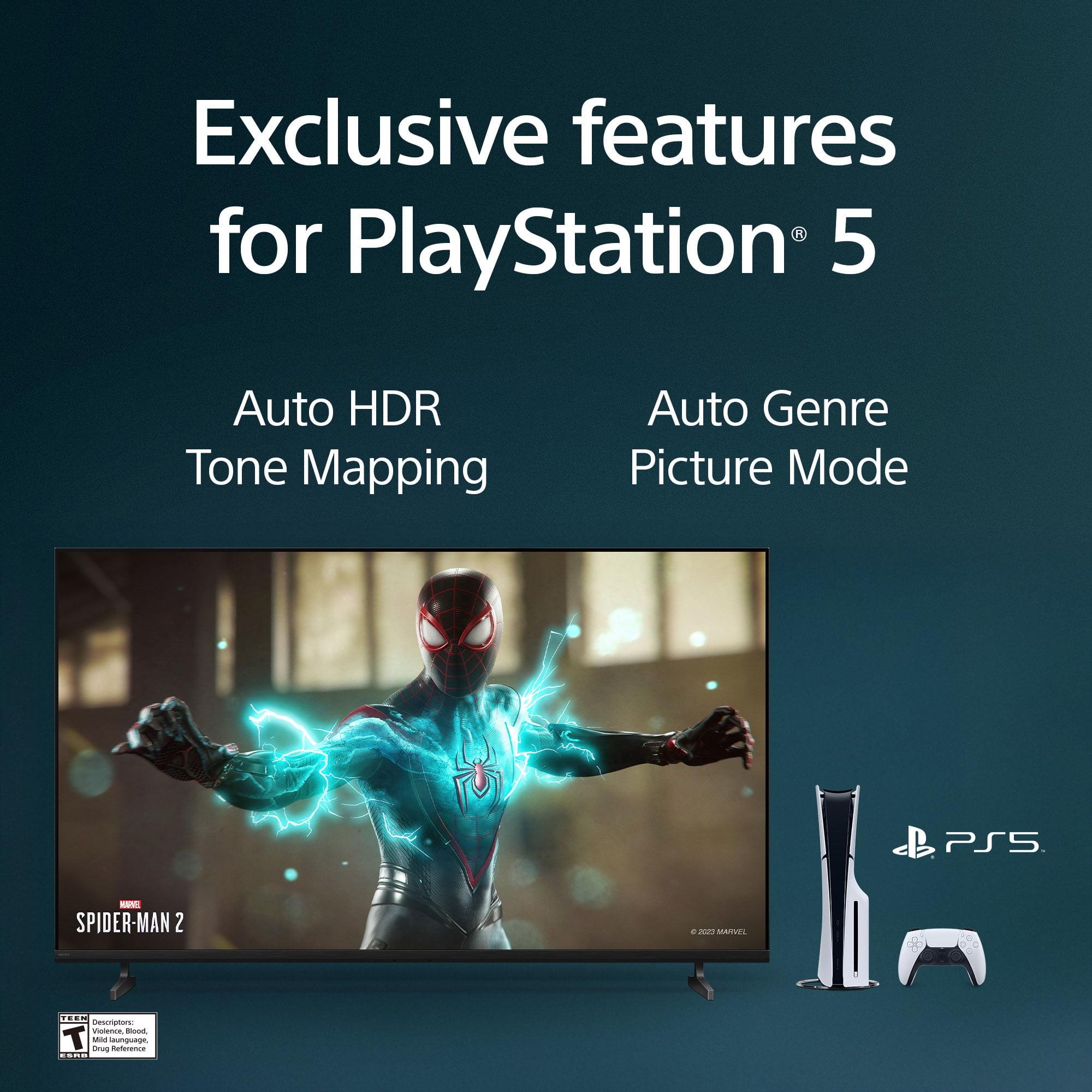
Sony has included PlayStation 5-specific optimizations like Auto HDR Tone Mapping, which automatically adjusts HDR settings for optimal PS5 performance. However, these features can't overcome the fundamental 60Hz limitation.
For casual gaming—playing FIFA with friends or enjoying single-player adventures—the Sony BRAVIA 2 II performs adequately. But if you're serious about competitive multiplayer games or want the smoothest possible experience from a high-end gaming setup, the TCL QM9K is in a completely different league.
High Dynamic Range (HDR) is where TVs really show their capabilities. HDR content contains a much wider range of brightness levels than standard video, from deep shadows to brilliant highlights that more closely match what our eyes see in real life.
The TCL QM9K supports virtually every HDR standard: Dolby Vision IQ, HDR10+, HDR10+ Gaming, standard HDR10, and HLG (Hybrid Log-Gamma). Dolby Vision IQ is particularly impressive—it uses a sensor to measure your room's lighting conditions and adjusts the picture accordingly. Watching a movie during bright afternoon sunlight triggers different settings than the same movie in a dark room.
The TV's AIPQ PRO Processor uses artificial intelligence to analyze each scene and optimize clarity, color, and contrast in real-time. It's like having a professional colorist adjusting your picture moment by moment. Combined with the Mini LED backlight's 6,500-nit peak brightness, HDR content genuinely pops off the screen.
IMAX Enhanced certification means the TV meets IMAX's strict requirements for color accuracy, brightness, and contrast—essentially bringing the IMAX theater experience to your living room for compatible content.
The Sony BRAVIA 2 II supports only HDR10 and HLG, missing the more advanced Dolby Vision and HDR10+ formats that provide scene-by-scene optimization. Its 4K Processor X1, while capable, represents older processing technology compared to the TCL's AI-powered system.
Sony's strength lies in color accuracy out of the box. Professional reviews consistently praise Sony's color processing, even in entry-level models. The Live Color technology and Dynamic Contrast Enhancer work together to produce vibrant, natural-looking images, though they can't match the TCL QM9K's peak brightness or contrast capabilities.
For most streaming content and cable viewing, the Sony BRAVIA 2 II delivers satisfying picture quality. However, premium HDR content from Netflix, Disney+, or 4K Blu-rays reveals the limitations of its simpler backlight system and reduced HDR format support.
Audio often gets overlooked when comparing TVs, but it significantly impacts the overall experience.
The TCL QM9K features audio tuning by Bang & Olufsen, a respected Danish audio company. The 2.1.1 channel system includes a dedicated subwoofer in the 65-inch model, providing much fuller sound than typical TV speakers. Dolby Atmos support creates "object-based" audio where sounds can be positioned in three-dimensional space around you.
DTS Virtual:X technology simulates surround sound from the TV's built-in speakers, creating the impression of audio coming from behind and beside you. While it can't match a dedicated surround sound system, it's impressive for built-in TV audio.
The TV also includes an ATSC 3.0 NextGen TV tuner, which supports future broadcast standards offering 4K over-the-air programming and interactive features. This future-proofing ensures the TV remains relevant as broadcast technology evolves.
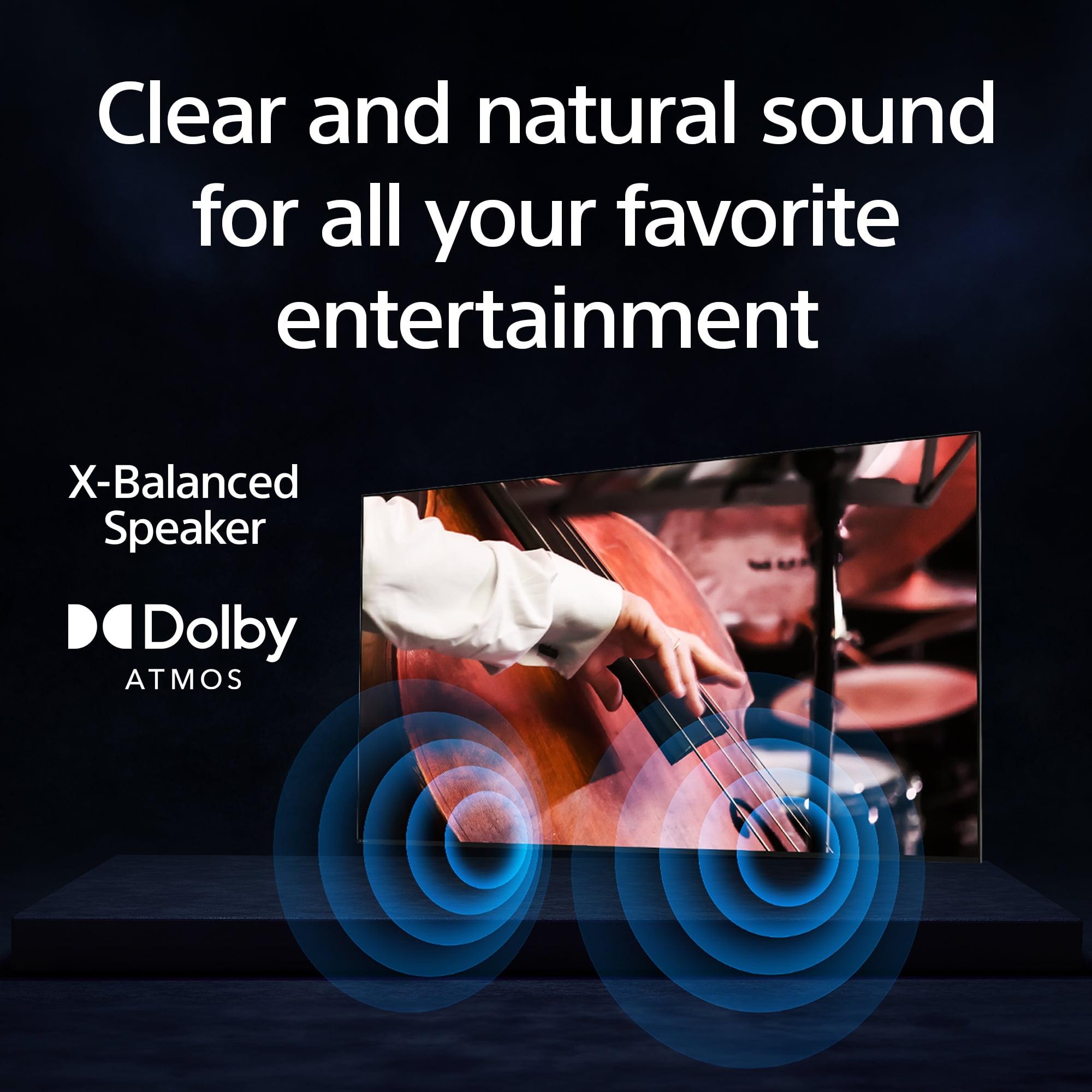
The Sony BRAVIA 2 II uses Sony's Open Baffle Speaker design with 40 watts of output power. It supports Dolby Atmos and DTS:X, though the implementation is more basic than the TCL's Bang & Olufsen system. Sony's Clear Phase technology adjusts timing between different speaker elements for better acoustic alignment.
The audio quality is respectable for an entry-level TV, providing clear dialogue and reasonable bass response. However, most users will eventually want to add a soundbar for truly immersive movie watching or music listening.
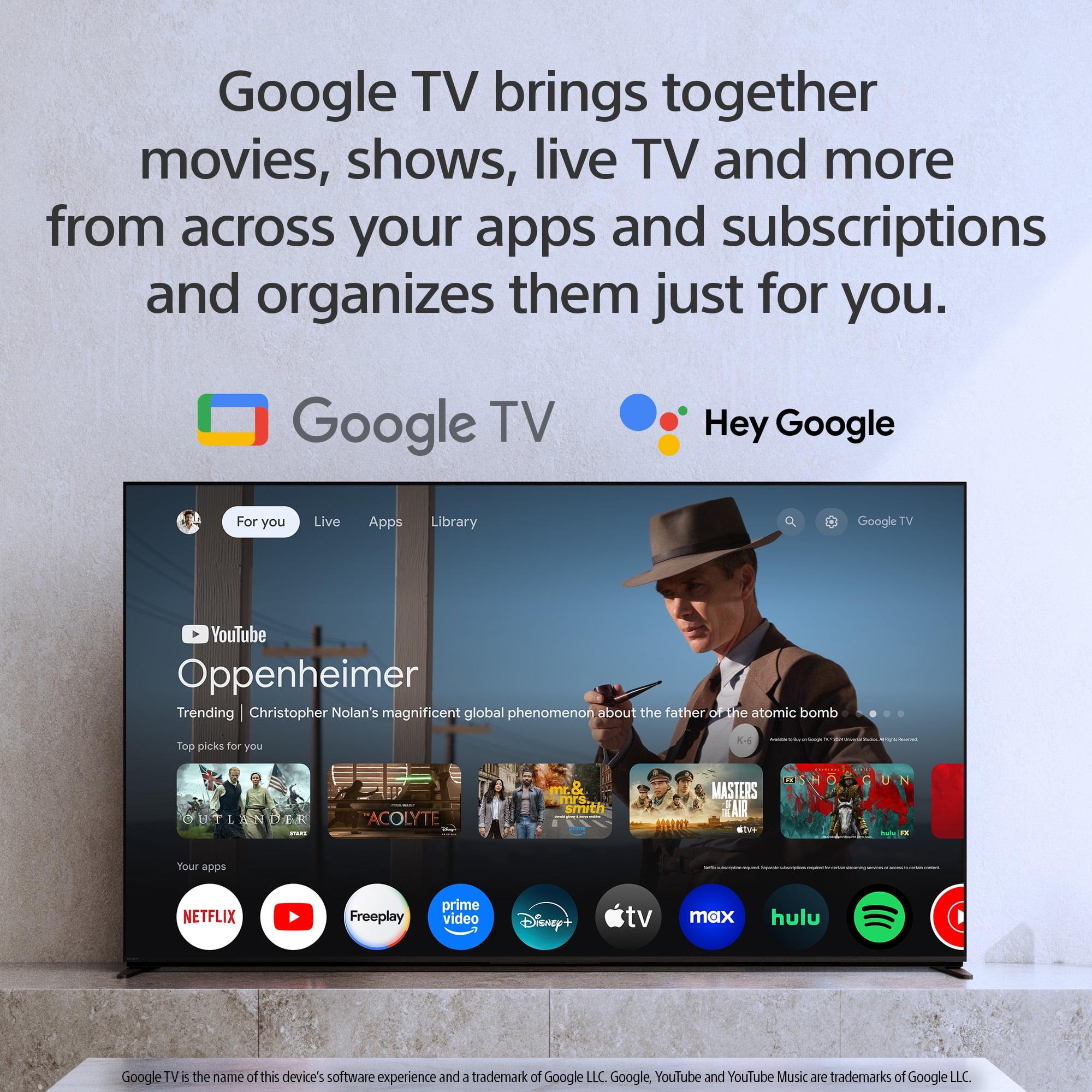
Both TVs run Google TV, Google's latest smart TV platform that replaced Android TV. The interface organizes content from various streaming services into personalized recommendations, making it easier to find something to watch.
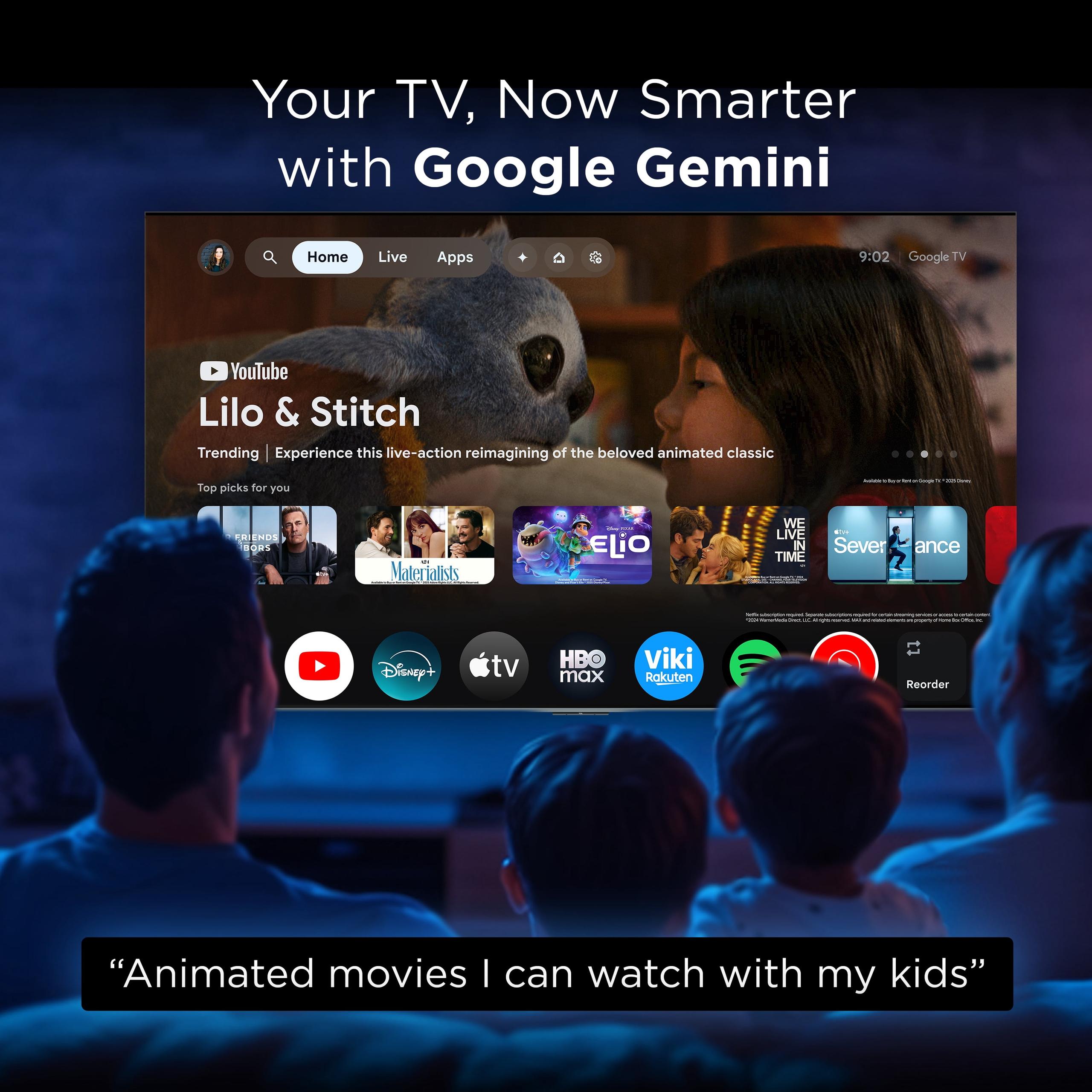
The TCL QM9K includes Google Gemini integration, providing more sophisticated voice control and contextual understanding. The Presence Sensor automatically detects when you're near the TV, turning it on and displaying ambient information like weather or calendar appointments.
Wi-Fi 6 connectivity ensures robust internet performance even in homes with many connected devices, while Bluetooth 5.4 provides stable connections for wireless headphones and game controllers.
The Sony BRAVIA 2 II offers standard Google Assistant integration with support for Amazon Alexa and Apple HomeKit. The Google TV interface runs smoothly, providing access to all major streaming apps and services.
While lacking the advanced AI features of the TCL, the Sony delivers reliable smart TV functionality that covers most users' needs. App loading times are reasonable, and the interface remains responsive during normal use.
For dedicated home theater setups, several factors become particularly important.
The TCL QM9K excels in controlled lighting environments where its superior contrast ratio and peak brightness create truly cinematic experiences. The multiple HDR format support ensures compatibility with premium content, while the Mini LED backlight eliminates the distracting blooming effects that can ruin dark movie scenes.
Its gaming capabilities also make it ideal for home theaters that double as gaming spaces. The combination of high refresh rates, low input lag, and excellent picture quality satisfies both movie enthusiasts and serious gamers.
The Sony BRAVIA 2 II works adequately for casual home theater use, particularly in moderately lit rooms where its contrast limitations are less apparent. Sony's color accuracy helps maintain natural-looking skin tones and realistic colors, even if it can't match the TCL's dynamic range.
At the time of writing, the price difference between these TVs is substantial, with the TCL QM9K costing roughly double the Sony BRAVIA 2 II. This raises the crucial question: is the premium worth it?
Based on our analysis of professional reviews and user feedback, the TCL QM9K justifies its higher cost for users who will utilize its advanced capabilities. Serious gamers, home theater enthusiasts, and tech-savvy users who appreciate cutting-edge display technology will find genuine value in its superior performance.
The Sony BRAVIA 2 II represents exceptional value for mainstream users who prioritize reliability and essential 4K smart TV features over premium performance. It delivers solid picture quality, comprehensive streaming capabilities, and Sony's reputation for durability at an accessible price point.
Choose the TCL QM9K if you're a serious gamer who wants the smoothest possible experience from PlayStation 5, Xbox Series X, or high-end PC gaming. Its 144Hz refresh rate, low input lag, and advanced gaming features provide competitive advantages that casual gaming TVs simply can't match.
Home theater enthusiasts who watch lots of HDR content from streaming services or 4K Blu-rays will appreciate the Mini LED backlight's superior contrast and the comprehensive HDR format support. If you're investing in a premium TV for years of use, the TCL QM9K's advanced features provide better long-term value.
The Sony BRAVIA 2 II makes more sense for budget-conscious buyers who want reliable 4K performance without premium pricing. It's perfect for families who primarily stream content, watch cable TV, and game casually. The money saved versus the TCL could fund a quality soundbar, streaming device upgrades, or simply stay in your pocket.
Secondary TV applications—bedroom, guest room, or kitchen installations—favor the Sony's lower cost while still providing modern smart TV capabilities.
These TVs serve fundamentally different purposes. The TCL QM9K showcases current display technology at its finest, delivering gaming and picture quality that rivals much more expensive options. The Sony BRAVIA 2 II proves that you don't need to spend premium dollars for satisfying 4K entertainment.
Your decision should focus on how you actually use your TV rather than comparing spec sheets. Gaming enthusiasts and picture quality perfectionists will find the TCL QM9K's advanced capabilities genuinely worthwhile. Mainstream users seeking reliable, everyday TV performance will be perfectly satisfied with the Sony BRAVIA 2 II's practical approach.
Both represent solid choices within their respective categories, but they're designed for different priorities and budgets. Understanding which category matches your needs—and being honest about how you'll actually use the TV—makes the decision much clearer.
| TCL 65" QM9K QD-Mini LED Smart TV | Sony BRAVIA 2 II 65" 4K LED Google TV 2025 |
|---|---|
| Display Technology - The foundation that determines picture quality and price | |
| QD-Mini LED with up to 6,000 precise dimming zones | Standard direct-lit LED with frame dimming |
| Peak Brightness - Critical for HDR content and bright room viewing | |
| 6,500 nits (exceptional for any lighting condition) | Undisclosed, estimated ~400-600 nits (adequate for moderate lighting) |
| Refresh Rate - Essential for gaming and smooth motion | |
| 144Hz native (supports high-refresh gaming) | 60Hz native (standard for casual use) |
| Gaming Features - Determines competitive gaming capability | |
| Game Accelerator 288, AMD FreeSync Premium Pro, 5.3ms input lag | ALLM, basic VRR, PlayStation 5 optimizations |
| HDMI Connectivity - Affects gaming and future device compatibility | |
| 4 ports (2x HDMI 2.1 for 4K@144Hz gaming) | 4 ports (HDMI 2.0, limited to 4K@60Hz) |
| HDR Format Support - Determines compatibility with premium content | |
| Dolby Vision IQ, HDR10+, HDR10+ Gaming, HDR10, HLG | HDR10, HLG only (missing advanced formats) |
| Picture Processor - Affects image quality and upscaling | |
| AIPQ PRO with AI-powered optimization | 4K Processor X1 with X-Reality PRO |
| Audio System - Built-in sound quality | |
| Bang & Olufsen tuning, 2.1.1 channels with subwoofer | Open Baffle speakers, 40W output |
| Smart TV Platform - Both use Google TV but with different AI features | |
| Google TV with Gemini AI, Presence Sensor | Google TV with standard Google Assistant |
| Target Audience - Who each TV is designed for | |
| Gaming enthusiasts, home theater users, tech enthusiasts | Budget-conscious buyers, casual viewers, secondary TV use |
| Value Proposition - Cost vs. performance consideration | |
| Premium pricing for cutting-edge display and gaming tech | Entry-level pricing for reliable 4K smart TV features |
The TCL 65" QM9K QD-Mini LED Smart TV delivers significantly better picture quality with its advanced QD-Mini LED technology featuring up to 6,000 dimming zones and 6,500 nits peak brightness. This creates deeper blacks, brighter highlights, and better contrast compared to the Sony BRAVIA 2 II 65" 4K LED Google TV 2025, which uses standard direct-lit LED technology. For home theater enthusiasts who prioritize cinematic picture quality, the TCL QM9K is the clear winner.
The TCL 65" QM9K QD-Mini LED Smart TV is purpose-built for gaming with 144Hz refresh rate, Game Accelerator 288, AMD FreeSync Premium Pro, and 5.3ms input lag. It supports 4K gaming at 144Hz through HDMI 2.1 ports. The Sony BRAVIA 2 II is limited to 60Hz and HDMI 2.0, making it suitable only for casual gaming. Serious gamers should choose the TCL QM9K.
The TCL 65" QM9K QD-Mini LED Smart TV supports all major HDR formats including Dolby Vision IQ, HDR10+, HDR10+ Gaming, HDR10, and HLG. The Sony BRAVIA 2 II 65" 4K LED Google TV 2025 only supports HDR10 and HLG, missing the more advanced Dolby Vision and HDR10+ formats that provide better picture optimization for premium streaming content.
The Sony BRAVIA 2 II 65" 4K LED Google TV 2025 offers excellent value for budget-conscious buyers seeking reliable 4K smart TV performance. The TCL 65" QM9K QD-Mini LED Smart TV costs significantly more but provides premium features that justify the price for gaming enthusiasts and home theater users who will utilize its advanced capabilities.
Yes, both the TCL QM9K and Sony BRAVIA 2 II use Google TV as their smart platform. However, the TCL 65" QM9K QD-Mini LED Smart TV includes Google Gemini AI integration and a Presence Sensor for enhanced smart features, while the Sony BRAVIA 2 II uses standard Google Assistant functionality.
The TCL 65" QM9K QD-Mini LED Smart TV performs much better in bright rooms due to its exceptional 6,500 nits peak brightness that can overcome ambient light and glare. The Sony BRAVIA 2 II 65" 4K LED Google TV 2025 has limited brightness capabilities and is better suited for moderately lit rooms or darker viewing environments.
The TCL 65" QM9K QD-Mini LED Smart TV features Bang & Olufsen audio tuning with a 2.1.1 channel system including a dedicated subwoofer, plus Dolby Atmos and DTS Virtual:X support. The Sony BRAVIA 2 II has an Open Baffle speaker system with 40W output and basic Dolby Atmos support. The TCL QM9K provides superior built-in audio quality.
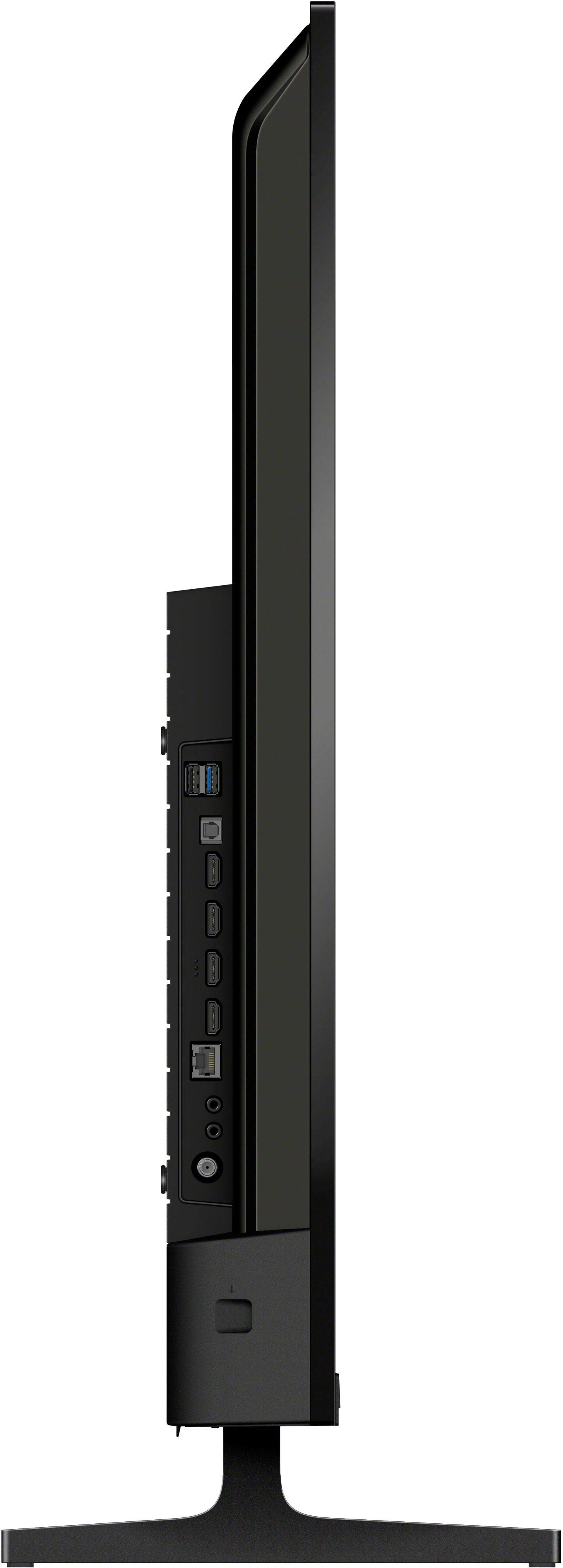
Both the TCL QM9K and Sony BRAVIA 2 II have four HDMI ports, but the TCL 65" QM9K QD-Mini LED Smart TV includes two HDMI 2.1 ports for high-bandwidth gaming and one eARC port, while the Sony BRAVIA 2 II 65" 4K LED Google TV 2025 uses older HDMI 2.0 standards that limit gaming performance.
The TCL 65" QM9K QD-Mini LED Smart TV includes extensive gaming features like Game Accelerator 288, Auto Game Mode (ALLM), AMD FreeSync Premium Pro, and support for up to 288Hz refresh rates. The Sony BRAVIA 2 II has basic gaming features including ALLM and some VRR support, plus PlayStation 5 optimizations, but lacks advanced gaming capabilities.
Both TVs handle streaming well with Google TV, but the TCL QM9K provides a superior experience for premium streaming content due to its comprehensive HDR format support (including Dolby Vision for Netflix), higher brightness, and better contrast. The Sony BRAVIA 2 II 65" 4K LED Google TV 2025 streams content reliably but misses some advanced HDR formats.
The TCL 65" QM9K QD-Mini LED Smart TV offers better future-proofing with HDMI 2.1 ports, 144Hz capability, advanced HDR support, ATSC 3.0 NextGen TV tuner, and cutting-edge display technology. The Sony BRAVIA 2 II covers current needs well but lacks some future-ready features. For long-term use, the TCL QM9K is more future-proof.
Choose the TCL 65" QM9K QD-Mini LED Smart TV if you're a serious gamer, home theater enthusiast, or want the best possible picture quality with premium features. Select the Sony BRAVIA 2 II 65" 4K LED Google TV 2025 if you're budget-conscious, need a reliable secondary TV, primarily watch streaming content, or don't require advanced gaming capabilities. Both TCL QM9K and Sony BRAVIA 2 II serve their target audiences well.
We've done our best to create useful and informative comparisons to help you decide what product to buy. Our research uses advanced automated methods to create this comparison and perfection is not possible - please contact us for corrections or questions. These are the sites we've researched in the creation of this article: rtings.com - bestbuy.com - youtube.com - youtube.com - youtube.com - techaeris.com - displayspecifications.com - pcrichard.com - residentialsystems.com - us.tcl.com - displayspecifications.com - valueelectronics.com - woodruffappliance.com - tcl.com - pcrichard.com - tcl.com - techradar.com - tcl.com - us.tcl.com - youtube.com - youtube.com - bestbuy.com - youtube.com - bestbuy.com - notebookcheck.net - rtings.com - youtube.com - youtube.com - rtings.com - avsforum.com - croma.com - totonstv.com - electronics.sony.com - listenup.com - pcrichard.com - youtube.com - flanners.com - brandsmartusa.com - displayspecifications.com - pioneertvandappliance.com - donstv.com

Privacy Policy
Terms and Conditions - Affiliate Policy
Home Security
© Copyright 2008-2026.
11816 Inwood Rd #1211, Dallas, TX 75244