

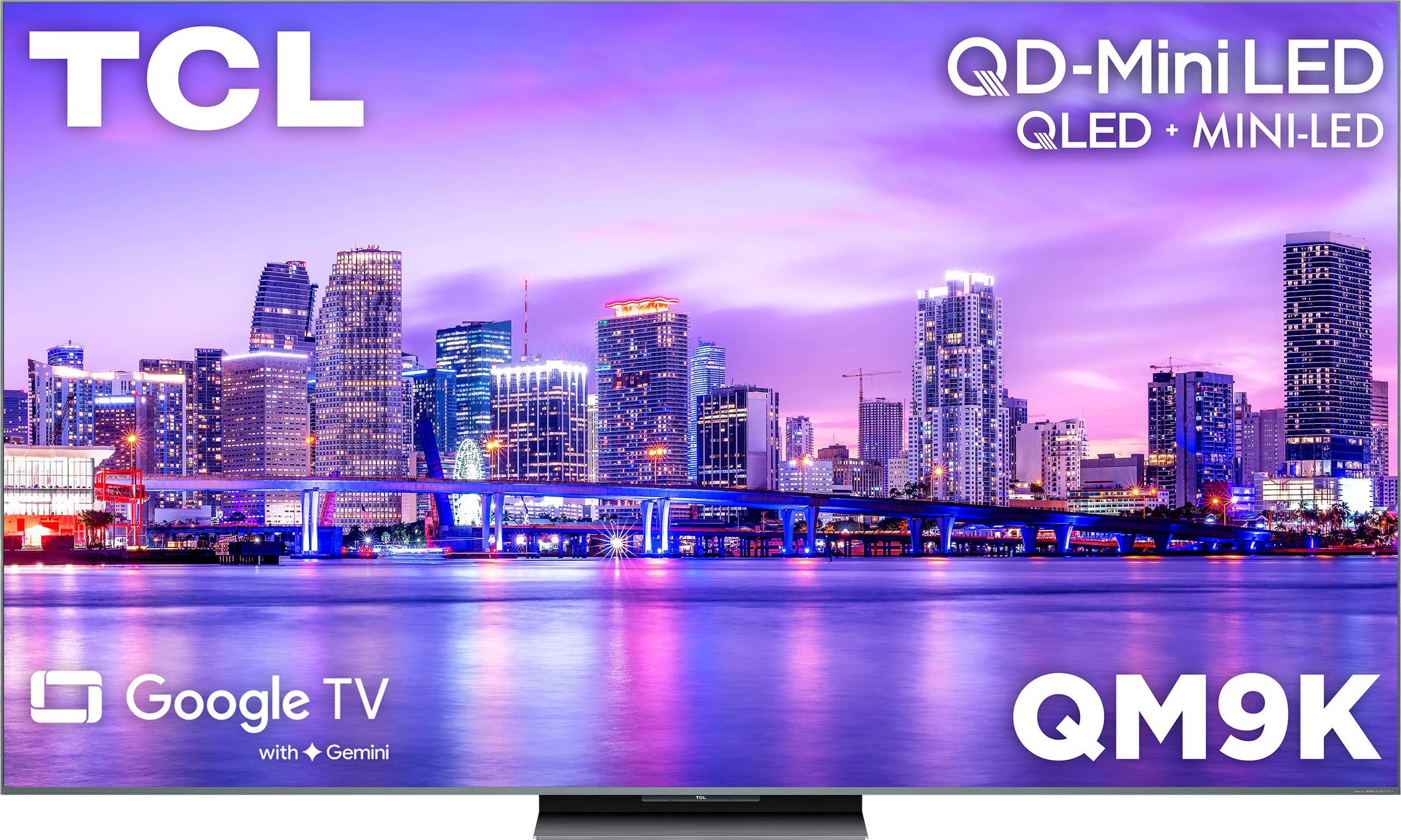
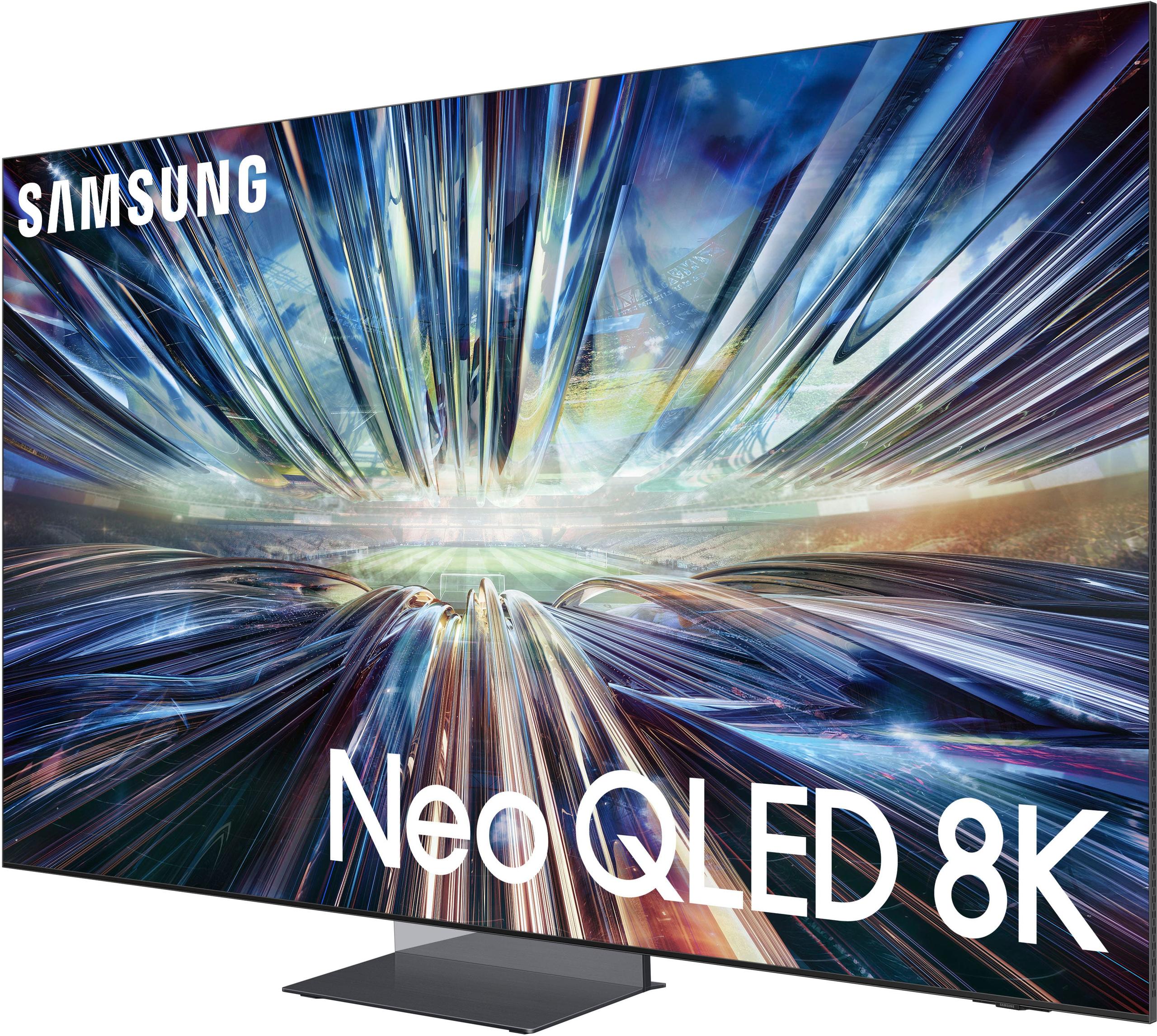
Shopping for a premium 65-inch TV in 2024 feels like navigating a maze of marketing buzzwords and technical specs. Two standouts have caught our attention: the TCL 65" QM9K QD-Mini LED Smart TV and the Samsung QN900D Series 65" Neo QLED 8K Smart TV. Both represent the cutting edge of display technology, but they take dramatically different approaches to delivering an exceptional viewing experience.
Before diving into specifics, let's establish what separates premium TVs from budget models. Premium TVs excel in five key areas: picture quality (how bright, colorful, and detailed the image looks), gaming performance (how responsive and smooth games feel), smart features (the software experience and connectivity), build quality (how well-made and elegant the TV feels), and audio quality (though most serious viewers add a soundbar anyway).
The most critical performance metric is contrast ratio – the difference between the deepest blacks and brightest whites a TV can display. This dramatically affects how realistic and immersive content appears. Peak brightness matters too, especially for HDR (High Dynamic Range) content that can display a wider range of light levels than standard video. Color accuracy and local dimming zones (individually controlled sections of the backlight) round out the picture quality equation.
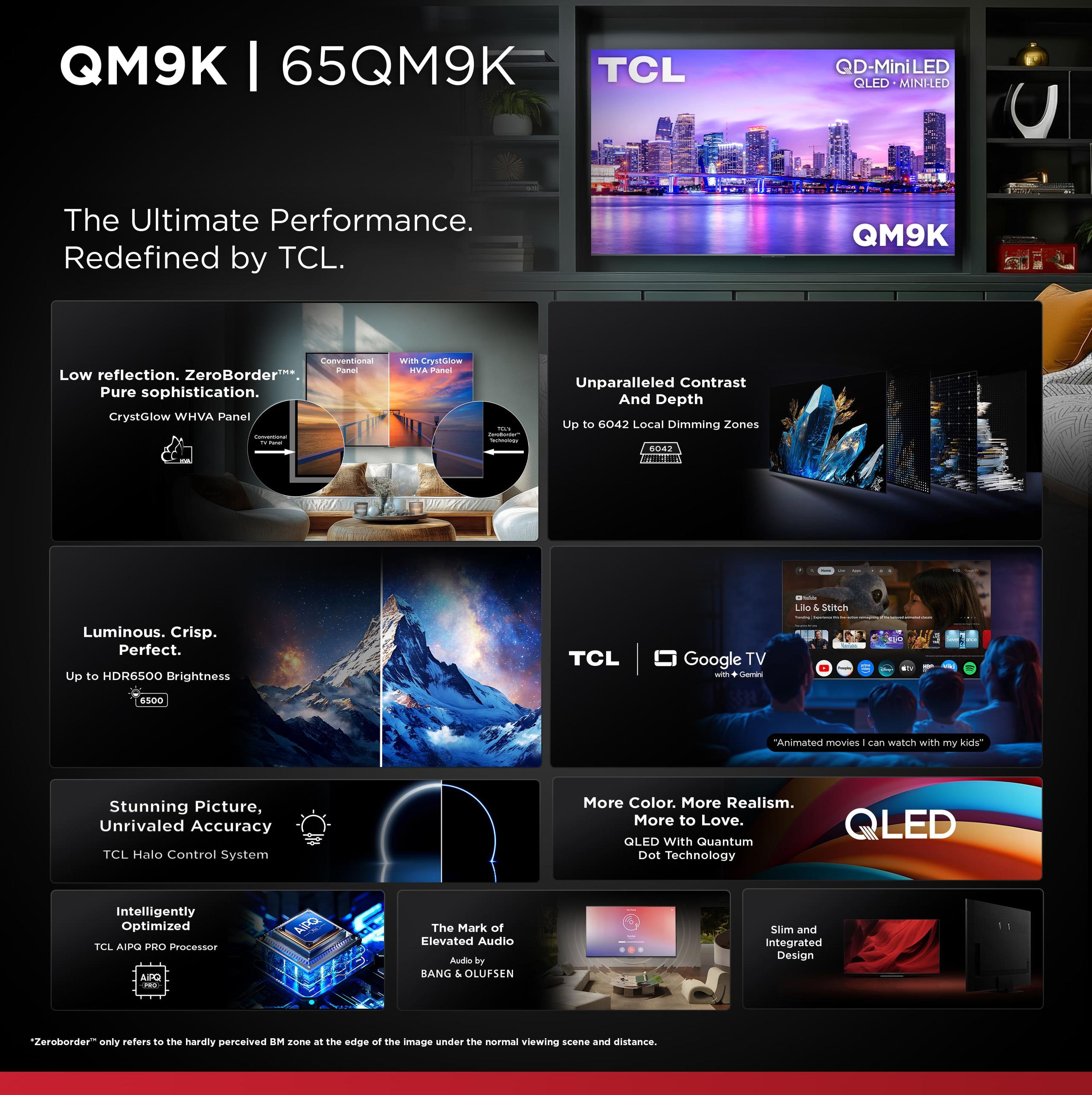
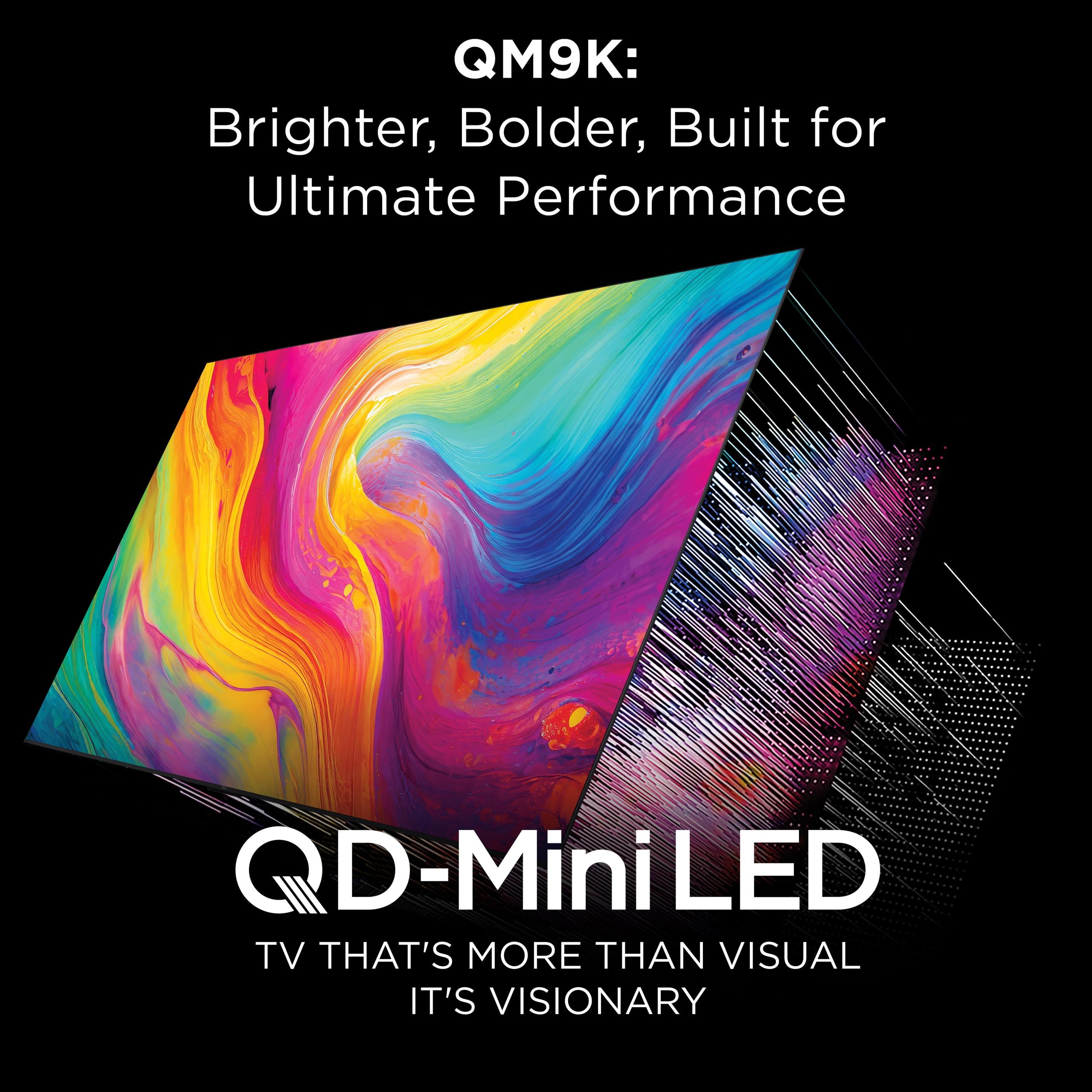
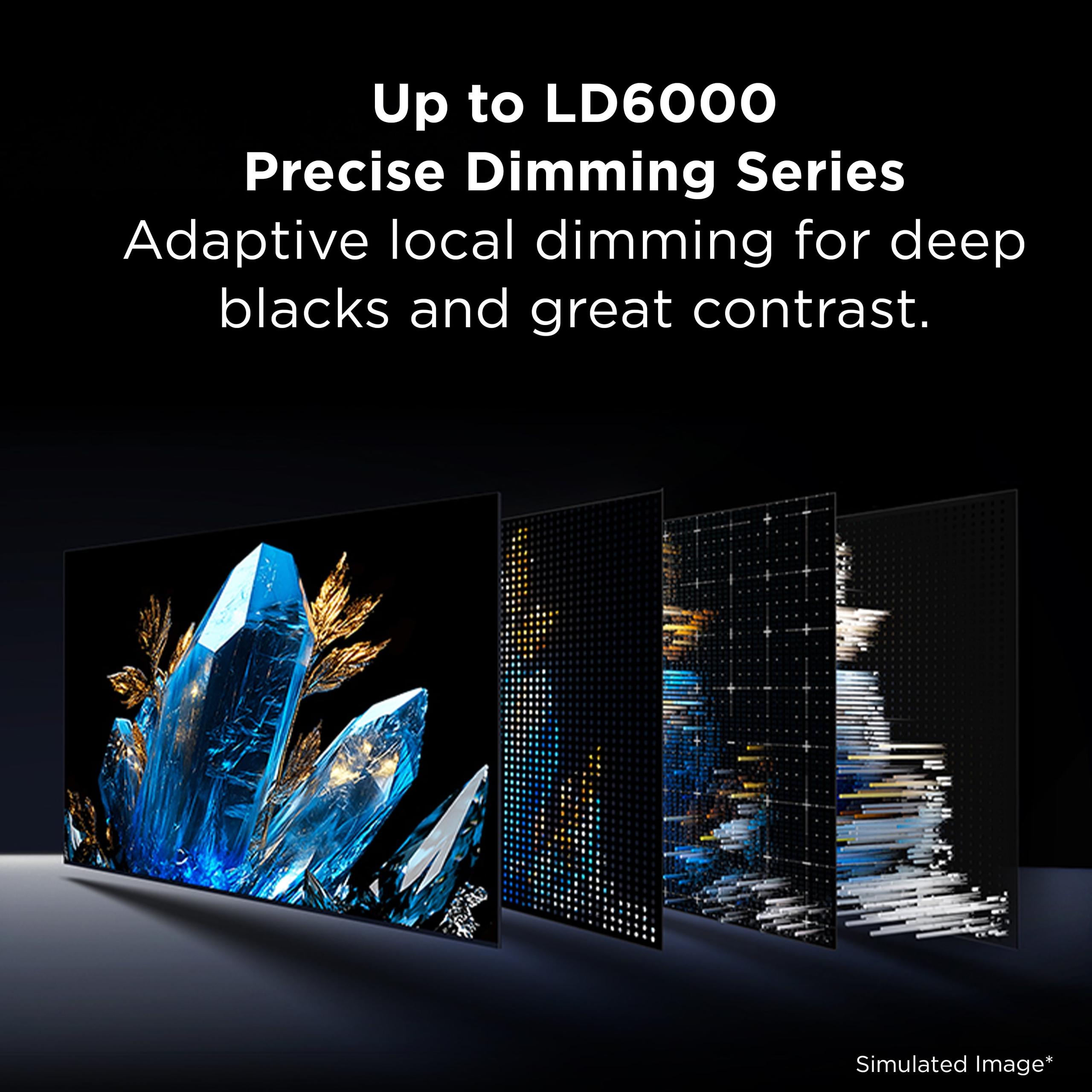
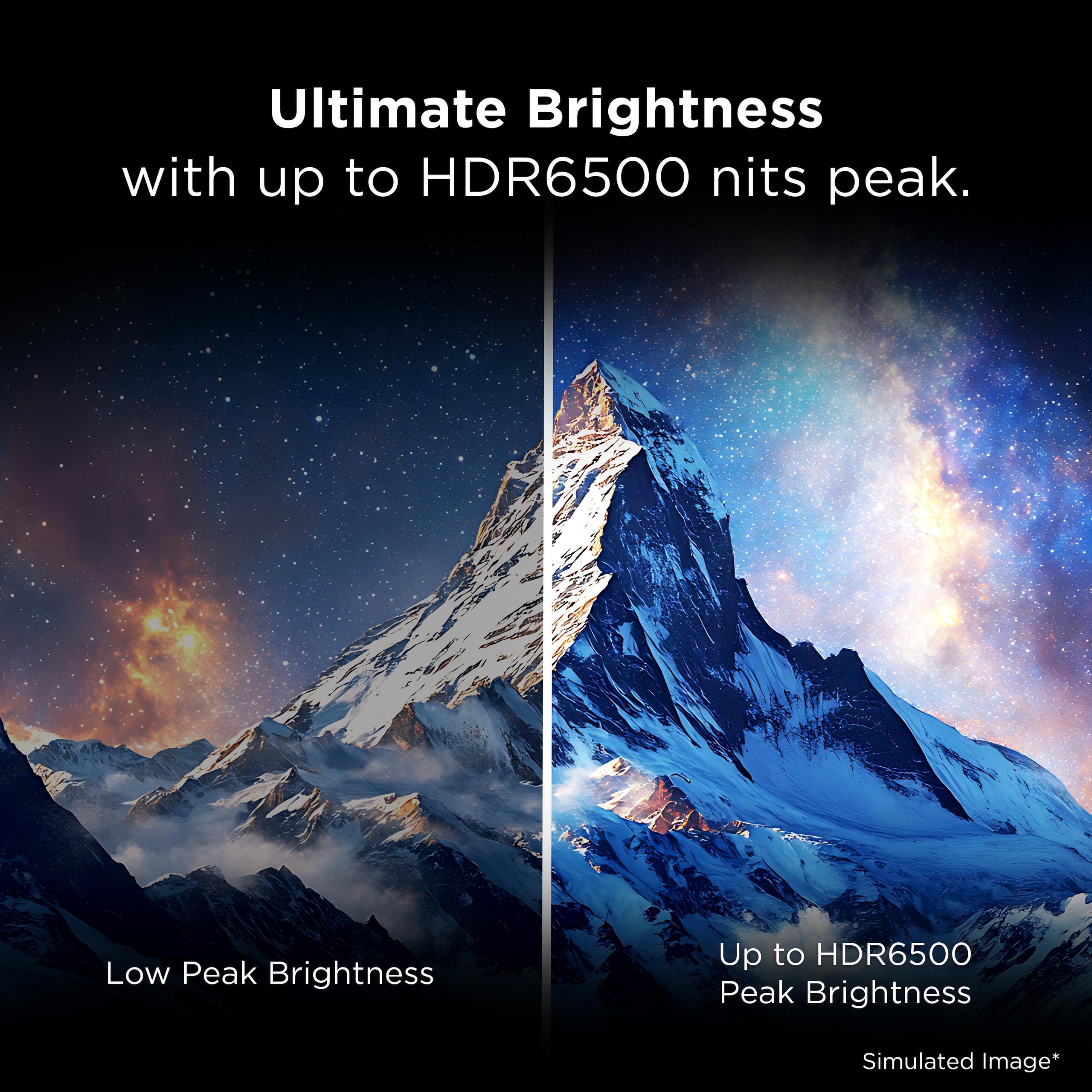
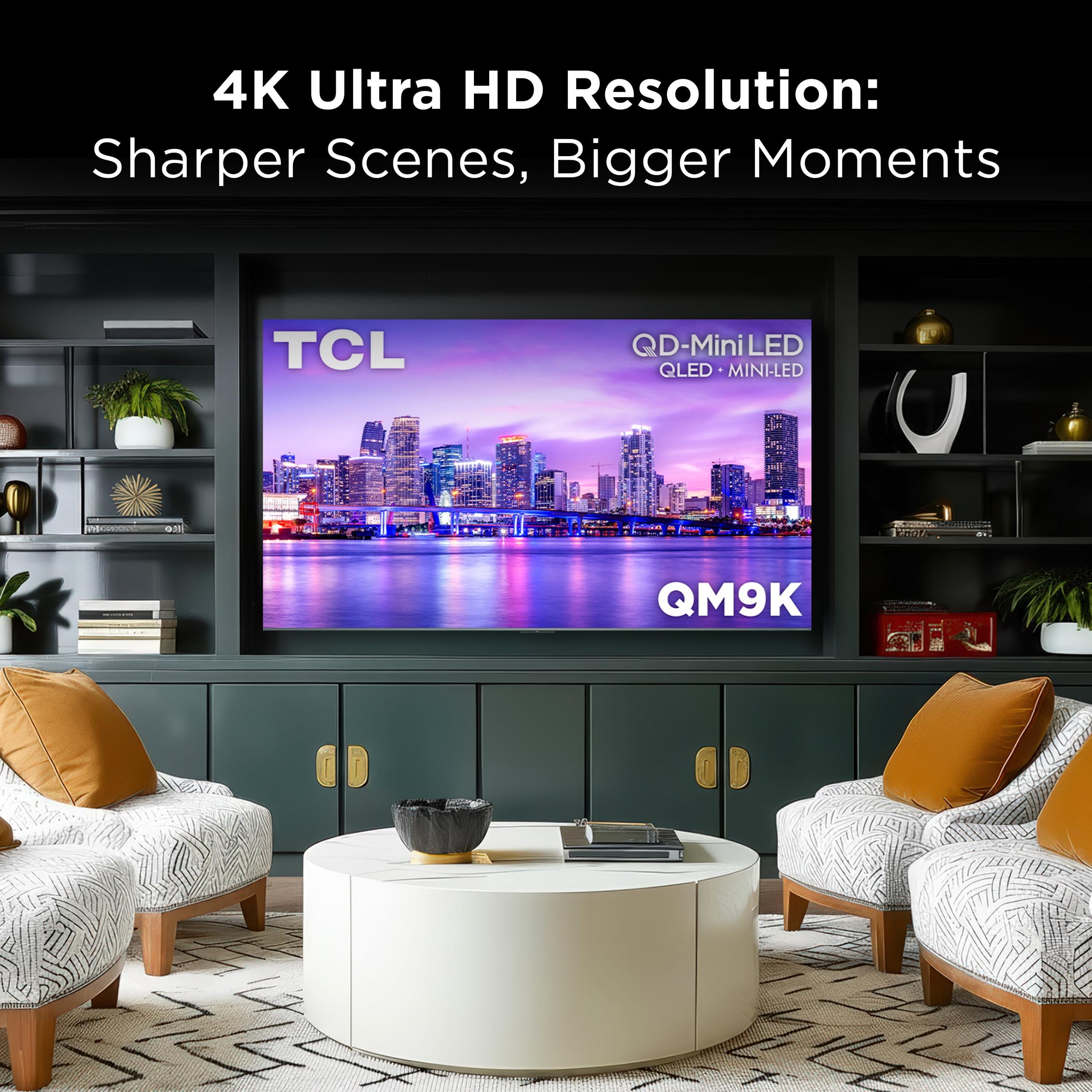
The TCL QM9K, released in 2024, represents TCL's flagship 4K offering. It's built around the philosophy that most content today is 4K or lower, so why not perfect that experience rather than chase higher resolutions? TCL packed this TV with an incredible 6,000 local dimming zones and 6,500 nits of peak brightness – numbers that would have been unthinkable in premium TVs just a few years ago.
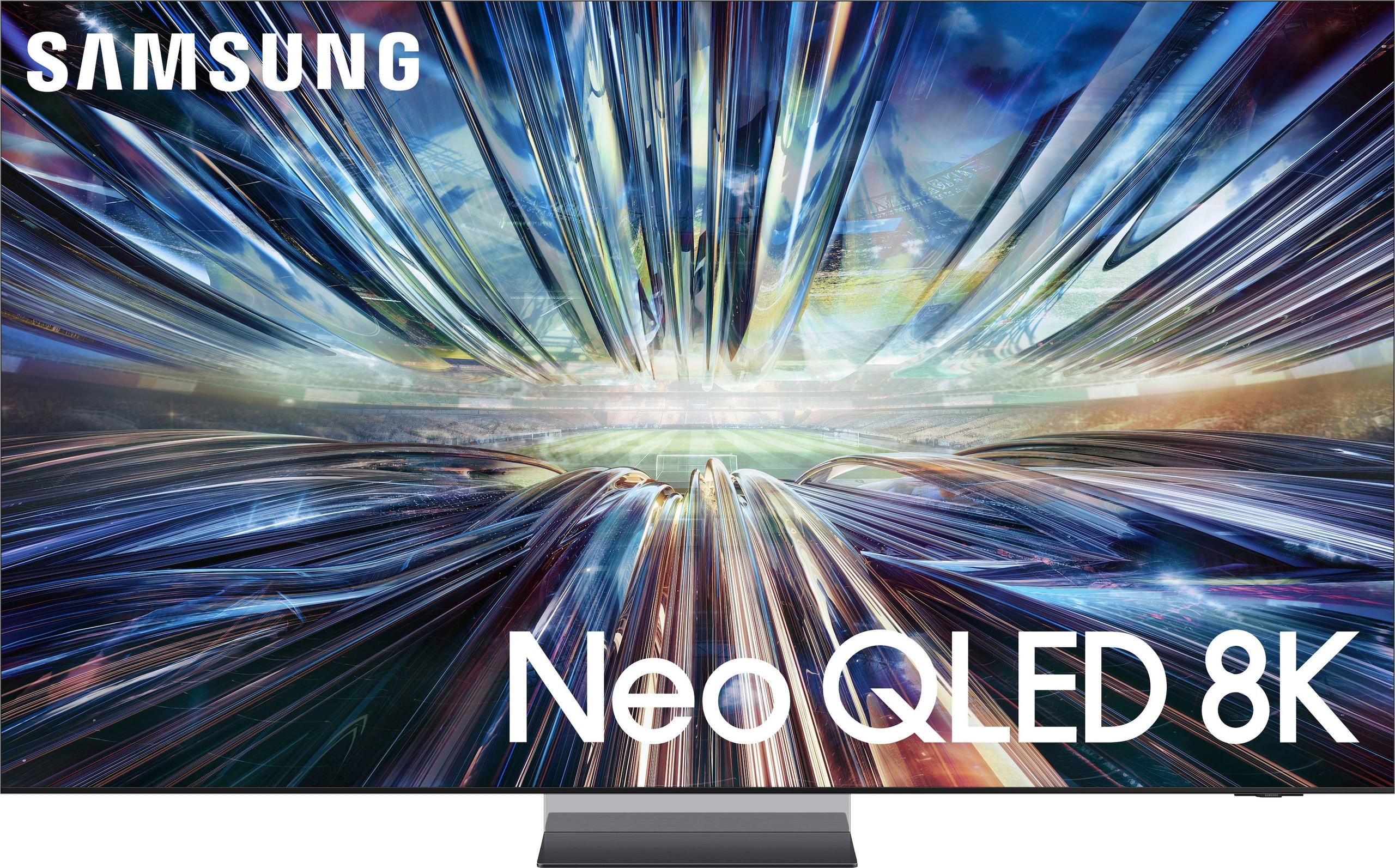
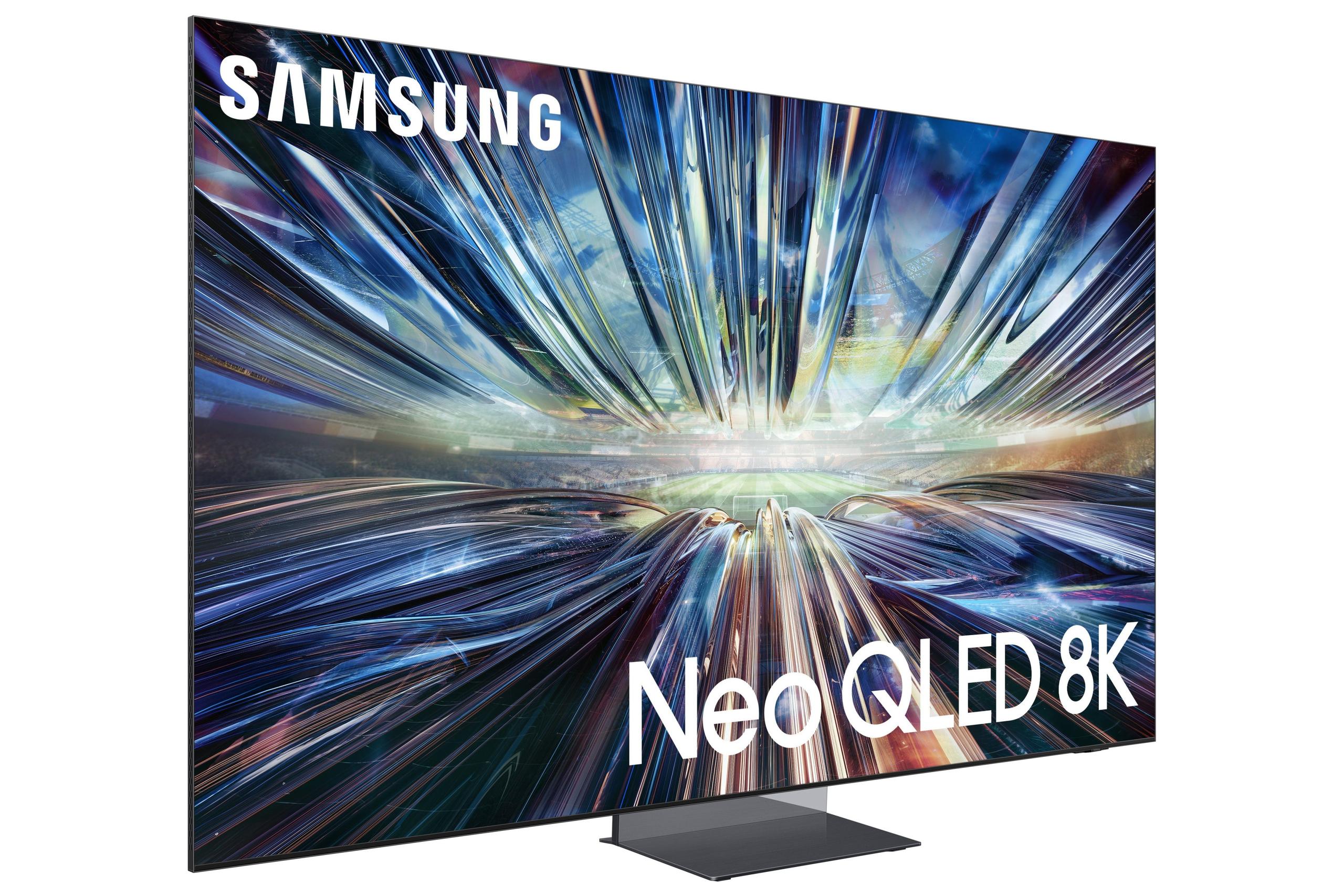
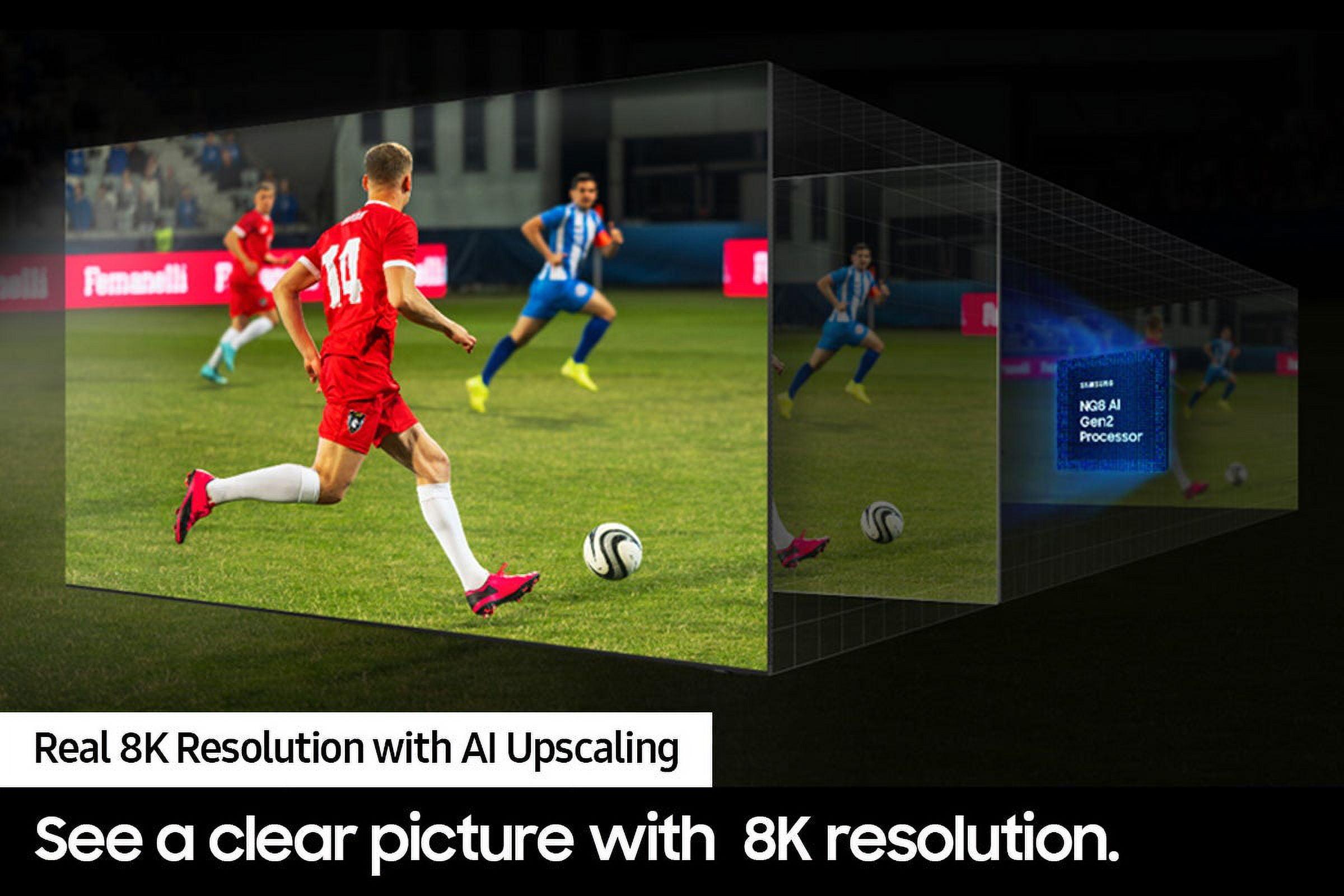
The Samsung QN900D, also from 2024, takes the opposite approach. Samsung believes 8K resolution (four times more pixels than 4K) represents the future and has built their flagship around delivering the best possible 8K experience through advanced AI processing. Their NQ8 AI Gen3 processor uses neural networks – essentially artificial intelligence – to analyze and enhance every frame in real-time.
The TCL QM9K employs QD-Mini LED technology, which sounds complex but breaks down simply. Traditional LED TVs use relatively large LED lights behind the screen, making it hard to control brightness precisely. Mini LEDs are much smaller – about the size of a grain of sand – allowing for thousands more of them behind the screen.
TCL's implementation uses up to 6,000 individual dimming zones, each controlled independently. When you're watching a movie with a starry night sky, the TV can make the black areas truly black while keeping the stars brilliantly bright. This creates what's called local dimming, and more zones generally mean better performance.
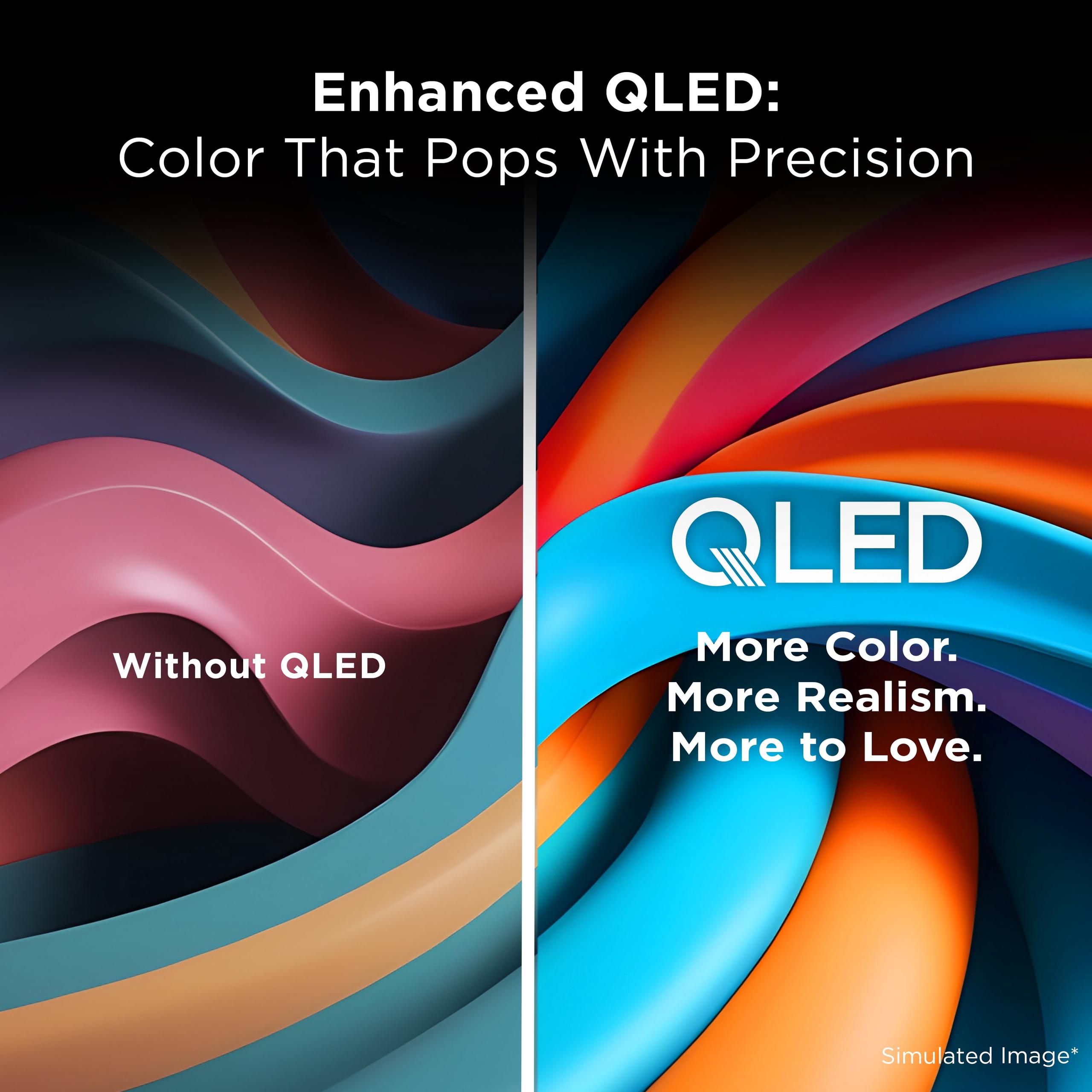
The quantum dot layer (the "QD" in QD-Mini LED) adds another advantage. These microscopic crystals convert blue LED light into pure red and green, creating more vivid and accurate colors than traditional LED TVs. Combined with peak brightness reaching 6,500 nits, HDR content really pops. For context, a typical living room might have 100 nits of ambient light, while a bright sunny day measures around 1,000 nits. The TCL's ability to hit 6,500 nits means HDR highlights like explosions or sunlight can truly stand out.
The Samsung QN900D counters with 8K resolution – 7,680 x 4,320 pixels versus the TCL's 3,840 x 2,160. That's 33 million pixels compared to 8 million. Even though native 8K content remains scarce, Samsung's NQ8 AI Gen3 processor upscales everything to take advantage of those extra pixels.
This upscaling process analyzes each frame using machine learning algorithms trained on millions of images. The processor identifies objects, textures, and patterns, then recreates them with enhanced detail and sharpness. Our research into professional reviews suggests this AI upscaling is genuinely impressive – 4K content looks noticeably sharper and more detailed than on native 4K displays.
Samsung's Neo QLED technology uses quantum dots like TCL, but adds more precise backlight control through their Quantum Matrix Technology Pro. While Samsung doesn't publish exact zone counts, reviews suggest fewer zones than the TCL but more sophisticated control algorithms.
Gaming performance has become crucial as consoles and PCs push higher frame rates and resolutions. Both TVs excel here but in different ways.
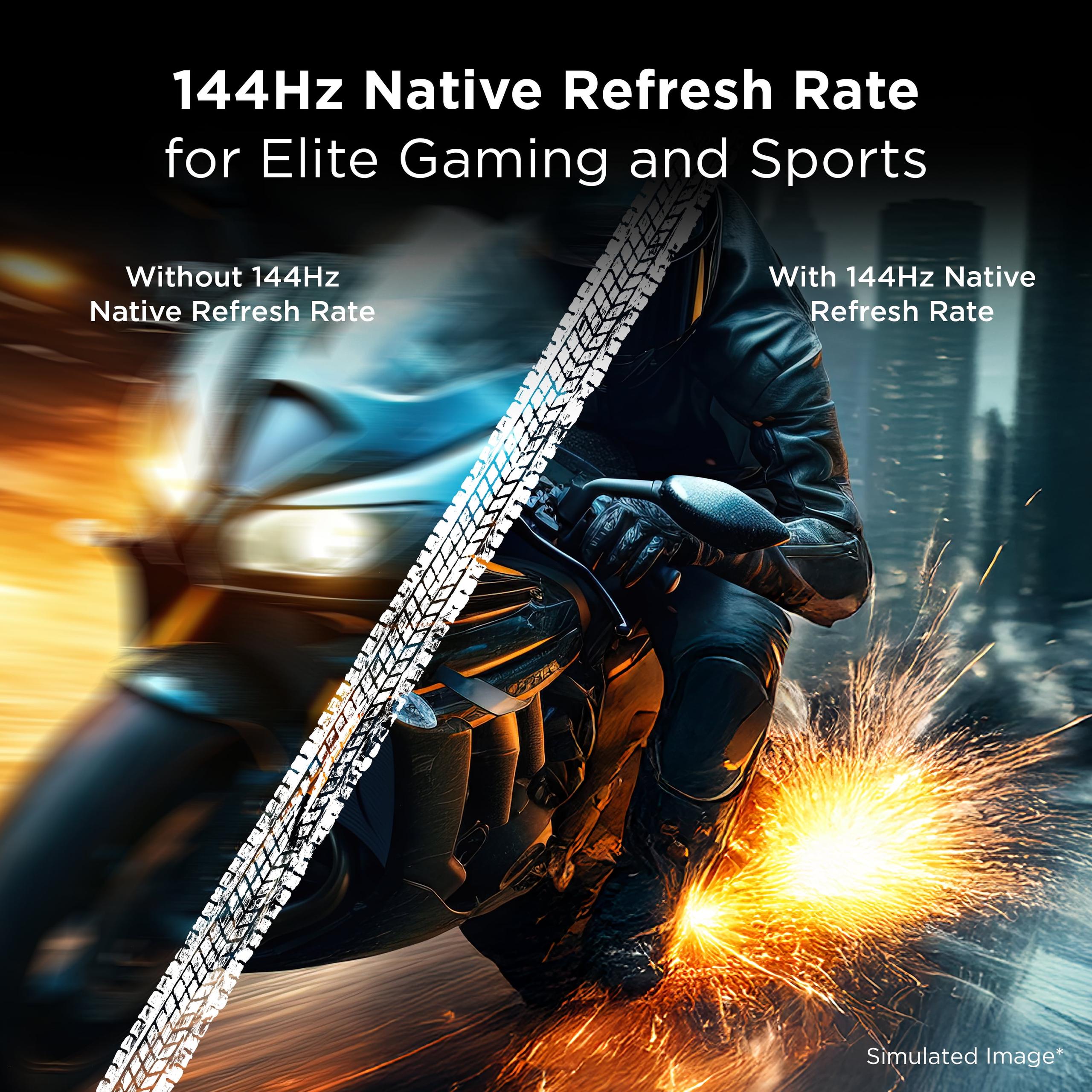
The TCL QM9K absolutely dominates in pure gaming metrics. Its 144Hz native refresh rate means it can display 144 unique frames every second, compared to the typical 60Hz on most TVs. Higher refresh rates create smoother motion, especially noticeable in fast-paced games like first-person shooters or racing games.
More impressively, the TCL supports up to 288Hz through its Game Accelerator 288 feature for 1080p content. This extreme refresh rate, combined with just 5.3ms of input lag (the delay between pressing a button and seeing the action on screen), makes it incredibly responsive for competitive gaming.
The TV includes two HDMI 2.1 ports that support 4K at 144Hz, plus AMD FreeSync Premium Pro to eliminate screen tearing when frame rates vary. For serious gamers, these specs are dream-level performance.
The Samsung QN900D takes a more balanced approach with 100Hz native refresh rate but supports 4K at 240Hz and 8K at 60Hz through all four HDMI 2.1 ports. While not as extreme as the TCL for competitive gaming, it offers more versatility with superior connectivity options.
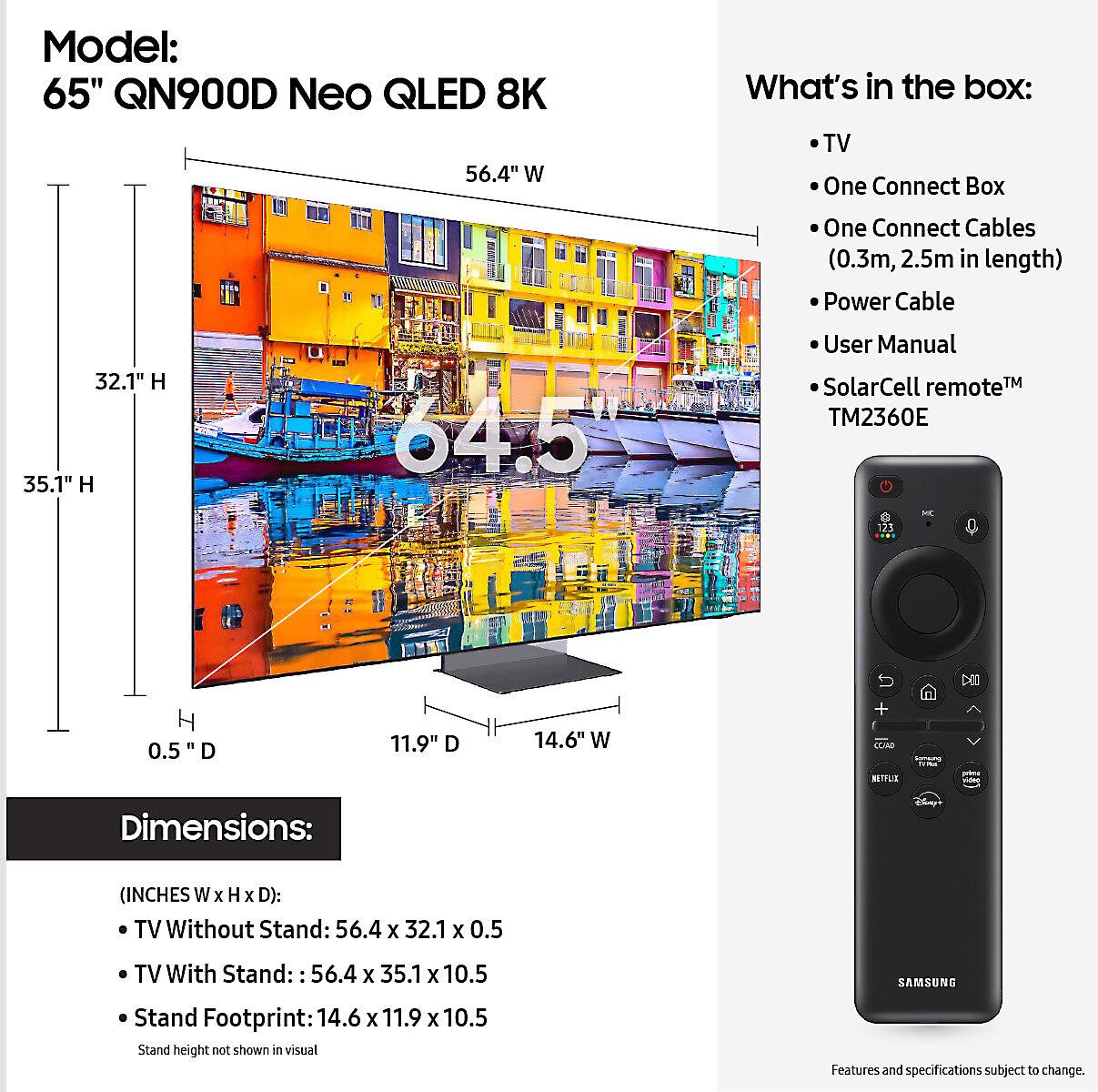
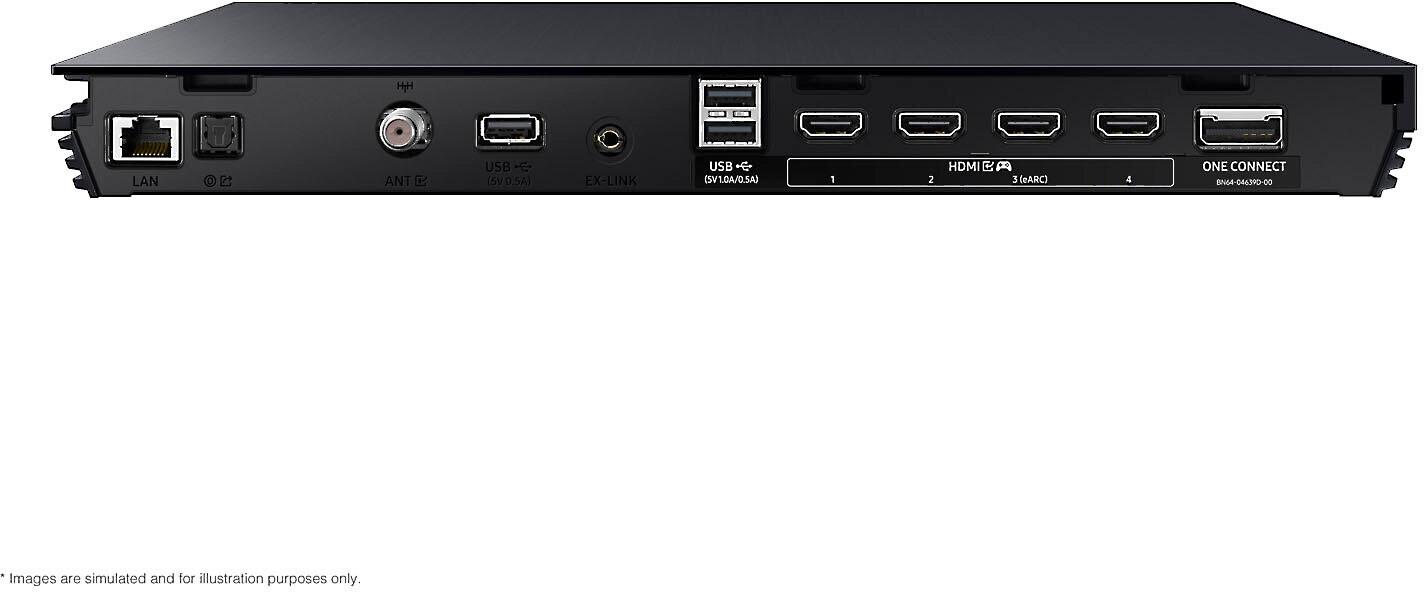
Samsung's AI Auto Game Mode automatically detects and optimizes settings for different games, while comprehensive VRR (Variable Refresh Rate) support works with all major gaming systems. The One Connect Box – an external hub containing all the ports – helps keep cable management clean, important for dedicated gaming setups.
For most gamers, the Samsung's performance proves more than adequate while offering better future-proofing for 8K gaming as consoles eventually support it.
Both TVs run mature, capable smart TV platforms, but with different philosophies.
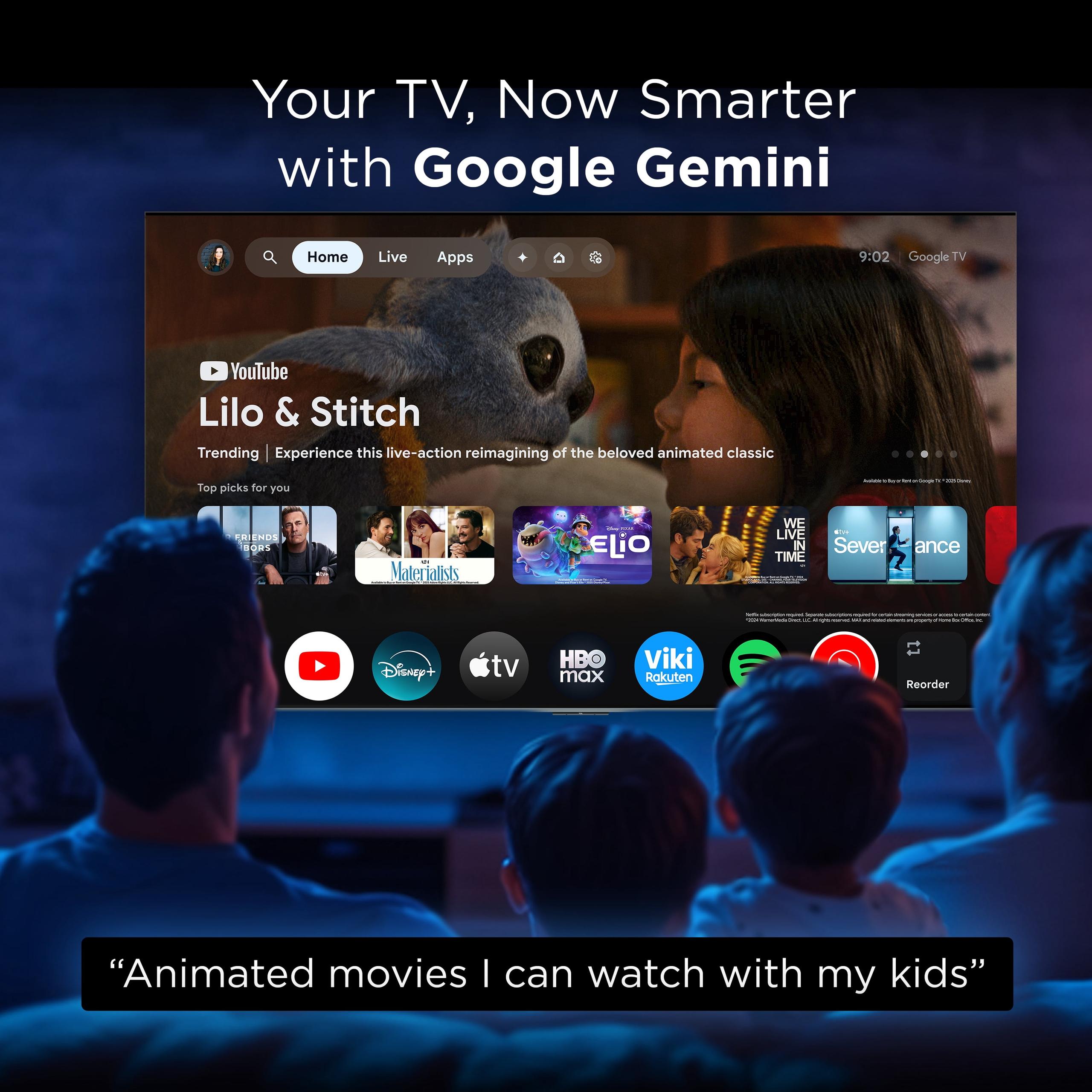
The TCL QM9K runs Google TV with integrated Google Gemini AI. The interface feels clean and responsive, with excellent content recommendations based on viewing habits across streaming services. The presence sensor automatically turns the TV on when you enter the room and off when you leave – a surprisingly useful feature for daily convenience.
The Samsung QN900D uses Tizen OS, Samsung's proprietary platform. Tizen offers broader app support and deeper integration with Samsung's ecosystem, including SmartThings smart home control. The One Connect Box means you connect all devices to the external hub rather than the TV itself, creating a cleaner wall-mounted installation.
Both TVs include premium audio systems, though any serious home theater setup benefits from a dedicated soundbar or speakers.
The TCL features audio tuned by Bang & Olufsen with a 2.1.1 channel system including a subwoofer (on the 65" model). DTS Virtual:X and Dolby Atmos create virtualized 3D audio that seems to come from above and around you.
The Samsung counters with a more powerful 90W, 6.2.4 channel system featuring True Dolby Atmos and Object Tracking Sound. This latter feature moves audio around the screen to match on-screen action – when a car drives from left to right, the sound follows convincingly.
Understanding how these TVs perform in actual home environments matters more than spec sheets.
For bright living rooms with lots of windows, both TVs excel thanks to exceptional peak brightness. The TCL QM9K's 6,500 nits particularly shine here, easily overcoming glare that would wash out dimmer displays. HDR content like nature documentaries or action movies maintains impact even with afternoon sunlight streaming in.
The Samsung QN900D's anti-reflection coating helps reduce direct reflections, though its peak brightness doesn't quite match the TCL's. The AI processing compensates somewhat by optimizing brightness and contrast for ambient lighting conditions.
In dedicated home theaters or dark rooms, both TVs deliver exceptional experiences but with different strengths. The TCL's superior local dimming creates deeper blacks and more precise control around bright highlights. This particularly benefits movies with mixed lighting, like space scenes or candlelit dramas.
The Samsung's 8K resolution becomes more apparent in dark rooms where you can sit closer to the screen without seeing individual pixels. The AI processing also reduces noise and artifacts that become more visible in dark environments.
Sports and action content reveal important differences between these displays.
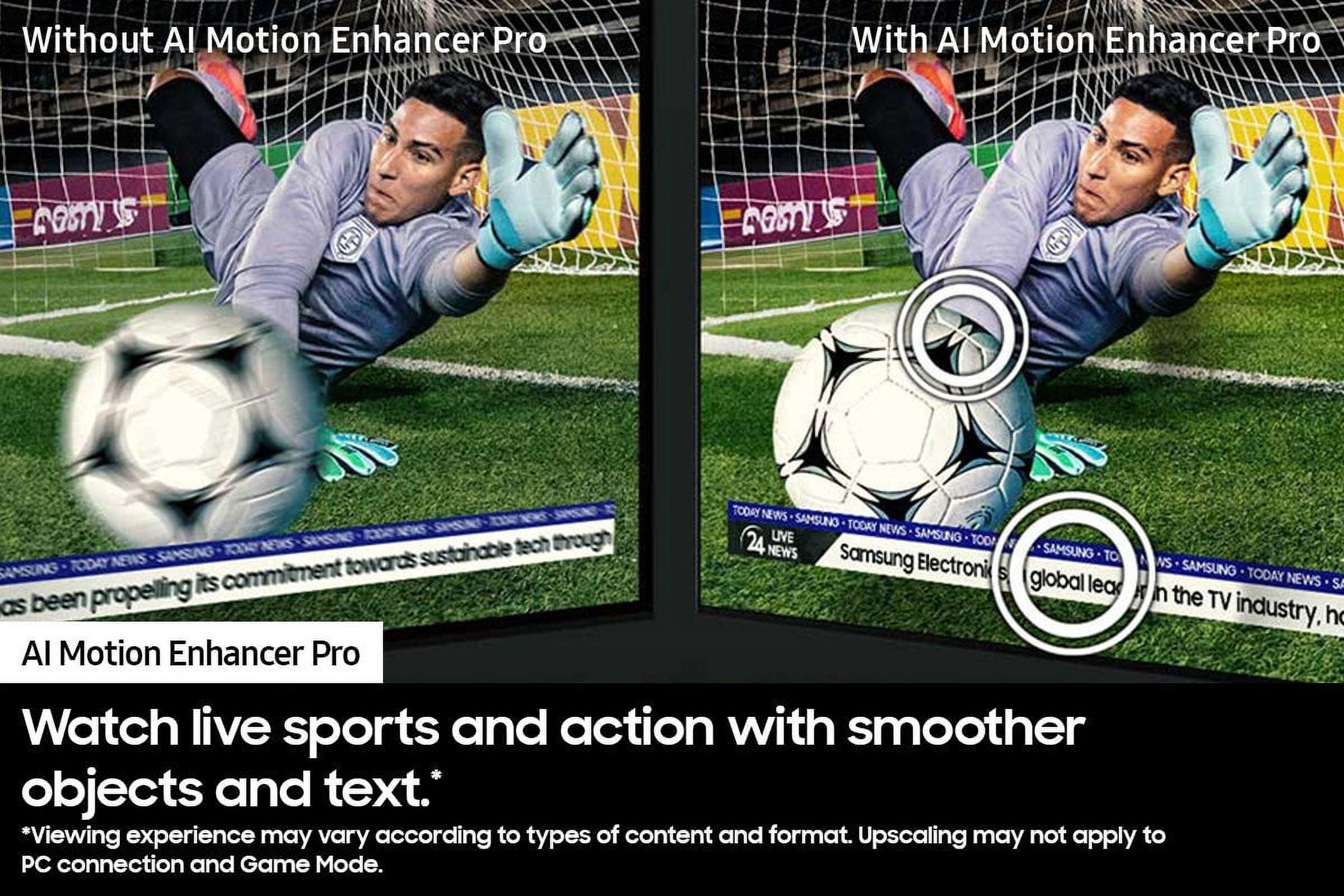
The TCL QM9K handles motion well thanks to its high refresh rate and Motion Rate 480 processing, though some reviews note occasional artifacts during very fast-paced scenes. The abundant local dimming zones help maintain contrast during rapid movement.
The Samsung QN900D's more conservative Motion Rate 200 actually produces fewer artifacts while still delivering smooth motion. The AI processing adapts motion handling based on content type, reducing blur during sports while maintaining natural-looking film content.
At the time of writing, these TVs occupy different value propositions. The TCL QM9K typically costs significantly less than the Samsung QN900D, making it exceptional value for premium picture quality and gaming performance.
The Samsung commands a substantial premium for its 8K resolution and advanced processing. Whether this proves worthwhile depends on your priorities and timeline. If you plan to keep the TV for many years and believe 8K content will become mainstream, the Samsung offers better future-proofing.
Prioritize immediate value and performance. The TCL delivers flagship-level picture quality and gaming performance at a more accessible price point. Its exceptional local dimming and peak brightness create stunning HDR experiences that rival much more expensive displays.
Are serious about gaming. The 144Hz refresh rate, ultra-low input lag, and 288Hz gaming modes make this ideal for competitive gaming or high-refresh PC gaming. The responsive performance justifies the purchase for dedicated gamers alone.
Want proven 4K optimization. Since most content remains 4K or lower, the TCL's focus on perfecting this resolution makes practical sense. Why pay extra for 8K when you can have exceptional 4K performance now?
Want cutting-edge technology regardless of cost. The 8K resolution and NQ8 AI Gen3 processor represent the technological pinnacle. If having the most advanced TV matters more than value, the Samsung delivers.
Prefer comprehensive smart home integration. Samsung's ecosystem integration, four HDMI 2.1 ports, and One Connect Box create a more sophisticated setup for complex entertainment systems.
Plan long-term ownership. If you typically keep TVs for 7-10 years, the Samsung's 8K resolution and advanced AI processing may prove more relevant as content and gaming evolve.
Both the TCL QM9K and Samsung QN900D represent exceptional achievements in display technology, but serve different priorities. The TCL excels as a value-focused performance king that delivers premium results without premium pricing. Its gaming performance and HDR capabilities rival any TV at any price.
The Samsung represents technological ambition and future-proofing through 8K resolution and advanced AI processing. It's an investment in tomorrow's content ecosystem, justified for users who want absolute cutting-edge performance today.
For most buyers seeking premium TV performance, the TCL QM9K provides better immediate value and satisfaction. Its exceptional picture quality, gaming performance, and smart features cover all practical needs while leaving money for a premium soundbar or other accessories.
The Samsung QN900D makes sense for enthusiasts who want the absolute best regardless of cost, or users planning very long-term ownership who believe 8K content will eventually justify the premium. Both represent excellent choices within their intended markets – the decision ultimately comes down to your priorities, budget, and belief in where TV technology is heading.
| TCL 65" QM9K QD-Mini LED Smart TV | Samsung QN900D Series 65" Neo QLED 8K Smart TV |
|---|---|
| Resolution - Higher resolution shows more detail but requires compatible content | |
| 4K (3840 x 2160) - Perfect for current streaming and gaming content | 8K (7680 x 4320) - Future-proof but limited native content available |
| Peak Brightness - Critical for HDR impact and bright room viewing | |
| 6,500 nits (exceptional HDR highlights, overcomes room glare easily) | Not specified (likely 2,000-4,000 nits, still excellent for most rooms) |
| Local Dimming Zones - More zones mean better contrast and less blooming | |
| Up to 6,000 zones (industry-leading precision for deep blacks) | Quantum Matrix Pro (fewer zones but sophisticated AI control) |
| Gaming Refresh Rate - Higher rates create smoother motion for competitive gaming | |
| 144Hz native, up to 288Hz (ideal for PC gaming and competitive console play) | 100Hz native, supports 4K@240Hz (excellent for console gaming) |
| Input Lag - Lower is better for responsive gaming | |
| 5.3ms (extremely responsive, competitive gaming ready) | Not specified (likely under 10ms, good for most gaming) |
| HDMI 2.1 Ports - Needed for high refresh gaming and future consoles | |
| 2 ports supporting 4K@144Hz (sufficient for most gaming setups) | 4 ports with full bandwidth (excellent connectivity for multiple devices) |
| Smart TV Platform - Affects app selection and user experience | |
| Google TV with Gemini AI (clean interface, excellent recommendations) | Tizen OS (mature platform, extensive app support, SmartThings integration) |
| Audio System - Built-in sound quality before adding external speakers | |
| Bang & Olufsen tuned, 2.1.1 channels with subwoofer | 90W, 6.2.4 channels with Object Tracking Sound and True Dolby Atmos |
| Design Approach - How the TV integrates into your room setup | |
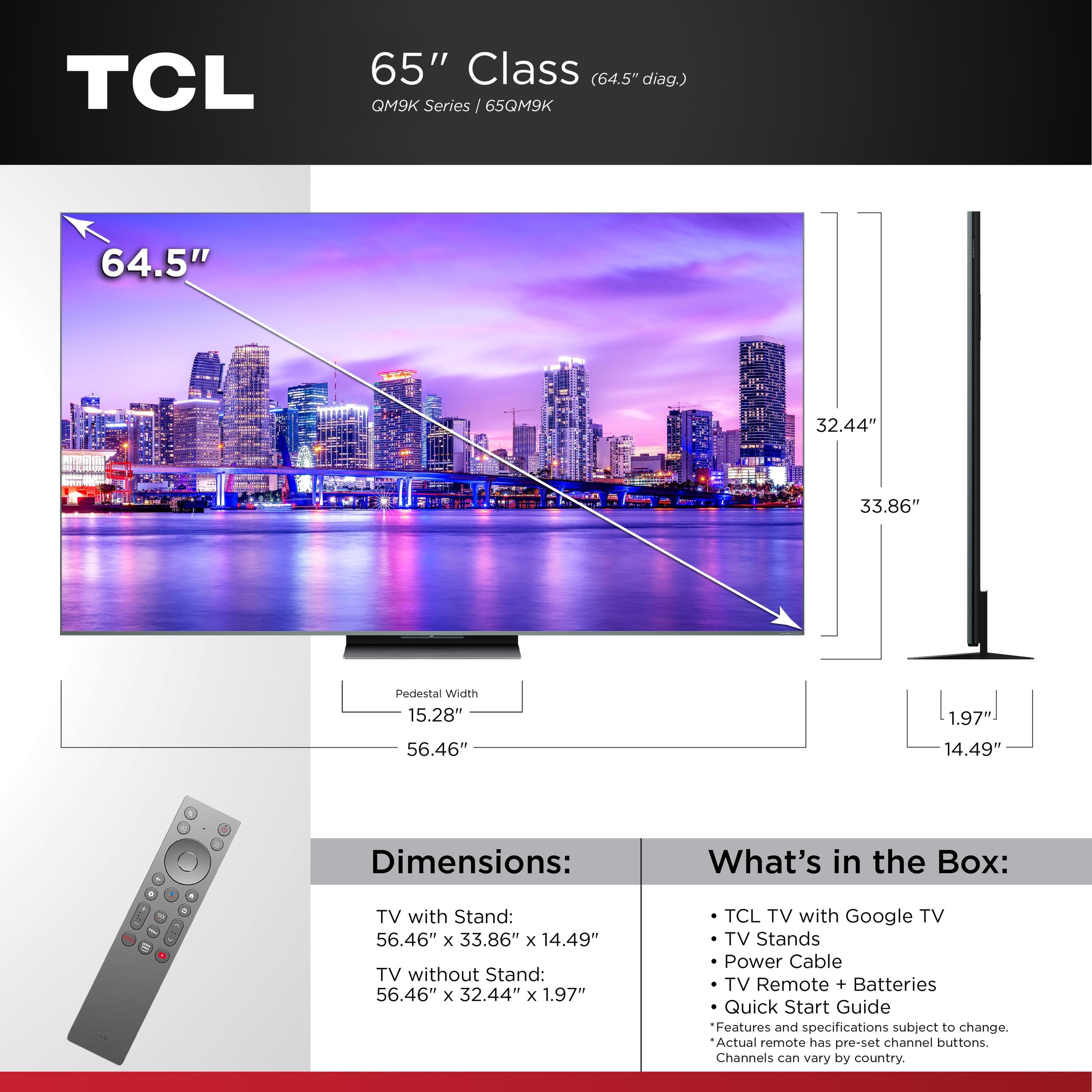
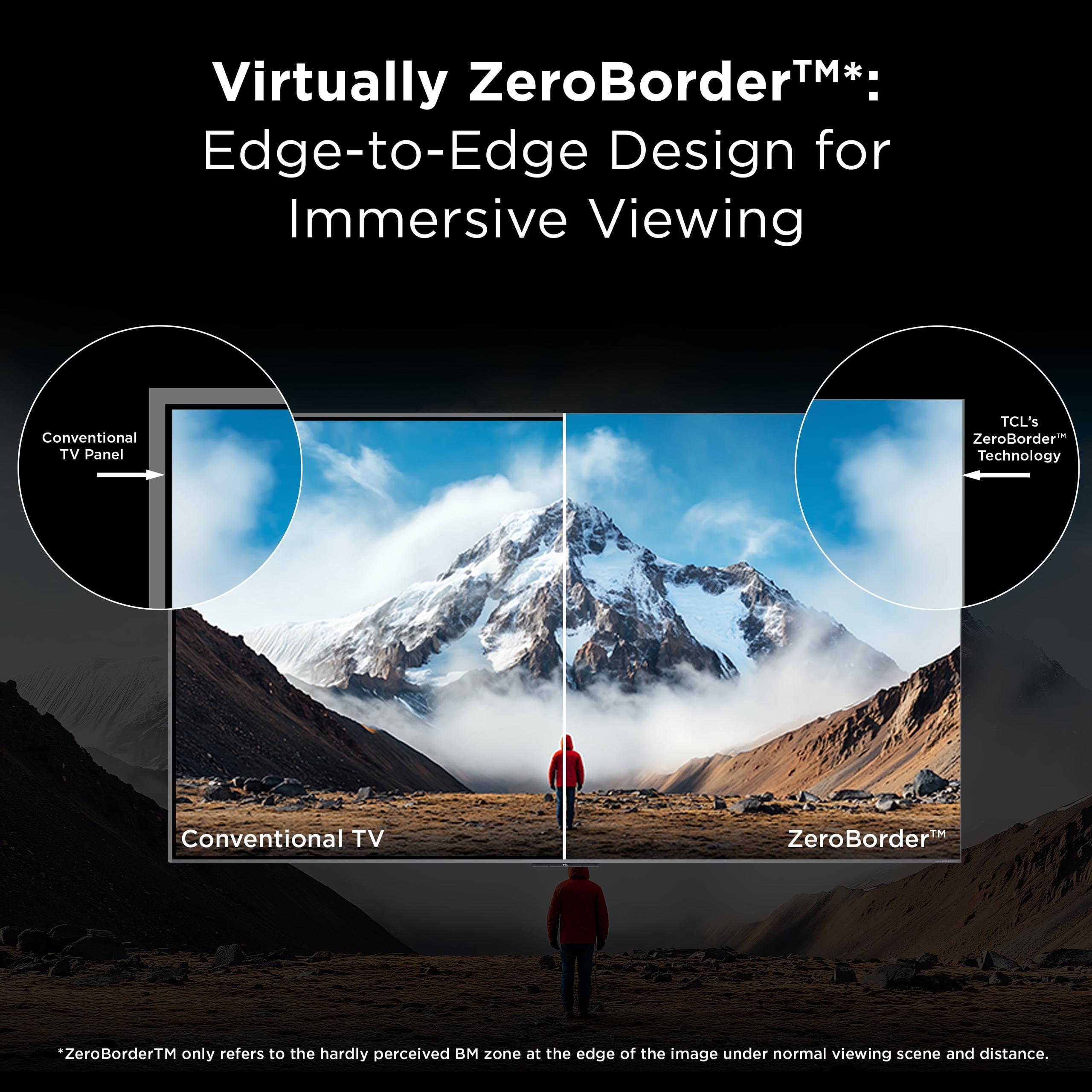
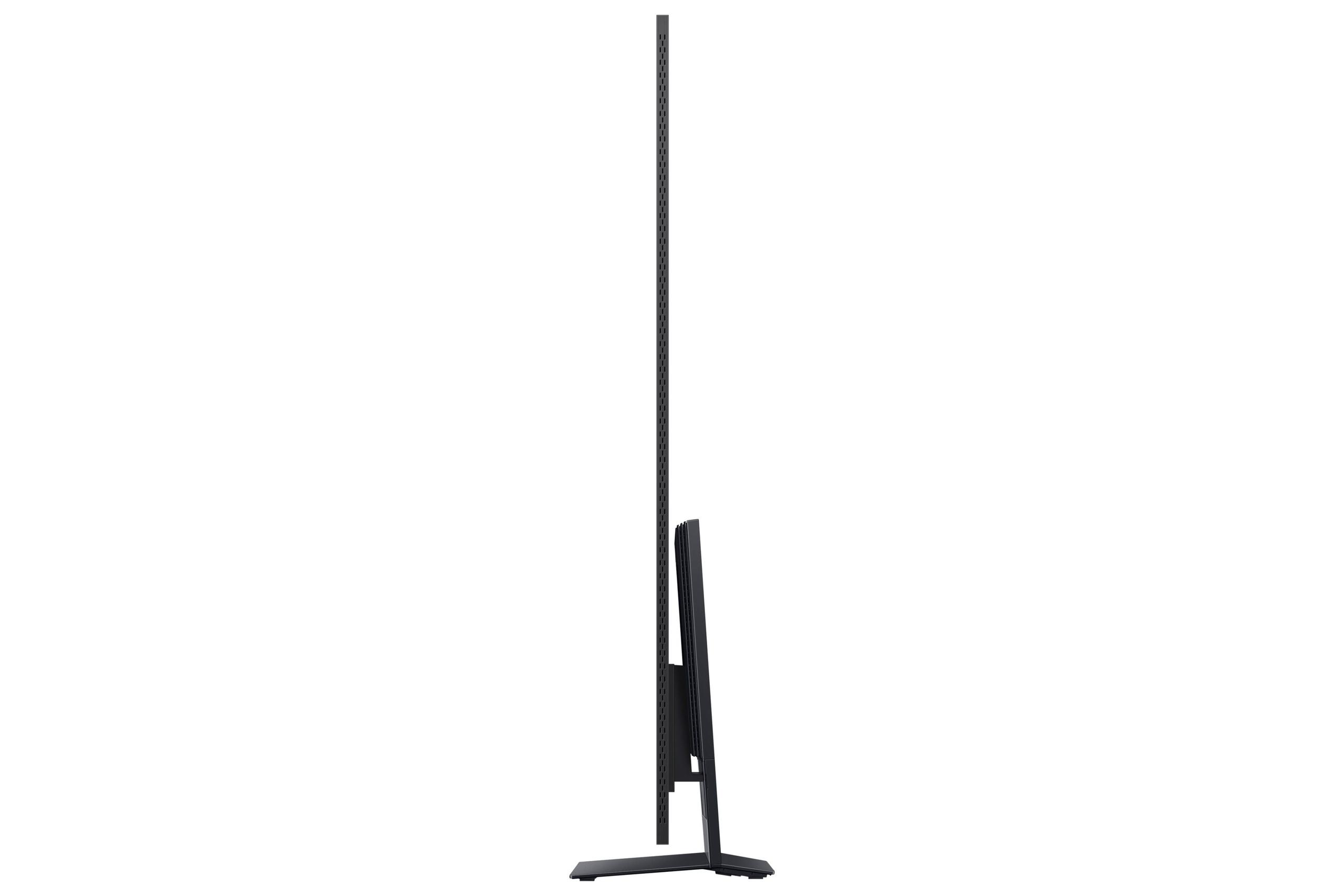
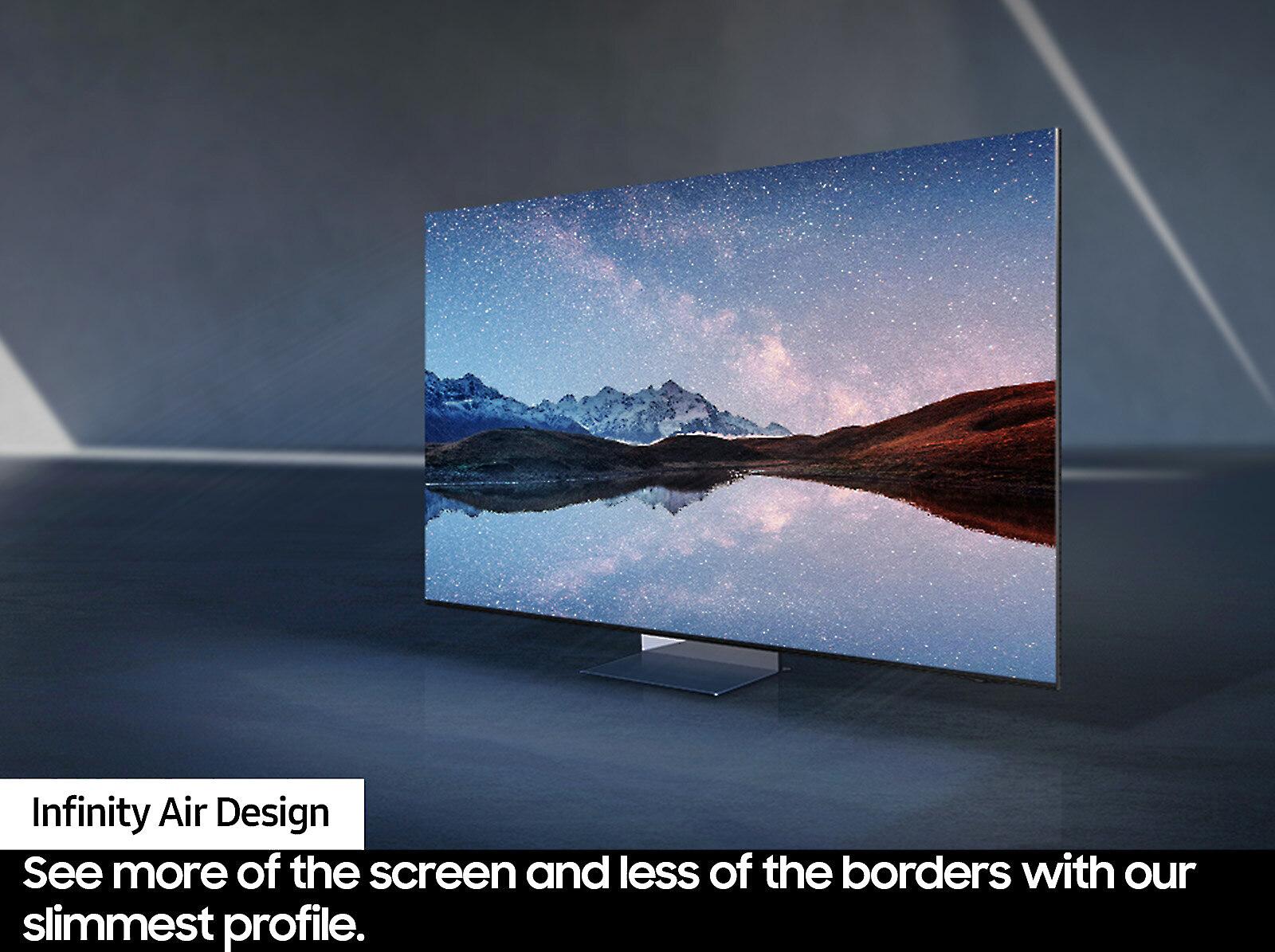
| Ultra-slim design with integrated cable management | Infinity Air Design with external One Connect Box for clean installation |
| AI Processing - Enhances picture quality and upscaling performance | |
| AIPQ PRO Processor (optimizes 4K content and gaming) | NQ8 AI Gen3 Processor (advanced 8K upscaling and scene optimization) |
| VRR Support - Eliminates screen tearing in variable frame rate gaming | |
| AMD FreeSync Premium Pro (excellent for PC gaming) | Comprehensive VRR support for all major platforms |
| Target Market - Who each TV is designed for | |
| Value-focused performance seekers and serious gamers | Premium buyers wanting cutting-edge 8K technology |
Both the TCL QM9K and Samsung QN900D deliver exceptional picture quality, but excel in different areas. The TCL QM9K offers superior contrast with up to 6,000 local dimming zones and 6,500 nits peak brightness, creating deeper blacks and brighter highlights for HDR content. The Samsung QN900D provides 8K resolution with advanced AI upscaling that makes all content look sharper and more detailed, even older movies and shows.
The TCL QM9K is better for competitive gaming with its 144Hz native refresh rate, ultra-low 5.3ms input lag, and support for up to 288Hz gaming modes. It's ideal for PC gaming and fast-paced console games. The Samsung QN900D offers excellent gaming performance with 4K@240Hz support and four HDMI 2.1 ports, making it better for users with multiple gaming consoles or those who want 8K gaming readiness.
The TCL QM9K features 4K resolution (3840 x 2160 pixels), which perfectly matches current streaming services, Blu-rays, and gaming content. The Samsung QN900D has 8K resolution (7680 x 4320 pixels) with four times more pixels than 4K. While native 8K content is limited, Samsung's AI processor upscales all content to take advantage of the extra resolution for sharper images.
The TCL QM9K typically offers better value, delivering flagship-level picture quality and gaming performance at a more accessible price point. The Samsung QN900D commands a premium for its 8K resolution and advanced AI processing, making it better value for buyers who prioritize cutting-edge technology and plan to keep their TV for many years.
Both TVs excel in bright rooms, but the TCL QM9K has an advantage with its exceptional 6,500 nits peak brightness that easily overcomes glare from windows and room lighting. The Samsung QN900D features anti-reflection coating and AI-optimized brightness adjustment that helps maintain picture quality in various lighting conditions, though peak brightness is lower than the TCL.
The Samsung QN900D runs Tizen OS with extensive app support and deep SmartThings smart home integration, plus includes the convenient One Connect Box for clean cable management. The TCL QM9K uses Google TV with Google Gemini AI integration, offering excellent content recommendations and a presence sensor that automatically turns the TV on/off based on room occupancy.
Both TVs offer premium built-in audio. The TCL QM9K features Bang & Olufsen-tuned sound with a 2.1.1 channel system including a subwoofer. The Samsung QN900D has a more powerful 90W, 6.2.4 channel system with Object Tracking Sound that follows on-screen action. While both sound good, a dedicated soundbar will enhance the experience for serious home theater use.
The TCL QM9K includes four HDMI ports with two supporting HDMI 2.1 for high-refresh gaming at 4K@144Hz. The Samsung QN900D offers four HDMI 2.1 ports with full bandwidth support, providing better connectivity for multiple gaming consoles, streaming devices, and other equipment through its One Connect Box.
The Samsung QN900D offers better future-proofing with 8K resolution and advanced AI processing that will remain relevant as content evolves over the next 5-10 years. The TCL QM9K focuses on perfecting current 4K content and gaming, making it ideal for immediate performance but potentially less future-ready for emerging 8K content.
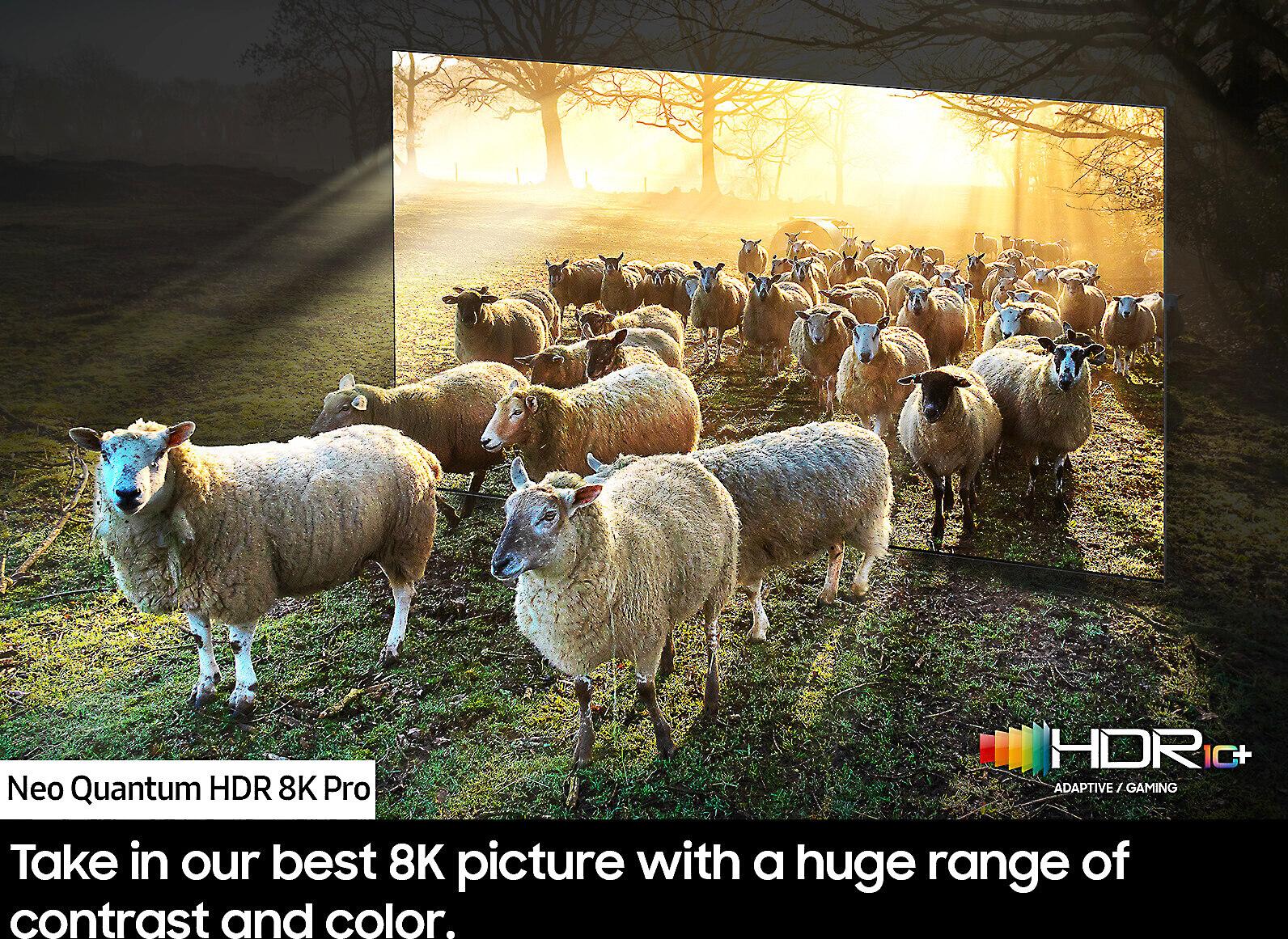
Yes, both TVs support major HDR formats. The TCL QM9K supports HDR10, HDR10+, Dolby Vision, Dolby Vision IQ, and HLG for comprehensive compatibility with streaming services and physical media. The Samsung QN900D supports Neo Quantum HDR 8K+, HDR10+ (including Adaptive and Gaming variants), ensuring excellent HDR performance across all content types.
For dedicated home theater use, both excel but serve different priorities. The TCL QM9K offers superior local dimming and contrast for cinematic experiences in dark rooms, with exceptional black levels and bright highlights. The Samsung QN900D provides 8K detail that becomes more apparent when sitting closer to large screens, plus Object Tracking Sound that enhances the immersive audio experience.
The TCL QM9K uses Motion Rate 480 processing and high refresh rates for smooth motion, though some fast sports scenes may show minor artifacts. The Samsung QN900D employs more conservative Motion Rate 200 with AI-optimized processing that adapts to content type, typically producing fewer artifacts while maintaining smooth sports and action sequences for most viewers.
We've done our best to create useful and informative comparisons to help you decide what product to buy. Our research uses advanced automated methods to create this comparison and perfection is not possible - please contact us for corrections or questions. These are the sites we've researched in the creation of this article: rtings.com - bestbuy.com - youtube.com - youtube.com - youtube.com - techaeris.com - displayspecifications.com - pcrichard.com - residentialsystems.com - us.tcl.com - displayspecifications.com - valueelectronics.com - woodruffappliance.com - tcl.com - pcrichard.com - tcl.com - techradar.com - tcl.com - us.tcl.com - youtube.com - youtube.com - bestbuy.com - youtube.com - rtings.com - videoandaudiocenter.com - bestbuy.com - avsforum.com - bestbuy.com - walts.com - images.samsung.com - samsung.com - merlinstv.com - samsung.com - avsforum.com - samsung.com

Privacy Policy
Terms and Conditions - Affiliate Policy
Home Security
© Copyright 2008-2026.
11816 Inwood Rd #1211, Dallas, TX 75244