

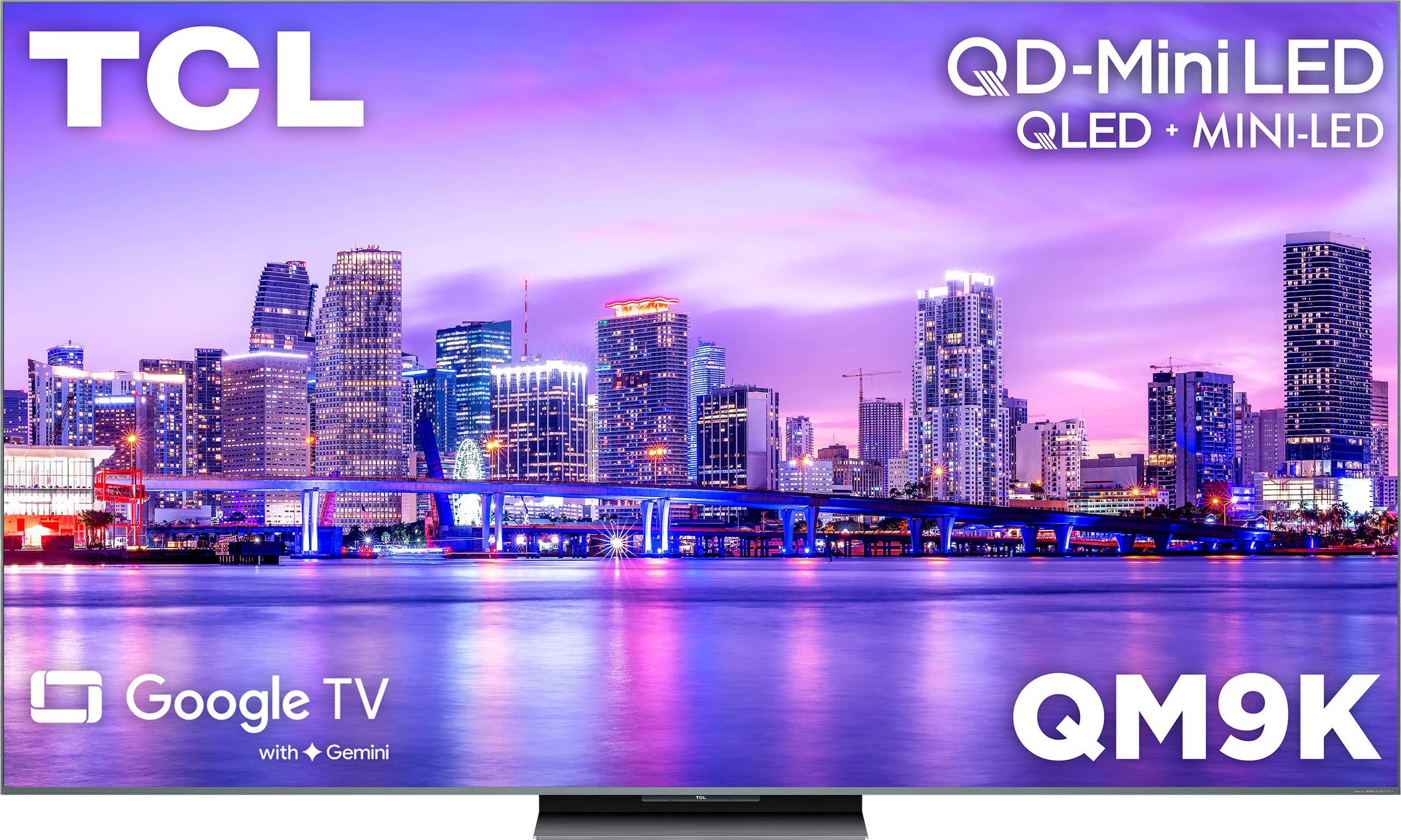
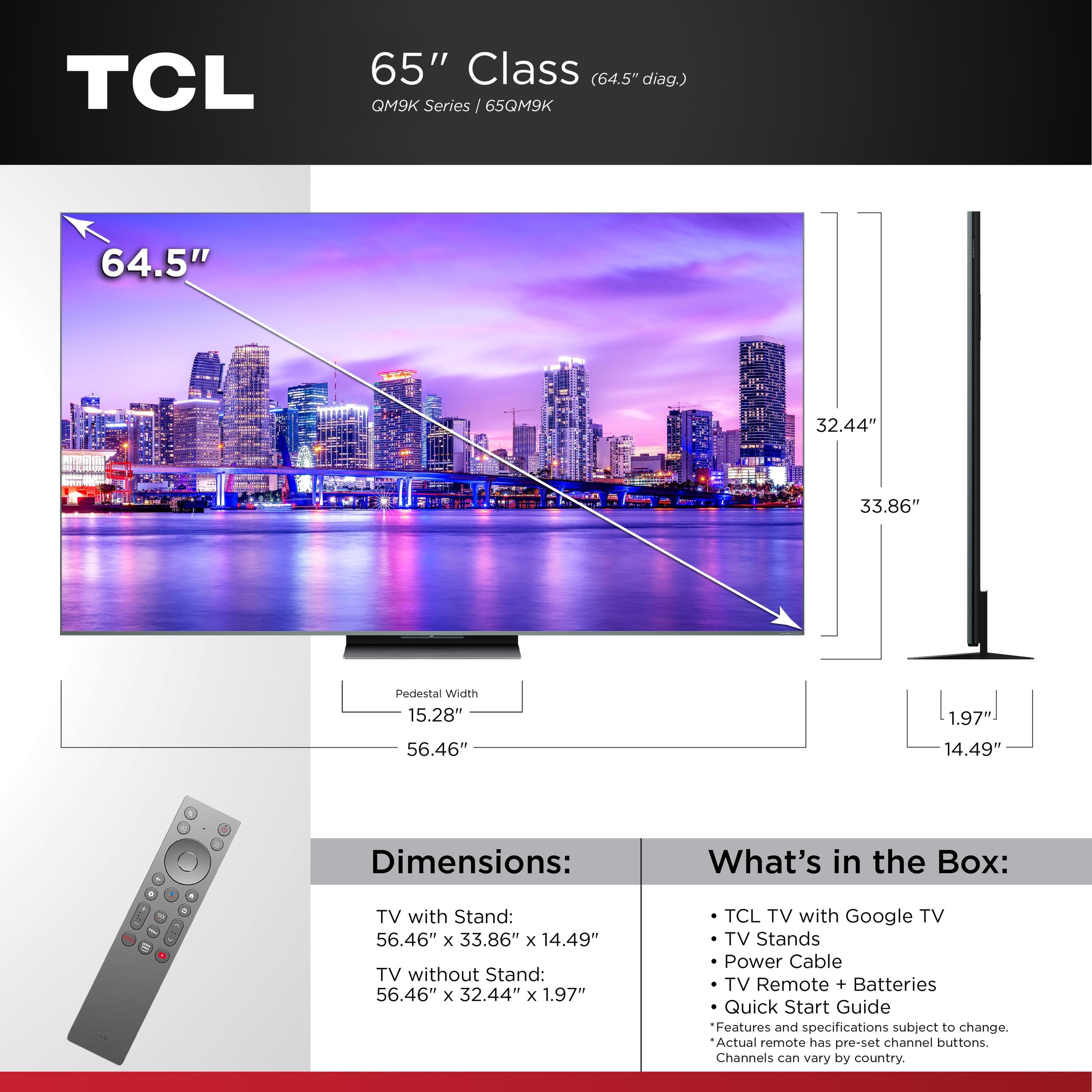
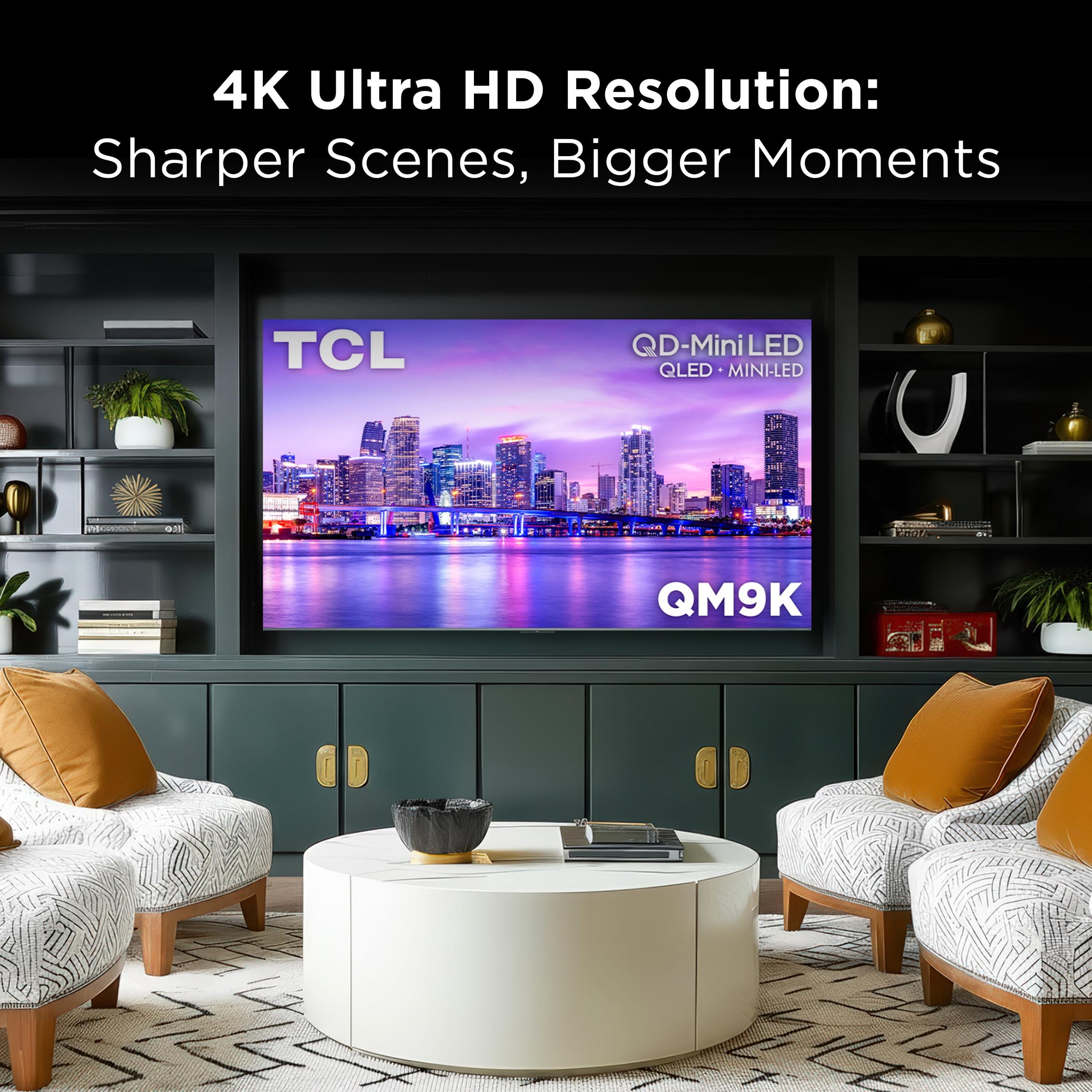
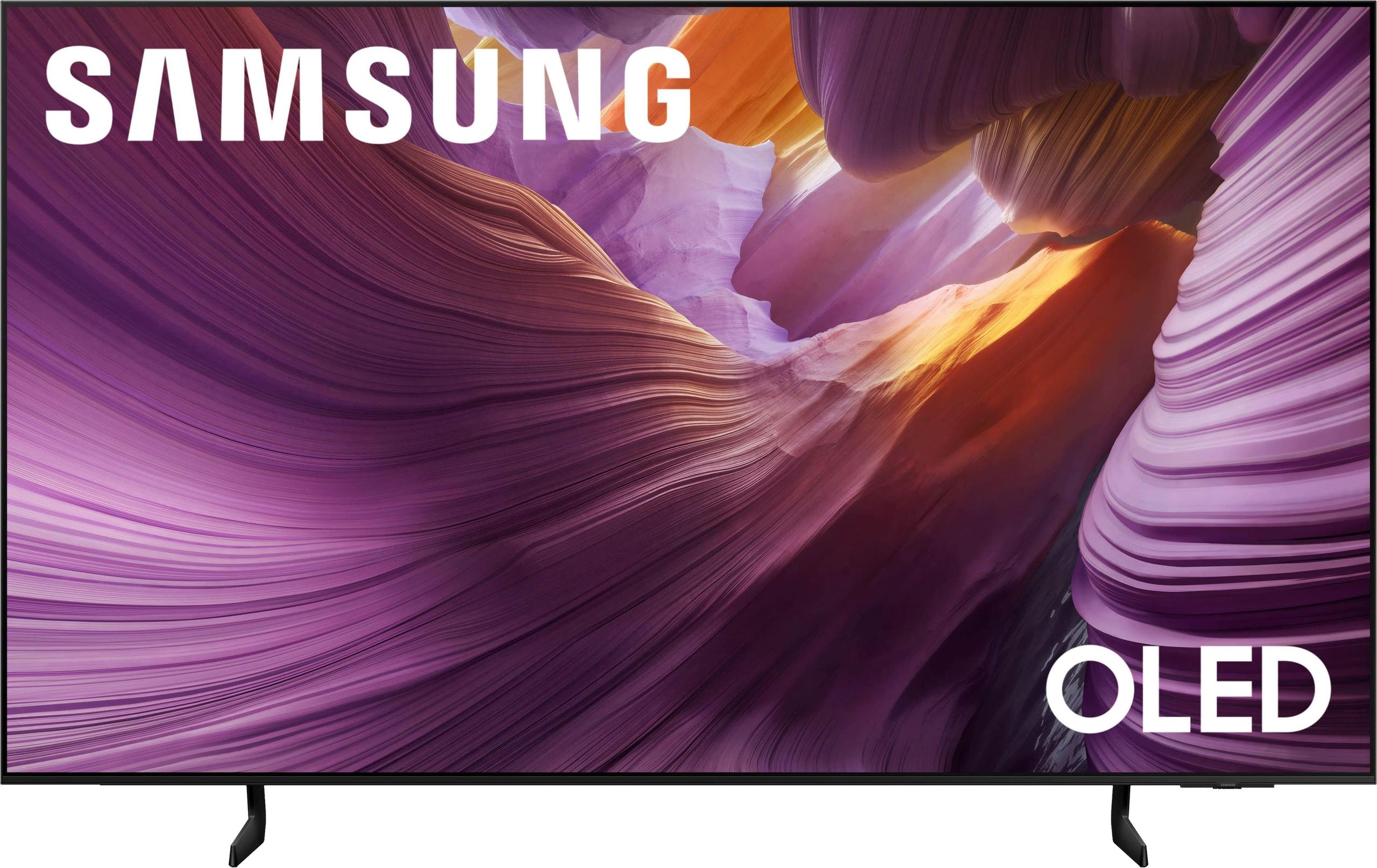
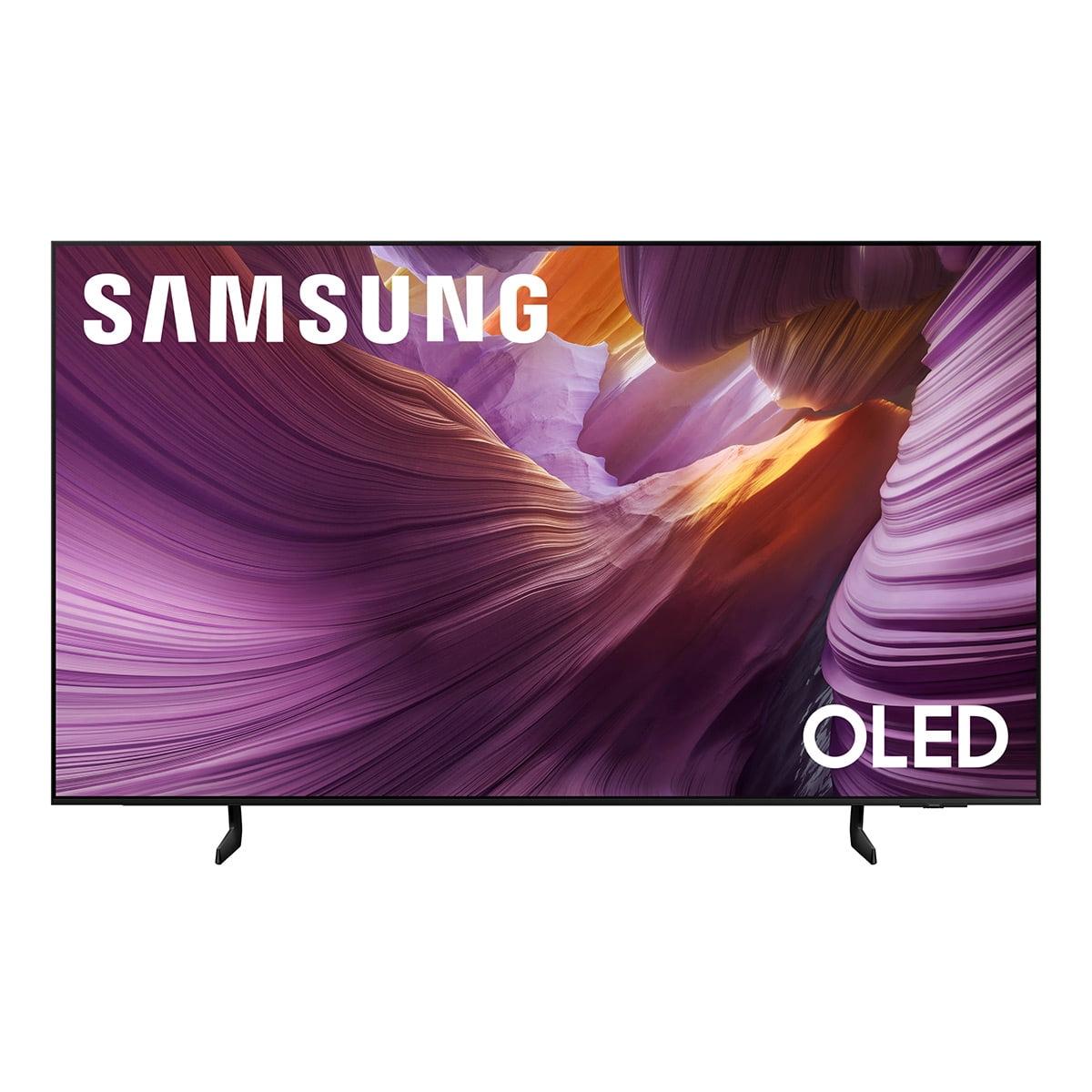
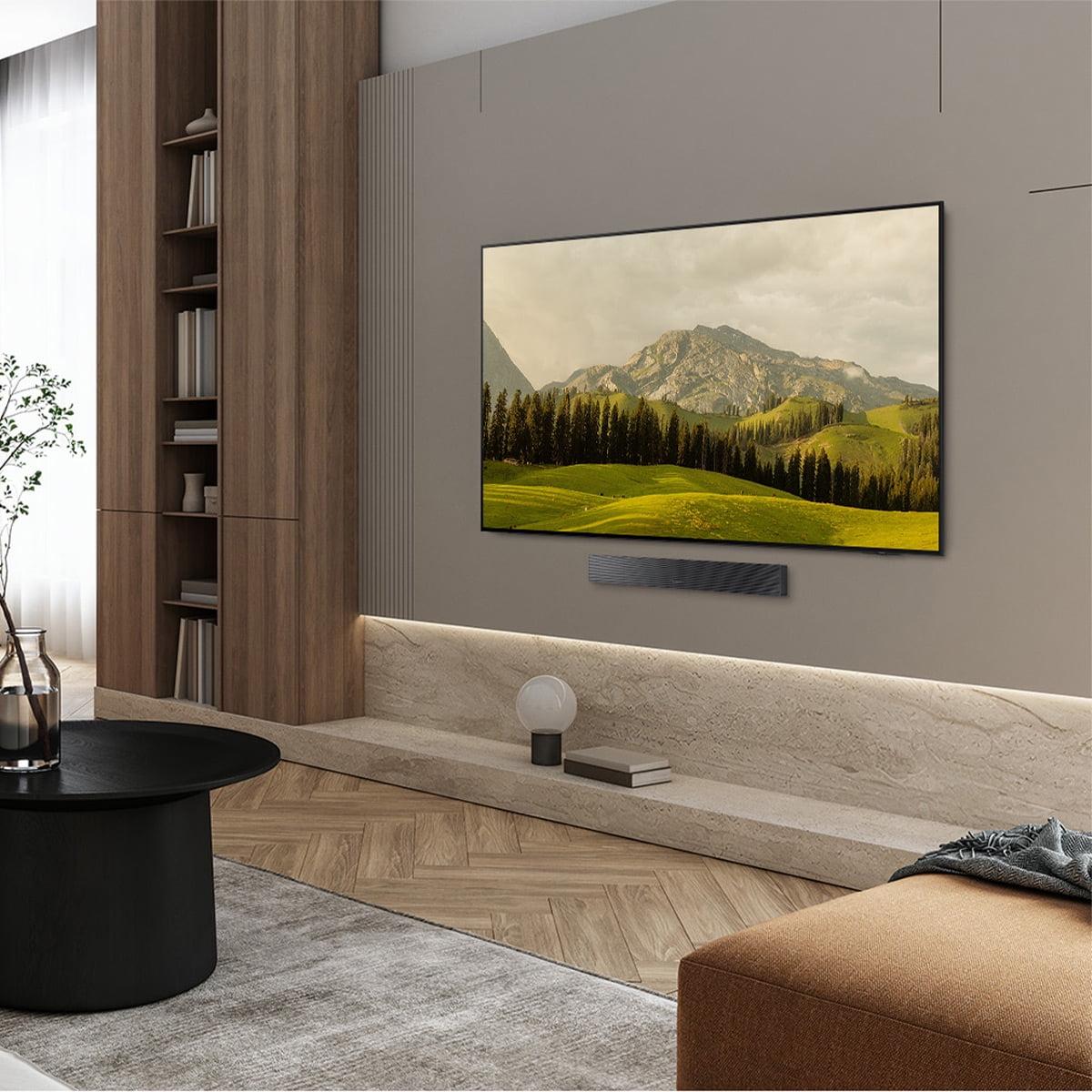

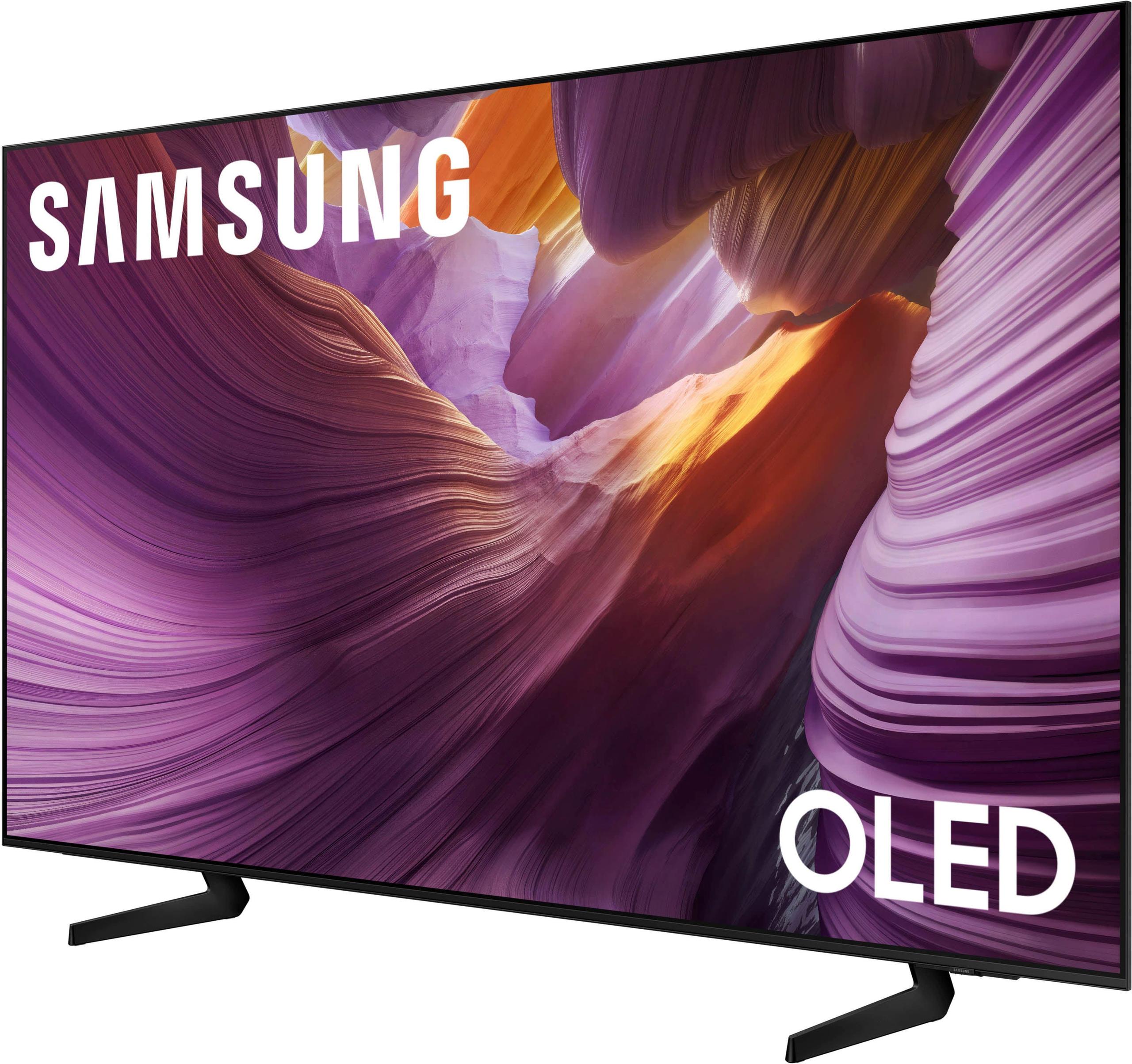
When you're shopping for a premium 65-inch TV in 2025, you'll quickly discover two very different approaches to delivering stunning picture quality. The TCL QM9K represents the cutting edge of Mini LED technology, while the Samsung S85F showcases the elegance of OLED displays. Both arrived in 2025 with significant improvements over their predecessors, but they solve the same problem—delivering incredible picture quality—in completely different ways.
Understanding these differences isn't just about tech specs; it's about finding the TV that works best in your specific room and for your viewing habits. After researching extensive user feedback and expert reviews, I've found that the choice between these two often comes down to one crucial question: where will you be watching?
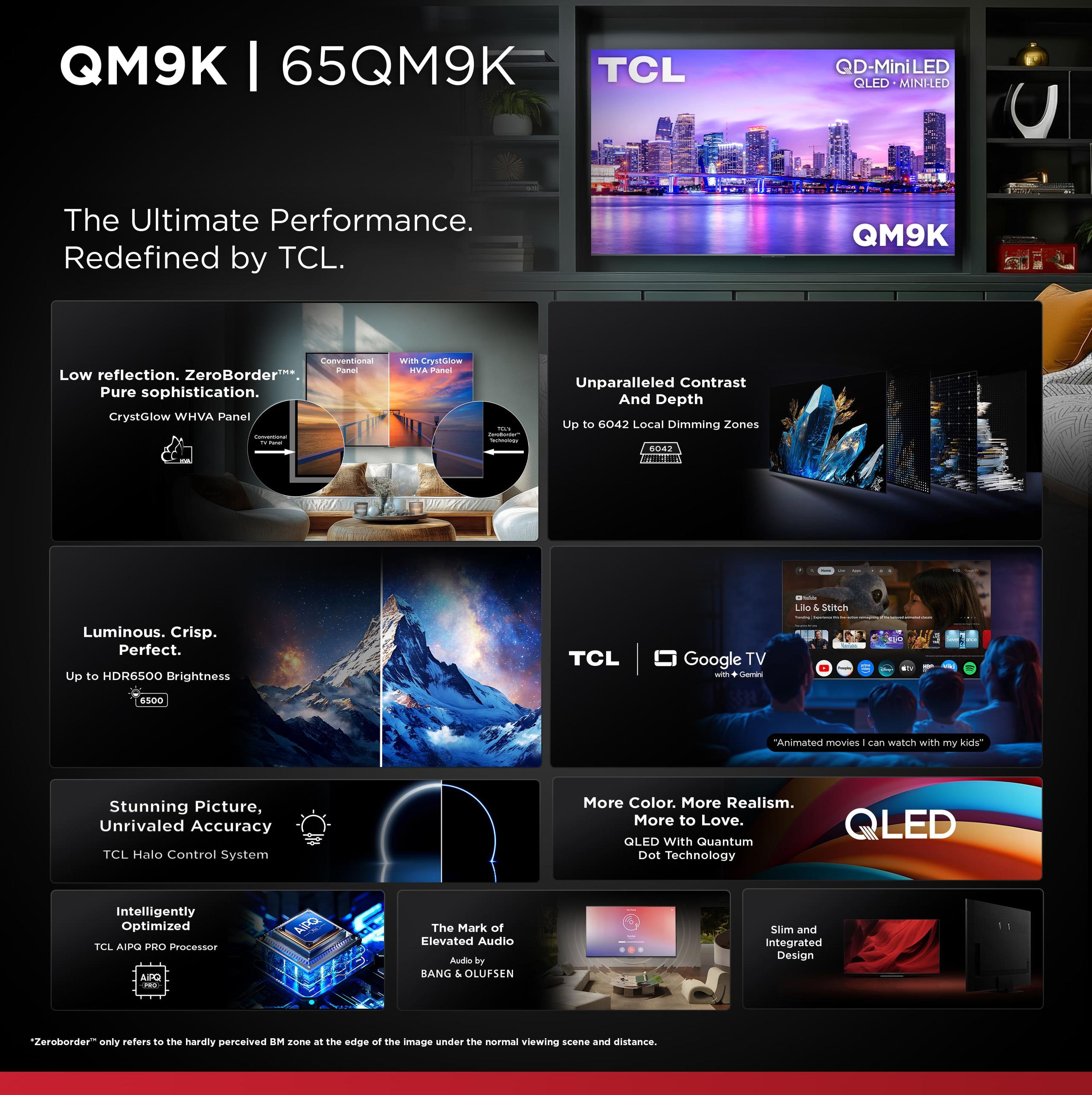
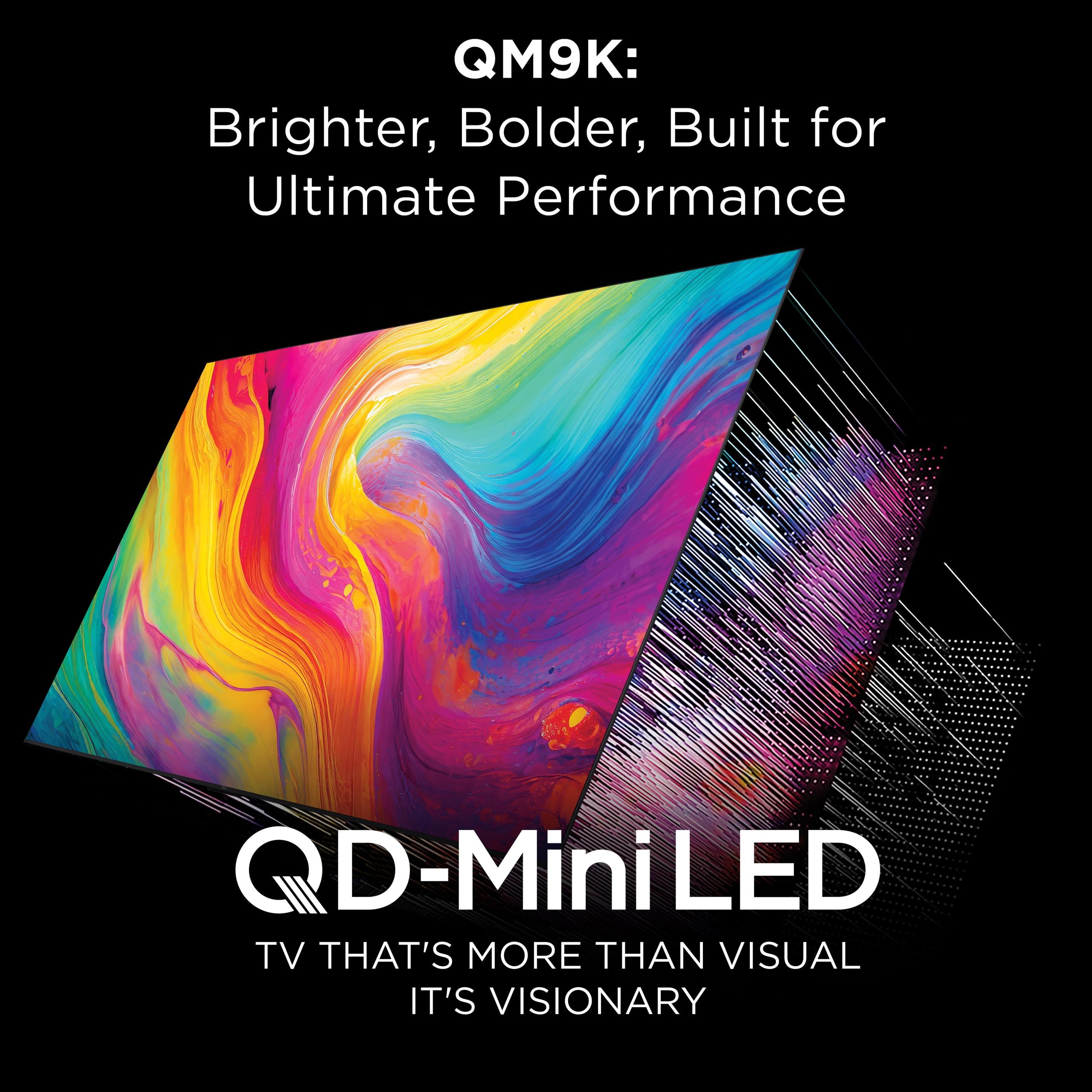
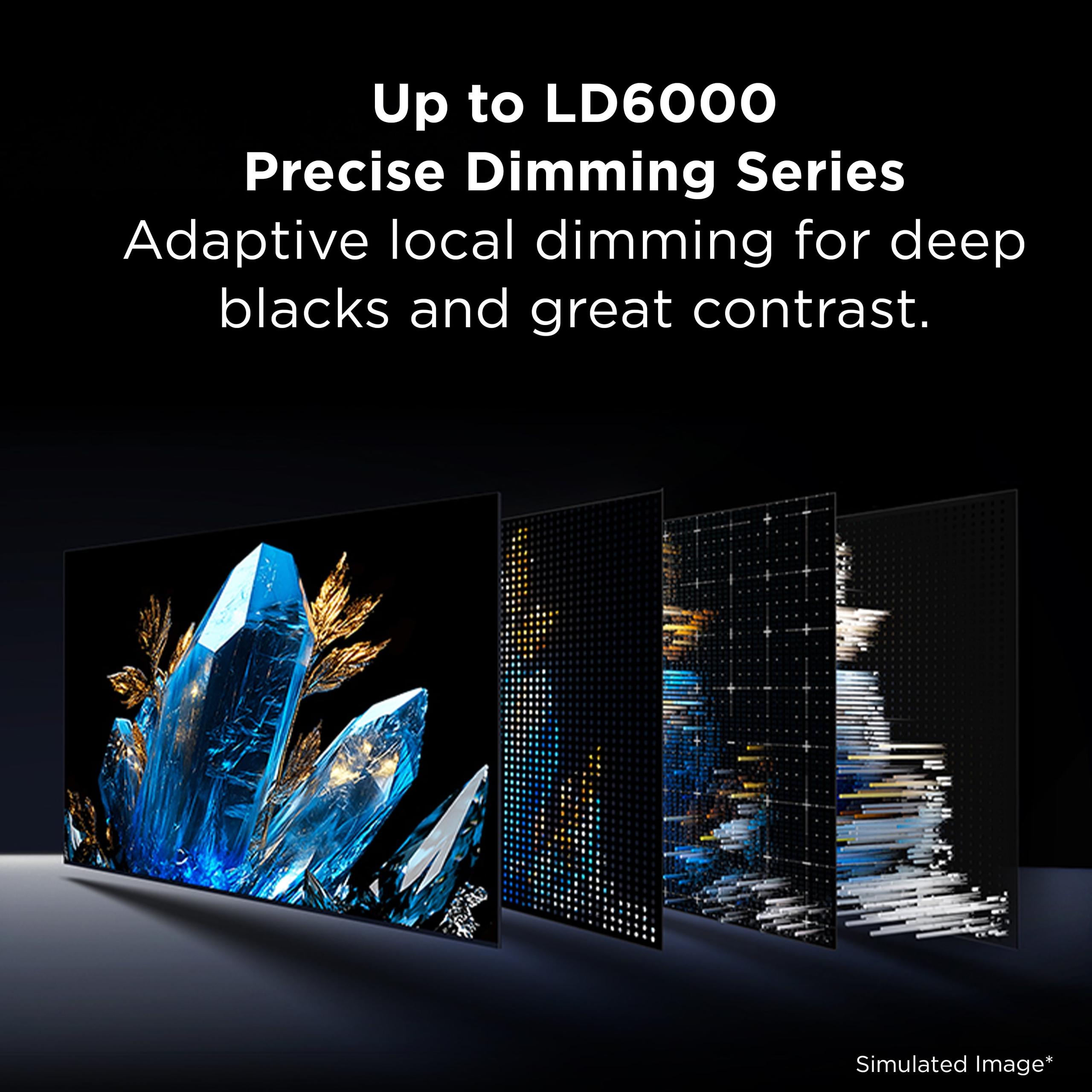
Before diving into specifics, let's break down what makes these TVs fundamentally different. The TCL QM9K uses QD-Mini LED technology, which is essentially a supercharged version of traditional LED TVs. Instead of having dozens of dimming zones like older TVs, it packs up to 6,000 tiny LED zones behind the screen. Each zone can independently brighten or dim to create contrast. "QD" stands for Quantum Dot—microscopic crystals that convert blue LED light into incredibly pure red and green light, resulting in more vivid colors.
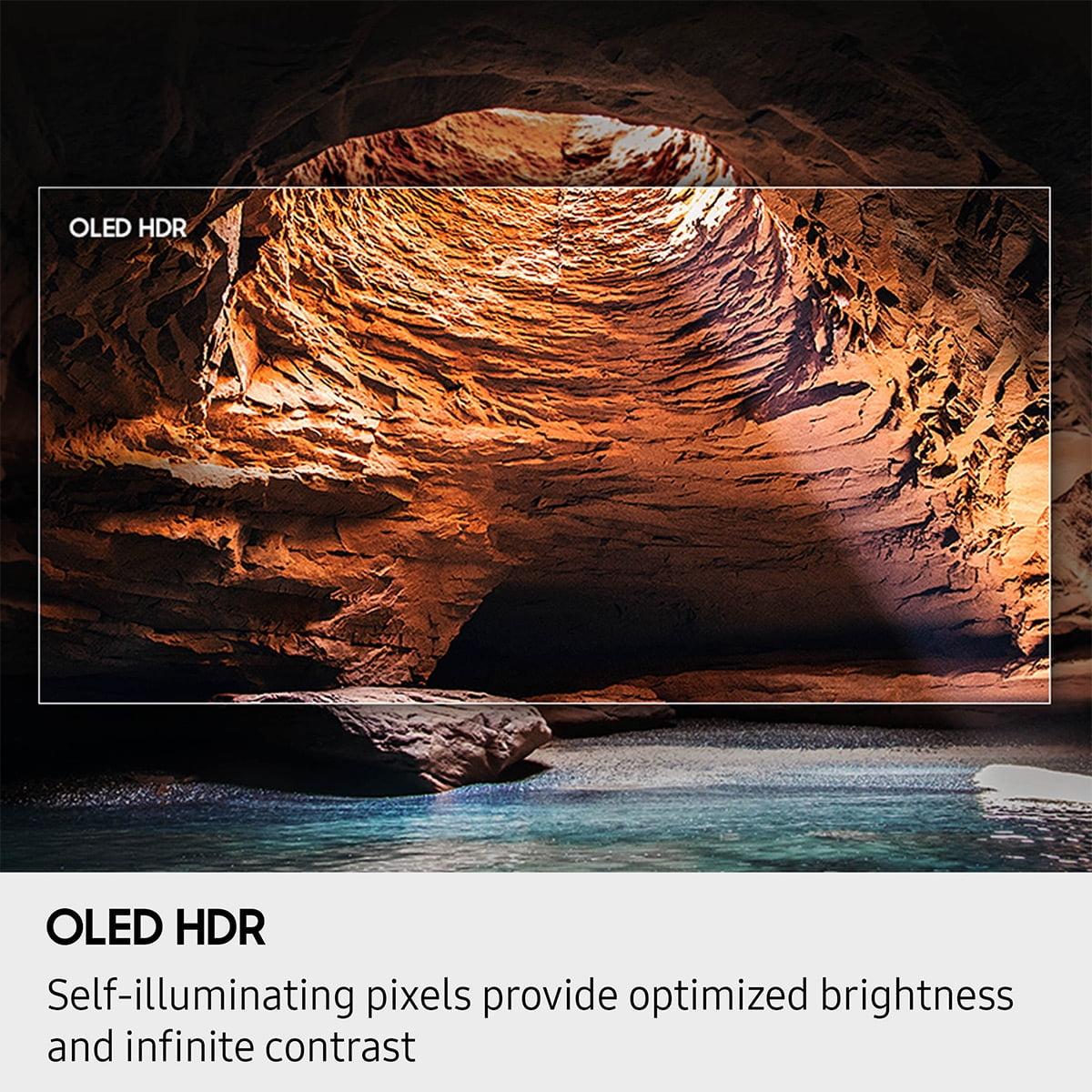
The Samsung S85F, on the other hand, uses QD-OLED technology. OLED stands for Organic Light-Emitting Diode, where each pixel is essentially its own tiny light bulb that can turn completely on or off. When a pixel needs to be black, it simply turns off—no backlight bleeding through. Samsung's QD-OLED combines this pixel-perfect control with quantum dots for enhanced color reproduction.
Think of it this way: Mini LED is like having thousands of flashlights behind a movie screen, each one carefully controlled to light up only the parts that need it. OLED is like having millions of tiny candles that can each be lit or extinguished individually. Both approaches have their strengths, and understanding these differences helps explain why each TV excels in different situations.
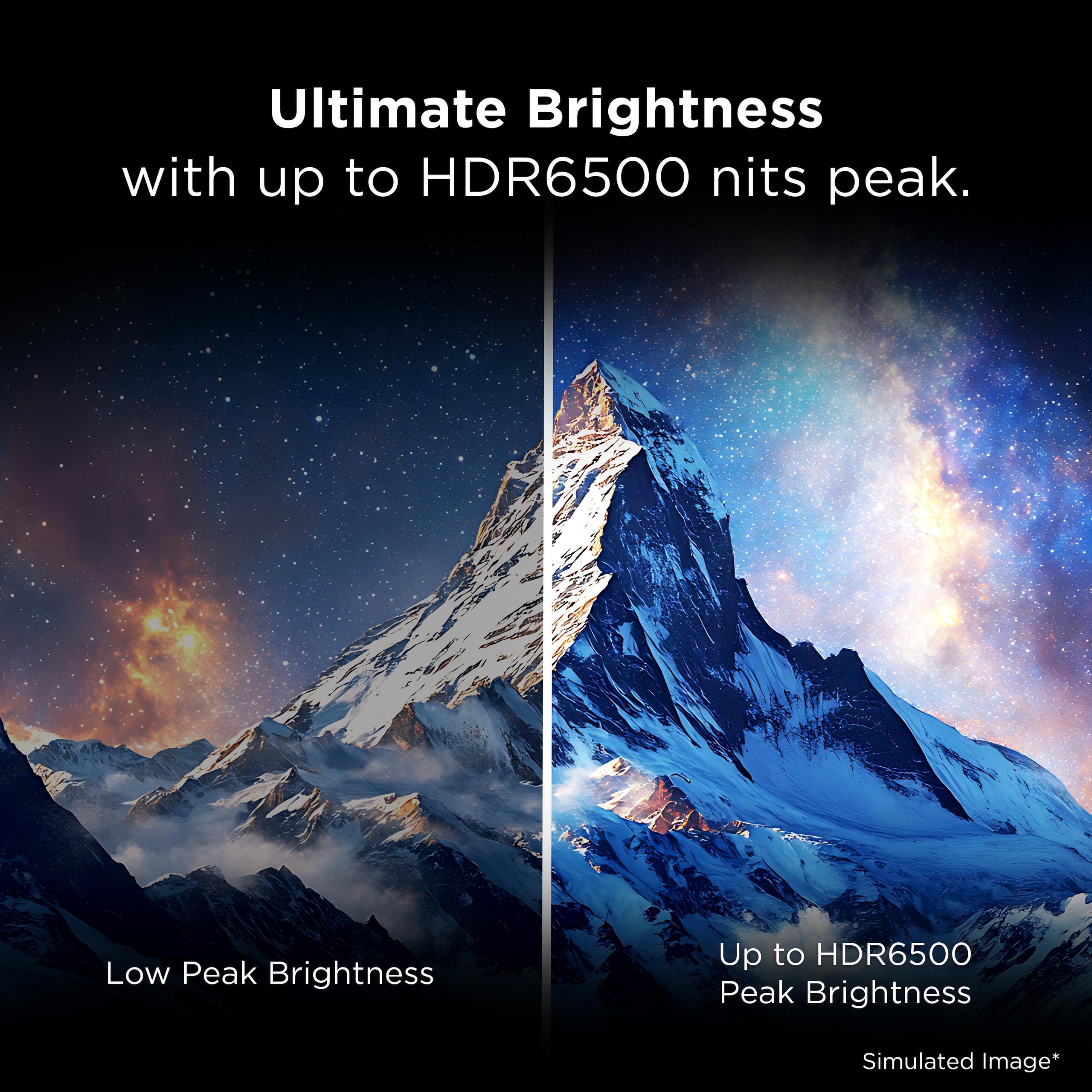
This is where the TCL QM9K truly shines—literally. Our research indicates it can reach peak brightness levels of 6,500 nits in small highlights, which is absolutely spectacular for HDR content. To put this in perspective, a typical sunny day outdoors measures about 100,000 nits, while most TVs struggle to exceed 1,000 nits. The QM9K's extreme brightness means HDR highlights like explosions, sunlight, or car headlights in movies appear genuinely brilliant.
More importantly for daily use, the TCL QM9K maintains impressive brightness across larger areas of the screen. When watching sports with bright uniforms or news programs with white backgrounds, it can sustain around 1,000 nits across the entire screen. This makes it exceptional for bright living rooms where sunlight streams through windows during the day.
The Samsung S85F, while still bright by OLED standards, reaches approximately 750 nits in small highlights and drops to around 150 nits for full-screen brightness. This might sound disappointing, but remember that OLED's perfect blacks create a perceived contrast that often looks more impressive than raw brightness numbers suggest.
For practical viewing, the TCL's brightness advantage becomes most apparent during daytime watching in bright rooms. Sports, news, and even regular TV shows maintain their punch and clarity even with significant ambient light. The Samsung, while still viewable in bright rooms thanks to good reflection handling, is more at home in controlled lighting environments.
Here's where the Samsung S85F demonstrates why OLED technology remains the gold standard for contrast. When a pixel needs to be black, it simply turns off, producing true black with no light emission whatsoever. This creates an infinite contrast ratio—a technical impossibility for any backlit display.
The TCL QM9K, despite having 6,000 local dimming zones, still faces the fundamental challenge of controlling light leakage. Its Halo Control System does an impressive job minimizing blooming (where bright objects cause halos of light in dark areas), but physics dictates that some light will always escape around bright highlights.
In practice, this difference is most noticeable when watching movies with dark scenes. The Samsung displays star fields in space movies with pinpoint accuracy—each star sits against a perfectly black background. Dark movie theaters, shadowy hallways, and nighttime exteriors all maintain their intended mood and atmosphere.
The TCL, while achieving very deep blacks for a Mini LED display, can't quite match this perfection. However, its superior brightness often compensates by making the bright parts of dark scenes more impactful. When watching content with mixed lighting—think a campfire scene or a car's headlights cutting through darkness—the TCL's ability to make those bright elements truly pop can create a more dramatic viewing experience.
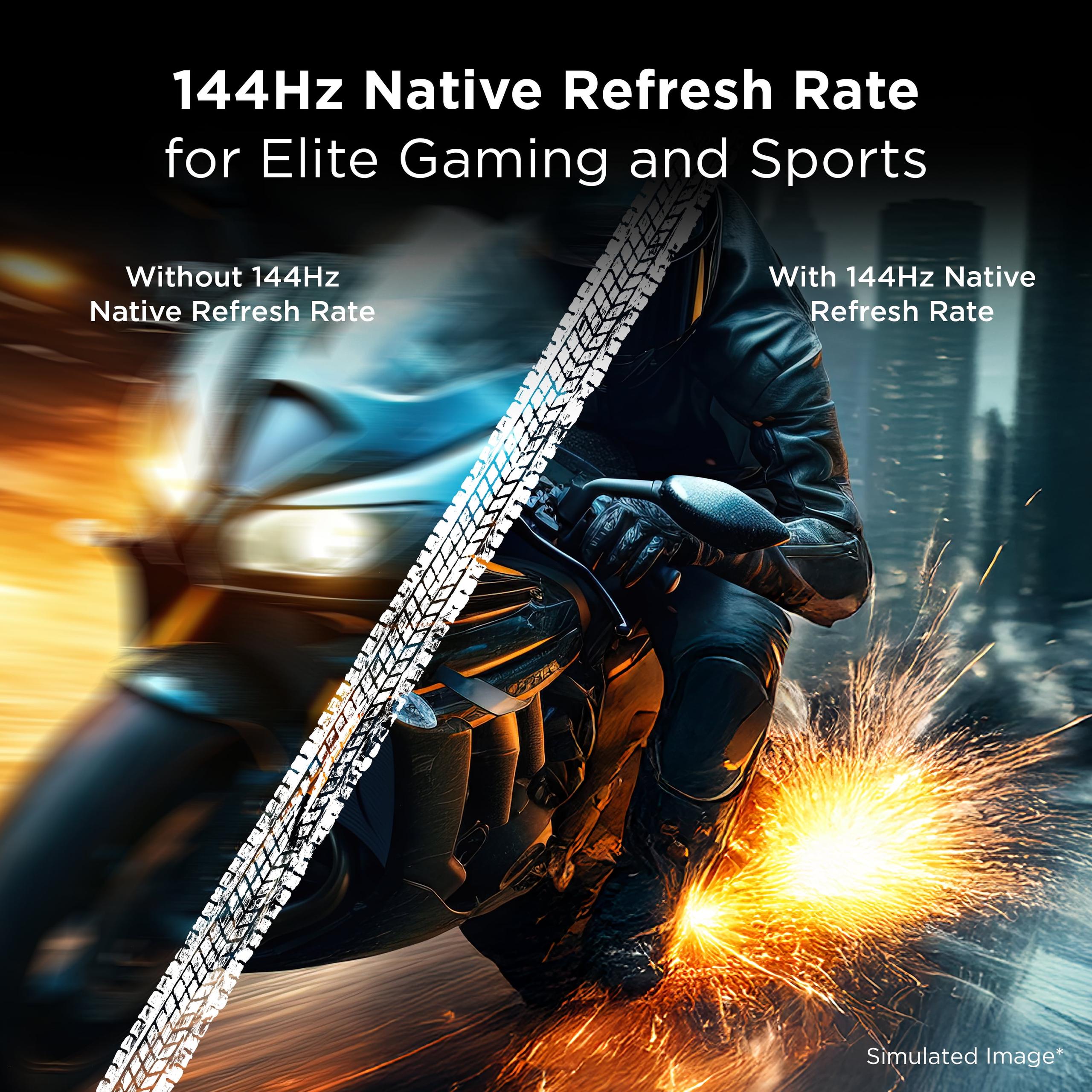
Gaming represents one of the most interesting comparison points between these TVs. The TCL QM9K clearly targets serious gamers with its 144Hz native refresh rate and Game Accelerator 288 feature, which can push certain games up to 288Hz at lower resolutions. This is genuinely future-proofing technology—even high-end gaming PCs struggle to maintain such frame rates consistently today.
For competitive gamers, especially those playing fast-paced shooters or racing games, the TCL's higher refresh rates can provide a real advantage. The difference between 120Hz and 144Hz might seem small, but serious players often notice improved motion clarity and reduced input lag. The 5.3ms input lag measurement is excellent, ensuring your controller inputs translate to on-screen action almost instantly.
The Samsung S85F takes a different approach, focusing on response time rather than refresh rate. OLED pixels can change states nearly instantaneously, eliminating motion blur that LED displays struggle with. While it "only" supports 120Hz maximum, the pixel response is so fast that motion appears incredibly smooth and clear.
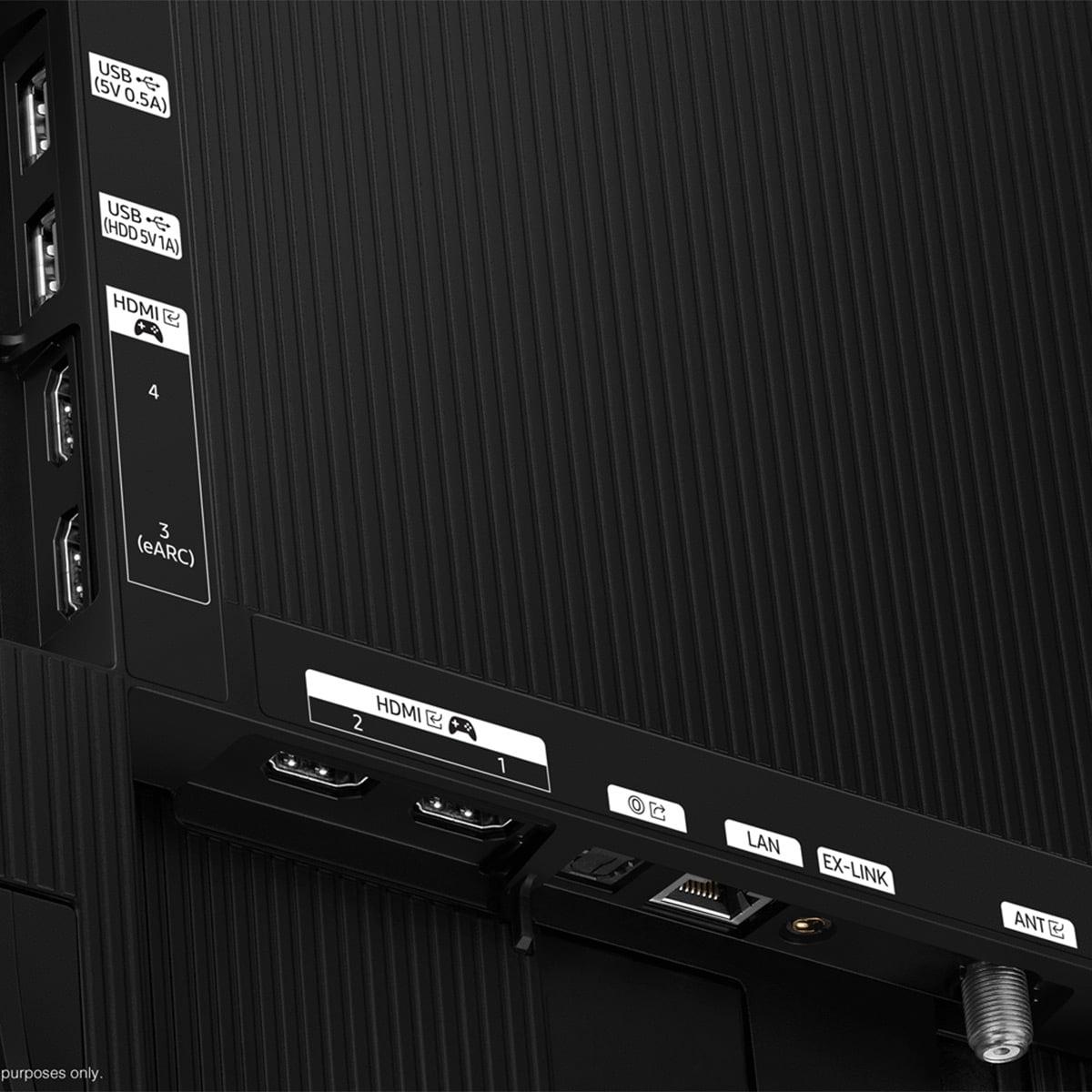
Both TVs support Variable Refresh Rate (VRR) and work excellently with PlayStation 5 and Xbox Series X. However, the Samsung includes four HDMI 2.1 ports compared to the TCL's two, making it more convenient for users with multiple gaming consoles or who want to connect a gaming PC alongside their consoles.
For most gamers, both TVs will provide exceptional experiences. Choose the TCL QM9K if you're serious about competitive gaming and have hardware capable of pushing high frame rates. The Samsung S85F is better for general gaming where you value smooth motion and don't need the absolute highest refresh rates.
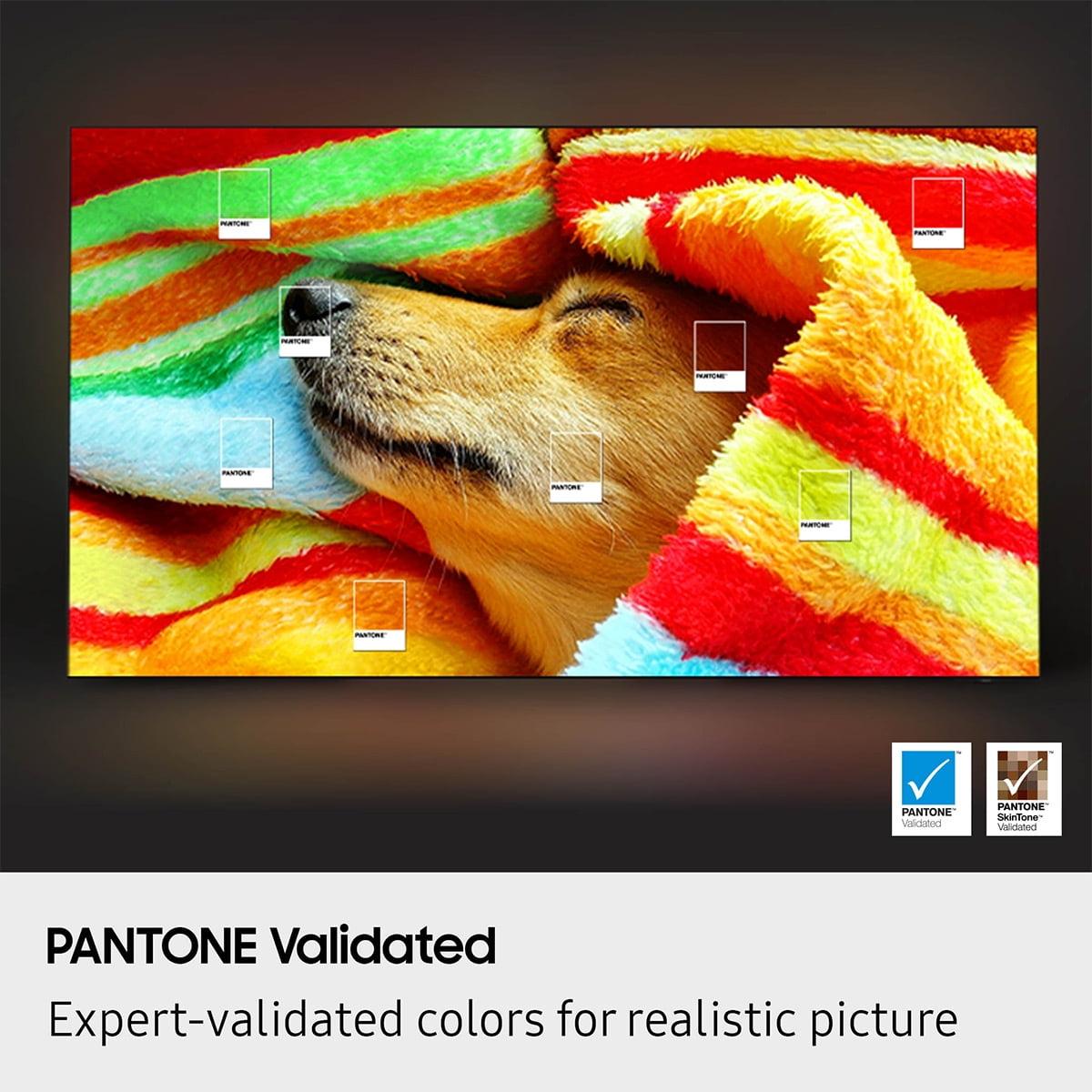
Color reproduction reveals another fascinating difference between these displays. The Samsung S85F is Pantone Validated, meaning it accurately reproduces over 2,140 specific colors as defined by the international color standards organization. This validation suggests excellent out-of-box color accuracy, particularly important for viewers who watch a lot of movies and want to see content as the creators intended.
Samsung's Color Booster Pro technology uses AI to analyze each scene and enhance colors contextually. This means skin tones in a portrait scene get different treatment than the vibrant colors in an animated movie. The result is generally natural-looking enhancement that doesn't appear oversaturated.
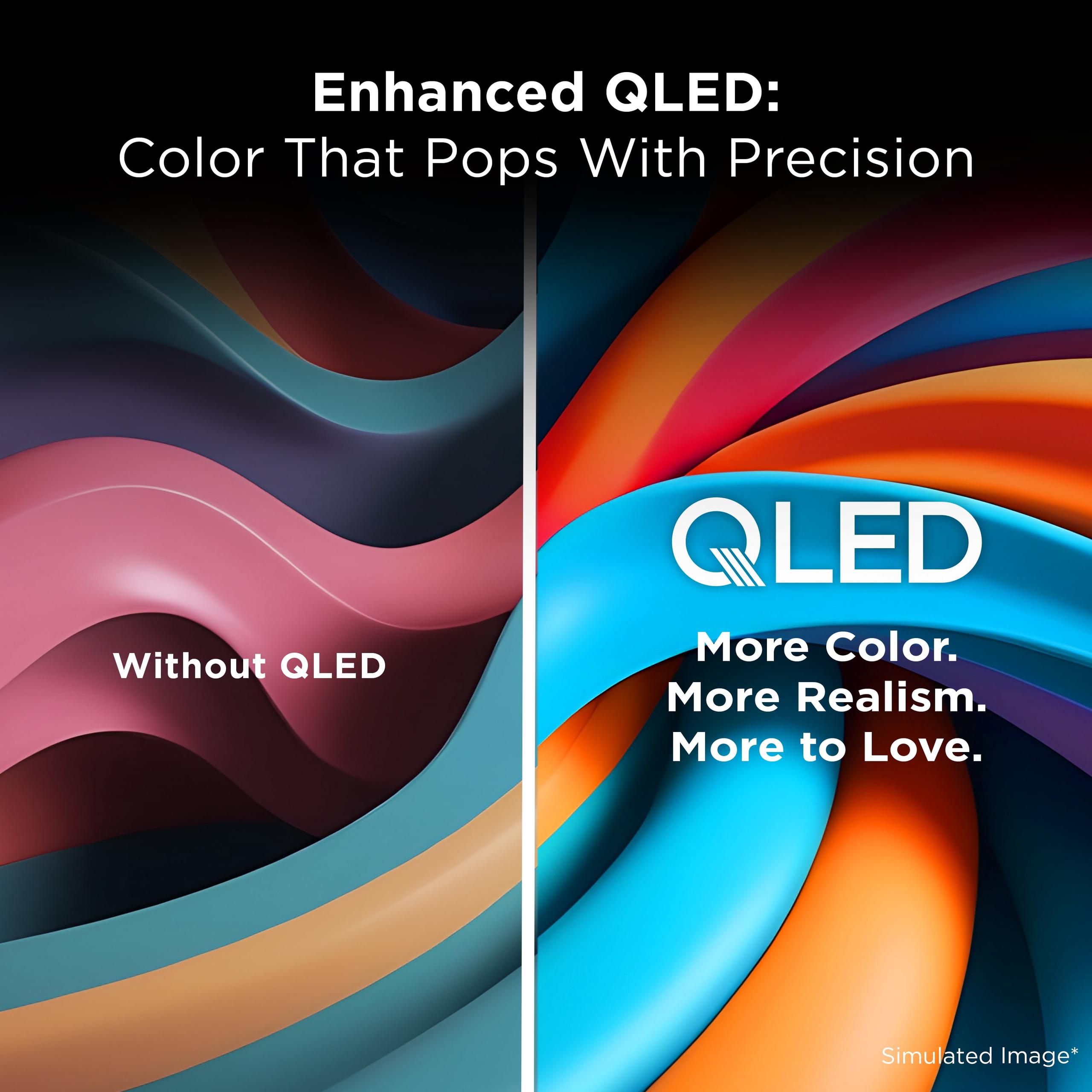
The TCL QM9K takes a more aggressive approach to color with its Enhanced QLED and quantum dot technology covering 97% of the DCI-P3 color space (the standard used for digital cinema). The AIPQ PRO processor applies AI-driven color optimization, but user reviews suggest it sometimes produces more vibrant, saturated colors than strictly accurate ones.
This difference matters depending on your preferences. Movie purists who want accurate color reproduction as filmmakers intended will likely prefer the Samsung's more measured approach. Those who want colors that pop and create visual impact—particularly for sports, nature documentaries, or HDR gaming—might prefer the TCL's more aggressive enhancement.
Color volume—how bright colors can get while maintaining saturation—strongly favors the TCL QM9K due to its superior brightness. Bright reds, greens, and blues maintain their intensity even in very bright scenes, while the Samsung's colors might appear slightly washed out in the brightest content.
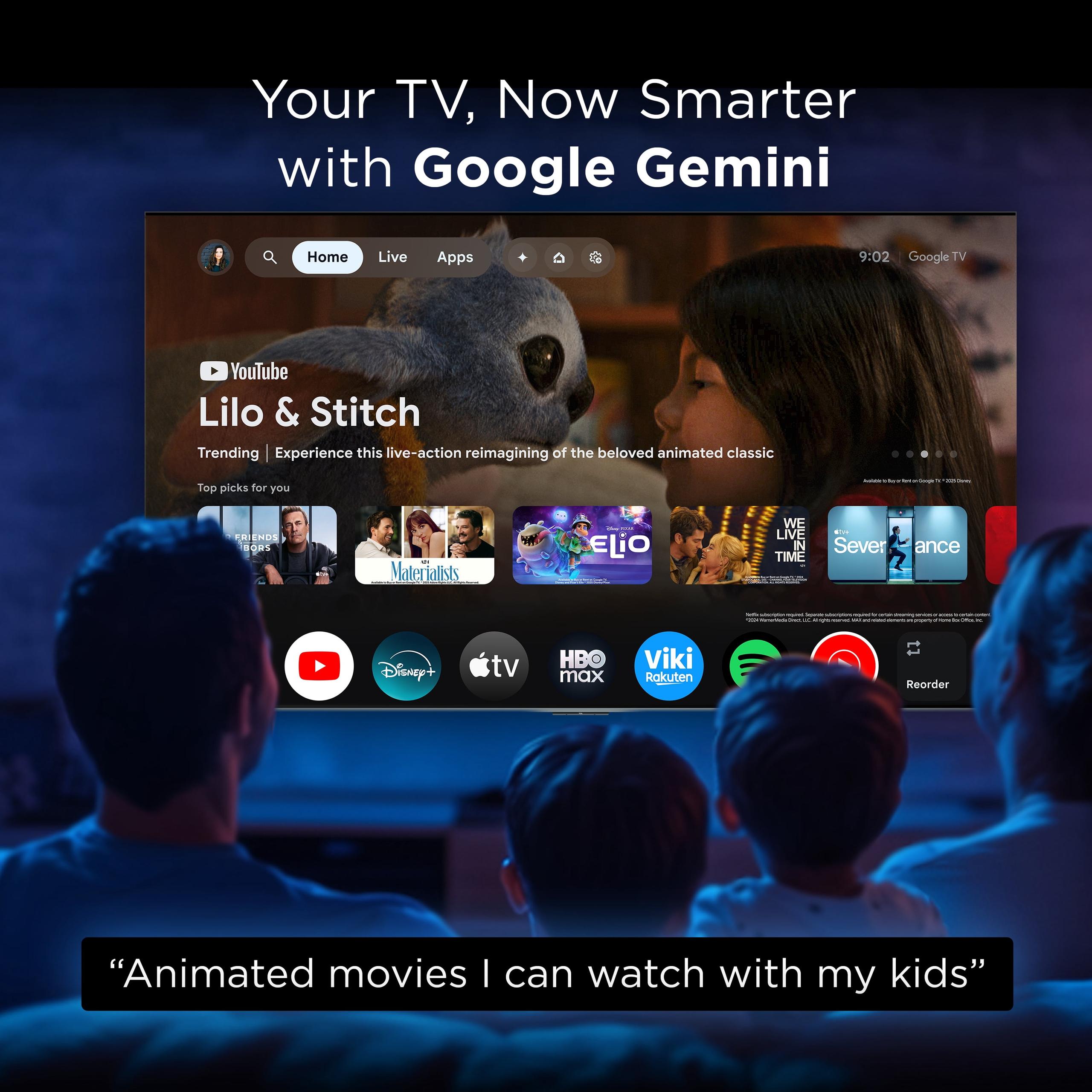
Both TVs offer sophisticated smart platforms, but with different philosophies. The TCL QM9K runs Google TV with built-in Google Gemini AI, providing excellent integration with Google services and a clean, content-focused interface. The presence sensor automatically adjusts the TV when you enter or leave the room, and hands-free voice control works surprisingly well for basic commands.
The Samsung S85F uses Samsung's Tizen OS, which has evolved into one of the most polished smart TV platforms. Its SmartThings integration is particularly impressive if you're building a connected home ecosystem. The TV can act as a hub for compatible smart home devices, controlling lights, thermostats, and security systems directly from the TV interface.
Both platforms support all major streaming services and offer good performance, though Samsung's app ecosystem feels slightly more mature. The Samsung also includes more comprehensive multi-view features, allowing you to watch two different video sources simultaneously—useful for monitoring sports scores while watching a movie.
Audio represents one area where the TCL QM9K pulls ahead significantly. Its collaboration with Bang & Olufsen has resulted in a 2.1.1 channel system with a dedicated subwoofer in the 65-inch model. This provides genuine bass response that most TVs simply can't match.
The Dolby Atmos implementation works well for creating spatial audio effects, and the overall sound quality is impressive enough that many users won't feel the immediate need for a separate soundbar.
The Samsung S85F's 2.0 channel system is adequate but unremarkable. While it includes Object Tracking Sound Lite and can synchronize with compatible Samsung soundbars through Q-Symphony, the built-in audio falls short of the TCL's offering. However, Samsung's lack of DTS audio support (a longstanding company decision) might frustrate some users with extensive movie collections.
Understanding how these TVs perform in actual living spaces is crucial for making the right choice. The TCL QM9K excels in bright family rooms, breakfast nooks, or any space where controlling ambient light is challenging. Its ability to maintain picture quality during daytime viewing is genuinely impressive, making it ideal for households where the TV is used throughout the day.
For sports viewing, the TCL's brightness advantage becomes particularly apparent. White uniforms, bright stadium lighting, and graphics overlays remain crisp and clear even with significant room lighting. The high refresh rates also help with fast sports action, though some users report minor motion artifacts during very rapid camera movements.
The Samsung S85F transforms dedicated home theater spaces or basement family rooms where lighting can be controlled. The perfect blacks create an immersive viewing experience that makes movies feel more engaging. Dark scenes that might appear gray or washed out on other TVs maintain their intended atmosphere and detail.
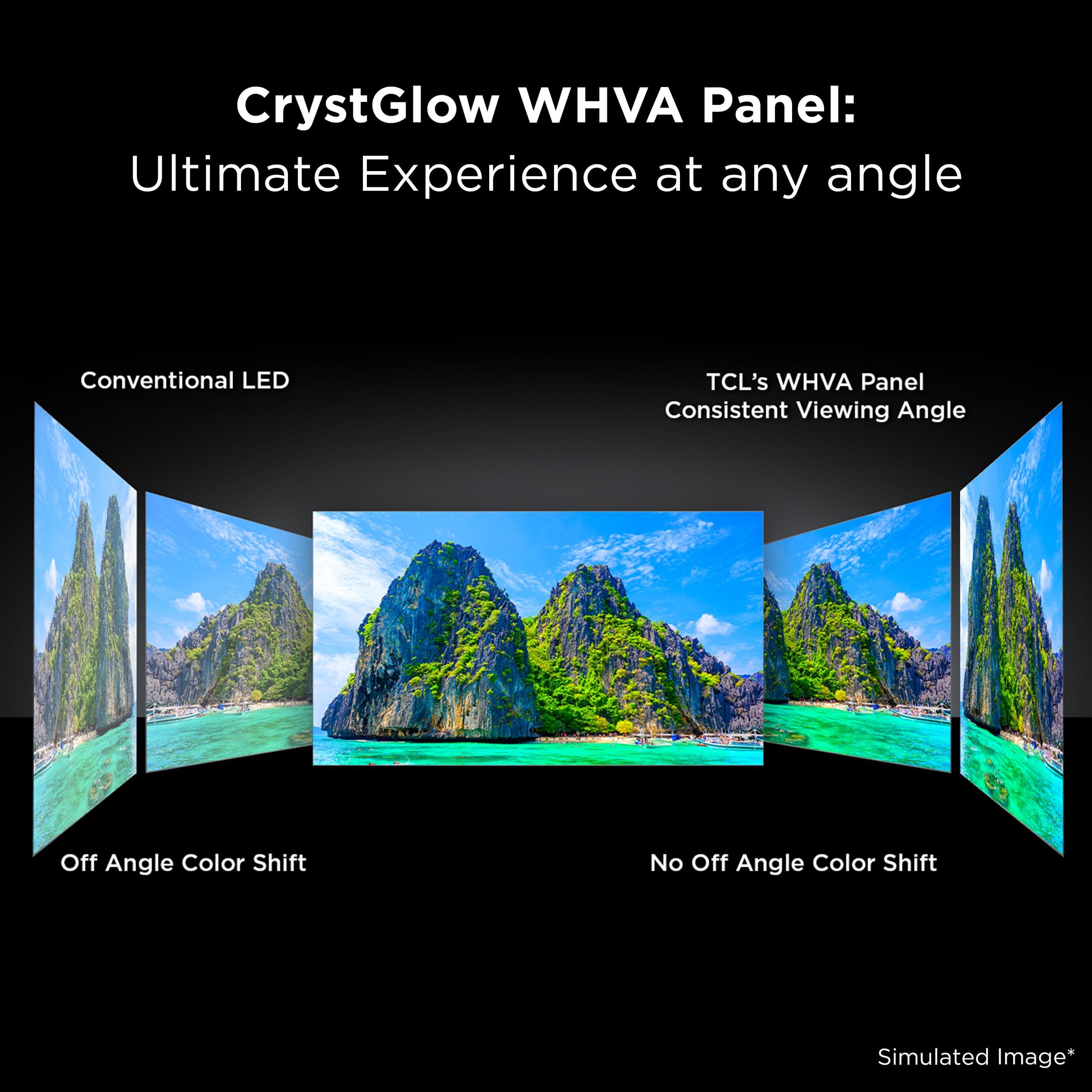
Both TVs handle viewing angles reasonably well, though the Samsung maintains color accuracy and contrast better when viewed from the side. This makes it more suitable for wide seating arrangements where not everyone sits directly in front of the screen.
At the time of writing, the Samsung S85F typically costs several hundred dollars less than the TCL QM9K, making it an exceptional value for OLED technology. Getting pixel-perfect blacks and excellent color accuracy at this price point represents genuine progress in making OLED accessible to more buyers.
The TCL QM9K's higher price reflects its cutting-edge Mini LED implementation and gaming-focused features. The 6,000-zone local dimming and extreme brightness capabilities represent expensive technologies that justify the premium for users who will benefit from them.
Long-term reliability considerations favor the TCL slightly, as LED-based displays typically maintain their brightness longer than OLED panels, which can experience gradual brightness degradation over many years of use. However, modern OLEDs have largely solved the burn-in issues that plagued earlier generations, making both displays suitable for years of normal use.
After evaluating extensive user feedback and expert opinions, clear usage patterns emerge for each TV. Choose the TCL QM9K if you're dealing with a bright room where daytime viewing is common, if you're a serious gamer who wants the highest possible refresh rates, or if you prioritize having the brightest, most impactful HDR experience available.
The Samsung S85F makes more sense for movie enthusiasts who can control their viewing environment, casual gamers who value smooth motion over maximum refresh rates, or buyers who want proven OLED technology without paying flagship prices.
For dedicated home theaters, the Samsung's perfect blacks and accurate colors create a more cinematic experience. For general family viewing in typical living rooms, the TCL's brightness and vibrant colors might prove more satisfying day-to-day.
Both represent excellent choices that will deliver impressive picture quality for years to come. The decision ultimately comes down to understanding your viewing environment, priorities, and how each TV's strengths align with your specific needs. Neither choice will disappoint, but one will likely feel more perfectly suited to your home and viewing habits.
| TCL 65" QM9K QD-Mini LED Smart TV | Samsung 65" S85F OLED 4K Smart TV (2025) |
|---|---|
| Display Technology - Fundamental difference affecting all picture quality aspects | |
| QD-Mini LED with up to 6,000 local dimming zones | QD-OLED with self-illuminating pixels |
| Peak Brightness - Critical for HDR impact and bright room viewing | |
| Up to 6,500 nits (exceptional for daytime viewing) | ~750 nits (adequate, best in darker rooms) |
| Black Levels - Determines contrast and dark scene detail | |
| Very deep blacks with minimal blooming | Perfect blacks (infinite contrast ratio) |
| Native Refresh Rate - Important for gaming and sports smoothness | |
| 144Hz native with Motion Rate 480 | 100Hz native with Motion Xcelerator 120Hz |
| Gaming Features - Maximum supported frame rates | |
| 4K@144Hz, 1080p/1440p@288Hz, 5.3ms input lag | 4K@120Hz, near-instantaneous response time |
| HDMI 2.1 Ports - Number of high-speed gaming/device connections | |
| 2 ports (may require switching for multiple consoles) | 4 ports (connects all devices simultaneously) |
| Color Accuracy - Out-of-box performance for movies | |
| Enhanced QLED, 97% DCI-P3, requires calibration | Pantone Validated, excellent out-of-box accuracy |
| Smart TV Platform - Interface and ecosystem integration | |
| Google TV with Google Gemini AI | Samsung Tizen OS with SmartThings hub |
| Audio System - Built-in sound quality | |
| 2.1.1 channels with subwoofer, Bang & Olufsen tuned | 2.0 channels, 20W, Object Tracking Sound Lite |
| Viewing Environment - Best room conditions | |
| Excels in bright rooms, good for all-day viewing | Best in dark/controlled lighting environments |
| Value Positioning - Price-to-performance ratio | |
| Premium pricing for flagship Mini LED features | Lower cost for proven OLED technology |
The TCL 65" QM9K is significantly better for bright rooms due to its exceptional peak brightness of up to 6,500 nits. This Mini LED technology maintains picture quality even with sunlight streaming through windows, while the Samsung S85F OLED performs best in darker, controlled lighting environments where its perfect blacks can shine.
The TCL QM9K uses Mini LED with thousands of tiny LED zones behind the screen for backlighting, while the Samsung S85F uses OLED where each pixel creates its own light. Mini LED excels at brightness and works well in any lighting, while OLED delivers perfect blacks and infinite contrast but requires darker rooms for optimal viewing.
Both TVs excel at gaming but in different ways. The TCL QM9K offers higher refresh rates (144Hz native, up to 288Hz) making it ideal for competitive PC gaming, while the Samsung S85F provides near-instantaneous pixel response times and four HDMI 2.1 ports for connecting multiple consoles simultaneously.
The Samsung S85F OLED is generally preferred for dedicated home theaters due to its perfect black levels and accurate colors that create a truly cinematic experience in dark rooms. The TCL QM9K works well for home theaters that can't achieve complete darkness, thanks to its superior brightness handling ambient light.
The TCL QM9K has significantly better built-in audio with its 2.1.1 channel system tuned by Bang & Olufsen, including a dedicated subwoofer. The Samsung S85F has a basic 2.0 channel system that will likely require a separate soundbar for optimal audio performance.
The TCL QM9K runs Google TV with Google Gemini AI integration and presence sensors, while the Samsung S85F uses Samsung's Tizen OS with SmartThings hub functionality for smart home control. Both platforms support all major streaming apps, but Samsung's ecosystem feels more mature overall.
The Samsung S85F OLED is more accurate out-of-the-box with Pantone color validation and excellent HDR tone mapping. The TCL QM9K produces more vibrant, saturated colors that some prefer for visual impact, but may require calibration for movie accuracy.
Both TVs handle wide viewing angles reasonably well, but the Samsung S85F maintains better color accuracy and contrast when viewed from the sides. The TCL QM9K may show some color shifting at extreme angles, making the Samsung better for wide seating arrangements.
LED-based displays like the TCL QM9K typically maintain their brightness longer over many years, while OLED panels like the Samsung S85F may experience gradual brightness reduction. However, modern OLEDs have largely solved burn-in issues, making both suitable for long-term use with normal viewing habits.
The Samsung S85F OLED delivers superior contrast with perfect blacks and excellent shadow detail, while the TCL QM9K provides much brighter HDR highlights that create more dramatic visual impact. The choice depends on whether you prioritize perfect blacks or brilliant highlights.
The Samsung S85F OLED typically costs less while delivering proven OLED technology, making it exceptional value for contrast and color accuracy. The TCL QM9K commands a premium for its cutting-edge Mini LED technology and gaming features, justified for users who need maximum brightness.
Choose the TCL QM9K Mini LED if your living room has lots of natural light, you game competitively, or you want the brightest possible picture. Select the Samsung S85F OLED if you can control lighting, prioritize movie watching, or want the most accurate colors at a lower price point.
We've done our best to create useful and informative comparisons to help you decide what product to buy. Our research uses advanced automated methods to create this comparison and perfection is not possible - please contact us for corrections or questions. These are the sites we've researched in the creation of this article: rtings.com - bestbuy.com - youtube.com - youtube.com - youtube.com - techaeris.com - displayspecifications.com - pcrichard.com - residentialsystems.com - us.tcl.com - displayspecifications.com - valueelectronics.com - woodruffappliance.com - tcl.com - pcrichard.com - tcl.com - techradar.com - tcl.com - us.tcl.com - youtube.com - youtube.com - bestbuy.com - youtube.com - rtings.com - samsung.com - youtube.com - rtings.com - youtube.com - samsung.com - bestbuy.com - avsforum.com - avsforum.com - samsung.com - displayspecifications.com - videoandaudiocenter.com - bestbuy.com - flatpanelshd.com - myallsouth.com - samsung.com - richstv.com - samsung.com - heartlandappliance.com

Privacy Policy
Terms and Conditions - Affiliate Policy
Home Security
© Copyright 2008-2026.
11816 Inwood Rd #1211, Dallas, TX 75244