

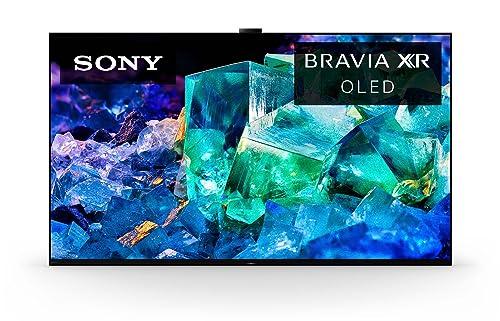







When you're shopping for a premium 65-inch TV, you'll quickly discover that not all advanced displays are created equal. Two compelling options that represent different technological approaches are the Sony Bravia XR A95K QD-OLED and the TCL QM8 Mini-LED. Both promise exceptional picture quality, but they achieve it through fundamentally different methods—and that difference matters more than you might think.
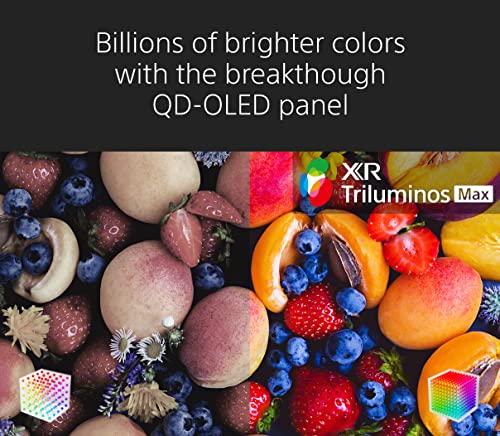
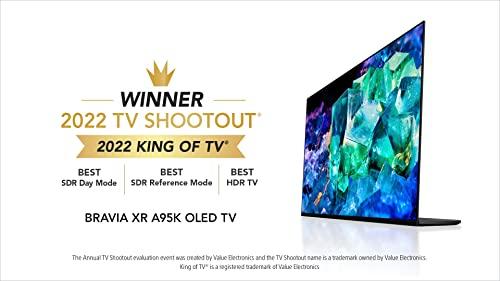
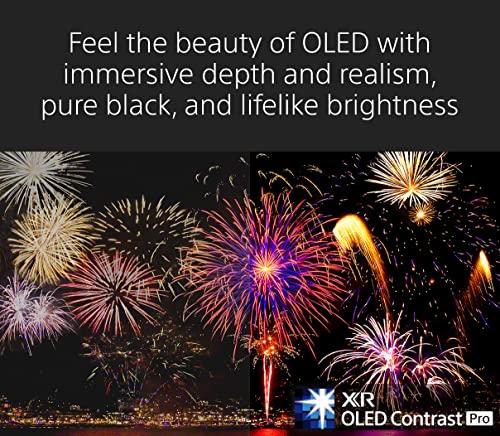
The Sony A95K represents Sony's first venture into QD-OLED technology, released in 2022. QD-OLED stands for Quantum Dot Organic Light Emitting Diode, which combines self-illuminating OLED pixels with quantum dot color enhancement. Think of it this way: each pixel can turn completely off for perfect blacks, while quantum dots boost color saturation and brightness beyond what traditional OLEDs can achieve.
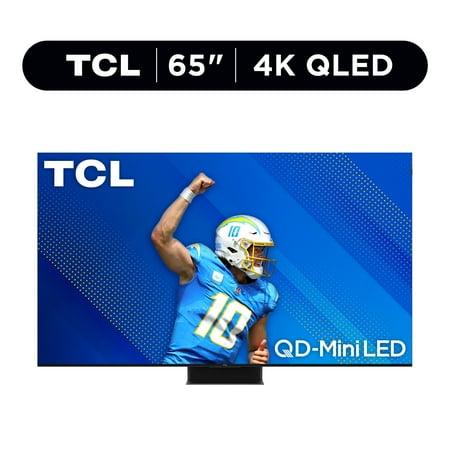
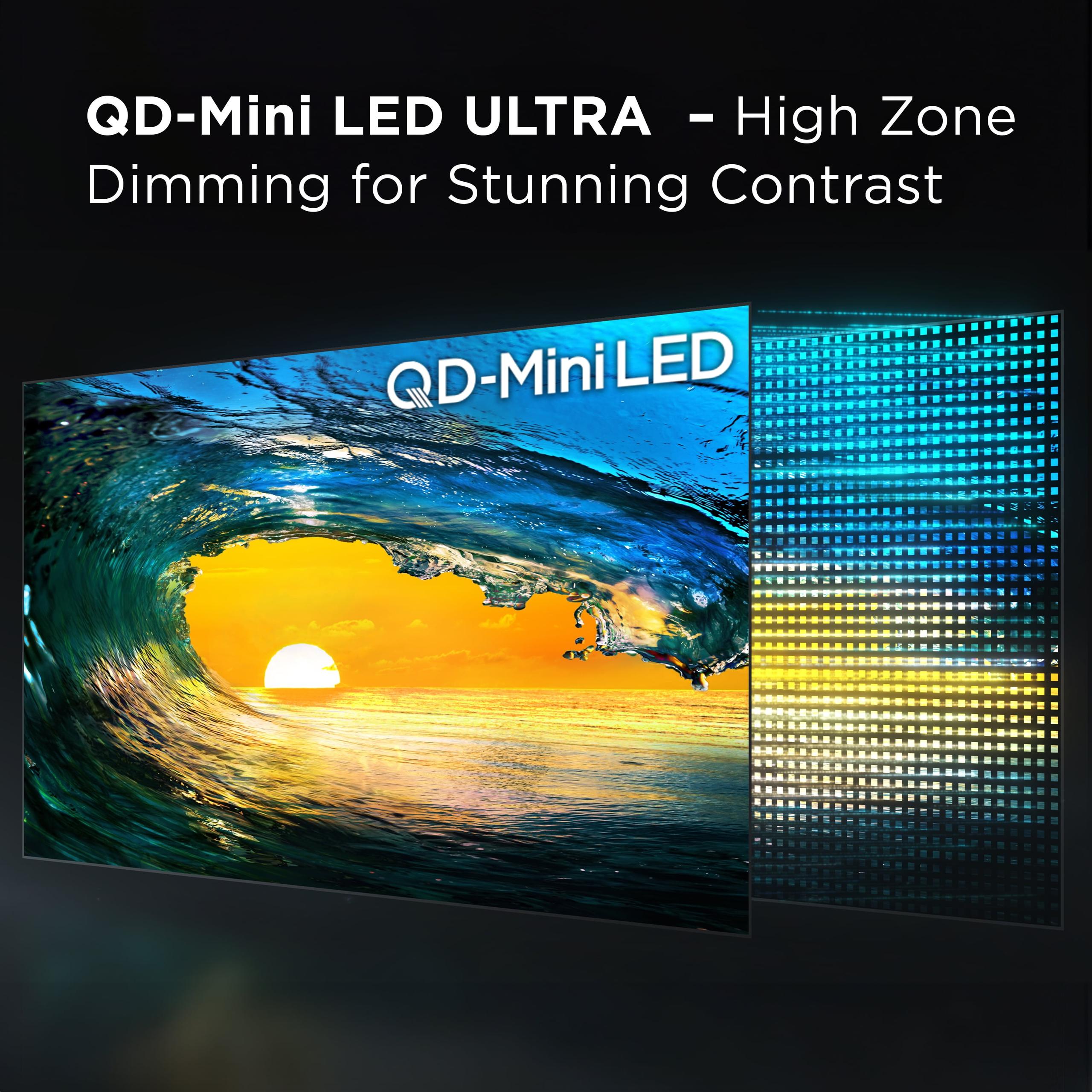
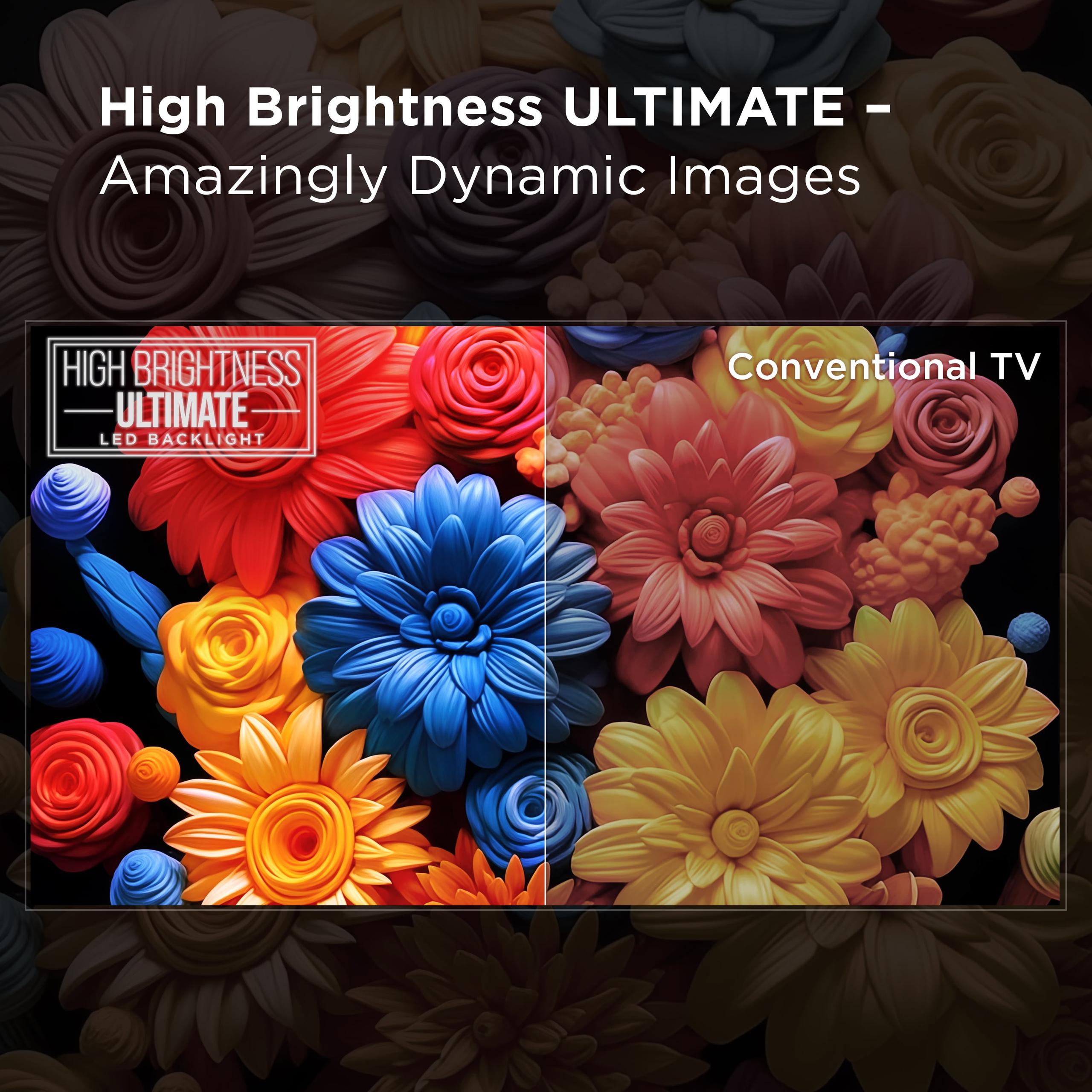
The TCL QM8, released in 2024, uses Mini-LED backlighting with quantum dots—a more evolved version of traditional LCD technology. Mini-LED means the TV uses thousands of tiny LED lights (much smaller than conventional LEDs) behind the screen, with up to 5,000 individual dimming zones. These zones can brighten or dim independently to create better contrast, though they can't turn off completely like OLED pixels.
Since 2022, we've seen significant improvements in both technologies. OLED panels have become brighter and more durable, while Mini-LED TVs have added more dimming zones and better processing algorithms. However, the fundamental differences between these approaches remain the same.
This is where the biggest difference emerges between these TVs. The Sony A95K achieves what's called "infinite contrast" because its pixels can turn completely off. When you're watching a movie with a nighttime scene, those dark areas are genuinely black—not dark gray. There's no light bleeding from adjacent bright areas, which means you see exactly what the director intended.
The TCL QM8 can't match this performance, despite its impressive local dimming system. While it produces very deep blacks for an LCD TV, there's always some backlight present. You might notice subtle haloing (bright outlines) around objects in dark scenes, though TCL has minimized this better than many competitors.
For home theater enthusiasts, this contrast difference is crucial. When you're watching films in a darkened room, the Sony's ability to display true blacks creates a more immersive, cinematic experience. The depth and dimensionality of dark scenes simply can't be replicated by any backlit display.
Here's where the tables turn dramatically. The TCL QM8 can produce peak brightness exceeding 3,000 nits in HDR content, while the Sony A95K tops out around 1,300 nits. Nits measure brightness—to put this in perspective, a sunny day outdoors measures about 100,000 nits, while a typical indoor room ranges from 100-500 nits.
This brightness advantage makes the TCL exceptional for bright rooms and HDR content with spectacular highlights. When you're watching nature documentaries with sun-dappled water or action movies with explosions, the TCL's brightness makes these moments genuinely dazzling. If your TV room has large windows or significant ambient lighting, the TCL will overcome glare much more effectively.
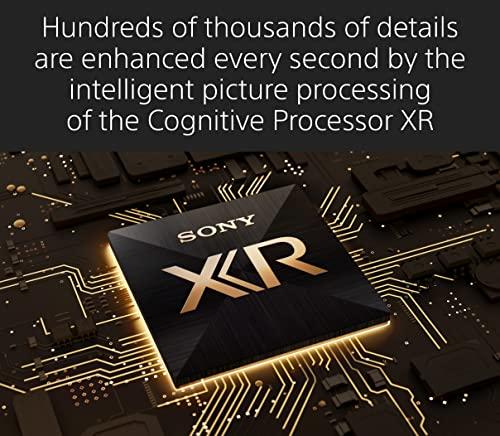
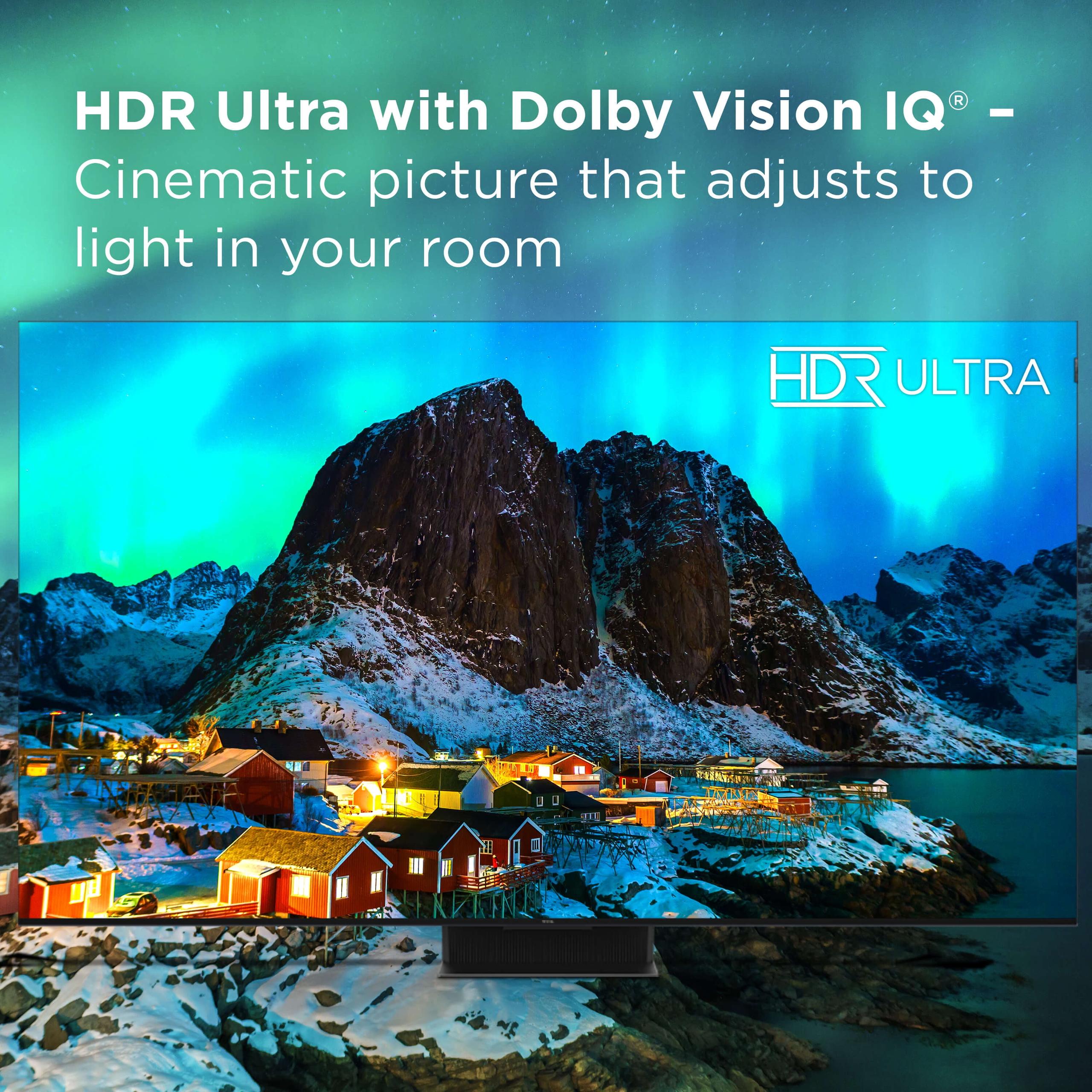
However, brightness isn't everything. The Sony A95K uses its moderate brightness more intelligently. Its Cognitive Processor XR analyzes each scene and applies brightness where it's needed while keeping darker areas appropriately dim. This creates superior overall contrast—the difference between the brightest and darkest parts of the image—which often matters more than raw peak brightness.
The Sony A95K sets the standard here. Its QD-OLED panel can reproduce about 200% more color brightness than conventional OLEDs, and Sony's processing is exceptionally sophisticated. The Cognitive Processor XR doesn't just enhance the entire image uniformly—it analyzes different parts of the frame and optimizes each area based on what the human eye naturally focuses on.
This processing philosophy shows in real-world viewing. Colors appear more natural and film-like on the Sony, with smooth gradations and realistic skin tones. The TV's color accuracy out of the box is also excellent, meaning you won't need professional calibration to get great results.
The TCL QM8 produces bright, vibrant colors, but they can appear slightly oversaturated or washed out compared to the Sony. TCL's processing is competent but less refined, and getting optimal color accuracy requires more manual adjustment. For casual viewers, this difference might not be noticeable, but anyone serious about picture quality will appreciate Sony's more nuanced approach.
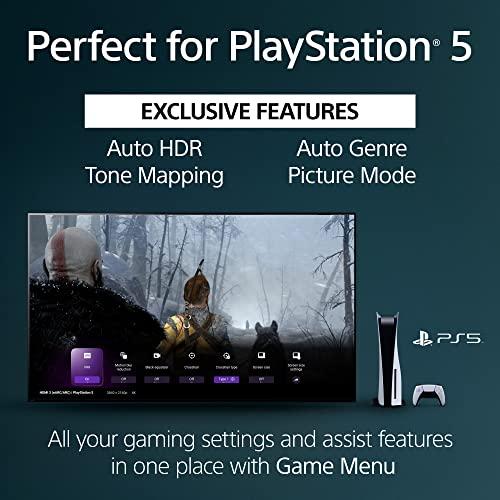
Both TVs excel for modern gaming, but with different strengths. The Sony A95K includes two HDMI 2.1 ports that support 4K resolution at 120Hz refresh rates, Variable Refresh Rate (VRR) technology to eliminate screen tearing, and Auto Low Latency Mode (ALLM) for minimal input lag. These features are essential for PlayStation 5 and Xbox Series X gaming.
The Sony's OLED technology provides an inherent advantage for gaming: its pixel response time is essentially instantaneous, meaning fast-moving objects appear sharp without motion blur. This is particularly beneficial for competitive gaming where split-second reactions matter.
The TCL QM8 offers similar gaming features, including support for refresh rates up to 144Hz through VRR. Its higher brightness can make HDR games more impactful, especially in bright environments. However, Mini-LED panels typically have slightly slower pixel response times than OLED, though this difference is minimal in practice.
Both TVs handle the latest gaming consoles excellently, so your choice here depends more on your viewing environment than gaming-specific features.
This is where the Sony A95K demonstrates a significant advantage. OLED technology maintains consistent brightness, color, and contrast even when viewed from extreme angles—up to 178 degrees horizontally and vertically. Whether you're sitting directly in front of the TV or off to the side, the picture quality remains virtually identical.
The TCL QM8 suffers from the typical LCD limitation of narrow viewing angles. When viewed from the side, brightness decreases noticeably, colors shift, and contrast diminishes. This makes the TCL primarily suitable for head-on viewing, which can be problematic in rooms with wide seating arrangements or open floor plans.
If you frequently have guests over for movies or sports, or if your living room setup requires people to sit at angles to the TV, the Sony's viewing angle advantage becomes a major practical benefit.
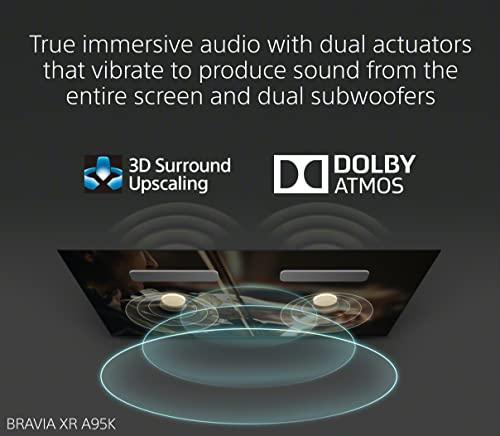
The Sony A95K includes an innovative audio system called Acoustic Surface Audio+. Instead of traditional speakers, the TV uses actuators to vibrate the entire screen surface, making sound appear to come directly from the action on screen. When characters speak, their voices seem to emanate from their mouths rather than from speakers below the screen.
This technology also allows the TV to function as a center channel speaker in a surround sound setup, which is particularly valuable for home theater enthusiasts. The integrated audio quality surpasses most TVs, though dedicated speakers will still provide better overall sound.
The TCL QM8 uses a more conventional approach with ONKYO-tuned speakers and an 80-watt sound system that includes a built-in subwoofer. While this provides solid audio performance, it lacks the Sony's innovative integration and positional accuracy.
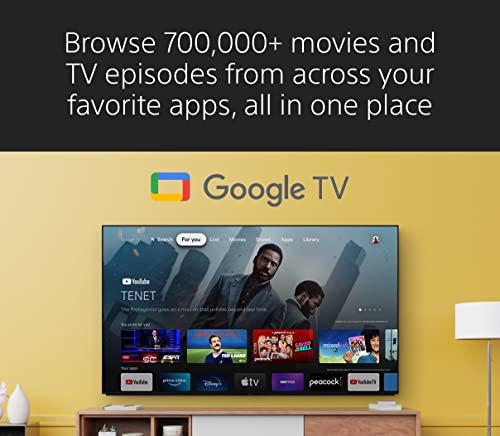
Both TVs run Google TV, providing access to major streaming services and voice control through Google Assistant. However, the Sony A95K includes some unique features that enhance the smart TV experience.
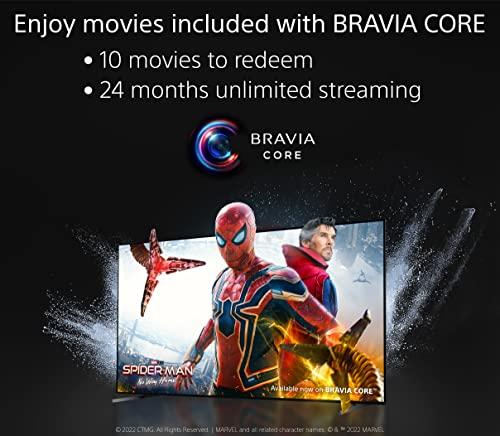
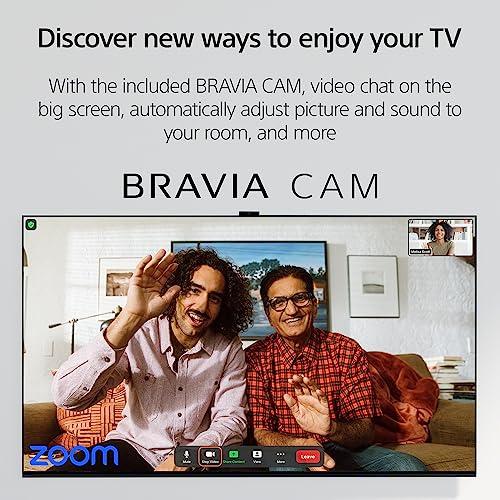
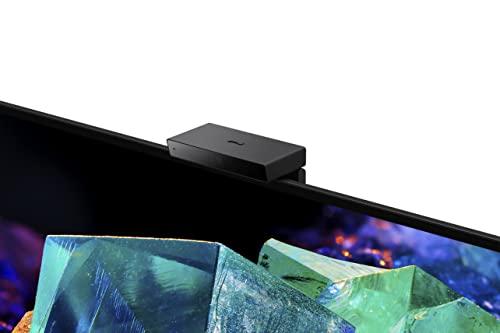
The Sony comes with a detachable BRAVIA CAM that enables video calling and gesture controls. More importantly, it includes access to BRAVIA CORE, Sony's premium streaming service that offers select movies in studio-quality formats. The TV also features Netflix Calibrated Mode, which automatically adjusts picture settings to match Netflix's intended presentation.
The TCL QM8 provides the standard Google TV experience without these premium additions. For most users, this difference won't be significant, but home theater enthusiasts might appreciate Sony's enhanced features.
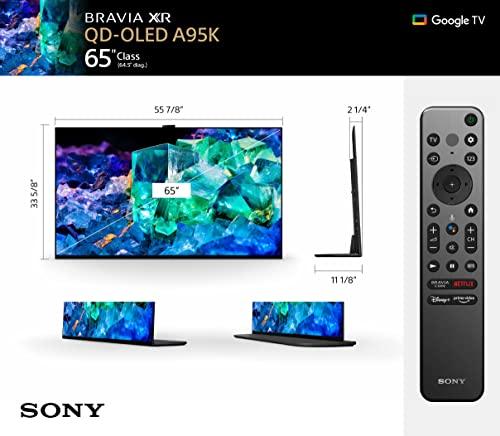
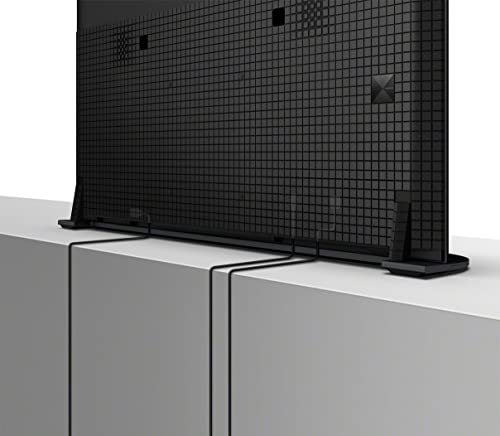
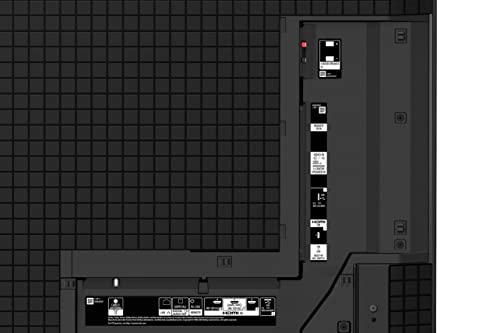
The Sony A95K represents premium build quality with attention to detail that justifies its positioning. The TV features a unique stand design that can be positioned toward the front or back of the TV, providing flexibility for different entertainment center configurations. At just over 2 inches deep without the stand, it's remarkably slim for such a feature-rich display.
The TCL QM8 follows more conventional design principles but maintains solid build quality. While not quite matching Sony's premium materials and finish, it's well-constructed and should provide reliable long-term performance.
This comparison raises an important consideration about display technology longevity. OLED panels, including the QD-OLED in the Sony A95K, can potentially experience burn-in—permanent image retention from static content like news tickers or gaming HUDs. While modern OLEDs have significantly improved in this regard, it remains a consideration for users who display static content extensively.
The TCL QM8 uses LCD technology that doesn't suffer from burn-in concerns. This makes it worry-free for varied usage patterns, including extensive gaming or displaying computer content.
At the time of writing, the TCL QM8 typically costs significantly less than the Sony A95K—often around 40-50% less for the 65-inch models. This price difference reflects their different market positions and technological approaches.
The Sony represents cutting-edge display technology with premium processing and features. You're paying for the most advanced OLED technology available, sophisticated picture processing, and Sony's reputation for quality. The price premium is substantial but defensible given the performance advantages.
The TCL offers impressive performance at a more accessible price point. While it can't match the Sony's overall refinement, it provides excellent brightness, strong gaming features, and solid reliability. For many users, the TCL's performance-to-price ratio makes it the more practical choice.
For dedicated home theater setups, the Sony A95K is generally the superior choice. Its perfect blacks, accurate colors, and film-like presentation create the most cinematic experience possible. The ability to display true blacks without any light bleed makes it ideal for the darkened rooms that serious movie watching demands.
The TV's color accuracy means you're seeing films closer to what directors intended, while its sophisticated processing enhances the viewing experience without introducing artifacts. For home theater enthusiasts who prioritize picture quality above all else, the Sony justifies its premium pricing.
However, if your "home theater" is actually a living room with ambient lighting, the TCL QM8 might be more practical. Its superior brightness helps overcome room lighting, making it more versatile for varied viewing conditions.
Choose the Sony A95K if you prioritize ultimate picture quality and can accommodate its premium pricing. It's ideal for serious movie enthusiasts, those with darkened viewing rooms, and anyone who wants the most advanced display technology available. The Sony excels when you're sitting relatively close to the screen and can appreciate its superior processing and color accuracy.
The TCL QM8 makes sense for users who want excellent performance without the premium price tag. It's particularly suitable for bright rooms, casual viewing, and situations where the TV will be viewed primarily head-on. If you watch a lot of HDR content and want maximum brightness impact, the TCL delivers impressive results.
Consider your viewing habits, room lighting, and budget constraints carefully. Both TVs represent excellent examples of their respective technologies, but the "better" choice depends entirely on your specific situation and priorities. The Sony pushes the boundaries of what's possible in display technology, while the TCL provides outstanding value with strong performance across most metrics.
In our evaluation of expert and user reviews, both TVs consistently receive high ratings, but for different reasons. The Sony earns praise for its revolutionary picture quality and premium features, while the TCL wins acclaim for delivering premium-level performance at a more accessible price point. Your decision ultimately comes down to whether you value cutting-edge technology and perfect blacks, or prioritize brightness performance and value.
| Sony Bravia XR A95K 65" QD-OLED TV | TCL 65" QM8 Mini-LED Smart TV |
|---|---|
| Display Technology - Fundamental difference affecting picture quality and longevity | |
| QD-OLED with self-illuminating pixels and quantum dots | Mini-LED LCD with up to 5,000 local dimming zones |
| Peak Brightness - Critical for HDR impact and bright room viewing | |
| ~1,300 nits (excellent for dark rooms, moderate for bright spaces) | 3,000+ nits (outstanding for any lighting condition) |
| Black Levels - Most important for contrast and cinematic experience | |
| Perfect infinite blacks (pixels turn completely off) | Very deep blacks for LCD but can't match OLED |
| Viewing Angles - Crucial for family viewing and room layout flexibility | |
| Excellent (178° with no quality loss) | Poor (significant degradation when viewed off-center) |
| Color Accuracy - Impacts realism and film authenticity | |
| Industry-leading out of box, cinema-grade processing | Good but requires calibration, slightly oversaturated |
| Gaming Features - Essential for next-gen console compatibility | |
| 2x HDMI 2.1 ports, 4K@120Hz, VRR, ALLM, excellent response time | Full HDMI 2.1 support, 4K@120Hz, up to 144Hz VRR, Game Accelerator |
| Audio System - Affects need for external speakers | |
| Acoustic Surface Audio+ (screen vibrates to create sound) | Traditional ONKYO 80W system with subwoofer |
| Burn-in Risk - Long-term durability consideration | |
| Potential OLED burn-in with static content (much improved vs older OLEDs) | No burn-in risk (LCD technology advantage) |
| Smart TV Platform - User experience and app availability | |
| Google TV with BRAVIA CAM, Netflix Calibrated Mode, BRAVIA CORE access | Standard Google TV experience |
| Best Use Case - Where each TV excels most | |
| Dark room movie watching, wide seating, premium home theater | Bright rooms, direct viewing, value-focused buyers |
| Release Year - Technology generation and future-proofing | |
| 2022 (first-gen QD-OLED, may be superseded) | 2024 (current-generation Mini-LED) |
| Processing Quality - Affects upscaling and motion handling | |
| Cognitive Processor XR with AI optimization (superior) | TCL AIPQ PRO processor (competent but less refined) |
The Sony Bravia XR A95K 65" QD-OLED TV delivers superior picture quality for movies due to its perfect black levels and infinite contrast ratio. Each pixel can turn completely off, creating true blacks that make dark movie scenes appear exactly as directors intended. The TCL 65" QM8 Mini-LED Smart TV produces excellent images but can't match the Sony's contrast performance in darkened rooms.
QD-OLED in the Sony Bravia XR A95K uses self-illuminating pixels combined with quantum dots for perfect blacks and enhanced colors. Mini-LED in the TCL 65" QM8 uses thousands of tiny LED backlights with local dimming zones to improve contrast over traditional LCD TVs. QD-OLED provides better contrast, while Mini-LED offers higher brightness.
The TCL 65" QM8 Mini-LED Smart TV excels in bright rooms with its peak brightness exceeding 3,000 nits, easily overcoming glare and ambient lighting. The Sony Bravia XR A95K reaches about 1,300 nits, which is adequate for most rooms but may struggle in very bright spaces with lots of windows.
Yes, both the Sony Bravia XR A95K and TCL 65" QM8 offer excellent gaming features including 4K@120Hz, Variable Refresh Rate (VRR), and Auto Low Latency Mode (ALLM). The Sony provides slightly better response times due to OLED technology, while the TCL supports higher refresh rates up to 144Hz through VRR.
The Sony Bravia XR A95K 65" QD-OLED TV maintains consistent picture quality when viewed from any angle up to 178 degrees. The TCL 65" QM8 Mini-LED Smart TV suffers from typical LCD viewing angle limitations, with noticeable brightness and color degradation when viewed from the sides.
The Sony Bravia XR A95K has potential for OLED burn-in if static images are displayed for extended periods, though this risk is much lower than older OLED generations. The TCL 65" QM8 uses LCD technology and has no burn-in risk, making it worry-free for any type of content including gaming and computer use.
The TCL 65" QM8 Mini-LED Smart TV typically offers better value, providing premium features and excellent brightness performance at a significantly lower cost than the Sony Bravia XR A95K. However, the Sony justifies its premium pricing with superior picture quality and advanced processing technology.
The Sony Bravia XR A95K 65" QD-OLED TV features innovative Acoustic Surface Audio+ technology that vibrates the screen to create sound, making dialogue appear to come from actors' mouths. The TCL 65" QM8 uses traditional ONKYO-tuned speakers with an 80-watt system including a subwoofer, providing solid conventional audio.
The Sony Bravia XR A95K is superior for dedicated home theater setups due to its perfect black levels, accurate colors, and film-like presentation that excels in darkened rooms. The TCL 65" QM8 works better for multipurpose living rooms where ambient lighting is present and maximum brightness is beneficial.
Both the Sony Bravia XR A95K 65" QD-OLED TV and TCL 65" QM8 Mini-LED Smart TV run Google TV with access to major streaming apps. The Sony includes additional premium features like the BRAVIA CAM for video calls, Netflix Calibrated Mode, and access to BRAVIA CORE streaming service.
Both TVs handle motion well, but the Sony Bravia XR A95K has a slight edge due to OLED's instantaneous pixel response time and superior motion processing. The TCL 65" QM8 also provides good motion handling and its higher brightness can make sports more vibrant in well-lit rooms where sports are typically watched.
The TCL 65" QM8 Mini-LED Smart TV may have an advantage in longevity due to LCD technology's proven durability and lack of burn-in concerns. The Sony Bravia XR A95K represents newer QD-OLED technology that's still proving its long-term reliability, though Sony's build quality and warranty support are excellent.
We've done our best to create useful and informative comparisons to help you decide what product to buy. Our research uses advanced automated methods to create this comparison and perfection is not possible - please contact us for corrections or questions. These are the sites we've researched in the creation of this article: tomsguide.com - audioadvice.com - wepc.com - bestbuy.com - tvsbook.com - rtings.com - youtube.com - flatpanelshd.com - rtings.com - youtube.com - reviewed.com - avsforum.com - youtube.com - youtube.com - rtings.com - youtube.com - electronics.sony.com - sonypremiumhome.com - valueelectronics.com - sony.com - displayspecifications.com - flatpanelshd.com - donstv.com - youtube.com - businessinsider.com - youtube.com - displayspecifications.com - bestbuy.com - rtings.com - rtings.com - techradar.com - tcl.com - the-gadgeteer.com - nfm.com - ecoustics.com - careyscommunications.com - pcrichard.com - tcl.com

Privacy Policy
Terms and Conditions - Affiliate Policy
Home Security
© Copyright 2008-2026.
11816 Inwood Rd #1211, Dallas, TX 75244