

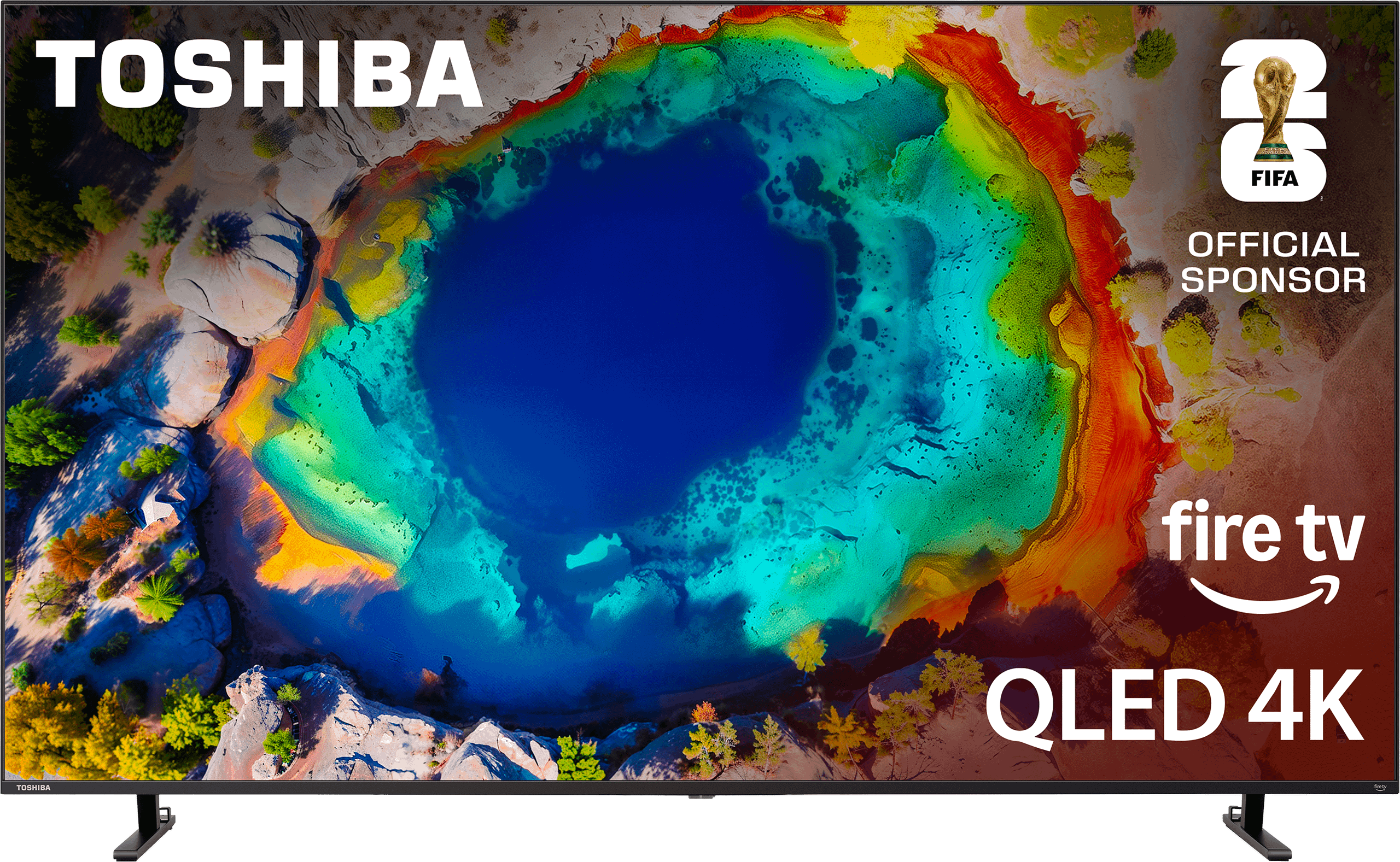
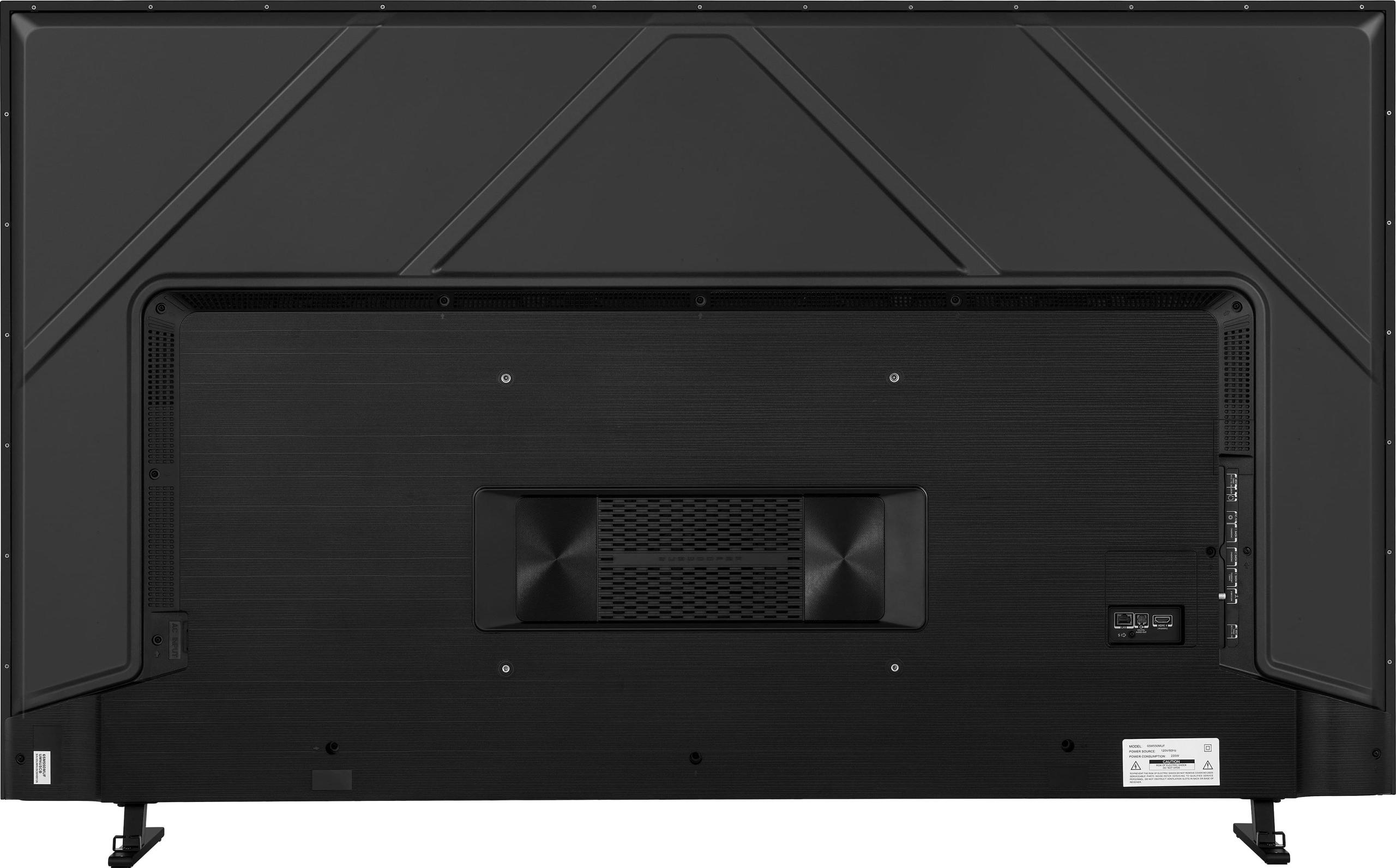
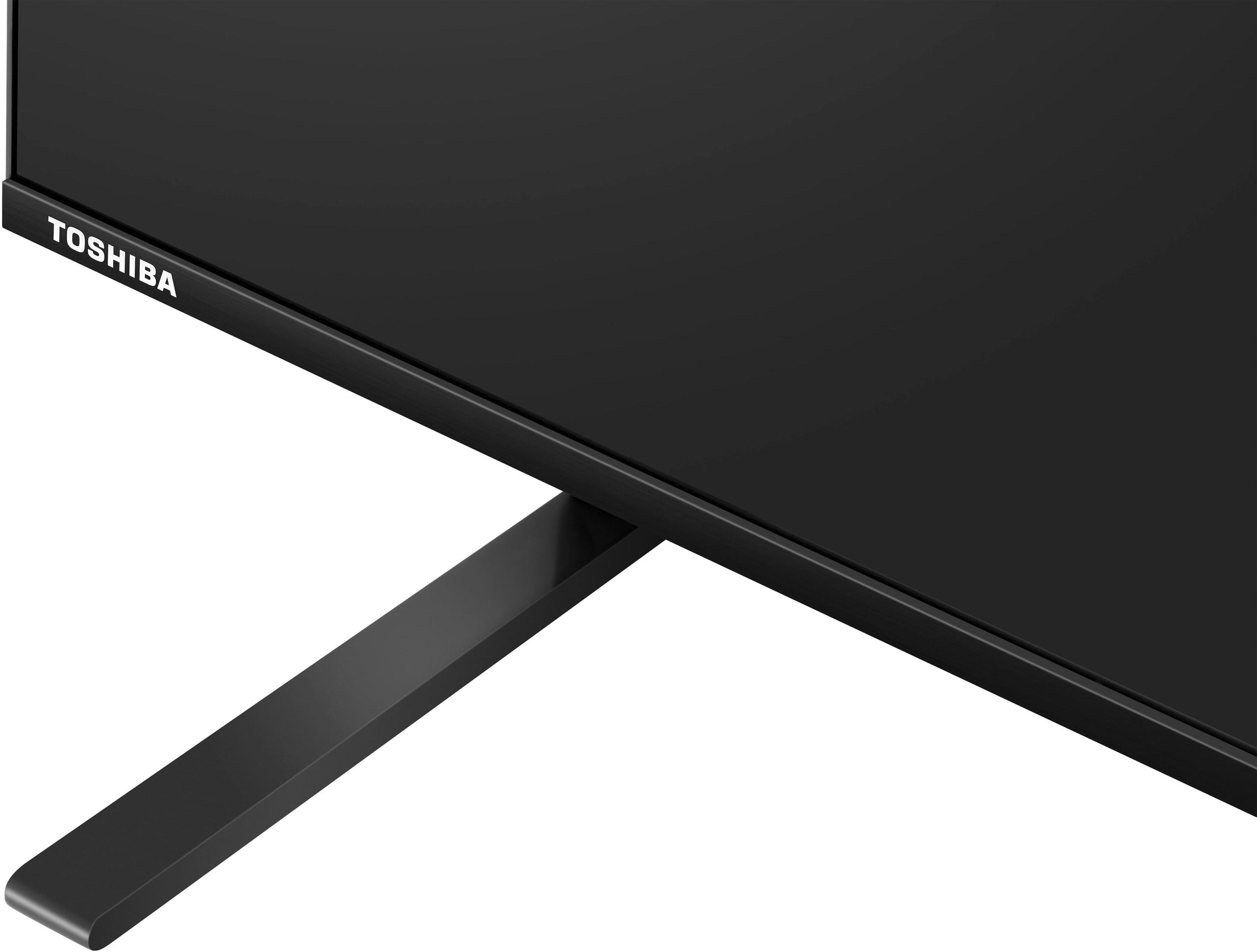
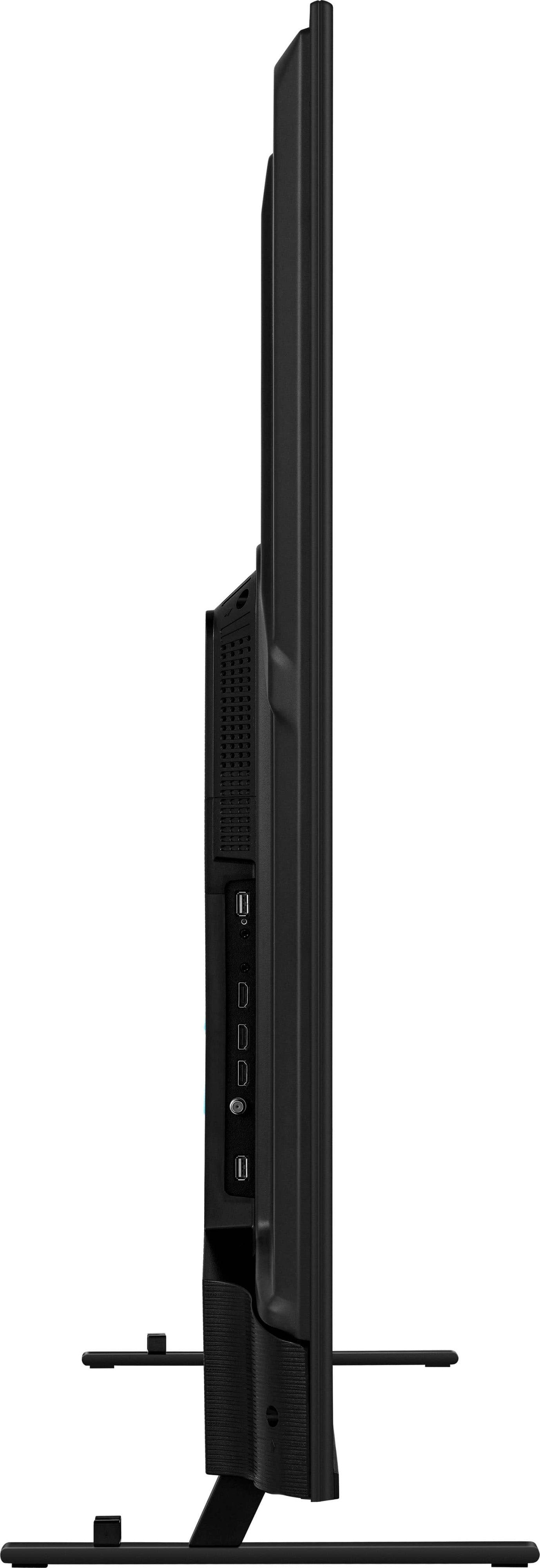
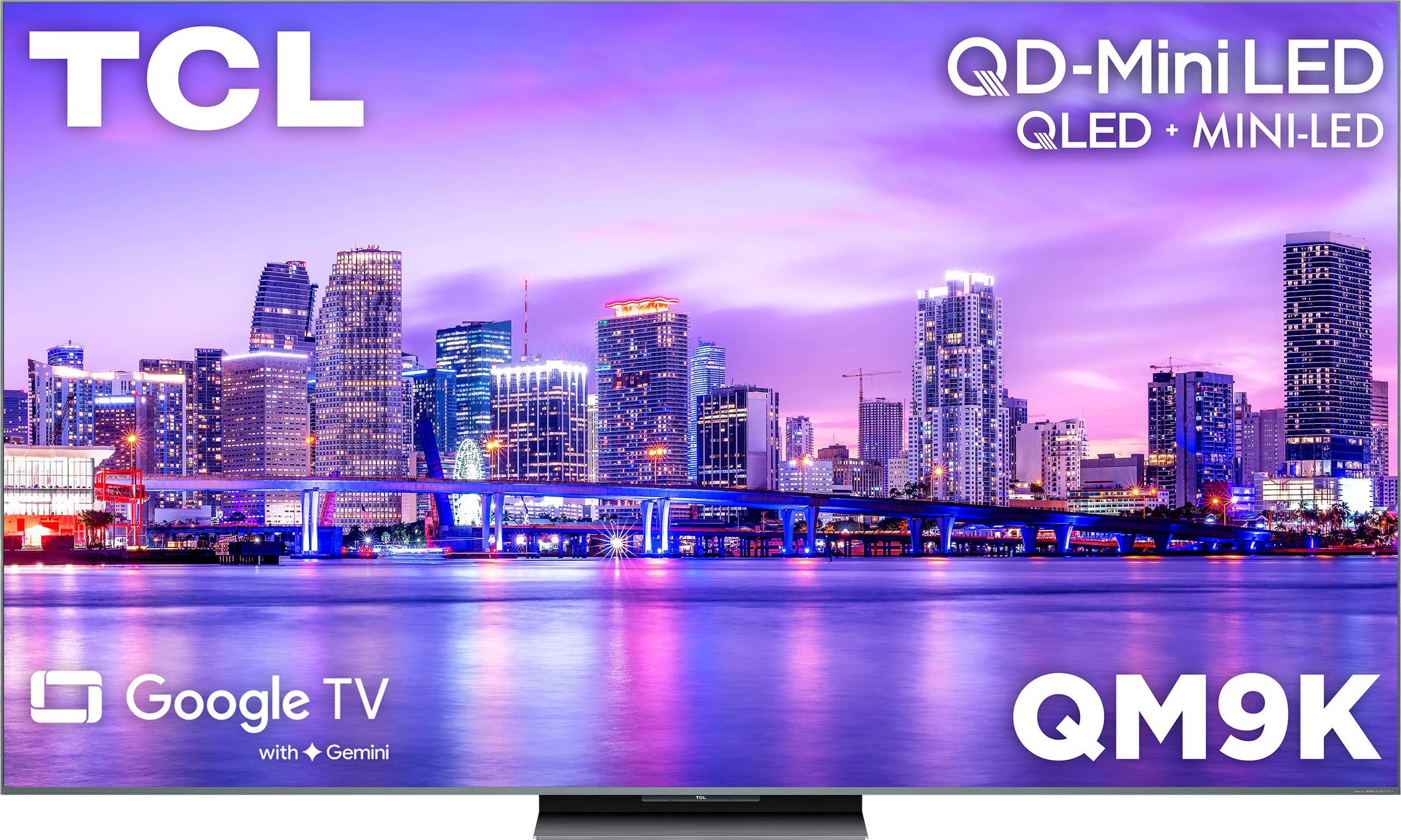
The premium 65-inch TV market has exploded with innovation over the past few years, making the choice between models more complex than ever. Today we're comparing two fundamentally different approaches to premium television: the budget-conscious Toshiba M550 Series QLED Fire TV and the flagship TCL QM9K QD-Mini LED Smart TV. Released in 2024 and 2025 respectively, these TVs represent opposing philosophies in the premium segment—one prioritizes essential features at an aggressive price point, while the other pushes the boundaries of display technology regardless of cost.
Understanding what makes each approach work requires diving into the technical details that actually affect your viewing experience. From local dimming zones to refresh rates, these specifications translate directly into how movies look in your living room and how games feel when you're playing them.
Premium TVs today center around several key technologies that determine picture quality and user experience. Local dimming controls brightness in specific screen zones to create deeper blacks and brighter whites simultaneously—think of it as having thousands of individual dimmer switches across your TV screen. Peak brightness measures how bright the TV can get, which directly affects HDR (High Dynamic Range) performance and how well you can see details in bright rooms.
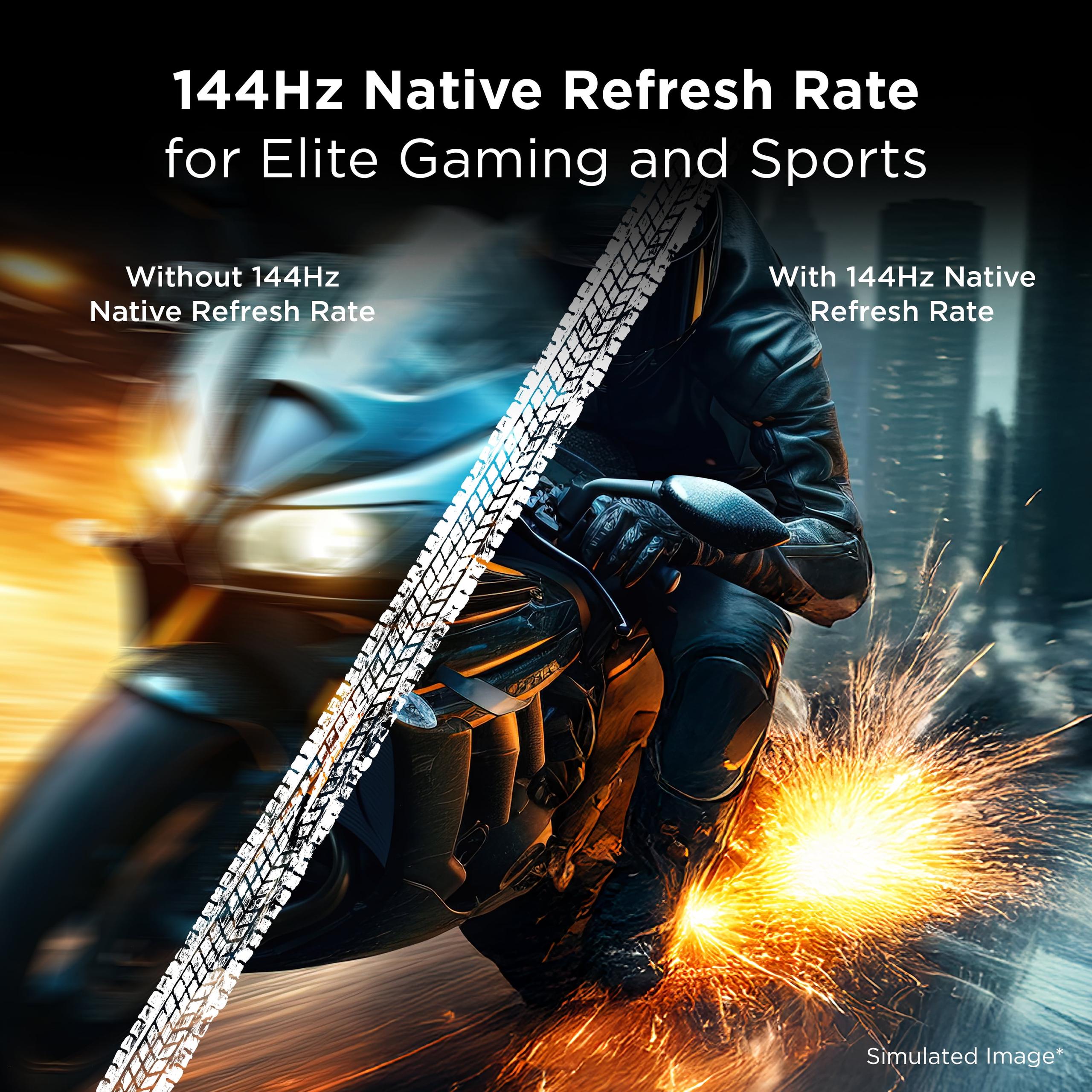
Refresh rate determines how smoothly motion appears, measured in Hertz (Hz)—60Hz shows 60 new images per second, while 120Hz or 144Hz can display twice as many for ultra-smooth gaming and sports. Input lag measures the delay between pressing a controller button and seeing the action on screen, crucial for gaming responsiveness.
The smart TV platform affects daily usability more than many realize. A slow processor can turn simple tasks like changing apps into frustrating experiences, while a responsive system makes entertainment effortless.
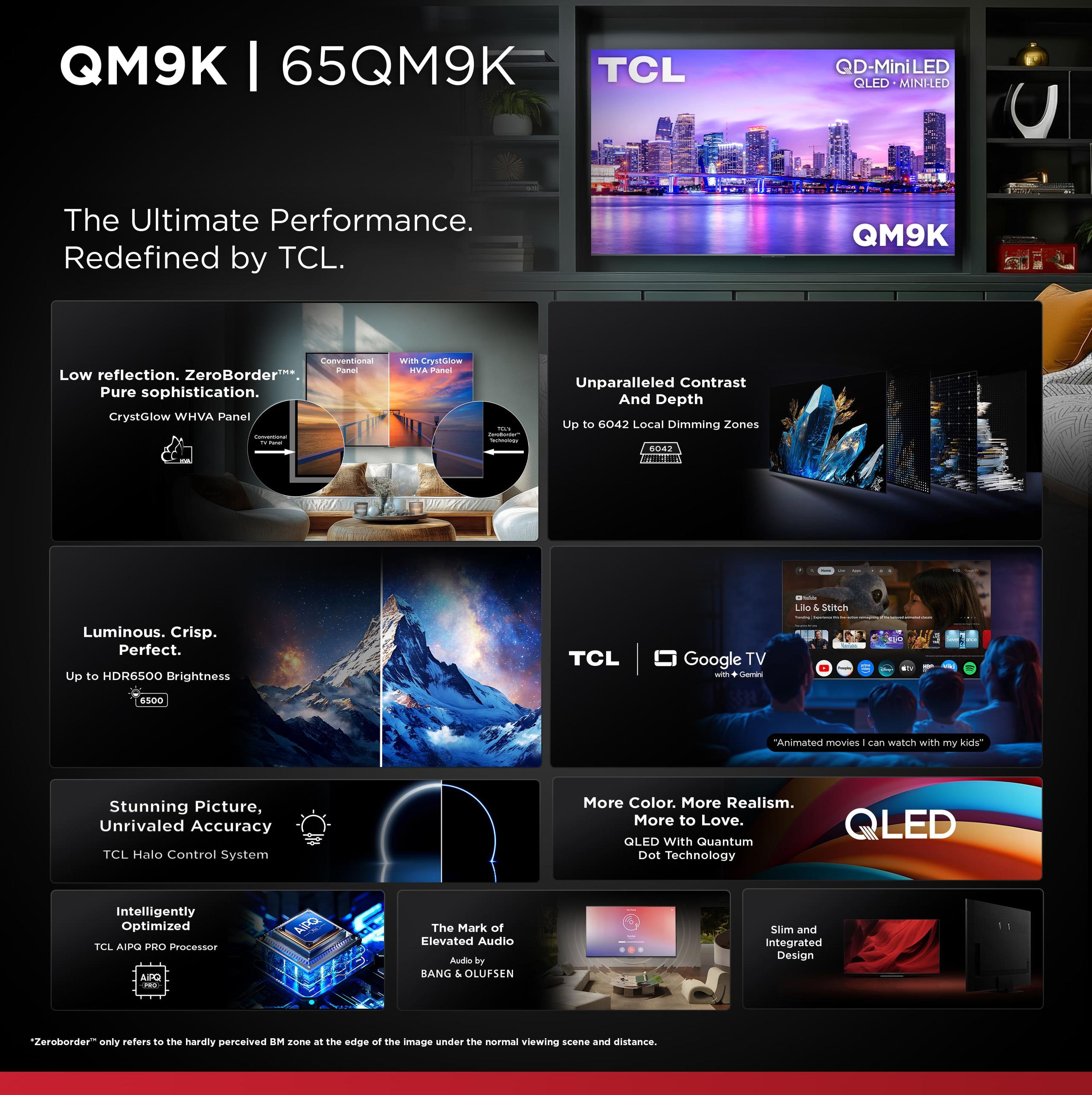
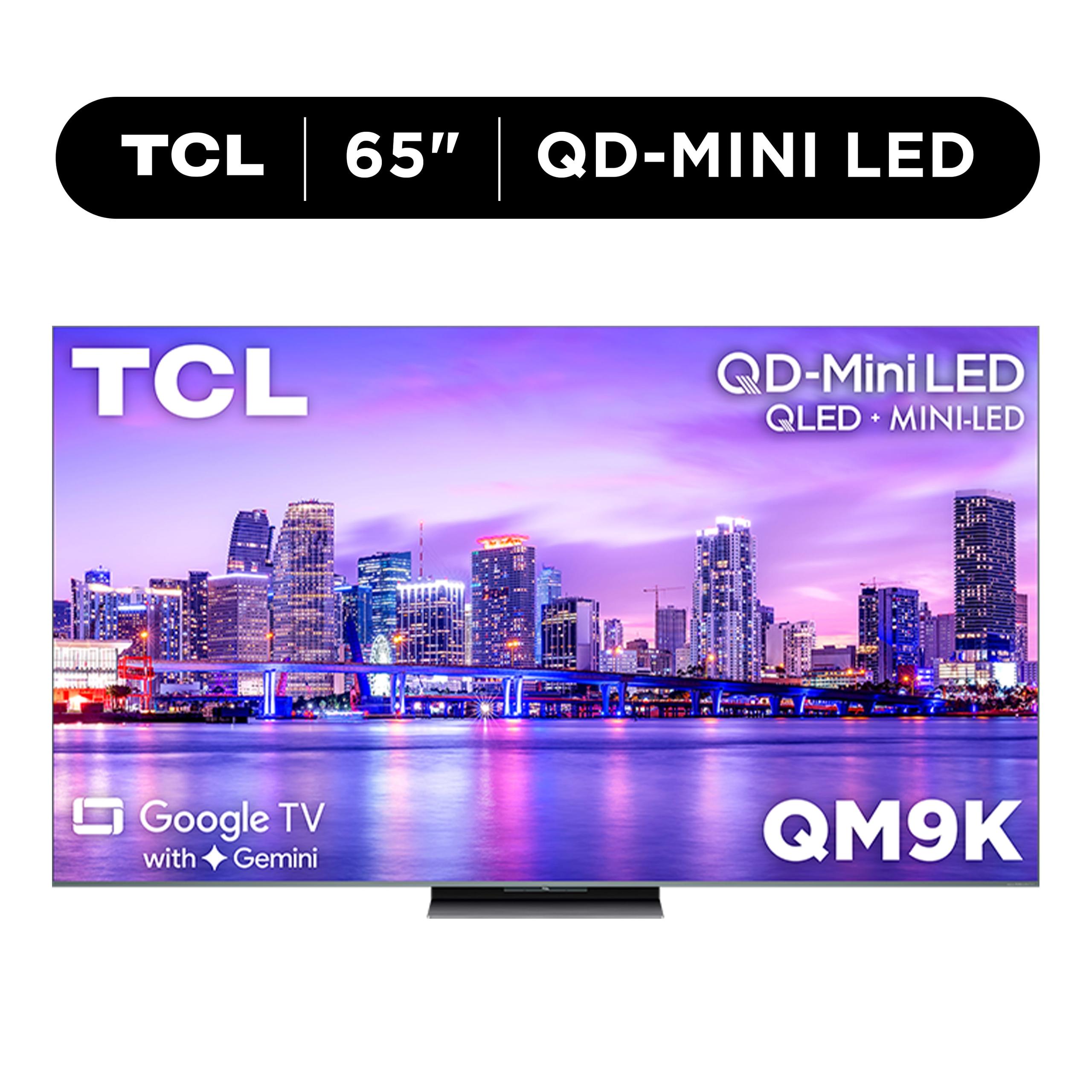
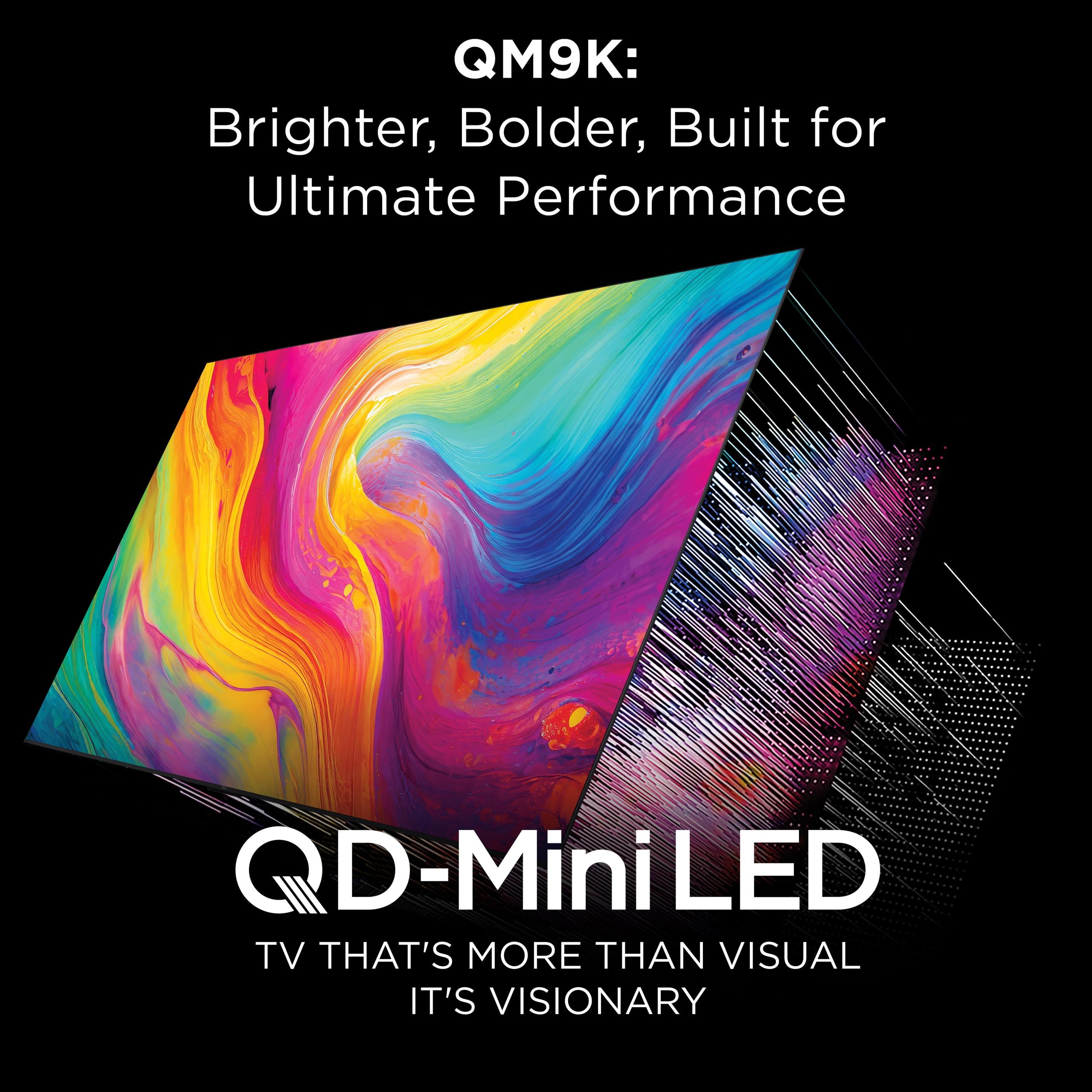
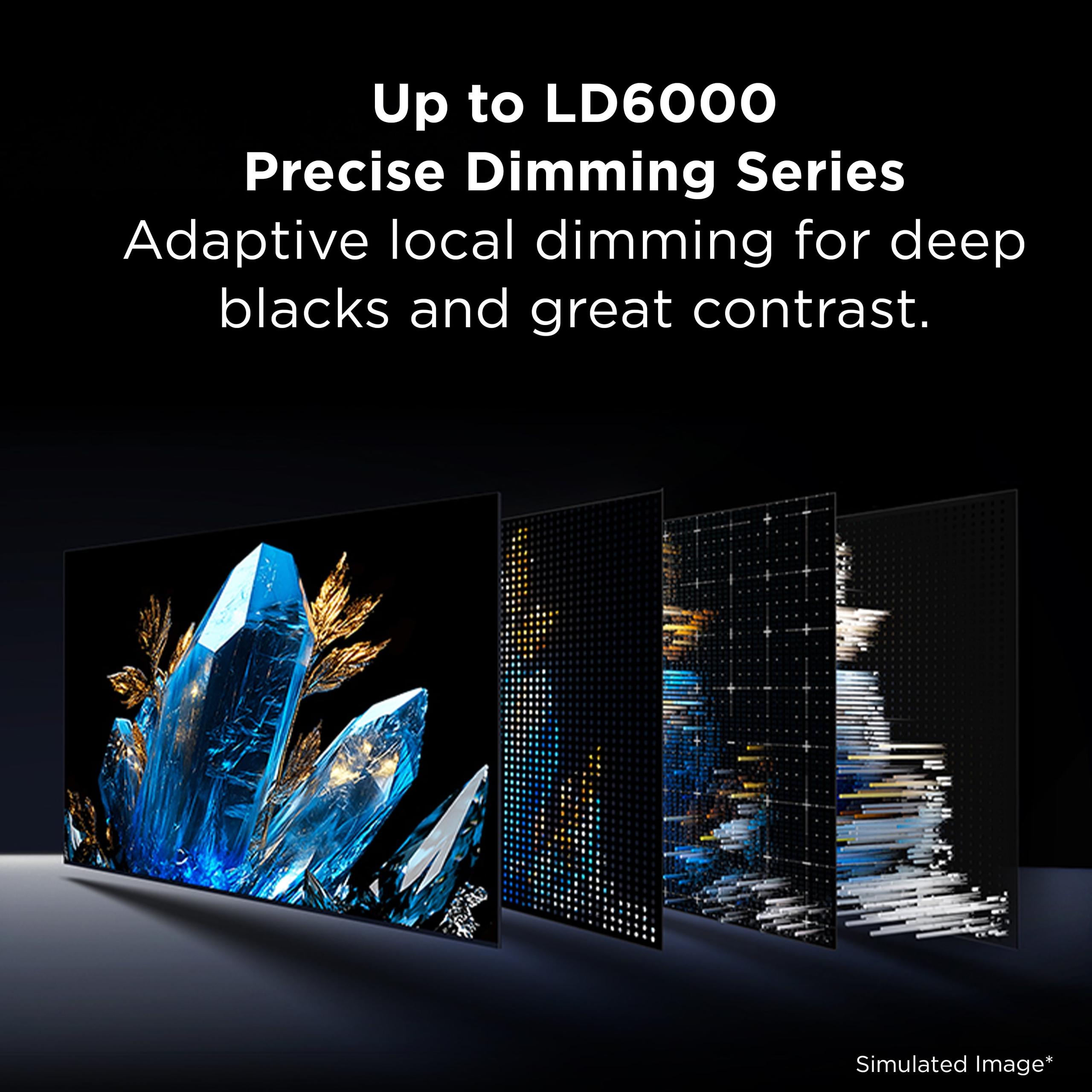
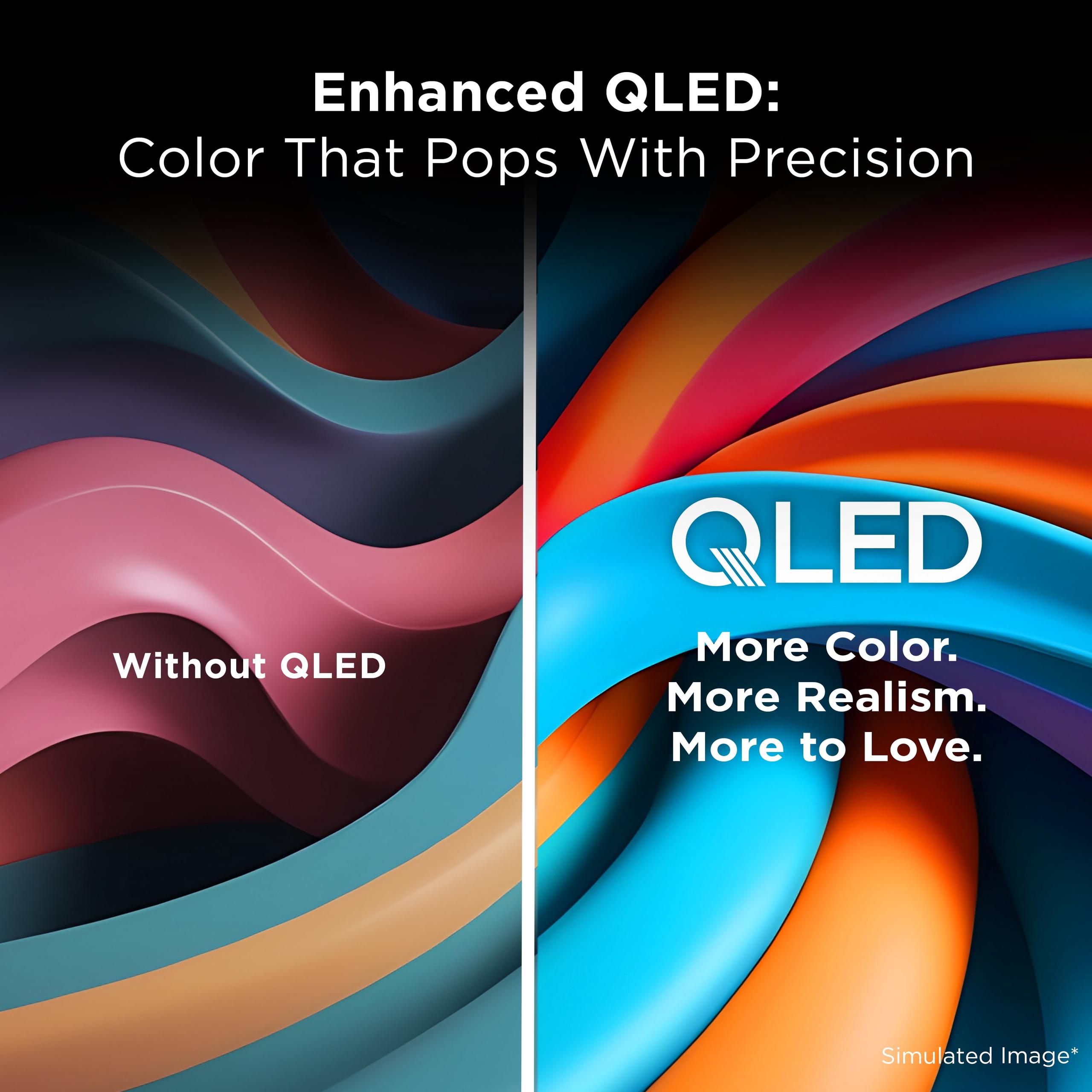
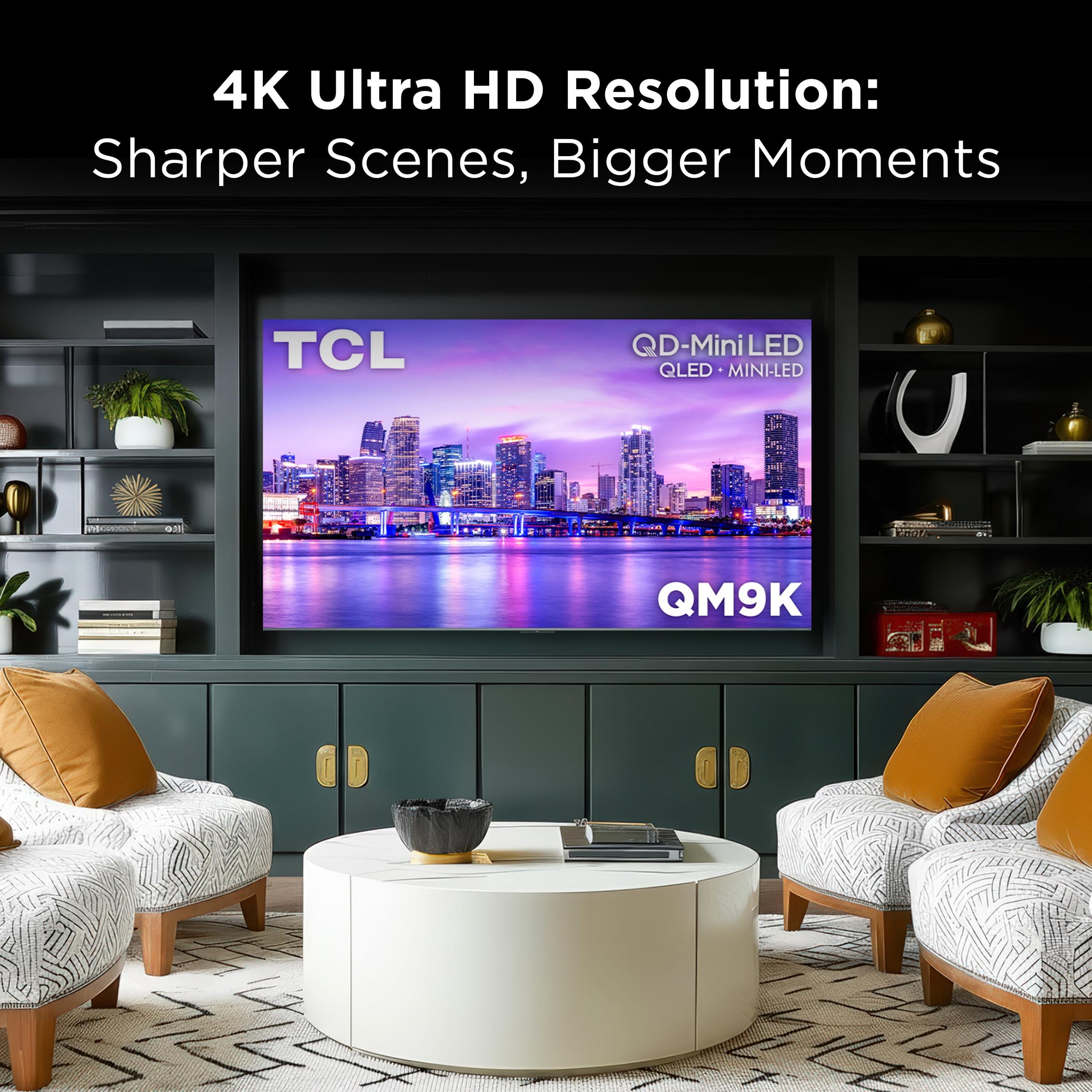
The TCL QM9K represents the current pinnacle of LCD TV technology with its QD-Mini LED implementation. This combines Quantum Dot color enhancement with thousands of tiny Mini LEDs for backlight control. The result is up to 6,000 local dimming zones—imagine your TV divided into 6,000 individual squares, each capable of independent brightness control. This creates contrast ratios approaching OLED levels while maintaining superior peak brightness.
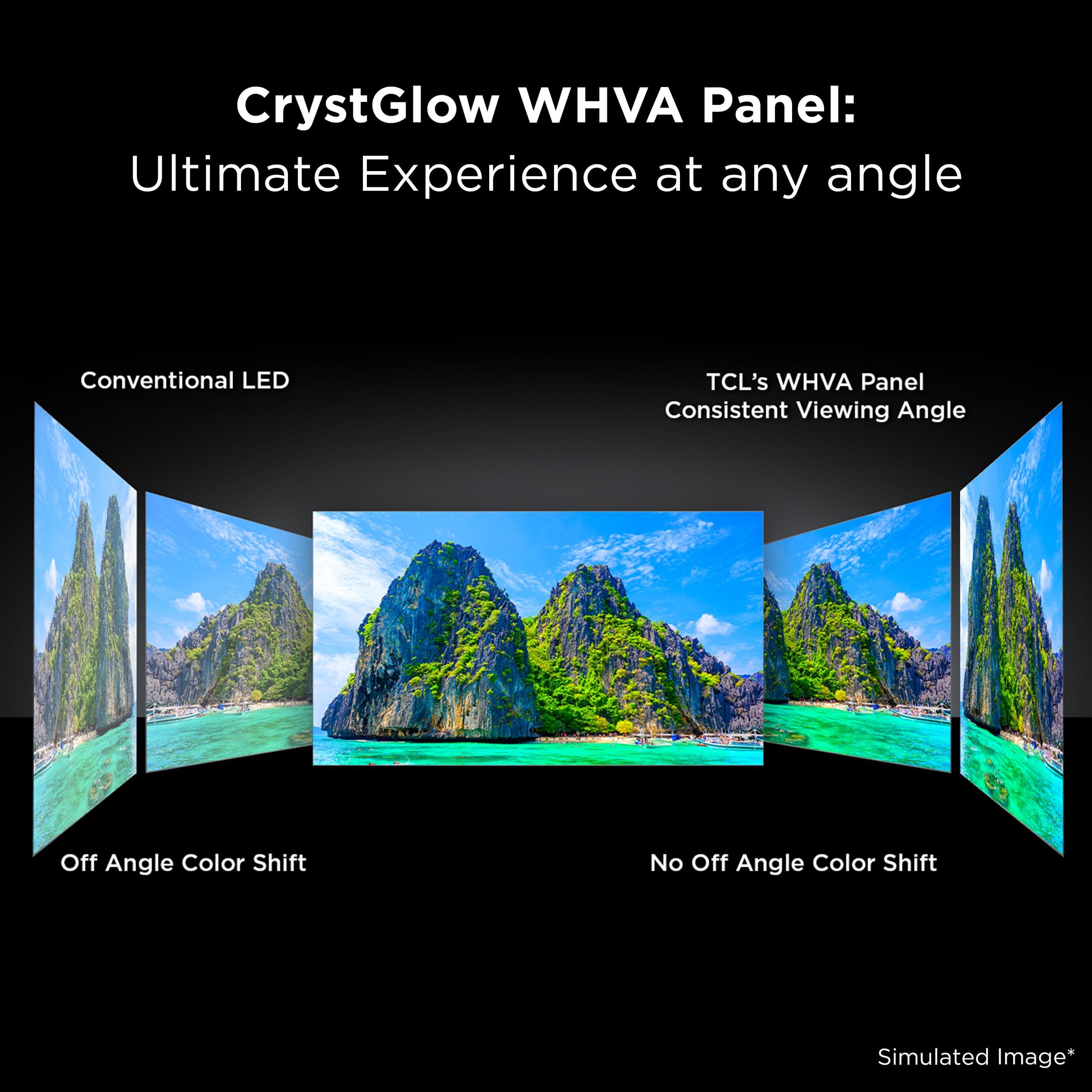
The QM9K's CrystGlow WHVA panel uses what TCL calls "nanoscale bionic technology" with polyimide molecules forming microscopic structures that enhance contrast by 5x compared to standard panels. The Six-Crystal Light-Emitting Chip provides 27.5% more brightness while using 30.2% less energy than single-core alternatives.
In contrast, the Toshiba M550 uses traditional QLED technology with Full Array Local Dimming across 48 zones. While significantly fewer than the TCL's thousands of zones, this still provides meaningful contrast improvement over edge-lit TVs. The REGZA Engine ZR processor handles upscaling and picture optimization, using AI algorithms to enhance content to near-4K quality.
The practical difference shows up immediately in dark room viewing. Professional reviews consistently note the TCL QM9K delivers "incredibly deep blacks" with "excellent black uniformity" and minimal haloing around bright objects. The Toshiba M550, while offering "Very Good" contrast and color accuracy, simply cannot match the zone-level precision of Mini LED technology.
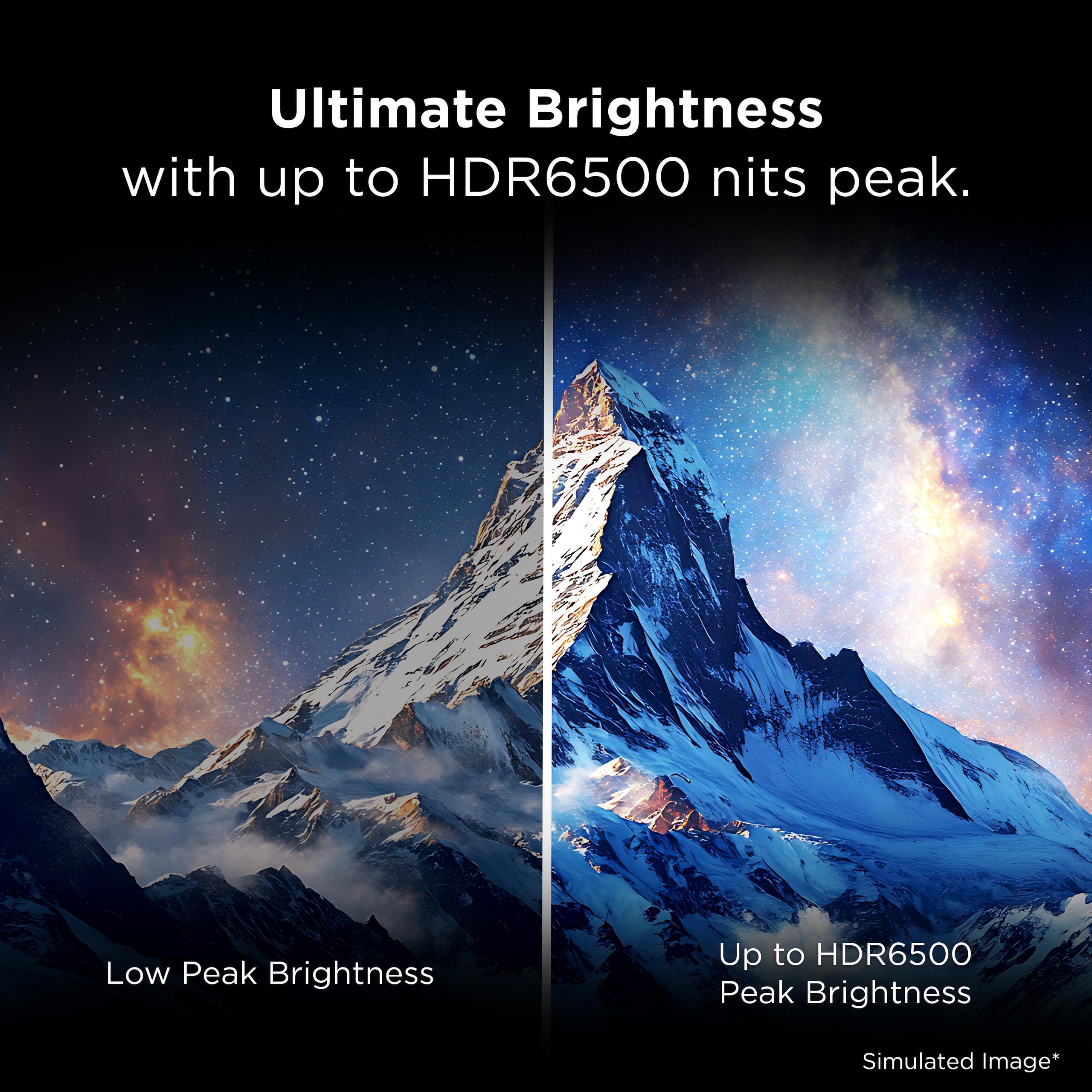
For bright room viewing, both TVs handle ambient light well, but the TCL QM9K excels with peak brightness reaching 6,500 nits in small highlights—bright enough to overcome virtually any room lighting. The Toshiba M550 provides adequate brightness for most situations but may struggle in extremely bright environments.
Gaming performance has become a crucial differentiator in premium TVs, especially with PlayStation 5 and Xbox Series X pushing 120Hz and higher refresh rates. The TCL QM9K positions itself as a serious gaming display with native 144Hz refresh rate and support for up to 288Hz at 1080p resolution through its Game Accelerator 288 feature.
Input lag measurements tell the gaming story clearly. The TCL QM9K achieves an exceptional 5.3ms input lag—essentially instantaneous for human perception. Professional reviews describe this as "incredibly low latency" that "syncs actions perfectly" for competitive gaming. The TV supports AMD FreeSync Premium Pro for tear-free gaming and Auto Game Mode (ALLM) for automatic optimization.
The Toshiba M550 offers respectable gaming performance with 120Hz native refresh rate—uncommon at its price point—and approximately 9.4ms input lag. While higher than the TCL, this remains acceptable for casual gaming. However, its VRR (Variable Refresh Rate) support caps at 60Hz, limiting its effectiveness with newer consoles that can push beyond this threshold.
The technical advantage extends beyond numbers. Multiple reviews note the TCL QM9K handles fast-paced gaming scenarios with minimal motion blur, while the Toshiba M550 shows concerning performance in action sequences. One detailed professional review identified a critical flaw: "action scenes jerk around at low FPS with phantom images forming around moving objects" on the Toshiba, with the assessment that "the busier the scene gets the worse this TV does."
For competitive gamers or those serious about next-generation console gaming, the TCL QM9K provides a clear advantage. Casual gamers who primarily play story-driven or turn-based games will find the Toshiba M550 adequate, but fast-paced titles may prove frustrating.
Sports viewing demands excellent motion handling, and this area reveals significant differences between these approaches. The TCL QM9K implements Motion Rate 480 with MEMC (Motion Estimation, Motion Compensation) frame insertion technology. This analyzes motion between frames and inserts calculated intermediate frames to smooth movement.
Professional evaluations note the TCL QM9K provides good motion performance for most content, though some reviews mention visible blur artifacts in extremely fast-paced scenes and occasional stuttering during slow panning shots. The advanced processing generally handles sports well, maintaining detail in player movements and reducing the soap opera effect that can make content look artificial.
The Toshiba M550 struggles significantly more with motion. Beyond the phantom image issues in action scenes, reviews consistently note problems with fast-moving content. The Ultimate Motion 120Hz feature attempts to address this, but the underlying processing limitations create a poor experience for sports enthusiasts.
This performance gap matters most for sports fans and action movie enthusiasts. The difference between smooth, detailed motion and choppy, artifact-laden movement fundamentally affects viewing enjoyment.
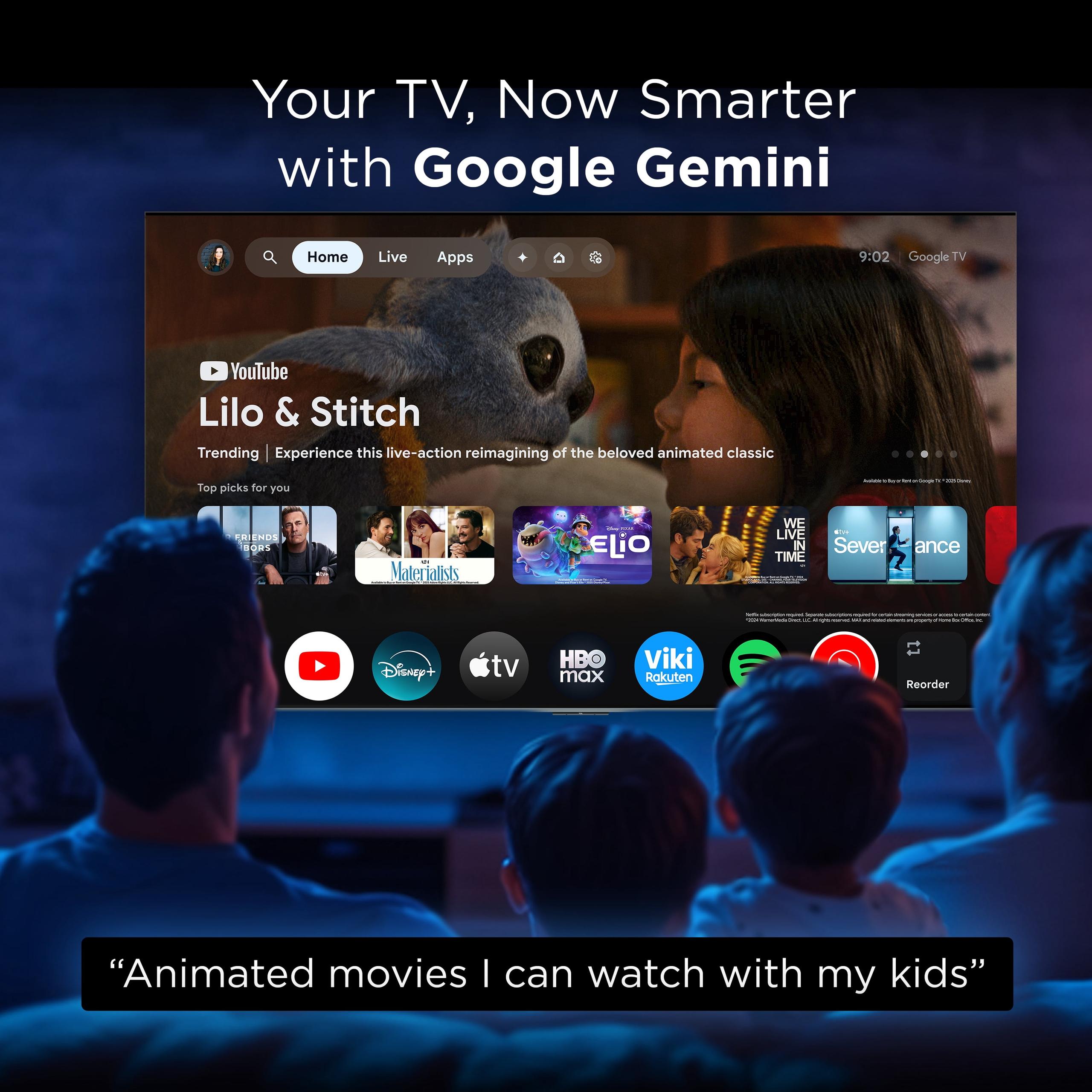
Smart TV performance often determines daily satisfaction more than picture quality specifications. The TCL QM9K runs Google TV with integrated Google Gemini AI, providing advanced voice control and contextual search capabilities. The presence sensor automatically detects when you're nearby, turning the TV on or displaying ambient information.
Connectivity includes WiFi 6 and Bluetooth 5.4 for fast, reliable connections. The interface remains responsive with quick app switching and minimal lag. Professional reviews consistently praise the smart TV implementation as smooth and feature-rich.
The Toshiba M550 uses Amazon Fire TV, which should provide a solid smart experience. However, multiple professional reviews identify serious performance issues. One detailed assessment notes the processor is "underpowered relative to the display quality," causing the Fire TV OS to run poorly with frequent freezing and apps exiting unexpectedly.
Response times become frustratingly slow, with some reviews reporting 60-second delays for simple commands and apps taking 30 seconds to a minute to load after turning on the TV. The system sometimes boots directly to advertisements rather than your last-watched content, adding to user frustration.
These reliability concerns significantly impact the Toshiba M550's value proposition. While the picture quality impresses, daily usability frustrations can overshadow those strengths over time.
Both TVs attempt to provide respectable audio without requiring immediate soundbar purchases. The TCL QM9K features Audio by Bang & Olufsen tuning with a 2.1.1 channel system including a dedicated subwoofer in the 65-inch model. Dolby Atmos and DTS Virtual:X create height effects for more immersive sound.
The Toshiba M550 implements REGZA Power Audio Pro with 49W total output including a 25W bass woofer. User reviews consistently rate the audio at 4.3-4.4 out of 5 stars, with many noting surprisingly good sound quality that eliminates the immediate need for external speakers.
Both systems provide adequate audio for casual viewing, though serious home theater enthusiasts will eventually want dedicated audio equipment regardless of built-in quality.
HDR content reveals the biggest performance gap between these TVs. The TCL QM9K supports comprehensive HDR formats including Dolby Vision IQ, which adjusts brightness based on room lighting conditions. With 6,500 nits peak brightness in small highlights, it can display HDR content as intended by creators.
Professional reviews note the TCL QM9K delivers "fantastic" specular highlights that "pop in average scenes" while maintaining intensity in large bright areas. However, some reviews mention issues with shadow detail compression and overblown highlights in certain HDR content, suggesting the processing could be refined.
The Toshiba M550 supports Dolby Vision and HDR10+ with scene-by-scene optimization, but lacks the peak brightness to fully realize HDR potential. While adequate for most HDR content, it cannot deliver the impact of bright highlights that make HDR compelling.
For home theater enthusiasts who prioritize HDR movie experiences, the TCL QM9K provides a more authentic representation of filmmakers' intentions.
At the time of writing, these TVs occupy very different price segments. The Toshiba M550 positions itself as budget-friendly premium TV, offering essential advanced features at an aggressive price point. Reviews consistently describe it as "best bang for your buck" and "all you need for a 65-inch 4K TV" in its price range.
The TCL QM9K commands premium pricing reflecting its flagship positioning and cutting-edge technology. The Mini LED implementation, extensive local dimming, and gaming features justify higher costs for buyers prioritizing maximum performance.
However, the Toshiba M550's value proposition is complicated by reliability and performance issues. While the initial price appears attractive, the processing limitations and software problems may lead to frustration or earlier replacement needs.
The TCL QM9K represents a safer long-term investment with proven performance and reliability, though at significantly higher upfront cost.
Choose the TCL QM9K if you're building a serious home theater setup, enjoy gaming regularly, or watch a lot of sports and action content. The superior motion handling, gaming features, and HDR performance justify the premium pricing for users who will benefit from these capabilities. The reliable smart TV platform ensures consistent daily satisfaction.
The Toshiba M550 suits buyers primarily focused on streaming and casual viewing who can work around processing limitations. If your viewing consists mainly of scripted TV shows, documentaries, or movies without intense action sequences, the picture quality provides excellent value despite the software concerns.
However, considering the reliability issues identified in professional reviews, particularly the processing lag and software instability, the Toshiba M550 becomes harder to recommend for most users. The initial savings may not justify potential frustrations over the TV's lifespan.
For most buyers, especially those planning to keep their TV for several years, the TCL QM9K provides better long-term value through superior performance, reliability, and future-proofing for emerging content and gaming standards. The premium investment pays dividends in daily satisfaction and longevity.
The choice ultimately depends on your budget flexibility and performance priorities, but both TVs serve distinct market segments with their respective strengths and limitations clearly defined.
| Toshiba 65" M550 Series QLED Fire TV | TCL 65" QM9K QD-Mini LED Smart TV |
|---|---|
| Display Technology - Determines picture quality and contrast | |
| QLED with Full Array Local Dimming (48 zones) | QD-Mini LED with up to 6,000 precise dimming zones |
| Peak Brightness - Critical for HDR performance and bright room viewing | |
| Standard QLED brightness levels | HDR6500 (6,500 nits peak brightness) |
| Refresh Rate - Essential for gaming and smooth motion | |
| 120Hz native (supports 120Hz at 1440p, 60Hz at 4K) | 144Hz native (supports 4K @ 144Hz, up to 288Hz at 1080p) |
| Gaming Input Lag - Lower is better for competitive gaming | |
| ~9.4ms (acceptable for casual gaming) | 5.3ms (exceptional for competitive gaming) |
| Variable Refresh Rate - Prevents screen tearing in games | |
| VRR up to 60Hz only | AMD FreeSync Premium Pro, VRR up to 288Hz |
| Smart TV Platform - Affects daily usability and reliability | |
| Fire TV with Alexa (suffers from processing lag issues) | Google TV with Gemini AI (responsive and feature-rich) |
| Motion Handling - Important for sports and action content | |
| Ultimate Motion 120Hz (struggles with fast scenes) | Motion Rate 480 with MEMC (good performance, minimal artifacts) |
| HDR Format Support - Ensures compatibility with premium content | |
| Dolby Vision, HDR10, HDR10+, HLG | Dolby Vision IQ, HDR10+, HDR10+ Gaming, HLG, HDR ULTRA |
| Audio System - Built-in sound quality | |
| REGZA Power Audio Pro (49W total, good user ratings) | Audio by Bang & Olufsen with 2.1.1 channels and subwoofer |
| Connectivity - Future-proofing and device compatibility | |
| 4 HDMI ports (1 eARC), Wi-Fi, Bluetooth | 4 HDMI 2.1 ports (1 eARC), Wi-Fi 6, Bluetooth 5.4 |
| Target User - Who each TV serves best | |
| Budget-conscious buyers accepting performance limitations | Premium buyers wanting flagship performance and reliability |
| Key Strength - What each TV does exceptionally well | |
| Aggressive pricing with essential premium features | Best-in-class picture quality and gaming performance |
| Main Weakness - Significant drawbacks to consider | |
| Processing lag and software reliability issues | Premium pricing puts it out of budget range for many |
The TCL 65" QM9K QD-Mini LED Smart TV delivers superior picture quality with its advanced QD-Mini LED technology featuring up to 6,000 local dimming zones compared to the Toshiba 65" M550 Series QLED Fire TV's 48 zones. The TCL QM9K achieves exceptional peak brightness of 6,500 nits and deeper blacks, making it ideal for home theater setups. While the Toshiba M550 offers good QLED color accuracy and contrast, it cannot match the premium display technology of the TCL QM9K.
The TCL 65" QM9K QD-Mini LED Smart TV is significantly better for gaming with its 144Hz native refresh rate, 5.3ms input lag, and support for 4K at 144Hz. It includes AMD FreeSync Premium Pro and Game Accelerator 288 for competitive gaming. The Toshiba 65" M550 Series QLED Fire TV offers basic gaming features with 120Hz refresh and 9.4ms input lag, but its VRR is limited to 60Hz, making the TCL QM9K the clear choice for serious gamers.
The TCL 65" QM9K QD-Mini LED Smart TV runs Google TV with Gemini AI integration, offering responsive performance and advanced features like presence sensing. Unfortunately, the Toshiba 65" M550 Series QLED Fire TV suffers from significant smart TV performance issues, with reviews noting frequent freezing, slow response times up to 60 seconds, and app crashes. The TCL QM9K provides a much more reliable and feature-rich smart TV experience.
The Toshiba 65" M550 Series QLED Fire TV appears to offer better value at first glance due to its aggressive pricing for QLED technology and 120Hz refresh rate. However, reliability issues and processing limitations affect long-term satisfaction. The TCL 65" QM9K QD-Mini LED Smart TV costs significantly more but provides flagship-level performance, superior reliability, and future-proofing that may justify the premium for buyers seeking the best experience.
The TCL 65" QM9K QD-Mini LED Smart TV handles motion much better with its Motion Rate 480 and MEMC processing, providing smooth sports viewing with minimal artifacts. The Toshiba 65" M550 Series QLED Fire TV has concerning motion issues, with professional reviews noting that "action scenes jerk around at low FPS with phantom images" and performance worsens as scenes become busier. For sports fans, the TCL QM9K is the clear winner.
Both TVs offer respectable audio, but the TCL 65" QM9K QD-Mini LED Smart TV has a slight edge with Audio by Bang & Olufsen tuning and a 2.1.1 channel system including a subwoofer. The Toshiba 65" M550 Series QLED Fire TV features REGZA Power Audio Pro with good user ratings (4.3-4.4 stars) and adequate bass response. Most users find either TV's audio acceptable for casual viewing, though the TCL QM9K provides more refined sound quality.
The TCL 65" QM9K QD-Mini LED Smart TV excels in bright rooms with exceptional peak brightness that easily overcomes ambient light and glare. Its 6,500 nits peak brightness ensures excellent visibility even in very bright environments. The Toshiba 65" M550 Series QLED Fire TV provides adequate brightness for most rooms but may struggle in extremely bright conditions. For living rooms with lots of windows, the TCL QM9K is the better choice.
The TCL 65" QM9K QD-Mini LED Smart TV demonstrates superior reliability with consistent performance and responsive smart TV features. Multiple professional reviews highlight serious reliability concerns with the Toshiba 65" M550 Series QLED Fire TV, including processing lag, frequent app crashes, system freezing, and slow response times. For users prioritizing long-term reliability, the TCL QM9K is the safer investment despite its higher cost.
Both TVs support major HDR formats, but the TCL 65" QM9K QD-Mini LED Smart TV delivers superior HDR performance with its exceptional peak brightness and extensive local dimming. It supports Dolby Vision IQ for room-aware adjustments and provides the brightness levels needed for impactful HDR highlights. The Toshiba 65" M550 Series QLED Fire TV supports Dolby Vision and HDR10+ but lacks the peak brightness to fully realize HDR potential, making the TCL QM9K better for premium HDR content.
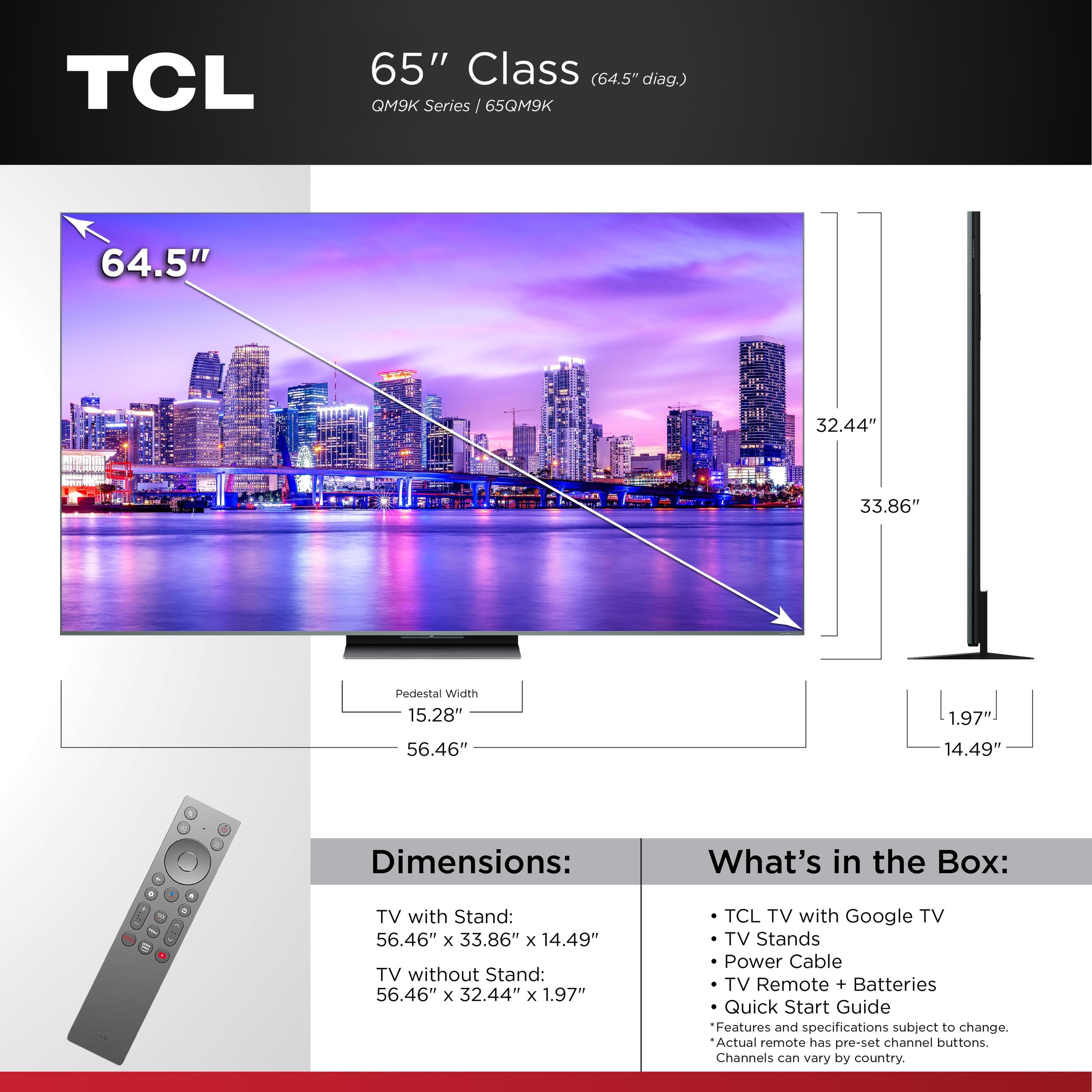
The TCL 65" QM9K QD-Mini LED Smart TV offers more advanced connectivity with Wi-Fi 6, Bluetooth 5.4, and four HDMI 2.1 ports for future-proofing. The Toshiba 65" M550 Series QLED Fire TV provides standard connectivity with four HDMI ports (one eARC) and basic Wi-Fi and Bluetooth. For users with multiple high-bandwidth devices or those wanting the latest connectivity standards, the TCL QM9K provides better options.
The Toshiba 65" M550 Series QLED Fire TV's main downsides include significant processing lag, software reliability issues, and poor motion handling that affects action content and gaming. The TCL 65" QM9K QD-Mini LED Smart TV's primary downside is its premium pricing, which may put it out of reach for budget-conscious buyers. Additionally, some reviews note minor motion artifacts in extremely fast scenes on the TCL QM9K.
For a dedicated home theater, the TCL 65" QM9K QD-Mini LED Smart TV is the superior choice with its exceptional contrast, peak brightness, and comprehensive HDR support that delivers cinema-quality experiences. Its reliable performance and advanced features justify the premium cost for serious home theater enthusiasts. The Toshiba 65" M550 Series QLED Fire TV may suffice for casual viewing but its motion handling issues and reliability concerns make the TCL QM9K the better long-term investment for home theater use.
We've done our best to create useful and informative comparisons to help you decide what product to buy. Our research uses advanced automated methods to create this comparison and perfection is not possible - please contact us for corrections or questions. These are the sites we've researched in the creation of this article: bestbuy.com - bestbuy.com - consumerreports.org - youtube.com - pcvarge.com - tomsguide.com - youtube.com - bestbuy.com - toshibatv-usa.com - marketplace-staging.paytomorrow.com - toshibatv-usa.com - productabout.com - leaseville.com - youtube.com - toshibatv-usa.com - rtings.com - bestbuy.com - youtube.com - youtube.com - youtube.com - techaeris.com - displayspecifications.com - pcrichard.com - residentialsystems.com - us.tcl.com - displayspecifications.com - valueelectronics.com - woodruffappliance.com - tcl.com - pcrichard.com - tcl.com - techradar.com - tcl.com - us.tcl.com - youtube.com - youtube.com - bestbuy.com - youtube.com

Privacy Policy
Terms and Conditions - Affiliate Policy
Home Security
© Copyright 2008-2026.
11816 Inwood Rd #1211, Dallas, TX 75244