







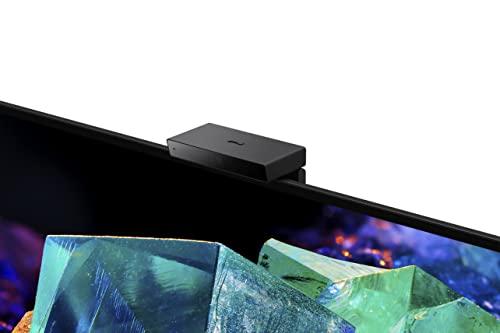
When you're shopping for a premium 65-inch TV, you're not just buying a screen—you're making a statement about what matters most in your living space. Today's premium TV market has split into two fascinating directions: traditional performance powerhouses and lifestyle "art frame" TVs that double as home décor. This divide perfectly captures the choice between the TCL NXTVISION QLED 4K Art Frame TV and the Sony Bravia XR A95K QD-OLED TV.
Both represent compelling but fundamentally different approaches to premium television. One prioritizes blending seamlessly into your home when not in use, while the other delivers reference-quality picture performance that makes every movie feel like a cinematic event. Understanding which philosophy aligns with your priorities will guide you to the right choice.
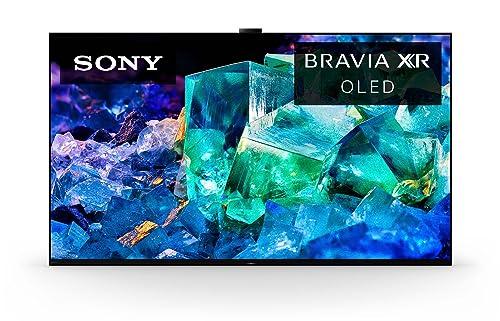
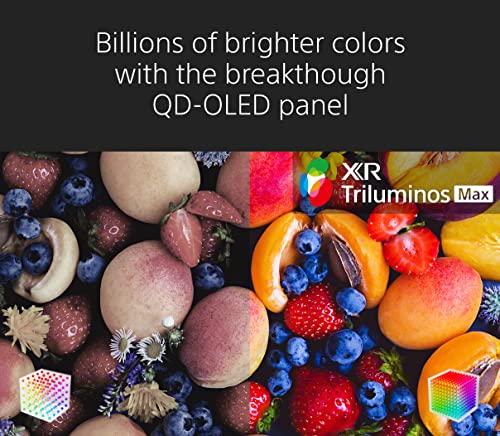
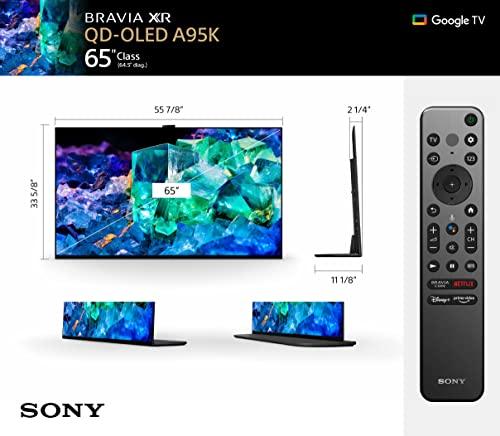
The most crucial difference between these TVs lies in their display technology, which affects everything from picture quality to design possibilities. The Sony A95K uses QD-OLED technology—a breakthrough that combines self-illuminating OLED pixels with quantum dot enhancement. Released in 2022, this was Sony's first venture into QD-OLED, representing a significant technological leap that addresses traditional OLED weaknesses like limited brightness.
OLED stands for Organic Light Emitting Diode, where each pixel produces its own light and can turn completely off to create true blacks. When Sony added quantum dots (microscopic particles that enhance color purity), they created a display capable of infinite contrast ratios—the difference between the brightest whites and darkest blacks—while maintaining vibrant colors even in bright scenes.
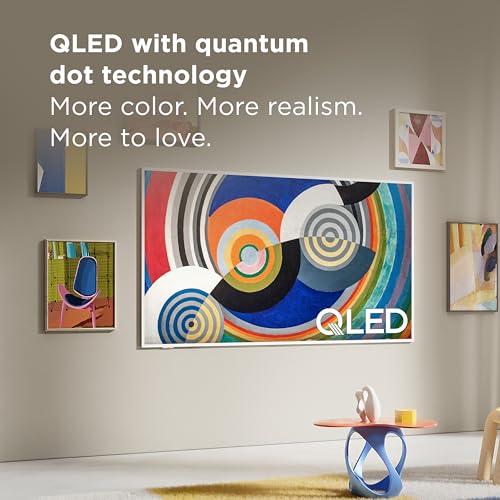
The TCL NXTVISION, released in 2024, takes a different approach with QLED technology using edge-lit LED backlighting. QLED means Quantum Dot Light Emitting Diode, but unlike OLED, it still relies on a traditional LED backlight shining through quantum dot filters. This fundamental difference means the TCL cannot achieve true blacks since the backlight is always present, but it can get significantly brighter than most OLEDs.
The quantum dots in both technologies work like microscopic color filters, converting blue light into precise red and green wavelengths for more accurate colors. However, the self-emissive nature of OLED versus the backlit nature of QLED creates vastly different performance characteristics.
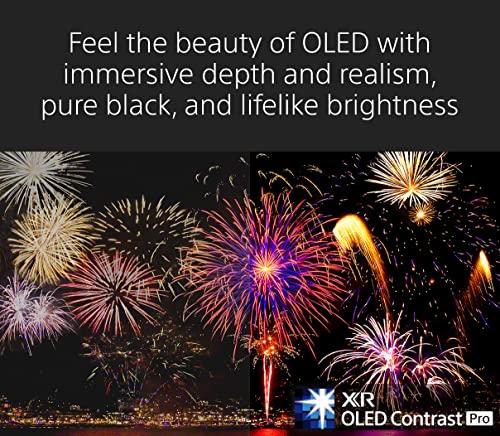
Contrast ratio represents the fundamental difference between these displays and arguably matters most for overall picture quality. The Sony A95K achieves infinite contrast because each of its 8.2 million pixels can completely shut off, creating absolute darkness in black areas. When watching a movie with dark scenes, like space sequences or dimly lit interiors, the Sony displays true blacks that make bright elements pop with stunning realism.
The TCL NXTVISION, despite its quantum dot enhancement, cannot match this performance due to its edge-lit LED backlight. In dark scenes, you'll notice that black areas appear more gray than true black—what's called "black level raising." This limitation becomes particularly noticeable in dark room viewing where the Sony's superior contrast creates a more immersive, theater-like experience.
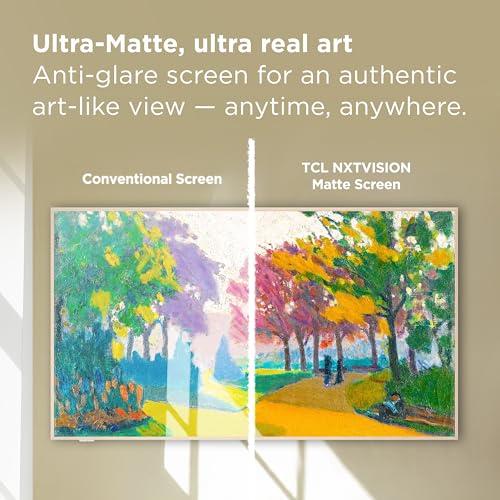
However, the TCL includes an interesting trade-off: its ultra-matte anti-glare screen coating dramatically reduces reflections. In bright rooms with windows or overhead lighting, this can actually make the picture appear more natural than the Sony, which may show reflections on its glossy screen surface.
The Sony A95K leverages its QD-OLED panel with XR Triluminos Max technology to deliver what many consider reference-quality color accuracy. The quantum dot layer enables colors that closely match professional monitors used in movie production, ensuring you see content as creators intended. More importantly, these accurate colors remain vibrant even in bright scenes—traditionally a weakness of OLED displays.
The TCL NXTVISION produces rich, saturated colors through its quantum dot technology, but based on professional evaluations, color accuracy lags behind Sony's implementation. Colors appear vibrant and pleasing but may not represent the most faithful reproduction of source material. For casual viewing, this difference might not matter, but movie enthusiasts and those with calibrated home theaters will notice the distinction.
Brightness performance varies significantly between these approaches. The Sony achieves impressive brightness for an OLED—around 400 nits typical—while maintaining perfect blacks. The TCL can get brighter overall thanks to its LED backlight system, making it potentially better for very bright rooms, though it sacrifices the contrast performance that makes HDR content truly spectacular.
High Dynamic Range (HDR) represents the biggest leap in picture quality since the move to high definition, expanding both the range of colors and the difference between bright and dark areas. The Sony A95K excels here, supporting Dolby Vision, HDR10, and HLG formats. Its combination of perfect blacks and bright highlights creates HDR images with stunning depth and realism.
The TCL NXTVISION actually supports more HDR formats, including HDR10+ and Dolby Vision IQ, but cannot deliver the same impact due to its contrast limitations. HDR content relies heavily on the ability to display bright highlights against dark backgrounds—something that requires the infinite contrast ratios only OLED technology can provide.
When watching HDR movies or shows, the difference becomes immediately apparent. Scenes with bright sunlight streaming through dark interiors, fireworks against night skies, or torch-lit medieval settings showcase the Sony's superior HDR capabilities with detail and impact the TCL simply cannot match.
Modern gaming demands consideration of refresh rates, input lag, and motion clarity. The specifications tell one story, but real-world performance reveals important nuances.
The TCL NXTVISION appears superior on paper with Game Accelerator 240 supporting 4K at 144Hz and 1080p at 240Hz, plus AMD FreeSync Premium certification. These impressive numbers suggest excellent gaming performance, and for many games, the TV delivers smooth, responsive gameplay.
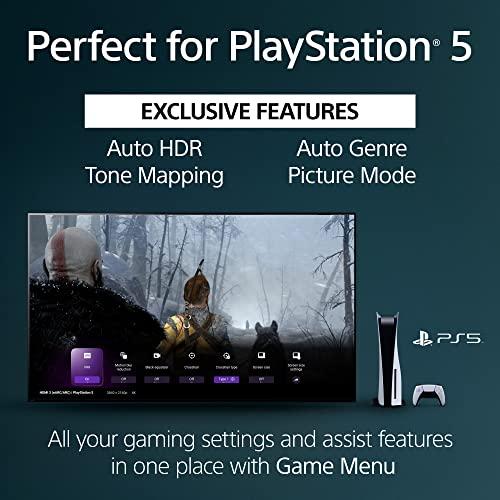
However, the Sony A95K demonstrates how specifications don't tell the complete story. While limited to 4K at 120Hz, OLED technology provides near-instantaneous pixel response times—how quickly pixels can change colors. This creates motion clarity that's impossible to achieve with LED-backlit displays, regardless of refresh rate.
In practice, fast-paced games like racing simulators or competitive shooters benefit more from the Sony's zero motion blur than from the TCL's higher refresh rates. The Sony also offers better uniformity across the screen, ensuring consistent gaming performance whether action occurs in screen corners or center.
For home theater gaming setups, the Sony provides a more cinematic experience with its superior contrast and color accuracy, making single-player adventure games and story-driven titles more immersive.
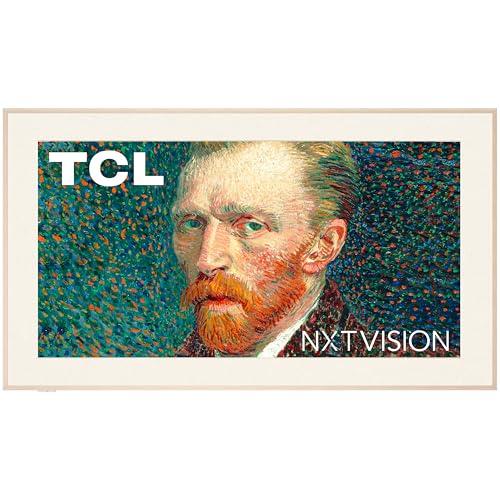
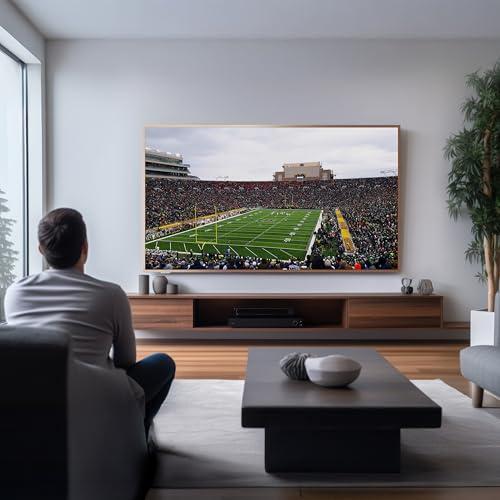
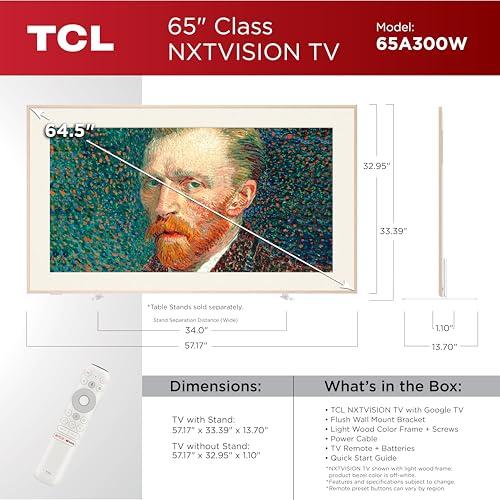
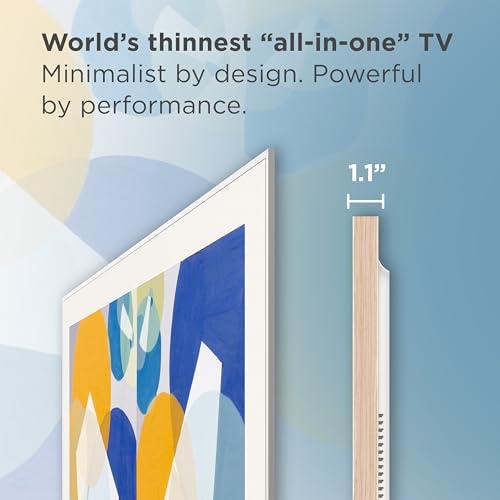
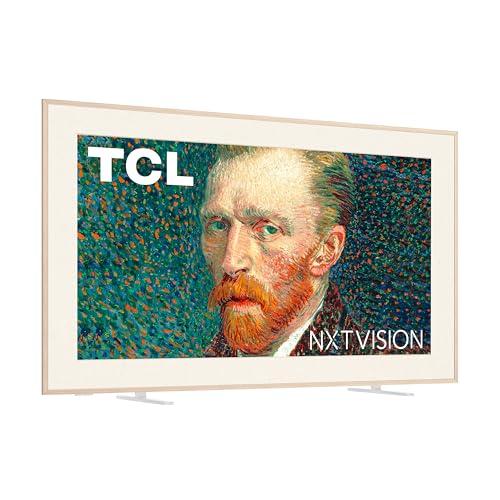
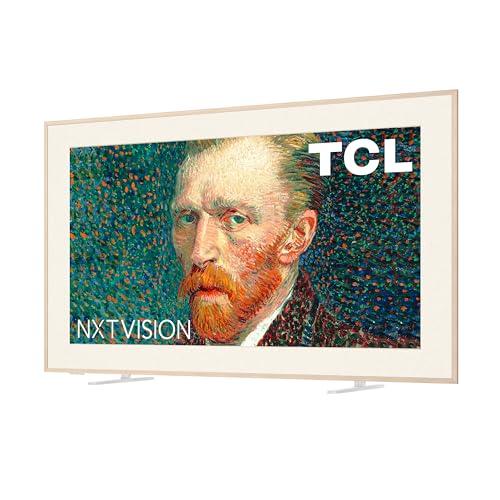
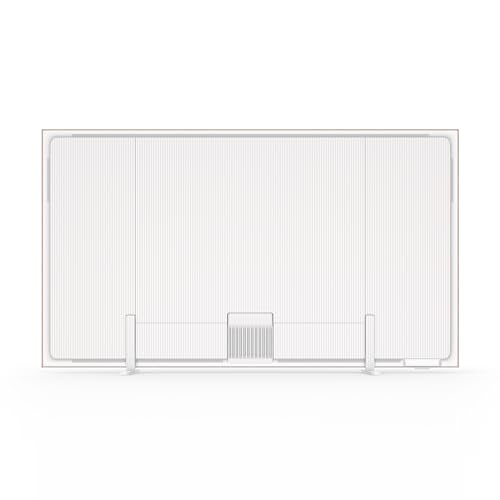
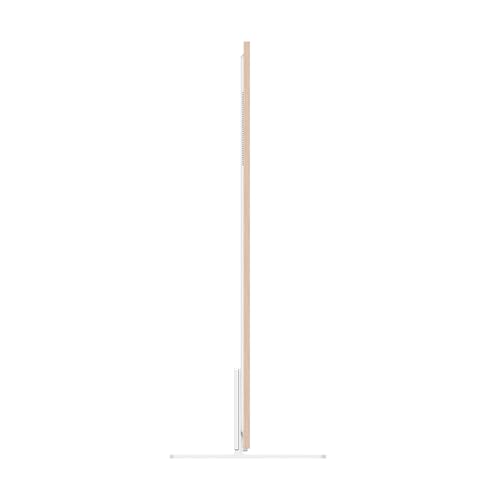
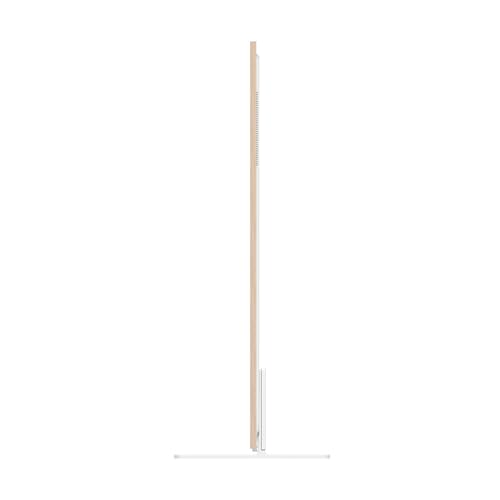
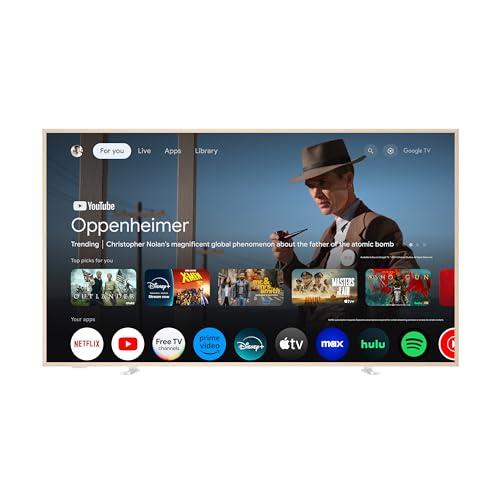
The TCL NXTVISION represents a growing trend toward lifestyle integration that traditional TVs cannot match. At just 1.1 inches deep—truly remarkable for an all-in-one display—it transforms from entertainment device to wall art when not actively displaying content.
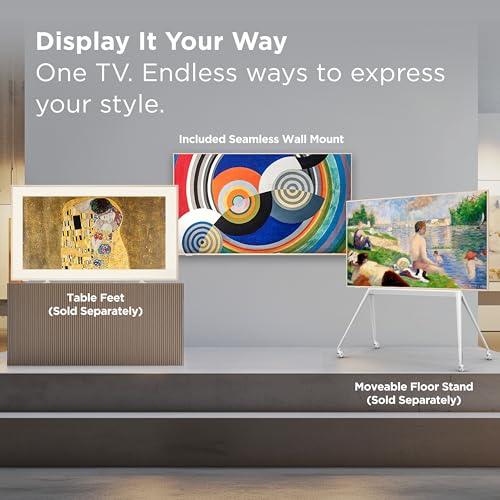
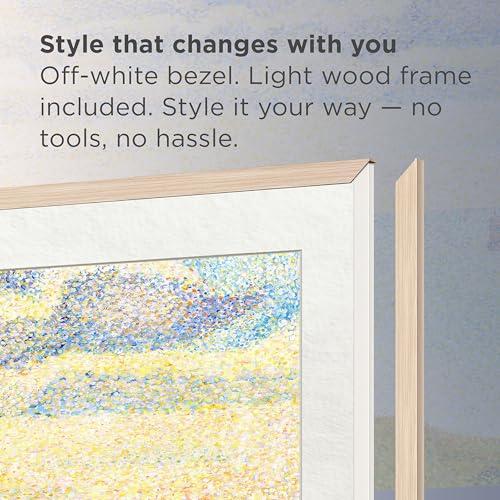
This ultra-slim profile comes from eliminating the traditional external box setup, integrating all processing directly into the display panel. The included flush wall mount allows installation that appears nearly painted onto the wall, while customizable magnetic frames let owners match their décor aesthetic.
The art functionality extends beyond passive display. With over 400 curated artworks and AI art generation capabilities producing thousands of unique images, the TCL offers genuine artistic variety. The ultra-matte screen coating enhances this illusion, making displayed artwork appear like actual canvas paintings rather than digital displays.
This approach appeals particularly to those living in apartments or smaller homes where every piece of furniture must serve multiple purposes. Instead of a large black rectangle dominating wall space when not in use, the TCL contributes positively to room aesthetics.
The Sony A95K follows traditional TV design philosophy—premium materials and build quality focused on performance rather than disappearing into décor. While attractive, it clearly presents as a television first and foremost.
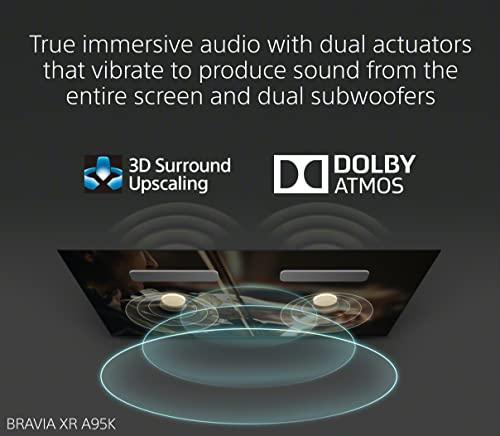
Audio represents another significant technical difference. The Sony A95K incorporates Acoustic Surface Audio+ technology, using actuators behind the screen to vibrate the entire display surface, creating sound that appears to come directly from on-screen action. This innovation provides remarkably immersive audio experiences, especially for dialogue-heavy content where voices seem to emanate from characters' mouths rather than separate speakers.
Additionally, the Sony can function as a center channel speaker in traditional home theater setups, seamlessly integrating with external surround sound systems. This flexibility makes it particularly valuable for dedicated home theater rooms.
The TCL NXTVISION uses conventional speakers with Dolby Atmos support—perfectly adequate but not innovative. The slim design limits speaker size and placement options, resulting in audio performance that, while decent, cannot match the Sony's immersive capabilities.
Your room's lighting characteristics may be the most important factor in choosing between these displays. The Sony A95K performs best in controlled lighting environments—darkened rooms or spaces where you can manage ambient light. Here, its infinite contrast and perfect blacks create truly cinematic experiences that justify premium pricing.
However, in bright rooms with large windows or significant overhead lighting, OLED displays can struggle. Reflections on the glossy screen surface and black level raising in bright conditions diminish the contrast advantages that make OLED special.
The TCL NXTVISION specifically addresses bright room challenges with its ultra-matte anti-glare screen. This coating dramatically reduces reflections, making the display viewable even in direct sunlight. Combined with its higher peak brightness, the TCL often provides better daytime viewing experiences than traditional OLED displays.
For homes with mixed lighting—bright during the day, dimmer for evening viewing—the choice becomes more complex. The Sony delivers superior evening entertainment experiences, while the TCL maintains better daytime functionality and art display capabilities.
At the time of writing, these TVs occupy different value propositions. The Sony A95K, originally launched as a flagship model in 2022, has seen significant price reductions as newer models entered Sony's lineup. This makes it an exceptional value for picture quality enthusiasts seeking reference-level performance without current flagship pricing.
The TCL NXTVISION, being newer and targeting the lifestyle segment, commands premium pricing for its unique form factor and art functionality. You're paying not just for TV performance but for the industrial design innovation and lifestyle integration features.
For home theater enthusiasts, the Sony represents better value despite any price difference, delivering picture quality that approaches professional reference monitors. For those prioritizing aesthetic integration and bright room performance, the TCL offers features unavailable elsewhere at any price point.
Choose the Sony Bravia XR A95K if picture quality ranks as your top priority. Its QD-OLED technology delivers reference-level performance that makes movies, shows, and games look spectacular in controlled lighting conditions. The superior contrast, color accuracy, and innovative audio make it ideal for dedicated home theaters or rooms where you can manage ambient light. Gaming enthusiasts will appreciate the motion clarity despite lower refresh rate specifications.
Choose the TCL NXTVISION if you want your TV to enhance your living space when not in use. Its ultra-slim design, art display capabilities, and anti-glare screen make it perfect for bright rooms or spaces where the TV serves dual purposes as entertainment and décor. The lifestyle integration features are genuinely unique and valuable for modern living situations.
The decision ultimately comes down to priorities: maximum picture quality in ideal conditions versus lifestyle integration and bright room performance. Both represent excellent televisions, but they serve fundamentally different needs in modern homes. Consider your viewing habits, room lighting, and whether you value your TV disappearing into your décor or delivering the best possible entertainment experience when in use.
| TCL 65" NXTVISION QLED 4K Art Frame TV | Sony Bravia XR A95K 65" QD-OLED TV |
|---|---|
| Display Technology - Determines picture quality, contrast, and viewing experience | |
| QLED with edge-lit LED backlight and quantum dots | QD-OLED with self-illuminating pixels and quantum dot enhancement |
| Contrast Ratio - Critical for dark room viewing and HDR impact | |
| Limited by LED backlight (gray blacks in dark scenes) | Infinite contrast with perfect blacks (each pixel turns completely off) |
| Screen Thickness - Affects wall mounting and aesthetic integration | |
| Ultra-slim 1.1" depth (world's thinnest all-in-one art TV) | Traditional 2.25" depth without stand |
| Anti-Glare Performance - Essential for bright rooms and daytime viewing | |
| Ultra-matte anti-glare screen dramatically reduces reflections | Glossy screen prone to reflections in bright environments |
| Art Display Features - Transforms TV into functional décor when not watching | |
| 400+ curated artworks, AI art generation, customizable magnetic frames | Standard TV functionality only |
| Gaming Performance - Refresh rates vs real-world motion clarity | |
| 4K@144Hz, 1080p@240Hz with slower pixel response (motion blur) | 4K@120Hz with near-instantaneous OLED response (zero motion blur) |
| HDR Format Support - Compatibility with streaming and disc content | |
| Dolby Vision IQ, HDR10+, HDR10, HLG (broadest format support) | Dolby Vision, HDR10, HLG (missing HDR10+ but superior HDR impact) |
| Audio Technology - Sound quality and immersion | |
| Conventional 20W speakers with Dolby Atmos support | Acoustic Surface Audio+ (screen vibrates to produce sound from image location) |
| Color Accuracy - Important for movies and professional content | |
| Rich, saturated colors but less accurate reproduction | Reference-quality color matching professional monitors |
| Viewing Angles - Picture quality consistency across seating positions | |
| Noticeable color shifting and contrast loss when viewed off-center | Excellent picture quality maintained at wide viewing angles |
| Peak Brightness - Affects HDR performance and bright room viewing | |
| Higher peak brightness better for very bright rooms | Moderate OLED brightness but superior contrast makes HDR more impactful |
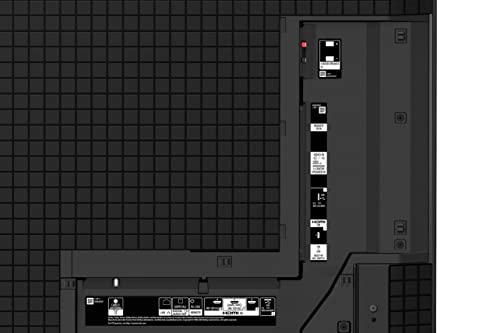
| HDMI 2.1 Ports - Future-proofing for gaming consoles and high-end devices | |
| 2 HDMI 2.1 ports out of 4 total | 2 HDMI 2.1 ports out of 4 total |
| Installation Options - Mounting flexibility and stand requirements | |
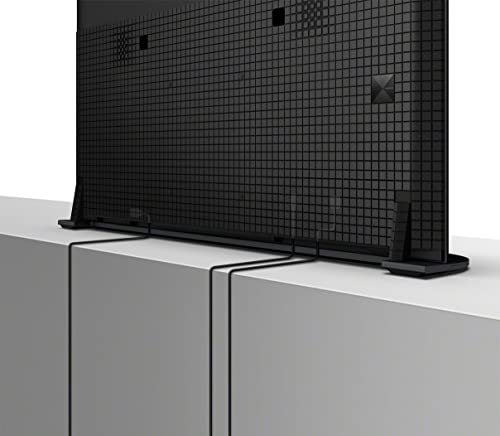
| Flush wall mount included, no table stand (must purchase separately) | Traditional dual-position stand included with wall mounting option |
| Smart Platform - Interface and app ecosystem | |
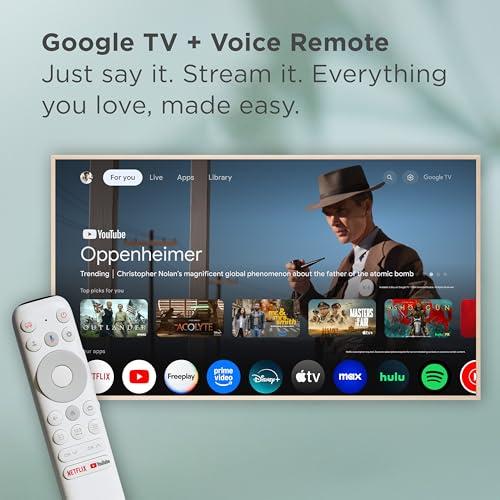
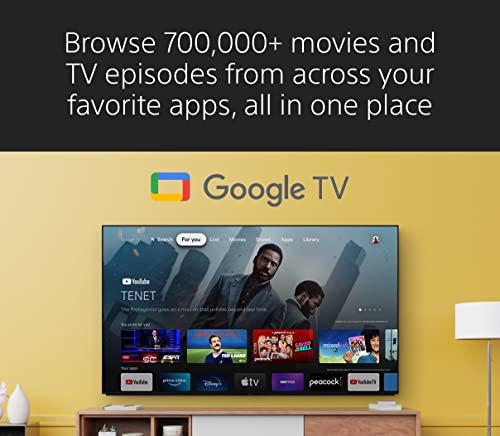
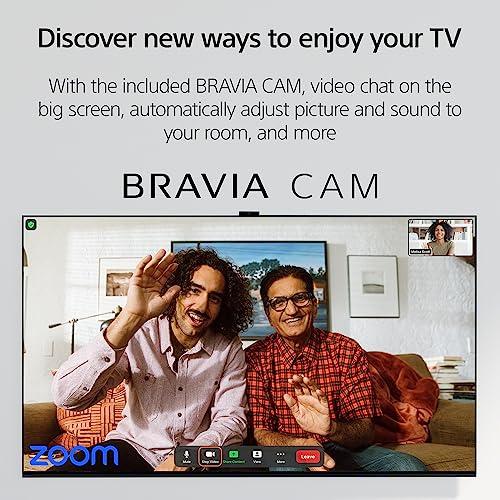
| Google TV with art gallery interface and gesture controls | Google TV with BRAVIA CAM for video calls and gesture control |
| Best Use Case - Who should choose this TV | |
| Bright rooms, lifestyle integration, art display when not viewing | Dark/controlled rooms, home theater, maximum picture quality priority |
The Sony Bravia XR A95K QD-OLED TV delivers superior picture quality for movies with its QD-OLED technology providing infinite contrast ratios and perfect blacks. The TCL 65" NXTVISION QLED 4K Art Frame TV offers good picture quality but cannot match the Sony's contrast performance due to its edge-lit LED backlight technology.
The TCL 65" NXTVISION QLED 4K Art Frame TV performs better in bright rooms thanks to its ultra-matte anti-glare screen that dramatically reduces reflections. The Sony Bravia XR A95K QD-OLED TV may struggle with reflections on its glossy screen surface in very bright environments.
Only the TCL 65" NXTVISION QLED 4K Art Frame TV is specifically designed as an art frame TV, featuring over 400 curated artworks, AI art generation, and customizable magnetic frames. The Sony Bravia XR A95K QD-OLED TV functions as a traditional TV without dedicated art display features.
While the TCL 65" NXTVISION QLED 4K Art Frame TV offers higher refresh rates (4K@144Hz), the Sony Bravia XR A95K QD-OLED TV provides better real-world gaming performance with near-instantaneous pixel response times and zero motion blur, making it superior for competitive gaming and fast-paced titles.
The TCL 65" NXTVISION QLED 4K Art Frame TV is exceptionally thin at just 1.1 inches deep with a flush wall mount included for a seamless gallery look. The Sony Bravia XR A95K QD-OLED TV measures 2.25 inches deep without the stand and follows traditional TV mounting approaches.
The Sony Bravia XR A95K QD-OLED TV features superior audio with Acoustic Surface Audio+ technology that makes the screen itself produce sound, creating immersive audio where dialogue appears to come from characters' mouths. The TCL 65" NXTVISION QLED 4K Art Frame TV has conventional speakers that are adequate but not exceptional.
Yes, both support HDR content, but the TCL 65" NXTVISION QLED 4K Art Frame TV supports more formats including HDR10+ and Dolby Vision IQ. However, the Sony Bravia XR A95K QD-OLED TV delivers more impactful HDR performance due to its superior contrast capabilities despite supporting fewer formats.
The Sony Bravia XR A95K QD-OLED TV is significantly better for home theater use with its reference-quality picture, infinite contrast, perfect blacks, and immersive audio system. The TCL 65" NXTVISION QLED 4K Art Frame TV is designed more for lifestyle integration than dedicated home theater performance.
Both TVs support modern gaming consoles with 2 HDMI 2.1 ports each. The TCL 65" NXTVISION QLED 4K Art Frame TV supports higher refresh rates, while the Sony Bravia XR A95K QD-OLED TV offers better motion clarity and gaming experience despite lower maximum refresh rates.
The Sony Bravia XR A95K QD-OLED TV maintains excellent picture quality at wide viewing angles typical of OLED technology. The TCL 65" NXTVISION QLED 4K Art Frame TV shows noticeable color shifting and contrast degradation when viewed from the side due to its QLED panel technology.
The TCL 65" NXTVISION QLED 4K Art Frame TV includes a flush wall mount but no table stand (stands must be purchased separately). The Sony Bravia XR A95K QD-OLED TV includes a traditional dual-position stand with wall mounting as an option.
Value depends on priorities: the Sony Bravia XR A95K QD-OLED TV offers exceptional value for picture quality enthusiasts seeking reference-level performance. The TCL 65" NXTVISION QLED 4K Art Frame TV provides unique lifestyle integration and art display features unavailable in traditional TVs, making it valuable for those prioritizing aesthetic integration over maximum picture quality.
We've done our best to create useful and informative comparisons to help you decide what product to buy. Our research uses advanced automated methods to create this comparison and perfection is not possible - please contact us for corrections or questions. These are the sites we've researched in the creation of this article: rtings.com - tcl.com - bestbuy.com - tcl.com - bestbuy.com - tcl.com - youtube.com - rcwilley.com - businessinsider.com - bestbuy.com - target.com - youtube.com - support.tcl.com - nfm.com - woodruffappliance.com - flatpanelshd.com - tcl.com - tomsguide.com - audioadvice.com - wepc.com - bestbuy.com - tvsbook.com - rtings.com - youtube.com - flatpanelshd.com - rtings.com - youtube.com - reviewed.com - avsforum.com - youtube.com - youtube.com - rtings.com - youtube.com - electronics.sony.com - sonypremiumhome.com - valueelectronics.com - sony.com - displayspecifications.com - flatpanelshd.com - donstv.com - youtube.com - businessinsider.com - youtube.com - displayspecifications.com - bestbuy.com

Privacy Policy
Terms and Conditions - Affiliate Policy
Home Security
© Copyright 2008-2026.
11816 Inwood Rd #1211, Dallas, TX 75244