

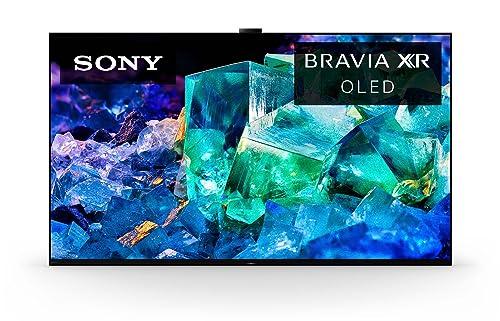


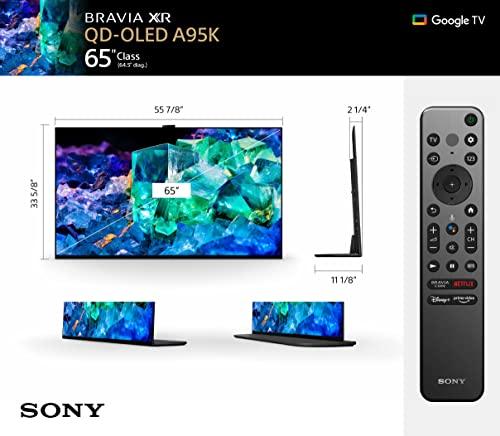



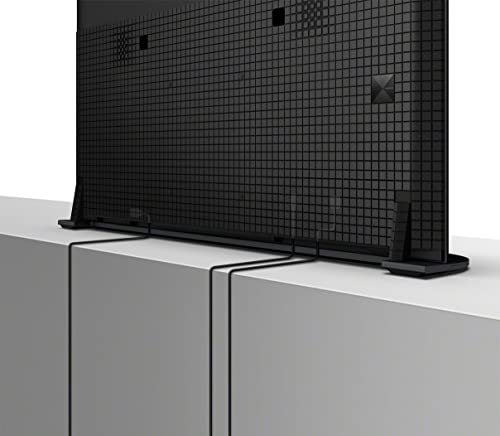
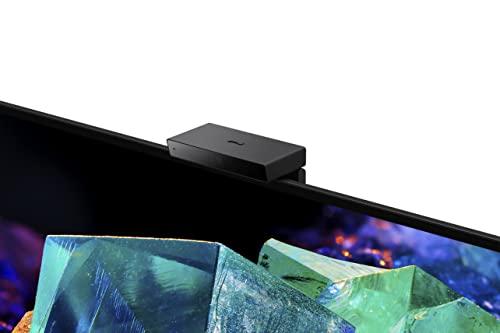
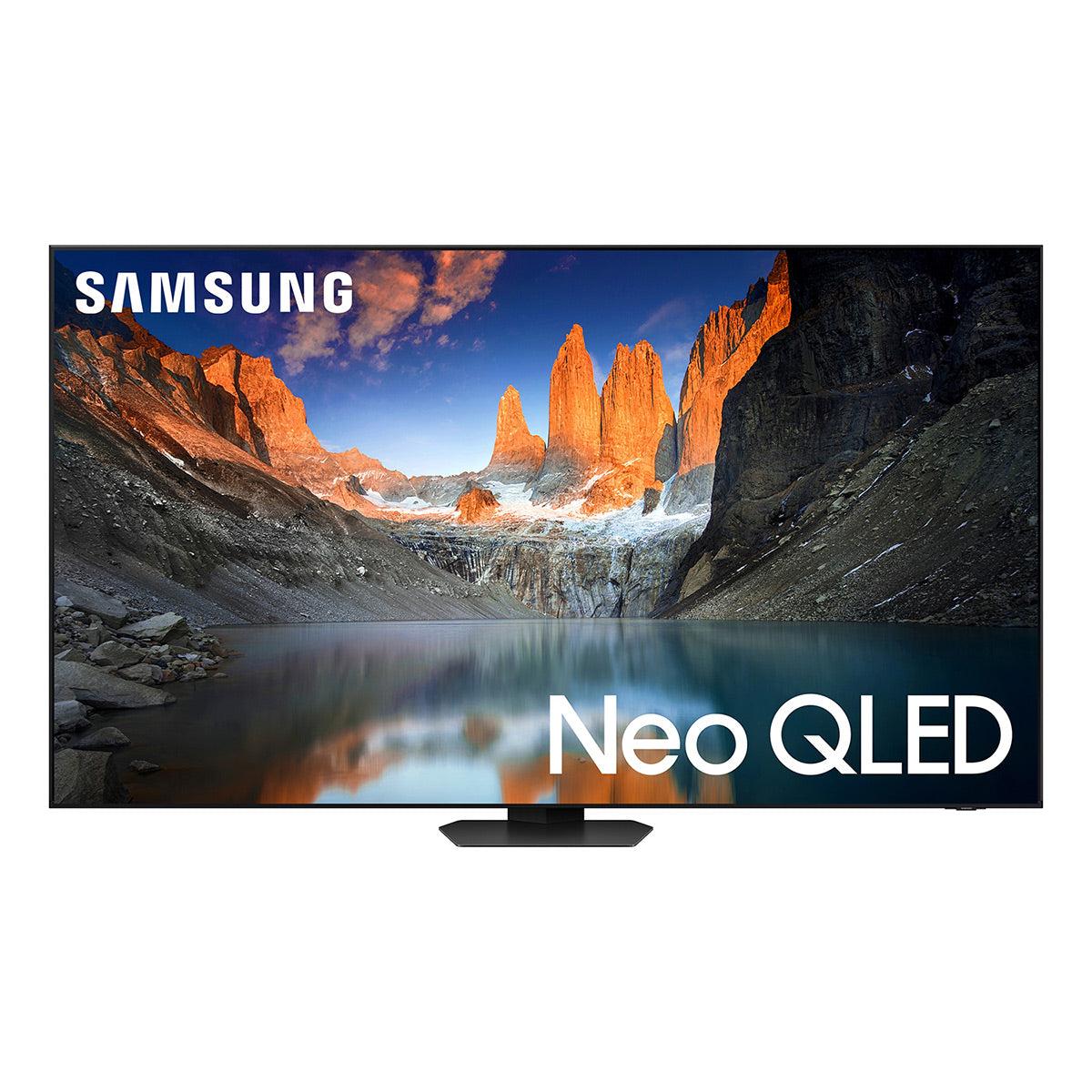
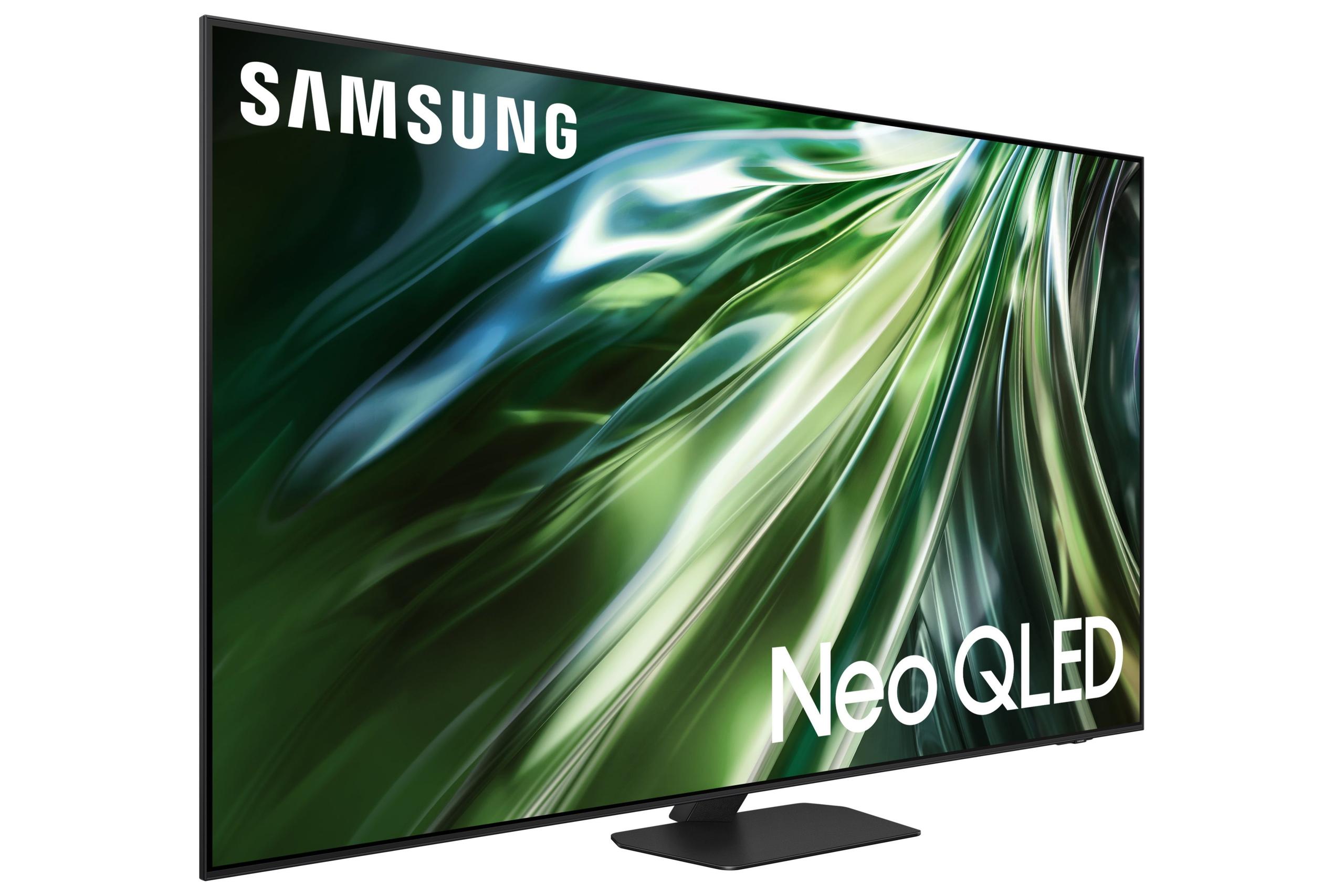
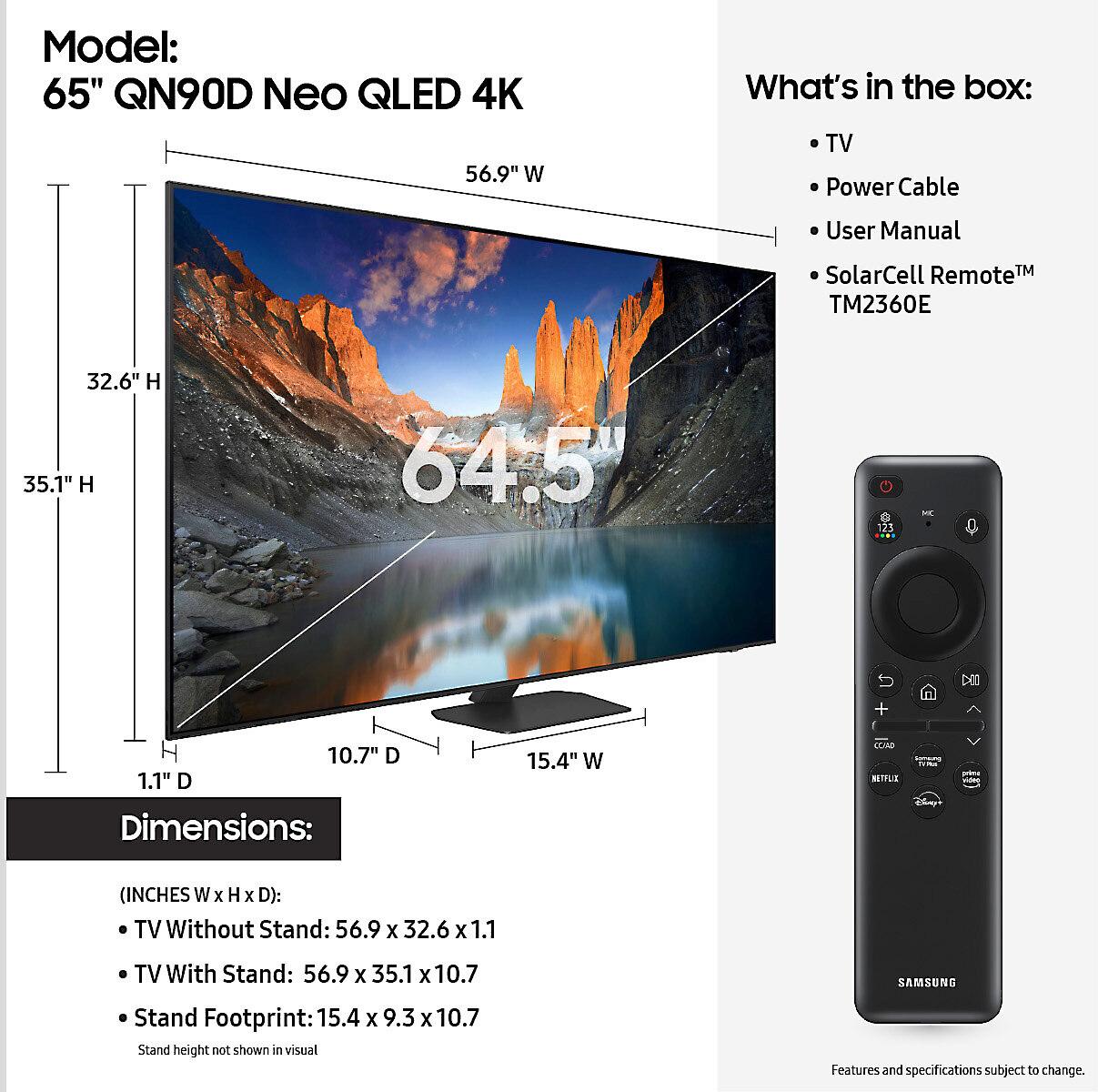
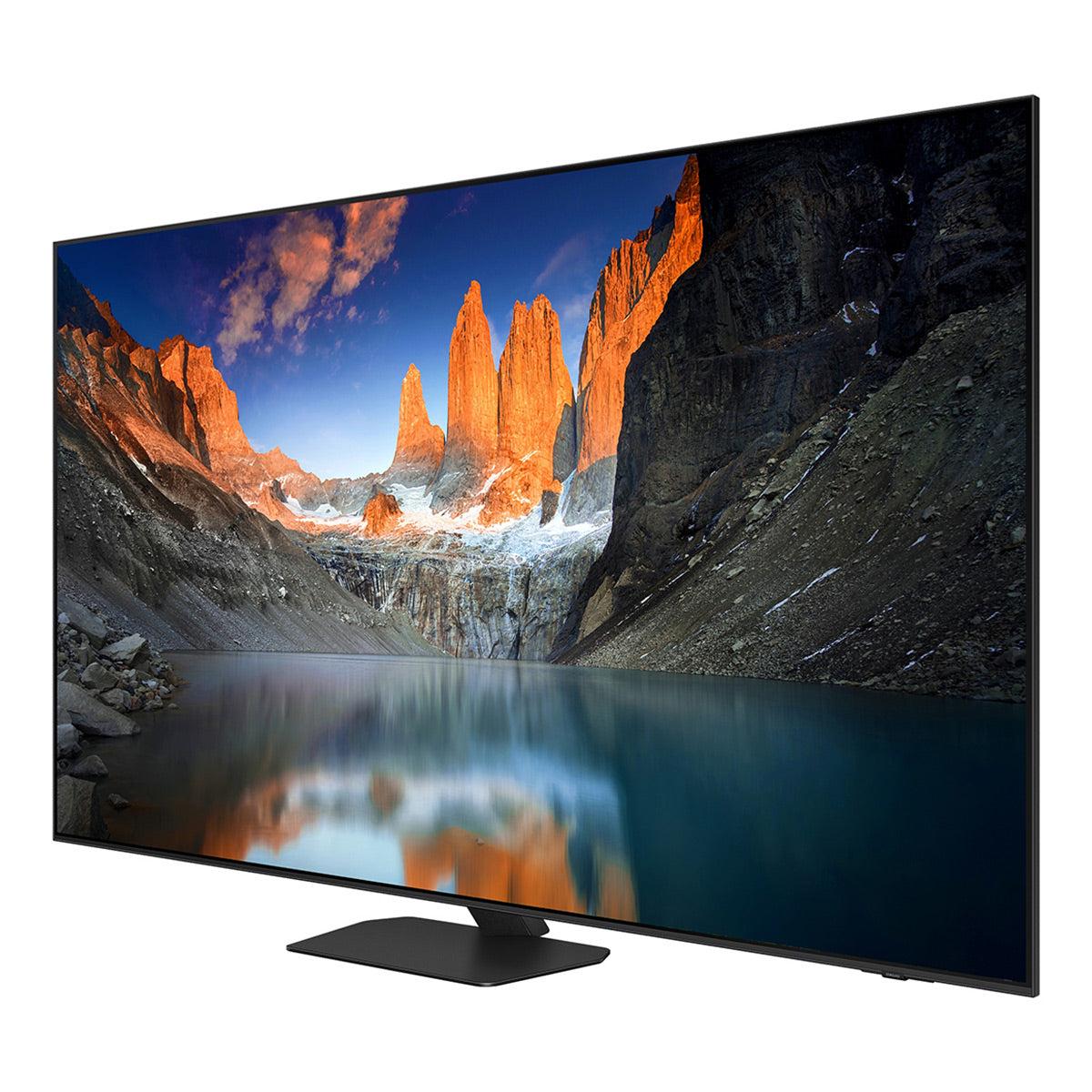

When shopping for a premium 65-inch TV, you'll quickly discover that the display technology matters more than almost anything else. Two standout options represent completely different approaches: the Sony Bravia XR A95K, which pioneered consumer QD-OLED technology in 2022, and the Samsung QN90D, a refined Mini-LED powerhouse from 2024.
Both TVs cost considerably more than budget models—expect to pay flagship prices at the time of writing—but they deliver fundamentally different experiences. The Sony A95K prioritizes absolute picture quality through breakthrough OLED technology, while the Samsung QN90D emphasizes versatility and brightness through advanced Mini-LED backlighting. Understanding these differences will help you choose the right TV for your specific needs and room setup.
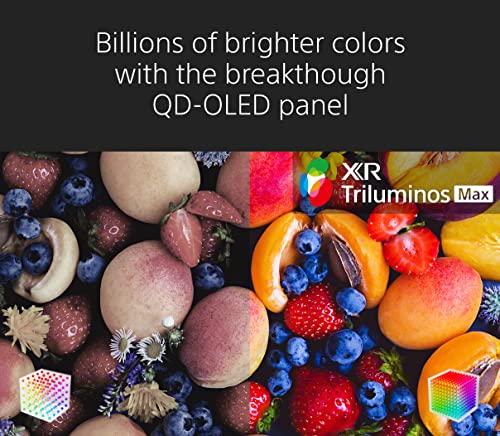
The heart of any TV is its display panel, and these two models couldn't be more different. The Sony A95K uses QD-OLED (Quantum Dot OLED) technology, which sounds complicated but delivers remarkable results. Traditional OLED panels create white light and filter it through color filters, losing brightness in the process. QD-OLED instead uses blue OLED emitters combined with quantum dot converters to create red and green light directly. This means brighter, more saturated colors without sacrificing the perfect blacks that make OLED special.
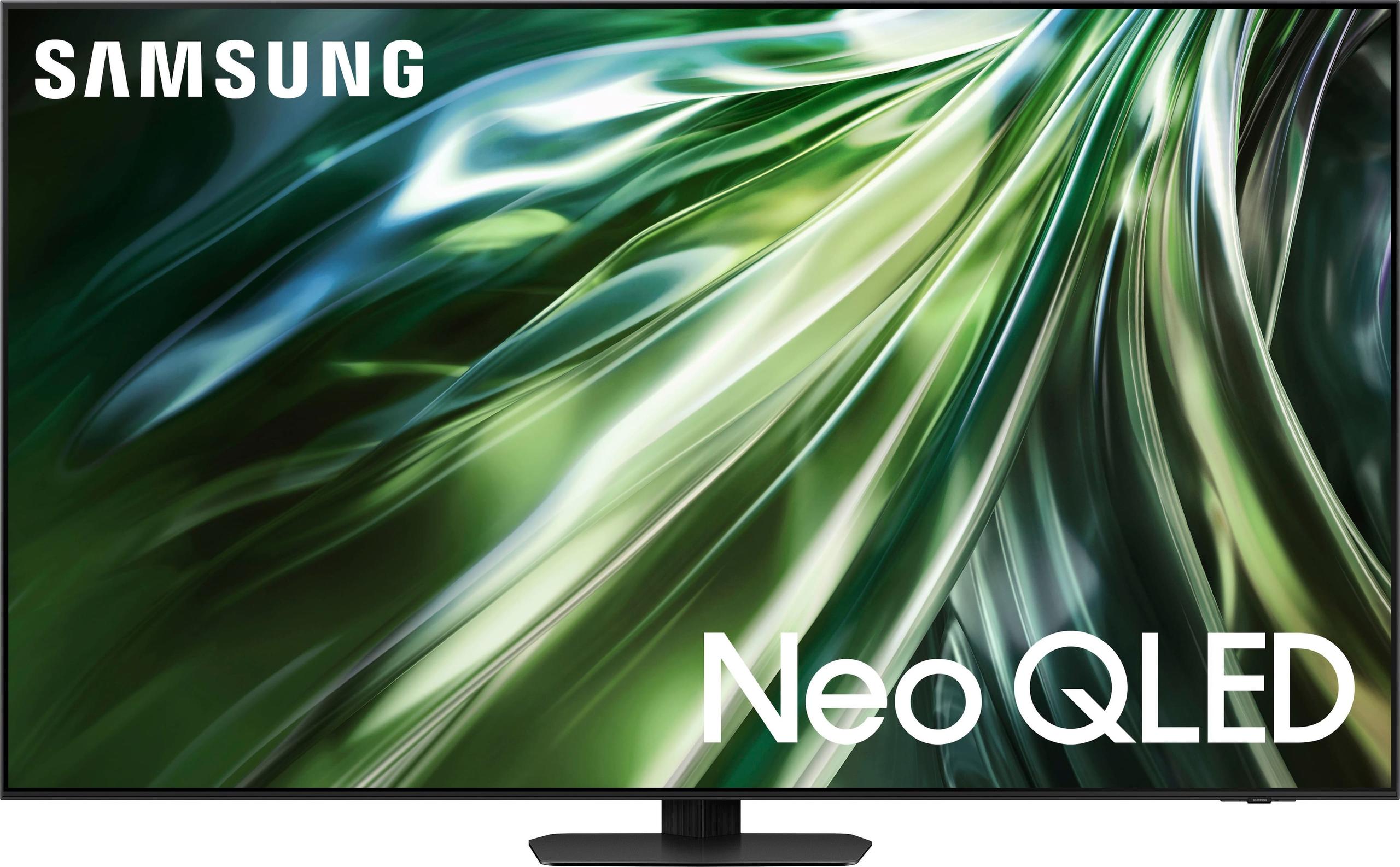
The Samsung QN90D takes a completely different approach with Mini-LED technology. Instead of millions of individual pixels that turn on and off, it uses thousands of tiny LED backlights behind an LCD panel, controlled in hundreds of dimming zones. Think of it as having hundreds of individual flashlights that can dim or brighten independently to create contrast. Samsung combines this with quantum dots—tiny particles that convert blue light into precisely controlled red and green wavelengths for more accurate colors.
Since 2022, when the Sony A95K launched, QD-OLED technology has proven its staying power, with more manufacturers adopting it. Meanwhile, Mini-LED has evolved significantly by 2024, when the Samsung QN90D arrived with refined local dimming algorithms and improved brightness control.
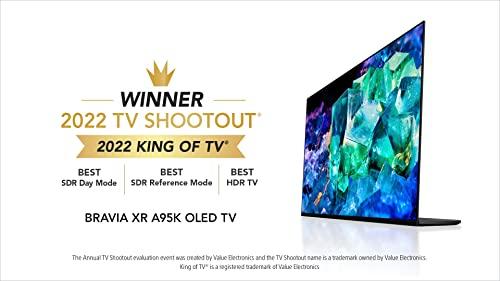
The Sony A95K delivers what many consider the best overall picture quality available in consumer TVs. Its QD-OLED panel produces true blacks—not dark gray, but the complete absence of light—because individual pixels can turn completely off. When you're watching a space scene with stars against the void, those black areas are genuinely black, creating infinite contrast that makes images appear to pop off the screen.
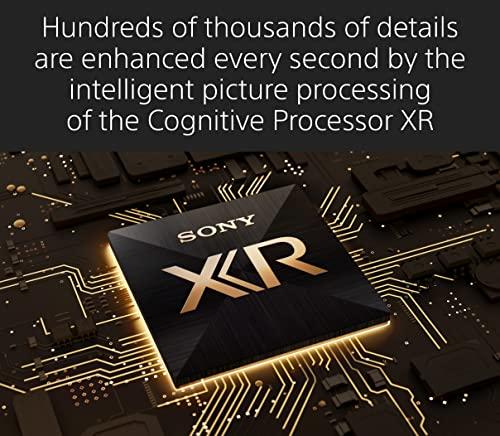
Colors on the Sony A95K are both more accurate and more vibrant than traditional displays. The TV's XR Triluminos Max technology, powered by the Cognitive Processor XR, analyzes content in real-time and adjusts colors to match what directors intended. This isn't just marketing speak—the difference is immediately visible when watching well-mastered content. Skin tones look natural, grass appears genuinely green rather than neon, and sunset scenes display subtle gradations that lesser TVs compress into banded segments.
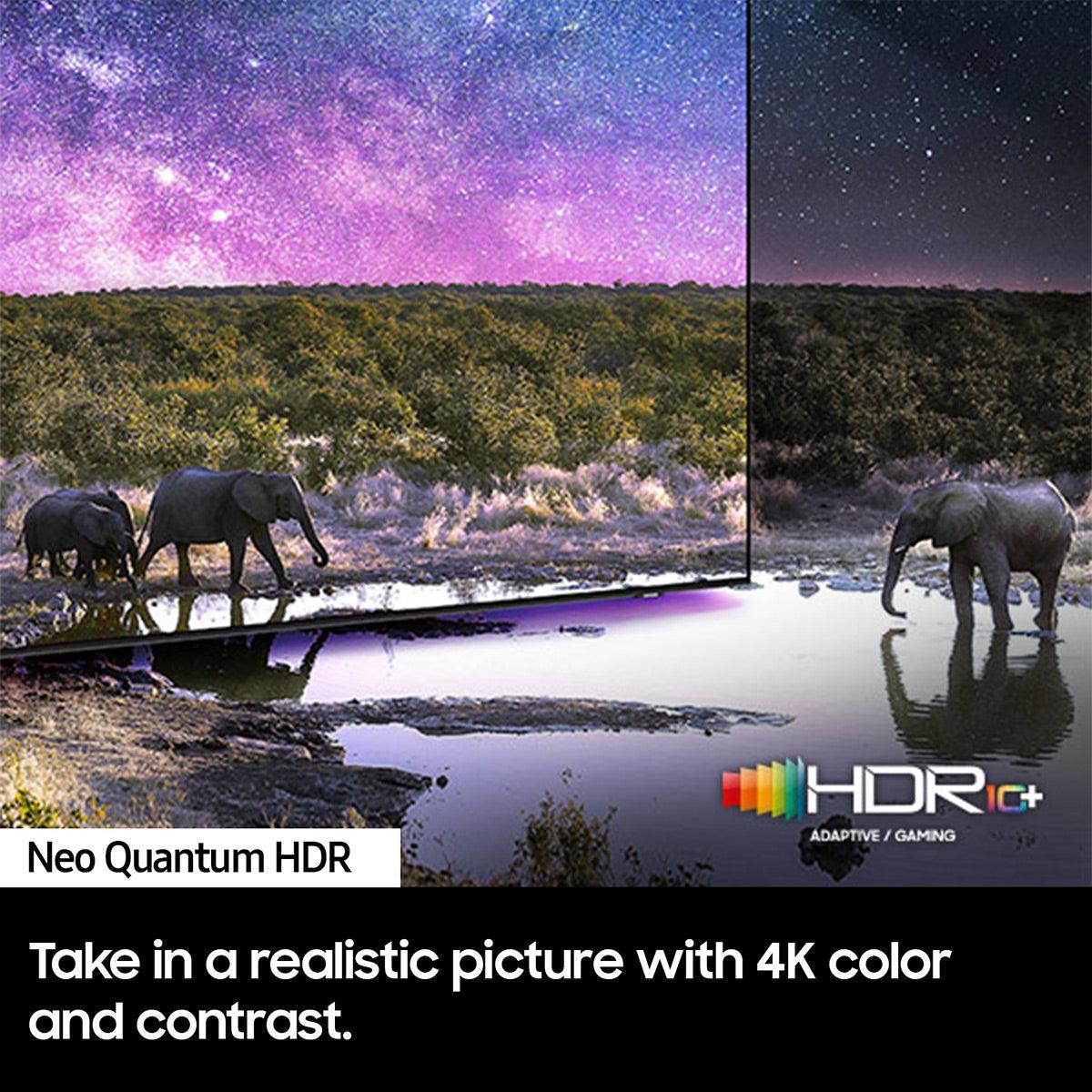
The Samsung QN90D approaches picture quality differently, prioritizing brightness and room adaptability. Its Mini-LED backlighting can produce much brighter highlights—often exceeding 2000 nits in peak areas compared to the Sony's approximately 1000 nits. This means HDR (High Dynamic Range) content with bright elements like explosions, sunlight, or snow scenes will appear more dramatic and closer to what you'd see in a movie theater.
However, the Samsung's LCD technology means it can't achieve true blacks. Even in the darkest scenes, the panel must maintain some backlighting, creating what's called "black floor"—a subtle grayish tint in dark areas. Advanced local dimming helps minimize this, but you'll notice it when watching movies with letterboxing (black bars) in a dark room.
The Samsung QN90D excels in detail processing and sharpness. Its NQ4 AI Gen2 processor uses machine learning to upscale lower-resolution content, making 1080p sources look remarkably close to native 4K. This is particularly valuable if you watch a lot of cable TV or streaming services that don't always deliver true 4K quality.
Your viewing environment dramatically affects which TV will serve you better. The Sony A95K performs best in controlled lighting conditions—dimmed rooms or dedicated home theaters where you can appreciate its perfect blacks and color accuracy. In these environments, it produces images that rival or exceed what you'd see in premium movie theaters.
However, bright rooms present challenges for the Sony A95K. While its QD-OLED panel is brighter than traditional OLEDs, it still reflects ambient light, which can wash out dark scenes and reduce the impact of its infinite contrast. The TV includes an anti-reflective coating, but it can't completely overcome the physics of OLED technology in very bright spaces.
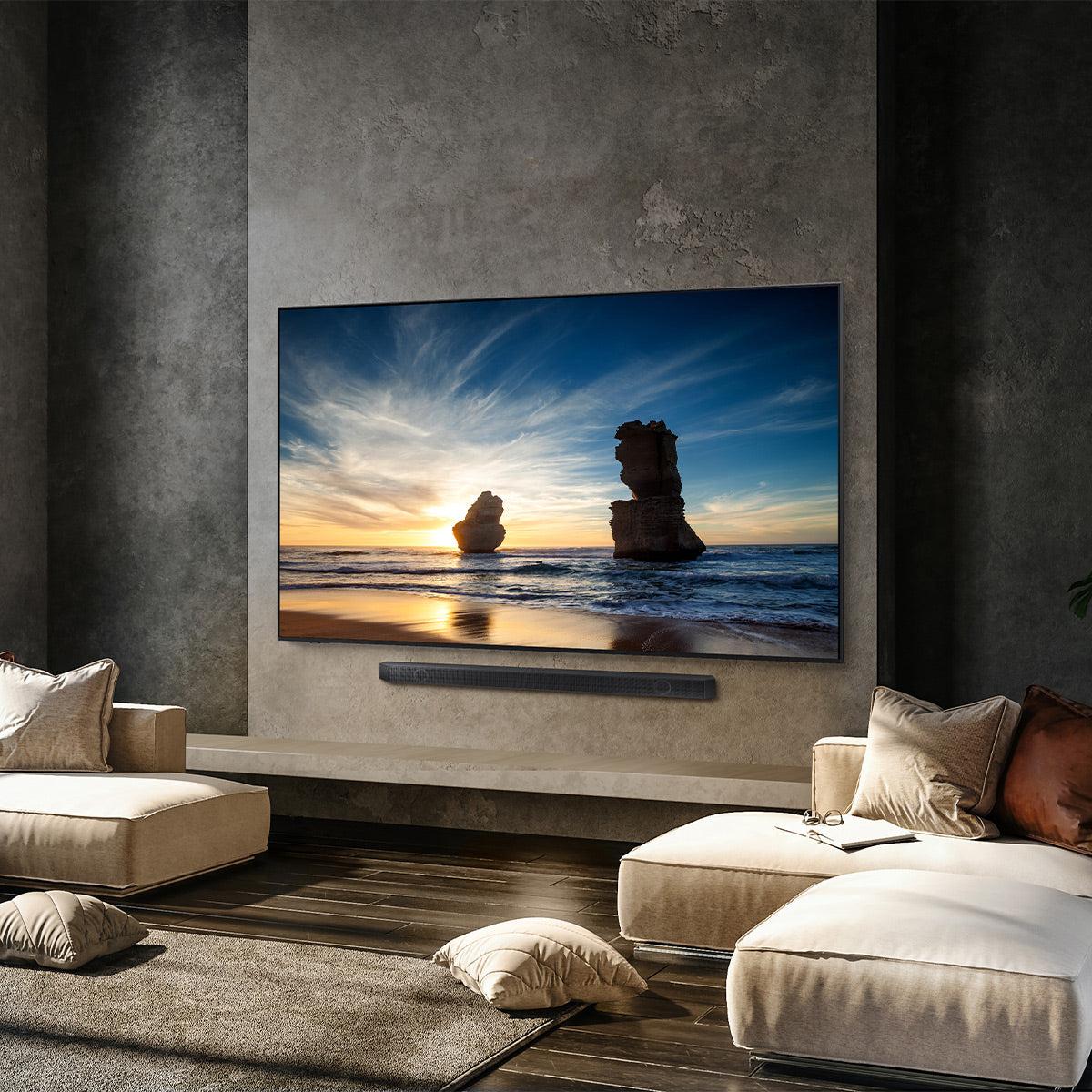
The Samsung QN90D dominates in bright room performance. Its high peak brightness means HDR content remains impactful even with windows open and lights on. The TV's brightness sensor automatically adjusts output based on ambient conditions, maintaining visibility without appearing washed out. If your TV is in a family room with large windows or if you frequently watch during daytime hours, the Samsung provides a more consistently excellent experience.
For sports viewing, this brightness advantage becomes crucial. Bright stadium lights, white uniforms, and green grass all benefit from the Samsung QN90D's ability to push brightness levels high enough to overcome room lighting. The TV's motion processing also handles fast-paced sports action well, though both models excel in this area.
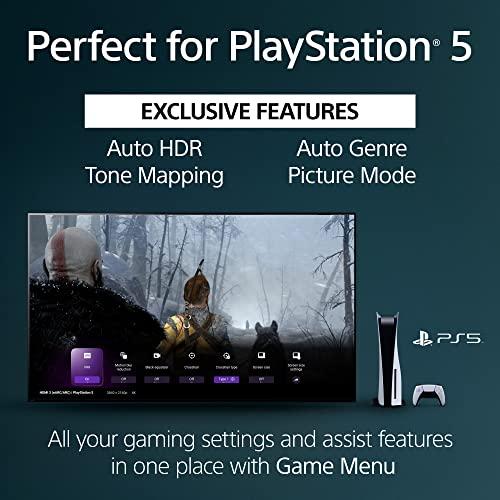
Modern gaming demands have pushed TV manufacturers to implement features that were unimaginable just a few years ago. Both models support Variable Refresh Rate (VRR), which synchronizes the TV's refresh rate with your gaming console to eliminate screen tearing, and Auto Low Latency Mode (ALLM), which automatically switches to game mode when it detects a gaming signal.
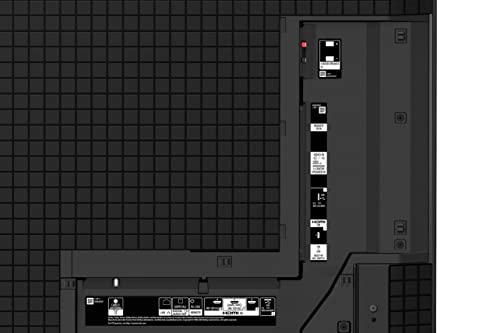
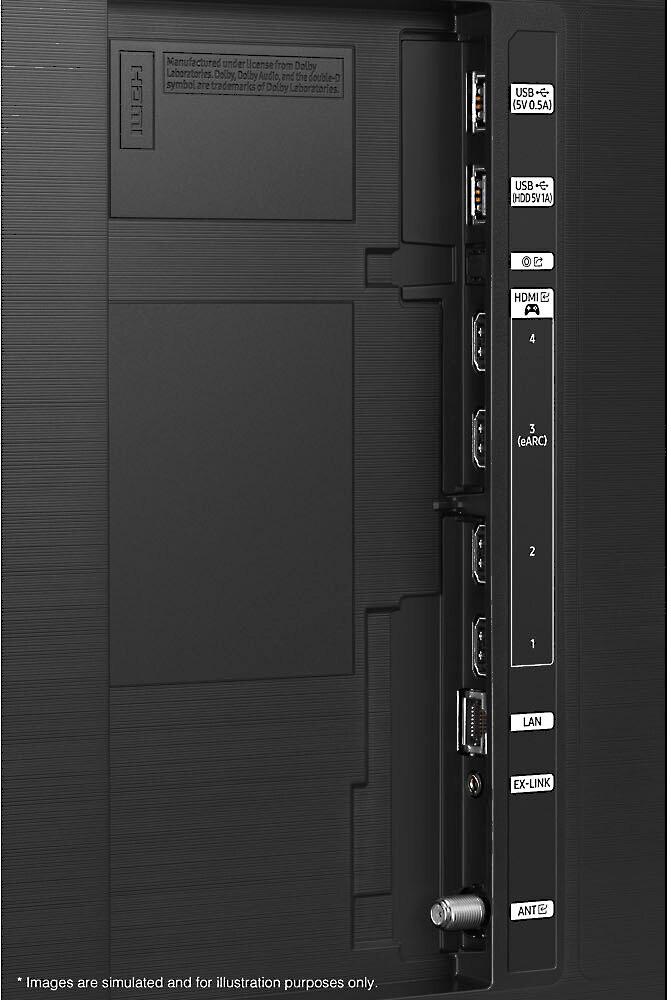
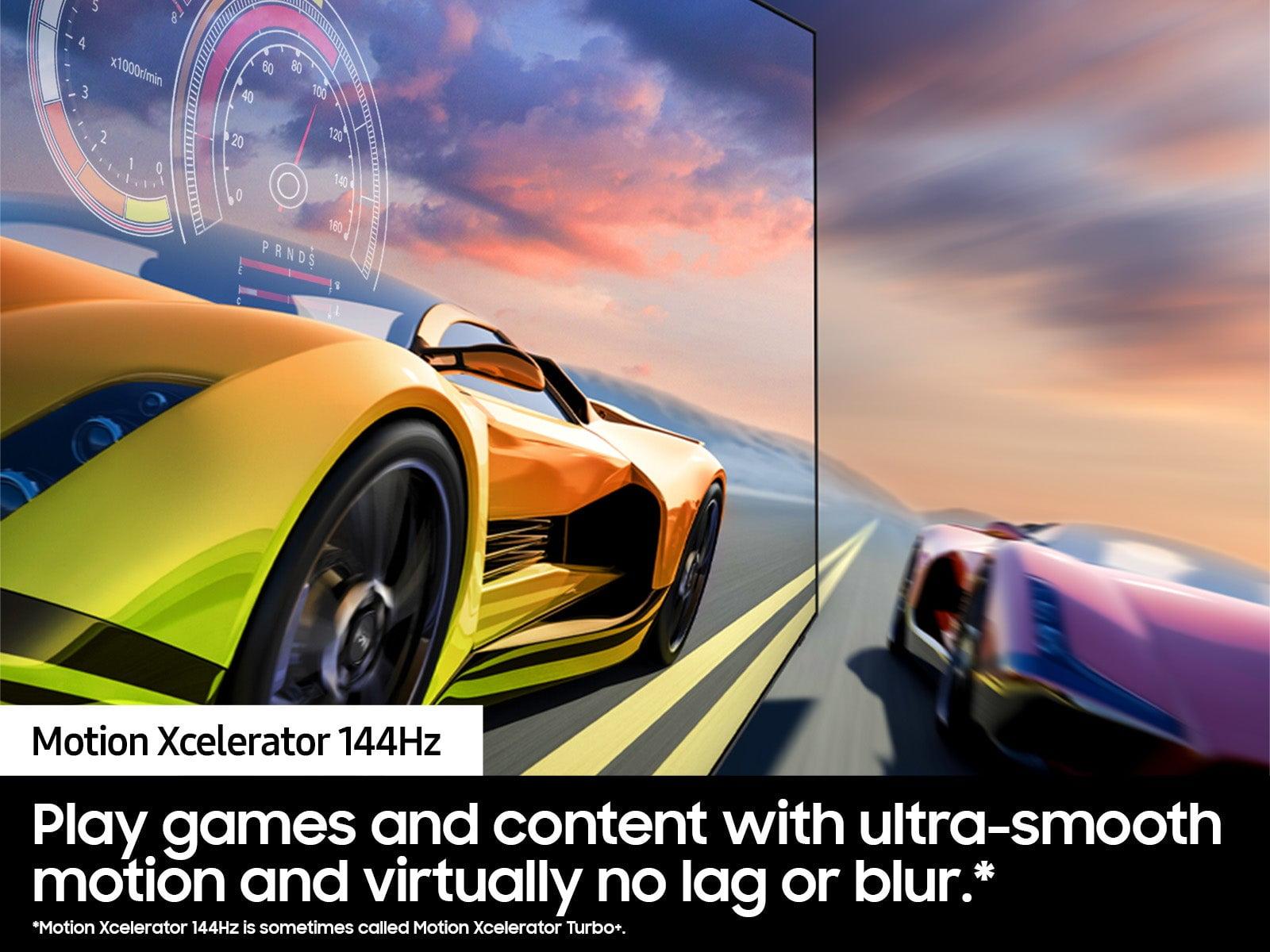
The Samsung QN90D clearly wins for gaming versatility. It provides four full-bandwidth HDMI 2.1 ports, meaning you can connect multiple gaming devices—PlayStation 5, Xbox Series X, gaming PC, and perhaps a streaming device—all while maintaining access to advanced features like 4K at 120Hz. The TV even supports 4K at 144Hz for high-end PC gaming, future-proofing your setup for graphics cards that can push those frame rates.
Samsung's Game Motion Plus deserves special mention. This feature adds interpolated frames to smooth 30fps console games without introducing the input lag that typically comes with motion processing. For games that are locked to 30fps—many single-player adventures fall into this category—this can make movement appear significantly smoother.
The Sony A95K provides superior image quality for gaming but with connectivity limitations. Its two HDMI 2.1 ports force you to choose between devices or use an HDMI switcher. However, the picture quality advantage is substantial. Games display with more accurate colors, better shadow detail, and that perfect black level that makes dark scenes genuinely atmospheric rather than grayish.
For competitive gaming, the Sony A95K offers slightly better response times and motion handling. The difference isn't dramatic, but every millisecond counts in fast-paced multiplayer games. Both TVs handle gaming excellently, but your priorities will determine which approach suits you better.
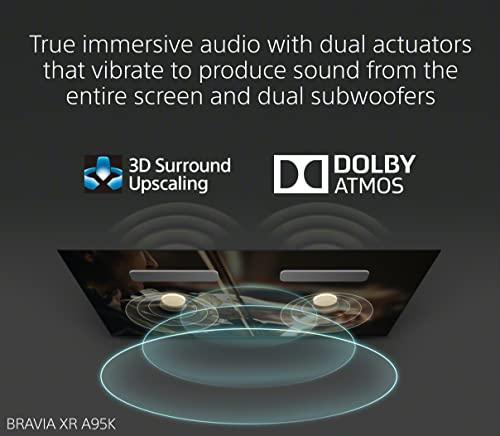
Audio represents one area where the Sony A95K clearly outperforms the competition. Its Acoustic Surface Audio+ technology uses actuators behind the screen to vibrate the display panel itself, effectively turning the entire screen into a speaker. This creates precise sound positioning—dialogue appears to come from actors' mouths rather than from speakers below the screen, and sound effects track with on-screen action.
The system produces 60 watts of power across multiple channels and supports Dolby Atmos for three-dimensional audio. More importantly, the Sony A95K can function as the center channel in a home theater setup, seamlessly blending with external speakers. This flexibility is rare and valuable for serious home theater enthusiasts.
The Samsung QN90D uses a more conventional approach with traditional speakers producing 40 watts of power. While it supports Dolby Atmos and Object Tracking Sound+ (which adjusts audio based on on-screen movement), it can't match the precision and power of the Sony's unique implementation. Most users will want to add a soundbar to the Samsung for optimal audio performance.
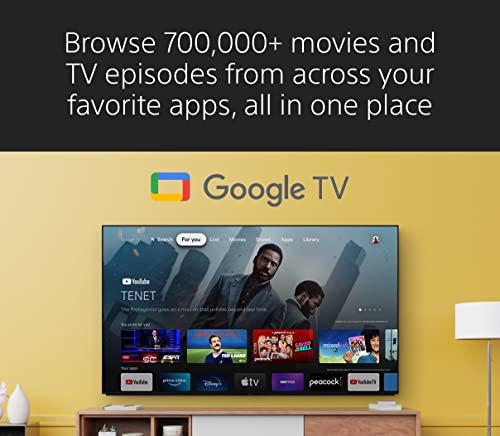
Both TVs run mature, feature-rich smart platforms, but with different strengths. The Sony A95K uses Google TV, which excels at content discovery and provides a clean, intuitive interface. More importantly for movie enthusiasts, it supports Dolby Vision—a premium HDR format that provides scene-by-scene optimization for the best possible picture quality.
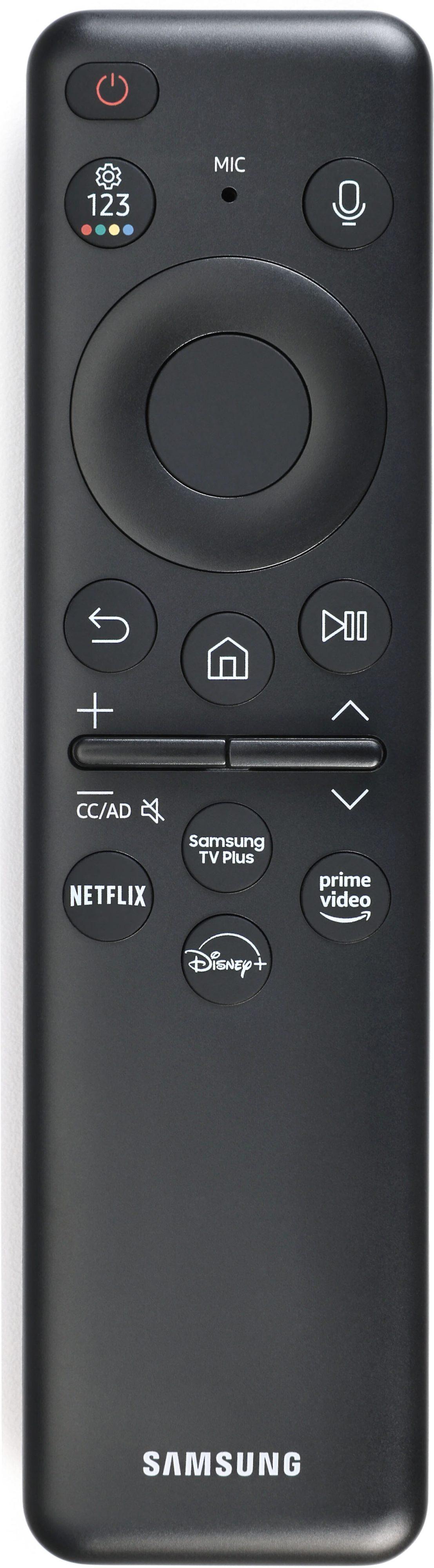
The Samsung QN90D runs Tizen OS, which is fast and responsive but lacks Dolby Vision support—a significant limitation for streaming services and UHD Blu-ray discs that use this format. However, Samsung's Gaming Hub integrates cloud gaming services directly into the TV, allowing you to play high-end games without a console through services like Xbox Game Pass Ultimate.
At the time of writing, both TVs command premium prices, but they represent different value propositions. The Sony A95K costs more upfront but delivers cutting-edge display technology that will remain impressive for years. However, OLED panels can potentially suffer from burn-in if static images (like news tickers or game HUDs) remain on-screen for extended periods, though modern OLED panels are much more resistant to this than early generations.
The Samsung QN90D typically costs less while providing more connectivity and versatility. Its LCD technology eliminates burn-in concerns entirely, potentially making it a safer long-term investment for users who display static content regularly or use their TV as a computer monitor.
Choose the Sony A95K if you prioritize absolute picture quality above all else. This TV excels for dedicated home theater setups, movie enthusiasts who watch primarily in controlled lighting, and users who appreciate the best possible color accuracy and contrast. The superior built-in audio system makes it particularly attractive for those who don't want to immediately invest in external speakers.
The Sony A95K also makes sense for users with simpler gaming setups—if you have one or two gaming devices and value image quality over connectivity, its limitations become less relevant. For someone building a high-end home theater around the TV as the centerpiece, the A95K's combination of picture quality and audio performance is hard to match.
Choose the Samsung QN90D for versatility and practical performance. This TV excels in bright rooms, handles multiple gaming devices without compromise, and provides excellent performance across all content types. It's the better choice for family rooms with varied lighting conditions, serious gamers with multiple consoles, and users who prioritize sports and daytime viewing.
The Samsung QN90D also makes financial sense for users who plan to add a soundbar anyway—its picture quality is excellent, and you won't pay a premium for audio features you won't use. For most users, the Samsung provides the better balance of performance, features, and value.
Both TVs represent excellent choices within their respective strengths. The Sony A95K pushes display technology forward with QD-OLED innovation, while the Samsung QN90D refines Mini-LED technology into a versatile, practical package. Your room setup, viewing habits, and priorities will ultimately determine which approach serves you better.
| Sony Bravia XR A95K 65" QD-OLED TV | Samsung 65" QN90D Series 4K Neo QLED Smart TV |
|---|---|
| Display Technology - The fundamental difference affecting all picture quality | |
| QD-OLED with perfect pixel-level control | Mini-LED with quantum dots and local dimming zones |
| Peak Brightness - Critical for HDR impact and bright room viewing | |
| ~1,000 nits (excellent for dark rooms) | 2,000+ nits (superior for bright rooms and HDR highlights) |
| Black Level Performance - Determines contrast and dark scene detail | |
| Perfect blacks (infinite contrast ratio) | Very good blacks with minimal blooming (limited by LCD technology) |
| Color Accuracy - How true-to-life colors appear | |
| Exceptional accuracy with wide color gamut | Very good with vivid, punchy colors (may need calibration) |
| HDMI 2.1 Ports - Essential for multiple gaming devices | |
| 2 ports (may require HDMI switcher) | 4 ports (connects all gaming devices directly) |
| Maximum Gaming Resolution/Refresh Rate - Future-proofing for PC gaming | |
| 4K @ 120Hz | 4K @ 144Hz |
| Audio System - Built-in sound quality | |
| 60W Acoustic Surface Audio+ (screen vibrates as speaker) | 40W traditional speakers with Object Tracking Sound+ |
| HDR Format Support - Premium streaming and disc compatibility | |
| HDR10, HLG, Dolby Vision | HDR10, HDR10+, HLG (no Dolby Vision support) |
| Smart TV Platform - Interface and app experience | |
| Google TV (excellent content discovery) | Tizen OS (fast performance, Gaming Hub included) |
| Viewing Angles - Picture consistency from side seating | |
| Excellent (OLED advantage) | Very good (better than most LCD TVs) |
| Burn-in Risk - Long-term durability concern | |
| Potential risk with static content (modern OLEDs much improved) | No risk (LCD technology advantage) |
| Weight - Installation and mounting considerations | |
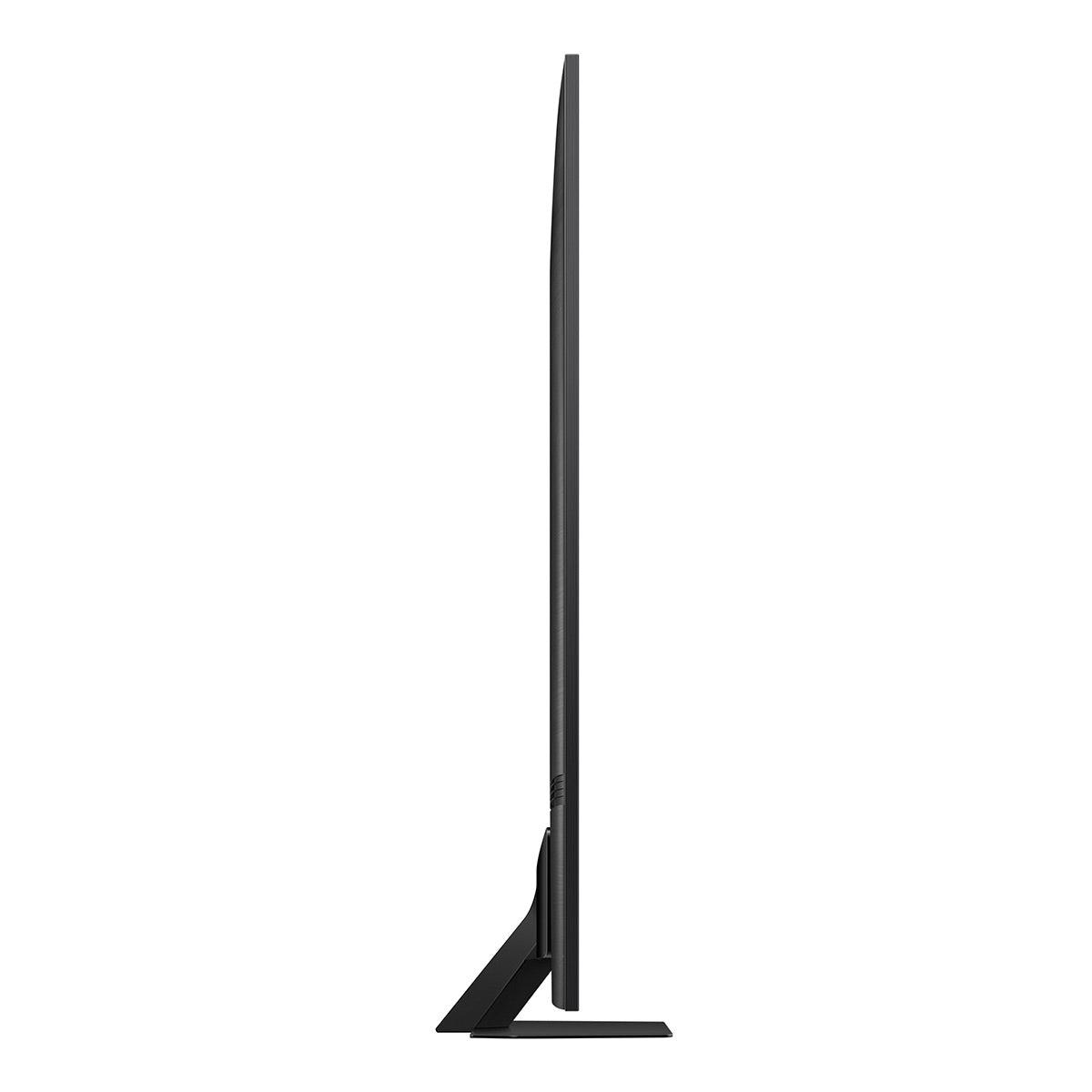
| 60 lbs (requires sturdy mount) | 30 lbs (easier installation) |
The Sony Bravia XR A95K delivers superior overall picture quality with its QD-OLED technology, offering perfect blacks, infinite contrast, and more accurate colors. The Samsung QN90D provides brighter highlights and better performance in well-lit rooms, but can't match the Sony's contrast and color accuracy in controlled lighting conditions.
The Samsung QN90D is better for gaming versatility with four HDMI 2.1 ports and 4K @ 144Hz support for PC gaming. However, the Sony A95K offers superior image quality for gaming with better colors and contrast, though it's limited to two HDMI 2.1 ports and 4K @ 120Hz.
The Samsung QN90D significantly outperforms in bright rooms with its higher peak brightness (2000+ nits) and better reflection handling. The Sony A95K is designed for darker viewing environments where its perfect blacks and color accuracy can shine without ambient light interference.
No, only the Sony A95K supports Dolby Vision HDR format, which provides enhanced picture quality for streaming and UHD Blu-ray content. The Samsung QN90D supports HDR10 and HDR10+ but lacks Dolby Vision support, which is a common limitation with Samsung TVs.
The Sony A95K has significantly better built-in audio with its 60W Acoustic Surface Audio+ system that uses the screen itself as a speaker. The Samsung QN90D has a conventional 40W speaker system that, while decent, doesn't match the Sony's innovative audio implementation.
The Sony A95K has potential burn-in risk due to its OLED technology, though modern OLED panels are much more resistant than earlier generations. The Samsung QN90D uses LCD technology and has no burn-in risk, making it safer for displaying static content like news channels or computer interfaces.
The Sony A95K is ideal for dedicated home theaters with its perfect blacks, superior color accuracy, and excellent built-in audio that can even serve as a center channel speaker. The controlled lighting environment of a home theater maximizes the Sony's strengths while minimizing its bright room limitations.
The Sony A95K uses Google TV, which offers excellent content discovery and a clean interface. The Samsung QN90D runs Tizen OS, which is fast and responsive with additional features like Gaming Hub for cloud gaming, though both platforms provide access to all major streaming services.
The Samsung QN90D typically offers better value with more gaming connectivity, superior bright room performance, and no burn-in concerns at a generally lower price point. The Sony A95K commands a premium for its cutting-edge QD-OLED technology and superior picture quality in optimal viewing conditions.
The Samsung QN90D easily handles multiple gaming consoles with its four HDMI 2.1 ports, allowing direct connection of PlayStation 5, Xbox Series X, gaming PC, and other devices. The Sony A95K has only two HDMI 2.1 ports, which may require an HDMI switcher for multiple gaming devices.
The Samsung QN90D is better for sports viewing due to its superior brightness for daytime viewing and excellent motion processing. Its performance in bright rooms where sports are typically watched gives it an advantage over the Sony A95K, which excels in darker environments.
The Sony A95K is superior for movie watching with its perfect blacks, accurate colors, Dolby Vision support, and excellent built-in audio that creates a more cinematic experience. While the Samsung QN90D can produce brighter highlights, the Sony's overall picture quality and format support make it the better choice for serious movie enthusiasts.
We've done our best to create useful and informative comparisons to help you decide what product to buy. Our research uses advanced automated methods to create this comparison and perfection is not possible - please contact us for corrections or questions. These are the sites we've researched in the creation of this article: tomsguide.com - audioadvice.com - wepc.com - bestbuy.com - tvsbook.com - rtings.com - youtube.com - flatpanelshd.com - rtings.com - youtube.com - reviewed.com - avsforum.com - youtube.com - youtube.com - rtings.com - youtube.com - electronics.sony.com - sonypremiumhome.com - valueelectronics.com - sony.com - displayspecifications.com - flatpanelshd.com - donstv.com - youtube.com - businessinsider.com - youtube.com - displayspecifications.com - bestbuy.com - tomsguide.com - abt.com - youtube.com - youtube.com - rtings.com - samsung.com - samsung.com - standardtvandappliance.com - gerhardsappliance.com - bestbuy.com - image-us.samsung.com - youtube.com - images.samsung.com

Privacy Policy
Terms and Conditions - Affiliate Policy
Home Security
© Copyright 2008-2026.
11816 Inwood Rd #1211, Dallas, TX 75244