

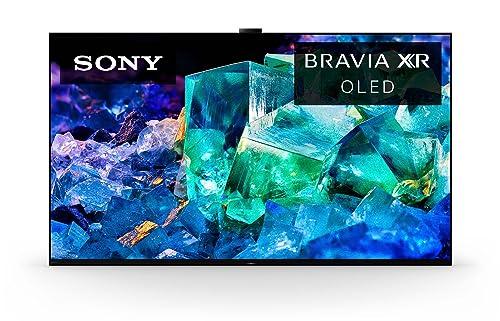


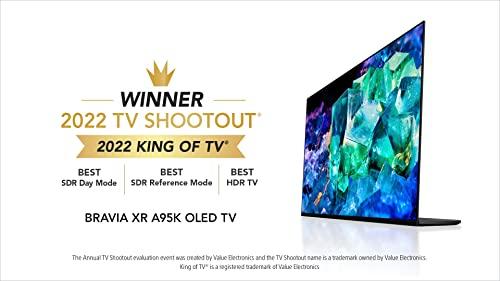
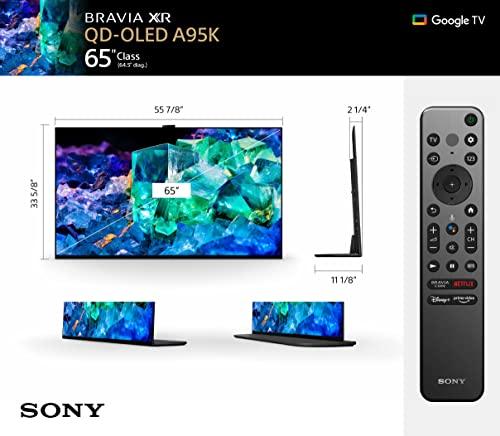




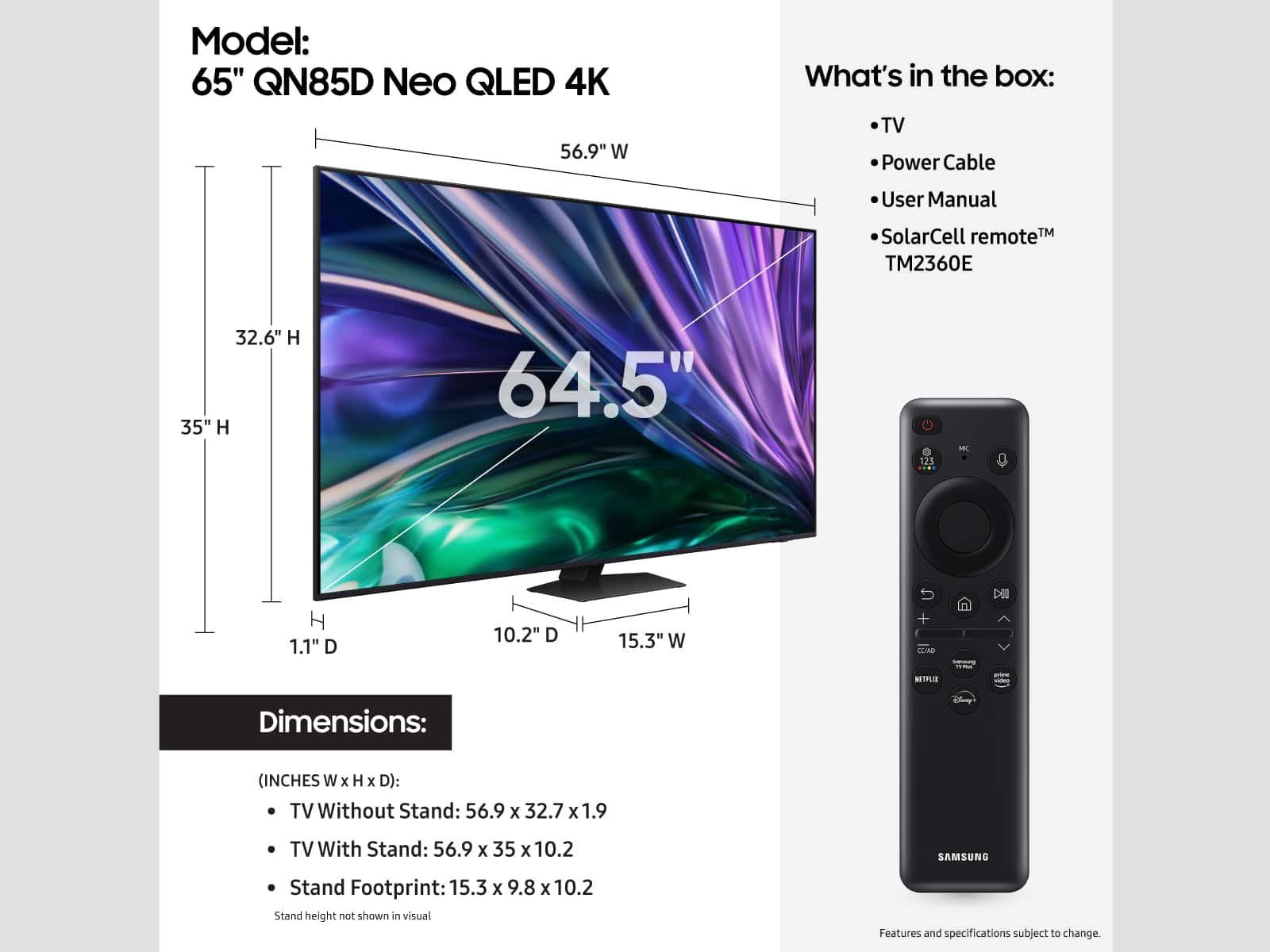
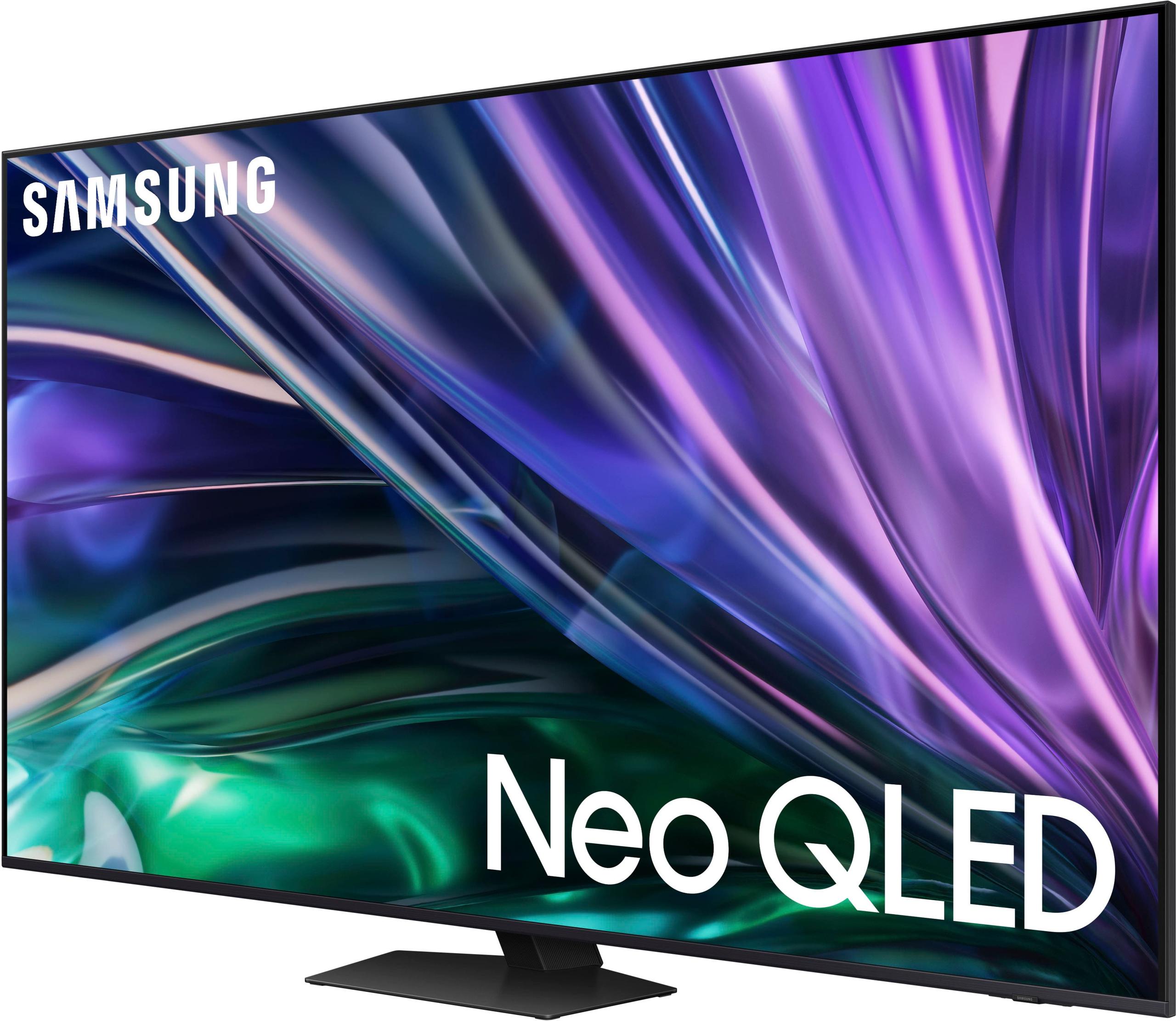
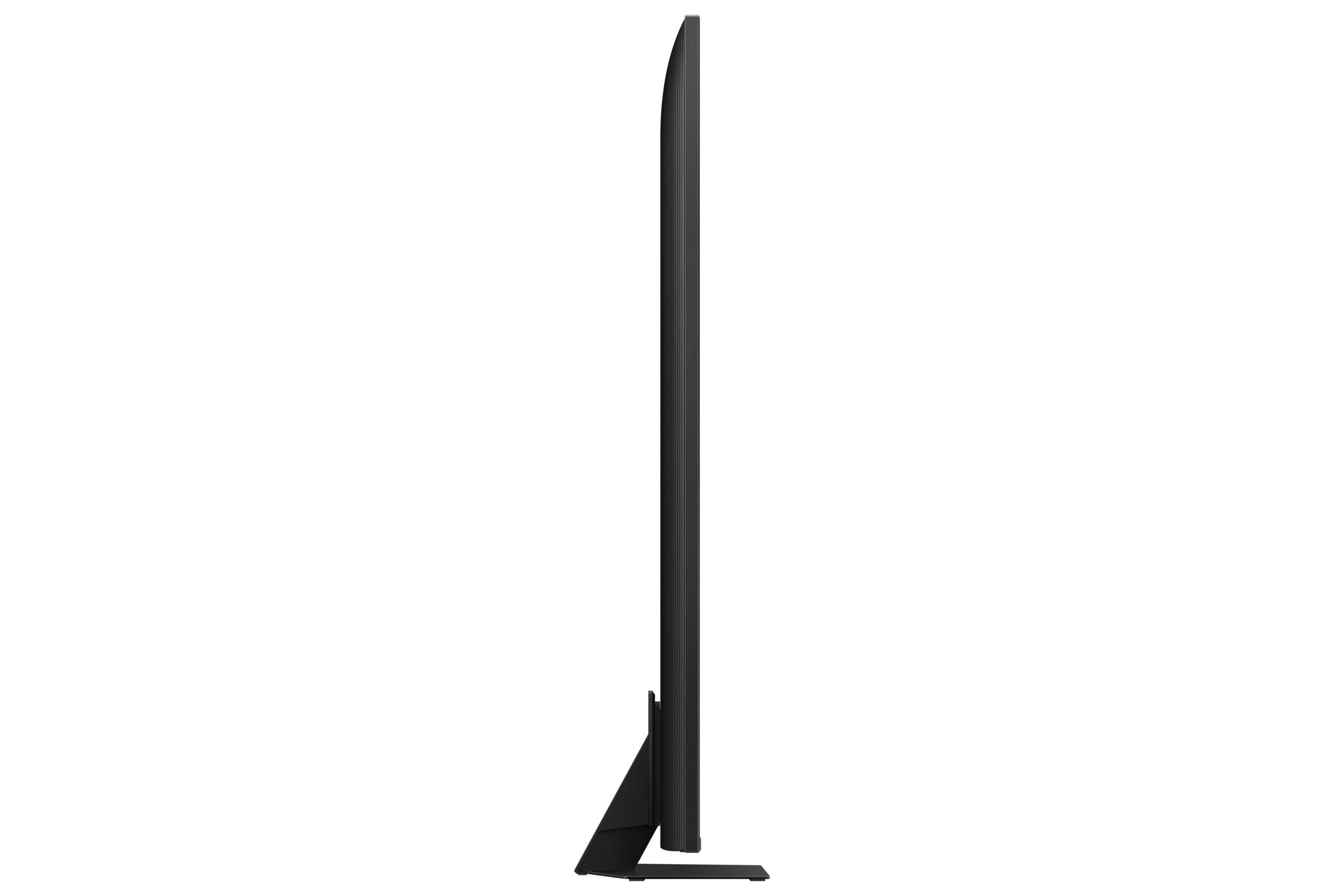
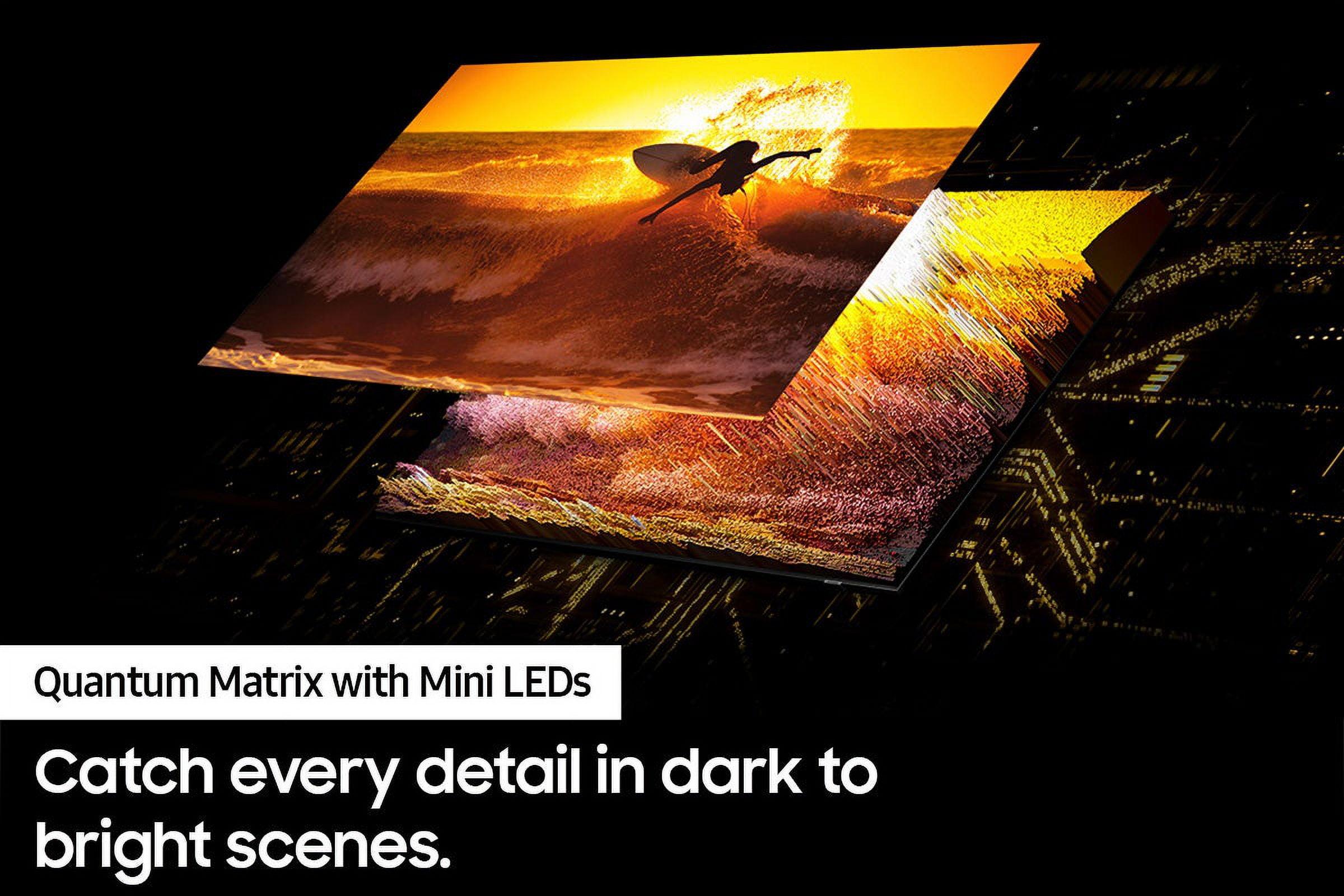

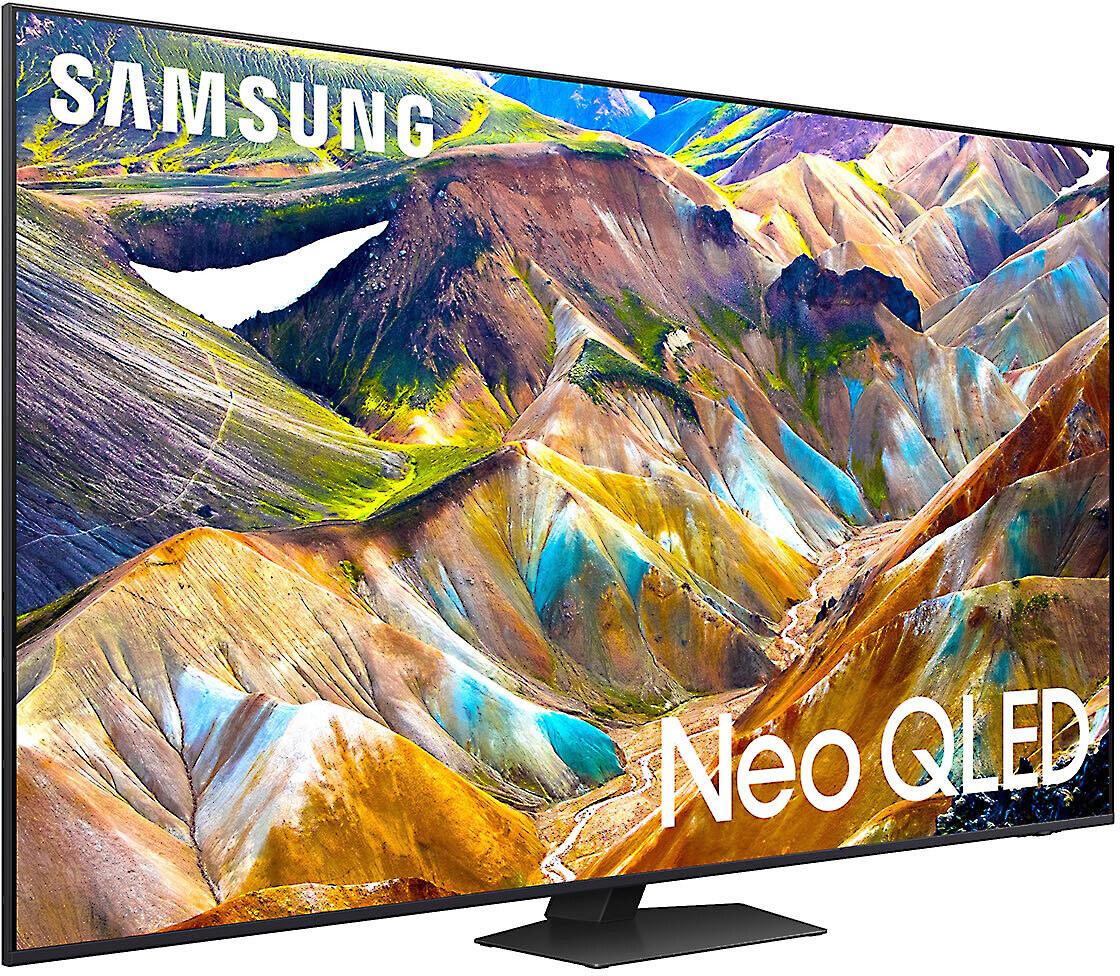
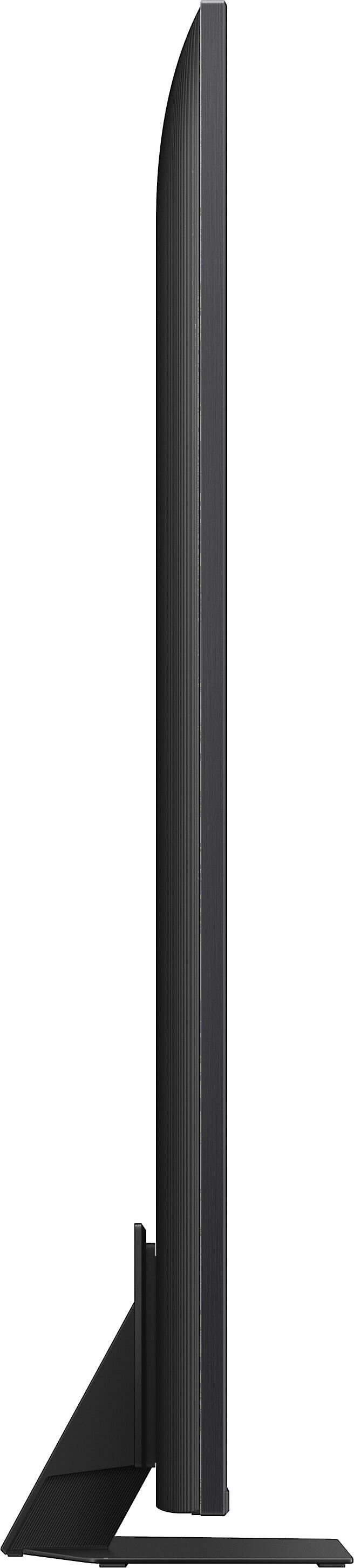
If you're shopping for a premium TV in 2024, you've probably encountered OLED displays—the technology that delivers those impossibly deep blacks and vibrant colors that make movies look almost three-dimensional. Both the Sony A95K and Samsung S90D represent the cutting edge of what's called QD-OLED technology, but they approach the viewing experience very differently despite sharing similar underlying display panels.
Understanding which TV suits your needs requires diving into what makes these displays special and where each manufacturer's priorities lie. While both TVs will blow you away compared to older LED models, the differences between them matter significantly depending on how you plan to use your new display.
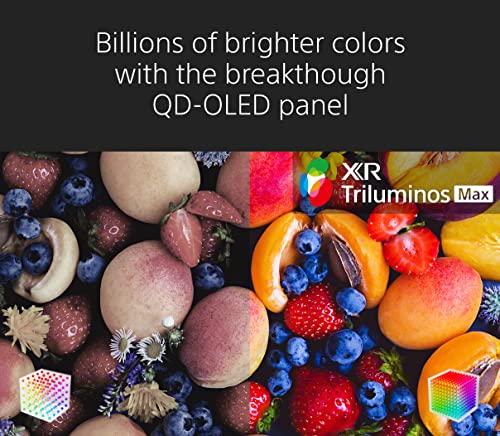
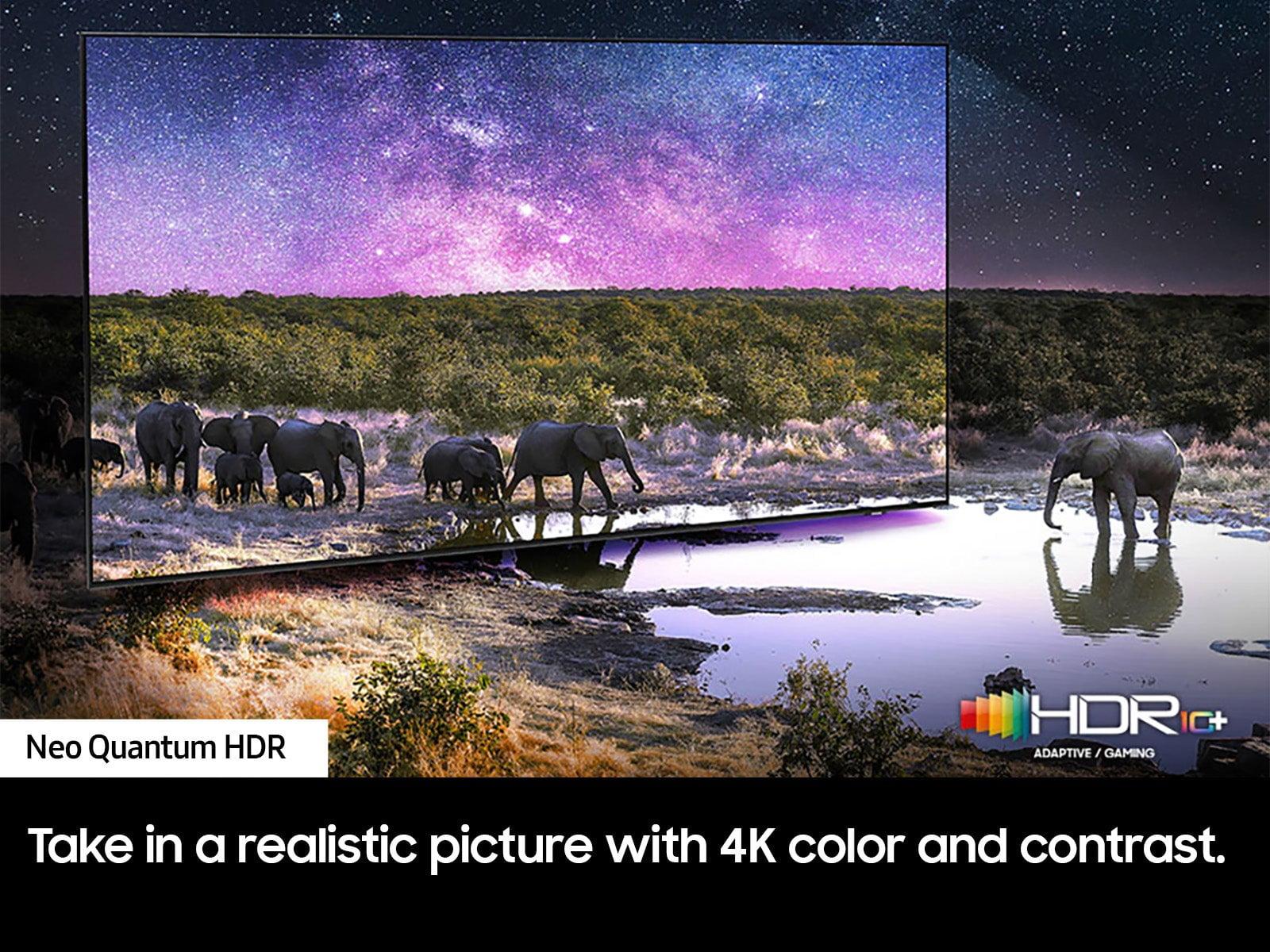
Traditional OLED displays create white light and then filter it through colored pixels to produce the final image. QD-OLED takes a different approach: it uses blue OLED pixels combined with quantum dot converters to create red and green light directly. Think of quantum dots as incredibly tiny crystals that absorb one color of light and emit another—they're so small that millions could fit on the period at the end of this sentence.
This approach delivers two major benefits. First, colors appear significantly more vivid and accurate, especially bright colors like fire-engine red or neon green that traditionally look washed out on displays. Second, the overall brightness increases substantially compared to regular OLED panels, making HDR content—those movies and shows mastered with extra brightness and color information—truly pop off the screen.
Both the Sony A95K and Samsung S90D use this QD-OLED foundation, but their implementations reveal each company's different philosophies about what makes a great TV experience.
When comparing these displays, the raw panel performance is remarkably similar—both achieve nearly perfect contrast ratios and can display over a billion colors. However, the picture processing, which is how the TV's computer brain interprets and optimizes incoming video signals, tells a very different story.
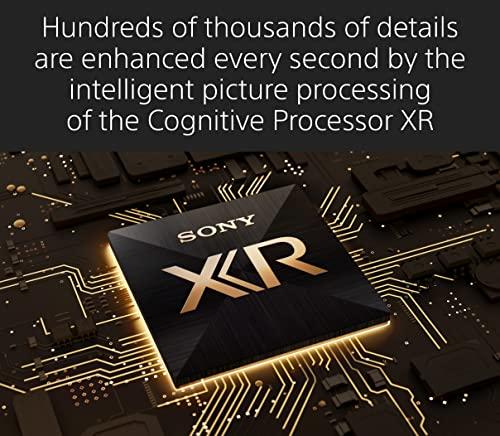
The Sony A95K, released in 2022, features what Sony calls the Cognitive Processor XR. This isn't just marketing speak—it's a fundamentally different approach to video processing that attempts to mimic how human vision works. Instead of analyzing an image as a grid of pixels, it identifies focal points in scenes and enhances them while leaving background elements more natural.
This processing advantage becomes most apparent with real-world content. When you're streaming Netflix, watching cable TV, or playing DVDs, the Sony A95K consistently produces cleaner, more detailed images with less of that digital "blockiness" you sometimes see in compressed video. The difference is particularly noticeable in darker scenes where streaming compression typically struggles—the Sony's processing fills in missing detail and reduces artifacts that can make images look pixelated or unnatural.
The Samsung S90D, launched in 2024, uses Samsung's NQ4 AI Gen2 processor with what they call 20 specialized neural networks. While this newer chip brings improvements in certain areas, particularly in reducing color banding (those subtle striped patterns you sometimes see in gradients like sunsets), it doesn't match Sony's reputation for handling lower-quality source material.
For brightness specifically, the Sony A95K achieves slightly higher peak brightness in standard content, which translates to better performance in bright rooms during daytime viewing. Both TVs handle HDR content exceptionally well, but the Sony's superior processing often makes the difference between good HDR and truly spectacular HDR.
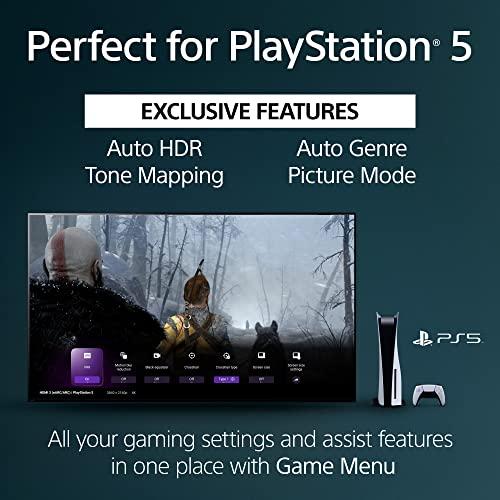
Gaming performance has become crucial for modern TVs, especially with PlayStation 5 and Xbox Series X consoles demanding cutting-edge display capabilities. This is where the Samsung S90D takes a commanding lead, and the differences are significant enough to influence your buying decision if gaming matters to you.
The most important gaming metric is input lag—the delay between pressing a button on your controller and seeing the action on screen. Lower numbers mean more responsive gameplay, particularly crucial for competitive gaming. The Samsung S90D achieves notably lower input lag across all resolutions and gaming modes, making it feel more immediate and responsive during fast-paced action.
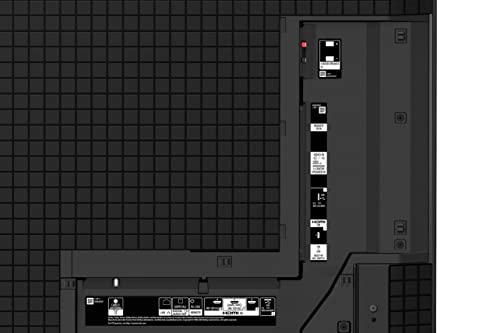
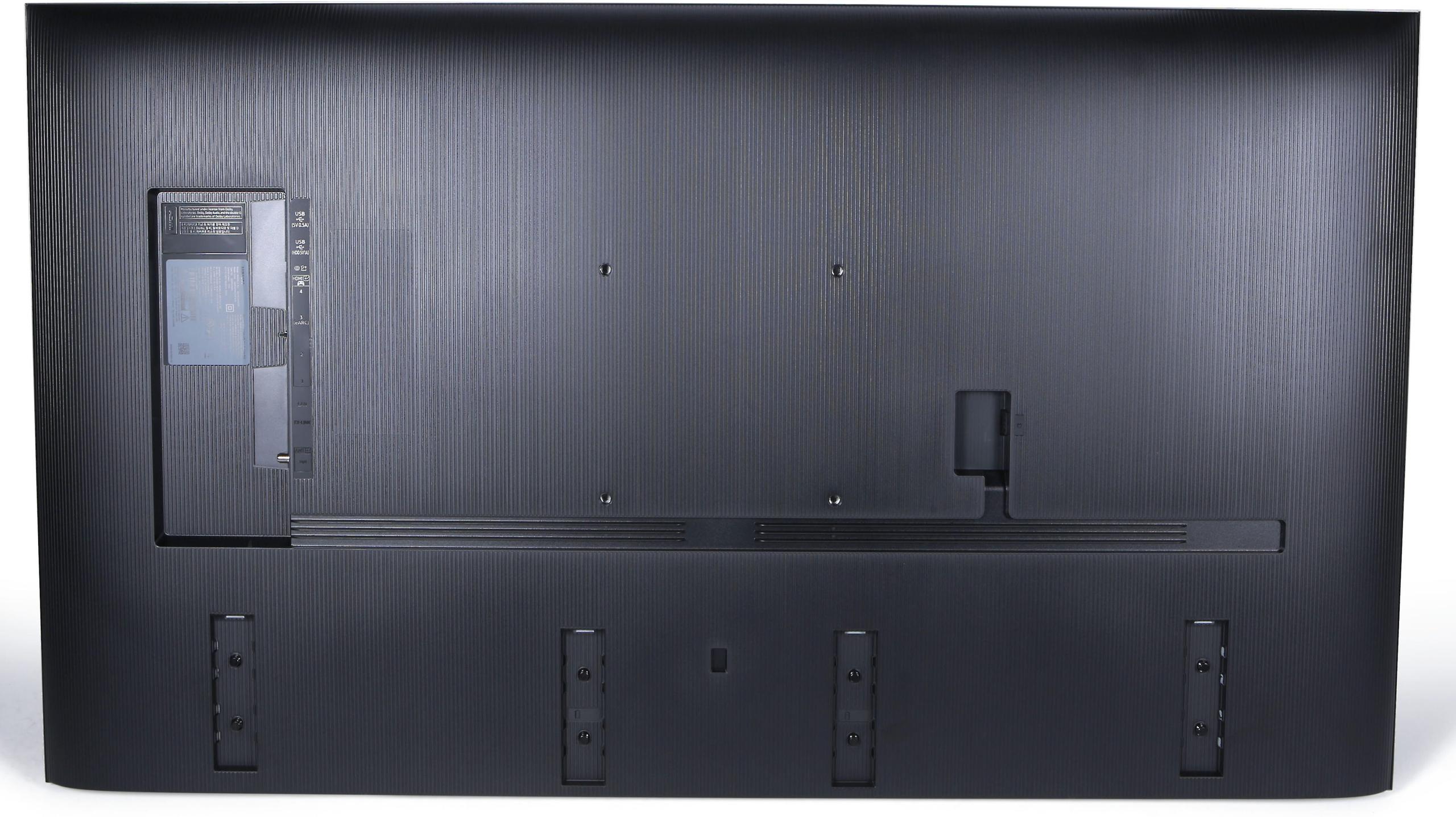
Connectivity represents perhaps the biggest practical difference between these TVs. The Samsung S90D includes four full HDMI 2.1 ports, each capable of handling 4K resolution at 120 frames per second with variable refresh rate support. The Sony A95K limits you to just two HDMI 2.1 ports (specifically ports 3 and 4), with the other two remaining older HDMI 2.0 specifications.
This connectivity limitation matters more than you might initially think. If you own a PlayStation 5 and Xbox Series X, plus a 4K Blu-ray player, you've already filled three ports. Add a PC or streaming device, and you're making compromises about which devices get the premium connections. The Samsung's four HDMI 2.1 ports eliminate these tough choices.
The Samsung S90D also supports 144Hz refresh rates for high-end PC gaming, while the Sony A95K tops out at 120Hz. For most console gaming, this difference doesn't matter, but PC gamers with powerful graphics cards can take advantage of the extra smoothness in supported games.
One gaming consideration favors the Sony A95K: motion handling. Sony's XR Motion Clarity technology excels at maintaining clear, bright images during fast motion without the dimming that some other TVs apply during rapid scene changes. This makes sports games and racing titles look particularly crisp.
Here's where these TVs diverge most dramatically, and it significantly impacts your total system cost and setup complexity.
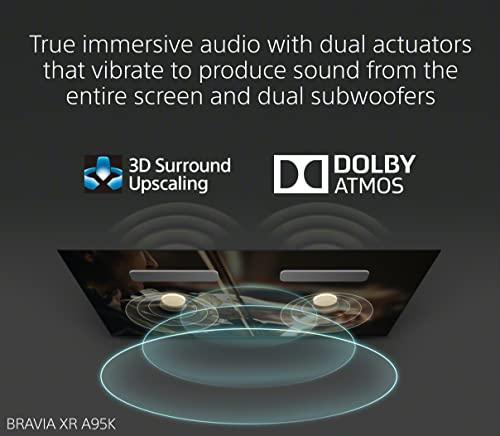
The Sony A95K features Acoustic Surface Audio+ technology, which is genuinely innovative rather than just marketing terminology. Instead of traditional speakers mounted somewhere in the TV cabinet, the entire 65-inch screen surface acts as a speaker. Actuators behind the panel vibrate the display itself to produce sound, creating an effect where dialogue and sound effects appear to come directly from their visual locations on screen.
This isn't just about novelty—it genuinely improves the viewing experience. When actors speak, their voices seem to emanate from their mouths rather than from below the screen. Explosions and action sequences feel more immersive because the sound originates from where the action appears visually. The system produces 60 watts of total power across a 2.2-channel configuration, which is substantial for built-in TV audio.
Perhaps most impressively, the Sony A95K can function as the center channel speaker in a traditional home theater setup. If you already own or plan to buy surround speakers, the TV integrates directly into your system via speaker wire connections, potentially saving you several hundred dollars on a dedicated center channel speaker.
The Samsung S90D takes the conventional approach with down-firing speakers built into the TV's cabinet. While these speakers are competent, producing 40 watts across a 2.1-channel setup, they can't compete with the Sony's innovative design. Most Samsung S90D owners will want to invest in a soundbar to achieve satisfying audio quality, adding both cost and complexity to the setup.
Based on our research into user experiences, the Sony's built-in audio eliminates the immediate need for additional audio equipment for most viewers, while the Samsung practically requires it for an optimal experience.
Both TVs offer comprehensive smart platforms, but with different strengths and one critical difference that affects content quality.
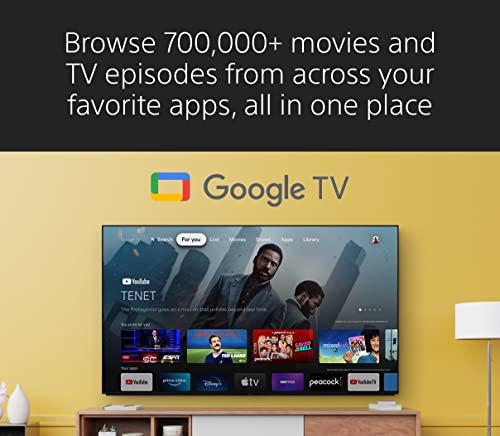
The Sony A95K runs Google TV, which provides access to virtually every major streaming app plus the convenience of Google Assistant voice control and Chromecast built-in for easy phone and tablet casting. The interface feels familiar if you've used Android devices, and app selection is comprehensive.
The Samsung S90D uses Samsung's Tizen operating system, which has matured significantly over the years and offers smooth performance with good app availability. Samsung's interface feels intuitive, and being a 2024 model, you can expect longer software support and updates compared to the 2022 Sony.
The critical difference lies in HDR format support. The Sony A95K supports Dolby Vision HDR, the premium HDR format used by Netflix, Disney+, Amazon Prime Video, and many others for their highest-quality content. The Samsung S90D omits Dolby Vision support entirely, instead supporting HDR10+ and standard HDR10.
While both HDR10+ and Dolby Vision offer significant improvements over standard HDR10, much of the premium streaming content you'll actually watch is mastered in Dolby Vision. This means the Sony A95K can display these shows and movies exactly as their creators intended, while the Samsung must convert them to HDR10, potentially losing some of the intended visual impact.
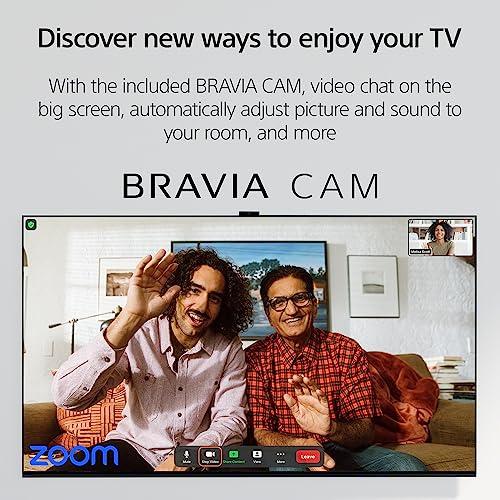
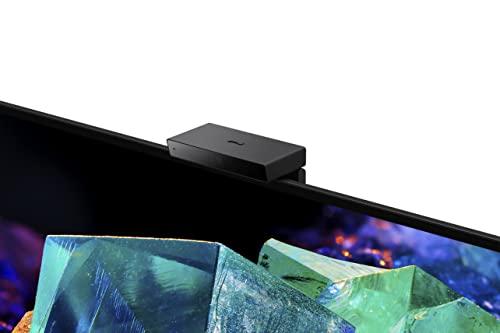
The Sony A95K includes an interesting bonus: the BRAVIA CAM, a detachable camera that enables video chatting and gesture controls. While not essential, it adds functionality for families who video chat on their TV or prefer hands-free navigation.
At the time of writing, the Samsung S90D typically sells for several hundred dollars less than the Sony A95K, despite being the newer model. This price difference reflects both the age gap between the products and Samsung's aggressive positioning in the competitive OLED market.
However, calculating true value requires considering the total system cost. If you choose the Samsung S90D, budget for a quality soundbar, which can add $200-500 or more to your total investment. The Sony A95K's superior built-in audio means you can delay or potentially avoid this additional purchase entirely.
For gaming households, the Samsung's superior connectivity might justify its choice even if you need to add audio equipment. Four HDMI 2.1 ports provide future-proofing and flexibility that the Sony simply can't match.
If sports viewing ranks high in your priorities, the Sony A95K demonstrates clear advantages. Sony's motion processing technology, developed over decades of professional broadcast equipment manufacturing, excels at maintaining image clarity during fast-paced action without the dimming or artifacts that can plague sports content on some displays.
The difference becomes most apparent during hockey, soccer, or basketball games where the camera rapidly pans across the action. The Sony A95K maintains brightness and detail that helps you track fast-moving objects more easily, while some other TVs apply motion processing that can make images look artificial or overly smooth.
For dedicated home theater enthusiasts, the Sony A95K offers superior integration possibilities. The Acoustic Surface Audio+ technology's ability to function as a center channel speaker is genuinely valuable—center channels typically cost $300-800 for quality units, and the Sony's implementation often performs better than many standalone speakers in this price range.
The Sony's superior motion processing and Dolby Vision support also matter more in dedicated theater environments where you're likely watching premium content in controlled lighting conditions.
However, if your home theater priorities center around gaming or you already own high-end audio equipment, the Samsung S90D's superior gaming features and lower price might better suit your needs.
The Sony A95K represents the better choice for viewers who prioritize overall picture quality, integrated audio, and comprehensive format support. It excels as an all-in-one entertainment solution that requires minimal additional equipment. Choose the Sony if you primarily watch streaming services, cable TV, or movies, value superior audio without additional purchases, frequently watch sports, or want comprehensive HDR format support including Dolby Vision.
The Samsung S90D targets buyers who prioritize gaming performance, value, and connectivity flexibility. It's the clear winner for gaming enthusiasts, budget-conscious buyers who don't mind adding a soundbar, households needing maximum device connectivity, or anyone who wants the newest available technology with longer expected software support.
Both TVs deliver exceptional QD-OLED picture quality that represents the current state of the art in consumer displays. Your choice ultimately depends on how you balance picture processing quality, audio integration, gaming performance, and value.
The Sony A95K delivers a more complete, premium experience out of the box, with superior content processing and innovative audio that eliminates the need for immediate additional purchases. It's the enthusiast's choice for traditional TV and movie viewing.
The Samsung S90D prioritizes gaming excellence and value, offering newer technology at a lower entry price while requiring additional investment in audio equipment for the best experience. It's the smart choice for gaming-focused households or budget-conscious buyers willing to build their system over time.
Both represent excellent investments in premium display technology that should provide years of exceptional viewing experiences—the question is simply which set of compromises and strengths better matches your specific needs and viewing habits.
| Sony Bravia XR A95K 65" QD-OLED TV | Samsung 65" OLED S90D TV |
|---|---|
| Display Technology - Both use QD-OLED for superior color and brightness vs standard OLED | |
| QD-OLED with XR Triluminos Max | QD-OLED with standard implementation |
| Picture Processing - Critical for streaming and cable TV quality | |
| Cognitive Processor XR (superior upscaling) | NQ4 AI Gen2 Processor (newer but less refined) |
| Gaming Performance - Essential for console and PC gaming | |
| 120Hz max, 2 HDMI 2.1 ports, higher input lag | 144Hz support, 4 HDMI 2.1 ports, lower input lag |
| Audio System - Determines if you need a soundbar | |
| Acoustic Surface Audio+ (screen vibrates as speaker, 60W) | Traditional down-firing speakers (40W, soundbar recommended) |
| HDR Format Support - Affects streaming content quality | |
| HDR10, HLG, Dolby Vision (premium format) | HDR10, HLG, HDR10+ (no Dolby Vision) |
| Smart Platform - Interface and app availability | |
| Google TV with Chromecast built-in | Samsung Tizen OS |
| Motion Handling - Important for sports and action content | |
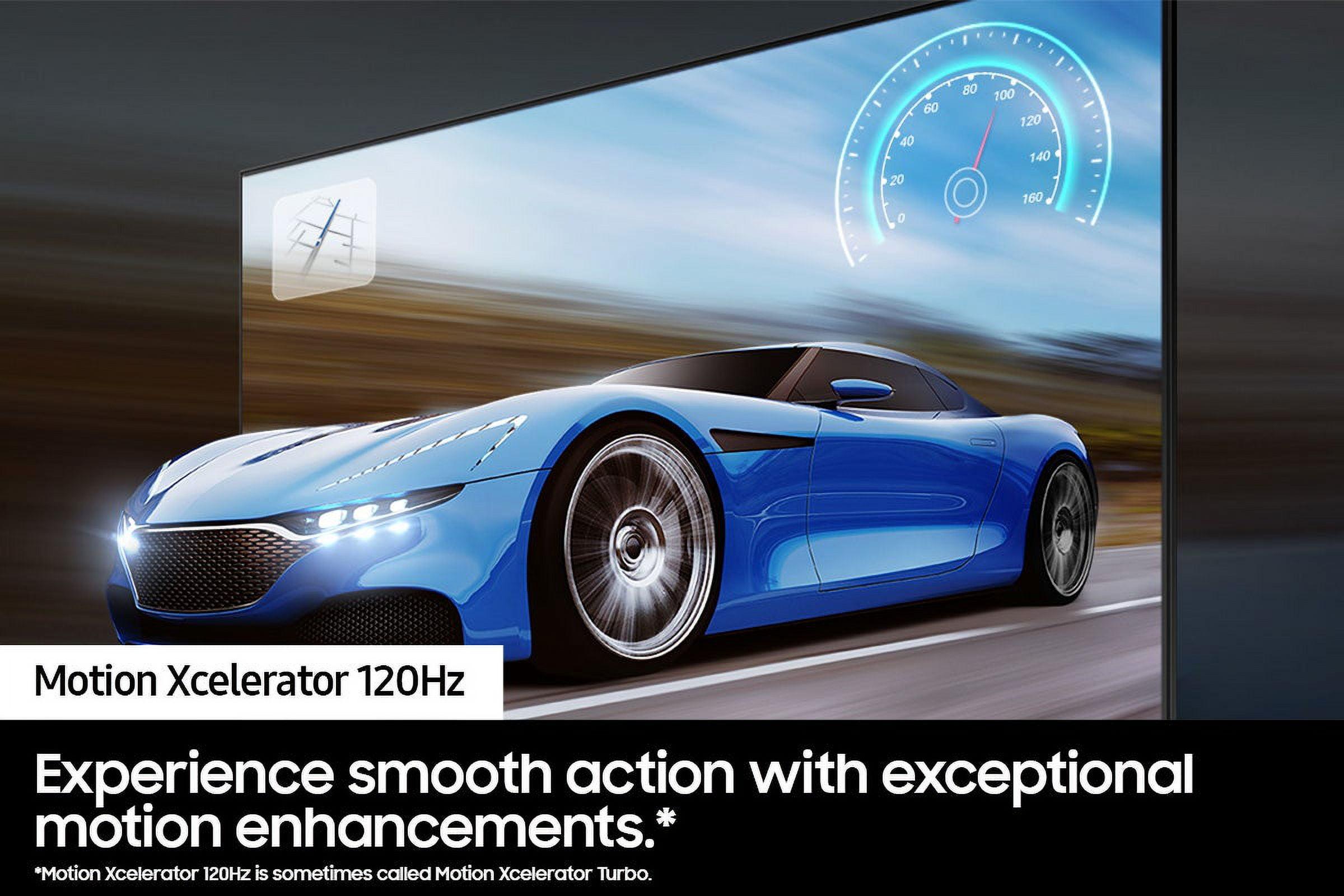
| XR Motion Clarity (excellent for sports) | Motion Xcelerator 144Hz (good but not specialized) |
| Brightness Performance - Affects daytime viewing quality | |
| Higher SDR brightness, excellent glare handling | Standard brightness, adequate for most rooms |
| Release Year - Impacts software support and features | |
| 2022 (mature technology, established performance) | 2024 (newer tech, longer support expected) |
| Connectivity Options - Determines device compatibility | |
| Limited: Only 2 HDMI 2.1 ports | Excellent: 4 HDMI 2.1 ports for maximum flexibility |
| Home Theater Integration - Matters for dedicated setups | |
| Can function as center channel speaker | Requires separate center channel speaker |
| Value Proposition - Consider total system cost | |
| Higher upfront cost but includes premium audio | Lower TV cost but likely needs soundbar investment |
Both the Sony Bravia XR A95K and Samsung S90D deliver exceptional picture quality with QD-OLED technology, but they excel in different areas. The Sony A95K offers superior upscaling and processing for streaming content, cable TV, and lower-resolution sources, making everything look cleaner and more detailed. The Samsung S90D shows less color banding in gradients and uses newer 2024 processing technology. Overall, picture quality scores are nearly identical, with slight advantages to Sony for content processing and Samsung for gradient smoothness.
The Samsung S90D is significantly better for gaming. It features four HDMI 2.1 ports compared to the Sony A95K's two ports, supports 144Hz refresh rates (vs Sony's 120Hz), and offers lower input lag for more responsive gameplay. The Samsung S90D also provides better connectivity for multiple gaming devices like PlayStation 5, Xbox Series X, and gaming PCs. While the Sony A95K handles motion well, it's limited by fewer premium gaming ports.
The Sony Bravia XR A95K has dramatically better built-in audio. It uses Acoustic Surface Audio+ technology where the entire 65-inch screen acts as a speaker, producing 60 watts of immersive sound that appears to come directly from on-screen action. The Samsung S90D uses traditional 40-watt down-firing speakers that are adequate but not exceptional. Most Samsung S90D owners will want to add a soundbar, while the Sony A95K delivers satisfying audio without additional equipment.
No, only the Sony Bravia XR A95K supports Dolby Vision HDR, which is used by Netflix, Disney+, Amazon Prime Video, and other premium streaming services. The Samsung S90D supports HDR10 and HDR10+ but lacks Dolby Vision compatibility. This means the Sony A95K can display streaming content exactly as creators intended, while the Samsung S90D must convert Dolby Vision content to HDR10, potentially losing some visual impact.
The Sony Bravia XR A95K is superior for sports viewing. Sony's XR Motion Clarity technology excels at maintaining bright, clear images during fast-paced action without the dimming or artifacts that can affect sports content. The Sony A95K makes it easier to track fast-moving objects in hockey, soccer, and basketball games. While the Samsung S90D handles motion well, it doesn't match Sony's specialized sports processing capabilities.
Both TVs have four HDMI ports total, but the Samsung S90D offers four full HDMI 2.1 ports capable of 4K at 120Hz with gaming features. The Sony Bravia XR A95K only provides two HDMI 2.1 ports (ports 3 and 4), with the other two being older HDMI 2.0 specifications. This makes the Samsung S90D much better for households with multiple gaming consoles, PCs, and 4K devices requiring premium connectivity.
The Sony Bravia XR A95K integrates better into dedicated home theater systems. Its Acoustic Surface Audio+ can function as a center channel speaker via direct speaker wire connections, potentially saving hundreds on a separate center speaker. The Sony A95K also supports Dolby Vision HDR and offers superior motion processing for movies. However, if your home theater prioritizes gaming or you already own high-end audio equipment, the Samsung S90D's superior gaming features might be more valuable.
The Sony Bravia XR A95K runs Google TV (Android TV) with Chromecast built-in, Google Assistant, and comprehensive app selection. The Samsung S90D uses Samsung's Tizen operating system, which offers smooth performance and good app availability. Both platforms are mature and capable, though the Samsung S90D being newer (2024) may receive longer software support compared to the 2022 Sony A95K.
The Sony Bravia XR A95K achieves slightly higher peak brightness, particularly in standard (SDR) content, making it better for bright room viewing during the day. Both TVs handle HDR content exceptionally well with similar brightness levels, but the Sony A95K maintains better contrast and visibility when dealing with glare from windows or room lighting. The Samsung S90D performs adequately in bright rooms but doesn't quite match Sony's glare handling.
Both excel for streaming, but the Sony Bravia XR A95K has advantages for compressed streaming content. Sony's Cognitive Processor XR reduces the blockiness and artifacts common in streaming video, making Netflix, Disney+, and other services look cleaner and more detailed. The Sony A95K also supports Dolby Vision for premium streaming content. The Samsung S90D handles streaming well but doesn't match Sony's specialized processing for lower-bitrate content.
The Samsung S90D typically costs several hundred dollars less than the Sony A95K while offering newer 2024 technology. However, total system value depends on your needs. The Samsung S90D requires a soundbar investment for good audio, while the Sony A95K includes premium built-in sound. For gaming-focused buyers, the Samsung S90D's superior connectivity and lower price offer excellent value. For all-around viewing, the Sony A95K provides more complete features out of the box.
The key differences are gaming performance, audio quality, and content processing. The Samsung S90D excels in gaming with four HDMI 2.1 ports, 144Hz support, and lower input lag, making it ideal for gamers. The Sony Bravia XR A95K dominates in audio with screen-vibrating Acoustic Surface Audio+ and content processing that makes streaming and cable TV look significantly better. The Sony A95K also supports Dolby Vision HDR while the Samsung S90D does not. Choose based on whether gaming or traditional viewing matters more to you.
We've done our best to create useful and informative comparisons to help you decide what product to buy. Our research uses advanced automated methods to create this comparison and perfection is not possible - please contact us for corrections or questions. These are the sites we've researched in the creation of this article: tomsguide.com - audioadvice.com - wepc.com - bestbuy.com - tvsbook.com - rtings.com - youtube.com - flatpanelshd.com - rtings.com - youtube.com - reviewed.com - avsforum.com - youtube.com - youtube.com - rtings.com - youtube.com - electronics.sony.com - sonypremiumhome.com - valueelectronics.com - sony.com - displayspecifications.com - flatpanelshd.com - donstv.com - youtube.com - businessinsider.com - youtube.com - displayspecifications.com - bestbuy.com - bestbuy.com - valueelectronics.com - youtube.com - cnet.com - bestbuy.com - videoandaudiocenter.com - youtube.com - samsung.com - samsung.com - pcrichard.com - samsung.com

Privacy Policy
Terms and Conditions - Affiliate Policy
Home Security
© Copyright 2008-2026.
11816 Inwood Rd #1211, Dallas, TX 75244