

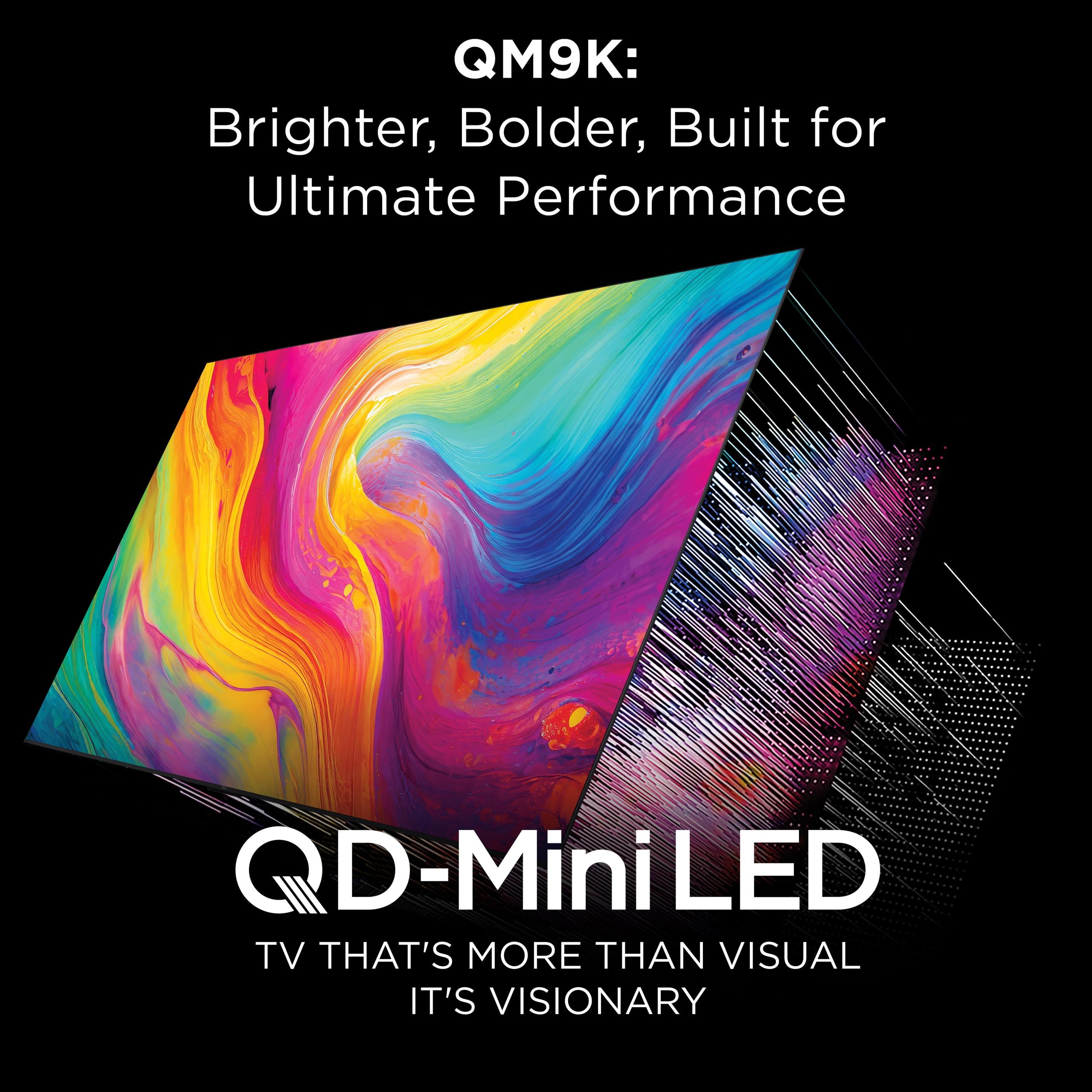
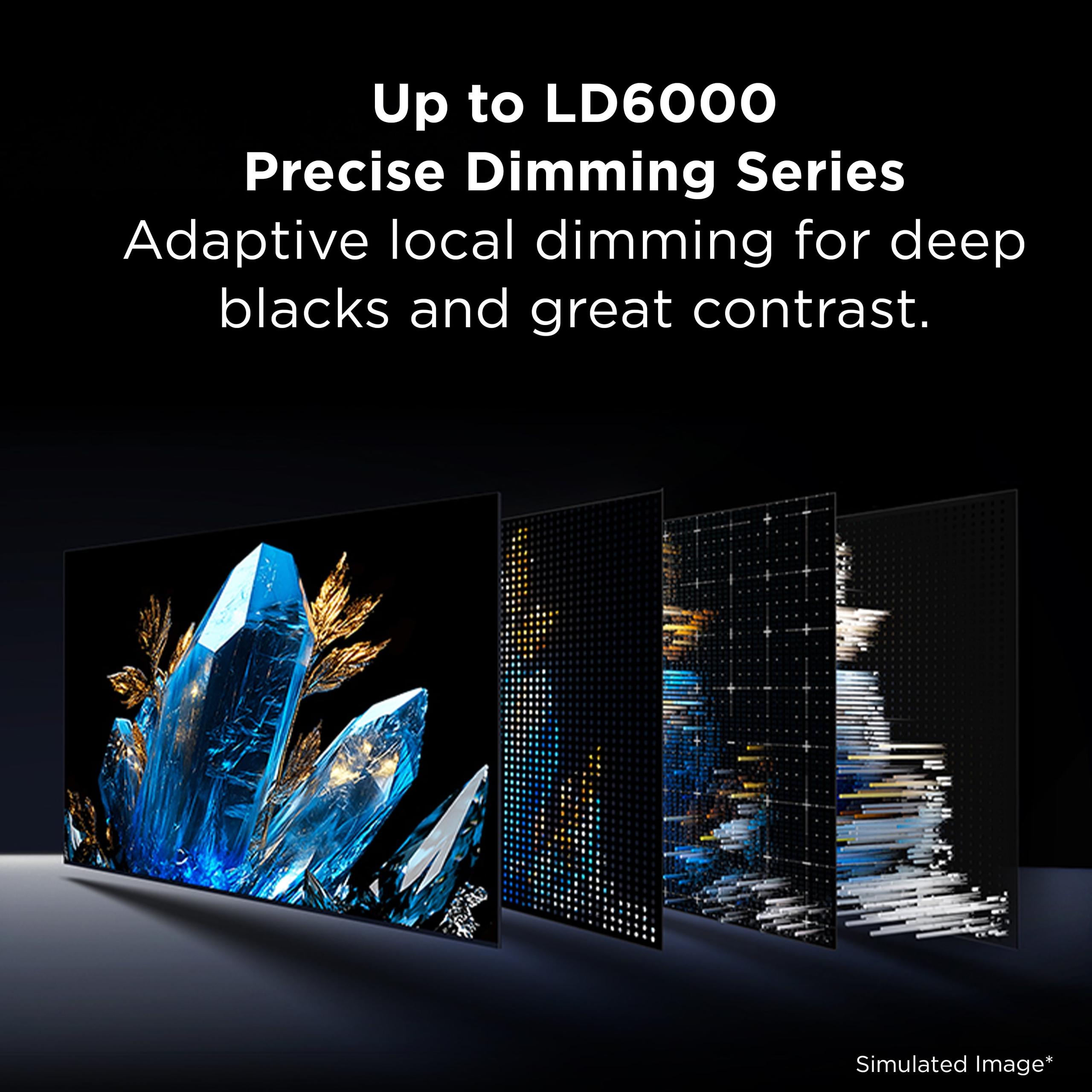
Premium Mini LED TVs have revolutionized home entertainment in recent years, offering a compelling middle ground between traditional LED displays and expensive OLED screens. These cutting-edge televisions use thousands of tiny LEDs (called Mini LEDs) for backlighting instead of the larger LEDs found in standard TVs. This technology enables precise local dimming—essentially turning off specific sections of the backlight to create deeper blacks while keeping bright areas brilliantly lit.
When shopping for a premium Mini LED TV, you're essentially looking at displays that can deliver OLED-like contrast with LCD brightness advantages. The two standout models that caught our attention are the TCL QM9K and the LG QNED92A. Both launched in 2024 and 2025 respectively, representing the latest evolution in Mini LED technology, but they take notably different approaches to achieving premium performance.
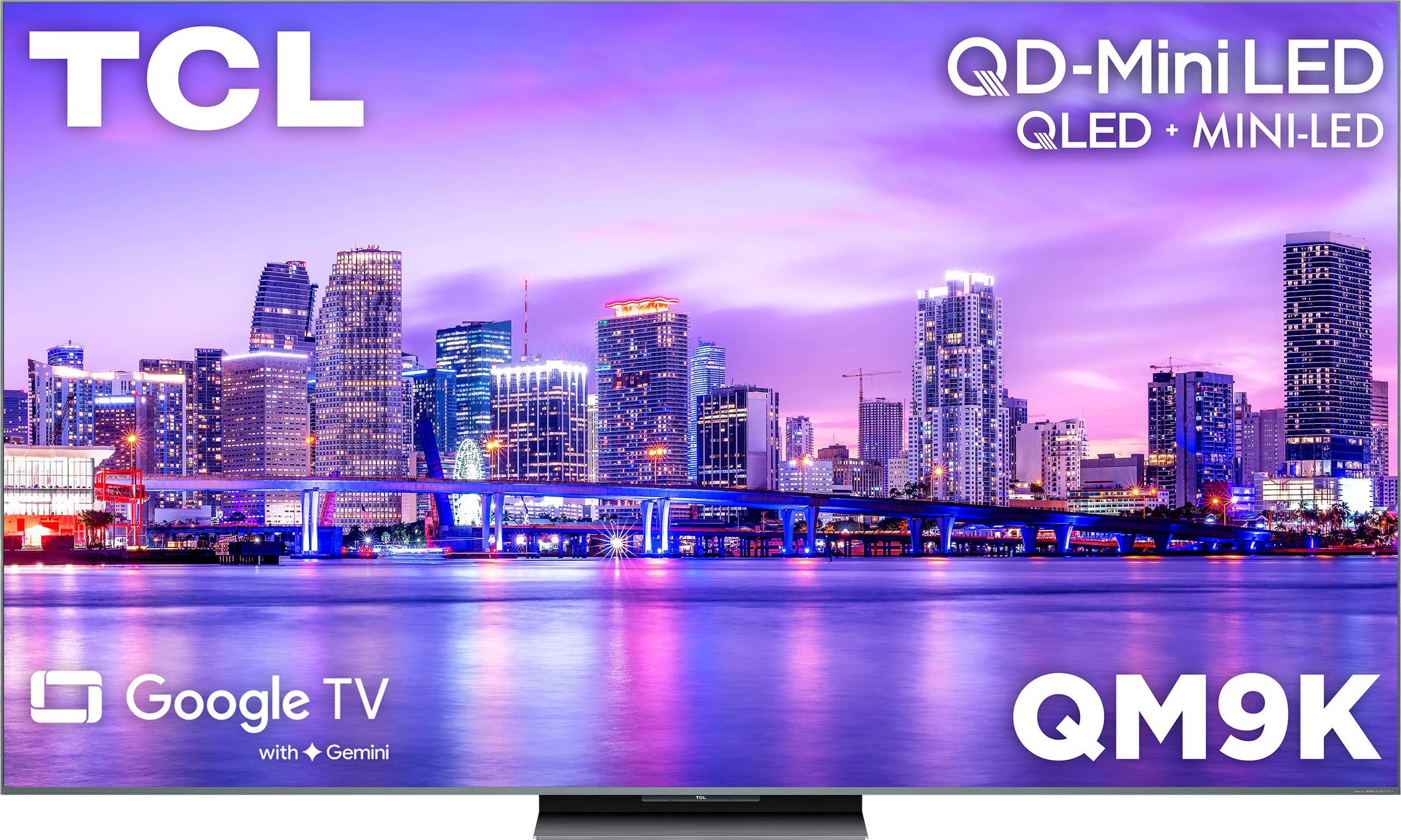
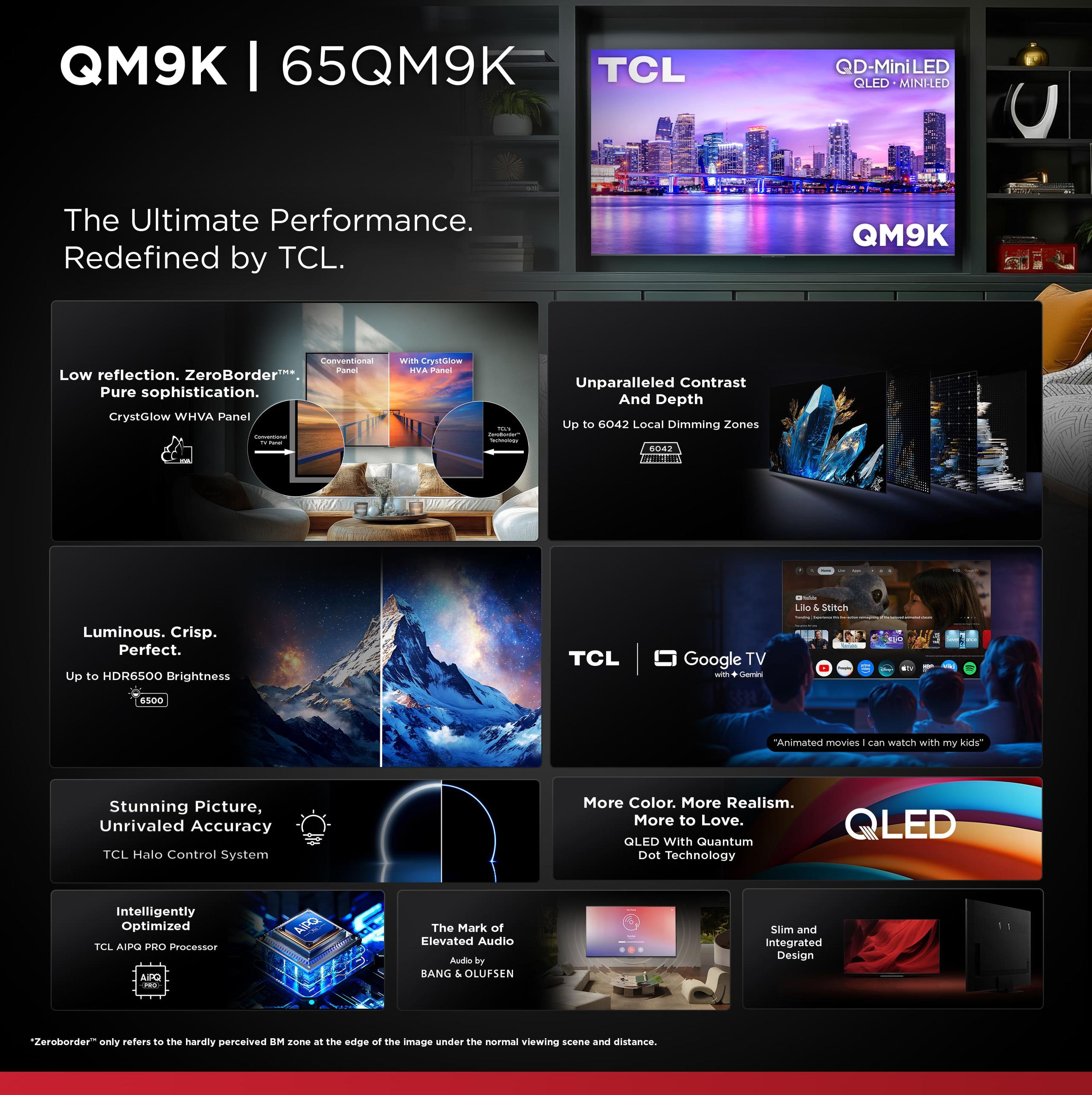
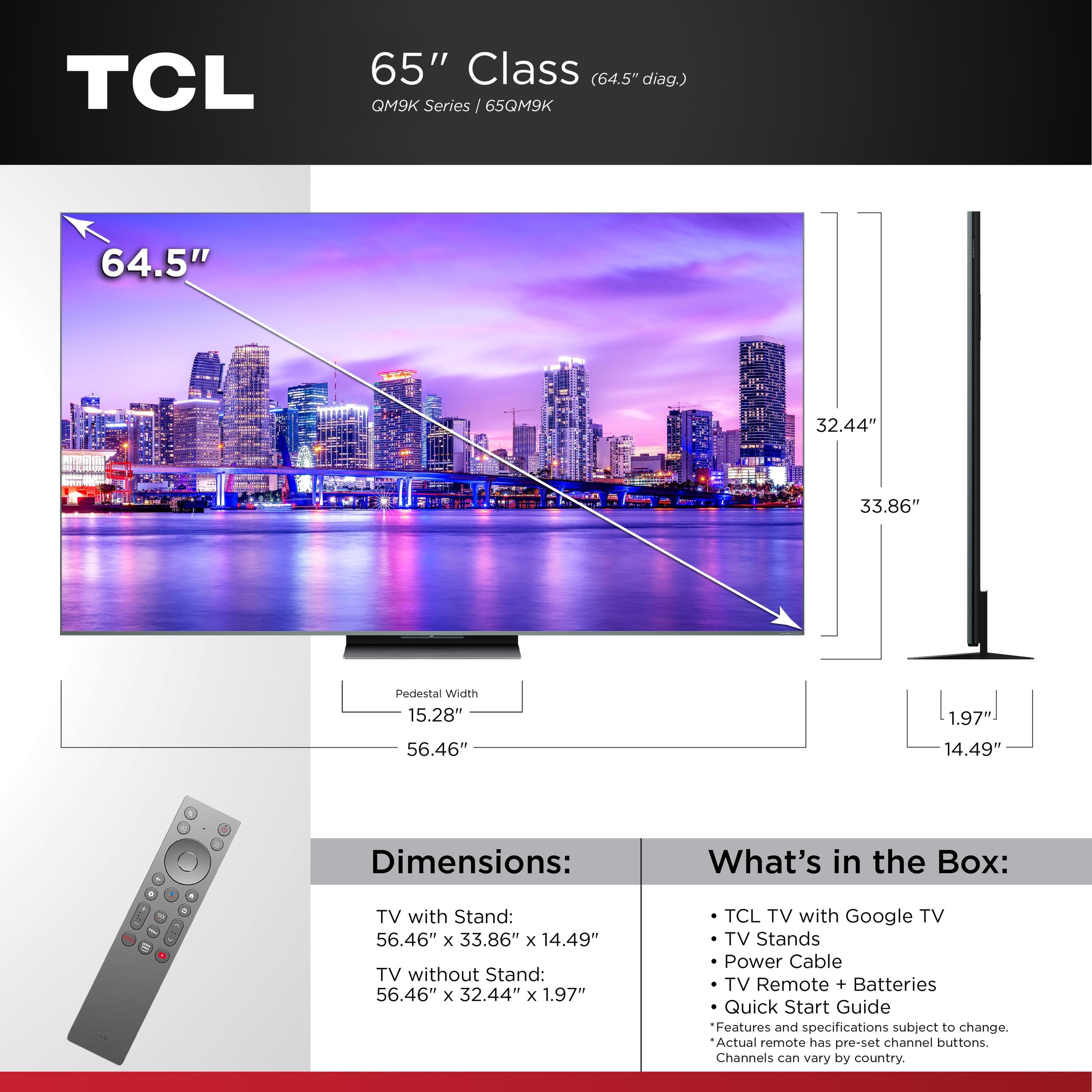
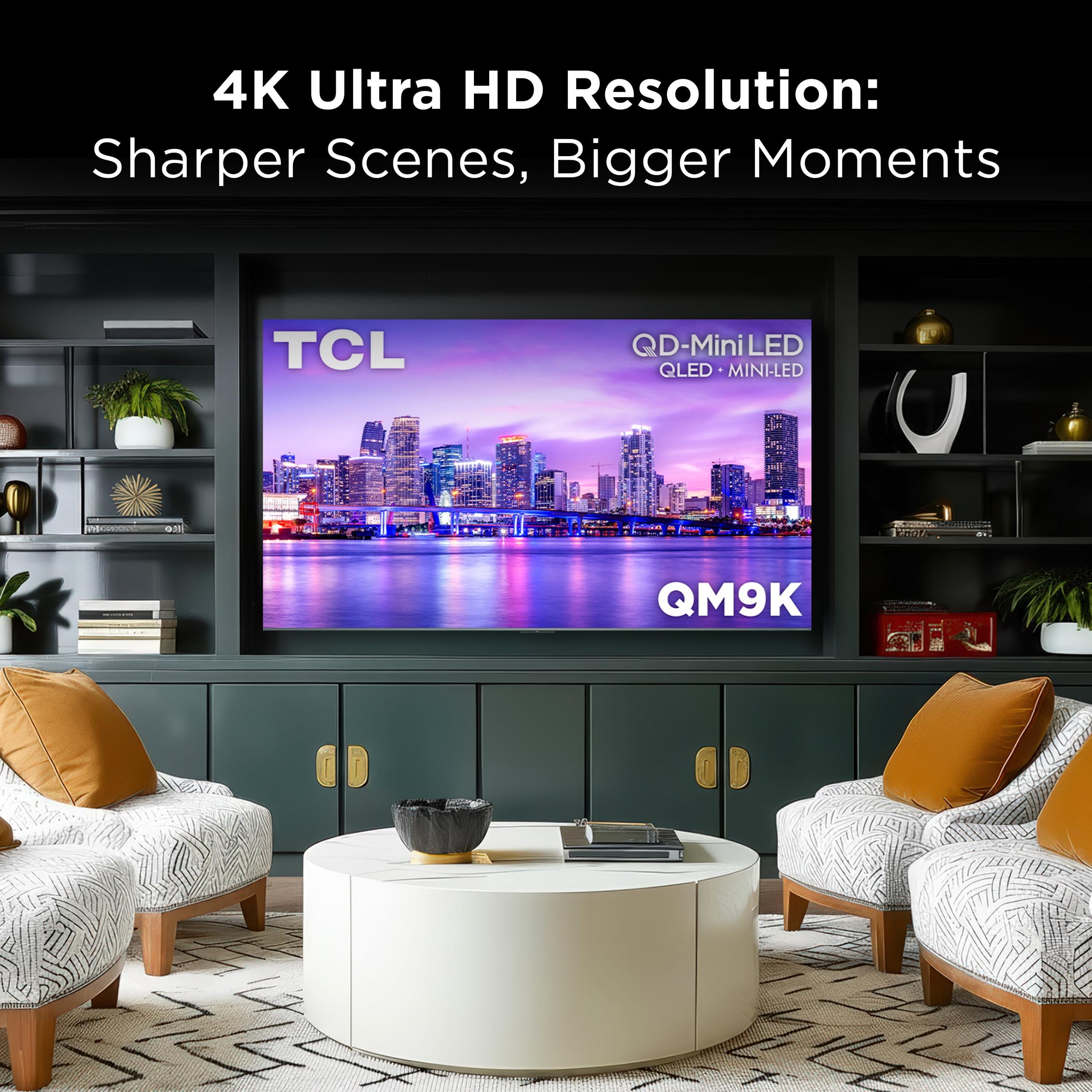
The TCL QM9K represents TCL's flagship effort to challenge premium TV manufacturers with aggressive specifications and competitive pricing. Released in 2024, it builds on TCL's years of Mini LED development, incorporating their most advanced Halo Control System and pushing brightness levels to extreme heights.
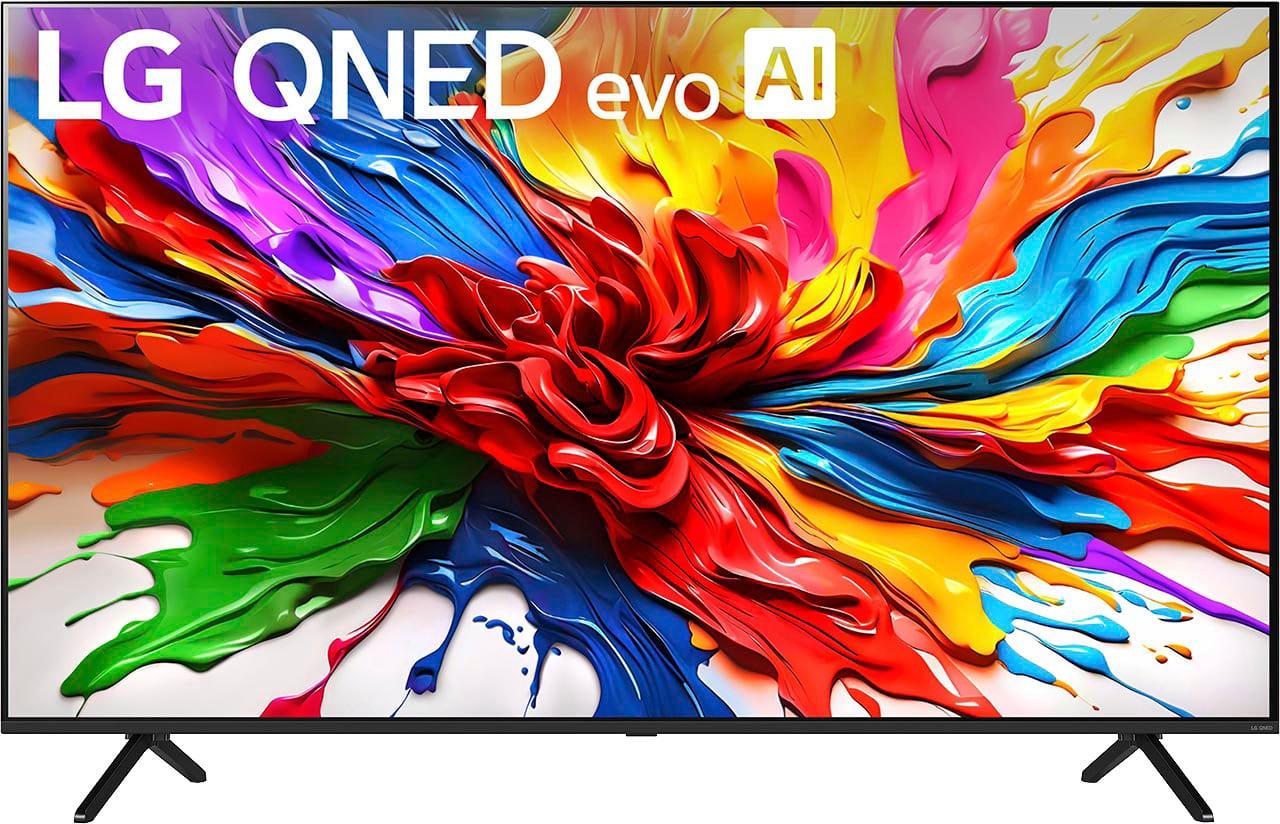
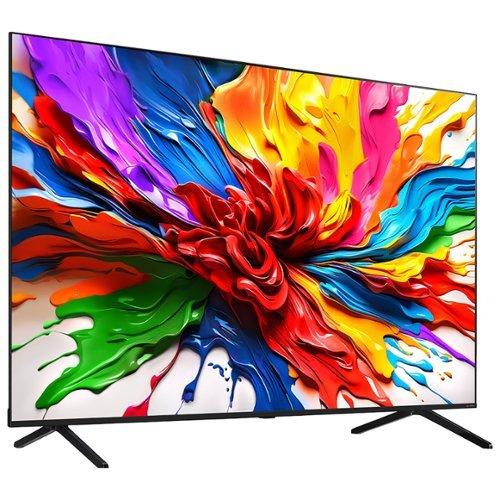
The LG QNED92A, launched in 2025, showcases LG's refined approach to Mini LED technology. Rather than chasing the highest peak brightness numbers, LG focused on color accuracy, processing refinement, and long-term software support—areas where they've traditionally excelled.
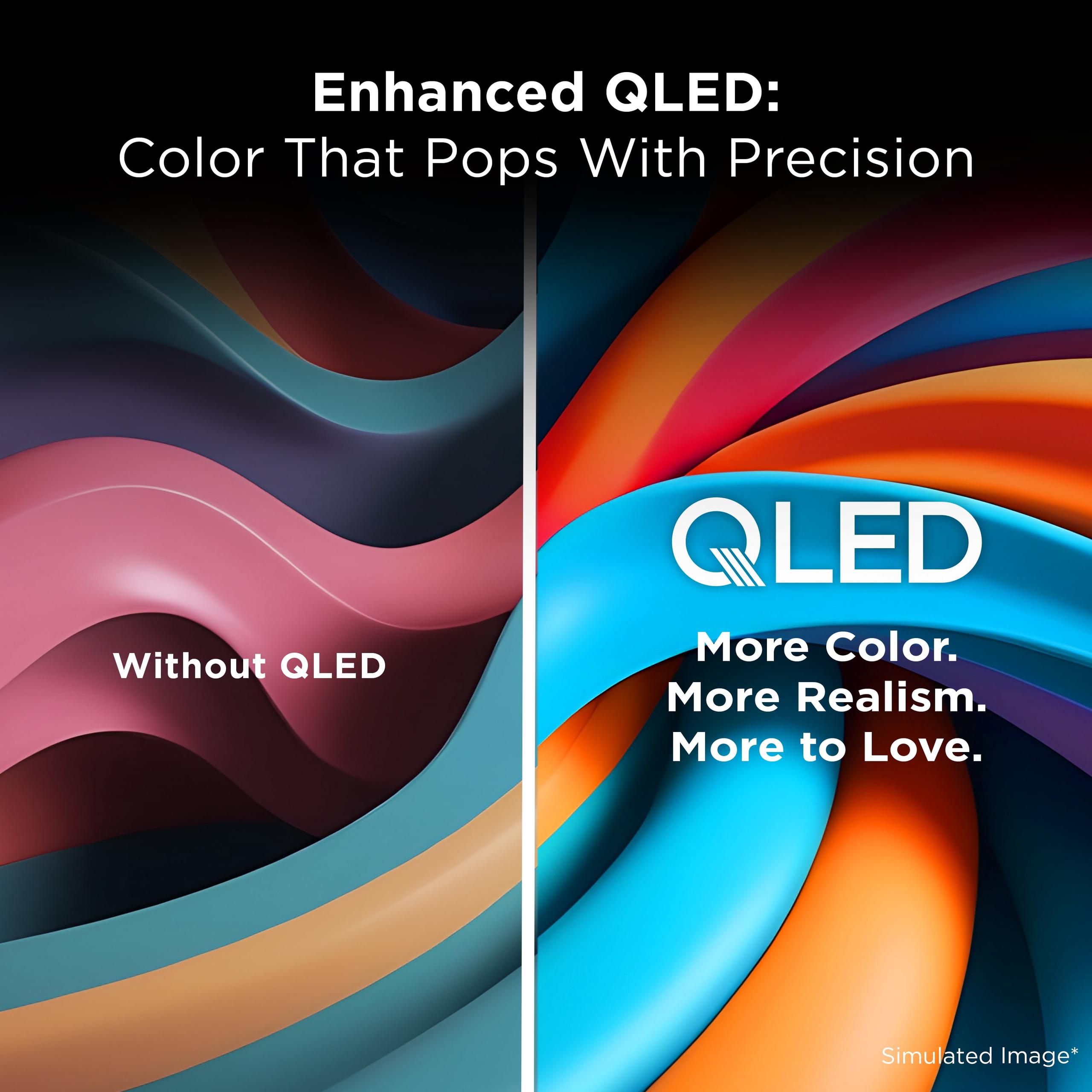
Both TVs use quantum dot technology, which involves microscopic particles that emit specific colors when hit by light, resulting in more accurate and vibrant colors than traditional LED TVs. However, their implementations and priorities differ significantly, leading to distinct viewing experiences.
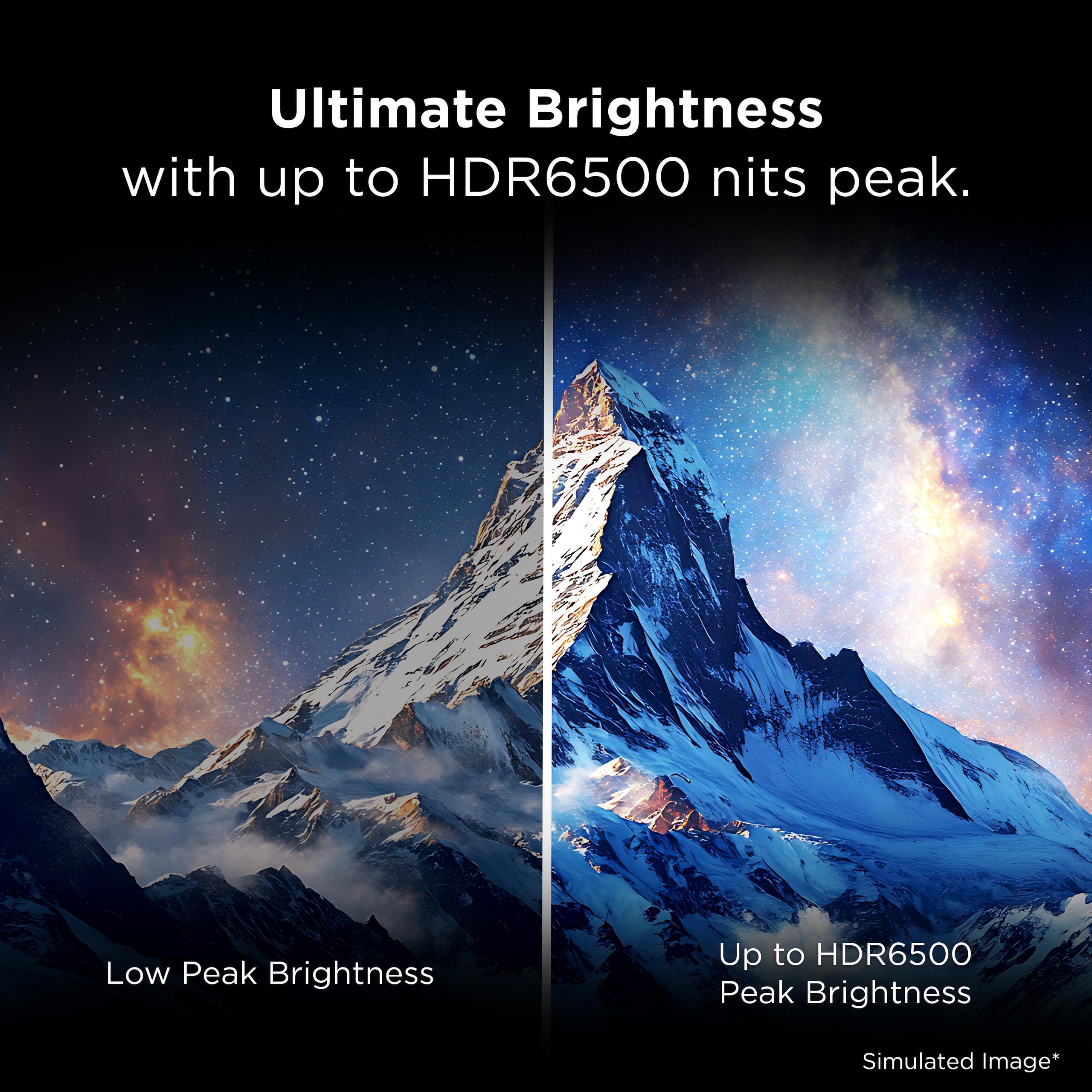
Peak brightness represents one of the most dramatic differences between these TVs. The TCL QM9K achieves up to 6,500 nits of peak brightness—an absolutely staggering number that puts it among the brightest consumer TVs ever made. To put this in perspective, most premium TVs peak around 1,000-2,000 nits, while bright room viewing typically requires 500-800 nits.
The LG QNED92A peaks at around 1,520 nits, which sounds modest by comparison but still exceeds most viewing requirements. This difference matters significantly in bright rooms with lots of windows or overhead lighting. The TCL's extreme brightness means it can overcome glare that would wash out other displays, making it exceptional for sports viewing on sunny afternoons or in family rooms with challenging lighting.
However, extreme brightness isn't always better. In dark room viewing—think dedicated home theater setups—the LG QNED92A's more moderate peak brightness often produces more natural-looking HDR content. Overly bright highlights can actually detract from the viewing experience, creating an unnatural "blown out" appearance that sacrifices detail for impact.
Based on our research into user experiences, the TCL QM9K excels in bright environments where its brightness advantage translates directly to better visibility and more impactful HDR scenes. The LG QNED92A performs better in controlled lighting where its balanced approach to brightness and detail preservation creates more cinematic experiences.
Local dimming zones represent another crucial differentiator. The TCL QM9K features up to 6,000 individual dimming zones—small sections of the backlight that can be independently controlled. More zones generally mean better contrast control and less "blooming" (unwanted light spilling around bright objects on dark backgrounds).
The LG QNED92A uses hundreds of dimming zones rather than thousands. While this sounds inferior on paper, the quality of dimming implementation matters as much as quantity. LG's algorithm for controlling these zones has been refined over years of development, and user reports suggest it effectively minimizes distracting artifacts.
In practice, the TCL QM9K's higher zone count translates to more precise contrast control, especially in complex scenes with multiple bright and dark elements. This makes it particularly effective for movie watching where dramatic lighting changes occur frequently. The trade-off comes in occasional zone transitions that can be visible as subtle flicker when bright objects move across the screen.
The LG QNED92A's fewer zones are managed more conservatively, resulting in slightly less dramatic contrast but more stable performance during motion. For viewers sensitive to artifacts or those who prioritize consistent performance over peak capabilities, this approach often proves more satisfying long-term.
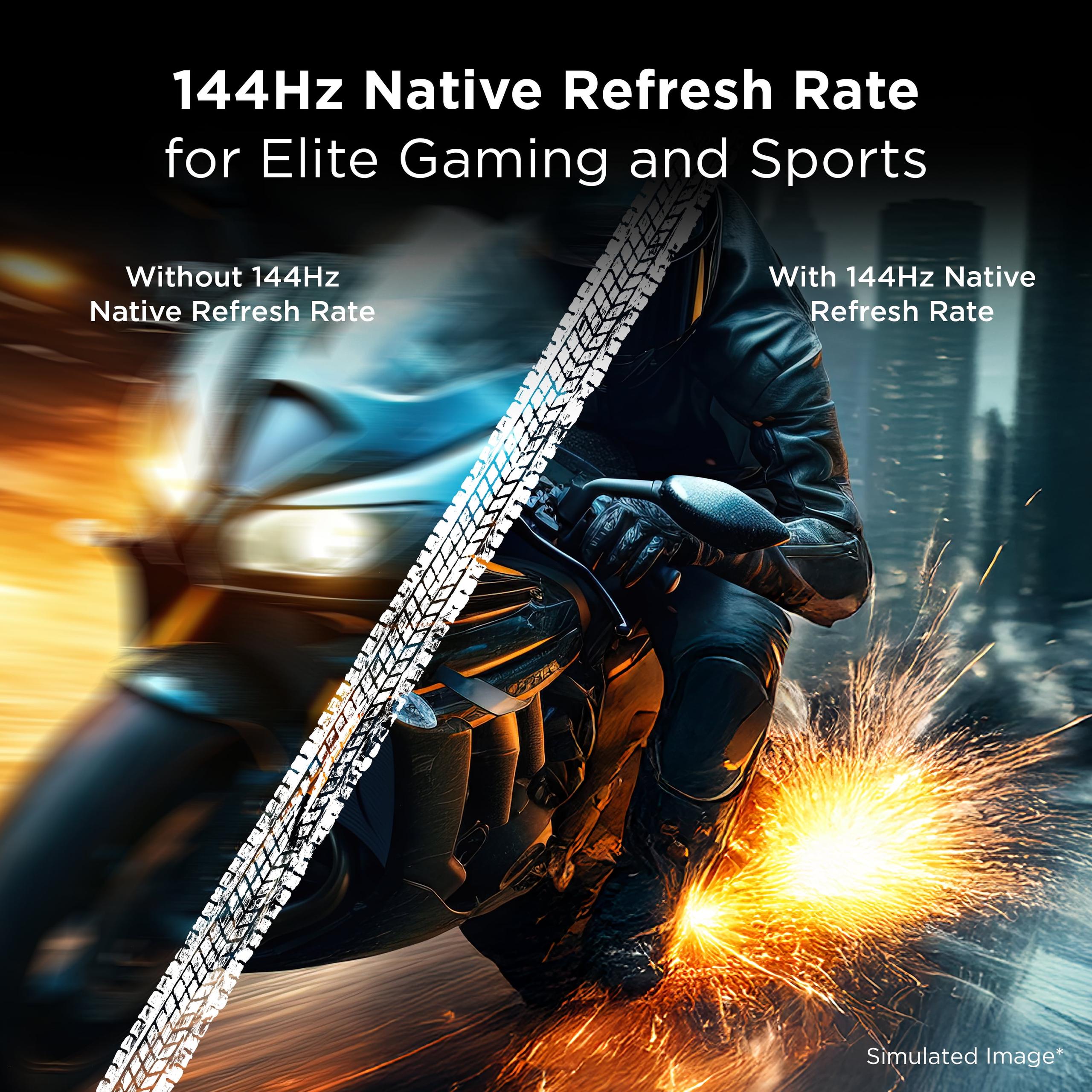
Both TVs excel for gaming but with different strengths. The TCL QM9K supports native 144Hz refresh rates and can even handle 288Hz at lower resolutions through its Game Accelerator feature. This makes it exceptional for PC gaming where high frame rates provide competitive advantages in fast-paced games.
The refresh rate specification indicates how many times per second the screen can display new images. Higher refresh rates create smoother motion and reduce input lag—the delay between pressing a controller button and seeing the action on screen. The TCL QM9K's 144Hz capability means it can display 144 unique frames per second, compared to the standard 60Hz found on most TVs.
The LG QNED92A caps at 120Hz but offers this refresh rate across all four of its HDMI 2.1 ports. HDMI 2.1 represents the latest connection standard that supports high bandwidth features like 4K at high refresh rates, variable refresh rate (VRR), and auto low latency mode (ALLM). Having four such ports means you can connect multiple gaming devices without compromising performance.
Variable refresh rate synchronizes the TV's refresh rate with the gaming device's frame output, eliminating screen tearing—a visual artifact where the screen displays portions of multiple frames simultaneously. Both TVs support VRR, but the LG QNED92A's implementation across all ports provides more flexibility for multi-device setups.
Input lag measurements from professional reviews show both TVs performing excellently, with the LG QNED92A achieving slightly lower latency in some modes. For competitive gaming, either TV delivers responsive performance that won't hold you back.
Color performance reveals another philosophical difference between these displays. The LG QNED92A achieves 97% coverage of the DCI-P3 color space—a professional standard used in movie production—with certification for 100% color volume. Color volume measures how well a TV can display colors at different brightness levels, not just at peak intensity.
Out of the box, the LG QNED92A delivers more accurate colors, particularly in standard dynamic range (SDR) content like cable TV and streaming services. This accuracy means skin tones look natural, and colors appear as content creators intended without the oversaturation that can make some displays look artificially vivid.
The TCL QM9K prioritizes color vibrancy, creating images that immediately grab attention with their intensity and pop. This approach works particularly well for animated content, sports, and gaming where vibrant colors enhance the experience. However, professional reviews note some color mapping issues, especially in HDR content, where the TV may struggle to accurately reproduce subtle color gradations.
For home theater enthusiasts who prioritize accuracy and cinematic presentation, the LG QNED92A's more refined color handling typically proves superior. The TCL QM9K appeals to viewers who prefer punchy, exciting visuals that make every image feel more dynamic than reality.
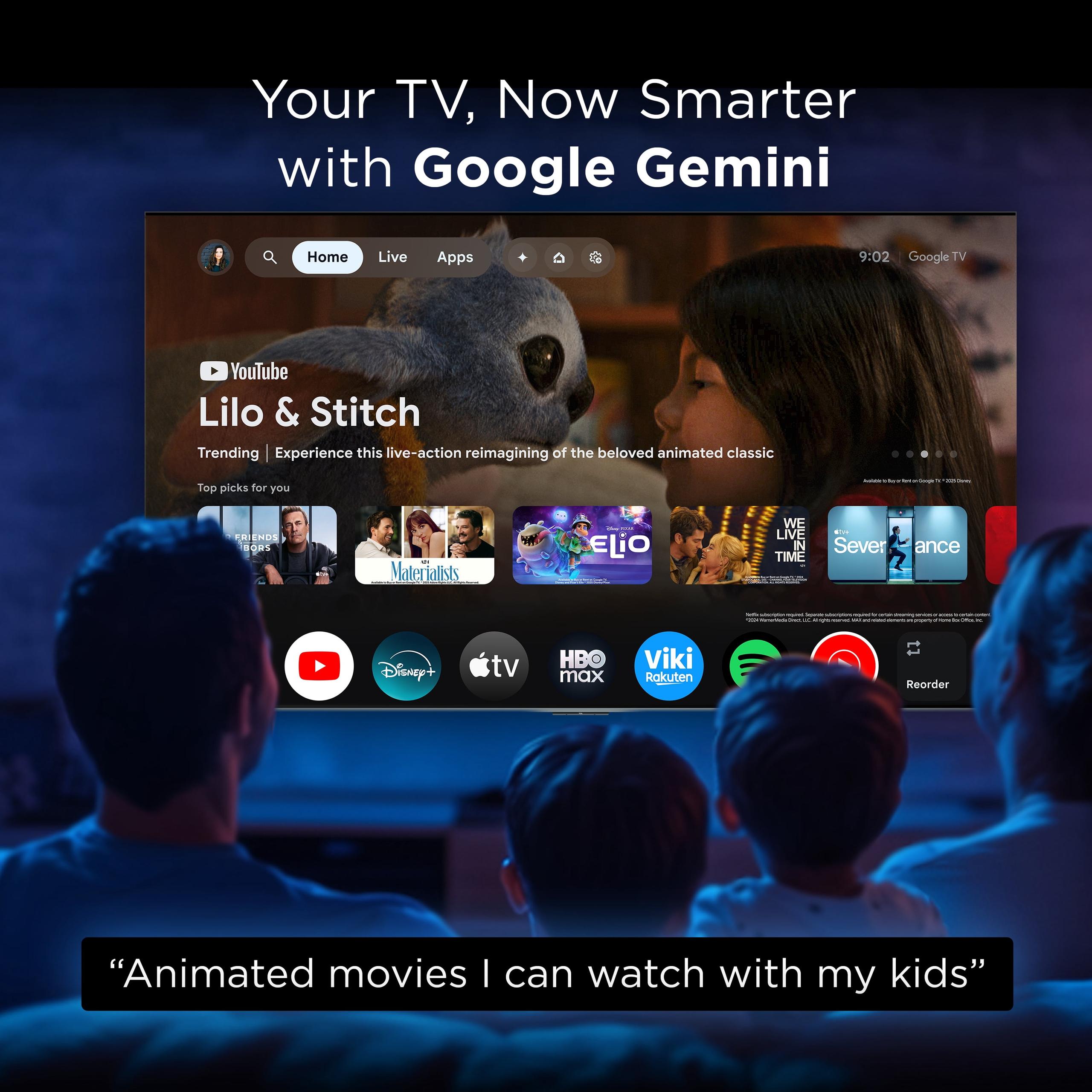
The software experience differs significantly between these platforms. The TCL QM9K runs Google TV with integrated Google Gemini AI, providing hands-free voice control and seamless integration with Google services. The interface feels familiar to Android users and offers excellent content discovery across streaming services.
The LG QNED92A uses LG's webOS 25 platform, widely regarded as one of the most intuitive smart TV interfaces available. The Magic Remote with point-and-click functionality makes navigation feel more natural than traditional directional remotes. LG also guarantees software updates for five years through their Re:New program, providing unprecedented long-term support in the TV industry.
This software support commitment addresses a common concern with smart TVs—becoming obsolete as streaming services update their apps or new features become available. The LG QNED92A's guaranteed updates ensure the TV remains current and functional throughout its lifespan, while the TCL QM9K's Google TV platform typically receives regular updates but without the same explicit long-term commitment.
While most premium TV buyers eventually add external audio systems, built-in sound quality still matters for casual viewing. The LG QNED92A incorporates a 2.2 channel system with dedicated subwoofer support and LG's AI Sound Pro processing. This creates more immersive audio with better bass response and virtual surround effects.
The TCL QM9K features audio tuned by Bang & Olufsen with Dolby Atmos support, but reviews suggest the LG QNED92A's implementation produces more balanced sound with clearer dialogue and better spatial effects. Both TVs benefit significantly from external sound systems, but the LG provides better performance for viewers who rely on built-in audio.
For dedicated home theater setups, several factors favor different models. The TCL QM9K's extreme brightness can actually work against it in dark rooms, potentially causing eye fatigue during extended viewing sessions. However, its superior local dimming precision creates more dramatic contrast that enhances the cinematic experience.
The LG QNED92A's more balanced approach typically works better in controlled lighting environments where its refined processing and color accuracy create more natural, film-like presentations. The Filmmaker Mode feature disables motion smoothing and adjusts settings to match the director's intent—crucial for serious movie watching.
Both TVs support all major HDR formats including Dolby Vision, which dynamically adjusts brightness and color scene-by-scene for optimal presentation. However, the LG QNED92A's handles tone mapping—the process of adapting HDR content to the TV's capabilities—more gracefully according to professional reviews.
At the time of writing, these TVs occupy different value positions in the premium Mini LED market. The TCL QM9K typically costs several hundred dollars less than the LG QNED92A while delivering higher peak brightness and more local dimming zones—impressive specifications that would cost significantly more from established premium brands.
The LG QNED92A commands a premium for its refined processing, guaranteed software support, and brand reputation. This price difference reflects different target markets: the TCL QM9K appeals to performance-focused buyers seeking maximum specifications per dollar, while the LG QNED92A targets users prioritizing long-term reliability and polished experience.
The decision between these excellent TVs ultimately depends on your specific needs and preferences. Choose the TCL QM9K if you have a bright living room with challenging lighting, prioritize gaming performance with high refresh rates, or want maximum visual impact from HDR content. Its extreme brightness and precise local dimming deliver spectacular performance in demanding environments, making it exceptional for sports viewing and daytime entertainment.
Select the LG QNED92A if you value color accuracy over peak brightness, prioritize long-term software support, or prefer a more refined, balanced viewing experience. Its superior processing and guaranteed updates make it ideal for movie enthusiasts and viewers who plan to keep their TV for many years.
Both represent significant advances in Mini LED technology, offering OLED-like contrast with LCD brightness advantages. The TCL QM9K pushes boundaries with extreme specifications, while the LG QNED92A focuses on refinement and long-term value. Either choice delivers premium performance that surpasses most viewing requirements, making the decision more about matching specific priorities than finding adequate performance.
In our evaluation, the TCL QM9K emerges as the better choice for most buyers due to its superior brightness, more precise local dimming, and better value proposition. However, the LG QNED92A's refined approach and guaranteed long-term support make it the smarter choice for discerning viewers who prioritize quality over quantity and plan to keep their investment for years to come.
| TCL 65" QM9K QD-Mini LED Smart TV | LG 65" QNED92A QNED evo AI Mini LED 4K TV 2025 |
|---|---|
| Peak Brightness - Critical for bright rooms and HDR impact | |
| Up to 6,500 nits (extreme brightness for any lighting condition) | Up to 1,520 nits (excellent for most viewing environments) |
| Local Dimming Zones - Controls contrast and minimizes blooming | |
| Up to 6,000 precise dimming zones (exceptional contrast control) | Hundreds of dimming zones (refined algorithm implementation) |
| Native Refresh Rate - Smoothness for gaming and sports | |
| 144Hz native (superior for PC gaming and future-proofing) | 120Hz native (excellent for console gaming) |
| Gaming Refresh Rate Maximum - Competitive gaming advantage | |
| Up to 288Hz at 1080p/1440p (cutting-edge for esports) | 120Hz at 4K (standard for current-gen consoles) |
| HDMI 2.1 Ports - High-bandwidth gaming and media connections | |
| 2 ports with full 4K@144Hz support | 4 ports with 4K@120Hz support (better for multiple devices) |
| Color Accuracy Out-of-Box - How natural colors look without calibration | |
| Vibrant but requires calibration for accuracy | 97% DCI-P3 coverage with superior accuracy |
| Smart TV Platform - Interface and long-term software support | |
| Google TV with Gemini AI (familiar Android experience) | webOS 25 with 5-year guaranteed updates (best long-term support) |
| Audio System - Built-in sound quality | |
| Bang & Olufsen tuning with Dolby Atmos | 2.2 channel with AI Sound Pro (superior built-in audio) |
| Input Lag Gaming - Responsiveness for competitive play | |
| 5.3ms (excellent responsiveness) | 9.6ms at 4K (very good for gaming) |
| Processor - Image and motion processing capabilities | |
| TCL AIPQ PRO with AI enhancements | Alpha 8 AI Gen2 (superior upscaling and content optimization) |
| HDR Format Support - Compatibility with premium content | |
| HDR10, HDR10+, Dolby Vision, HLG | HDR10, Dolby Vision IQ, HLG, Filmmaker Mode |
| Panel Technology - Display type and viewing characteristics | |
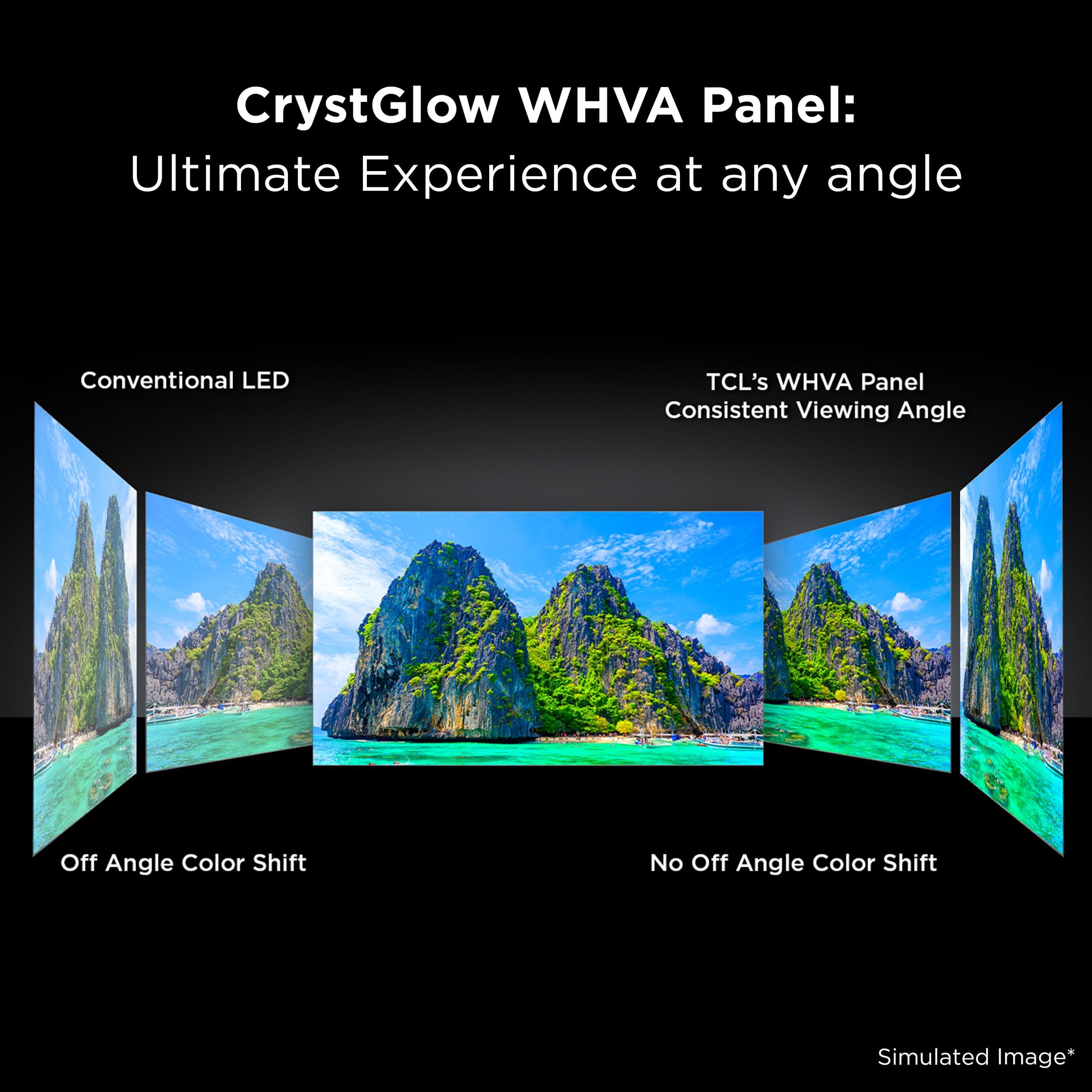
| CrystGlow WHVA with QD-Mini LED backlight | QNED Mini-LED with quantum dot and NanoCell layers |
| Motion Handling - Clarity during fast action scenes | |
| Motion Rate 480 with MEMC (good but some artifacts) | 120Hz with AI processing (smoother, fewer artifacts) |
| Connectivity - Wireless and network capabilities | |
| Wi-Fi 6, Bluetooth 5.4 | Wi-Fi 6E, Bluetooth 5.3 (slightly better wireless) |
The TCL QM9K is significantly brighter with peak brightness up to 6,500 nits compared to the LG QNED92A's 1,520 nits. This makes the TCL QM9K much better for bright rooms with lots of windows or overhead lighting, as it can overcome glare that would wash out other displays.
Both TVs excel for gaming but serve different needs. The TCL QM9K offers higher refresh rates up to 144Hz native and 288Hz at lower resolutions, making it ideal for PC gaming. The LG QNED92A provides 120Hz across all four HDMI 2.1 ports with slightly better input lag, making it more versatile for multiple gaming consoles.
Both TCL QM9K and LG QNED92A deliver excellent black levels through Mini LED local dimming, approaching OLED-like contrast. The TCL QM9K has up to 6,000 dimming zones for more precise control, while the LG QNED92A uses fewer zones but with refined algorithms to minimize blooming effects.
The LG QNED92A offers superior color accuracy out of the box with 97% DCI-P3 coverage and more natural-looking colors. The TCL QM9K produces more vibrant, punchy colors but may require calibration for accurate reproduction, especially in HDR content.
The TCL QM9K runs Google TV with integrated Google services and Gemini AI for hands-free control. The LG QNED92A uses webOS 25 with LG's Magic Remote and offers a unique 5-year software update guarantee through their Re:New program, ensuring long-term functionality.
For dedicated home theater setups, the LG QNED92A typically performs better with more accurate colors, refined processing, and Filmmaker Mode that preserves the director's intent. The TCL QM9K can be overly bright in dark rooms, though its superior local dimming creates more dramatic contrast when properly configured.
Yes, both the TCL QM9K and LG QNED92A support major HDR formats including HDR10, Dolby Vision, and HLG. The LG QNED92A also includes Dolby Vision IQ for room-aware brightness adjustments and dedicated Filmmaker Mode for cinematic accuracy.
The LG QNED92A provides superior built-in audio with its 2.2 channel system and AI Sound Pro processing, creating more balanced sound with better dialogue clarity. While the TCL QM9K features Bang & Olufsen tuning, the LG's implementation delivers more immersive audio for viewers who rely on built-in speakers.
The TCL QM9K includes 4 HDMI ports with 2 supporting full HDMI 2.1 features at 4K@144Hz. The LG QNED92A offers 4 HDMI 2.1 ports that all support 4K@120Hz, providing more flexibility for connecting multiple high-bandwidth devices like gaming consoles and streaming devices.
The LG QNED92A provides better long-term value through its guaranteed 5-year software update program, ensuring the TV remains current with new streaming apps and features. The TCL QM9K offers exceptional performance specifications but without the same explicit long-term software support commitment.
Both TVs excel for sports, but the TCL QM9K has advantages with its extreme brightness for overcoming daytime glare and Motion Rate 480 for handling fast action. The LG QNED92A provides smoother motion processing with fewer artifacts, making it better for viewers sensitive to motion blur or judder.
Choose the TCL QM9K if you prioritize maximum brightness for bright rooms, gaming performance, and want the most specifications for your money. Select the LG QNED92A if you value color accuracy, long-term software support, refined processing, and prefer a more balanced, cinematic viewing experience over peak performance metrics.
We've done our best to create useful and informative comparisons to help you decide what product to buy. Our research uses advanced automated methods to create this comparison and perfection is not possible - please contact us for corrections or questions. These are the sites we've researched in the creation of this article: rtings.com - bestbuy.com - youtube.com - youtube.com - youtube.com - techaeris.com - displayspecifications.com - pcrichard.com - residentialsystems.com - us.tcl.com - displayspecifications.com - valueelectronics.com - woodruffappliance.com - tcl.com - pcrichard.com - tcl.com - techradar.com - tcl.com - us.tcl.com - youtube.com - youtube.com - bestbuy.com - youtube.com - stereoindex.com - youtube.com - youtube.com - digitaltrends.com - abt.com - lg.com - youtube.com - ecoustics.com - hometheaterforum.com - lg.com - valueelectronics.com - listenup.com - pcrichard.com - furnitureconnectionnd.com - avnirvana.com - files.bbystatic.com - lg.com - lgnewsroom.com - techradar.com - bestbuy.com - bestbuy.com - youtube.com - youtube.com

Privacy Policy
Terms and Conditions - Affiliate Policy
Home Security
© Copyright 2008-2026.
11816 Inwood Rd #1211, Dallas, TX 75244