

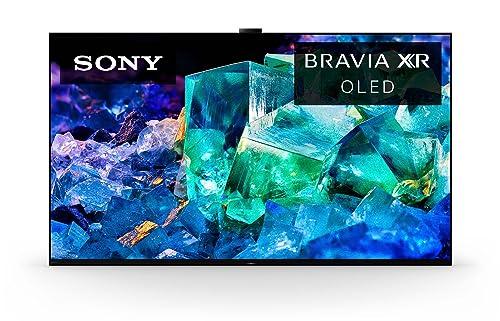


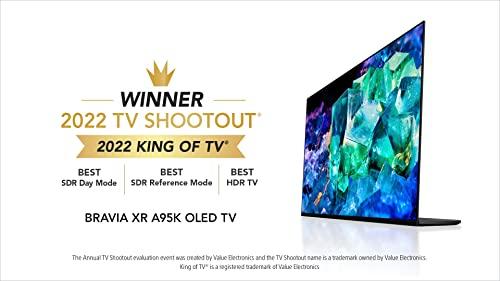
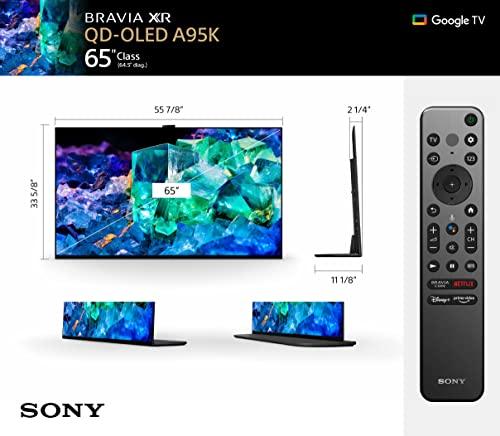



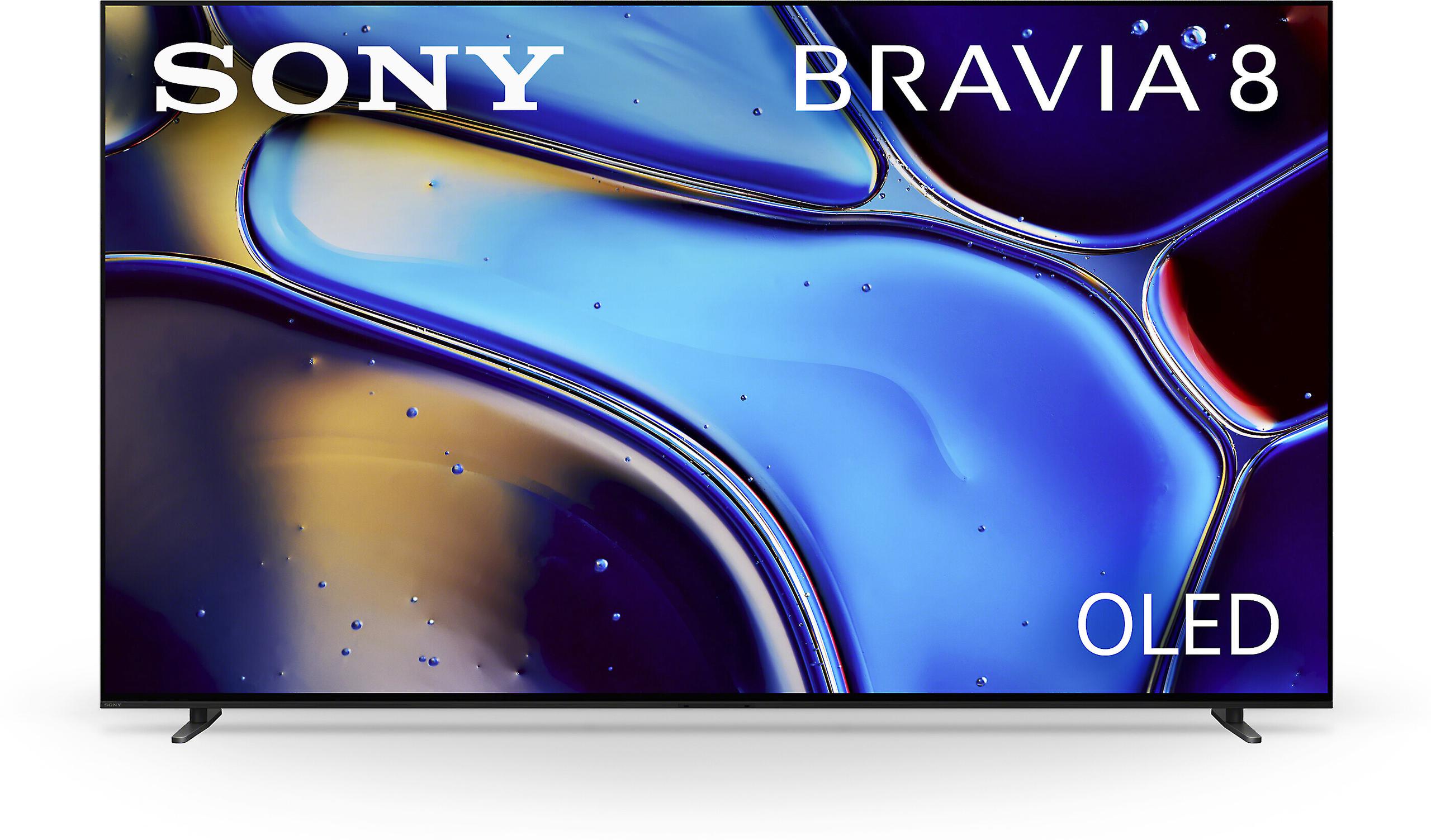
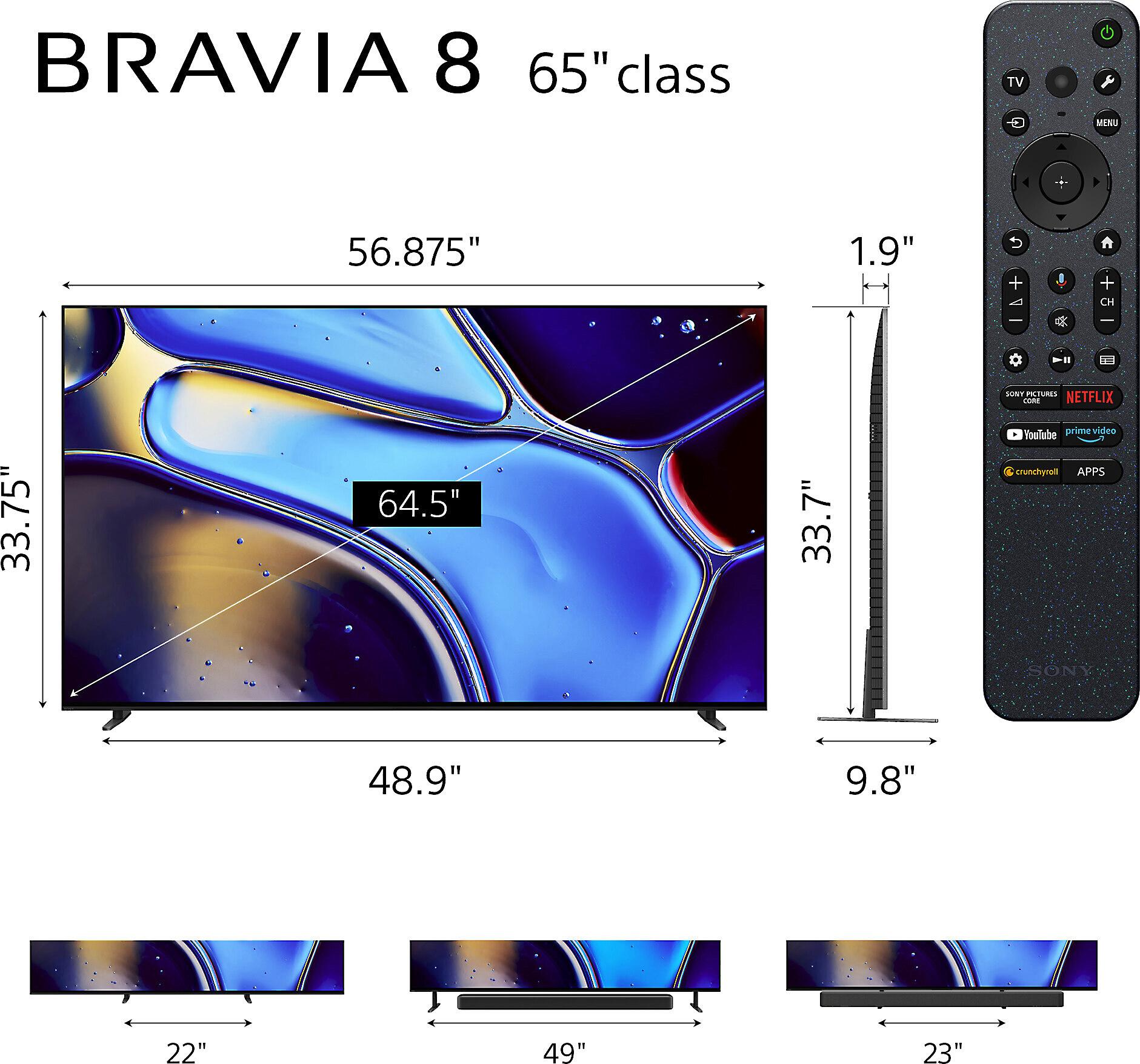
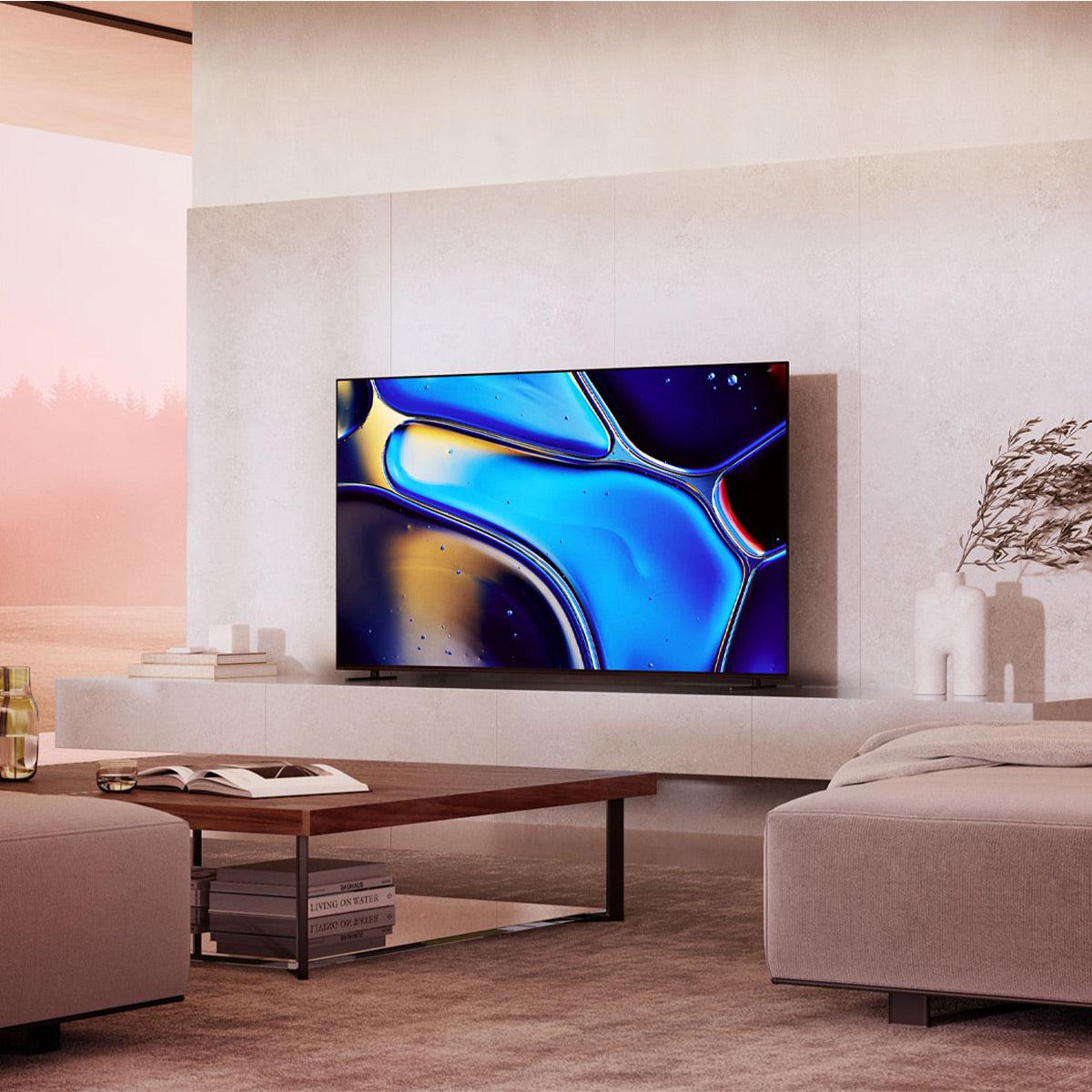
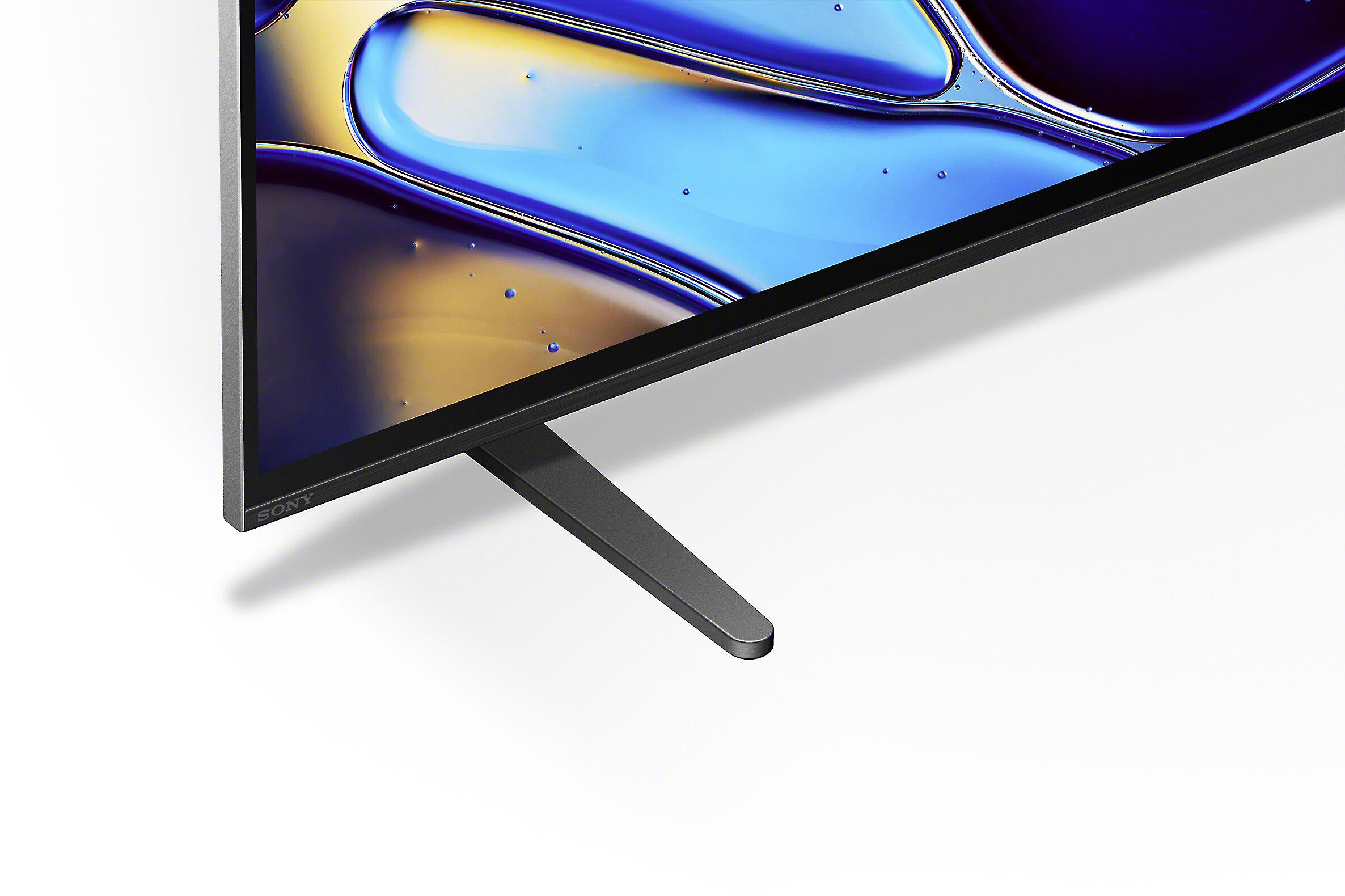
When Sony released the Bravia XR A95K in 2022, it marked a pivotal moment in TV technology. For the first time, Sony embraced QD-OLED panels—a revolutionary display technology that promised to solve OLED's biggest weakness: brightness. Fast forward to 2024, and Sony launched the BRAVIA 8, taking a different approach with refined W-OLED technology at a more accessible price point.
If you're shopping for a premium 65-inch OLED TV, these two models represent fascinating alternatives. One showcases cutting-edge technology at flagship pricing, while the other delivers excellent performance with better value. Understanding their differences will help you make the right choice for your home theater setup.
Before diving into specifics, let's establish what makes OLED technology special. Unlike LCD TVs that use backlights, OLED (Organic Light-Emitting Diode) displays have millions of individual pixels that can turn completely on or off independently. This creates perfect blacks—something impossible with traditional LCD screens—and infinite contrast ratios that make images pop with incredible depth.
When evaluating premium OLED TVs, several factors determine real-world performance:
Peak brightness determines how well HDR content displays and how the TV performs in bright rooms. Higher brightness means more vivid highlights and better visibility during daytime viewing.
Color volume measures how saturated colors remain at different brightness levels. This affects how realistic and vibrant content appears, especially in bright, colorful scenes.
Motion handling impacts sports, gaming, and action movies. Better motion processing reduces blur and judder, creating smoother, more natural movement.
Gaming features like low input lag, high refresh rates, and VRR (Variable Refresh Rate) support determine compatibility with modern gaming consoles and PCs.
The fundamental difference between the A95K and BRAVIA 8 lies in their panel technology, which affects nearly every aspect of picture quality.
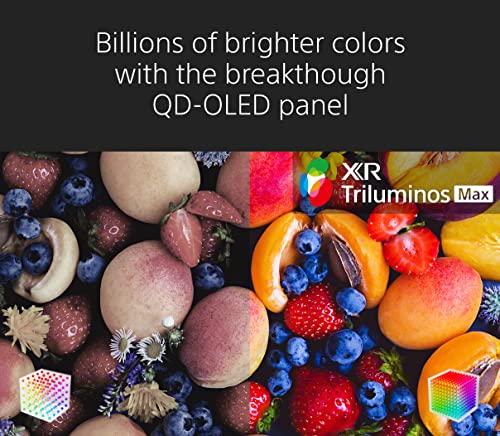
The A95K uses QD-OLED panels manufactured by Samsung Display. Instead of traditional OLED structures, QD-OLED combines blue OLED emitters with quantum dot converters that create red and green light. Think of quantum dots as incredibly precise color filters that can produce purer, more saturated colors than conventional methods.
This approach eliminates the white subpixel found in traditional OLEDs, allowing for significantly brighter and more colorful images. In practical terms, this means vibrant sunset scenes maintain their intensity, and bright HDR highlights don't wash out colors in surrounding areas—a common issue with conventional OLEDs.
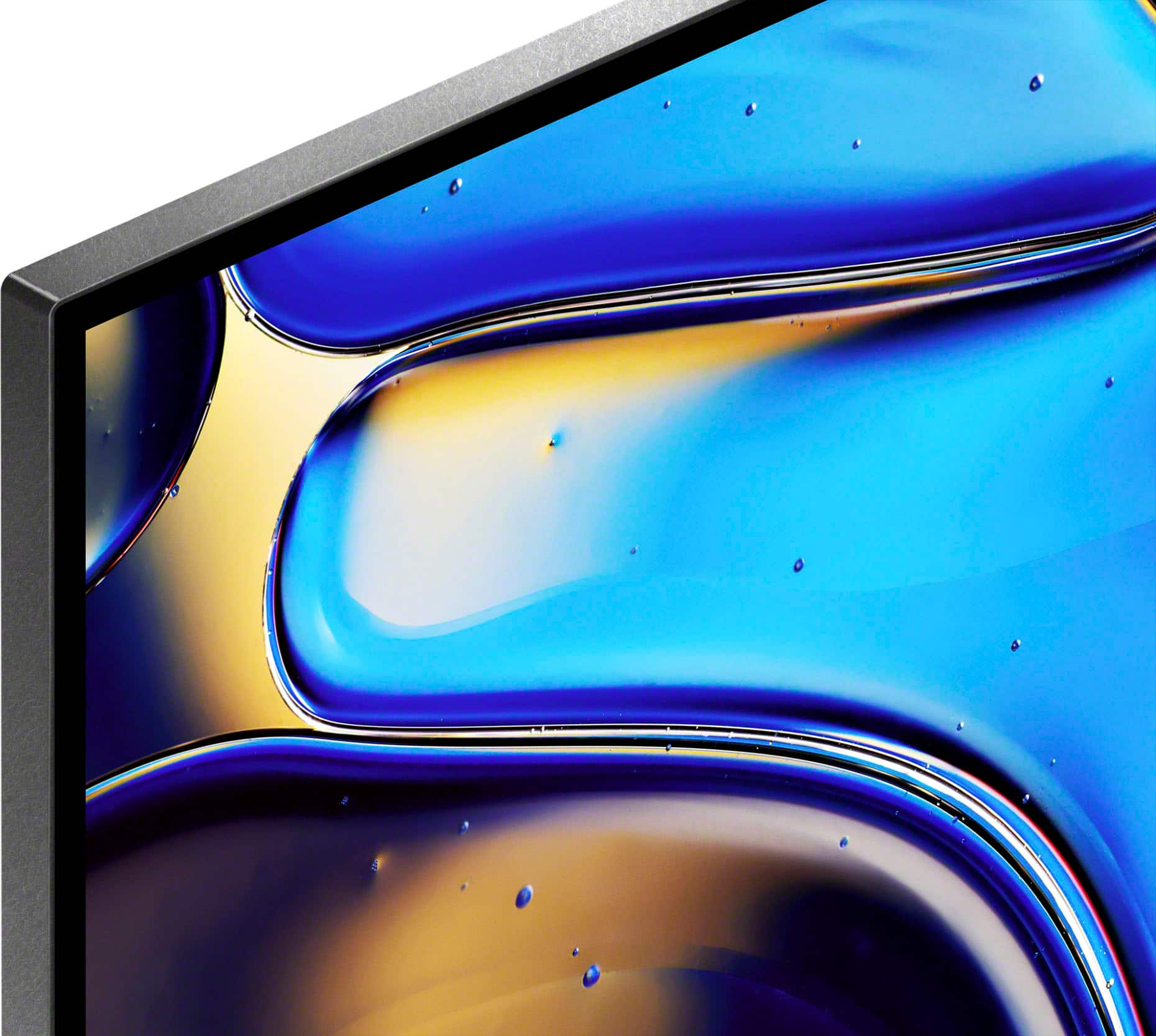
The BRAVIA 8 uses W-OLED (White OLED) technology, the same type found in LG's OLED panels. These panels create white light through OLED emitters, then use color filters to produce red, green, and blue. While this approach has been refined over years and delivers excellent results, it inherently limits peak brightness and color saturation compared to QD-OLED technology.
However, W-OLED panels have advantages too. They're more mature, potentially more reliable, and cost-effective to manufacture—savings that Sony can pass to consumers or invest in other features.
Based on professional measurements and user feedback, the A95K delivers approximately 1,000 nits peak brightness—nearly double what most W-OLED displays achieve. This difference becomes immediately apparent when watching HDR content like nature documentaries or action movies with bright outdoor scenes.
In a typical living room with some ambient light, the A95K's superior brightness maintains image quality where the BRAVIA 8 might appear slightly dim or washed out. For dedicated home theater rooms with controlled lighting, this difference matters less, but it's still noticeable in spectacular HDR sequences.
The BRAVIA 8 still delivers excellent HDR performance—perfect blacks and good contrast—but peak highlights don't have the same punch as the A95K. For most content, this difference is subtle, but with premium 4K Blu-rays or high-end streaming content, the QD-OLED advantage becomes clear.
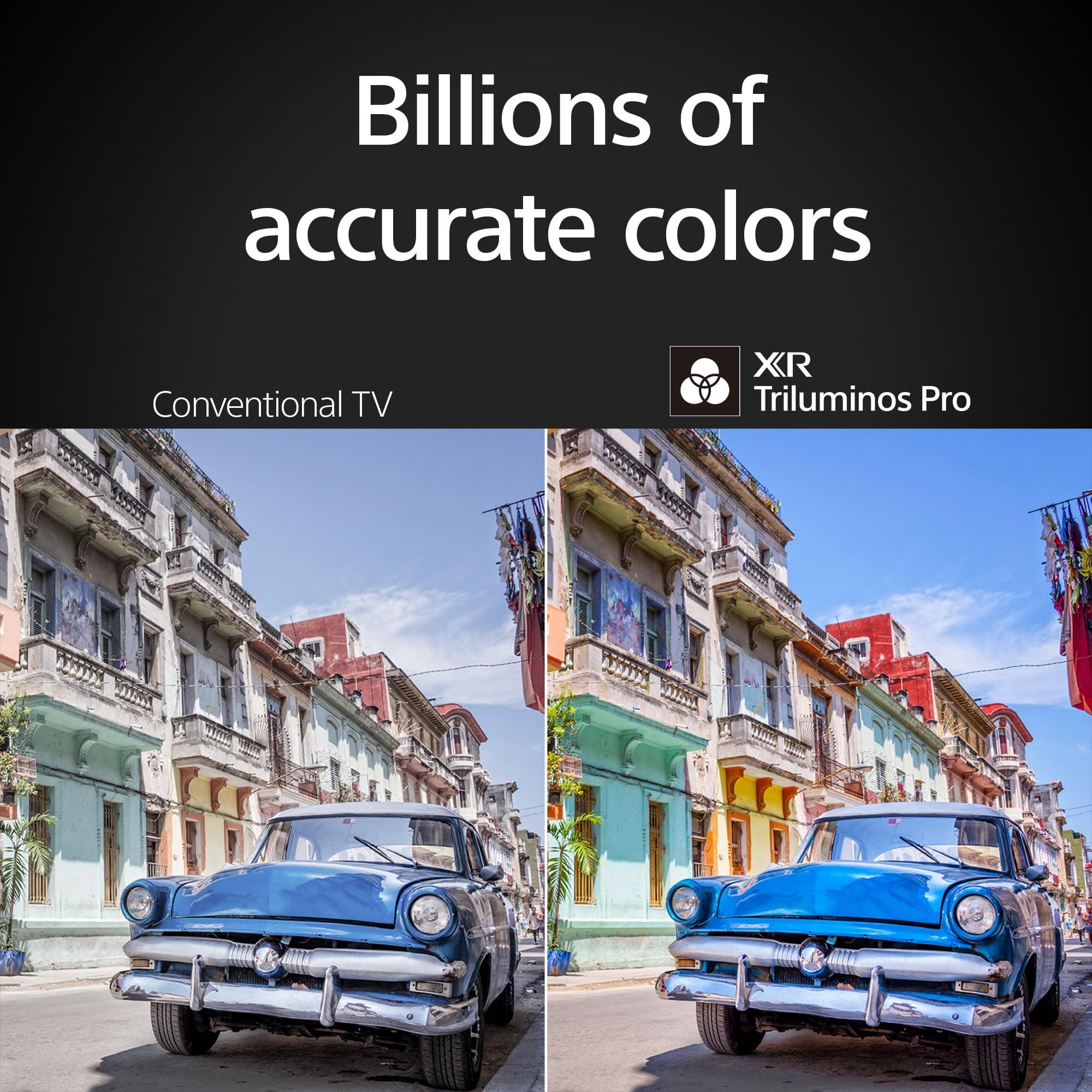
Here's where the A95K truly shines. Sony's XR Triluminos Max technology, combined with QD-OLED's inherent color advantages, produces what many experts consider the most accurate and vibrant colors ever seen on a consumer TV. Reds appear deeper and more natural, greens look more lifelike, and the entire color spectrum maintains saturation even at high brightness levels.
The BRAVIA 8 offers Sony's XR Triluminos Pro, which provides excellent color accuracy within W-OLED's limitations. Colors look natural and well-calibrated, especially in Sony's Cinema picture mode, but they lack the extra pop and vibrancy that makes the A95K special.
For content creators, photographers, or anyone who values color accuracy, the A95K offers professional-grade performance that rivals reference monitors used in film studios.
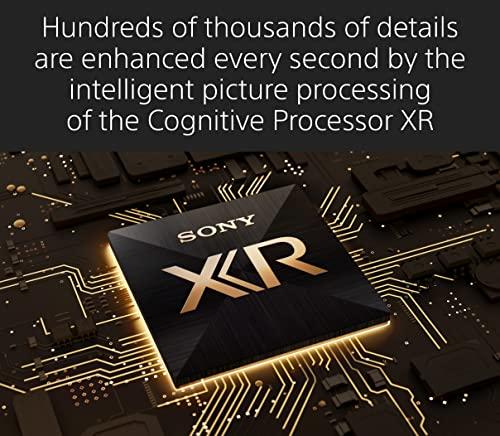
Both TVs feature Sony's Cognitive Processor XR, but the A95K includes more advanced processing algorithms specifically tuned for QD-OLED panels. The XR OLED Contrast Pro technology optimizes brightness and contrast on a scene-by-scene basis, while XR Clear Image upscaling improves lower-resolution content more effectively.
The BRAVIA 8 receives capable processing that handles 1080p upscaling well and provides smooth motion handling, but the A95K's more sophisticated algorithms deliver noticeably better results with challenging content like old movies or compressed streaming video.
Modern gaming demands have pushed TV manufacturers to prioritize gaming features, and both Sony models deliver solid performance for PlayStation 5, Xbox Series X, and high-end PCs.
Both the A95K and BRAVIA 8 support 4K gaming at 120Hz through HDMI 2.1 connections, essential for smooth gameplay in supported titles. Input lag—the delay between controller input and screen response—measures competitively low on both models, though the A95K edges slightly ahead in some gaming modes.
Variable Refresh Rate (VRR) support eliminates screen tearing and stuttering, creating smoother gaming experiences. Both TVs handle VRR well, but the A95K's superior motion processing provides slightly cleaner fast-paced action sequences.
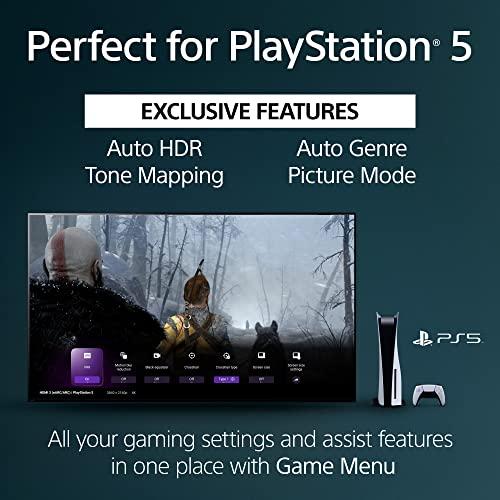
The BRAVIA 8 includes Auto HDR Tone Mapping specifically optimized for PlayStation 5, automatically adjusting HDR settings for optimal gaming performance. Both models feature Auto Low Latency Mode (ALLM), which automatically switches to game mode when detecting gaming sources.
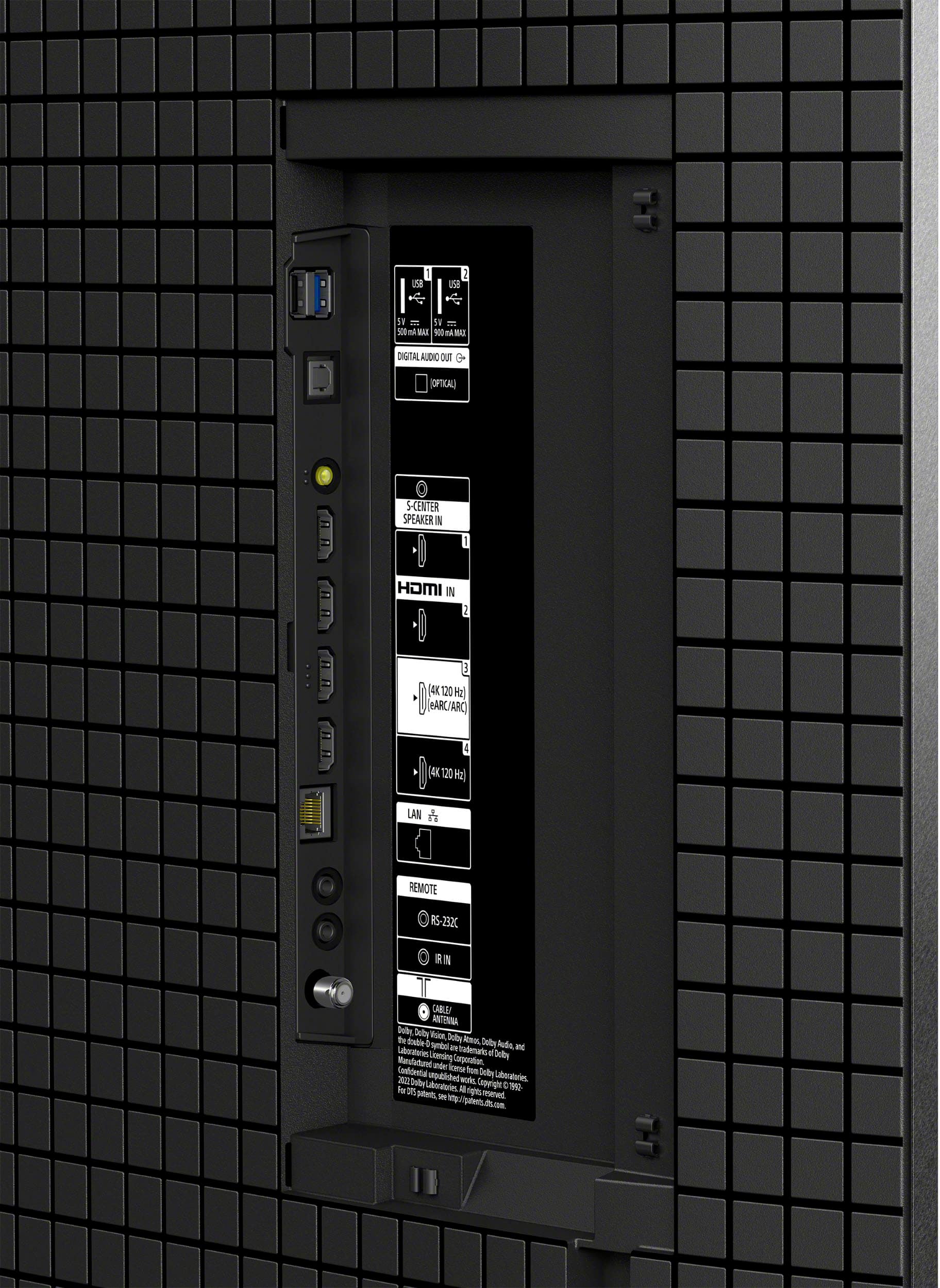
However, both TVs share a limitation: only two HDMI 2.1 ports. With one typically reserved for eARC audio return, this leaves just one port for full gaming features—potentially problematic for users with multiple next-gen consoles or gaming PCs.
For competitive gaming, both TVs perform excellently, but the A95K's superior motion handling and brighter display provide advantages in fast-paced titles. The BRAVIA 8 offers great gaming performance at a more accessible price point, making it ideal for casual gamers who still want premium features.
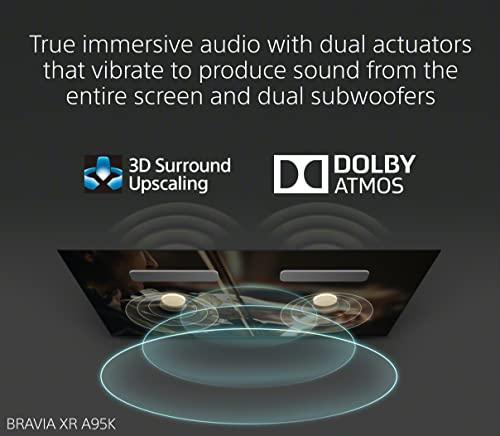
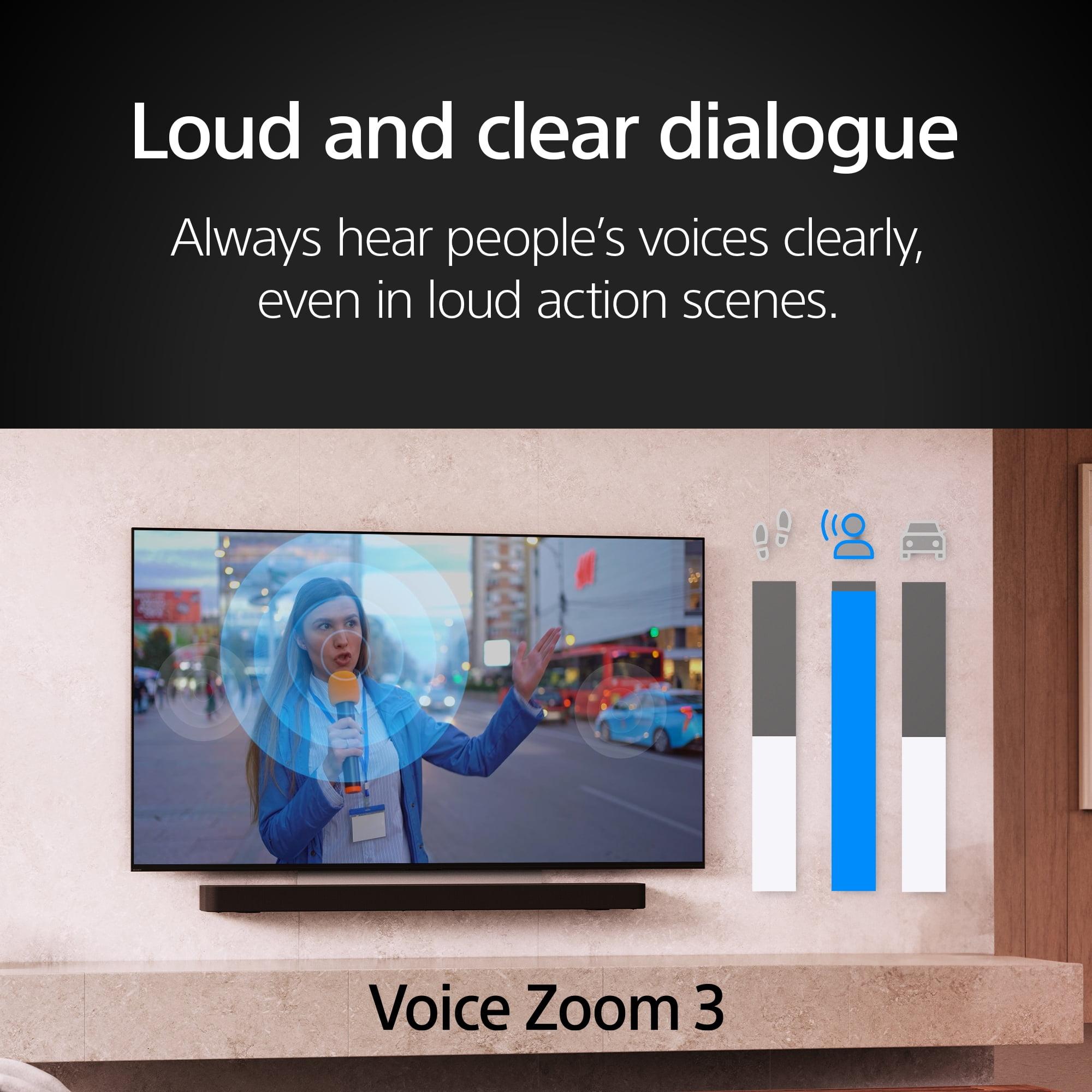
Both TVs feature Sony's innovative Acoustic Surface Audio+ technology, where actuators behind the screen vibrate the display itself to produce sound. This creates a unique effect where dialogue appears to come directly from characters' mouths, rather than from separate speakers below the screen.
The A95K includes more sophisticated audio processing and can function as a center channel in surround sound setups. Its audio quality surpasses most built-in TV speakers, though dedicated soundbars or home theater systems still provide superior performance.
The BRAVIA 8 offers a 2.1-channel system with 50 watts total power and includes Acoustic Center Sync, which coordinates with compatible Sony soundbars for improved dialogue clarity. While good for a TV's built-in audio, it doesn't match the A95K's more refined sound quality.
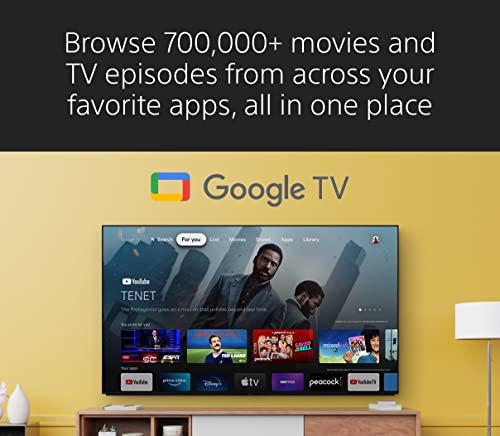
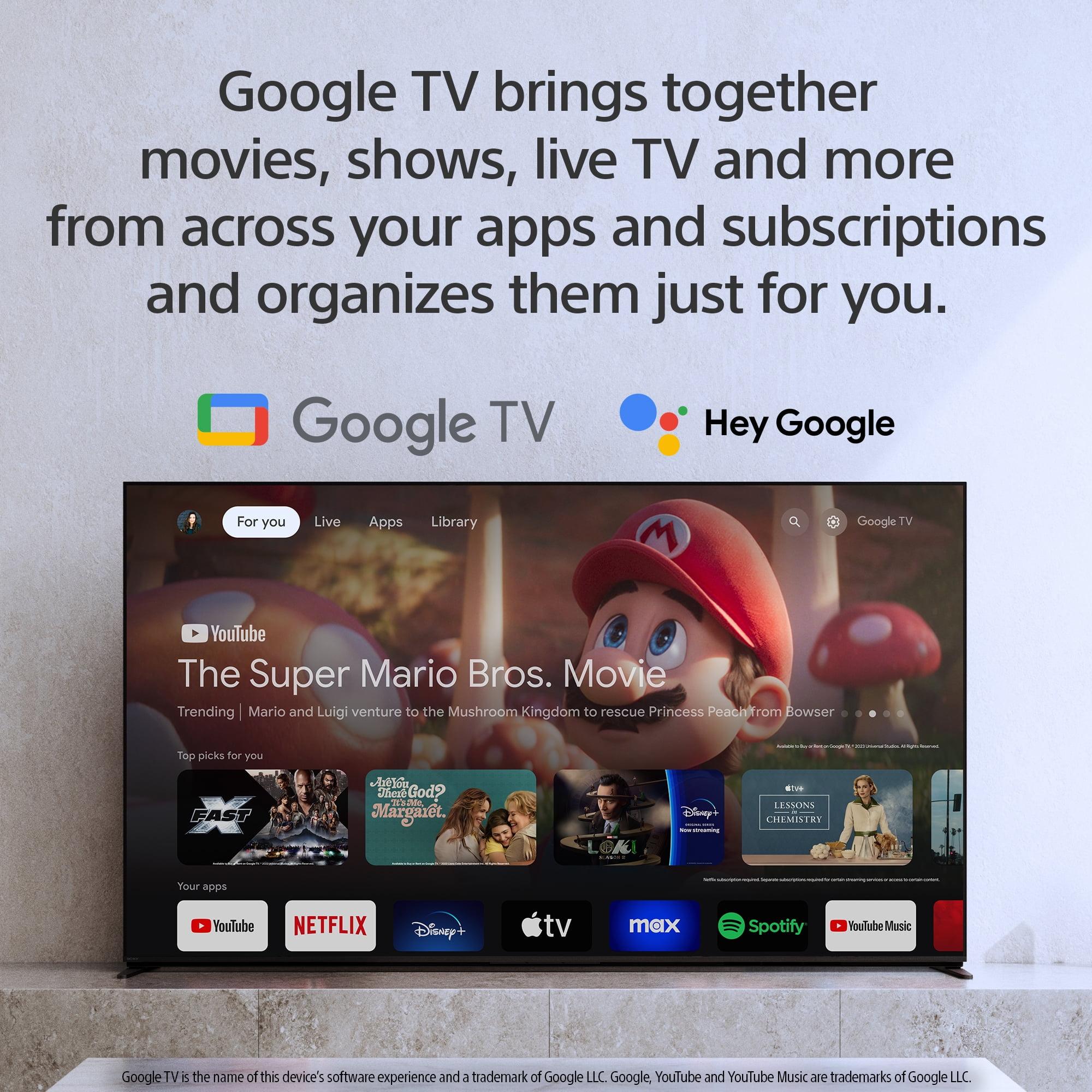
Both models run Google TV, Sony's smart TV platform that aggregates content from multiple streaming services. The BRAVIA 8 includes a newer version of the interface with improved recommendations and faster performance.
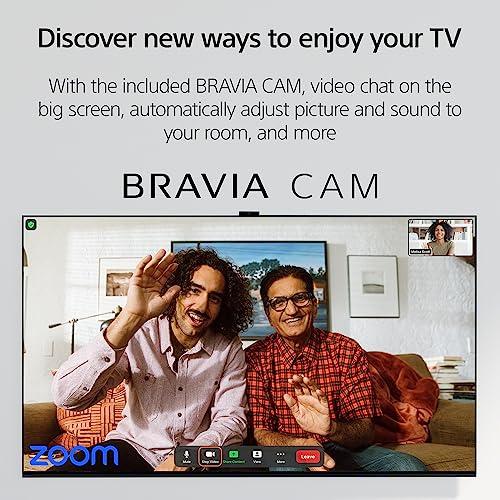
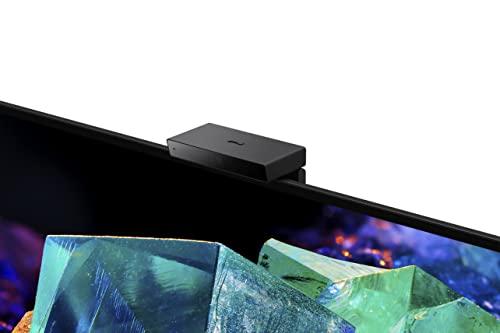
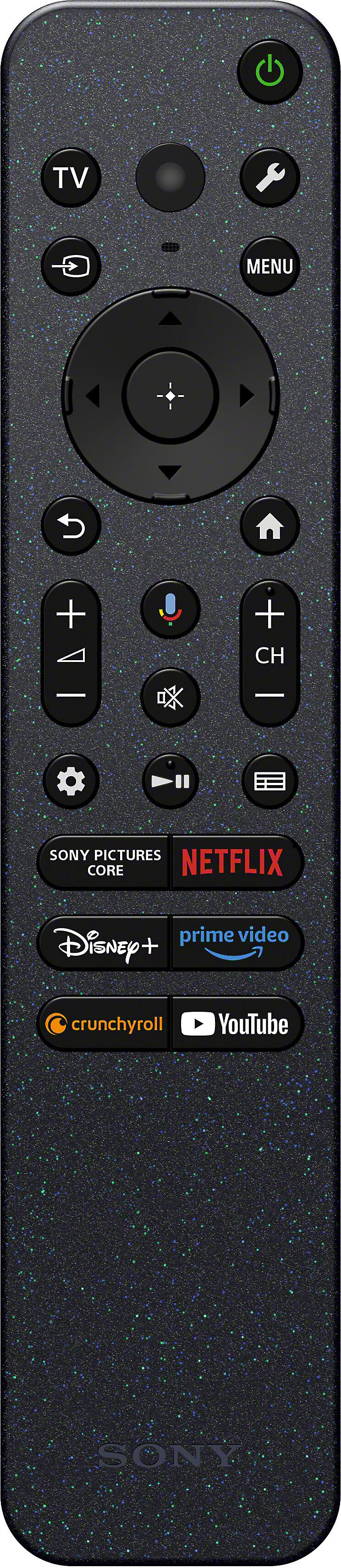
The A95K comes with Sony's BRAVIA CAM, a unique webcam accessory that enables gesture controls and video calling. While innovative, many users find traditional remote control more practical for daily use.
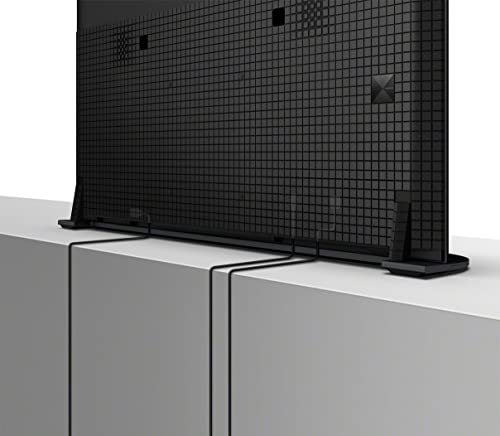
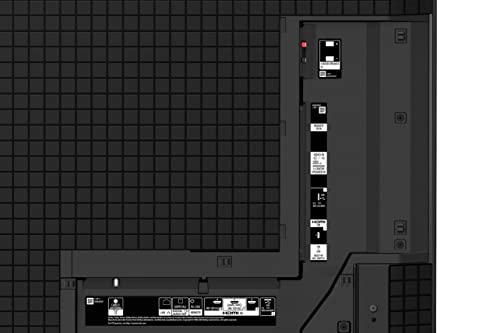
Connectivity is similar between models, though both share the HDMI 2.1 port limitation mentioned earlier. For most users, this won't be problematic, but home theater enthusiasts with multiple high-end sources might find it restrictive.
At the time of writing, the A95K commands premium pricing typical of flagship TVs, while the BRAVIA 8 positions itself in the upper-mid-range category—a significant price difference that affects the value equation.
The A95K justifies its premium pricing for viewers who prioritize absolute picture quality. If you frequently watch HDR content, have a bright living room, or want the most accurate colors possible, the QD-OLED technology delivers meaningful improvements over conventional OLEDs.
Home theater enthusiasts building dedicated media rooms will appreciate the A95K's superior processing, color accuracy, and audio capabilities. The technology also ages well—QD-OLED panels maintain their advantages over time better than some alternatives.
For most viewers, the BRAVIA 8 provides excellent OLED performance without flagship pricing. In darker viewing environments—typical for serious movie watching—the brightness difference between panels becomes less significant.
The BRAVIA 8 makes particular sense for buyers upgrading from LCD TVs, where even its "limited" brightness will seem impressive. It also appeals to buyers who want modern smart TV features and solid gaming performance without paying premium prices.
In dedicated home theater setups with controlled lighting, both TVs excel, but their strengths differ. The A95K's superior color accuracy and processing make it ideal for cinephiles who want reference-quality picture reproduction. Its ability to function as a center channel speaker also appeals to audio enthusiasts.
The BRAVIA 8 works beautifully in home theaters while leaving budget for better speakers, seating, or room treatments that might improve the overall experience more than incremental TV improvements.
Since the A95K's 2022 launch, QD-OLED technology has continued evolving, with newer models offering improved brightness and efficiency. However, the A95K remains competitive and showcases technology that's still cutting-edge today.
The BRAVIA 8, launched in 2024, represents Sony's latest refinements to W-OLED processing and smart TV features. While the underlying panel technology is more mature, Sony's continuous software updates and processing improvements keep it relevant.
Choose the A95K if you want the absolute best picture quality Sony offers, frequently watch content in bright rooms, or value having cutting-edge display technology. It's ideal for enthusiasts who can appreciate and utilize its advanced features and don't mind paying premium prices for measurable improvements.
The BRAVIA 8 makes more sense for buyers seeking excellent OLED performance at more reasonable pricing. It's perfect for viewers who primarily watch in darker environments, want solid gaming features, and prefer spending savings on content subscriptions, sound systems, or other home theater components.
Both TVs deliver the core OLED benefits—perfect blacks, infinite contrast, and wide viewing angles—that make the technology so appealing. Your choice ultimately depends on whether the A95K's QD-OLED advantages justify its premium pricing for your specific viewing habits and budget priorities. Either way, you'll own a premium TV that delivers years of excellent entertainment.
| Sony Bravia XR A95K 65" QD-OLED TV | Sony BRAVIA 8 65" 4K OLED TV |
|---|---|
| Panel Technology - Fundamental difference affecting brightness and color performance | |
| QD-OLED (Quantum Dot OLED) - Superior brightness and color volume | W-OLED (White OLED) - Proven technology with excellent contrast |
| Peak Brightness - Critical for HDR impact and bright room viewing | |
| ~1,000 nits (significantly brighter, better for daytime use) | ~400-500 nits (excellent for dark rooms, adequate for moderate lighting) |
| Color Performance - Affects vibrancy and accuracy of all content | |
| XR Triluminos Max with 200% higher color brightness than conventional OLEDs | XR Triluminos Pro with good color accuracy within W-OLED limitations |
| Processor - Determines upscaling quality and smart features | |
| Cognitive Processor XR with advanced QD-OLED optimizations | Updated XR Processor with newer Google TV interface |
| Gaming Features - Important for console and PC gaming | |
| Two HDMI 2.1 ports, 4K@120Hz, VRR, ALLM, excellent motion handling | Two HDMI 2.1 ports, 4K@120Hz, VRR, ALLM, Auto HDR Tone Mapping for PS5 |
| Audio System - Built-in sound quality without external speakers | |
| Acoustic Surface Audio+ with center speaker mode capability | Acoustic Surface Audio+ 2.1-channel system (50W), Acoustic Center Sync |
| Smart TV Platform - Interface and app performance | |
| Google TV with included BRAVIA CAM for gesture controls | Google TV (newer 2024 version) with improved interface and recommendations |
| Release Year - Affects pricing and technology generation | |
| 2022 (flagship QD-OLED debut, premium pricing) | 2024 (current model with refined features, better value positioning) |
| Best For - Target user and use cases | |
| Enthusiasts wanting cutting-edge picture quality, bright room viewing, home theater centerpiece | Value-conscious buyers seeking excellent OLED performance, dark to moderate lighting, balanced features |
The Sony Bravia XR A95K delivers superior picture quality due to its QD-OLED panel technology, which produces significantly brighter images and more vibrant colors than the Sony BRAVIA 8. The A95K reaches approximately 1,000 nits peak brightness compared to the BRAVIA 8's 400-500 nits, making HDR content more impactful and improving visibility in bright rooms.
The key difference is panel technology: the Sony Bravia XR A95K uses QD-OLED (Quantum Dot OLED) panels that combine blue OLEDs with quantum dot converters, while the Sony BRAVIA 8 uses traditional W-OLED (White OLED) panels with color filters. This gives the A95K advantages in brightness and color reproduction.
Both TVs offer excellent gaming performance with 4K@120Hz, VRR, and ALLM support through two HDMI 2.1 ports. The Sony Bravia XR A95K has slightly better motion handling and brighter visuals for competitive gaming, while the Sony BRAVIA 8 includes Auto HDR Tone Mapping specifically optimized for PlayStation 5 and offers solid gaming performance at a better value.
The Sony Bravia XR A95K justifies its premium pricing if you prioritize cutting-edge picture quality, watch content in bright rooms, or want the most accurate colors available. However, the Sony BRAVIA 8 provides excellent OLED performance at a more accessible price point, making it better value for most buyers, especially those viewing in darker environments.
For dedicated home theaters with controlled lighting, both excel, but the Sony Bravia XR A95K offers superior color accuracy and can function as a center channel speaker, making it ideal for cinephiles wanting reference-quality reproduction. The Sony BRAVIA 8 works beautifully in home theaters while leaving more budget for speakers, seating, or room treatments.
Both run Google TV, but the Sony BRAVIA 8 includes a newer 2024 version with improved recommendations and faster performance. The Sony Bravia XR A95K comes with the unique BRAVIA CAM accessory for gesture controls and video calling, though most users prefer traditional remote control for daily use.
The Sony Bravia XR A95K significantly outperforms the Sony BRAVIA 8 in bright rooms due to its QD-OLED panel's superior peak brightness. The A95K maintains image quality and color saturation even with ambient light, while the BRAVIA 8 may appear dim or washed out in very bright environments.
Both the Sony Bravia XR A95K and Sony BRAVIA 8 offer similar connectivity with two HDMI 2.1 ports each, which may limit users with multiple next-gen gaming consoles or high-end sources. Both support eARC for audio return, leaving effectively one HDMI 2.1 port available for full gaming features.
The Sony Bravia XR A95K features more sophisticated Acoustic Surface Audio+ technology with the ability to function as a center channel in surround sound setups. The Sony BRAVIA 8 offers a capable 2.1-channel system with Acoustic Center Sync for compatible soundbars, but the A95K provides superior overall audio quality.
Both deliver excellent performance for movies and TV shows with perfect OLED blacks and infinite contrast. The Sony Bravia XR A95K excels with HDR content and bright scenes due to superior brightness and color volume, while the Sony BRAVIA 8 provides great viewing experience at better value, especially for standard dynamic range content.
The Sony Bravia XR A95K offers more future-proof technology with its cutting-edge QD-OLED panel that maintains advantages over time. However, the Sony BRAVIA 8 launched in 2024 with newer smart TV features and processing optimizations, so both have different aspects of future-proofing depending on your priorities.
For your first OLED upgrade, the Sony BRAVIA 8 often provides better value with excellent picture quality that will seem impressive compared to LCD TVs. Choose the Sony Bravia XR A95K if you're upgrading from another premium TV and want the absolute best picture quality, or if you frequently watch content in bright rooms where its superior brightness matters most.
We've done our best to create useful and informative comparisons to help you decide what product to buy. Our research uses advanced automated methods to create this comparison and perfection is not possible - please contact us for corrections or questions. These are the sites we've researched in the creation of this article: tomsguide.com - audioadvice.com - wepc.com - bestbuy.com - tvsbook.com - rtings.com - youtube.com - flatpanelshd.com - rtings.com - youtube.com - reviewed.com - avsforum.com - youtube.com - youtube.com - rtings.com - youtube.com - electronics.sony.com - sonypremiumhome.com - valueelectronics.com - sony.com - displayspecifications.com - flatpanelshd.com - donstv.com - youtube.com - businessinsider.com - youtube.com - displayspecifications.com - bestbuy.com - bestbuy.com - bestbuy.com - crutchfield.com - avsforum.com - electronics.sony.com - sony.com - store.sony.co.nz - sony.com - displayspecifications.com

Privacy Policy
Terms and Conditions - Affiliate Policy
Home Security
© Copyright 2008-2026.
11816 Inwood Rd #1211, Dallas, TX 75244