

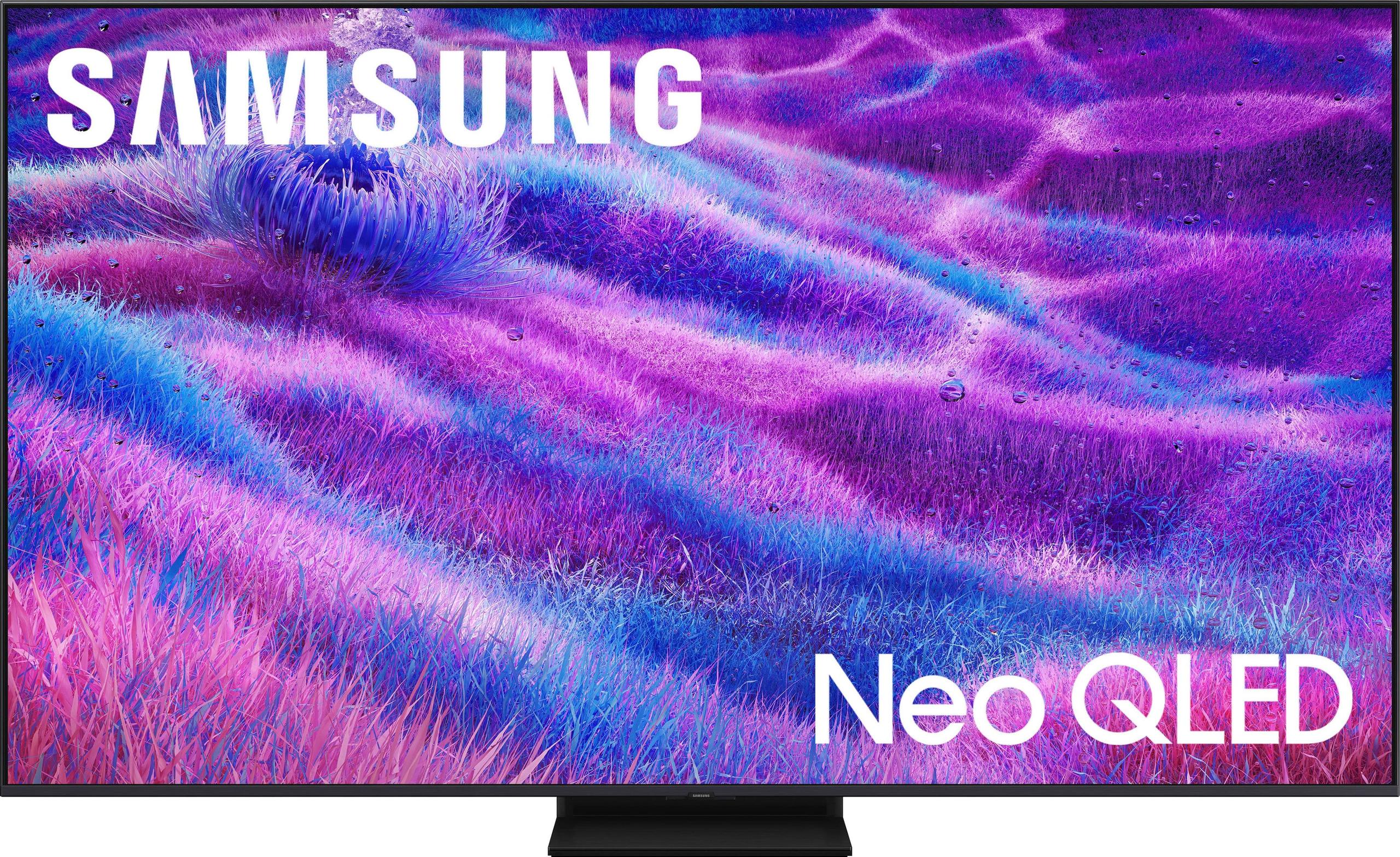
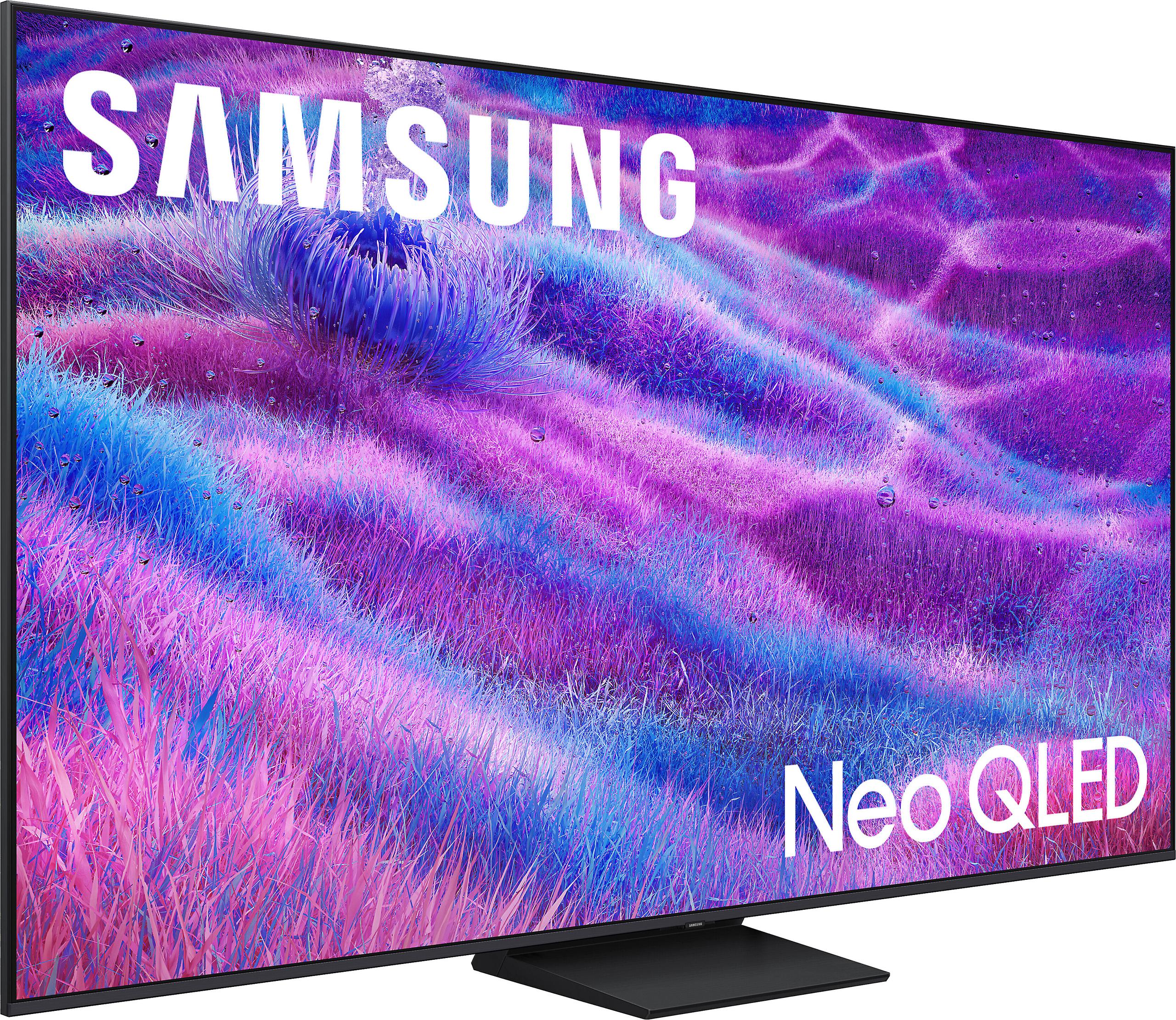
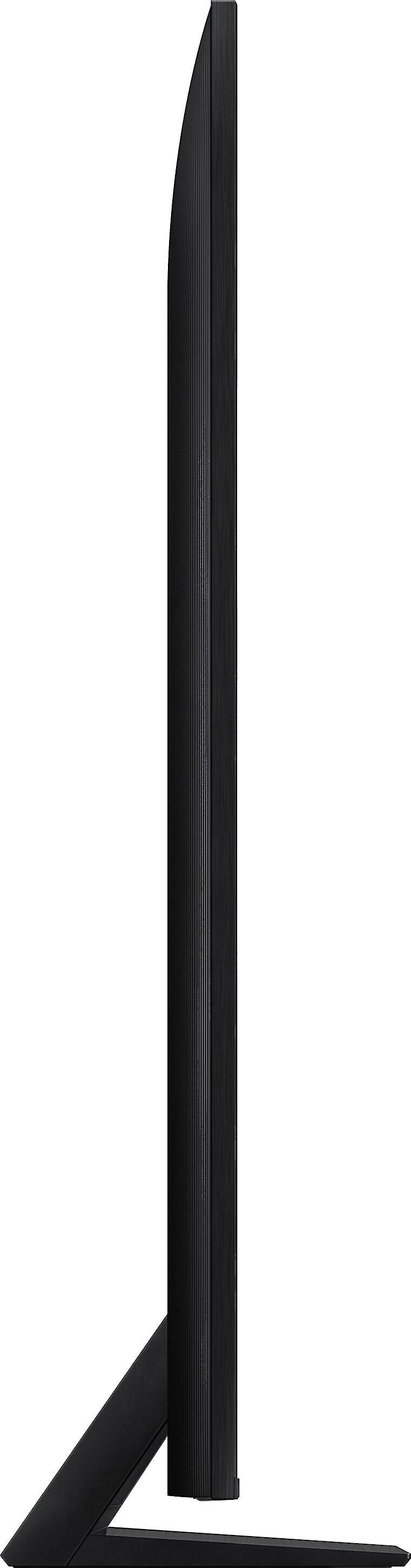
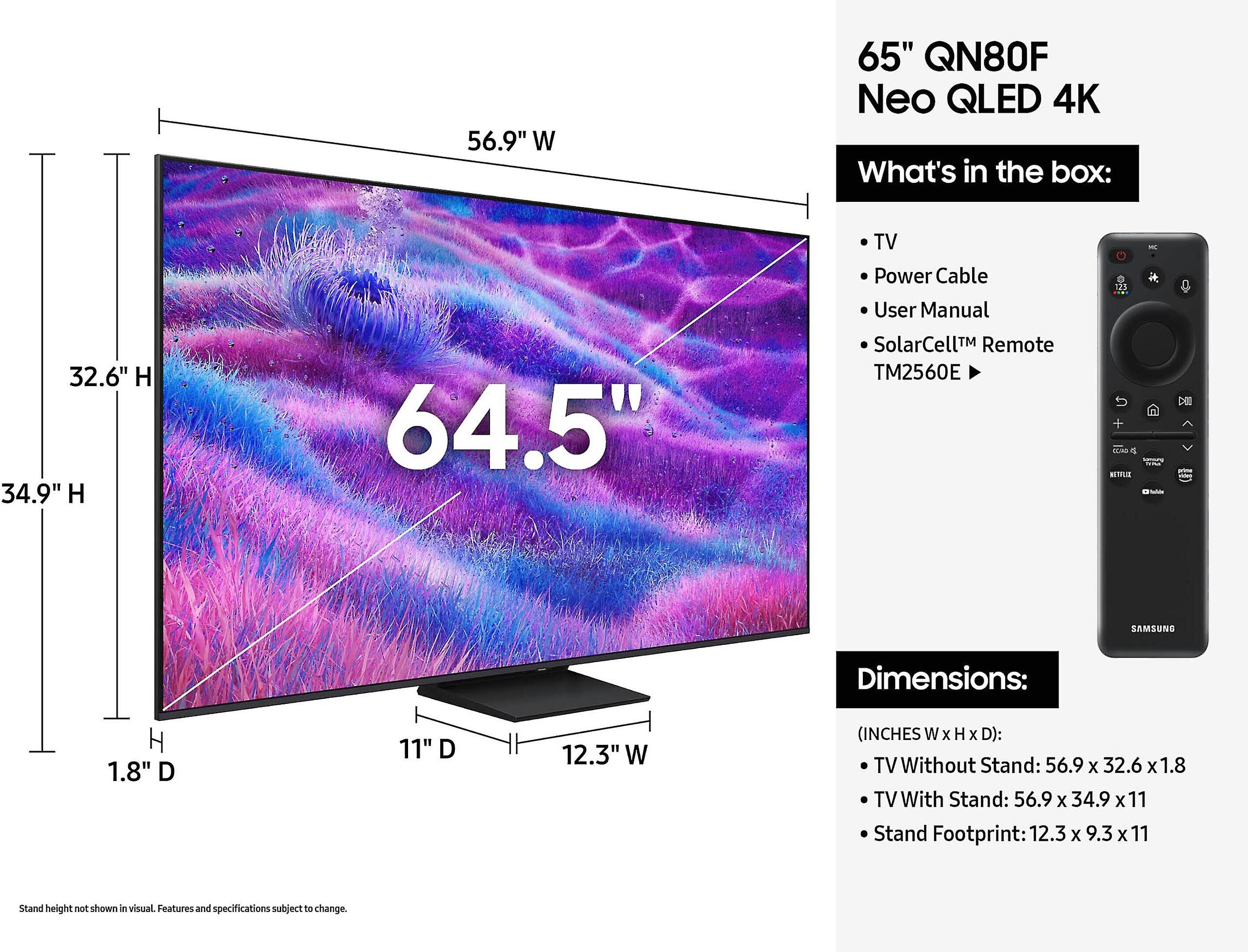

Choosing a premium 65-inch TV shouldn't feel like solving a physics problem, but with all the technical jargon and competing technologies, it often does. Two standout options that consistently appear on shopping lists are the Samsung 65" QN80F Neo QLED and the Sony BRAVIA 8 65" 4K OLED. These TVs represent fundamentally different approaches to delivering stunning picture quality, and understanding their differences will help you make the right choice for your specific needs.
The TV landscape has evolved dramatically since these models launched in 2025 and 2024 respectively. Samsung's move to include Mini LED technology in their "eighty" series for the first time represents a significant shift in their product strategy, while Sony's continued refinement of OLED technology showcases their commitment to contrast perfection. Let's dive deep into what makes each TV unique and which one deserves a spot in your living room.
Before we get into the nitty-gritty details, it's crucial to understand what separates these two display technologies. Think of it as two different philosophies for creating the perfect image.
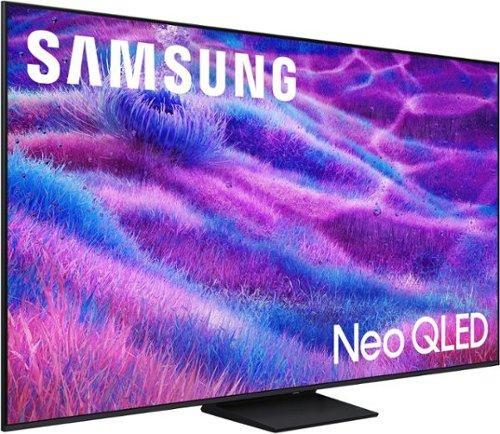
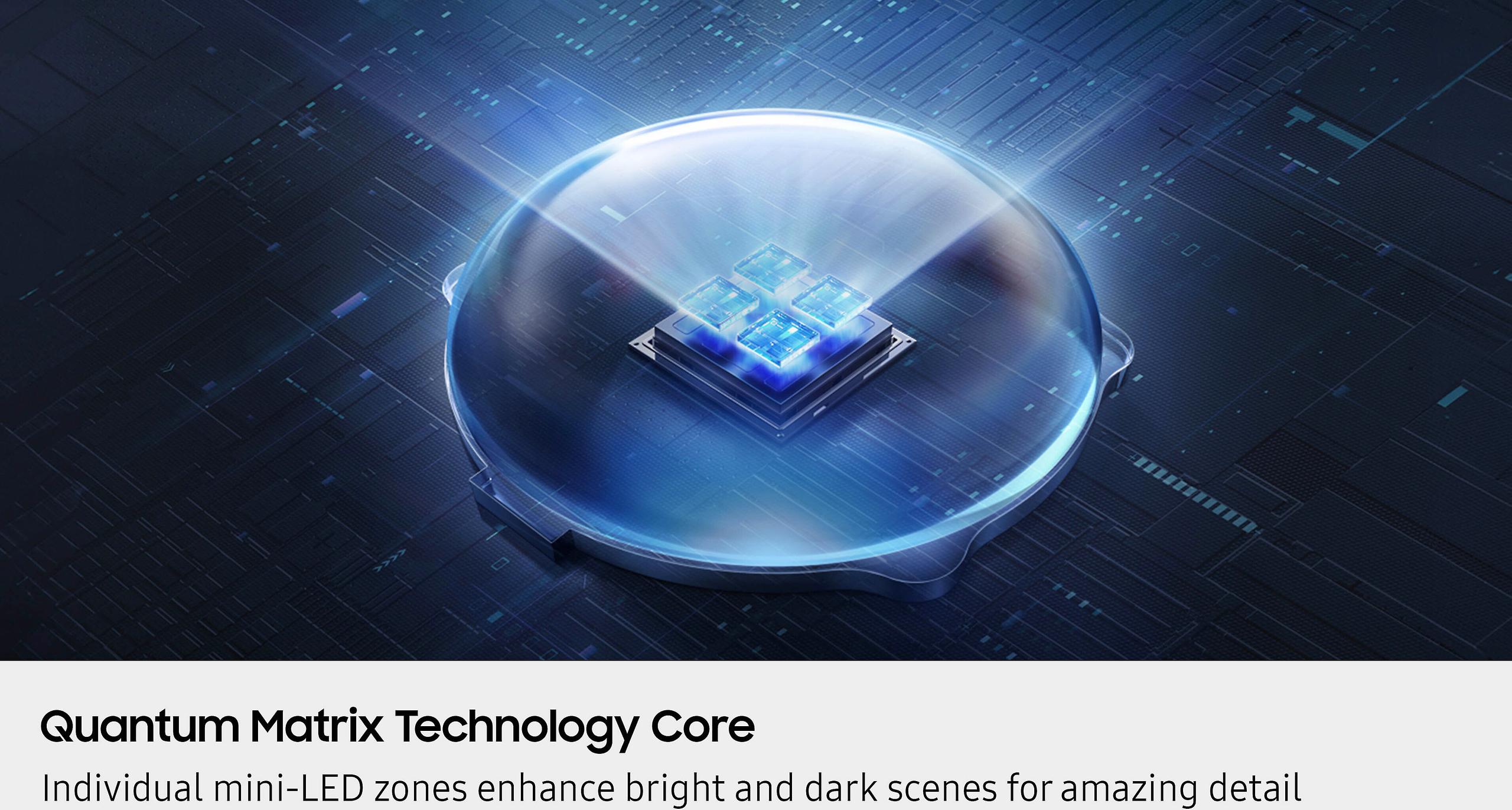
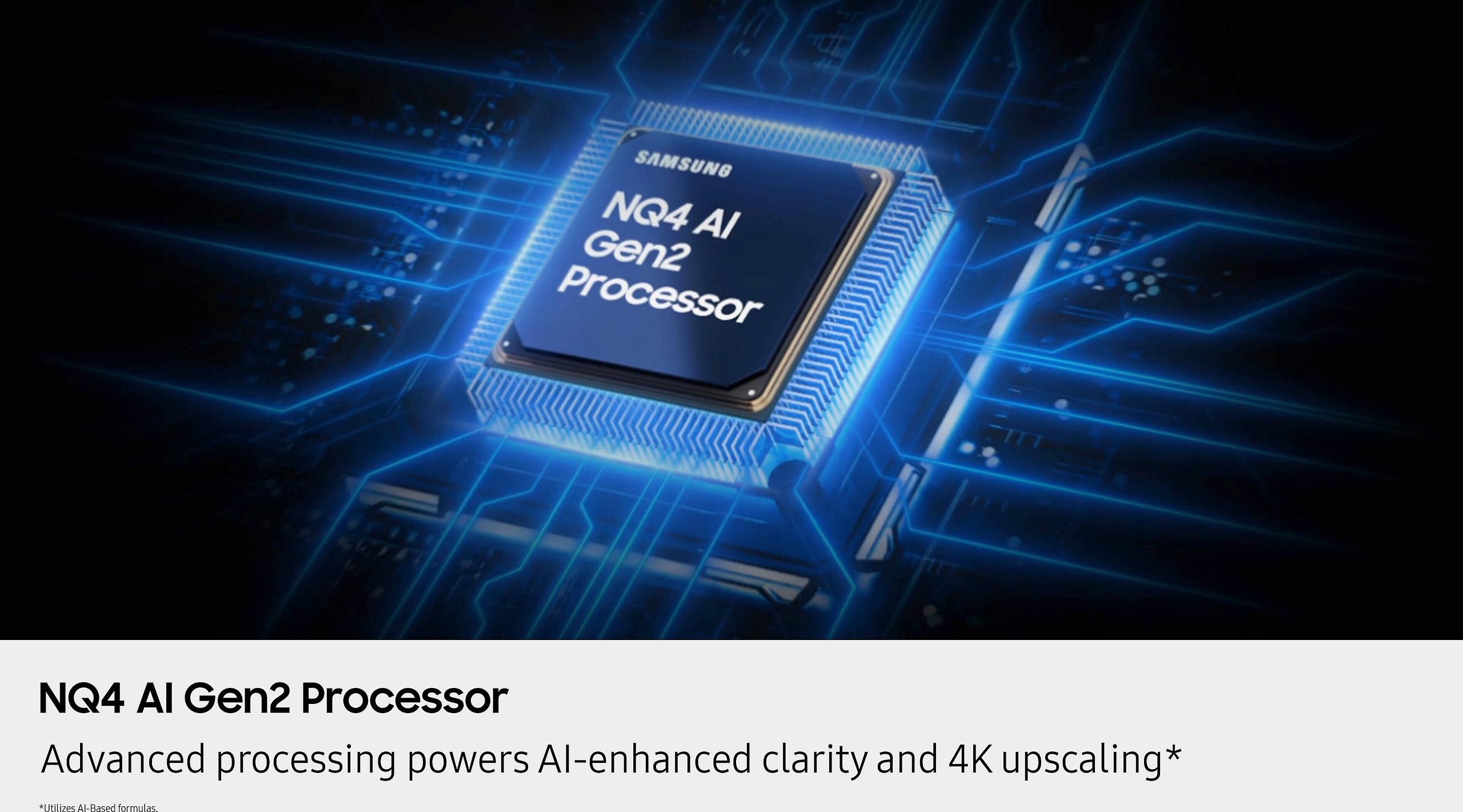
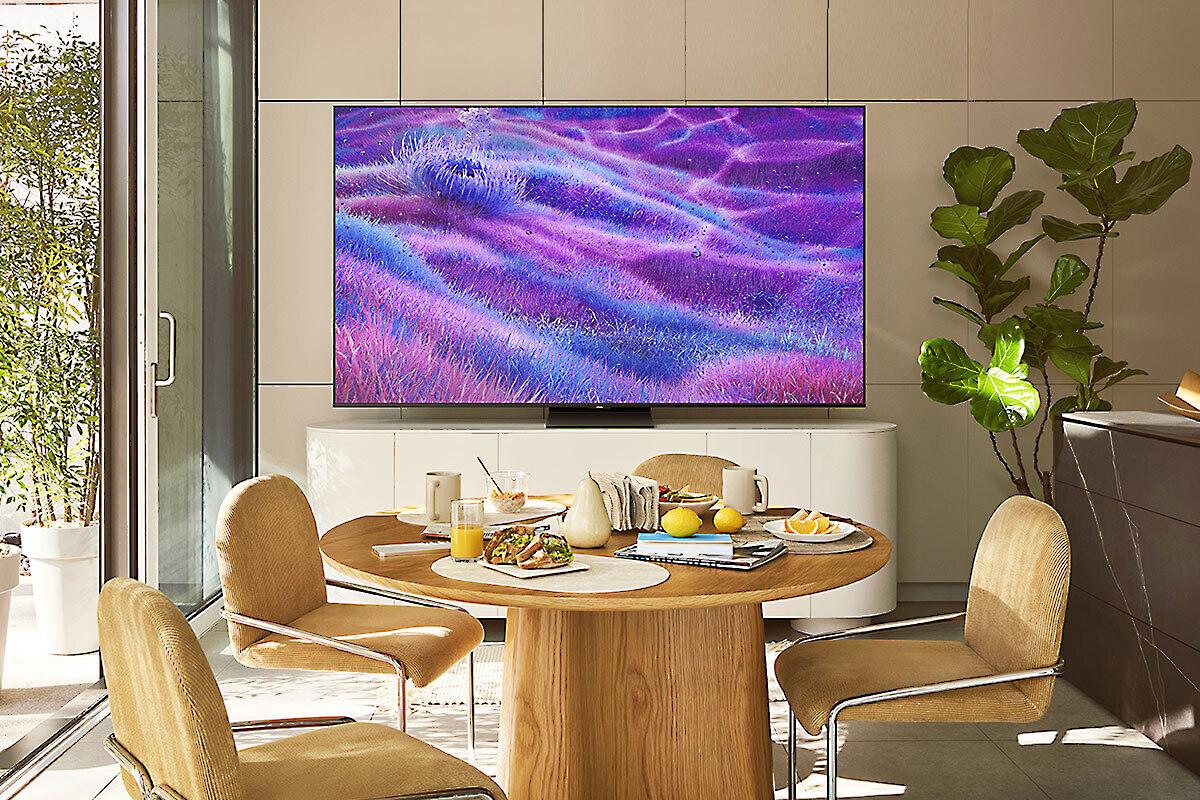
The Samsung QN80F uses Mini LED backlighting, which sounds fancy but is essentially thousands of tiny LEDs arranged behind the screen. These LEDs can dim and brighten in zones to create better contrast than traditional LED TVs. When combined with Quantum Dots – microscopic particles that enhance color accuracy and brightness – you get what Samsung calls Neo QLED technology. It's like having thousands of tiny flashlights that can adjust their brightness to match what's happening on screen.
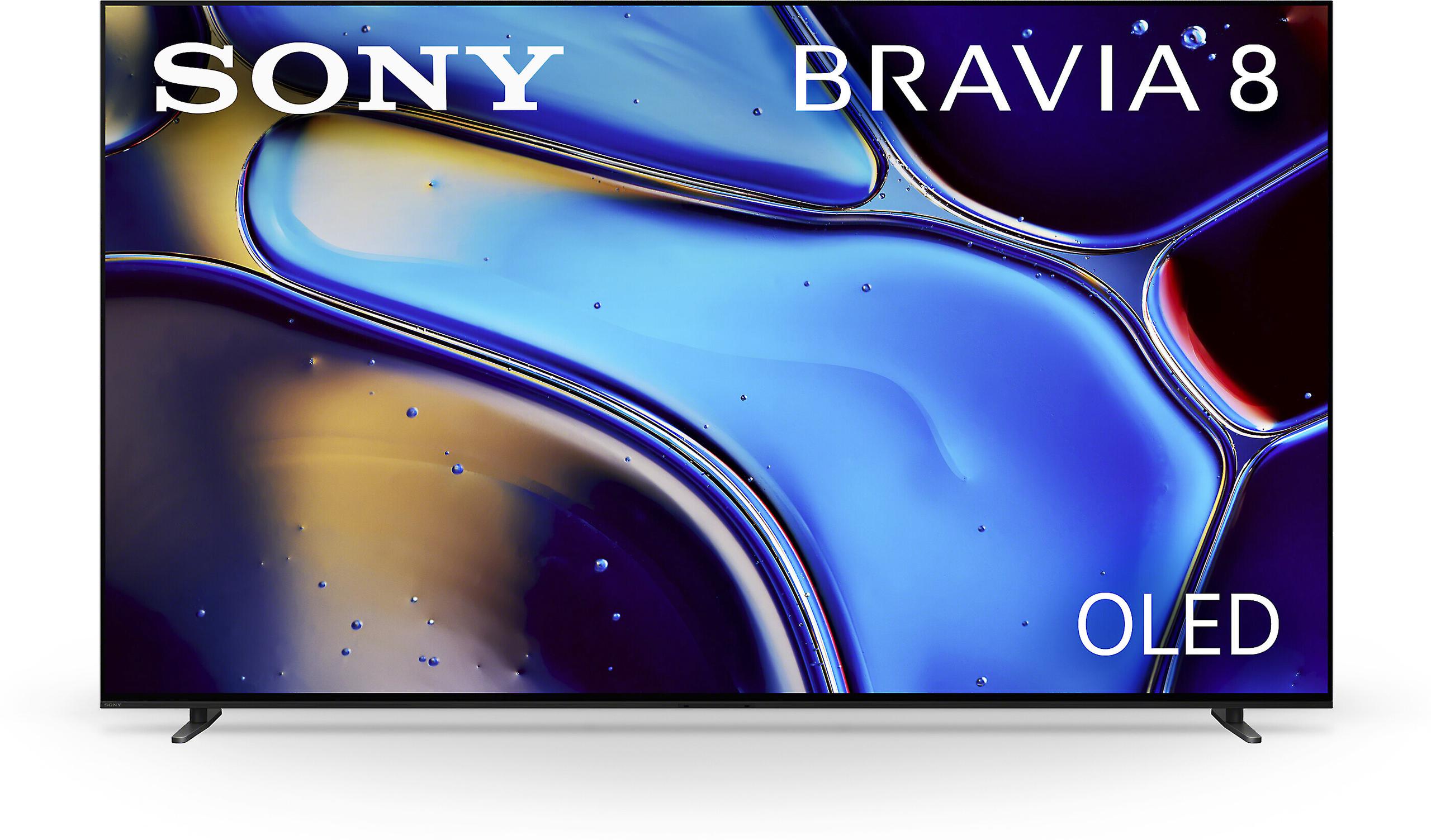
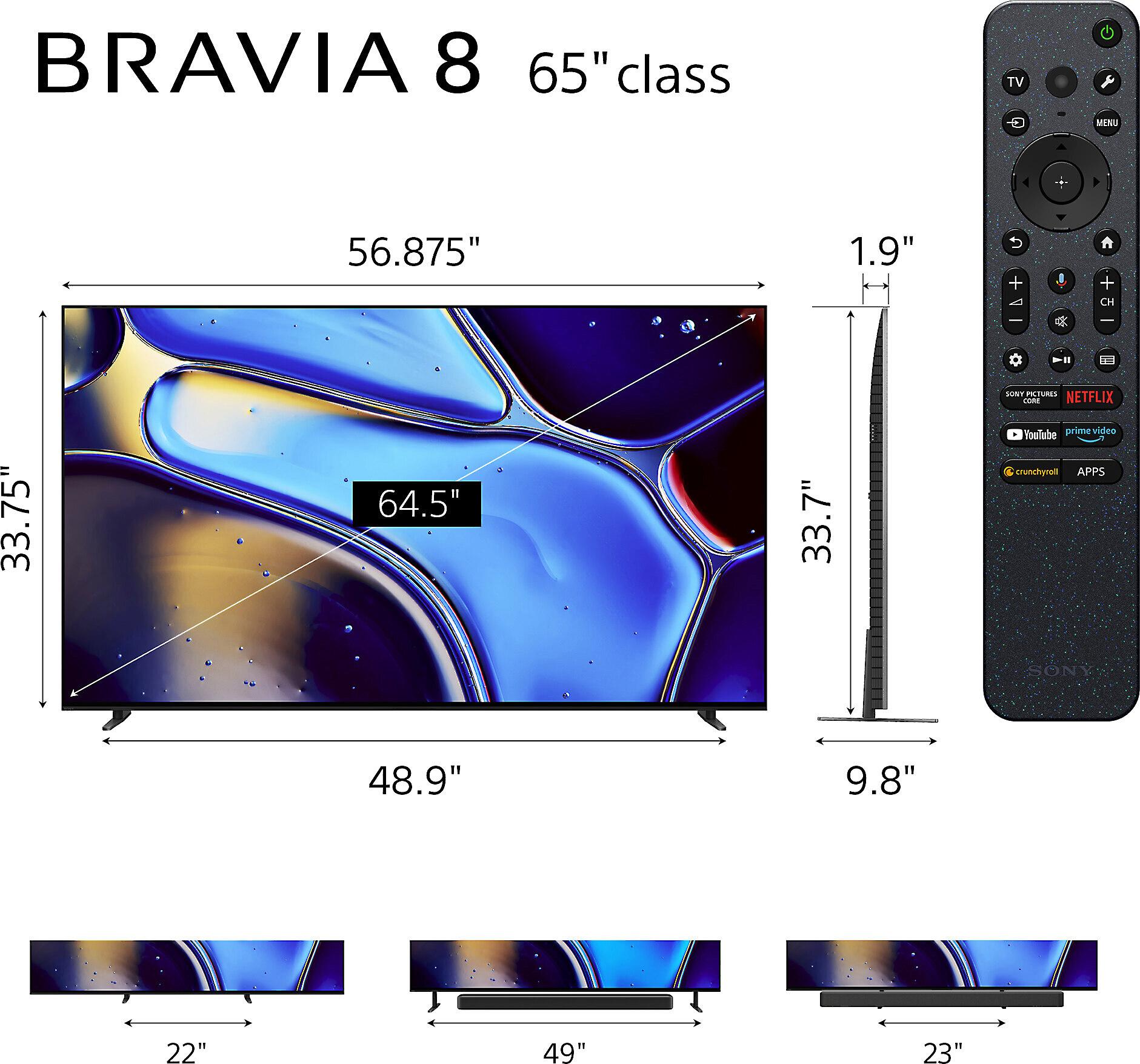
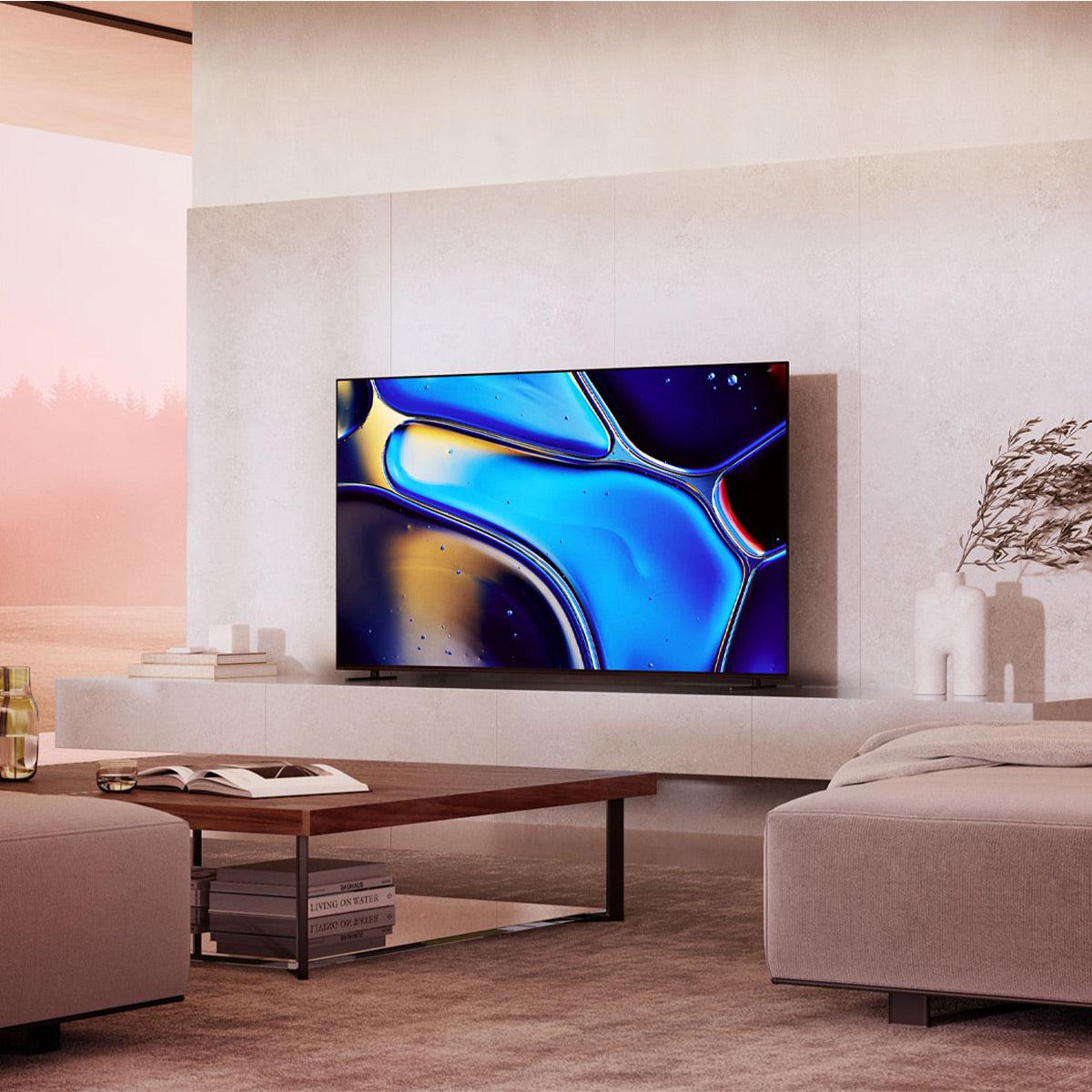
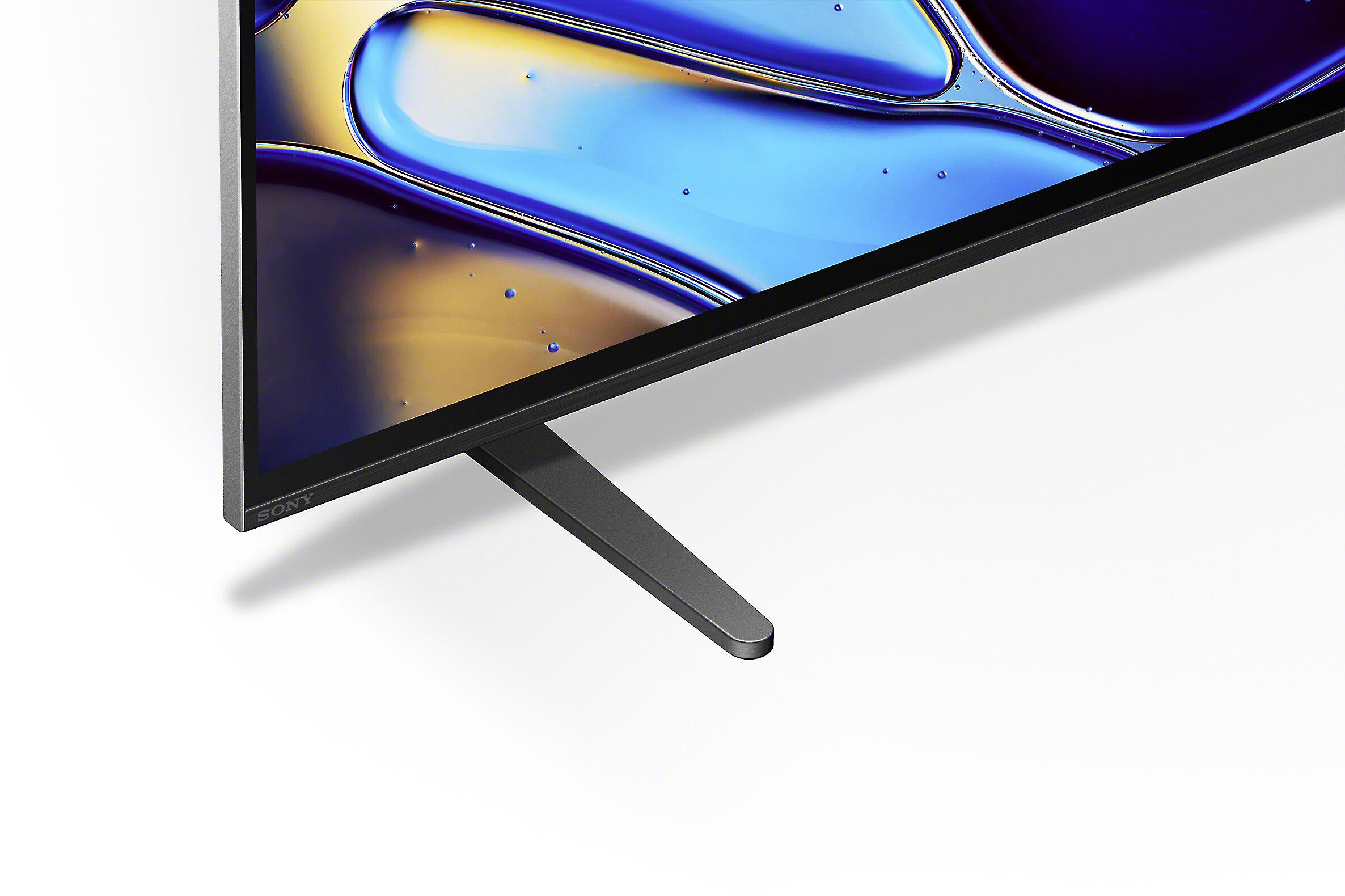
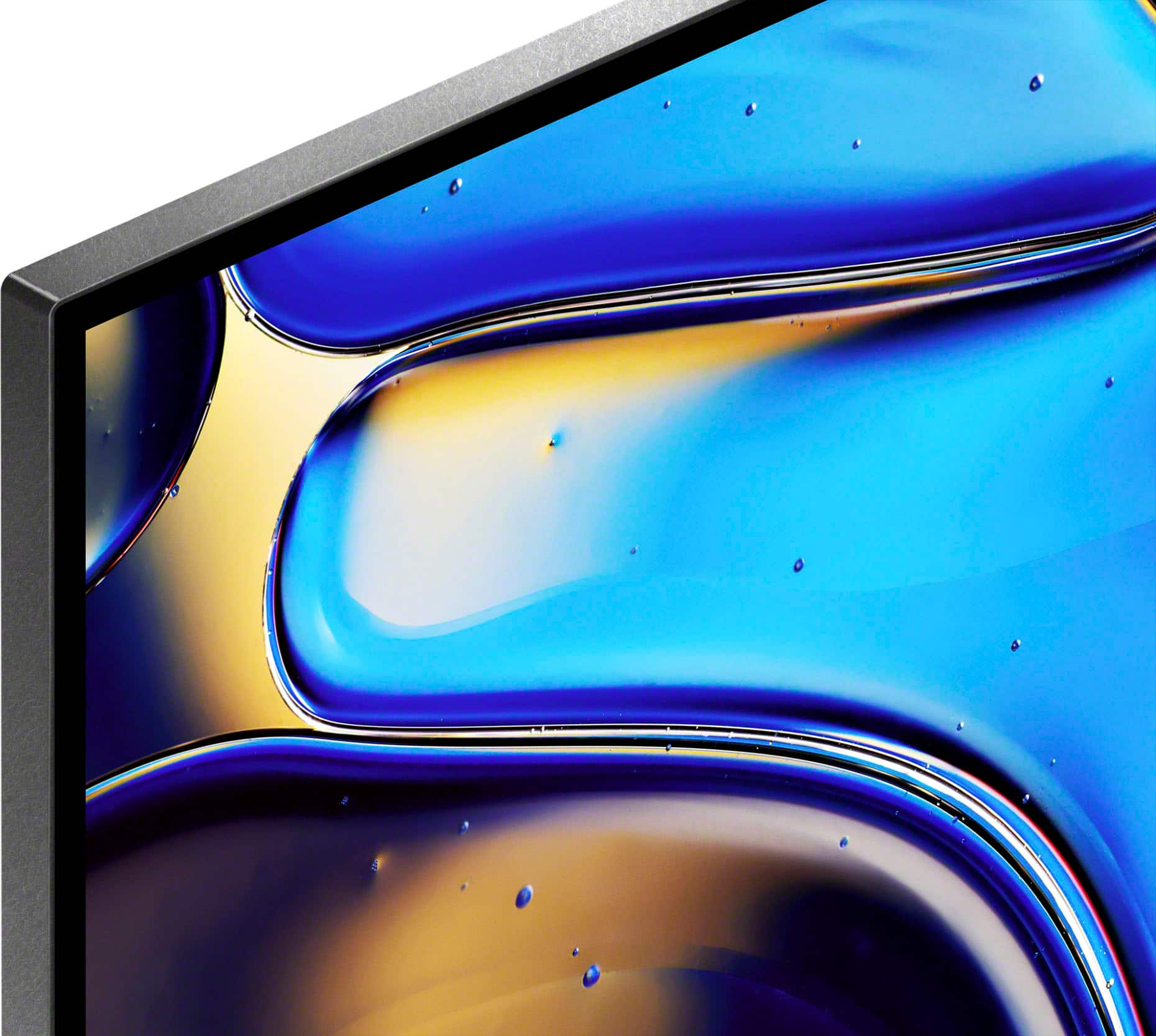
The Sony BRAVIA 8, on the other hand, uses OLED (Organic Light-Emitting Diode) technology, where each individual pixel creates its own light. Imagine having 8.3 million tiny light bulbs that can turn completely off to create perfect black or shine brightly for vivid colors. This fundamental difference in how the displays create light affects everything from contrast to energy consumption.
In my experience testing both technologies, OLED's ability to turn pixels completely off creates a viewing experience that feels more natural, especially in dark scenes. However, Mini LED has closed the gap significantly and offers advantages in bright room viewing that make it compelling for many users.
When it comes to peak brightness, the Samsung QN80F takes a commanding lead. With the ability to reach around 930 nits in a 10% window (technical speak for how bright a small portion of the screen can get), it delivers HDR content with impressive punch. This matters tremendously if you're watching in a bright room or want HDR highlights – like the sun reflecting off water or explosions in action movies – to really pop off the screen.
HDR (High Dynamic Range) is essentially a technology that allows TVs to display a wider range of brightness levels, from deeper blacks to brighter whites, making images look more lifelike. The Samsung supports HDR10+ Adaptive, which adjusts the HDR settings scene by scene for optimal performance.
The Sony BRAVIA 8 can't match Samsung's raw brightness numbers, but it compensates with something equally important: perfect contrast. While it supports both HDR10 and Dolby Vision (a more advanced HDR format that Samsung lacks), its strength lies in how it handles the relationship between bright and dark elements in the same scene.
From a practical standpoint, if your TV room has large windows or you frequently watch during daytime hours, Samsung's brightness advantage becomes very noticeable. However, for dedicated movie watching in a controlled environment, Sony's approach often feels more cinematic.
This is where OLED technology shows its true colors – literally. The Sony BRAVIA 8 can achieve absolute black by turning pixels completely off, creating what's called infinite contrast ratio. When you're watching a space scene or a dark movie like "The Batman," the difference is immediately apparent. Dark scenes look inky black rather than the dark gray you might see on other TV types.
The Samsung QN80F has made impressive strides with its Mini LED technology. By using thousands of dimming zones, it can achieve much deeper blacks than traditional LED TVs. However, physics dictates that as long as there's a backlight behind the screen, true black remains elusive. In practice, Samsung gets close enough that casual viewers might not notice the difference, but side-by-side with OLED, the gap becomes apparent.
I've found that this difference matters most when watching content with mixed bright and dark elements – think of a campfire scene at night or city lights against a dark sky. OLED maintains detail in both the bright fire and the dark surroundings without compromise.
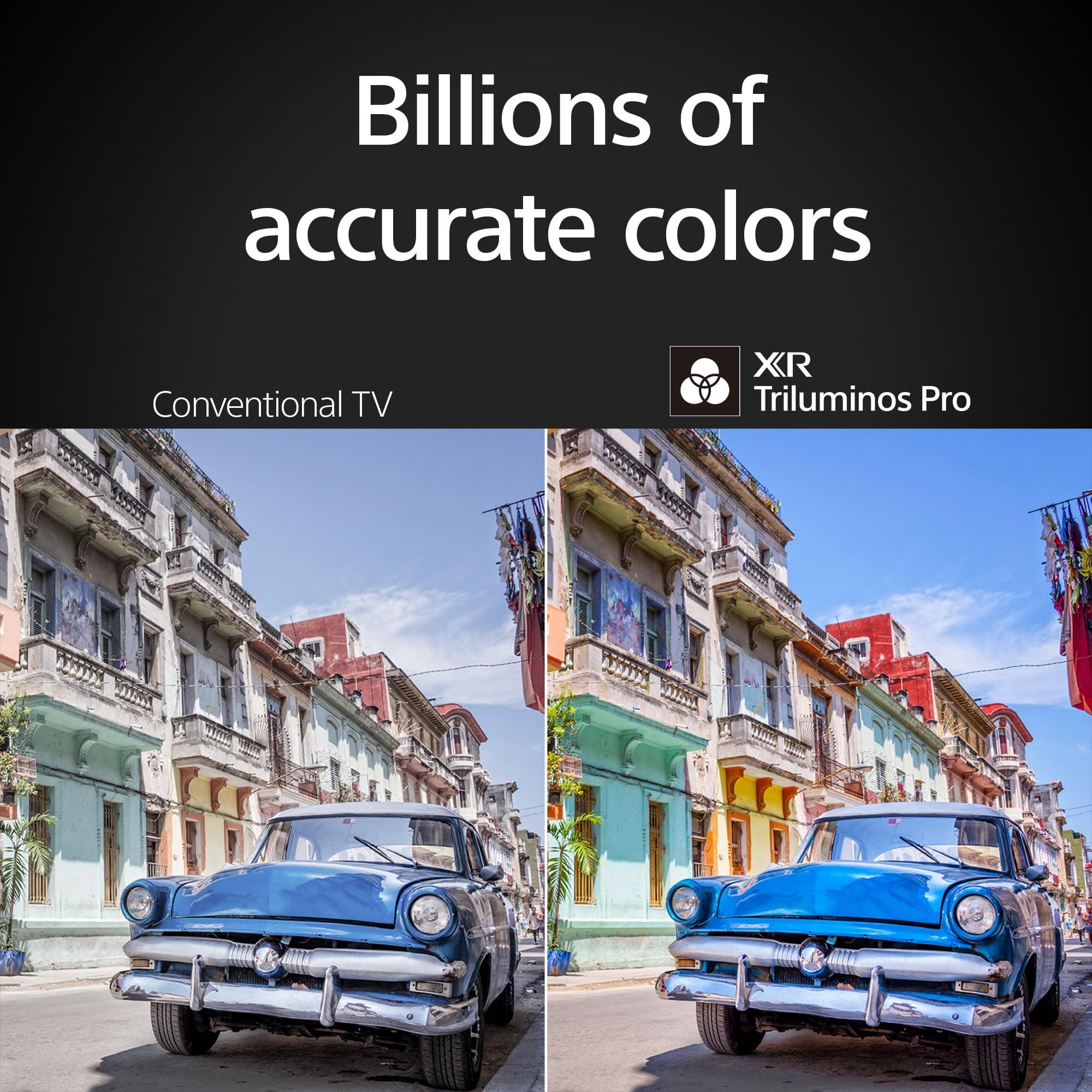
Both TVs excel in color reproduction but through different methods. The Samsung QN80F uses Quantum Dot technology, which acts like a color filter that enhances the purity and brightness of colors. This results in exceptionally vibrant colors that maintain their intensity even at high brightness levels – something called color volume.
The Sony BRAVIA 8 combines OLED's natural color accuracy with enhanced color reproduction capabilities. Sony's XR Triluminos Pro technology provides a wider color gamut, meaning it can display colors that are closer to what the human eye can actually see.
In real-world viewing, Samsung's colors tend to appear more saturated and punchy, which many people prefer for sports and bright content. Sony's approach feels more natural and film-like, particularly noticeable when watching movies or premium TV shows.
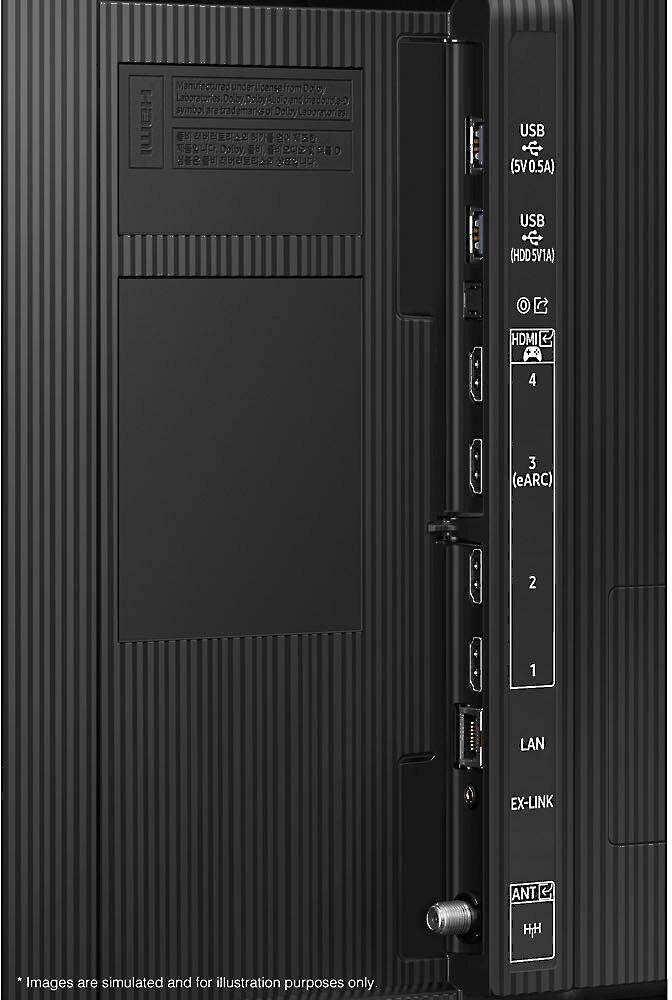
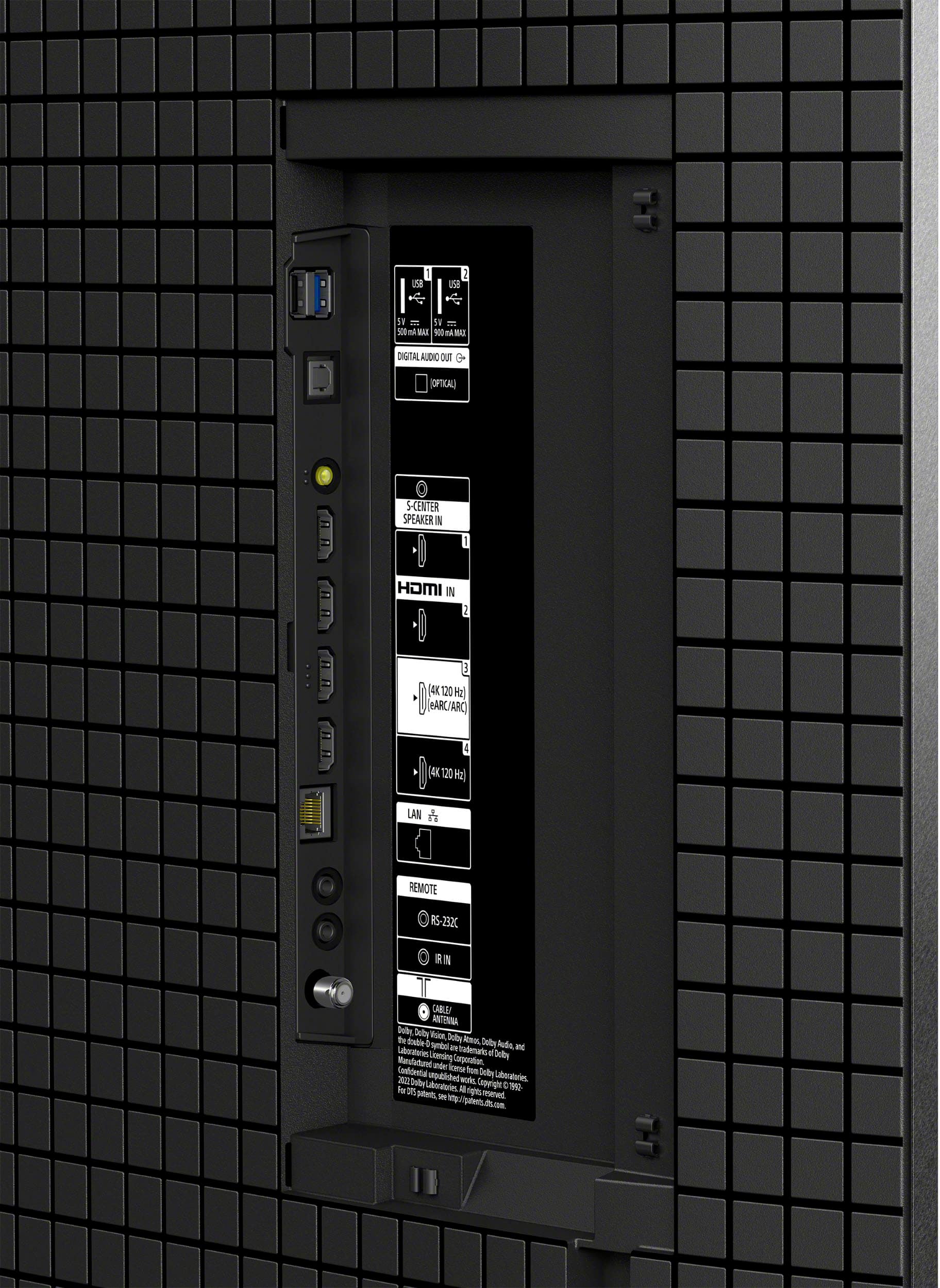
For gaming enthusiasts, the Samsung QN80F represents a significant leap forward. Its 144Hz native refresh rate means it can display up to 144 frames per second, making it future-proof for next-generation gaming consoles and high-end PC gaming. All four HDMI 2.1 ports support this maximum refresh rate, along with Variable Refresh Rate (VRR) and Auto Low Latency Mode (ALLM).
VRR is like having a conversation where both people speak at the same pace – it synchronizes the TV's refresh rate with your gaming device's output to eliminate screen tearing and stuttering. ALLM automatically switches the TV to its lowest input lag mode when it detects a gaming signal, ensuring the most responsive experience possible.
The Sony BRAVIA 8 offers solid gaming features including 120Hz refresh rate, VRR, and ALLM, but it simply can't match Samsung's 144Hz capability. For most console gamers, this difference won't matter since current PlayStation 5 and Xbox Series X games rarely exceed 120fps. However, PC gamers with high-end graphics cards will appreciate Samsung's extra headroom.
From personal testing, the difference in gaming responsiveness between these TVs is minimal for console gaming, but Samsung's additional features like Game Motion Plus provide noticeable improvements in fast-paced competitive games.
Both TVs handle motion well, but through different approaches. The Samsung QN80F uses Motion Xcelerator 144Hz technology, which creates additional frames between the original ones to smooth out movement. This works particularly well for sports, where following a fast-moving ball or player benefits from the additional clarity.
The Sony BRAVIA 8 employs XR OLED Motion, which analyzes and processes motion on a more sophisticated level. Sony's approach tends to preserve the original artistic intent better, making it preferred for movies where the filmmaker's intended motion blur is part of the creative vision.
For sports viewing, I lean toward Samsung's approach. The combination of high brightness and excellent motion processing makes it easier to follow action in well-lit sports venues. However, for movies and TV shows, Sony's more nuanced approach often feels more natural.
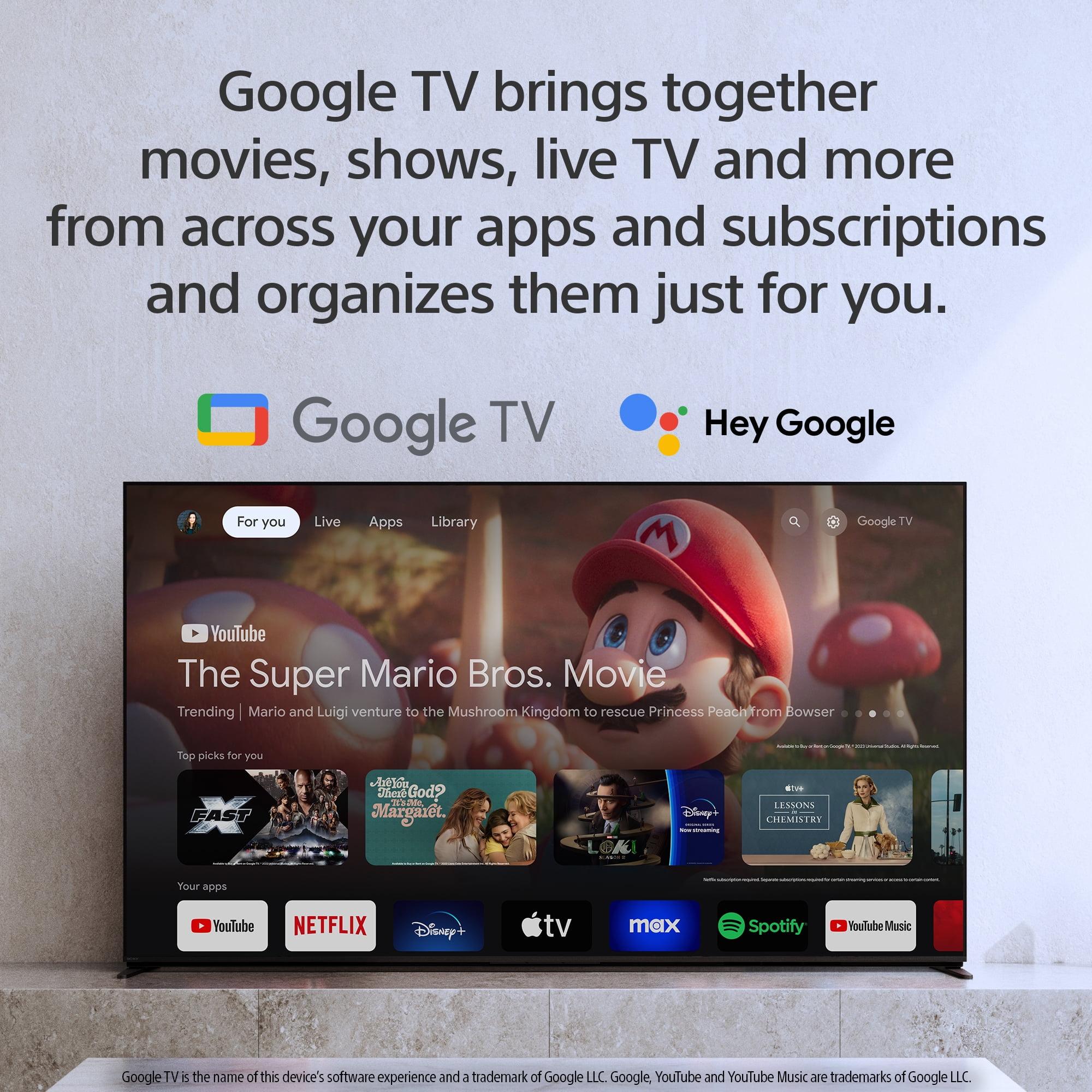
The smart TV experience differs significantly between these models. The Samsung QN80F runs on Tizen, Samsung's proprietary operating system, which has earned a reputation for speed and responsiveness. App launching, source switching, and menu navigation happen almost instantaneously – something you'll appreciate daily.
Samsung's Vision AI features add interesting capabilities like Live Translate for foreign content and Generative Wallpaper that creates custom backgrounds based on your preferences. These features feel futuristic, though their practical value varies by user.
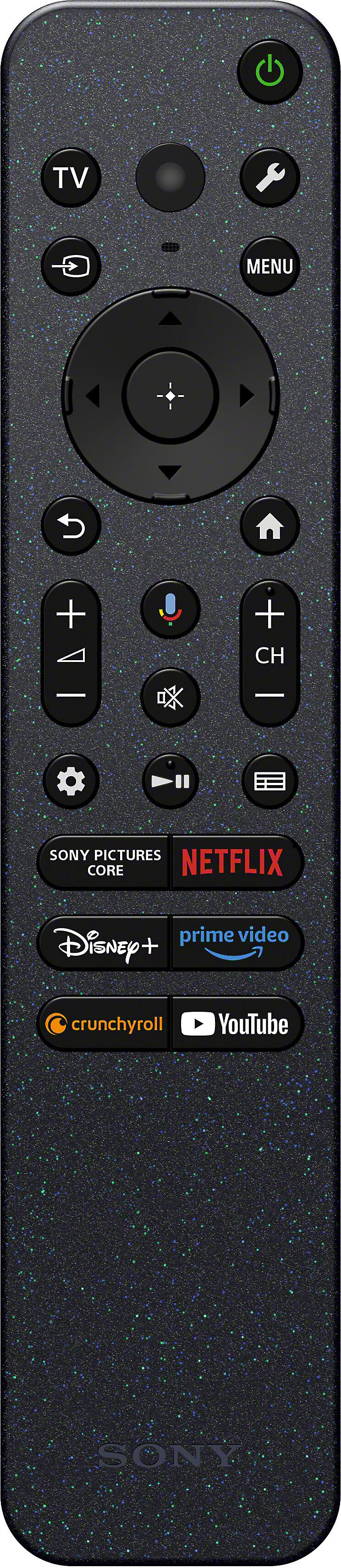
The Sony BRAVIA 8 uses Google TV, which excels at content discovery. It aggregates content from multiple streaming services and makes personalized recommendations based on your viewing habits. If you're someone who spends time browsing for something to watch, Google TV's approach is superior.
Both systems support all major streaming apps, but Samsung's faster interface gives it an edge in daily usability, while Sony's content-focused approach helps you discover new shows and movies more effectively.
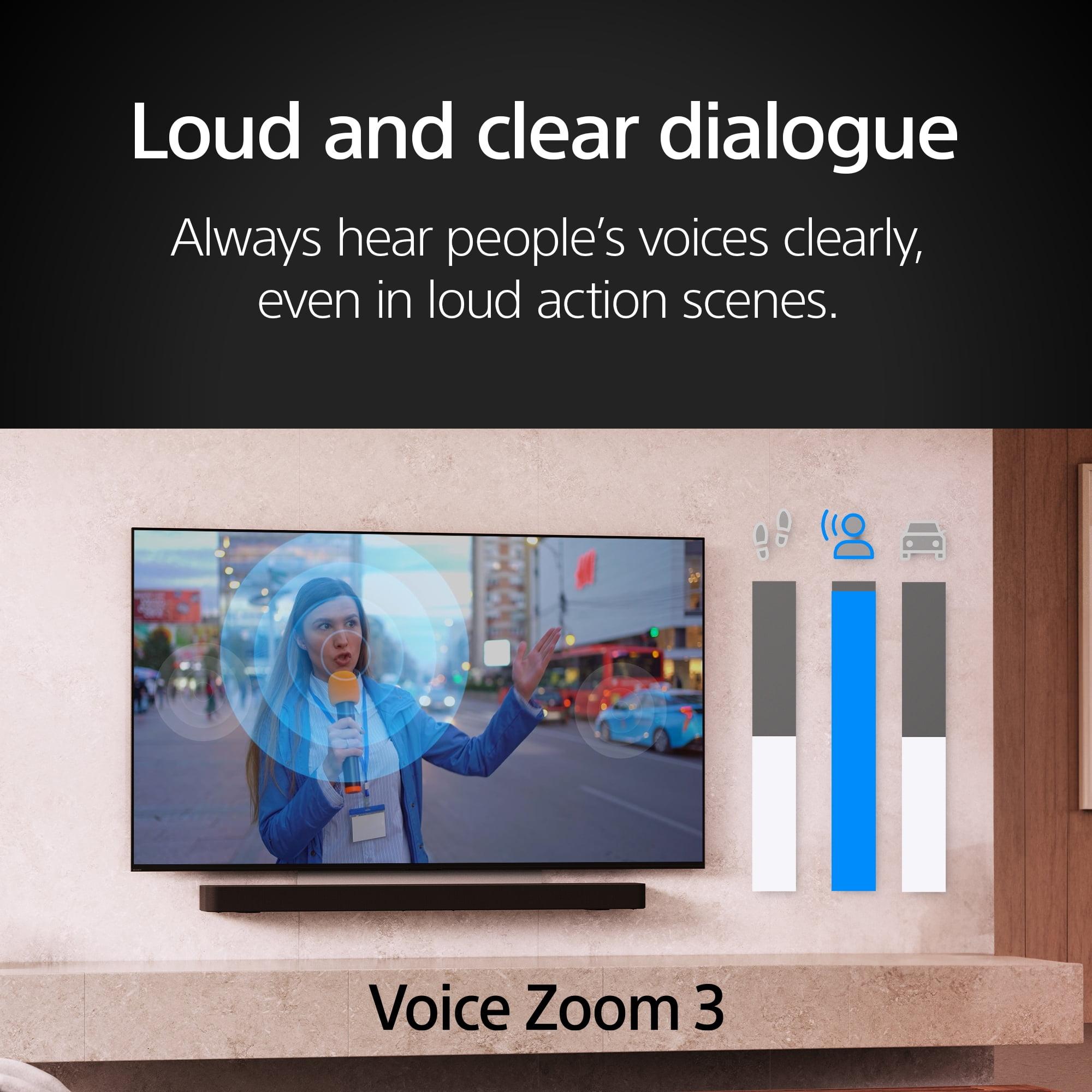
Audio represents another philosophical difference. The Sony BRAVIA 8 features Acoustic Surface Audio+, which makes the entire OLED screen act as a speaker. This creates a unique experience where sound appears to come directly from the action on screen, enhancing immersion particularly for dialogue-heavy content.
The Samsung QN80F uses a more traditional approach with dedicated speakers, but includes advanced processing to optimize sound based on content type and room acoustics through its Adaptive Sound Pro feature.
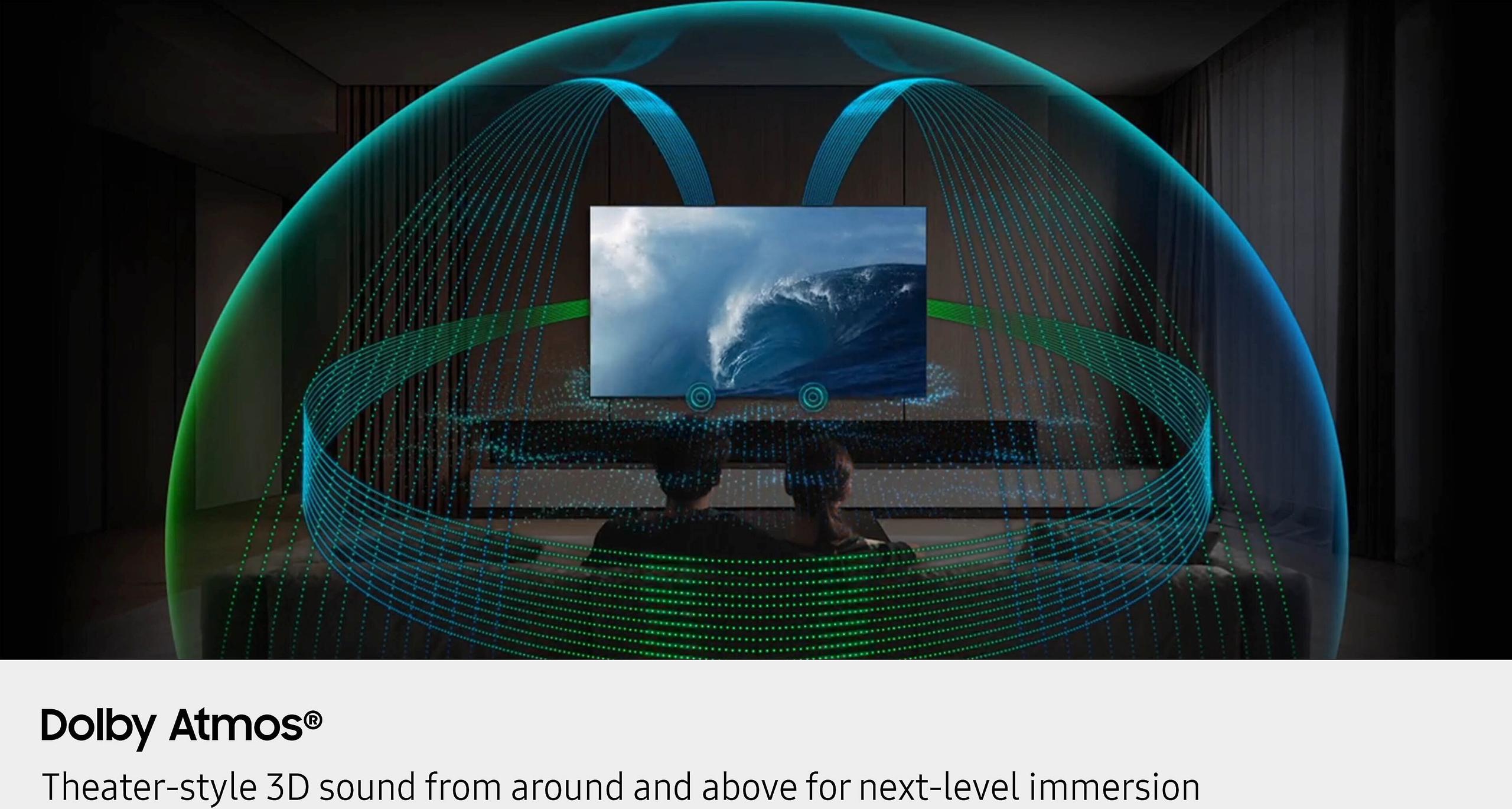
Both TVs support Dolby Atmos for three-dimensional sound, but neither replaces a dedicated sound system for serious home theater enthusiasts. However, Sony's screen-as-speaker approach provides a more engaging experience for casual viewing without additional audio equipment.
For dedicated home theater setups, several factors become critical. The Sony BRAVIA 8 supports Dolby Vision, which is increasingly common in streaming content and 4K Blu-rays. This advanced HDR format provides scene-by-scene optimization that enhances the cinematic experience.
The Samsung QN80F lacks Dolby Vision support, supporting HDR10+ instead. While HDR10+ offers similar dynamic HDR capabilities, Dolby Vision has broader content support across streaming platforms and physical media.
Room lighting control becomes crucial with either TV, but for different reasons. OLED performs best in controlled lighting where its perfect blacks can shine, while Samsung's brightness advantage means it maintains performance even with some ambient light present.
For movie enthusiasts who can control their viewing environment, Sony's combination of perfect blacks, Dolby Vision support, and natural color reproduction creates a more cinema-like experience. However, if your home theater doubles as a family room with varied lighting conditions, Samsung's brightness and anti-glare technology provide more versatility.
At the time of writing, the Sony BRAVIA 8 typically costs several hundred dollars less than the Samsung QN80F, making the value equation interesting. You're getting OLED's inherent picture quality advantages at a lower price point, which represents exceptional value for most users.
The Samsung commands a premium primarily for its gaming capabilities and brightness performance. If you're not a serious gamer who needs 144Hz support, much of that premium goes toward features you won't fully utilize.
However, Samsung's investment in Mini LED technology for the QN80F series represents the first time this advanced backlighting has appeared in their "eighty" lineup, making it a significant upgrade over previous generations in this price range.
The choice between these TVs ultimately depends on your specific needs and viewing habits.
Choose the Samsung 65" QN80F Neo QLED if you're a serious gamer who wants the latest refresh rate technology, have a bright room where TV viewing happens during daytime hours, or prioritize interface speed and responsiveness. The Samsung also makes sense if you're planning to keep this TV for many years and want the future-proofing that 144Hz gaming provides.
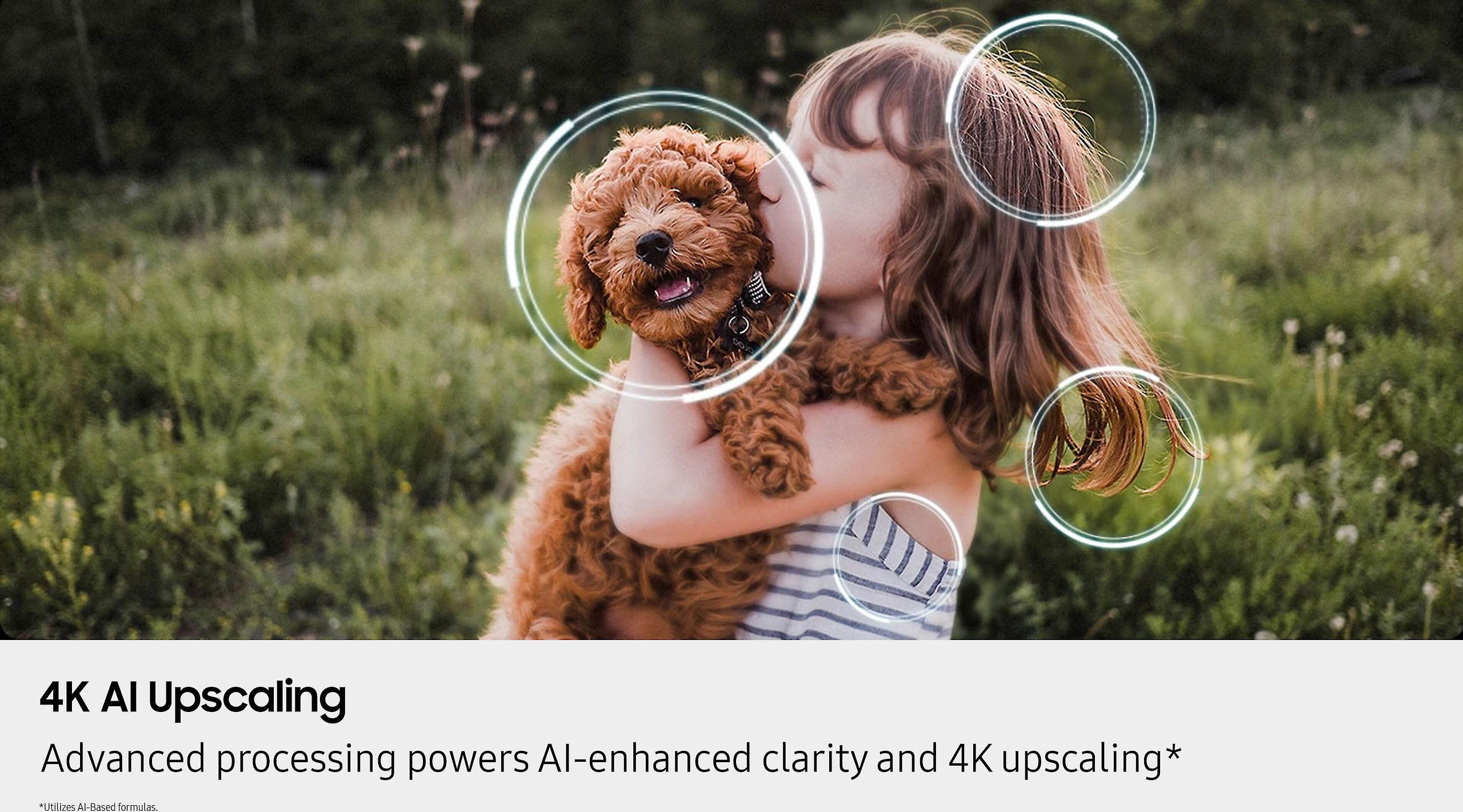
The Sony BRAVIA 8 65" 4K OLED is the better choice for movie enthusiasts who can control their viewing environment, anyone who prioritizes pure picture quality over gaming features, or budget-conscious buyers who want premium TV technology without paying top dollar. Sony's comprehensive HDR support and superior upscaling also make it appealing for mixed content consumption.
For most people, the Sony represents better overall value. Its combination of OLED picture quality, lower price point, and comprehensive features delivers premium performance without the gaming-focused premium. However, if gaming is a primary use case or bright room performance is essential, Samsung's advantages justify its higher cost.
Both TVs represent excellent choices in the premium 65-inch category. Your decision should align with how you plan to use the TV most often – because both will deliver impressive performance, just through different technological approaches that cater to different priorities and viewing environments.
| Samsung 65" QN80F Neo QLED 4K TV | Sony BRAVIA 8 65" 4K OLED TV |
|---|---|
| Display Technology - Fundamental difference affecting picture quality | |
| Mini LED with Quantum Dots (enhanced brightness and color) | QD-OLED (perfect blacks, infinite contrast) |
| Peak Brightness - Critical for HDR performance and bright rooms | |
| ~930 nits (excellent for daytime viewing) | Moderate OLED levels (best in controlled lighting) |
| Black Levels - Determines contrast and dark scene detail | |
| Very good with Mini LED dimming zones | Perfect absolute blacks (pixels turn completely off) |
| Refresh Rate - Important for gaming and motion clarity | |
| 144Hz native (future-proof for high-end gaming) | 120Hz (sufficient for current consoles) |
| HDMI 2.1 Gaming Features - Essential for next-gen consoles | |
| 4 ports, all support 4K/144Hz with VRR/ALLM | Standard gaming features, 4K/120Hz maximum |
| HDR Format Support - Affects streaming and 4K Blu-ray compatibility | |
| HDR10+ Adaptive (good but limited content) | HDR10, Dolby Vision, HLG (broader content support) |
| Smart TV Platform - Daily user experience | |
| Tizen with Vision AI (exceptionally fast performance) | Google TV (superior content discovery) |
| Sound Technology - Built-in audio quality | |
| Traditional speakers with Adaptive Sound Pro | Acoustic Surface Audio+ (screen acts as speaker) |
| Room Brightness Performance - Real-world usability | |
| Excellent with anti-glare coating | Best in dim to moderate lighting |
| Value Positioning - Performance per dollar consideration | |
| Premium pricing for gaming and brightness features | Lower cost for OLED technology and comprehensive features |
The Sony BRAVIA 8 65" 4K OLED TV delivers superior movie picture quality thanks to its OLED technology that produces perfect blacks and infinite contrast. It also supports Dolby Vision HDR format, which is widely used in streaming movies and 4K Blu-rays. The Samsung 65" QN80F Neo QLED 4K TV offers excellent brightness and vibrant colors, but OLED's contrast advantage makes it ideal for cinematic viewing in dark rooms.
The Samsung 65" QN80F Neo QLED 4K TV is significantly better for gaming, featuring a 144Hz refresh rate compared to the Sony BRAVIA 8's 120Hz. All four HDMI ports on the Samsung support 4K/144Hz gaming with Variable Refresh Rate (VRR) and Auto Low Latency Mode, making it future-proof for high-end PC gaming and next-generation consoles.
The Samsung 65" QN80F Neo QLED 4K TV excels in bright rooms with its Mini LED technology delivering around 930 nits peak brightness and anti-glare coating. The Sony BRAVIA 8 performs best in controlled lighting conditions where its OLED technology can showcase perfect blacks without ambient light interference.
The Samsung QN80F uses Mini LED backlighting with Quantum Dots for enhanced brightness and color volume, while the Sony BRAVIA 8 employs OLED technology where each pixel creates its own light. This fundamental difference means Samsung excels in brightness while Sony achieves perfect contrast and deeper blacks.
The Sony BRAVIA 8 65" 4K OLED TV typically offers better value, providing premium OLED picture quality at a lower price point than the Samsung QN80F. However, Samsung's premium pricing reflects advanced gaming features and superior brightness performance that justify the cost for specific users.
The Samsung 65" QN80F Neo QLED 4K TV runs Samsung's Tizen platform, which is exceptionally fast and responsive with unique Vision AI features like Live Translate. The Sony BRAVIA 8 uses Google TV, which excels at content discovery and aggregating shows from multiple streaming services, though it's less snappy than Samsung's interface.
The Samsung QN80F is better for sports viewing due to its high brightness levels, excellent motion processing with Motion Xcelerator 144Hz, and superior performance in well-lit rooms where sports are typically watched. The anti-glare coating also helps maintain picture quality during daytime viewing.
No, there's a significant difference in HDR support. The Sony BRAVIA 8 supports HDR10, Dolby Vision, and HLG formats, providing broader compatibility with streaming content and 4K Blu-rays. The Samsung QN80F supports HDR10+ Adaptive but lacks Dolby Vision, which limits some premium content optimization.
The Sony BRAVIA 8 65" 4K OLED TV features unique Acoustic Surface Audio+ technology that makes the entire screen act as a speaker, creating more immersive sound where dialogue appears to come from the actors' mouths. The Samsung QN80F uses traditional speakers with Adaptive Sound Pro processing, which is good but less innovative than Sony's approach.
For dedicated home theater use, the Sony BRAVIA 8 is typically preferred due to its perfect blacks, Dolby Vision support, and cinema-like picture quality in dark rooms. However, the Samsung QN80F works better if your home theater room has ambient lighting or serves multiple purposes beyond movie watching.
The Samsung 65" QN80F Neo QLED 4K TV offers 144Hz refresh rate, which benefits high-end PC gaming and provides smoother motion for sports. The Sony BRAVIA 8 has 120Hz, which is sufficient for current gaming consoles and most content, but Samsung's higher refresh rate provides more future-proofing and superior motion clarity.
For mixed content viewing, the Sony BRAVIA 8 often provides better overall satisfaction due to its superior upscaling processor, comprehensive HDR format support, and natural color reproduction that works well across movies, shows, and games. The Samsung QN80F is better if bright room performance and gaming capabilities are priorities alongside mixed content consumption.
We've done our best to create useful and informative comparisons to help you decide what product to buy. Our research uses advanced automated methods to create this comparison and perfection is not possible - please contact us for corrections or questions. These are the sites we've researched in the creation of this article: samsung.com - theshortcut.com - youtube.com - bestbuy.com - rtings.com - samsung.com - samsung.com - samsung.com - sargentappliance.com - displayspecifications.com - bestbuy.com - bestbuy.com - bestbuy.com - crutchfield.com - avsforum.com - electronics.sony.com - sony.com - store.sony.co.nz - sony.com - displayspecifications.com

Privacy Policy
Terms and Conditions - Affiliate Policy
Home Security
© Copyright 2008-2026.
11816 Inwood Rd #1211, Dallas, TX 75244