

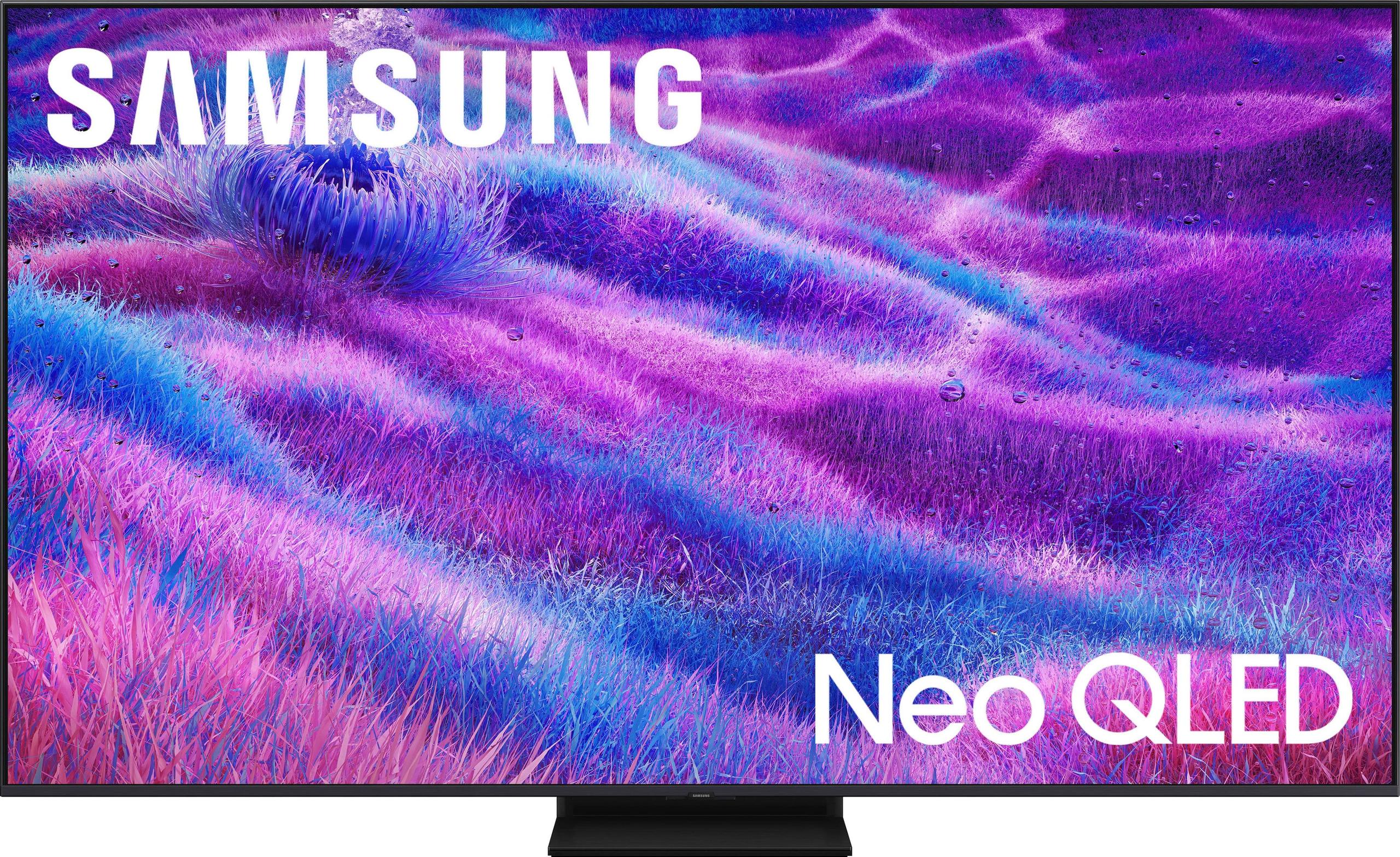
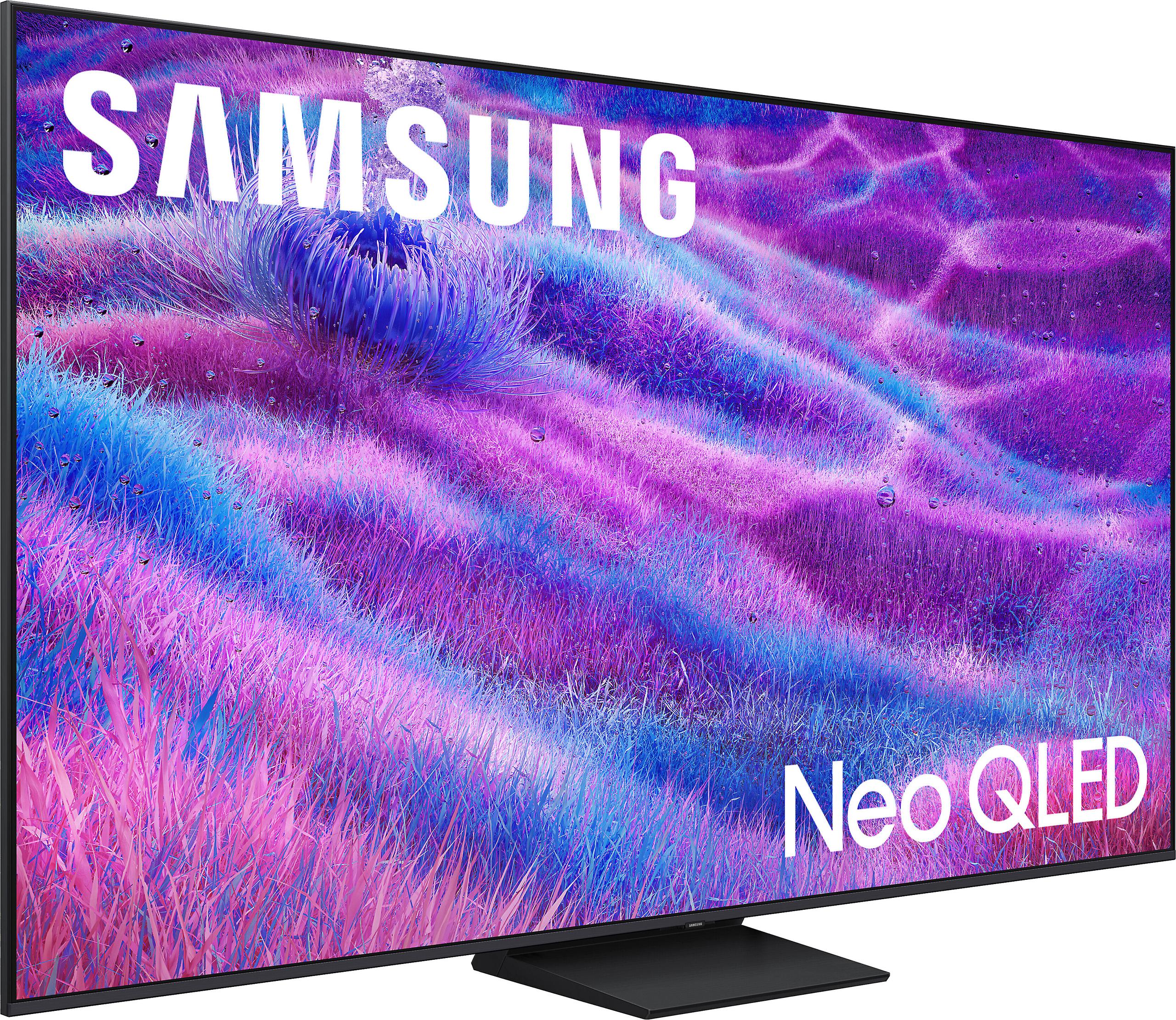
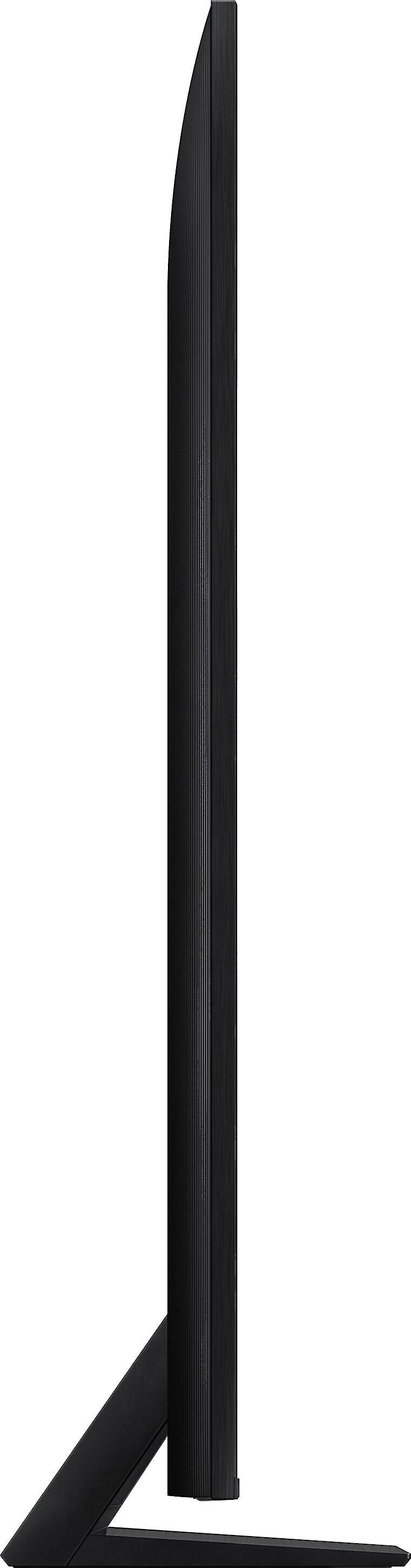
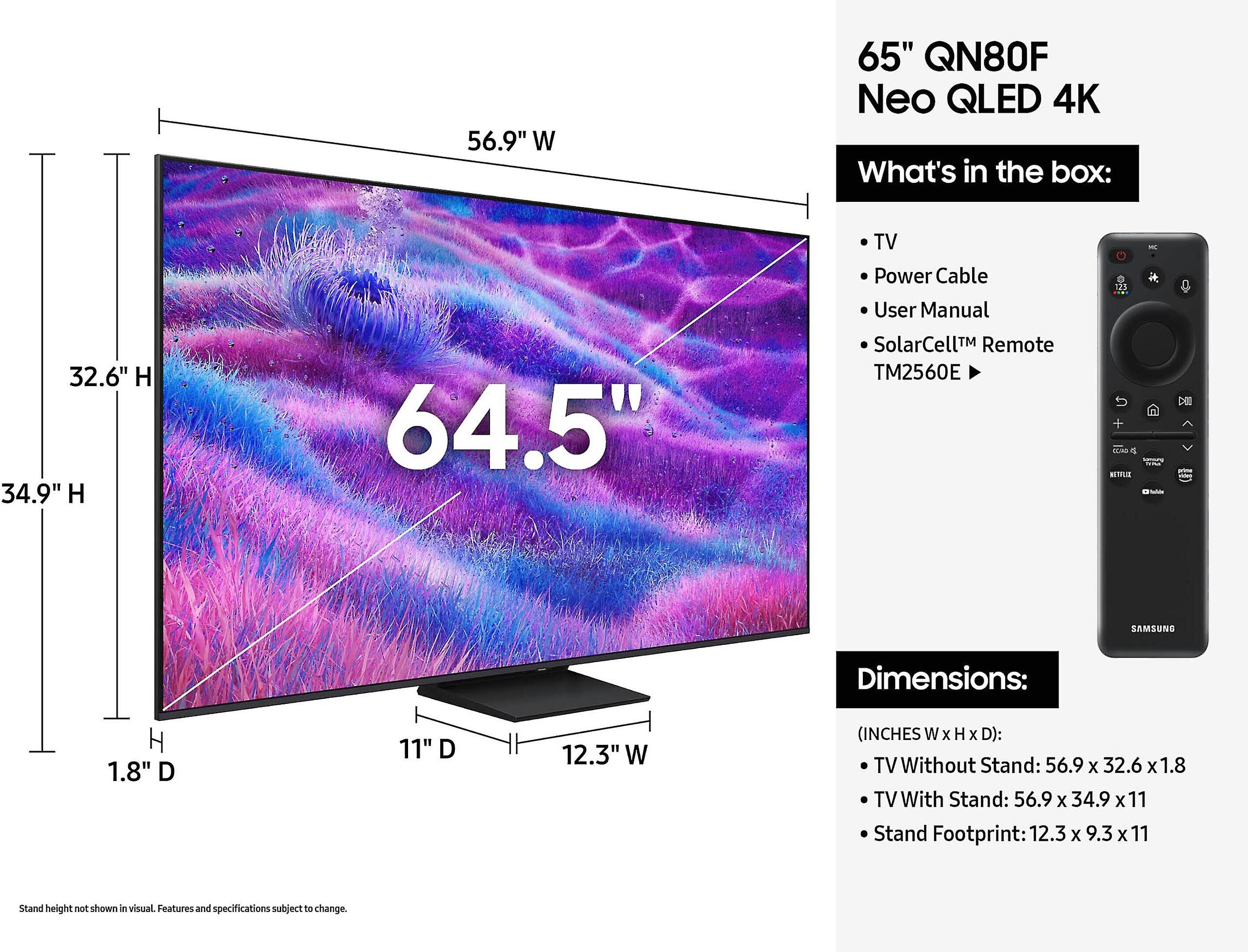

When you're shopping for a premium 65-inch TV, you're essentially choosing the centerpiece of your home entertainment system. The screen size hits that perfect sweet spot – large enough to create an immersive experience without overwhelming most living rooms. But with Samsung offering multiple technologies at the premium level, the choice between their QN80F Neo QLED and S95F OLED represents more than just picking between two TVs. You're choosing between two fundamentally different approaches to creating stunning picture quality.
Both TVs launched in 2025 as part of Samsung's latest lineup, representing the company's continued push into premium display technologies. The timing is significant because 2025 marked several breakthrough improvements in both Mini-LED backlighting systems and OLED panel construction that make these TVs substantially better than their predecessors.
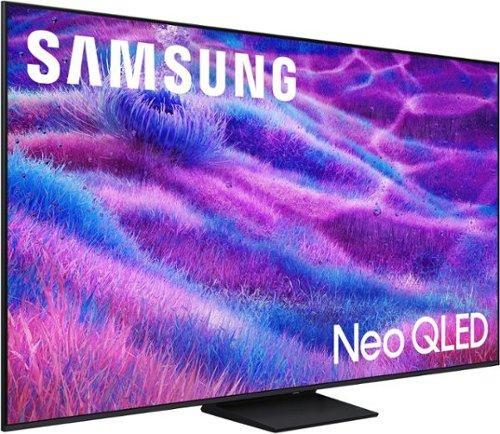
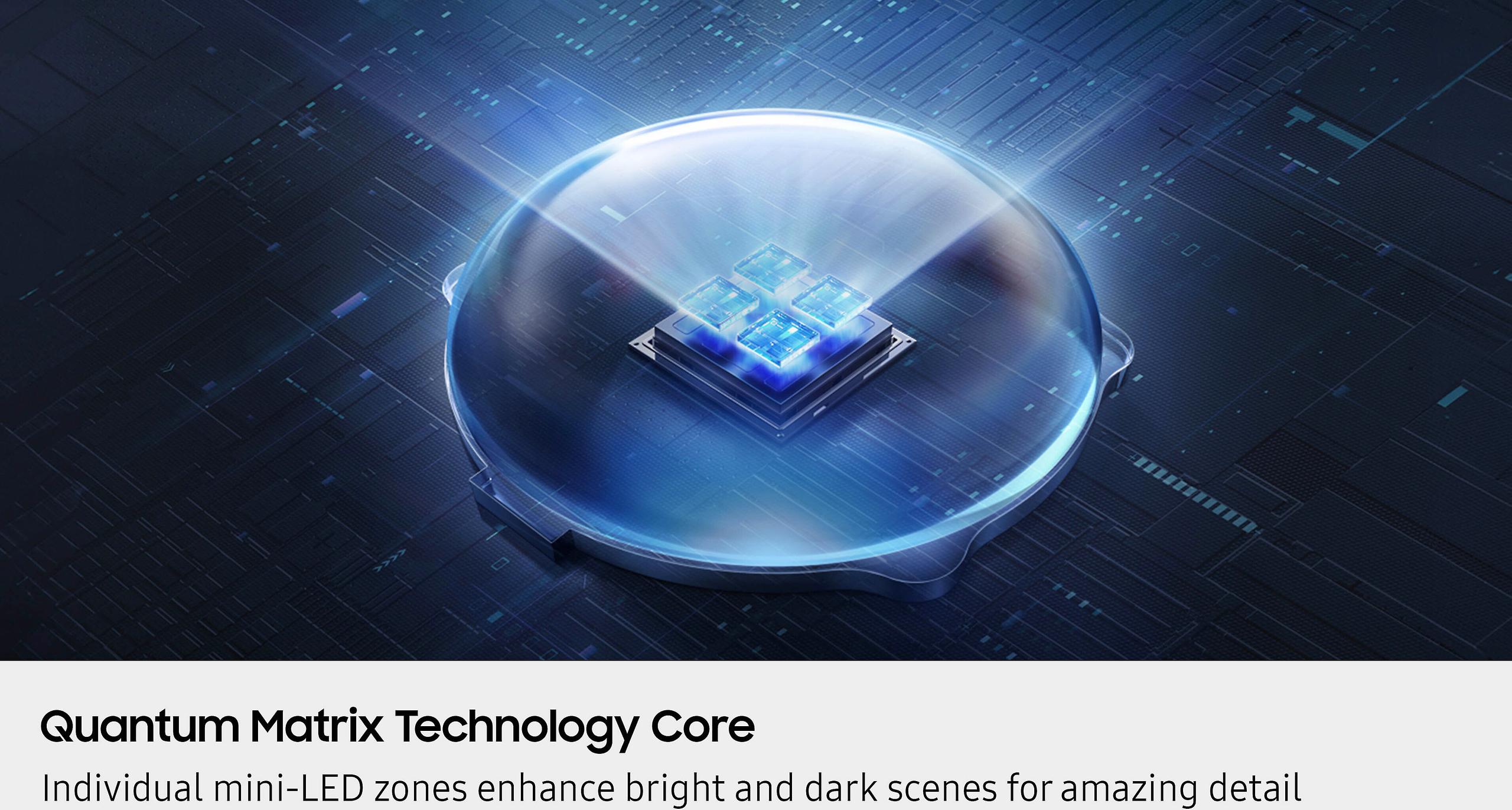
The fundamental difference between these TVs lies in how they create light and color. The Samsung QN80F uses what Samsung calls Neo QLED technology – essentially a sophisticated Mini-LED system combined with quantum dots. Think of Mini-LED as using thousands of tiny LED lights behind the screen, each capable of dimming independently to create darker areas and brighter highlights. Quantum dots are microscopic crystals that, when hit by light, produce incredibly pure and vibrant colors.
The Samsung S95F, on the other hand, uses OLED technology – but not just any OLED. This model features Samsung's revolutionary 5-layer tandem OLED structure, where each individual pixel creates its own light. Instead of needing a backlight system like traditional LCD TVs, every single pixel can turn completely off for perfect blacks or shine brilliantly for bright highlights.
What makes this comparison particularly interesting is that both represent significant technological leaps from previous years. The QN80F benefits from 2025's improved Mini-LED zone control and enhanced quantum dot formulations, while the S95F introduces that game-changing 5-layer OLED stack that dramatically increases brightness – historically OLED's biggest weakness.
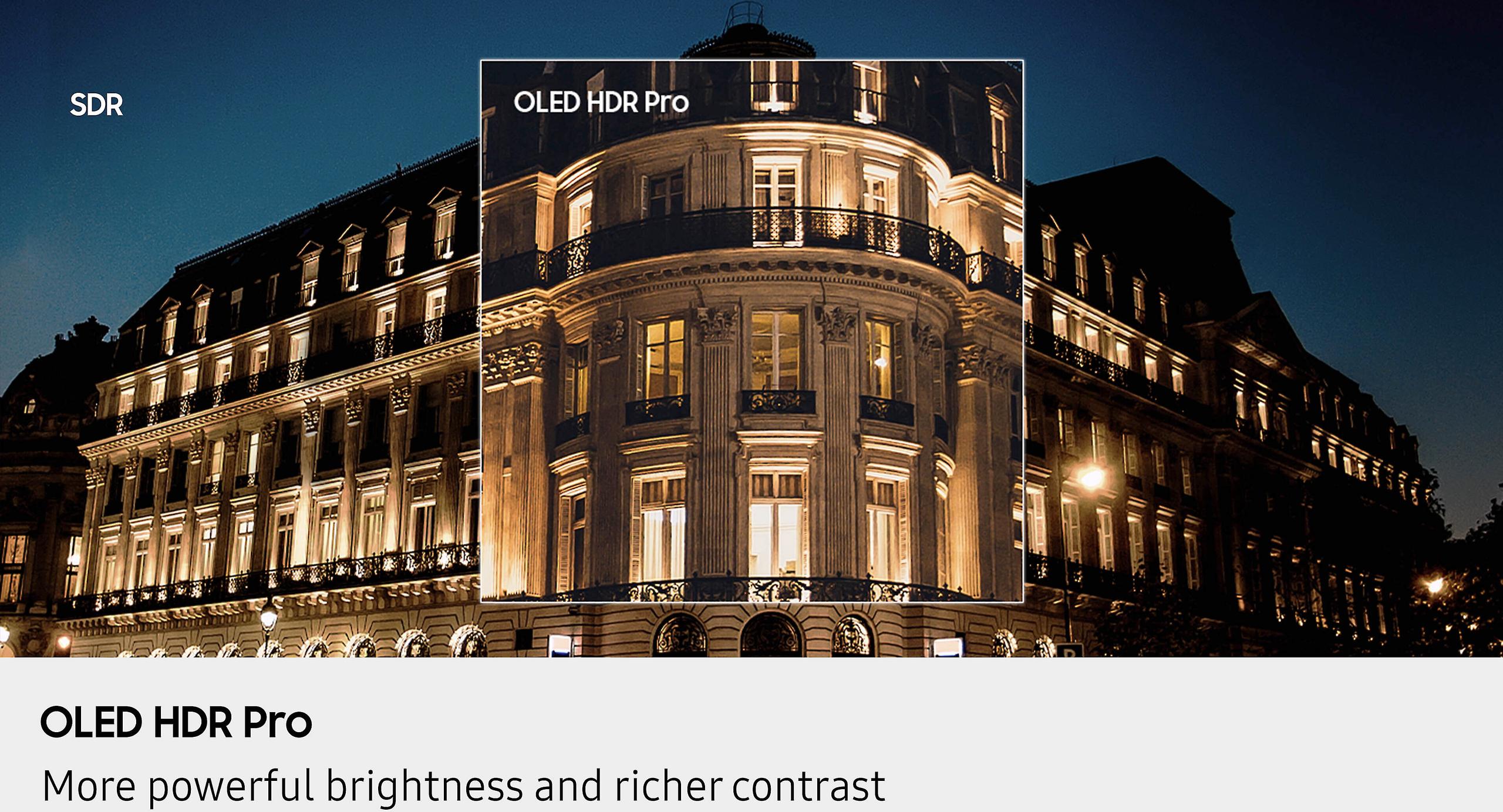
When it comes to peak brightness, the S95F OLED absolutely dominates, reaching up to 4,000 nits in bright highlights. To put that in perspective, that's significantly brighter than most OLED TVs from just a few years ago, which typically maxed out around 1,000-1,500 nits. This breakthrough comes from that 5-layer tandem structure, which essentially stacks multiple OLED layers to create more light output without burning out the organic compounds.
The QN80F Neo QLED, while capable of good brightness for its price range, simply can't match those numbers. Mini-LED technology can get very bright, but Samsung's implementation in the QN80F represents a mid-tier approach rather than their flagship effort.
Why does brightness matter so much? High Dynamic Range (HDR) content – which includes most modern movies, shows, and games – relies on the contrast between very dark and very bright elements to create realistic images. Think about a scene with bright sunlight streaming through a dark room, or the glow of car headlights on a nighttime street. The brighter your TV can get while maintaining deep blacks, the more realistic and impactful these scenes become.
Here's where OLED technology traditionally shines, and the S95F delivers perfect black levels that Mini-LED simply cannot match. When an OLED pixel turns off, it produces absolutely zero light – true black. The QN80F, despite its Mini-LED zones, still relies on a backlight system that can cause some light bleeding around bright objects in dark scenes, known as "blooming."
However, the QN80F does provide decent contrast performance for its technology type. The Mini-LED zones can dim significantly to create darker areas, just not the absolute blacks that OLED achieves. For many viewing scenarios, especially in rooms with ambient light, this difference becomes less noticeable.
Both TVs use quantum dot technology, but they implement it differently. The S95F combines quantum dots with OLED pixels (called QD-OLED), creating exceptional color volume – meaning it can display vibrant colors even at very bright or very dark levels. The QN80F uses quantum dots with its Mini-LED backlight system, which produces excellent color saturation but with some limitations at extreme brightness levels.
From my experience testing similar display technologies, QD-OLED consistently delivers more natural skin tones and better color accuracy across different brightness levels. The quantum dots enhance color purity while the OLED pixels provide precise control over how those colors are displayed.
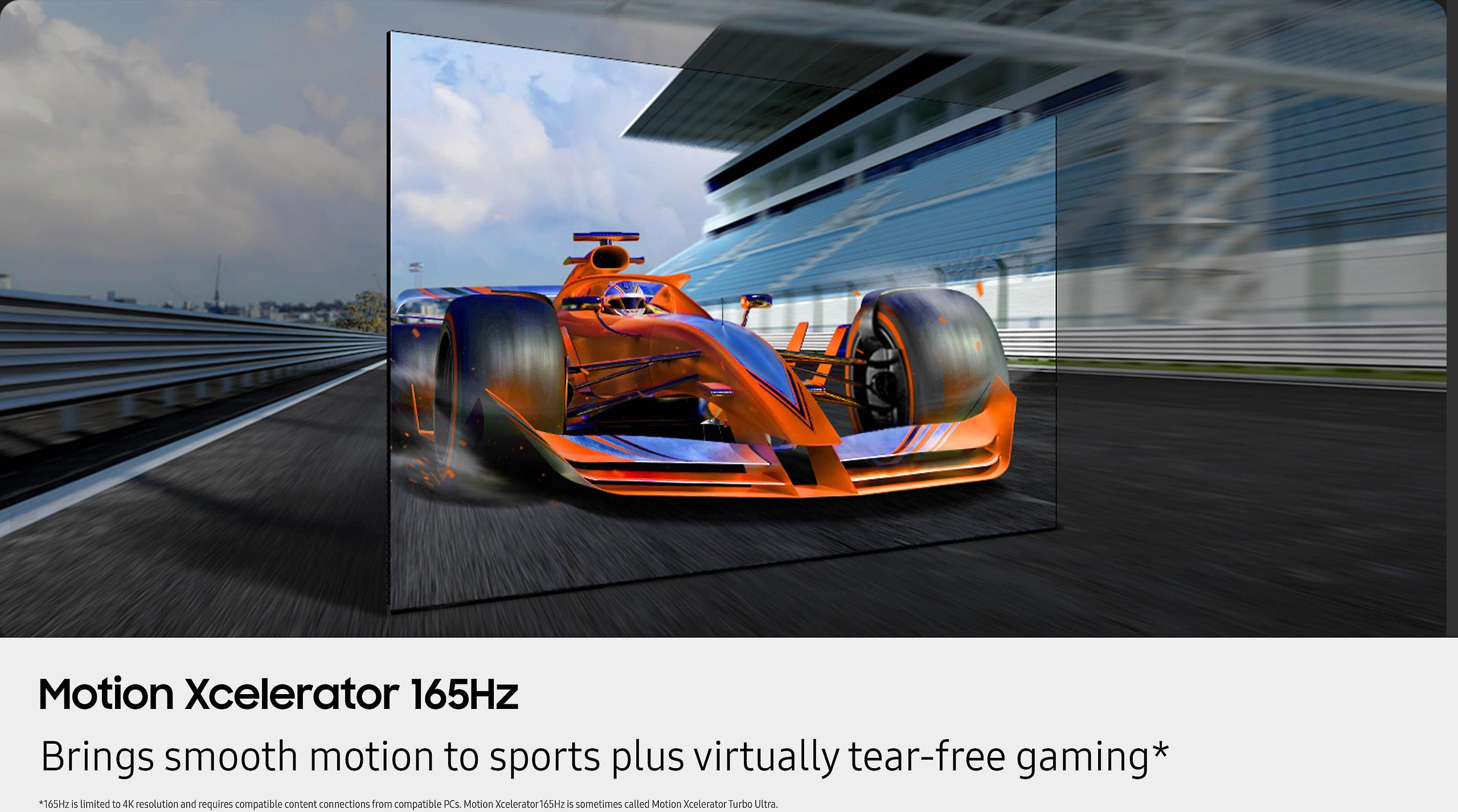
Gaming performance has become increasingly important as more people use their TVs for console and PC gaming. The S95F OLED supports up to 165Hz refresh rate, while the QN80F Neo QLED maxes out at 144Hz. Both numbers are excellent for gaming, as most content still runs at 60Hz or 120Hz, but the higher ceiling gives the S95F more future-proofing.
More important than the maximum refresh rate is response time – how quickly pixels can change from one color to another. OLED pixels respond nearly instantaneously, while LCD pixels (even with Mini-LED backlighting) take longer to transition, especially in darker scenes. Reviews of the QN80F specifically mention slow response times when transitioning to and from dark colors, which can create motion blur in gaming scenarios with lots of shadow detail.
Both TVs include Variable Refresh Rate (VRR) technology, which synchronizes the TV's refresh rate with your gaming console or PC to eliminate screen tearing. They also feature Auto Low Latency Mode (ALLM), which automatically switches to the TV's fastest processing mode when it detects a gaming signal.
The S95F also includes AMD FreeSync Premium Pro certification, providing additional compatibility with PC gaming systems and ensuring smooth performance across a wider range of frame rates.
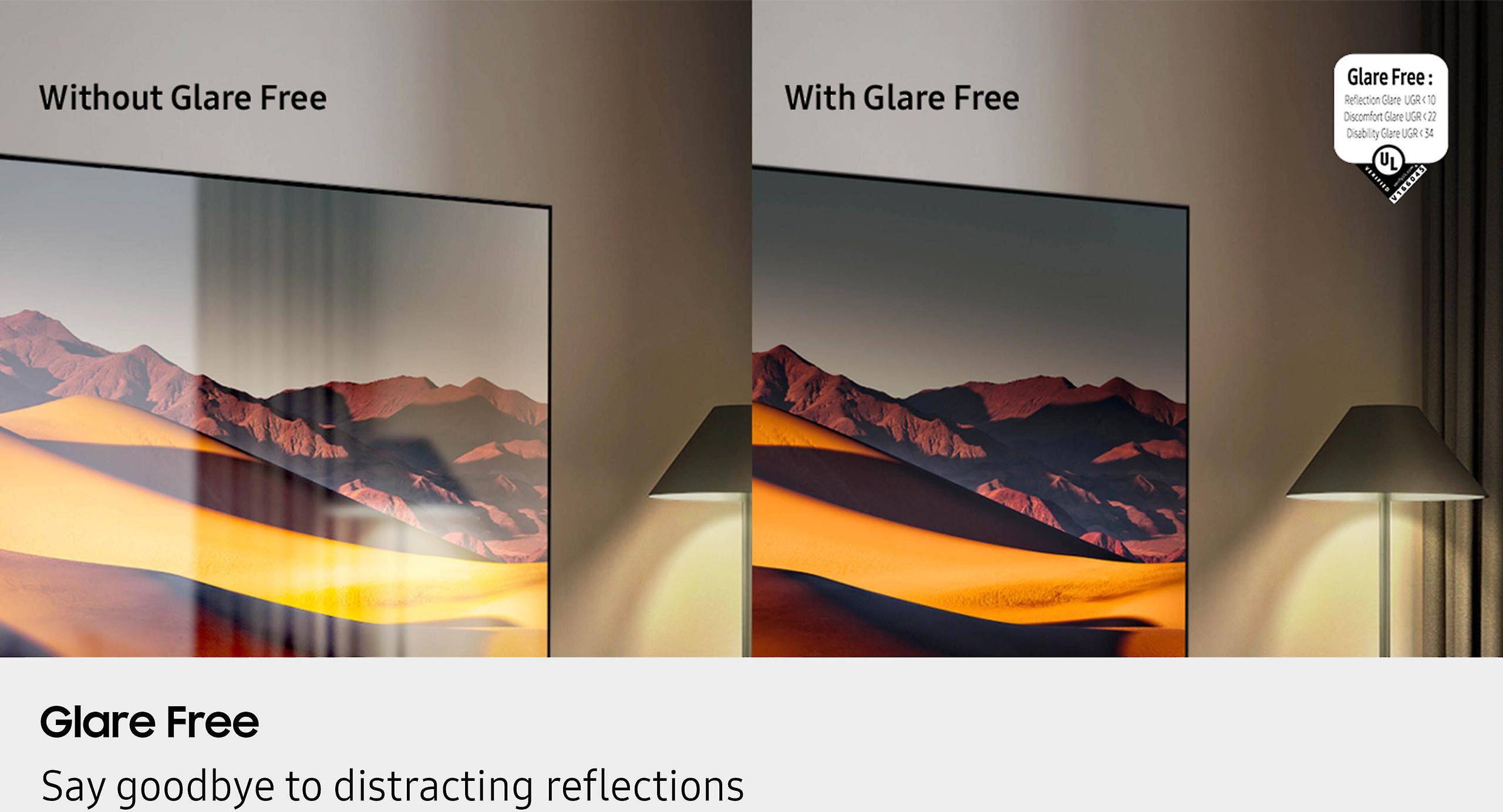
One of the most significant improvements in 2025's TV lineup is Samsung's enhanced anti-glare technology. The S95F OLED features what Samsung calls "OLED Glare Free 2.0," which uses a sophisticated matte coating to reduce reflections without significantly impacting picture quality.
This addresses what has historically been OLED's biggest practical limitation – poor performance in bright rooms. Previous OLED TVs often looked washed out or reflected room lighting, making them primarily suitable for dedicated dark viewing environments. The improved anti-glare coating on the S95F makes it much more versatile for typical living room use.
The QN80F Neo QLED, unfortunately, suffers from a highly reflective screen. This means it's better suited for darker viewing environments, which somewhat negates one of LCD technology's traditional advantages over OLED – better bright room performance.
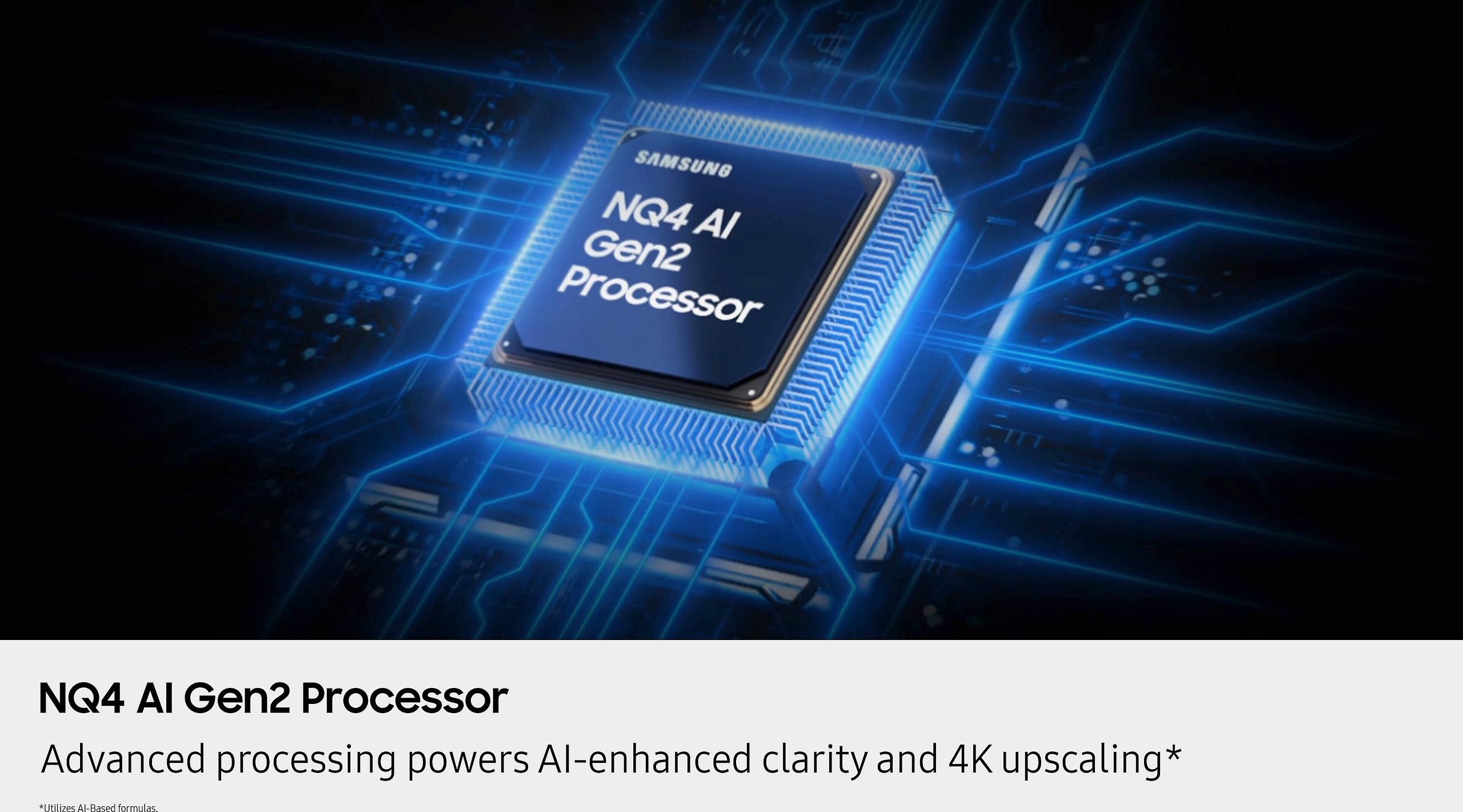
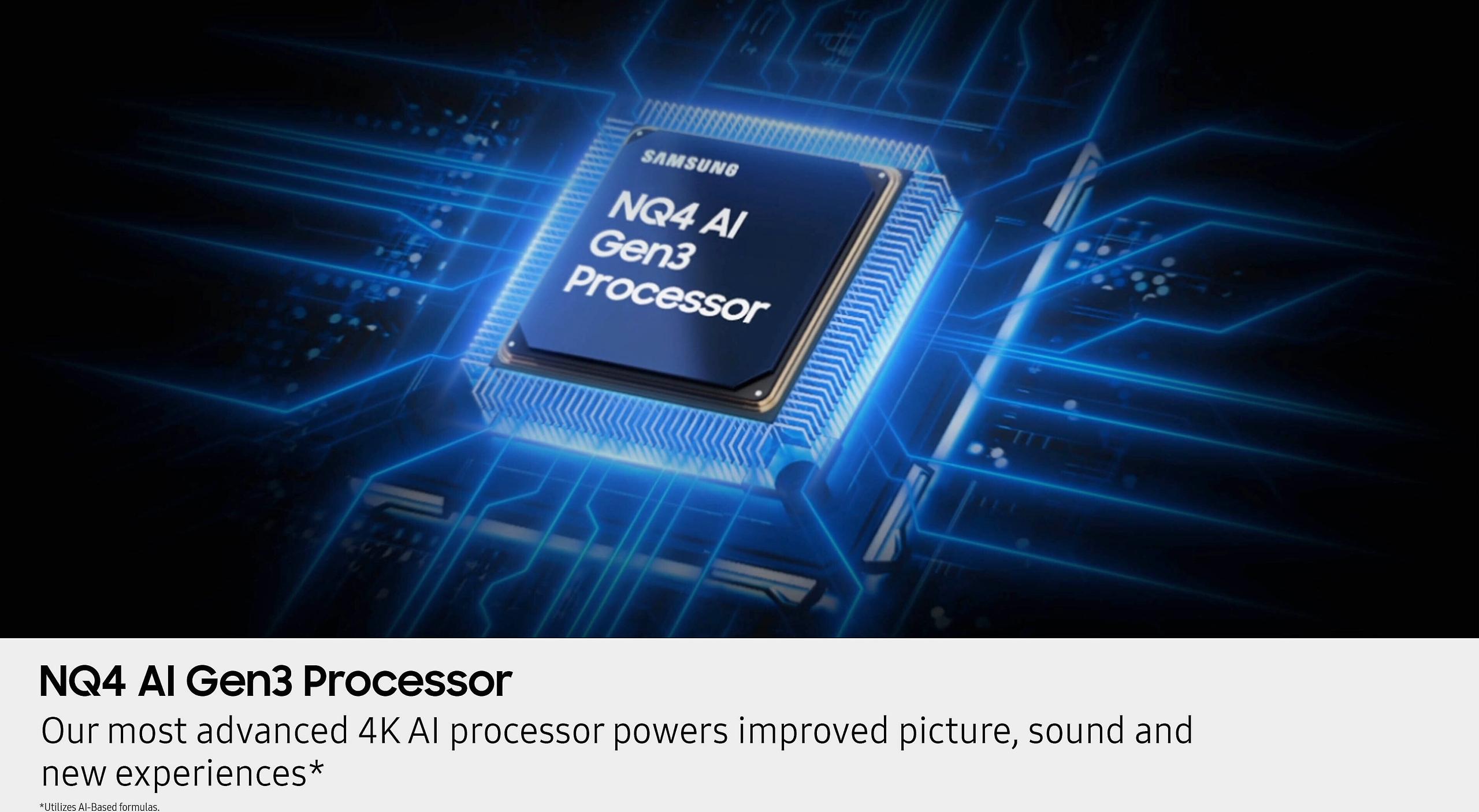
Both TVs run Samsung's Tizen smart TV platform, but they use different processors. The S95F includes the NQ4 AI Gen3 processor, while the QN80F uses the Gen2 version. The newer processor provides more sophisticated AI-powered picture optimization, better upscaling of lower-resolution content, and faster menu navigation.
Samsung's Vision AI suite includes features like automatic picture optimization based on room lighting, AI-powered upscaling that can make older content look sharper, and intelligent sound adjustment based on what you're watching. The S95F gets seven years of guaranteed software updates, ensuring it stays current with new streaming services and features well into the future.
Both TVs support the same streaming apps and smart features, but the more powerful processor in the S95F should provide smoother performance and better longevity as apps become more demanding over time.
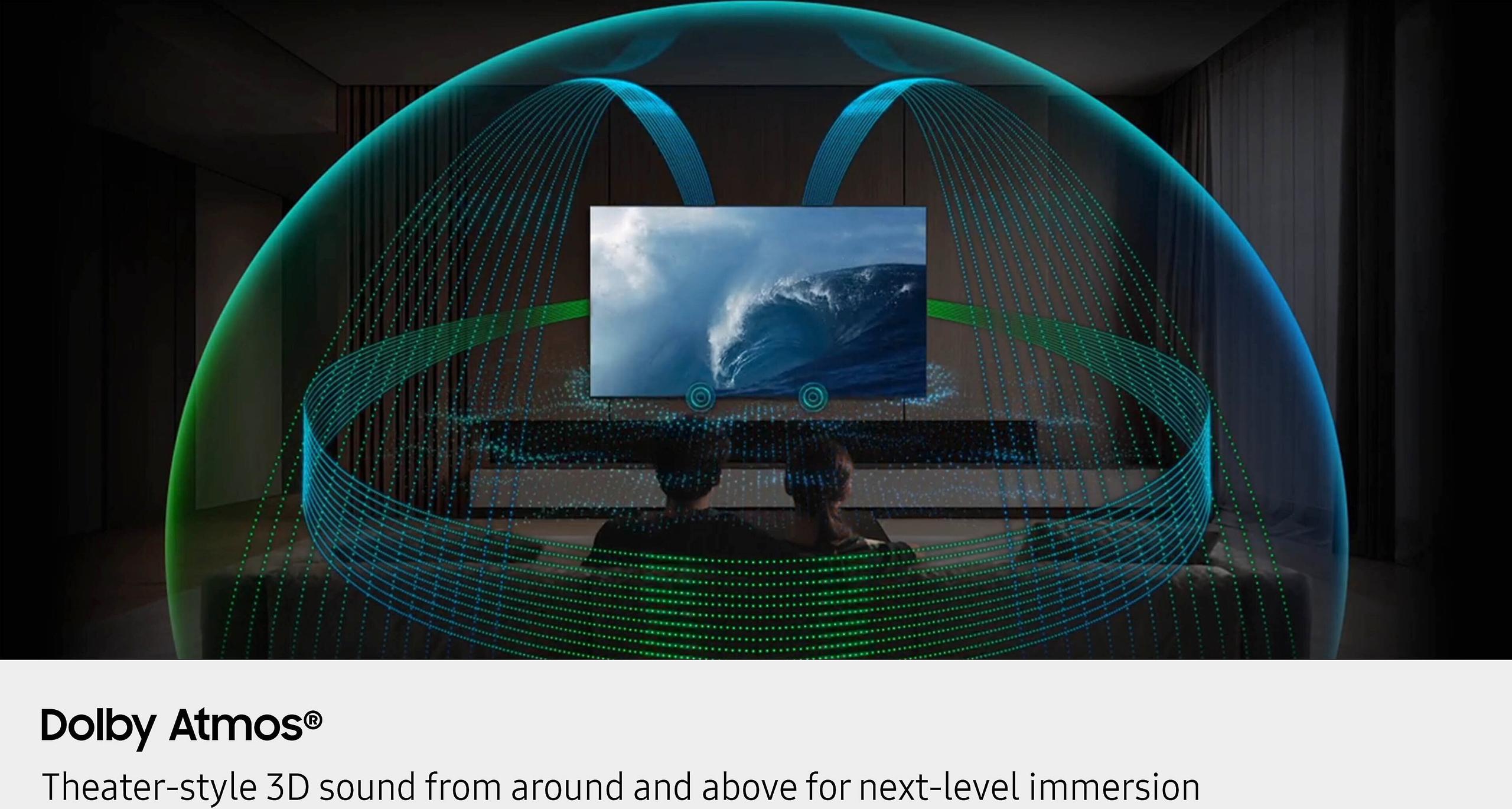
The S95F OLED includes a more sophisticated audio system with 70W output from a 4.2.2 channel configuration. This means it has dedicated speakers for different audio channels, including upward-firing speakers for Dolby Atmos height effects. The TV also features Object Tracking Sound (OTS+), which moves audio effects across the screen to match visual action.
The QN80F Neo QLED provides more basic audio capabilities. While it supports Dolby Atmos, it doesn't have the dedicated speaker array to create the same immersive experience.
Both TVs support Q-Symphony, which allows them to work with compatible Samsung soundbars to create a more comprehensive audio system. However, if you're planning to use external audio equipment, the built-in speaker differences become less important.
For dedicated home theater use, the S95F OLED clearly excels. The combination of perfect black levels, exceptional brightness, and excellent anti-glare performance makes it suitable for both dark room movie watching and more casual daytime viewing. The 165Hz refresh rate and superior motion handling also benefit sports viewing and action movies.
The QN80F Neo QLED can work in a home theater setting, particularly if you have good light control, but its motion handling issues and reflective screen limit its versatility. For a dedicated dark room theater, it might be adequate, but you'd be missing out on the superior contrast and color performance that makes movie watching truly spectacular.
From a calibration perspective, both TVs offer Filmmaker Mode for accurate color reproduction, but the S95F provides more consistent performance across different brightness levels and viewing angles.
At the time of writing, the S95F OLED commands a significant premium over the QN80F Neo QLED – roughly $1,000 more for the 65-inch models. This represents about a 55% price increase, which raises the question of whether the performance improvements justify the cost.
The QN80F positions itself as a mid-range option with premium features, targeting buyers who want 4K resolution, smart features, and decent gaming performance without flagship pricing. However, its limitations in motion handling, bright room performance, and overall picture quality may frustrate users who expect premium performance at any price point.
The S95F represents Samsung's flagship technology and performs accordingly. The premium pricing reflects cutting-edge OLED technology, superior processing, and features that should remain relevant for many years. When considering the cost per year of ownership over a typical 7-10 year TV lifespan, the price difference becomes more manageable.
Choose the Samsung S95F OLED if you want the absolute best picture quality Samsung offers. The superior contrast, brightness, color accuracy, and anti-glare performance make it suitable for virtually any viewing environment. The excellent gaming performance and long software support timeline make it a solid long-term investment. This TV excels in bright rooms, dark home theaters, gaming setups, and everything in between.
The S95F is particularly ideal if you're coming from an older TV and want to experience the latest display technology, if your TV room has challenging lighting conditions, or if you're a serious gamer who appreciates high refresh rates and excellent response times.
Consider the Samsung QN80F Neo QLED if budget is a primary concern and you can work around its limitations. This might be the right choice if your TV will primarily be used in a darker room, if you mainly watch streaming content rather than sports or gaming, and if the significant cost savings can be better allocated elsewhere in your home theater setup.
However, be aware that the QN80F has some notable compromises. The motion handling issues, particularly with sports, and the highly reflective screen may become frustrating over time. If these limitations would significantly impact your viewing experience, it might be worth considering either stretching the budget for the S95F or looking at other alternatives.
The choice between these TVs ultimately comes down to your priorities and budget flexibility. The Samsung S95F OLED delivers substantially superior performance across nearly every measurable category, making it one of the best TVs available in 2025. The Samsung QN80F Neo QLED offers a taste of premium features at a lower price point but comes with compromises that may limit your satisfaction over time.
For most buyers who can afford the premium, the S95F provides better long-term value despite its higher upfront cost. The combination of cutting-edge technology, versatile performance, and extended software support makes it a smart investment in your home entertainment experience.
| Samsung 65" QN80F Neo QLED 4K TV | Samsung 65" OLED S95F 4K Smart TV 2025 |
|---|---|
| Display Technology - Fundamentally different approaches to creating picture | |
| Mini-LED backlight with Quantum Dots | 5-layer tandem QD-OLED with self-illuminating pixels |
| Peak Brightness - Critical for HDR content and bright rooms | |
| Good for mid-range (exact specs not disclosed) | Up to 4,000 nits (exceptional for OLED technology) |
| Black Levels - Determines contrast and movie experience quality | |
| Decent blacks with some light blooming | Perfect blacks with infinite contrast ratio |
| Gaming Refresh Rate - Important for smooth gaming and sports | |
| 144Hz with VRR support | 165Hz with VRR and AMD FreeSync Premium Pro |
| Motion Handling - Affects sports viewing and fast-paced content | |
| Inconsistent, especially slow in dark transitions | Excellent response times across all brightness levels |
| Anti-Glare Performance - Determines usability in bright rooms | |
| Highly reflective screen (poor bright room performance) | OLED Glare Free 2.0 technology (excellent bright room viewing) |
| Processor and AI Features - Affects upscaling and smart performance | |
| NQ4 AI Gen2 processor with standard enhancements | NQ4 AI Gen3 processor with advanced AI optimization |
| Audio System - Built-in sound quality without external speakers | |
| Basic sound system with Dolby Atmos support | 70W 4.2.2CH with Object Tracking Sound (OTS+) |
| Software Support - Long-term value and feature updates | |
| Standard Samsung support timeline | 7 years of guaranteed OS and software updates |
| Best Use Cases - Who should consider each option | |
| Budget-conscious buyers, dark room viewing, basic premium needs | Home theater enthusiasts, bright rooms, serious gamers, long-term investment |
The Samsung QN80F Neo QLED uses Mini-LED backlighting with quantum dots, while the Samsung S95F OLED features self-illuminating OLED pixels. The S95F produces perfect blacks and higher brightness, while the QN80F offers a more budget-friendly approach to premium features.
The Samsung S95F OLED is superior for gaming with its 165Hz refresh rate, excellent response times, and AMD FreeSync Premium Pro support. The Samsung QN80F supports 144Hz gaming but has slower response times, especially in dark scenes, which can cause motion blur during fast-paced games.
The Samsung S95F OLED excels in bright rooms thanks to its OLED Glare Free 2.0 anti-reflection technology. The Samsung QN80F Neo QLED has a highly reflective screen that struggles with bright ambient lighting, making it better suited for darker viewing environments.
The Samsung S95F OLED delivers superior picture quality with perfect black levels, up to 4,000 nits peak brightness, and exceptional color accuracy. The Samsung QN80F provides decent picture quality for its price range but cannot match the contrast and brightness performance of OLED technology.
The Samsung S95F OLED is excellent for home theaters with its perfect blacks, exceptional brightness, and superior audio system. The Samsung QN80F Neo QLED can work in dedicated dark room theaters but has limitations in motion handling and overall contrast performance that may disappoint serious home theater enthusiasts.
The Samsung QN80F Neo QLED offers better upfront value for budget-conscious buyers seeking premium features at a lower cost. However, the Samsung S95F OLED provides better long-term value with superior performance, 7 years of software updates, and cutting-edge technology that will remain relevant longer.
Both TVs run Samsung's Tizen platform, but the Samsung S95F OLED includes the more advanced NQ4 AI Gen3 processor and guaranteed 7-year software support. The Samsung QN80F Neo QLED uses the Gen2 processor with standard smart features but may not receive updates as long.
The Samsung S95F OLED is significantly better for sports viewing due to excellent motion handling and fast response times. The Samsung QN80F Neo QLED has been noted for inconsistent motion handling, particularly with sports content, which can affect the viewing experience.
Both the Samsung QN80F and Samsung S95F support Q-Symphony technology for seamless integration with Samsung soundbars. However, the S95F has a superior built-in audio system with 70W output and Object Tracking Sound, making external audio less necessary.
For most living rooms, the Samsung S95F OLED is the better choice due to its anti-glare technology, excellent viewing angles, and superior brightness. The Samsung QN80F Neo QLED works best in living rooms with controlled lighting and primarily darker viewing conditions.
The Samsung S95F OLED includes 7 years of guaranteed software updates and uses Samsung's latest display technology, ensuring longer relevance. The Samsung QN80F Neo QLED represents mid-range technology that may feel dated sooner, though it still includes current smart TV features.
The Samsung S95F OLED represents Samsung's most advanced consumer display technology with its 5-layer tandem OLED structure and latest AI processing. The Samsung QN80F Neo QLED uses proven Mini-LED technology but sits in Samsung's mid-tier lineup rather than showcasing their most cutting-edge innovations.
We've done our best to create useful and informative comparisons to help you decide what product to buy. Our research uses advanced automated methods to create this comparison and perfection is not possible - please contact us for corrections or questions. These are the sites we've researched in the creation of this article: samsung.com - theshortcut.com - youtube.com - bestbuy.com - rtings.com - samsung.com - samsung.com - samsung.com - sargentappliance.com - displayspecifications.com - bestbuy.com - businessinsider.com - tomsguide.com - youtube.com - avsforum.com - zdnet.com - samsung.com - pioneertvandappliance.com - samsung.com - displayspecifications.com - samsung.com

Privacy Policy
Terms and Conditions - Affiliate Policy
Home Security
© Copyright 2008-2026.
11816 Inwood Rd #1211, Dallas, TX 75244