

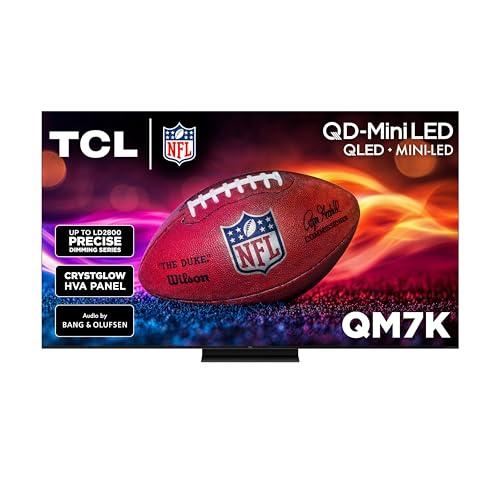
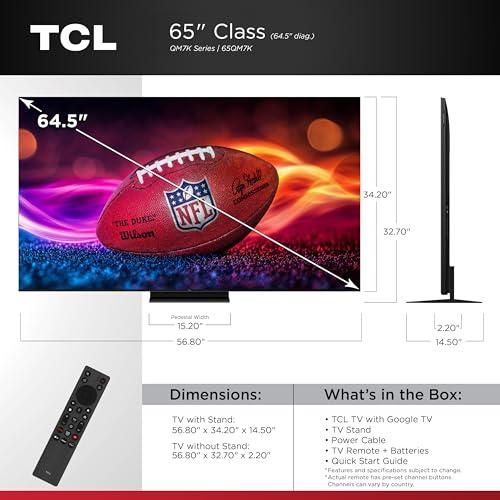
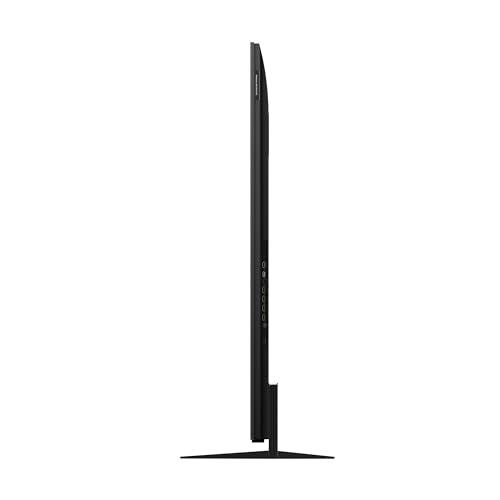
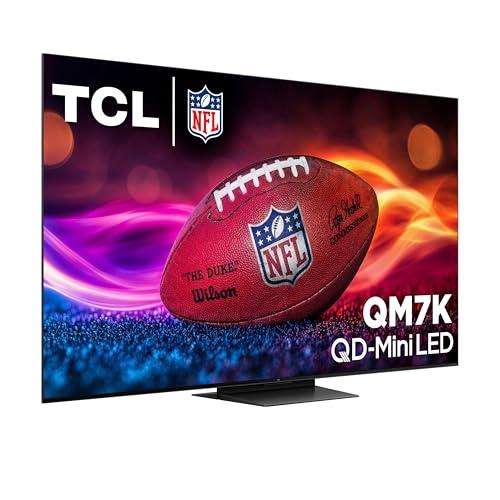
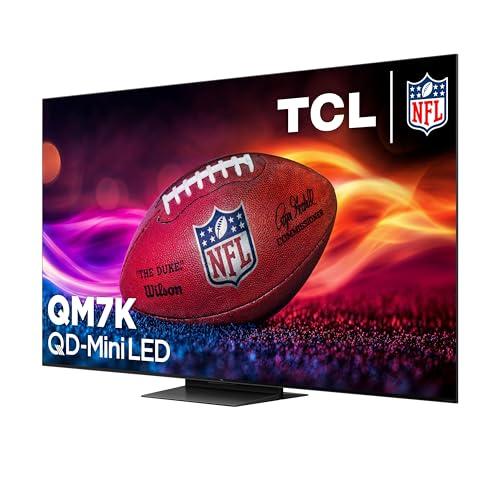
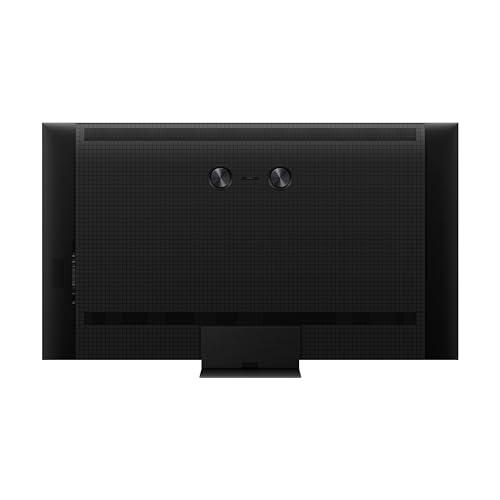
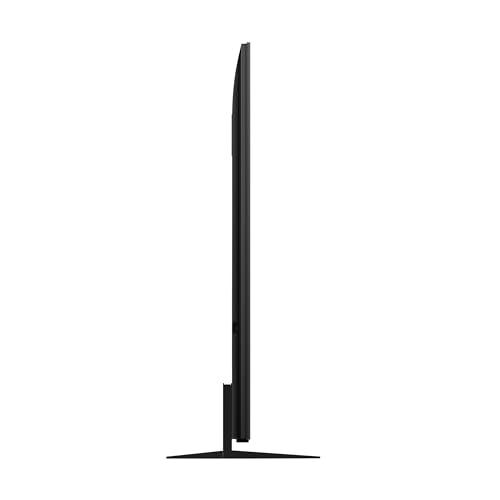
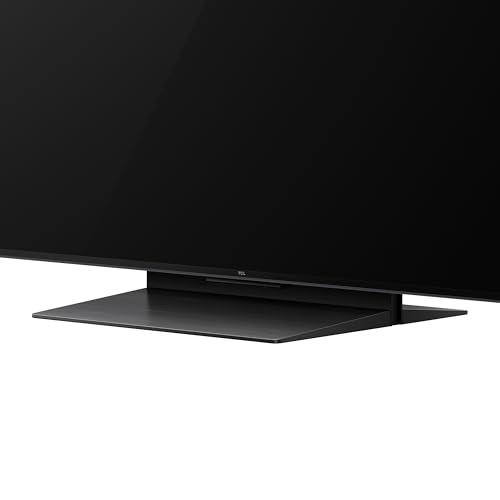
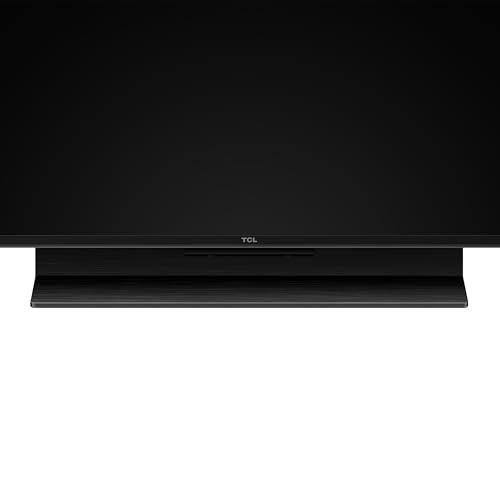
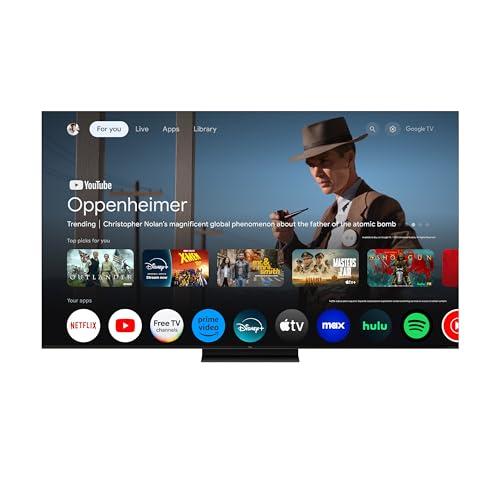
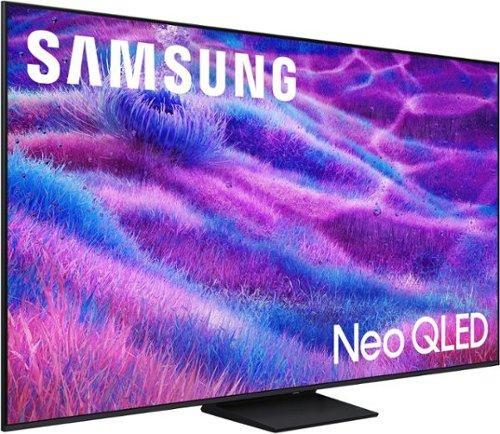
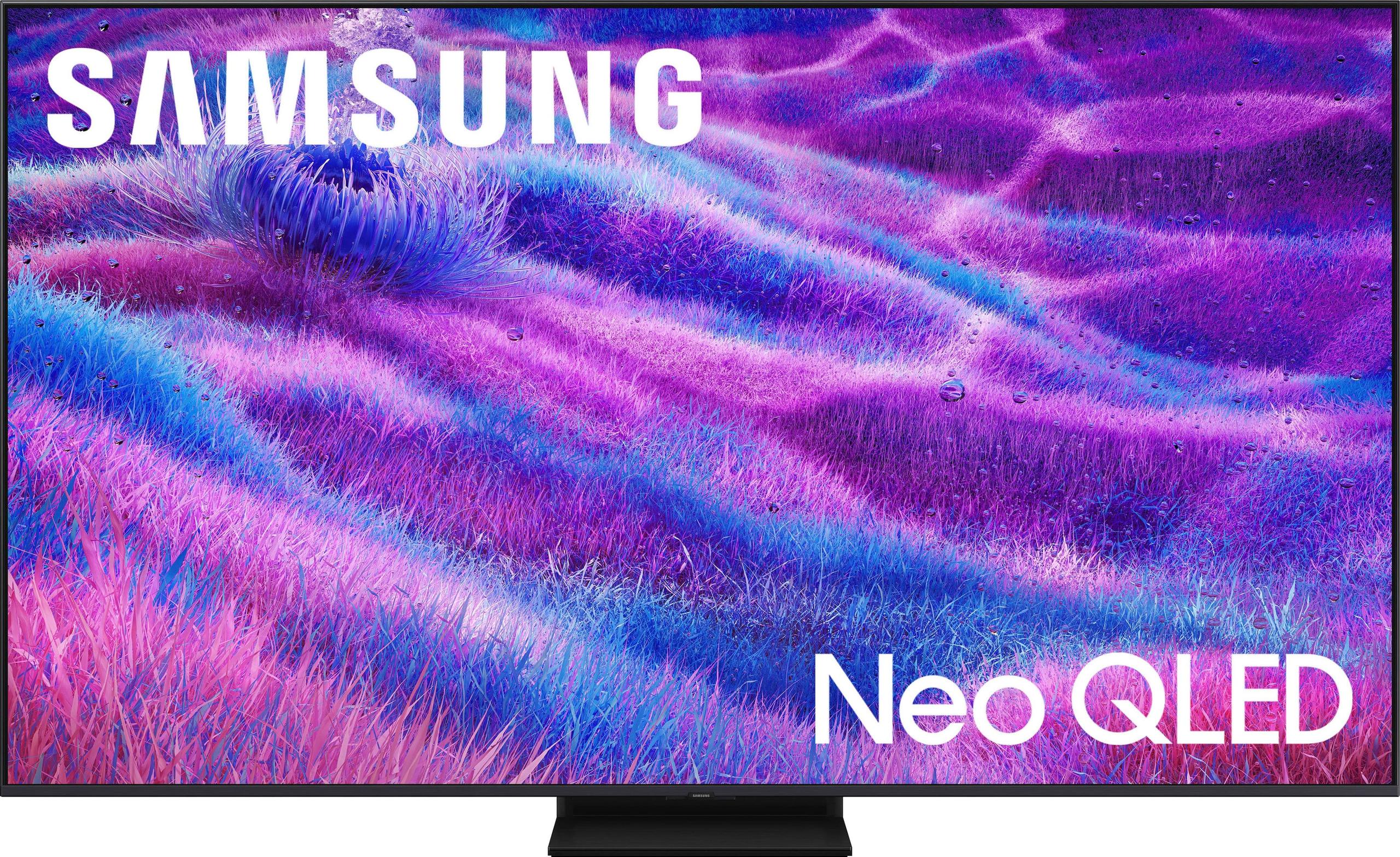
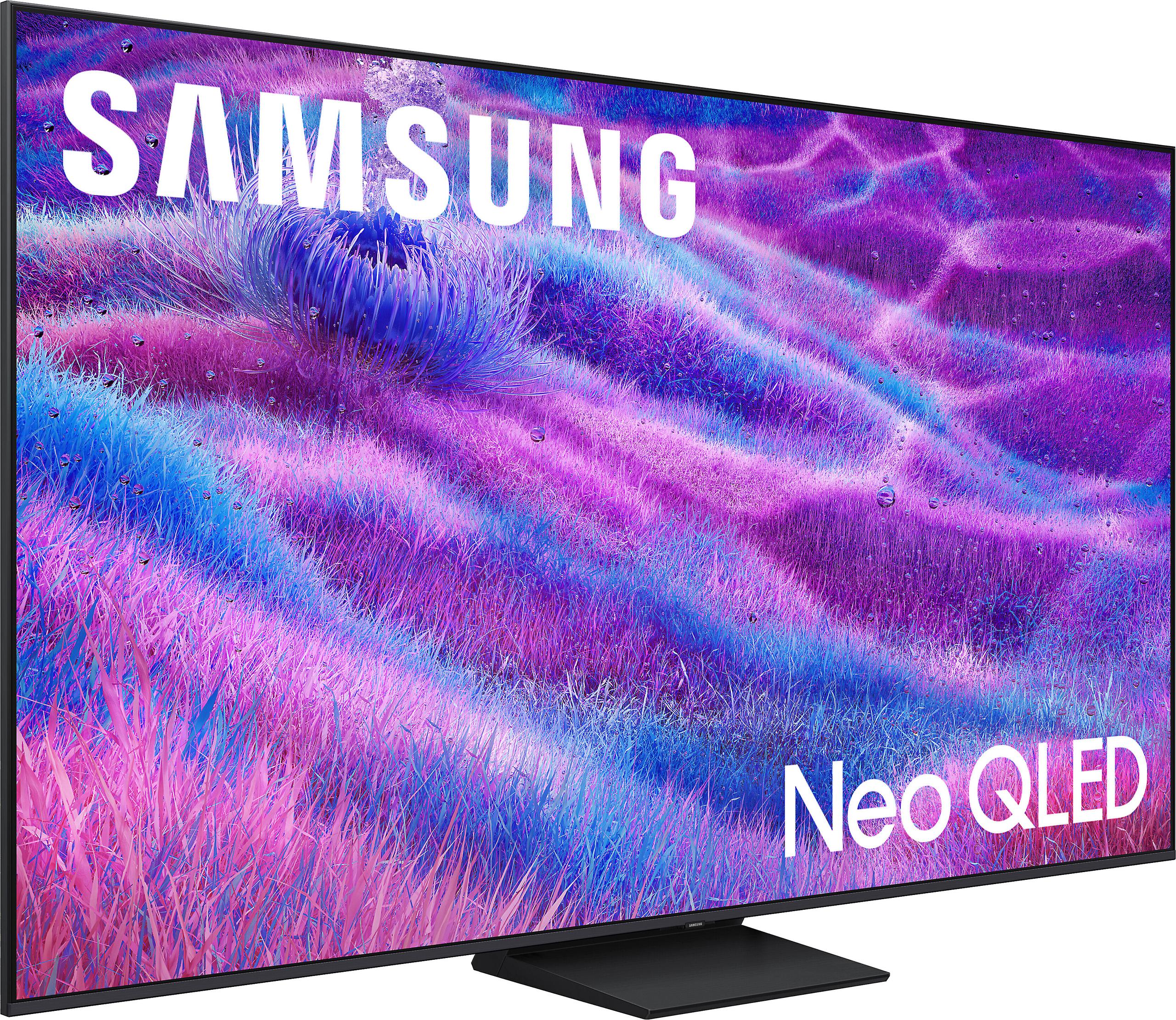
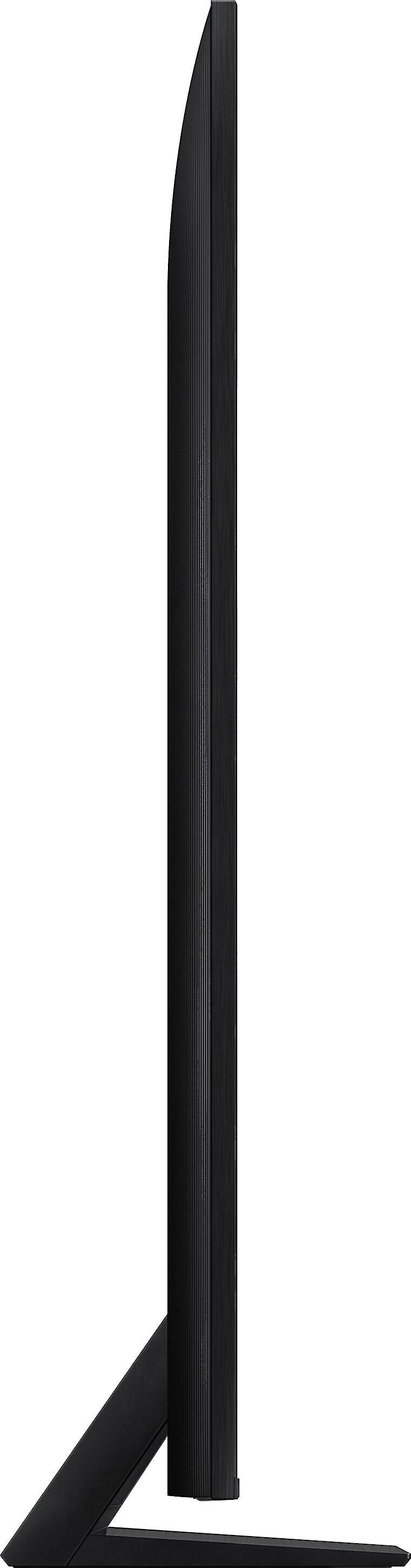
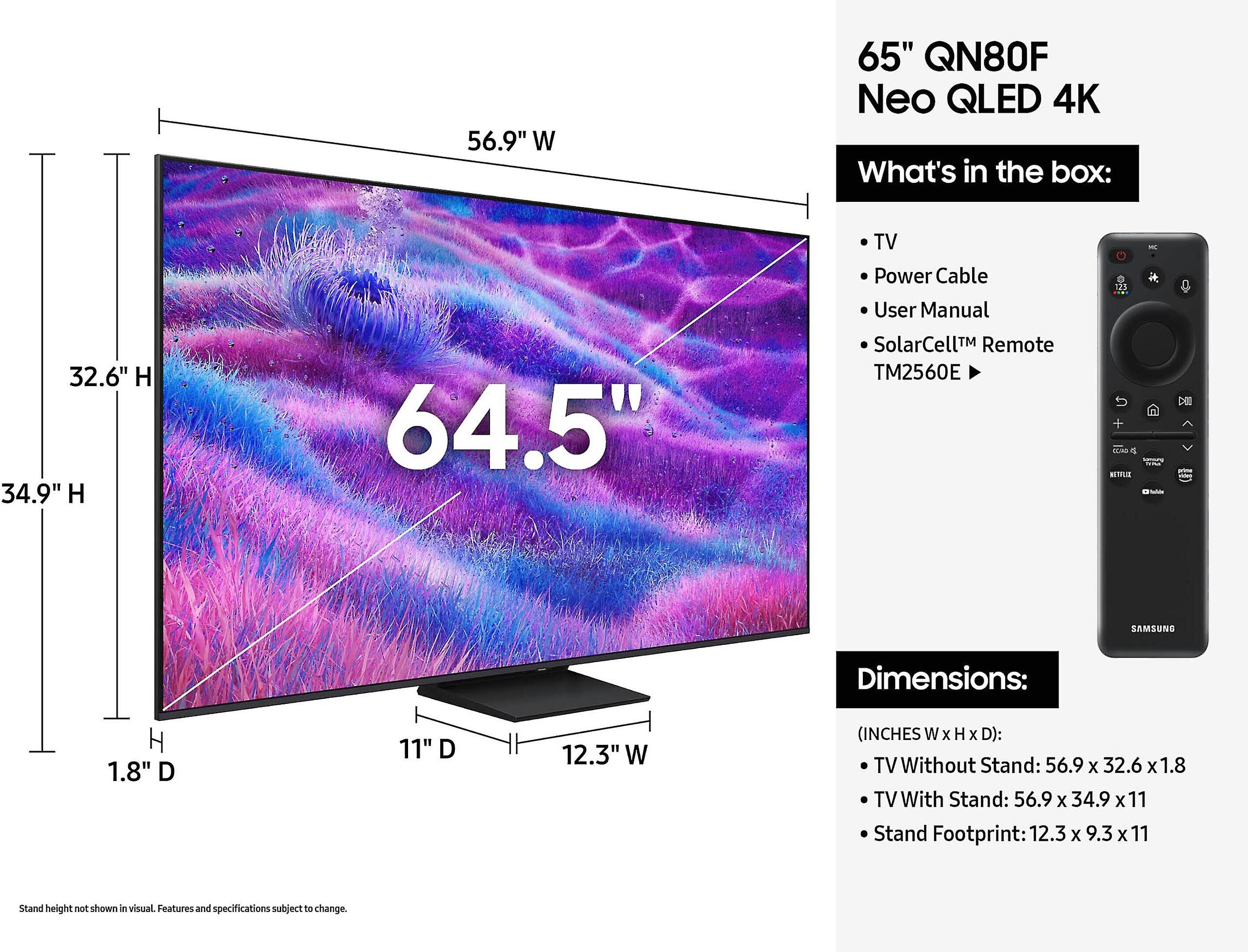
Choosing the right 65-inch 4K TV can feel overwhelming with so many options on the market. Two standout models that caught our attention in 2025 are the TCL QM7K and the Samsung QN80F. Both use advanced Mini-LED technology, but they take very different approaches to delivering premium picture quality. After researching expert reviews and user feedback, we found these TVs represent two distinct philosophies: maximum performance versus exceptional value.
The 65-inch size has become the sweet spot for most living rooms and home theaters. It's large enough to create an immersive viewing experience without overwhelming smaller spaces. When evaluating premium TVs in this category, the key factors are display brightness, contrast performance, gaming capabilities, smart platform quality, and overall value proposition.
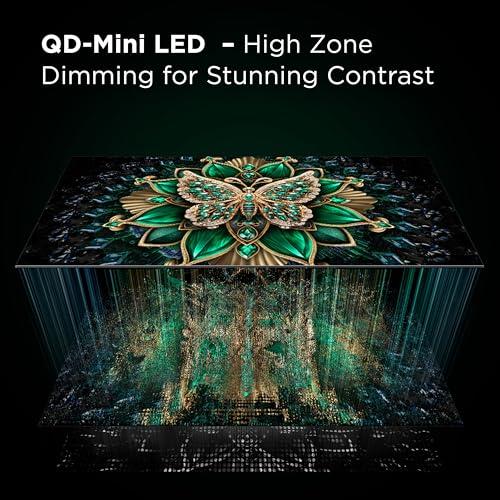
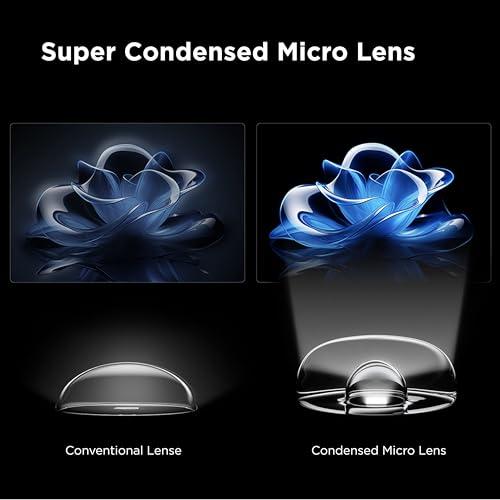
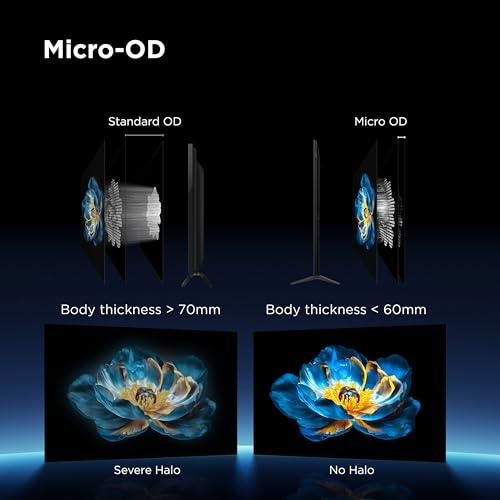
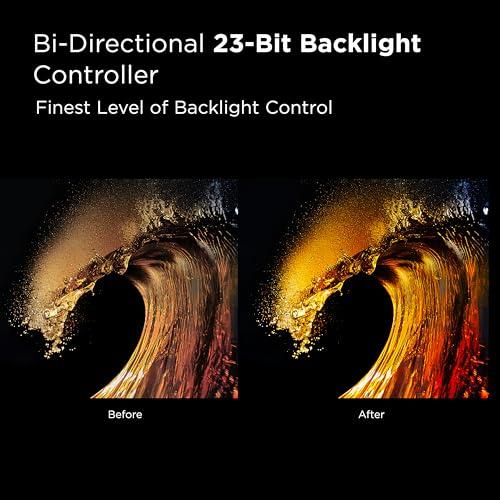
Before diving into the comparison, it's worth understanding what Mini-LED technology brings to the table. Traditional LED TVs use large backlights that can create "blooming" – unwanted light spill around bright objects on dark backgrounds. Mini-LED solves this by using thousands of tiny LEDs, each controlled individually through "local dimming zones."
Think of it like having precise dimmer switches for different areas of your TV screen. When a movie shows stars against a black night sky, Mini-LED can keep the star areas bright while making the surrounding areas truly black. This creates much better contrast than older LED technology.
Both the TCL QM7K and Samsung QN80F use Mini-LED, but they implement it differently, leading to notable performance variations.
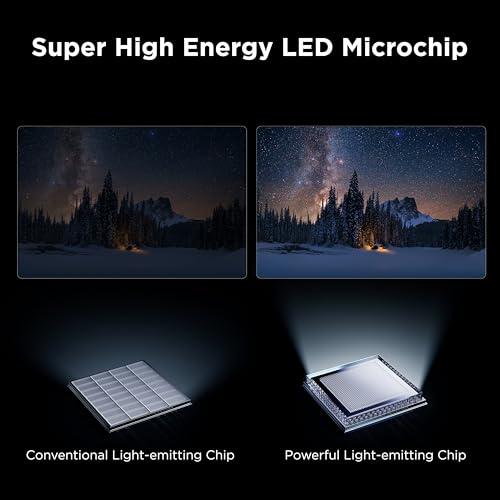
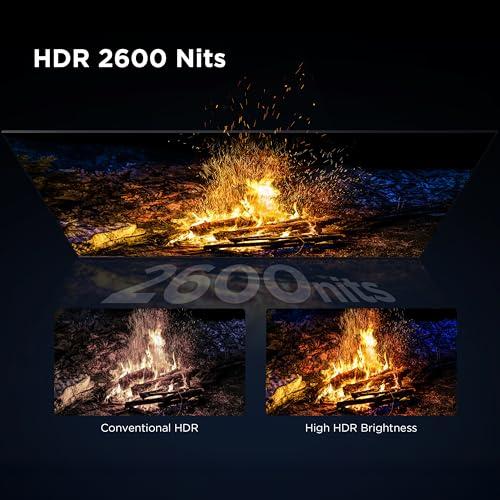
The most significant difference between these TVs is brightness capability. The TCL QM7K delivers peak brightness levels around 2,600-3,000 nits, while the Samsung QN80F reaches approximately 1,500 nits. To put this in perspective, standard TVs typically peak around 400-600 nits.
This brightness difference matters tremendously for HDR (High Dynamic Range) content. HDR allows TVs to display a wider range of brightness levels, from deep blacks to brilliant whites, mimicking what our eyes see in real life. When watching HDR movies on Netflix, Disney+, or 4K Blu-rays, the TCL QM7K can make highlights like sunlight, fire, or reflections appear genuinely dazzling.
In bright rooms with lots of windows, the TCL's superior brightness becomes even more valuable. Ambient light can wash out TV images, but the QM7K's extra brightness power helps maintain image quality even when competing with daylight.
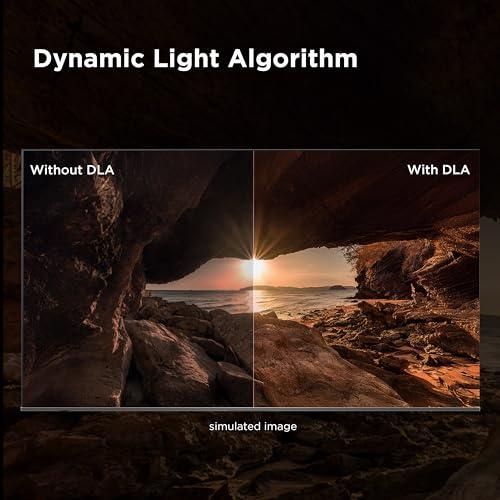
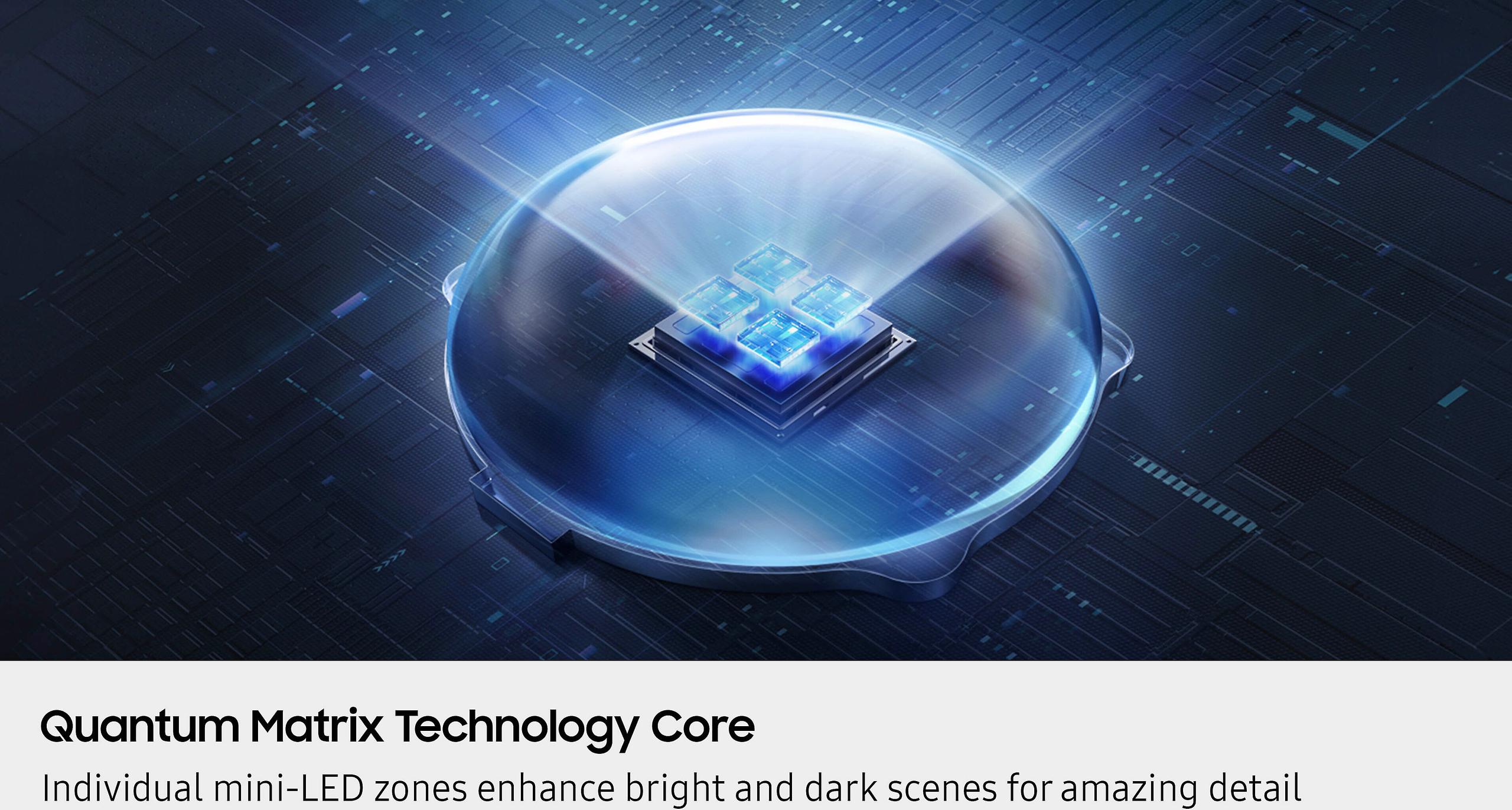
The TCL QM7K uses what they call "LD2500 Precise Dimming" with up to 2,500 local dimming zones. This means the TV can control brightness in up to 2,500 separate areas of the screen independently. The Samsung QN80F uses fewer zones with their Quantum Matrix technology.
More zones generally mean better contrast control. When watching movies with mixed bright and dark scenes – like a character holding a torch in a cave – TVs with more precise local dimming can keep the torch bright while maintaining deep blacks in the surrounding darkness without unwanted light spill.
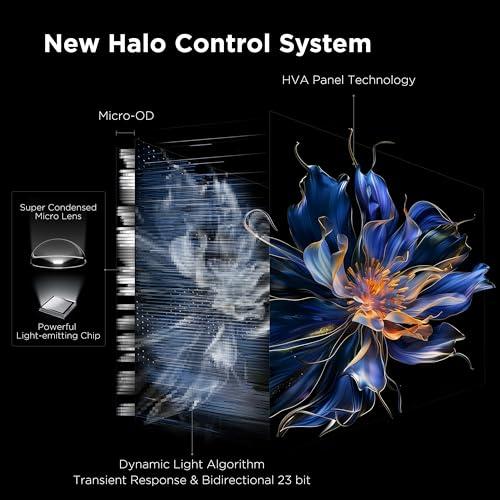
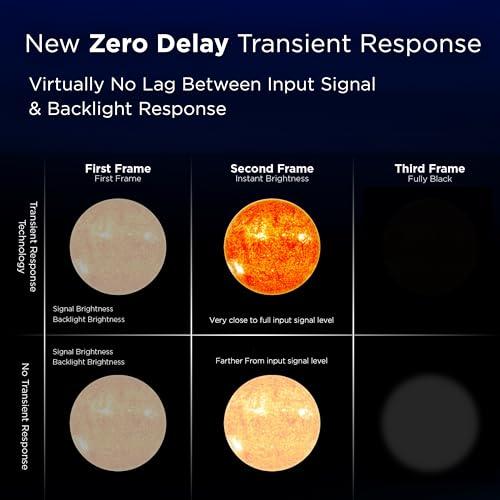
TCL has also implemented their "Halo Control System" to minimize blooming effects. This addresses one of Mini-LED's traditional weaknesses: the slight halo of light that can appear around bright objects on dark backgrounds. Based on expert reviews, the QM7K handles this better than many competing models.
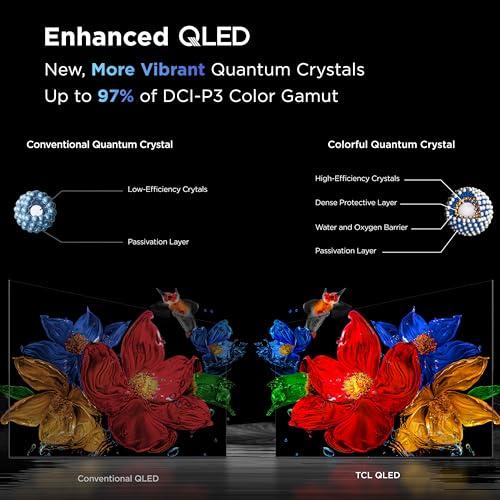
Here's where these TVs diverge in approach. The TCL QM7K aims for maximum visual impact with highly saturated, punchy colors that make content pop off the screen. It supports the complete range of HDR formats, including Dolby Vision IQ, HDR10+, and IMAX Enhanced.
The Samsung QN80F takes a more restrained approach, focusing on color accuracy and natural-looking tones. Samsung's processing tends to produce images that look more like what a professional colorist intended, rather than the most eye-catching version possible.
Neither approach is inherently better – it depends on your preferences. The TCL is better for those who want that "wow factor" when showing off their TV to friends. The Samsung appeals to viewers who prioritize accuracy for movies and prefer more subtle, cinematic color grading.
One important note: the Samsung QN80F doesn't support Dolby Vision, which is used by Netflix, Apple TV+, and many other streaming services for their premium content. This could limit your HDR experience with certain content sources.
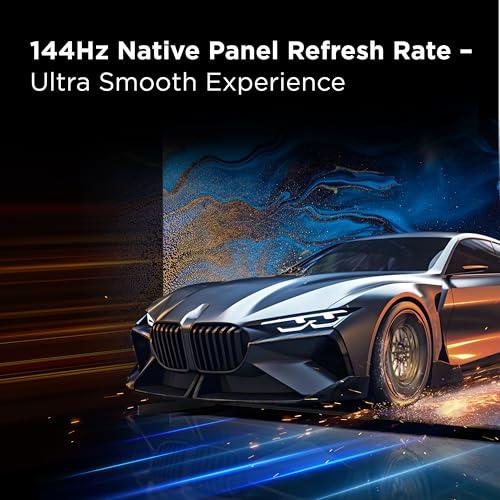
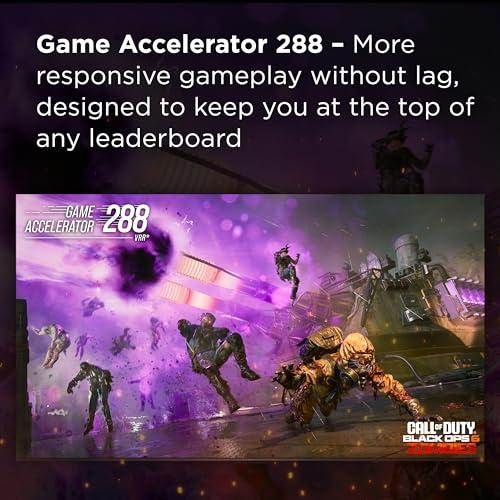
Both TVs excel for gaming, but with different strengths. The TCL QM7K offers native 144Hz refresh rate and can reach up to 288Hz with their "Game Accelerator" feature at 1080p resolution. This makes it excellent for PC gaming and provides future-proofing as games become more demanding.
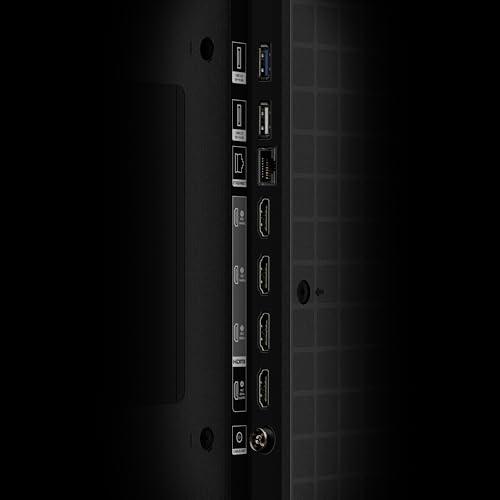
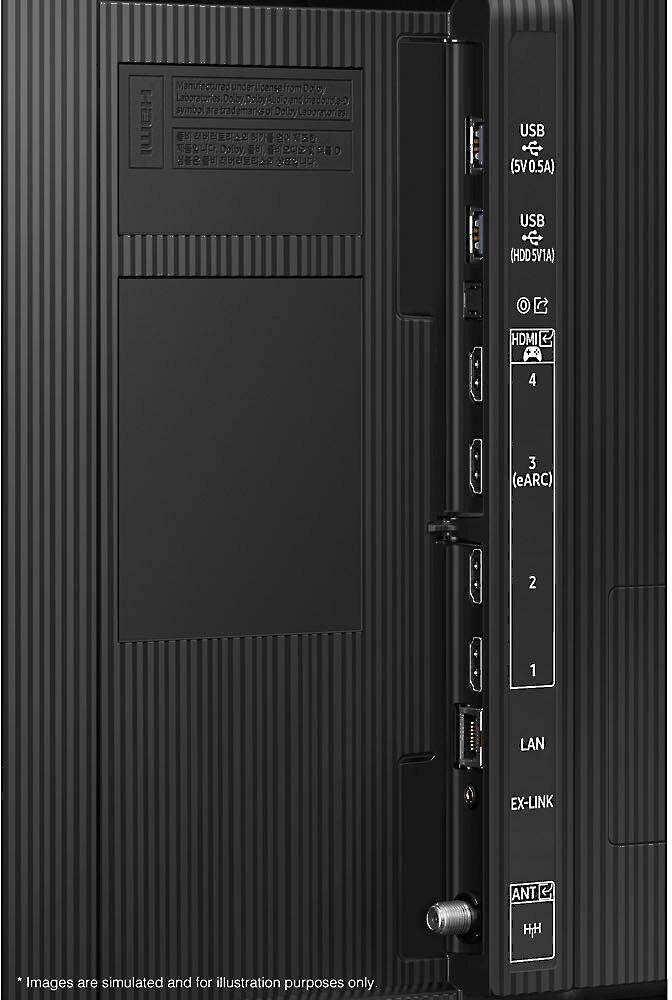
The Samsung QN80F provides 120Hz native refresh rate with VRR (Variable Refresh Rate) up to 144Hz. More importantly, it includes four HDMI 2.1 ports compared to the TCL's two. If you have a PlayStation 5, Xbox Series X, high-end PC, and Apple TV 4K, you'll appreciate having more next-generation ports available.
Both support essential gaming features like ALLM (Auto Low Latency Mode), which automatically switches to game mode when it detects a console, and VRR, which eliminates screen tearing and stuttering. Input lag – the delay between pressing a controller button and seeing the action on screen – is excellent on both models.
For serious gamers, the choice depends on your setup. The TCL QM7K is better if you primarily use one or two gaming devices and want maximum refresh rate capabilities. The Samsung QN80F is more practical if you have multiple gaming devices that need simultaneous connection.
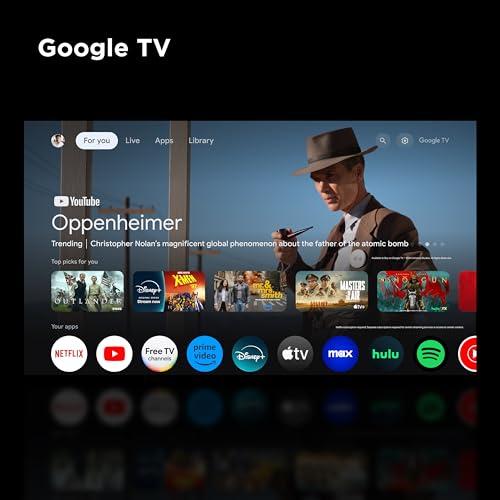
The smart TV experience differs significantly between these models. The TCL QM7K runs Google TV, which provides access to virtually every streaming app available. It includes built-in Chromecast, hands-free Google Assistant, and works with Apple AirPlay 2 and HomeKit for seamless integration with both Android and Apple devices.
Google TV's interface is clean and focuses on content recommendations across all your installed apps. It learns your viewing habits and suggests relevant movies and shows regardless of which streaming service they're on.
The Samsung QN80F uses Samsung's Tizen operating system, which is more closed but highly polished. It includes Samsung's Vision AI features, like live translation for foreign content and generative wallpapers. The Bixby voice assistant has improved significantly and can now process multiple commands simultaneously.
Tizen works best if you're already invested in Samsung's ecosystem with their phones, tablets, or other smart home devices. However, it occasionally lacks certain streaming apps that are readily available on Google TV.
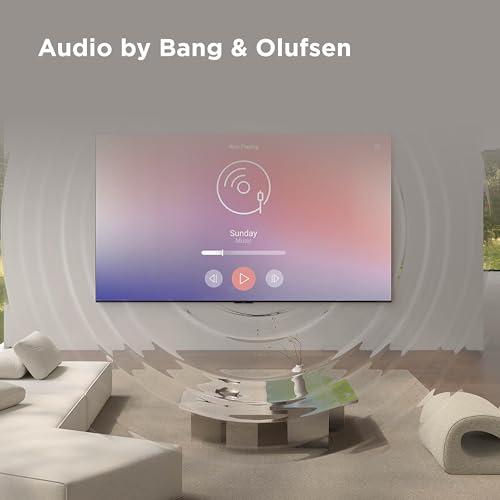
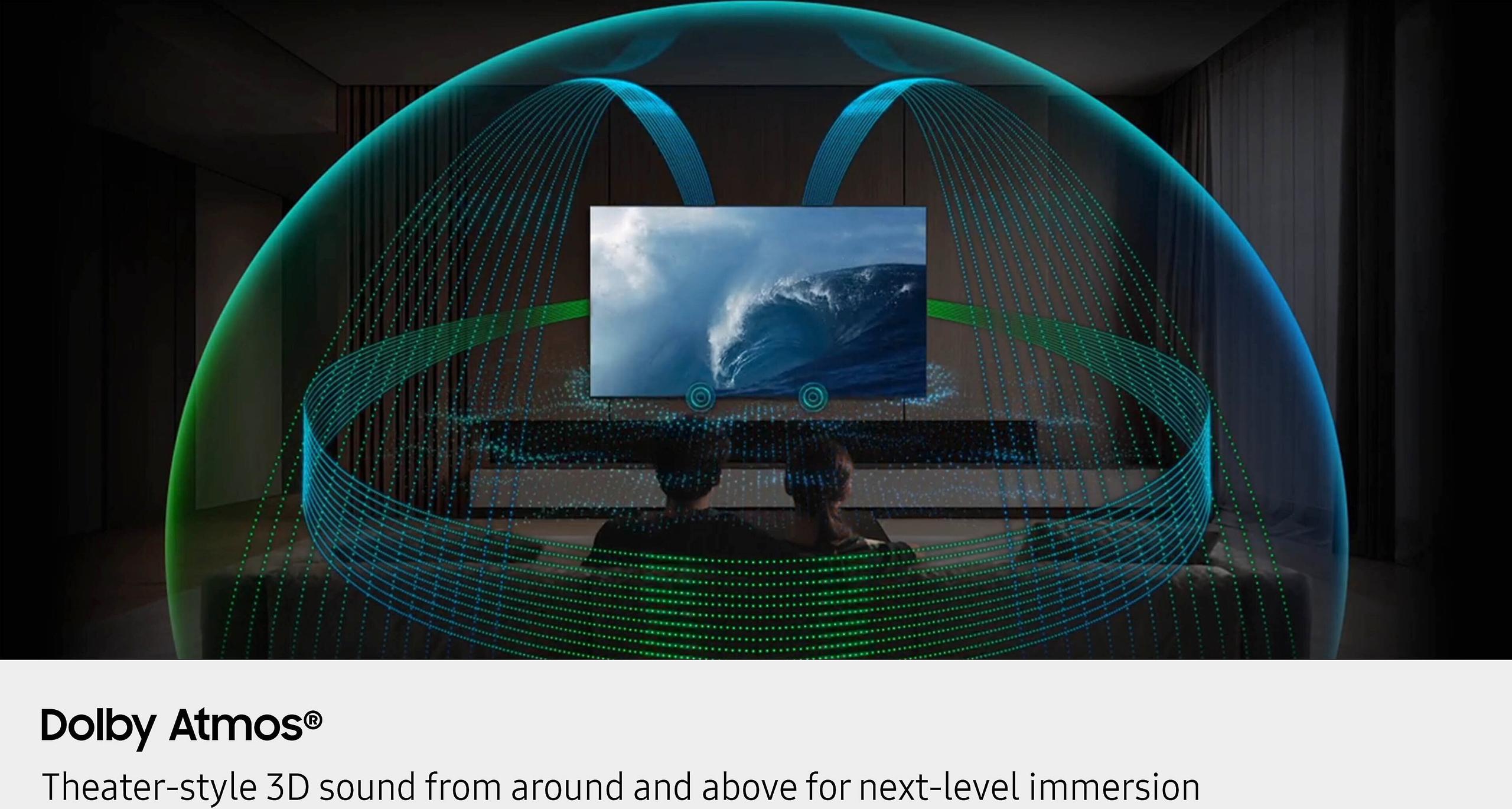
Audio often gets overlooked in TV comparisons, but it's crucial for the viewing experience. The TCL QM7K features a partnership with Bang & Olufsen, the premium Danish audio company. This results in a 60W speaker system with Dolby Atmos support and more refined sound tuning.
The Samsung QN80F offers solid audio with Dolby Atmos and Samsung's Adaptive Sound Pro technology, which uses AI to optimize audio based on content type and room acoustics. While not as premium as the TCL's audio system, it's still quite good for built-in TV speakers.
Both TVs will benefit from a dedicated soundbar for the best home theater experience, but the TCL has a noticeable advantage if you plan to rely on built-in audio.
For dedicated home theater setups, the TCL QM7K is the stronger choice. Its superior brightness and contrast make it excellent for dark room viewing where you can appreciate deep blacks and bright highlights. The comprehensive HDR format support ensures compatibility with all content sources.
The IMAX Enhanced certification means movies mastered in IMAX format will display with optimized picture and sound settings. Combined with the Bang & Olufsen audio system, it creates a more premium home theater experience.
However, the Samsung QN80F shouldn't be dismissed for home theater use. Its more natural color tuning can be preferable for extended viewing sessions, and Samsung's anti-glare technology helps in rooms with some ambient lighting.
At the time of writing, the Samsung QN80F represents exceptional value in the premium TV market. It delivers solid Mini-LED performance, comprehensive gaming features, and Samsung's reliable build quality at a significantly lower price point than the TCL.
The TCL QM7K commands a premium price but delivers flagship-level brightness and contrast that typically costs much more from other manufacturers. Whether this premium is justified depends on how much you value maximum picture quality versus overall value.
For budget-conscious buyers who still want premium features, the Samsung makes more sense. For those who want the best possible picture quality and don't mind paying extra for it, the TCL delivers.
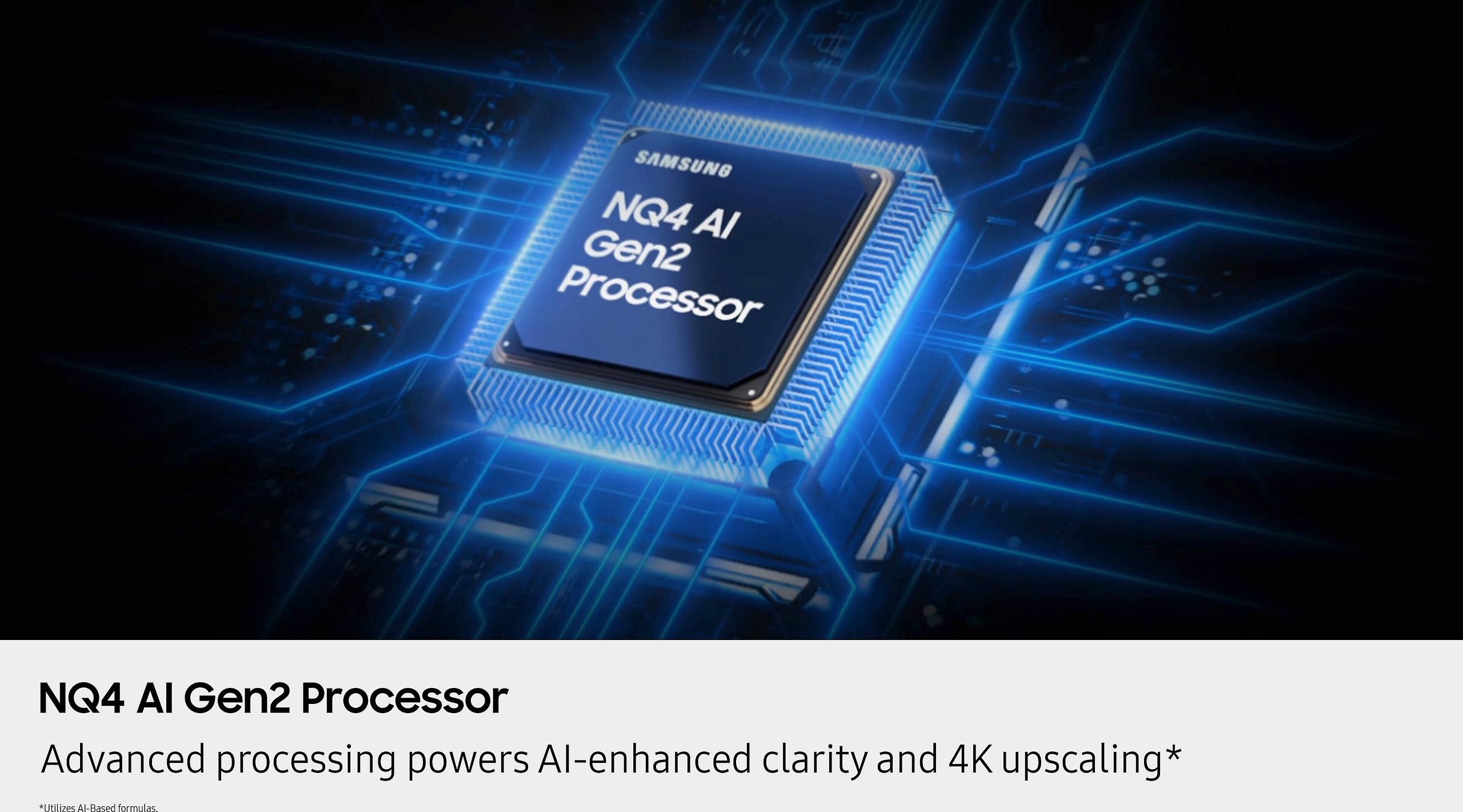
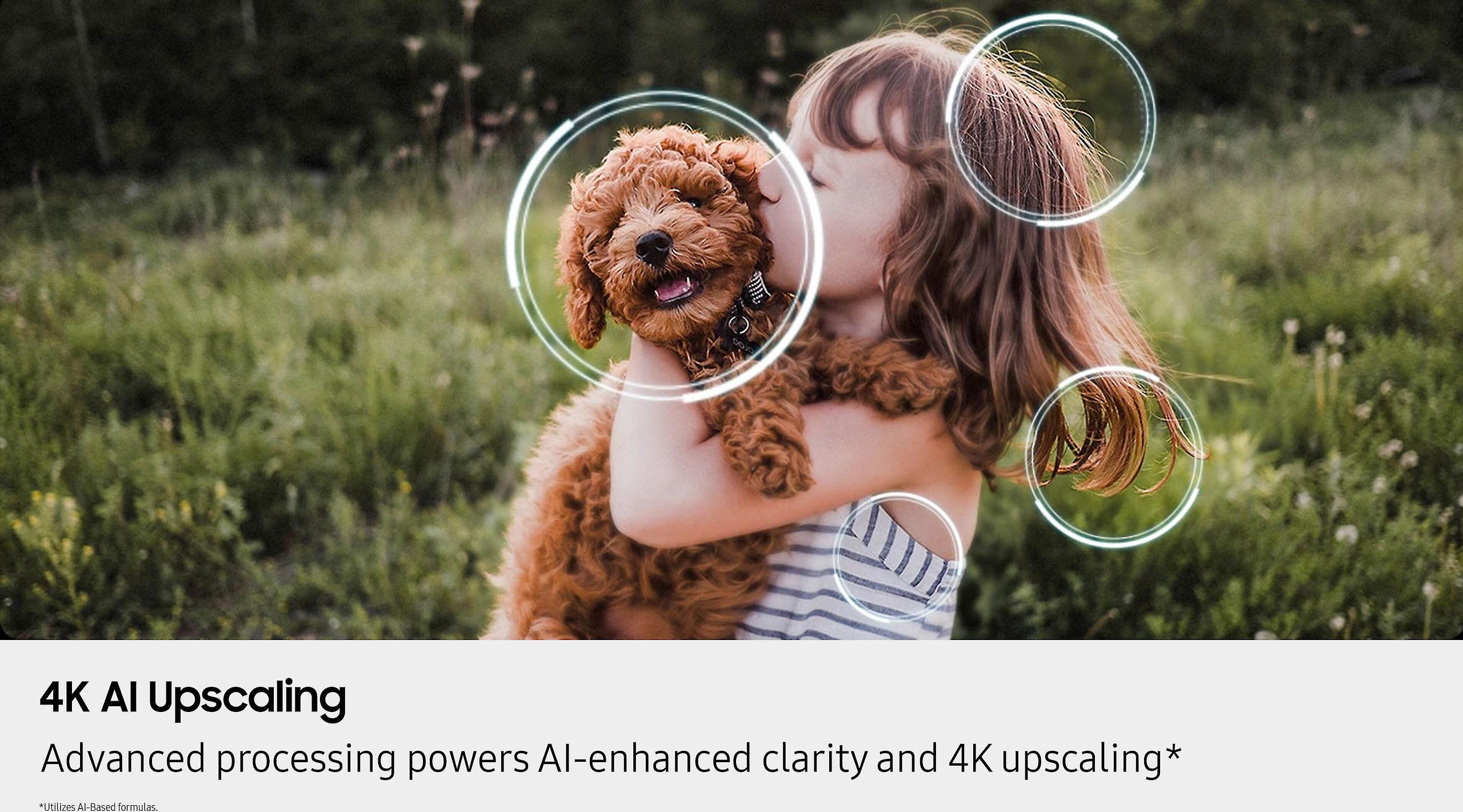
Both TVs represent significant improvements over 2023-2024 models. Mini-LED technology has matured considerably, with better local dimming control and reduced blooming effects. The processing chips in both models are more powerful, enabling better upscaling of lower-resolution content and more sophisticated AI-driven picture optimization.
Looking forward, both TVs should remain relevant for several years. The gaming features support current and next-generation consoles, while the smart platforms receive regular updates. The TCL QM7K might have slightly better longevity due to its higher peak brightness, which becomes more important as HDR content continues to push brightness standards higher.
The Samsung QN80F is ideal for buyers who want excellent performance without flagship pricing. Choose it if you:
The TCL QM7K is better for those prioritizing maximum picture quality. Choose it if you:
Both TVs excel in their respective niches. The Samsung QN80F offers outstanding value and solid performance across all categories. It's the smart choice for most buyers who want premium features without paying flagship prices.
The TCL QM7K justifies its higher cost with superior brightness, contrast, and HDR capabilities that approach the best TVs on the market. It's worth the extra investment if picture quality is your top priority and you'll actually benefit from its advanced features.
In our research, we found that users who chose the Samsung rarely regretted the decision due to its strong overall performance and value. Those who chose the TCL were consistently impressed by its picture quality, especially in bright rooms or with HDR content.
Consider your viewing habits, room lighting, and budget carefully. Both represent excellent choices in the premium 65-inch TV market, just with different priorities and price points.
| TCL 65QM7K QD-Mini LED 4K Google TV | Samsung 65" QN80F Neo QLED 4K TV |
|---|---|
| Peak Brightness - Critical for HDR impact and bright room viewing | |
| 2,600-3,000 nits (excellent for bright rooms and dazzling HDR) | ~1,500 nits (good performance but less impactful HDR) |
| Local Dimming Zones - Controls contrast and blooming | |
| Up to 2,500 zones with advanced Halo Control System | Fewer zones with Quantum Matrix Technology |
| Refresh Rate - Important for gaming and sports | |
| Native 144Hz, up to 288Hz VRR (future-proof for high-end gaming) | Native 120Hz, up to 144Hz VRR (excellent for current consoles) |
| HDMI 2.1 Ports - Essential for multiple next-gen devices | |
| 2 ports (limiting if you have multiple gaming devices) | 4 ports (ideal for PlayStation 5, Xbox, PC, and Apple TV) |
| HDR Format Support - Affects streaming compatibility | |
| Dolby Vision IQ, HDR10+, HDR10, HLG, IMAX Enhanced | HDR10+, HDR10, HLG (no Dolby Vision limits Netflix/streaming) |
| Smart TV Platform - Daily user experience | |
| Google TV with hands-free voice control and broad app support | Samsung Tizen with Vision AI features and polished interface |
| Audio System - Built-in sound quality | |
| Bang & Olufsen 60W with Dolby Atmos (premium partnership) | Dolby Atmos with Adaptive Sound Pro (solid but standard) |
| Color Approach - Visual preference | |
| Vibrant, punchy colors for maximum impact | Natural, cinema-accurate colors for realism |
| Anti-Glare Technology - Reduces room reflections | |
| Standard glare handling | New glare-free coating technology |
| Contrast Ratio - Deep blacks and bright whites | |
| 30 million:1 dynamic (exceptional dark room performance) | Lower contrast capability but still very good |
The TCL QM7K is significantly better for bright rooms due to its much higher peak brightness of 2,600-3,000 nits compared to the Samsung QN80F's ~1,500 nits. This extra brightness helps the TV compete with sunlight and ambient lighting, maintaining vibrant picture quality even during daytime viewing.
Yes, both the TCL QM7K and Samsung QN80F support essential gaming features like 4K@120Hz, VRR (Variable Refresh Rate), and ALLM (Auto Low Latency Mode). However, the Samsung QN80F has four HDMI 2.1 ports versus the TCL's two, making it better if you have multiple gaming devices to connect simultaneously.
The TCL QM7K delivers superior contrast with its 30 million:1 dynamic contrast ratio and up to 2,500 local dimming zones. This results in deeper blacks and better control over bright highlights compared to the Samsung QN80F, making it excellent for dark room viewing and movie watching.
Yes, there's a notable difference. The TCL QM7K runs Google TV with broader app compatibility, built-in Chromecast, and works with both Google and Apple ecosystems. The Samsung QN80F uses Samsung's Tizen OS, which is more polished but occasionally lacks certain streaming apps and works best within Samsung's ecosystem.
The TCL QM7K is better for premium streaming content because it supports Dolby Vision, which is used by Netflix, Disney+, and Apple TV+ for their highest quality HDR content. The Samsung QN80F lacks Dolby Vision support, limiting your HDR experience with these popular streaming services.
The TCL QM7K features a premium Bang & Olufsen audio system with 60W of power and refined sound tuning, delivering noticeably better built-in audio quality. The Samsung QN80F offers solid Dolby Atmos audio with AI optimization, but it's not as premium as the TCL's audio partnership.
The Samsung QN80F offers exceptional value with solid Mini-LED performance, four HDMI 2.1 ports, and reliable Samsung quality at a significantly lower price point. The TCL QM7K costs considerably more but delivers flagship-level brightness and picture quality that justifies the premium for those prioritizing maximum performance.
Both work well for home theaters, but the TCL QM7K is superior for dedicated dark room setups due to its exceptional contrast, comprehensive HDR support including Dolby Vision and IMAX Enhanced, and premium Bang & Olufsen audio. The Samsung QN80F is still excellent for home theaters, especially if you prefer more natural, cinema-accurate colors.
The TCL QM7K offers superior gaming performance with native 144Hz refresh rate and up to 288Hz VRR capability, making it more future-proof for high-end PC gaming. However, the Samsung QN80F provides excellent gaming performance for current consoles and offers more connectivity options with its four HDMI 2.1 ports.
The TCL QM7K produces more vibrant, punchy colors with maximum visual impact, while the Samsung QN80F focuses on natural, cinema-accurate color reproduction. The TCL is better for those who want eye-catching visuals, while the Samsung appeals to viewers who prefer realistic, true-to-life colors for movies and TV shows.
Samsung has a longer track record of reliability and customer support with their premium TV lineup, giving the Samsung QN80F an edge in this area. However, TCL has significantly improved their quality and support in recent years, and the TCL QM7K represents their flagship technology with solid build quality and growing support network.
Choose the Samsung QN80F if you want excellent performance at great value, need multiple HDMI 2.1 ports, or prefer natural colors. Choose the TCL QM7K if you prioritize maximum brightness for bright rooms, want the best possible HDR experience with Dolby Vision support, or don't mind paying extra for flagship-level picture quality.
We've done our best to create useful and informative comparisons to help you decide what product to buy. Our research uses advanced automated methods to create this comparison and perfection is not possible - please contact us for corrections or questions. These are the sites we've researched in the creation of this article: bestbuy.com - businessinsider.com - tomsguide.com - tomsguide.com - rtings.com - tomsguide.com - youtube.com - rtings.com - consumerreports.org - youtube.com - youtube.com - displayspecifications.com - youtube.com - tcl.com - tcl.com - tcl.com - youtube.com - rcwilley.com - bestbuy.com - tclcentral.com - displayspecifications.com - tomsguide.com - tcl.com - brandsmartusa.com - tcl.com - tcl.com - gizmochina.com - nfm.com - dolby.com - alexraytv.com - samsung.com - theshortcut.com - youtube.com - bestbuy.com - rtings.com - samsung.com - samsung.com - samsung.com - sargentappliance.com - displayspecifications.com - bestbuy.com

Privacy Policy
Terms and Conditions - Affiliate Policy
Home Security
© Copyright 2008-2026.
11816 Inwood Rd #1211, Dallas, TX 75244