

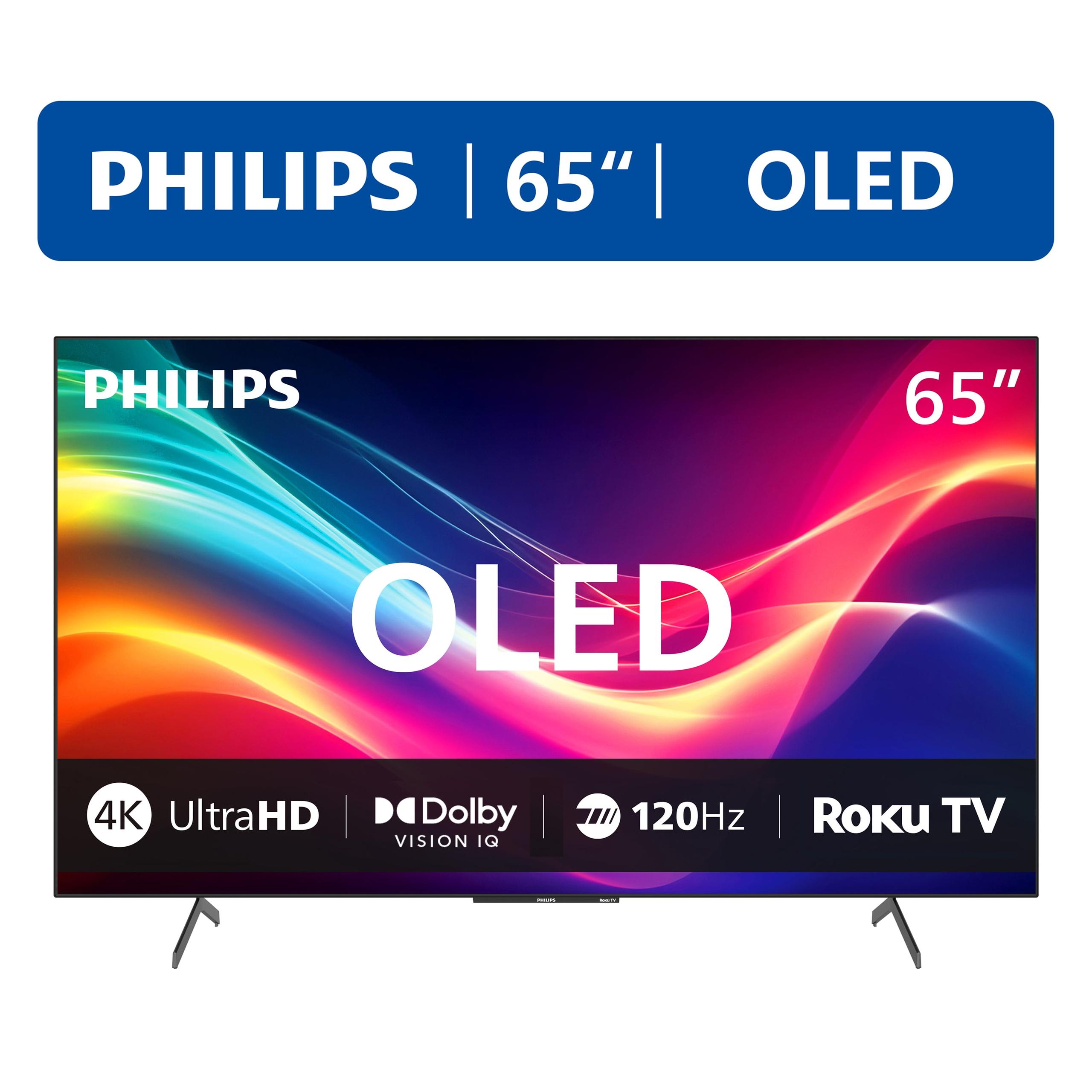
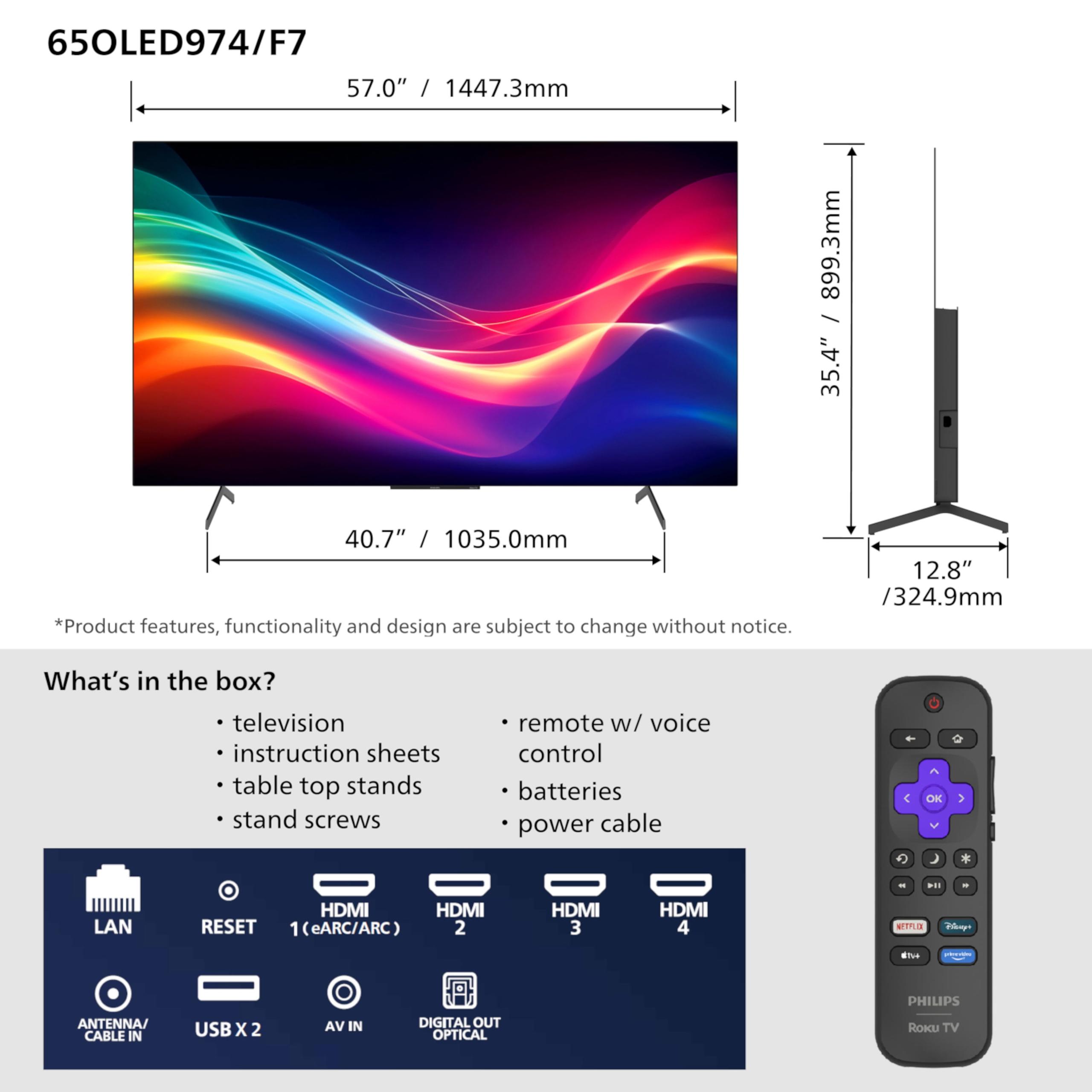
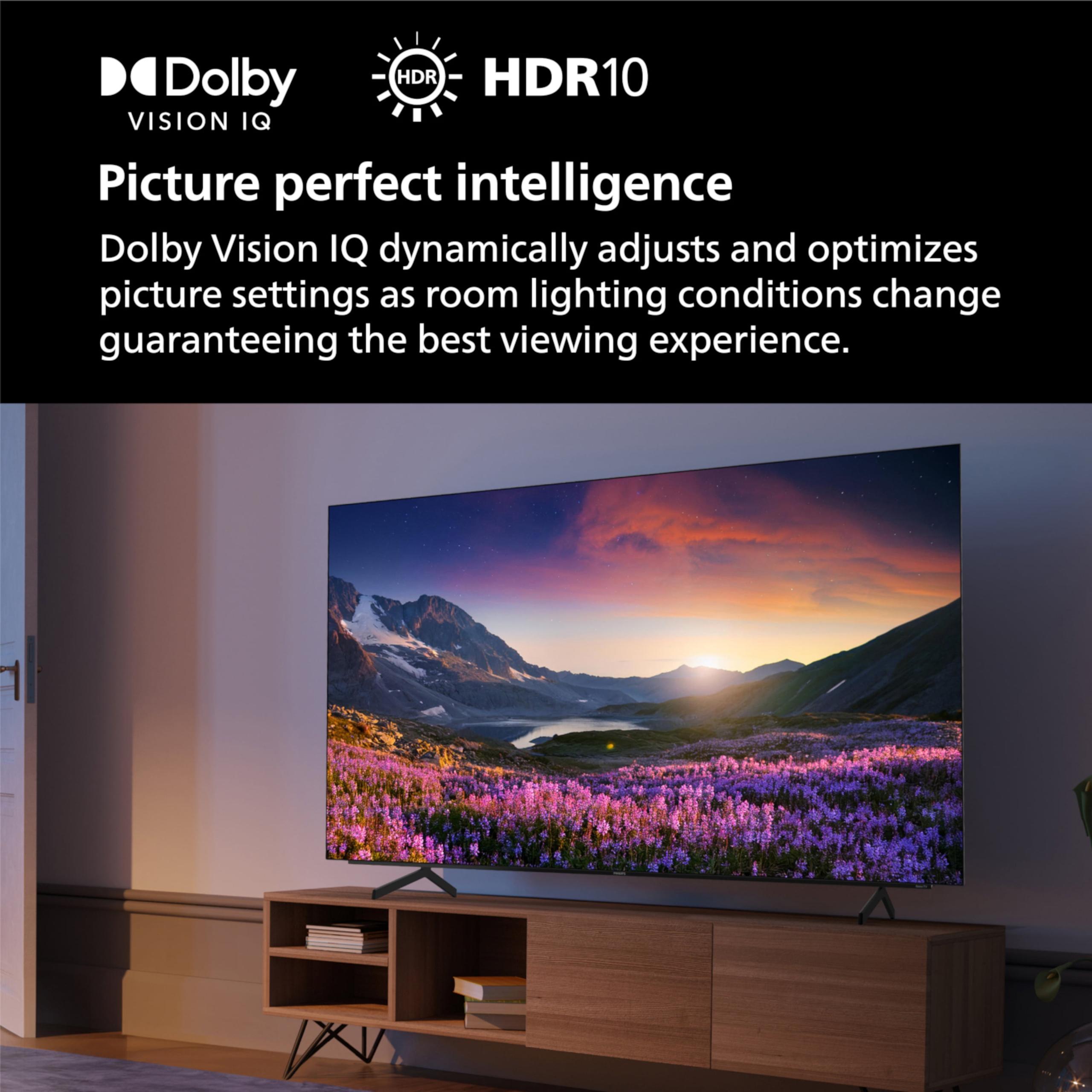
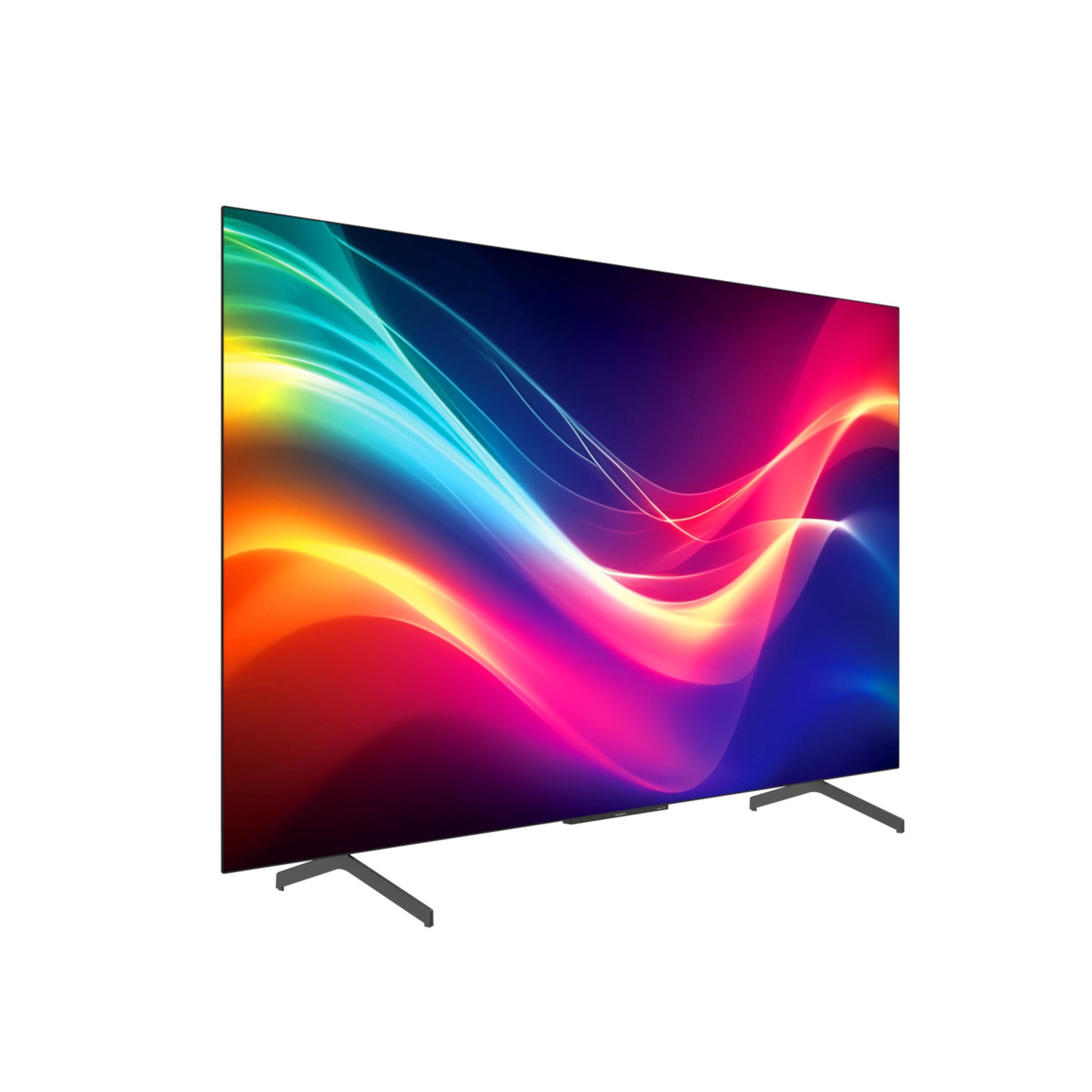
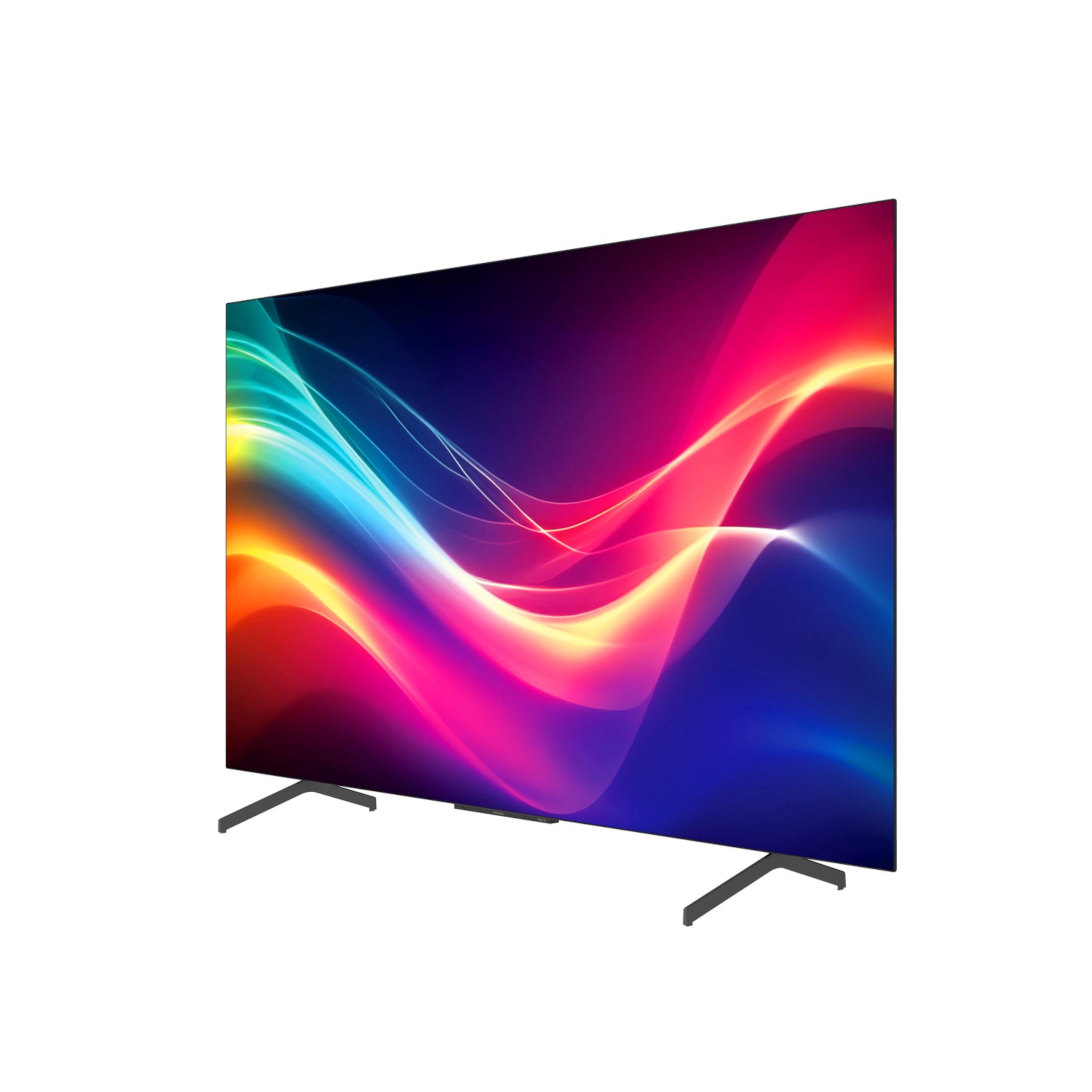


When you're shopping for a premium 65-inch TV, you'll quickly encounter two competing technologies that represent the pinnacle of modern display engineering: OLED and Neo QLED. The Philips 65OLED974/F7 represents the OLED approach, while Samsung's QN80F Neo QLED showcases the latest in quantum dot and mini-LED technology. Both launched in recent years as manufacturers pushed the boundaries of what's possible in home entertainment, but they achieve stunning picture quality through completely different methods.
Understanding these technologies isn't just about comparing specs—it's about matching the right display technology to your specific viewing environment and preferences. After extensive research into professional reviews, user experiences, and technical specifications, the choice between these TVs ultimately comes down to where and how you watch content.
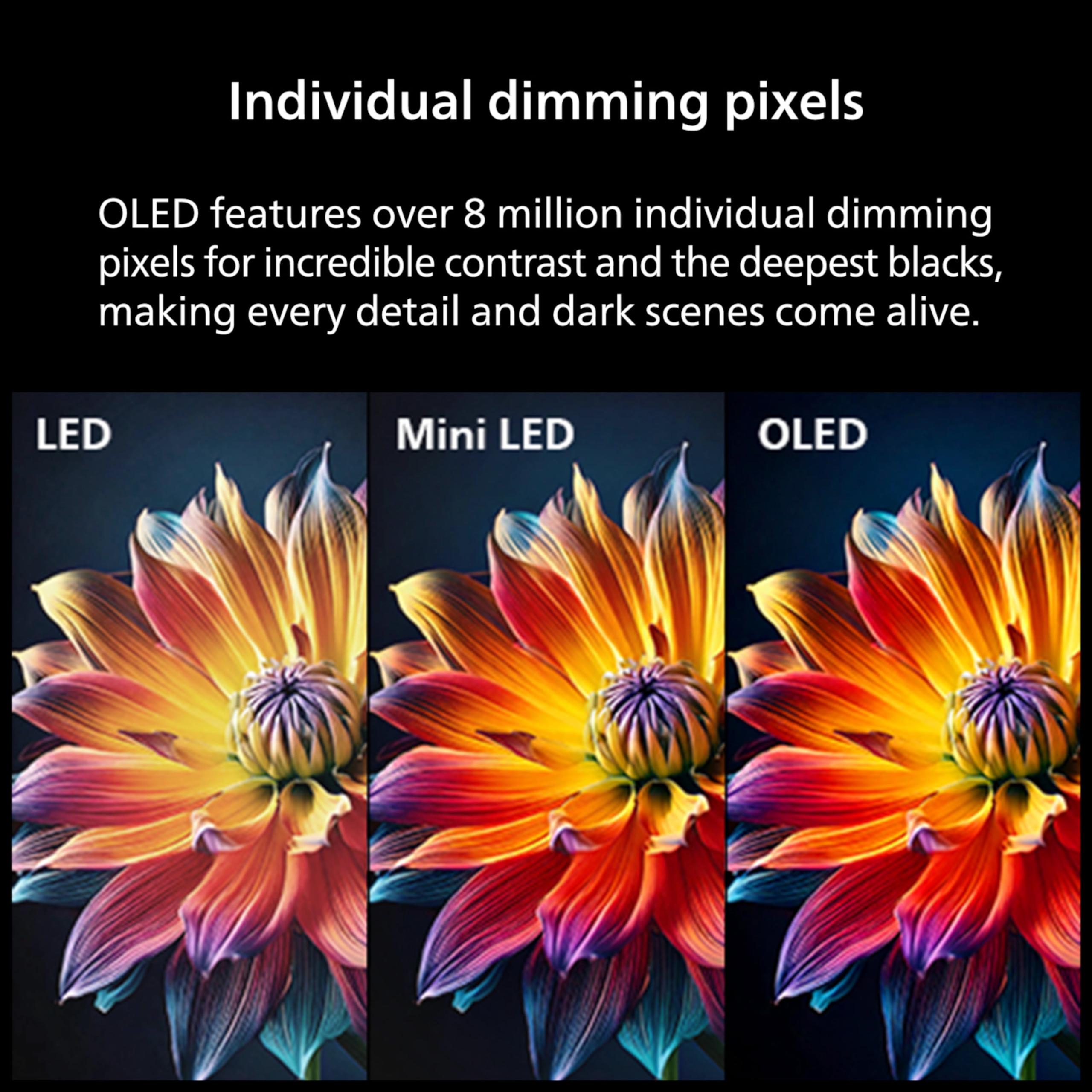
OLED technology, which powers the Philips 65OLED974/F7, uses organic compounds that emit their own light when electricity passes through them. Think of it like having 8.3 million tiny lightbulbs that can turn completely on or completely off. When a pixel needs to display black, it simply turns off—creating what's called "true black" or "perfect black." This is fundamentally different from traditional LCD TVs that always have a backlight glowing behind the screen.
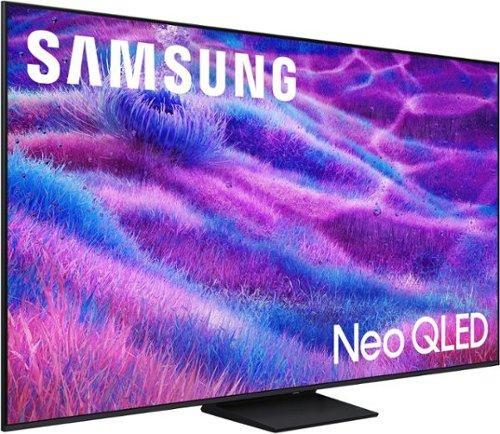
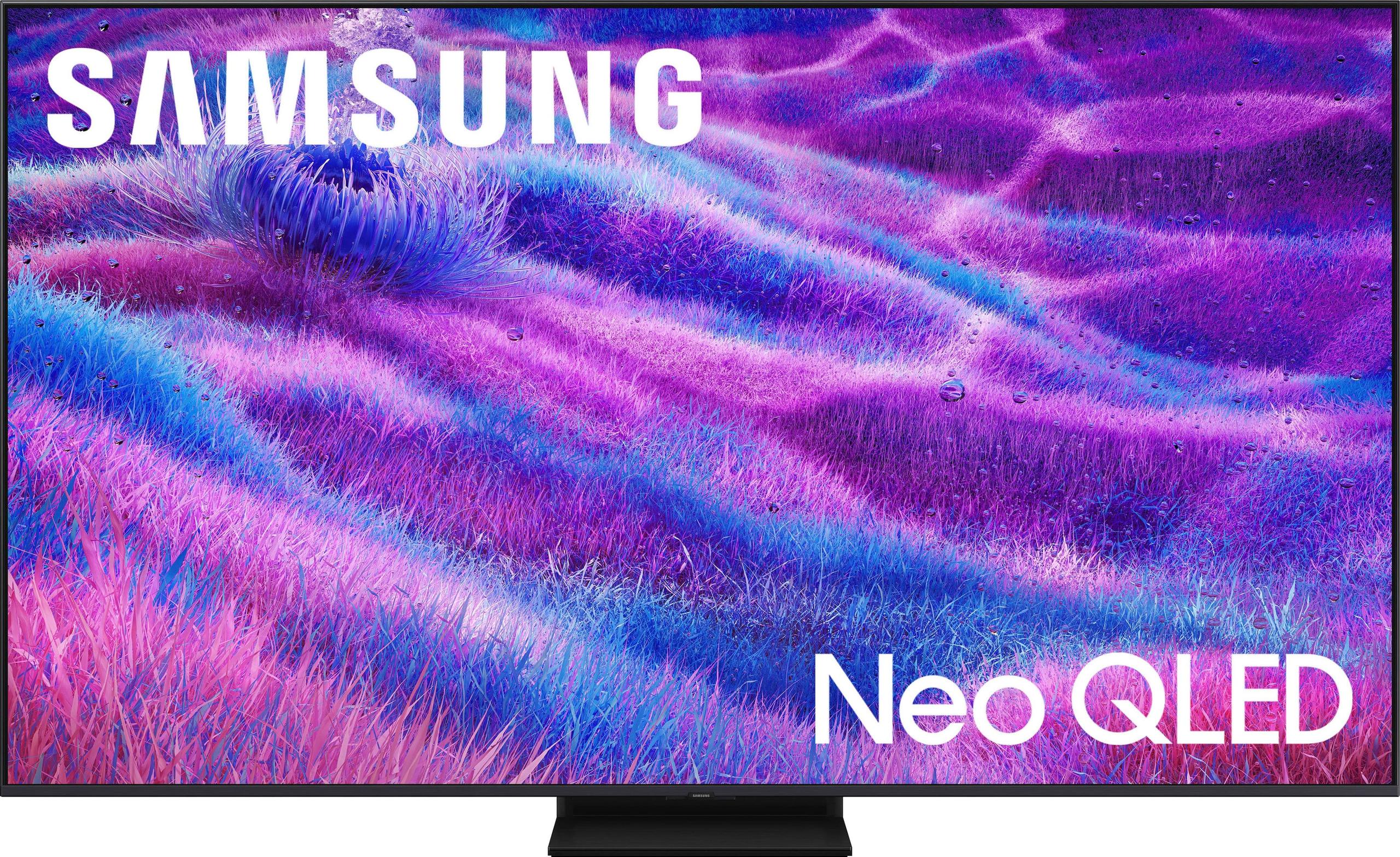
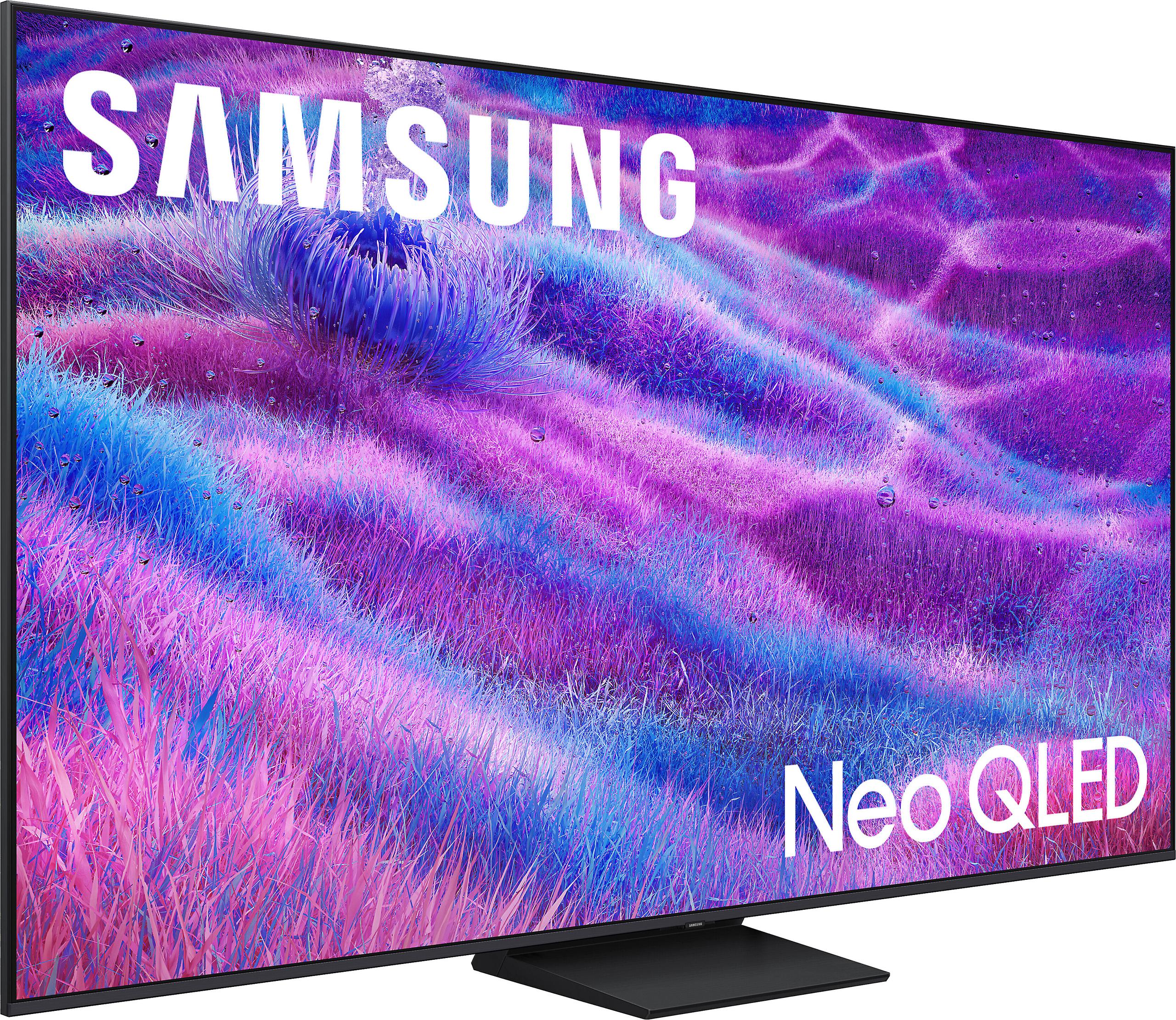
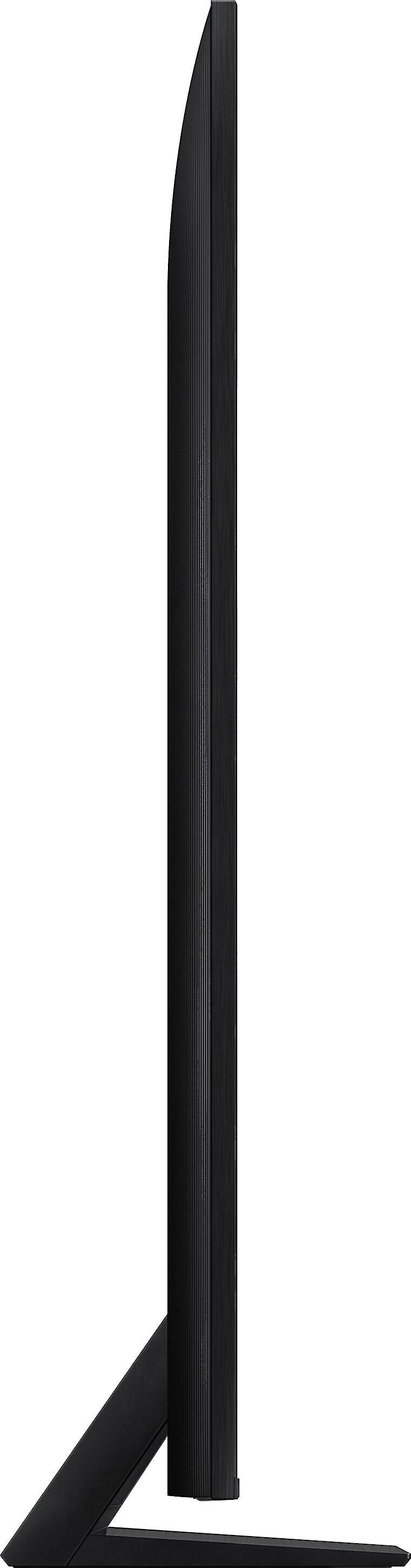
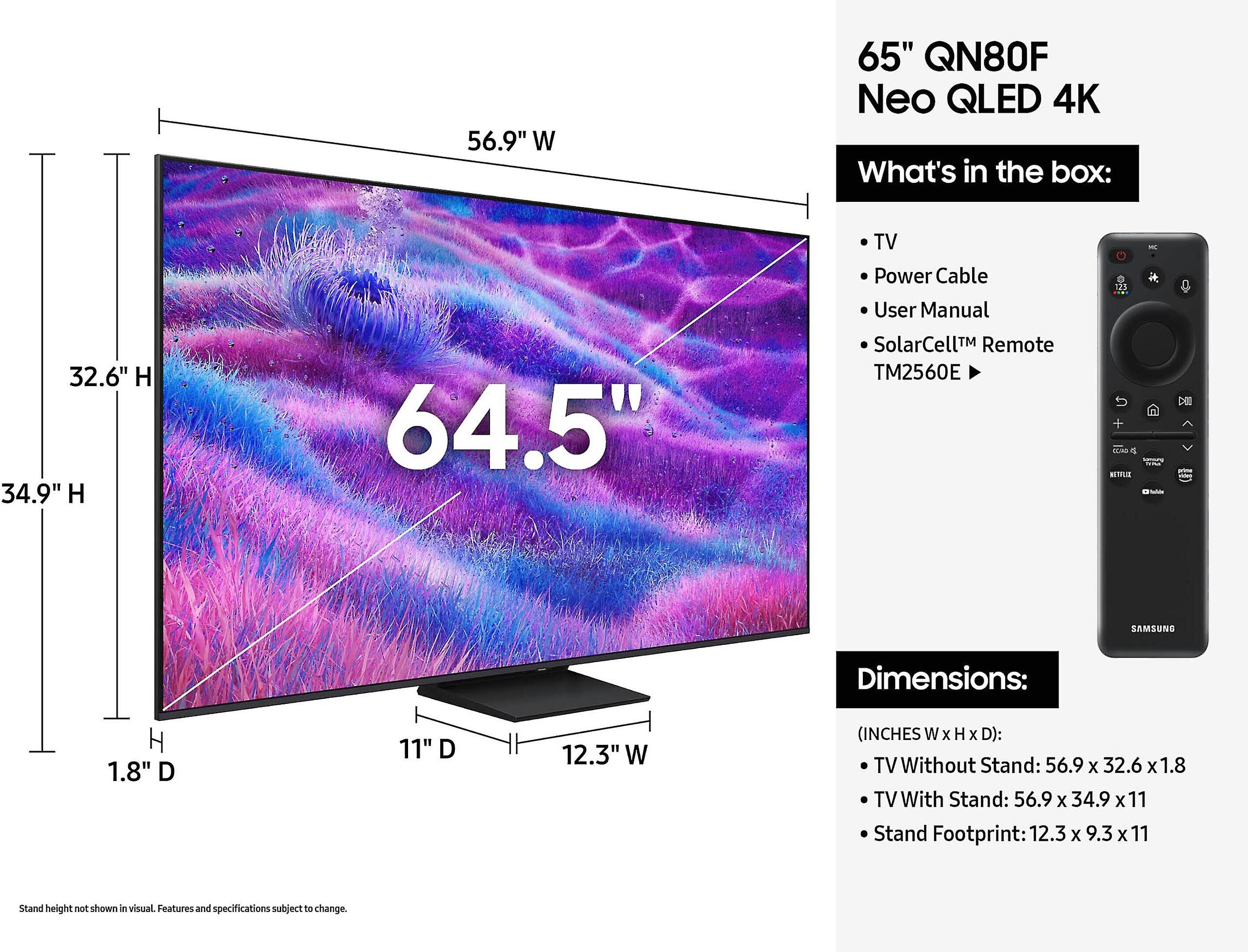
Samsung's QN80F Neo QLED takes a different approach. It uses quantum dots—microscopic particles that emit specific colors when hit by light—combined with mini-LED backlighting. Mini-LEDs are much smaller than traditional LED backlights, allowing for more precise control over brightness in different areas of the screen. While it can't achieve the absolute blacks of OLED, it can get significantly brighter, which creates its own set of advantages.
The technology difference matters because it affects how these TVs perform in real-world conditions. OLED excels in dark rooms where its perfect blacks create an almost three-dimensional image depth, while Neo QLED shines (literally) in bright environments where its superior brightness cuts through ambient light and glare.
Contrast ratio—the difference between the brightest whites and darkest blacks—is arguably the most important factor in picture quality. The Philips OLED achieves what's technically called an infinite contrast ratio because its black pixels emit zero light. When you're watching a space movie with stars against the void of space, those black areas are actually black, not dark gray like on most TVs.
This creates a viewing experience that's remarkably close to what directors intended in professional color grading suites. Dark scenes in movies like "Dune" or "The Batman" reveal shadow details that simply disappear on lesser displays. The OLED's ability to display true black also makes colors appear more vibrant by comparison—it's the same reason why colors look more vivid against a black background than a gray one.
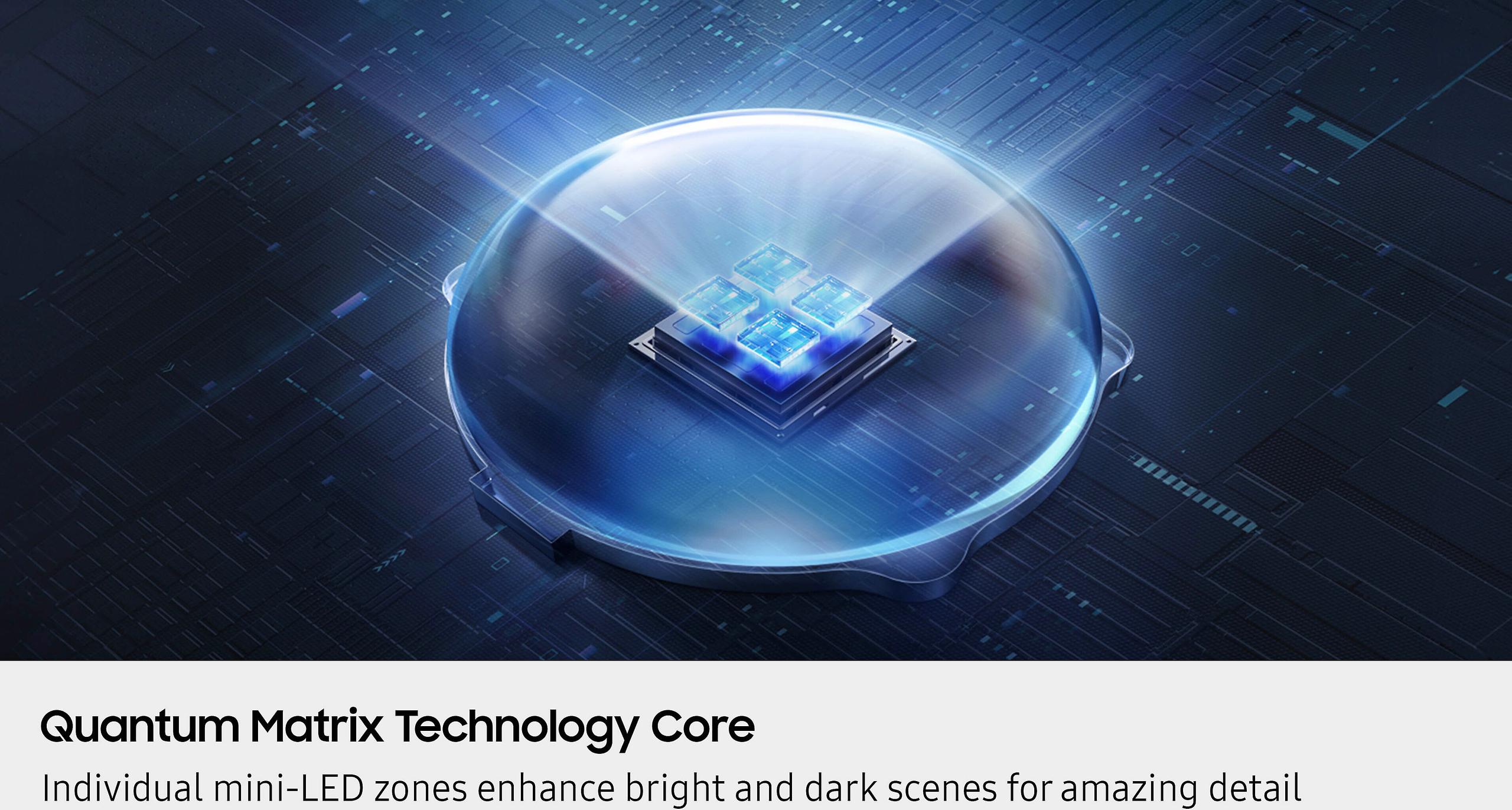
The Samsung QN80F, while it can't match OLED's perfect blacks, still delivers excellent contrast through its mini-LED backlighting system. These mini-LEDs are organized into hundreds of dimming zones that can brighten or dim independently. When the TV needs to display a dark area, it dims the mini-LEDs behind that section of the screen. The result is very good blacks, though not the absolute darkness of OLED.
Here's where the Samsung Neo QLED pulls ahead decisively. Peak brightness—measured in nits (a unit of luminance)—determines how well a TV performs in bright rooms and how impactful HDR (High Dynamic Range) content appears.
The Samsung can reach significantly higher peak brightness levels than the Philips OLED, making it suitable for rooms with large windows, overhead lighting, or daytime viewing. This isn't just about fighting glare; brightness is crucial for HDR content to look the way it was intended. When the sun reflects off a car windshield in a movie, or when fireworks explode on screen, higher brightness makes these highlights truly pop off the screen.
The Philips OLED struggles here. Our research into user experiences consistently shows that OLED TVs like this one simply don't get bright enough for well-lit rooms. In bright environments, the picture can appear washed out and HDR content loses its impact. The TV performs best in dimly lit or dark rooms where its perfect blacks can create stunning image depth without competing with ambient light.
Samsung has also implemented new glare-free coating technology on their 2025 models, which significantly reduces reflections from surrounding light sources. This coating works differently from traditional anti-glare treatments by actually changing how light interacts with the screen surface, making the Samsung QN80F even more suitable for challenging lighting conditions.
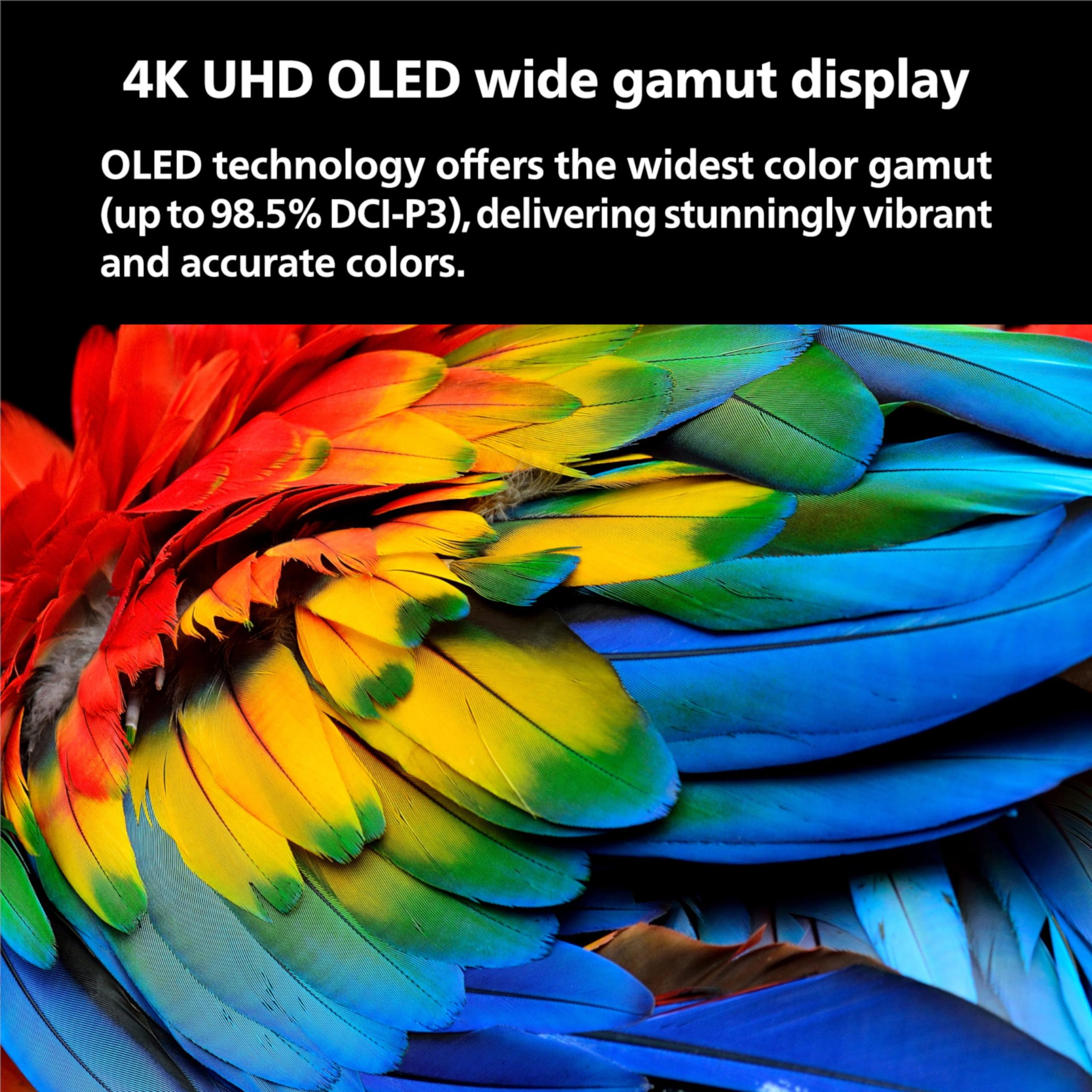
Both TVs excel at color reproduction, but in different ways. The Philips OLED covers up to 98.5% of the DCI-P3 color space—the standard used in movie theaters—and delivers excellent out-of-the-box color accuracy. Colors appear natural and lifelike without the oversaturation that plagues some TVs.
The Samsung QN80F uses quantum dot technology to achieve impressive color volume—essentially how many colors the TV can display at different brightness levels. Quantum dots are particularly effective at producing pure, saturated colors, especially reds and greens that can appear muted on other display types.
In practical terms, both TVs will make your content look spectacular, but the OLED's colors benefit from the deep black backdrop, while the Samsung's colors shine brighter and may appear more vibrant in well-lit conditions.
Gaming has become a crucial consideration for modern TVs, and both models deliver excellent performance for PlayStation 5, Xbox Series X/S, and PC gaming.
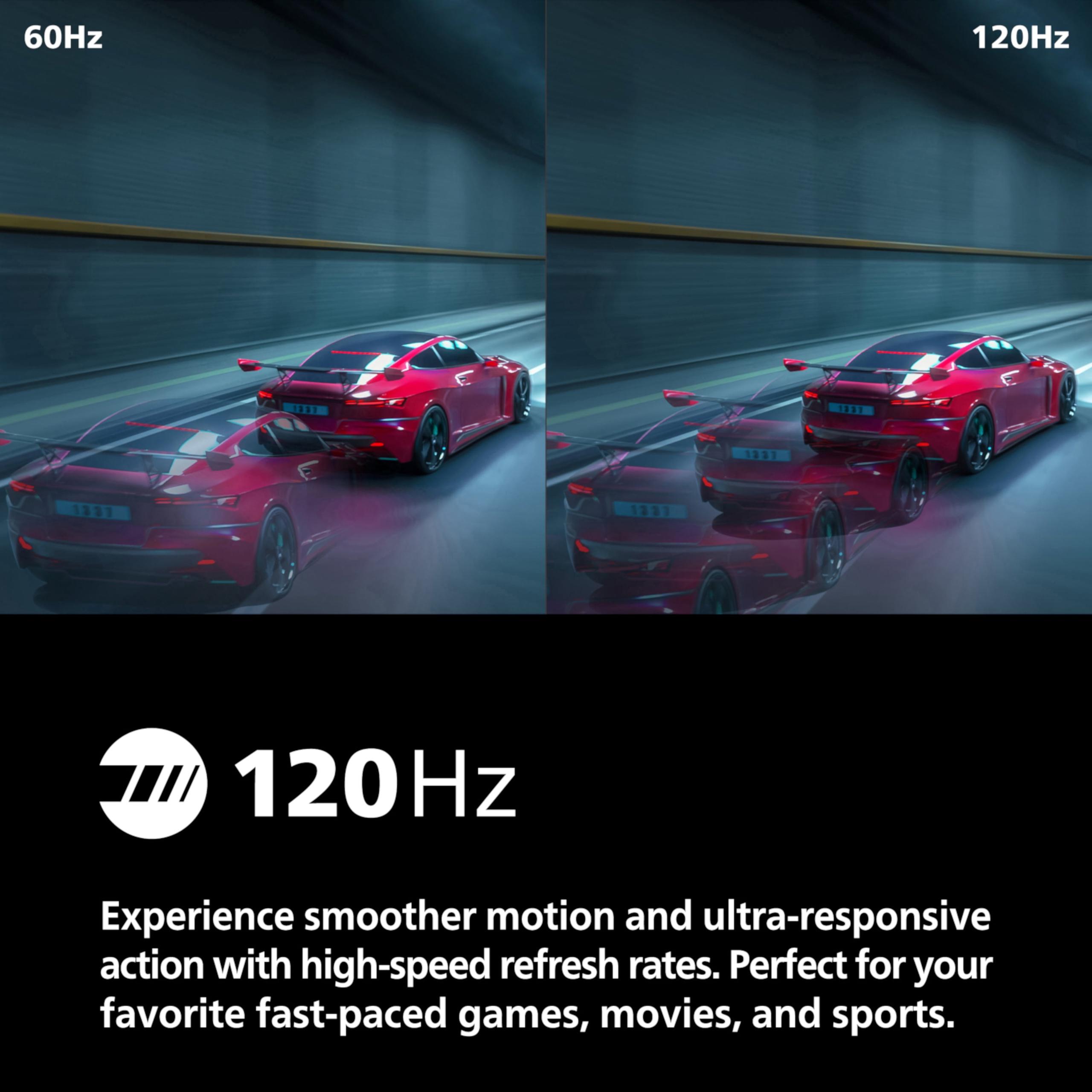
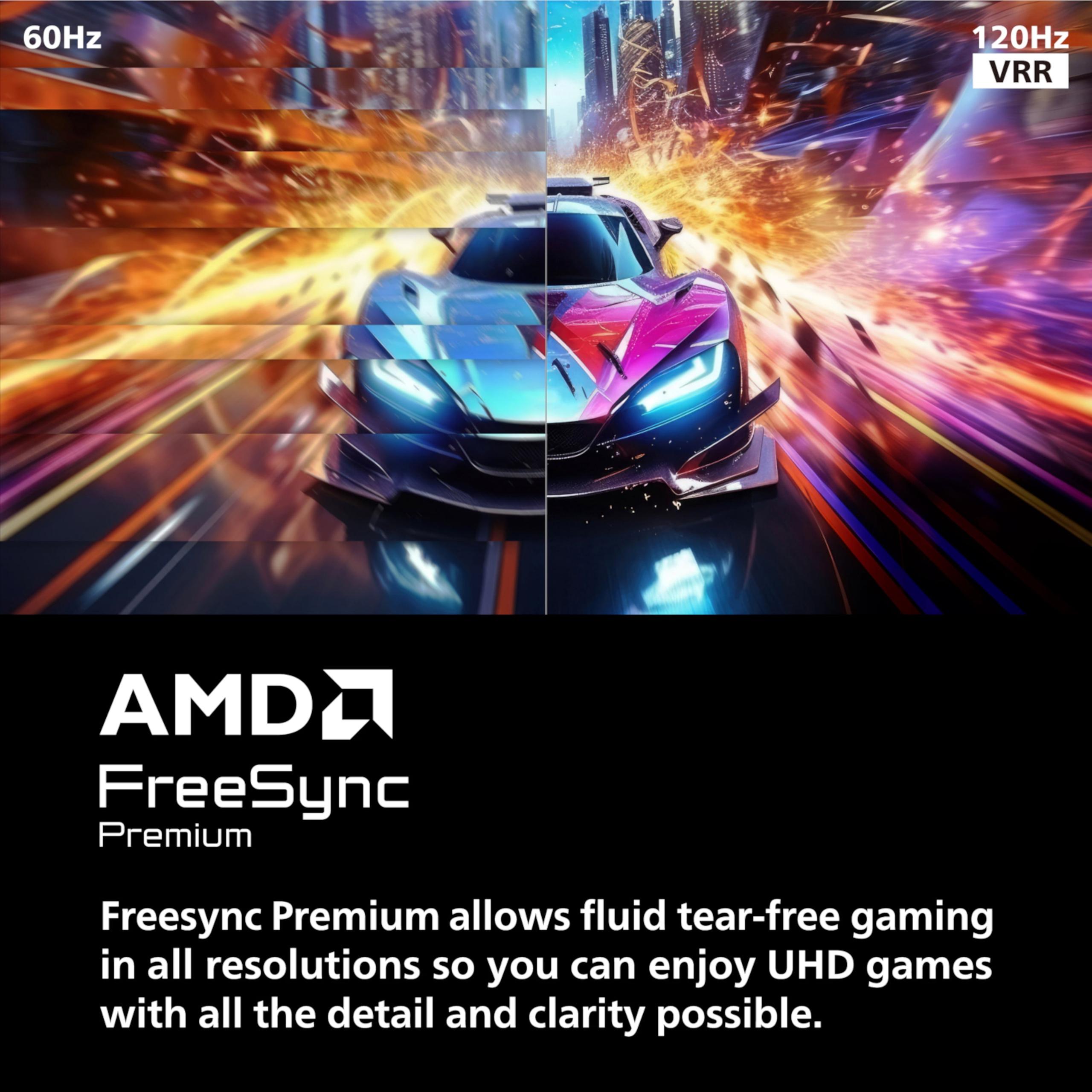
The Philips OLED offers remarkable gaming credentials with its sub-0.1 millisecond response time—that's how quickly pixels can change from one color to another. This nearly instantaneous response eliminates motion blur and ghosting that can affect competitive gaming. The TV includes AMD FreeSync Premium, which synchronizes the display's refresh rate with your console's output to eliminate screen tearing and stuttering.
With HDMI 2.1 support on two ports, the Philips can handle 4K gaming at 120Hz, along with Variable Refresh Rate (VRR) and Auto Low Latency Mode (ALLM). These features ensure the smoothest possible gaming experience with minimal input lag.
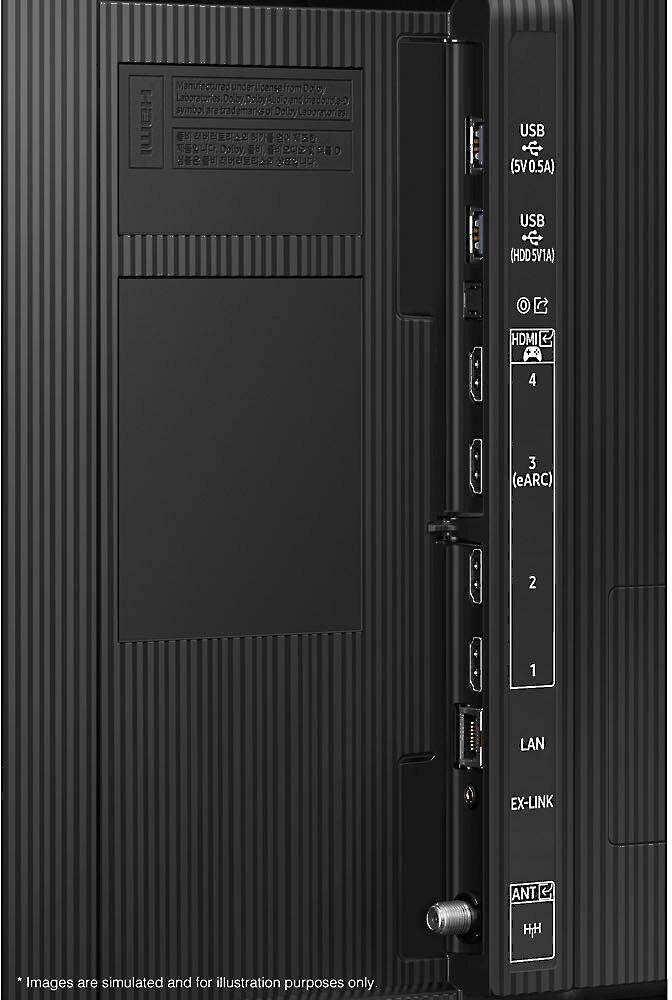
The Samsung QN80F matches these gaming features but goes further with four HDMI 2.1 ports instead of two, providing more flexibility for multiple gaming consoles and other high-bandwidth devices. Samsung's Motion Xcelerator technology supports refresh rates up to 144Hz, which benefits PC gamers with high-end graphics cards.
The Samsung also includes AI Auto Game Mode, which automatically detects when you're gaming and optimizes picture settings accordingly. While both TVs deliver excellent gaming performance, the Samsung's higher brightness makes HDR gaming more impactful—those bright explosions and sunny outdoor environments in games will have more visual punch.
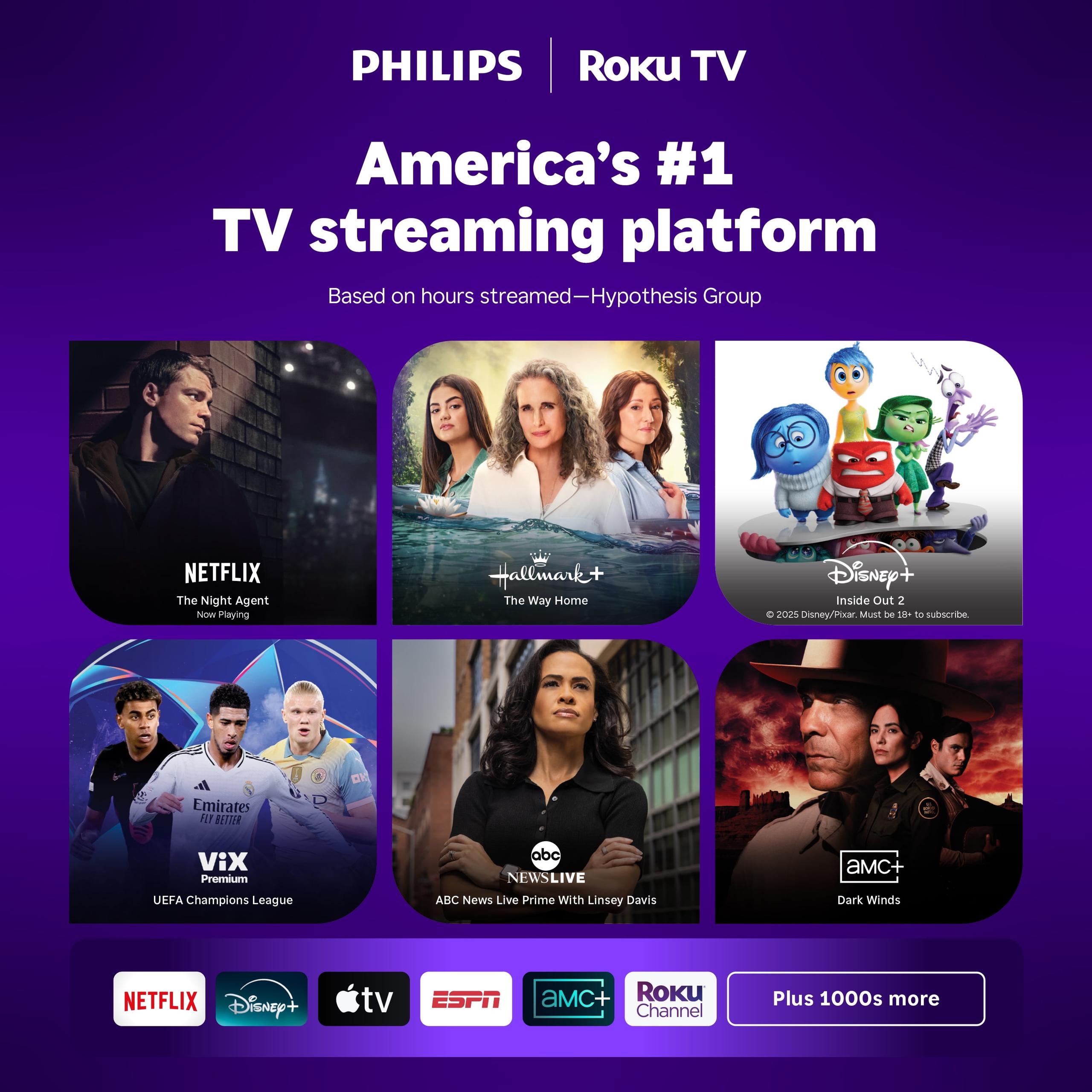
The software experience differs significantly between these TVs. The Philips OLED runs Roku TV, which has earned a reputation for simplicity and reliability. The interface focuses on content discovery rather than flashy features, with a clean home screen that highlights what you want to watch. Roku's extensive app library and regular updates ensure compatibility with virtually every streaming service.
The Bluetooth voice remote allows natural language searches—you can say "find comedies from the 90s" and get relevant results. For users who want their TV to just work without complexity, Roku TV excels.
The Samsung QN80F runs Samsung's Tizen operating system enhanced with Vision AI capabilities. This represents a more feature-rich approach with AI-powered enhancements like Live Translate for real-time subtitle translation, Generative Wallpaper that creates custom backgrounds based on your mood, and adaptive sound optimization that adjusts audio based on room acoustics.
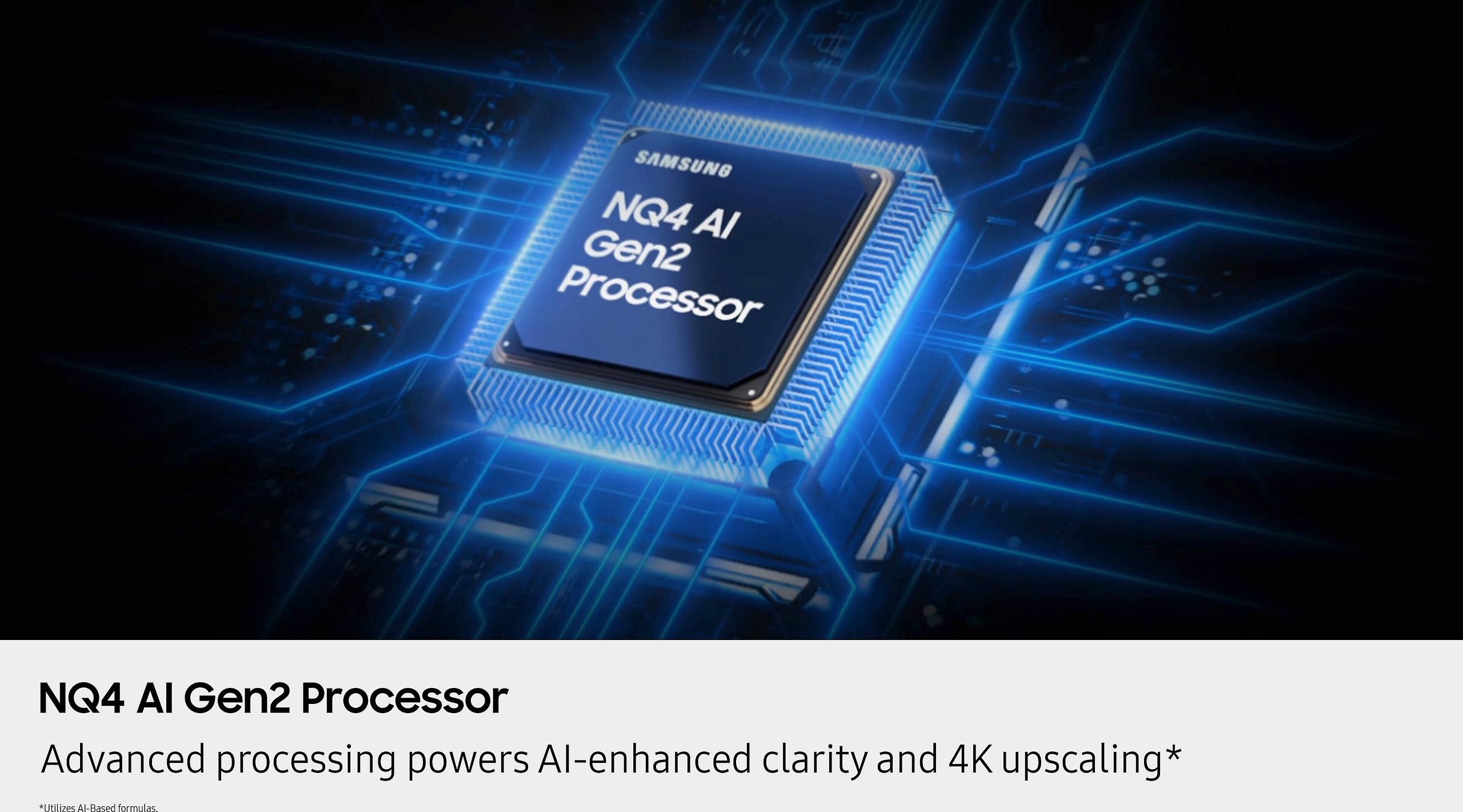
The NQ4 AI Gen2 Processor continuously analyzes content to optimize picture and sound settings automatically. While these features can enhance the viewing experience, they also add complexity that some users might find overwhelming.
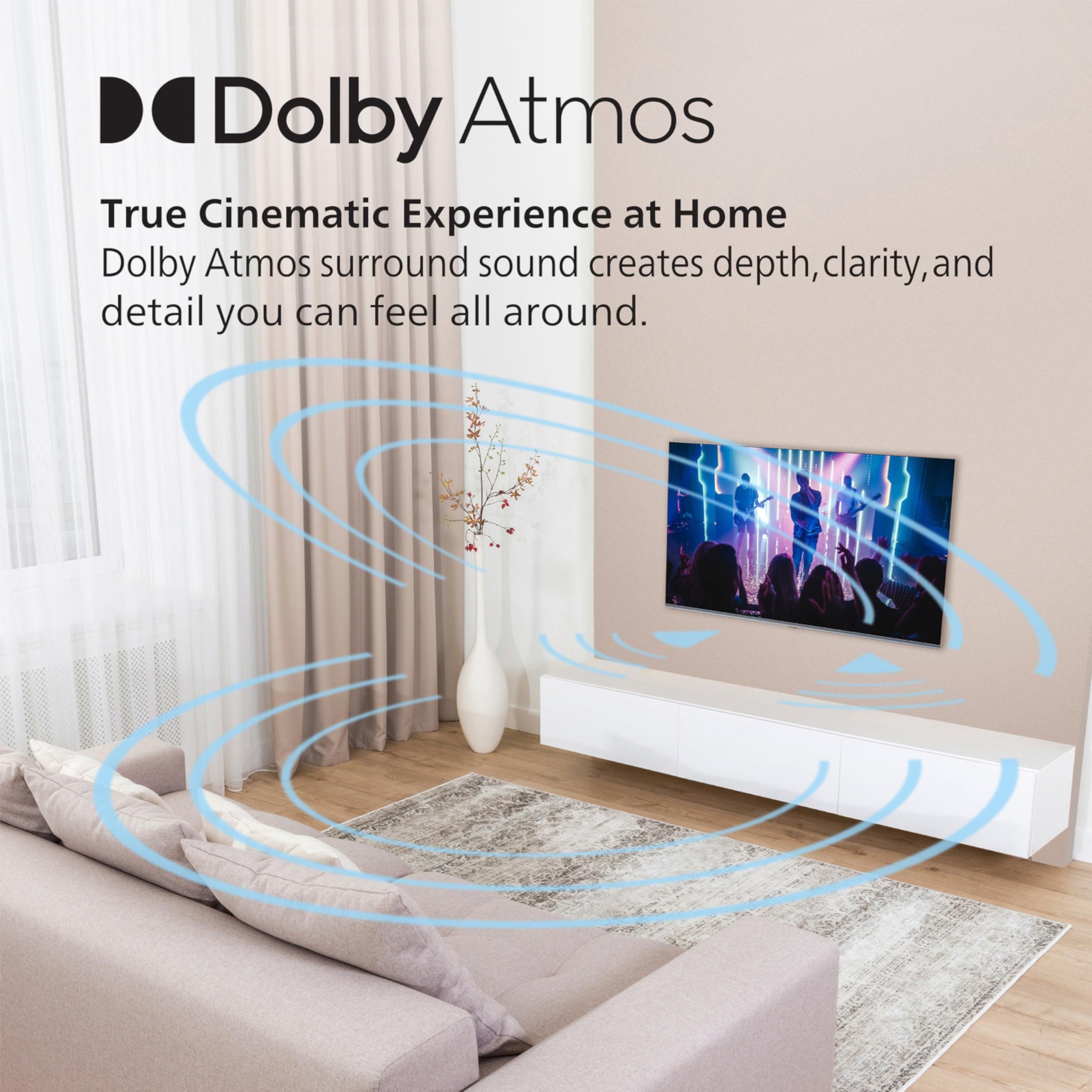
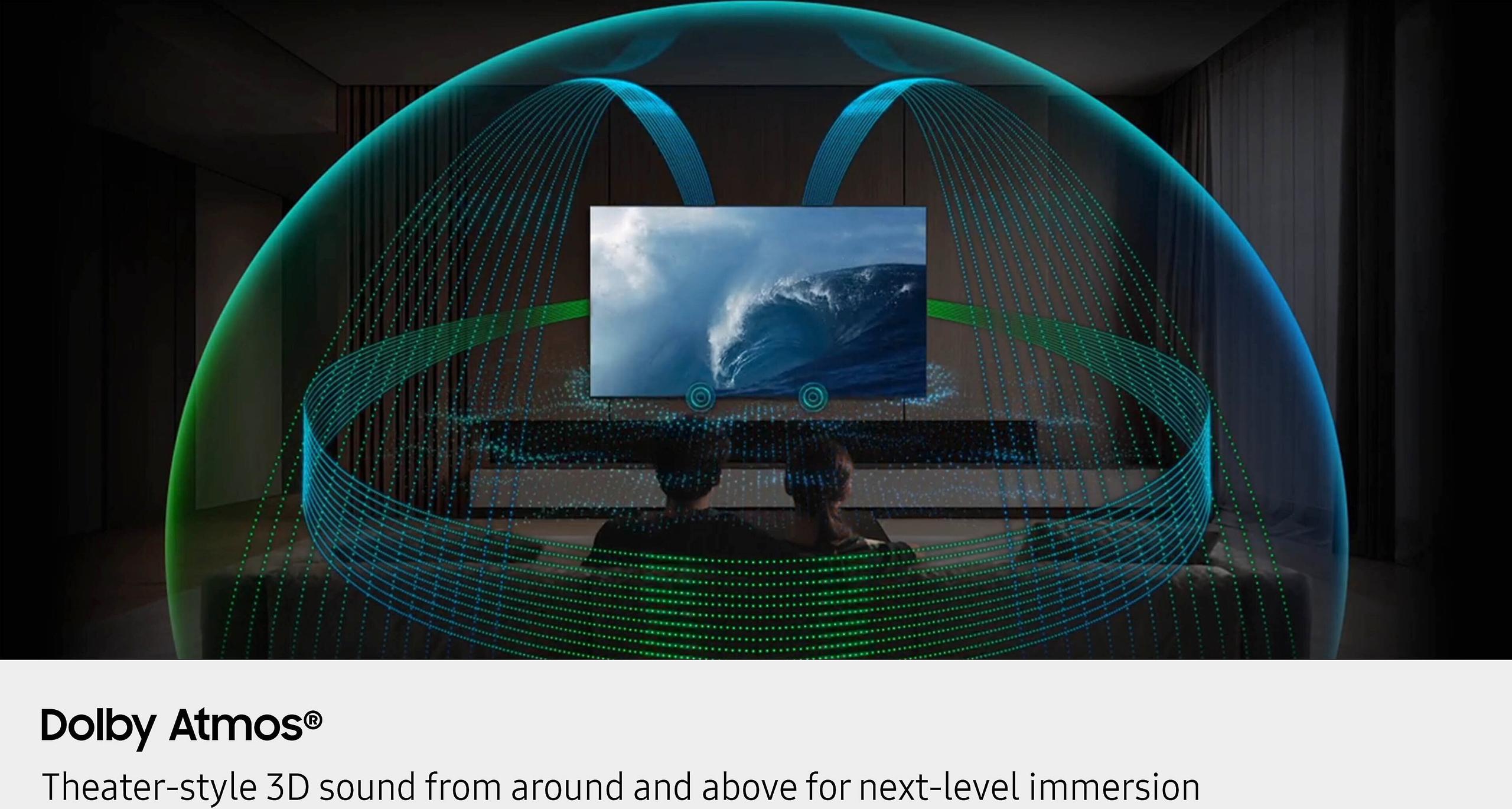
Both TVs include respectable audio systems that outperform basic TV speakers. The Philips OLED features a Dolby 2.1 speaker system with dedicated left, right, and subwoofer channels totaling 55 watts. The inclusion of a separate subwoofer provides better bass response than typical TV speakers, and Dolby Atmos support creates a more immersive soundscape.
The Samsung QN80F also supports Dolby Atmos and includes Adaptive Sound Pro technology that uses AI to analyze audio content and optimize it in real-time. The system can distinguish between dialogue, music, and sound effects, adjusting each element for clarity and balance.
While both provide decent built-in audio, serious home theater enthusiasts will likely want to add a dedicated soundbar or surround sound system to either TV for the full cinematic experience.
For dedicated home theater setups, the Philips OLED has traditionally been the preferred choice among enthusiasts. The combination of perfect blacks and accurate colors creates an experience that closely matches commercial movie theaters. In a properly darkened room, the OLED's picture quality is simply stunning—shadows have depth, stars look like pinpricks of light against true black space, and the overall image has a three-dimensional quality that's hard to describe until you see it.
However, the Samsung QN80F makes a compelling case for bright-room home theaters. If your theater space has some ambient light or if you prefer to keep some lights on while watching, the Samsung's superior brightness and glare resistance might actually provide a better experience.
At the time of writing, both TVs typically fall into the premium category with pricing that reflects their advanced technology. The Philips OLED generally offers excellent value for pure picture quality, especially for users with appropriate viewing environments. OLED technology was once exclusive to the most expensive TVs, so getting this level of performance represents significant value.
The Samsung QN80F usually commands a premium for its versatility and advanced features. The higher price often reflects the broader appeal—it works well in more situations and includes more cutting-edge features like AI processing and enhanced gaming capabilities.
Both manufacturers have continued refining these technologies since their respective launches. OLED panels have improved in brightness over the years, though they still lag behind the best LED TVs. Samsung has advanced their mini-LED technology to include more dimming zones and better local dimming algorithms, while their quantum dot layers have become more efficient at converting light to pure colors.
The processing power in modern TVs has also increased dramatically. AI upscaling can now take lower-resolution content and make it look remarkably close to native 4K, while motion processing has become more sophisticated at reducing judder and blur without creating the "soap opera effect" that many viewers dislike.
Choose the Philips 65OLED974/F7 if you primarily watch TV in a dark or dimly lit room and prioritize the ultimate picture quality experience. This TV excels for movie enthusiasts who want to see films the way directors intended, with perfect blacks creating incredible image depth and contrast. It's also ideal if you prefer a simple, reliable smart TV experience without unnecessary complexity.
The OLED approach makes particular sense for dedicated home theaters, late-night viewing sessions, and anyone who values the cinematic experience above convenience. If you're the type of person who dims the lights to watch movies and appreciates the subtle details in shadow scenes, this TV will deliver an experience that's hard to match.
Choose the Samsung QN80F Neo QLED if you need a TV that performs well in various lighting conditions and want the latest in smart TV technology. This TV makes sense for living rooms with large windows, families who watch TV throughout the day, and users who want impactful HDR performance with bright, vibrant highlights.
The Samsung is also the better choice if you value advanced features like AI processing, extensive gaming connectivity (four HDMI 2.1 ports), or if you simply want a TV that works well regardless of room conditions. Its superior brightness makes it more versatile and potentially a better long-term investment for most homes.
The fundamental question comes down to your viewing environment and priorities. The Philips OLED offers the best possible picture quality in the right conditions, while the Samsung Neo QLED provides better versatility and broader appeal. Both represent excellent choices in the premium TV market—it's just a matter of matching the technology to your specific needs and viewing habits.
| Philips 65OLED974/F7 OLED Roku TV | Samsung QN80F Neo QLED 4K TV |
|---|---|
| Display Technology - Determines contrast performance and viewing environment suitability | |
| OLED with self-illuminating pixels for perfect blacks | Neo QLED with Quantum Dot + Mini-LED for high brightness |
| Peak Brightness - Critical for HDR impact and bright room viewing | |
| Poor brightness, unsuitable for well-lit rooms | Significantly higher brightness, excellent for any lighting |
| Contrast Ratio - Most important factor for picture depth and realism | |
| Infinite contrast ratio with true blacks | Very good contrast but limited by backlighting zones |
| Gaming Features - Essential for console and PC gaming | |
| 120Hz, VRR, FreeSync Premium, 2 HDMI 2.1 ports | 144Hz VRR, 4 HDMI 2.1 ports, AI Auto Game Mode |
| Smart TV Platform - Affects daily usability and app selection | |
| Roku TV (simple, reliable interface) | Tizen with Vision AI (advanced features, more complex) |
| Response Time - Critical for gaming and fast motion clarity | |
| <0.1ms (virtually instantaneous) | Fast response time (specific not disclosed) |
| Color Performance - Affects vibrancy and accuracy | |
| 98.5% DCI-P3, excellent SDR accuracy | Quantum Dot technology, vibrant color volume |
| Audio System - Built-in sound quality | |
| Dolby 2.1 with subwoofer (55W total) | Dolby Atmos with Adaptive Sound Pro |
| Viewing Angles - Important for off-center seating | |
| 176° horizontal/vertical (OLED advantage) | Good but not as wide as OLED |
| Reflection Handling - Affects performance in bright rooms | |
| Solid but shows mirror-like reflections | New glare-free coating significantly reduces reflections |
| AI Processing - Enhances picture quality and upscaling | |
| Basic processing, good gradient handling | NQ4 AI Gen2 Processor with advanced upscaling |
| Best Use Case - Where each TV excels | |
| Dark rooms, home theaters, movie enthusiasts | Bright rooms, versatile viewing, feature-rich experience |
| Weight - Installation and mounting considerations | |
| 47.6 lbs with stand, 46.5 lbs without | 52.2 lbs (heavier, more robust build) |
The Samsung QN80F Neo QLED is significantly better for bright rooms. It delivers much higher peak brightness and features new glare-free coating technology that reduces reflections. The Philips 65OLED974/F7 has poor brightness performance and is unsuitable for well-lit rooms, performing best only in dimly lit or dark environments.
OLED technology in the Philips 65OLED974/F7 uses self-illuminating pixels that can turn completely off for perfect blacks and infinite contrast. Neo QLED in the Samsung QN80F combines quantum dots with mini-LED backlighting for superior brightness but cannot achieve true blacks. OLED excels in dark rooms while Neo QLED performs better in bright environments.
Both TVs offer excellent gaming performance, but the Samsung QN80F Neo QLED has advantages with four HDMI 2.1 ports (vs. two on the Philips OLED), VRR up to 144Hz, and AI Auto Game Mode. The Philips offers sub-0.1ms response time and AMD FreeSync Premium. The Samsung provides more connectivity flexibility for multiple gaming devices.
The Philips 65OLED974/F7 is traditionally preferred for dedicated dark home theaters due to its perfect blacks and cinematic picture quality. However, the Samsung QN80F works better for home theaters with ambient light thanks to its superior brightness and glare resistance. Both support Dolby Atmos for immersive audio.
The Samsung QN80F Neo QLED offers more advanced smart features with Vision AI capabilities, including Live Translate, Generative Wallpaper, and adaptive optimization. The Philips OLED runs simpler Roku TV software that's more reliable and user-friendly but with fewer advanced features. Choose Samsung for features, Philips for simplicity.
The Samsung QN80F delivers superior HDR performance due to its much higher peak brightness, making highlights pop and colors appear more vibrant. The Philips 65OLED974/F7 has muted HDR performance where bright scenes don't stand out as intended, though it excels with shadow detail and contrast in dark scenes.
Picture quality depends on viewing conditions. The Philips 65OLED974/F7 offers superior picture quality in dark rooms with perfect blacks and infinite contrast. The Samsung QN80F provides better overall picture quality in most real-world conditions due to its higher brightness and versatility across different lighting environments.
Both TVs handle sports well, but the Samsung Neo QLED is better for daytime sports viewing in bright rooms. The Philips OLED offers crystal-clear motion and wide viewing angles but struggles with glare in well-lit settings. Both have fast response times that eliminate motion blur during fast-paced action.
Value depends on your priorities. The Philips 65OLED974/F7 typically offers excellent value for pure picture quality in appropriate viewing environments. The Samsung QN80F provides better long-term value due to its versatility, advanced features, and performance across various conditions, though it usually costs more.
The Philips OLED features a Dolby 2.1 speaker system with a dedicated subwoofer for better bass response. The Samsung Neo QLED includes Dolby Atmos with Adaptive Sound Pro that uses AI to optimize audio. Both provide decent built-in sound, with slight advantage to Philips for the dedicated subwoofer.
The Samsung QN80F Neo QLED appears more future-proof with four HDMI 2.1 ports, advanced AI processing, and support for emerging features. The Philips 65OLED974/F7 offers solid future-proofing with two HDMI 2.1 ports and reliable Roku platform updates, but Samsung provides more connectivity options and processing power.
Choose the Samsung QN80F Neo QLED for most living rooms, especially those with windows or variable lighting. Its brightness and glare resistance make it more versatile for daily use. Only choose the Philips 65OLED974/F7 if your living room can be darkened and you prioritize the ultimate picture quality over room lighting flexibility.
We've done our best to create useful and informative comparisons to help you decide what product to buy. Our research uses advanced automated methods to create this comparison and perfection is not possible - please contact us for corrections or questions. These are the sites we've researched in the creation of this article: rtings.com - versus.com - versus.com - rtings.com - samsclub.com - versus.com - youtube.com - usa.philips.com - bestbuy.com - usa.philips.com - consumerreports.org - usa.philips.com - documents.philips.com - tvoutlet.ca - displayspecifications.com - business.walmart.com - displayspecifications.com - ecoustics.com - walmart.com - samsung.com - theshortcut.com - youtube.com - bestbuy.com - rtings.com - samsung.com - samsung.com - samsung.com - sargentappliance.com - displayspecifications.com - bestbuy.com

Privacy Policy
Terms and Conditions - Affiliate Policy
Home Security
© Copyright 2008-2026.
11816 Inwood Rd #1211, Dallas, TX 75244