

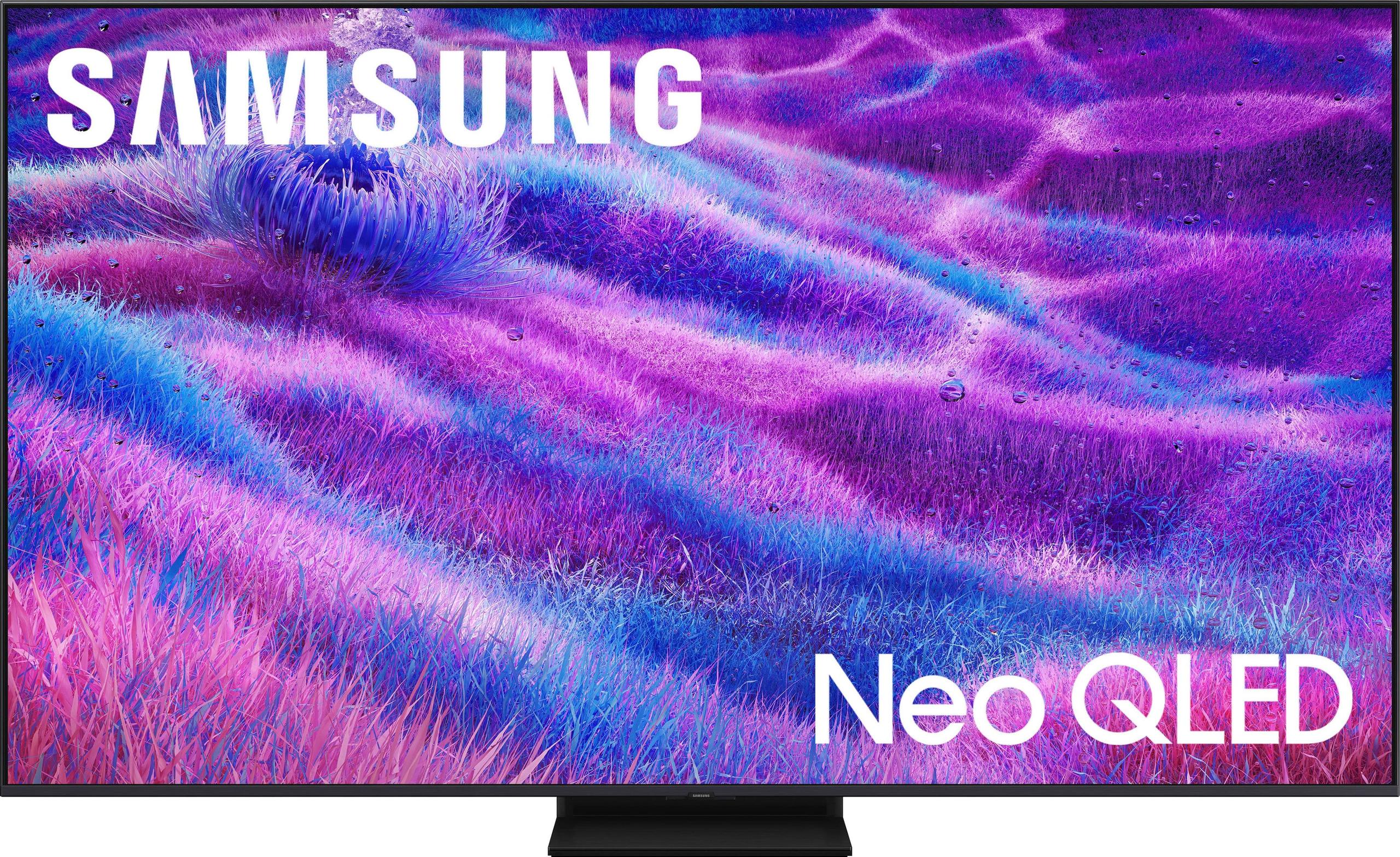
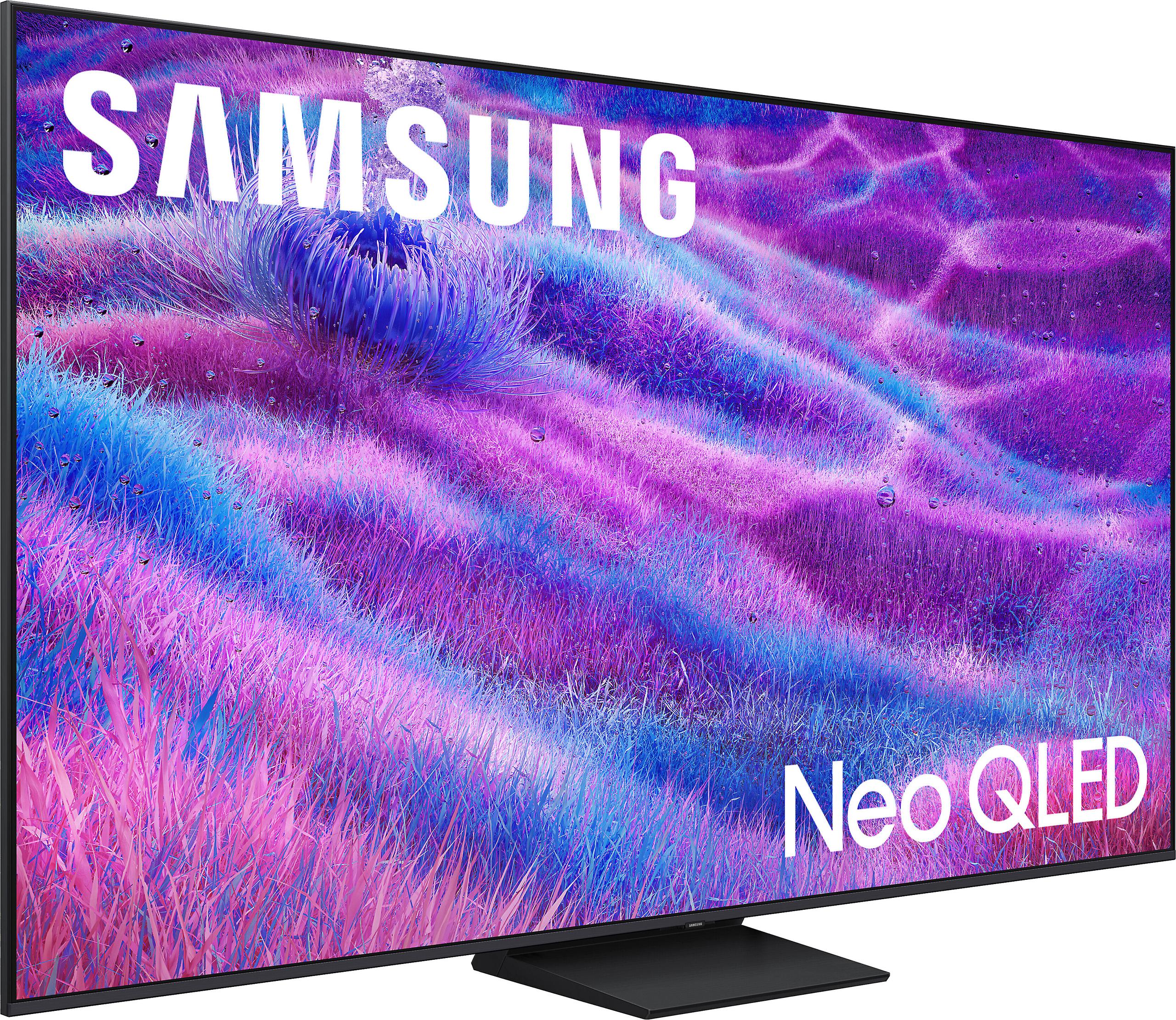
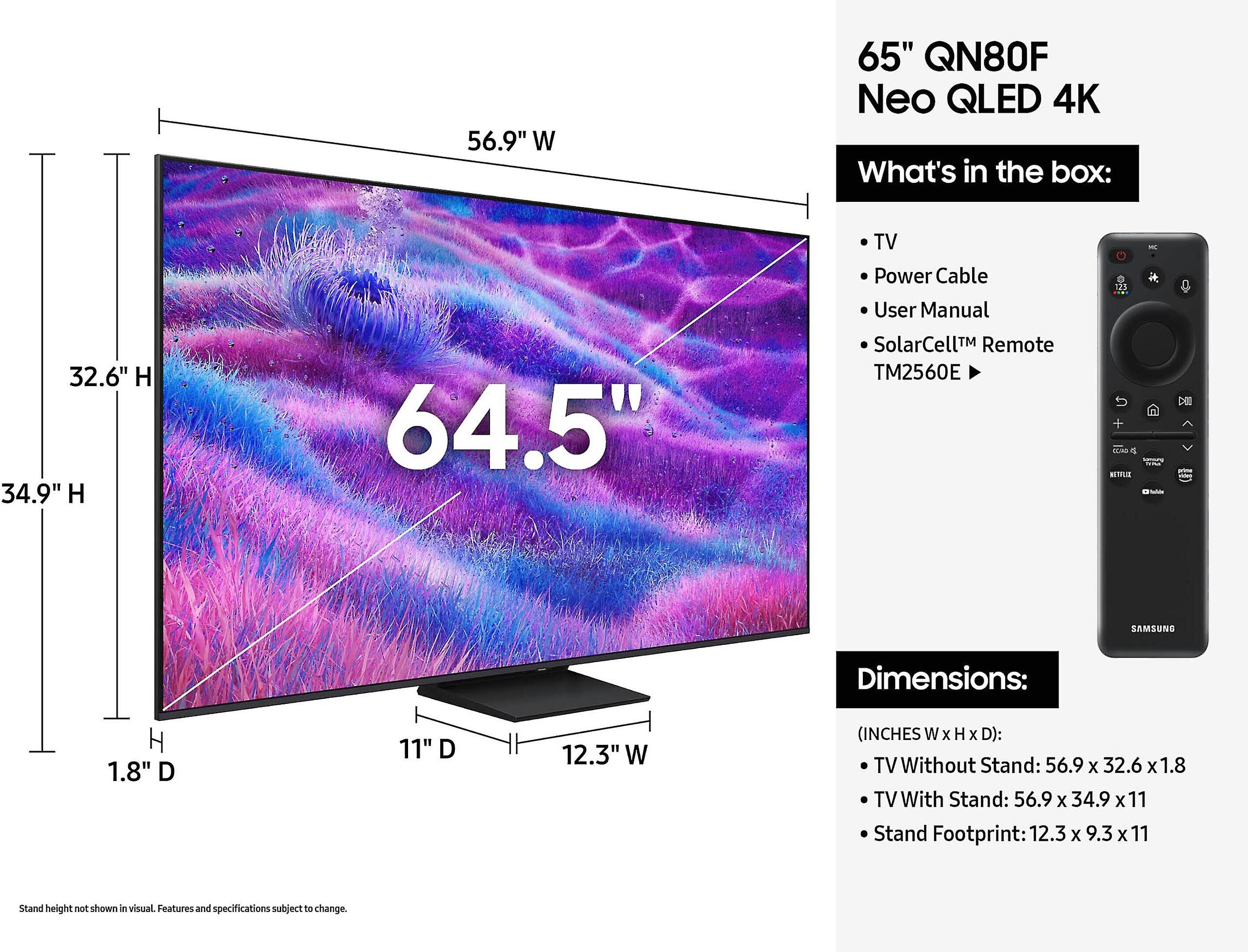
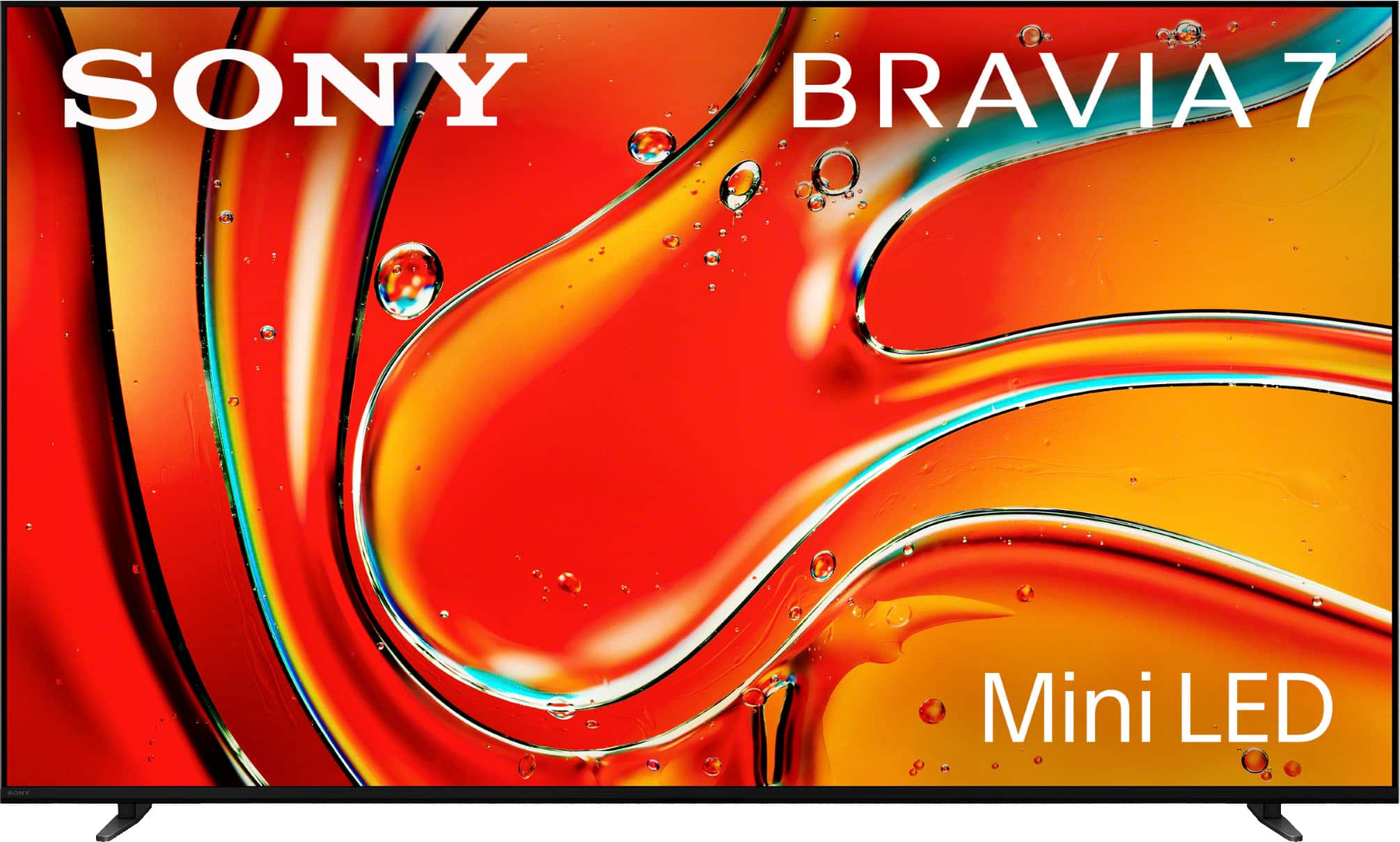
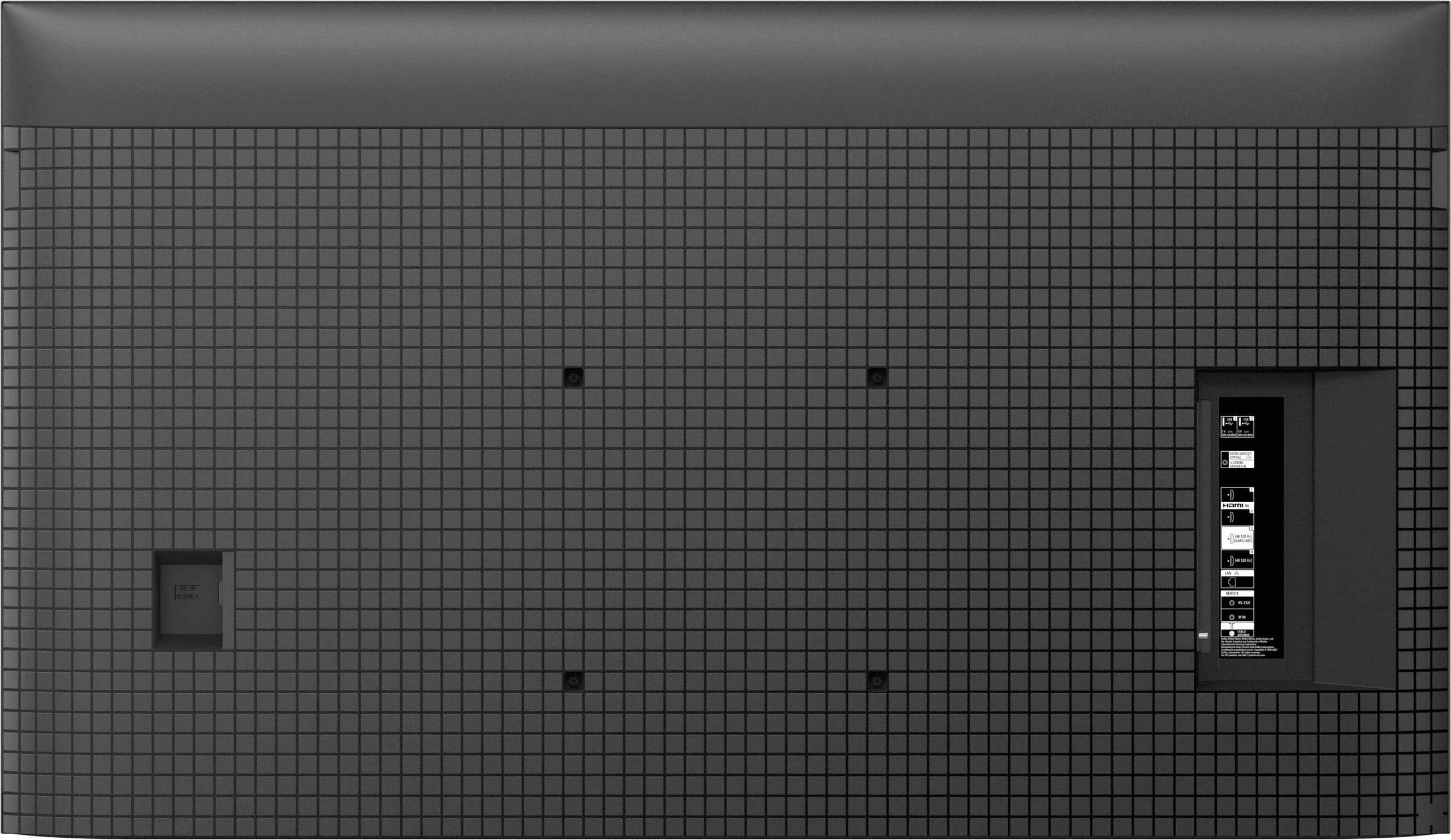
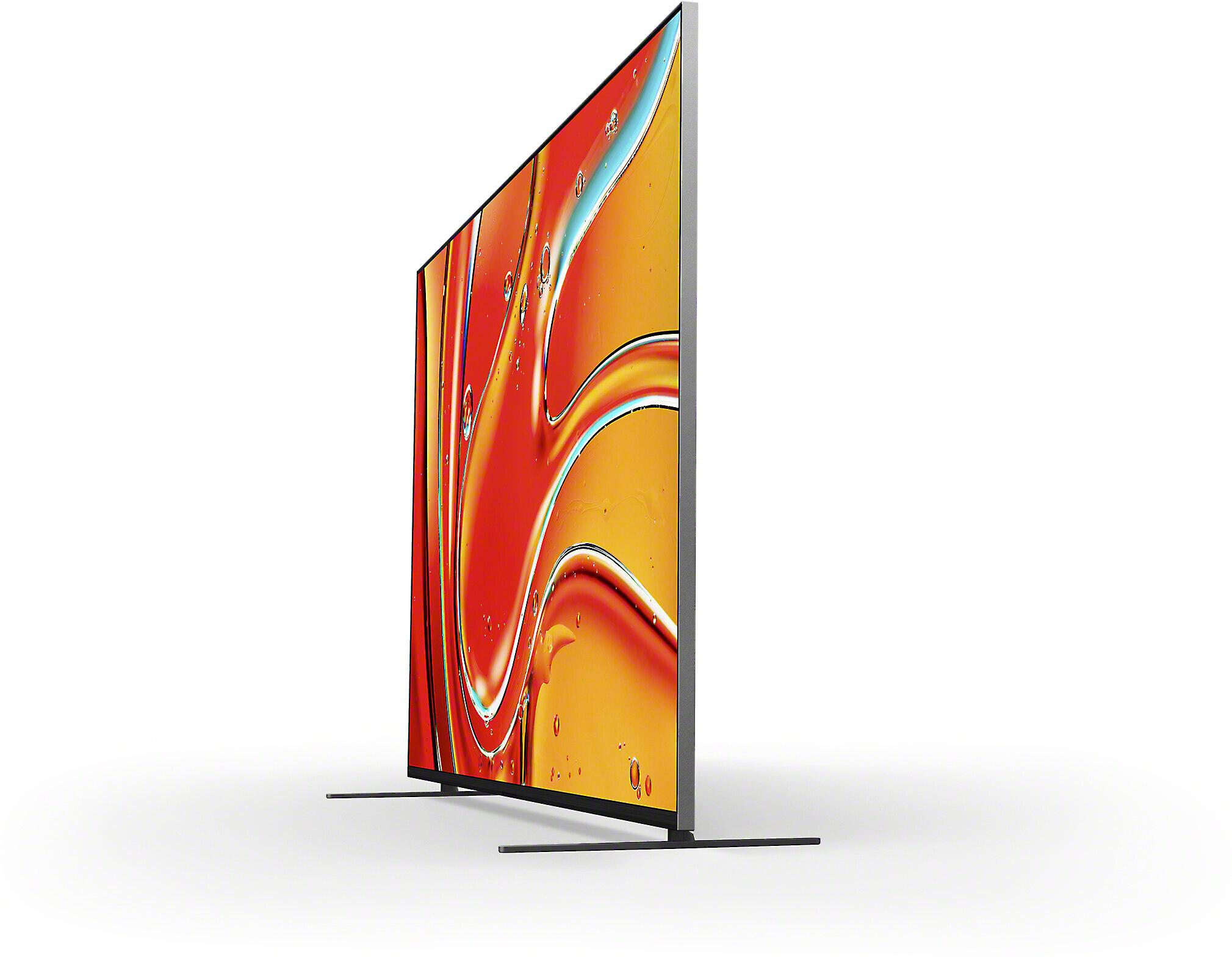
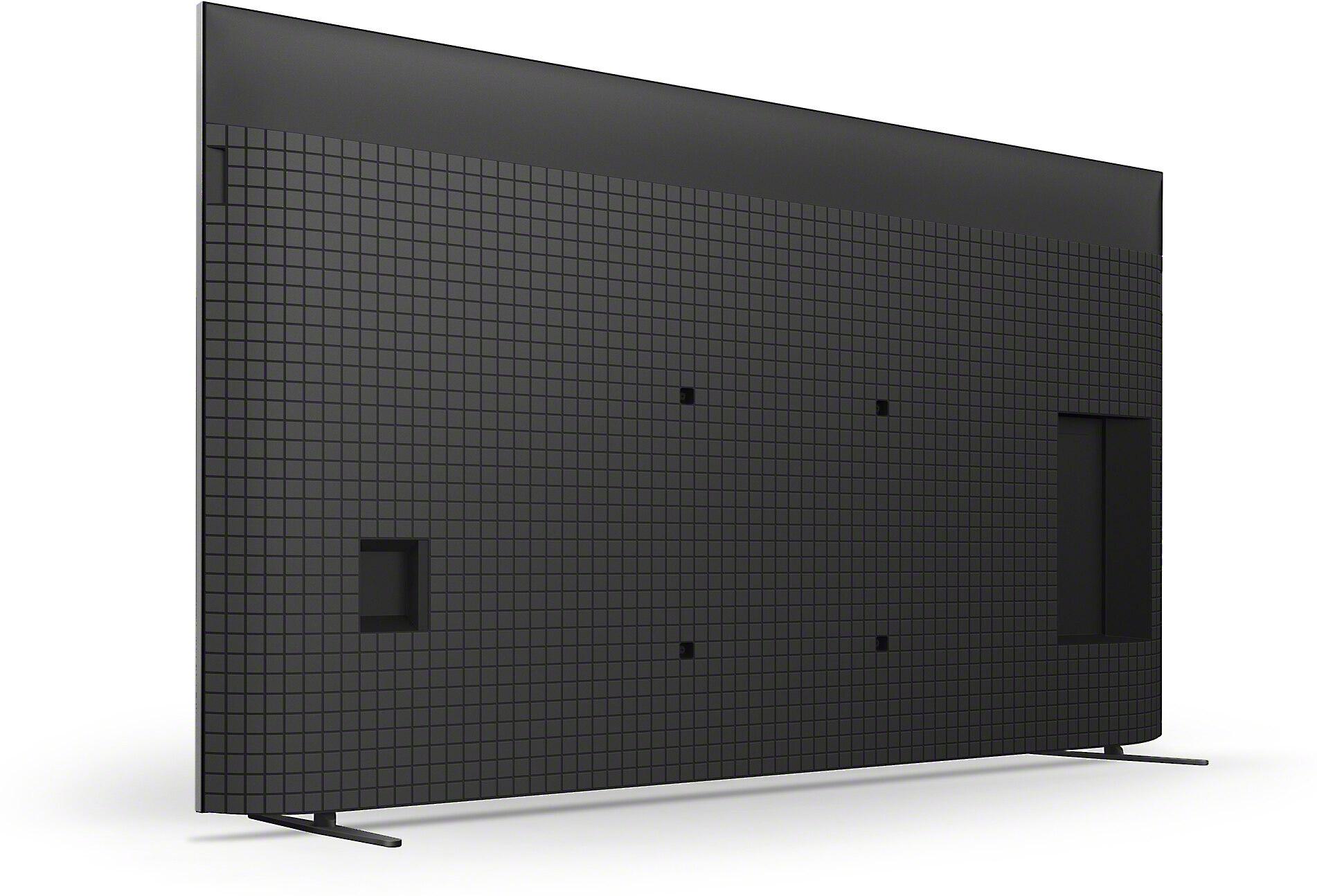
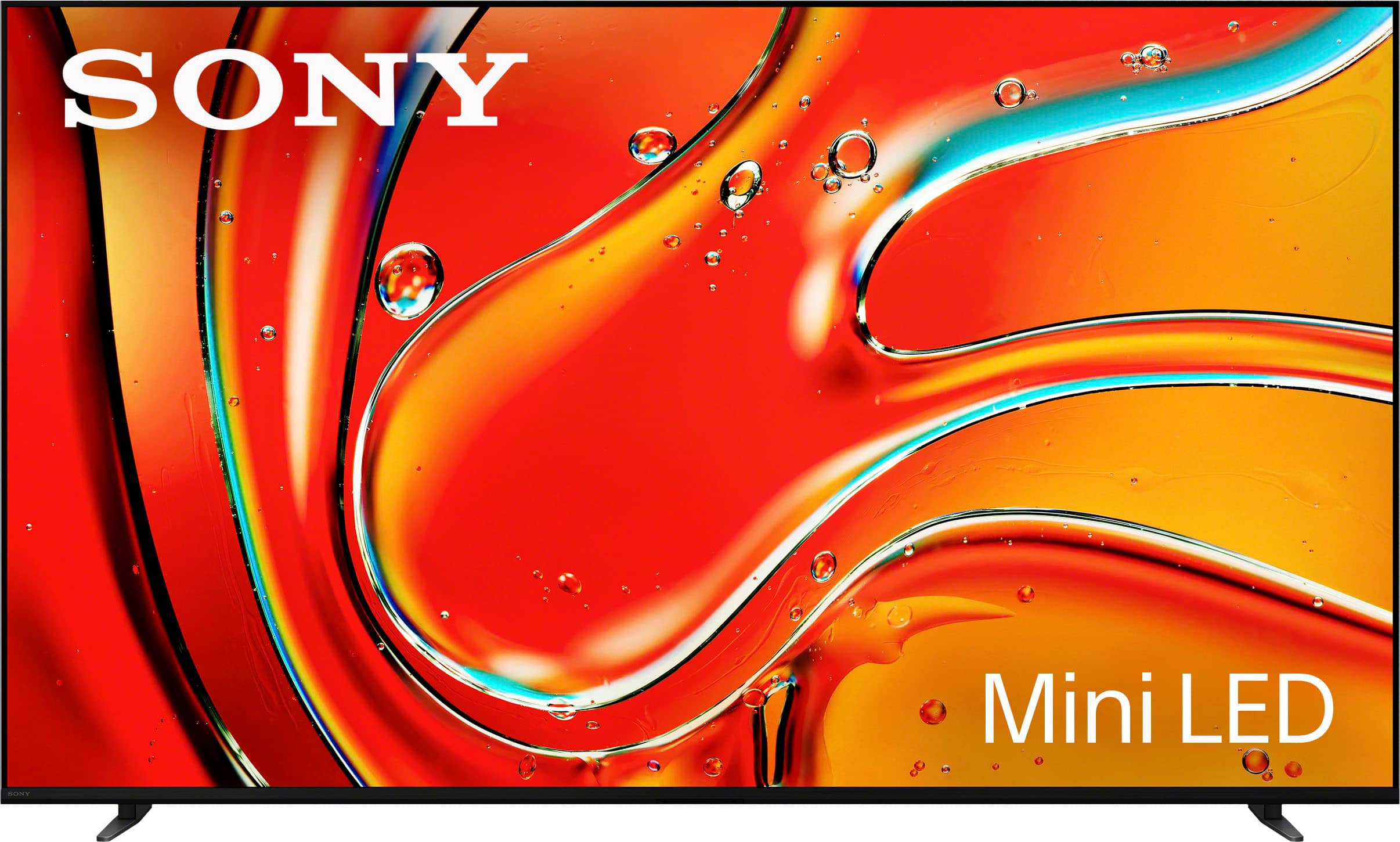
Choosing the right 65-inch TV can feel overwhelming, especially when you're looking at premium mid-range models that promise flagship features without the eye-watering price tags. Today we're diving deep into two excellent options that take fundamentally different approaches: the Samsung QN80F Neo QLED and the Sony BRAVIA 7.
At the time of writing, these TVs sit in that sweet spot where you get serious performance without breaking the bank completely. The Samsung QN80F typically runs about $300-400 more than the Sony BRAVIA 7, which immediately raises the question: is Samsung's premium justified, or does Sony offer better bang for your buck?
Before we jump into the specifics, let's talk about what makes a TV "premium mid-range." These aren't the absolute flagship models with every bell and whistle, but they're a significant step up from basic 4K TVs. You're getting advanced backlighting technology called Mini LED (think thousands of tiny LEDs behind the screen for better contrast), AI-powered processors that make everything look sharper, serious gaming capabilities, and smart TV platforms that actually work well.
The main things you should care about in this category are picture quality (how good everything looks), gaming performance (if you play games), smart features (apps and streaming), build quality, and overall value. Different brands prioritize these differently, which is exactly what we see with these two models.
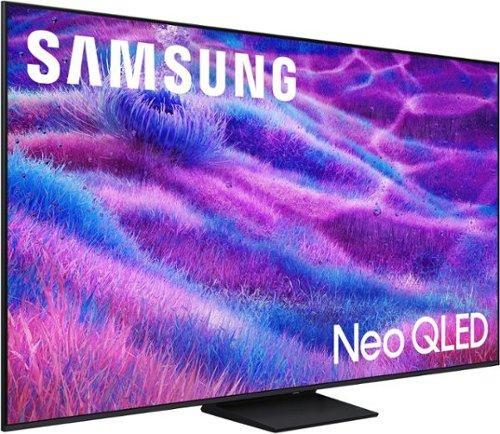
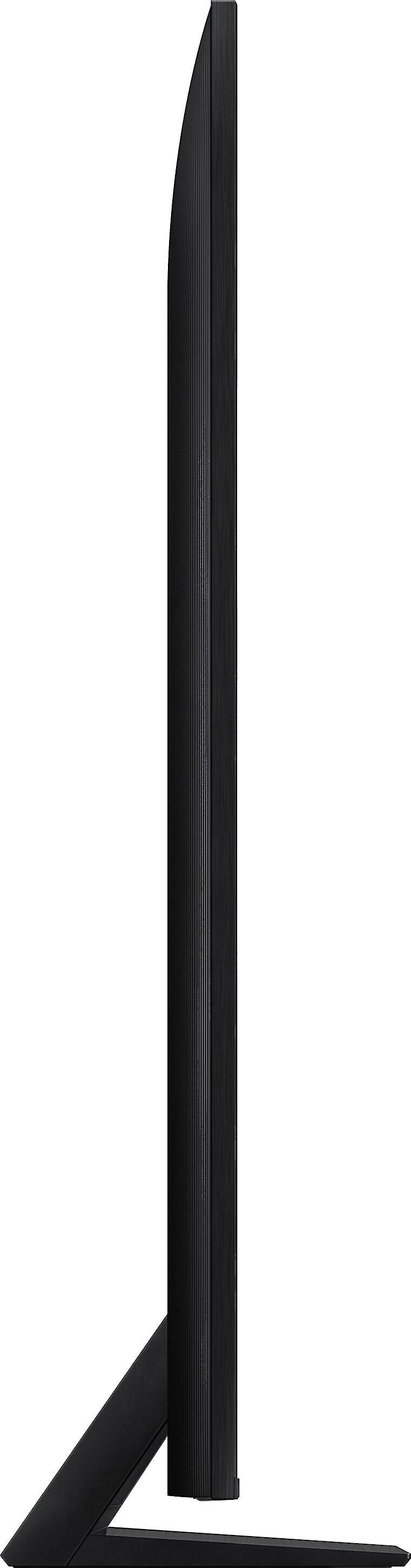
The Samsung QN80F Neo QLED, released in 2025, represents Samsung's latest push into gaming-focused TVs. Since around 2020, Samsung has been increasingly aggressive about courting gamers, and the QN80F is their most ambitious mid-range effort yet. It packs a 144Hz refresh rate – that's 144 pictures per second compared to the standard 60 – which is honestly overkill for most people but fantastic for PC gaming enthusiasts.
The Sony BRAVIA 7, also from the current generation, takes Sony's traditional approach: make everything look as accurate and natural as possible. Sony has decades of experience in professional video equipment, and they lean heavily on that expertise. While Samsung is chasing specs, Sony is chasing perfection in color reproduction and image processing.
Here's where things get interesting, and honestly, where most people should focus their attention since you'll spend way more time watching TV than gaming on it.
The Sony BRAVIA 7 simply produces more accurate, natural-looking colors. Sony's XR Triluminos Pro technology expands the color palette to show more nuanced shades, while their image processing algorithms are genuinely impressive. When you're watching a nature documentary, skin tones look like skin tones, not like someone cranked up the saturation slider.
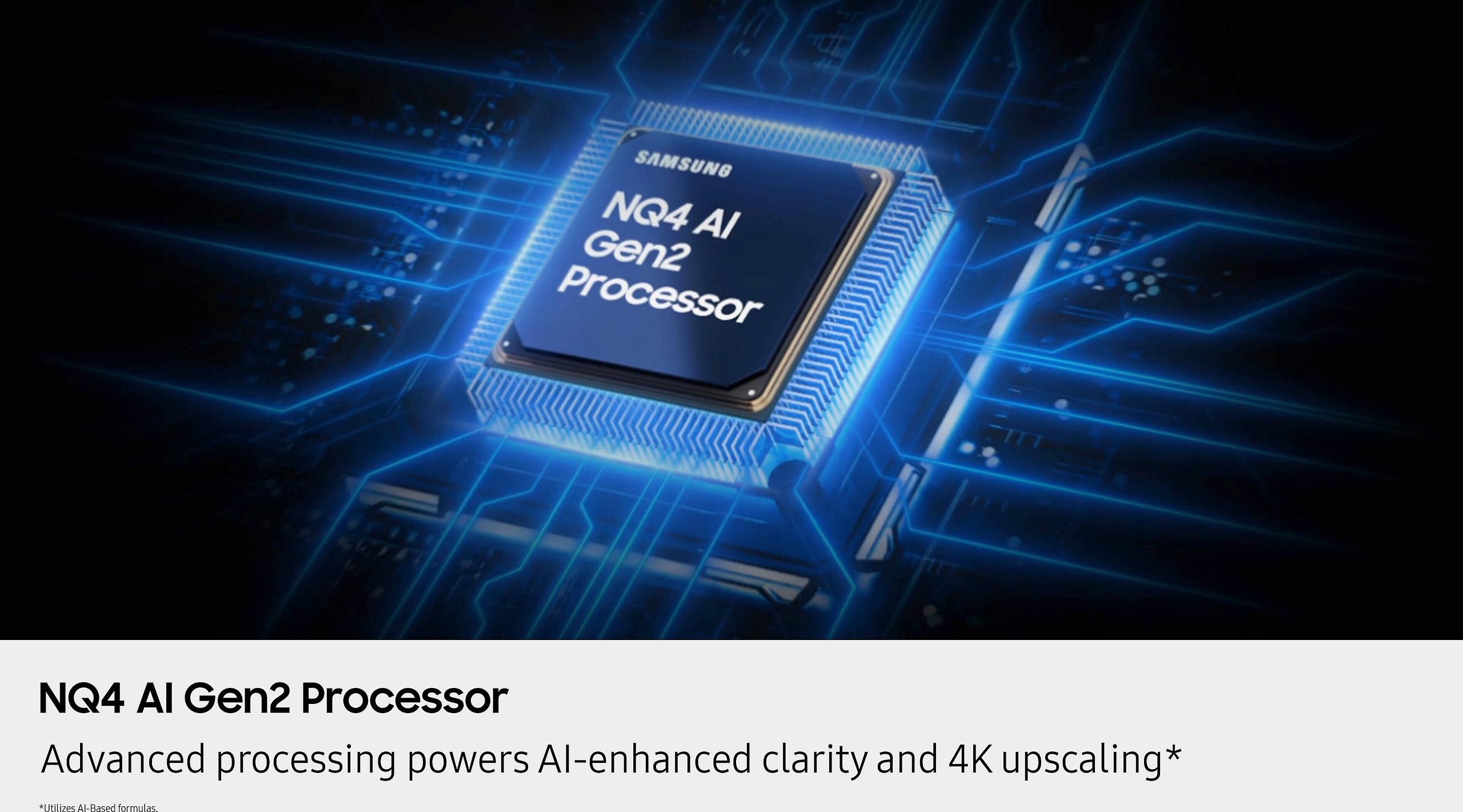
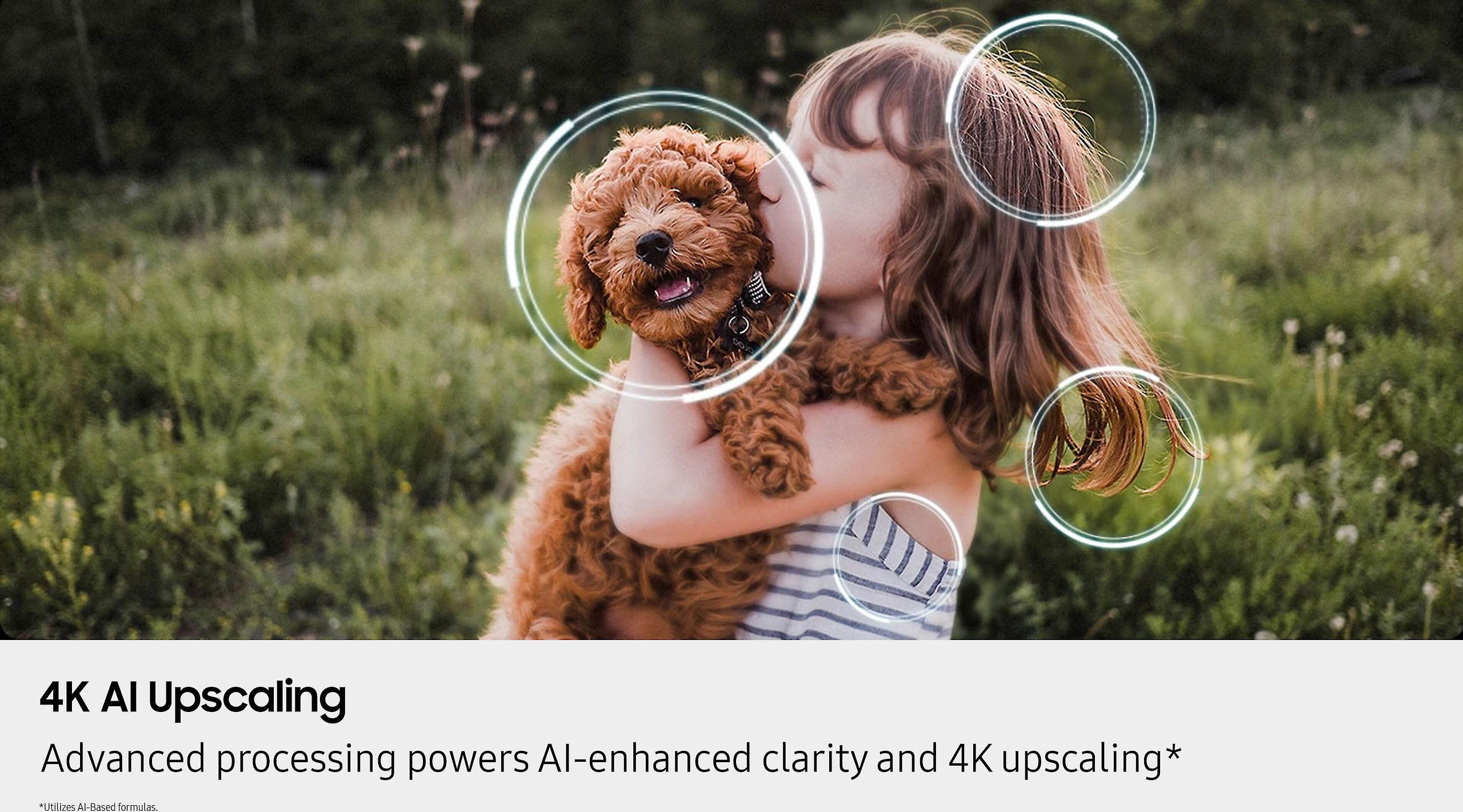
The Samsung QN80F, while bright and punchy, sometimes oversaturates colors in that classic Samsung way. Some people love this – it makes everything pop – but it's not technically accurate. Samsung's NQ4 AI Gen2 processor, powered by 20 neural networks, does excellent work upscaling lower-resolution content, but Sony's overall processing still feels more refined.
HDR (High Dynamic Range) makes bright things brighter and dark things darker, creating more realistic contrast. Both TVs support HDR, but they support different formats, which matters depending on what you watch.
The Sony BRAVIA 7 supports Dolby Vision, which is arguably the superior HDR format used by Netflix, Disney+, and most premium streaming content. It's dynamic, meaning it adjusts the picture scene by scene for optimal results. The Samsung QN80F skips Dolby Vision entirely, sticking with HDR10+ instead. HDR10+ is decent and supported by Amazon Prime Video, but Dolby Vision is more widespread.
In terms of raw brightness, both TVs hit similar peak levels around 900+ nits in small areas of the screen, which is plenty for good HDR performance in most rooms. However, the Sony tends to handle brightness transitions more smoothly, while the Samsung can sometimes feel aggressive with its brightness changes.
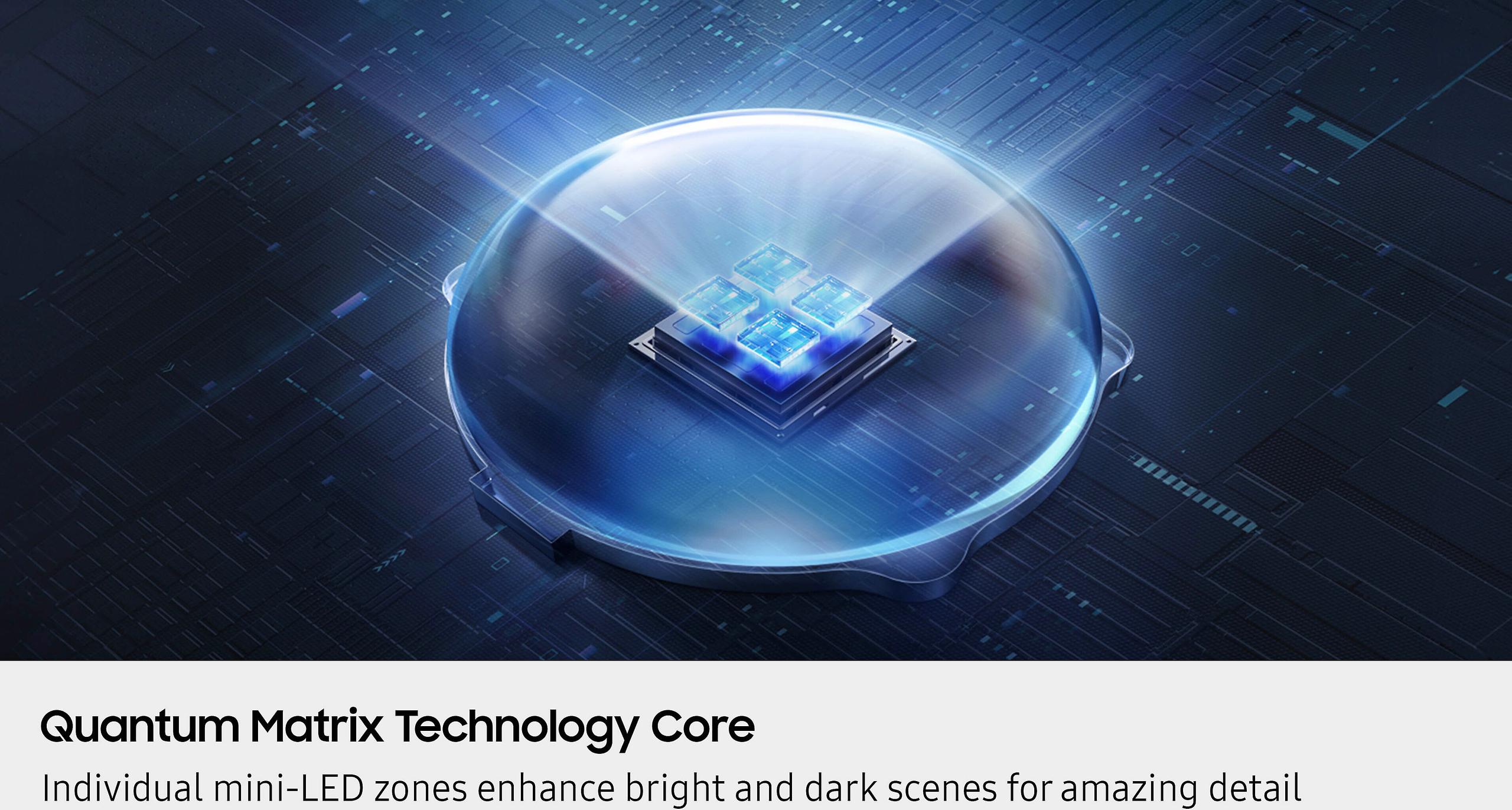
Both TVs use Mini LED backlighting, which is a significant upgrade from standard LED backlighting. Instead of having a few dozen LED zones behind the screen, Mini LED uses thousands of tiny LEDs that can be controlled independently. This means when you're watching a scene with both bright stars and a dark night sky, the TV can make the stars bright while keeping the sky dark, rather than making everything gray.
The Samsung QN80F uses what they call Quantum Matrix Technology, which sounds fancy but essentially boils down to precise control of these Mini LEDs. The Sony BRAVIA 7 uses XR Backlight Master Drive, which takes a similar approach but with Sony's characteristic focus on accuracy over flashiness.
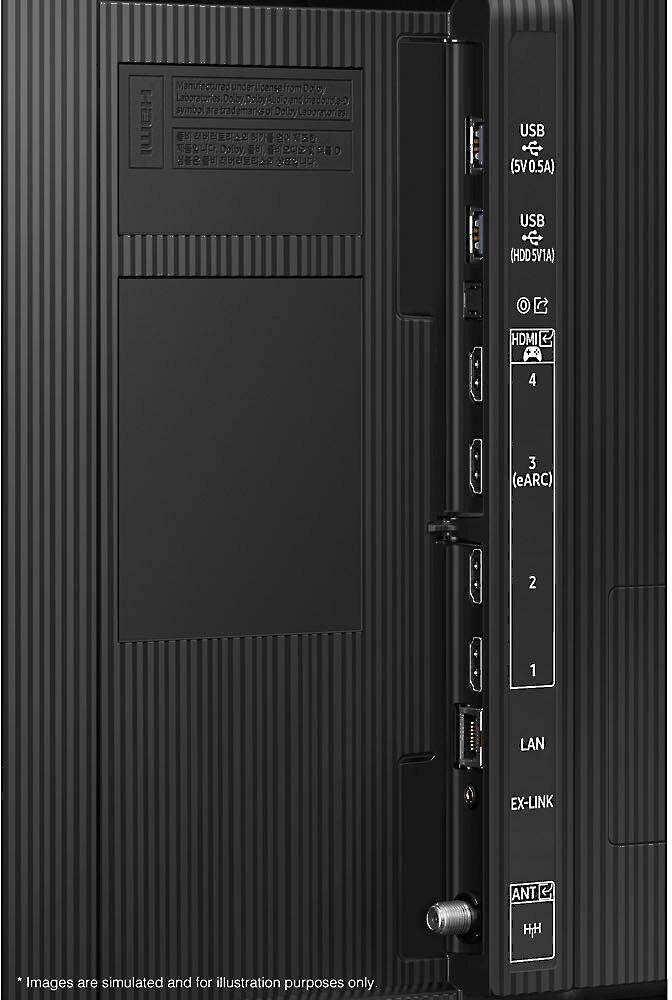
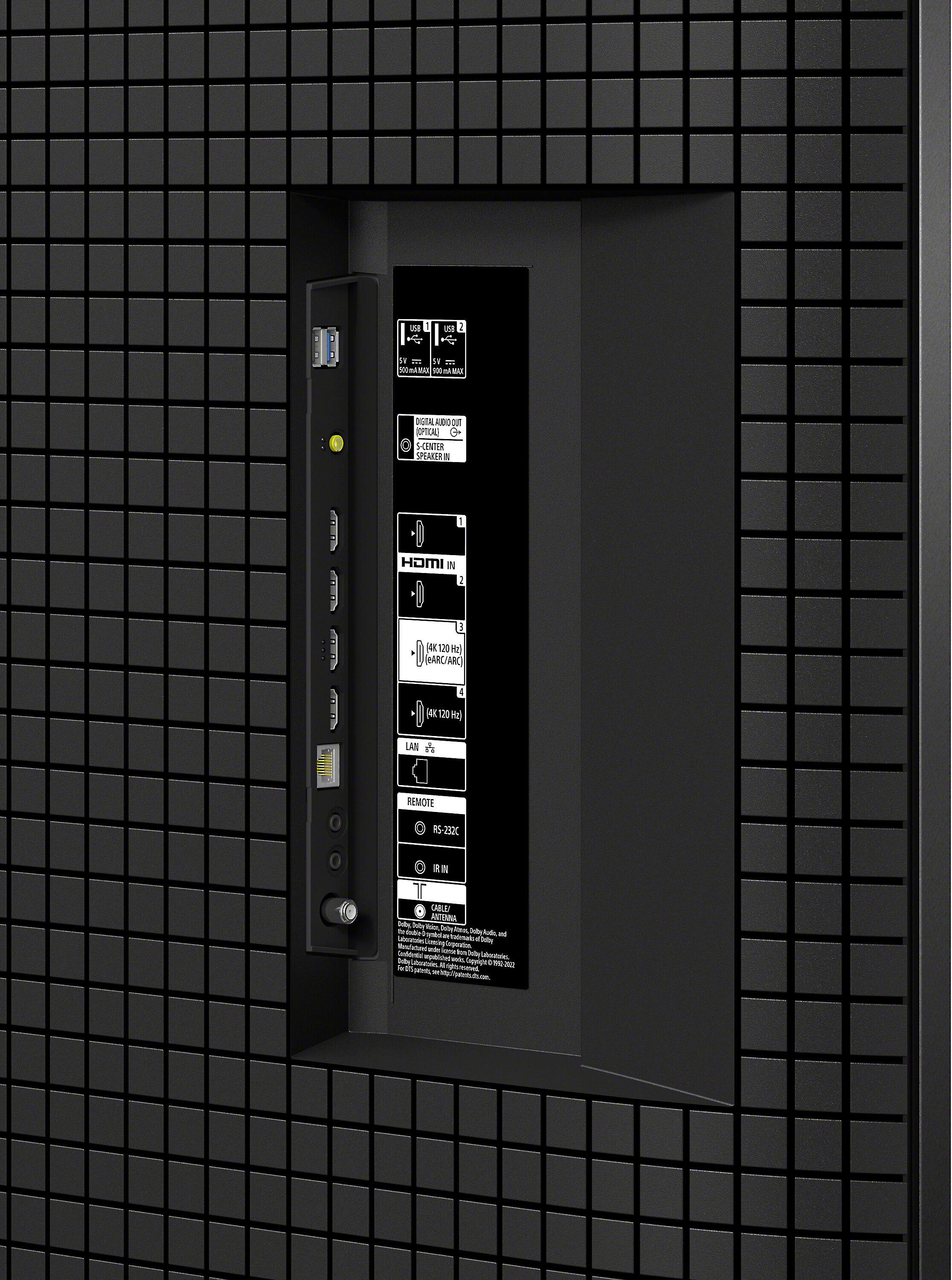
If you're a serious gamer, especially if you game on PC, the Samsung QN80F Neo QLED is frankly in a different league. That 144Hz refresh rate isn't just marketing – it genuinely makes fast-paced games smoother and more responsive. All four HDMI ports support the full 4K/144Hz specification with Variable Refresh Rate (VRR), which eliminates screen tearing and stuttering.
VRR is crucial for modern gaming. It lets the TV sync its refresh rate with your gaming device's output, so if your console or PC is pushing 87 frames per second, the TV displays exactly 87 refreshes per second instead of trying to fit it into a fixed 60Hz or 120Hz pattern.
The Sony BRAVIA 7 maxes out at 120Hz, which is still excellent and sufficient for PlayStation 5 and Xbox Series X gaming. It supports VRR and ALLM (Auto Low Latency Mode), which automatically switches to game mode when it detects a gaming signal. The input lag – the delay between pressing a button and seeing the action on screen – is impressively low at under 8.5ms.
Here's where the Samsung QN80F's higher price starts to make sense. While 120Hz is fine for today's consoles, PC gaming is already pushing beyond that, and future gaming consoles might too. If you plan to keep your TV for 5-7 years and you're a gaming enthusiast, the 144Hz capability could matter down the road.
However, for most people gaming on consoles, the Sony BRAVIA 7's 120Hz is perfectly adequate and will remain so for years to come.
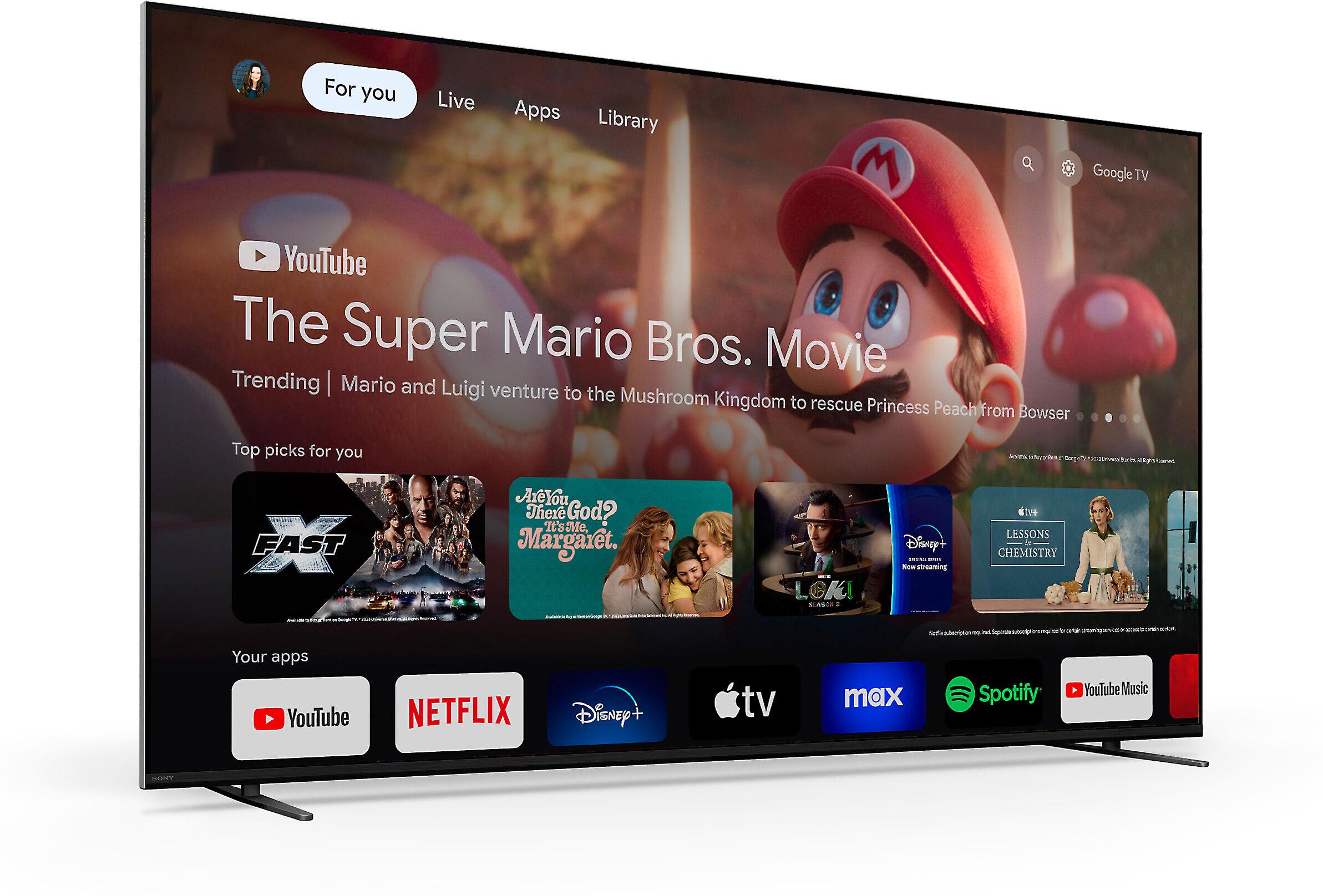
Both TVs offer solid smart TV experiences, but with different approaches. The Sony BRAVIA 7 runs Google TV, which is clean, fast, and integrates well with the broader Google ecosystem. It supports Chromecast built-in and AirPlay 2, making it easy to stream from phones and tablets. The interface is intuitive, and app support is comprehensive.
The Samsung QN80F uses Samsung's Tizen platform with their Vision AI suite. This includes some genuinely cool features like Live Translate for foreign content and Generative Wallpaper that creates AI-generated backgrounds. Bixby, Samsung's voice assistant, has improved significantly and can now handle multiple commands simultaneously.
Both platforms work well, but Google TV feels more universally compatible, while Samsung's platform offers more unique AI-powered features that some users will love and others will ignore.
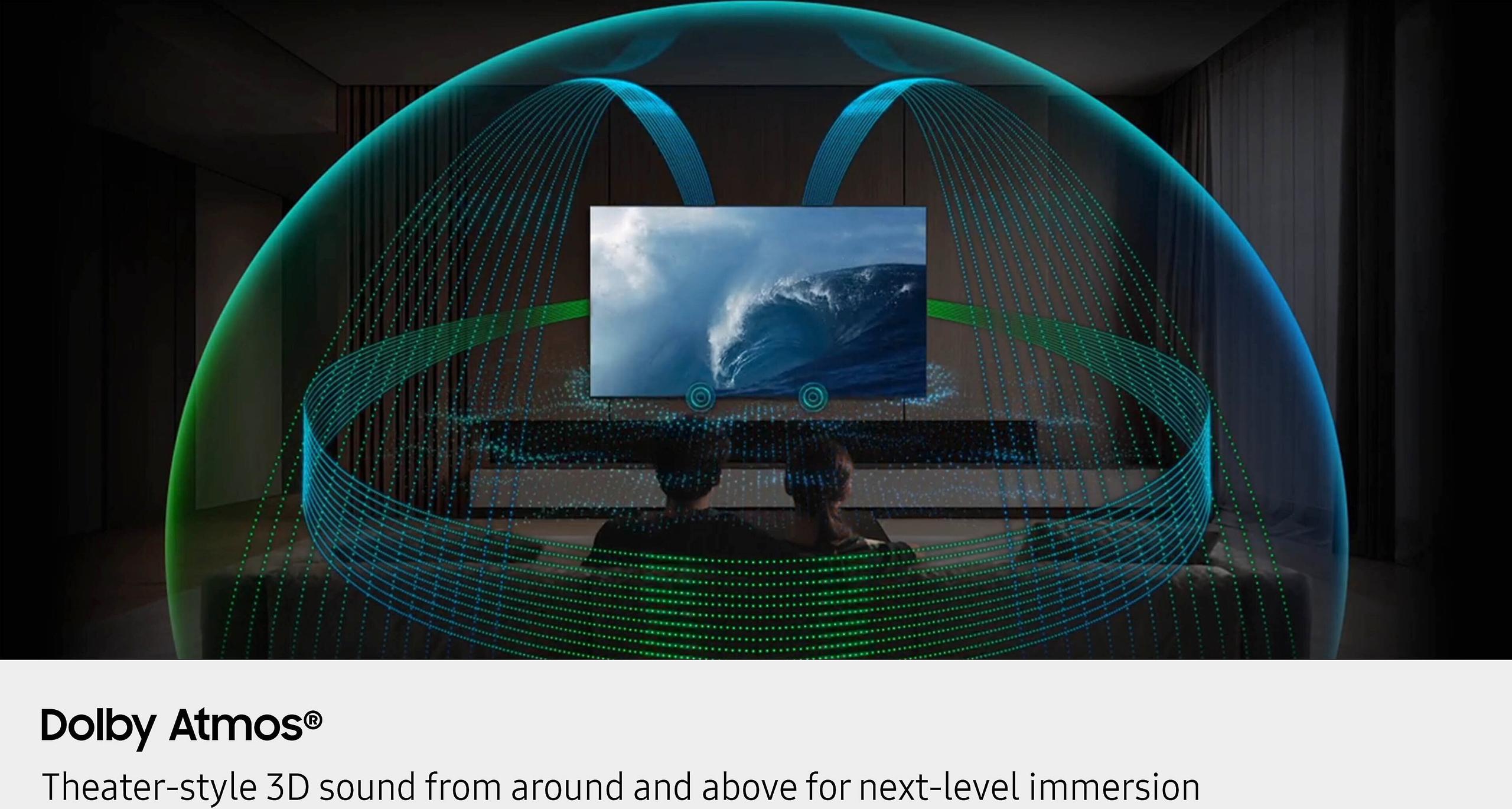
The Sony BRAVIA 7 takes a clear lead here with its 40-watt two-way speaker system and superior audio processing. Sony's Acoustic Auto Calibration adjusts sound based on your room's acoustics, which actually makes a noticeable difference. The TV supports Dolby Atmos and DTS:X for immersive audio experiences that work well without a separate soundbar.
The Samsung QN80F also supports Dolby Atmos and includes Adaptive Sound Pro, which uses AI to optimize audio based on content type. While decent, it doesn't quite match Sony's audio performance in my experience.
If you're building a dedicated home theater setup, both TVs have merit, but for different reasons. The Sony BRAVIA 7 offers studio-calibrated modes for Netflix and Prime Video, ensuring you see content exactly as the creators intended. Its superior color accuracy and Dolby Vision support make it excellent for movie watching.
The Samsung QN80F might be better if your home theater doubles as a gaming room. Its brighter peak output can better handle rooms with more ambient light, and the gaming capabilities are unmatched in this price range.
For a dark, dedicated movie room, I'd lean toward the Sony. For a multipurpose family room that sees gaming, sports, and movies, the Samsung makes more sense despite its higher price.
Both manufacturers have solid reputations for reliability. Samsung's build quality has consistently improved over the years, and the QN80F feels premium with good materials and a clean design. The BT SolarCell Remote that comes with it is a nice touch – it charges from room light and eliminates the need for batteries.
Sony has long been known for longevity, and the BRAVIA 7 continues that tradition. The build feels substantial, and Sony's track record for long-term software support is excellent.
At the time of writing, the Sony BRAVIA 7 offers superior value for most users. It costs significantly less while delivering better picture accuracy, superior audio, and Dolby Vision support. For general entertainment – streaming movies, watching TV shows, casual gaming – it's simply the better choice.
The Samsung QN80F's premium is justified primarily for serious gamers who will use that 144Hz capability. If you're gaming on PC with a high-end graphics card, or if future-proofing for next-generation gaming is important to you, the extra cost makes sense.
Choose the Sony BRAVIA 7 if:
Choose the Samsung QN80F Neo QLED if:
For most people, the Sony BRAVIA 7 is the smarter choice. It delivers excellent performance across all categories while costing notably less. The picture quality is more accurate, the audio is better, and the overall experience is more balanced.
However, the Samsung QN80F Neo QLED isn't wrong for the right person. If you're a gaming enthusiast who values having the latest and greatest gaming capabilities, the premium is justified. The 144Hz support and comprehensive VRR implementation are genuinely ahead of the curve.
Both are excellent TVs that will serve you well for years. The question isn't which one is better – it's which one is better for you and your specific needs. Consider how you actually use your TV, be honest about whether you'll use those high-end gaming features, and choose accordingly. Either way, you're getting a premium mid-range TV that punches well above its weight class.
| Samsung 65" QN80F Neo QLED 4K TV | Sony BRAVIA 7 65" 4K UHD Smart Google TV |
|---|---|
| Refresh Rate - Critical for gaming performance and future-proofing | |
| 144Hz native (industry-leading for TVs) | 120Hz maximum (sufficient for current consoles) |
| HDMI 2.1 Gaming Ports - Determines how many high-end gaming devices you can connect | |
| 4 ports supporting full 4K/144Hz | 2 ports supporting 4K/120Hz |
| HDR Format Support - Affects compatibility with streaming content | |
| HDR10+ (Amazon Prime Video optimized) | Dolby Vision + HDR10 (Netflix, Disney+ optimized) |
| Picture Processing Philosophy - How content actually looks day-to-day | |
| Gaming-focused with punchy, oversaturated colors | Accuracy-focused with natural, studio-calibrated colors |
| Peak Brightness - Important for HDR performance and bright rooms | |
| 930 nits (solid HDR performance) | Similar peak brightness with better tone mapping |
| Smart TV Platform - Your daily interface experience | |
| Samsung Tizen with Vision AI features | Google TV with comprehensive app ecosystem |
| Voice Assistant Integration | |
| Bixby with multi-command processing | Google Assistant with broader smart home control |
| Audio System - Built-in sound quality without external speakers | |
| Adaptive Sound Pro with room optimization | 40W two-way system with Acoustic Auto Calibration |
| Studio Calibration Modes - Ensures content looks as creators intended | |
| Limited calibrated modes | Netflix, Prime Video, Sony Pictures calibrated modes |
| Variable Refresh Rate (VRR) Support - Eliminates gaming stutters and tears | |
| Comprehensive (FreeSync, G-Sync, HDMI VRR) | Standard VRR and ALLM support |
| Backlighting Technology - Contrast and local dimming performance | |
| Mini LED with Quantum Matrix Technology | Mini LED with XR Backlight Master Drive |
| Input Lag - Response time for gaming (lower is better) | |
| Excellent across all resolutions | Under 8.5ms in Game Mode |
| Color Volume and Accuracy - Overall picture realism | |
| High color volume, less accurate | Lower color volume, more accurate reproduction |
| Future Gaming Compatibility - Readiness for next-gen gaming | |
| Excellent (144Hz ready for future consoles/PC) | Good (120Hz adequate for current generation) |
| Overall Value Proposition | |
| Premium gaming performance at higher cost | Balanced excellence at better price point |
The Samsung QN80F Neo QLED is significantly better for gaming, especially serious gaming. It offers a 144Hz refresh rate compared to the Sony BRAVIA 7's 120Hz, and all four HDMI ports support full 4K/144Hz gaming with comprehensive VRR support. This makes the Samsung QN80F ideal for PC gaming and future console compatibility, while the Sony BRAVIA 7 is perfectly adequate for current PlayStation 5 and Xbox Series X gaming.
The Sony BRAVIA 7 delivers superior picture quality for general viewing with more accurate colors and natural-looking images. Sony's image processing creates more realistic skin tones and natural colors, while the Samsung QN80F tends to oversaturate colors for a more punchy but less accurate look. The Sony BRAVIA 7 also supports Dolby Vision, which is used by Netflix and Disney+, giving it an edge for streaming content.
The core difference is focus: the Samsung QN80F Neo QLED prioritizes gaming performance with its 144Hz refresh rate and comprehensive gaming features, while the Sony BRAVIA 7 focuses on overall picture accuracy and natural color reproduction. The Samsung QN80F costs more but offers cutting-edge gaming capabilities, whereas the Sony BRAVIA 7 provides better value for general entertainment viewing.
For a dedicated home theater, the Sony BRAVIA 7 is generally the better choice due to its superior color accuracy, Dolby Vision support, and studio-calibrated picture modes for Netflix and Prime Video. These features ensure you see movies exactly as directors intended. However, if your home theater doubles as a gaming room, the Samsung QN80F Neo QLED might be worth considering for its gaming capabilities.
Yes, both the Samsung QN80F Neo QLED and Sony BRAVIA 7 support 4K resolution and HDR, but with different HDR formats. The Samsung QN80F supports HDR10+, which works well with Amazon Prime Video, while the Sony BRAVIA 7 supports both Dolby Vision and HDR10, providing broader compatibility with streaming services like Netflix and Disney+.
Both TVs offer excellent smart features, but with different approaches. The Sony BRAVIA 7 uses Google TV, which provides a clean interface with comprehensive app support and seamless integration with Google services. The Samsung QN80F Neo QLED uses Samsung's Tizen platform with unique AI features like Live Translate and Generative Wallpaper. The Sony BRAVIA 7 tends to feel more universally compatible.
The Sony BRAVIA 7 offers better value for most buyers, delivering excellent picture quality, good gaming performance, and comprehensive features at a lower cost. The Samsung QN80F Neo QLED commands a premium that's mainly justified by its superior gaming capabilities. Unless you specifically need 144Hz gaming, the Sony BRAVIA 7 provides more balanced performance per dollar spent.
The Sony BRAVIA 7 has superior built-in audio with its 40-watt two-way speaker system and Acoustic Auto Calibration that adjusts sound based on your room. While the Samsung QN80F Neo QLED includes Adaptive Sound Pro and Dolby Atmos support, the Sony BRAVIA 7 generally delivers better audio quality without requiring an immediate soundbar upgrade.
Both the Samsung QN80F Neo QLED and Sony BRAVIA 7 offer similar peak brightness levels around 900+ nits, making them suitable for bright rooms. The Samsung QN80F can sometimes appear brighter due to its more aggressive processing, but both TVs handle ambient light well thanks to their Mini LED backlighting technology.
Both TVs handle sports well, but the Samsung QN80F Neo QLED has a slight edge due to its higher 144Hz refresh rate, which makes fast motion appear smoother. The Sony BRAVIA 7's 120Hz is also excellent for sports, and its more natural color reproduction might make grass and skin tones look more realistic during games.
Both the Samsung QN80F Neo QLED and Sony BRAVIA 7 come from reputable manufacturers with good track records for reliability and software updates. Sony historically provides longer software support, while Samsung has improved significantly in recent years. Both should serve you well for 5-7 years, with the Samsung QN80F's gaming features potentially offering better future-proofing.
Choose the Samsung QN80F Neo QLED if gaming is a priority and you want cutting-edge 144Hz performance and future-proofing. Choose the Sony BRAVIA 7 if you want better overall value, more accurate picture quality, superior audio, and don't need the absolute latest gaming features. For most buyers focused on streaming and general entertainment, the Sony BRAVIA 7 offers the better combination of performance and value.
We've done our best to create useful and informative comparisons to help you decide what product to buy. Our research uses advanced automated methods to create this comparison and perfection is not possible - please contact us for corrections or questions. These are the sites we've researched in the creation of this article: samsung.com - theshortcut.com - youtube.com - bestbuy.com - rtings.com - samsung.com - samsung.com - samsung.com - sargentappliance.com - displayspecifications.com - bestbuy.com - bestbuy.com - bestbuy.com - avsforum.com - avsforum.com - crutchfield.com - sony.com - rtings.com - schaeferstv.com - youtube.com - displayspecifications.com

Privacy Policy
Terms and Conditions - Affiliate Policy
Home Security
© Copyright 2008-2026.
11816 Inwood Rd #1211, Dallas, TX 75244