

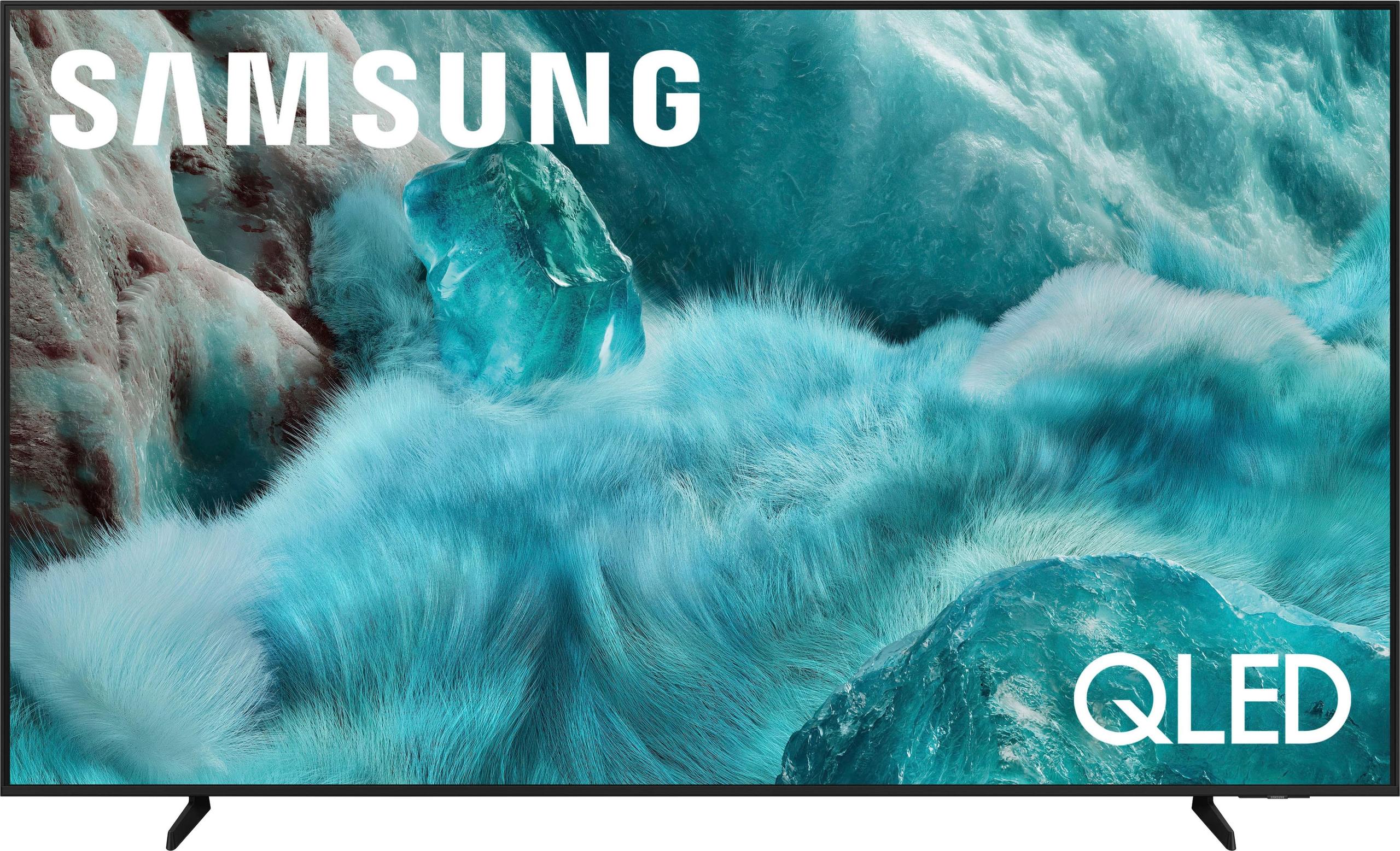
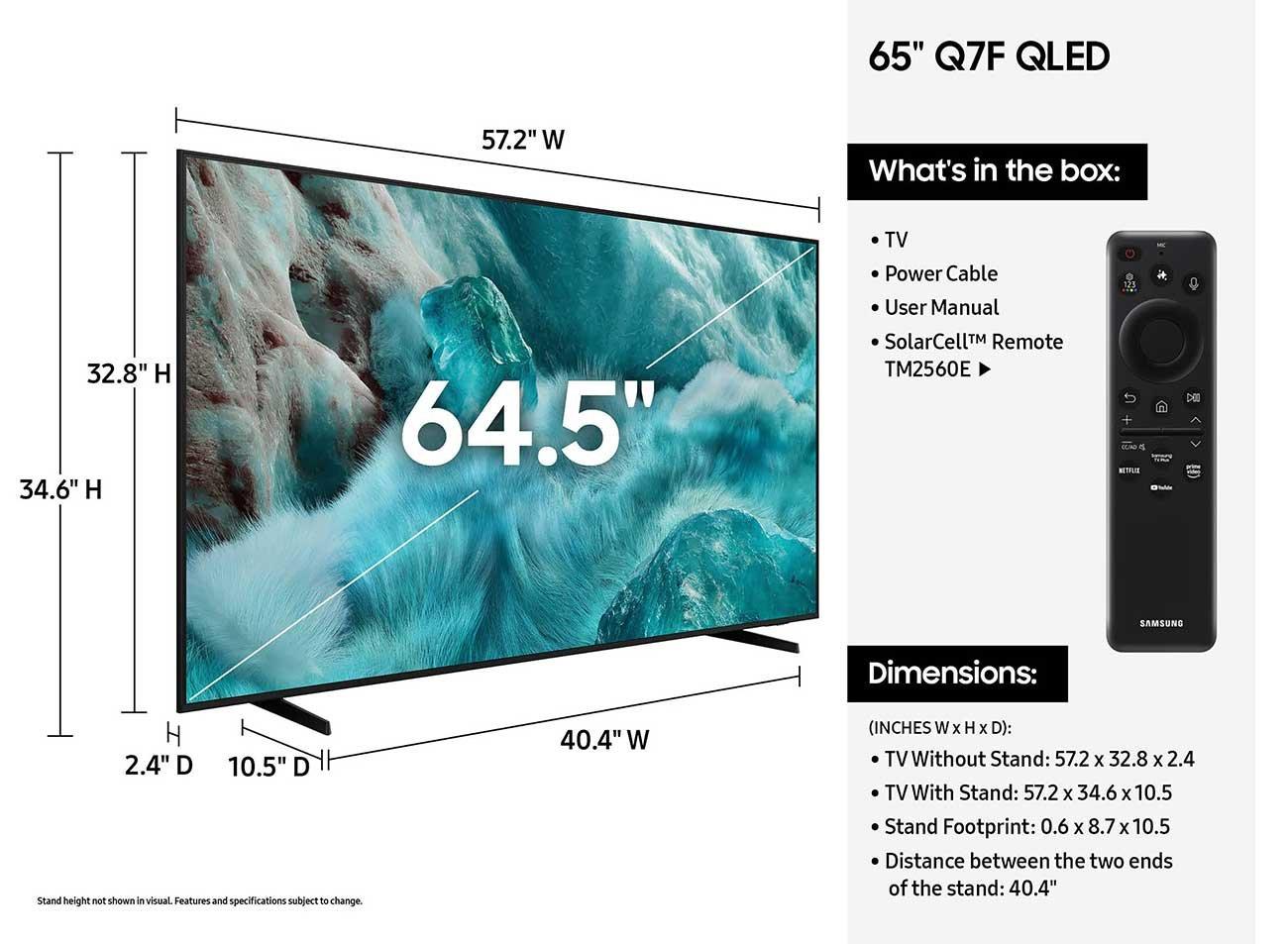

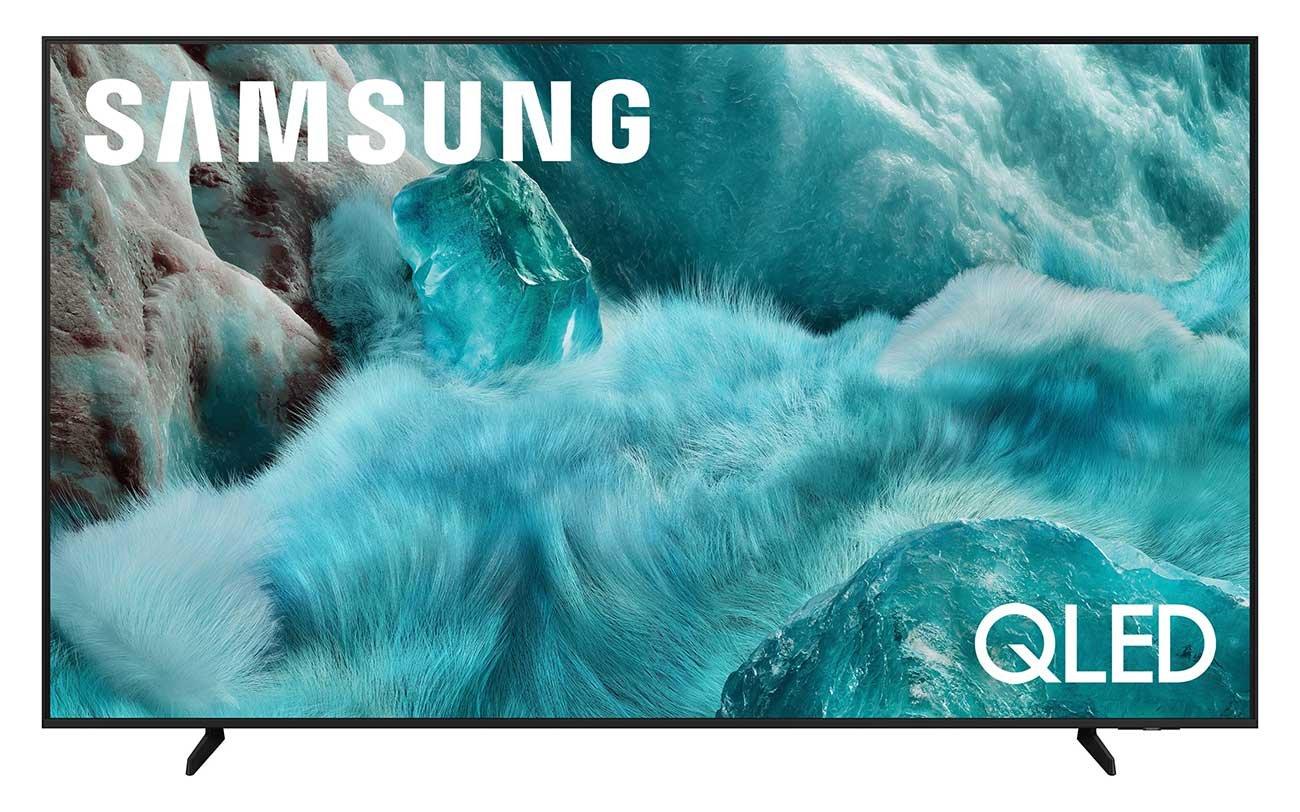
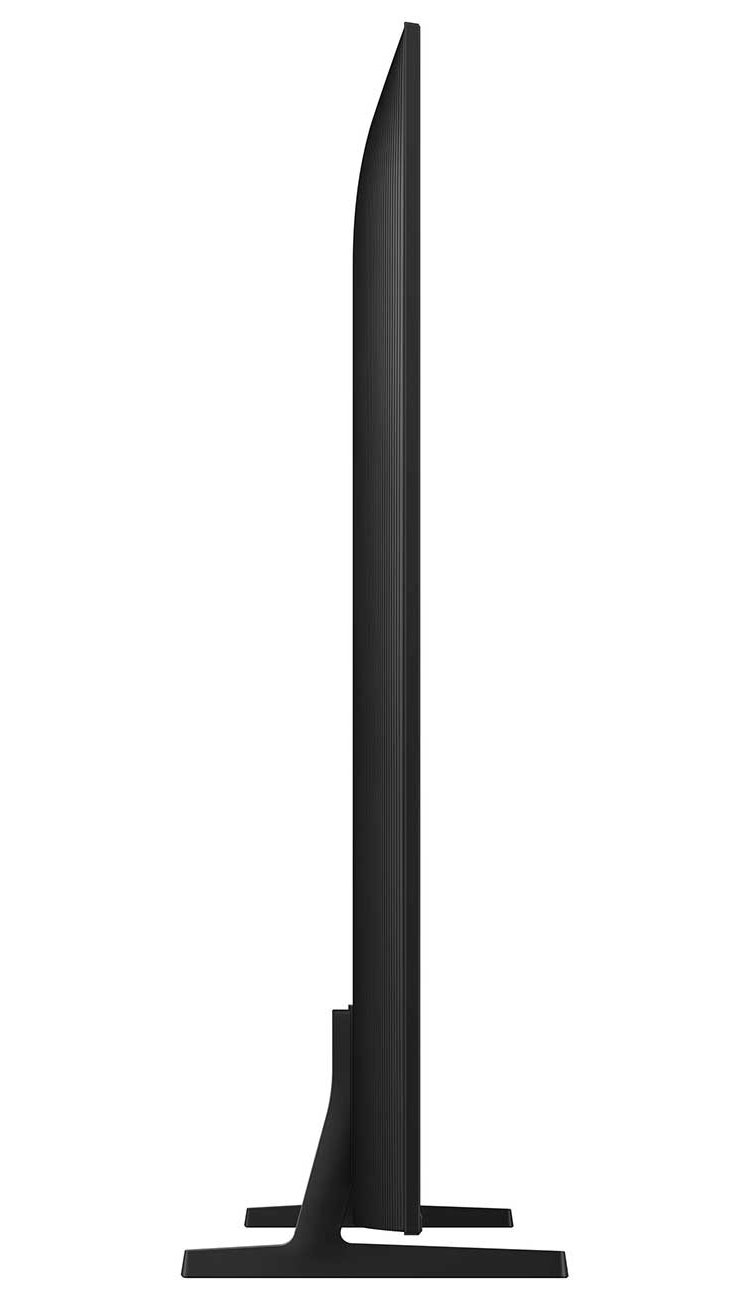
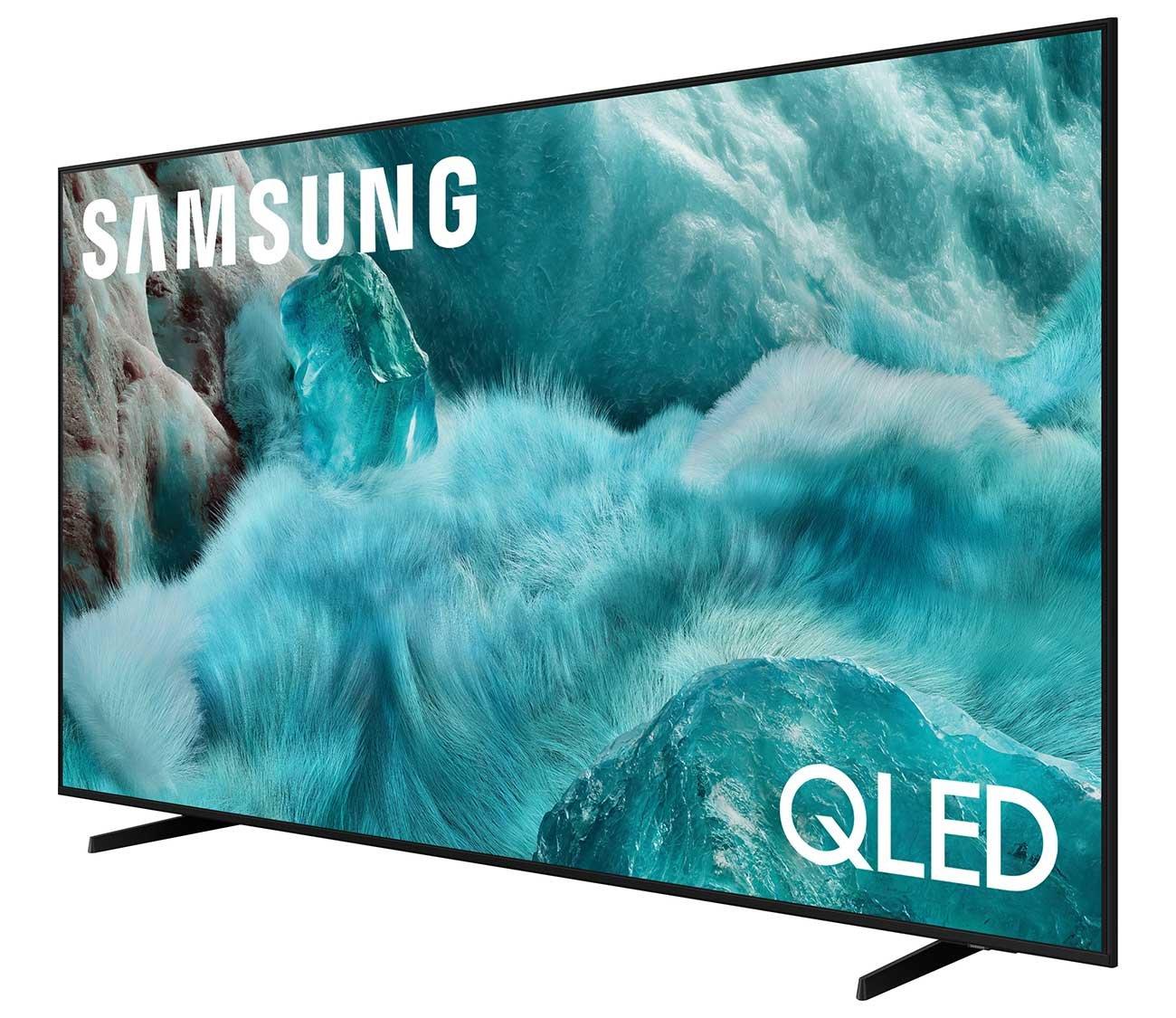
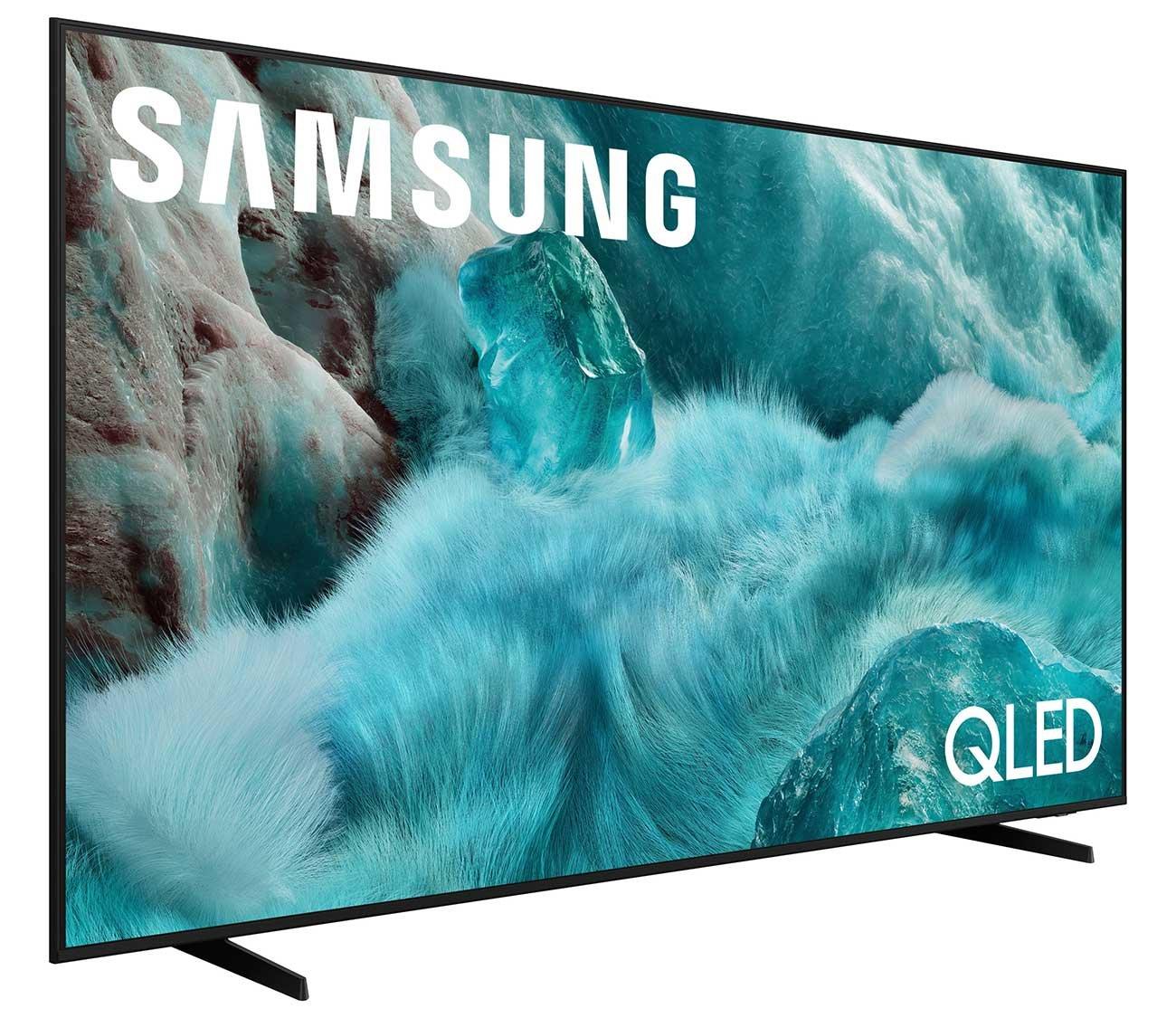

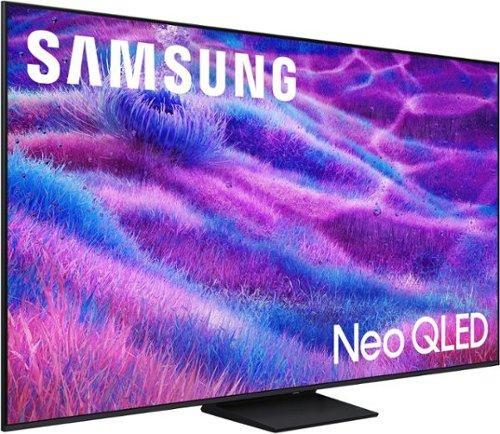
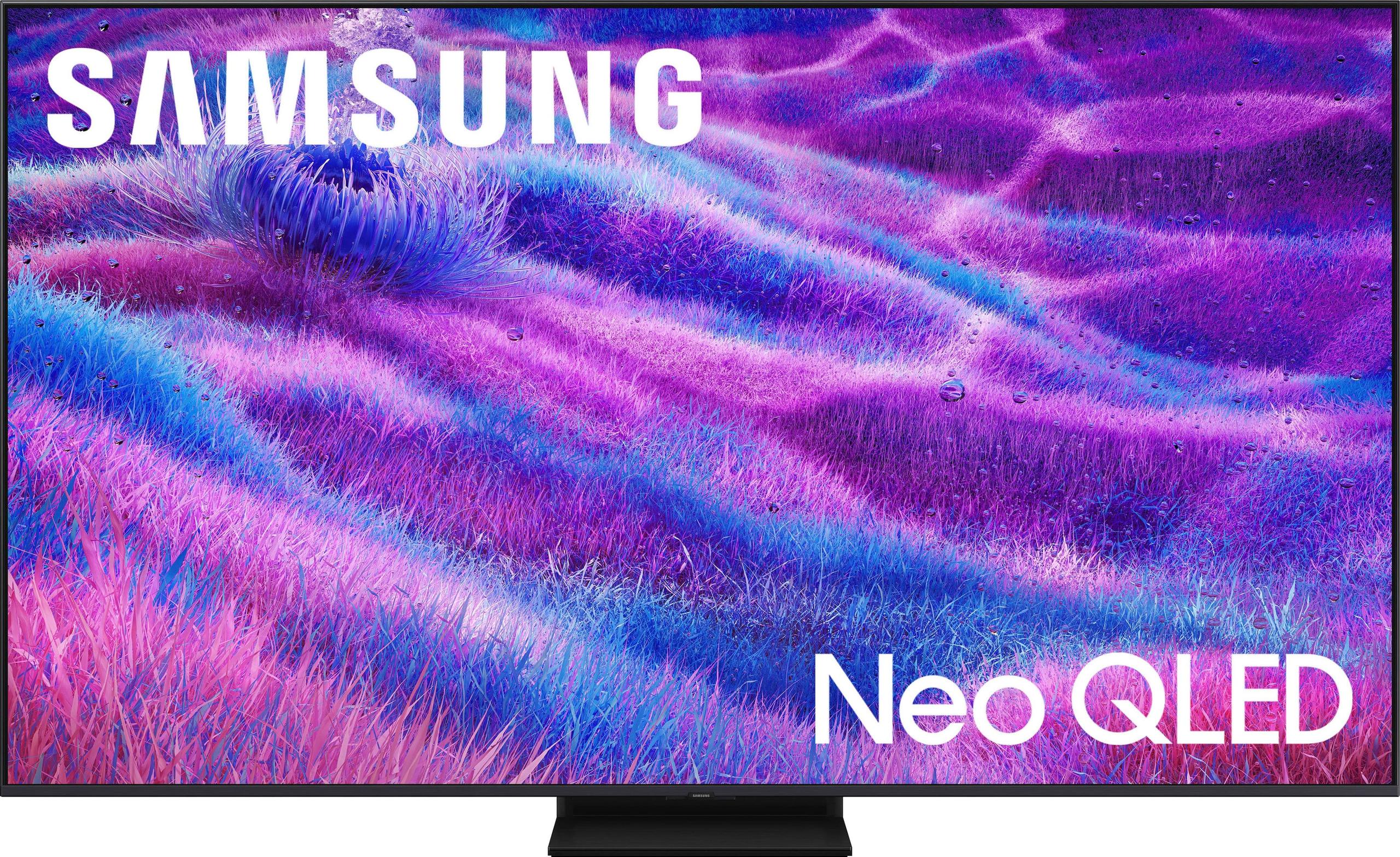
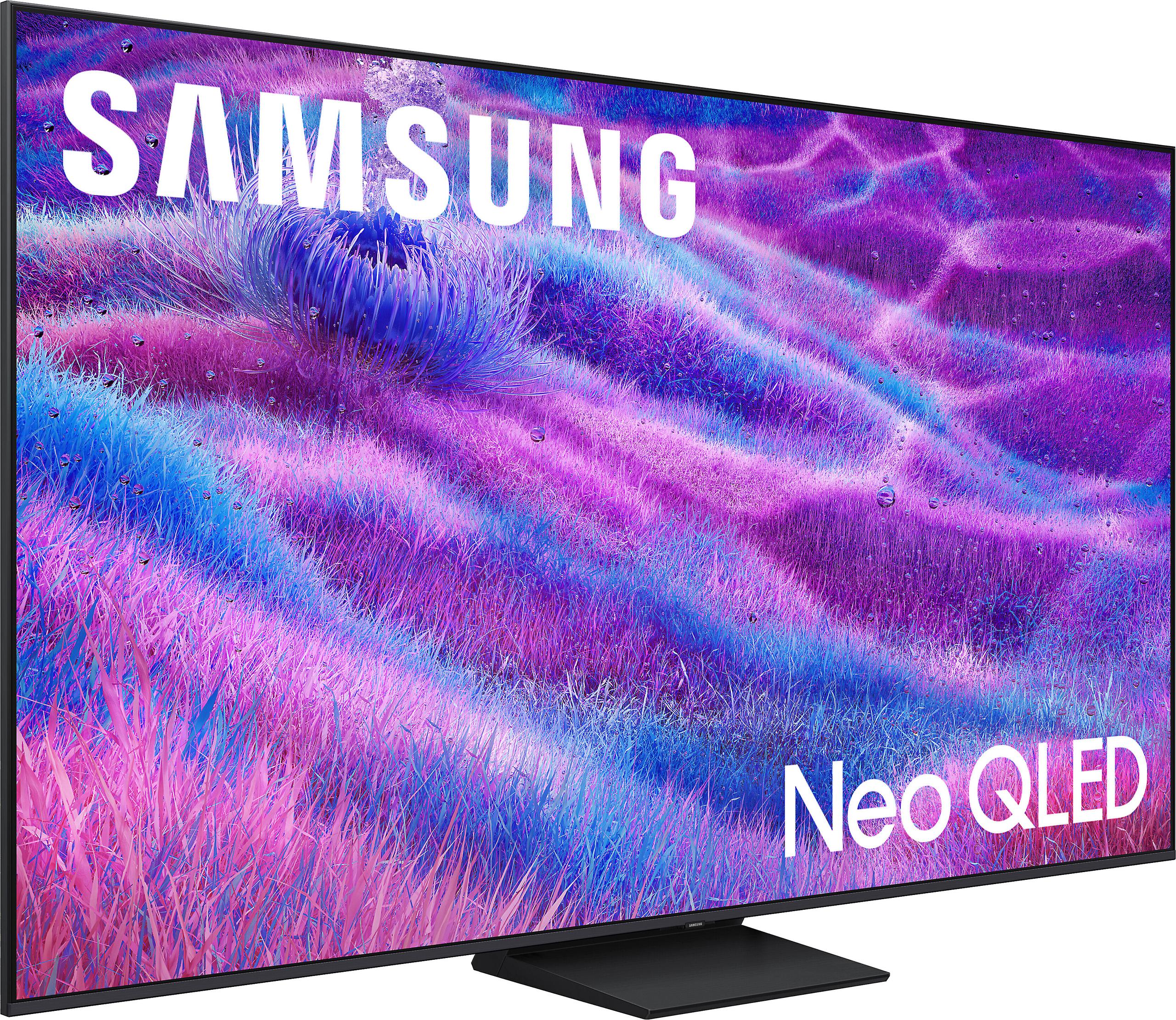
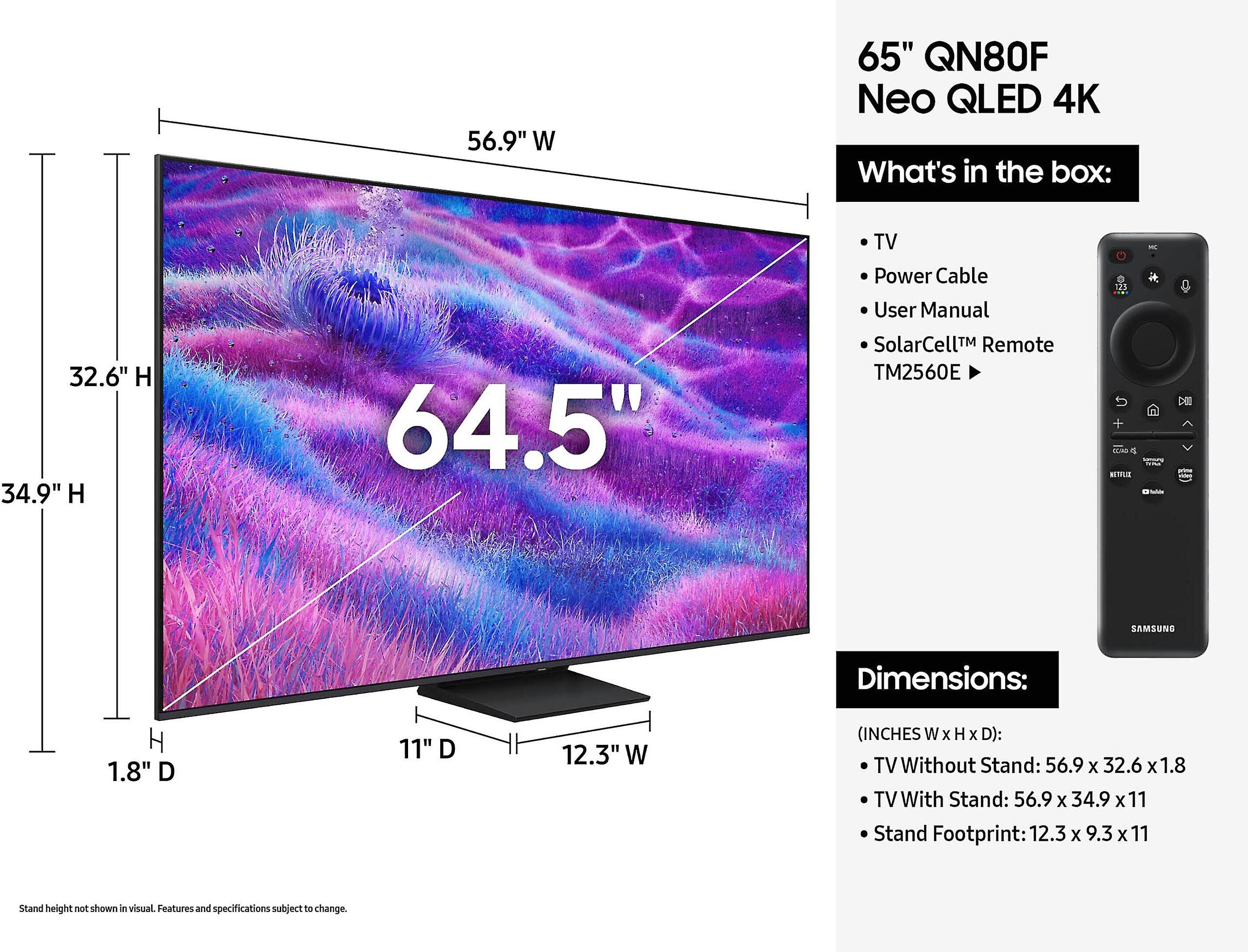
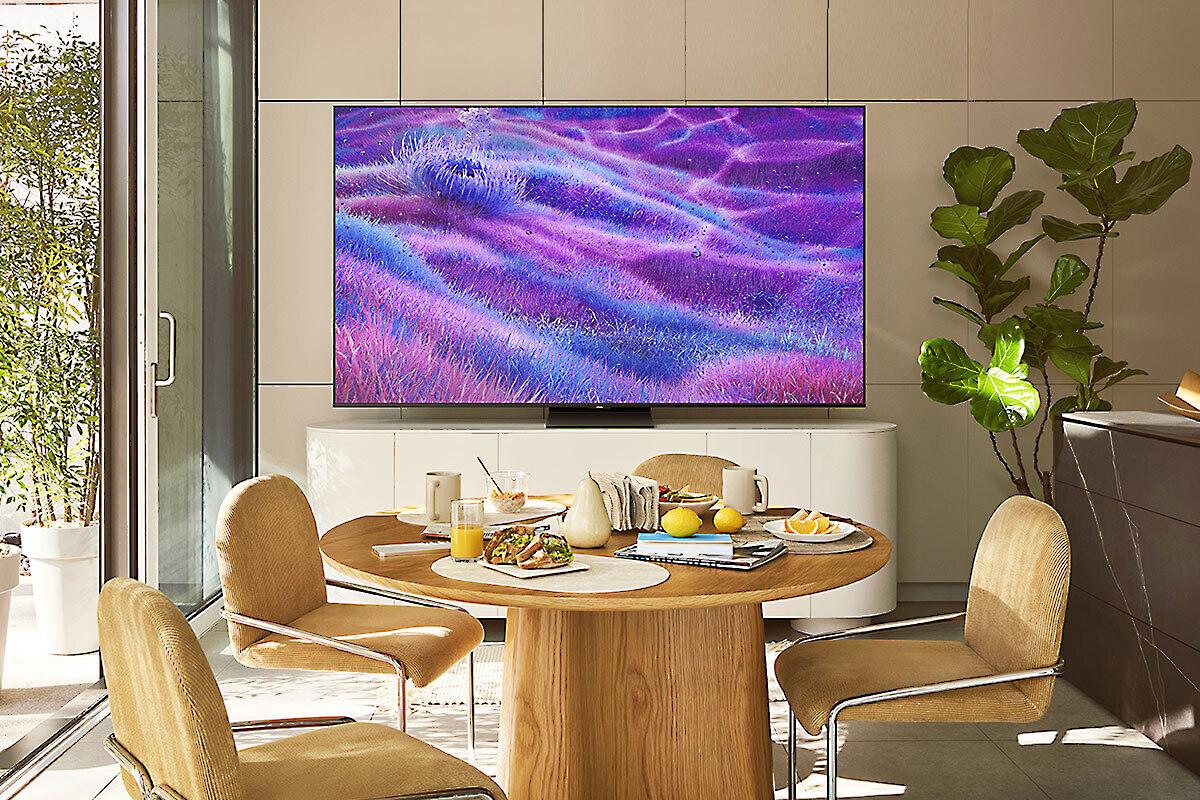
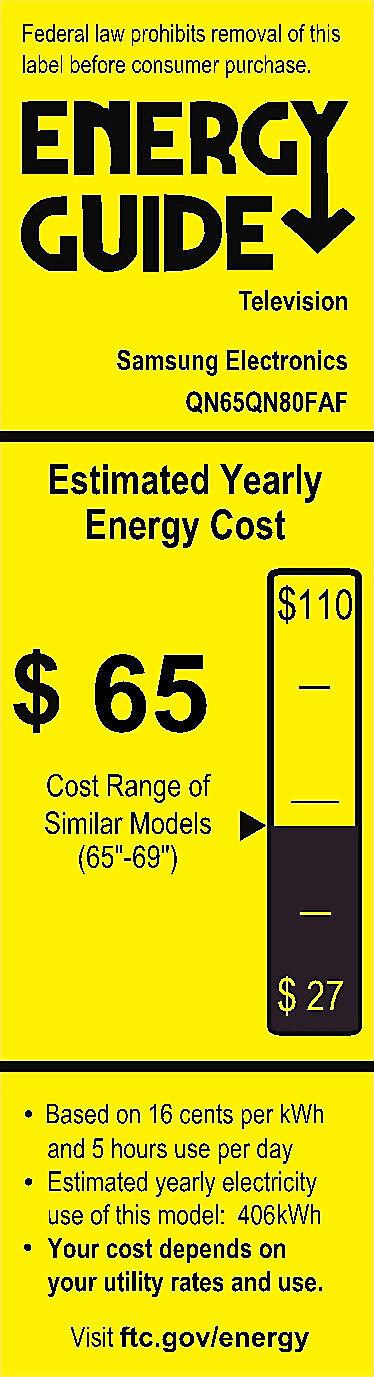
When Samsung launched their 2025 TV lineup, they positioned two very different approaches to QLED technology. The Samsung Q7F represents their entry-level QLED offering, while the Samsung QN80F showcases their premium Neo QLED technology with Mini LED backlighting. At the time of writing, these TVs sit in completely different price tiers – the Q7F costs about $600-700, while the QN80F runs around $1,500-1,600. That's more than double the price, which naturally raises the question: what exactly are you getting for that extra money?
Having researched extensively and analyzed consensus opinions from both professional reviewers and actual users, I can tell you the differences go far deeper than just marketing names. These aren't minor upgrades – they represent fundamentally different display technologies that deliver vastly different viewing experiences.
Before diving into the comparison, it's worth understanding what QLED actually means and why it matters. QLED stands for "Quantum Dot Light Emitting Diode," though technically these aren't true LEDs like OLEDs. Instead, QLED TVs use quantum dots – microscopic particles that emit precise colors when hit by light – layered over traditional LED backlights. This technology dramatically improves color accuracy and brightness compared to standard LED TVs.
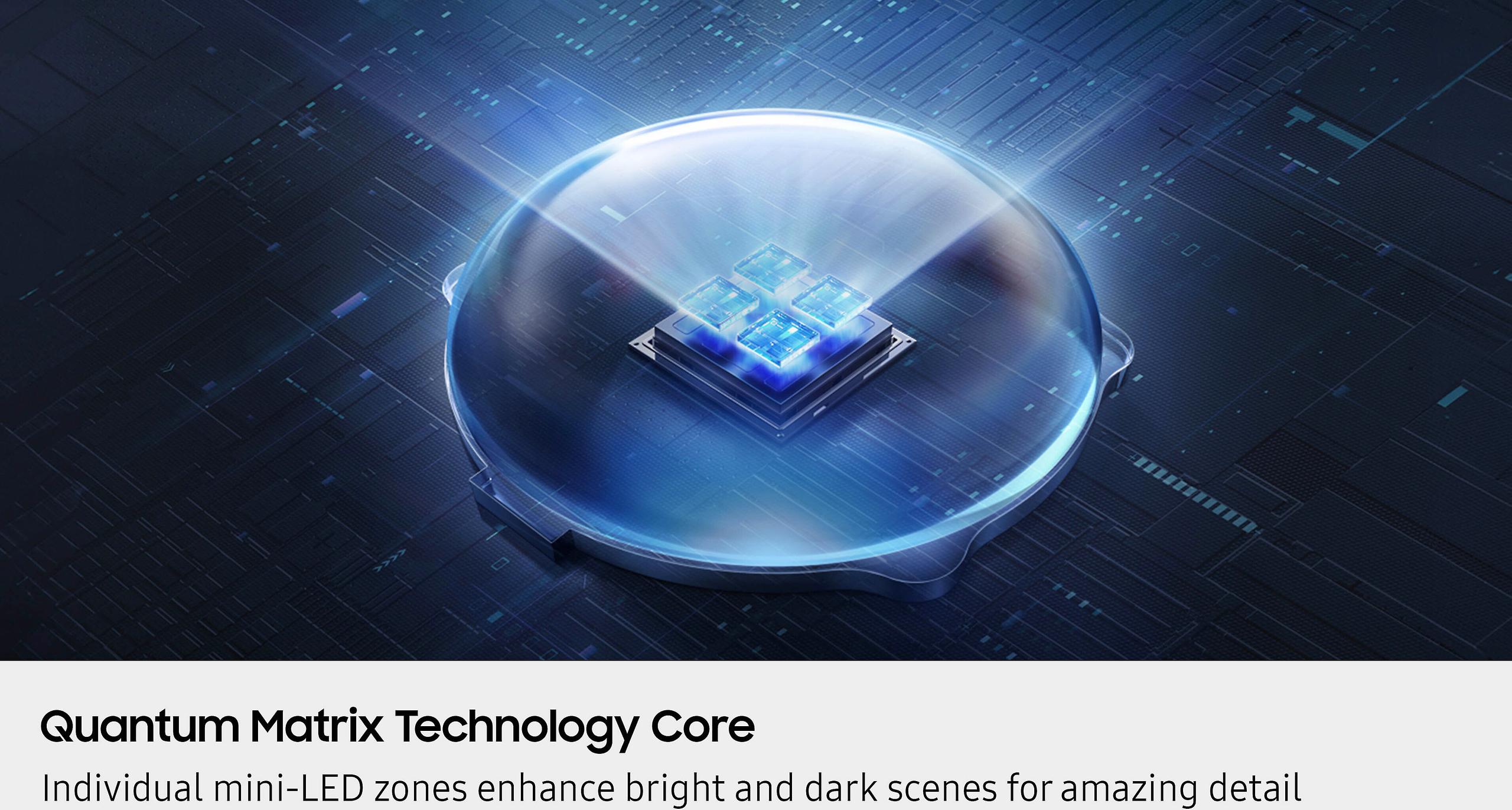
The key differentiator in 2025 became the backlighting approach. Traditional QLEDs like the Samsung Q7F use edge-lit LED arrays, where LEDs line the edges of the screen and light is distributed across the panel through light guides. This keeps costs down but limits contrast control. Neo QLED models like the Samsung QN80F employ Mini LED technology – thousands of tiny LEDs placed directly behind the screen in what's called a "full-array" configuration, enabling precise local dimming control.
The most significant performance gap between these TVs appears in HDR (High Dynamic Range) content. HDR is designed to show much brighter highlights and deeper shadows than standard video, creating more realistic images. However, your TV needs serious brightness capabilities to make HDR content truly shine.
The Samsung Q7F achieves around 500 cd/m² (candelas per square meter – essentially how bright the screen can get), which meets the basic requirements for HDR10+ support. In a darkened room, this provides decent HDR performance for most streaming content. However, in brighter viewing environments or with demanding HDR movies, highlights often appear washed out and lack the dramatic impact HDR is supposed to deliver.
The Samsung QN80F's Mini LED system pushes significantly higher brightness levels while maintaining precise control over different screen areas. This makes a dramatic difference with HDR content – those sunset scenes in nature documentaries or the gleaming armor in fantasy movies actually look bright and realistic rather than flat and gray.
Here's where the technology difference becomes most apparent. The Samsung Q7F lacks local dimming entirely. When the TV needs to display a dark scene, the entire backlight dims uniformly, which means black areas appear grayish and lack depth. This is particularly noticeable in movies with frequent dark scenes or when watching content in a dark room.
The Samsung QN80F's Mini LED backlighting divides the screen into thousands of individually controlled zones. When part of the image should be black, those specific LEDs turn off or dim significantly while neighboring bright areas remain illuminated. This creates much deeper blacks and higher contrast – the difference between seeing details in shadow areas versus having them disappear into gray murk.
Based on professional reviews and user feedback, this contrast improvement represents the single most noticeable upgrade between these models. Users consistently report that dark movies and shows look dramatically better on the QN80F, with shadow details remaining visible while bright elements pop off the screen.
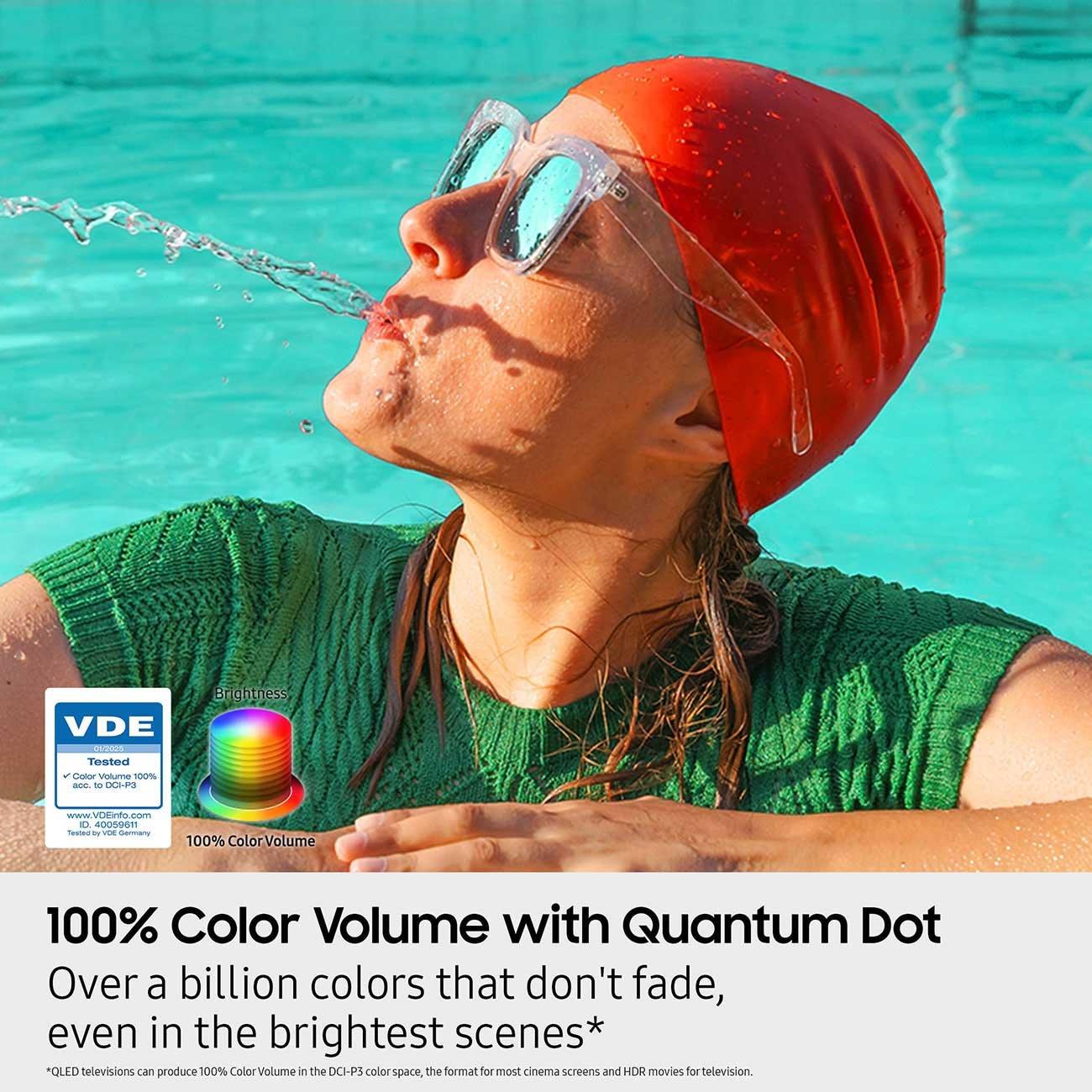
Both TVs benefit from Samsung's Quantum Dot technology, achieving wide color gamuts that exceed what standard LED TVs can produce. However, the Samsung QN80F includes additional processing refinements that provide more accurate colors across different brightness levels.
The Q7F delivers good color performance for its price range, with vibrant but occasionally oversaturated colors that many viewers actually prefer for casual content. The QN80F offers more nuanced color reproduction with better accuracy for professional content while still maintaining the vibrant "Samsung look" that many prefer over more clinical displays.
This is where these TVs diverge most dramatically. The Samsung Q7F provides basic 4K gaming at 60Hz – perfectly adequate for casual gaming or older consoles, but completely missing modern gaming features that have become standard expectations.
The Samsung QN80F delivers comprehensive next-generation gaming support. Its 4K@120Hz capability means games on PlayStation 5, Xbox Series X, or high-end PCs can run at twice the frame rate for smoother motion. VRR (Variable Refresh Rate) synchronizes the TV's refresh with your console's frame rate, eliminating screen tearing and stuttering that can occur when frame rates fluctuate.
ALLM (Auto Low Latency Mode) automatically switches the TV into its lowest-lag gaming mode when it detects a gaming console, reducing input lag to around 10-15 milliseconds. For competitive gaming, this responsiveness difference is immediately noticeable.
Having evaluated feedback from serious gamers, the QN80F's gaming features aren't just nice extras – they're essential for anyone using modern consoles or gaming PCs. The Q7F works fine for Nintendo Switch or casual gaming, but falls short for serious gaming setups.
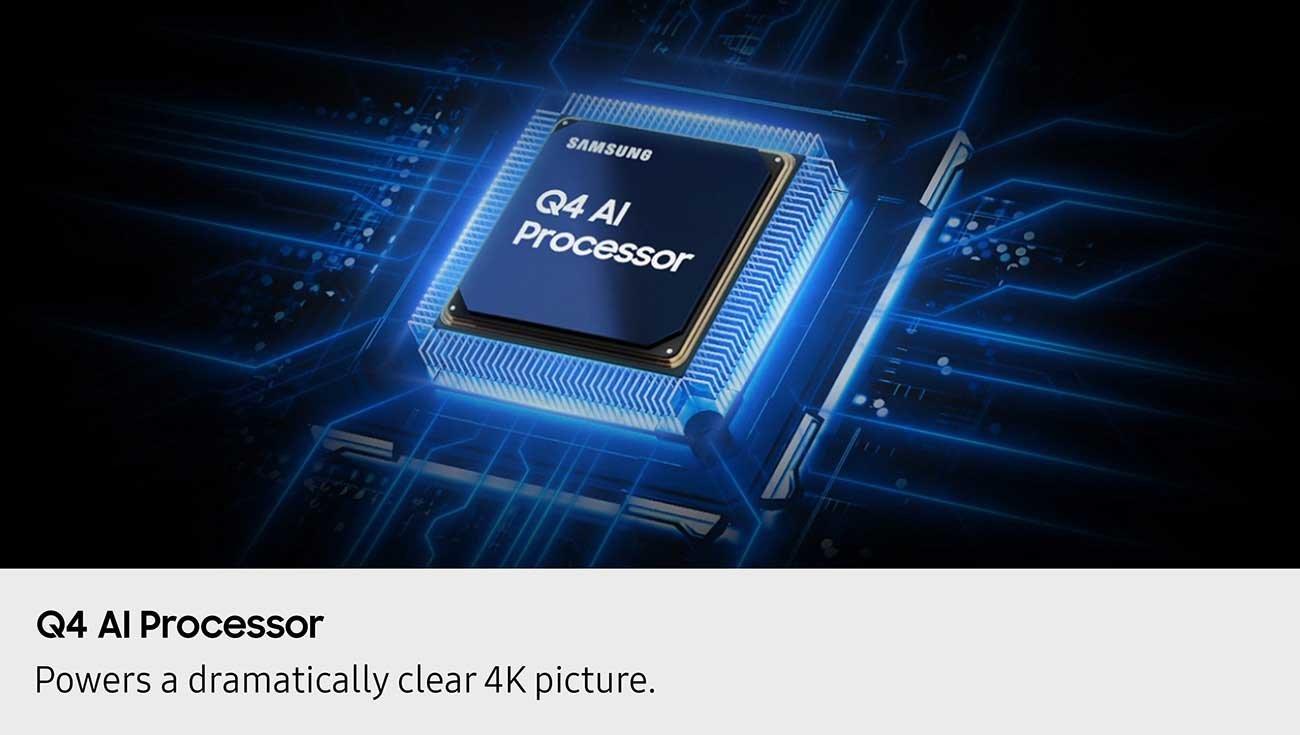
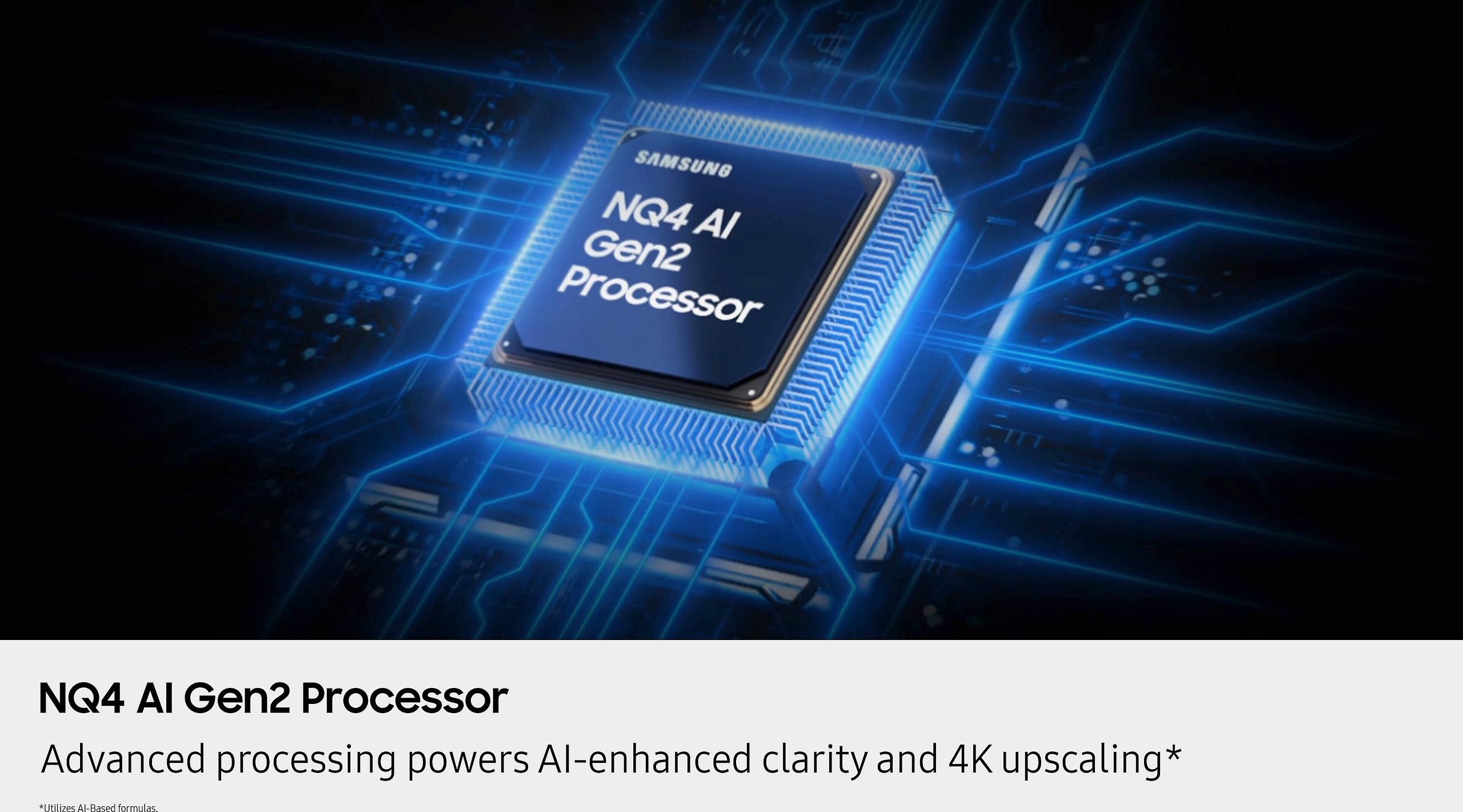
The processing differences between these models affect daily usability more than you might expect. The Samsung Q7F runs Samsung's Q4 AI Gen1 processor, which handles basic 4K upscaling and smart TV functions adequately but occasionally shows its limitations with complex processing tasks.
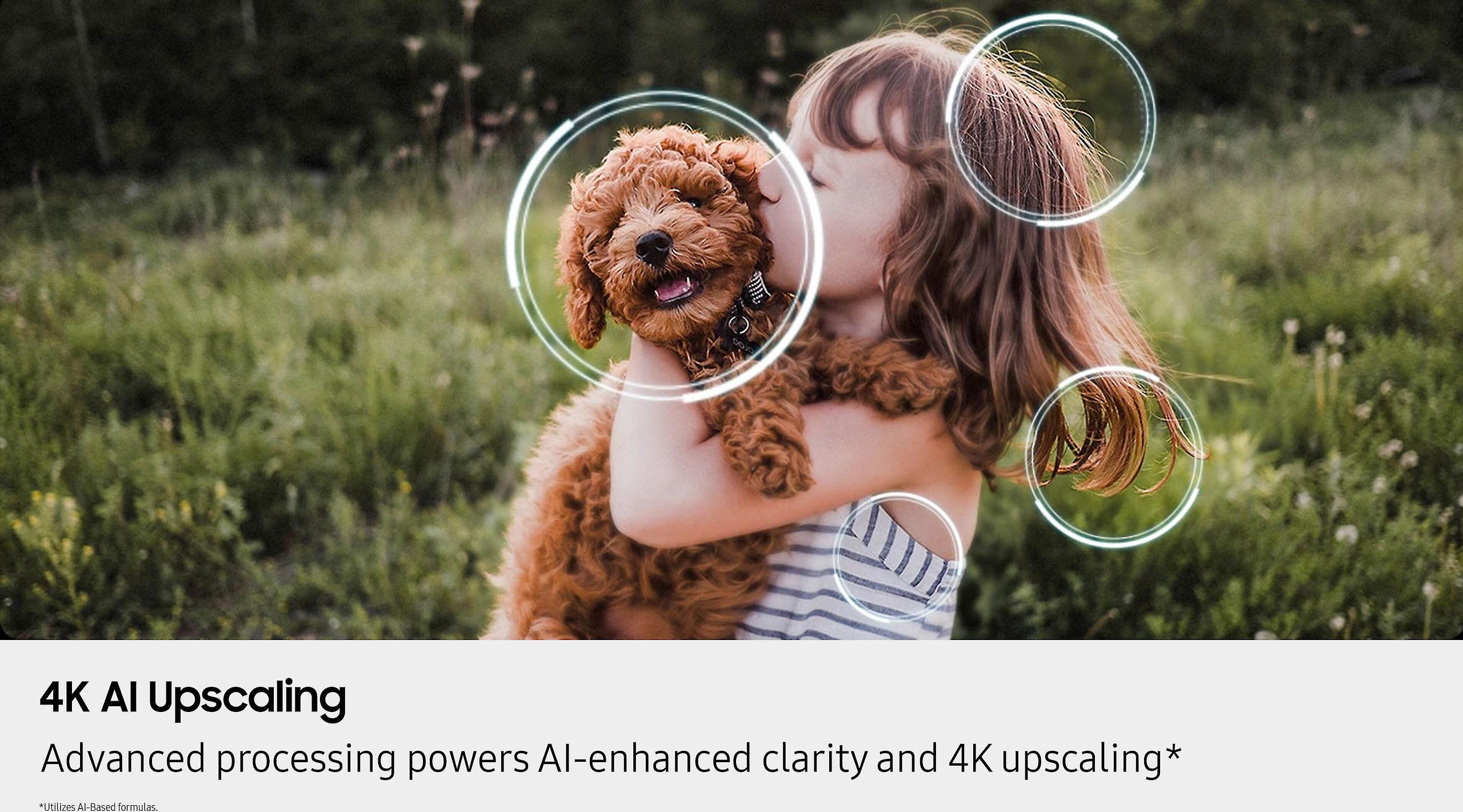
The Samsung QN80F's NQ4 AI Gen2 processor represents a significant leap in capability. Its enhanced AI upscaling makes lower-resolution content look noticeably sharper and more detailed. More importantly, the interface responds more quickly, apps launch faster, and the TV handles multiple background tasks without slowdown.
Both TVs include Samsung's Vision AI features, but the QN80F's processing power enables more sophisticated implementations. The Generative Wallpaper feature, for instance, uses AI to create unique background images based on your preferences – something the Q7F's processor can't handle effectively.
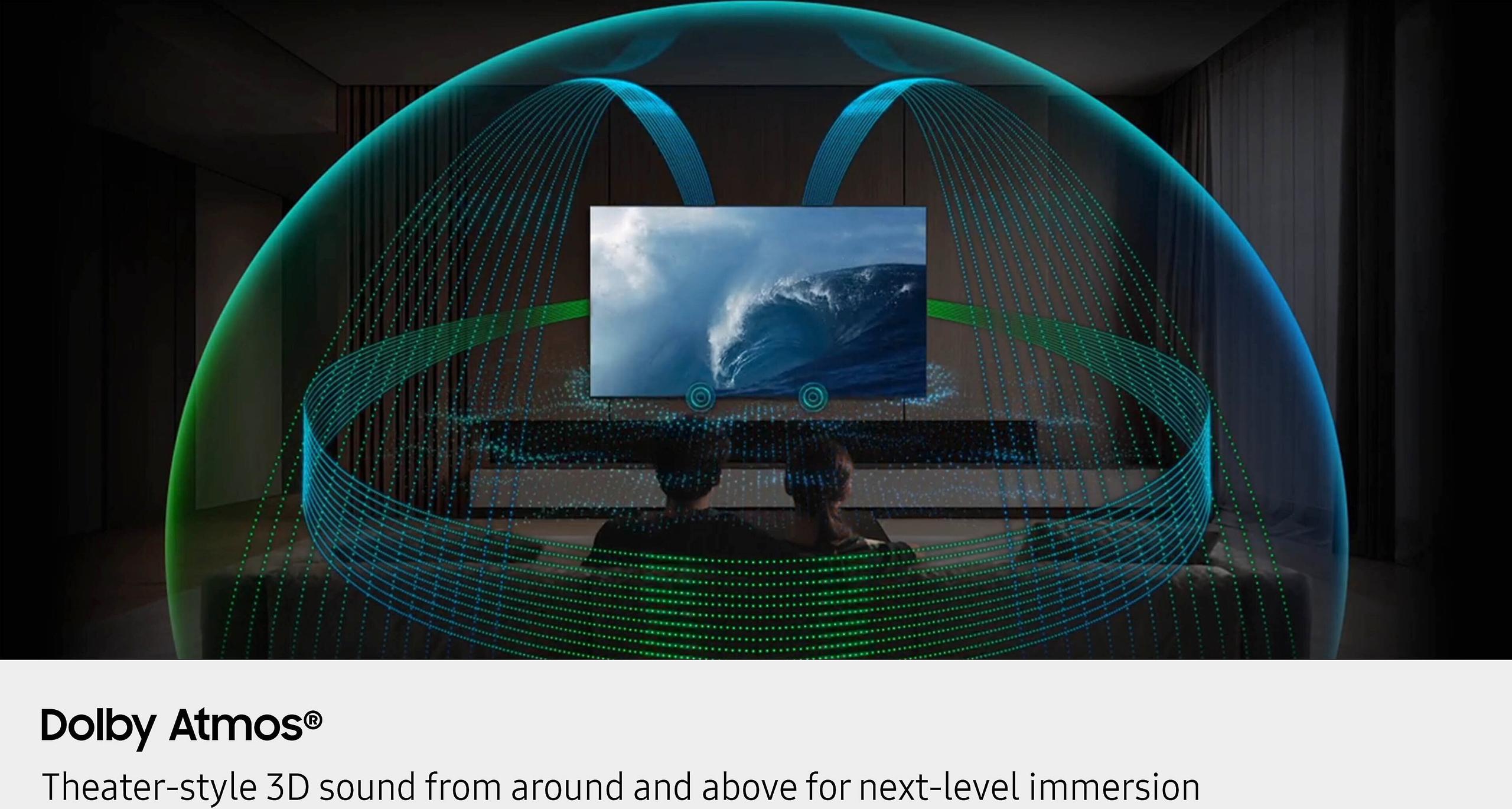
Audio represents another clear advantage for the Samsung QN80F. While both TVs include Object Tracking Sound Lite (which tries to match audio direction with on-screen action), the QN80F adds Dolby Atmos support and Adaptive Sound Pro processing.
Dolby Atmos creates three-dimensional sound effects that move around and above you, while Adaptive Sound Pro analyzes different types of content and optimizes audio accordingly. Based on user reviews, the QN80F provides noticeably clearer dialogue and more immersive sound effects, reducing the immediate need for a separate sound system.
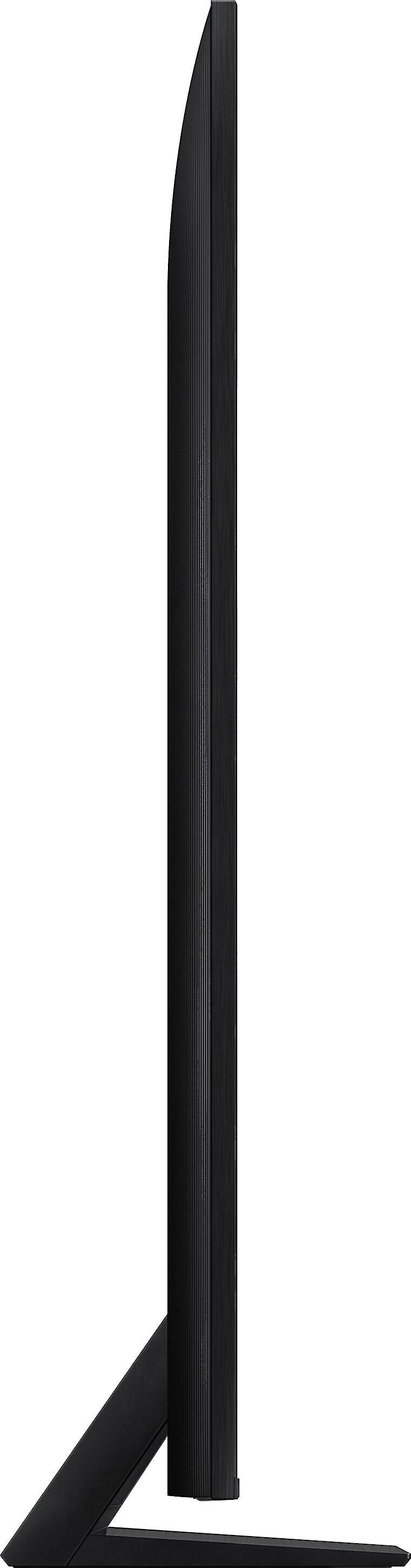
Both TVs share Samsung's refined 2025 design language with minimal bezels and premium materials. However, the Samsung QN80F includes Samsung's new glare-free screen technology, which significantly reduces reflections from windows or room lighting.
This anti-glare improvement makes a real difference in bright living rooms. The Q7F uses standard screen coatings that can show distracting reflections during daytime viewing, while the QN80F maintains picture quality even with significant ambient light.
For dedicated home theater use, the performance gaps become even more pronounced. The Samsung QN80F's superior contrast, brightness, and processing make it far better suited for serious movie watching. Its ability to display deep blacks while maintaining bright highlights creates the dramatic visual impact that makes home theater compelling.
The Samsung Q7F works adequately for casual movie watching but lacks the contrast performance that makes dark, atmospheric films truly engaging. If you're planning a dedicated theater room or prioritize movie quality above all else, the QN80F's capabilities justify the price premium.
At the time of writing, the price difference between these models reflects fundamental technology differences rather than minor feature upgrades. The Q7F offers excellent value for buyers seeking Samsung build quality and basic QLED benefits without premium features.
The QN80F's higher cost delivers Mini LED technology, advanced gaming capabilities, and processing power that will remain relevant as streaming services improve and gaming standards advance. For users who prioritize picture quality and future-proofing, the premium represents worthwhile value.
Technology evolution matters for long-term satisfaction. The Samsung Q7F meets current needs effectively but may feel limited as HDR content becomes more sophisticated and gaming standards continue advancing.
The Samsung QN80F provides better future-proofing through its HDMI 2.1 ports, 120Hz support, and advanced processing capabilities. As streaming services continue improving their HDR implementation and next-generation gaming becomes more common, these features will become increasingly valuable.
The Q7F makes sense if you:
The QN80F is worth the premium if you:
These Samsung models represent different philosophies rather than simple good-better-best positioning. The Samsung Q7F delivers solid QLED performance at an accessible price, perfect for viewers who want Samsung quality without premium features. The Samsung QN80F showcases what modern display technology can achieve when cost constraints are relaxed.
Based on extensive research and analysis of user experiences, the QN80F's advantages in picture quality, gaming, and processing aren't subtle improvements – they're fundamental differences that affect daily viewing satisfaction. However, the Q7F's lower cost makes QLED technology accessible to buyers who would otherwise settle for basic LED displays.
The decision ultimately depends on your priorities and budget. If you value having the latest technology and superior performance across all categories, the QN80F justifies its premium through measurably better capabilities. If you need good performance at a reasonable price and don't require cutting-edge features, the Q7F offers excellent value within its intended market segment.
Both TVs succeed at their intended purposes, but they serve distinctly different audiences with different expectations and requirements. Understanding these differences ensures you'll choose the model that best matches your viewing habits, technical requirements, and budget constraints.
| Samsung 65" Q7F QLED 4K Vision AI Smart TV 2025 | Samsung 65" QN80F Neo QLED 4K TV |
|---|---|
| Display Technology - Core difference that affects all picture quality aspects | |
| Edge-lit QLED with no local dimming | Neo QLED with Mini LED full-array backlighting |
| Peak Brightness - Critical for HDR performance and bright room viewing | |
| 500 cd/m² (adequate for dark rooms, struggles in bright spaces) | Significantly higher with Mini LED (excellent HDR impact in any lighting) |
| Local Dimming Zones - Determines contrast and black level performance | |
| None (uniform backlighting creates grayish blacks) | Thousands of Mini LED zones (deep blacks, precise contrast control) |
| Refresh Rate - Affects motion smoothness and gaming capability | |
| 60Hz native (basic motion, no high refresh gaming) | 120Hz native with 144Hz motion enhancement (smooth sports/gaming) |
| Gaming Features - Essential for modern console and PC gaming | |
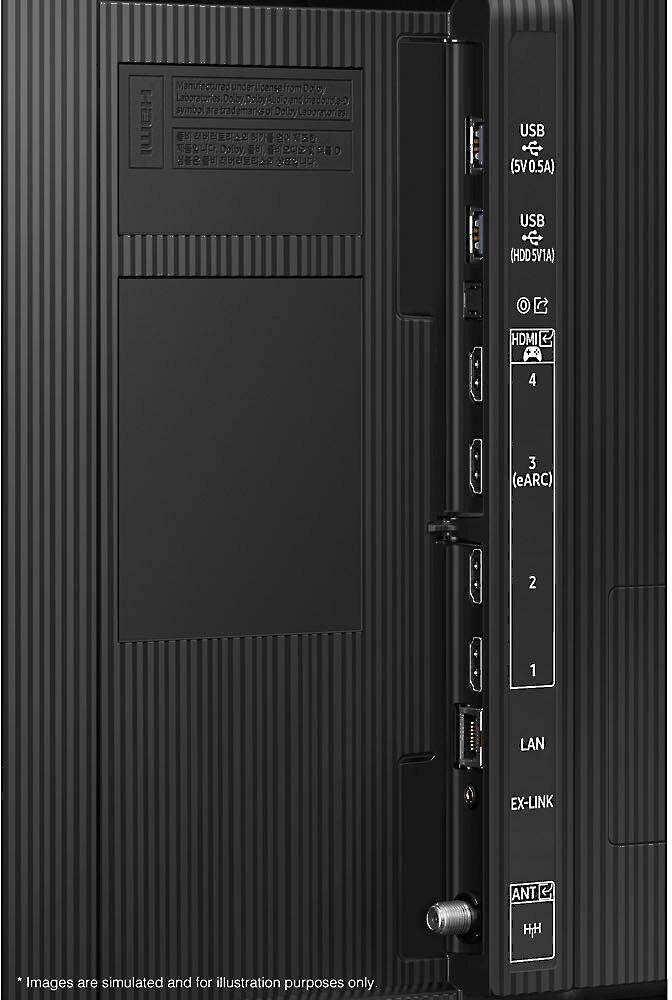
| Basic 60Hz, no VRR, no HDMI 2.1 | 4K@120Hz, VRR, ALLM, four HDMI 2.1 ports |
| Processor - Impacts smart TV performance and AI features | |
| Q4 AI Gen1 (basic upscaling, occasional lag) | NQ4 AI Gen2 (advanced AI upscaling, smooth operation) |
| HDR Support - Determines quality of premium streaming content | |
| HDR10+ only (limited brightness reduces impact) | Neo Quantum HDR with full optimization |
| Audio Technology - Built-in sound quality | |
| 20W 2.0 with Object Tracking Sound Lite | Enhanced audio with Dolby Atmos support |
| Anti-Glare Technology - Important for bright living rooms | |
| Standard screen coating (noticeable reflections) | New glare-free technology (minimal reflections) |
| Smart TV Features - Advanced AI capabilities | |
| Basic Vision AI suite with limited processing | Full Vision AI including Generative Wallpaper and enhanced features |
| Future-Proofing - Longevity of features as standards evolve | |
| Limited by 60Hz and basic connectivity | HDMI 2.1 and 120Hz support ready for next-gen content |
| Best Use Cases - Who should consider each model | |
| Budget-conscious buyers, casual viewing, secondary TVs | Serious movie watchers, gamers, bright room viewing |
The primary difference is display technology. The Samsung Q7F uses traditional edge-lit QLED with no local dimming, while the Samsung QN80F features advanced Neo QLED with Mini LED backlighting and thousands of dimming zones. This gives the QN80F much better contrast, deeper blacks, and brighter highlights for superior picture quality.
The Samsung QN80F is significantly better for gaming. It supports 4K@120Hz gaming, VRR (Variable Refresh Rate), ALLM (Auto Low Latency Mode), and has four HDMI 2.1 ports. The Samsung Q7F only supports basic 60Hz gaming with no modern gaming features, making it unsuitable for PlayStation 5, Xbox Series X, or high-end PC gaming.
Yes, if picture quality is important to you. The Samsung QN80F delivers dramatically better contrast, brightness, and HDR performance due to its Mini LED technology. Dark scenes look much better with actual black levels instead of gray, and bright HDR content has real impact. The Samsung Q7F provides decent picture quality for its price range but can't match the QN80F's performance.
The Samsung QN80F performs much better in bright rooms thanks to its higher peak brightness and Samsung's new glare-free screen technology that reduces reflections. The Samsung Q7F uses standard screen coatings and lower brightness, making it more suitable for darker viewing environments.
The Samsung QN80F is excellent for movies with its superior contrast, brightness, and HDR performance that makes dramatic scenes truly impactful. The Samsung Q7F handles movies adequately for casual viewing but lacks the deep blacks and bright highlights that make cinematic content engaging, especially in dark or atmospheric films.
Both TVs run Samsung's Tizen operating system with Vision AI features, but the Samsung QN80F has more advanced capabilities due to its powerful NQ4 AI Gen2 processor. It includes features like Generative Wallpaper and enhanced AI upscaling. The Samsung Q7F has basic Vision AI features but with more limited functionality due to its less powerful Q4 AI Gen1 processor.
The Samsung QN80F offers superior audio with Dolby Atmos support and Adaptive Sound Pro processing for clearer dialogue and more immersive sound effects. The Samsung Q7F includes basic Object Tracking Sound Lite but lacks the advanced audio processing and three-dimensional sound capabilities of the QN80F.
Both TVs handle streaming services well, but the Samsung QN80F provides a better experience with faster app loading, smoother interface navigation, and superior picture quality for HDR content from Netflix, Disney+, and other premium services. The Samsung Q7F works fine for standard streaming but shows limitations with demanding HDR content.
It depends on your needs. The Samsung Q7F offers excellent value for budget-conscious buyers who want Samsung quality and basic QLED benefits without premium features. The Samsung QN80F provides better value for those who prioritize picture quality, gaming, and future-proofing, as the significant performance improvements justify the higher cost.
The Samsung QN80F is much better suited for dedicated home theater use with its superior contrast, deep blacks, bright highlights, and Dolby Atmos audio that creates an immersive cinematic experience. The Samsung Q7F works for casual movie watching but lacks the contrast performance needed for truly engaging home theater viewing.
Both are 65-inch models suitable for medium to large rooms, but the Samsung QN80F works better in brighter spaces due to its anti-glare technology and higher brightness. The Samsung Q7F is better suited for darker rooms where its limited contrast performance is less noticeable and you can take advantage of its decent picture quality.
Choose the Samsung QN80F if you want the best possible performance for your main viewing area, especially if you watch movies, game on modern consoles, or have a bright room. Select the Samsung Q7F if you're budget-conscious and primarily watch streaming services and cable TV without needing premium gaming features or top-tier picture quality.
We've done our best to create useful and informative comparisons to help you decide what product to buy. Our research uses advanced automated methods to create this comparison and perfection is not possible - please contact us for corrections or questions. These are the sites we've researched in the creation of this article: bestbuy.com - youtube.com - samsung.com - samsung.com - pcrichard.com - samsung.com - samsung.com - videoandaudiocenter.com - displayspecifications.com - bestbuy.com - samsung.com - samsung.com - samsung.com - samsung.com - news.samsung.com - samsung.com - theshortcut.com - youtube.com - bestbuy.com - rtings.com - samsung.com - samsung.com - samsung.com - sargentappliance.com - displayspecifications.com - bestbuy.com

Privacy Policy
Terms and Conditions - Affiliate Policy
Home Security
© Copyright 2008-2026.
11816 Inwood Rd #1211, Dallas, TX 75244