

Shopping for a new TV feels overwhelming these days, especially when you're comparing models from the same brand that seem to target completely different priorities. That's exactly what's happening with Samsung's 2025 QLED lineup, where the 75-inch Q6F and 65-inch QN80F present buyers with a classic dilemma: do you go for maximum screen size or superior picture technology?
At the time of writing, these two TVs represent distinctly different value propositions despite both carrying Samsung's QLED branding. The Q6F focuses on delivering quantum dot color enhancement at the largest possible screen size for budget-conscious buyers, while the QN80F packs advanced Mini LED technology into a slightly smaller package for those willing to pay significantly more for cutting-edge performance.
Before diving into these specific models, it's worth understanding what QLED actually means and why not all QLEDs are created equal. QLED stands for Quantum Dot Light Emitting Diode – essentially, it's Samsung's enhancement to traditional LED displays that uses microscopic particles called quantum dots to produce more accurate and vibrant colors.
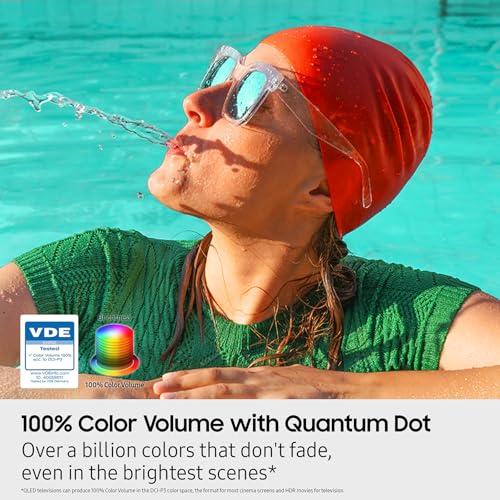
Think of quantum dots as tiny color filters that can produce very specific shades of light when energized. This technology allows QLED TVs to display a much wider range of colors (what manufacturers call "color volume") compared to regular LED displays. However, within Samsung's QLED family, there are dramatic differences in how this technology is implemented.
The main considerations when choosing any QLED TV include the backlighting system (edge-lit versus full-array), processing power for upscaling lower-quality content, gaming capabilities, peak brightness for HDR content, and of course, the overall value proposition. These factors become especially important when comparing models that sit in different performance tiers.
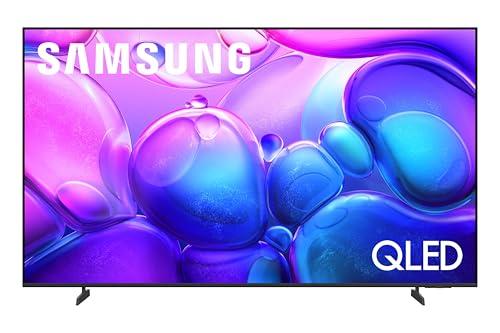
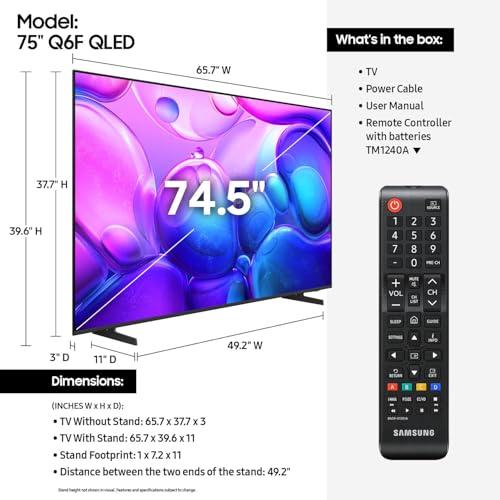
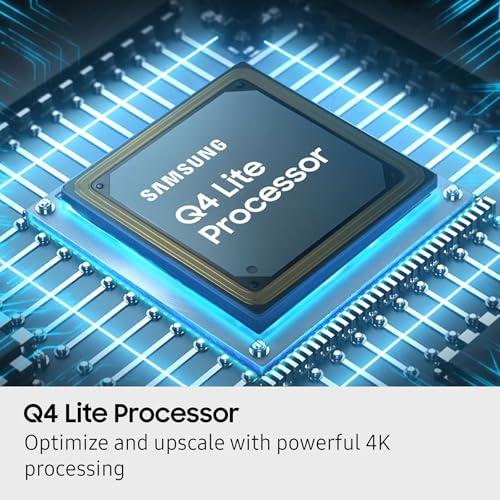
The Samsung Q6F 75-inch represents Samsung's entry point into their 2025 QLED lineup. Released as part of their budget-friendly tier, it uses edge-lit backlighting (where LEDs are positioned around the screen's edges) combined with basic quantum dot technology. The TV runs on Samsung's Q4 Lite processor, which handles fundamental tasks like 4K upscaling and basic picture optimization.
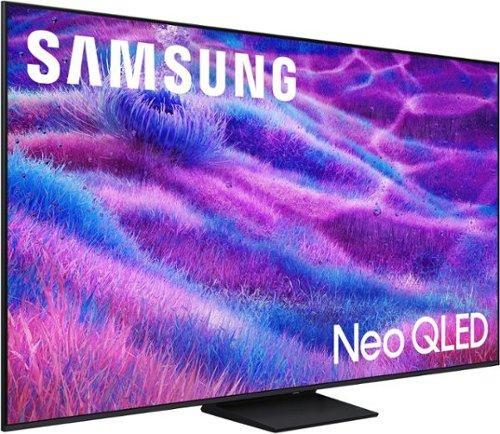
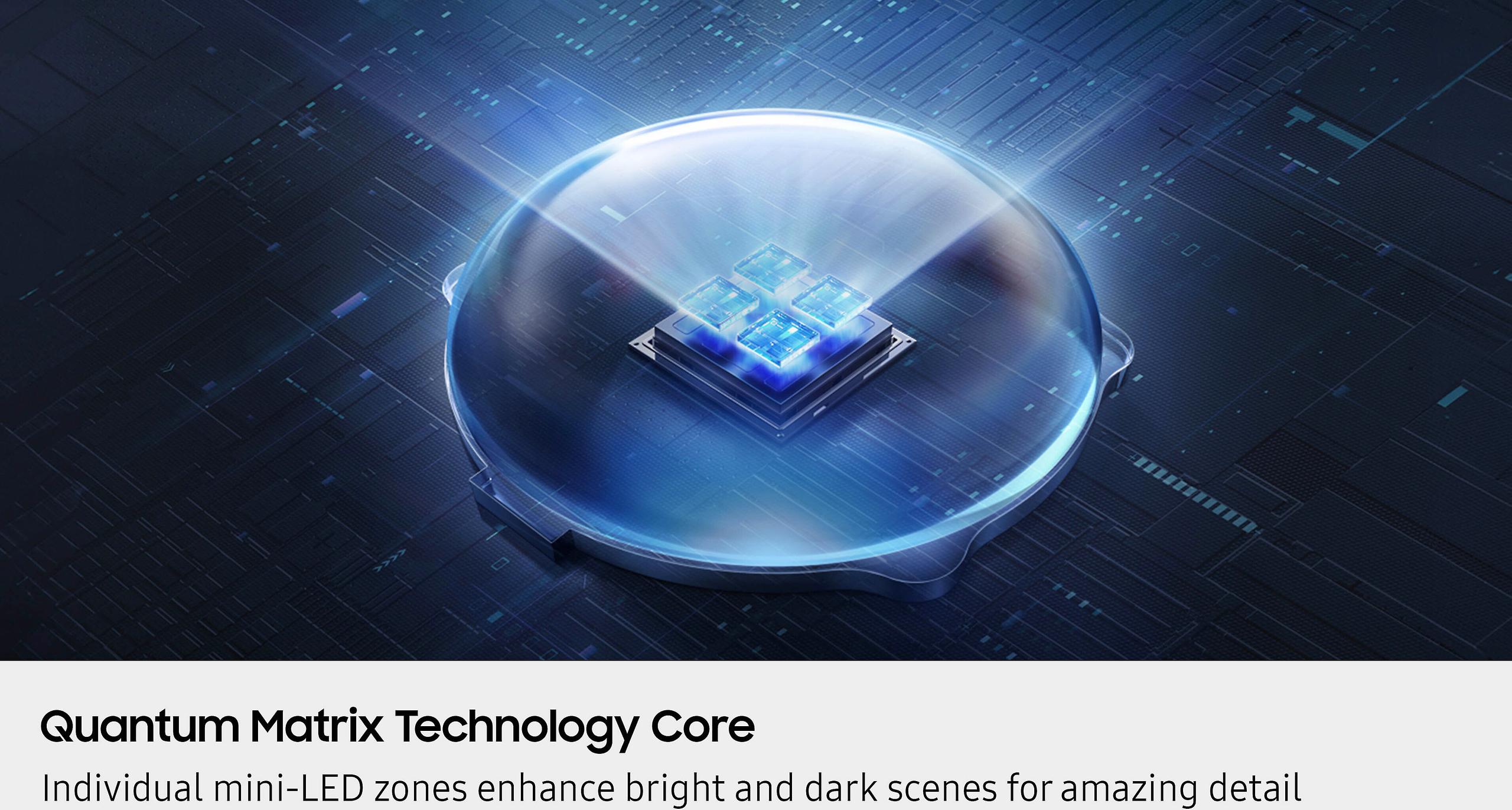
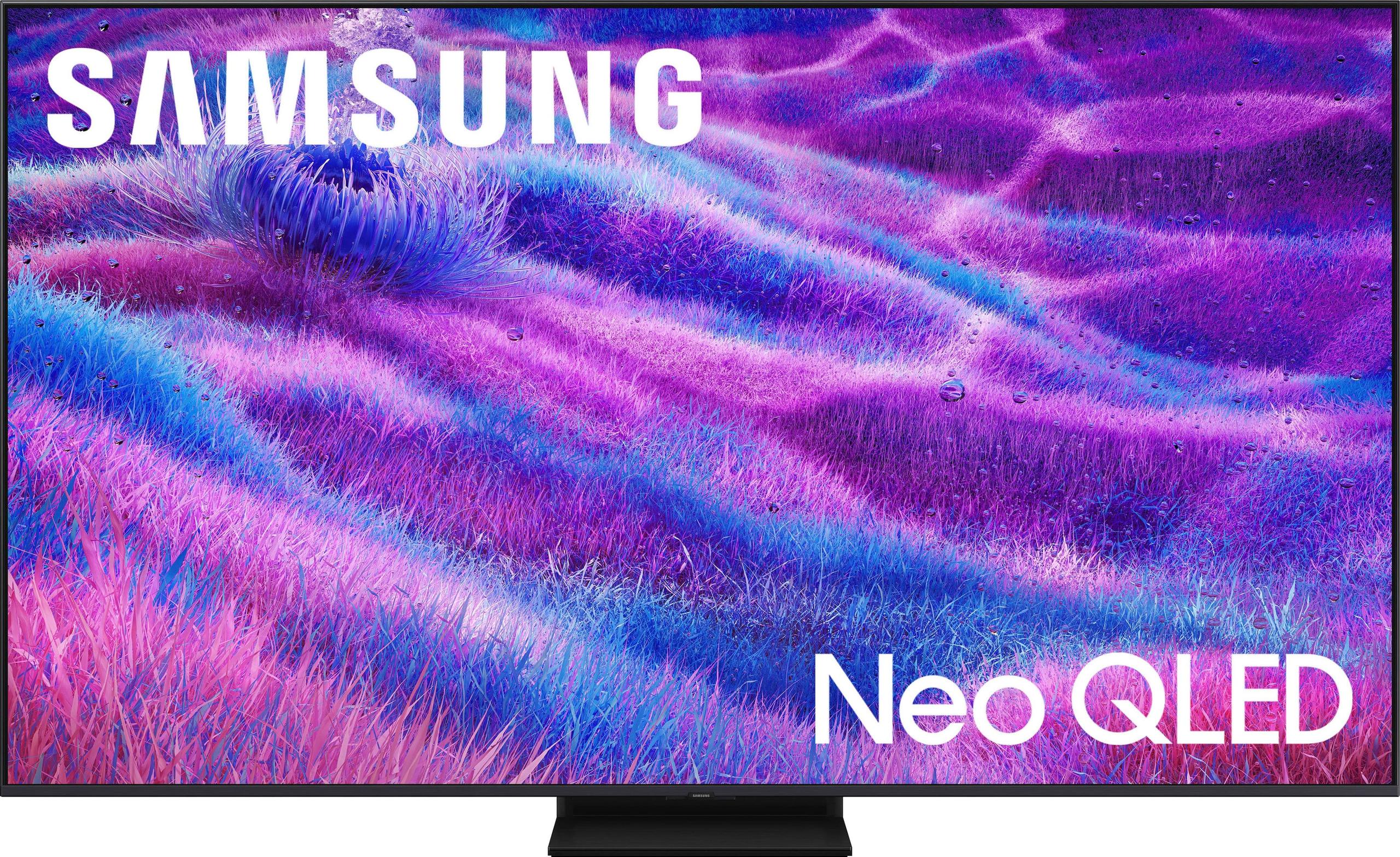
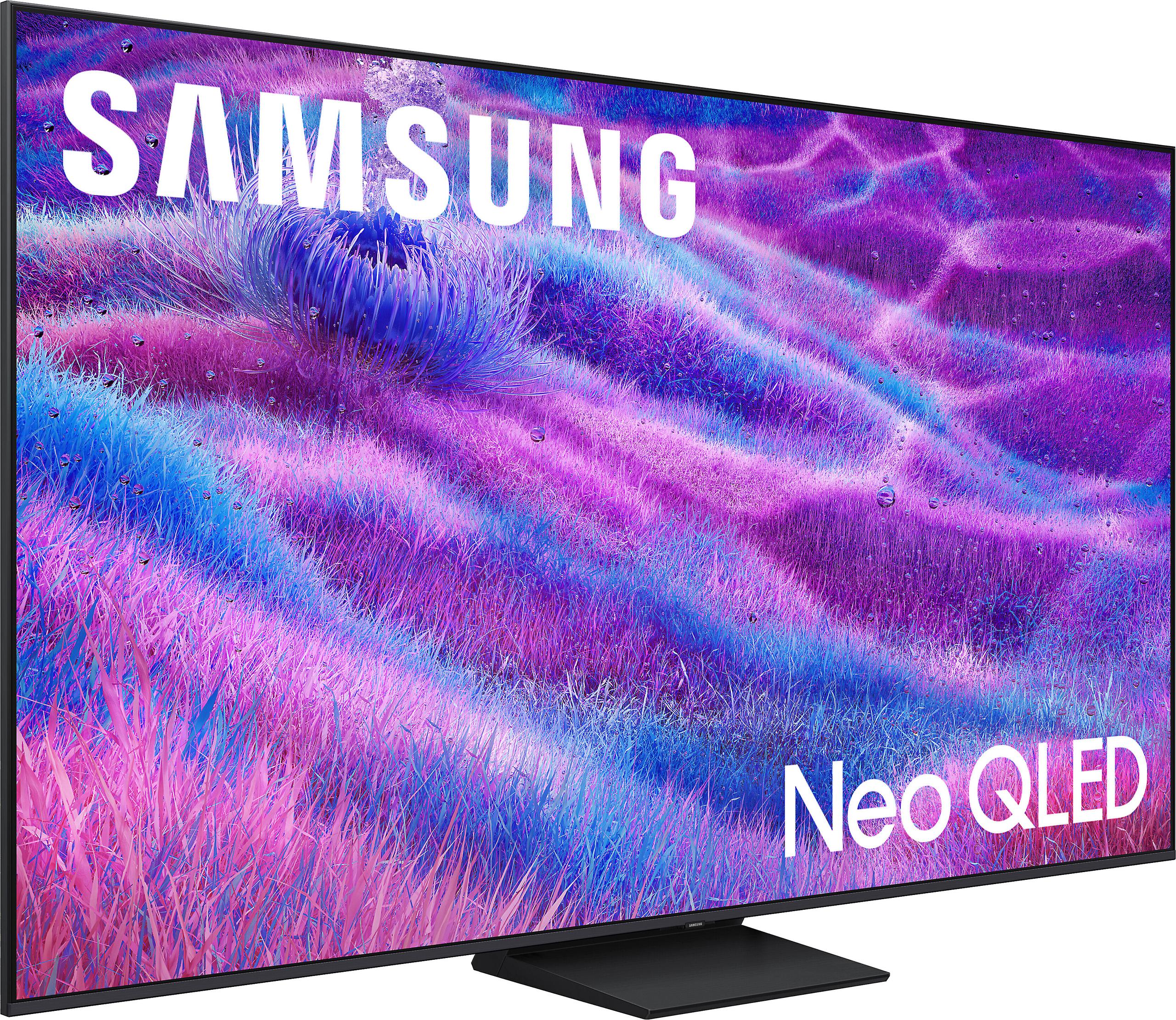
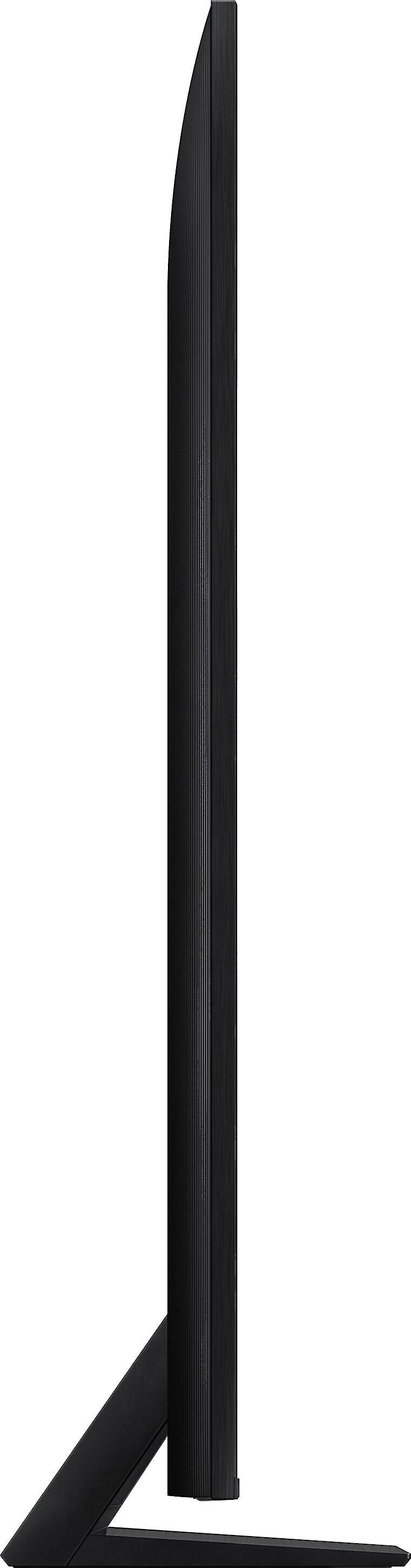
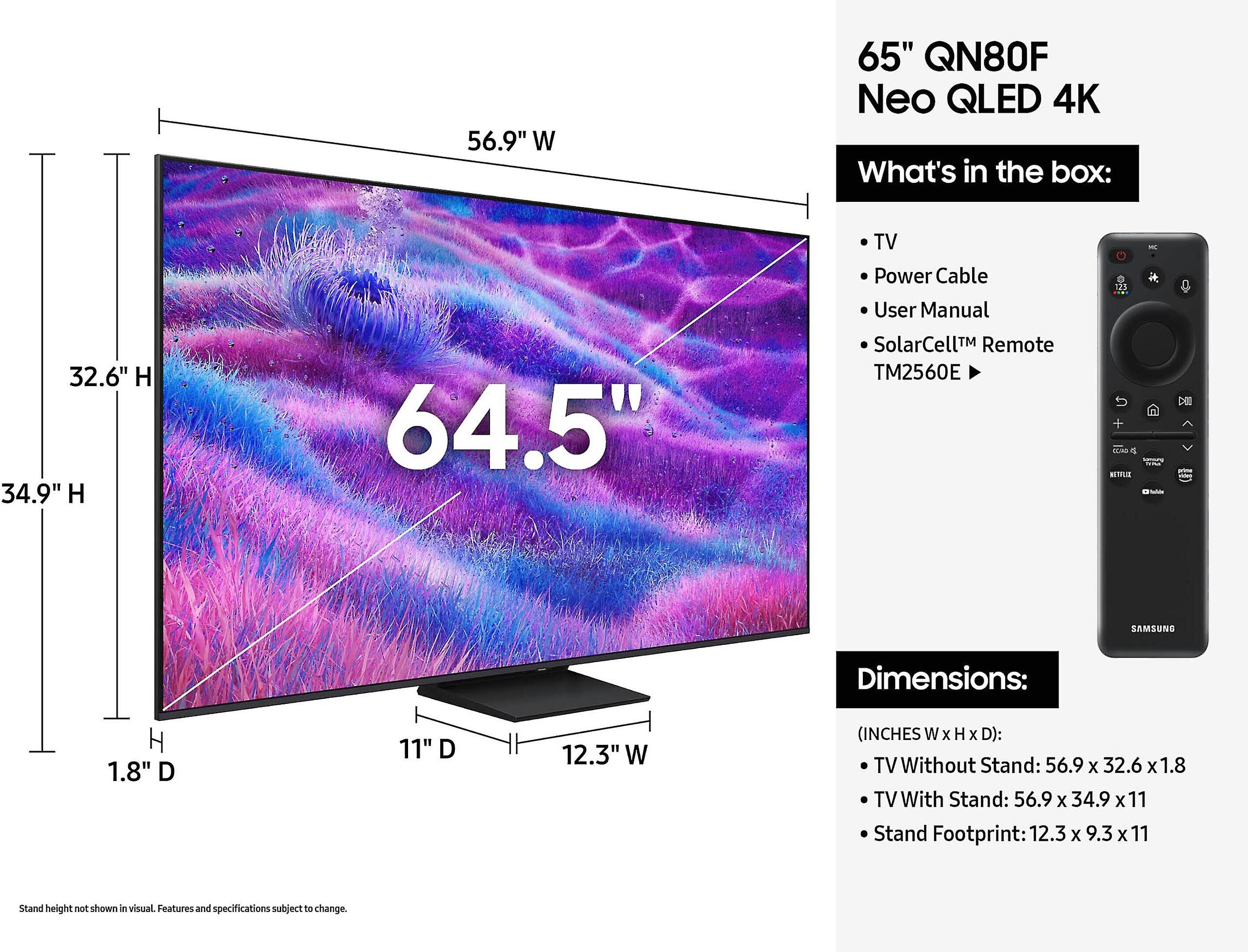
In contrast, the Samsung QN80F 65-inch sits firmly in the mid-range category with significantly more advanced technology. This 2025 model features what Samsung calls Neo QLED – their premium implementation that combines quantum dots with Mini LED backlighting. Mini LEDs are much smaller than traditional LEDs, allowing for thousands of individual lighting zones across the screen for precise brightness control.
The size difference here isn't accidental. Samsung has positioned these models to force a decision: do you want 75 inches of solid but basic QLED performance, or 65 inches of genuinely advanced display technology?
The most significant performance gap between these TVs lies in their backlighting systems, and this difference affects everything from contrast to color accuracy. The Q6F's edge-lit design places LEDs around the screen's perimeter, with light guides distributing illumination across the panel. This approach works adequately for general viewing but creates limitations – you can't have true local dimming (where parts of the screen can be independently darkened), and brightness uniformity can be inconsistent.
The QN80F's Mini LED system represents a completely different approach. With hundreds of individual LED zones behind the screen, it can precisely control brightness in specific areas. This means that when you're watching a movie scene with bright explosions against a dark sky, the Mini LED system can make those explosions blindingly bright while keeping the surrounding sky genuinely black.
Based on professional measurements, the QN80F achieves peak brightness levels around 1,100 nits in movie mode and nearly 1,000 nits in standard viewing – significantly brighter than what the Q6F can produce. This brightness advantage becomes crucial for HDR content, where highlights need to really pop to create that "wow" factor.
Both TVs use quantum dot technology, but the implementation differs substantially. The Q6F achieves Samsung's claimed "100% color volume," which sounds impressive but represents the baseline expectation for any modern QLED display. The processing happens through the Q4 Lite chip, which handles basic 4K upscaling but lacks the computational power for sophisticated real-time optimization.
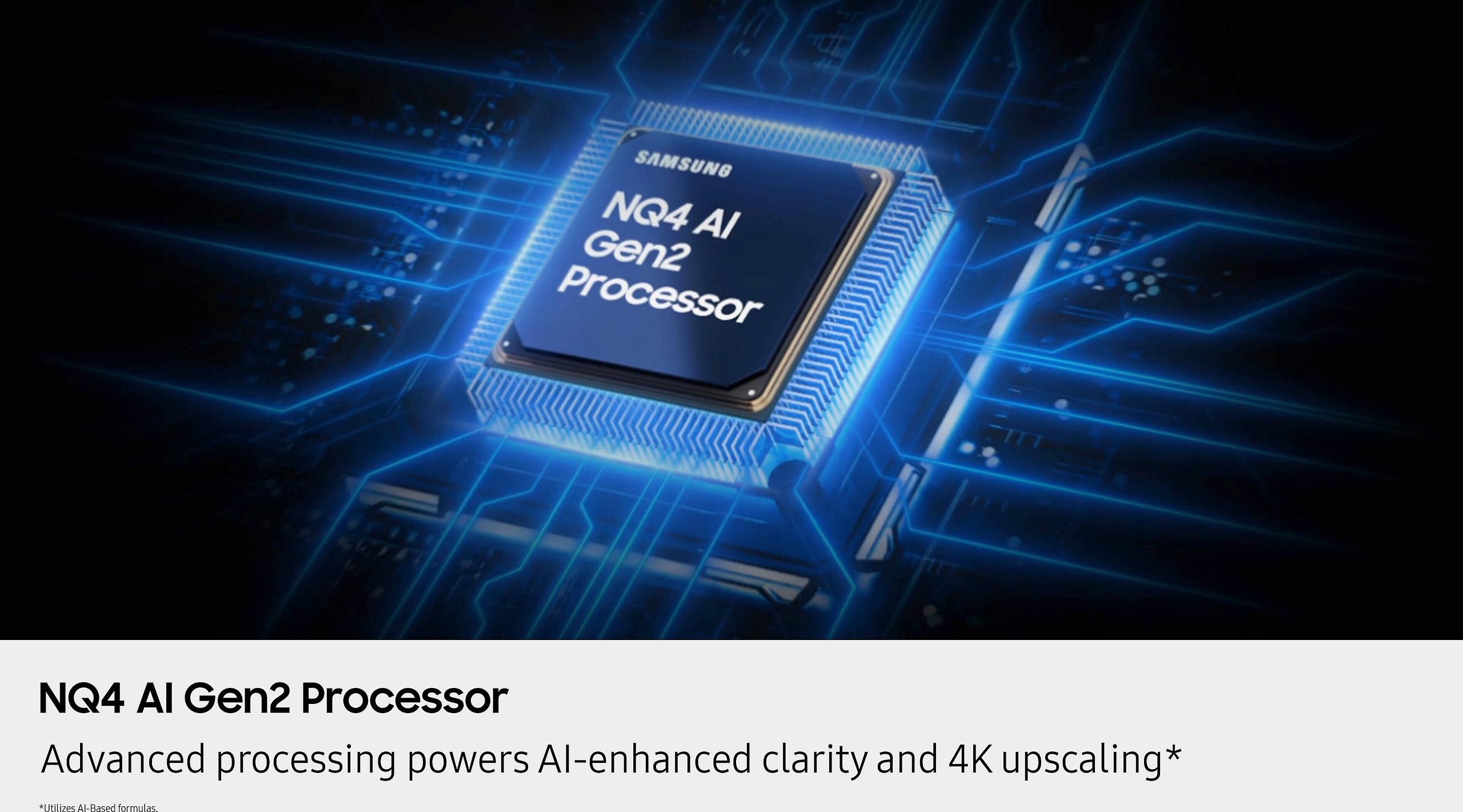
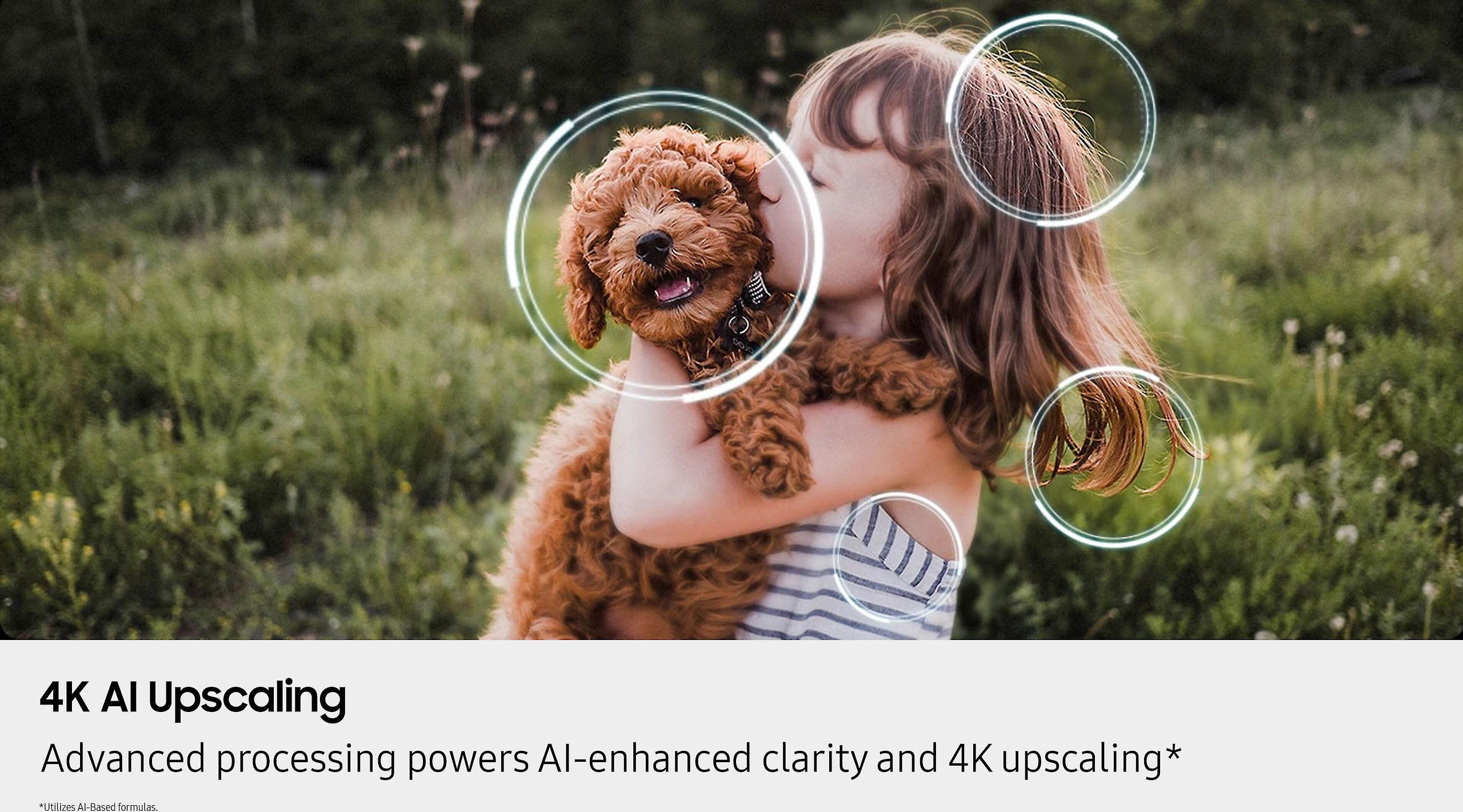
The QN80F uses Samsung's NQ4 AI Gen2 processor – approximately 2.6 times more powerful than the Q4 Lite. This processing advantage shows up in several ways: superior upscaling of lower-resolution content (like 1080p streaming), better noise reduction, and real-time picture optimization based on the content type. The AI processor can recognize whether you're watching a dark movie, bright sports content, or animated shows and adjust accordingly.
Color accuracy between the models is where things get interesting. While the Q6F produces vibrant, pleasing colors that most viewers will find satisfying, the QN80F delivers more accurate color reproduction that's closer to what content creators intended. For casual viewing, this difference might not matter, but for movie enthusiasts who care about cinematic accuracy, the QN80F's superior color processing becomes valuable.
If gaming matters to you at all, the choice between these TVs becomes straightforward – but the reasoning reveals important insights about modern TV technology.
The Q6F operates at a 60Hz refresh rate, which was standard for TVs until recently but now represents the bare minimum. With no variable refresh rate (VRR) support and basic input lag performance, it's essentially limited to casual gaming or older console systems. You can certainly play games on it, but you won't get the smooth motion and responsive controls that modern gaming demands.
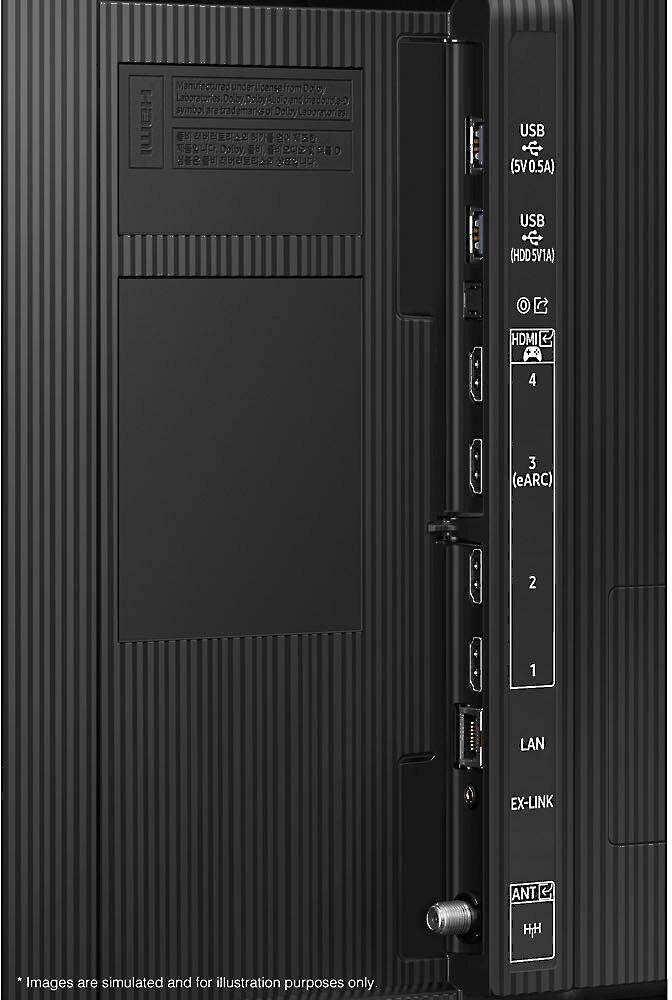
The QN80F was clearly designed with serious gaming in mind. Its native 144Hz refresh rate means it can display up to 144 frames per second – more than even the latest gaming consoles typically output. All four HDMI ports support the latest 2.1 standard, enabling 4K resolution at 120Hz with variable refresh rate support.
The input lag difference tells the whole story: the QN80F achieves 9.9 milliseconds in gaming mode, which is excellent for competitive gaming. Input lag is the delay between when you press a controller button and when the action appears on screen – anything under 20ms is considered good, and under 10ms is exceptional.
Features like AI Auto Game Mode automatically detect when you're gaming and switch to optimized settings, while FreeSync Premium Pro support ensures smooth gameplay without screen tearing. For anyone with a PlayStation 5, Xbox Series X, or gaming PC, these features transform the experience from adequate to genuinely impressive.
Modern TVs are essentially computers that happen to display video, and the processing power difference between these models affects daily usability in ways that aren't immediately obvious.
The Q6F runs Samsung's Tizen operating system with access to major streaming apps and over 1,200 free channels through Samsung TV Plus. The interface works fine for basic navigation, but the limited processing power means slower app loading times and occasional lag when switching between functions.
Samsung's 2025 updates brought significant improvements to the QN80F's smart platform experience. The NQ4 AI Gen2 processor enables features like real-time language translation for international content and AI-generated wallpapers that can match your room's mood or decor. While these sound gimmicky, the underlying processing power makes the entire interface more responsive and capable.
Both TVs include Samsung Knox security, which provides better privacy protection than many smart TV platforms, and support for voice assistants including Bixby, Alexa, and Google Assistant built-in.
TV audio often gets overlooked in comparisons, but the differences here reflect each model's target market. The Q6F includes basic Object Tracking Sound Lite, which attempts to move audio effects around the screen to match visual action, plus Q-Symphony compatibility for pairing with Samsung soundbars.
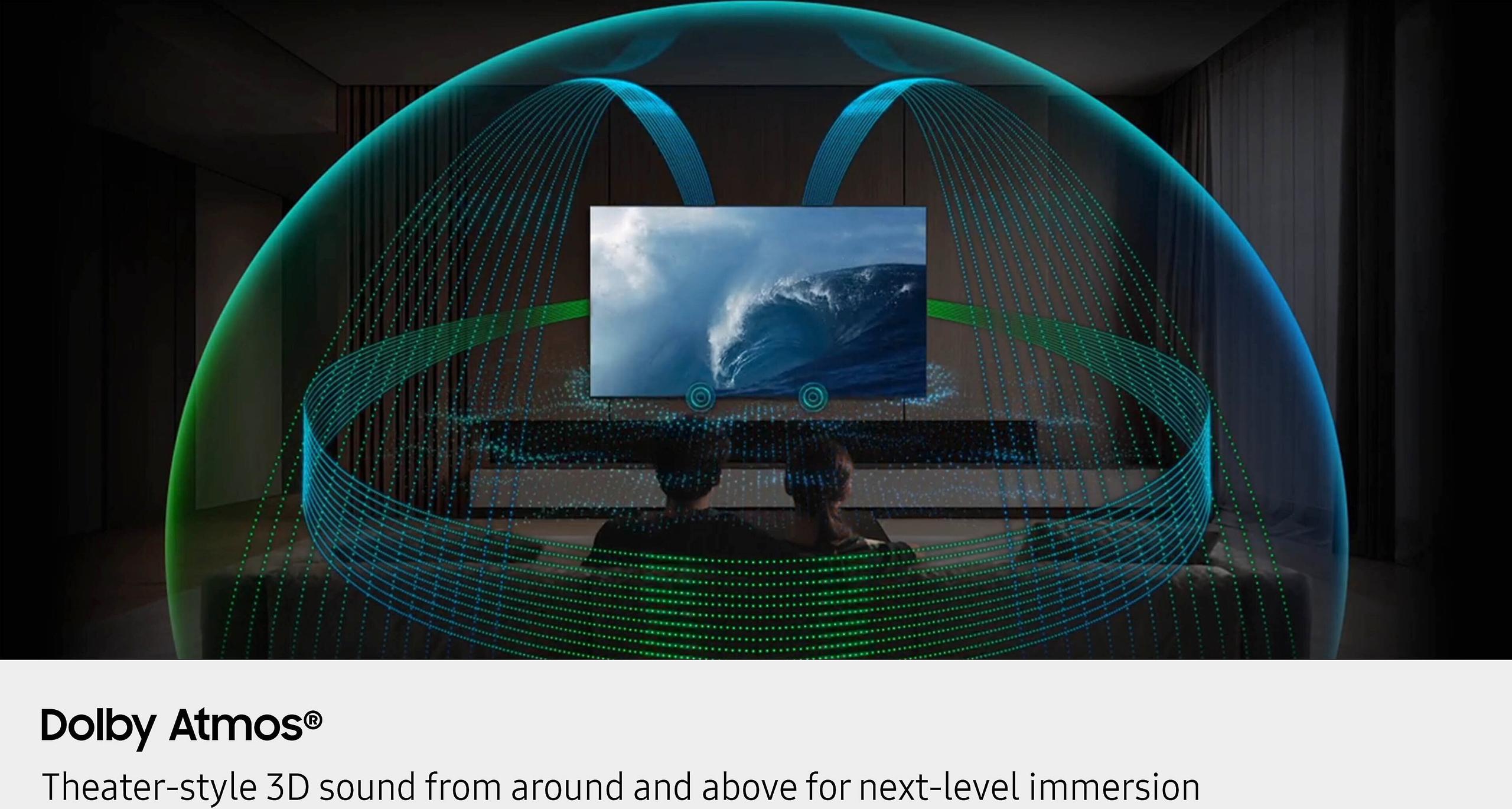
The QN80F supports Dolby Atmos, the premium surround sound format that creates three-dimensional audio effects. Its Adaptive Sound Pro uses AI to analyze different types of content – dialogue, music, sound effects – and optimize each element separately. The system even considers your room's acoustics for better audio positioning.
However, based on user feedback, both TVs benefit significantly from external sound systems. The built-in speakers handle everyday viewing adequately, but anyone serious about audio quality will want to invest in a soundbar or surround system regardless of which model they choose.
At the time of writing, these TVs represent fundamentally different value approaches. The Q6F prioritizes maximum screen size within a budget-friendly price range, while the QN80F costs significantly more but delivers genuinely superior technology across nearly every category.
The screen size difference matters more than you might think. A 75-inch display has about 30% more screen area than a 65-inch model, which can partially compensate for the Q6F's technological limitations if you're sitting at typical viewing distances. For many families watching from 8-10 feet away, that extra screen real estate provides more immediate impact than advanced picture processing.
However, the QN80F's superior brightness capabilities make it much better suited for rooms with lots of natural light. If your TV faces windows or you typically watch during daytime hours, the brightness difference becomes crucial for maintaining image quality.
For dedicated home theater setups, the QN80F is clearly superior despite its smaller size. The Mini LED backlighting provides the contrast control necessary for cinematic viewing, especially in darkened rooms where the local dimming zones can create genuinely deep blacks alongside bright highlights.
The Q6F's edge-lit design struggles with letterboxed movie content, where you want the black bars above and below the picture to disappear completely. Without local dimming, those bars appear more gray than black, which breaks the cinematic immersion.
Peak brightness also affects HDR movie viewing significantly. HDR content is mastered at brightness levels that require displays capable of at least 600-1000 nits to show properly. The QN80F's ability to hit over 1,000 nits means HDR highlights actually look impressive, while the Q6F's more limited brightness can make HDR content look flat and unimpressive.
The Q6F 75-inch makes sense for specific situations. If you're upgrading from an older non-QLED TV and want the largest possible screen within a tight budget, it delivers solid quantum dot color improvement and adequate smart features. It's ideal for families who primarily watch streaming services, cable TV, and don't have serious gaming requirements. The larger screen size can be genuinely transformative for movie nights and sports viewing, even with the technological compromises.
The QN80F 65-inch targets buyers who prioritize picture quality and future-proofing over maximum screen size. If you game regularly, watch lots of HDR content, have a bright living room, or simply want a TV that will remain competitive for years to come, the additional investment makes sense. The Mini LED technology, gaming features, and superior processing represent genuinely advanced capabilities rather than minor incremental improvements.
This comparison ultimately comes down to your viewing priorities and room setup. The Q6F succeeds at delivering quantum dot color enhancement and smart TV features at the largest possible screen size within its price category. For many buyers, especially those upgrading from older TVs, it provides a satisfying improvement that maximizes entertainment value per dollar spent.
The QN80F represents a more sophisticated approach to TV technology, with Mini LED backlighting, gaming optimization, and AI-powered processing that delivers measurably superior performance. While it costs significantly more, it also provides capabilities that will remain relevant as content and gaming continue evolving.
Consider your room lighting, viewing distance, gaming requirements, and budget constraints. If maximum screen size matters most and your budget is limited, the Q6F offers excellent value. If picture quality, gaming performance, or long-term technology investment take priority, the QN80F justifies its higher price through genuinely superior capabilities.
Either way, both TVs represent solid choices within their respective categories – it's just a matter of deciding which category better matches your needs and priorities.
| Samsung 75-Inch QLED Q6F Series 2025 Smart TV | Samsung 65" QN80F Neo QLED 4K TV |
|---|---|
| Screen Size - Bigger screens create more immersive viewing but picture quality matters too | |
| 75 inches (30% more screen area) | 65 inches (premium picture quality in smaller package) |
| Display Technology - The foundation that determines contrast and color performance | |
| Edge-lit QLED with Quantum Dot | Neo QLED with Mini LED backlighting and Quantum Matrix Technology |
| Local Dimming - Essential for true blacks and HDR contrast | |
| None (edge-lit design limitation) | Full-array with hundreds of precise Mini LED zones |
| Refresh Rate - Critical for gaming and smooth sports viewing | |
| 60Hz (basic TV watching only) | 144Hz native with VRR support (excellent for gaming) |
| Peak Brightness - Determines HDR impact and daytime viewing quality | |
| Basic QLED brightness (adequate for controlled lighting) | 1,106 nits Movie mode / 975 nits Standard (excellent for bright rooms) |
| Gaming Features - Modern console and PC gaming requirements | |
| None (60Hz, basic input lag) | 4K 120Hz, 9.9ms input lag, FreeSync Premium Pro, AI Auto Game Mode |
| Processor - Affects upscaling quality and smart TV responsiveness | |
| Q4 Lite (basic 4K upscaling) | NQ4 AI Gen2 (2.6x more powerful, superior upscaling and optimization) |
| HDR Support - Premium content viewing experience | |
| Quantum HDR (basic implementation) | HDR10+ with superior brightness and contrast |
| Smart Platform - Daily usability and feature set | |
| Tizen OS with Knox security | Tizen 9.0 with Vision AI features, faster performance |
| Audio Technology - Built-in sound quality | |
| Object Tracking Sound Lite, Q-Symphony | Dolby Atmos, Adaptive Sound Pro with AI optimization |
| Anti-Glare Coating - Reduces reflections in bright rooms | |
| No (standard screen finish) | Yes (significantly reduces light reflections) |
| Value Proposition - Who should consider each model | |
| Maximum screen size for budget-conscious buyers prioritizing size over tech | Advanced picture quality and gaming performance for enthusiasts willing to pay more |
The Samsung QN80F Neo QLED is significantly better for gaming with its 144Hz refresh rate, 9.9ms input lag, and full HDMI 2.1 support for 4K 120Hz gaming. It includes AI Auto Game Mode and FreeSync Premium Pro for smooth gameplay. The Samsung Q6F only offers 60Hz with basic gaming capabilities, making it unsuitable for modern console or PC gaming.
The biggest difference is the backlighting technology. The Samsung QN80F uses Mini LED backlighting with hundreds of local dimming zones for superior contrast and deeper blacks, while the Samsung Q6F uses basic edge-lit backlighting without local dimming. The QN80F also achieves much higher peak brightness (over 1,000 nits) compared to the Q6F's basic brightness levels.
This depends on your priorities. The Samsung Q6F 75-inch offers 30% more screen area, which provides more immersive viewing for movies and sports. However, the Samsung QN80F 65-inch delivers dramatically superior picture quality with Mini LED technology, better gaming performance, and brighter HDR. Choose the Q6F if maximum screen size matters most, or the QN80F if picture quality is your priority.
The Samsung QN80F is much better for bright rooms thanks to its higher peak brightness (1,106 nits) and anti-glare coating that reduces reflections. The Samsung Q6F lacks anti-glare coating and has lower brightness, making it better suited for rooms with controlled lighting conditions.
Both the Samsung Q6F and Samsung QN80F run Samsung's Tizen smart TV platform with access to major streaming services like Netflix, Disney+, and Amazon Prime. However, the QN80F uses the newer Tizen 9.0 with Vision AI features like live translation and generative wallpapers, plus faster performance thanks to its more powerful NQ4 AI Gen2 processor compared to the Q6F's basic Q4 Lite chip.
The Samsung QN80F offers superior audio with Dolby Atmos support and Adaptive Sound Pro that uses AI to optimize different types of content. The Samsung Q6F includes basic Object Tracking Sound Lite and Q-Symphony compatibility. Both TVs benefit from adding a soundbar, but the QN80F provides a better built-in audio experience.
The Samsung QN80F costs significantly more but delivers genuinely advanced technology including Mini LED backlighting, 144Hz gaming, superior processing, and much brighter HDR performance. It's worth the premium if you game regularly, watch HDR content, have a bright room, or want future-proof technology. The Samsung Q6F offers better value if you prioritize maximum screen size within a budget and don't need advanced features.
The Samsung QN80F is dramatically better for HDR content thanks to its Mini LED backlighting that can achieve the high brightness levels HDR requires (over 1,000 nits). The local dimming zones create true contrast between bright and dark areas. The Samsung Q6F supports HDR formats but lacks the brightness and contrast control to make HDR content look impressive.
Yes, both TVs can connect to modern consoles, but the experience differs significantly. The Samsung QN80F fully supports next-gen gaming with 4K 120Hz, variable refresh rate, and ultra-low input lag through its four HDMI 2.1 ports. The Samsung Q6F will display games from these consoles but is limited to 60Hz without advanced gaming features, so you won't get the full performance these consoles can deliver.
The Samsung QN80F has superior upscaling thanks to its NQ4 AI Gen2 processor, which is approximately 2.6 times more powerful than the Samsung Q6F's Q4 Lite chip. The QN80F can better enhance lower-resolution content from streaming services, cable TV, and older media, making them look sharper and cleaner on the 4K display.
The main downsides of choosing the Samsung Q6F are limited gaming capabilities, lower peak brightness for HDR, no local dimming for true contrast, and a less powerful processor. You also miss out on anti-glare coating and advanced AI features. However, if you primarily watch standard TV content and streaming services without gaming, the Q6F's larger 75-inch screen may provide more enjoyment than the QN80F's advanced features on a smaller display.
The Samsung QN80F is the better long-term investment due to its advanced Mini LED technology, 144Hz gaming support, more powerful processor, and superior HDR capabilities that will remain relevant as content and gaming continue evolving. The Samsung Q6F offers solid value now but may feel outdated sooner due to its basic 60Hz refresh rate and limited feature set. Choose the QN80F if you want a TV that will perform well for many years to come.
We've done our best to create useful and informative comparisons to help you decide what product to buy. Our research uses advanced automated methods to create this comparison and perfection is not possible - please contact us for corrections or questions. These are the sites we've researched in the creation of this article: youtube.com - rtings.com - cnet.com - youtube.com - rtings.com - samsung.com - bestbuy.com - samsung.com - samsung.com - bestbuy.com - manuals.plus - arrowassociatedstores.com - samsung.com - samsung.com - samsung.com - flatpanelshd.com - device.report - samsung.com - theshortcut.com - youtube.com - bestbuy.com - rtings.com - samsung.com - samsung.com - samsung.com - sargentappliance.com - displayspecifications.com - bestbuy.com

Privacy Policy
Terms and Conditions - Affiliate Policy
Home Security
© Copyright 2008-2026.
11816 Inwood Rd #1211, Dallas, TX 75244