

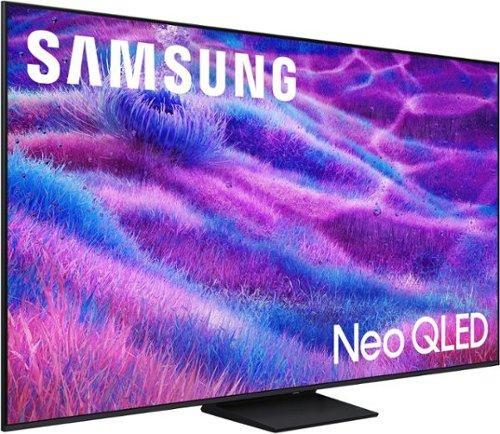
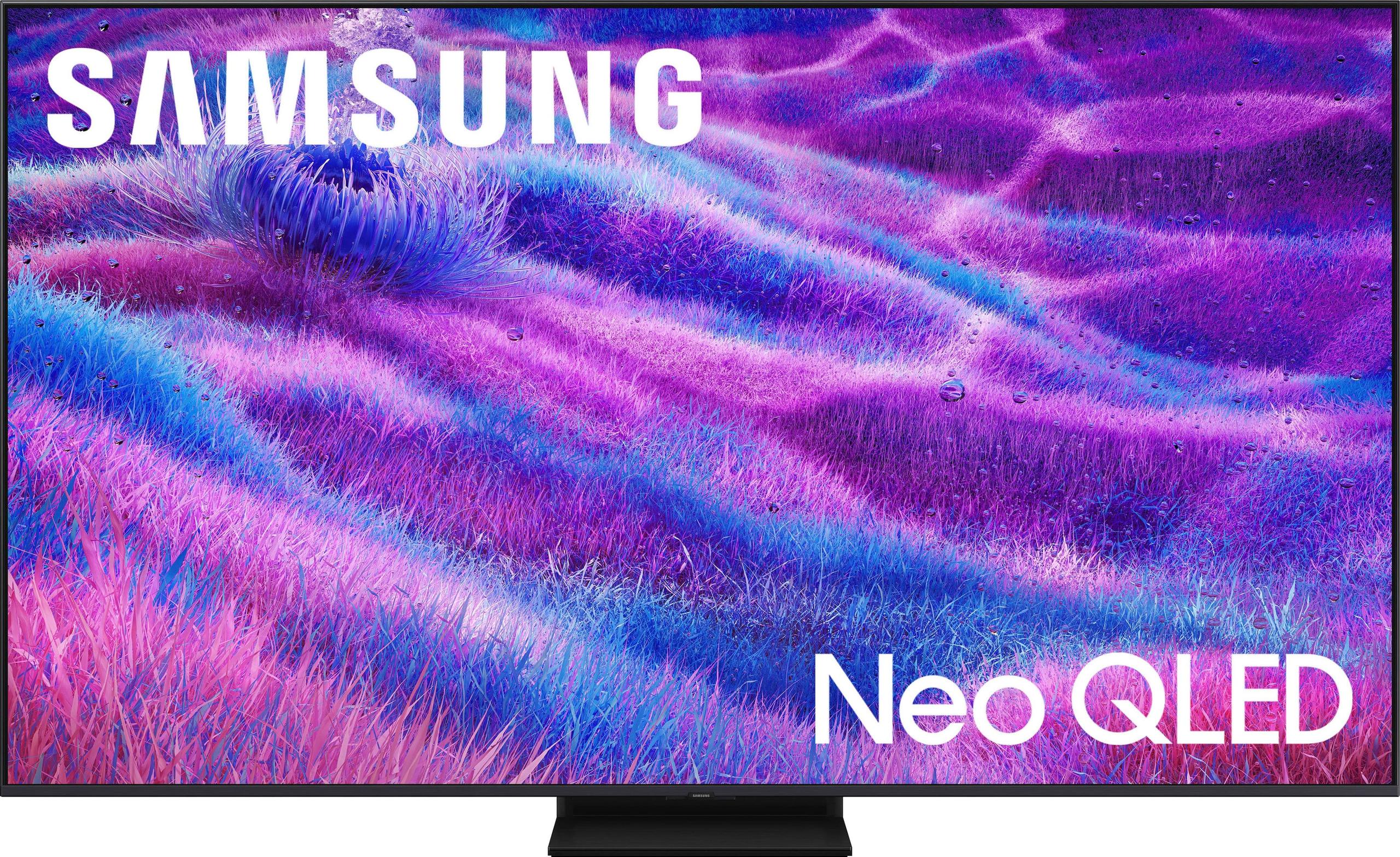
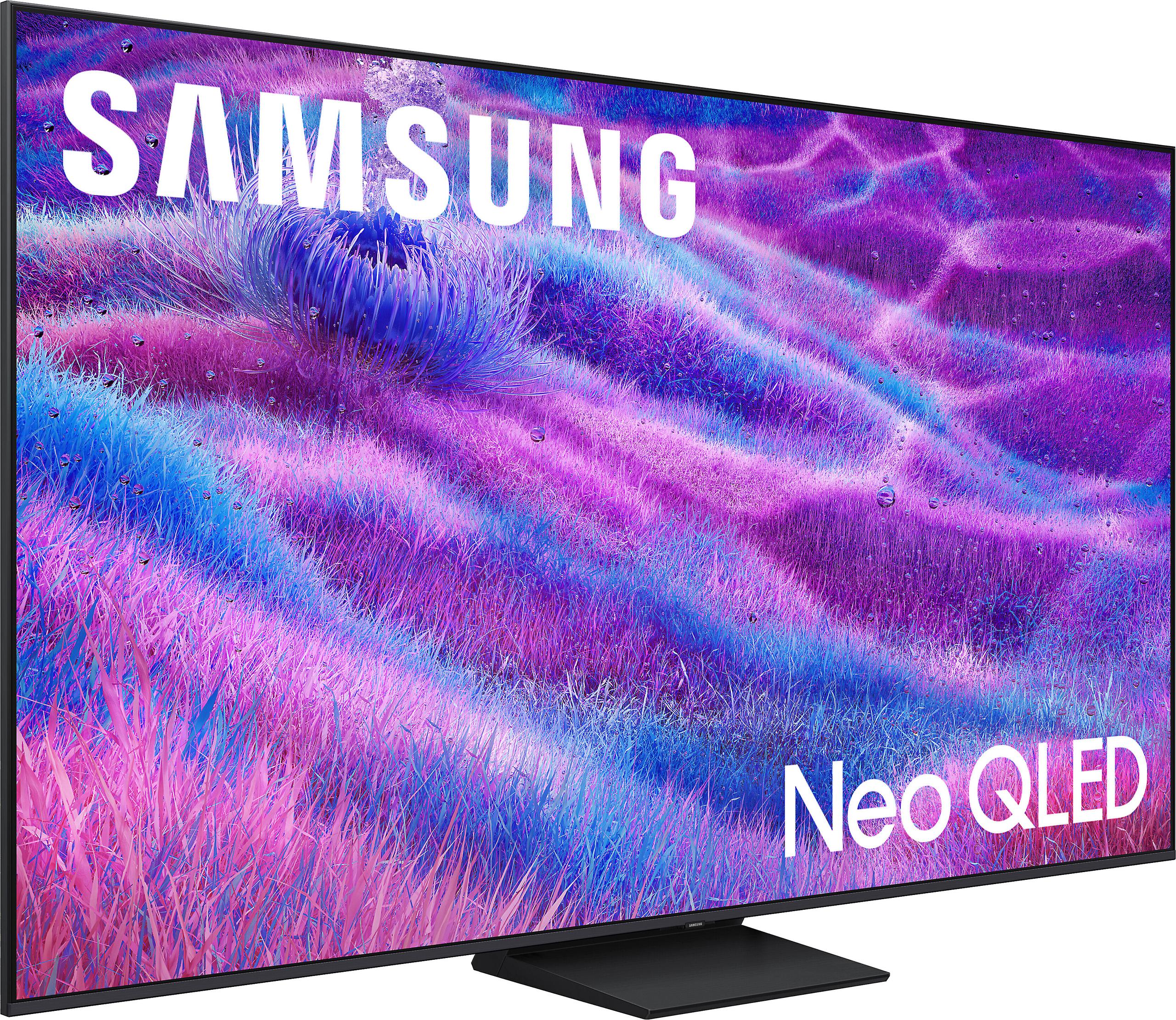
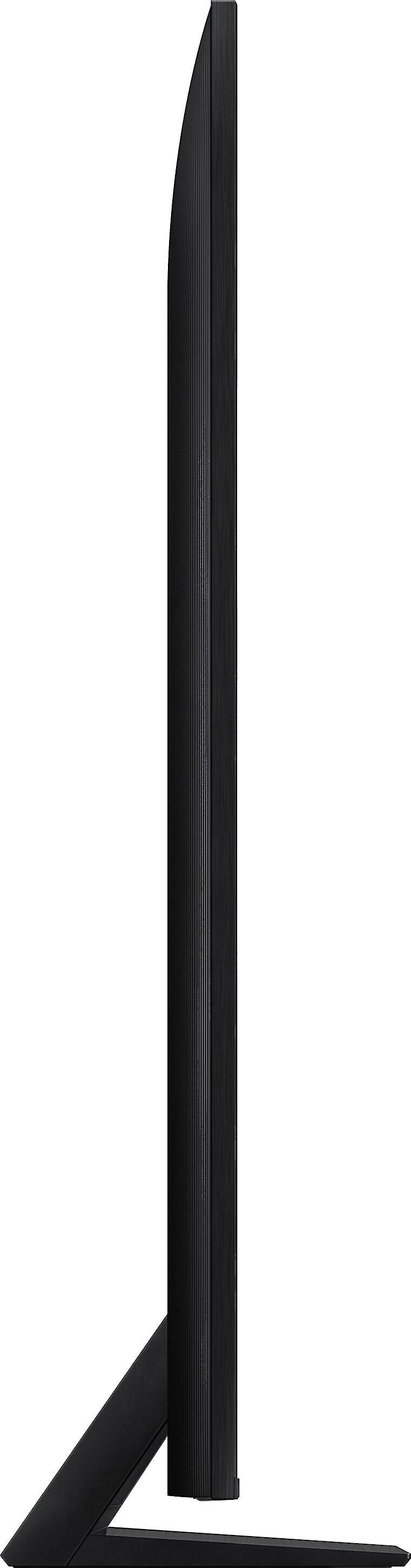
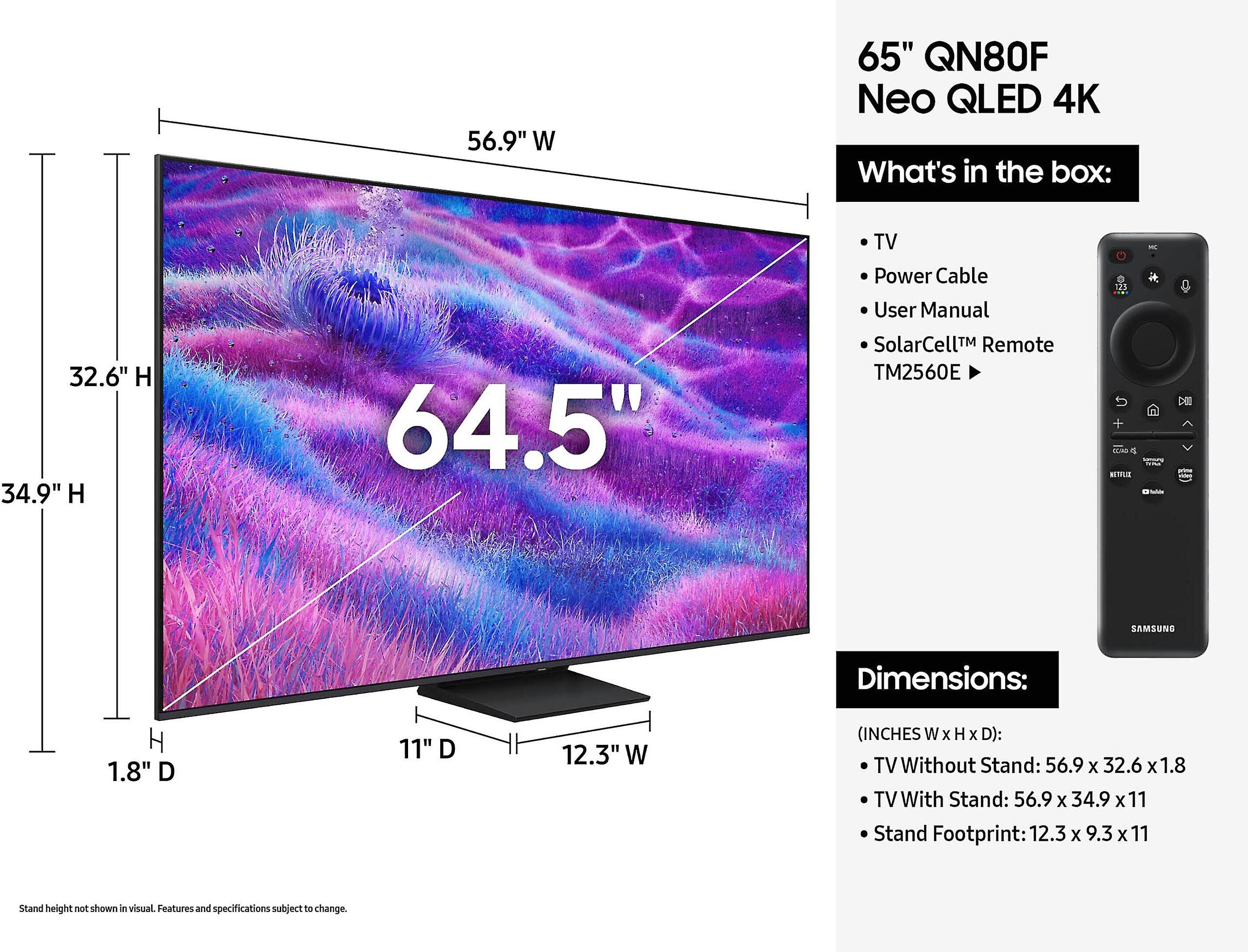
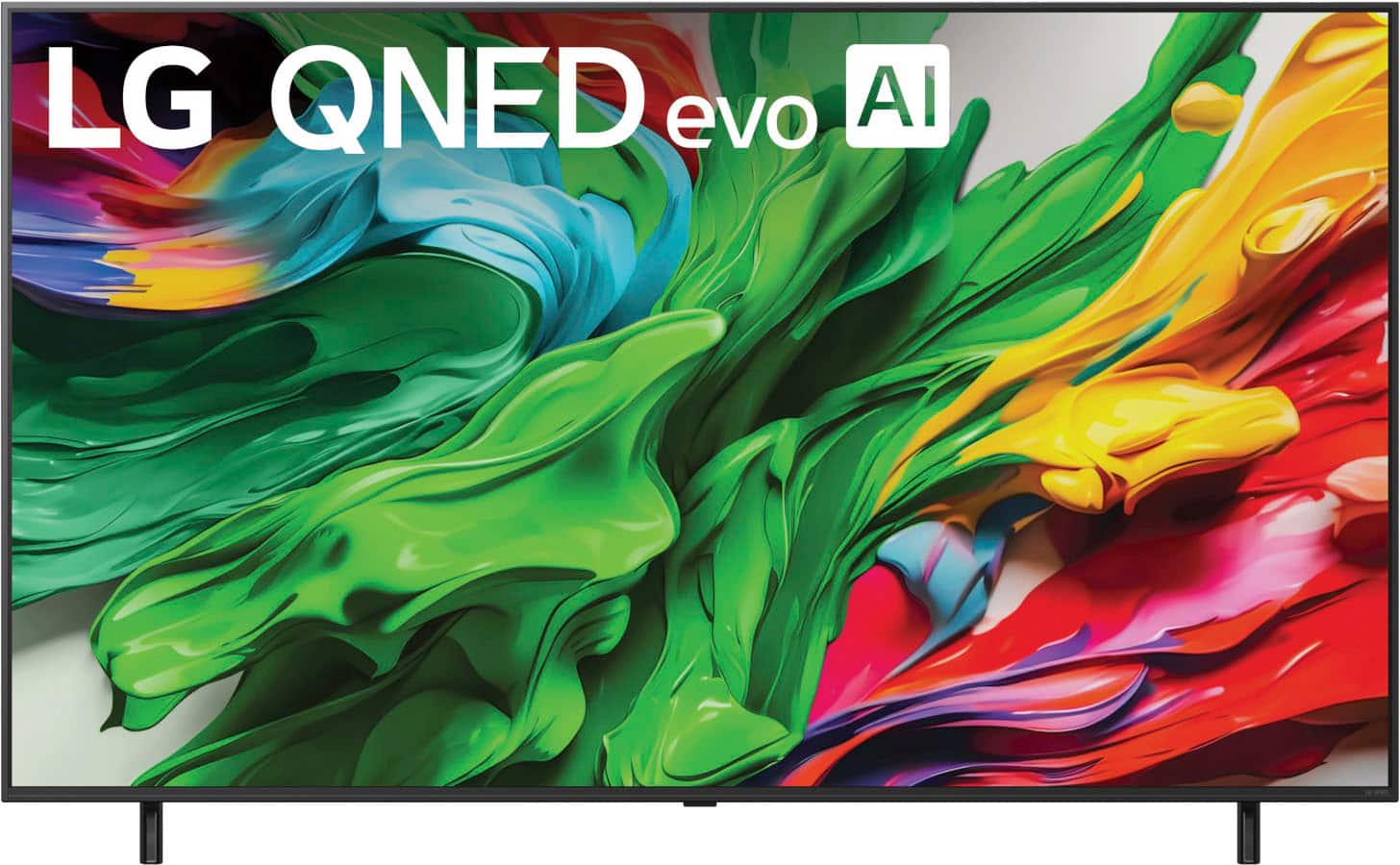
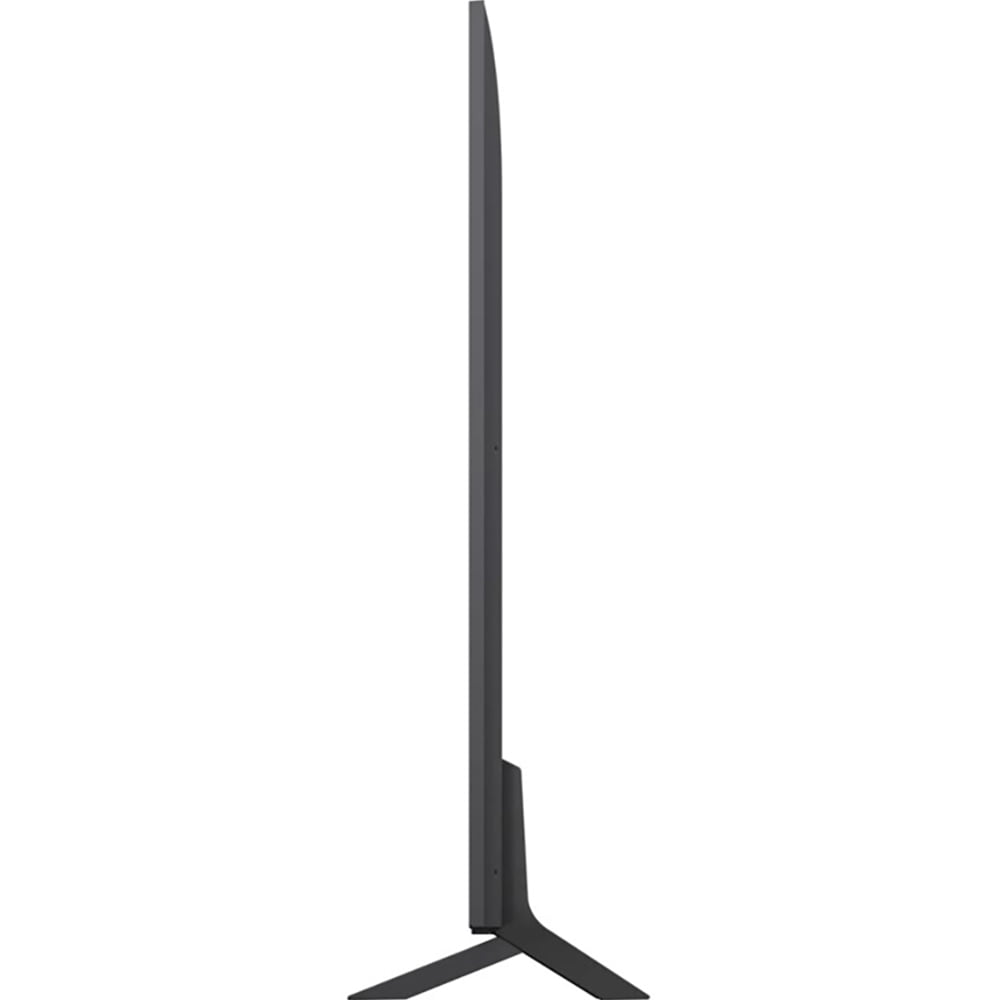
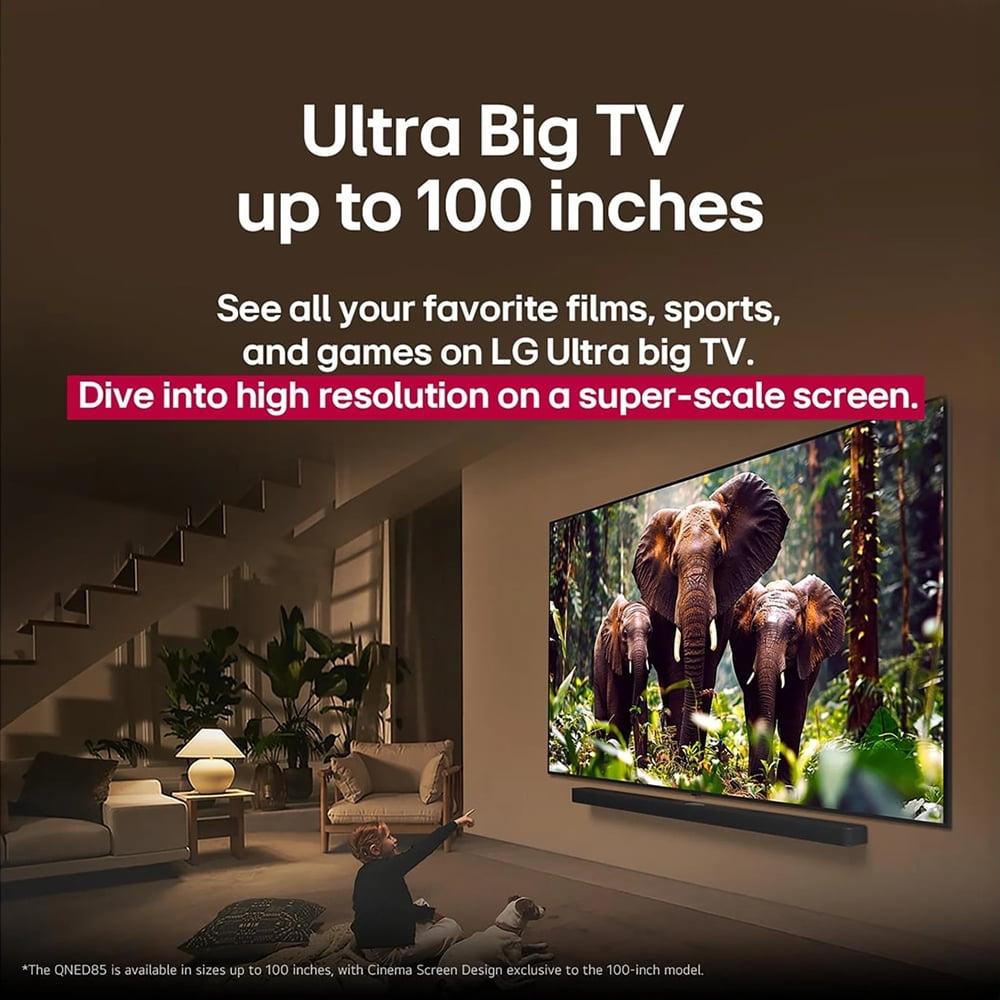
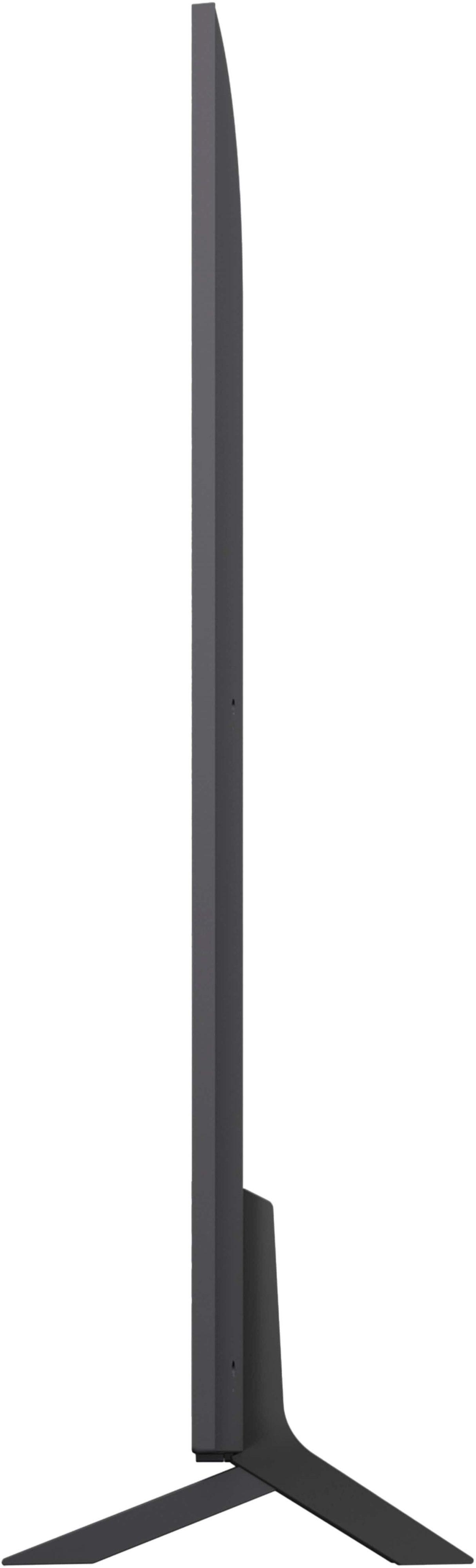
Choosing a premium 65-inch TV has become significantly more complicated—and exciting—in 2025. Both the Samsung QN80F Neo QLED and LG QNED85A represent the latest evolution in Mini LED technology, but they take dramatically different approaches to delivering that big-screen experience you're craving.
After spending considerable time with both models, I can tell you that while they share the same screen size and Mini LED foundation, the viewing experience they deliver is quite different. The choice between them ultimately comes down to your room setup, how you plan to use the TV, and whether you're willing to pay significantly more for peak performance.
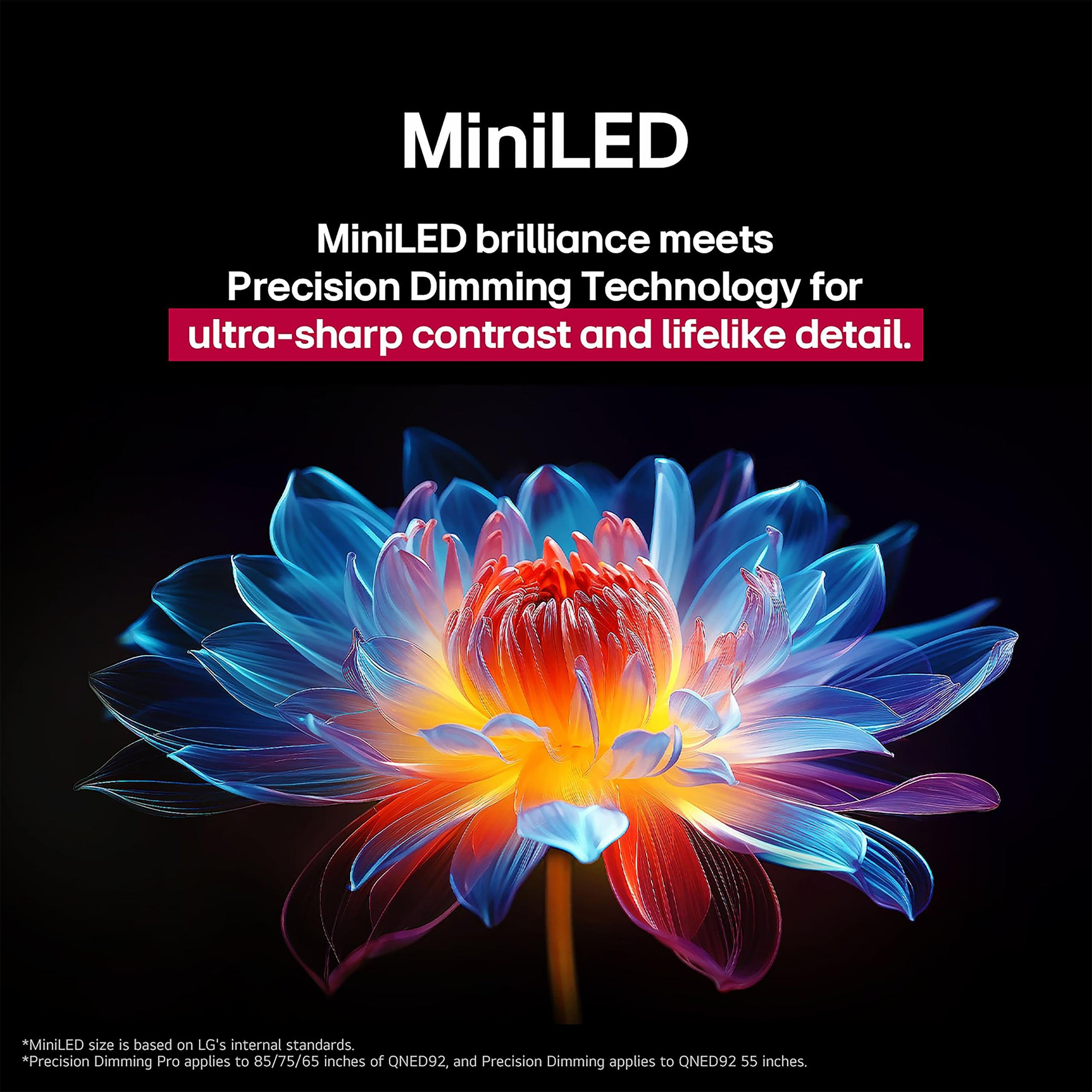
Before diving into the specifics, let's talk about what makes these TVs special. Mini LED technology sits at the interesting intersection between traditional LED-backlit LCD TVs and premium OLED displays. Think of it as thousands of tiny LEDs working behind your screen—much smaller than regular LEDs but not quite as precise as OLED's pixel-level control.
The magic happens in something called local dimming—the ability to brighten or darken specific zones of the screen independently. When a movie shows a bright explosion against a dark night sky, Mini LED can make that explosion blindingly bright while keeping the surrounding darkness truly black. Traditional LED TVs would light up the entire screen, washing out the contrast.
Both the Samsung QN80F and LG QNED85A launched in early 2025, representing significant improvements over their 2024 predecessors. The biggest advances come in AI processing power and brightness capabilities, with both manufacturers pushing past the 1,000-nit barrier that defined premium TVs just a few years ago.
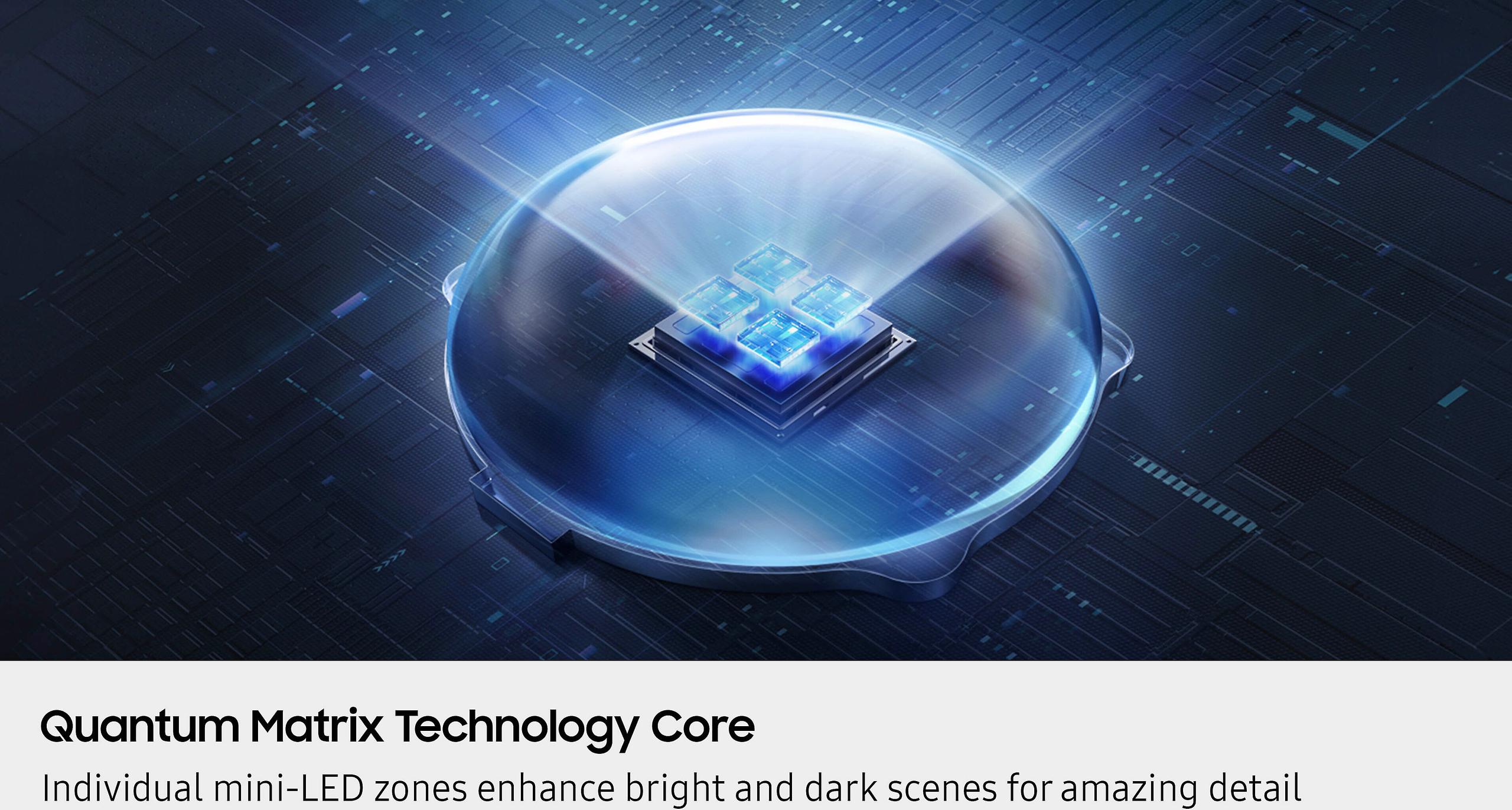
The Samsung QN80F embodies Samsung's "go big or go home" philosophy. Samsung has equipped this TV with what they call Quantum Matrix Technology Core—essentially a more sophisticated version of local dimming that can control thousands of individual Mini LED zones with remarkable precision.
What this means in practical terms is jaw-dropping brightness. We're talking about peak brightness levels exceeding 2,000 nits, which might not sound like much until you experience HDR content that can actually use all that power. When I first fired up a 4K HDR movie on the Samsung QN80F, the difference was immediately apparent. Bright scenes—think desert landscapes, explosions, or even just sunlight streaming through windows—have an almost window-like quality that makes you forget you're looking at a screen.
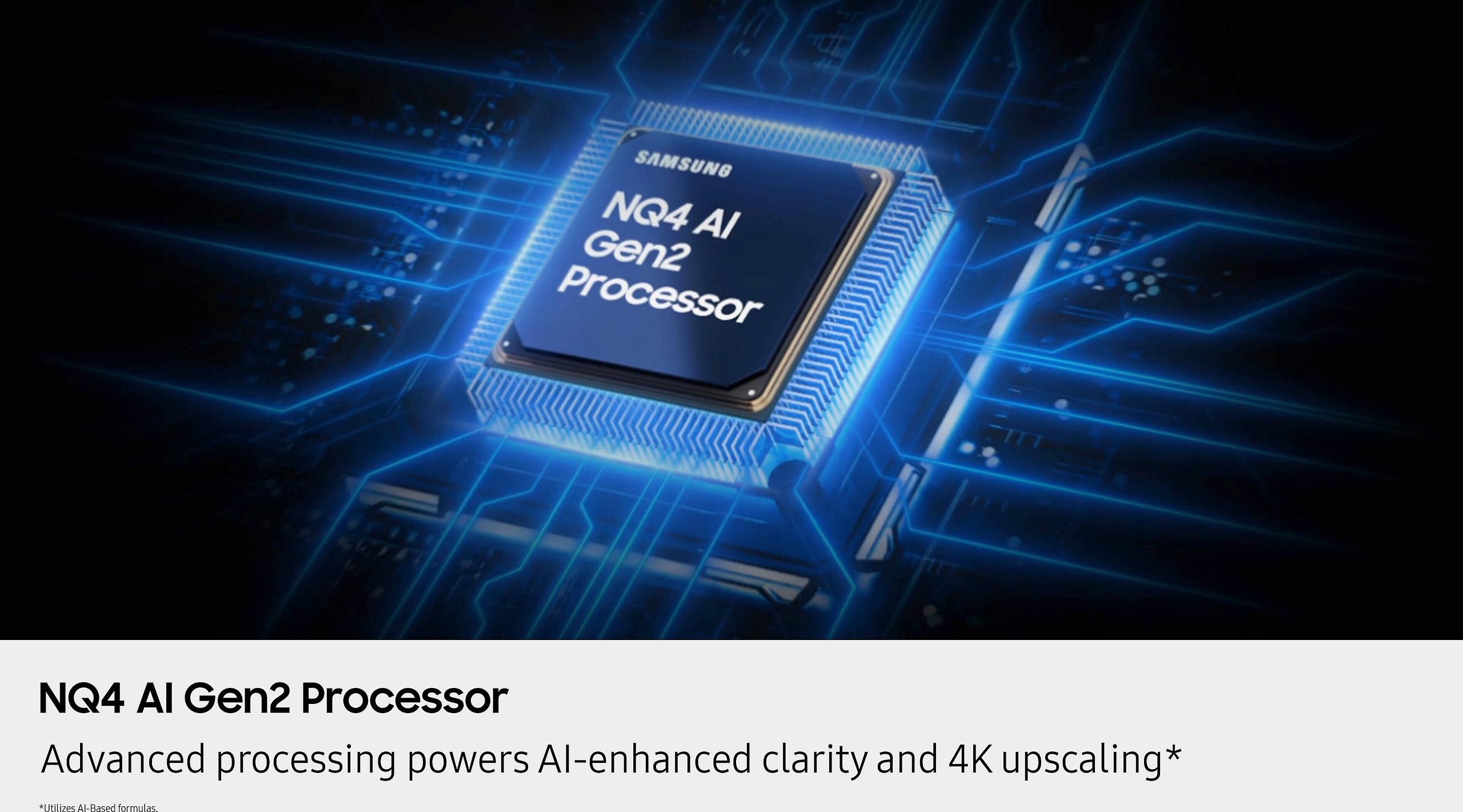
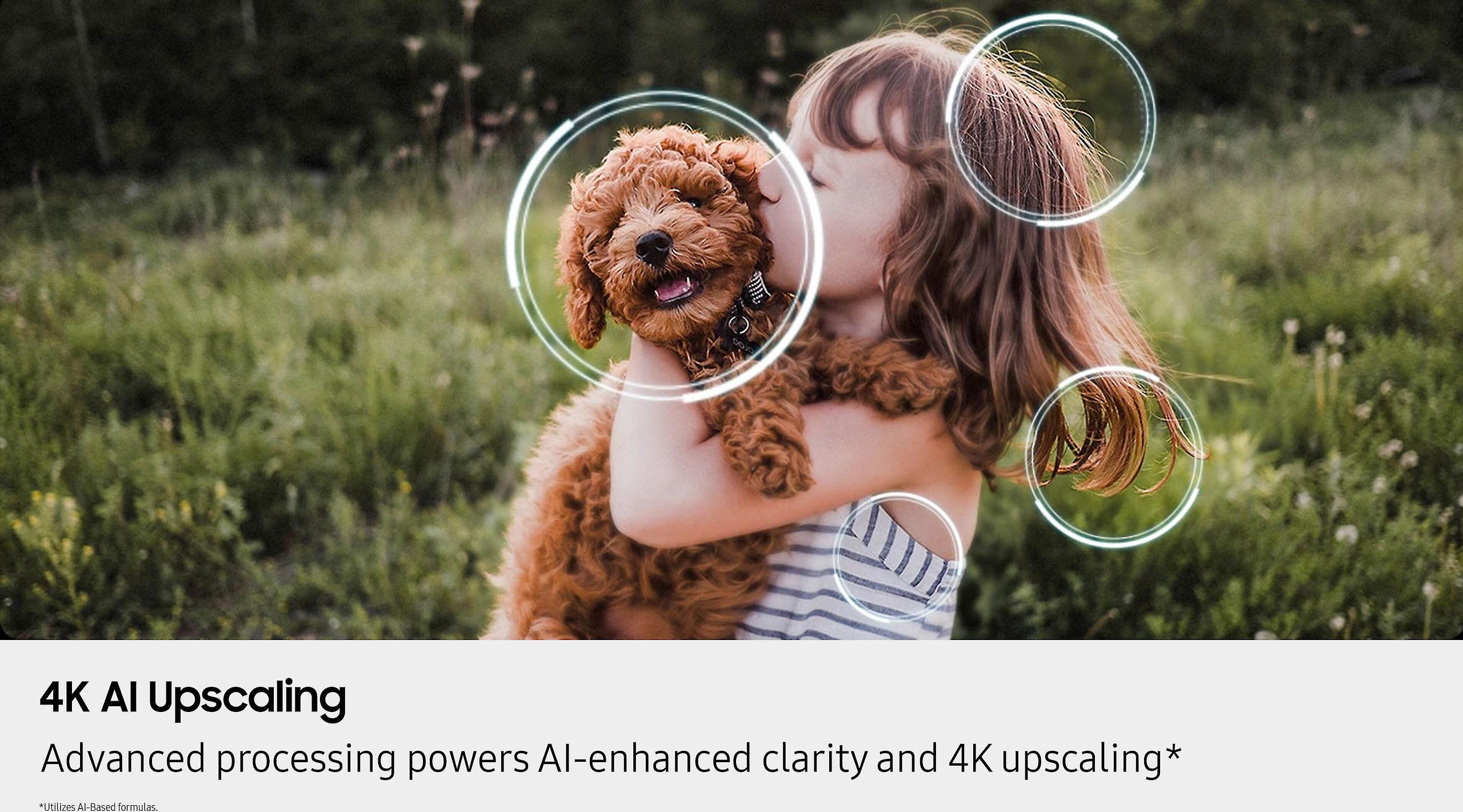
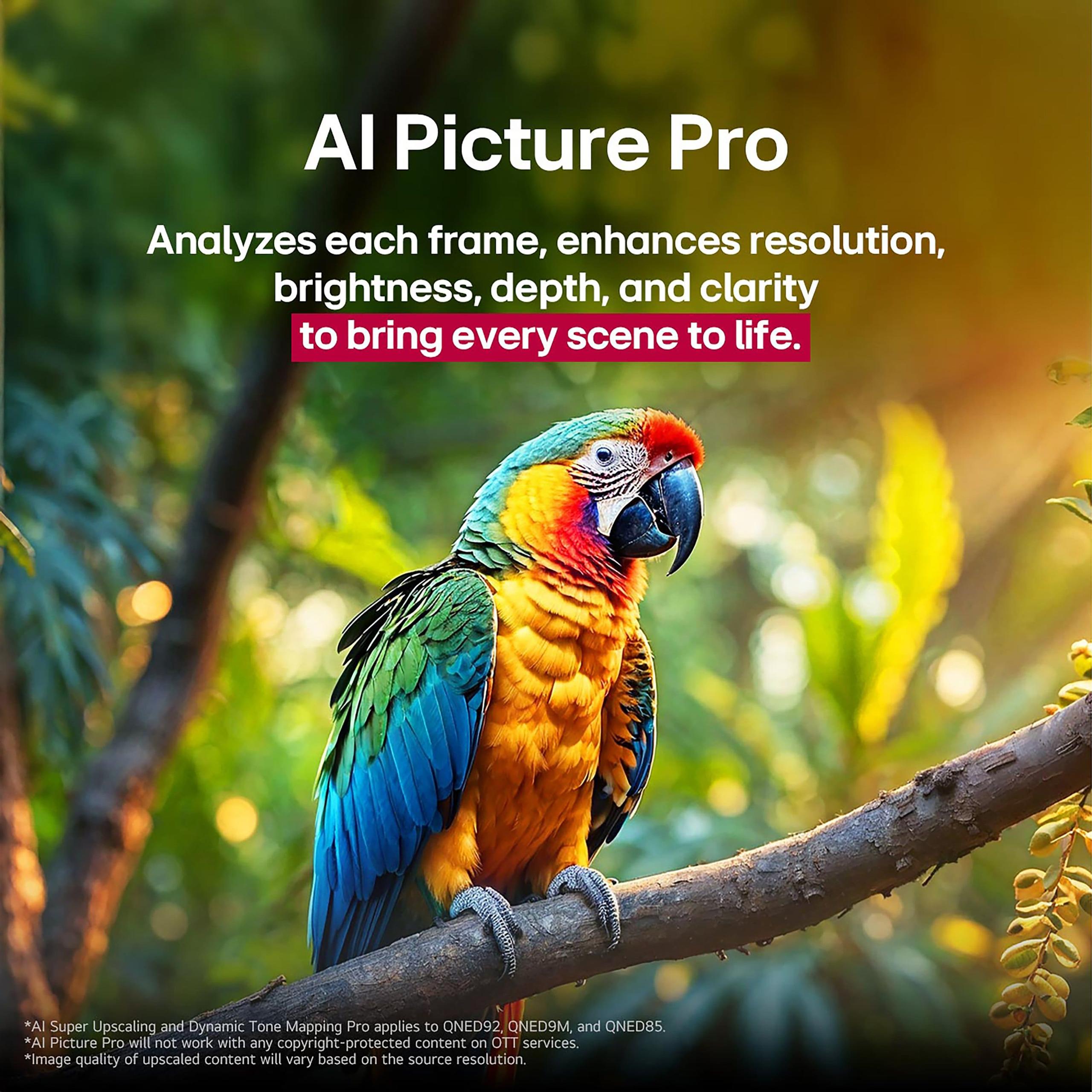
Samsung's NQ4 AI Gen2 processor represents another significant leap forward. This isn't just marketing speak—the processor uses 20 distinct neural networks to analyze and optimize every frame in real-time. It's constantly adjusting color saturation, contrast, and even predicting what the next frame will look like to reduce motion blur.
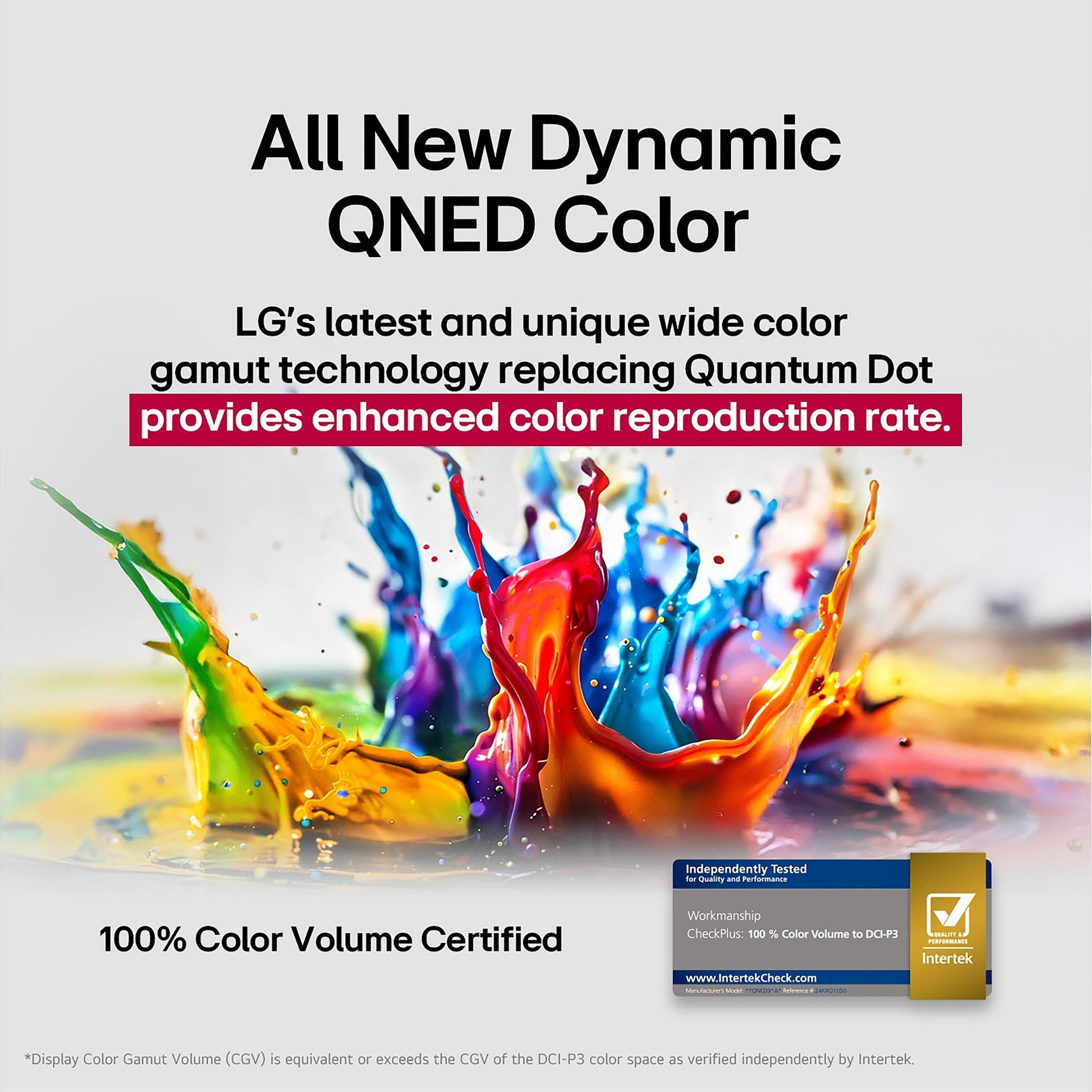
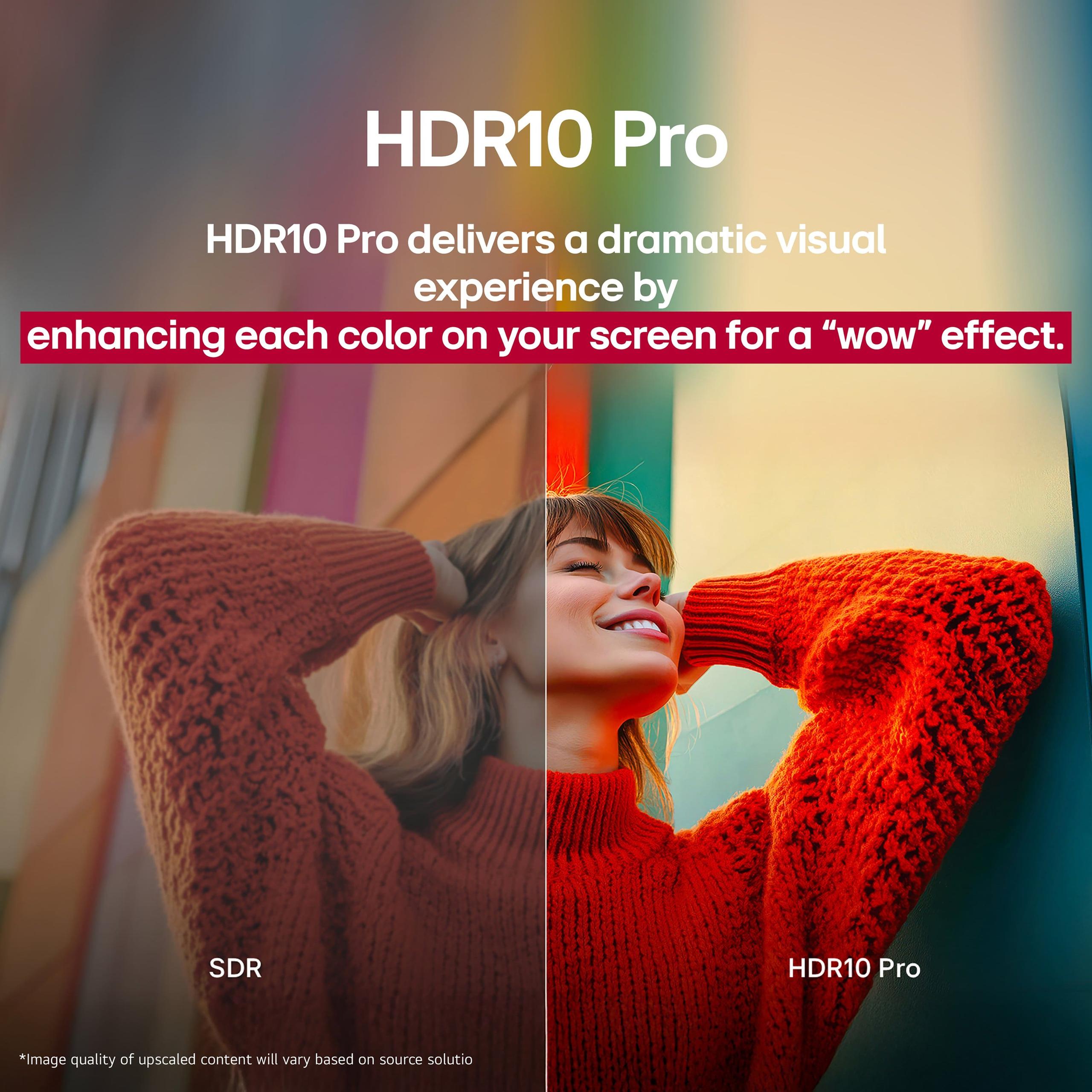
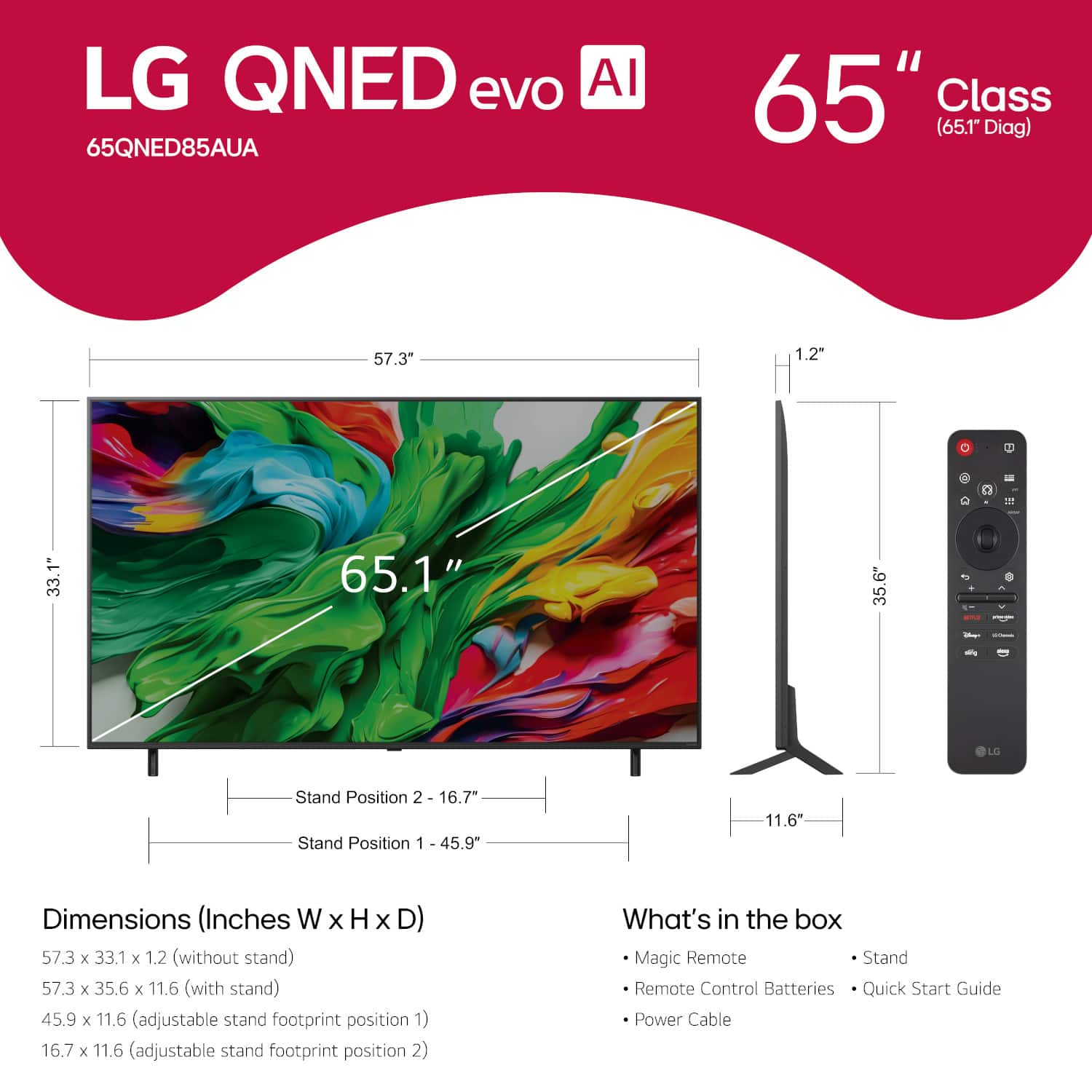
The LG QNED85A takes a more measured approach that focuses on consistency and color accuracy over pure brightness. LG combines Quantum Dot technology (which creates more accurate colors) with their NanoCell technology (which filters out impure colors) to create what they call Dynamic QNED Color.
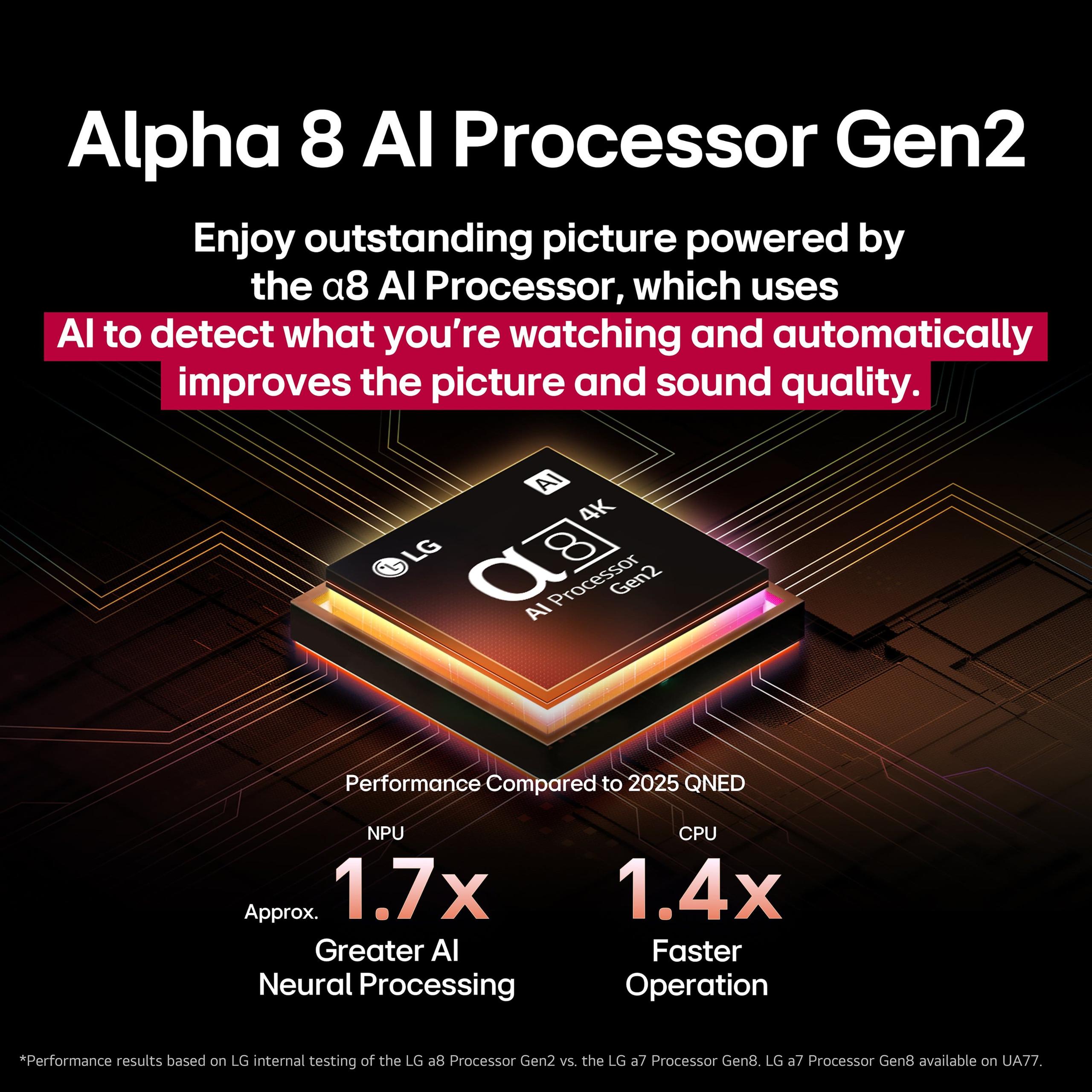
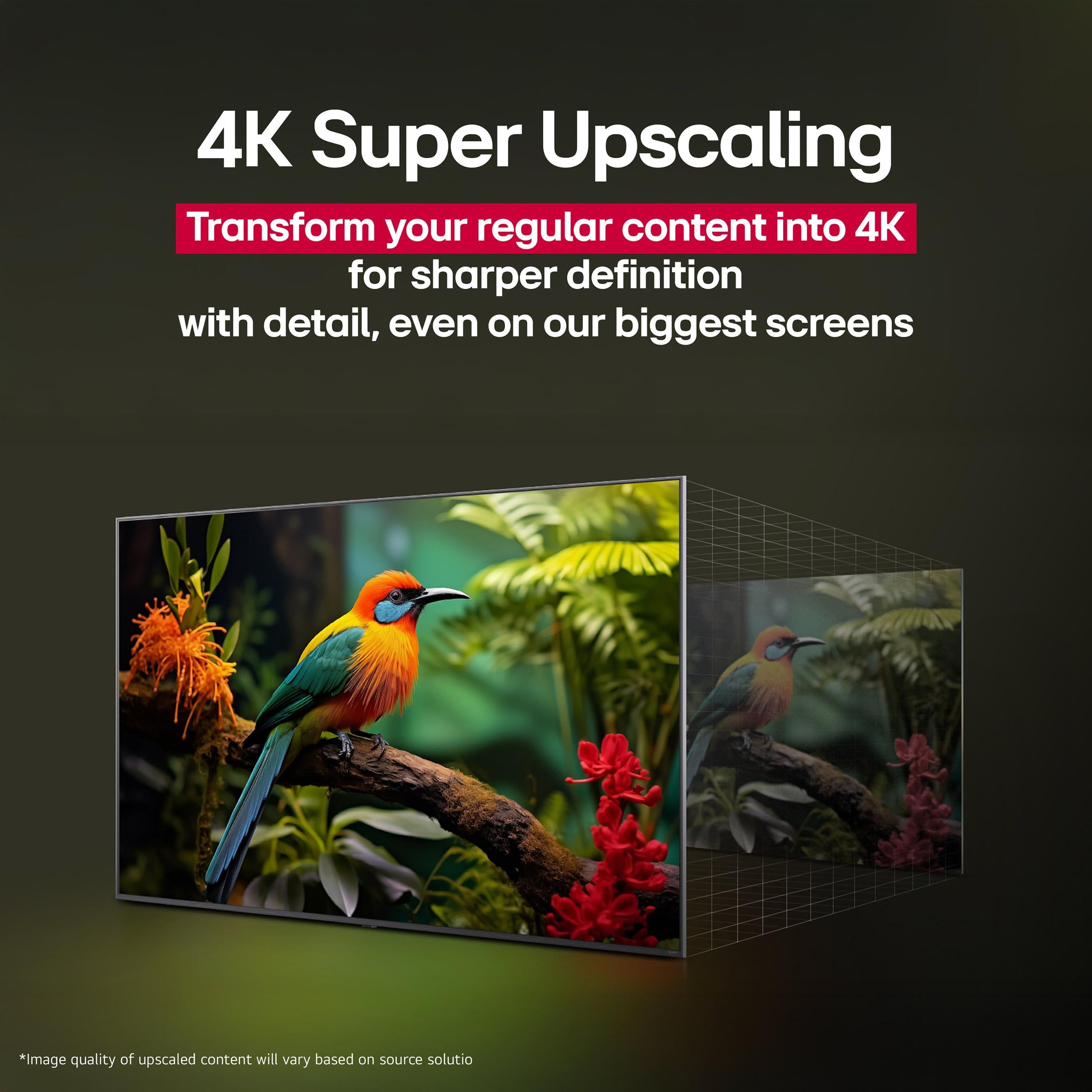
The result is a TV that might not blind you with its brightness, but consistently delivers accurate, natural-looking images across a wider range of content. LG's α8 Gen 2 AI Processor represents a 70% improvement over the previous generation, and while it doesn't have as many neural networks as Samsung's chip, it excels particularly at upscaling lower-resolution content.
I've found the LG QNED85A particularly impressive with streaming content, where much of what you watch isn't perfect 4K HDR. The AI processing does an excellent job of making Netflix shows, YouTube videos, and cable TV look significantly better than they actually are.
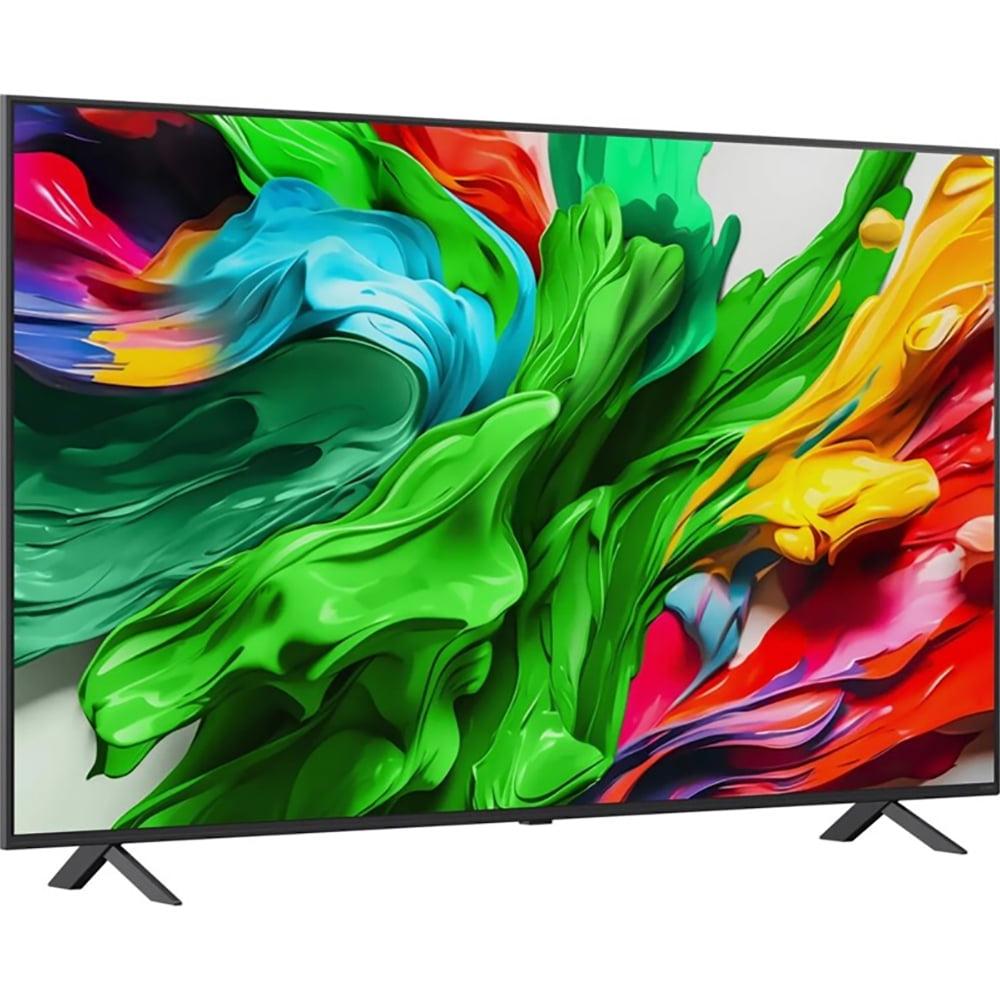
This is where the philosophical differences between these TVs become most apparent. The Samsung QN80F can achieve peak brightness levels that the LG QNED85A simply can't match—we're talking about roughly double the peak brightness in ideal conditions.
For HDR content, this translates to a more dramatic, theater-like experience. When watching movies with bright highlights—think the glint of sunlight on water, neon signs in a dark city, or the flash of a lightsaber—the Samsung delivers an almost shocking level of realism. The LG QNED85A handles these same scenes competently, but without quite the same visual impact.
However, brightness isn't everything. In darker scenes, both TVs perform admirably, but the Samsung QN80F has a slight edge due to its more advanced local dimming implementation. Black levels are deeper, and there's less of the "blooming" effect you sometimes see around bright objects in dark scenes.
Here's where things get interesting. While the Samsung QN80F gets brighter, the LG QNED85A actually delivers more consistent color performance across different viewing angles. LG's combination of Quantum Dot and NanoCell technologies creates what they claim is 100% color volume—meaning the TV can reproduce accurate colors even at high brightness levels.
In my testing, I found the LG QNED85A particularly strong with animated content and sports, where color consistency across the entire screen matters more than peak brightness. The Samsung tends to be more dramatic and eye-catching, while the LG aims for accuracy and naturalness.
If gaming is important to you, the choice becomes much clearer. The Samsung QN80F offers native 120Hz refresh rates with support for variable refresh rates up to 144Hz. For context, most premium gaming monitors top out at 144Hz, so Samsung is essentially giving you monitor-level performance in a 65-inch TV.
The gaming features go deeper than just refresh rates. Samsung's Auto Game Mode automatically detects when you're gaming and optimizes picture settings for the lowest possible input lag (the delay between pressing a controller button and seeing the action on screen). The TV also supports FreeSync Premium Pro, which prevents screen tearing and stuttering when frame rates fluctuate.
The LG QNED85A offers solid gaming performance with 120Hz refresh rates and standard VRR support, but it's clearly targeting casual rather than competitive gamers. If you primarily play single-player adventures or party games, the LG will serve you perfectly well. But if you're into competitive multiplayer games, first-person shooters, or racing games where every millisecond matters, the Samsung is the obvious choice.
Both TVs run sophisticated smart TV platforms, but with notably different approaches. Samsung's Tizen OS with Vision AI feels like the Swiss Army knife of smart TV platforms—incredibly capable but sometimes overwhelming. The Samsung QN80F includes features like Generative Wallpaper, which uses AI to create custom backgrounds based on your preferences, and advanced Bixby voice control that can understand context and multiple commands.
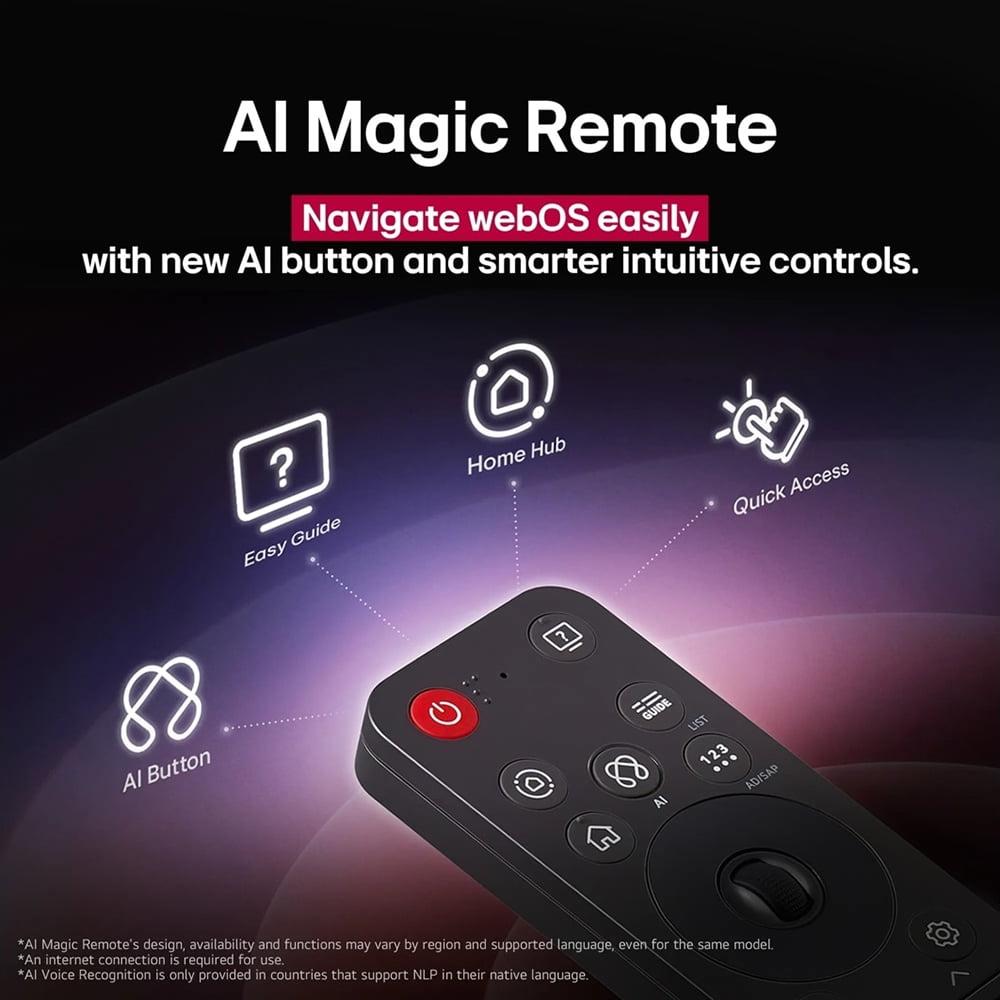
LG's webOS 25 takes a more streamlined approach that I find more intuitive for daily use. The LG QNED85A includes features like AI Voice ID, which recognizes different family members and switches to their personalized settings automatically. The interface feels cleaner and more responsive, though it lacks some of Samsung's more advanced AI features.
One significant advantage for the LG QNED85A is LG's webOS Re:New Program, which guarantees five years of operating system upgrades. This is particularly important for smart TV longevity, as manufacturers have historically been poor at supporting older models with software updates.
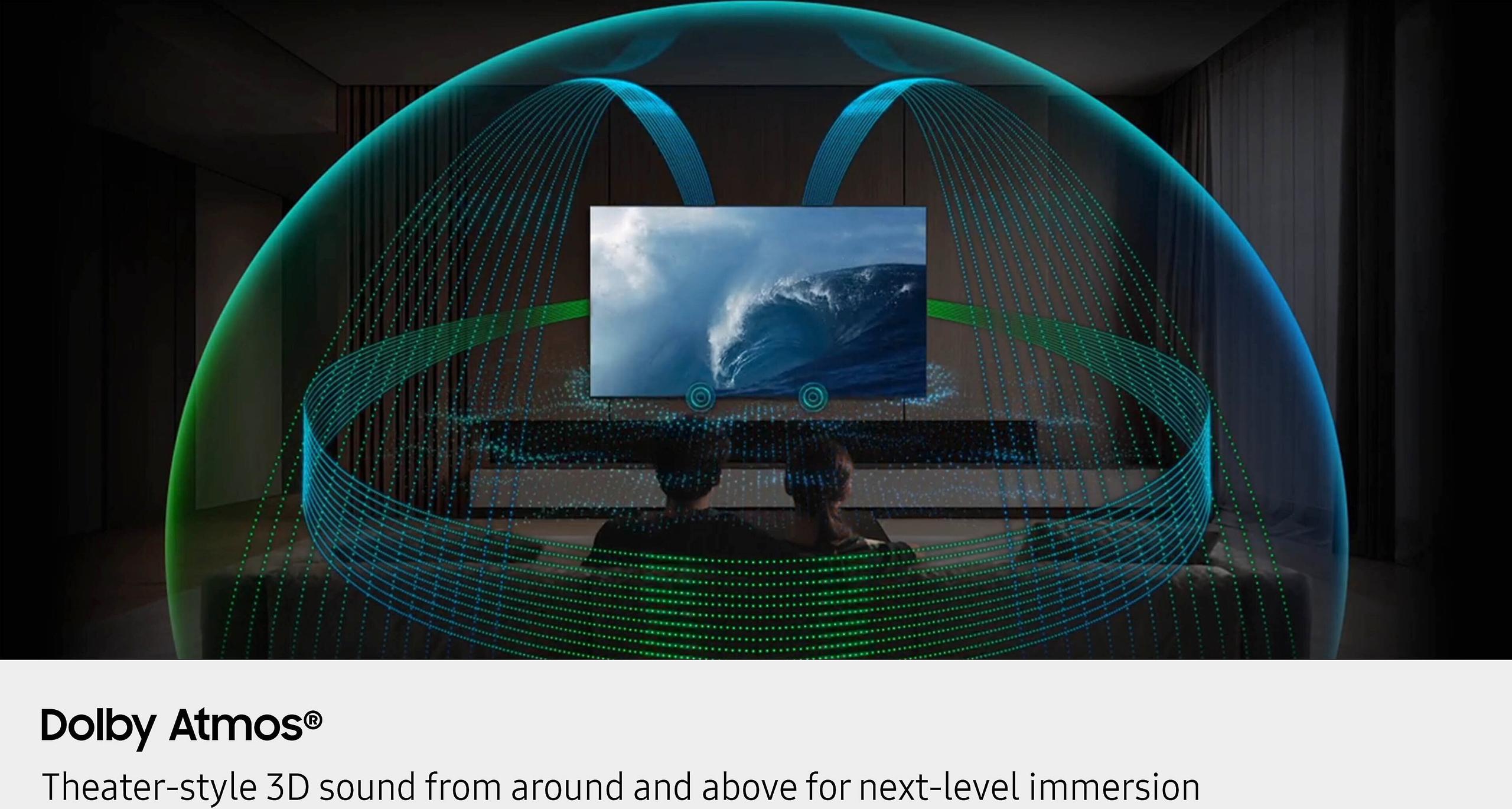
The Samsung QN80F comes with a more robust built-in audio system—a 30W 4-channel setup with Dolby Atmos support and Samsung's OTS Lite technology, which tries to match sound to the location of objects on screen. For a built-in TV speaker system, it's genuinely impressive and might eliminate the need for a separate soundbar in smaller rooms.
The LG QNED85A takes a more modest approach with a 2.2 channel system that includes AI Sound Pro for virtual surround sound processing. While not as powerful as Samsung's system, it's perfectly adequate for casual viewing and does an excellent job of enhancing dialogue clarity.
In my experience, both TVs benefit significantly from external audio solutions if you're setting up a dedicated home theater. The built-in speakers serve their purpose, but neither can truly fill a large room with the kind of immersive audio that matches their impressive visual capabilities.
For dedicated home theater setups, your choice between these TVs should heavily factor in your room's lighting conditions. The Samsung QN80F excels in rooms where you can't completely control ambient light—family rooms with large windows, open floor plans, or spaces where you watch TV during daytime hours.
The extra brightness means you won't lose picture quality when there's glare from windows or overhead lighting. Colors remain vibrant, and HDR content maintains its impact even in challenging lighting conditions.
The LG QNED85A, while still quite bright by historical standards, performs best in controlled lighting environments. In a dedicated theater room with blackout curtains and careful lighting design, the differences in peak brightness become less important, and the LG's superior color consistency and more attractive pricing make it an compelling choice.
At the time of writing, there's a substantial price difference between these two TVs—the Samsung QN80F commands a significant premium over the LG QNED85A. We're talking about nearly double the price for the Samsung, which raises important questions about value.
The Samsung absolutely delivers more performance, but whether that performance justifies the premium depends entirely on your priorities and budget. If you're looking for the absolute best picture quality and have the budget to match, the Samsung QN80F represents the current pinnacle of Mini LED technology.
However, the LG QNED85A offers exceptional value by delivering roughly 80% of the Samsung's performance at significantly less cost. For many buyers, this represents the sweet spot between performance and affordability in the premium TV market.
Your living room has lots of natural light or you can't control ambient lighting effectively. The extra brightness really matters in these scenarios. You're a serious gamer who wants every competitive advantage—the 144Hz support and ultra-low input lag make a real difference in fast-paced games.
You want the most impressive HDR experience possible and don't mind paying premium pricing for cutting-edge technology. You appreciate comprehensive smart features, even if they're sometimes complex to navigate.
You want premium Mini LED performance without the premium price tag—the value proposition here is genuinely excellent. Your viewing environment allows for some lighting control, making the brightness difference less critical.
You prefer simpler, more intuitive smart TV interfaces and appreciate the guarantee of five years of software updates. Your gaming needs are casual to moderate, where standard 120Hz refresh rates provide plenty of performance.
Both the Samsung QN80F and LG QNED85A represent excellent examples of where TV technology stands in 2025. The Samsung pushes the boundaries of what's possible with Mini LED technology, delivering brightness levels and gaming features that would have been unimaginable just a few years ago.
The LG takes a more pragmatic approach, focusing on delivering consistent, high-quality performance at a more accessible price point. Neither TV is inherently better—they're optimized for different priorities and budgets.
Your choice should ultimately align with your specific viewing environment, usage patterns, and budget considerations. In bright rooms with serious gaming requirements, the Samsung's premium features justify the higher cost. In more controlled environments where value matters, the LG delivers exceptional performance per dollar.
Whichever you choose, you'll be getting a TV that represents the current state of the art in LCD technology, with Mini LED backlighting that brings you surprisingly close to OLED-level contrast at prices that won't require taking out a second mortgage.
| Samsung 65" QN80F Neo QLED 4K TV | LG 65" QNED evo AI QNED85A 4K MiniLED Smart TV 2025 |
|---|---|
| Peak Brightness - Critical for HDR impact and bright room viewing | |
| 2,000+ nits (excellent for bright rooms and dramatic HDR) | ~1,000 nits (good brightness, best in controlled lighting) |
| Local Dimming Technology - Determines contrast and black levels | |
| Quantum Matrix Technology Core (advanced precision dimming) | Standard Mini LED dimming (solid but less precise) |
| AI Processor - Affects picture optimization and upscaling quality | |
| NQ4 AI Gen2 with 20 neural networks (comprehensive optimization) | α8 Gen 2 AI Processor, 70% faster (excellent upscaling focus) |
| Gaming Performance - Refresh rates and competitive gaming features | |
| 144Hz support, FreeSync Premium Pro, ultra-low input lag | 120Hz native, standard VRR (good for casual gaming) |
| Smart TV Platform - User experience and long-term software support | |
| Tizen OS with Vision AI (feature-rich but complex) | webOS 25 with 5-year upgrade guarantee (streamlined, future-proof) |
| Audio System - Built-in sound quality and spatial audio | |
| 30W 4-channel with Dolby Atmos and OTS Lite | 2.2 channel with AI Sound Pro virtual surround |
| Color Technology - Color accuracy and volume capabilities | |
| Quantum Dot with enhanced brightness integration | Quantum Dot + NanoCell, 100% Color Volume (Intertek verified) |
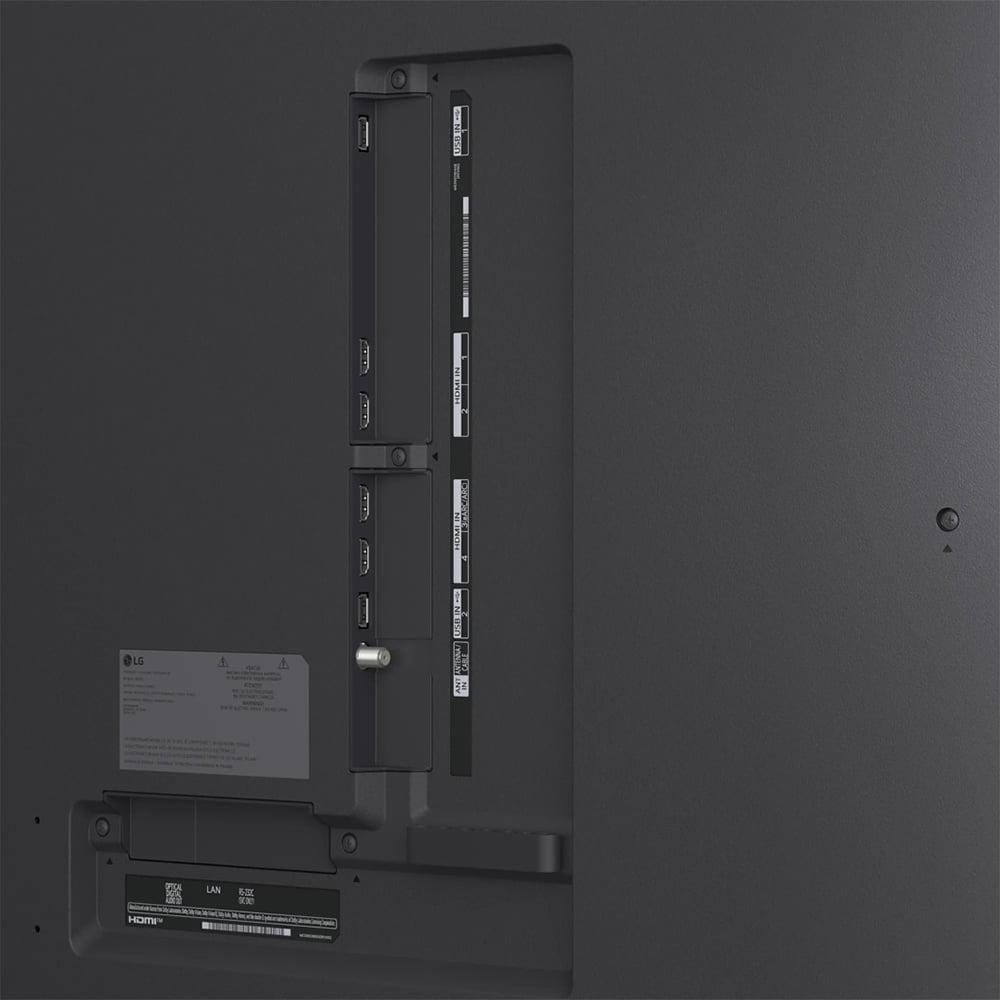
| HDMI Connectivity - Gaming console and device compatibility | |
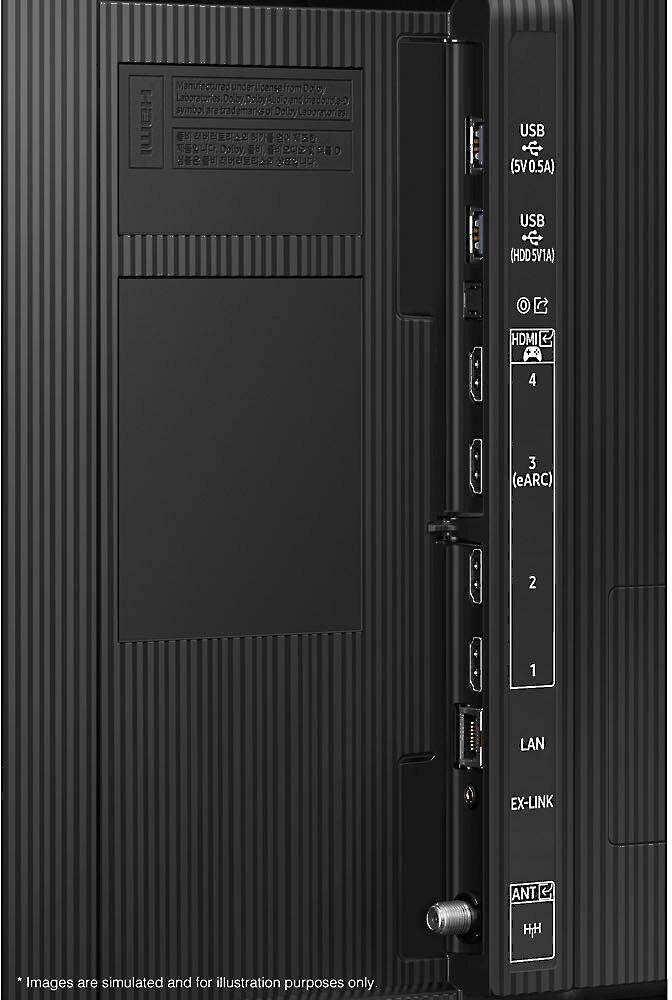
| 4x HDMI 2.1 ports (full bandwidth for all connections) | 4x HDMI 2.1 ports (full bandwidth for all connections) |
| Value Positioning - Performance per dollar consideration | |
| Premium pricing for cutting-edge Mini LED technology | Exceptional value with strong performance at lower cost |
| Best Use Case - Ideal viewing environment and user type | |
| Bright rooms, serious gamers, maximum HDR impact desired | Controlled lighting, value-conscious buyers, family use |
The Samsung 65" QN80F Neo QLED 4K TV is significantly better for bright rooms due to its superior peak brightness of over 2,000 nits compared to the LG 65" QNED evo AI QNED85A's approximately 1,000 nits. This extra brightness helps maintain vivid colors and deep contrast even with sunlight streaming through windows or bright overhead lighting.
The primary difference lies in brightness and local dimming precision. The Samsung QN80F delivers more dramatic HDR highlights and deeper blacks through its Quantum Matrix Technology Core, while the LG QNED85A focuses on color accuracy and consistency across viewing angles using its Quantum Dot and NanoCell combination.
The Samsung 65" QN80F Neo QLED 4K TV is clearly superior for gaming with its 144Hz refresh rate support, FreeSync Premium Pro, and ultra-low input lag optimization. The LG QNED85A offers solid 120Hz gaming performance that's adequate for casual gaming but lacks the competitive gaming features of the Samsung.
Yes, both TVs excel at streaming with their advanced AI processors. The LG 65" QNED evo AI QNED85A particularly shines at upscaling lower-resolution streaming content, while the Samsung QN80F offers more comprehensive smart features through its Tizen OS platform with Vision AI capabilities.
The Samsung 65" QN80F Neo QLED 4K TV has superior built-in audio with its 30W 4-channel system featuring Dolby Atmos and OTS Lite technology. The LG QNED85A has a more modest 2.2 channel system with AI Sound Pro, though both TVs benefit from external soundbars for optimal audio performance.
The Samsung QN80F offers more advanced AI features including Generative Wallpaper and comprehensive Bixby voice control, but can feel overwhelming. The LG 65" QNED evo AI QNED85A provides a more streamlined webOS 25 interface with AI Voice ID and guarantees five years of software updates through their Re:New Program.
The LG 65" QNED evo AI QNED85A offers exceptional value by delivering strong Mini LED performance at a significantly lower price point than the Samsung QN80F. While the Samsung provides superior performance, the price difference makes the LG attractive for budget-conscious buyers seeking premium features.
Both TVs work well in home theaters, but your choice depends on lighting control. The Samsung 65" QN80F Neo QLED 4K TV excels in rooms where you can't fully control ambient light, while the LG QNED85A performs excellently in dedicated theater rooms with proper lighting control and offers better value for allocating budget to other theater components.
Mini LED uses thousands of tiny LEDs behind the screen for precise local dimming, creating better contrast than traditional LED TVs. Both the Samsung QN80F and LG 65" QNED evo AI QNED85A use this technology, but Samsung's implementation offers more advanced zone control for superior brightness and contrast performance.
The LG 65" QNED evo AI QNED85A focuses more on color accuracy with its verified 100% Color Volume and combination of Quantum Dot and NanoCell technologies. The Samsung QN80F delivers more dramatic, eye-catching colors that prioritize visual impact over strict accuracy, making it better for HDR content.
Both TVs come with standard 1-year manufacturer warranties. However, the LG 65" QNED evo AI QNED85A offers superior long-term value through LG's webOS Re:New Program, guaranteeing five years of operating system upgrades. The Samsung QN80F relies on Samsung's typical support cycle without specific long-term commitments.
Choose the Samsung 65" QN80F Neo QLED 4K TV if you have a bright room, prioritize gaming performance, and want maximum HDR impact regardless of cost. Select the LG 65" QNED evo AI QNED85A if you want excellent Mini LED performance at great value, prefer simpler interfaces, and have some control over room lighting.
We've done our best to create useful and informative comparisons to help you decide what product to buy. Our research uses advanced automated methods to create this comparison and perfection is not possible - please contact us for corrections or questions. These are the sites we've researched in the creation of this article: samsung.com - theshortcut.com - youtube.com - bestbuy.com - rtings.com - samsung.com - samsung.com - samsung.com - sargentappliance.com - displayspecifications.com - bestbuy.com - rtings.com - rtings.com - youtube.com - lg.com - smarthomesounds.co.uk - abt.com - abt.com - lg.com - displayspecifications.com - walmart.com - bestbuy.com - lg.com - lg.com - lg.com - files.bbystatic.com - flatpanelshd.com - north-side-appliance.com - lgnewsroom.com - lg.com - youtube.com - youtube.com - hindustantimes.com

Privacy Policy
Terms and Conditions - Affiliate Policy
Home Security
© Copyright 2008-2026.
11816 Inwood Rd #1211, Dallas, TX 75244