

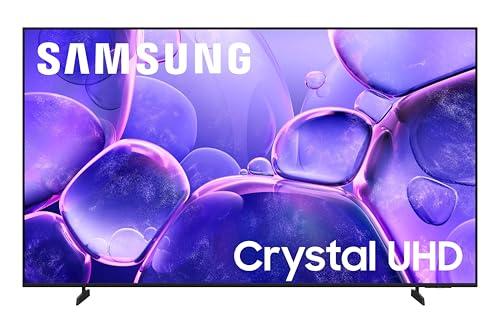
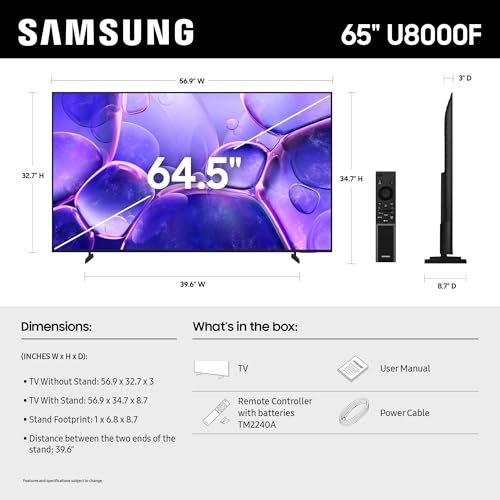
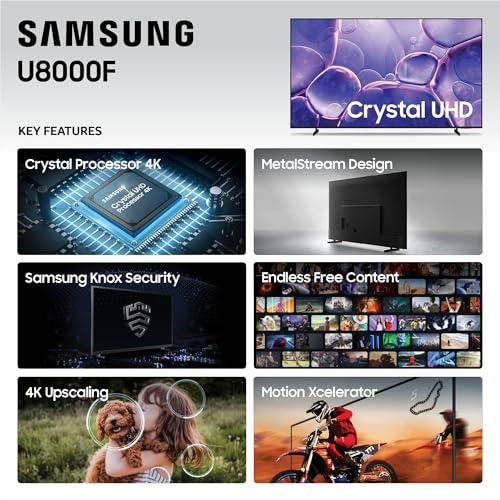
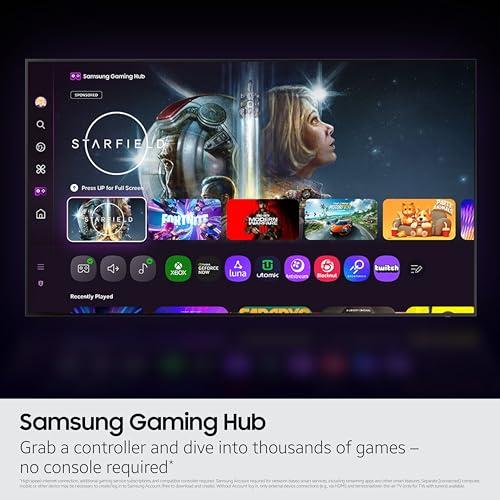
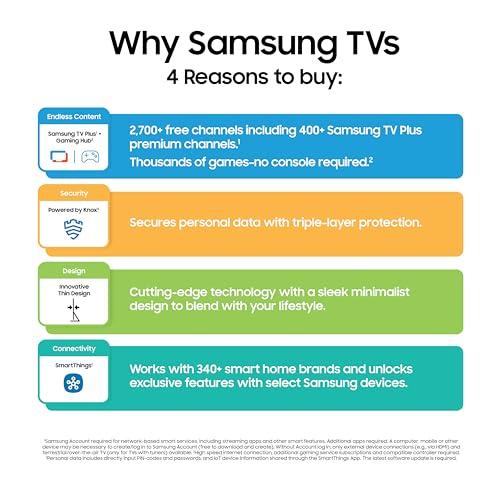
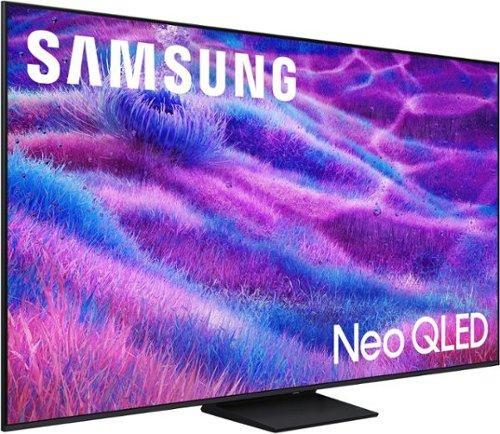
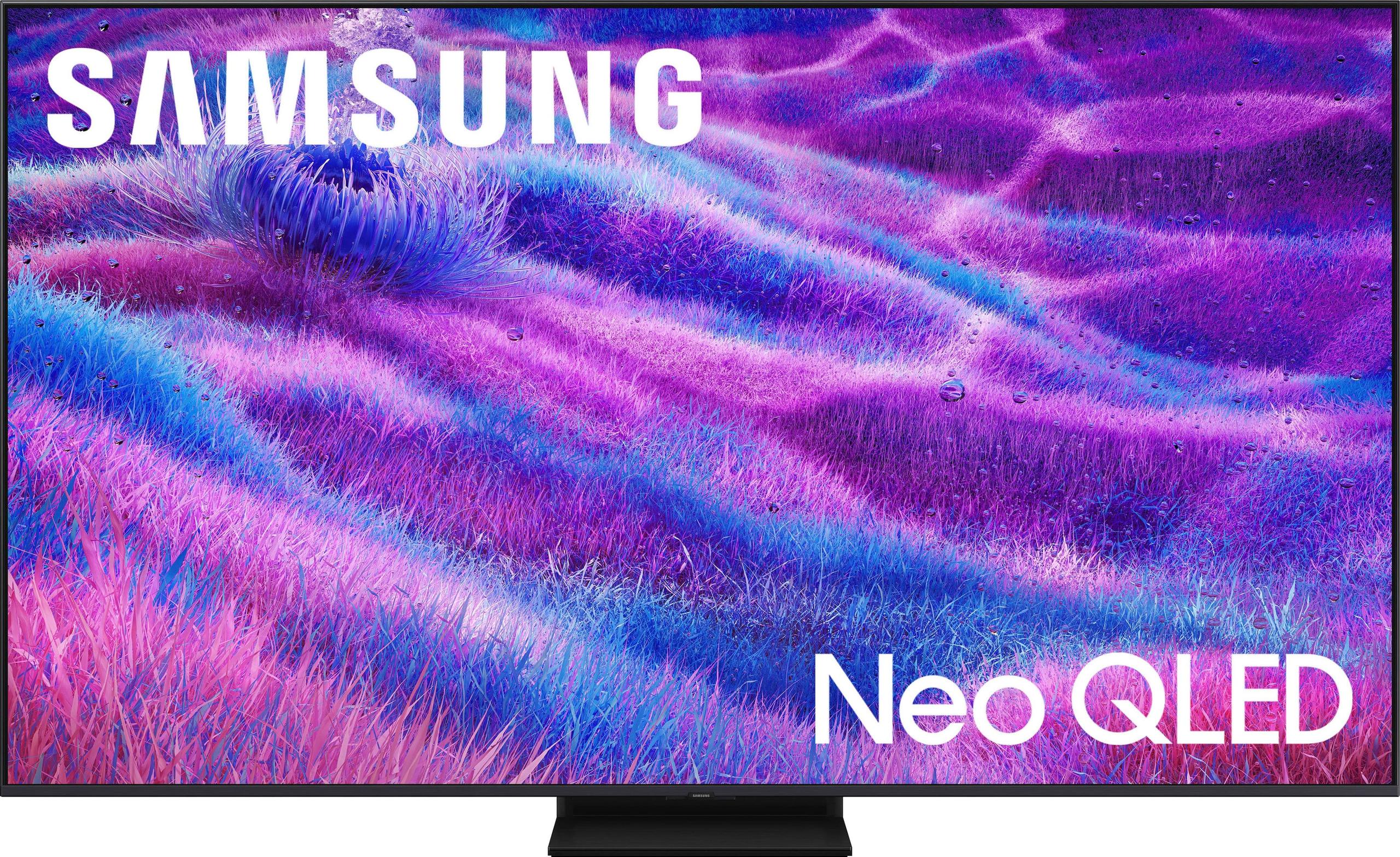
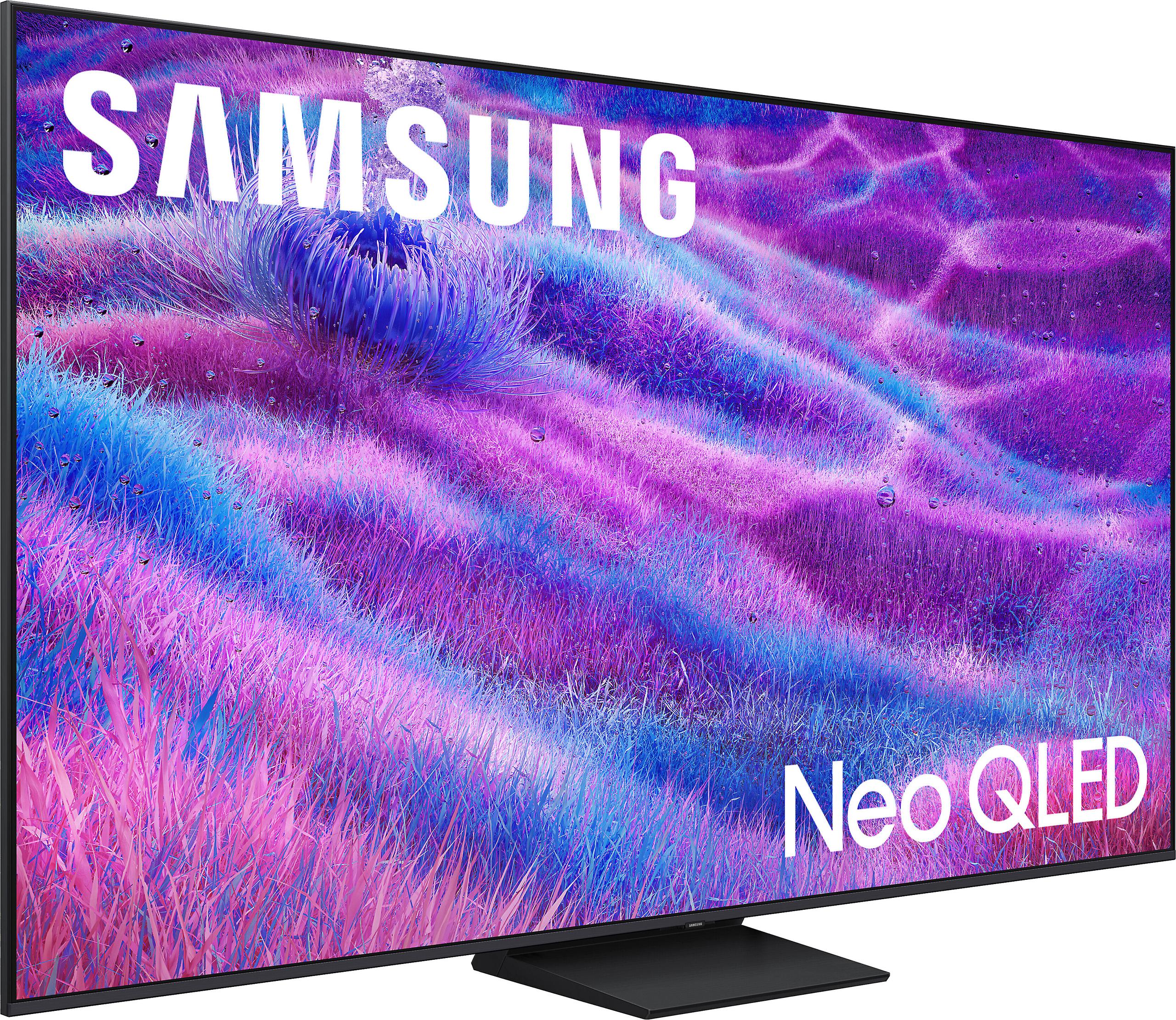
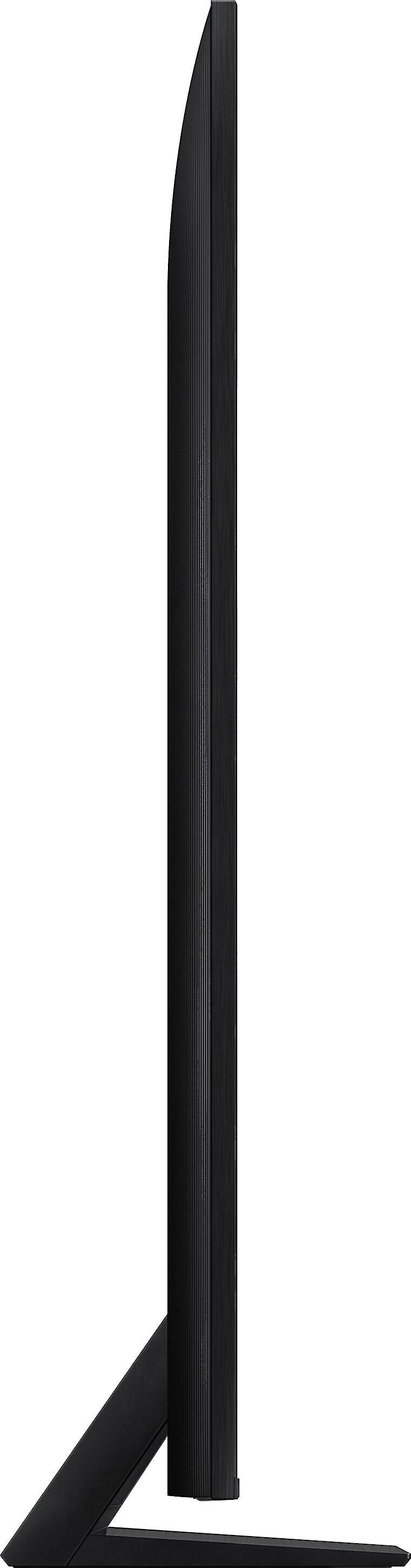
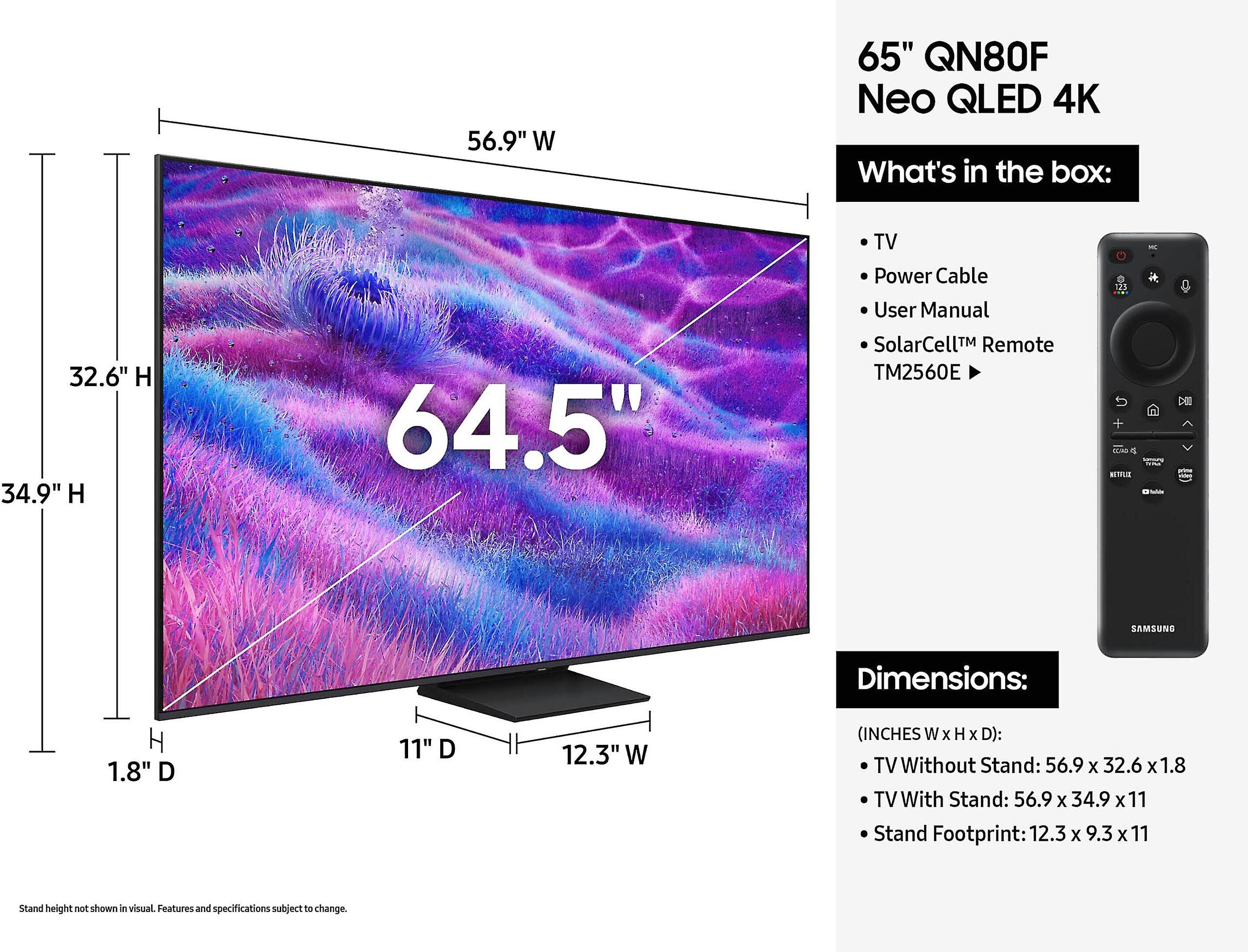

Samsung released both the U8000F and QN80F as part of their 2025 TV lineup, representing two very different approaches to the popular 65-inch 4K market. After diving deep into user reviews, professional evaluations, and technical specifications, one thing becomes crystal clear: these TVs aren't really competing for the same buyers, despite their similar screen sizes.
The U8000F targets budget-conscious shoppers who want a big screen without breaking the bank, while the QN80F aims at enthusiasts willing to pay more for genuinely better performance. At the time of writing, expect to pay roughly 40-60% more for the QN80F, but as we'll explore, that premium buys you transformative improvements across nearly every meaningful category.
Before jumping into comparisons, let's establish what makes or breaks the viewing experience on a large 4K display. The most critical factors are brightness and contrast – how well the TV can display both deep blacks and brilliant whites simultaneously. This capability directly impacts everything from HDR (High Dynamic Range) performance to general picture quality in different lighting conditions.
Gaming performance has become increasingly important as PlayStation 5 and Xbox Series X push higher frame rates. A TV's refresh rate (how many times per second it updates the image) and input lag (the delay between pressing a controller button and seeing the action on screen) can make the difference between landing that perfect combo or missing it entirely.
Audio quality often gets overlooked until you're actually living with a TV daily. While most serious home theater setups include a separate sound system, many people rely on built-in speakers, making this a crucial consideration.
Smart TV features round out the package – how responsive is the interface, how quickly do apps load, and what extra capabilities does the TV offer beyond just displaying content?
This is where the U8000F and QN80F diverge dramatically. The U8000F uses what's called edge-lit LED technology – basically, LED lights around the edges of the screen illuminate the entire display. Think of it like having a flashlight shine on a poster from the sides. This approach works fine for basic viewing but creates a fundamental limitation: the entire screen has to get brighter or darker together.
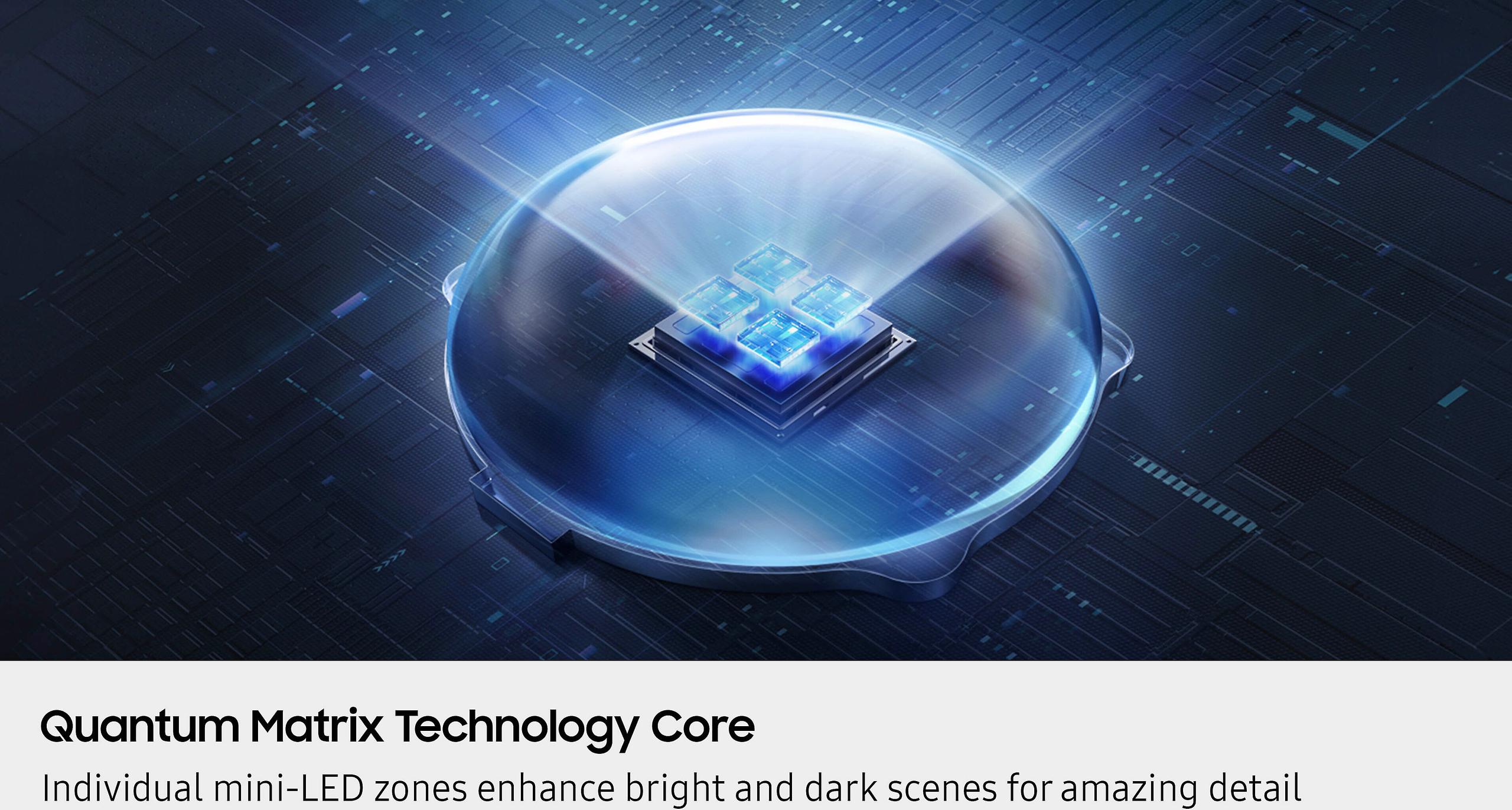
The QN80F, by contrast, employs Samsung's Quantum Mini LED technology. Instead of edge lighting, thousands of tiny LEDs sit directly behind the screen in what Samsung calls "zones." Each zone can brighten or dim independently, controlled by something called Supreme UHD Dimming. This means the TV can display a bright explosion in one corner while keeping a dark cave scene properly black in another part of the screen – simultaneously.
The practical difference is substantial. When watching a movie with mixed lighting – say, someone holding a torch in a dark dungeon – the U8000F will either wash out the dark areas to show the torch properly, or dim the torch to preserve the darkness. The QN80F can do both correctly at the same time.
This distinction becomes even more important with HDR content, which is specifically designed to take advantage of displays that can show very bright and very dark elements together. HDR10+ and Dolby Vision (though the QN80F doesn't support Dolby Vision) contain metadata telling the TV exactly how bright or dark each part of the image should be.
Peak brightness might be the single most important spec that many buyers overlook. The U8000F reaches approximately 400-500 nits (nits are the measurement unit for brightness), while the QN80F hits around 1,200 nits. For context, a typical living room during daytime has ambient light levels of 100-300 nits.
This brightness difference affects two critical scenarios. First, daytime viewing in rooms with windows becomes challenging on the U8000F. The screen simply can't get bright enough to overcome ambient light, making images appear washed out and colors muted. The QN80F maintains vibrant colors and good contrast even in bright rooms.
Second, HDR content depends on brightness peaks to create impact. That moment when the sun breaks through clouds, or when lightning illuminates a stormy sky – these scenes need serious brightness to feel realistic. The U8000F can display HDR content, but it lacks the brightness range to make it truly impressive. The QN80F delivers the dramatic contrasts that make HDR worth seeking out.
Our research into user experiences consistently shows that people who upgrade from basic LED TVs to Mini LED or QLED displays are genuinely surprised by the difference. One common comment: "I didn't realize my old TV was so dim until I got this one."
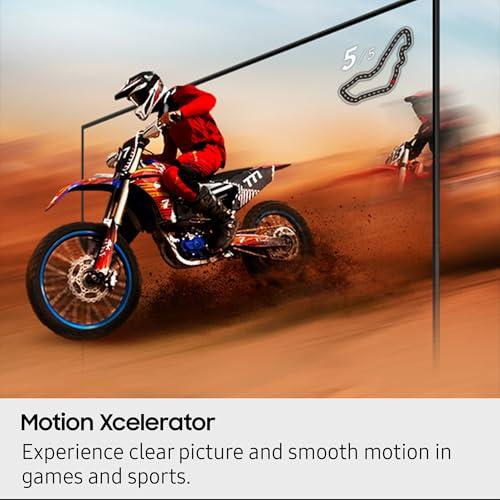
Gaming is where these TVs show their generational gap most clearly. The U8000F operates at 60Hz with HDMI 2.0 ports, while the QN80F supports up to 144Hz with HDMI 2.1 connectivity.
Here's why this matters: modern gaming consoles like PlayStation 5 and Xbox Series X can output 120 frames per second in certain games, but only if your TV can display them. The U8000F will force these consoles to output 60fps maximum, essentially cutting the potential smoothness in half. For competitive online gaming or fast-paced action titles, this creates a noticeable disadvantage.
HDMI 2.1 also enables Variable Refresh Rate (VRR), which prevents screen tearing – those horizontal lines that appear when the console and TV get out of sync. While the U8000F technically supports VRR, its 60Hz limitation makes this feature largely irrelevant for modern gaming.
Input lag tells another part of the story. Both TVs offer low input lag in Game Mode (typically under 20 milliseconds), but the QN80F includes AI Auto Game Mode, which automatically switches to optimized settings when it detects gaming content. This might seem like a small convenience, but it prevents the frustrating experience of wondering why your games suddenly feel sluggish because you forgot to manually enable Game Mode.
For PC gaming, the difference becomes even more pronounced. A modern gaming PC can easily push frame rates above 60fps, especially in competitive titles like Counter-Strike or Valorant. The QN80F can display up to 144Hz, matching many gaming monitors, while the U8000F creates a bottleneck.
Built-in TV audio has improved significantly over the past few years, but there's still a wide gap between basic and premium implementations. The U8000F provides 20 watts through two channels – essentially stereo sound from speakers facing forward.
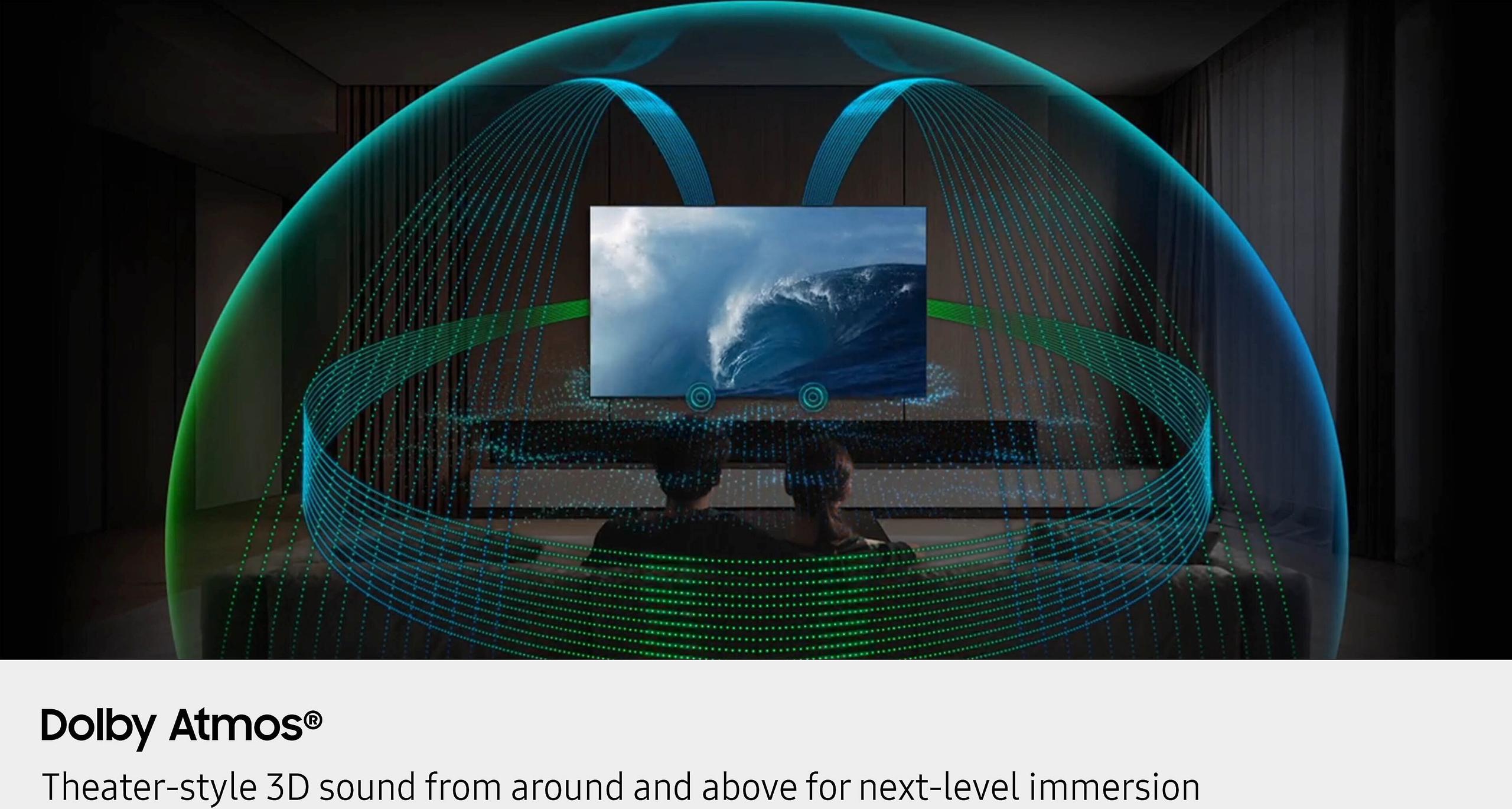
The QN80F delivers 30 watts through four channels with Dolby Atmos support. Dolby Atmos creates a three-dimensional sound field, placing audio objects in specific locations around you rather than just left and right. When a helicopter flies overhead in a movie, you'll hear it move from front to back above your head, not just pan from left to right.
More importantly, the QN80F includes Adaptive Sound Pro, which uses AI to analyze what you're watching and optimize audio accordingly. During dialogue-heavy scenes, it boosts voice clarity. During action sequences, it enhances effects while preventing dialogue from getting lost. This technology addresses one of the most common complaints about TV audio: having to constantly adjust volume as scenes change.
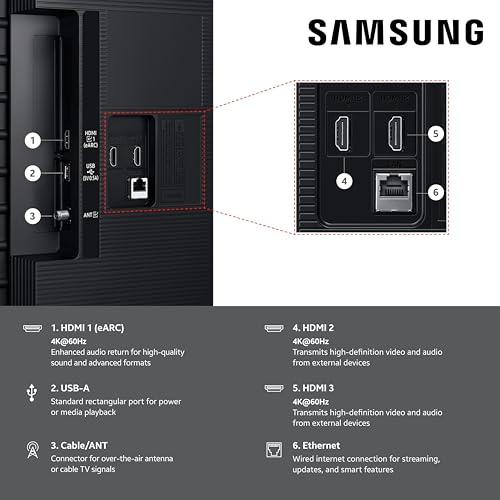
For home theater enthusiasts, both TVs support eARC (enhanced Audio Return Channel) for sending high-quality audio to soundbars or receivers, though the U8000F notably lacks an optical audio output – unusual for any 2025 TV and potentially problematic for older audio equipment.
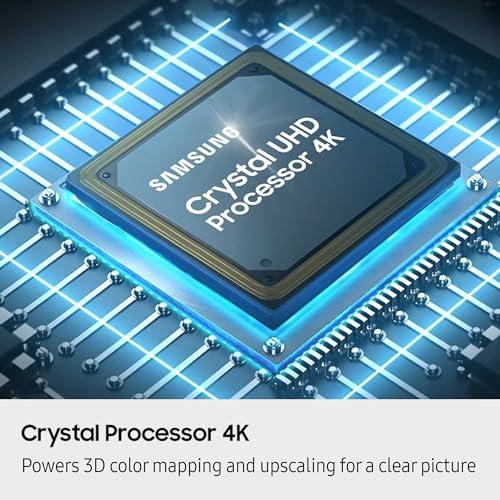
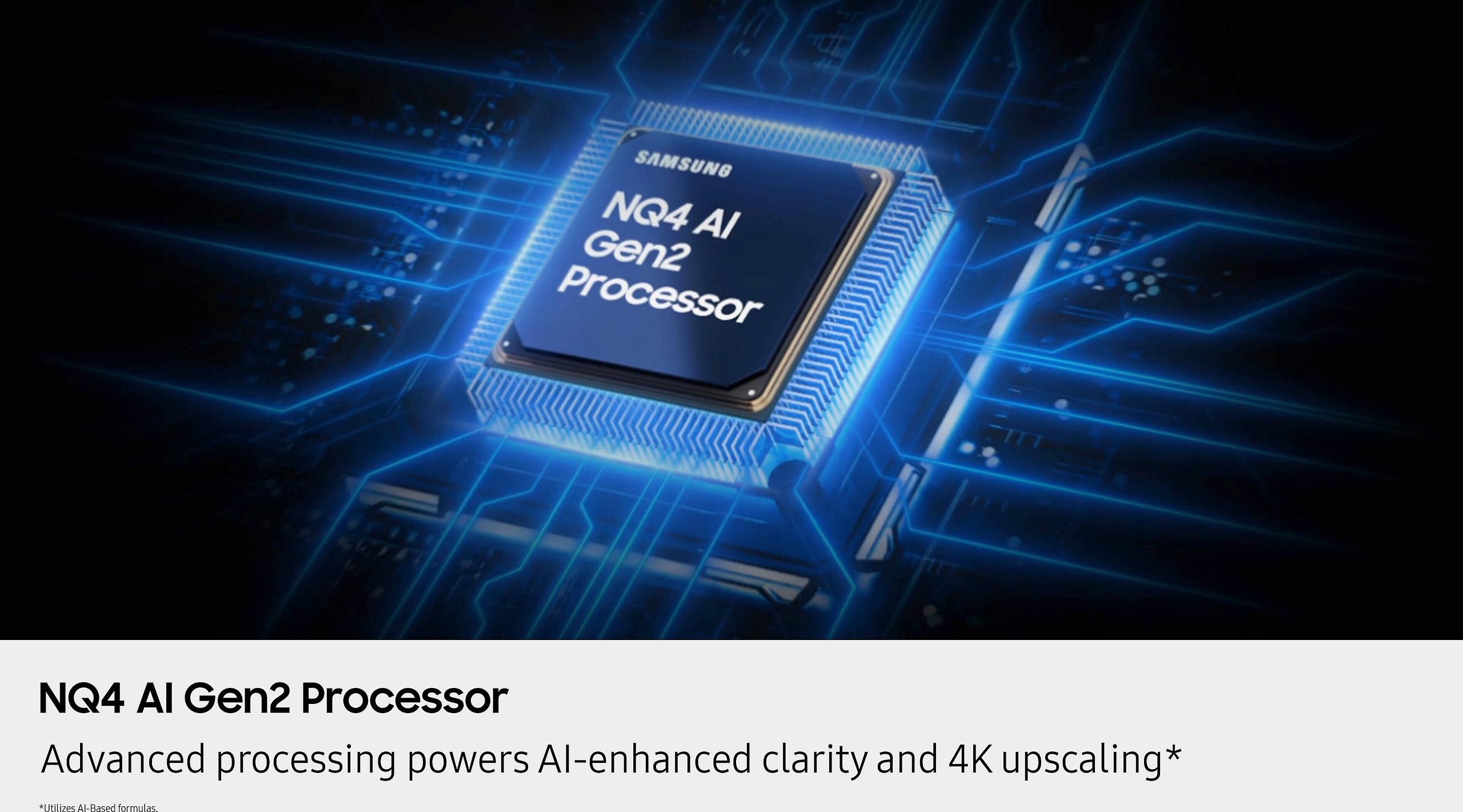
Both TVs run Samsung's Tizen operating system, but the underlying hardware creates noticeable performance differences. The U8000F uses Samsung's Crystal Processor 4K, while the QN80F employs the more advanced NQ4 AI Gen2 Processor.
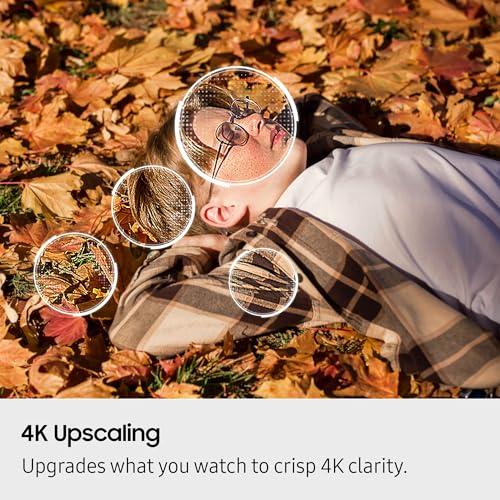
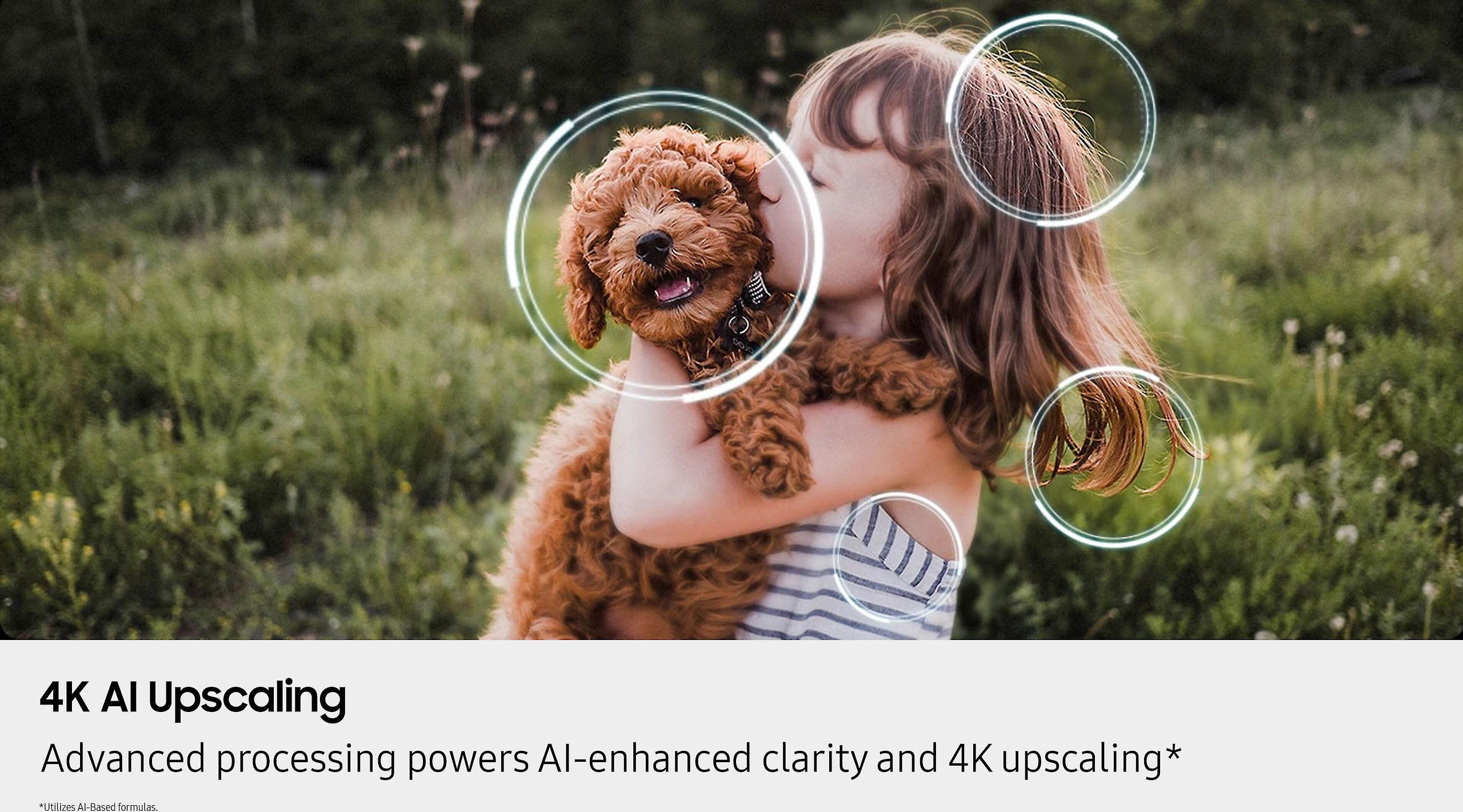
In practical terms, this affects how quickly apps load, how smoothly you can navigate menus, and how well the TV upscales lower-resolution content. The QN80F includes 4K AI Upscaling, which uses machine learning to intelligently enhance older content. When watching 1080p Netflix shows or DVD content, the difference in upscaling quality is visible – the AI processor better preserves details and reduces artifacts.
The QN80F also includes Samsung's Vision AI suite, featuring capabilities like Live Translate for foreign content and Generative Wallpaper for creating custom backgrounds. While these might seem like gimmicks, they represent the TV's ability to handle more complex processing tasks smoothly.
User reviews consistently mention that the U8000F can feel sluggish at times, with occasional stutters when switching between apps or adjusting settings. The QN80F receives praise for its responsive interface and quick app switching.
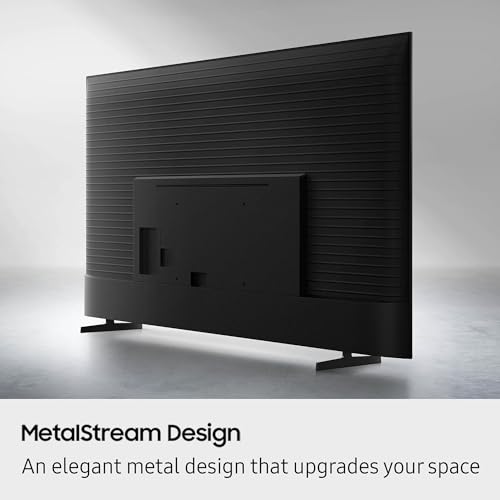
Samsung improved the U8000F for 2025 by adding a metal back panel, replacing the previous year's all-plastic construction. However, reviews still describe the overall build quality as basic, with some components feeling cheap or loose.
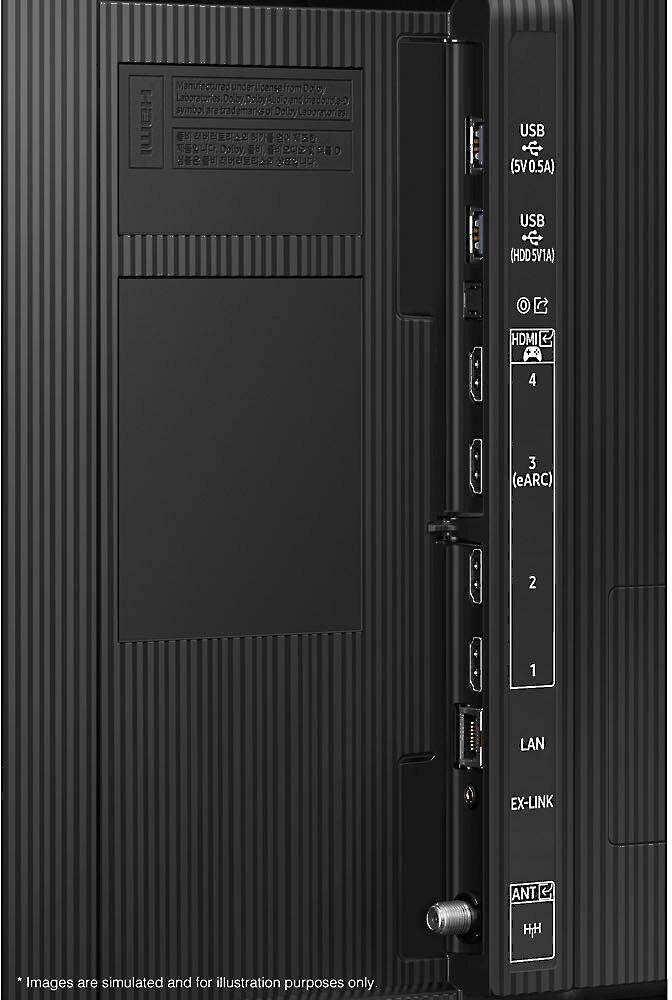
More concerning is the port selection. The U8000F provides just three HDMI ports, all limited to HDMI 2.0 bandwidth. For a 65-inch TV likely to serve as a room's entertainment hub, this feels restrictive. Modern households often need to connect a gaming console, streaming device, cable box, and sound system – and you're immediately short on ports.
The QN80F offers four HDMI 2.1 ports, two USB connections, and includes the optical audio output missing from the U8000F. This configuration better serves modern connectivity needs and future-proofs against new devices with higher bandwidth requirements.
Based on extensive review analysis, the performance gap between these TVs becomes most apparent in mixed lighting conditions and HDR content. Users frequently mention that the U8000F works well in dedicated dark rooms but struggles during typical daytime viewing. The QN80F maintains picture quality across various lighting conditions.
For streaming content, both handle 4K Netflix and Disney+ well, but the QN80F's superior processing creates noticeably better upscaling for older content. YouTube videos, cable TV, and DVD content look significantly sharper and more detailed.
Gaming reviews consistently favor the QN80F, with users reporting smoother gameplay and more responsive controls. The 144Hz capability proves especially valuable for PC gamers who can take full advantage of high frame rates.
In a dedicated home theater setup, the QN80F makes more sense for several reasons. Its higher brightness helps overcome ambient light from rope lighting or sconces. The superior contrast creates more immersive dark scenes crucial for cinema experiences. Dolby Atmos support provides better integration with surround sound systems, even if you're not using the built-in speakers.
The U8000F can work in a dark basement theater room where its brightness limitations matter less, but its lack of local dimming still prevents it from delivering the dramatic contrasts that make movies truly engaging.
The U8000F makes sense for specific scenarios: spare bedrooms, college dorms, or situations where you prioritize screen size over picture quality. If you're planning to upgrade again within 2-3 years, or if you primarily watch content in dim lighting, it provides adequate performance at a lower cost.
However, for most buyers, the QN80F represents better long-term value. The performance improvements aren't subtle – they're transformative. The brighter display, better gaming capabilities, superior audio, and additional connectivity options justify the higher price for anyone planning to keep their TV for 5+ years.
Gaming enthusiasts should strongly consider the QN80F. The 144Hz capability and HDMI 2.1 ports aren't just nice-to-have features – they're becoming essential for modern gaming. The U8000F feels outdated for serious gaming even at launch.
At the time of writing, the price difference between these TVs reflects genuine performance gaps rather than marketing positioning. The QN80F isn't just incrementally better – it's categorically superior in nearly every measurable way. Unless budget constraints make the decision for you, the QN80F delivers the kind of viewing experience that makes the premium worthwhile.
For most buyers shopping for a 65-inch TV in 2025, spending the extra money on the QN80F means getting a display that will remain satisfying and capable for years to come, rather than feeling like a compromise from day one.
| Samsung 65-Inch Crystal UHD U8000F | Samsung 65" QN80F Neo QLED |
|---|---|
| Display Technology - Determines picture quality and contrast | |
| Edge-lit LED with no local dimming | Quantum Mini LED with Supreme UHD Dimming |
| Peak Brightness - Critical for HDR and daytime viewing | |
| ~400-500 nits (struggles in bright rooms) | ~1,200 nits (excellent for any lighting) |
| Processor - Affects upscaling and smart TV performance | |
| Crystal Processor 4K (basic upscaling) | NQ4 AI Gen2 Processor (advanced AI upscaling) |
| Refresh Rate - Essential for gaming and motion clarity | |
| 60Hz (limits modern console gaming) | Up to 144Hz (excellent for PC and console gaming) |
| HDMI Ports - Connectivity for devices | |
| 3x HDMI 2.0 (limited bandwidth) | 4x HDMI 2.1 (full next-gen console support) |
| Gaming Features - Variable refresh rate and low latency | |
| Basic VRR and ALLM (60Hz limitation) | Advanced VRR, FreeSync Premium Pro, G-SYNC compatible |
| Audio System - Built-in speaker performance | |
| 20W 2-channel (adequate for casual viewing) | 30W 4-channel with Dolby Atmos (immersive sound) |
| HDR Support - High dynamic range content | |
| HDR10+ (limited by brightness and no local dimming) | Neo Quantum HDR with HDR10+ (impactful HDR experience) |
| Smart Features - AI capabilities and interface | |
| Basic Tizen OS (can be sluggish) | Vision AI suite with Live Translate and advanced features |
| Connectivity Options - Additional ports and outputs | |
| 1 USB, no optical audio (very limited) | 2 USB, optical audio output (comprehensive connectivity) |
| Target Buyer - Who this TV is best for | |
| Budget-conscious buyers prioritizing size over performance | Gamers and enthusiasts wanting premium performance |
The biggest difference is display technology. The Samsung U8000F uses basic edge-lit LED backlighting with no local dimming, while the Samsung QN80F Neo QLED features advanced Quantum Mini LED technology with hundreds of dimming zones. This means the QN80F can display much brighter highlights and deeper blacks simultaneously, creating dramatically better picture quality and HDR performance.
The Samsung QN80F Neo QLED is significantly better for gaming. It supports up to 144Hz refresh rates and includes four HDMI 2.1 ports, making it compatible with next-generation consoles at their full potential. The Samsung U8000F is limited to 60Hz with HDMI 2.0 ports, which restricts modern gaming performance and can't take advantage of PlayStation 5 or Xbox Series X high frame rate modes.
The Samsung QN80F Neo QLED performs much better in bright rooms thanks to its peak brightness of around 1,200 nits compared to the U8000F's 400-500 nits. In rooms with windows or bright lighting, the U8000F appears washed out and struggles with color accuracy, while the QN80F maintains vibrant colors and good contrast even during daytime viewing.
The Samsung QN80F Neo QLED has superior audio with 30W 4-channel speakers supporting Dolby Atmos, compared to the U8000F's basic 20W 2-channel system. The QN80F also includes Adaptive Sound Pro, which uses AI to optimize audio based on content type, providing clearer dialogue and more immersive sound effects.
The Samsung U8000F has limited connectivity with only three HDMI 2.0 ports, one USB port, and notably lacks an optical audio output. The Samsung QN80F Neo QLED offers much better connectivity with four HDMI 2.1 ports, two USB ports, and includes optical audio output, making it more suitable for connecting multiple devices like gaming consoles, soundbars, and streaming devices.
The Samsung QN80F Neo QLED is dramatically better for movies and HDR content. Its Mini LED technology with local dimming can display the bright highlights and deep blacks that make HDR content impressive, while the U8000F lacks the brightness and contrast range to deliver impactful HDR experiences. For home theater setups, the QN80F provides the cinematic quality most viewers expect.
Both TVs run Samsung's Tizen OS, but the Samsung QN80F Neo QLED includes the more powerful NQ4 AI Gen2 Processor and Samsung's Vision AI suite with features like Live Translate and Generative Wallpaper. The U8000F uses the basic Crystal Processor 4K and can feel sluggish when navigating menus or switching apps, while the QN80F offers smoother performance and faster app loading.
While the Samsung U8000F costs less upfront, the Samsung QN80F Neo QLED offers better long-term value for most buyers. The performance improvements in brightness, gaming capability, audio quality, and connectivity justify the higher price for anyone planning to keep their TV for several years. The U8000F only makes sense for very budget-conscious buyers or temporary setups.
The Samsung QN80F Neo QLED handles 4K upscaling much better thanks to its advanced AI processing. When watching lower-resolution content from cable TV, streaming services, or older media, the QN80F produces sharper, more detailed images with fewer artifacts. The U8000F provides basic upscaling that works adequately but doesn't enhance content as effectively.
The Samsung QN80F Neo QLED is far superior for home theater use. Its higher brightness helps overcome ambient lighting from rope lights or sconces, while the local dimming creates the dramatic contrasts essential for cinematic experiences. The Dolby Atmos support and better connectivity also integrate better with surround sound systems and multiple source devices common in home theaters.
For casual viewing of broadcast TV, streaming services, and news, both TVs work adequately in dark rooms. However, the Samsung QN80F Neo QLED provides consistently better picture quality across all content types and lighting conditions. The Samsung U8000F is acceptable for basic viewing needs but shows its limitations with HDR content, bright room viewing, and when upscaling lower-quality sources.
Choose the Samsung QN80F Neo QLED unless budget is the primary constraint. It delivers dramatically better performance in the areas that matter most: brightness for daytime viewing, gaming capabilities for modern consoles, superior audio, and better connectivity. The Samsung U8000F only makes sense for buyers who prioritize screen size over performance or plan to upgrade again within a few years.
We've done our best to create useful and informative comparisons to help you decide what product to buy. Our research uses advanced automated methods to create this comparison and perfection is not possible - please contact us for corrections or questions. These are the sites we've researched in the creation of this article: bestbuy.com - youtube.com - youtube.com - rtings.com - youtube.com - samsung.com - hometechnologyreview.com - rtings.com - samsung.com - displayspecifications.com - samsung.com - displayspecifications.com - walmart.com - billsmith.com - dentonstv.com - samsung.com - samsung.com - samsung.com - youtube.com - bestbuy.com - bestbuy.com - youtube.com - samsung.com - donstv.com - samsung.com - theshortcut.com - youtube.com - bestbuy.com - rtings.com - samsung.com - samsung.com - samsung.com - sargentappliance.com - displayspecifications.com - bestbuy.com

Privacy Policy
Terms and Conditions - Affiliate Policy
Home Security
© Copyright 2008-2026.
11816 Inwood Rd #1211, Dallas, TX 75244