

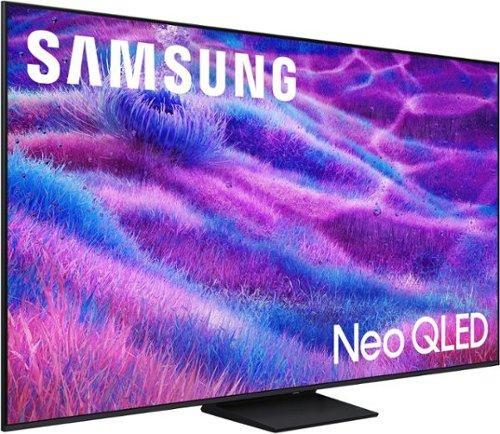
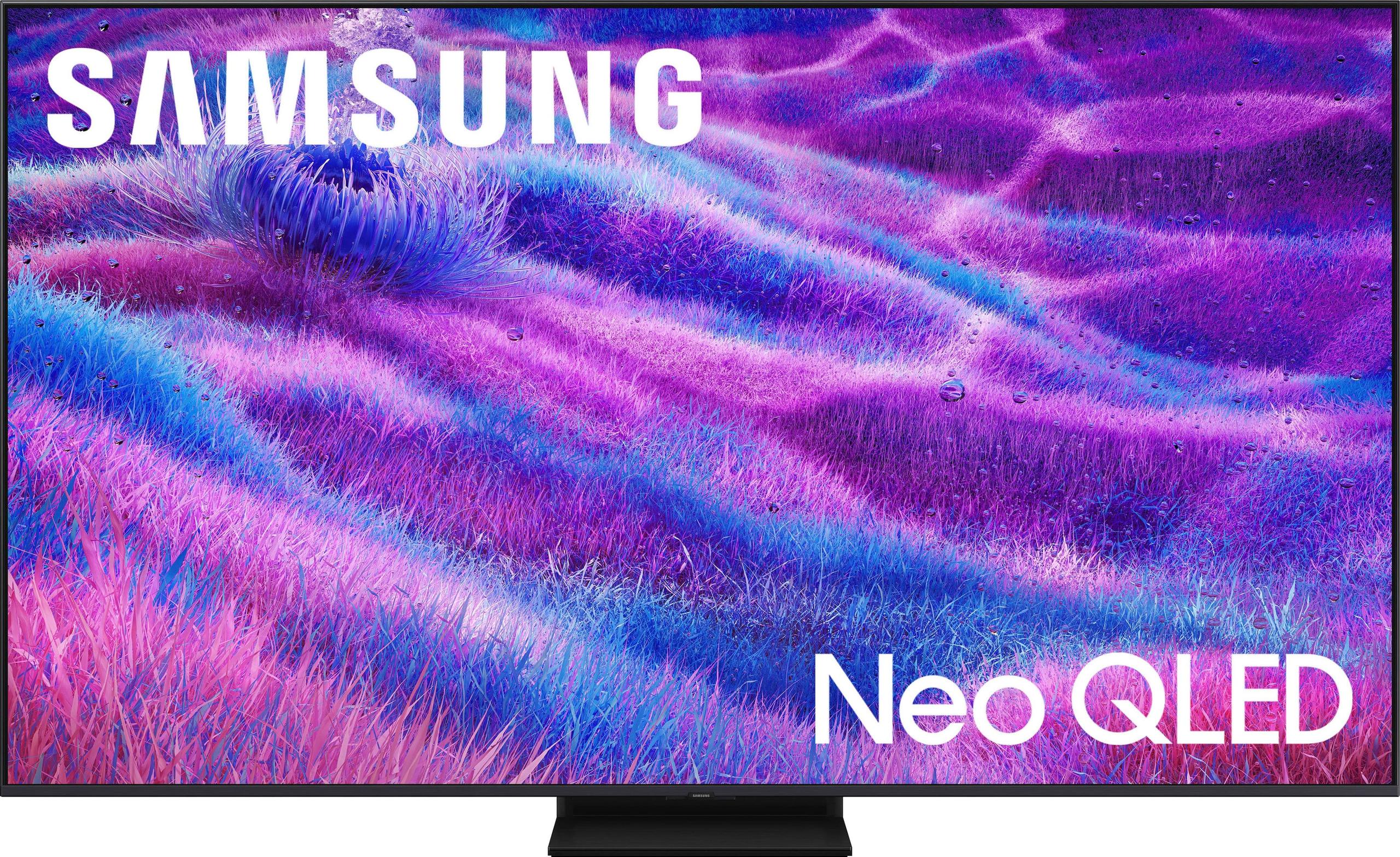
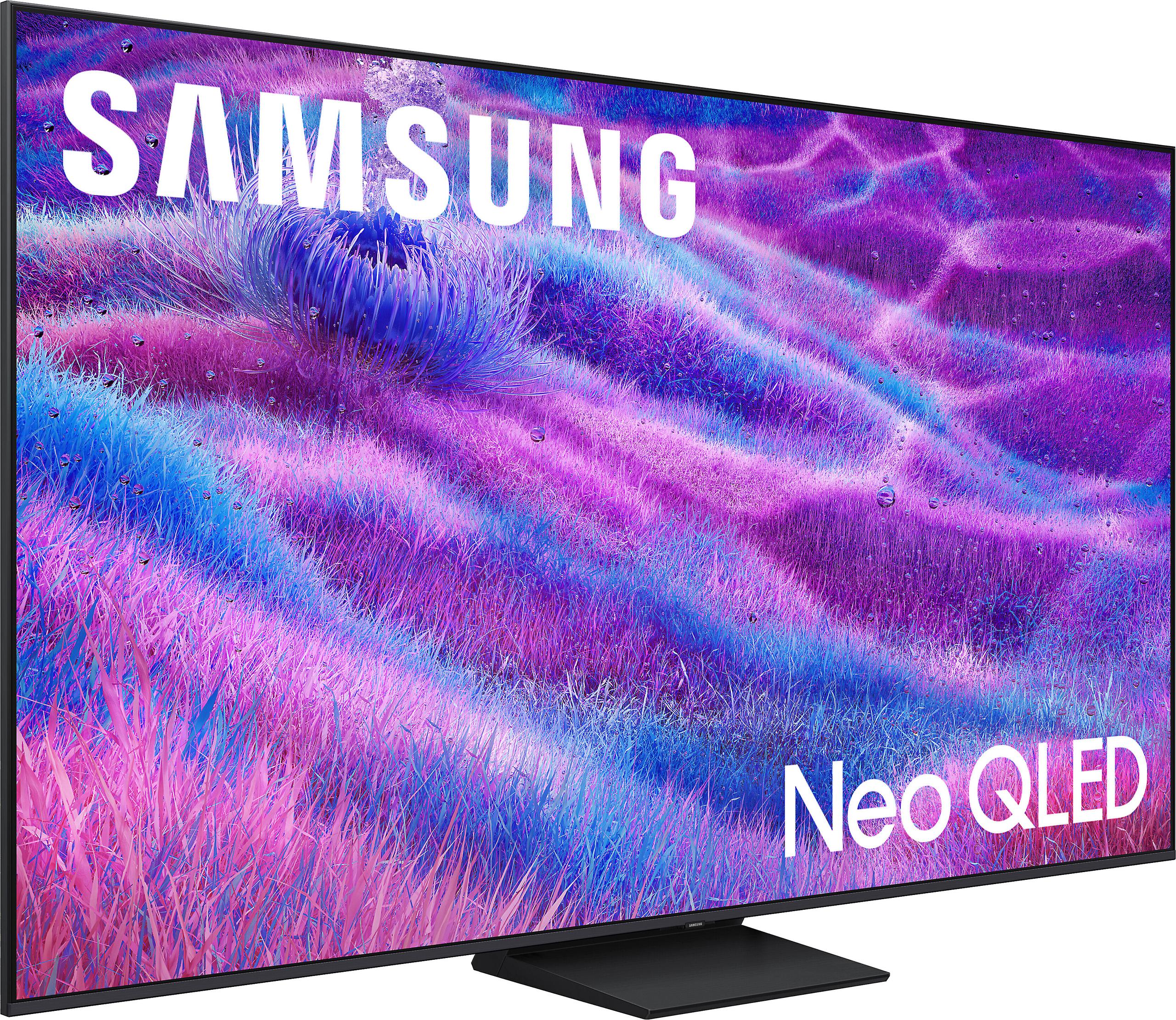
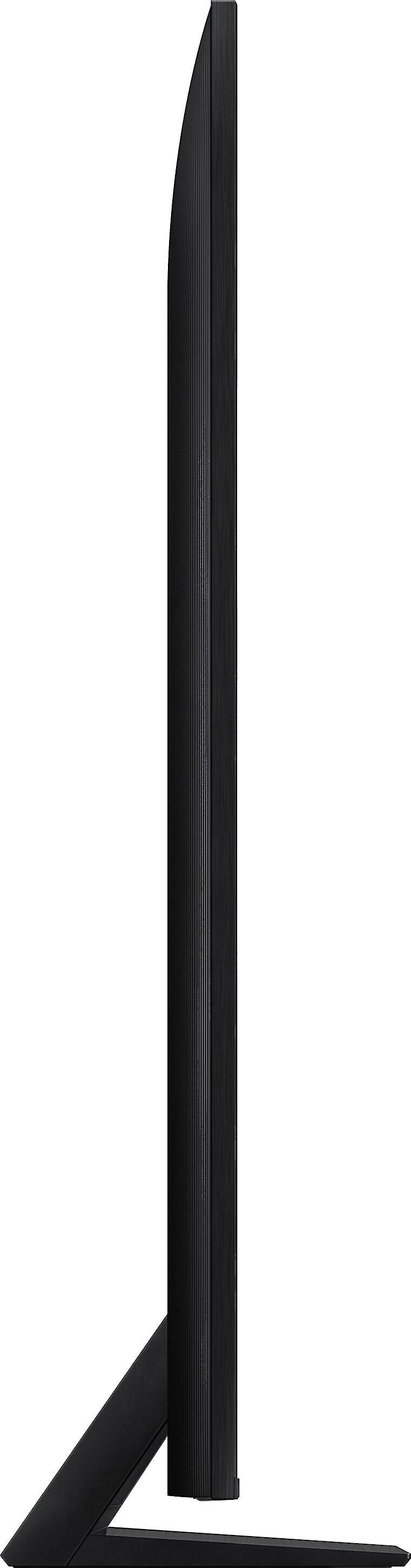
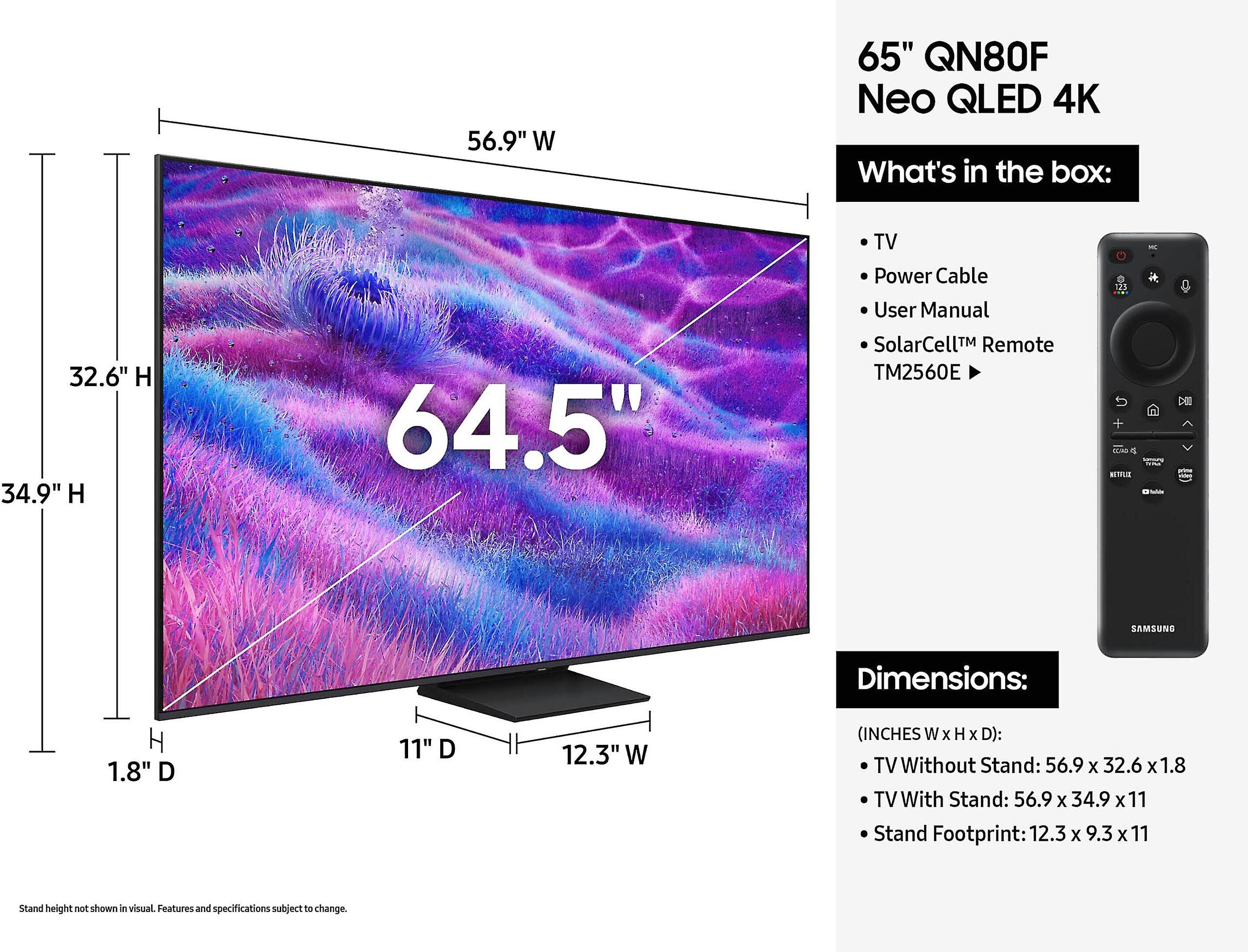

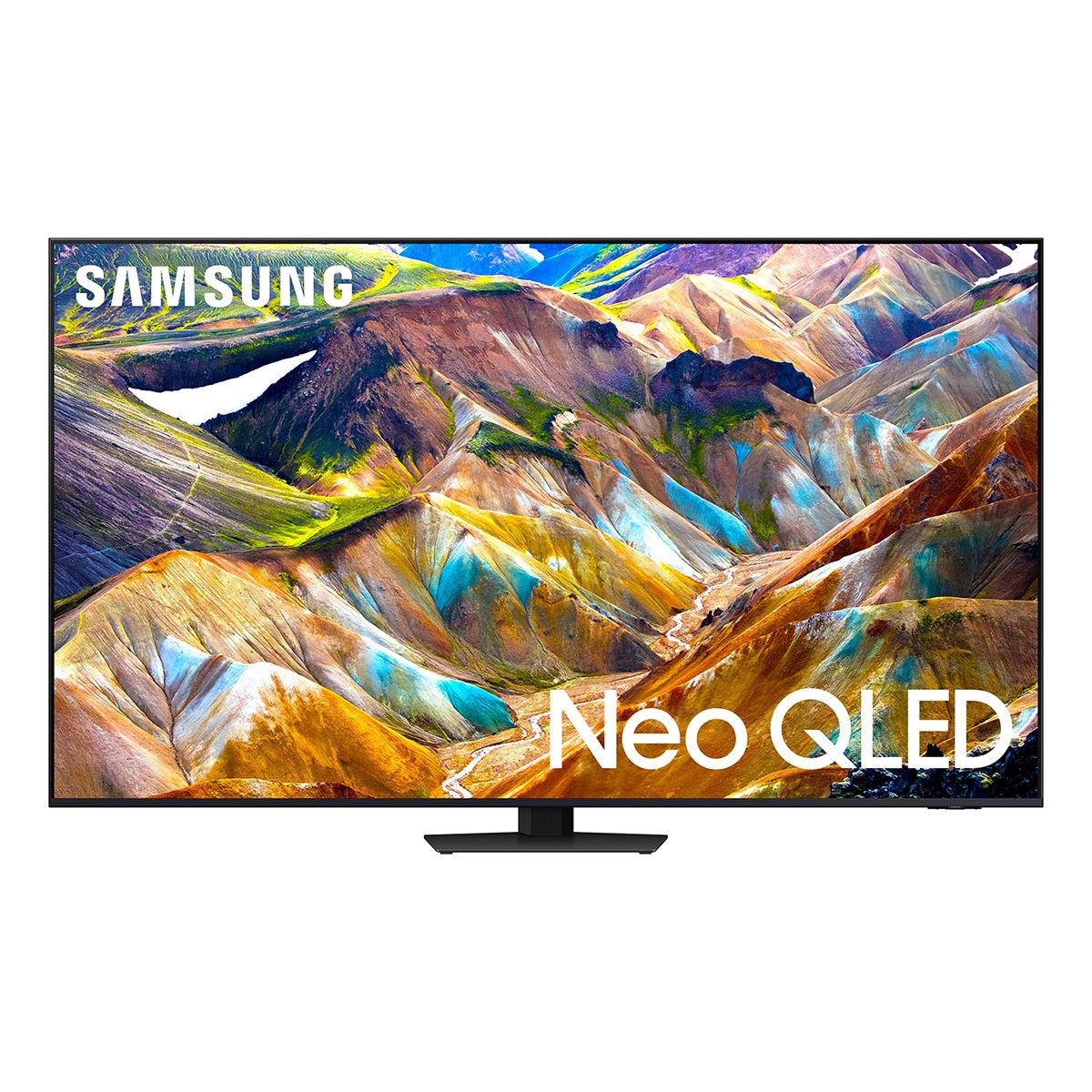
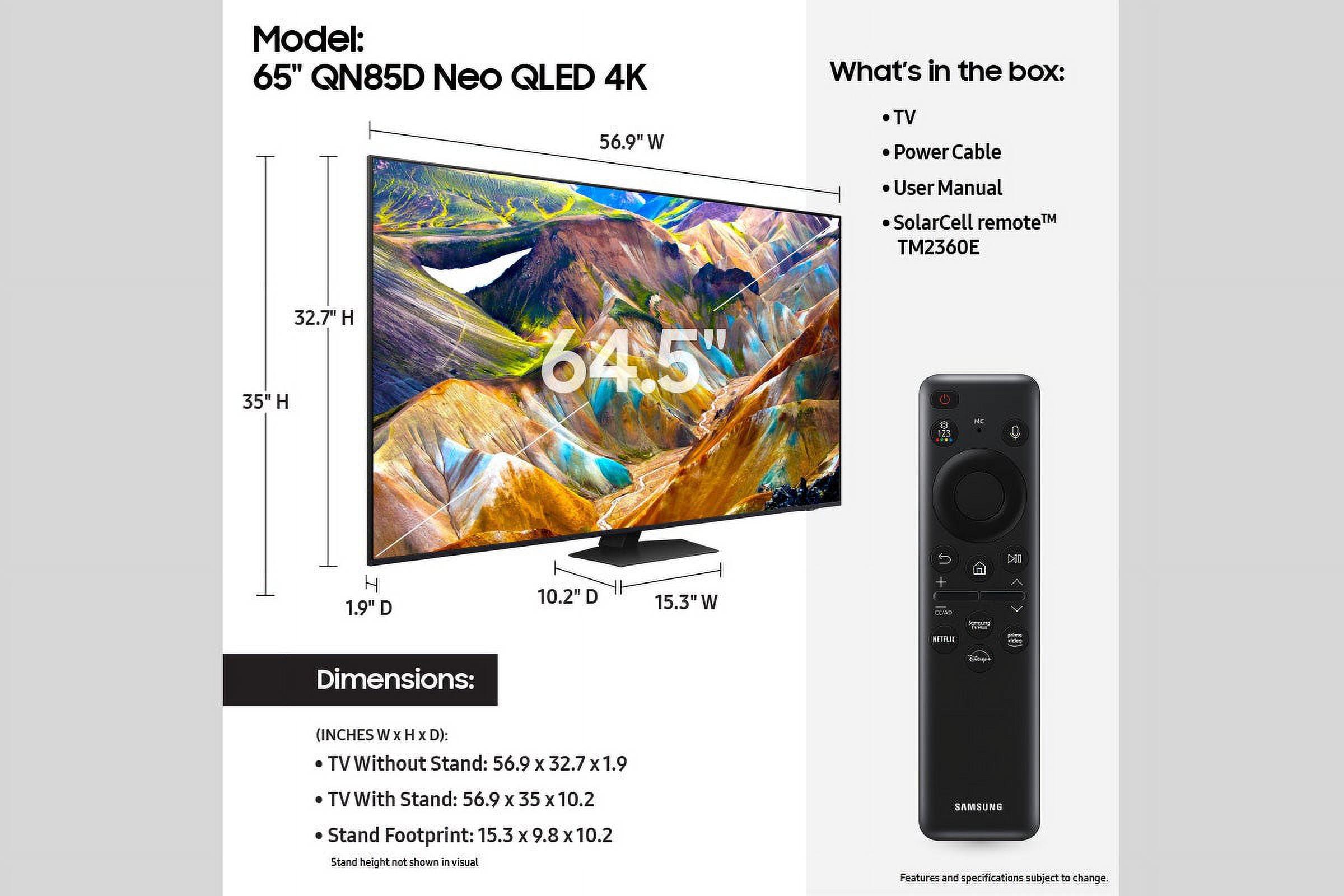
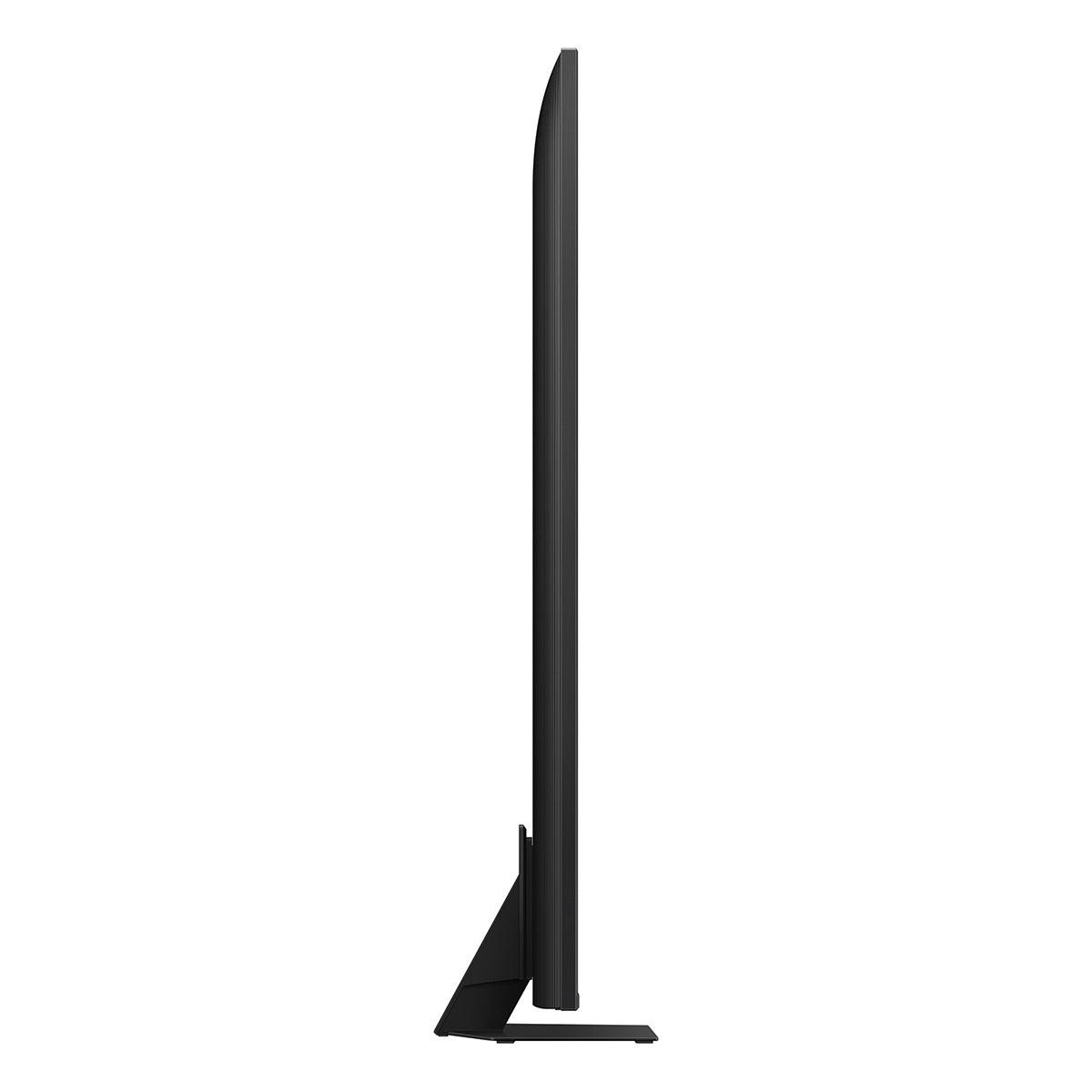
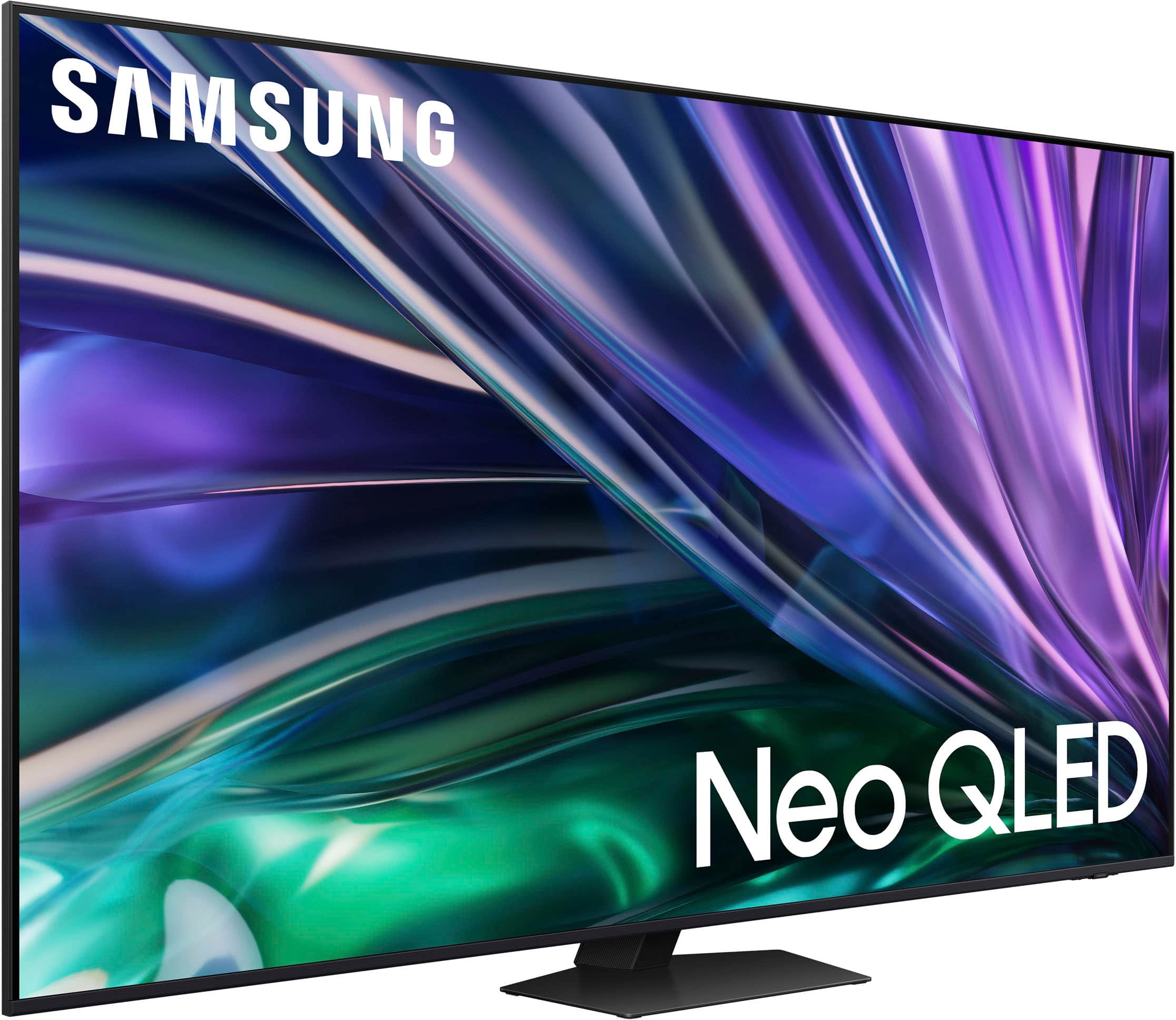
Samsung's Neo QLED lineup represents the company's premium LED TV technology, and if you're shopping for a 65-inch model, you've likely encountered two compelling options: the Samsung QN80F from 2025 and the Samsung QN85D from 2024. Both TVs promise exceptional picture quality, but they take notably different approaches to delivering that premium experience.
Understanding what sets these TVs apart isn't just about comparing spec sheets—it's about recognizing which technology philosophy aligns with your viewing habits and priorities. Let me walk you through everything you need to know to make the right choice for your home.
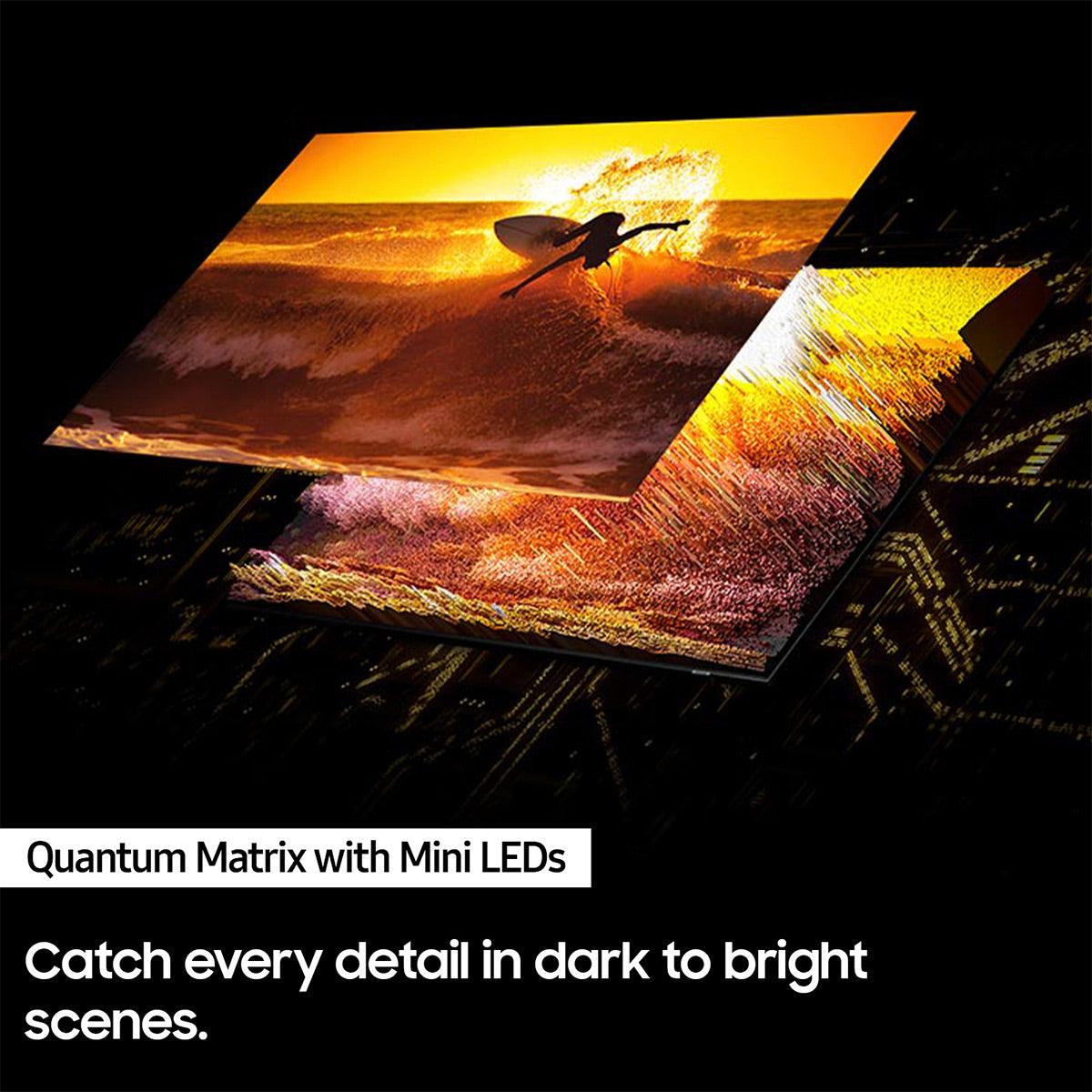
Before diving into the comparison, it's worth understanding what Neo QLED technology brings to the table. Traditional LED TVs use edge lighting or basic full-array backlighting, but Neo QLED combines two advanced technologies: Quantum Dots and Mini LED backlighting.
Quantum Dots are microscopic particles that enhance color reproduction by converting blue LED light into pure red and green wavelengths. This creates more vibrant, accurate colors across a wider spectrum. Mini LEDs, meanwhile, are significantly smaller than traditional LED backlights—sometimes 40 times smaller—allowing for thousands more individual lighting zones. This precision lighting control dramatically improves contrast by allowing specific areas of the screen to go completely dark while others shine brilliantly bright.
When evaluating Neo QLED TVs, the most important factors are picture quality (brightness, contrast, and color accuracy), gaming performance (refresh rates and input lag), smart features, and overall value. The Samsung QN80F and Samsung QN85D each excel in different areas, making this comparison particularly interesting.
The Samsung QN85D launched in 2024 as part of Samsung's established Neo QLED family, while the Samsung QN80F arrived in 2025 with Samsung's latest AI processing and gaming enhancements. At the time of writing, this generational gap translates to a significant price difference, with the newer QN80F commanding a premium for its cutting-edge features.
The 2025 model represents Samsung's push toward AI-driven picture and sound optimization, incorporating machine learning algorithms that adapt to your viewing environment and content preferences. It's also when Samsung made a serious commitment to high-refresh gaming, responding to the growing demand from PC gamers and console enthusiasts.
Here's where things get interesting: the Samsung QN85D actually delivers superior contrast performance despite being the older model. It uses a VA (Vertical Alignment) panel that achieves a native contrast ratio exceeding 160,000:1 when combined with local dimming. This means bright elements can coexist with truly dark areas in the same scene, creating that "pop" you notice in high-quality displays.
The VA panel technology excels at producing deep blacks because the liquid crystals can block light more effectively when displaying dark content. When you're watching a movie like "Blade Runner 2049" with its dramatic lighting contrasts, the QN85D renders those neon-lit cityscapes against pitch-black skies with remarkable depth.
The Samsung QN80F, while featuring the latest Mini LED technology, doesn't quite match this native contrast performance. However, it compensates with more sophisticated processing and lighting algorithms that optimize brightness and contrast dynamically based on the content you're watching.
Both TVs deliver excellent brightness levels suitable for bright rooms, but they approach HDR (High Dynamic Range) content differently. HDR allows TVs to display a wider range of brightness levels, from deeper darks to more brilliant highlights, creating more realistic images.
The QN80F leverages its newer processing to implement Auto HDR Remastering, which uses AI to enhance HDR performance even with non-HDR content. This feature analyzes scenes in real-time and applies HDR-like enhancements to improve contrast and color depth. It's particularly effective with streaming content that wasn't originally mastered in HDR.
The QN85D takes a more traditional approach with its Neo Quantum HDR implementation, relying on its superior native contrast to deliver impactful HDR without as much processing intervention. In my experience, this often results in more natural-looking images, especially in darker scenes where over-processing can create artificial-looking highlights.
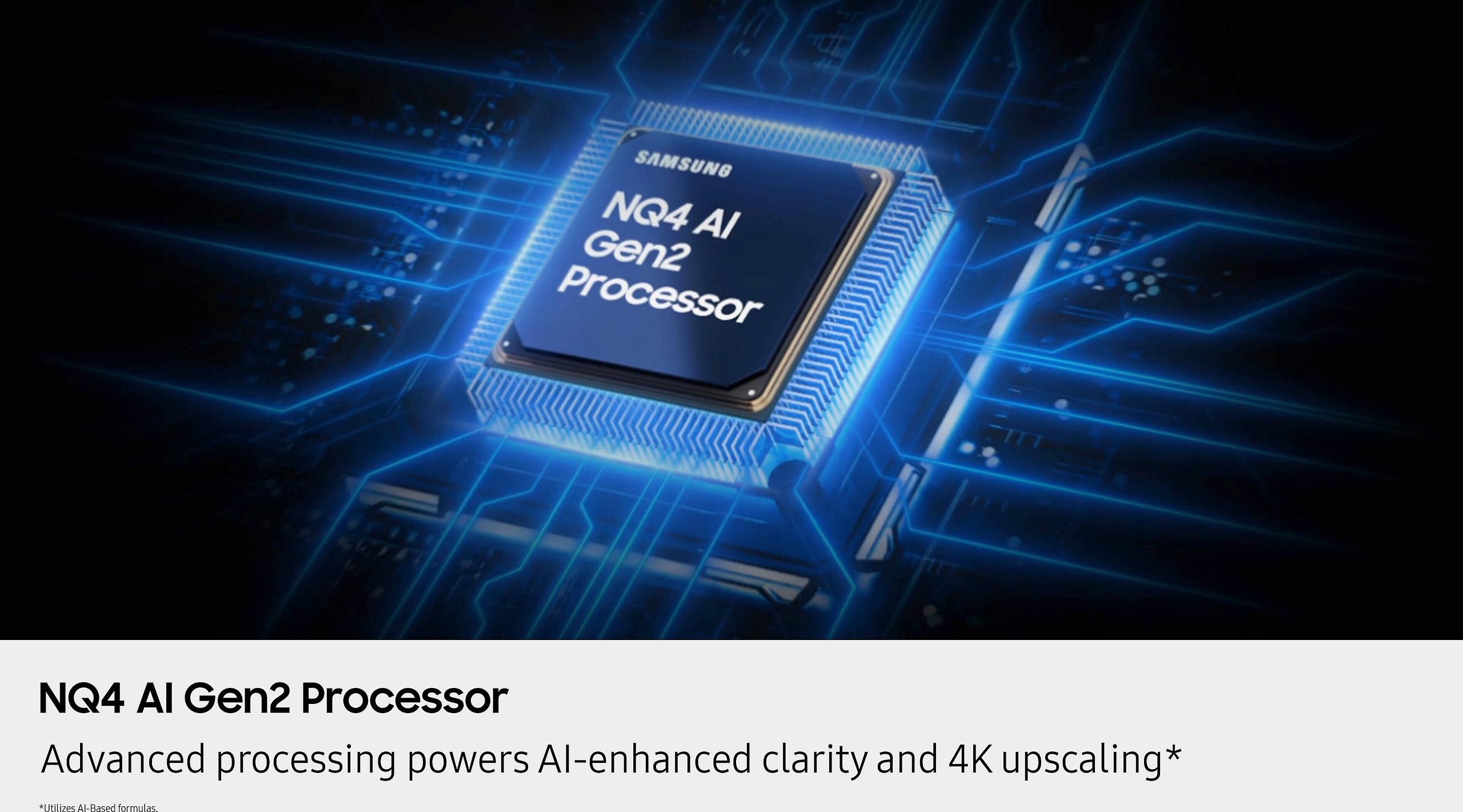
Both TVs utilize Quantum Dot technology for enhanced color reproduction, but the Samsung QN80F introduces Samsung's Vision AI suite, which includes advanced color optimization features. The NQ4 AI Gen2 Processor continuously analyzes content and adjusts color parameters to maintain accuracy across different types of material.
One standout feature is the QN80F's ability to optimize colors based on your room's ambient lighting conditions. If you're watching during the day with natural light streaming in, the TV automatically adjusts its color temperature and saturation to maintain visual appeal. It's subtle but effective technology that works behind the scenes.
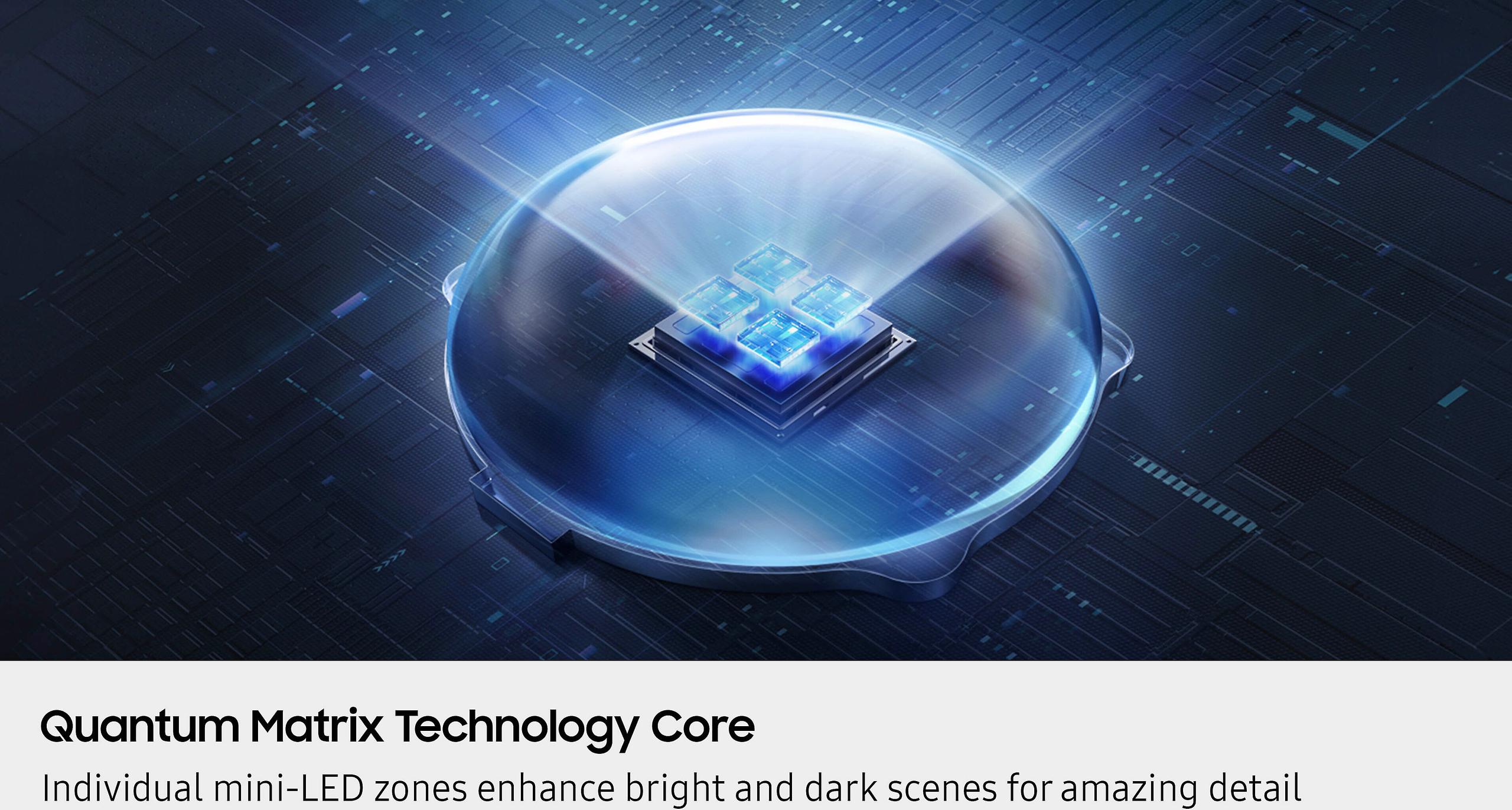
The QN85D uses the same NQ4 AI Gen2 processor but with 2024's implementation. While it lacks some of the newer AI enhancements, it delivers consistently excellent color reproduction with Samsung's Quantum Matrix technology providing precise lighting control across its Mini LED zones.
Gaming performance represents the most significant differentiator between these models, and it's where the generational gap becomes most apparent.
The Samsung QN80F supports 4K gaming at up to 144Hz across all four HDMI 2.1 ports. This high refresh rate capability is crucial for PC gamers who want to take full advantage of powerful graphics cards, but it's also increasingly relevant for console gaming as PlayStation 5 and Xbox Series X games begin supporting 120Hz+ modes.
For context, refresh rate measures how many times per second the display updates its image. Higher refresh rates create smoother motion, reduce input lag (the delay between your controller input and on-screen action), and can provide competitive advantages in fast-paced games. The difference between 60Hz and 144Hz gaming is immediately noticeable—movements appear more fluid, and tracking fast-moving objects becomes easier.
The QN85D maxes out at 4K 120Hz, which is still excellent for gaming but represents the previous generation's ceiling. For most console gaming and many PC gaming scenarios, 120Hz provides an outstanding experience that's significantly smoother than traditional 60Hz displays.
Both TVs support Variable Refresh Rate (VRR) technology, but the QN80F includes AMD FreeSync Premium Pro certification, representing a more comprehensive VRR implementation. VRR synchronizes the TV's refresh rate with your gaming device's frame output, eliminating screen tearing and reducing stuttering.
The QN80F also features AI Auto Game Mode, which automatically detects when you're gaming and optimizes picture settings for reduced input lag and enhanced visibility in dark areas. It even adjusts settings based on the specific game you're playing—brightening dark corners in competitive shooters while maintaining cinematic color accuracy for story-driven adventures.
The Samsung QN80F introduces Samsung's Vision AI suite, which feels like a glimpse into the future of smart TV technology. Features like Live Translate can provide real-time subtitles in your preferred language, while Generative Wallpaper creates unique ambient backgrounds using AI algorithms.
The enhanced Bixby voice assistant can process multiple commands simultaneously and understands context better than previous implementations. You can say something like "dim the lights and find action movies from the 2000s" and watch as it coordinates with your smart home devices while curating content suggestions.
The QN85D runs Samsung's proven Tizen OS, which remains fast and intuitive but lacks the cutting-edge AI features. It still provides excellent smart TV functionality with comprehensive app support and reliable performance, but it represents the previous generation's approach to smart TV interfaces.
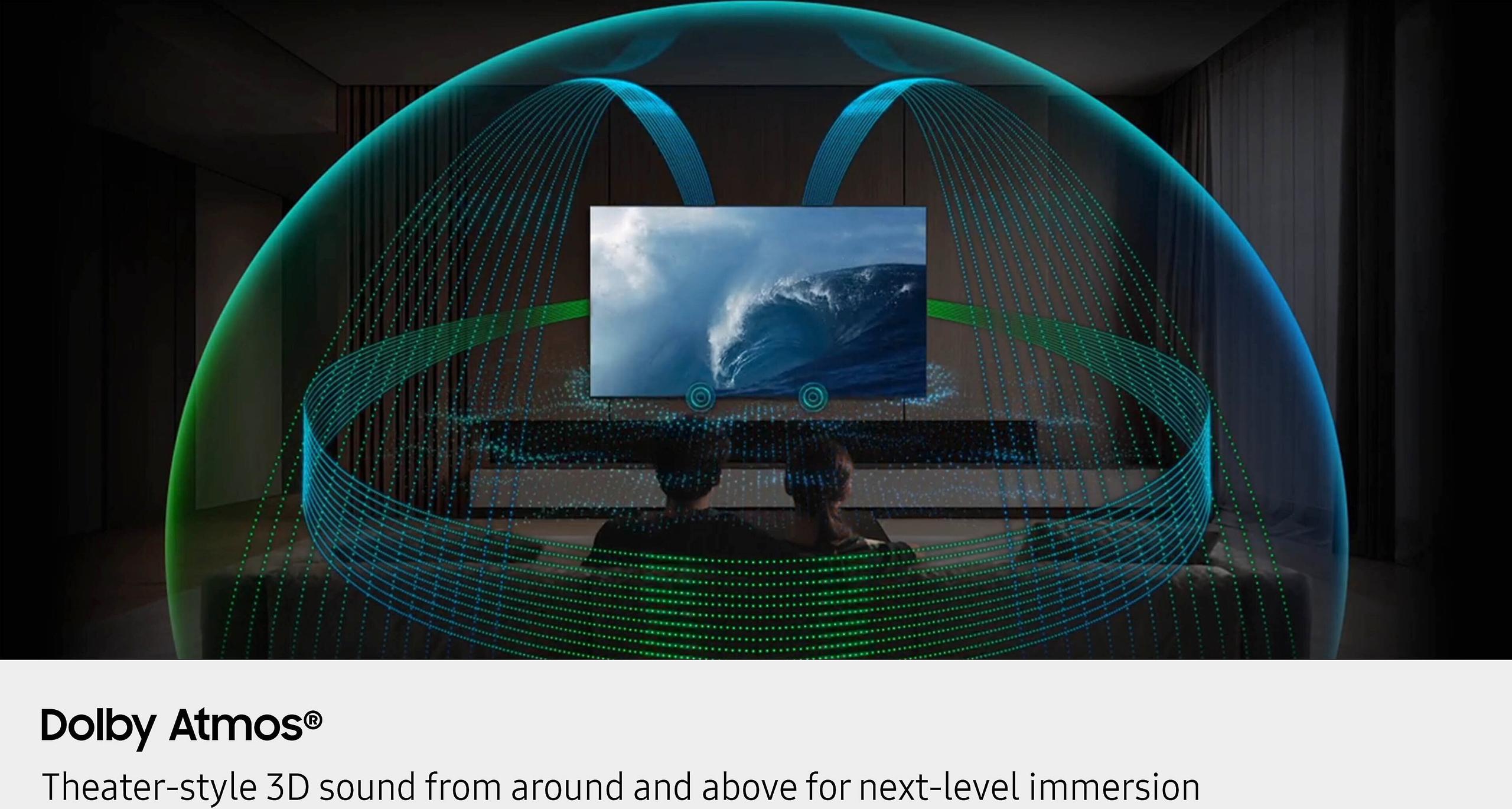
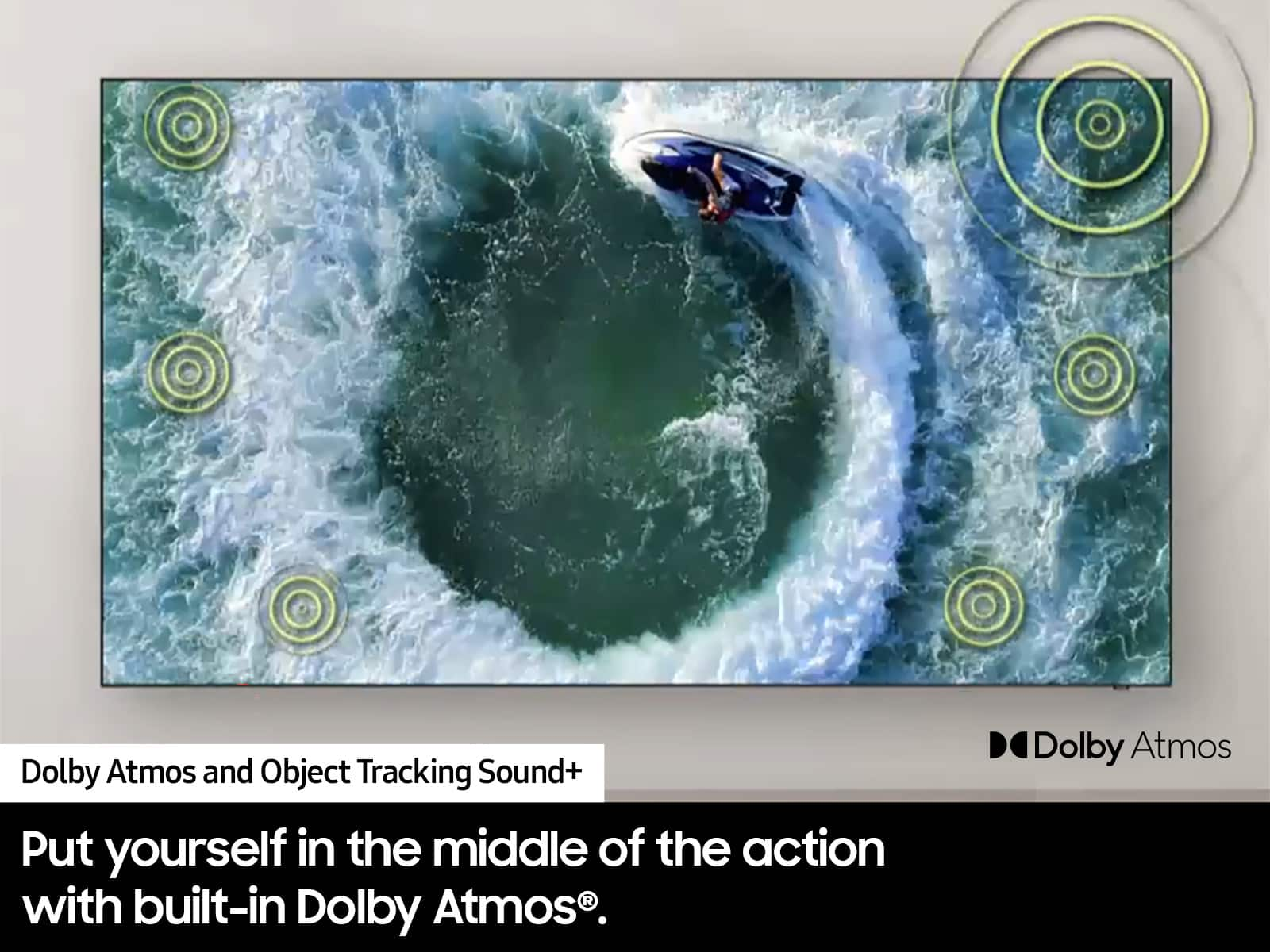
Both TVs incorporate Dolby Atmos technology, which creates three-dimensional soundscapes by bouncing audio off your ceiling and walls. However, the QN80F adds Adaptive Sound Pro, which uses AI to analyze audio content and optimize settings in real-time.
This AI audio processing recognizes different types of content—dialogue-heavy scenes, action sequences, or musical performances—and adjusts the sound profile accordingly. During quiet dialogue scenes, it enhances vocal clarity, while action sequences get more dynamic range and spatial effects.
For home theater enthusiasts, both TVs work well as the centerpiece of a larger audio system, but the QN80F's advanced processing provides more flexibility for fine-tuning audio performance.
At the time of writing, the price difference between these models reflects the premium Samsung places on its latest technology. The QN80F commands a significant premium for its AI features and enhanced gaming capabilities, while the QN85D offers exceptional value with proven performance at a more accessible price point.
This pricing dynamic creates an interesting decision point. The QN85D delivers superior contrast performance—arguably the most important aspect of picture quality—at a lower price. Meanwhile, the QN80F provides cutting-edge features that may become more valuable over time as content and gaming evolve.
For dedicated home theater setups, both TVs excel, but they serve different priorities. The QN85D shines in controlled lighting environments where its superior contrast ratio creates that cinematic depth that makes movies feel immersive. Its more natural color processing also tends to preserve filmmaker intent better, which matters when you're watching carefully mastered content.
The QN80F brings advantages for more flexible viewing scenarios. Its AI processing helps maintain picture quality across different lighting conditions, and its enhanced brightness capabilities work better in rooms where you can't completely control ambient light.
Both TVs handle 24p content (the frame rate used for most movies) smoothly, and their motion processing effectively reduces judder without creating the artificial "soap opera effect" that many viewers dislike.
You're a serious gamer who wants the absolute latest in gaming technology. The 144Hz capability and advanced VRR support make this TV future-proof for next-generation gaming experiences. The AI features also appeal to tech enthusiasts who enjoy having the latest smart TV capabilities.
The QN80F also makes sense if you frequently watch content in varying lighting conditions and appreciate AI-driven optimizations that adapt to your environment.
You prioritize picture quality fundamentals over cutting-edge features. The superior contrast ratio and natural image processing make this TV excellent for movie watching and general entertainment. The significant cost savings at the time of writing make it an exceptional value for premium Neo QLED performance.
The QN85D is also the better choice if you prefer proven technology over first-generation AI features, or if you're building a dedicated home theater where controlled lighting allows its contrast advantages to shine.
Both the Samsung QN80F and Samsung QN85D represent excellent choices in the premium TV market, but they serve different priorities. The QN85D offers superior fundamental picture quality with exceptional value, making it ideal for movie enthusiasts and budget-conscious buyers seeking premium performance.
The QN80F provides cutting-edge gaming capabilities and AI-driven features that justify its premium for tech enthusiasts and serious gamers. Your choice should align with whether you prioritize proven excellence in core performance areas or prefer to invest in the latest technological innovations.
Consider your primary use cases, room environment, and budget carefully. Both TVs will deliver years of exceptional entertainment, but understanding these key differences ensures you'll choose the one that best matches your specific needs and preferences.
| Samsung 65" QN80F Neo QLED 4K TV | Samsung 65" QN85D Neo QLED 4K Smart TV |
|---|---|
| Release Year - Newer models offer latest features but at premium pricing | |
| 2025 model with cutting-edge AI and gaming tech | 2024 model with proven performance at better value |
| Gaming Refresh Rate - Critical for smooth gaming and future-proofing | |
| 4K @ 144Hz across all HDMI ports (ideal for PC gaming) | 4K @ 120Hz (excellent for console gaming) |
| Contrast Ratio - Most important factor for deep blacks and picture depth | |
| Good Mini LED contrast with AI processing | Superior 160,000:1+ native contrast with VA panel |
| AI Processing Features - Adds convenience but may not justify premium for all users | |
| Vision AI suite with Live Translate, adaptive optimization | Standard smart features without advanced AI enhancements |
| Panel Technology - Affects viewing angles and picture quality | |
| Mini LED with latest processing algorithms | VA panel with Mini LED for superior contrast |
| Variable Refresh Rate Support - Essential for tear-free gaming | |
| AMD FreeSync Premium Pro certification | Standard VRR and ALLM support |
| Audio Technology - Important for immersive entertainment without soundbar | |
| Dolby Atmos with AI-driven Adaptive Sound Pro | Dolby Atmos with Object Tracking Sound Lite |
| HDR Processing - Enhances color and brightness range | |
| Auto HDR Remastering with AI optimization | Neo Quantum HDR with traditional processing |
| Motion Handling - Critical for sports and action content | |
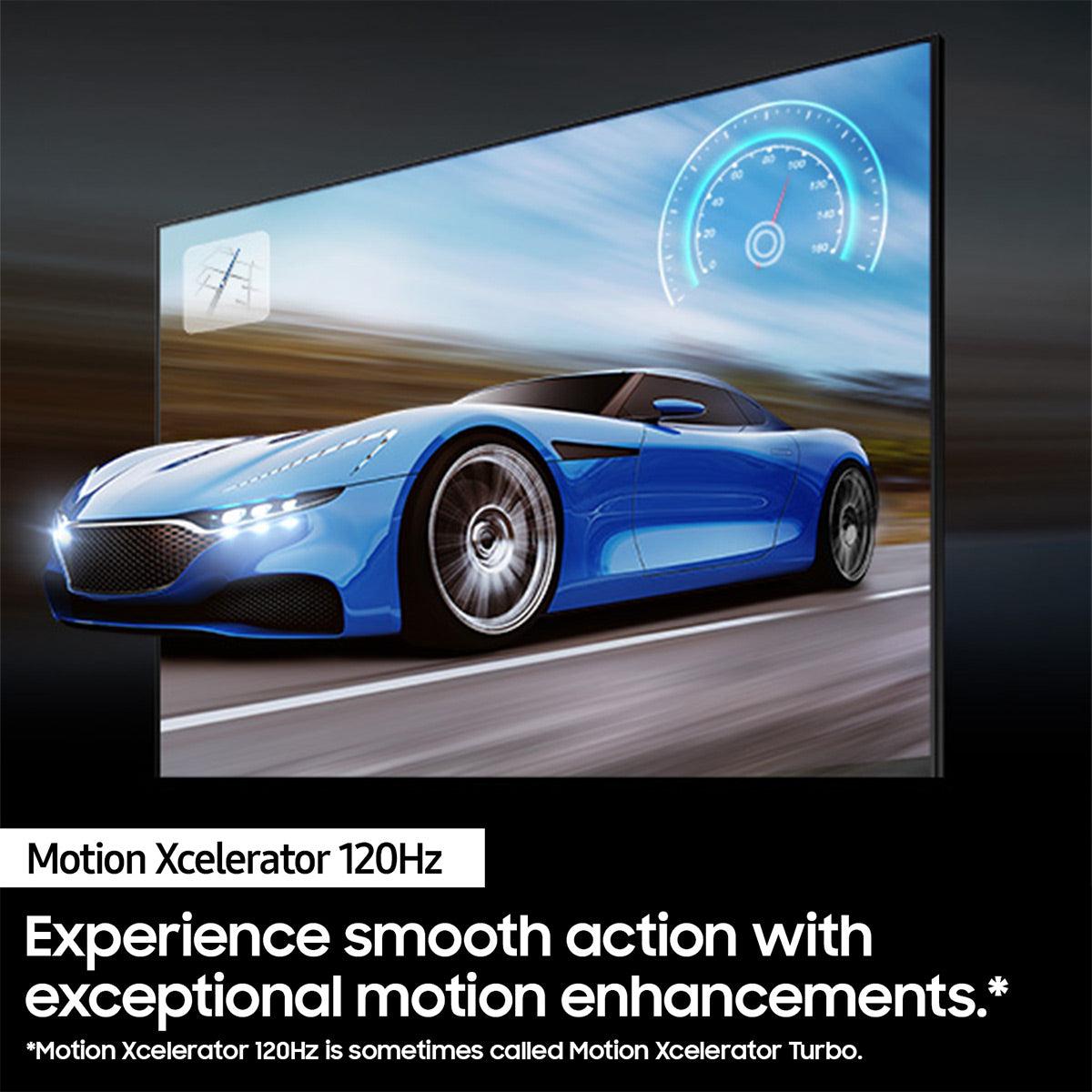
| Motion Xcelerator 144Hz with AI enhancement | Motion Xcelerator Turbo 120Hz |
| Screen Reflection Handling - Important for bright room viewing | |
| More reflective screen (may struggle in bright rooms) | Better glare handling for mixed lighting conditions |
| Voice Assistant Integration - Affects smart home control convenience | |
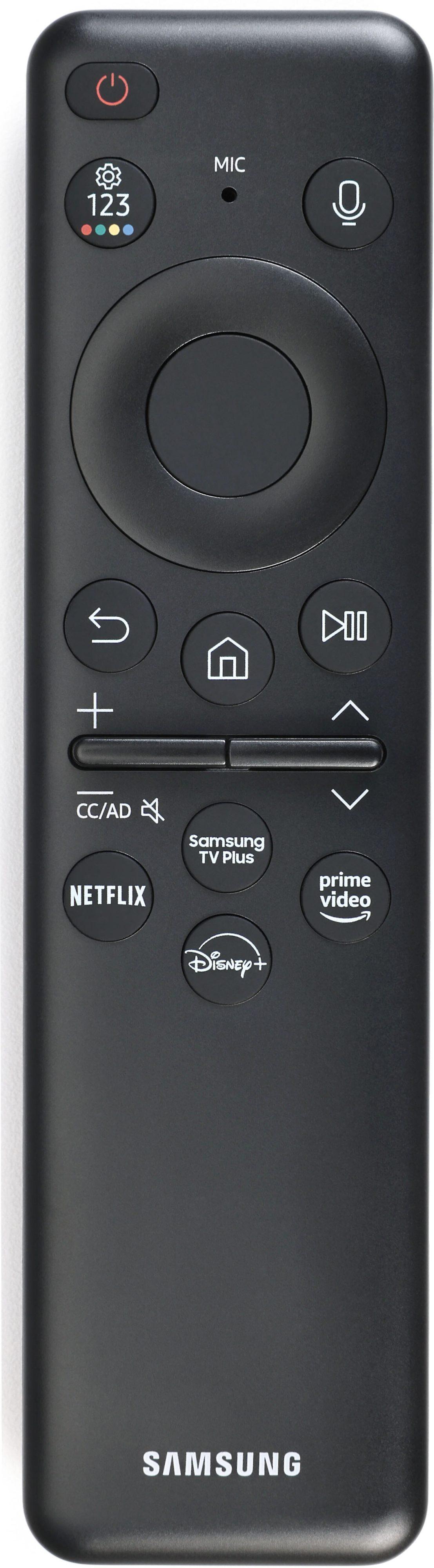
| Enhanced Bixby with multi-command processing | Standard Bixby and Alexa support |
| Value Proposition - Key factor for most buyers | |
| Premium pricing for latest tech and gaming features | Excellent value with superior contrast at lower cost |
The Samsung QN80F is significantly better for gaming, especially for PC and next-gen console gaming. It supports 4K gaming at 144Hz across all HDMI ports, while the Samsung QN85D maxes out at 120Hz. The QN80F also includes AMD FreeSync Premium Pro certification and AI Auto Game Mode for optimized gaming performance.
The Samsung QN85D delivers superior contrast with its VA panel achieving over 160,000:1 contrast ratio, resulting in deeper blacks and better overall picture depth. The Samsung QN80F focuses more on AI processing and brightness optimization but doesn't quite match the natural contrast performance of the QN85D.
The Samsung QN85D provides exceptional value as a 2024 model with proven Neo QLED performance at a lower price point. While the Samsung QN80F includes cutting-edge AI features and enhanced gaming capabilities, the price premium may not justify the incremental improvements for casual viewers.
Both run Samsung's Tizen OS, but the Samsung QN80F includes Samsung's Vision AI suite with features like Live Translate and Generative Wallpaper. The Samsung QN85D offers standard smart TV functionality without the advanced AI enhancements, though it still provides excellent app support and performance.
The Samsung QN85D handles bright rooms better due to its superior glare reduction and contrast performance. The Samsung QN80F has a more reflective screen that can show distracting mirror-like reflections in very bright environments, though both TVs offer good peak brightness levels.
Both TVs feature Dolby Atmos, but the Samsung QN80F adds Adaptive Sound Pro with AI-driven audio optimization that adjusts settings based on content type. The Samsung QN85D includes Object Tracking Sound Lite, which is still excellent but lacks the advanced AI audio processing of the newer model.
For dedicated home theater setups, the Samsung QN85D excels with its superior contrast ratio and natural color processing that preserves filmmaker intent. The deeper blacks and better contrast make movies more immersive, especially in controlled lighting environments where its strengths can shine.
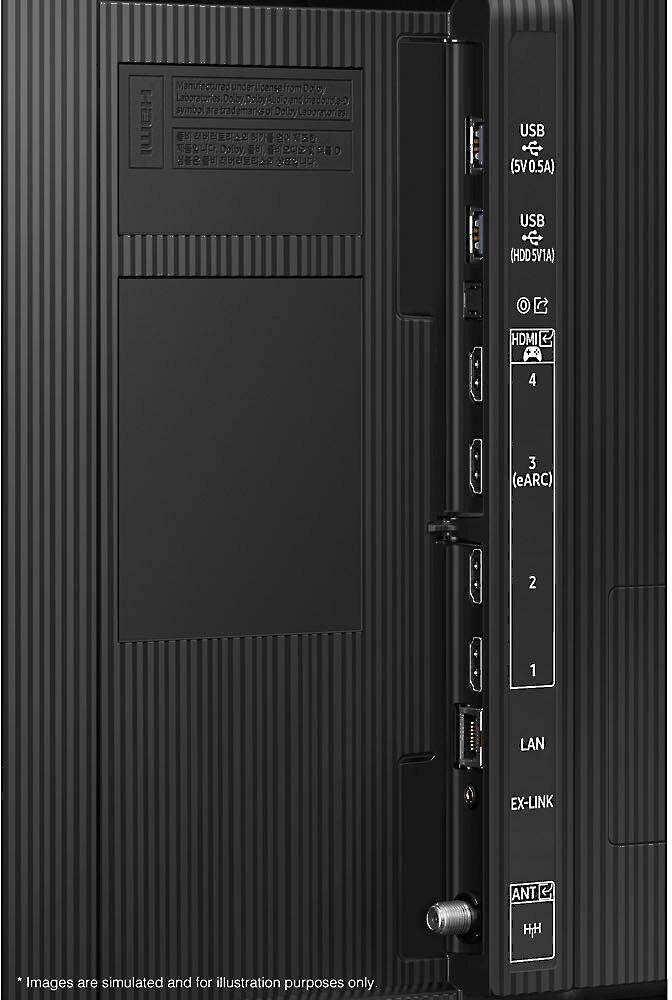
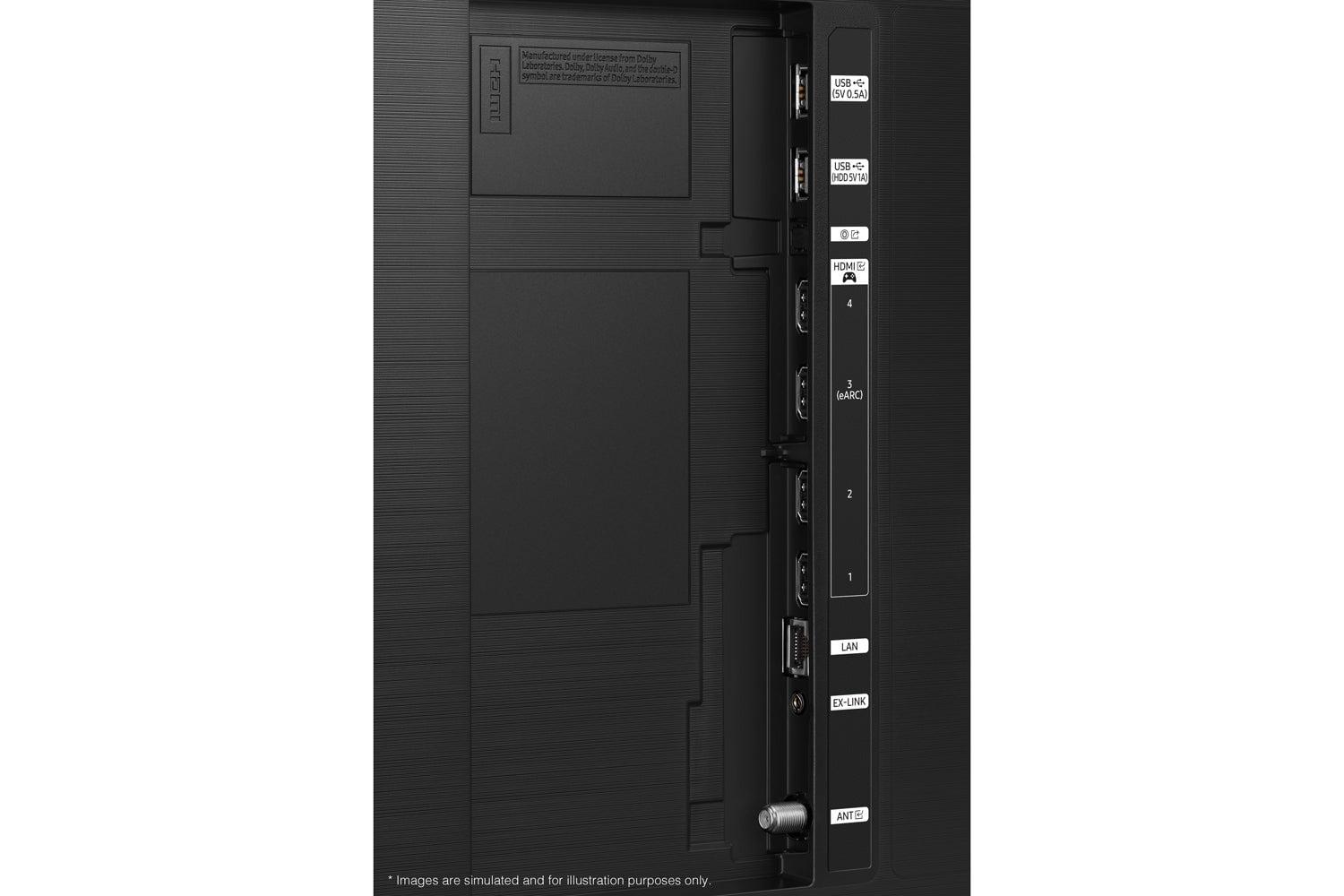
Yes, both the Samsung QN80F and Samsung QN85D feature four HDMI 2.1 ports. However, the QN80F supports more advanced gaming features across all ports, including higher refresh rates and enhanced VRR support compared to the QN85D.
The Samsung QN80F is more future-proof with its 144Hz capability and advanced VRR support, preparing it for next-generation gaming developments. While the Samsung QN85D's 120Hz is excellent for current gaming needs, the QN80F provides headroom for future gaming innovations.
The Samsung QN80F introduces Samsung's Vision AI suite with Live Translate, adaptive picture optimization, and enhanced Bixby voice control with multi-command processing. The Samsung QN85D uses standard smart TV AI without these advanced features, focusing on proven performance rather than cutting-edge AI capabilities.
Both TVs offer excellent motion handling, but the Samsung QN80F includes Motion Xcelerator 144Hz with AI enhancement for smoother performance. The Samsung QN85D features Motion Xcelerator Turbo 120Hz, which is still very good for sports but doesn't quite match the advanced motion processing of the newer QN80F.
Choose the Samsung QN85D if you prioritize picture quality fundamentals and value, as it offers superior contrast at a better price point. Consider the Samsung QN80F if you're a serious gamer or want the latest AI features, but the QN85D delivers excellent performance that satisfies most viewers' needs.
We've done our best to create useful and informative comparisons to help you decide what product to buy. Our research uses advanced automated methods to create this comparison and perfection is not possible - please contact us for corrections or questions. These are the sites we've researched in the creation of this article: samsung.com - theshortcut.com - youtube.com - bestbuy.com - rtings.com - samsung.com - samsung.com - samsung.com - sargentappliance.com - displayspecifications.com - bestbuy.com - bestbuy.com - rtings.com - youtube.com - youtube.com - avsforum.com - youtube.com - samsung.com - videoandaudiocenter.com - shopjetson.com - mysoundconcepts.com - samsung.com - merlinstv.com - youtube.com - samsung.com - samsung.com

Privacy Policy
Terms and Conditions - Affiliate Policy
Home Security
© Copyright 2008-2026.
11816 Inwood Rd #1211, Dallas, TX 75244