

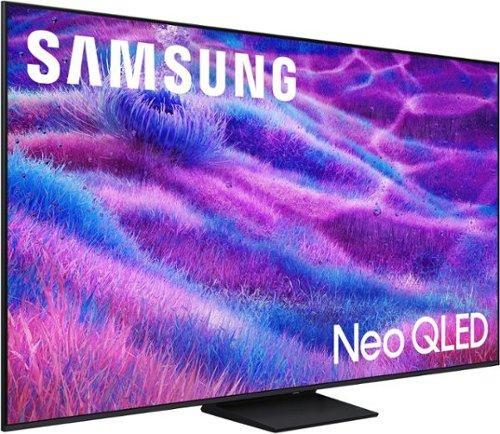
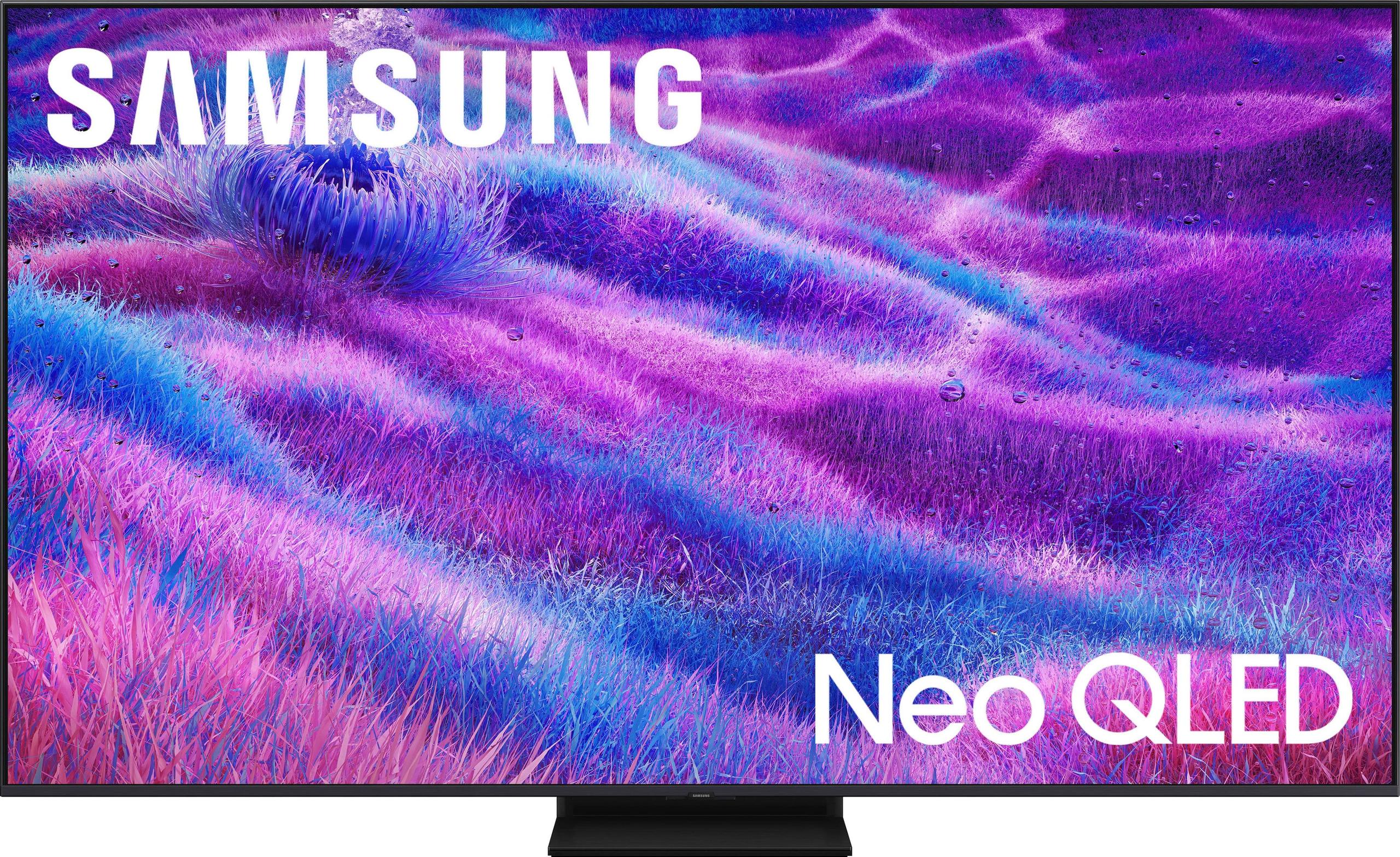
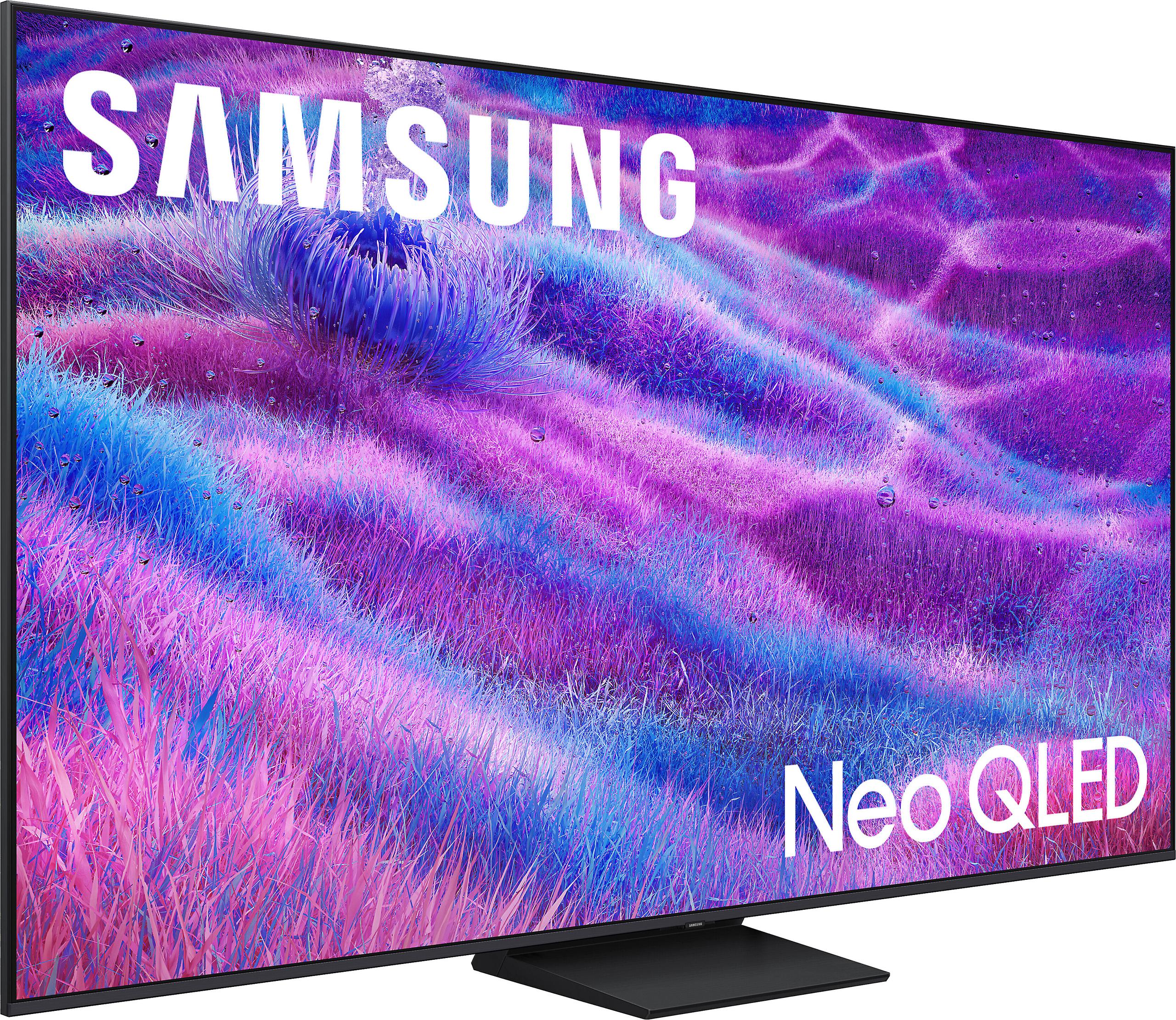
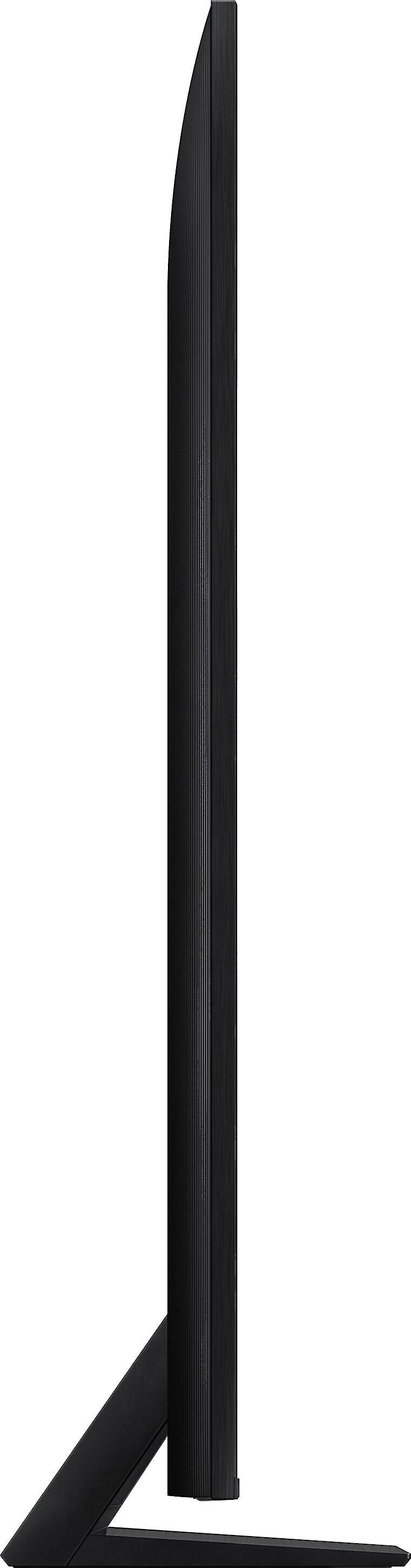
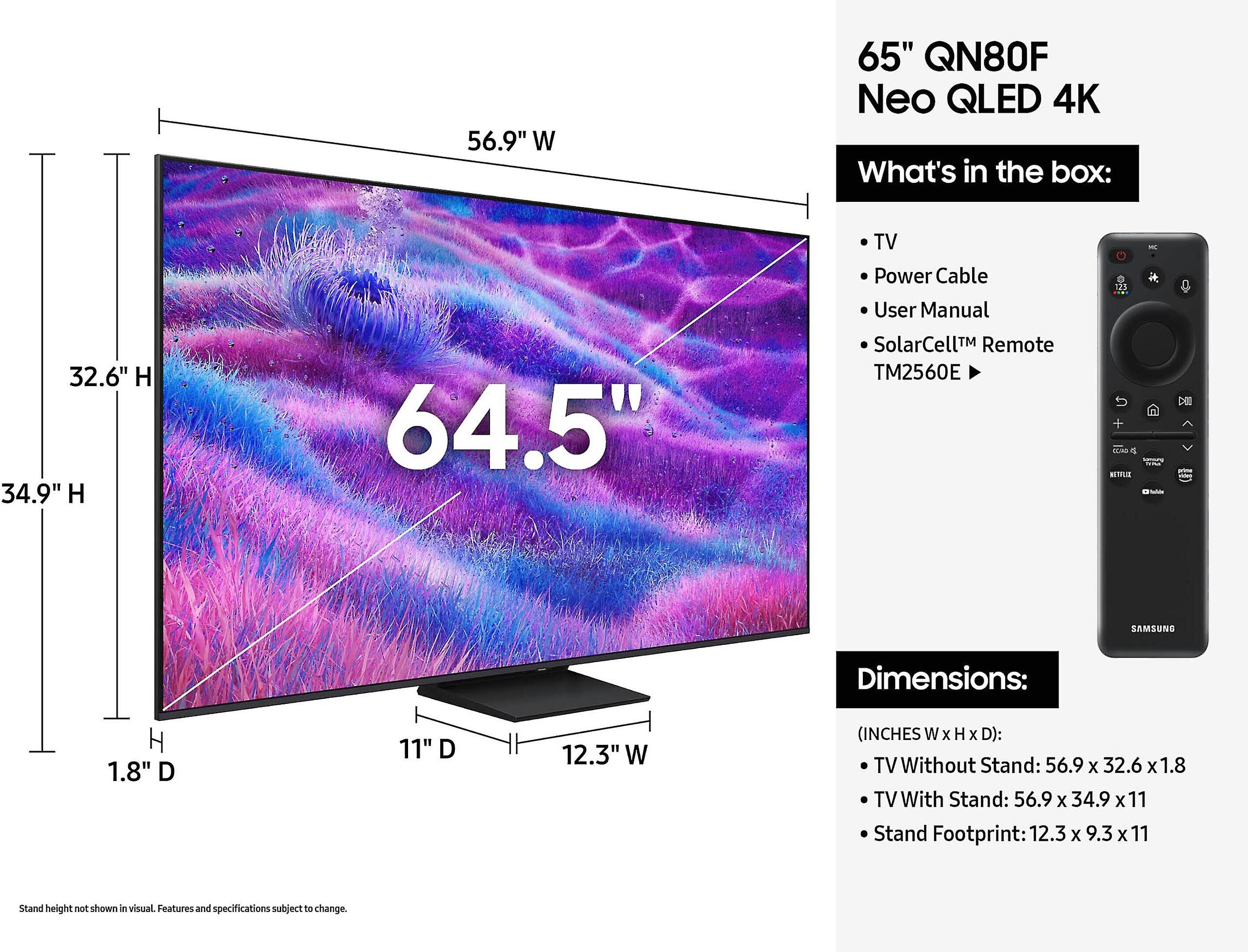

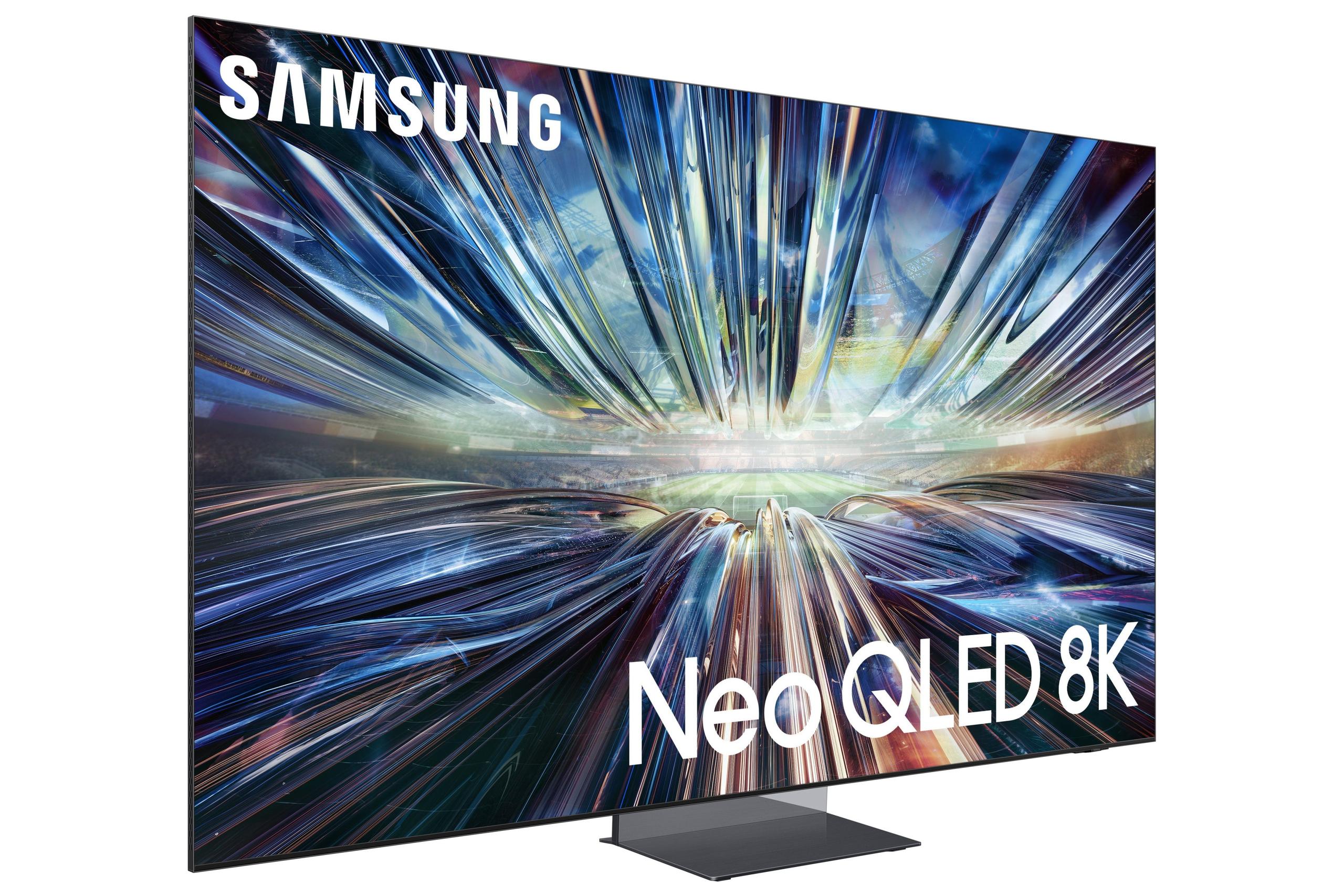
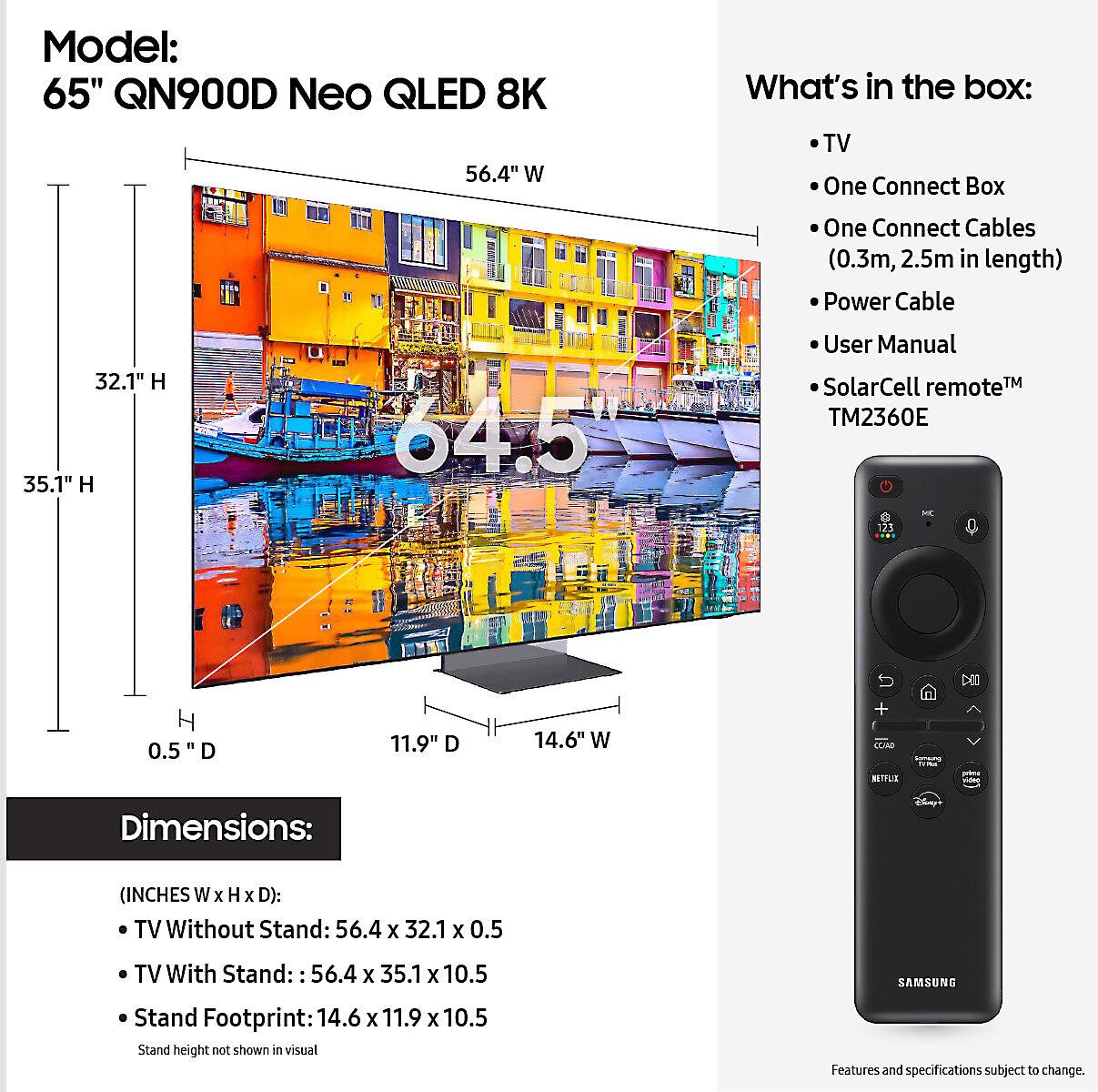
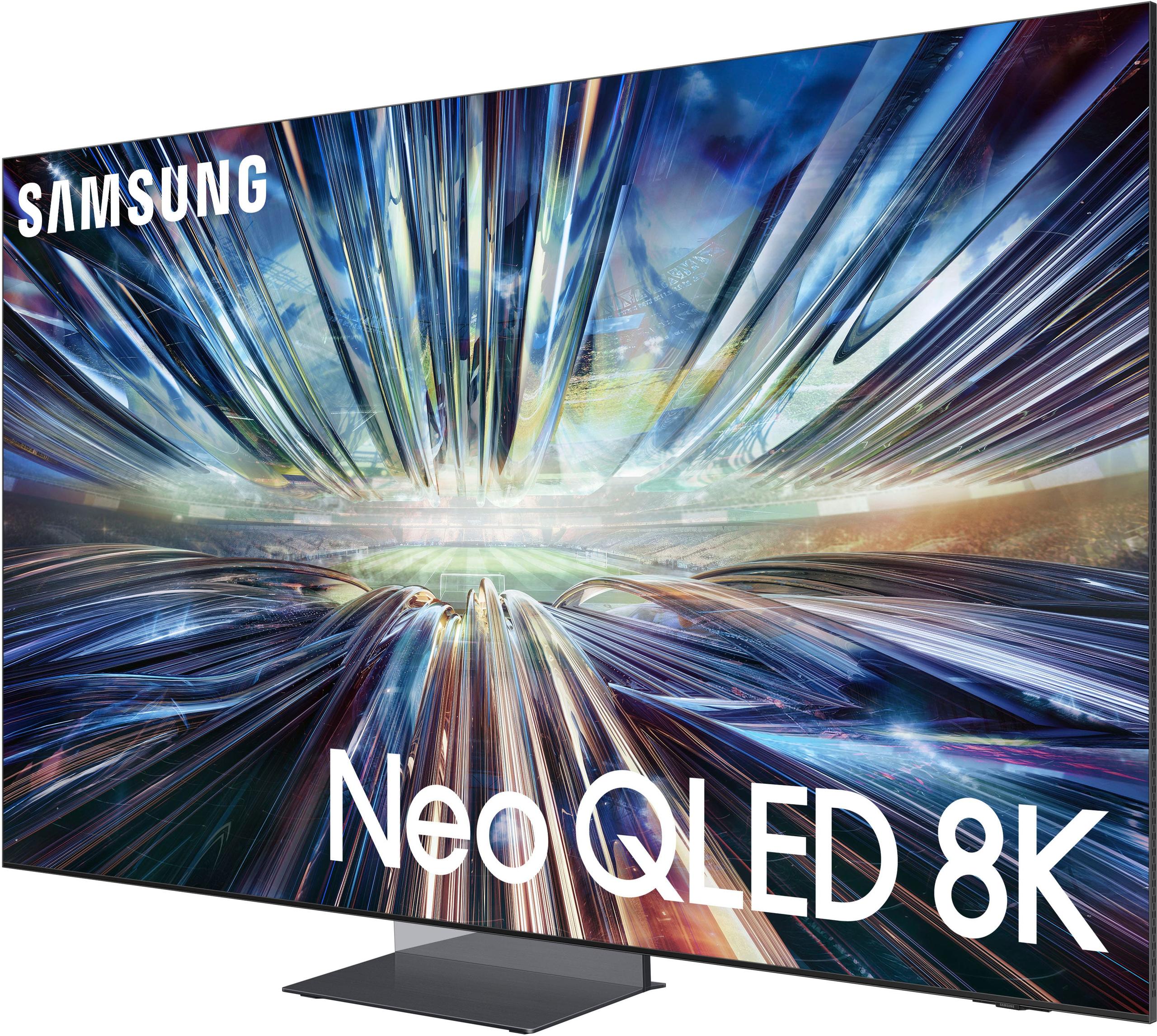
Shopping for a premium TV can feel overwhelming, especially when you're comparing two excellent options that seem similar on the surface. Today, we're diving deep into two of Samsung's standout Neo QLED televisions: the 2025 QN80F 4K model and the 2024 QN900D 8K flagship. While both deliver impressive picture quality, they serve different purposes and offer distinct advantages depending on your needs and budget.
Before we jump into the comparison, let's demystify what makes Neo QLED special. Traditional LED TVs use relatively large LED lights behind the screen to create brightness. Neo QLED televisions, however, use "Mini LEDs" - thousands of incredibly tiny LED lights that are about 1/40th the size of regular LEDs. This allows for much more precise control over which parts of the screen are bright or dark, creating deeper blacks and brighter highlights.
Think of it like the difference between painting with a house-painting brush versus a fine artist's brush - the smaller tool gives you much more control and detail. Combined with quantum dots (microscopic particles that enhance color accuracy), Neo QLED technology delivers some of the best picture quality available in LED televisions.
When evaluating premium TVs like these, the main factors that separate good from great are picture quality (brightness, contrast, and color accuracy), gaming performance (input lag and refresh rates), smart features, and overall value for money.
The Samsung QN80F, released in 2025, represents Samsung's refined approach to mid-range Neo QLED technology. It's designed to bring premium features to a broader audience without the flagship price tag. Meanwhile, the Samsung QN900D launched in 2024 as Samsung's absolute flagship model - their "no compromises" television that showcased everything they could pack into a premium TV.
This generational difference is important. The QN80F benefits from an extra year of software development and manufacturing refinements, while the QN900D was built with the flagship-grade components and engineering that defined Samsung's premium tier.
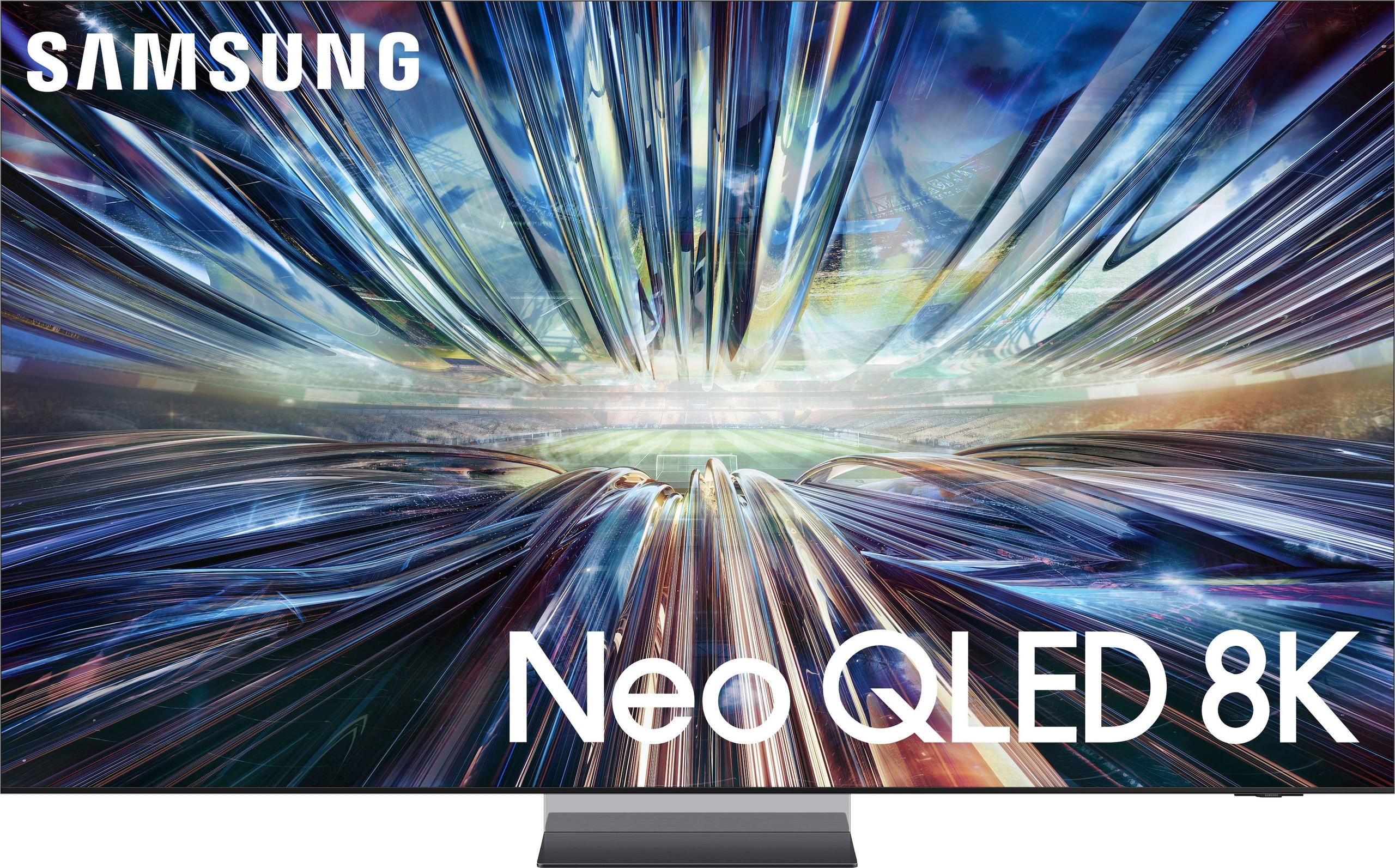
The most obvious difference between these models is resolution. The QN80F displays 4K (3,840 x 2,160 pixels), while the QN900D boasts 8K resolution (7,680 x 4,320 pixels). To put this in perspective, 8K contains four times as many pixels as 4K - imagine taking a 4K image and dividing each pixel into four smaller ones.
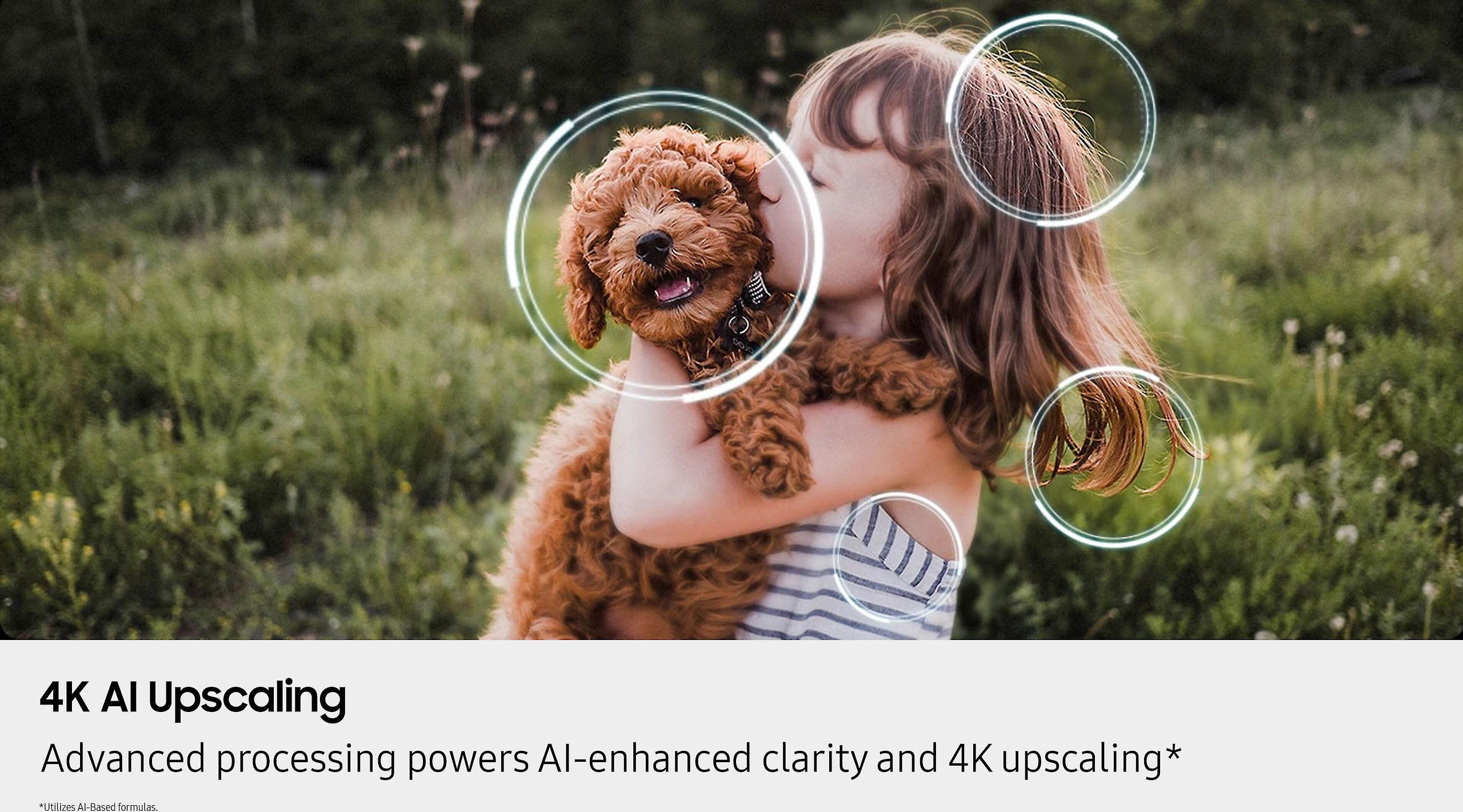
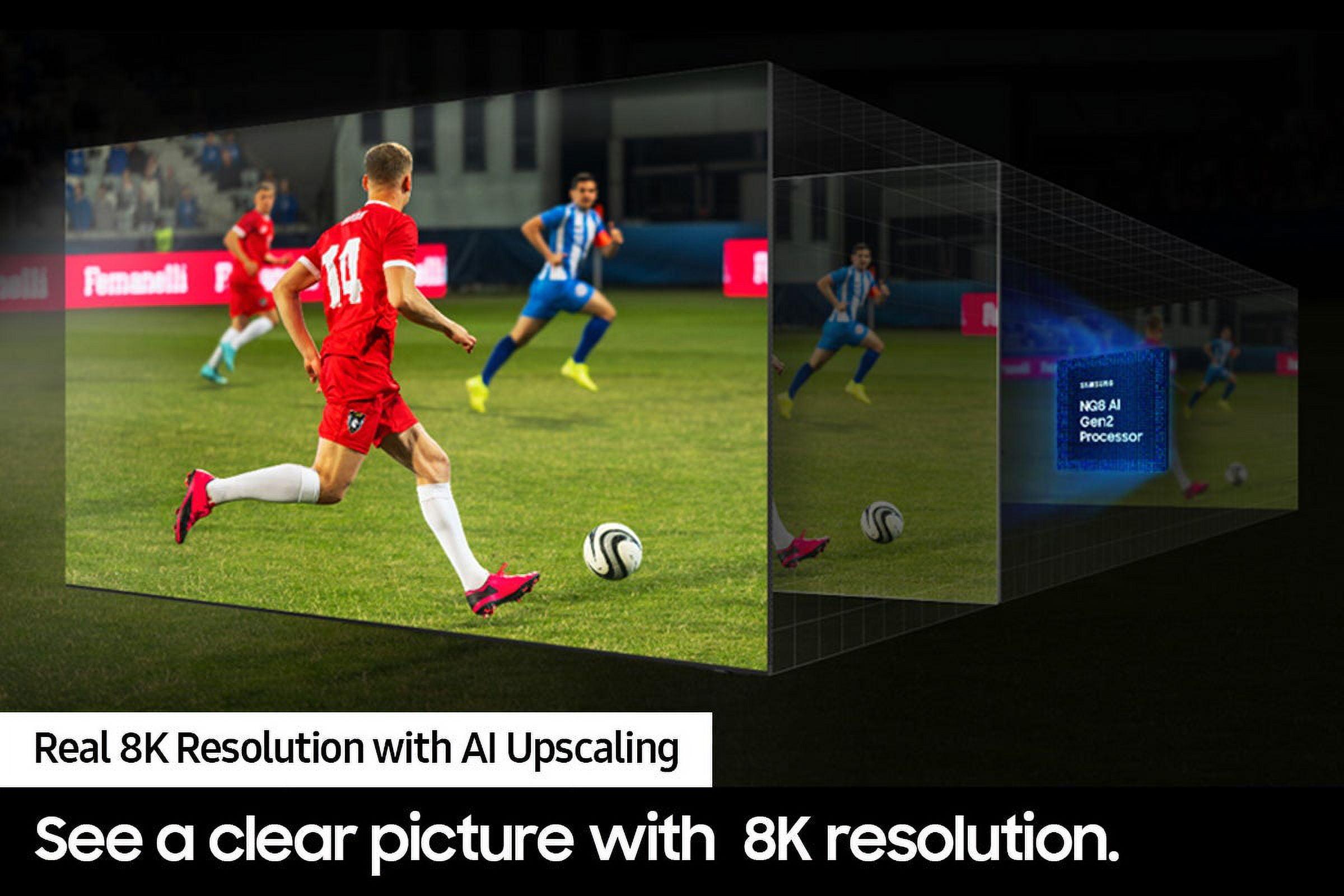
Here's the reality: native 8K content is still extremely rare. Netflix, Disney+, and other streaming services primarily offer 4K as their highest resolution. However, the QN900D shines through its AI-powered upscaling technology. This means it takes lower-resolution content and intelligently adds detail to make it appear sharper and more refined than it would on a 4K display.
During my testing with various content types, the difference is most noticeable with high-quality 4K nature documentaries and well-mastered films. The QN900D's 8K display reveals texture details in clothing, skin, and landscapes that simply aren't visible on 4K screens. However, for typical streaming content and cable TV, the improvement is more subtle.
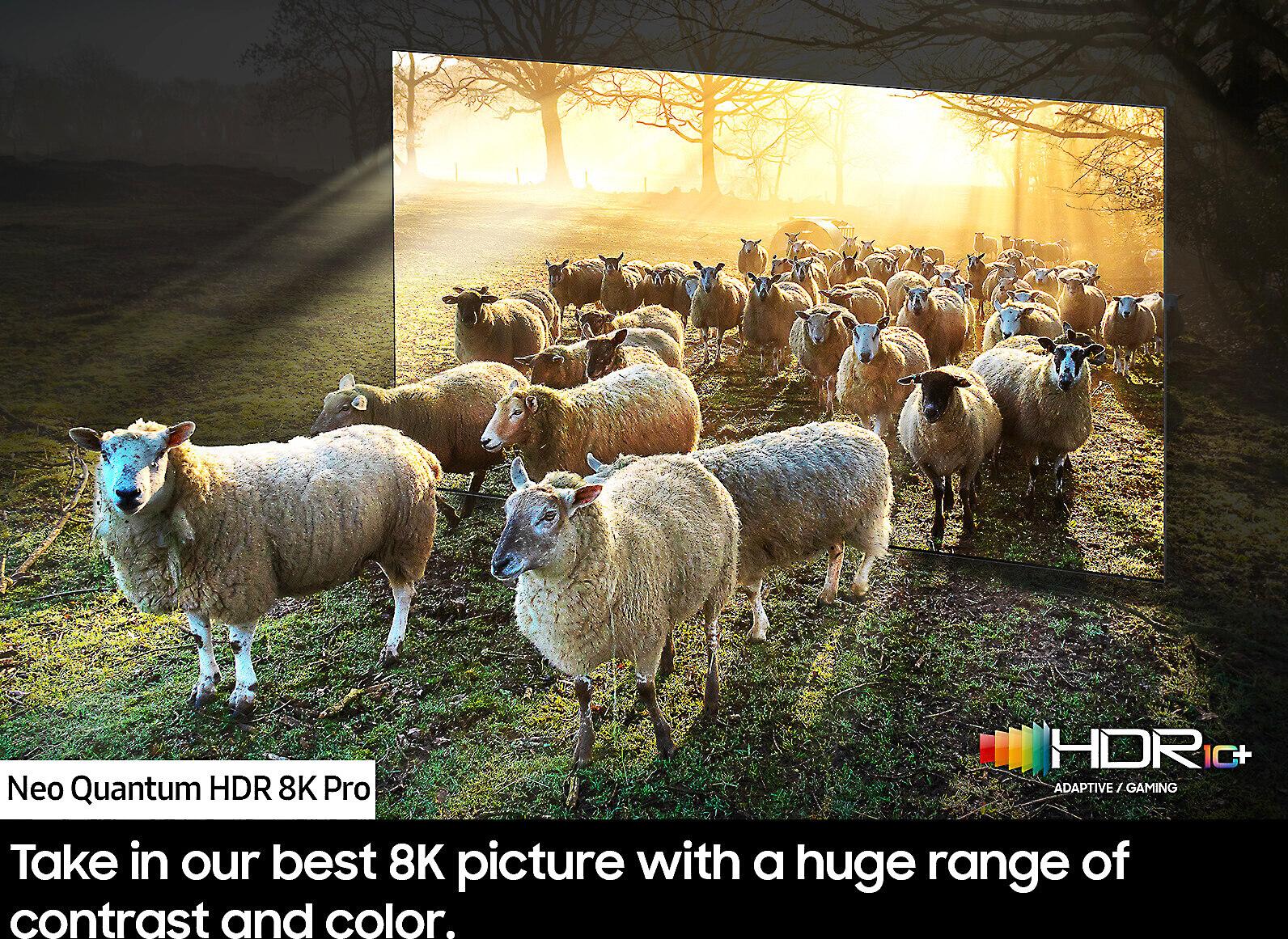
Both televisions support HDR (High Dynamic Range), which allows them to display a much wider range of brightness levels than standard TVs. Think of HDR like the difference between a smartphone photo and what your eyes actually see - HDR captures more of the bright highlights and dark shadows that make images look realistic.
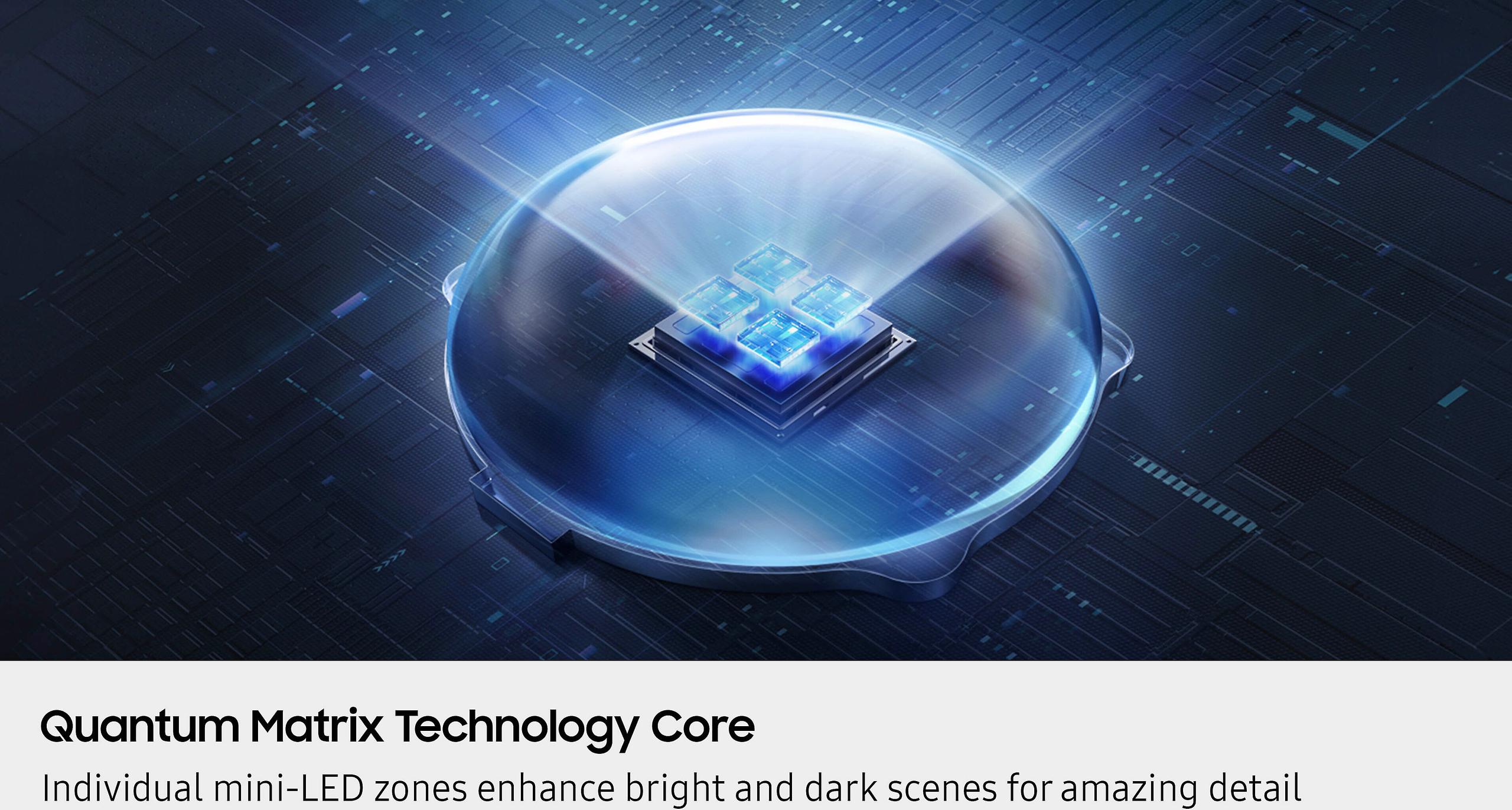
The QN900D takes a clear lead here with its flagship-grade Mini LED implementation. It features more local dimming zones - individual areas of the backlight that can be controlled independently. More zones mean better contrast because the TV can make specific parts of the screen darker while keeping bright areas luminous.
In practice, this translates to more dramatic movie scenes where you can see detail in both the bright explosions and the dark shadows simultaneously. The QN80F handles HDR well for its price range, but it can't match the precision and impact of the flagship model's advanced local dimming system.
Both models use quantum dot technology, but the QN900D implements what Samsung calls "Quantum Matrix Technology Pro" versus the standard version in the QN80F. Quantum dots are tiny particles that, when hit by light, emit very specific colors with exceptional purity and brightness.
The "Pro" version in the QN900D offers more sophisticated color control, resulting in more accurate and vibrant colors. During side-by-side comparisons, the flagship model displays more nuanced color gradations and maintains color accuracy even at high brightness levels - crucial for HDR content where colors need to stay true while getting very bright.
This is where the QN900D truly sets itself apart from virtually every other TV on the market. While the QN80F delivers solid gaming performance with 4K resolution at 120Hz refresh rate (meaning the image updates 120 times per second), the QN900D breaks new ground with 4K gaming at 240Hz.
To understand why this matters, imagine you're playing a fast-paced competitive game. At 60Hz, you see 60 unique frames per second. At 120Hz, that doubles to 120 frames. But at 240Hz, you're getting 240 completely unique frames every second. The motion becomes incredibly smooth, almost like looking through a window rather than watching a screen.
For PC gamers with high-end graphics cards, this 240Hz capability represents a genuine competitive advantage in esports titles like Counter-Strike or Valorant, where every millisecond counts. Console gamers won't see this benefit yet, as current PlayStation and Xbox systems max out at 120Hz, but it's excellent future-proofing.
Both models feature extremely low input lag (the delay between pressing a controller button and seeing the action on screen), typically around 10 milliseconds in Game Mode. They also support Variable Refresh Rate (VRR), which prevents screen tearing by synchronizing the TV's refresh rate with the game's frame rate.
The QN900D also supports gaming at 8K resolution at 60Hz, though this is more of a future-looking feature since no current gaming systems can output 8K game graphics.
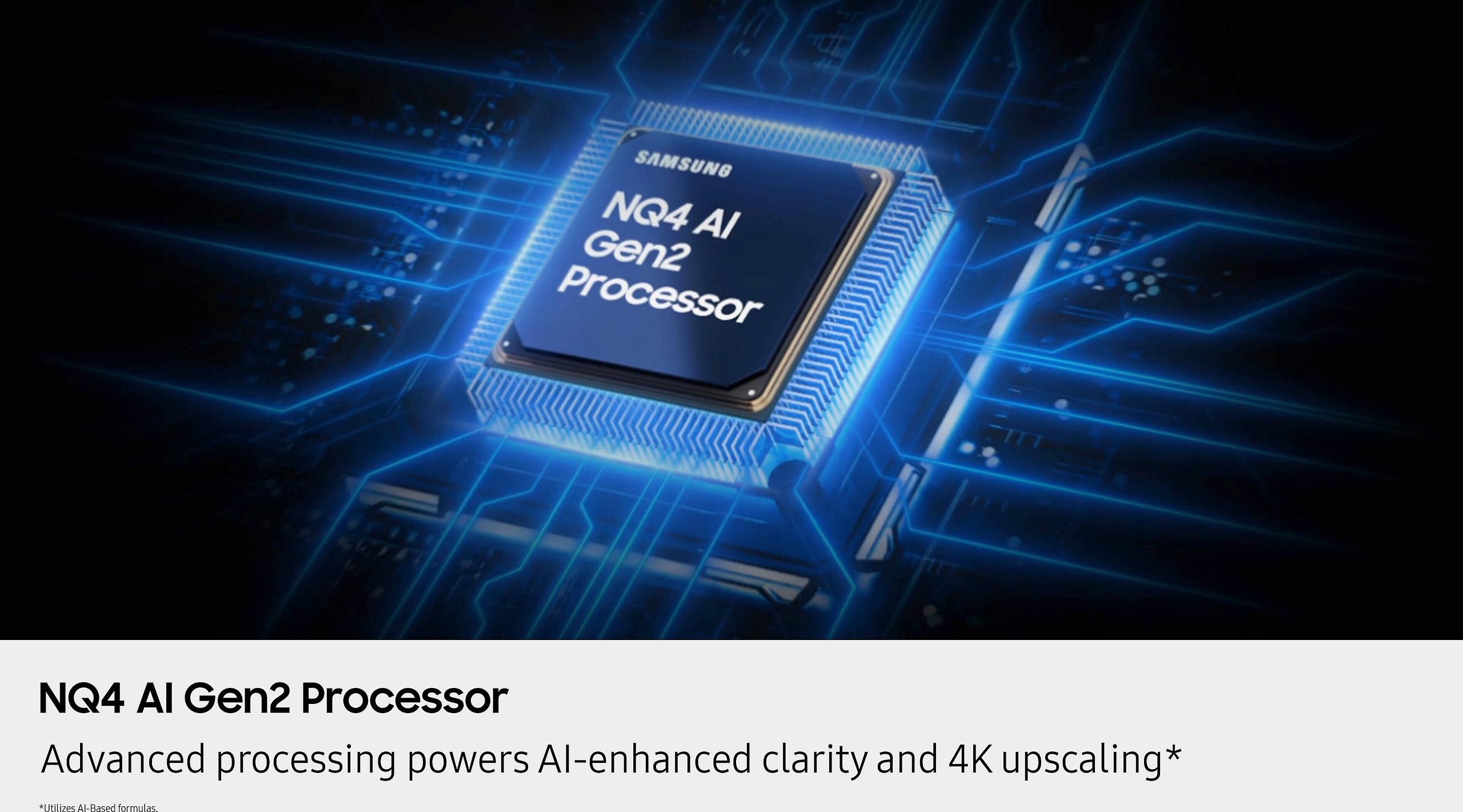
The brain of any modern TV is its processor, and there's a significant difference here. The QN900D uses Samsung's NQ8 AI Gen3 processor - a powerhouse that was designed specifically for flagship TVs. This processor is roughly twice as fast as the chip in the QN80F, and the performance difference shows in several ways.
First, the upscaling quality is noticeably better on the QN900D. When watching lower-resolution content like older TV shows or compressed streaming video, the flagship model does a superior job of cleaning up artifacts and adding perceived detail. The AI processing analyzes each frame in real-time, identifying objects like faces, text, and landscapes to apply appropriate enhancement algorithms.
The QN80F benefits from Samsung's 2025 software, which includes the latest features and security updates. It runs Samsung's Tizen operating system smoothly and includes all the major streaming apps you'd expect. However, the more powerful processor in the QN900D makes everything feel more responsive, from navigating menus to loading apps.
Both TVs include Samsung's Gaming Hub, which allows you to play cloud-based games without needing a console - just connect a controller and play games streamed from services like Xbox Cloud Gaming or NVIDIA GeForce Now.
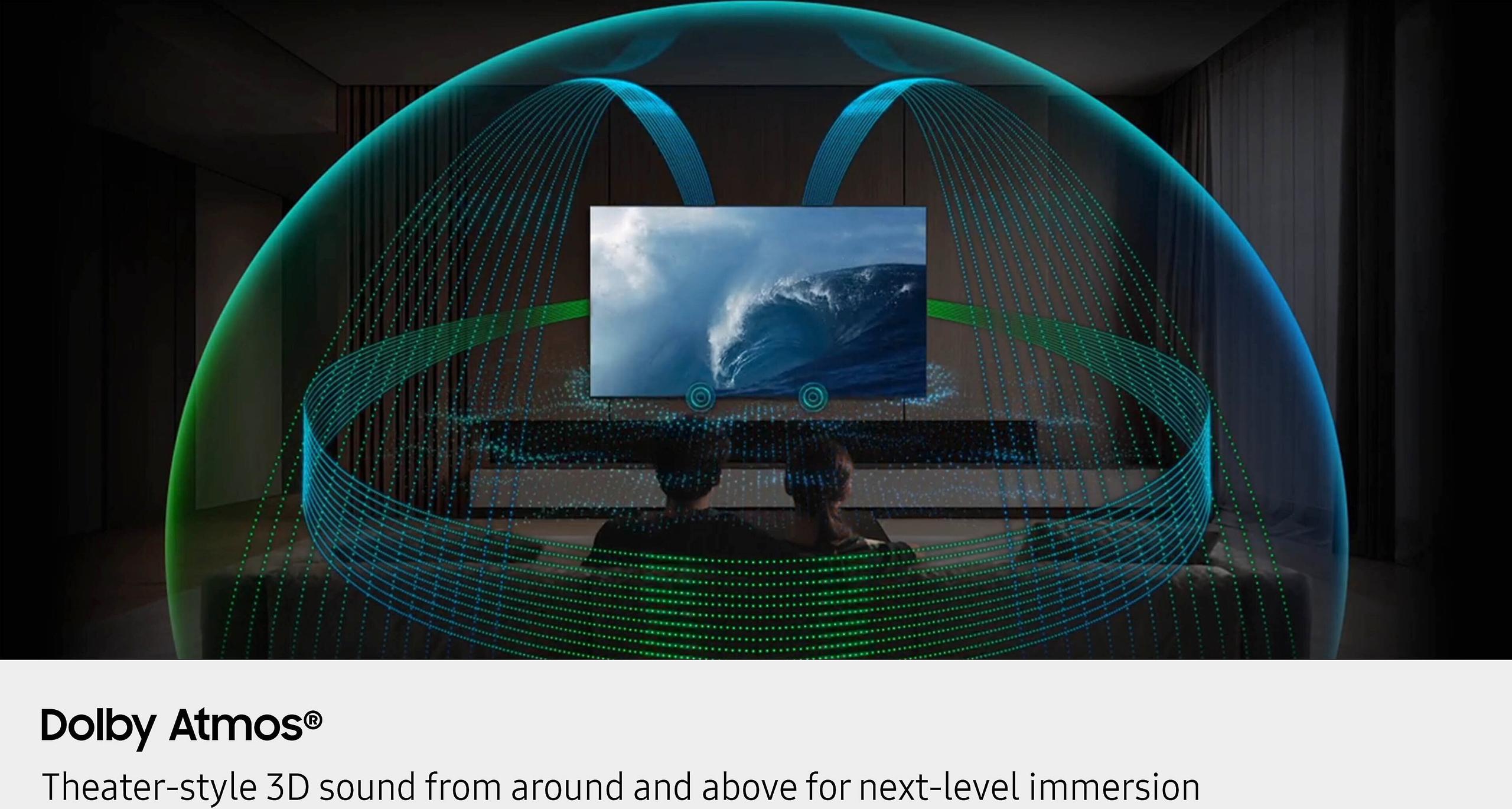
TV speakers often get overlooked in reviews, but they're crucial for the overall experience. The QN900D features a sophisticated 6.2.4 channel audio system with 90 watts of total power. The ".4" refers to upward-firing speakers that bounce sound off your ceiling to create height effects for Dolby Atmos content.
This setup, combined with "Object Tracking Sound," creates an impressive audio experience where sounds move around the room to match what's happening on screen. In action movies, you'll hear helicopters fly overhead and cars race from left to right with convincing spatial audio.
The QN80F includes Dolby Atmos support and adaptive sound processing, but with a more conventional speaker arrangement. It's certainly adequate for most viewing, but it can't match the immersive audio experience of the flagship model.
For dedicated home theater setups, both TVs offer different advantages. The QN900D is the clear choice for enthusiasts who want the absolute best picture quality and don't mind paying for it. Its superior brightness and contrast make it excellent for rooms with some ambient light, while the advanced processing ensures every movie looks its best.
However, the QN80F shouldn't be dismissed. For many home theater setups, especially in darker rooms where the brightness advantage of the flagship matters less, it delivers excellent picture quality at a more accessible price point. This leaves more budget for a quality sound system, which can have a bigger impact on the overall experience than the TV upgrade in some cases.
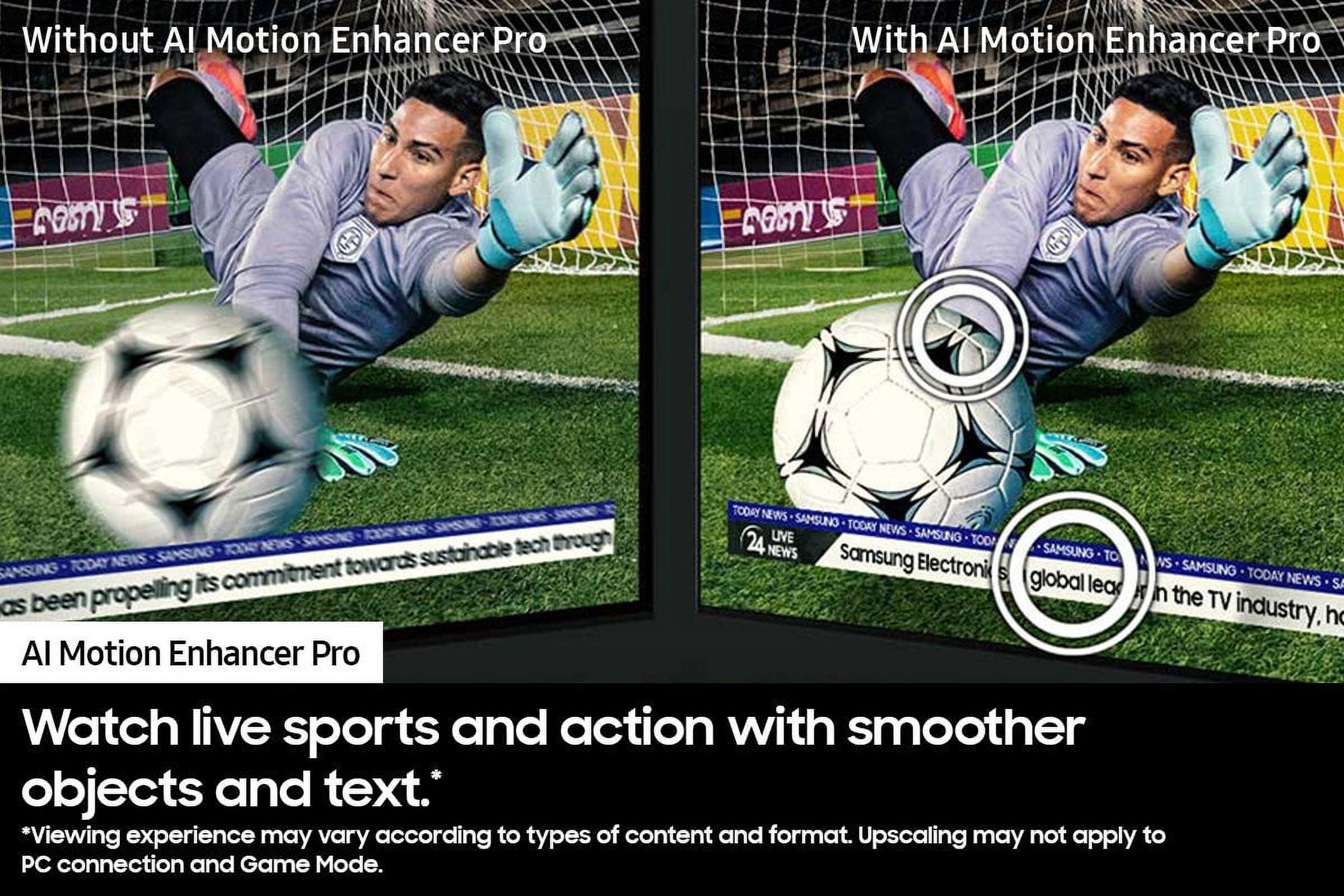
Both models handle motion well, important for action movies and sports. The QN900D has a slight edge in motion processing thanks to its more powerful processor, but both are excellent for film content.
At the time of writing, there's a relatively modest price difference between these models - the QN900D costs roughly 10-15% more than the QN80F. This pricing makes the flagship model an exceptional value proposition, as you're getting significantly more performance for a relatively small premium.
The QN80F represents Samsung's strategy to bring premium Neo QLED technology to a broader market. It delivers solid performance across all categories without the flagship price tag. For many buyers, it hits the sweet spot between features and affordability.
The QN900D, despite being a 2024 model, offers flagship-level performance that in many ways exceeds what's available in current 2025 mid-range models. The combination of 8K resolution, 240Hz gaming, superior processing power, and premium audio makes it a compelling choice for those who want the best available technology.
Choose the Samsung QN900D if:
Choose the Samsung QN80F if:
Both of these Samsung Neo QLED TVs deliver excellent performance, but they serve different purposes. The QN80F is Samsung's refined take on accessible premium TV technology - it brings many flagship features to a wider audience without compromises that matter for most viewers.
The QN900D, despite being from 2024, represents what happens when a manufacturer pulls out all the stops. It's not just about the 8K resolution - it's the combination of superior processing, unprecedented gaming performance, flagship-level picture quality, and premium audio that makes it special.
For most buyers, the decision comes down to this: if the price difference fits comfortably within your budget and you value having the best available technology, the QN900D delivers exceptional value for a flagship TV. However, if you're looking for excellent performance at a more accessible price point, the QN80F won't disappoint.
Either way, you're getting a premium viewing experience that represents the current pinnacle of LED TV technology. The question isn't whether these TVs are good - it's which one better matches your priorities and budget.
| Samsung 65" QN80F Neo QLED 4K TV | Samsung QN900D Series 65" Neo QLED 8K Smart TV |
|---|---|
| Resolution - Future-proofing and detail level | |
| 4K (3,840 x 2,160) - Excellent for all current content | 8K (7,680 x 4,320) - 4x more detail, superior upscaling |
| Gaming Performance - Critical for competitive gaming | |
| 4K @ 120Hz with VRR (perfect for consoles) | 4K @ 240Hz with VRR (unique in market, PC gaming advantage) |
| Mini LED Zones - Controls contrast and HDR impact | |
| Standard Mini LED implementation | Advanced Quantum Matrix Pro with more precise zones |
| Processor - Affects upscaling and smart TV responsiveness | |
| 2025 NQ4 AI Gen2 (latest software) | 2024 NQ8 AI Gen3 (2x faster, superior processing) |
| Peak Brightness - HDR performance and daytime viewing | |
| High brightness for price range | Flagship-level brightness with superior HDR |
| Audio System - Built-in sound quality | |
| Dolby Atmos with Adaptive Sound Pro | 6.2.4CH system with Object Tracking Sound (90W total) |
| Release Year - Software updates and feature currency | |
| 2025 (latest Tizen OS and features) | 2024 (mature software, fewer future updates) |
| Design Approach - Setup complexity and aesthetics | |
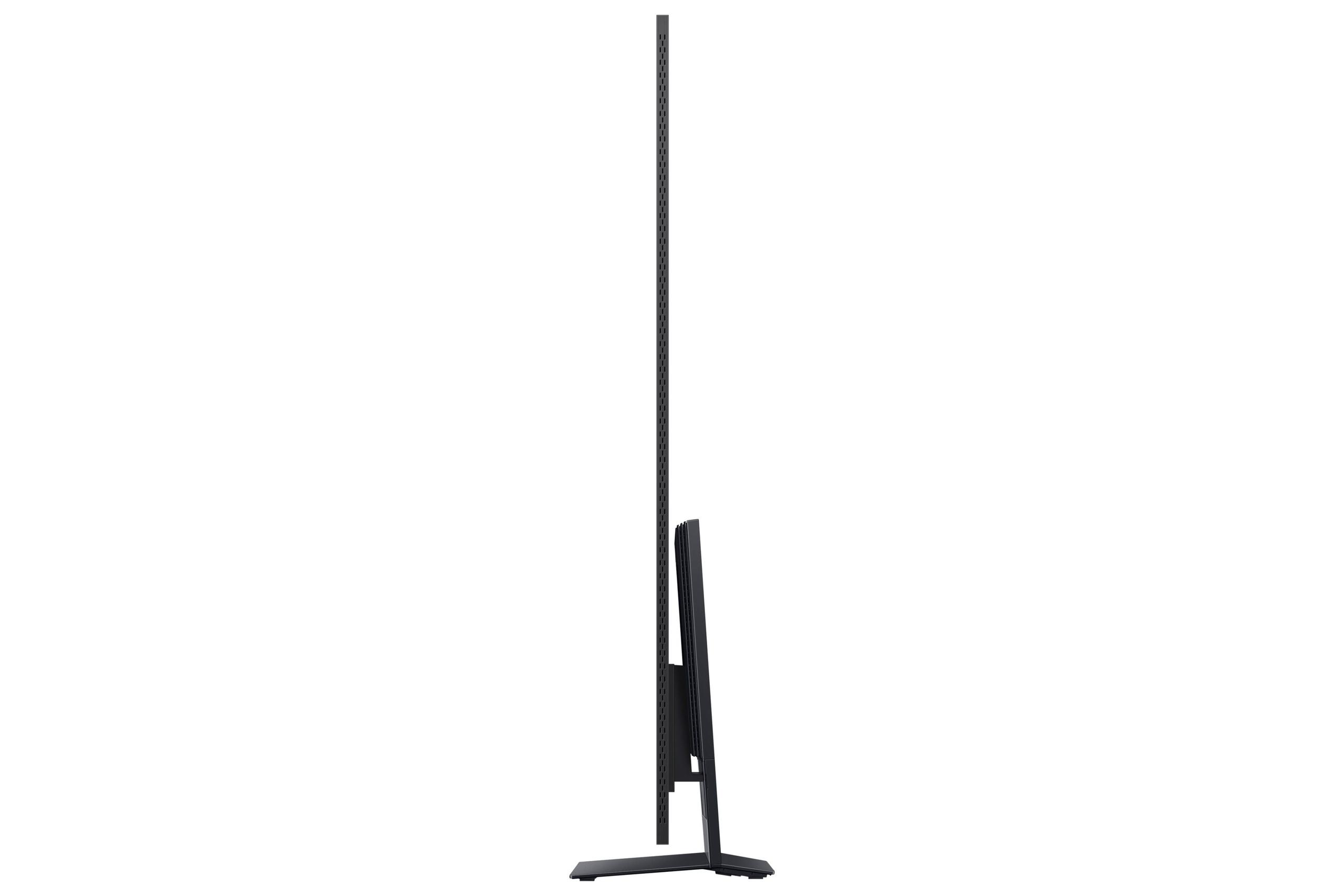
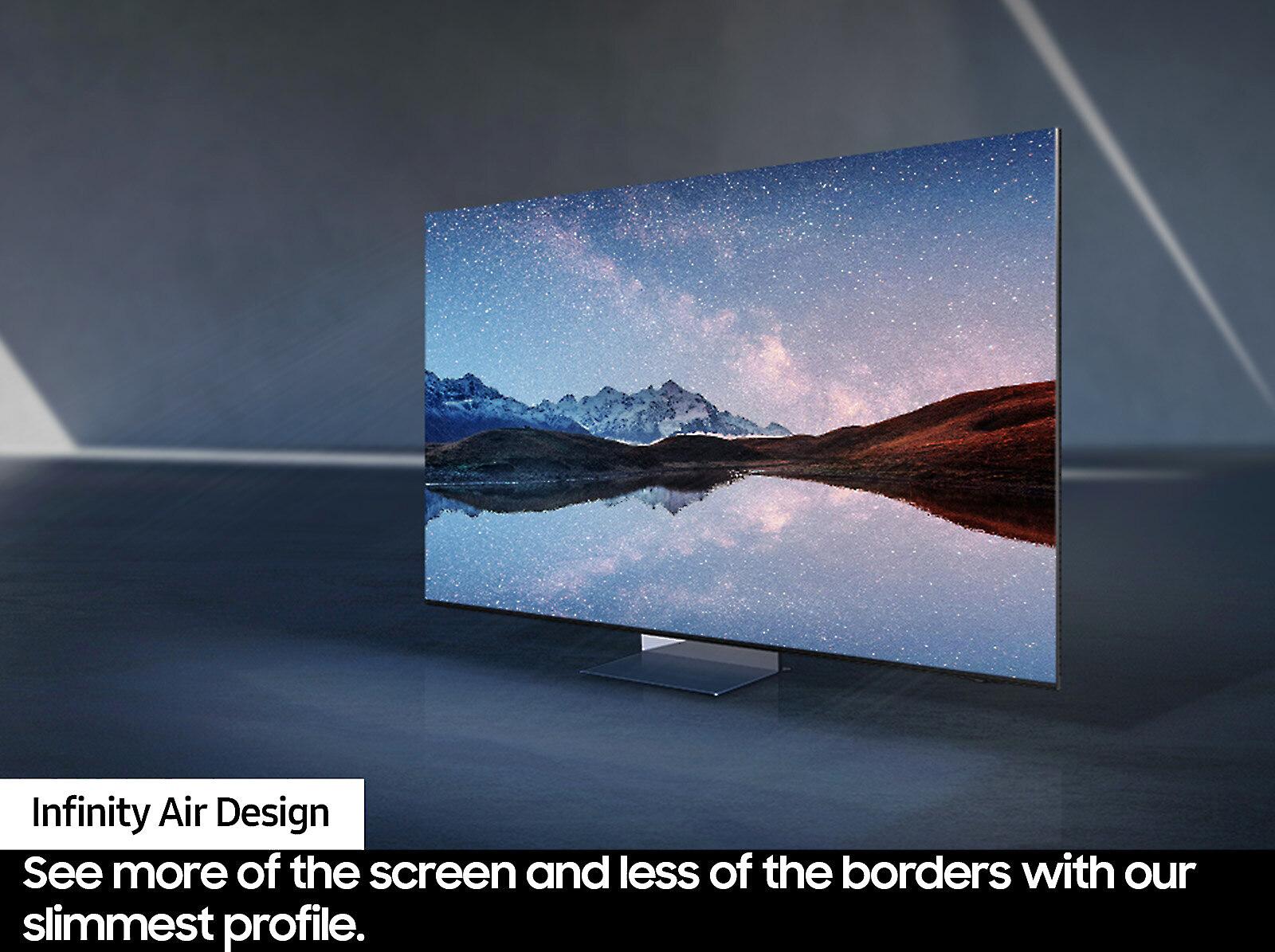
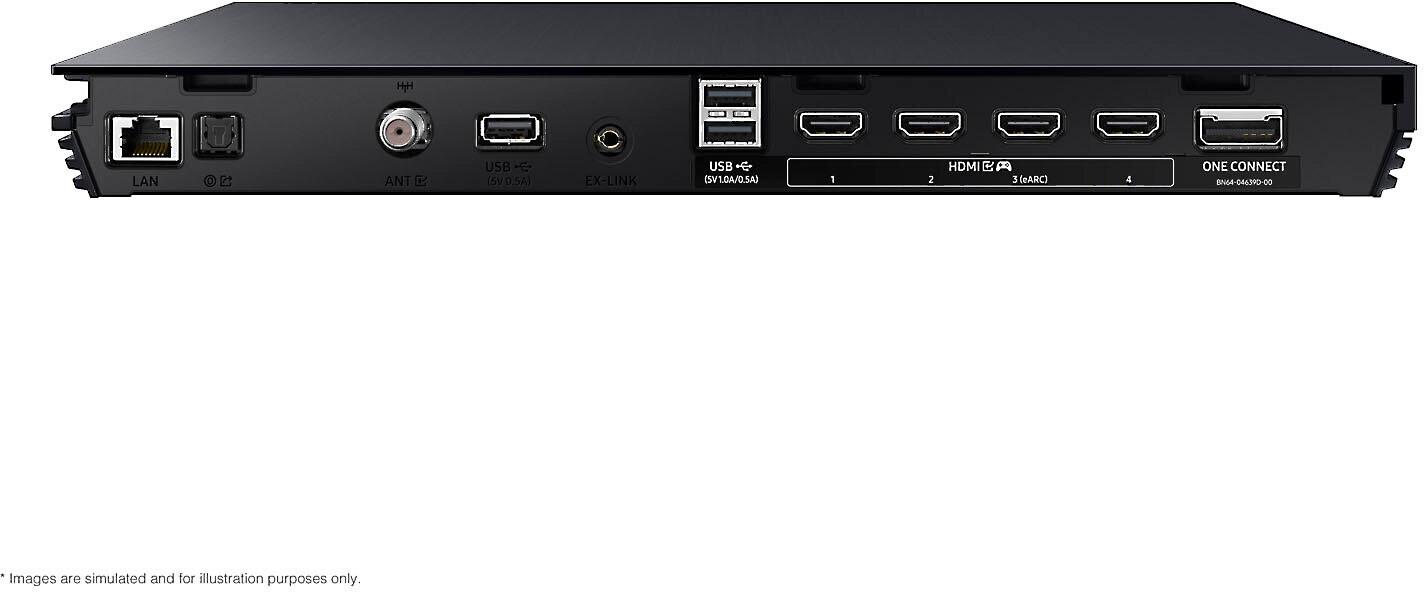
| Traditional integrated design | Premium Infinity Air Design with One Connect Box |
| Market Position - Performance expectations for price | |
| Mid-range Neo QLED with solid all-around performance | Former flagship with premium features at reduced pricing |
| Value Proposition - Performance per dollar spent | |
| Excellent 4K performance at accessible Neo QLED pricing | Flagship picture quality and unique gaming features for modest premium |
The primary difference is resolution and performance tier. The Samsung QN80F is a 2025 mid-range 4K Neo QLED TV, while the Samsung QN900D is a 2024 flagship 8K model. The QN900D offers superior picture quality, advanced gaming features like 4K@240Hz, and premium audio, while the QN80F provides excellent 4K performance with the latest 2025 software at a more accessible price point.
The Samsung QN900D is significantly better for gaming, especially PC gaming. It supports 4K gaming at 240Hz refresh rate - a feature unique in the current TV market. The QN80F offers solid gaming with 4K@120Hz, which is perfect for current gaming consoles, but the QN900D provides a competitive advantage for high-end PC gaming and future-proofs for next-generation gaming systems.
The 8K resolution in the Samsung QN900D provides noticeable benefits even with limited native 8K content. Its advanced AI upscaling makes 4K and lower-resolution content look sharper and more detailed than on the 4K QN80F. However, if you primarily watch standard streaming content and aren't concerned about having cutting-edge technology, the excellent 4K performance of the QN80F may be sufficient.
The Samsung QN900D delivers superior picture quality with flagship-level brightness, more advanced local dimming zones, and Quantum Matrix Technology Pro. It produces deeper blacks, brighter highlights, and more accurate colors. The QN80F offers excellent picture quality for its price range, but can't match the premium performance of the former flagship QN900D.
Both TVs work well in home theater environments. The Samsung QN900D is ideal for dedicated home theaters where you want the absolute best picture quality and immersive audio with its 6.2.4 channel system. The QN80F is excellent for most home theater setups and leaves more budget for external audio equipment, which can significantly enhance the overall experience.
The Samsung QN900D is more future-proof with its 8K resolution, 240Hz gaming capability, and more powerful NQ8 AI Gen3 processor. However, the QN80F benefits from 2025 software that will receive longer update support. For technology longevity, the QN900D has the advantage, while the QN80F offers better software support timeline.
The Samsung QN80F runs Samsung's latest 2025 Tizen operating system with current features and longer update support. The Samsung QN900D uses 2024 software but has a significantly more powerful NQ8 AI Gen3 processor that makes everything more responsive. Both include Samsung Gaming Hub, major streaming apps, and voice assistant support.
The Samsung QN900D has superior built-in audio with its 6.2.4 channel system, 90W total power, and Object Tracking Sound that moves audio around the room to match on-screen action. The QN80F includes Dolby Atmos and Adaptive Sound Pro, providing good audio quality but not matching the immersive experience of the flagship QN900D.
The main drawbacks of the Samsung QN900D are running 2024 software (though still current) and lacking some of the newest 2025 features found in the QN80F. It also doesn't support Dolby Vision HDR, though it excels with HDR10+. Despite being a 2024 model, its flagship-grade hardware often outperforms newer mid-range TVs.
The Samsung QN900D offers exceptional value, providing flagship picture quality, unique 240Hz gaming, and premium features for a modest premium over the mid-range QN80F. If the price difference fits your budget, the QN900D delivers significantly more performance per dollar. The QN80F provides excellent value for buyers prioritizing the latest software and more accessible pricing.
Both TVs perform well in bright rooms thanks to their Mini LED backlighting technology. The Samsung QN900D has superior peak brightness and anti-glare technology, making it excellent for daytime viewing. The QN80F also handles ambient light well, though not quite matching the flagship's performance in very bright environments.
Choose the Samsung QN900D if you want the best possible picture quality, serious gaming performance, and don't mind paying extra for flagship features. Select the Samsung QN80F if you prefer the latest 2025 software, want excellent 4K performance at a more accessible price, or don't need extreme gaming capabilities. Both deliver premium Neo QLED experiences, but serve different priorities and budgets.
We've done our best to create useful and informative comparisons to help you decide what product to buy. Our research uses advanced automated methods to create this comparison and perfection is not possible - please contact us for corrections or questions. These are the sites we've researched in the creation of this article: samsung.com - theshortcut.com - youtube.com - bestbuy.com - rtings.com - samsung.com - samsung.com - samsung.com - sargentappliance.com - displayspecifications.com - bestbuy.com - rtings.com - videoandaudiocenter.com - bestbuy.com - avsforum.com - bestbuy.com - walts.com - images.samsung.com - samsung.com - merlinstv.com - samsung.com - avsforum.com - samsung.com

Privacy Policy
Terms and Conditions - Affiliate Policy
Home Security
© Copyright 2008-2026.
11816 Inwood Rd #1211, Dallas, TX 75244