

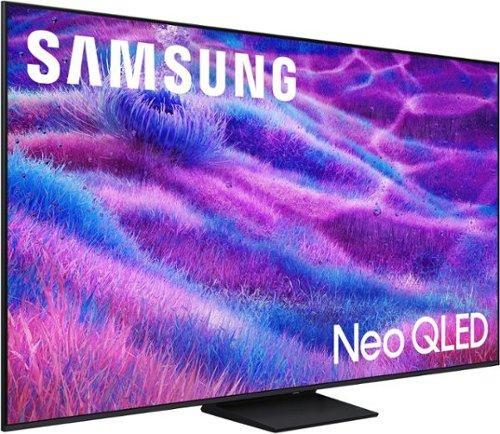
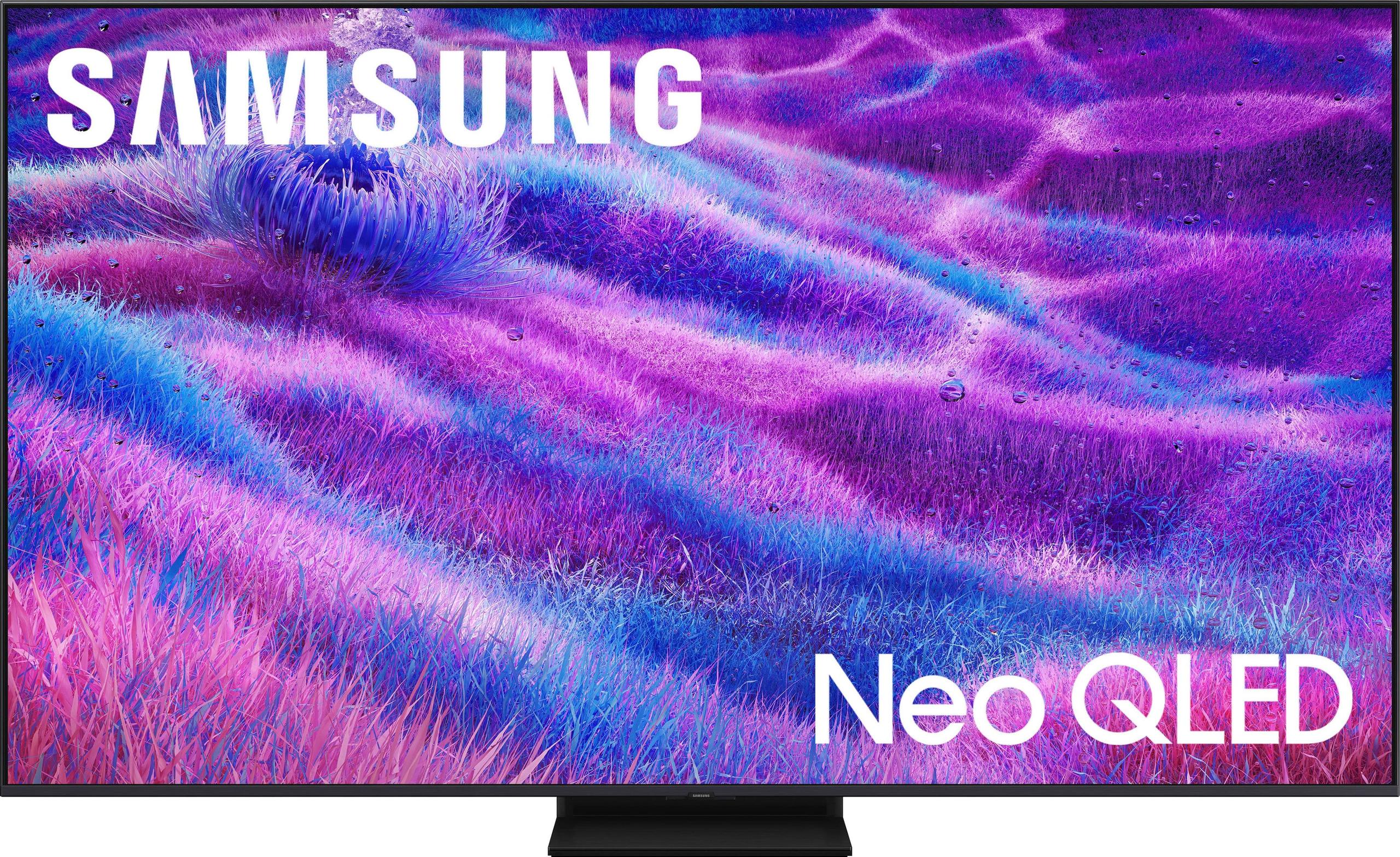
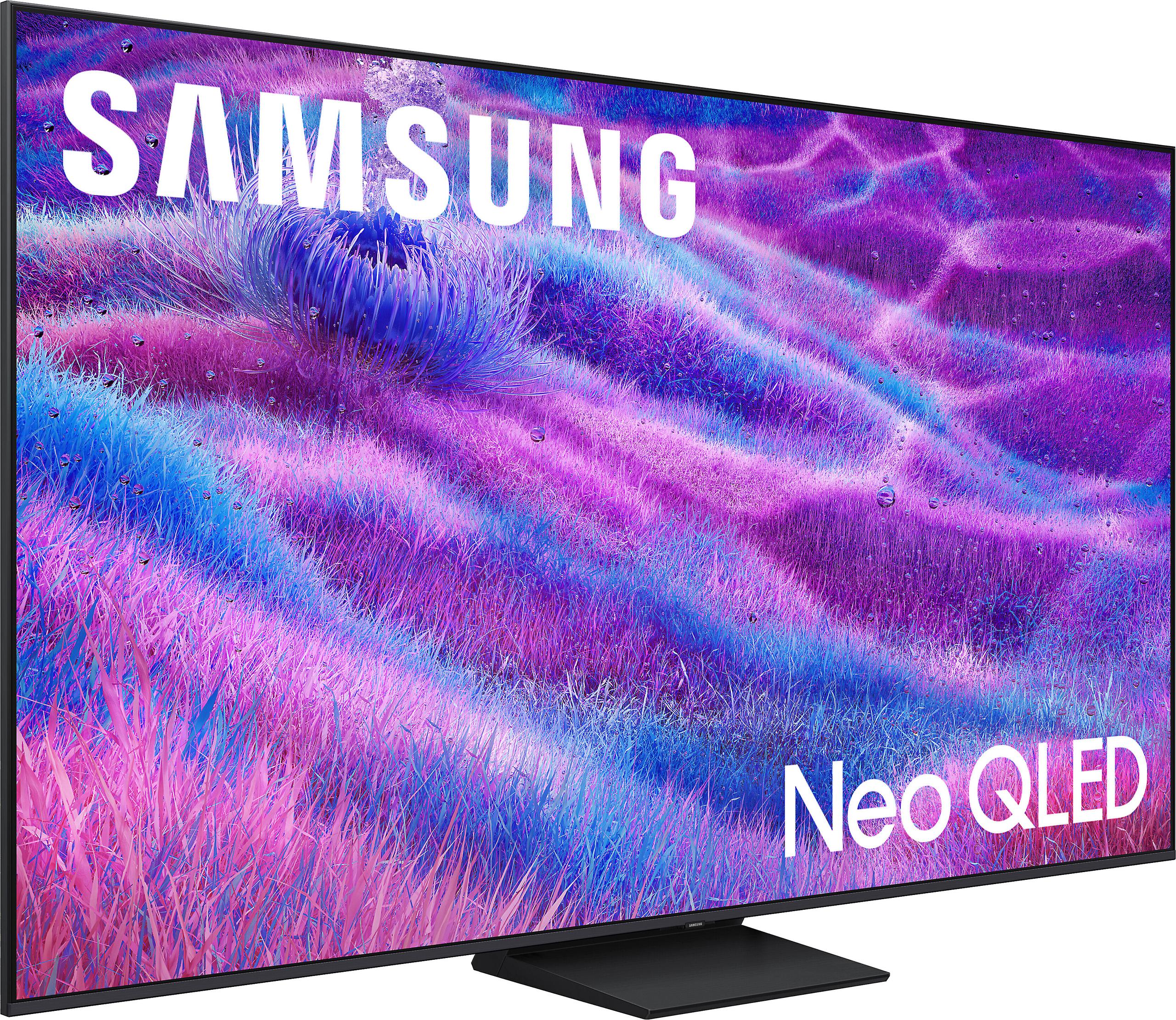
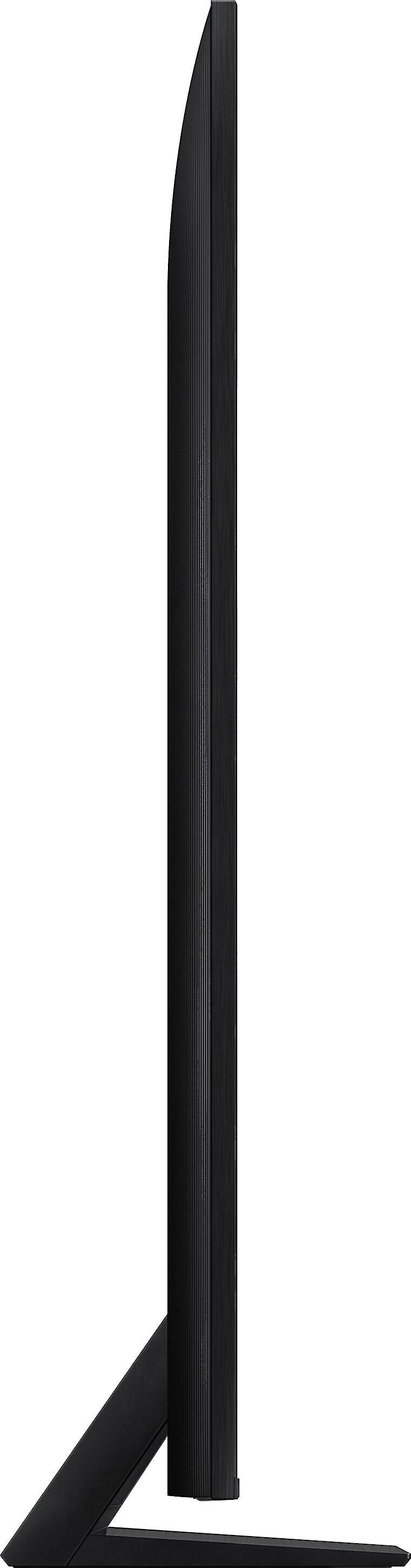
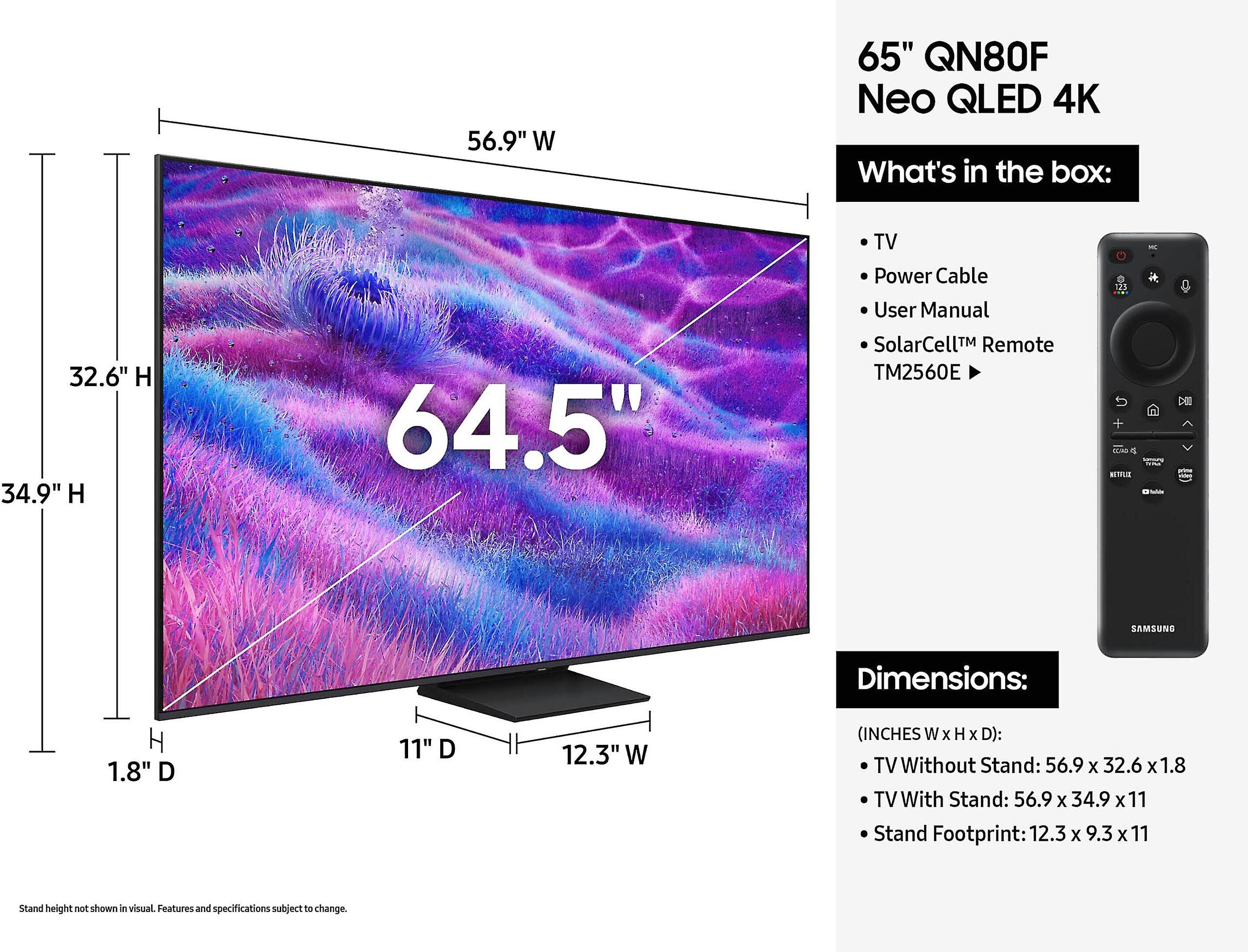
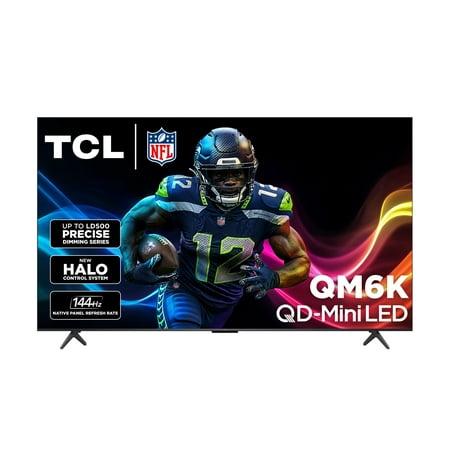
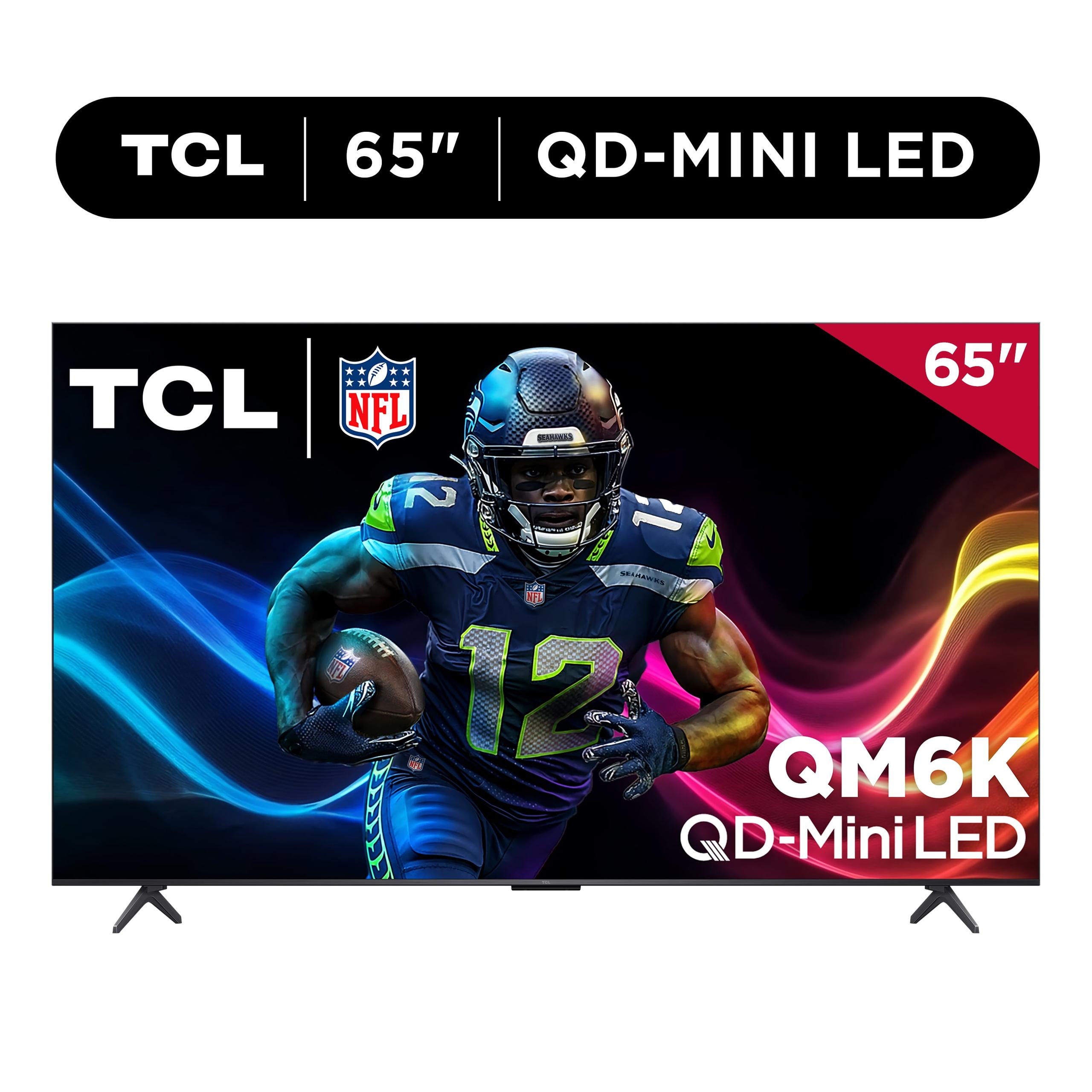
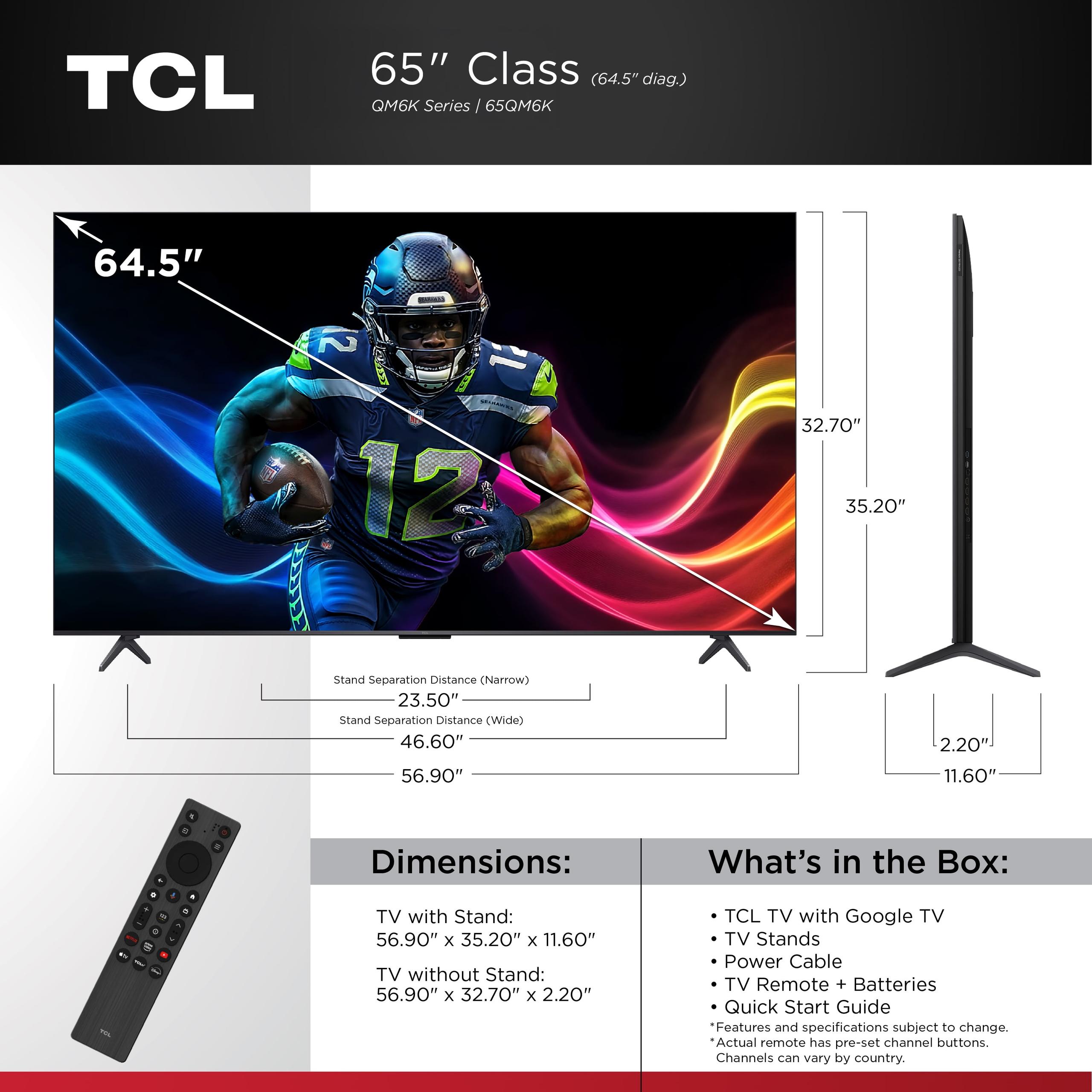
Shopping for a new TV in 2025 has become surprisingly complex. The mid-range market, once filled with basic LED displays, now offers sophisticated technologies that were flagship features just a few years ago. Two televisions perfectly illustrate this evolution: the Samsung 65" QN80F Neo QLED and the TCL 65" QM6K QD-Mini LED. While both use Mini LED backlighting with quantum dots – advanced display technologies that deliver exceptional picture quality – they target completely different buyers with vastly different price points.
At the time of writing, the Samsung QN80F commands a premium price typical of established brand mid-tier offerings, while the TCL QM6K positions itself as an entry point into premium display technology at roughly one-third the cost. This isn't just about brand positioning – the price difference reflects fundamentally different approaches to what matters most in a modern television.
The television industry has undergone a remarkable transformation since 2020. Mini LED backlighting, once reserved for the most expensive models, has trickled down to mid-range TVs. Quantum dots – microscopic particles that enhance color reproduction – are now standard features rather than premium upgrades. What separates good TVs from great ones today isn't the presence of these technologies, but how well they're implemented and supported by processing power.
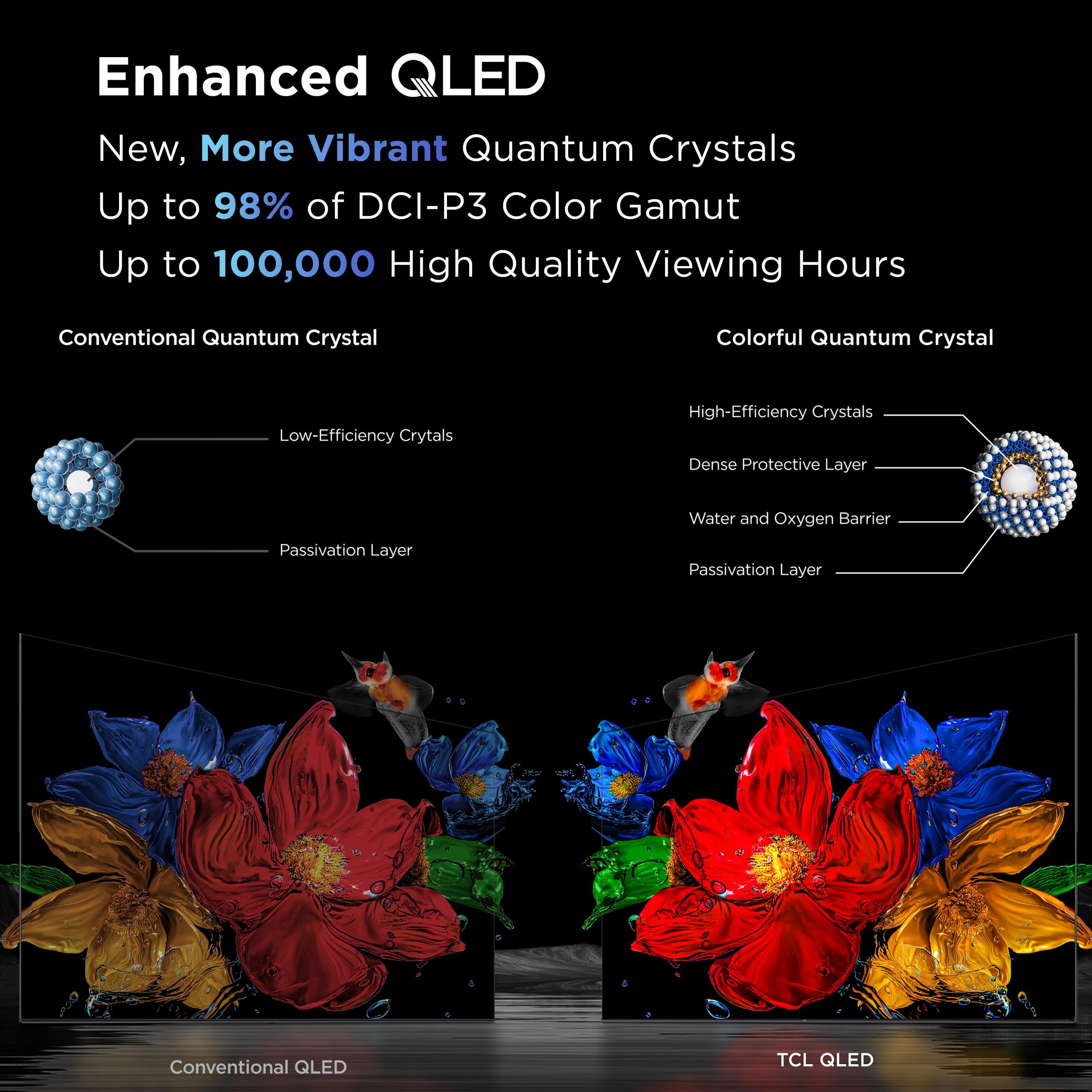
Both the Samsung QN80F and TCL QM6K represent this new reality. They both use Mini LEDs (tiny LEDs much smaller than traditional backlights) combined with quantum dot filters to produce brighter, more colorful images than older LCD TVs could achieve. However, the similarities largely end there.
The key considerations when choosing between modern mid-range TVs include display brightness and contrast performance, processing capabilities for handling various content types, gaming features for console and PC use, smart TV platforms and ecosystem integration, and overall value proposition. Understanding how each television addresses these areas helps clarify which might work better for your specific needs.
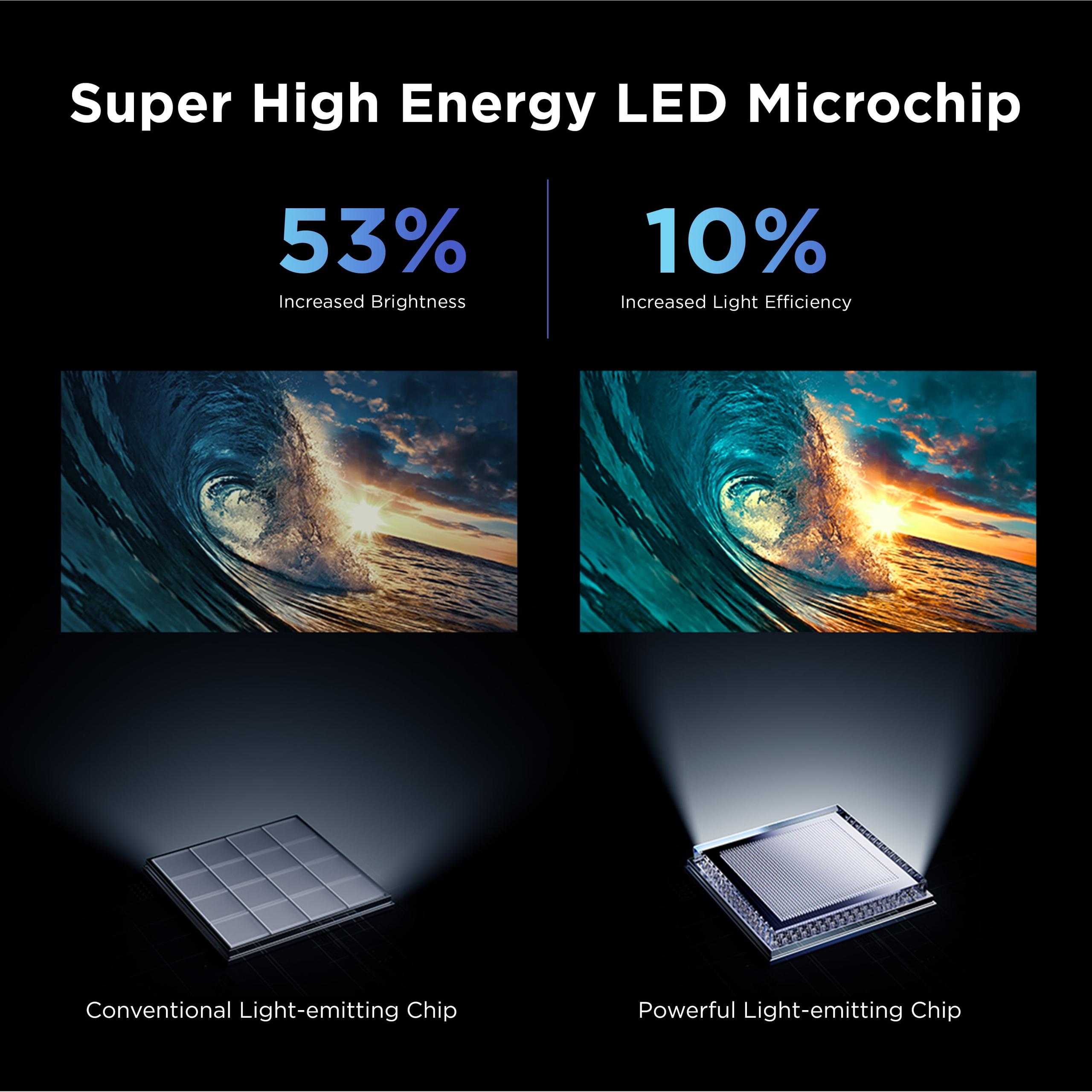
High Dynamic Range (HDR) content – which includes most modern movies and shows on streaming services – demands significant brightness to display properly. HDR works by expanding the range between the darkest blacks and brightest whites, creating more realistic images. The Samsung QN80F achieves approximately 930 nits of peak brightness in HDR mode, which represents solid mid-range performance for 2025 standards.
While specific brightness figures for the TCL QM6K weren't available in testing, TCL's positioning suggests it delivers adequate HDR performance for its price tier. The difference becomes apparent when watching HDR movies with bright scenes – sunlit landscapes, explosions, or car headlights. The Samsung will render these highlights with more intensity and detail, though both televisions will display a noticeable improvement over older non-HDR displays.
More importantly, the Samsung QN80F includes Samsung's new Glare-Free coating technology. Having tested televisions in various lighting conditions over the years, I can confidently say that glare reduction represents one of the most underrated features in modern TVs. Traditional glossy screens become nearly unwatchable in bright rooms, forcing viewers to close curtains or rearrange furniture. Samsung's coating significantly reduces reflections without softening the image – a genuine improvement for most living room setups.
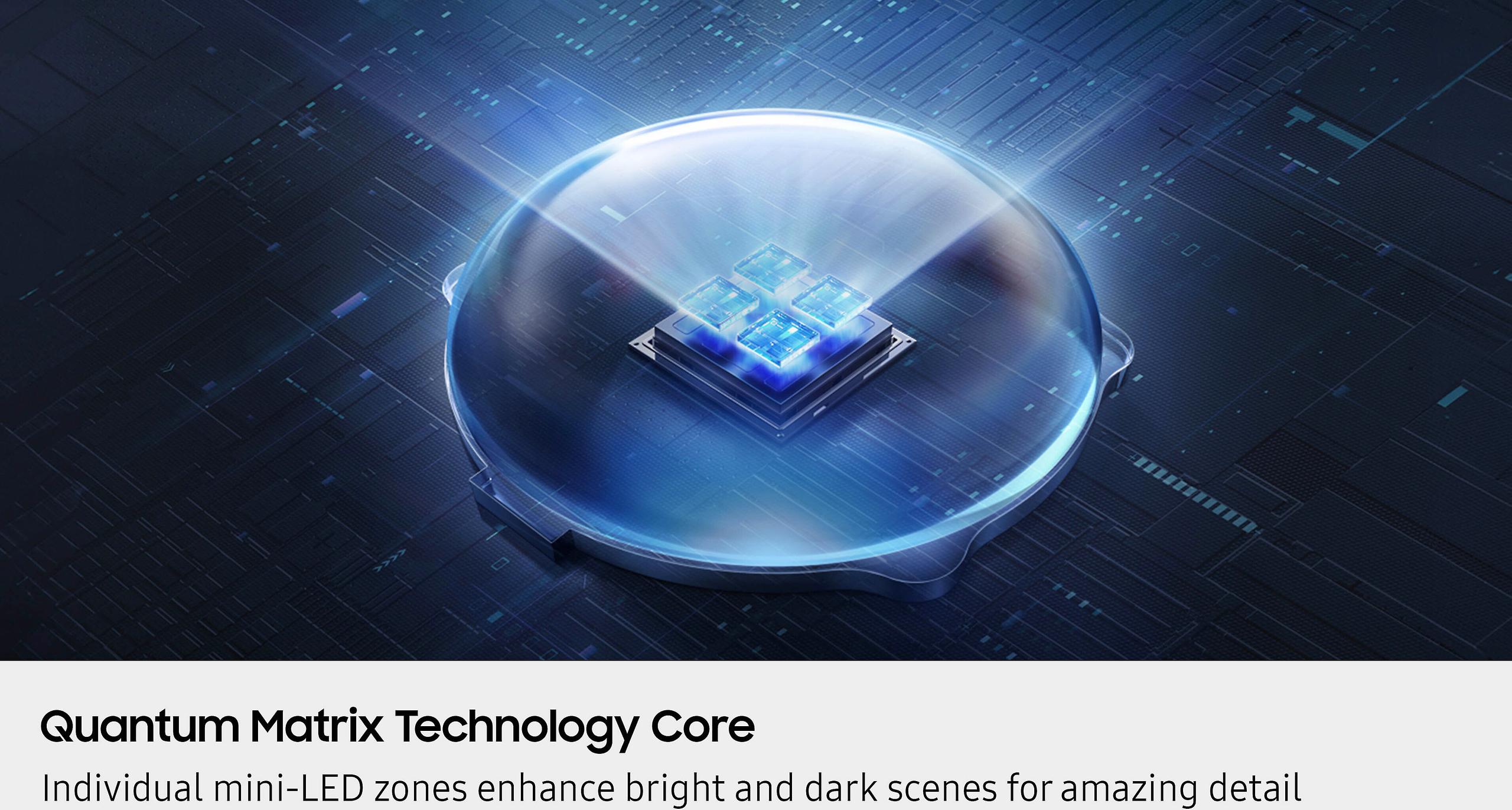
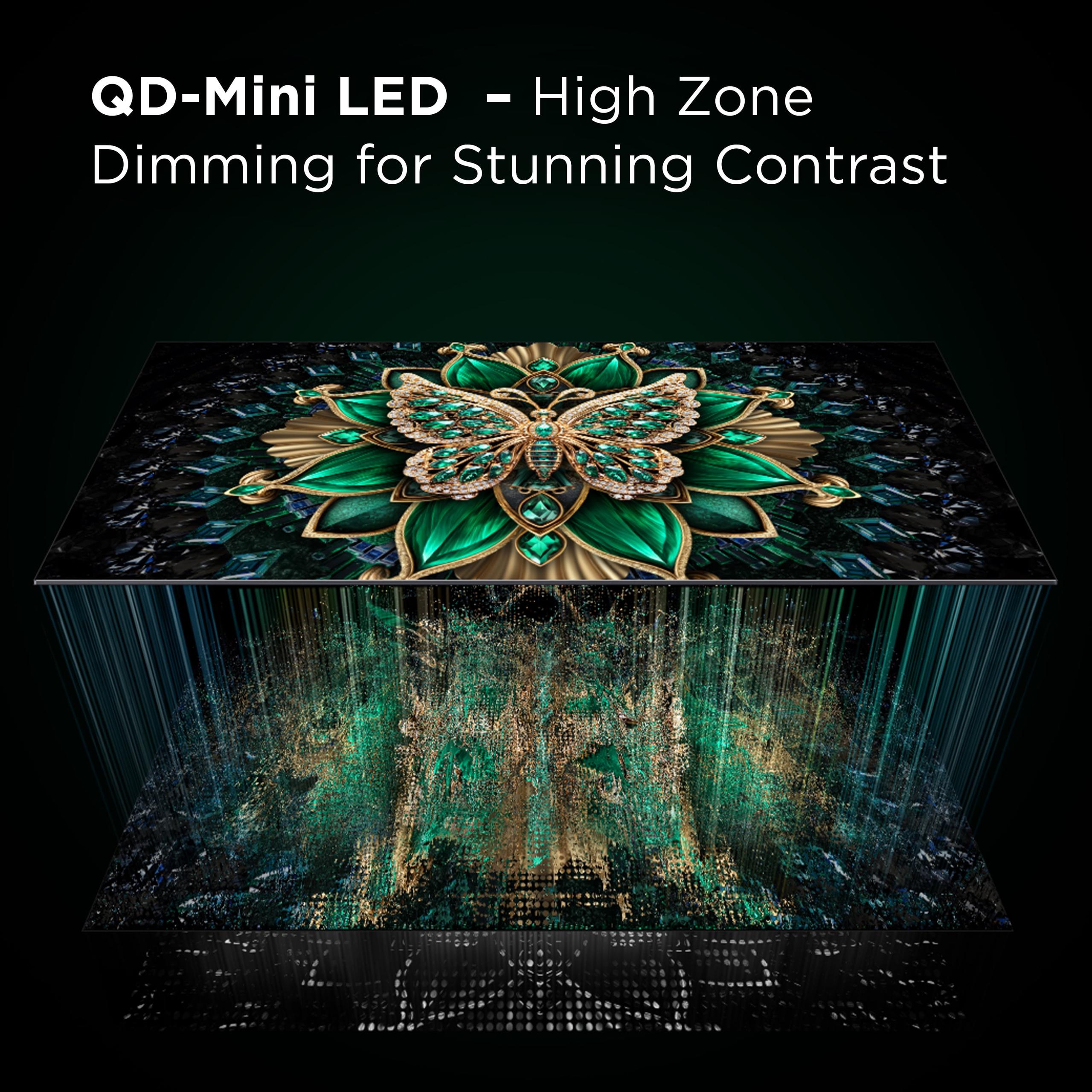
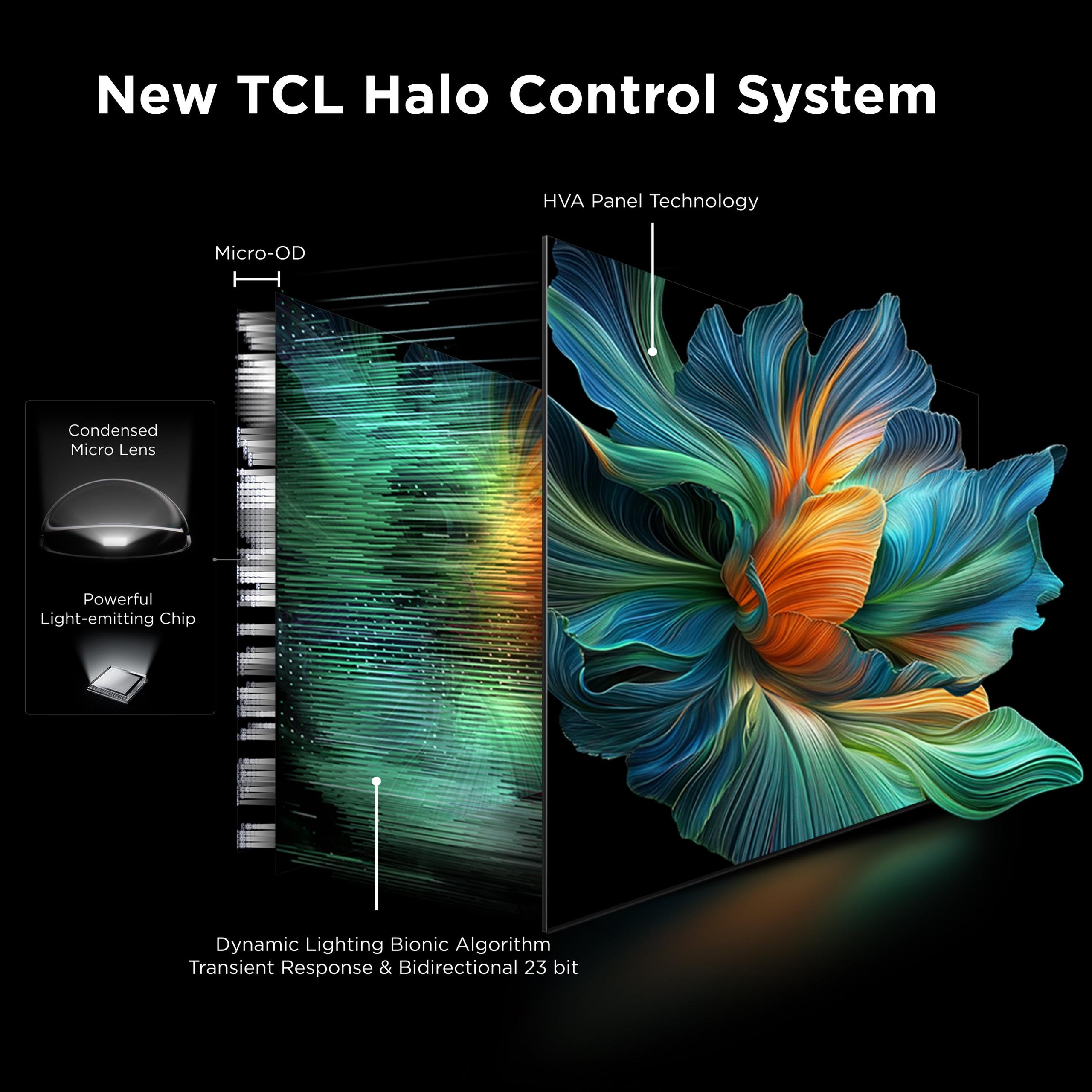
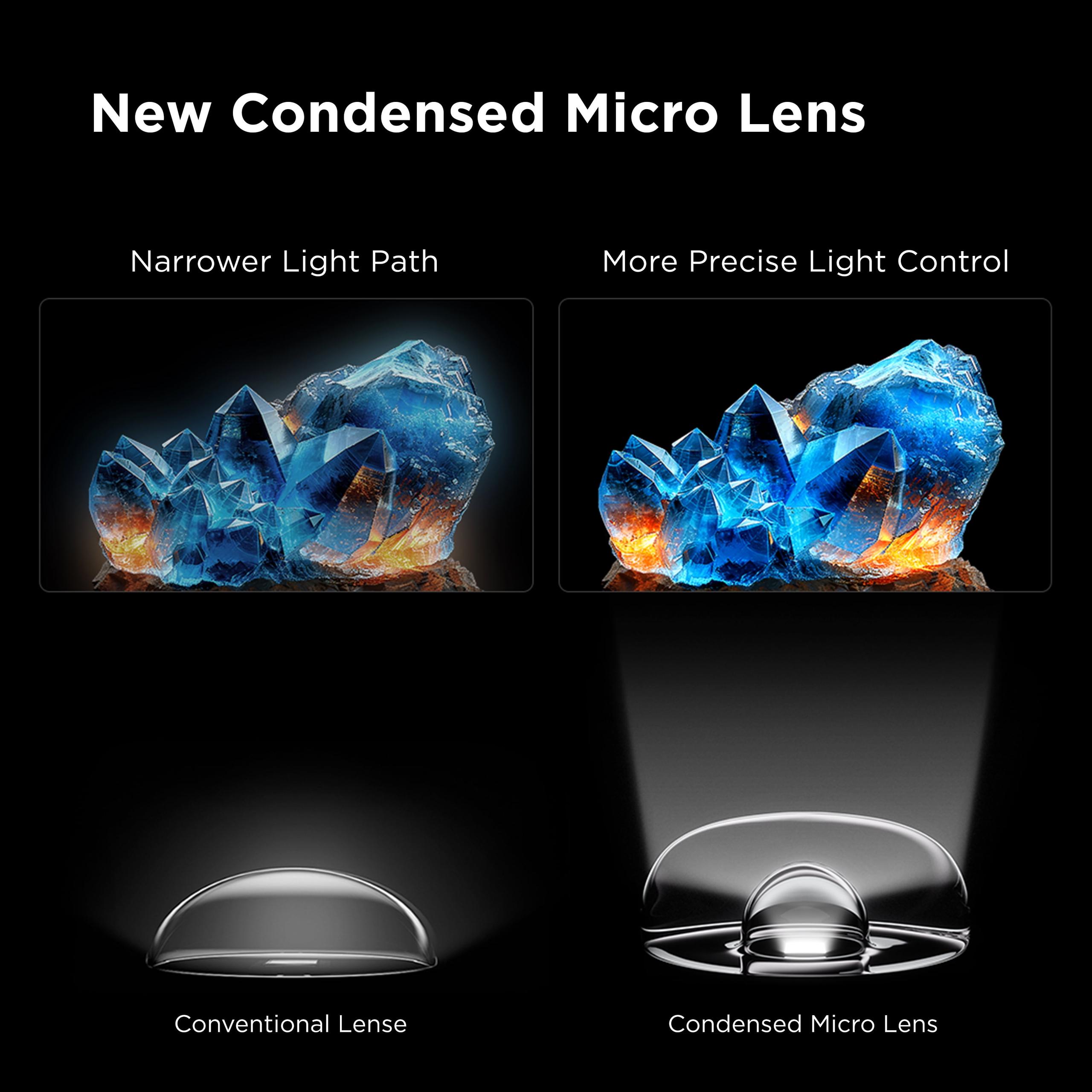
Mini LED technology's primary advantage lies in local dimming – the ability to dim specific zones of the backlight independently. Think of it like having hundreds of tiny flashlights behind your TV screen instead of one large light. When a scene shows stars against a dark sky, the TV can brighten only the zones containing stars while keeping the surrounding areas dark.
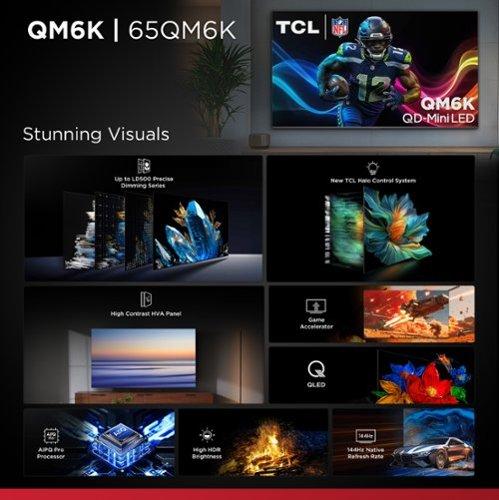
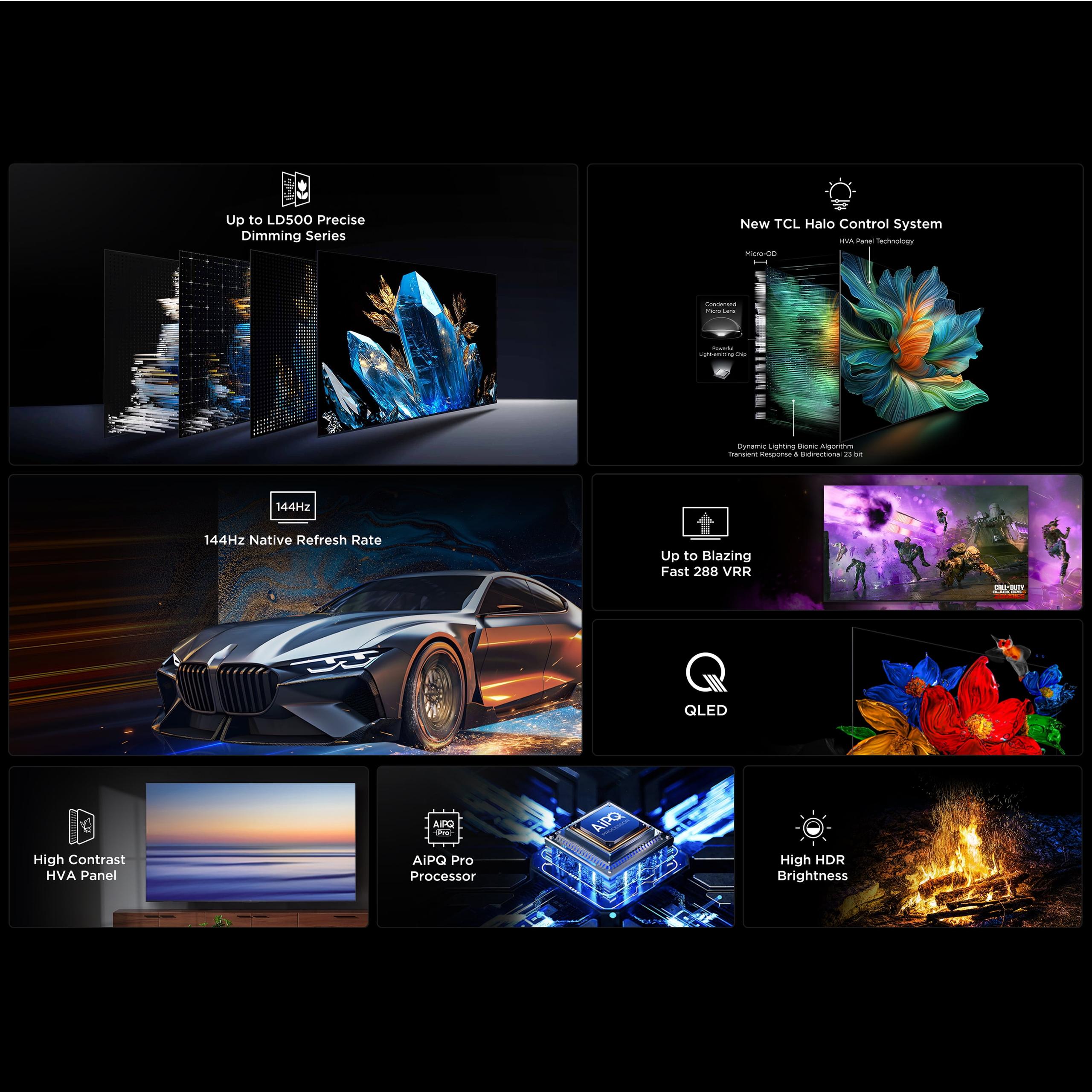
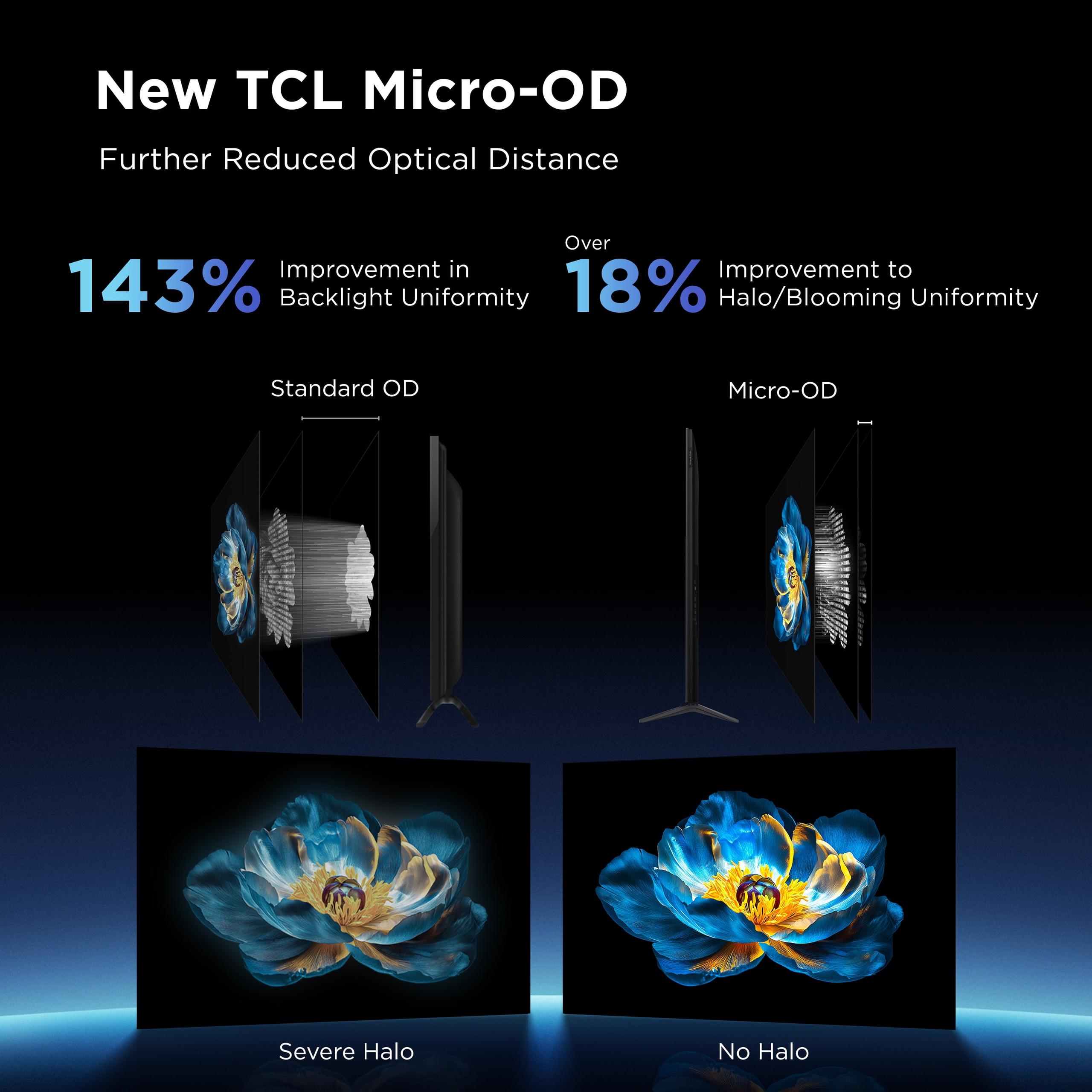
The TCL QM6K offers up to 500 precise dimming zones, which is impressive for its price category. More zones typically mean better contrast control and reduced "blooming" – the unwanted light bleeding around bright objects in dark scenes. The Samsung QN80F uses Samsung's Quantum Matrix Technology, which provides precise zone control but doesn't specify exact zone counts in its specifications.
In practice, both TVs will show substantial improvements in dark room viewing compared to older LED displays. The difference becomes noticeable in challenging content like space scenes in science fiction movies or dark cinematography in prestige dramas. Having calibrated numerous Mini LED displays, I've found that implementation quality matters more than raw zone count – Samsung's experience with Mini LED optimization likely gives the QN80F an edge in real-world performance.
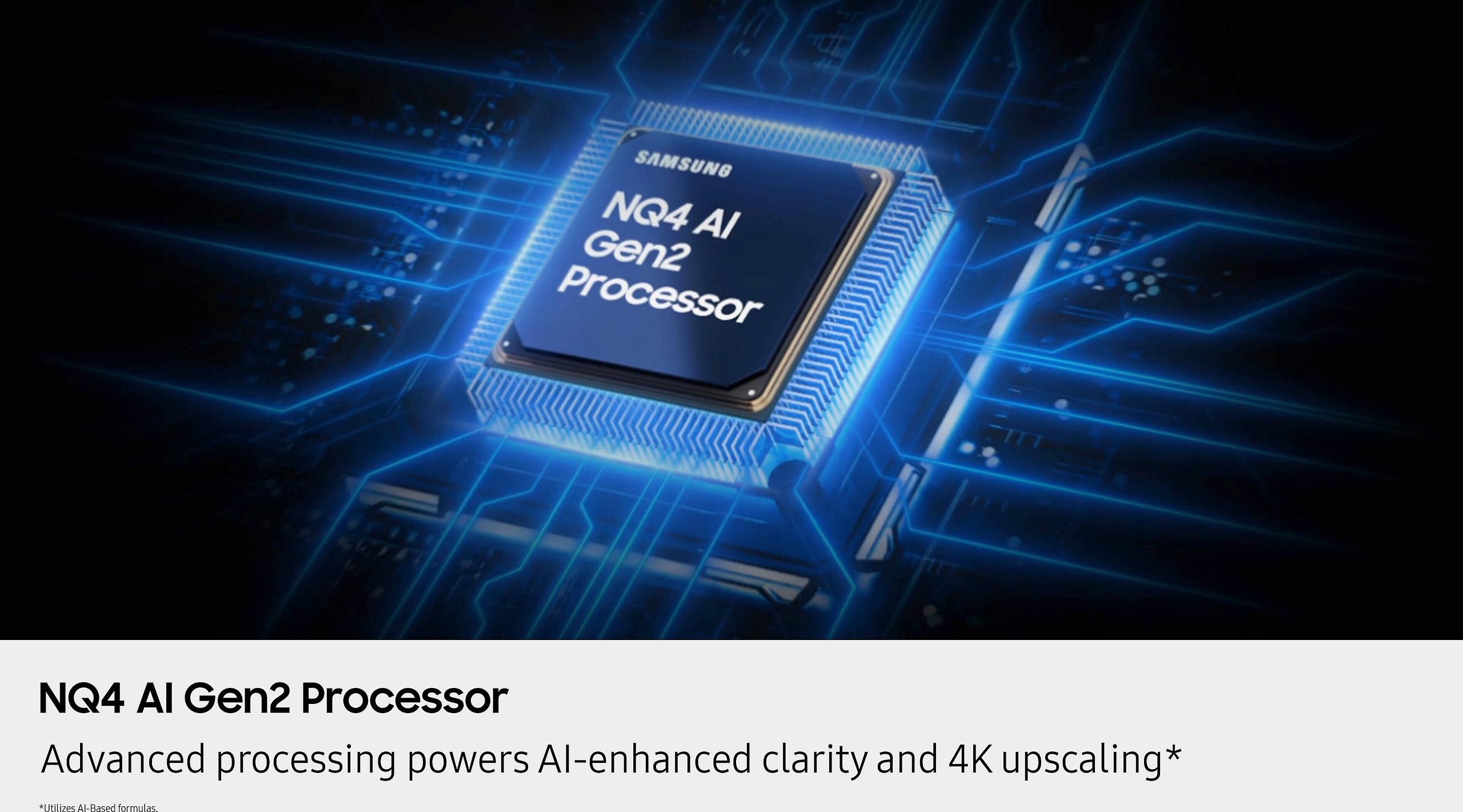
Perhaps the most significant difference between these televisions lies in their processing capabilities. The Samsung QN80F features Samsung's NQ4 AI Gen2 processor, equipped with 20 specialized neural networks. This isn't marketing fluff – the processing difference becomes immediately apparent when watching lower-quality content.
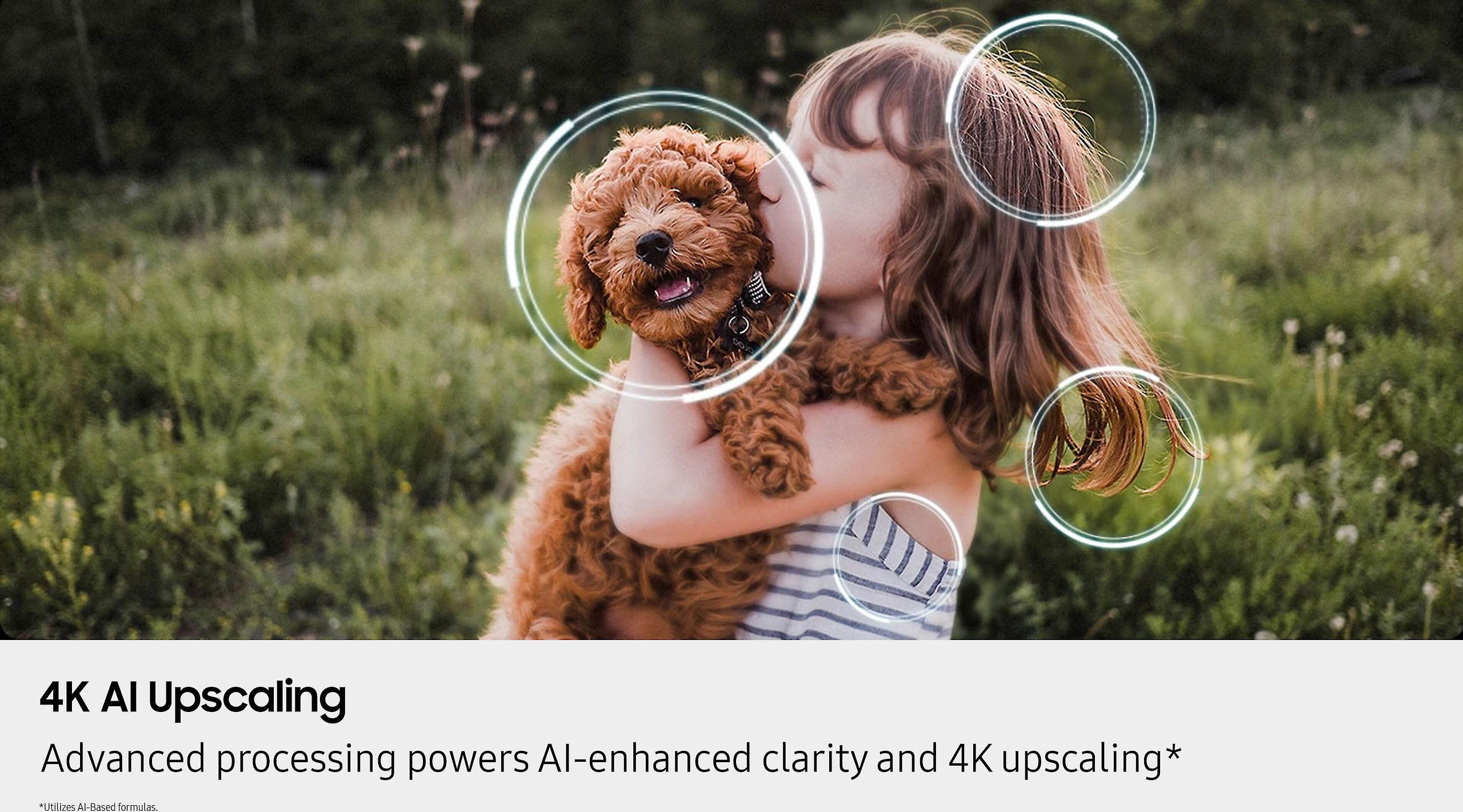
Most content we watch isn't native 4K. Streaming services compress video to reduce bandwidth, older movies were filmed in lower resolutions, and cable TV often delivers 1080p signals at best. A television's processor must take this imperfect source material and intelligently enhance it to fill your 4K screen effectively.
The Samsung QN80F's AI processor analyzes each frame in real-time, identifying different elements like faces, text, landscapes, and objects. It then applies specific enhancement algorithms to each element. Faces receive skin tone optimization and detail enhancement. Text becomes sharper and more readable. Landscapes gain depth and texture detail that wasn't visible in the original signal.
Having compared Samsung's AI processing against budget alternatives over several years, the difference is striking. Lower-quality streaming content that looks soft and artifact-heavy on basic processors appears dramatically cleaner and more detailed on Samsung's system. The TCL QM6K, while featuring TCL's AiPQ Pro processor, offers more basic enhancement capabilities that work adequately for 4K content but struggle with heavily compressed or lower-resolution sources.
Both televisions support high refresh rates crucial for smooth motion, but they handle motion processing differently. The Samsung QN80F provides 144Hz native refresh rate with Motion Xcelerator technology, while the TCL QM6K offers 144Hz with Game Accelerator capabilities reaching up to 288Hz variable refresh rate.
For sports viewing – a critical test for motion handling – the Samsung's superior processing becomes evident. Fast camera pans during football games, hockey players moving across ice, and basketball action remain clear and detailed. The AI processor predicts motion paths and interpolates frames intelligently, reducing blur without creating the "soap opera effect" that makes movies look unnatural.
Modern gaming demands have pushed TV manufacturers to prioritize features that were once exclusive to computer monitors. Both the Samsung QN80F and TCL QM6K offer genuine gaming capabilities, though they approach it differently.
Input lag – the delay between pressing a controller button and seeing the action on screen – can make the difference between victory and defeat in competitive gaming. Both televisions offer gaming modes that minimize this delay to imperceptible levels for most players. The Samsung QN80F includes Auto Game Mode that automatically detects gaming signals and optimizes settings without manual intervention.
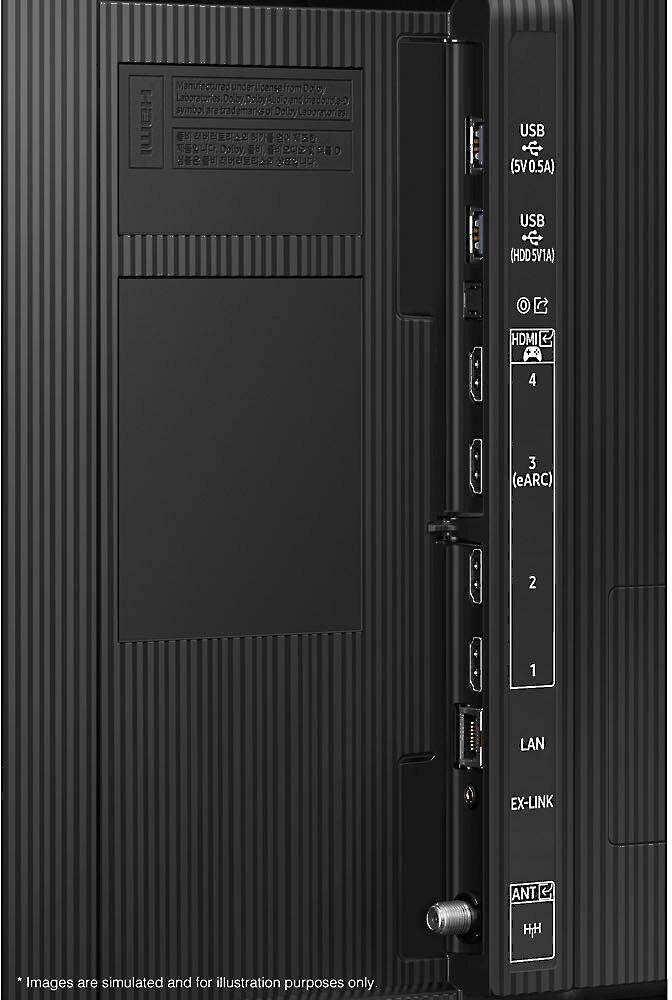
Variable Refresh Rate (VRR) support prevents screen tearing when frame rates fluctuate, which is particularly important for PC gaming and newer consoles. The TCL QM6K actually offers an impressive 288Hz VRR capability, potentially providing smoother performance for high-end PC gaming setups. However, the Samsung QN80F's four HDMI 2.1 ports with full VRR support provide more flexibility for multiple gaming devices.
Gaming in HDR reveals details in shadows and highlights that standard dynamic range gaming simply cannot display. Both televisions support HDR gaming, but the Samsung QN80F's higher peak brightness and superior processing provide a more impactful HDR gaming experience. Dark areas in games like God of War or Elden Ring reveal hidden details, while bright explosions and magical effects display with appropriate intensity.
The choice between Samsung's Tizen OS and Google TV represents more than interface preference – it affects daily usability and long-term satisfaction.
The Samsung QN80F runs Tizen OS enhanced with Samsung's Vision AI suite. This includes features like Live Translate for real-time subtitle translation, Generative Wallpaper that creates AI-powered background images, and Pet & Family Care that can monitor household activity. While some features feel gimmicky, others provide genuine utility.
Bixby, Samsung's voice assistant, has improved significantly in recent years. It now processes multiple commands simultaneously and understands context better than previous versions. For households already using Samsung smartphones, tablets, or appliances, the ecosystem integration creates convenient automation possibilities.
The TCL QM6K uses Google TV, which offers arguably the best content discovery and recommendation system available. Google's algorithms excel at surfacing new shows and movies based on viewing history across all your devices. The interface feels familiar to Android users and integrates seamlessly with Google services.
Google TV also supports both Google Assistant and Alexa, providing voice control flexibility that Samsung's platform cannot match. For households invested in Google's ecosystem – using Gmail, Google Photos, YouTube Premium, or Google smart home devices – the integration feels natural and comprehensive.
In a dedicated home theater environment, different factors become priorities. Room lighting control, audio integration, and calibration capabilities take precedence over smart TV features and casual viewing optimizations.
Both televisions excel in dark room environments where their Mini LED backlighting can demonstrate full contrast capabilities. The Samsung QN80F likely provides better black levels and more precise shadow detail due to its advanced processing, making it preferable for serious movie watching.
However, the TCL QM6K's 500 dimming zones offer impressive contrast control for its price point. In a light-controlled theater room, the performance gap narrows considerably. Budget-conscious home theater builders might find the TCL provides 80% of the Samsung's dark room performance at a fraction of the cost.
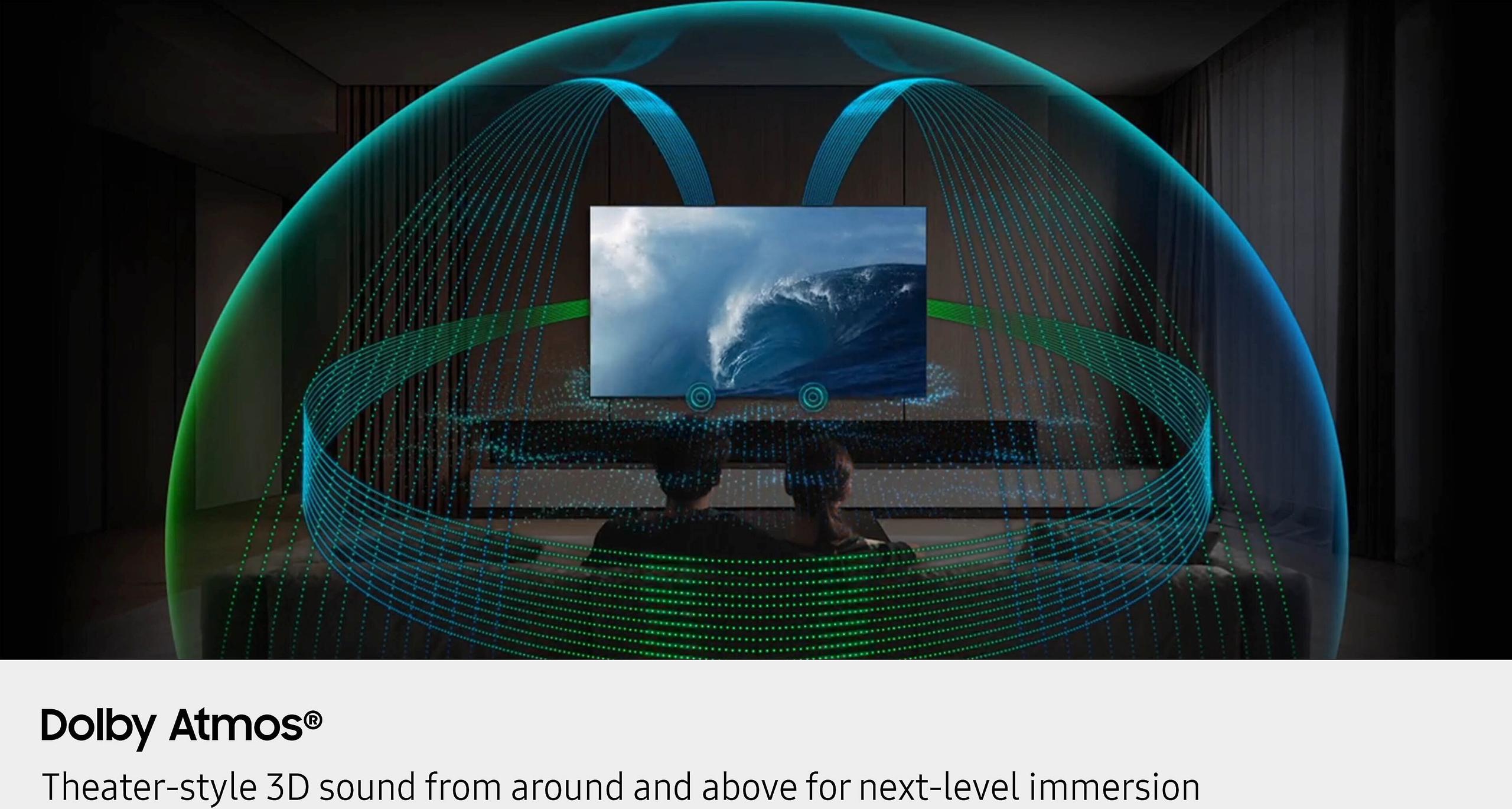
Neither television offers audiophile-quality built-in sound, which is expected at this price level. Both support advanced audio formats like Dolby Atmos, allowing them to pass high-quality sound to external sound systems. The Samsung QN80F includes Object Tracking Sound Lite technology that attempts to position audio effects spatially, but dedicated home theater setups will bypass internal speakers entirely.
The pricing philosophy difference between these televisions reflects two valid approaches to mid-range TV buying.
The Samsung QN80F asks buyers to pay significantly more for superior processing capabilities, advanced smart features, and refined user experience. This premium makes sense for viewers who consume varied content types – streaming services, cable TV, older movies, and gaming. The AI processing improvements become more valuable as content quality varies more widely.
For households that prioritize ease of use, ecosystem integration, and "future-proofing" against evolving content standards, Samsung's approach offers peace of mind. The superior upscaling capabilities effectively extend the useful life of the television as content continues evolving.
The TCL QM6K demonstrates how advanced display technologies can reach broader audiences through focused engineering and strategic compromises. By accepting basic processing capabilities and fewer premium features, TCL delivers genuine Mini LED and quantum dot performance at unprecedented price points.
This approach works brilliantly for viewers who primarily consume 4K content from streaming services, appreciate Google ecosystem integration, and prioritize display technology over processing refinement. The cost savings enable buyers to invest in other home theater components or simply enjoy premium display technology without premium pricing.
The Samsung QN80F makes sense for households with diverse viewing habits and higher expectations for content enhancement. If you frequently watch older movies, heavily compressed streaming content, or cable television, Samsung's superior processing justifies the premium. The AI upscaling transforms mediocre source material into genuinely watchable content.
Buyers already invested in Samsung's ecosystem – smartphones, tablets, soundbars, or smart home devices – will appreciate the seamless integration. The advanced smart TV features, while not essential, do provide convenient functionality that becomes more valuable over time.
Gaming enthusiasts who want the most refined experience across multiple consoles and PC gaming will appreciate Samsung's comprehensive HDMI 2.1 implementation and optimized gaming modes.
The TCL QM6K excels for budget-conscious buyers who understand exactly what they're getting. If your content consumption focuses primarily on 4K streaming services – Netflix, Disney+, Amazon Prime Video – the basic processing limitations become less relevant.
Google ecosystem users will find the TV integrates perfectly with their existing services and devices. The cost savings could fund a significant sound system upgrade, which often provides more dramatic improvement than premium TV processing.
First-time Mini LED buyers curious about the technology without wanting to make a major financial commitment will find the TCL provides an excellent introduction to advanced display capabilities.
Both the Samsung QN80F and TCL QM6K succeed in their respective missions, but they serve fundamentally different priorities. Samsung delivers premium processing and features for viewers who want the best possible experience across all content types. TCL democratizes advanced display technology for buyers who prioritize value and understand the trade-offs involved.
Consider your typical viewing patterns, existing device ecosystem, and long-term expectations. The significant price difference between these models represents a clear choice between processing excellence and display technology accessibility. Neither approach is wrong – they simply serve different definitions of what constitutes the best television value in 2025.
The television market's continued evolution means both approaches will likely succeed. Samsung's processing advantages will become more valuable as content continues diversifying, while TCL's aggressive pricing makes premium display technology accessible to broader audiences. Your choice should align with your priorities, viewing habits, and budget realities rather than trying to find an objectively "better" option between two fundamentally different value propositions.
| Samsung 65" QN80F Neo QLED 4K TV | TCL 65" QM6K QD-Mini LED 4K TV |
|---|---|
| Display Technology - Foundation for picture quality and longevity | |
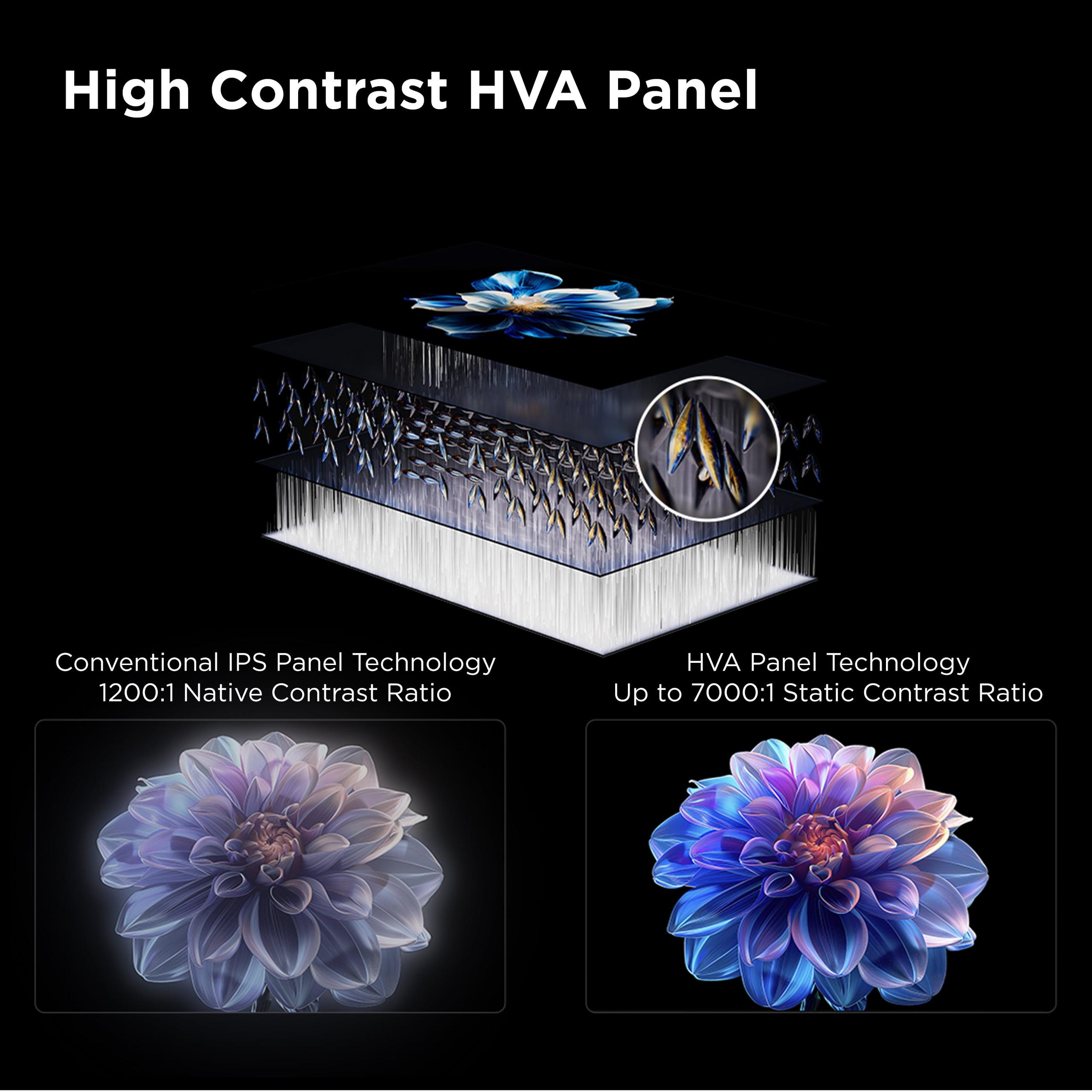
| Neo QLED with Mini LED backlighting and Quantum Matrix Technology | QD-Mini LED with quantum dots and up to LD500 precise dimming zones |
| Peak Brightness - Critical for HDR content and bright room viewing | |
| 930 nits (solid mid-range performance with consistent output) | Not specified (adequate for price tier but likely lower than Samsung) |
| Processor - Most important for content enhancement and upscaling | |
| NQ4 AI Gen2 with 20 specialized neural networks (dramatically better upscaling) | AiPQ Pro processor (basic enhancement capabilities) |
| Gaming Performance - Essential for console and PC gaming | |
| 144Hz native, 4 HDMI 2.1 ports, Auto Game Mode with VRR up to 144Hz | 144Hz native, Game Accelerator up to 288Hz VRR (impressive specs for price) |
| Anti-Glare Technology - Game-changer for bright living rooms | |
| Glare-Free coating significantly reduces reflections | Standard glossy finish (may require room lighting control) |
| Smart TV Platform - Daily user experience and ecosystem integration | |
| Tizen OS with Samsung Vision AI, Bixby, advanced features like Live Translate | Google TV with Google Assistant/Alexa, excellent content discovery |
| Local Dimming Zones - Controls contrast and reduces blooming | |
| Quantum Matrix Technology (precise control, exact count not specified) | Up to LD500 precise dimming zones (impressive for entry-level Mini LED) |
| Motion Handling - Important for sports and fast-action content | |
| Motion Xcelerator 144Hz with AI-enhanced processing | Game Accelerator 288 with standard motion processing |
| Audio Features - Built-in sound capabilities | |
| Object Tracking Sound Lite, Dolby Atmos support | 2.1 channel Onkyo speakers, Dolby Atmos, DTS Virtual:X |
| Value Proposition - Performance per dollar consideration | |
| Premium processing and features justify higher cost for mixed content | Exceptional Mini LED technology access at breakthrough pricing |
The Samsung QN80F delivers superior overall picture quality with its advanced NQ4 AI Gen2 processor and 930 nits peak brightness. However, the TCL QM6K provides exceptional value with genuine Mini LED technology and quantum dots at a fraction of the cost. For mixed content viewing, Samsung's processing advantage is significant, but for primarily 4K streaming, the TCL offers impressive quality for its price tier.
Both technologies use Mini LED backlighting with quantum dots, but the Samsung QN80F Neo QLED includes more advanced processing and Samsung's Quantum Matrix Technology for precise backlight control. The TCL QM6K QD-Mini LED focuses on delivering the core display technology benefits at an accessible price point with up to 500 dimming zones.
Both TVs offer excellent gaming features with 144Hz refresh rates and HDMI 2.1 support. The Samsung QN80F provides four HDMI 2.1 ports and Auto Game Mode for seamless console switching, while the TCL QM6K offers impressive 288Hz VRR capability. For serious gamers with multiple consoles, the Samsung's port flexibility gives it an edge.
The Samsung QN80F runs Tizen OS with Samsung Vision AI, offering advanced features like Live Translate and seamless Samsung ecosystem integration. The TCL QM6K uses Google TV, providing superior content discovery and compatibility with both Google Assistant and Alexa. Choose based on your existing ecosystem preferences.
The Samsung QN80F significantly outperforms in bright rooms thanks to its Glare-Free coating technology that reduces reflections without softening the image. The TCL QM6K uses a standard glossy finish that may require room lighting control for optimal viewing.
The Samsung QN80F excels at upscaling with its 20 neural network AI processor, dramatically improving lower-quality content from cable TV and compressed streaming. The TCL QM6K offers basic upscaling that works adequately for 4K content but struggles with heavily compressed sources.
For dedicated home theaters, both TVs perform well in dark rooms. The Samsung QN80F likely provides better black levels and shadow detail due to superior processing. However, the TCL QM6K offers impressive contrast with 500 dimming zones at a price that allows budget for other theater components like a quality sound system.
The Samsung QN80F delivers more impactful HDR with 930 nits peak brightness and advanced processing for better highlight detail. Both TVs support major HDR formats, but Samsung's higher brightness and processing provide more dramatic HDR effects in bright scenes and better shadow detail in dark content.
The TCL QM6K provides exceptional value by offering Mini LED and quantum dot technology at an entry-level price point. The Samsung QN80F justifies its premium through superior processing, advanced features, and refined user experience. Value depends on whether you prioritize display technology access or processing excellence.
The Samsung QN80F uses Motion Xcelerator technology with AI processing for superior sports and fast-action content, reducing blur while avoiding the soap opera effect. The TCL QM6K offers solid motion performance with its 144Hz panel but lacks the advanced processing for optimal motion enhancement.
Both TVs support Dolby Atmos, but the TCL QM6K features a dedicated 2.1 channel Onkyo speaker system with built-in subwoofer. The Samsung QN80F includes Object Tracking Sound Lite for spatial audio positioning. However, both benefit significantly from external sound systems in serious viewing setups.
Choose the Samsung QN80F if you watch varied content types, want superior upscaling, need glare reduction, or prefer Samsung ecosystem integration. Select the TCL QM6K if budget is primary, you mainly watch 4K streaming content, prefer Google TV, or want to experience Mini LED technology without premium pricing.
We've done our best to create useful and informative comparisons to help you decide what product to buy. Our research uses advanced automated methods to create this comparison and perfection is not possible - please contact us for corrections or questions. These are the sites we've researched in the creation of this article: samsung.com - theshortcut.com - youtube.com - bestbuy.com - rtings.com - samsung.com - samsung.com - samsung.com - sargentappliance.com - displayspecifications.com - bestbuy.com - youtube.com - tomsguide.com - youtube.com - tcl.com - tomsguide.com - youtube.com - youtube.com - hometechnologyreview.com - rtings.com - bestbuy.com - tcl.com - youtube.com - youtube.com - bestbuy.com - youtube.com - youtube.com - youtube.com - tcl.com - youtube.com - walmart.com - tcl.com - displayspecifications.com - kitele.com - displayspecifications.com - flatpanelshd.com - woodruffappliance.com - displayspecifications.com - prnewswire.com - tcl.com - youtube.com - abt.com - youtube.com - tclkenya.co.ke - budgethomefurn.com

Privacy Policy
Terms and Conditions - Affiliate Policy
Home Security
© Copyright 2008-2026.
11816 Inwood Rd #1211, Dallas, TX 75244