

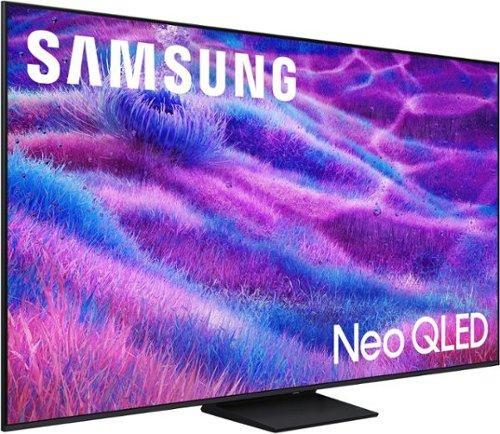
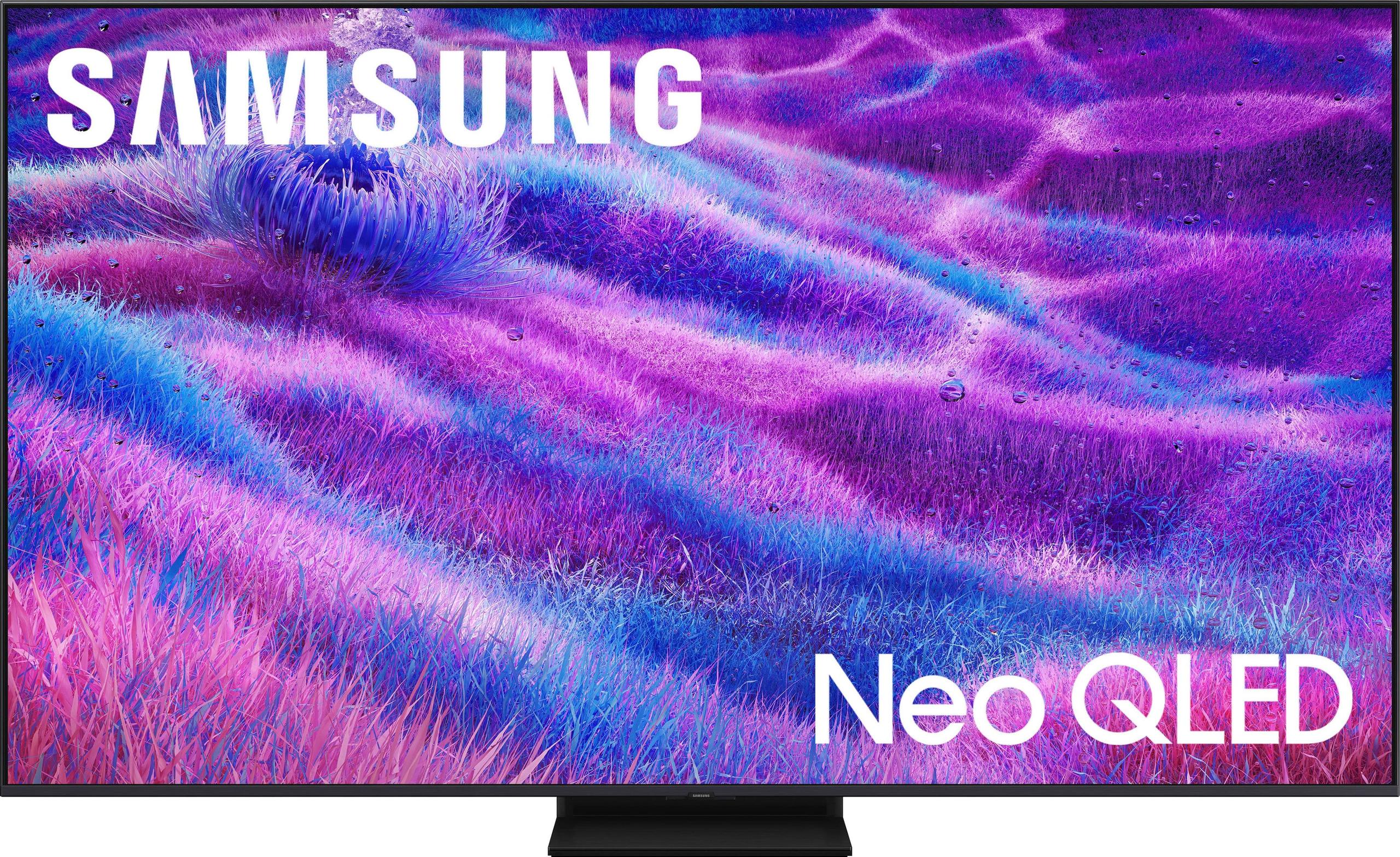
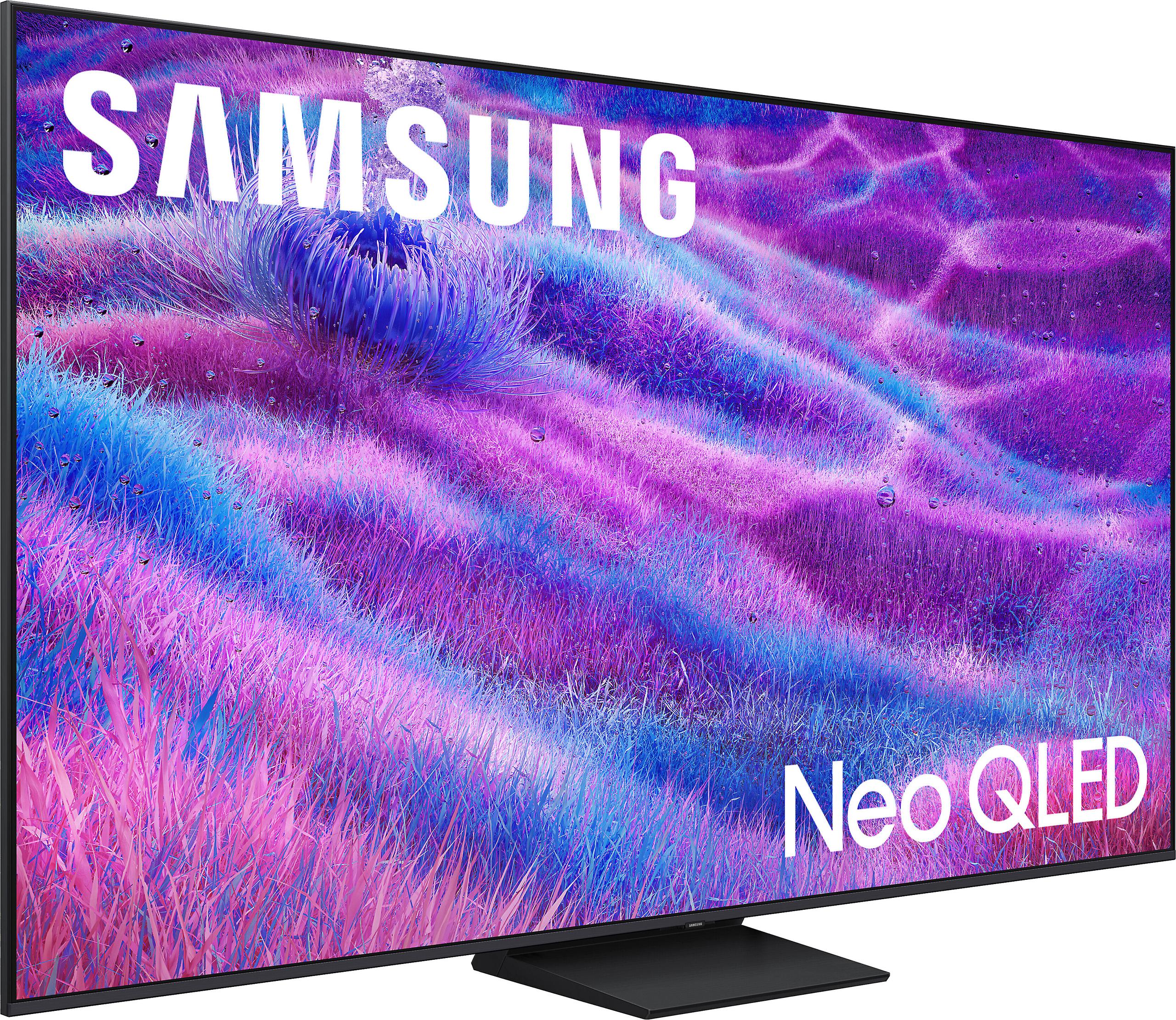
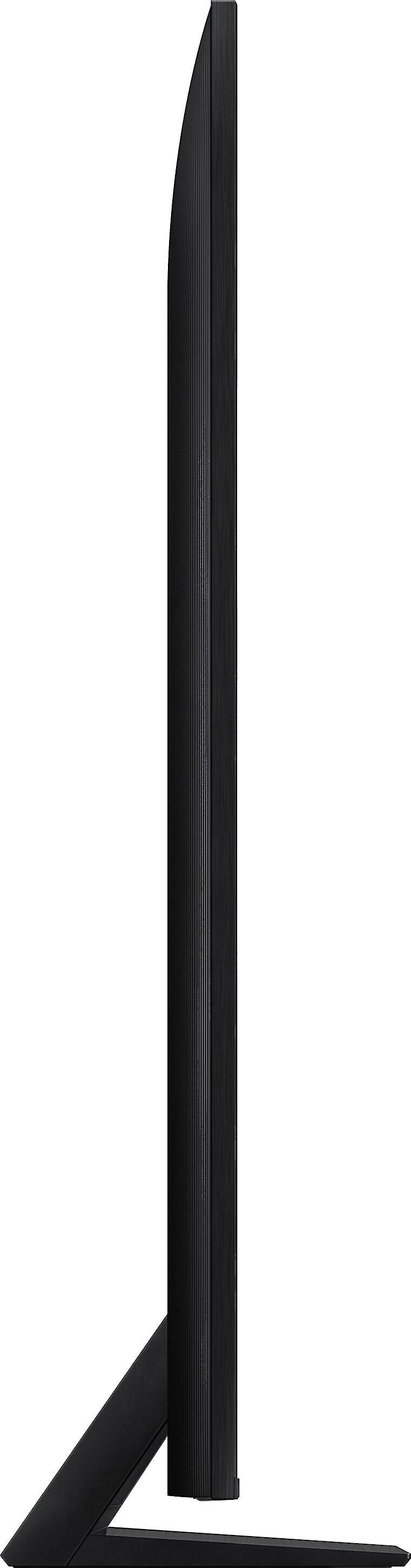
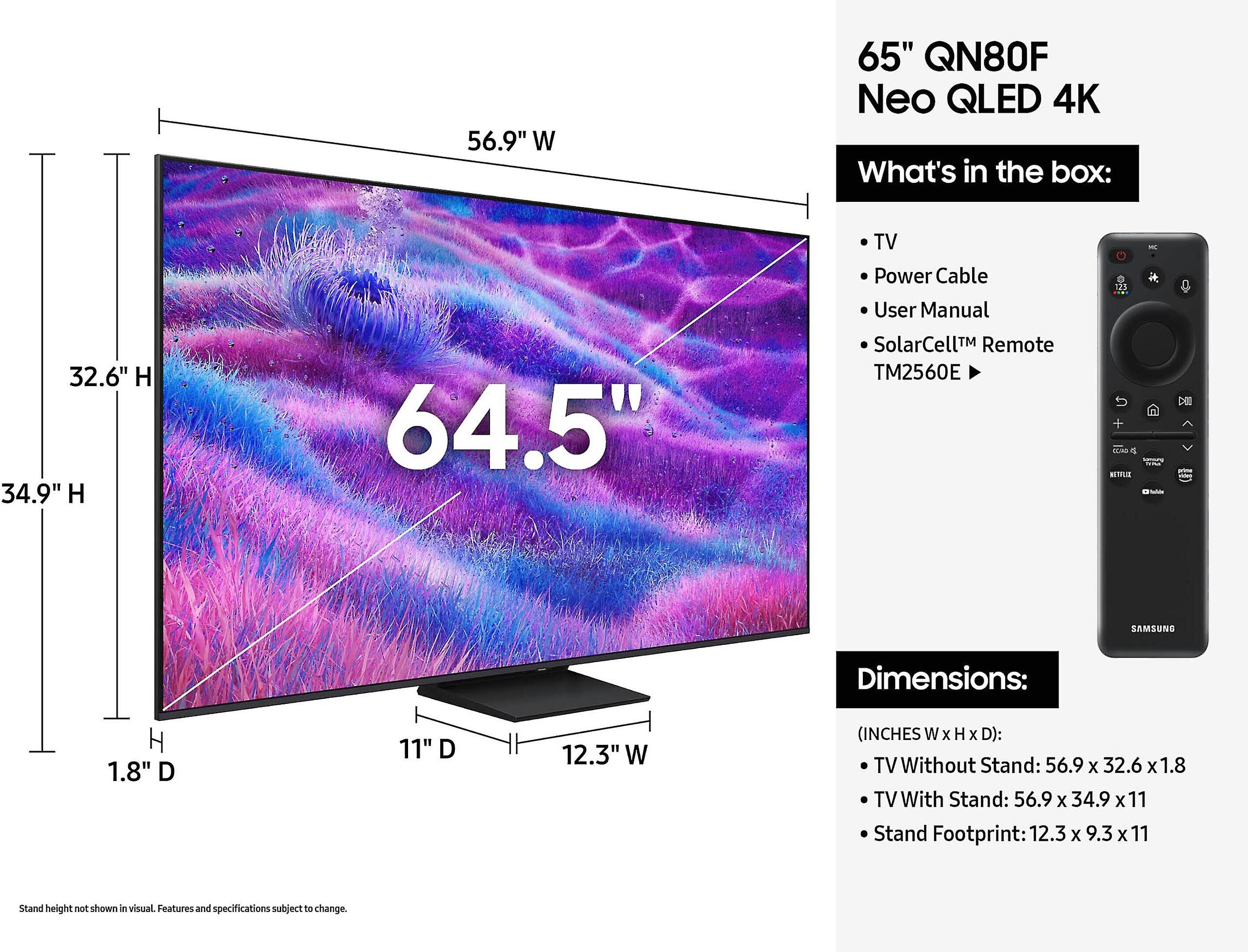
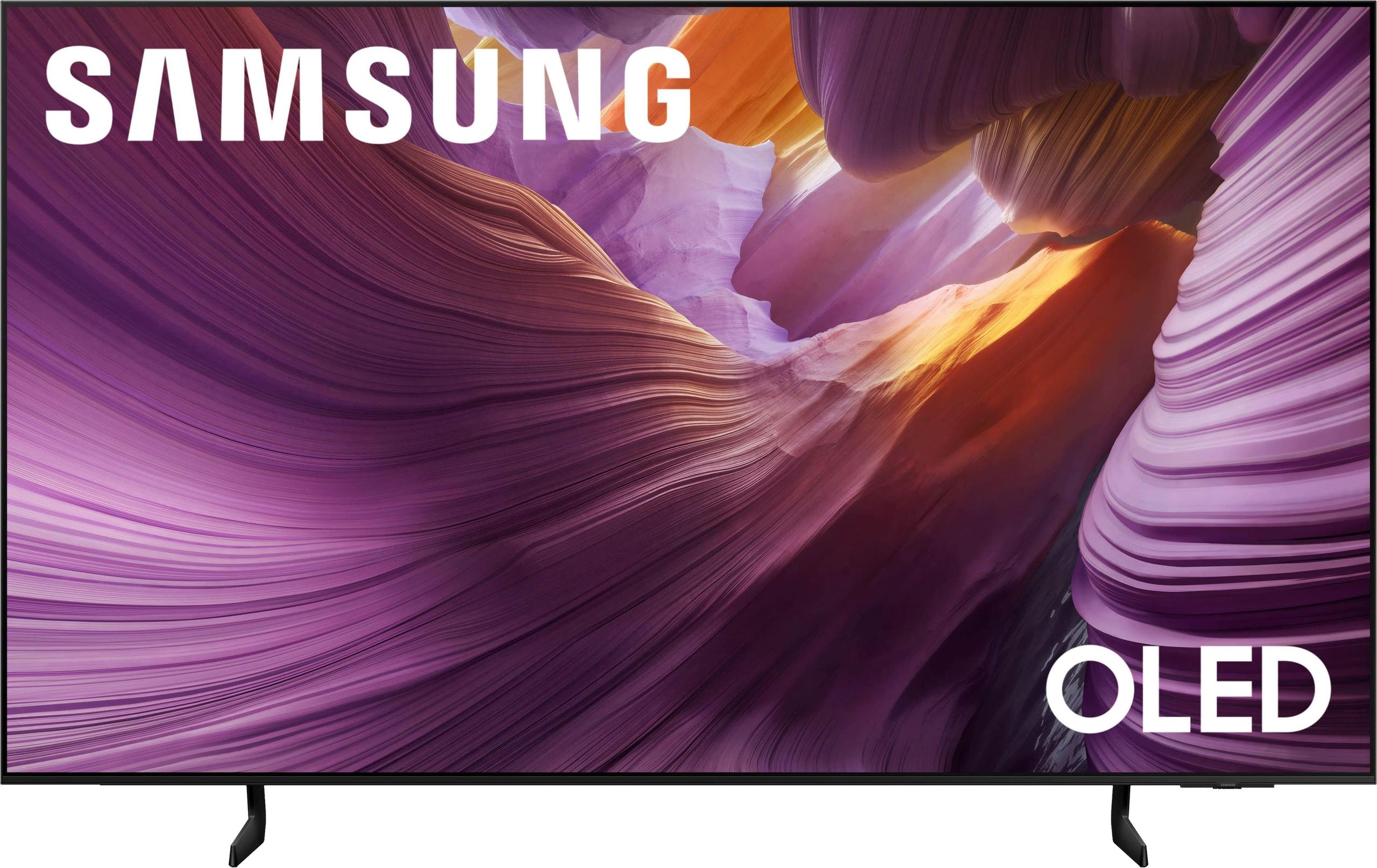
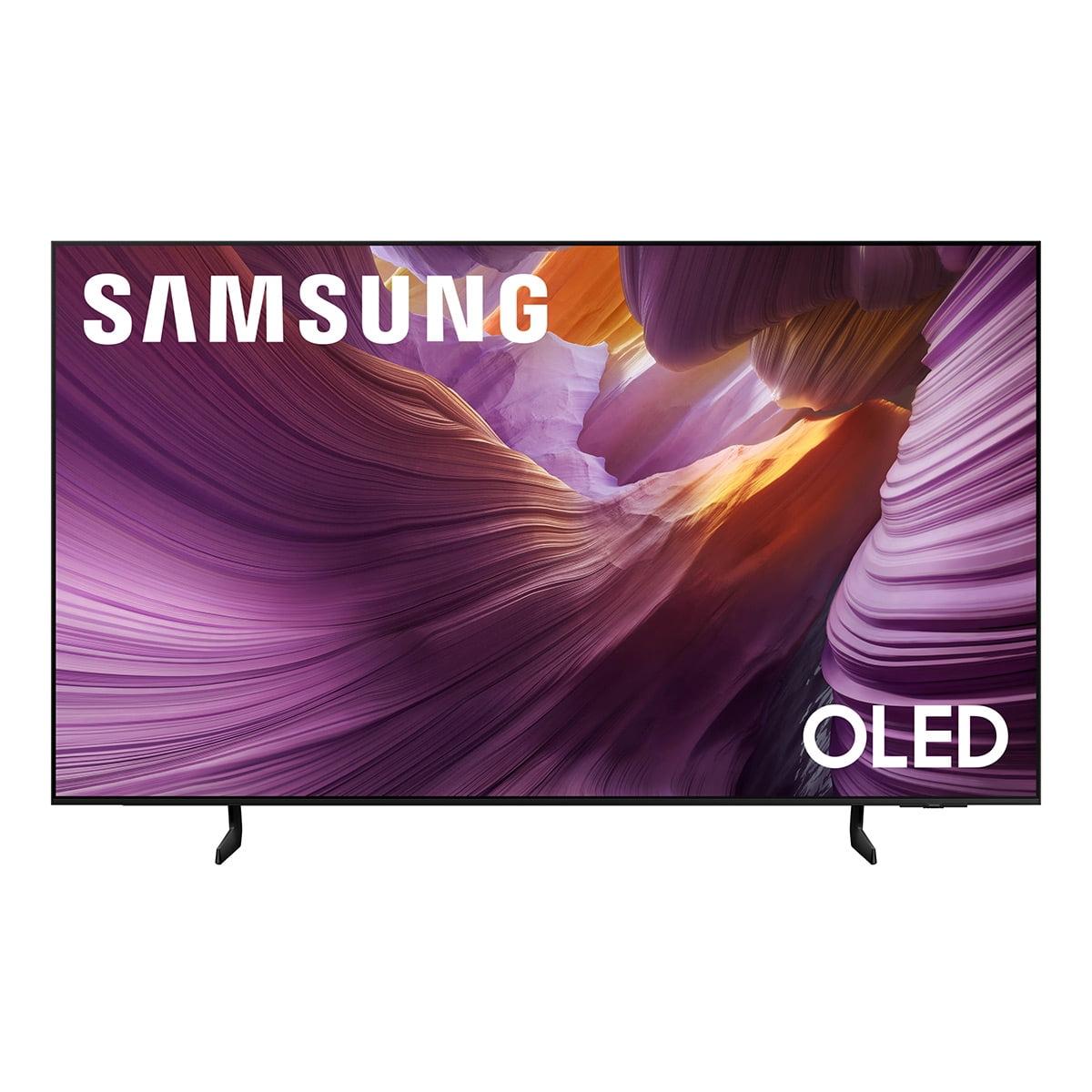
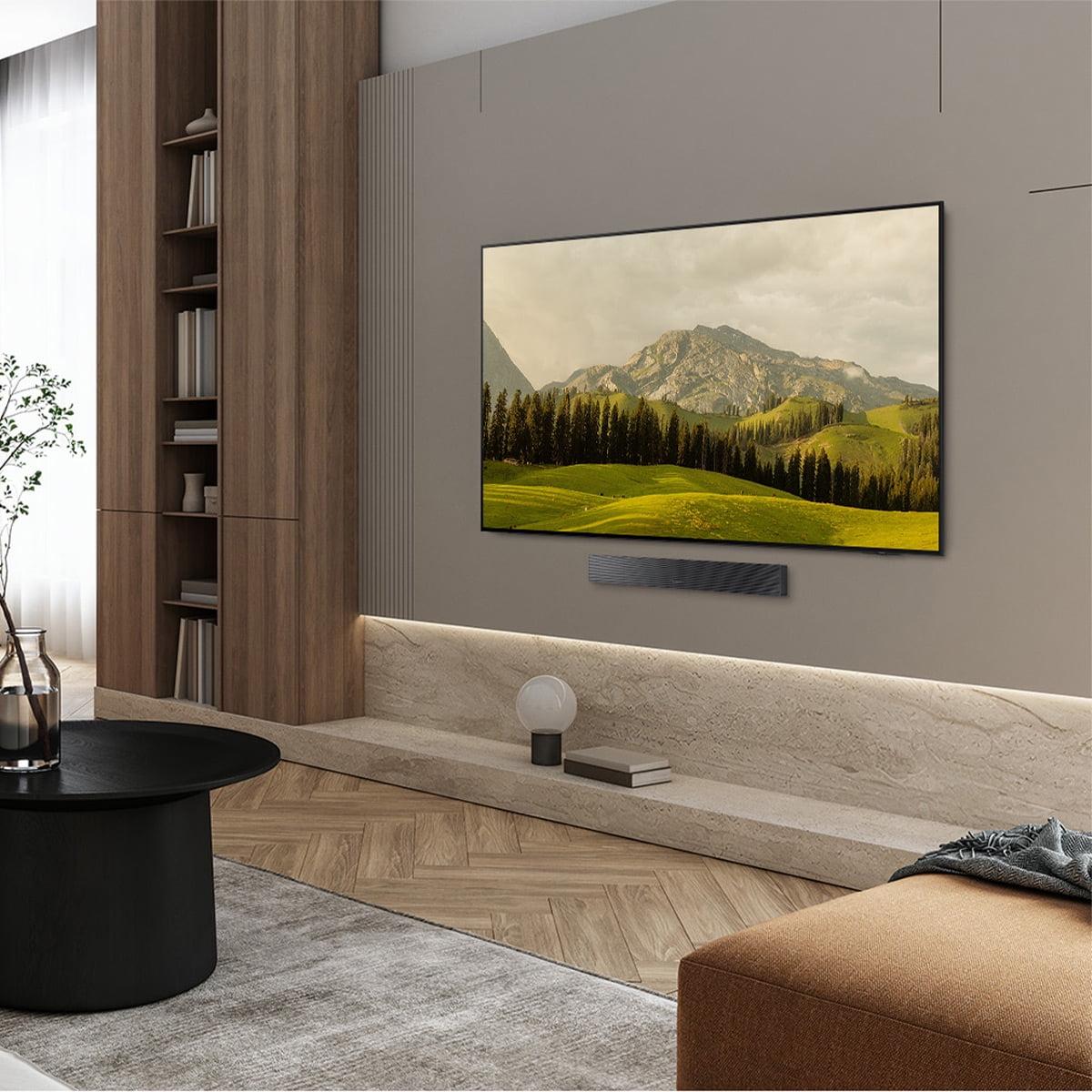
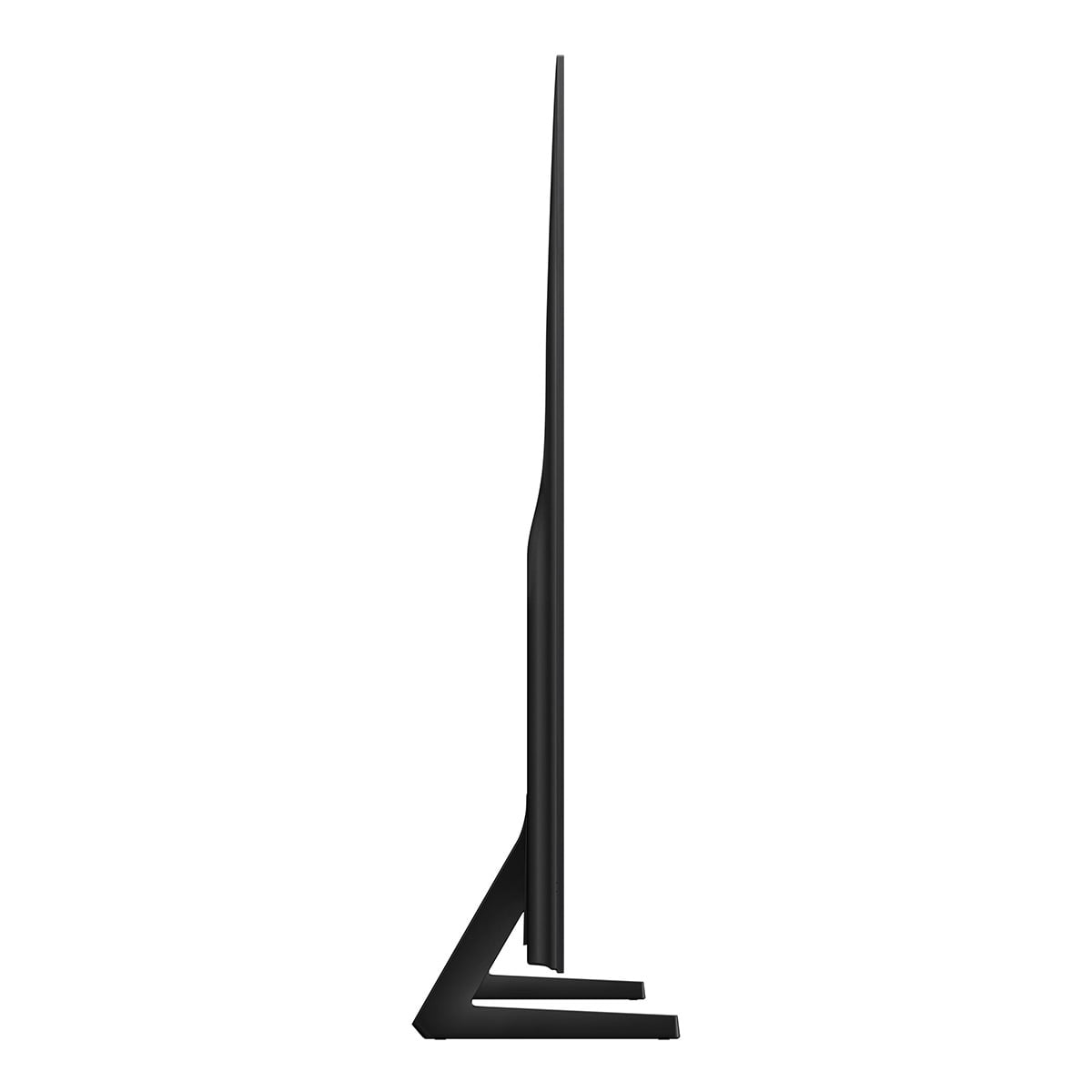

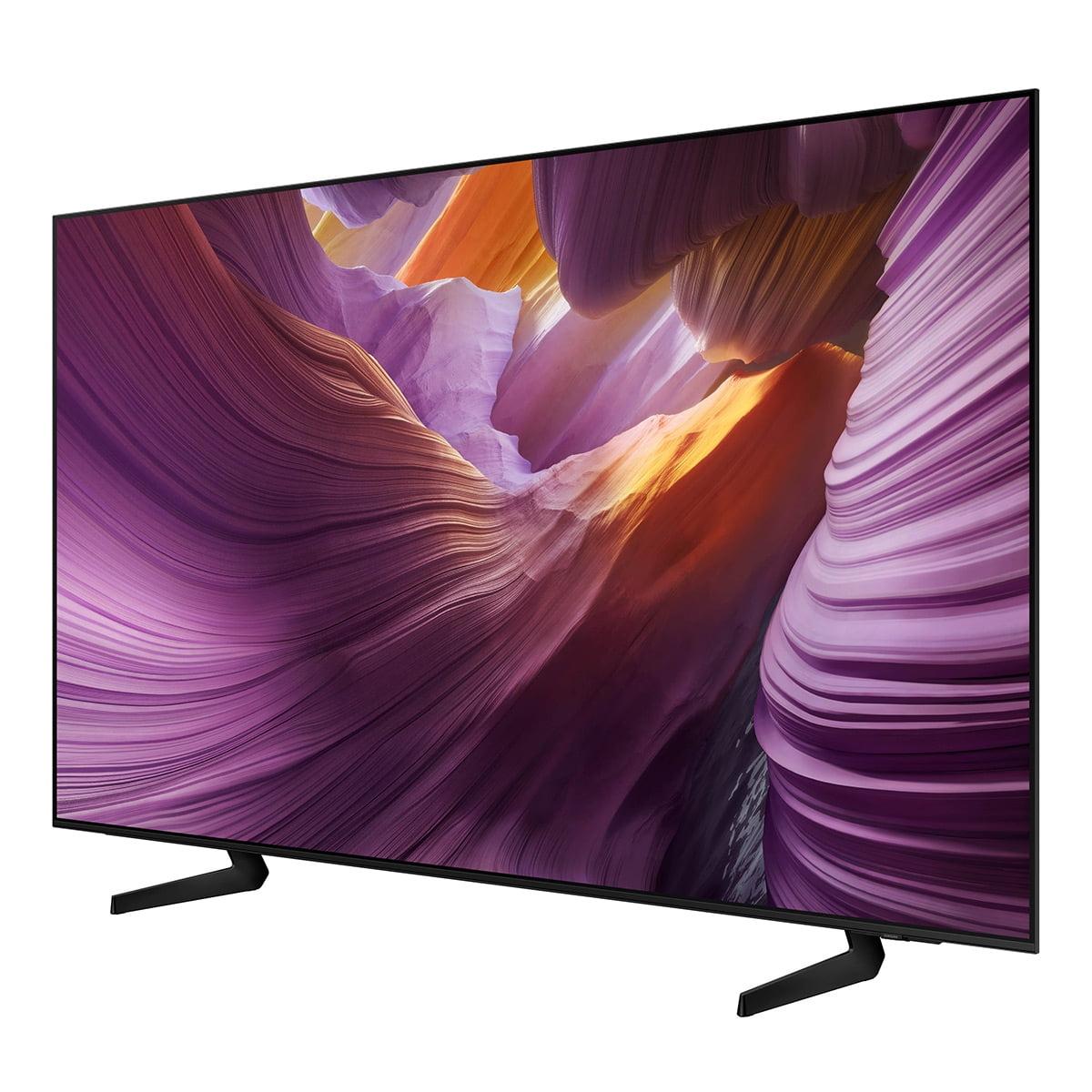
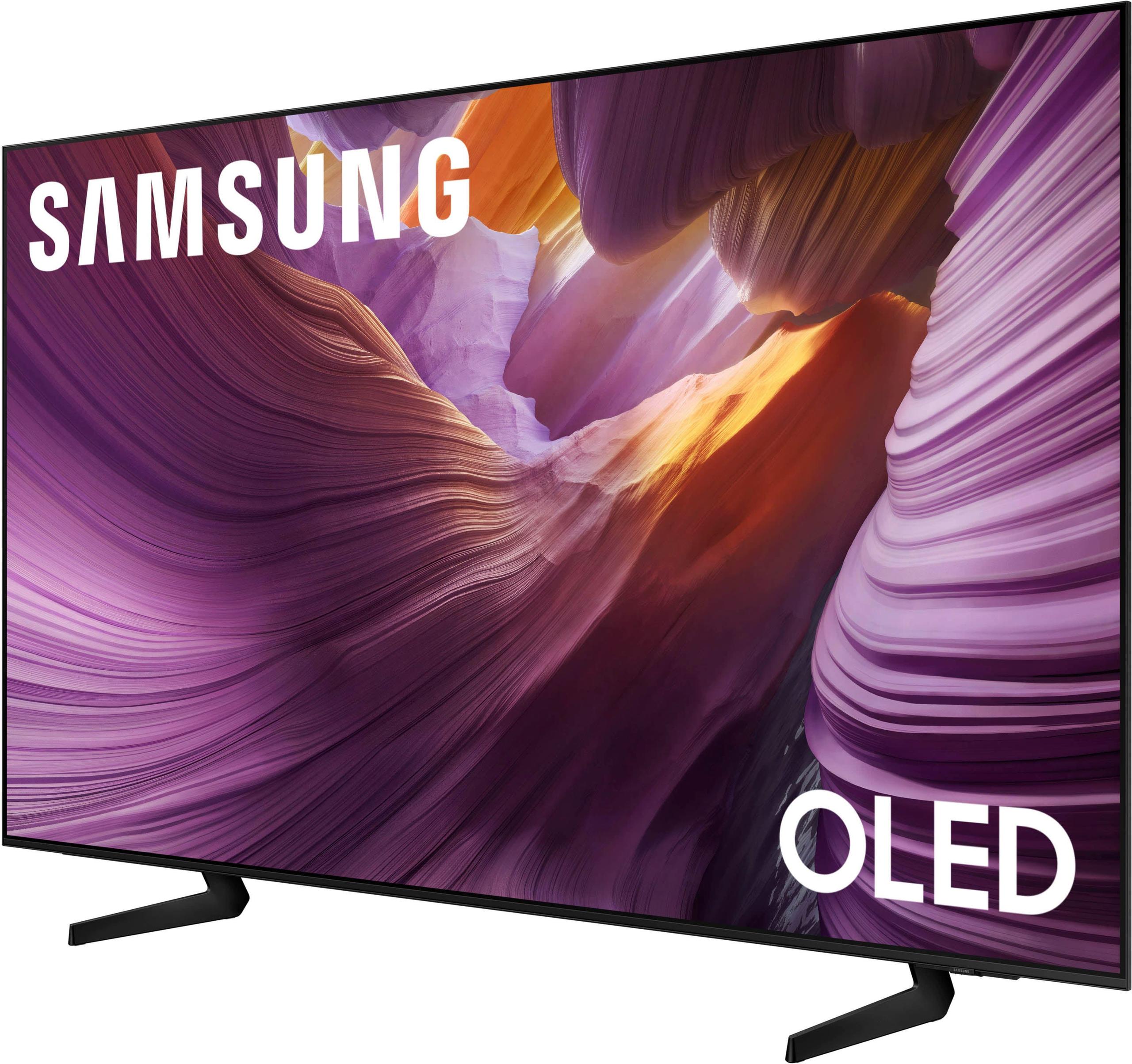
Samsung launched two compelling 65-inch premium TVs in 2025 that represent fundamentally different approaches to delivering exceptional picture quality. The Samsung QN80F Neo QLED and Samsung S85F OLED both promise stunning 4K visuals, but they achieve this through entirely different display technologies. Understanding these differences is crucial for making the right choice for your viewing space and preferences.
At the time of writing, these TVs sit in Samsung's premium tier with the S85F OLED positioned as the more value-focused option despite its advanced OLED technology. This creates an interesting dynamic where you're essentially choosing between two different philosophies of TV design rather than simply comparing features within the same technology family.
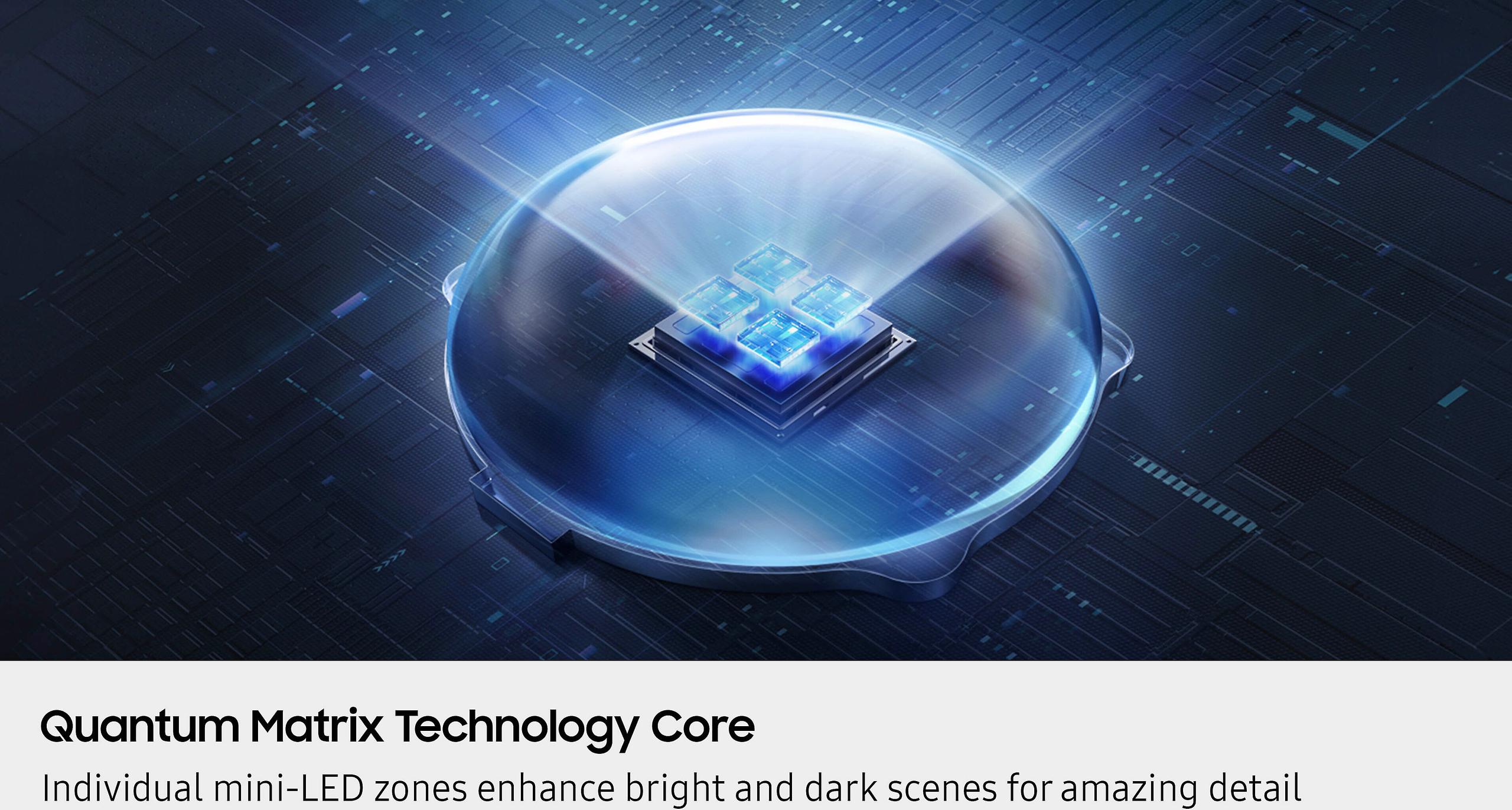
The core difference between these TVs lies in how they create light and color. The QN80F Neo QLED uses what's called a "transmissive" display - it has a backlight (made up of thousands of tiny mini-LEDs) that shines through layers including quantum dots (microscopic particles that convert blue light into pure red and green) and an LCD panel to create the final image. Think of it like a sophisticated flashlight shining through colored filters.
The S85F OLED, on the other hand, uses an "emissive" display where each pixel creates its own light. OLED stands for Organic Light-Emitting Diode, and Samsung's version uses QD-OLED technology in the 65-inch size for North America. This combines quantum dots with OLED for enhanced color performance. Each of the nearly 8.3 million pixels can turn completely on, completely off, or anywhere in between independently.
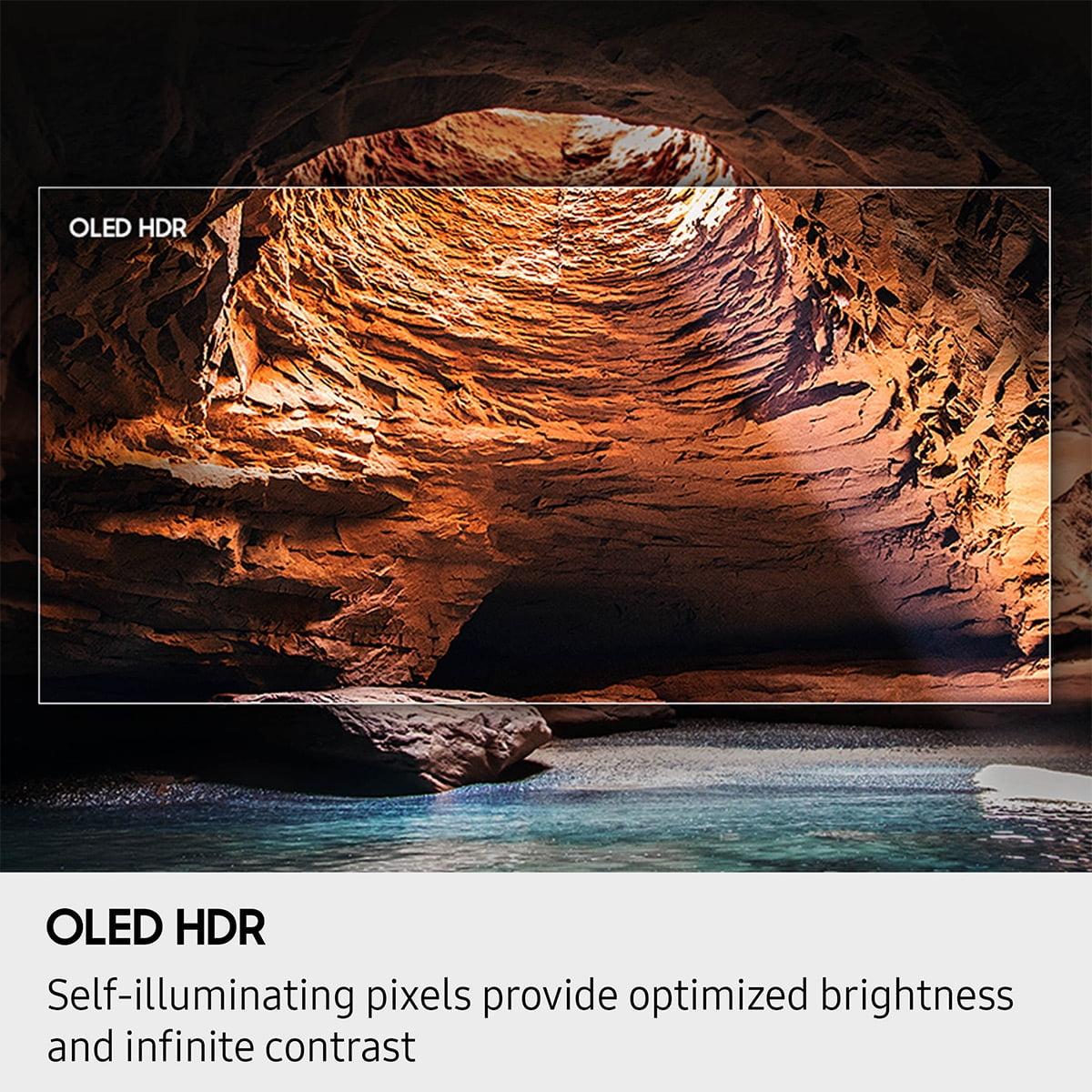
These fundamental differences create distinct advantages that make each TV excel in different scenarios. The QN80F's mini-LED backlight can get incredibly bright - we're talking about 2,000 nits of peak brightness, which is roughly 10 times brighter than a typical computer monitor. The S85F OLED reaches about 750 nits but can achieve perfect blacks by turning pixels completely off, creating what's technically called "infinite contrast."
Peak brightness might seem like a simple "more is better" specification, but the reality is more nuanced. The QN80F Neo QLED's exceptional brightness makes it a powerhouse for bright rooms. If you have a living room with large windows, skylights, or generally lots of ambient light, this TV can overpower reflections and maintain vibrant HDR (High Dynamic Range - content with enhanced contrast and color) performance even in challenging lighting conditions.
I've found that TVs with this level of brightness capability transform daytime viewing experiences. Sports, news, and bright content maintain their punch even when sunlight is streaming through windows. The quantum dot technology ensures colors stay accurate even at these high brightness levels, which isn't always the case with traditional LED TVs.
However, the S85F OLED takes a different approach that's often more impressive in practice. While 750 nits might sound modest compared to 2,000, OLED's ability to display true blacks creates a perceived contrast that often looks more dramatic than higher peak brightness alone. When you watch a movie scene with stars in space, those stars pop against genuinely black backgrounds rather than the grayish blacks that backlit displays inevitably produce.
The trade-off becomes apparent in different viewing environments. In a dark room, the S85F OLED creates an almost cinematic experience where dark scenes reveal subtle shadow details without the slight grayish haze that affects all backlit displays. In bright rooms, however, ambient light can make those perfect OLED blacks appear gray, reducing the contrast advantage.
Both TVs excel at color reproduction, but through different methods. The QN80F Neo QLED uses Samsung's quantum dot technology, which creates exceptionally pure and saturated colors. Quantum dots are essentially tiny crystals that emit very specific wavelengths of light when energized, resulting in colors that can be more vivid than what traditional phosphor-based displays produce.
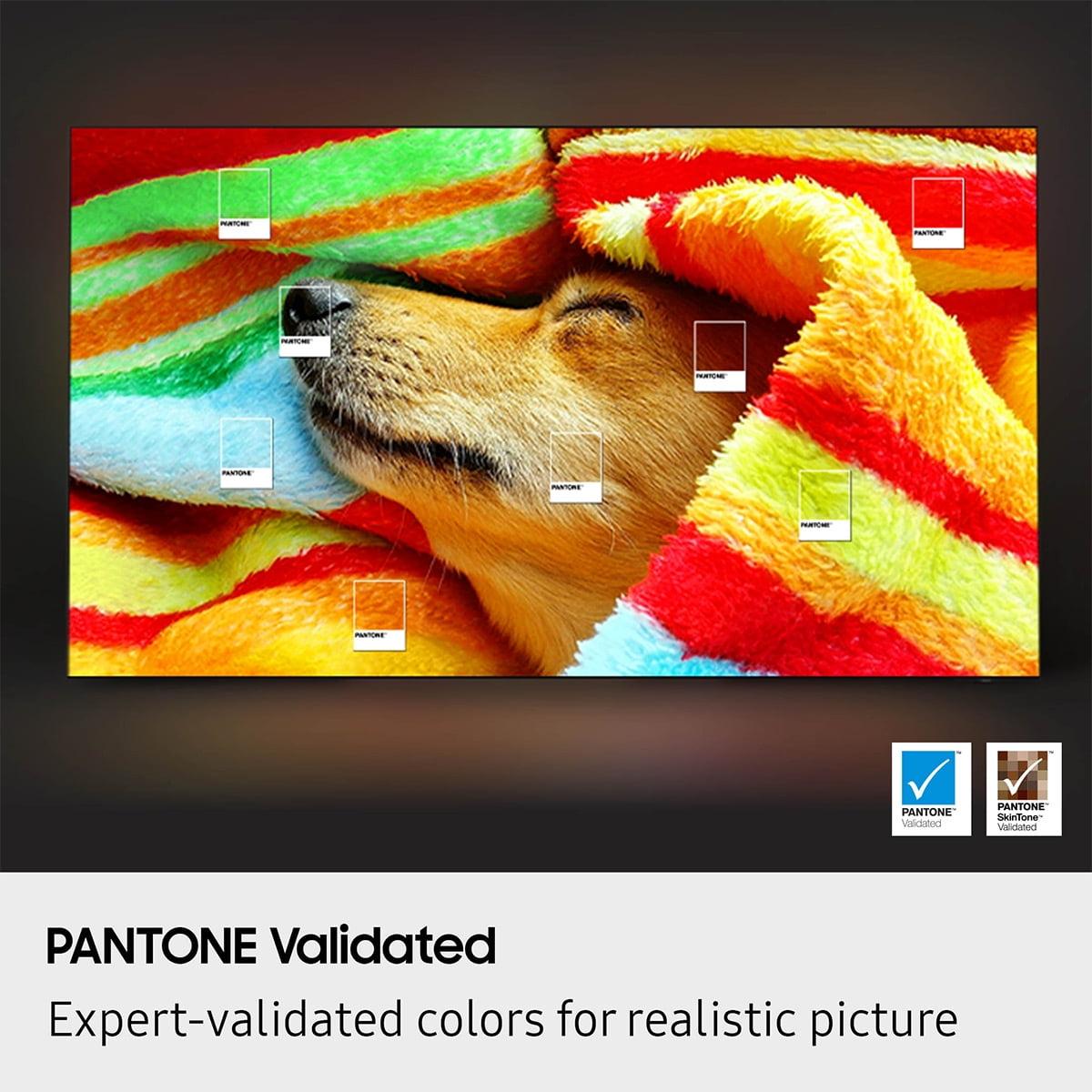
The S85F OLED combines OLED's inherent color accuracy with quantum dot enhancement in its QD-OLED panel. Samsung has also made this TV Pantone Validated, meaning it can accurately reproduce over 2,140 colors and 110 different skin tones as defined by the professional color standard company Pantone. This validation matters for anyone who cares about color accuracy, whether you're watching movies as filmmakers intended or viewing photography.
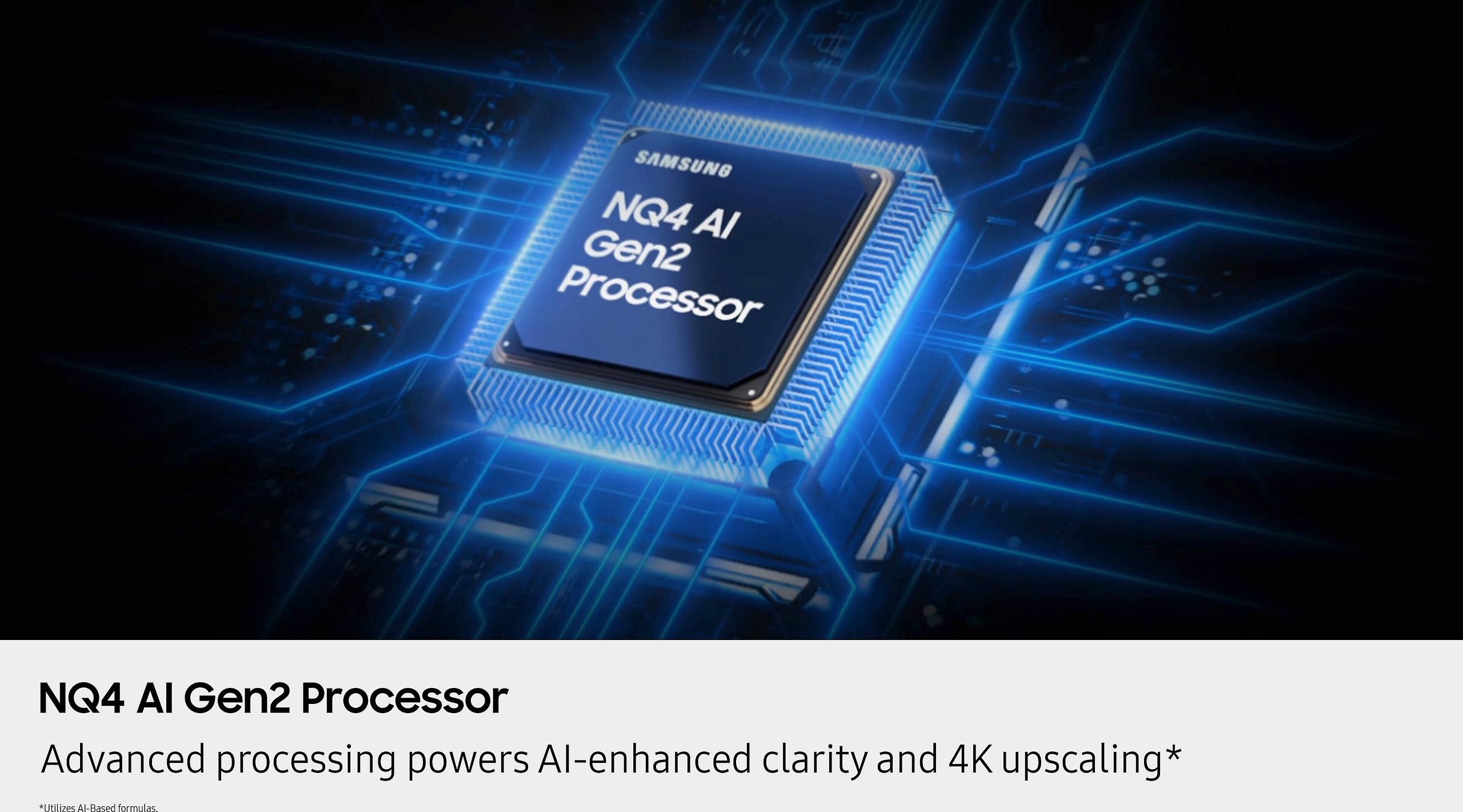
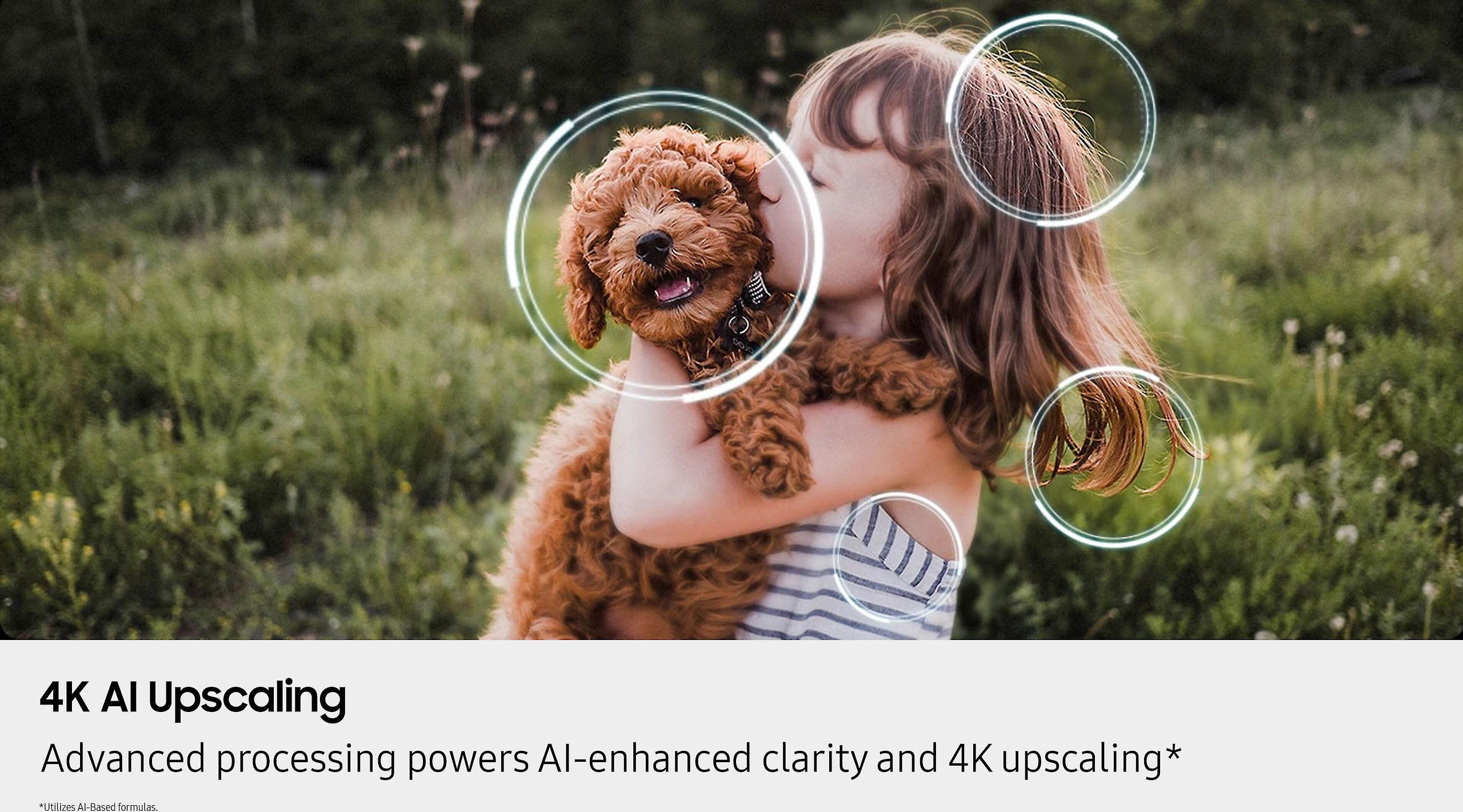
Interestingly, Samsung equipped the S85F OLED with their more advanced NQ4 AI Gen3 processor, while the QN80F Neo QLED uses the previous generation NQ4 AI Gen2 processor. This gives the OLED model superior AI-powered upscaling capabilities, which matters when you're watching lower-resolution content from streaming services or broadcast TV. The newer processor can better analyze content in real-time and optimize picture settings automatically.
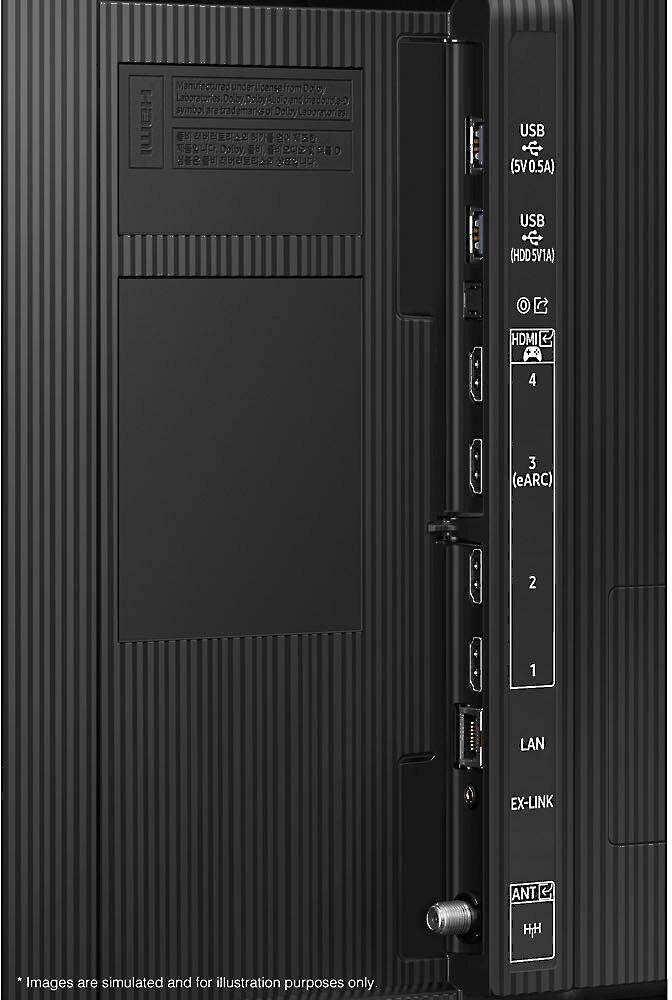
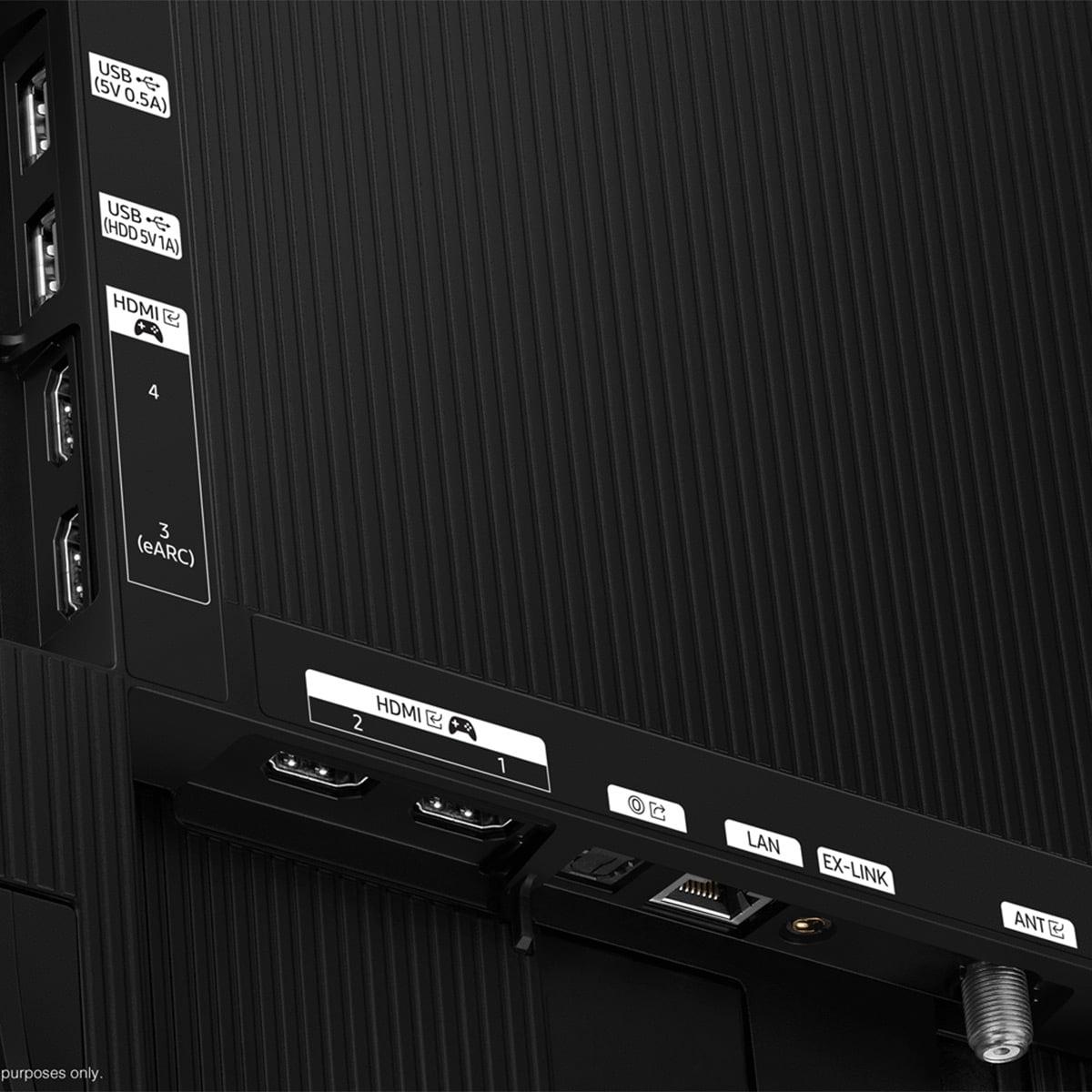
Both TVs offer identical connectivity for gaming - four HDMI 2.1 ports that support 4K resolution at 120Hz refresh rates, Variable Refresh Rate (VRR) to eliminate screen tearing, and Auto Low Latency Mode (ALLM) that automatically switches to game mode when it detects a console. On paper, they're equally capable of handling PlayStation 5, Xbox Series X, or high-end PC gaming.
The reality of gaming performance tells a different story. The S85F OLED has near-instantaneous pixel response times because each pixel can change state immediately without waiting for liquid crystals to rotate or backlights to adjust. This results in incredibly clean motion with zero ghosting or motion blur during fast-paced gaming.
The QN80F Neo QLED struggles more with pixel response times. Multiple reviews have noted visible ghosting during rapid motion, which can be distracting during competitive gaming or fast-paced action sequences. While the TV includes various motion enhancement features, the fundamental limitation of LCD pixel technology means it can't match OLED's instantaneous response.
For serious gamers, especially those playing competitive titles where every millisecond matters, the S85F OLED provides a cleaner, more responsive experience. Casual gamers might not notice the difference, particularly if they're primarily playing slower-paced games or are coming from older TV technology.
Samsung's 2025 TVs introduce several interesting smart features that go beyond basic streaming apps. Both models include Samsung Vision AI, which uses machine learning to optimize picture and sound settings based on what you're watching and your room conditions. The system can recognize different types of content - movies, sports, news - and adjust processing accordingly.
The S85F OLED benefits from its more advanced processor here, offering better AI upscaling and more sophisticated content recognition. Both TVs include features like Generative Wallpaper, which uses AI to create unique background images based on your preferences, and various smart home integration capabilities through Samsung's SmartThings platform.
One practical feature I appreciate is the SolarCell Remote included with both models. This remote charges itself using ambient light, reducing the need for disposable batteries. It's a small detail that eliminates a common frustration with TV ownership.
For dedicated home theater setups, the choice between these TVs becomes clearer. The S85F OLED excels in dark, controlled environments where its perfect blacks and superior contrast create an immersive cinematic experience. Movies with dark scenes - think space epics, horror films, or dramatic thrillers - benefit tremendously from OLED's ability to display genuine darkness.
The QN80F Neo QLED works better in multi-purpose rooms where you might watch TV during various times of day with different lighting conditions. Its superior brightness handling makes it more versatile for spaces that aren't dedicated exclusively to entertainment.
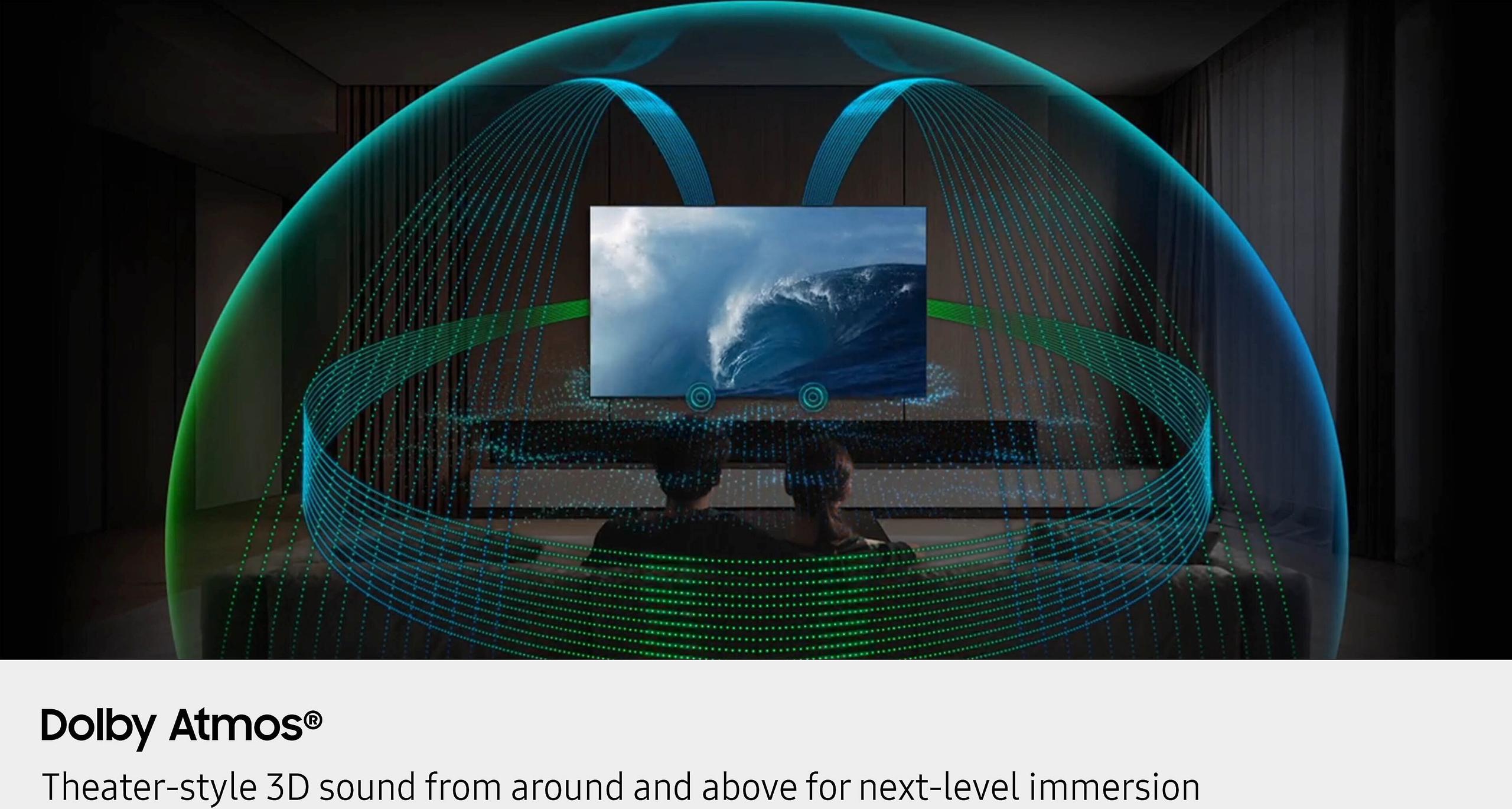
Both TVs support Dolby Atmos audio processing, though neither includes Dolby Vision HDR support - Samsung uses its own HDR10+ standard instead. For serious home theater enthusiasts, this might influence external equipment choices, as some premium content is mastered specifically for Dolby Vision.
At the time of writing, the S85F OLED represents exceptional value in the premium TV market. You're getting advanced OLED technology, superior processing power, and excellent gaming performance at a lower price point than the QN80F Neo QLED. This pricing structure reflects Samsung's strategy of making OLED technology more accessible while positioning mini-LED as a premium bright-room solution.
The technology longevity also favors the S85F OLED. OLED displays have matured significantly, with burn-in concerns largely addressed through improved pixel management and warranty coverage. The more advanced processor ensures better future-proofing for new streaming formats and AI-powered features.
However, if your primary viewing environment is consistently bright, the QN80F Neo QLED's superior peak brightness might justify its premium pricing. The mini-LED technology represents Samsung's answer to OLED in bright rooms, and it delivers on that promise effectively.
The decision ultimately comes down to your specific viewing environment and preferences. Choose the Samsung S85F OLED if you have a dark to moderately lit room, prioritize movie watching and gaming, and want the best overall value. Its superior contrast, better processing, and lower price make it the logical choice for most buyers.
Opt for the Samsung QN80F Neo QLED if you have a consistently bright viewing space with large windows or skylights, watch primarily during daytime hours, and need maximum brightness for HDR content. The premium you'll pay is justified specifically for its bright-room performance advantages.
For most home environments, the S85F OLED offers better overall performance and value. Its combination of perfect blacks, excellent color accuracy, superior gaming performance, and advanced processing creates a more well-rounded viewing experience. The money saved compared to the QN80F Neo QLED could be invested in a quality sound system or streaming device upgrades.
Both TVs represent Samsung's commitment to premium display technology in 2025, but they serve different audiences with distinct needs. Understanding your viewing environment and preferences will guide you toward the right choice for years of exceptional entertainment.
| Samsung 65" QN80F Neo QLED 4K TV | Samsung 65" S85F OLED 4K Smart TV (2025) |
|---|---|
| Display Technology - Determines contrast performance and viewing environment suitability | |
| Mini-LED backlight with Quantum Dot enhancement | QD-OLED with self-emitting pixels |
| Peak Brightness - Critical for bright room viewing and HDR impact | |
| ~2,000 nits (excellent for bright rooms) | 750 nits (adequate for most content, perfect for dark rooms) |
| Contrast Ratio - Affects picture depth and dark scene detail | |
| Limited by mini-LED zone dimming | Infinite contrast with perfect blacks |
| Processor - Powers AI features and upscaling quality | |
| NQ4 AI Gen2 (previous generation) | NQ4 AI Gen3 (latest with enhanced AI capabilities) |
| Gaming Response Time - Important for competitive gaming and motion clarity | |
| Slower pixel response with reported ghosting | Near-instantaneous response, zero motion blur |
| Color Validation - Ensures accurate color reproduction | |
| Quantum Dot color enhancement | Pantone Validated (2,140+ colors, 110 skin tones) |
| Optimal Viewing Environment - Where each TV performs best | |
| Bright rooms with ambient light | Dark to moderate lighting conditions |
| HDMI 2.1 Ports - Essential for 4K/120Hz gaming | |
| 4 ports with VRR, ALLM support | 4 ports with VRR, ALLM support |
| HDR Support - Affects premium content viewing experience | |
| Neo Quantum HDR, HDR10+ | OLED HDR, HDR10+ Adaptive |
| Audio Technology - Built-in sound quality | |
| Dolby Atmos, Adaptive Sound Pro | Dolby Atmos, Object Tracking Sound Lite, Q-Symphony |
| Value Proposition - Performance per dollar consideration | |
| Premium pricing for specialized bright-room performance | Better overall value with advanced features at lower cost |
The Samsung QN80F Neo QLED is significantly better for bright rooms due to its ~2,000 nits peak brightness capability. This mini-LED TV can overpower ambient light and maintain vibrant colors even with windows or overhead lighting. The Samsung S85F OLED reaches only 750 nits and performs best in darker, controlled lighting environments.
The Samsung QN80F Neo QLED uses a mini-LED backlight with quantum dots to create images, while the Samsung S85F OLED uses self-emitting pixels that can turn completely on or off. This means the S85F OLED achieves perfect blacks and infinite contrast, while the QN80F Neo QLED offers superior brightness but cannot display true blacks.
The Samsung S85F OLED is better for gaming due to its near-instantaneous pixel response times and zero motion blur. Both TVs offer identical HDMI 2.1 connectivity with 4K/120Hz support, but the QN80F Neo QLED has slower response times with reported ghosting issues that can affect competitive gaming performance.
The Samsung S85F OLED is excellent for dedicated home theaters with its perfect blacks and superior contrast in dark environments. The Samsung QN80F Neo QLED works better for multi-purpose rooms where lighting varies throughout the day, making it less ideal for dedicated theater setups.
The Samsung S85F OLED offers better value with advanced OLED technology, a more powerful NQ4 AI Gen3 processor, and superior gaming performance at a lower price point. The QN80F Neo QLED commands a premium specifically for its bright-room performance capabilities.
Yes, both the Samsung QN80F Neo QLED and Samsung S85F OLED run Samsung's Tizen OS with identical smart features, including Samsung Vision AI, voice assistants, and streaming app support. However, the S85F OLED has a more advanced processor that provides better AI upscaling and content optimization.
The Samsung S85F OLED has superior color accuracy with Pantone validation supporting over 2,140 colors and 110 skin tones. While the QN80F Neo QLED offers excellent quantum dot color enhancement, the S85F OLED provides more accurate color reproduction for professional content viewing.
Both TVs handle HDR content effectively but in different ways. The Samsung QN80F Neo QLED excels with bright HDR highlights due to its 2,000 nits peak brightness, while the Samsung S85F OLED provides better HDR contrast with perfect blacks. Neither supports Dolby Vision, using HDR10+ instead.
The Samsung S85F OLED is better for movie watching due to its perfect blacks, superior contrast, and cinematic picture quality in dark scenes. The QN80F Neo QLED works well for movies in bright rooms but cannot match the S85F OLED's dramatic contrast performance for film content.
Yes, there are significant motion handling differences. The Samsung S85F OLED provides clean, blur-free motion due to instantaneous pixel response times. The QN80F Neo QLED has slower pixel response with noticeable ghosting during fast motion, which can be problematic for sports and action content.
Choose the Samsung QN80F Neo QLED for living rooms with abundant natural light. Its superior peak brightness can overcome reflections and maintain picture quality in bright conditions. The Samsung S85F OLED performs better in rooms where you can control lighting levels throughout the day.
Both the Samsung QN80F Neo QLED and Samsung S85F OLED support Dolby Atmos and Adaptive Sound Pro, but the S85F OLED includes additional features like Object Tracking Sound Lite and Q-Symphony for enhanced audio experiences when paired with compatible Samsung soundbars.
We've done our best to create useful and informative comparisons to help you decide what product to buy. Our research uses advanced automated methods to create this comparison and perfection is not possible - please contact us for corrections or questions. These are the sites we've researched in the creation of this article: samsung.com - theshortcut.com - youtube.com - bestbuy.com - rtings.com - samsung.com - samsung.com - samsung.com - sargentappliance.com - displayspecifications.com - bestbuy.com - rtings.com - samsung.com - youtube.com - rtings.com - youtube.com - samsung.com - bestbuy.com - avsforum.com - avsforum.com - samsung.com - displayspecifications.com - videoandaudiocenter.com - bestbuy.com - flatpanelshd.com - myallsouth.com - samsung.com - richstv.com - samsung.com - heartlandappliance.com

Privacy Policy
Terms and Conditions - Affiliate Policy
Home Security
© Copyright 2008-2026.
11816 Inwood Rd #1211, Dallas, TX 75244