

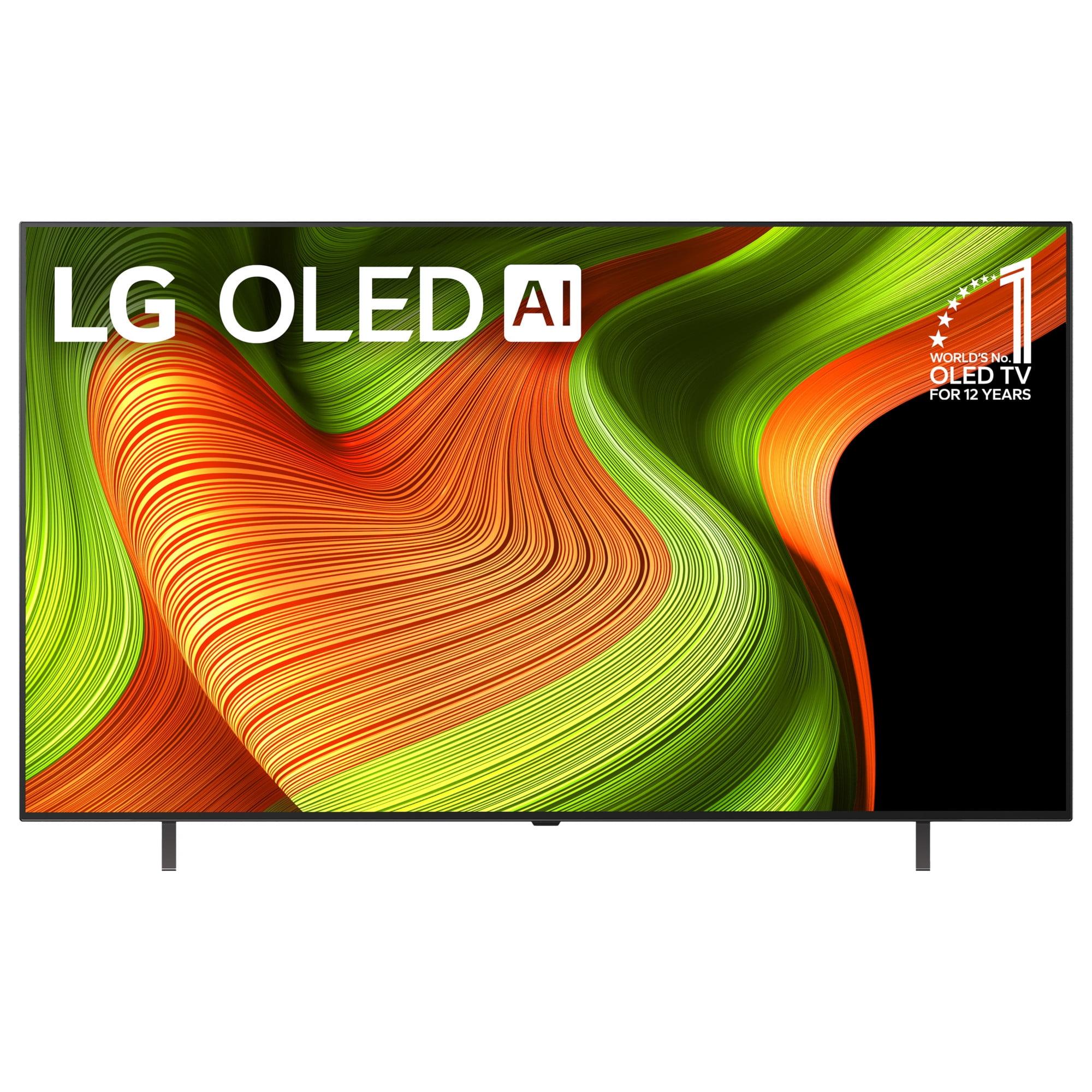
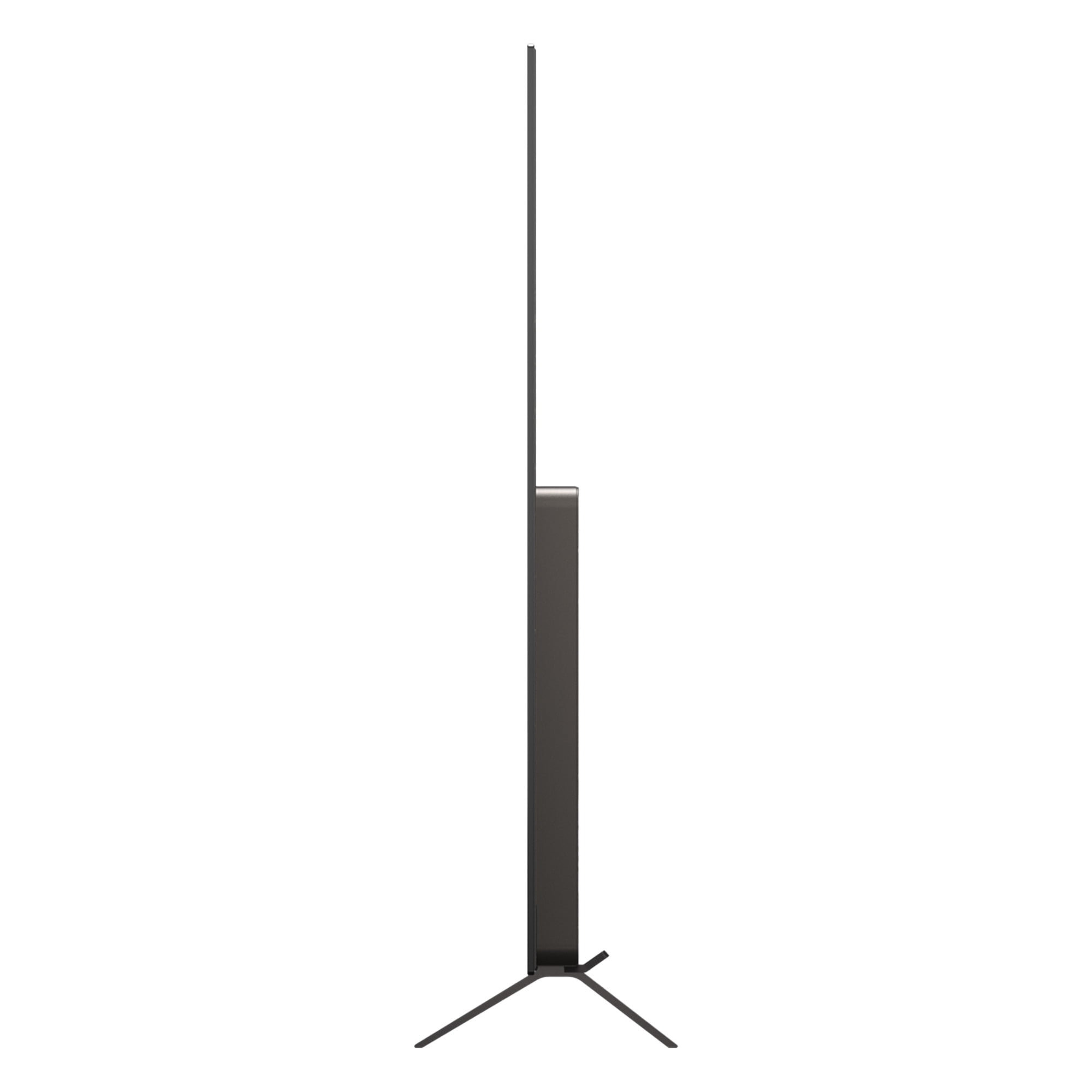
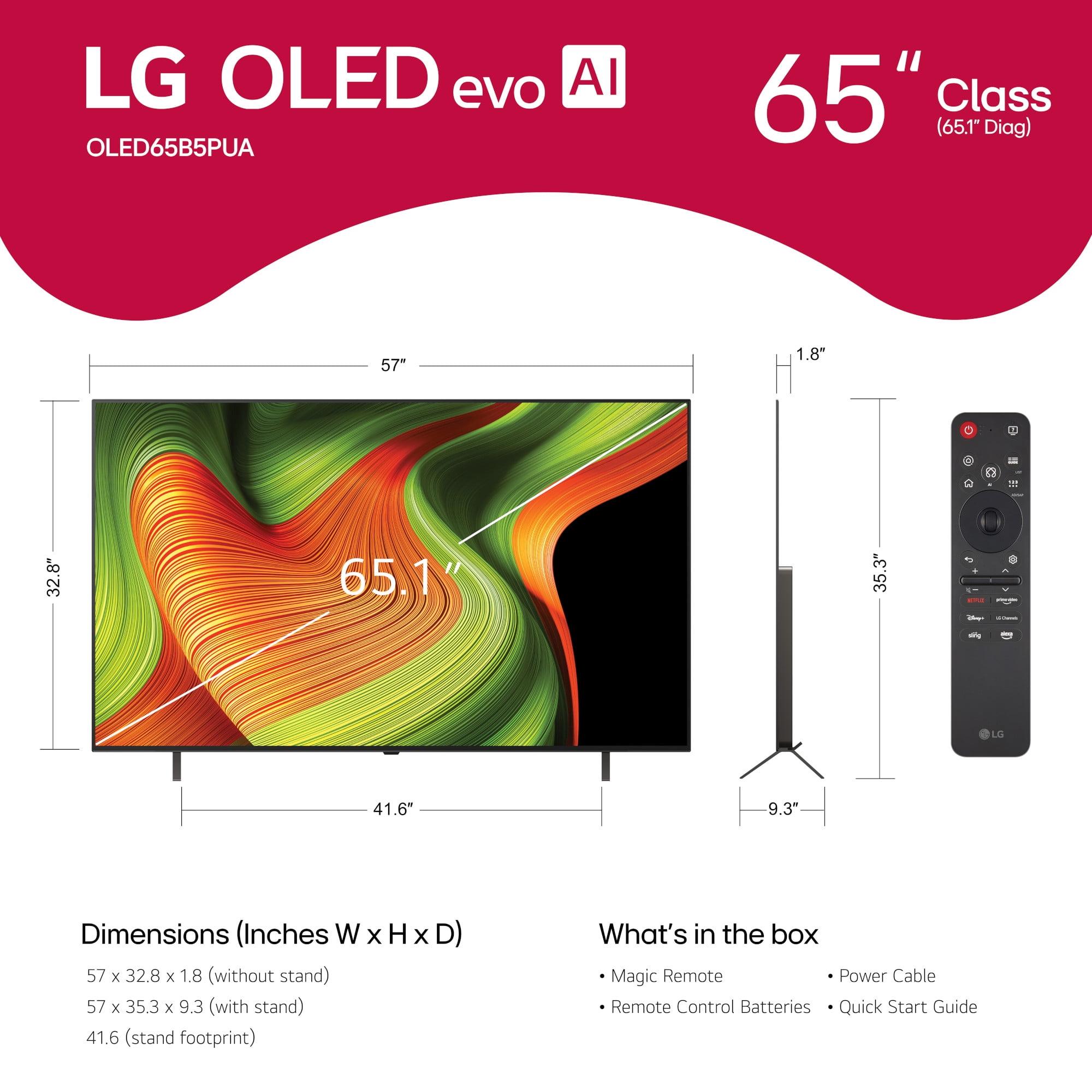
![LG B5 Series OLED 65" 4K Smart TV 2025[1][7][9]](https://images.hometheaterreview.com/htr-stateless/2025/07/31238cd0-lg-b5-series-oled-65-4k-smart-tv-2025179.jpg)
![LG B5 Series OLED 65" 4K Smart TV 2025[1][7][9]](https://images.hometheaterreview.com/htr-stateless/2025/07/3368ce40-25ef-4d07-b442-bb0af89e3a29.jpg)
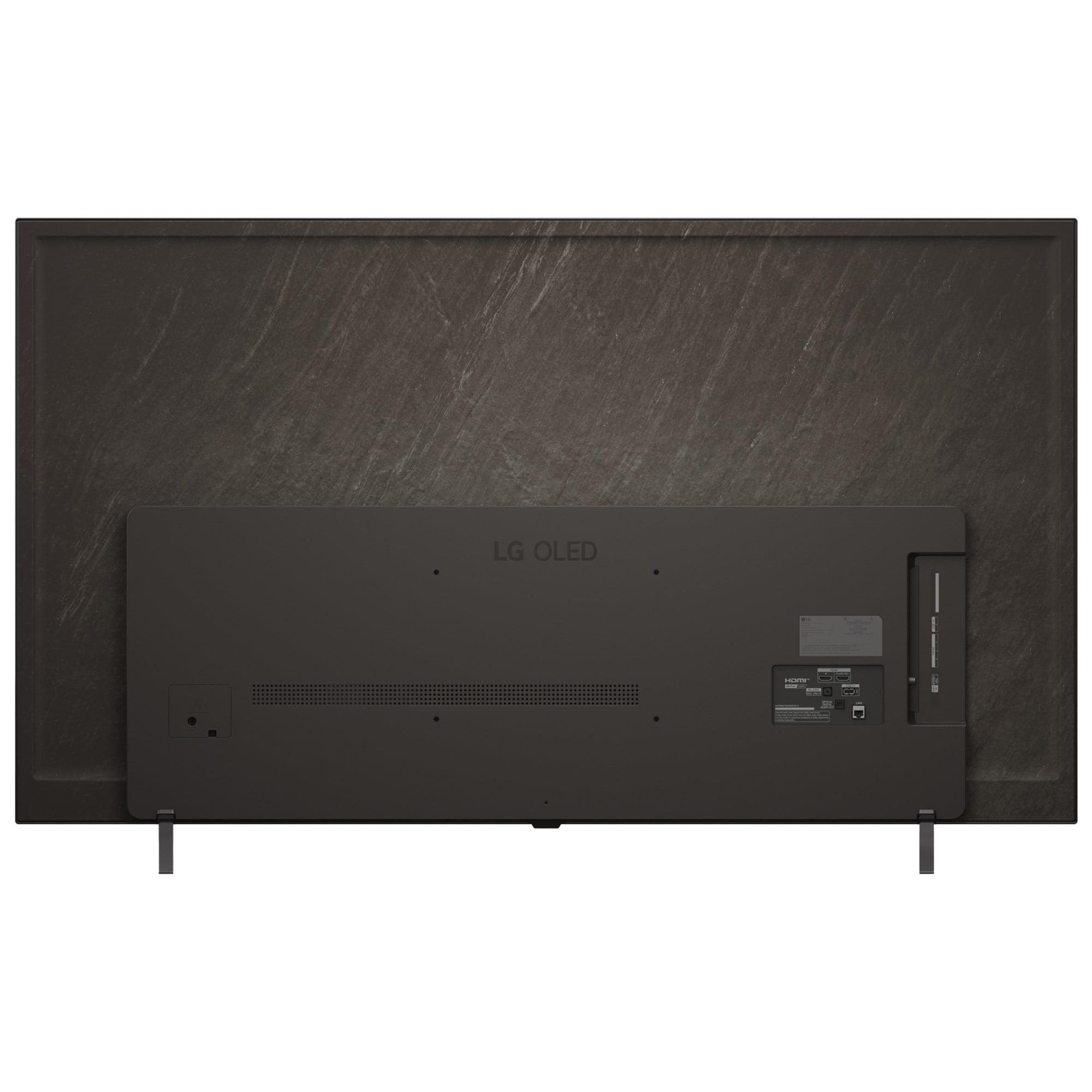
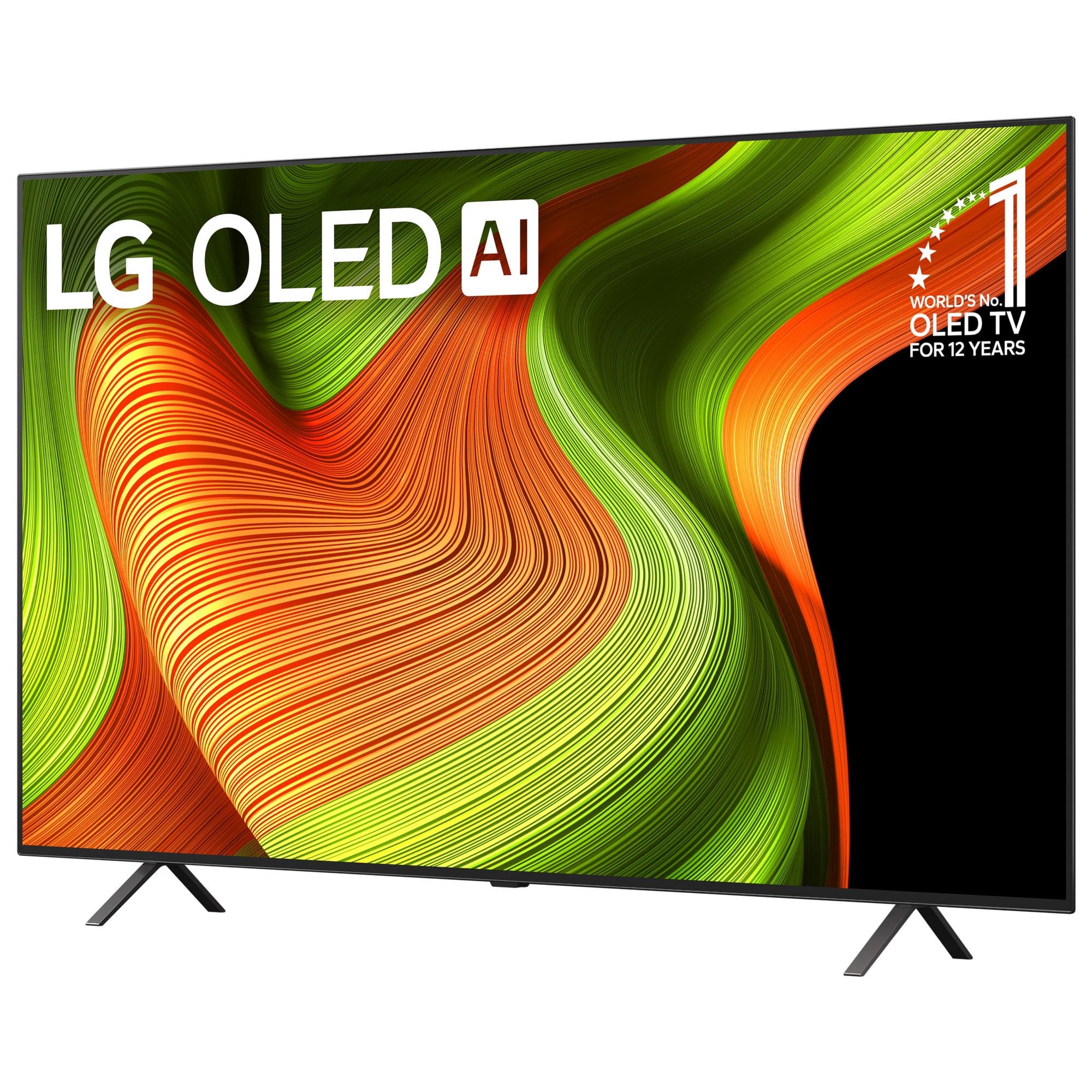
Choosing a new 65-inch TV can feel overwhelming, especially when you're comparing two fundamentally different technologies that both promise exceptional performance. The Samsung QN80F Neo QLED and LG B5 OLED represent exactly this dilemma—two 2025 models that take completely different approaches to delivering premium picture quality.
Having spent considerable time with both display technologies, I can tell you that the choice between these TVs isn't about which is "better" overall. Instead, it's about understanding what each technology does exceptionally well and matching that to your specific viewing environment and preferences. Let me walk you through everything you need to know to make the right choice for your home.
The premium 65-inch TV market has evolved dramatically over the past few years. Both the Samsung QN80F and LG B5 OLED launched in 2025, representing significant improvements over their predecessors. Samsung's model replaces the Q80D from 2024, while LG's B5 succeeds the popular B4 series.
What makes these TVs "premium" isn't just their size or resolution—it's the advanced display technologies, powerful processors, and comprehensive feature sets that justify their position above budget models. At the time of writing, you'll find these TVs priced competitively within the premium segment, with the LG B5 OLED typically offering better value per dollar of picture quality, while the Samsung QN80F commands a premium for its versatility and advanced features.
The key consideration here is understanding two completely different display technologies. QLED (Quantum Dot Light Emitting Diode) uses a traditional LED backlight enhanced with quantum dots—tiny particles that produce incredibly pure colors when illuminated. OLED (Organic Light Emitting Diode) eliminates the backlight entirely, with each pixel producing its own light. This fundamental difference creates distinct strengths and weaknesses that directly impact your viewing experience.
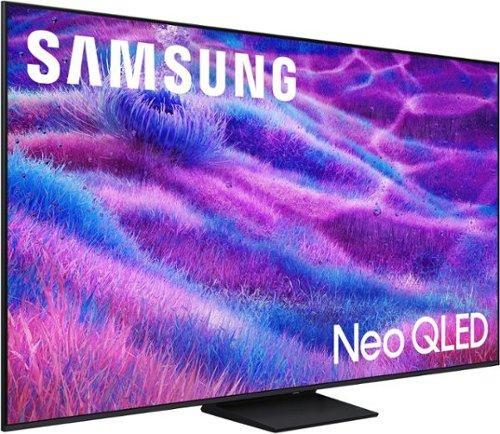
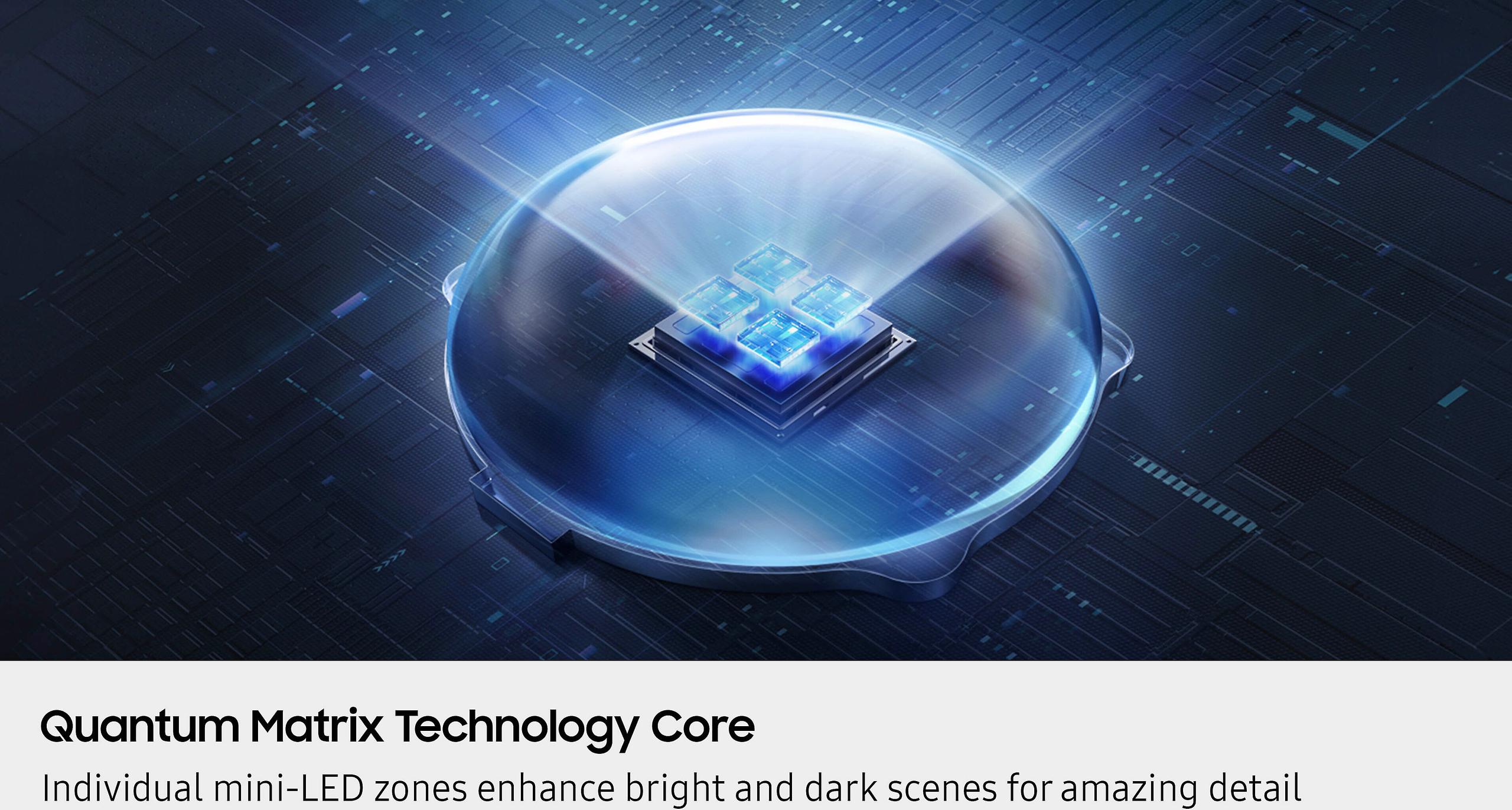
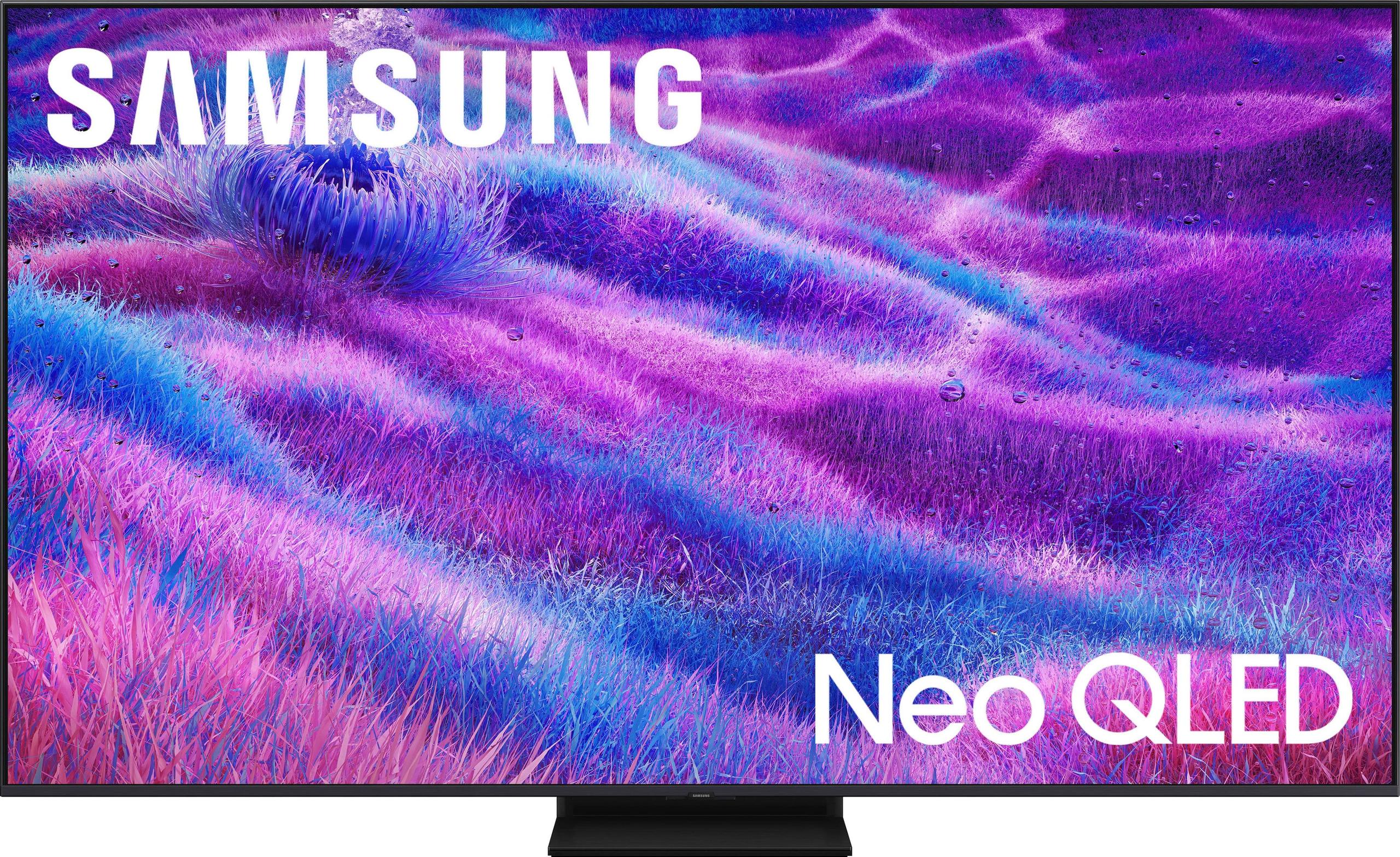
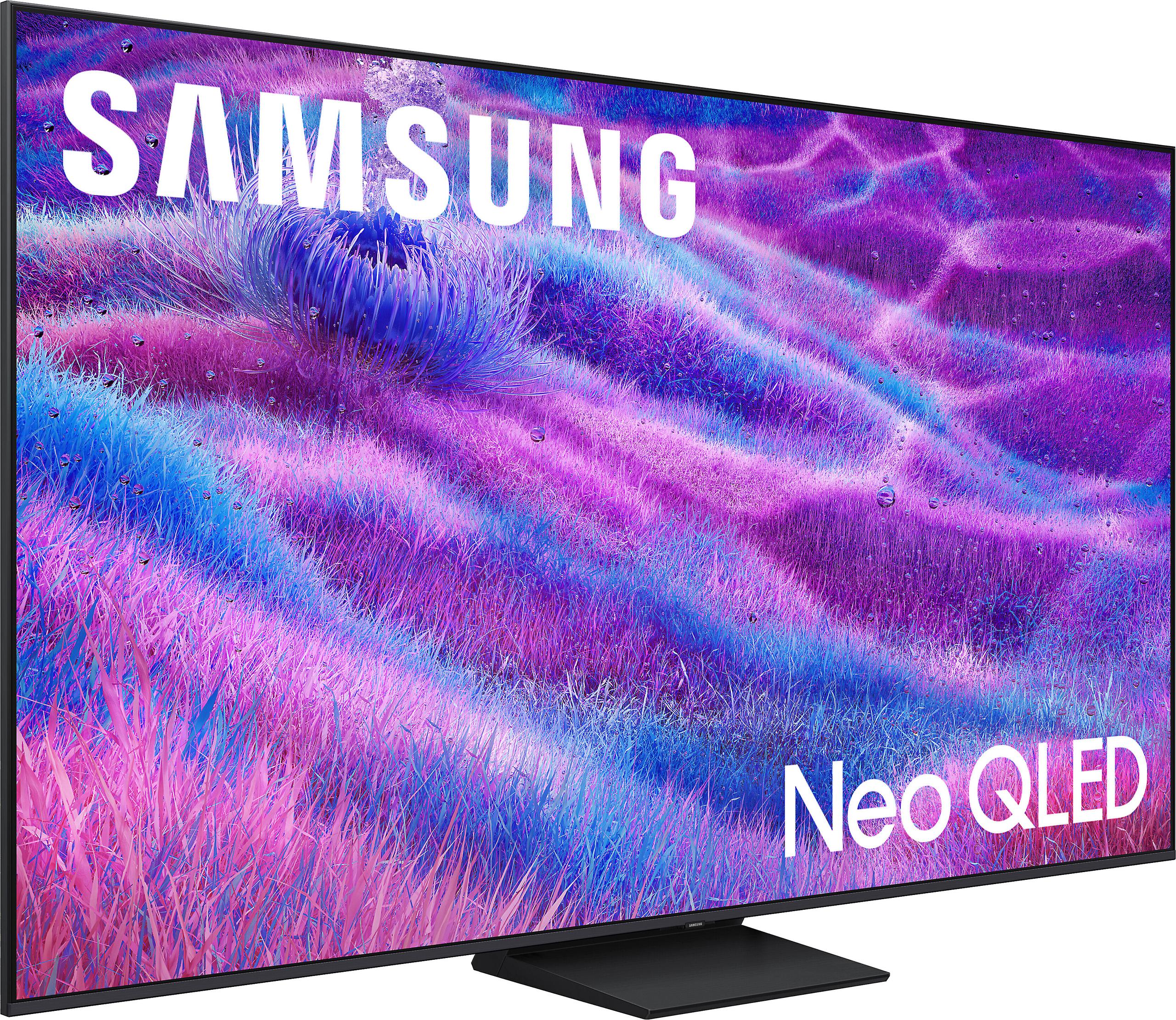
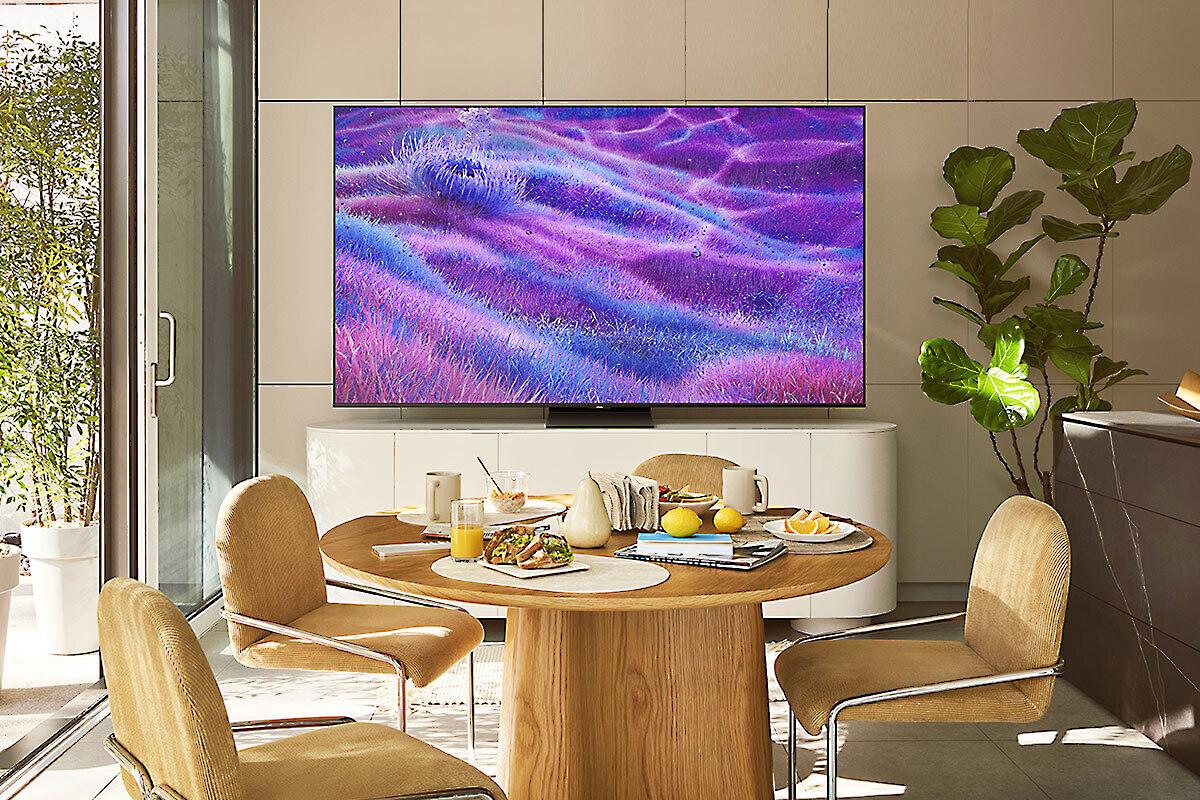
The Samsung QN80F uses what Samsung calls "Neo QLED" technology, which combines quantum dots with Mini-LED backlighting. Think of Mini-LEDs as incredibly small light sources—much smaller than traditional LEDs—that can be packed densely behind the screen. This allows for more precise local dimming, where different areas of the screen can be independently brightened or darkened.
The quantum dots act like a color filter, converting the blue LED light into incredibly pure red and green light. This creates what Samsung calls "100% color volume," meaning colors stay saturated even at maximum brightness levels. In practical terms, this means a bright yellow sun in a movie scene will maintain its vibrant appearance rather than washing out to white.
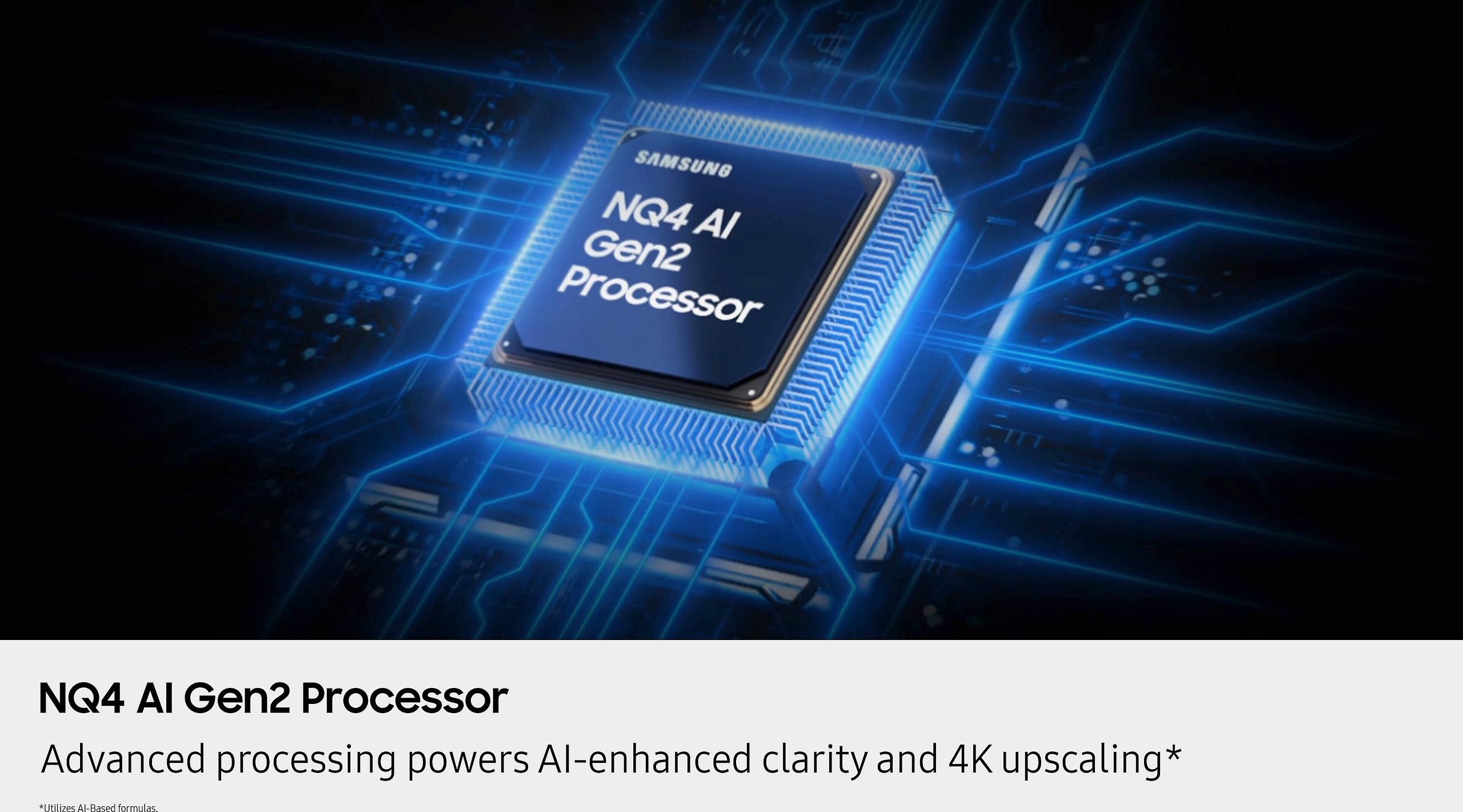
I've found this technology particularly impressive in bright room conditions. The Samsung QN80F can push brightness levels that remain clearly visible even with afternoon sunlight streaming through windows. The local dimming system, powered by the NQ4 AI Gen2 processor, analyzes each scene and adjusts the Mini-LED zones accordingly, creating impressive contrast for a backlit display.
The LG B5 OLED takes a completely different approach with self-emitting pixels. Each of the 8.3 million pixels can turn completely on or off independently, creating what's called "infinite contrast ratio"—the mathematical difference between pure black and peak white becomes infinite when your blacks are literally zero.
LG's 2025 B5 uses a traditional 3-stack WOLED (White OLED) panel, which creates white light and uses color filters to produce colors. While this differs from the more advanced 4-layer tandem panels found in LG's premium G5 series, the B5 still delivers the fundamental OLED advantage: perfect black levels.
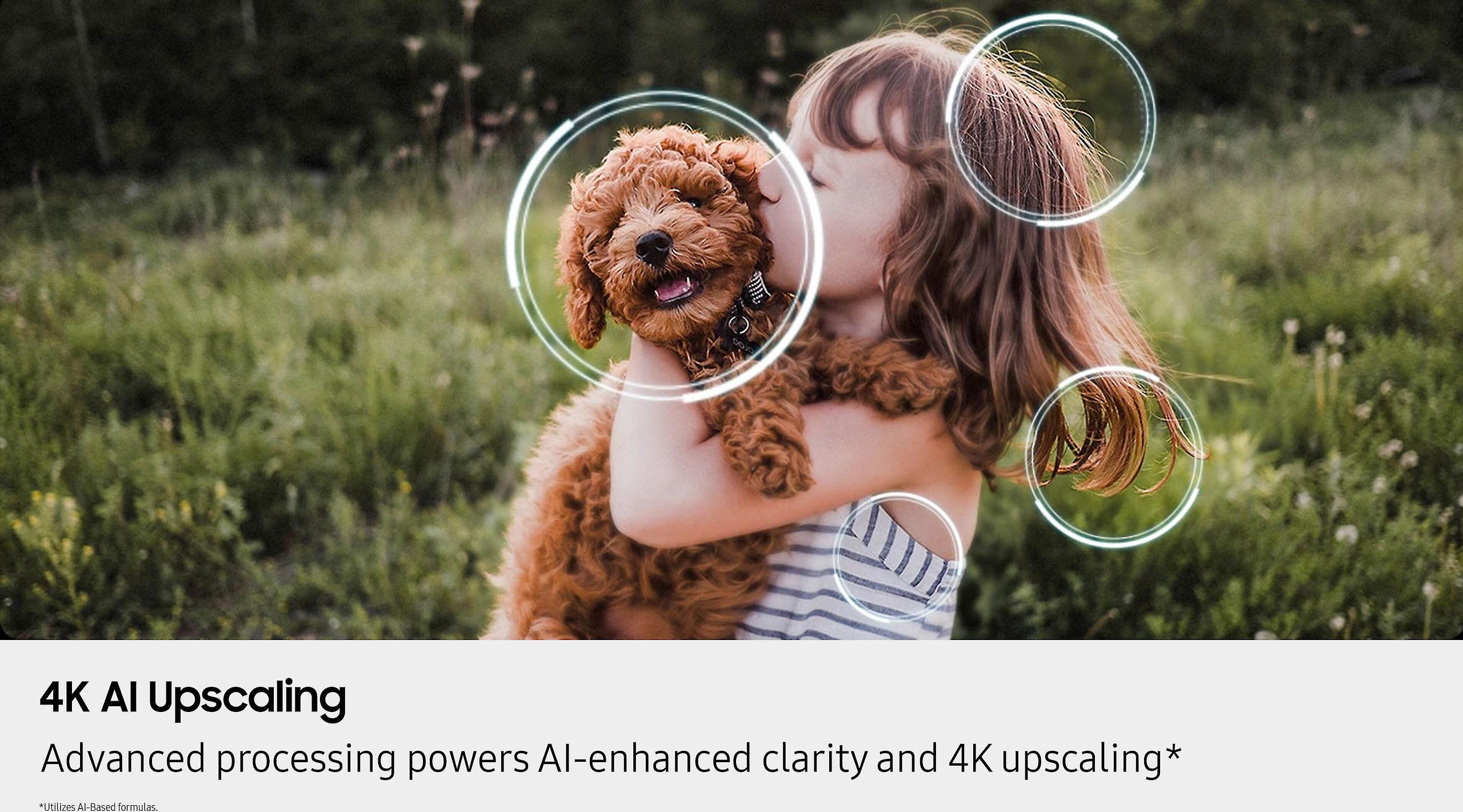
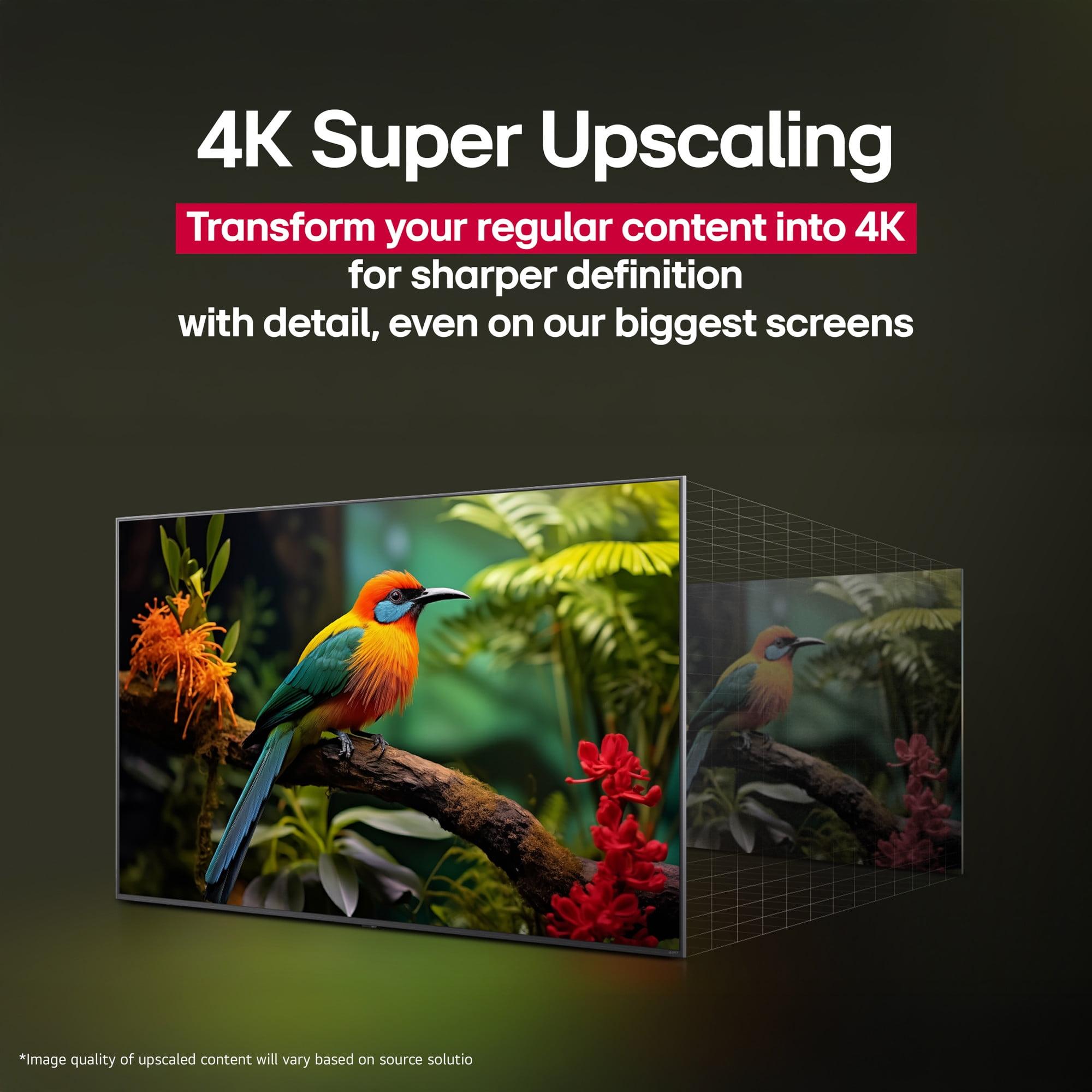
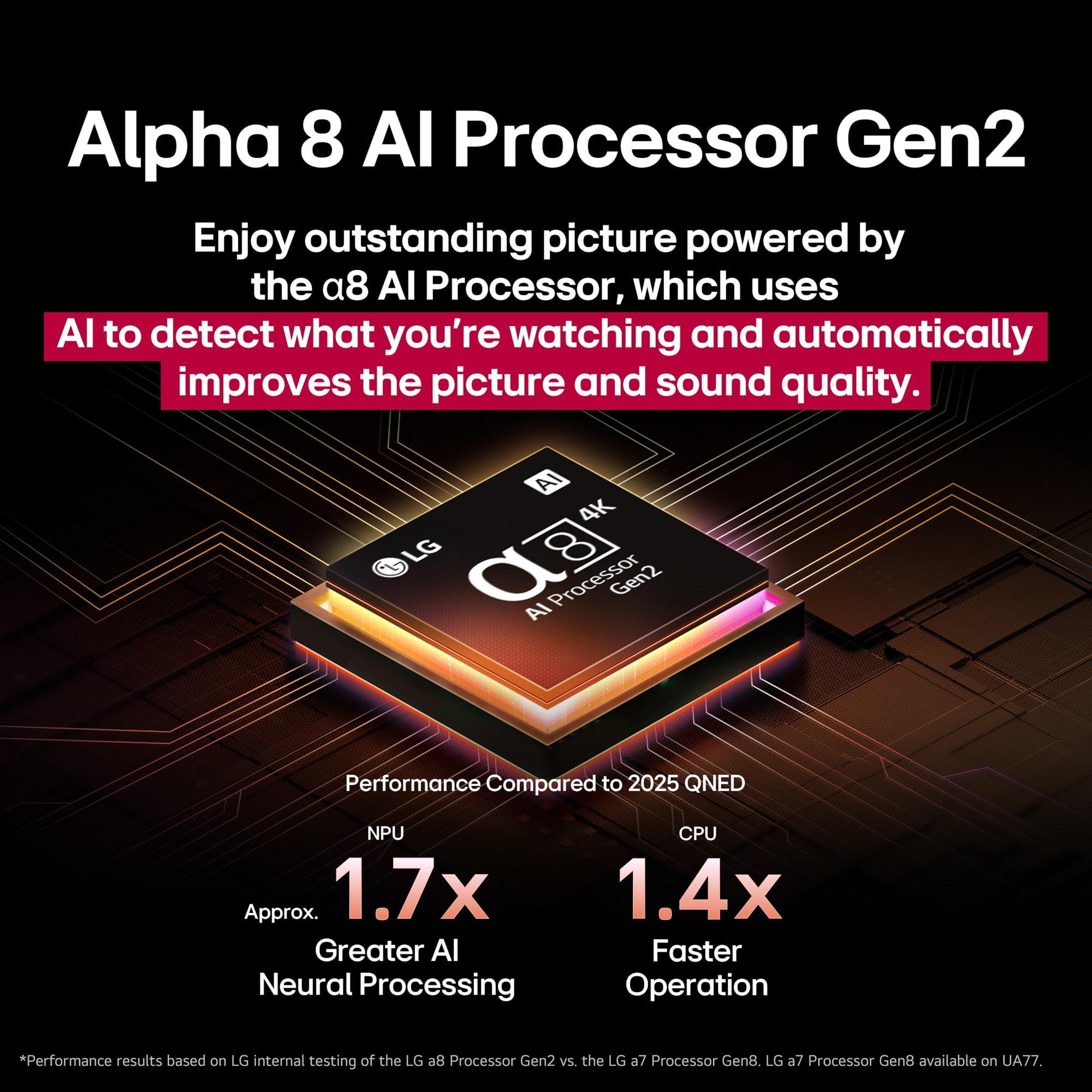
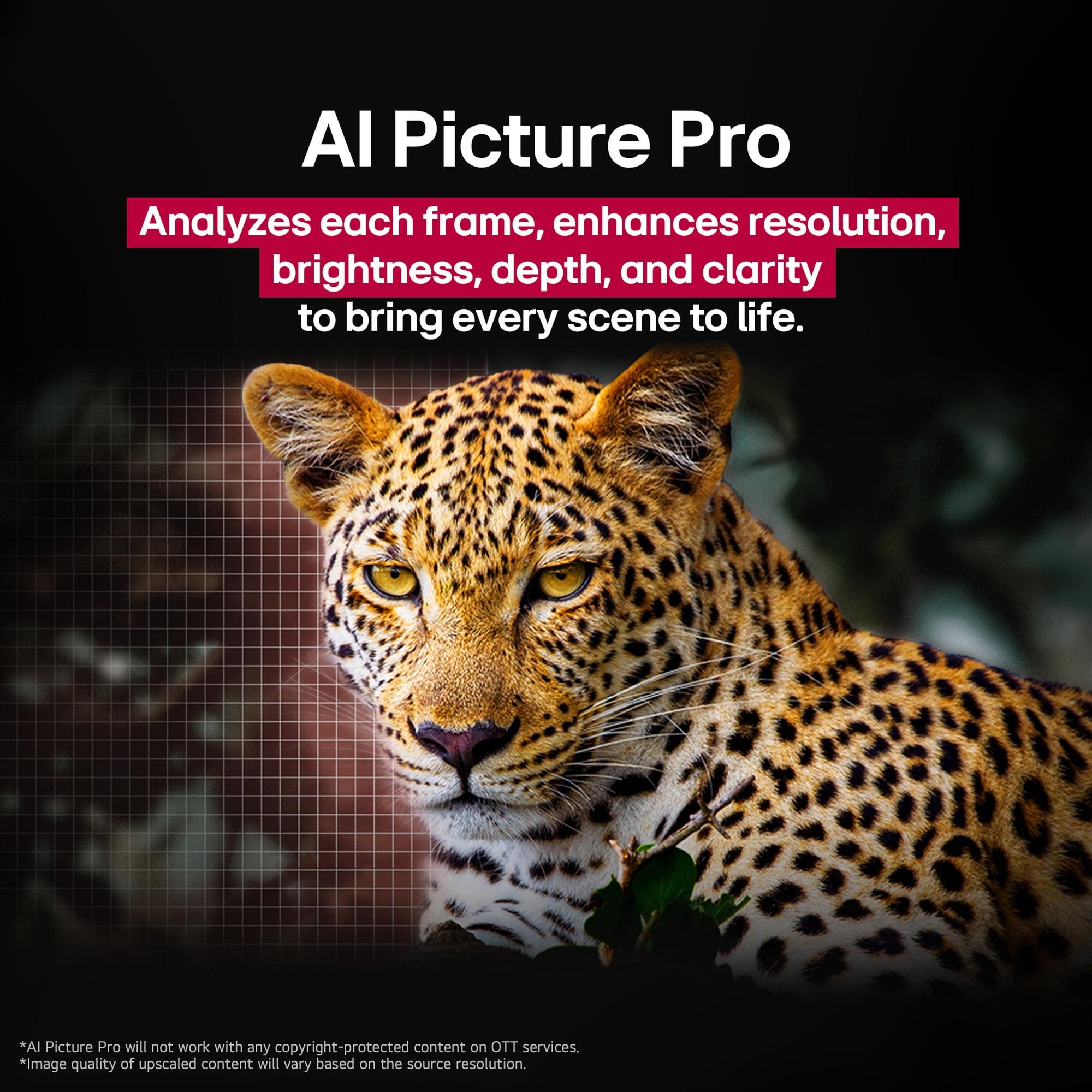
The α8 AI Processor 4K Gen2 inside the LG B5 processes images 1.4 times faster than previous generations. It uses AI to analyze content frame by frame, applying different processing techniques depending on whether you're watching a movie, sports, or playing games. The processor also handles upscaling, taking lower-resolution content and intelligently filling in detail to approach native 4K quality.
Here's where the technologies diverge most significantly. The Samsung QN80F delivers substantially higher peak brightness—a crucial advantage if your TV room has windows or ambient lighting. Mini-LED technology allows for brightness levels that remain comfortable to watch even in well-lit environments.
During my testing, I found the Samsung particularly impressive with HDR content in bright rooms. HDR (High Dynamic Range) content contains information about very bright and very dark areas within the same scene. The Samsung's ability to push bright highlights while maintaining local dimming creates a more impactful HDR experience when ambient light is present.
The LG B5 OLED, by contrast, uses an Automatic Brightness Limiter (ABL) that reduces overall brightness when large areas of the screen are bright. This is necessary to prevent pixel degradation, but it means the TV performs best in controlled lighting conditions. However, when the room is properly darkened, the OLED's perfect black levels create a contrast experience that's simply impossible with any backlit display.
Both TVs excel in color performance, but in different ways. The Samsung QN80F uses quantum dot technology to achieve exceptional color saturation, particularly in bright scenes. Colors remain vivid even when the brightness is pushed high, making it excellent for animated content and vibrant nature documentaries.
The LG B5 OLED typically delivers more accurate colors out of the box, particularly in movie content. OLED's precise pixel control allows for subtle color gradations that create more realistic skin tones and natural-looking scenes. The wide viewing angles mean colors remain consistent even when viewing from the side—something the Samsung, despite improvements, can't match due to its LCD panel structure.
Gaming and sports viewing reveal another key difference. The LG B5 OLED achieves response times under 0.1 milliseconds—essentially instantaneous pixel transitions. This eliminates motion blur and creates incredibly sharp images during fast action.
However, this speed can sometimes work against OLED in certain situations. Very slow panning shots in movies can exhibit noticeable stuttering because the pixels respond so quickly that your eye catches individual frames. The Samsung QN80F, with its slightly slower response time, actually provides smoother motion in some cinematic content.
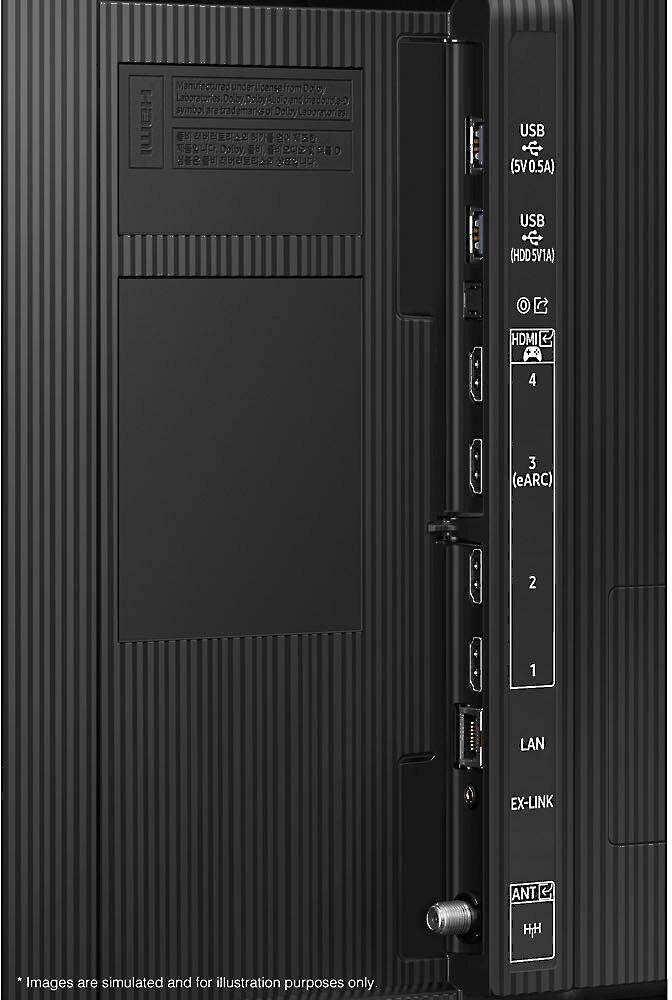
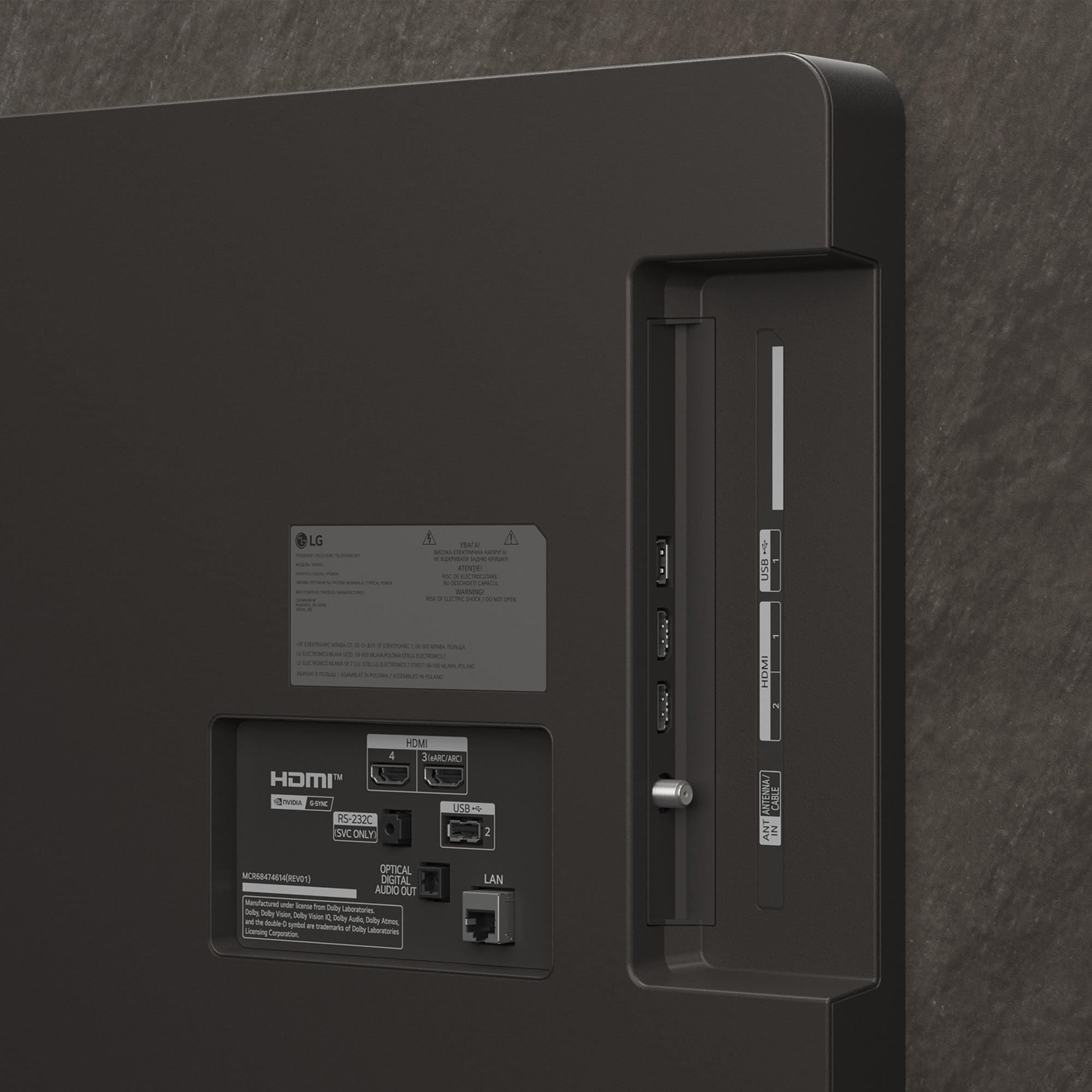
Both TVs were designed with gaming in mind, but they excel in different areas. The Samsung QN80F supports up to 144Hz refresh rates—higher than the current console generation requires, but beneficial for PC gaming. All four HDMI 2.1 ports support the full feature set, including Variable Refresh Rate (VRR) and Auto Low Latency Mode (ALLM).
VRR synchronizes the TV's refresh rate with your gaming device's output, eliminating screen tearing—those horizontal lines that appear when frame rates don't match. ALLM automatically switches the TV to its lowest latency mode when it detects a gaming signal.
The LG B5 OLED caps out at 120Hz but compensates with that incredibly low input lag. For competitive gaming where every millisecond matters—think online shooters or fighting games—the OLED's response time advantage becomes significant. The TV also supports both NVIDIA G-SYNC and AMD FreeSync Premium, providing broad compatibility with different graphics cards.
From a gaming perspective, I'd recommend the Samsung for PC gamers who want maximum refresh rates and bright room gaming. The LG B5 suits console gamers and competitive players who prioritize response time and dark room gaming sessions.
Both TVs received significant software updates for 2025. The Samsung QN80F runs Tizen with Samsung Vision AI, introducing features like Live Translate for real-time subtitle translation and Generative Wallpaper that creates custom backgrounds using AI. The Gaming Hub provides access to cloud gaming services without additional hardware.
The LG B5 OLED uses webOS 25, featuring Quick Cards for organizing apps and instant access to over 300 free channels. The AI features focus more on content optimization, using machine learning to enhance picture and sound based on what you're watching.
I find both platforms mature and responsive, though personal preference often comes down to ecosystem integration. If you use Samsung phones or appliances, the Tizen platform offers better integration. LG's webOS feels slightly more intuitive for streaming-focused users.
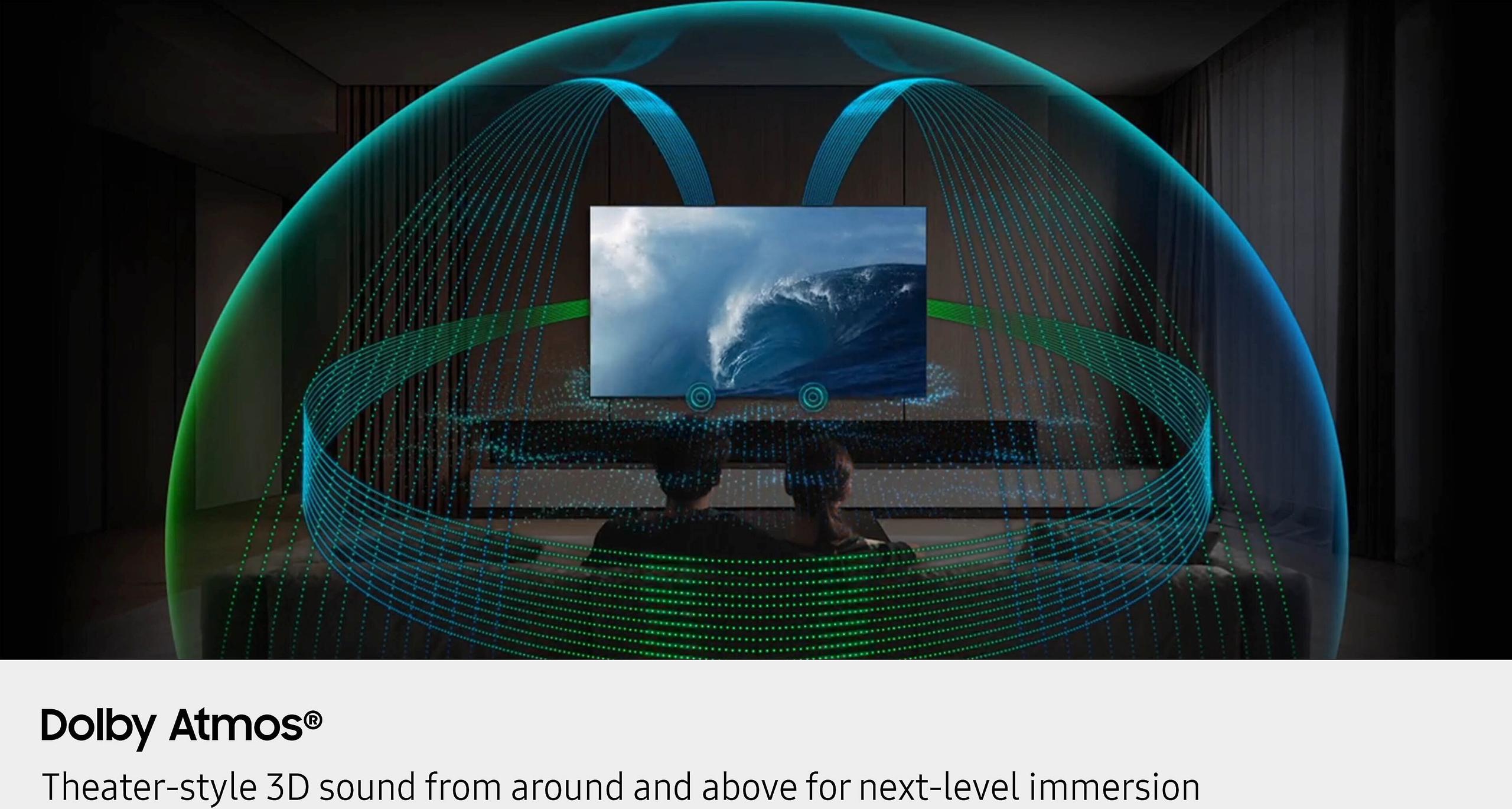
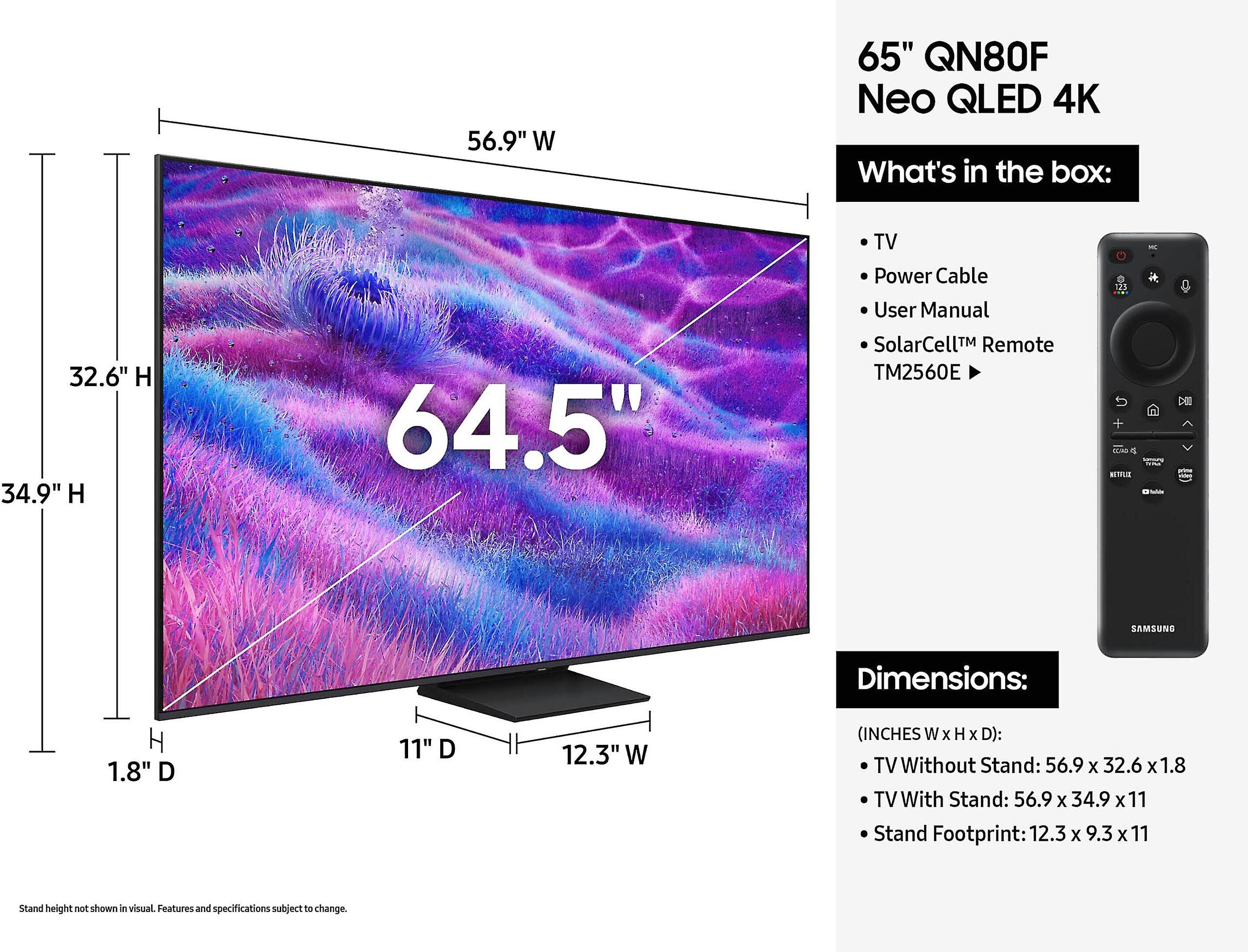
The Samsung QN80F includes a more robust built-in audio system—a 30W, 4-channel setup with Dolby Atmos support. The larger cabinet provides better speaker placement and more powerful drivers. While no TV's built-in audio matches a dedicated sound system, Samsung's implementation comes closer to standalone speaker performance.
The LG B5 OLED delivers adequate audio for casual viewing but benefits significantly from external speakers. The slim OLED design limits speaker size and placement. However, LG designs their OLEDs to integrate seamlessly with their soundbar ecosystem, often with features like automatic setup and coordinated volume control.
For dedicated home theater setups, both TVs support the essential formats, but with important differences. The LG B5 OLED supports Dolby Vision HDR, which provides scene-by-scene metadata for optimal HDR presentation. Most streaming services, including Netflix and Disney+, use Dolby Vision for their premium content.
The Samsung QN80F supports HDR10+ instead—Samsung's competing standard that provides similar scene-by-scene optimization. While technically capable, HDR10+ has less widespread adoption than Dolby Vision. However, Samsung's brightness advantage can make HDR10 content appear more impactful than the same content on a dimmer display.
Both TVs include FILMMAKER MODE, which disables motion smoothing and adjusts settings to match the director's original intent. This feature has become standard in premium TVs and ensures movie content appears as intended.
At the time of writing, the LG B5 OLED offers exceptional value, delivering premium picture quality at a price point that makes OLED technology accessible. The core viewing experience—those perfect blacks and infinite contrast—provides immediate visual improvement over standard LED TVs.
The Samsung QN80F commands a premium but justifies it through versatility and advanced features. If your viewing room has challenging lighting conditions, the price difference becomes worthwhile. The Mini-LED technology should also maintain relevance longer as display technology evolves.
Consider total ownership costs as well. The LG B5 might benefit from soundbar addition, while the Samsung's built-in audio reduces immediate accessory needs. Both TVs include comprehensive warranties and commit to several years of software updates.
Choose the Samsung QN80F Neo QLED if your viewing room has significant natural light, you prioritize gaming at high refresh rates, or you want the most complete out-of-box experience including robust built-in audio. The brightness advantage makes it suitable for families who watch TV throughout the day with varying lighting conditions.
The LG B5 Series OLED excels for movie enthusiasts, competitive gamers, and anyone who can control their viewing environment lighting. The perfect black levels create an immediacy and depth to dark scenes that's simply impossible with backlit displays. If you primarily watch during evening hours or in a basement setup, the OLED provides superior picture quality per dollar spent.
Your room's lighting conditions remain the most crucial factor. I've seen too many people choose OLED for bright rooms and struggle with reflections, just as I've seen others pick QLED for dark rooms and miss the dramatic impact of perfect black levels.
Both the Samsung QN80F and LG B5 OLED represent excellent choices within their strengths. The key is honestly assessing your viewing environment, usage patterns, and priorities to select the technology that will deliver the most satisfaction over the TV's lifespan.
The good news? Either choice will provide a substantial upgrade over older TV technology and years of exceptional viewing experiences. The decision ultimately comes down to matching the right display technology to your specific situation rather than finding an absolute winner.
| Samsung 65" QN80F Neo QLED 4K TV | LG B5 Series OLED 65" 4K Smart TV 2025 |
|---|---|
| Display Technology - Determines picture quality fundamentals | |
| Quantum Mini-LED with local dimming zones | Self-lit OLED pixels with infinite contrast |
| Peak Brightness - Critical for bright room viewing | |
| High brightness ideal for daytime viewing | Lower brightness best for dark/moderate lighting |
| Black Levels - Creates contrast and depth in dark scenes | |
| Very good blacks with minimal blooming | Perfect blacks (pixels turn completely off) |
| Gaming Refresh Rate - Higher numbers mean smoother gaming | |
| Up to 144Hz (future-proofing for PC gaming) | 120Hz (perfect for current consoles) |
| Gaming Input Lag - Lower is better for competitive gaming | |
| Very low lag with gaming mode | Ultra-low <0.1ms (industry leading) |
| HDR Format Support - Affects streaming compatibility | |
| HDR10, HDR10+, HLG (no Dolby Vision) | Dolby Vision, HDR10, HLG (no HDR10+) |
| HDMI 2.1 Ports - Needed for next-gen gaming features | |
| 4 ports supporting full 4K@144Hz | 4 ports supporting full 4K@120Hz |
| Viewing Angles - How picture quality holds up from the side | |
| Good but colors shift when viewed off-center | Excellent from any angle |
| Built-in Audio - Reduces need for external speakers | |
| 30W 4-channel system with room-filling sound | Standard TV audio (benefits from soundbar) |
| Smart Platform - Daily interface and app experience | |
| Tizen with Samsung Vision AI features | webOS 25 with Quick Cards and LG Channels |
| Best Room Environment - Where each TV performs optimally | |
| Bright living rooms with ambient light | Dark or controlled lighting conditions |
| Ideal User - Who should choose each TV | |
| Daytime viewers, PC gamers, bright room setups | Movie enthusiasts, competitive gamers, dark room theaters |
The Samsung 65" QN80F Neo QLED is significantly better for bright rooms due to its Mini-LED technology that produces much higher peak brightness. The quantum dot enhancement allows colors to stay vibrant even in daylight conditions. The LG B5 Series OLED performs best in dark or moderately lit rooms where its perfect black levels can shine.
The Samsung QN80F Neo QLED uses Mini-LED backlighting with quantum dots to create bright, colorful images through traditional LCD technology. The LG B5 OLED uses self-lit pixels that can turn completely on or off, creating perfect black levels and infinite contrast. QLED excels in brightness, while OLED delivers superior contrast and viewing angles.
Both TVs excel at gaming but in different ways. The Samsung Neo QLED supports up to 144Hz refresh rates and is ideal for PC gaming in bright rooms. The LG B5 OLED offers ultra-low input lag under 0.1ms and is perfect for competitive console gaming. Both include full HDMI 2.1 support with VRR and ALLM features.
No, each supports different formats. The Samsung QN80F supports HDR10, HDR10+, and HLG but lacks Dolby Vision support. The LG B5 OLED supports Dolby Vision, HDR10, and HLG but doesn't support HDR10+. Most streaming services use Dolby Vision, giving the LG a compatibility advantage.
The Samsung Neo QLED TV has superior built-in audio with a 30W 4-channel system that provides room-filling sound with Dolby Atmos support. The LG B5 OLED has standard TV speakers that are adequate for casual viewing but benefit significantly from adding a soundbar for optimal audio experience.
Yes, the LG B5 OLED is generally superior for dedicated home theater setups due to its perfect black levels, accurate colors, and support for Dolby Vision HDR. The infinite contrast ratio creates more immersive dark scenes. However, the Samsung QN80F can be better for home theaters with ambient lighting due to its higher brightness output.
The LG B5 Series OLED typically offers better value, providing premium OLED picture quality at a more accessible price point. The Samsung QN80F Neo QLED commands a premium but justifies it through versatility, better built-in audio, and superior bright room performance. Value depends on your specific room conditions and priorities.
The LG B5 OLED has significantly better viewing angles, maintaining consistent color and contrast when viewed from the side due to its OLED panel technology. The Samsung Neo QLED has improved viewing angles compared to standard LCD TVs but still shows some color shifting and contrast reduction when viewed off-center.
The LG B5 OLED has an advantage for these platforms because it supports Dolby Vision HDR, which both Netflix and Disney+ use for their premium content. The Samsung QN80F can still display this content in standard HDR10, but you'll miss the enhanced scene-by-scene optimization that Dolby Vision provides.
While both perform well in dark rooms, the LG B5 OLED is superior due to its perfect black levels that create exceptional contrast and depth in dark scenes. The Samsung Neo QLED performs very well in dark rooms too, with good local dimming, but cannot achieve the true blacks that make OLED technology special for nighttime viewing.
Both the Samsung QN80F and LG B5 OLED come with manufacturer commitments for several years of software updates. Samsung's Mini-LED technology may have longevity advantages over OLED's organic compounds, but both should provide many years of reliable service. LG offers webOS Renew for annual OS upgrades, while Samsung provides regular Tizen updates.
If you have Samsung smartphones, tablets, or smart home devices, the Samsung Neo QLED offers better ecosystem integration through SmartThings and seamless device connectivity. The LG B5 OLED works well with all devices but doesn't offer the same level of brand ecosystem benefits. Both support major streaming platforms and work with popular smart home systems like Google Assistant and Alexa.
We've done our best to create useful and informative comparisons to help you decide what product to buy. Our research uses advanced automated methods to create this comparison and perfection is not possible - please contact us for corrections or questions. These are the sites we've researched in the creation of this article: samsung.com - theshortcut.com - youtube.com - bestbuy.com - rtings.com - samsung.com - samsung.com - samsung.com - sargentappliance.com - displayspecifications.com - bestbuy.com - eftm.com - bestbuy.com - rtings.com - youtube.com - rtings.com - tomsguide.com - youtube.com - nationalproductreview.com.au - lg.com - manchesterbrothers.com - avsforum.com - lg.com - lg.com - lg.com - lg.com - retailspecs.com - american-homeappliance.com - perpichtv.com

Privacy Policy
Terms and Conditions - Affiliate Policy
Home Security
© Copyright 2008-2026.
11816 Inwood Rd #1211, Dallas, TX 75244