

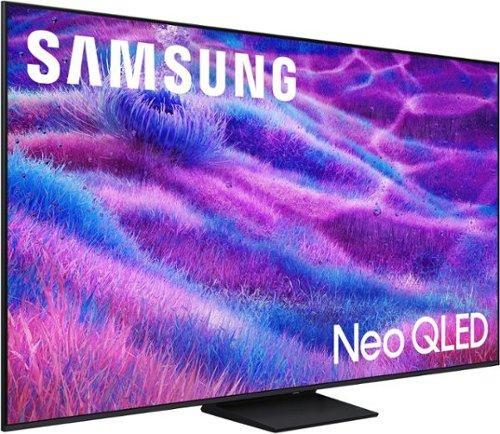
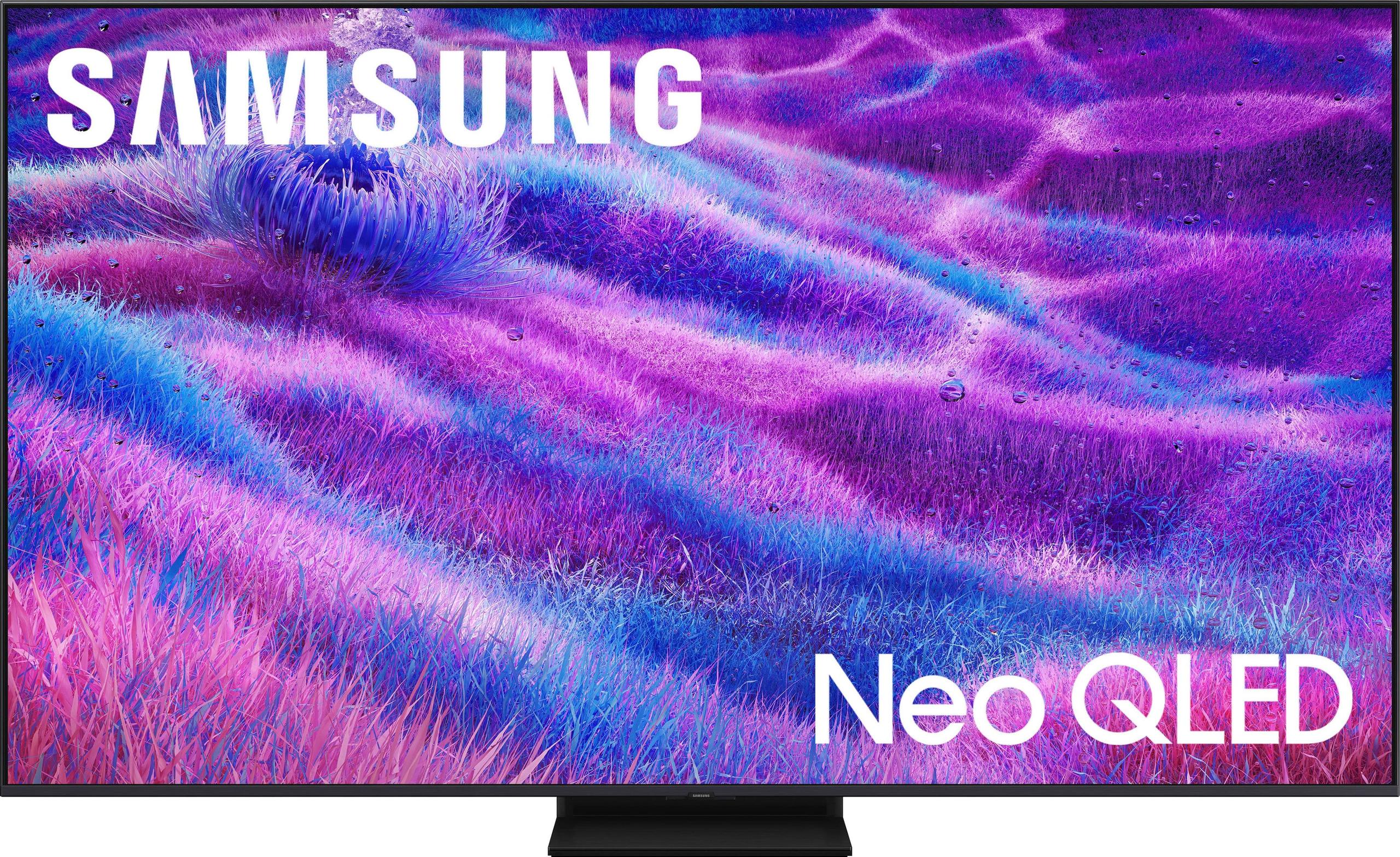
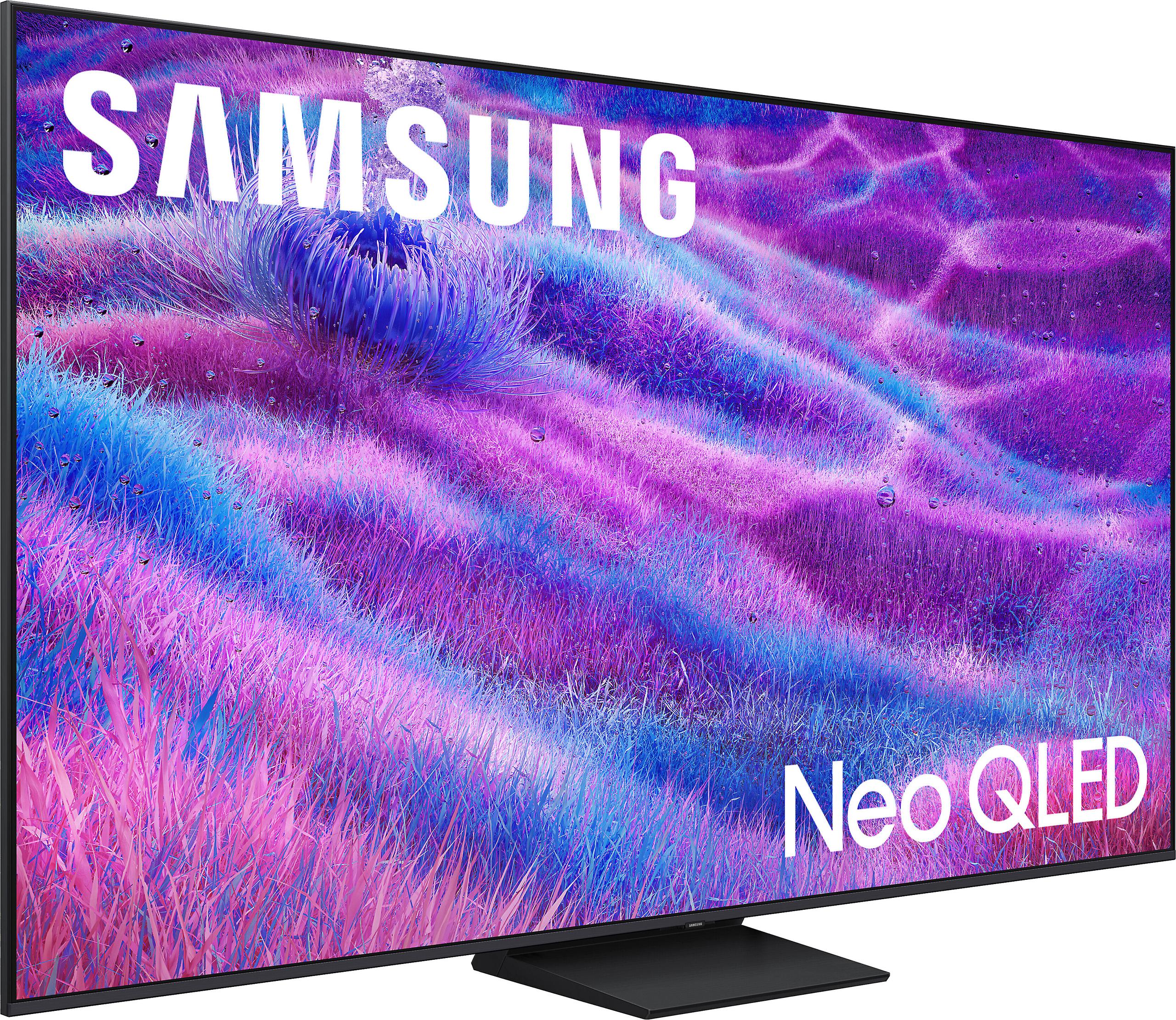
Choosing a 65-inch TV in 2025 feels a bit like shopping for cars – you've got your luxury sedans and your reliable economy models, and both can get you where you're going. The Samsung QN80F Neo QLED and Hisense QD7 Mini-LED represent exactly this divide in the TV world. At the time of writing, Samsung's offering commands a premium price that's roughly four times higher than the Hisense, but the question isn't just about money – it's about what you actually get for that difference.
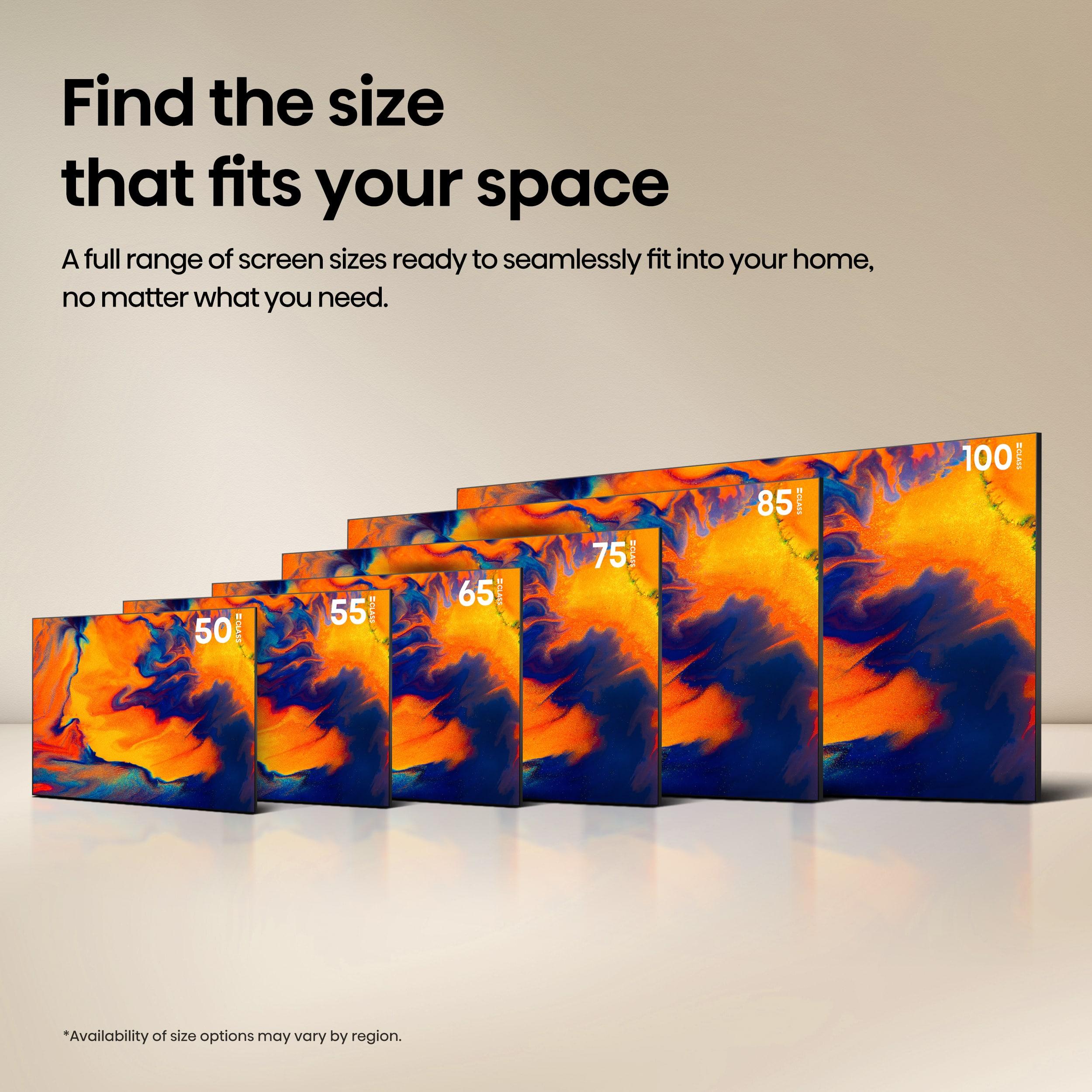
Before diving into specifics, let's talk about what matters when you're spending serious money on a TV that'll likely sit in your living room for the next five to eight years. The 65-inch size has become the sweet spot for most homes – big enough to feel cinematic from your couch, but not so massive that it overwhelms a typical room.
The key factors that separate good TVs from great ones come down to display technology (how the TV creates its picture), smart platform performance (how smoothly it runs apps and responds to commands), gaming capabilities (crucial if you own a PlayStation 5 or Xbox Series X), HDR support (which determines how well the TV displays bright highlights and dark shadows), and audio quality. Build quality and long-term software support matter too, especially when you're making a multi-year investment.
Both the Samsung QN80F and Hisense QD7 use advanced backlighting technologies, but they take different approaches to achieve similar goals. Think of backlighting as the engine that powers your TV's picture – it's what makes the screen bright enough to see, and more importantly, it controls which parts of the screen are bright or dark at any given moment.
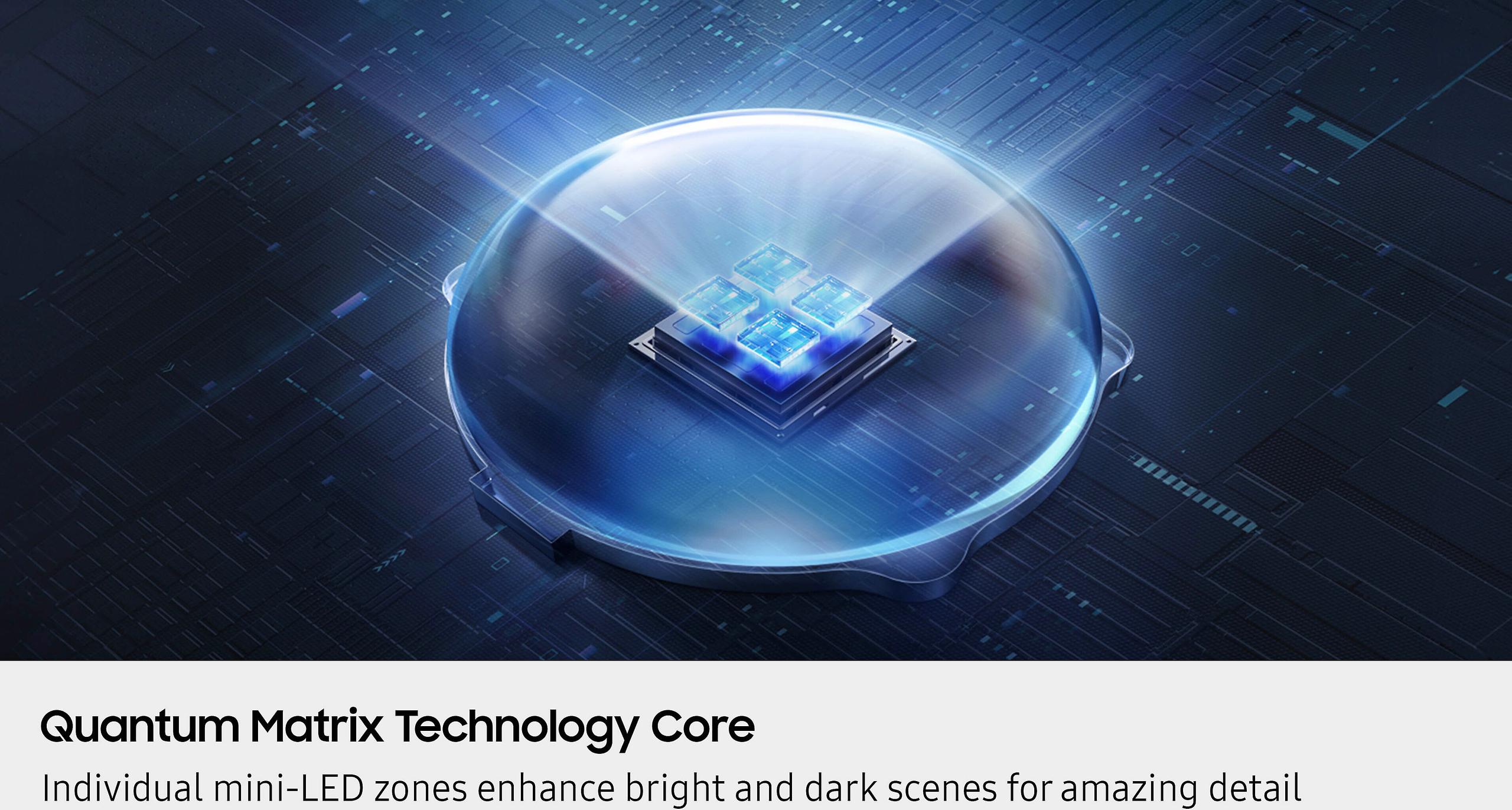
The Samsung QN80F uses what Samsung calls "Neo QLED" technology, which is essentially a fancy name for Quantum Mini LED backlighting. This system uses thousands of tiny LEDs behind the screen, each smaller than traditional LEDs, allowing for incredibly precise control over brightness and contrast. Samsung's Quantum Matrix Technology Core works like a sophisticated traffic control system, deciding exactly how bright each zone of LEDs should be at any moment. The result is deeper blacks next to brighter highlights, with minimal "blooming" – that annoying halo effect you sometimes see around bright objects against dark backgrounds.
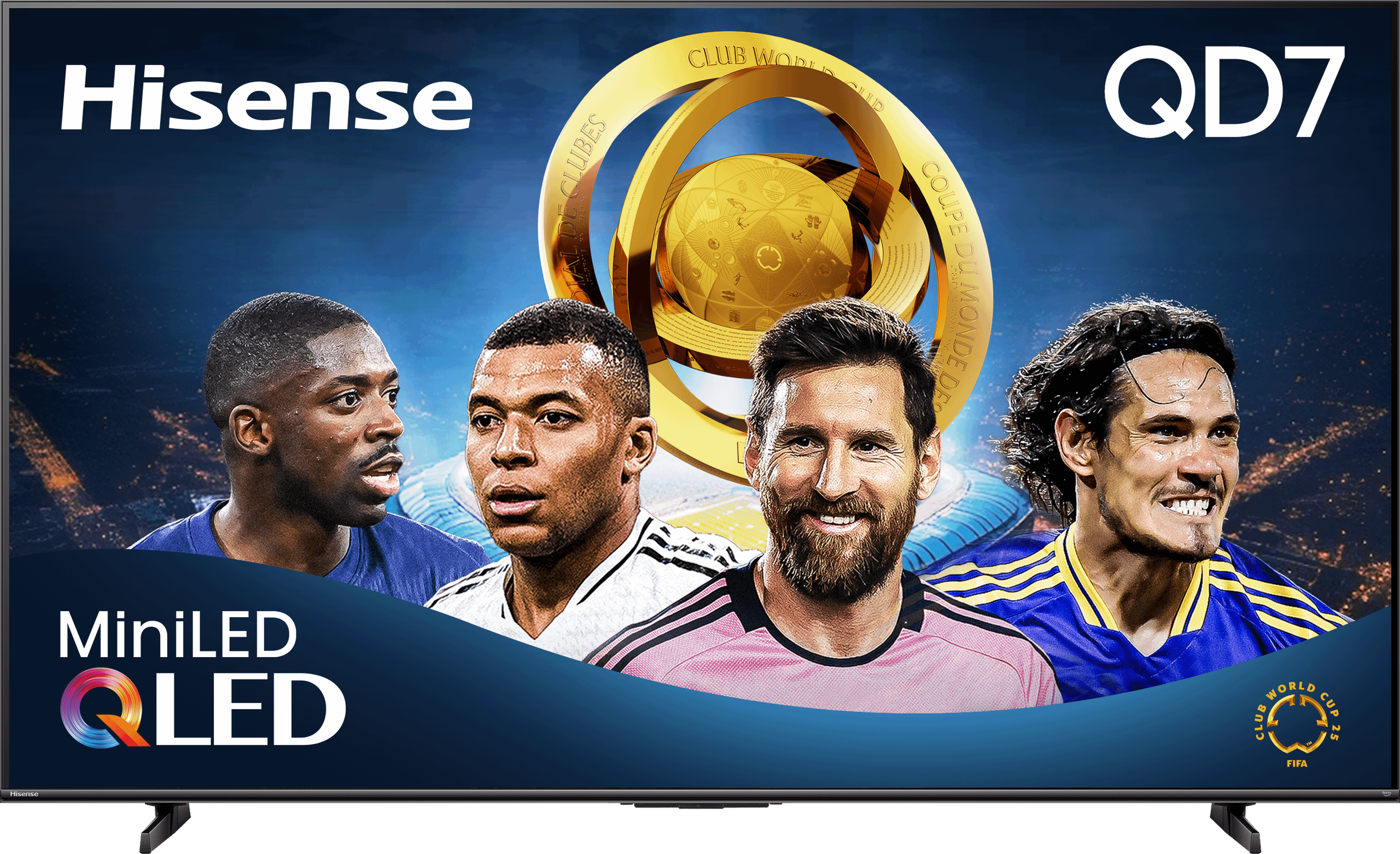
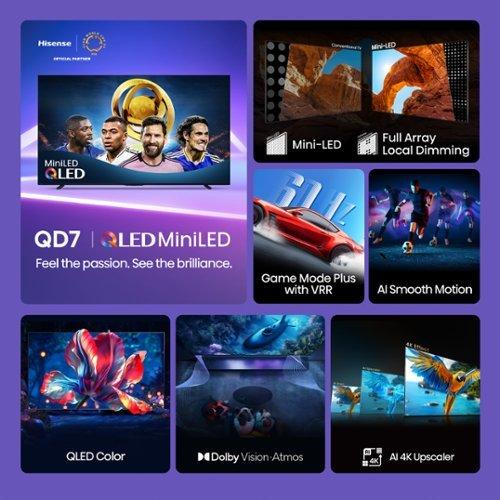
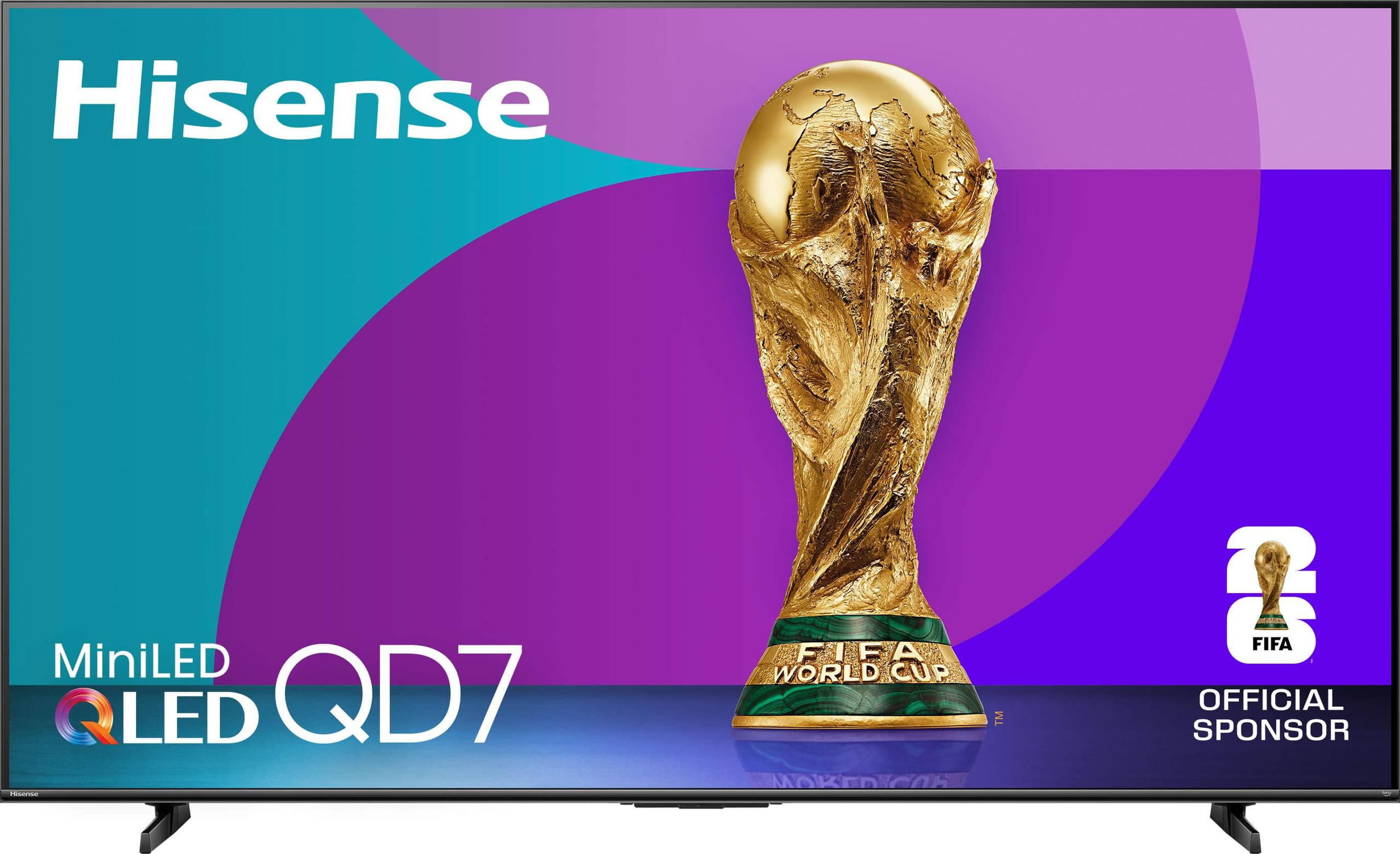
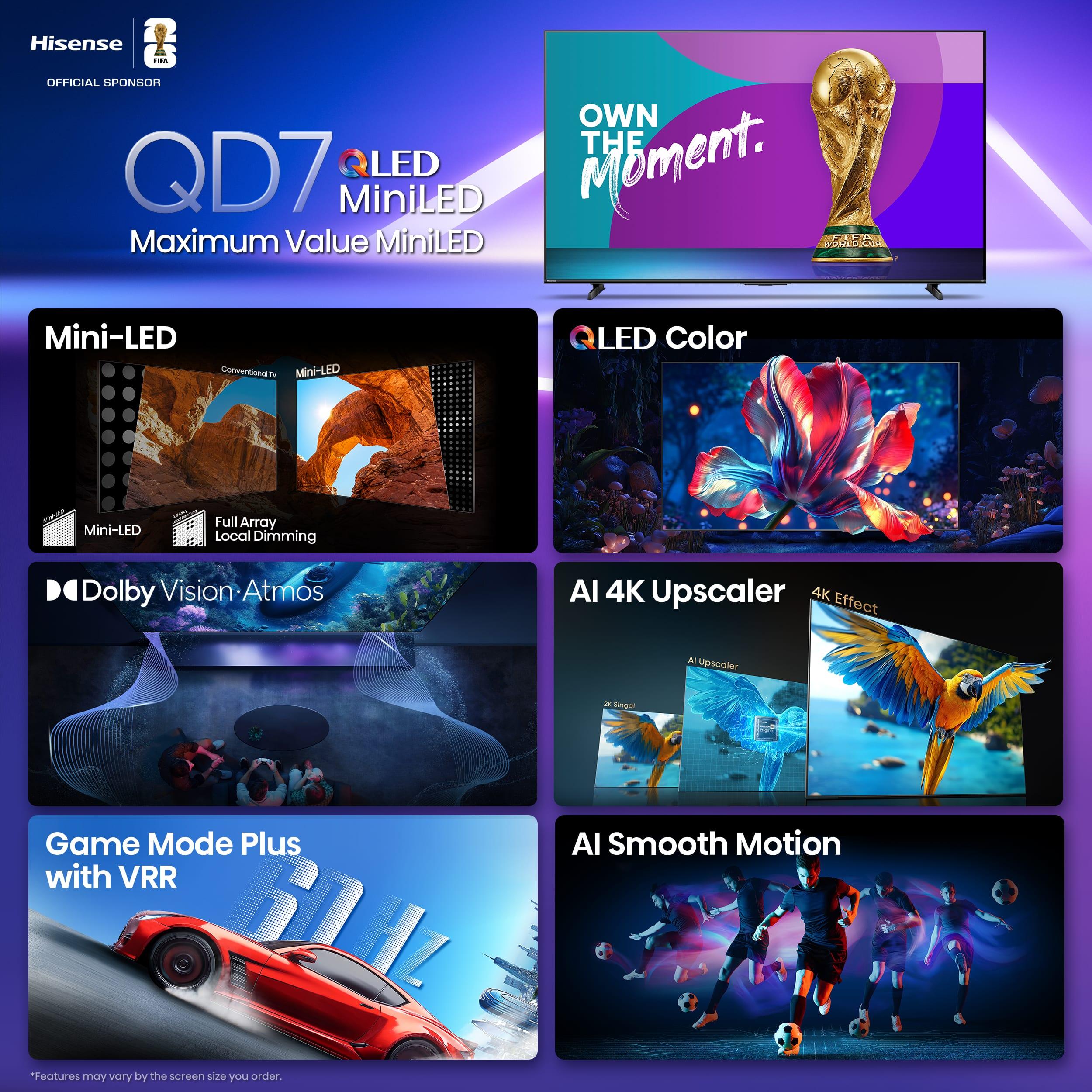
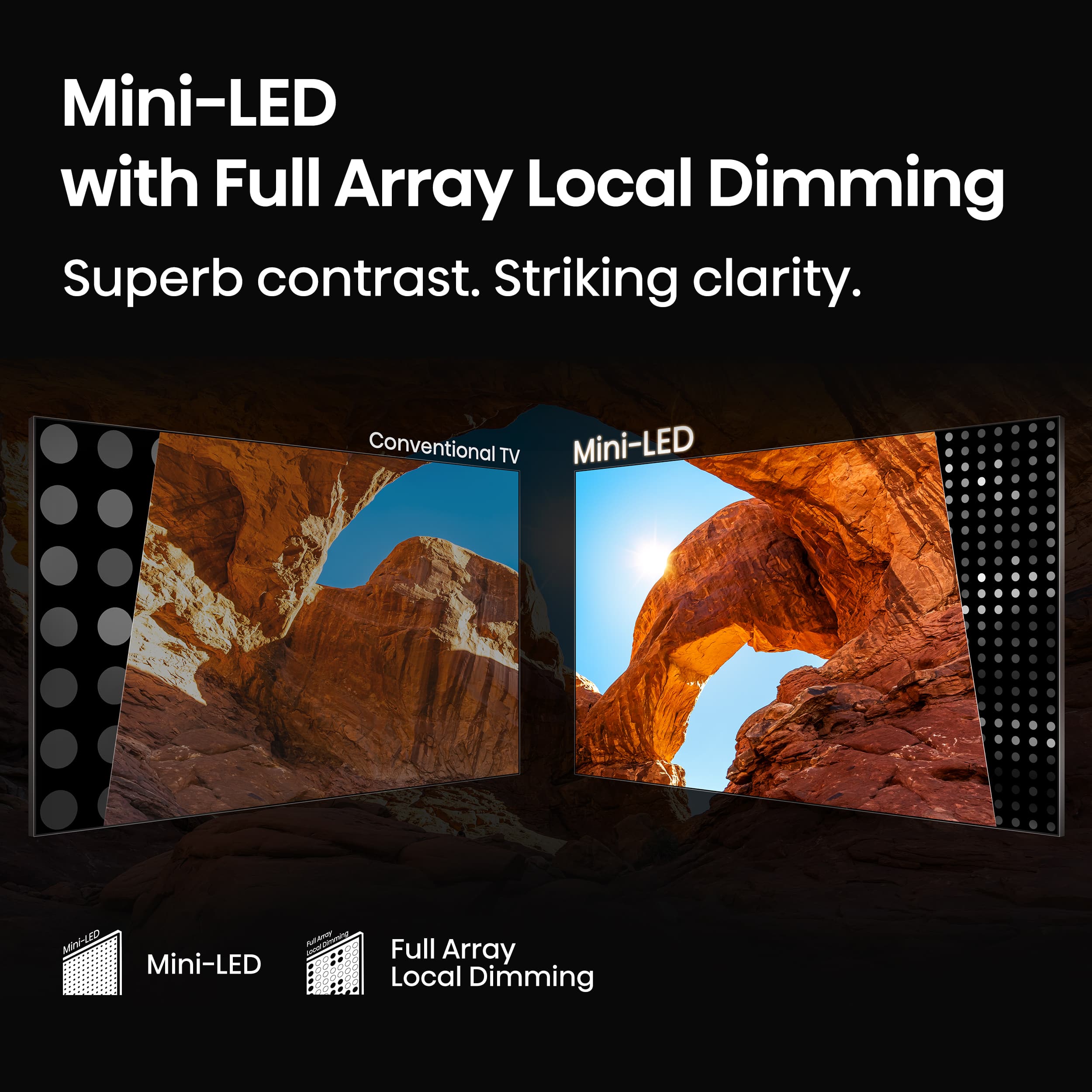
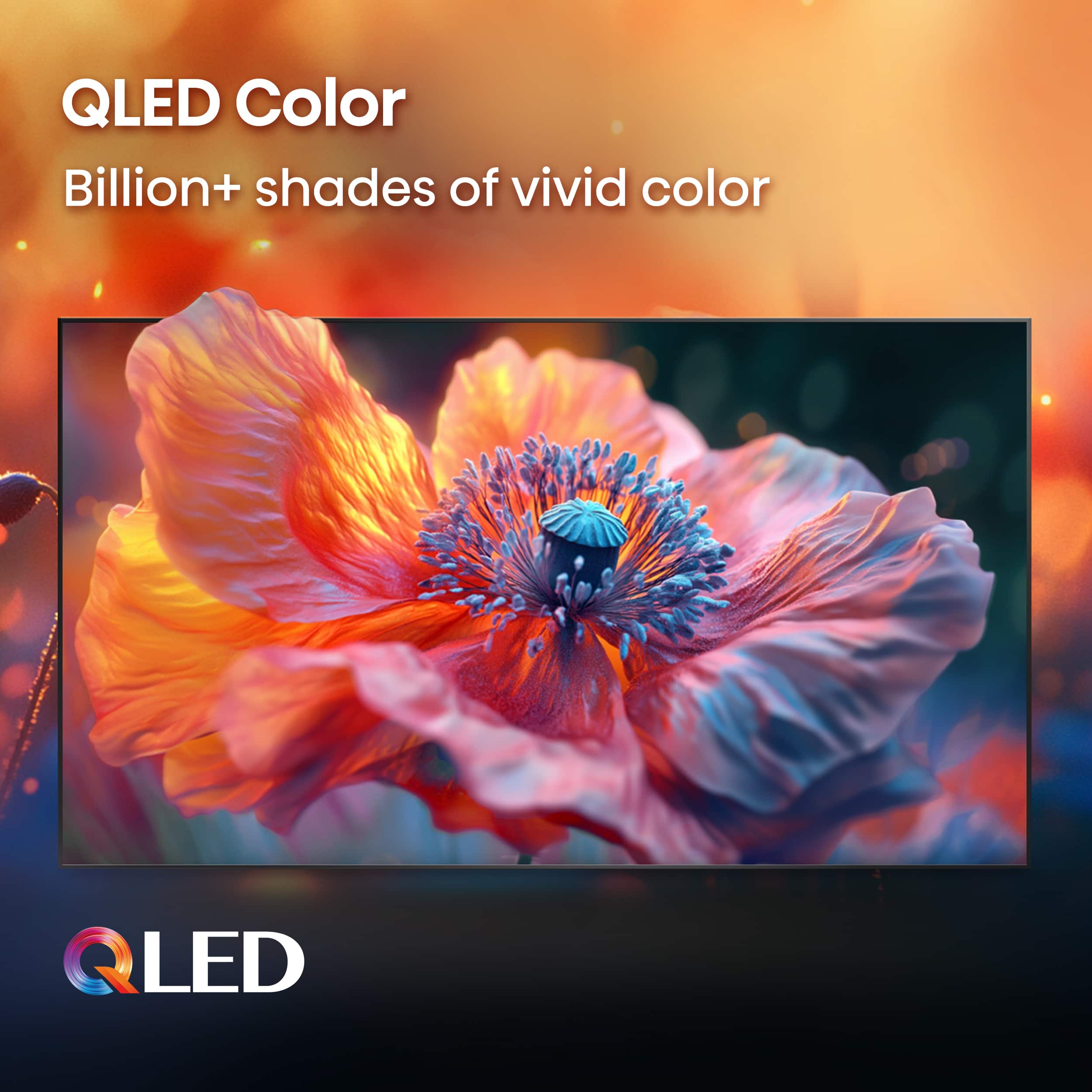
The Hisense QD7 uses Full Array Local Dimming with Mini-LED technology, combined with Quantum Dot color enhancement. While the technical names sound different, the underlying approach is remarkably similar to Samsung's – thousands of small LEDs with precise control, enhanced by quantum dots that improve color accuracy and volume. The quantum dots are microscopic particles that emit very pure light when excited, resulting in more accurate and vibrant colors across the spectrum.
From a performance standpoint, both technologies deliver excellent results, but Samsung's implementation tends to be more refined. The Samsung QN80F typically achieves better local dimming performance with less blooming, while the Hisense QD7 offers impressive results that punch well above its price point.
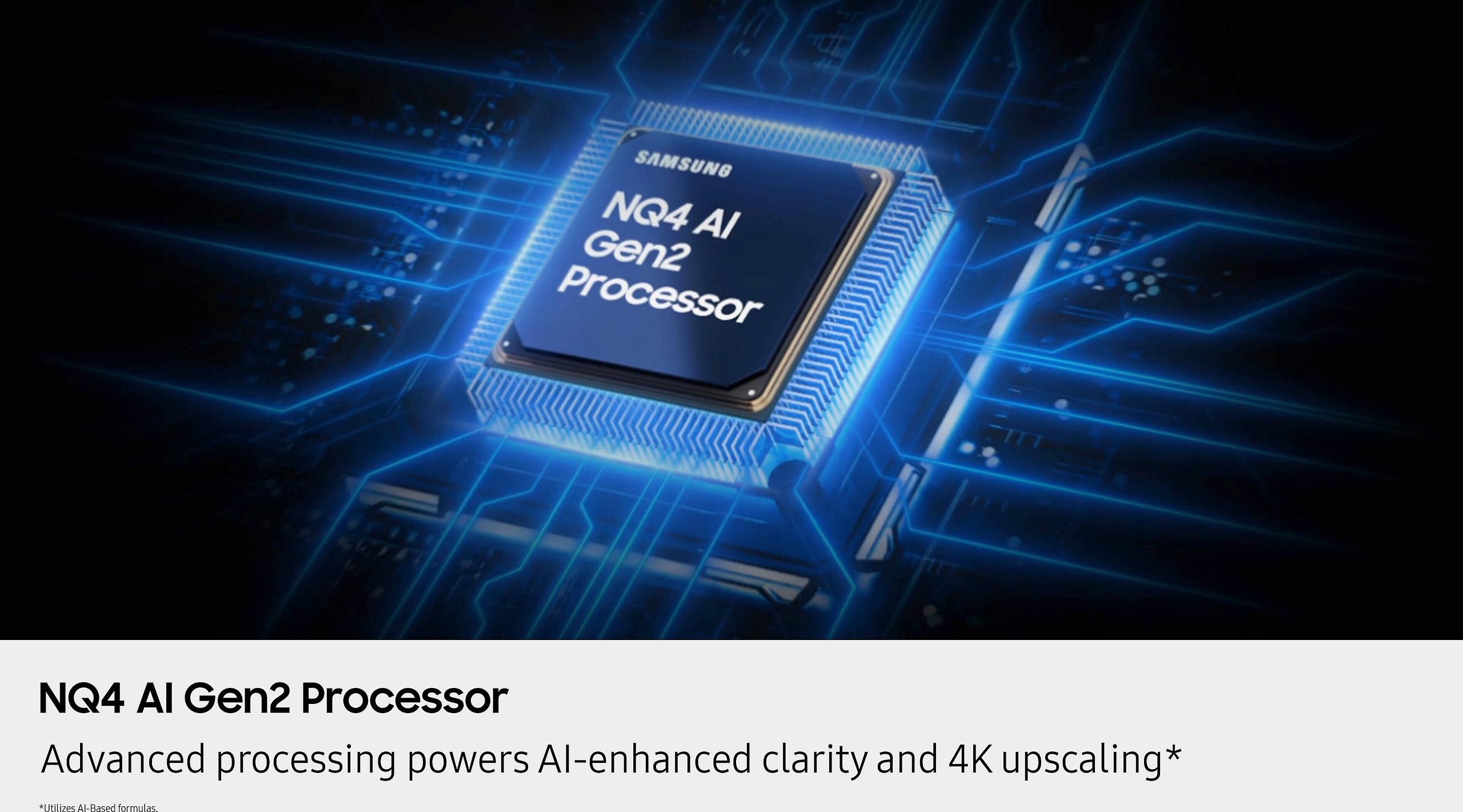
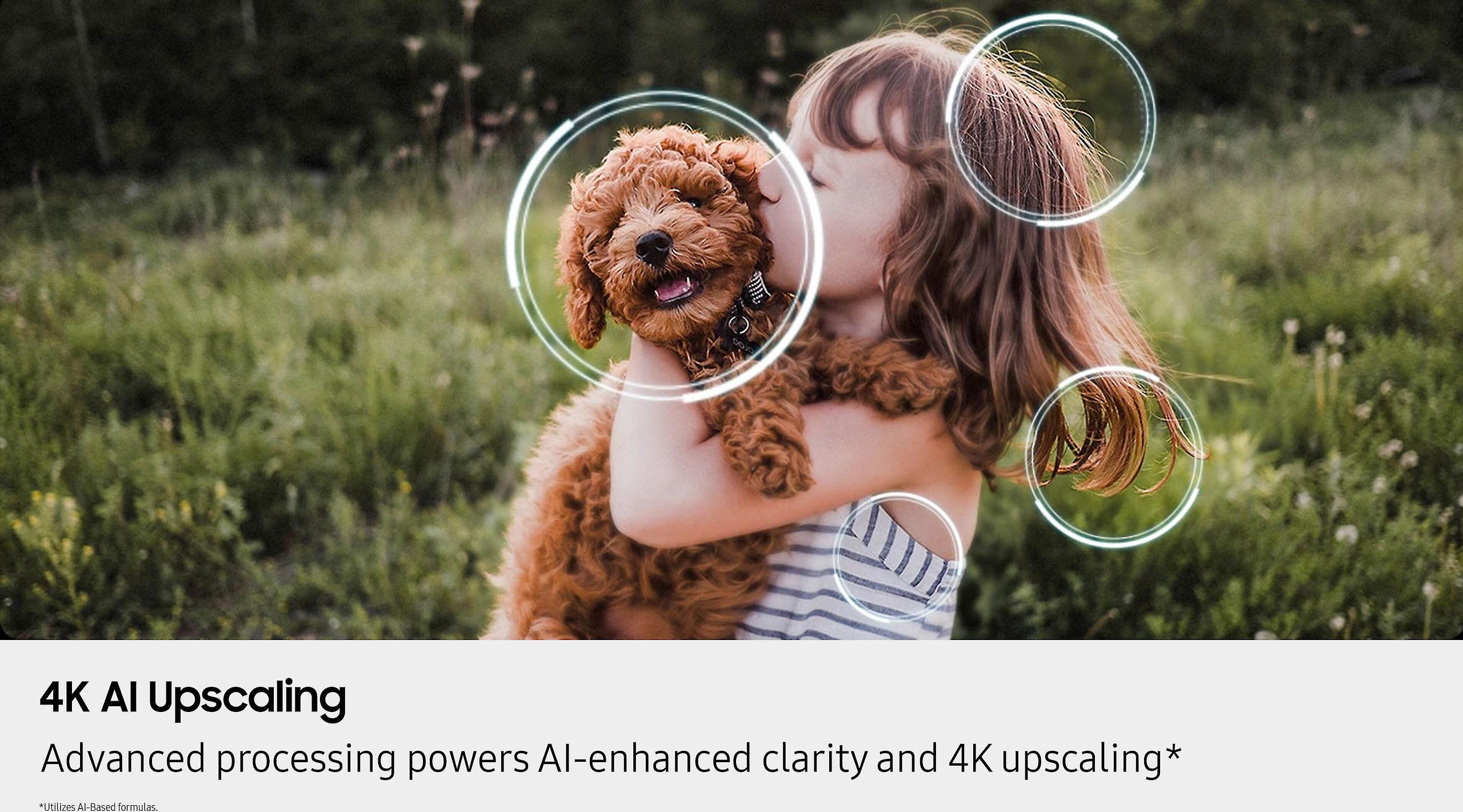
This is where things get interesting, and where your budget starts to matter more. The Samsung QN80F includes Samsung's NQ4 AI Gen2 Processor, which sounds like marketing speak but actually does important work. This chip handles upscaling (making lower-resolution content look better at 4K), motion processing (reducing blur during fast action), and adaptive optimization (automatically adjusting picture settings based on what you're watching).
In practice, this means the Samsung QN80F does a better job with cable TV, older movies, and streaming content that isn't native 4K. The AI upscaling creates detail where none existed before, and the processing helps reduce compression artifacts from streaming services. If you watch a lot of Netflix or Disney+, these improvements are noticeable, especially in darker scenes or during fast action sequences.
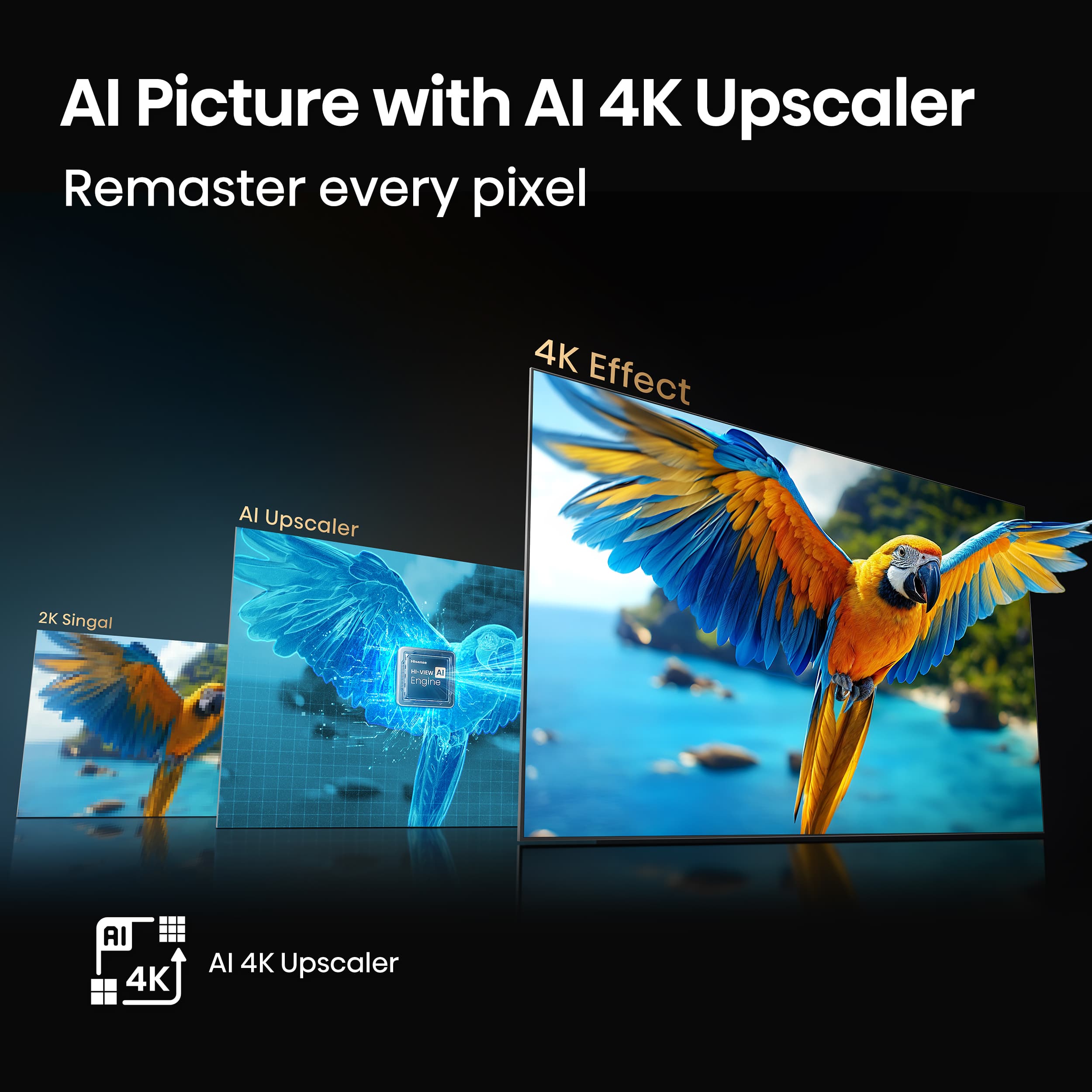
The Hisense QD7 includes its own AI 4K upscaler, but it's not quite as sophisticated as Samsung's solution. That said, for the price difference, it performs admirably. Colors remain vibrant thanks to the Quantum Dot technology, and the Mini-LED backlighting provides good contrast and brightness. Where you'll notice the difference is in more challenging content – dimly lit TV shows, older movies, or sports with fast motion might not look quite as polished on the Hisense.
Peak brightness is another key differentiator. The Samsung QN80F can get significantly brighter than the Hisense QD7, which matters if your TV room has lots of windows or bright lighting. For daytime viewing, especially watching sports or news, the Samsung maintains better visibility and color accuracy in bright conditions.
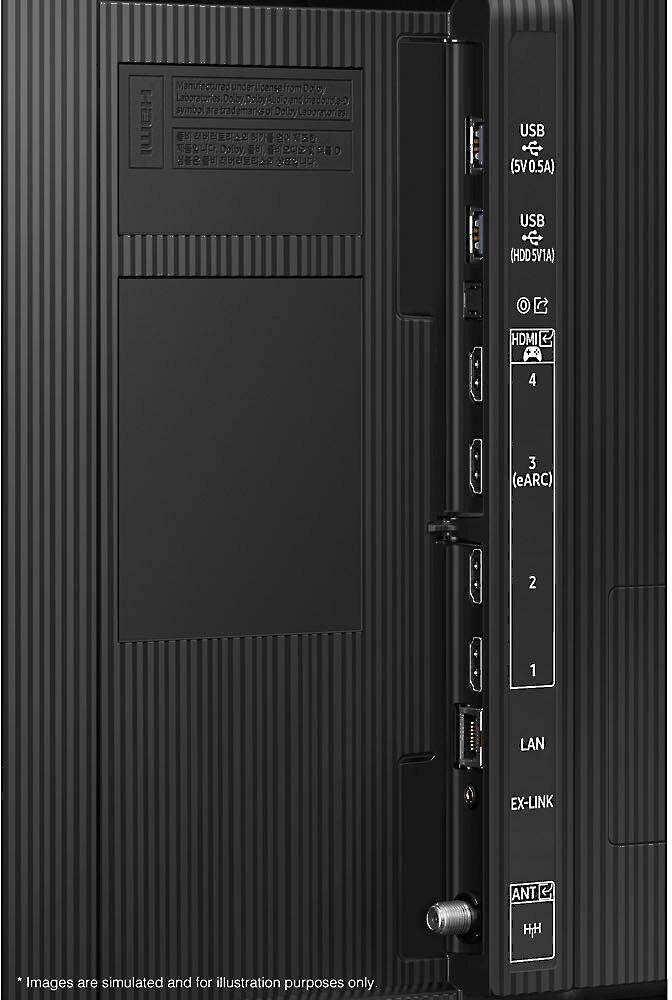
Here's where things get really interesting – both TVs are genuinely excellent for gaming, which wasn't always the case with budget models. The Samsung QN80F includes four HDMI 2.1 ports that support 4K gaming at up to 144Hz, Variable Refresh Rate (VRR) to eliminate screen tearing, and Auto Low Latency Mode (ALLM) that automatically switches to game mode when it detects a console.
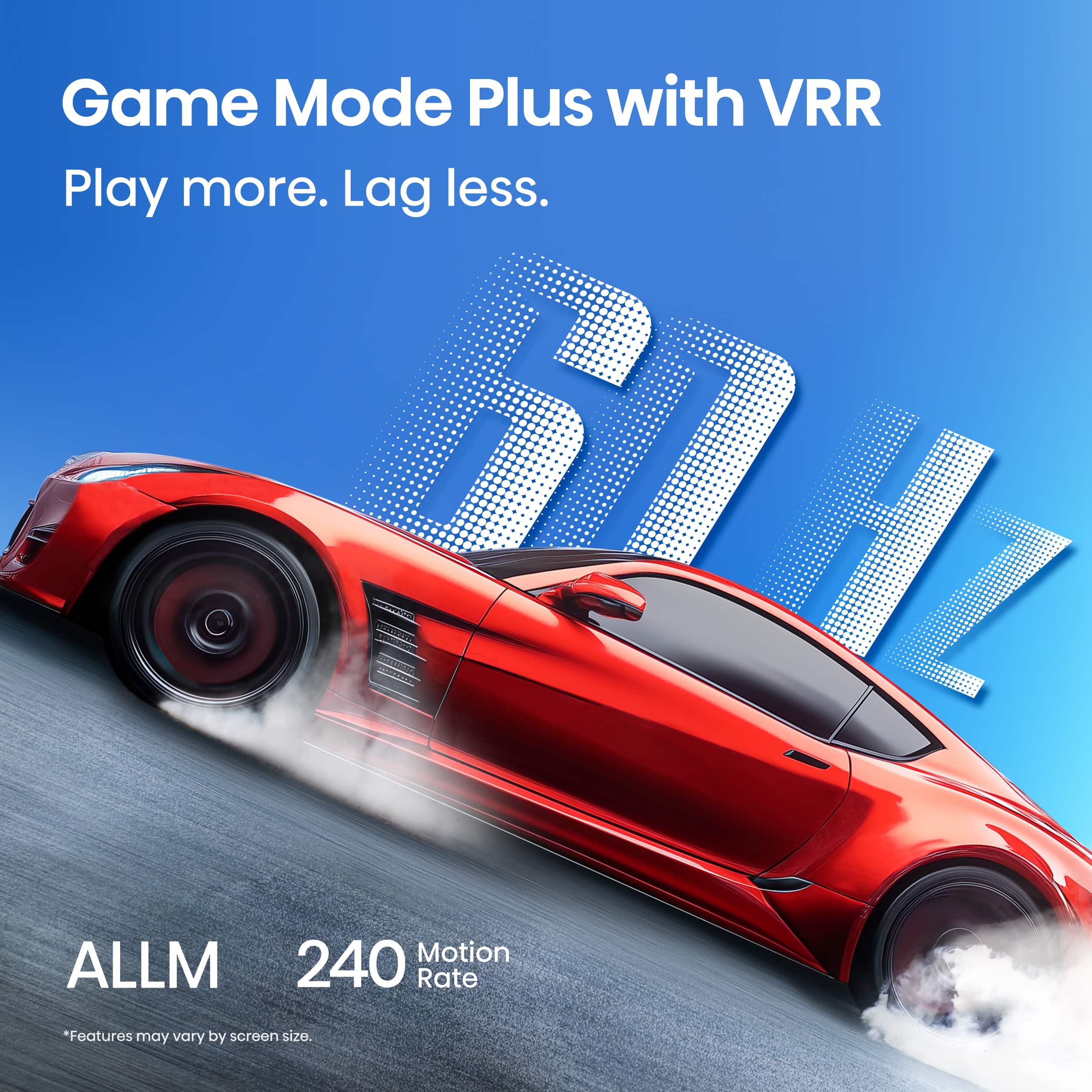
The Hisense QD7 matches many of these features, including 144Hz native refresh rate, VRR support, and ALLM. It also includes Game Mode Ultra and Game Mode Pro settings that optimize performance for different types of games. In testing scenarios, both TVs achieve input lag (the delay between pressing a button and seeing the action on screen) that's low enough for competitive gaming.
For PlayStation 5 and Xbox Series X owners, both TVs handle 4K gaming at 120Hz smoothly. The Samsung QN80F might have a slight edge in motion processing during very fast-paced games, but the Hisense QD7 comes remarkably close. If gaming is your primary concern, the massive price difference between these models becomes harder to justify based on performance alone.
The smart TV experience represents a fundamental philosophical difference between these models. The Samsung QN80F runs Samsung's Tizen operating system, which has evolved into one of the most feature-rich smart platforms available. It includes Samsung Vision AI, which brings features like Generative Wallpaper (AI-created backgrounds based on your preferences), AI Mode for automatic optimization, and comprehensive smart home integration.
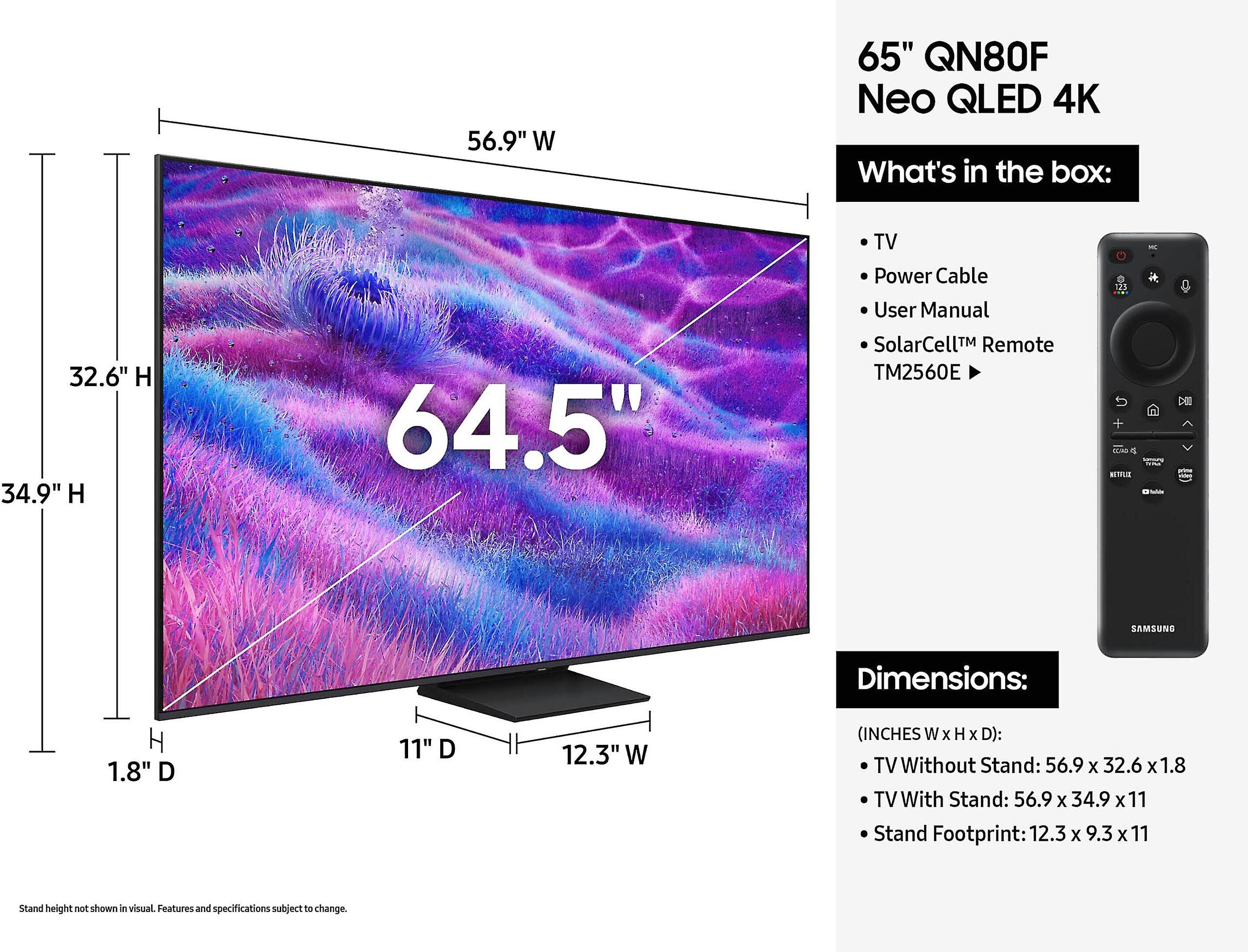
Tizen feels polished and premium, with smooth animations and a logical interface layout. It integrates well with other Samsung devices – if you have a Samsung phone, tablet, or soundbar, everything works together seamlessly. The included SolarCell Remote even charges itself using room light, eliminating the need to replace batteries.
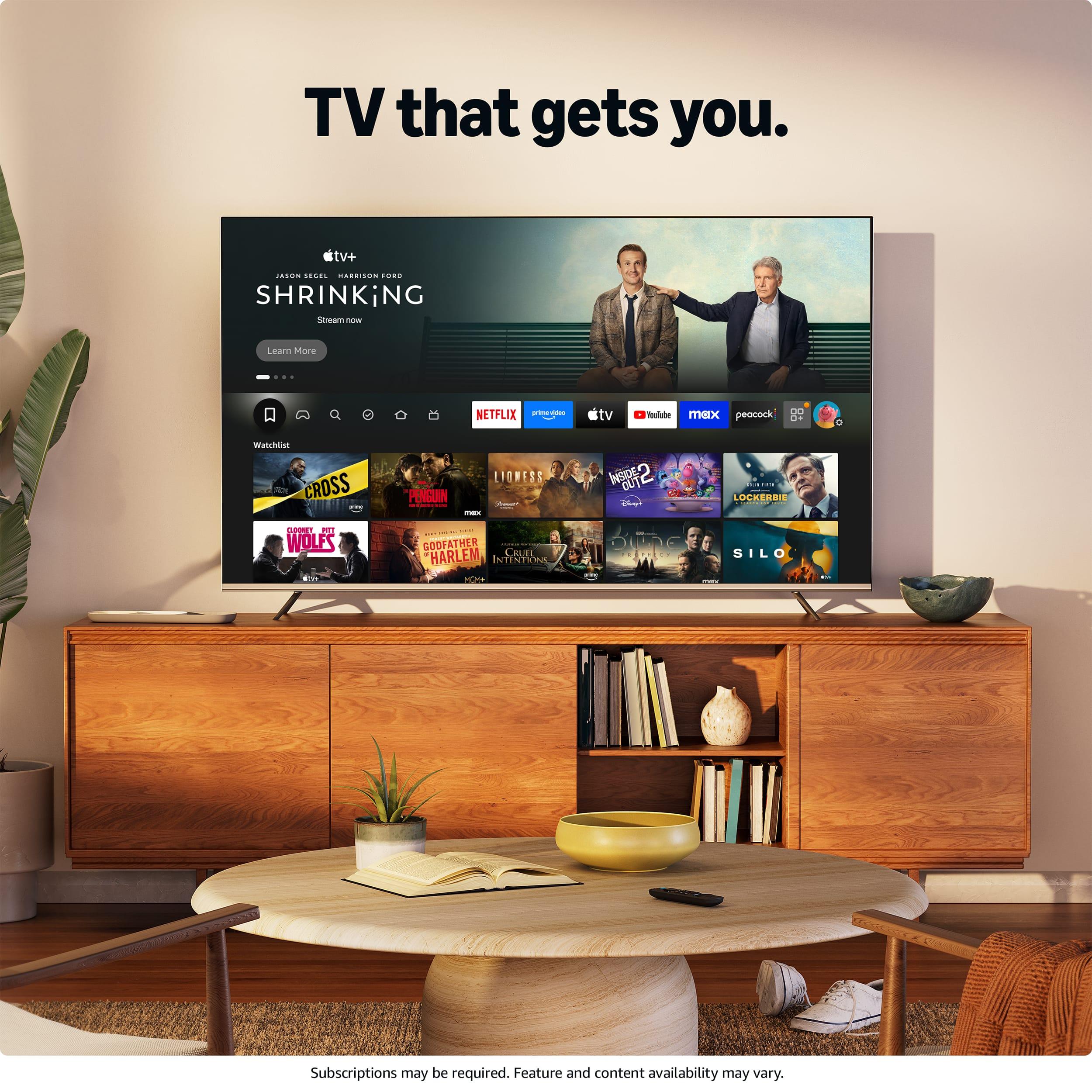
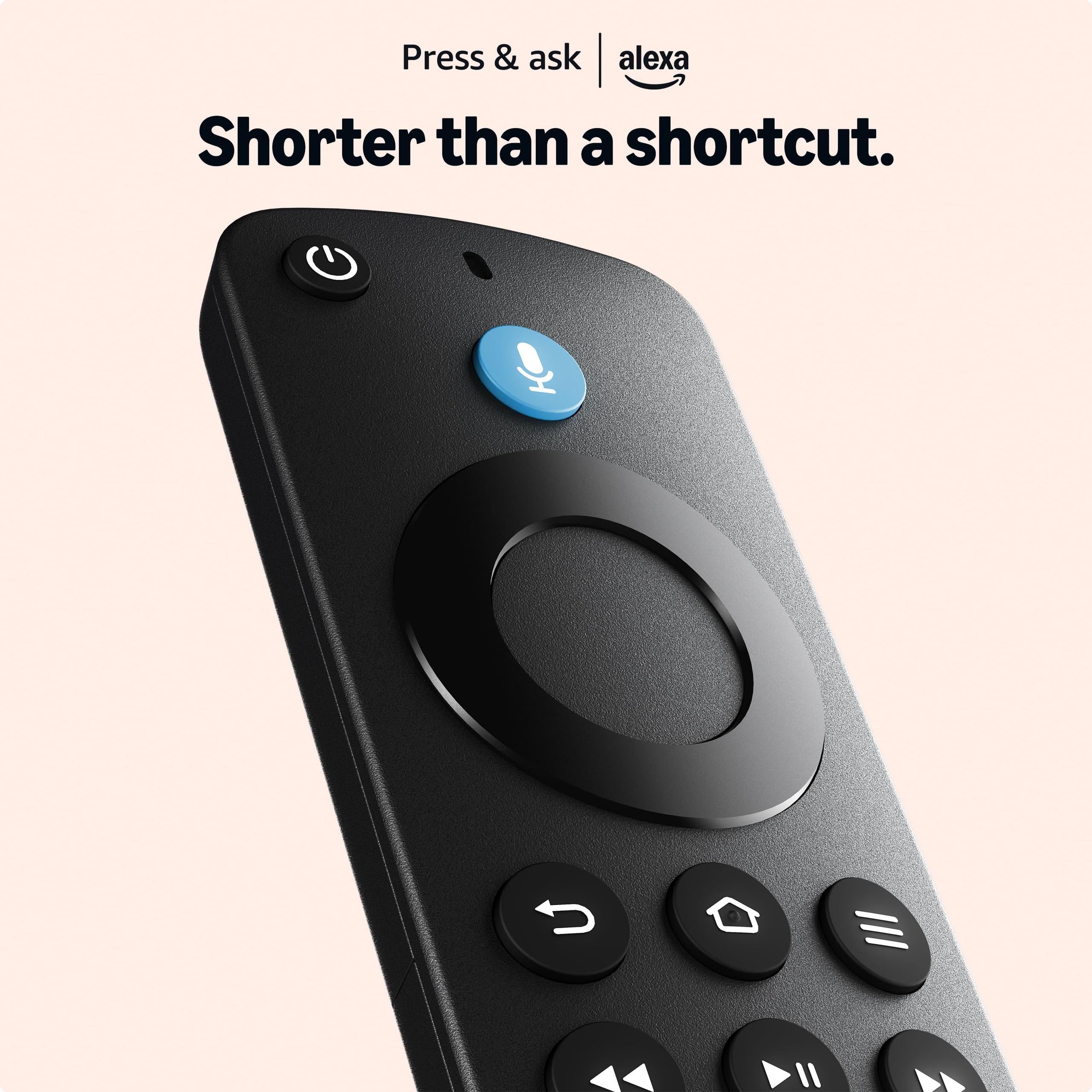
The Hisense QD7 uses Amazon's Fire TV platform, which takes a completely different approach. Fire TV prioritizes simplicity and Amazon's ecosystem integration. The interface is straightforward and fast, with excellent voice control through built-in Alexa. If you're already invested in Amazon's ecosystem – using Prime Video, Alexa devices, or Amazon Music – the integration is seamless and convenient.
Fire TV loads apps quickly and rarely feels sluggish, though it doesn't offer the advanced features found in Samsung's platform. Some users prefer this simplicity, especially those who primarily use streaming apps and don't want complicated menus or AI features they won't use.
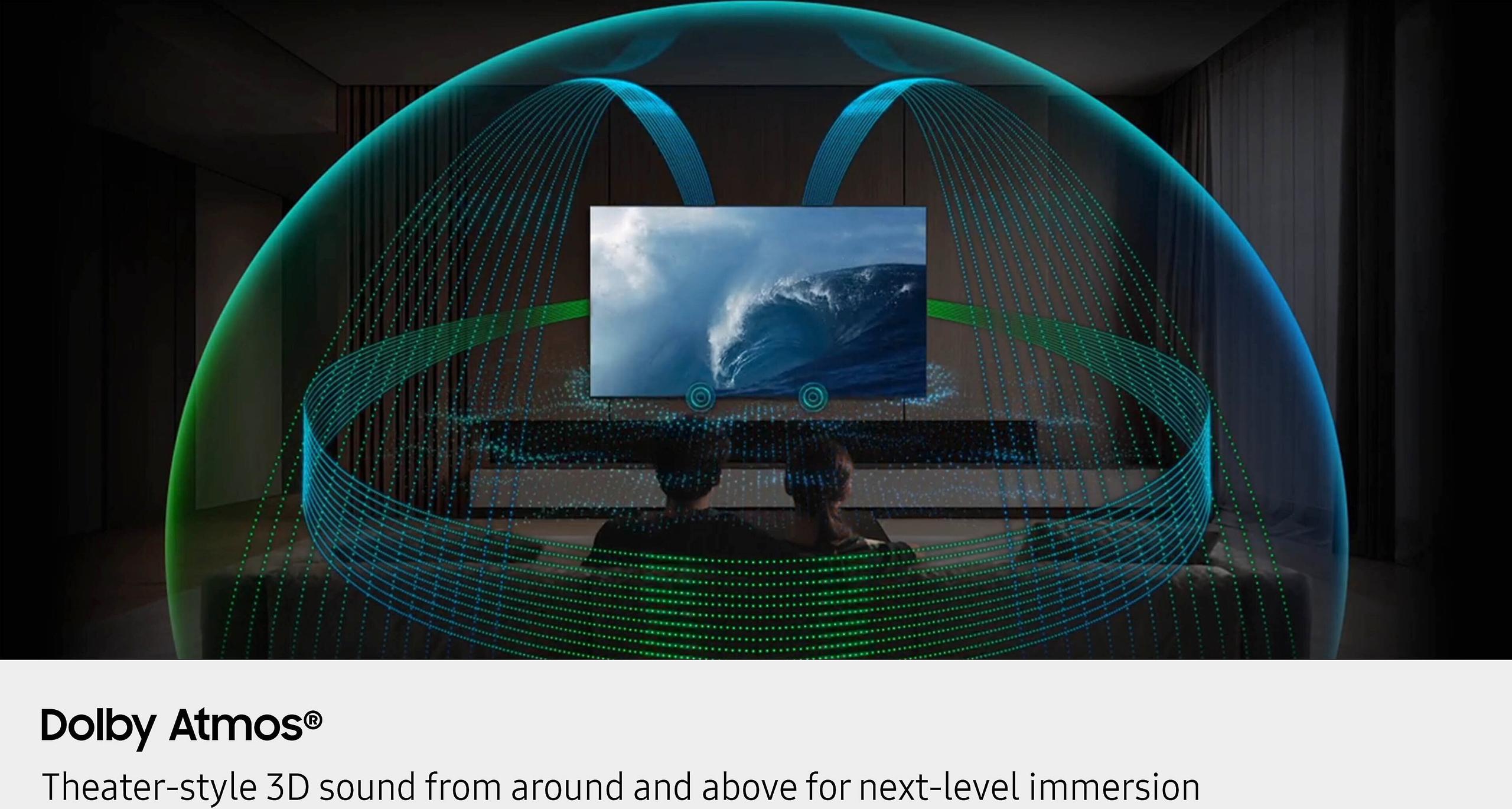
Audio performance shows a more significant gap between these models. The Samsung QN80F includes a 4-channel speaker system with Object Tracking Sound Lite, which moves audio around the screen to match the action. Dolby Atmos support provides three-dimensional audio effects, and Adaptive Sound Pro analyzes what you're watching to optimize dialogue clarity and sound balance.
More importantly, the Samsung supports Q-Symphony, which coordinates with compatible Samsung soundbars to use both the TV's speakers and the soundbar simultaneously. This creates a more immersive sound field without the TV speakers interfering with the soundbar's performance.
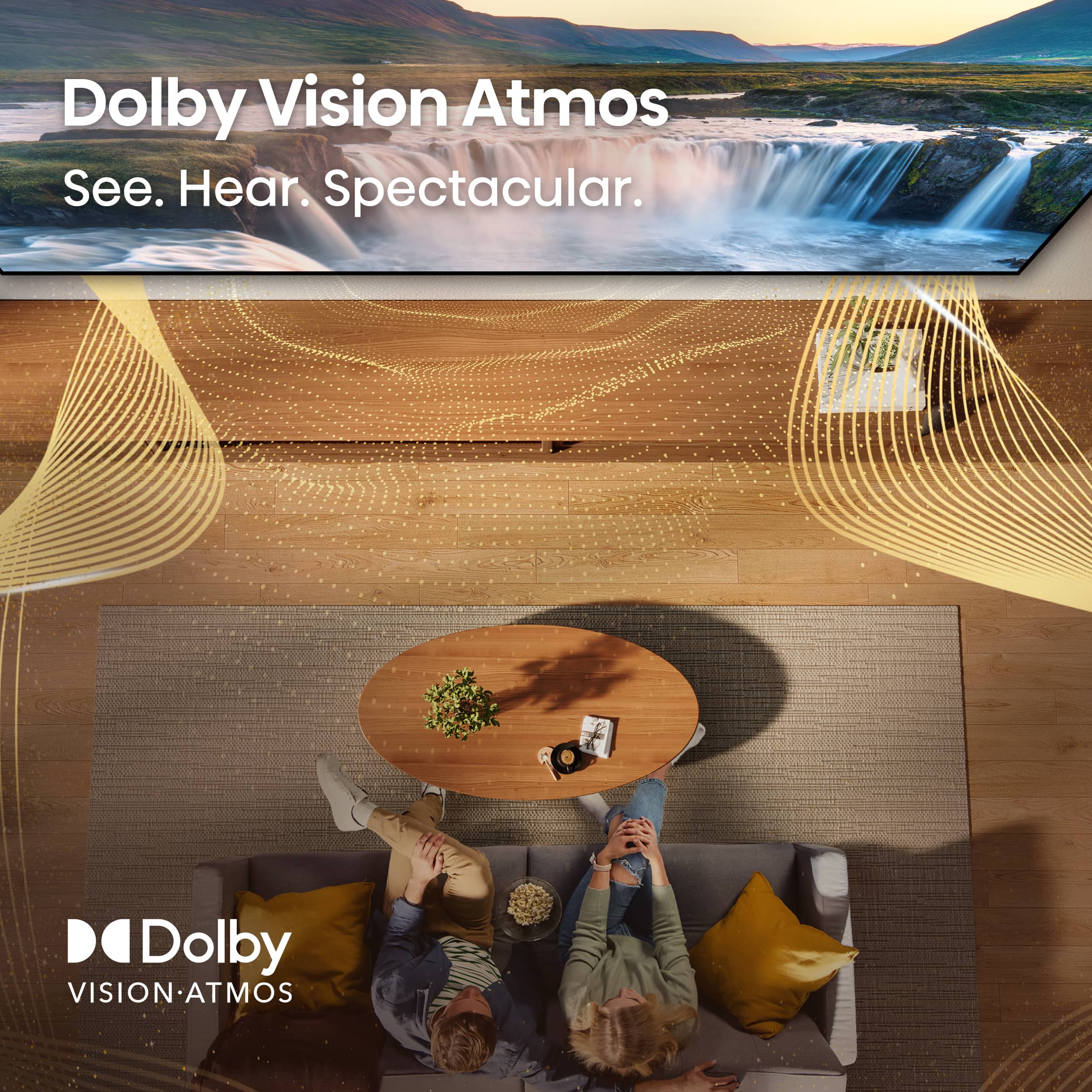
The Hisense QD7 includes Dolby Atmos support and decent built-in speakers for its price range, but the audio processing isn't as sophisticated. The speakers are adequate for casual viewing but lack the clarity and spatial effects of the Samsung system. Most buyers at this price point expect to add a soundbar eventually, so this limitation might not matter as much.
High Dynamic Range (HDR) support reveals another important distinction. HDR allows TVs to display a wider range of brightness levels, from deeper blacks to brighter highlights, making images look more realistic and engaging. Both TVs support HDR, but with different format compatibility.
The Samsung QN80F supports Neo Quantum HDR and HDR10+ Adaptive, which dynamically adjusts brightness and color on a scene-by-scene basis. However, it notably lacks Dolby Vision support, which is surprising for a premium TV in 2025. HDR10+ provides similar capabilities to Dolby Vision, but Dolby Vision has broader content support across streaming services.
The Hisense QD7 supports both Dolby Vision and HDR10+, giving it broader format compatibility despite its lower price. This means better optimization for Netflix, Disney+, and other services that primarily use Dolby Vision for their premium content.
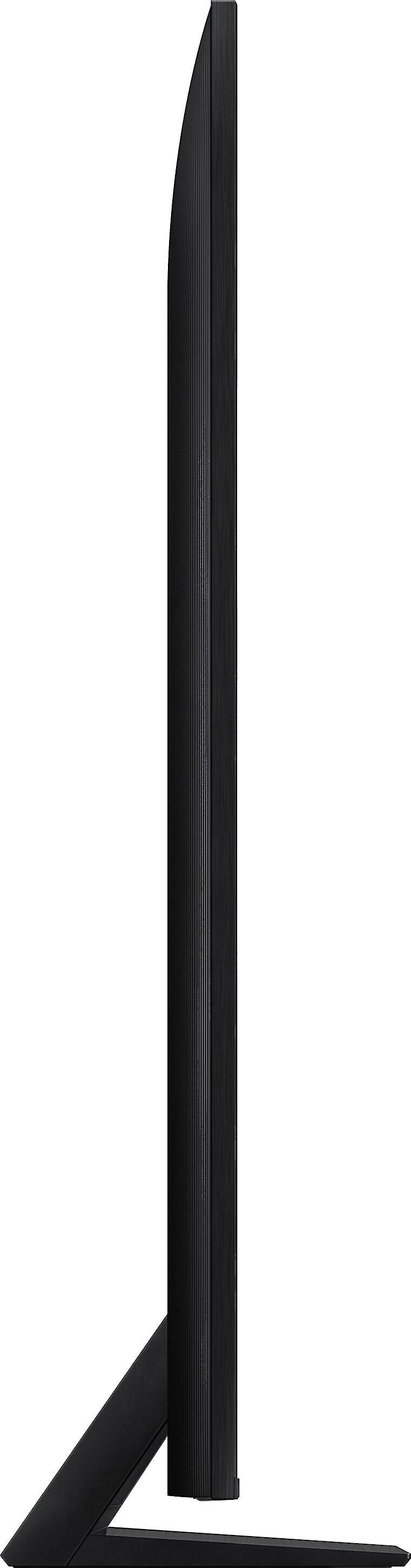
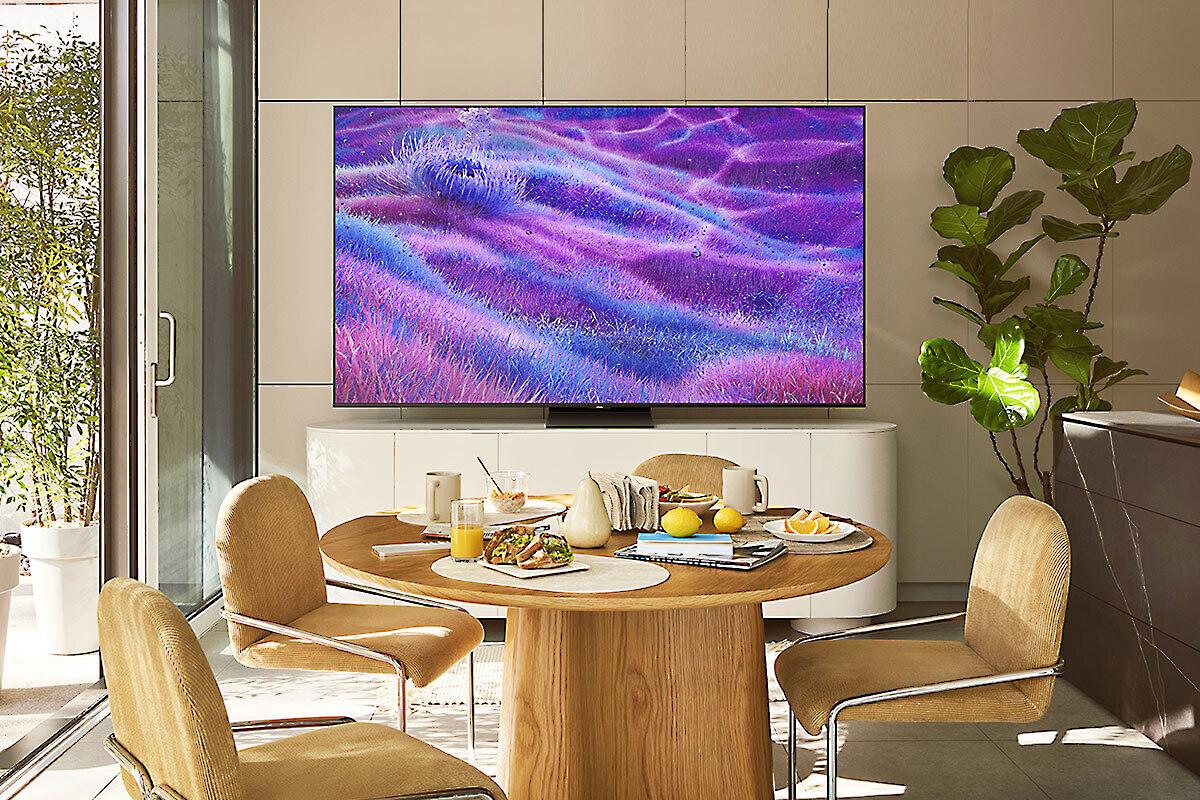
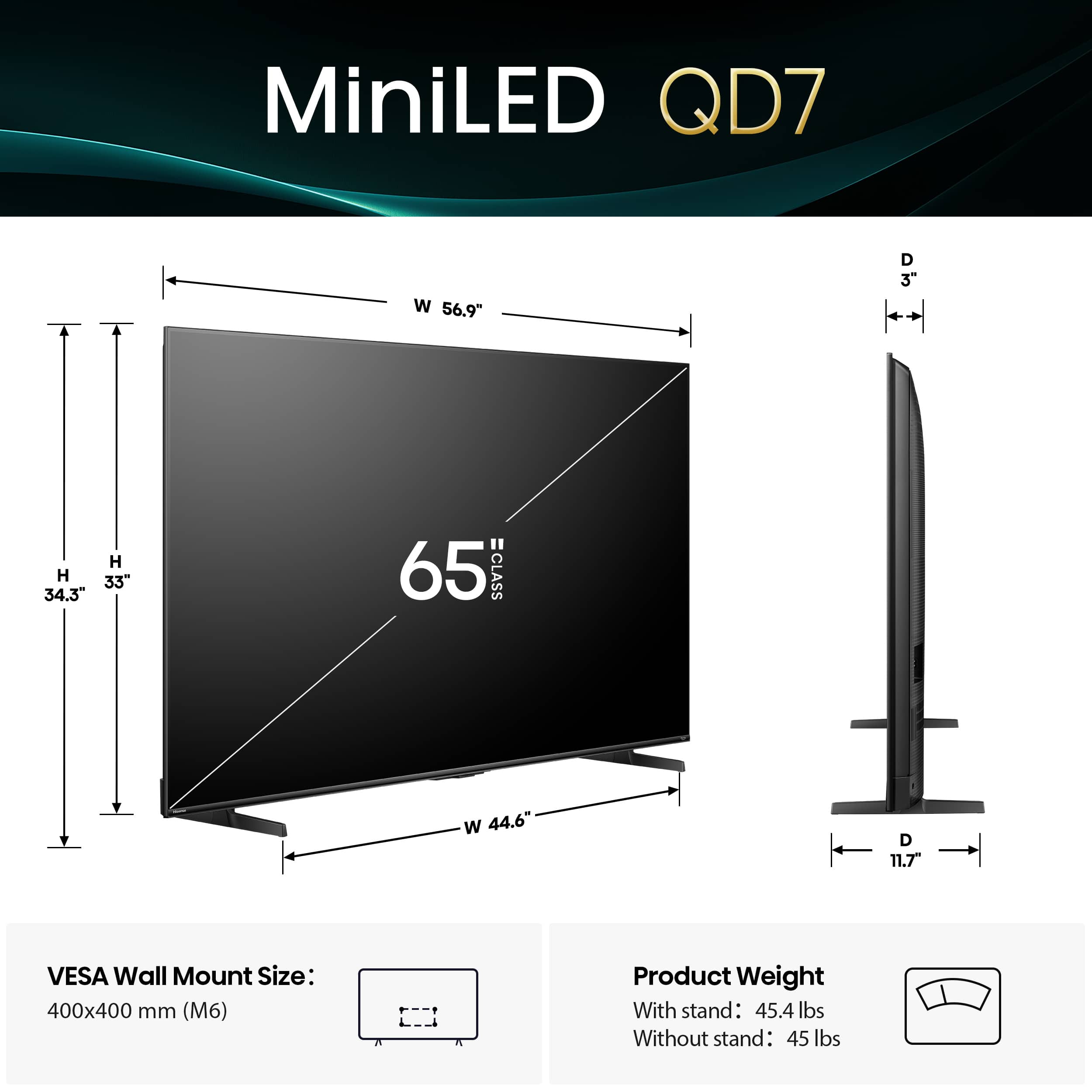
The physical construction difference between these models is immediately apparent. The Samsung QN80F feels premium, with high-quality materials, precise fit and finish, and an elegant design that complements modern living rooms. The anti-glare coating is particularly effective at reducing reflections from windows or lamps.
The Hisense QD7 is well-built for its price range but doesn't match Samsung's premium materials or attention to detail. The design is modern and attractive, though the bezels are slightly thicker and the overall aesthetic feels more utilitarian.
For wall mounting or prominent placement in a formal living room, the Samsung's premium design provides better integration with high-end furniture and décor. The Hisense works well in more casual settings or secondary rooms.
For dedicated home theater use, several factors become more important. The Samsung QN80F performs better in controlled lighting conditions, with superior motion processing for movies and better upscaling for older content. The advanced audio processing also provides a more cinematic experience without additional equipment.
However, the Hisense QD7 offers something the Samsung doesn't – Dolby Vision support. For home theater enthusiasts who prioritize HDR content from streaming services and Ultra HD Blu-rays, this format compatibility might outweigh other considerations, especially given the massive price difference that could fund a quality sound system or seating upgrades.
In a dedicated theater room with controlled lighting, both TVs perform admirably, though the Samsung's superior processing and build quality provide a more premium experience.
Samsung typically provides longer software support for their TVs, with regular updates that add features and improve performance over several years. The Samsung QN80F will likely receive meaningful updates for five to seven years, maintaining compatibility with new streaming services and formats.
Hisense has improved their long-term support significantly, though the Hisense QD7 might receive updates for a shorter period. However, Fire TV's integration with Amazon's ecosystem means core functionality should remain current even if the TV itself doesn't receive frequent updates.
The choice between the Samsung QN80F and Hisense QD7 ultimately comes down to your priorities and budget constraints. The Samsung delivers superior overall performance, premium build quality, and advanced features that justify its higher price for buyers who want the best possible experience and plan to keep their TV for many years.
The Hisense provides remarkable value, offering about 80% of the Samsung's performance at roughly 25% of the cost. For budget-conscious buyers, first-time 4K TV purchasers, or those planning shorter ownership cycles, it's an exceptional choice.
Choose the Samsung QN80F if picture quality is paramount, you're invested in Samsung's ecosystem, you want the most advanced smart features, or you're setting up a primary family room TV that needs to excel in bright conditions. The premium you pay delivers tangible benefits in daily use.
Choose the Hisense QD7 if value matters most, you primarily stream content and play games, you prefer Amazon's ecosystem, or you're buying your first premium 4K TV. The money saved could fund a quality soundbar, gaming accessories, or simply stay in your pocket while still providing an excellent viewing experience.
Both represent solid choices in their respective price categories. Your decision should align with your actual viewing habits, room conditions, and long-term plans rather than specifications alone.
| Samsung 65" QN80F Neo QLED 4K TV | Hisense 65" QD7 Series Mini-LED 4K Fire TV 2025 |
|---|---|
| Display Technology - Core picture quality foundation | |
| Neo QLED with Quantum Mini LED backlighting | Mini-LED with Full Array Local Dimming + Quantum Dot |
| Peak Brightness - Critical for HDR and bright room viewing | |
| Higher peak brightness with superior anti-glare coating | Good brightness for the price, adequate for most rooms |
| Processor - Affects upscaling and motion handling | |
| NQ4 AI Gen2 Processor with advanced AI upscaling | AI 4K Upscaler (less sophisticated but functional) |
| Gaming Performance - Next-gen console compatibility | |
| 4 HDMI 2.1 ports, 4K@144Hz, VRR, ALLM, Motion Xcelerator 144Hz | Native 144Hz, VRR, ALLM, Game Mode Ultra/Pro, multiple HDMI 2.1 |
| HDR Format Support - Streaming service compatibility | |
| Neo Quantum HDR, HDR10+ (no Dolby Vision) | Dolby Vision, HDR10+, HDR10, HLG (broader format support) |
| Smart Platform - Daily user experience | |
| Tizen OS with Samsung Vision AI, Generative Wallpaper, premium features | Fire TV with built-in Alexa, simple interface, Amazon ecosystem |
| Audio System - Built-in sound quality | |
| 4-channel 30W system, Object Tracking Sound Lite, Q-Symphony support | Dolby Atmos support, standard speakers adequate for price range |
| Build Quality - Long-term durability and aesthetics | |
| Premium materials, excellent fit/finish, sophisticated design | Solid construction for price, modern but utilitarian design |
| Software Support - Long-term updates and features | |
| Extended Samsung support cycle (5-7 years typical) | Good Fire TV updates, shorter manufacturer support cycle |
| Voice Control - Hands-free operation | |
| Built-in Bixby + Alexa support, SolarCell Remote | Built-in Alexa with voice remote |
| Best For - Target buyer profile | |
| Premium experience seekers, Samsung ecosystem users, bright rooms | Value-conscious buyers, Amazon ecosystem users, first-time 4K upgraders |
The Samsung QN80F Neo QLED delivers superior overall picture quality with its advanced NQ4 AI Gen2 processor and refined Neo QLED technology. It offers better upscaling, more precise local dimming control, and higher peak brightness. However, the Hisense QD7 provides excellent picture quality for its price point, with vibrant colors from Quantum Dot technology and effective Mini-LED backlighting that comes surprisingly close to the Samsung's performance.
Yes, both the Samsung QN80F and Hisense QD7 are excellent for next-gen gaming. Both support 4K gaming at 120-144Hz, Variable Refresh Rate (VRR), and Auto Low Latency Mode (ALLM). The Samsung offers four HDMI 2.1 ports with Motion Xcelerator 144Hz, while the Hisense provides Game Mode Ultra and Pro settings. Gaming performance is remarkably similar between both models.
The Samsung QN80F uses Tizen OS, which offers more premium features like Samsung Vision AI, Generative Wallpaper, and deeper smart home integration. The Hisense QD7 runs Fire TV, which is simpler, faster, and integrates perfectly with Amazon's ecosystem. Choose Samsung if you want advanced features and own Samsung devices, or choose Hisense if you prefer simplicity and use Amazon services frequently.
No, only the Hisense QD7 supports Dolby Vision along with HDR10+ and other formats. The Samsung QN80F supports Neo Quantum HDR and HDR10+ but lacks Dolby Vision, which is surprising for a premium TV. This gives the Hisense better compatibility with Netflix, Disney+, and other streaming services that primarily use Dolby Vision for their best content.
The Samsung QN80F performs significantly better in bright rooms due to its higher peak brightness and superior anti-glare coating technology. It maintains better color accuracy and visibility during daytime viewing. The Hisense QD7 handles moderately bright rooms well but may struggle with direct sunlight or very bright lighting conditions.
The Samsung QN80F has notably better audio with its 4-channel speaker system, Object Tracking Sound Lite, and Q-Symphony soundbar compatibility. It also features Adaptive Sound Pro for optimized dialogue clarity. The Hisense QD7 includes Dolby Atmos support and adequate speakers for its price range, but most buyers at this price point typically plan to add a soundbar for better audio.
Both work well for home theater use, but with different strengths. The Samsung QN80F offers superior motion processing for movies, better upscaling for older content, and premium audio processing. The Hisense QD7 provides excellent value for dedicated theater rooms and includes Dolby Vision support, which many home theater enthusiasts prefer. The money saved on the Hisense could fund better seating or a quality sound system.
The Samsung QN80F typically receives longer software support with regular updates for 5-7 years, maintaining compatibility with new streaming services and formats. Samsung also offers better resale value. The Hisense QD7 provides exceptional immediate value and good Fire TV platform updates, though manufacturer support may be shorter. Long-term value depends on whether you prioritize extended support or upfront savings.
The Samsung QN80F features premium materials, excellent fit and finish, and sophisticated design that complements high-end living rooms. The Hisense QD7 offers solid construction for its price range with modern aesthetics, though materials and attention to detail don't match Samsung's premium approach. For formal living spaces, the Samsung provides better visual integration.
Both handle streaming well, but the Hisense QD7 has an advantage with Dolby Vision support for better optimization with these services' premium content. The Samsung QN80F offers superior upscaling and processing for lower-quality streams and provides a more premium overall experience. Fire TV's interface also provides excellent integration with Amazon Prime Video.
The Samsung QN80F handles 4K content better overall, especially from varied sources like cable TV, older streaming content, and upscaled material thanks to its advanced AI processor. The Hisense QD7 performs well with native 4K content but isn't quite as sophisticated with upscaling and processing lower-quality sources, though it's still very capable for the price.
Choose the Samsung QN80F if you want the best picture quality, have a bright room, are invested in Samsung's ecosystem, or plan to keep the TV for many years. Choose the Hisense QD7 if value is your priority, you primarily stream and game, prefer Amazon's ecosystem, or you're buying your first premium 4K TV. Both are excellent choices in their respective price categories.
We've done our best to create useful and informative comparisons to help you decide what product to buy. Our research uses advanced automated methods to create this comparison and perfection is not possible - please contact us for corrections or questions. These are the sites we've researched in the creation of this article: samsung.com - theshortcut.com - youtube.com - bestbuy.com - rtings.com - samsung.com - samsung.com - samsung.com - sargentappliance.com - displayspecifications.com - bestbuy.com - bestbuy.com - custrevs.com - youtube.com - bestbuy.com - rtings.com - youtube.com - rtings.com - pcrichard.com - bestbuy.com - pcrichard.com - camelcamelcamel.com - amazonfiretv.blog - hisense-usa.com - hisense-usa.com - hisense-usa.com - bestbuy.com - leaseville.com - youtube.com - bestbuy.com - flatpanelshd.com

Privacy Policy
Terms and Conditions - Affiliate Policy
Home Security
© Copyright 2008-2026.
11816 Inwood Rd #1211, Dallas, TX 75244