

Shopping for a new TV can feel overwhelming with all the technical jargon and marketing buzzwords thrown around. When you're comparing two Samsung QLED TVs like the Q7F and QN80F, both released in 2025, the differences might not be immediately obvious from their spec sheets. But dig deeper, and you'll find these represent two completely different approaches to TV technology—and one clear winner for most buyers.
Before diving into the specifics, let's establish what QLED actually means and why it matters for your viewing experience. QLED stands for Quantum Dot Light Emitting Diode, which is Samsung's fancy way of saying they've added a layer of microscopic particles called quantum dots between the LED backlight and the LCD panel. These quantum dots act like tiny color filters, converting blue LED light into incredibly pure red and green light, resulting in more vibrant and accurate colors than traditional LED TVs.
The key considerations when evaluating any QLED TV come down to five main areas: picture quality (brightness, contrast, and color accuracy), gaming performance, smart TV capabilities, build quality, and overall value. In today's market, you also need to consider how future-proof your purchase will be—especially with gaming consoles and streaming services constantly evolving their technical requirements.
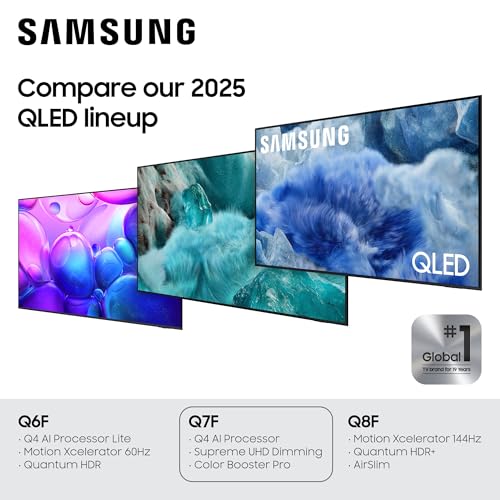
What makes this comparison particularly interesting is that while both the Samsung Q7F and QN80F carry the QLED badge, they represent fundamentally different generations of display technology. It's like comparing a well-equipped economy car to a luxury sedan—both will get you where you're going, but the experience will be notably different.
The most critical difference between these TVs lies in their underlying display architecture. The Q7F uses what's essentially traditional QLED technology—it has quantum dots, but relies on edge-lit or direct-lit LED backlighting without any local dimming capability. Local dimming is a feature where different sections of the backlight can be independently controlled, allowing parts of the screen to go darker while others stay bright, dramatically improving contrast.
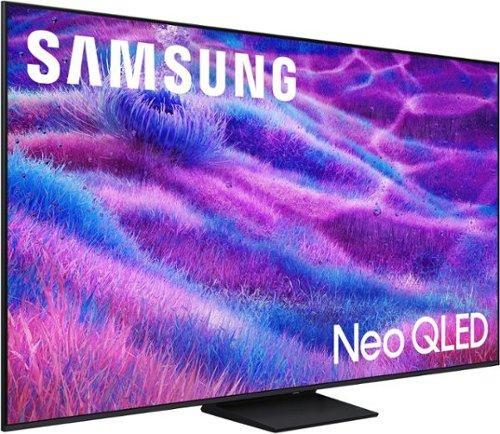
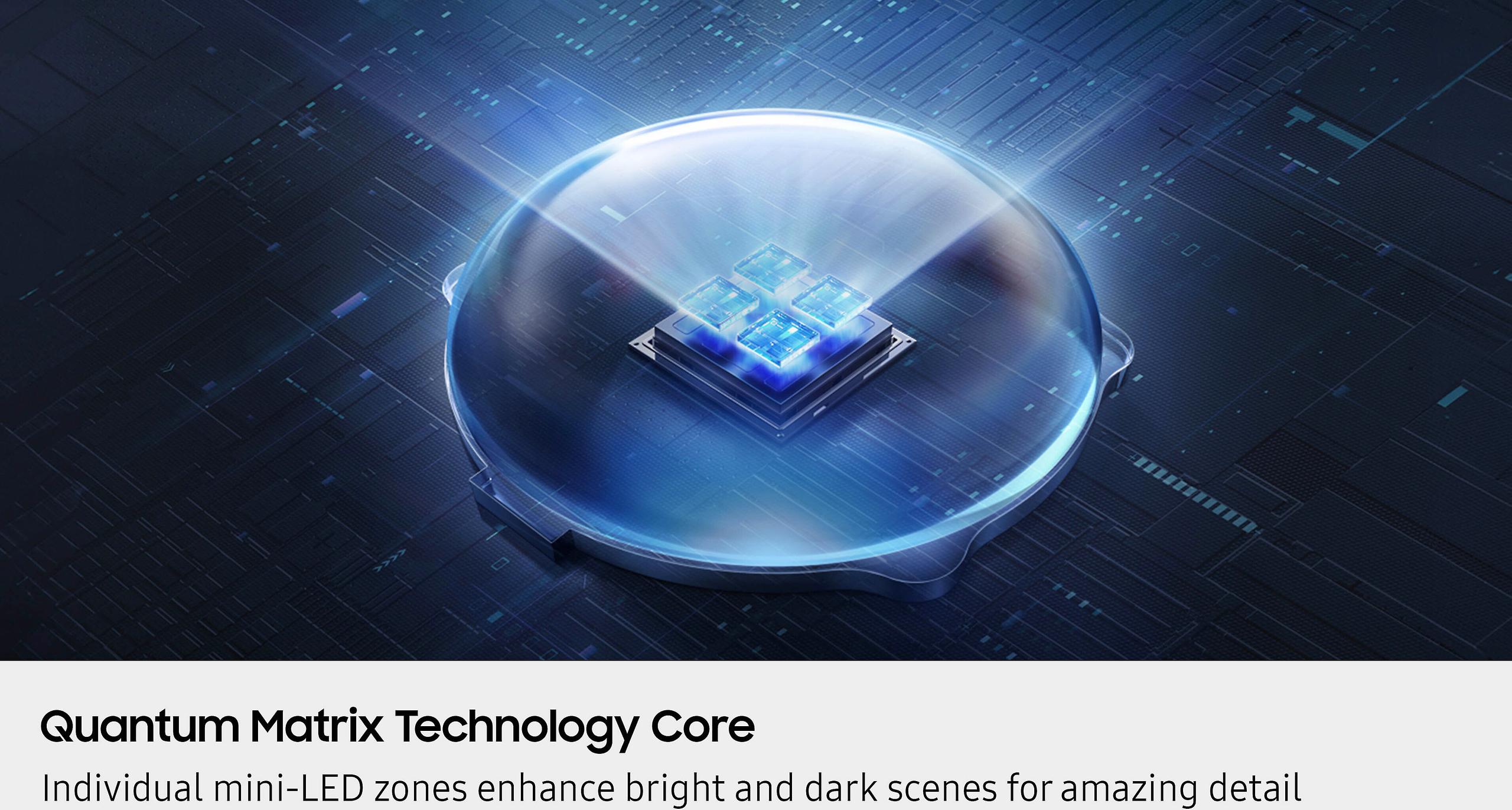
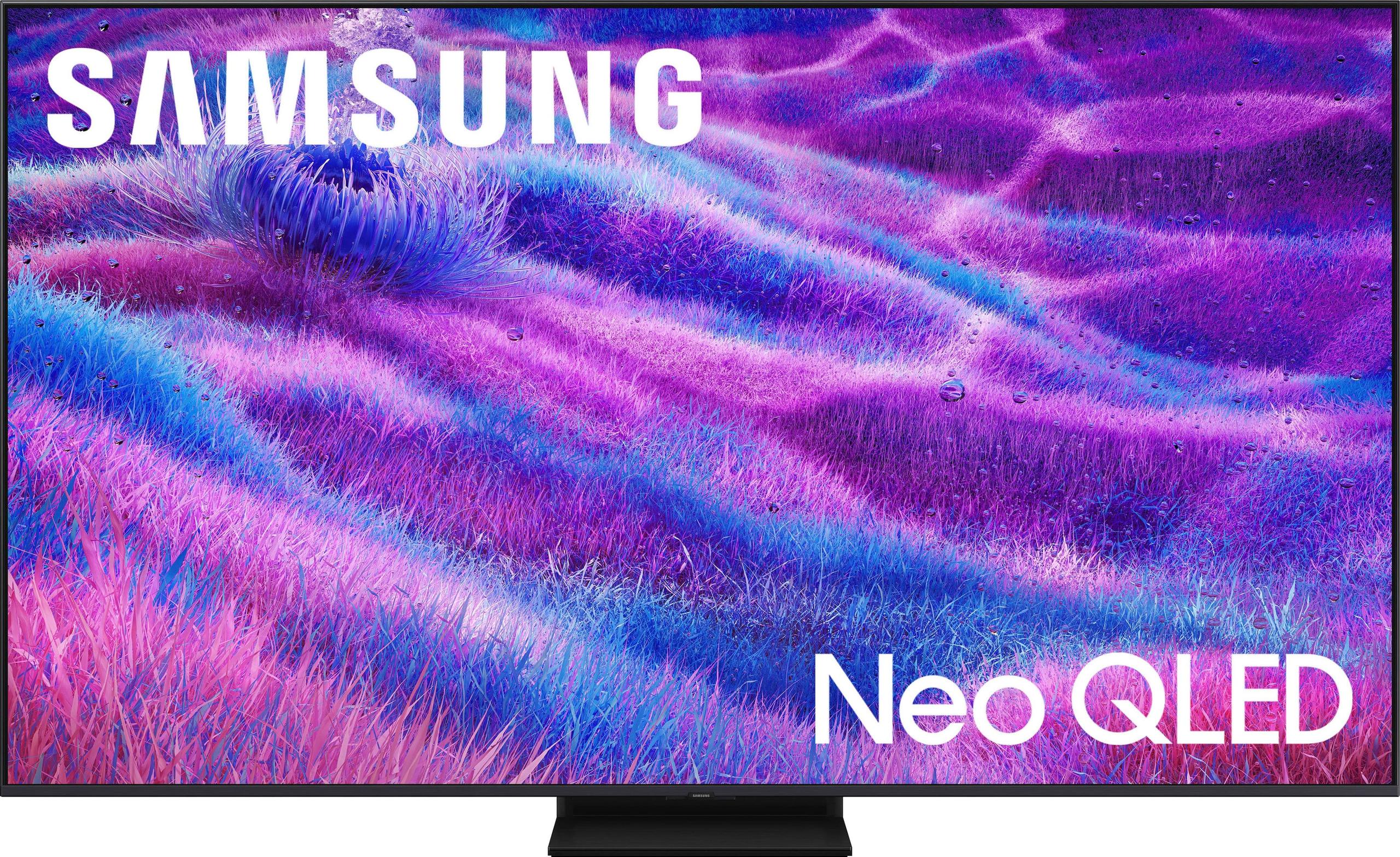
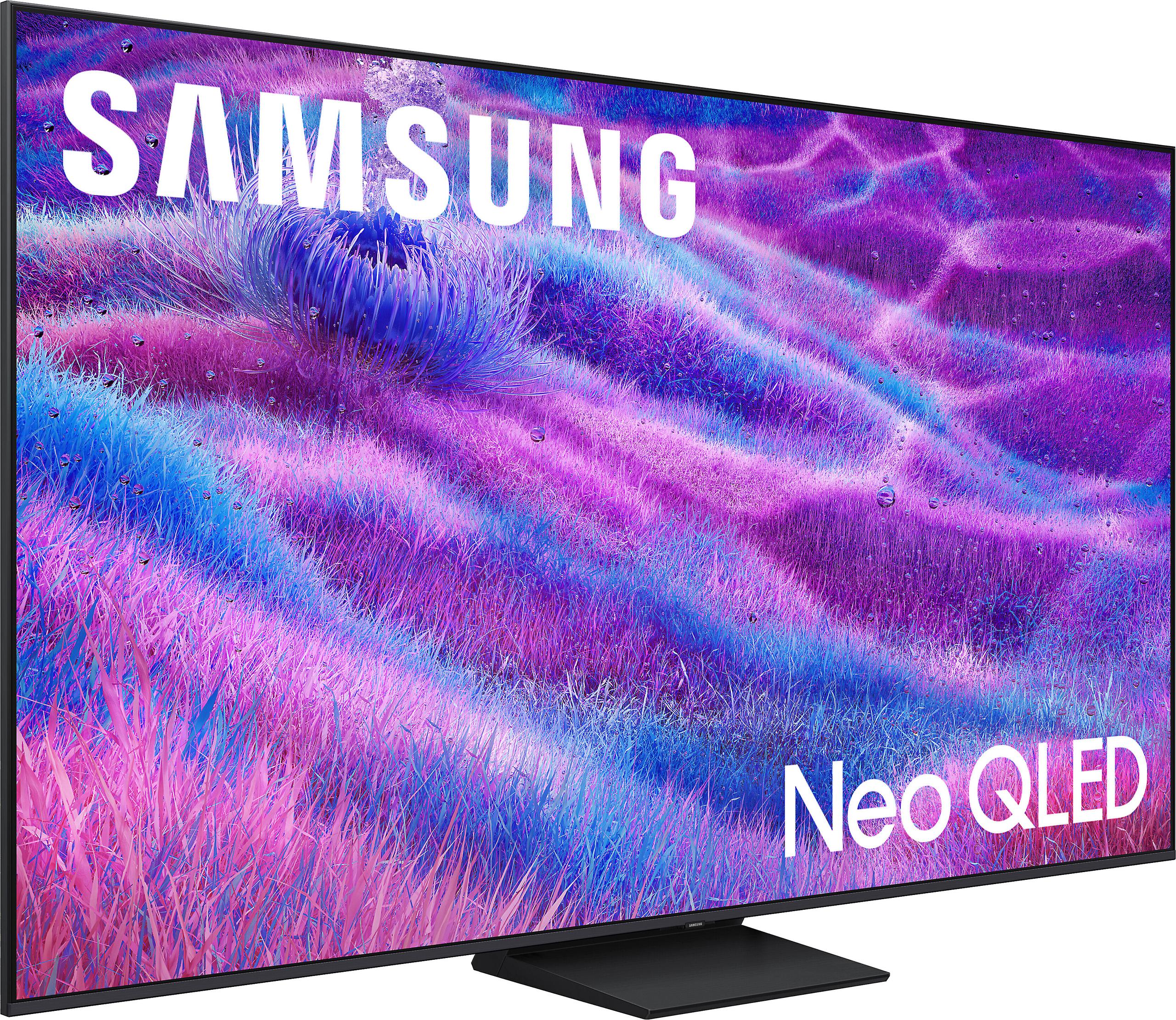
The QN80F, on the other hand, represents Samsung's Neo QLED technology, which incorporates Mini LED backlighting with Quantum Matrix Technology. Mini LEDs are exactly what they sound like—much smaller LED lights that can be packed more densely behind the screen. Instead of having dozens of LEDs lighting the entire display, you get thousands of tiny LEDs that can be controlled in precise zones.
Think of it this way: traditional backlighting is like trying to read a book with a single overhead light in the room—you get decent illumination, but you can't control shadows and bright spots. Mini LED backlighting is like having hundreds of individually controllable desk lamps, each one precisely illuminating just the part of the page you need.
This technological difference cascades into every aspect of picture performance, making the QN80F fundamentally superior in contrast, brightness control, and HDR performance.
Brightness might seem like a simple spec, but it's actually one of the most important factors for real-world viewing satisfaction. Based on our research of expert reviews and user feedback, the differences here are stark and immediately noticeable.
The Q7F struggles significantly with brightness output. Professional reviewers consistently describe it as having "sub-par brightness" that can't adequately combat glare in well-lit rooms. More critically, its HDR (High Dynamic Range) performance—which is supposed to deliver those spectacular bright highlights and deep shadows you see in movie theaters—is described as "very dim" with highlights that simply don't pop off the screen.
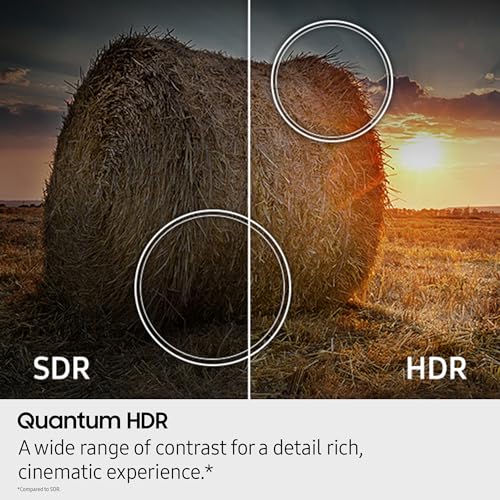
HDR content is designed to take advantage of displays that can get very bright and very dark simultaneously. When a TV can't deliver sufficient peak brightness, HDR movies and shows end up looking flat and unimpressive, defeating the entire purpose of the format. The Q7F falls into this category, making it unsuitable for anyone who wants to experience HDR content as intended.
The QN80F represents a dramatic improvement, delivering what reviewers call "excellent peak brightness in SDR" (Standard Dynamic Range). This means it can handle bright rooms effectively and provides a much more satisfying HDR experience. While it still can't reach the extreme brightness levels of Samsung's flagship models, it gets bright enough to make HDR content feel impactful and engaging.
Contrast ratio—the difference between the brightest whites and darkest blacks a TV can produce—is arguably the most important factor in perceived picture quality. This is where the technological differences between these models become most apparent.
Without local dimming, the Q7F suffers from what's technically called "elevated black levels." In plain English, this means that when you're watching a dark movie scene, what should be deep black instead appears grayish or washed out. This creates a flat, video-game-like appearance that lacks the cinematic depth you'd expect from a quality display.
The QN80F's Mini LED local dimming addresses this head-on. While it's not perfect—some reviewers note occasional "clouding" effects in very dark rooms where you might see slight brightness variations—it delivers substantially better contrast performance. Dark scenes actually look dark, bright scenes pop with intensity, and the overall image has much more three-dimensional depth.
For home theater enthusiasts, this difference is game-changing. Movie watching becomes significantly more immersive when the TV can properly render the shadow details in a dimly lit scene while still maintaining bright, punchy highlights.
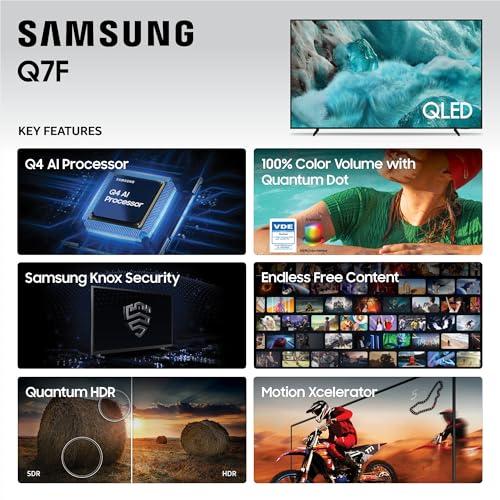
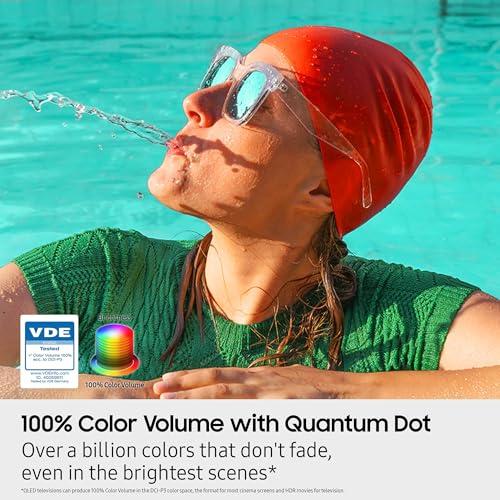
Both TVs feature Samsung's quantum dot technology and claim "100% color volume," but implementation matters enormously. The Q7F has been criticized for "dim and muted" colors with "disappointing color volume" in HDR content. The colors are there, but they lack the vibrancy and saturation that make modern content truly engaging.
The QN80F takes the same quantum dot foundation but pairs it with superior processing and backlighting control. The result is noticeably more vibrant, accurate colors that maintain their saturation even at different brightness levels. Customer reviews consistently praise the "rich and vibrant" colors that make favorite films and shows feel like new experiences.
Both models include Color Booster Pro technology and are PANTONE Validated, meaning they can accurately reproduce industry-standard colors. However, the QN80F's advanced implementation makes these capabilities much more noticeable in real-world viewing.
Gaming capabilities represent perhaps the most significant functional difference between these models, and it's where the generational gap becomes most apparent.
Today's gaming landscape demands specific technical capabilities. The PlayStation 5 and Xbox Series X can output games at 4K resolution with frame rates up to 120 frames per second. To take full advantage of these capabilities, you need a TV with HDMI 2.1 ports, 120Hz refresh rate support, and Variable Refresh Rate (VRR) technology.
VRR is particularly important because it allows the TV's refresh rate to dynamically match the console's output frame rate. This eliminates screen tearing (where you see parts of two different frames simultaneously) and stuttering, creating a much smoother gaming experience.
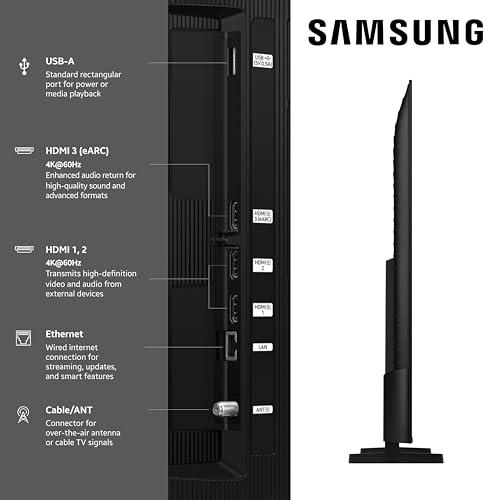
The Q7F simply doesn't support any of these modern gaming standards. It's limited to a 60Hz refresh rate and lacks HDMI 2.1 entirely. While it does offer low input lag (the delay between pressing a button and seeing the action on screen), it's fundamentally incompatible with next-generation gaming features. If you own a PS5 or Xbox Series X, you're leaving significant performance on the table.
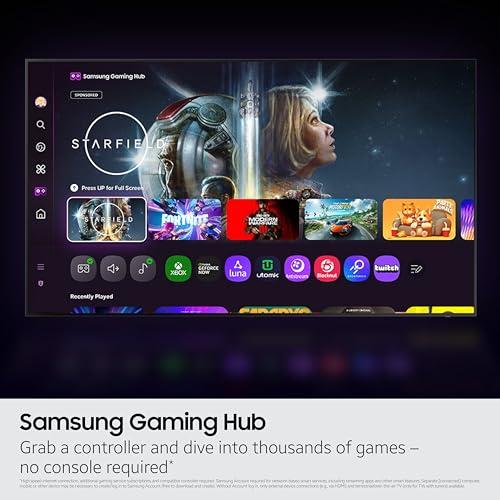
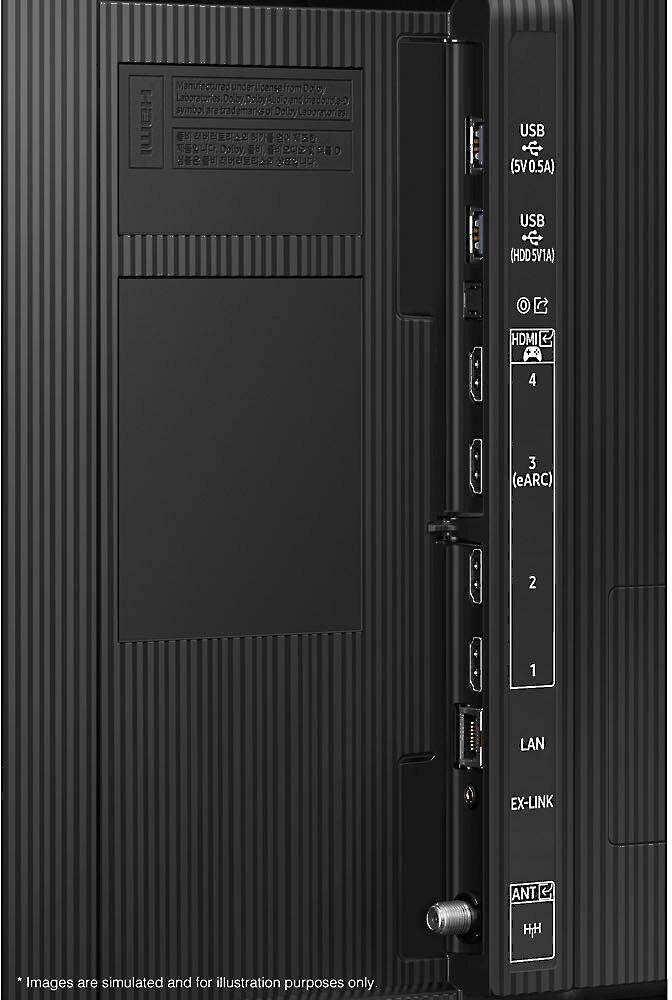
The QN80F delivers the full modern gaming experience with a native 144Hz refresh rate, full VRR support, and four HDMI 2.1 ports. It supports 4K gaming at up to 144Hz with excellent input lag performance. Features like Gaming Hub integration and Game Bar provide additional convenience for serious gamers.
Based on user feedback and expert reviews, the gaming experience differences are immediately apparent. The QN80F has been praised for making "timed combos and counters easy" in action games, with motion that "looks incredible." HDR gaming performance is described as impressive, with bright highlights that don't become overwhelming and deep blacks that maintain detail.
The Q7F, while adequate for casual gaming, creates a noticeably blurrier experience during fast motion due to its slower response time. Professional reviewers specifically note it's "not good for gamers" due to this motion blur issue.
Both TVs run Samsung's Tizen operating system, but the underlying processing power creates meaningful differences in everyday use.
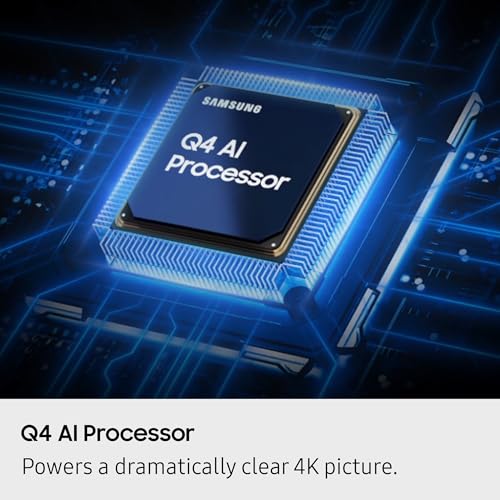
The Q7F uses Samsung's Q4 AI Gen1 Processor, which provides basic Vision AI features like scene recognition and color optimization. It handles standard smart TV functions adequately but lacks the computational power for more advanced features.
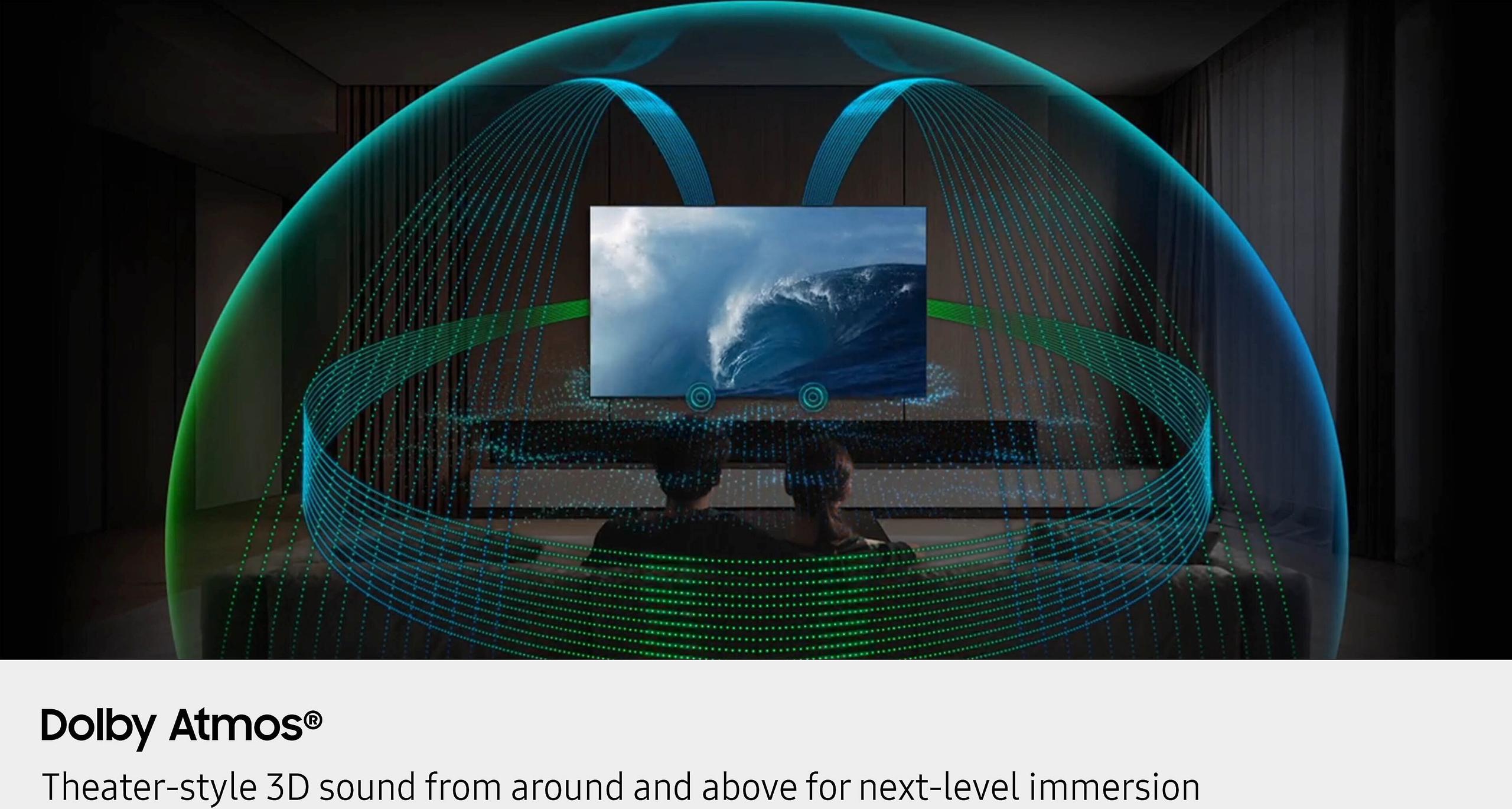
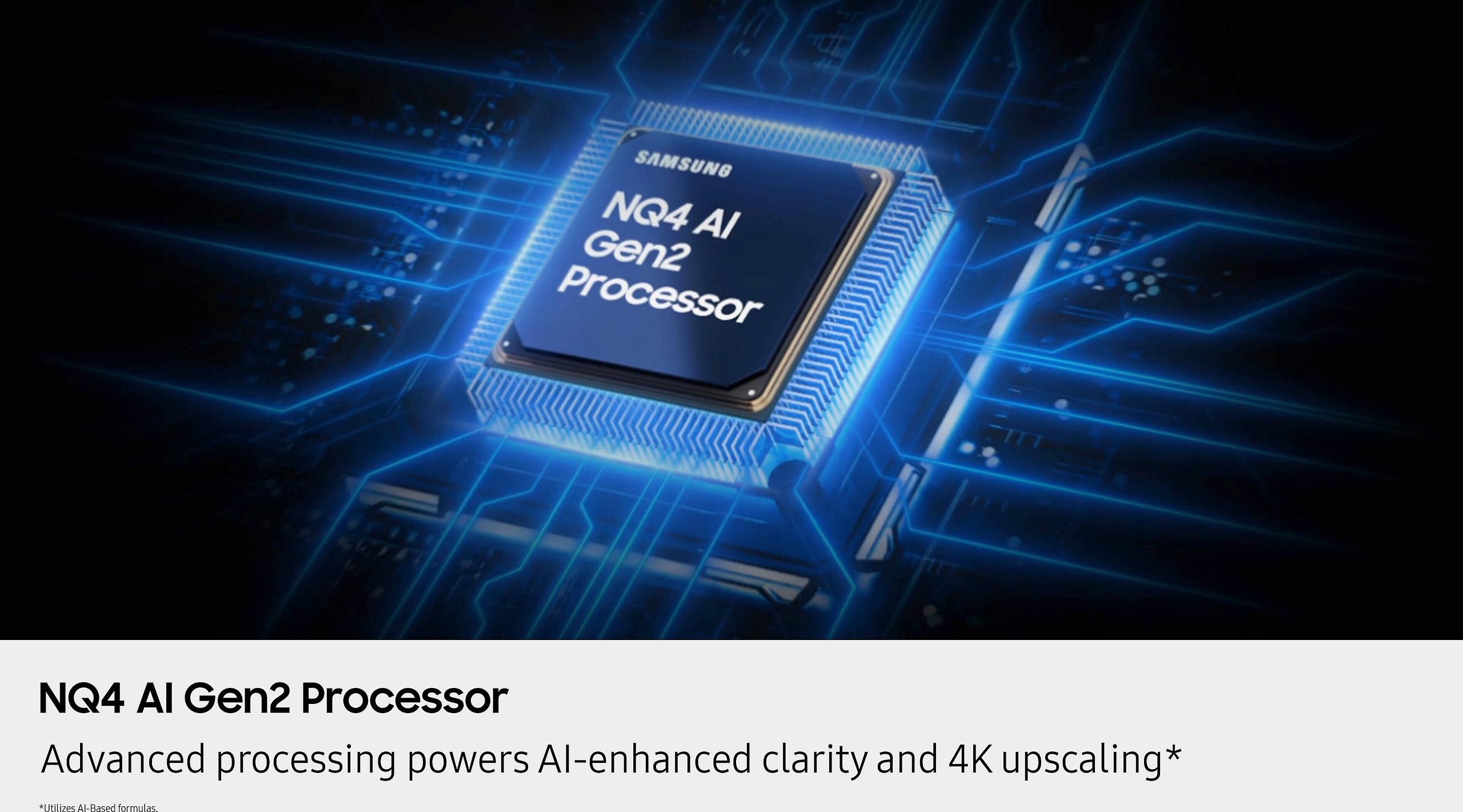
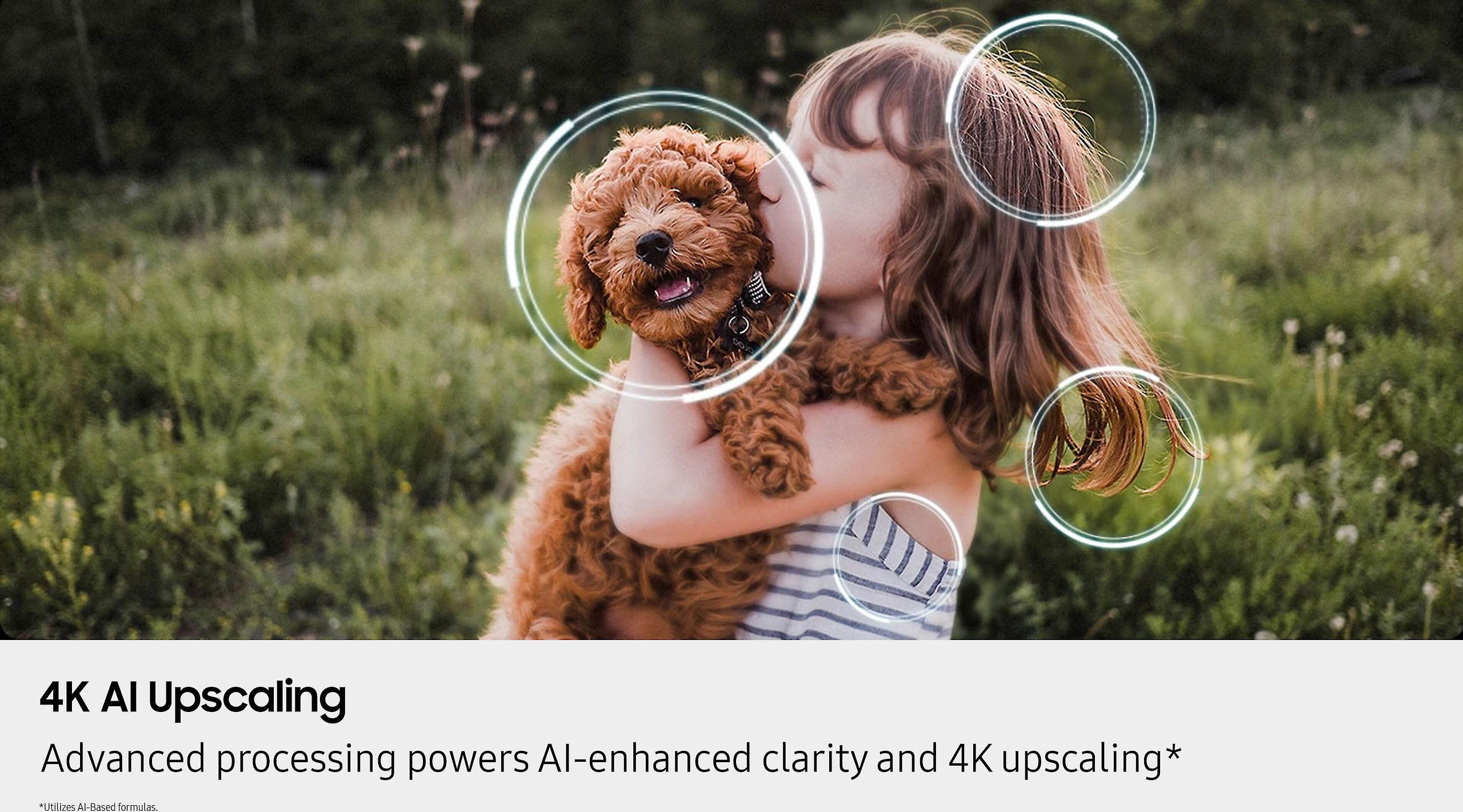
The QN80F steps up to the NQ4 AI Gen2 Processor, which enables significantly more sophisticated capabilities. This includes superior 4K upscaling (making lower-resolution content look sharper), Real Depth Enhancer for more three-dimensional images, and Auto HDR Remastering that can improve non-HDR content.
Samsung's Vision AI suite on the QN80F includes some genuinely useful features that go beyond marketing gimmicks. Generative Wallpaper uses AI to create custom ambient images based on keywords you provide—surprisingly engaging for personalizing your TV's appearance when not watching content. Live Translate can provide real-time translation of foreign dialogue, and Universal Gesture allows basic TV control through hand movements.
These features might seem novelty-focused, but they demonstrate the processing headroom available for future updates and improvements.
Both models share Samsung's sleek, minimalist design philosophy, but there are practical differences worth considering.
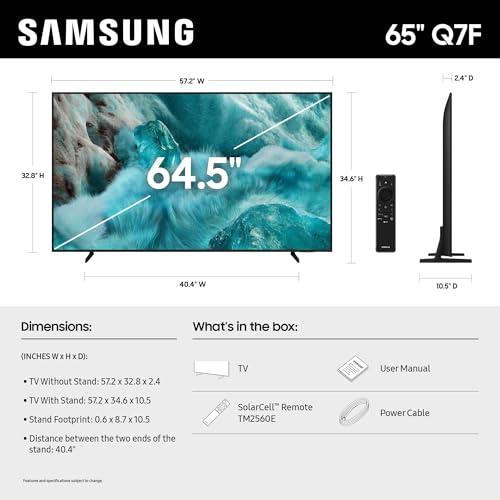
The Q7F is notably lighter at about 38 pounds for the 65-inch model, making wall mounting easier. However, this lighter build comes with some trade-offs in structural rigidity, with some flex noted in the back panel.
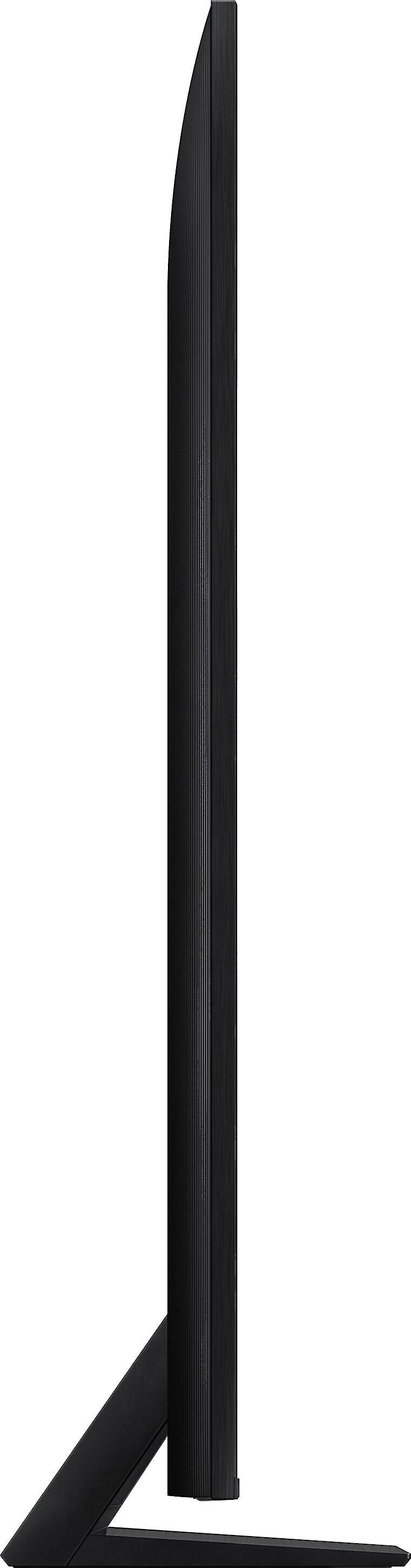
The QN80F weighs about 52 pounds, reflecting its more substantial internal components and build quality. Both models feature adjustable stands that can accommodate different furniture setups and soundbar placement.
Room lighting compatibility varies significantly between these models. The Q7F has "sub-par reflection handling," making it problematic in bright rooms where windows or lights might create screen glare.
The QN80F includes Samsung's new anti-glare coating technology, which professional reviewers describe as "super-effective" at reducing environmental reflections. While not perfect, it's substantially better at maintaining picture quality in challenging lighting conditions.
At the time of writing, these TVs are positioned very closely in price, which makes the value comparison particularly stark. The QN80F consistently delivers superior performance across virtually every measurable category while often being priced competitively with or even below the Q7F.
This pricing situation makes the QN80F one of the better values in the current QLED TV market. Professional reviewers have noted that while it may be "a bit overpriced" compared to some competitors like Hisense or TCL models, at its current market positioning, it represents exceptional value for Samsung's build quality and feature set.
Future-proofing is crucial when making a TV purchase you expect to live with for several years. The Q7F's lack of modern gaming support and limited brightness capabilities make it less suitable for evolving content standards and gaming requirements.
The QN80F's comprehensive gaming support, superior processing power, and advanced display technology position it much better for upcoming content formats and gaming developments.
You're working with an extremely tight budget and primarily watch TV in controlled lighting conditions. If your main activities are casual TV watching and movie viewing without modern gaming consoles, and if the price difference is significant enough to strain your budget, the Q7F can provide basic QLED benefits.
However, given the current market positioning, this scenario is increasingly rare. The performance compromises are substantial, and the value proposition only works if there's a significant price gap.
You want the best performance available in this price range, period. Whether you're a gamer needing modern console support, someone with a bright living room, a home theater enthusiast wanting proper HDR performance, or simply someone who wants their TV purchase to remain relevant for years to come, the QN80F delivers.
Customer satisfaction ratings strongly support this recommendation, with the QN80F earning consistently high marks for picture quality, gaming performance, and overall value.
This comparison reveals a clear winner in the Samsung QN80F. The technological advantages of Neo QLED with Mini LED backlighting, combined with superior processing power and comprehensive gaming support, create a substantially better viewing experience across all use cases.
The Q7F's only meaningful advantage is its marginally lower weight for wall mounting, but this doesn't offset its significant performance limitations in brightness, contrast, gaming capabilities, and future-proofing.
At current market pricing, the QN80F represents exceptional value in the QLED TV space. Unless budget constraints absolutely require the cheapest possible option, the performance gap makes the choice straightforward.
For anyone serious about picture quality, gaming, or long-term satisfaction with their TV purchase, the QN80F justifies its position through superior technology and real-world performance advantages that you'll notice every time you turn on the TV.
| Samsung 65-Inch Q7F Series QLED Smart TV 2025 Display | Samsung 65" QN80F Neo QLED 4K TV |
|---|---|
| Display Technology - Foundation that determines overall picture quality | |
| Traditional QLED with direct LED backlighting, no local dimming | Neo QLED with Mini LED backlighting and Quantum Matrix Technology |
| Brightness Performance - Critical for HDR content and bright room viewing | |
| Sub-par brightness, struggles in well-lit rooms, very dim HDR | Excellent peak brightness in SDR, significantly better HDR performance |
| Contrast and Black Levels - Most important factor for cinematic picture quality | |
| No local dimming, grayish blacks, poor contrast ratios | Mini LED local dimming with deeper blacks and superior contrast |
| Gaming Capabilities - Essential for modern console compatibility | |
| 60Hz only, no HDMI 2.1, no VRR support | 144Hz native, full VRR support, four HDMI 2.1 ports |
| Processor and AI Features - Determines smart TV performance and upscaling quality | |
| Q4 AI Gen1 Processor with basic Vision AI features | NQ4 AI Gen2 Processor with advanced upscaling and premium AI features |
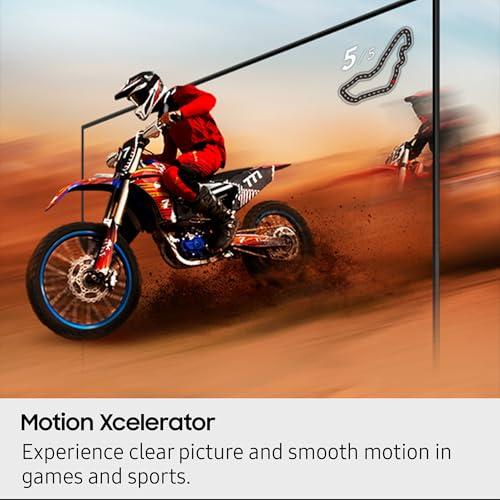
| Motion Handling - Important for sports and fast-action content | |
| Slow response time causes motion blur in fast content | Better motion clarity at higher refresh rates, some shadow detail blur |
| Reflection Handling - Affects usability in various lighting conditions | |
| Sub-par reflection handling, problematic in bright rooms | Anti-glare coating significantly reduces environmental reflections |
| Weight and Build - Practical considerations for mounting and setup | |
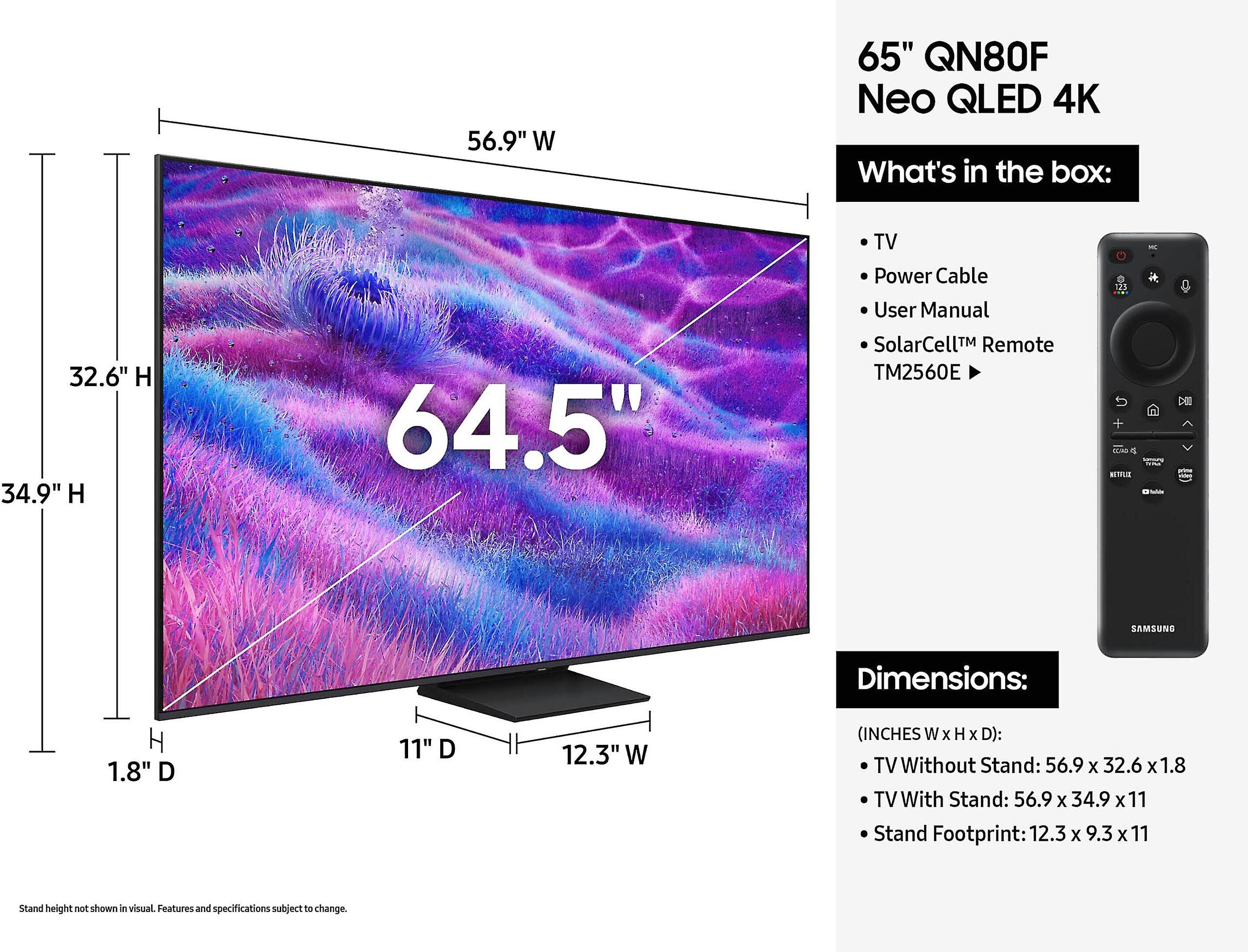
| 37.7 lbs, lighter for wall mounting but some back panel flex | 52.2 lbs, more substantial build quality and internal components |
| Future-Proofing - How well it will handle evolving content and gaming standards | |
| Limited by 60Hz and lack of modern gaming features | Comprehensive support for current and upcoming gaming/content standards |
| Best Use Cases - Who should consider each model | |
| Budget-conscious buyers with controlled lighting and no gaming needs | Gamers, bright room viewers, HDR enthusiasts, and value-focused buyers |
The primary difference is display technology. The Samsung Q7F uses traditional QLED with basic LED backlighting, while the Samsung QN80F Neo QLED features advanced Mini LED backlighting with local dimming zones. This gives the QN80F significantly better contrast, brightness, and overall picture quality.
The Samsung QN80F Neo QLED is vastly superior for gaming. It offers 144Hz refresh rate, VRR support, and four HDMI 2.1 ports, making it compatible with PlayStation 5 and Xbox Series X at their full potential. The Samsung Q7F is limited to 60Hz with no modern gaming features.
The Samsung QN80F Neo QLED performs much better in bright rooms thanks to its superior peak brightness and anti-glare coating. The Samsung Q7F struggles with brightness and reflection handling, making it more suitable for rooms with controlled lighting.
For home theater use, the Samsung QN80F Neo QLED delivers significantly better movie performance. Its Mini LED local dimming provides deeper blacks and better contrast, while superior HDR brightness makes movies more cinematic. The Q7F produces grayish blacks that lack depth.
The Samsung QN80F Neo QLED handles HDR much better with brighter highlights and improved contrast. The Samsung Q7F has been criticized for dim, muted HDR performance that doesn't deliver the intended visual impact of HDR movies and shows.
At current market positioning, the Samsung QN80F Neo QLED provides exceptional value with superior technology across all categories. The Q7F only makes sense if budget constraints absolutely require the lowest possible price point.
Yes, both the Samsung Q7F and Samsung QN80F Neo QLED run Samsung's Tizen smart TV platform with access to all major streaming apps. However, the QN80F has a more powerful processor for better performance and additional AI features.
The Samsung QN80F Neo QLED is much better suited for home theater use. Its Mini LED technology delivers the deep blacks and bright highlights essential for cinematic viewing, while the Q7F lacks the contrast performance needed for an immersive theater experience.
Both TVs offer Samsung's smart features, but the Samsung QN80F Neo QLED includes more advanced AI capabilities like Generative Wallpaper, Live Translate, and superior 4K upscaling thanks to its Gen2 processor. The Q7F has basic smart TV functionality.
The Samsung QN80F Neo QLED provides better motion clarity for sports and action content with its higher refresh rate capabilities. The Q7F has slower response times that can cause motion blur during fast-moving scenes.
The Samsung Q7F is lighter weight, making wall mounting slightly easier, and it may have a lower price point. However, these minor advantages don't offset the significant performance gaps in brightness, gaming features, and picture quality compared to the QN80F.
For most buyers, the Samsung QN80F Neo QLED is the clear choice, offering superior display technology, gaming capabilities, and future-proofing. Only choose the Samsung Q7F if budget is the absolute primary concern and you don't need modern gaming features or bright room performance.
We've done our best to create useful and informative comparisons to help you decide what product to buy. Our research uses advanced automated methods to create this comparison and perfection is not possible - please contact us for corrections or questions. These are the sites we've researched in the creation of this article: bestbuy.com - rtings.com - bestbuy.com - youtube.com - youtube.com - youtube.com - samsung.com - samsung.com - samsung.com - billsmith.com - costco.com - samsung.com - hometechnologyreview.com - hometechnologyreview.com - bestbuy.com - samsung.com - bestbuy.com - samsung.com - hometechnologyreview.com - samsung.com - samsung.com - samsung.com - theshortcut.com - youtube.com - bestbuy.com - rtings.com - samsung.com - samsung.com - samsung.com - sargentappliance.com - displayspecifications.com - bestbuy.com

Privacy Policy
Terms and Conditions - Affiliate Policy
Home Security
© Copyright 2008-2026.
11816 Inwood Rd #1211, Dallas, TX 75244