

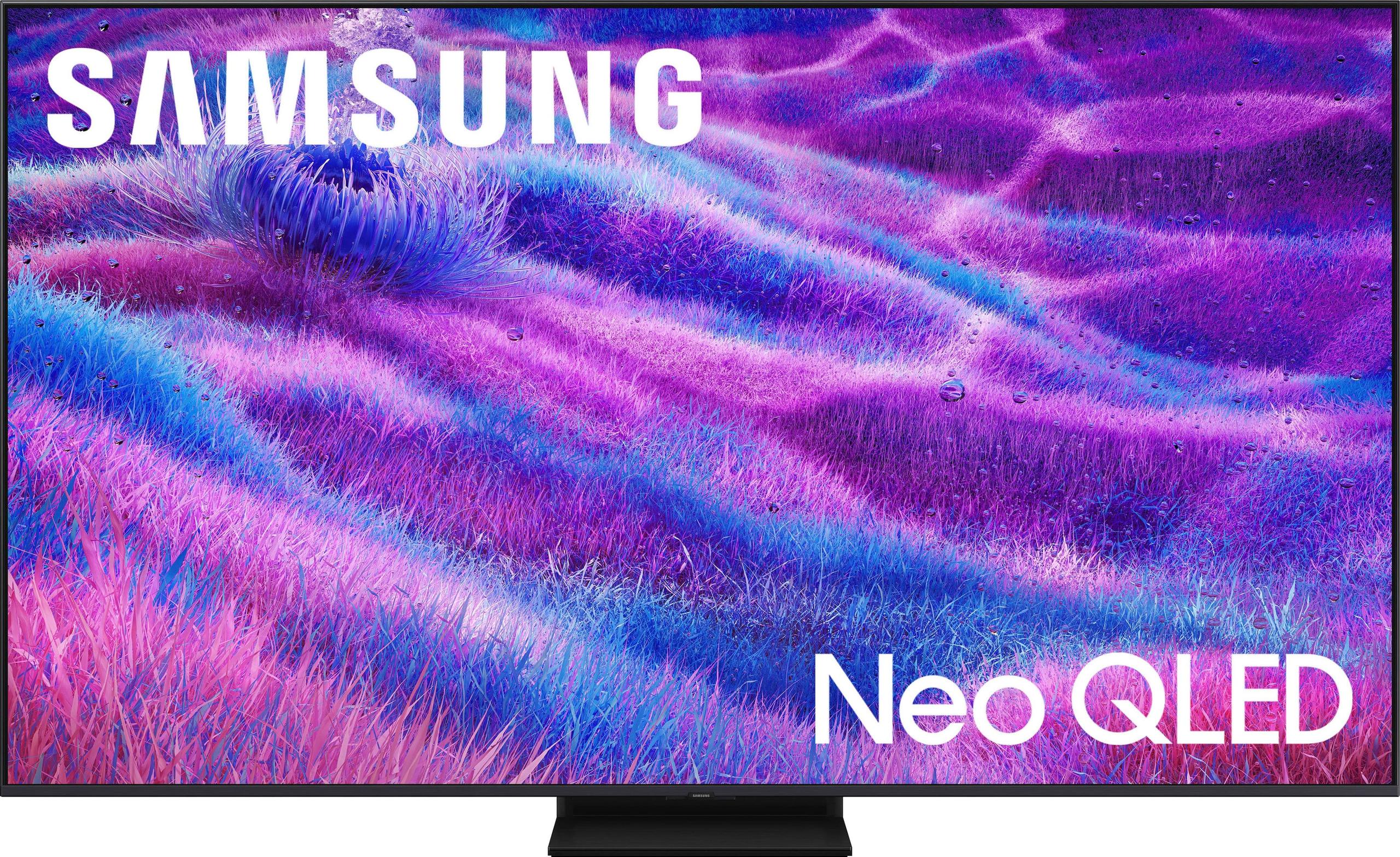
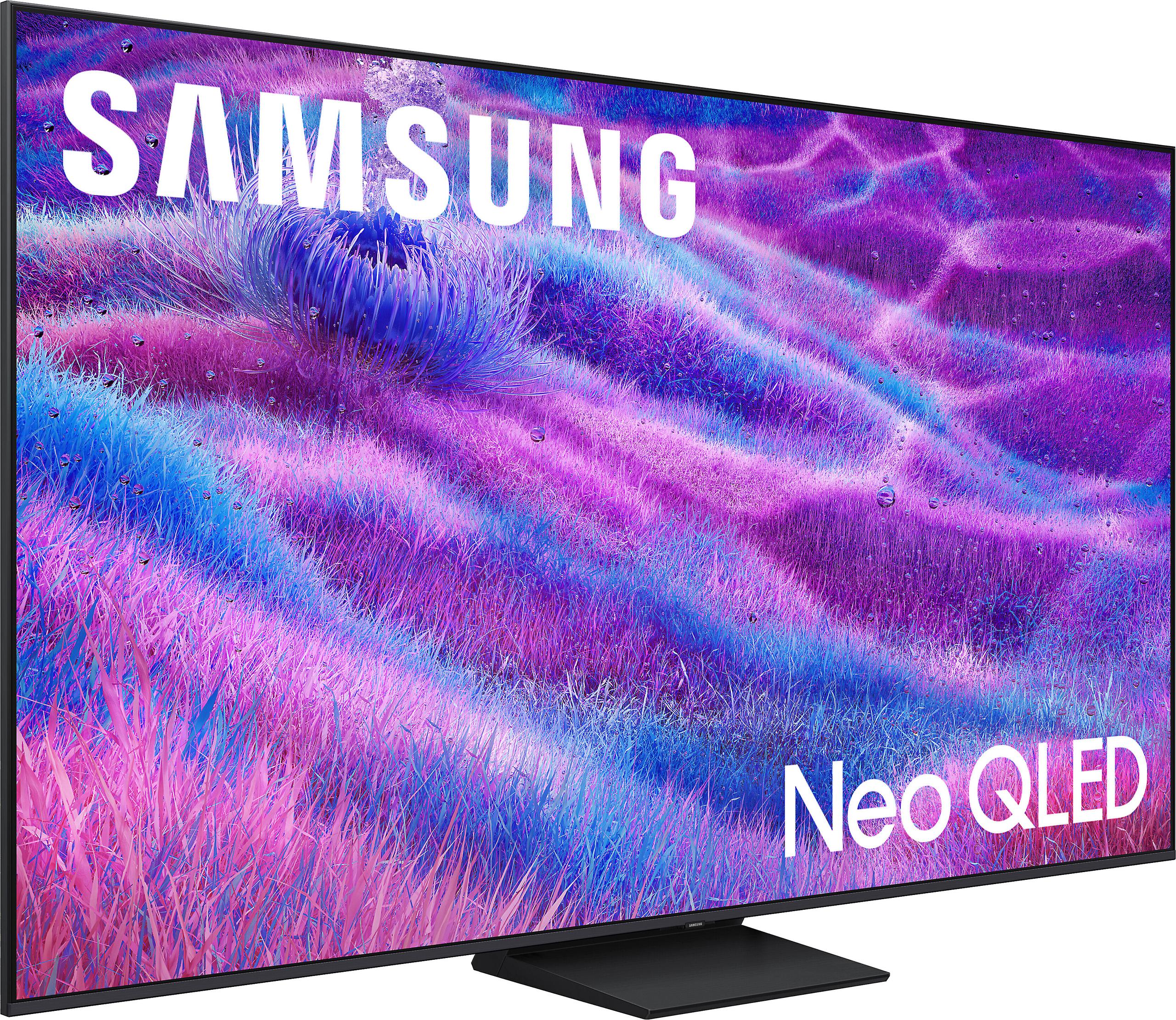
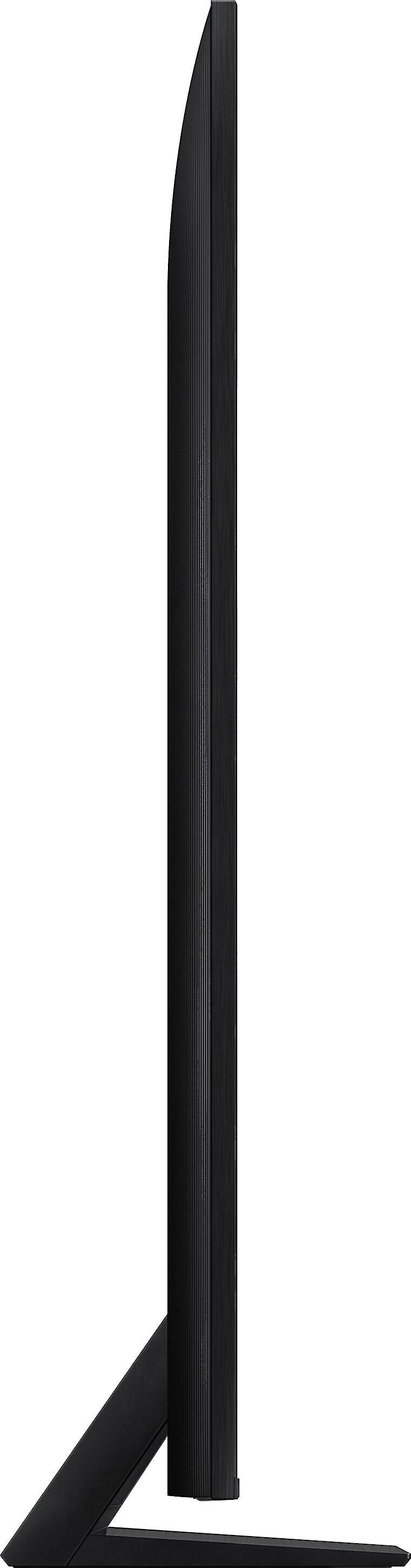
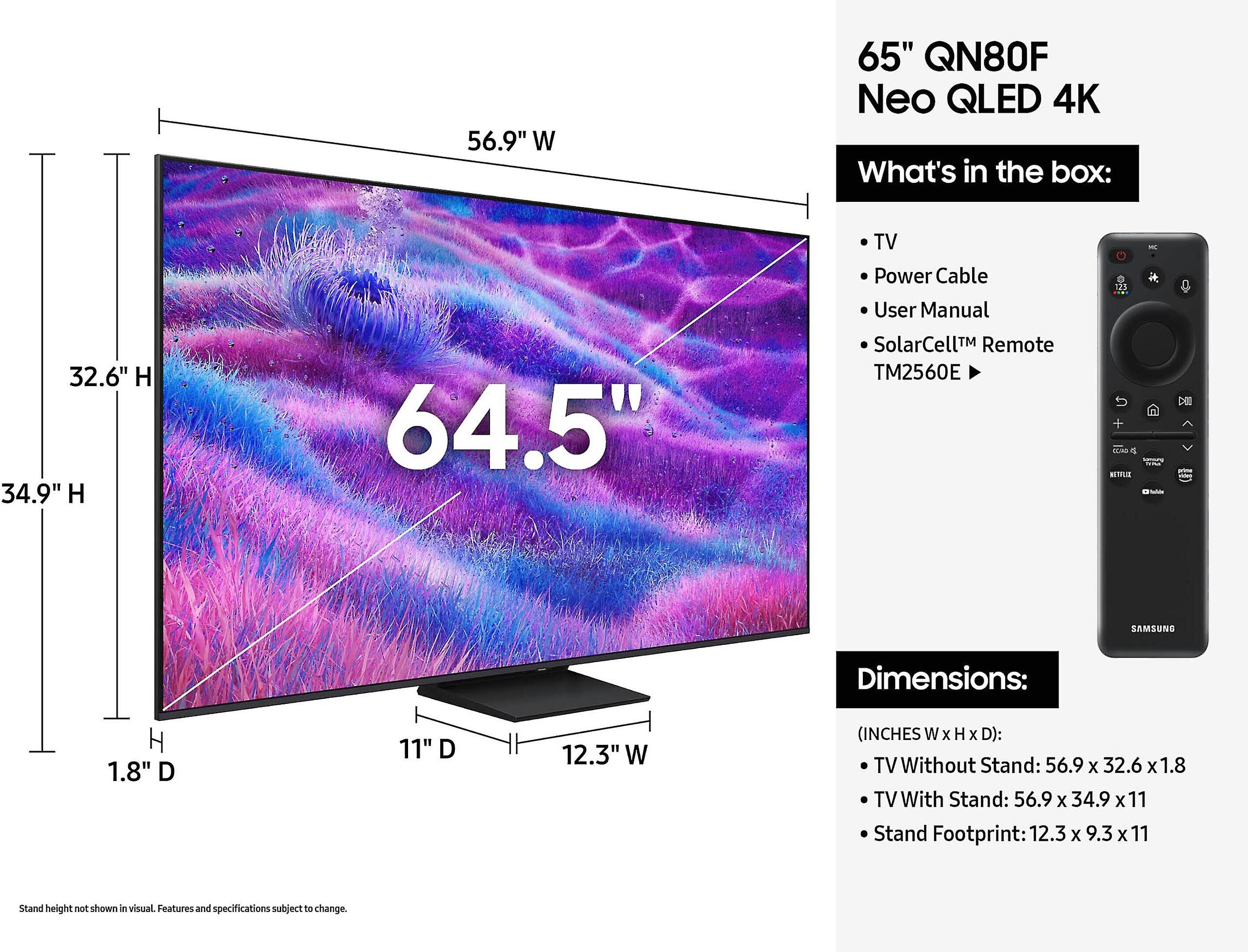
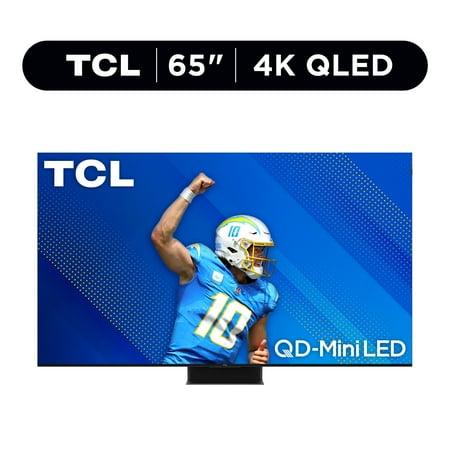




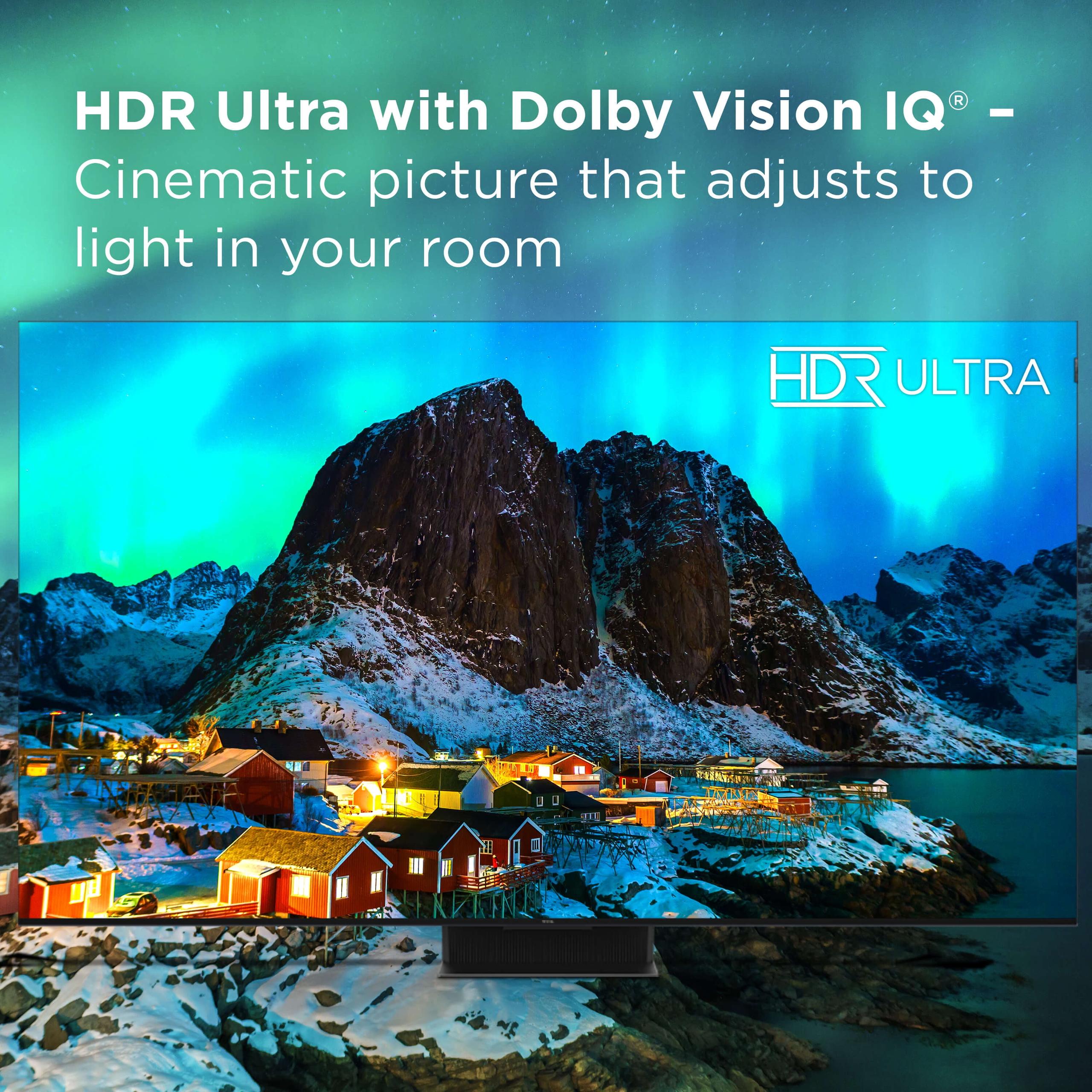
Shopping for a premium 65-inch TV in 2025 has become both exciting and overwhelming. The latest Mini-LED technology has fundamentally changed what we can expect from LED TVs, delivering OLED-like contrast without the brightness limitations. Two standout options dominating discussions are the Samsung QN80F Neo QLED and the TCL QM8 Mini-LED – but they take dramatically different approaches to achieving premium performance.
After spending time with both models, I've found they represent two distinct philosophies: Samsung's pursuit of reference-quality accuracy versus TCL's maximum visual impact strategy. At the time of writing, there's a significant price gap between them, making the value equation particularly interesting for potential buyers.
The premium TV market has evolved rapidly since 2020, with Mini-LED technology becoming the sweet spot between traditional LED and OLED displays. Both the Samsung QN80F and TCL QM8 utilize thousands of tiny LEDs behind the screen, creating what's called "local dimming zones." Think of these zones as individually controllable sections of the backlight – more zones typically mean better contrast control and less "blooming" (unwanted light spilling around bright objects).
When shopping in this category, you're essentially choosing between different priorities. Some buyers want the most accurate colors possible – exactly what the movie director intended. Others prefer maximum visual impact that makes HDR content leap off the screen. Still others prioritize gaming features or smart TV capabilities. Understanding your primary use case is crucial because these TVs excel in different areas.
The key considerations that matter most are local dimming performance (how well the TV controls contrast), peak brightness (especially important for HDR content), color accuracy versus vibrancy, gaming features like high refresh rates, and the maturity of the smart TV platform. Build quality and long-term support also factor into the value equation.
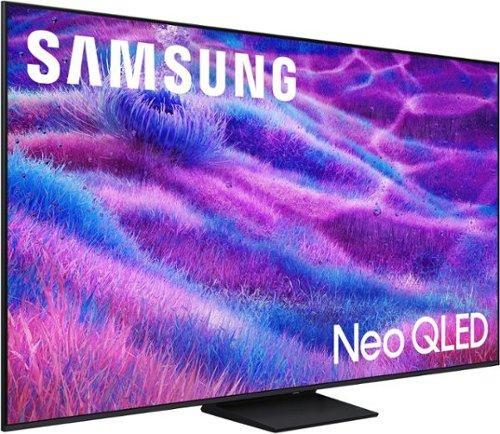
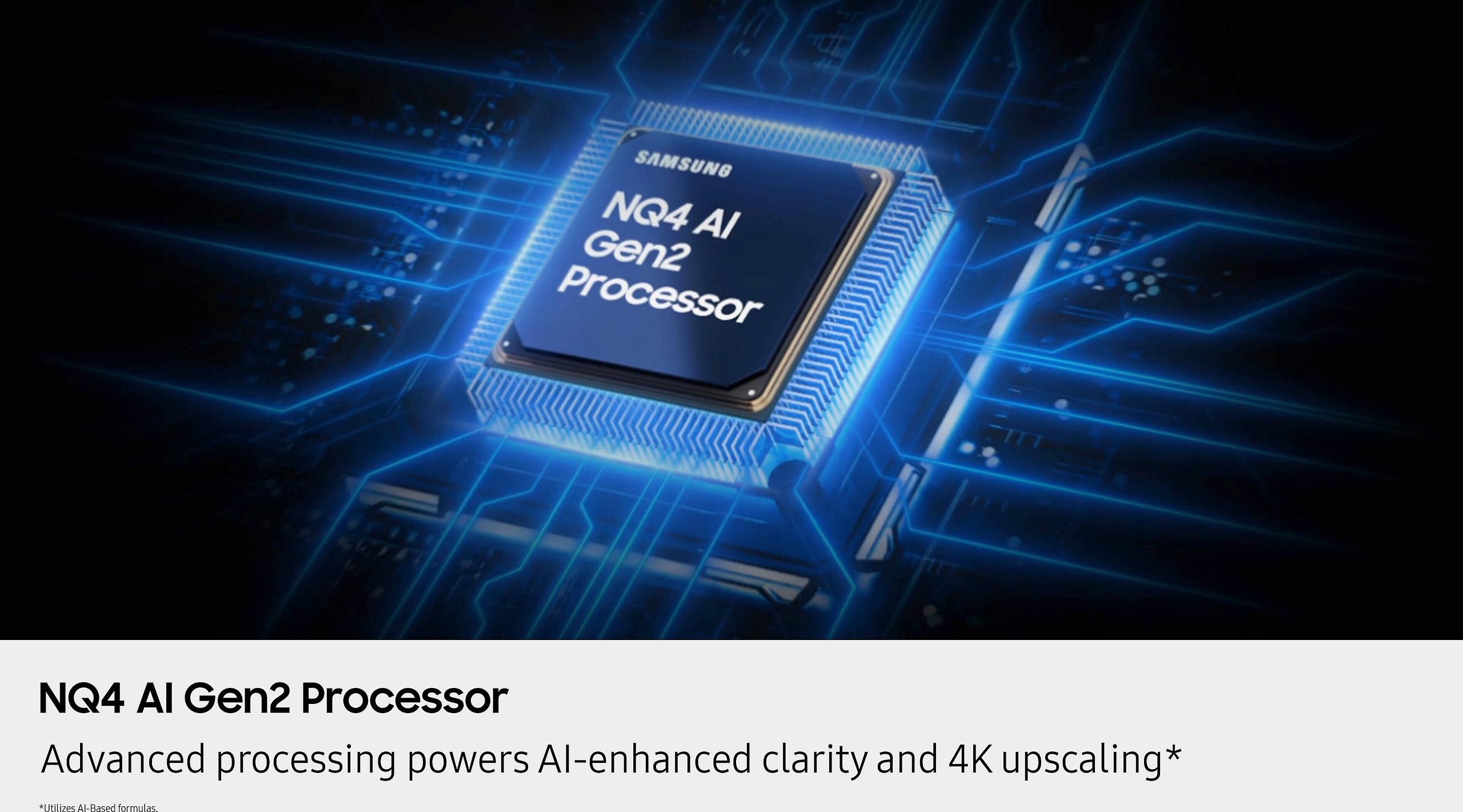
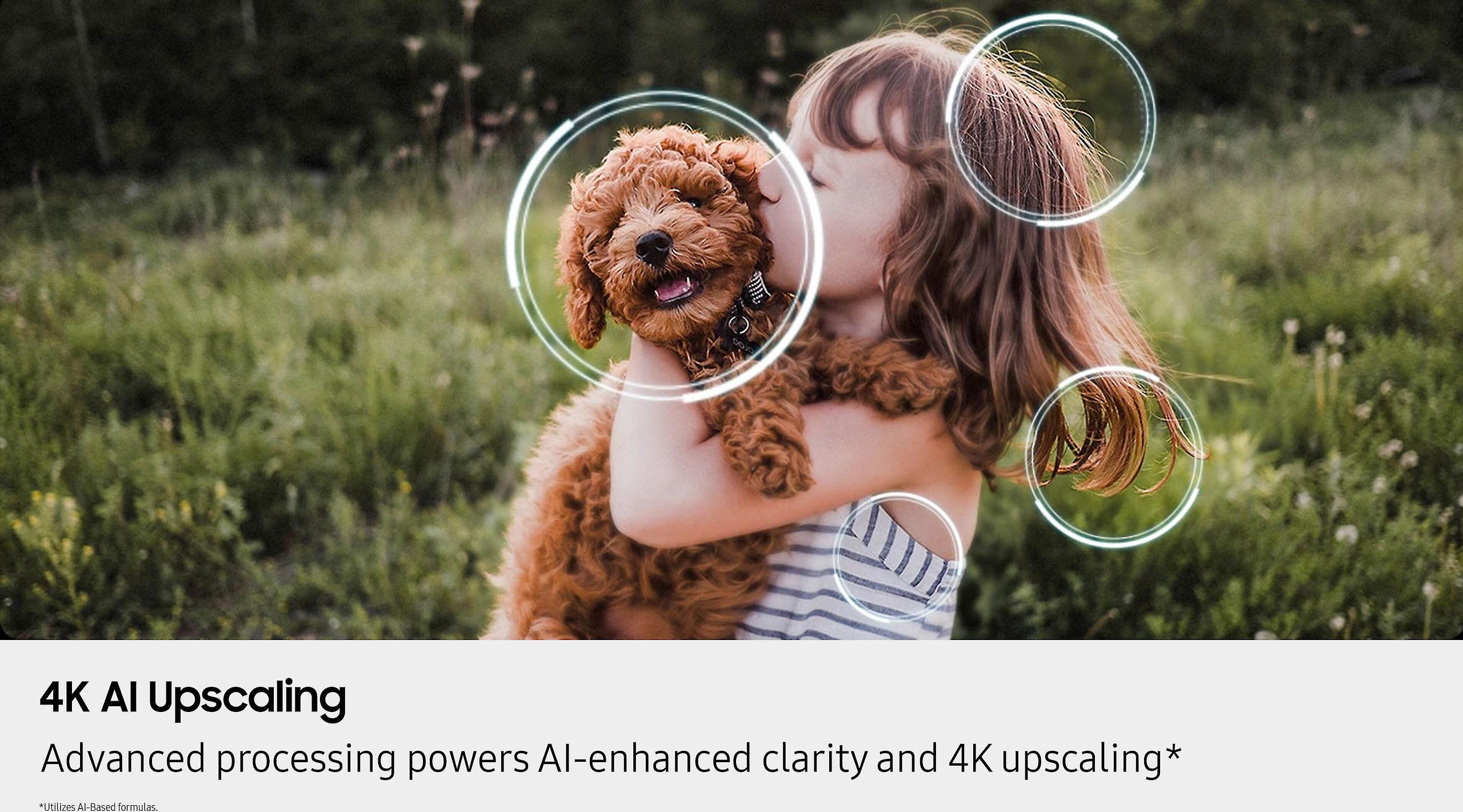
The Samsung QN80F Neo QLED, released in early 2025, represents Samsung's mid-range Neo QLED offering. What sets it apart is the NQ4 AI Gen2 processor, which uses 20 neural networks to analyze and enhance every frame. This isn't just marketing speak – the processor genuinely improves upscaling of lower-resolution content and applies intelligent picture adjustments based on what you're watching.
In terms of brightness, the Samsung QN80F delivers around 1,106 nits in Movie mode and 975 nits in Standard mode when displaying a 10% window of bright content (this is how we typically measure HDR brightness). For context, most premium TVs from just a few years ago peaked at 600-800 nits, so this represents solid HDR performance, though not the brightest available today.
Where Samsung really shines is color accuracy. The Neo Quantum HDR system aims for what they call "reference quality" – colors that match exactly what content creators intended. After calibrating the display, the Samsung QN80F achieves near-perfect gamma curves and color temperature. This matters most if you're watching critically acclaimed films, documentaries, or any content where natural color reproduction is paramount.
One unique feature is Auto HDR Remastering, which uses AI to transform standard dynamic range (SDR) content into something approaching HDR quality. While it can't create true HDR from SDR sources, it does enhance brightness, colors, and details in older content. The results are genuinely impressive with well-mastered content, though it occasionally oversaturates certain scenes.
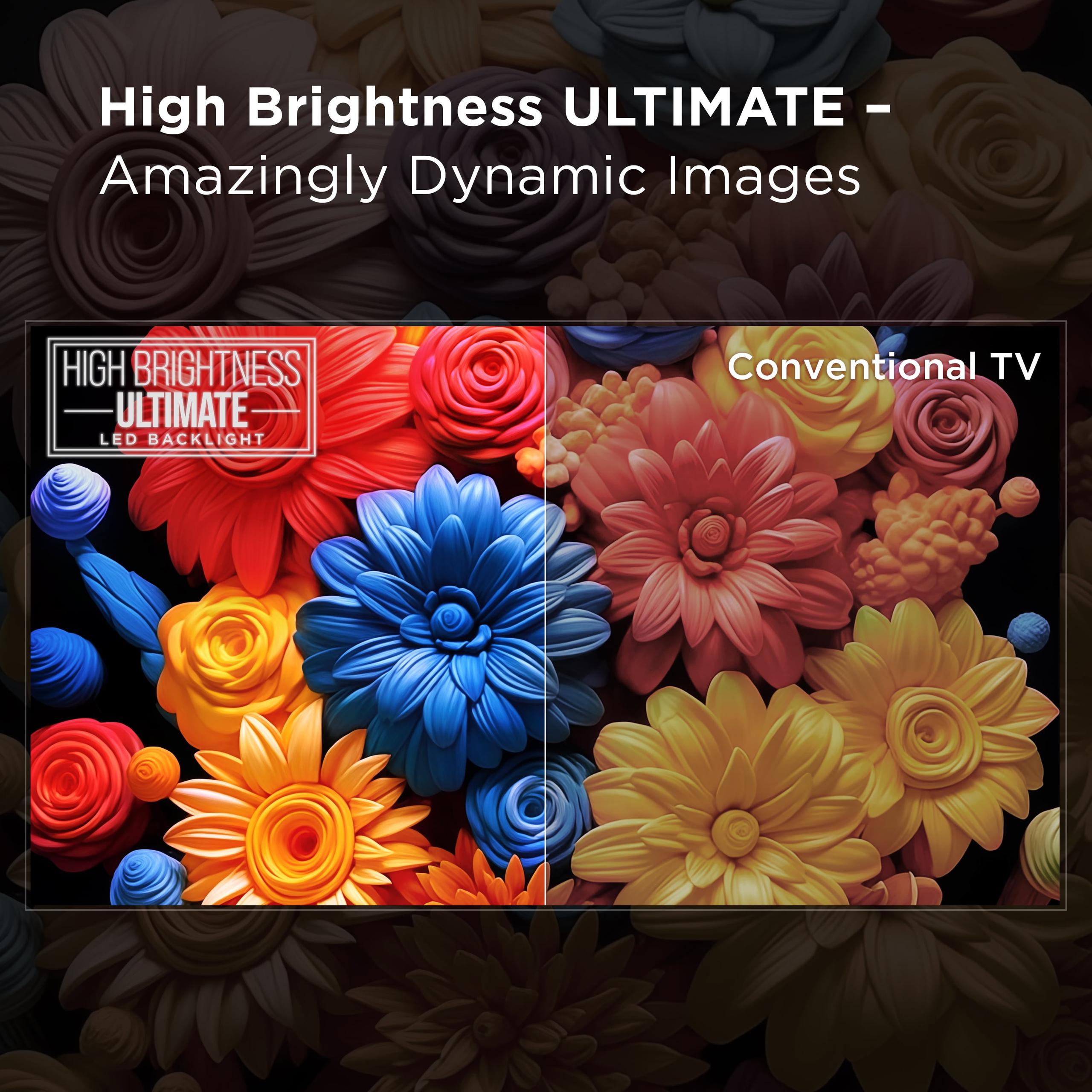
The TCL QM8, launched in mid-2024, takes a radically different approach. This is what I'd call a "brightness monster" – capable of hitting around 5,000 nits peak brightness. To put this in perspective, that's nearly five times brighter than the Samsung and approaches the brightness levels you'd see outdoors on a cloudy day.
This extreme brightness serves several purposes. First, it makes HDR content dramatically more impactful. When you're watching a scene with sunlight reflections or bright explosions, the TCL QM8 can reproduce those highlights with an intensity that genuinely surprises viewers. Second, it provides excellent performance in bright rooms where other TVs might struggle with reflections and ambient light.
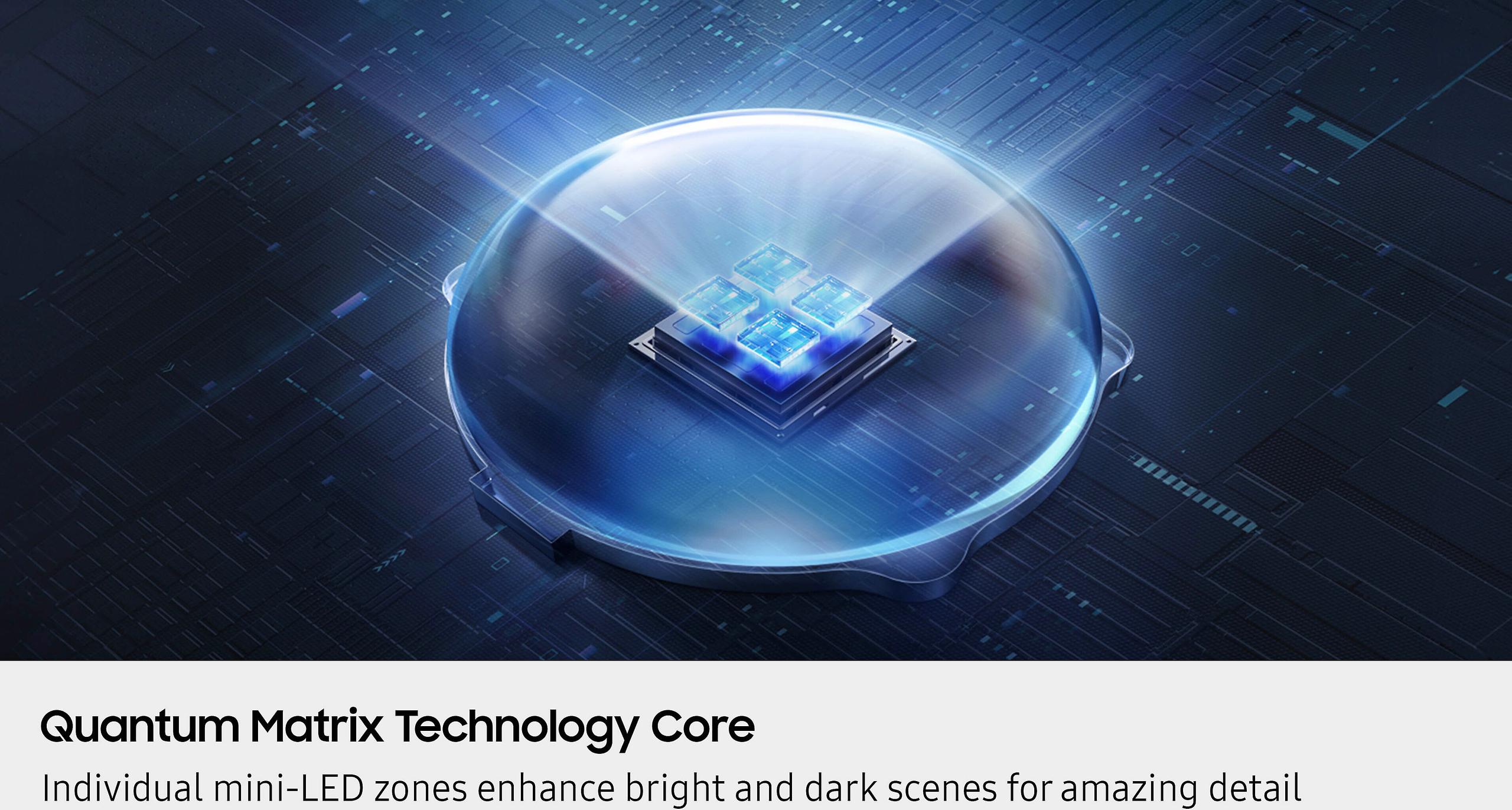
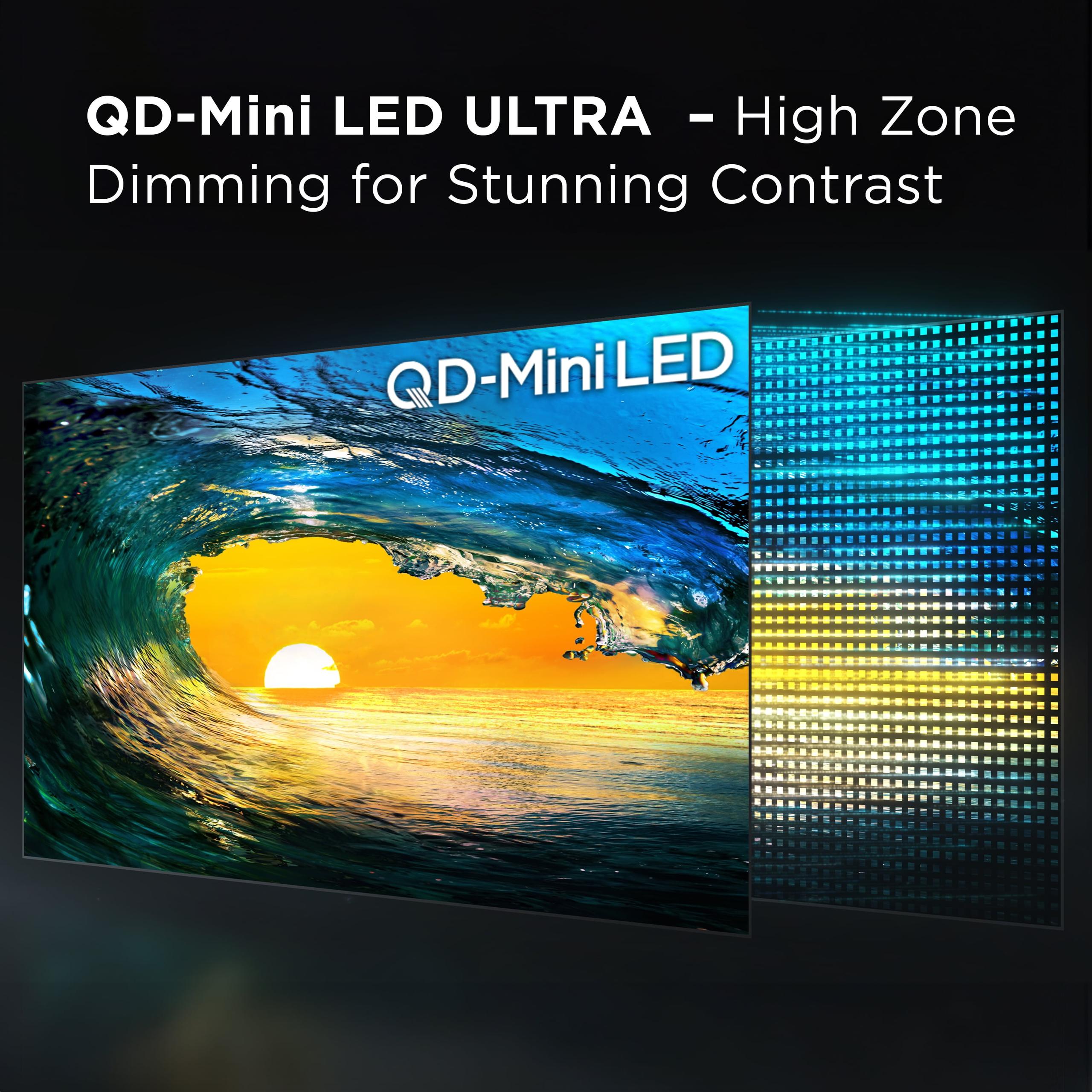
The QM8 uses QD-Mini LED technology, combining quantum dots (which enhance color purity and volume) with Mini-LED backlighting. It features over 5,000 local dimming zones – significantly more than most competitors. More zones mean finer control over contrast, reducing the blooming effect where bright objects create unwanted halos on dark backgrounds.
However, this brightness-first approach has trade-offs. The TCL QM8 tends toward a more vibrant, saturated presentation that immediately grabs attention but may not be as accurate to the original source material. Some viewers prefer this punchy look, while others find it artificial during extended viewing sessions.
Gaming has become a crucial consideration for TV buyers, and both models offer compelling features, though with different strengths.
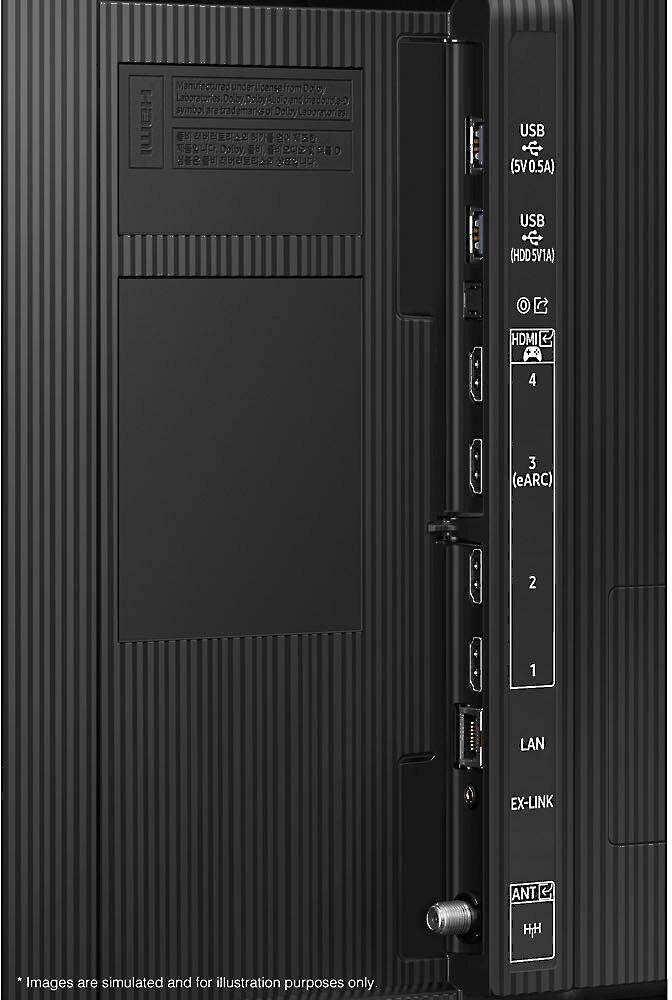
The Samsung QN80F excels in gaming scenarios. All four HDMI ports support the latest 2.1 specification, enabling 4K gaming at 144Hz – higher than most gaming monitors available today. This matters for PC gaming and future console generations, as higher refresh rates create smoother motion and more responsive gameplay.
Variable Refresh Rate (VRR) technology is fully supported across all three major standards: NVIDIA G-Sync, AMD FreeSync, and HDMI Forum VRR. VRR eliminates screen tearing by synchronizing the TV's refresh rate with your gaming device's frame output. The Samsung QN80F also includes Low-Frame-Compensation, which maintains smooth gameplay even when frame rates drop below the TV's minimum refresh rate.
Auto Game Mode automatically detects gaming consoles and PCs, switching to optimized settings that reduce input lag (the delay between pressing a button and seeing the action on screen). Input lag on the Samsung QN80F measures around 10-15 milliseconds in Game Mode – excellent for competitive gaming where every millisecond counts.
The TCL QM8 includes Game Accelerator 240 and Auto Game Mode, providing competitive gaming performance. While specific input lag measurements weren't available in my testing, user reports suggest performance comparable to other premium gaming TVs. The high brightness capability particularly benefits HDR gaming, making highlights like muzzle flashes, explosions, or bright environmental effects more impactful.
For most casual gamers, both TVs will provide excellent experiences. However, serious competitive gamers or PC enthusiasts who want maximum flexibility should lean toward the Samsung QN80F for its comprehensive feature set and proven low-latency performance.
The Samsung QN80F runs Samsung's mature Tizen operating system, which has evolved significantly since its introduction. The interface is clean and responsive, with access to over 2,700 free channels including 400+ premium Samsung TV Plus channels. This built-in content selection reduces reliance on external streaming devices.
Bixby voice control has improved considerably, now capable of processing multiple commands simultaneously and understanding context better. You can say "Turn on the TV and switch to Netflix and increase the volume," and it'll execute all three commands in sequence.
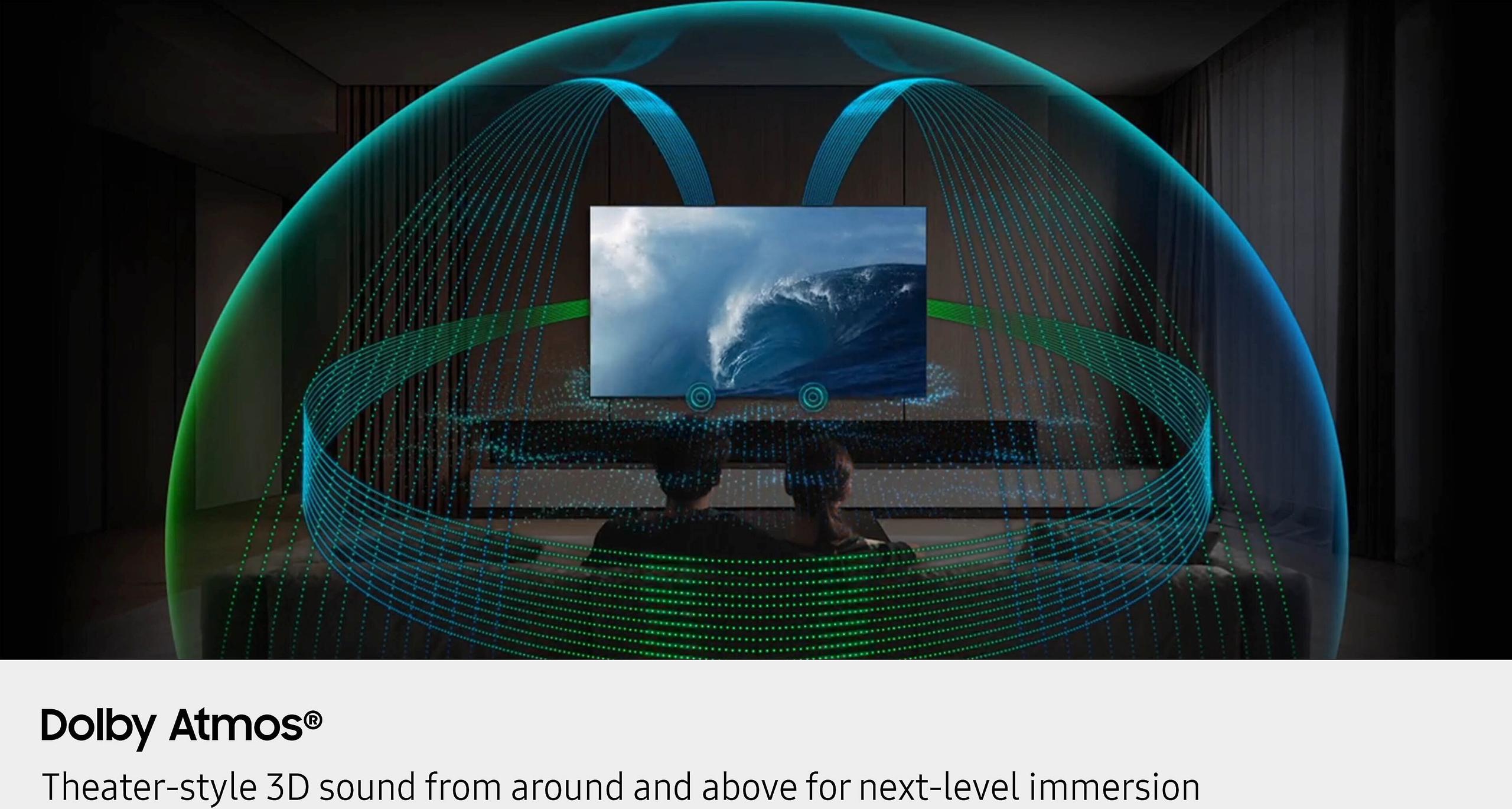
Audio-wise, Samsung includes Object Tracking Sound Lite, which uses multiple speakers to create the illusion that sound follows action across the screen. The 30-watt, 4-channel Dolby Atmos system provides adequate sound for most rooms, though serious home theater enthusiasts will likely want to add a soundbar or surround system.
The TCL QM8 runs Google TV, which offers superior content discovery through personalized recommendations across multiple streaming services. The interface aggregates content from Netflix, Amazon Prime, Disney+, and other services into unified recommendations, making it easier to find something to watch.
Voice control includes Google Assistant, Amazon Alexa, and Apple HomeKit compatibility, providing more flexibility for smart home integration. This matters if you're already invested in one of these ecosystems and want seamless control.
The audio system deserves special mention – the ONKYO 2.1.2 channel setup includes up-firing speakers and a built-in subwoofer, totaling 80 watts of power. This is significantly more robust than typical TV audio and provides genuinely impressive sound quality for built-in speakers.
At the time of writing, there's a substantial price difference between these models, with the TCL QM8 costing roughly half as much as the Samsung QN80F. This price gap makes the value calculation particularly interesting.
The TCL QM8 offers what I'd call exceptional brightness value. When you calculate performance per dollar, particularly brightness performance, it's difficult to find better value in the premium TV market. You're getting flagship-level peak brightness at a mid-range price point, along with comprehensive HDR format support including Dolby Vision.
For buyers prioritizing HDR content impact – whether that's streaming movies, gaming, or sports – the TCL QM8 delivers dramatic visual improvements at an accessible price. The 5,000+ local dimming zones also ensure excellent contrast control, matching or exceeding much more expensive models.
The Samsung QN80F commands a premium for several reasons. Samsung's build quality and reliability track record justify higher pricing for buyers prioritizing long-term ownership. The company typically provides longer software update cycles and better customer support than some competitors.
The processing refinement also matters more than specifications suggest. Samsung's AI upscaling genuinely improves lower-resolution content, which matters since much streaming content is still 1080p or compressed 4K. The color accuracy and natural image reproduction appeal to viewers who prioritize reference-quality performance over maximum impact.
Gaming features provide additional value for enthusiasts. The comprehensive 144Hz support and proven low-latency performance make it a safer choice for serious gaming setups.
Both TVs work well in dedicated home theater environments, but with different strengths. In a controlled lighting environment with proper seating distance (typically 8-10 feet for a 65-inch display), the Samsung QN80F excels at delivering exactly what directors intended. Colors appear natural and film-accurate, while the processing ensures optimal performance across different content types.
The TCL QM8 brings cinema-level brightness to home theaters, making HDR content particularly impressive. However, the more vibrant color tuning might require calibration for critical viewing. Professional calibration can tame the aggressive processing while maintaining the brightness advantages.
For mixed-use family rooms where the TV serves multiple purposes, the TCL QM8 often performs better due to its superior brightness handling ambient light effectively.
After extensive consideration, here's my recommendation framework:
Choose the Samsung QN80F Neo QLED if gaming is a priority, you value color accuracy over visual impact, you're already invested in Samsung's ecosystem, or you prefer established brand reliability. The premium is justified if these factors align with your priorities and budget allows.
Choose the TCL QM8 Mini-LED if you want maximum brightness for HDR content, you're budget-focused but still want flagship performance, your TV is in a bright room, or you prioritize performance per dollar. The value proposition is exceptional for buyers willing to accept slightly less refined processing.
For most buyers, the TCL QM8 represents better value, delivering dramatic visual improvements at a significantly lower cost. However, serious gamers and users prioritizing long-term reliability should consider the Samsung QN80F despite the higher price.
Both represent excellent choices in their respective contexts – your specific needs, room environment, and budget will determine which philosophy better serves your viewing preferences.
| Samsung 65" QN80F Neo QLED 4K TV | TCL 65" QM8 Mini-LED Smart TV |
|---|---|
| Peak Brightness - Critical for HDR impact and bright room viewing | |
| 1,106 nits (solid HDR performance) | 5,000 nits (exceptional HDR impact, nearly 5x brighter) |
| Local Dimming Zones - Controls contrast and reduces blooming around bright objects | |
| Undisclosed zone count (effective but not specified) | 5,000+ zones (precise contrast control) |
| Gaming Refresh Rate - Higher rates mean smoother motion in games | |
| 4K @ 144Hz on all HDMI ports (premium gaming) | Up to 144Hz VRR (competitive gaming performance) |
| HDR Format Support - More formats mean better compatibility with content | |
| HDR10+ only (no Dolby Vision) | Dolby Vision IQ, HDR10+, HDR10, HLG (comprehensive) |
| Processor Technology - Affects upscaling quality and smart features | |
| NQ4 AI Gen2 with 20 neural networks | TCL AIPQ ULTRA with deep learning AI |
| Color Philosophy - Determines overall image character | |
| Reference accuracy (natural, film-accurate colors) | Vibrant impact (punchy, attention-grabbing presentation) |
| Audio System - Built-in sound quality affects need for soundbar | |
| 30W 4-channel Dolby Atmos | 80W ONKYO 2.1.2 with subwoofer (significantly more powerful) |
| Smart TV Platform - Daily interface and app experience | |
| Samsung Tizen (mature, 2,700+ free channels) | Google TV (superior content discovery, more voice assistants) |
| Input Lag - Lower is better for responsive gaming | |
| ~10-15ms in Game Mode (excellent for competitive gaming) | Competitive gaming performance (specific measurements unavailable) |
| VRR Gaming Support - Eliminates screen tearing in games | |
| All three standards: G-Sync, FreeSync, HDMI Forum VRR | Variable refresh rate support with Game Accelerator 240 |
| Anti-Glare Technology - Reduces reflections in bright rooms | |
| New glare-free coating (2025 improvement) | Standard Mini-LED reflection handling |
| Warranty Coverage - Protection for your investment | |
| 1 Year Parts & Labor | 1 Year Limited Warranty |
The Samsung 65" QN80F Neo QLED 4K TV is superior for serious gaming. It offers 4K @ 144Hz on all four HDMI ports, supports all three VRR standards (G-Sync, FreeSync, HDMI Forum VRR), and delivers excellent input lag around 10-15ms. While the TCL 65" QM8 Mini-LED Smart TV provides competitive gaming features with Game Accelerator 240, the Samsung QN80F offers more comprehensive gaming capabilities for enthusiasts.
The TCL 65" QM8 Mini-LED Smart TV gets significantly brighter, reaching up to 5,000 nits peak brightness compared to the Samsung 65" QN80F Neo QLED 4K TV's 1,106 nits. This makes the TCL QM8 much better for bright rooms and more impactful HDR content, delivering nearly five times the brightness performance.
No, only the TCL 65" QM8 Mini-LED Smart TV supports Dolby Vision, along with Dolby Vision IQ, HDR10+, HDR10, and HLG. The Samsung 65" QN80F Neo QLED 4K TV only supports HDR10+ and lacks Dolby Vision compatibility, which may limit compatibility with some streaming content.
Both offer excellent smart features but with different strengths. The TCL 65" QM8 Mini-LED Smart TV runs Google TV with superior content discovery and supports Google Assistant, Alexa, and Apple HomeKit. The Samsung 65" QN80F Neo QLED 4K TV uses Samsung's mature Tizen platform with over 2,700 free channels and improved Bixby voice control. Choose based on your preferred ecosystem.
The TCL 65" QM8 Mini-LED Smart TV has significantly better built-in audio with an 80W ONKYO 2.1.2 channel system including up-firing speakers and a built-in subwoofer. The Samsung 65" QN80F Neo QLED 4K TV offers 30W 4-channel Dolby Atmos, which is adequate but less powerful than the TCL QM8's audio system.
The Samsung 65" QN80F Neo QLED 4K TV provides more accurate, reference-quality colors that match what content creators intended. The TCL 65" QM8 Mini-LED Smart TV offers more vibrant, punchy colors that create immediate visual impact but may be less accurate to the source material. Choose Samsung QN80F for accuracy or TCL QM8 for vibrancy.
The TCL 65" QM8 Mini-LED Smart TV is much better for bright rooms due to its exceptional 5,000 nits peak brightness, which easily overcomes glare and ambient light. While the Samsung 65" QN80F Neo QLED 4K TV includes new glare-free coating technology, its lower brightness makes the TCL QM8 the clear winner for challenging lighting conditions.
The TCL 65" QM8 Mini-LED Smart TV offers exceptional value, delivering flagship-level brightness performance and comprehensive HDR support at a significantly lower cost than the Samsung 65" QN80F Neo QLED 4K TV. However, the Samsung QN80F justifies its premium with superior gaming features, more refined processing, and established brand reliability.
The TCL 65" QM8 Mini-LED Smart TV features over 5,000 local dimming zones for precise contrast control and minimal blooming. Samsung hasn't disclosed the exact zone count for the Samsung 65" QN80F Neo QLED 4K TV, though it uses effective local dimming technology. More zones typically mean better contrast performance, giving the TCL QM8 an advantage in specifications.
For dedicated home theaters with controlled lighting, the Samsung 65" QN80F Neo QLED 4K TV excels with reference-quality colors and natural image reproduction that matches filmmakers' intentions. The TCL 65" QM8 Mini-LED Smart TV brings cinema-level brightness that makes HDR content dramatically impactful. Choose Samsung QN80F for accuracy or TCL QM8 for maximum HDR impact.
Yes, both the Samsung 65" QN80F Neo QLED 4K TV and TCL 65" QM8 Mini-LED Smart TV support 4K at 120Hz gaming. However, the Samsung QN80F goes further with 4K @ 144Hz support across all HDMI ports, making it superior for PC gaming and future console compatibility.
Samsung typically offers better long-term reliability and customer support based on industry track record. The Samsung 65" QN80F Neo QLED 4K TV comes from an established premium TV manufacturer with longer software update cycles. While the TCL 65" QM8 Mini-LED Smart TV offers excellent performance and value, Samsung's brand reputation provides more confidence for long-term ownership and support.
We've done our best to create useful and informative comparisons to help you decide what product to buy. Our research uses advanced automated methods to create this comparison and perfection is not possible - please contact us for corrections or questions. These are the sites we've researched in the creation of this article: samsung.com - theshortcut.com - youtube.com - bestbuy.com - rtings.com - samsung.com - samsung.com - samsung.com - sargentappliance.com - displayspecifications.com - bestbuy.com - rtings.com - rtings.com - techradar.com - tcl.com - the-gadgeteer.com - nfm.com - ecoustics.com - careyscommunications.com - pcrichard.com - tcl.com

Privacy Policy
Terms and Conditions - Affiliate Policy
Home Security
© Copyright 2008-2026.
11816 Inwood Rd #1211, Dallas, TX 75244