

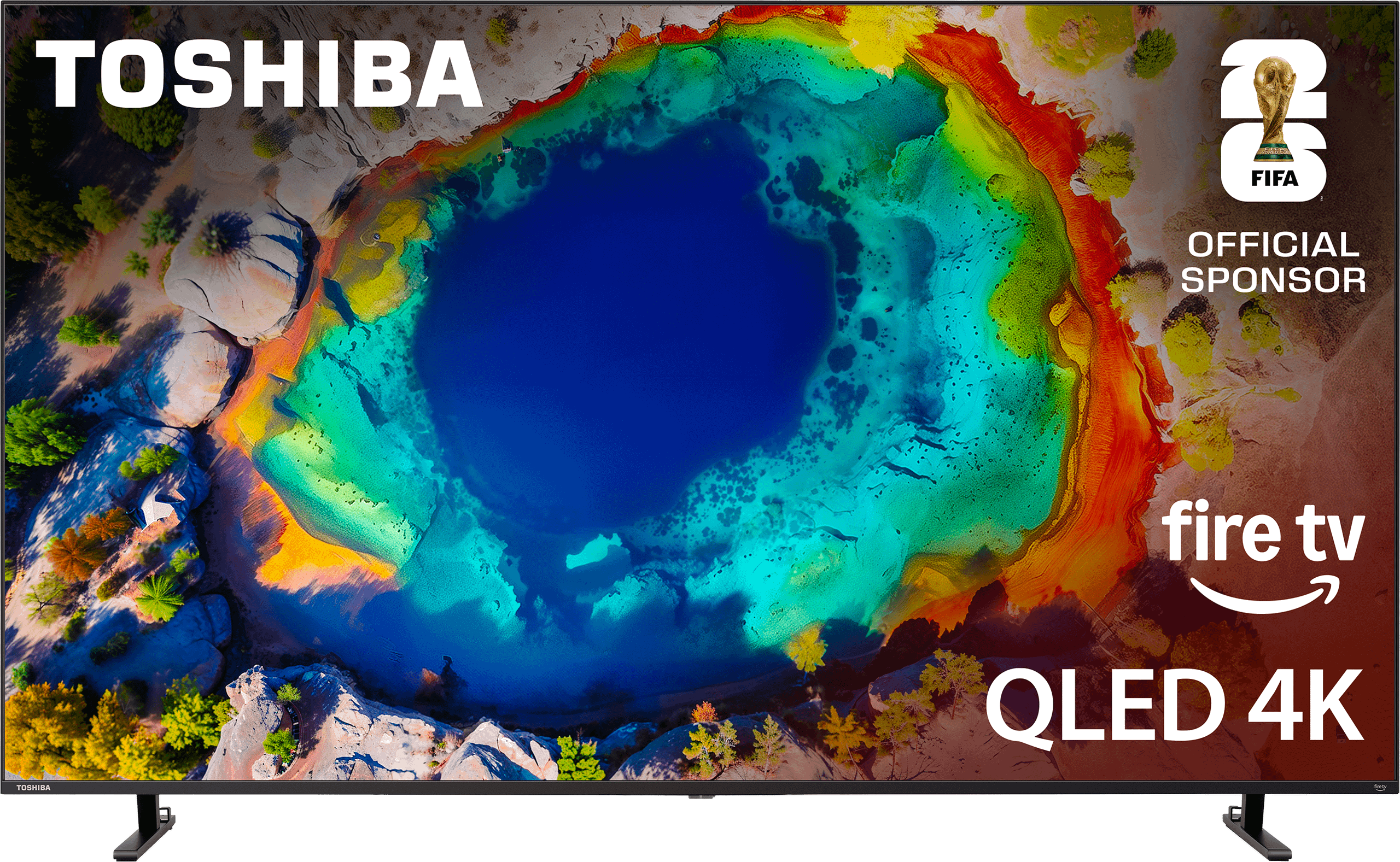
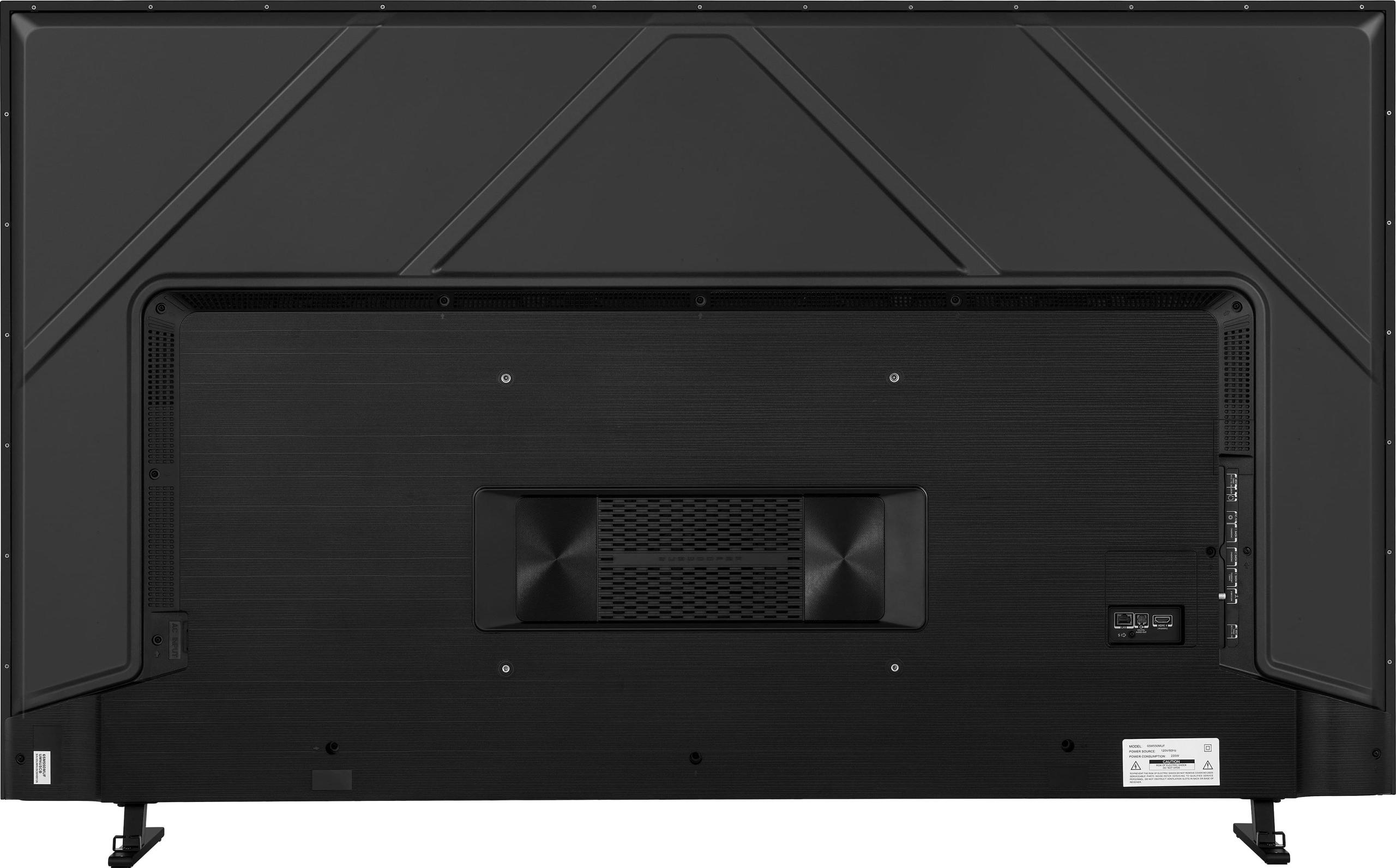
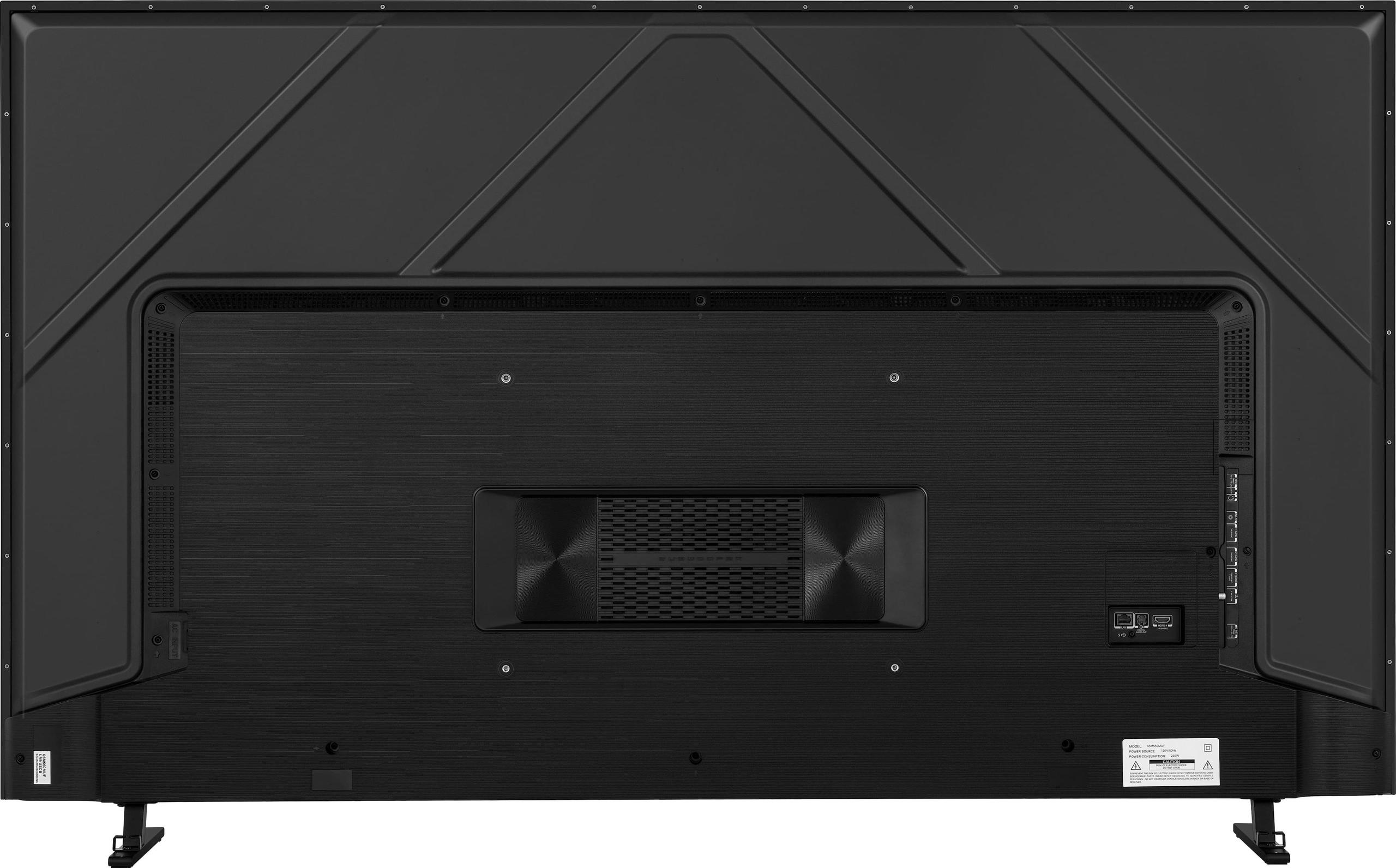
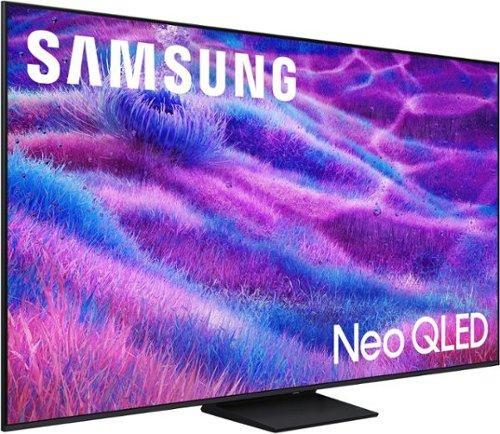
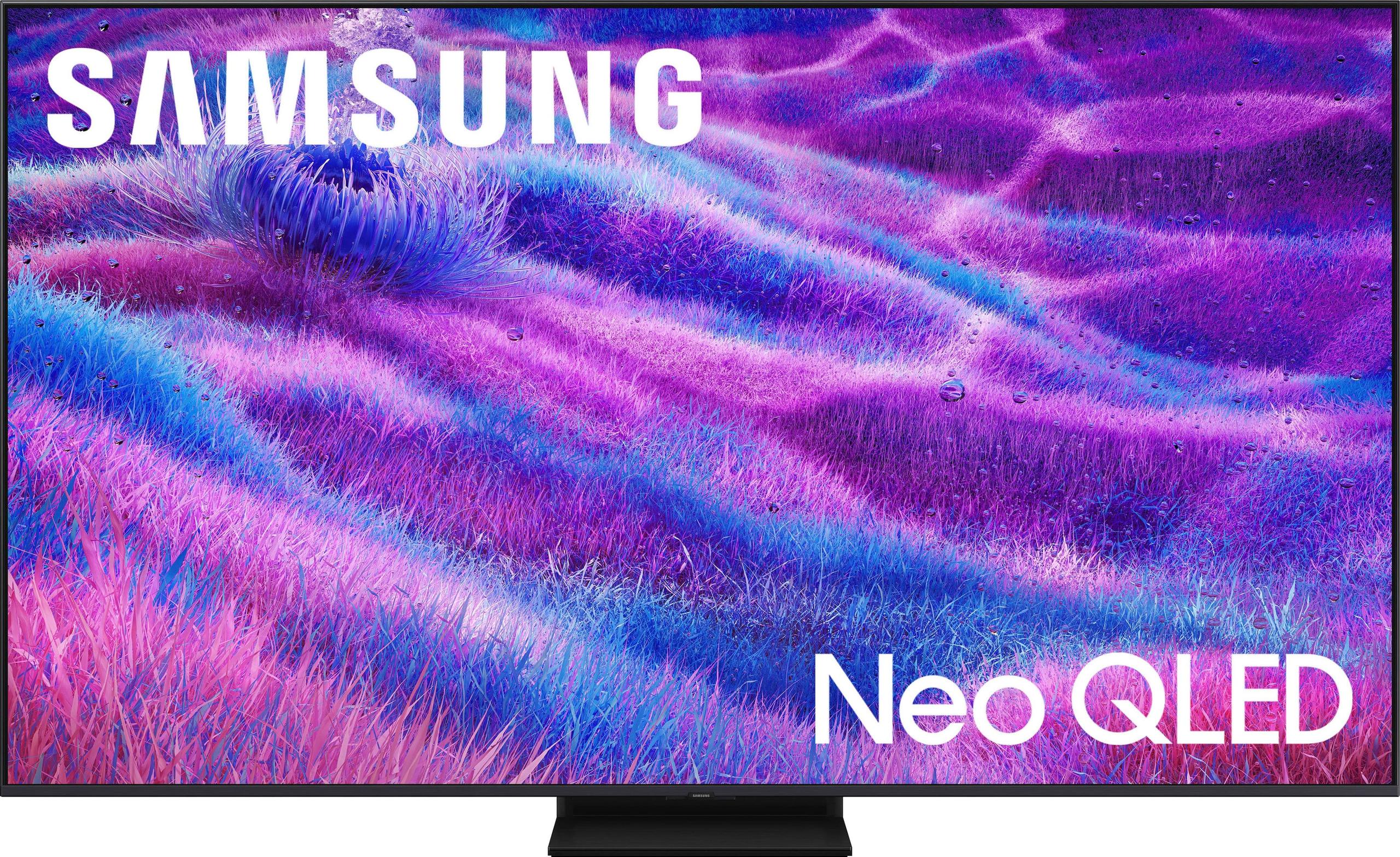
When you're shopping for a 65-inch TV, you're entering the sweet spot of home entertainment. This screen size delivers that cinematic experience without overwhelming most living rooms, but choosing between models can feel overwhelming. Today we're comparing two compelling options: the budget-friendly Toshiba 65" M550 Series QLED Fire TV and the premium Samsung 65" QN80F Neo QLED 4K TV.
Both TVs arrived in 2025, representing the latest thinking in display technology. The TV landscape has evolved dramatically over the past few years, with quantum dot technology becoming mainstream and gaming features finally catching up to what console players actually need. At the time of writing, these models showcase two different philosophies: maximum value versus premium performance.
Before diving into specifics, let's establish what matters most in this category. Picture quality sits at the top of every buyer's list, but it's more nuanced than just "looks good." You want accurate colors that don't look oversaturated, deep blacks that don't appear gray, and bright highlights that don't wash out details. HDR (High Dynamic Range) support has become essential – it's the technology that allows TVs to display the full range from the darkest shadows to the brightest sunlight that content creators intended.
Gaming performance has become increasingly important as PlayStation 5 and Xbox Series X consoles demand more from displays. Features like 120Hz refresh rates, Variable Refresh Rate (VRR), and low input lag can mean the difference between winning and losing in competitive games.
The smart TV experience deserves serious consideration too. A beautiful display means nothing if the interface frustrates you daily. App loading times, system stability, and voice control responsiveness all impact your actual enjoyment.
Finally, value matters differently to everyone. Some buyers want the most TV for their dollar, while others prefer paying more upfront for premium features and long-term reliability.
The Toshiba M550 uses traditional QLED technology combined with Full Array Local Dimming. QLED stands for Quantum Dot Light Emitting Diode – essentially, it's a layer of microscopic crystals that enhance color reproduction when backlit by LEDs. The M550's Full Array Local Dimming system controls brightness across 48 individual zones, allowing different screen areas to dim independently for better contrast.
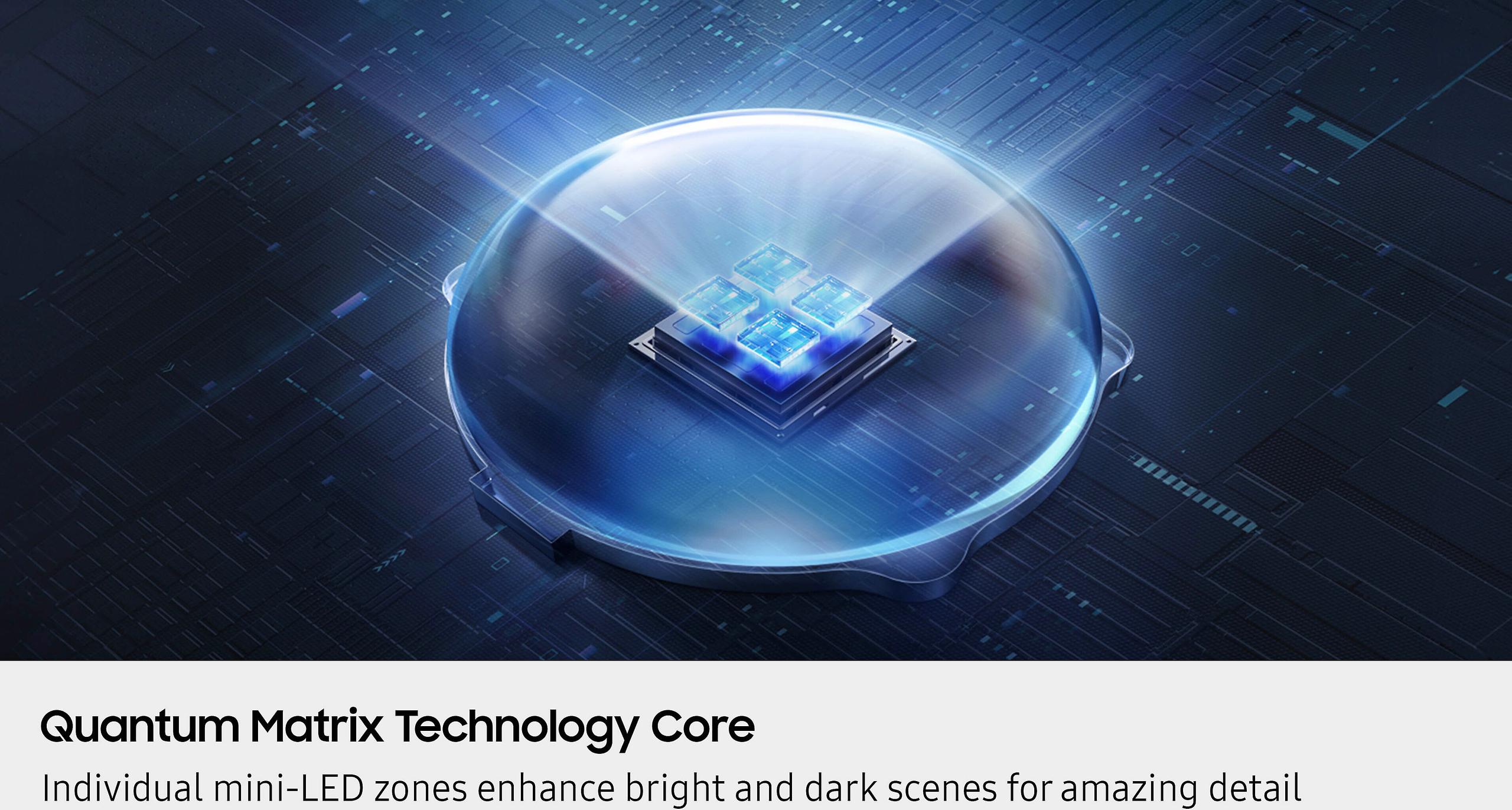
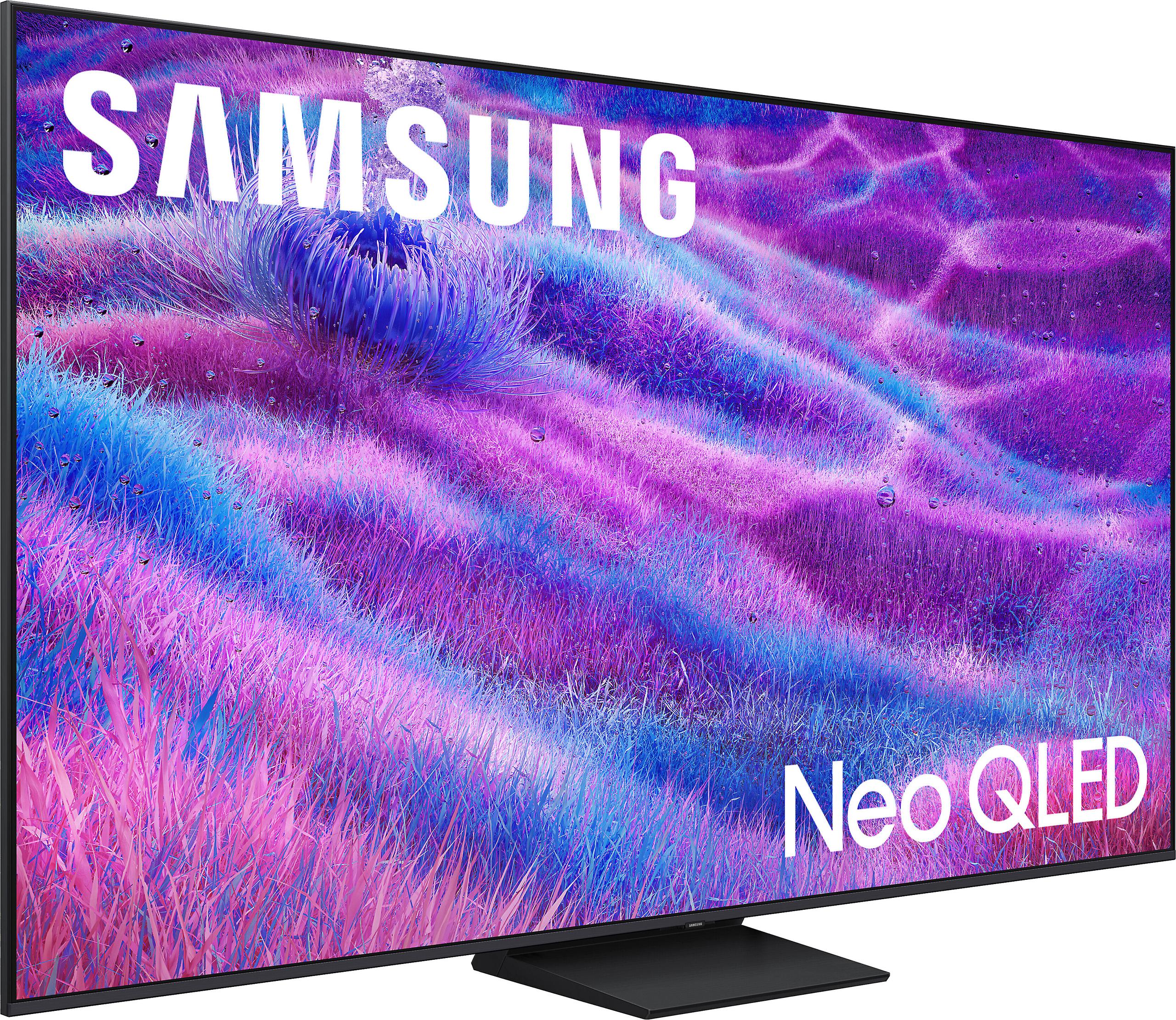
The Samsung QN80F takes a more advanced approach with Neo QLED technology. This combines quantum dots with Mini LED backlighting – essentially using thousands of tiny LEDs instead of larger, traditional ones. This Quantum Matrix Technology provides much more precise lighting control, creating more distinct zones for local dimming and achieving better contrast ratios.
Think of it like comparing a flashlight to stadium lighting. The Toshiba's 48 zones work like having 48 individual flashlights you can dim or brighten across the screen. Samsung's Mini LED approach is like having thousands of tiny, controllable lights that can create much more precise lighting patterns.
Based on our research into professional and user reviews, the Samsung QN80F delivers superior overall picture quality, particularly in demanding scenarios. The Mini LED backlighting system achieves higher peak brightness levels and more precise contrast control. When you're watching HDR content with both bright explosions and dark shadows in the same scene, Samsung's technology handles these transitions more elegantly.
However, the Toshiba M550 punches well above its weight class. Professional reviews consistently praise its color accuracy and overall picture quality, with many noting it performs like TVs costing significantly more. The QLED technology covers over 90% of the DCI-P3 color gamut (the professional standard for digital cinema), ensuring movies and shows display colors as intended.
Where the Toshiba stumbles is in motion handling. Multiple professional reviews identified issues with fast-paced content, noting that action scenes can appear jerky with phantom images around moving objects. This makes it less ideal for sports or action movies where smooth motion is crucial.
The Samsung excels in motion performance with its native 120Hz refresh rate and Motion Xcelerator technology. Whether you're watching football or playing games, movement appears much smoother and more natural.
Here's where things get interesting. The Toshiba M550 supports a broader range of HDR formats, including Dolby Vision, HDR10, HDR10+, and HLG. Dolby Vision is particularly valuable because it provides scene-by-scene optimization instructions to the TV, ensuring optimal brightness and color for each moment in supported content.
The Samsung QN80F supports HDR10+ and Neo Quantum HDR but notably lacks Dolby Vision support. This is Samsung's ongoing choice to support their own competing standard rather than licensing Dolby's technology.
In practical terms, if you primarily watch Netflix, Disney+, or Apple TV+ content, Dolby Vision support gives the Toshiba M550 an advantage. These services heavily use Dolby Vision for their premium content. However, Samsung's superior processing and brightness capabilities often compensate for the format limitations in real-world viewing.
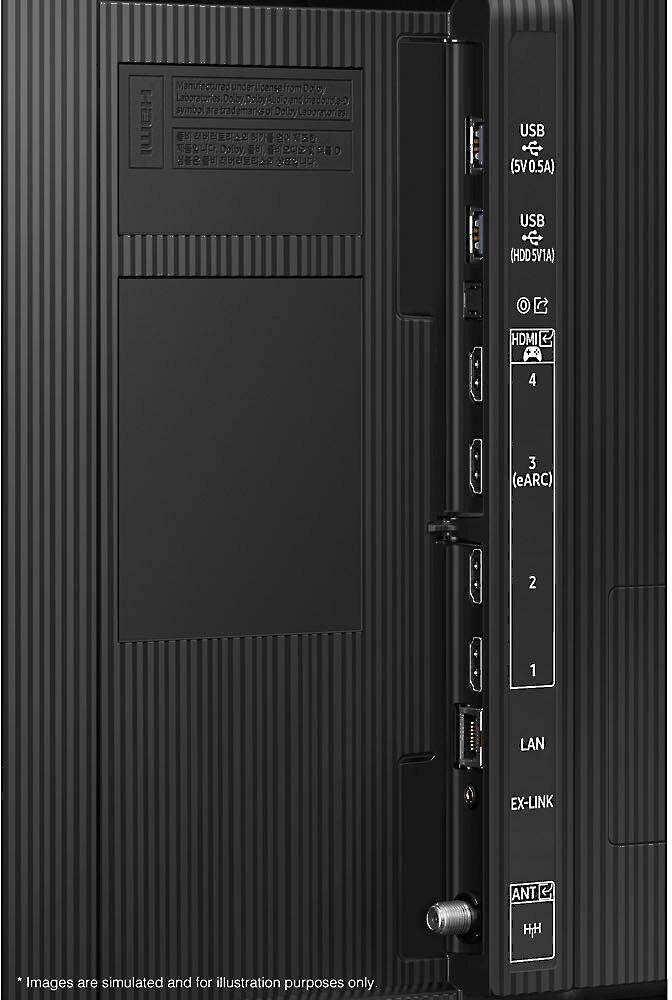
This is where the two TVs diverge most dramatically. The Samsung QN80F was clearly designed with modern gaming in mind. It features four full HDMI 2.1 ports supporting up to 144Hz refresh rates, Variable Refresh Rate (VRR) to eliminate screen tearing, and Auto Low Latency Mode (ALLM) that automatically optimizes settings when it detects gaming input.
Professional reviews confirm extremely low input lag on the Samsung – the delay between pressing a controller button and seeing the action on screen. For competitive gaming or any fast-paced titles, this responsiveness is crucial.
The Toshiba M550 offers basic gaming support with a 60Hz native refresh rate and Game Mode Plus for reduced input lag, but it's not in the same league. If gaming is important to you, especially with PlayStation 5 or Xbox Series X consoles, the Samsung is the clear choice.
However, there's a caveat worth mentioning from professional reviews: the Samsung's impressive local dimming technology can become more noticeable in game mode, creating visible zone transitions that don't appear in regular viewing modes. It's a trade-off between gaming performance and picture perfection.
This category reveals one of the most significant differences between these TVs. The Samsung QN80F runs Samsung's Tizen platform, which our research shows provides a consistently smooth and responsive experience. Apps load quickly, the interface responds immediately to inputs, and the system rarely freezes or crashes.
The Toshiba M550 uses Amazon's Fire TV platform, which should theoretically provide an excellent smart TV experience. Unfortunately, multiple professional reviews and user reports highlight serious performance issues. Apps frequently take 30-60 seconds to load, the system often freezes, and users report the TV sometimes exits apps unexpectedly or refuses to play content.
One professional reviewer noted that the Fire TV OS appears "heavier than the onboard processor can run well," suggesting the hardware isn't powerful enough for the software demands. This creates a frustrating daily experience that can overshadow the excellent picture quality.
For voice control, both TVs offer comprehensive options. The Toshiba M550 includes built-in Alexa with far-field microphones for hands-free operation, while the Samsung QN80F features Bixby with support for Alexa and Google Assistant integration.
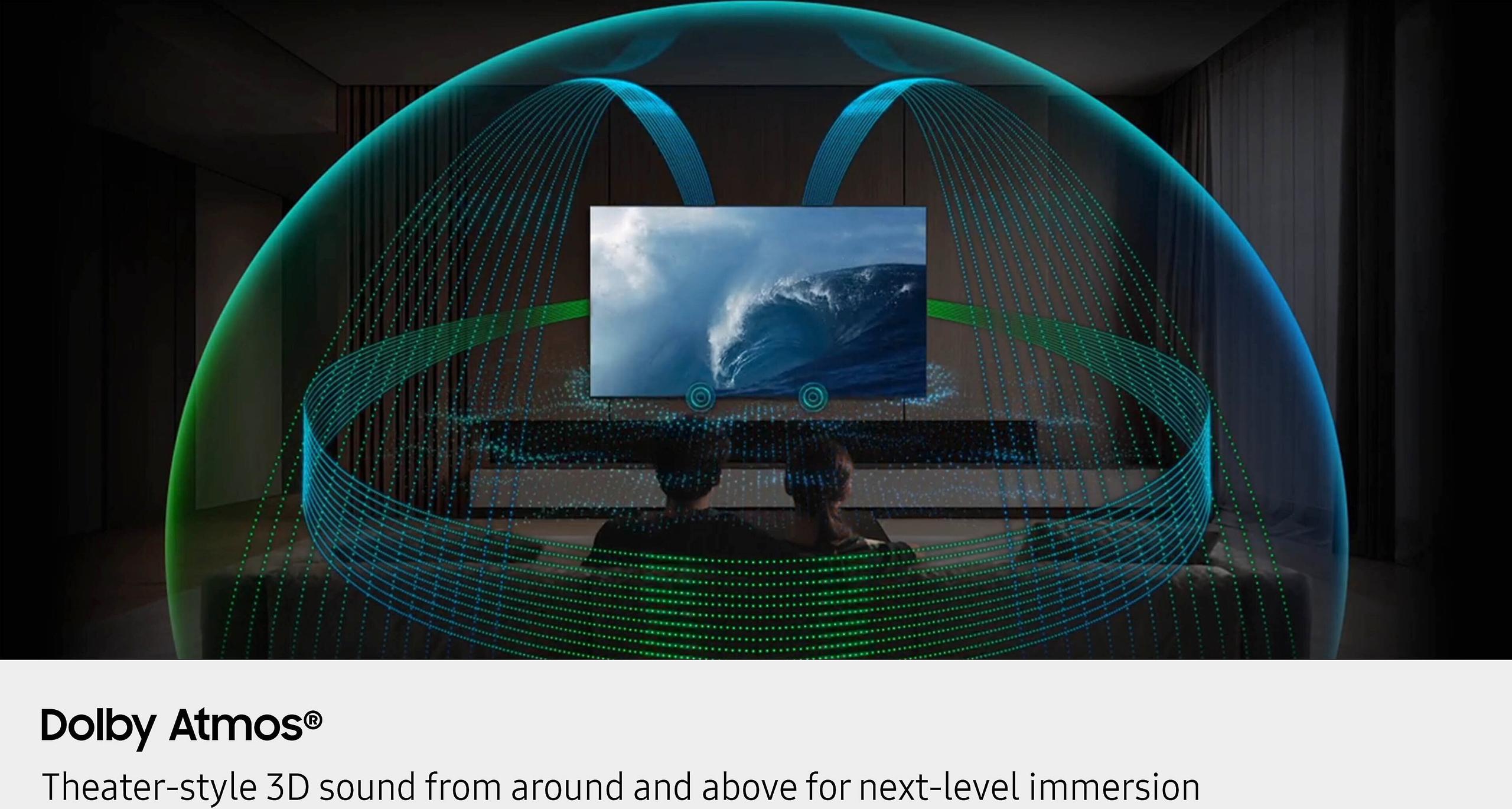
Audio often gets overlooked in TV comparisons, but these models take notably different approaches. The Toshiba M550 includes a 40-watt, 2.1-channel system with a built-in subwoofer and Dolby Atmos support. Multiple reviews mention that the built-in audio is good enough to avoid purchasing a separate soundbar for casual viewing.
The Samsung QN80F provides a 30-watt, 4.0-channel system with more sophisticated processing features like Adaptive Sound Pro and Object Tracking Sound. While it has less raw power, Samsung's audio processing technology adapts sound based on content type and room acoustics.
If you plan to use a soundbar or home theater system, this difference becomes less important. But for built-in audio, the Toshiba M550 offers more satisfying bass response out of the box.
At the time of writing, the Toshiba M550 typically costs 40-50% less than the Samsung QN80F, making it an exceptional value for picture quality alone. Professional reviews consistently highlight this as its strongest selling point – you're getting premium picture performance at a budget-friendly price.
However, value isn't just about upfront cost. The Samsung's superior reliability, gaming features, and platform performance may justify its premium for users who need those capabilities. It's the difference between buying the cheapest option that meets your minimum needs versus investing in a product that excels across multiple use cases.
For dedicated home theater setups, both TVs have merits. The Toshiba M550 excels for movie watching with its Dolby Vision support and good color accuracy, making it ideal for streaming services and Blu-ray content. The built-in subwoofer provides decent bass for dialogue and music without external audio equipment.
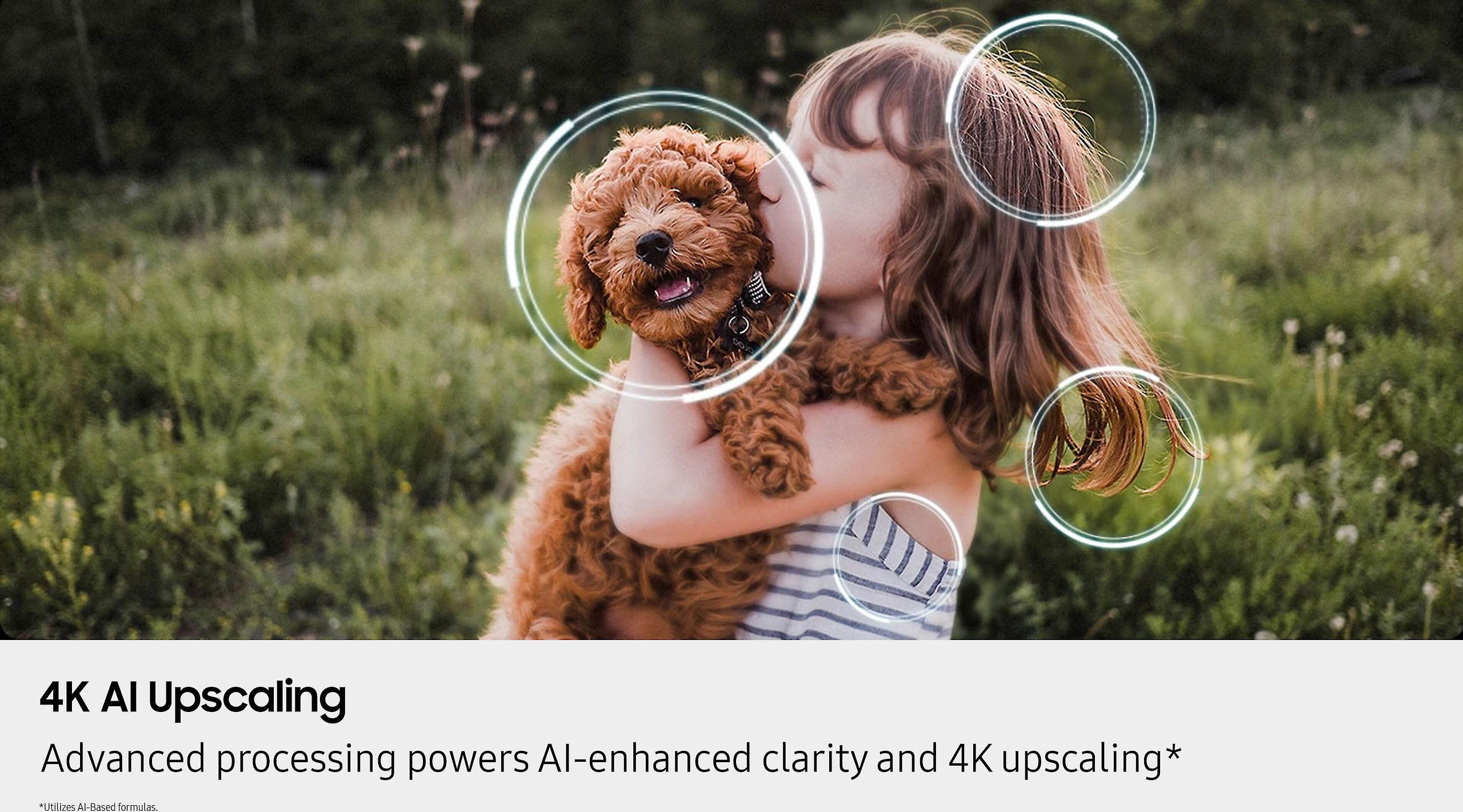
The Samsung QN80F offers superior brightness and contrast, crucial for rooms with ambient light. Its more advanced processing also handles upscaling better, important if you watch content from various sources with different quality levels.
However, the Toshiba's motion handling issues make it less suitable for sports viewing or action-heavy content – significant limitations for a home theater centerpiece.
Choose the Toshiba M550 if you primarily watch movies and streaming content, budget is a major consideration, and you can tolerate slower smart TV performance. It's particularly appealing for users who want premium picture quality without premium pricing, and who don't need advanced gaming features.
The Samsung QN80F makes sense for users who game regularly, want the most reliable smart TV experience, or need superior brightness for well-lit rooms. It's also the better choice if you frequently switch between different types of content and want consistent performance across all scenarios.
Personally, I lean toward the Samsung for most buyers. While the Toshiba offers impressive picture quality for the money, the smart platform reliability issues are concerning for a device you'll use daily for years. The gaming advantages and superior processing also provide better future-proofing as content and gaming standards continue evolving.
However, if your budget is tight and you primarily use the TV for Netflix and movie watching, the Toshiba M550 delivers remarkable picture quality that rivals much more expensive options. Just be prepared for a potentially frustrating smart TV experience and consider connecting an external streaming device if the built-in platform proves too sluggish.
The choice ultimately depends on your priorities: exceptional value with some compromises, or premium performance across all categories. Both approaches have merit depending on your specific needs and budget constraints.
| Toshiba 65" M550 Series QLED Fire TV | Samsung 65" QN80F Neo QLED 4K TV |
|---|---|
| Display Technology - Foundation of picture quality | |
| Traditional QLED with Full Array Local Dimming (48 zones) | Neo QLED with Mini LED backlighting and Quantum Matrix Technology |
| Native Refresh Rate - Critical for gaming and sports | |
| 60Hz native (Motion Rate 240 enhancement) | 120Hz native with support up to 144Hz |
| HDR Format Support - Determines streaming compatibility | |
| Dolby Vision, HDR10, HDR10+, HLG (broadest support) | HDR10+, Neo Quantum HDR (no Dolby Vision) |
| Gaming Features - Essential for console players | |
| Basic Game Mode Plus, limited HDMI 2.1 | Four HDMI 2.1 ports, VRR, ALLM, AI Auto Game Mode |
| Smart Platform - Your daily interface experience | |
| Fire TV with Alexa (performance issues reported) | Tizen with Bixby (smooth, reliable operation) |
| Audio System - Built-in sound quality | |
| 40W, 2.1 channel with subwoofer, Dolby Atmos | 30W, 4.0 channel with Adaptive Sound Pro |
| Processing Power - Affects overall responsiveness | |
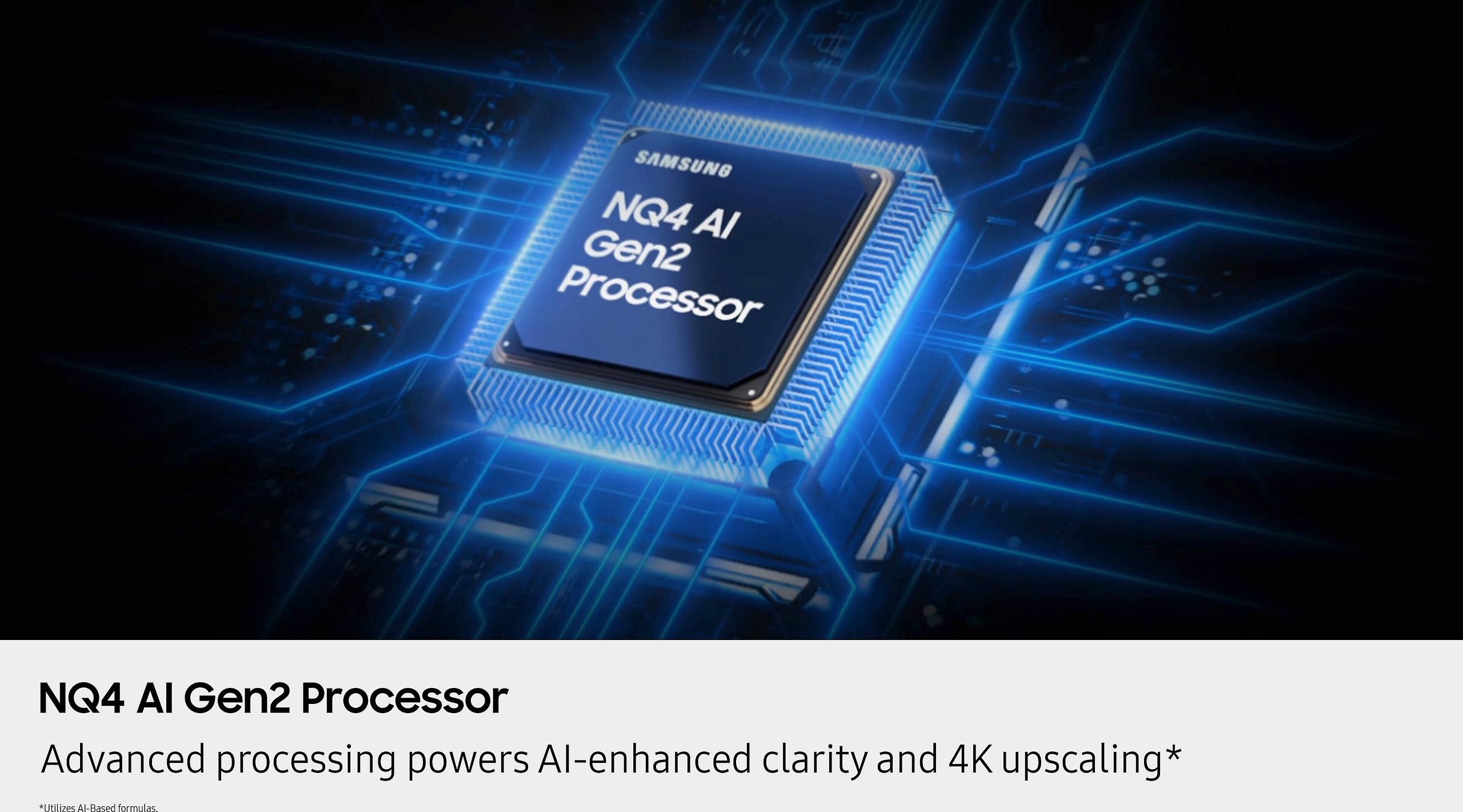
| REGZA Engine ZR (underpowered for Fire TV OS) | NQ4 AI Gen2 Processor (handles all features smoothly) |
| Local Dimming Zones - Controls contrast and black levels | |
| 48 zones for decent contrast control | Mini LED with thousands of precise dimming zones |
| Motion Handling - Important for action content | |
| Struggles with fast scenes, phantom imaging reported | Excellent motion with Motion Xcelerator 144Hz |
| Value Proposition - Performance per dollar | |
| Exceptional picture quality at budget price point | Premium features justify higher cost for demanding users |
The Samsung 65" QN80F Neo QLED 4K TV delivers superior overall picture quality with its Mini LED backlighting and more precise contrast control. However, the Toshiba 65" M550 Series QLED Fire TV offers excellent color accuracy and supports Dolby Vision, which is beneficial for Netflix and Disney+ content. For movie watching specifically, the Toshiba's Dolby Vision support gives it an edge with compatible streaming services.
The Samsung 65" QN80F Neo QLED 4K TV is significantly better for gaming, featuring four HDMI 2.1 ports, native 120Hz refresh rate up to 144Hz, Variable Refresh Rate (VRR), and extremely low input lag. The Toshiba 65" M550 Series QLED Fire TV only offers basic gaming features with 60Hz refresh rate, making the Samsung the clear choice for serious gaming.
The Samsung 65" QN80F Neo QLED 4K TV runs Samsung's Tizen platform, which provides smooth, responsive performance and reliable operation. Unfortunately, the Toshiba 65" M550 Series QLED Fire TV suffers from significant performance issues with its Fire TV platform, including slow app loading times (30-60 seconds) and frequent system freezes.
The Toshiba 65" M550 Series QLED Fire TV provides exceptional value, typically costing 40-50% less while delivering impressive picture quality that rivals much more expensive TVs. The Samsung 65" QN80F Neo QLED 4K TV costs more but justifies the premium with superior gaming features, reliable performance, and better overall build quality.
The Toshiba 65" M550 Series QLED Fire TV includes a more powerful 40W audio system with a built-in subwoofer and 2.1 channel configuration, providing better bass response. The Samsung 65" QN80F Neo QLED 4K TV offers 30W with 4.0 channels and advanced audio processing features like Adaptive Sound Pro, but may lack bass depth without external audio equipment.
Both TVs excel at HDR but in different ways. The Toshiba 65" M550 Series QLED Fire TV supports more HDR formats including Dolby Vision, HDR10, HDR10+, and HLG. The Samsung 65" QN80F Neo QLED 4K TV lacks Dolby Vision but compensates with superior brightness levels and more precise local dimming through its Mini LED technology.
Professional reviews highlight significant reliability issues with the Toshiba 65" M550 Series QLED Fire TV, particularly with the Fire TV platform freezing, slow performance, and apps crashing. The Samsung 65" QN80F Neo QLED 4K TV generally receives positive marks for long-term reliability and consistent performance across all features.
The Samsung 65" QN80F Neo QLED 4K TV performs better in bright environments due to its Mini LED backlighting system that achieves higher peak brightness levels and includes glare-free technology to reduce reflections. The Toshiba 65" M550 Series QLED Fire TV offers good brightness but may struggle more with ambient light and reflections.
The Samsung 65" QN80F Neo QLED 4K TV excels at motion handling with its native 120Hz refresh rate and Motion Xcelerator technology, making it ideal for sports and action content. The Toshiba 65" M550 Series QLED Fire TV struggles with fast-paced content, with reviews noting jerky motion and phantom images around moving objects during action scenes.
Both TVs offer comprehensive voice control - the Toshiba 65" M550 Series QLED Fire TV includes built-in Alexa with far-field microphones, while the Samsung 65" QN80F Neo QLED 4K TV features Bixby with support for Alexa and Google Assistant. However, Samsung's platform offers more advanced AI features and significantly better overall performance and responsiveness.
The Toshiba 65" M550 Series QLED Fire TV uses traditional QLED with Full Array Local Dimming across 48 zones, providing good contrast control at its price point. The Samsung 65" QN80F Neo QLED 4K TV employs more advanced Neo QLED technology with Mini LED backlighting and thousands of dimming zones, delivering superior contrast ratios and more precise lighting control.
For a dedicated home theater, the choice depends on your priorities. The Toshiba 65" M550 Series QLED Fire TV offers excellent value with Dolby Vision support and built-in subwoofer, ideal for movie-focused viewing on a budget. The Samsung 65" QN80F Neo QLED 4K TV provides superior overall performance with better brightness, contrast, and reliability, making it the premium choice for serious home theater enthusiasts who want the best possible experience.
We've done our best to create useful and informative comparisons to help you decide what product to buy. Our research uses advanced automated methods to create this comparison and perfection is not possible - please contact us for corrections or questions. These are the sites we've researched in the creation of this article: bestbuy.com - bestbuy.com - consumerreports.org - youtube.com - pcvarge.com - tomsguide.com - youtube.com - bestbuy.com - toshibatv-usa.com - marketplace-staging.paytomorrow.com - toshibatv-usa.com - productabout.com - leaseville.com - youtube.com - toshibatv-usa.com - samsung.com - theshortcut.com - youtube.com - bestbuy.com - rtings.com - samsung.com - samsung.com - samsung.com - sargentappliance.com - displayspecifications.com - bestbuy.com

Privacy Policy
Terms and Conditions - Affiliate Policy
Home Security
© Copyright 2008-2026.
11816 Inwood Rd #1211, Dallas, TX 75244