

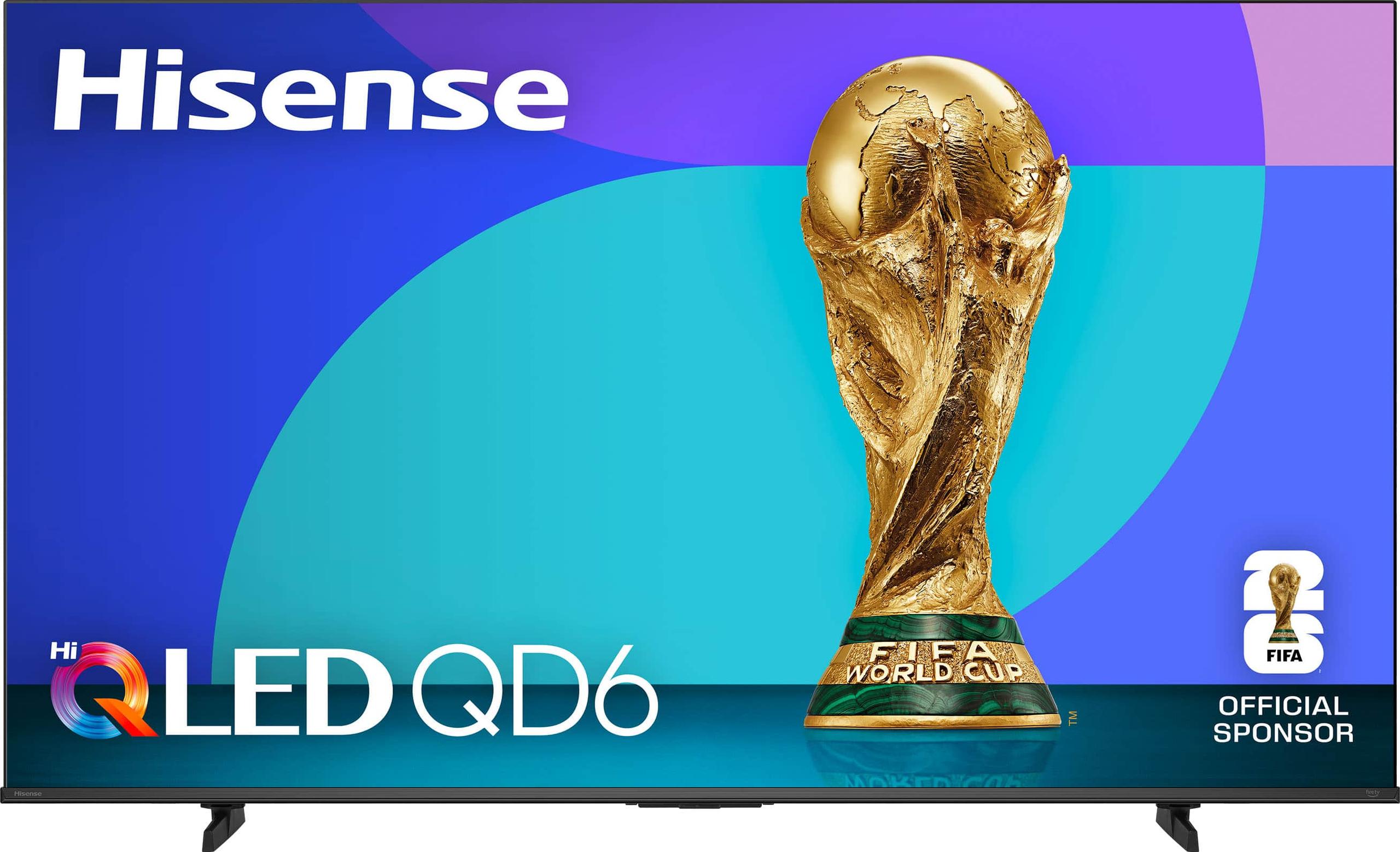
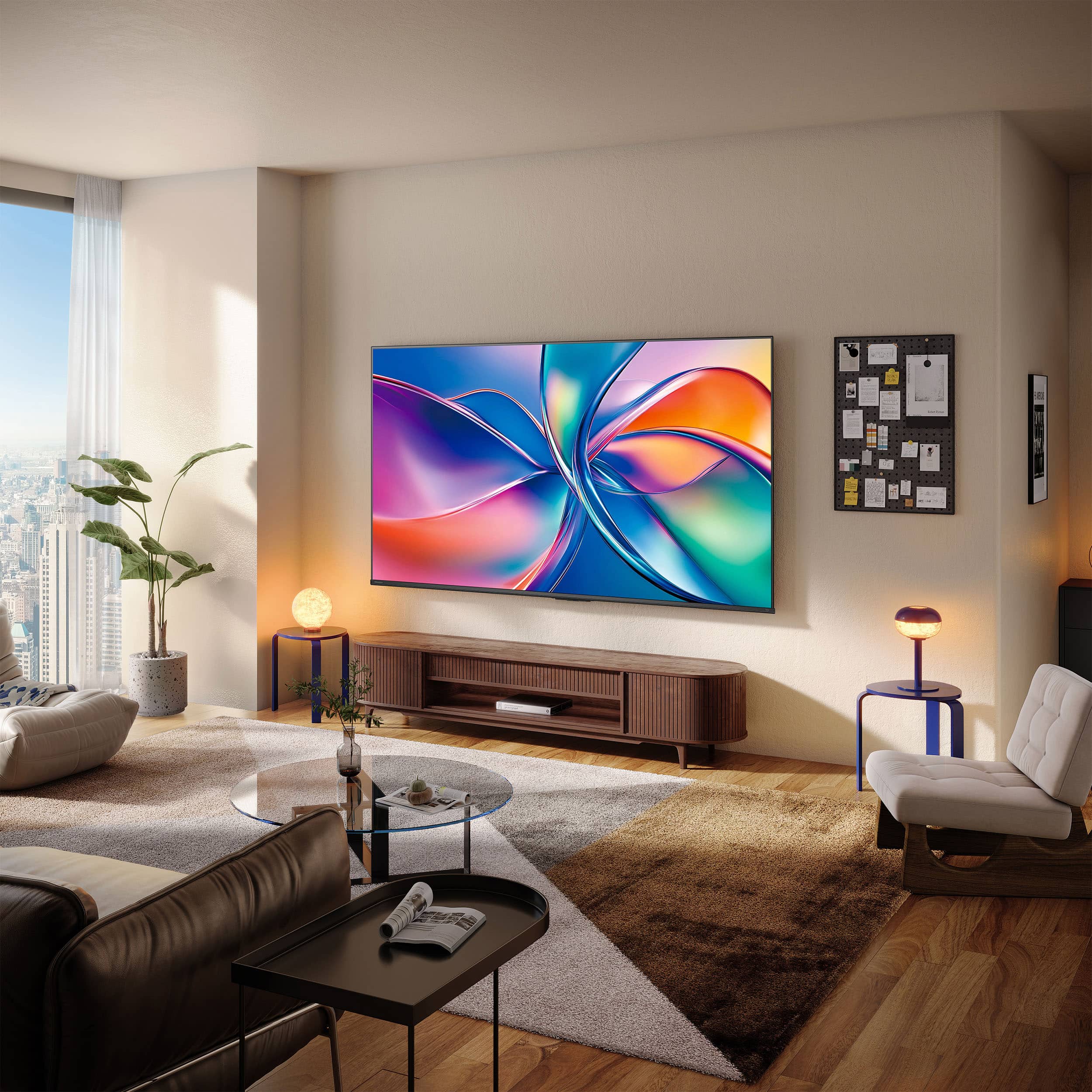
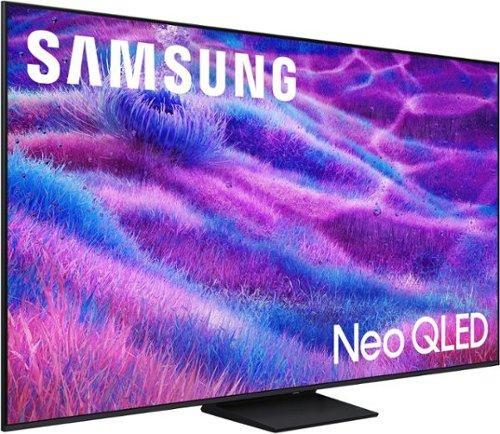
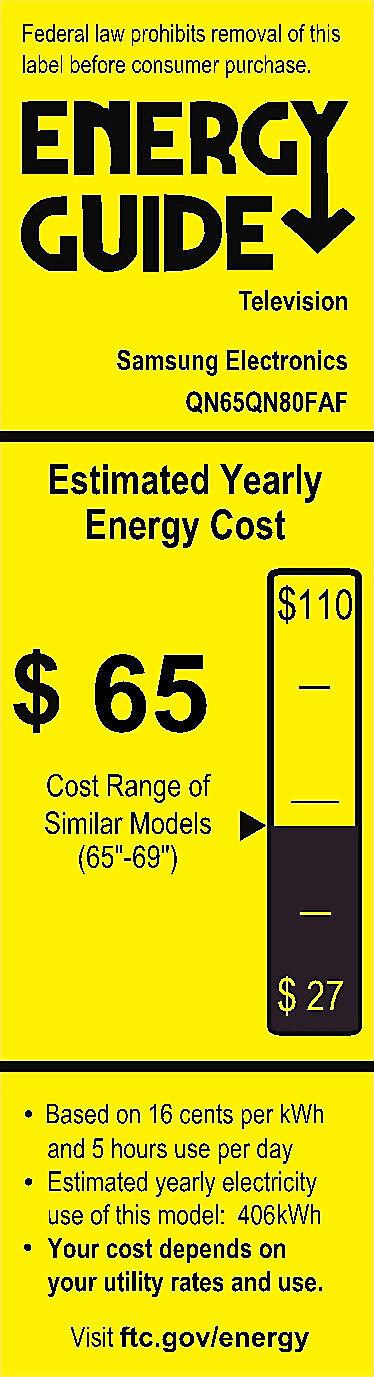
Choosing a 65-inch TV in 2025 means navigating an overwhelming sea of acronyms, marketing buzzwords, and wildly different price points. Two models that consistently catch shoppers' attention are the budget-friendly Hisense 65" QD6 Series and the premium Samsung 65" QN80F Neo QLED. While both deliver 4K resolution and smart TV features, they represent dramatically different approaches to home entertainment – and your wallet will definitely notice the difference.
The 65-inch TV market has exploded in recent years, becoming the sweet spot for most living rooms. These displays need to excel at multiple tasks: delivering cinematic movie experiences, handling fast-paced gaming, streaming content smoothly, and looking great whether you're watching in a dim basement or a sun-drenched family room.
The most critical factors separating good TVs from great ones include display technology (how the picture is actually created), peak brightness (how vivid HDR content looks), gaming performance (refresh rates and input lag), and smart platform responsiveness. Color accuracy, contrast ratios, and build quality also matter significantly, especially if you're planning to keep this TV for several years.
Both the Hisense QD6 and Samsung QN80F launched in 2025, representing the latest iterations of their respective manufacturers' mid-range and premium lineups. The timing is important because TV technology evolves rapidly – features that were premium two years ago often become standard, while new innovations like advanced AI processing and improved gaming capabilities set the current generation apart.
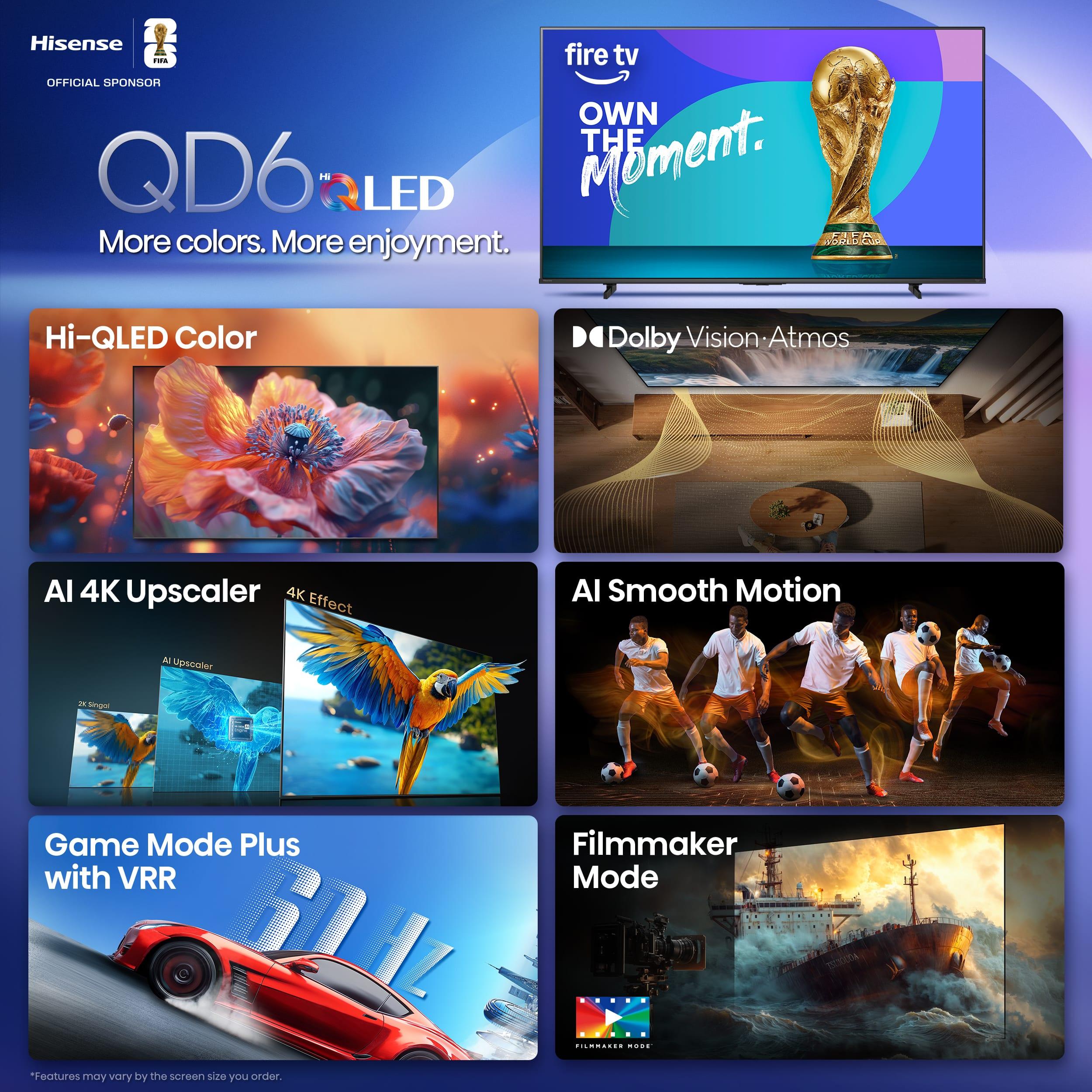
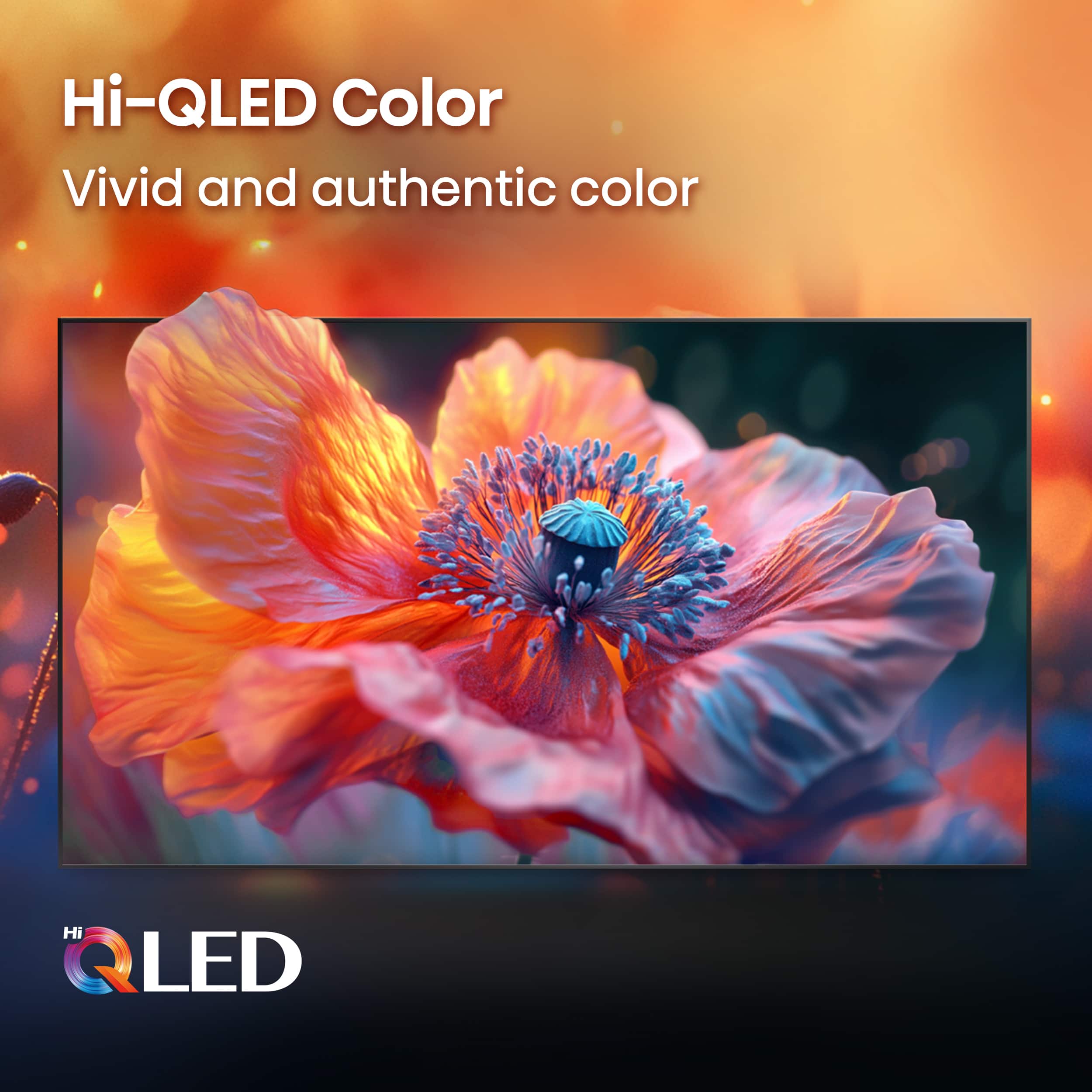
The most fundamental difference between these TVs lies in their backlight technology, which dramatically affects picture quality. The Hisense QD6 uses a full-array LED backlight with quantum dots – essentially microscopic crystals that enhance color reproduction when hit by blue LED light. This Hi-QLED technology covers about 90% of the DCI-P3 color space, which is the standard used for HDR content and modern movies.
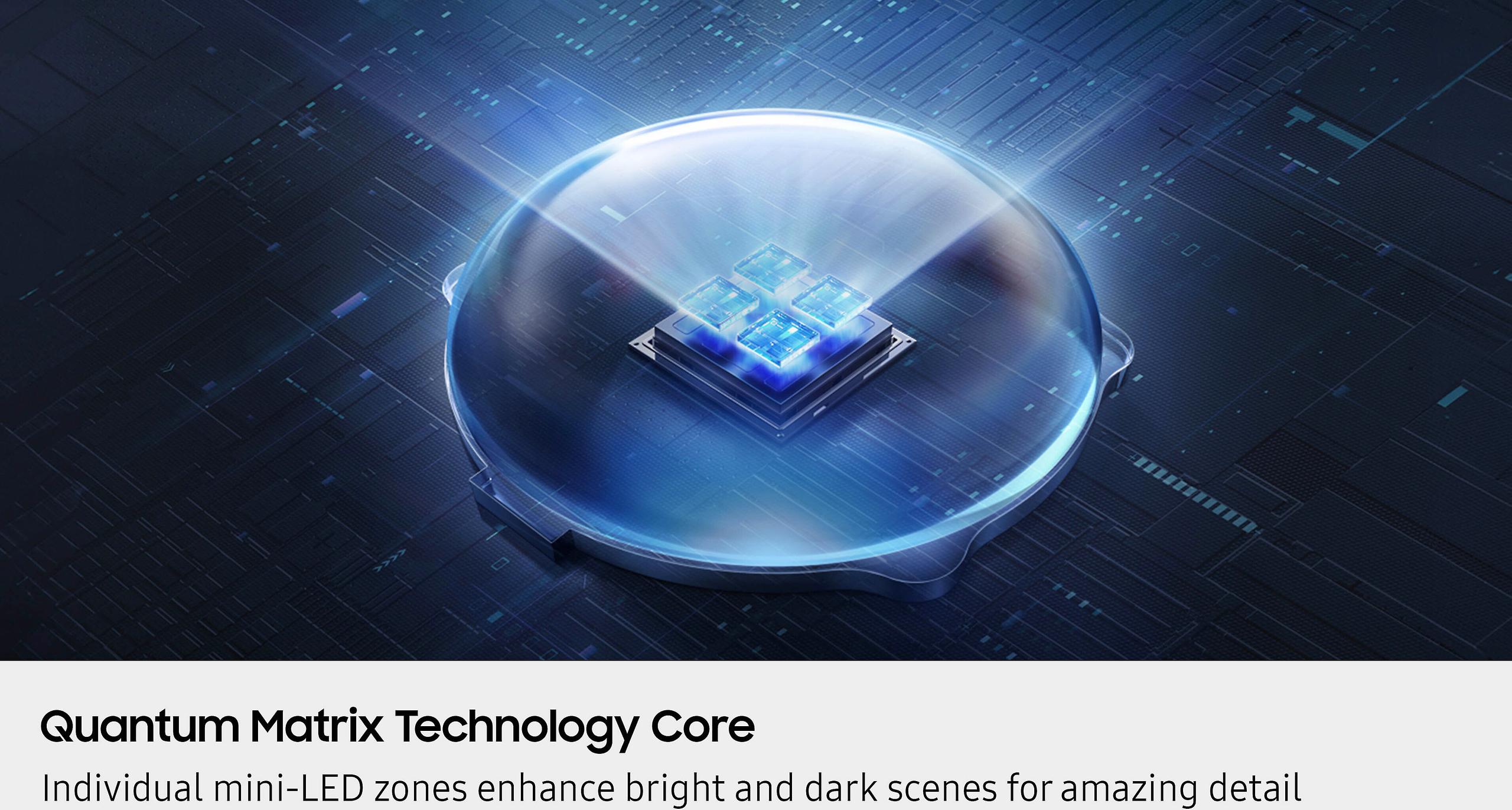
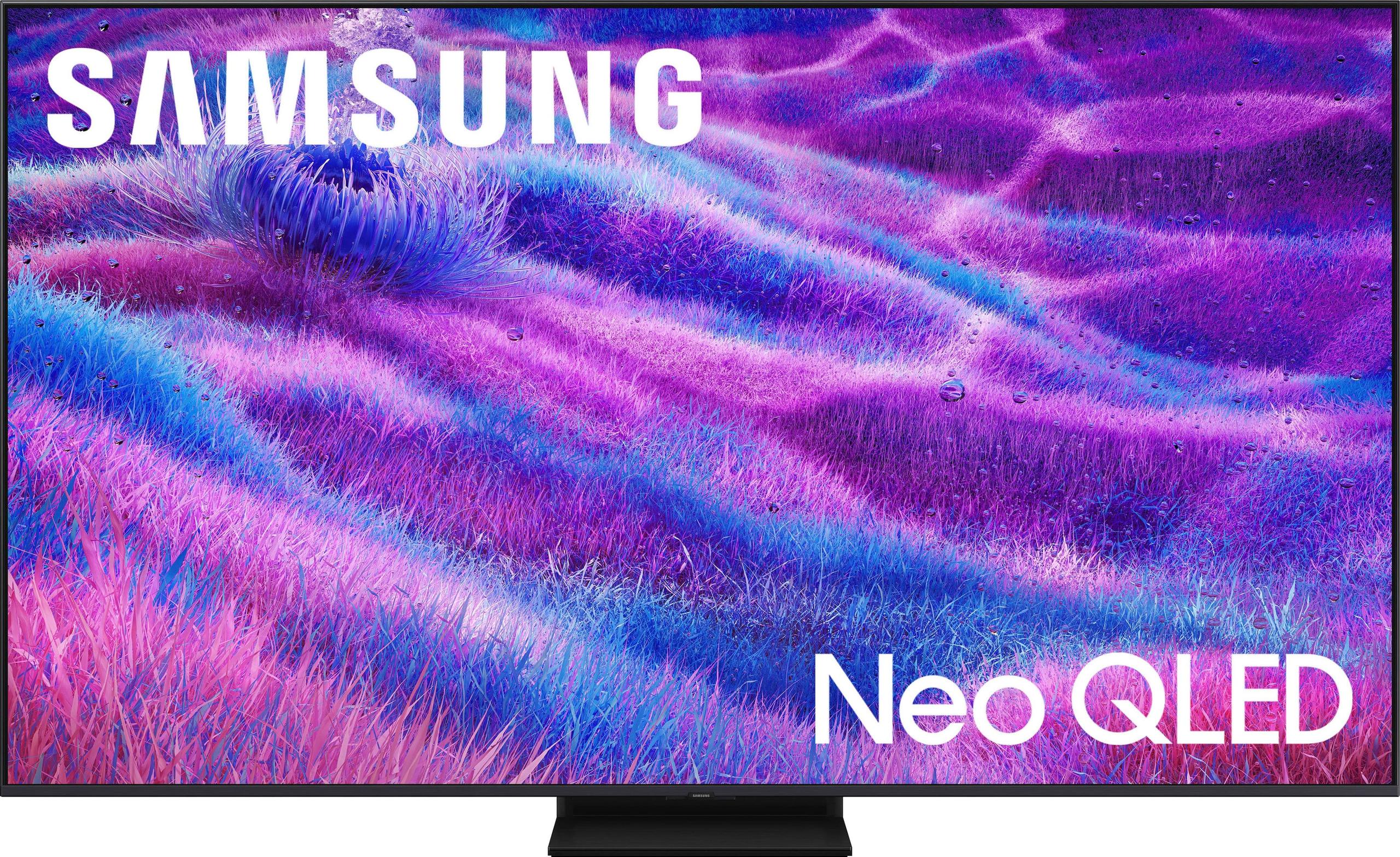
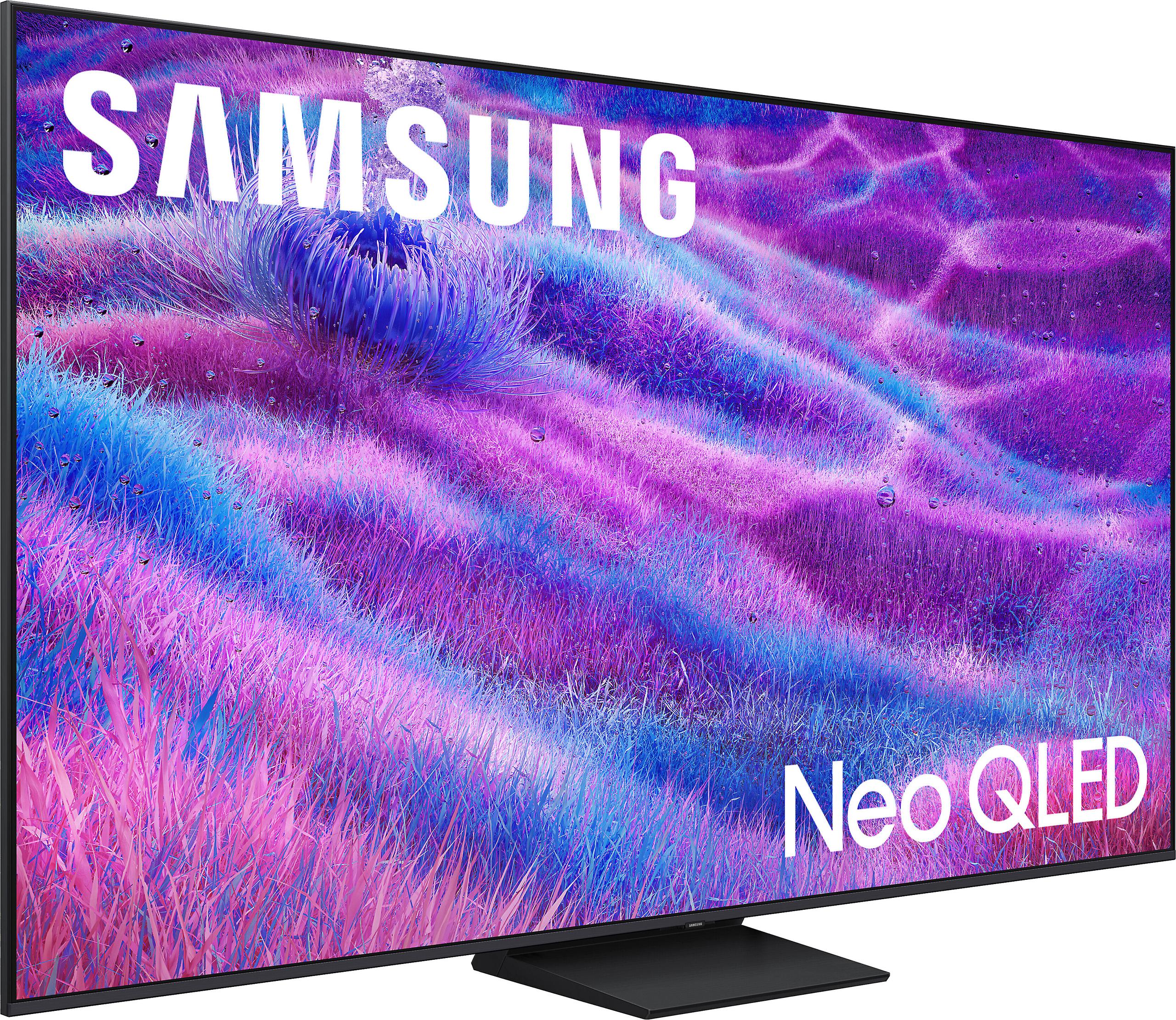
The Samsung QN80F, however, employs mini-LED backlighting combined with quantum dots in what Samsung calls Neo QLED technology. Mini-LEDs are dramatically smaller than traditional LEDs – think hundreds versus dozens of individual light zones behind the screen. This Quantum Matrix Technology allows for much more precise control over brightness and darkness in different areas of the picture simultaneously.
Here's why this matters: when you're watching a movie with a campfire scene against a dark night sky, the Samsung QN80F can make the fire blazingly bright while keeping the surrounding darkness truly black. The Hisense QD6, with its more basic backlighting, will lift the black levels across the entire screen when bright elements appear, creating a somewhat washed-out look.
Peak brightness tells a similar story. Our research indicates the Hisense QD6 reaches approximately 385 cd/m² (candelas per square meter – a measure of luminance), which is decent for moderately lit rooms but struggles with HDR content that demands brilliant highlights. Premium mini-LED TVs like the Samsung QN80F typically achieve much higher peak brightness, making HDR sunsets, explosions, and bright outdoor scenes look genuinely impactful rather than dull.
Gaming performance has become a make-or-break feature for modern TVs, especially with PlayStation 5 and Xbox Series X pushing 4K resolution at high frame rates. The differences between these models are stark and decisive.
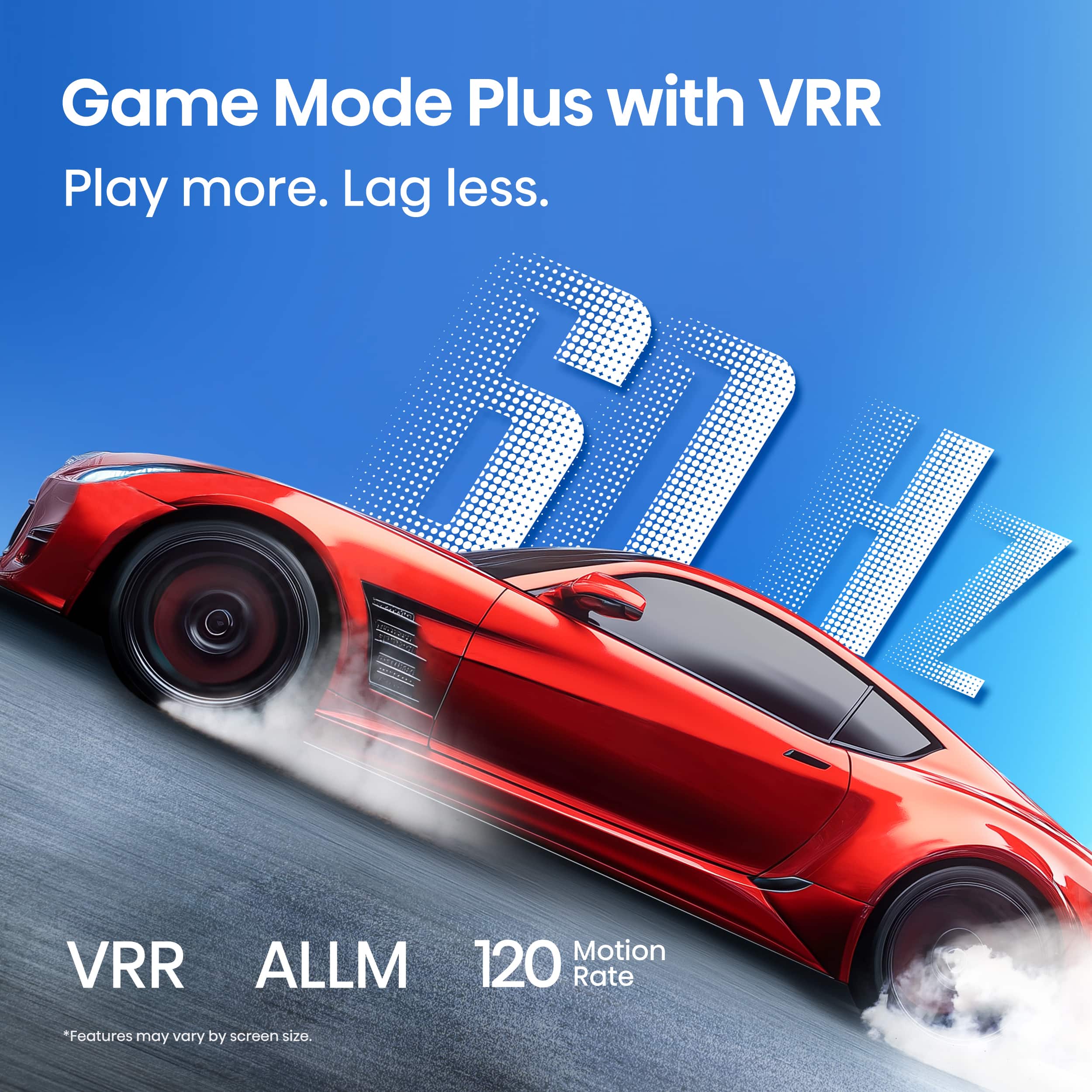
The Hisense QD6 offers a 60Hz native refresh rate with Variable Refresh Rate (VRR) support and Auto Low Latency Mode (ALLM). VRR synchronizes the TV's refresh rate with your gaming console's output to eliminate screen tearing – those horizontal lines that appear when the frame rate drops. ALLM automatically switches to the TV's lowest-latency picture mode when it detects a gaming signal, reducing input lag to around 10.2 milliseconds.
However, the Hisense QD6 is limited by its HDMI 2.0 ports, which cap gaming at 4K@60Hz. This means you can't take advantage of the 120Hz modes available on modern consoles, and you'll experience screen tearing whenever frame rates drop below 60fps – which happens frequently in demanding games.
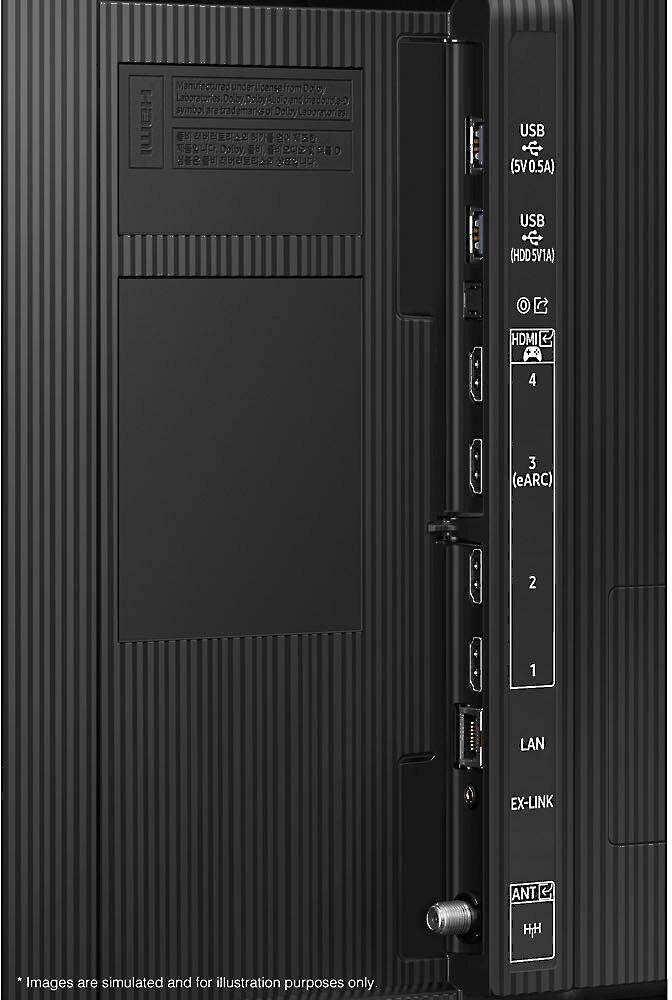
The Samsung QN80F changes the game entirely with its 120Hz native panel and four HDMI 2.1 ports supporting VRR up to 144Hz. This means smooth 4K@120Hz gaming with proper next-generation console support. The Motion Xcelerator 144Hz technology and AI Auto Game Mode optimize performance automatically, while the superior processing power eliminates the sluggish response times that plague budget TVs.
For serious gamers, this isn't just a nice-to-have feature – it's transformational. Fast-paced games like first-person shooters, racing games, and competitive multiplayer titles benefit enormously from higher refresh rates, creating smoother motion and more responsive controls.
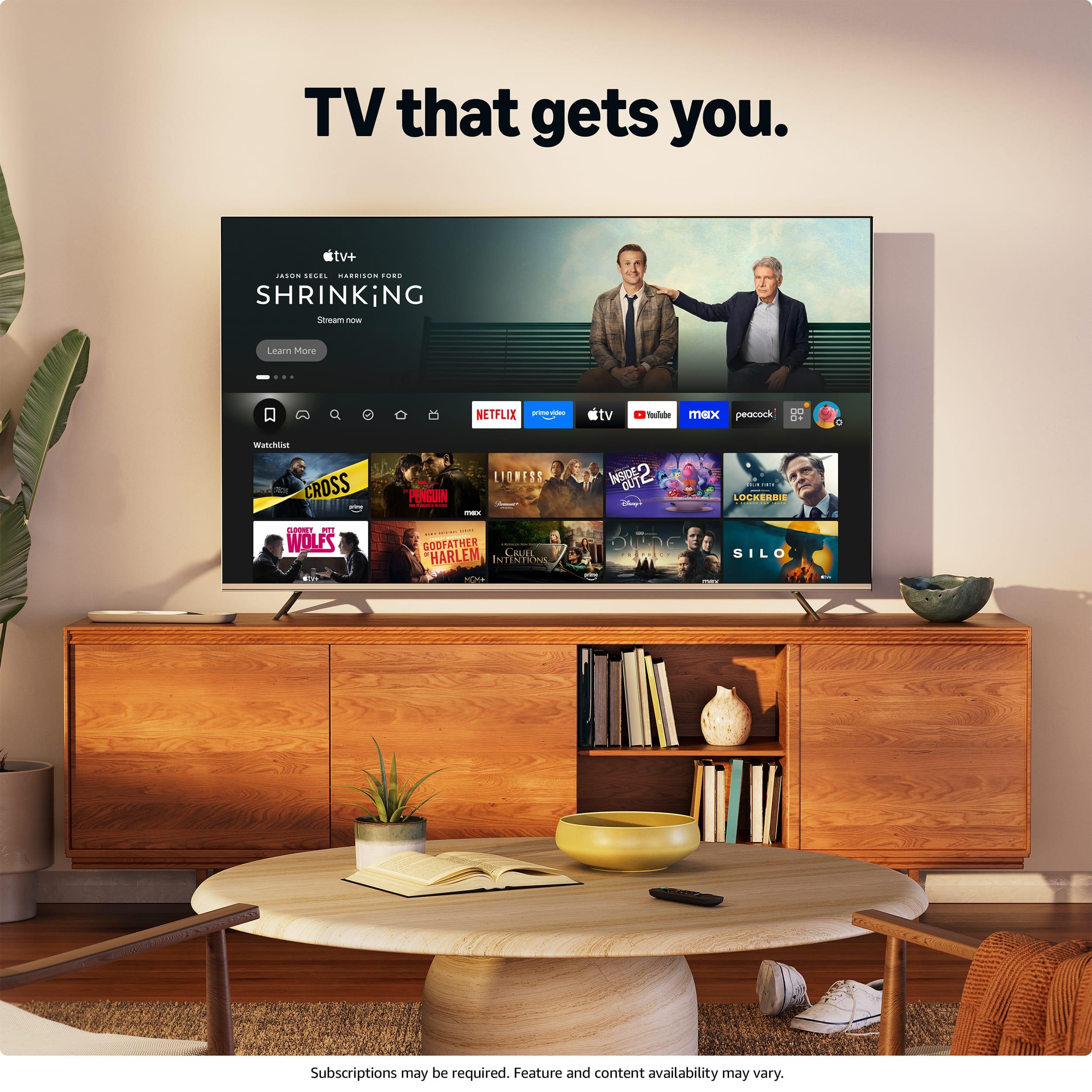
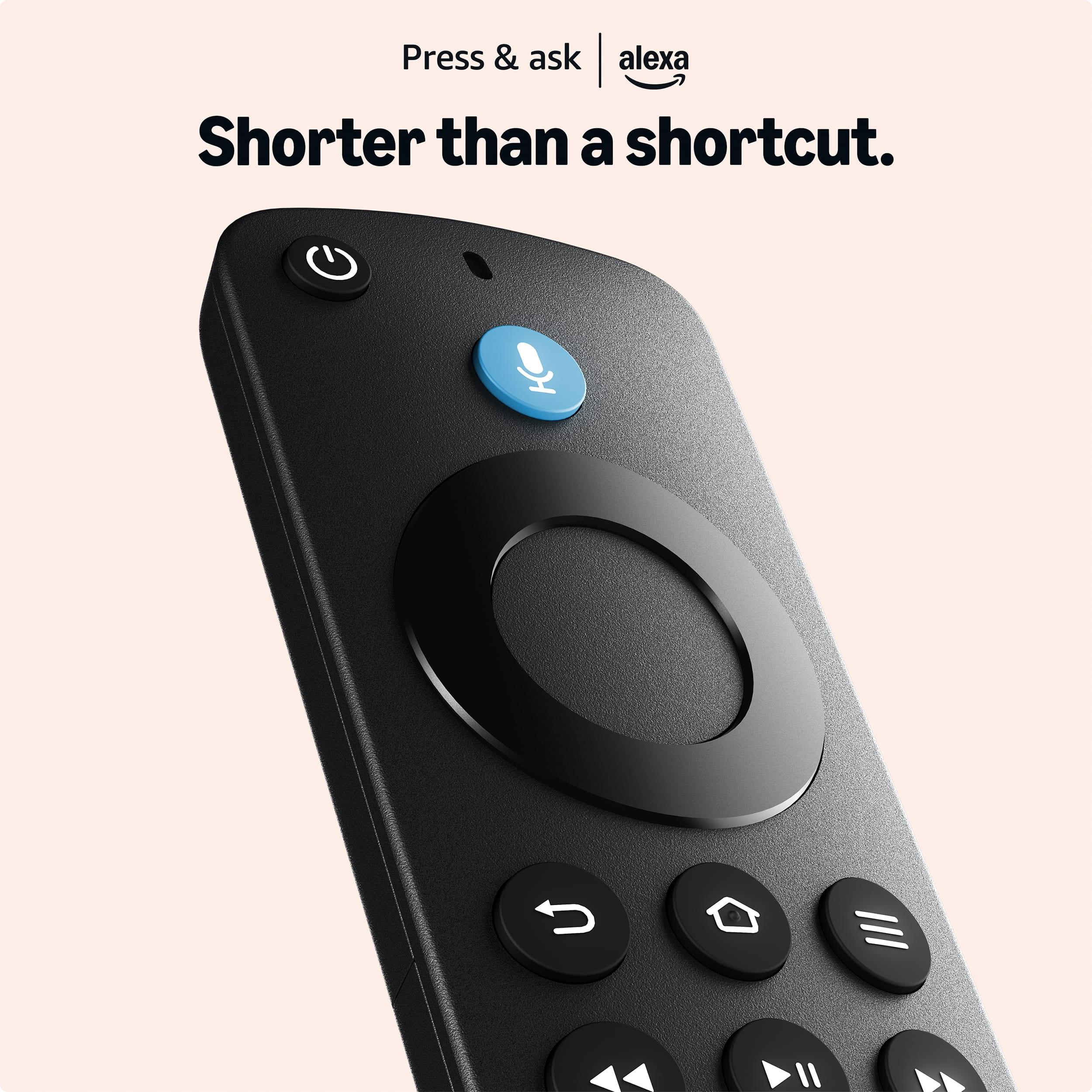
Both TVs run different smart platforms that significantly affect daily usability. The Hisense QD6 runs Amazon's Fire TV, which provides excellent integration with Amazon services, solid app selection, and Alexa voice control. Fire TV has matured considerably and generally runs smoothly, though it's powered by a modest ARM Cortex-A53 processor.
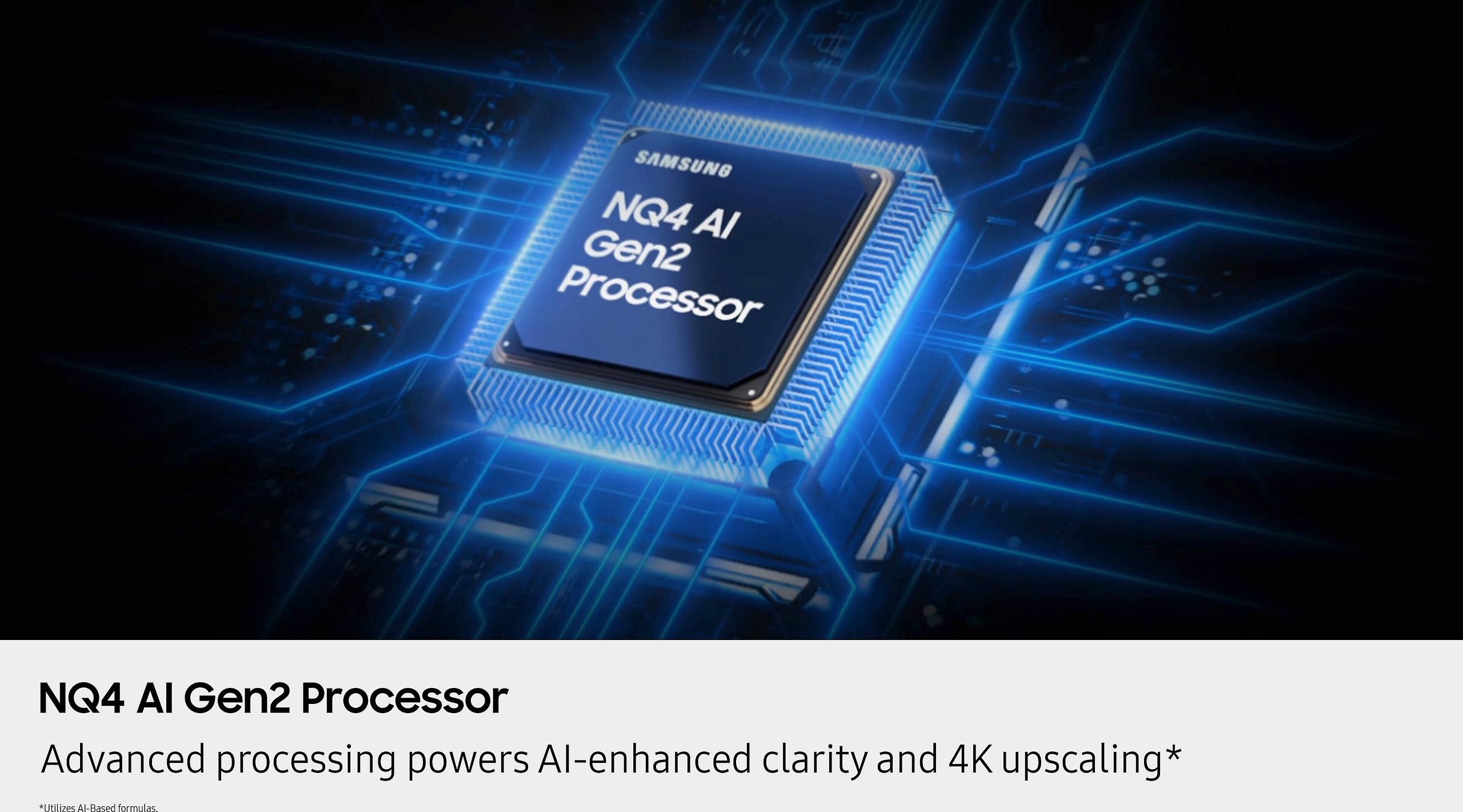
The Samsung QN80F features Samsung's latest Vision AI platform powered by the NQ4 AI Gen2 processor – a significantly more powerful chip that handles complex AI processing, upscaling, and smart features. This platform includes innovative features like Live Translate for foreign content, Generative Wallpaper that creates custom backgrounds, and advanced scene optimization that adjusts picture settings automatically.
The processing power difference becomes apparent in daily use. Menu navigation, app launching, and multitasking feel more responsive on the Samsung QN80F, while the Hisense QD6 occasionally shows lag during intensive operations.
For dedicated home theater setups, picture quality becomes paramount, and the differences between these TVs are most pronounced. The Samsung QN80F's mini-LED backlighting provides the contrast ratios essential for cinematic experiences. Dark movie scenes maintain their impact without the gray, washed-out appearance that affects the Hisense QD6 when bright elements are present.
HDR performance is particularly crucial for movie enthusiasts. While both TVs support Dolby Vision, HDR10+, and other HDR formats, the Samsung QN80F's higher peak brightness makes HDR content look genuinely different from standard dynamic range – something the Hisense QD6 struggles to achieve convincingly.
Color accuracy matters too, especially for film purists. Both TVs include Filmmaker Mode, which disables post-processing to preserve the director's original vision, but the Samsung QN80F's superior color processing and wider color gamut provide more authentic reproduction.
However, the Hisense QD6 isn't without merit for home theater use. Its quantum dot enhancement does provide vibrant, engaging colors, and for viewers primarily watching standard dynamic range content or those with moderate expectations, it delivers a satisfying big-screen experience at a fraction of the cost.
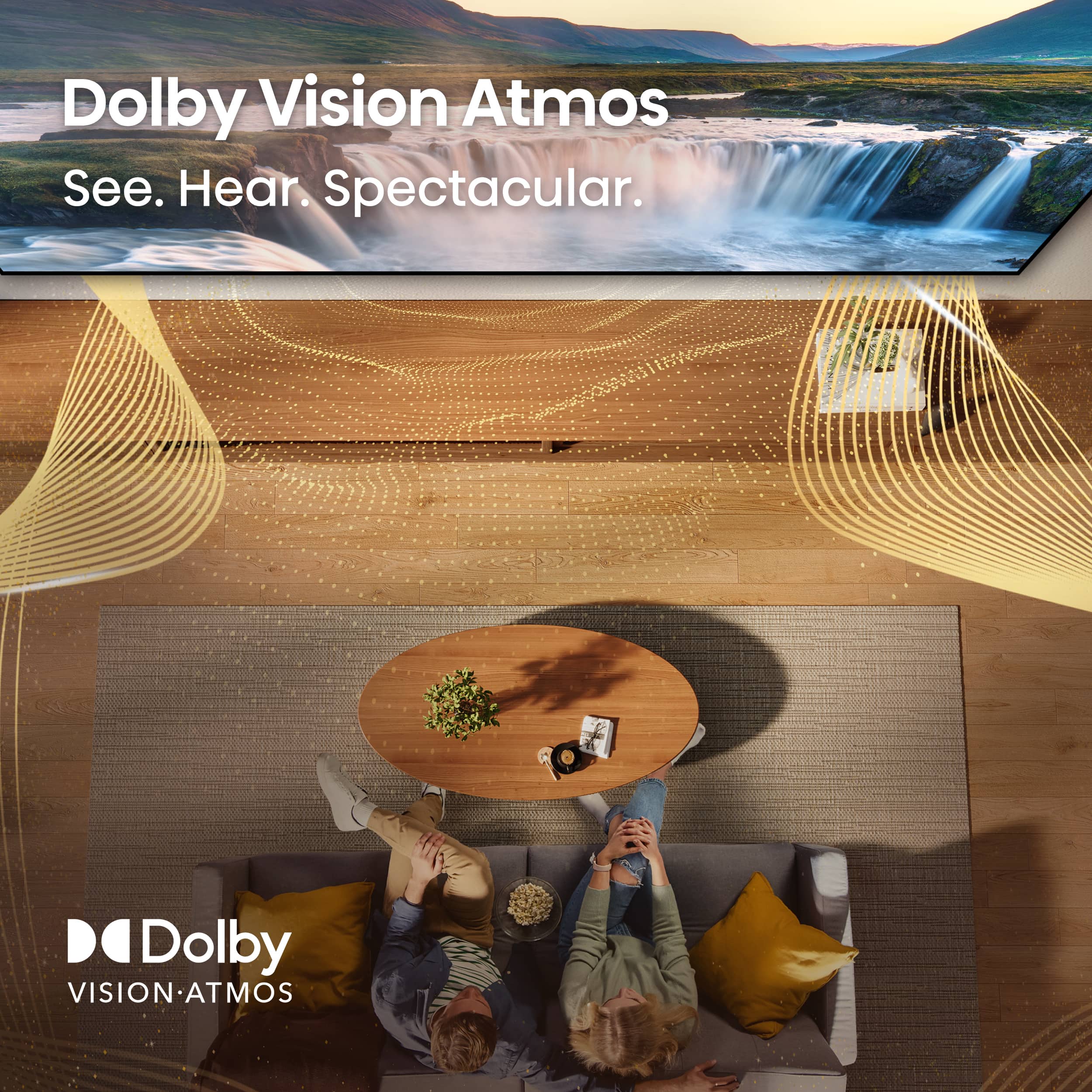
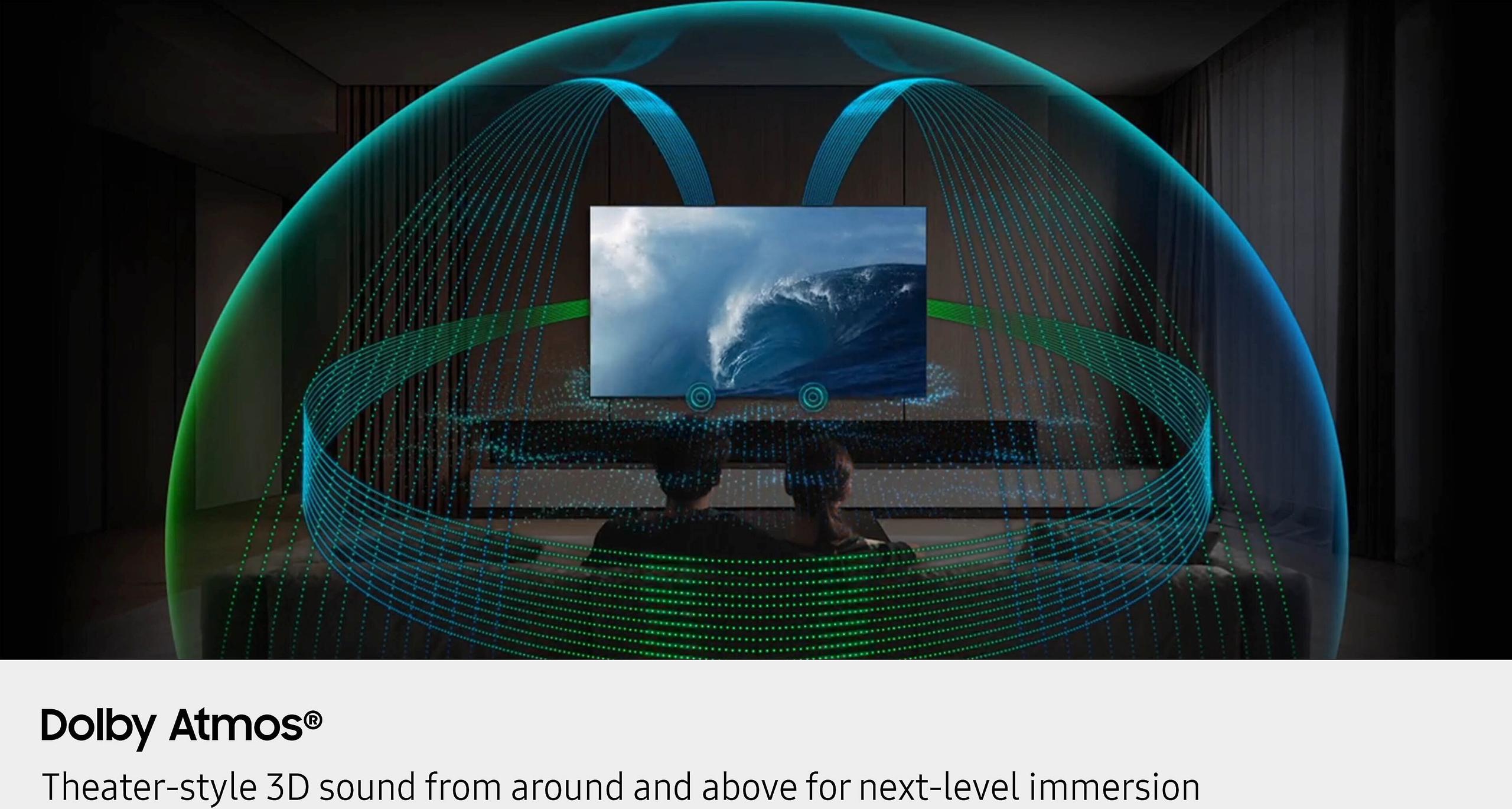
Both TVs include Dolby Atmos support, which creates three-dimensional sound by bouncing audio off your ceiling and walls. However, the Samsung QN80F adds Adaptive Sound Pro, which uses AI to analyze different types of audio content and optimize them accordingly. This technology also considers your room's acoustics to provide a more personalized listening experience.
While built-in TV speakers rarely match dedicated sound systems, the Samsung QN80F's more sophisticated audio processing provides clearer dialogue and better overall balance. For most users, both TVs will benefit significantly from external speakers or soundbars, but the Samsung's audio foundation is stronger.
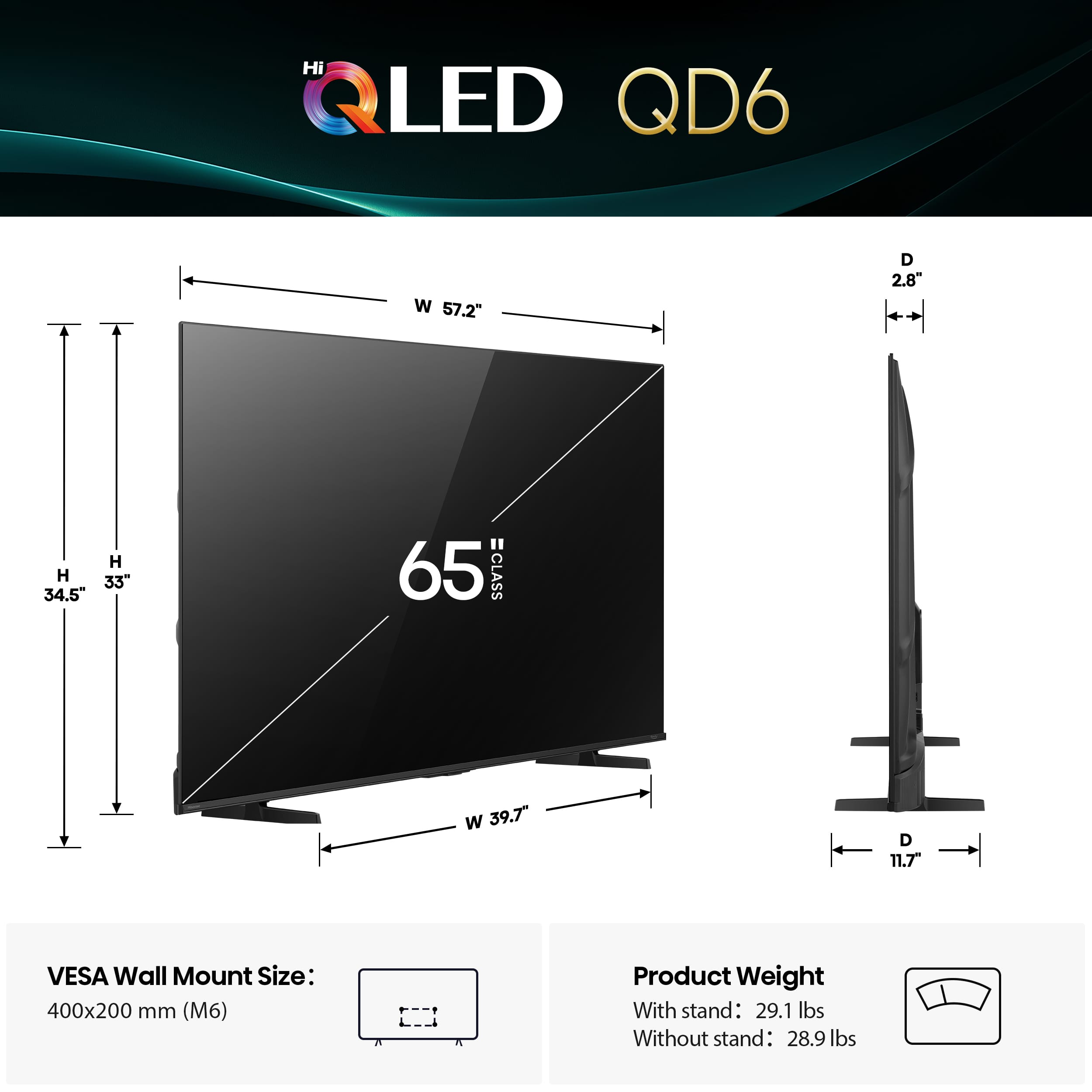
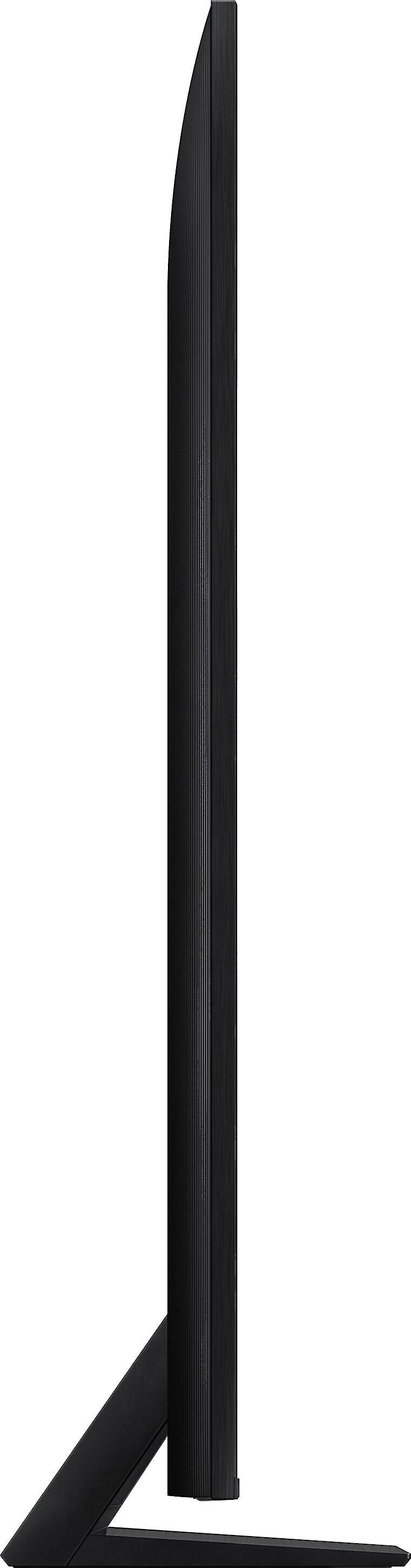
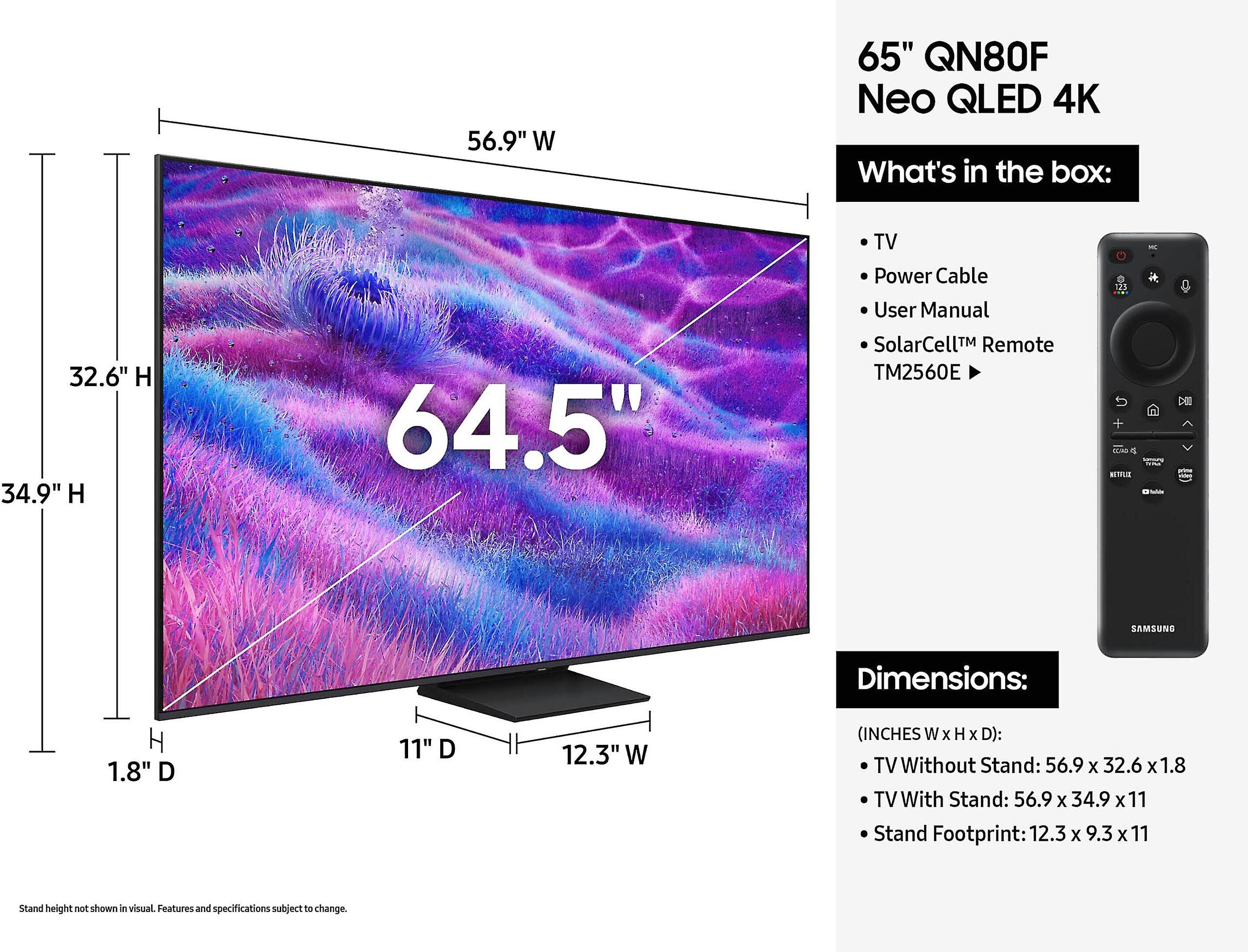
The physical differences between these TVs reflect their market positioning. The Hisense QD6 features a standard thick LED-LCD design measuring 2.8 inches deep – functional but unremarkable. The wide-set feet are stable and the overall construction feels solid for the price point.
The Samsung QN80F demonstrates premium build quality with better materials, tighter tolerances, and Samsung's new glare-free finish technology. This anti-glare coating significantly reduces reflections from windows and room lighting – a practical benefit that improves daily viewing comfort.
At the time of writing, these TVs occupy different price tiers, with the Hisense QD6 positioned as an accessible entry into quantum dot technology and the Samsung QN80F commanding a significant premium for its advanced features.
The Hisense QD6 delivers excellent value for budget-conscious buyers who want modern features without premium pricing. You get quantum dot color enhancement, comprehensive HDR support, basic gaming features, and a robust smart platform – features that would have cost significantly more just a few years ago.
The Samsung QN80F justifies its higher cost through genuinely superior technology. Mini-LED backlighting, true 120Hz gaming support, advanced AI processing, and premium build quality create a noticeably better overall experience, but you'll pay considerably more for these improvements.
The Hisense QD6 makes the most sense for several specific scenarios. If you're budget-conscious but want quantum dot color technology, this TV delivers impressive value. Fire TV enthusiasts who are deeply integrated into Amazon's ecosystem will appreciate the seamless experience. Casual gamers who don't need 4K@120Hz will find the basic gaming features adequate. The TV also works well in moderate lighting conditions where peak brightness isn't critical.
However, the Samsung QN80F is the clear choice for users who prioritize picture quality and have the budget to match. Serious gamers with PlayStation 5 or Xbox Series X absolutely need the 4K@120Hz capability and HDMI 2.1 support. Movie enthusiasts will appreciate the superior HDR performance and contrast ratios. If you frequently watch in bright rooms, the higher peak brightness becomes essential. Tech enthusiasts who want cutting-edge AI features and premium build quality will find the Samsung more satisfying.
The choice between these TVs ultimately depends on your priorities, budget, and usage patterns. The Hisense QD6 represents excellent value for viewers who want good picture quality and modern features without premium pricing. It's a solid choice that handles most content well and provides a significant upgrade over older TVs.
The Samsung QN80F targets users who want the best possible experience and are willing to pay for superior technology. If gaming performance, HDR impact, and overall picture quality are your priorities, the premium price tag becomes easier to justify.
Consider your long-term needs carefully. TV technology evolves quickly, but a quality 65-inch display typically lasts 7-10 years. If you're planning to keep this TV for the long haul, investing in more advanced features like proper gaming support and superior picture quality may prove worthwhile.
Both TVs represent solid choices within their respective market segments, but they serve different audiences with different expectations and budgets. The key is honest self-assessment about what you actually need versus what marketing materials suggest you want.
| Hisense 65" QD6 Series Hi-QLED Fire TV | Samsung 65" QN80F Neo QLED 4K TV |
|---|---|
| Display Technology - Core foundation affecting picture quality | |
| Full-array LED with quantum dots (Hi-QLED) | Mini-LED backlight with quantum dots (Neo QLED) |
| Peak Brightness - Critical for HDR impact and bright room viewing | |
| ~385 cd/m² (adequate for moderate lighting) | Significantly higher (excellent HDR performance) |
| Refresh Rate - Essential for smooth gaming and sports | |
| 60Hz native with interpolation to 120Hz | 120Hz native with VRR up to 144Hz |
| Gaming Connectivity - Determines next-gen console compatibility | |
| 4x HDMI 2.0 ports (limited to 4K@60Hz) | 4x HDMI 2.1 ports (full 4K@120Hz support) |
| Smart Platform - Daily interface and app performance | |
| Fire TV with ARM Cortex-A53 processor | Samsung Vision AI with NQ4 AI Gen2 processor |
| Color Gamut Coverage - Affects color vibrancy and accuracy | |
| 90% DCI-P3 with quantum dot enhancement | Superior color volume with advanced processing |
| Local Dimming - Controls contrast in dark scenes | |
| No local dimming (blacks lift with bright content) | Mini-LED zones for precise contrast control |
| Input Lag - Responsiveness for gaming | |
| ~10.2ms in Game Mode (good for casual gaming) | Excellent low latency with AI optimization |
| HDR Support - Premium content compatibility | |
| Dolby Vision, HDR10+, HDR10, HLG | Dolby Vision, HDR10+ with superior brightness |
| Audio Technology - Built-in sound quality | |
| Dolby Atmos with standard processing | Dolby Atmos with Adaptive Sound Pro and AI |
| Build Quality - Design and materials | |
| Standard LED-LCD construction (2.8" thick) | Premium build with glare-free finish technology |
| Voice Assistant - Smart home integration | |
| Amazon Alexa built-in | Samsung Bixby with enhanced AI capabilities |
| Upscaling Technology - Lower resolution content quality | |
| AI 4K Upscaler (decent performance) | NQ4 AI Gen2 with superior processing power |
| Best For - Target user scenarios | |
| Budget-conscious buyers, Fire TV users, casual gamers | Serious gamers, movie enthusiasts, premium seekers |
The Samsung 65" QN80F Neo QLED delivers superior picture quality thanks to its mini-LED backlighting technology, which provides better contrast and higher peak brightness compared to the Hisense 65" QD6 Series. While both TVs feature quantum dot color enhancement, the Samsung's advanced processing and local dimming capabilities make HDR content more impactful and dark scenes more realistic.
The Samsung QN80F Neo QLED is significantly better for gaming, offering 120Hz native refresh rate, four HDMI 2.1 ports, and support for 4K@120Hz gaming from PlayStation 5 and Xbox Series X. The Hisense QD6 Series is limited to 60Hz with HDMI 2.0 ports, making it suitable only for casual gaming at 4K@60Hz maximum.
Both TVs offer user-friendly smart platforms, but they serve different preferences. The Hisense QD6 Series runs Fire TV, which integrates seamlessly with Amazon services and Alexa. The Samsung QN80F features Samsung's Vision AI platform with more advanced processing power and AI features like Live Translate and Generative Wallpaper.
Yes, both the Hisense QD6 Series and Samsung QN80F Neo QLED support Dolby Vision, HDR10+, HDR10, and HLG formats. However, the Samsung delivers better HDR performance due to its higher peak brightness, making bright highlights in HDR content more vivid and realistic.
The Samsung QN80F Neo QLED performs better in bright rooms due to its higher peak brightness and new glare-free finish technology that reduces reflections. The Hisense QD6 Series works adequately in moderate lighting but may struggle with direct sunlight or very bright room conditions.
The Samsung QN80F features premium build quality with better materials and a more refined design, while the Hisense QD6 Series offers solid but more basic construction. The Samsung includes anti-glare coating and measures as a thinner profile compared to the Hisense's standard 2.8-inch depth.
The Hisense QD6 Series provides excellent value for budget-conscious buyers, offering quantum dot technology and essential smart features at an accessible price point. The Samsung QN80F Neo QLED commands a premium but justifies it with superior picture technology, gaming capabilities, and build quality.
For dedicated home theater use, the Samsung QN80F Neo QLED is the clear winner due to its superior contrast ratios, higher peak brightness, and better black levels essential for cinematic experiences. The Hisense QD6 Series can work for casual movie watching but lacks the contrast performance serious home theater enthusiasts expect.
Both TVs support Dolby Atmos, but the Samsung QN80F includes Adaptive Sound Pro technology that uses AI to optimize audio based on content type and room acoustics. The Hisense QD6 Series offers standard Dolby Atmos processing, which is adequate but less sophisticated than Samsung's implementation.
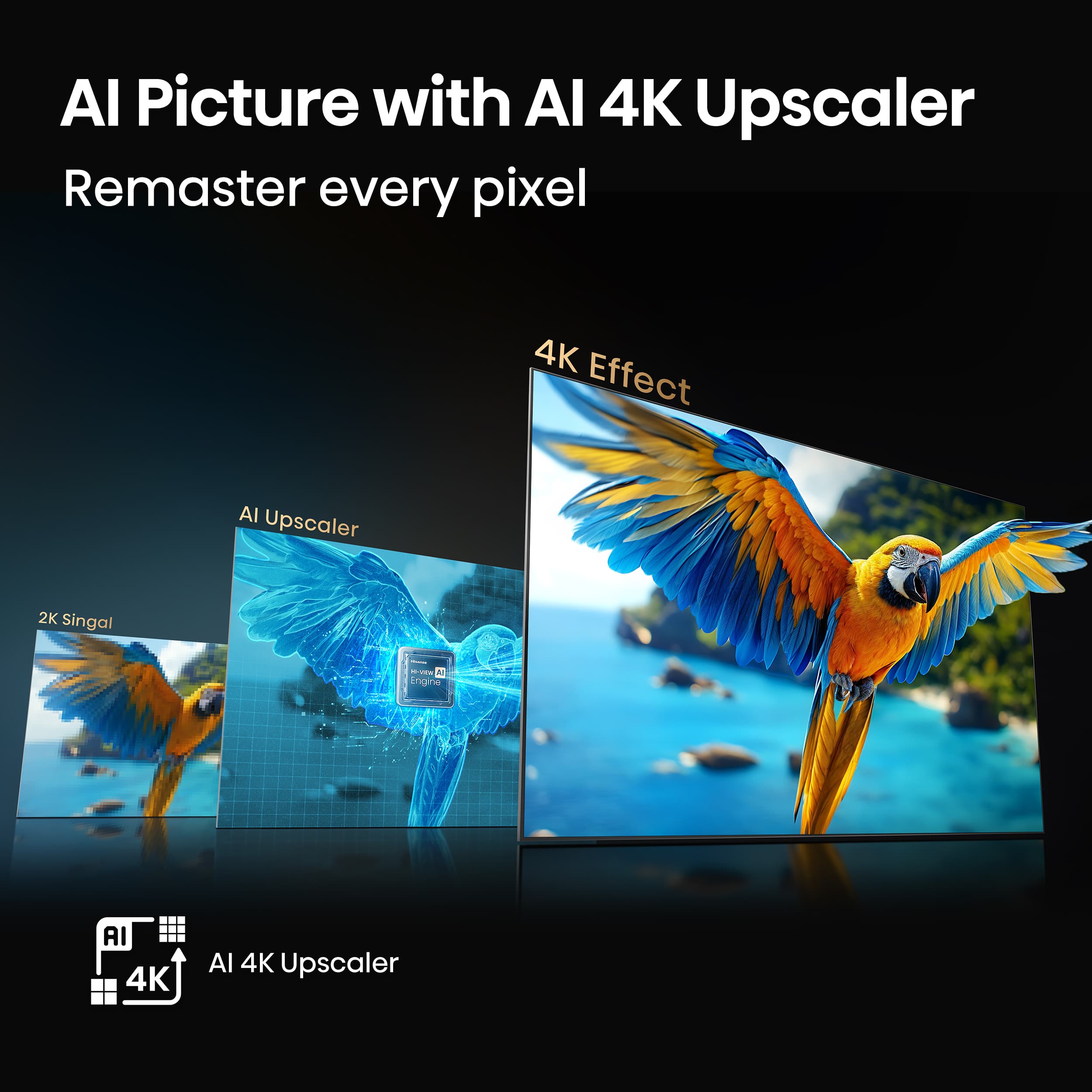
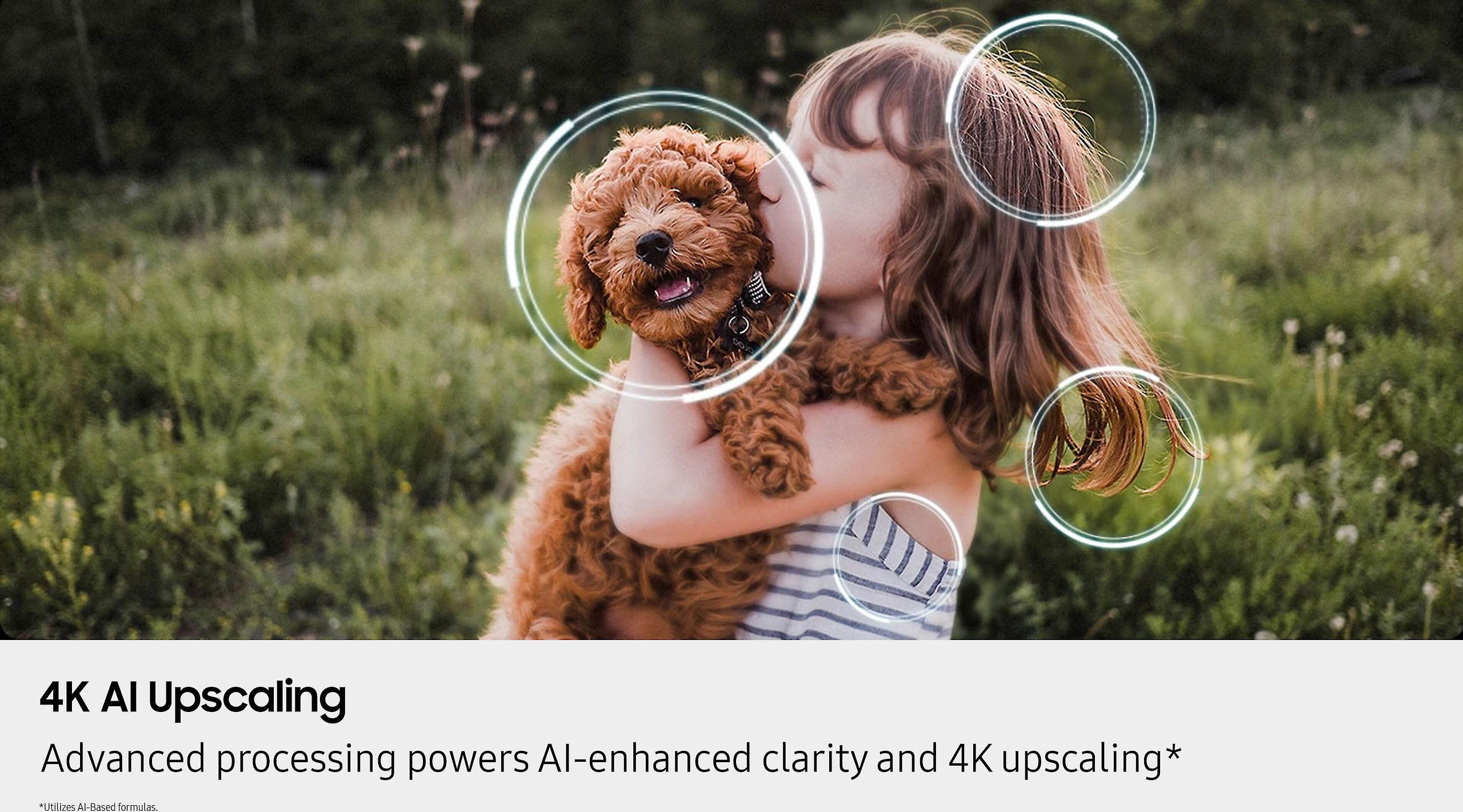
Yes, both TVs include AI-powered 4K upscaling, but the Samsung QN80F Neo QLED performs better thanks to its more powerful NQ4 AI Gen2 processor. The Hisense QD6 Series offers decent upscaling with its ARM Cortex-A53 processor, improving HD content quality but not matching Samsung's processing capabilities.
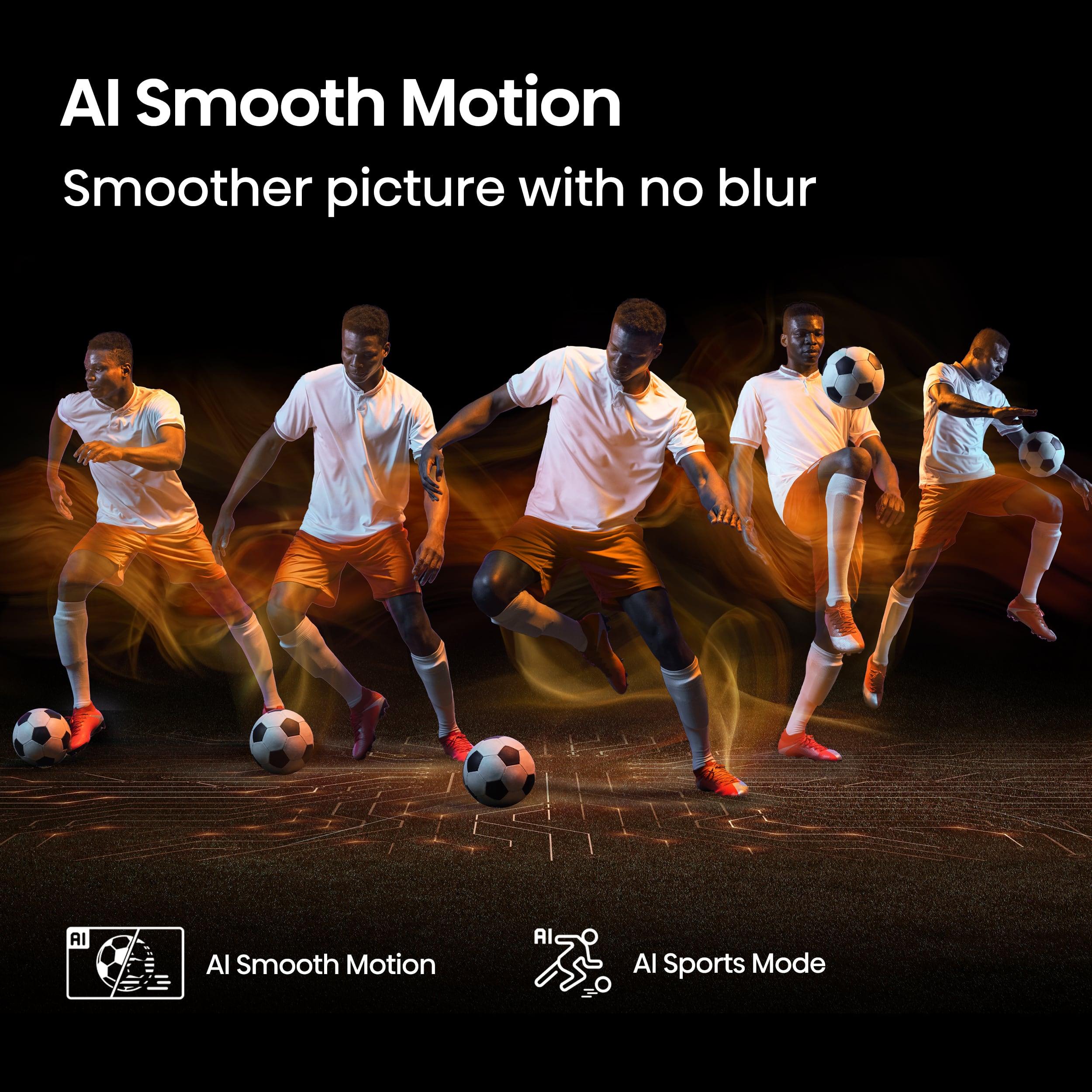
The Samsung QN80F Neo QLED handles fast-motion sports content better due to its 120Hz panel and superior motion processing. The Hisense QD6 Series can show motion blur and artifacts during fast-paced action, making it less ideal for serious sports viewing, especially in group settings.
Choose the Hisense QD6 Series if you want good picture quality at a budget-friendly price and don't need advanced gaming features. Select the Samsung QN80F Neo QLED if you prioritize the best picture quality, have next-gen gaming consoles, frequently watch in bright rooms, or want premium features and build quality.
We've done our best to create useful and informative comparisons to help you decide what product to buy. Our research uses advanced automated methods to create this comparison and perfection is not possible - please contact us for corrections or questions. These are the sites we've researched in the creation of this article: pcvarge.com - bestbuy.com - rtings.com - youtube.com - rtings.com - youtube.com - consumerreports.org - leaseville.com - hisense-usa.com - device.report - hisense-usa.com - youtube.com - flatpanelshd.com - displayspecifications.com - retailspecs.com - samsung.com - theshortcut.com - youtube.com - bestbuy.com - rtings.com - samsung.com - samsung.com - samsung.com - sargentappliance.com - displayspecifications.com - bestbuy.com

Privacy Policy
Terms and Conditions - Affiliate Policy
Home Security
© Copyright 2008-2026.
11816 Inwood Rd #1211, Dallas, TX 75244