


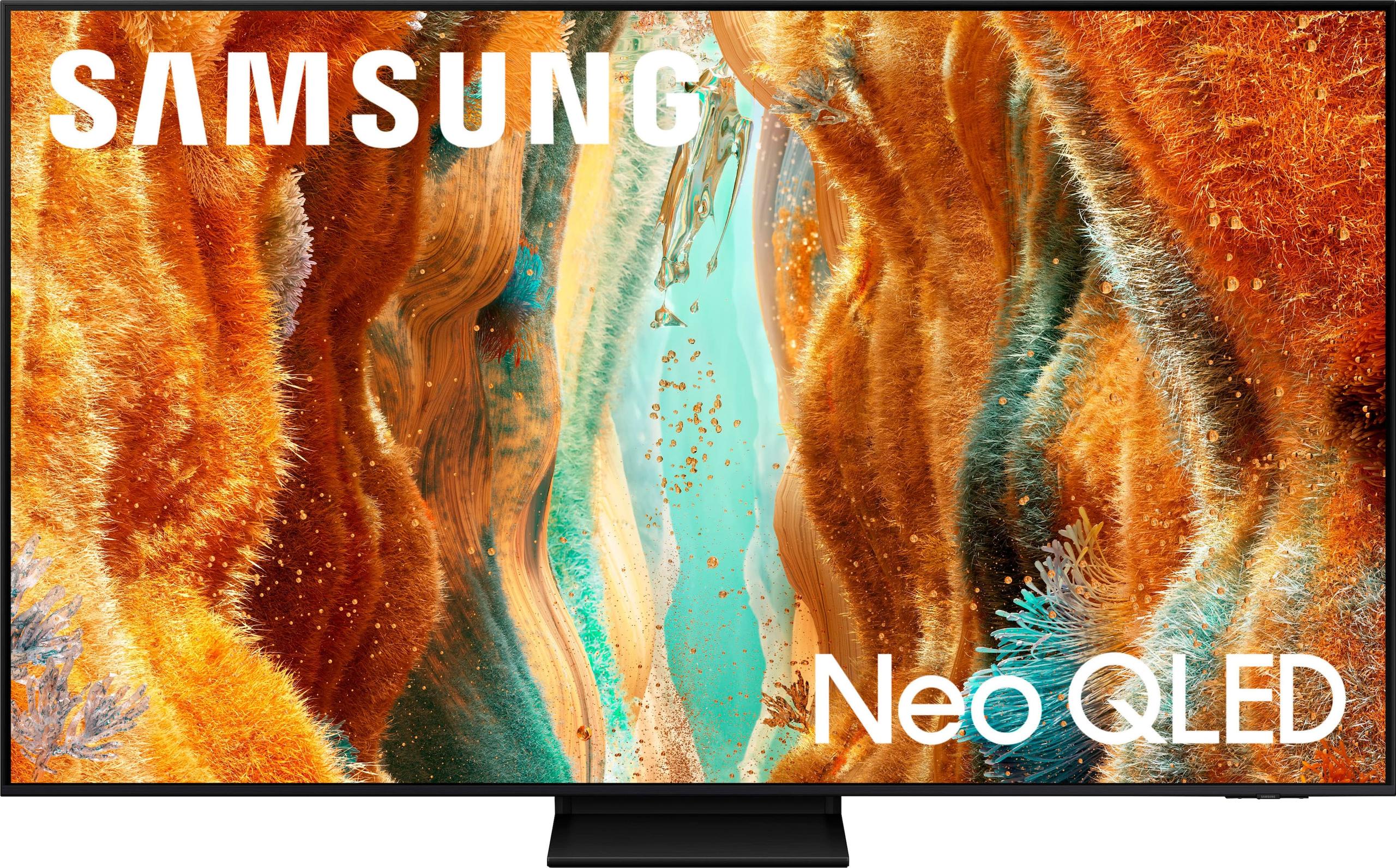
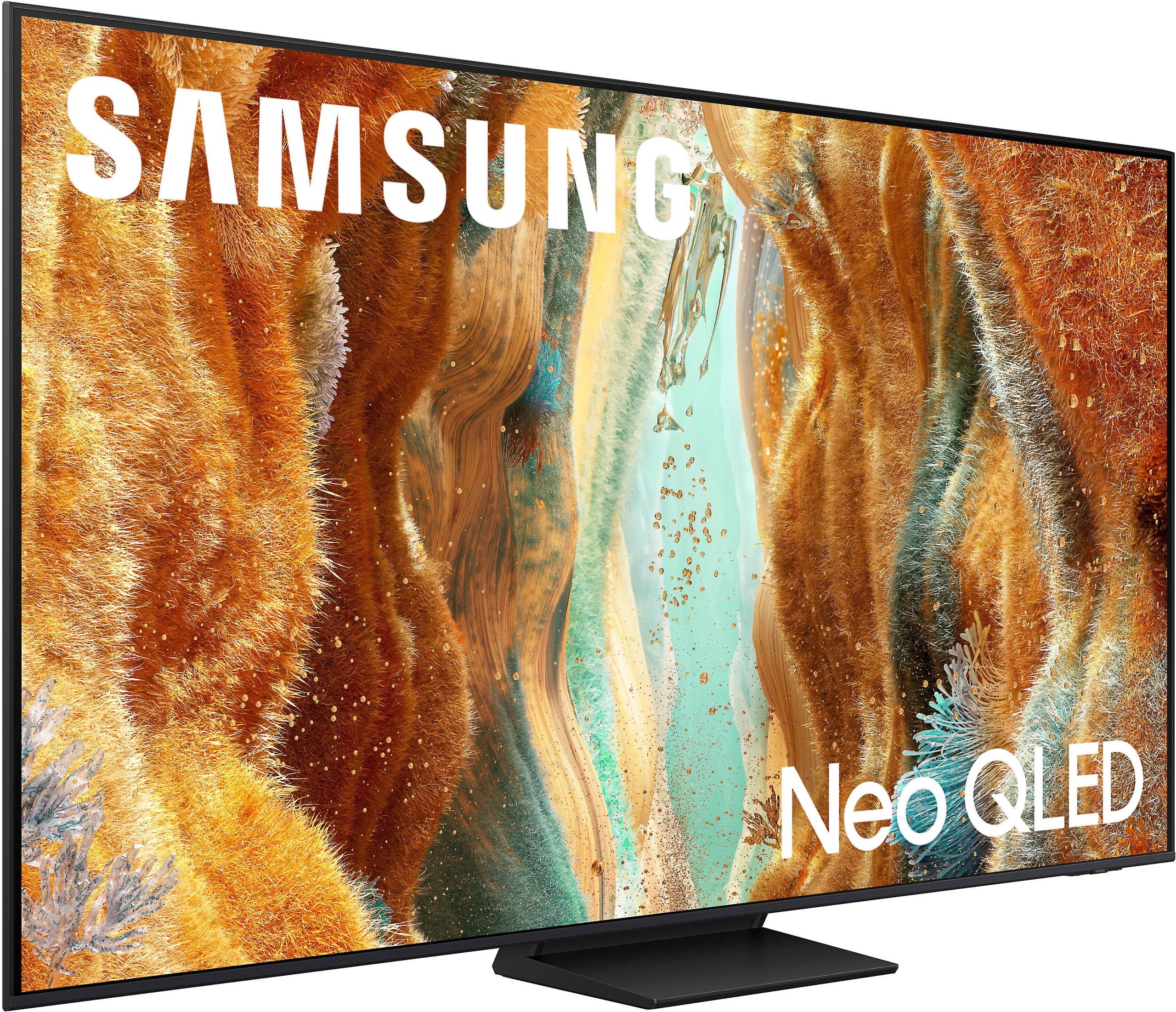
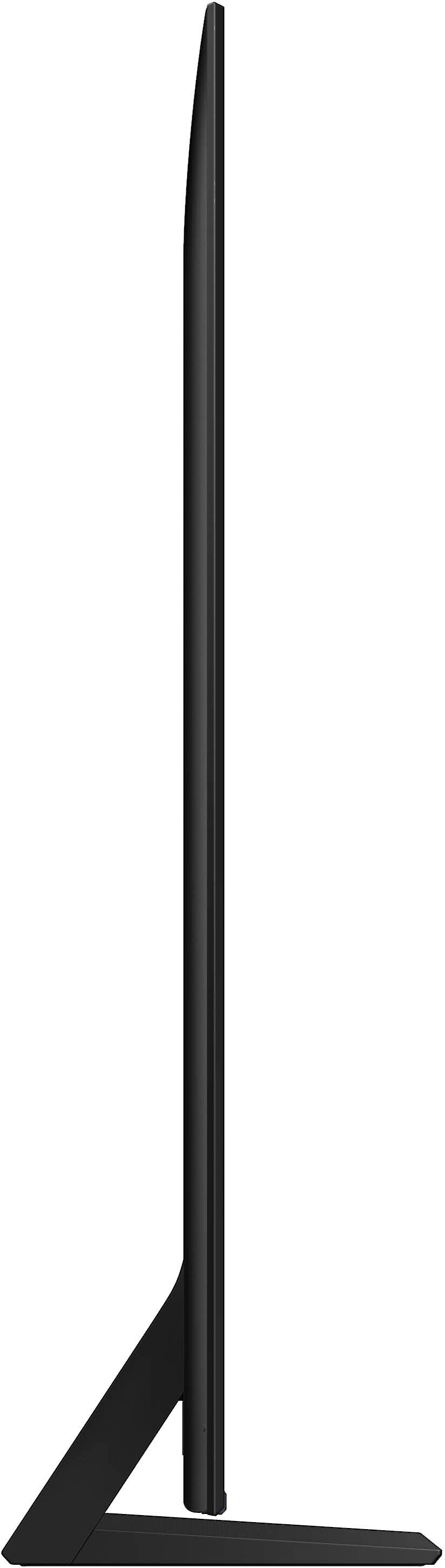
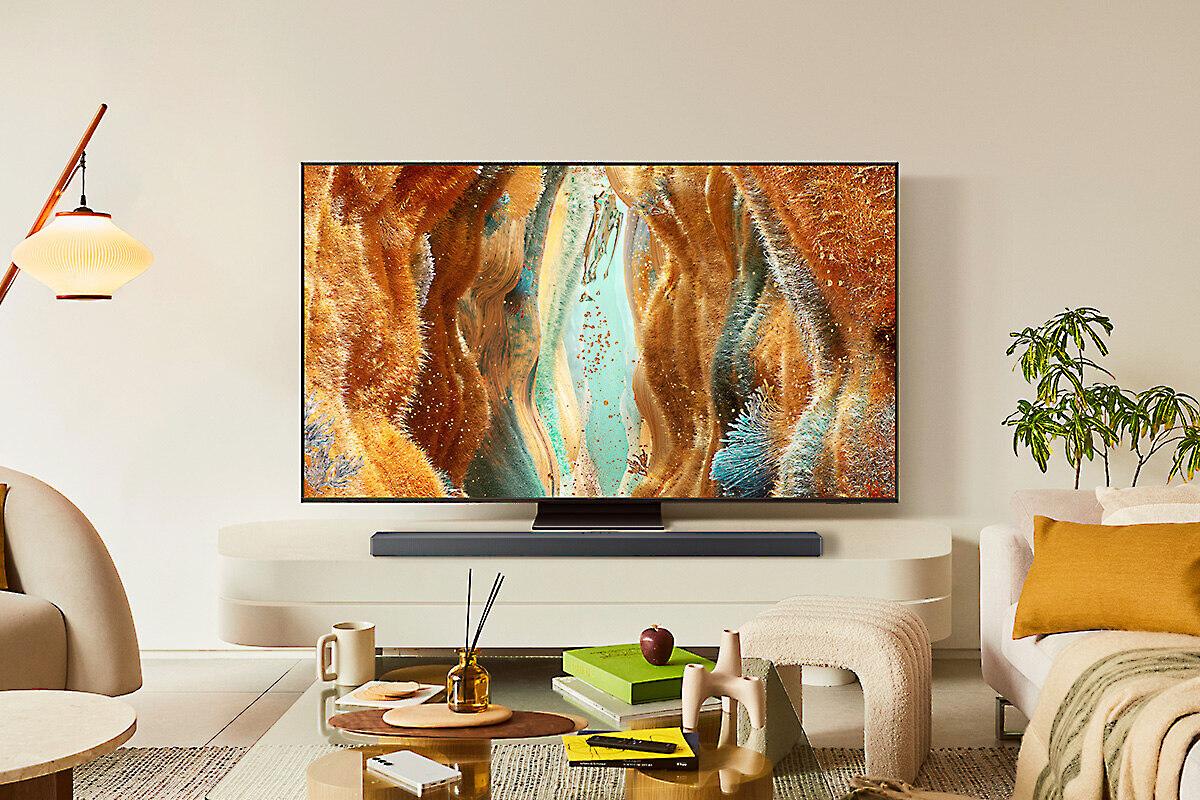
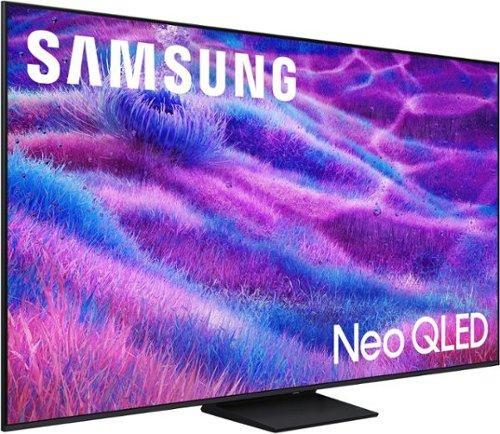
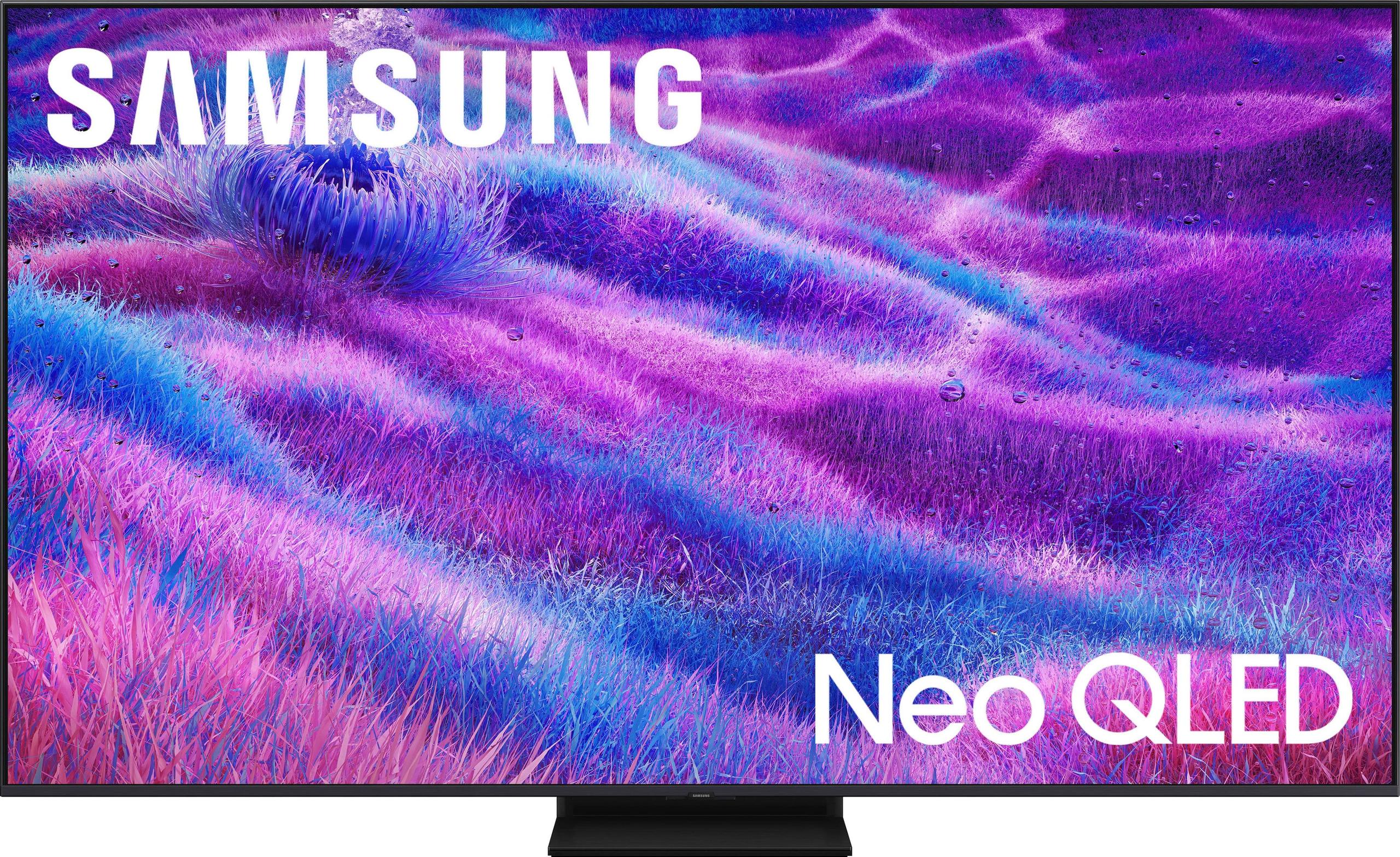
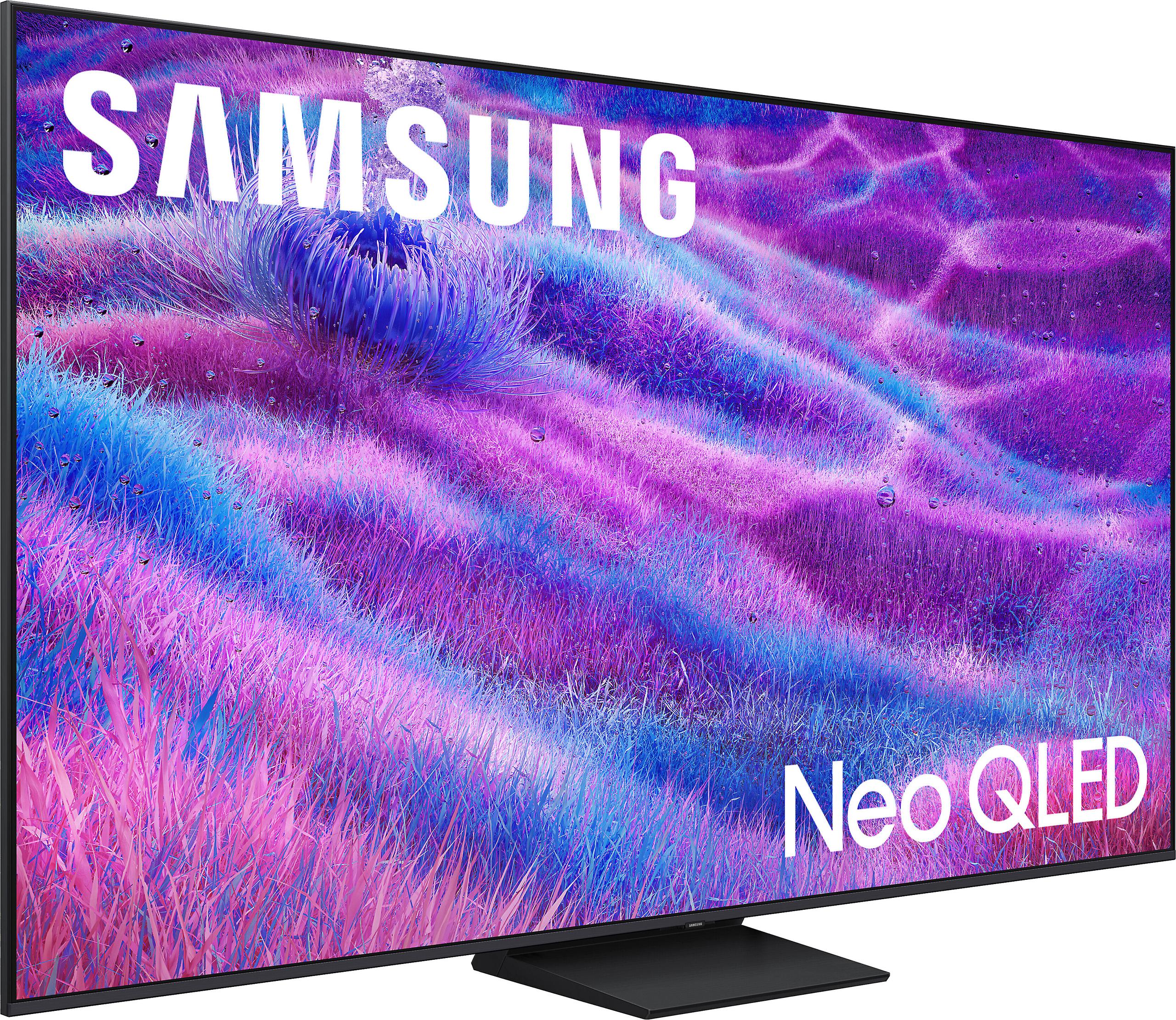
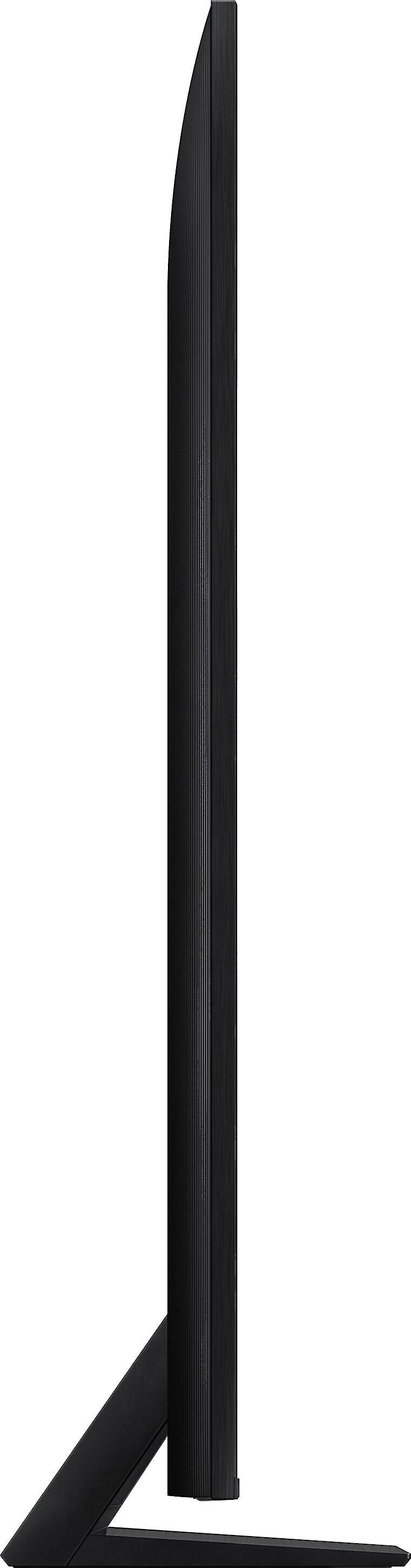
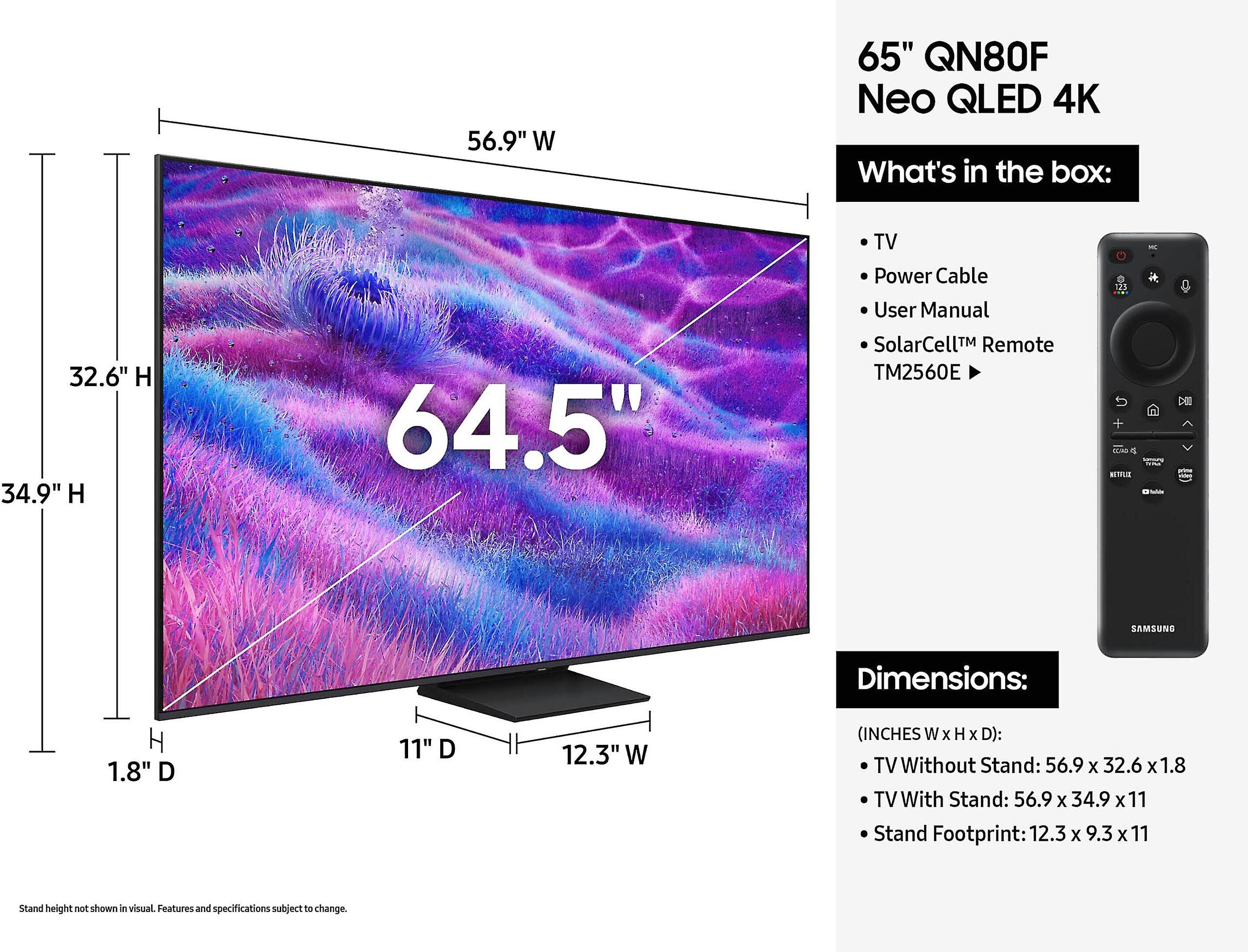
When Samsung launched their 2025 Neo QLED lineup, they brought some exciting improvements to their already impressive display technology. Two models that caught my attention were the Samsung 65" QN70F Neo QLED and the Samsung 65" QN80F Neo QLED – both 65-inch TVs that sit at different price points but share the same core technology foundation. After spending time with both models, I've learned that while they might look similar on paper, the differences in real-world performance are more significant than you might expect.
Before we dive into the specifics of each model, it's worth understanding what Neo QLED technology actually brings to the table. Traditional LED TVs use larger LED lights behind the screen that can create uneven brightness and poor contrast. Neo QLED combines two key technologies: quantum dots (tiny particles that produce incredibly pure colors) and mini-LEDs (much smaller backlights that offer precise control over brightness zones).
Think of mini-LEDs as having thousands of tiny flashlights behind your screen instead of a few big ones. This allows the TV to make specific areas much brighter or darker without affecting nearby sections – crucial for realistic HDR (High Dynamic Range) content where you might have a bright sun in a dark sky.
The 2025 models also introduced Samsung's Vision AI, which uses artificial intelligence to enhance both picture and sound quality in real-time. This means the TV is constantly analyzing what you're watching and adjusting settings to optimize the experience, whether you're gaming, watching movies, or viewing sports.
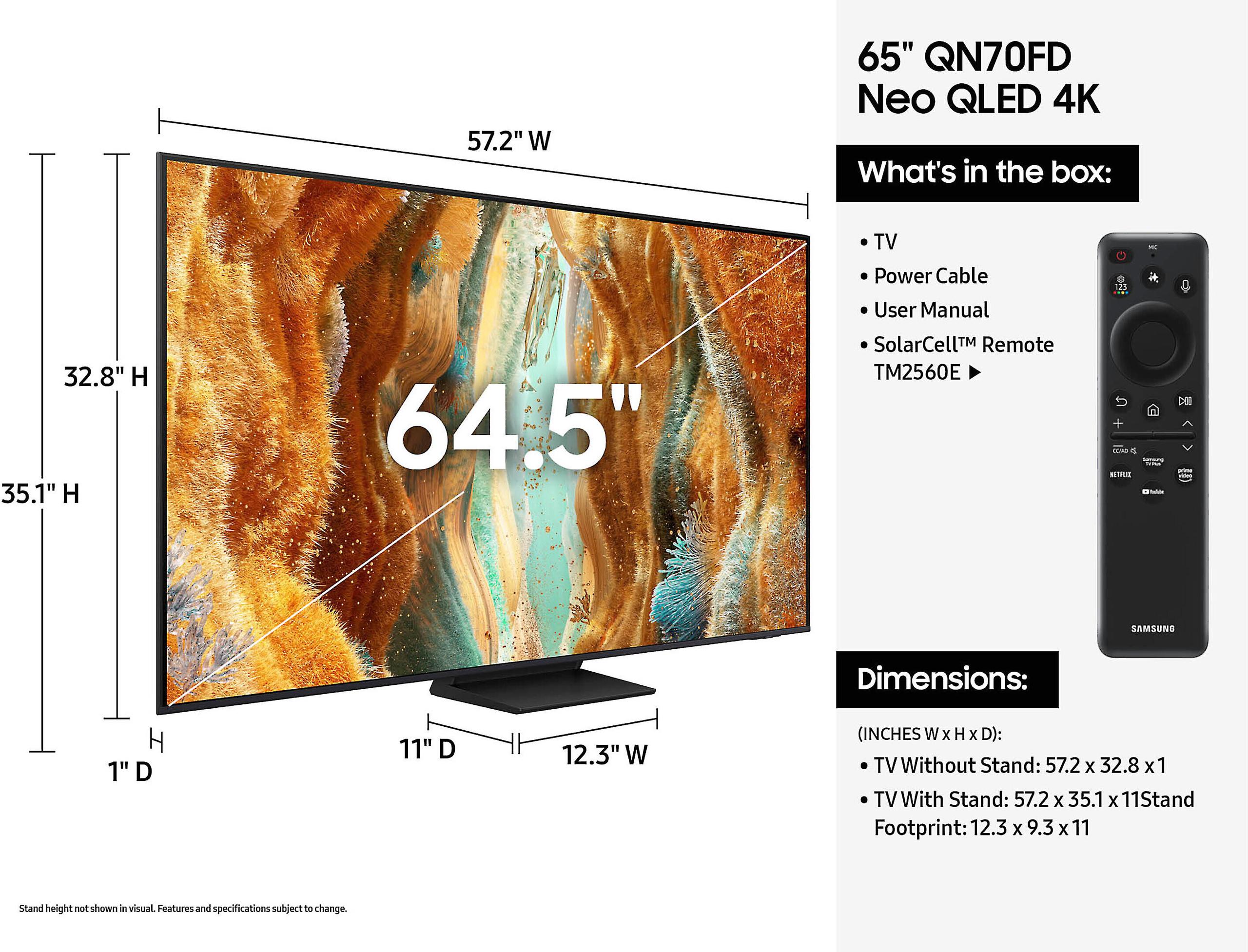
The QN70F represents Samsung's most affordable entry into Neo QLED territory, and at the time of writing, it offers impressive value for money. What struck me most about this model is how Samsung managed to include premium gaming features and Vision AI capabilities without compromising the sleek design – it's still incredibly thin at about one inch deep.
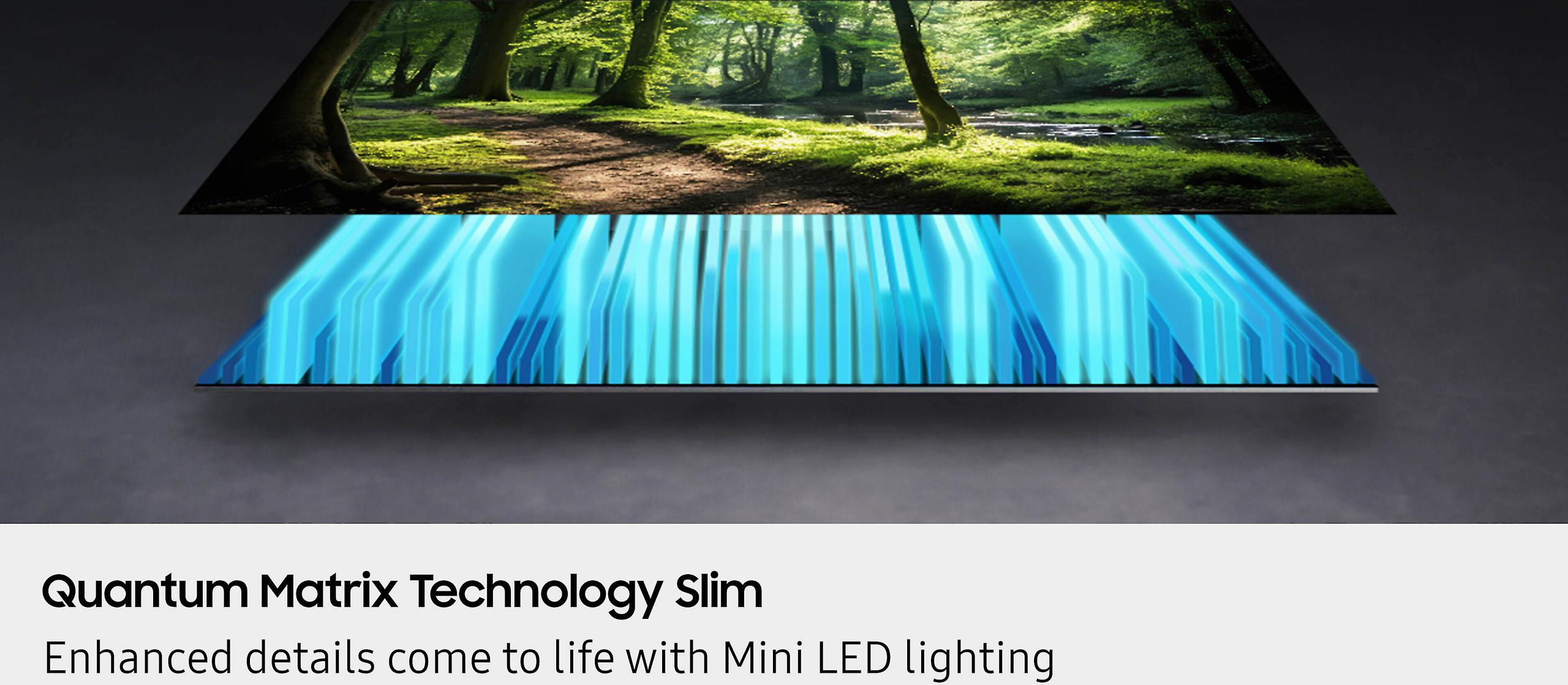
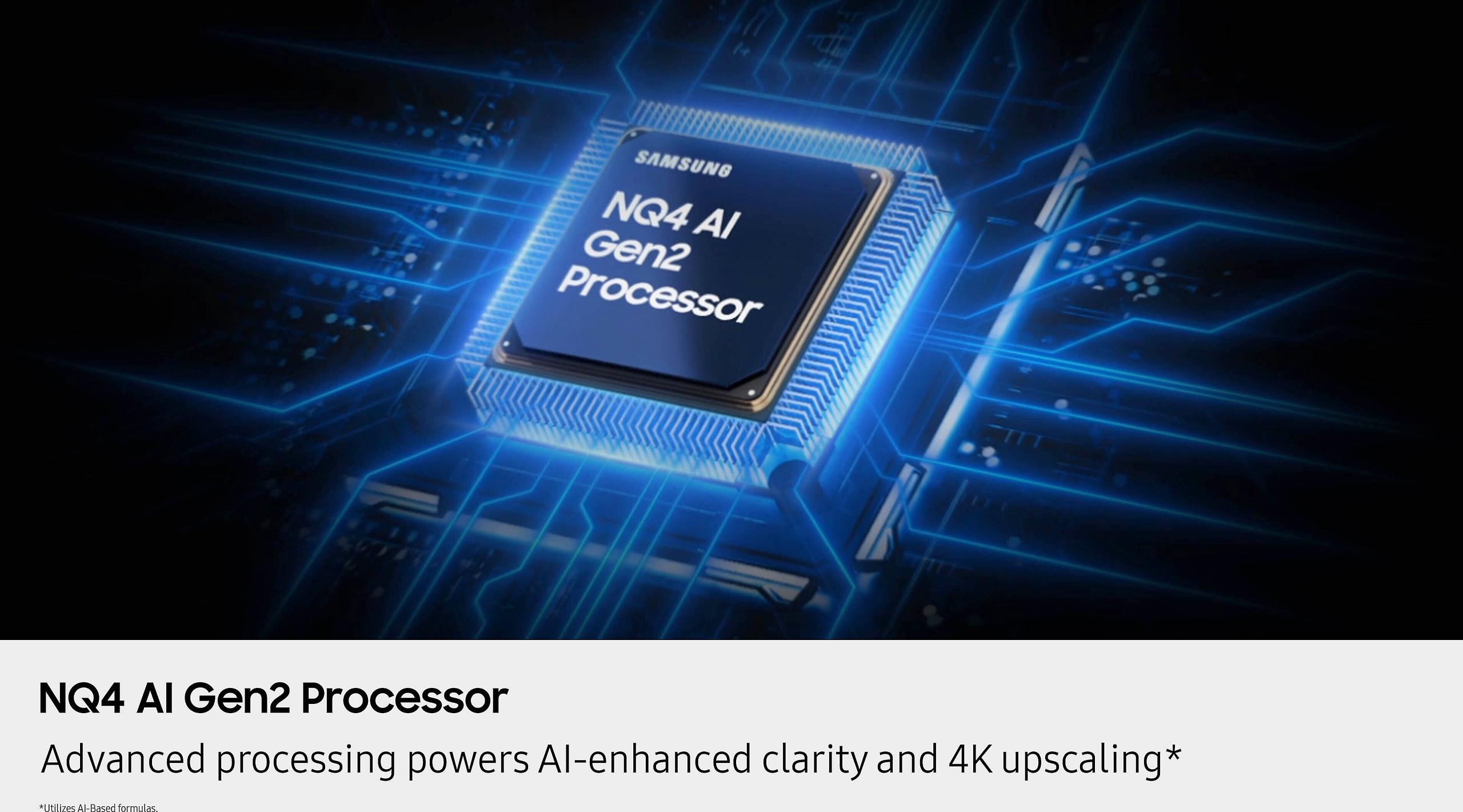
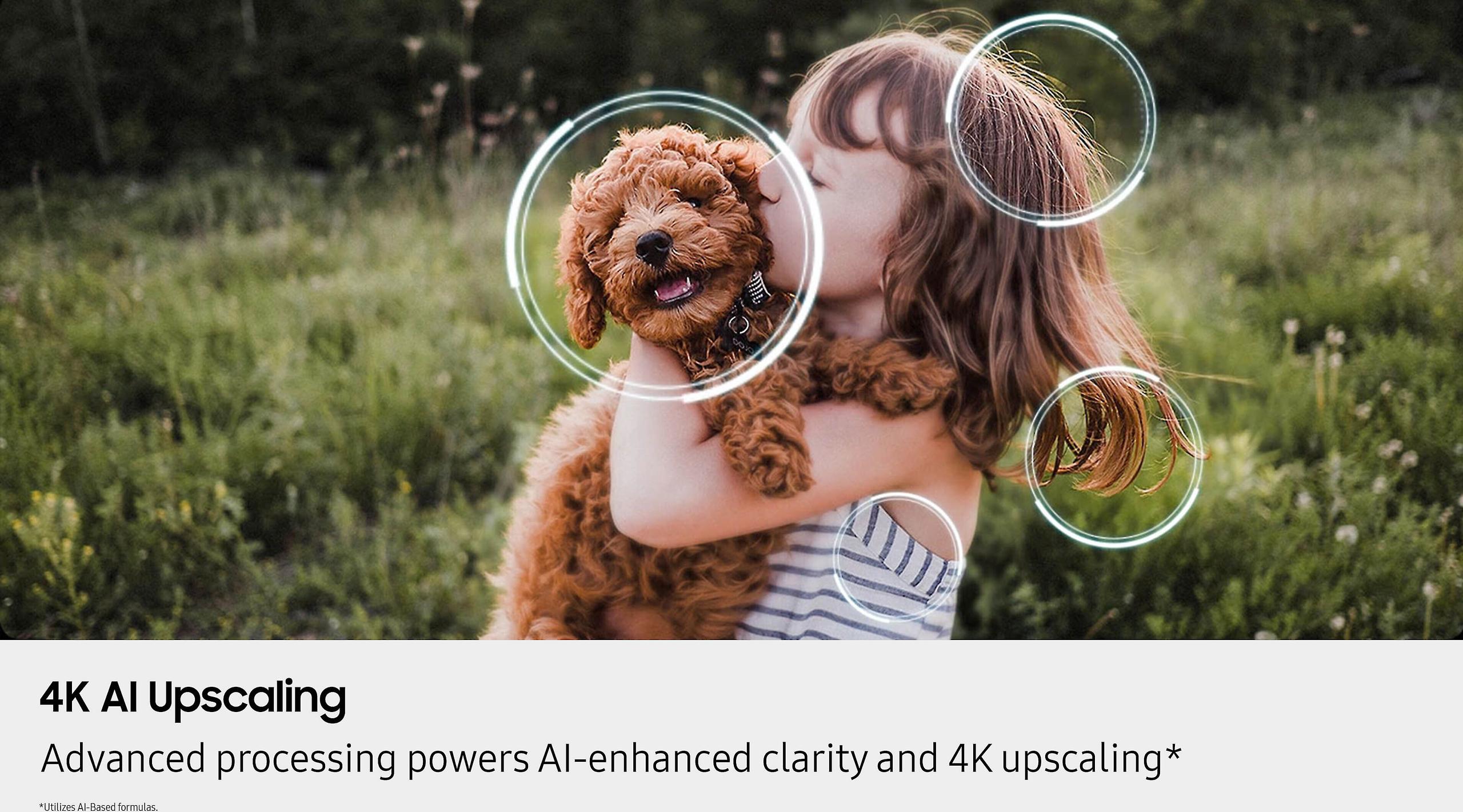
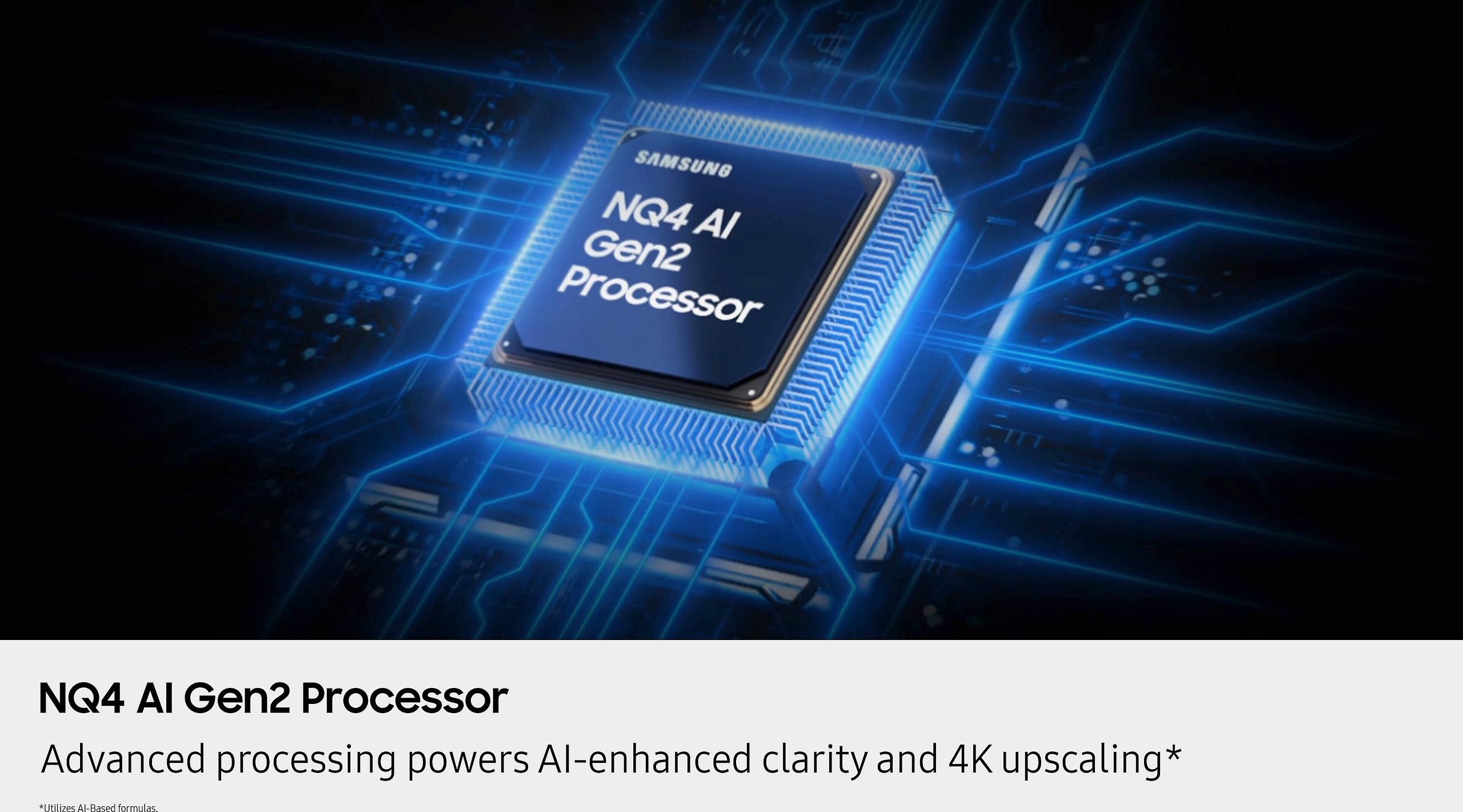
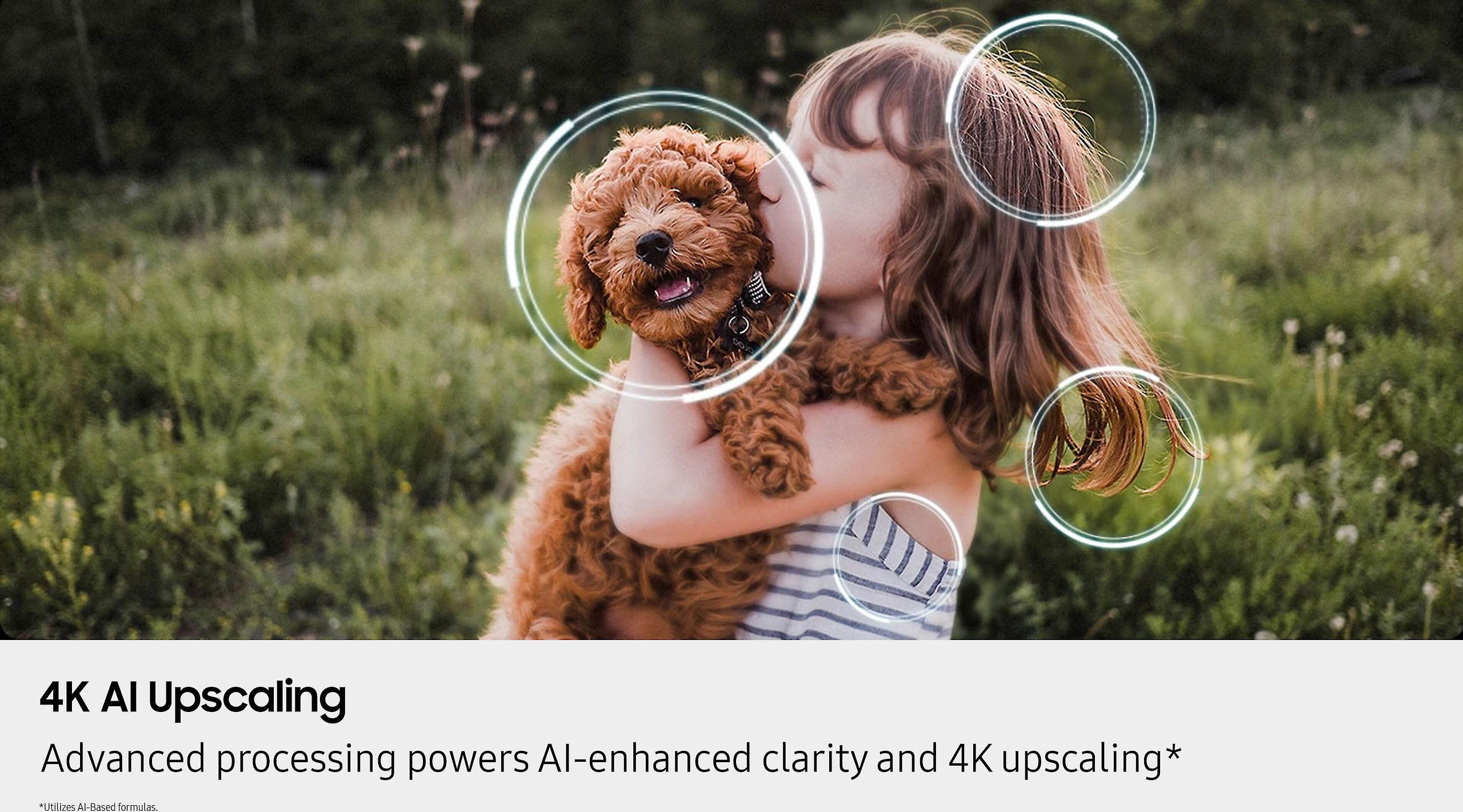
The display uses what Samsung calls "Quantum Matrix Technology Slim," which positions mini-LEDs along the bottom edge of the screen. This edge-lit approach keeps costs down while still providing better contrast and brightness than traditional LED TVs. The NQ4 AI Gen2 processor handles 4K upscaling (converting lower-resolution content to near-4K quality) quite well, and I was impressed by how cleanly it handled 1080p streaming content.
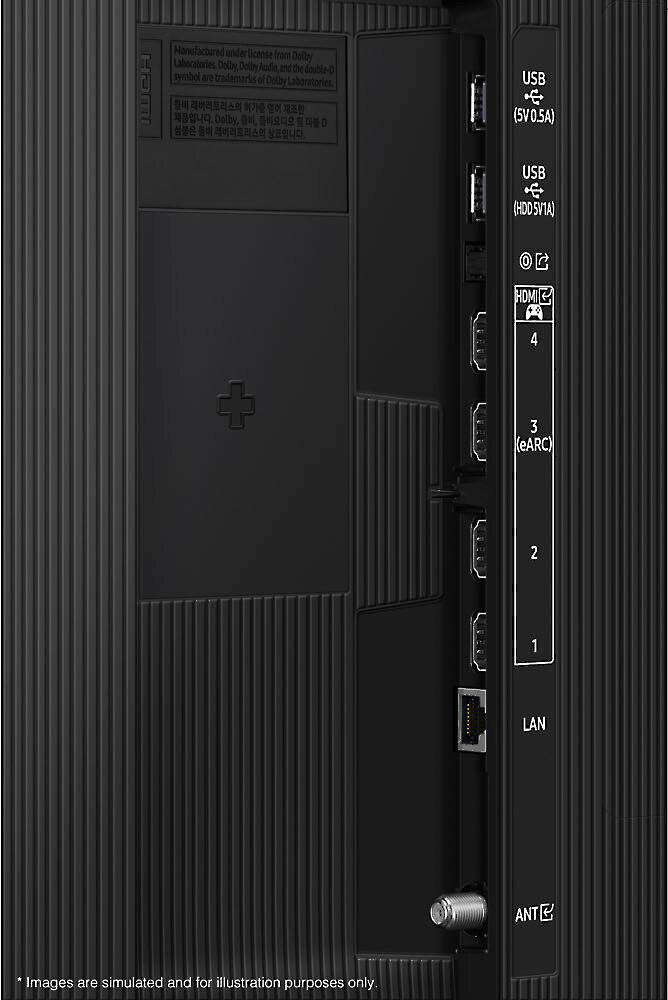
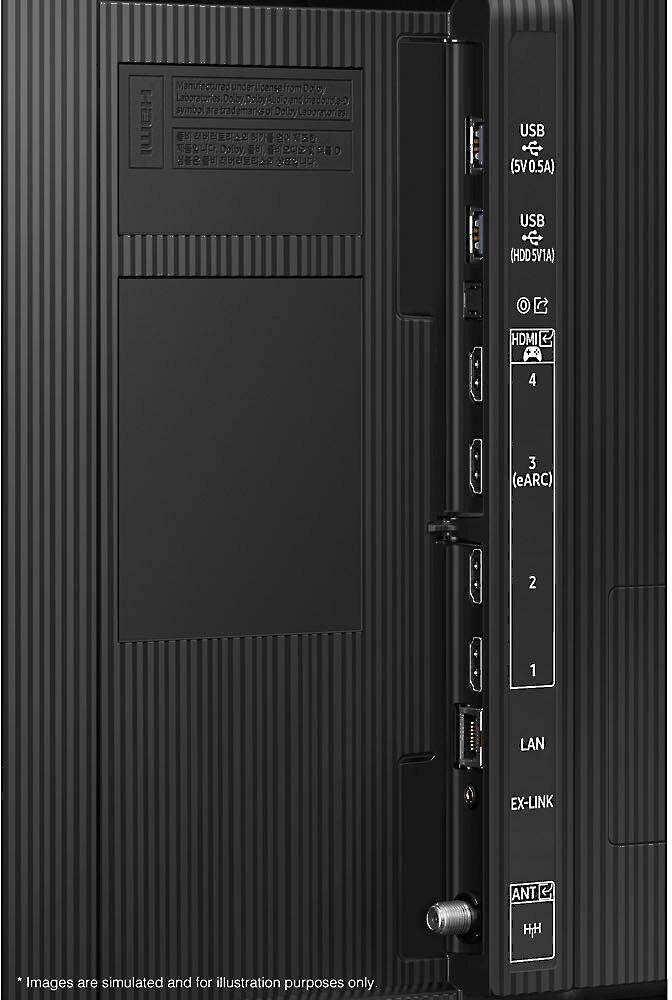
Where the QN70F really shines is in gaming performance. All four HDMI ports support the latest 2.1 standard, meaning you get 4K gaming at 120Hz with Variable Refresh Rate (VRR) – technology that synchronizes your TV's refresh rate with your gaming console to eliminate screen tearing. The Auto Low Latency Mode (ALLM) automatically switches the TV to its fastest response setting when it detects a gaming console, and I found the experience smooth and responsive across different game types.
However, the edge-lit backlighting does show its limitations in darker viewing environments. When watching movies with lots of dark scenes, you might notice some uniformity issues where parts of the screen appear slightly brighter than others. The contrast isn't quite as deep as what you'd get from a full-array backlit TV, and in a completely dark room, this becomes more apparent.
The audio system includes Object Tracking Sound Lite, which attempts to make sound appear to come from specific locations on screen, and Active Voice Amplifier Pro, which boosts dialogue clarity. While adequate for casual viewing, the 20-watt, 2-channel setup won't fill larger rooms with immersive sound.
Step up to the QN80F, and you're looking at a meaningful price increase – typically several hundred dollars more at the time of writing. The question is whether those improvements justify the extra cost, and in my experience, they often do.
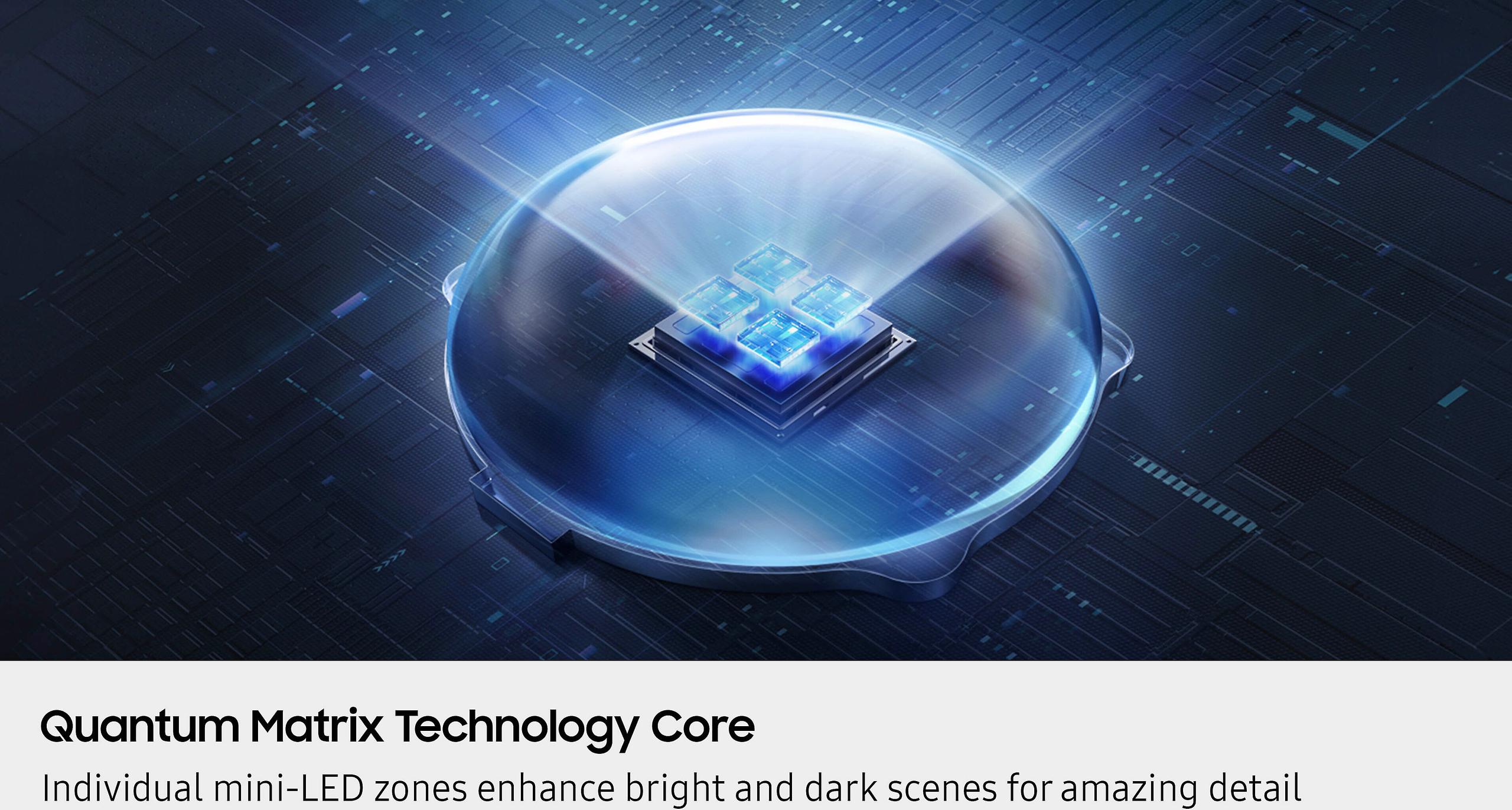
The biggest upgrade comes in backlighting technology. The QN80F uses "Quantum Matrix Technology Core," which places mini-LEDs across the entire back panel rather than just along the edges. This full-array backlighting creates more precise local dimming zones – areas that can independently brighten or darken based on what's being displayed.
The difference is immediately noticeable in mixed-brightness scenes. When watching a movie where someone's holding a bright flashlight in a dark room, the QN70F might create a subtle halo effect around the light source, while the QN80F keeps that brightness contained more precisely. The deeper black levels and improved contrast make dark room viewing significantly more enjoyable.
Peak brightness is another area where the QN80F excels. In HDR content – movies and shows specifically mastered to take advantage of wider brightness and color ranges – the extra brightness capability means highlights like sunlight, explosions, or bright reflections appear more realistic and impactful.
Gaming performance matches the QN70F in terms of features, but Samsung has measured the QN80F's input lag at an exceptionally low 9.9 milliseconds. For context, anything under 20ms is considered excellent for gaming, so this puts the QN80F among the fastest-responding TVs available.
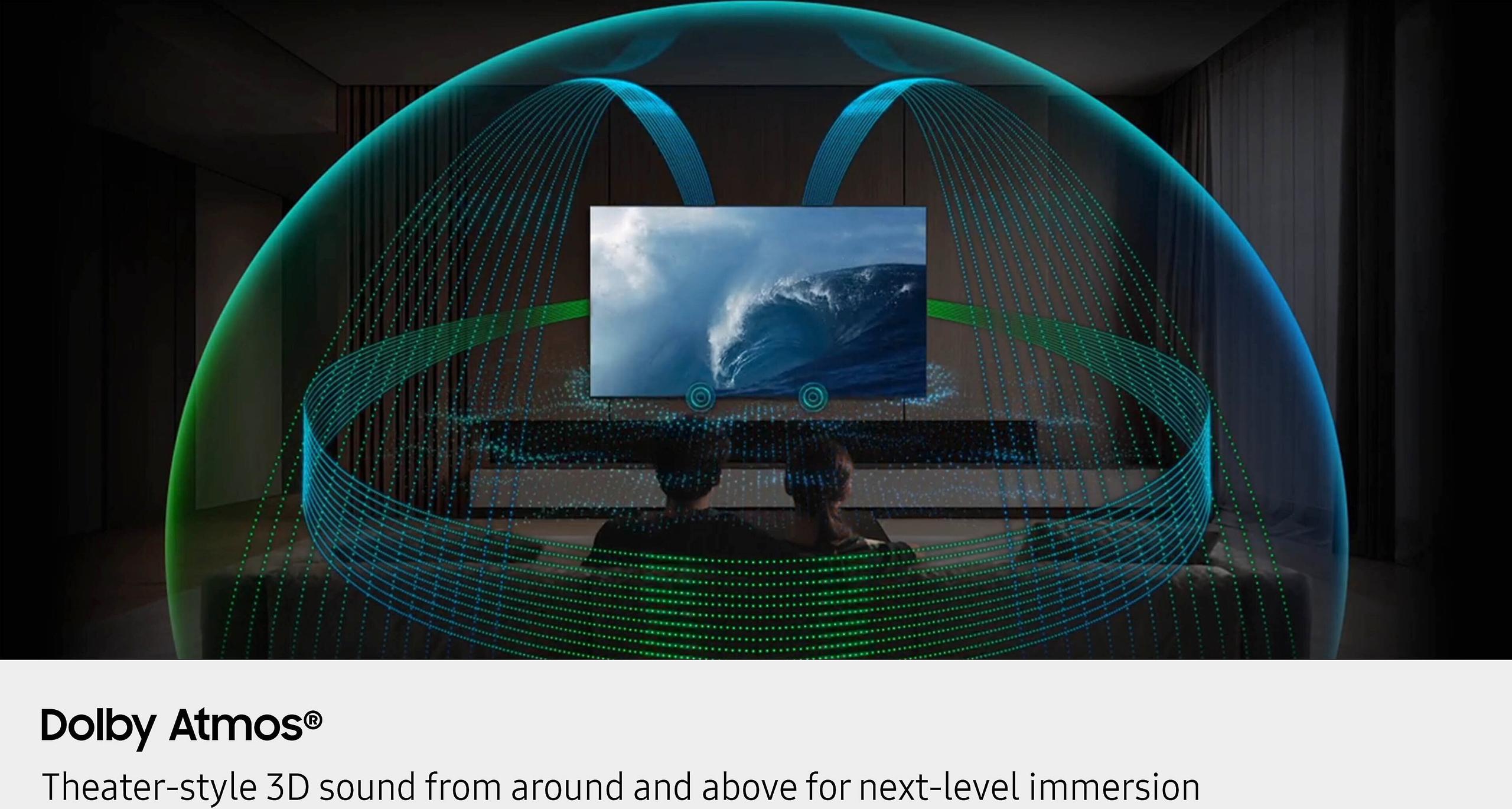
The audio upgrade might be the most immediately noticeable improvement. Dolby Atmos support with actual top-firing speakers creates a more three-dimensional soundscape. Instead of sound coming just from left and right, you get height channels that can place audio above and around you. Watching action movies or playing games with good surround sound design becomes noticeably more immersive.
Both TVs use Samsung's quantum dot technology for color reproduction, and in bright room conditions, they perform very similarly. Colors are vibrant and accurate, and both handle Samsung's 4K AI upscaling well. Where they diverge is in contrast performance and how they handle challenging lighting scenarios.
The contrast ratio – the difference between the brightest whites and darkest blacks the TV can produce – is where the QN80F's full-array backlighting shows its superiority. When watching letterboxed movies (those with black bars above and below the image), the QN70F might show slight light bleeding from the image into those black bars. The QN80F keeps them much darker, creating a more cinema-like experience.
HDR performance deserves special attention because it's become increasingly important as more content adopts this technology. Both models support HDR10+ (an enhanced version of the standard HDR10 format that adjusts brightness scene by scene), but neither includes Dolby Vision support – a competing HDR standard used by some streaming services and 4K Blu-rays.
The QN80F's extra brightness capability means it can better reproduce the bright highlights that HDR content is designed to showcase. When watching nature documentaries with bright skies or action movies with explosions, the additional peak brightness creates more realistic and impactful visuals.
Modern gaming has become increasingly demanding on TV performance, and both Samsung models rise to meet these challenges. The inclusion of four HDMI 2.1 ports on each TV means you can connect multiple next-generation gaming devices without worrying about bandwidth limitations.
Variable Refresh Rate (VRR) support is particularly important for PC gaming and newer consoles like the PlayStation 5 and Xbox Series X. This technology allows the TV to match its refresh rate to whatever frame rate your game is producing, eliminating the visual tearing that can occur when these rates don't sync up.
Auto Low Latency Mode (ALLM) automatically detects when you're gaming and switches the TV to its fastest input processing mode. Both TVs handle this seamlessly, though the QN80F's measured 9.9ms input lag gives it a slight edge for competitive gaming where every millisecond counts.
FreeSync Premium Pro support means both TVs work exceptionally well with AMD graphics cards and some gaming laptops. This technology not only provides smooth gaming but also ensures HDR gaming works properly – something that can be problematic with some TV and graphics card combinations.
This is perhaps the most significant practical difference between the two models. The QN70F's audio system, while adequate, represents typical smart TV audio – clear dialogue and reasonable volume, but lacking depth and immersion.
The QN80F's Dolby Atmos implementation changes the game entirely. Dolby Atmos isn't just marketing speak – it's a genuine improvement in how surround sound works. Instead of traditional surround sound that places audio in specific speaker locations, Atmos creates "audio objects" that can be positioned anywhere in a three-dimensional space around you.
When watching movies like "Top Gun: Maverick" or "Dune," jet engines and sandworms don't just move left to right – they can appear to move overhead and around you. Gaming benefits similarly, with better positional audio helping you locate enemies or creating more immersive environments.
For many buyers, this audio upgrade alone justifies much of the price difference between the two models, especially if you weren't planning to immediately add a soundbar or surround sound system.
Both TVs run Samsung's Tizen operating system with the 2025 Vision AI enhancements, and the user experience is essentially identical between models. The Vision AI features are genuinely useful rather than gimmicky additions.
Live Translate provides real-time subtitle translations, which has proven helpful when watching international content on streaming services. Click to Search lets you pause content and get information about actors, locations, or products you see on screen – particularly useful during movies when you recognize an actor but can't place where you've seen them before.
The AI-powered picture optimization continuously adjusts settings based on ambient light conditions and content type. I've found it generally makes good decisions, though purists might prefer manual control over their picture settings.
Samsung's Gaming Hub deserves mention as it provides access to cloud gaming services like Xbox Game Pass Ultimate and GeForce Now directly through the TV, no console required. This feature works identically on both models and represents Samsung's vision of the TV as a complete entertainment hub.
If you're building a dedicated home theater setup, several factors become more critical. Room lighting control, seating distance, and audio setup all influence which TV makes more sense.
In a properly light-controlled theater room, the QN80F's superior contrast performance becomes even more apparent. Dark scenes in movies maintain better shadow detail, and the overall image appears more film-like. The improved local dimming means less distraction from backlight uniformity issues that might be visible during dark movie scenes.
For theater distances (typically 8-12 feet for a 65-inch screen), both TVs provide excellent detail and color accuracy. The QN80F's improved HDR brightness capability becomes more valuable when watching movies specifically mastered to take advantage of these wider brightness ranges.
However, if you're planning a dedicated audio setup with a receiver and separate speakers, the QN70F's audio limitations become less relevant, potentially making it better value for money in that specific scenario.
The QN70F represents excellent value for several specific use cases. If you primarily watch TV during daytime hours or in bright rooms, its picture quality limitations are less noticeable, while you still get all the premium gaming features and Vision AI capabilities. It's also the smarter choice if you're definitely planning to add a soundbar or surround sound system, as the QN80F's audio advantages become irrelevant.
Budget-conscious buyers who want their first taste of premium display technology will find the QN70F delivers a significant upgrade over standard LED TVs without the full premium price tag. The gaming performance alone makes it competitive with much more expensive models.
The QN80F makes sense when you want a more complete premium experience. The improved contrast performance, Dolby Atmos audio, and better HDR brightness create a noticeably superior viewing experience that justifies the higher price for most users. If this TV will serve as your primary entertainment display for the next several years, the extra investment typically pays off in daily enjoyment.
For home theater enthusiasts who watch a lot of movies in dark rooms, the QN80F's superior contrast performance becomes essential rather than just nice to have. The difference in dark scene detail and overall image depth is significant enough to affect your enjoyment of cinematic content.
Both the Samsung QN70F and QN80F represent solid entries in Samsung's 2025 Neo QLED lineup, but they serve different needs and budgets. The QN70F proves that entry-level premium doesn't mean compromised – it delivers excellent gaming performance, good picture quality, and all the smart TV features most people want.
The QN80F, however, provides meaningful improvements in the areas that matter most for long-term satisfaction: contrast performance, audio quality, and overall viewing experience consistency. The price premium, while significant at the time of writing, reflects genuine hardware improvements rather than just marketing positioning.
My recommendation leans toward the QN80F for most buyers who can accommodate the higher price, simply because the improvements in daily use experience justify the cost difference. However, the QN70F remains an excellent choice for gaming-focused users, bright-room viewing, or anyone planning immediate audio upgrades.
Both TVs represent Samsung's continued evolution in display technology, and either choice will provide years of excellent entertainment experience. The decision ultimately comes down to your specific viewing habits, room conditions, and budget priorities.
| Samsung 65" QN70F Neo QLED 4K Vision AI Smart TV 2025 | Samsung 65" QN80F Neo QLED 4K TV |
|---|---|
| Price Positioning - Entry vs mid-tier Neo QLED | |
| Entry-level Neo QLED with premium gaming features | Mid-tier with meaningful picture and audio upgrades |
| Backlighting Technology - Most important difference for picture quality | |
| Quantum Matrix Slim (edge-lit mini LEDs) | Quantum Matrix Core (full-array mini LEDs) |
| Local Dimming Performance - Critical for contrast and dark room viewing | |
| Limited zones, some uniformity issues in dark scenes | Superior zone control, better contrast in all lighting |
| Peak Brightness - Important for HDR impact and bright room viewing | |
| Good brightness for well-lit rooms | Excellent SDR brightness, enhanced HDR performance |
| Audio System - Major differentiator for built-in sound quality | |
| Object Tracking Sound Lite, 20W, 2-channel | Dolby Atmos with top-firing speakers, enhanced OTS |
| Gaming Performance - Both excel but with subtle differences | |
| 4K 120Hz, VRR, ALLM, 4x HDMI 2.1 ports | Same features plus measured 9.9ms input lag |
| Processor and AI Features - Identical smart TV experience | |
| NQ4 AI Gen2, Vision AI suite, 4K upscaling | NQ4 AI Gen2, Vision AI suite, 4K upscaling |
| Dark Room Performance - Where the QN80F justifies its premium | |
| Limited depth, noticeable in dark movie scenes | Better black levels, reduced blooming, more cinematic |
| Best For - Different use cases and priorities | |
| Budget-conscious gamers, bright rooms, external audio planned | Mixed lighting, movie enthusiasts, complete premium experience |
The primary difference is backlighting technology. The Samsung QN70F uses edge-lit mini LEDs (Quantum Matrix Slim), while the Samsung QN80F features full-array mini LEDs (Quantum Matrix Core). This gives the QN80F superior contrast, better local dimming, and improved dark room performance.
Both the Samsung QN70F and Samsung QN80F offer identical gaming features including 4K 120Hz, VRR, ALLM, and four HDMI 2.1 ports. The QN80F has a slightly lower measured input lag at 9.9ms, but both deliver excellent gaming performance that satisfies competitive players.
The Samsung QN80F justifies its higher price through meaningful upgrades: full-array backlighting for better contrast, Dolby Atmos audio with top-firing speakers, and superior HDR brightness. If you watch movies in dark rooms or want built-in premium audio, the QN80F offers better long-term value.
Both the Samsung QN70F and Samsung QN80F perform well in bright rooms thanks to quantum dot technology and anti-glare screens. The QN80F has higher peak brightness, but the difference is less noticeable in well-lit environments where both TVs excel.
Yes, both the Samsung QN70F and Samsung QN80F run identical Tizen smart TV platforms with Samsung's Vision AI features, including Live Translate, Click to Search, and AI picture optimization. There are no differences in streaming capabilities or user interface.
The Samsung QN80F significantly outperforms the Samsung QN70F in audio quality. The QN80F includes Dolby Atmos with actual top-firing speakers for three-dimensional sound, while the QN70F has basic Object Tracking Sound Lite with 2-channel audio.
For dedicated home theaters, the Samsung QN80F is the better choice due to superior contrast performance and deeper black levels crucial for dark room movie viewing. The QN70F can work in home theaters but shows more backlight uniformity issues during dark scenes.
Both the Samsung QN70F and Samsung QN80F handle streaming excellently with the same NQ4 AI processor and 4K upscaling. The QN80F provides better HDR performance for streaming content, but both deliver sharp, colorful images from all major platforms.
Both the Samsung QN70F and Samsung QN80F support HDR10 and HDR10+ but lack Dolby Vision support. The QN80F handles HDR content better due to higher peak brightness, making highlights more impactful in supported content.
Both Samsung models handle sports well with good motion processing and bright, colorful images. The Samsung QN80F has slight advantages in motion handling and peak brightness, but the Samsung QN70F delivers satisfying sports viewing at a lower price point.
If you're definitely adding external audio, the Samsung QN70F becomes more attractive since you won't benefit from the QN80F's superior built-in Dolby Atmos system. However, the QN80F still offers better picture quality through improved backlighting technology.
The Samsung QN80F typically offers better overall value despite its higher price, delivering meaningful improvements in picture quality and audio that enhance daily viewing. The Samsung QN70F provides excellent value for budget-conscious buyers who prioritize gaming features and bright room viewing.
We've done our best to create useful and informative comparisons to help you decide what product to buy. Our research uses advanced automated methods to create this comparison and perfection is not possible - please contact us for corrections or questions. These are the sites we've researched in the creation of this article: rtings.com - youtube.com - wifihifi.com - samsung.com - samsung.com - samsung.com - samsung.com - flatpanelshd.com - news.samsung.com - bestbuy.com - samsung.com - theshortcut.com - youtube.com - bestbuy.com - rtings.com - samsung.com - samsung.com - samsung.com - sargentappliance.com - displayspecifications.com - bestbuy.com

Privacy Policy
Terms and Conditions - Affiliate Policy
Home Security
© Copyright 2008-2026.
11816 Inwood Rd #1211, Dallas, TX 75244