

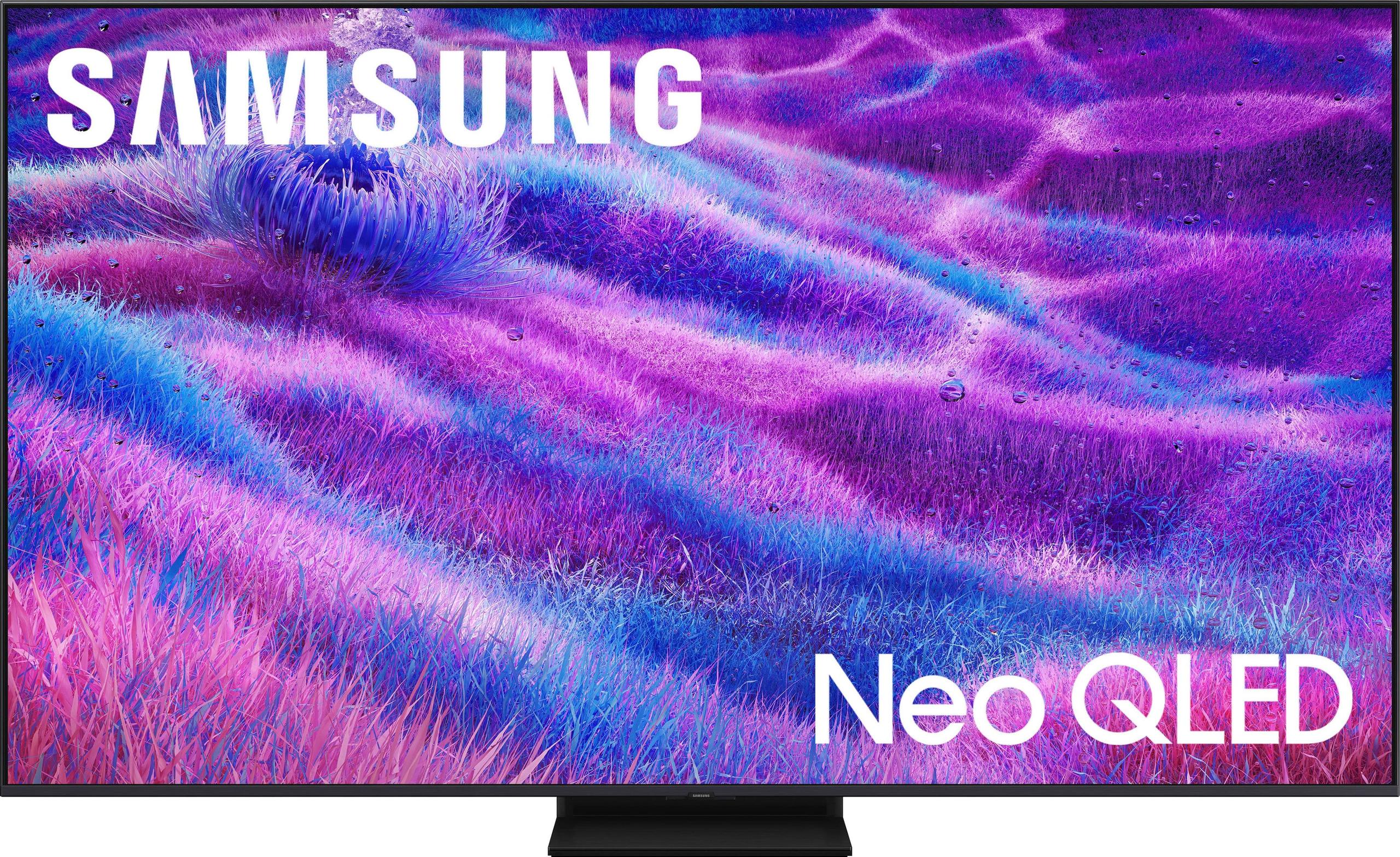
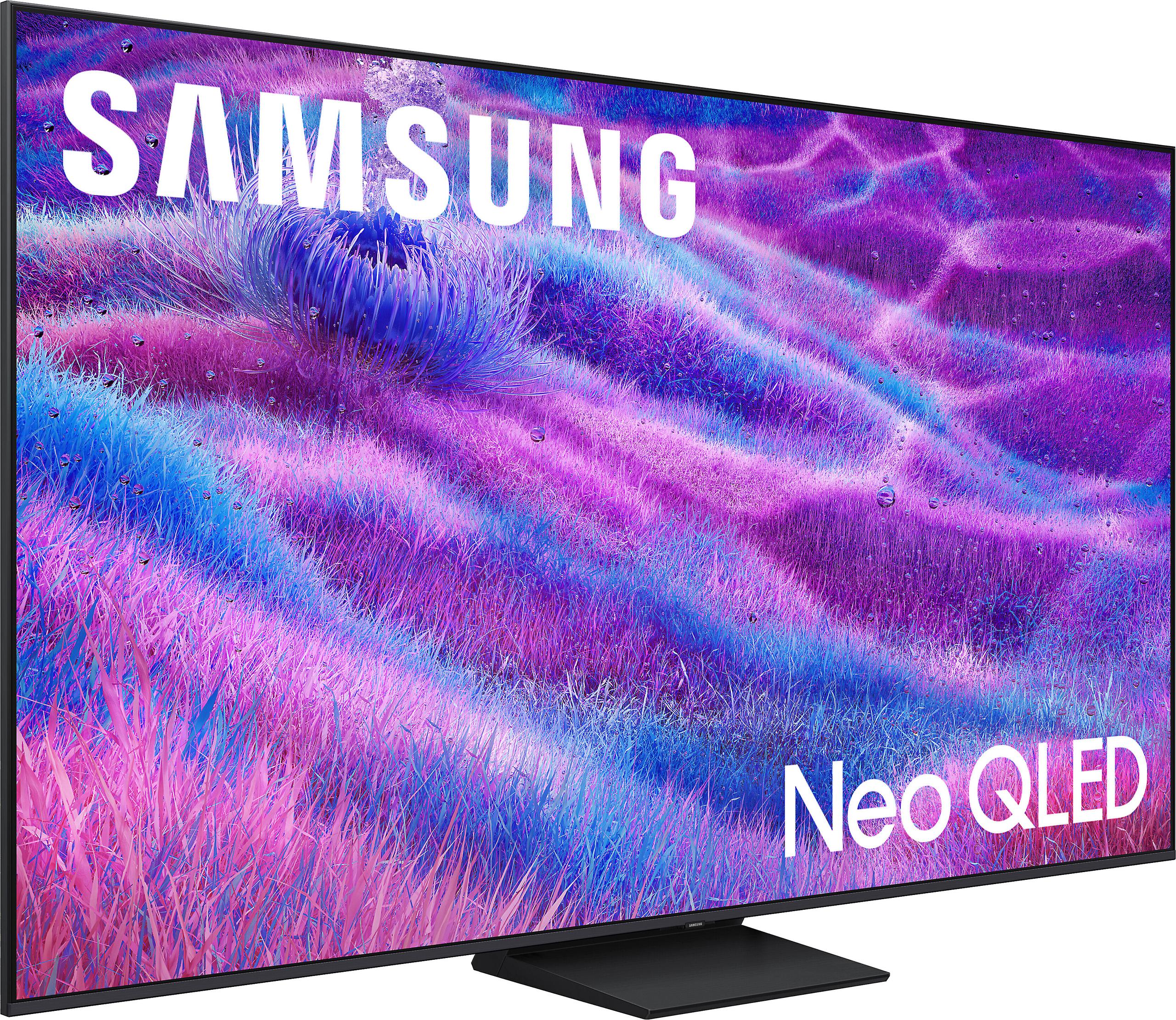
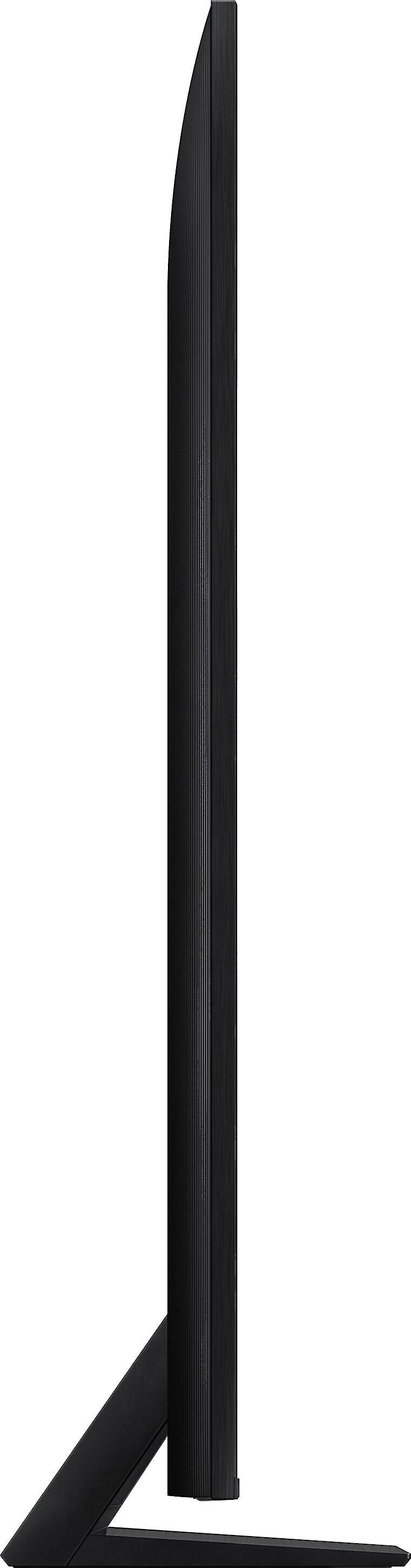
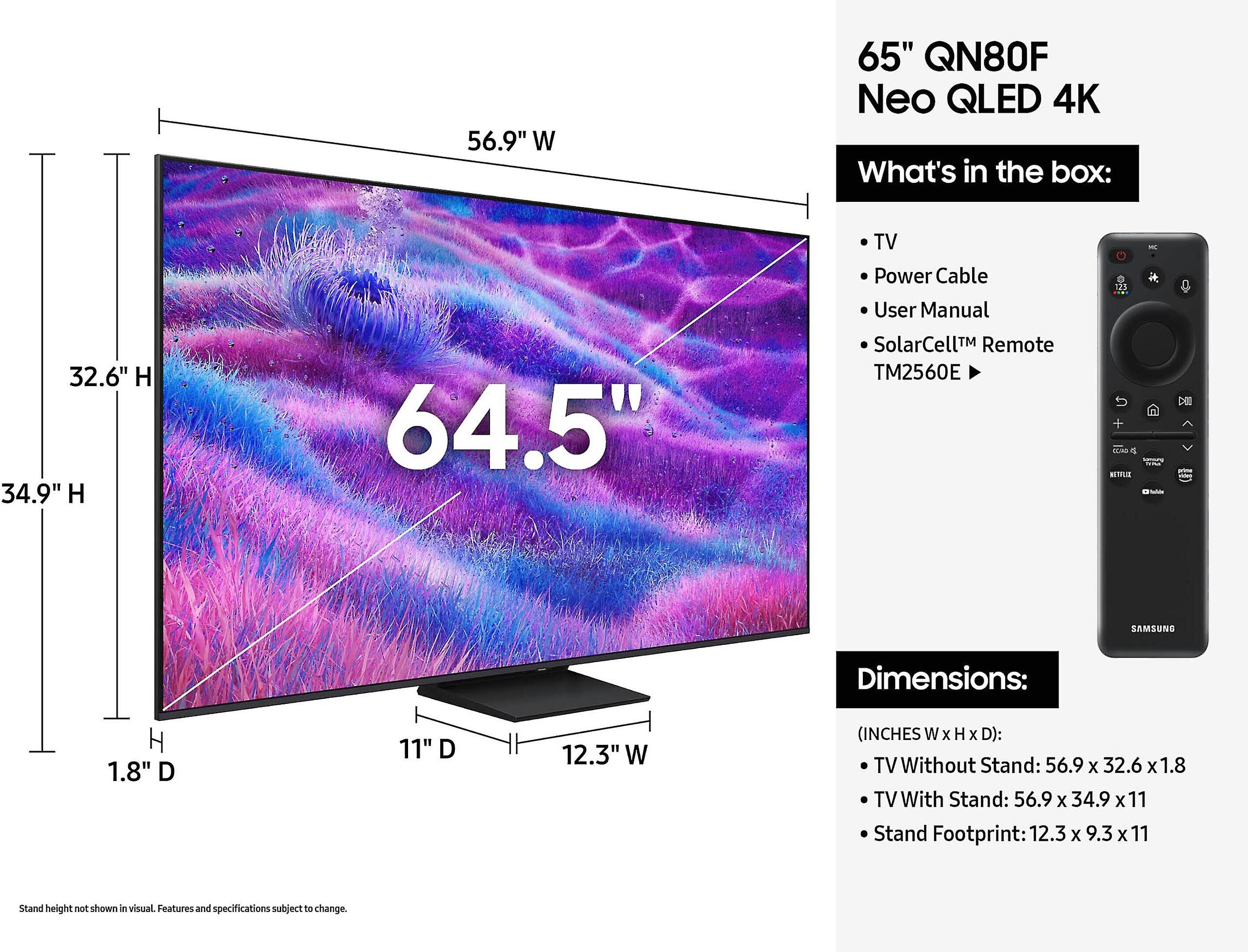


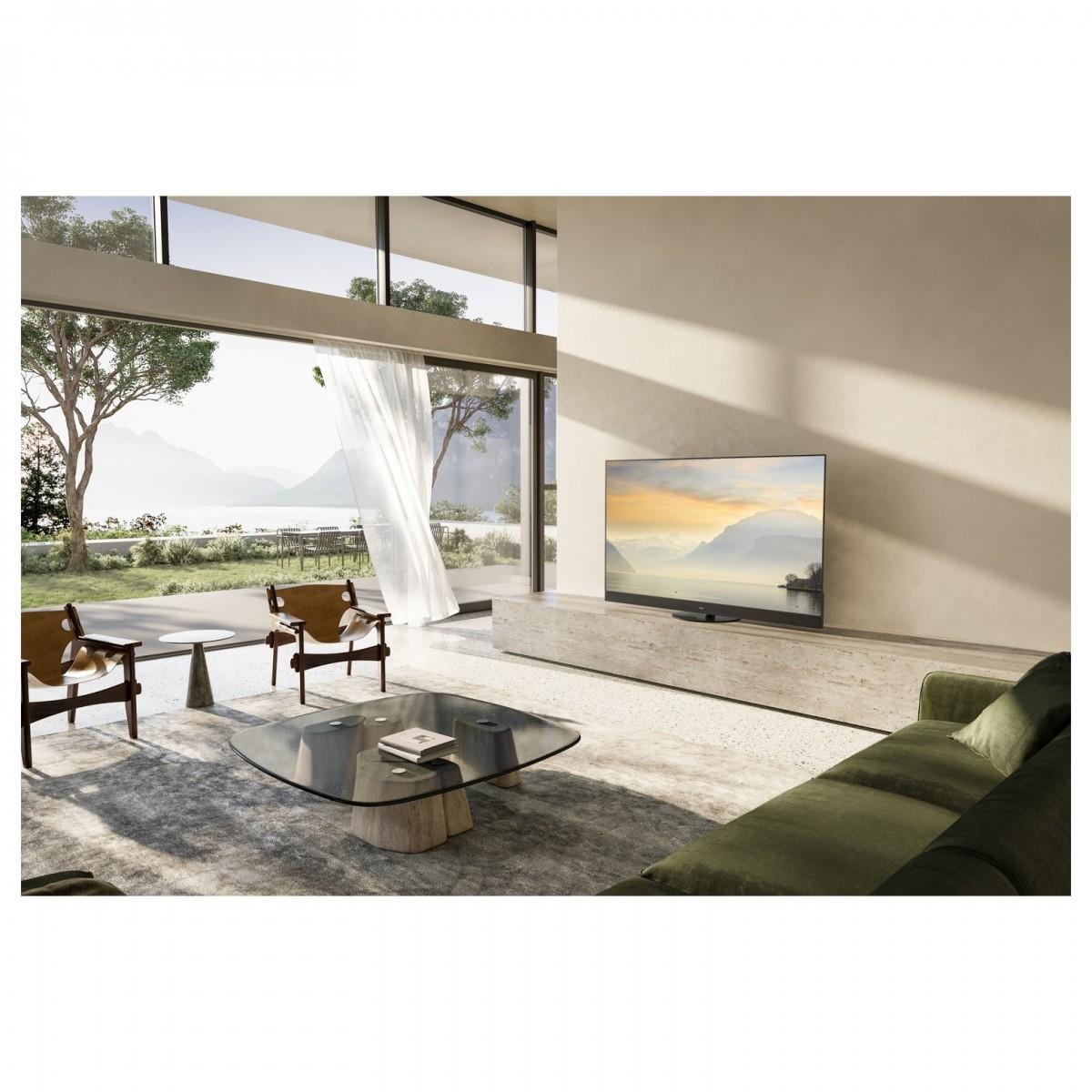
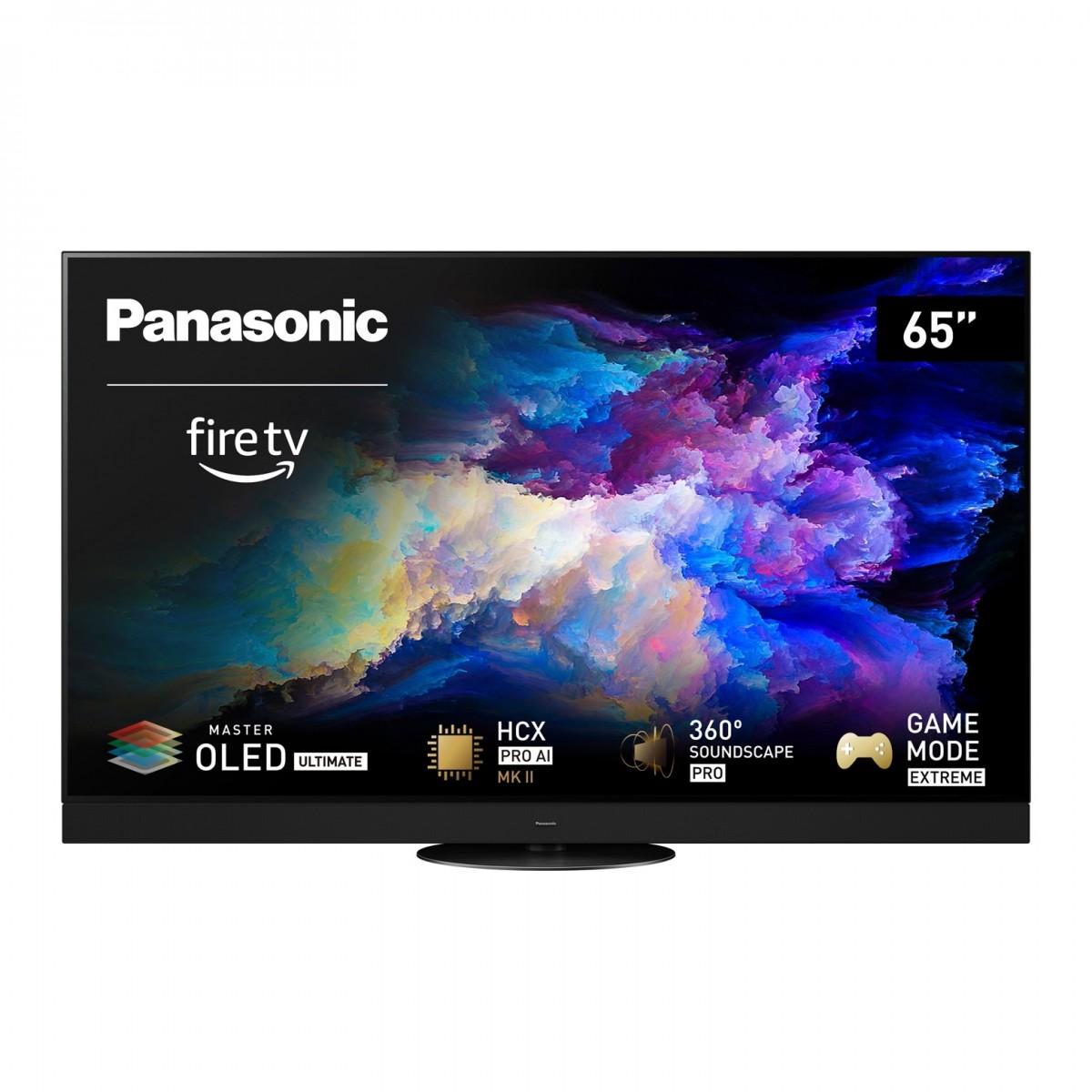
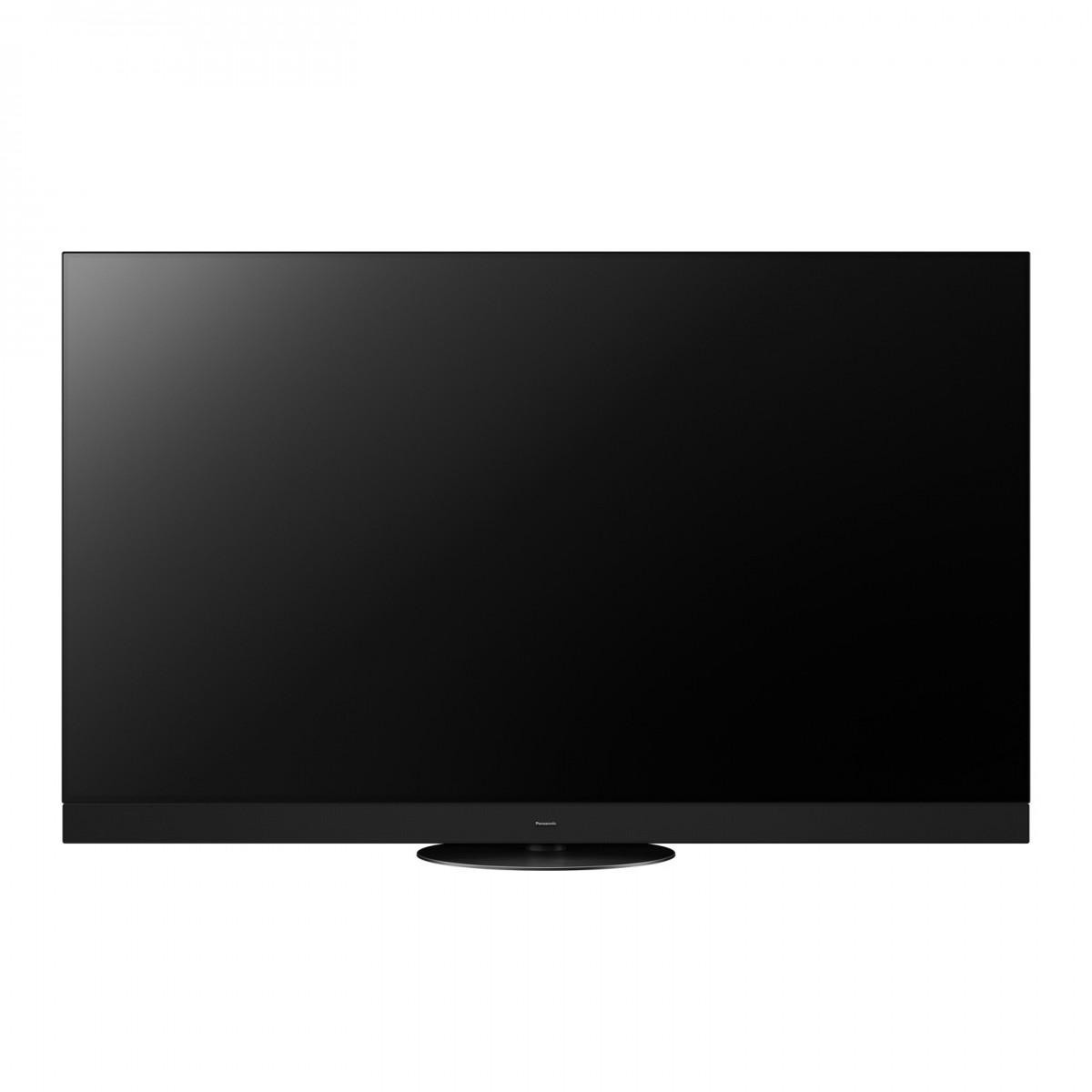
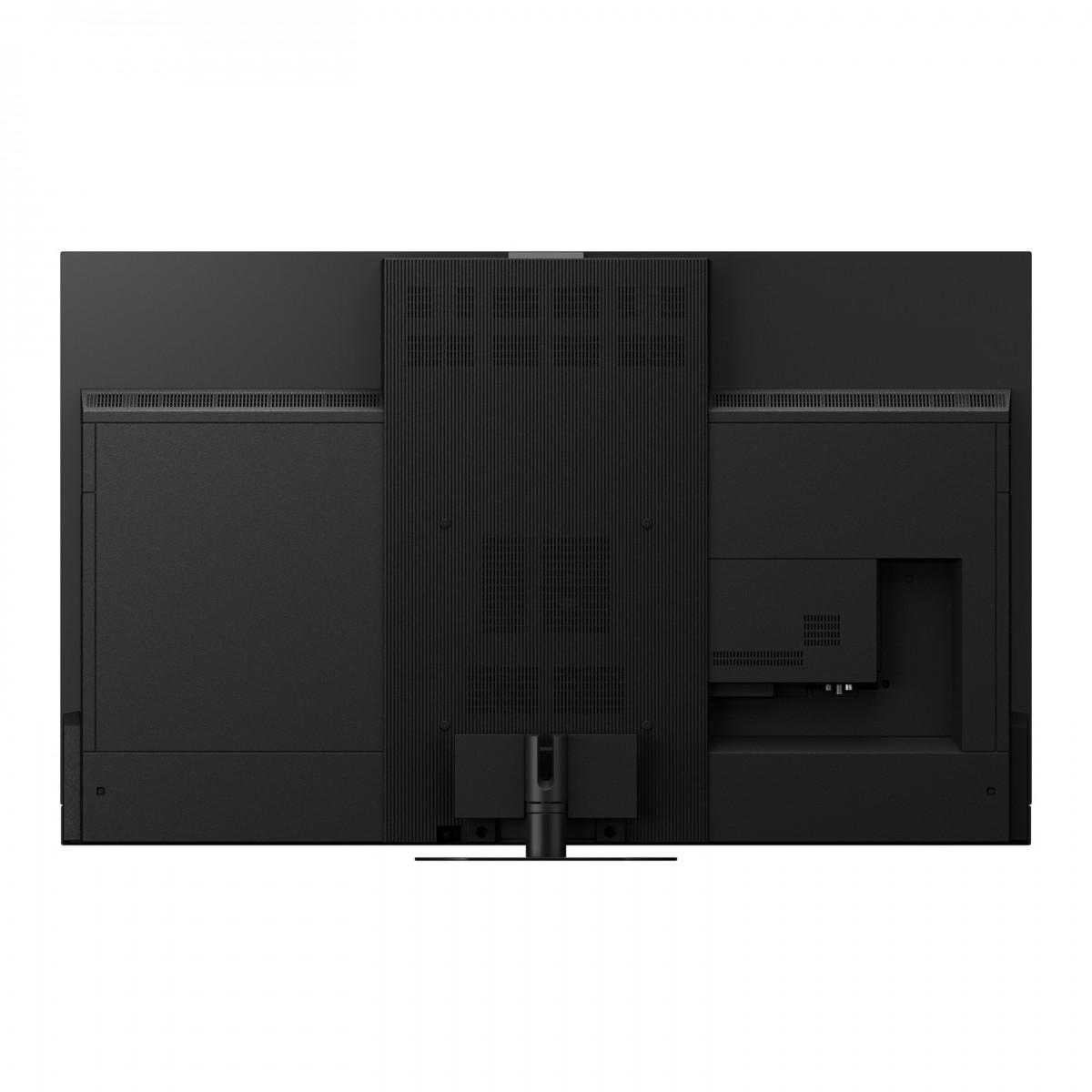
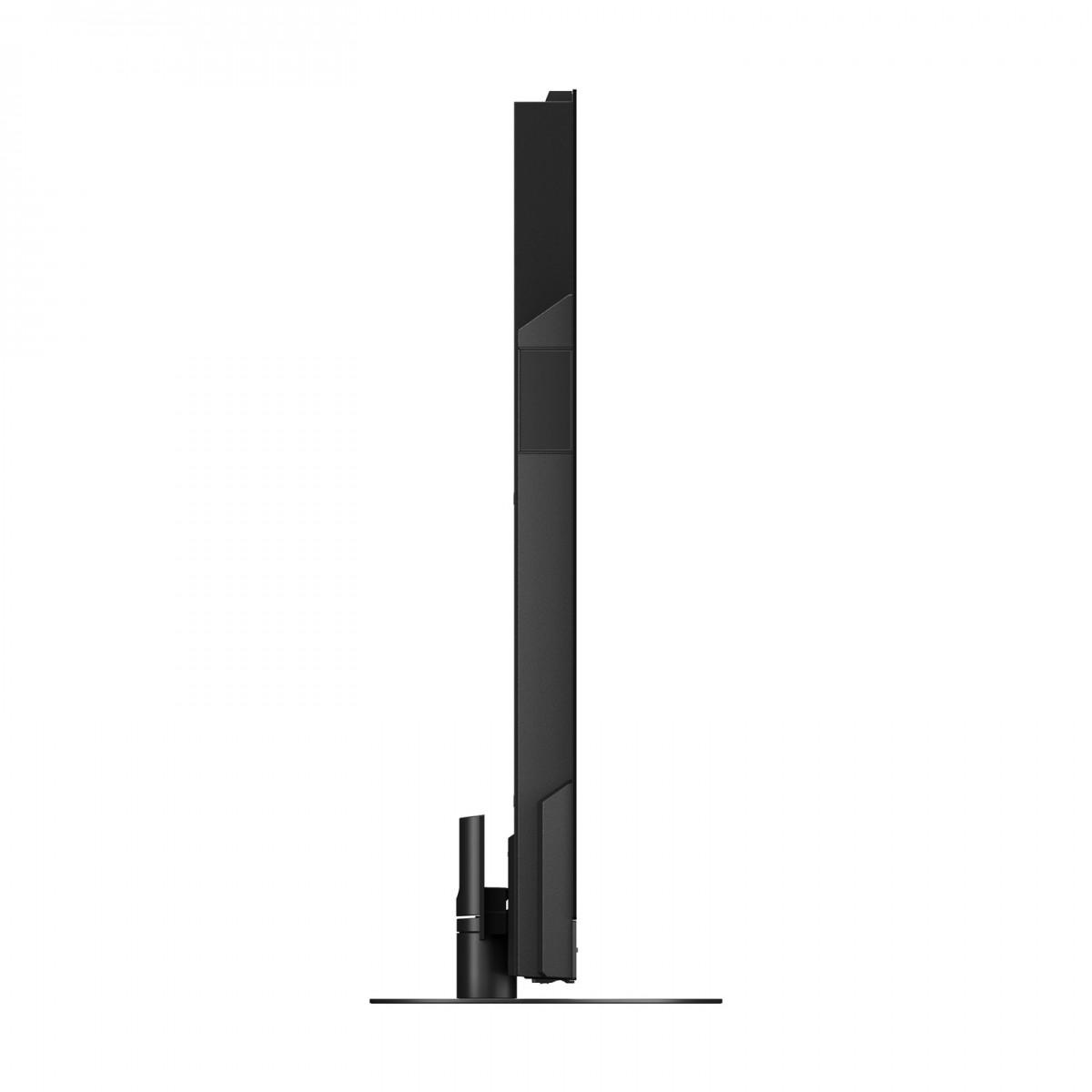
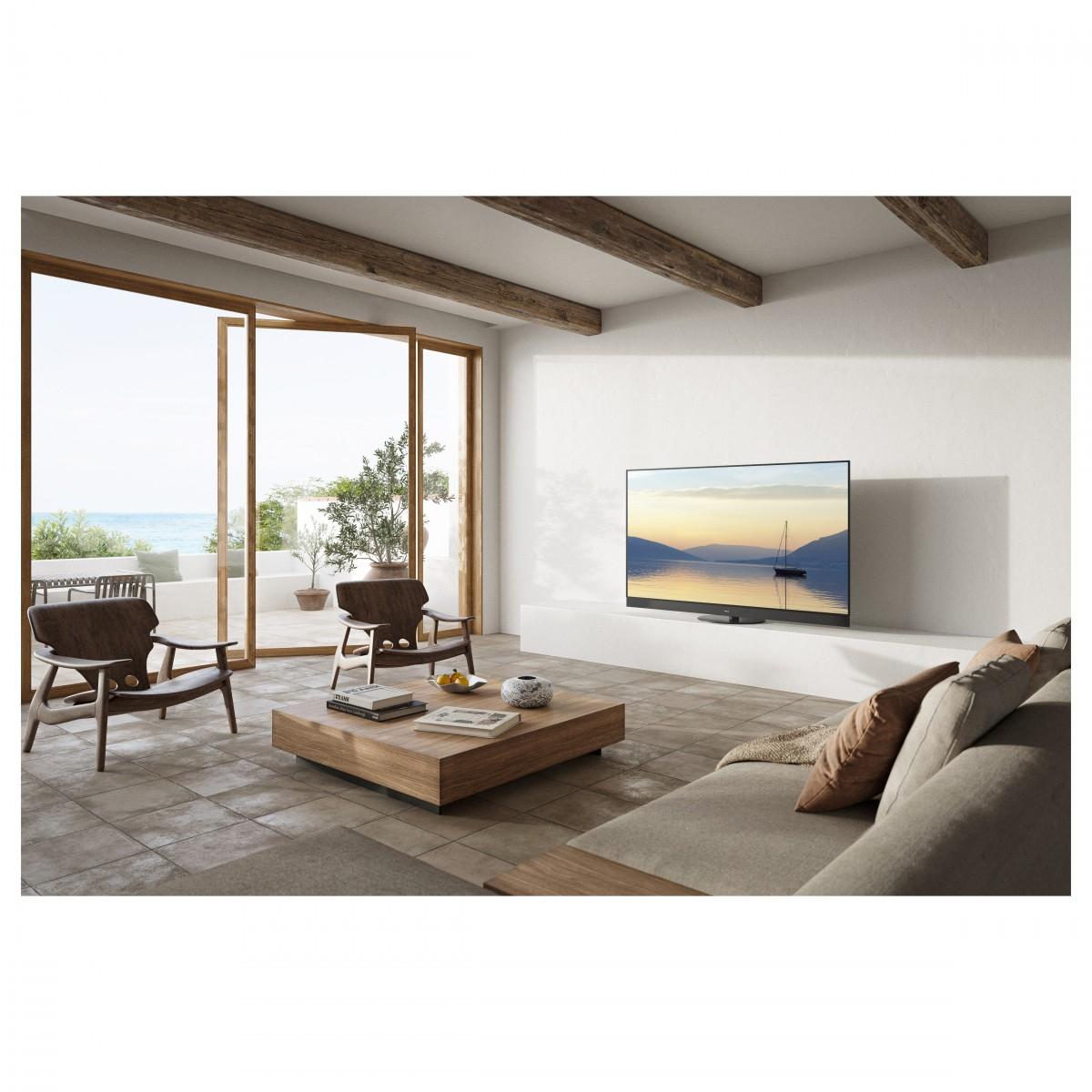
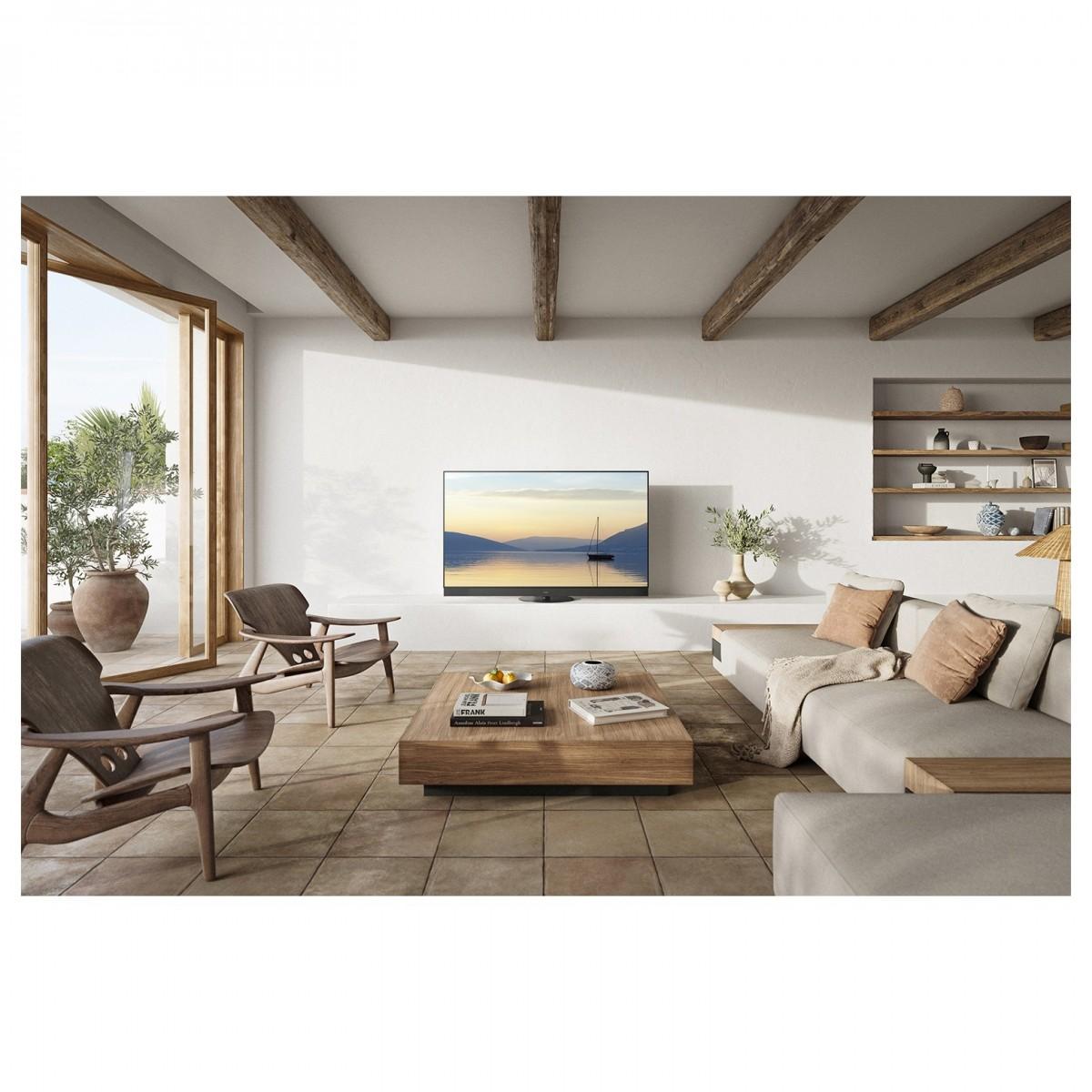
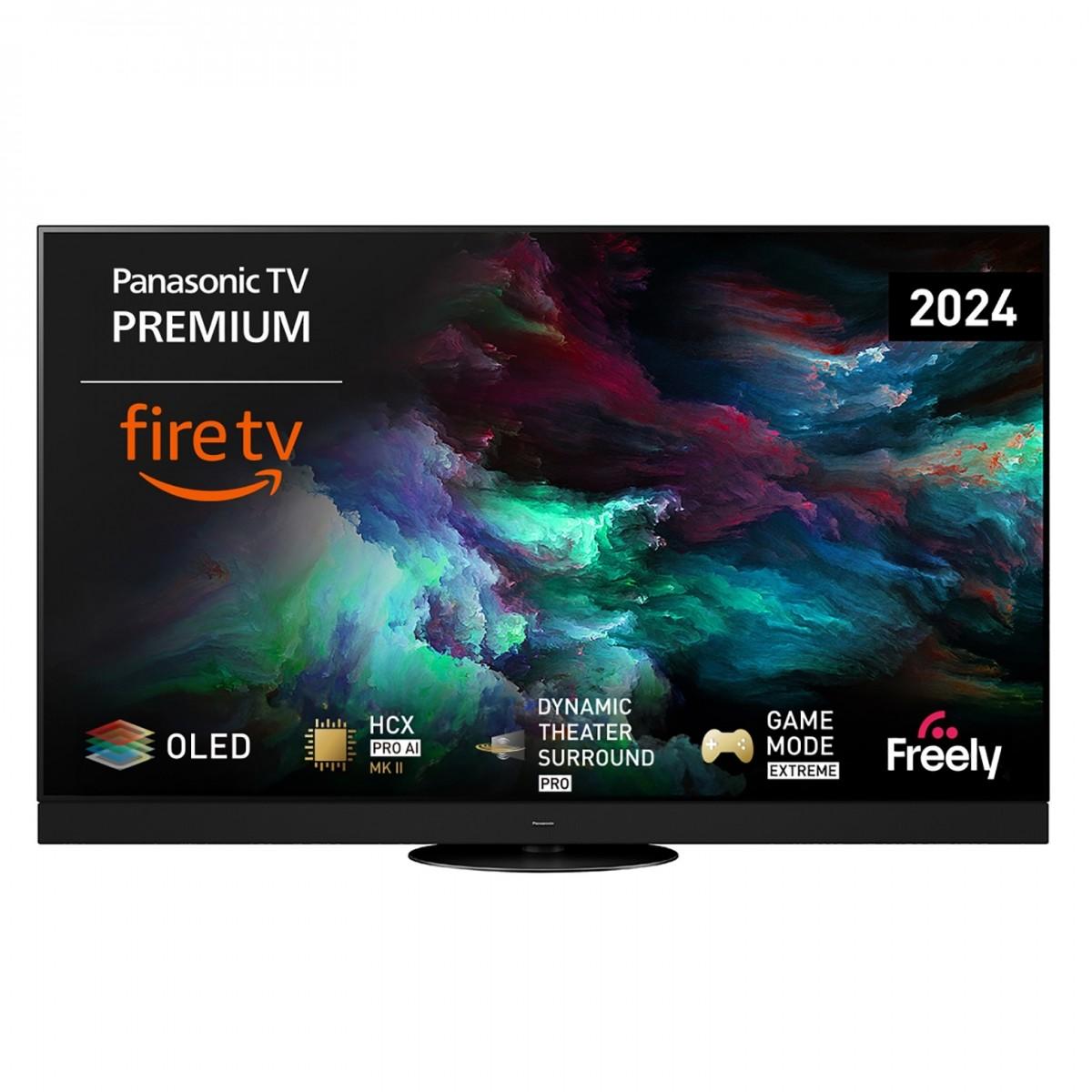
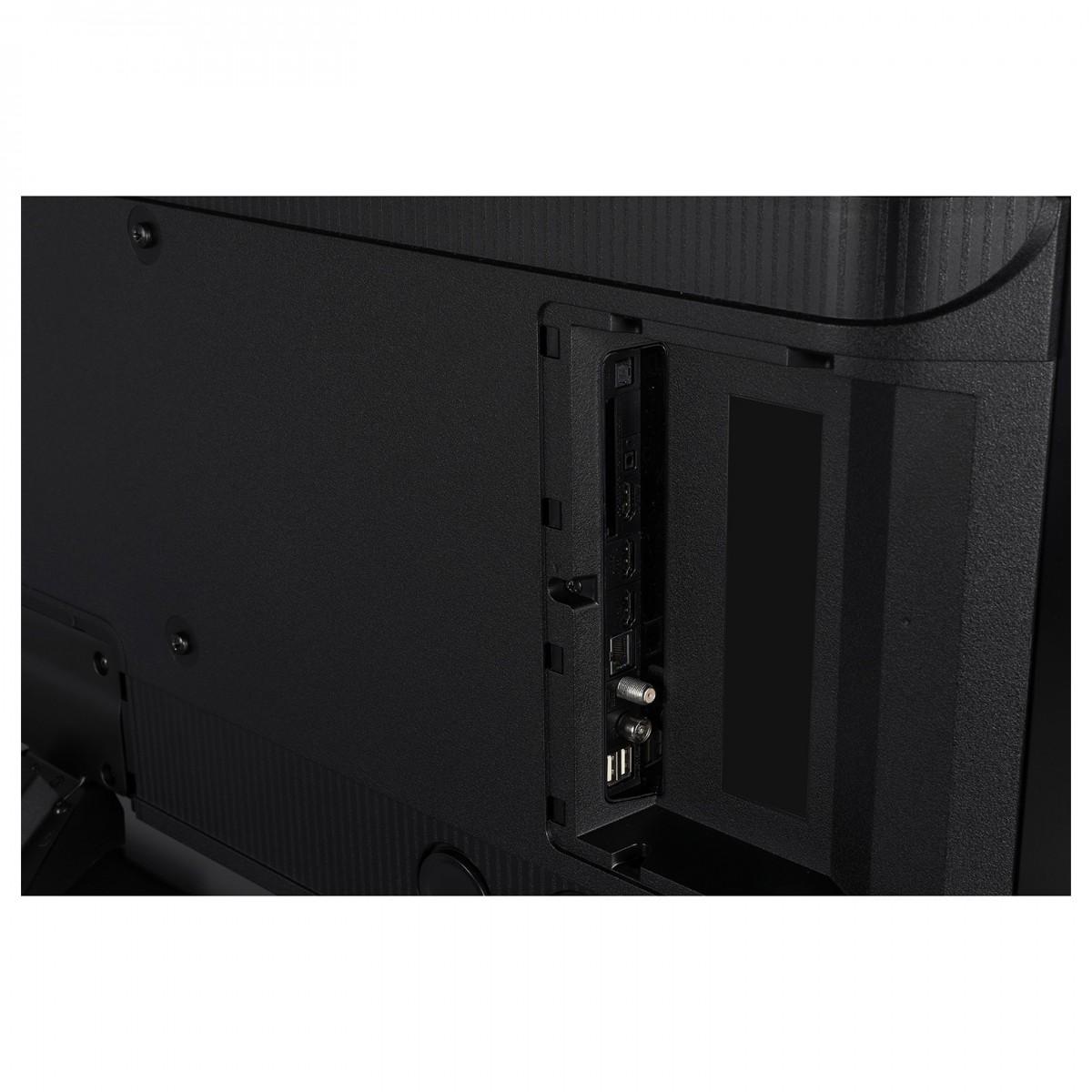
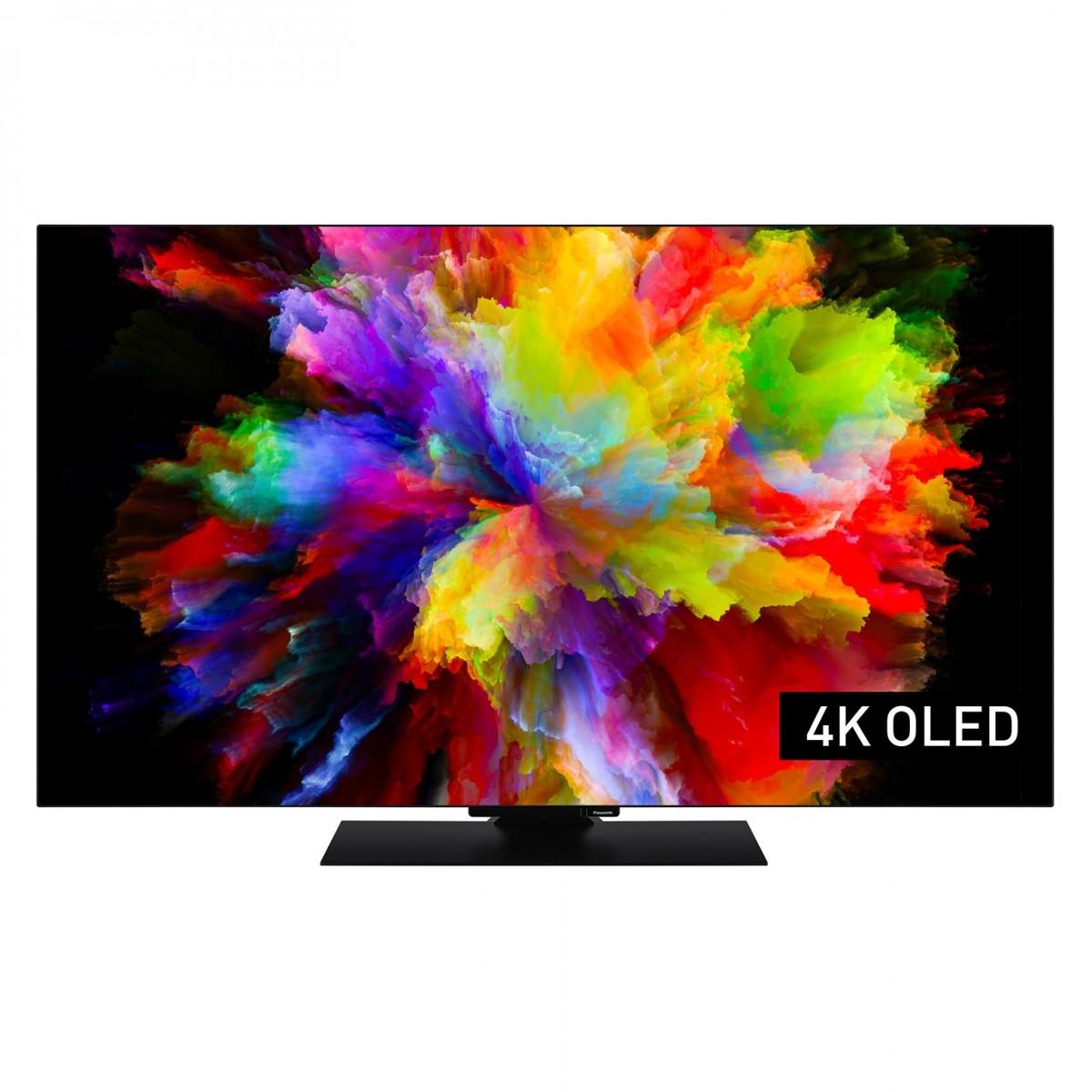
Shopping for a premium 65-inch TV in 2025 means choosing between two fundamentally different display technologies. The Panasonic Z95A OLED represents the pinnacle of self-illuminating pixel technology, while the Samsung QN80F Neo QLED showcases the latest in quantum dot and mini-LED backlighting innovation. Both released in 2025, these TVs embody years of technological refinement, but they take completely different approaches to delivering stunning picture quality.
At the time of writing, both models sit in the premium segment with the Samsung commanding a modest price premium over the Panasonic. However, the decision between them shouldn't come down to price alone – it's about understanding which technology better serves your viewing habits, room setup, and entertainment priorities.
The TV landscape has evolved dramatically over the past few years. OLED technology, which stands for Organic Light-Emitting Diode, creates images by having individual pixels generate their own light. Think of it like having millions of tiny lightbulbs that can turn completely on or off independently. When a pixel needs to show black, it simply turns off completely, creating perfect darkness.
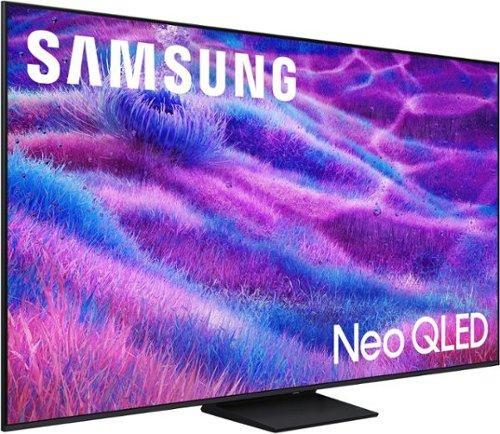
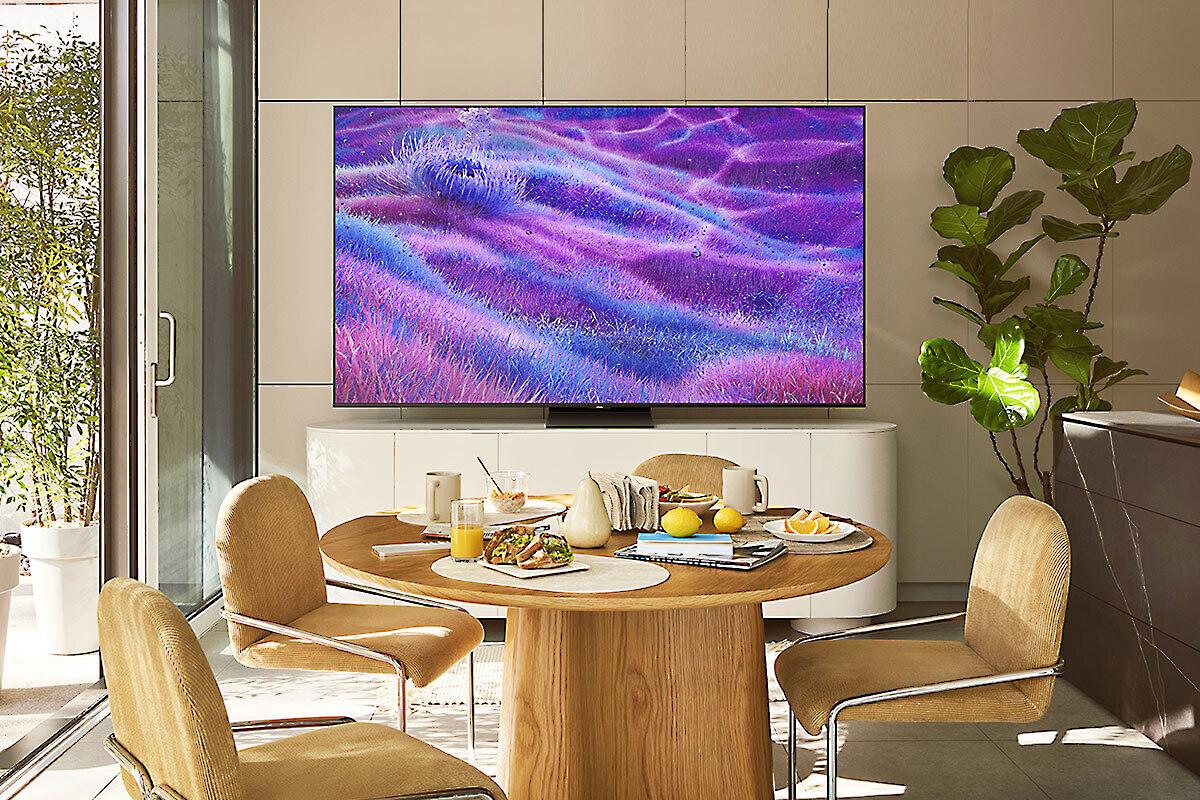
Neo QLED, on the other hand, is Samsung's marketing term for their advanced Mini-LED technology combined with Quantum Dots. This system uses thousands of tiny LED lights behind the screen (called mini-LEDs) to illuminate a layer of quantum dots – microscopic particles that convert blue light into precise red and green colors. The "Neo" designation indicates Samsung's most advanced version of this technology, featuring more precise backlighting control than previous generations.
Both technologies represent significant improvements over traditional LED-LCD TVs, but they achieve better picture quality through completely different methods. The Panasonic Z95A leverages OLED's perfect pixel control, while the Samsung QN80F maximizes brightness and color volume through quantum dot enhancement and mini-LED precision.
Here's where the fundamental difference between these technologies becomes crystal clear. The Panasonic Z95A OLED delivers what many consider the holy grail of display technology: perfect blacks. When watching a movie with dark scenes, OLED pixels displaying black content turn completely off, creating absolute darkness. This means when you're watching something like "The Batman" or "Dune," those shadowy scenes reveal details that might be lost on other display types.
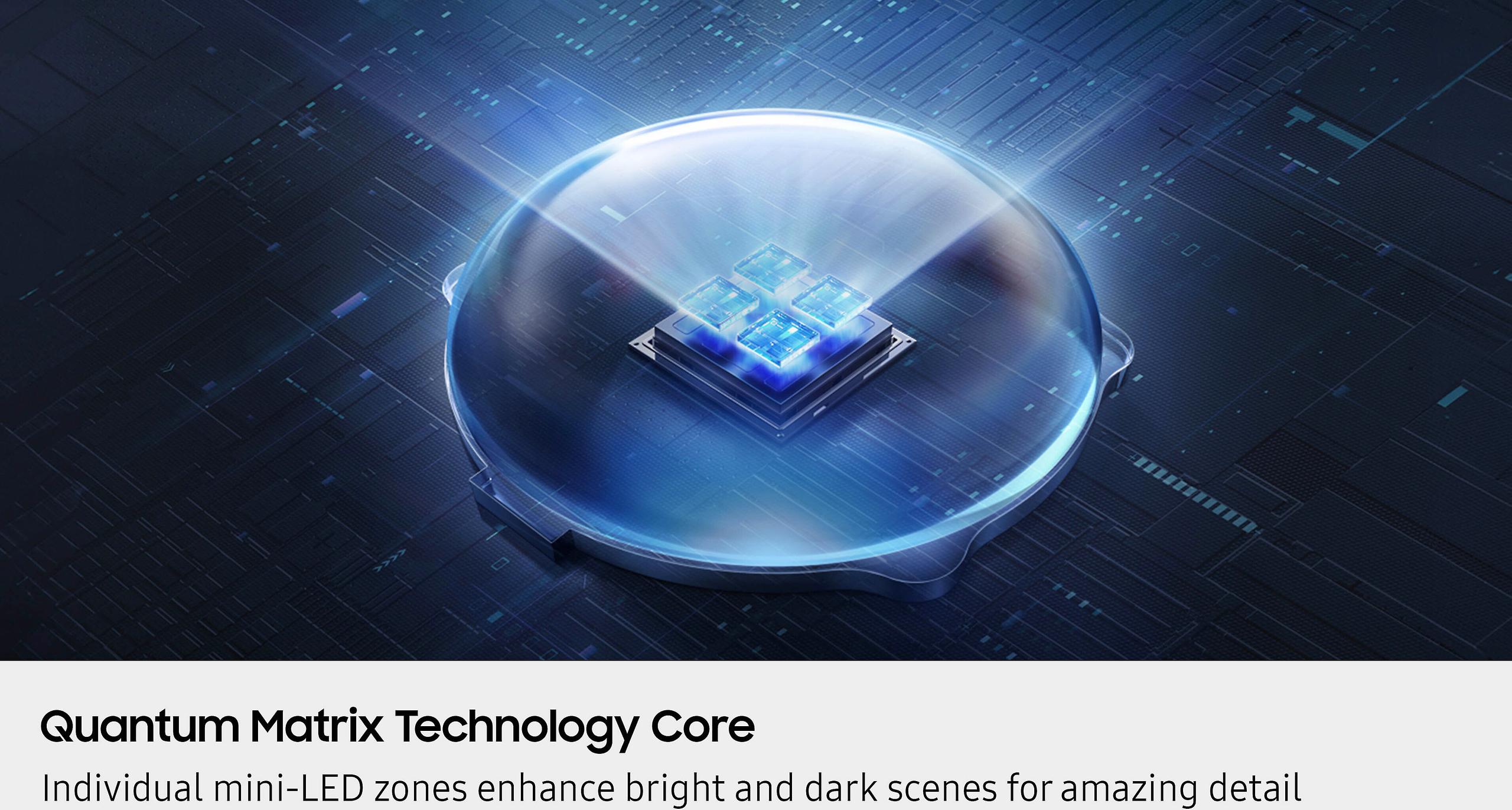
The Samsung QN80F takes a different approach. Its mini-LED backlighting system divides the screen into hundreds of individually controlled zones. While this creates much better black levels than traditional TVs, some light inevitably bleeds between zones. In practice, this means very dark scenes might show subtle gray instead of pure black, and bright objects against dark backgrounds can create slight halos.
From our research into professional reviews and user feedback, the contrast difference is most noticeable in dark room viewing. OLED's infinite contrast ratio (since true black has zero brightness) creates a more immersive experience for serious movie watching. However, the Samsung's mini-LED system still delivers impressive contrast that satisfies most viewers, especially in mixed lighting conditions.
This is where the Samsung QN80F fights back. Neo QLED technology can push significantly brighter than OLED, reaching around 930 nits in testing scenarios. This higher peak brightness makes HDR (High Dynamic Range) content really pop, especially highlights like sunlight, explosions, or gleaming metal surfaces. When watching HDR movies like "Top Gun: Maverick," those cockpit scenes with bright sunlight streaming through the canopy look more realistic and impactful.
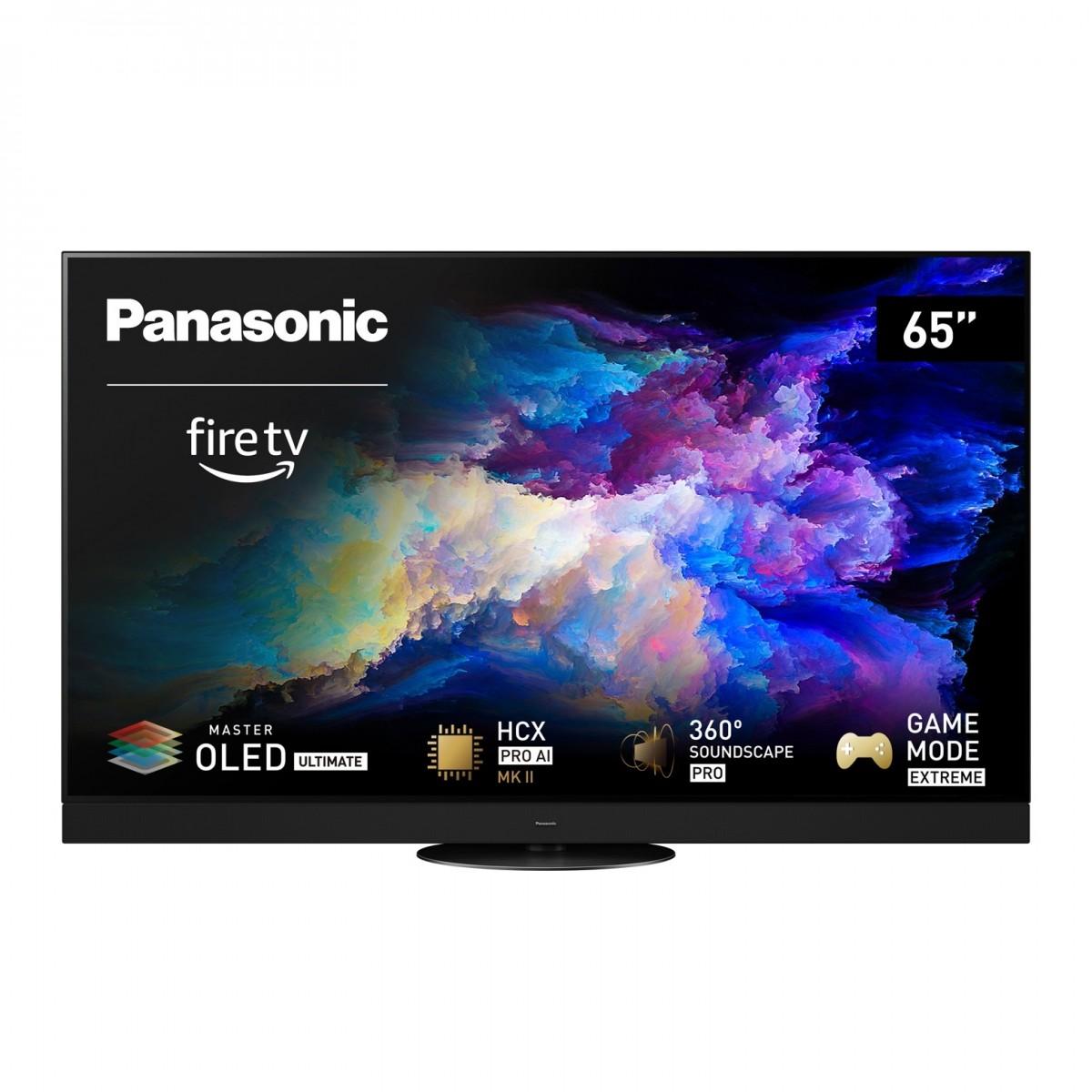
The Panasonic Z95A produces excellent HDR, but typically maxes out at lower brightness levels. However, OLED's perfect black levels mean the contrast between bright and dark still looks spectacular. The TV's HCX Pro AI Processor MKII analyzes incoming content and automatically adjusts settings, ensuring HDR content looks optimal regardless of the source material.
For daytime viewing or bright living rooms, the Samsung's higher brightness provides a clear advantage. The extra nits help combat ambient light reflection and maintain picture quality when sunlight hits the screen. However, in dedicated home theater setups or evening viewing, many enthusiasts prefer OLED's balance of brightness and perfect blacks.
Both TVs excel at color reproduction but with different philosophies. The Panasonic Z95A focuses on cinema-accurate colors that match what filmmakers intended. Its wide color gamut covers virtually all the colors visible in premium content, while the Hexa Chroma Drive ensures smooth color transitions without banding (those artificial-looking steps between similar colors).
The Samsung QN80F utilizes Quantum Dot technology to achieve what Samsung calls "100% color volume." Quantum dots are essentially tiny crystals that convert light into very pure, saturated colors. The result is often more vibrant and punchy than what you'd see in a movie theater, which some viewers prefer for sports, nature documentaries, or animated content.
Professional calibrators often favor OLED for accurate color reproduction, while casual viewers might prefer the extra pop of quantum dots. Both technologies have evolved to avoid the oversaturated, unrealistic colors that plagued earlier generations of enhanced TVs.
Modern gaming has become a crucial consideration for TV buyers, and both models deliver impressive capabilities, though with different strengths.
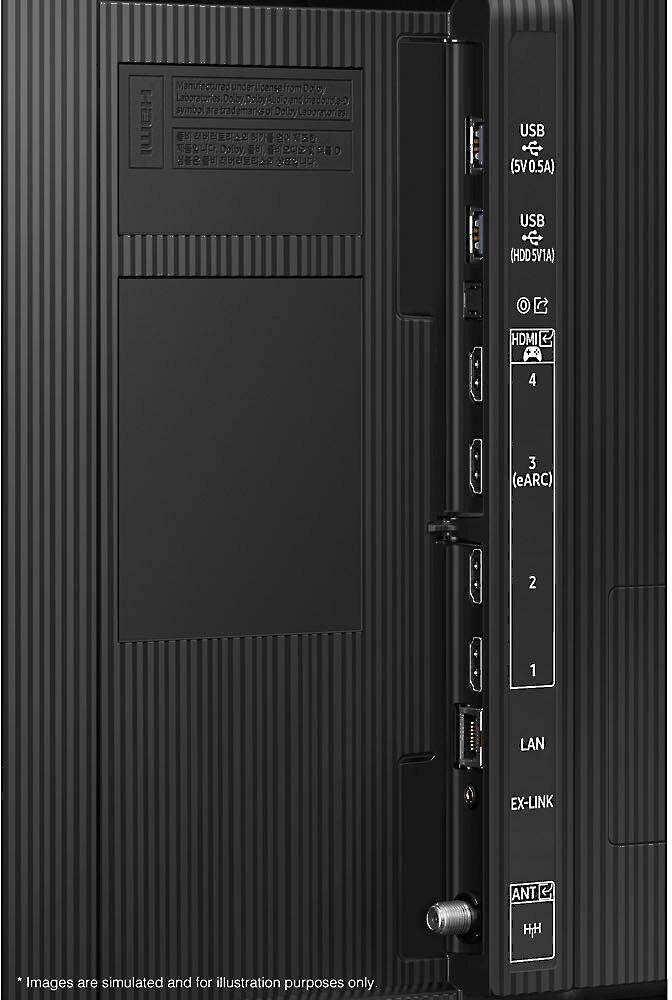
The Samsung QN80F clearly targets serious gamers with four full HDMI 2.1 ports supporting 4K at 144Hz. Input lag – the delay between pressing a controller button and seeing the result on screen – measures excellent across all supported resolutions. The TV also supports Variable Refresh Rate (VRR), which synchronizes the display's refresh rate with your gaming console or PC to eliminate screen tearing and stuttering.
The Panasonic Z95A also supports 144Hz gaming and includes Auto Low Latency Mode (ALLM), which automatically switches to game mode when it detects gaming content. OLED's naturally fast pixel response time means motion looks crisp without the blur that can affect LCD-based displays during fast-paced action.
Based on gaming-focused reviews, both TVs deliver responsive gaming experiences, but the Samsung edges ahead for users with multiple gaming devices thanks to its four high-speed HDMI ports versus fewer on the Panasonic.
Gaming in HDR has become increasingly important as more titles support expanded color and brightness ranges. The Samsung QN80F's higher peak brightness makes HDR gaming highlights more impactful, while its Quantum Matrix Technology provides precise backlight control to minimize blooming around bright objects.
The Panasonic Z95A delivers exceptional HDR gaming through perfect black levels and smooth gradients. Games with dark environments, like horror titles or space-based games, look particularly stunning on OLED where shadowy details remain visible while maintaining deep blacks.
Both TVs integrate advanced AI processing, but with different approaches to enhancing your viewing experience.
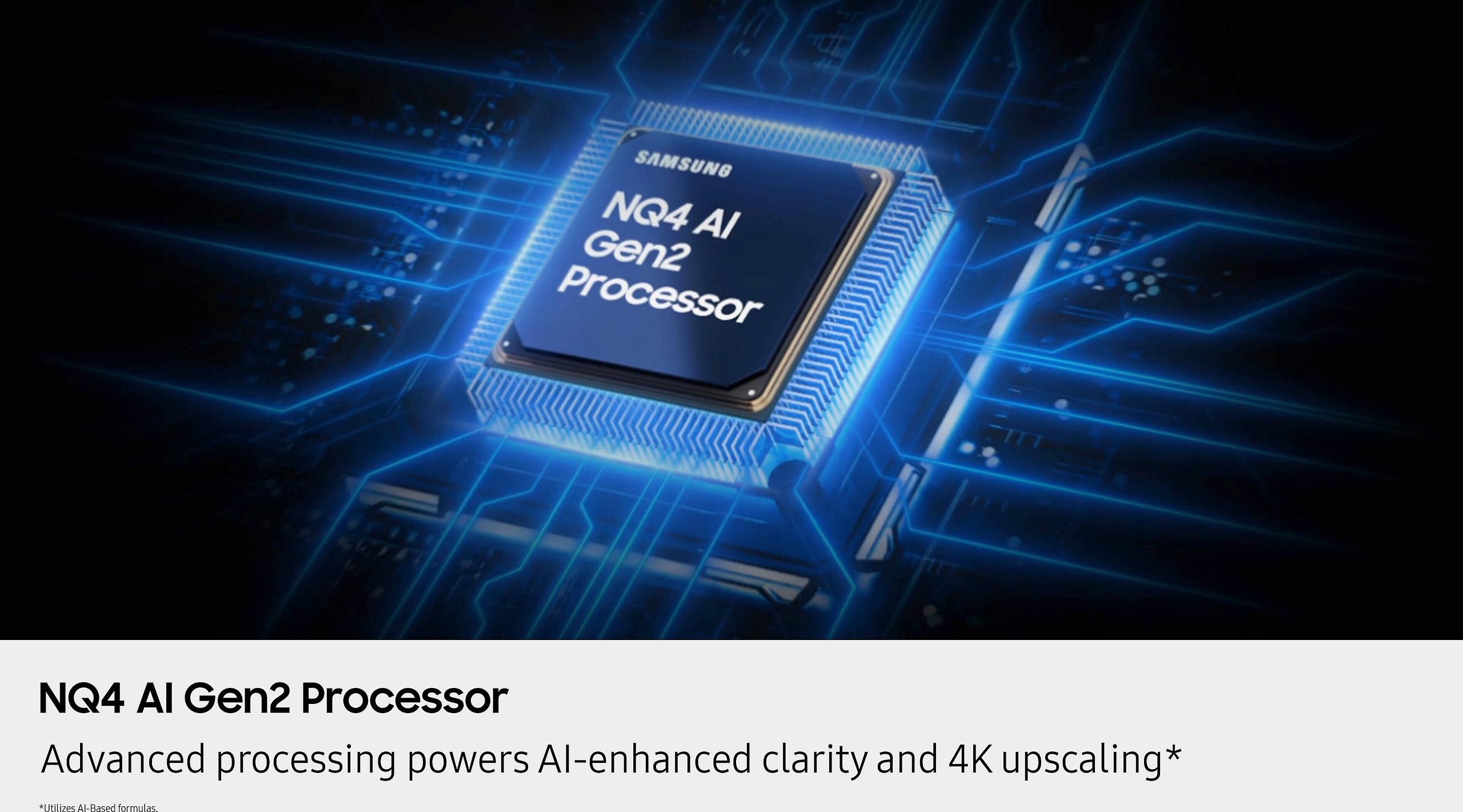
The Samsung QN80F features Samsung's NQ4 AI Gen2 Processor with 20 neural networks dedicated to analyzing and improving picture quality. This system excels at upscaling lower-resolution content to near-4K quality, making older movies and TV shows look sharper and more detailed. The AI also adjusts picture settings based on content type – automatically optimizing for sports, movies, or gaming.
The Panasonic Z95A uses the HCX Pro AI Processor MKII, which analyzes incoming signals and instantly adjusts picture and sound settings. This "Auto AI" feature recognizes different content types and applies appropriate optimizations. For instance, it might enhance motion smoothness for sports while preserving film-like motion for movies.
The Samsung QN80F runs Samsung's Tizen operating system with the new Vision AI suite, including features like Live Translate for international content and Generative Wallpaper that creates AI-powered backgrounds. Bixby integration allows voice control, though many users prefer connecting external streaming devices for a more familiar interface.
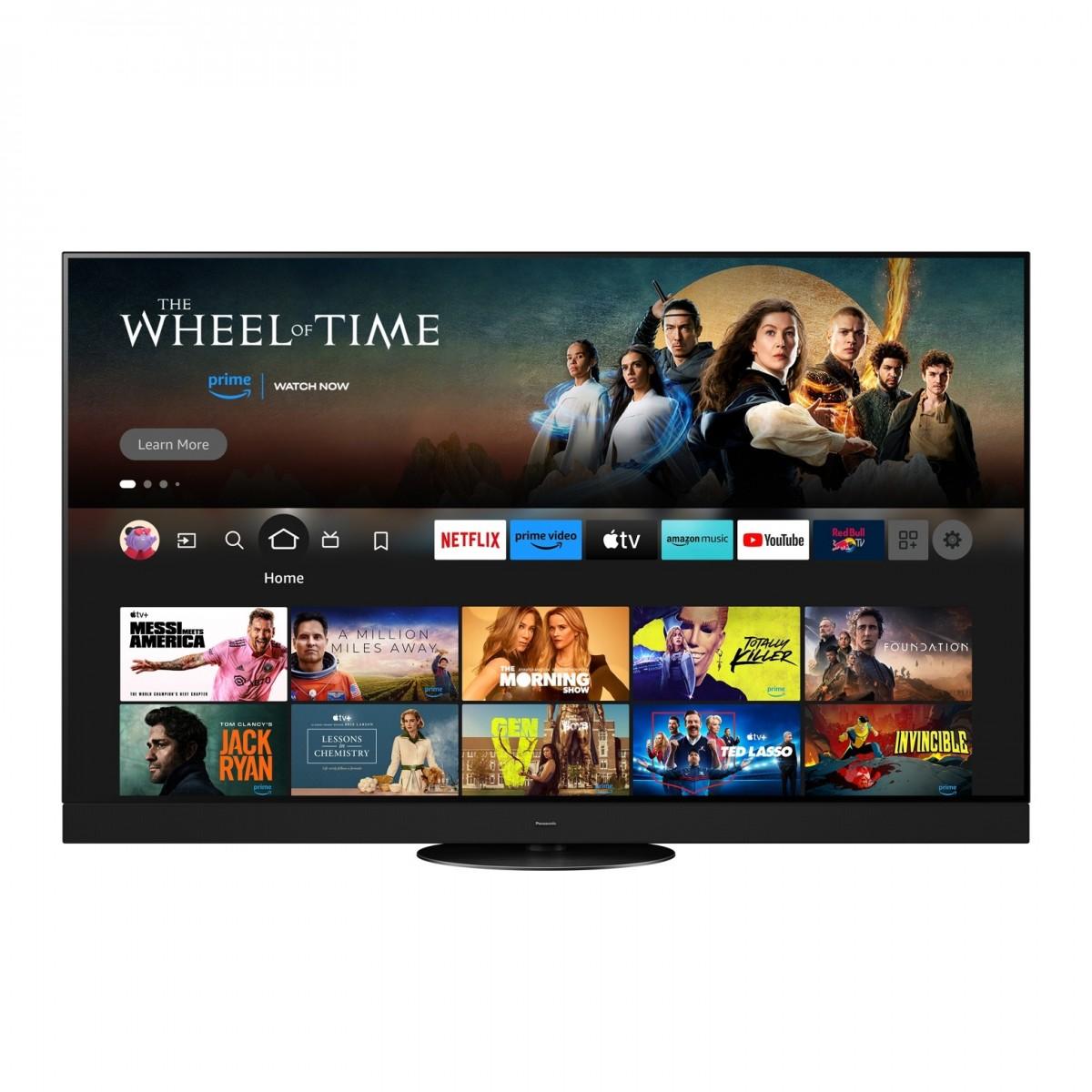
The Panasonic Z95A comes with Amazon Fire TV built-in, providing immediate access to all major streaming services. The integration with Alexa allows hands-free control, and the interface will feel familiar to anyone who's used Amazon's streaming devices. Google Assistant support adds additional voice control options.
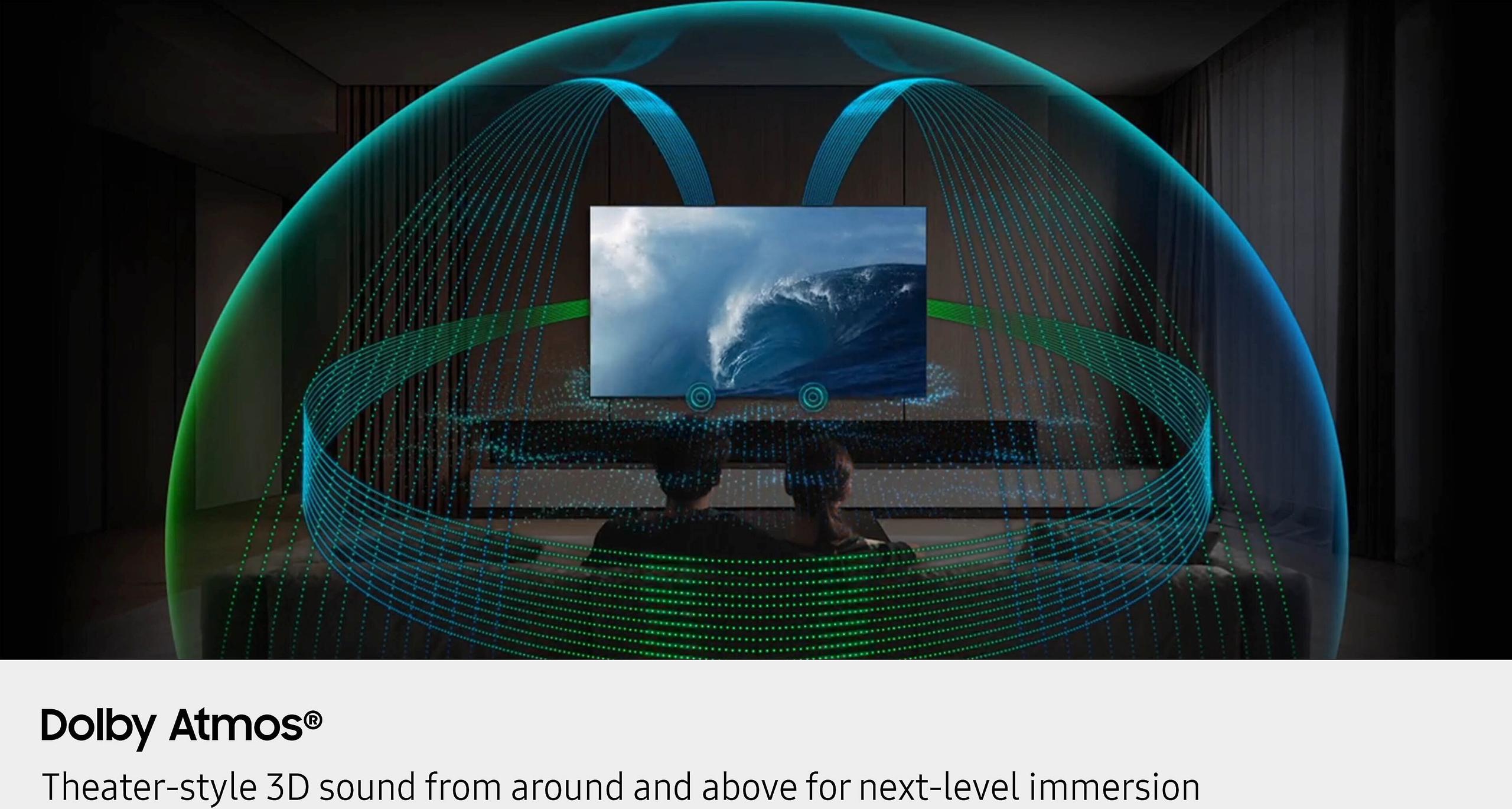
Both TVs include Dolby Atmos support, but their implementation differs significantly. The Panasonic Z95A features a more sophisticated speaker array with front, upward, and side-firing drivers creating a 360-degree soundscape. At 20W total output, it provides decent built-in audio for casual viewing.
The Samsung QN80F includes Adaptive Sound Pro, which uses AI to analyze audio content and optimize clarity for dialogue, music, and sound effects. The system also considers room acoustics to provide more personalized audio tuning.
However, both TVs' built-in speakers face the same fundamental limitation: thin TV chassis simply can't house the large drivers needed for truly immersive audio. For serious home theater use, both benefit significantly from external sound systems, whether a dedicated soundbar or full surround sound setup.
Your room's lighting conditions heavily influence which technology works better for your situation.
The Samsung QN80F excels in bright living rooms or spaces with lots of windows. Its higher peak brightness helps maintain picture quality when ambient light hits the screen, and quantum dots maintain color saturation even in challenging lighting conditions. However, the reflective screen coating can show distracting mirror-like reflections from light sources.
The Panasonic Z95A performs admirably in mixed lighting but truly shines in darker environments where its perfect blacks create the most dramatic impact. OLED's wide viewing angles mean picture quality remains consistent even when viewed from the side, making it excellent for wide seating arrangements.
This represents perhaps the most significant practical difference between technologies. OLED displays can potentially experience burn-in – permanent image retention from static content displayed for extended periods. Modern OLED TVs include numerous protective features like pixel shifting and automatic brightness limiting, making burn-in rare under normal viewing conditions. However, users who display static content for hours (like news tickers or gaming HUDs) should consider this risk.
The Samsung QN80F faces no burn-in risk, making it more suitable for commercial use, heavy gaming with static elements, or users who want peace of mind about long-term durability.
For dedicated home theater rooms with controlled lighting, the Panasonic Z95A typically provides the more cinematic experience. Its perfect blacks, accurate colors, and excellent viewing angles create the immersive environment that movie enthusiasts crave. The Fire TV integration eliminates the need for external streaming devices, keeping the setup clean and simple.
Families with serious gamers or multiple gaming devices benefit from the Samsung QN80F's gaming-focused features. Four HDMI 2.1 ports mean connecting PlayStation 5, Xbox Series X, gaming PC, and streaming device without compromising on performance. The higher brightness also helps in competitive gaming where spotting details in bright or shadowy areas can provide advantages.
If your main viewing area has significant ambient light or you watch TV primarily during daytime, the Samsung's brightness advantage becomes crucial for maintaining picture quality. However, if you can control room lighting or primarily watch in the evenings, OLED's superior contrast creates a more premium viewing experience.
The choice between the Panasonic Z95A OLED and Samsung QN80F Neo QLED ultimately depends on your priorities and viewing environment.
Choose the Panasonic Z95A if you prioritize the most cinematic viewing experience, watch primarily in darker rooms, value perfect black levels above peak brightness, and don't mind managing potential burn-in risks through varied content consumption.
Choose the Samsung QN80F if gaming performance matters, you watch in brighter environments, prefer vibrant colors over cinema accuracy, want multiple high-speed gaming inputs, or prioritize long-term durability without burn-in concerns.
Both represent excellent value in the premium 65-inch segment, with technology improvements since their 2025 release continuing to refine their respective strengths. The modest price difference between them should be secondary to which technology better matches your specific viewing needs and room setup.
At the time of writing, both TVs offer compelling cases for purchase, making this less about finding the "better" TV and more about finding the right technology for your specific situation. The good news is that either choice will deliver a significant upgrade over older TV technologies, bringing modern streaming, gaming, and movie watching into sharp, colorful focus.
| Panasonic Z95A 65" OLED 4K Ultra HD Smart TV | Samsung 65" QN80F Neo QLED 4K TV |
|---|---|
| Display Technology - Fundamentally different approaches to picture quality | |
| OLED with self-illuminating pixels | Neo QLED with Mini-LED backlight and Quantum Dots |
| Black Levels - Critical for contrast and movie watching | |
| Perfect blacks (pixels turn completely off) | Good blacks but some light bleed between zones |
| Peak Brightness - Important for HDR and bright rooms | |
| Lower peak brightness, better for dark rooms | ~930 nits peak brightness, excellent for bright rooms |
| Gaming Refresh Rate - Essential for smooth gaming | |
| 144Hz with ALLM support | 144Hz with VRR up to 144Hz across all ports |
| HDMI 2.1 Ports - Matters for multiple gaming devices | |
| Limited high-speed gaming ports | 4 full HDMI 2.1 ports with 4K 144Hz |
| Viewing Angles - Important for wide seating arrangements | |
| Excellent off-axis viewing with minimal degradation | Limited viewing angles typical of VA LCD panels |
| Burn-in Risk - Long-term durability consideration | |
| Potential burn-in with static content (rare with normal use) | No burn-in risk, more durable for heavy static content |
| Smart TV Platform - Affects daily usability | |
| Amazon Fire TV built-in with Alexa integration | Samsung Tizen with Vision AI suite and Bixby |
| Color Accuracy - Cinema vs vibrant preference | |
| Cinema-accurate colors with wide color gamut | Vibrant, punchy colors via Quantum Dot technology |
| AI Processing - Content optimization capabilities | |
| HCX Pro AI Processor MKII with Auto AI content recognition | NQ4 AI Gen2 Processor with 20 neural networks for upscaling |
| Audio System - Built-in sound quality | |
| 20W Dolby Atmos with 360° speaker array | Dolby Atmos with Adaptive Sound Pro AI optimization |
| Best Use Case - Who should choose this TV | |
| Home theater enthusiasts, movie lovers, dark room viewing | Gamers, bright room viewing, multiple device users |
The Panasonic Z95A OLED uses self-illuminating pixels that can turn completely off for perfect blacks, while the Samsung QN80F Neo QLED uses mini-LED backlighting with quantum dots for brighter, more vibrant colors. OLED excels in dark rooms with superior contrast, while Neo QLED performs better in bright rooms with higher peak brightness.
The Samsung QN80F Neo QLED is better for serious gaming, offering four HDMI 2.1 ports that support 4K at 144Hz, VRR, and ALLM. The Panasonic Z95A OLED also supports 144Hz gaming but has fewer high-speed gaming ports, making it less ideal for households with multiple gaming devices.
For movie watching, the Panasonic Z95A OLED typically delivers superior picture quality with perfect blacks, infinite contrast ratio, and cinema-accurate colors. The self-illuminating pixels create the most immersive experience for films, especially in darker viewing environments that mimic a theater setting.
Yes, there's a noticeable difference. The Panasonic Z95A OLED produces true black by turning pixels completely off, while the Samsung QN80F Neo QLED shows very dark gray in black scenes due to backlight bleed. This difference is most apparent when watching dark movies or shows in a dimmed room.
The Samsung QN80F Neo QLED is significantly brighter, reaching around 930 nits compared to the Panasonic Z95A OLED's lower peak brightness. This makes the Samsung better for bright living rooms with lots of windows or daytime viewing where ambient light can wash out darker displays.
Only the Panasonic Z95A OLED has potential burn-in risk if static images are displayed for extended periods, though modern OLED TVs include protective features that make this rare. The Samsung QN80F Neo QLED has no burn-in risk, making it more suitable for users who display static content like news channels or gaming HUDs frequently.
The Panasonic Z95A OLED offers excellent viewing angles with minimal color or contrast degradation when viewed from the side. The Samsung QN80F Neo QLED has limited viewing angles typical of VA LCD panels, so picture quality decreases when not viewing straight-on.
The Panasonic Z95A OLED comes with Amazon Fire TV built-in and Alexa integration for voice control. The Samsung QN80F Neo QLED runs Samsung's Tizen OS with Vision AI features, Bixby voice assistant, and advanced AI processing for content optimization.
The Panasonic Z95A OLED is typically preferred for dedicated home theaters due to its perfect blacks, cinema-accurate colors, and excellent contrast that creates a more immersive movie-watching experience. The controlled lighting in home theaters maximizes OLED's advantages while minimizing its brightness limitations.
Both TVs support Dolby Atmos, but the Panasonic Z95A OLED features a more sophisticated 360-degree speaker array with 20W output. The Samsung QN80F Neo QLED includes Adaptive Sound Pro with AI optimization. However, both benefit significantly from external sound systems for serious home theater use.
Value depends on your priorities. The Panasonic Z95A OLED typically costs less and offers premium picture quality for movie enthusiasts. The Samsung QN80F Neo QLED commands a slight premium but provides superior gaming features, brightness for daytime viewing, and no burn-in concerns for long-term durability.
The Samsung QN80F Neo QLED generally offers more predictable long-term performance without burn-in risks and maintains brightness levels consistently over time. The Panasonic Z95A OLED may experience gradual brightness degradation and has potential burn-in risk, though both are minimal with normal viewing habits and modern protective technologies.
We've done our best to create useful and informative comparisons to help you decide what product to buy. Our research uses advanced automated methods to create this comparison and perfection is not possible - please contact us for corrections or questions. These are the sites we've researched in the creation of this article: youtube.com - youtube.com - whathifi.com - tomsguide.com - shop.panasonic.com - store.in.panasonic.com - rtings.com - applianceplus.co.nz - rtings.com - store.in.panasonic.com - samsung.com - samsung.com - theshortcut.com - youtube.com - bestbuy.com - rtings.com - samsung.com - samsung.com - samsung.com - sargentappliance.com - displayspecifications.com - bestbuy.com

Privacy Policy
Terms and Conditions - Affiliate Policy
Home Security
© Copyright 2008-2026.
11816 Inwood Rd #1211, Dallas, TX 75244