

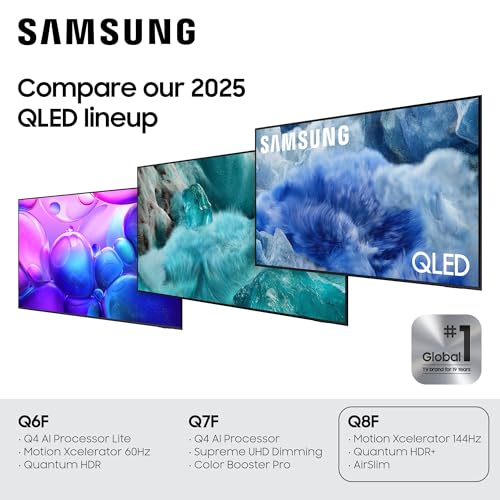
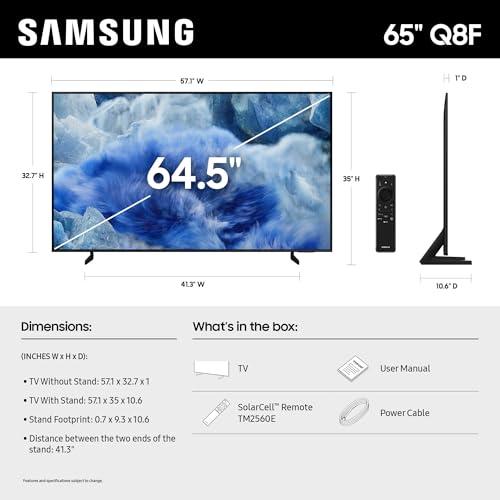
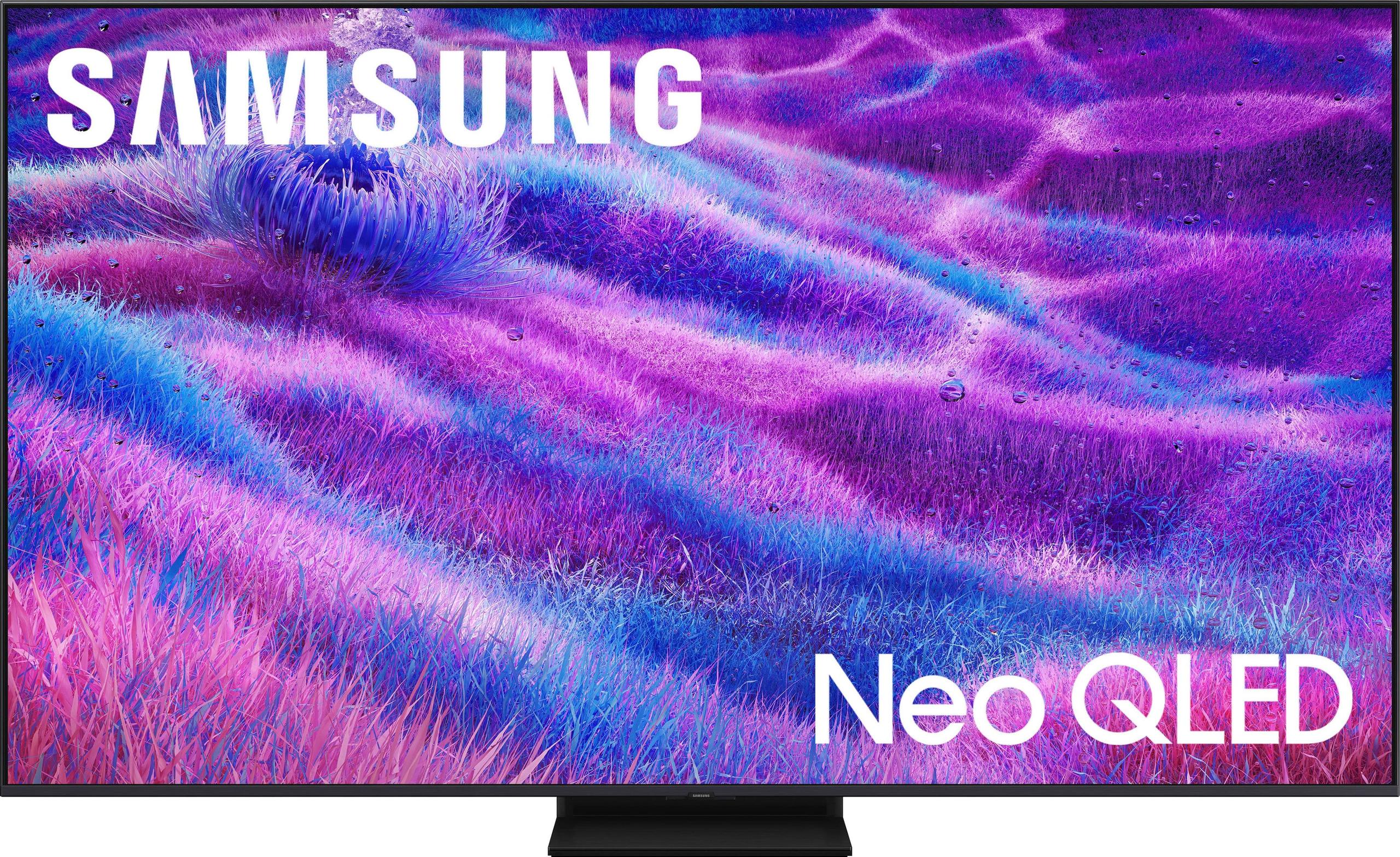
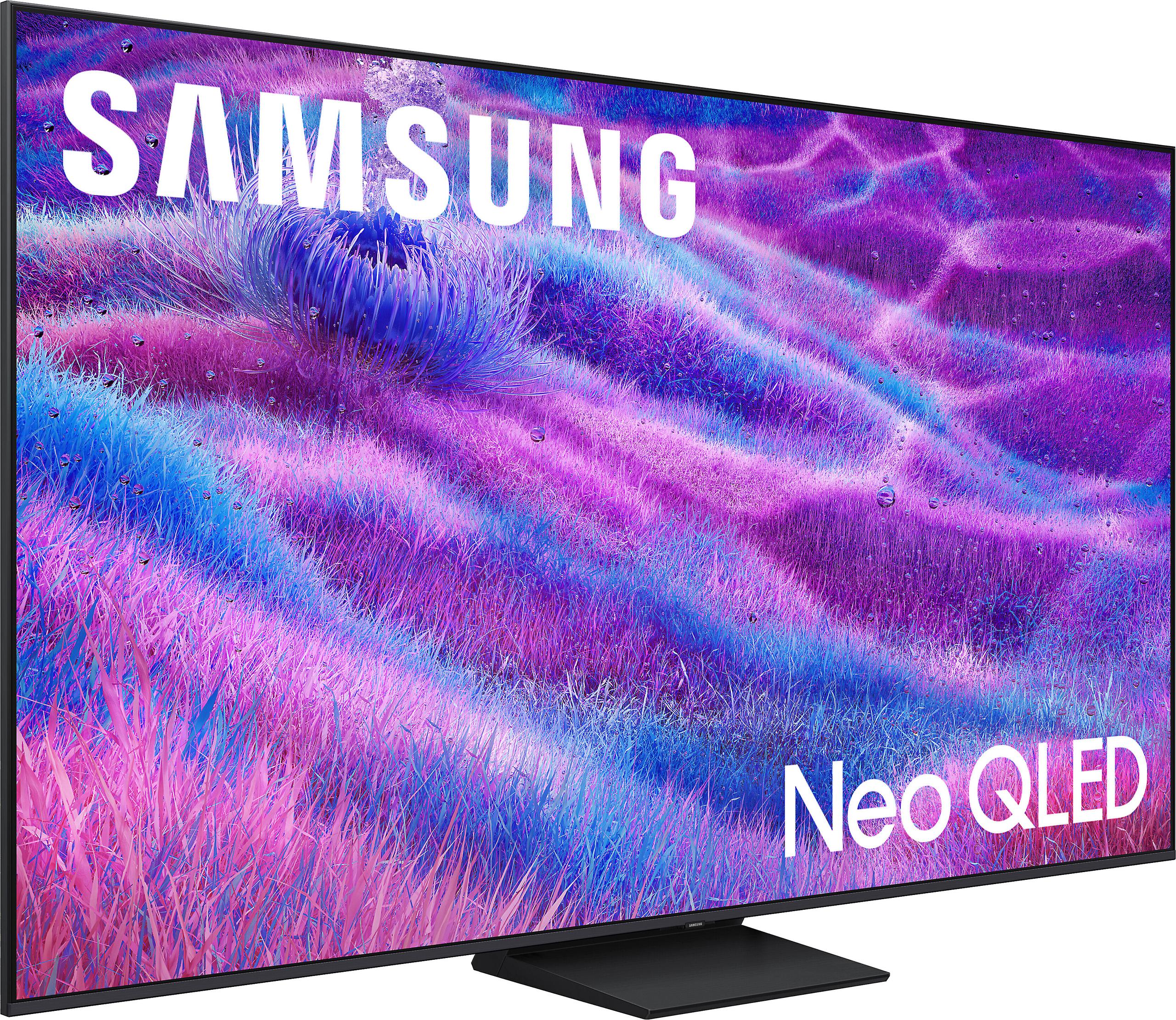
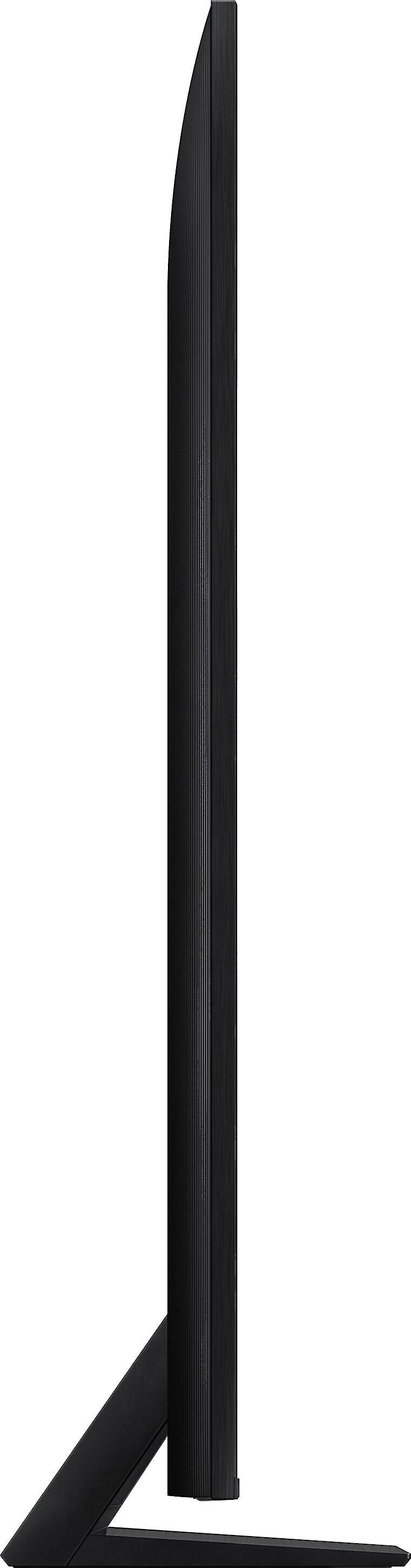
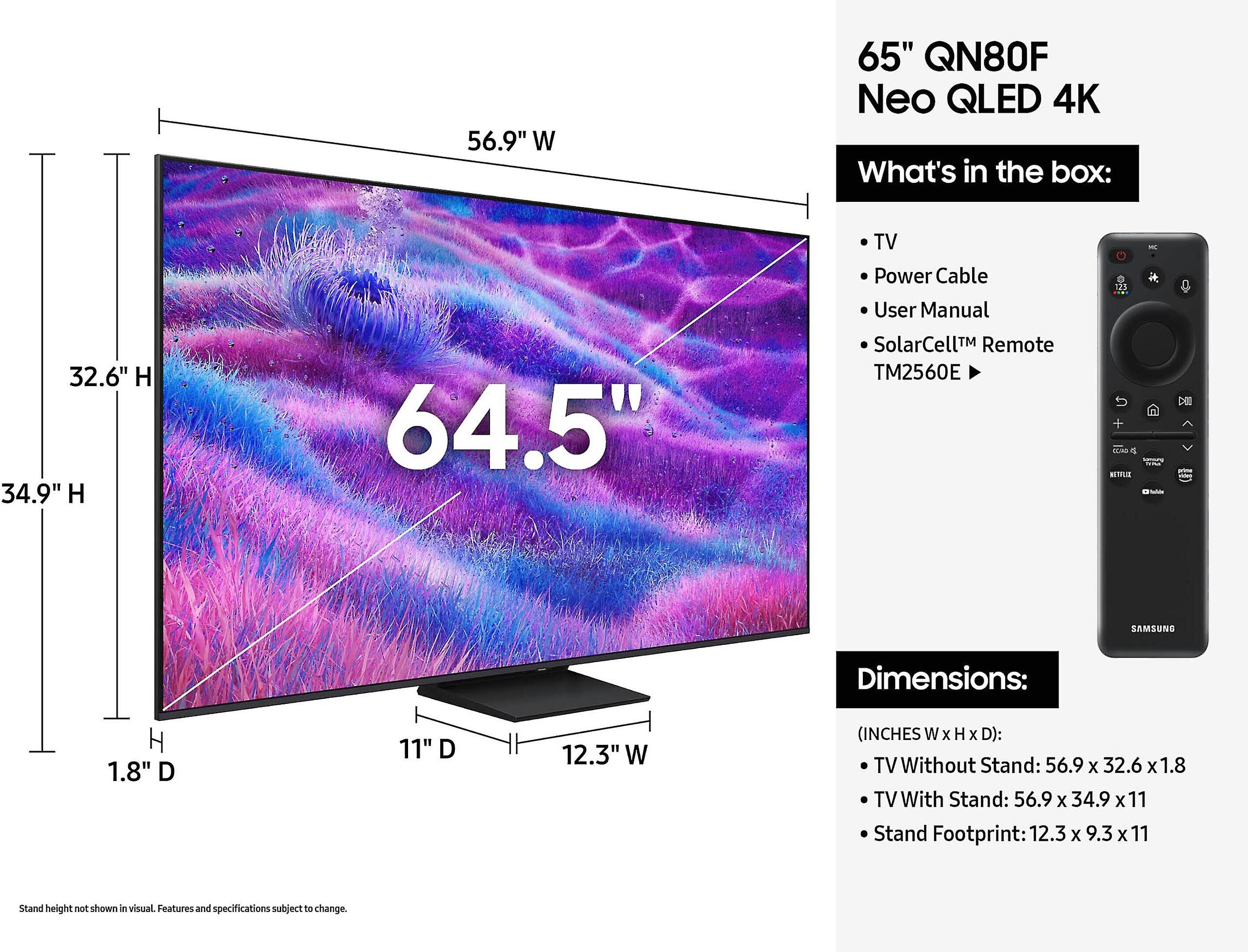
Choosing a new 65-inch TV can feel overwhelming, especially when you're comparing two Samsung models that seem similar on paper. The Samsung 65" QLED Q8F 4K Smart TV 2025 and Samsung 65" QN80F Neo QLED 4K TV both promise excellent picture quality and gaming performance, but they take different approaches to achieve these goals. After diving deep into the specifications, user reviews, and professional assessments, the choice between these two comes down to understanding which technology better fits your viewing environment and budget priorities.
Both TVs released in 2025 represent significant improvements over previous generations, particularly in AI processing and gaming features. The TV industry has been rapidly evolving, with manufacturers pushing brightness levels higher while improving color accuracy and smart features. The biggest advancement in recent years has been the introduction of Mini-LED backlighting, which creates thousands of tiny zones that can dim independently – think of it like having thousands of individual light switches behind your screen instead of just a few dozen.
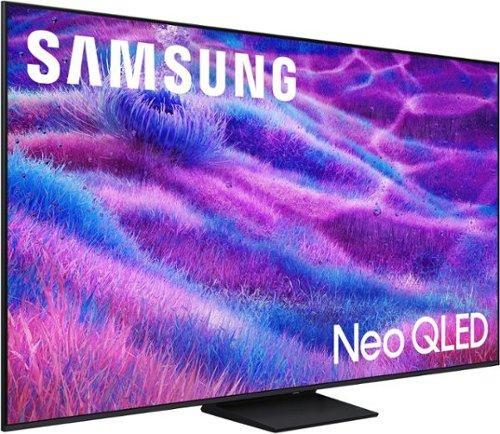
The fundamental difference between these models lies in their backlighting approach. Traditional QLED TVs like the Q8F use larger LED lights arranged in a grid behind the screen, with local dimming zones that can turn sections brighter or darker. Neo QLED technology in the QN80F uses Mini-LEDs – lights that are roughly 40 times smaller than traditional LEDs – allowing for much more precise control over brightness and darkness across the screen.
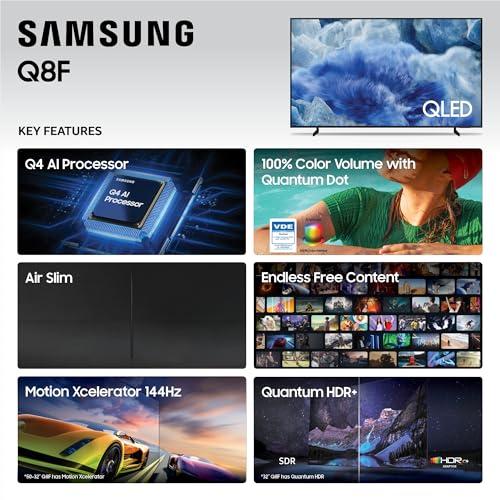
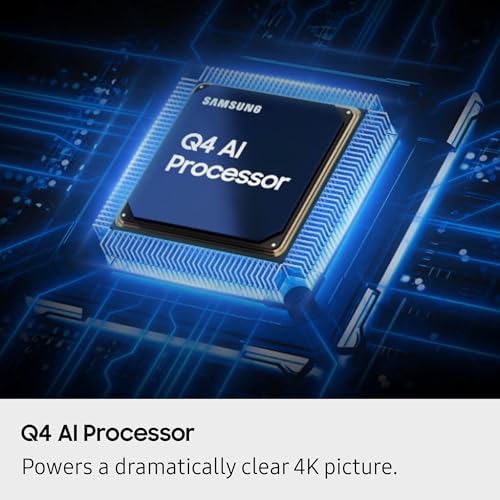
The Samsung Q8F uses what Samsung calls a "Full Array" LED backlight system. This means the LED lights are spread evenly across the entire back of the panel, rather than just around the edges like cheaper TVs. The Q4 AI processor manages these zones intelligently, deciding when to brighten or dim sections based on what's happening in the scene.
What makes this system effective is Samsung's Supreme UHD Dimming technology, which divides the screen into numerous zones for individual control. When you're watching a movie with a bright explosion against a dark night sky, the system can make the explosion area blazing bright while keeping the surrounding areas deep and dark. This creates what's called "local contrast" – the difference between the brightest and darkest parts of the same scene.
The Full Array design also contributes to better viewing angles. When you sit off to the side of the TV, the colors and brightness remain more consistent compared to edge-lit models where the picture can look washed out from certain positions.
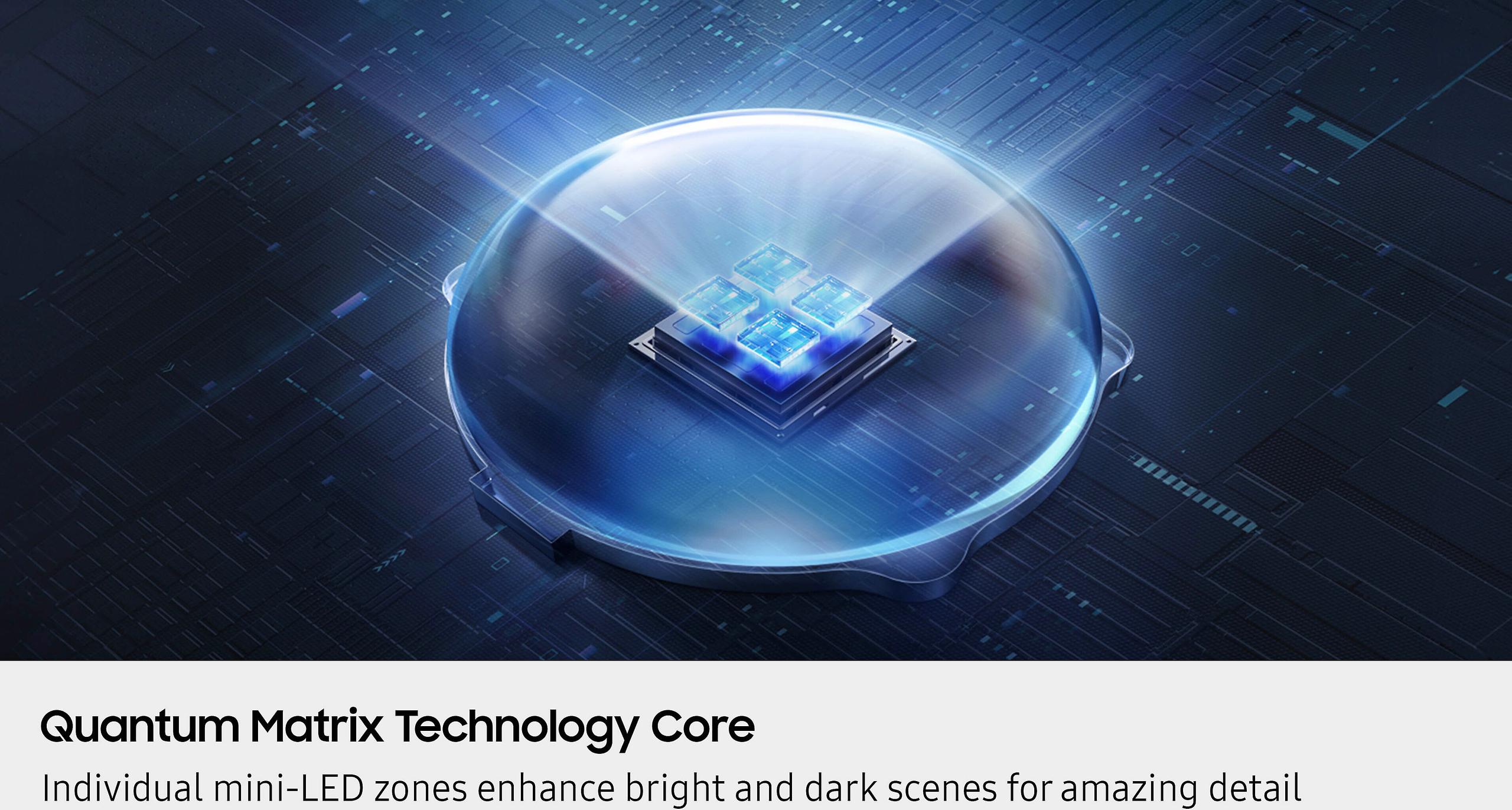
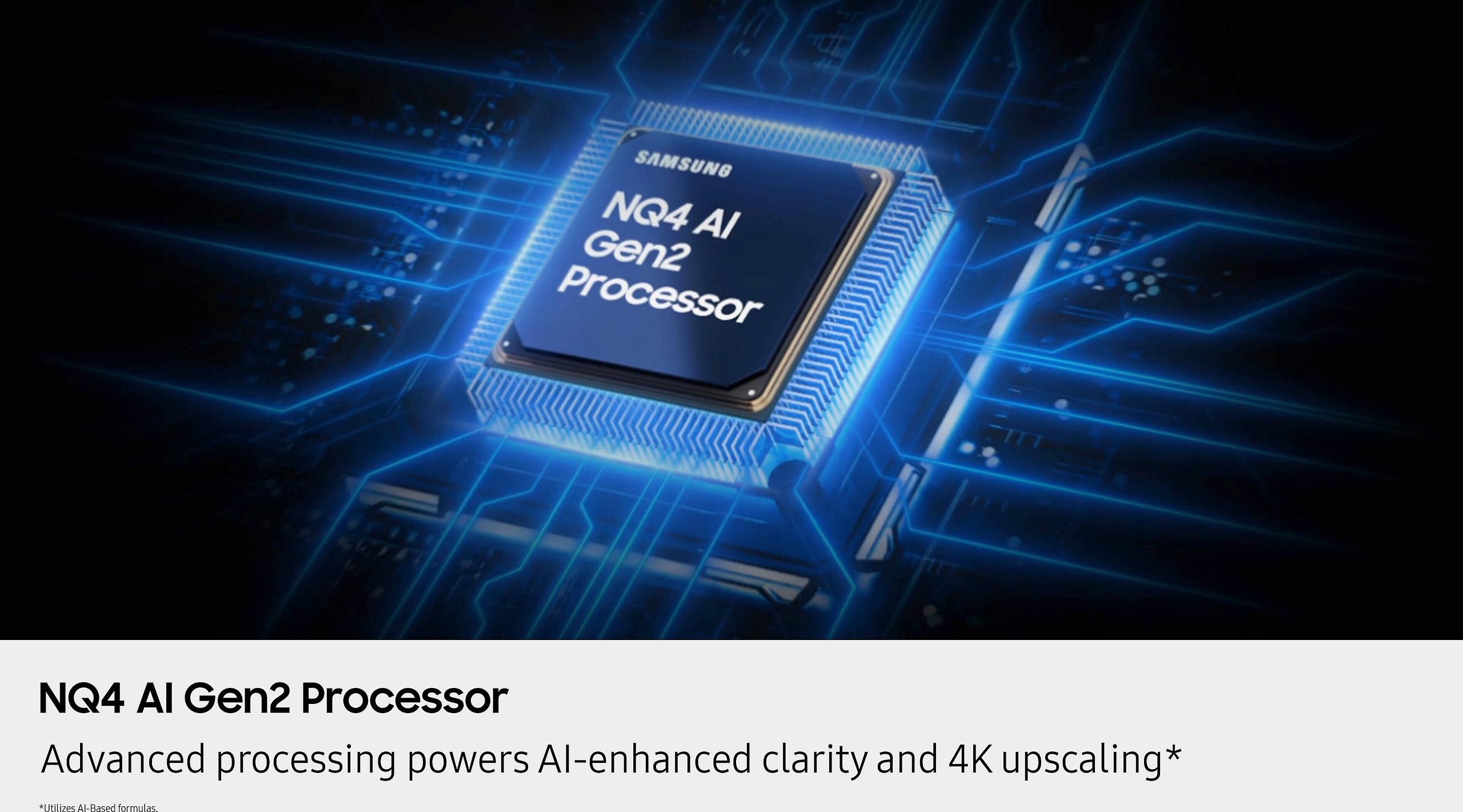
The QN80F takes a more advanced approach with Samsung's Quantum Matrix Technology Core. Instead of having perhaps 50-100 dimming zones like traditional QLED TVs, Mini-LED systems can have hundreds or even thousands of zones. Each Mini-LED is controlled by the NQ4 AI Gen2 processor, which analyzes the image up to 144 times per second to determine optimal brightness levels.
This precision comes with real benefits. In high dynamic range (HDR) content – video that includes both very bright and very dark elements in the same scene – the QN80F can display more dramatic contrasts. Think about a scene where sunlight streams through a window into a dark room; the Mini-LED system can make the sunlight appear genuinely bright while keeping the shadowed areas appropriately dark.
However, our research into user experiences and professional reviews reveals an interesting trade-off. While the Mini-LED system offers more precise control, it can sometimes create uniformity issues. Some users notice that the sides of the screen appear darker than the center, or see subtle "clouding" effects in dark scenes where the backlighting isn't perfectly even.
For most people, peak brightness is one of the most noticeable performance differences between TVs. The QN80F excels here, achieving excellent peak brightness levels that make it ideal for bright living rooms with large windows or daytime viewing. The Mini-LED backlighting allows it to push certain areas of the screen much brighter without affecting other areas.
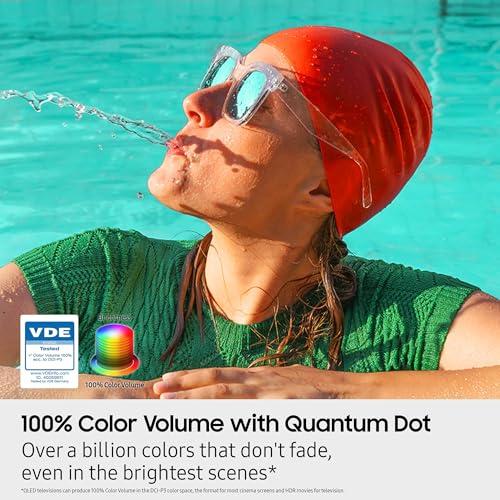
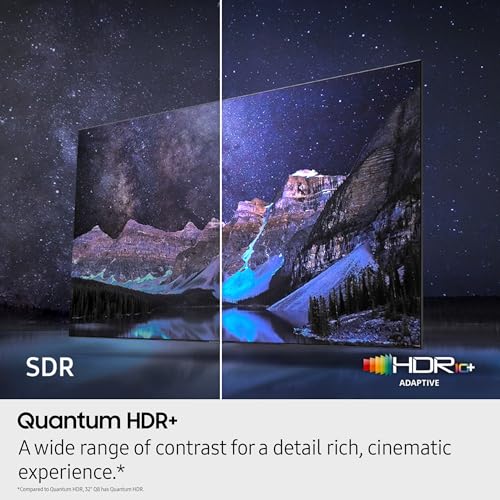
The Q8F, while not as bright overall, still delivers solid performance in moderate lighting conditions. Its Quantum HDR+ system with 100% color volume means it can display vivid, saturated colors even at high brightness levels – something that's particularly noticeable with animated content or vibrant nature documentaries.
When it comes to HDR content, both TVs support HDR10+ (an enhanced version of standard HDR that adjusts brightness scene by scene), but neither supports Dolby Vision. This might matter if you're a serious movie enthusiast who watches a lot of 4K Blu-rays, as Dolby Vision is considered the premium HDR format. However, for streaming content from Netflix, Amazon Prime, and Disney+, both TVs will handle HDR beautifully.
Here's where the comparison gets interesting and somewhat counterintuitive. Based on professional reviews and user feedback, the Q8F actually performs better in dark room scenarios despite being the less expensive model. The Full Array LED system produces more uniform blacks across the entire screen, with less of the "blooming" effect where bright objects seem to glow into darker areas around them.
The QN80F, despite its advanced Mini-LED technology, shows some uniformity issues that become noticeable in dark rooms. Users report seeing subtle cloudiness or uneven brightness when watching dark scenes, particularly during movie credits or in space scenes. This doesn't make it a bad TV, but it's an important consideration if you're planning a dedicated home theater setup where you'll often be watching in complete darkness.
For most mixed-use living rooms where you watch TV with some ambient lighting, these dark room issues become much less noticeable, and the QN80F's superior brightness and contrast control shine through.
Both TVs launched in 2025 with comprehensive gaming features that weren't available in previous generations. The gaming landscape has evolved significantly, with PlayStation 5 and Xbox Series X pushing 4K gaming at high refresh rates, making TV gaming performance more critical than ever.
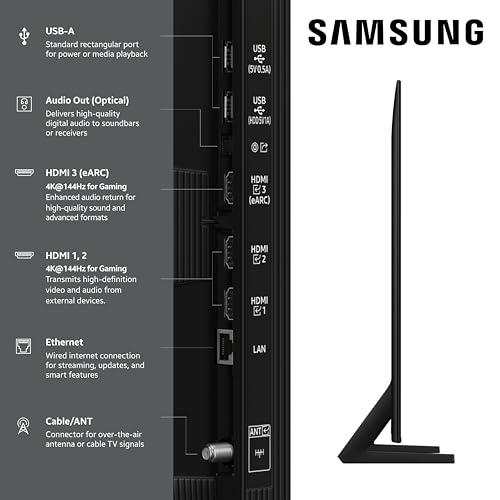
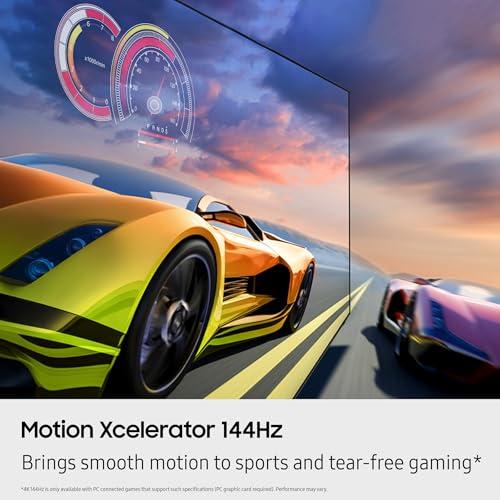
Both the Q8F and QN80F support 144Hz refresh rates, which is excellent for gaming. This means the TV can display up to 144 frames per second, far exceeding what most console games currently output but providing headroom for PC gaming and future console updates.
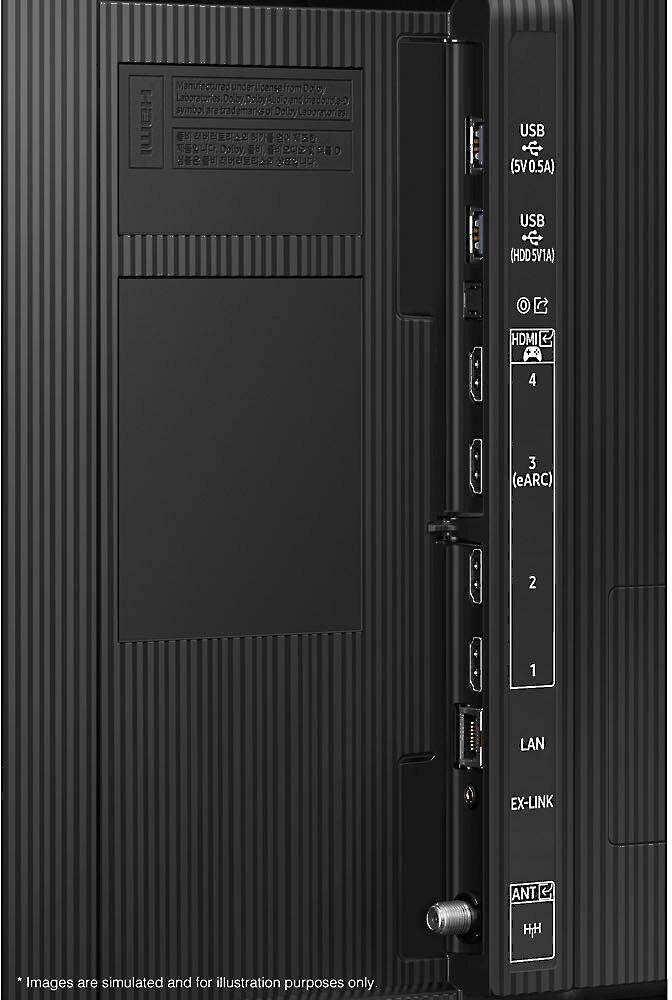
The QN80F has a slight edge here with 144Hz support across all four HDMI 2.1 ports, while also featuring more advanced Variable Refresh Rate (VRR) technology. VRR synchronizes the TV's refresh rate with your gaming device's output, eliminating screen tearing and stuttering during gameplay. The QN80F supports FreeSync Premium Pro, a more advanced version than the Q8F's FreeSync Premium support.
However, our research reveals that the QN80F has noticeable motion blur during fast-paced gaming sequences. If you're playing competitive shooters or racing games where quick movements are crucial, this could be a consideration. The Q8F handles motion more cleanly, which might make it the better choice for serious gaming despite having less advanced VRR technology.
Input lag – the delay between pressing a button and seeing the action on screen – is excellent on both models. The QN80F performs slightly better across all resolutions, but both TVs are well within the acceptable range for competitive gaming (under 20 milliseconds).
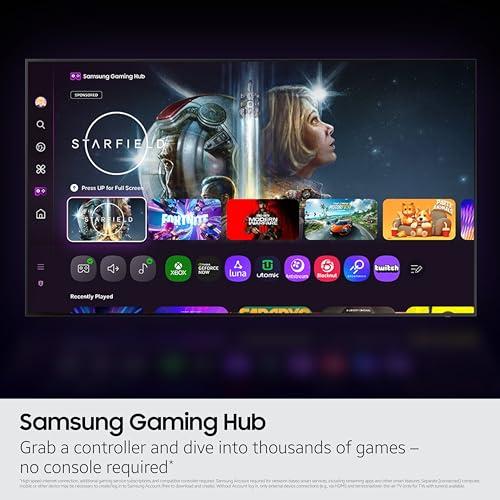
Both TVs include Samsung's AI Auto Game Mode, which automatically detects when you're gaming and switches to optimized settings. They also feature Samsung's Gaming Hub, which allows cloud gaming without needing a console. The Super Ultrawide GameView feature on both models can expand compatible games to use more of the screen, creating an immersive ultrawide monitor experience.
The 2025 models introduced significant improvements in AI processing compared to previous years. The Q8F uses Samsung's Q4 AI processor, while the QN80F features the more advanced NQ4 AI Gen2 processor. These aren't just marketing terms – they represent meaningful differences in how the TVs process and enhance content.
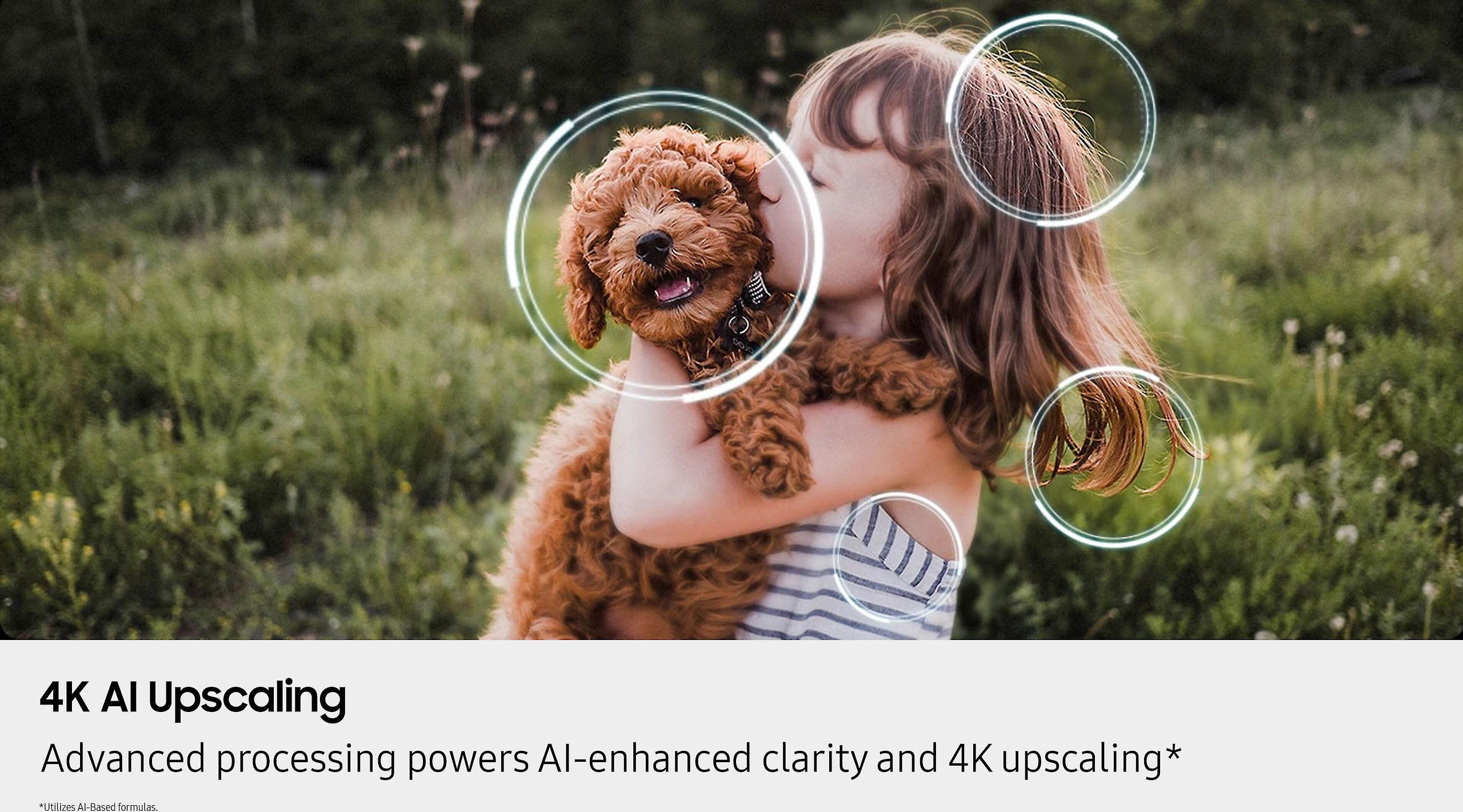
Most content you watch isn't native 4K – it's streamed at lower resolutions or broadcast in 1080p or 720p. The AI processors upscale this content, using machine learning algorithms trained on millions of images to predict what additional detail should be added to make the picture appear sharper and more detailed.
The QN80F's NQ4 AI Gen2 processor is noticeably better at this task. Users report that older TV shows and movies look significantly cleaner and more detailed, with improved facial features and text clarity. The advanced processor also does better at reducing compression artifacts – those blocky or fuzzy areas you sometimes see in streaming video during complex scenes.
The Q8F's Q4 processor handles upscaling well enough for most viewers, but side-by-side comparisons show the difference. If you watch a lot of older content or stream at lower quality due to internet limitations, the processing upgrade might justify the higher cost of the QN80F.
Both TVs include Samsung's 2025 Vision AI suite, which adds several interesting features. Generative Wallpaper uses AI to create unique backgrounds based on keywords you provide – imagine typing "peaceful mountain sunrise" and having the TV generate original artwork to display when not in use. Live Translate can provide real-time subtitles for foreign language content, while Universal Gesture control allows basic TV control through hand movements.
The Bixby voice assistant has been significantly improved for 2025, now capable of processing multiple commands simultaneously and understanding context better. You can say something like "Turn up the volume and switch to Netflix," and it will execute both commands together rather than requiring separate requests.
Both TVs use Samsung's Quantum Dot technology, which creates more accurate and vivid colors by using microscopic particles that emit pure colors when hit by light. The Q8F achieves 100% color volume in the standard BT.709 color space, which covers most content you'll watch.
Surprisingly, based on professional measurements, the Q8F actually delivers more consistent color performance across different brightness levels and content types. The QN80F shows mediocre color volume in wider color spaces like DCI-P3 and BT.2020, which are used for some HDR content and theatrical releases.
This doesn't mean the QN80F has bad colors – they're still excellent – but it highlights that more expensive doesn't always mean better in every category.
Here's where the Q8F clearly wins. Samsung's Ultrawide Viewing Angle technology maintains color accuracy and contrast even when you're sitting significantly off to the side. This is crucial for family movie nights or when entertaining guests where not everyone can sit directly in front of the TV.
The QN80F has poor viewing angles, with colors shifting noticeably and blacks appearing washed out when viewed from the side. If you have a wide seating arrangement or a room where people regularly sit at angles to the TV, this could be a deal-breaker despite the QN80F's other advantages.
At the time of writing, the QN80F commands a significant premium over the Q8F – roughly 25-30% more expensive. The question becomes whether the Mini-LED technology and advanced processing justify this cost increase.
For bright rooms where you do most of your viewing during the day, the QN80F's superior brightness and HDR performance provide real, noticeable benefits. The advanced upscaling is also valuable if you frequently watch lower-quality content. However, you're paying extra for technology that comes with some compromises in dark room performance and viewing angles.
The Q8F offers what many would consider the better all-around experience. It performs well in most lighting conditions, offers superior viewing angles for family use, and costs significantly less. The money saved could go toward a good soundbar, which would improve your viewing experience more than the incremental picture quality differences between these models.
You want the best overall value and versatility. The Samsung Q8F excels when you need consistent performance across different viewing scenarios. It's ideal for family rooms where people sit at various angles, mixed lighting environments, and home theater setups where dark room uniformity matters. The savings compared to the QN80F are substantial and could fund other home entertainment improvements.
The Q8F is also the better choice if you prioritize gaming performance over absolute peak brightness, thanks to its superior motion handling and viewing angle flexibility for multiplayer gaming sessions.
You have a bright room and are willing to pay for cutting-edge display technology. The Samsung QN80F justifies its premium price when you primarily watch during daytime hours or in well-lit rooms where its superior brightness provides genuine advantages. The advanced AI processing also adds value if you frequently watch older or lower-quality content that benefits from upscaling.
Choose the QN80F if you have a more fixed seating arrangement where viewing angles aren't a major concern, and you want the latest Mini-LED technology even with its current limitations.
After extensive research into both professional reviews and user experiences, the Samsung Q8F emerges as the more sensible choice for most buyers. While the QN80F represents impressive technology, its benefits are situation-specific and come with notable trade-offs in dark room performance and viewing angles.
The Q8F delivers a more balanced, consistent experience that performs well across all use cases without breaking the budget. Its superior value proposition makes it easier to recommend to a broader range of users. Save the premium of the QN80F unless you specifically need its bright room advantages and can accept its limitations in darker viewing environments.
Both TVs represent excellent options in the 2025 TV market, but the Q8F achieves that sweet spot of performance, features, and value that makes it the smarter choice for most living rooms.
| Samsung 65" QLED Q8F 4K Smart TV 2025 | Samsung 65" QN80F Neo QLED 4K TV |
|---|---|
| Display Technology - Core backlight system affects contrast and uniformity | |
| QLED with Full Array LED backlight | Neo QLED with Mini-LED backlight (Quantum Matrix Technology) |
| Processor - Determines upscaling quality and AI features | |
| Q4 AI processor | NQ4 AI Gen2 processor (more advanced) |
| Peak Brightness - Critical for bright room viewing and HDR impact | |
| Good brightness for moderate lighting | Excellent peak brightness, ideal for bright rooms |
| Dark Room Performance - Important for home theater setups | |
| Superior black uniformity, minimal blooming | Some uniformity issues and backlight glow reported |
| Viewing Angles - Matters for family seating arrangements | |
| Ultrawide Viewing Angle technology maintains colors off-axis | Poor viewing angles with noticeable color shifting |
| Local Dimming Zones - More zones provide better contrast control | |
| Full Array with fewer, well-managed zones | Mini-LED with more precise zones but uniformity trade-offs |
| Gaming Refresh Rate - Higher rates reduce motion blur | |
| 144Hz with VRR FreeSync Premium | 144Hz on all HDMI 2.1 ports with VRR FreeSync Premium Pro |
| Motion Handling - Critical for sports and fast gaming | |
| Clean motion with minimal blur | Noticeable motion blur in fast sequences |
| HDR Support - Determines premium content compatibility | |
| Quantum HDR+ with 100% color volume (BT.709) | Neo Quantum HDR (no Dolby Vision on either) |
| Color Performance - Affects vibrancy and accuracy | |
| Consistent color across brightness levels | Mediocre color volume in wider color spaces |
| Input Lag - Lower is better for gaming responsiveness | |
| Good gaming performance across resolutions | Excellent input lag performance |
| Smart Features - AI capabilities and voice control | |
| Samsung Vision AI suite, Bixby voice control | Same Vision AI suite with more advanced processing |
| Best Use Case - Where each model excels | |
| Mixed lighting, family rooms, home theater, better value | Bright rooms, daytime viewing, latest technology showcase |
The Samsung QN80F Neo QLED is significantly better for bright rooms thanks to its Mini-LED backlighting that achieves excellent peak brightness levels. The Samsung Q8F performs well in moderate lighting but can struggle with glare in very bright environments. If your living room has large windows or you watch TV primarily during daytime hours, the QN80F is the clear winner.
The Samsung Q8F uses traditional QLED technology with Full Array LED backlighting and larger dimming zones. The Samsung QN80F Neo QLED features Mini-LED technology with much smaller LEDs that create thousands of precise dimming zones. Neo QLED offers better contrast control and brightness, but the Q8F provides more consistent uniformity across the screen.
Both TVs offer excellent gaming features with 144Hz refresh rates and low input lag. The QN80F has a slight edge with FreeSync Premium Pro and 144Hz support on all HDMI ports. However, the Samsung Q8F handles motion better with less blur during fast gaming sequences, making it potentially better for competitive gaming despite having slightly less advanced VRR technology.
The Samsung Q8F has significantly better viewing angles thanks to Samsung's Ultrawide Viewing Angle technology. Colors and contrast remain consistent even when sitting off to the side. The QN80F has poor viewing angles with noticeable color shifting and washed-out blacks when viewed from an angle, making the Q8F much better for family movie nights.
For dedicated home theater use in dark rooms, the Samsung Q8F is surprisingly the better choice. It delivers superior black uniformity with minimal blooming effects, creating a more cinematic experience. While the QN80F Neo QLED has more advanced technology, it suffers from uniformity issues and backlight glow that become noticeable in completely dark viewing environments.
Both the Q8F and QN80F include Samsung's 2025 Vision AI suite with features like Generative Wallpaper and Live Translate. The key difference is the processor: the QN80F uses the more advanced NQ4 AI Gen2 chip that provides better upscaling of lower-quality content and more sophisticated scene analysis compared to the Q4 AI processor in the Samsung Q8F.
The Samsung Q8F offers significantly better value, providing excellent picture quality and gaming features at a lower cost. While the QN80F has more advanced Mini-LED technology, it comes with notable trade-offs in dark room performance and viewing angles that may not justify the premium price for most buyers.
Yes, both the Samsung Q8F and QN80F Neo QLED support HDR10 and HDR10+ with adaptive tone mapping. However, neither model supports Dolby Vision, which might be a consideration for movie enthusiasts. The Q8F achieves 100% color volume in standard color spaces, while the QN80F focuses more on peak brightness than color volume.
The Samsung Q8F handles motion better with cleaner, less blurry movement during fast-paced content like sports. The QN80F suffers from noticeable motion blur during rapid sequences, which can be distracting when watching football or basketball. Both support Motion Xcelerator 144Hz technology, but the implementation favors the Q8F.
Both TVs use Samsung's Quantum Dot technology for vibrant colors. The Samsung Q8F delivers more consistent color performance across different brightness levels and content types. The QN80F excels in peak brightness and contrast control but shows mediocre color volume in wider color spaces. For overall picture consistency, the Q8F is more reliable.
The Samsung Q8F performs better in mixed lighting environments where you watch TV at different times of day with varying ambient light. Its superior viewing angles and consistent picture quality make it more versatile. The QN80F Neo QLED is optimized for bright conditions but struggles more in dark room scenarios, making the Q8F the better all-around choice.
Choose the Samsung Q8F if you want the best overall value with consistent performance across all viewing conditions, especially if you have multiple seating positions or watch in varying lighting. Choose the QN80F Neo QLED only if you have a consistently bright room, primarily watch during daytime hours, and are willing to pay extra for Mini-LED technology despite its limitations in dark room uniformity.
We've done our best to create useful and informative comparisons to help you decide what product to buy. Our research uses advanced automated methods to create this comparison and perfection is not possible - please contact us for corrections or questions. These are the sites we've researched in the creation of this article: bestbuy.com - rtings.com - tomsguide.com - youtube.com - samsung.com - youtube.com - youtube.com - youtube.com - rtings.com - rtings.com - linqcdn.avbportal.com - bestbuy.com - samsung.com - samsung.com - samsung.com - youtube.com - youtube.com - billsmith.com - samsung.com - samsung.com - samsung.com - hometechnologyreview.com - shopjetson.com - certappl.com - samsung.com - theapplianceplug.com - samsung.com - manuals.plus - bestbuy.com - device.report - samsung.com - shopsilica.com - dentonstv.com - samsung.com - theshortcut.com - youtube.com - bestbuy.com - rtings.com - samsung.com - samsung.com - samsung.com - sargentappliance.com - displayspecifications.com - bestbuy.com

Privacy Policy
Terms and Conditions - Affiliate Policy
Home Security
© Copyright 2008-2026.
11816 Inwood Rd #1211, Dallas, TX 75244