

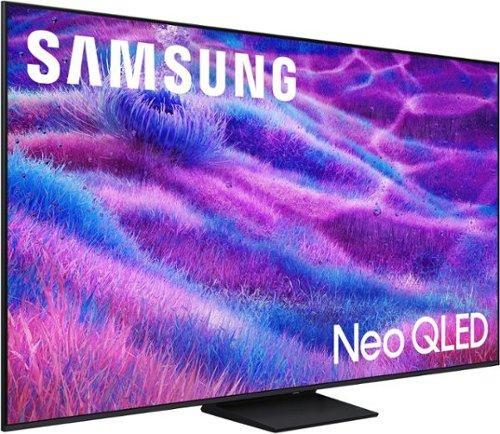
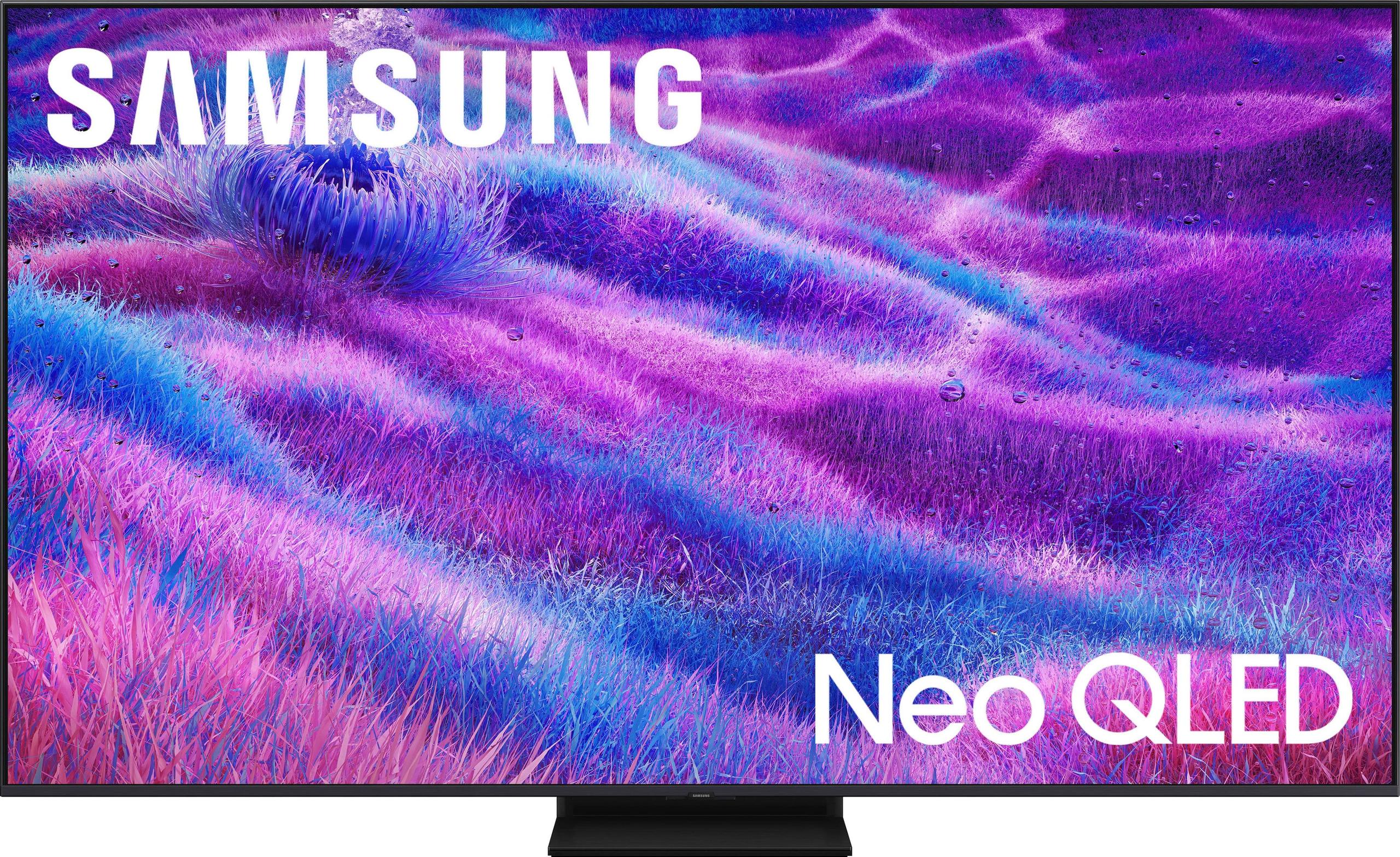
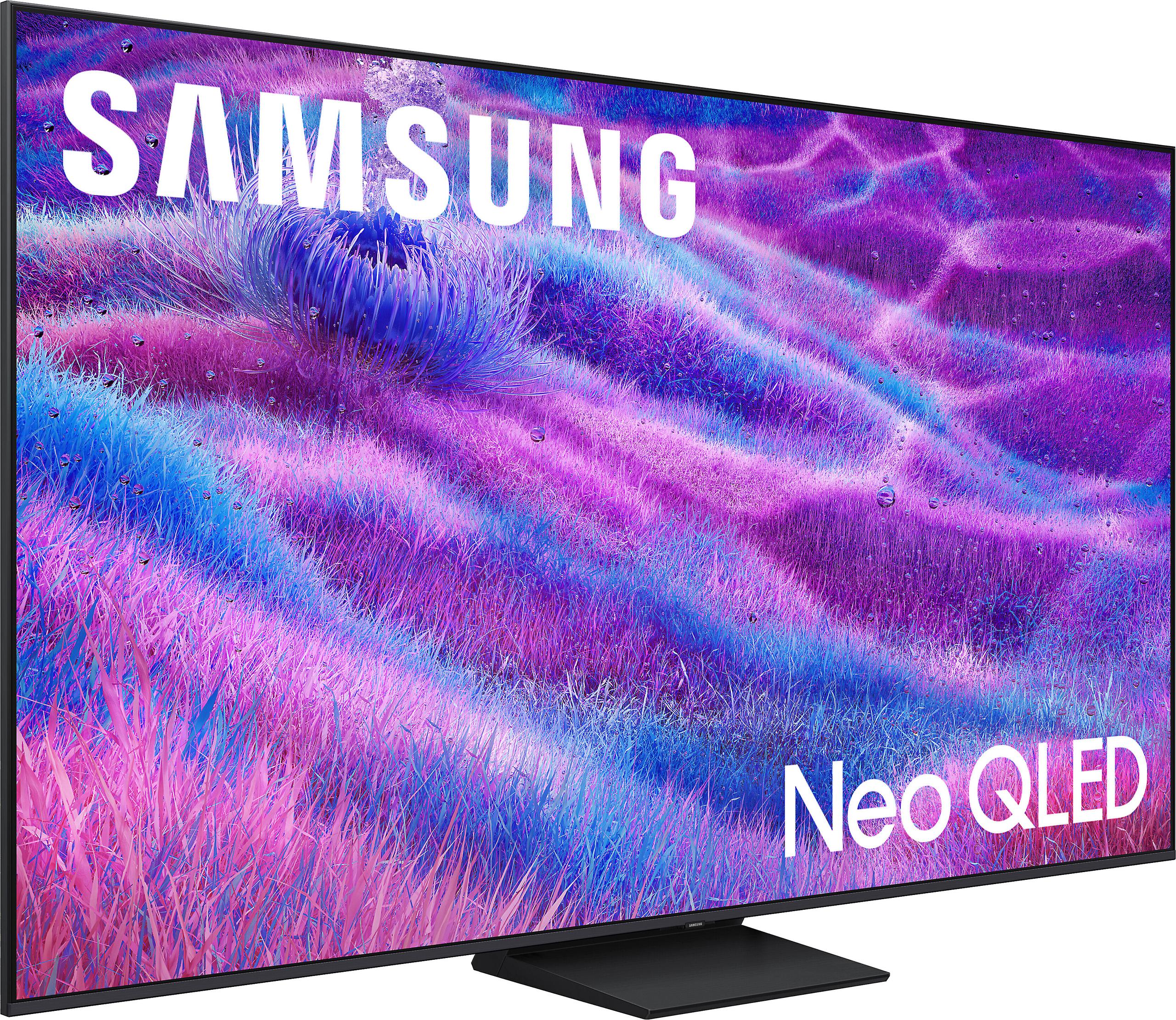
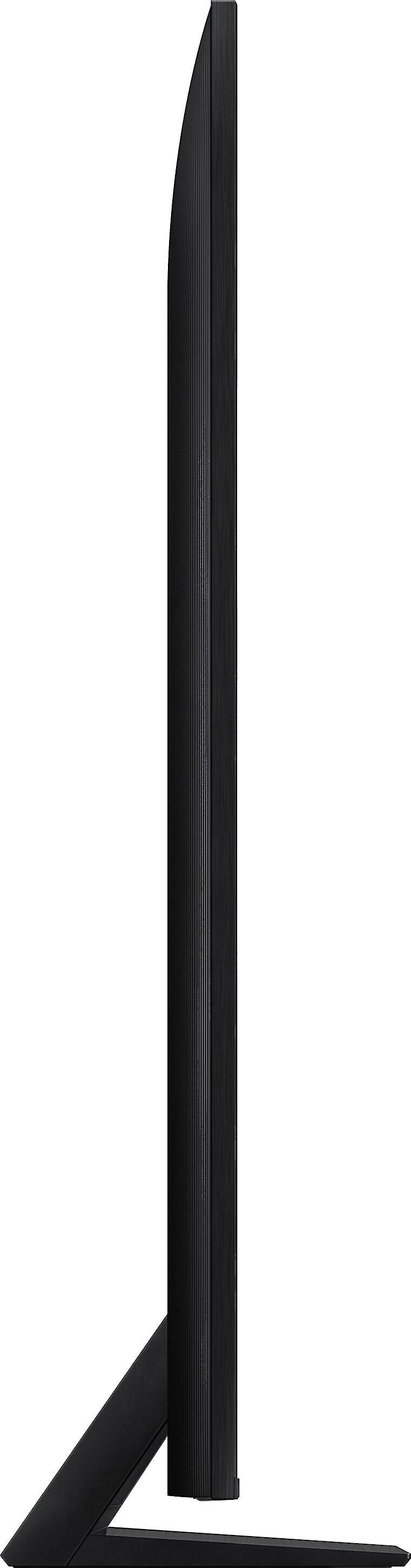
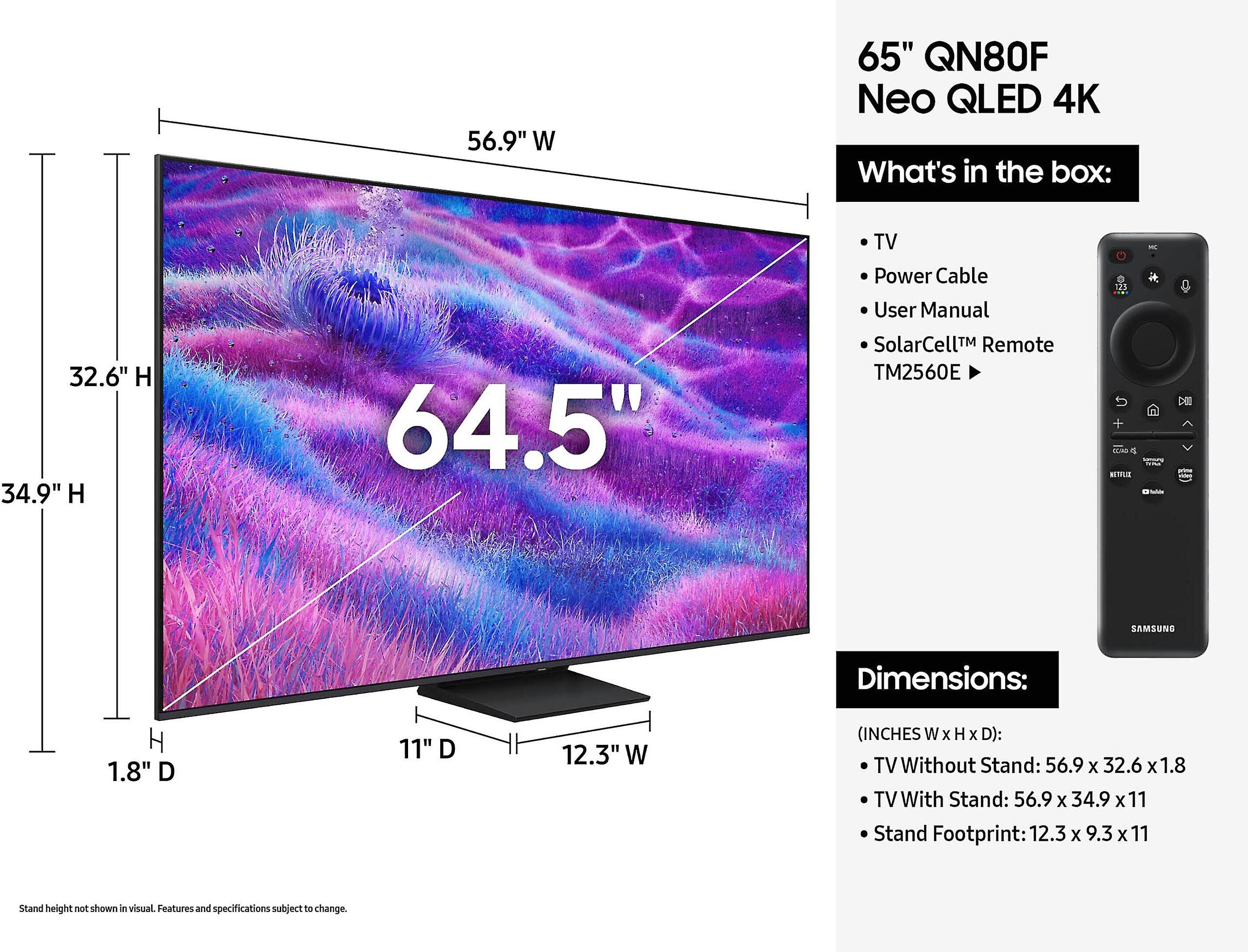
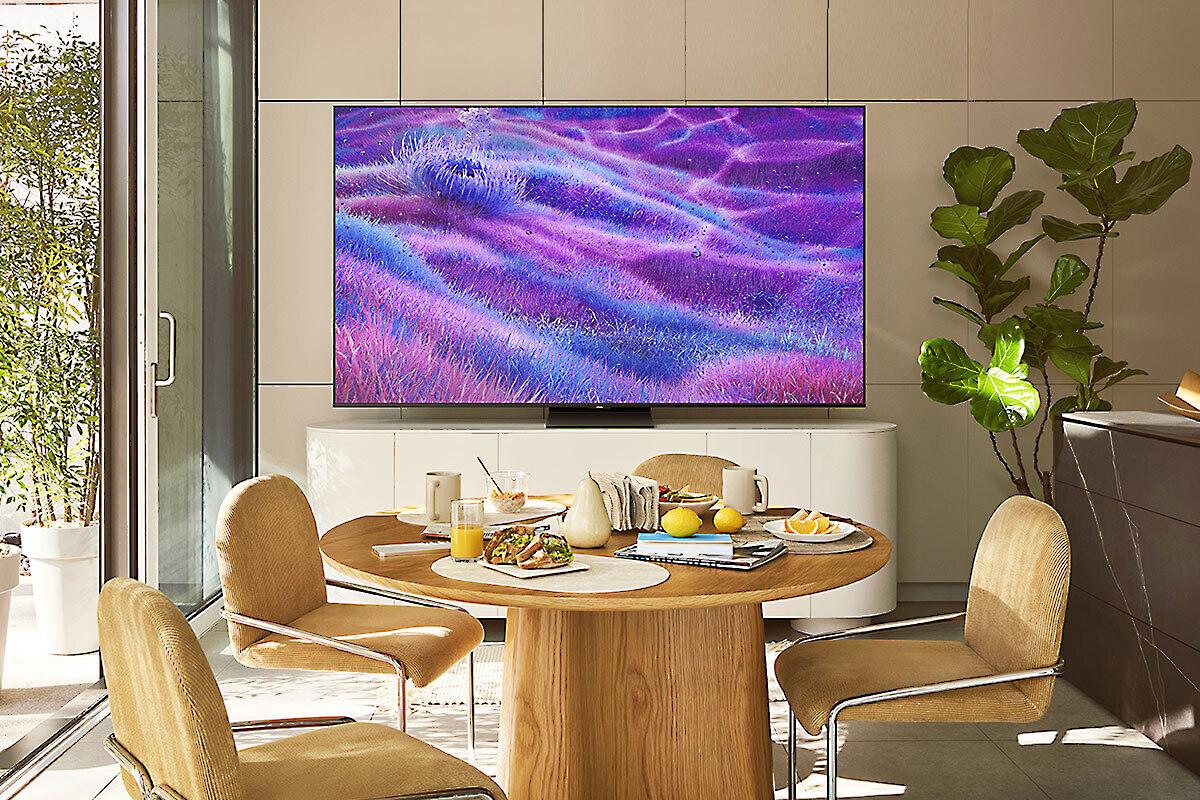
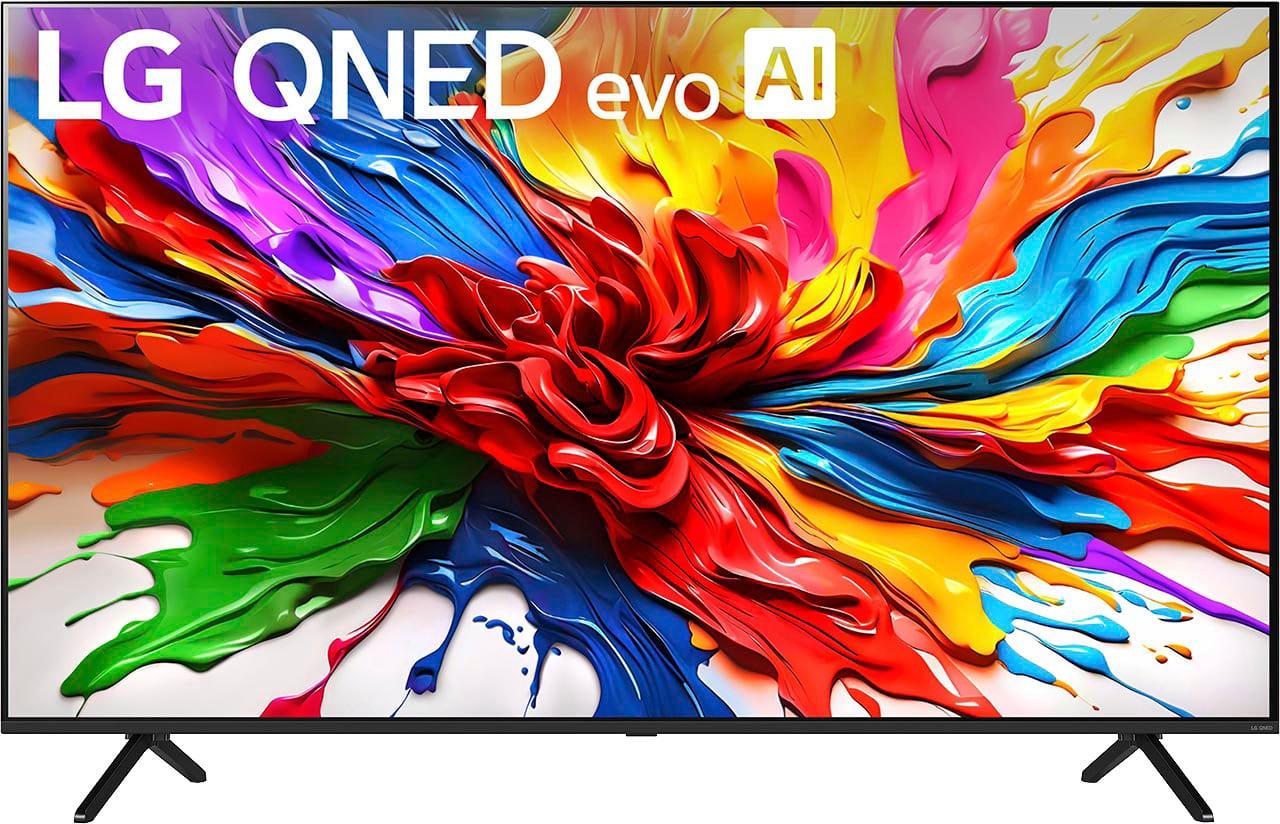
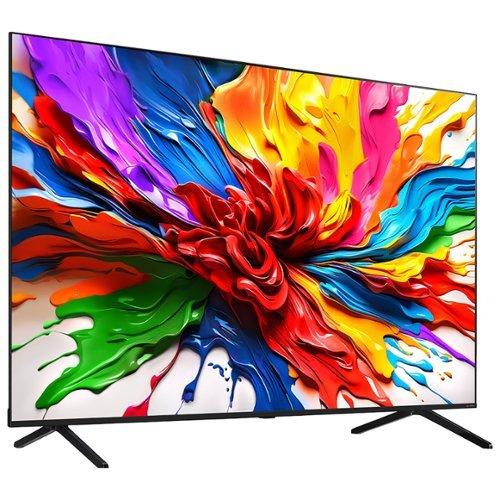
Shopping for a premium TV in 2025? You've likely stumbled across two compelling options that represent the cutting edge of LCD display technology: the Samsung 65" QN80F Neo QLED 4K TV and the LG 65" QNED92A QNED evo AI Mini LED 4K TV. Both launched in 2025 and sit at similar price points (at the time of writing), but they take distinctly different approaches to delivering that premium viewing experience we all crave.
Let me walk you through everything you need to know about these two powerhouse TVs, diving deep into what makes each one special and helping you figure out which one deserves a spot in your living room.
Before we dive into the specifics, let's talk about what makes Mini LED TVs such a big deal. Traditional LED TVs use relatively large LEDs around the edges or behind the screen to light up the display. The problem? You can't control them precisely enough to get truly deep blacks alongside bright highlights – something called "local dimming" in TV speak.
Mini LED technology changes this game entirely. Instead of dozens of large LEDs, these TVs pack in thousands of tiny LEDs, each roughly the size of a grain of rice. This allows for much more precise control over which parts of the screen are bright and which are dark. The result? You get contrast levels that approach OLED TVs (which can turn individual pixels completely off) while maintaining the superior brightness that LCD panels are known for.
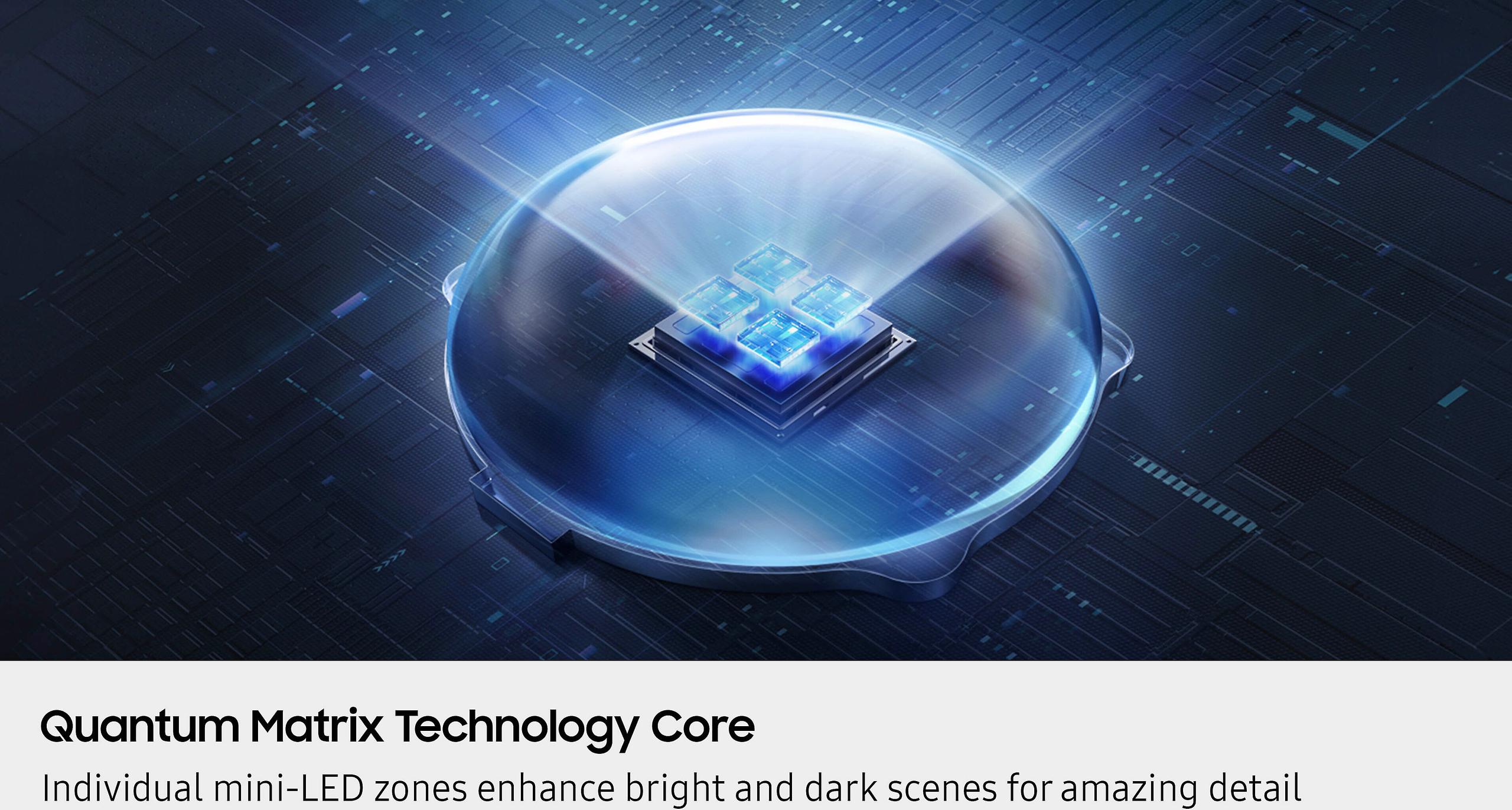
Both the Samsung QN80F and LG QNED92A represent the current state-of-the-art in this technology, but they implement it quite differently. The Samsung uses what they call "Quantum Matrix Technology Core" – essentially their fancy name for extremely precise Mini LED control combined with quantum dots (tiny particles that enhance color accuracy). Meanwhile, LG's approach centers around their "Precision Dimming Pro" system, which manages hundreds of individual dimming zones to create deeper blacks and brighter highlights.
When it comes to raw brightness – and trust me, this matters more than most people realize – the LG QNED92A takes a commanding lead. Professional testing shows it hitting peaks of up to 1,520 nits, which is genuinely impressive for any TV, let alone one at this price point. For context, most regular LED TVs max out around 400-600 nits, while even premium OLED TVs typically cap out around 800-1,000 nits.
Why does brightness matter so much? Two words: HDR content. High Dynamic Range video contains information about extremely bright highlights – think the glint of sunlight off a car windshield or the glow of a lightsaber. Without sufficient brightness, your TV simply can't display these details as the content creator intended. The LG QNED92A excels here, making it particularly suited for bright living rooms where you might be battling afternoon sunlight streaming through windows.
The Samsung QN80F, while not quite reaching those peak brightness levels, implements something equally valuable: superior blooming control. "Blooming" is that annoying halo effect you sometimes see around bright objects on dark backgrounds – like white text on a black screen creating a subtle glow around the letters. Samsung's Quantum Matrix Technology does an exceptional job minimizing this issue, resulting in cleaner, more precise imagery especially in dark scenes.
Here's where things get really interesting from a technical standpoint. The LG QNED92A achieves what's called "100% color volume" certification from Intertek. This essentially means it can display vivid, saturated colors at both bright and dark luminance levels – something that's surprisingly difficult for displays to achieve. Most TVs can show vibrant reds and blues when the scene is bright, but those same colors often look washed out in darker scenes. LG's implementation maintains color saturation across the entire brightness range.
The Samsung QN80F takes a different approach with its quantum dot technology and Color Booster Pro feature. Quantum dots are microscopic particles that, when hit by light, emit very pure colors. This results in excellent color accuracy and a wide color gamut (the range of colors the TV can display). In my experience, Samsung's color processing tends to produce images that feel more natural and film-like, while LG often delivers more vibrant, eye-catching colors that really pop off the screen.
There's one critical difference in HDR format support that could be a dealbreaker for some: the Samsung QN80F doesn't support Dolby Vision, the premium HDR standard used by Netflix, Apple TV+, and many 4K Blu-rays. Instead, it supports HDR10+, Samsung's competing format. The LG QNED92A supports both Dolby Vision and HDR10+, giving you maximum compatibility with streaming services and physical media.
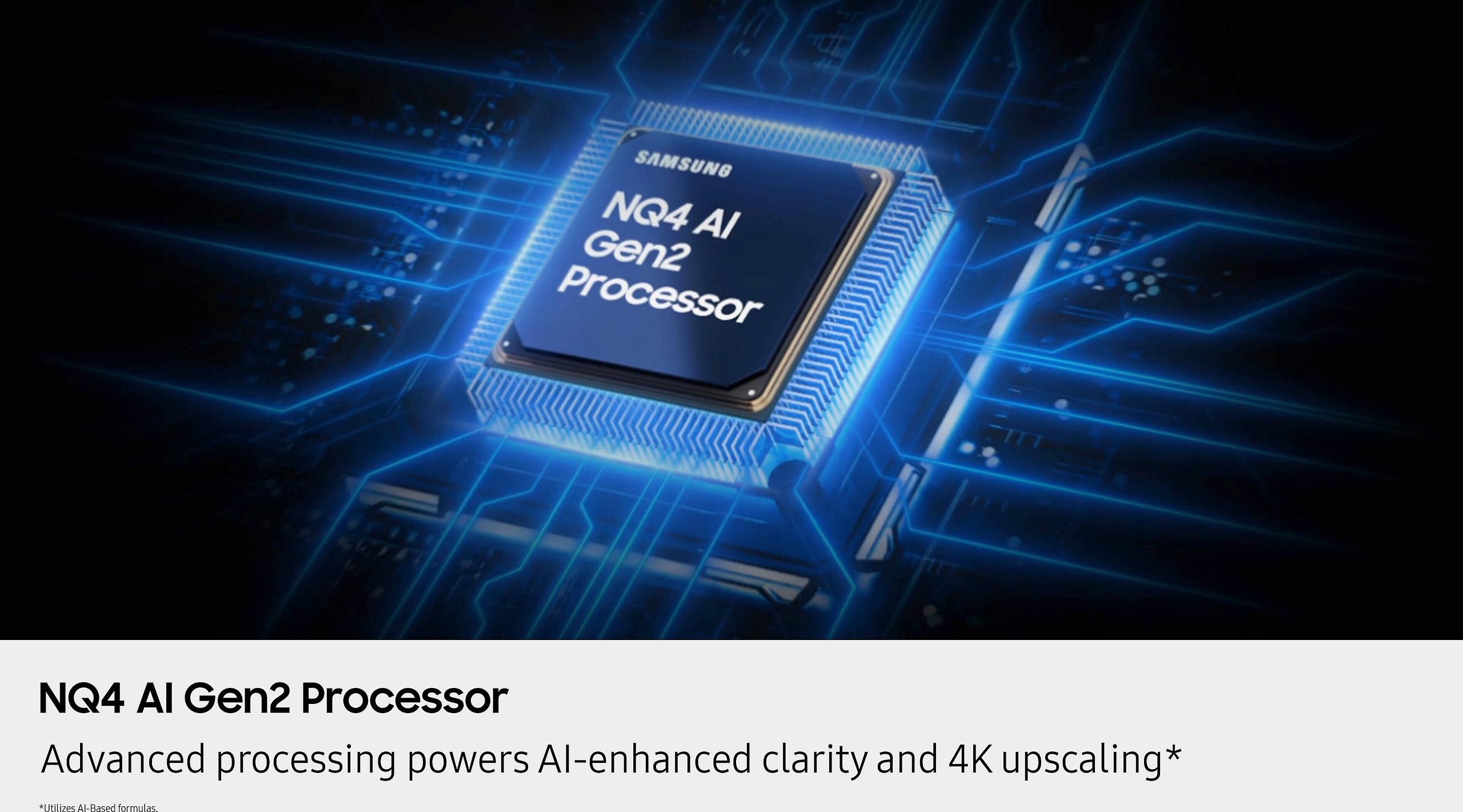
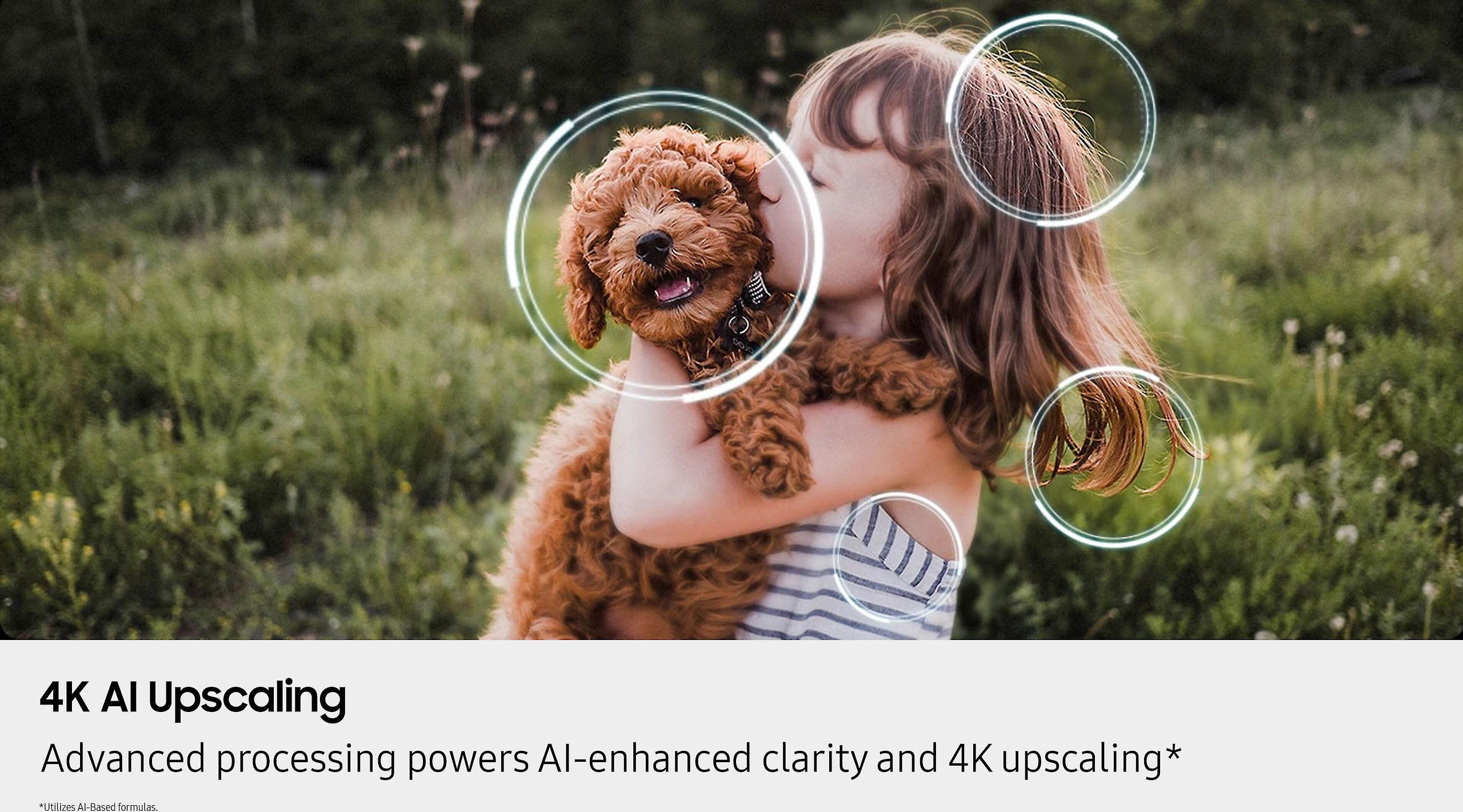
Both TVs lean heavily on artificial intelligence to enhance picture quality, but they approach it differently. The Samsung QN80F uses the NQ4 AI Gen2 Processor, which excels at upscaling lower-resolution content to near-4K quality. This is crucial since most of what we watch – whether it's Netflix shows, YouTube videos, or cable TV – isn't actually filmed in 4K.
The LG QNED92A counters with its α8 AI Processor Gen2, which focuses more on real-time optimization. It analyzes what type of content you're watching (sports, movies, animation) and adjusts picture settings accordingly. Watching a football game? It'll enhance motion clarity and boost colors to make the grass look more vibrant. Settling in for a dark thriller? It'll optimize shadow detail and adjust the color temperature for better nighttime viewing.
Gaming on these TVs is where things get genuinely exciting, especially if you're running a PlayStation 5, Xbox Series X, or a high-end gaming PC. Both TVs support the holy trinity of modern gaming features: 4K resolution, high refresh rates, and Variable Refresh Rate (VRR) technology.
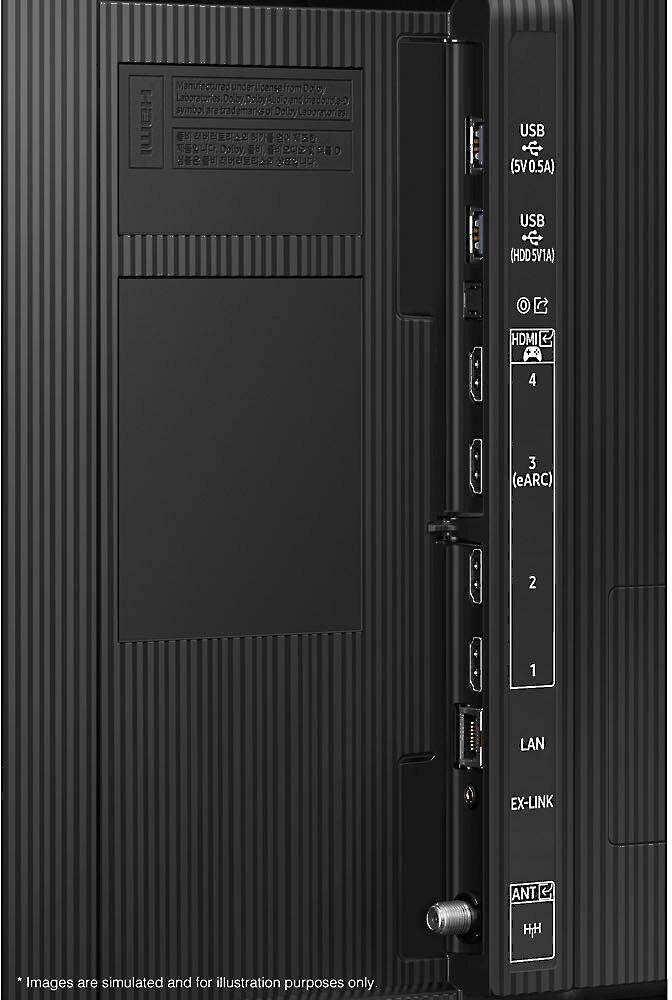
The Samsung QN80F takes the crown for pure gaming performance with its support for up to 4K at 144Hz. This means if you have a gaming PC capable of pushing frame rates above 120 fps, the Samsung can display every single frame. All four HDMI ports support the full suite of gaming features, including Auto Low Latency Mode (which automatically switches to game mode when it detects a console) and support for FreeSync, G-Sync Compatible, and HDMI Forum VRR.
The LG QNED92A caps out at 4K/120Hz, which is still excellent and more than sufficient for current-generation consoles. What it lacks in raw refresh rate capability, it makes up for in gaming ecosystem features. LG has built-in support for cloud gaming services like GeForce NOW and Xbox Cloud Gaming, essentially turning your TV into a gaming console without needing additional hardware. The Game Optimizer and Game Dashboard provide quick access to gaming-specific settings without diving into complex menus.
Input lag – the delay between pressing a button and seeing the action on screen – is critical for competitive gaming. Both TVs perform exceptionally well here, with the LG QNED92A measuring an impressive 9.6ms in game mode. The Samsung QN80F delivers similarly low input lag across all its gaming modes, making either TV suitable for serious gaming.
The smart TV experience has evolved dramatically over the past few years, and both manufacturers have invested heavily in making their TVs genuinely intelligent. The Samsung QN80F introduces Samsung Vision AI, which includes some genuinely useful features like Live Translate (real-time translation of foreign language content) and Generative Wallpaper (AI-created backgrounds based on your preferences).
One standout Samsung feature is their new glare-free technology. If you've ever tried watching TV with bright windows behind you, you know how frustrating screen reflections can be. Samsung has developed a special screen coating that significantly reduces these reflections without making the image look dull or washed out. It's one of those features that seems minor until you experience it, then you wonder how you lived without it.
The LG QNED92A runs webOS 25, which has evolved into one of the most user-friendly smart TV platforms available. The interface is clean, responsive, and includes over 300 free streaming channels. What really sets LG apart, though, is their commitment to long-term software support. They guarantee five years of software updates through their Re:New Program, ensuring your TV stays current with new apps and features well into the future.
Perhaps the most innovative feature of the LG QNED92A is the Zero Connect Box – a separate device that wirelessly transmits video and audio signals to the TV. This means you only need to run a single power cable to the TV itself, with all your devices connecting to a box you can hide elsewhere in your room. It's a game-changer for wall-mounted installations or situations where running cables is challenging.
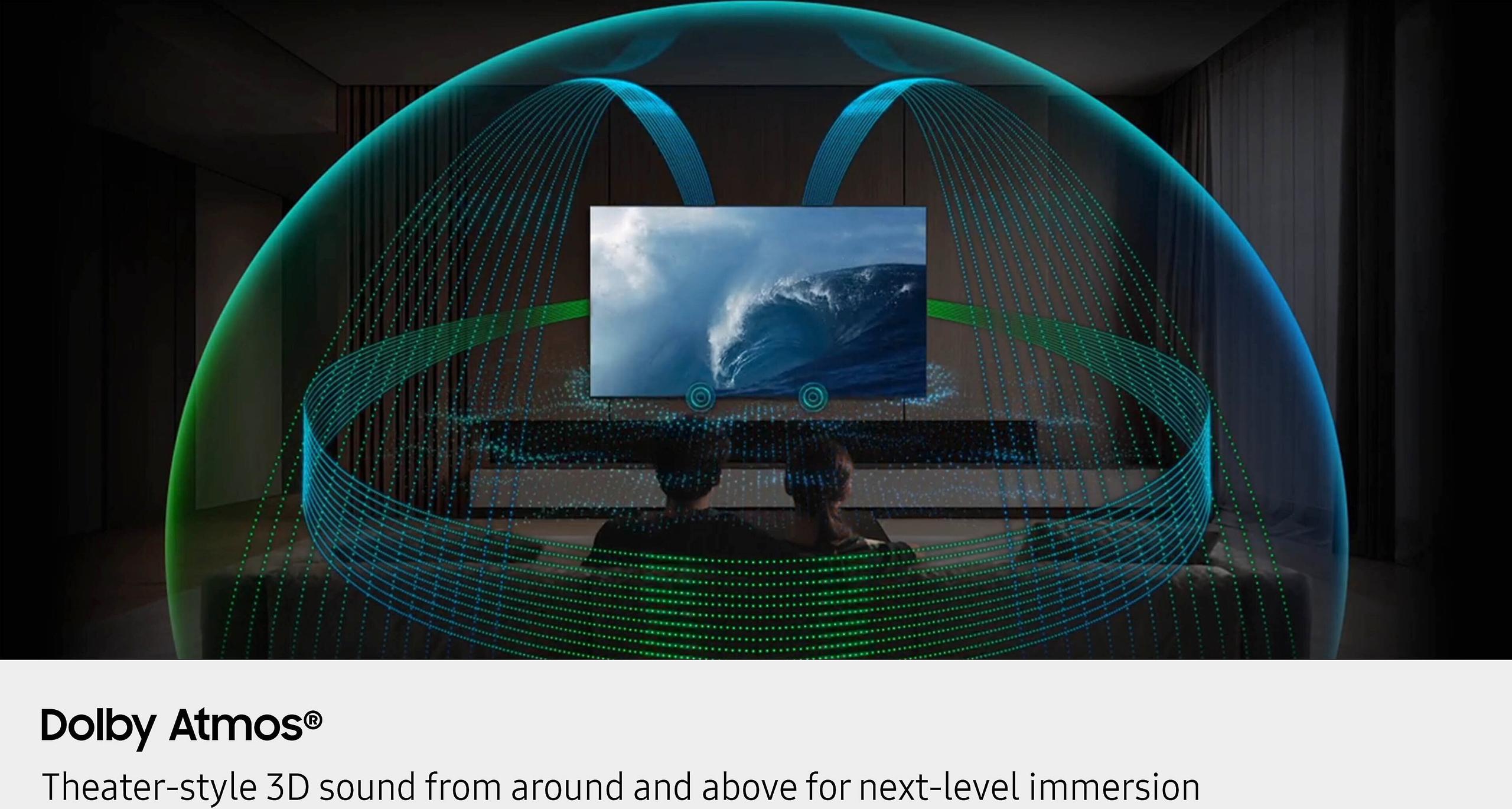
Built-in TV audio has improved dramatically in recent years, and both of these sets deliver respectable sound quality without requiring an immediate soundbar upgrade. The Samsung QN80F provides 30 watts of power through a 4-channel speaker system, with support for Dolby Atmos and Samsung's Adaptive Sound Pro technology. This AI-driven audio feature analyzes what you're watching and adjusts the sound accordingly – boosting dialogue clarity during movies or enhancing crowd noise during sports.
The LG QNED92A takes a different approach with its 2.2 channel system and α8 AI Sound Pro processing. While it may have fewer discrete channels than the Samsung, LG's processing is particularly good at creating a sense of spatial audio from the TV's built-in speakers. Both TVs support connecting wireless speakers for expanded audio, though you'll likely want to consider a dedicated soundbar for the best home theater experience.
At the time of writing, both TVs are priced competitively within the premium Mini LED category, typically falling in the upper-mid range for 65-inch displays. The value proposition comes down to which features matter most to your specific viewing habits and room setup.
The Samsung QN80F offers better value if you prioritize gaming performance, particularly if you have or plan to upgrade to a high-end gaming PC. The 144Hz capability and superior motion handling make it future-proof for gaming scenarios that aren't even mainstream yet. The glare-free technology also adds real value in bright rooms.
The LG QNED92A delivers superior long-term value through its five-year software update guarantee and innovative Zero Connect wireless system. The higher peak brightness and comprehensive HDR format support make it better suited for home theater enthusiasts who want maximum compatibility with streaming services and 4K Blu-rays.
If you're building a dedicated home theater, several factors become particularly important. The LG QNED92A has clear advantages here: superior peak brightness for HDR content, comprehensive HDR format support including Dolby Vision, and better viewing angle performance thanks to its panel technology. The Zero Connect Box also simplifies installation in custom theater setups where running cables can be challenging.
However, the Samsung QN80F's superior blooming control becomes more noticeable in dark room viewing environments typical of home theaters. If you primarily watch movies and TV shows in a light-controlled room, the Samsung's more precise local dimming might provide a more cinematic experience.
After spending considerable time with both displays, here's my take on who should choose what:
Choose the Samsung 65" QN80F Neo QLED 4K TV if you're a serious gamer who wants the absolute best performance, especially if you have a high-end gaming PC. The 144Hz capability, excellent motion handling, and superior blooming control make it ideal for fast-paced gaming and dark room movie watching. The glare-free technology is also a significant advantage if your TV will be in a bright room with lots of windows.
Go with the LG 65" QNED92A QNED evo AI Mini LED 4K TV if you want maximum brightness for bright room viewing, comprehensive streaming compatibility (especially Dolby Vision), and long-term peace of mind through the five-year software update guarantee. The Zero Connect wireless system is revolutionary if you're wall-mounting or have cable management challenges, and the higher peak brightness makes HDR content truly spectacular.
Both represent excellent value in the premium TV market at the time of writing. The choice ultimately comes down to whether you prioritize gaming performance and glare reduction (Samsung) or maximum brightness and long-term support (LG). Either way, you're getting cutting-edge Mini LED technology that delivers a premium viewing experience that was impossible at this price point just a few years ago.
The TV landscape evolves quickly, but both the Samsung QN80F and LG QNED92A are built to remain relevant and impressive well into the future. Choose based on your specific needs, and you'll be happy with either decision.
| Samsung 65" QN80F Neo QLED 4K TV | LG 65" QNED92A QNED evo AI Mini LED 4K TV 2025 |
|---|---|
| Display Technology - Core foundation affecting all picture quality aspects | |
| Neo QLED with Quantum Matrix Technology Core Mini LED | QNED Mini LED with Precision Dimming Pro (hundreds of zones) |
| Peak Brightness - Critical for HDR impact and bright room viewing | |
| Good brightness with superior blooming control | Up to 1,520 nits (25% window) - excellent for bright rooms |
| HDR Format Support - Determines streaming service and disc compatibility | |
| HDR10, HDR10+ (no Dolby Vision support) | Dolby Vision, HDR10, HDR10+, HLG (comprehensive support) |
| Gaming Performance - Maximum refresh rate and input lag | |
| 4K @ 144Hz, VRR, <10ms input lag (best for PC gaming) | 4K @ 120Hz, VRR, 9.6ms input lag (excellent for console gaming) |
| Color Performance - Accuracy and vibrancy of displayed colors | |
| Quantum Dot with Color Booster Pro (natural, film-like colors) | 97% DCI-P3, 100% Color Volume certified (vibrant, punchy colors) |
| AI Processing - Intelligence behind picture and sound optimization | |
| NQ4 AI Gen2 Processor with 4K AI Upscaling | α8 AI Processor Gen2 with real-time content optimization |
| Smart TV Platform - User experience and app ecosystem | |
| Samsung Vision AI with glare-free technology | webOS 25 with 5-year software update guarantee |
| Audio System - Built-in sound quality and features | |
| 30W, 4-channel system, Dolby Atmos, Adaptive Sound Pro | 2.2 channel system, α8 AI Sound Pro, Dolby Atmos |
| Unique Innovation - Standout feature that differentiates each model | |
| Glare-free screen technology reduces reflections | Zero Connect Box for wireless video transmission |
| Gaming Ecosystem - Built-in gaming services and features | |
| AI Auto Game Mode with motion enhancement | GeForce NOW and Xbox Cloud Gaming built-in |
| Warranty and Support - Long-term value and peace of mind | |
| 1 year parts and labor warranty | 1 year warranty + 5-year software update guarantee |
| Best For - Ideal buyer and use case scenarios | |
| Serious gamers, dark room viewing, glare reduction needs | Bright room viewing, movie enthusiasts, future-proofing |
The LG 65" QNED92A offers superior movie performance with higher peak brightness (up to 1,520 nits) and comprehensive HDR support including Dolby Vision, which is used by Netflix, Apple TV+, and many 4K Blu-rays. The Samsung 65" QN80F provides excellent contrast with better blooming control but lacks Dolby Vision support, limiting its compatibility with premium streaming content.
The Samsung 65" QN80F Neo QLED 4K TV is better for serious gaming, especially PC gaming, with support for 4K at 144Hz refresh rates and comprehensive VRR technology across all HDMI ports. The LG 65" QNED92A caps out at 4K/120Hz but includes built-in cloud gaming services like GeForce NOW and Xbox Cloud Gaming, making it excellent for console gaming.
The LG 65" QNED92A QNED evo AI Mini LED 4K TV performs significantly better in bright rooms with its higher peak brightness levels and excellent anti-glare properties. However, the Samsung 65" QN80F features innovative glare-free screen technology that reduces reflections, making both TVs suitable for well-lit environments.
The Samsung 65" QN80F runs Samsung Vision AI with features like Live Translate and Generative Wallpaper, while the LG 65" QNED92A uses webOS 25 with a cleaner interface and over 300 free streaming channels. Crucially, the LG QNED92A offers a 5-year software update guarantee compared to Samsung's standard 1-year warranty.
The Samsung 65" QN80F Neo QLED 4K TV provides superior built-in audio with 30W output through a 4-channel speaker system and Adaptive Sound Pro technology. The LG 65" QNED92A offers a 2.2 channel system with good AI sound processing, but the Samsung delivers more power and better overall audio performance.
Both TVs work well for home theater use, but the LG 65" QNED92A has advantages with its higher brightness for HDR content, comprehensive Dolby Vision support, and innovative Zero Connect Box for wireless connectivity. The Samsung 65" QN80F offers superior dark room performance with better blooming control, making it excellent for dedicated theater rooms.
Both the Samsung 65" QN80F and LG 65" QNED92A are similarly priced and offer excellent value. The Samsung provides better gaming performance and glare reduction, while the LG offers higher brightness, comprehensive HDR support, and long-term software updates. Your choice depends on which features matter most to your viewing habits.
The LG 65" QNED92A QNED evo AI Mini LED 4K TV achieves 100% color volume certification with more vibrant, eye-catching colors, while the Samsung 65" QN80F uses quantum dot technology for more natural, film-like color reproduction. Both deliver excellent color accuracy, but with different visual styles.
The LG 65" QNED92A delivers superior HDR performance with higher peak brightness and support for all major HDR formats including Dolby Vision. The Samsung 65" QN80F Neo QLED 4K TV supports HDR10+ but lacks Dolby Vision, which limits compatibility with premium streaming services and 4K Blu-rays.
The Samsung 65" QN80F features innovative glare-free screen technology that significantly reduces reflections from ambient lighting. The LG 65" QNED92A offers the revolutionary Zero Connect Box, which wirelessly transmits video and audio signals, requiring only a single power cable to the TV for a cleaner installation.
The LG 65" QNED92A QNED evo AI Mini LED 4K TV provides better long-term value with its 5-year software update guarantee through LG's Re:New Program, ensuring new features and app compatibility well into the future. The Samsung 65" QN80F offers standard warranty coverage but may not receive updates as long.
Choose the Samsung 65" QN80F Neo QLED 4K TV if you prioritize gaming performance, natural color reproduction, and glare reduction. Select the LG 65" QNED92A if you want maximum brightness for bright rooms, comprehensive streaming compatibility with Dolby Vision, and long-term software support with innovative wireless connectivity features.
We've done our best to create useful and informative comparisons to help you decide what product to buy. Our research uses advanced automated methods to create this comparison and perfection is not possible - please contact us for corrections or questions. These are the sites we've researched in the creation of this article: samsung.com - theshortcut.com - youtube.com - bestbuy.com - rtings.com - samsung.com - samsung.com - samsung.com - sargentappliance.com - displayspecifications.com - bestbuy.com - stereoindex.com - youtube.com - youtube.com - digitaltrends.com - abt.com - lg.com - youtube.com - ecoustics.com - hometheaterforum.com - lg.com - valueelectronics.com - listenup.com - pcrichard.com - furnitureconnectionnd.com - avnirvana.com - files.bbystatic.com - lg.com - lgnewsroom.com - techradar.com - bestbuy.com - bestbuy.com - youtube.com - youtube.com

Privacy Policy
Terms and Conditions - Affiliate Policy
Home Security
© Copyright 2008-2026.
11816 Inwood Rd #1211, Dallas, TX 75244