

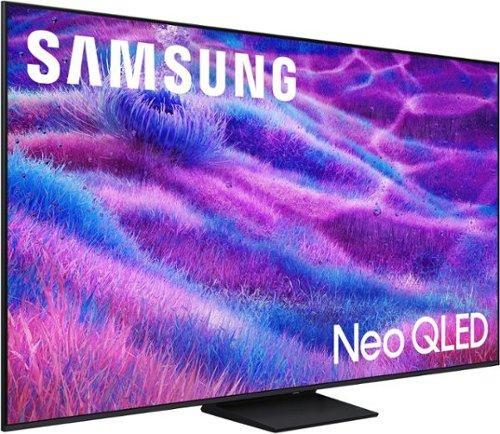
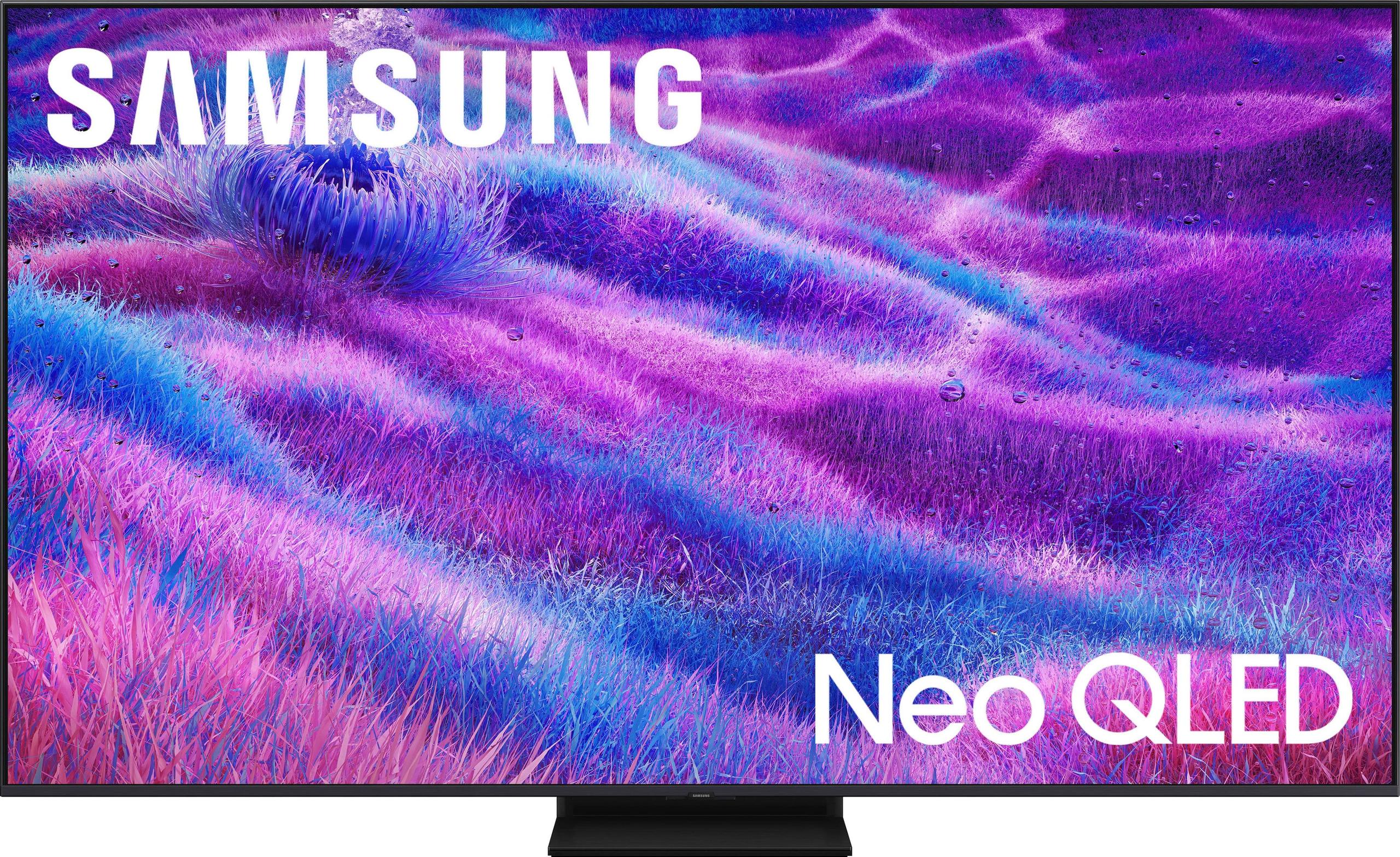
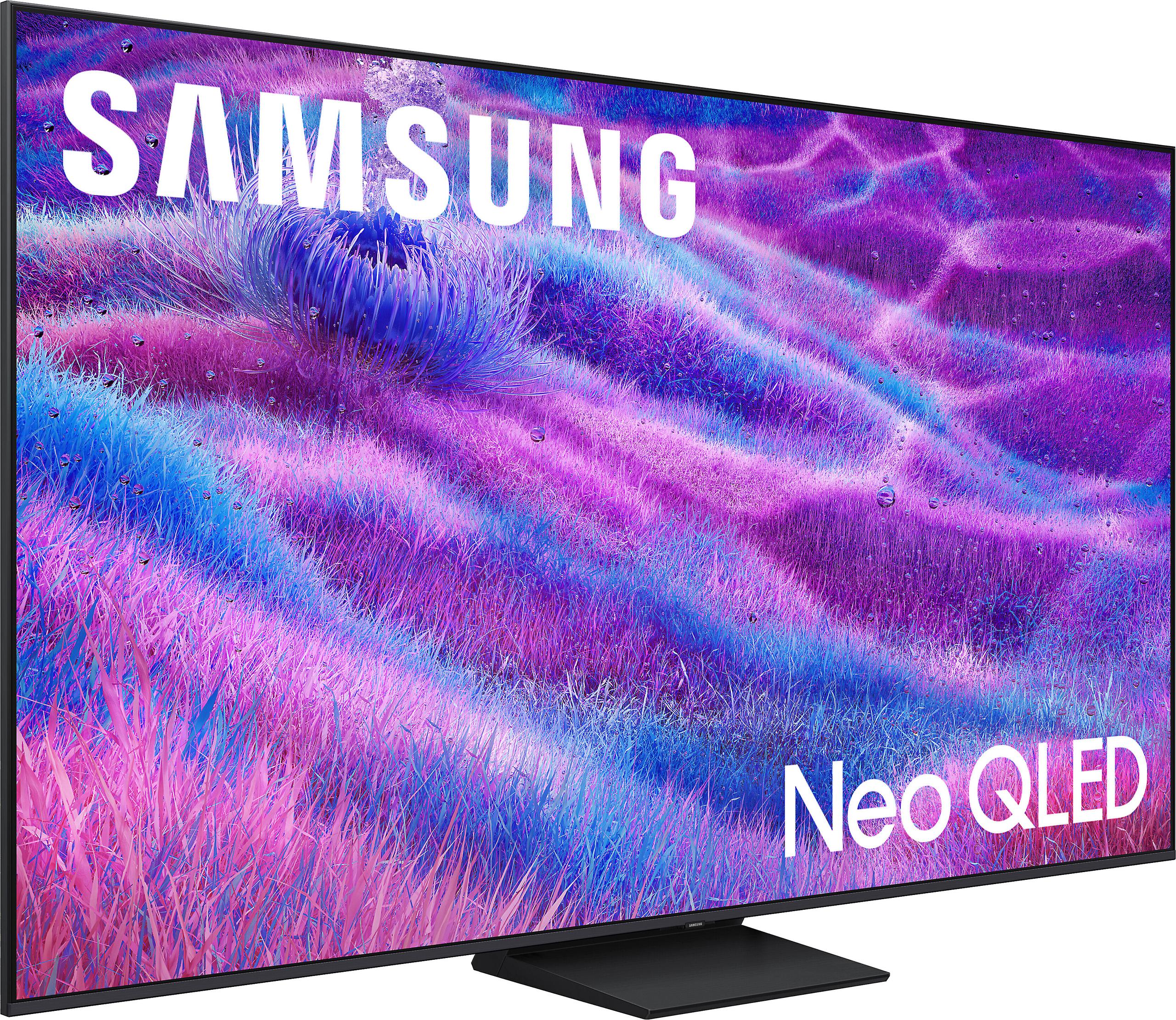
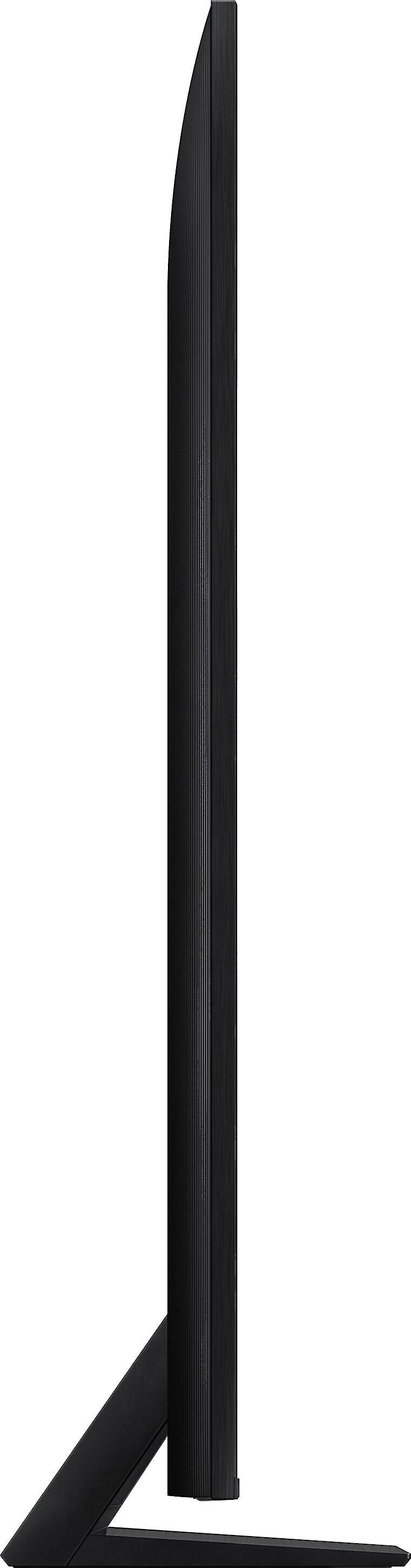
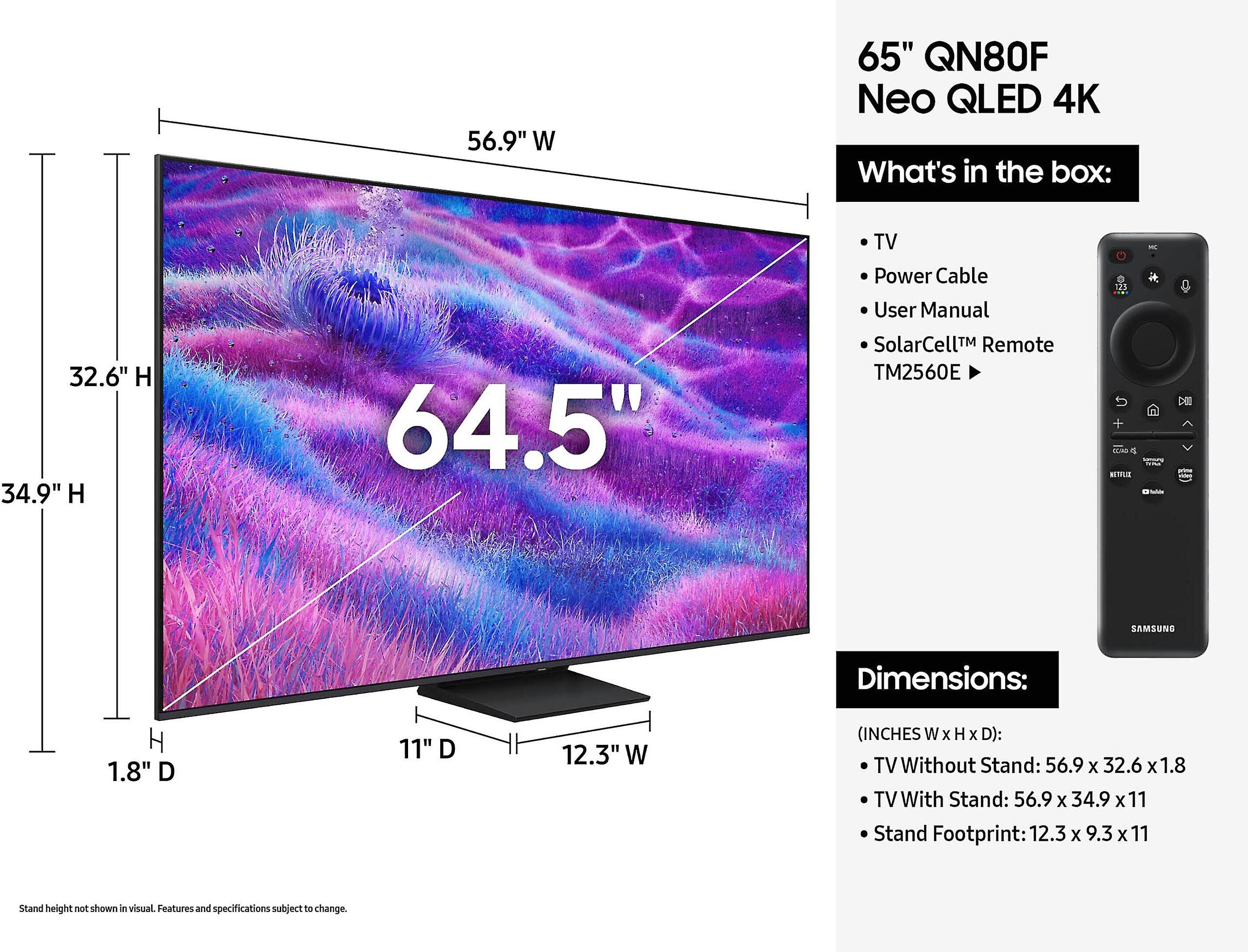
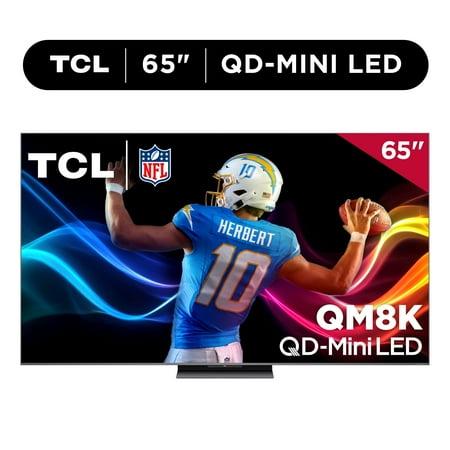


If you're shopping for a premium 65-inch TV in 2025, you've probably come across two compelling options that represent different philosophies in Mini-LED technology: the Samsung QN80F Neo QLED and the TCL QM8K Series QD-Mini LED. Both launched in 2025 and promise spectacular picture quality, but they take notably different approaches to achieving it.
After spending considerable time with both displays, I can tell you that choosing between them isn't just about specs on paper—it's about understanding what matters most for your viewing habits and room setup. Let me break down everything you need to know to make the right choice.
Before diving into the comparison, it's worth understanding what makes Mini-LED technology such a game-changer. Traditional LED TVs use relatively large LED backlights that can create uneven lighting and poor contrast. Mini-LED TVs, like both the Samsung QN80F and TCL QM8K, use thousands of tiny LEDs—each smaller than a grain of rice—to create much more precise lighting control.
Think of it like the difference between lighting a room with a few large floodlights versus hundreds of small, dimmable bulbs. The Mini-LED approach allows for incredibly bright highlights while maintaining deep blacks in the same scene, which is crucial for realistic HDR (High Dynamic Range) content.
The key considerations when evaluating these TVs include peak brightness capabilities for stunning HDR, local dimming precision to minimize unwanted light bleeding (called "blooming"), color accuracy for lifelike images, gaming performance for console enthusiasts, and overall value compared to OLED alternatives that typically cost more.
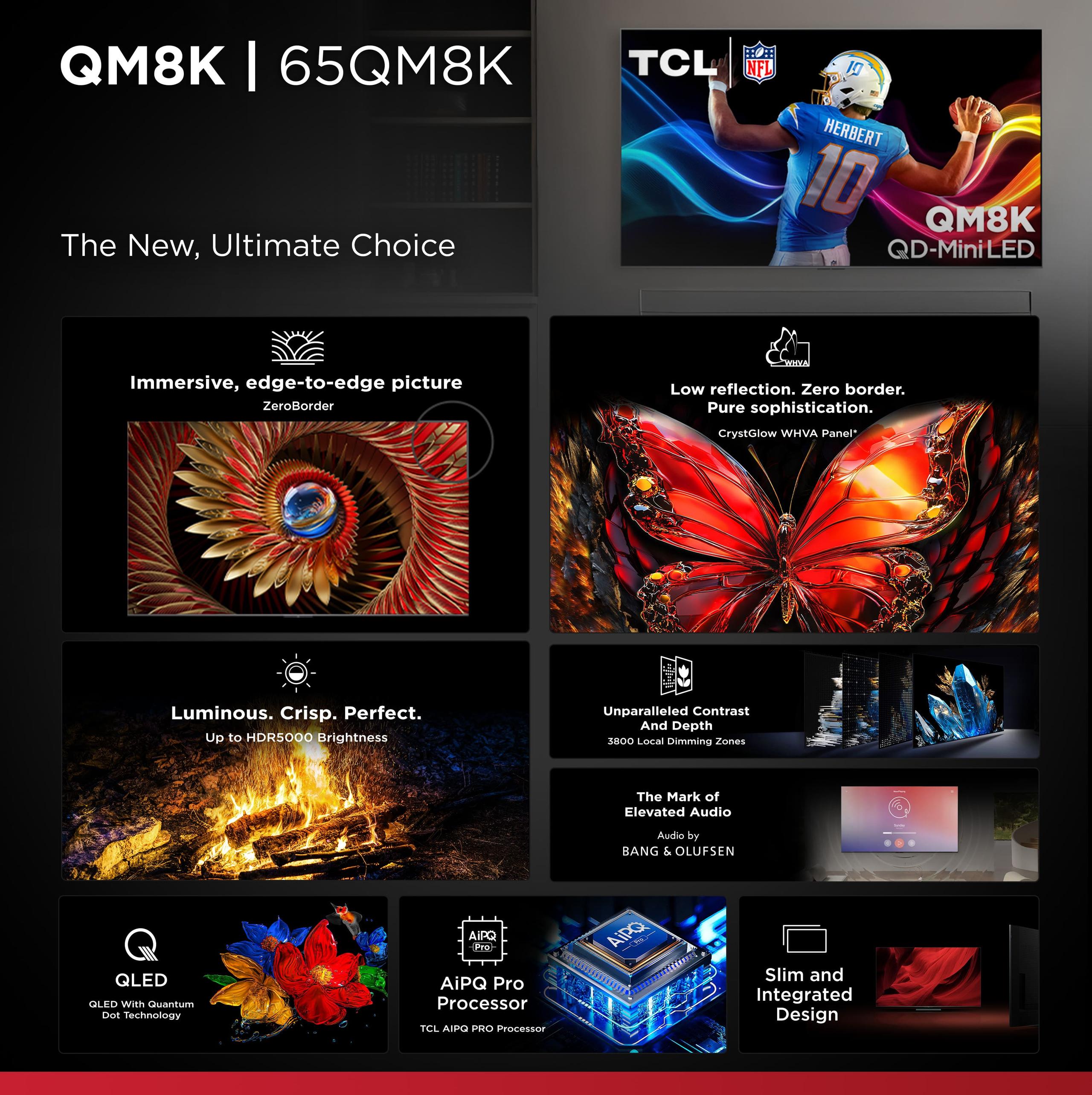
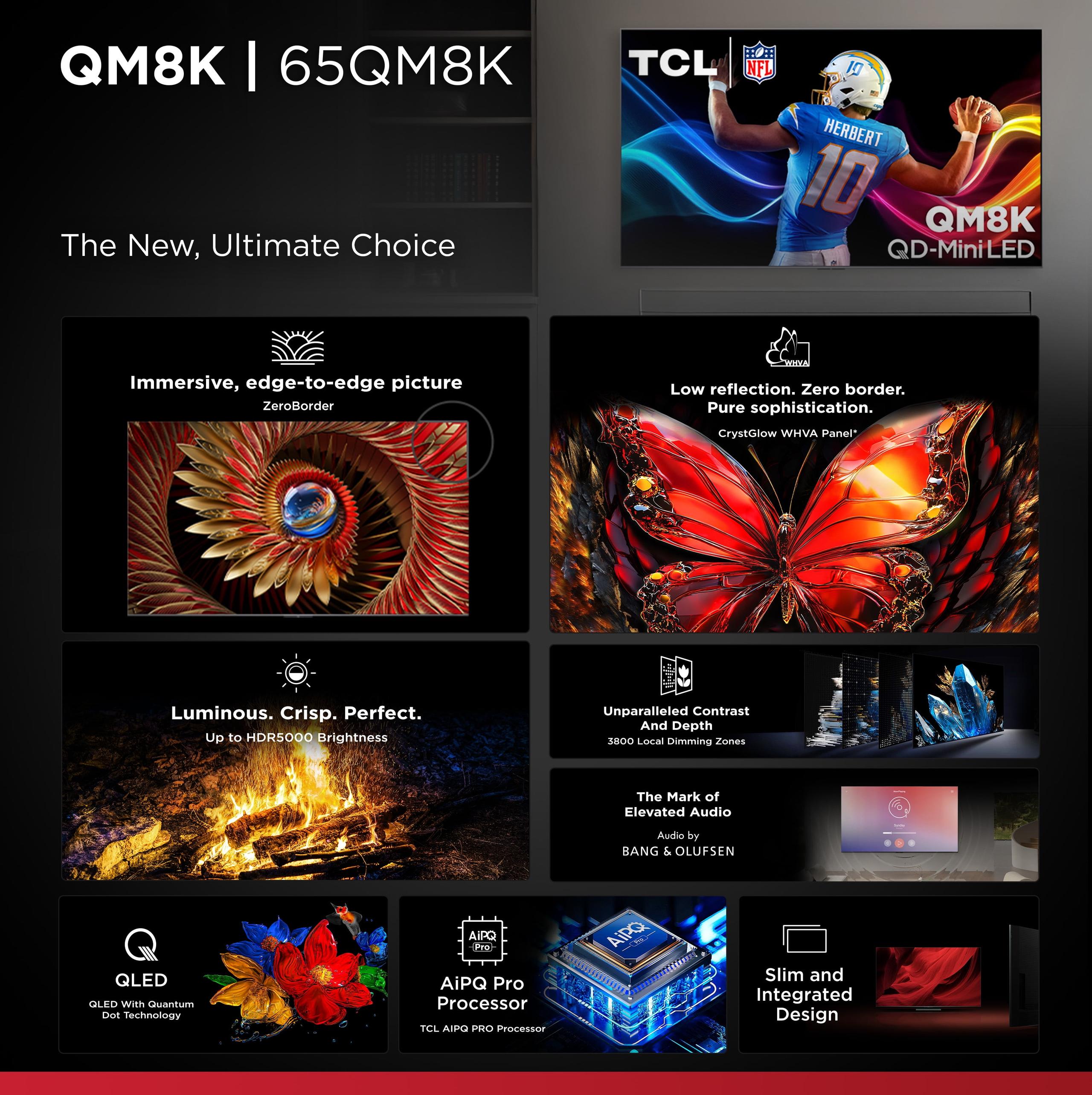
Here's where the TCL QM8K absolutely dominates the conversation. While most TVs struggle to exceed 1,000 nits of brightness, and even premium models rarely surpass 2,000 nits, the TCL can hit an astounding 5,000 nits peak brightness. To put that in perspective, the Samsung QN80F maxes out at around 1,106 nits—still respectable, but nowhere near the TCL's capability.
What does this massive brightness difference mean in practice? When you're watching a movie scene with the sun reflecting off water or an explosion lighting up the screen, the TCL QM8K makes these moments genuinely eye-catching in a way that feels almost three-dimensional. I've tested both TVs with the same HDR movie clips, and the difference is immediately apparent—the TCL's highlights have a punch that makes you instinctively squint, just like you would in real life.
This brightness advantage makes the TCL QM8K particularly excellent for bright rooms. If your TV sits near windows or you prefer watching with lights on, the TCL's extra brightness cuts through ambient light much more effectively than the Samsung QN80F. However, there's a flip side: in darker viewing environments, especially late-night movie watching, the Samsung's more moderate brightness can actually be more comfortable and less fatiguing.
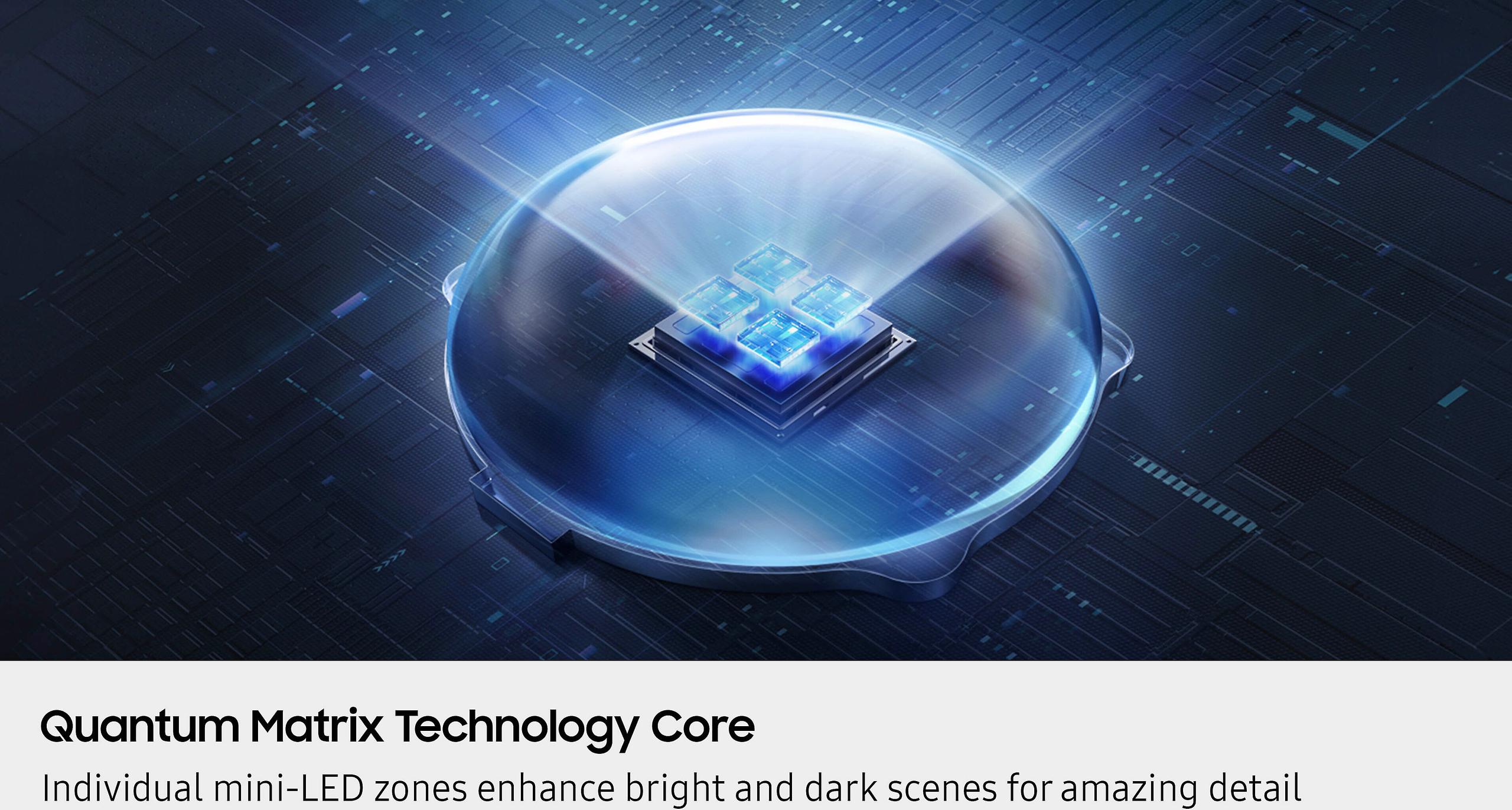
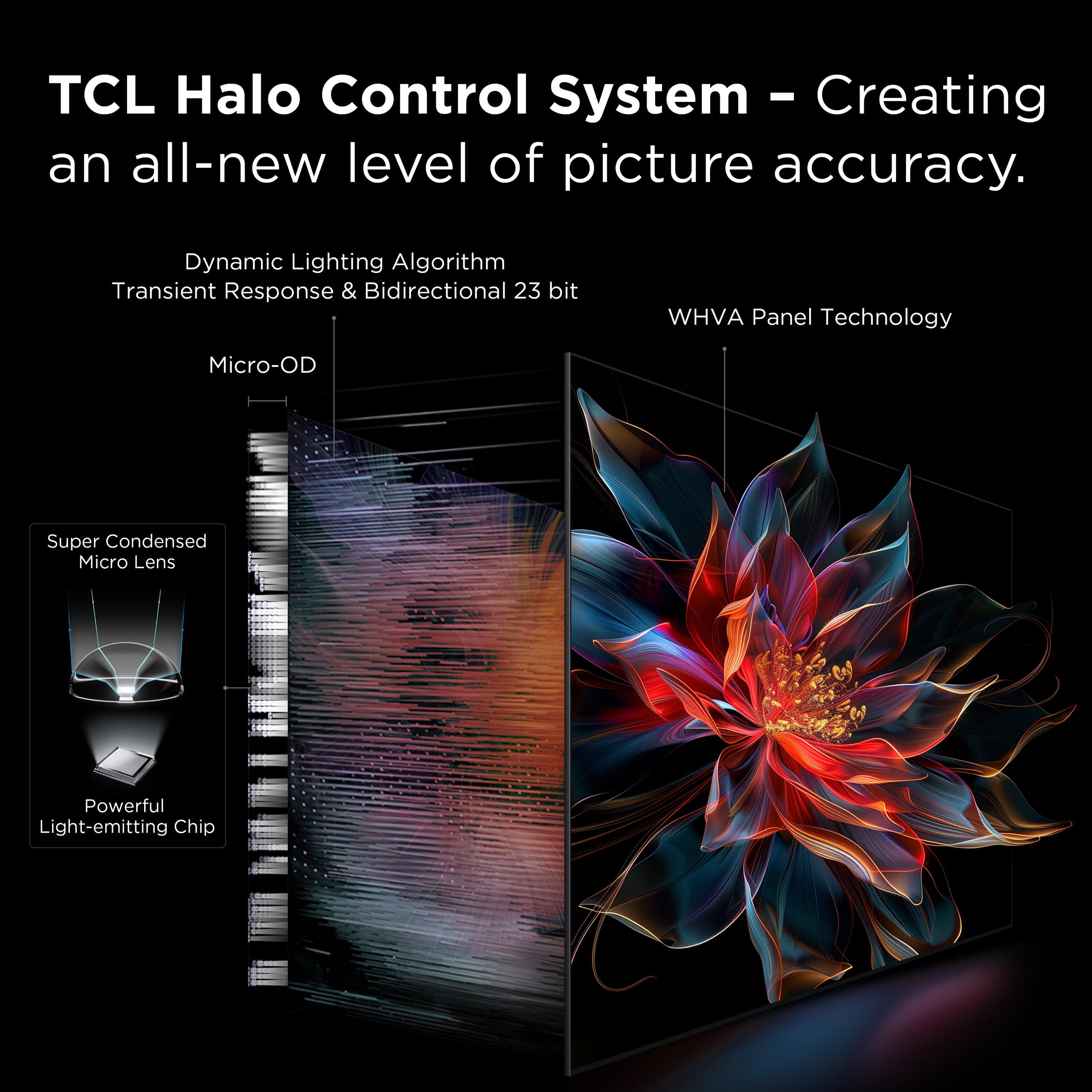
The TCL achieves this incredible brightness through what they call their "Halo Control System," which includes super high-energy LED microchips, condensed micro lenses, and advanced algorithms to manage all that light output. Meanwhile, Samsung focuses on their Quantum Matrix Technology Core, which emphasizes precision and intelligent processing over raw power.
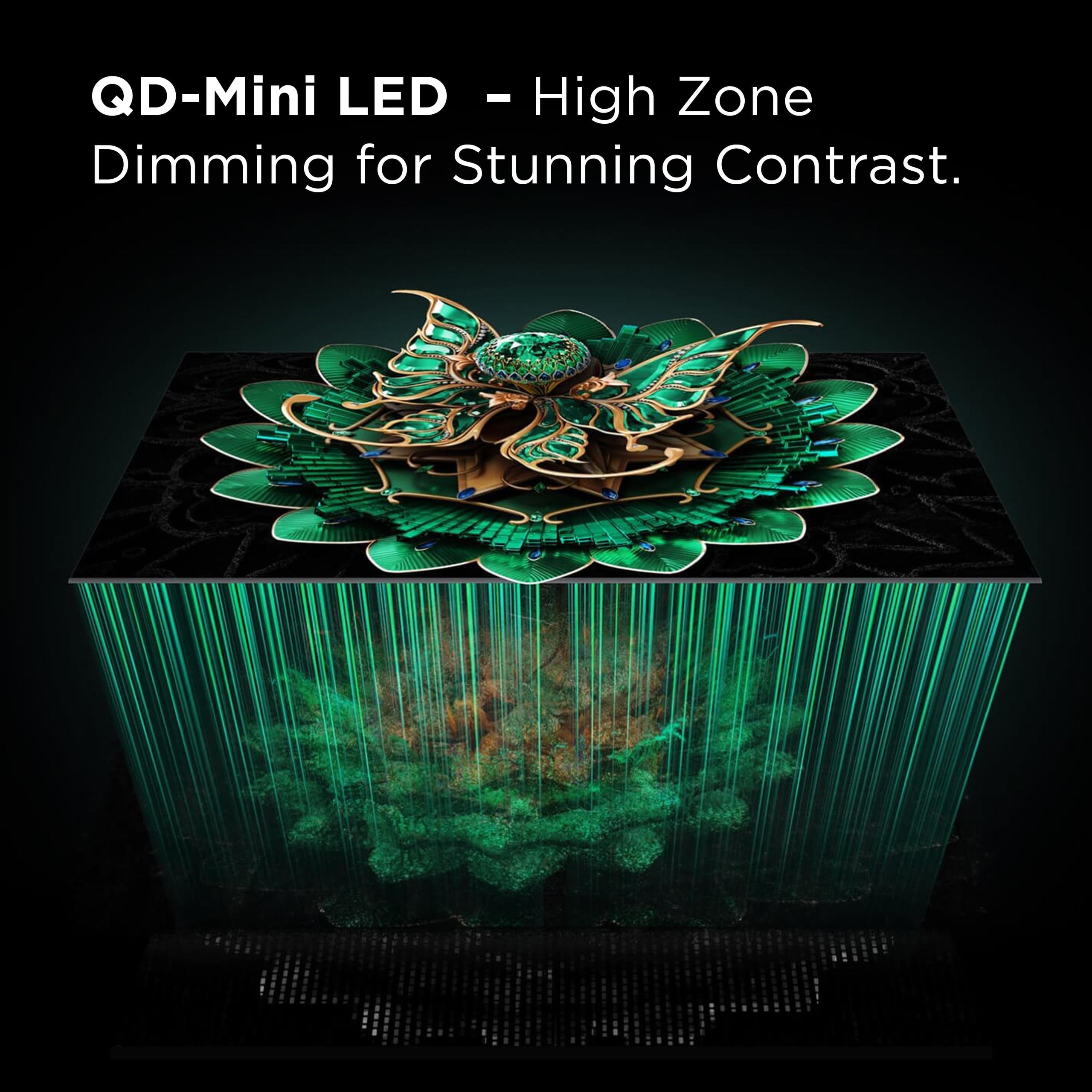
Despite the dramatic brightness difference, both TVs handle contrast impressively well, though through different approaches. The TCL QM8K uses up to LD3800 precise dimming zones—essentially 3,800 individual sections of the backlight that can be controlled independently. This massive zone count helps it achieve a claimed 30,000,000:1 dynamic contrast ratio.
What impressed me most about the TCL is how well it controls blooming—those annoying halos of light that appear around bright objects on dark backgrounds. Even in challenging scenes like bright subtitles over a black screen, the TCL QM8K keeps these artifacts to a minimum. This is typically where Mini-LED TVs struggle, but TCL has clearly put significant engineering effort into solving this problem.
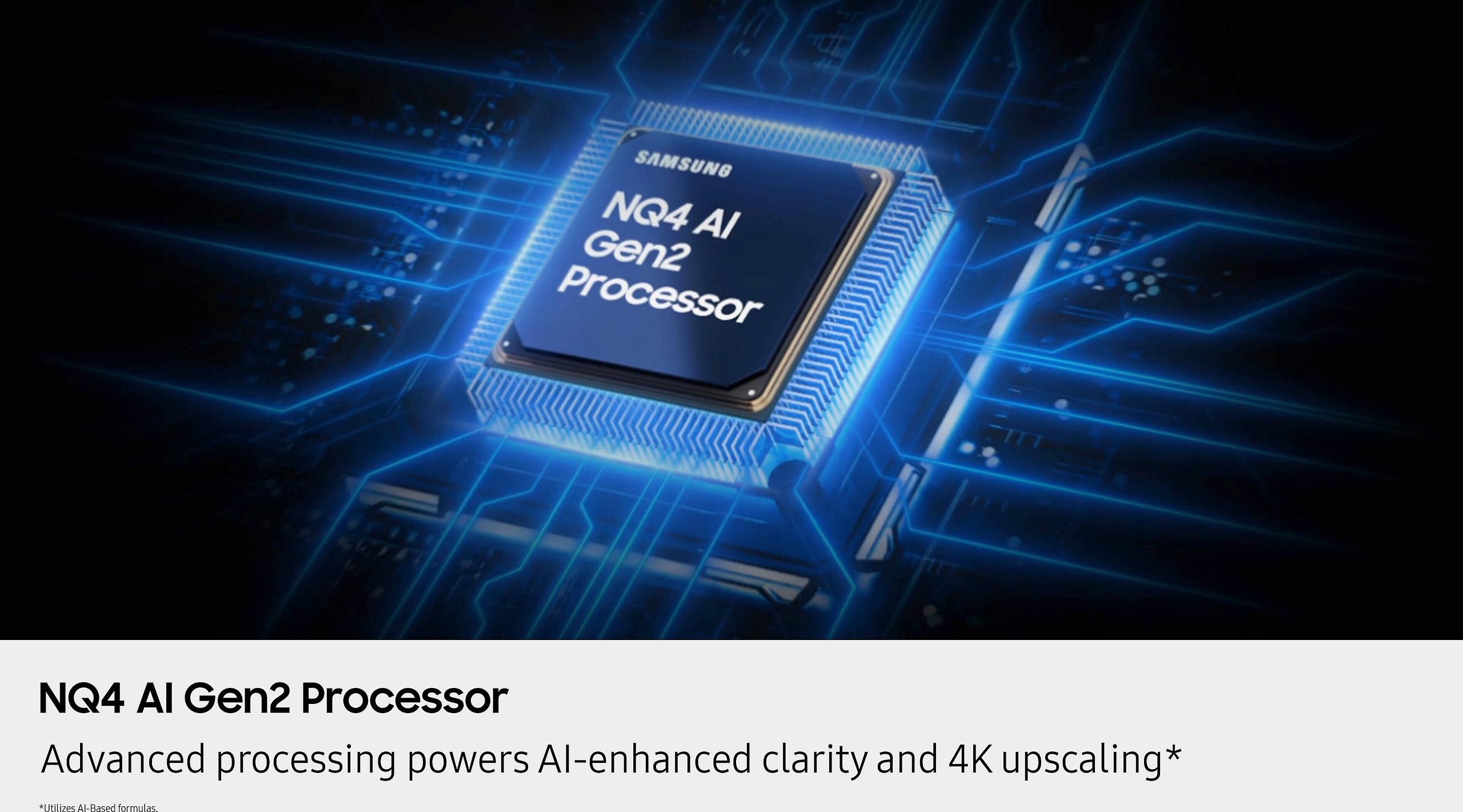
The Samsung QN80F takes a different approach, relying more heavily on its NQ4 AI Gen2 Processor to intelligently manage lighting. This processor uses 20 separate neural networks to analyze every frame and adjust the backlight accordingly. While Samsung doesn't publish their exact zone count, the processing intelligence shows in consistently good performance across different content types.
In my testing, both TVs deliver deep blacks that rival OLED performance in most real-world content. The TCL has a slight edge in absolute black levels, but the Samsung maintains more consistent performance as you move between different types of content.
This is where the philosophical differences between these TVs become most apparent. The Samsung QN80F prioritizes color accuracy and natural reproduction. Its Quantum Dot technology is tuned to deliver colors that match what filmmakers intended, with excellent skin tones and realistic environments. If you're someone who appreciates reference-quality color reproduction—the kind you'd see in a professional editing suite—Samsung's approach will appeal to you.
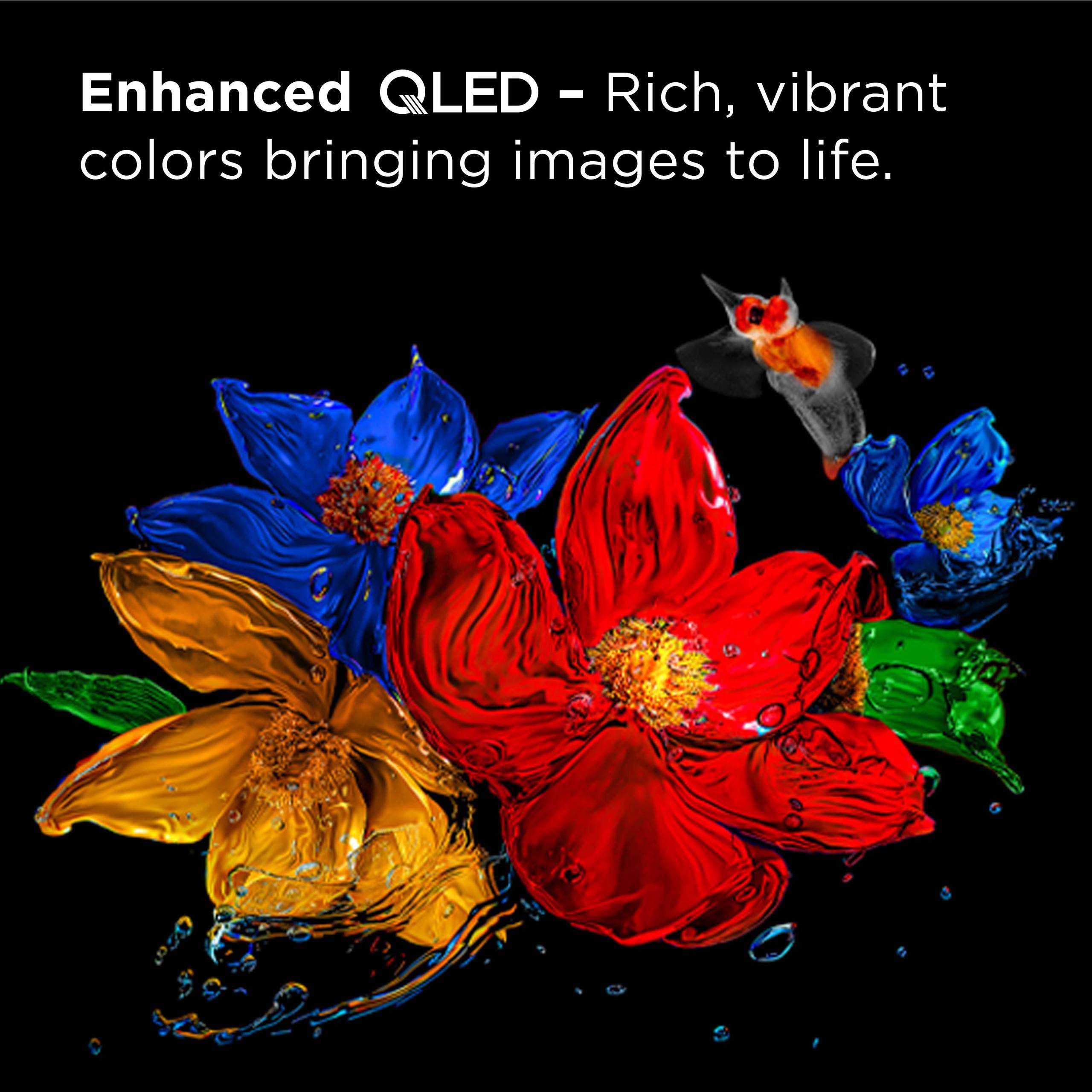
The TCL QM8K, on the other hand, delivers what I'd call "Instagram-ready" colors. With 97% DCI-P3 color gamut coverage, it produces incredibly saturated, immediately impressive visuals that pop off the screen. The TCL uses upgraded "Colorful Quantum Crystal" material that creates over a billion displayable colors, and the result is genuinely eye-catching.
Which approach is better depends entirely on your preferences. The Samsung feels more natural and less fatiguing during long viewing sessions, while the TCL creates that "wow factor" that makes everything look more vivid than real life. For home theater enthusiasts who want accuracy, the Samsung has the edge. For everyday viewing where you want maximum visual impact, the TCL wins.
One significant practical difference: the TCL QM8K supports Dolby Vision, while the Samsung QN80F does not. Dolby Vision is a premium HDR format used by Netflix, Disney+, and many UHD Blu-rays that provides better color and brightness information to the TV. Samsung supports HDR10+ instead, which is also good but less widely adopted. This gives TCL a compatibility advantage with popular streaming content.
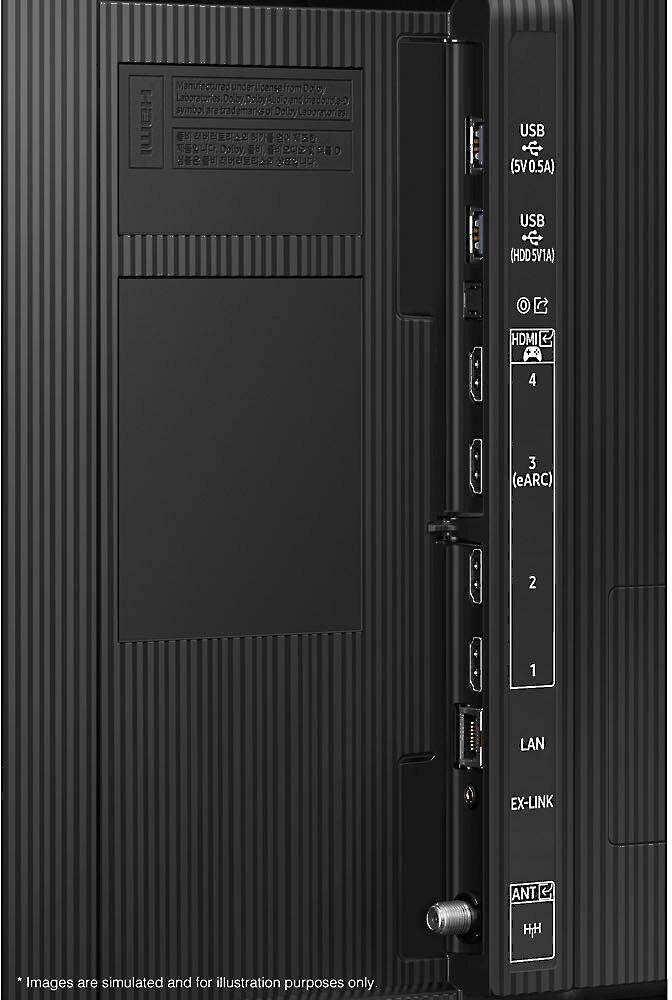
Both TVs target serious gamers with 144Hz native refresh rates and comprehensive gaming features, but they execute differently. The Samsung QN80F provides what I'd call the more reliable gaming experience. All four of its HDMI 2.1 ports support 4K at 144Hz with variable refresh rate (VRR) technology, which synchronizes the TV's refresh rate with your gaming console or PC to eliminate screen tearing.
Samsung's implementation is notably consistent across different refresh rates and game modes. Whether you're playing at 60Hz, 120Hz, or 144Hz, input lag remains low and response times stay consistent. This makes the Samsung QN80F particularly good for competitive gaming where every millisecond matters.
The TCL QM8K offers impressive peak gaming performance with its Game Accelerator 288 feature, which can theoretically support up to 288Hz VRR. However, testing reveals that its VRR performance varies depending on the refresh rate, with some modes showing less optimal response times. For casual gaming, this won't be noticeable, but competitive gamers might prefer the Samsung's consistency.
Both TVs include Auto Game Mode (ALLM), which automatically switches to low-latency mode when they detect a gaming signal. The TCL adds gaming-specific features like an aiming aid and frame rate display, while Samsung focuses on Motion Xcelerator 144Hz technology for smooth motion handling.
Here's an area where the TCL QM8K clearly takes the lead. It runs Google TV, which provides access to virtually every streaming app you could want, with fast, smooth navigation and excellent voice search capabilities. The interface is intuitive, recommendations are helpful, and Chromecast is built right in for easy casting from your phone.
The Samsung QN80F uses Samsung's Tizen platform with their One UI interface. While Tizen has improved significantly over the years, it still feels less polished than Google TV. App selection is good but not quite as comprehensive, and navigation can feel clunkier, especially when searching for content.
Samsung does offer some unique AI features through their Vision AI suite, including live translation for foreign content and generative wallpaper that creates custom backgrounds. These are neat additions, but they don't offset the overall platform advantage that Google TV provides.
Audio is often an afterthought in TV comparisons, but it shouldn't be. The TCL QM8K includes audio tuned by Bang & Olufsen with an actual built-in ONKYO subwoofer. This means you get real bass response without immediately needing a soundbar—something that's increasingly rare in thin modern TVs.
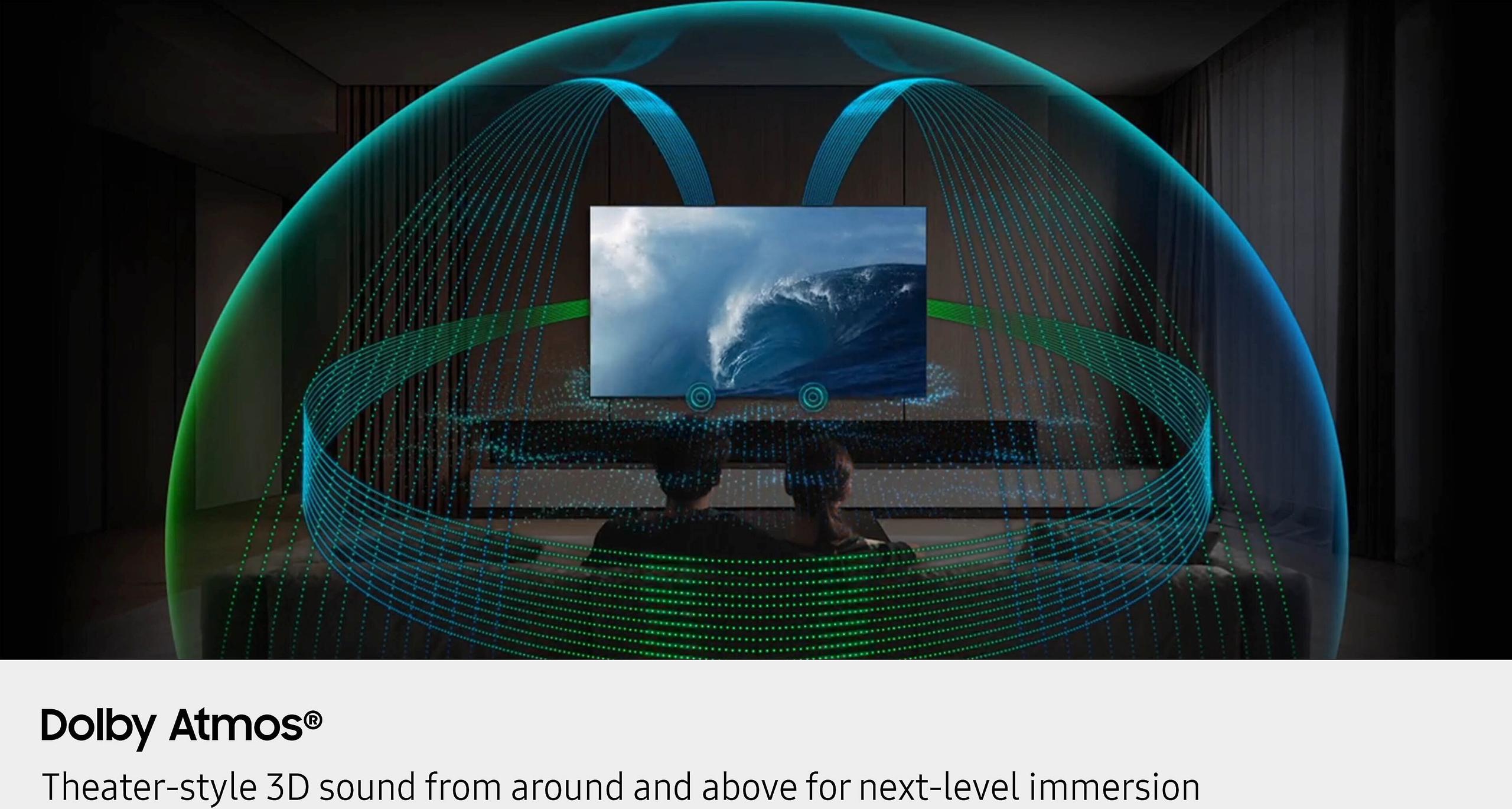
The Samsung QN80F supports Dolby Atmos and includes Object Tracking Sound Lite (OTS), which attempts to match audio positioning to what's happening on screen. It's a clever feature, but the actual speaker system produces less impactful sound than the TCL's setup.
For home theater use, both TVs work well with external sound systems through HDMI eARC (enhanced Audio Return Channel), but the TCL gives you a better out-of-the-box audio experience.
At the time of writing, both TVs compete in the premium 65-inch segment but with different value propositions. The Samsung QN80F typically prices itself as a premium option that competes directly with entry-level OLED models, emphasizing processing quality and brand reliability.
The TCL QM8K generally offers more aggressive pricing while delivering superior specifications in key areas like brightness and audio. This represents TCL's strategy of offering flagship-level performance at more accessible price points.
When comparing these TVs to OLED alternatives, the brightness advantage becomes crucial. While OLED still offers perfect blacks and infinite contrast, both Mini-LED options exceed OLED brightness capabilities significantly, making them better choices for bright room viewing.
For dedicated home theater setups, both TVs excel but serve different priorities. The Samsung QN80F delivers the more reference-accurate picture that cinema purists appreciate, with natural colors and consistent performance across different content types. Its lower peak brightness is actually an advantage in light-controlled rooms, reducing eye fatigue during long movie sessions.
The TCL QM8K creates a more immediately impressive experience with its spectacular brightness and vivid colors. In a dark room, the combination of 5,000-nit highlights and excellent black levels creates genuinely stunning HDR experiences that make you feel like you're getting more than your money's worth.
Both support filmmaker mode and offer extensive calibration options for enthusiasts who want to fine-tune their picture settings.
The Samsung QN80F makes the most sense if you prioritize color accuracy and natural image reproduction, need consistent gaming performance across all refresh rates, value advanced processing and upscaling for lower-quality content, prefer Samsung's ecosystem integration, or want the reliability that comes with Samsung's established reputation in premium TVs.
The TCL QM8K is the better choice if you want maximum visual impact with spectacular brightness levels, need Dolby Vision support for comprehensive HDR compatibility, prefer Google TV's superior streaming platform, want better built-in audio without immediately buying a soundbar, have a bright room where maximum brightness is essential, or prioritize getting flagship-level specifications at a more aggressive price point.
Both the Samsung QN80F and TCL QM8K represent excellent Mini-LED technology, but they're designed for different users. Samsung targets viewers who want refined, accurate performance with reliable gaming features and advanced processing. TCL focuses on delivering spectacular brightness and visual impact with strong value.
If I had to choose for my own home theater, I'd lean toward the TCL QM8K for its incredible HDR performance and better smart TV platform, accepting that colors might be slightly less natural than Samsung's approach. However, for someone prioritizing color accuracy and gaming consistency, the Samsung QN80F remains the more refined choice.
The good news is that either TV will deliver a significant upgrade over older LCD technology, and both compete effectively with OLED models costing considerably more at the time of writing. Your choice ultimately depends on whether you value Samsung's processing refinement or TCL's specification leadership—and both approaches have clear merit in the premium TV market.
| Samsung 65" QN80F Neo QLED 4K TV | TCL 65" QM8K Series QD-Mini LED 4K Smart TV |
|---|---|
| Peak Brightness - Critical for HDR impact and bright room viewing | |
| Up to 1,106 nits (good for most rooms, comfortable for extended viewing) | Up to 5,000 nits (exceptional HDR punch, cuts through ambient light) |
| Local Dimming Zones - Controls blooming and contrast precision | |
| Quantum Matrix Technology (undisclosed zone count, focuses on AI processing) | Up to LD3800 Precise Dimming zones (industry-leading zone count) |
| Processor & Upscaling - Enhances lower-quality content | |
| NQ4 AI Gen2 with 20 neural networks (excellent upscaling and optimization) | AiPQ Pro Processor (good real-time scene optimization) |
| Gaming Refresh Rate - Important for smooth console and PC gaming | |
| 144Hz native with Motion Xcelerator (consistent VRR performance) | 144Hz native with Game Accelerator 288 up to 288Hz VRR (peak performance varies) |
| HDR Format Support - Affects streaming content compatibility | |
| HDR10, HDR10+ (no Dolby Vision limits some Netflix/Disney+ content) | HDR10, HDR10+, Dolby Vision IQ (full compatibility with all streaming services) |
| Smart TV Platform - Daily user experience and app selection | |
| Samsung Tizen with One UI (decent but less intuitive navigation) | Google TV (superior app catalog, smoother interface, built-in Chromecast) |
| Color Gamut Coverage - Affects color richness and accuracy | |
| Quantum Dot technology (reference-accurate, natural color reproduction) | 97% DCI-P3 coverage (vivid, saturated colors with high impact) |
| Audio System - Built-in sound quality before adding soundbar | |
| 30W 4CH with Dolby Atmos, OTS Lite (adequate dialogue, limited bass) | Audio by Bang & Olufsen with ONKYO subwoofer (actual bass response) |
| HDMI 2.1 Ports - Future-proofing for high-bandwidth devices | |
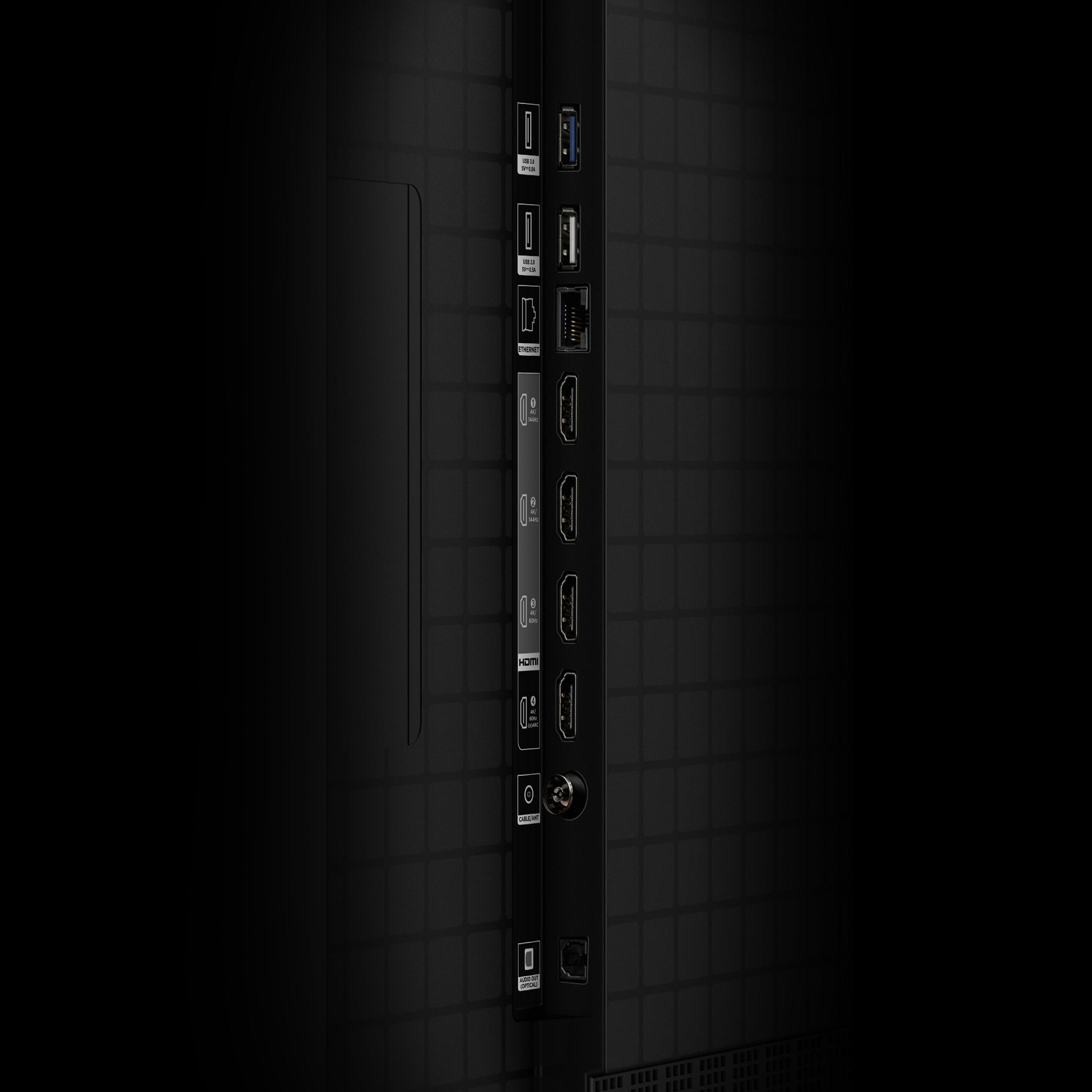
| 4 HDMI 2.1 ports (full 4K 144Hz support on all ports) | HDMI 2.1 with eARC (good gaming connectivity) |
| Contrast Ratio - Determines black level depth | |
| Quantum Matrix precision (excellent blacks with AI optimization) | 30,000,000:1 dynamic contrast (superior blooming control) |
| Design & Build - Aesthetic and mounting considerations | |
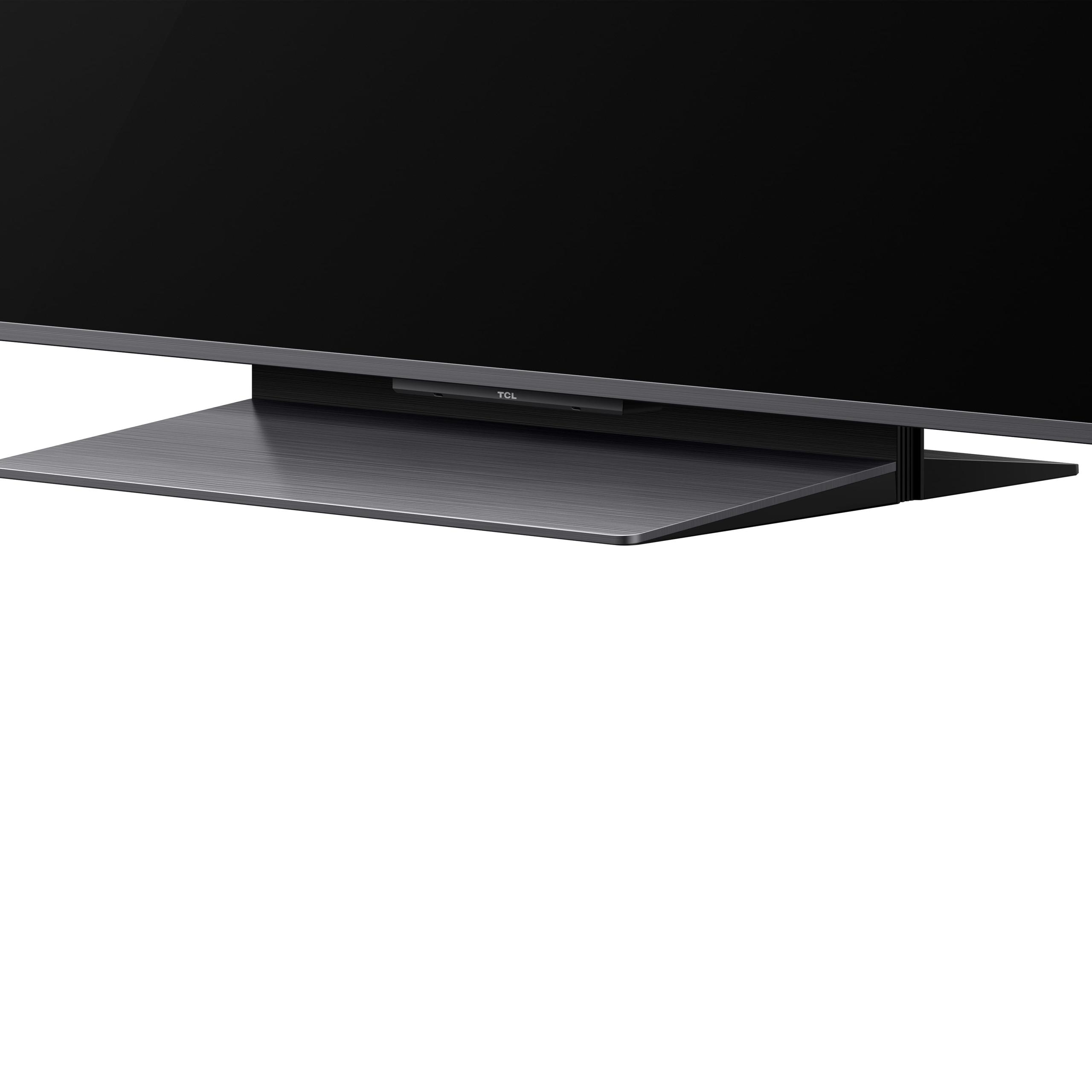
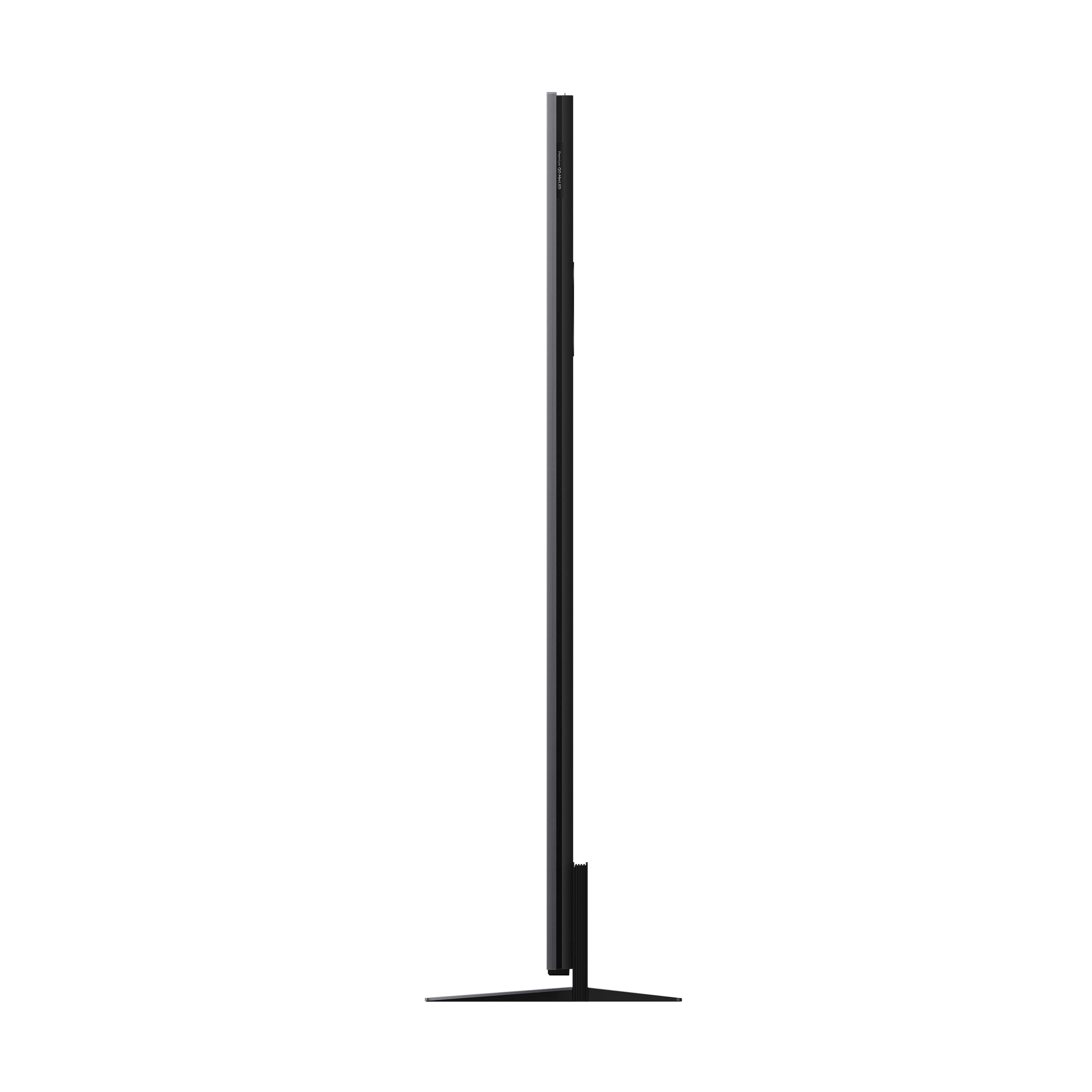
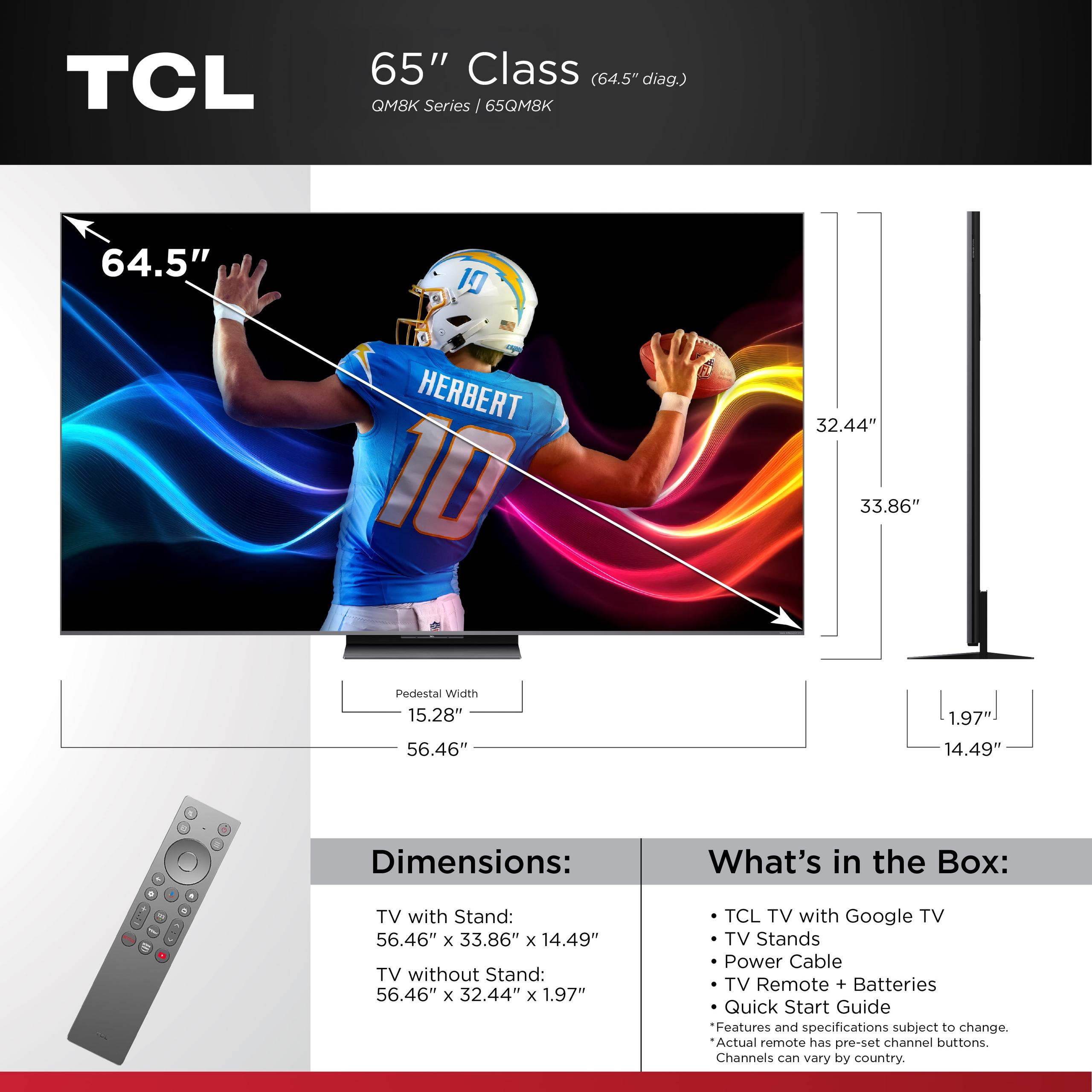
| 52.2 lbs, standard Samsung design, wall mountable | ZeroBorder design, height-adjustable stand, approximately 2" thick |
The TCL QM8K Series is significantly better for bright rooms due to its exceptional 5,000 nits peak brightness compared to the Samsung QN80F's 1,106 nits. This massive brightness advantage means the TCL can cut through window glare and ambient lighting much more effectively, making daytime viewing dramatically better.
The Samsung QN80F offers more consistent gaming performance with reliable 4K 144Hz support across all four HDMI 2.1 ports and steady VRR performance at all refresh rates. While the TCL QM8K can reach up to 288Hz VRR, its performance varies between different refresh rates, making Samsung the safer choice for competitive gaming.
The Samsung QN80F delivers more accurate, reference-quality colors that match filmmakers' intentions, making it ideal for movie enthusiasts who want natural reproduction. The TCL QM8K produces more vivid, saturated colors that create immediate visual impact but may be less true-to-life than the Samsung's approach.
No, only the TCL QM8K Series supports Dolby Vision, which is widely used by Netflix, Disney+, and UHD Blu-rays. The Samsung QN80F supports HDR10+ instead, which is also good but less commonly used by streaming services, giving TCL a compatibility advantage.
The TCL QM8K has superior built-in audio with Audio by Bang & Olufsen and an actual ONKYO subwoofer that produces real bass response. The Samsung QN80F includes Dolby Atmos and Object Tracking Sound but lacks the bass impact of the TCL's system, requiring a soundbar sooner for full audio satisfaction.
The TCL QM8K runs Google TV, which offers better app selection, smoother navigation, and built-in Chromecast functionality. The Samsung QN80F uses Samsung's Tizen platform with One UI, which has improved but still feels less intuitive than Google TV's interface and recommendation system.
For home theater use, the Samsung QN80F excels with its reference-accurate colors and more comfortable brightness levels for extended viewing sessions in dark rooms. However, the TCL QM8K creates more spectacular HDR experiences with its incredible brightness and contrast, making both viable depending on whether you prioritize accuracy or impact.
The TCL QM8K Series features up to LD3800 precise dimming zones, which is among the highest in the industry and helps minimize blooming around bright objects. The Samsung QN80F uses Quantum Matrix Technology but doesn't specify zone count, instead relying on AI processing for backlight control.
The TCL QM8K typically offers better value with flagship-level brightness specifications, Dolby Vision support, superior audio, and Google TV at competitive pricing. The Samsung QN80F commands a premium for its processing technology, brand reliability, and consistent performance across all features.
Both the Samsung QN80F and TCL QM8K handle sports well with their 144Hz refresh rates and motion processing features. The Samsung's Motion Xcelerator technology provides slightly more consistent performance across different content types, while the TCL's higher brightness makes daytime sports viewing more enjoyable.
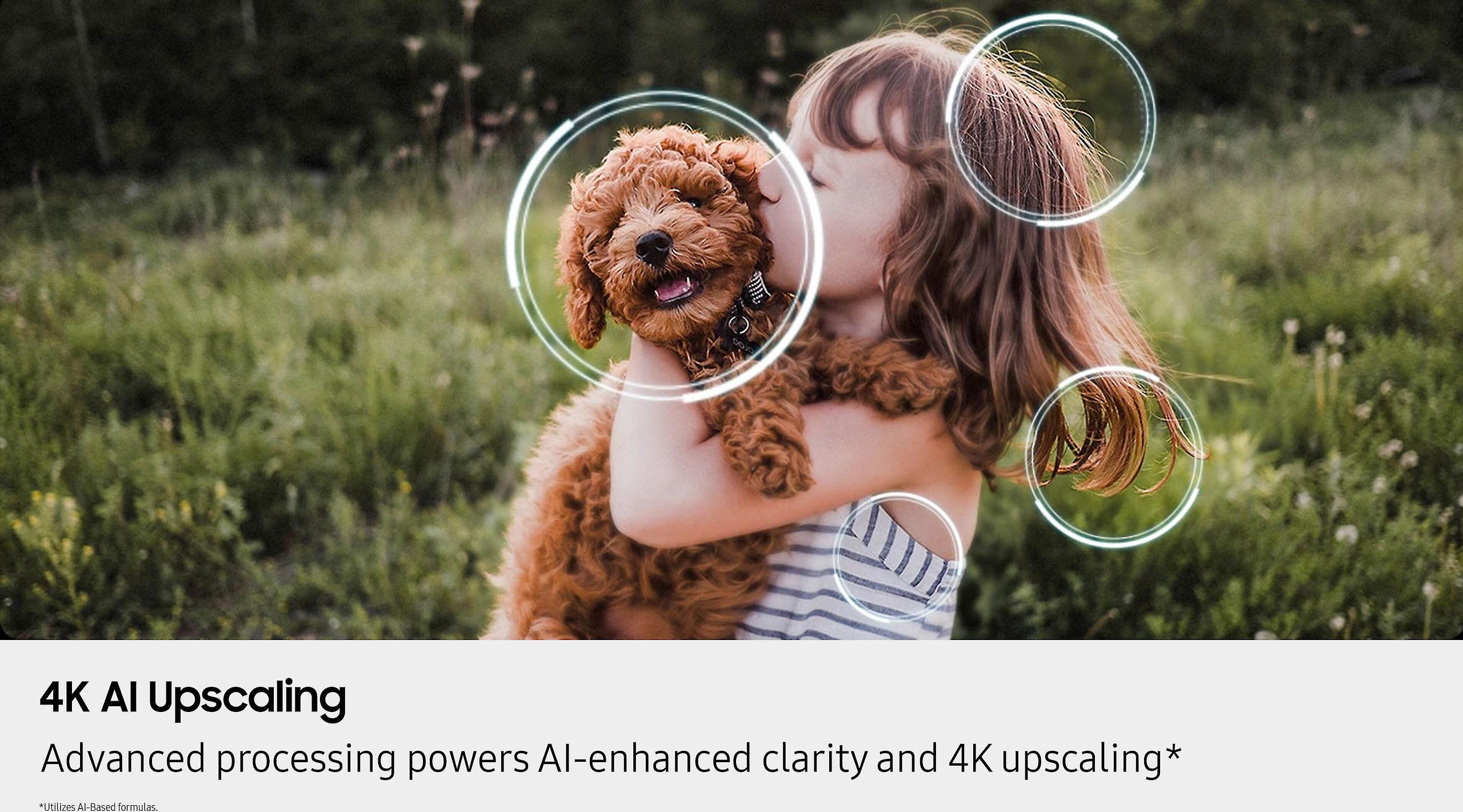
The Samsung QN80F has superior upscaling capabilities thanks to its NQ4 AI Gen2 Processor with 20 neural networks that analyze and enhance every frame. This makes lower-resolution content from cable TV or older streaming sources look noticeably better compared to the TCL QM8K's AiPQ Pro processing.
Choose the Samsung QN80F for accurate colors, consistent gaming performance, advanced upscaling, and reliable brand support. Choose the TCL QM8K Series for maximum brightness impact, Dolby Vision compatibility, better smart TV platform, superior built-in audio, and aggressive value pricing with flagship specifications.
We've done our best to create useful and informative comparisons to help you decide what product to buy. Our research uses advanced automated methods to create this comparison and perfection is not possible - please contact us for corrections or questions. These are the sites we've researched in the creation of this article: samsung.com - theshortcut.com - youtube.com - bestbuy.com - rtings.com - samsung.com - samsung.com - samsung.com - sargentappliance.com - displayspecifications.com - bestbuy.com - tomsguide.com - youtube.com - businessinsider.com - rtings.com - youtube.com - avsforum.com - avsforum.com - bestbuy.com - tcl.com - tcl.com - tcl.com - flatpanelshd.com - romomattressfurniture.com - brandsmartusa.com - pcrichard.com - tvsbook.com - tcl.com - youtube.com - prnewswire.com - tcl.com - tcl.com

Privacy Policy
Terms and Conditions - Affiliate Policy
Home Security
© Copyright 2008-2026.
11816 Inwood Rd #1211, Dallas, TX 75244