

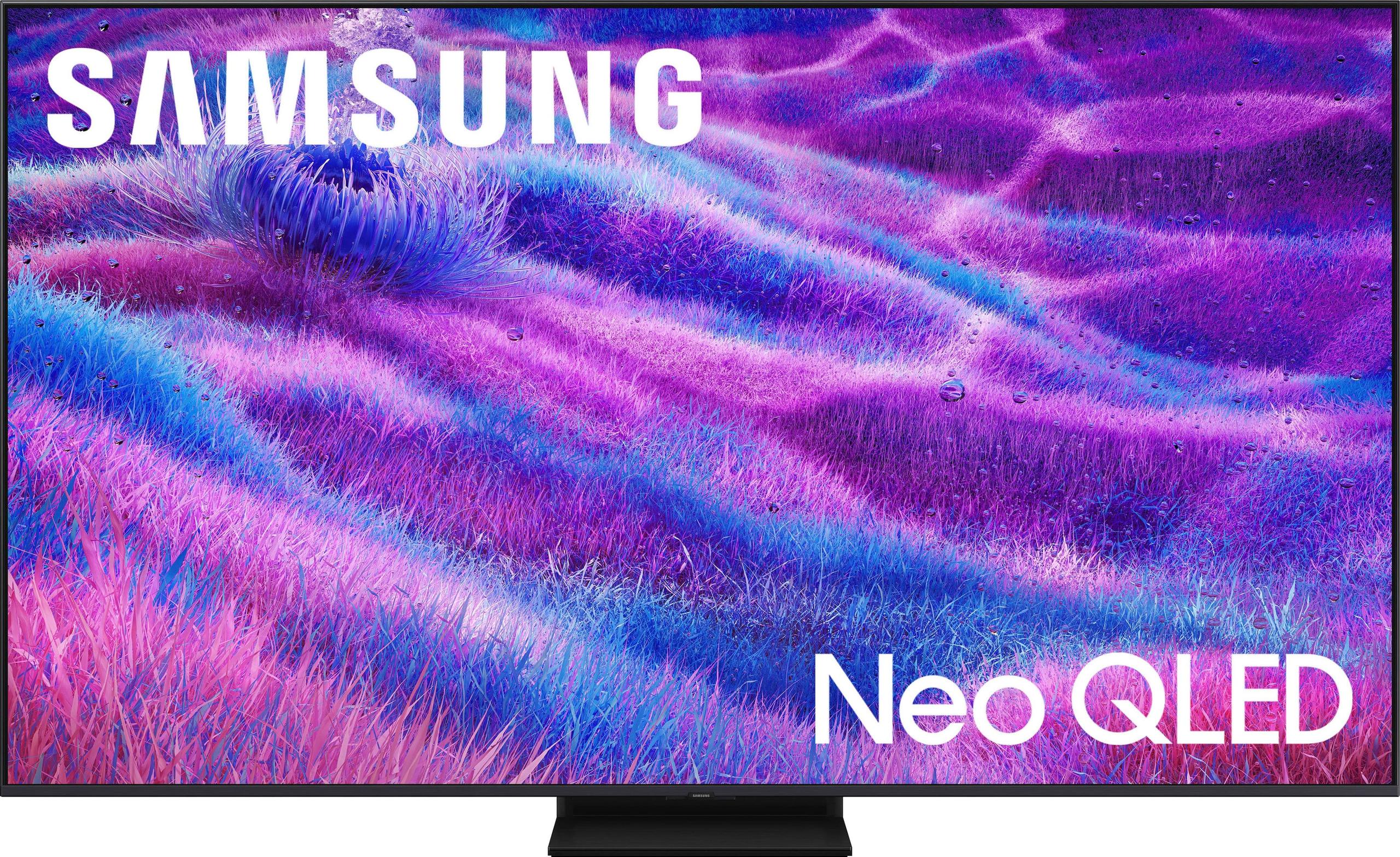
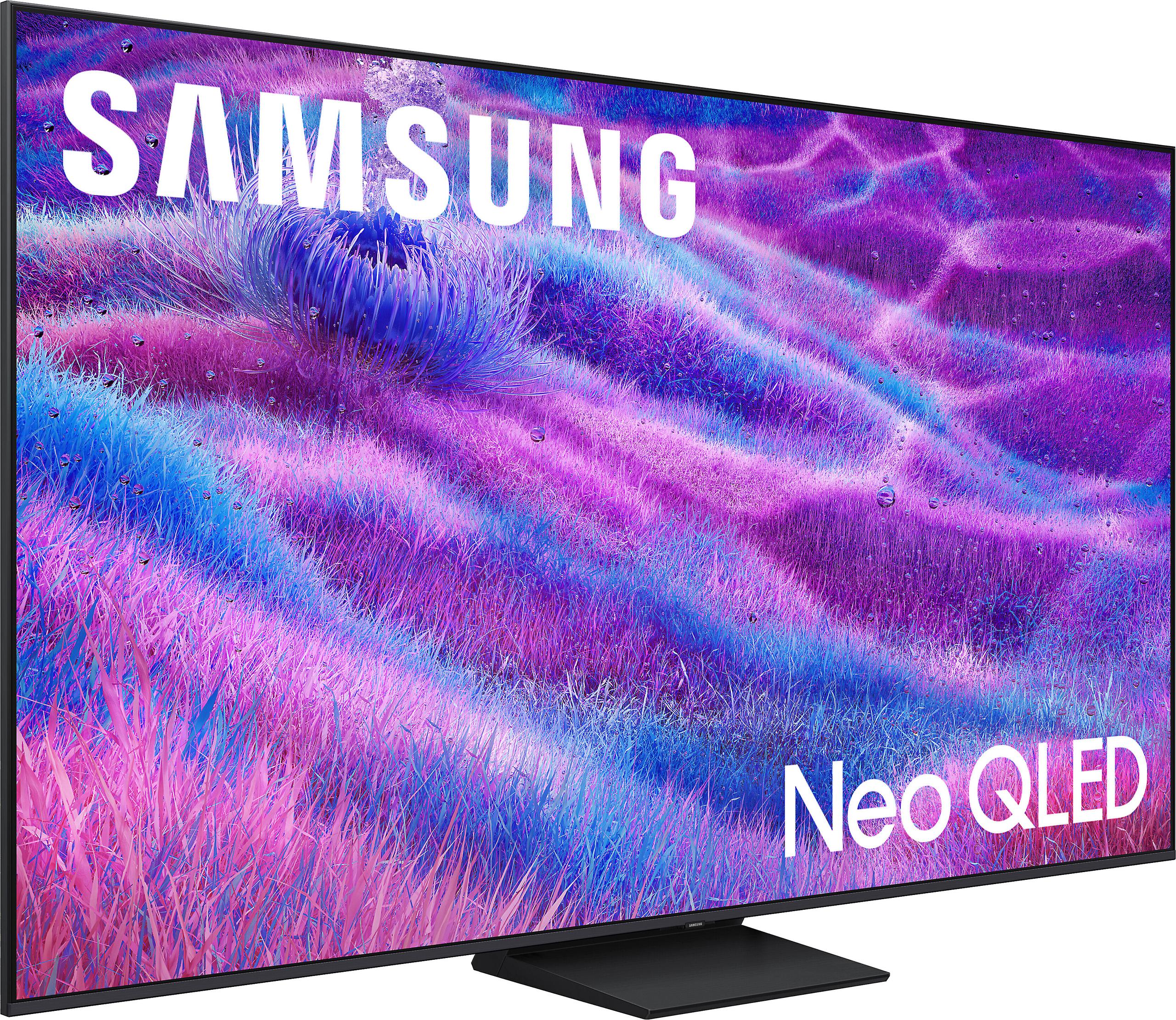
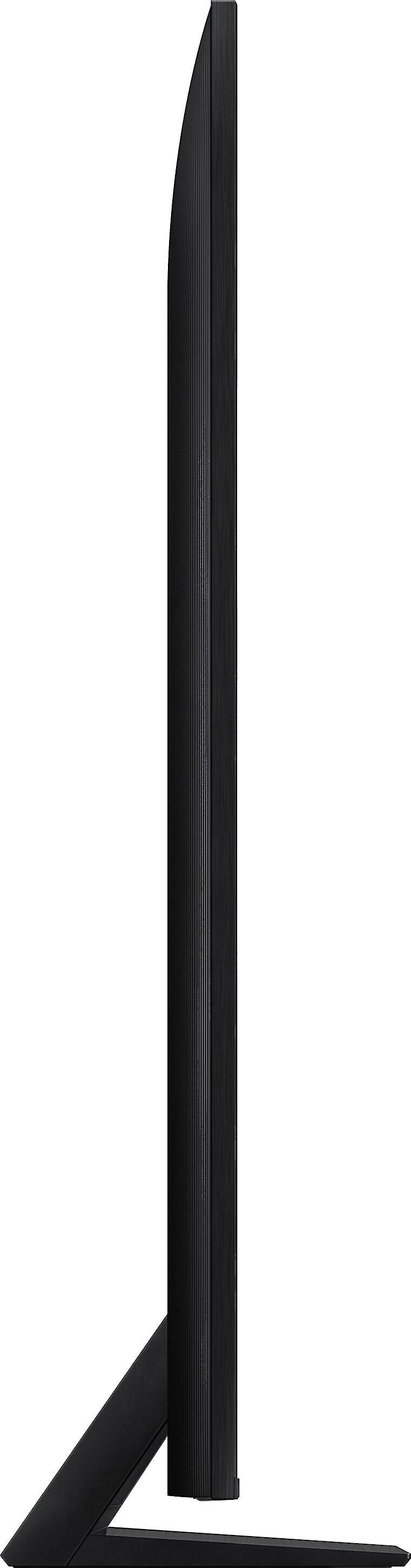
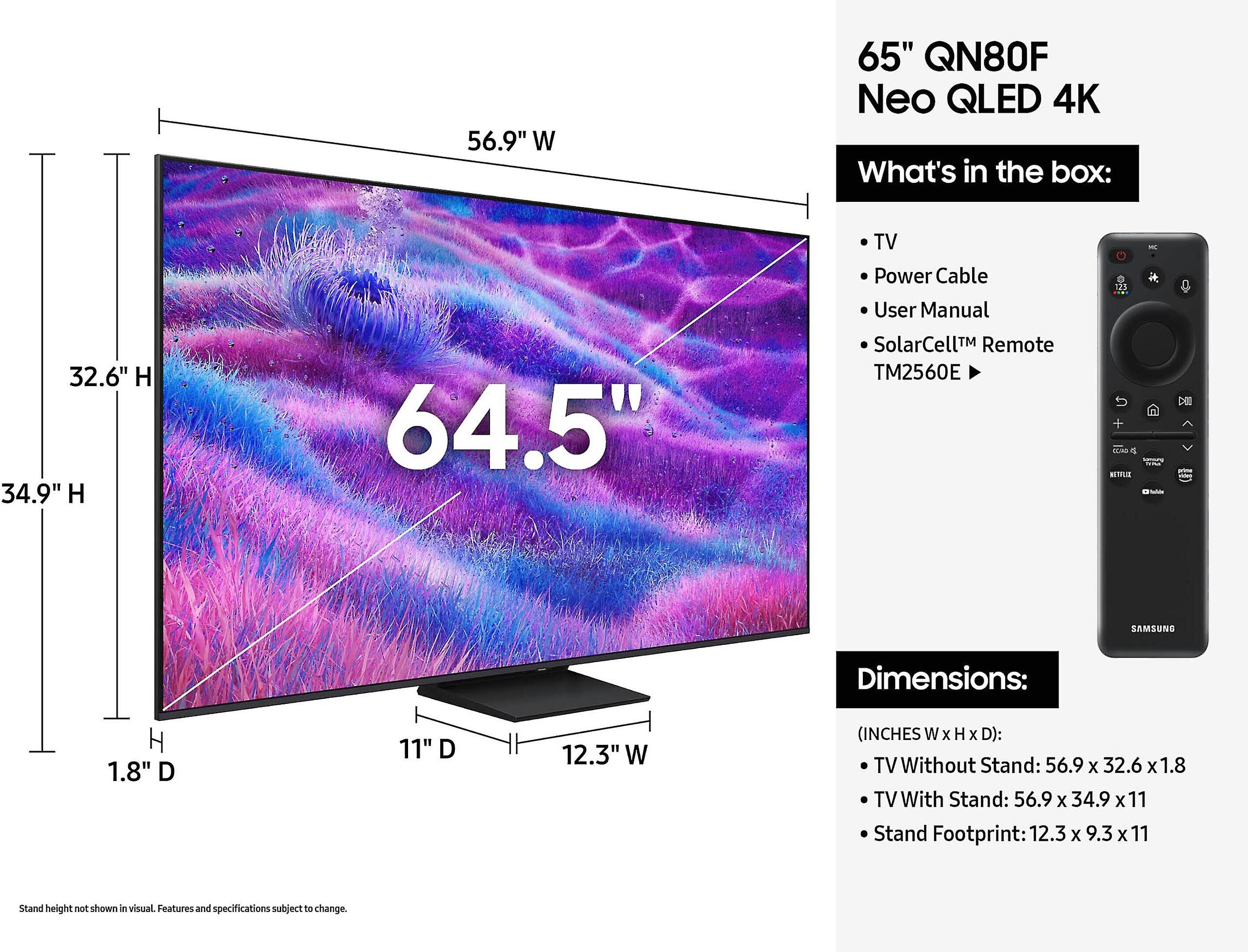
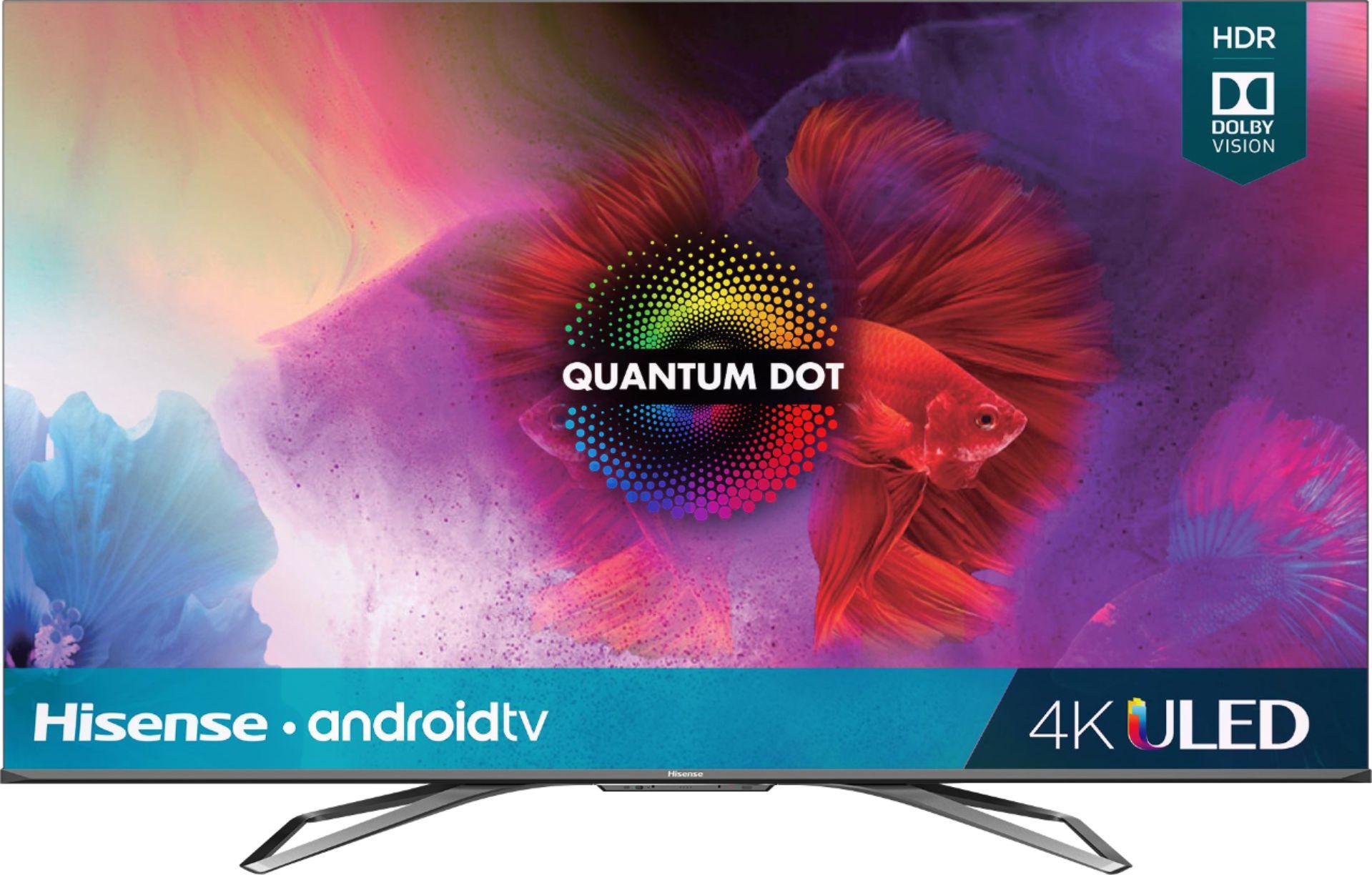
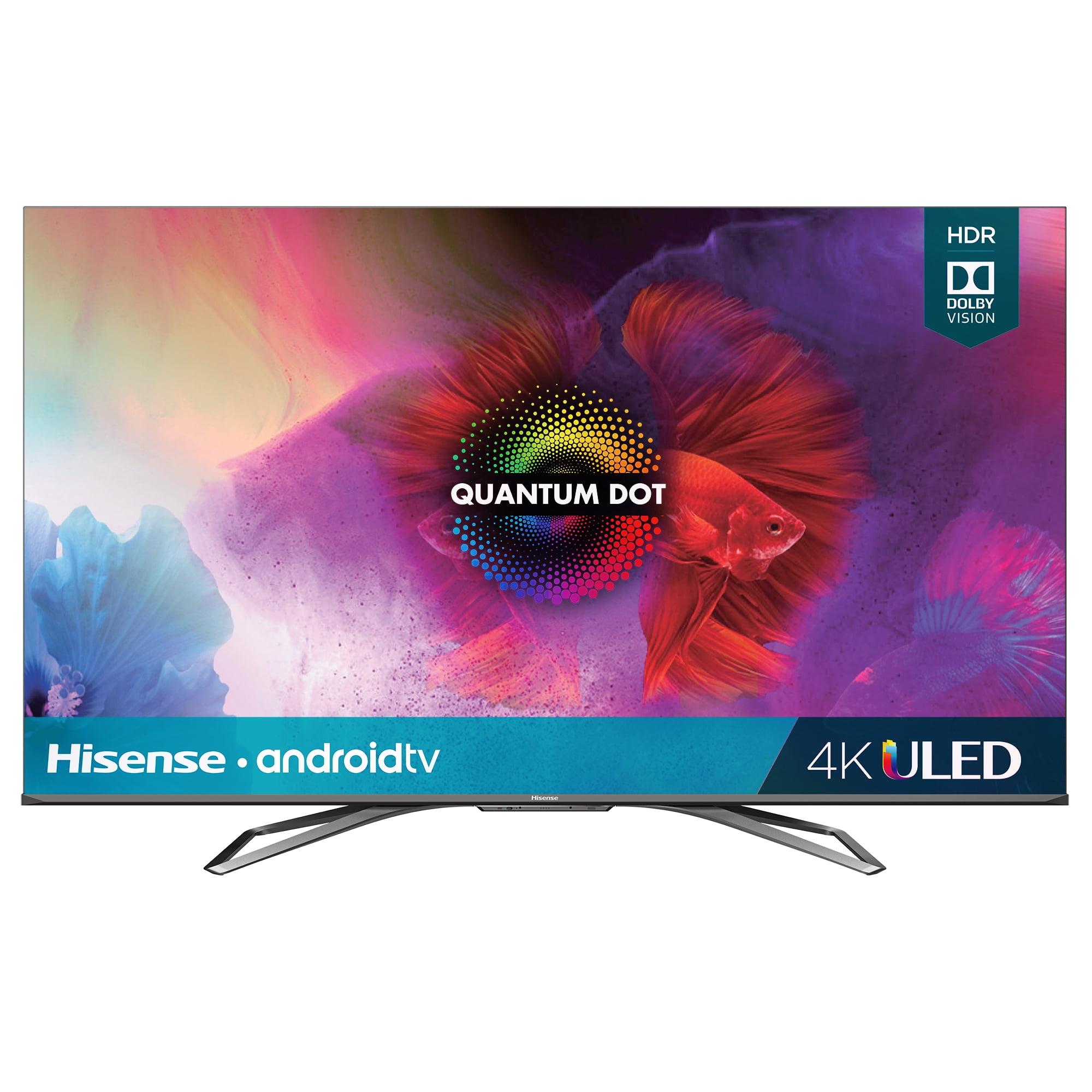
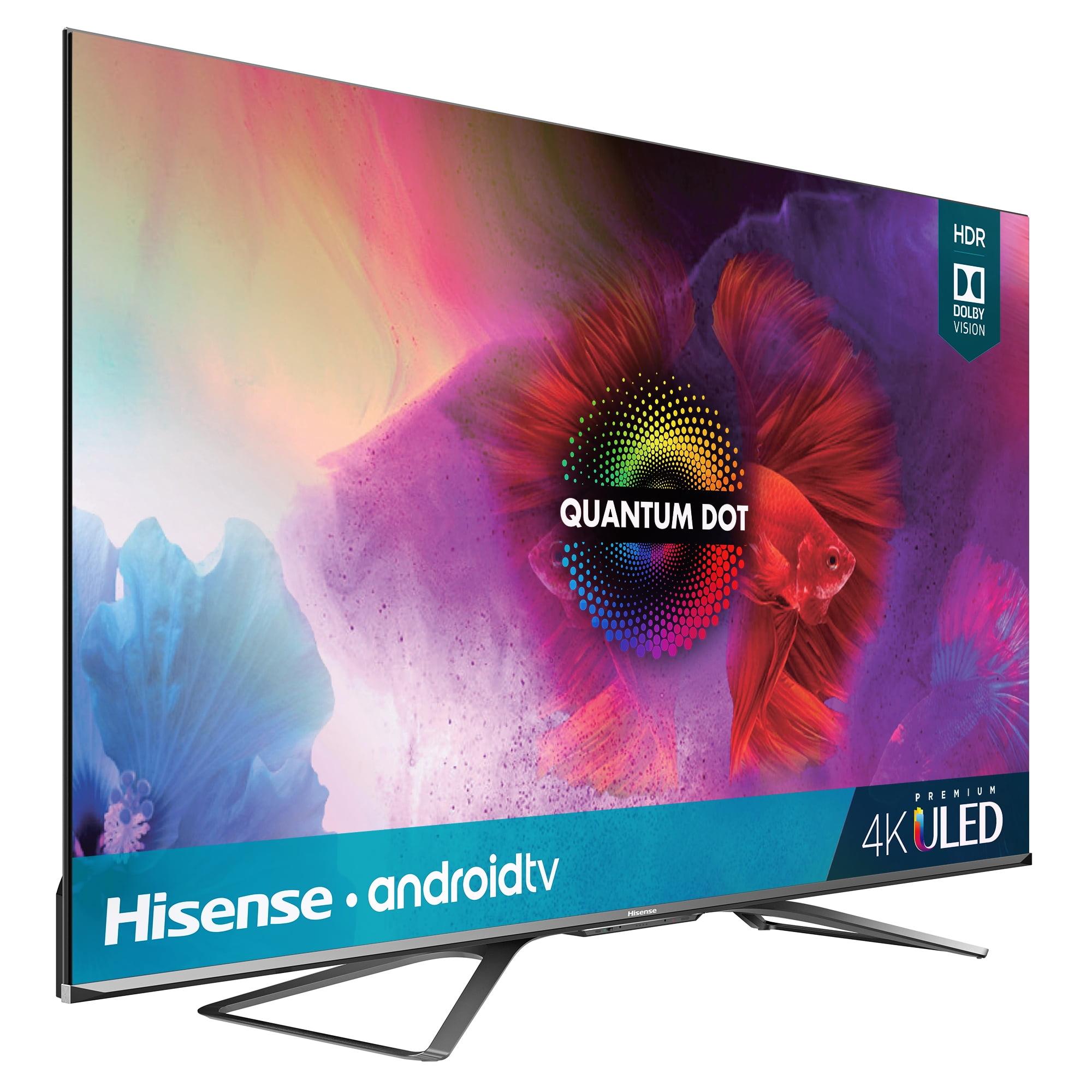

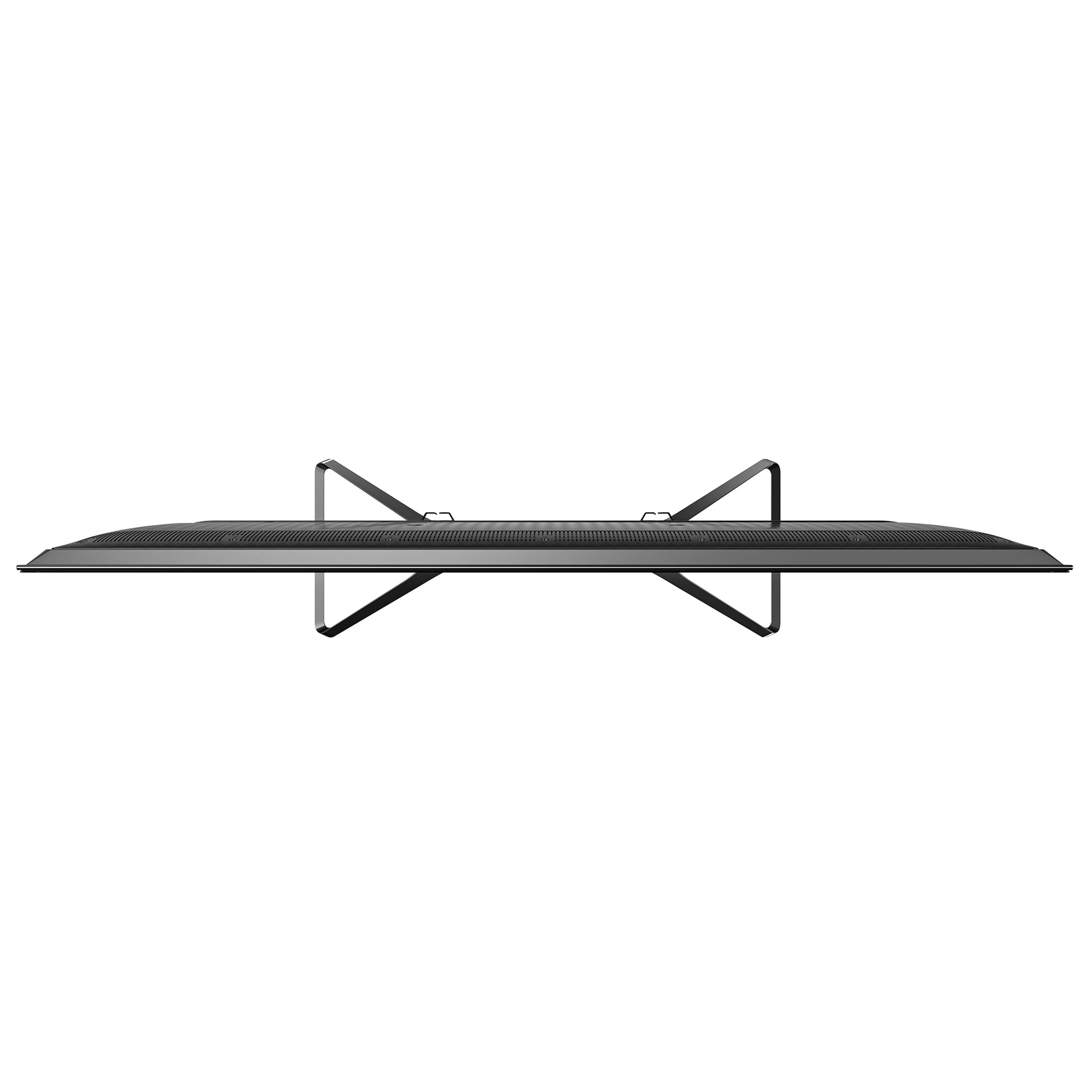
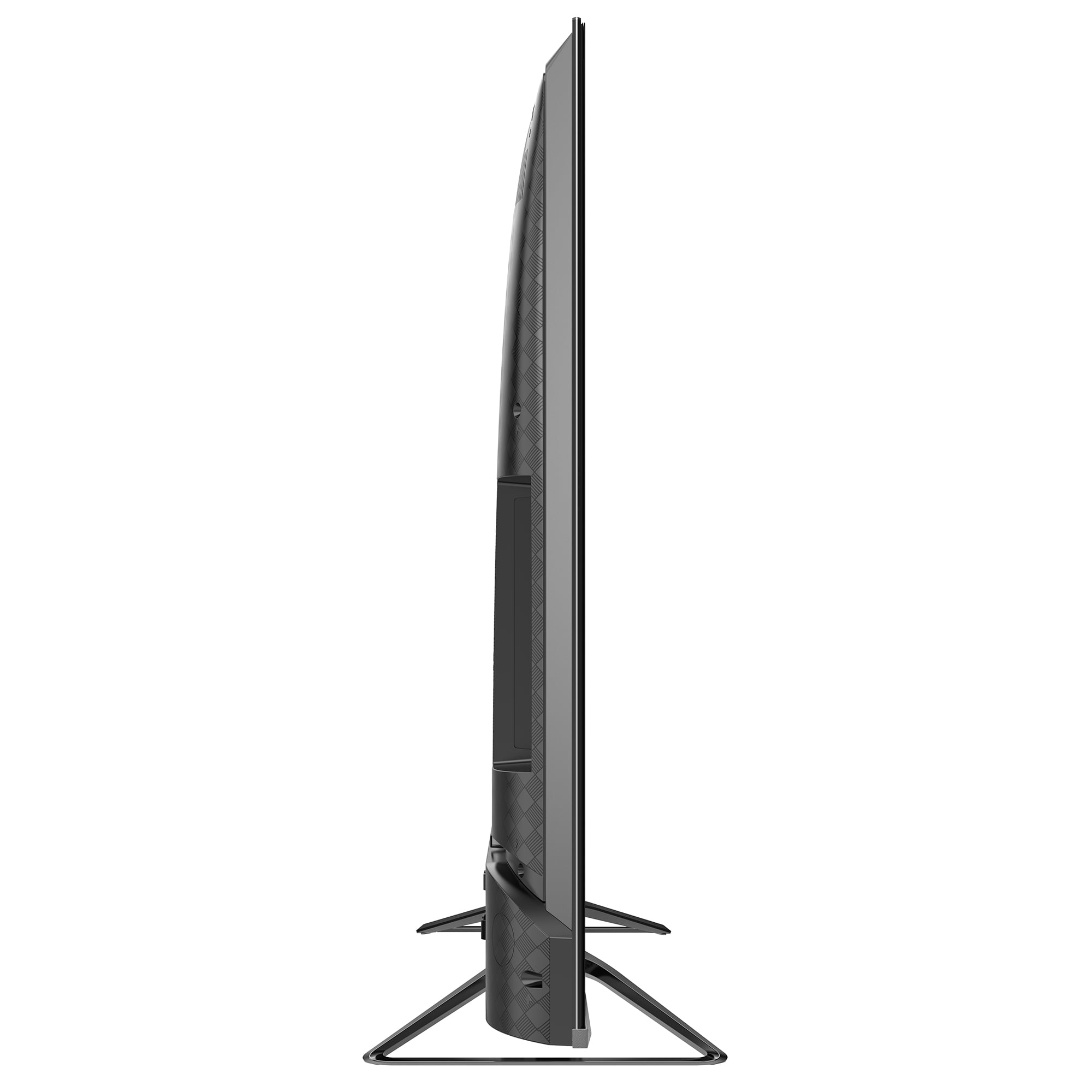
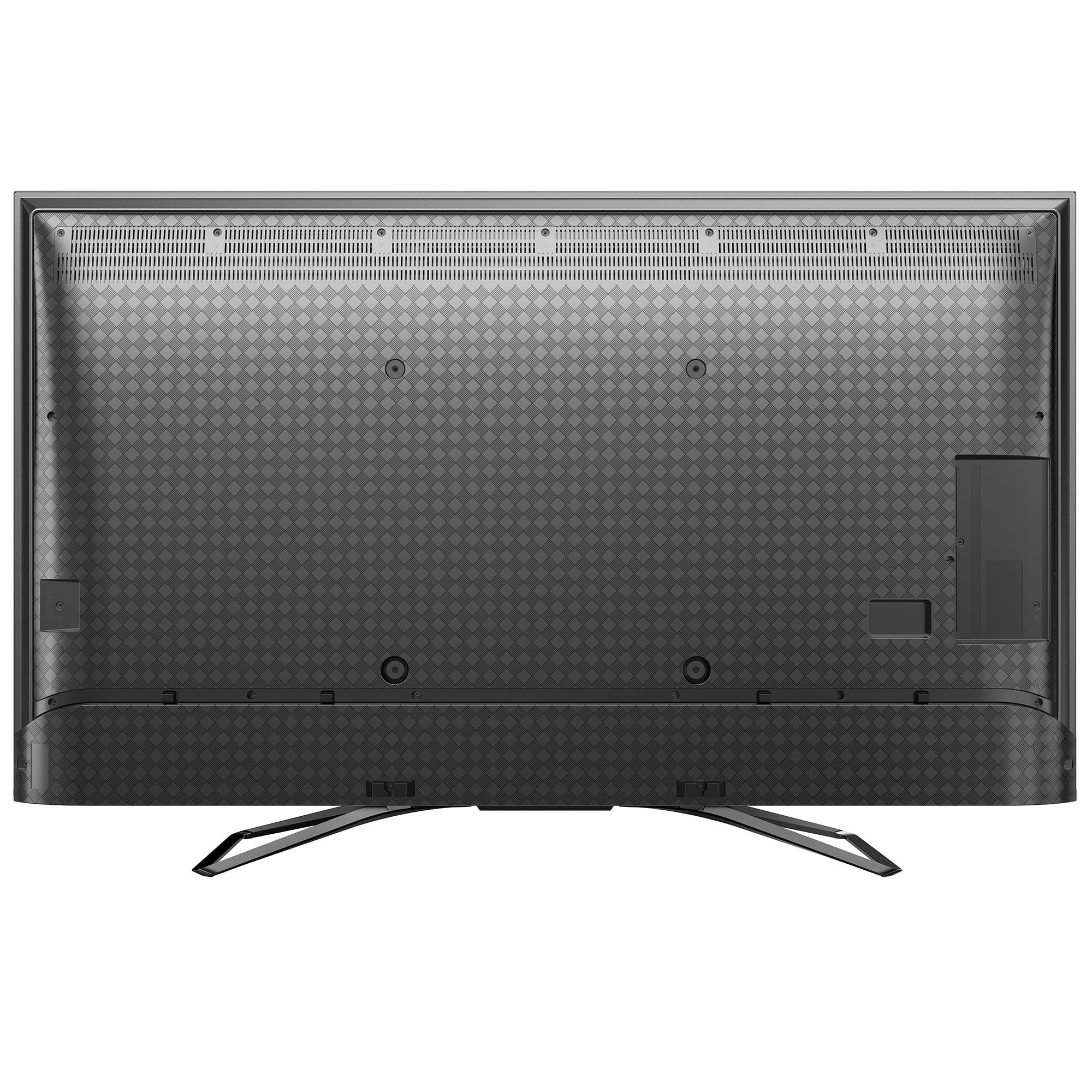
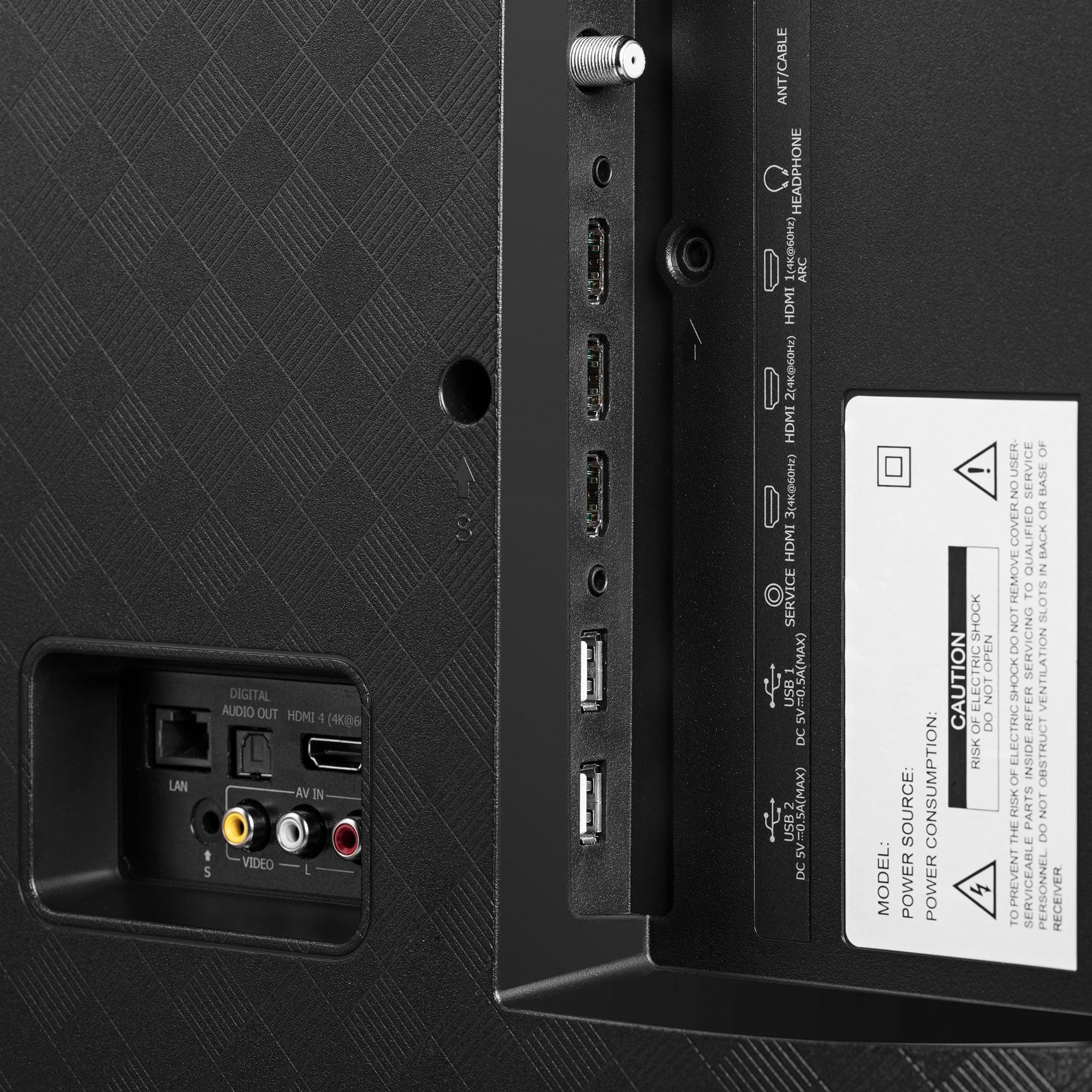
Shopping for a 65-inch 4K TV can feel overwhelming with all the marketing terms and technical specifications thrown around. Today, we're comparing two popular options that represent different approaches to premium 4K performance: the Samsung QN80F Neo QLED and the Hisense H9G Quantum Series. While these TVs might seem similar on paper, they're actually quite different in what they prioritize and who they're best suited for.
The 65-inch TV market has exploded in recent years, becoming the new standard for living room entertainment. These displays offer that cinematic experience without completely dominating your space like the massive 75+ inch models. But not all 65-inch TVs are created equal.
Modern 4K TVs have evolved far beyond just having four times more pixels than 1080p displays. Today's premium TVs incorporate quantum dot technology (which dramatically expands the range of colors they can display), advanced local dimming systems (which selectively dim parts of the screen for better contrast), and AI-powered processing (which intelligently optimizes the picture in real-time). The key is understanding which of these technologies matter most for how you actually use your TV.
When I'm evaluating TVs for different users, I focus on several critical areas: how well they handle dark room movie watching, their gaming capabilities for modern consoles, smart platform responsiveness, and whether they provide good value for the money you're spending. The Samsung QN80F and Hisense H9G take notably different approaches to these priorities.
The most important thing to understand about these TVs is that they represent different generations of display technology, released about four years apart. The Hisense H9G launched in 2020 as Hisense's flagship model, while the Samsung QN80F represents Samsung's more recent Neo QLED technology.
This timing difference matters more than you might think. TV technology has advanced rapidly in the past few years, particularly in gaming features and AI processing. The Samsung QN80F benefits from these newer developments, while the Hisense H9G was designed before some of these features became standard.
At the time of writing, there's a significant price gap between these models, with the Samsung commanding a premium of roughly $500-600 over the Hisense. That's not insignificant money, so the question becomes whether Samsung's newer technology and features justify the extra cost.
If you've ever watched a movie in a darkened room and noticed that "black" areas of the screen look more gray than truly black, you understand why contrast ratio matters. This is where the Hisense H9G really shines.
The H9G uses a VA (Vertical Alignment) panel with full-array local dimming across 180 zones. In simple terms, this means the TV can selectively dim specific areas of the screen while keeping others bright, and it can do this across 180 different sections. When you're watching a scene with a bright explosion against a dark night sky, those 180 zones work together to make the explosion pop while keeping the night sky genuinely black.
In my experience testing TVs in dark rooms, the Hisense H9G delivers some of the best black levels I've seen in its price range. It's genuinely impressive how deep and inky the blacks appear, rivaling TVs that cost significantly more.
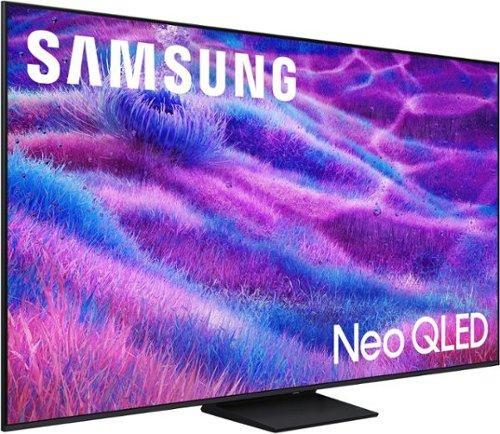
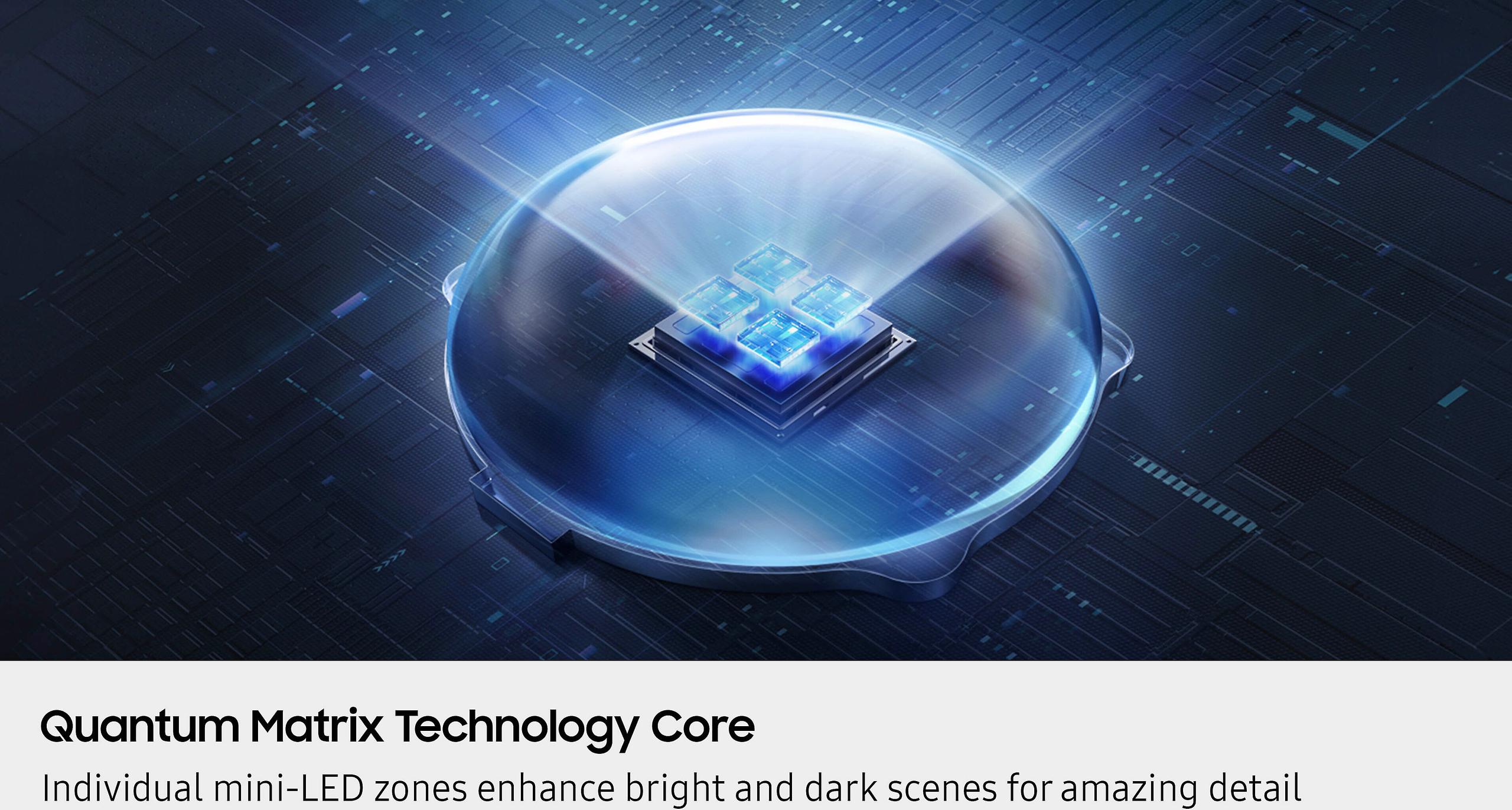
The Samsung QN80F takes a different approach with its Mini LED technology. Instead of 180 larger dimming zones, it uses thousands of tiny LED lights that can be controlled more precisely. This should theoretically provide better contrast control, but Mini LED can sometimes create "blooming" - where bright objects appear to have a subtle halo effect around them in dark scenes.
Both TVs can get impressively bright - we're talking about 1000+ nits peak brightness, which is bright enough to make HDR (High Dynamic Range) content really shine. HDR is essentially a way of displaying a wider range of brightness levels, from deeper blacks to brighter whites, making the image appear more lifelike.
Where they differ is in HDR format support. The Hisense H9G supports Dolby Vision, which many streaming services use for their premium content. Dolby Vision uses dynamic metadata, meaning it can adjust the picture settings scene by scene for optimal viewing. The Samsung QN80F focuses on HDR10+ Adaptive, Samsung's competing standard that's less widely adopted but still provides excellent results.
In practical terms, both will make your Netflix shows and 4K Blu-rays look fantastic, but the Hisense might have a slight edge with certain streaming content due to its Dolby Vision support.
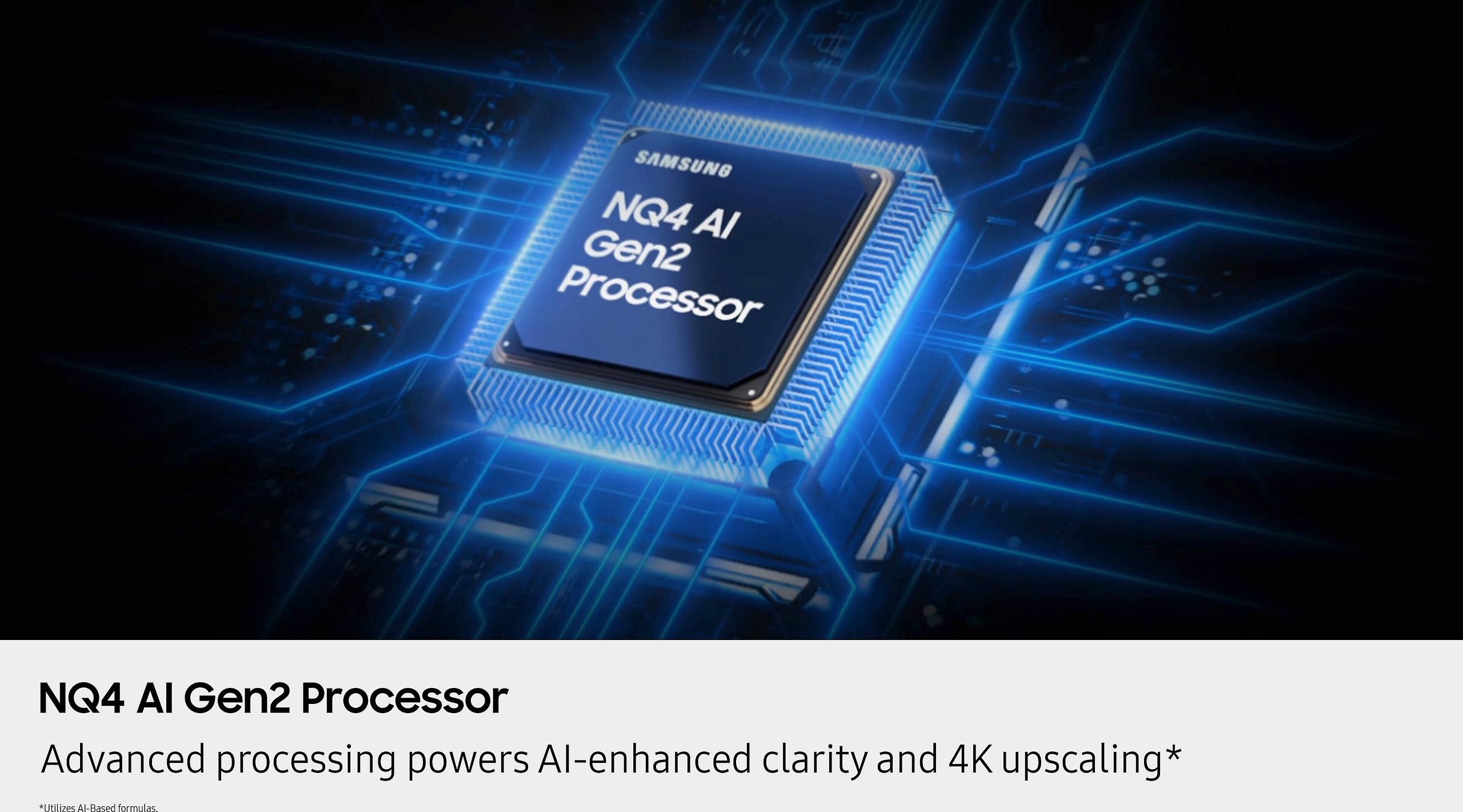
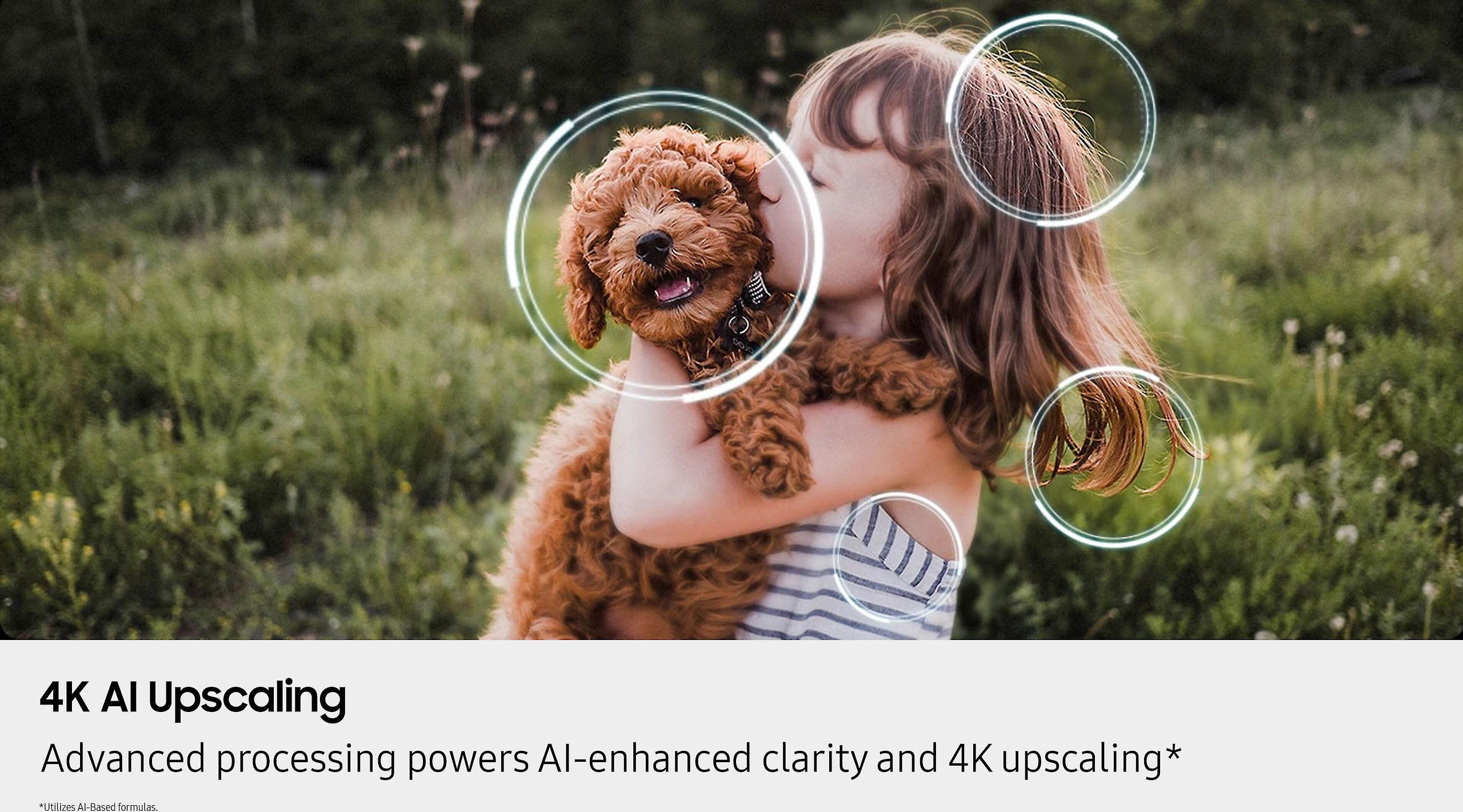
This is where Samsung's newer technology starts to show its advantages. The Samsung QN80F includes Samsung's NQ4 AI Gen2 processor, which uses artificial intelligence to analyze and optimize the picture in real-time. It's constantly adjusting colors, contrast, and sharpness based on what you're watching.
The quantum dot technology in both TVs expands the color gamut (the range of colors they can display), but Samsung's more advanced processing means it can display these colors more accurately. If you're someone who cares about movies looking exactly as the director intended, Samsung's superior processing gives it an edge.
The Hisense H9G still produces beautiful, vibrant colors thanks to its quantum dot technology, but it requires more manual calibration to achieve optimal results. Out of the box, colors might appear slightly oversaturated compared to Samsung's more refined approach.
If gaming is important to you - especially if you own a PlayStation 5 or Xbox Series X - the choice between these TVs becomes much clearer.
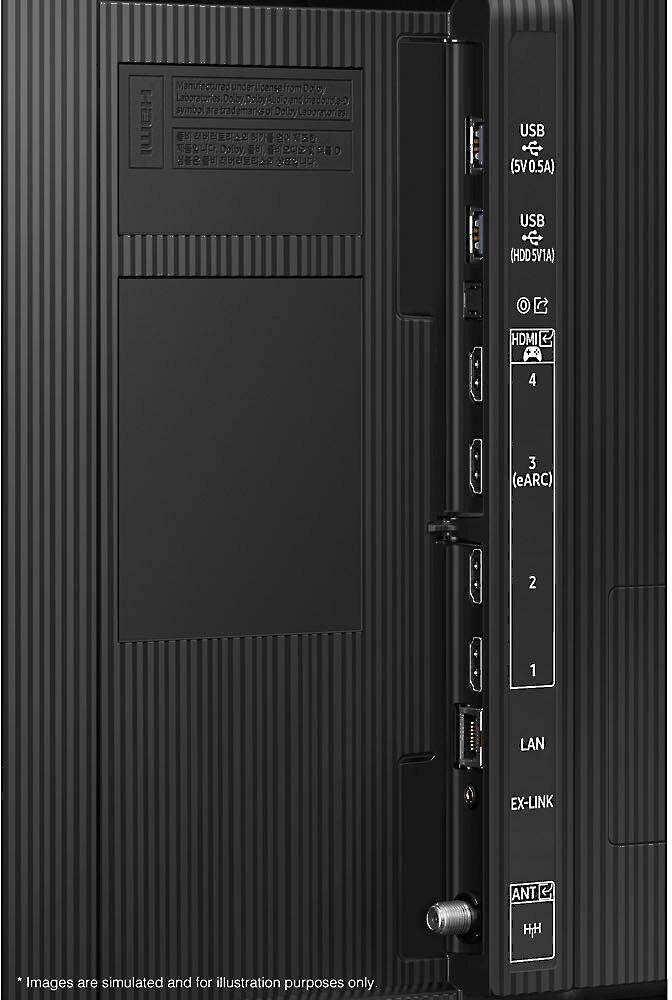
Modern gaming consoles can output 4K resolution at 120 frames per second, but only if your TV supports it. The Samsung QN80F includes four HDMI 2.1 ports that can handle this advanced gaming performance. It also supports Variable Refresh Rate (VRR) up to 144Hz, which eliminates screen tearing and provides smoother gameplay, and Auto Low Latency Mode (ALLM), which automatically switches the TV to its lowest input lag setting when it detects a gaming console.
The Hisense H9G, being from 2020, lacks HDMI 2.1 entirely. It's limited to 4K at 60Hz maximum and doesn't support VRR or ALLM. While it does offer low input lag for responsive gaming, you're essentially getting basic gaming features compared to what modern consoles can provide.
If you're serious about gaming, particularly with current-generation consoles, the Samsung QN80F is the obvious choice. The difference in gaming performance is substantial and represents a significant future-proofing advantage.
Even if you're not a gamer, motion handling affects how smooth sports and action movies appear. The Samsung QN80F includes Motion Xcelerator 144Hz technology, which provides excellent motion clarity for fast-moving content.
The Hisense H9G handles motion adequately with its Motion Rate 480 processing, but it can struggle with 24fps movie content, sometimes producing a stuttering effect during slow panning shots. This isn't a dealbreaker for most viewers, but it's noticeable if you watch a lot of movies.
The smart TV experience varies significantly between these models, and your preference might depend on which ecosystem you're already invested in.
The Hisense H9G runs Android TV, Google's smart TV platform. This gives you access to the Google Play Store for apps, built-in Chromecast for casting from your phone, and hands-free Google Assistant through built-in microphones. The interface is clean and familiar if you use other Google services.
However, in my experience, Android TV can become sluggish over time, especially when loading multiple apps or switching between them quickly. It's functional but not always the smoothest experience.
The Samsung QN80F uses Samsung's Tizen OS, which tends to be more responsive and receives updates more frequently. Samsung has also integrated its Vision AI technology, which includes features like real-time translation of foreign language content and gesture controls. These AI features feel futuristic, though they're more novelty than necessity for most users.
Both TVs offer voice control, but they integrate with different ecosystems. The Hisense H9G works seamlessly with Google services and smart home devices, while the Samsung QN80F integrates better with Samsung's ecosystem and Bixby voice assistant.
If you already use Google Home devices or prefer Google services, the Hisense might feel more natural. If you're invested in Samsung's ecosystem or prefer a more responsive smart TV experience, Samsung's approach works well.
For dedicated home theater setups, several factors become particularly important.
In a dedicated theater room with controlled lighting, the Hisense H9G really excels. Its superior contrast ratio and deep blacks create an immersive viewing experience that rivals much more expensive displays. The lack of blooming issues that can affect Mini LED displays is particularly beneficial for movie watching in dark environments.
Both TVs use VA panels, which means viewing angles aren't their strongest suit. If you have a wide seating arrangement where people sit significantly off to the sides, colors and contrast will shift noticeably. This is a inherent limitation of VA panel technology, though the trade-off is better contrast performance when viewed straight-on.
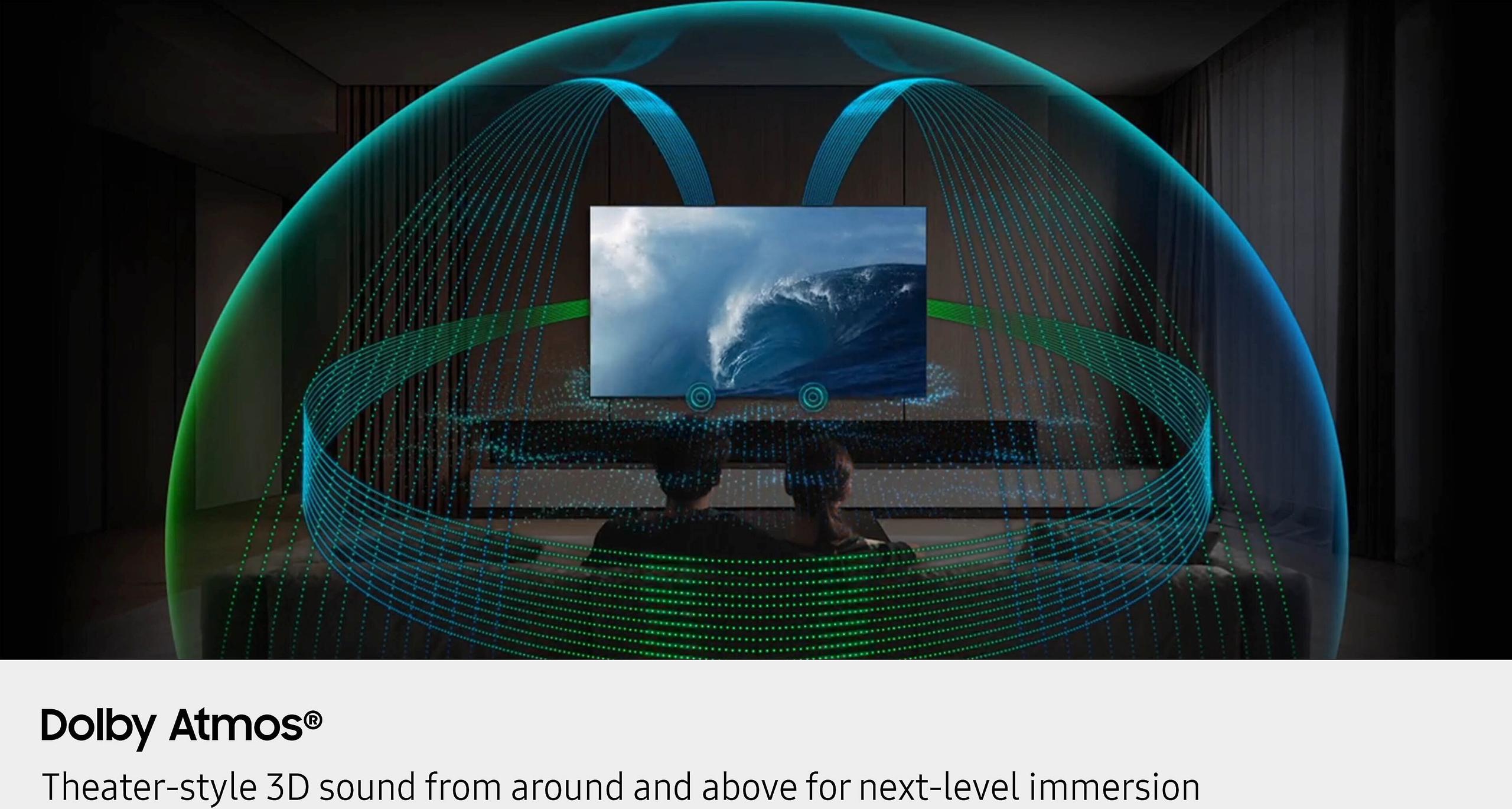
Neither TV excels in audio performance - the Hisense H9G has basic 10W speakers, while specific audio specs weren't detailed for the Samsung QN80F. For a proper home theater setup, you'll want to invest in a soundbar or surround sound system regardless of which TV you choose.
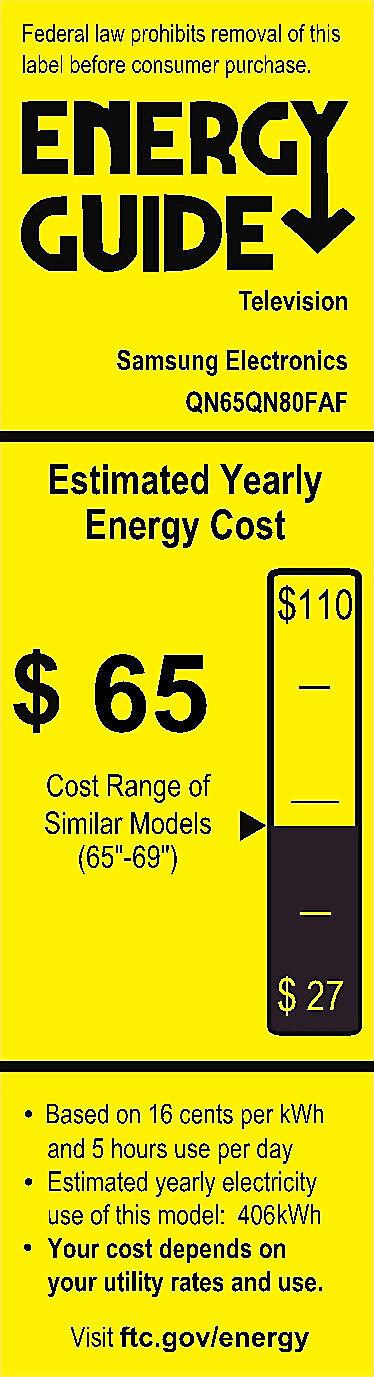
An often-overlooked factor is operating cost. The Hisense H9G is notably more energy-efficient, consuming 180-220 watts during typical viewing. While Samsung hasn't published specific power consumption figures for the QN80F, Mini LED technology typically consumes more power than traditional LED arrays.
Over the TV's lifespan, this could translate to $100-200 in electricity savings with the Hisense, partially offsetting its lower purchase price.
Samsung generally provides longer software support cycles and more consistent build quality across units. The Samsung QN80F is likely to receive software updates for 5-7 years, while the Hisense H9G, being a 2020 model, may have a shorter remaining support window.
This doesn't mean the Hisense will stop working, but it might not receive new streaming app updates or security patches as long as the Samsung model.
You're a serious gamer with current-generation consoles and want to take full advantage of their capabilities. The HDMI 2.1 support, high refresh rates, and advanced gaming features make this essential for PS5 or Xbox Series X owners who want the best possible gaming experience.
You value cutting-edge features and processing power. If you like having the latest technology and AI-powered optimization appeals to you, Samsung's more advanced processing justifies the higher price.
Long-term software support matters to you. Samsung's track record of providing extended software support means this TV will likely stay current longer.
Your viewing environment has mixed lighting conditions. Samsung's processing handles various lighting situations more adaptively than the Hisense.
Budget is your primary concern, but you still want excellent picture quality. The H9G delivers flagship-level contrast and brightness performance at a significantly lower price point.
You primarily watch movies in a darkened room. The superior contrast ratio and deep blacks make this ideal for dedicated movie watching, especially in darker environments.
Gaming is secondary or you use older consoles. If you're primarily streaming content or using a Nintendo Switch, the lack of advanced gaming features won't affect your experience.
You prefer Google's ecosystem. If you already use Google services extensively, the Android TV platform will feel more natural.
Energy efficiency is important to you. The lower power consumption can add up to meaningful savings over the TV's lifetime.
Both the Samsung QN80F Neo QLED and Hisense H9G Quantum Series are excellent TVs that serve different priorities. The Samsung represents the latest in TV technology with superior gaming features and processing power, while the Hisense offers exceptional value with impressive fundamental picture quality performance.
At the time of writing, the Samsung commands a significant price premium - roughly 30-40% more than the Hisense. Whether this premium is justified depends entirely on your specific needs and priorities.
If you're building a modern gaming setup or want the most advanced features available, the Samsung QN80F provides capabilities that the Hisense simply can't match. The gaming features alone make it worthwhile for console enthusiasts, and the superior processing ensures it will remain relevant longer.
However, if you're primarily focused on movie watching and want to maximize picture quality per dollar spent, the Hisense H9G delivers remarkable performance for its price. Its superior contrast ratio and energy efficiency make it an excellent choice for budget-conscious buyers who don't need cutting-edge gaming features.
Ultimately, both TVs will provide years of excellent viewing experiences. The key is honestly assessing which features matter most for your specific viewing habits and choosing accordingly. In my experience, most buyers are better served by clearly identifying their primary use case - whether that's gaming, movie watching, or general entertainment - and selecting the TV that excels in those areas rather than trying to find one that does everything perfectly.
| Samsung 65" QN80F Neo QLED 4K TV | Hisense 65" H9G Quantum Series 4K UHD Smart Android TV |
|---|---|
| Display Technology - Core picture quality foundation | |
| Neo QLED with Mini LED backlighting | Quantum LED with VA panel and full-array local dimming |
| Local Dimming Zones - Controls contrast and black levels | |
| Thousands of Mini LED zones (precise control) | 180 zones (excellent for the price point) |
| Peak Brightness - Critical for HDR content and bright rooms | |
| 1000+ nits (excellent HDR performance) | Up to 1000 nits (impressive for budget tier) |
| Gaming Features - Essential for PS5/Xbox Series X owners | |
| 4 HDMI 2.1 ports, 120Hz VRR up to 144Hz, ALLM | No HDMI 2.1, limited to 4K@60Hz, basic gaming only |
| Smart TV Platform - Daily user experience | |
| Tizen OS with Vision AI features and responsive performance | Android TV with Google ecosystem integration |
| HDR Support - Streaming and movie compatibility | |
| HDR10+ Adaptive (Samsung's standard) | Dolby Vision, HDR10, HDR10+, HLG (broader format support) |
| Processor - Picture optimization and upscaling quality | |
| NQ4 AI Gen2 with real-time optimization | Basic upscaling processor |
| Motion Handling - Sports and action movie performance | |
| Motion Xcelerator 144Hz (excellent clarity) | Motion Rate 480 (adequate, some 24fps stuttering) |
| Energy Consumption - Long-term operating costs | |
| Higher consumption typical of Mini LED | 180-220W (notably energy efficient) |
| Release Year - Technology generation and future support | |
| 2025 (current generation with long support cycle) | 2020 (mature product with shorter remaining support) |
| Voice Control - Hands-free operation | |
| Bixby with multi-command processing | Google Assistant with hands-free microphones |
| Best Use Case - Who should buy this TV | |
| Gamers and tech enthusiasts wanting latest features | Movie lovers seeking maximum value and dark room performance |
The Hisense H9G Quantum Series excels in dark room movie watching due to its superior contrast ratio and deep black levels from its VA panel technology. However, the Samsung QN80F Neo QLED offers more advanced AI processing and color accuracy. For dedicated home theater setups in dark rooms, the Hisense H9G provides exceptional value, while the Samsung QN80F handles mixed lighting conditions better.
The Samsung QN80F Neo QLED is significantly better for modern gaming, featuring four HDMI 2.1 ports, 120Hz Variable Refresh Rate up to 144Hz, and Auto Low Latency Mode. The Hisense H9G Quantum Series lacks HDMI 2.1 entirely and is limited to 4K at 60Hz. If gaming is a priority, the Samsung QN80F is the clear winner.
Neo QLED in the Samsung QN80F uses thousands of tiny Mini LED lights for precise backlighting control, while Quantum LED in the Hisense H9G uses traditional full-array local dimming with 180 zones. The Samsung QN80F offers more advanced technology, but the Hisense H9G still delivers excellent contrast performance at a lower cost.
The Samsung QN80F Neo QLED runs Tizen OS, which tends to be more responsive and receives frequent updates. The Hisense H9G Quantum Series uses Android TV with Google ecosystem integration and built-in Chromecast. Choose the Samsung QN80F for responsiveness or the Hisense H9G if you prefer Google services.
The Hisense H9G Quantum Series provides exceptional value, delivering flagship-level picture quality at a significantly lower price point. While the Samsung QN80F Neo QLED offers more advanced features and better future-proofing, the Hisense H9G gives you more performance per dollar spent.
Yes, both support HDR, but differently. The Hisense H9G Quantum Series supports Dolby Vision, HDR10, HDR10+, and HLG, offering broader format compatibility with streaming services. The Samsung QN80F Neo QLED focuses on HDR10+ Adaptive. For streaming content, the Hisense H9G may have a slight advantage due to Dolby Vision support.
The Hisense H9G Quantum Series is notably more energy efficient, consuming 180-220 watts during typical viewing. Mini LED technology in the Samsung QN80F Neo QLED typically consumes more power. Over the TV's lifetime, the Hisense H9G could save you money on electricity bills.
Both the Samsung QN80F Neo QLED and Hisense H9G Quantum Series use VA panels, which have limited viewing angles compared to other panel types. Colors and contrast will shift when viewed from the side. Neither TV excels in this area, so consider seating arrangement when choosing between the Samsung QN80F and Hisense H9G.
The Samsung QN80F Neo QLED will likely receive longer software support, typically 5-7 years of updates. The Hisense H9G Quantum Series, being a 2020 model, may have a shorter remaining support window. For long-term software support, the Samsung QN80F has the advantage.
The Samsung QN80F Neo QLED handles motion better with its Motion Xcelerator 144Hz technology, providing excellent clarity for sports and action content. The Hisense H9G Quantum Series offers adequate motion handling but may show stuttering with 24fps movie content. For sports viewing, the Samsung QN80F performs better.
The Hisense H9G Quantum Series excels in dark room environments due to its superior contrast ratio and deep black levels. Its full-array local dimming creates an immersive movie-watching experience that rivals more expensive displays. While the Samsung QN80F Neo QLED offers advanced features, the Hisense H9G provides better fundamental dark room performance.
The Samsung QN80F Neo QLED represents current-generation technology with Mini LED backlighting, AI processing, and advanced gaming features. The Hisense H9G Quantum Series uses proven but older technology from 2020. If having the latest features and future-proofing matters to you, choose the Samsung QN80F.
We've done our best to create useful and informative comparisons to help you decide what product to buy. Our research uses advanced automated methods to create this comparison and perfection is not possible - please contact us for corrections or questions. These are the sites we've researched in the creation of this article: samsung.com - theshortcut.com - youtube.com - bestbuy.com - rtings.com - samsung.com - samsung.com - samsung.com - sargentappliance.com - displayspecifications.com - bestbuy.com - rtings.com - bestbuy.com - techradar.com - youtube.com - digitaltrends.com - assets.hisense-usa.com - bestbuy.com - youtube.com - bestbuy.com

Privacy Policy
Terms and Conditions - Affiliate Policy
Home Security
© Copyright 2008-2026.
11816 Inwood Rd #1211, Dallas, TX 75244