

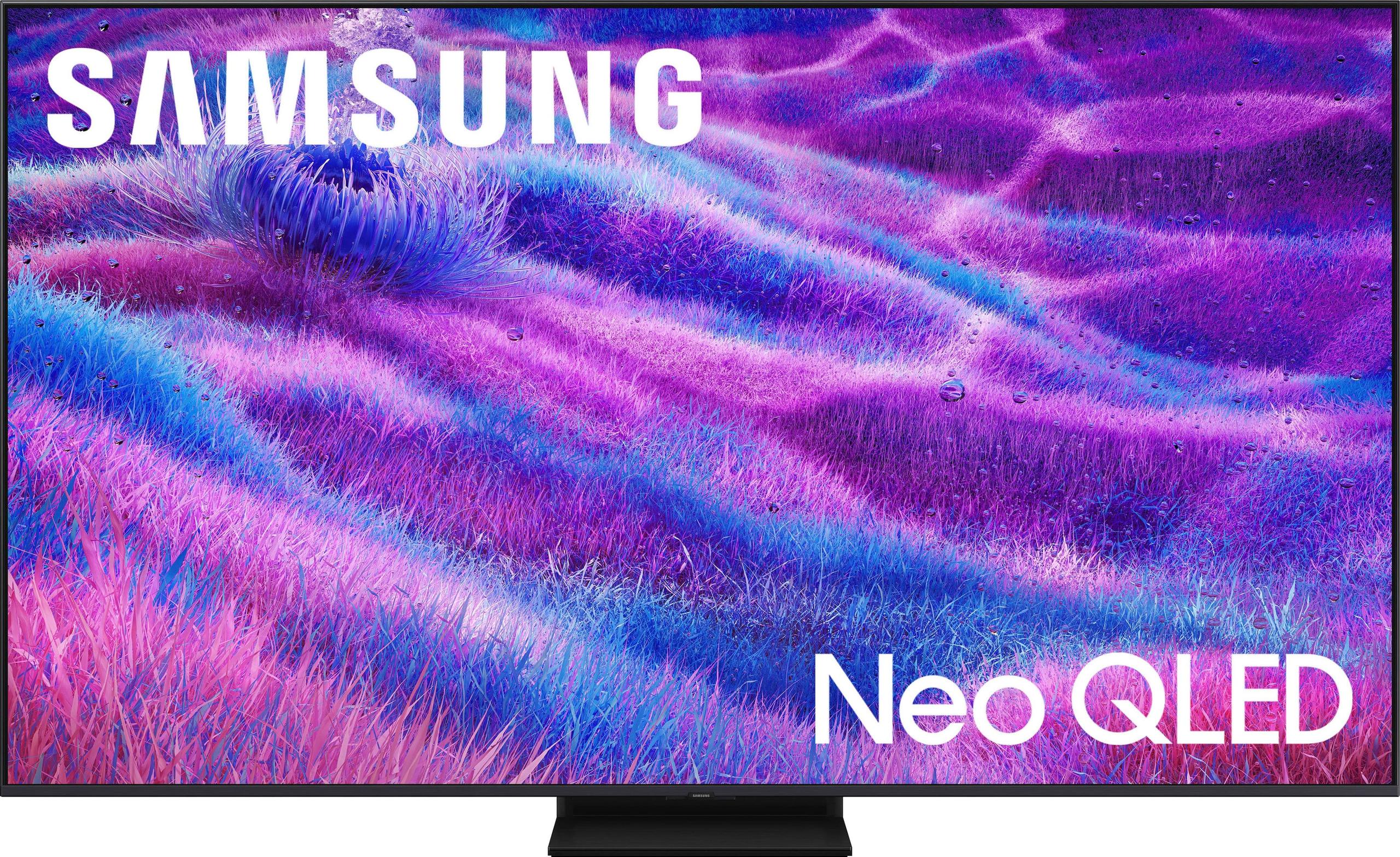
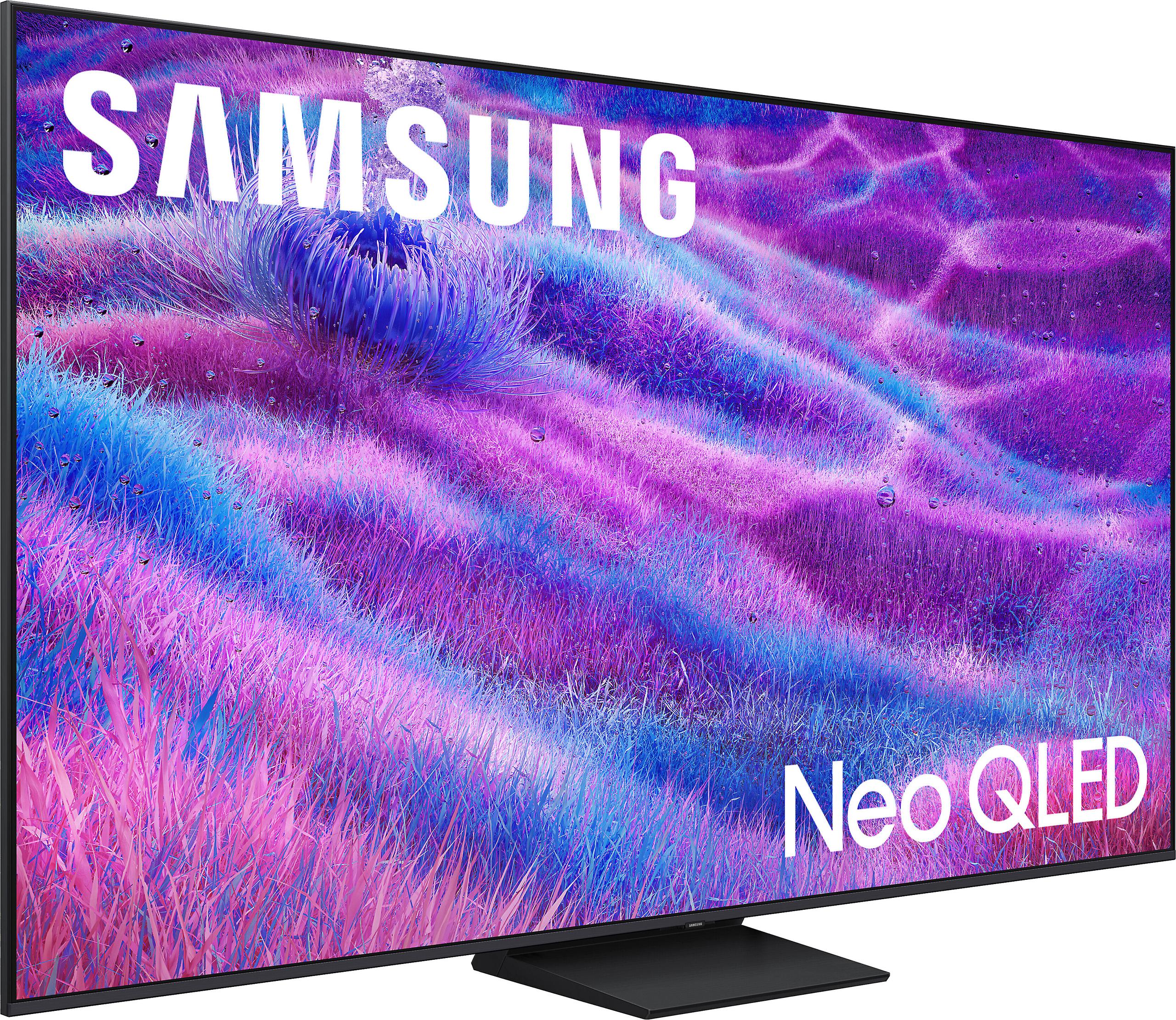
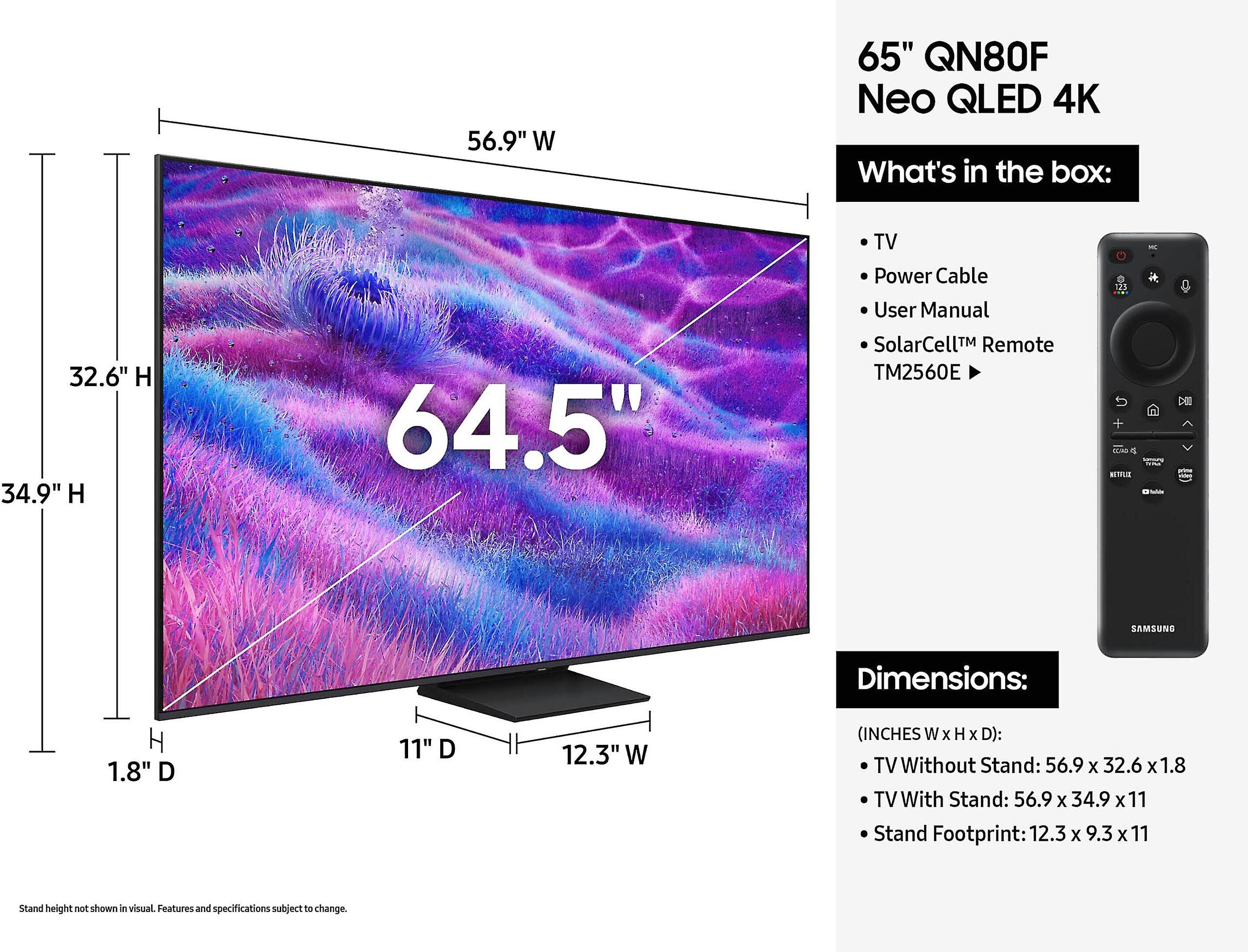
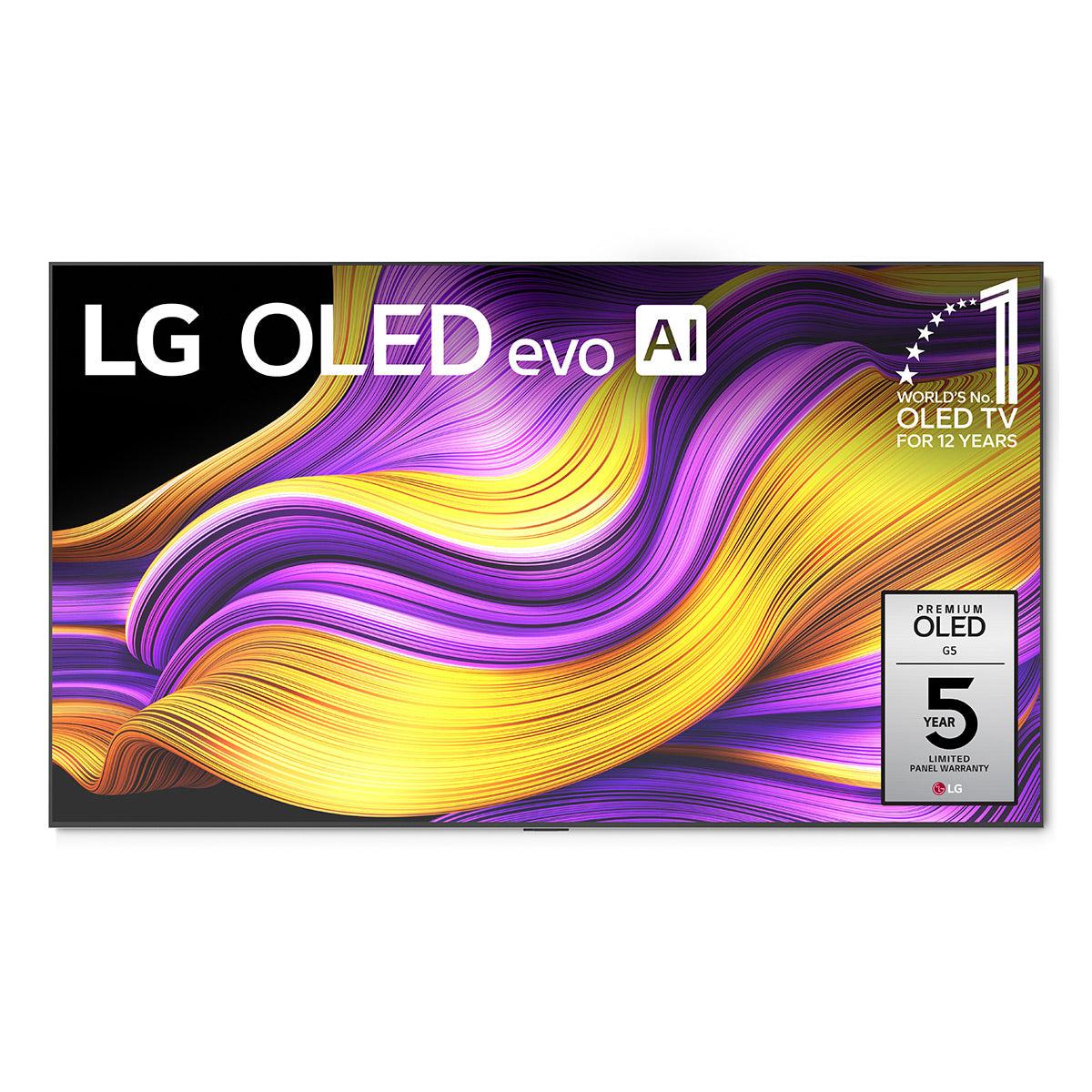
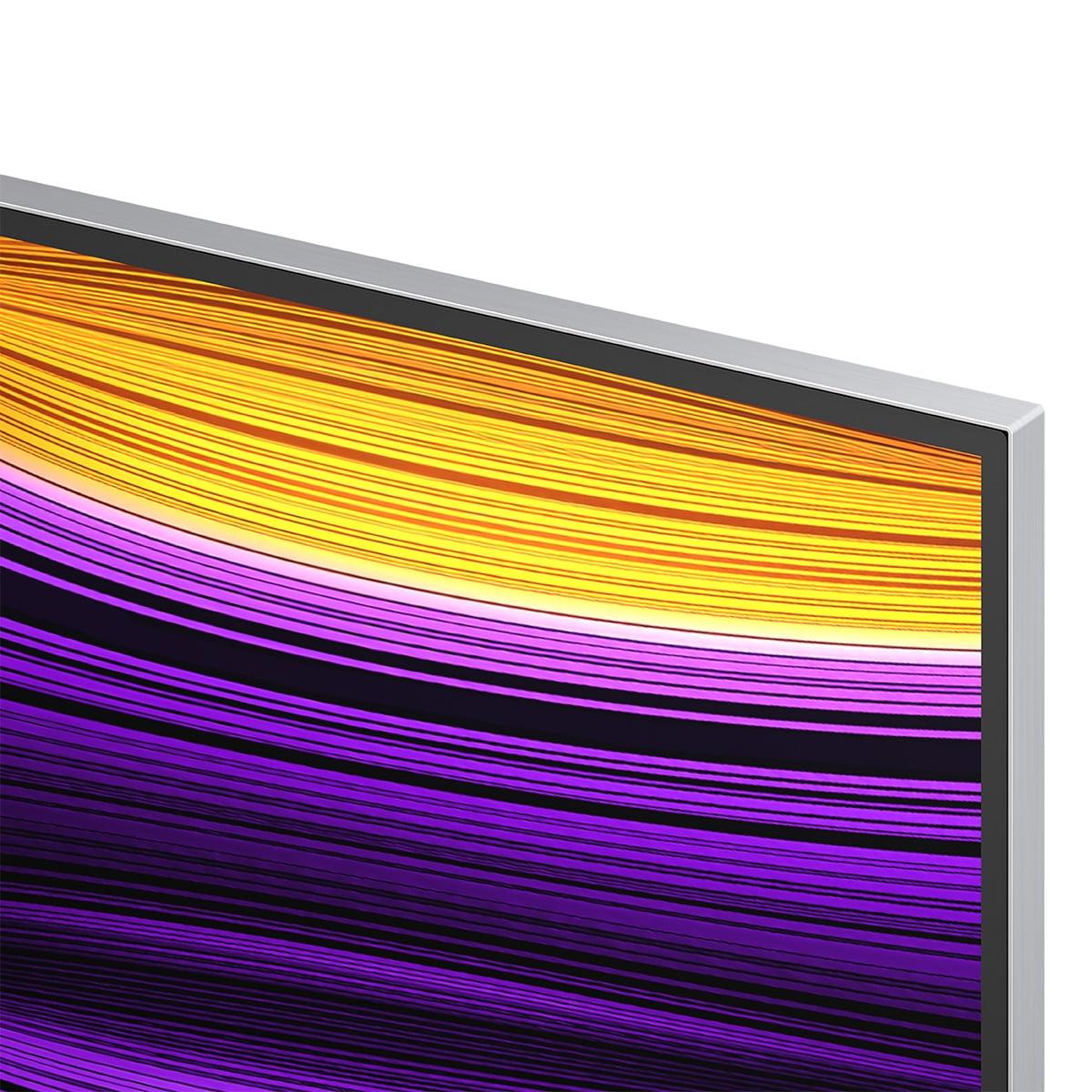
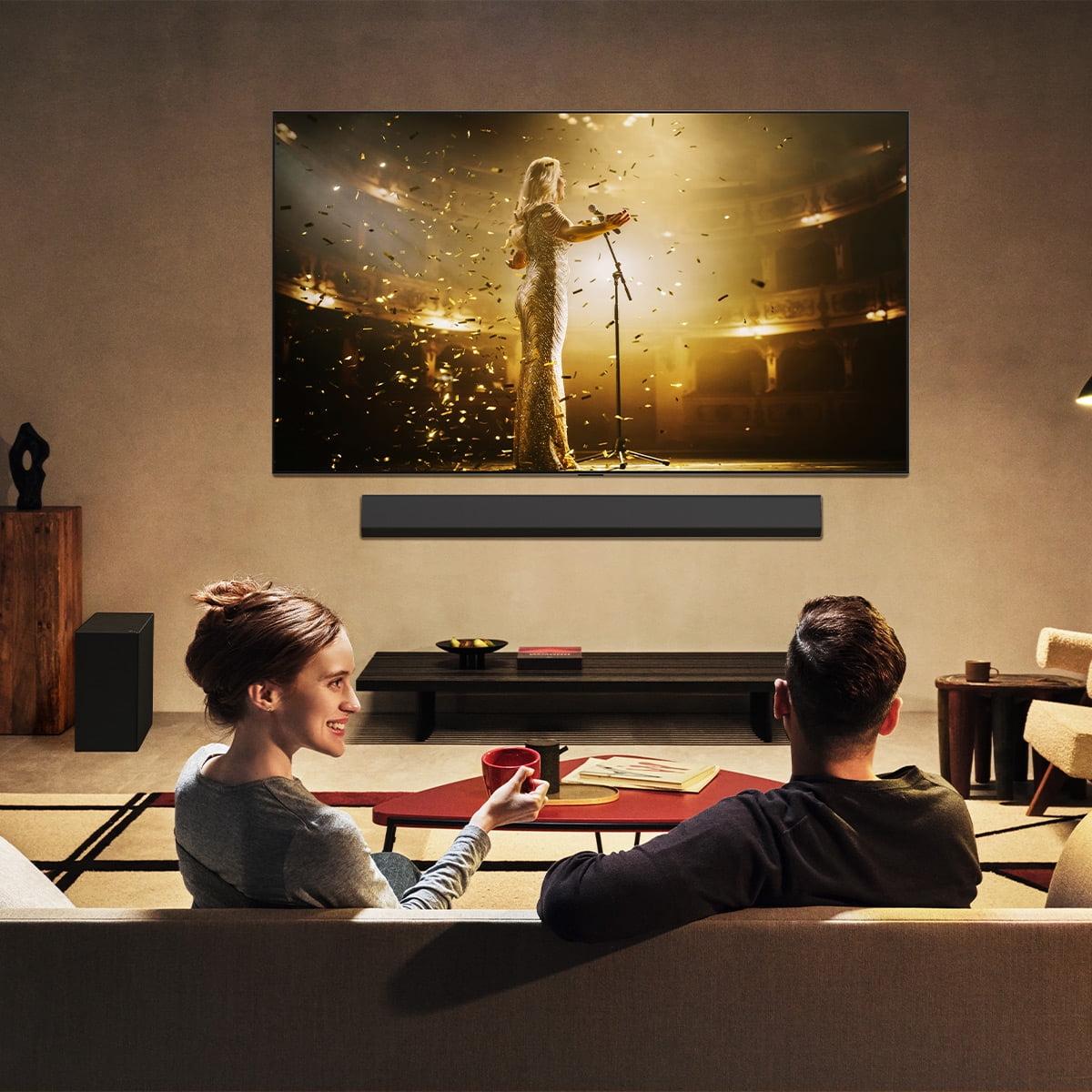
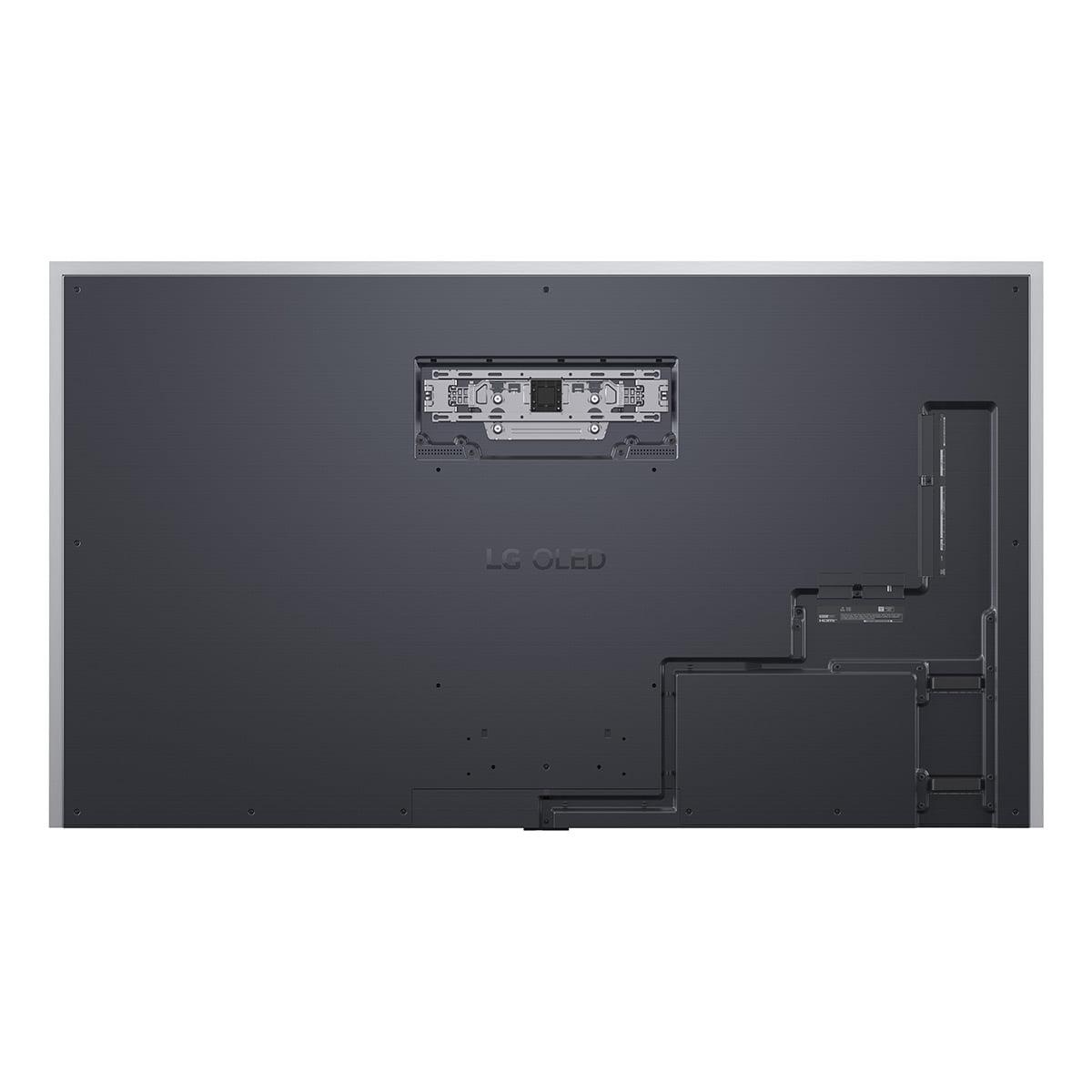
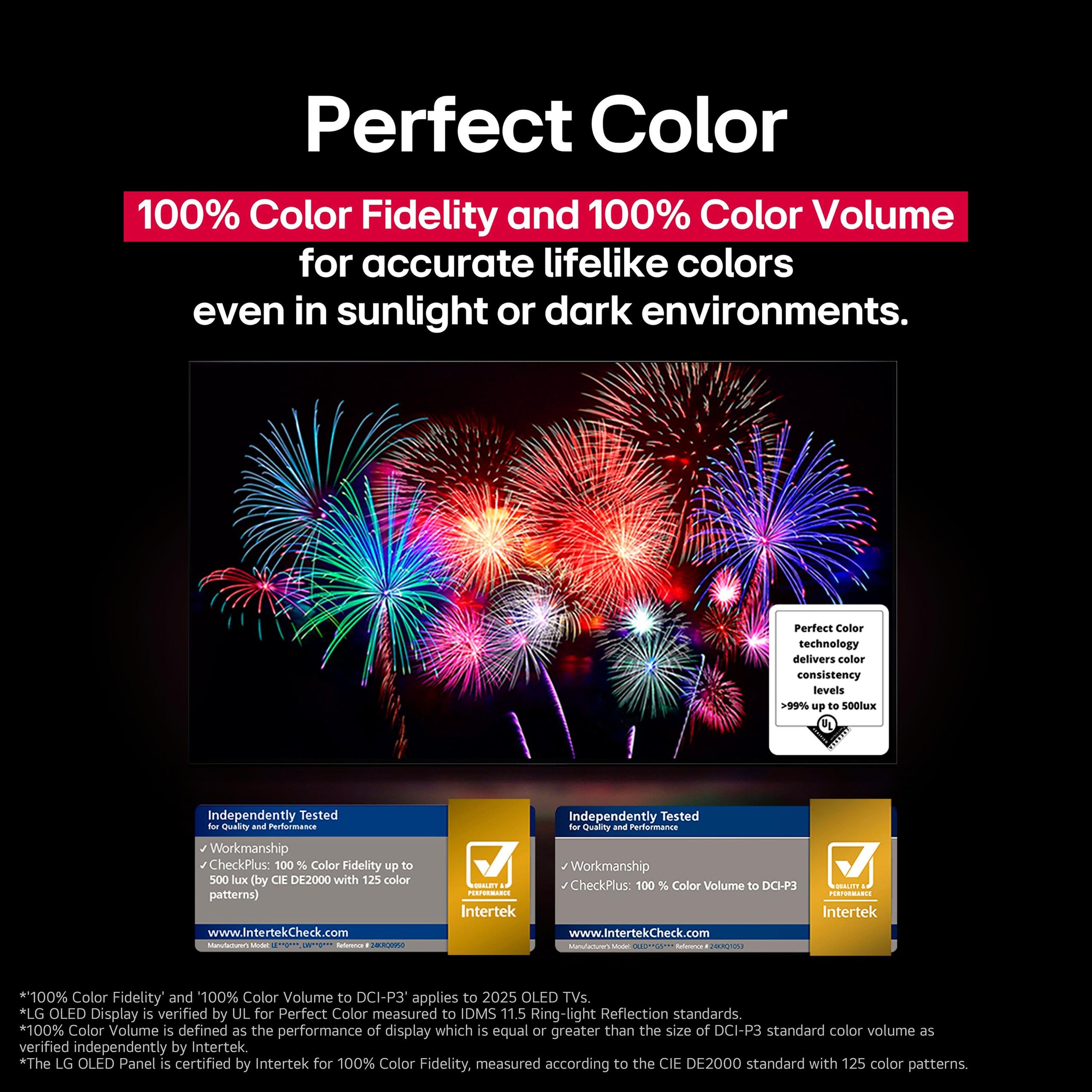
Shopping for a premium 65-inch TV can feel overwhelming, especially when you're comparing two completely different display technologies. The Samsung QN80F Neo QLED and LG OLED evo G5 both launched in 2025, representing the latest advances in their respective technologies. But here's the thing: they take fundamentally different approaches to creating stunning picture quality, which means one might be perfect for your setup while the other could be a disappointment.
Let me break down everything you need to know to make the right choice for your home.
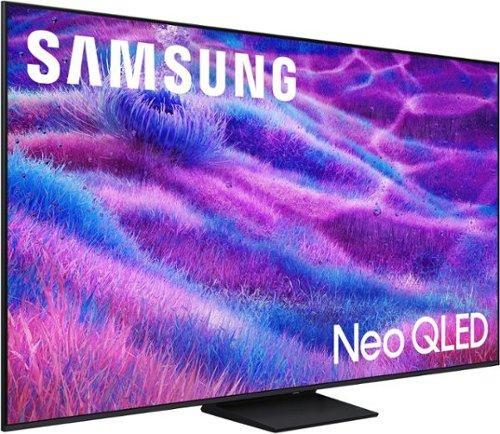
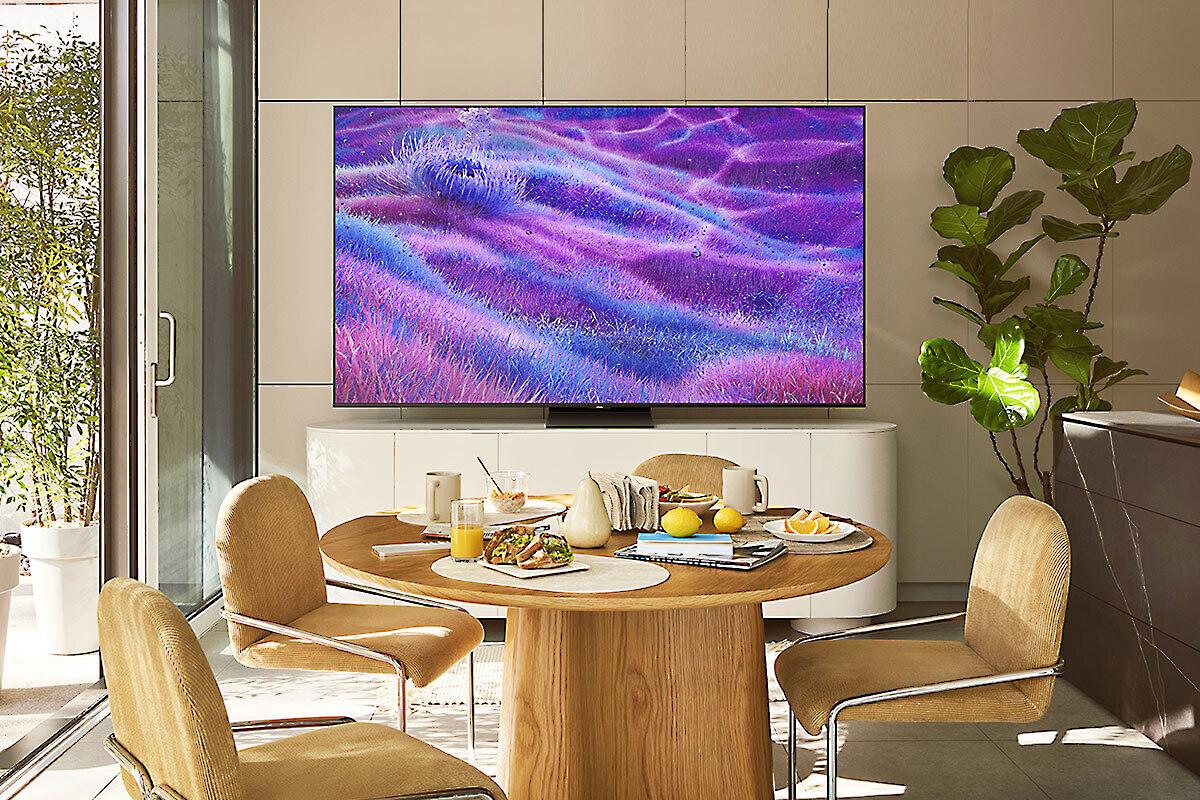
Before diving into specifics, it's crucial to understand what makes these TVs tick. The Samsung QN80F uses Mini-LED LCD technology – think of thousands of tiny LED lights behind an LCD panel, organized into zones that can dim independently. This is called "full array local dimming" (FALD), and it's a major upgrade from traditional edge-lit TVs where LEDs only line the edges of the screen.
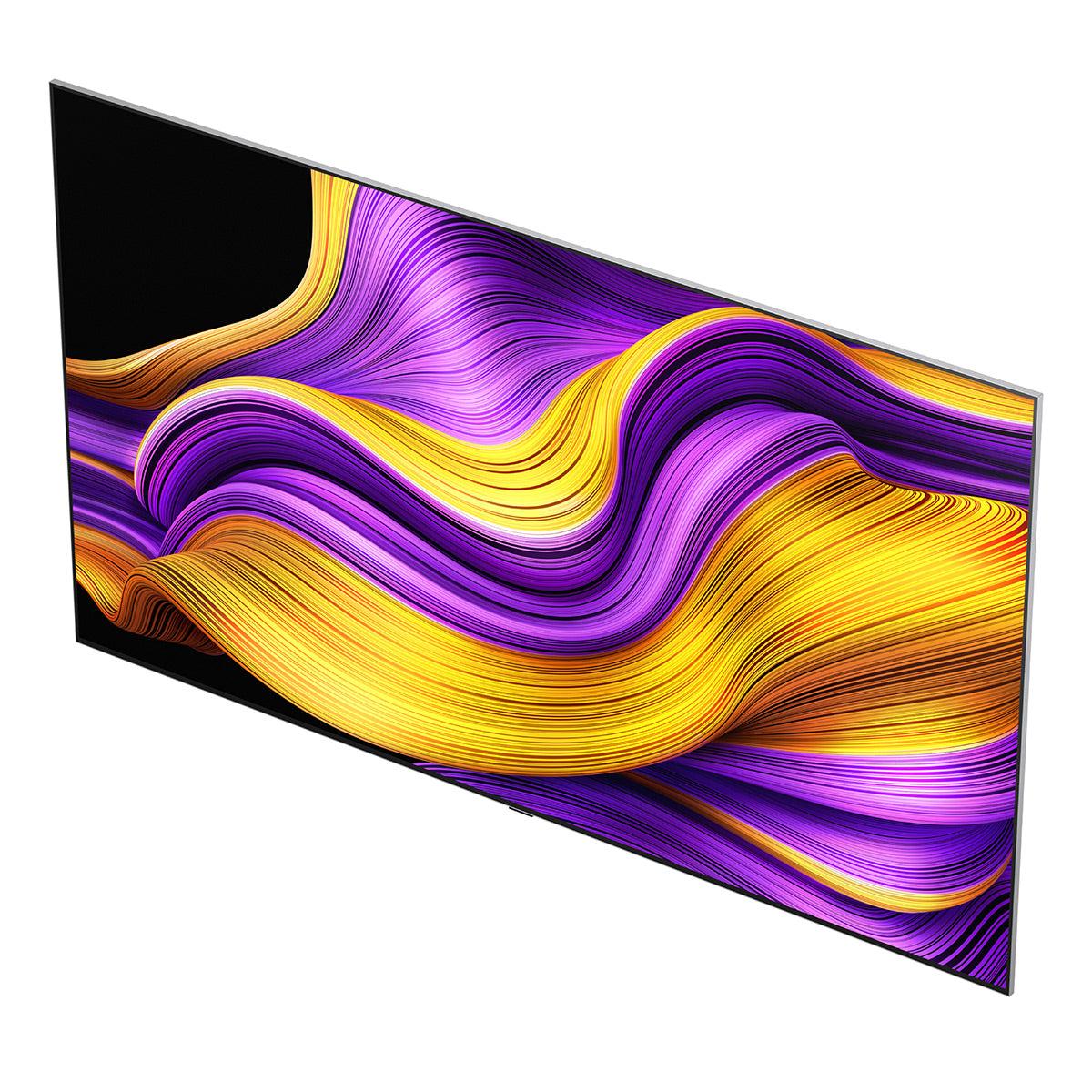
The LG G5, on the other hand, uses OLED technology, which stands for Organic Light Emitting Diode. Here's where it gets interesting: each pixel is its own light source. When a pixel needs to be black, it simply turns off completely. No backlight bleeding, no compromise – just perfect darkness.
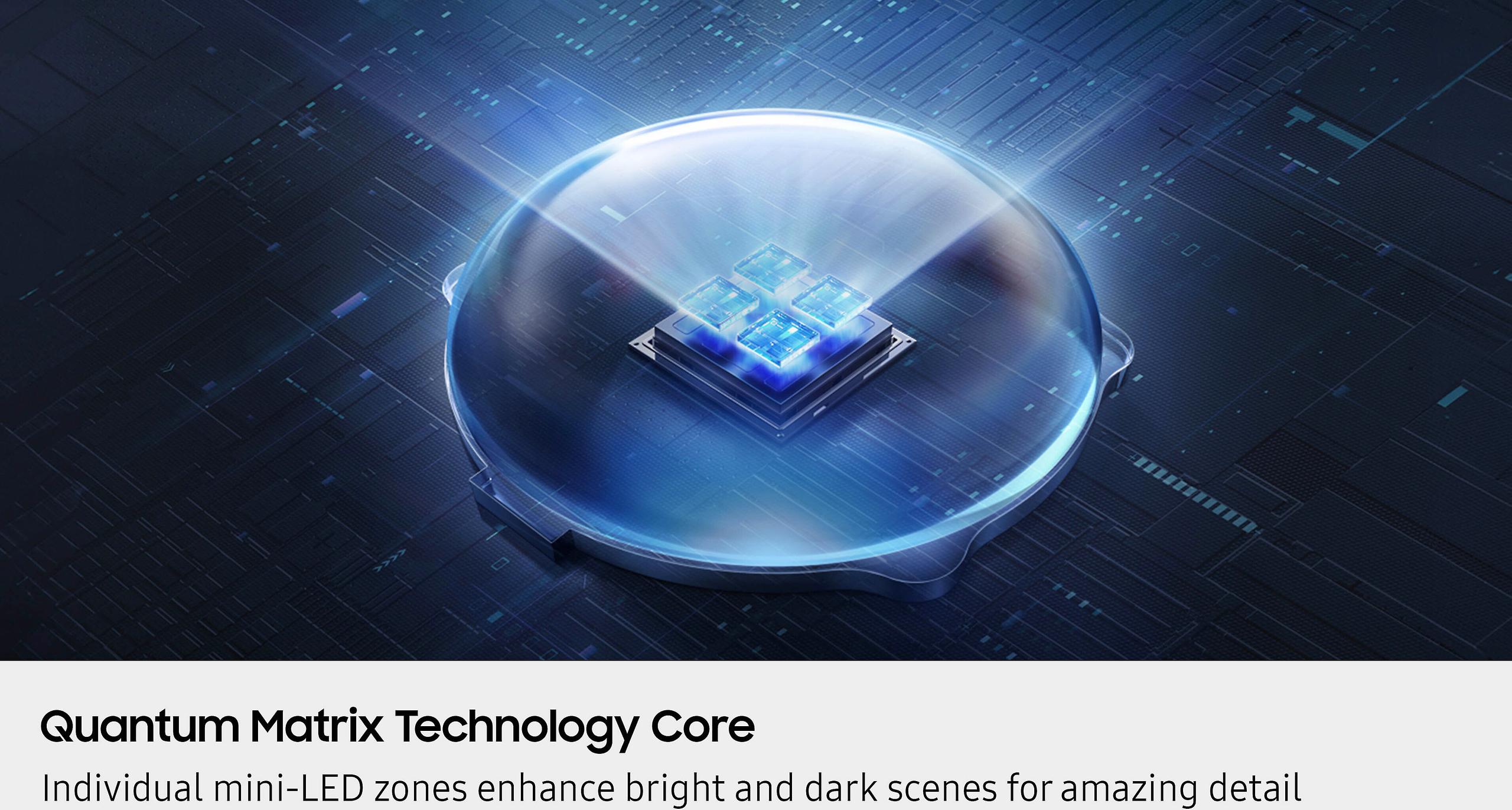
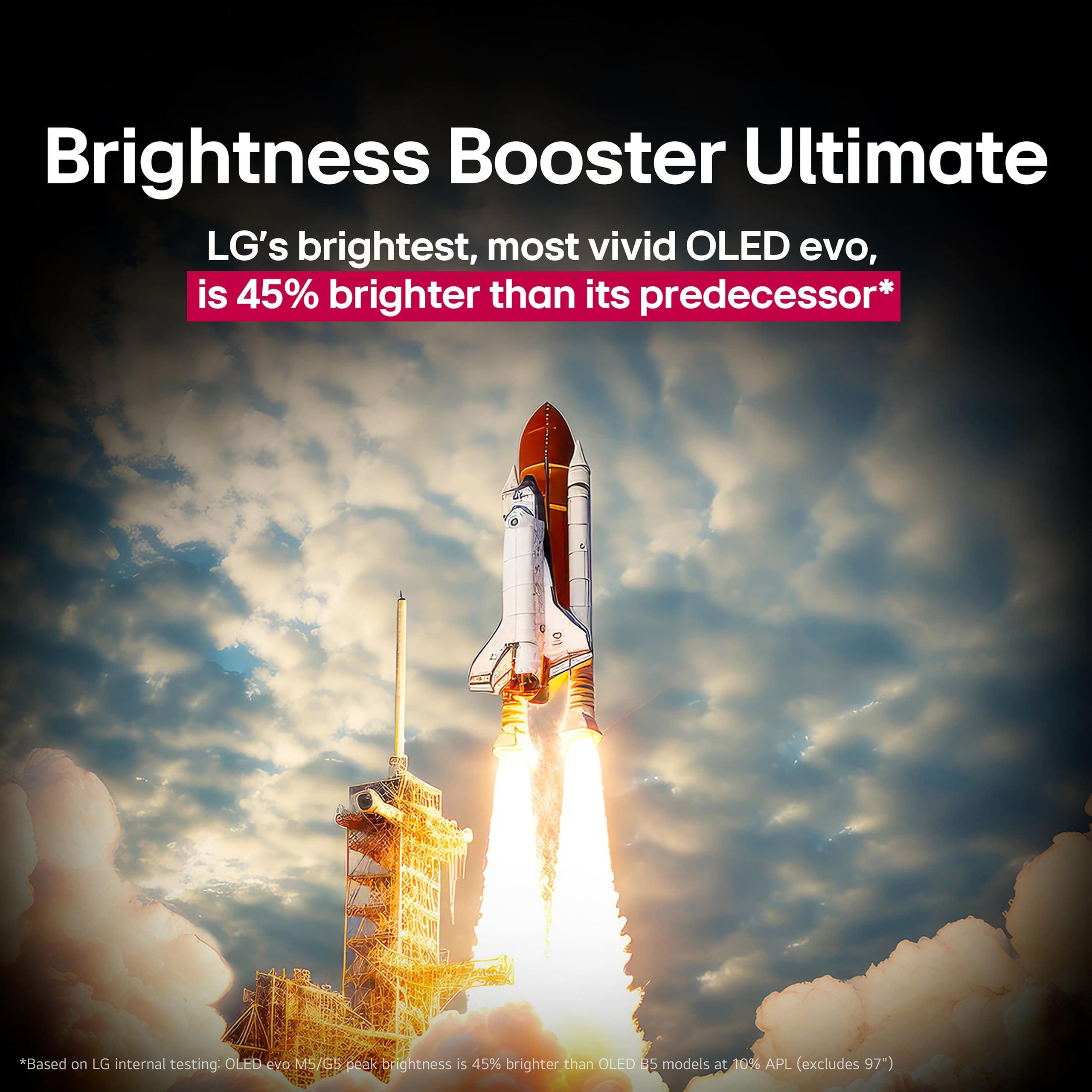
Both technologies have evolved significantly in 2025. Samsung's Neo QLED lineup now includes more sophisticated Quantum Matrix Technology, which gives even finer control over those mini-LED zones. Meanwhile, LG's new 4-Stack RGB Tandem OLED panel addresses OLED's traditional weakness – brightness – by layering the light-emitting materials to achieve up to 45% brighter images than previous generations.
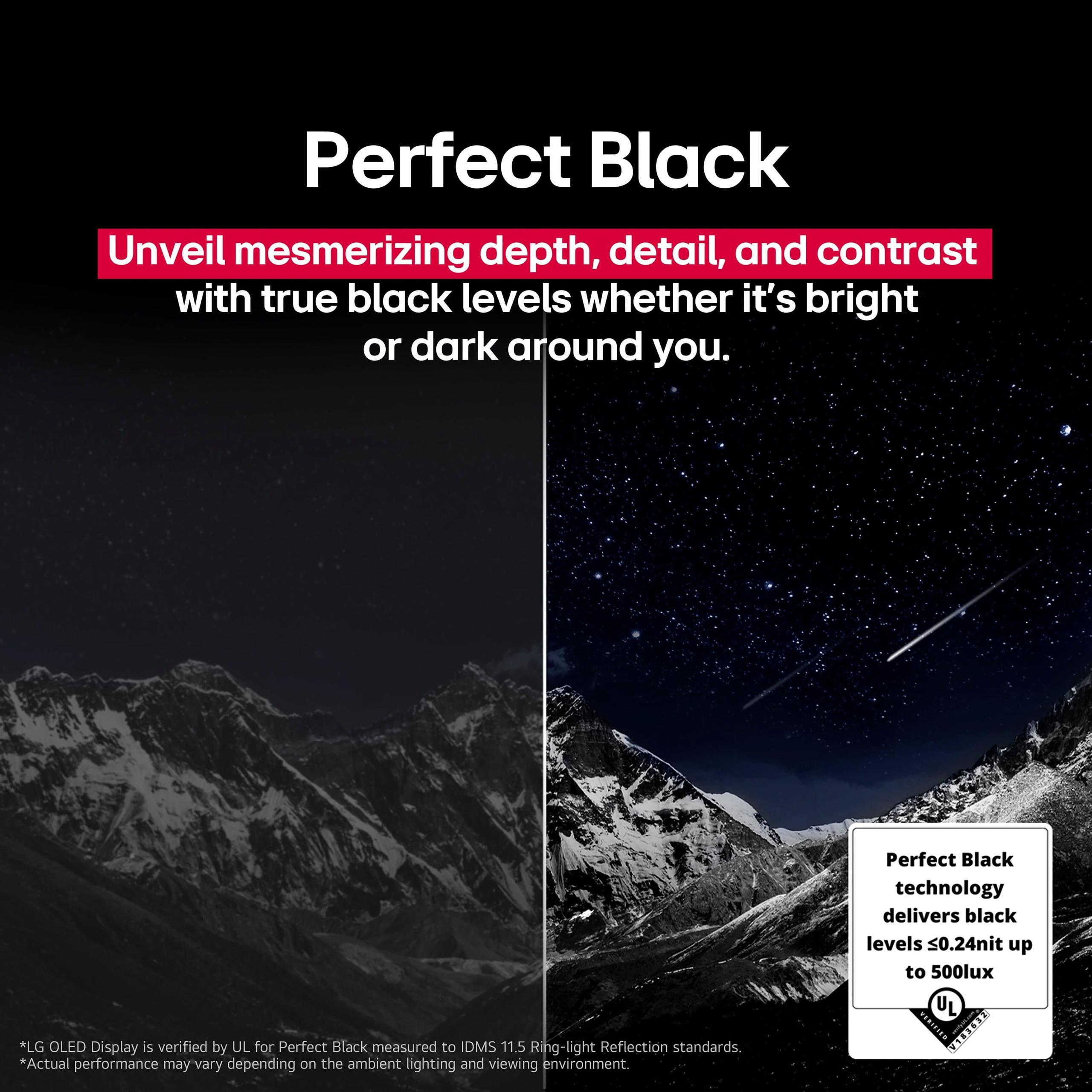
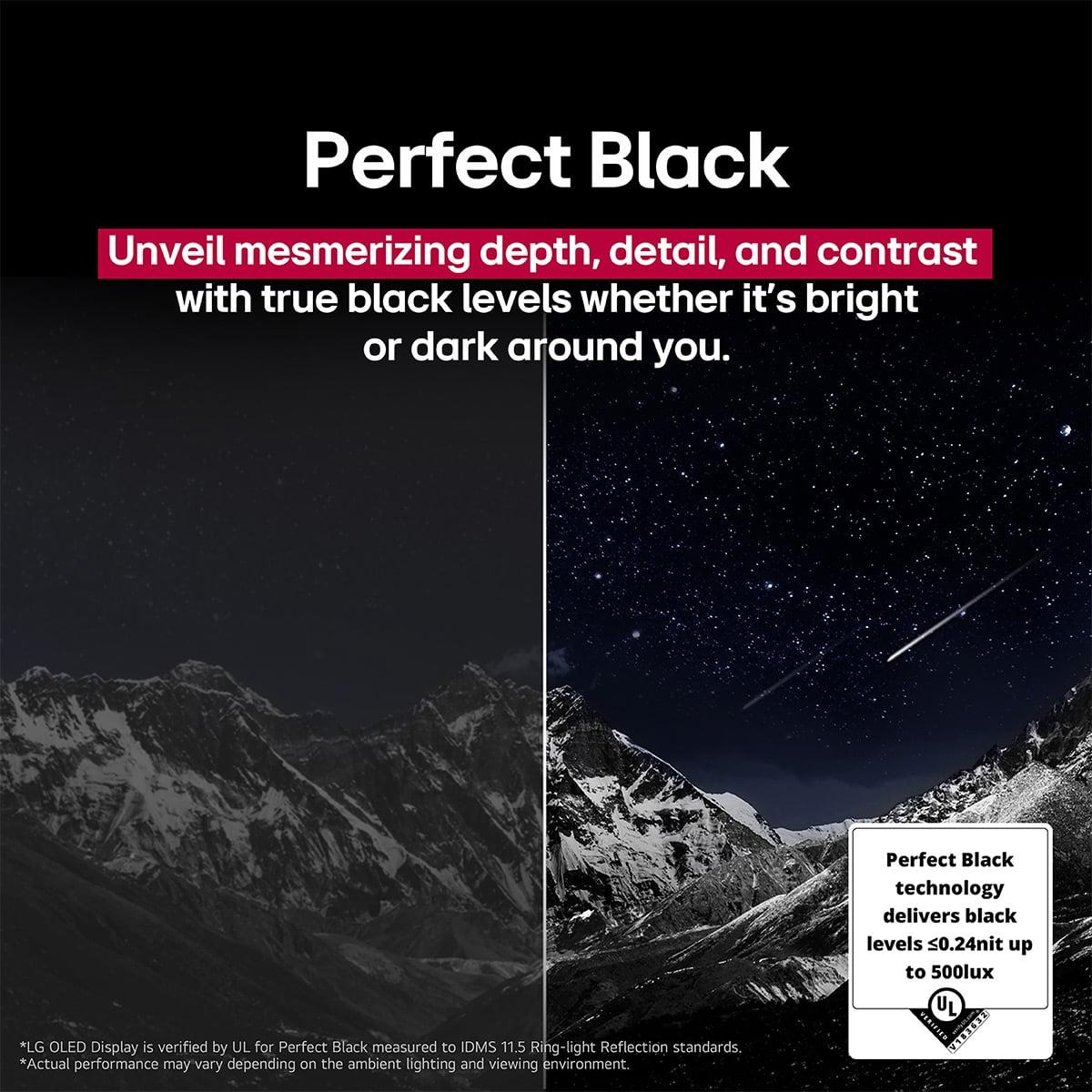
This is where the fundamental differences become clear. The LG G5 achieves what we call "infinite contrast" because its pixels can turn completely off. When you're watching a movie with a starfield, those black areas are truly black – no light whatsoever. It's genuinely stunning, especially in a darkened room.

The Samsung QN80F, despite having impressive local dimming with hundreds of zones, still uses a backlight that shines through an LCD panel. This means blacks appear as very dark gray rather than true black. However, Samsung's Quantum Matrix Technology has narrowed this gap considerably, and most viewers won't notice the difference in normally lit rooms.
Here's where things flip. The Samsung QN80F can get significantly brighter than traditional OLEDs, making it exceptional for HDR (High Dynamic Range) content in bright rooms. HDR is essentially a way of displaying a wider range of brightness and color, making images look more lifelike. When HDR content has bright explosions, sunlight, or reflections, the Samsung really shines – literally.
The LG G5 fights back with its new Brightness Booster Ultimate technology. While previous OLEDs struggled in bright rooms, this model can hold its own, though it still doesn't quite match the peak brightness of Mini-LED displays. However, what's impressive is how it maintains perfect blacks even while boosting brightness – something LCD technology simply cannot do.
Both TVs excel here, but in different ways. The Samsung QN80F uses Quantum Dot technology, which essentially means tiny nanocrystals that produce very pure colors when hit with light. This creates exceptionally vibrant and accurate colors, especially reds and greens.
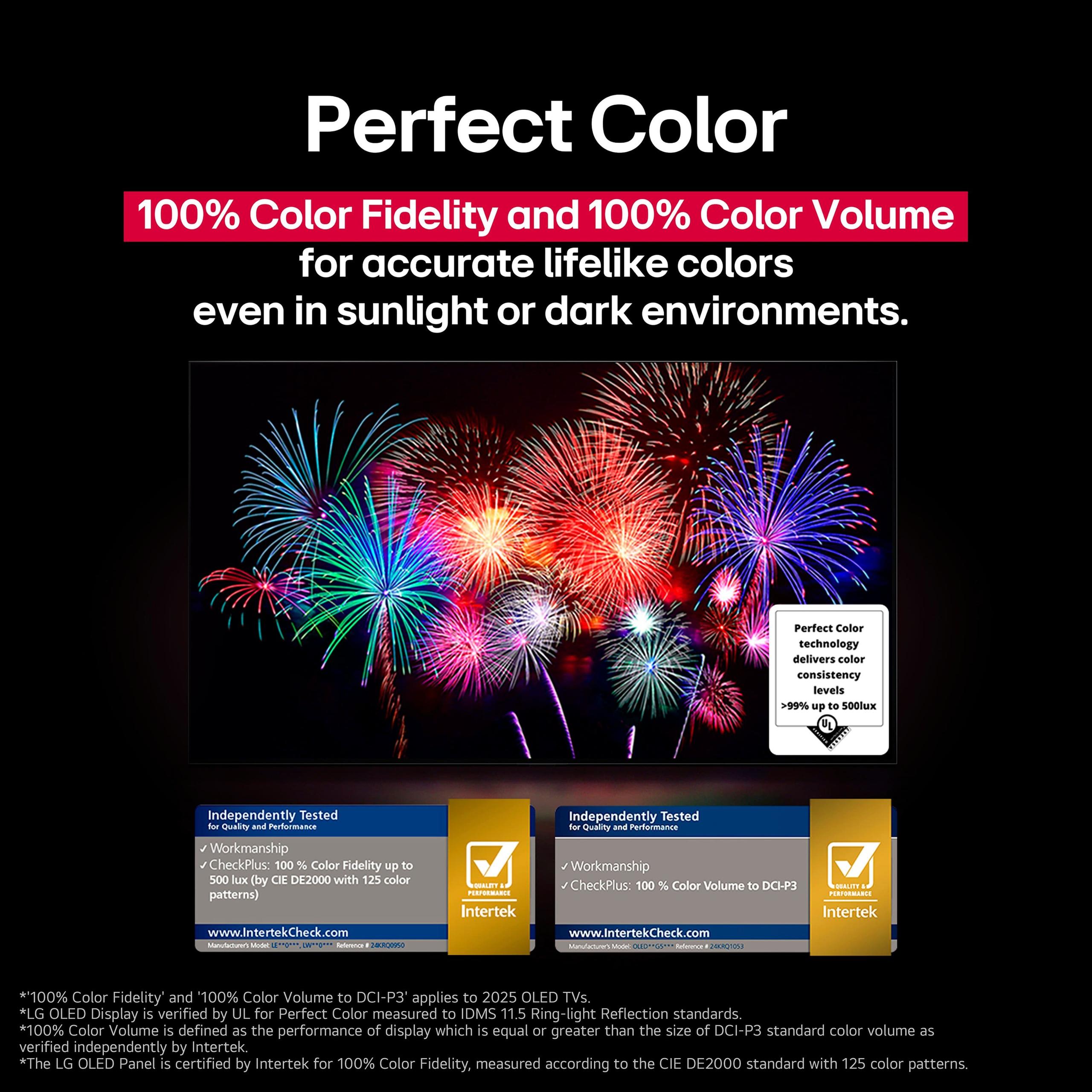
The LG G5 takes a different approach with its 4-Stack RGB Tandem structure. By layering the color-producing elements, it achieves better color purity and can display a wider range of colors while maintaining brightness. The result is colors that pop without looking artificial – something OLED has always done well.
Gaming has become a crucial consideration for TV buyers, and both models deliver here. The Samsung QN80F supports up to 4K at 144Hz, which means games can display 144 frames per second at full 4K resolution. That's incredibly smooth, especially for fast-paced games like racing or first-person shooters.
But the LG G5 goes even further, supporting 4K at 165Hz – the highest refresh rate available in consumer TVs as of 2025. More importantly, it includes advanced VRR (Variable Refresh Rate) features like QMS (Quick Media Switching), which eliminates those annoying black screens when your gaming device changes frame rates.
Both TVs include ALLM (Auto Low Latency Mode), which automatically switches to a gaming mode when it detects a gaming console. Input lag – the delay between pressing a button and seeing the action on screen – is extremely low on both, typically under 10 milliseconds.
If you're a serious PC gamer with a high-end graphics card, the LG G5 has the edge. Console gamers will be perfectly happy with either, though the Samsung offers better value for gaming performance.

Smart TV interfaces have come a long way, and both manufacturers have made significant improvements in 2025. The Samsung QN80F runs Tizen OS with Samsung's new Vision AI suite. This includes features like Live Translate for real-time subtitle translation and Generative Wallpaper that creates custom art using AI.
The LG G5 uses webOS 25, which I find more intuitive than Samsung's interface. LG's Quick Cards system lets you organize your favorite apps and content in a way that actually makes sense. More importantly, LG promises 5 years of webOS updates, which is longer than most manufacturers commit to. This means your TV will stay current with new streaming services and features much longer.
Both TVs include comprehensive voice control – Bixby for Samsung, and multiple options including Alexa and Google Assistant for LG. The LG G5 also includes an AI button on its Magic Remote that makes voice commands more accessible.
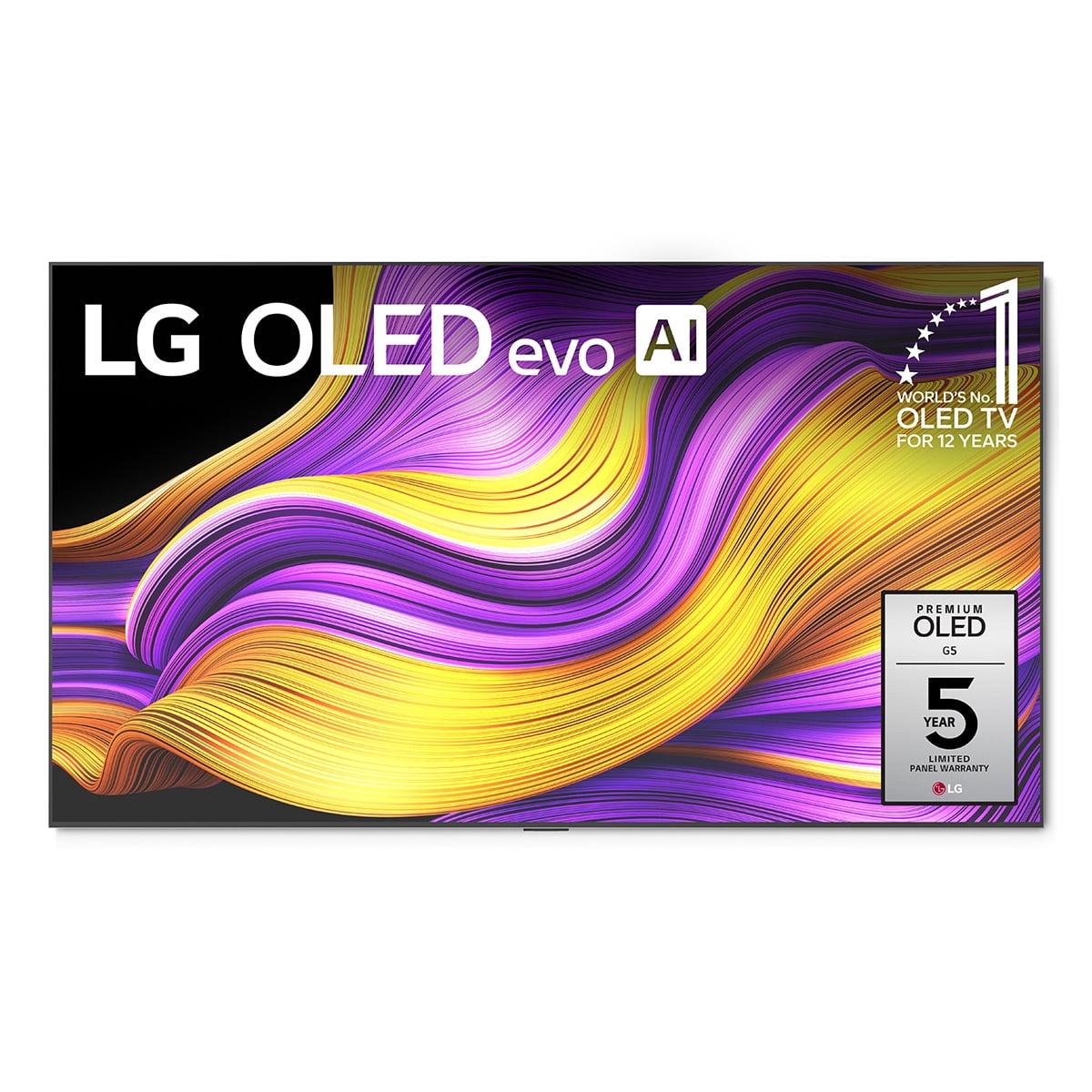
This is where the LG G5 really sets itself apart. Its One Wall Design lets it mount completely flush against the wall, looking more like a piece of art than a traditional TV. When you're not watching, it can display artwork or photos through its gallery mode. The build quality feels genuinely premium, with materials that justify the higher price point.
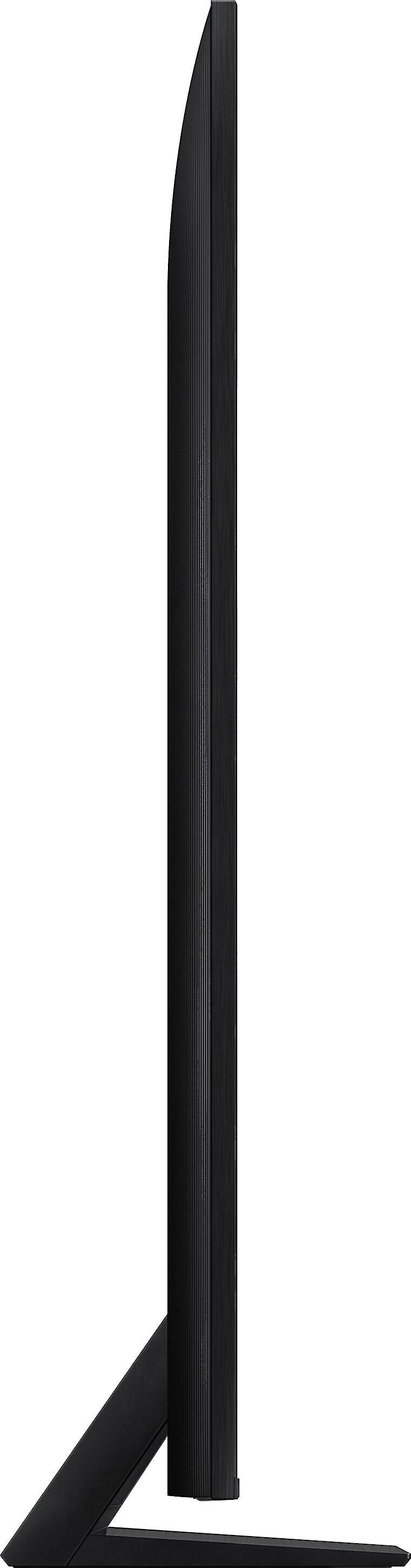
The Samsung QN80F looks good but takes a more traditional approach. It's well-built and will look great in most living rooms, but it doesn't have that "wow factor" of the ultra-thin OLED design.
This might be the most important consideration. If your TV room gets a lot of natural light – big windows, bright overhead lighting – the Samsung QN80F will likely give you a better experience. Its higher peak brightness and improved anti-glare coating mean you won't be squinting to see dark scenes during the day.
In a dedicated home theater or family room where you can control the lighting, the LG G5 creates a more immersive experience. Those perfect blacks make movie night feel cinematic in a way that LCD technology, despite its improvements, still can't quite match.
At the time of writing, there's a significant price difference between these models. The Samsung QN80F positions itself as a premium TV with flagship features at a more accessible price point. You're getting excellent picture quality, strong gaming features, and solid smart TV capabilities without paying the absolute premium.
The LG G5 commands a higher price but includes several justifications: the latest OLED technology, superior design, longer software support commitment, and that 5-year panel warranty. OLED panels historically had concerns about burn-in (permanent image retention), but modern OLEDs like the G5 include multiple protection mechanisms that make this much less of a worry.
If you're building a dedicated home theater, several factors become more important. The LG G5 excels here because you can control the lighting. Those perfect blacks create an immersive experience that's hard to match. The flush wall mounting also creates a cleaner, more professional look.
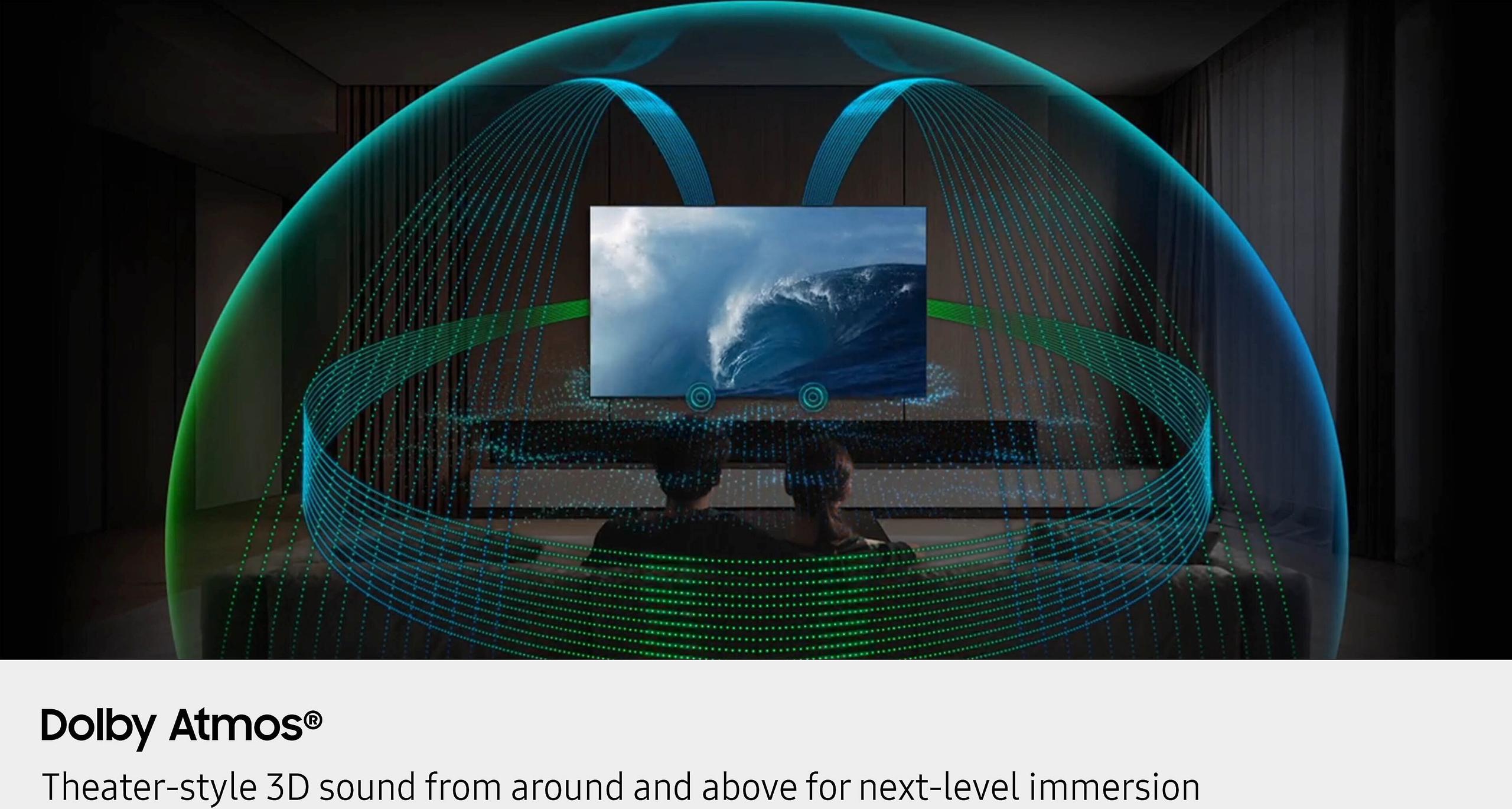
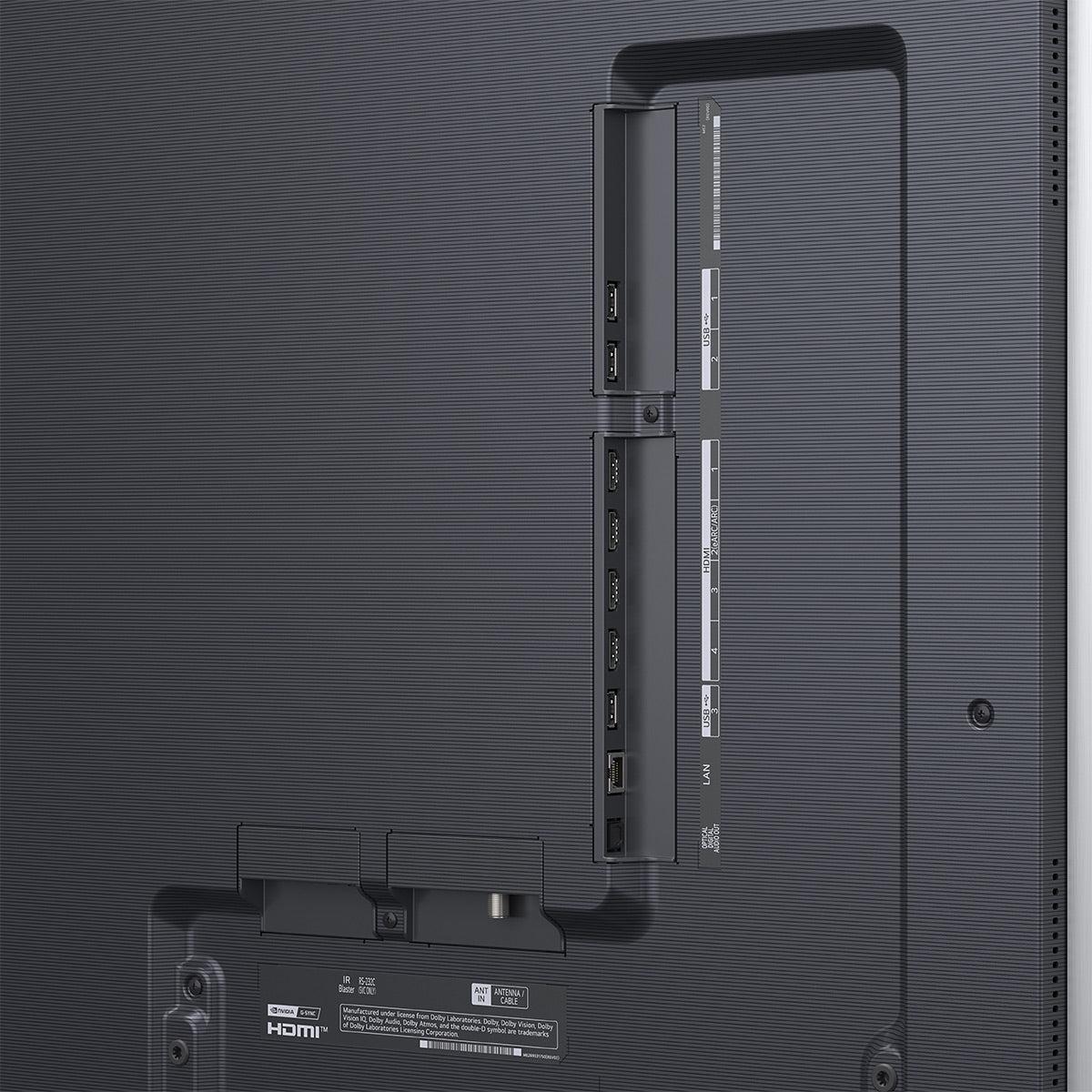
For audio, both TVs support Dolby Atmos, but you'll likely want to add a soundbar or surround sound system for true theater experience. The LG G5 has better integration with LG's soundbars through WOW Orchestra, which coordinates the TV's speakers with the soundbar for fuller sound.
Here's something many buyers don't consider enough: how will this TV age? The Samsung QN80F uses mature LCD technology that's proven reliable. You don't need to worry about burn-in, and the backlight system should last many years.
The LG G5 includes multiple burn-in prevention features, but OLED panels do gradually dim over time – typically over many years of heavy use. However, LG's extended warranty shows confidence in their panel longevity, and most users won't notice degradation during normal ownership.
Both TVs should receive software updates for several years, but LG's specific 5-year commitment gives it an edge for staying current with new streaming services and features.
Choose the Samsung QN80F if:
Choose the LG G5 if:
Both the Samsung QN80F and LG G5 are excellent TVs that represent the best of their respective technologies in 2025. The Samsung delivers flagship performance at a more accessible price point, making it ideal for bright rooms and value-conscious buyers who don't want to compromise on features.
The LG justifies its premium pricing with cutting-edge OLED technology, superior design, and features that will keep it current for years to come. In a darkened room, it simply creates a more immersive viewing experience.
Your room's lighting conditions and budget will likely make the decision for you. But whichever you choose, you'll be getting one of the best TVs available in 2025 – just optimized for different viewing environments and priorities.
| Samsung 65" QN80F Neo QLED 4K TV | LG OLED evo G5 65" 4K Smart TV 2025 |
|---|---|
| Display Technology - Determines contrast performance and room suitability | |
| Mini-LED LCD with Quantum Matrix Technology | 4-Stack RGB Tandem OLED with self-emitting pixels |
| Peak Brightness - Critical for HDR impact and bright room viewing | |
| Exceptional brightness ideal for bright rooms | Very good brightness, 45% brighter than previous OLEDs |
| Black Levels - Affects contrast and dark scene detail | |
| Very deep blacks with minimal blooming | Perfect blacks with infinite contrast ratio |
| Gaming Refresh Rate - Higher rates mean smoother motion for gaming | |
| 4K @ 144Hz with VRR support | 4K @ 165Hz with advanced VRR features |
| Smart TV Platform - Determines interface quality and update longevity | |
| Tizen OS with Vision AI suite | webOS 25 with 5-year update guarantee |
| Design Philosophy - Impacts room aesthetics and mounting options | |
| Traditional premium TV design | One Wall Design mounts flush like artwork |
| Processor - Affects upscaling quality and smart features | |
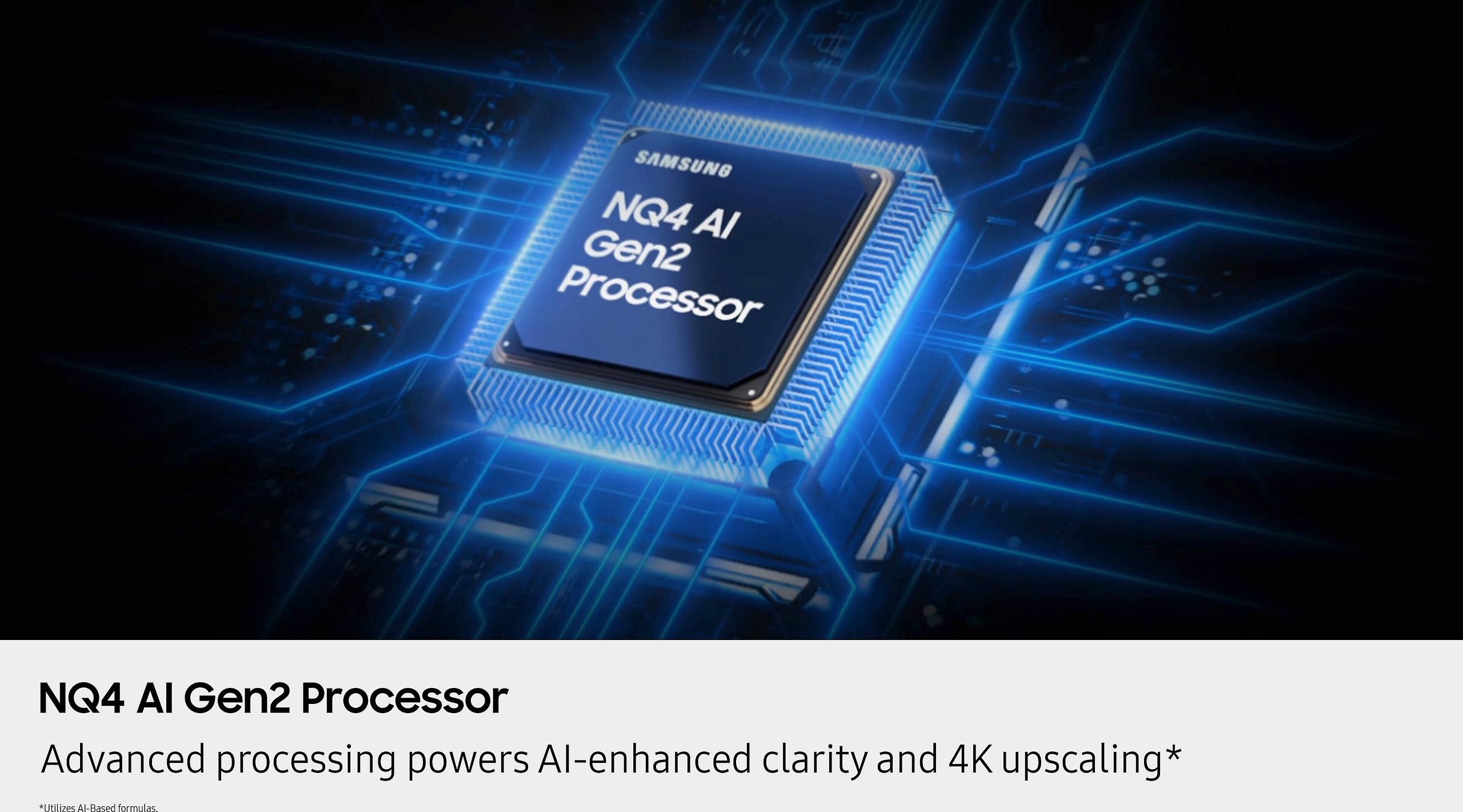
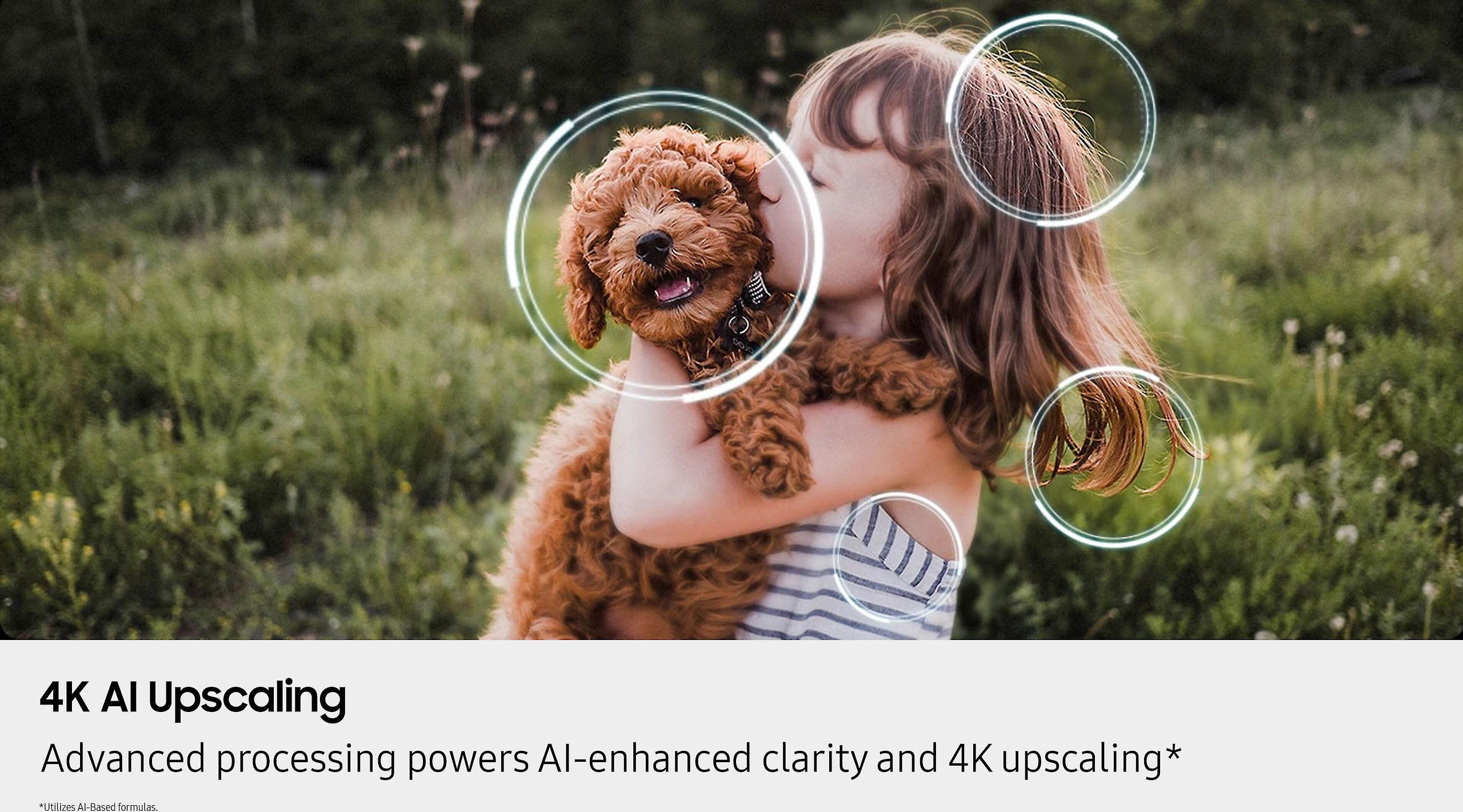
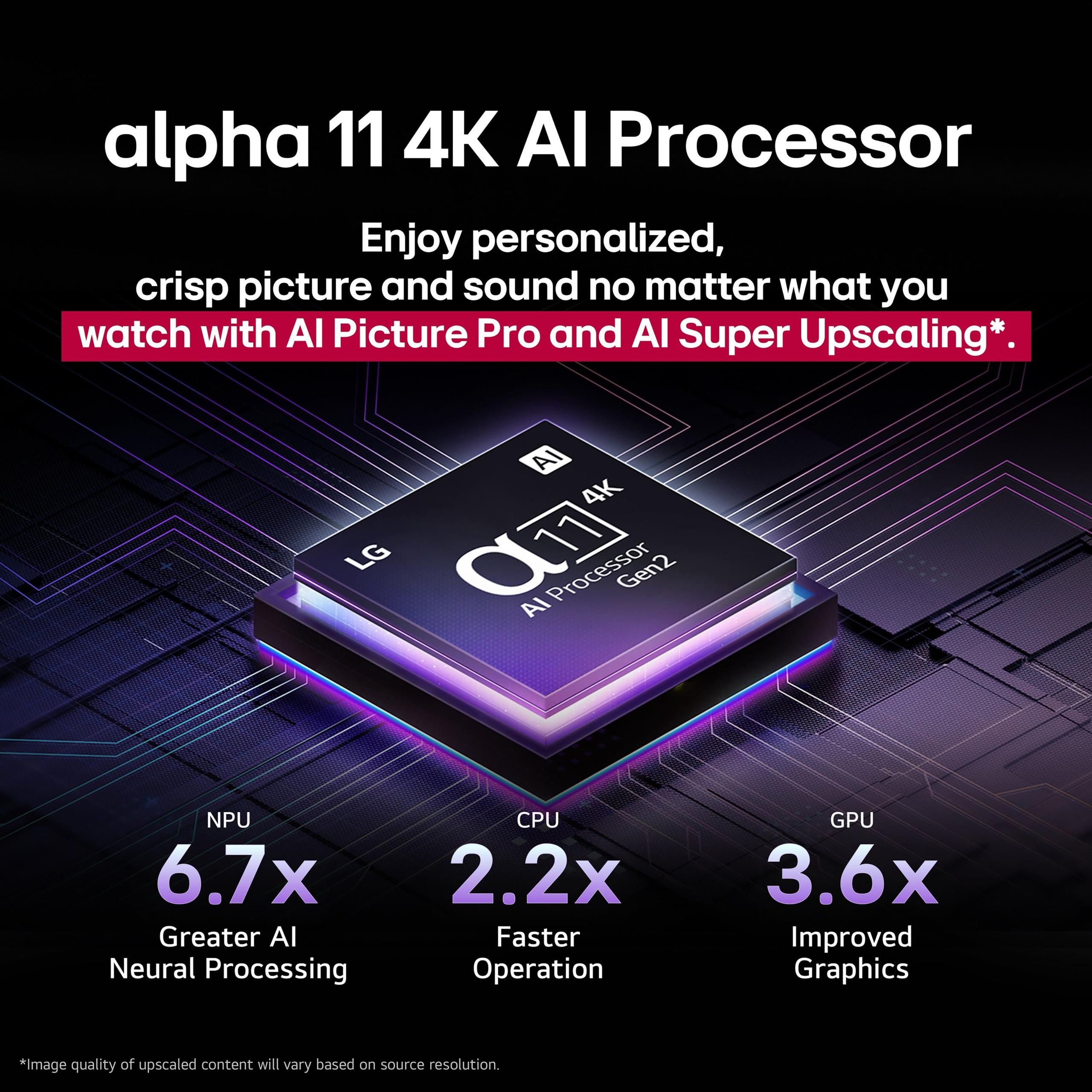
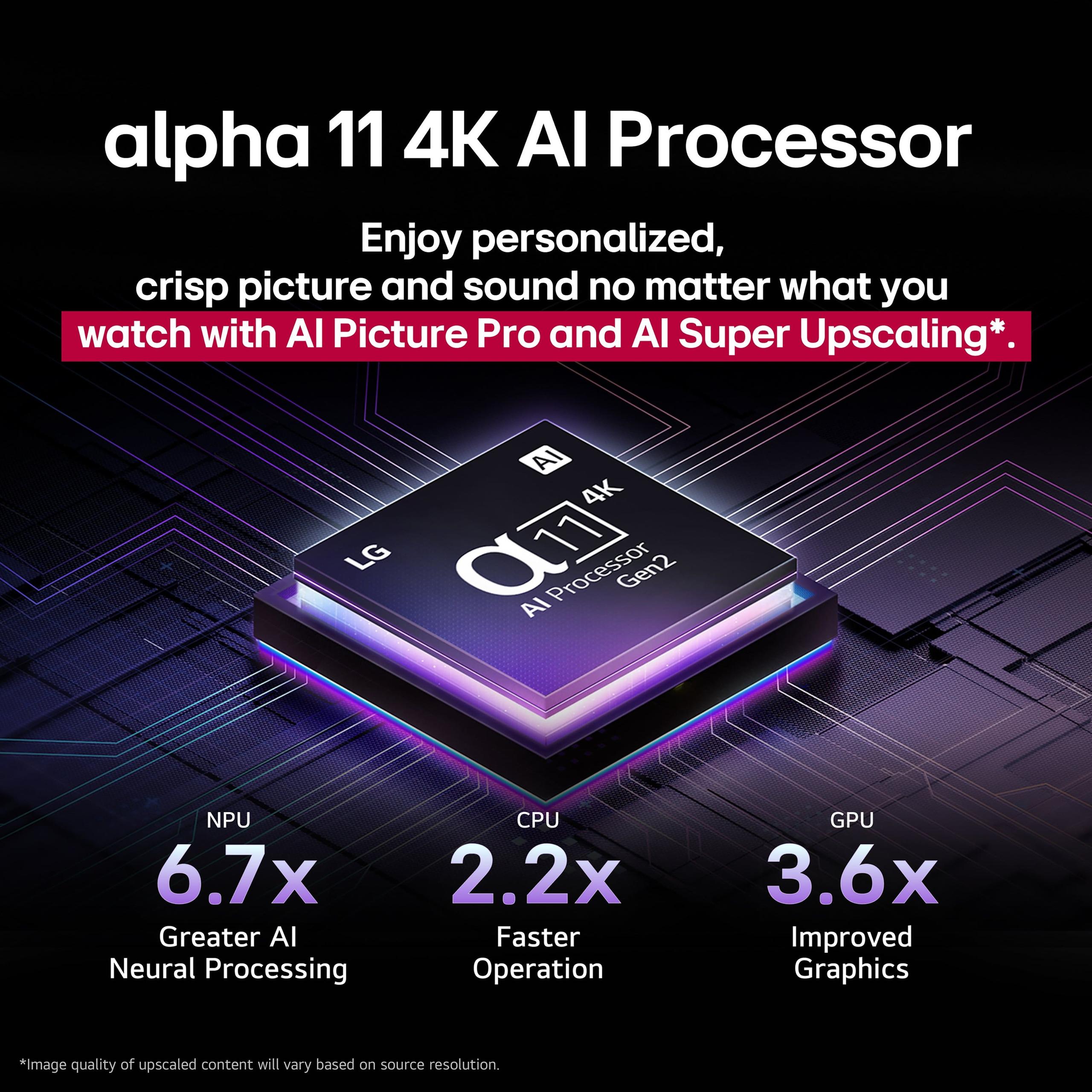
| NQ4 AI Gen2 with 20 neural networks | Alpha 11 AI Processor Gen 2 with advanced personalization |
| HDR Support - Determines compatibility with premium content | |
| HDR10, HDR10+, Auto HDR Remastering | Dolby Vision, HDR10 Pro with enhanced processing |
| Audio System - Built-in sound quality before adding soundbar | |
| 30W 4-channel with Object Tracking Sound Lite | Dolby Atmos with WOW Orchestra soundbar integration |
| Burn-in Risk - Long-term reliability consideration | |
| No burn-in risk with LCD technology | Modern OLED with multiple burn-in prevention features |
| Warranty Coverage - Protection for premium investment | |
| Standard 1-year warranty | 5-year limited panel warranty for peace of mind |
| Best Room Environment - Where each TV performs optimally | |
| Excels in bright rooms with lots of natural light | Best in controlled lighting or dedicated home theaters |
| Value Positioning - Performance per dollar consideration | |
| Premium features at accessible price point | Flagship technology with premium pricing to match |
The Samsung QN80F Neo QLED uses Mini-LED LCD technology with thousands of tiny LEDs behind the screen, while the LG OLED evo G5 uses OLED technology where each pixel creates its own light. This means the Samsung excels in bright rooms with superior peak brightness, while the LG delivers perfect blacks and infinite contrast in darker environments.
The Samsung QN80F is significantly better for bright rooms due to its higher peak brightness and anti-glare coating. The Mini-LED technology can overcome ambient light much more effectively than OLED. While the LG G5 has improved brightness compared to older OLEDs, it still performs best in controlled lighting conditions.
The LG OLED evo G5 has superior gaming features with 4K @ 165Hz refresh rate compared to the Samsung QN80F's 4K @ 144Hz. The LG also includes more advanced VRR features and seamless switching capabilities. However, both TVs offer excellent gaming performance with low input lag and ALLM support.
It depends on your viewing environment. The LG OLED G5 produces perfect blacks and superior contrast in dark rooms, creating a more cinematic experience. The Samsung QN80F offers brighter, more vibrant images that maintain quality in bright rooms. Both deliver excellent color accuracy and 4K detail.
The LG OLED evo G5 is generally better for dedicated home theaters where you can control lighting. The perfect blacks and infinite contrast create an immersive cinematic experience. The flush wall mounting also provides a cleaner, more professional theater appearance compared to the Samsung QN80F.
The Samsung QN80F has no burn-in risk since it uses LCD technology. The LG OLED G5 includes multiple burn-in prevention features and comes with a 5-year panel warranty, making burn-in much less of a concern than with older OLED models. Modern OLEDs are quite reliable for normal viewing habits.
The LG OLED evo G5 edges ahead with webOS 25 and a 5-year software update guarantee, ensuring longer-term functionality. It also offers more intuitive navigation with Quick Cards. The Samsung QN80F includes Samsung's Vision AI suite with unique features like Live Translate and Generative Wallpaper.
The LG OLED G5 offers premium design with its One Wall mounting system that sits flush against the wall like artwork. It also displays art when not in use. The Samsung QN80F has solid build quality with a more traditional TV design that looks good but isn't as distinctive.
The Samsung QN80F typically offers better value, providing flagship features at a more accessible price point. The LG OLED evo G5 commands premium pricing but justifies it with cutting-edge technology, superior design, extended warranty, and longer software support.
The Samsung QN80F delivers exceptional HDR brightness that makes highlights pop, especially in bright rooms. The LG OLED G5 provides more nuanced HDR with perfect shadow detail and supports Dolby Vision, which Samsung doesn't offer. Both excel at HDR but in different ways.
The LG OLED evo G5 has slightly better audio with enhanced Dolby Atmos processing and better soundbar integration through WOW Orchestra. The Samsung QN80F includes Object Tracking Sound Lite and solid audio processing. Both will benefit from adding a soundbar for optimal audio performance.
Choose the Samsung QN80F if you have a bright room, want excellent performance at a lower price, or prefer worry-free LCD reliability. Choose the LG OLED evo G5 if you prioritize ultimate picture quality in controlled lighting, want premium design features, or are building a dedicated home theater setup.
We've done our best to create useful and informative comparisons to help you decide what product to buy. Our research uses advanced automated methods to create this comparison and perfection is not possible - please contact us for corrections or questions. These are the sites we've researched in the creation of this article: samsung.com - theshortcut.com - youtube.com - bestbuy.com - rtings.com - samsung.com - samsung.com - samsung.com - sargentappliance.com - displayspecifications.com - bestbuy.com - bestbuy.com - techradar.com - rtings.com - youtube.com - youtube.com - rtings.com - bestbuy.com - youtube.com - valueelectronics.com - lg.com - audio-videoplus.com - lg.com - lg.com - lg.com

Privacy Policy
Terms and Conditions - Affiliate Policy
Home Security
© Copyright 2008-2026.
11816 Inwood Rd #1211, Dallas, TX 75244