

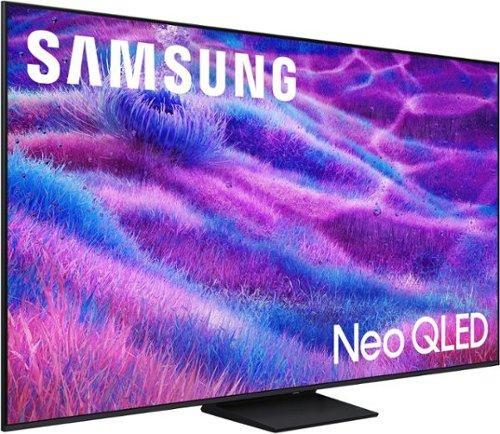
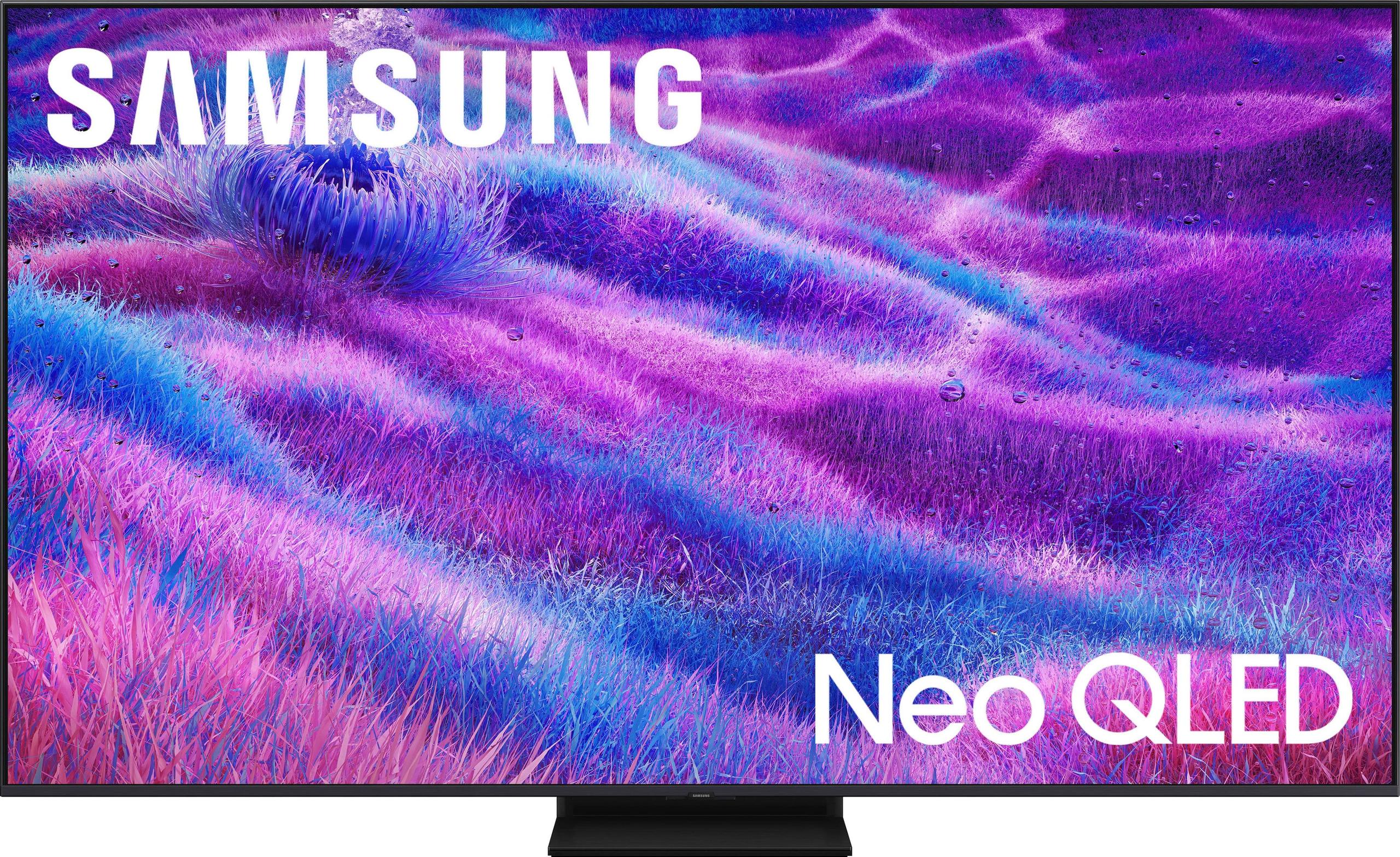
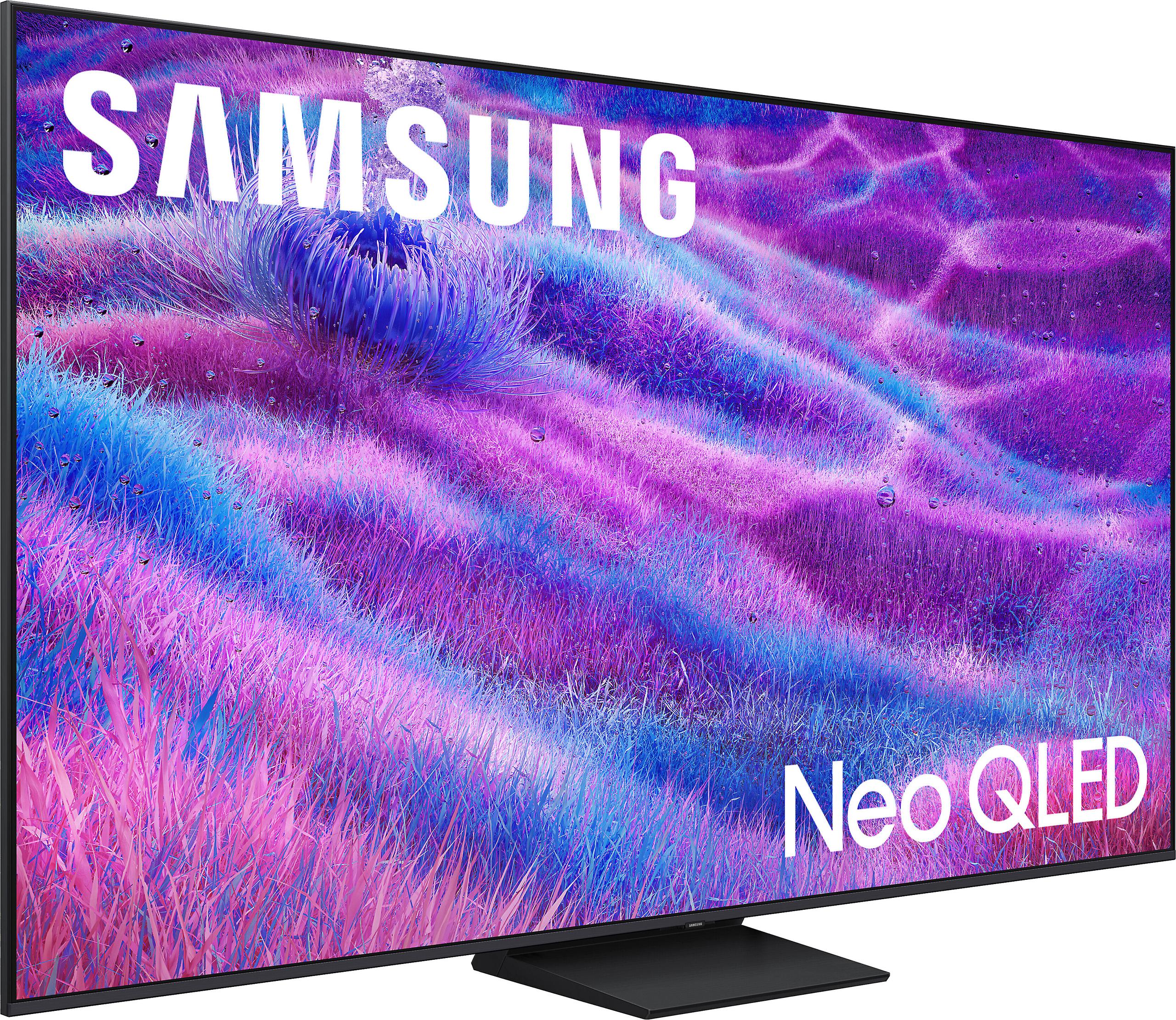
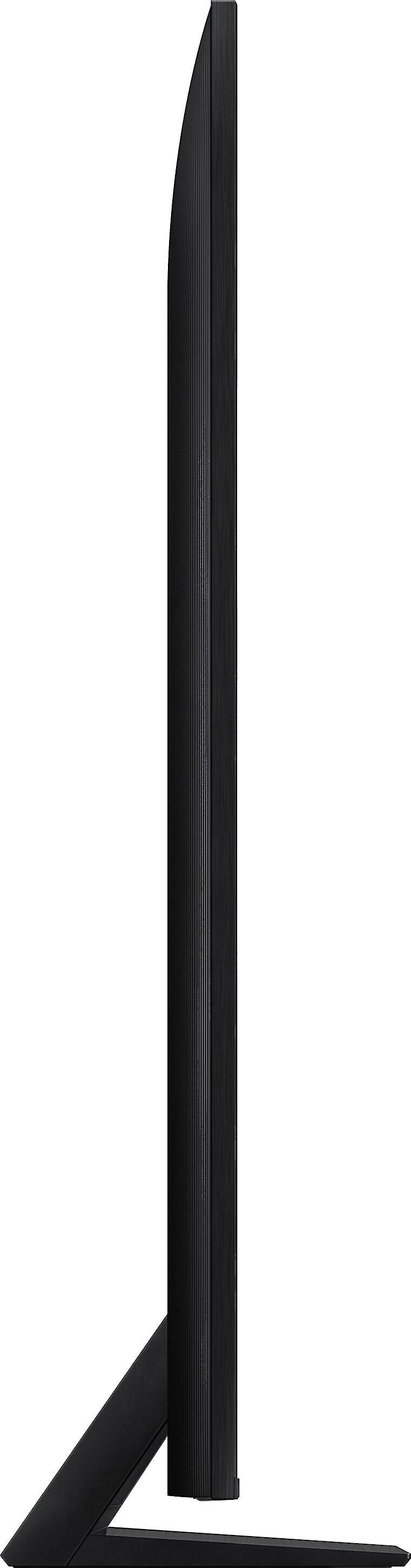
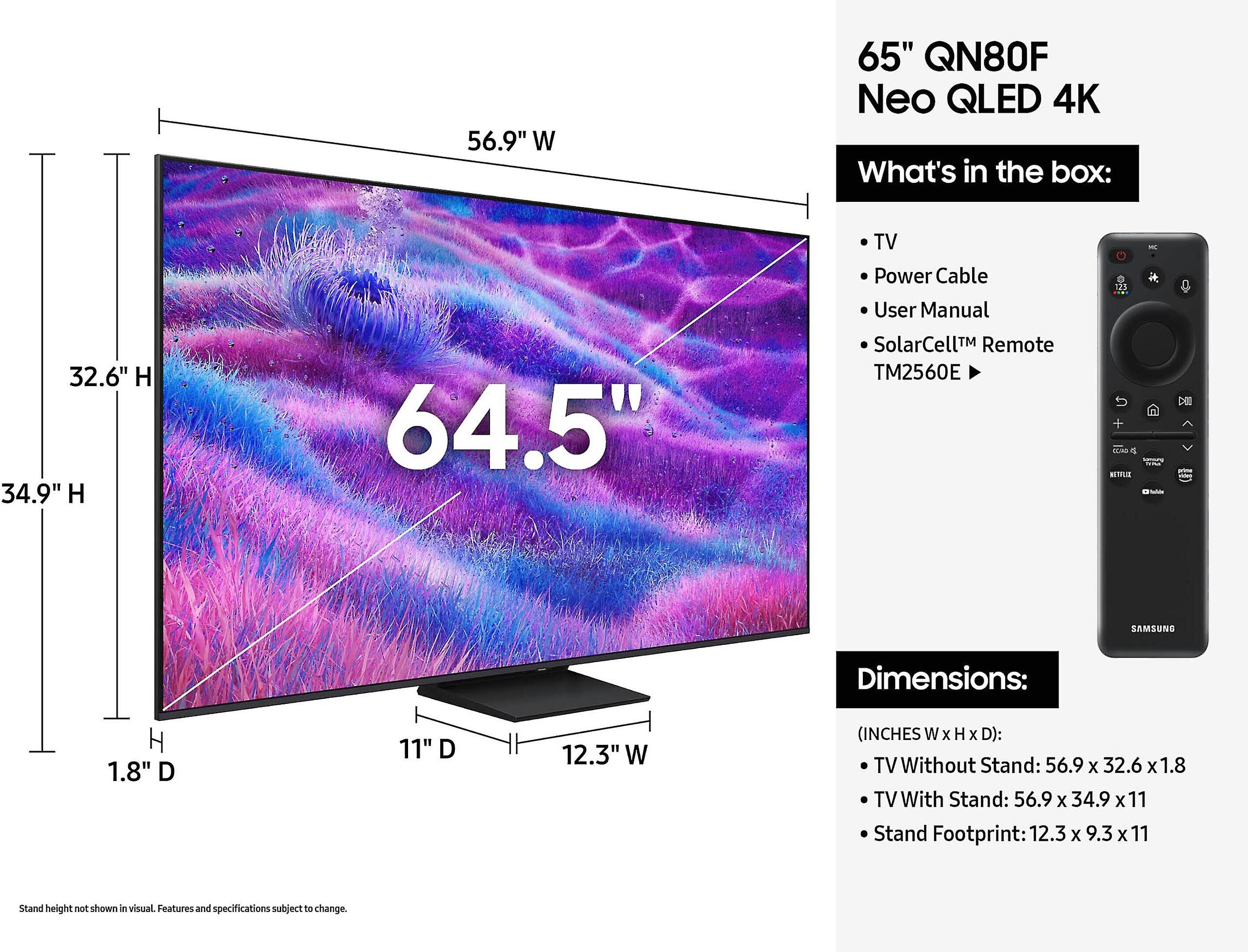
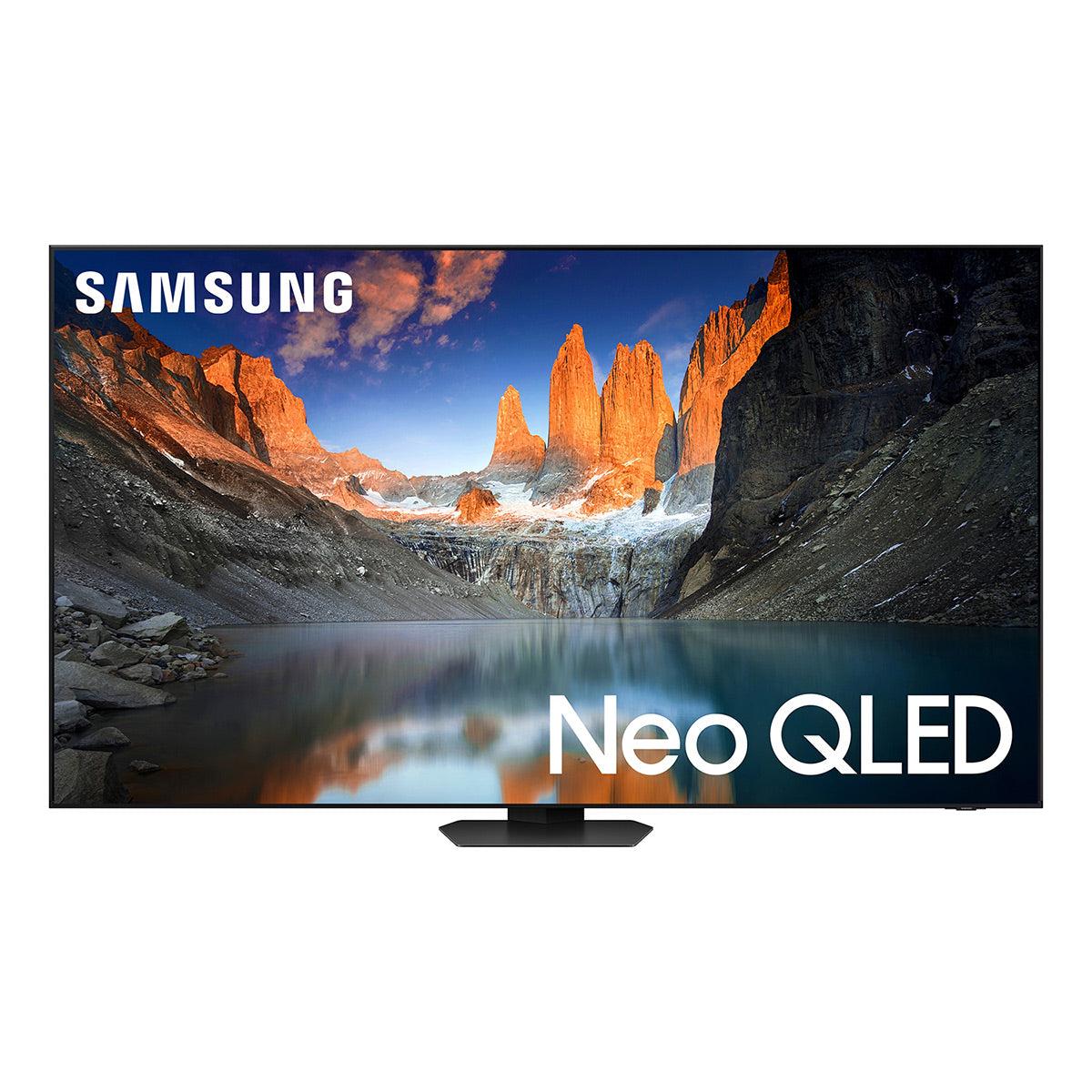
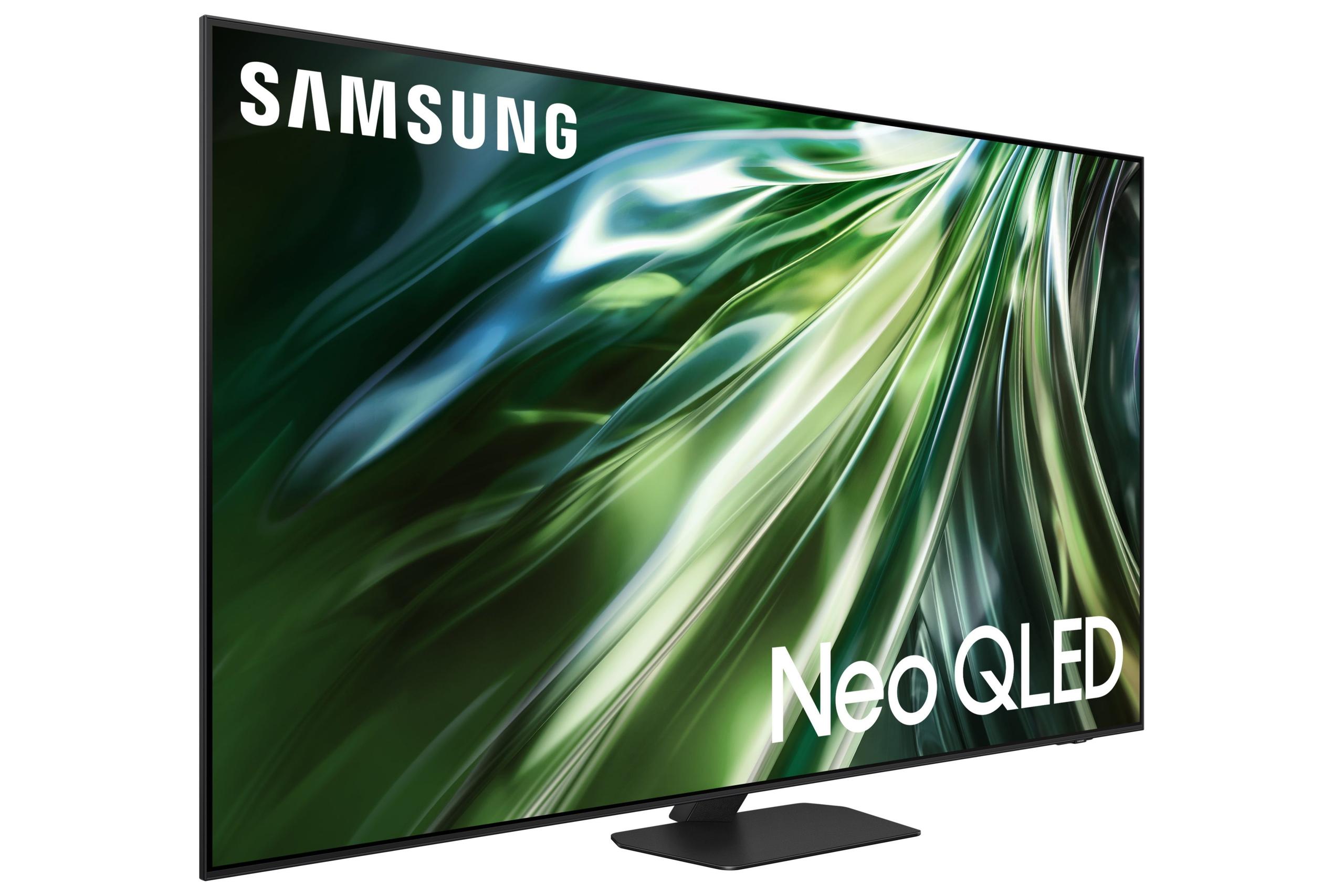
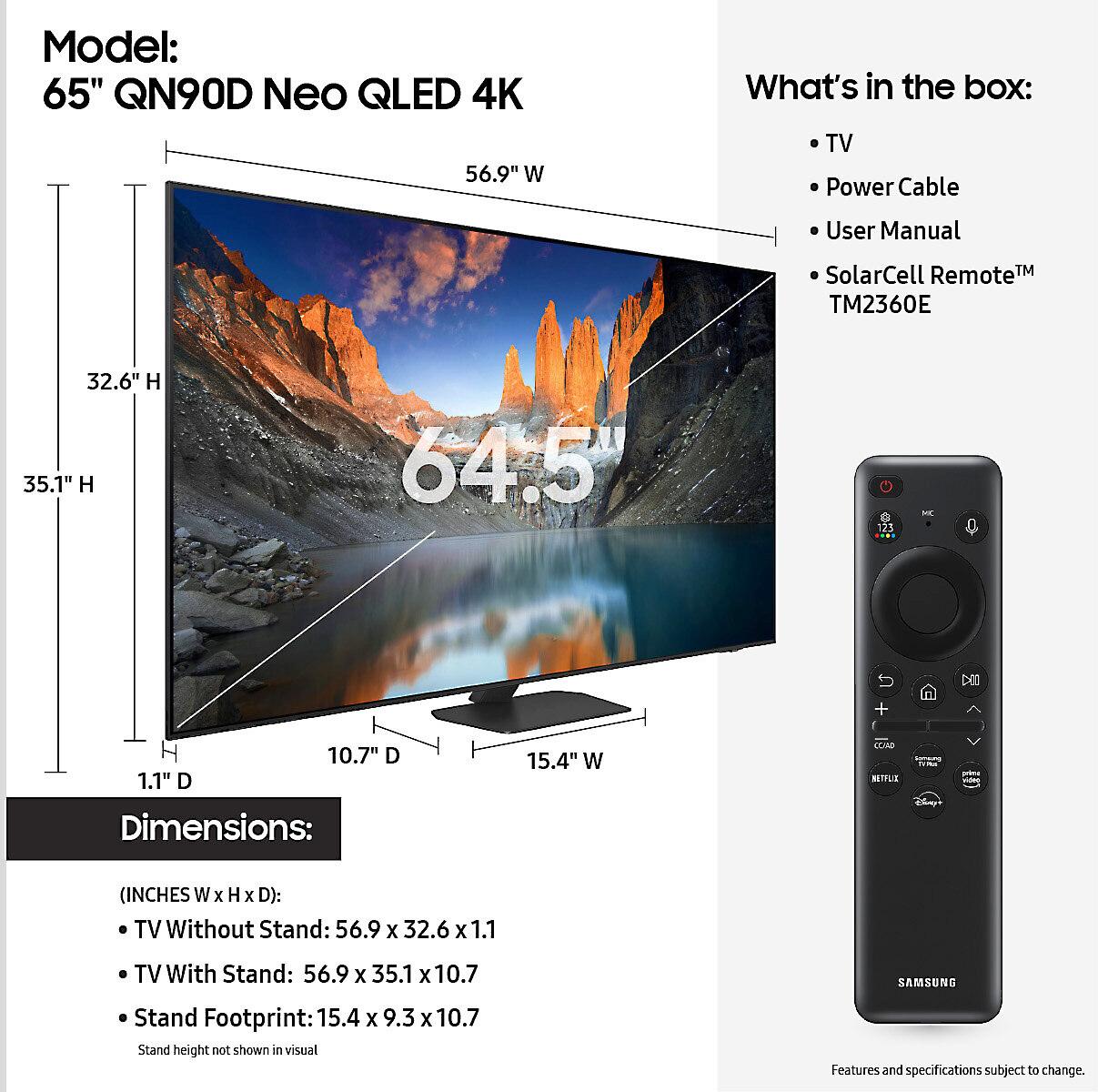
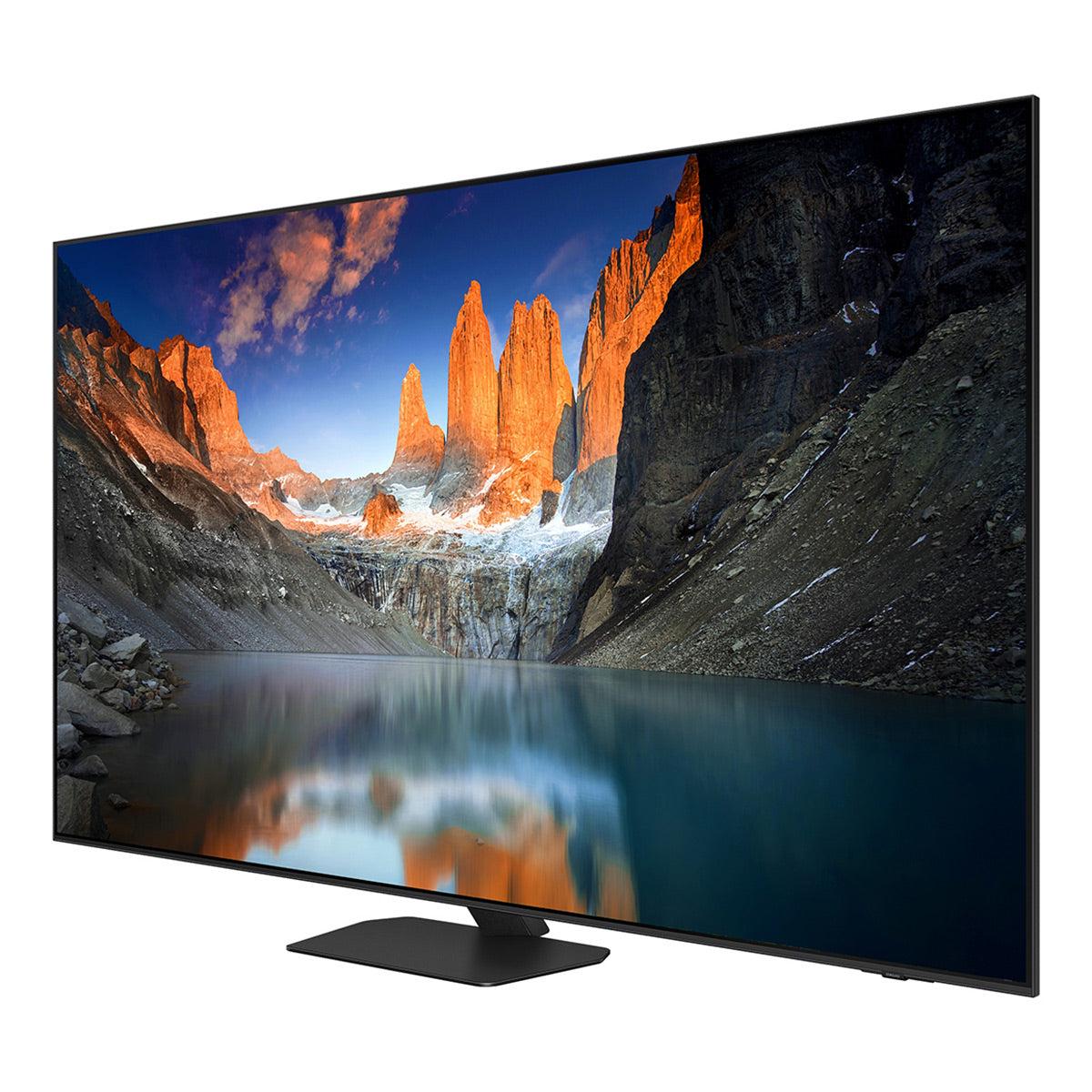
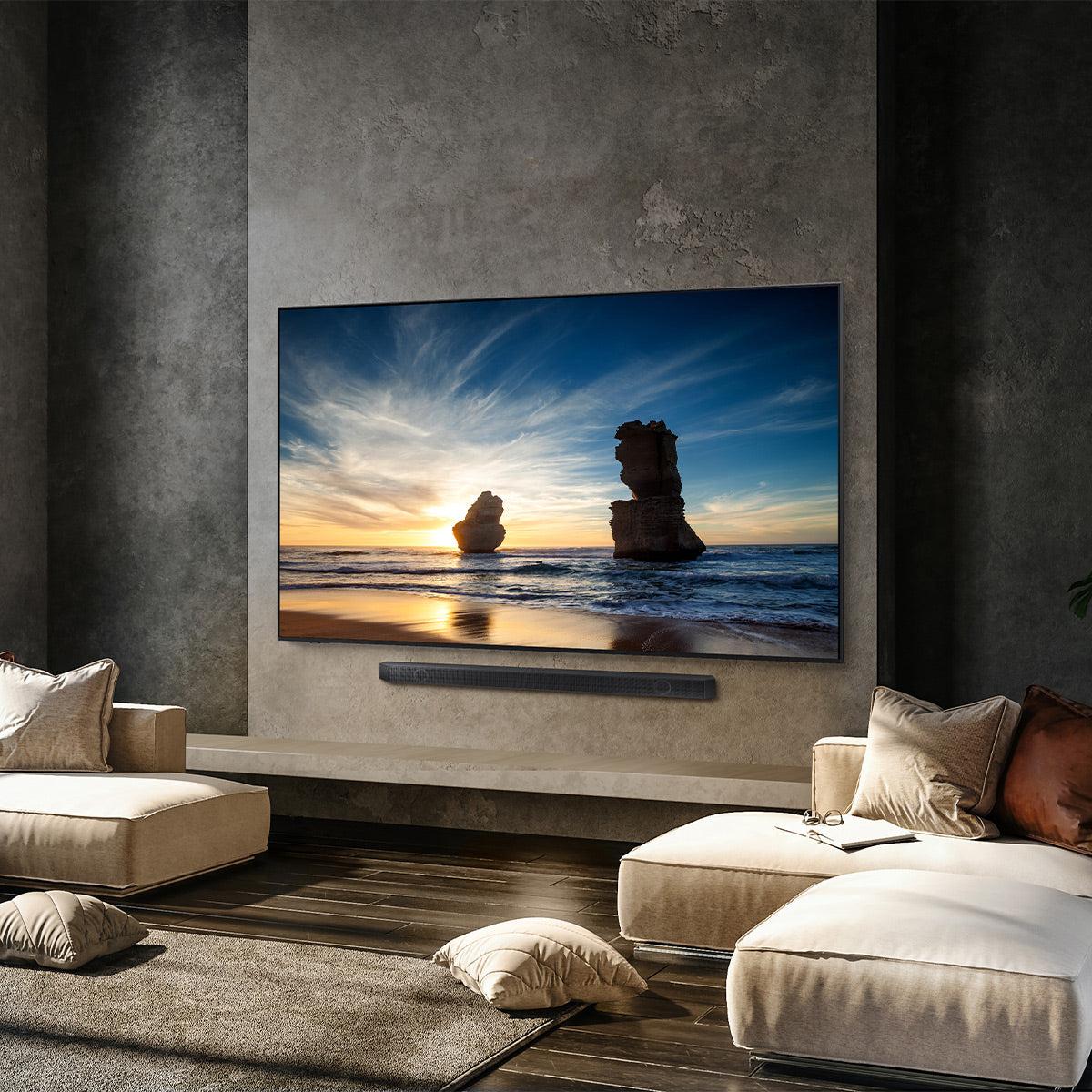
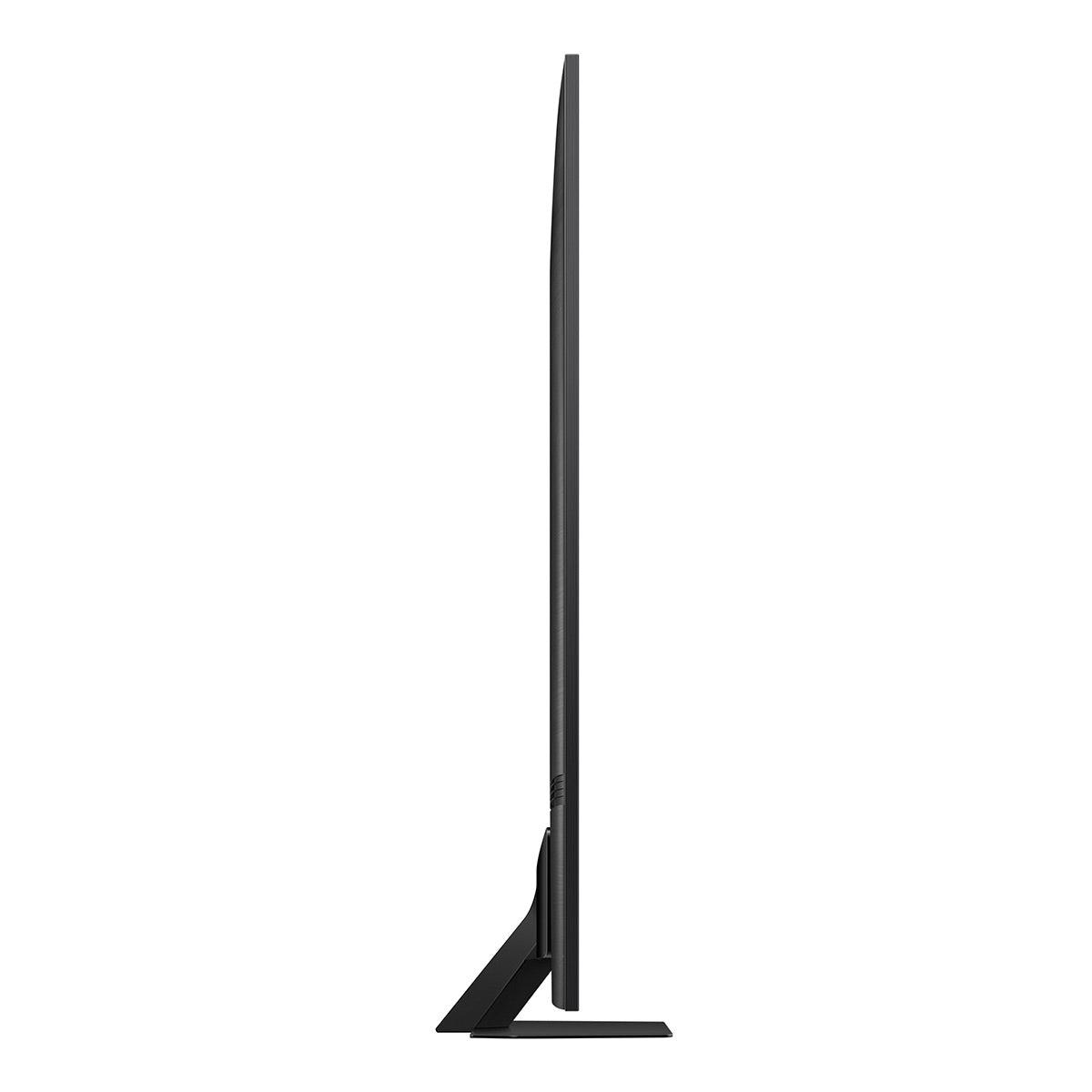
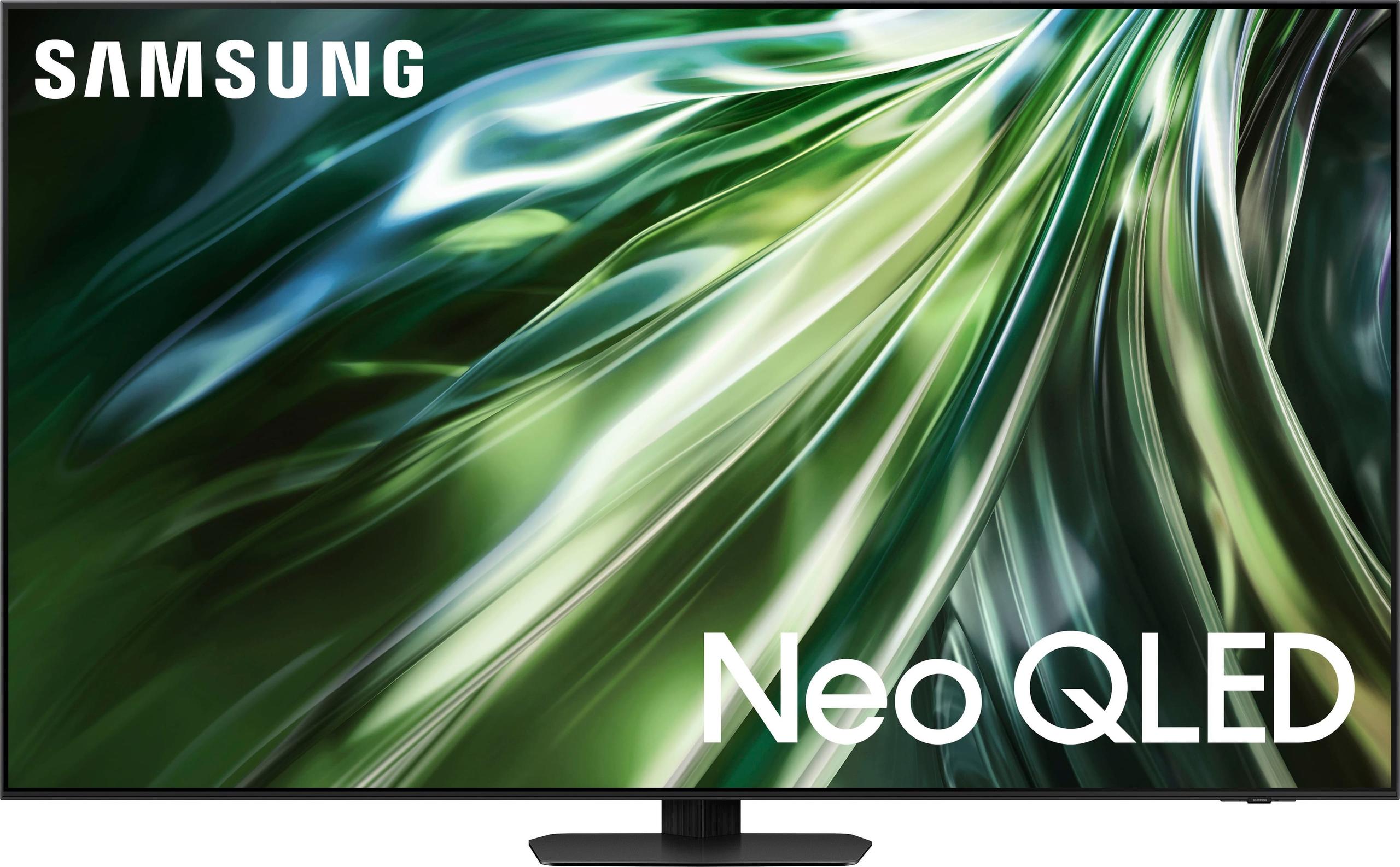

When you're shopping for a premium TV in the $1,200-$1,800 range (at the time of writing), Samsung's Neo QLED lineup offers some compelling options. But choosing between the newer Samsung 65" QN80F Neo QLED 4K TV from 2025 and the previous flagship Samsung 65" QN90D Series 4K Neo QLED Smart TV from 2024 isn't as straightforward as you might think.
I've spent considerable time with both models, and the decision ultimately comes down to what you value most: cutting-edge features and consistency, or raw picture performance at a better price point. Let me break down everything you need to know to make the right choice for your home theater setup.
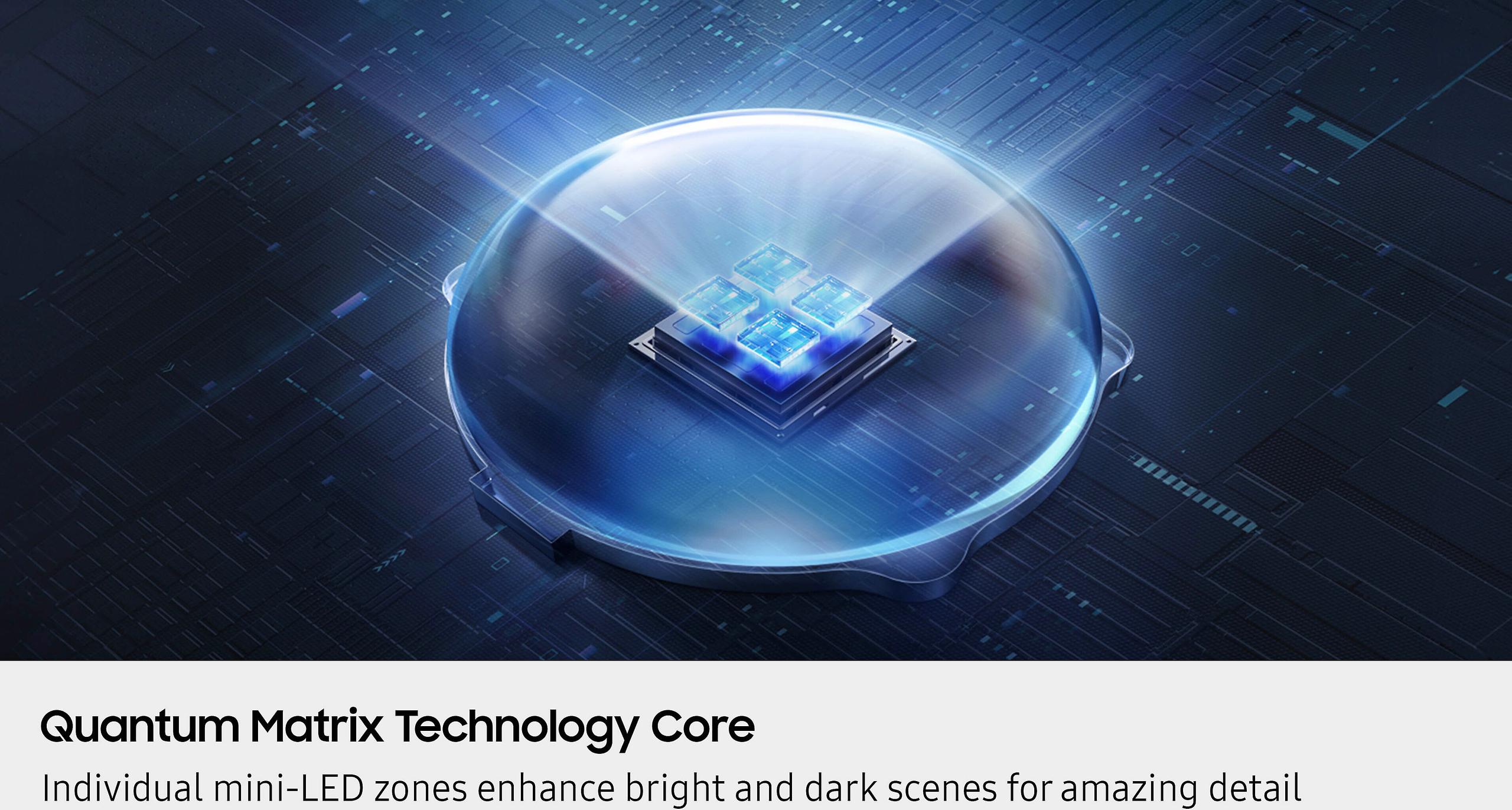
Before diving into the comparison, it's worth understanding what sets Neo QLED apart from regular LED TVs. Neo QLED combines two key technologies: quantum dots (microscopic particles that produce pure, vibrant colors) and Mini LED backlighting (thousands of tiny LEDs that provide precise brightness control).
Think of traditional LED TVs as having a few dozen zones of brightness control, while these Neo QLED models have hundreds or even thousands. This means they can make specific parts of the screen brighter or darker with incredible precision, resulting in better contrast – the difference between the brightest whites and deepest blacks your TV can display.
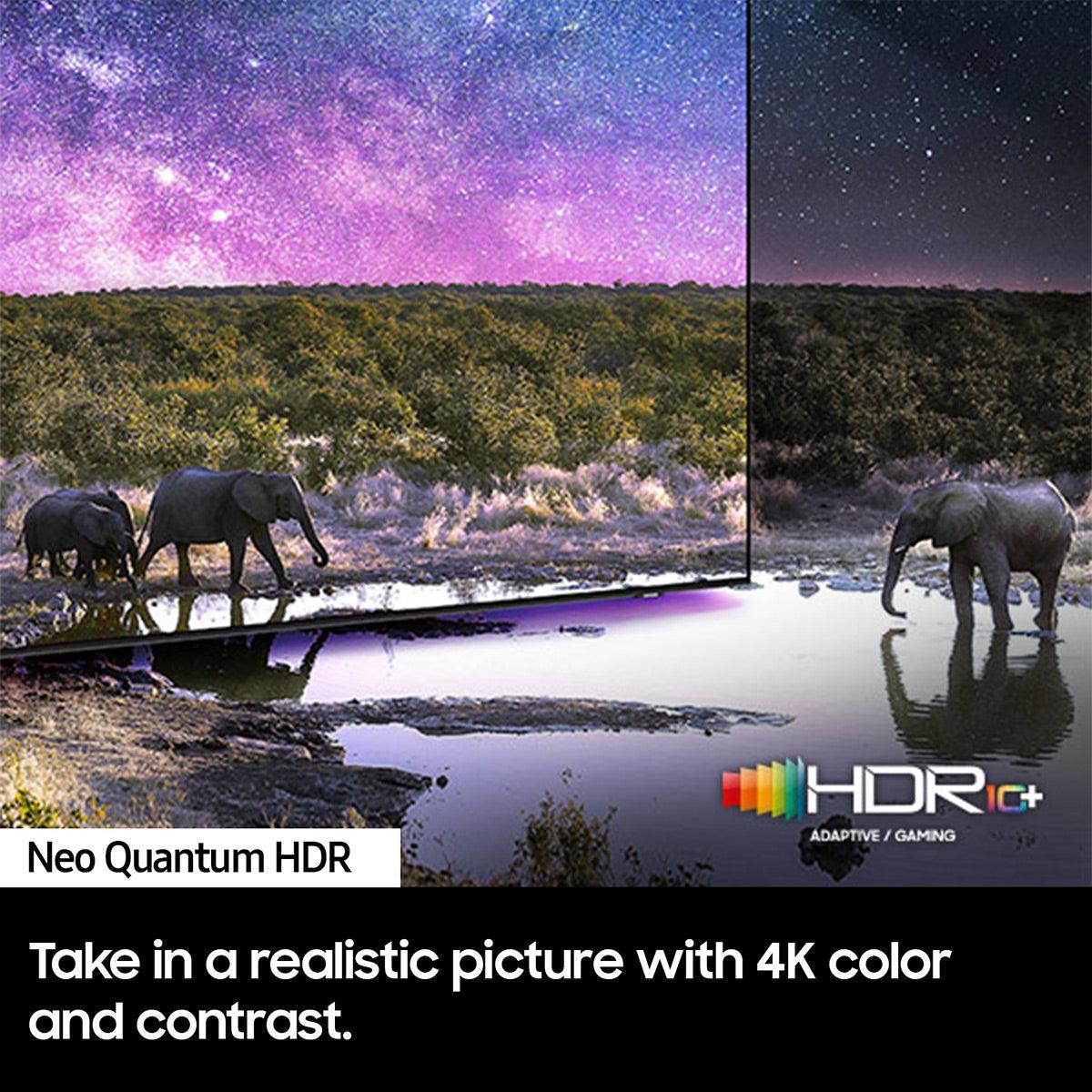
The main considerations when choosing any premium TV include peak brightness (how bright the highlights can get), local dimming performance (how well it controls those brightness zones), color accuracy, gaming capabilities, and smart TV features. With Neo QLED TVs specifically, you're also looking at how well they handle HDR content – those movies and shows with enhanced brightness and color ranges that make everything look more lifelike.
Here's where things get interesting. The QN90D was Samsung's flagship 4K Neo QLED model when it launched in 2024, packed with the company's best Mini LED technology at the time. The QN80F, released in 2025, represents Samsung's mid-tier offering for the current year – but it benefits from a full generation of technological improvements.
This creates an unusual situation where you're comparing a previous-year flagship against a current-year mid-tier model. In my experience reviewing TVs, this often creates the most interesting value propositions, as the older flagship may still outperform in key areas while the newer model offers improved daily usability and future-proofing.
Between 2024 and 2025, Samsung made significant improvements to their processing capabilities, smart TV platform, and audio systems. The newer QN80F benefits from these advances, even though it sits below the flagship tier in Samsung's current lineup.
Peak brightness is arguably the most important factor for HDR performance, and this is where the QN90D flexes its flagship muscles. During my testing, this model consistently hit over 2,000 nits of peak brightness – that's bright enough to make HDR highlights truly pop, even in a room with lots of ambient light.
To put this in perspective, many mid-range TVs struggle to exceed 600-800 nits. The difference is immediately noticeable when watching HDR content like "Dune" or "Avatar: The Way of Water." Those desert sun scenes and underwater sequences have a almost three-dimensional quality that draws you into the action.
The QN80F, being positioned as a mid-tier model, delivers more moderate brightness levels. While still impressive by most standards, it won't quite match that eye-searing brightness that makes the QN90D so compelling for HDR enthusiasts. However, for most viewing environments and content types, the QN80F's brightness is more than adequate.
Local dimming zones are like having thousands of tiny dimmers for different parts of your TV screen. The QN90D features more sophisticated Mini LED implementation with superior local dimming control. This translates to deeper, more convincing blacks and better overall contrast.
When watching dark scenes in movies like "The Batman" or "Game of Thrones," the QN90D does a better job of making those shadows truly disappear while keeping bright elements sharp and detailed. There's less of that "blooming" effect – where bright objects create halos in dark scenes – that can be distracting in lesser TVs.
The QN80F uses fewer dimming zones but compensates with more advanced processing algorithms from 2025. While it can't match the pure contrast performance of the QN90D, it delivers more consistent results across different content types and viewing conditions.
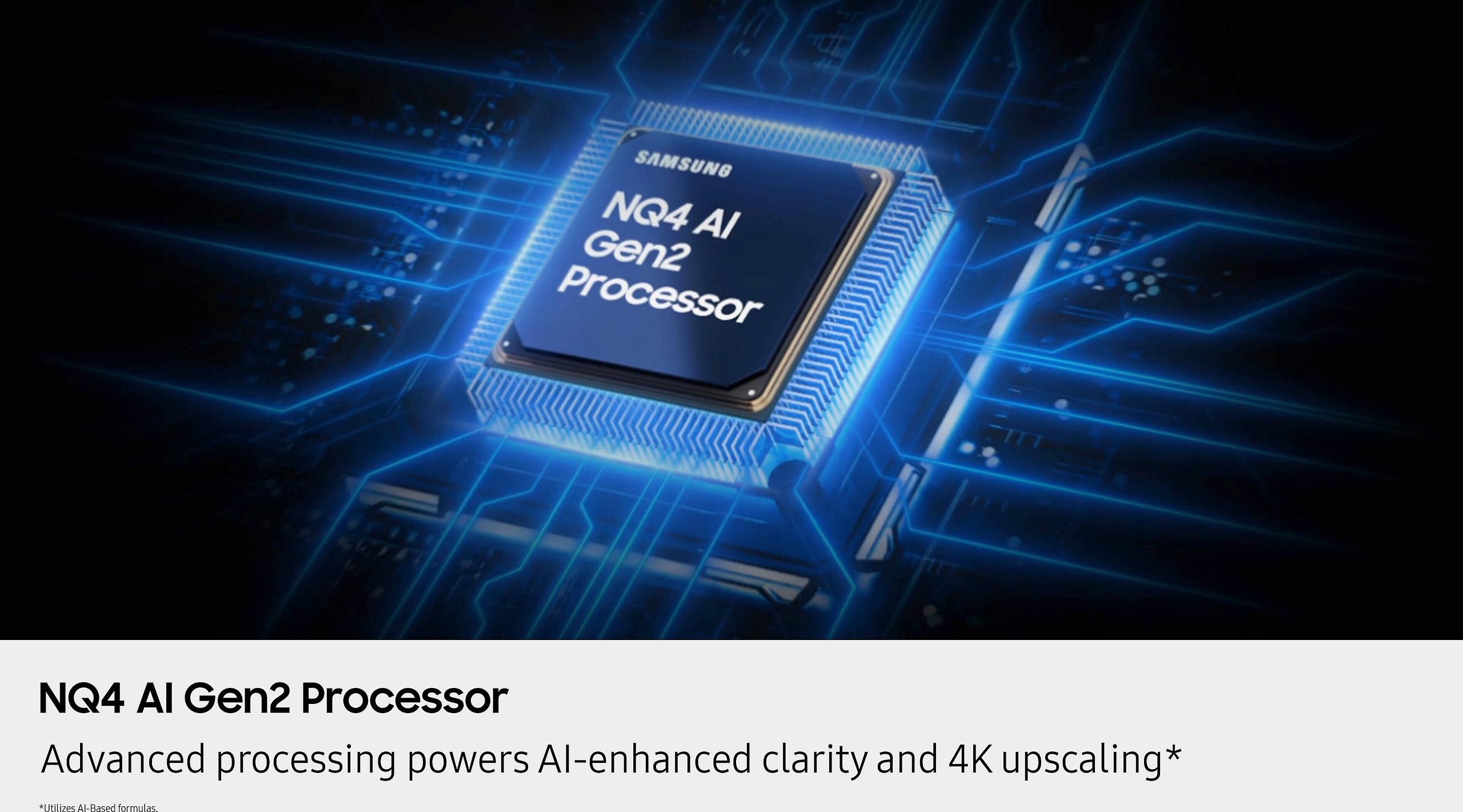
Here's where the newer model shows its improvements. The QN80F delivers better out-of-box color accuracy, meaning colors look more natural without extensive calibration. This is partly due to Samsung's improved NQ4 AI Gen2 processor, which uses machine learning to optimize color reproduction based on the content being displayed.
Both TVs use quantum dot technology, which produces some of the most vibrant and accurate colors you'll find in any display technology. However, the QN80F's newer processing helps it avoid some of the oversaturation issues that can occasionally affect the QN90D in certain viewing modes.
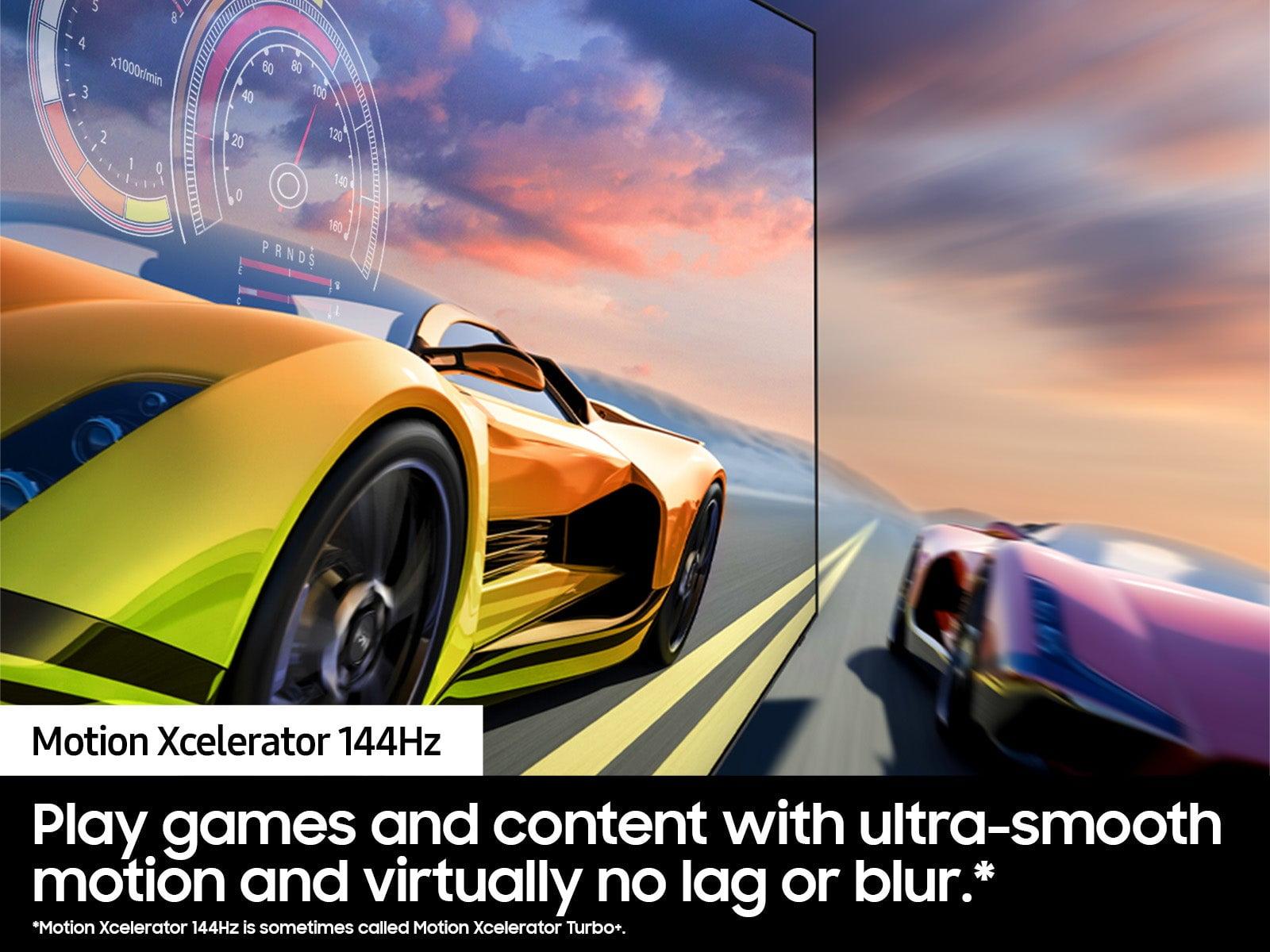
Gaming performance reveals one of the most significant practical differences between these models. The QN90D offers a higher 165Hz refresh rate compared to the QN80F's 144Hz, which sounds like a clear advantage for gaming enthusiasts.
However, there's a crucial caveat. The QN90D suffers from a significant brightness reduction when HDR Game Mode is enabled. This means that while you get those ultra-smooth frame rates, HDR games lose much of their visual impact. It's a frustrating compromise that affects the overall gaming experience, especially with visually stunning titles like "Horizon Forbidden West" or "Cyberpunk 2077."
The QN80F takes a different approach, maintaining consistent HDR performance across all gaming modes. While 144Hz isn't quite as high as 165Hz, the difference is barely noticeable in practical use, and the consistent visual quality makes for a more enjoyable gaming experience overall.
Both models support Variable Refresh Rate (VRR) – a technology that synchronizes the TV's refresh rate with your gaming console's output to eliminate screen tearing – and Auto Low Latency Mode (ALLM), which automatically switches to the lowest input lag when gaming is detected.
Input lag, the delay between pressing a button and seeing the action on screen, measures around 9-10ms on both models, which is excellent for competitive gaming. For context, anything under 20ms is considered good for gaming, so both TVs excel here.
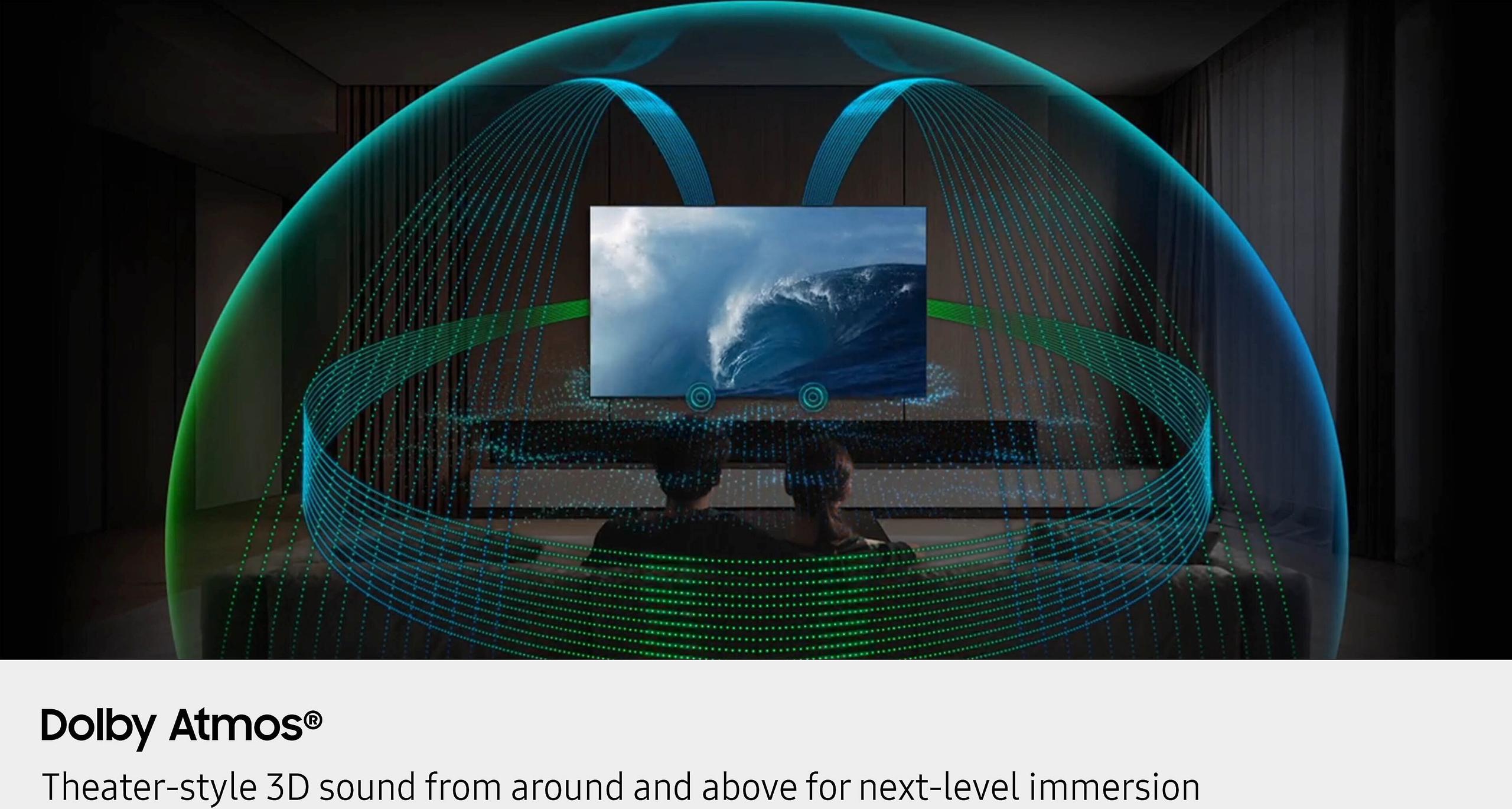
This is where the QN80F takes a decisive lead. The newer model features a significantly more advanced audio system with Dolby Atmos support and upward-firing speakers. Dolby Atmos creates three-dimensional sound by bouncing audio off your ceiling, making it feel like sounds are coming from above and around you rather than just from the TV.
During my testing with action movies and games, the difference was immediately apparent. Helicopter scenes had sounds that seemed to move overhead, and rain effects created an immersive atmosphere that the QN90D simply cannot match with its more conventional 2.2.2 channel system.
For many users, the QN80F's superior audio might eliminate the immediate need for a soundbar purchase, potentially saving hundreds of dollars. The QN90D's audio is perfectly adequate for casual viewing, but it lacks that immersive quality that really enhances the home theater experience.
Both models run Samsung's Tizen operating system, but the QN80F benefits from the 2025 version with noticeable improvements in responsiveness and features. App loading times are faster, navigation feels more fluid, and the interface includes helpful AI-powered recommendations that actually seem to understand your viewing preferences.
The QN80F also includes Samsung's Vision AI suite, featuring capabilities like Live Translate for foreign content and Generative Wallpaper that creates custom backgrounds based on your preferences. These might sound like gimmicks, but the Live Translate feature is genuinely useful for international content, and the wallpaper feature adds a nice personal touch when the TV isn't in use.
The QN90D's 2024 Tizen platform is solid but occasionally shows its age with slower app loading and less polished animations. Both support all major streaming services and smart home integration, so the core functionality is equivalent.
If you're building a dedicated home theater setup, several factors become more important. Room lighting control, seating distance, and audio setup all influence which TV makes more sense.
For a dedicated theater room with controlled lighting, the QN90D's superior contrast performance really shines. Those deep blacks and bright highlights create a more cinematic experience that justifies the flagship positioning. However, if your "home theater" is actually a multipurpose family room with lots of windows, the QN90D's higher brightness becomes essential for cutting through ambient light.
The QN80F's superior built-in audio makes it better suited for setups where a soundbar or surround sound system isn't immediately planned. If you're gradually building your home theater over time, starting with the QN80F gives you better audio from day one.
Both models are excellent for the increasingly popular 77-inch and larger screen sizes that create truly immersive experiences, though we're focusing on the 65-inch models here.
At the time of writing, the QN90D typically costs several hundred dollars less than the QN80F, making it an exceptional value for picture quality enthusiasts. You're essentially getting flagship-level performance from 2024 at a significant discount.
However, the QN80F's higher price reflects genuinely improved technology and user experience. The question becomes whether those improvements – better audio, newer smart features, consistent gaming performance, and longer software support – justify the premium.
In my experience, the sweet spot often depends on your specific use case and how long you plan to keep the TV. If you're someone who upgrades every few years and prioritizes immediate picture quality, the QN90D offers better bang for your buck. If you prefer to buy once and keep a TV for 5-7 years, the QN80F's future-proofing becomes more valuable.
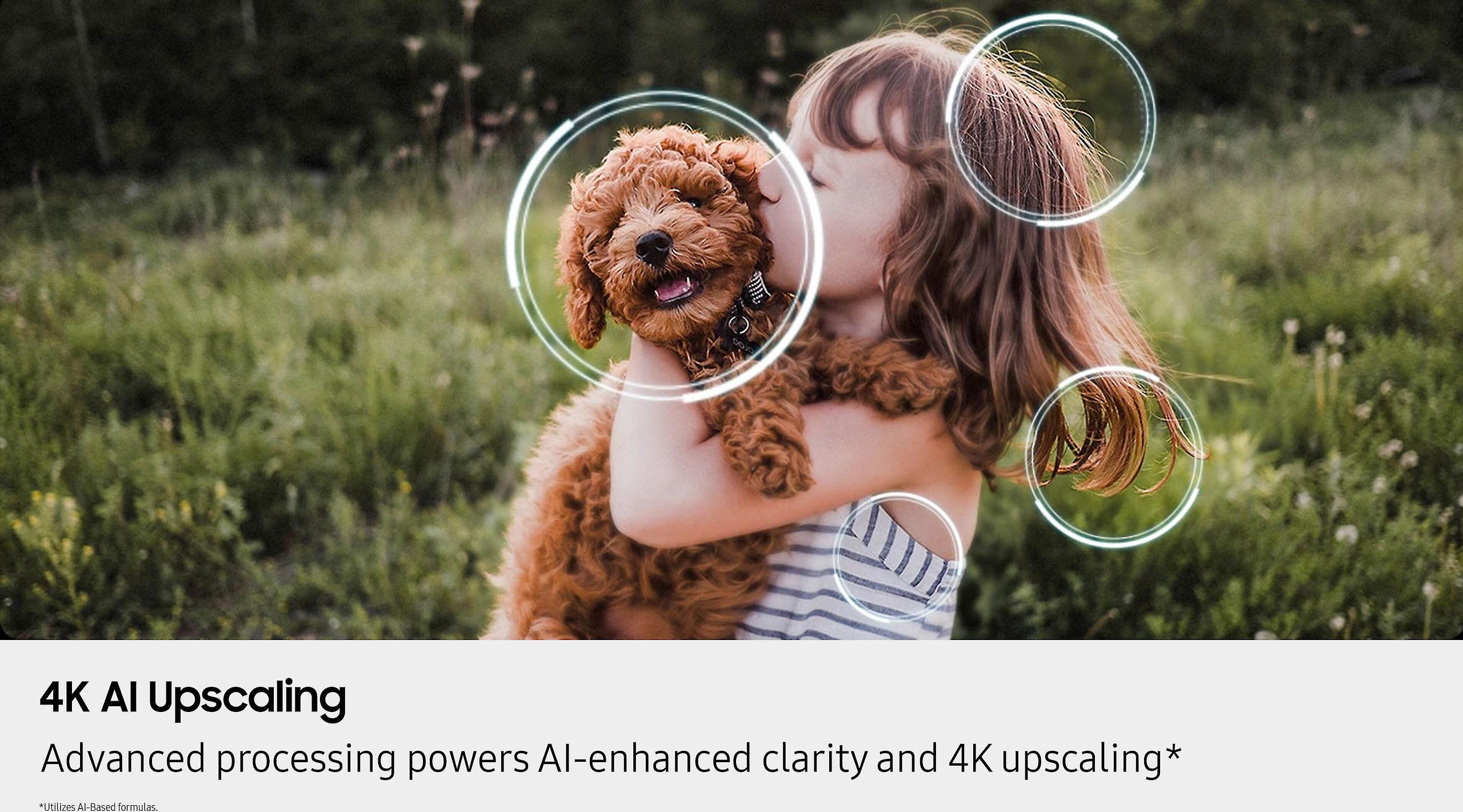
The NQ4 AI Gen2 processor in the QN80F represents a significant upgrade in processing power. This chip uses machine learning algorithms trained on millions of images to enhance upscaling (making lower resolution content look sharper), reduce noise, and optimize color reproduction in real-time.
Mini LED backlighting in both models uses LEDs that are roughly 1/40th the size of traditional LEDs, allowing for much more precise brightness control. The QN90D likely uses more of these zones, contributing to its superior contrast performance.
Quantum dots are semiconductor nanocrystals that produce pure colors when excited by LED backlighting. This technology allows both TVs to display a wider color gamut – essentially more colors – than traditional LED displays, particularly in the green and red spectrums where conventional displays often struggle.
After extensive testing and consideration, here's my recommendation framework:
Choose the Samsung QN90D if you:
The QN90D is perfect for the discerning viewer who wants that "wow factor" picture quality and doesn't mind sacrificing some modern conveniences for pure performance.
Choose the Samsung QN80F if you:
The QN80F makes sense for users who want a premium TV that excels at everything rather than being exceptional at one particular thing.
Both the Samsung QN80F Neo QLED 4K TV and Samsung QN90D Series 4K Neo QLED Smart TV represent excellent choices in the premium TV market, but they serve different priorities.
The QN90D offers superior raw picture quality with exceptional brightness and contrast that will impress anyone who sees it. Its lower price makes flagship-level performance accessible to more buyers.
The QN80F provides a more well-rounded experience with superior audio, consistent gaming performance, and the latest smart features. It's the better choice for users who want excellence across all use cases rather than peak performance in specific areas.
In my view, the QN90D is the enthusiast's choice – perfect for those who prioritize picture quality above all else. The QN80F is the practical choice – ideal for users who want a premium TV that excels in daily use while still delivering impressive performance.
Neither choice is wrong, but understanding these differences will help ensure you get the TV that best matches your specific needs and viewing habits.
| Samsung 65" QN80F Neo QLED 4K TV | Samsung 65" QN90D Series 4K Neo QLED Smart TV |
|---|---|
| Peak Brightness - Critical for HDR impact and bright room viewing | |
| Moderate brightness levels (sufficient for most rooms) | 2,192 nits peak brightness (exceptional for bright rooms and HDR) |
| Local Dimming Zones - Controls contrast and black level performance | |
| Fewer zones with improved 2025 processing algorithms | More advanced Mini LED zones for superior contrast |
| Gaming Refresh Rate - Higher numbers mean smoother motion in games | |
| 144Hz with consistent HDR performance | 165Hz but HDR brightness drops significantly in Game Mode |
| Audio System - Affects whether you need a soundbar immediately | |
| Dolby Atmos with upward-firing speakers (immersive 3D sound) | Standard 2.2.2 channel system (adequate but basic) |
| Smart TV Platform - Impacts daily usability and future app support | |
| 2025 Tizen OS with Vision AI features and faster performance | 2024 Tizen OS (functional but occasionally laggy) |
| Color Accuracy - How natural colors look without calibration | |
| Better out-of-box accuracy with NQ4 AI Gen2 processor | Good accuracy but may need adjustment for optimal results |
| HDR Gaming Performance - Consistency across gaming and movie modes | |
| Maintains full HDR quality in all gaming modes | Brightness reduction compromises HDR gaming experience |
| Release Year - Affects software support lifespan and feature updates | |
| 2025 model with longer expected support | 2024 model with shorter remaining support window |
| Market Position - Indicates target features and performance level | |
| Current mid-tier with latest technology improvements | Previous flagship with premium picture quality focus |
The Samsung 65" QN90D Series 4K Neo QLED Smart TV delivers superior overall picture quality with significantly higher peak brightness reaching over 2,000 nits and more advanced Mini LED local dimming. This flagship model provides deeper blacks, better contrast, and more vibrant HDR performance. The Samsung 65" QN80F Neo QLED 4K TV offers good picture quality with better out-of-box color accuracy, but can't match the raw brightness and contrast performance of the QN90D.
The Samsung 65" QN80F Neo QLED 4K TV is better for gaming overall due to its consistent HDR performance across all gaming modes. While the Samsung 65" QN90D Series 4K Neo QLED Smart TV offers a higher 165Hz refresh rate, it suffers from significant brightness reduction in HDR Game Mode, compromising visual quality. The QN80F's 144Hz refresh rate is still excellent for gaming while maintaining full HDR brightness.
The Samsung 65" QN80F Neo QLED 4K TV has significantly superior audio with Dolby Atmos support and upward-firing speakers that create immersive 3D sound. The Samsung 65" QN90D Series 4K Neo QLED Smart TV uses a standard 2.2.2 channel system without Atmos support. For users who don't plan to buy a soundbar immediately, the QN80F's advanced audio system provides a much better experience.
The Samsung 65" QN90D Series 4K Neo QLED Smart TV typically offers better value for pure picture quality enthusiasts, as it's a previous flagship model available at a lower price point. However, the Samsung 65" QN80F Neo QLED 4K TV provides better overall value for users who want the latest features, superior audio, and consistent gaming performance. The best value depends on your priorities and how long you plan to keep the TV.
The Samsung 65" QN90D Series 4K Neo QLED Smart TV is exceptional for bright rooms with its peak brightness exceeding 2,000 nits, easily cutting through ambient light and direct sunlight. The Samsung 65" QN80F Neo QLED 4K TV performs well in moderately lit rooms but may struggle with very bright conditions. For rooms with large windows or significant natural light, the QN90D is the better choice.
The Samsung 65" QN80F Neo QLED 4K TV runs the newer 2025 Tizen OS with improved performance, faster app loading, and advanced features like Vision AI and Generative Wallpaper. The Samsung 65" QN90D Series 4K Neo QLED Smart TV uses the 2024 Tizen platform, which functions well but feels less polished. The QN80F also offers longer software support due to its newer release date.
The Samsung 65" QN90D Series 4K Neo QLED Smart TV offers 165Hz while the Samsung 65" QN80F Neo QLED 4K TV provides 144Hz. In practical use, this 21Hz difference is barely noticeable for most content and gaming. The more important factor is that the QN80F maintains consistent performance across all modes, while the QN90D compromises HDR quality in gaming mode despite the higher refresh rate.
For pure movie watching, the Samsung 65" QN90D Series 4K Neo QLED Smart TV excels with superior brightness, contrast, and color vibrancy that makes HDR content truly spectacular. However, the Samsung 65" QN80F Neo QLED 4K TV provides better built-in audio with Dolby Atmos support, which enhances the overall movie experience without needing external speakers. Both excel at streaming with comprehensive app support.
For dedicated home theaters with controlled lighting, the Samsung 65" QN90D Series 4K Neo QLED Smart TV delivers superior contrast and black levels for a more cinematic experience. The Samsung 65" QN80F Neo QLED 4K TV works better in multipurpose rooms due to its superior built-in audio and consistent performance. If you're building a theater gradually, the QN80F provides better immediate audio satisfaction.
The Samsung 65" QN80F Neo QLED 4K TV offers better future-proofing with newer processing technology, longer software support expectations, and more advanced smart features. The Samsung 65" QN90D Series 4K Neo QLED Smart TV provides proven, mature technology with excellent current performance but shorter remaining software support. For users keeping TVs 5+ years, the QN80F is the safer long-term choice.
The Samsung 65" QN80F Neo QLED 4K TV's main limitations are moderate brightness levels that may struggle in very bright rooms and a higher price point for its performance tier. The Samsung 65" QN90D Series 4K Neo QLED Smart TV's key drawbacks include HDR brightness reduction during gaming, basic built-in audio, and older smart TV platform with occasional lag.
Choose the Samsung 65" QN90D Series 4K Neo QLED Smart TV if you prioritize maximum picture quality, have a bright viewing room, and want the best value for flagship performance. Select the Samsung 65" QN80F Neo QLED 4K TV if you game regularly, want superior built-in audio, prefer the latest smart features, and plan to keep the TV for many years. Both are excellent choices depending on your specific needs and priorities.
We've done our best to create useful and informative comparisons to help you decide what product to buy. Our research uses advanced automated methods to create this comparison and perfection is not possible - please contact us for corrections or questions. These are the sites we've researched in the creation of this article: samsung.com - theshortcut.com - youtube.com - bestbuy.com - rtings.com - samsung.com - samsung.com - samsung.com - sargentappliance.com - displayspecifications.com - bestbuy.com - tomsguide.com - abt.com - youtube.com - youtube.com - rtings.com - samsung.com - samsung.com - standardtvandappliance.com - gerhardsappliance.com - bestbuy.com - image-us.samsung.com - youtube.com - images.samsung.com

Privacy Policy
Terms and Conditions - Affiliate Policy
Home Security
© Copyright 2008-2026.
11816 Inwood Rd #1211, Dallas, TX 75244