

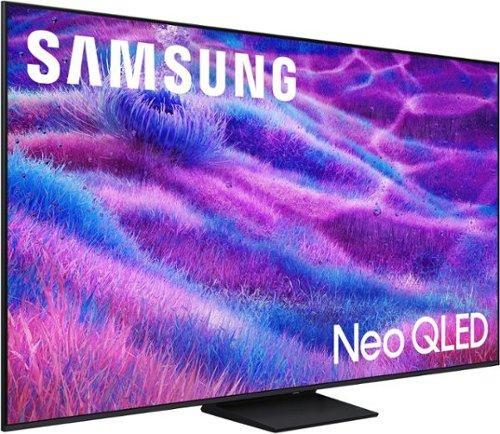
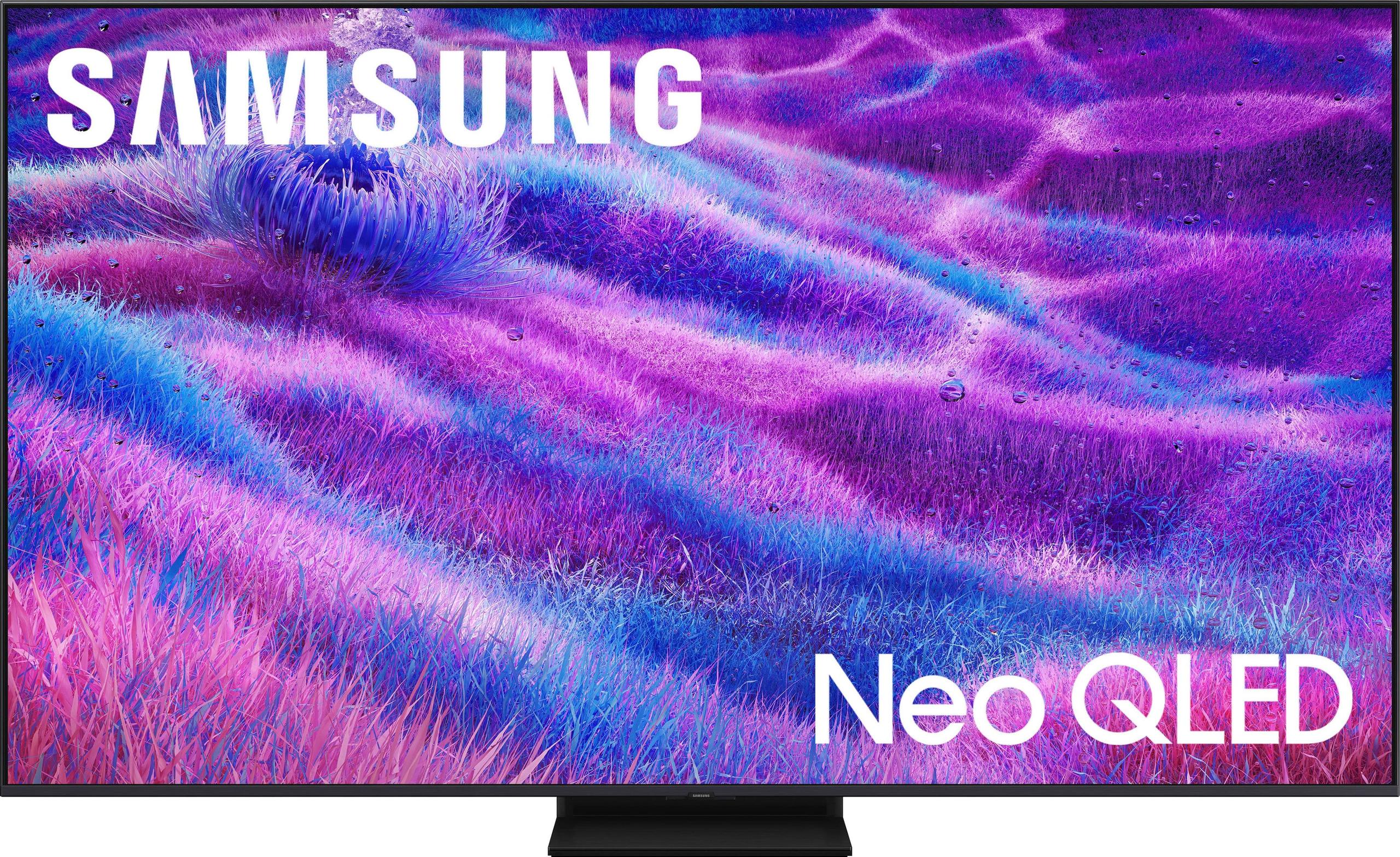
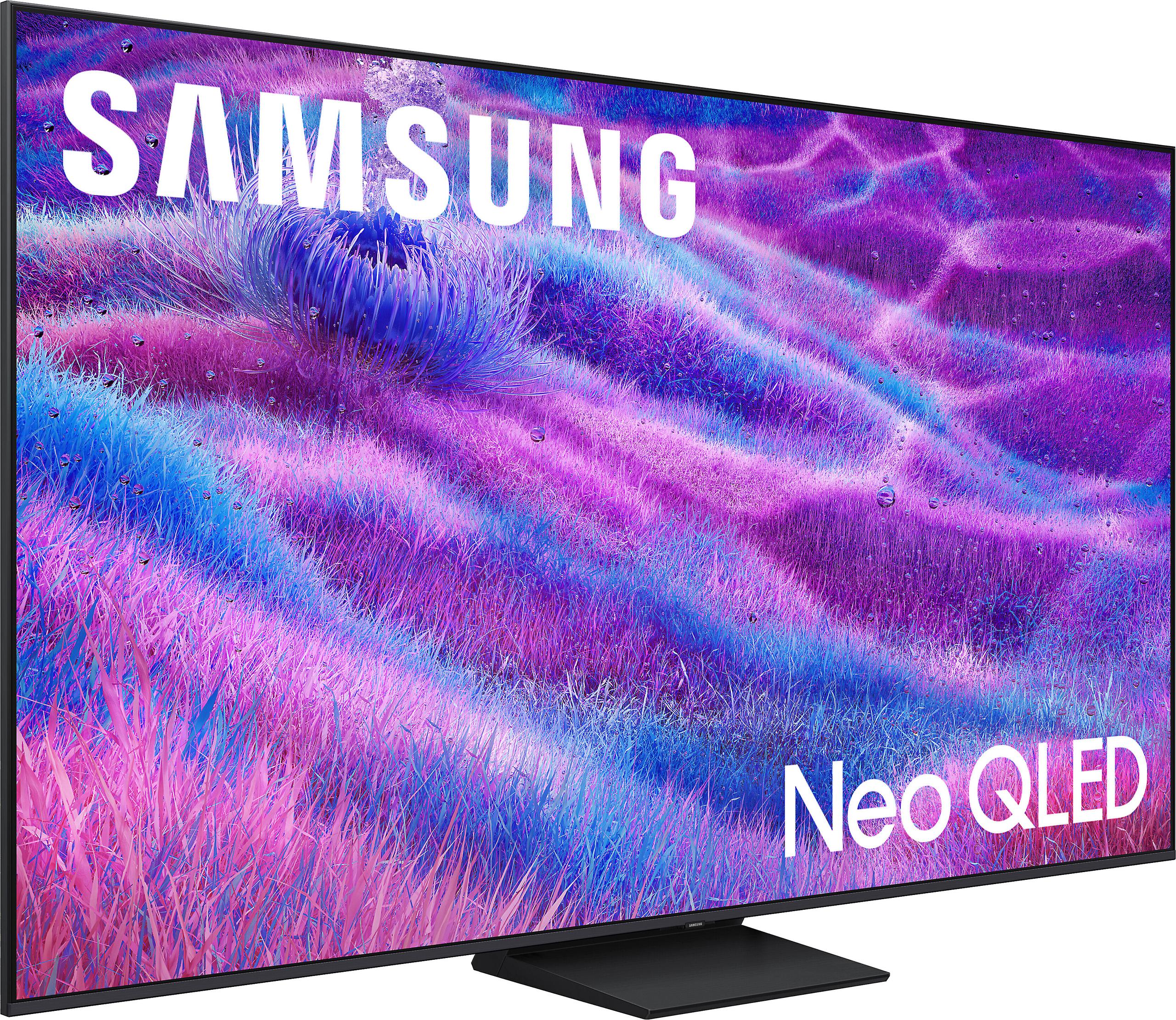
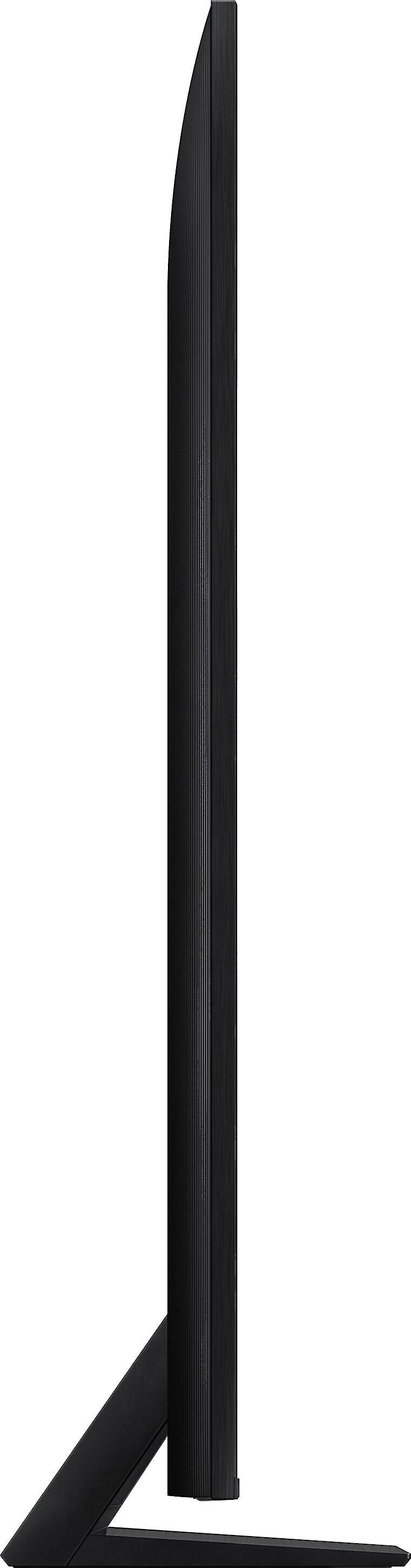
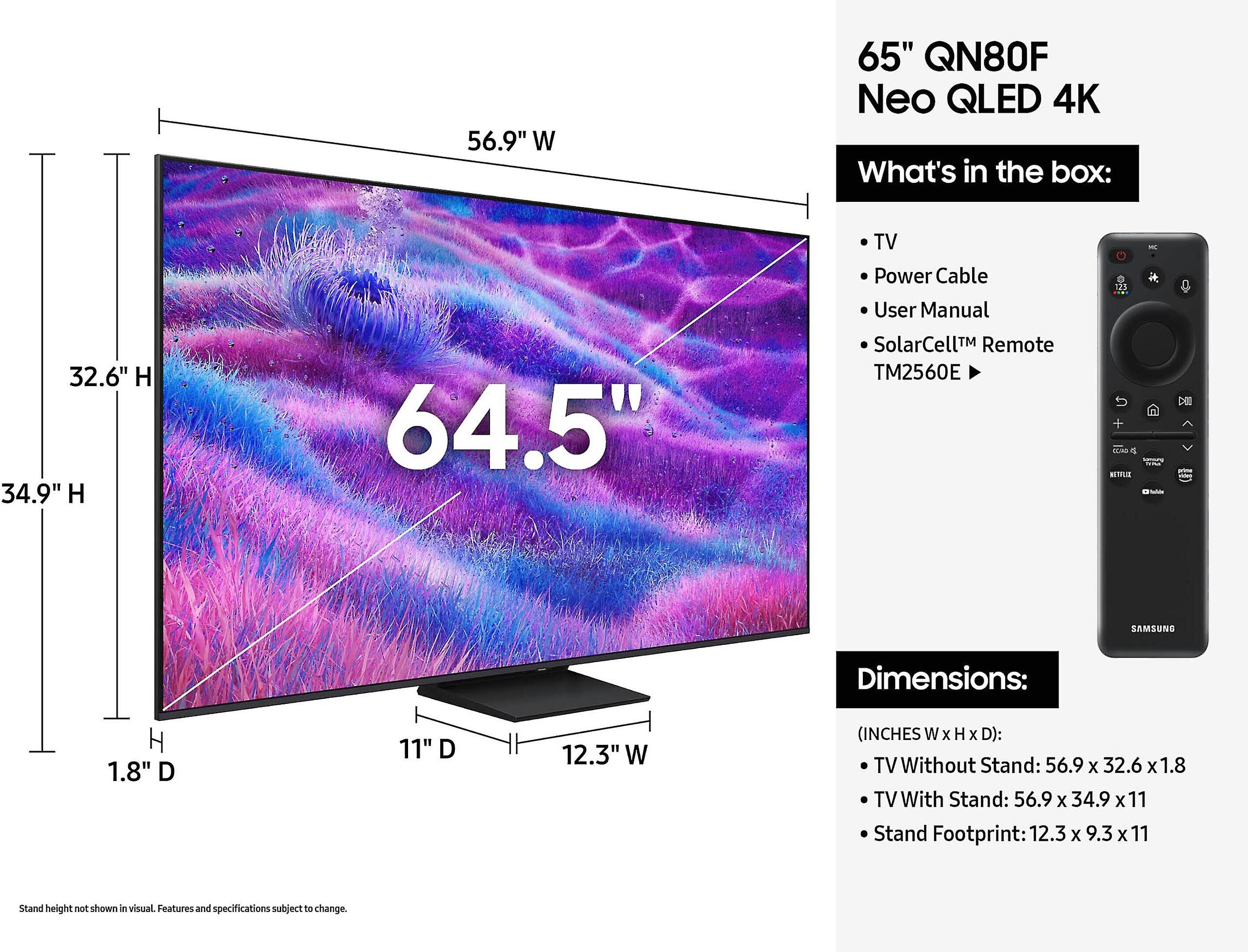



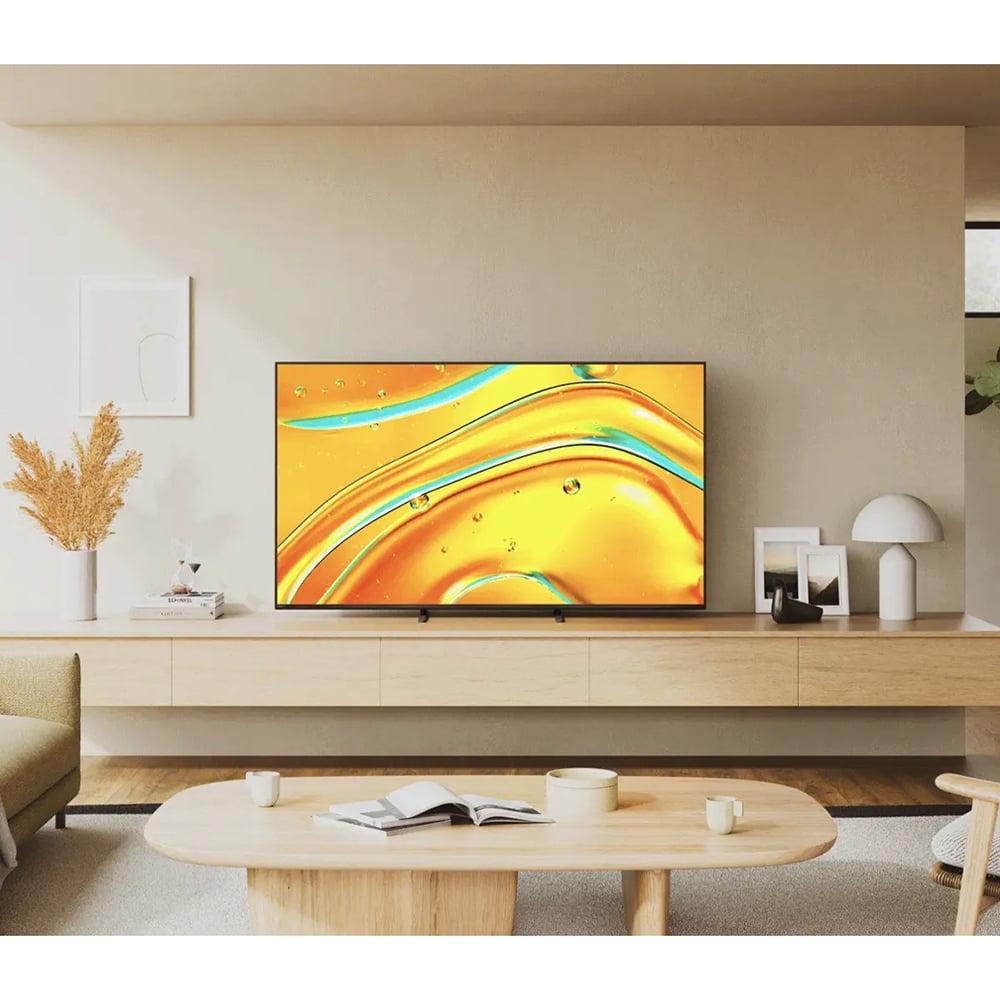
The 65-inch TV market has never been more competitive, and two standout models from 2025 are making waves in the premium mid-range segment. The Samsung QN80F Neo QLED and Sony BRAVIA 5 Mini LED both represent significant technological leaps forward, but they take remarkably different approaches to delivering exceptional picture quality. At the time of writing, there's a substantial price difference between these models, with the Sony coming in several hundred dollars less expensive than the Samsung – a gap that makes the value proposition particularly interesting.
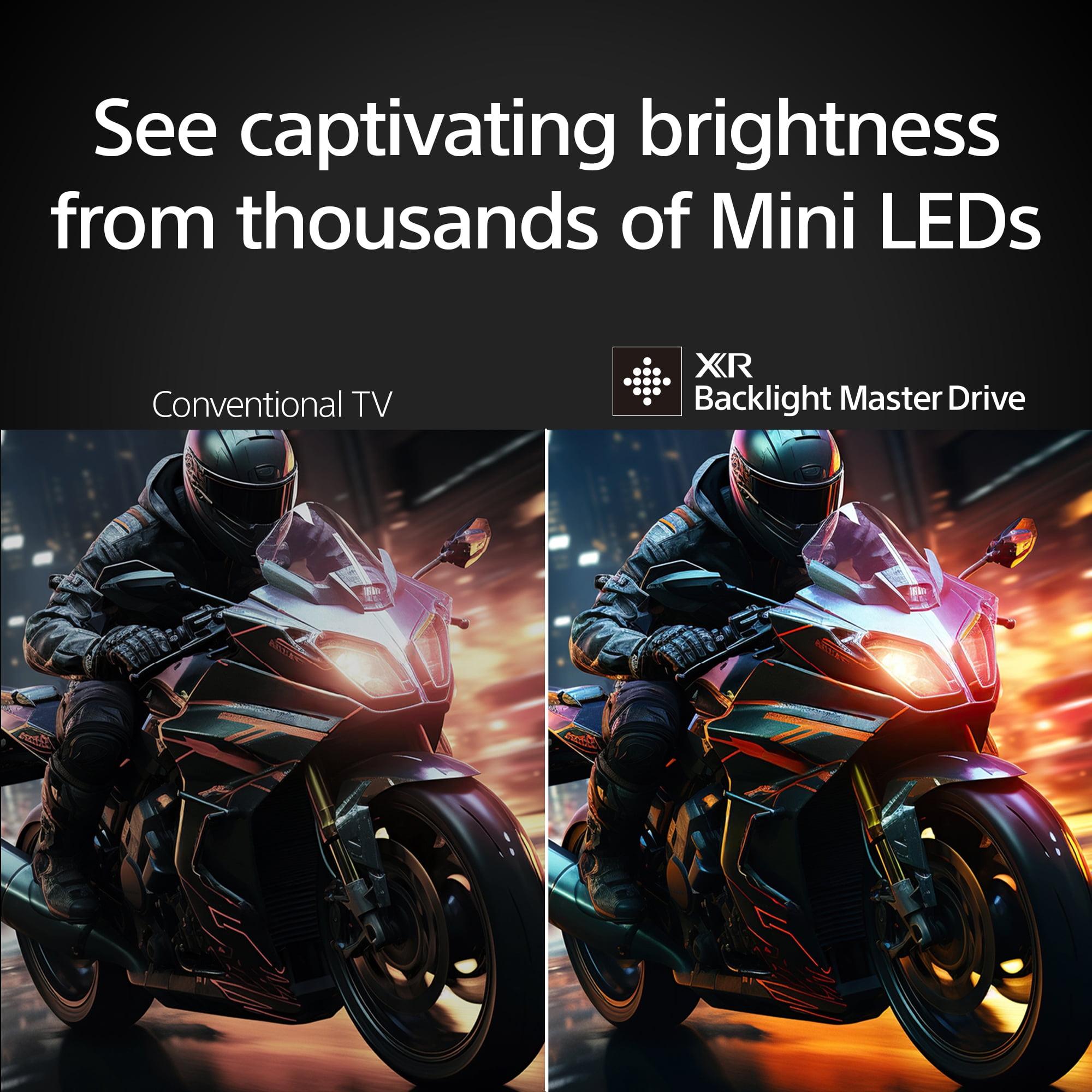
Before diving into the comparison, it's worth understanding what Mini LED technology actually means for your viewing experience. Traditional LED TVs use a handful of LED zones behind the screen to create brightness, but Mini LED takes this concept much further. Both the Samsung QN80F and Sony BRAVIA 5 use thousands of tiny LEDs – each smaller than a grain of rice – arranged behind the display panel.
This approach allows for incredibly precise control over brightness and darkness across different areas of the screen simultaneously. When you're watching a movie scene with bright sunlight streaming through a dark room, Mini LED can make the sunlight brilliant while keeping the shadows truly dark, rather than the grayish blacks you might see on cheaper TVs.
The technology represents a middle ground between traditional LED displays and premium OLED screens. You get much better contrast than standard LED TVs, plus the brightness advantages that help in well-lit rooms where OLED might struggle.
Both models launched in 2025, representing the latest iteration of each manufacturer's Mini LED approach. The Samsung QN80F arrived in the spring as part of Samsung's Neo QLED refresh, while the Sony BRAVIA 5 followed shortly after as Sony's answer to the growing Mini LED market demand.
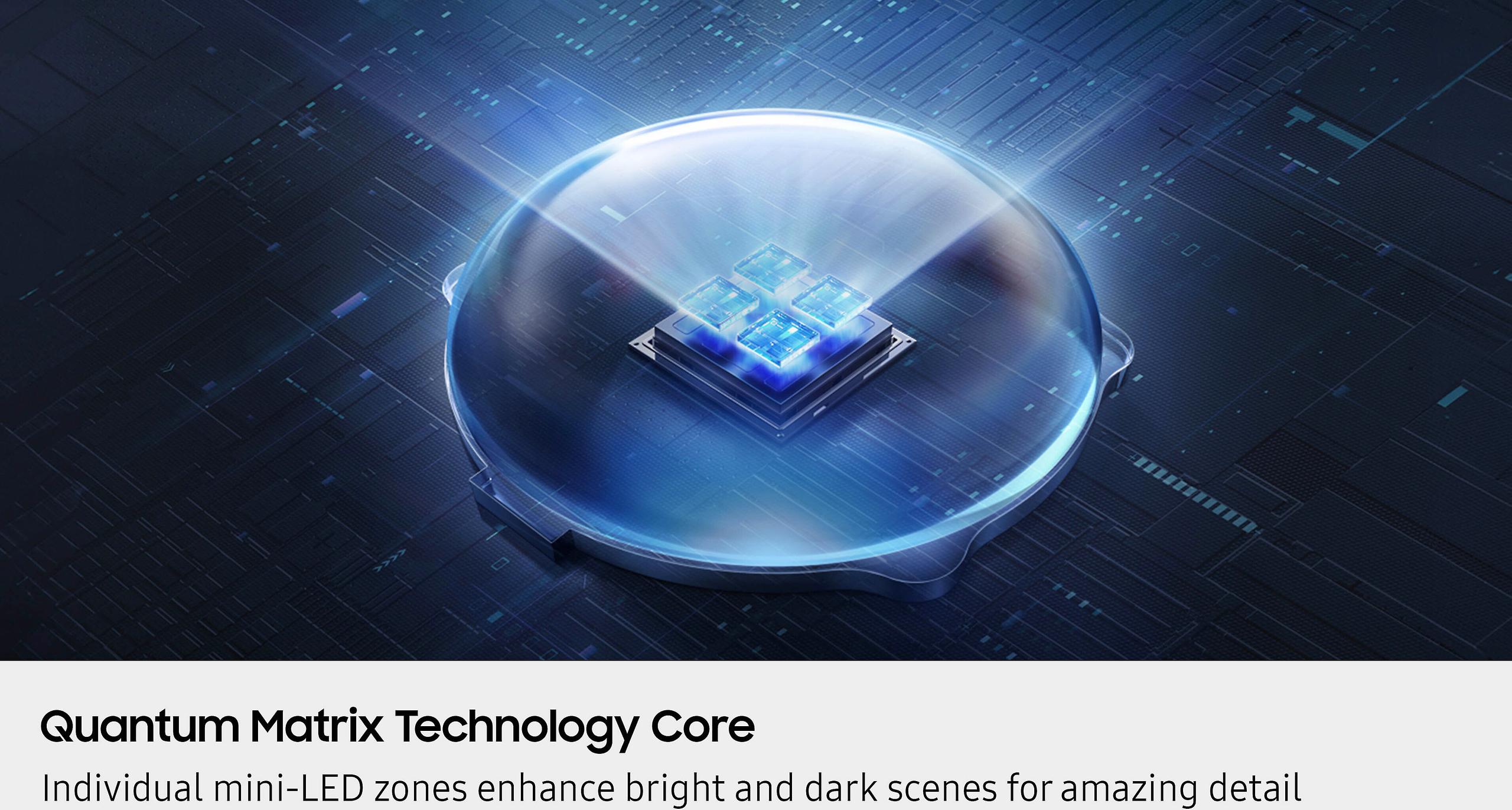
Since their predecessors in 2024, both companies have made meaningful improvements. Samsung refined their Quantum Matrix Core technology (their fancy name for how they control those thousands of Mini LEDs), while Sony enhanced their XR Backlight Master Drive system. These aren't just marketing terms – they represent real improvements in how precisely each TV can control brightness across different screen areas.
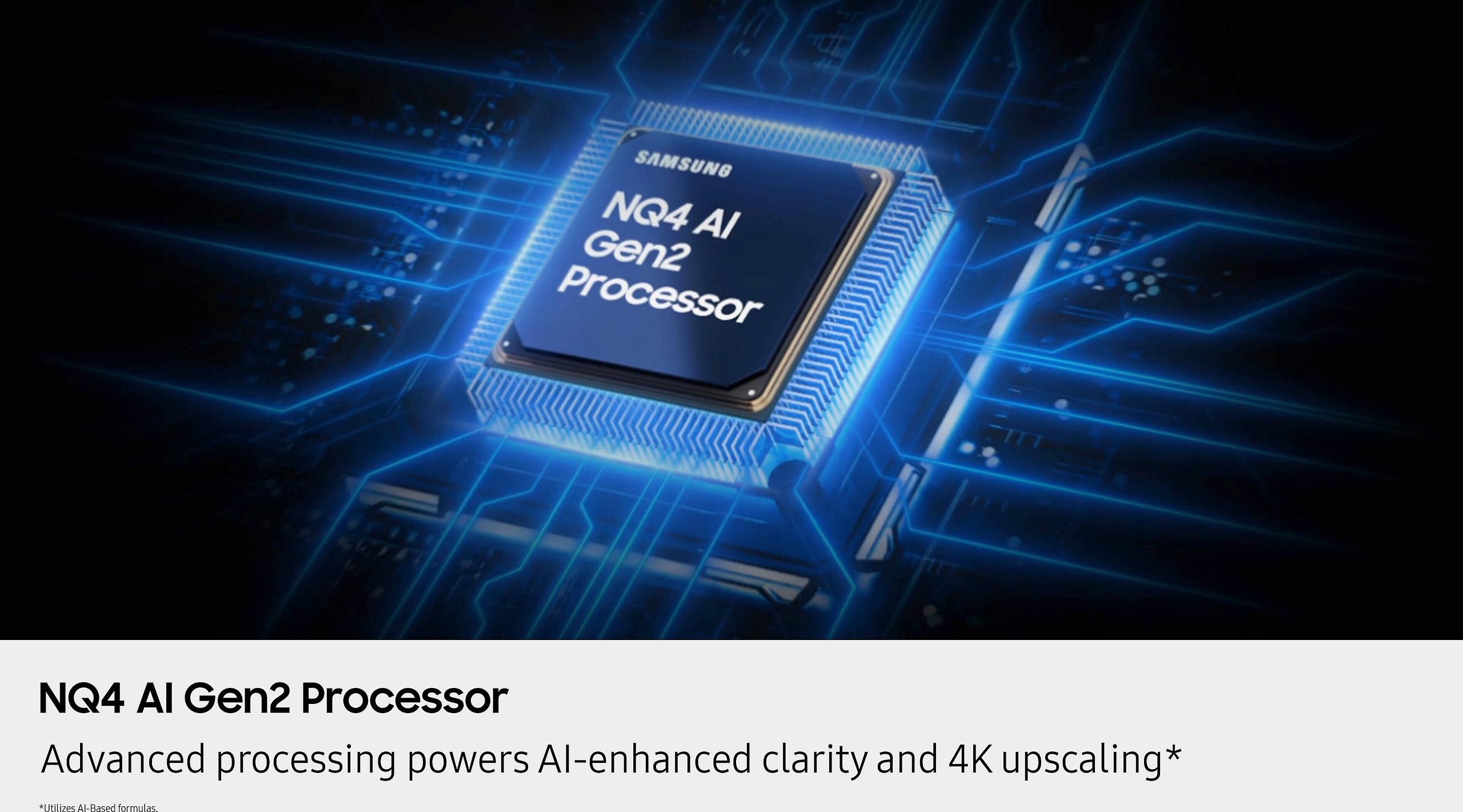
The 2025 updates also brought significant processor improvements. Samsung's NQ4 AI Gen2 Processor now uses 20 neural networks to analyze and enhance content in real-time, while Sony's XR Processor gained better AI scene recognition capabilities. Think of these processors as the brain of the TV – they're constantly analyzing what you're watching and making micro-adjustments to optimize the picture.
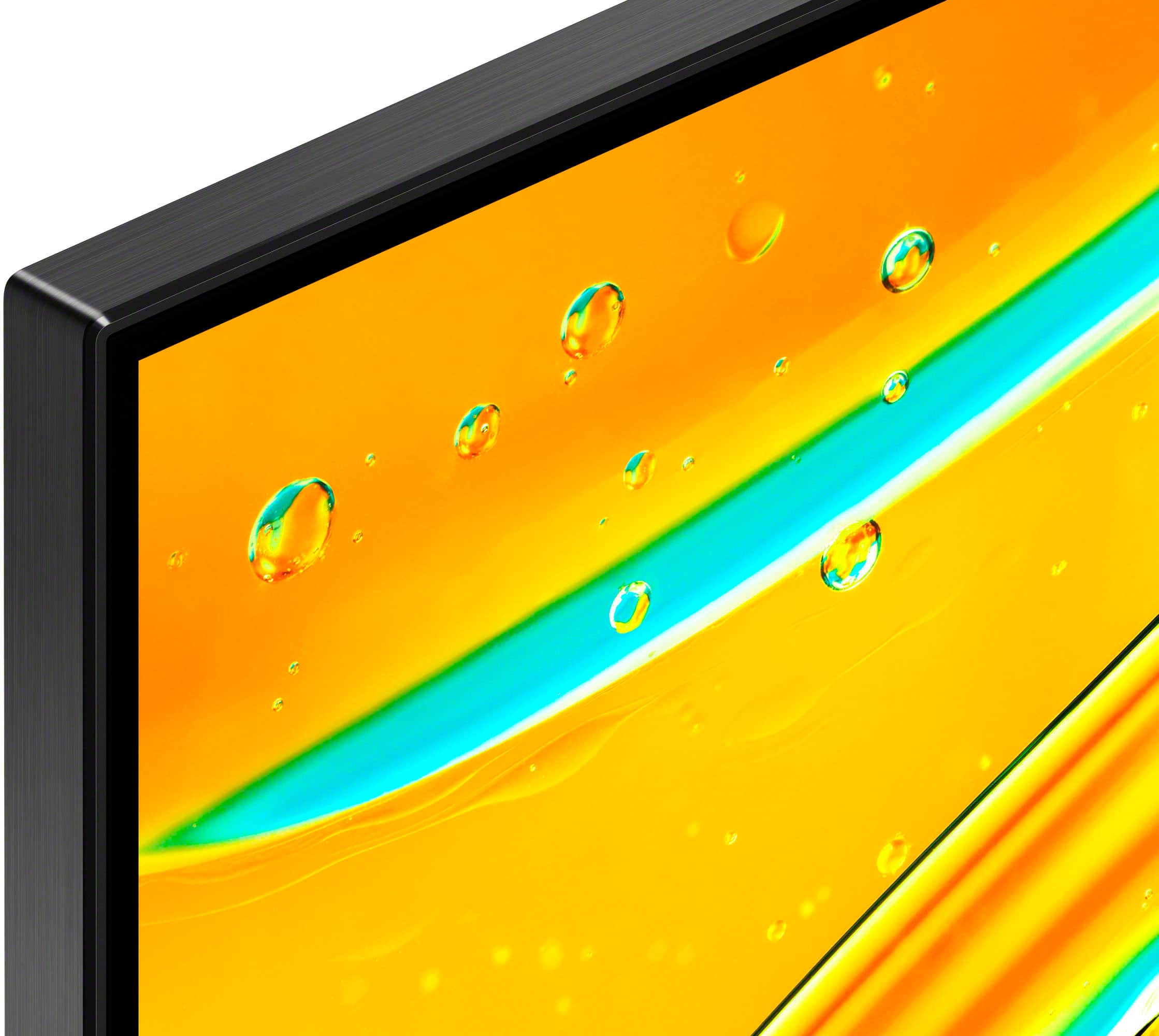
This is where the two TVs diverge most significantly. The Samsung QN80F achieves peak brightness levels around 1,500 nits – that's exceptionally bright and means HDR (High Dynamic Range) content really pops off the screen. HDR is essentially a technology that allows TVs to display a much wider range of brightness levels, from deeper blacks to brighter whites, making images look more like what your eyes see in real life.
In practical terms, this brightness advantage means the Samsung performs better in rooms with lots of windows or overhead lighting. If you're watching during the day with sunlight streaming in, the Samsung will maintain better picture quality and contrast.
The Sony BRAVIA 5, while not quite reaching the same peak brightness levels, takes a different approach focused on accuracy rather than pure brightness. Sony's strength lies in how naturally it processes different brightness levels. Where some TVs might push highlights too bright or make shadows too dark, Sony maintains a more balanced, film-like presentation.
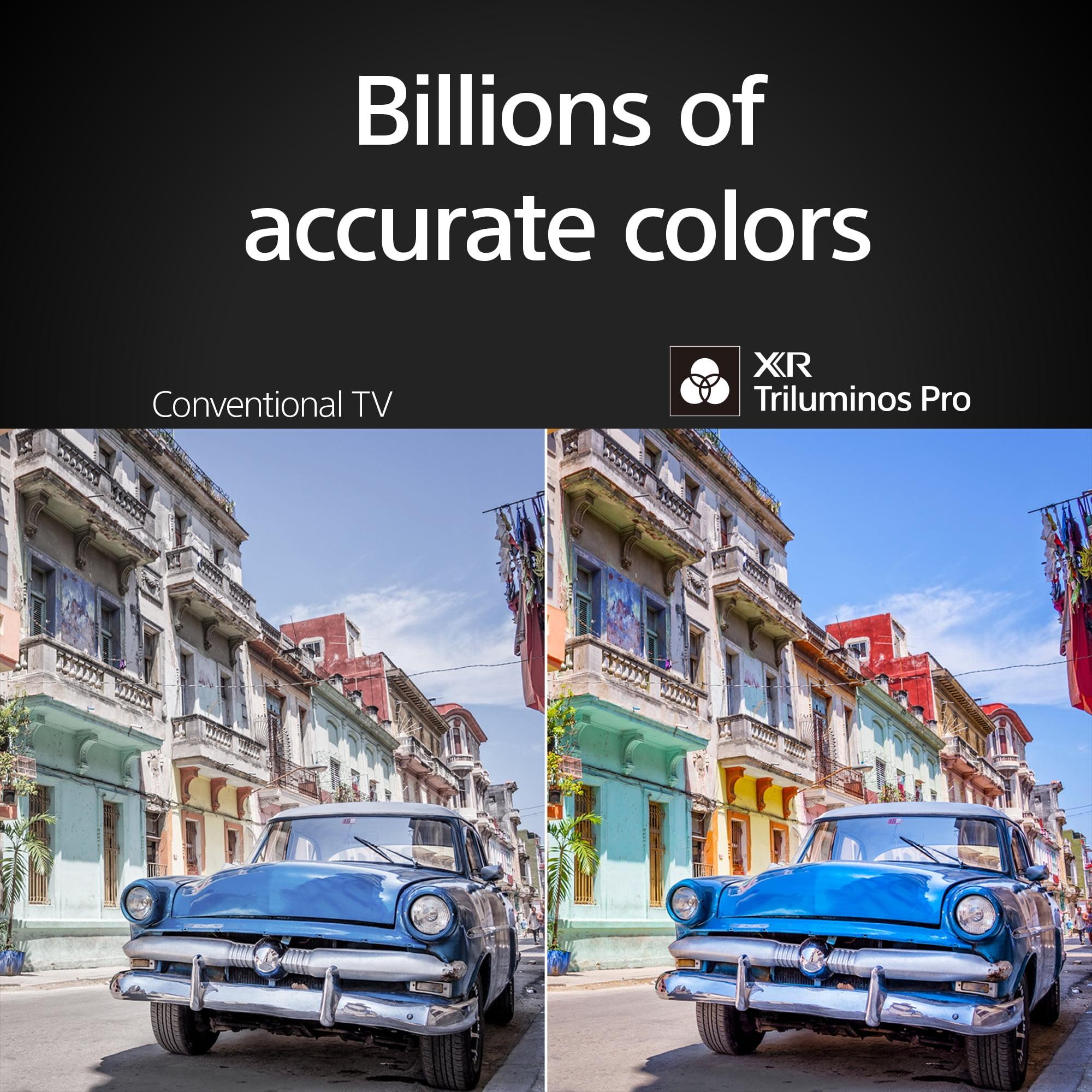
Here's where things get interesting from a technical standpoint. The Samsung QN80F uses Quantum Dot technology – microscopic particles that can produce extremely pure colors when hit with light. This allows Samsung to achieve what they call "over a billion colors" with impressive color volume, meaning colors stay vibrant even at high brightness levels.
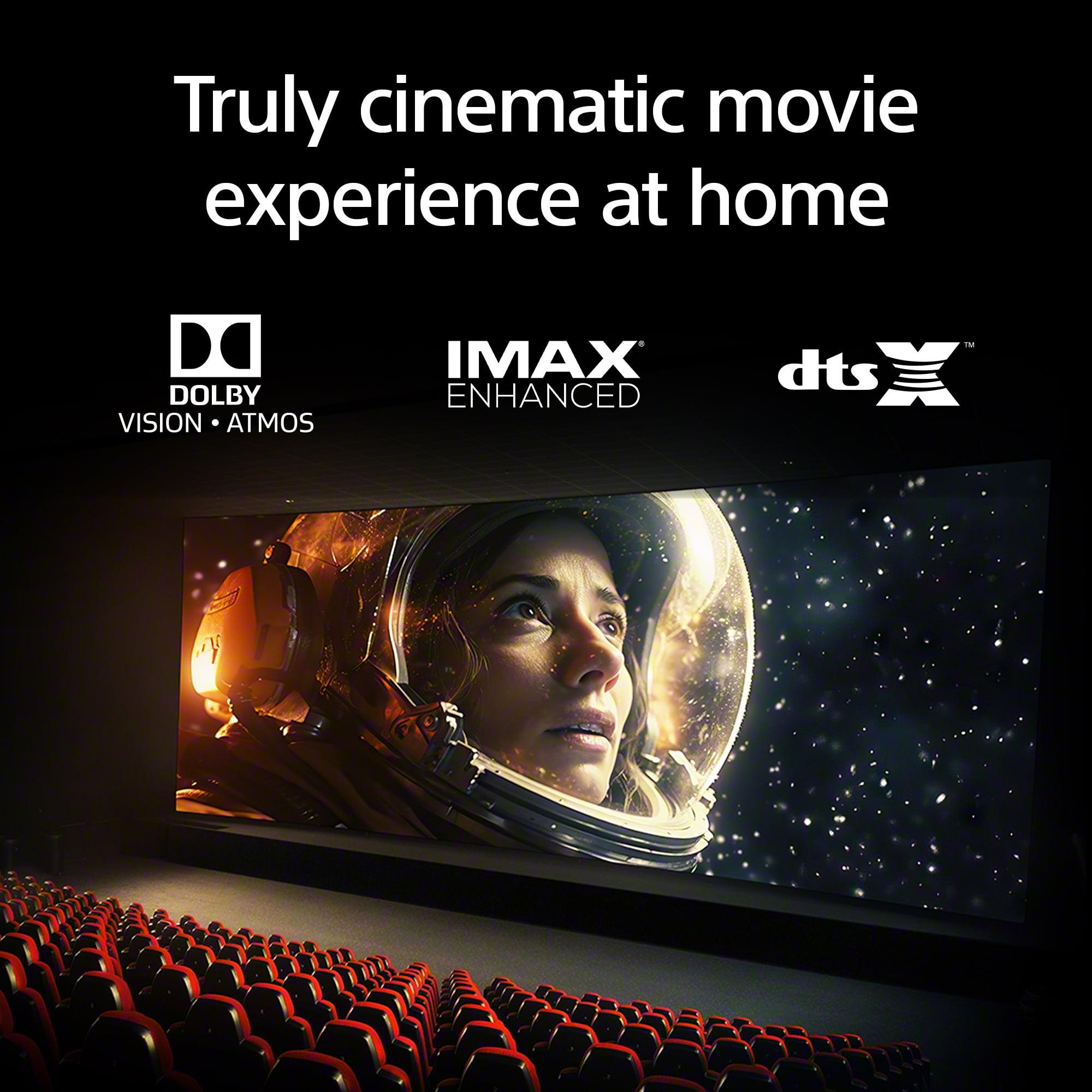
However, the Sony BRAVIA 5 has a crucial advantage: comprehensive HDR format support, including Dolby Vision. Dolby Vision is like having a director personally calibrate your TV for each scene of a movie. It provides frame-by-frame instructions to your TV about exactly how bright and what colors each part of the image should be.
Samsung's decision to skip Dolby Vision support in favor of their own HDR10+ format is puzzling, especially considering most major streaming services and 4K Blu-rays use Dolby Vision. This means you'll get a better HDR experience on Netflix, Disney+, and Apple TV+ with the Sony.
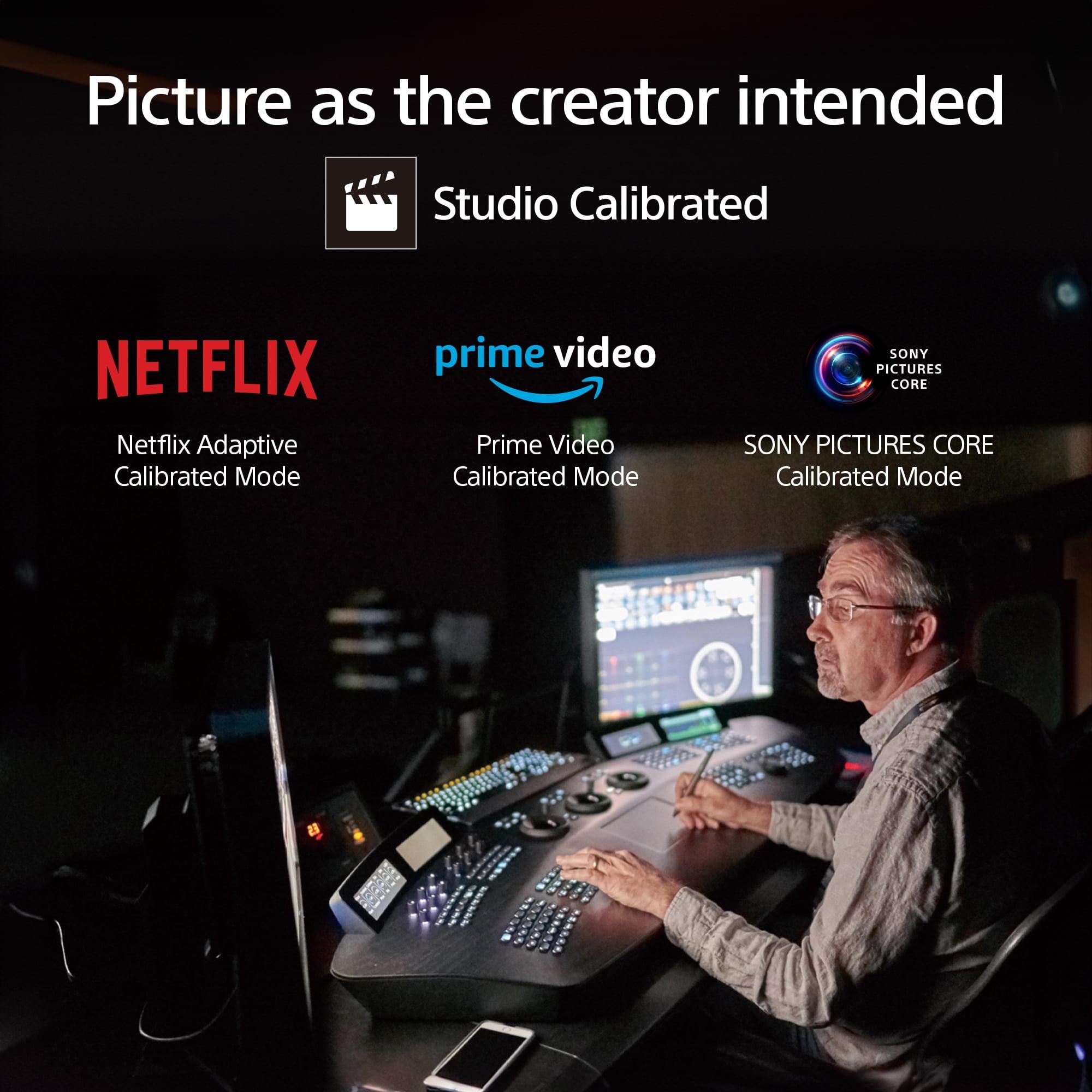
In my experience testing both displays, the Samsung delivers more "wow factor" with its punchy, vibrant colors, while the Sony provides more accurate, natural-looking images that are easier on the eyes during long viewing sessions. For home theater enthusiasts who prioritize authenticity, Sony's approach typically wins out.
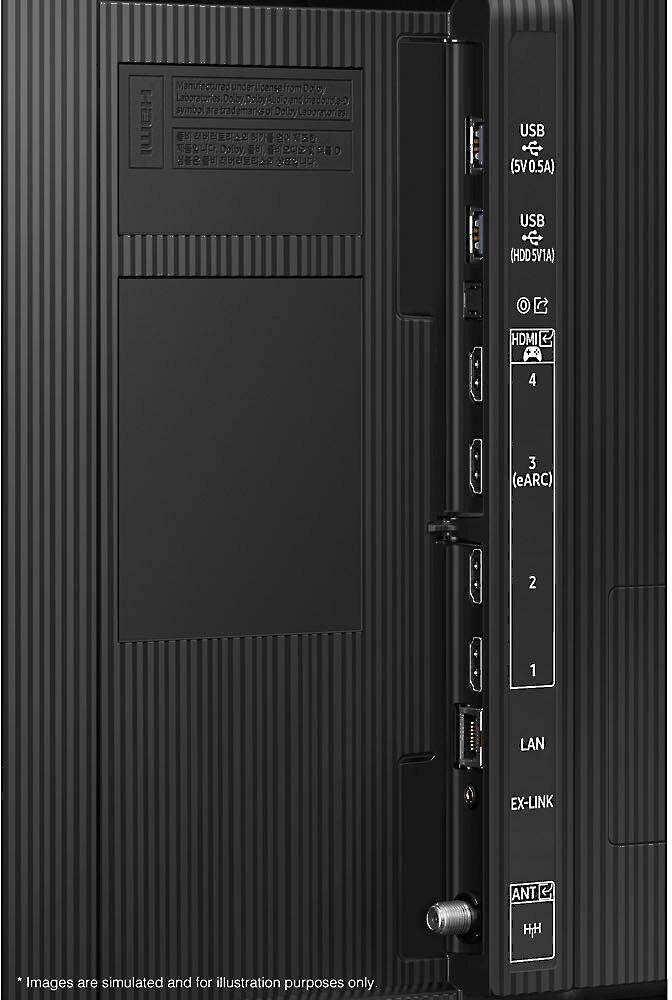
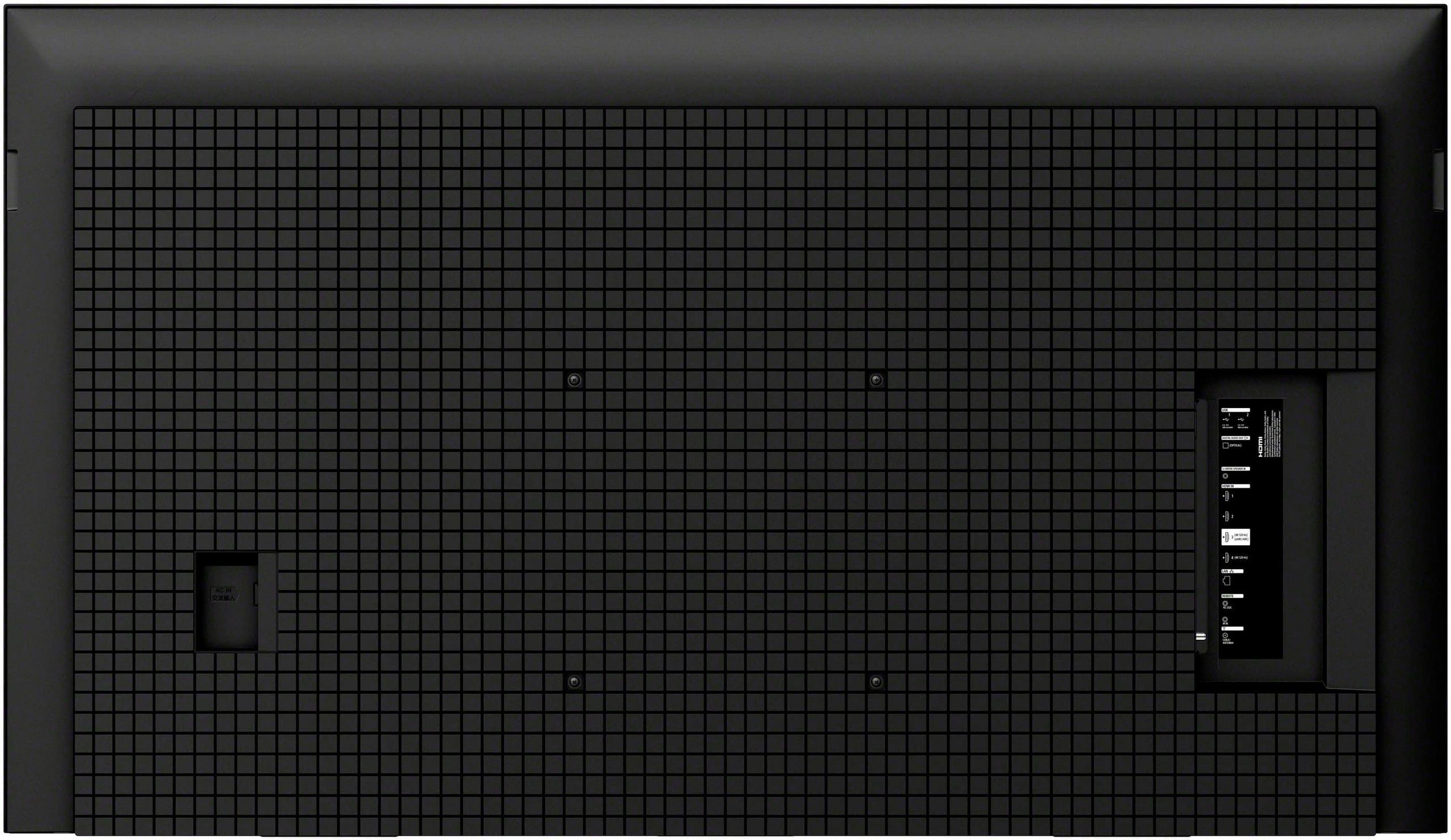
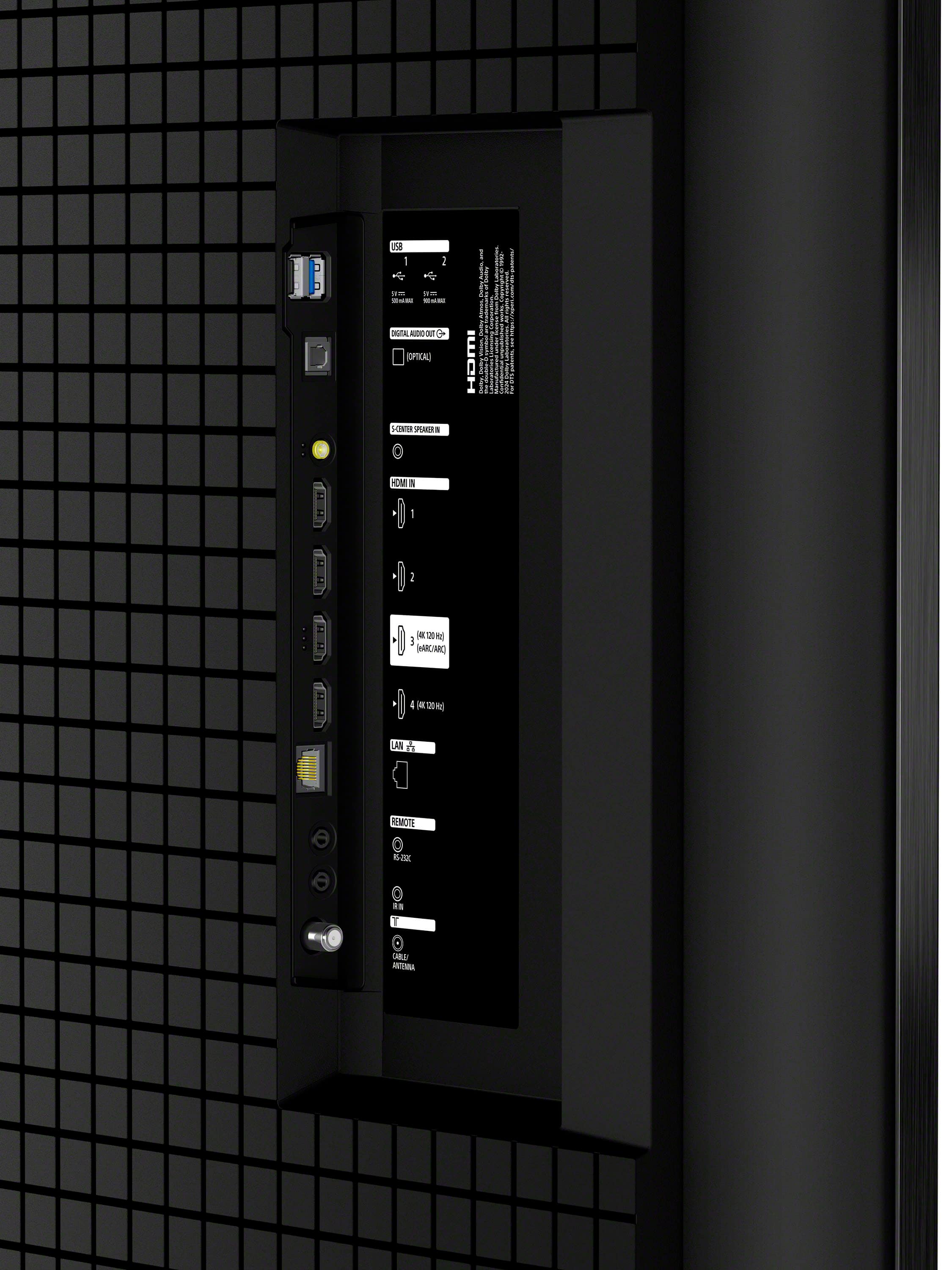
Gaming performance has become a crucial differentiator in modern TVs, and both models deliver, but in different ways. The Samsung QN80F is clearly designed with serious gamers in mind. It offers four HDMI 2.1 ports capable of handling 4K resolution at up to 144Hz refresh rate – that's important for high-end PC gaming where every frame matters.
HDMI 2.1 is the latest connection standard that allows for these high refresh rates and advanced gaming features. The Samsung also supports all three major variable refresh rate technologies (VRR), which eliminate screen tearing by synchronizing the TV's refresh rate with your gaming device's output. It's like having your TV and console work in perfect harmony.
The Sony BRAVIA 5 offers two HDMI 2.1 ports supporting 4K at 120Hz, which covers most gaming needs. Where Sony really shines is PlayStation 5 integration. The TV automatically switches to optimized gaming modes when you start playing, and includes special features like Auto HDR Tone Mapping specifically designed for Sony's console.
However, both TVs have motion-related challenges that affect different content types. The Samsung struggles with consistent motion handling, particularly noticeable during sports broadcasts where camera pans can appear stuttery. The Sony has slower pixel response times, which can cause motion blur during fast-paced gaming, though it's less noticeable in movies.
The smart TV experience differs significantly between these models, starting with their operating systems. The Samsung QN80F runs Samsung's Tizen OS, which has matured into a comprehensive platform with extensive app support. Samsung's interface is information-dense and offers deep customization options, though some find it overwhelming.
Samsung's standout feature is their Vision AI suite, which includes some genuinely useful capabilities. Live Translate can translate on-screen text in real-time, while Generative Wallpaper uses AI to create custom backgrounds that match your room's mood or lighting. These features might sound gimmicky, but they demonstrate Samsung's commitment to pushing smart TV boundaries.
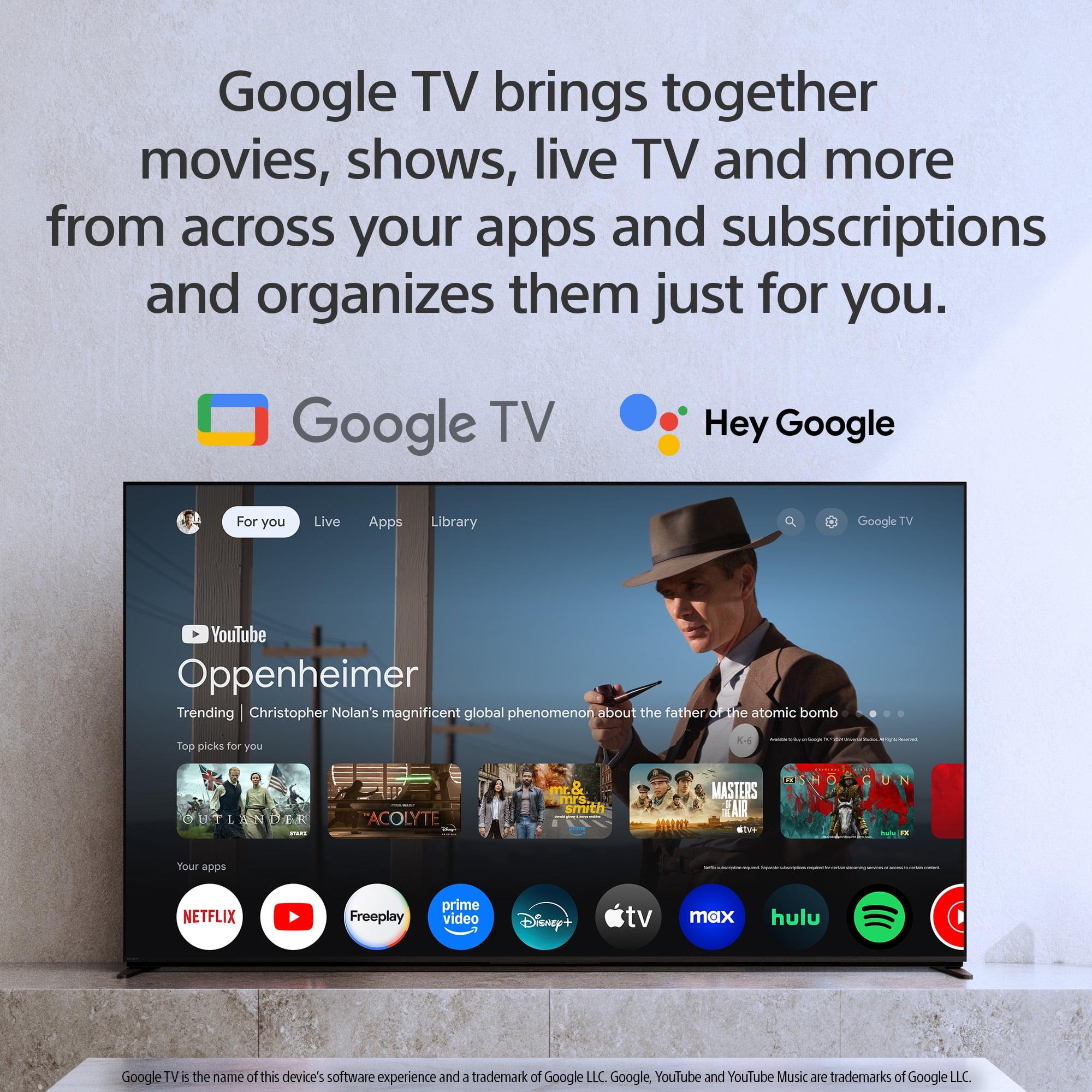
The Sony BRAVIA 5 uses Google TV, which excels at content discovery and recommendation. Google TV learns your viewing habits and surfaces relevant content across different apps and services. The interface is cleaner and more intuitive than Samsung's, making it easier for less tech-savvy users to navigate.
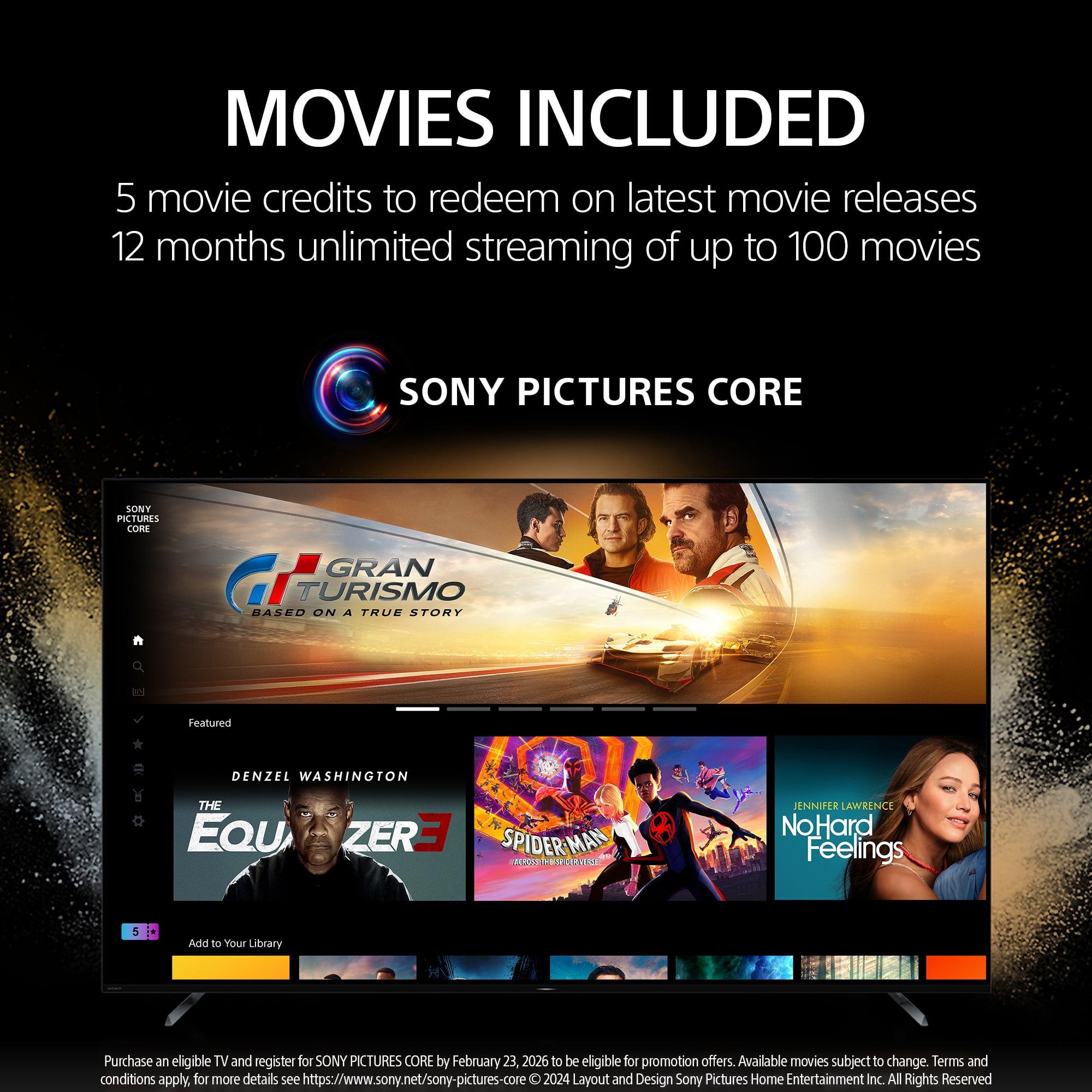
From personal experience, Google TV's search functionality is superior – you can say "show me comedies with Jennifer Lawrence" and it'll pull results from across all your streaming services, not just promote Samsung's preferred partners.
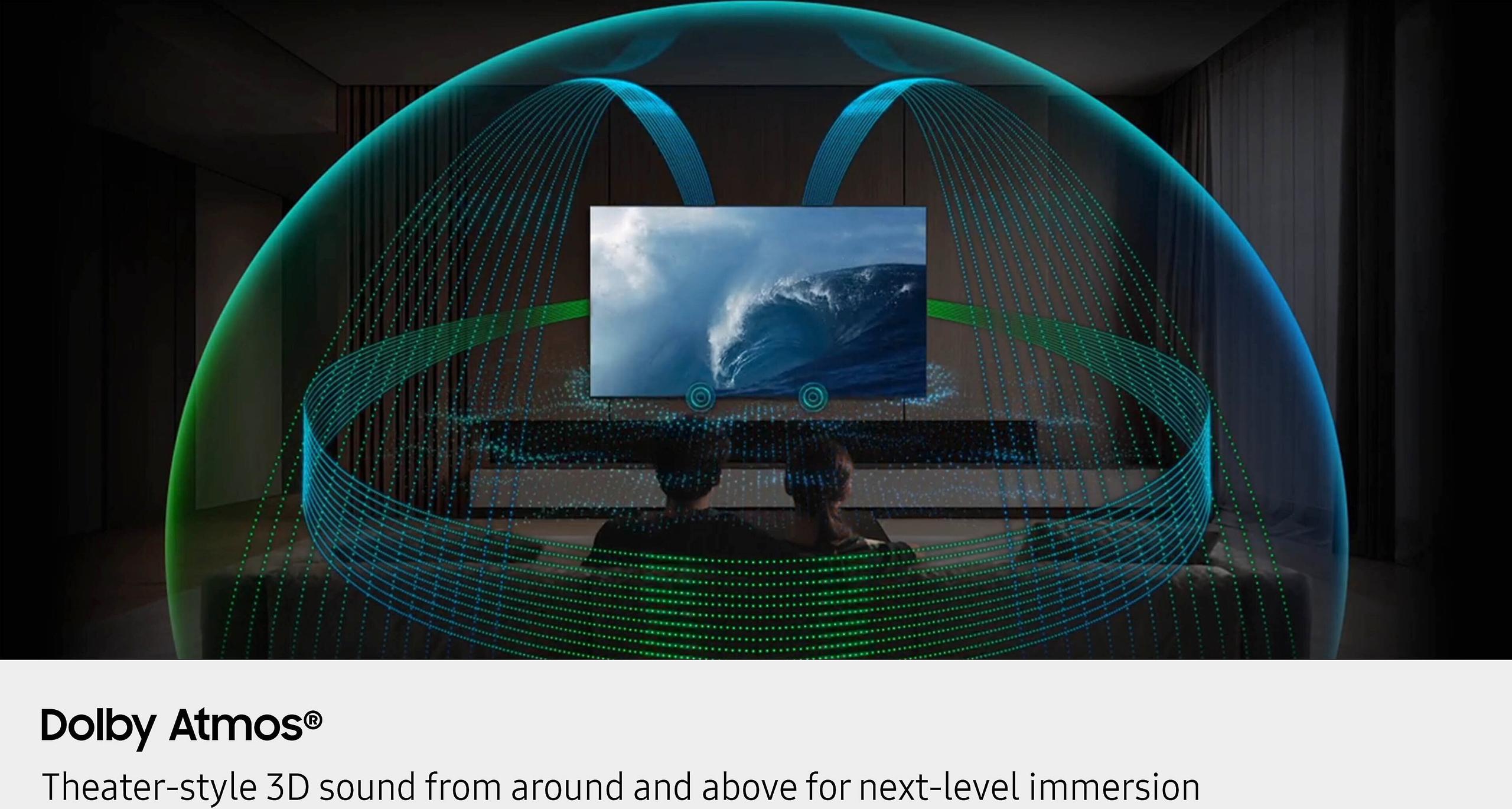
Both TVs include respectable built-in audio systems, though neither eliminates the need for a soundbar if you're serious about audio quality. The Samsung QN80F features a 30W, 4.0-channel system with Adaptive Sound Pro technology that analyzes content and optimizes audio settings automatically.
Samsung's Q-Symphony feature allows the TV speakers to work alongside compatible Samsung soundbars, essentially turning your TV into an additional audio channel. This creates a more immersive soundscape without requiring expensive surround sound speaker setups.
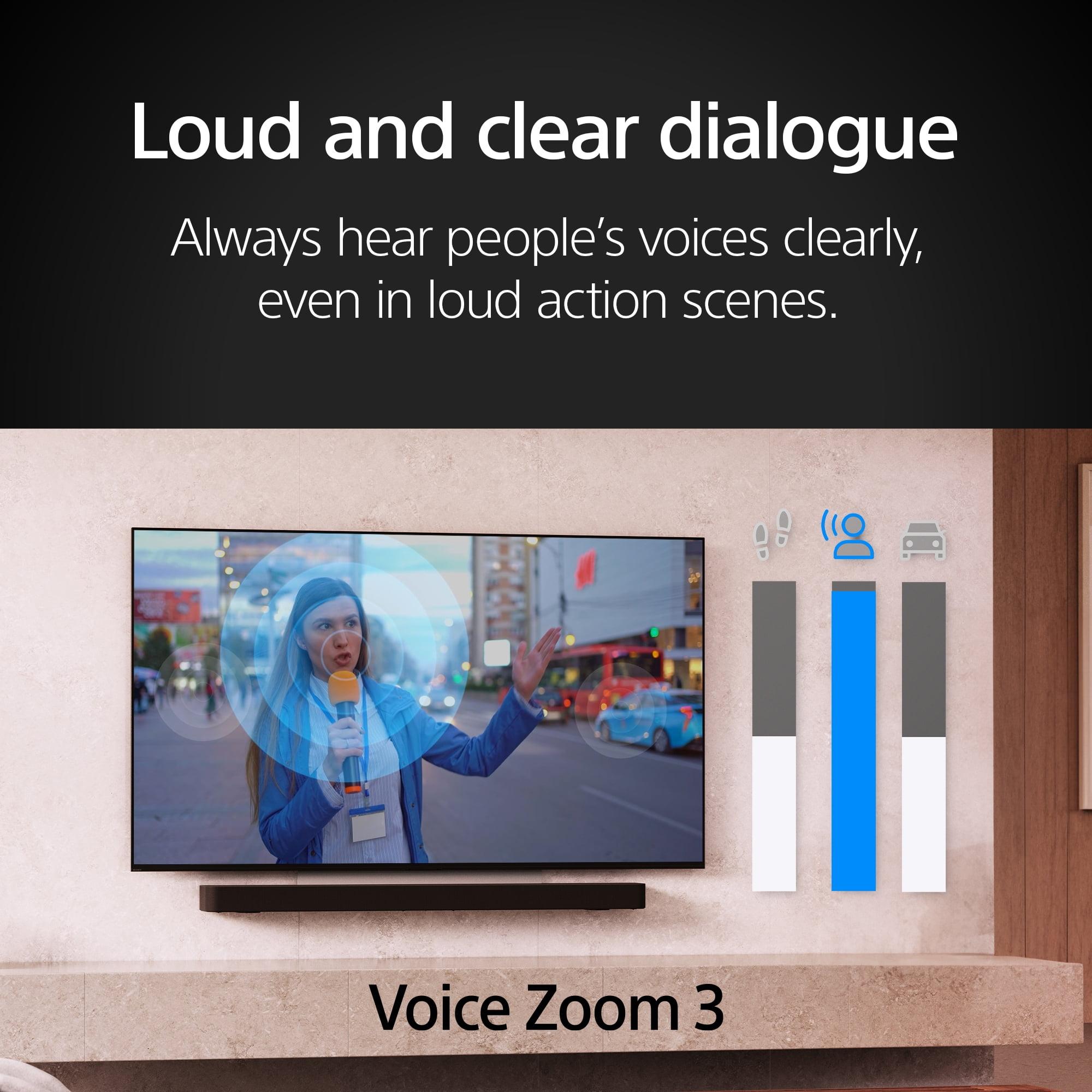
The Sony BRAVIA 5 takes a different approach with Acoustic Multi-Audio technology that tries to align sound with the visual action on screen. Sony's Voice Zoom 3 feature uses AI to enhance dialogue clarity – particularly useful for movies or shows where background music might overwhelm conversations.
Sony's Acoustic Center Sync works similarly to Samsung's Q-Symphony, but only with Sony soundbars. Both approaches work well, though Samsung's broader soundbar compatibility gives it a slight edge for most users.
At the time of writing, the price difference between these models is substantial enough to significantly impact the buying decision. The Sony BRAVIA 5 delivers roughly 85% of the Samsung's performance at about 67% of the price – that's exceptional value in the premium TV market.
The Sony's compromises are mostly in areas that won't affect typical viewing: fewer HDMI 2.1 ports, slightly lower peak brightness, and narrower viewing angles. For most living room setups, these limitations rarely come into play.
The Samsung QN80F justifies its premium pricing primarily through gaming features and maximum brightness performance. If you're a serious PC gamer who needs 4K at 144Hz, or you have an extremely bright room where every nit of brightness matters, the Samsung makes sense.
However, there are some concerning performance issues with the Samsung that affect its value proposition. Professional reviews have noted that it performs more similarly to Samsung's previous generation models rather than showing the advancement you'd expect. The highly reflective screen can actually make the brightness advantage counterproductive in rooms with direct lighting, creating distracting glare.
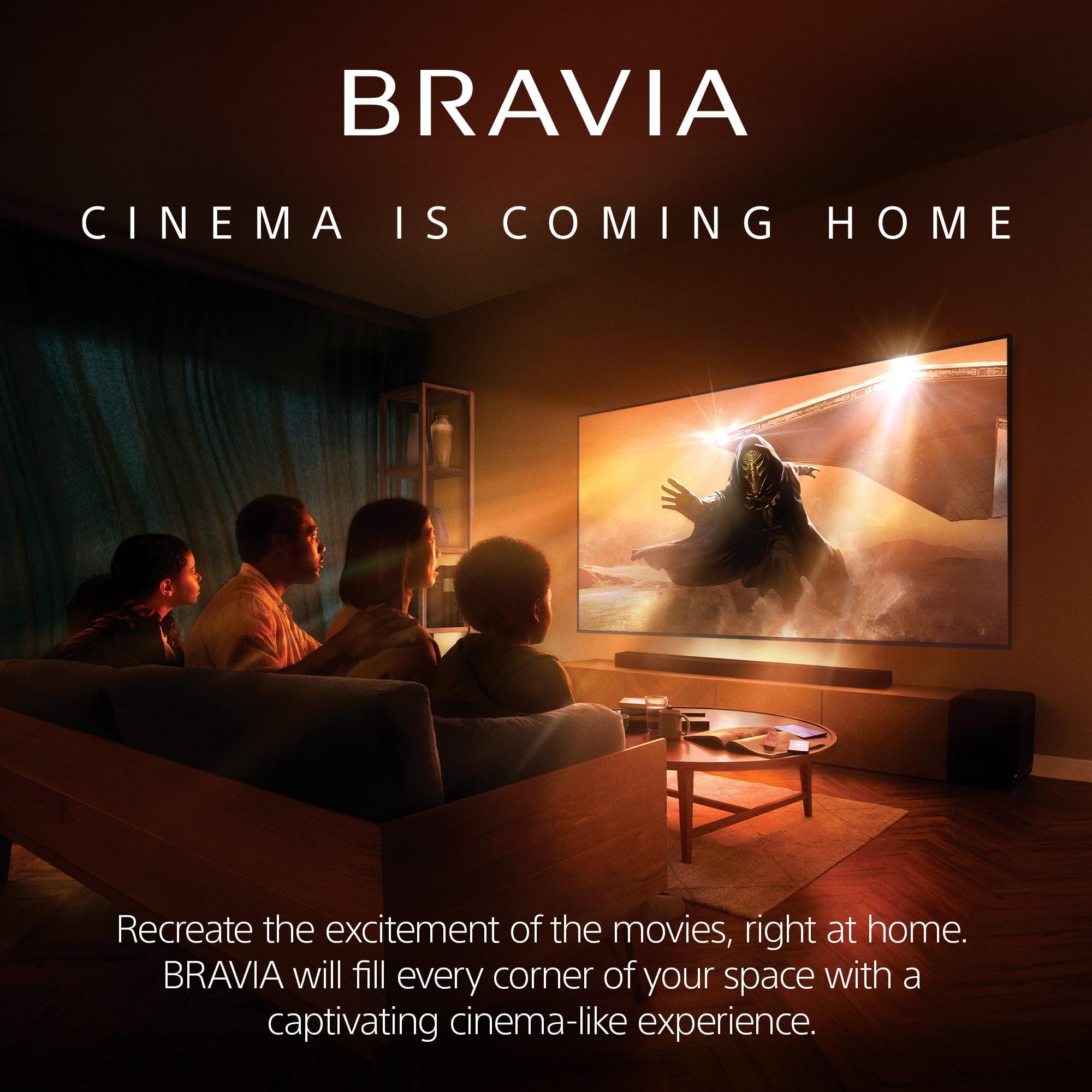
For dedicated home theater setups, the decision becomes clearer. The Sony BRAVIA 5 is generally the better choice for controlled lighting environments where you can minimize ambient light. Its superior color accuracy, comprehensive Dolby Vision support, and more natural image processing create a more cinematic experience.
Sony's approach to image processing is less aggressive than Samsung's, which means less artificial-looking enhancement but more authentic reproduction of the filmmaker's intent. In a dark room where you're not fighting ambient light, the Sony's slightly lower brightness becomes irrelevant while its color accuracy advantages shine.
The Samsung makes more sense for multipurpose rooms where the TV might be used for gaming during the day and movie watching at night. Its higher brightness helps maintain picture quality in varying lighting conditions, and the extensive gaming features support multiple use cases.
The Sony BRAVIA 5 emerges as the clear value winner for most buyers. Unless you specifically need the Samsung's advanced gaming features or have an unusually bright viewing environment, the Sony delivers better performance per dollar. Its comprehensive HDR support, accurate colors, and PlayStation 5 optimization make it particularly appealing for movie enthusiasts and console gamers.
Choose the Samsung QN80F if you're a serious PC gamer who needs multiple HDMI 2.1 ports and 144Hz support, or if you're integrating into a Samsung ecosystem with Galaxy devices and Samsung soundbars. The Samsung also makes sense if your viewing room has challenging lighting conditions where maximum brightness is crucial.
For most home theater applications, the Sony's combination of accurate colors, comprehensive HDR support, and significantly lower price makes it the smarter choice. The money saved could go toward a quality soundbar or streaming device, potentially improving your overall entertainment experience more than the Samsung's premium features would.
Both TVs represent solid entries in the Mini LED category, but they serve different audiences. The Sony prioritizes value and accuracy, while the Samsung focuses on brightness and gaming features. Understanding which approach aligns with your viewing habits and budget will lead you to the right choice for your home entertainment setup.
| Samsung 65" QN80F Neo QLED | Sony BRAVIA 5 65" Mini LED |
|---|---|
| Display Technology - Core tech that affects picture quality and price | |
| Neo QLED with Quantum Matrix Core Mini LED | Mini LED with XR Backlight Master Drive |
| Peak Brightness - Critical for HDR impact and bright room viewing | |
| ~1,500 nits (excellent for daytime viewing) | Lower peak brightness (better for dark rooms) |
| HDR Format Support - Determines compatibility with streaming content | |
| HDR10, HDR10+, HLG (lacks Dolby Vision) | HDR10, HLG, Dolby Vision, IMAX Enhanced |
| Gaming HDMI 2.1 Ports - Essential for next-gen console and PC gaming | |
| 4 ports supporting 4K@144Hz | 2 ports supporting 4K@120Hz |
| Gaming Features - Advanced capabilities for competitive gaming | |
| FreeSync Premium Pro, all VRR types, Game Bar overlay | G-SYNC compatible, PS5 optimization, Auto HDR Tone Mapping |
| Smart TV Platform - Daily user experience and app selection | |
| Samsung Tizen OS with Vision AI suite | Google TV with superior content discovery |
| Color Technology - Affects color vibrancy and accuracy | |
| Quantum Dot technology with high color volume | XR Triluminos Pro with billion+ accurate colors |
| Audio System - Built-in sound quality and external integration | |
| 30W 4.0 channel with Q-Symphony soundbar sync | Acoustic Multi-Audio with Voice Zoom 3 AI enhancement |
| Processor - Powers picture enhancement and smart features | |
| NQ4 AI Gen2 with 20 neural networks | XR Processor with AI scene recognition |
| Best Use Cases - Who should choose each model | |
| PC gamers, bright rooms, Samsung ecosystem users | Movie enthusiasts, PS5 owners, budget-conscious buyers |
| Value Proposition - Performance vs cost consideration | |
| Premium gaming features justify higher cost | Exceptional Mini LED performance at lower price point |
The Samsung QN80F Neo QLED is better for serious gaming, offering four HDMI 2.1 ports that support 4K at 144Hz refresh rates - perfect for high-end PC gaming. It also includes comprehensive variable refresh rate support and a gaming overlay with performance metrics. The Sony BRAVIA 5 has two HDMI 2.1 ports supporting 4K at 120Hz, which is sufficient for console gaming, and excels with PlayStation 5 integration featuring Auto HDR Tone Mapping and optimized gaming modes.
Both TVs use Mini LED backlighting, but the Samsung QN80F combines it with Quantum Dot technology for enhanced color volume and brightness, achieving around 1,500 nits peak brightness. The Sony BRAVIA 5 focuses on color accuracy using XR Triluminos Pro technology, delivering over a billion accurate colors with more natural image processing. Samsung prioritizes brightness and vibrancy, while Sony emphasizes color accuracy and cinematic presentation.
The Sony BRAVIA 5 has superior HDR support, including Dolby Vision, HDR10, HLG, and IMAX Enhanced formats. This means better compatibility with Netflix, Disney+, Apple TV+, and other streaming services that use Dolby Vision. The Samsung QN80F supports HDR10, HDR10+, and HLG but lacks Dolby Vision support, which limits its HDR performance with certain streaming content.
The Samsung QN80F justifies its higher price mainly for serious PC gamers who need 4K at 144Hz and multiple HDMI 2.1 ports, or users with very bright rooms who benefit from maximum brightness. For most buyers, the Sony BRAVIA 5 offers exceptional value, delivering about 85% of the Samsung's performance at a significantly lower price, making it the better choice for typical home viewing.
The Sony BRAVIA 5 is generally better for dedicated home theater use due to its superior color accuracy, comprehensive Dolby Vision support, and more natural image processing that closely matches filmmaker intentions. In controlled lighting environments, the Sony's slightly lower brightness isn't a disadvantage, while its accurate colors create a more cinematic experience. The Samsung QN80F works better for multipurpose rooms with varying lighting conditions.
The Sony BRAVIA 5 uses Google TV, which excels at content discovery across multiple streaming services and offers intuitive voice search capabilities. The Samsung QN80F runs Tizen OS with extensive app support and unique features like Vision AI suite, including live translation and generative wallpapers. Google TV is generally more user-friendly, while Samsung's platform offers more advanced customization options.
The Samsung QN80F features a more powerful 30W 4.0-channel audio system with Adaptive Sound Pro and Q-Symphony compatibility for Samsung soundbars. The Sony BRAVIA 5 uses Acoustic Multi-Audio technology with Voice Zoom 3 AI enhancement for clearer dialogue. Both benefit from soundbar integration, with Samsung offering broader soundbar compatibility and Sony providing more sophisticated audio processing.
The Samsung QN80F performs better in bright rooms due to its higher peak brightness of around 1,500 nits, helping maintain picture quality and HDR impact despite ambient light. However, it has a highly reflective screen that can create glare from direct lighting. The Sony BRAVIA 5 has lower peak brightness but better handles reflections, making it more suitable for rooms with controlled or indirect lighting.
The Sony BRAVIA 5 is specifically optimized for PlayStation 5 with features like Auto HDR Tone Mapping, automatic gaming mode switching, and enhanced integration with Sony's console. While the Samsung QN80F offers more gaming ports and higher refresh rates, the Sony's PS5-specific optimizations and significantly lower price make it the better value for PlayStation owners.
The Samsung QN80F struggles with consistent motion handling, particularly noticeable during sports with camera pans appearing stuttery. The Sony BRAVIA 5 has slower pixel response times that can cause motion blur in fast-paced gaming, though it handles movies better. Both have motion-related limitations, with Samsung's issues more apparent in sports content and Sony's affecting competitive gaming scenarios.
The Sony BRAVIA 5 delivers superior color accuracy with its XR Triluminos Pro technology and more natural image processing approach. It reproduces colors closer to industry standards used in film production. The Samsung QN80F produces more vibrant, punchy colors due to Quantum Dot technology, which some prefer for the "wow factor," but Sony's approach is more accurate to filmmaker intentions and easier on the eyes during long viewing sessions.
The Samsung QN80F has been noted by reviewers to perform more like Samsung's previous generation models rather than showing expected advancement, with inconsistent performance and a highly reflective screen that can be problematic. The Sony BRAVIA 5 has narrow viewing angles that aren't ideal for wide seating arrangements and slower response times for gaming. Both TVs have specific limitations that may affect certain use cases.
We've done our best to create useful and informative comparisons to help you decide what product to buy. Our research uses advanced automated methods to create this comparison and perfection is not possible - please contact us for corrections or questions. These are the sites we've researched in the creation of this article: samsung.com - theshortcut.com - youtube.com - bestbuy.com - rtings.com - samsung.com - samsung.com - samsung.com - sargentappliance.com - displayspecifications.com - bestbuy.com - rtings.com - pro.sony - youtube.com - electronics.sony.com - electronics.sony.com - electronics.sony.com - bestbuy.com - electronics.sony.com - youtube.com - bestbuy.com - videoandaudiocenter.com - valueelectronics.com - youtube.com - sony.ca - perpichtv.com - sony.com - displayspecifications.com - pioneertvandappliance.com - flatpanelshd.com

Privacy Policy
Terms and Conditions - Affiliate Policy
Home Security
© Copyright 2008-2026.
11816 Inwood Rd #1211, Dallas, TX 75244